

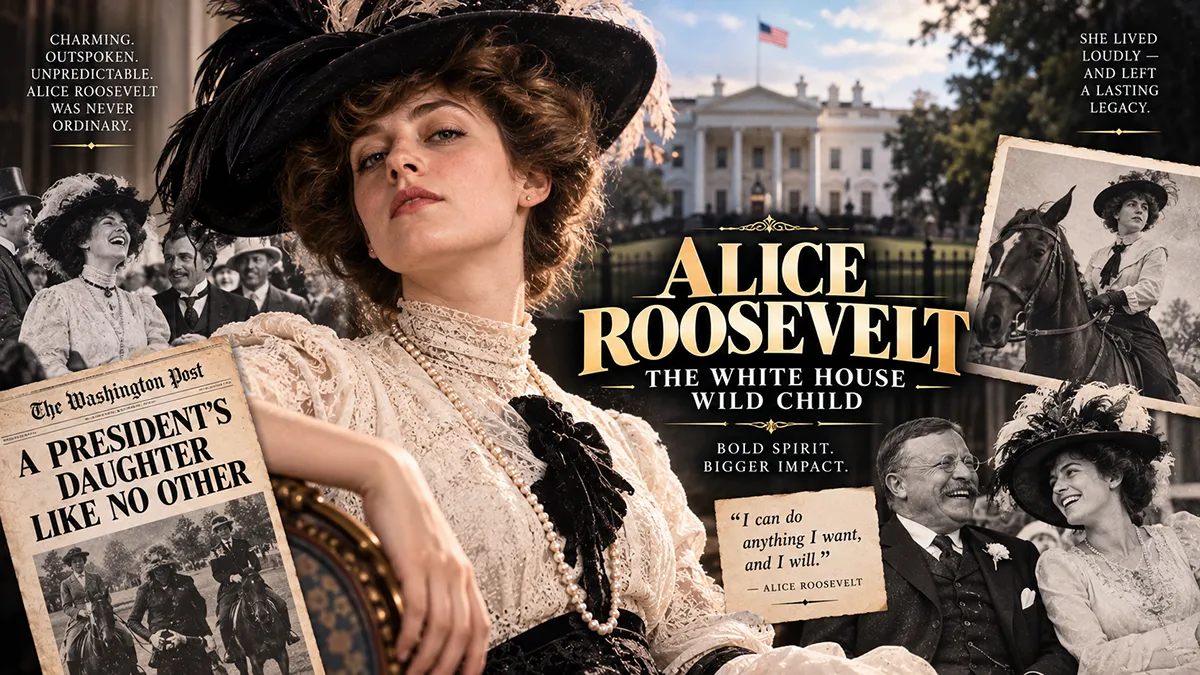
Long before reality TV and paparazzi culture, there was Alice Roosevelt. She smoked on rooftops, bet on horses, carried a pet snake to parties, and generally scandalized turn-of-the-century Washington while her father, President Theodore Roosevelt, tried to run the country.
She wasn’t just a presidential kid acting out. Alice Roosevelt Longworth became a genuine American celebrity, a political power broker, and eventually one of the sharpest-tongued women in Washington history. Her story is far stranger, funnier, and sadder than the “wild child” headlines ever captured.
TL;DR: Alice Roosevelt Longworth was Theodore Roosevelt’s rebellious, whip-smart daughter who scandalized the White House as a teenager and went on to become one of Washington’s most powerful and quotable political insiders for nearly eight decades.
1. Born Into Tragedy: The Double Death That Shaped Her Childhood

Alice Lee Roosevelt was born on February 12, 1884, to Theodore Roosevelt and his first wife, Alice Hathaway Lee. Two days later, on February 14, her mother died of undiagnosed kidney disease, known then as Bright’s disease.
In a devastating coincidence, Theodore’s own mother, Martha “Mittie” Roosevelt, died of typhoid fever in the same house on that very same day. Theodore reportedly marked the date in his diary with a single large X and the words “the light has gone out of my life,” and he rarely spoke of his first wife again.
2. Who Raised Alice? Aunt Bamie Stepped In First

This question comes up a lot, and it’s a fair one: who actually raised Teddy Roosevelt’s daughter Alice in those early years? The answer is his older sister, Anna “Bamie” Roosevelt Cowles.
Grieving and unable to cope, Theodore left infant Alice in Bamie’s care in New York while he retreated to the Dakota Badlands for roughly two years. Bamie functioned as Alice’s primary mother figure during this critical stretch, and Alice remained close to her for the rest of her life.
3. A New Mother, A New Family: Edith Carow and the Half-Siblings
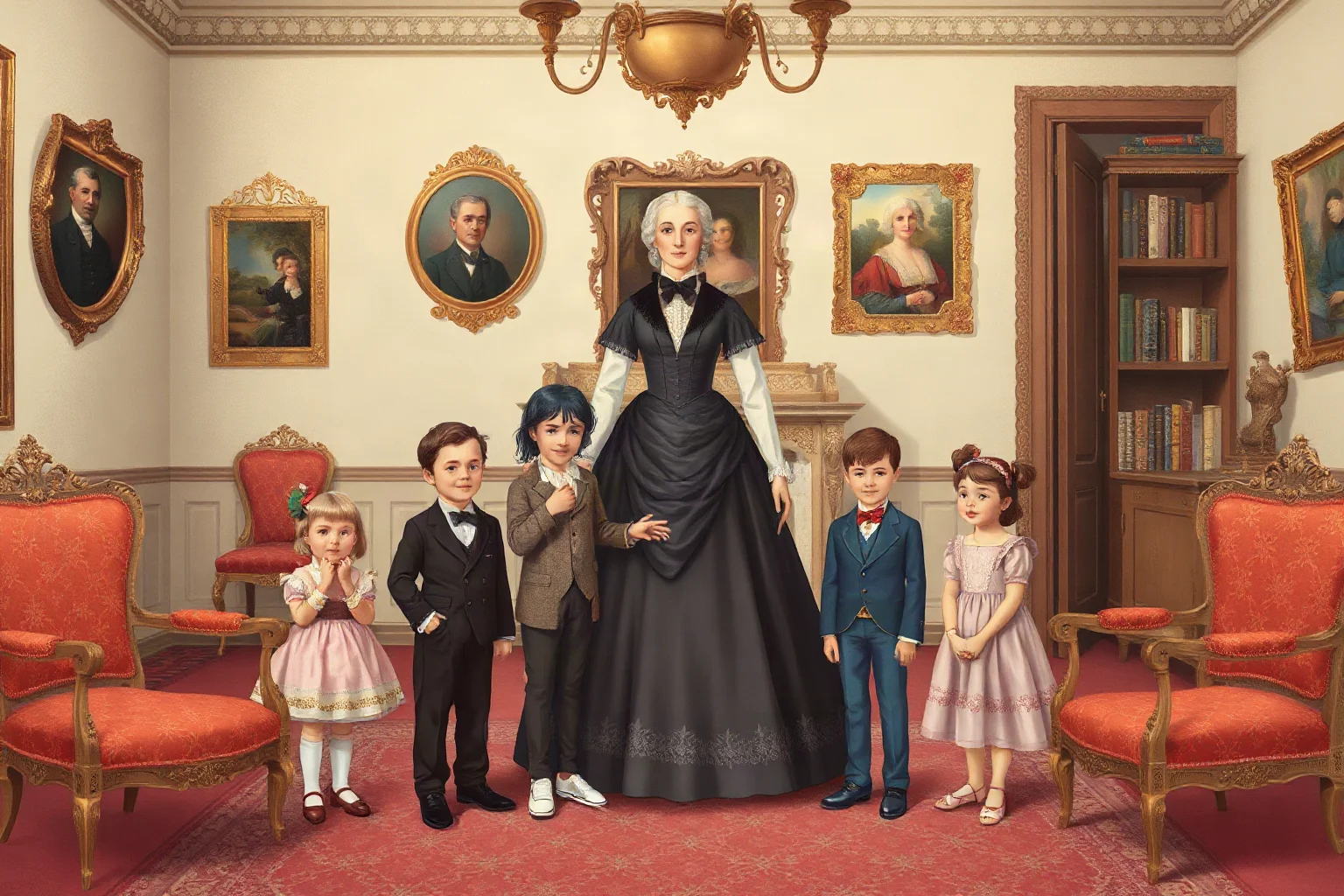
In December 1886, Theodore married his childhood friend Edith Kermit Carow, and Alice eventually moved into the household her father and new stepmother were building. The relationship between Alice and Edith was reportedly polite but never especially warm.
Alice later suggested she always felt like something of an outsider in her father’s second family, a sentiment that shaped much of her rebellious streak as a teenager. It’s a detail that adds real nuance to the “Princess Alice” legend that followed her into the White House.
4. Meet Alice’s Siblings

People searching for Alice Roosevelt Longworth’s siblings are usually asking about the five children Theodore and Edith had together. They were Theodore Roosevelt Jr., Kermit, Ethel, Archibald, and Quentin, all born between 1887 and 1897.
Alice was the only child from her father’s first marriage, which made her both the eldest sibling and, in her own eyes, the odd one out. She and her half-siblings had a complicated but generally affectionate relationship, especially as adults.
5. “Princess Alice”: America’s First Celebrity First Daughter
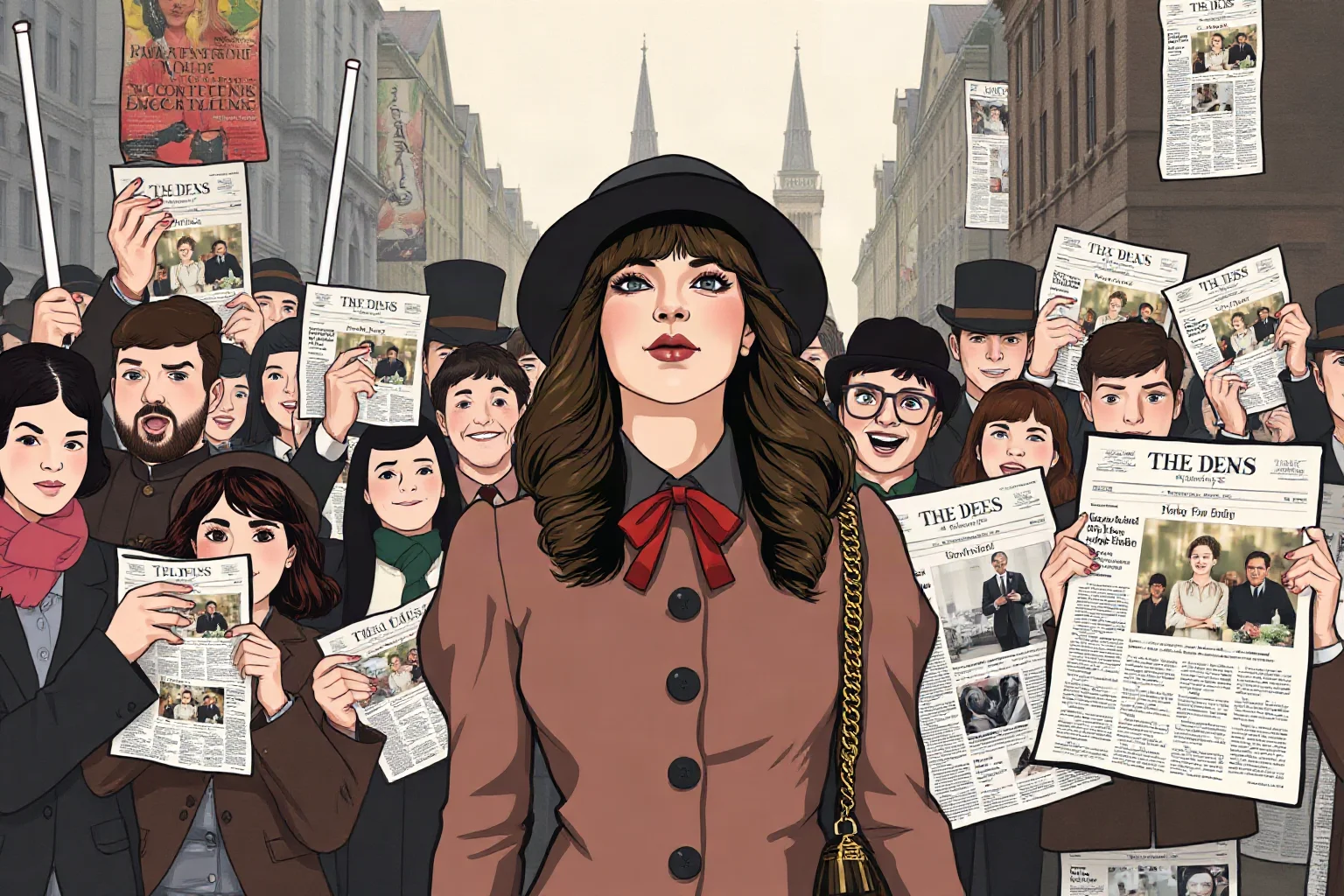
When Theodore Roosevelt became president in 1901, seventeen-year-old Alice became an overnight sensation. Newspapers nicknamed her “Princess Alice,” and her fashion choices, opinions, and antics were covered with the same intensity later reserved for movie stars.
Her fame exploded further during a 1905 diplomatic tour of Asia with Secretary of War William Howard Taft, where crowds in Japan and the Philippines treated her like royalty. It’s often cited as one of the earliest examples of true American celebrity culture built around a young woman who held no official position at all.
6. The (Possibly Apocryphal) Quote About Controlling Alice
One line about Alice gets repeated constantly: that Theodore Roosevelt once said he could either run the country or control Alice, but not both. It’s a great quote, and it captures something true about their relationship.
However, historians can’t pin down a solid original source for it, so it should be treated as a widely repeated attribution rather than a confirmed, documented quotation. That doesn’t make it less fun, it just means we should label it fairly.
7. Emily Spinach: The Pet Snake That Scandalized Washington
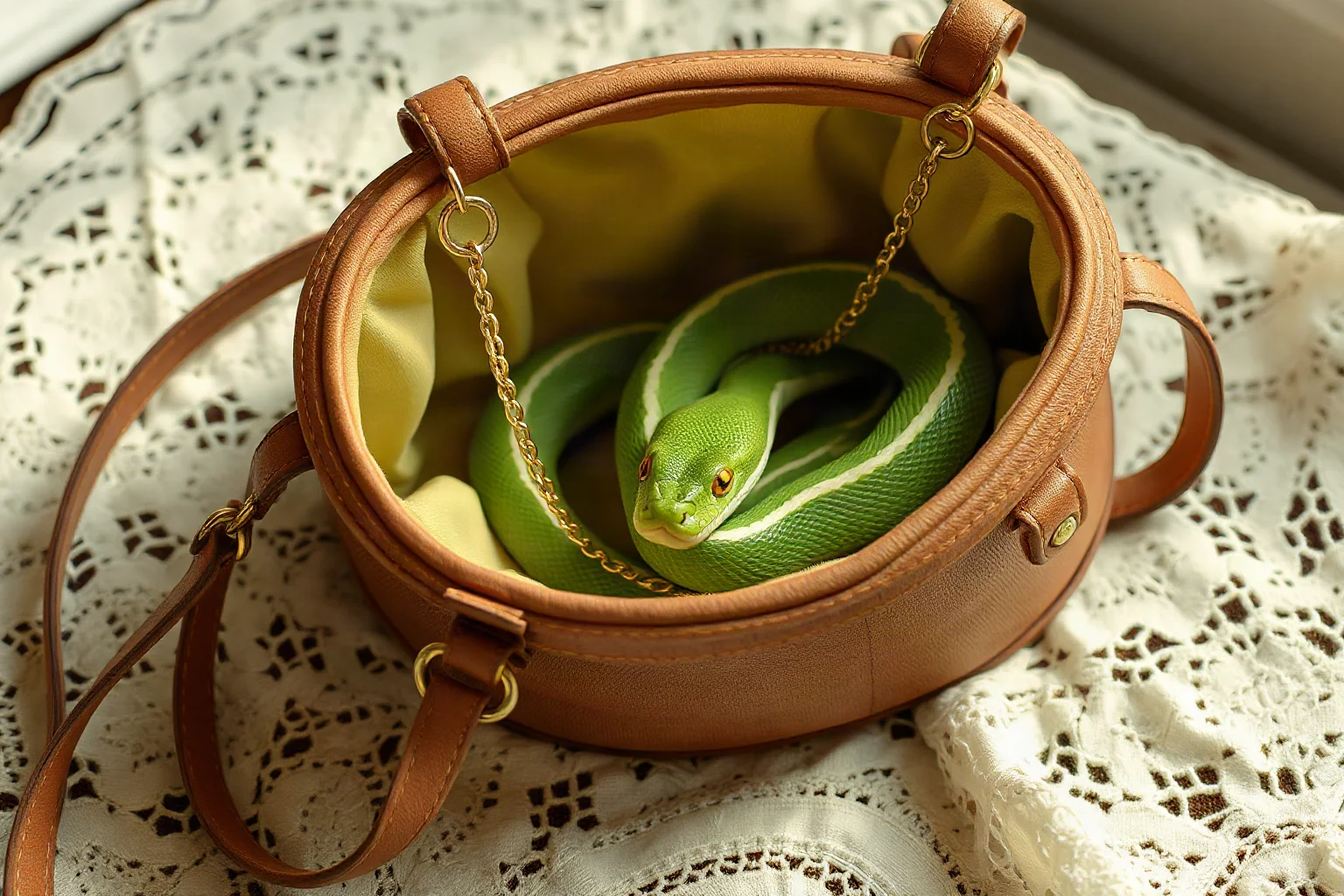
Alice kept a pale green garter snake as a pet and named it Emily Spinach, reportedly combining a thin acquaintance’s name with the snake’s coloring. She would carry the snake in her handbag and occasionally produce it at social gatherings, just to watch people react.
It’s a small detail, but it tells you almost everything about her personality. Alice loved an audience, and she loved breaking the rules of proper young womanhood in the most theatrical way possible.
8. Smoking, Speeding, and Staying Out Late
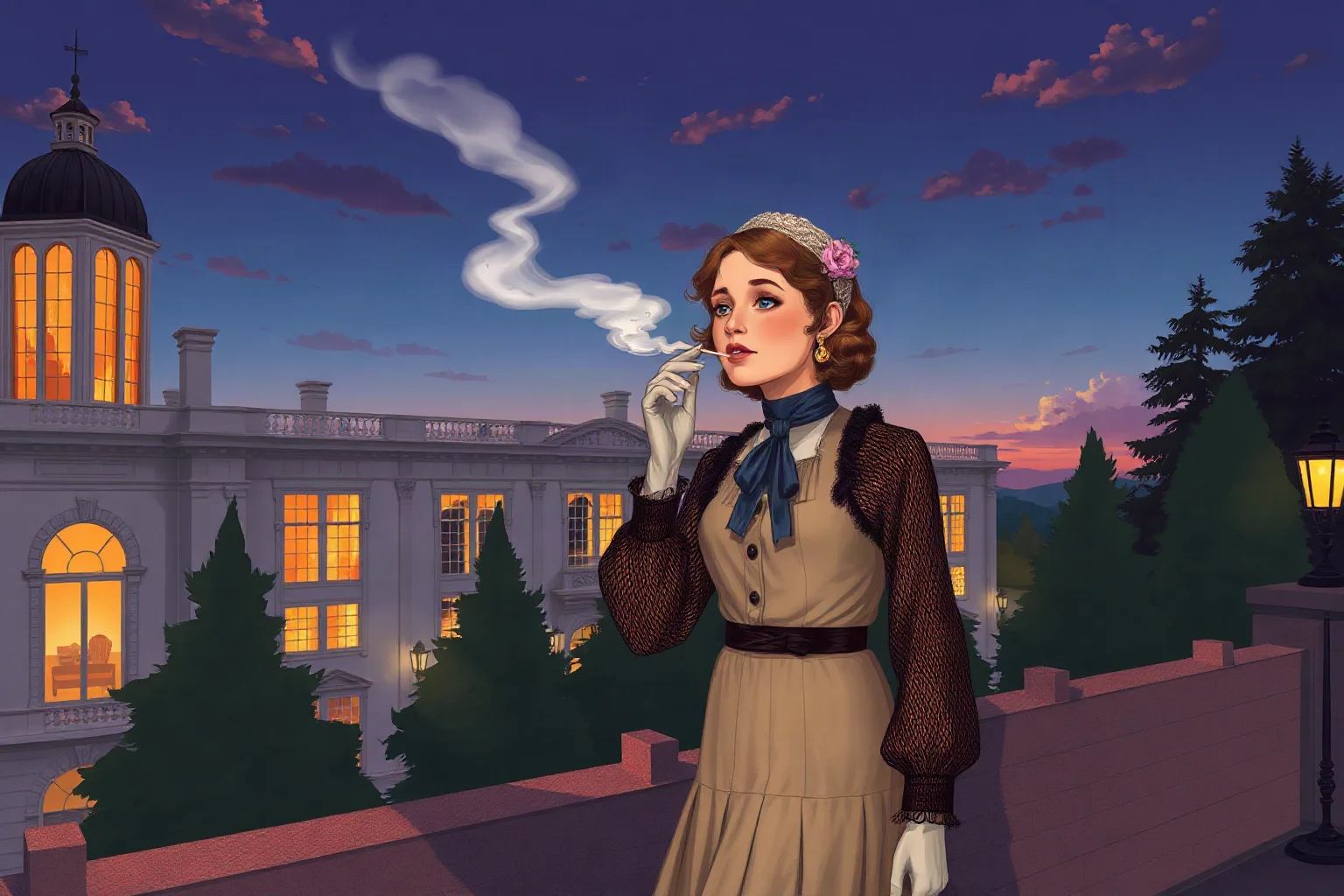
Theodore Roosevelt reportedly banned smoking inside the White House, so Alice simply climbed onto the roof to light up instead. She was also known for driving her own car, betting on horse races, and staying out at parties far later than was considered acceptable for a young woman of her era.
These behaviors sound tame today, but in early 1900s Washington they were genuinely shocking. Alice’s antics regularly made newspapers, cementing her reputation as the White House’s original wild child.
9. The Wedding of the Century: Alice Marries Nicholas Longworth
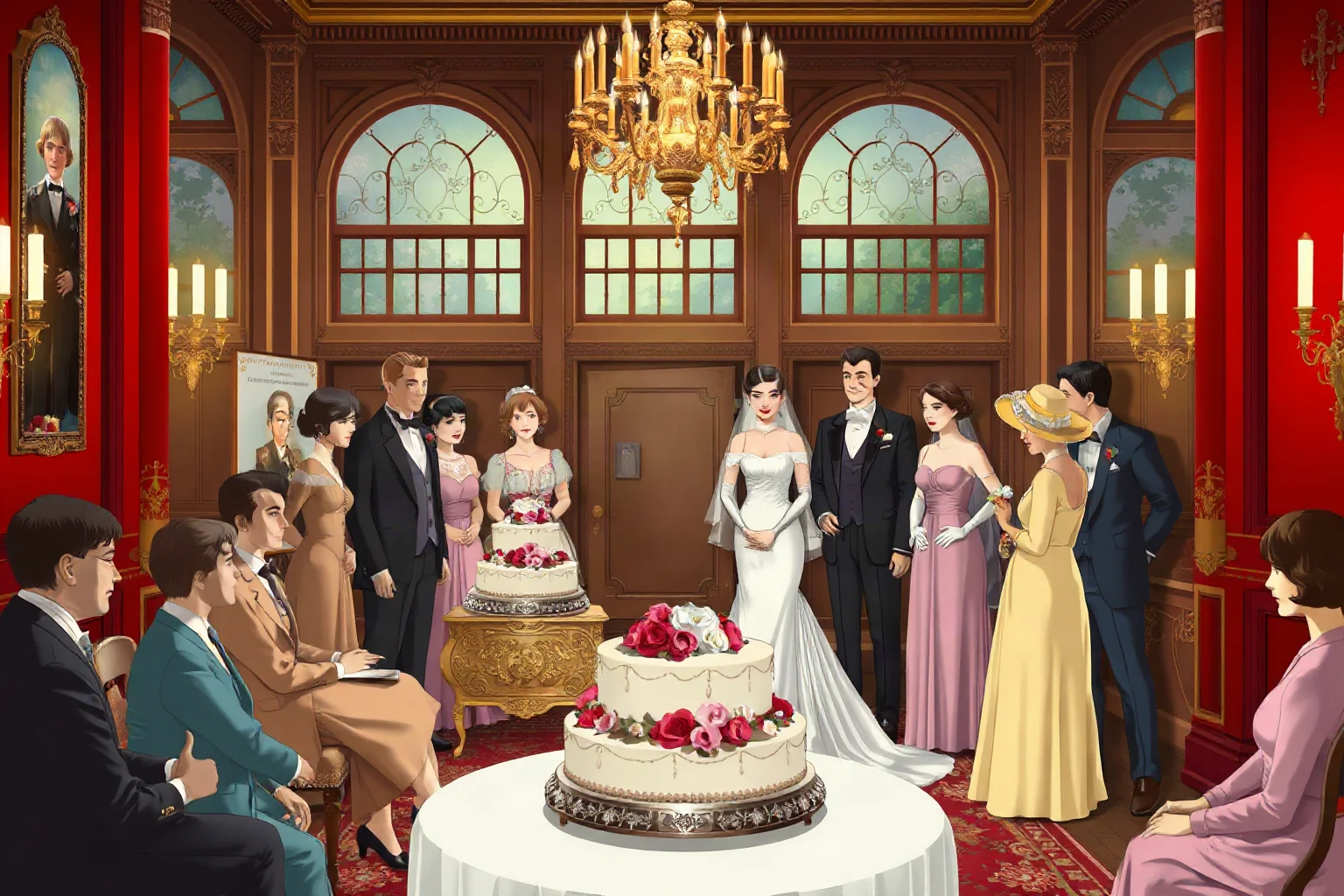
On February 17, 1906, Alice married Congressman Nicholas Longworth III of Ohio in the White House’s East Room. It remains one of the most lavish weddings ever held in the building, drawing enormous public attention and reportedly thousands of wedding gifts from admirers and foreign dignitaries alike.
The reception included the tradition of cutting the wedding cake with a sword, a flourish that fit perfectly with the spectacle surrounding the couple. Alice was twenty-two; Nicholas was in his mid-thirties and already an established figure in Republican politics.
10. “Alice Blue”: A Color and a Song Named After Her
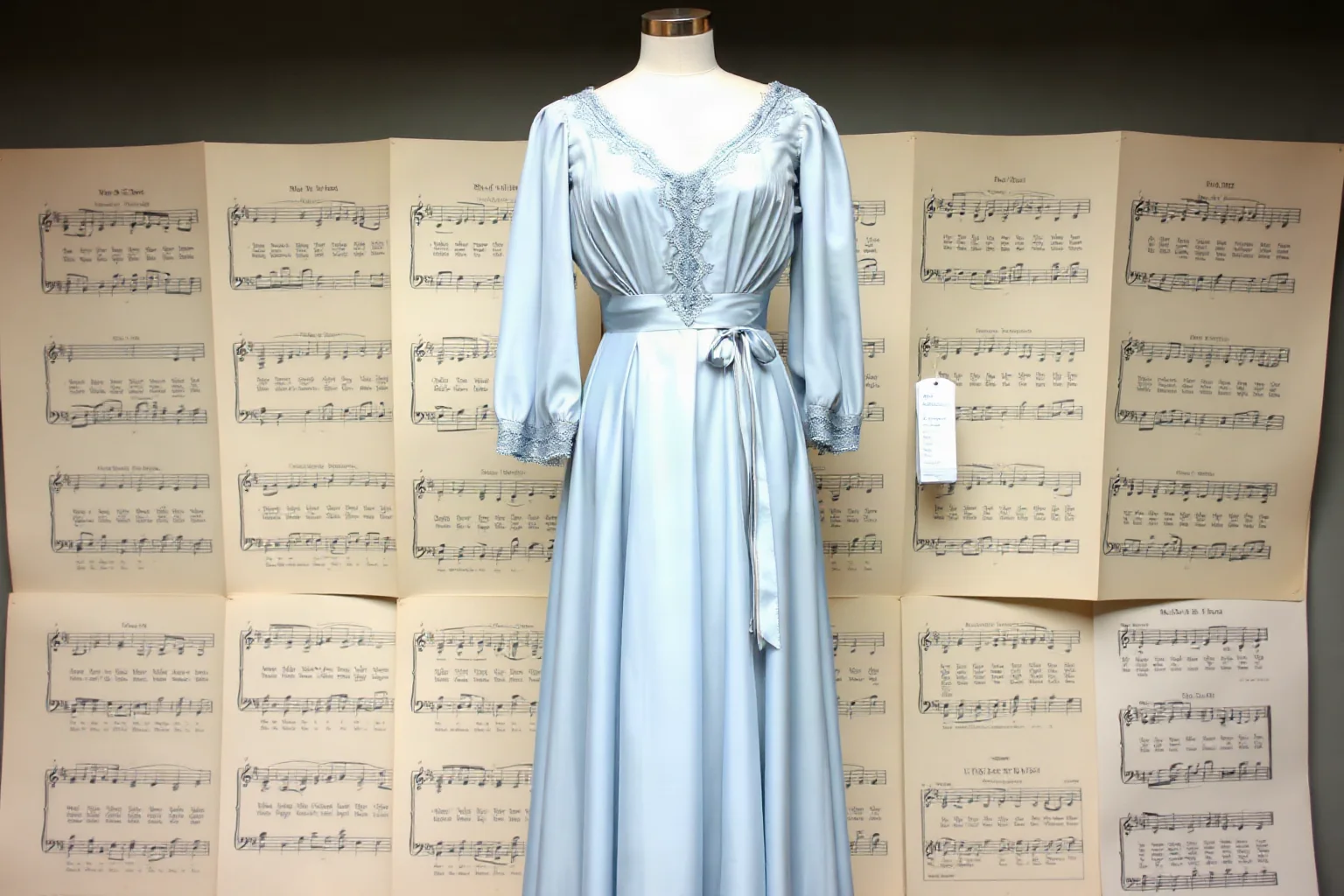
Alice had a favorite pale blue-gray shade that became so associated with her that it was dubbed “Alice Blue.” The color trend eventually inspired the song “Alice Blue Gown,” featured in the 1919 Broadway musical Irene.
It’s a small but telling sign of just how far her cultural influence reached. Few presidential children before or since have had a color and a hit song named in their honor.
11. Nicholas Longworth: From Congressman to Speaker of the House

Alice’s husband was no minor political figure himself. Nicholas Longworth represented Ohio in Congress for decades and eventually rose to become Speaker of the House from 1925 to 1931, one of the most powerful positions in American government.
His career gave Alice a permanent front-row seat to Washington power, which she used to build her own formidable network of political relationships. Together, the Longworths were among the capital’s most influential social and political couples of the era.
12. A Marriage Full of Rumors
Despite the fairy-tale wedding, the Longworth marriage was reportedly strained for much of its length, with both partners rumored to have had affairs outside the union. Alice herself was famously private about the details, preferring wit and misdirection over confession.
What’s clear from the historical record is that the marriage lasted, on paper, until Nicholas’s death in 1931. What went on privately between them is something historians still debate, and much of it remains speculative rather than confirmed.
13. Paulina Longworth and the Senator Borah Rumor
In 1925, at age forty-one, Alice gave birth to her only child, Paulina Longworth. Persistent rumors, never definitively proven, suggested that Paulina’s biological father was actually Senator William Borah of Idaho rather than Nicholas Longworth.
Washington gossips reportedly nicknamed the baby “Aurora Borah Alice” as a wink at the rumor. It’s a story that’s been repeated for a century, but it remains an unconfirmed rumor rather than an established historical fact, and readers should treat it as such.
14. Sharp Tongue, Sharper Wit: Alice’s Most Famous Lines
Alice became legendary for her acid, often hilarious observations about Washington politicians. She reportedly quipped that Calvin Coolidge looked “as if he had been weaned on a pickle,” a line that has outlived most of the era’s actual policy debates.
She also embroidered a pillow with the phrase “If you can’t say something good about someone, shut up,” which she displayed with obvious irony, since she rarely followed her own advice. Her wit made her a sought-after dinner guest for decades, regardless of which party was in power.
15. The Feud With Cousin Franklin and Eleanor

Alice was related to two other major political figures: her first cousin Eleanor Roosevelt, and by marriage-of-family-trees, Eleanor’s husband Franklin D. Roosevelt. Despite the family ties, Alice became one of FDR’s fiercest Republican critics, loudly opposing the New Deal throughout the 1930s.
Her rivalry with the Democratic branch of the Roosevelt family became one of Washington’s more colorful ongoing sagas. It’s a great reminder that shared blood never guaranteed shared politics, especially within the Roosevelt family, one of the richest and most powerful families in history.
16. Crowded Hours: Alice Tells Her Own Story
In 1933, Alice published her memoir, Crowded Hours, giving her own account of growing up in the White House and navigating decades of political Washington. The book was a commercial success and reinforced her public image as an unfiltered, insider observer of American power.
It remains a valuable primary source for historians studying both the Roosevelt family and early twentieth-century Washington society. Alice’s voice on the page was every bit as sharp as her reputation suggested.
17. Tragedy Strikes Again: The Loss of Paulina
Alice’s later life was marked by profound personal loss. Her daughter Paulina died in 1957 under tragic circumstances involving an accidental overdose, leaving behind a young daughter of her own.
It was a devastating echo of the loss Alice herself had experienced as an infant, losing a mother far too soon. Friends noted that Alice, though famously tough in public, was deeply shaken by her daughter’s death.
18. Raising Joanna: Alice’s Final Act as a Mother Figure

Following Paulina’s death, Alice took an active role in raising her granddaughter, Joanna Sturm. In many ways, this brought Alice’s story full circle, since she herself had been raised largely by an aunt after losing her own mother in infancy.
Joanna remained close to Alice for the rest of her grandmother’s long life and later became a public voice preserving Alice’s legacy and historical record. It’s a quieter, more tender chapter than the headline-grabbing antics of Alice’s youth.
19. “The Other Washington Monument”: Decades as a DC Institution

By the mid-twentieth century, Alice had become such a fixture of Washington political and social life that people started calling her “the other Washington Monument.” Presidents, senators, and diplomats sought invitations to her home, eager to hear her latest opinions and gossip.
Her influence wasn’t tied to any elected office. It came purely from her reputation, her connections, and her fearless willingness to say what others wouldn’t.
20. A Life That Spanned Nineteen Presidents

Alice was born in 1884 during Chester Arthur’s presidency and lived until 1980, during Jimmy Carter’s term, meaning her lifetime overlapped with roughly nineteen different U.S. presidencies. Few Americans in history have had a front-row seat to that much political change.
She personally knew many of these presidents, some as her father’s peers, others as political allies or rivals in her own right. It’s part of what made her such a valuable, if opinionated, witness to American history.
21. Death and Lasting Legacy

Alice Roosevelt Longworth died on February 20, 1980, in Washington, D.C., at the age of ninety-six, a lifespan long enough to place her among the notable long-lived figures chronicled in stories about history’s oldest people. By the time of her death, she had outlived nearly everyone from her father’s original White House era, becoming a living link between the Gilded Age and the modern presidency.
Her funeral drew tributes from across the political spectrum, a fitting send-off for a woman who had spent her life mixing sharp partisanship with genuine personal warmth toward friends and rivals alike.
22. Alice Roosevelt in Pop Culture and Memory

Alice’s story has been revisited in numerous biographies, historical documentaries, and features on the Roosevelt family, including Ken Burns’s acclaimed documentary series on the Roosevelts. Her sayings are still quoted in books about American wit and Washington political culture.
Searches for her name today, sometimes misspelled as “Alive Roosevelt” or “Alice Rosevelt,” show that curiosity about her hasn’t faded. More than a century after her White House debut, she remains one of the most recognized historical figures in American political history.
Why Alice Roosevelt’s Story Still Resonates
Alice Roosevelt Longworth’s life resists easy summary. She was a grieving infant, a rebellious teenager, a savvy political operator, a grieving mother, and finally a beloved elder statesman of Washington gossip and wit, all in one long, eventful life.
What makes her endlessly fascinating isn’t just the pet snake or the rooftop cigarettes, memorable as they are. It’s the fact that she turned being a president’s daughter into a lifelong career of influence, on her own terms, in an era that offered very few paths for women to do so.
Frequently Asked Questions
Who raised Teddy Roosevelt’s daughter Alice?
After Alice's mother died just two days after her birth in 1884, Theodore Roosevelt was too grief-stricken to care for her himself and left her with his older sister, Anna "Bamie" Roosevelt Cowles, for the first few years of her life. Alice later moved in with her father and his second wife, Edith Kermit Carow, once they married in 1886.
Who were Alice Roosevelt Longworth’s siblings?
Alice was the only child from Theodore Roosevelt's first marriage. She had five half-siblings from his marriage to Edith Carow: Theodore Roosevelt Jr., Kermit, Ethel, Archibald, and Quentin Roosevelt.
Why was Alice Roosevelt called “Princess Alice”?
The press nicknamed her "Princess Alice" because of her celebrity-like status as President Theodore Roosevelt's glamorous, headline-grabbing teenage daughter, especially after her widely publicized 1905 diplomatic tour of Asia.
Did Alice Roosevelt really smoke on the White House roof?
Yes, according to historical accounts, Theodore Roosevelt did not allow smoking inside the White House, so Alice reportedly climbed onto the roof to smoke cigarettes instead, one of many acts that fed her wild-child reputation.
Who did Alice Roosevelt marry?
Alice married Congressman Nicholas Longworth III of Ohio in a lavish White House wedding on February 17, 1906. Longworth later became Speaker of the House from 1925 to 1931.
How did Alice Roosevelt Longworth die and when?
Alice Roosevelt Longworth died on February 20, 1980, in Washington, D.C., at the age of 96, having lived through roughly nineteen U.S. presidencies from Chester Arthur to Jimmy Carter.
Is it spelled “Alice Roosevelt” or “Alive Roosevelt”?
Her correct name is Alice Roosevelt, later Alice Roosevelt Longworth after her marriage. "Alive Roosevelt" and "Alice Rosevelt" are simply common misspellings that occasionally show up in searches.

Alex Warren
Related Articles