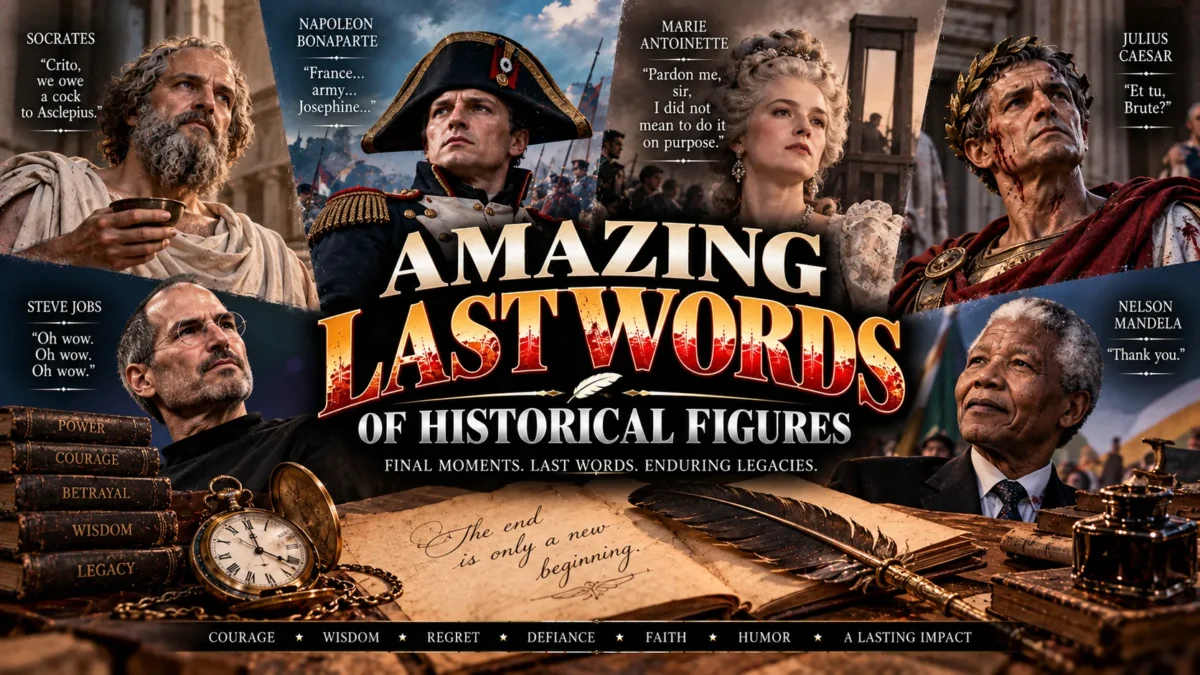
There’s something irresistible about a person’s final words. Maybe it’s because we imagine that death strips away pretense, leaving only truth behind. Whatever the reason, humans have been collecting, embellishing, and sometimes outright inventing the last words of famous people for centuries.
The trouble is that dying moments are messy, private, and rarely witnessed by reliable note-takers. Many of the quotes below come from secondhand accounts, grieving relatives, or biographers writing decades later.
A few are almost certainly fabricated, while others are backed by solid eyewitness testimony. We’ll flag the difference as we go.
TL;DR: The last words of famous people—including Leonardo da Vinci, Beethoven, and Napoleon—range from well-documented to almost certainly invented, so it pays to know which is which.
Why Last Words Are So Hard to Verify
Before diving into the list, it helps to understand why so many of these quotes come with an asterisk. Deathbed scenes were often private, chaotic, or attended only by family members who recalled events years later. Memory is unreliable even under normal circumstances, let alone during a loved one’s final hours.
On top of that, early biographers and journalists loved a tidy, poetic ending. A dying scientist musing about beauty, or a wit cracking a joke on his last breath, made for a much better story than the mundane reality of most deaths. That doesn’t mean every quote here is false, but it does mean healthy skepticism is warranted throughout.
1. Leonardo da Vinci (1519)
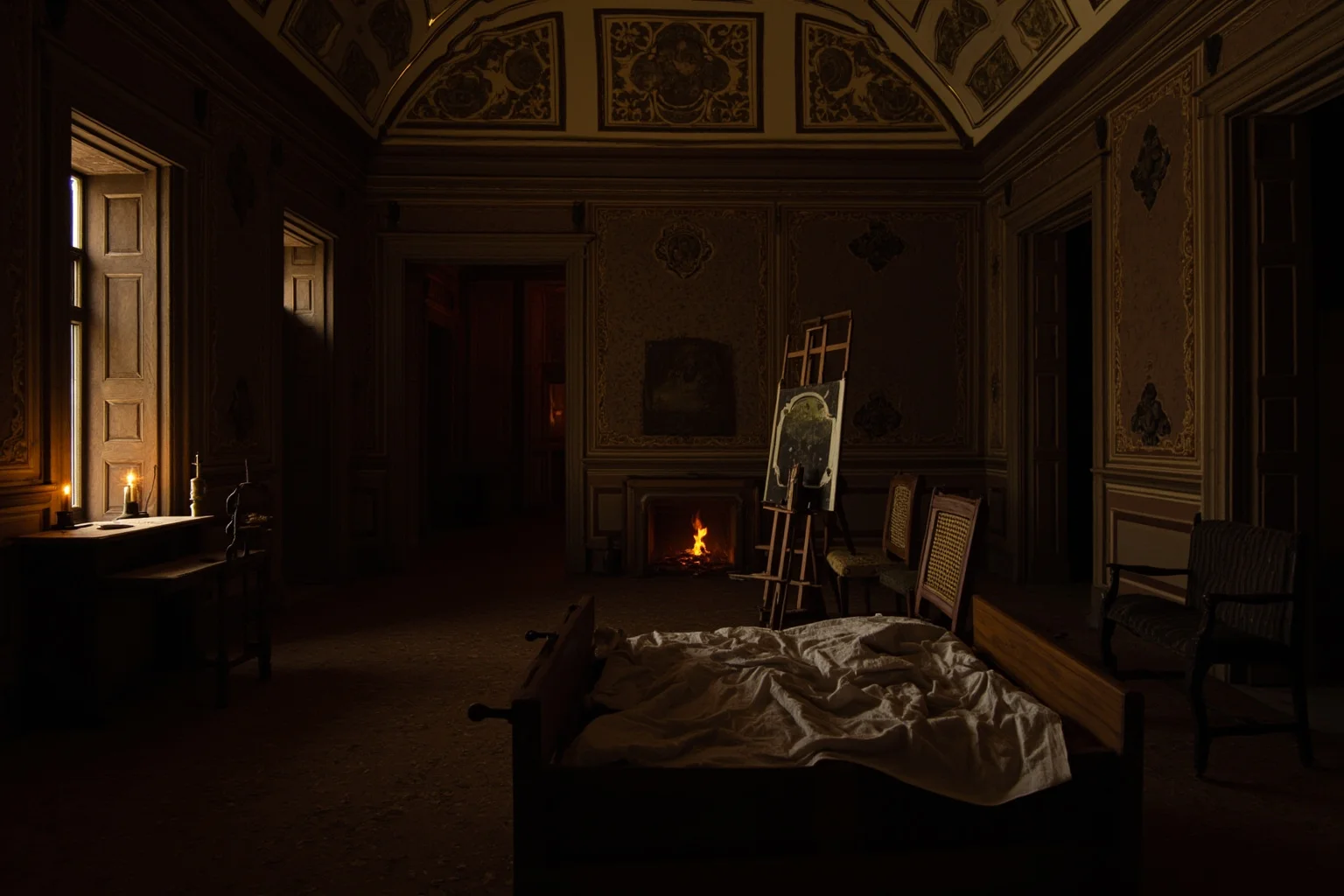
Leonardo da Vinci’s last words are one of the most searched deathbed quotes in history, and also one of the murkiest. The popular legend, painted by artists for centuries, has King Francis I cradling the dying Leonardo in his arms at Clos Lucé in Amboise, France.
That dramatic scene comes largely from Giorgio Vasari’s biography, written decades after Leonardo’s death in 1519, and modern historians question whether Francis I was even in Amboise that day. Vasari also claimed Leonardo expressed regret for “having offended God and mankind by not having worked at his art as he should have.”
Reported (unverified): He lamented not having done as much for his art and science as he felt he should have.
There is no contemporary eyewitness record confirming these exact words, so if you’re wondering what Leonardo da Vinci’s last words really were, the honest answer is that we simply don’t know for certain. It’s a great story, but treat it as legend rather than documented fact.
2. Ludwig van Beethoven (1827)
The last words of Beethoven are almost as tangled as Leonardo’s. One account, from people present at his deathbed in Vienna, has him reacting to a delivery of wine from his publisher with a wry “Pity, pity, too late.”
A far more famous version claims his actual final words were the Latin phrase “Plaudite, amici, comoedia finita est” — “Applaud, friends, the comedy is over.” This line is often attributed to Beethoven quoting classical theater tradition, but many music historians consider it a later invention rather than something he actually said.
Disputed: Either a remark about arriving wine, or the theatrical line about the comedy being over.
What we know for sure is that Beethoven died on March 26, 1827, after a long illness, with a small group of friends nearby. Beyond that, the exact final sentence is genuinely uncertain, making Beethoven’s last words a good example of how legend and fact blur over time.
3. Julius Caesar (44 BC)
Thanks to Shakespeare, most people assume Julius Caesar’s last words were “Et tu, Brute?” — “You too, Brutus?” It’s one of the most quoted lines in English literature, and almost entirely fictional.
The Roman historian Suetonius, writing over a century after the assassination, mentions only that Caesar may have said something to Marcus Brutus in Greek, and even that account is uncertain. Shakespeare’s version was written purely for dramatic effect in his 1599 play.
Popular myth: “Et tu, Brute?” — almost certainly a Shakespearean invention, not a historical record.
Caesar was stabbed by dozens of senators in 44 BC, and in that chaos, no one was calmly transcribing his final sentence. This is one of history’s clearest cases of fiction being mistaken for fact.
4. Socrates (399 BC)
Socrates gives us one of the oldest recorded last words in Western history, thanks to Plato’s dialogue “Phaedo.” After drinking the poison hemlock as his execution in Athens, Socrates reportedly turned to his friend Crito with a practical request.
Recorded by Plato: “Crito, I owe a cock to Asclepius; do not forget to pay the debt.”
This is a reference to a customary offering to the god of healing, and it’s a strikingly calm, almost mundane request for a man moments from death. Since Plato was a student of Socrates and wrote this account not long after the events, historians generally treat it as one of the more credible ancient quotes on this list, even allowing for some literary shaping.
5. George Washington (1799)
As one of the most iconic revolutionary figures in history, George Washington’s death at Mount Vernon in December 1799 is unusually well documented, thanks to his secretary Tobias Lear, who was in the room. Washington reportedly checked his own pulse and, sensing the end, said a simple phrase.
Documented by Tobias Lear: “‘Tis well.”
Lear’s written account, produced shortly after Washington’s death, makes this one of the more reliable entries on this list. It fits Washington’s famously composed and understated personality, right down to his final moment.
6. Napoleon Bonaparte (1821)

Napoleon died in exile on the remote island of Saint Helena in 1821, attended by a small circle of loyal companions. According to accounts from those present, his final delirious words drifted between military command and personal longing.
Reported by attendants: “France, army, head of the army, Josephine.”
The quote references his homeland, his soldiers, and his first wife, Josephine, whom he had divorced years earlier but apparently never stopped thinking about. As with many deathbed accounts, this comes from secondhand reporting rather than a formal transcript, but multiple witnesses gave broadly similar versions.
7. Queen Elizabeth I (1603)
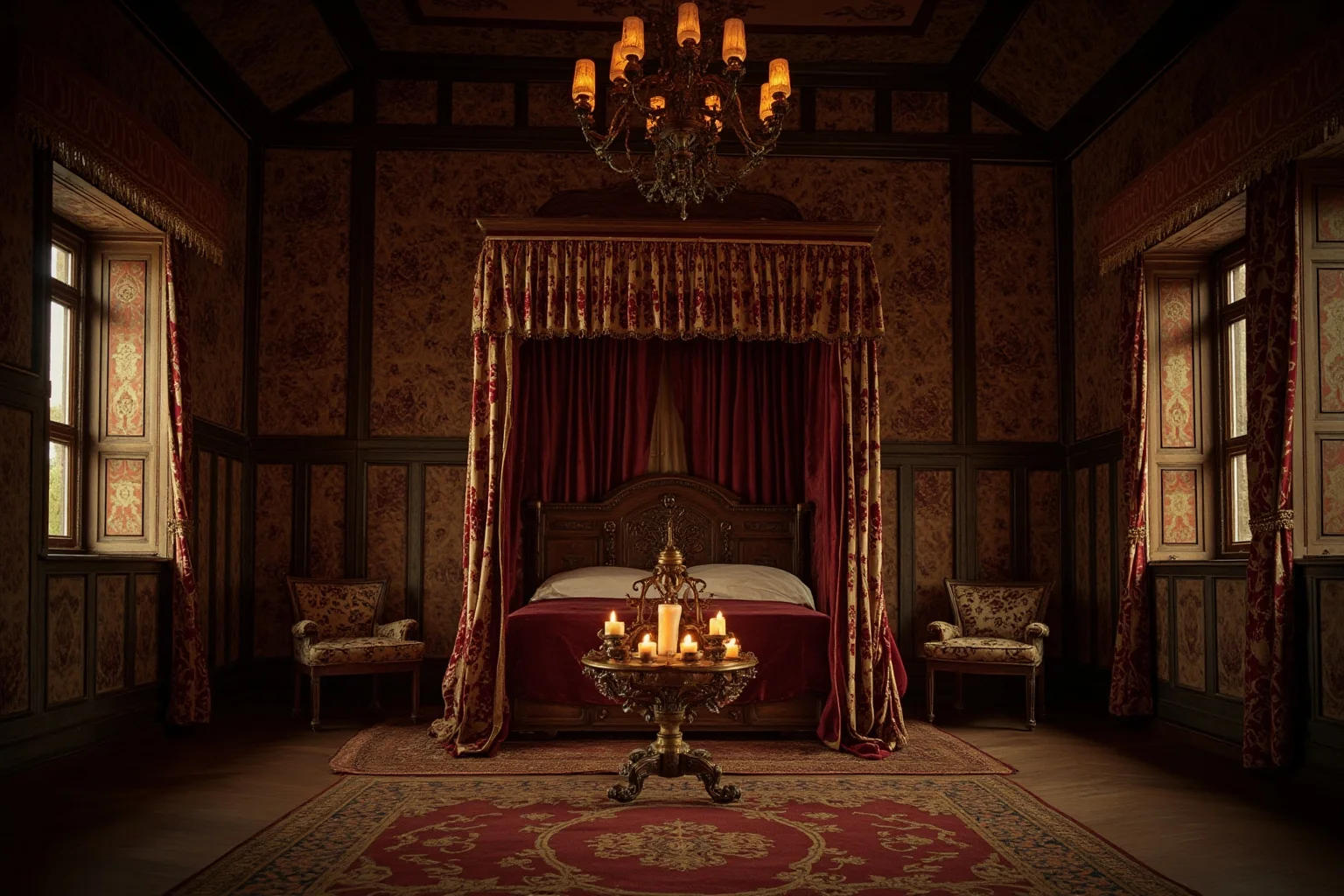
Queen Elizabeth I died in March 1603 after a lingering illness, and unlike many others on this list, no single last-words quote is reliably attributed to her. Various apocryphal lines have circulated over the centuries, including a claim that she offered “all my possessions for a moment of time.”
That particular phrase appears in later retellings rather than contemporary court records. Given how tightly controlled royal deathbeds were, and how much political interest existed in shaping her legacy, this is another case where legend has likely outpaced fact.
8. Marie Antoinette (1793)
Marie Antoinette’s execution during the French Revolution in October 1793 was witnessed by a crowd, which makes her final recorded words more credible than many others here. Accounts describe her accidentally stepping on the executioner’s foot on the scaffold.
Widely reported by witnesses: “Monsieur, I beg your pardon.”
It’s a strikingly polite, almost mundane final line for someone about to be guillotined. Multiple contemporary sources reported a version of this exchange, giving it more historical weight than most deathbed legends.
9. Louis XVI (1793)
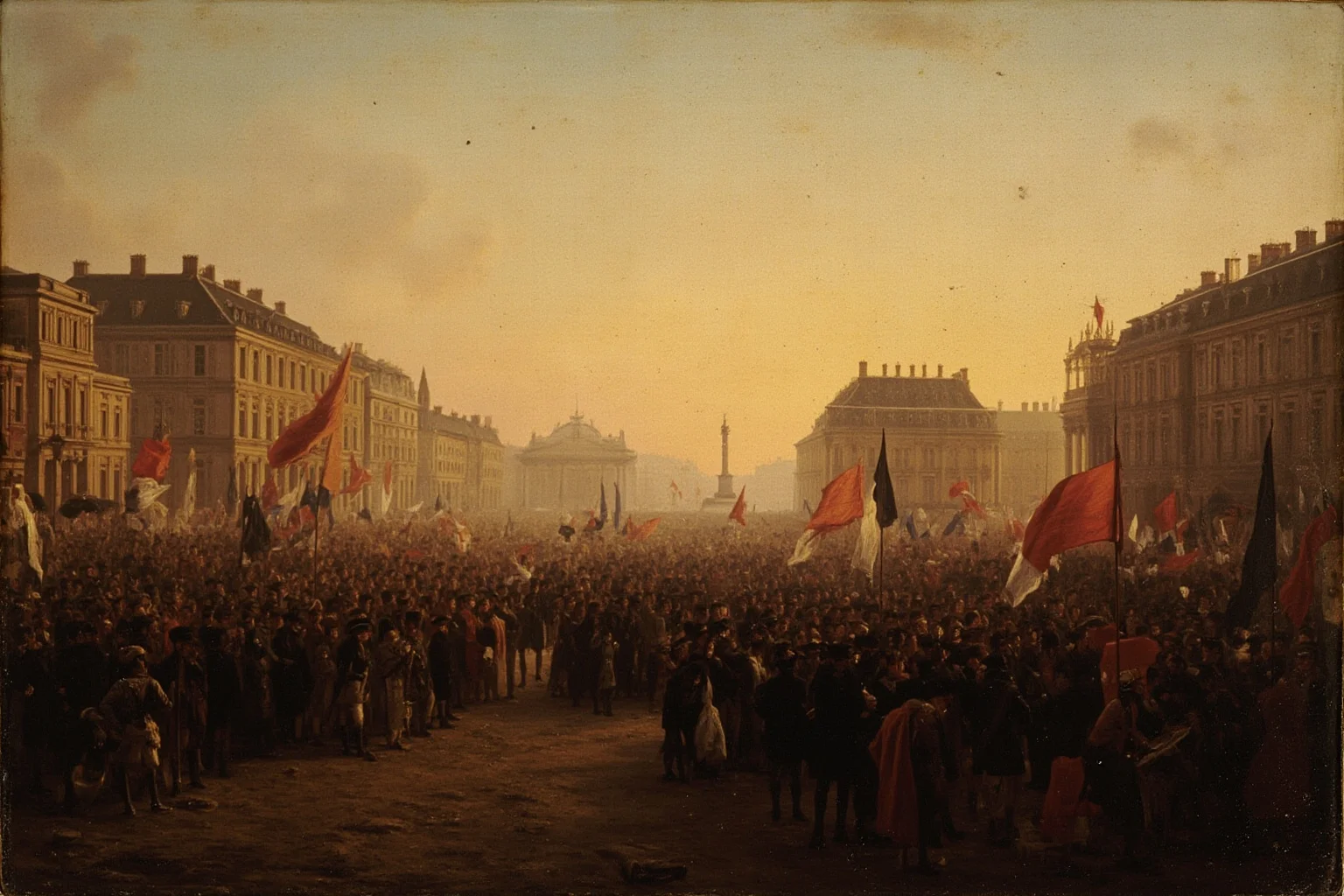
Marie Antoinette’s husband, King Louis XVI, was executed earlier the same year, in January 1793. Witnesses reported that he attempted to address the crowd from the scaffold, declaring his innocence and forgiving those responsible for his death.
According to several accounts, drummers were ordered to drown out the rest of his speech before he could finish. This detail is repeated across multiple period sources, though the exact wording varies slightly depending on the account.
10. Thomas Edison (1931)

Thomas Edison died in 1931, and one of the more poetic quotes attributed to him comes secondhand through his wife, Mina. She reportedly said Edison looked up and remarked on what he was seeing.
Reported by his wife: “It’s very beautiful over there.”
This quote has become popular in inspirational contexts, but it’s worth noting it comes from a single family member’s recollection rather than a documented statement. It’s plausible, but ultimately unverifiable in the way a courtroom transcript would be.
11. Albert Einstein (1955)

Albert Einstein’s death in Princeton, New Jersey, in 1955 comes with a genuinely fascinating twist. His final words were spoken in German to his nurse, who did not understand the language, so the exact content was never recorded or translated.
This makes Einstein a rare case where we know a last statement existed, but its meaning is permanently lost to history. It’s a fitting reminder that even one of history’s highest-estimated-IQ minds left us with a mystery instead of a memorable one-liner.
12. Karl Marx (1883)

Karl Marx died in London in 1883, and the story of his last words has a distinctly Marxist irony to it. When his housekeeper, Helene Demuth, asked if he had any final words to leave behind, he reportedly brushed off the request entirely.
Reported by his housekeeper: “Go on, get out — last words are for fools who haven’t said enough.”
The quote is often cited in Marx biographies, though as with most single-witness deathbed reports, it should be read as a likely-but-not-ironclad account rather than a verified transcript.
13. Oscar Wilde (1900)
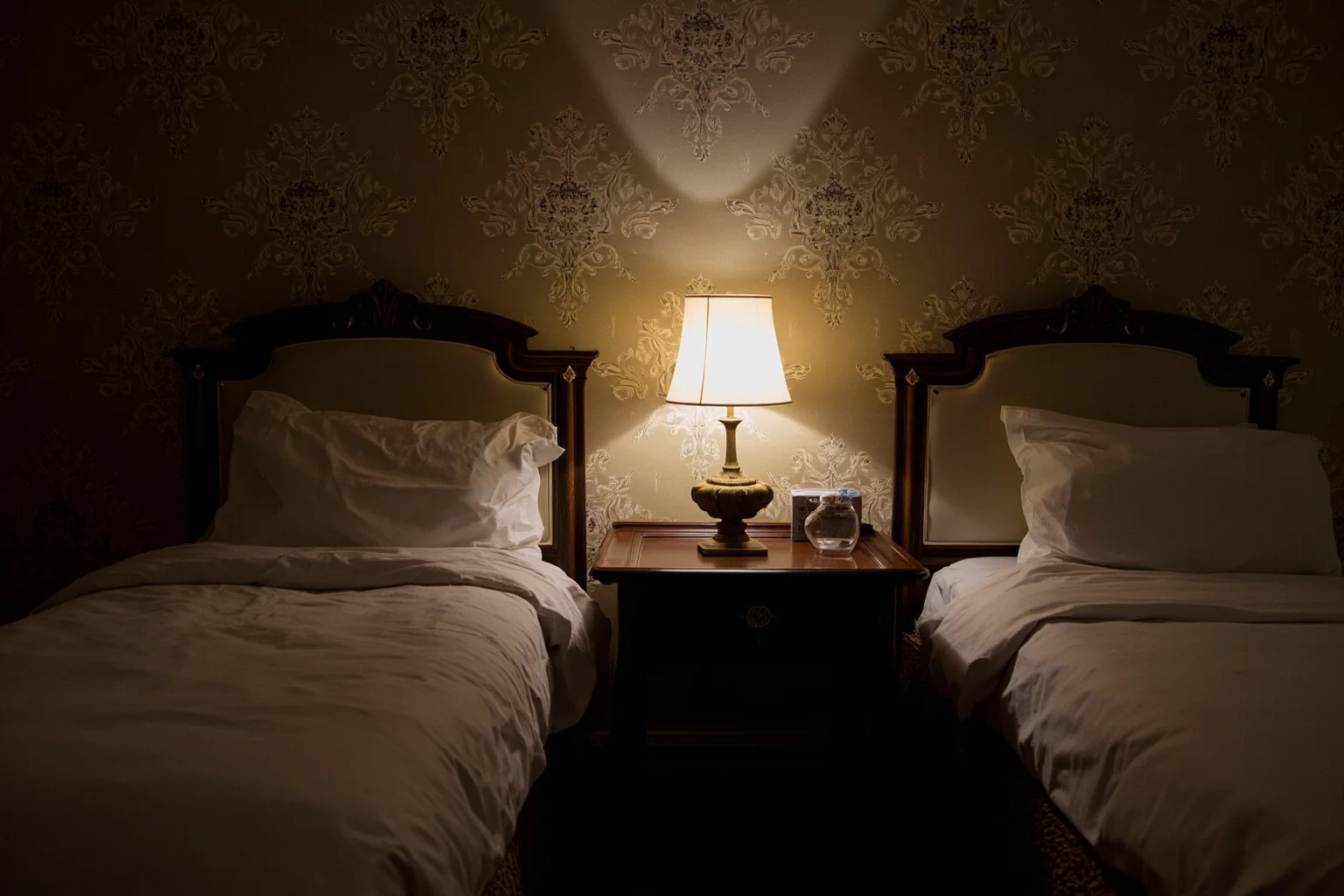
Oscar Wilde died in a modest Paris hotel room in November 1900, and legend insists his last words were a final joke about the room’s décor. It’s exactly the kind of line his wit made famous.
Popular but disputed: “Either that wallpaper goes, or I do.”
Most Wilde biographers treat this as apocryphal, noting it appears in later retellings rather than contemporary accounts from those actually present at his death. It’s a wonderful story precisely because it sounds so much like Wilde, which is also exactly why it should be treated with caution.
14. Vincent van Gogh (1890)

Vincent van Gogh died in July 1890, two days after shooting himself, with his brother Theo at his bedside in Auvers-sur-Oise, France. Theo’s own letters describe his brother’s final hours in detail, making this one of the more personally documented entries on the list.
Reported by his brother Theo: “The sadness will last forever.”
Because Theo wrote about these final moments in letters shortly afterward, historians generally consider this one of the more credible quotes here, even though it still relies on a single grieving witness’s memory.
15. Wolfgang Amadeus Mozart (1791)
Mozart died in Vienna in December 1791 while working on his unfinished Requiem Mass, and the mythology around his death is almost as dramatic as his music. Popular legend holds that he tried to hum or explain a timpani passage from the Requiem’s “Lacrimosa” movement with his last breath.
No reliable contemporary source confirms exact final words, and much of what circulates today was shaped by later Romantic-era storytelling. It’s a beautiful image, but historians generally file it under legend rather than documented fact.
16. Abraham Lincoln (1865)
Abraham Lincoln was shot at Ford’s Theatre in April 1865 and never regained consciousness, so his true final words were spoken shortly before the shooting rather than after it. According to his wife, Mary, he had just responded to a comment about the play they were watching.
Reported by Mary Lincoln: When asked if she thought a woman in the audience minded him holding her hand, he reportedly said, “She won’t think anything about it.”
Because Lincoln was shot moments later, this ordinary bit of theater small talk became, by circumstance, among his final recorded remarks. It’s a sobering reminder that not every historic last line is profound.
17. Elvis Presley (1977)

Elvis Presley died at Graceland in August 1977, and his final words were reported by his girlfriend at the time, Ginger Alden. She recalled warning him not to fall asleep in the bathroom, to which he gave a brief, almost throwaway response.
Reported by Ginger Alden: “Okay, I won’t.”
It’s a strikingly ordinary exchange for one of the most famous entertainers of the twentieth century, which is part of why it has stuck in public memory. Alden’s account has been repeated consistently across biographies since.
18. James Dean (1955)
James Dean died in a car crash in California in September 1955, and his passenger, mechanic Rolf Wütherich, survived to describe the moments before impact. Dean had reportedly spotted an oncoming car and voiced concern just before the collision.
Reported by Rolf Wütherich: “That guy’s gotta stop… He’ll see us.”
Because Wütherich was an actual surviving witness, this account carries more direct credibility than many secondhand deathbed quotes, even though memories of sudden trauma are notoriously imperfect.
19. Humphrey Bogart (1957)

Humphrey Bogart died of cancer in January 1957, and his wife, actress Lauren Bacall, later recounted his final words with the same dry humor he was known for on screen. It’s a fittingly witty exit line for a Hollywood legend.
Reported by Lauren Bacall: “I should never have switched from Scotch to Martinis.”
Bacall repeated this story in interviews over the years, which gives it more consistency than some single-mention quotes, though it still ultimately rests on one family member’s memory.
20. Charlie Chaplin (1977)

Charlie Chaplin died on Christmas Day in 1977, and the story of his last words involves a priest offering a blessing at his bedside. According to the often-repeated account, the priest said, “May the Lord have mercy on your soul,” and Chaplin responded with characteristic wit.
Reported account: “Why not? After all, it belongs to Him.”
The line fits Chaplin’s comedic sensibility so perfectly that some historians treat it with mild skepticism, but it is widely repeated across biographical sources from people connected to his household.
21. Che Guevara (1967)

Che Guevara, remembered today as one of the most iconic revolutionary figures in history, was executed in Bolivia in October 1967 after being captured by Bolivian forces. Multiple soldiers present that day gave broadly consistent accounts of his defiant final words to the man about to shoot him.
Reported by soldiers present: “Shoot, coward, you are only going to kill a man.”
Because several witnesses independently reported similar wording shortly after the event, this is considered one of the more historically reliable entries among modern political last words.
22. Winston Churchill (1965)

Winston Churchill died in January 1965 after a long illness and years out of the political spotlight he had once dominated. Those close to him in his final years reported that he had grown restless and weary of his slow decline.
Reported by close associates: “I’m bored with it all.”
Accounts vary on exactly when this was said relative to his death, and some sources describe it as a remark from his final days rather than his literal last breath. Either way, it’s consistent with the blunt, unsentimental style Churchill was known for throughout his life.
23. Steve Jobs (2011)

Steve Jobs died in October 2011, and unlike most entries on this list, his last words come from a source published soon after his death. His sister, novelist Mona Simpson, delivered a eulogy that was later printed in The New York Times.
Reported by his sister, Mona Simpson: “Oh wow. Oh wow. Oh wow.”
Simpson described Jobs looking past his family toward something only he could see before saying this. Because the account comes from a close family member’s public eulogy rather than decades-later gossip, it’s one of the more directly sourced modern examples on this list.
What These Final Words Really Teach Us
Looking across all 23 entries, a pattern emerges. The quotes with the strongest historical footing tend to come from people who were physically present, wrote things down promptly, and had no obvious motive to embellish, like Tobias Lear at Washington’s bedside or Theo van Gogh’s letters about his brother.
The shakiest quotes, on the other hand, tend to be the wittiest ones. Oscar Wilde’s wallpaper joke and Julius Caesar’s “Et tu, Brute?” are memorable precisely because they’re clever, and cleverness is usually a sign of later editing rather than raw historical record. That doesn’t make them worthless as stories, but it does mean they belong in the folklore column rather than the fact column.
Final Thoughts on History’s Last Words
The last words of famous people occupy a strange space between biography and mythology. Some, like Che Guevara’s defiant challenge or Marie Antoinette’s polite apology, are backed by multiple witnesses and hold up reasonably well under scrutiny. Others, like Leonardo da Vinci’s deathbed scene with a king who probably wasn’t there, are moving stories built on shaky sourcing.
Either way, these quotes endure because they offer a strange kind of intimacy with people we mostly know through paintings, statues, and history books. Whether verified or not, they remind us that even the most recognized historical figures of all time faced the same final moment everyone eventually does.
Frequently Asked Questions
What are the last words of famous people, and how accurate are they?
The last words of famous people are quotes reportedly spoken shortly before death, but accuracy varies widely. Some, like George Washington's "'Tis well," come from reliable eyewitnesses who wrote accounts soon after. Others, like Julius Caesar's "Et tu, Brute?", are literary inventions with no basis in contemporary historical records.
What were Leonardo da Vinci’s last words?
There is no verified record of Leonardo da Vinci's exact last words. The famous story of him dying in King Francis I's arms comes from Giorgio Vasari's biography, written decades later, and most historians consider it a legend rather than a documented fact.
What were the last words of Beethoven?
Beethoven's last words are disputed. One account describes him reacting to a delivered case of wine with "Pity, pity, too late," while another, less reliably sourced, version has him quoting a Latin theatrical phrase about the comedy being over. Neither is confirmed with certainty.
Did Julius Caesar really say ‘Et tu, Brute?’
No reliable historical evidence supports this. The phrase originated in William Shakespeare's 1599 play and was never recorded by ancient historians like Suetonius, who only vaguely suggested Caesar may have said something to Brutus in Greek.
Why are so many historical last words disputed or unverifiable?
Deathbed scenes were often private, witnessed only by grieving family members, and recorded from memory rather than in real time. Many popular quotes were also added or embellished by later biographers seeking a more dramatic or poetic ending to a famous life.
Who had the most reliably documented last words in history?
George Washington's final words are among the most reliably documented, since his secretary Tobias Lear was present and recorded the moment shortly after it happened. Marie Antoinette's execution-day remark is also considered relatively credible due to multiple witnesses.

Alex Warren
Related Articles