

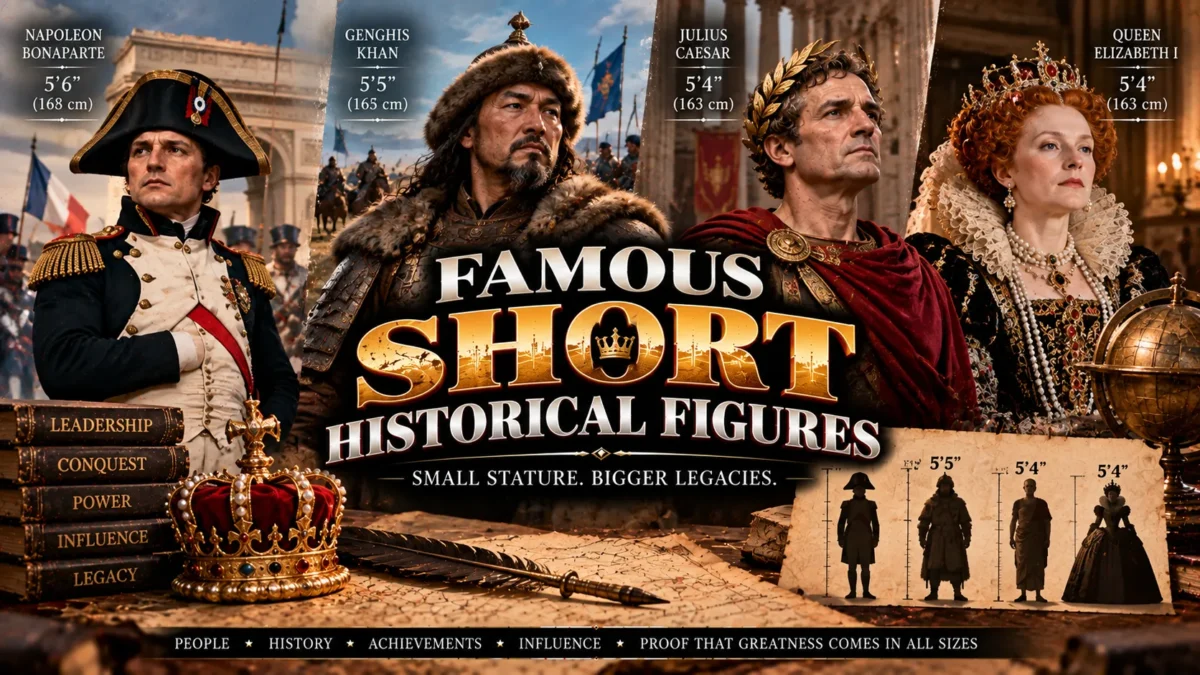
Height has a funny way of becoming part of a historical figure’s legend, sometimes more than their actual accomplishments. We picture towering emperors, statuesque queens, and larger-than-life generals, but the real historical record tells a much shorter story — literally.
Some of history’s most recognized figures stood well under today’s average height, while others became famous for a shortness that turned out to be more myth than measurement. This list digs into both categories, separating documented fact from centuries of exaggeration and propaganda.
TL;DR: Many of history’s most powerful figures were shorter than average for their time — but the “short” reputation of icons like Napoleon is often more myth than measurement.
How Historians Actually Measure Historical Height
Before diving into the list, it’s worth understanding how anyone knows how tall a person who died centuries ago actually was.
The most reliable evidence comes from skeletal remains, where forensic anthropologists measure long bones like the femur to estimate stature with reasonable accuracy. Preserved clothing, armor, and furniture in museums offer another physical clue, though tailoring and padding can distort the picture.
Written accounts from contemporaries are useful but far less trustworthy. Court chroniclers, political rivals, and satirists all had reasons to exaggerate a ruler’s stature in either direction, and translation errors between old measurement systems have caused genuine confusion. The most famous example involves French versus English inches, which weren’t the same length — a mix-up that helped create one of history’s most persistent height myths.
It also helps to remember that average human height has changed dramatically over time. Nutrition, disease, and public health have added several inches to the average adult over the last two centuries. A person who seems short by modern standards might have been perfectly average, or even tall, for their own era.
The Complete List of Famous Short People in History
Here are 22 notable figures across politics, art, science, and entertainment whose height — confirmed, estimated, or unfairly exaggerated — became part of their story. Heights below are drawn from the most commonly cited historical estimates, and we’ve flagged where the evidence is shakier than popular legend suggests.
1. Alexander the Great (356–323 BC)
Ancient sources rarely give hard numbers for physical stature, and Alexander is no exception. Historians have no verified measurement for him, despite popular estimates hovering around 5’4″ to 5’6″ based on comparative accounts of Macedonian nobility.
What we do know is that ancient writers like Plutarch focused more on his complexion and bearing than his exact height. The “short conqueror” image owes more to later legend and Hollywood casting than to solid historical proof.
2. Augustus (63 BC–14 AD)
Rome’s first emperor is one of the few ancient rulers whose short stature is explicitly mentioned in surviving texts. The biographer Suetonius reportedly described Augustus as short, noting that his proportions and clever tailoring helped disguise it next to taller companions.
Some ancient accounts also suggest Augustus wore thicker-soled shoes to add height, a detail historians treat as plausible but not fully verifiable given the source material.
3. Attila the Hun (died 453 AD)
The Byzantine diplomat Priscus actually met Attila in person during a diplomatic mission, and his account survives through the later historian Jordanes. Priscus described the Hunnic leader as short in stature with a broad chest, a large head, and a swarthy complexion.
This is one of the more reliable ancient descriptions on this list, since it comes from an eyewitness rather than secondhand rumor or political propaganda.
4. Pepin the Short (c. 714–768)
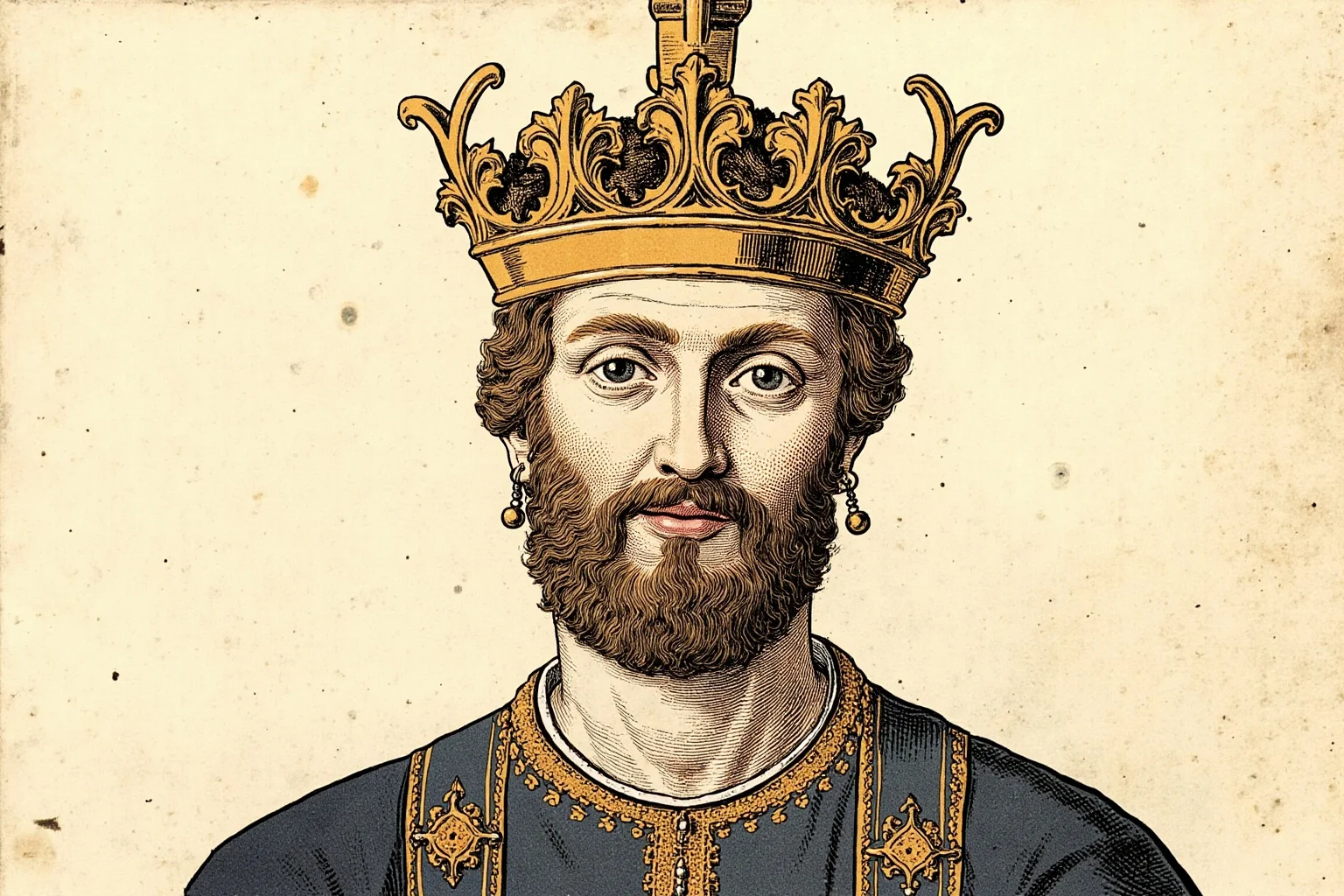
The king of the Franks and father of Charlemagne is literally remembered by the nickname “the Short” (Pepin le Bref). Oddly, historians aren’t entirely certain the nickname referred to his actual height at all.
Some scholars argue it may have distinguished him from other Pepins in his family line rather than describing his physical stature. It’s a great example of how a nickname can outlive the context that explains it.
5. Louis XIV (1638–1715)
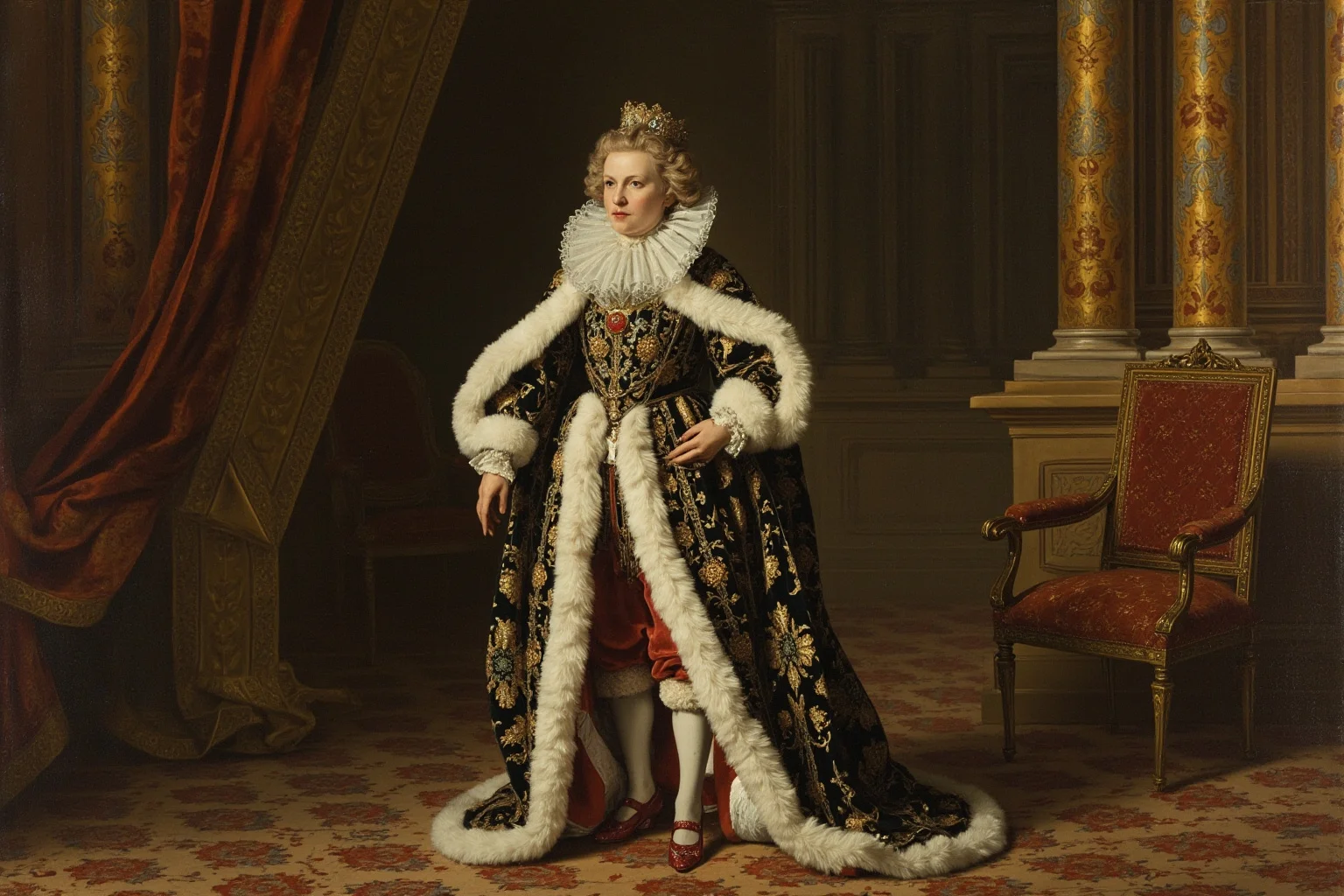
France’s Sun King is generally estimated at around 5’4″ (163 cm) based on tailoring records and courtier accounts from Versailles. He’s also credited with popularizing red high heels for men, partly as a way to add a few extra inches and project royal authority.
That fashion choice eventually trickled down through European aristocracy long after Louis himself was gone.
6. Immanuel Kant (1724–1804)
The influential German philosopher was famously slight and small-framed, described by contemporaries in Königsberg as barely over five feet tall. No precise medical measurement survives, but multiple biographers and acquaintances commented on his diminutive, frail appearance.
His rigorously scheduled daily walks became local legend, height notwithstanding.
7. James Madison (1751–1836)
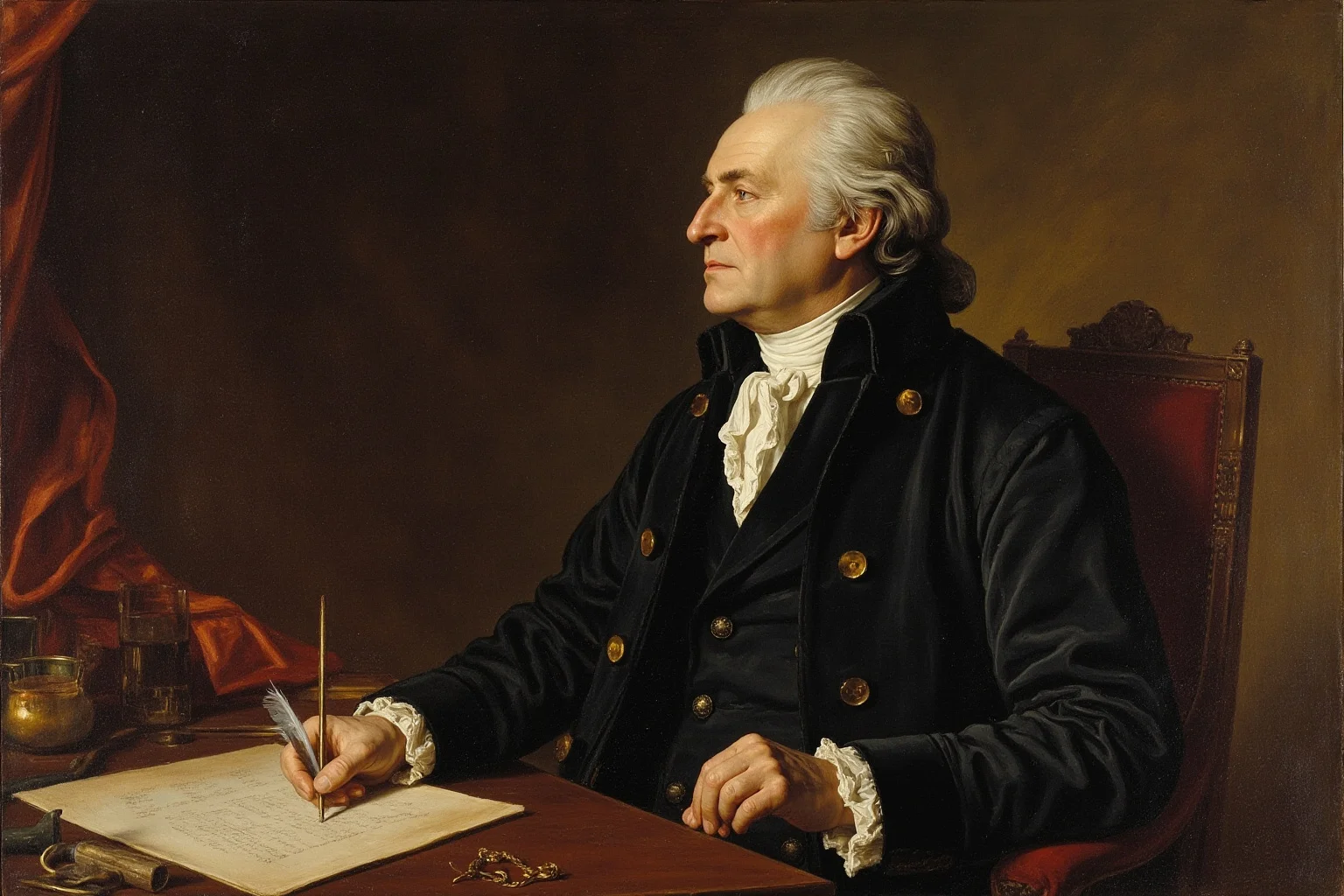
The fourth U.S. president holds the record as the shortest person to ever hold the office, standing at roughly 5’4″ (163 cm) and reportedly weighing around 100 pounds. Despite his small frame, Madison is remembered as the chief architect behind the U.S. Constitution.
His physical stature never seemed to slow down his outsized influence on American government.
8. Napoleon Bonaparte (1769–1821)
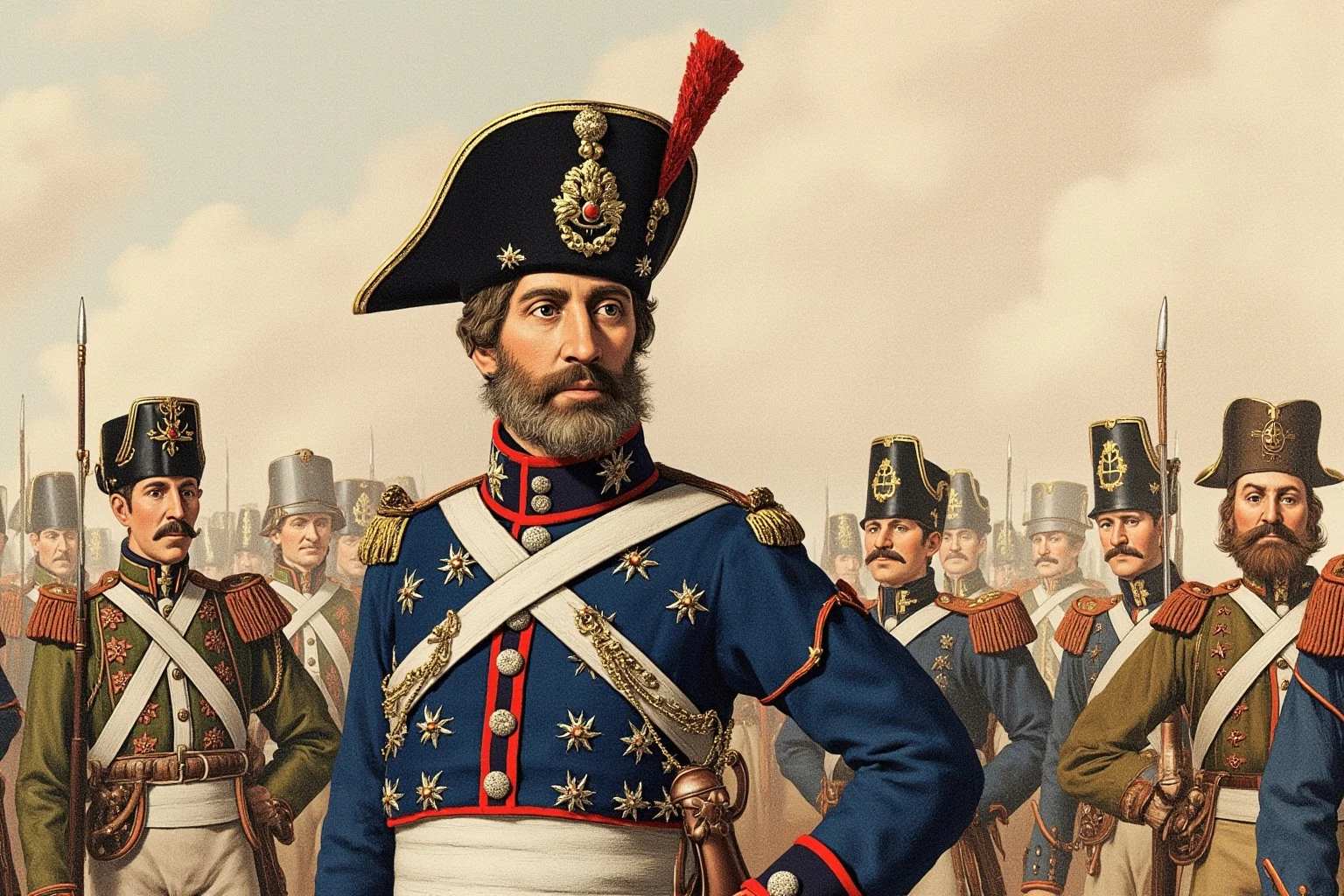
No entry on this list needs more myth-busting than Napoleon. His height was recorded at death as roughly 5 feet 2 inches — but in French inches (pouces), which were longer than English inches at the time.
Converted properly, that puts him closer to 5’6″ or 5’7″ (about 170 cm), which was average or slightly above average for a Frenchman of his era. British caricaturist James Gillray’s mocking cartoons, plus Napoleon’s habit of surrounding himself with his unusually tall Imperial Guard, likely cemented the “short tyrant” image that still persists today.
9. Ludwig van Beethoven (1770–1827)
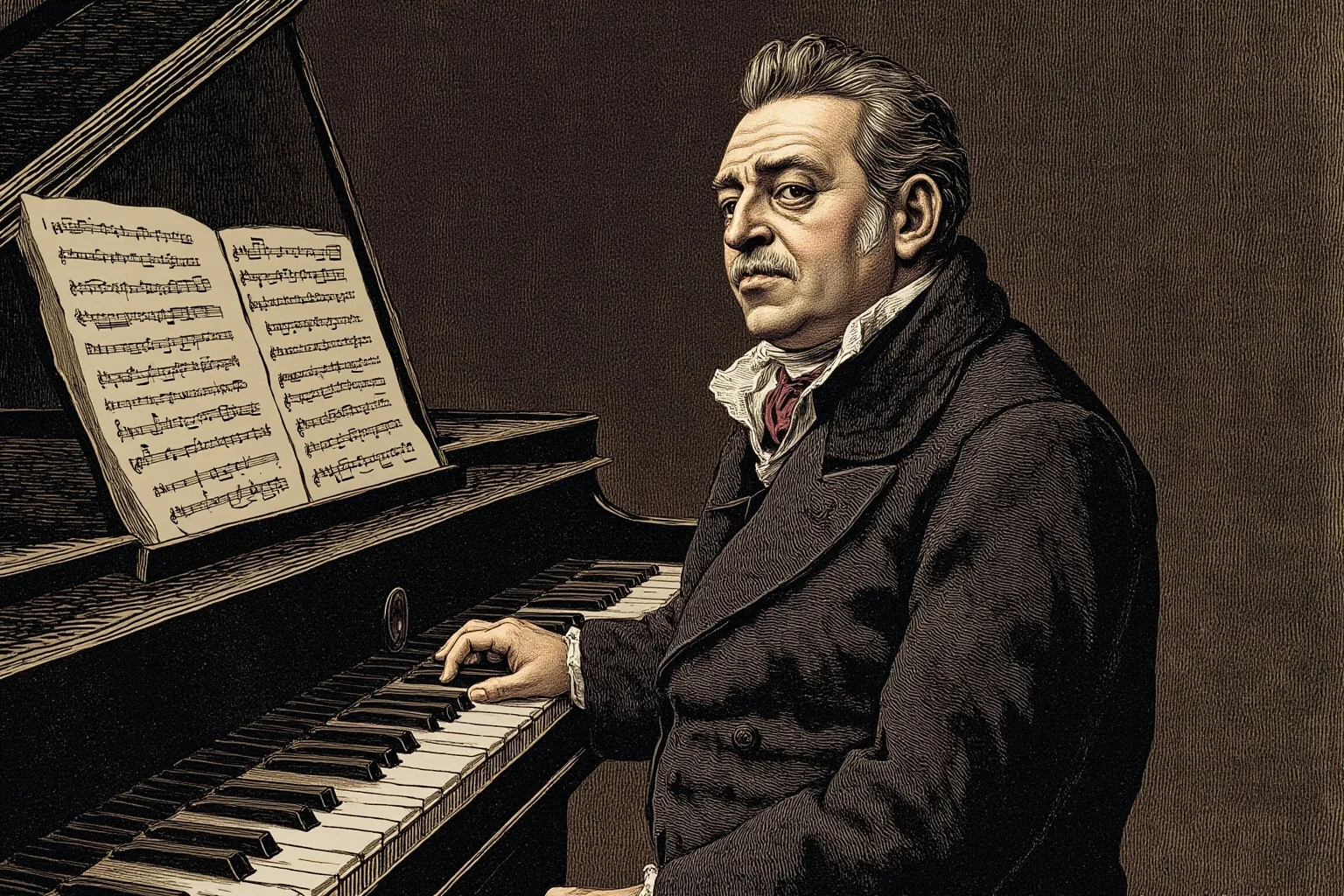
The legendary composer was described by contemporaries as stocky and short, an impression later supported by measurements taken during his 1863 exhumation, which estimated his height at around 5’4″ (162 cm). Portraits from his lifetime often emphasize his broad shoulders and compact build.
His physical presence apparently matched the intensity of his music.
10. Franz Schubert (1797–1828)
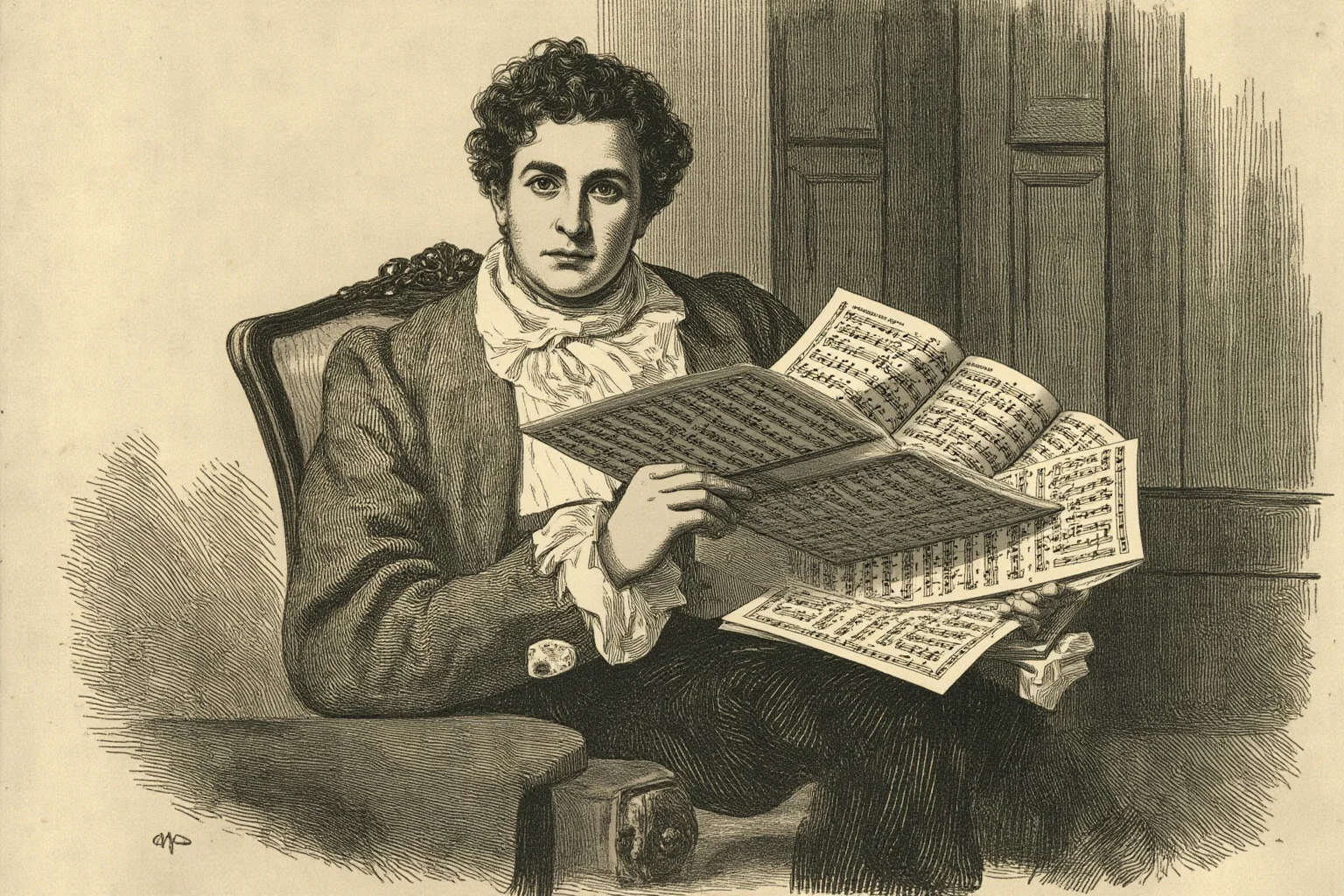
Schubert’s own friends nicknamed him “Schwammerl,” roughly translating to “Tubby” or “Little Mushroom,” because of his short, round frame, estimated at around 5’1″ (155 cm). This estimate comes partly from records made during the same era of Viennese exhumations that examined Beethoven’s remains.
The nickname stuck in letters and diaries from his social circle, giving historians unusually direct evidence of how his contemporaries saw him.
11. Queen Victoria (1819–1901)
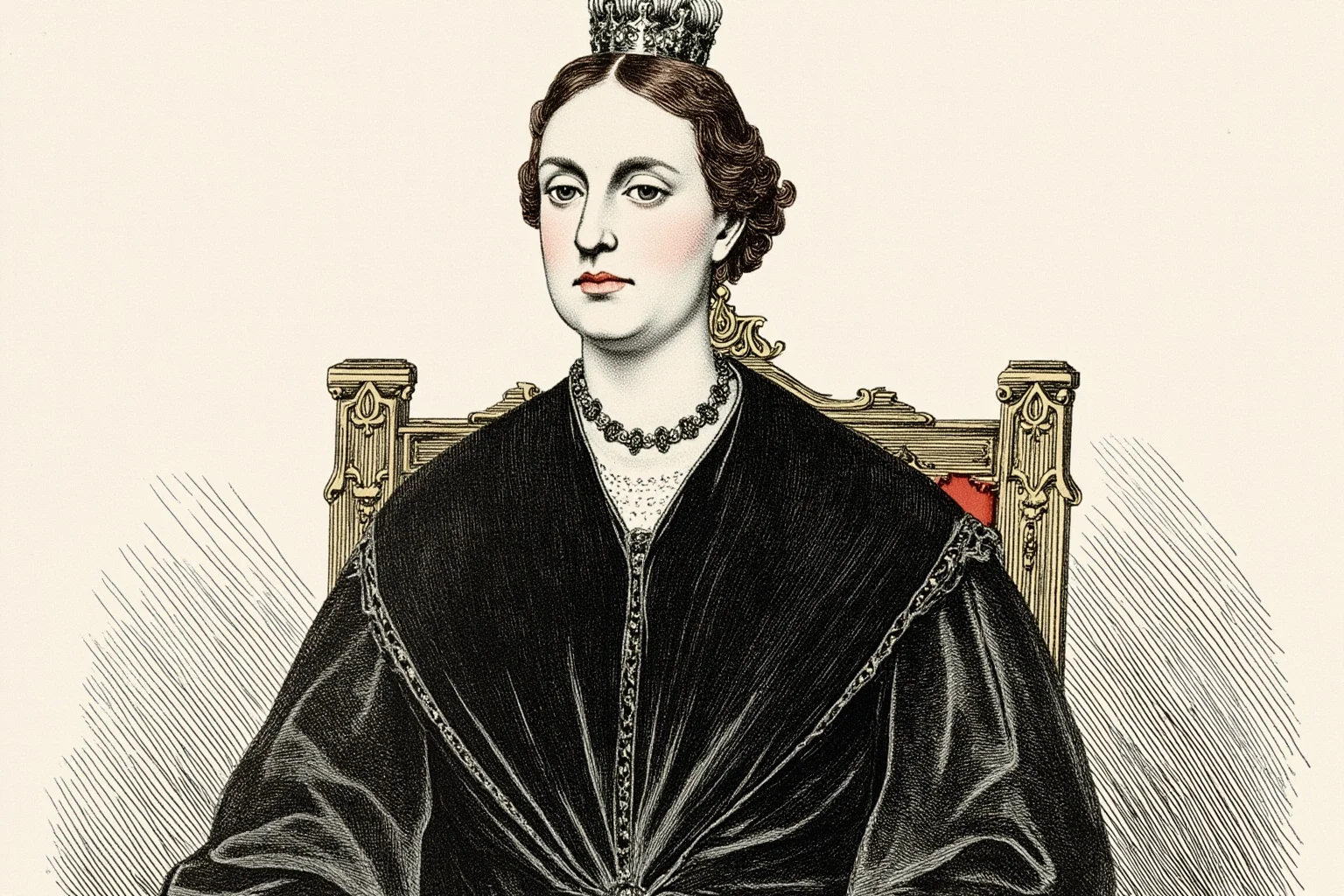
Britain’s longest-reigning 19th-century monarch stood at approximately 4’11” (150 cm), a height confirmed by her surviving gowns and coronation robes preserved in royal collections. Despite her small physical stature, she presided over the British Empire at its territorial peak for 63 years.
Her image as a formidable, commanding presence had little to do with height and everything to do with sheer political longevity.
12. Henri de Toulouse-Lautrec (1864–1901)
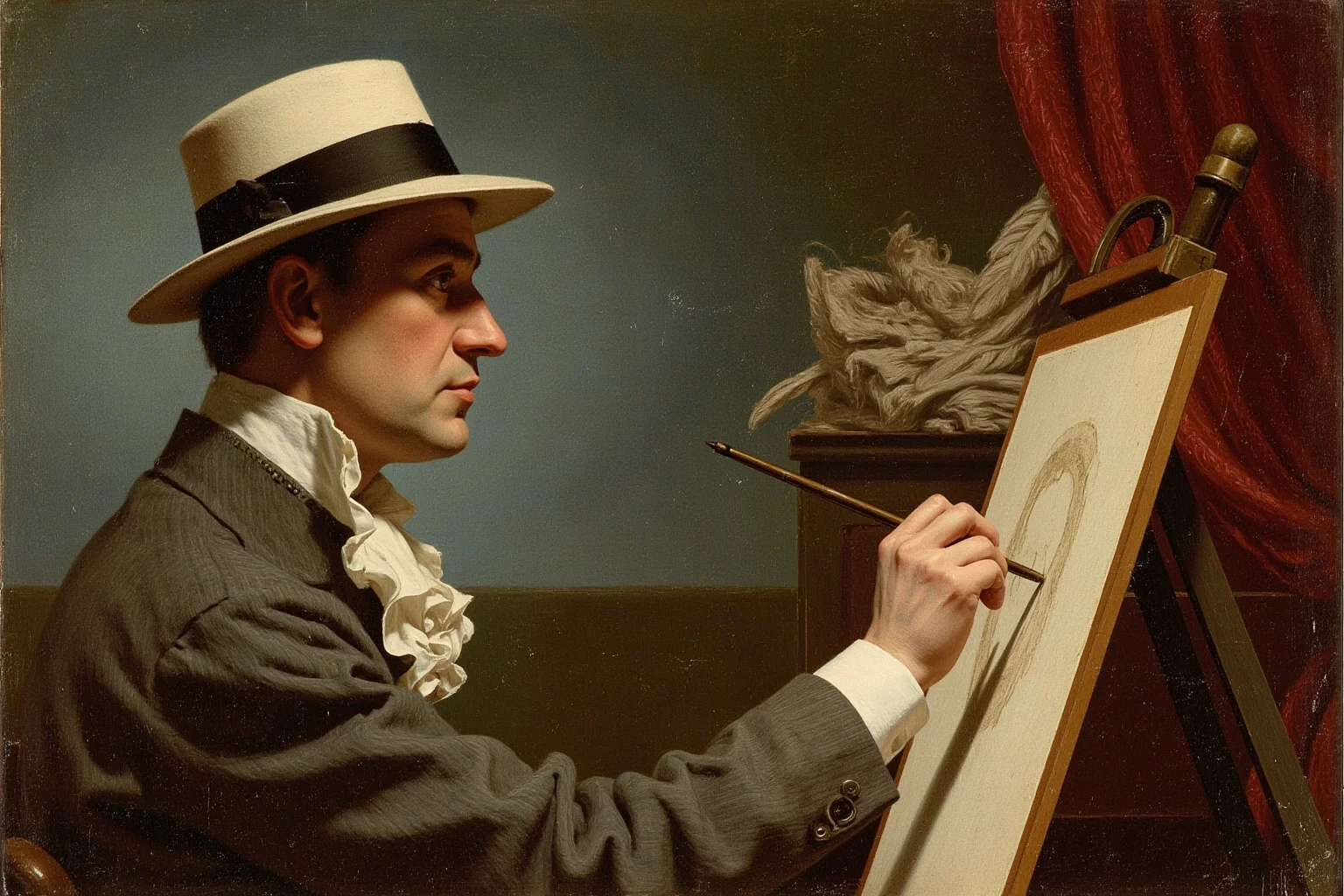
The French Post-Impressionist painter is one of the most well-documented short historical figures on this list. Childhood leg fractures combined with a suspected genetic disorder, possibly pycnodysostosis, stunted the growth of his legs while his torso developed normally, leaving his adult height around 4’8″ (1.52 m).
His condition and biography are extensively documented in museum archives, including at the Musée Toulouse-Lautrec in Albi, France.
13. Vladimir Lenin (1870–1924)
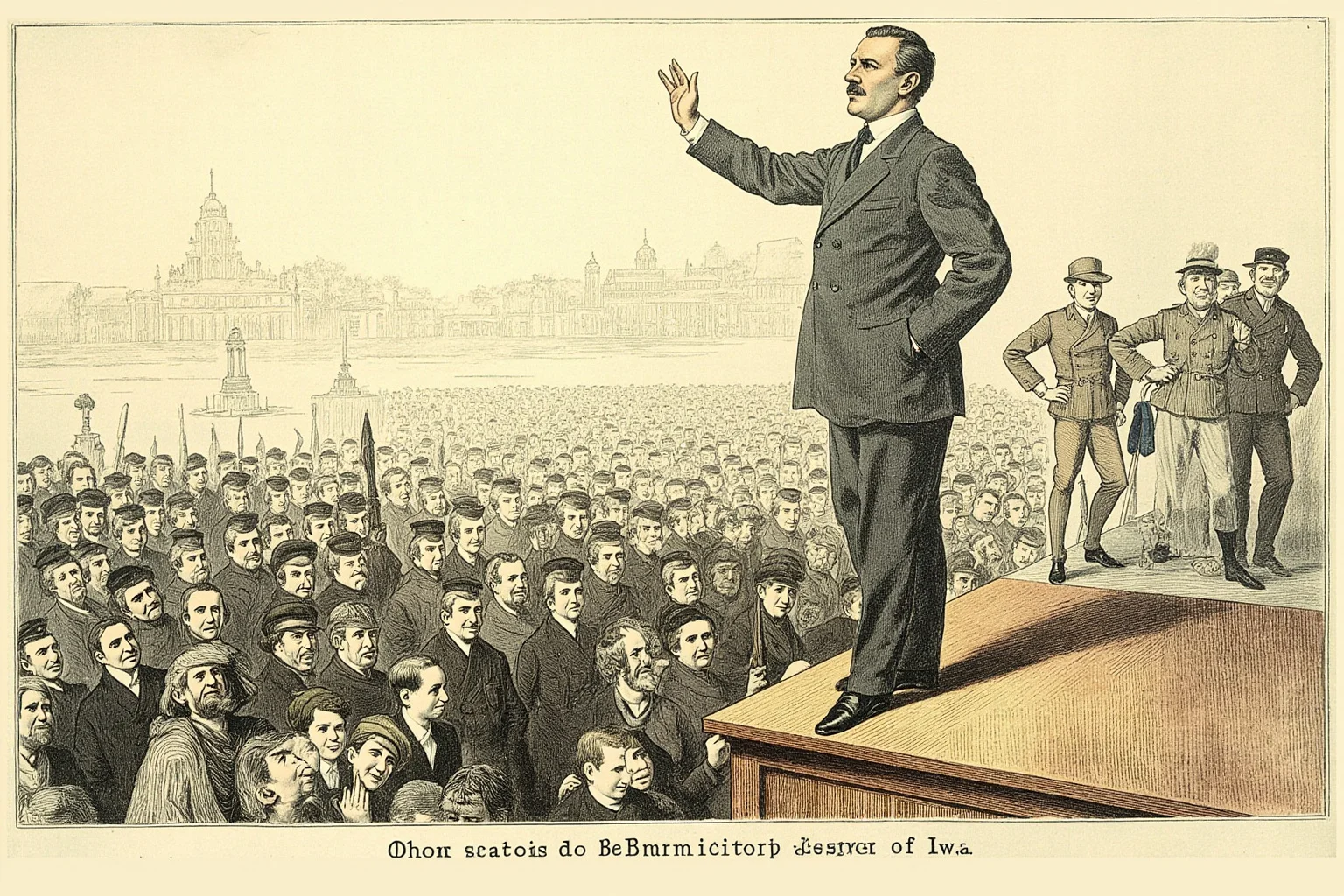
The Soviet revolutionary leader stood at approximately 5’5″ (165 cm), based on preserved clothing displayed in Russian museums. Photographs of Lenin from his political career were often carefully staged, a common practice among world leaders of shorter stature during that period.
His height rarely factored into either his contemporary reputation or his historical legacy.
14. Harry Houdini (1874–1926)
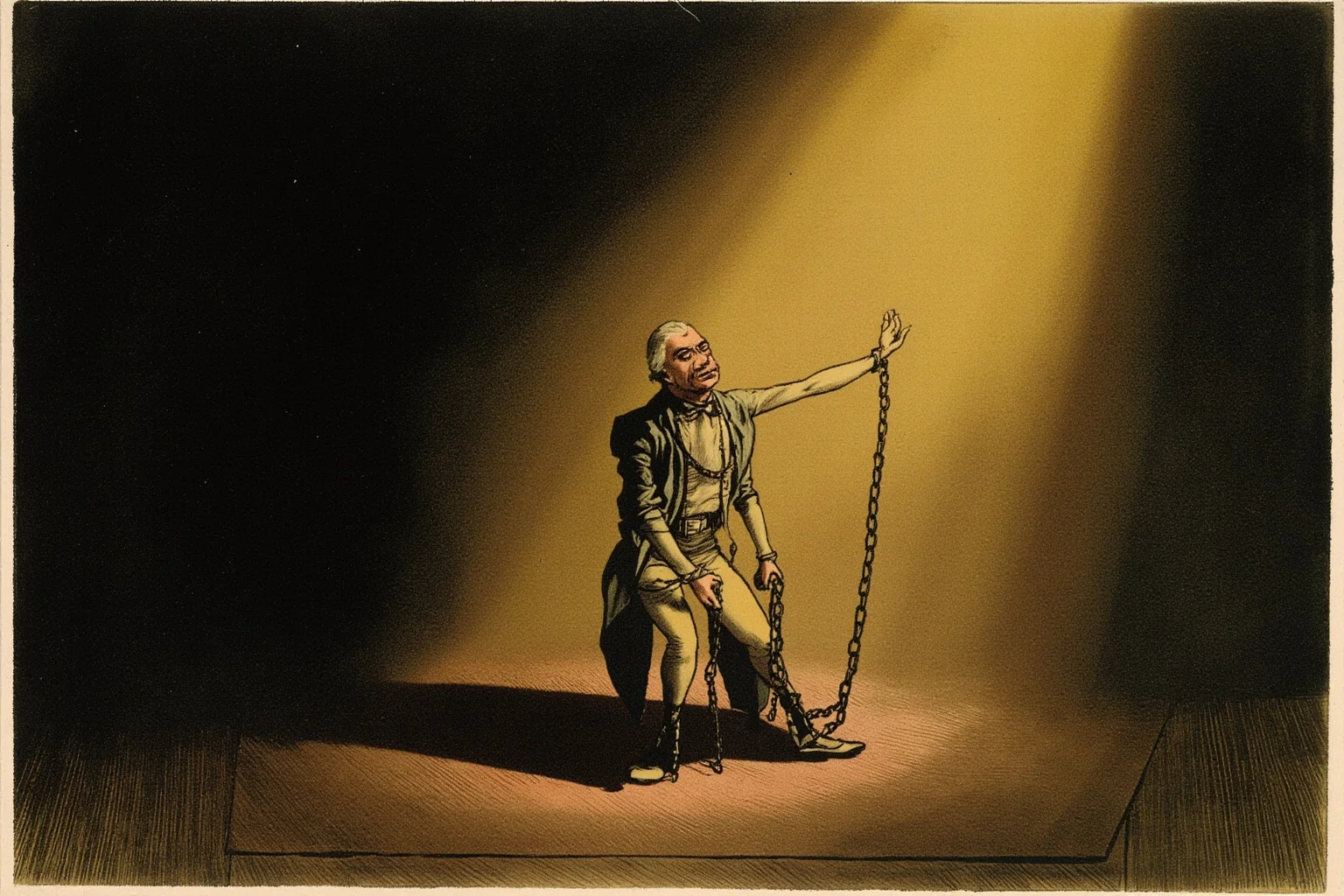
The famed escape artist stood at roughly 5’5″ (165 cm), with a compact, athletic build well suited to the contortion-heavy escapes that made him famous. His smaller frame likely gave him a genuine physical advantage in his signature act.
Contemporary posters and promotional photos consistently show his modest height alongside oversized props and chains.
15. Joseph Stalin (1878–1953)
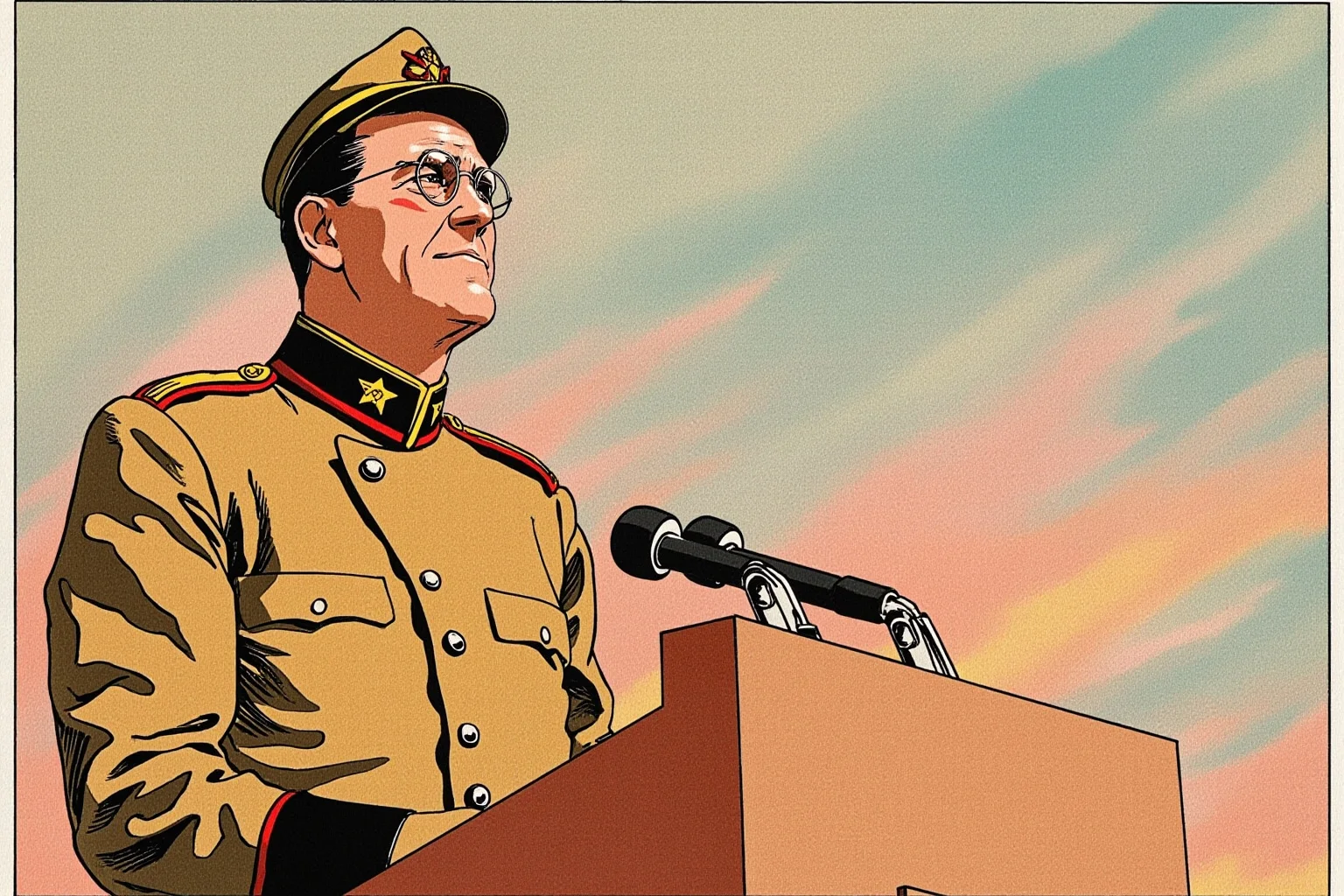
The Soviet leader is generally estimated at around 5’5″ to 5’6″ (165–168 cm) based on defector testimony and biographical accounts. Stalin was reportedly self-conscious about his height and used raised platforms and careful camera angles during public appearances and official photographs.
This kind of visual manipulation is a recurring theme among 20th-century leaders who wanted to project physical authority.
16. Pablo Picasso (1881–1973)
The influential Spanish artist stood at approximately 5’4″ (163 cm) according to contemporary accounts and photographs. Friends and biographers frequently described him as having an intense, magnetic presence that seemed to outsize his actual frame.
His physical stature is rarely mentioned in art history compared to his enormous creative influence.
17. Charlie Chaplin (1889–1977)
Studio records list the silent film icon at about 5’5″ (165 cm). Film historians note that his height and compact physicality directly shaped the visual comedy of his most famous character, the Tramp.
Chaplin’s small stature became a deliberate part of his on-screen persona rather than something to disguise.
18. Deng Xiaoping (1904–1997)

The Chinese leader who spearheaded sweeping economic reforms in the late 20th century is widely cited at around 4’11” (150 cm), making him one of the shortest major world leaders of his era. His diminutive stature earned him various nicknames but never seemed to diminish his political authority.
His reforms reshaped China’s economy for decades after his death.
19. Mother Teresa (1910–1997)
The Catholic missionary and Nobel Peace Prize laureate is commonly described as standing about 5’0″ (152 cm). Journalists covering her humanitarian work in Kolkata frequently noted the contrast between her small physical presence and the scale of her global influence.
Her height was never the point of her story, but it’s a detail often mentioned by those who met her.
20. Edith Piaf (1915–1963)
The French singer known as “La Môme Piaf” (The Little Sparrow) had a nickname that directly referenced her small frame, with height estimates ranging from about 4’8″ to 4’10” (142–147 cm) depending on the source. Accounts vary somewhat, which is common for entertainers whose height was recorded informally by journalists rather than official measurement.
Her stage presence, by all accounts, was anything but small.
21. Audie Murphy (1925–1971)
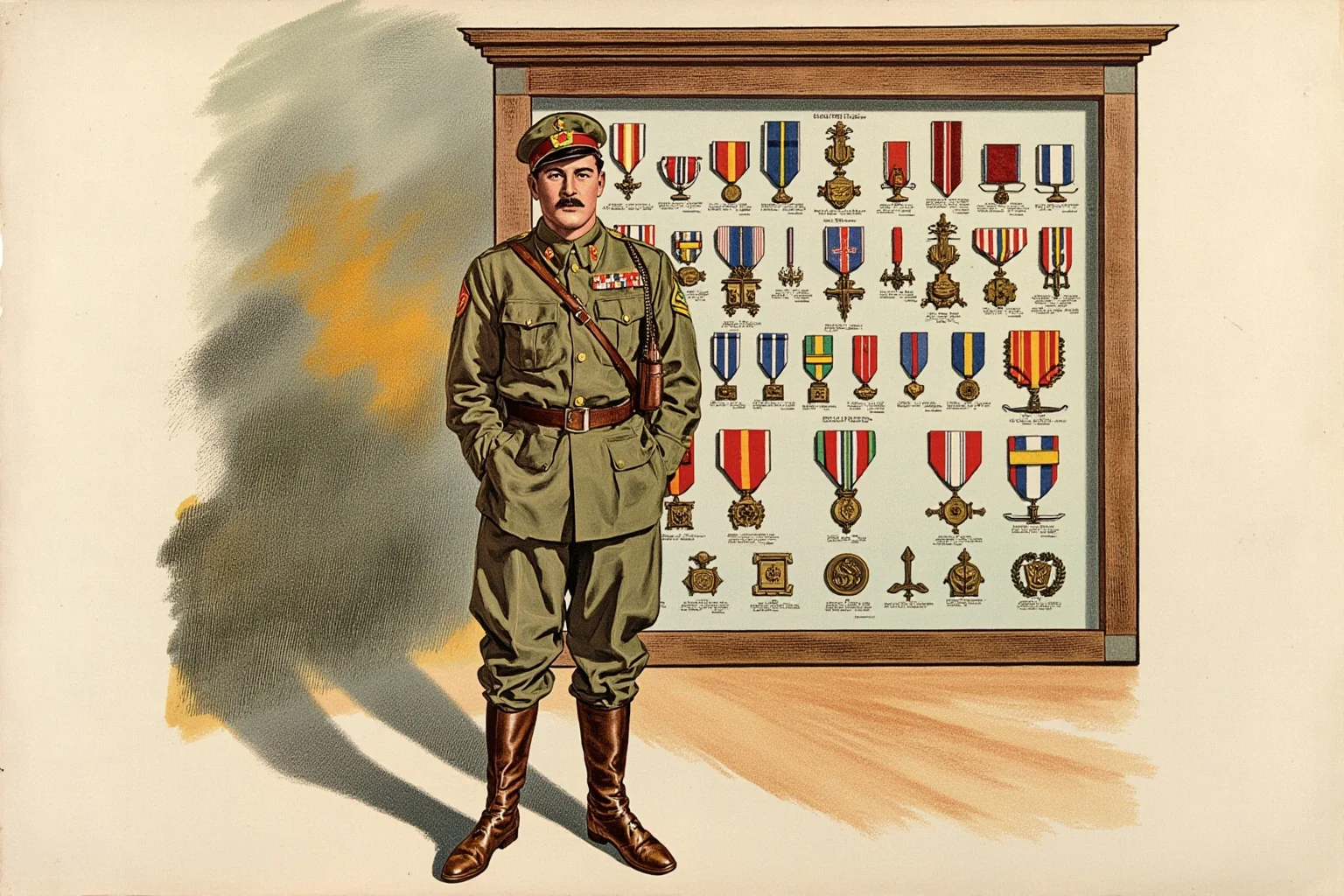
The most decorated American combat soldier of World War II, later a Hollywood actor, stood at approximately 5’5″ (165 cm). His modest height stood in sharp contrast to the scale of his wartime heroics, which included single-handedly holding off an entire German company.
His story remains one of history’s clearest examples of physical size having nothing to do with courage.
22. Yuri Gagarin (1934–1968)
The first human to travel into space was selected by the Soviet space program partly because of his compact frame, standing at about 5’2″ (157 cm). His smaller size was a genuine practical advantage, since the Vostok 1 capsule cockpit was built under extremely tight space and weight constraints.
Gagarin’s height quite literally helped make him the right person for the job.
Tall Historical Figures: The Other Extreme
For contrast, it’s worth mentioning a few tall historical figures whose height became just as much a part of their legend. Russia’s Peter the Great is often cited at around 6’7″ (201 cm), an estimate supported by his preserved boots and clothing in Russian museums. Abraham Lincoln remains the tallest U.S. president in history at 6’4″ (193 cm), a fact well documented by his contemporaries and surviving measurements.
Charlemagne, Pepin the Short’s own son, is estimated by some skeletal studies to have stood around 6’4″ (193 cm), making him strikingly tall for his era. And Robert Wadlow, the tallest documented man in modern medical history at 8’11” (272 cm), reminds us that extreme height, like extreme shortness, is often tied to specific medical conditions rather than simple genetics.
Why Height Myths Stick Around
A few recurring patterns explain why so many height claims about historical figures get exaggerated or distorted over time. Unit conversion errors, like the French-to-English inch confusion behind the Napoleon myth, are surprisingly common in older historical records. Political cartoonists and rival propagandists also had strong incentives to make their opponents look smaller, both literally and figuratively.
Photography and staging added another layer of distortion in the 19th and 20th centuries, as leaders like Stalin used camera angles, platforms, and lifts to control their public image. And because average human height has increased significantly over the last two centuries thanks to better nutrition and healthcare, a ruler who was perfectly average in the 1700s can look unusually short by today’s standards.
Height Was Never the Real Measure of Greatness
What’s striking about this list isn’t just who was short, but how little it actually mattered to their historical impact. James Madison helped draft a nation’s founding document, Beethoven composed some of the most enduring music in Western history, and Yuri Gagarin left Earth’s atmosphere entirely — each a reminder that historical figures who changed the world for the better come in every shape and size, none of it hindered by a lack of inches.
The next time a historical height claim sounds too dramatic to be true, it’s worth checking the source. As the Napoleon myth shows, sometimes the story we’ve been told says more about propaganda and measurement errors than about the person themselves.
Frequently Asked Questions
Who are some famous people that are short?
Many notable historical figures stood well below average height, including painter Henri de Toulouse-Lautrec (about 4'8"), U.S. President James Madison (about 5'4"), Chinese leader Deng Xiaoping (about 4'11"), and singer Edith Piaf, nicknamed 'The Little Sparrow' for her small frame. Height clearly didn't limit their influence on art, politics, or culture.
Was Napoleon actually short?
Not really. His height was recorded at death as roughly 5'2" in French inches, which were longer than English inches, converting to about 5'6"-5'7" — average or slightly above average for a Frenchman of his time. British political cartoons and his tall Imperial Guard likely helped create the enduring 'short Napoleon' myth.
Who is considered the shortest historical figure on record?
Among figures with reasonably documented heights, Toulouse-Lautrec (about 4'8") and Edith Piaf (estimated 4'8"-4'10") rank among the shortest verified adults on record. Ancient figures like Alexander the Great or Attila are often called 'short,' but no precise measurement survives for them.
What counted as short or tall in past centuries?
Average height has risen significantly over the last two centuries due to better nutrition and healthcare, so someone considered average in the 1600s or 1700s might look short by modern standards. Historians generally estimate that adult male height in medieval and early modern Europe averaged somewhere around 5'5" to 5'7".
Who are some tall historical figures for comparison?
Russia's Peter the Great is often cited at around 6'7", Abraham Lincoln remains the tallest U.S. president at 6'4", and skeletal estimates suggest Charlemagne may have stood around 6'4" as well. Robert Wadlow, the tallest documented man in modern medical history at 8'11", represents an extreme medical outlier rather than typical human variation.
Were any U.S. presidents notably short?
Yes, James Madison was the shortest U.S. president at about 5'4" and roughly 100 pounds, despite being one of the most influential Founding Fathers as the chief architect of the U.S. Constitution. Abraham Lincoln, by contrast, remains the tallest president in American history at 6'4".
Who are the ‘most chopped’ people often searched for in history?
This phrase is typically an informal way of asking about the shortest or most notably small-statured figures in history. Commonly cited examples include Toulouse-Lautrec, Edith Piaf, Deng Xiaoping, and Louis XIV, all of whom had well-documented short stature relative to their contemporaries.

Alex Warren
Related Articles





