
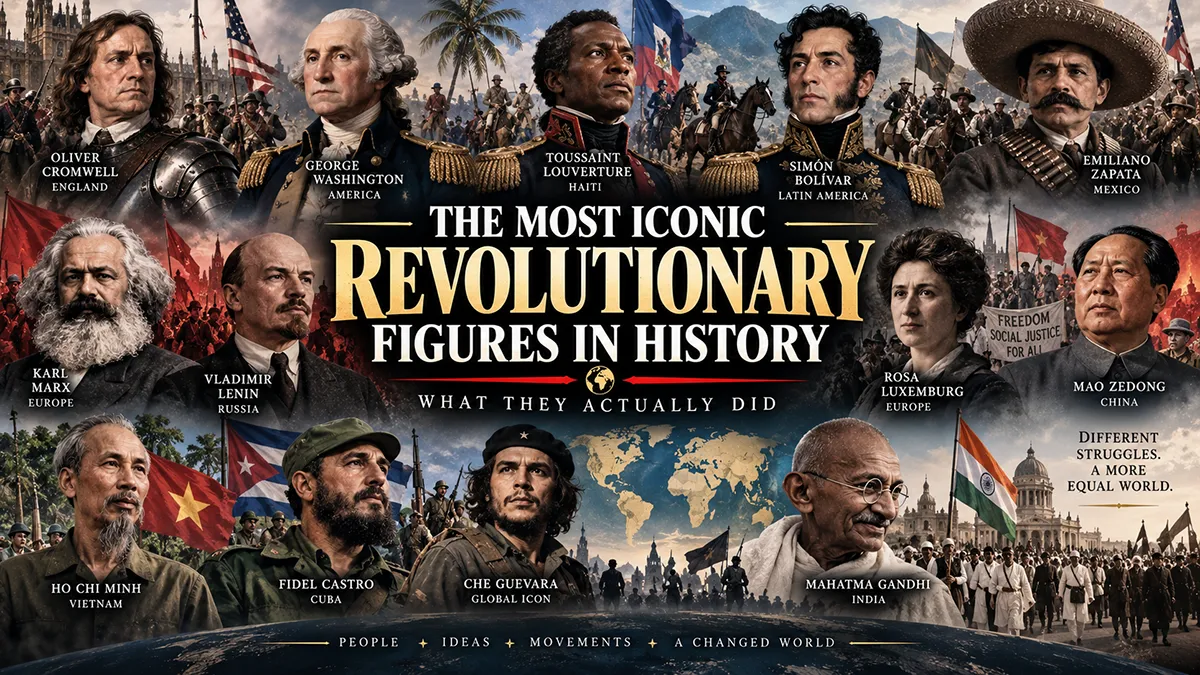
Every era has its breaking point — a moment when ordinary people decide that the old order has to go. The men and women who lead that charge get called revolutionaries, but the label covers an enormous range of personalities, tactics, and outcomes.
Some were soldiers, some were writers, some never fired a shot, and a few caused more bloodshed than the regimes they replaced.
This guide walks through the most famous revolutionaries in history, organized so you can see how the idea of “revolution” played out across continents and centuries.
We’ll cover the American, French, English, Haitian, Latin American, Russian, Chinese, and Cuban revolutions, plus the communist leaders, female revolutionaries, and Hispanic and Palestinian figures who don’t always make the standard textbook list.
TL;DR: Revolutionary figures span centuries and continents — from Washington and Bolívar to Lenin and Che Guevara — but they’re united by a willingness to risk everything to overthrow a system they saw as illegitimate.
What Is a Revolutionary, Really?
A revolutionary, or revolutionist, is someone who works to overthrow an existing government, social order, or power structure rather than reform it from within. That’s the key distinction between a revolutionary and a typical politician: reformers work inside the system, revolutionaries reject the system’s legitimacy entirely. The word “revolutionaries” gets applied loosely today, but historically it meant people willing to face prison, exile, or execution for their cause.
Revolutionary characteristics tend to repeat across very different times and places. Most revolutionary leaders share a few traits: a clear ideological vision, the ability to organize and inspire followers, willingness to use force or civil disobedience, and a talent for exploiting a moment of crisis. What makes a revolutionary isn’t just anger at injustice — plenty of people feel that — it’s the strategic ability to turn grievance into organized, sustained action.
It’s also worth noting that revolutionaries aren’t a single political flavor. History includes liberal revolutionaries fighting for constitutional government (think the 1848 uprisings across Europe), communist revolutionaries seeking to abolish private property, and nationalist revolutionaries fighting for independence rather than ideology. The word “revolutionist” applies to all of them equally, even though their goals were often opposed to each other.
Who Fought During the Revolutionary War?
Before diving into the full list, it’s worth addressing one of the most searched questions on this topic directly. The American Revolutionary War (1775–1783) was fought primarily between Great Britain and its thirteen American colonies, with the Continental Army led by George Washington facing British regulars, Loyalist militias, and Hessian mercenaries. France, Spain, and the Dutch Republic eventually joined on the American side, turning a colonial rebellion into a broader international war.
American Revolution fighters ranged from famous generals to ordinary farmers who joined local militias for a few weeks at a time. Free Black soldiers, Native American allies on both sides, and a small number of women disguised as men also took part, a detail that often surprises people who only learned the standard textbook version.
25 Most Iconic Revolutionary Figures in History
This list moves roughly in chronological order, from the English Civil War through the 20th century’s communist and independence movements. It’s not exhaustive — no list of revolutionaries in history could be — but it covers the names that shaped how we think about revolution today.
English Revolution
1. Oliver Cromwell
Oliver Cromwell led the parliamentary forces that defeated King Charles I during the English Civil War, one of the earliest examples of a monarchy being violently challenged by its own political class. He later ruled as Lord Protector, and historians still debate whether he was a genuine revolutionary or simply a new kind of authoritarian.
Cromwell matters here because England’s revolutionaries predate the more famous 18th-century uprisings by well over a century. His execution of Charles I in 1649 sent a message across Europe that monarchy itself was not untouchable.
The American Revolution
2. George Washington
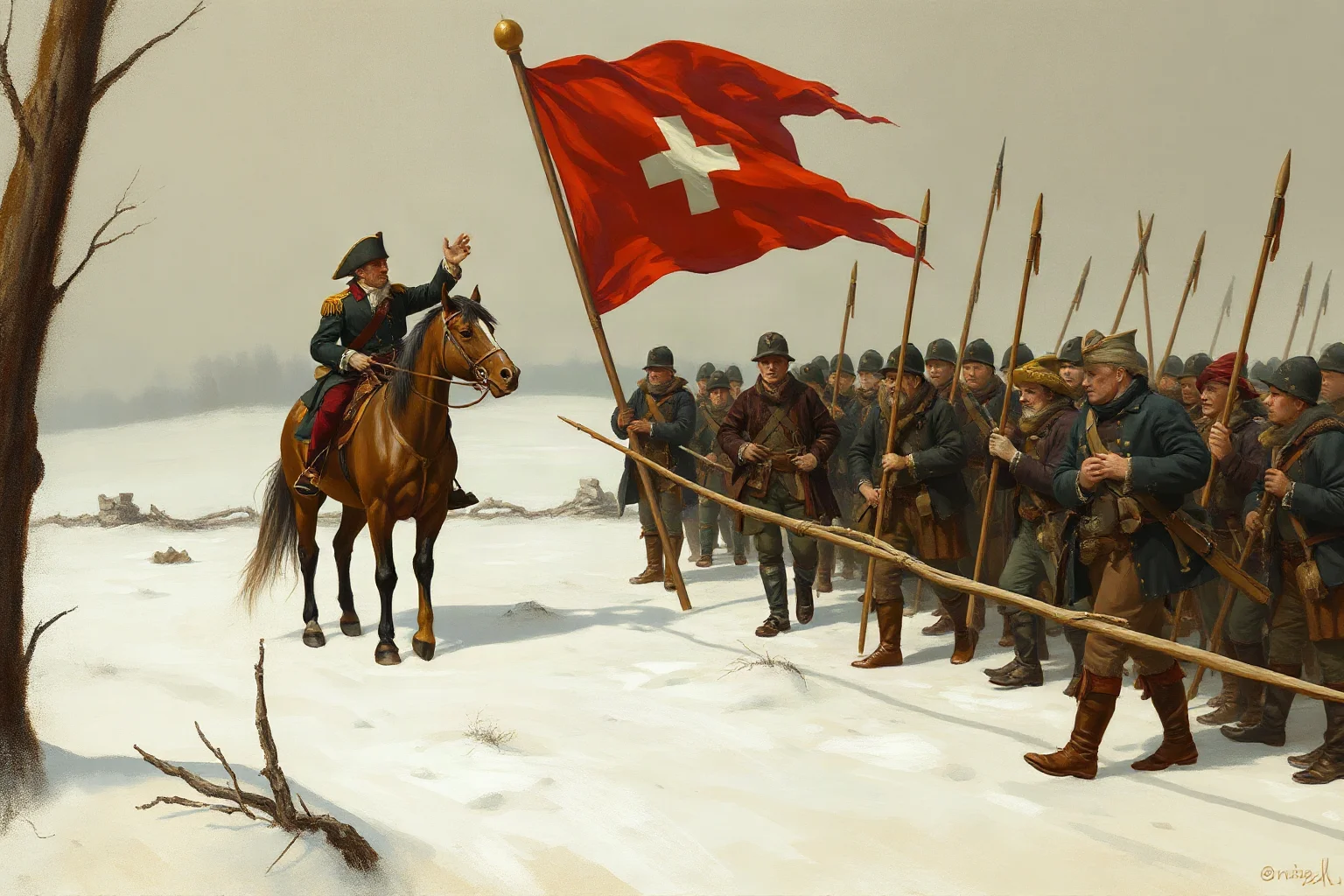
George Washington commanded the Continental Army through years of setbacks before eventually forcing a British surrender at Yorktown in 1781. He’s remembered as much for stepping away from power afterward as for winning the war, which set an early precedent against revolutionary leaders becoming permanent dictators.
Washington wasn’t a radical thinker like some other figures on this list. He was a pragmatic military organizer, which is exactly what the fragile revolutionary army needed to survive.
3. Samuel Adams
Samuel Adams was one of the loudest political agitators pushing the colonies toward independence, organizing groups like the Sons of Liberty and helping engineer the Boston Tea Party. He’s a good example of a revolutionary who never held military command but shaped events through pure political organizing.
His cousin John Adams became a president; Samuel stayed closer to the movement’s radical roots throughout his career.
4. Thomas Paine
Thomas Paine’s pamphlet “Common Sense” did more to popularize the idea of American independence than almost any single document of the era. He argued in plain language that monarchy itself was the problem, not just British policy toward the colonies.
Paine later took part in the French Revolution too, making him one of the few figures who was genuinely a revolutionary on two continents.
5. Marquis de Lafayette
The Marquis de Lafayette was a young French aristocrat who volunteered to fight for the American cause and became one of Washington’s most trusted officers. He later returned home and played a role in the early French Revolution, bridging two of the era’s biggest uprisings.
Lafayette is one of the clearest examples of how the American Revolution inspired revolutionary movements well beyond its own borders.
6. Deborah Sampson
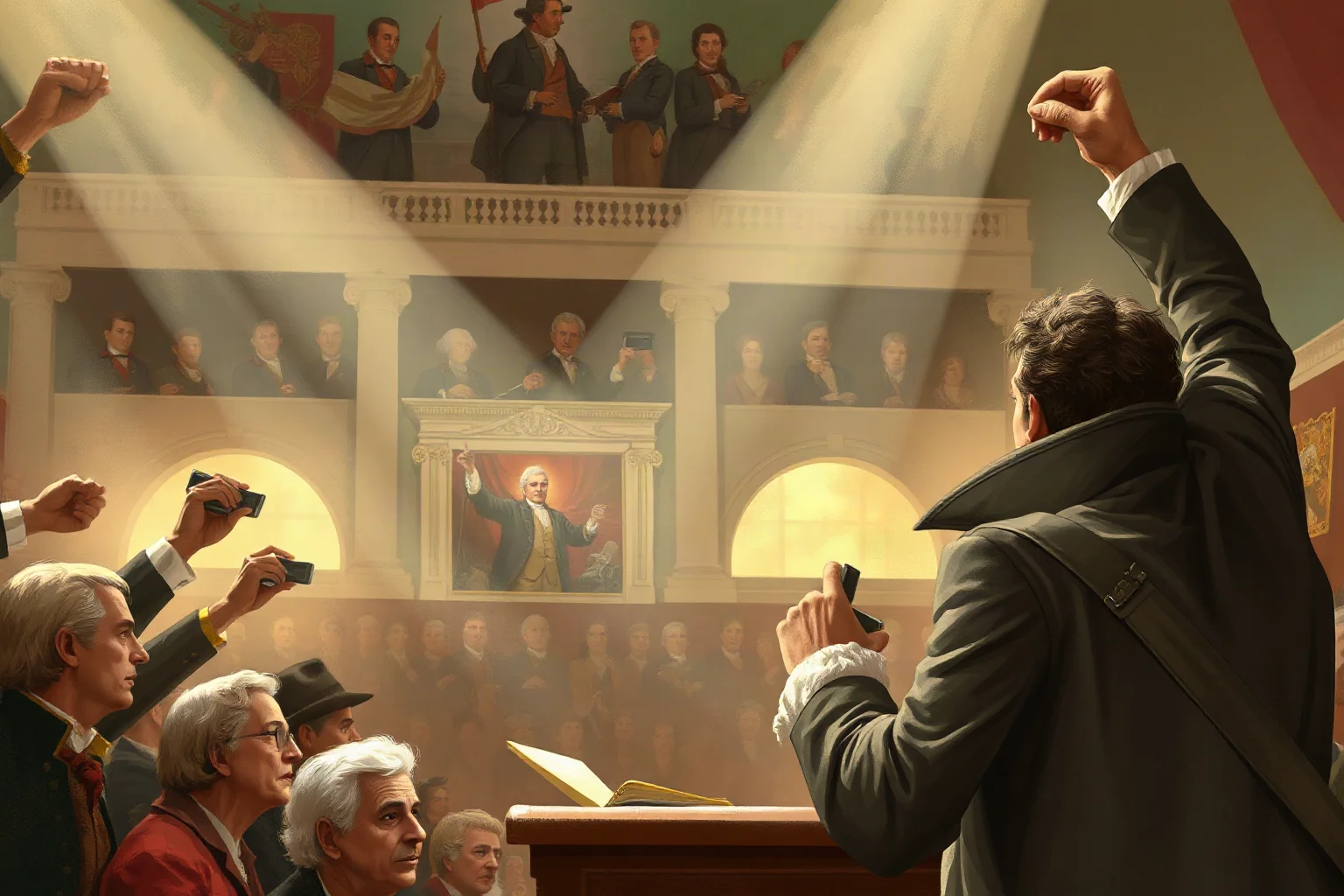
Deborah Sampson disguised herself as a man to enlist in the Continental Army, serving for over a year before her identity was discovered. She’s one of the few documented female revolutionaries of the American War of Independence, and her story complicates the assumption that the era’s fighters were only men.
Sampson later received a military pension from Massachusetts, a rare acknowledgment for a woman’s wartime service in that period.
The French Revolution
7. Maximilien Robespierre
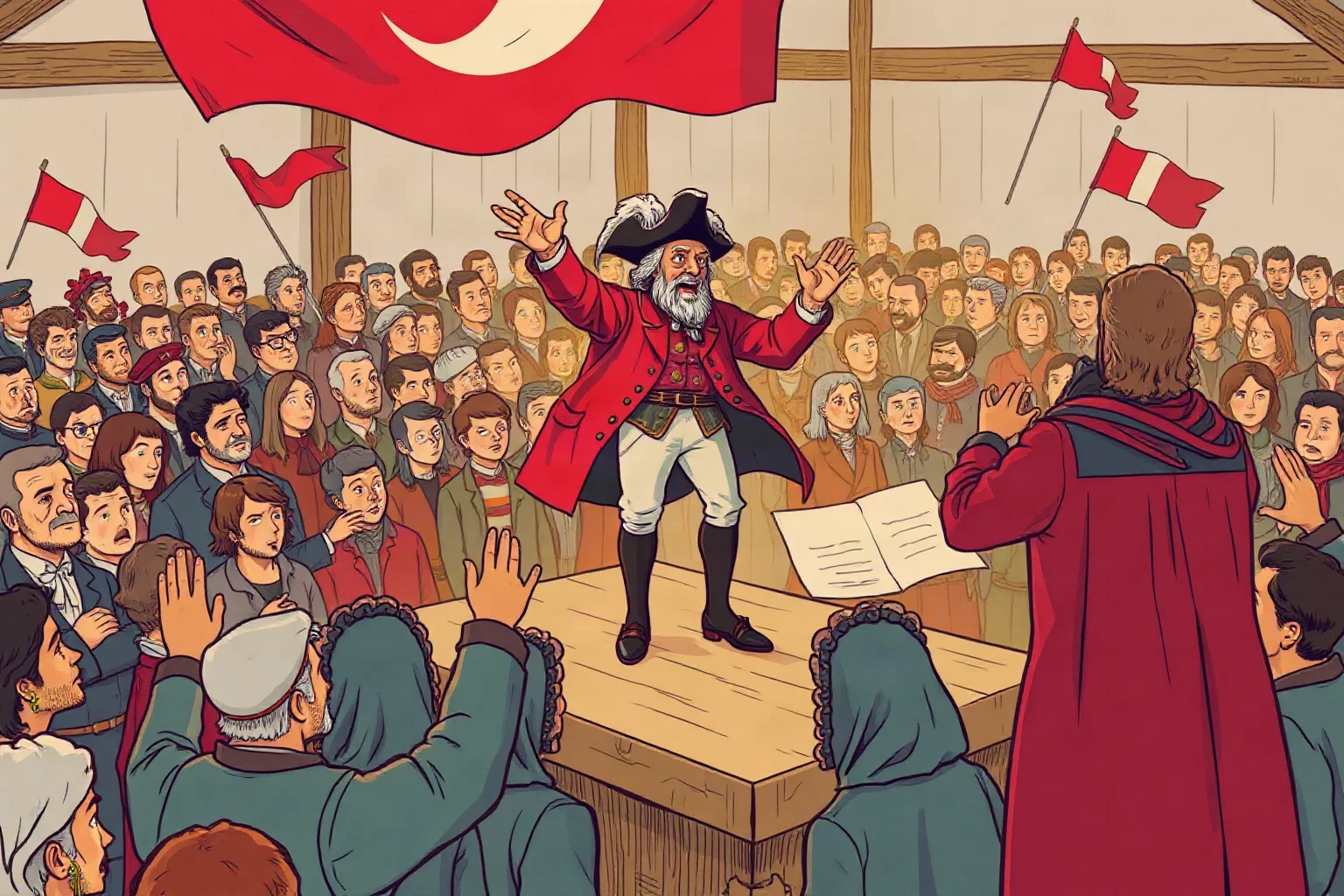
Maximilien Robespierre rose from a provincial lawyer to one of the most powerful men in France during the Revolution, championing radical democratic ideals while also overseeing the Reign of Terror. His story is a cautionary one: he argued that revolutionary violence was necessary to protect the Republic, and that logic eventually consumed him too.
Robespierre was executed in 1794, a reminder that revolutionary politicians of this era rarely died peacefully.
8. Georges Danton
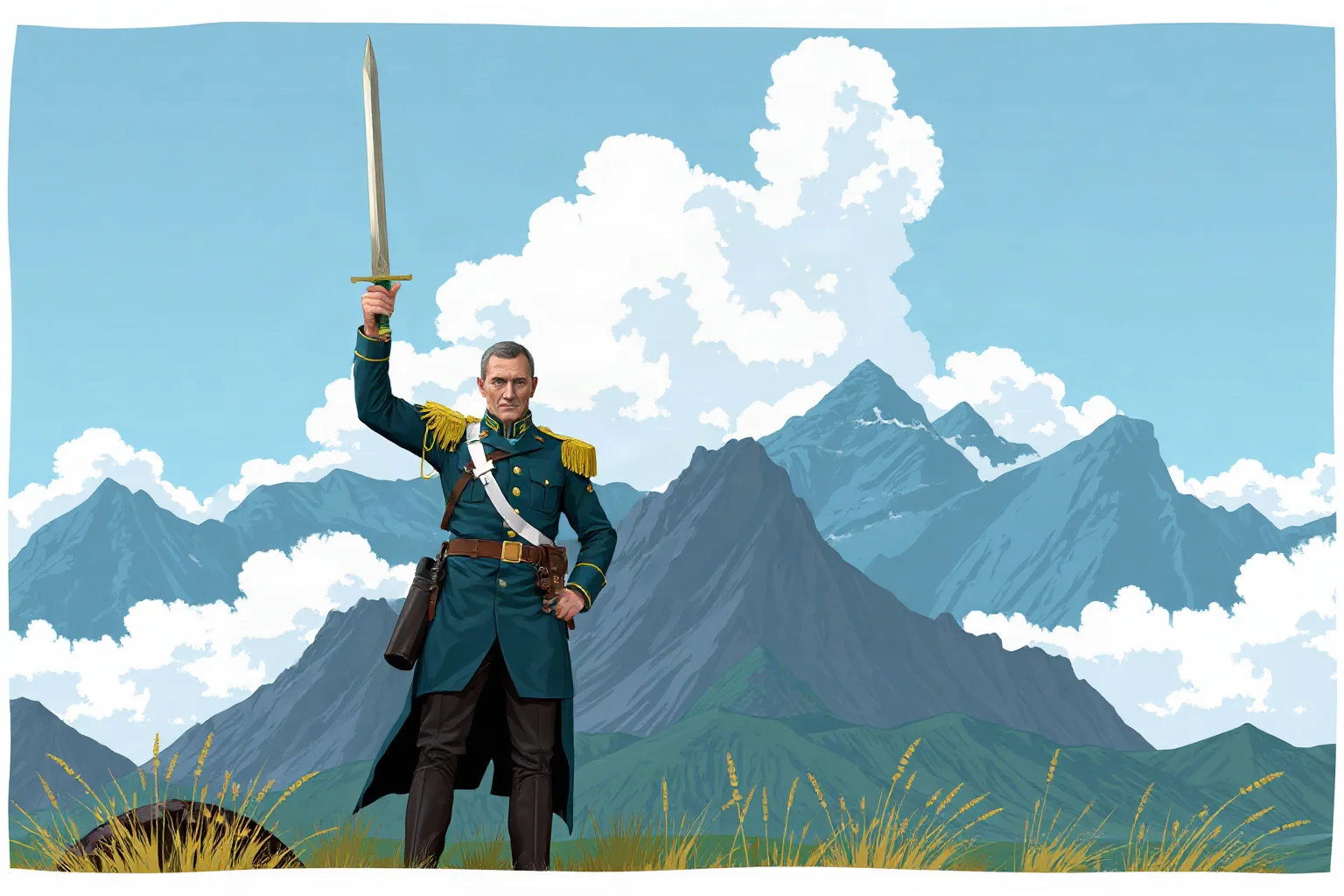
Georges Danton was one of the French Revolution’s most charismatic public speakers and a key figure in overthrowing the monarchy. He later clashed with Robespierre over the pace and brutality of the Terror, which cost him his life in 1794.
Danton represents the revolution’s more pragmatic wing, someone who wanted radical change but grew uneasy with unlimited violence.
The Haitian Revolution
9. Toussaint Louverture
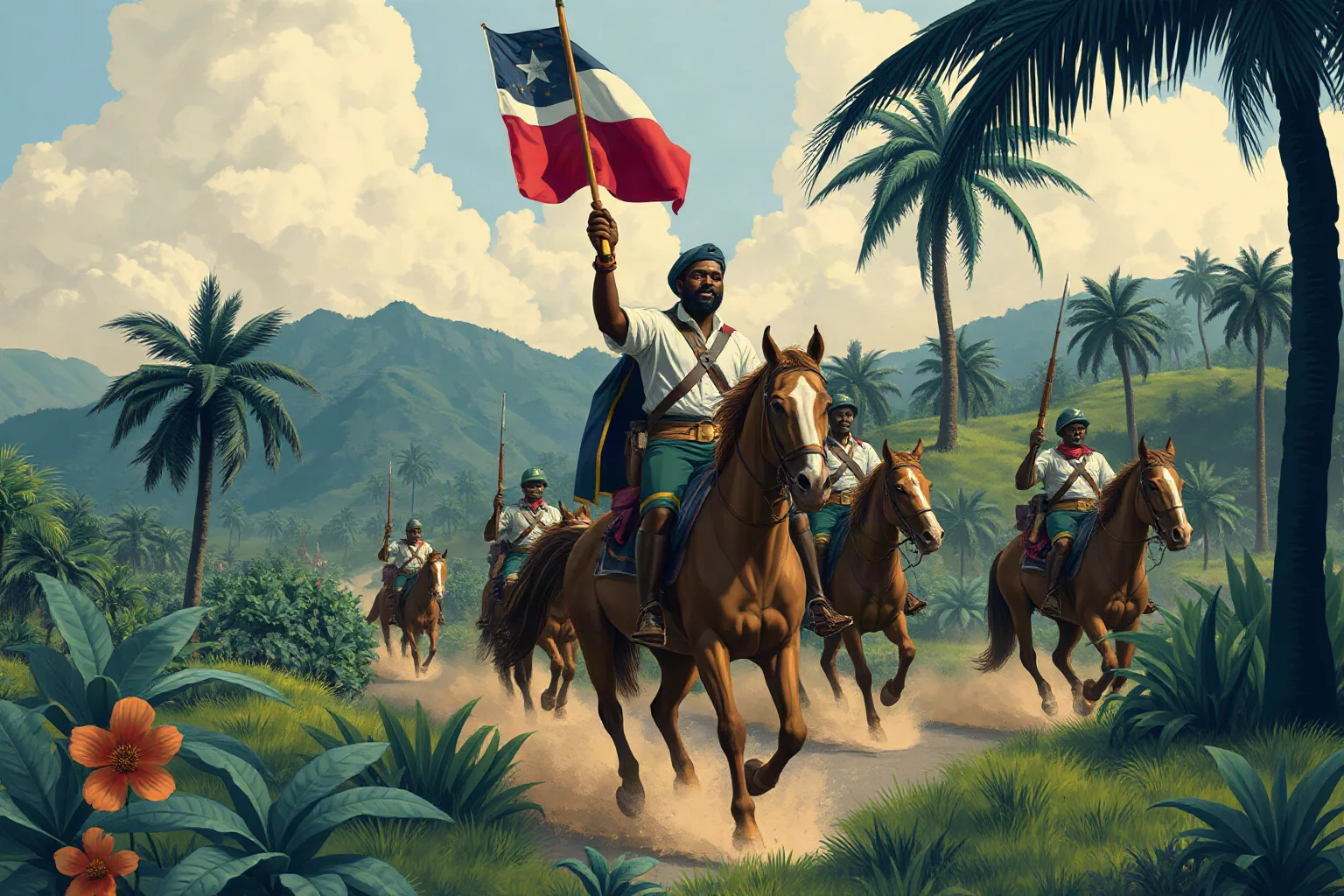
Toussaint Louverture led the only successful slave revolt in modern history, transforming the French colony of Saint-Domingue into the independent nation of Haiti. His revolution abolished slavery outright, decades before most of the Western world followed suit.
Louverture is often left out of general history courses, but his campaign is arguably one of the most consequential revolutionary movement examples of the 18th century.
South American Independence
10. Simón Bolívar
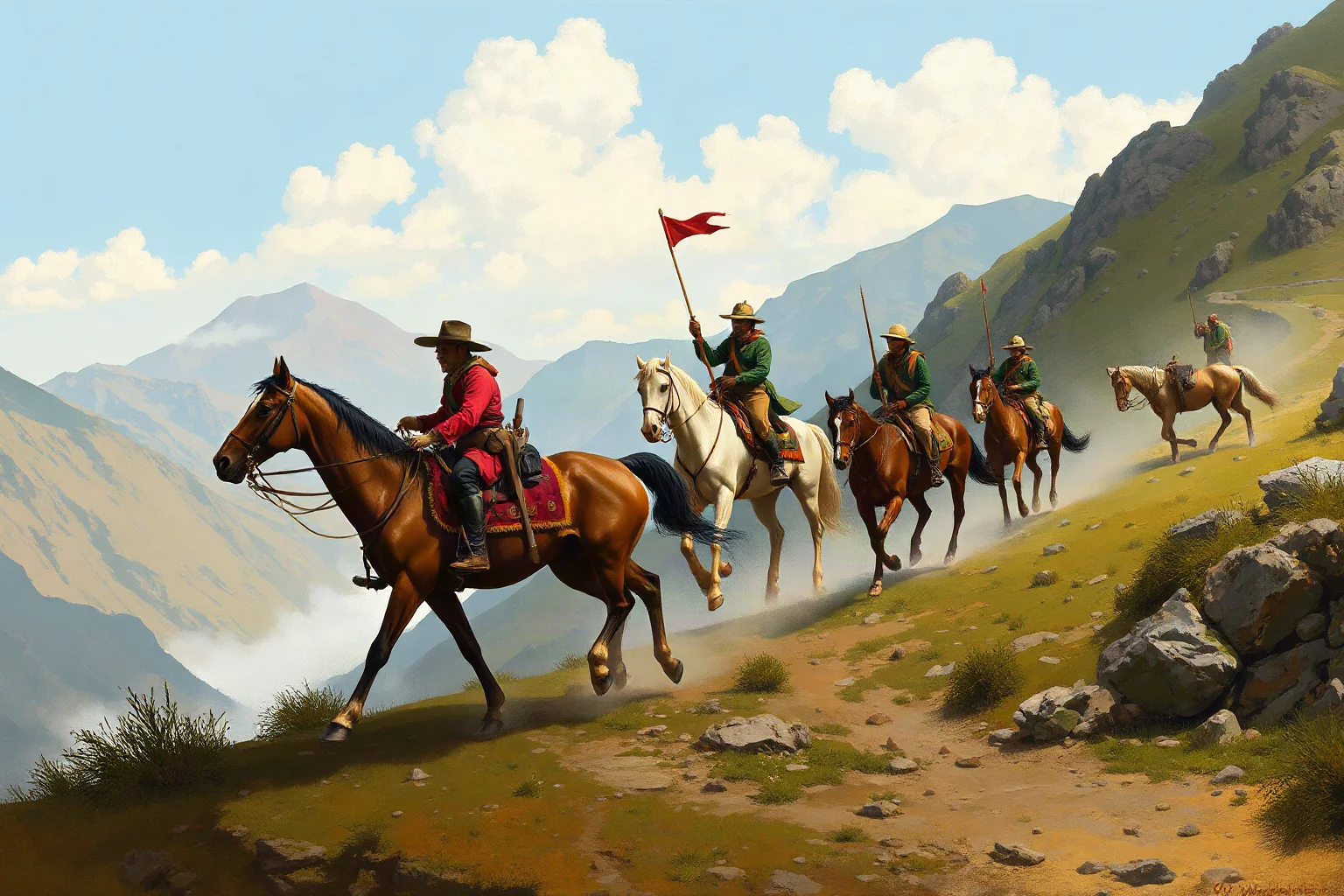
Simón Bolívar led independence movements across what are now Venezuela, Colombia, Ecuador, Peru, and Bolivia, earning the title “El Libertador.” He’s the figure most South American revolutionaries and modern political movements still invoke today.
Bolívar’s dream of a unified South American republic never fully materialized, but his military campaigns broke Spanish colonial control across the continent.
11. José de San Martín
José de San Martín led the independence struggle in Argentina, Chile, and Peru, coordinating military campaigns with Bolívar’s forces from the other direction. Together they’re considered the two towering figures of Latin American independence.
In much of Latin America, San Martín and Bolívar are remembered as heroes de la revolución — heroes of the revolution — with statues and holidays dedicated to their campaigns.
The Mexican Revolution
12. Emiliano Zapata
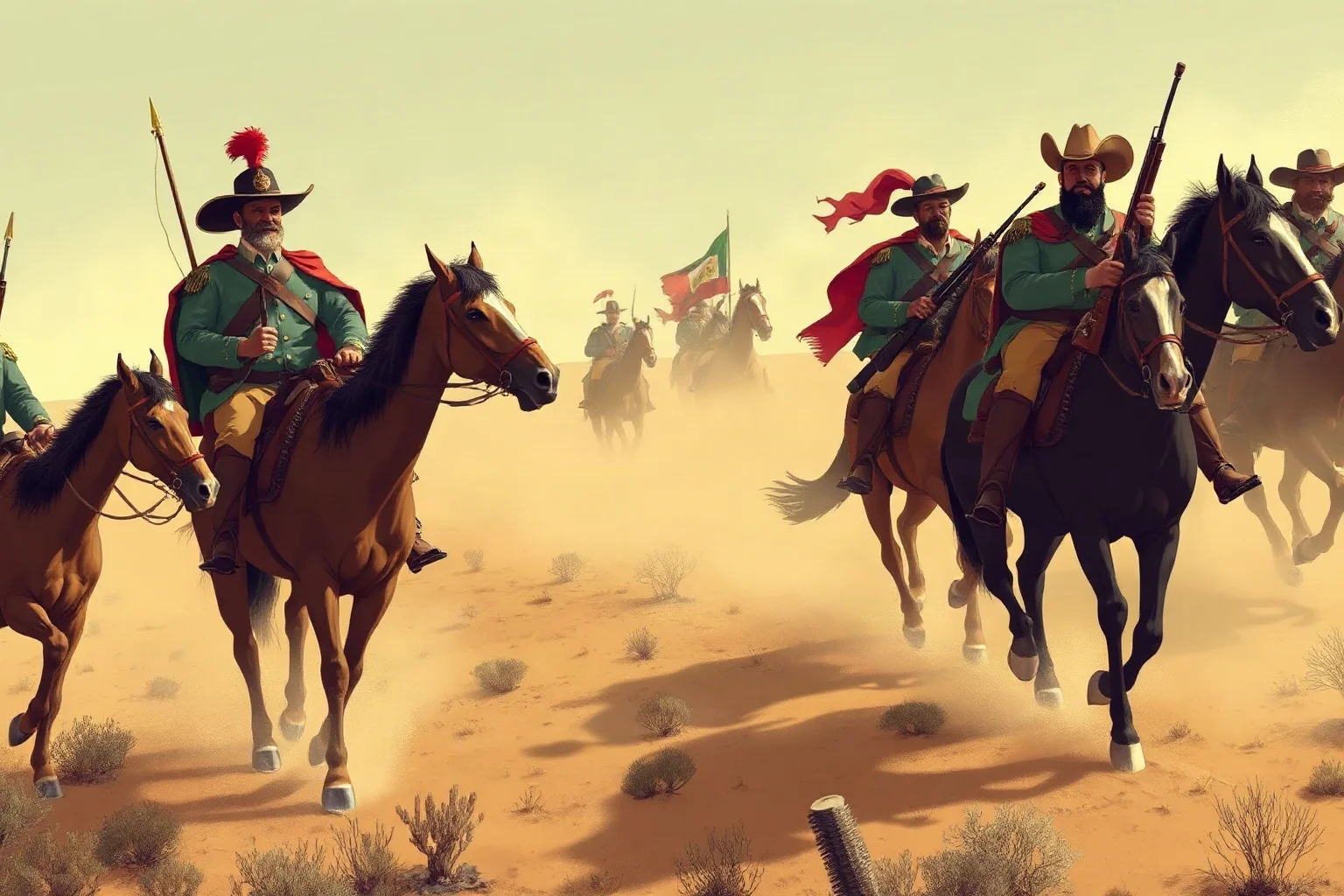
Emiliano Zapata led peasant forces in southern Mexico demanding land reform, coining the rallying cry “Tierra y Libertad” (Land and Liberty). He remains one of the most recognized Mexican revolutionary figures, partly because his cause was about economic justice rather than just political power.
Zapata was assassinated in 1919, but land reform stayed central to Mexican politics for decades afterward.
13. Pancho Villa

Pancho Villa commanded revolutionary forces in northern Mexico and became an international folk hero, partly through early newsreel footage that turned him into a celebrity. He fought against multiple Mexican governments over the course of the decade-long revolution.
Villa’s guerrilla tactics and larger-than-life persona made him one of the most recognizable names of revolutionaries from the era, even outside Mexico.
Communist Theory and the Russian Revolution
14. Karl Marx

Karl Marx never led an armed uprising himself, but his writings with Friedrich Engels — which place him firmly among history’s most renowned philosophers — supplied the ideological framework that later communist revolutionaries would act on. “The Communist Manifesto” and “Das Kapital” argued that capitalism would eventually collapse under its own contradictions.
Marx is a useful reminder that not every revolutionary figure fought on a battlefield — some fought with ideas that outlived them by over a century.
15. Vladimir Lenin

Vladimir Lenin led the Bolsheviks to power during the October Revolution of 1917, becoming one of the most important people in the Russian Revolution and the founding leader of the Soviet state. He adapted Marxist theory into a practical strategy for seizing power through a disciplined revolutionary party.
Lenin’s government quickly consolidated control through a civil war, showing how revolutions often require years of violent aftermath before they stabilize.
16. Leon Trotsky

Leon Trotsky organized the Red Army during the Russian Civil War and was, for a time, considered Lenin’s natural successor. He later lost a power struggle with Stalin, was expelled from the Soviet Union, and was assassinated in Mexico in 1940.
Trotsky’s fate illustrates a recurring pattern among 20th century revolutionaries: winning the revolution doesn’t guarantee surviving its aftermath.
17. Rosa Luxemburg

Rosa Luxemburg was a Polish-German revolutionary and one of the most influential female communist theorists of the early 20th century. She helped found the Communist Party of Germany and was murdered in 1919 during the suppression of the Spartacist uprising in Berlin.
Luxemburg is frequently cited as one of history’s most important female revolutionaries precisely because she combined serious theoretical work with direct political organizing.
The Chinese and Vietnamese Revolutions
18. Sun Yat-sen
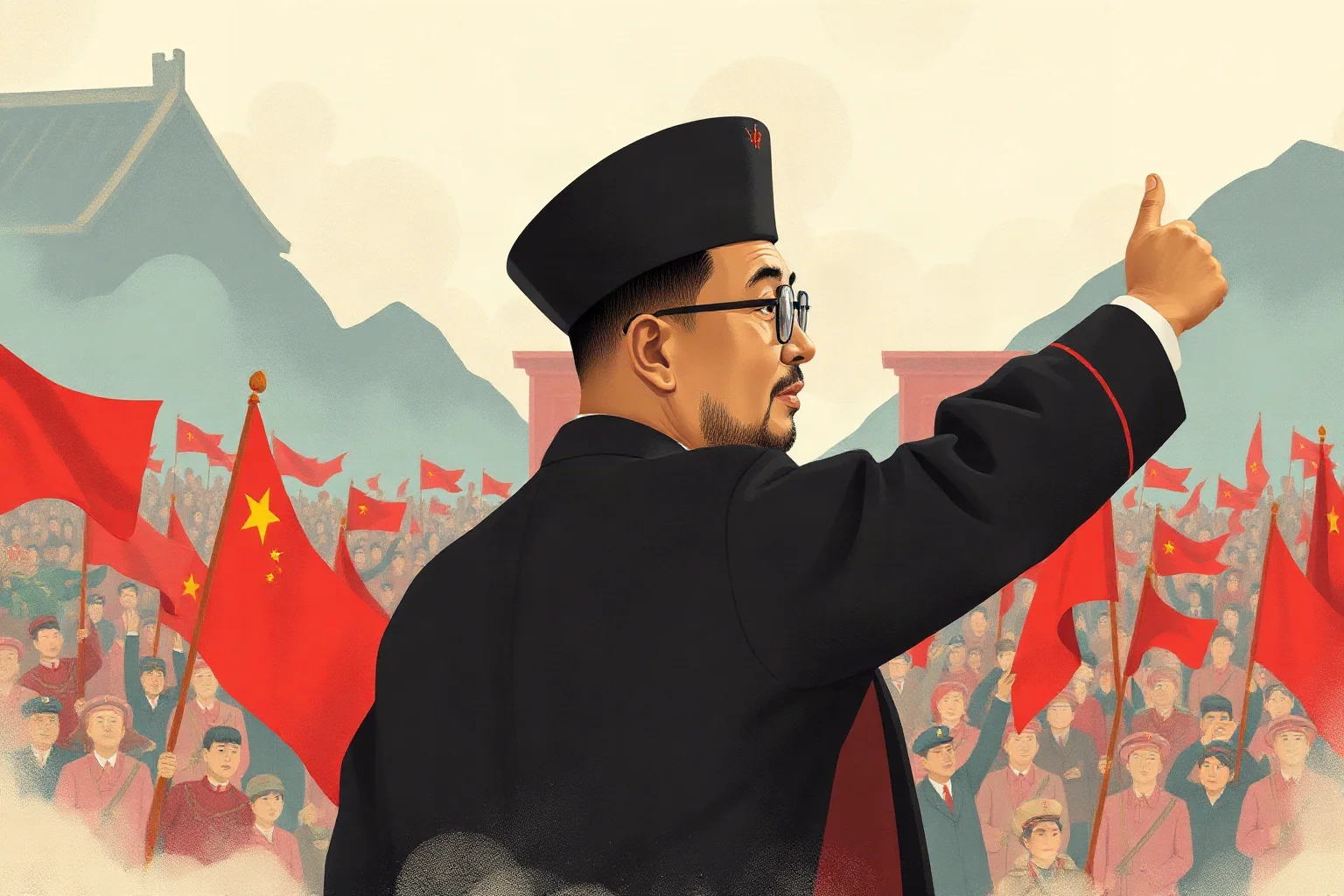
Sun Yat-sen helped lead the 1911 Xinhai Revolution that ended more than two thousand years of imperial rule in China and established the Republic of China. He’s honored in both mainland China and Taiwan as the “Father of the Nation,” a rare point of agreement between otherwise opposed political systems.
Sun’s revolution predates the later communist takeover, making him distinct from the figures usually associated with 20th century communist China.
19. Mao Zedong
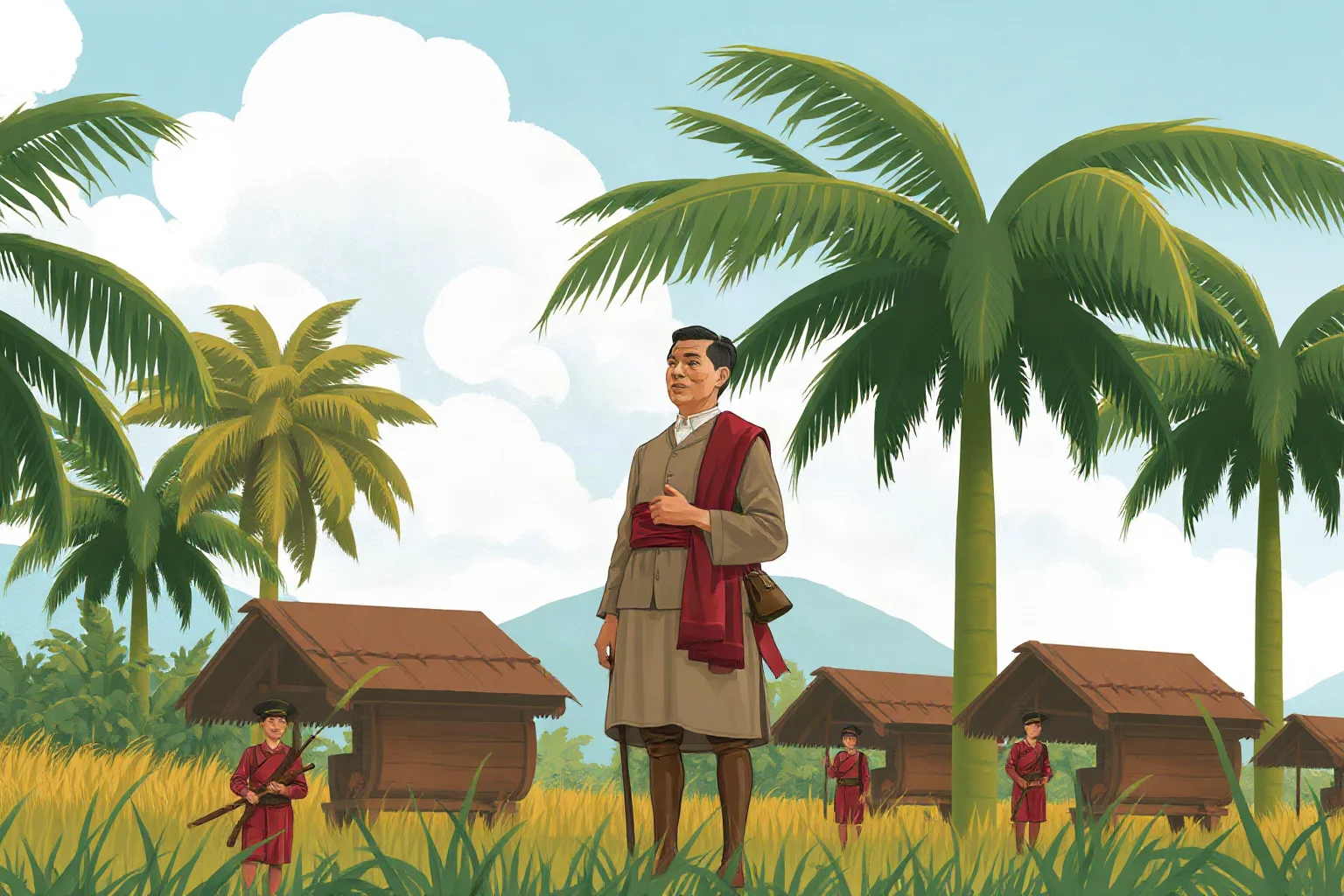
Mao Zedong led the Chinese Communist Party to victory in 1949 after decades of civil war and the Long March, establishing the People’s Republic of China. He remains one of the most significant communist leaders in history, though his later policies, including the Great Leap Forward and Cultural Revolution, caused enormous human suffering that historians continue to study and document.
Mao’s legacy is genuinely mixed: a revolutionary who unified a fractured country, but whose subsequent rule caused catastrophic famine and political violence.
20. Ho Chi Minh

Ho Chi Minh led the Vietnamese independence movement against French colonial rule and later against American-backed South Vietnam, founding the Democratic Republic of Vietnam. He blended nationalist and communist goals in a way that made him a unifying figure for Vietnamese independence.
Ho Chi Minh City, renamed after his death, remains a lasting symbol of his role in Vietnam’s national story.
The Cuban Revolution
21. Fidel Castro

Fidel Castro led the guerrilla campaign that overthrew Cuban dictator Fulgencio Batista in 1959, establishing a communist government just ninety miles from Florida. He remained in power for nearly five decades, making him one of the longest-serving revolutionary leaders of the modern era.
Castro is still one of the most polarizing communist figures in modern history, viewed by supporters as a symbol of anti-imperialist resistance and by critics as an authoritarian ruler.
22. Che Guevara

Che Guevara, an Argentine doctor, became one of Castro’s key commanders during the Cuban Revolution before attempting to export the same guerrilla model to Bolivia, where he was captured and executed in 1967. His image became one of the most reproduced symbols of revolutionary politics in the 20th century, making him arguably one of the most recognized historical figures of all time.
Che is often cited as the quintessential example of revolutionary idealism crossing national borders, for better or worse depending on who’s telling the story.
23. José Martí

José Martí was a Cuban poet and journalist whose writing helped lay the intellectual groundwork for Cuban independence from Spain, decades before Castro’s revolution. He died in battle in 1895 and is honored across Latin America as one of the great Hispanic revolutionaries of the 19th century.
Martí’s essays on Latin American identity still influence political thought across the region today.
20th Century Independence Movements
24. Mahatma Gandhi

Mahatma Gandhi led India’s independence movement against British rule through organized nonviolent resistance, a strategy that reshaped what a “revolutionary” could even look like. He proved that mass civil disobedience could dismantle an empire without matching it with armed force.
Gandhi’s approach influenced later movements worldwide, showing that revolutionary change doesn’t always require violent uprising.
25. Yasser Arafat
Yasser Arafat led the Palestine Liberation Organization for decades and became the central figure of the Palestinian national movement, later serving as the first President of the Palestinian Authority. He remains one of the most prominent Palestinian revolutionaries of the modern era, and his legacy is still actively debated in political and historical circles.
Arafat’s career, spanning armed struggle and later diplomatic negotiation, shows how a revolutionary figure’s methods can shift dramatically over a single lifetime.
What These Revolutionary Leaders Had in Common
Looking across all 25 names, a few patterns stand out. Nearly all of them emerged during a period of visible institutional failure — a monarchy that overtaxed its subjects, a colonial power that ignored local grievances, or an economy that collapsed under its own weight. Revolutionaries rarely create the crisis; they exploit one that’s already brewing.
Most of these revolutionary people also relied on some form of organized network before they became famous. Committees, secret societies, guerrilla cells, and political parties did the groundwork that later got attributed to a single charismatic leader. That’s worth remembering any time a single name gets credit for an entire uprising.
Famous Communist Leaders and Their Legacy
Communist revolutionaries deserve their own note because they represent such a distinct branch of this history. Lenin, Trotsky, Mao, Ho Chi Minh, and Castro all drew on Marxist theory, but they adapted it so differently to their own countries that lumping them together can be misleading. Famous communist leaders in Russia and China built one-party states through violent civil wars, while Ho Chi Minh’s movement was as much about ending colonial rule as it was about class struggle.
Among the most famous communists, it’s also worth remembering the theorists who never held state power, like Marx and Luxemburg. Their influence came from ideas rather than armies, which is part of why communism spread to places its original architects never set foot in.
Female Revolutionaries Who Rarely Make the Textbook
Deborah Sampson and Rosa Luxemburg appear on the main list, but they’re far from the only powerful women in history worth knowing about when it comes to revolutionary movements. Constance Markievicz took part in Ireland’s 1916 Easter Rising and later became one of the first women elected to the British Parliament. Qiu Jin organized against China’s Qing dynasty and was executed in 1907, decades before Sun Yat-sen’s revolution succeeded.
Women’s contributions to revolutionary movements were frequently minimized in official records at the time, which is part of why they’re harder to find in older history books. Modern historians have worked to recover these stories, and the pattern that emerges is clear: revolutions were never a men-only affair, even when the surviving portraits suggest otherwise.
“The Last Men of the Revolution”: A Note on Memory
One small but fascinating footnote in American history is a 19th-century project sometimes referenced under the title “The Last Men of the Revolution.” In the 1860s, decades after the Revolutionary War ended, a small number of extremely elderly veterans were still alive — some among the oldest people ever recorded in that era — and a handful were interviewed and photographed before they died. Their accounts offer a rare direct link between the founding generation and the era of photography.
It’s a good reminder that revolutions aren’t just abstract turning points in a textbook. Real people lived through them, aged with them, and in a few remarkable cases, lived long enough to describe them to a camera.
Revolutionary Figures in Fiction and Pop Culture
It’s worth noting that not every search for “revolutionary characters” is about real history. Fictional revolutionaries — from dystopian novels to historical dramas — borrow heavily from real figures like Robespierre, Che Guevara, and Bolívar to build believable rebel leaders. The revolutionary characteristics that make these characters compelling in fiction are usually the same ones that defined the real historical figures: conviction, charisma, and a willingness to sacrifice personal safety for a larger cause.
That overlap isn’t an accident. Writers studying real revolutionaries in history often find the raw material more dramatic than anything they could invent from scratch.
Final Thoughts
The word “revolutionary” gets used loosely today, applied to new smartphones and marketing campaigns as often as political movements. But the historical revolutionaries on this list risked prison, exile, or execution for beliefs that were far from guaranteed to succeed at the time. Some built lasting democracies, some built regimes that caused tremendous harm, and some simply lost.
What unites them isn’t a shared politics — Washington and Lenin would have found almost nothing to agree on. It’s the willingness to bet everything on the idea that the world they were born into didn’t have to stay the same.
Frequently Asked Questions
Who fought during the Revolutionary War?
The American Revolutionary War was fought mainly between Great Britain and the thirteen American colonies. The Continental Army, led by George Washington, faced British regulars, Loyalist militias, and Hessian mercenaries, while France, Spain, and the Dutch Republic later joined the war on the American side.
What is a revolutionist?
A revolutionist, or revolutionary, is someone who works to overthrow an existing government or social system rather than reform it gradually from within. The term applies to political leaders, soldiers, writers, and organizers alike, as long as their goal is fundamental, systemic change.
What makes someone a revolutionary?
Historians generally point to a few shared traits: a clear ideological vision, the ability to organize and inspire others, a willingness to accept serious personal risk, and the strategic skill to act during a moment of political or economic crisis. Anger at injustice alone doesn't make someone revolutionary — turning that anger into organized action does.
Who are considered the most famous communist leaders in history?
Vladimir Lenin, Leon Trotsky, Mao Zedong, Ho Chi Minh, and Fidel Castro are among the most widely recognized communist revolutionaries, alongside theorists like Karl Marx and Rosa Luxemburg who shaped communist ideology without necessarily holding state power themselves.
What is an example of a revolutionary movement?
The Haitian Revolution, led by Toussaint Louverture, is one of the clearest examples: enslaved people in a French colony organized, fought a sustained war, and established the independent nation of Haiti in 1804. Other examples include the American Revolution, the French Revolution, and the Cuban Revolution led by Fidel Castro and Che Guevara.
Were there notable female revolutionaries in history?
Yes. Deborah Sampson fought disguised as a man during the American Revolutionary War, Rosa Luxemburg helped found Germany's Communist Party in the early 20th century, and Constance Markievicz took part in Ireland's 1916 Easter Rising. Women's roles in revolutionary movements were often under-documented at the time but have been increasingly studied by modern historians.
What’s the difference between a revolutionary and a political reformer?
A reformer works within an existing system to gradually change laws or policy, while a revolutionary seeks to overthrow that system entirely and replace it with something fundamentally different. The distinction is about method and goal, not just intensity of belief.
Who are some of the greatest revolutionaries recognized worldwide?
Figures like George Washington, Simón Bolívar, Vladimir Lenin, Mahatma Gandhi, and Toussaint Louverture are frequently cited among the greatest revolutionaries because their movements permanently reshaped the political map of their regions, from North America to South Asia.

Alex Warren
Related Articles