

Humans have been burying, hiding, sinking, and losing valuables for as long as we’ve had valuables worth hiding. Wars, shipwrecks, secret codes, and sheer bad luck have swallowed up gold, jewels, sacred relics, and entire fortunes, leaving behind little more than legends and a few tantalizing clues.
Some of these stories are backed by real historical records, while others have grown taller with every retelling around a campfire.
In this guide, we’re digging into the most famous missing treasure stories in history — separating documented fact from folklore where we can, and being upfront about the mysteries that remain genuinely unsolved. Whether you’re a casual history buff or dreaming of your own treasure map, these are the undiscovered treasures that still capture imaginations today.
TL;DR: From the Ark of the Covenant to Oak Island’s Money Pit, dozens of legendary treasures remain missing today, and while historical records confirm many of them once existed, no verified evidence has ever confirmed where they ended up.
What Actually Makes a Treasure “Lost”?
Not every missing treasure is the stuff of pirate lore. Some are historically documented fortunes that vanished during war, shipwreck, or political upheaval, with paper trails, eyewitness accounts, or archaeological evidence backing up their existence, not unlike some of the most incredible artifacts ever uncovered that historians have painstakingly verified over the years. Others are far murkier, built more on oral tradition, folklore, and decades of amateur speculation than on solid documentation.
A true “lost treasure” generally needs two things: credible evidence it once existed, and no confirmed record of it being recovered. That distinction matters, because plenty of famous treasure legends have been exaggerated, hoaxed, or quietly debunked by historians over the years. We’ll flag those cases as we go, because a good myth-busting approach means giving you the real history, not just the exciting version.
The Most Famous Lost Treasures in History
Here are the legendary lost treasures that continue to fascinate historians, archaeologists, and treasure hunters alike. Some are ancient, some are modern, spanning many of history’s major historical time periods and eras, and all of them remain officially unfound.
1. The Ark of the Covenant
According to the Hebrew Bible, the Ark of the Covenant was a gold-covered chest containing the tablets of the Ten Commandments, carried by the Israelites and eventually housed in Solomon’s Temple in Jerusalem, a central site of one of many ancient religions that no longer exist in their original form. Historical and biblical texts suggest it disappeared sometime around the Babylonian conquest of Jerusalem in 587 BCE, though the details are murky.
Theories about its fate range from it being destroyed, hidden beneath the Temple Mount, or smuggled to Ethiopia, where the Church of Our Lady Mary of Zion in Aksum claims to hold it to this day. No independent archaeological verification has ever confirmed any of these claims, which keeps the Ark firmly on every list of history’s greatest unsolved mysteries.
2. El Dorado, the Golden King (and City)

El Dorado began as a real ritual: a Muisca chief in what is now Colombia would cover himself in gold dust and offer treasures to a sacred lake, Lake Guatavita, as part of a coronation ceremony. Spanish conquistadors heard garbled versions of this story and transformed “the golden man” into a mythical golden city bursting with treasure.
Expeditions searched relentlessly through the 16th and 17th centuries, and some gold artifacts have genuinely been recovered from Lake Guatavita over the years. But the fabled city of El Dorado itself was never real in the way explorers imagined, making this one of history’s best examples of a legend growing far beyond its factual roots.
3. The Amber Room

The Amber Room was an extraordinary chamber of amber panels, gold leaf, and mirrors, gifted by Prussia to Russia in 1716 and later installed in the Catherine Palace near St. Petersburg. Nazi forces looted it in 1941 during the invasion of the Soviet Union, and it was last documented on display in Königsberg Castle in 1944.
The trail goes cold after that, with the castle destroyed by Allied bombing and later Soviet forces. Some historians believe the panels were destroyed in the chaos, while others think they were hidden and remain buried somewhere in the region, making this one of the most famous lost treasures of the 20th century.
4. The Oak Island Money Pit
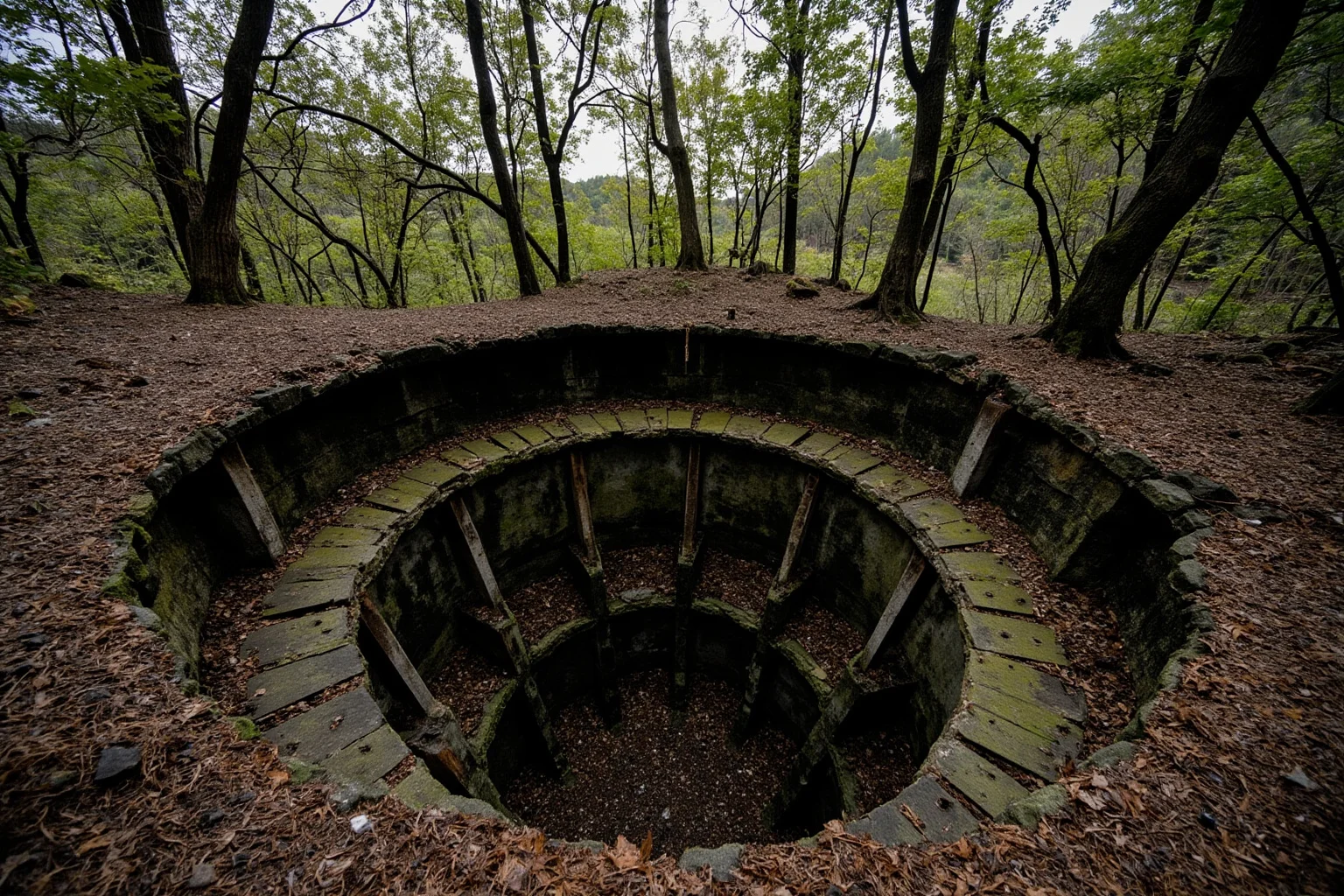
On a small island off Nova Scotia, Canada, a mysterious depression in the ground has fueled treasure legends since 1795, when local teenagers reportedly found signs of digging and timber platforms underground. Theories about what’s buried there range from pirate loot to Marie Antoinette’s jewels to Shakespearean manuscripts, though none of these have ever been substantiated.
Millions of dollars have been spent excavating Oak Island over more than two centuries, including modern efforts documented on television. Despite some intriguing artifacts turning up over the years, no definitive treasure has ever been confirmed, and many historians remain skeptical that a major treasure exists there at all.
5. Yamashita’s Gold
Yamashita’s Gold refers to a legendary stash of looted wealth allegedly hidden in the Philippines by Japanese forces under General Tomoyuki Yamashita near the end of World War II. The story claims the Japanese military looted gold, gems, and art from across Southeast Asia and buried it in tunnels and caves before their defeat.
While Japan’s wartime looting of occupied territories is well documented historically, no verified recovery of a large organized treasure cache has ever been confirmed. The legend has nonetheless inspired decades of treasure hunting expeditions across the Philippines, along with numerous unproven claims of discovery.
6. Blackbeard’s Buried Treasure

The pirate Edward Teach, better known as Blackbeard, terrorized the Atlantic coast and Caribbean in the early 18th century before being killed off North Carolina in 1718. Popular legend insists he buried vast treasure hoards along the coastline before his death.
Historical records suggest Blackbeard actually spent or divided most of his plunder among his crew rather than burying it. Most maritime historians consider the buried treasure story largely a romanticized invention, though it remains one of the most enduring pirate treasure myths in popular culture.
7. The Knights Templar Treasure
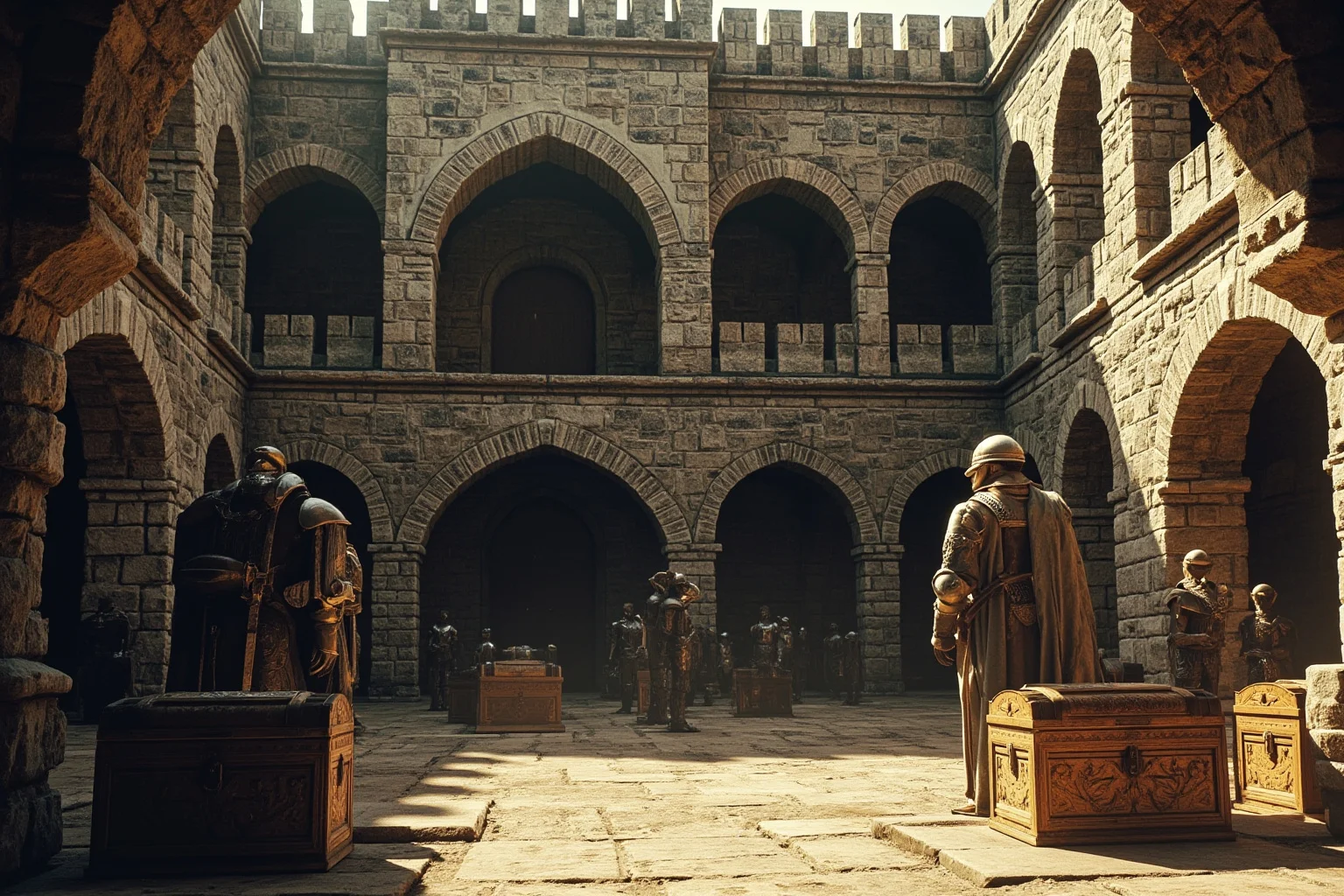
The Knights Templar were a powerful medieval military order that amassed significant wealth through banking and land holdings across Europe. When King Philip IV of France ordered the arrest of Templar members in 1307, seizing their assets, a substantial portion of their treasury reportedly could not be accounted for.
Legends place the missing Templar treasure everywhere from Scotland to Portugal to a mysterious pit on Oak Island. No historical evidence has ever confirmed a single organized “Templar treasure” survived intact, but the order’s genuine wealth and abrupt downfall keep the legend alive.
8. The Treasure of Lima

During Peru’s war for independence in the early 1820s, colonial officials in Lima reportedly entrusted a British sea captain with a fortune in gold, jewels, and church relics for safekeeping. The captain, according to the legend, instead sailed off and buried the treasure on Cocos Island off Costa Rica.
Cocos Island has since attracted hundreds of treasure-hunting expeditions, including some using modern equipment, all without confirmed success. The Costa Rican government eventually restricted digging on the island, which is now a protected national park, effectively freezing this treasure hunt in place.
9. The Beale Ciphers
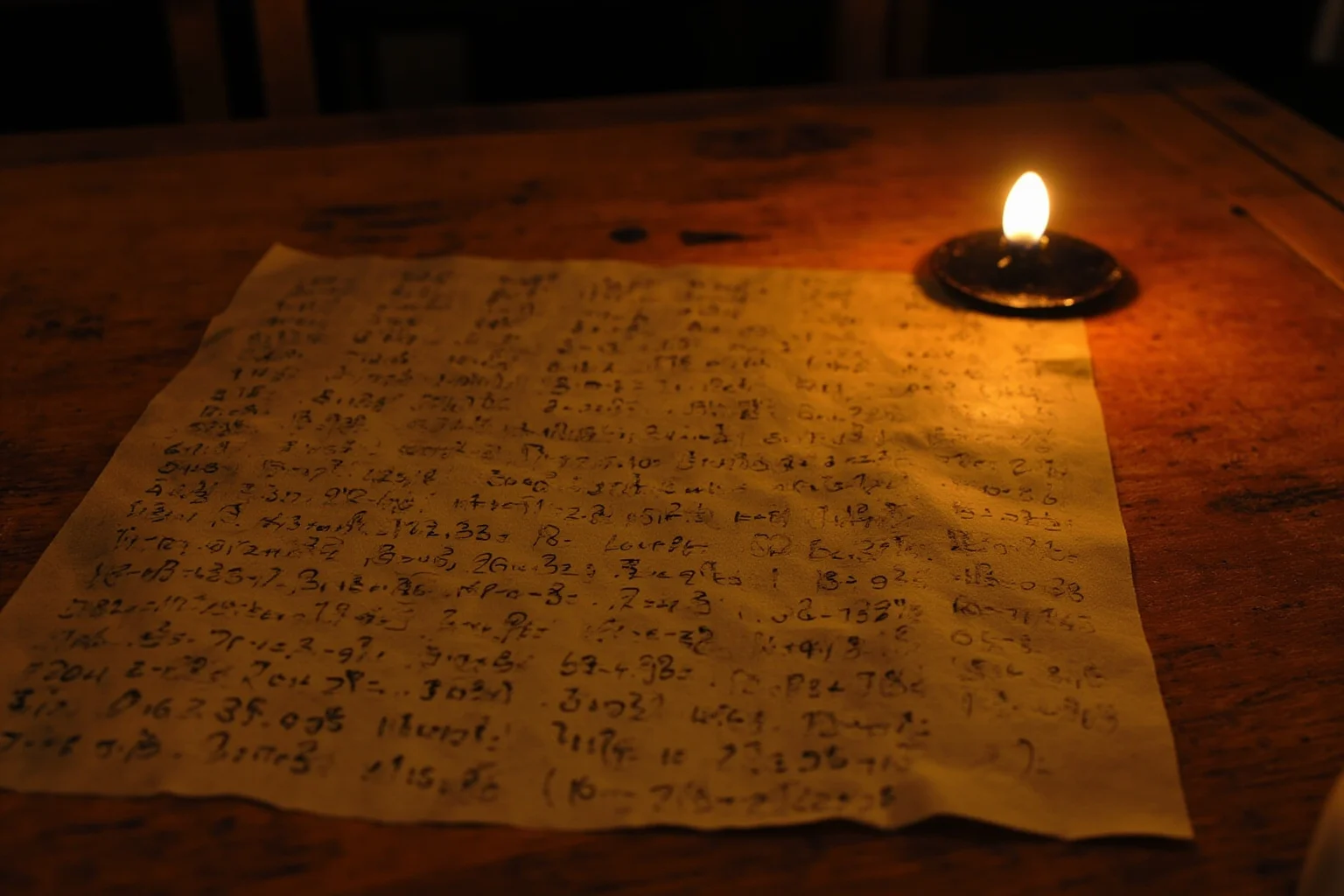
In 1885, a pamphlet was published claiming that a man named Thomas J. Beale had buried a massive fortune of gold and silver in Bedford County, Virginia, sometime in the 1820s. The location and contents were supposedly encoded in three cipher texts, only one of which has ever been solved.
That solved cipher used the U.S. Declaration of Independence as its key and described the treasure’s general contents, but the other two ciphers remain unbroken to this day. Many cryptographers and historians now suspect the whole story may be an elaborate 19th-century hoax, making it one of the more debated real treasure maps unsolved in American folklore.
10. The Flor de la Mar Shipwreck
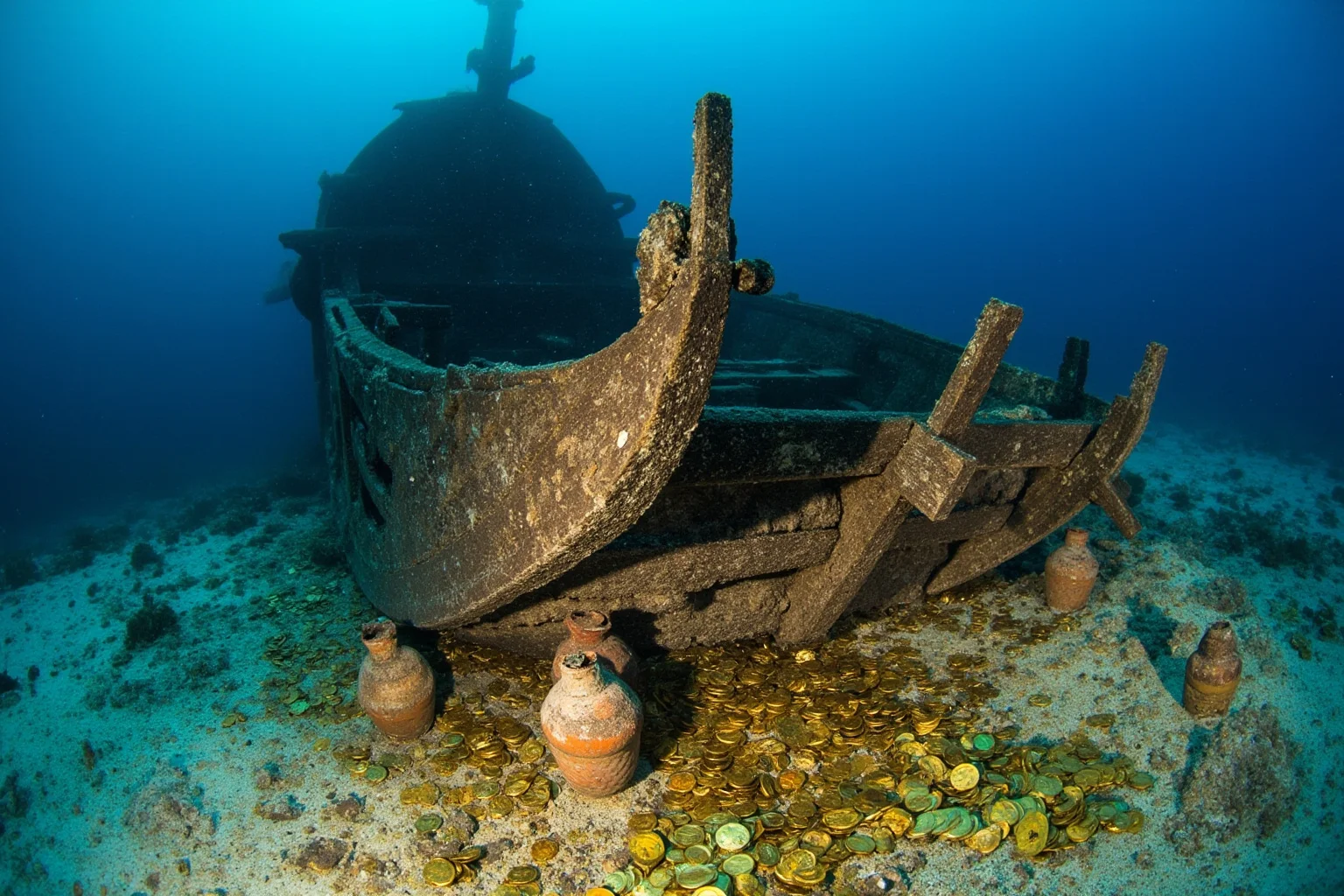
The Flor de la Mar was a Portuguese carrack that sank off the coast of Sumatra in 1511 while carrying an enormous cargo of looted treasure from the conquest of Malacca. Historical accounts describe gold, jewels, and porcelain worth a staggering sum even by today’s standards.
Despite numerous search expeditions off the coasts of Indonesia and Malaysia, the wreck’s exact location has never been conclusively verified. It remains one of the most valuable unfound shipwreck treasures in maritime history.
11. The San José Galleon
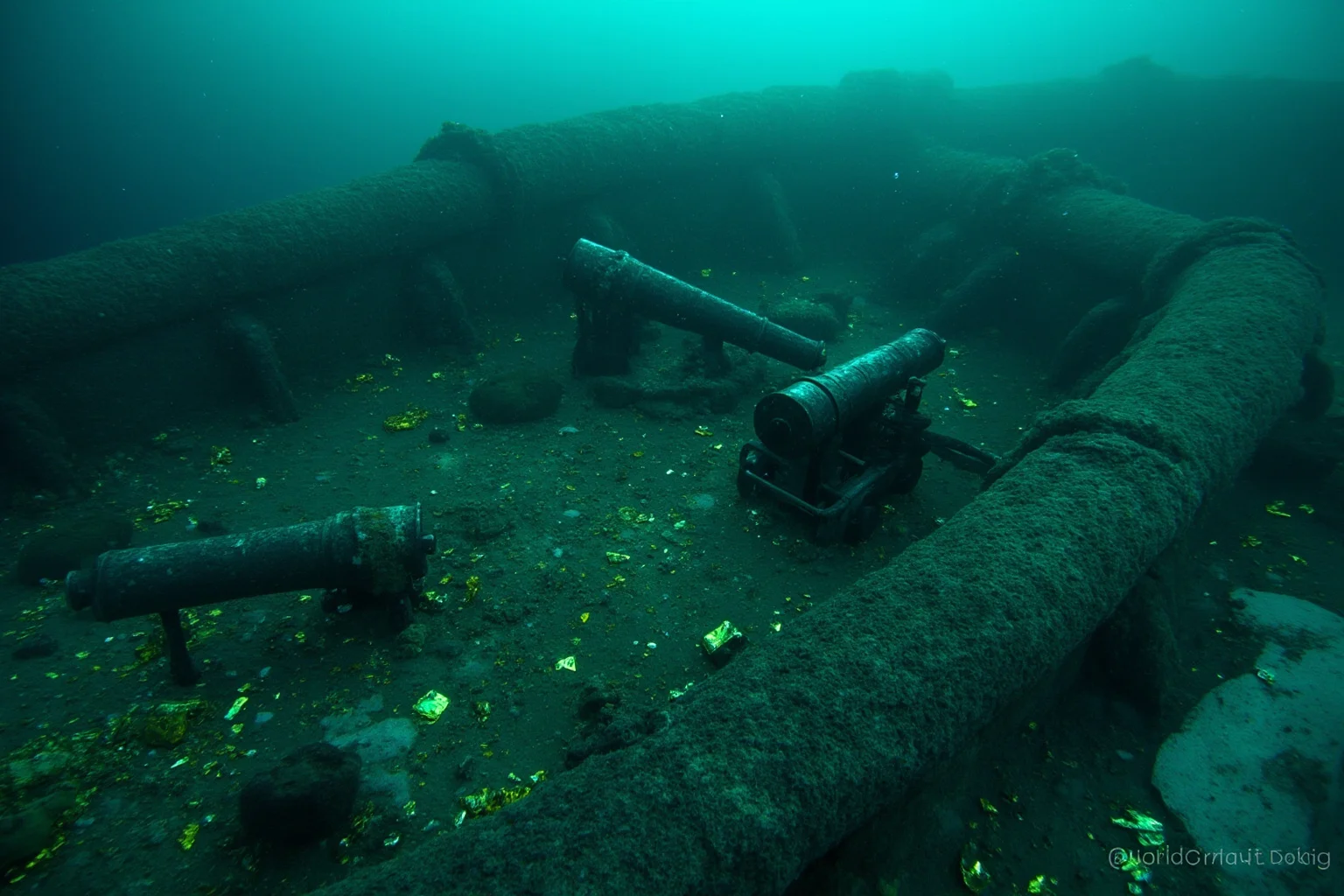
The San José was a Spanish galleon sunk by British warships near Cartagena, Colombia, in 1708 while carrying gold, silver, and emeralds from Spain’s American colonies. Its cargo has been estimated by some researchers to be worth billions of dollars in today’s money, earning it the nickname “the holy grail of shipwrecks.”
Colombia’s government announced in 2015 that the wreck had been located, and further surveys since then have documented parts of the site. However, ownership disputes between Colombia, Spain, and a private salvage company mean the treasure itself has not been recovered or divided, keeping this saga legally and physically unresolved.
12. The Lost Dutchman’s Gold Mine

Somewhere in Arizona’s Superstition Mountains, according to legend, lies a fabulously rich gold mine once worked by a German immigrant named Jacob Waltz in the 19th century. Waltz allegedly told friends of a hidden mine shortly before his death in 1891, but never revealed its exact location.
Decades of searchers have combed the rugged Superstition Mountains, and several have died in the attempt, adding a grim mystique to the legend. No verified gold mine matching the description has ever been found, and many historians question whether Waltz’s mine was ever as rich as the legend claims.
13. Confederate Gold
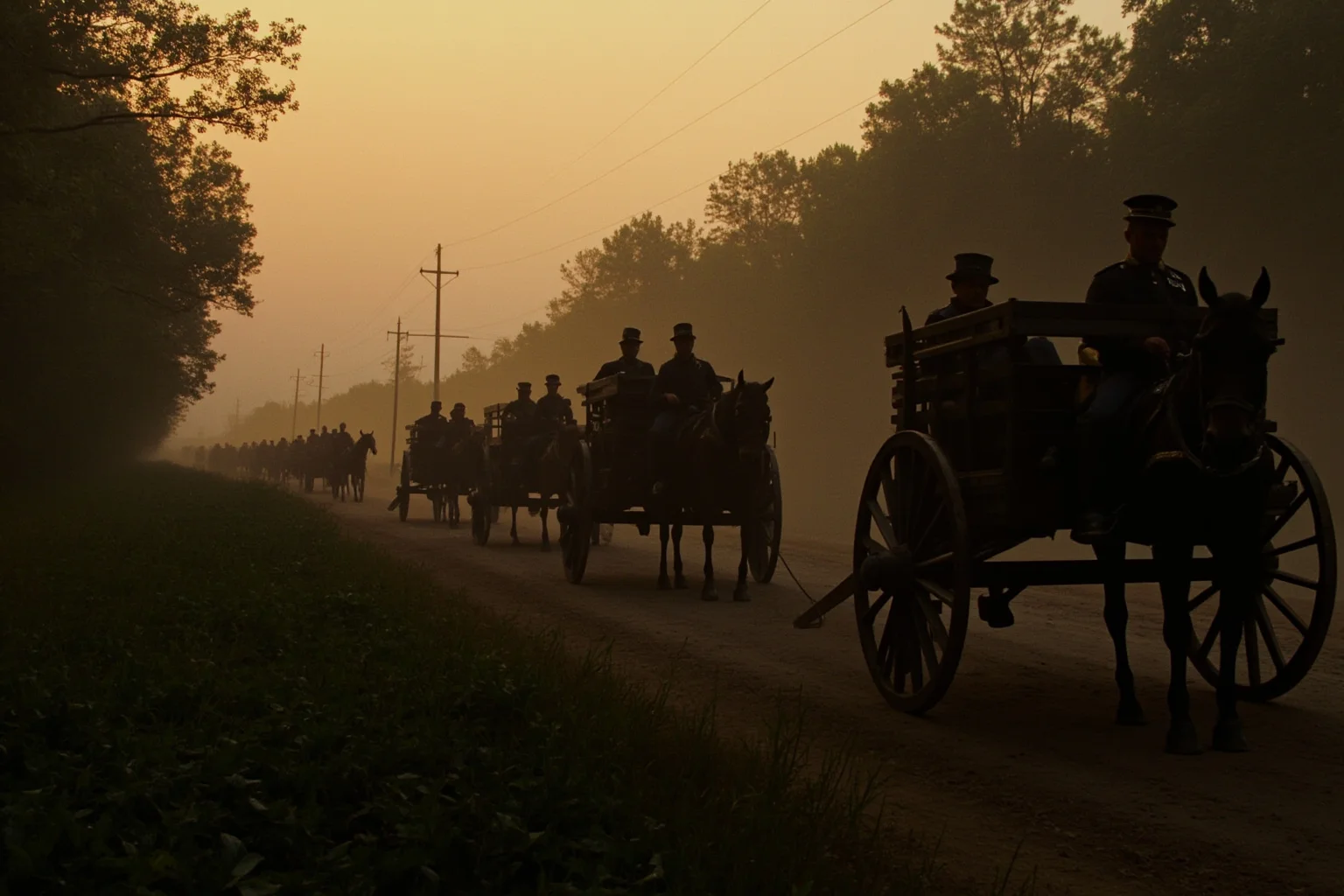
As the Confederacy collapsed in April 1865, its remaining treasury reportedly included gold, silver, and other valuables evacuated from Richmond, Virginia. Historical accounts describe the funds being moved southward with fleeing Confederate officials, and some of it was documented as captured, spent, or distributed.
But a persistent gap remains between what historians can confirm and the full amount believed to have existed, fueling theories that a portion was hidden and never recovered. Numerous sites across Georgia and the Carolinas have been searched over the decades without any confirmed discovery of a hidden Confederate treasury.
14. The Nazi Gold Train of Wałbrzych
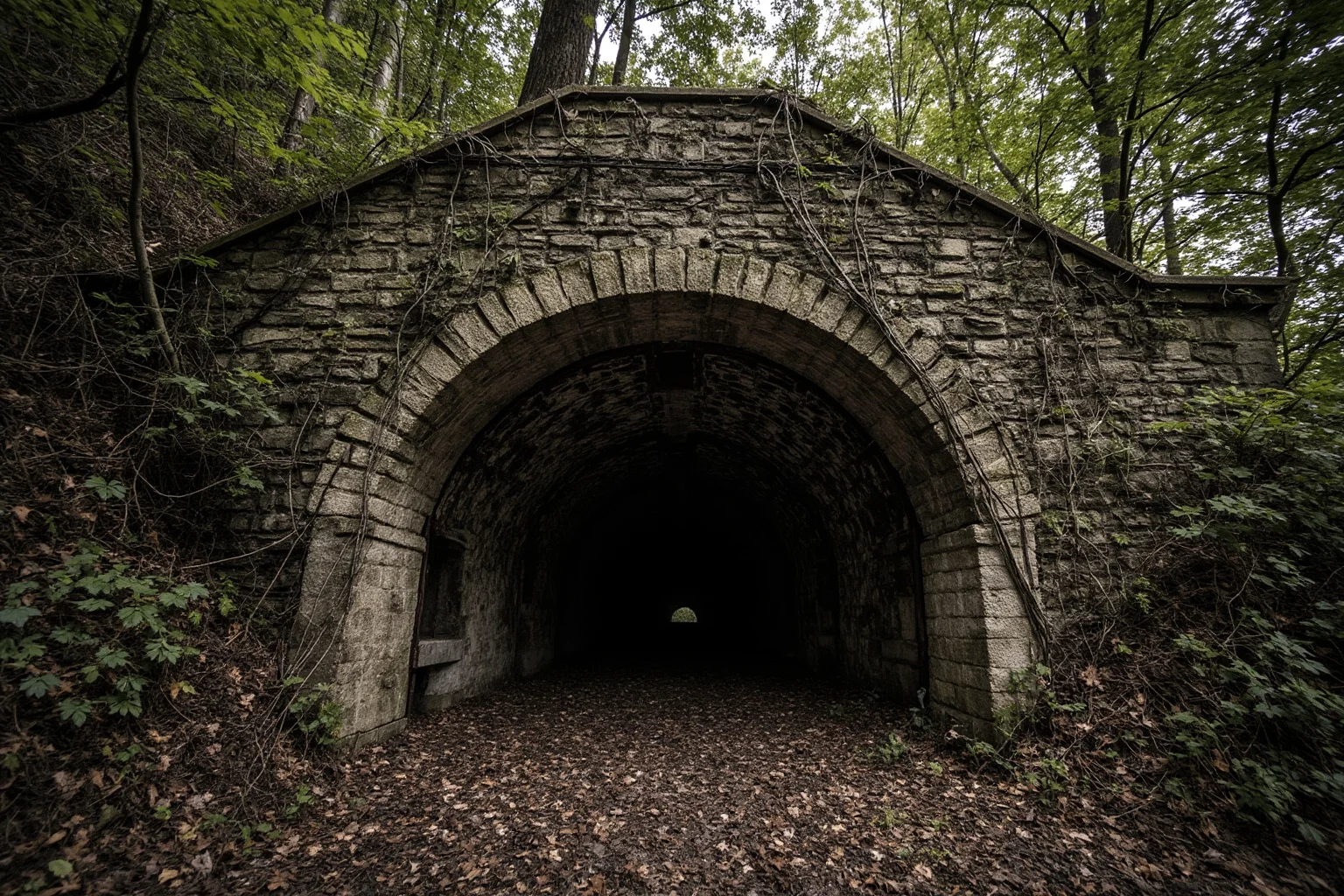
In 2015, two treasure hunters claimed to have located an armored train allegedly hidden by retreating German forces near Wałbrzych, Poland, in 1945, supposedly loaded with gold and valuables. The story tapped into long-standing local legends about a lost Nazi train filled with looted treasure from the region.
Ground-penetrating radar surveys generated significant media excitement at the time, but subsequent excavations failed to find any train or treasure at the claimed site. Most historians now regard this specific claim skeptically, though it revived broader interest in the genuine, well-documented history of Nazi looting during World War II.
15. The Copper Scroll Treasure
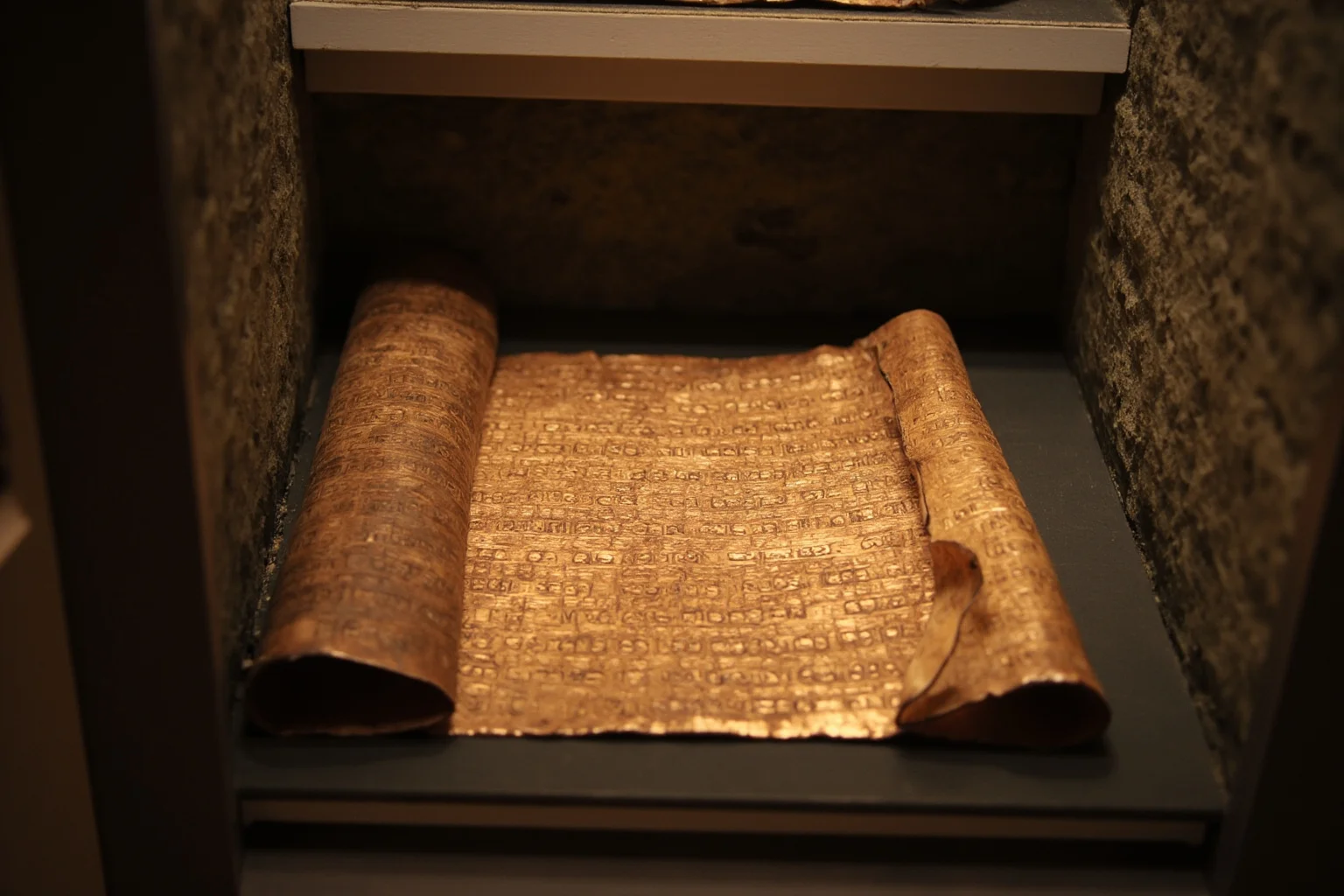
Among the Dead Sea Scrolls discovered near Qumran in the 1950s was an unusual artifact: a scroll engraved on copper rather than written on parchment. Unlike the other scrolls, it doesn’t contain religious texts but instead lists dozens of locations where gold, silver, and other valuables were supposedly hidden, likely around the 1st century CE.
Scholars debate whether the treasure described was real, symbolic, or wildly exaggerated, and no location listed on the scroll has ever yielded a confirmed treasure cache. It remains one of the most tantalizing ancient real treasure maps unsolved by archaeologists to this day.
16. Genghis Khan’s Burial Treasure
When the Mongol conqueror Genghis Khan died in 1227, historical accounts describe an elaborate effort to keep his burial site secret, reportedly including the execution of everyone involved in the burial procession. Mongol tradition holds that he was buried with significant treasure befitting the empire’s founder.
Despite modern satellite imaging surveys and expeditions across Mongolia, his tomb has never been located. This makes it not just one of history’s greatest treasure mysteries, but one of its most respected unsolved archaeological puzzles, partly because many in Mongolia consider the search itself culturally sensitive.
17. The Irish Crown Jewels

Despite their name, the Irish Crown Jewels were actually a set of jeweled regalia belonging to the Order of St. Patrick, kept at Dublin Castle. They were discovered missing in 1907 shortly before a royal visit, in a theft that scandalized British and Irish society alike.
An official investigation followed, but the jewels were never recovered and the case was never conclusively solved. It remains one of the most famous unsolved heists in British and Irish history, and the jewels’ whereabouts are still a genuine historical mystery.
18. Alaric’s Treasure in the Busento River

According to the Gothic historian Jordanes, when the Visigothic king Alaric I died in 410 CE shortly after sacking Rome, his followers diverted the Busento River in southern Italy to bury him along with a portion of his looted treasure. Once the burial was complete, the river was reportedly redirected back to its original course to conceal the site.
The workers who carried out the burial were then said to have been killed to protect the secret, according to the ancient account. No archaeological excavation has ever confirmed the tomb’s location, and the Busento riverbed remains one of Europe’s oldest unsolved treasure legends.
19. The Missing Fabergé Imperial Eggs

The House of Fabergé created 50 jeweled Imperial Easter eggs for the Russian royal family between 1885 and 1917, before the Bolshevik Revolution scattered the imperial collection. Many eggs were sold off, seized, or looted in the chaos that followed, and several were subsequently tracked down by collectors and museums over the following century.
Even so, around seven of the original Imperial eggs remain missing today, with only photographs or written descriptions confirming they ever existed. Their potential value and the mystery of their fate make them some of the most sought-after forgotten treasures in the art and antiques world.
20. Victorio Peak and the Lost Adams Diggings

In the New Mexico desert, two separate but often-confused legends describe hidden Spanish or Apache gold: the Lost Adams Diggings, a supposed rich gold canyon described by a prospector in the 1860s, and treasure allegedly found and re-hidden at Victorio Peak in the 1930s. Both stories involve dramatic claims of vast wealth and equally dramatic disappearances of the evidence.
Victorio Peak later became part of the White Sands Missile Range, complicating any independent search efforts due to military restrictions. Despite decades of claims, lawsuits, and government inquiries, no treasure from either legend has ever been officially confirmed or recovered.
21. Forrest Fenn’s Hidden Treasure (A Modern Reminder)

In 2010, art collector Forrest Fenn hid a bronze chest filled with gold and jewels somewhere in the Rocky Mountains and published a cryptic poem containing clues to its location. The hunt became a modern phenomenon, drawing tens of thousands of searchers over a decade, and tragically, several searchers died attempting to find it.
Unlike most entries on this list, Fenn’s treasure was actually found in June 2020 by a searcher who later confirmed its general location in Wyoming. It’s worth including here as a reminder that not every treasure hunt ends in permanent mystery, and it shows how a genuinely solvable modern puzzle can still capture the same imagination as ancient legends.
Why Are So Many of These Treasures Still Missing?
A few common threads run through nearly every story on this list. Wars, revolutions, and shipwrecks destroy records and scatter witnesses, making it incredibly difficult to reconstruct exactly what happened to valuables in the chaos. Add in centuries of erosion, shifting coastlines, and rebuilt cities, and even a well-documented hiding spot can become physically unrecognizable.
Human storytelling also plays a huge role in keeping these legends alive, in much the same way that famous examples of the Mandela Effect show how collective memory can drift surprisingly far from documented fact. Every retelling of a treasure story tends to add a little more gold, a little more danger, and a little more certainty than the original sources ever supported. That’s exactly why a myth-busting approach matters: separating the documented history from the embellishment doesn’t make these stories less interesting, it just makes them more honest.
Tips for Aspiring Treasure Hunters
If reading about famous lost treasures has you dreaming of your own expedition, it’s worth understanding the practical and legal realities first. Many well-known treasure sites, including Oak Island, Cocos Island, and Victorio Peak, are either privately owned, government-restricted, or protected as historic and environmental sites.
Metal detecting and excavation laws vary significantly by country, state, and even by specific property, so unauthorized digging can lead to serious legal trouble. Shipwreck treasure is especially complicated, since international maritime law and national ownership claims, as seen with the San José galleon, can tie up recovered treasure in court for decades.
If you’re genuinely interested in treasure hunting, joining a licensed archaeological project, historical society, or permitted metal-detecting club is a far safer and more legal starting point than chasing a centuries-old legend on your own. Many genuine historical discoveries today come from careful, permitted archaeological work rather than solo treasure hunts.
The Enduring Appeal of Treasures Lost to History
There’s something deeply human about the appeal of a missing treasure. It combines genuine history, unanswered questions, and the tantalizing possibility that anyone, with enough research and luck, could be the one to finally solve it.
Whether it’s an ancient sacred relic, a pirate’s buried plunder, or a modern puzzle box hidden in the Rockies, these stories endure because they blend real historical events with just enough mystery to keep us guessing. Some may eventually be found through archaeology, technology, or sheer chance, while others may remain forever just out of reach, part of history’s permanent collection of undiscovered treasures.
Frequently Asked Questions
What are the most famous lost treasures never found?
Some of the most famous lost treasures never found include the Ark of the Covenant, the Amber Room, Yamashita's Gold, the Flor de la Mar shipwreck treasure, and the treasure allegedly buried on Cocos Island known as the Treasure of Lima. While historical records confirm many of these once existed, none has ever been conclusively located and verified.
What is considered the biggest treasure never found?
Estimates vary widely, but the cargo of the San José galleon, sunk off Colombia in 1708, is often cited as one of the largest, with some researchers valuing its gold, silver, and emeralds in the billions of dollars. Even though the wreck's location has reportedly been identified, legal disputes have kept the treasure from being fully recovered or divided.
Are any real treasure maps still unsolved today?
Yes, a few genuine historical documents fall into this category, most notably the Beale Ciphers and the Dead Sea Copper Scroll. Both list locations where valuables were supposedly hidden, but portions of each remain undeciphered or unverified despite over a century of attempts by codebreakers and historians.
Has any famous lost treasure actually been found in modern times?
Yes. Forrest Fenn's hidden treasure chest, concealed in the Rocky Mountains in 2010, was successfully found by a searcher in June 2020 after a decade-long public hunt. It's a rare example of a modern treasure legend reaching a confirmed conclusion, unlike most historical lost treasures.
Is it legal to search for lost treasure?
It depends heavily on location and ownership. Many famous treasure sites sit on private land, protected historical sites, or government-restricted property, and shipwrecks are often governed by international maritime law, so unauthorized searching or digging can carry serious legal consequences in many places.
Why haven’t modern technology and metal detectors found these treasures yet?
Many of these treasures are believed to be buried deep underground, sunk in deep or hard-to-access water, hidden in restricted areas, or simply based on legends that may be exaggerated or entirely mythical. Even advanced tools like ground-penetrating radar and sonar can only search areas that are physically accessible and legally permitted.

Alex Warren
Related Articles





