
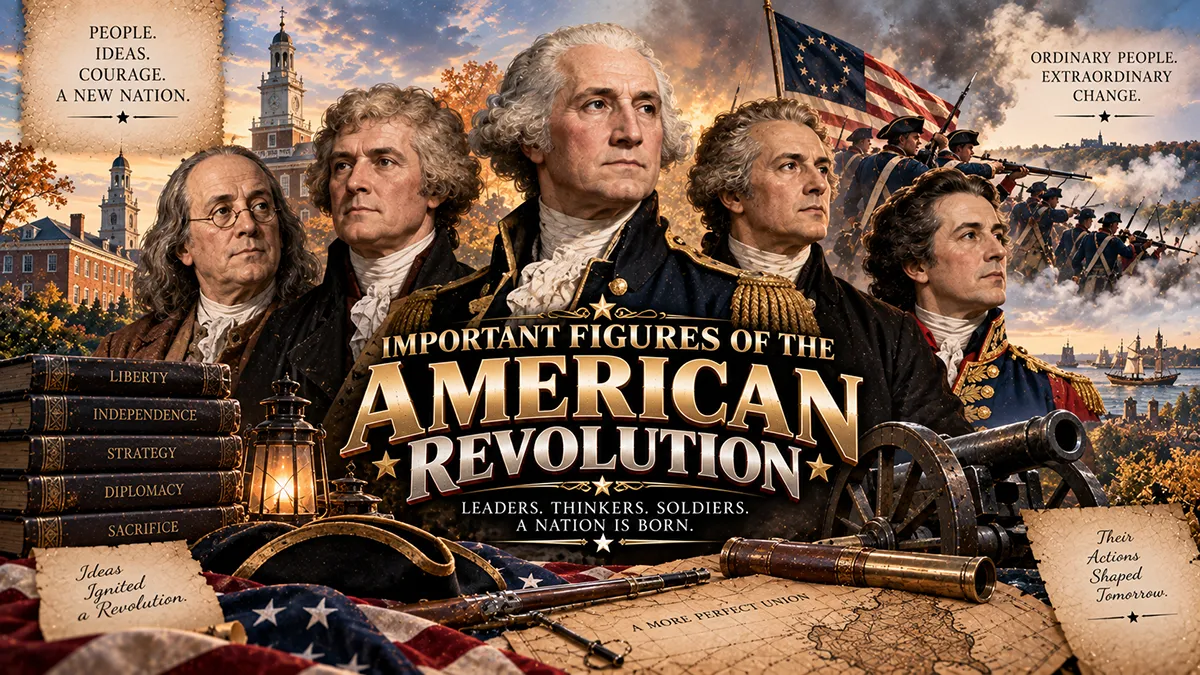
Ask most people to name someone from the American Revolution and you’ll probably hear “George Washington” and then a long, awkward pause.
But the fight for American independence was never a one-man show. It was a sprawling, messy, eight-year struggle carried out by generals and farmers, printers and enslaved laborers, diplomats and teenage messengers, all pulling in the same general direction, if not always for the same reasons.
This guide walks through the most important people in the American Revolution, one of the biggest events in American history, from the household names you learned in school to the lesser-known patriots, soldiers, and allies whose contributions rarely make the highlight reel. Along the way, we’ll clear up a few popular myths and give credit where it’s actually due.
TL;DR: The American Revolution was won by a mix of famous leaders like George Washington and Benjamin Franklin and thousands of lesser-known soldiers, spies, women, and free and enslaved Black Americans whose combined efforts made independence possible.
Who Actually Fought in the American Revolution?
When people search for “who fought in the American Revolutionary War,” they’re often surprised by the answer. It wasn’t just Continental Army regulars in blue coats. It was state militias, volunteer minutemen, free Black soldiers, enslaved men promised freedom, Native American allies on both sides, French and German soldiers, and privateers on the high seas.
Estimates suggest that somewhere between 200,000 and 250,000 Americans served in some military capacity during the war, whether in the Continental Army, state militias, or naval forces, a modest number by the standards of today’s largest militaries in the world but a massive mobilization for a young, poorly funded colonial society. That number doesn’t even count the civilians who supported the cause through spying, supply networks, propaganda, and simple endurance under occupation.
So when we talk about “Americans in the American Revolution,” we’re really talking about a huge and diverse cross-section of colonial society. The figures below are the ones history remembers best, but they represent a much larger, largely anonymous army of patriots.
The 25 Most Important Figures of the American Revolution
This list blends military leaders, political leaders, diplomats, and civilian patriots. It’s not a strict ranking of importance, since the war depended on all these roles working together, but it moves roughly from the most globally recognized figures to those whose stories deserve far more attention than they usually get.
1. George Washington
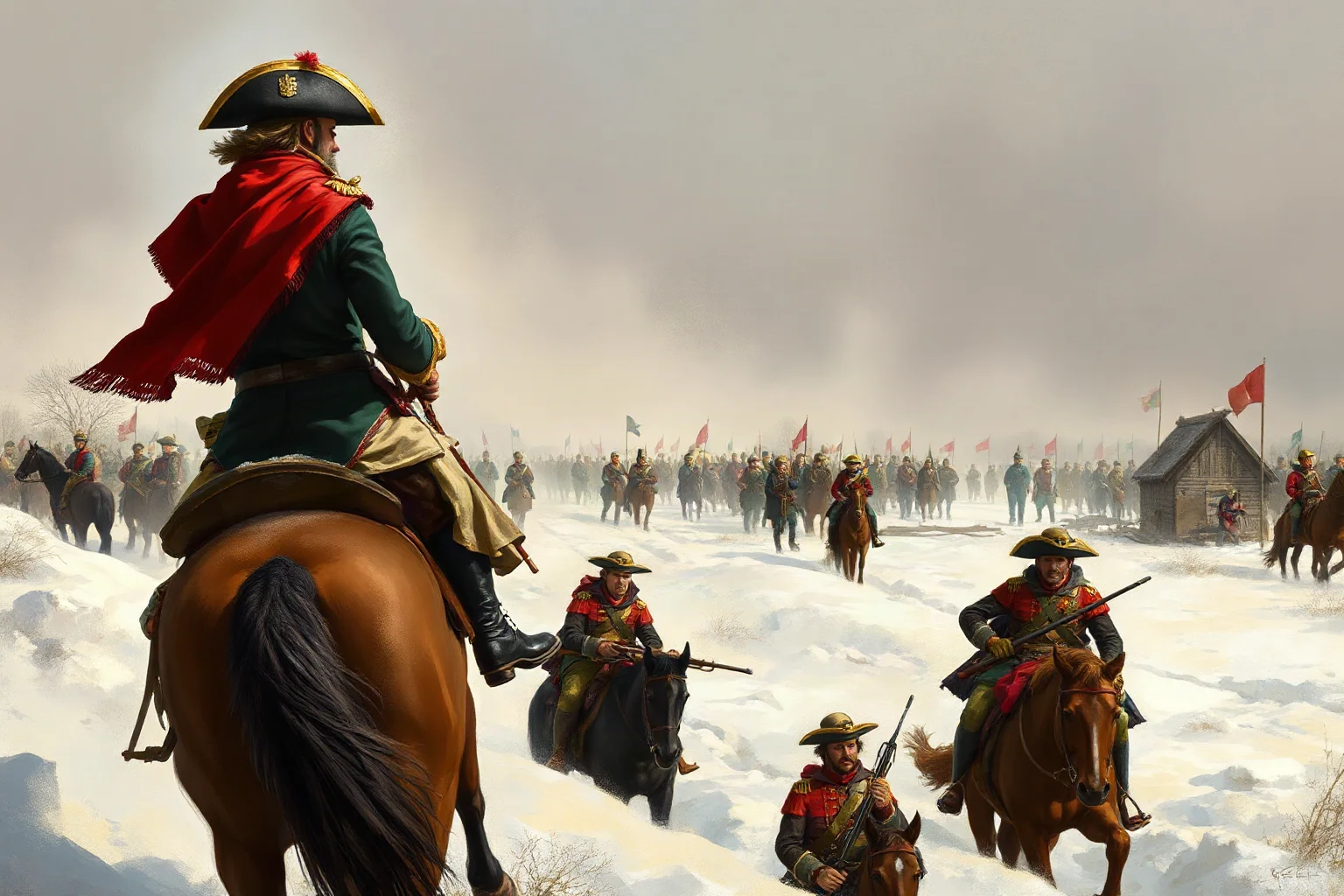
As one of the most recognized historical figures of all time, Washington is the obvious starting point, and for good reason. As commander of the Continental Army, he held together an underfunded, often starving force through brutal winters and repeated defeats, buying time for the cause to survive.
His real genius wasn’t battlefield brilliance so much as sheer persistence and political judgment. He kept the army intact, deferred to civilian government, and later became the first President of the United States, setting precedents that still shape the office today.
2. Thomas Jefferson
Jefferson’s central contribution was intellectual. As the primary author of the Declaration of Independence, he put the philosophical case for independence into words that still get quoted at every Fourth of July celebration.
He wasn’t a major military figure, but as a political leader of the American Revolution he helped define what the new nation claimed to stand for, even as the gap between those ideals and reality would take generations to address.
3. Benjamin Franklin
Franklin was arguably the most important diplomat of the entire war. His years in Paris secured the French alliance, along with the money, troops, and naval support that ultimately tipped the balance against Britain.
Already world-famous as one of the smartest people in history for his scientific work and writing before the war began, Franklin used his celebrity status to charm French society and negotiate on America’s behalf, making him one of the most effective American leaders of the American Revolution who never fired a shot.
4. John Adams
Adams was a relentless advocate for independence in the Continental Congress, pushing colleagues toward the vote in 1776 when many still hoped for reconciliation with Britain. He later served as a diplomat in Europe before becoming the young nation’s second president.
He lacked Franklin’s charm or Washington’s stature, but his stubborn persistence made him one of the most consequential political figures of the revolution.
5. Samuel Adams
Samuel Adams, John’s older cousin, was a master organizer of colonial resistance in Boston. He helped orchestrate protests like the Boston Tea Party and built networks of “Sons of Liberty” that kept revolutionary sentiment alive years before fighting broke out.
He’s less famous today than his cousin, but among revolutionary war patriots of Massachusetts, few did more to turn grievance into organized political action.
6. Patrick Henry
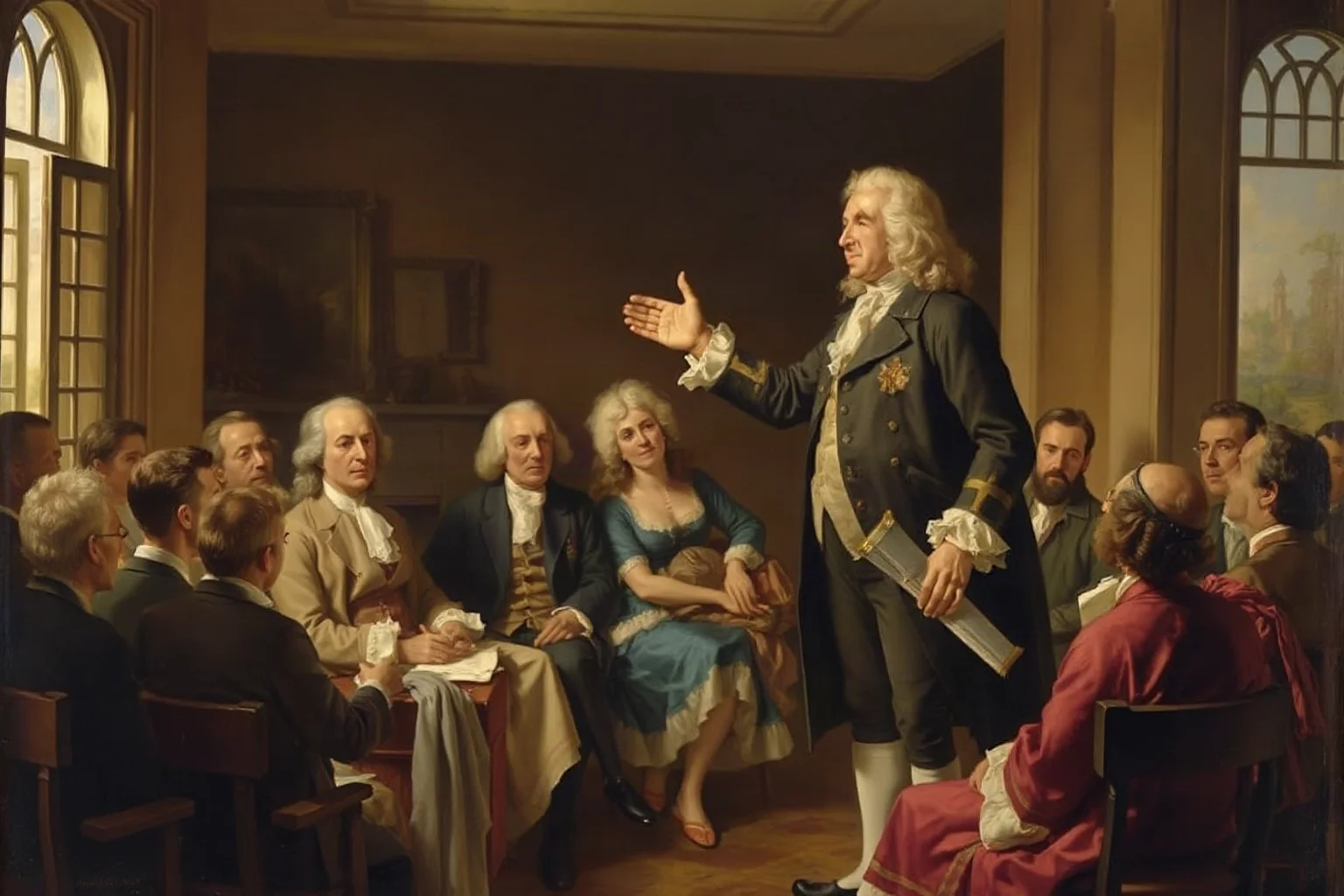
Henry is best remembered for his fiery speeches urging Virginia toward armed resistance, including the famous line often quoted as “Give me liberty, or give me death.” As with many revolutionary-era quotes, the exact wording comes from a secondhand account written decades later, so it should be treated as a strong tradition rather than a verified transcript.
Whatever the precise words, Henry’s oratory helped galvanize Southern support for independence at a critical moment.
7. Paul Revere
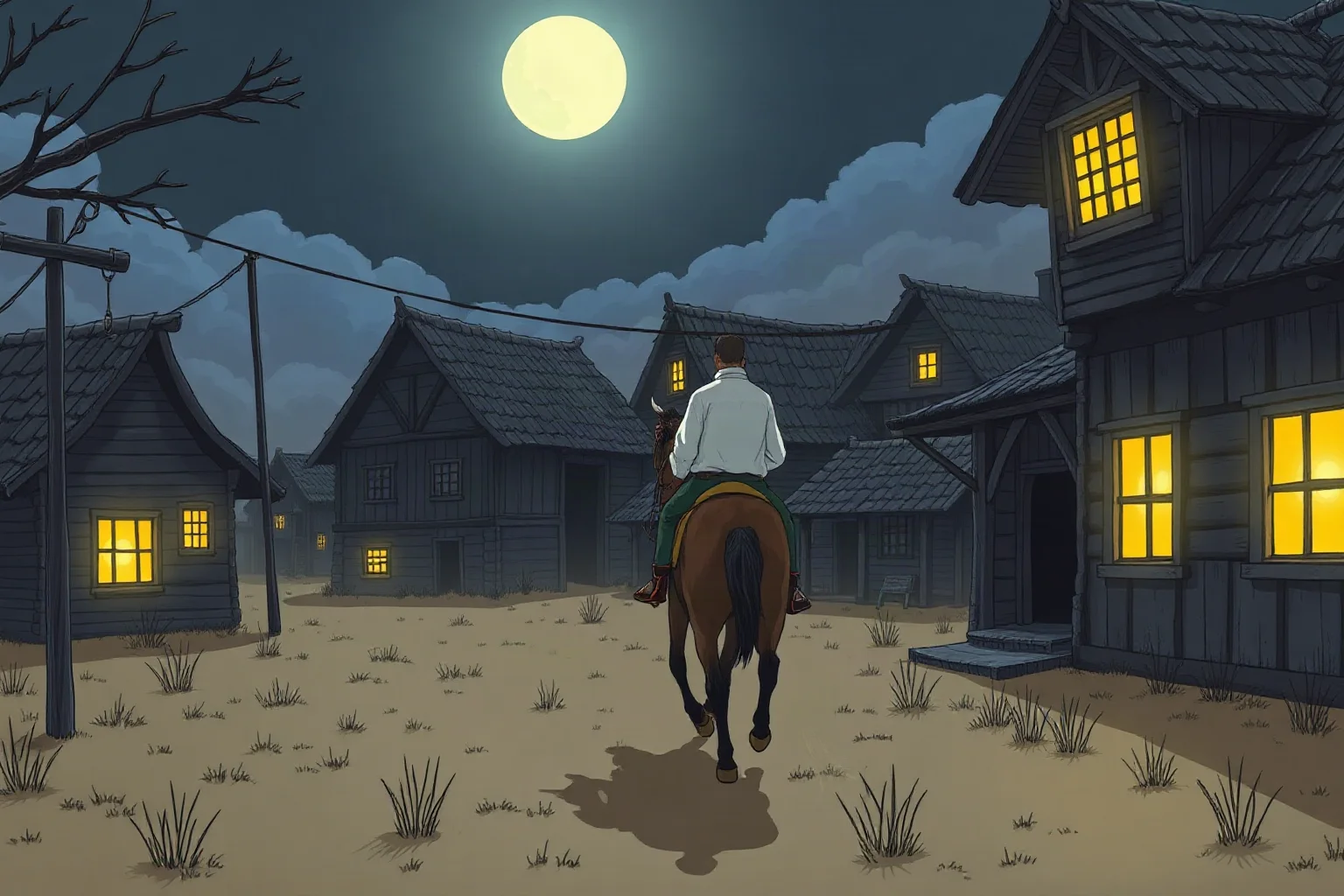
Revere was a Boston silversmith and courier best known for his midnight ride warning colonial militias that British troops were advancing toward Lexington and Concord in April 1775. Contrary to popular legend, he didn’t shout “The British are coming!” through the streets, and he was actually captured before completing the full route.
Other riders, including William Dawes and Samuel Prescott, helped spread the alarm too. Revere’s ride became iconic mostly thanks to a nineteenth-century poem, a good reminder that revolutionary history is often more complicated than the legend.
8. Nathanael Greene
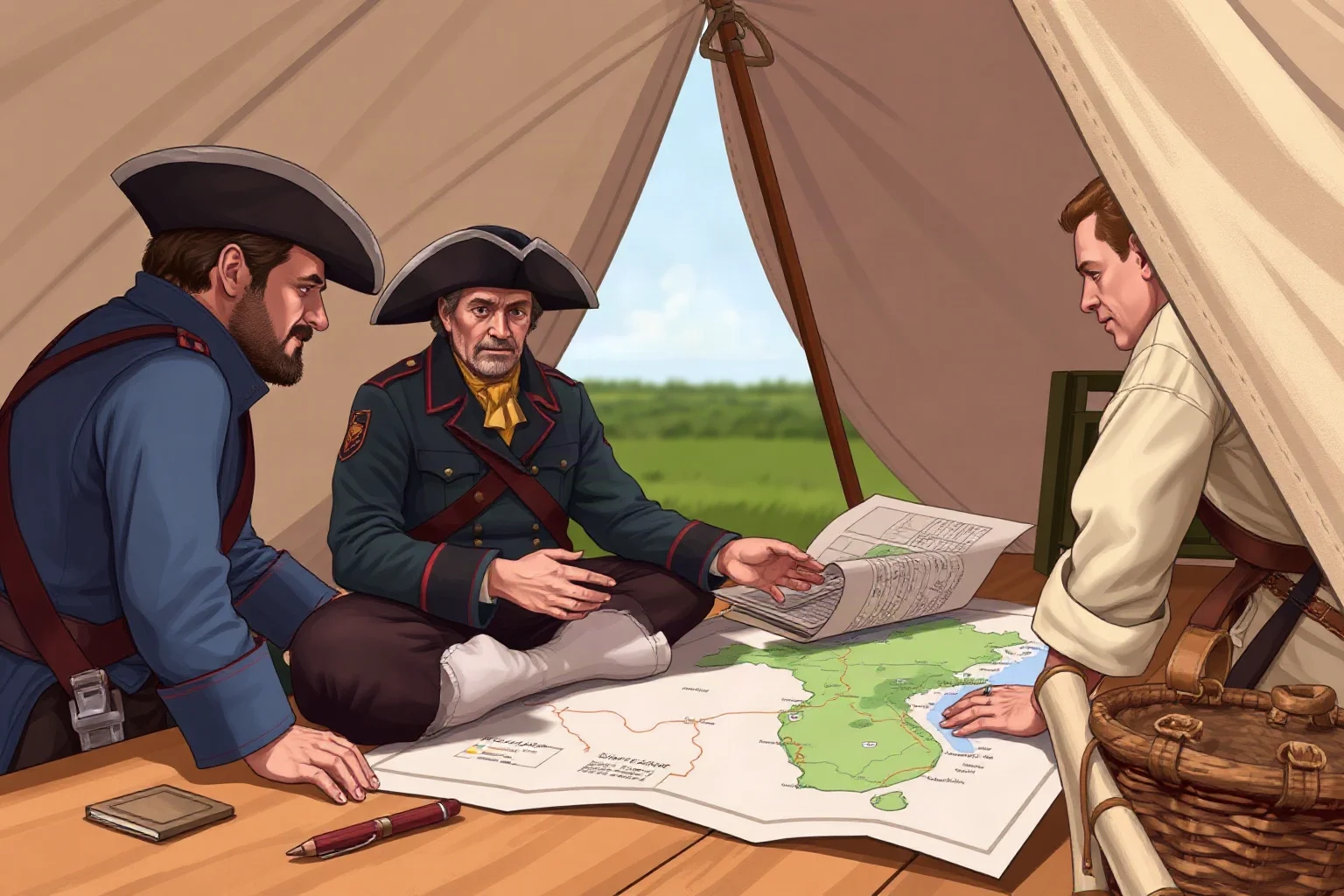
Greene rose from a Rhode Island ironworks owner to one of Washington’s most trusted generals. His command of the Southern theater, using a strategy of tactical retreats and wearing down British forces, is considered one of the smartest campaigns of the entire war.
Among American generals in the Revolutionary War, Greene is often underrated compared to Washington, despite arguably saving the war effort in the South.
9. Alexander Hamilton
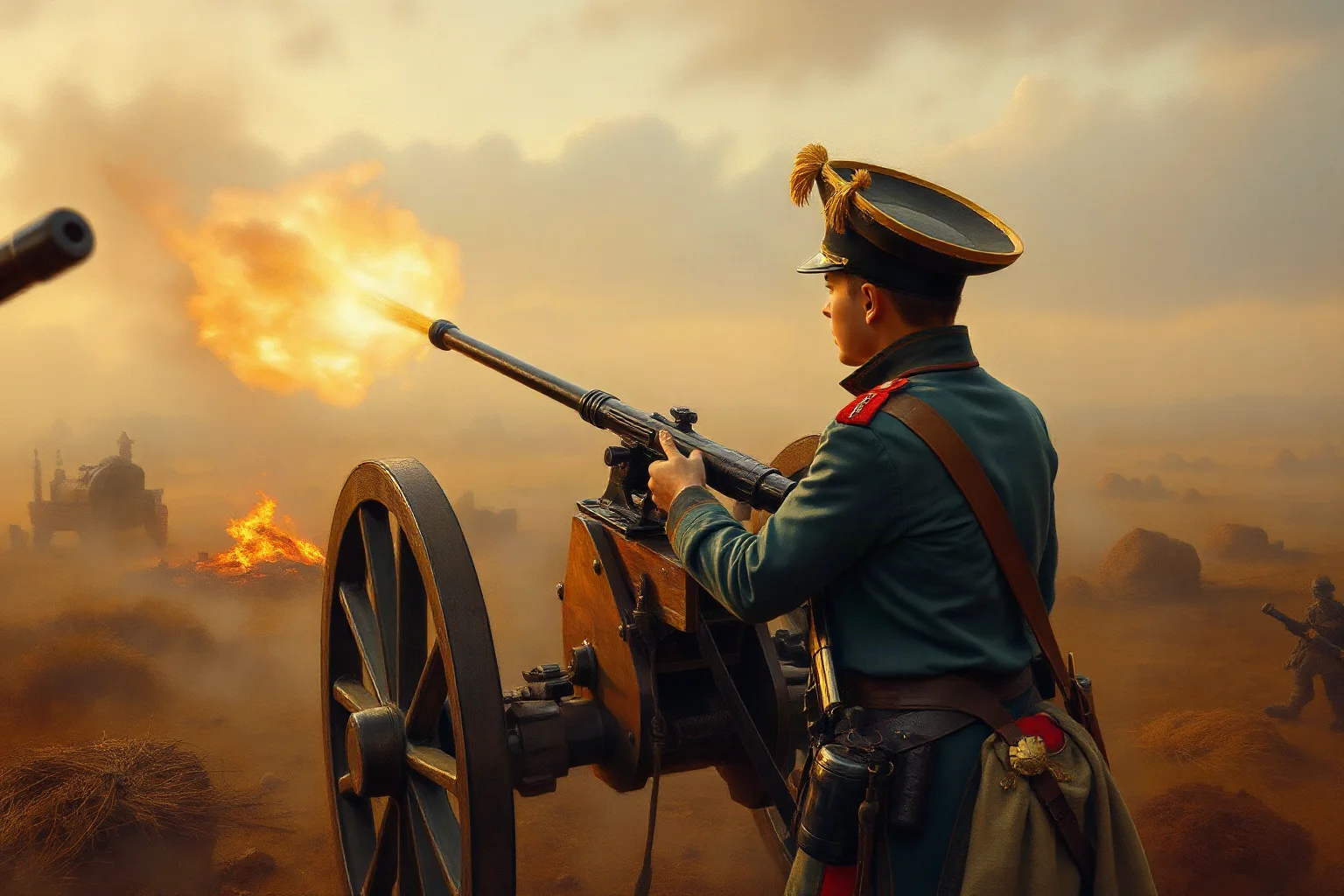
Hamilton served as an artillery officer and later as Washington’s trusted aide-de-camp, distinguishing himself at the pivotal Battle of Yorktown. His wartime experience shaped his later push for a strong federal government and financial system.
He’s more famous today for his postwar political career and, more recently, a certain hit musical, but his revolutionary service was genuinely significant in its own right.
10. Marquis de Lafayette
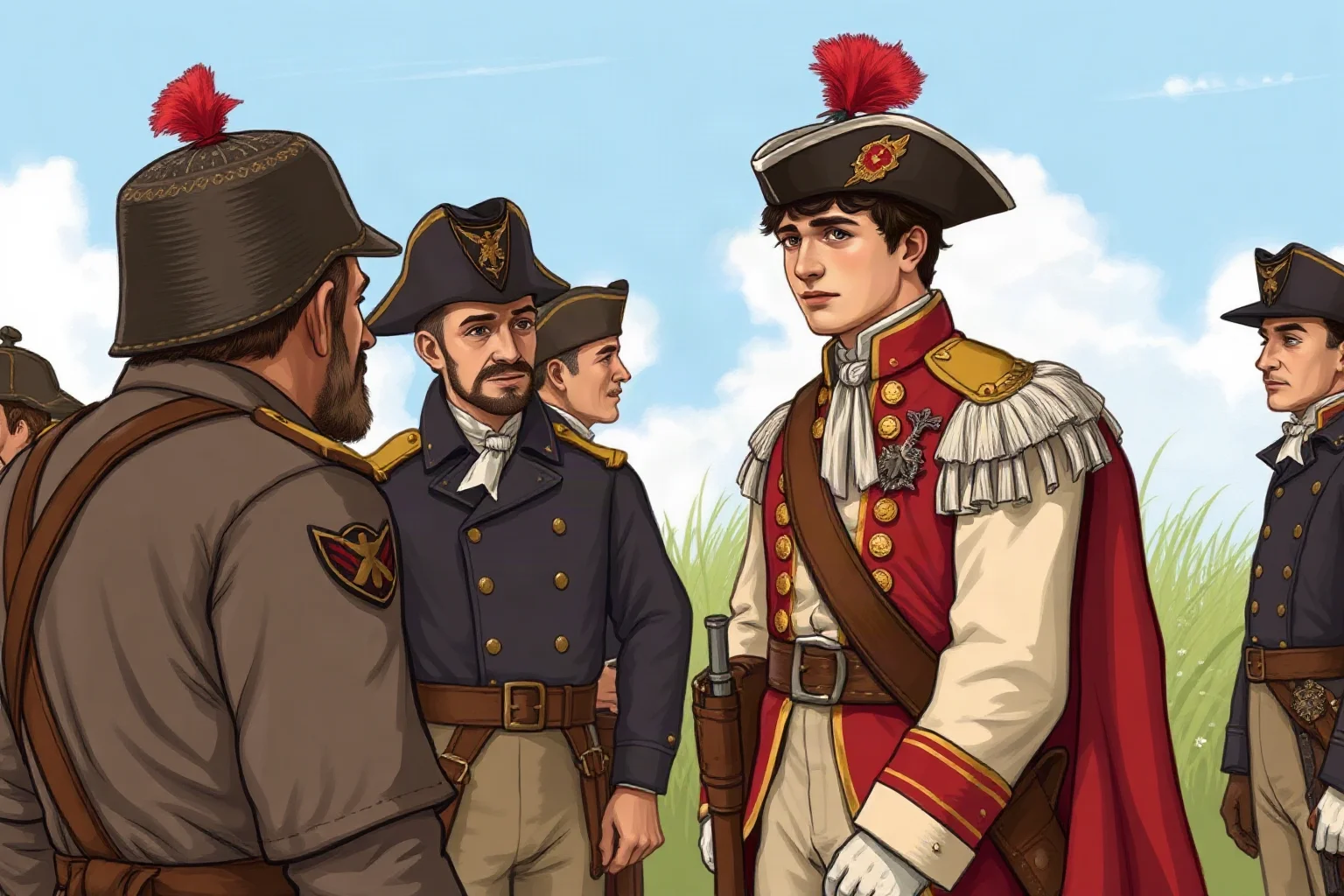
Lafayette was a young French aristocrat who volunteered to fight for the American cause and became one of Washington’s most loyal officers. His influence also helped secure additional French military support at a crucial stage of the war.
He’s a key reminder that the revolution wasn’t purely an American effort. International allies played a decisive role in the eventual victory.
11. Comte de Rochambeau
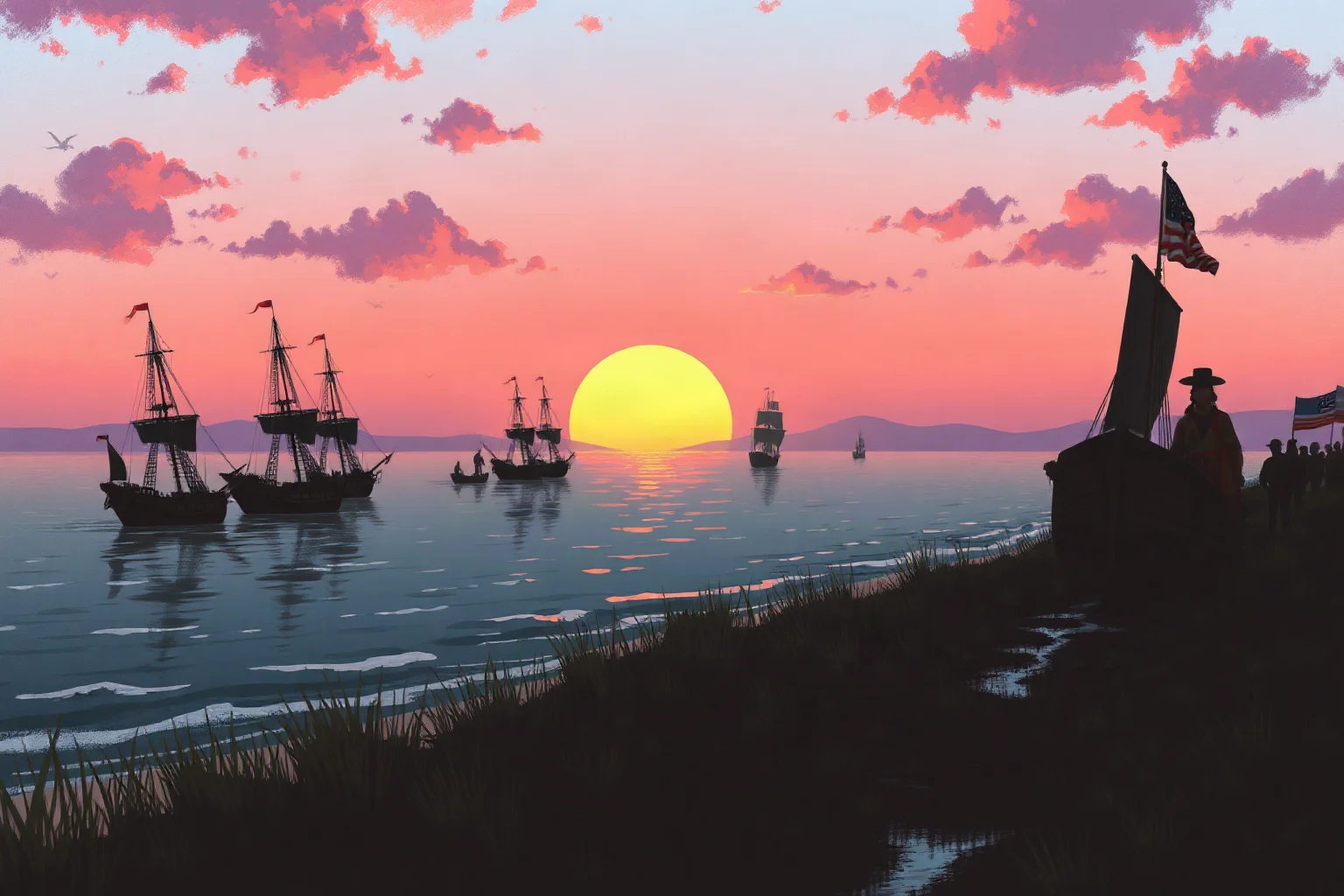
Rochambeau commanded the French expeditionary force sent to aid the Americans, and his troops were essential to the decisive victory at Yorktown in 1781. Coordinating French and American forces required real diplomatic skill alongside military command.
Without Rochambeau’s army and the French navy blocking British escape by sea, the siege of Yorktown likely wouldn’t have succeeded the way it did.
12. Baron von Steuben
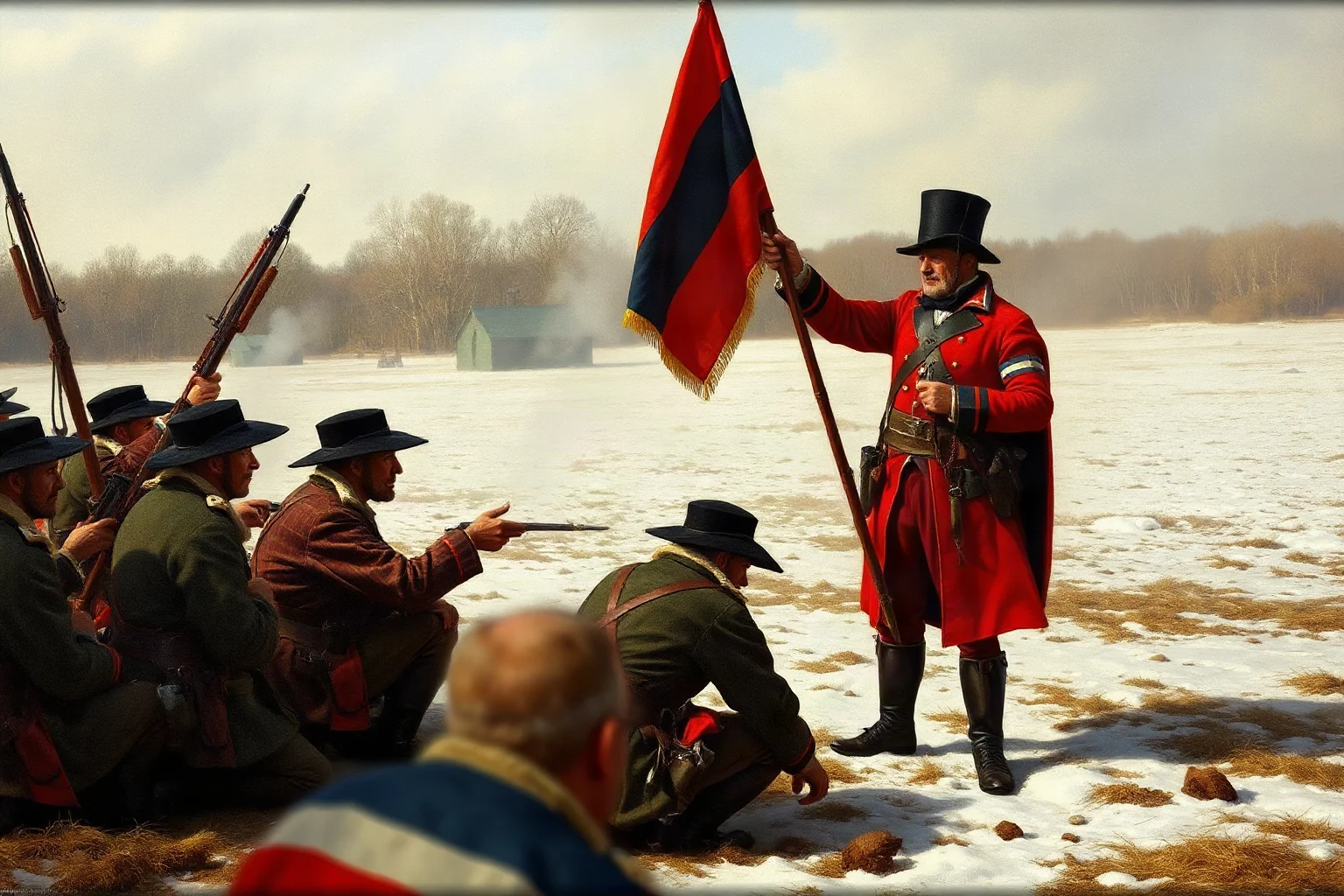
Steuben was a Prussian-trained military officer who volunteered to help train the Continental Army at Valley Forge during the brutal winter of 1777 to 1778. He introduced standardized drills and discipline that transformed a ragged militia into a more professional fighting force.
His training manual influenced American military practice long after the war ended, making him one of the most important behind-the-scenes military leaders of the American Revolution.
13. Henry Knox
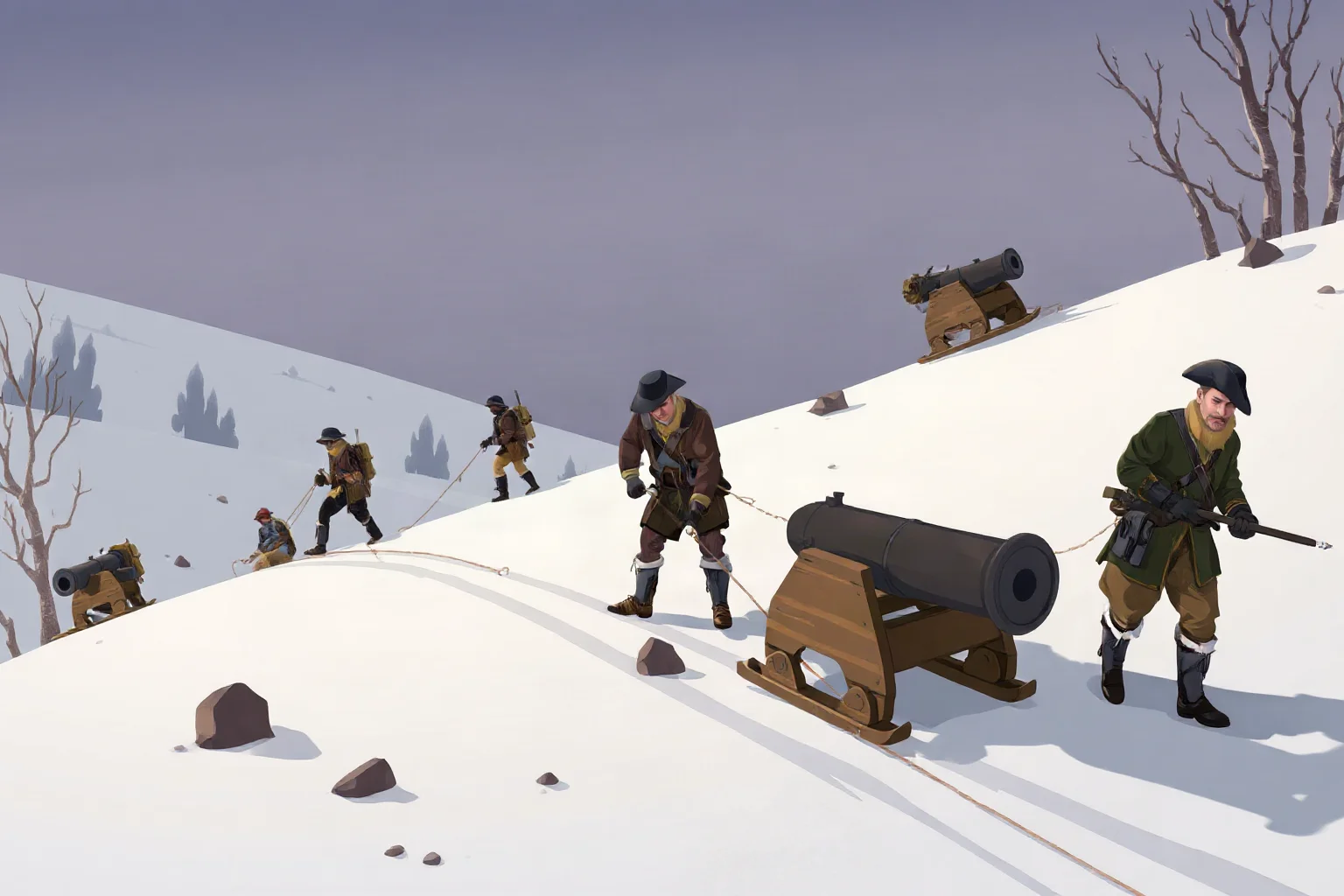
Knox was a Boston bookseller with no formal military training who became Washington’s chief of artillery. His most famous feat was hauling captured cannons from Fort Ticonderoga to Boston through icy terrain in the winter of 1775 to 1776, a logistical achievement that forced the British to abandon the city.
He later served as the first U.S. Secretary of War, capping a remarkable rise for a self-taught soldier.
14. John Paul Jones
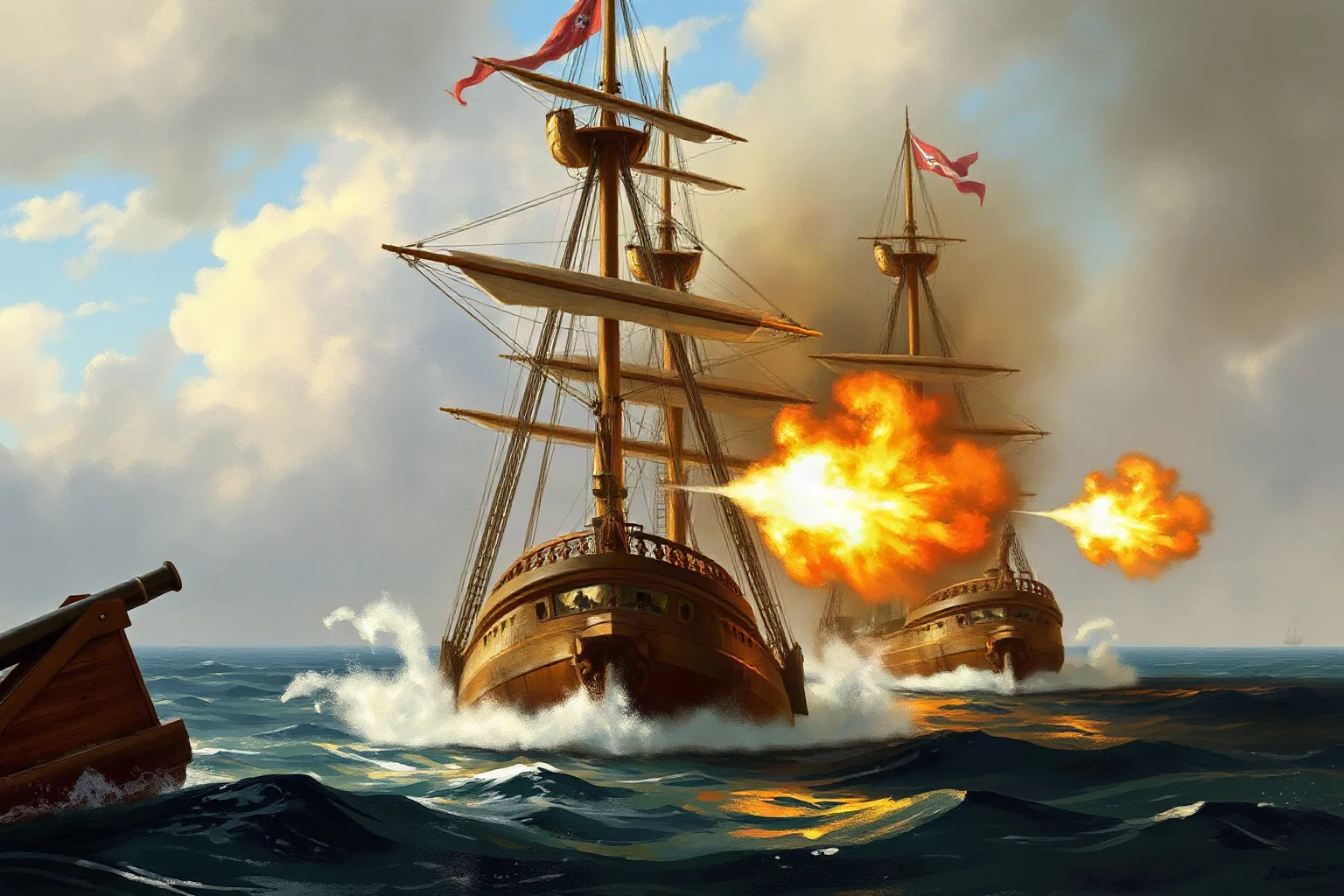
Jones is often called the father of the American Navy for his aggressive command of ships like the Bonhomme Richard. His victory over the British warship Serapis in 1779, even after his own vessel was badly damaged, became legendary.
He reportedly responded to a British demand for surrender with a defiant refusal, though the exact wording attributed to him, “I have not yet begun to fight,” comes from later secondhand accounts rather than a verified contemporary transcript.
15. Francis Marion
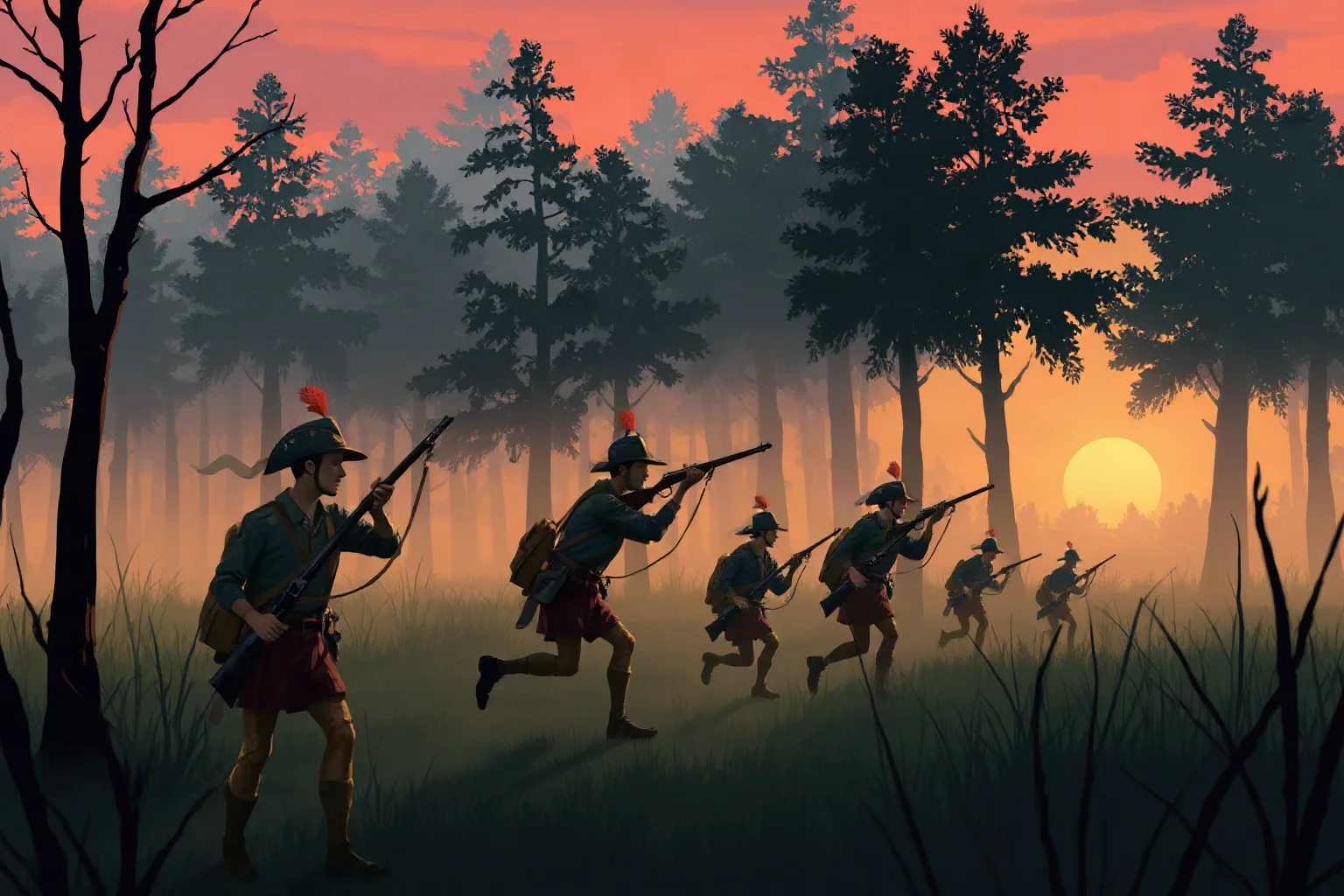
Known as the “Swamp Fox,” Marion led guerrilla-style militia raids against British forces in South Carolina, using the region’s marshes and forests to strike quickly and disappear. His unconventional tactics frustrated British commanders who were used to formal European-style battles.
Marion is a favorite among fans of Revolutionary War heroes precisely because his story reads like an action movie, though modern historians have also scrutinized his record as an enslaver, complicating any simple hero narrative.
16. Thomas Paine
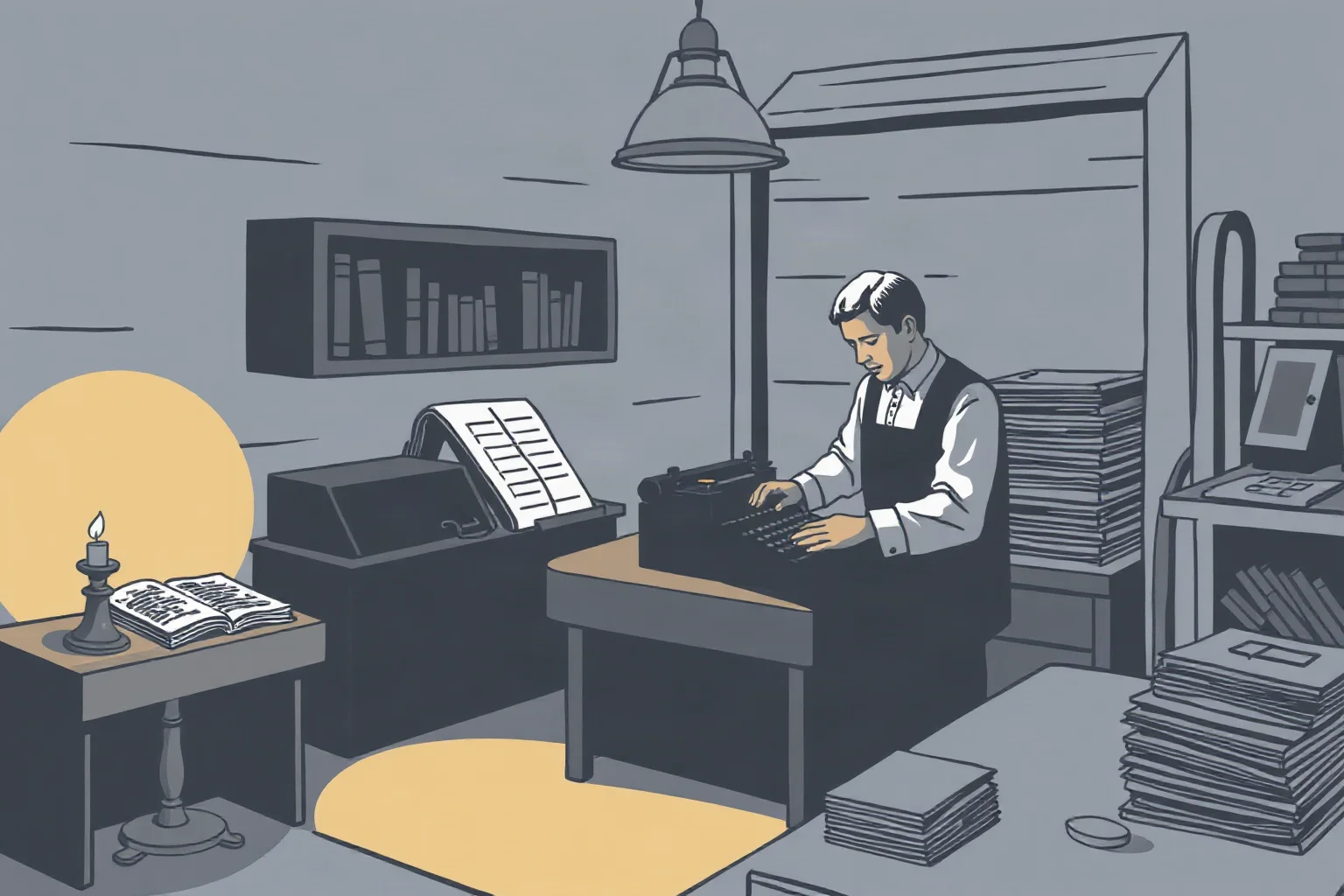
Paine’s pamphlet “Common Sense,” published in early 1776, made a blunt, accessible case for independence that reportedly sold in the tens of thousands of copies across the colonies. His later essay series “The American Crisis,” opening with the line “These are the times that try men’s souls,” was reportedly read aloud to Continental Army troops to boost morale.
Few writers have ever had this much direct influence on public opinion at such a critical moment.
17. Abigail Adams
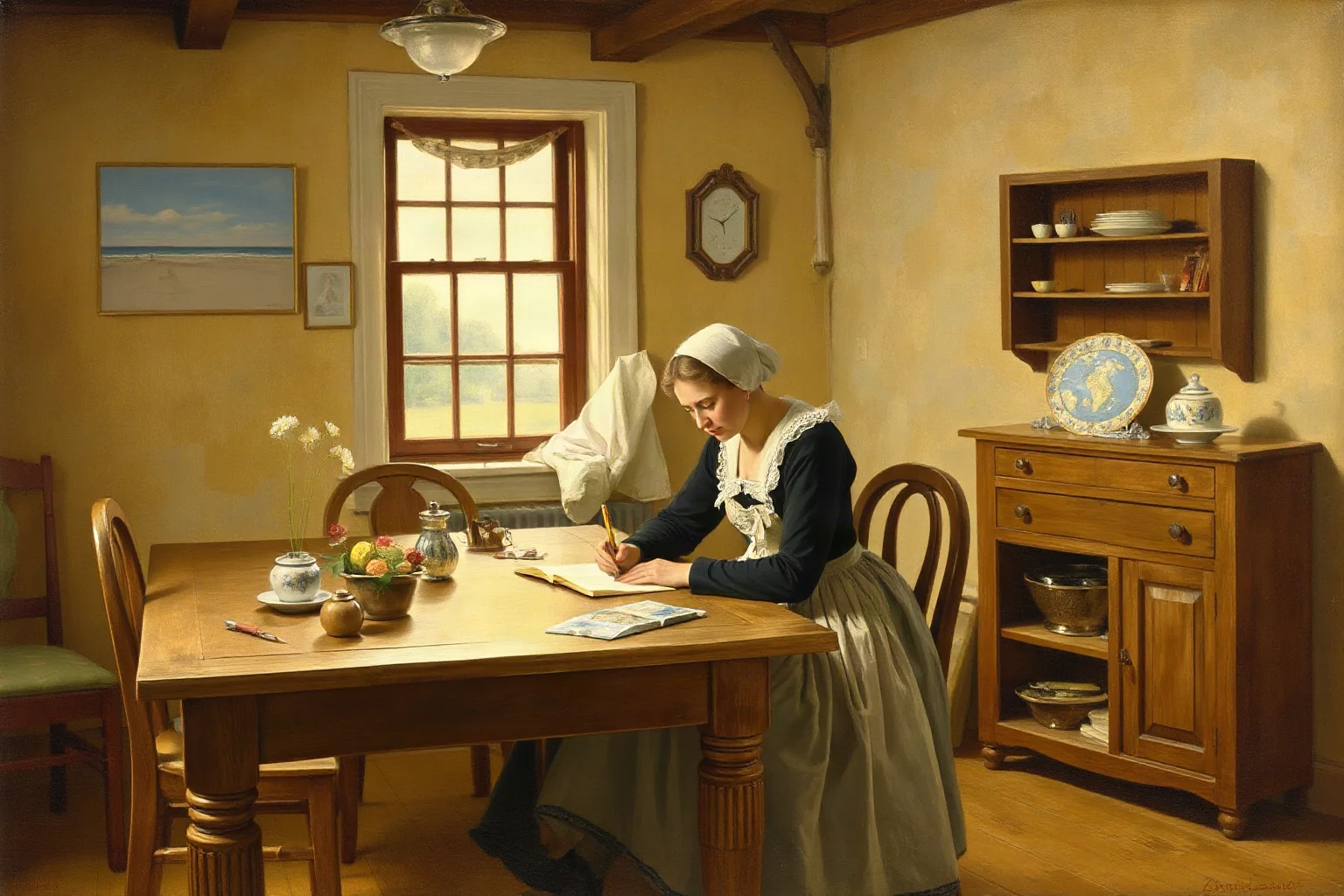
Abigail Adams managed the family farm and finances while her husband John served in Congress and abroad, and her extensive letters offer some of the richest surviving perspectives on revolutionary-era life. She famously urged him to “remember the ladies” when drafting new laws, an early call for greater legal recognition of women.
Her correspondence remains one of the best primary sources historians have for understanding the domestic side of the revolution.
18. Molly Pitcher
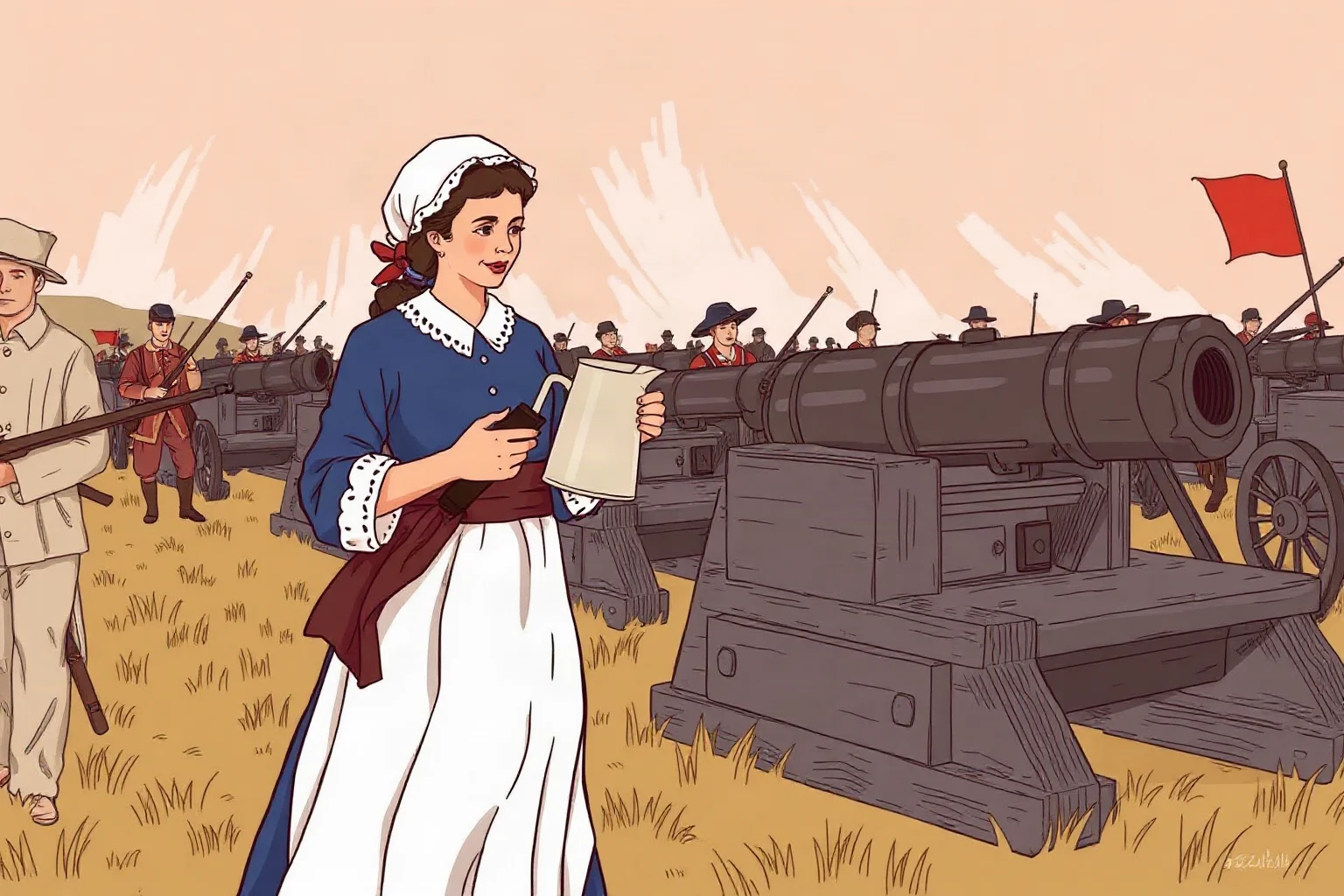
“Molly Pitcher” is a legendary name associated with women who carried water to soldiers and sometimes manned cannons during battles, most famously at the Battle of Monmouth in 1778. Historians generally treat her as either a composite figure or most closely linked to a woman named Mary Ludwig Hays, since the story blends multiple accounts written down well after the fact.
Whether or not one single woman fits the legend perfectly, women absolutely did serve near the front lines in support roles, and some, by multiple accounts, took up arms when needed.
19. Deborah Sampson
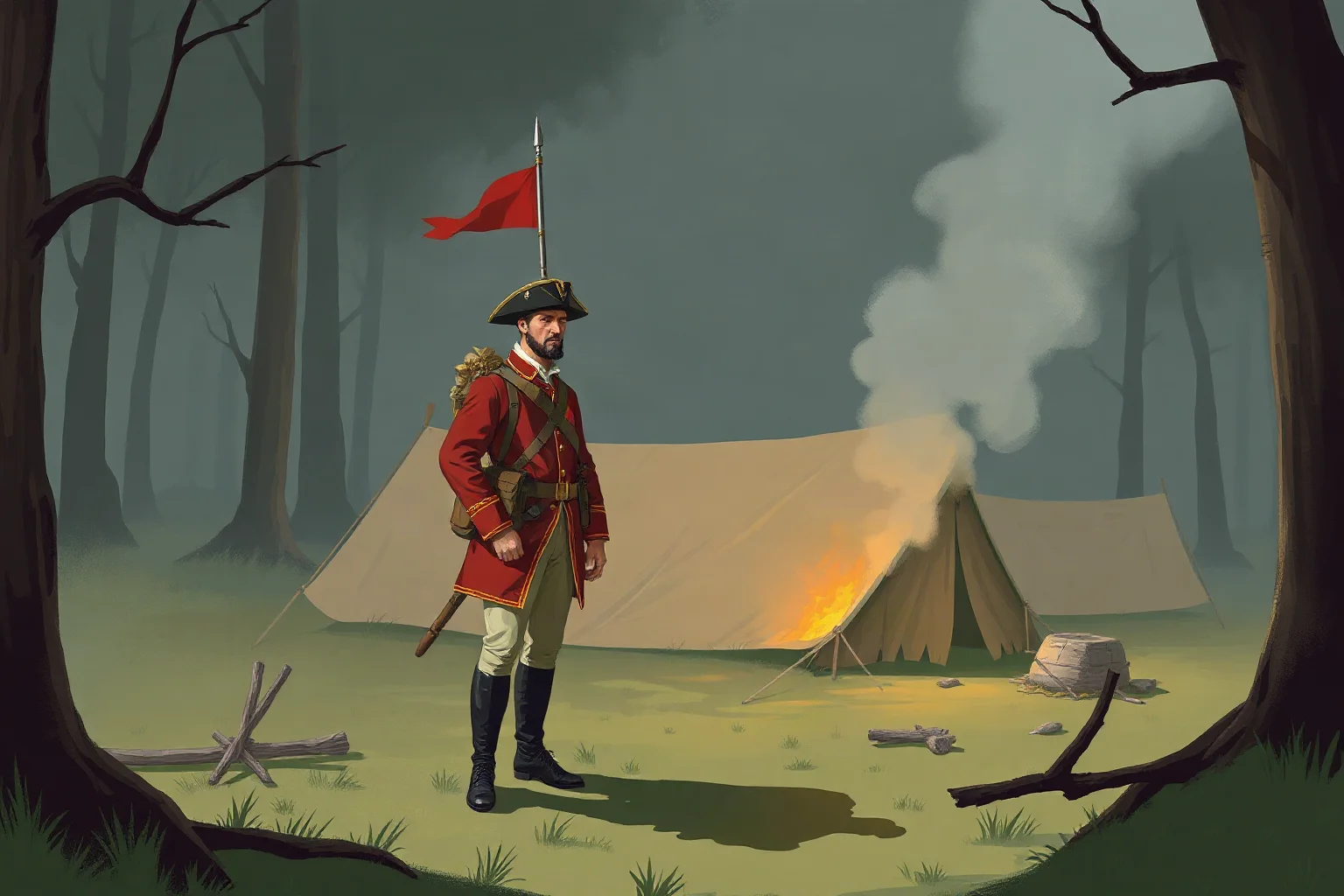
Unlike the legendary Molly Pitcher, Deborah Sampson is a well-documented historical figure. She disguised herself as a man under the name Robert Shurtleff and served in the Continental Army for over a year before her identity was discovered.
She later received a military pension, a rare and hard-won acknowledgment of a woman’s direct combat service during the revolution.
20. Phillis Wheatley
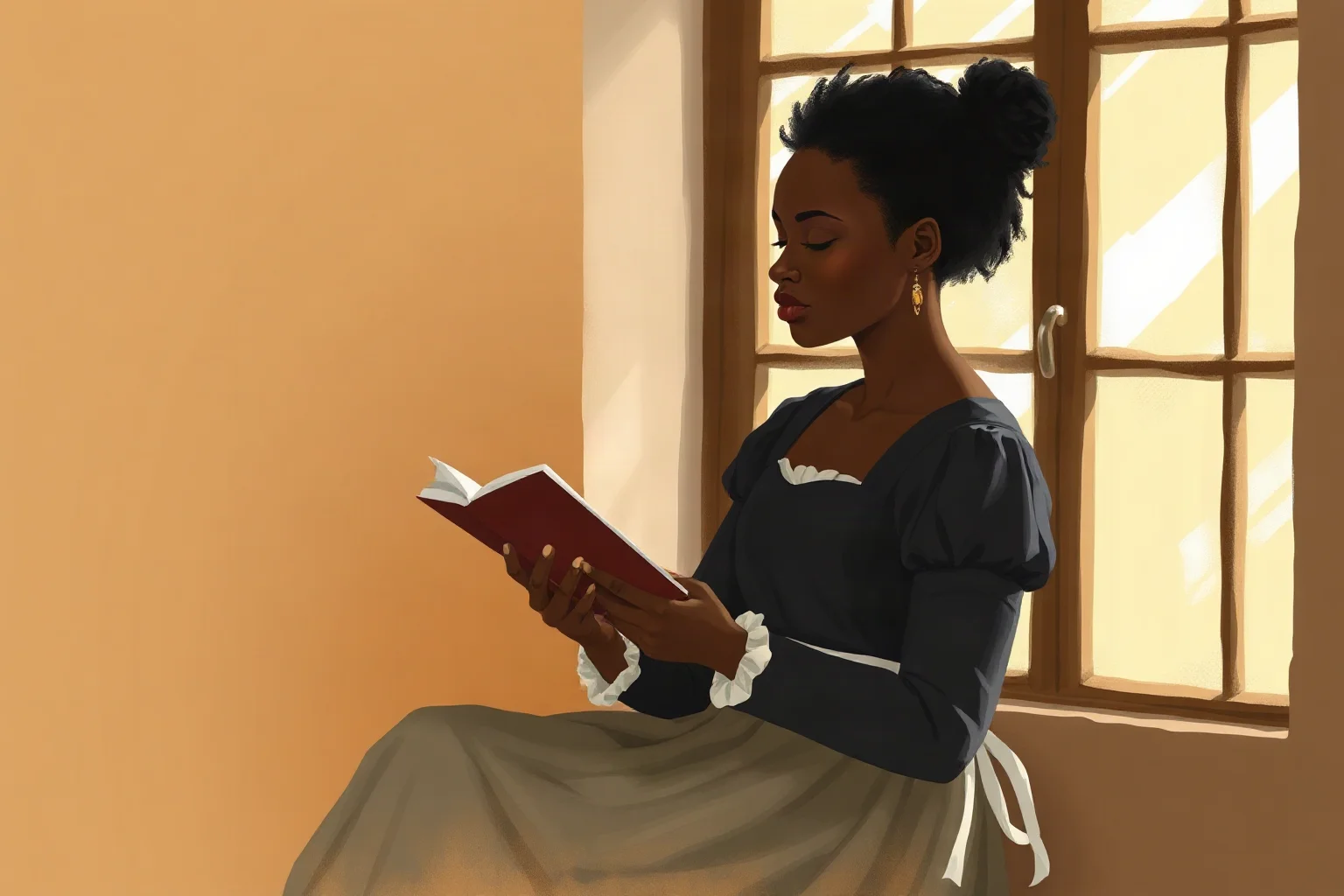
Wheatley was an enslaved woman in Boston who became the first African American woman to publish a book of poetry, and her work was widely read on both sides of the Atlantic. She wrote directly about liberty and even corresponded with George Washington, who praised her writing.
Her life underscores the deep contradiction at the heart of the revolution: a movement built on liberty that coexisted with widespread slavery.
21. Crispus Attucks
Attucks, a dockworker of Black and Native American descent, was among the colonists killed by British soldiers during the Boston Massacre in 1770. He’s often remembered as one of the first casualties of the movement that led to the revolution.
His death became a powerful piece of revolutionary propaganda, and he’s frequently cited as a symbol of Black Americans’ early involvement in the fight against British rule.
22. James Armistead Lafayette
James Armistead was an enslaved man who served as a spy for the Continental Army, infiltrating British camps and even working directly for General Cornwallis while secretly reporting to the Marquis de Lafayette. His intelligence contributed directly to the American victory at Yorktown.
Despite his service, he wasn’t automatically freed after the war and had to petition the Virginia legislature, with Lafayette’s personal support, before finally gaining his freedom in 1787.
23. Benedict Arnold
Arnold is impossible to leave off any list of important Revolutionary War figures, though not for reasons he’d have wanted. Early in the war he was one of the most talented American generals, showing real bravery and tactical skill at battles like Saratoga.
His later betrayal, attempting to hand West Point over to the British in 1780, made his name a lasting synonym for treason in American English. His story is a useful reminder that revolutionary loyalties weren’t always fixed or simple.
24. John Hancock
Hancock served as president of the Continental Congress and is remembered today mainly for his large, flourishing signature on the Declaration of Independence. He was also a wealthy merchant whose earlier clashes with British customs enforcement helped fuel colonial resentment toward taxation policies.
His financial backing and political prominence made him one of the more influential civilian leaders of the American Revolution.
25. George Rogers Clark
Clark led frontier militia campaigns in the Illinois territory, capturing key British-held forts in what is now the American Midwest. His victories helped secure American claims to the western frontier, which proved important during peace negotiations after the war.
He’s less discussed than the eastern seaboard’s famous generals, but his campaigns significantly shaped the eventual borders of the new United States.
Patriots History Class Skipped
The list above only scratches the surface of who was involved in the American Revolution. Thousands of unnamed militiamen, dockworkers, farmers, and tradespeople took up arms without ever becoming famous, and most of what we know about them comes from muster rolls, pension records, and scattered letters rather than popular legend.
Free and enslaved Black Americans fought on both sides of the conflict, with some hoping military service might lead to freedom and others fleeing to British lines after promises of emancipation. Native American nations were similarly divided, with some allying with the British, who had tried to limit colonial westward expansion, and others supporting the Americans or trying to stay neutral entirely.
Women also played roles well beyond the battlefield legends. They ran farms and businesses while men were away, organized boycotts of British goods, nursed wounded soldiers, and in some documented cases served as messengers or spies. It’s worth remembering, too, that not every colonist supported independence: Loyalists remained a substantial part of colonial society, and the revolution was as much a civil conflict as a war against Britain.
Why These Figures Still Matter
Looking back at the key figures of the American Revolution, what stands out isn’t just individual heroism but how many different kinds of contributions were needed to win independence.
Diplomats like Franklin secured foreign support, generals like Washington and Greene kept armies functioning, writers like Paine shaped public opinion, and countless ordinary Americans risked everything with no guarantee of victory or recognition.
Modern retellings sometimes flatten this complexity into a simple story of a few great men. The fuller picture, one involving women, enslaved and free Black Americans, Native nations, immigrants, and international allies, is both messier and far more interesting.
Understanding this broader cast of American revolutionary personalities doesn’t diminish the achievements of the famous names. It just gives a more honest sense of how independence was actually won, and by whom.
Frequently Asked Questions
Who were the Americans in the American Revolution?
The Americans in the American Revolution included Continental Army soldiers, state militia volunteers, sailors and privateers, political leaders like the Founding Fathers, and civilians who supported the cause through spying, supply networks, and propaganda. This group also included free and enslaved Black Americans, women in support and occasional combat roles, and Native American allies, making the revolutionary effort far more diverse than popular memory often suggests.
Who was the most important person in the American Revolution?
George Washington is usually considered the most important single figure because of his leadership of the Continental Army and his role in holding the war effort together through years of hardship. However, historians widely agree that figures like Benjamin Franklin, who secured French support, and thousands of unnamed soldiers and civilians were equally essential to the ultimate victory.
Who were the main leaders of the American Revolution?
Key leaders included military commanders like George Washington, Nathanael Greene, and the Marquis de Lafayette, alongside political and diplomatic leaders such as Thomas Jefferson, John Adams, Samuel Adams, and Benjamin Franklin. Together these leaders combined battlefield strategy, political organization, and international diplomacy to sustain the independence movement.
Who fought for America’s independence besides famous generals?
Beyond famous generals, independence was fought for by ordinary militia members, free and enslaved Black soldiers, Native American allies on both sides, French and other European volunteers, and women who supported the war effort through labor, nursing, and occasional direct combat. Civilian spies and propagandists also played crucial, often overlooked, roles.
Were there any famous American generals in the Revolutionary War besides Washington?
Yes, several other American generals played major roles, including Nathanael Greene, who led the successful Southern campaign, and Henry Knox, who commanded artillery and later became the first Secretary of War. Benedict Arnold was also a highly capable general early in the war, before his infamous defection to the British side.
Was Molly Pitcher a real historical figure?
Molly Pitcher is best understood as a legendary name associated with women who supported soldiers on the battlefield, most famously at the Battle of Monmouth. Historians generally treat her as either a composite figure or most closely linked to a real woman named Mary Ludwig Hays, since the surviving accounts were written down well after the events they describe.
Did women fight in the American Revolutionary War?
Some women did serve in direct combat roles, most notably Deborah Sampson, who disguised herself as a man to serve in the Continental Army for over a year. Many other women supported the war effort through nursing, running farms and businesses, and occasionally acting as messengers or spies.
How many Americans fought in the Revolutionary War?
Historians estimate that roughly 200,000 to 250,000 Americans served in some military capacity during the Revolutionary War, whether in the Continental Army, state militias, or naval forces. This figure doesn't include the many civilians who supported the cause through non-military means.

Alex Warren
Related Articles