
Every court needed someone who could tell the king he was wrong and live to tell the joke again. That job fell to the jester — part comedian, part therapist, part spy, and occasionally the only honest voice in a room full of flatterers. Long before stand-up comedy or political satire shows existed, the court fool was doing both jobs at once, often at the risk of a very short career.
TL;DR: From ancient Egyptian dwarf-entertainers to Peter the Great’s Russian fools, real historical jesters used wit, mockery, and a fragile social license to speak truths that could get anyone else executed.
What Is a Court Jester, Anyway?
The word “jester” comes from the Old French gestour, meaning a teller of tales or deeds — it’s a distant cousin of “jest,” not of the similarly spelled Czech word ještěr, which simply means lizard or dragon and has no historical connection to comedy at all.
A true court jester, or court fool, was a paid entertainer attached to a royal or noble household, tasked with music, riddles, acrobatics, mimicry, and mockery.
Some fools were “natural,” meaning contemporaries viewed them as having intellectual disabilities and treated their humor as unfiltered honesty, while others were “licensed” or “artificial” fools — sharp, deliberate performers who chose the trade.
This is also where the so-called jester’s privilege comes from, the unofficial understanding that a fool could mock the king, insult a bishop, or point out an uncomfortable truth without facing the usual punishment for insolence.
It wasn’t a legal protection so much as a social contract, and it could be revoked instantly if a ruler decided a joke had gone too far. That fragile arrangement is exactly why the fools on this list are remembered: they walked a line between beloved court fool and condemned troublemaker, often within the same afternoon.
The 20 Most Famous Jesters and Fools in History
This list moves roughly in chronological order, from the earliest recorded court entertainers in ancient Egypt through the twilight of the employed household fool in 18th-century Europe.
Some of these figures are extremely well documented in royal records and court accounts. Others survive mainly through legend, later jestbooks, or folklore compiled long after they died, and we’ve flagged that distinction where it matters.
1. The Dwarf-Entertainers of Ancient Egypt

Egyptian tomb paintings and administrative records show that people with dwarfism, sometimes called deneg, held respected positions in royal households as dancers, musicians, and entertainers.
The Old Kingdom official Seneb, who lived around the 4th Dynasty, is often cited as evidence that court dwarfs could reach genuinely high status, since he held official titles and was buried in an elaborate tomb with his family.
It’s worth being careful here, though: Egyptologists debate whether these figures functioned as “jesters” in the later medieval sense or simply as valued performers and administrators, since the surviving evidence doesn’t describe formal joke-telling roles.
2. You Meng, the Jester Who Saved a Horse’s Dignity (and a Kingdom’s Sense)
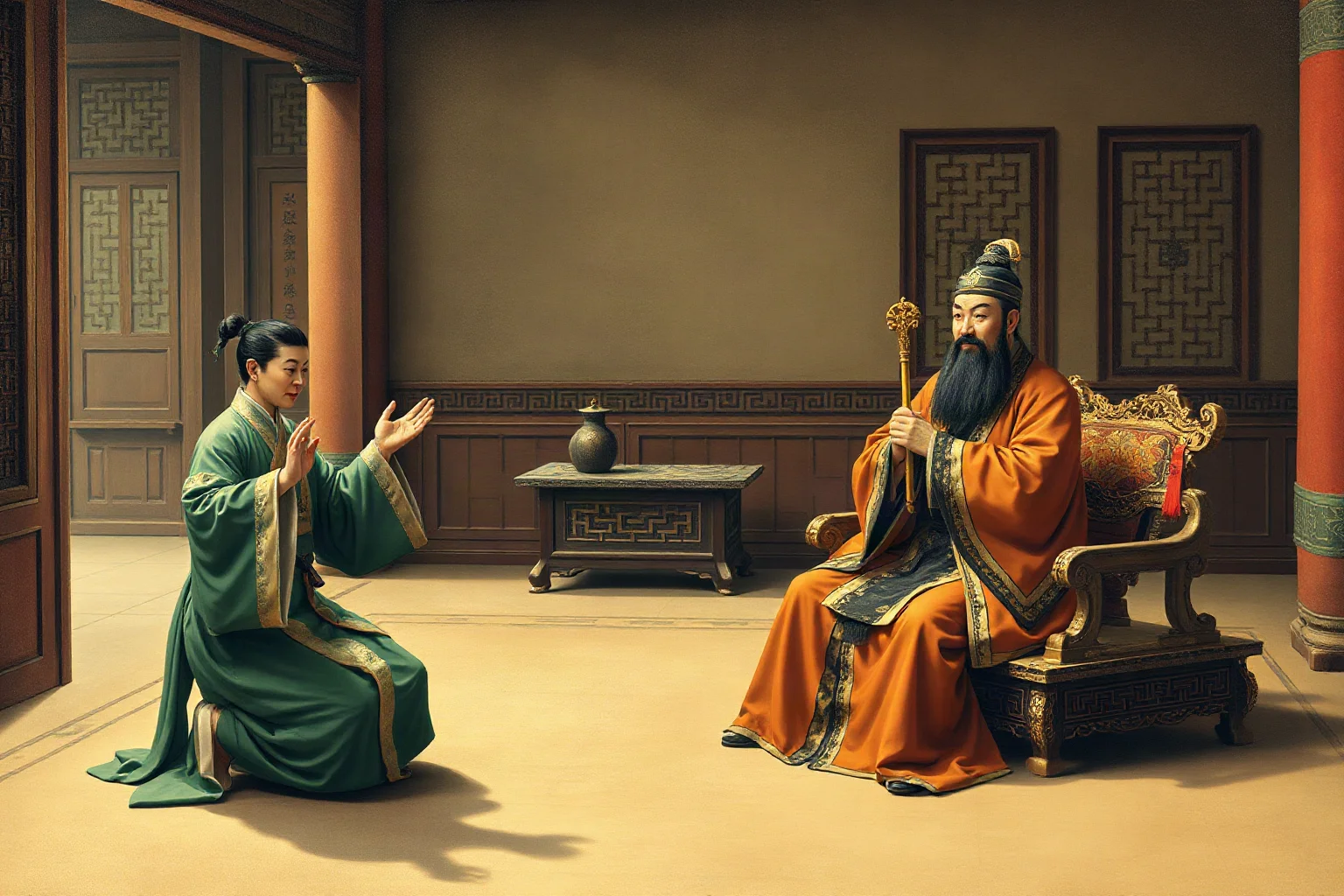
Recorded in Sima Qian’s Records of the Grand Historian, You Meng served the state of Chu during China’s Spring and Autumn period, roughly the 7th century BCE.
According to the account, when King Zhuang of Chu planned an absurdly lavish funeral for his favorite horse, You Meng didn’t argue directly.
Instead he mocked the plan so cleverly through performance that the king reversed course himself, a classic early example of a court entertainer using satire to correct a ruler without ever accusing him outright.
3. Dongfang Shuo, the Han Dynasty’s Sharp-Tongued Advisor

Dongfang Shuo served Emperor Wu of Han in the 2nd century BCE and is remembered in the Book of Han for his wordplay, riddles, and willingness to poke fun at himself and the court.
He occupied a blurry space between official scholar-advisor and entertainer, which was fairly common in early Chinese courts where wit and bureaucratic skill weren’t seen as opposites, much as it wasn’t for many of history’s renowned philosophers.
His reputation for clever, occasionally biting humor made him one of the earliest named figures historians point to when discussing fools and jesters in the ancient world.
4. Rome’s Scurrae and Parasiti
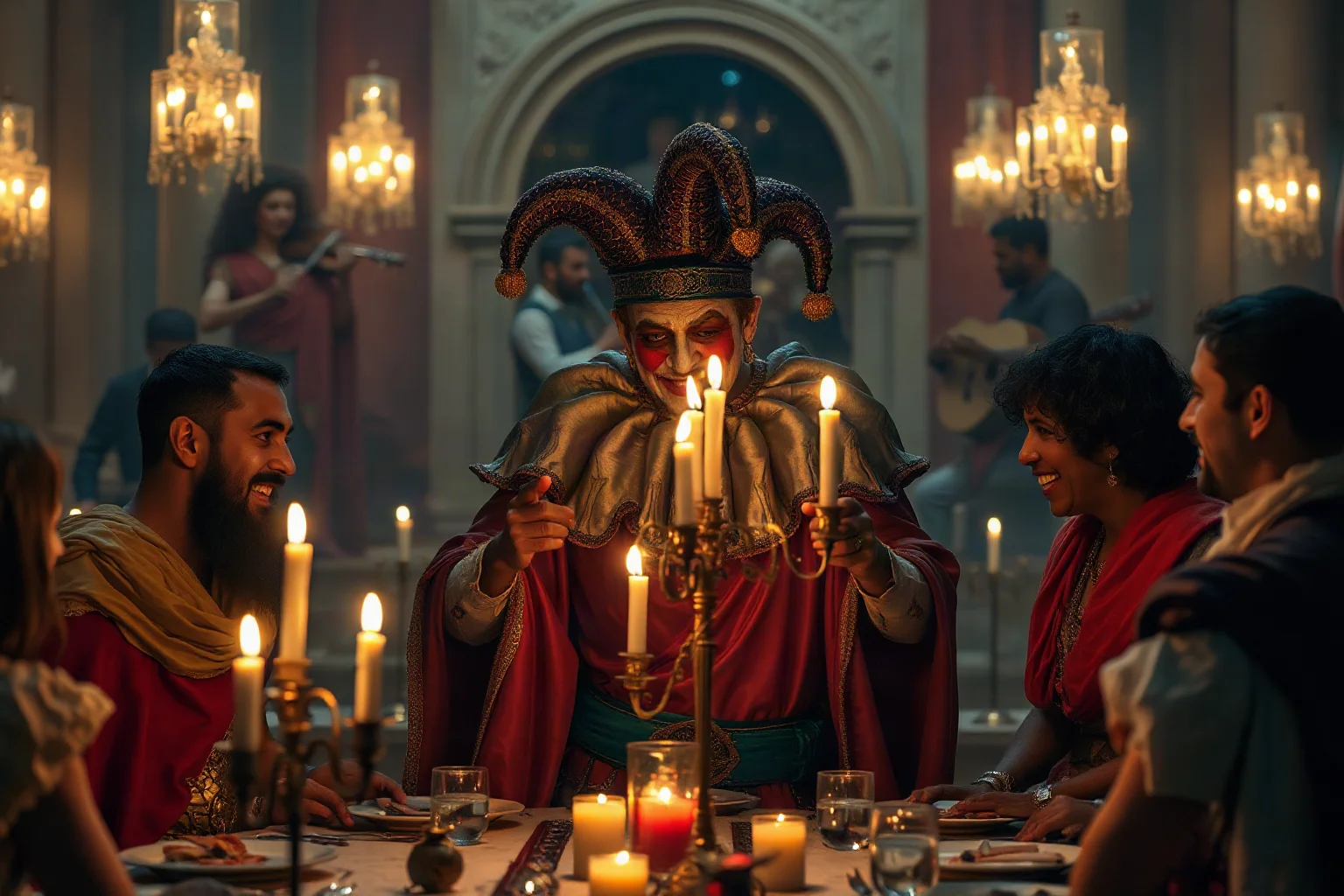
Wealthy Romans kept professional entertainers known as scurrae on hand at banquets, and Roman satirists like Horace wrote about figures such as Sarmentus, a jester associated with elite circles in the late Republic.
These performers traded barbed jokes and flattery for food, money, and status, which is exactly why Roman writers also used the word parasitus to describe them with more than a little contempt.
It’s a useful reminder that not every ancient civilization romanticized its jesters — Roman literature often treated them as a symptom of decadence rather than a source of wisdom.
5. Nasreddin Hodja, the Wandering Wise Fool
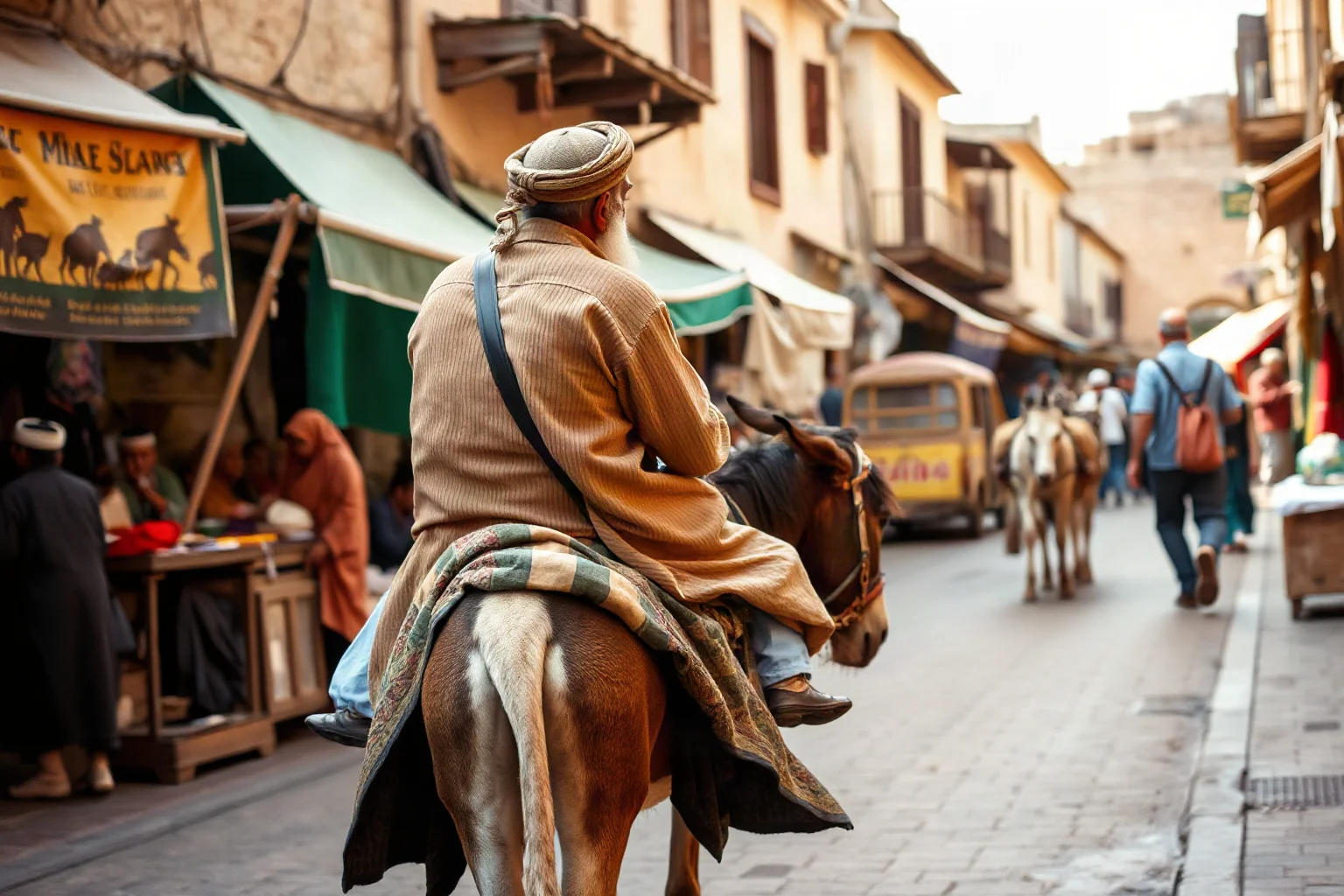
Nasreddin is a semi-legendary figure said to have lived in Anatolia around the 13th century, and his stories spread across Turkish, Persian, Arab, and Central Asian storytelling traditions.
In the tales, he often appears as a foolish villager who accidentally stumbles into profound wisdom, or a clever man who plays dumb to expose someone else’s pretensions. Historians can’t verify most biographical details about him, but his influence on regional humor and moral storytelling is undeniable and still very much alive today.
6. Stańczyk, Poland’s Melancholy Sage
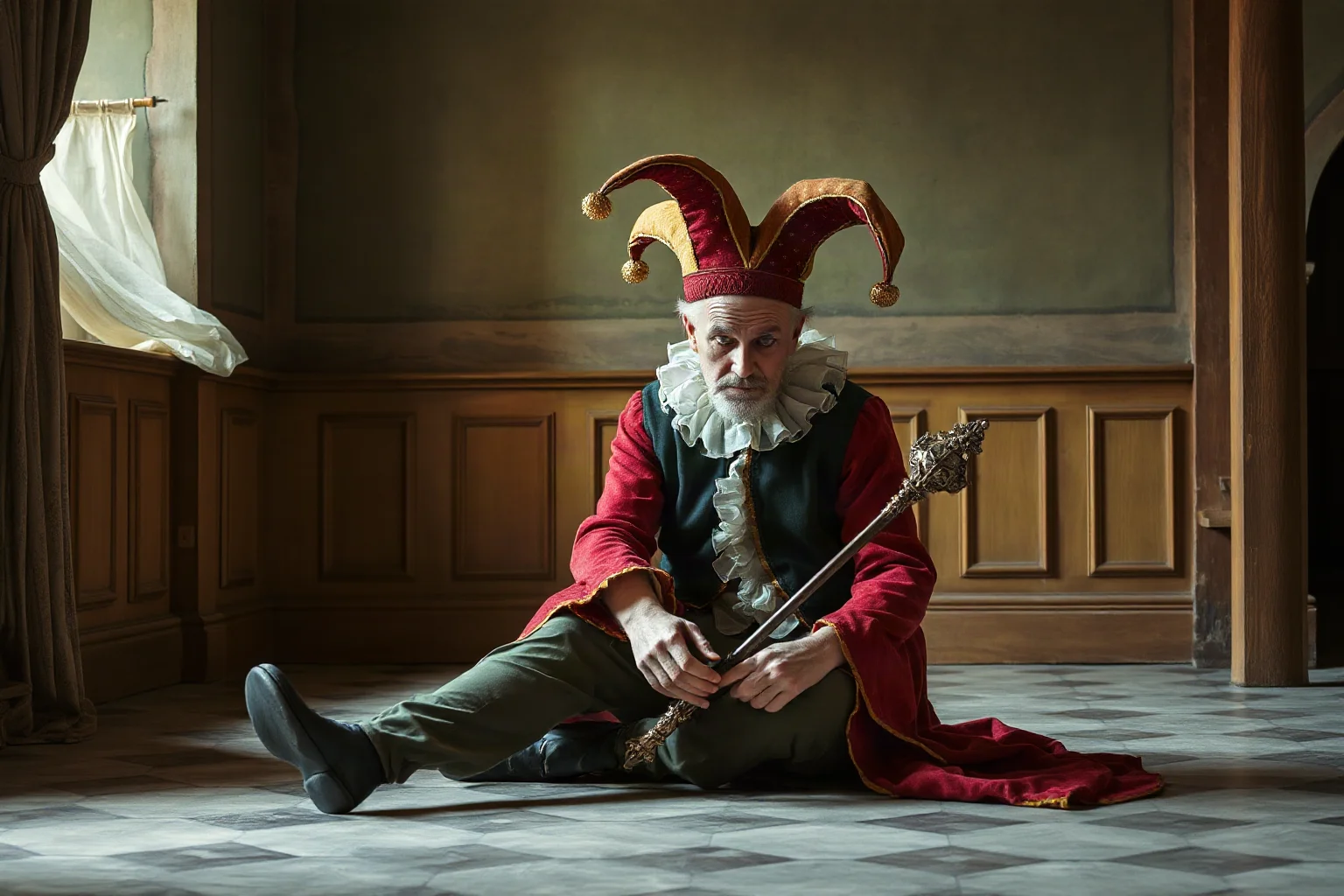
Stańczyk served Polish kings Alexander I and Sigismund I in the early 16th century and became genuinely famous centuries later thanks to a 19th-century painting by Jan Matejko.
The painting shows him sitting alone at a party, visibly troubled while everyone else celebrates, supposedly the only person in the room who understands the political disaster unfolding for Poland. That image cemented Stańczyk as the archetype of the “wise fool” — the court jester whose humor masks the sharpest political insight in the room.
7. Triboulet, the Fool Who Inspired an Opera
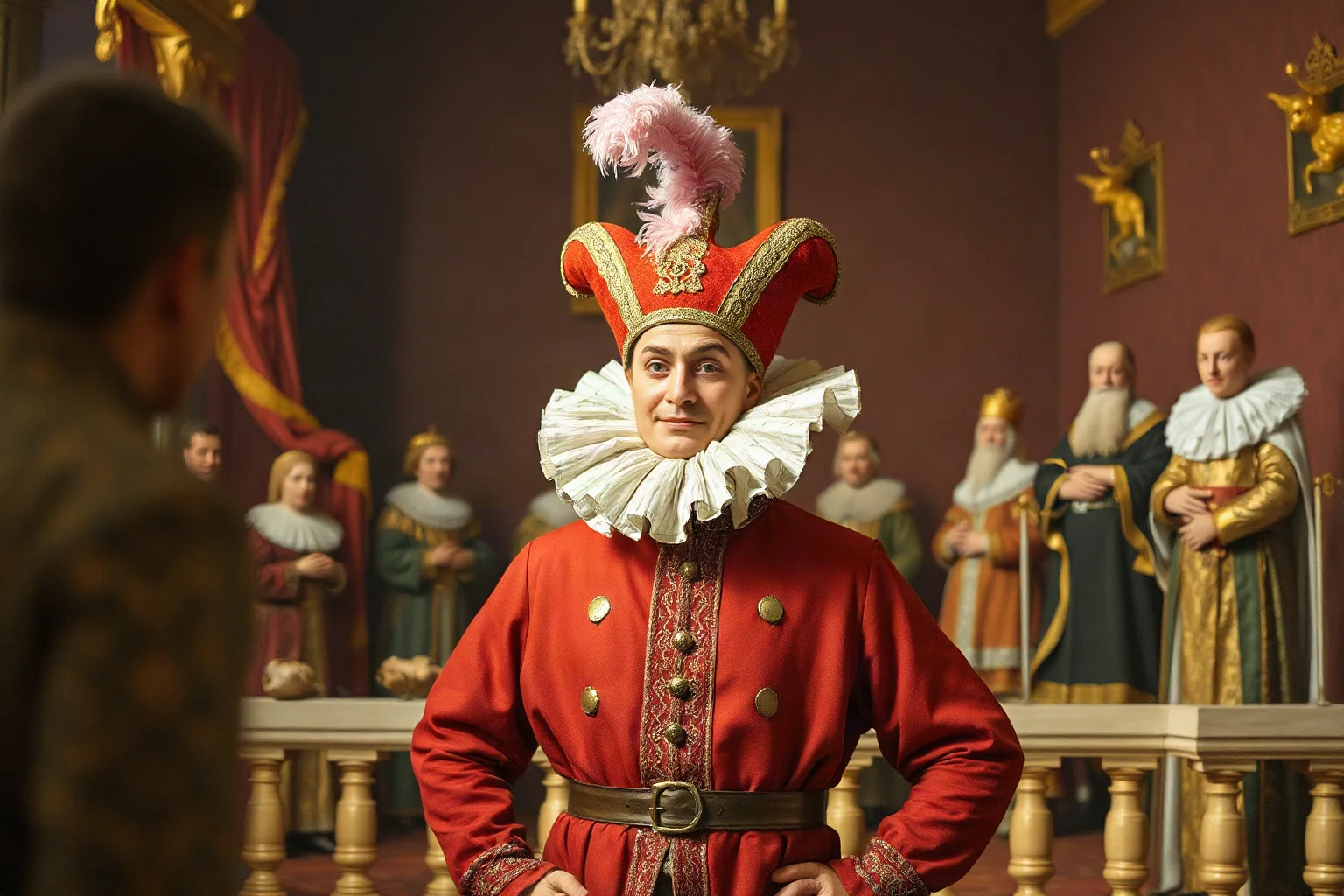
Triboulet served French kings Louis XII and Francis I in the early 1500s and became so notorious for his dangerously sharp tongue that his legend outlived his actual biography.
He’s widely believed to be the inspiration for the title character in Victor Hugo’s play Le Roi s’amuse, which Giuseppe Verdi later adapted into the opera Rigoletto. Contemporary accounts suggest he frequently tested the limits of jester’s privilege, mocking powerful nobles in ways that reportedly brought him close to real danger more than once.
8. Will Sommers, Henry VIII’s Most Trusted Fool
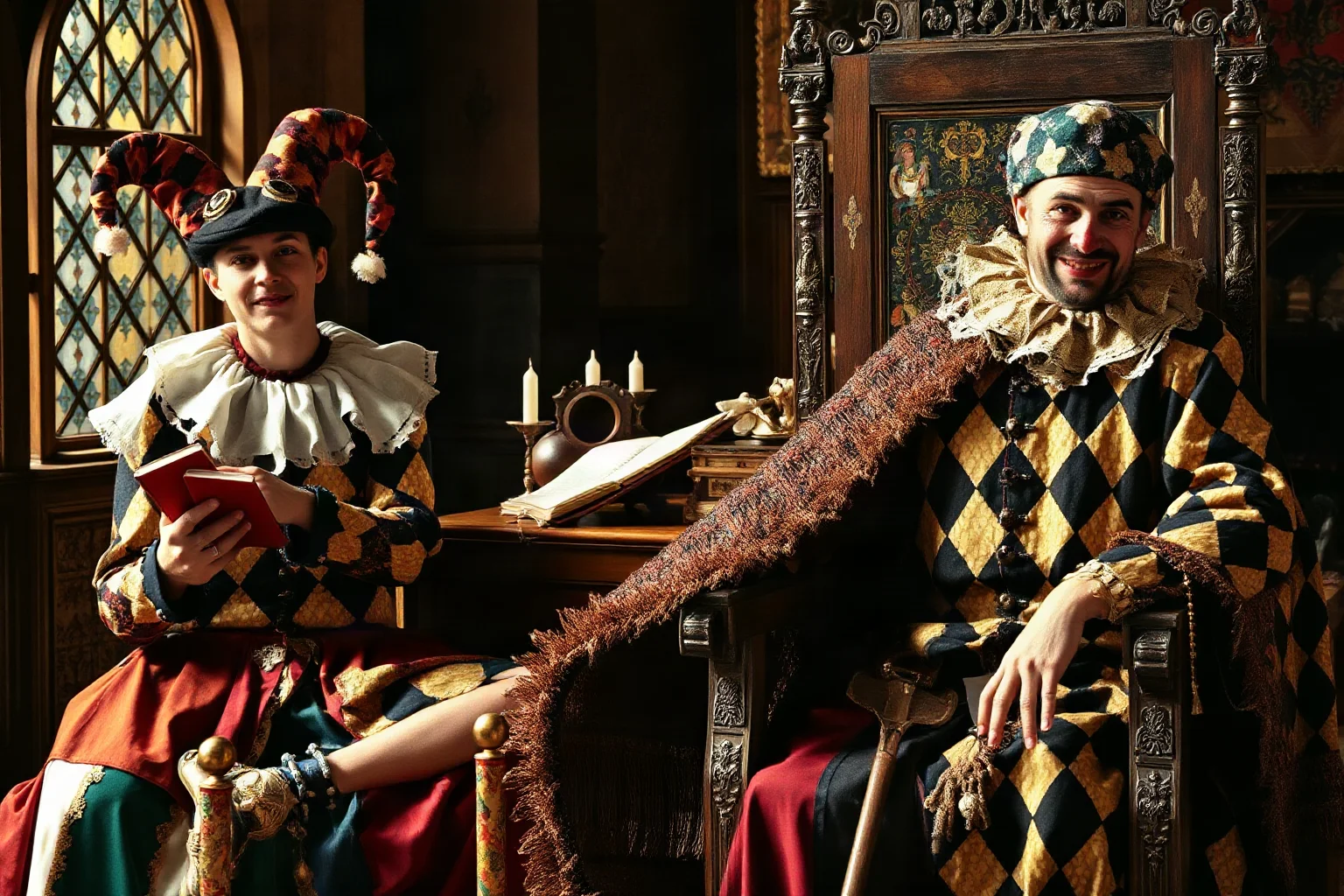
Will Sommers is one of the best-documented English court jesters, appearing in period portraits alongside Henry VIII himself and continuing to serve under Edward VI and Mary I.
Court records and Tudor-era writings describe him as unusually close to the king, reportedly one of the few people who could deliver bad news or blunt criticism without triggering Henry’s famous temper. His longevity across three reigns says a lot about how valuable a genuinely trusted fool could be in a court built on fear.
9. Patch, the Jester Passed Between Two Powerful Men
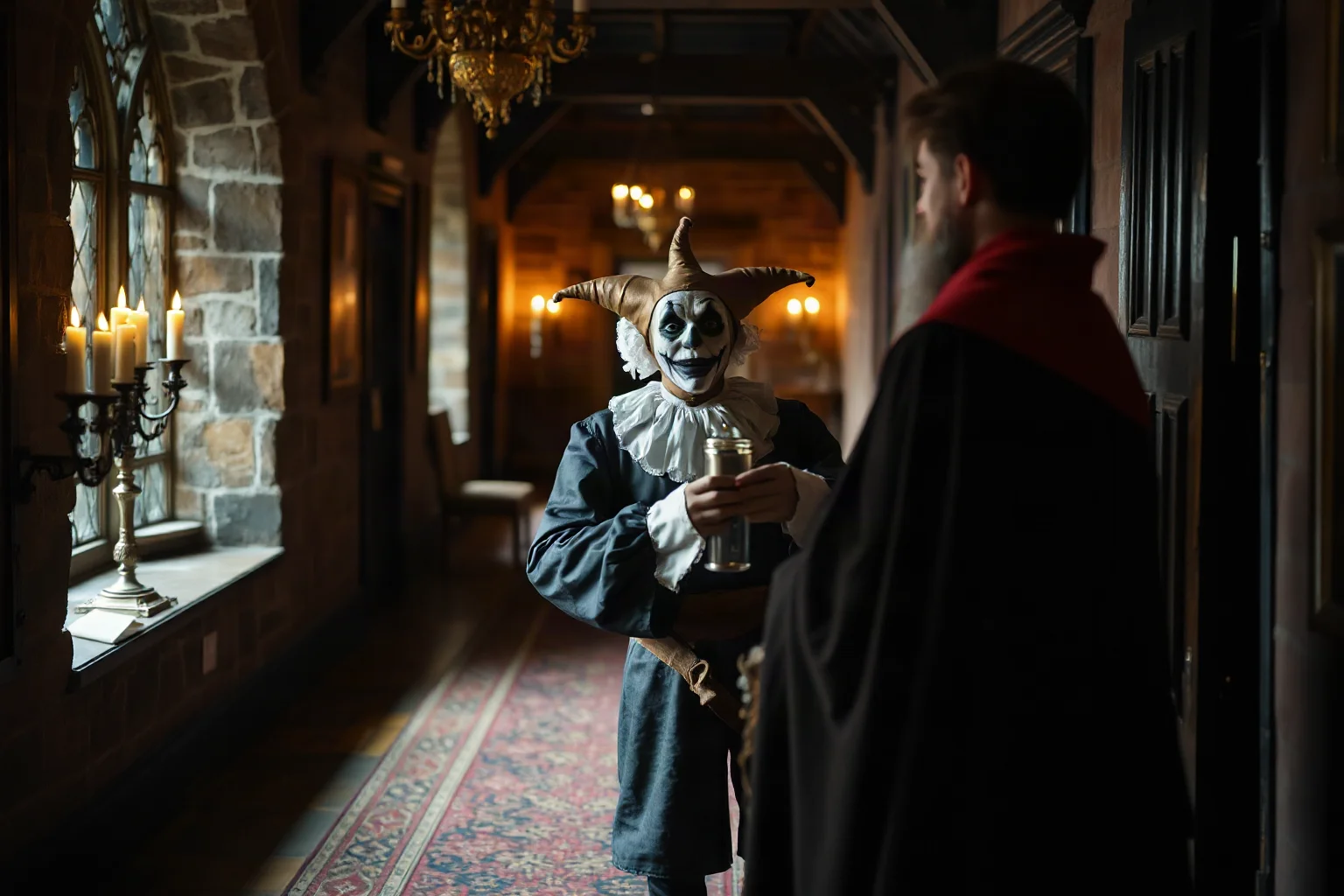
Patch originally belonged to Cardinal Thomas Wolsey, one of Henry VIII’s most powerful ministers, before being handed over to the king himself around the time Wolsey’s influence began collapsing in the late 1520s.
The detail that a jester could be literally gifted from one household to another says a great deal about their social status at the time, and about how completely a fool’s fate could be tied to the fortunes of history’s richest and most powerful families. However beloved a famous jester might be, he was still, legally and practically, someone’s possession.
10. John Scogin, Edward IV’s Legendary Prankster
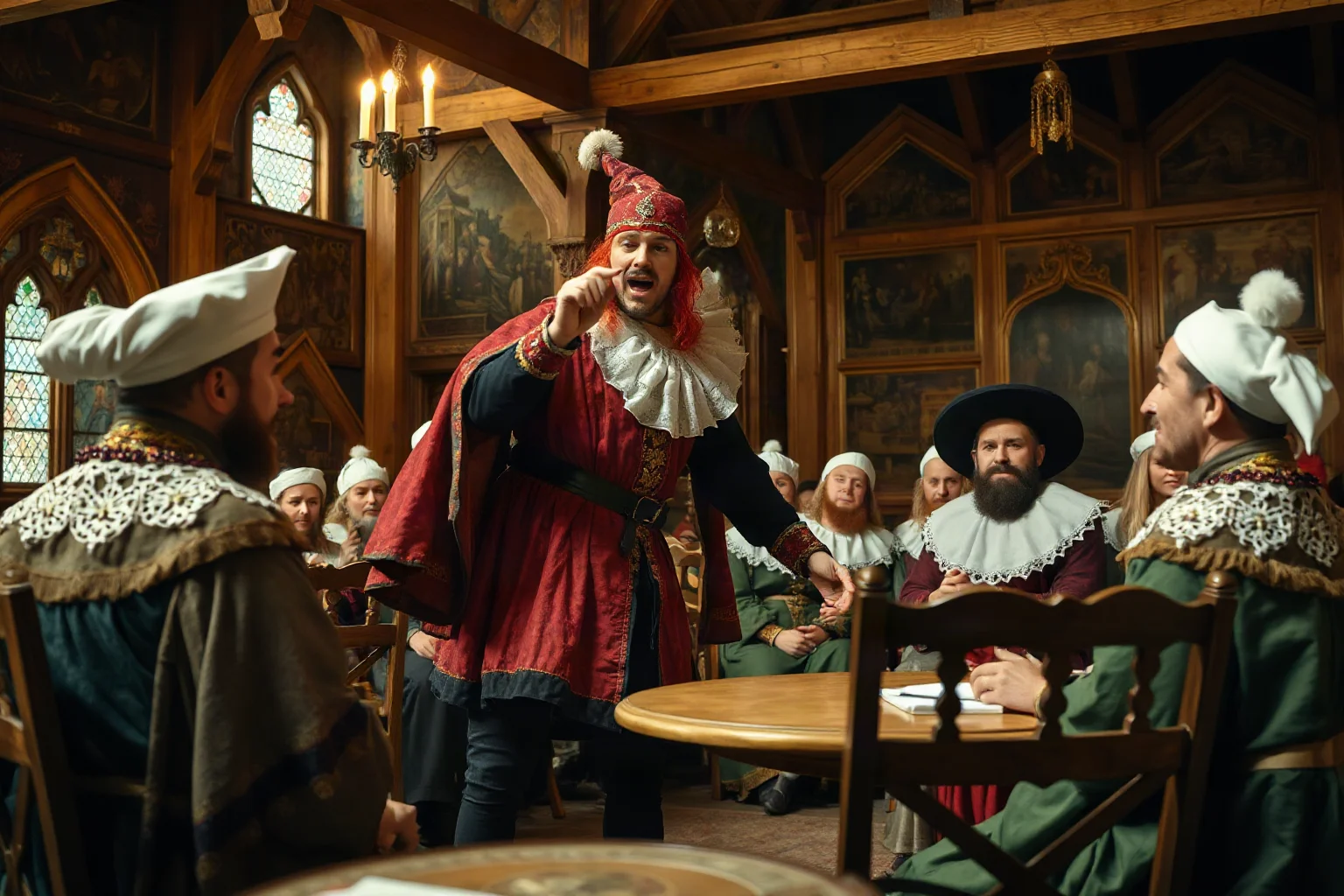
John Scogin is recorded as court fool to England’s Edward IV in the 15th century, though most of what we “know” about him comes from a popular 16th-century jestbook compiled by Andrew Boorde.
That book blended whatever real biography existed with invented pranks and folk humor, a pattern that shows up again and again with historical jesters. Their fame often grew well after death, shaped more by print culture than by the actual court records.
11. Archibald Armstrong, the Fool Who Fell From Grace
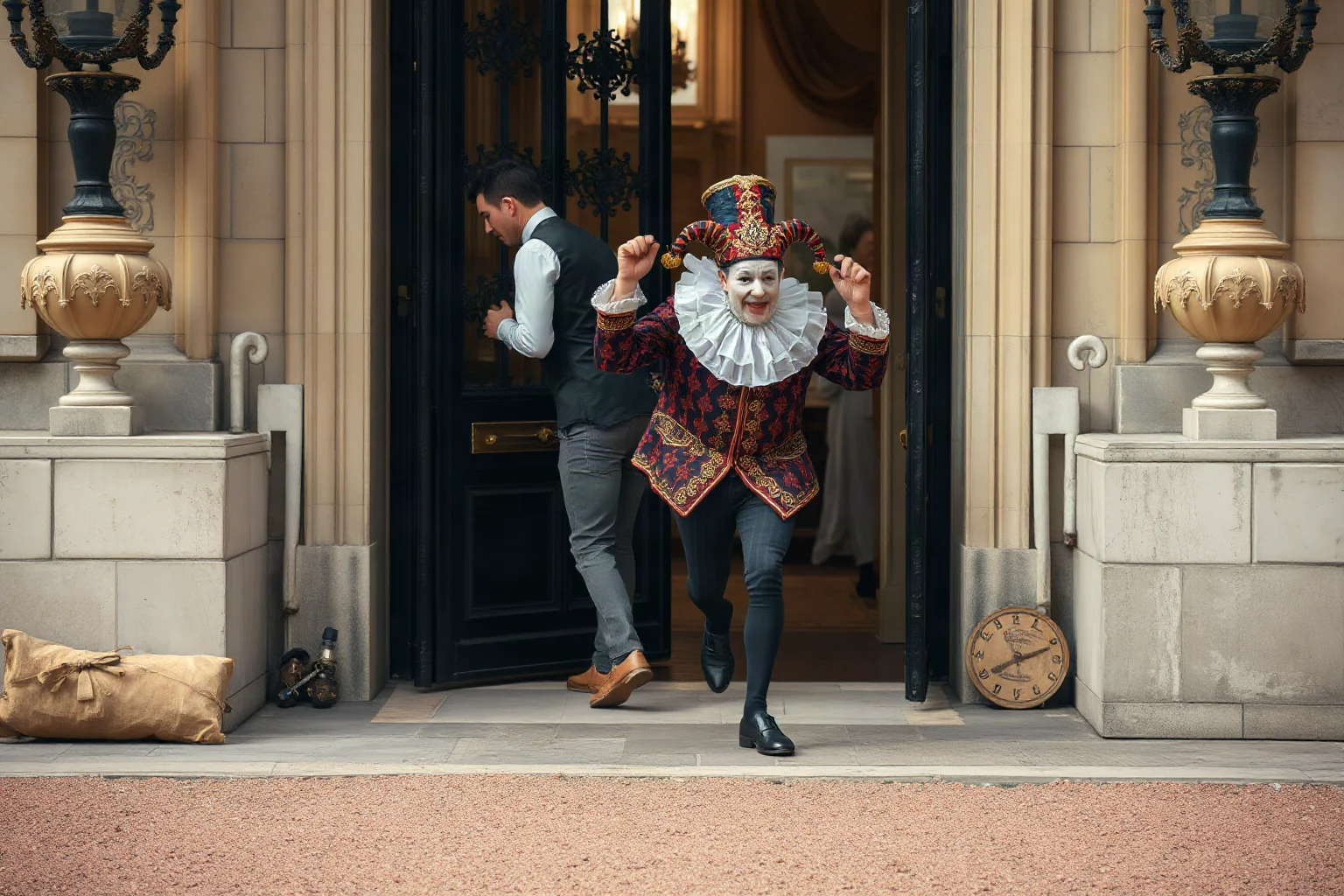
Archibald Armstrong, a Scottish-born jester, served James I and later Charles I, rising to remarkable wealth and court influence for a man in his position.
His downfall came in 1637 when he publicly insulted Archbishop William Laud, a bridge too far even for jester’s privilege, resulting in his formal banishment from court. It’s one of the clearest documented cases of a famous jester losing everything for one joke that landed on the wrong person.
12. Tom Skelton, “Tom Fool” of Muncaster Castle
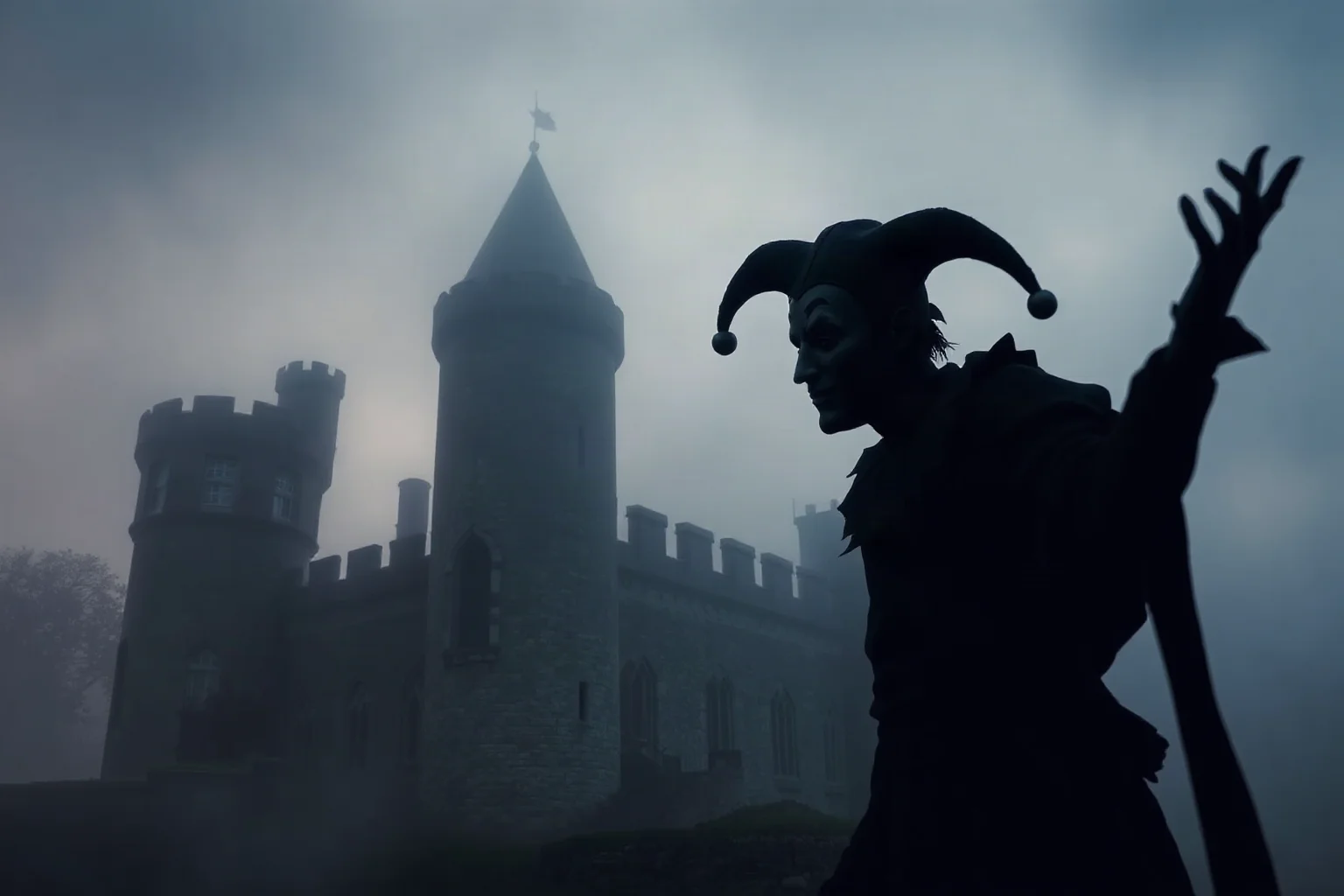
Tom Skelton is remembered in local legend at Muncaster Castle in Cumbria, England, allegedly from the 17th century, though the historical record around him is thin and heavily mixed with folklore.
Local stories credit him with cruel pranks that supposedly led to deaths, claims that should be read as legend rather than verified history. Some etymologists have linked his nickname to the English phrase “tomfoolery,” though that origin is contested and not fully settled.
13. Chicot, the Jester Who Carried a Sword
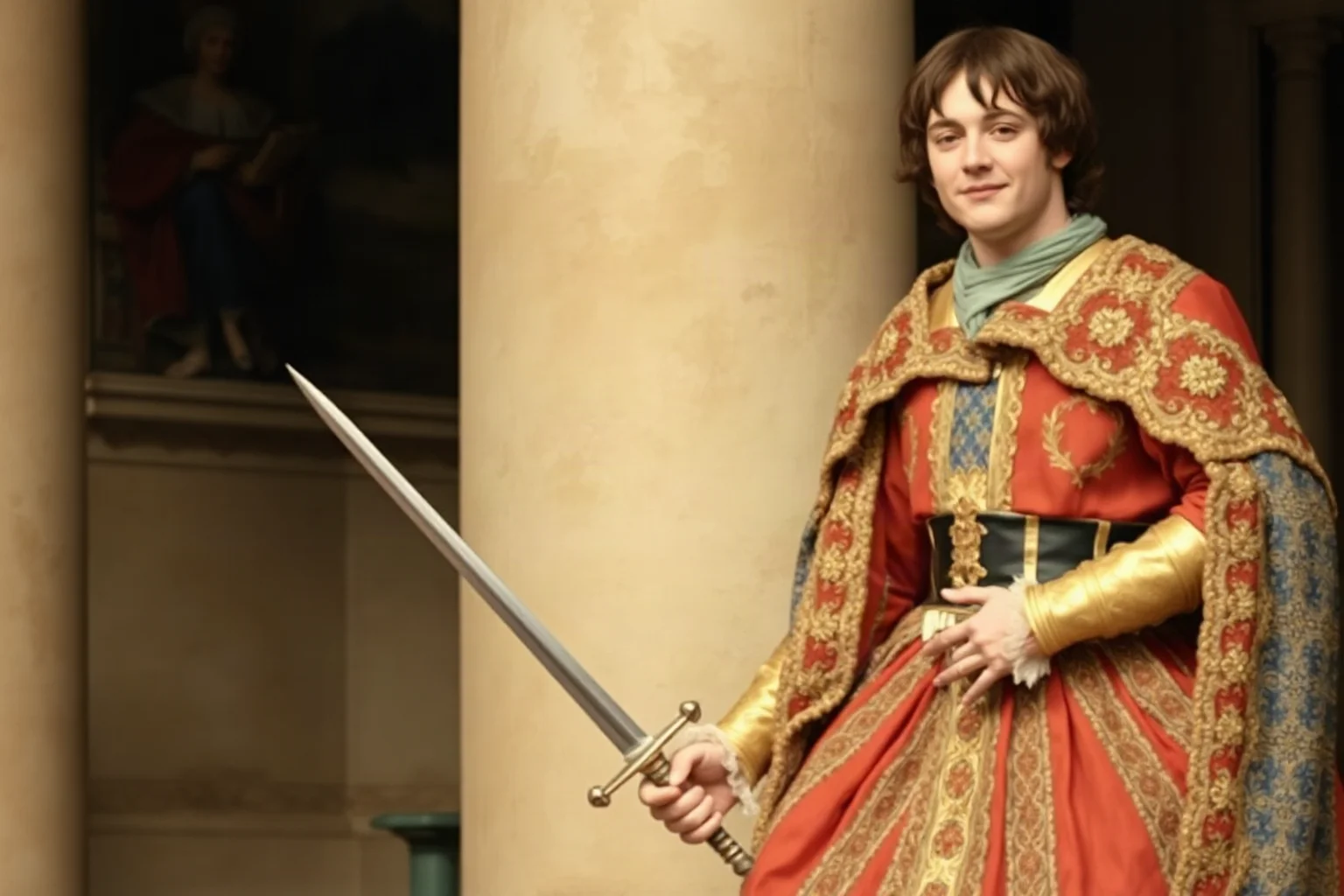
Chicot served French kings Henri III and later Henri IV, and unlike most entries on this list, he’s remembered as a loyal companion and even something of a bodyguard rather than a pure entertainer.
He was later fictionalized by Alexandre Dumas, whose novels leaned heavily into the swashbuckling side of the character. The real courtier behind the legend appears to have genuinely enjoyed the king’s personal trust, which was rare even among famous jesters.
14. Gonella, Ferrara’s Prince of Pranks
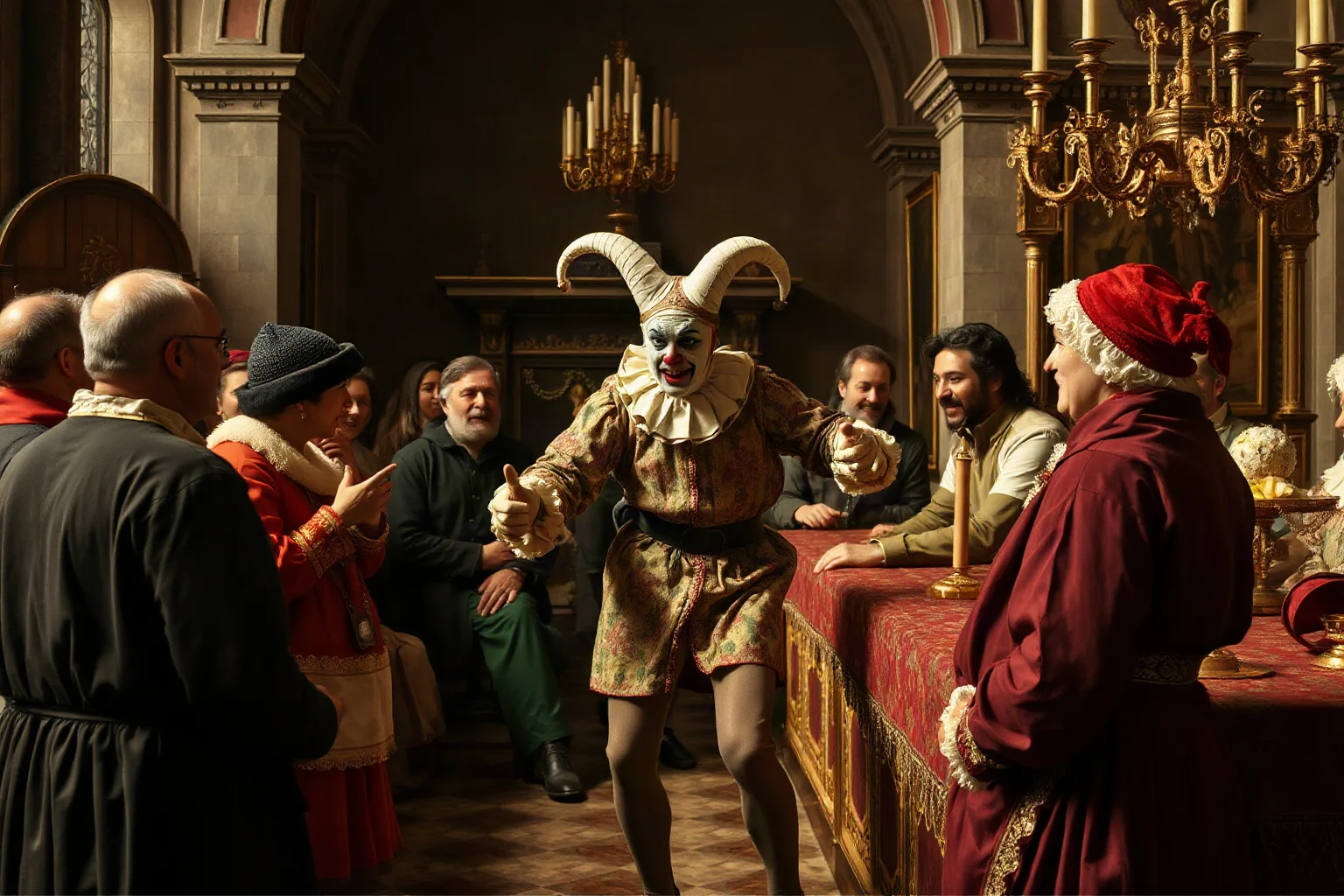
Gonella served the powerful Este family in Ferrara, Italy, during the 15th century, and like John Scogin, his fame exploded after his death through printed jestbooks full of exaggerated pranks.
These later collections make it genuinely difficult to separate the historical man from the folklore character built around him. Still, his name became shorthand across Renaissance Italy for court jester fool-style trickery for generations afterward.
15. Perkeo of Heidelberg, the Dwarf Who Drank a Castle Dry

Perkeo served as cellar-master and jester to the Elector Palatine in 18th-century Heidelberg, and legend credits him with heroic drinking feats involving the enormous Heidelberg Tun, one of the largest wine casks ever built.
Whether or not the drinking tales are exaggerated, Perkeo became a genuinely beloved local figure, and a statue of him still stands in Heidelberg Castle today. He’s a good example of how a jester’s legend can outlive the empire he served by centuries.
16. Mullah Do-Piyaza, Akbar’s Legendary Rival Wit

Mullah Do-Piyaza appears in South Asian folklore as a witty figure at the Mughal court of Emperor Akbar, often depicted trading insults and clever comebacks with Akbar’s famous minister Birbal. Most historians treat him as largely or entirely legendary, since solid contemporary documentation is scarce. The stories nonetheless remain a beloved part of the broader tradition of fools and jesters in South Asian storytelling.
17. Birbal, the Courtier Whose Wit Became a Legend
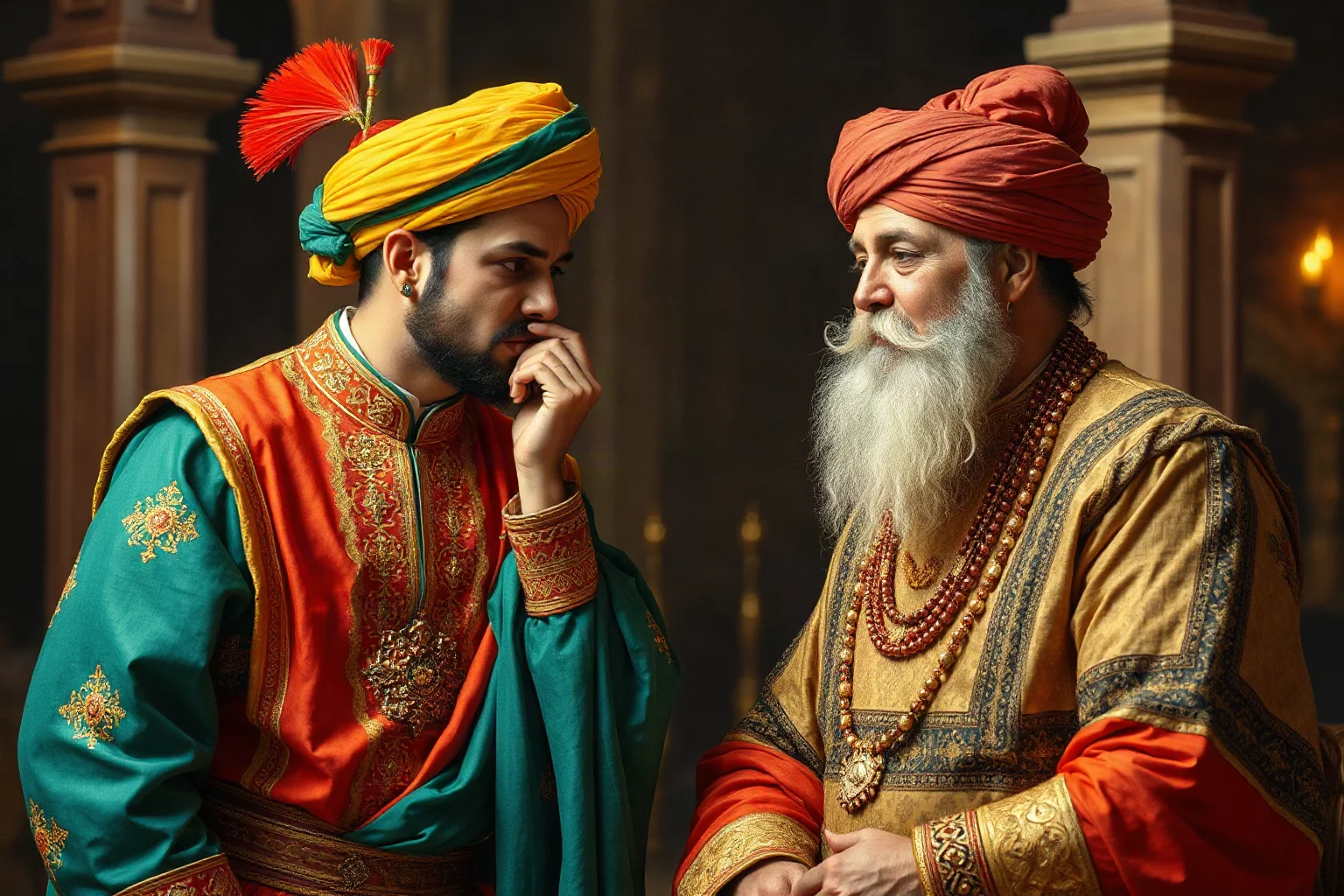
Birbal, born Mahesh Das, was a real historical figure and one of Akbar’s most trusted ministers, counted among the emperor’s celebrated “nine jewels,” a group often mentioned in the same breath as history’s smartest people for their combined wit and administrative skill.
The huge body of “Birbal stories” showing him outsmarting rivals with clever riddles is largely folklore compiled well after his lifetime, similar to what happened with European fools like Gonella. That doesn’t make the tales less beloved; it just means the historical Birbal and the folkloric Birbal aren’t quite the same person.
18. Gopal Bhar, Bengal’s Beloved Trickster

Gopal Bhar is remembered as the court jester of Raja Krishnachandra of Nadia in 18th-century Bengal, and he remains one of the most widely loved folk figures in Bengali culture today, appearing constantly in books, television, and film.
As with several entries here, verifiable historical documentation is limited, and much of what survives is oral and literary tradition rather than court record. That hasn’t stopped him from becoming arguably the most famous jester in the history of the Indian subcontinent.
19. Ivan Balakirev, Fool to Russian Emperors

Ivan Balakirev served as a documented court jester under Peter the Great and later Empress Anna of Russia in the early 18th century. Russian court records describe his involvement in elaborate, sometimes cruel palace entertainments, including staged mock ceremonies designed to humiliate out-of-favor nobles.
His career shows that the tradition of the employed royal fool persisted in absolutist courts well into the modern era, long after it had started fading elsewhere in Europe.
20. Jamie Fleeman, the Last of Scotland’s Household Fools

Jamie Fleeman worked as the “Laird of Udny’s Fool” on a Scottish estate in the 18th century, and stories about his rural wit were collected and published after his death.
He represents one of the last well-known examples of a private household fool in Britain, a tradition that had largely disappeared from major royal courts by that point. His folk legacy lives on mostly through local Scottish oral history and folklore collections.
The Deadly Side of Jesting: How Fools Survived Palace Politics
Here’s the myth worth busting: jester’s privilege was never an actual law, and no fool was truly untouchable. It was a social norm that rulers upheld only as long as it suited them, which is exactly why Archibald Armstrong could thrive for years and then lose everything over one insult. The idea of a beloved fool being casually protected from all consequence is mostly a modern romanticization of a much riskier real job.
This is also where the popular idea of “the jester that knows too much” comes from, a trope that shows up constantly in fiction, games, and pop history discussions.
It plays on a real historical dynamic: fools spent enormous amounts of time close to rulers, overheard sensitive conversations, and were sometimes the only people allowed to say dangerous things out loud.
Whether any specific historical jester was silenced for knowing state secrets is largely speculative, but the anxiety behind the trope reflects a genuine tension that royal courts lived with for centuries.
From Court Fools to Pop Culture Jesters
The jester never really left popular culture; he just changed costumes. The Joker playing card is directly descended from the medieval court fool, complete with the belled cap and mismatched motley pattern that real fools actually wore.
Modern jester clowns at renaissance fairs and circuses borrow heavily from this same visual tradition, even though historical fools and circus clowns developed as fairly distinct professions.
The archetype has also spread into corners you might not expect, including fan communities that design original “jester fakemon” characters inspired by the same trickster-clown visual language.
That’s a fun reminder that the jester as a symbol — clever, unpredictable, dangerous to underestimate — has outlasted almost every royal court that ever employed one. Few professions from the ancient and medieval world have aged into modern imagination quite so vividly, keeping pace with even history’s most recognized figures.
Final Thoughts
The court fool occupied one of the strangest jobs in history: equal parts comedian, confidant, and calculated risk-taker, walking a tightrope most of us would never volunteer for. Some of the names on this list, like Will Sommers and Archibald Armstrong, are backed by solid court records. Others, like Gopal Bhar and Mullah Do-Piyaza, live mainly in beloved folklore, and that distinction matters if we want to talk about them honestly.
What ties all twenty together isn’t perfect documentation, it’s the same basic human bargain. Make the powerful laugh, tell them something true along the way, and hope the joke lands soft enough to keep your head attached to your shoulders.
Frequently Asked Questions
What does “jester that knows too much” mean?
It's a popular trope, not a documented historical event, describing a court jester who overhears dangerous secrets or state affairs and becomes a liability to the ruler who employs him. It shows up often in fiction, games, and internet discussions of court history. The idea draws on a real historical dynamic, since jesters genuinely spent unusual amounts of time close to rulers and were sometimes allowed to say things nobody else could, but no verified case confirms a jester being silenced specifically for "knowing too much."
What was jester’s privilege, exactly?
Jester's privilege refers to the informal social understanding that a court fool could mock, criticize, or joke about powerful figures, including the monarch, without facing normal punishment for insolence. It was never a formal legal protection, just a custom that rulers chose to honor, and it could be withdrawn instantly if a joke crossed a line, as it did for Archibald Armstrong under Charles I.
Were there real female court jesters?
Yes. Mathurine was a documented female court jester who served French kings Henri III and Henri IV in the late 16th and early 17th centuries. Female fools were far less common than male ones in the historical record, but they did exist in several European courts.
Is “ještěr” related to the word “jester”?
No, this is purely a spelling coincidence. "Ještěr" is a Czech word meaning lizard or dragon, while "jester" comes from the Old French word gestour, meaning a teller of tales. The two words are unrelated in origin despite looking similar.
What’s the difference between a jester and a clown?
A court jester was historically a specific paid position within a royal or noble household, tasked with entertainment, satire, and sometimes blunt honesty toward a ruler. A clown, as we understand the term today, developed later as a more general performance role, often in circuses and theater, without the same personal relationship to a specific court or patron.
What is a “jester fakemon”?
This refers to fan-made, unofficial Pokémon-style creature designs inspired by jester or clown imagery, created within online Pokémon fan art and "fakemon" communities. It has no direct connection to real historical jesters beyond borrowing the visual motifs of motley clothing and bell-tipped caps.
Did court jesters actually get away with insulting kings?
Sometimes, but it was always a gamble rather than a guarantee. Figures like Will Sommers and Triboulet were famous for pushing boundaries and surviving, while others, like Archibald Armstrong, eventually crossed a line that ended their careers. The safety net of jester's privilege depended entirely on the mood and tolerance of the ruler in front of them.

Alex Warren
Related Articles