

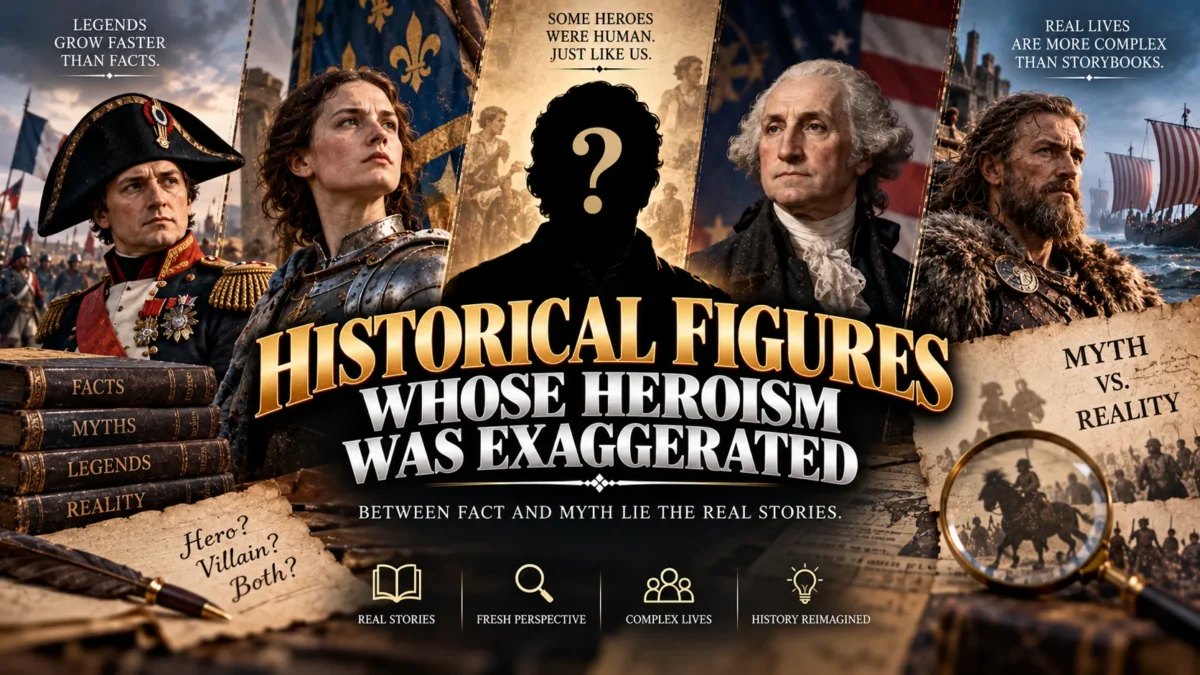
Every culture needs its heroes in history — the brave riders, noble outlaws, and fearless generals who make the past feel bigger and braver than ordinary life.
The trouble is that heroic people rarely arrive ready-made. Storytellers, biographers, and nation-builders shape them, trimming the messy parts and polishing the rest until legend replaces fact.
This list isn’t about tearing down heroic historical figures for sport. It’s about doing what any good history snob loves to do: separating the documented from the dramatized. Some of the heroic people below still did remarkable things — they just weren’t quite the flawless icons popular memory made them into.
TL;DR: Many of the biggest heroes in history were real people whose genuine achievements got wrapped in decades or centuries of myth, exaggeration, and convenient storytelling.
Why We Turn Ordinary People Into Heroic Icons
Humans love a tidy story. A single heroic person riding through the night, or one soldier standing alone against overwhelming odds, is far easier to remember than a committee of ordinary people making messy decisions together. So history gets edited for drama.
This same tendency is part of why certain names dominate lists of the most recognized historical figures of all time, regardless of how accurate the surrounding story actually is.
Nation-building plays a huge role too. Young countries and struggling causes often need heroic famous people to rally around, so writers and politicians heroizes real figures into symbols that serve a bigger purpose. Over time, the symbol becomes more famous than the actual person.
That doesn’t mean every example of heroism is fake. It means the line between a genuine historical hero and a flattering legend is often blurrier than textbooks suggest — which is exactly what makes this topic so fascinating to dig into.
1. George Washington and the Cherry Tree That Never Happened
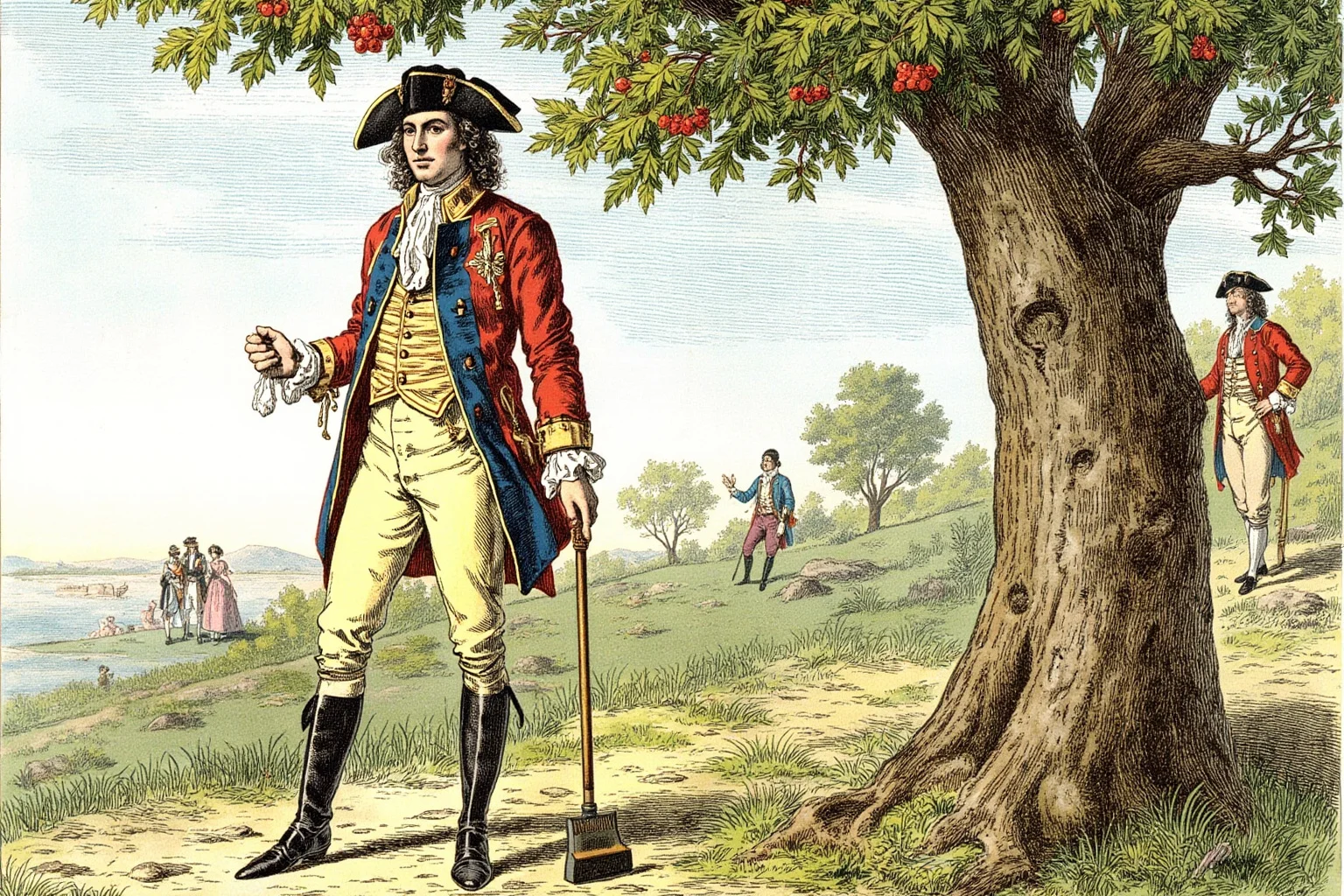
George Washington remains one of the most famous heroes from history, but the beloved story of young George chopping down a cherry tree and confessing out of pure honesty is fiction. It was invented by biographer Mason Locke Weems in a hagiography published shortly after Washington’s death, with no supporting evidence.
Washington’s dentures weren’t wooden either, despite the enduring myth — they were made from materials including ivory, gold, and human teeth. Washington still ranks among America’s greatest war heroes, and his real achievements as a general and first president were substantial enough without the folklore, which makes the added myth-making all the more unnecessary.
2. Christopher Columbus and the “Discovery” That Wasn’t
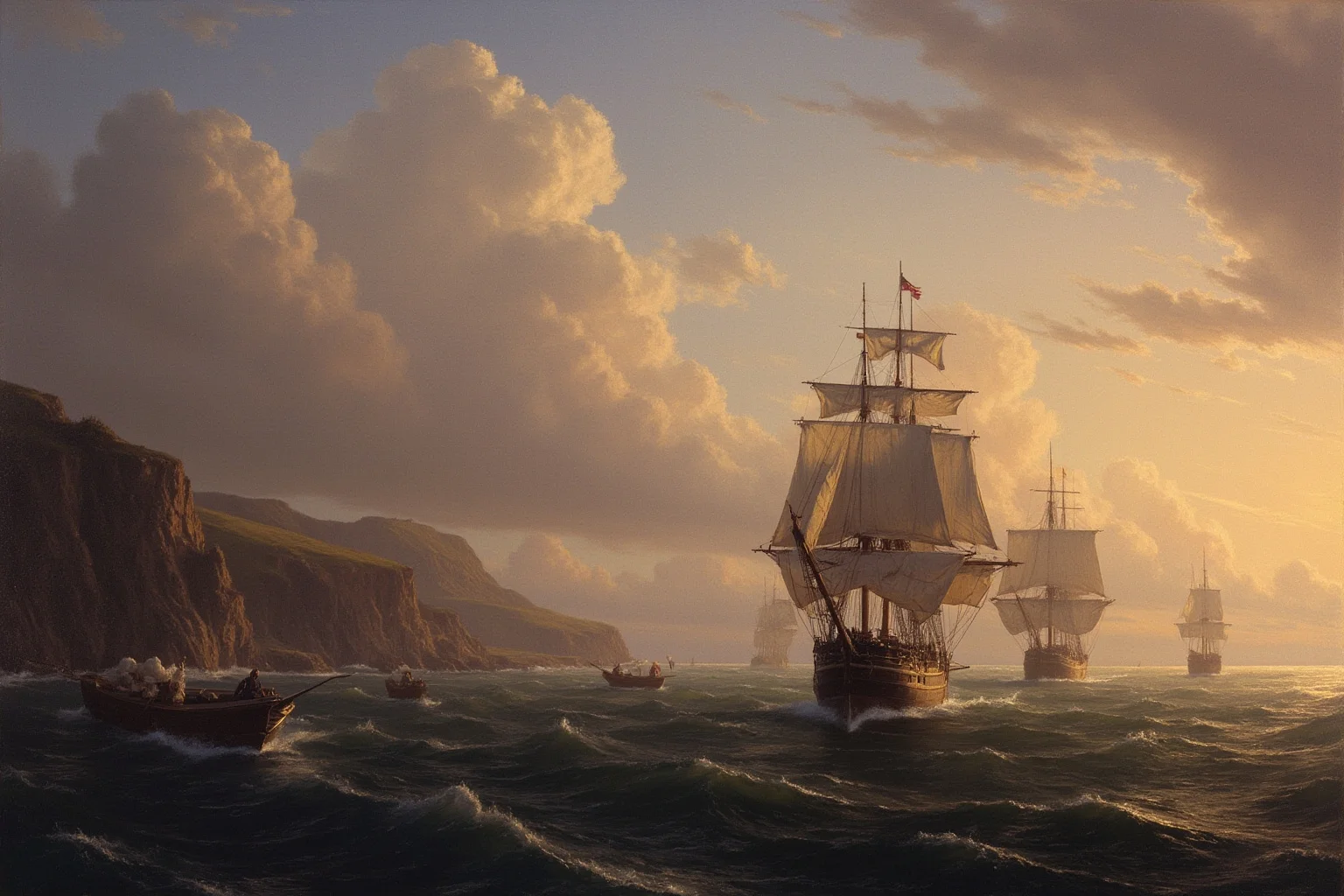
Columbus is often taught as the heroic explorer who discovered America, but Indigenous peoples had lived across the continent for thousands of years, and Norse explorers reached North America roughly 500 years earlier. Columbus never even set foot on the North American mainland.
Contemporary accounts, including those of missionary Bartolomé de las Casas, also documented brutal treatment of Indigenous Taino people under Columbus’s governance. The romanticized “heroic discoverer” narrative leaves out a much darker and better-documented reality.
3. Paul Revere’s Solo Midnight Ride
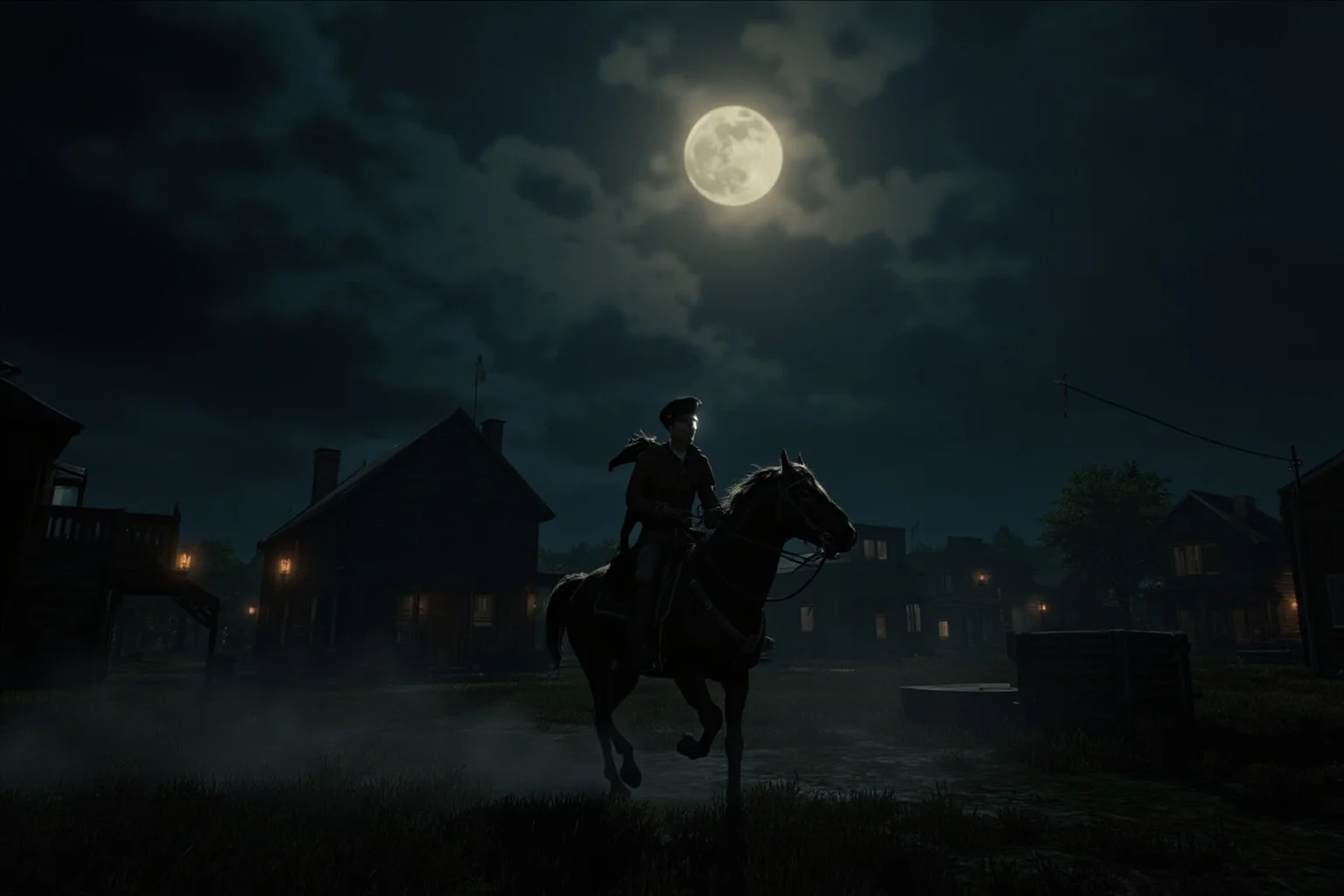
Paul Revere is remembered as the lone hero who galloped through the night shouting a warning about British troops, but he was actually one of several riders that night, alongside William Dawes and Samuel Prescott. Revere himself was captured by British soldiers before completing the ride.
Much of his modern fame comes from Henry Wadsworth Longfellow’s 1861 poem, written nearly a century after the events and designed to stir Civil War-era patriotism rather than record precise history. It worked brilliantly as poetry, less so as documentation.
4. Betsy Ross and the First American Flag
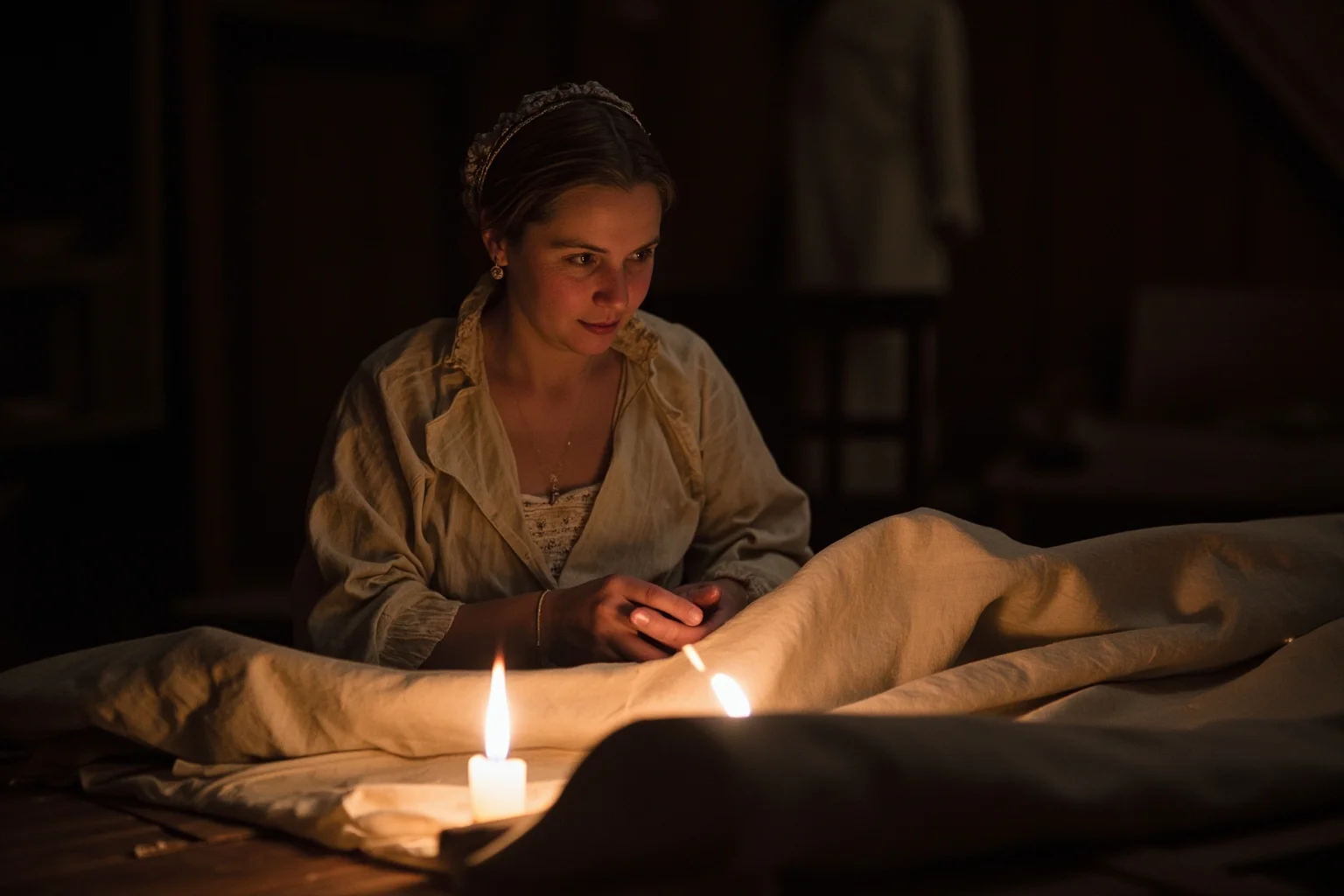
The story of Betsy Ross sewing the first American flag at George Washington’s personal request is one of the most repeated tales among heroes people learn in school. It surfaced publicly only in 1870, nearly a century after the supposed event, through the testimony of her grandson.
No contemporary documents from the Revolutionary era support the claim. Ross was a real seamstress in Philadelphia, but her specific role in designing the flag rests on family recollection rather than verifiable historical record.
5. Pocahontas and the Romance That Never Was
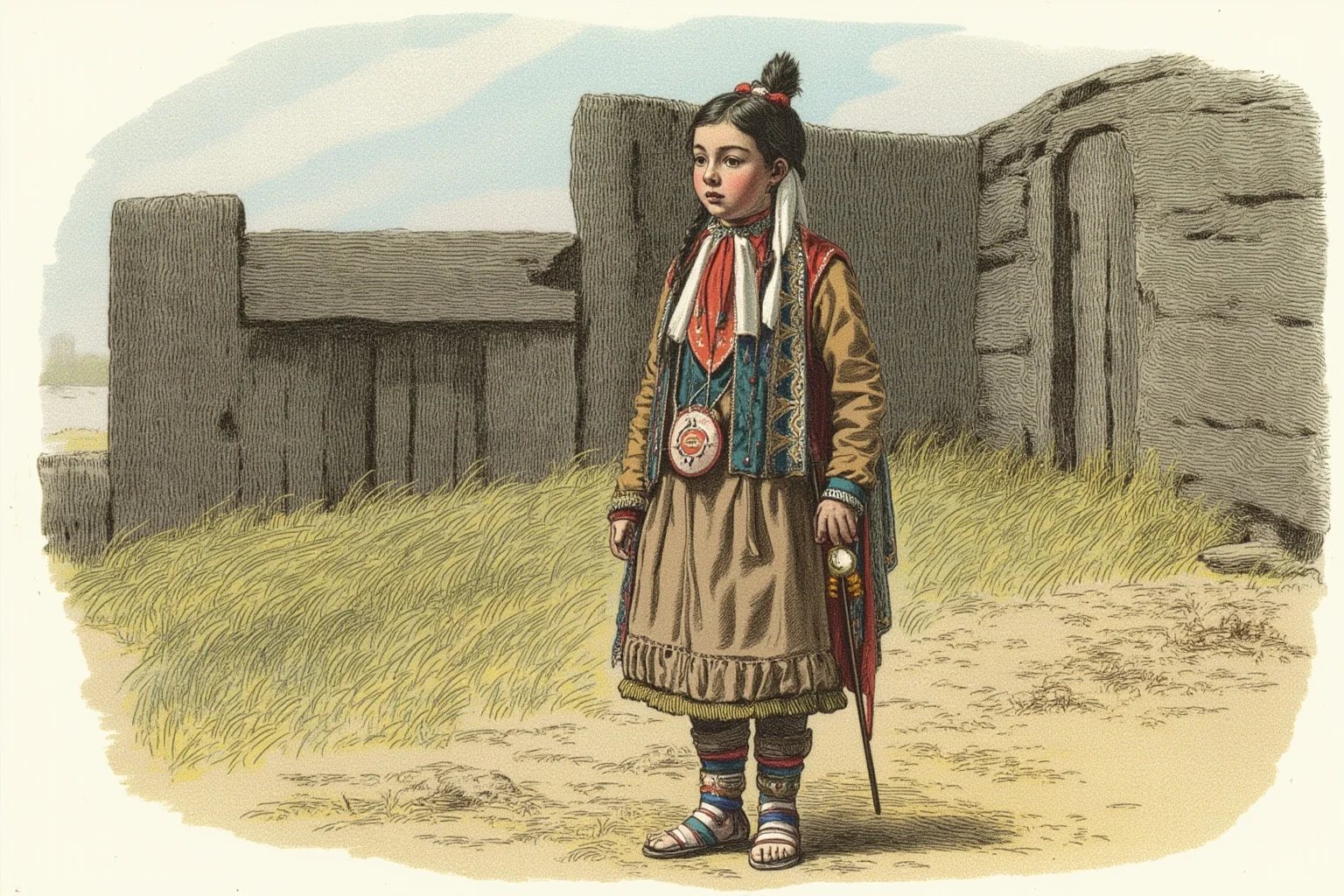
Pocahontas is frequently cast as a heroic young woman who fell in love with colonist John Smith, but she was likely only around 10 to 12 years old when they met. Historians agree no romantic relationship existed between them.
Her actual life involved being taken captive by English colonists, pressured into converting to Christianity, and marrying tobacco planter John Rolfe amid escalating colonial violence. It’s a far more complicated story than the popular version suggests.
6. Robin Hood, the Outlaw Who May Never Have Existed
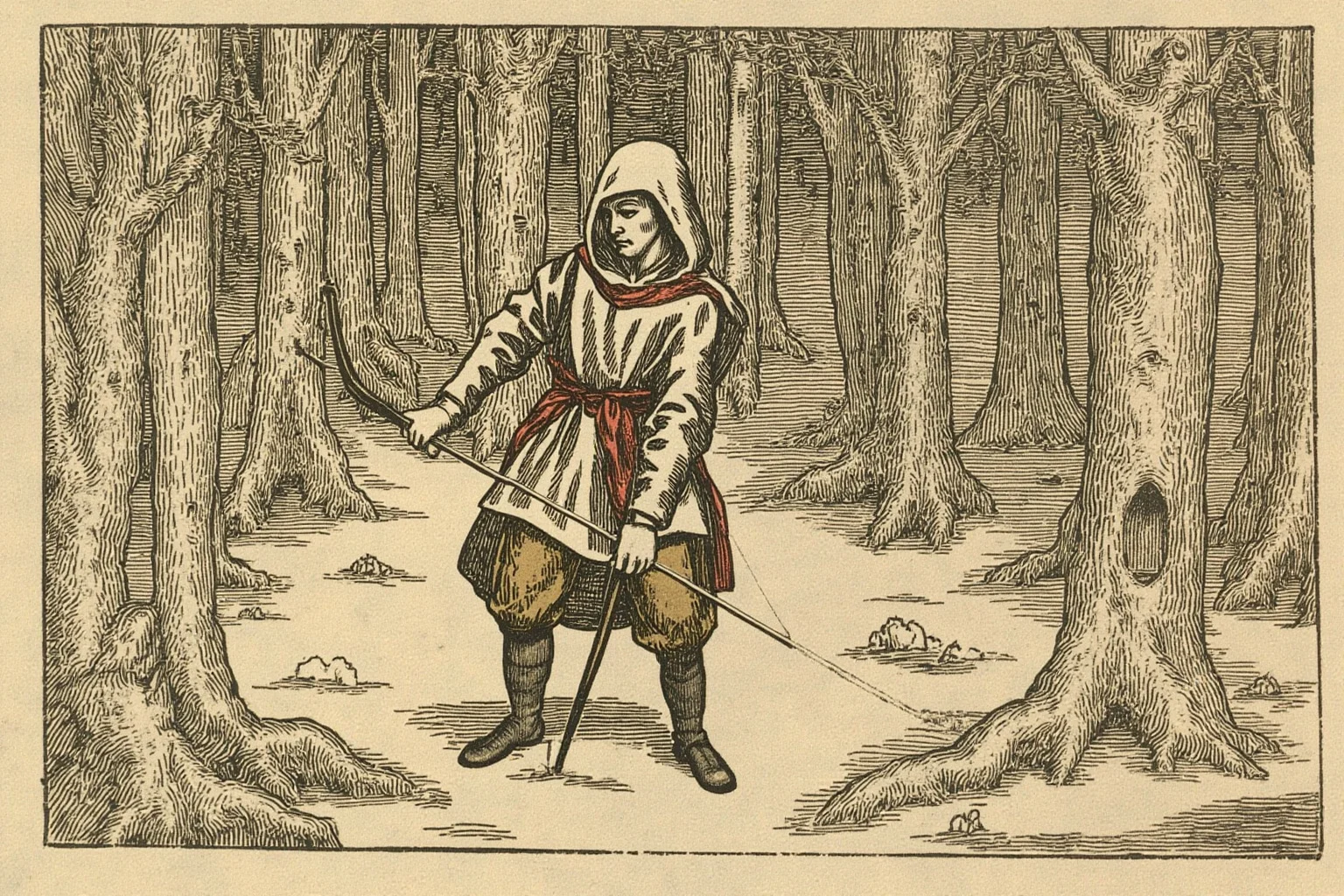
Robin Hood stands as one of the most enduring heroic figures in English folklore, but no solid historical evidence confirms a single real person behind the legend. Medieval ballads from the 14th and 15th centuries describe various outlaw figures, and scholars believe “Robin Hood” may be a composite built from several real or invented characters.
The familiar image of a noble archer robbing the rich to feed the poor developed gradually over centuries of retelling. It’s a wonderful story, but historians can’t point to a documented person who actually lived it.
7. King Arthur and the Kingdom That May Be Legend
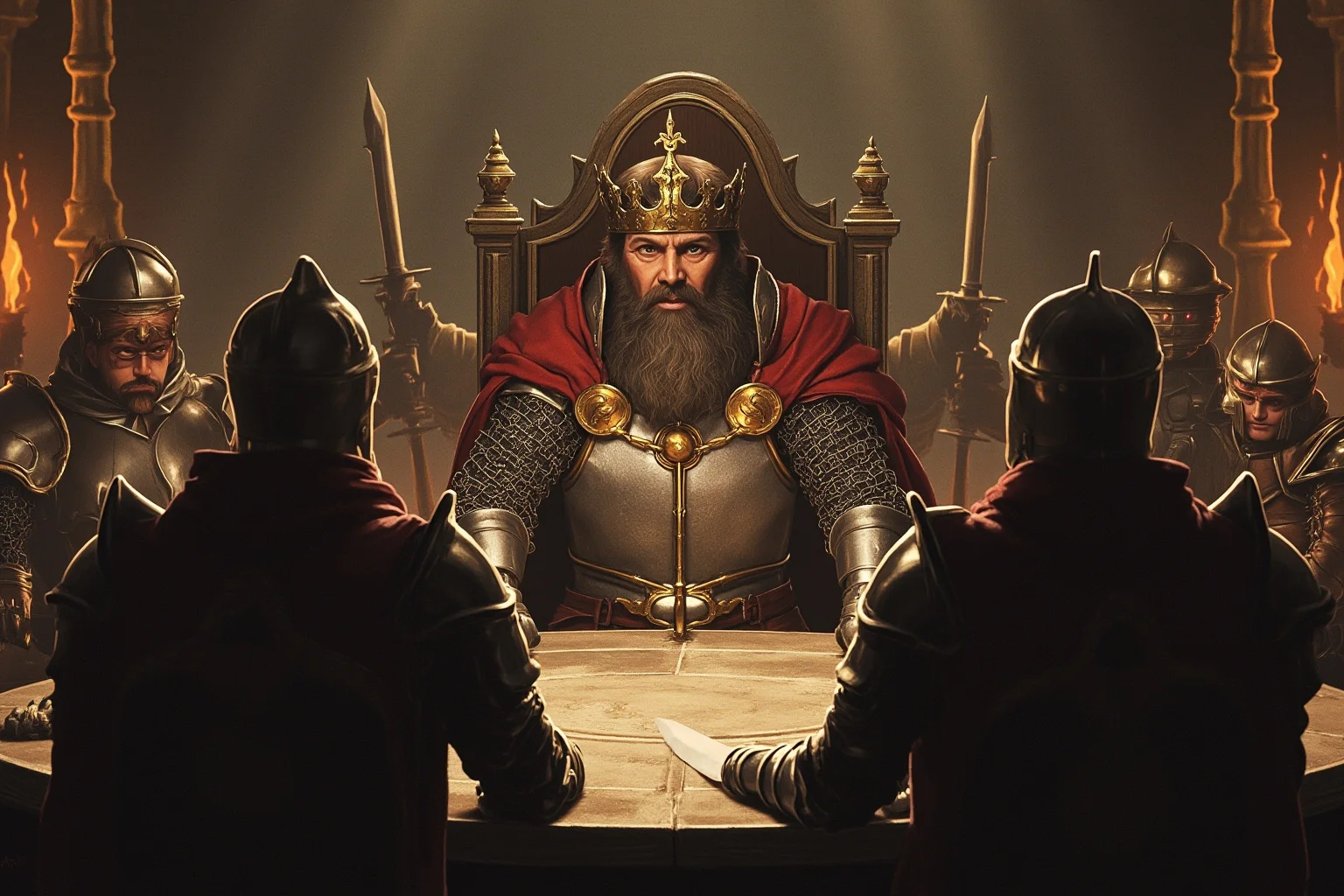
King Arthur is often held up as a historical hero who united Britain and inspired the Knights of the Round Table, yet no contemporary records from his supposed era mention him. Most scholars trace the legend to later medieval writers, particularly Geoffrey of Monmouth in the 12th century.
Some historians speculate Arthur may be loosely inspired by a real Romano-British war leader who resisted Anglo-Saxon invasions. Whatever the seed of truth, the elaborate court, sword, and quest mythology were added centuries afterward.
8. William Tell and the Apple That Started a Legend
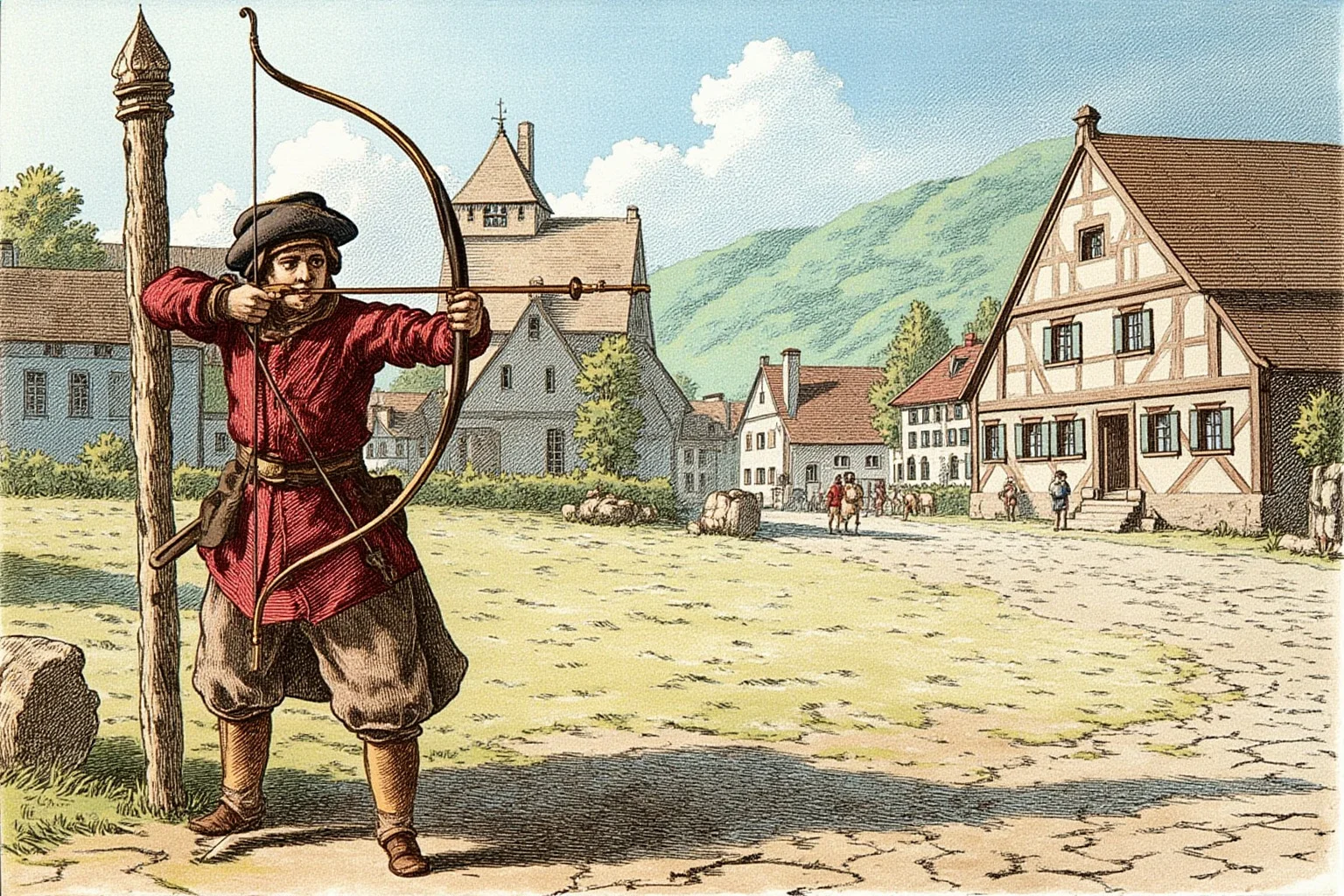
William Tell is celebrated in Switzerland as a heroic person who defied tyranny by shooting an apple off his son’s head. The problem is that the earliest written accounts of this story only appear in chronicles from the 14th and 15th centuries, well after the events supposedly occurred.
Most historians classify Tell as a legendary figure rather than a documented historical hero. The tale still functions as a powerful national symbol of Swiss independence, even without solid historical footing.
9. Davy Crockett’s Last Stand at the Alamo
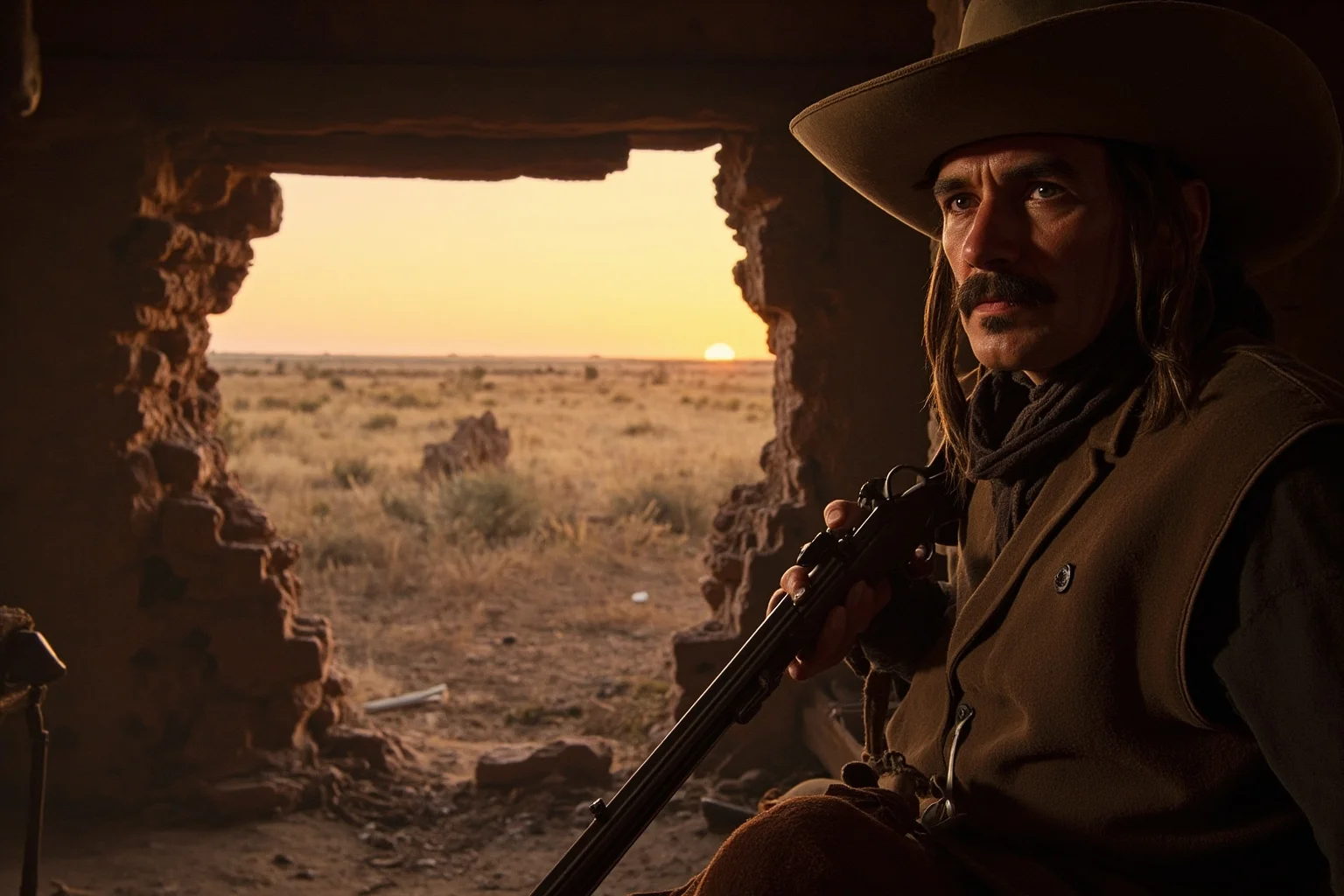
Davy Crockett is remembered as a frontier hero who died swinging his rifle against overwhelming Mexican forces at the Alamo in 1836. Some historical accounts, including a diary attributed to a Mexican officer, suggest a handful of defenders, possibly including Crockett, may have surrendered and were executed rather than dying in combat.
Historians still debate the exact circumstances. What’s clearer is that Crockett’s own embellished autobiography, written before his death, had already built him into a larger-than-life frontier celebrity.
10. Kit Carson, Frontier Scout and Forgotten Brutality
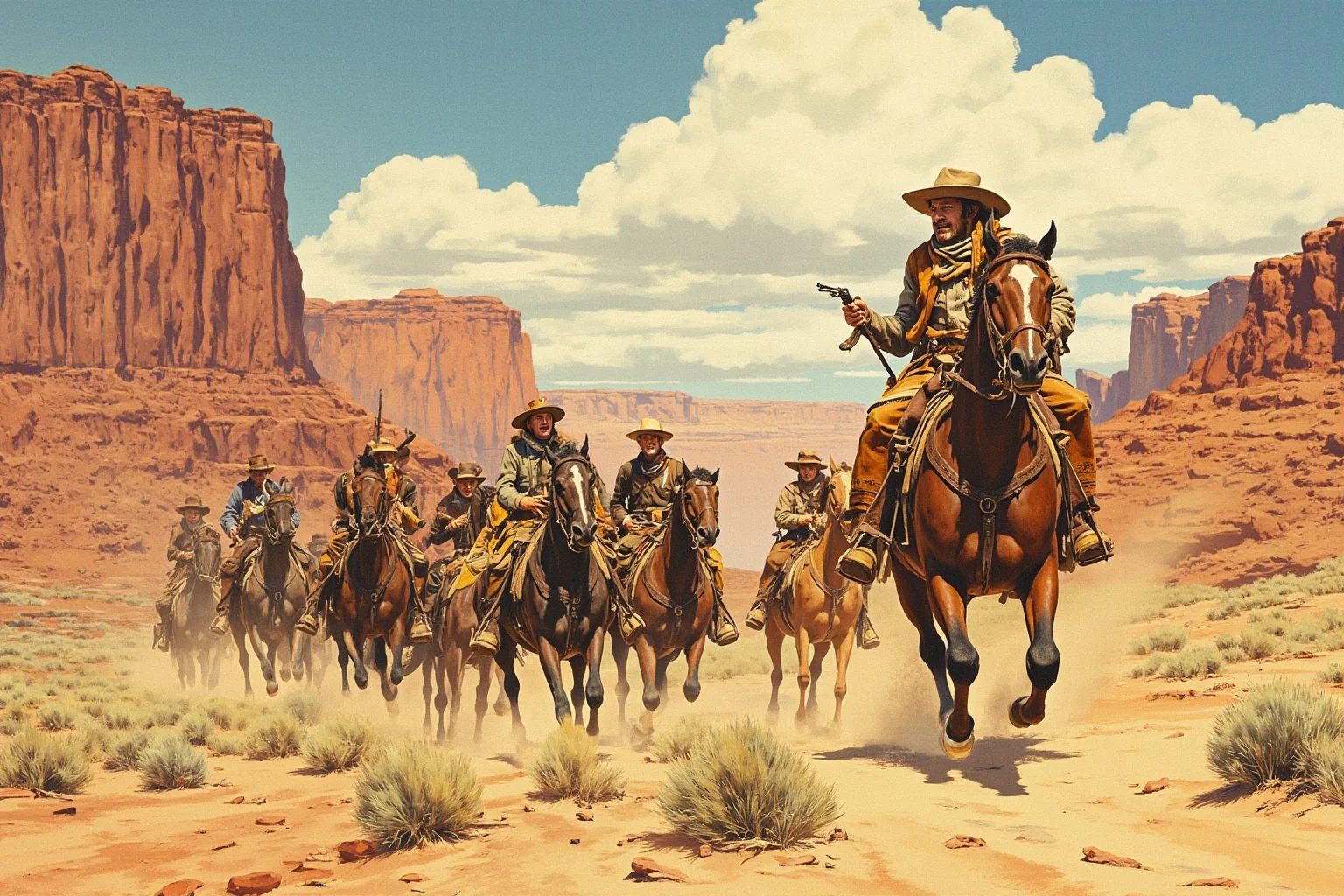
Kit Carson was glorified in 19th-century dime novels as a heroic frontier scout and Indian fighter, a reputation that made him one of the biggest heroes in history for a generation of readers. That same legend conveniently omits his role leading scorched-earth military campaigns against the Navajo people.
Those campaigns contributed to the forced removal known as the Long Walk, during which thousands of Navajo people suffered and died. The adventurous frontier hero narrative simply left this history out.
11. Wyatt Earp and the Gunfight Legend
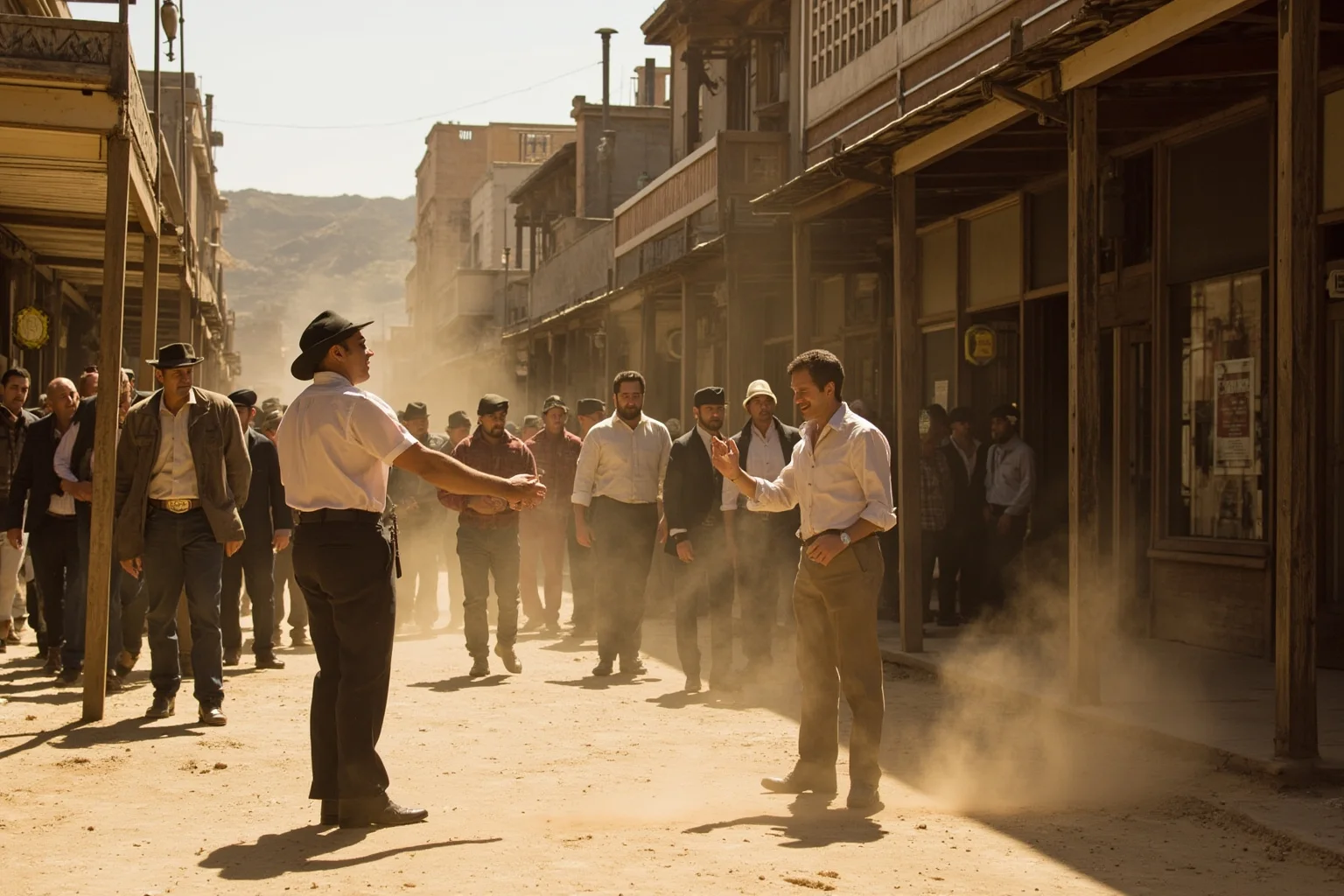
Wyatt Earp is often portrayed as an incorruptible lawman hero of the Wild West, largely thanks to the famous 1881 gunfight near the O.K. Corral in Tombstone, Arizona. In reality, Earp moved frequently between law enforcement, gambling, and other legally murky ventures throughout his life.
The Tombstone shootout itself grew from a tangle of personal grudges, business rivalries, and political tension rather than a clean battle of good versus evil. Hollywood later smoothed those rough edges into a tidier heroic story.
12. Julius Caesar and the Rubicon Myth
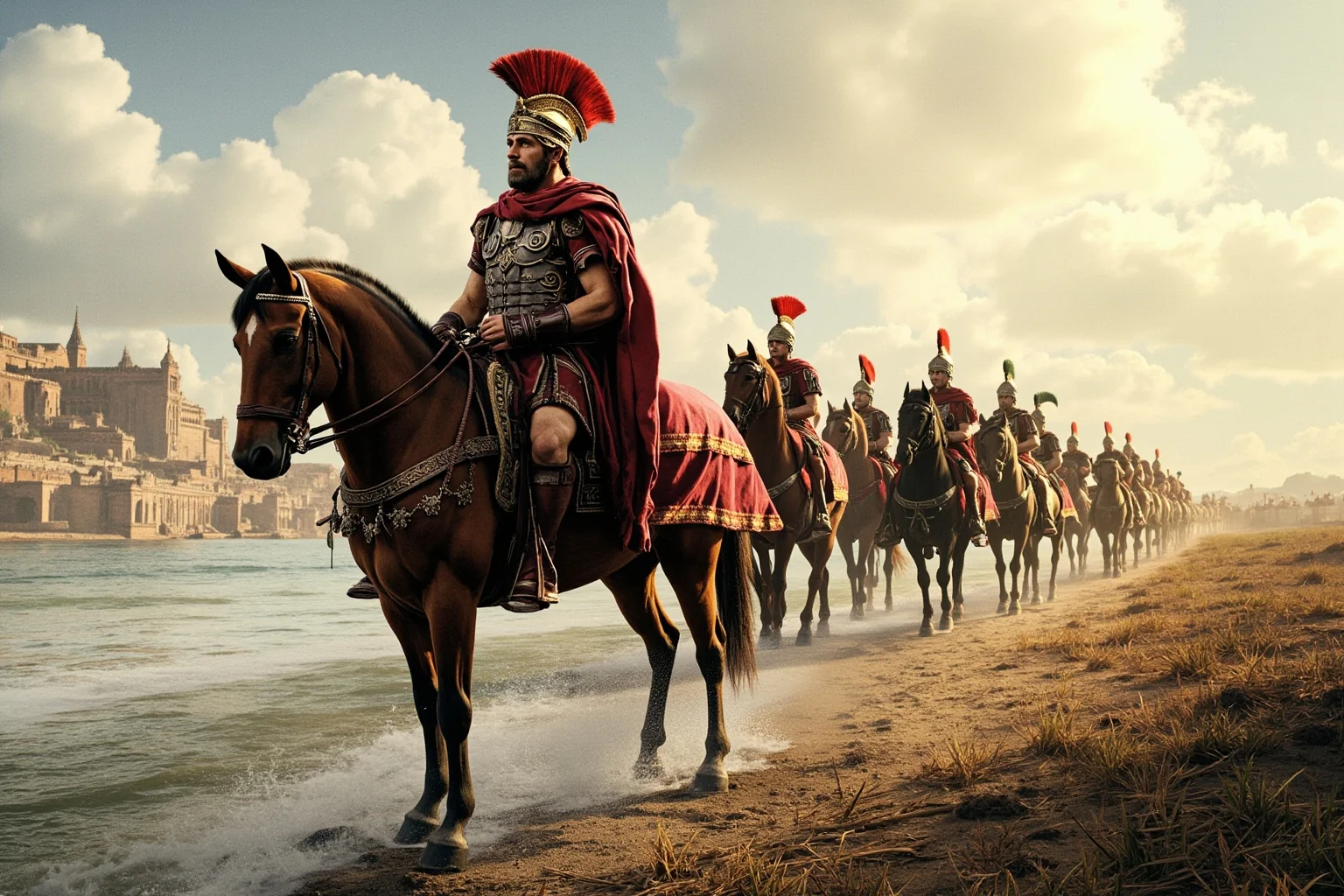
Julius Caesar’s crossing of the Rubicon River is often framed as a moment of heroic boldness, a decisive act of courage against a corrupt Senate. Caesar remains one of the most influential ancient Roman figures in history, and ancient historians like Plutarch and Suetonius, writing generations later, blended genuine events with flattering political narrative.
Caesar’s decision also plunged Rome into a devastating civil war that cost many lives and ultimately ended the Roman Republic. Heroic framing aside, the consequences were far messier than the dramatic image of a lone leader defying fate.
13. El Cid, Spain’s Hero Who Served Both Sides
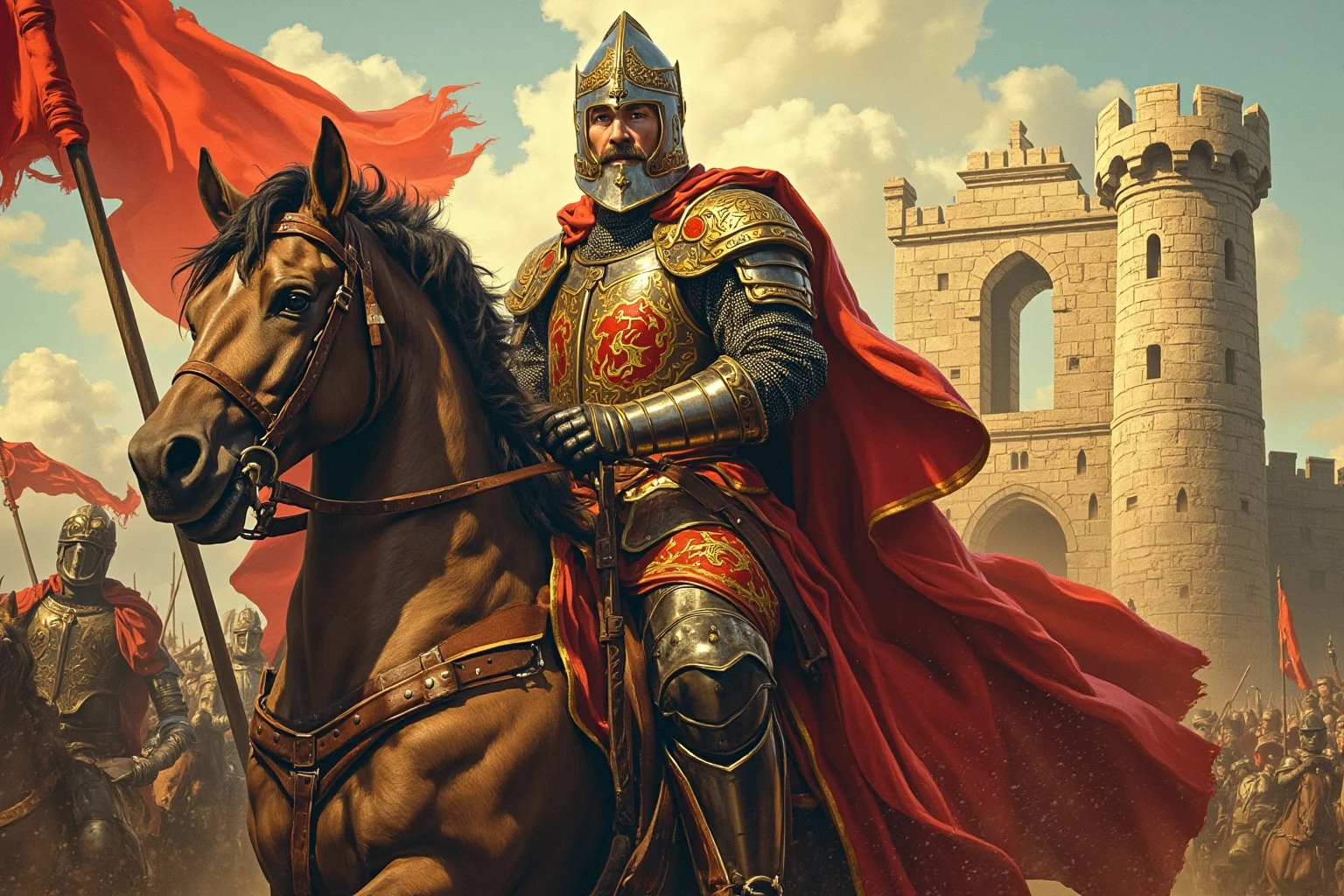
El Cid, born Rodrigo Díaz de Vivar, is remembered as a Spanish national hero who fought valiantly against Muslim rule during the Reconquista, a legacy also explored among the historical figures for Hispanic Heritage Month. Historical records show he actually served as a mercenary for both Christian and Muslim rulers at different points in his career.
The epic poem “Cantar de Mio Cid,” written after his death, dramatized him into a purely patriotic Christian champion. The real man’s career was considerably more pragmatic and politically complicated.
14. Horatio Nelson’s Polished Naval Legacy
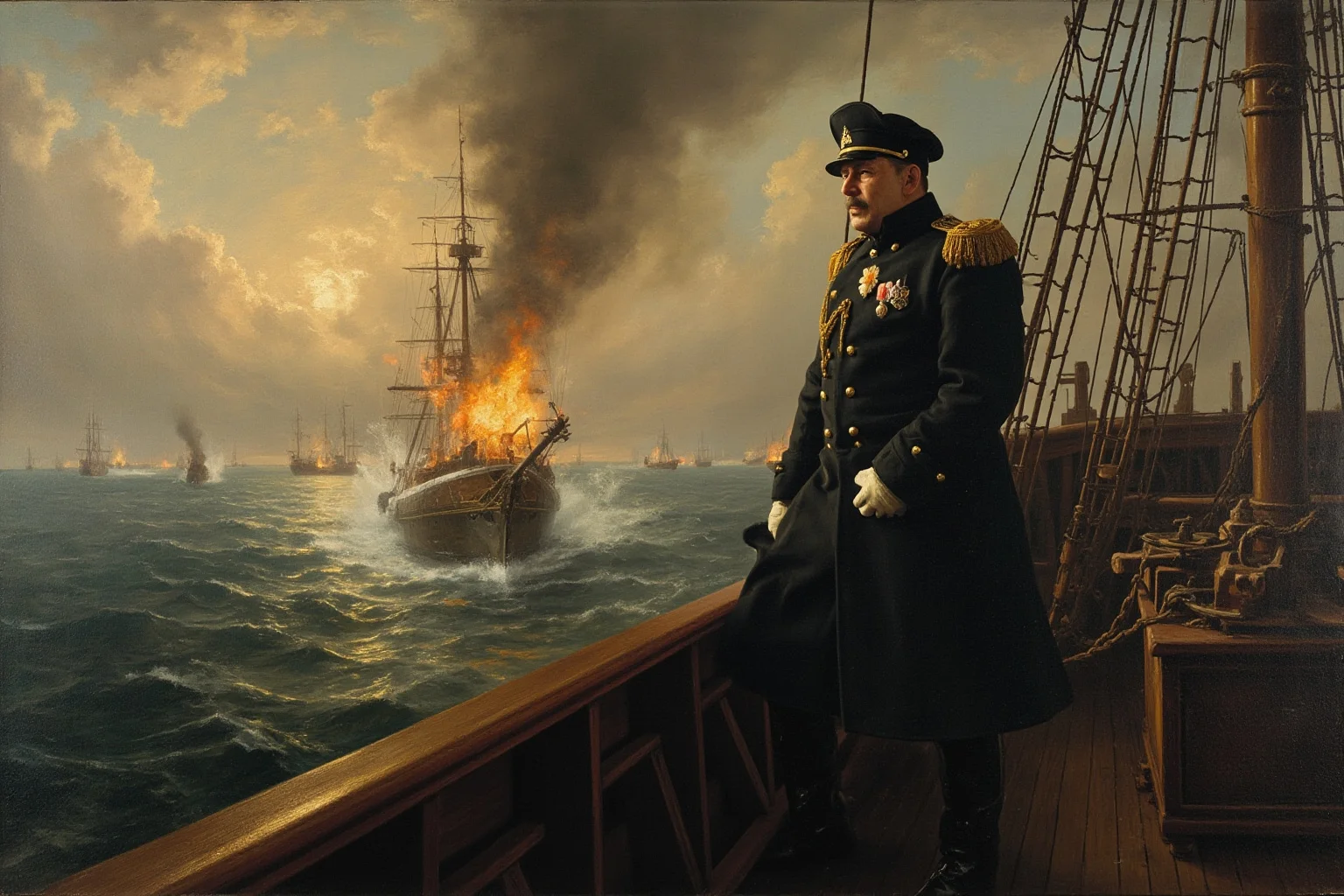
Admiral Horatio Nelson is widely regarded as one of the greatest heroes in history for his naval victories, particularly at the Battle of Trafalgar. His genuine tactical brilliance is well documented, but Victorian-era hero worship smoothed over less flattering chapters of his career.
These include his role in brutal political reprisals during the 1799 fall of the Neapolitan Republic. The heroic admiral of popular memory is real, but incomplete.
15. Florence Nightingale and the Lamp That Overshadowed the Data
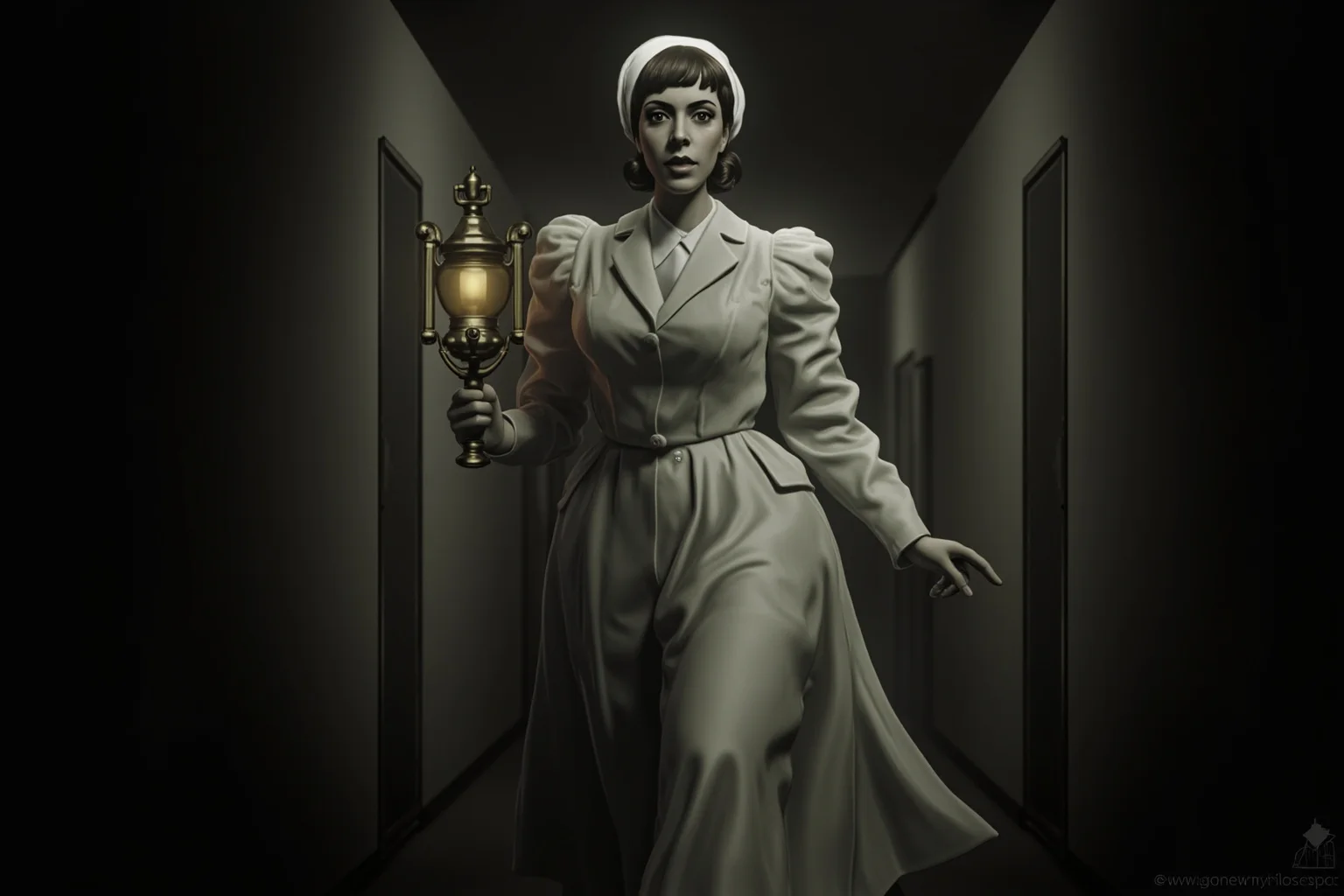
Florence Nightingale earned lasting fame as the “Lady with the Lamp,” tending wounded soldiers during the Crimean War. Less famous is that mortality rates in her hospital initially rose during her early tenure, largely due to unsanitary conditions that hadn’t yet been addressed.
Her true legacy lies more in pioneering statistical analysis and sanitary reform in military hospitals than in bedside nursing alone, a contribution that still earns her a place among history’s most powerful women. It’s a quieter kind of heroism than the lamplit image, but arguably more consequential.
16. Molly Pitcher, the Composite Heroine
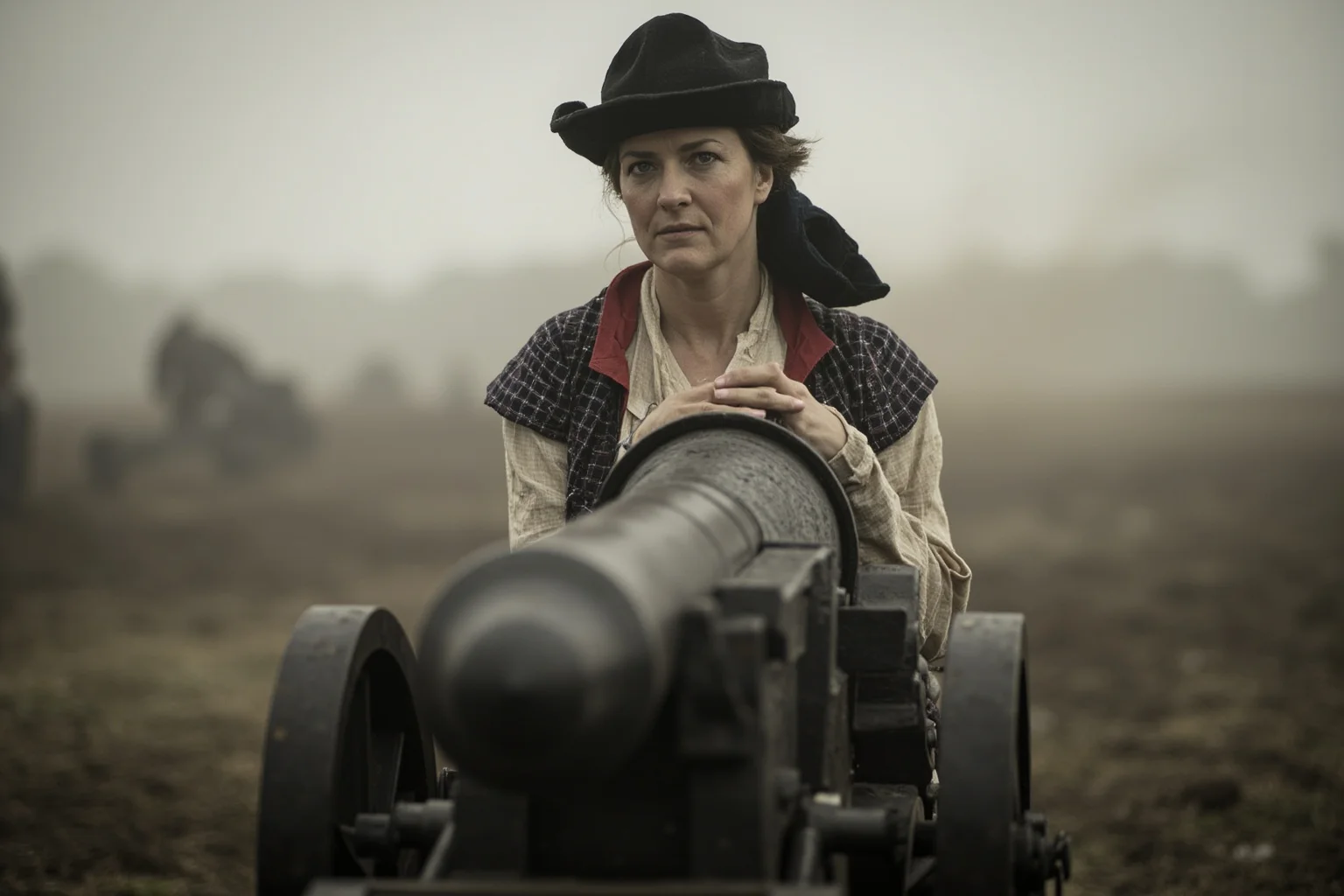
Molly Pitcher is remembered as the woman who carried water to soldiers and fired a cannon during the 1778 Battle of Monmouth. Most historians believe “Molly Pitcher” isn’t one documented person but a legendary composite inspired by several women, possibly including Mary Ludwig Hays, who performed similar wartime roles.
The name itself may have started as a nickname for women who carried water pitchers to soldiers on multiple battlefields. The heroic single figure of legend likely represents many real, unnamed women.
17. Johnny Appleseed’s Business-Minded Wandering

Johnny Appleseed, based on real frontiersman John Chapman, is remembered as a barefoot, saintly figure who planted apple trees purely out of generosity. In reality, Chapman was a sharp businessman who planted orchards partly to establish legal land claims under frontier settlement laws.
Most of his apples were also grown for hard cider rather than eating, since the tart varieties he planted weren’t suited to snacking. He was resourceful and unconventional, but not quite the gentle folk saint of legend.
18. Buffalo Bill Cody and the Showman’s Wild West
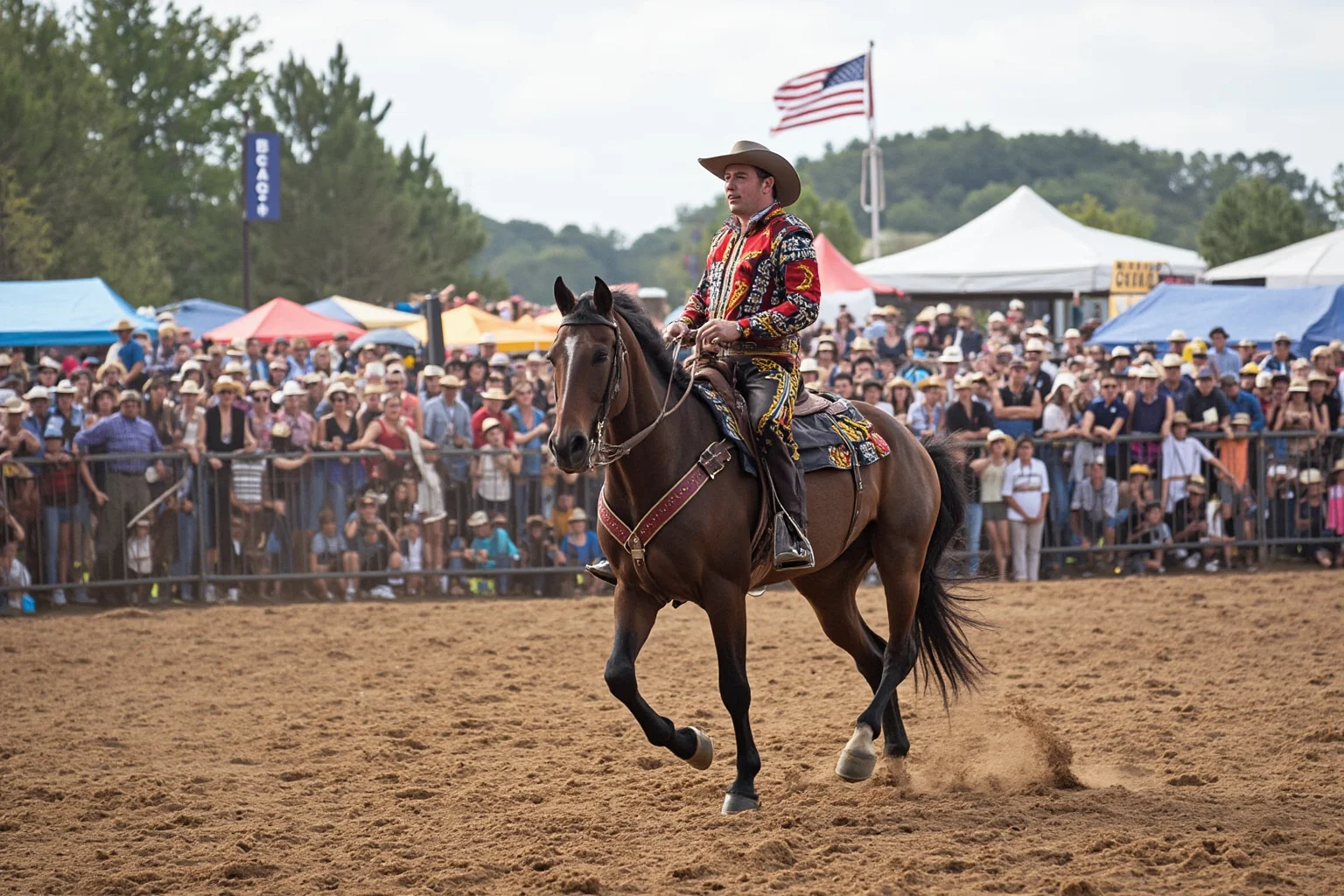
Buffalo Bill Cody built a reputation as a heroic frontier scout, but his lasting fame came from the Wild West show he created and toured for decades. That show deliberately dramatized frontier violence and Native American conflict for paying audiences, blending real experience with pure showmanship.
Cody was undeniably skilled and adventurous in his earlier career, but the mythic frontier hero audiences knew was largely his own carefully constructed brand. He understood better than almost anyone how a heroic legend could be sold.
19. T.E. Lawrence and the Self-Written Legend
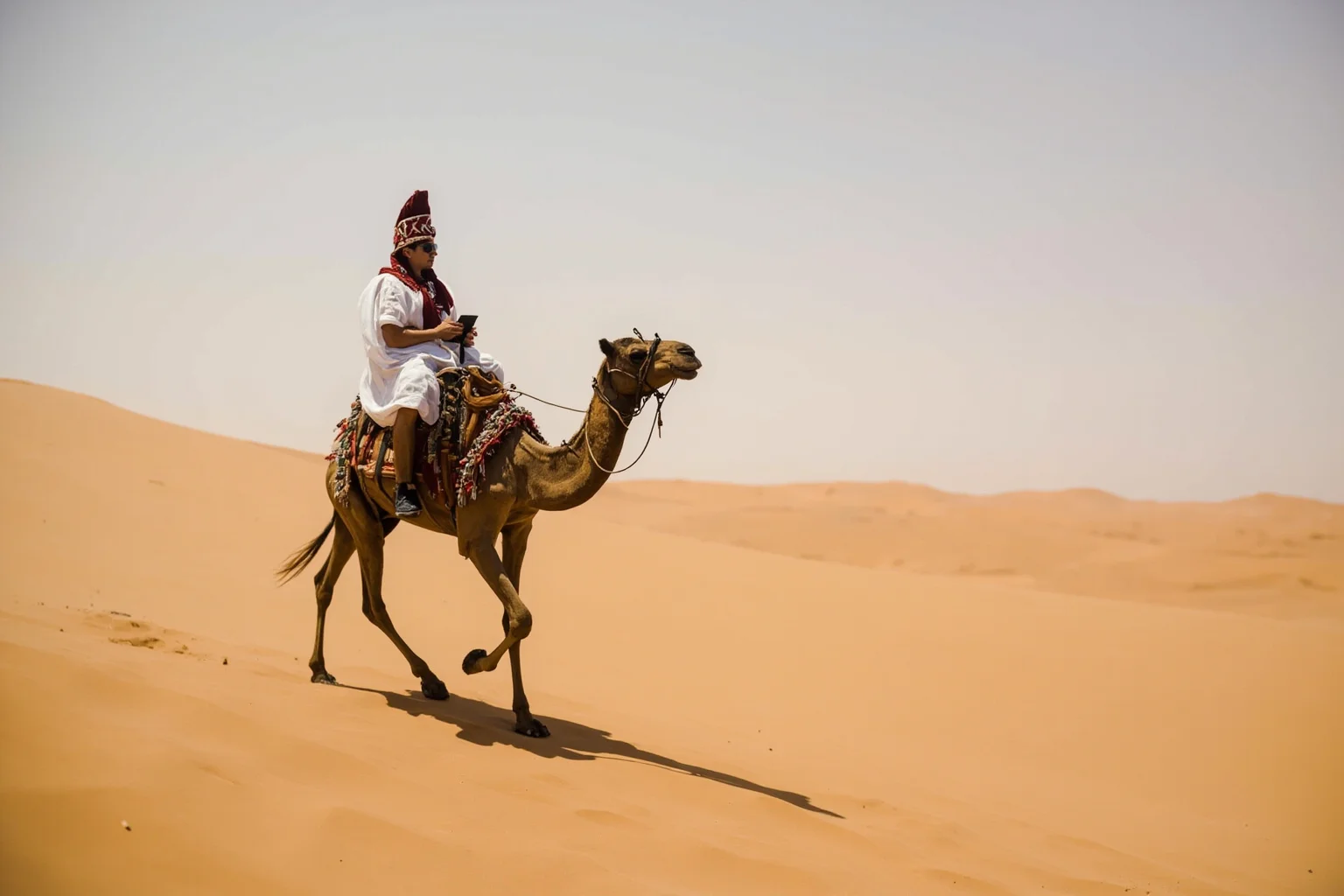
T.E. Lawrence, known as Lawrence of Arabia, became famous as the solitary heroic architect of the Arab Revolt during World War I. Much of that image comes from his own memoir, “Seven Pillars of Wisdom,” which historians note significantly embellished his individual role.
The revolt’s success actually depended on numerous Arab leaders and fighters working together, not one British officer’s singular brilliance. Lawrence was undoubtedly important, but later scholarship paints a far more collaborative picture than his memoir implied.
20. Amerigo Vespucci and the Continent Named After Him
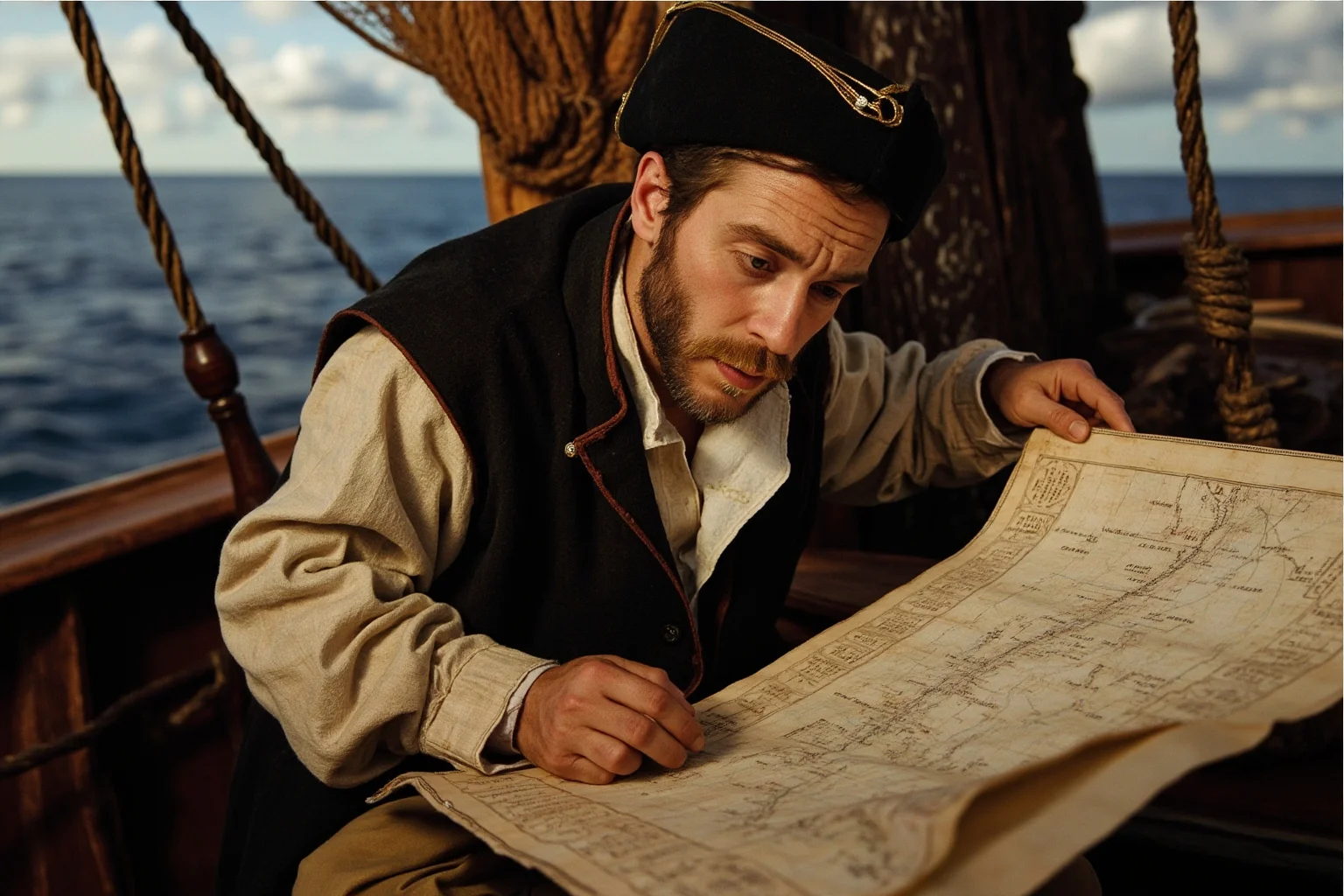
Amerigo Vespucci is remembered as the heroic explorer whose name graces two continents, based on claims that he recognized the Americas as a separate landmass rather than part of Asia. Historians have long debated the accuracy and even authenticity of the letters describing his voyages.
Some details in accounts attributed to Vespucci don’t match known ship records of the period, casting doubt on exactly what he did or didn’t accomplish. It’s a striking case of a name achieving permanent fame while the underlying facts remain genuinely uncertain.
What These Myths Teach Us About Heroism
None of this means history is empty of real heroic people. Genuine courage, sacrifice, and skill absolutely existed among the historical heroic figures on this list — Nightingale’s statistical reforms and Nelson’s tactical genius were real, even if the surrounding legends grew taller with each retelling.
What these twenty examples of heroism really reveal is how badly people want tidy stories. A lone rider, a perfect marksman, a saintly wanderer — these images are simply easier to carry forward than complicated, contradictory human beings.
The next time a heroic historical figure seems just a little too perfect, it’s worth digging a bit deeper. More often than not, the real story is messier, more human, and honestly a lot more interesting than the legend.
Frequently Asked Questions
What are some famous heroes in history whose stories turned out to be exaggerated?
Paul Revere, Betsy Ross, Davy Crockett, and Pocahontas are among the most famous heroes in history whose popular legends grew well beyond what historical records actually support. In each case, later writers, family recollections, or nationalistic storytelling added dramatic details that aren't backed by contemporary evidence.
Why do we exaggerate the achievements of historical figures?
Societies often heroizes real people to create simple, inspiring symbols, especially during nation-building or wartime. A clean, dramatic story is easier to remember and rally around than the complicated reality of how most historical events actually unfolded.
Is Robin Hood a real historical hero?
There's no solid documentary evidence confirming a single real person behind the Robin Hood legend. Most historians believe the character developed from medieval ballads and may represent a composite of several outlaw figures rather than one documented historical hero.
Does exaggeration mean a historical figure wasn’t actually heroic?
Not necessarily. Many people on this list, such as Florence Nightingale and Horatio Nelson, genuinely accomplished remarkable things even though later storytelling added embellishments. Exaggeration usually layers myth on top of real achievement rather than inventing it from nothing.
How can I tell if a historical hero’s story has been exaggerated?
Look for primary sources written close to the actual events, rather than accounts, poems, or memoirs written decades later. Stories that only appear in family tradition, popular ballads, or nationalistic literature long after the person's death are worth examining with healthy skepticism.

Alex Warren
Related Articles





