

When most people picture a spy, they imagine a man in a trench coat, not a nurse quietly counting troop trains or a radio operator hiding in a Paris attic.
Yet some of history’s boldest intelligence work was done by women, many of whom operated in plain sight precisely because no one suspected them, and who deserve a place alongside history’s most powerful women in the historical record.
TL;DR: Female spies played decisive, often unheralded roles in wars from the 1860s through the Cold War, and their real stories are stranger and more impressive than the myths that surround them.
From the trenches of World War One to the resistance networks of World War Two and the shadow games of the Cold War, women worked as couriers, saboteurs, codebreakers, and network organizers.
Many were caught, tortured, or executed for it. This list separates the well-documented history from the legend, so you can meet the real women behind the label “spy woman.”
Women Spies in WWI: The Original Secret Agents
World War One created new opportunities for women to gather intelligence, largely because occupying armies underestimated them.
Nurses, shopkeepers, and governesses were able to move through occupied territory in ways soldiers could not. Some of the most dramatic espionage stories of the entire war, and some of its most persistent myths, come from this era.
1. Mata Hari
Mata Hari is probably the most famous name in the history of female spies, but her actual espionage career is far murkier than legend suggests. Born Margaretha Zelle in the Netherlands, she became a famous exotic dancer in Paris before World War One and moved in circles with military officers from multiple countries.
French authorities arrested her in 1917, accused her of spying for Germany, and executed her by firing squad. Modern historians widely agree the evidence against her was thin and largely circumstantial, making her less a master spy and more a convenient scapegoat during a paranoid wartime moment.
2. Edith Cavell
Edith Cavell was a British nurse running a clinic in German-occupied Belgium when she began helping Allied soldiers escape to neutral Holland. She was not primarily an intelligence gatherer, but her network’s activity was treated as espionage by German authorities.
She was arrested, court-martialed, and executed by a German firing squad in 1915. Her death caused international outrage and became a powerful piece of Allied propaganda, cementing her as one of the defining women spies of WWI in the public imagination.
3. Louise de Bettignies
Louise de Bettignies ran one of the most effective Allied intelligence networks in occupied France, reporting troop movements and German positions under the codename Alice Dubois. Her network is credited with saving thousands of Allied lives through timely, accurate reporting.
German forces eventually captured her in 1915, and she died in a German prison in 1918 from complications after a botched medical procedure. She remains one of France’s most decorated female spies from the First World War.
4. Marthe Cnockaert
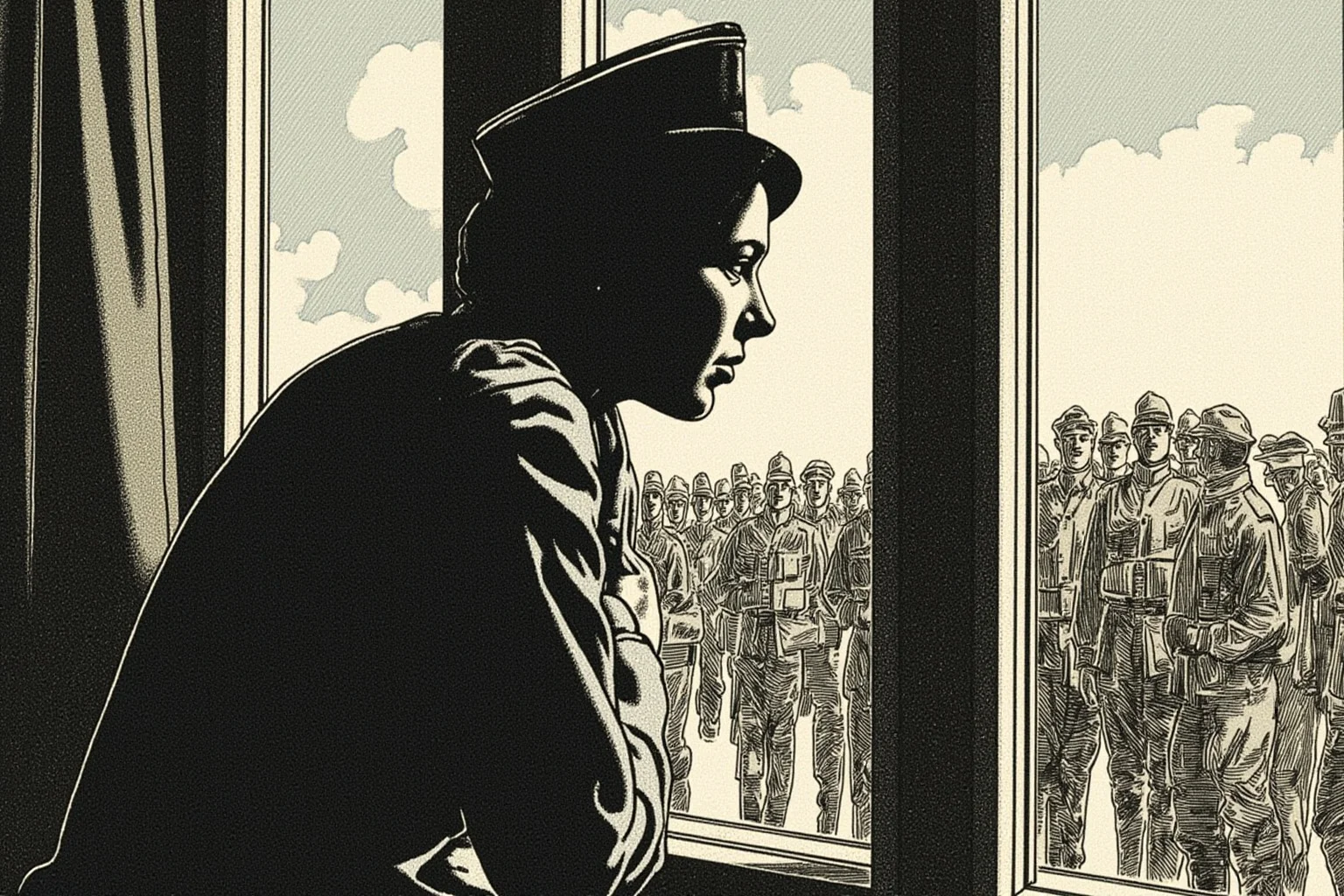
Marthe Cnockaert was a Belgian nurse who treated wounded German soldiers by day while secretly passing intelligence to British Military Intelligence. Her position gave her rare access to careless conversations among German officers convalescing in her care.
She was eventually caught and sentenced to death, but her sentence was commuted, likely due to her nursing work. After the war she wrote a memoir about her double life, giving historians a rare firsthand account of women spies in WWI.
5. Elsbeth Schragmüller
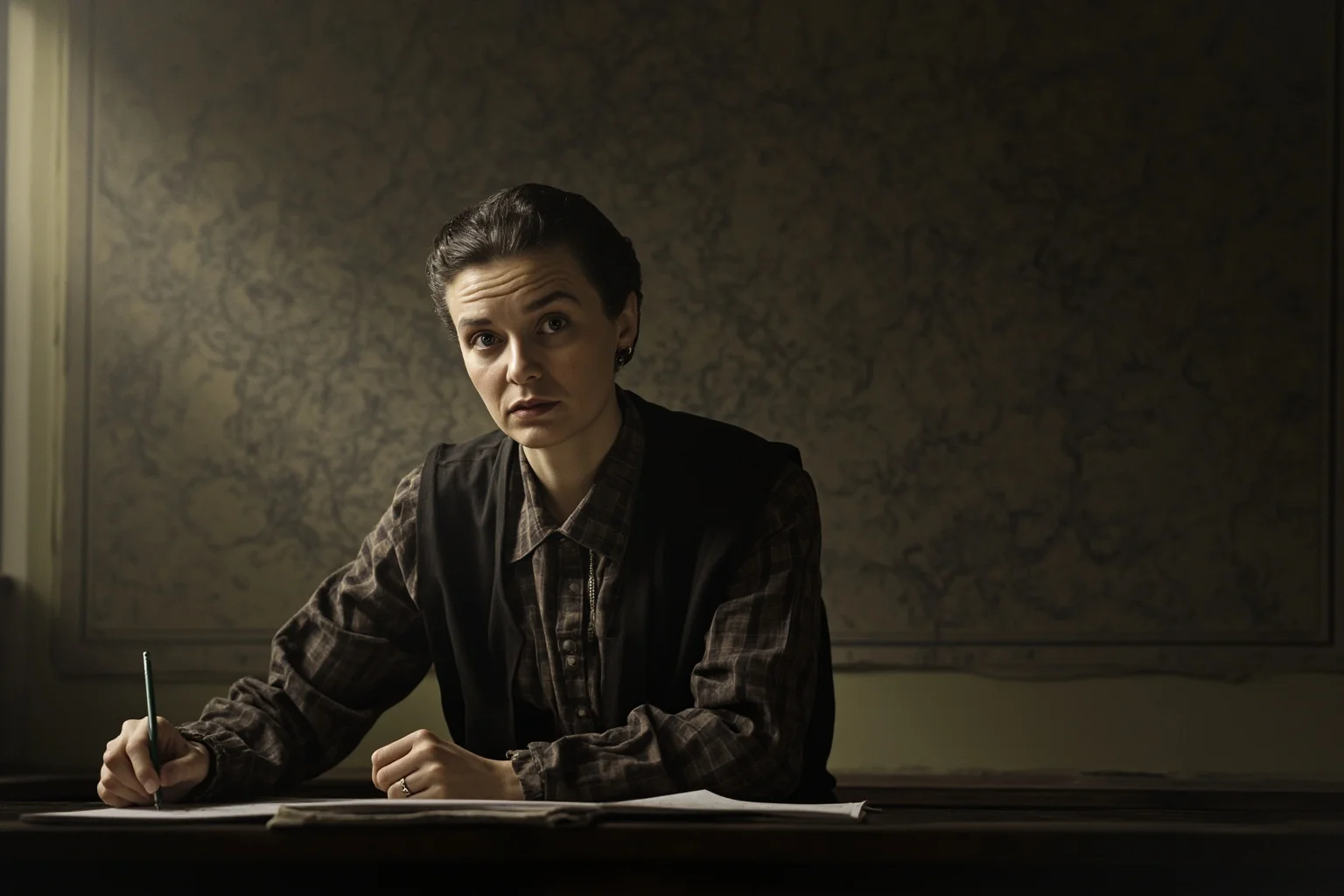
Not every notable spy of the era worked for the Allies. Elsbeth Schragmüller, sometimes nicknamed “Fräulein Doktor” in later legend, trained German agents in occupied Belgium and reportedly ran an espionage school.
Much of her later reputation was inflated by postwar journalism and fiction, so it is hard to separate confirmed fact from embellishment. What is verifiable is that she held a genuine academic doctorate and worked in German military intelligence, a rare position of authority for a woman at the time.
Famous Female Secret Agents of World War Two
World War Two saw the creation of formal intelligence agencies that deliberately recruited women, most notably Britain’s Special Operations Executive (SOE) and America’s Office of Strategic Services (OSS). This era produced the deepest bench of famous female secret agents, many of whom operated deep inside occupied Europe alongside the war’s most famous military commanders.
6. Virginia Hall
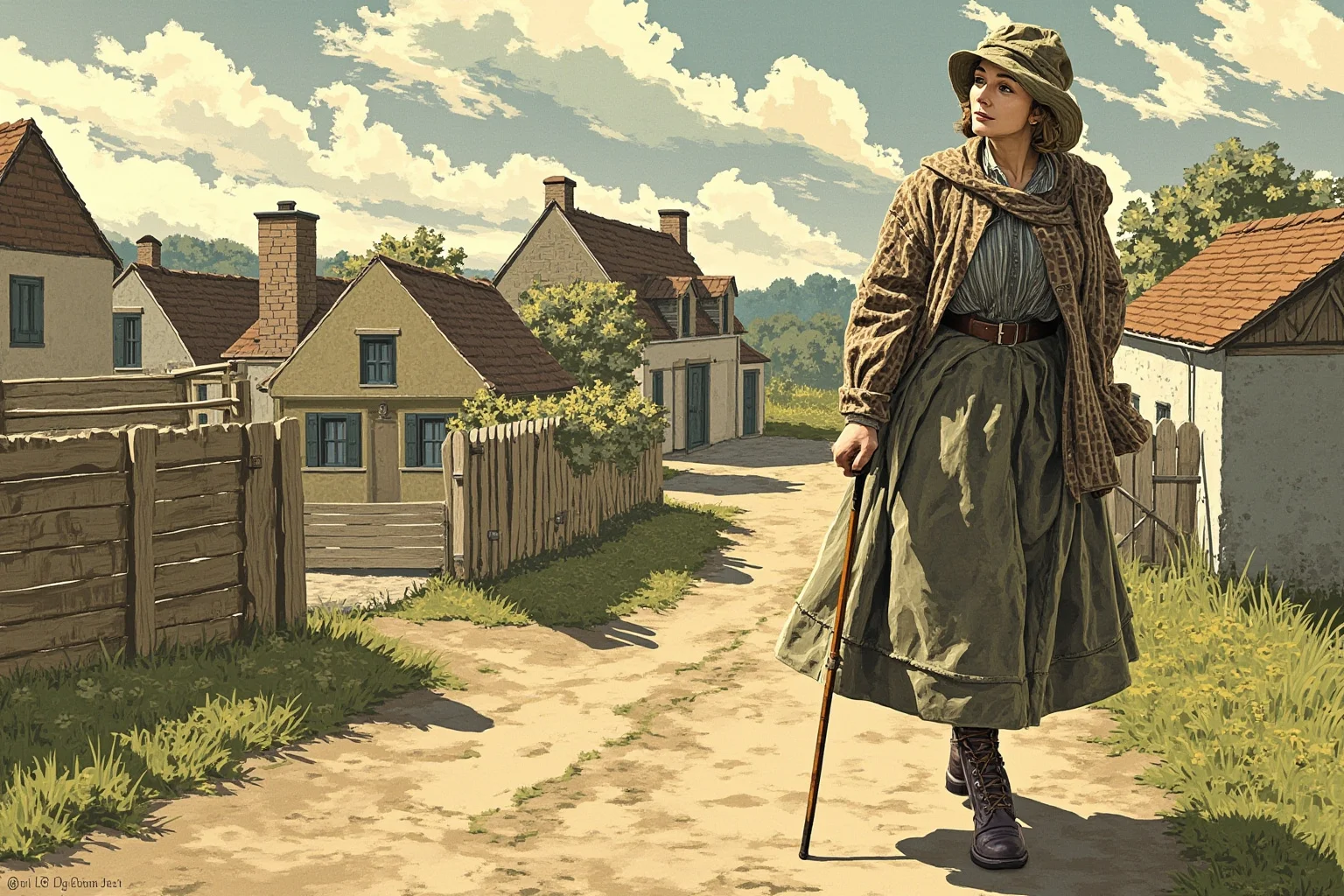
Virginia Hall was an American who worked first for Britain’s SOE and later for the American OSS, organizing resistance networks in France despite having a prosthetic leg after a hunting accident. The Gestapo reportedly considered her one of the most dangerous Allied agents in France and searched for her under the nickname “the limping lady.”
She evaded capture throughout the war, helped coordinate sabotage ahead of the D-Day invasion, and later became one of the CIA’s early female officers. Her wartime career is now considered one of the most successful of any Allied agent, male or female.
7. Noor Inayat Khan
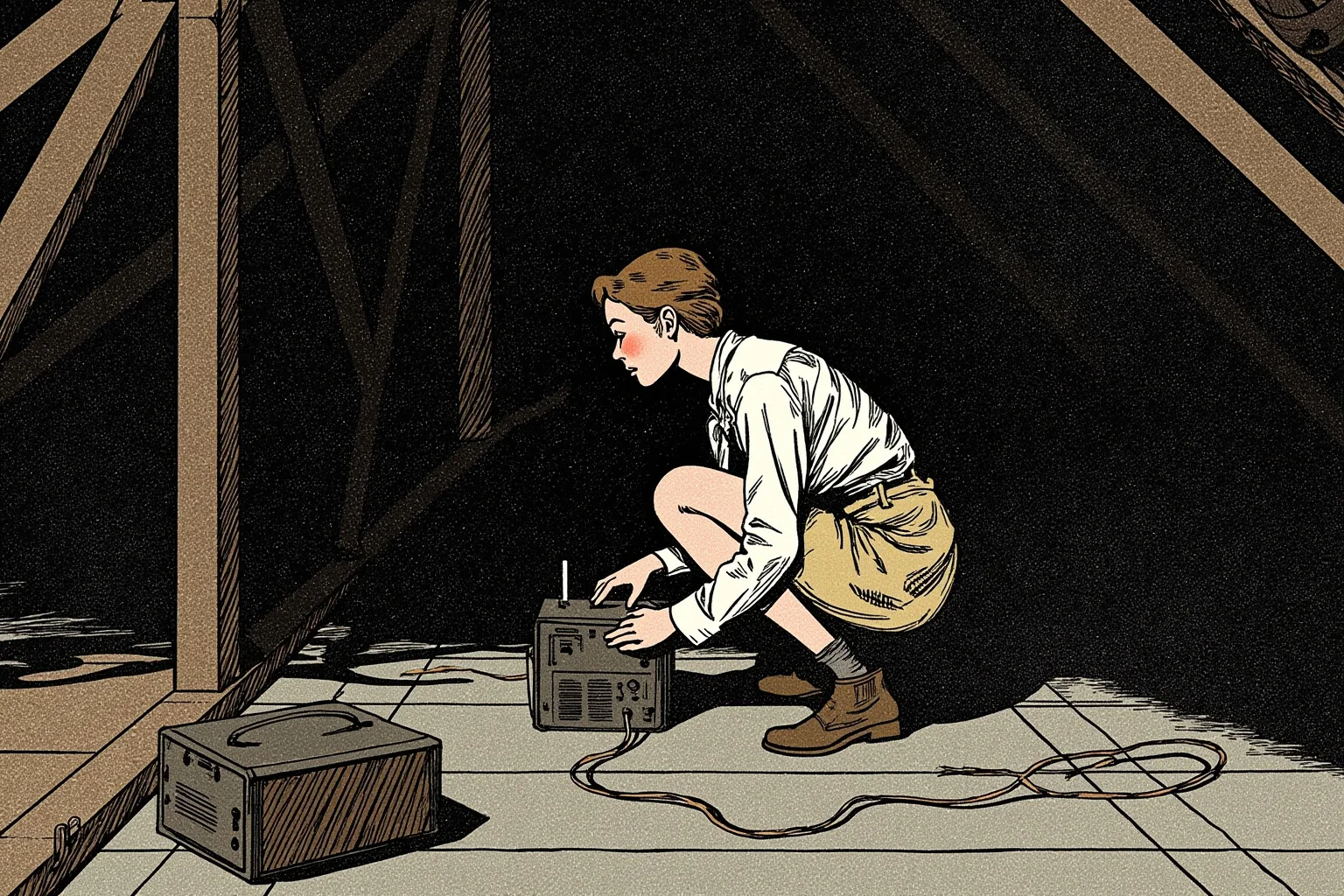
Noor Inayat Khan was a British SOE radio operator of Indian and American descent who worked undercover in Nazi-occupied Paris, one of the most dangerous jobs in the resistance because radio signals could be traced. She stayed in the field even after most of her network was arrested, continuing to transmit alone.
She was eventually betrayed, captured, and executed at Dachau concentration camp in 1944. She was posthumously awarded the George Cross, one of Britain’s highest civilian honors for bravery.
8. Nancy Wake
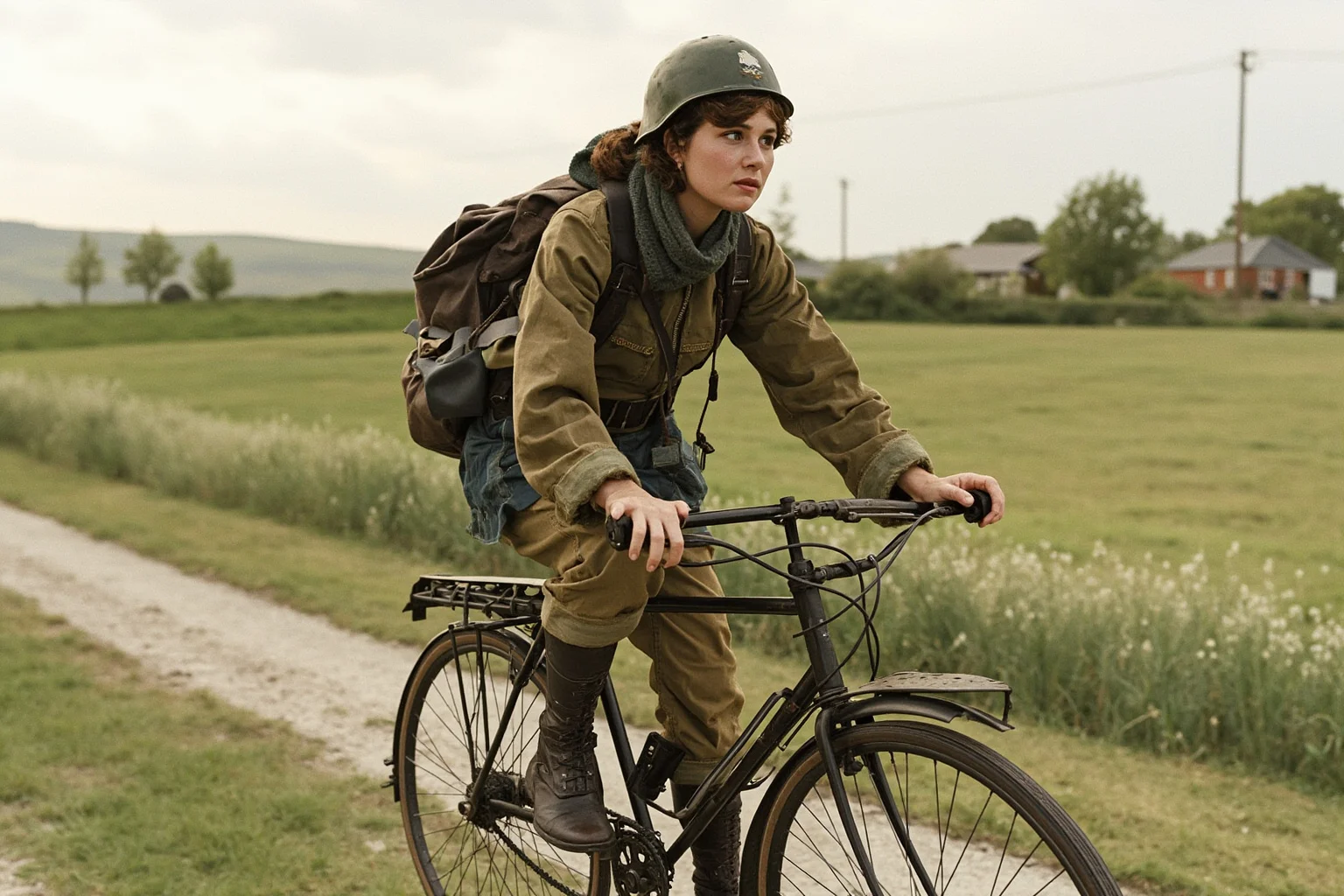
Nancy Wake, an Australian-born SOE agent nicknamed “the White Mouse” by the Gestapo for her ability to slip through their fingers, helped coordinate French resistance fighters and once reportedly cycled hundreds of miles to replace lost codes. She became one of the most decorated servicewomen of the entire war.
German forces placed a large bounty on her capture, but she was never caught. Her postwar interviews, in which she spoke frankly about the violence of resistance work, remain a key primary source for historians of SOE.
9. Odette Sansom
Odette Sansom worked as an SOE courier in occupied France before being captured by the Gestapo in 1943. She endured brutal interrogation and imprisonment, including time at Ravensbrück concentration camp, without revealing information that could compromise her network.
She survived the war and later gave evidence that helped convict former camp officials of war crimes. She became one of the most publicly recognized female secret agents in postwar Britain, partly through a popular 1950 film about her life.
10. Violette Szabo
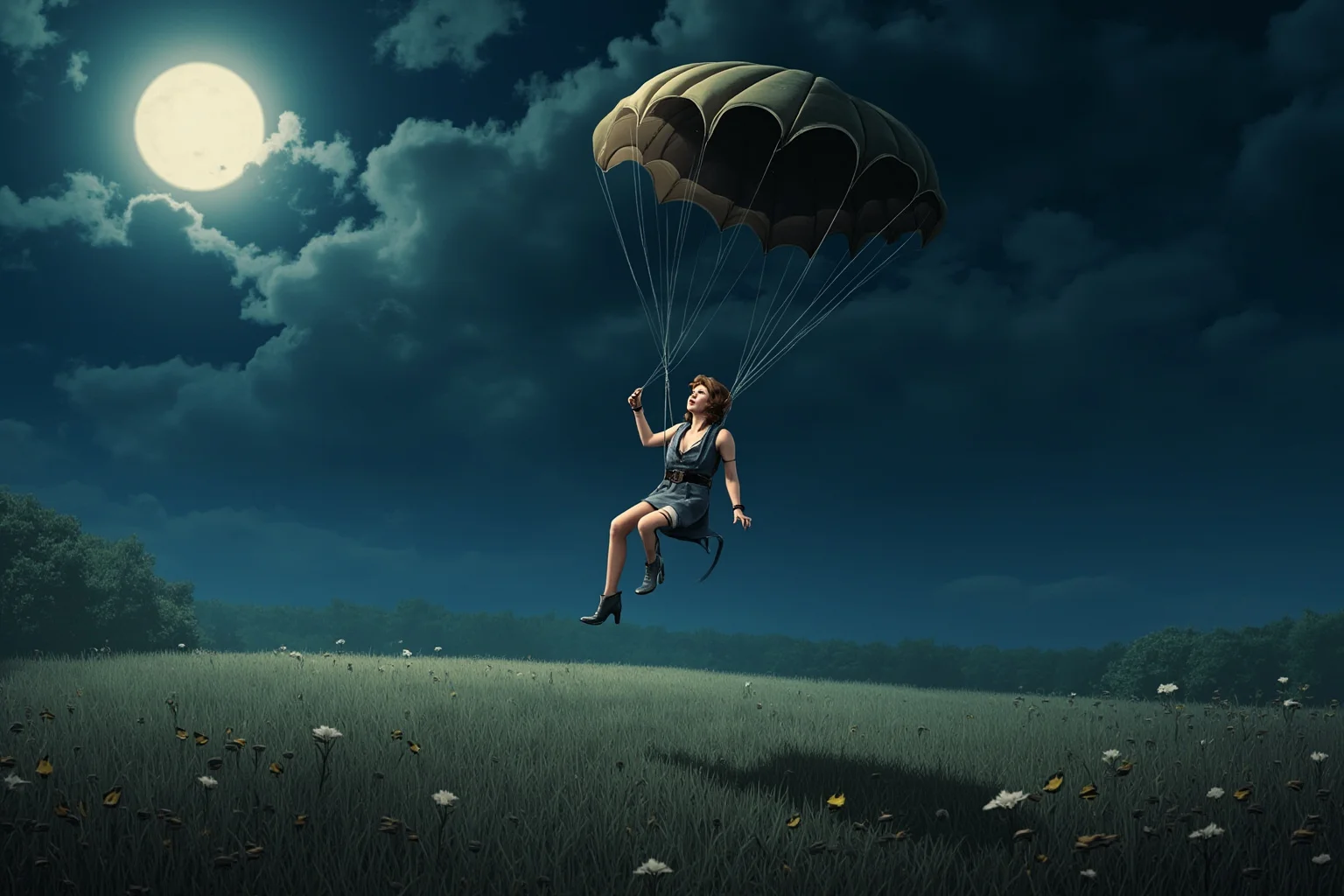
Violette Szabo was a British SOE agent parachuted into France to help coordinate resistance activity ahead of the Normandy invasion. She was captured after a firefight with German troops, interrogated, and eventually executed at Ravensbrück in early 1945.
She was posthumously awarded the George Cross for her courage under interrogation. Her story later inspired a well-known film, though as with most dramatized spy stories, some details were fictionalized for the screen.
11. Vera Atkins
Vera Atkins was not a field agent but an intelligence officer who helped recruit, train, and manage SOE’s female agents in France, including several on this list. After the war, she personally investigated what happened to missing agents, tracking down details of their fates in concentration camps.
Her painstaking postwar research is a major reason historians know as much as they do about the fates of women like Noor Inayat Khan and Violette Szabo. She is a reminder that not every essential spy worked undercover in the field.
12. Josephine Baker
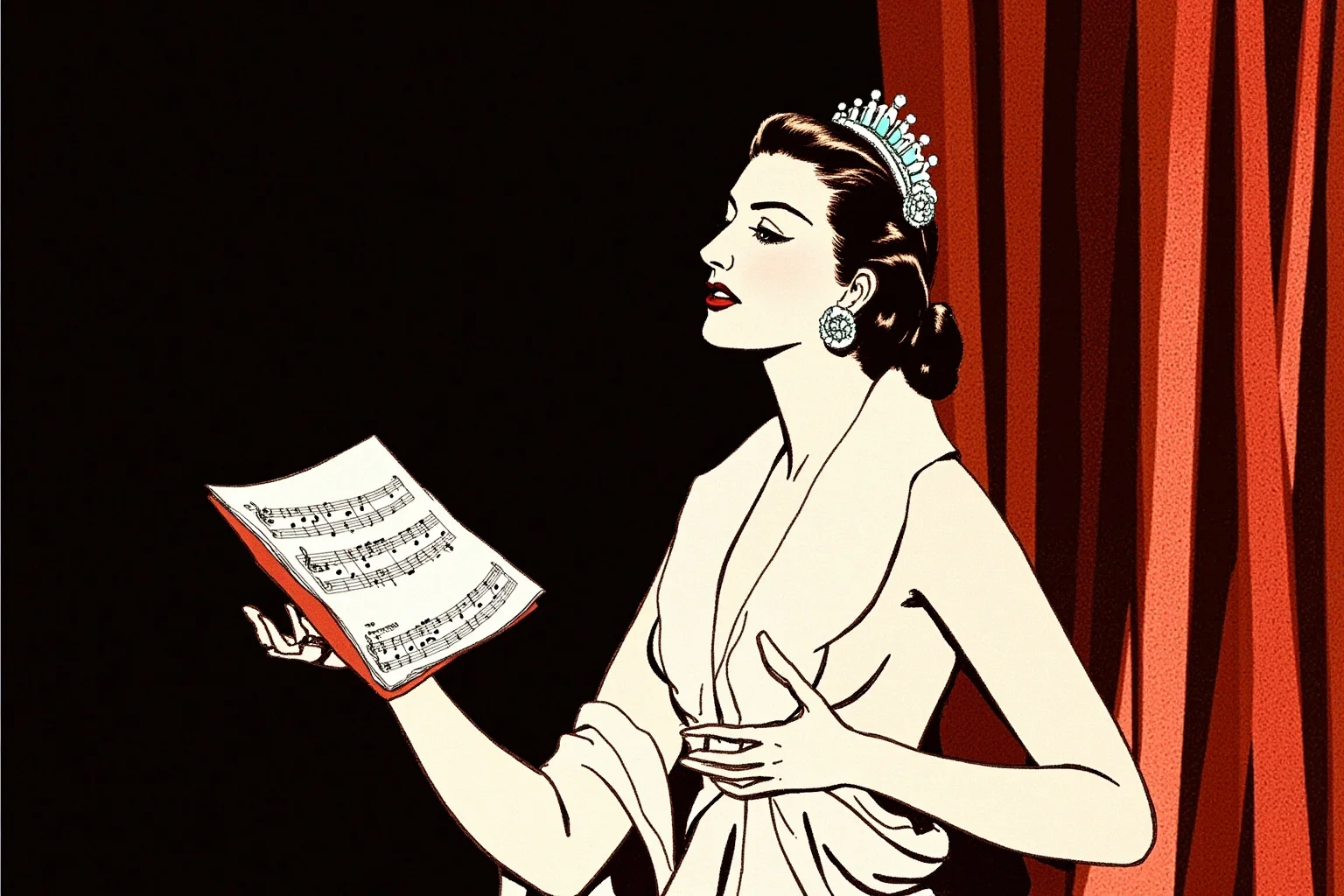
Josephine Baker, the American-born entertainer who became a star in Paris, used her celebrity status and access to diplomatic events to gather intelligence for French military intelligence and the French Resistance. She reportedly smuggled notes written in invisible ink and hidden in her sheet music while touring.
Her fame made her an unlikely but effective operative, since few suspected a beloved performer of espionage. France later awarded her the Croix de Guerre and other honors for her wartime service.
13. Krystyna Skarbet (Christine Granville)
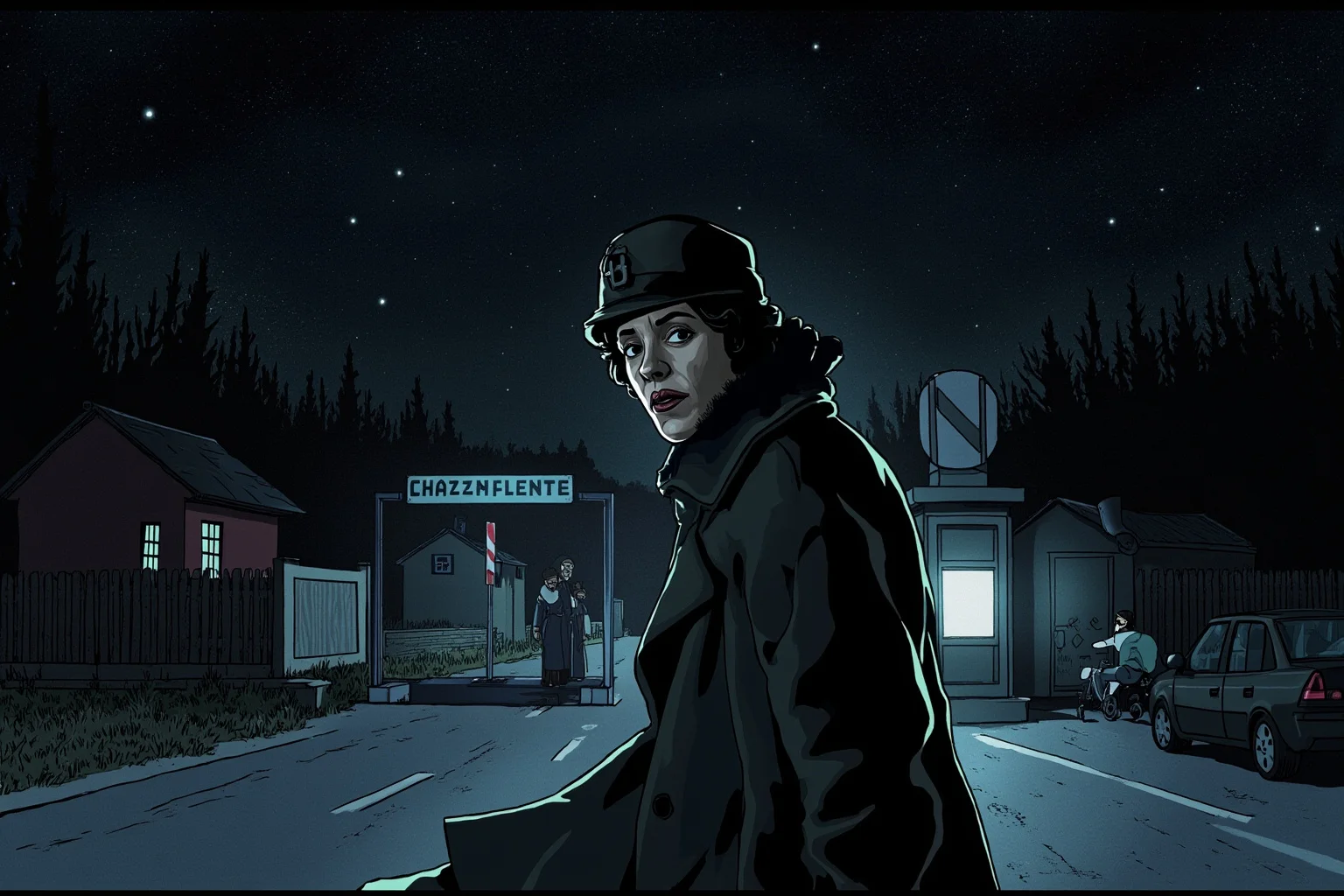
Krystyna Skarbet, who used the name Christine Granville while working for British intelligence, was one of the longest-serving female agents of the war, operating from the earliest days of the conflict through its final years. She undertook daring missions in Poland, Hungary, and occupied France, reportedly talking her way out of capture on multiple occasions through sheer nerve.
She survived the war but was tragically killed in London in 1952 by a former colleague, a death unrelated to her espionage work. Her wartime service remains one of the most remarkable individual records among Allied female secret agents.
14. Amy Elizabeth Thorpe (“Cynthia”)
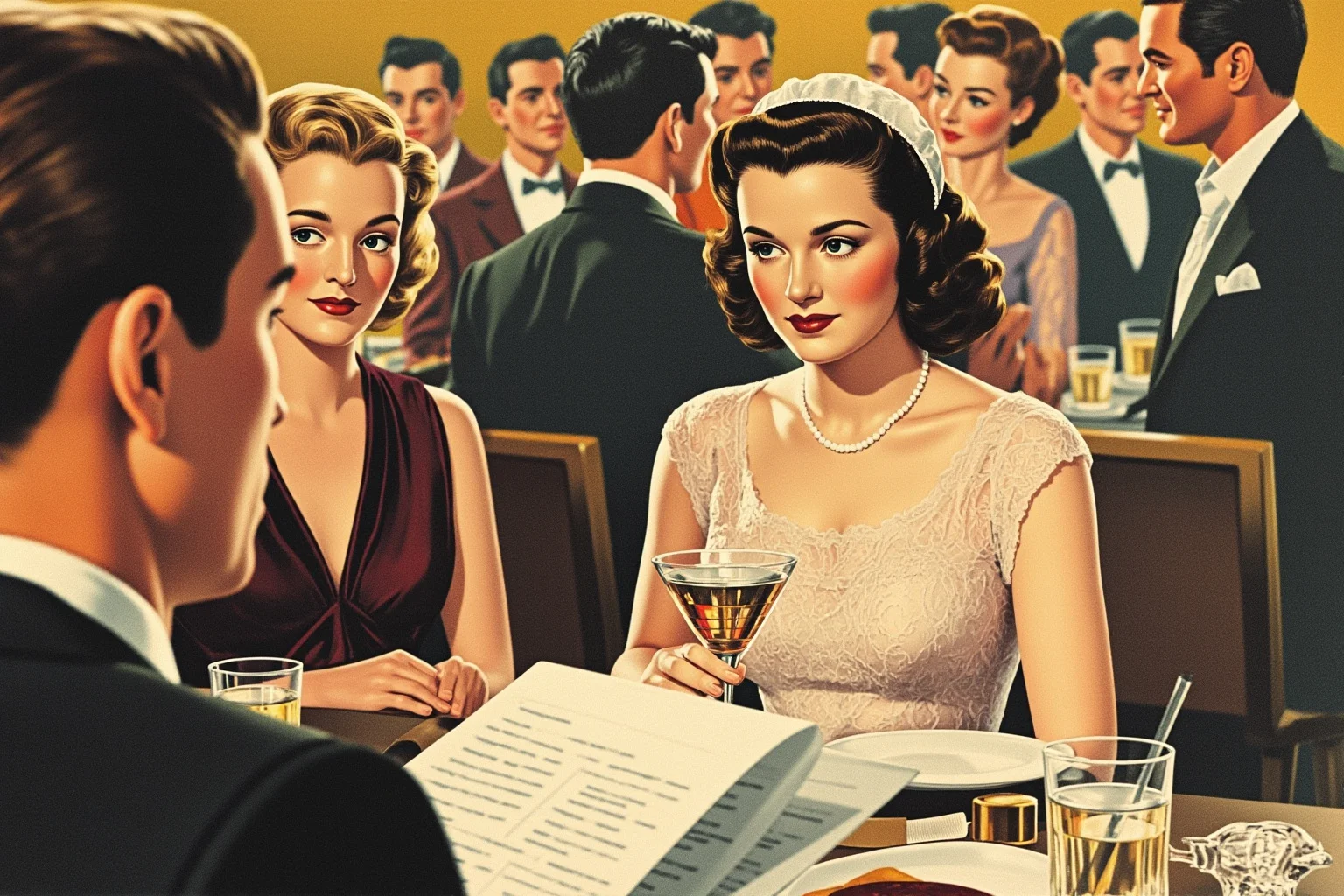
Amy Elizabeth Thorpe, known by the code name “Cynthia,” worked for British intelligence and reportedly helped obtain Vichy French naval codes and Italian cipher material by cultivating relationships with embassy officials. Her exact methods and the reliability of some postwar accounts of her work have been debated by historians, since much of what is publicly known comes from a sympathetic biography written after her death.
What is well documented is that she was formally employed by British intelligence during the war. Her case is a good example of why researchers treat some flashier spy stories with caution until corroborated.
15. Pearl Witherington
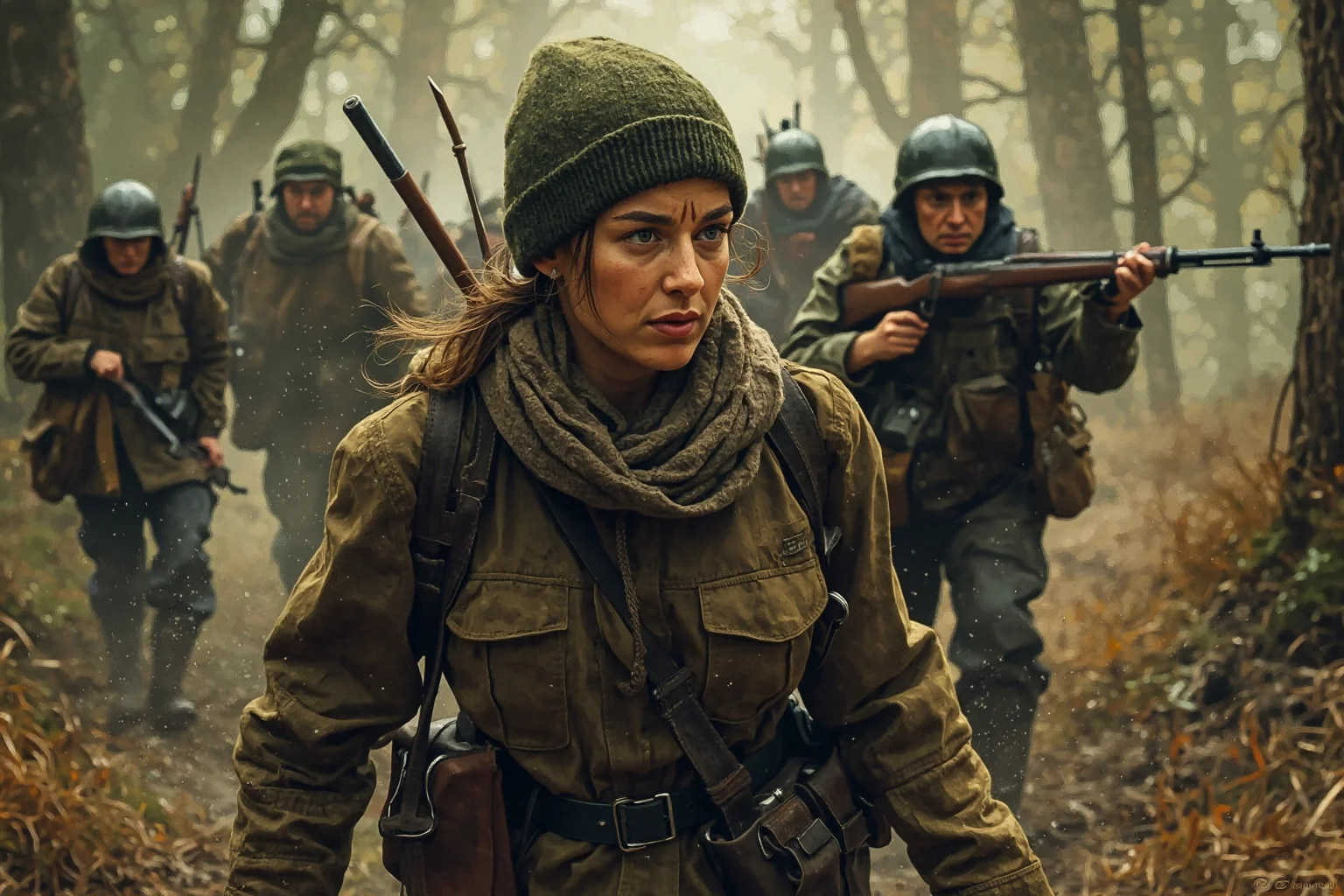
Pearl Witherington was a British SOE agent who ended up commanding a large resistance force of over a thousand fighters in France after her network’s original leader was captured. She coordinated sabotage operations against German supply lines ahead of and during the Normandy campaign.
She was later offered a civilian honor rather than a military one because of her gender, and she reportedly turned it down, arguing she had earned a military decoration through combat leadership. She eventually received appropriate military recognition later in life.
16. Aline Griffith
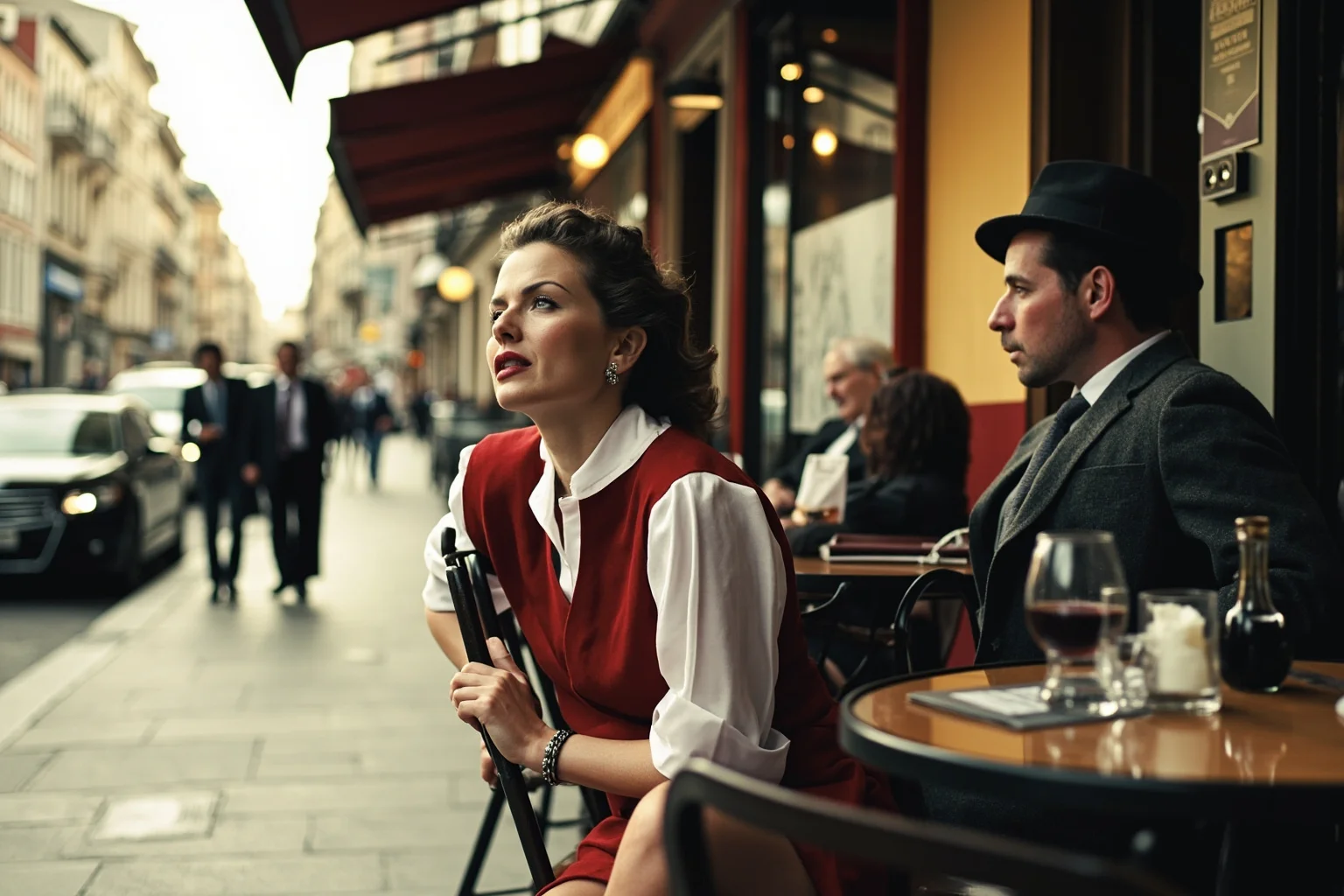
Aline Griffith was a young American recruited by the OSS who worked in wartime Madrid gathering intelligence on Axis sympathizers in officially neutral Spain. She later married into Spanish nobility and became the Countess of Romanones, writing memoirs about her intelligence work decades later.
Her memoirs are engaging reading, though like many spy autobiographies written long after the fact, some specific details are difficult to independently verify. Her core service with the OSS, however, is documented.
17. Julia Child
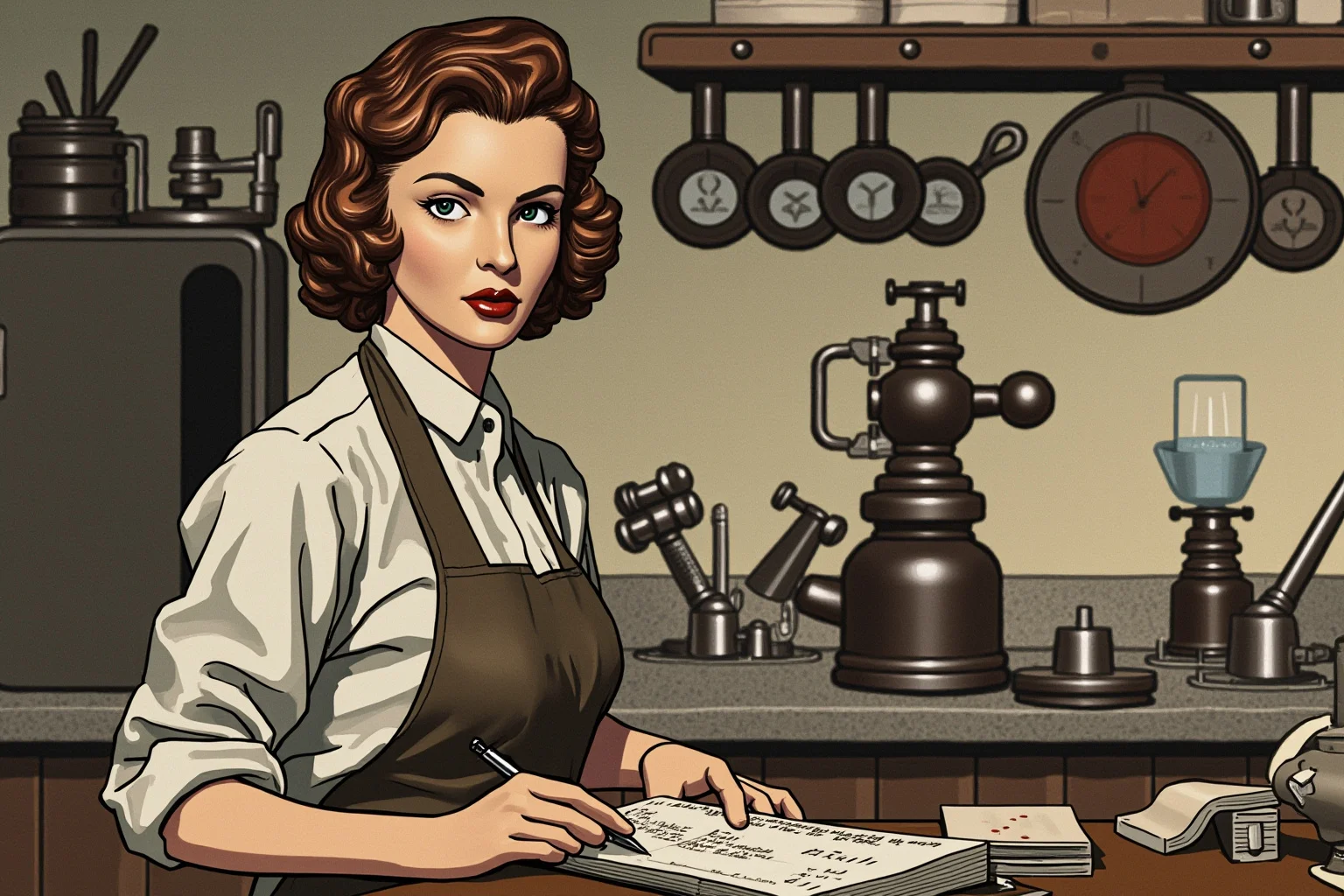
Before she became one of America’s most famous chefs, Julia Child worked for the OSS during World War Two, handling classified documents and reportedly helping develop a shark repellent used to protect underwater explosives. Her role was administrative and research-based rather than a field agent’s, but it was genuine intelligence work.
Her OSS record only became widely public decades later, long after her television cooking career made her a household name. It’s a striking reminder that plenty of intelligence work happened far from the battlefield.
Female Spies Before the World Wars
Espionage by women didn’t begin in 1914. Some of the most consequential intelligence networks in American history were run by women during the Civil War, decades before the term “female spies” became associated with the twentieth century’s world wars.
18. Harriet Tubman
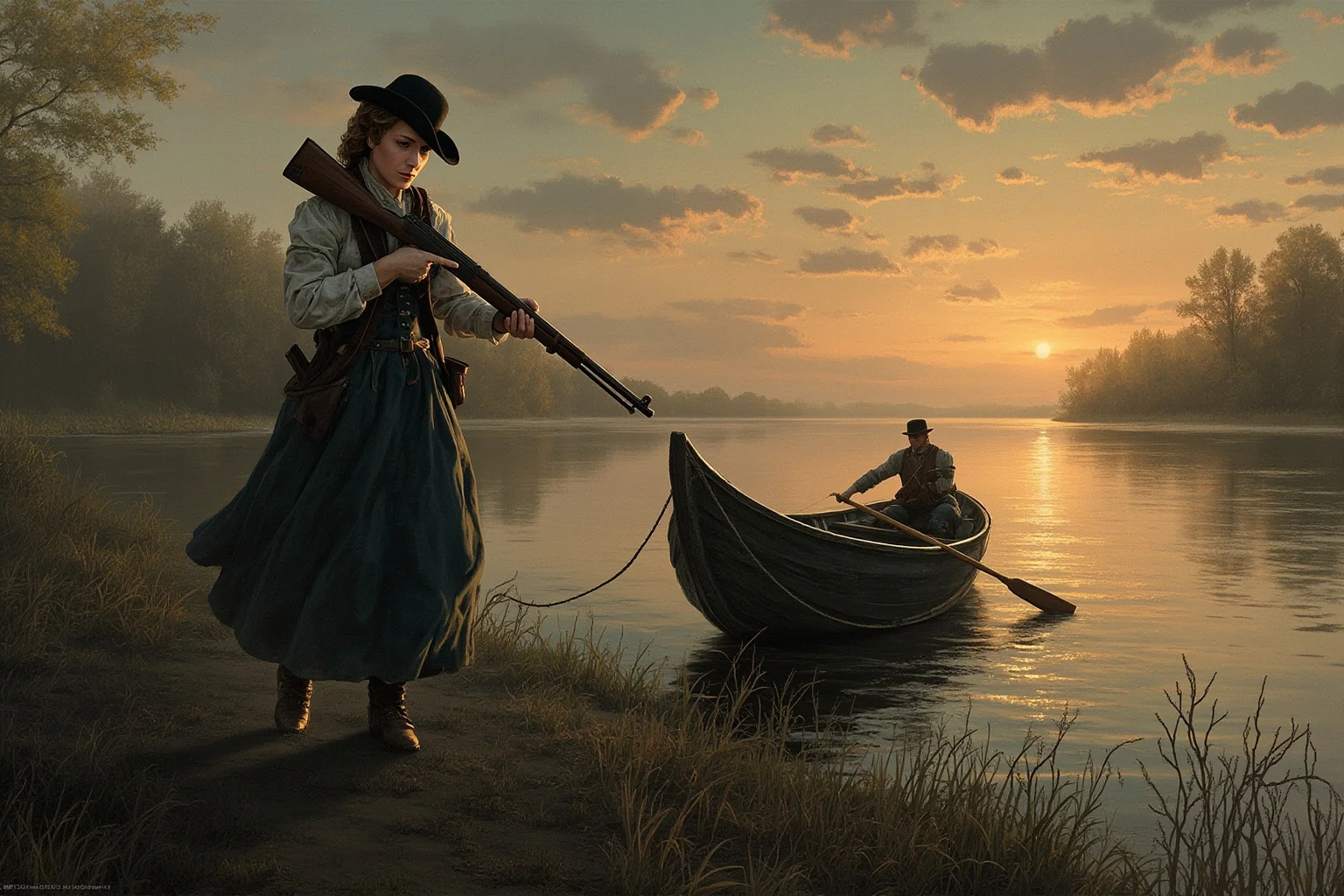
Harriet Tubman is best known for her work on the Underground Railroad, but during the Civil War she also served the Union Army as an armed scout and spy, gathering intelligence on Confederate positions in South Carolina. She helped plan and guide the Combahee River Raid in 1863, which freed roughly 700 enslaved people.
She is believed to be the first woman in American history to plan and lead a major military operation, a distinction that places her among America’s greatest war heroes. Her espionage work is far less discussed than her Underground Railroad legacy, but it was militarily significant in its own right.
19. Elizabeth Van Lew
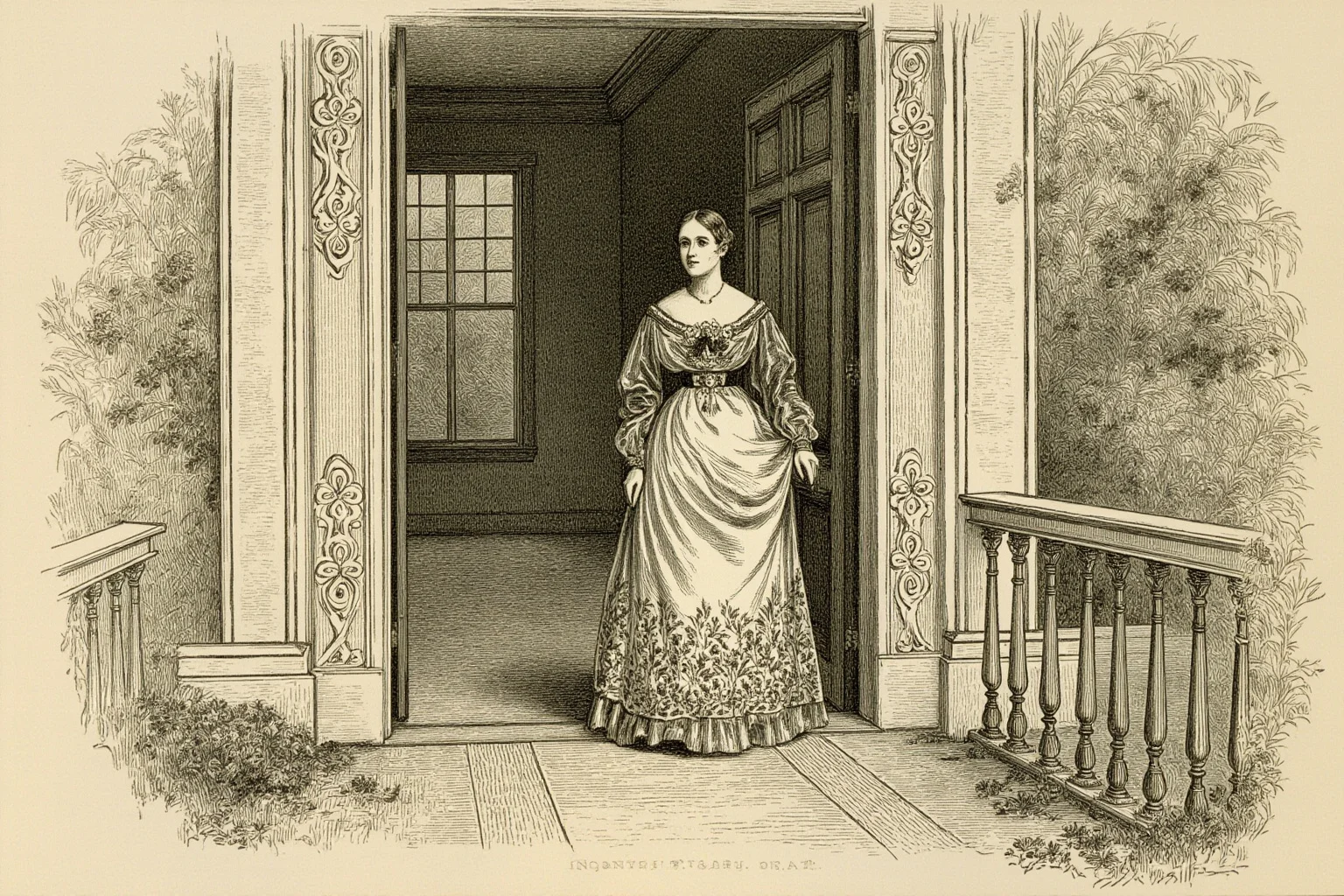
Elizabeth Van Lew ran a Union spy network from inside the Confederate capital of Richmond, Virginia, using her reputation as an eccentric, harmless spinster to move freely and avoid suspicion. She reportedly used coded messages and even helped place a former enslaved woman, Mary Bowser, inside the Confederate White House to gather intelligence.
Her network is considered one of the most effective Union intelligence operations of the war. After the war, her neighbors largely shunned her once her wartime activities became known.
20. Belle Boyd
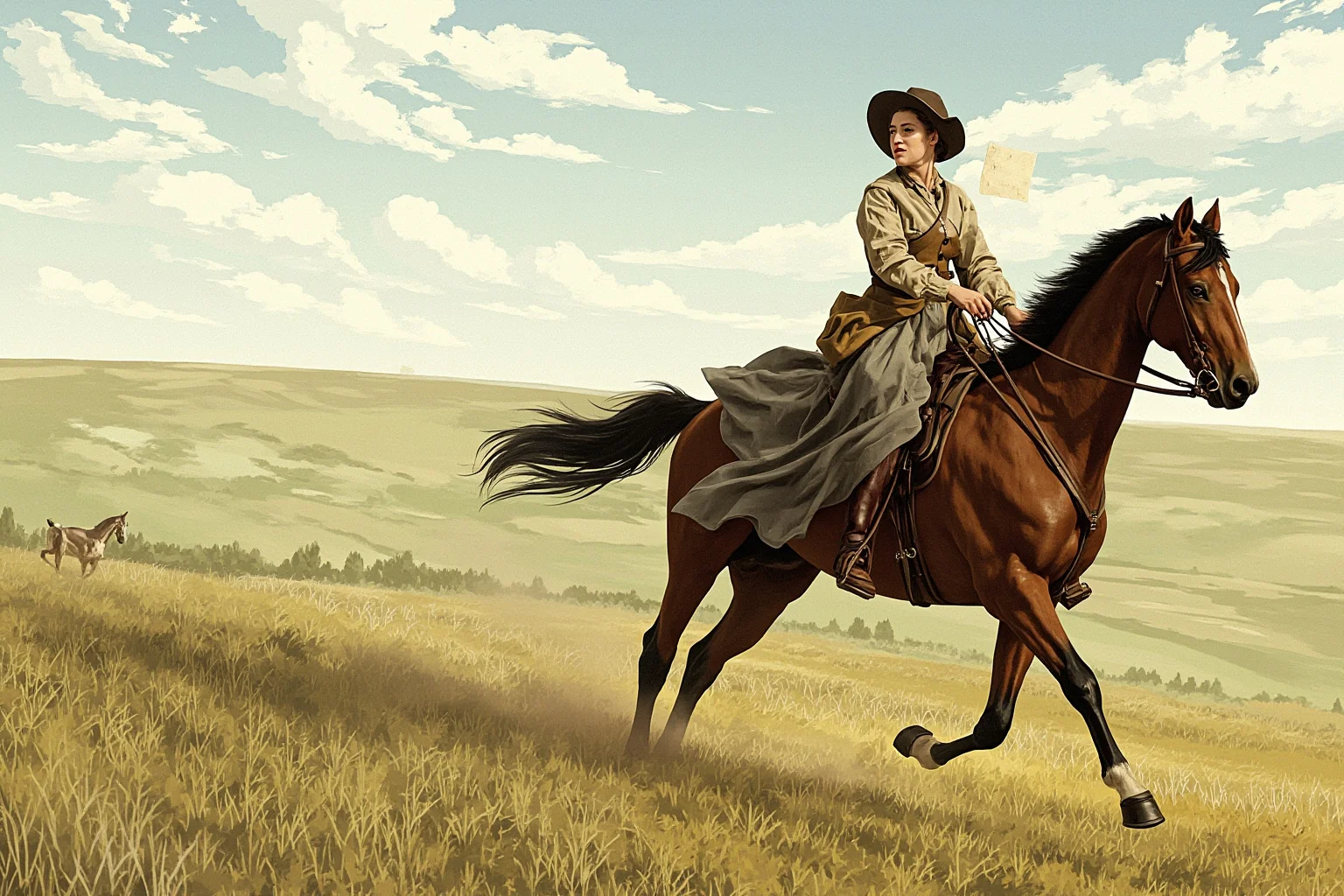
Belle Boyd spied for the Confederacy, most famously passing along Union troop movement information that reportedly helped Stonewall Jackson during the 1862 Shenandoah Valley campaign. She was arrested multiple times by Union forces but was released or exchanged on several occasions.
She later toured giving lectures about her wartime experiences, turning her notoriety into a postwar career. Her case shows that Civil War espionage was very much a two-sided affair.
Female Spies of the Cold War Era
The Cold War produced a different kind of female spy: less romanticized field agent, more quiet, long-term source working from within Western institutions. These cases remind us that spy work didn’t end with the world wars, and the tradecraft pioneered by these women would echo decades later in the stories of Cold War-era Russian sleeper agents.
21. Melita Norwood
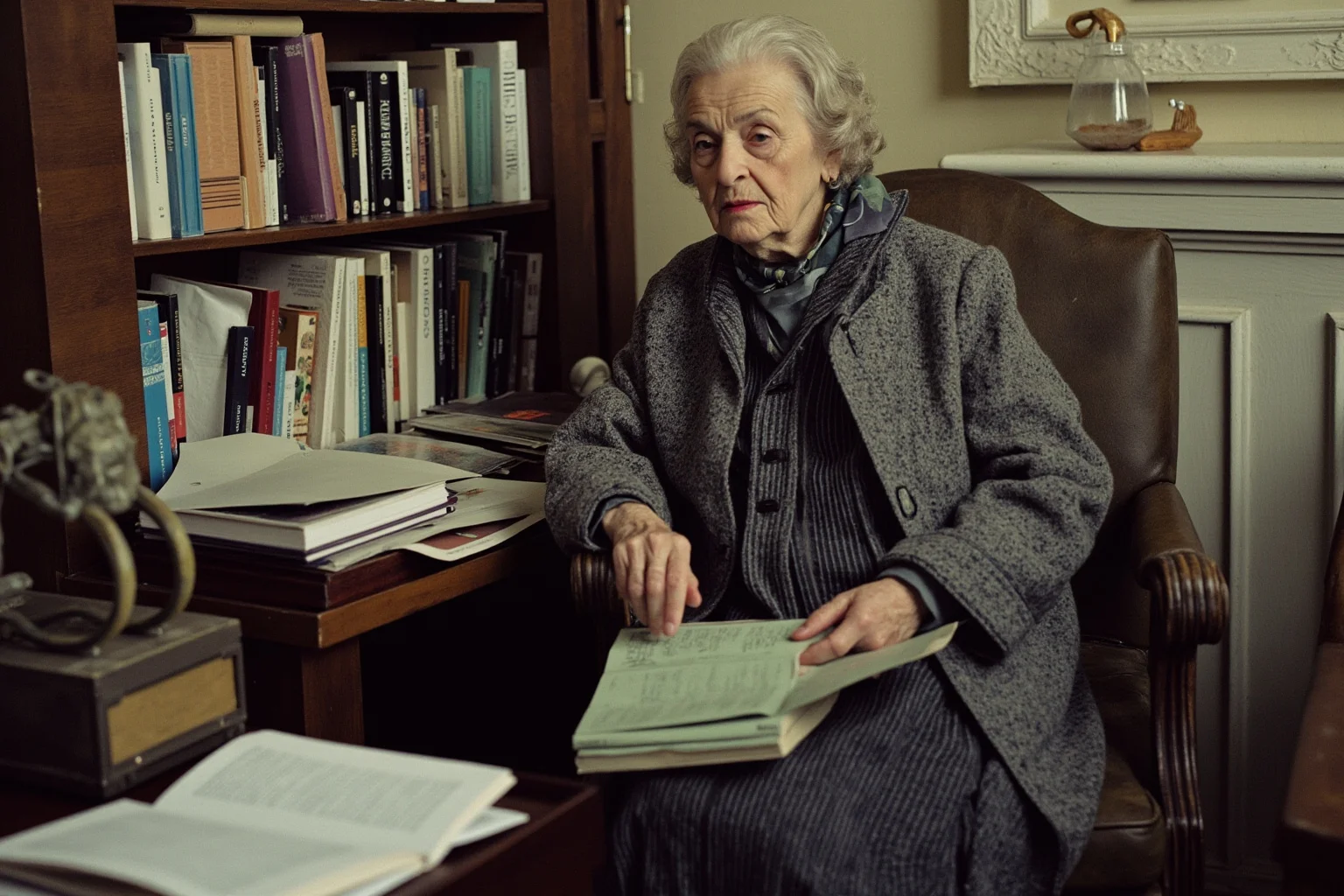
Melita Norwood worked as a secretary at a British metals research association and passed information related to Britain’s nuclear program to Soviet intelligence for decades, reportedly from the 1930s into the 1970s. Her activities weren’t publicly exposed until 1999, when she was already an elderly woman living quietly in London.
Her case shocked the British public precisely because she fit no spy stereotype at all, an ordinary-seeming retiree rather than a glamorous secret agent. British authorities ultimately decided not to prosecute her given her advanced age.
22. Elizabeth Bentley
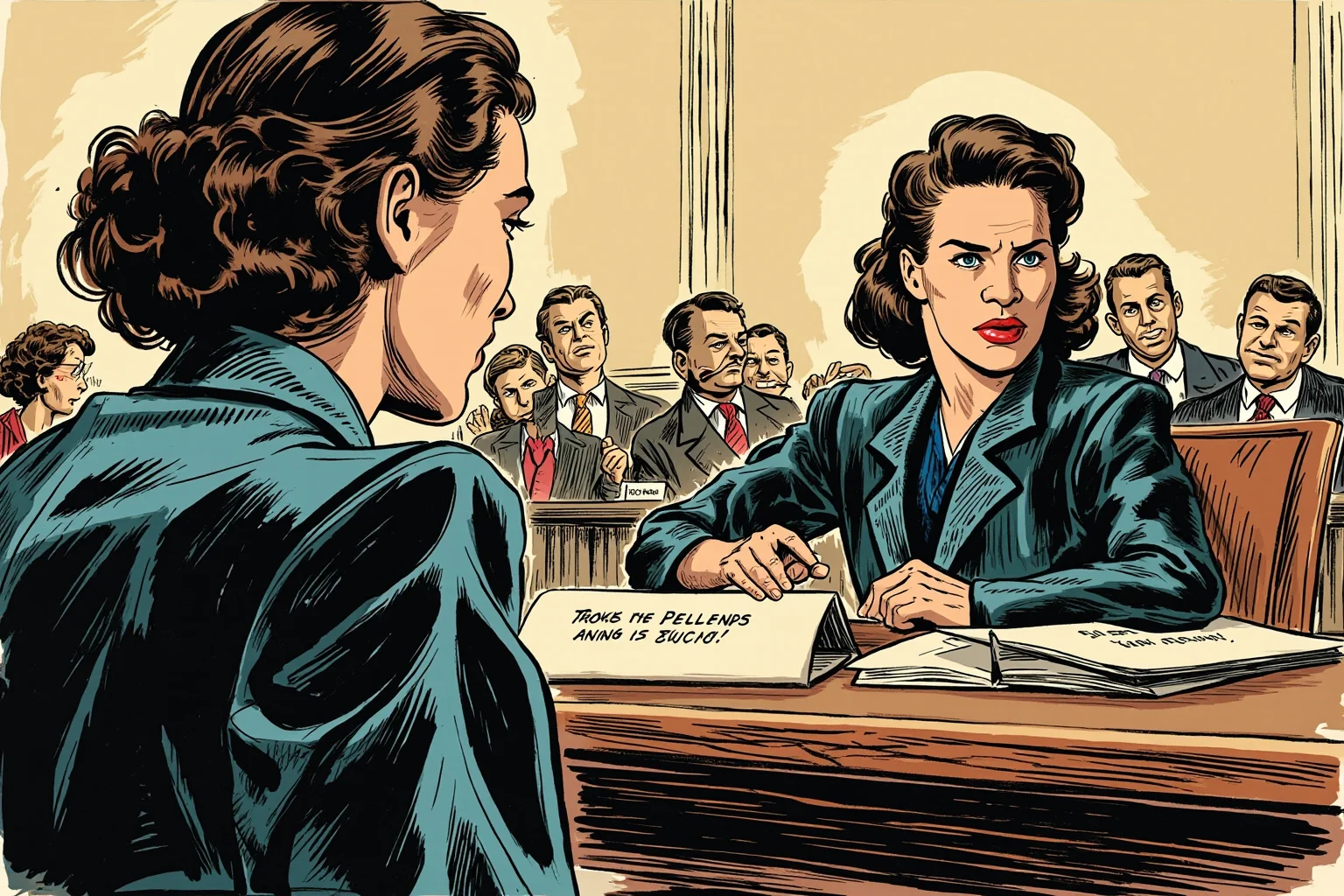
Elizabeth Bentley worked as a courier for a Soviet spy network in the United States during the 1930s and early 1940s before defecting and becoming an FBI informant. Her testimony to Congress in 1948 exposed multiple Soviet sources within the U.S. government and earned her the nickname “the Red Spy Queen” in the American press.
Her credibility was debated for years, but declassified Soviet cables released decades later, known as the Venona intercepts, corroborated much of what she had reported. Her story marks a transition point where female spies started operating within Cold War bureaucracies rather than occupied battlefields.
Why So Many Female Spies Were Overlooked
A big reason many of these women stayed secret for so long comes down to old-fashioned sexism working in their favor during wartime. Occupying forces and enemy counterintelligence services often assumed women were incapable of serious espionage, which let female couriers and network leaders move more freely than their male counterparts.
That same bias worked against them after the war, though, when military honors, pensions, and public recognition frequently favored male veterans. Many of these women’s files remained classified for decades, and some records were destroyed, so historians are still piecing together fuller pictures of their work today.
Separating Spy Fact From Spy Fiction
Popular culture has done both a service and a disservice to this history, turning obscure archival figures into household names while sometimes blurring the line between documented fact and dramatic invention. Mata Hari is the clearest example, where a thin espionage record became a legend of seduction and intrigue that has little solid evidence behind it.
When reading about famous female secret agents, it’s worth checking whether claims come from wartime intelligence records, postwar tribunals, and historians’ archival research, or from memoirs and films written decades after the fact for entertainment value. Both types of sources have value, but they carry very different levels of reliability.
Closing Thoughts
The real history of female spies in WWI, WWII, and beyond is more interesting than most of the movie versions, precisely because it’s messier, more dangerous, and more human. These were nurses, entertainers, secretaries, and formerly enslaved women who took extraordinary risks, often for little recognition during their own lifetimes.
As archives continue to be declassified, historians keep uncovering more names to add to this list. The next great addition to the story of spy women in history may still be sitting in a file marked classified somewhere, waiting to be rediscovered.
Frequently Asked Questions
What are some real secret agent names female operatives used during wartime?
Many female spies used code names rather than their real identities in the field. Examples include Virginia Hall (sometimes called 'the limping lady' by the Gestapo), Nancy Wake ('the White Mouse'), Amy Elizabeth Thorpe ('Cynthia'), Krystyna Skarbet (who operated as 'Christine Granville'), and Mata Hari (born Margaretha Zelle). These names were designed to protect the agent's true identity if messages were intercepted.
Who is considered the most famous female spy in history?
Mata Hari is usually named the most famous female spy, though historians note her actual espionage activity was far less significant than her reputation suggests, and the evidence used to execute her in 1917 was weak. Among agents with well-documented, verified wartime achievements, Virginia Hall is often considered one of the most successful female intelligence operatives of the 20th century.
Were there real female spies in WWI, or is that mostly myth?
Real women spies in WWI absolutely existed, including Edith Cavell, Louise de Bettignies, and Marthe Cnockaert, who ran genuine intelligence and escape networks in occupied Belgium and France. However, some WWI-era spy stories, particularly Mata Hari's, were exaggerated by wartime propaganda and later fiction, so not every popular claim from the period holds up to scrutiny.
How did female spies avoid getting caught?
Female spies often benefited from enemy forces underestimating women as intelligence threats, allowing them to pose as nurses, entertainers, secretaries, or ordinary civilians while gathering or passing information. Many also used coded messages, invisible ink, trusted courier networks, and cover identities to reduce the risk of detection, though a significant number were still eventually captured.
Did female spies get paid, or did they volunteer?
It varied by country and agency. Agents recruited by organizations like Britain's SOE or the American OSS were generally formally employed and paid as intelligence officers, while some resistance-network spies, particularly in occupied territories, operated as unpaid volunteers motivated by patriotism or opposition to occupation.

Alex Warren
Related Articles





