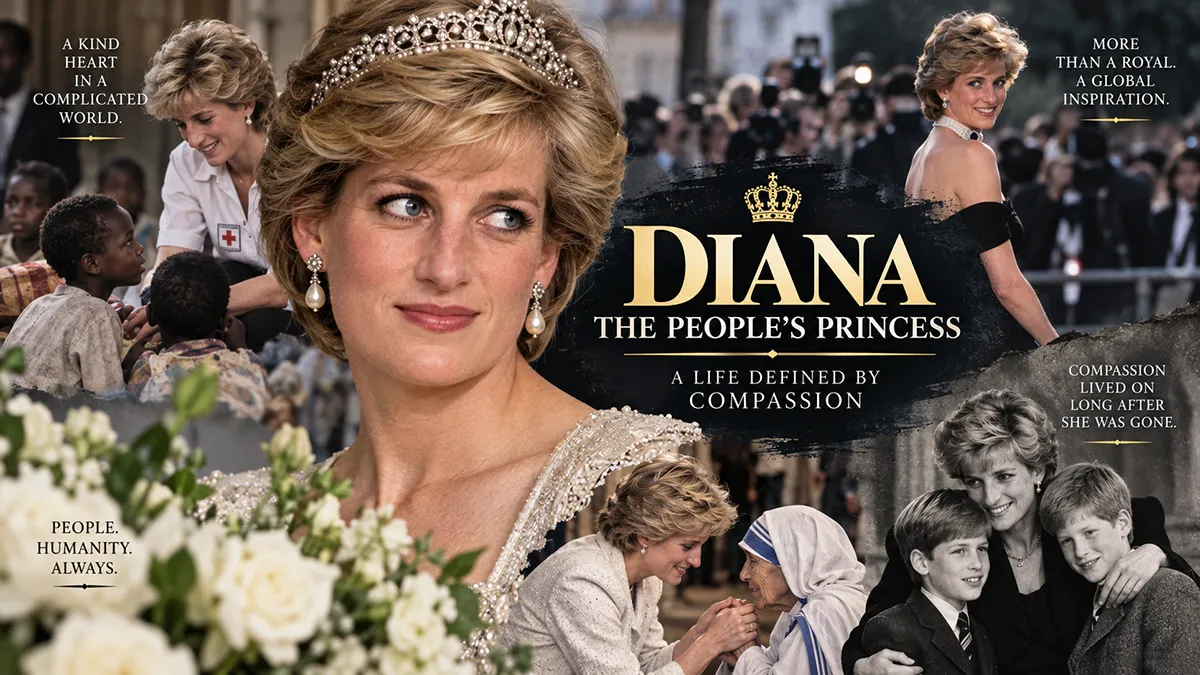
When news broke on the morning of 31 August 1997 that Diana, Princess of Wales, had died in a car crash in Paris, the grief that followed was unlike anything Britain had seen for a member of the royal family. Within hours, a phrase was coined that would attach itself to her name forever: the people’s princess.
But that nickname wasn’t just a poetic flourish invented for a eulogy. It captured something Diana had spent nearly two decades building — a public identity rooted in empathy, physical touch, and a willingness to sit with human suffering that most royals of her era avoided.
This post looks at where the title came from, whether Diana was really a “commoner” as is often claimed, and the specific acts of compassion that earned her that lasting nickname.
TL;DR: Diana became known as “the people’s princess” because of consistent, hands-on acts of compassion — from AIDS wards to landmine fields — that broke royal convention and connected her directly to ordinary people’s pain.
Where Did the Nickname “People’s Princess” Actually Come From?
The phrase is most famously linked to Tony Blair, who was serving as UK Prime Minister when Diana died. Speaking outside a church in his Sedgefield constituency on the morning her death was announced, Blair delivered a brief, emotional tribute that included the now-iconic line calling her “the people’s princess.”
The words are often credited in part to Alastair Campbell, Blair’s director of communications, who helped shape the statement that morning. Whatever its exact authorship, the phrase spread almost instantly through news broadcasts and newspaper front pages within hours of being spoken.
What made the title stick wasn’t just good speechwriting. It resonated because it matched the public’s own lived experience of Diana over the previous sixteen years — a royal figure who seemed to show up, listen, and touch people in ways the institution around her rarely did.
Was Princess Diana a Commoner? Untangling the Myth
This question comes up constantly, and the honest answer is: it’s complicated. Diana was born Lady Diana Frances Spencer in 1961, the daughter of Viscount Althorp, who later became the 8th Earl Spencer. Her family was old English aristocracy, with the Spencers counted among Britain’s most established noble houses for centuries.
So in the everyday sense of the word, Diana was not a commoner in the way most people imagine — she grew up at Park House on the Sandringham estate, moved among the aristocracy, and was related distantly to the royal family long before her engagement. However, in strict British constitutional and peerage terms, a “commoner” simply means anyone who is not a peer (duke, marquess, earl, viscount, or baron) or a member of the royal family in their own right.
Because Diana held no peerage title herself before marrying Prince Charles in 1981, she technically qualified as a commoner under that narrow legal definition — which is why she was widely reported at the time as the first Englishwoman in over three centuries to marry a future king. It’s a nuance worth knowing: aristocratic upbringing, yes; royal or peerage title of her own, no.
20 Moments and Acts That Show Why Diana Became the People’s Princess
Diana’s reputation for compassion wasn’t built on a single grand gesture. It was built on a long string of choices — some small, some historically significant — that repeatedly put her in physical and emotional proximity to people the establishment often kept at arm’s length.
1. Shaking hands with an AIDS patient without gloves
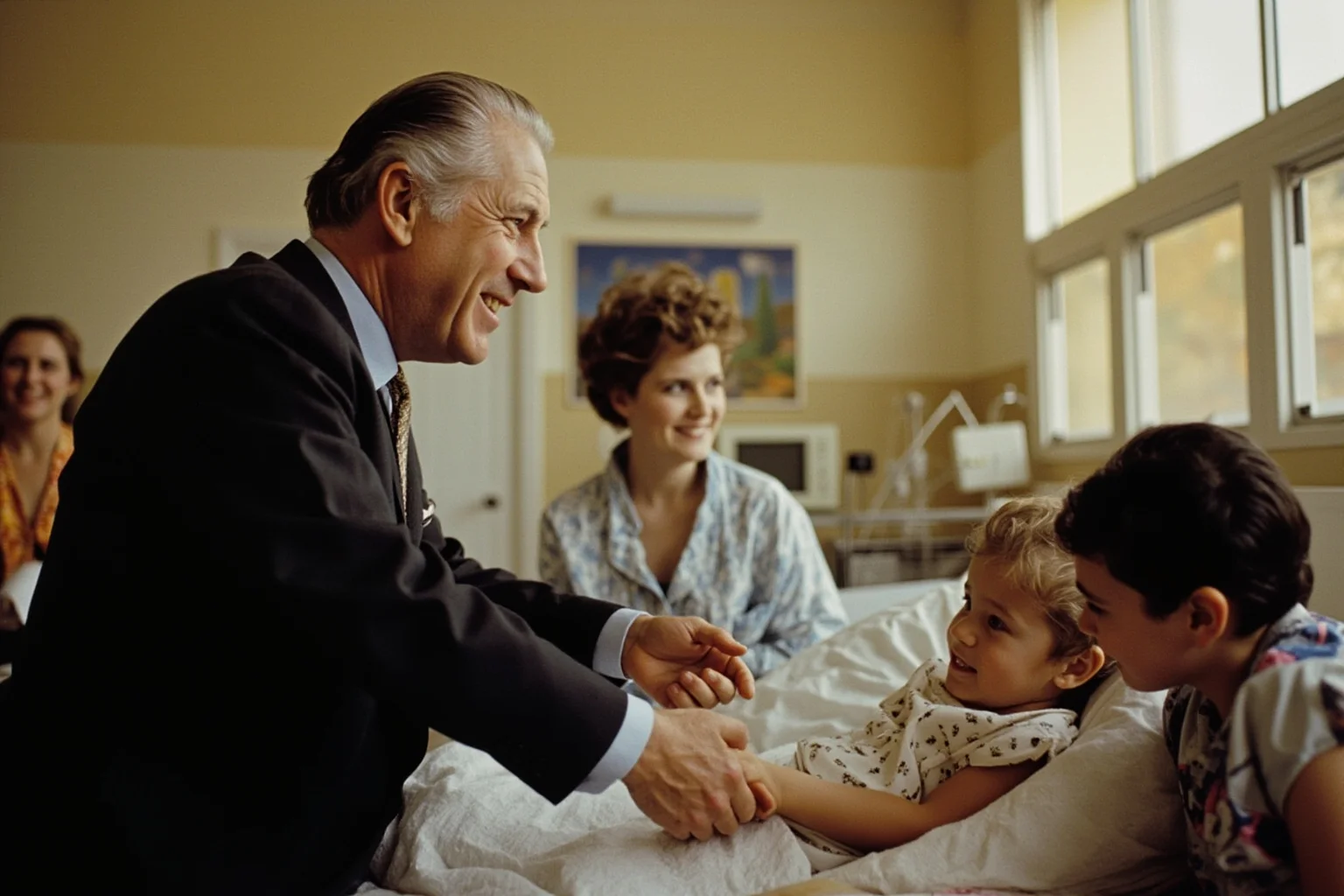
In April 1987, Diana visited London’s Middlesex Hospital and was photographed shaking hands with a man with HIV/AIDS, without wearing gloves. At a time when public fear and misinformation about AIDS transmission ran extremely high, this simple gesture carried enormous weight.
The image was reprinted around the world and is widely credited with shifting public attitudes toward people living with HIV. It remains one of the most cited examples of her willingness to use her platform for direct human contact.
2. Walking through an active minefield in Angola
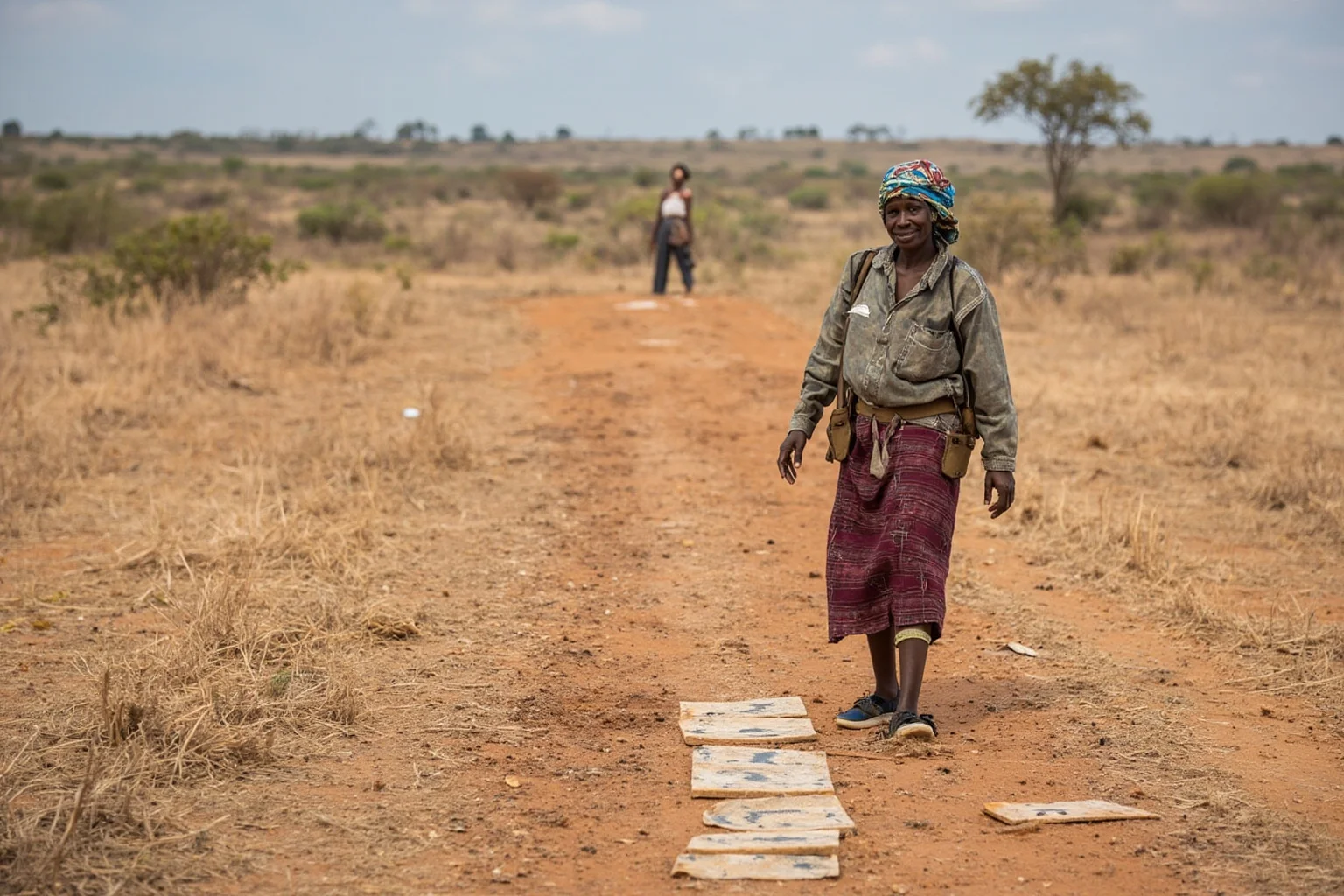
In January 1997, just months before her death, Diana walked through a minefield in Huambo, Angola, wearing protective gear as part of her campaign against landmines. The photographs of her walking calmly through a cleared but still-dangerous field became some of the most famous images of her humanitarian work.
This visit drew global attention to the human cost of landmines left over from conflict, particularly the toll on civilians and children. It’s frequently pointed to as a turning point in international momentum toward the landmine ban treaty later that year.
3. Championing the global campaign against landmines
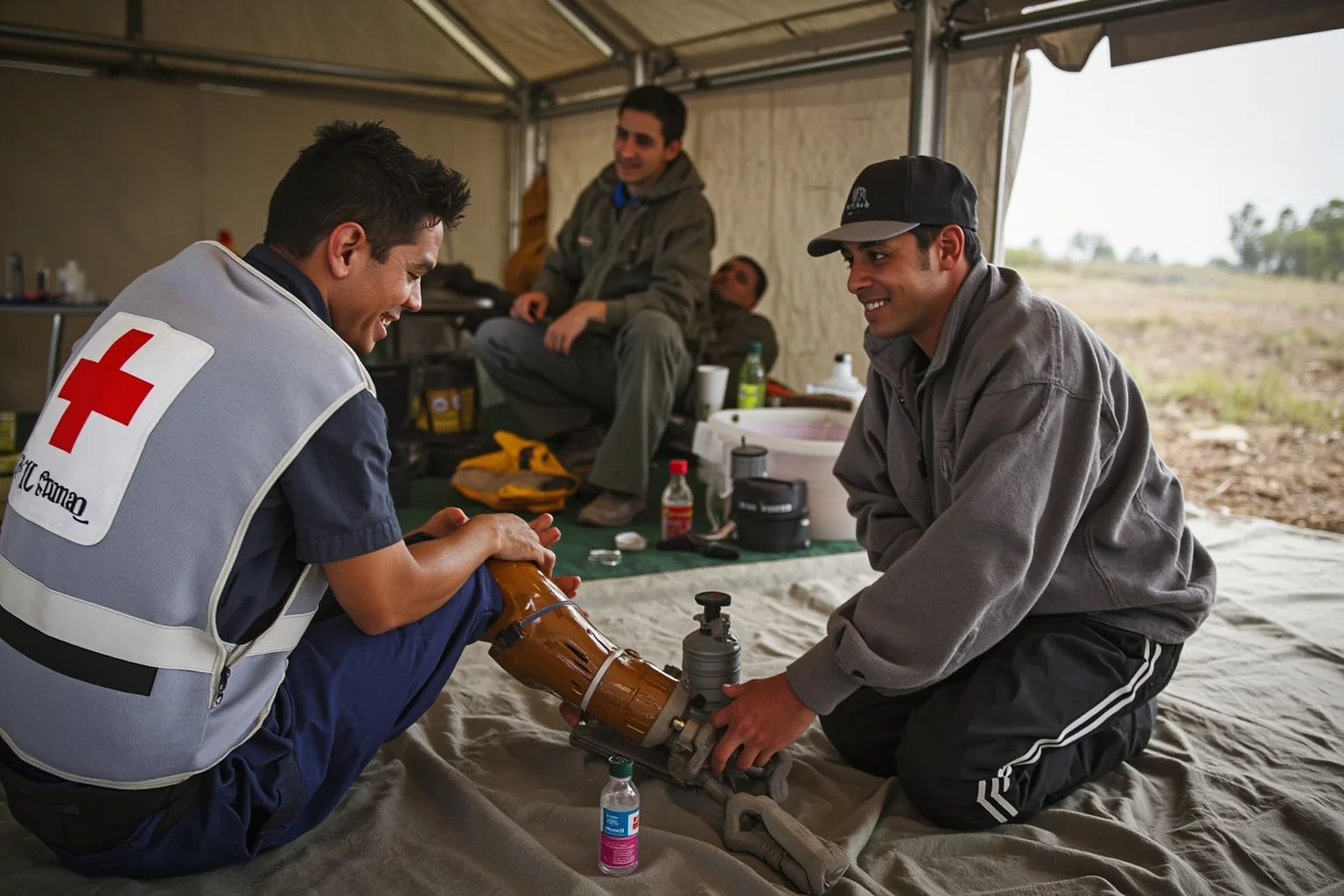
Beyond the Angola trip, Diana worked closely with organizations like the Red Cross and the Halo Trust on landmine clearance and victim support. She met amputee survivors, listened to their stories, and used her celebrity to keep the issue in front of politicians and the press.
Her advocacy is often cited as a contributing factor in the push toward the Ottawa Treaty banning anti-personnel landmines, signed in December 1997. She did not live to see it signed, but her campaigning helped keep the issue firmly in public view that year.
4. Visiting homeless shelters, sometimes with her sons
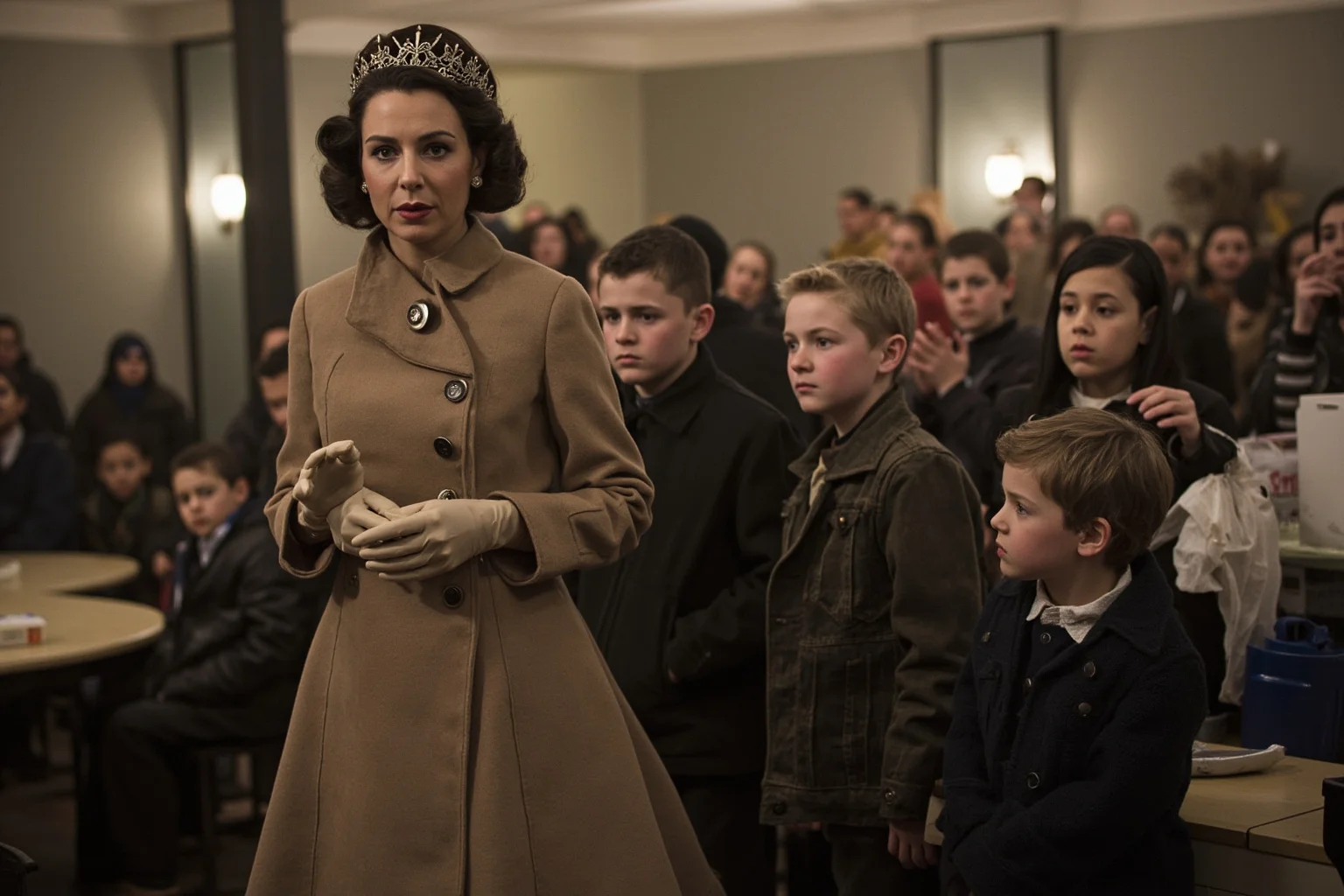
Diana was known for taking Princes William and Harry on visits to homeless shelters in London, including with the charity Centrepoint. She wanted her sons to see hardship firsthand rather than be shielded entirely from it.
This was a deliberate departure from typical royal upbringing, which historically kept young royals distanced from poverty and street-level suffering. Aides and biographers have noted she saw these visits as part of raising grounded, aware children.
5. Supporting patients with leprosy
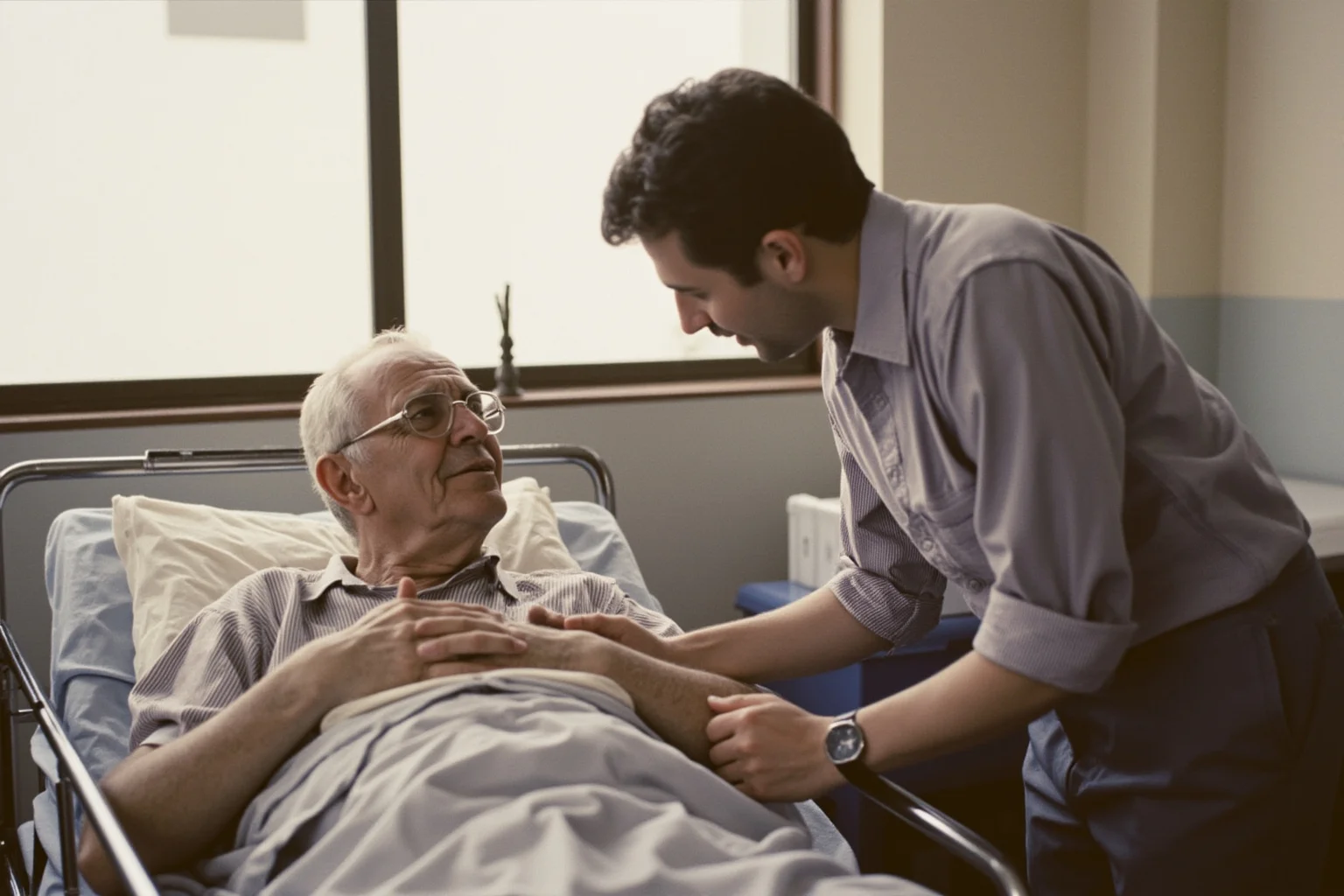
At a time when leprosy still carried heavy stigma worldwide, Diana visited leprosy hospitals and patients, including trips connected to her charity work in the 1990s. She was photographed touching and speaking with patients directly, again challenging outdated fears about contagion.
Her willingness to be photographed close to leprosy patients helped normalize compassionate contact with a disease that had been misunderstood for generations. Advocacy groups working on leprosy stigma have referenced her visits as meaningful moments of public education.
6. Spending time with sick children at Great Ormond Street Hospital

Diana served as president of Great Ormond Street Hospital for Children and made repeated visits to sit with seriously ill young patients. She was known for getting down to a child’s eye level, sitting on beds, and engaging directly rather than performing a brief formal walkthrough.
Staff and families frequently described these visits as unusually personal for a royal patron. Her patronage helped raise both funds and public awareness for pediatric care during her lifetime.
7. Delivering landmine survivor speeches with emotional candor
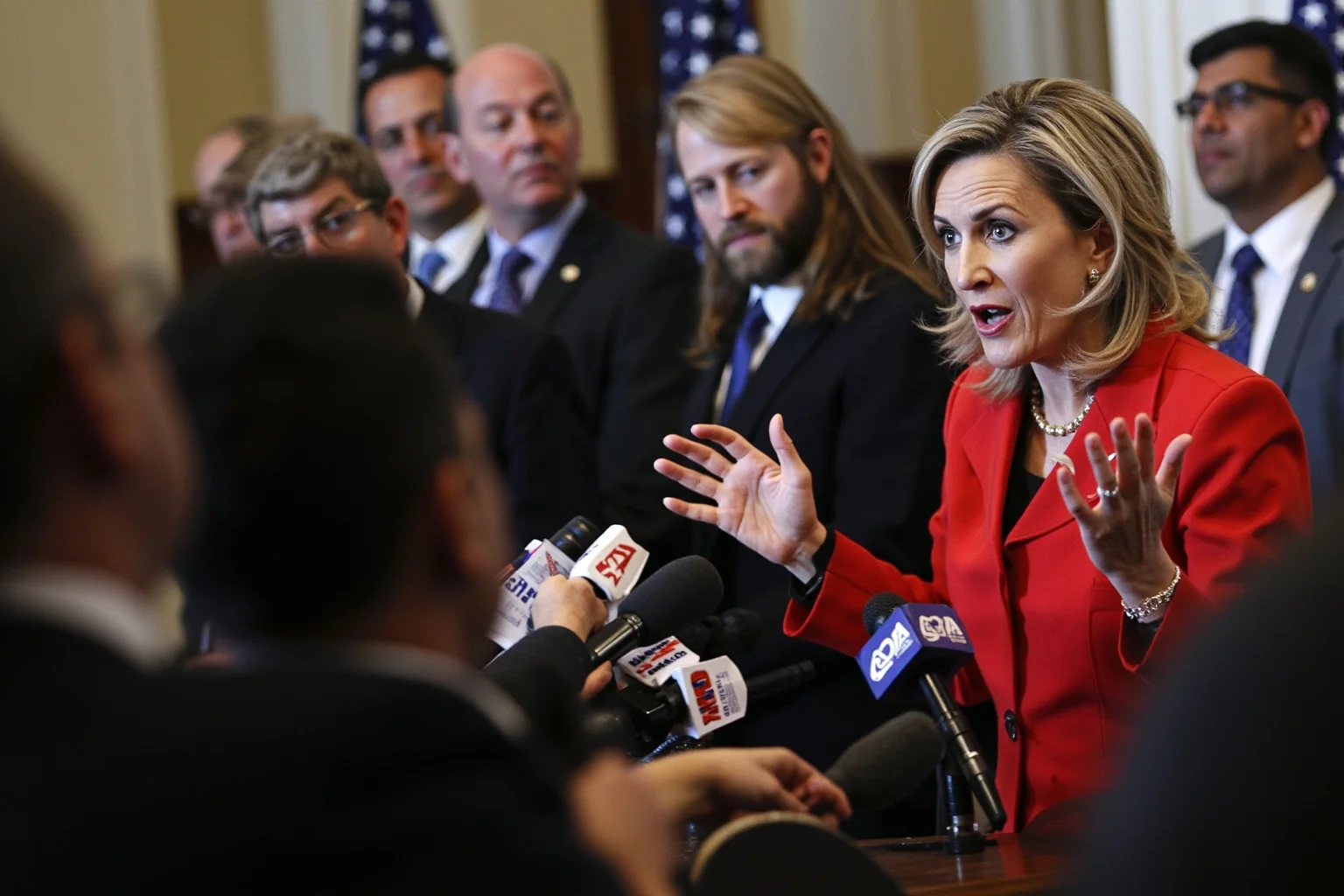
Diana’s public speeches on landmines, including remarks in Washington D.C. in 1997, moved away from the stiff, formal tone typical of royal engagements. She spoke plainly about victims she had met, humanizing statistics that politicians often discussed only in abstract terms.
Her directness drew criticism from some political figures who felt she was straying into policy territory, but it also drew wide public support. Many saw it as proof she was willing to risk institutional disapproval to keep attention on suffering people.
8. Working closely with the British Red Cross
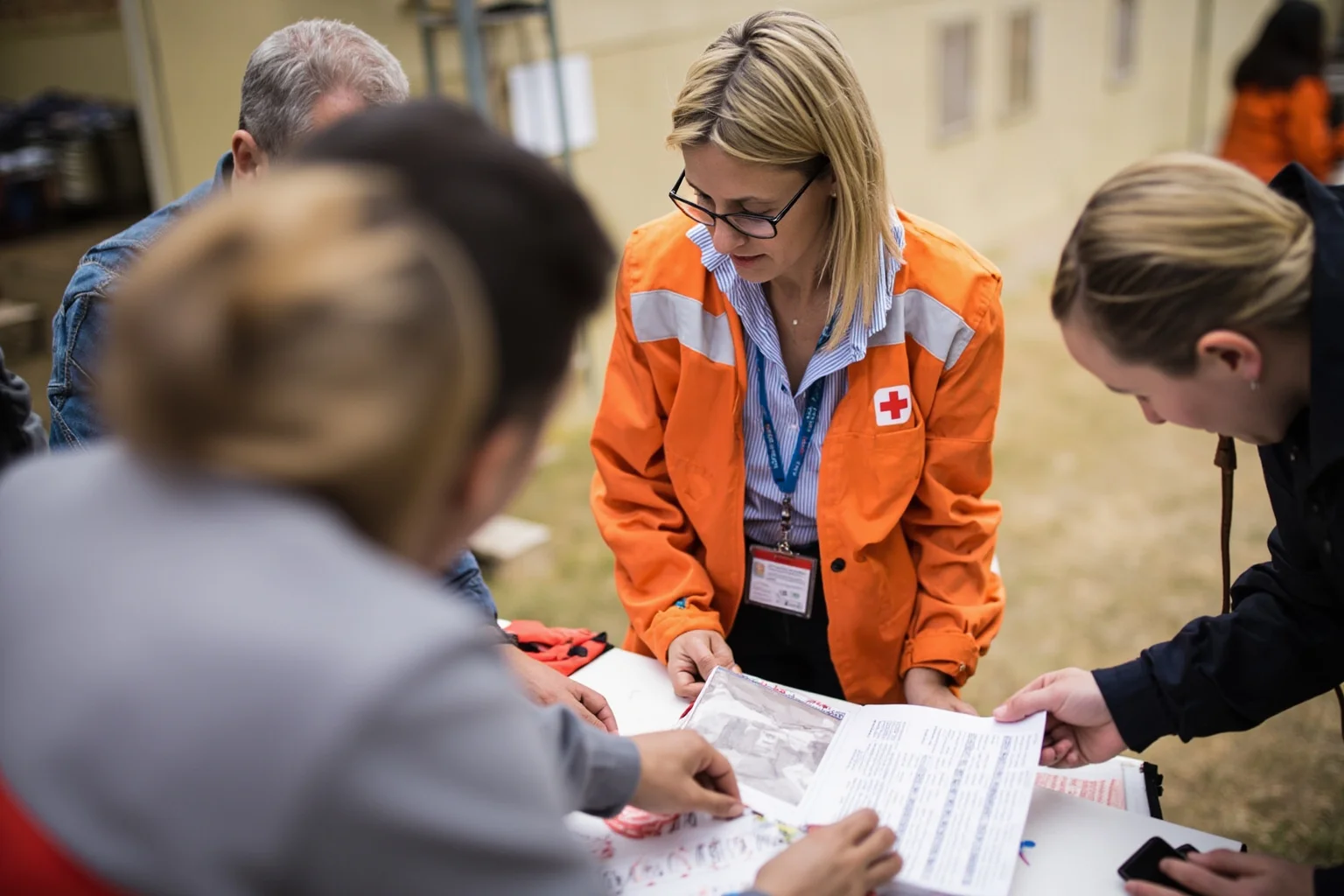
Diana partnered extensively with the British Red Cross on landmine awareness and international aid campaigns in the final years of her life. This relationship gave her humanitarian work an established, credible institutional partner rather than being purely symbolic.
The Red Cross later spoke publicly about the impact of her advocacy on their landmine programs. Her collaboration helped bring mainstream donor attention to a cause that had previously struggled for headlines.
9. Visiting refugee and displacement camps
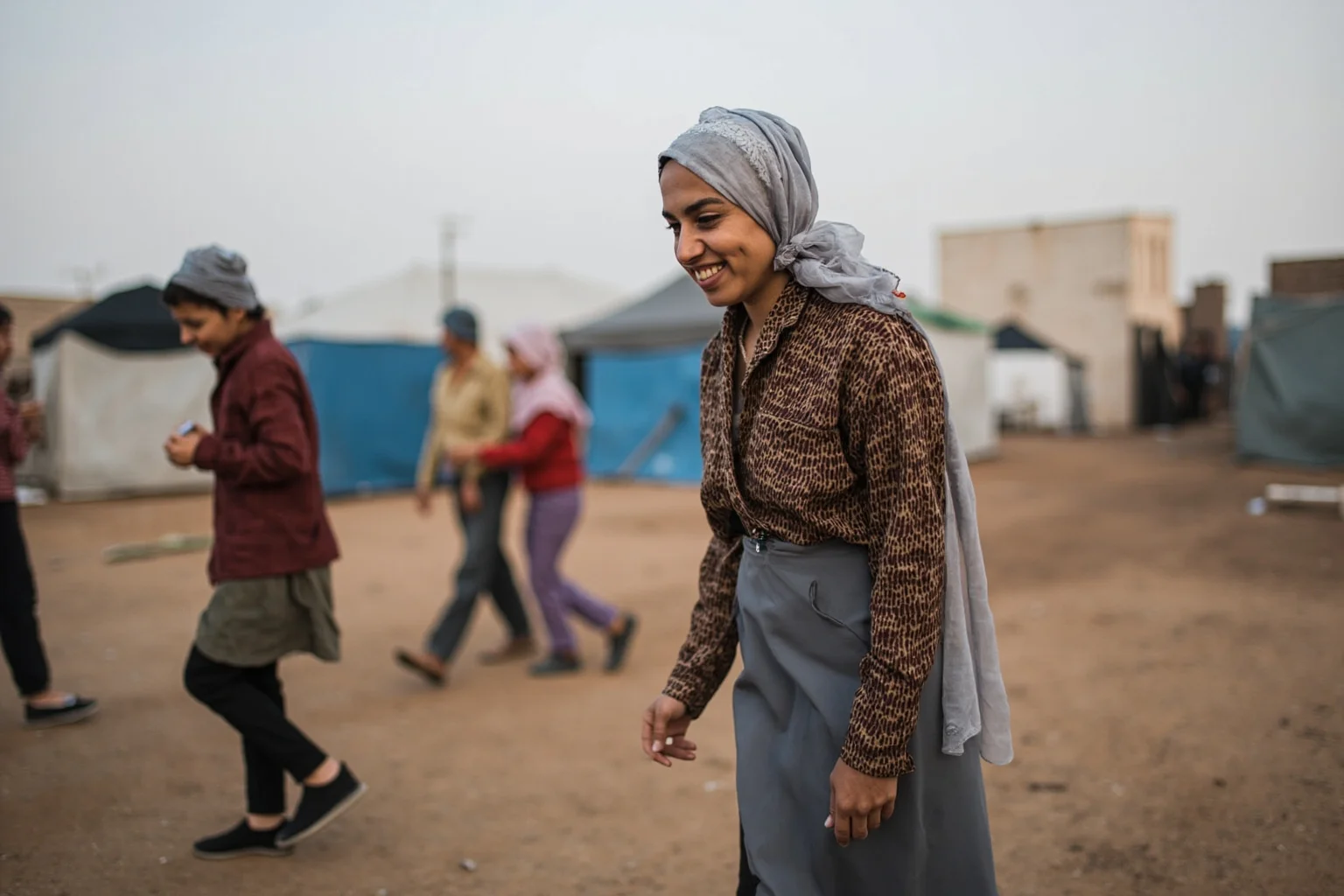
Diana’s humanitarian travel included visits connected to displaced populations affected by conflict, where she met families living in camp conditions. These visits followed the same pattern as her hospital work: close physical presence, direct conversation, and a visible refusal to keep suffering at a distance.
Journalists traveling with her often remarked on how she engaged individuals by name rather than moving through crowds performatively. This on-the-ground style became a hallmark of how she was remembered.
10. Speaking publicly about her own struggles

In her 1995 BBC Panorama interview with Martin Bashir, Diana spoke candidly about her marriage, her mental health, and her bulimia. This kind of personal disclosure from a senior royal was virtually unprecedented at the time.
While the interview remains controversial — a later independent inquiry found Bashir had used deceptive methods to secure it — Diana’s own words in that conversation resonated with many ordinary people navigating similar private struggles. It reinforced her image as a royal willing to be vulnerable rather than untouchable.
11. Raising awareness of eating disorders

By discussing her own experience with bulimia, Diana became one of the most high-profile public figures of her era to speak openly about an eating disorder. Mental health charities have noted that her disclosure helped reduce stigma at a time when eating disorders were rarely discussed publicly at all.
Her honesty gave others permission to talk about conditions that were often hidden out of shame. This is frequently cited by historians of the royal family as one of her more quietly influential contributions.
12. Making unannounced, low-key hospital and shelter visits

Several biographers and former staff have described Diana making private visits to hospitals, shelters, and hospices without press coverage arranged in advance. These visits, when they became known later, suggested her compassion wasn’t solely calculated for cameras.
While some of these accounts rely on secondhand testimony rather than contemporaneous documentation, the pattern described by multiple sources close to her paints a consistent picture. It’s part of why so many people who met her briefly described the encounter as feeling personal rather than staged.
13. Building personal rapport with hospital and charity staff

Staff at institutions she worked with, including Great Ormond Street and various AIDS charities, often described Diana as remembering names, following up on individual patients, and asking detailed questions on repeat visits. This suggested an engagement beyond a single ceremonial appearance.
Her follow-through helped charities sustain relationships with her over years rather than one-off visits. That consistency became part of the argument for why the “people’s princess” title felt earned rather than assigned.
14. Supporting the National AIDS Trust
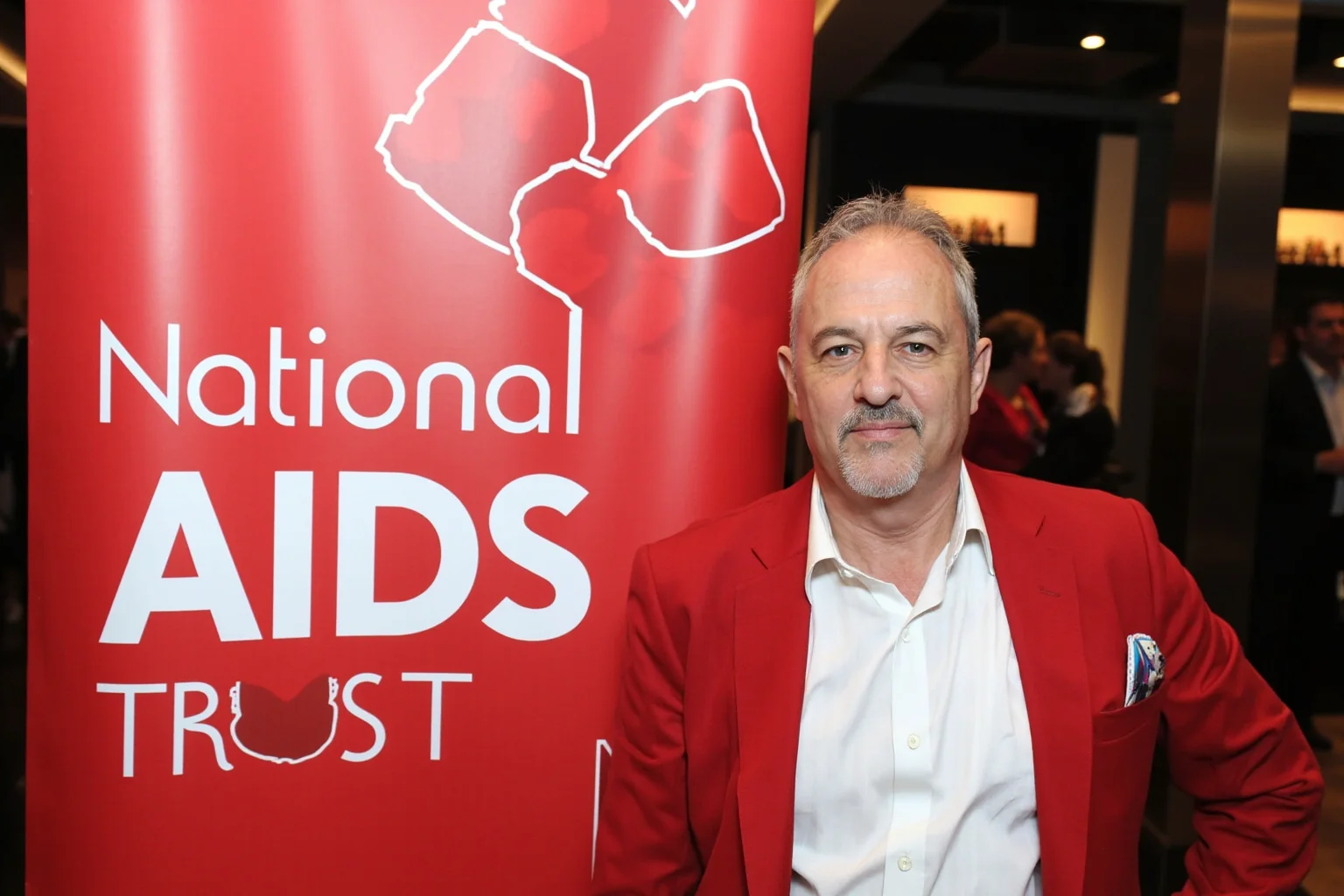
Diana was a patron of the National AIDS Trust, lending her name and public appearances to an organization working on both awareness and anti-stigma education. Her involvement gave the cause visibility at a time when AIDS-related charities struggled for mainstream royal or political backing.
This patronage, paired with her hospital visits, formed a consistent body of AIDS-related advocacy work across roughly a decade. It’s considered one of her most historically significant charitable legacies.
15. Auctioning her dresses for charity

In June 1997, Diana auctioned 79 of her gowns at Christie’s in New York, with proceeds going to AIDS and cancer charities. The auction raised significant funds and generated global press attention just months before her death.
It showed a willingness to convert her personal wardrobe and celebrity status directly into charitable funding rather than simply lending her name to causes. The event is still referenced in fashion and charity retrospectives today.
16. Engaging physically with crowds rather than staying distant
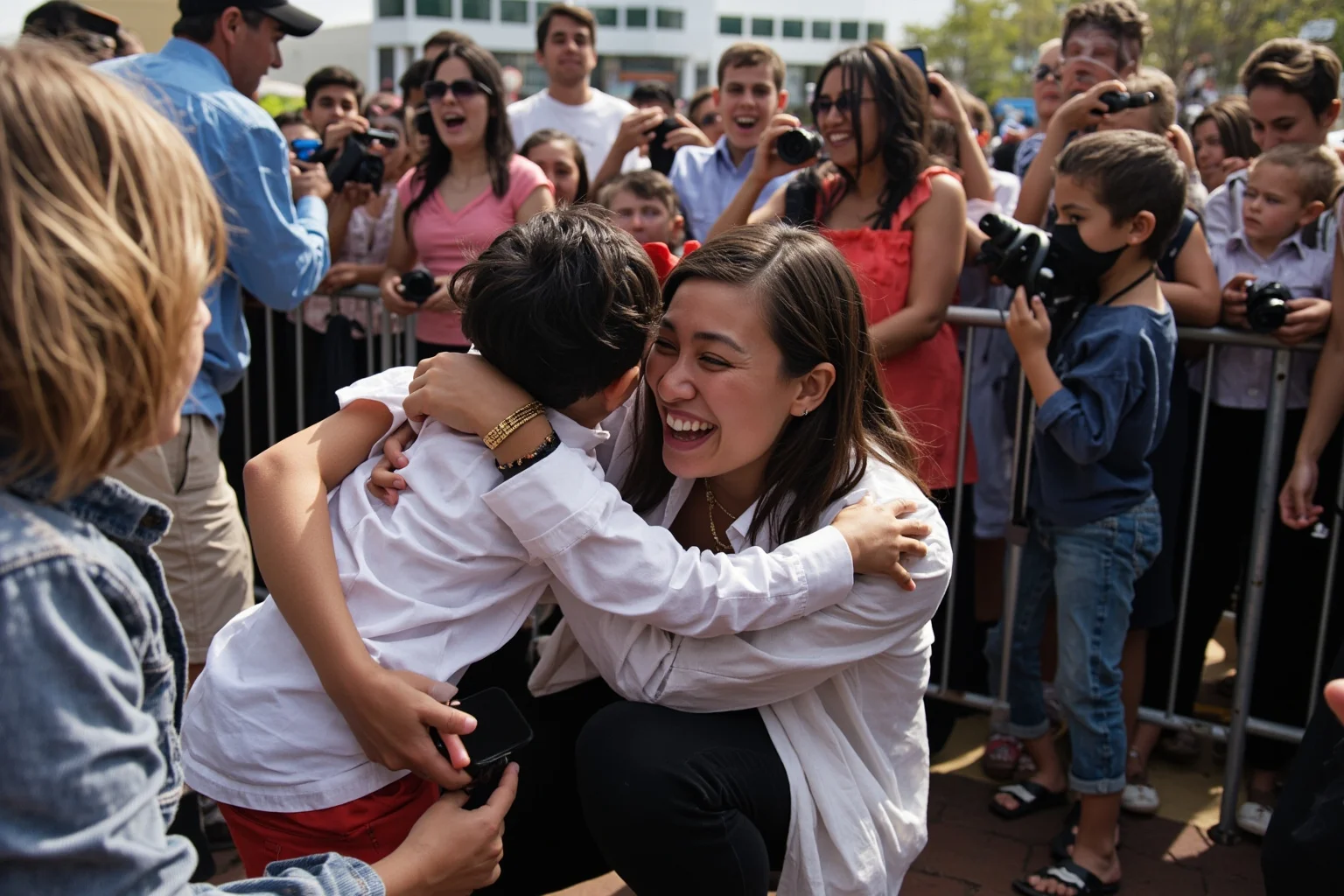
Diana was known for breaking from strict royal protocol by hugging well-wishers, kneeling to speak with children, and lingering to talk with people in crowds rather than moving through quickly. Royal correspondents at the time frequently noted how different this looked compared to the more reserved public style of other senior royals.
This physical warmth became part of her identity as, in effect, a public princess — someone whose royal role was expressed through direct human contact rather than distance and formality. It’s one of the clearest visual reasons the “people’s” framing felt accurate to onlookers.
17. Supporting mental health causes before it was mainstream

Beyond her own disclosures, Diana lent support to various mental health initiatives and causes connected to isolation, addiction, and emotional wellbeing during a period when royal engagement with mental health was rare. Historians of the monarchy often point to this as ahead of its time relative to broader public discourse in the 1980s and 1990s.
Her willingness to associate the royal brand with mental health issues, rather than only with more traditional causes like the arts or military, expanded what royal patronage could look like. Later royal mental health initiatives, including those associated with her sons, have drawn comparisons to this earlier groundwork.
18. Visiting addiction and rehabilitation centers
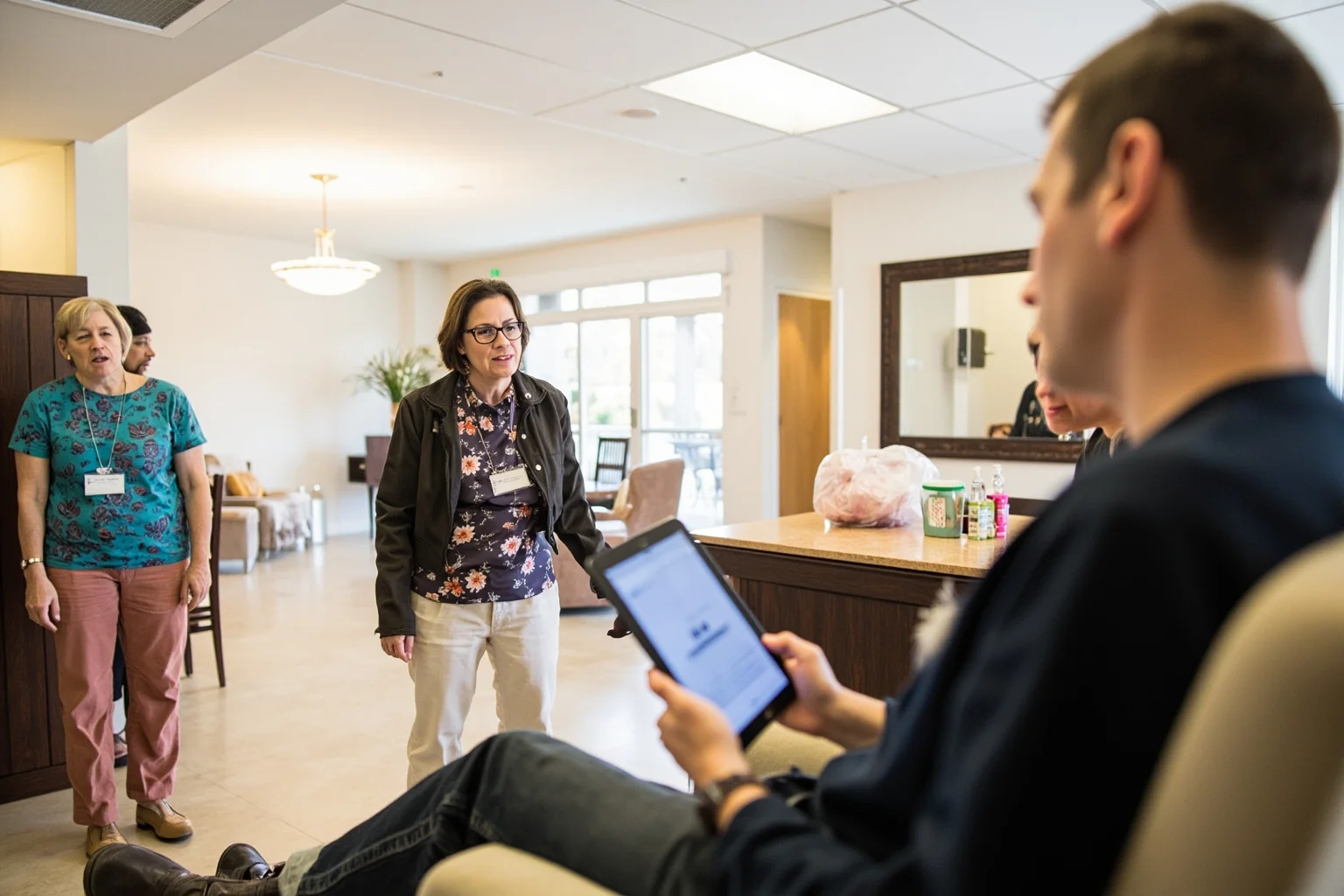
Diana visited centers supporting people recovering from drug and alcohol addiction, again engaging directly with residents rather than offering only a formal tour. These visits fit her broader pattern of choosing causes that carried social stigma rather than easy, purely celebratory patronage.
Charities working in addiction recovery at the time noted the practical boost her visits gave to funding and public perception. It reinforced the sense that her charitable choices were deliberate rather than simply expected duties.
19. Establishing a legacy through the Diana, Princess of Wales Memorial Fund
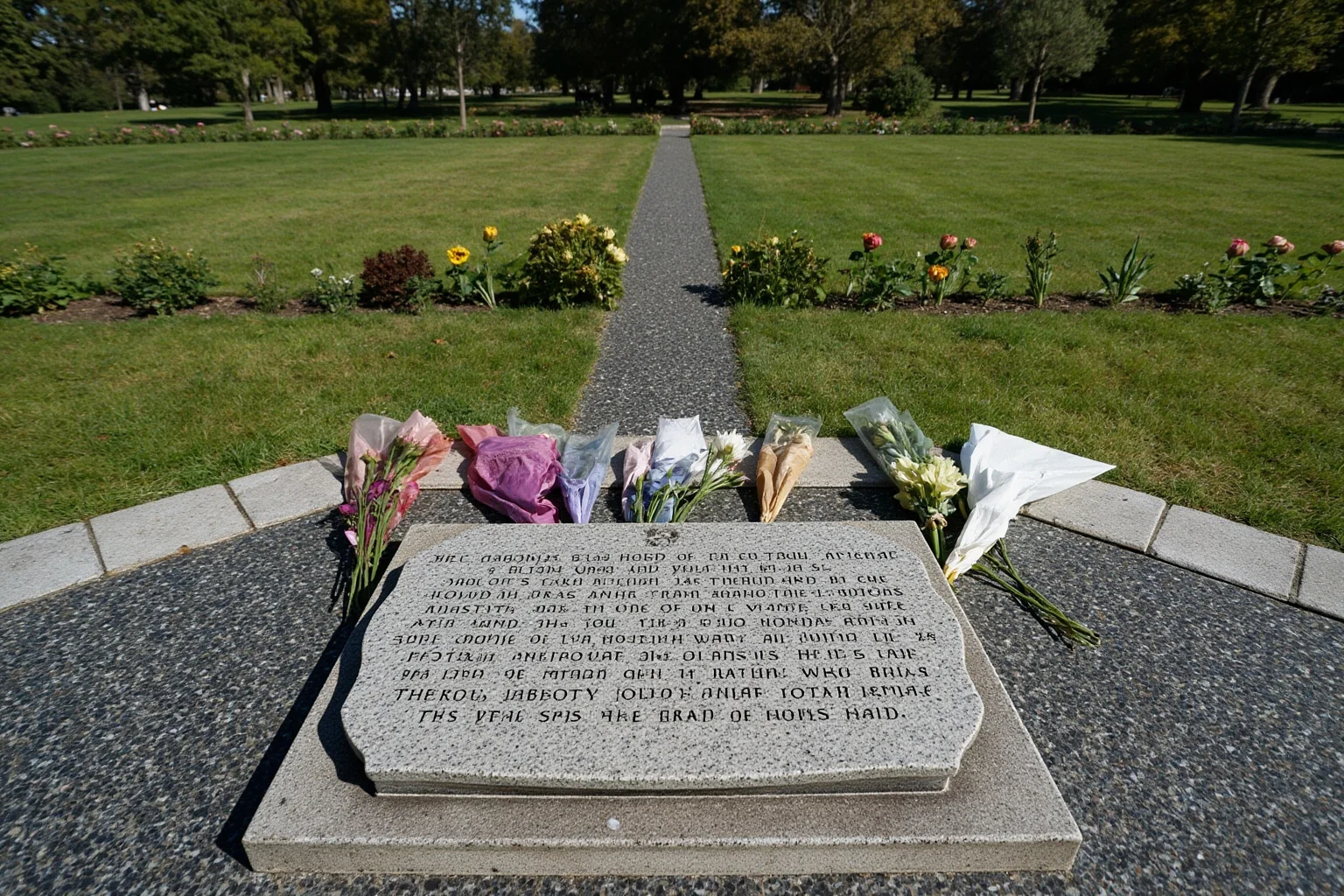
Following her death, the Diana, Princess of Wales Memorial Fund was established and went on to support causes including landmine clearance, refugee support, and social deprivation projects, continuing threads from her own work. The fund operated for years afterward, funding organizations aligned with the causes she championed in life.
This institutional continuation of her interests helped ensure her compassion-driven causes didn’t end with her death. It also cemented, in policy terms, how closely her public identity had become tied to humanitarian work rather than solely ceremonial royal duty.
20. Shaping how her sons approach public life
Both Prince William and Prince Harry have spoken publicly, in interviews and documentaries over the years, about their mother’s influence on their own charitable and mental health advocacy work. William’s mental health initiatives and Harry’s work with veterans and young people have both been described by the princes themselves as connected to lessons learned from Diana.
This generational continuation is part of why the “people’s princess” label has outlasted her lifetime rather than fading as a one-time media phrase. Her approach to compassion effectively became a template that the next generation of royals has continued to reference.
Why the Nickname Stuck Long After Her Death
Many royal nicknames fade once the news cycle that produced them moves on, but “the people’s princess” has remained in steady use for more than 25 years. Part of that longevity comes from timing — it was spoken at the exact moment of collective national grief, which fused the phrase permanently to memory of her death.
But the deeper reason is that the title matched a consistent public record built over sixteen years of royal life, not just a single tragic news cycle. Journalists, charity workers, and members of the public who had personal encounters with her kept telling similar stories: she sat down, she asked questions, she touched hands others avoided.
That consistency is what separates a genuine reputation from a manufactured one. The phrase didn’t create her image — it named an image the public had already formed for years.
Diana’s Compassion Lives on Through a New Generation
Diana’s story is a useful reminder that titles born from tragedy can still be historically accurate rather than just sentimental. The evidence — hospital visits, landmine campaigning, AIDS advocacy, and her own public vulnerability — supports the idea that “the people’s princess” described something real about how she chose to use her position.
Her background as the aristocratic daughter of an earl complicates the popular idea of her as a simple “commoner,” but it doesn’t complicate the compassion itself — and it’s part of why she’s often included alongside monarchs, activists, and stateswomen on lists of history’s most powerful women, despite never holding formal political power herself. Whether by birth she was a commoner in the technical legal sense or not, she chose repeatedly to close the distance between royalty and ordinary suffering.
That choice, repeated consistently over nearly two decades, is ultimately what the world was responding to on that August morning in 1997 — and what still gets remembered every time her name comes up today, cementing her place among the most recognized historical figures of the modern era.
Frequently Asked Questions
Was Princess Diana a commoner?
In a technical, legal sense, yes — Diana held no peerage title in her own right before marrying Prince Charles in 1981, which made her a commoner under British constitutional definitions. However, she came from an old aristocratic family (the Spencers), so she was not a commoner in the everyday sense of having no elevated social background.
Who first called Diana ‘the people’s princess’?
The phrase is most closely associated with Prime Minister Tony Blair, who used it in a public statement outside a church in his Sedgefield constituency on the morning Diana's death was announced, 31 August 1997. Communications aide Alastair Campbell is often credited with helping shape the wording.
Why is Diana known as the people’s princess?
Diana earned the nickname through consistent, hands-on acts of compassion, including visiting AIDS patients without gloves in 1987, walking through an active minefield in Angola in 1997, and sitting with sick children at Great Ormond Street Hospital. These actions broke from typical royal formality and connected her directly with ordinary people's struggles.
Did Diana ever call herself the people’s princess?
No, there is no verified record of Diana using that exact phrase to describe herself. The title was applied to her publicly by others, most notably in Tony Blair's tribute after her death, rather than being a self-given nickname.
What causes was Diana most associated with?
Diana's most prominent humanitarian work centered on HIV/AIDS awareness, the global campaign to ban landmines, support for children's hospitals, and later in life, mental health and eating disorder awareness after speaking publicly about her own experience with bulimia.

Alex Warren
Related Articles