

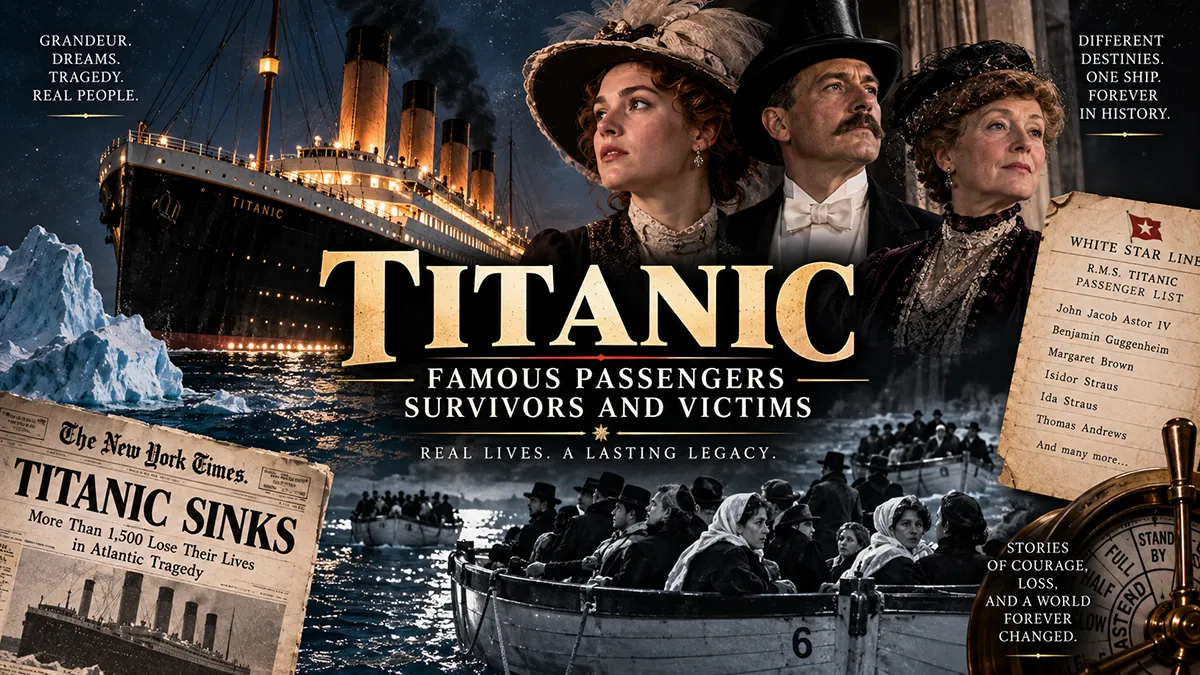
When RMS Titanic slipped away from Southampton on April 10, 1912, its passenger list read like a who’s who of the early 20th century, filled with people who would later be counted among the most recognized historical figures of the modern age.
Millionaires, journalists, actresses, athletes, and society darlings all booked passage on what was billed as the safest ship ever built. Four days later, the ship struck an iceberg in the North Atlantic and sank in the early hours of April 15, taking more than 1,500 lives with it.
Some of the most recognizable names of the era walked off that ship alive. Others became permanent symbols of the tragedy, their final moments retold and sometimes embellished for more than a century.
This list separates fact from folklore, looking at real, verifiable famous Titanic passengers who survived, ten notable figures who died, and the ship and crew who actually pulled survivors from the freezing Atlantic.
TL;DR: The Titanic carried a genuine cross-section of Edwardian celebrity and wealth, and while some famous passengers like Molly Brown and Bruce Ismay survived, others including John Jacob Astor IV and Isidor and Ida Straus became lasting symbols of the disaster, with the rescue ship RMS Carpathia ultimately saving over 700 people from the lifeboats.
A Ship Carrying the Elite of the Edwardian World
Titanic’s passenger manifest wasn’t glamorous by accident. White Star Line marketed the ship’s maiden voyage heavily, and first-class tickets attracted industrialists, socialites, and public figures eager to be part of the spectacle.
That’s part of why the sinking became such an enduring cultural touchstone — it wasn’t just a maritime disaster, it was a disaster that struck the era’s rich and famous alongside immigrants traveling in third class.
Before diving into the individuals, it’s worth noting that survival on Titanic correlated heavily with class and gender, not fame.
Roughly 97% of first-class women survived compared to far lower rates for men and for third-class passengers overall. Fame didn’t guarantee a spot in a lifeboat, but it often meant better access to the boat deck when the order came.
Famous Titanic Passengers Who Survived
These are among the most notable Titanic survivors — people whose later lives, writings, or testimony helped shape how we understand the disaster today.
1. Margaret “Molly” Brown
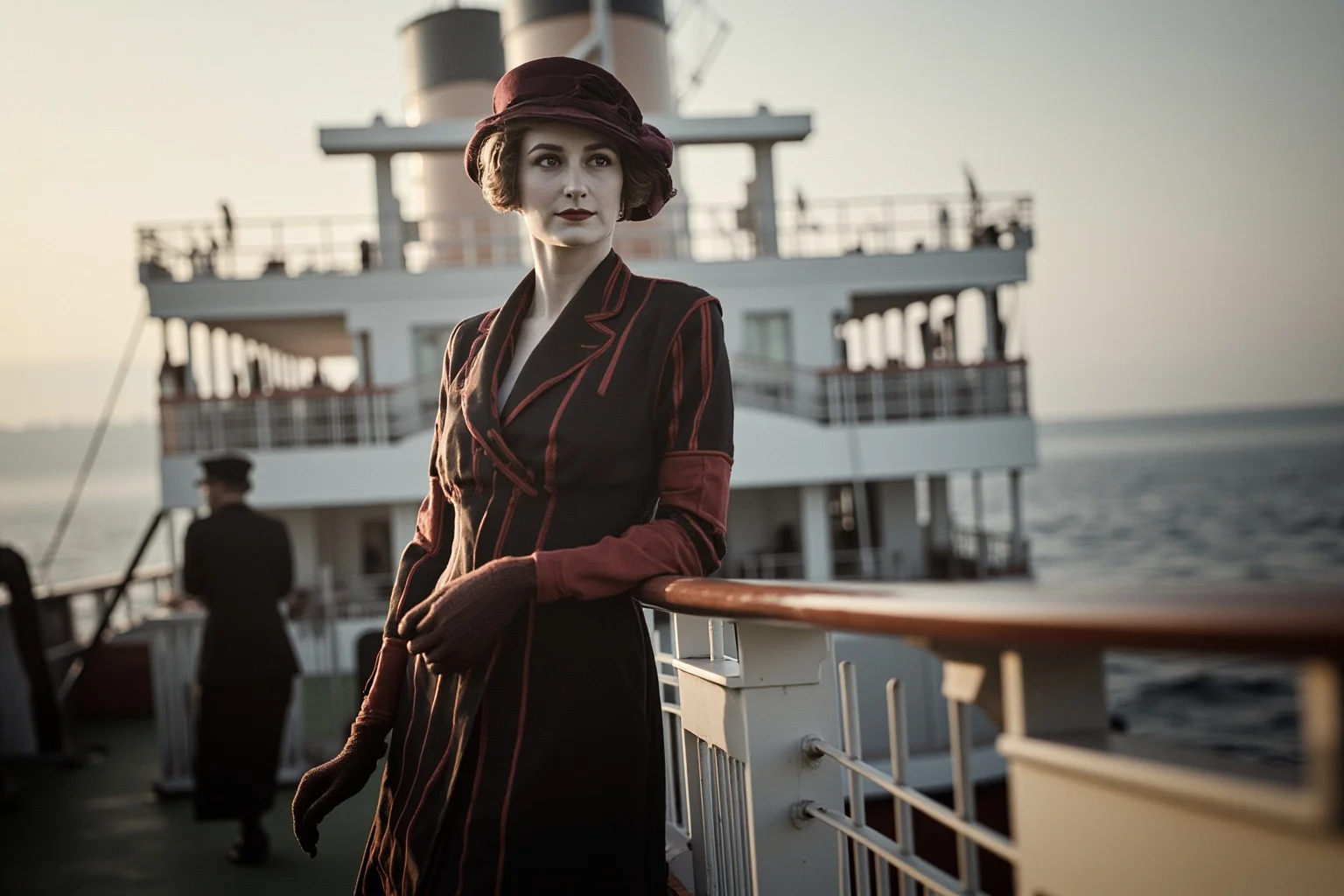
Margaret Brown was a Denver socialite and philanthropist traveling home from Europe when Titanic sank. She helped other passengers into Lifeboat 6 and, according to survivor accounts, urged the boat’s crew to turn back for people still in the water.
Her famous nickname, “the Unsinkable Molly Brown,” is often assumed to be a contemporary title, but it was largely popularized decades later through a 1960 Broadway musical and 1964 film. During her actual lifetime, she was known more for her activism and philanthropy — the kind of work that places her among historical figures who changed the world for the better — than for that specific nickname.
2. J. Bruce Ismay
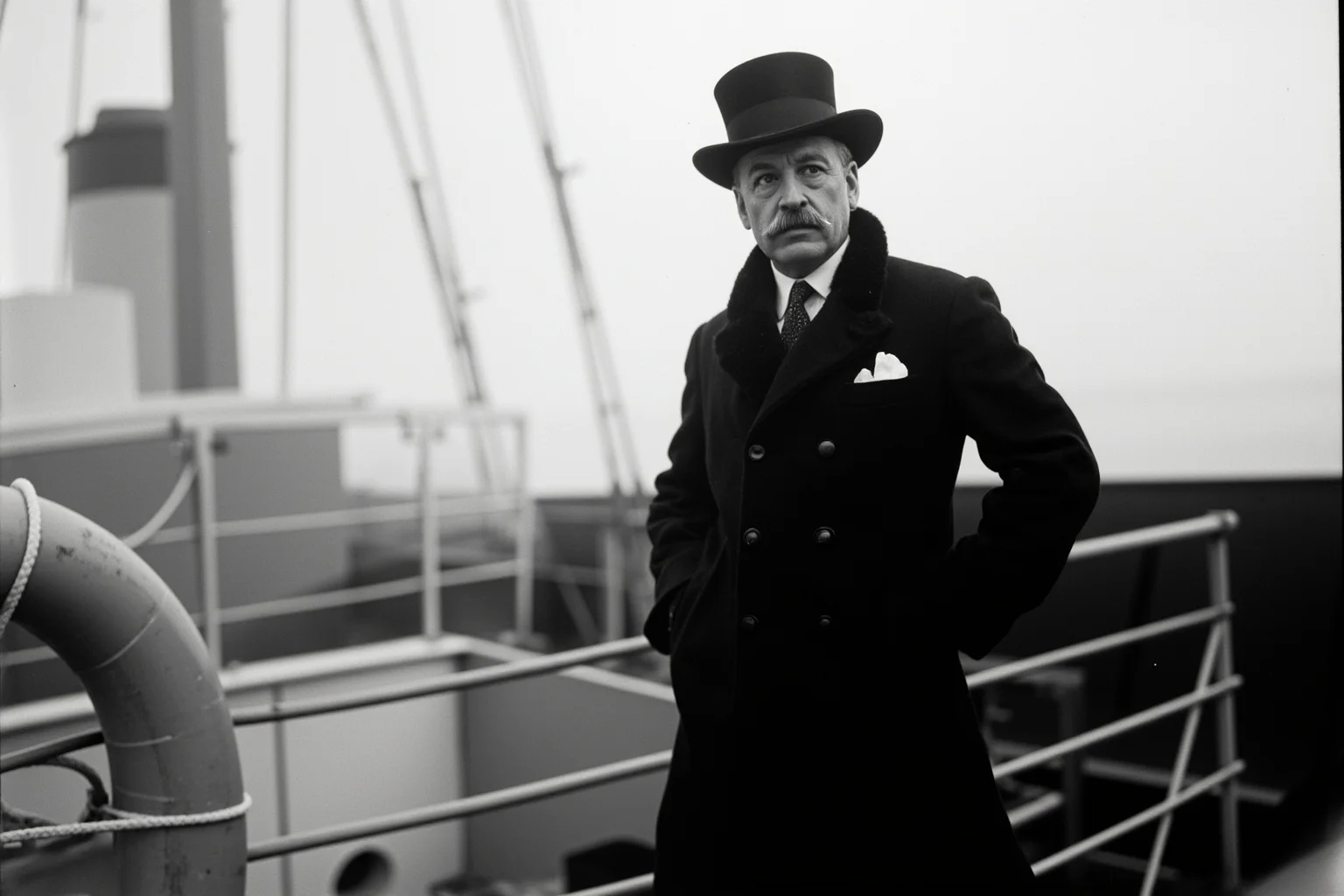
As chairman of the White Star Line, J. Bruce Ismay was arguably the most controversial survivor. He boarded Collapsible Lifeboat C as it was being lowered, and the decision haunted him for the rest of his life.
Both British and American inquiries examined his conduct closely. He wasn’t found to have broken any law or maritime code by boarding, but public opinion never forgave him, and he largely withdrew from public life afterward.
3. Colonel Archibald Gracie IV
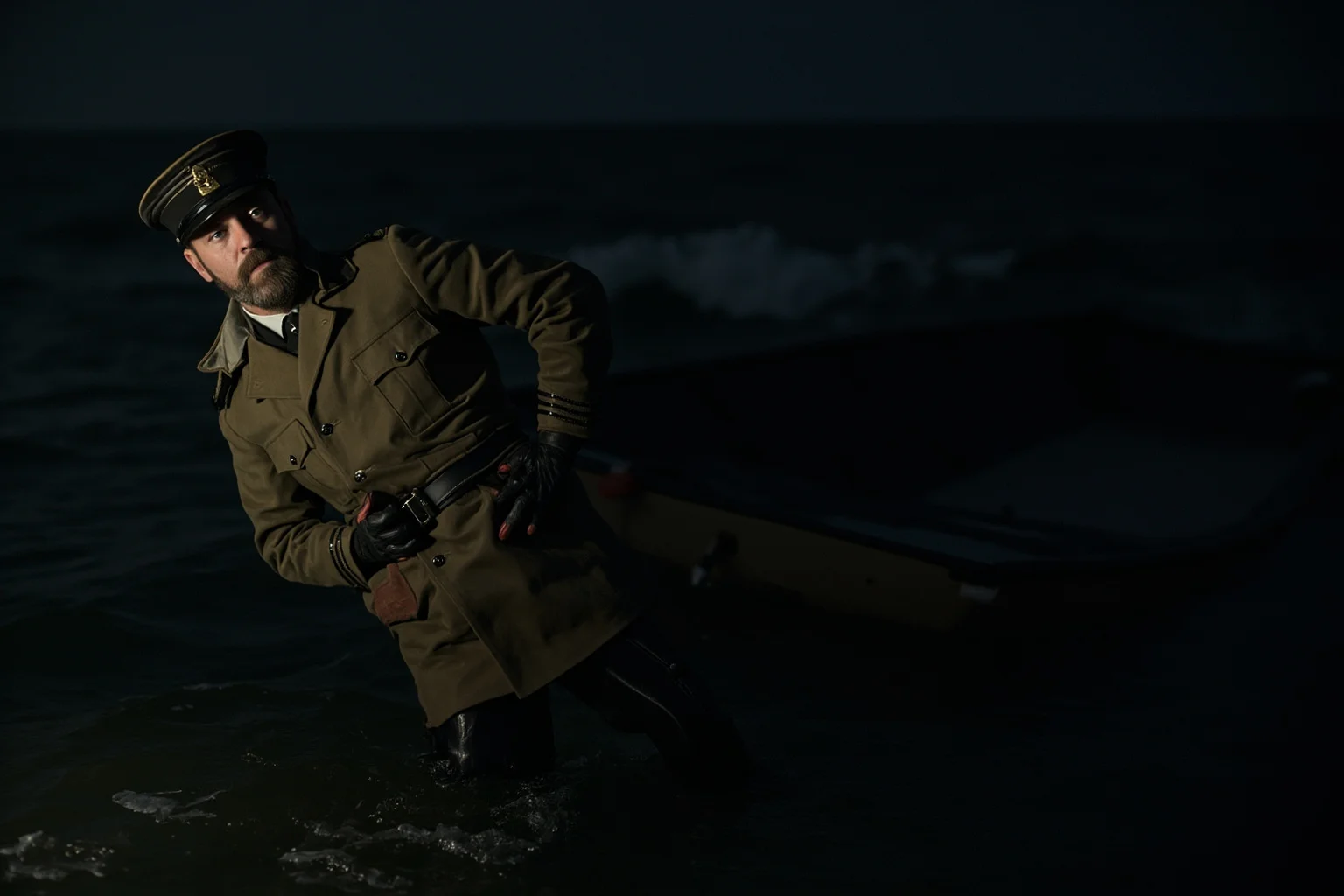
Gracie was a U.S. Army officer and amateur historian who survived by riding out the sinking on an overturned collapsible lifeboat. He later wrote “The Truth About the Titanic” (1913), one of the earliest detailed survivor accounts.
Gracie’s health declined sharply after the disaster, and he died in December 1912, just months after the sinking. Many attributed his decline to the physical toll of prolonged exposure in the freezing water.
4. Charles Lightoller
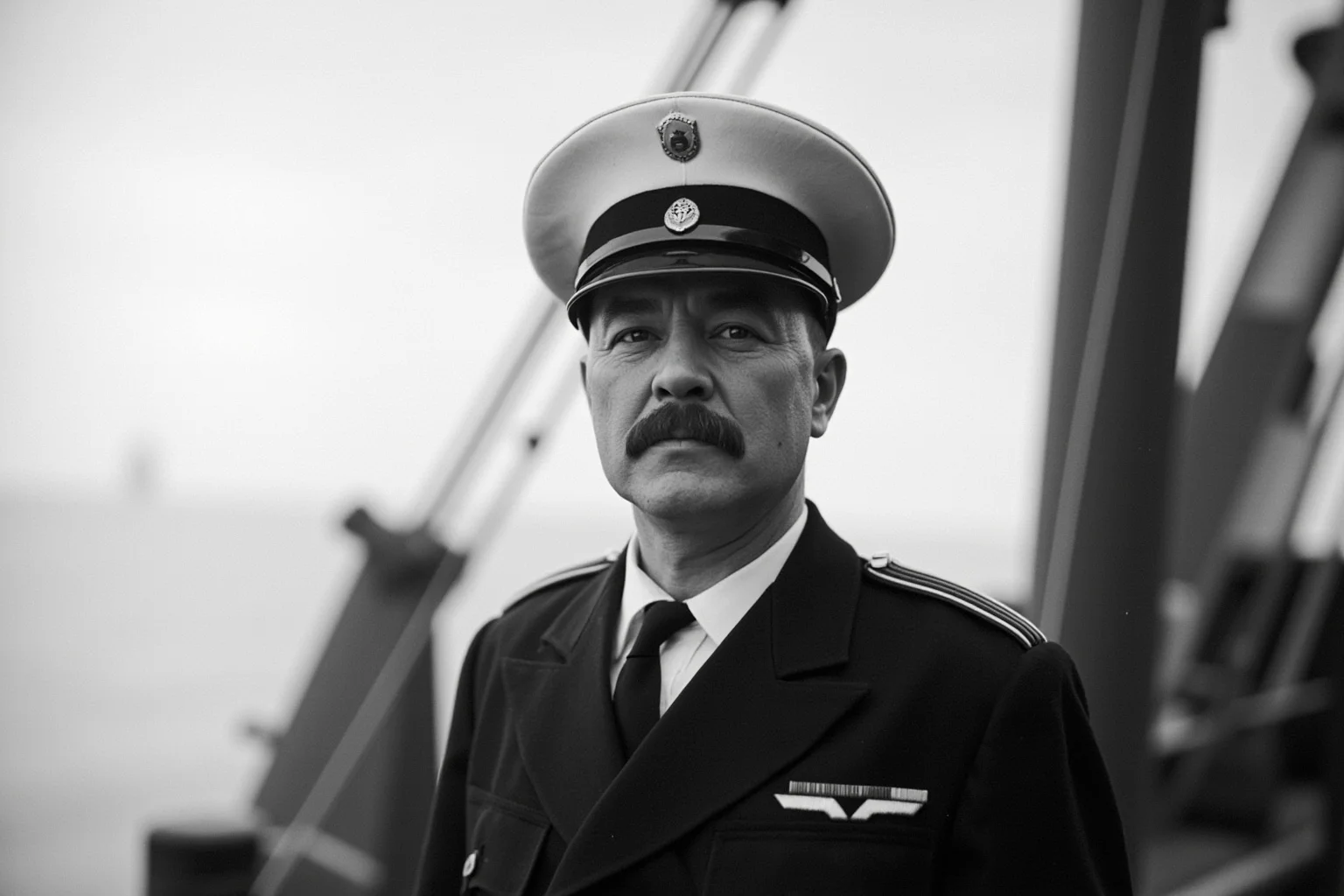
As Second Officer, Lightoller was the most senior surviving crew member and a key witness at both official inquiries into the sinking. He was swept off the ship and survived by climbing onto an overturned collapsible boat.
Lightoller went on to have a remarkable second act: decades later, during World War II, he personally piloted his own boat to help evacuate soldiers from Dunkirk in 1940.
5. Lucy Noël Martha, Countess of Rothes
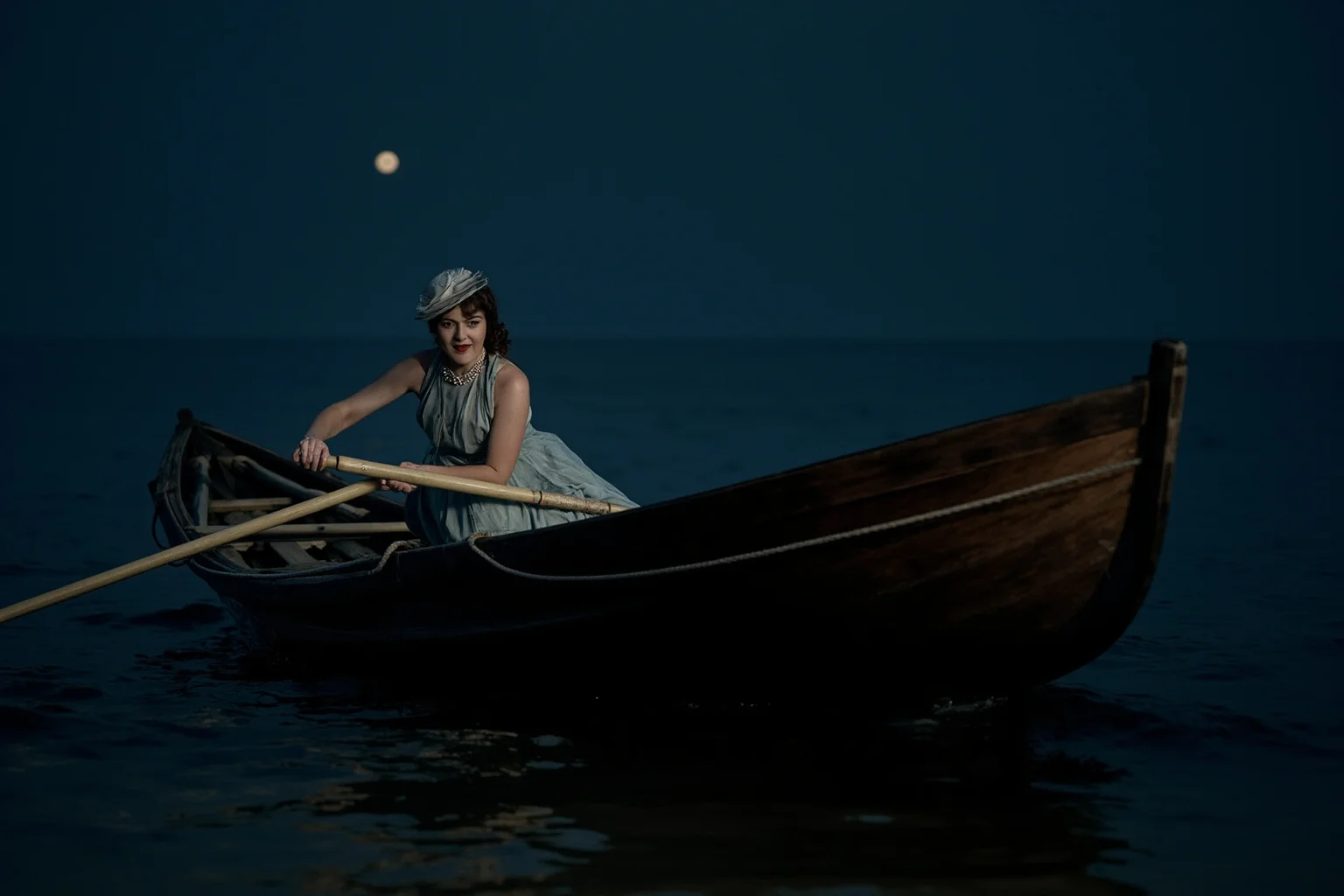
The Countess of Rothes boarded Lifeboat 8 and, by multiple survivor accounts, took an active role steering the boat and comforting other passengers through the night. Crew members later praised her calm leadership.
Her story is a useful corrective to the idea that upper-class passengers simply sat passively in lifeboats — several, including Rothes, took real hands-on roles helping others survive, echoing the kind of leadership shown by many of history’s most powerful women.
6. Dorothy Gibson

Gibson was a silent film actress who survived in Lifeboat 1. Remarkably, she starred in “Saved from the Titanic,” a film loosely based on her own experience, released just weeks after the disaster in May 1912.
The film is now considered lost, with no known surviving copies. Gibson’s later life took a darker turn amid allegations of Nazi sympathizing during World War II, and she died in Paris in 1946.
7. Lawrence Beesley
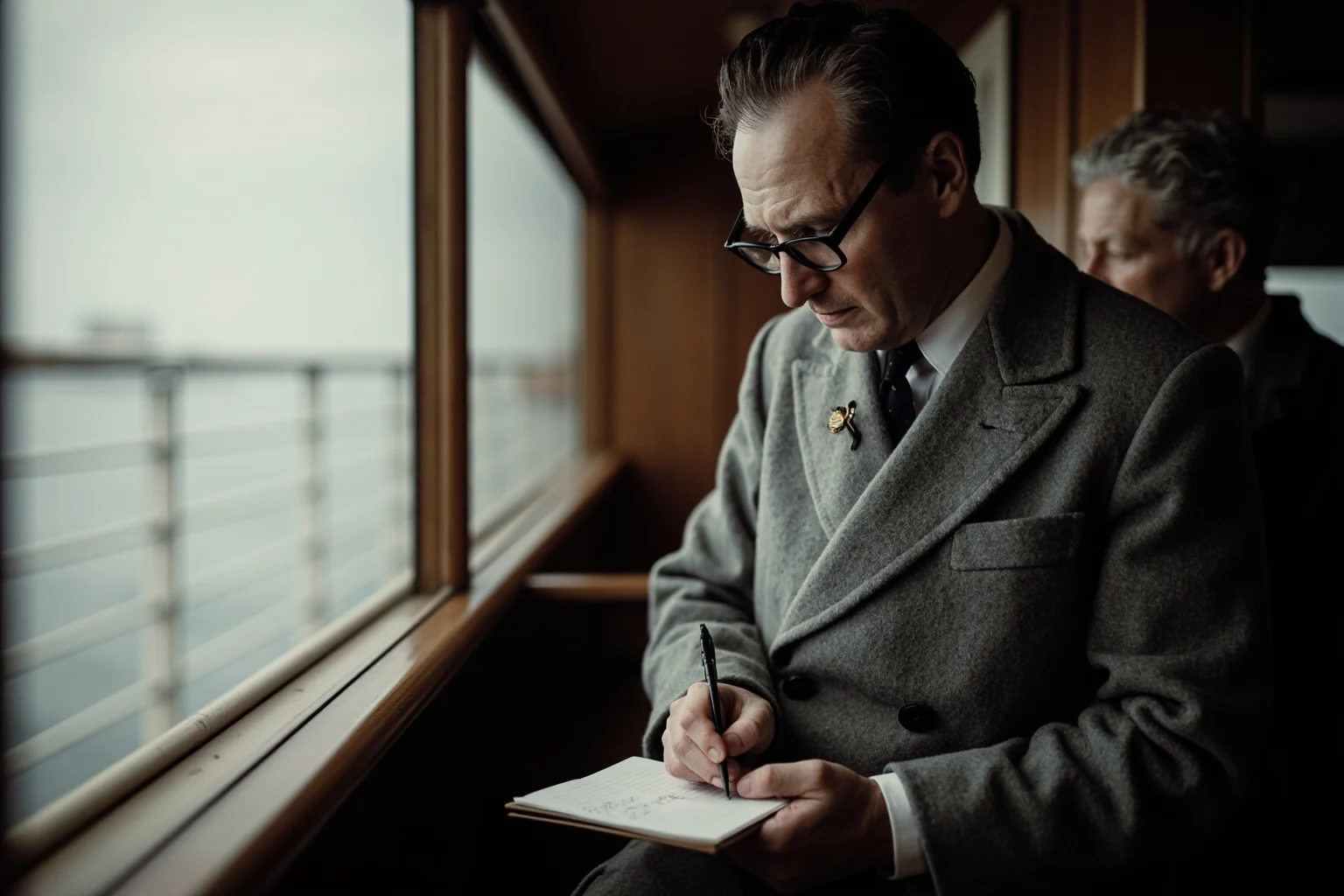
Beesley was a British science teacher whose memoir, “The Loss of the SS Titanic,” published in 1912, became one of the most widely read firsthand accounts of the sinking. His detailed, sober narrative shaped much of the public understanding of the disaster for decades.
His book was later used as source material for the classic 1958 film “A Night to Remember,” and reportedly Beesley tried to get himself cast as an extra in it.
8. Eleanor Widener
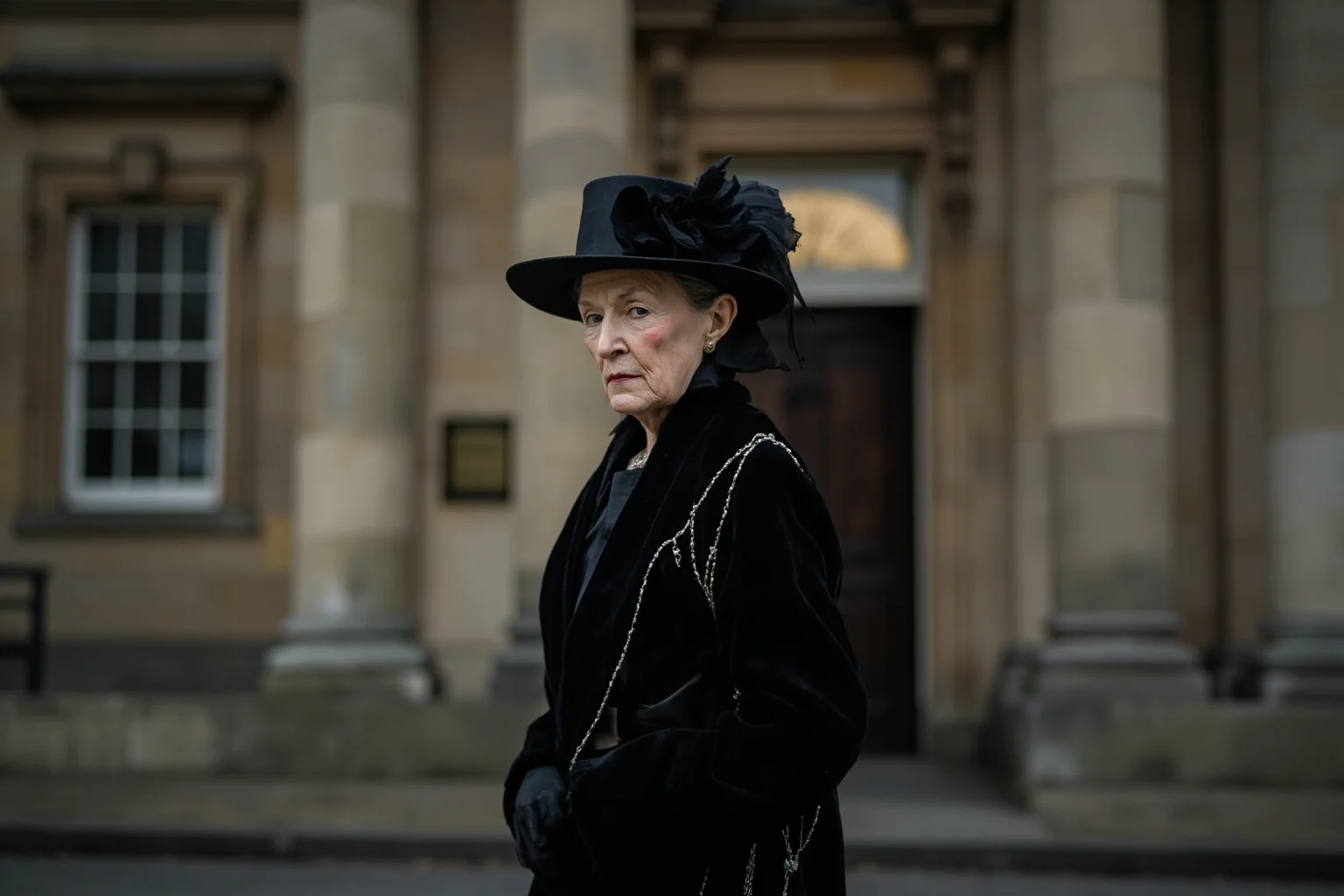
Eleanor Widener survived in Lifeboat 4, but both her husband George and son Harry died in the sinking. In her son’s memory, she funded the construction of the Harry Elkins Widener Memorial Library at Harvard University.
That library still stands today as one of the most visible physical legacies connected to any Titanic passenger, famous or otherwise.
9. Madeleine Astor
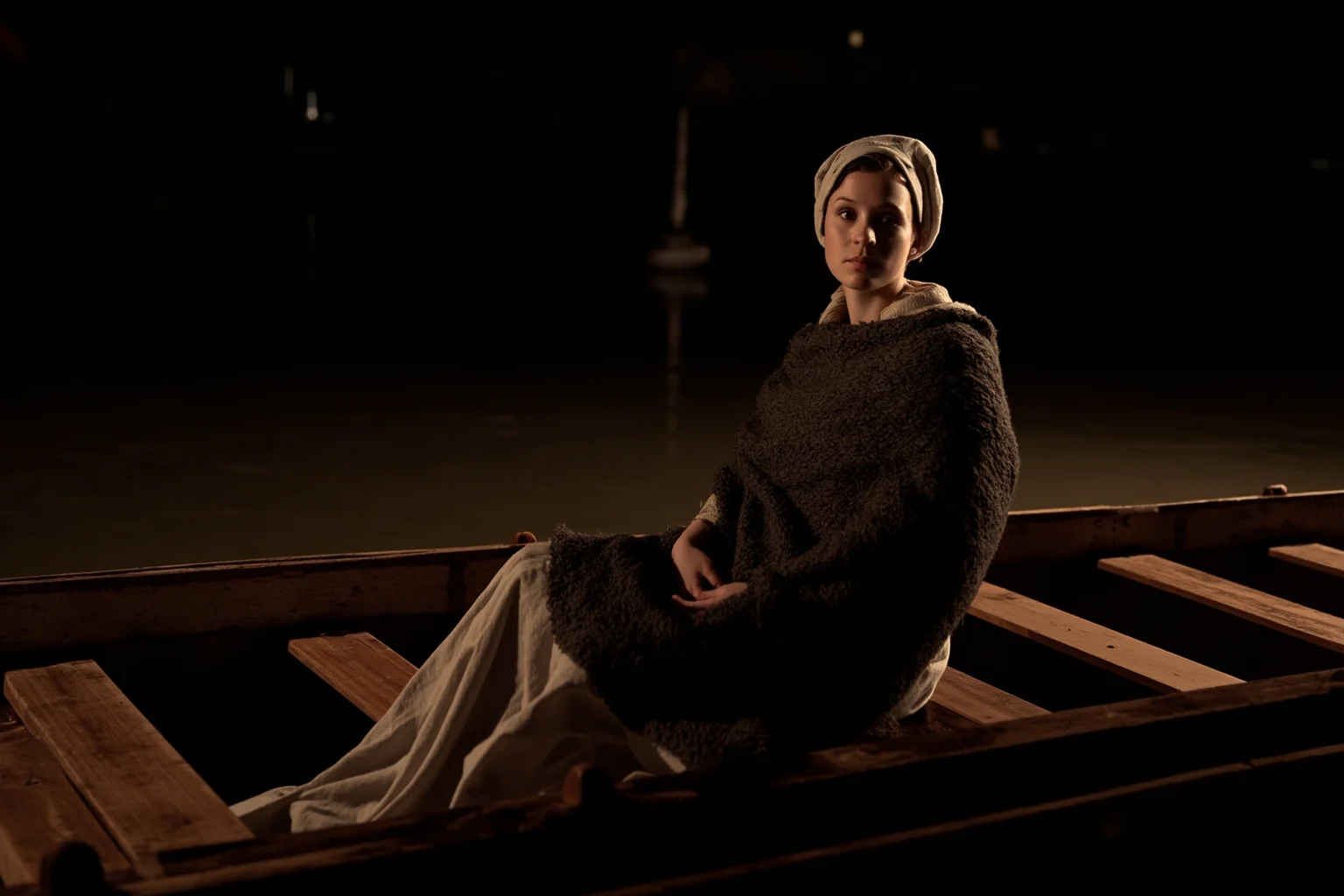
Madeleine Astor was just 18 and pregnant when she boarded Lifeboat 4. Her husband, real estate magnate John Jacob Astor IV, did not survive.
She gave birth to their son, John Jacob Astor VI, several months later. Her survival and young widowhood made her one of the most closely followed figures in the disaster’s aftermath.
10. Renée Harris
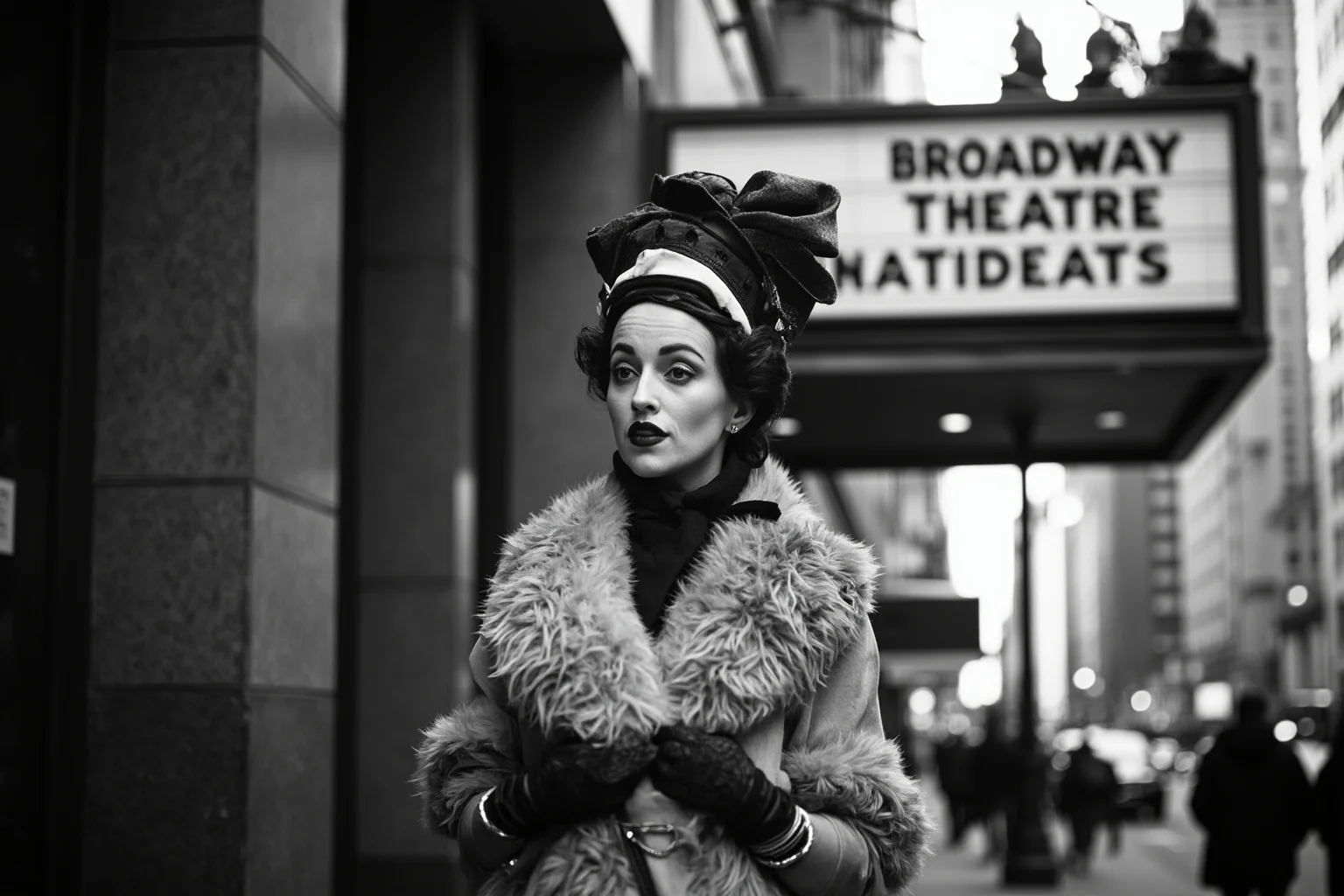
Renée Harris was a pioneering Broadway theatrical producer traveling with her husband, Henry Birkhardt Harris, who died in the sinking. She survived with a serious arm injury sustained while boarding a lifeboat.
She went on to become one of the few female theater producers of her era, continuing her late husband’s Broadway business for years afterward.
11. Masabumi Hosono
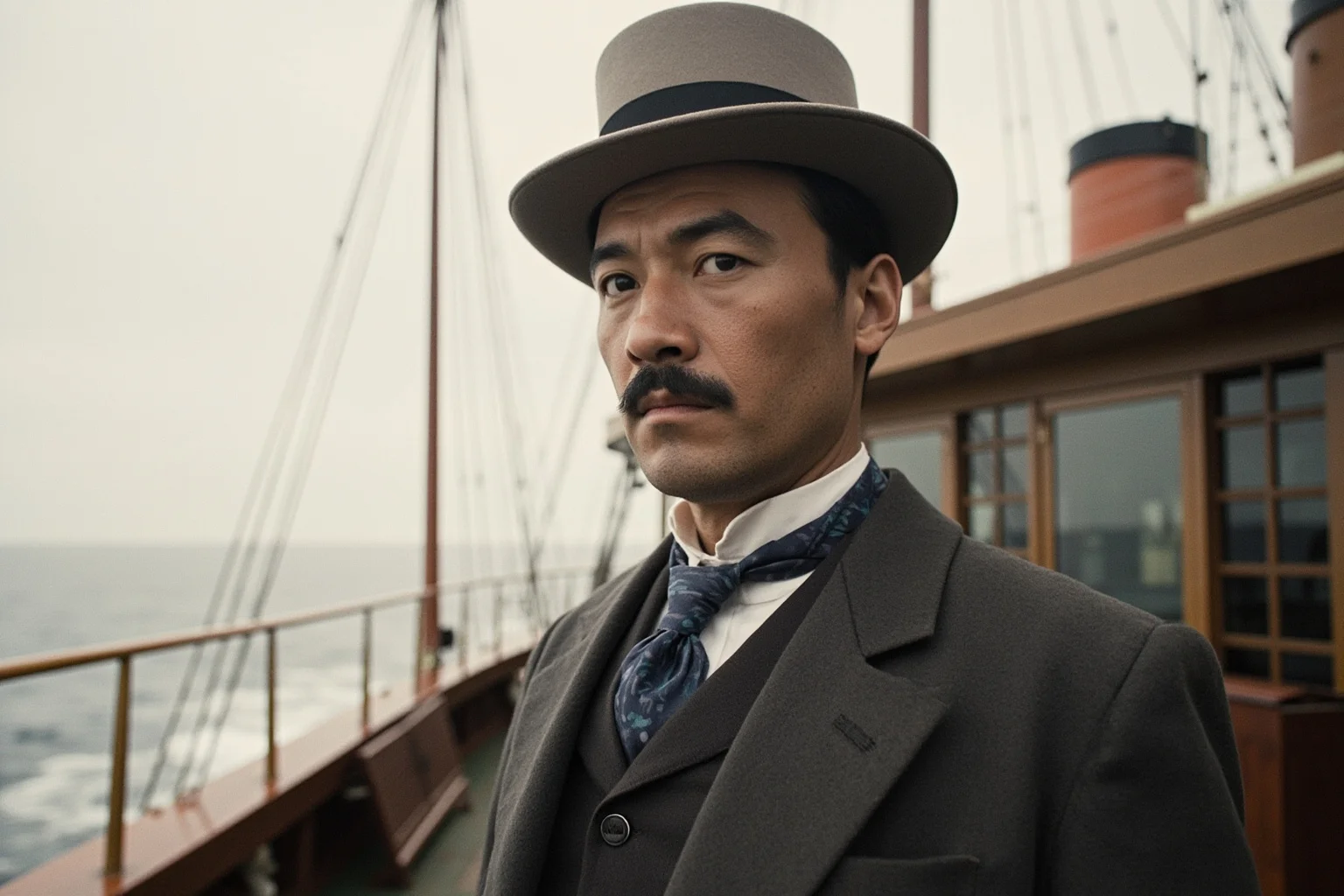
Hosono was the only Japanese passenger aboard Titanic, and his survival made him a controversial figure back home. He was publicly criticized in Japan, where surviving instead of “going down with the ship” was viewed by some as dishonorable, and he reportedly lost his government job over it.
His reputation was largely rehabilitated later in the 20th century as attitudes shifted and his detailed written account of the sinking gained historical recognition.
12. Violet Jessop
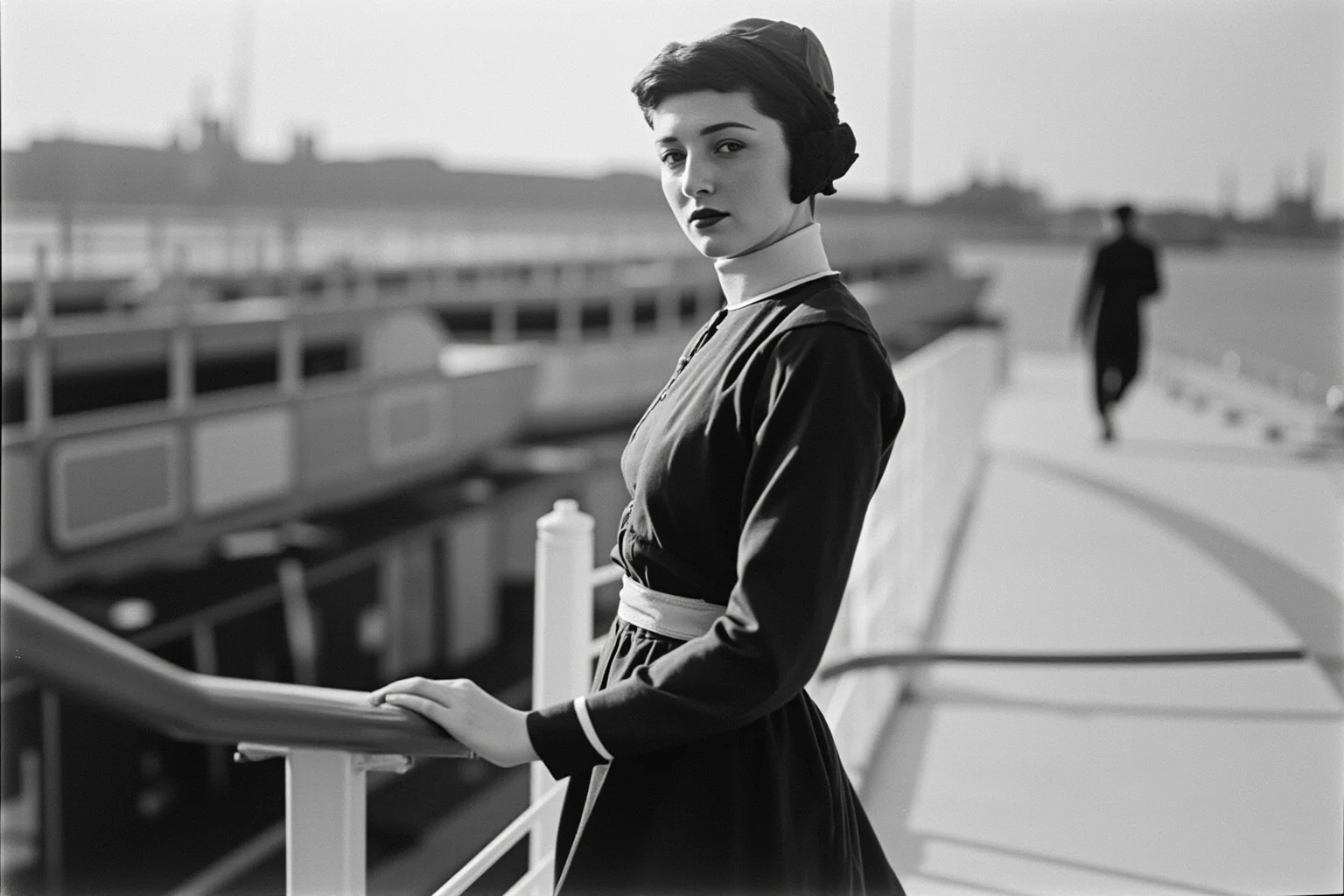
Jessop was a stewardess with an almost unbelievable maritime survival record. She was aboard Titanic’s sister ship RMS Olympic during its 1911 collision, survived the Titanic sinking in 1912, and then survived the sinking of another sister ship, HMHS Britannic, in 1916.
Unlike Molly Brown’s posthumous nickname, Jessop’s reputation for surviving disaster after disaster was earned in real time, across three separate incidents involving Titanic-class ships.
Famous People Who Died on the Titanic
The list of famous people who died on the Titanic includes some of the wealthiest and most influential men of the Gilded Age. Their deaths were front-page news around the world within days of the sinking.
13. John Jacob Astor IV
Astor was widely considered the richest man aboard Titanic, with a fortune built on New York real estate. He reportedly helped his young wife Madeleine into a lifeboat but was refused a seat himself and did not survive.
His body was later recovered by the cable ship Mackay-Bennett, one of the vessels sent specifically to retrieve bodies from the wreck site.
14. Isidor Straus
Straus was co-owner of Macy’s department store and a former U.S. Congressman. He was offered a seat in a lifeboat due to his age but refused, reportedly saying he would not go before other men had a chance.
His refusal became one of the most cited examples of the “women and children first” ethos that governed (imperfectly) the ship’s evacuation.
15. Ida Straus
Ida, Isidor’s wife, refused to leave her husband and gave up her own lifeboat seat, reportedly telling her maid to take it instead. The couple’s decision to stay together became one of the most repeated stories from the disaster.
Their devotion is commemorated with a memorial in New York’s Straus Park, dedicated shortly after the sinking.
16. Benjamin Guggenheim
Guggenheim, a mining industry heir, is remembered for allegedly changing into formal evening wear as the ship went down, telling a steward that he and his valet intended “to die like gentlemen.” This account comes from surviving crew testimony rather than Guggenheim’s own words, so it should be treated as a widely reported claim rather than an absolute certainty.
His daughter, art patron Peggy Guggenheim, later became one of the most influential collectors in modern art history.
17. George Dunton Widener
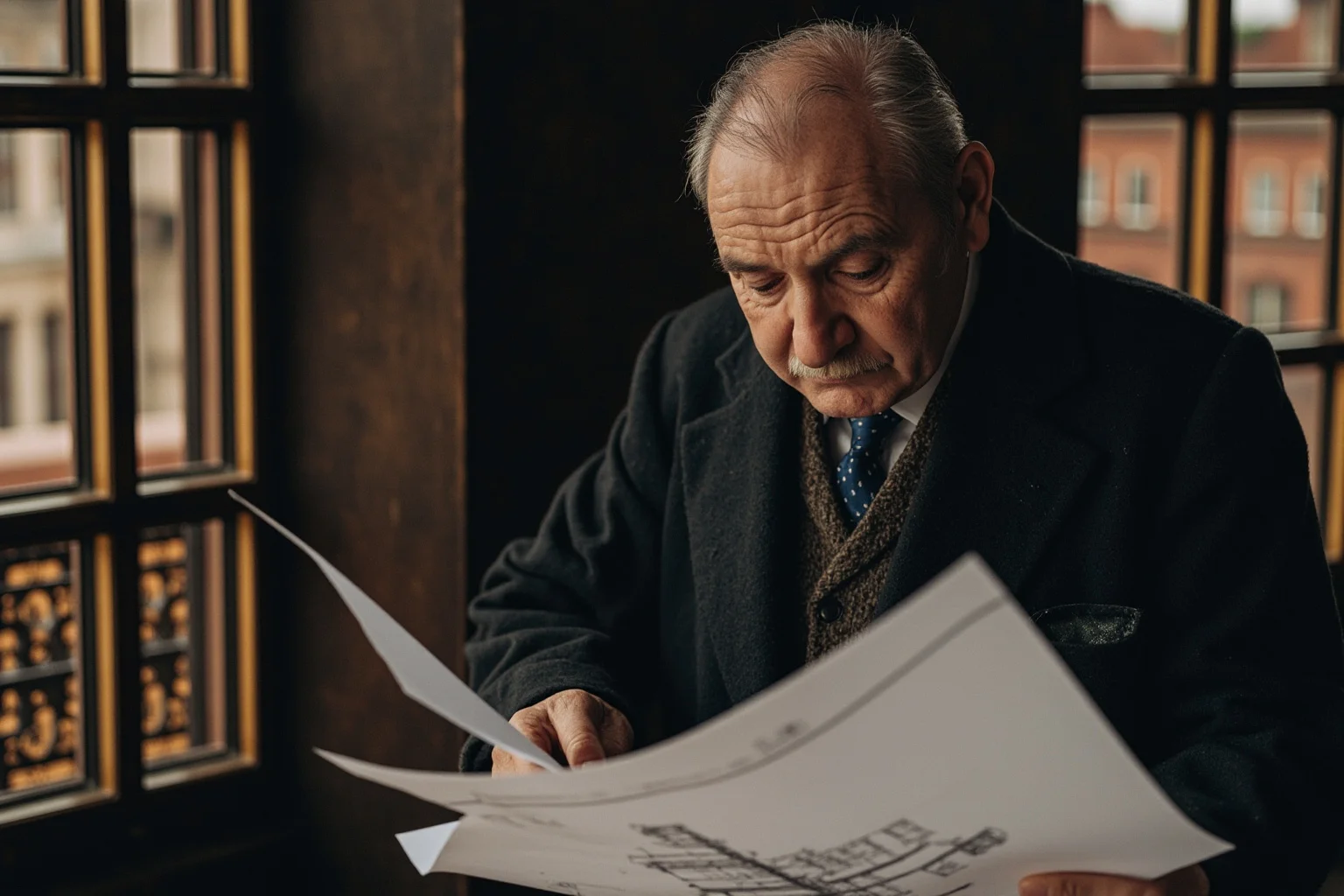
Widener was a Philadelphia streetcar and transit tycoon traveling with his wife Eleanor and son Harry. He did not survive, while his wife did.
His death, alongside his son’s, left Eleanor Widener to carry forward the family’s philanthropic legacy alone.
18. Harry Elkins Widener
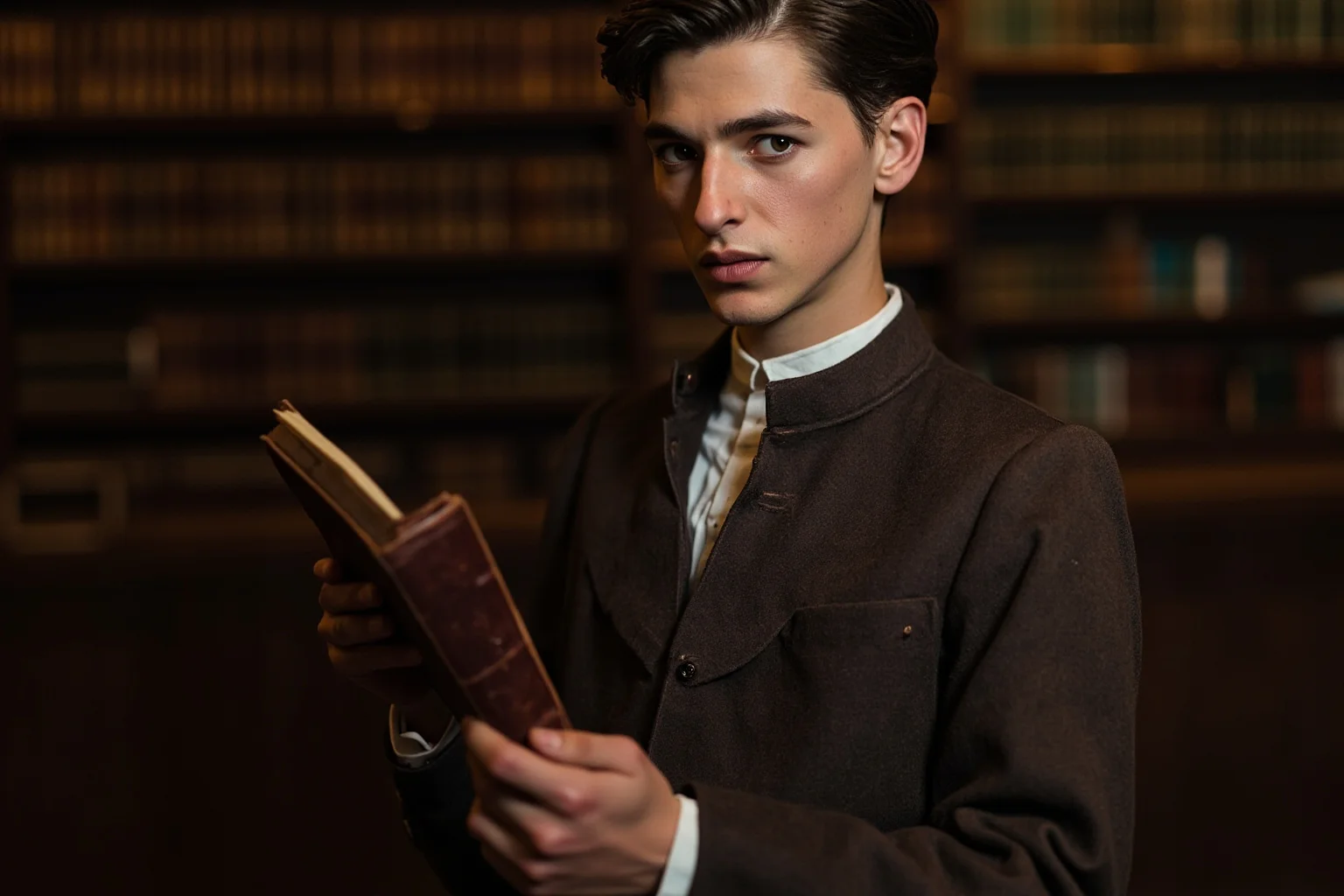
Harry, George’s son, was a young and passionate rare book collector. He reportedly went back for a treasured book before the ship went down, though like many Titanic anecdotes, the precise details are difficult to confirm with full certainty.
His mother’s memorial gift in his name created Harvard’s Widener Library, one of the largest academic libraries in the world today.
19. Charles Melville Hays
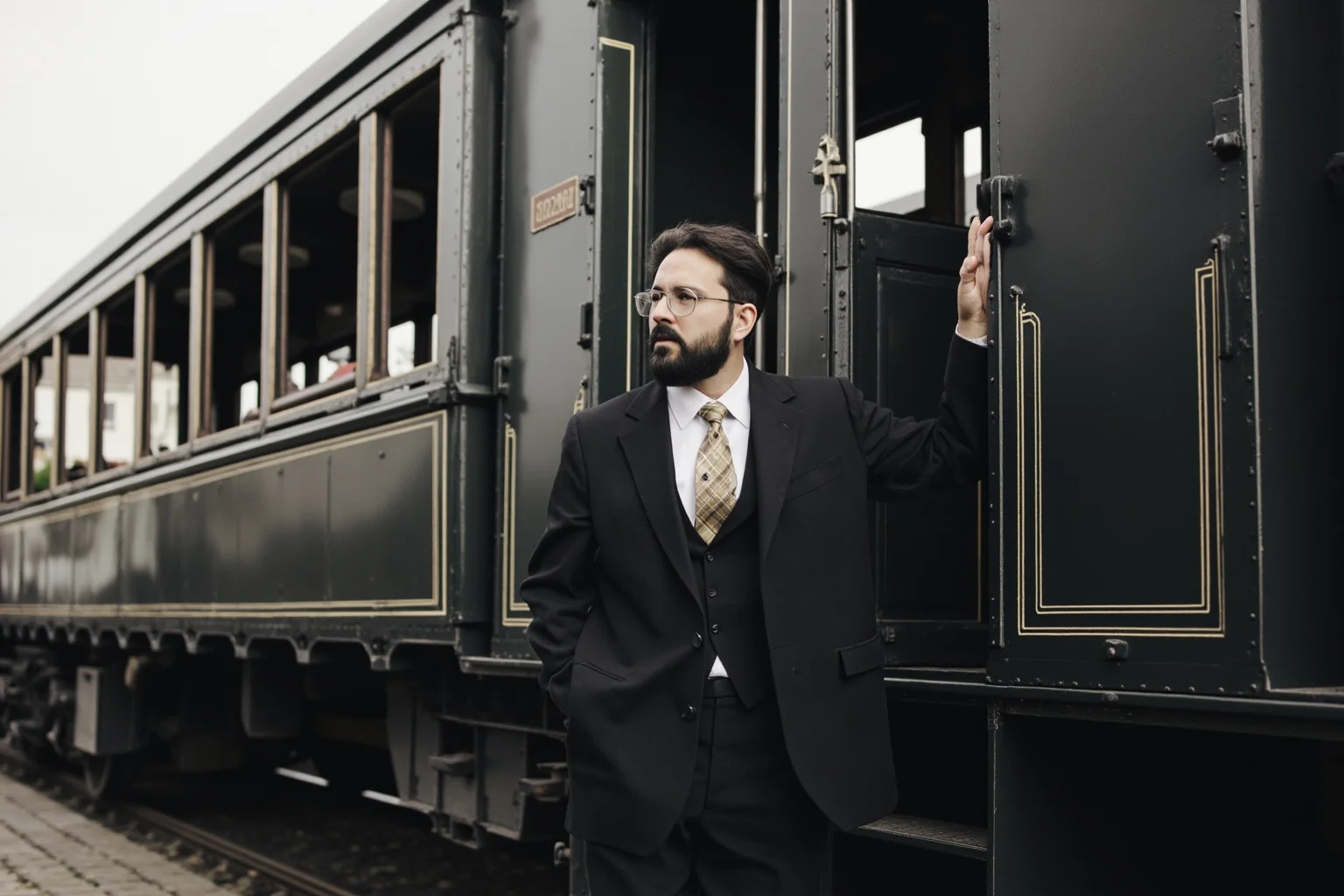
Hays was president of Canada’s Grand Trunk Railway and was aboard Titanic in part to discuss plans for a grand new railway hotel. Several passengers later recalled him expressing unease about the industry’s rush to build ever-larger, supposedly unsinkable ships.
His death was a significant loss for Canadian railway expansion plans in the following years.
20. Jacques Futrelle
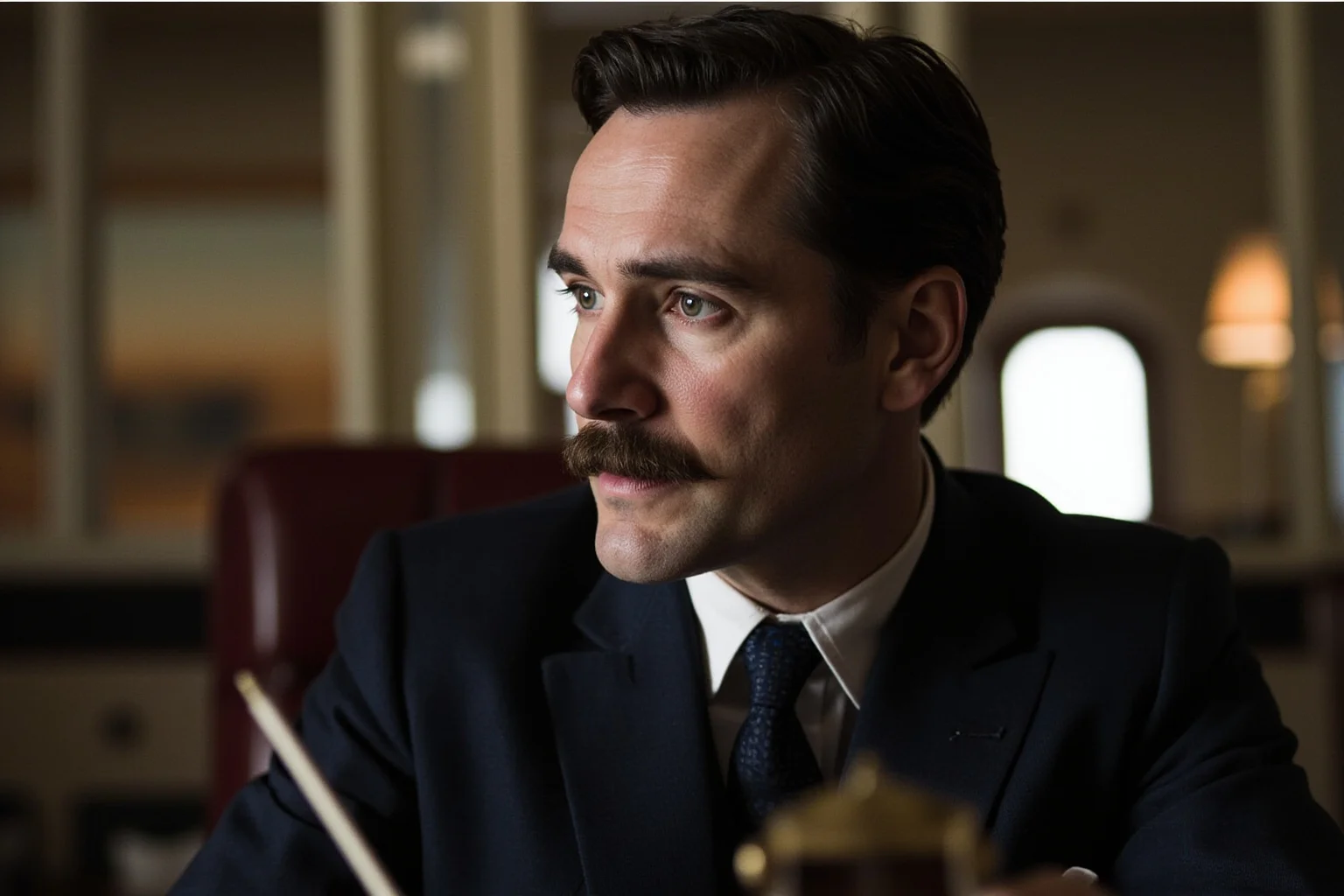
Futrelle was an American journalist and mystery writer, best known for creating the popular “Thinking Machine” detective stories. He put his wife, fellow writer Lily May Futrelle, into a lifeboat and did not survive himself.
His unfinished and lost manuscripts have occasionally been the subject of speculative interest among mystery fiction historians.
21. William Thomas Stead
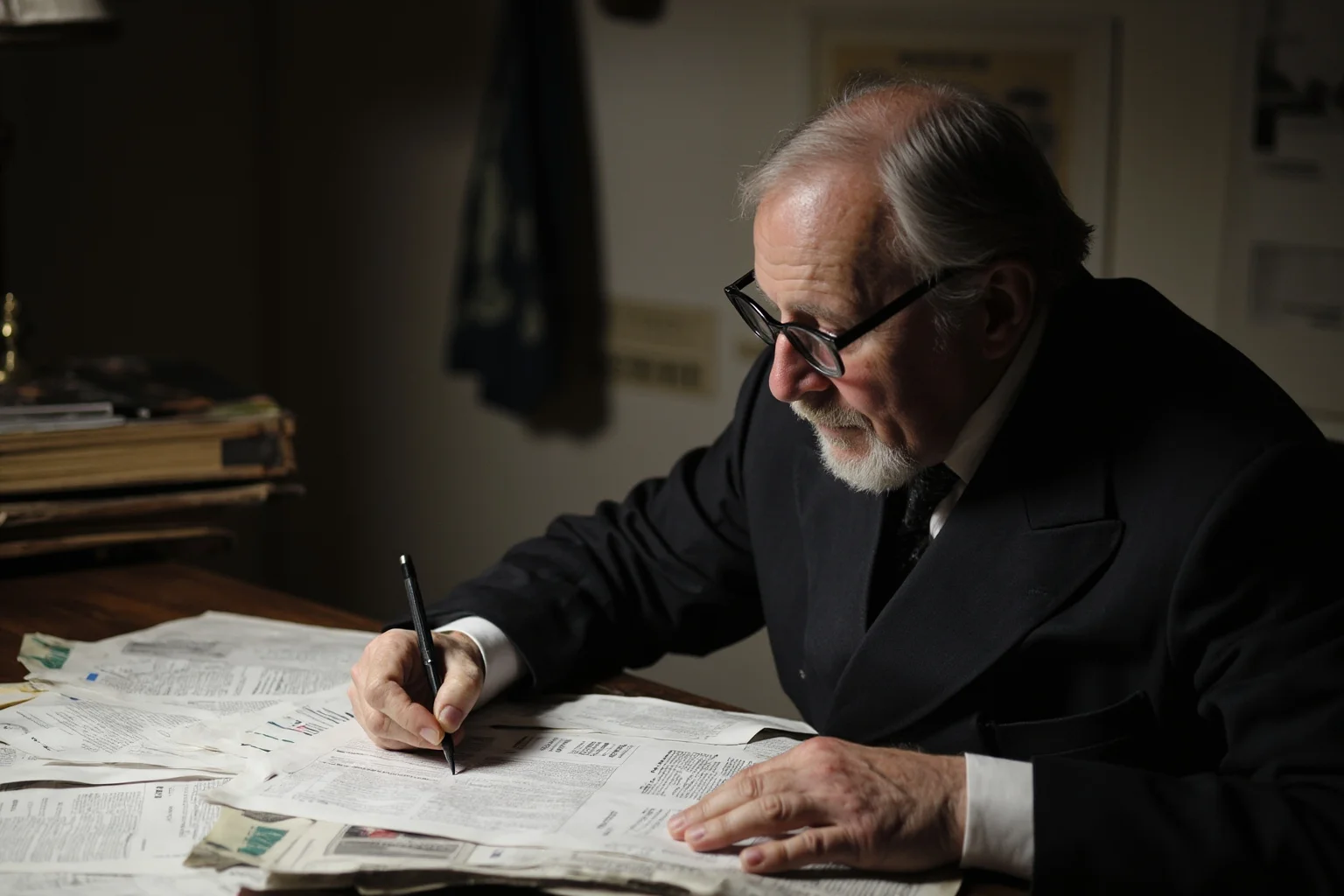
Stead was a highly influential British journalist and one of the pioneers of investigative “new journalism” in the late 19th century. He was also a peace activist traveling to speak at a peace congress in New York.
He is sometimes linked to eerie pre-disaster writings about ship sinkings, and while he did write fiction touching on maritime disaster decades earlier, claims that he specifically “predicted” the Titanic sinking are exaggerated and should be treated skeptically.
22. Major Archibald Butt
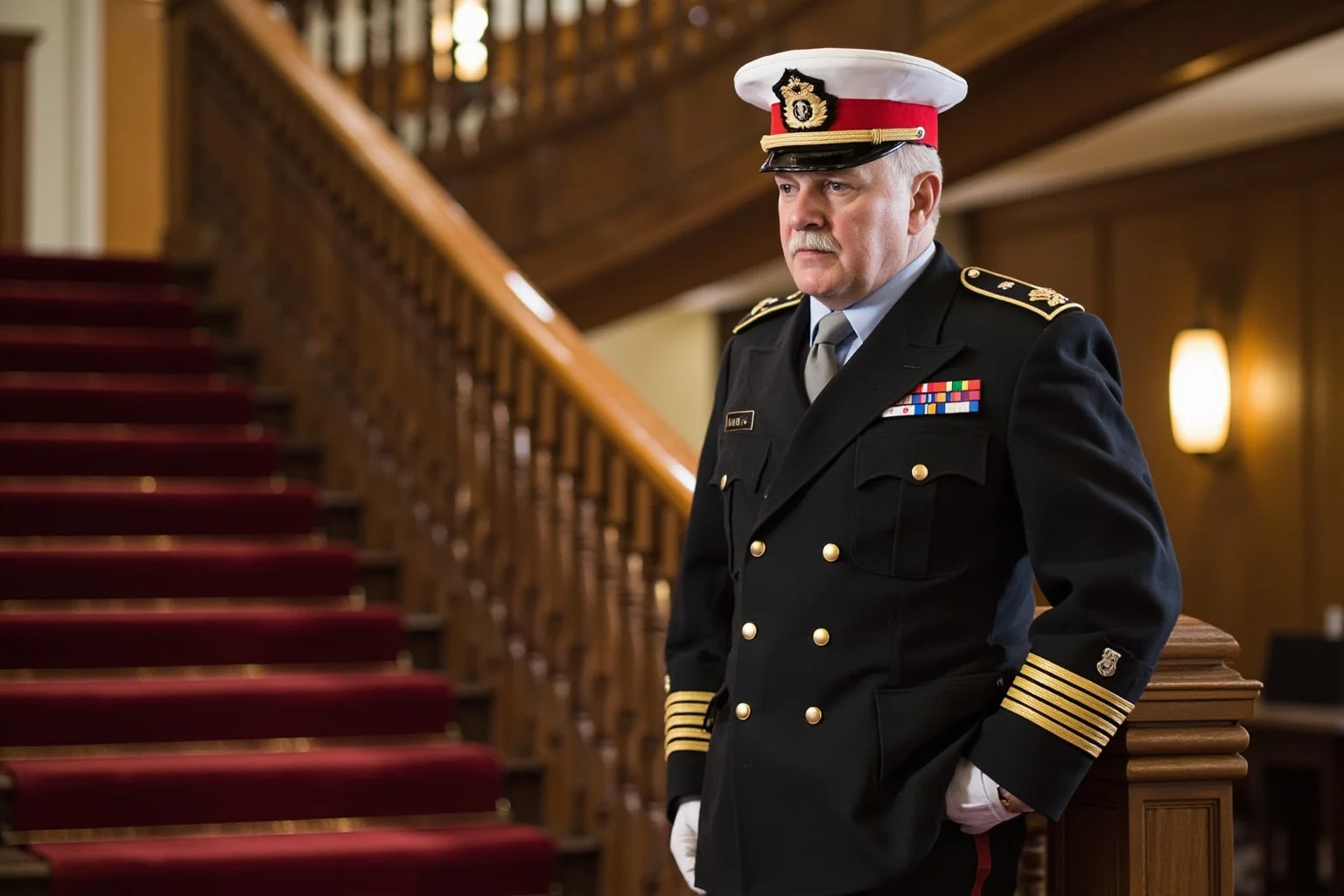
Butt was a senior military aide to President William Howard Taft, making him one of the most politically connected Americans aboard. He was last seen helping women and children into lifeboats.
His close friend, the painter Francis Davis Millet, also died in the sinking, and the two are sometimes remembered together in Titanic memorial art and writing.
Who Rescued the Titanic Survivors?
The ship that rescued the Titanic survivors was RMS Carpathia, a Cunard Line steamer under the command of Captain Arthur Rostron. Carpathia was roughly 58 nautical miles away when its wireless operator, Harold Cottam, picked up Titanic’s distress call.
Rostron immediately turned the ship around and pushed it through icy, iceberg-strewn waters at emergency speed, arriving at the scene around 4 a.m., about two hours after Titanic sank. Carpathia’s crew pulled more than 700 survivors from the lifeboats and cared for them until reaching New York.
The distress call itself was sent by Titanic’s own wireless operators, Jack Phillips and Harold Bride, who stayed at their posts sending signals until very late in the sinking. Phillips did not survive; Bride did, and later gave testimony about the wireless room’s final hours.
Captain Rostron was widely celebrated afterward, receiving a Congressional Gold Medal from the United States for his role in the rescue. Other ships, including the Californian, were criticized during the subsequent inquiries for not responding to Titanic’s distress signals, a controversy that shaped maritime radio regulations for years afterward.
Why These Stories Still Matter
More than a century later, the fascination with Titanic’s famous passengers hasn’t faded, and it’s easy to see why. The disaster crystallized real class divides, genuine heroism, and very human failures, all playing out among people whose names were already known to the public before the ship ever left Southampton.
It’s worth remembering, though, that not every dramatic detail passed down through the decades is fully verified. Some stories, like Guggenheim’s final words or Widener’s return for a book, rest on secondhand survivor testimony rather than ironclad documentation. Good history means appreciating the drama while staying honest about what we actually know.
The mix of famous Titanic passengers who survived and those who didn’t reminds us that the ship’s sinking wasn’t just a maritime engineering failure. It was a human event, shaped by individual choices, social hierarchies of the era, and, in the case of Carpathia’s crew, genuine heroism under pressure.
Frequently Asked Questions
Who are the most famous people that died on the Titanic?
Among the most famous people that died on the Titanic were John Jacob Astor IV, considered the wealthiest passenger aboard; Macy's co-owner Isidor Straus and his wife Ida, who died together after refusing to be separated; mining heir Benjamin Guggenheim; Harvard book collector Harry Elkins Widener and his father George; journalist and mystery writer Jacques Futrelle; British journalist William Thomas Stead; and Major Archibald Butt, a senior aide to President Taft.
Who rescued the survivors of the Titanic?
RMS Carpathia, a Cunard Line steamship captained by Arthur Rostron, rescued the Titanic survivors. After receiving Titanic's distress call via wireless, Carpathia raced to the scene and pulled more than 700 people from the lifeboats several hours after the sinking, then carried them safely to New York.
Which famous people survived the Titanic?
Notable Titanic survivors include Margaret 'Molly' Brown, White Star Line chairman J. Bruce Ismay, Second Officer Charles Lightoller, socialite Madeleine Astor, actress Dorothy Gibson, author Lawrence Beesley, the Countess of Rothes, and stewardess Violet Jessop, who also survived two other maritime disasters involving Titanic's sister ships.
Was Molly Brown actually called ‘unsinkable’ at the time of the Titanic disaster?
Not really. While Margaret Brown was genuinely praised for her actions on Lifeboat 6, the specific nickname 'the Unsinkable Molly Brown' became widely popularized decades later, largely through a 1960 Broadway musical and its 1964 film adaptation, rather than during her own lifetime.
How many notable or wealthy passengers were on the Titanic?
Titanic's first-class list included dozens of prominent industrialists, socialites, and public figures, since White Star Line specifically marketed the maiden voyage to wealthy and well-known travelers. Exact counts of 'notable' passengers vary by definition, but historians generally point to several dozen figures of real public prominence among the roughly 1,300 passengers aboard.
Did any Titanic crew members become famous after the disaster?
Yes. Second Officer Charles Lightoller became the most senior surviving officer and later gained fame again in World War II for helping evacuate troops from Dunkirk. Stewardess Violet Jessop also became known for surviving Titanic plus two other major incidents involving its sister ships, Olympic and Britannic.

Alex Warren
Related Articles





