

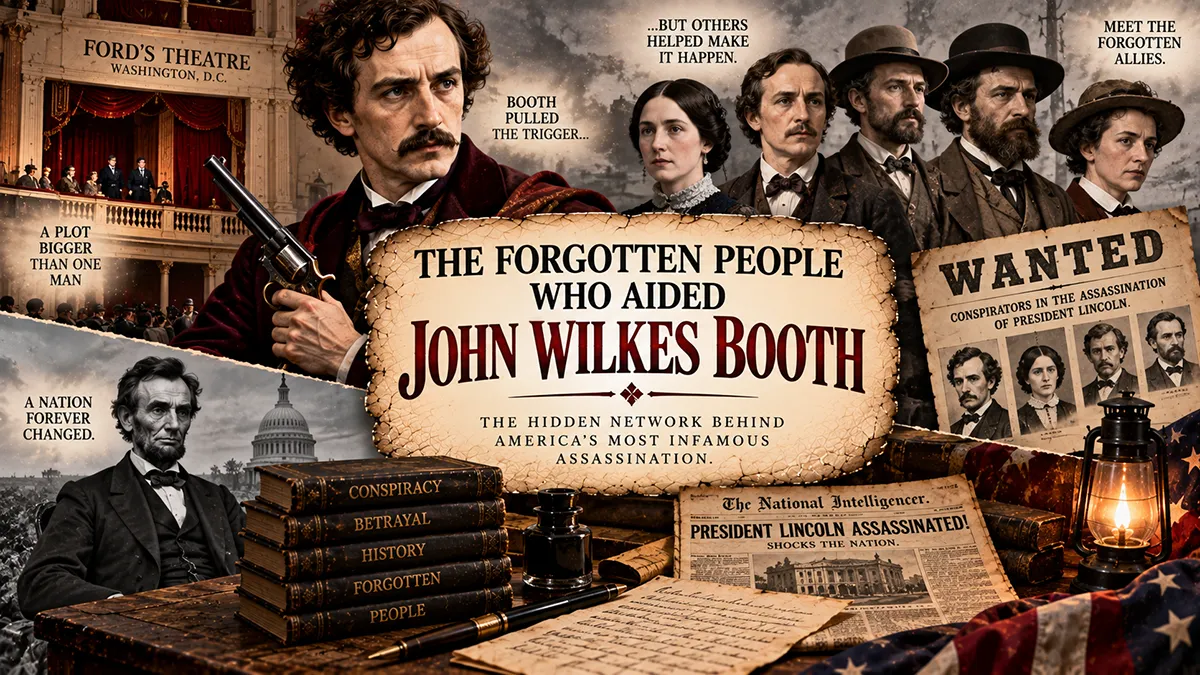
When we picture the assassination of Abraham Lincoln—one of the most recognized historical figures of all time—we usually picture one man: John Wilkes Booth, pistol in hand, leaping from a theater box. But Booth never acted alone.
Behind the single gunshot at Ford’s Theatre was a sprawling network of conspirators, Confederate sympathizers, tavern keepers, doctors, and ordinary people scattered across Maryland and Virginia who fed him, hid him, armed him, or simply looked the other way.
Some of these people knew exactly what they were helping accomplish. Others had no idea they were sheltering the most wanted man in American history. This is the story of the forgotten cast of characters who made Booth’s plot, his escape, and his final days possible.
TL;DR: John Wilkes Booth’s plot to kill Lincoln succeeded and nearly let him escape because of a wide, often overlooked network of conspirators, Confederate agents, and unwitting bystanders who armed, hid, fed, and misled the manhunters chasing him.
Who Was John Wilkes Booth Before 1865?
Booth was not a random extremist who appeared out of nowhere. He was born into one of the most famous acting families in America, the son of Junius Brutus Booth and younger brother of Edwin Booth, who was arguably the most celebrated Shakespearean actor of his generation.
That family name gave John Wilkes Booth built-in resources and opportunities that few assassins in history have ever had: money, connections, public sympathy, and instant access to theaters up and down the East Coast.
His early influences came largely from mentors and family within the theater world, where he learned stagecraft, charisma, and how to command a room. By his twenties, Booth had built genuine recognition and reputation as a talented, matinee-idol-handsome actor, performing in cities across the North and South.
That fame later became one of his greatest assets as a fugitive, since his face was recognized everywhere, but his charm and connections also opened doors that a less famous man never could have walked through.
Booth was also a committed Confederate sympathizer, though he never enlisted in the Confederate army. Historical records indicate Booth personally purchased at least one enslaved person years before the war, and he was an outspoken defender of slavery and the Southern cause. That ideology, more than any personal grievance against Lincoln, shaped everything that followed.
A few persistent rumors about Booth deserve a quick myth-check, the same kind of myth-busting that surrounds other historical mysteries, like why Vincent Van Gogh cut off his own ear.
There is no credible historical evidence that Booth was Jewish; the rumor appears to be a later fabrication with no documentary support, and his family was of English Protestant descent.
Similarly, there’s no verified record placing Booth in Masonic lodge membership rolls, so claims that he was a Freemason remain unsubstantiated folklore rather than documented fact.
What Was John Wilkes Booth’s Motive?
So why did he kill Lincoln? Booth originally organized a plot to kidnap the president, hoping to trade him for Confederate prisoners of war and revive a collapsing Confederate cause. That plan fell apart repeatedly through 1864 and early 1865.
Everything changed after General Robert E. Lee’s surrender at Appomattox on April 9, 1865. Booth, enraged by Confederate defeat and by Lincoln’s public support for Black suffrage, abandoned kidnapping for assassination. His motive was ultimately political and ideological: a last, desperate act meant to throw the Union government into chaos and, in his mind, avenge the South.
The Forgotten People Who Aided John Wilkes Booth
Booth’s plot depended on dozens of people, some fully complicit, others tricked or coerced. Here are the men and women, famous and forgotten, who conspired with John Wilkes Booth or unknowingly helped him along the way.
1. Mary Surratt
Mary Surratt ran the Washington, D.C., boardinghouse where Booth and his fellow conspirators met to plan the kidnapping, and later the assassination. Whether she knew the full scope of the plan remains debated among historians, but investigators considered her central enough to the conspiracy that she became the first woman executed by the U.S. federal government.
Her son, John Surratt Jr., was deeply involved in the earlier kidnapping scheme, which made her boardinghouse a natural hub. Letters, meetings, and messages all passed through her home in the months before April 1865.
2. Dr. Samuel Mudd
Dr. Samuel Mudd was a Maryland physician who treated Booth’s broken leg, sustained when he leapt from the presidential box, in the early hours after the shooting. Mudd claimed he did not recognize his patient, though prosecutors argued the two men had met before through the earlier kidnapping plot.
Mudd was convicted as a conspirator and imprisoned, though his guilt is still argued over by historians today. His farmhouse remains one of the most visited stops on any tour retracing Booth’s escape route.
3. Lewis Powell (Lewis Paine)
Lewis Powell, who went by the alias Lewis Paine, was assigned to kill Secretary of State William Seward the same night Lincoln was shot. Powell brutally attacked Seward with a knife, wounding him and several members of his household, though Seward survived.
Powell was a former Confederate soldier and one of Booth’s most physically imposing and loyal recruits. He was captured, tried, and hanged alongside three other conspirators in July 1865.
4. George Atzerodt
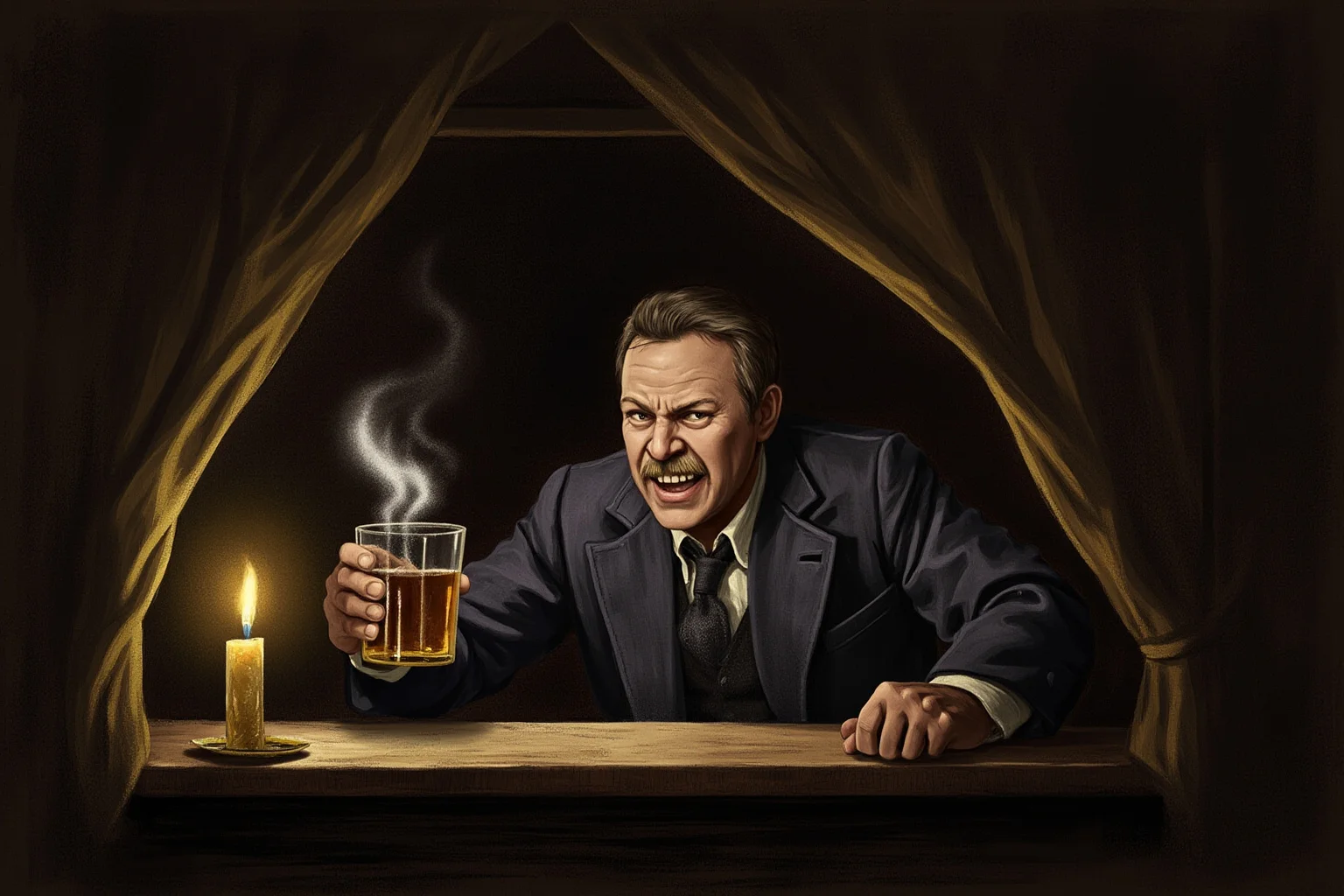
George Atzerodt was tasked with assassinating Vice President Andrew Johnson on the same night. He lost his nerve, got drunk in a hotel bar instead, and never attempted the killing.
Despite failing to act, Atzerodt was convicted for his role in the broader plot and executed with Powell, Herold, and Surratt. His case shows how the conspiracy was meant to be a coordinated decapitation of the U.S. government, not a lone act.
5. David Herold
David Herold was Booth’s companion throughout the entire escape, guiding him through the back roads of Maryland since he knew the region well. Herold had originally been paired with Atzerodt for the Johnson assassination attempt but instead joined Booth after the failed plan collapsed.
Herold stayed with Booth for nearly two weeks on the run, all the way to Virginia. He was captured with Booth at Garrett’s farm and later hanged for his role in the conspiracy.
6. John Surratt Jr.
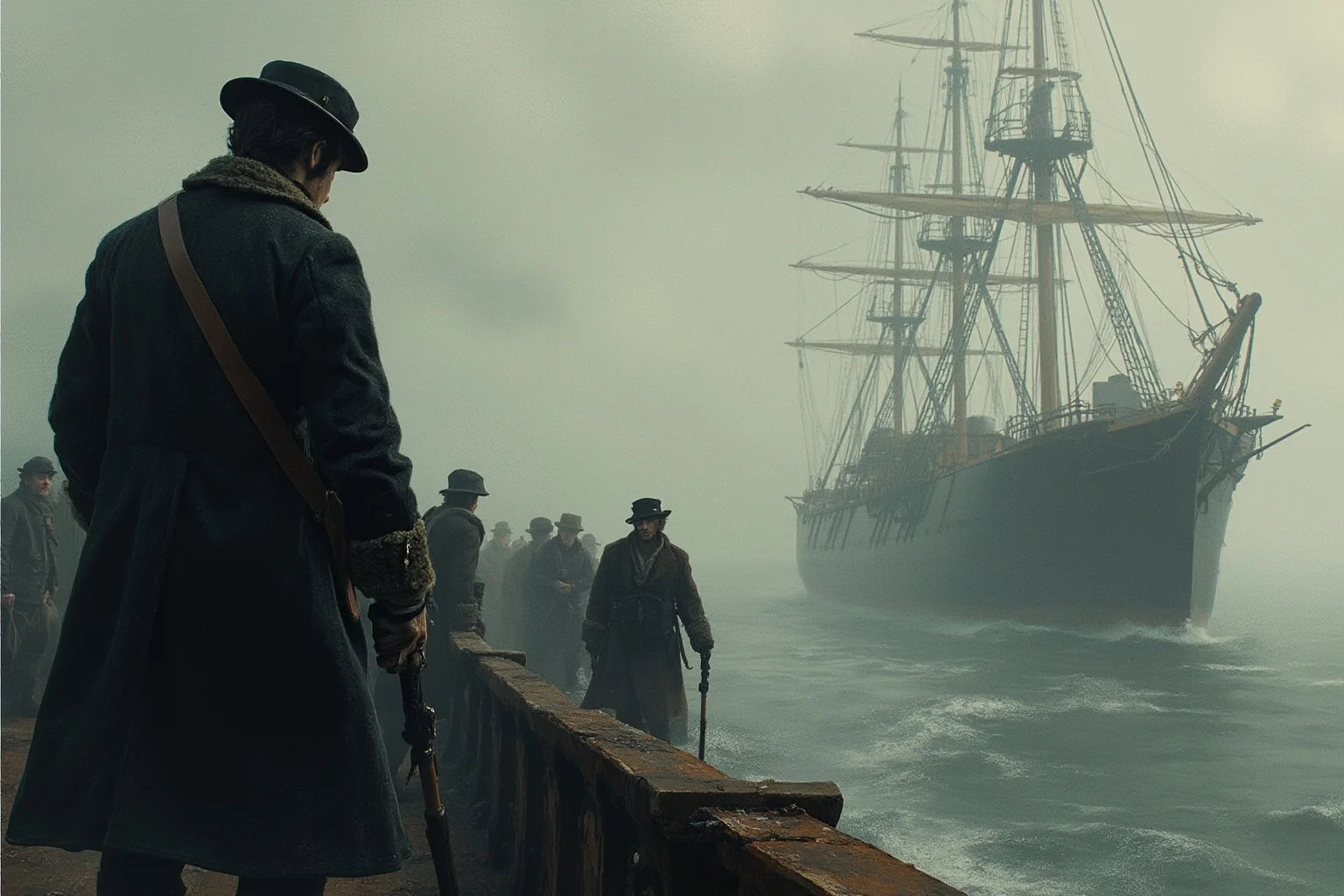
John Surratt Jr. was one of Booth’s earliest and most trusted recruits, deeply involved in the original kidnapping scheme. He also worked as a Confederate courier, giving him useful connections to the South’s underground communication network.
Surratt fled the country before he could be arrested, eventually turning up in Europe. He was captured years later, tried in 1867, and released after a mistrial, making him one of the few conspirators who was never punished.
7. Michael O’Laughlen
Michael O’Laughlen was a childhood friend of Booth’s who joined the original kidnapping plot. He had no direct role in the events of April 14, 1865, but his earlier involvement was enough to secure a conviction.
O’Laughlen was sentenced to life in prison and sent to Fort Jefferson in the Dry Tortugas. He died there in 1867 during a yellow fever outbreak.
8. Samuel Arnold
Samuel Arnold, another old friend of Booth’s from school, was also part of the original kidnapping conspiracy. Like O’Laughlen, he had backed out of active participation by the time the plan shifted to murder.
Arnold was still convicted and imprisoned at Fort Jefferson alongside O’Laughlen and Mudd. He was eventually pardoned in 1869 and lived for decades afterward, later writing a memoir about his involvement.
9. John M. Lloyd
John M. Lloyd managed the Surratt family tavern in Surrattsville, Maryland, which served as a supply depot for the escape. On the night of the assassination, Lloyd handed Booth and Herold weapons, field glasses, and other supplies that had been stashed there in advance.
Lloyd later testified against Mary Surratt, claiming she had personally instructed him to have the items ready. His testimony played a major role in her conviction.
10. Thomas A. Jones
Thomas A. Jones was a dedicated Confederate agent living along the Potomac River in Maryland. For nearly a week, he hid Booth and Herold in a dense pine thicket, bringing them food and newspapers while waiting for a safe moment to get them across the river.
Jones later said he was offered a large reward for turning Booth in but refused out of loyalty to the Confederate cause. His role remained largely unknown to authorities for years.
11. Samuel Cox

Samuel Cox was a wealthy Maryland farmer and Confederate sympathizer who gave Booth and Herold their first real hiding place after they fled Dr. Mudd’s home. Cox arranged for Thomas Jones, his foster brother, to take over hiding the fugitives in the nearby pine thicket.
Cox’s own home was too risky to hide them in directly, since Union troops frequently patrolled the area. His quick thinking bought Booth crucial early time.
12. Elizabeth Quesenberry
Elizabeth Quesenberry was a Confederate widow living in Virginia who helped Booth and Herold after they finally crossed the Potomac River. She provided food and helped connect the fugitives with other Confederate sympathizers who could move them further south.
Her home became a brief but important link in the underground chain that kept Booth moving. Like many women who aided the conspiracy, her role received far less attention than that of the male conspirators.
13. Thomas Harbin
Thomas Harbin was a former Confederate agent who had been part of Booth’s original kidnapping network long before the assassination. After the shooting, Harbin helped arrange contacts and safe passage for Booth as he moved through Confederate sympathizer territory in Virginia.
Harbin’s deep ties to the Confederate underground made him a valuable link between Booth and the people willing to shelter him. He was never captured or tried for his role.
14. William Jett
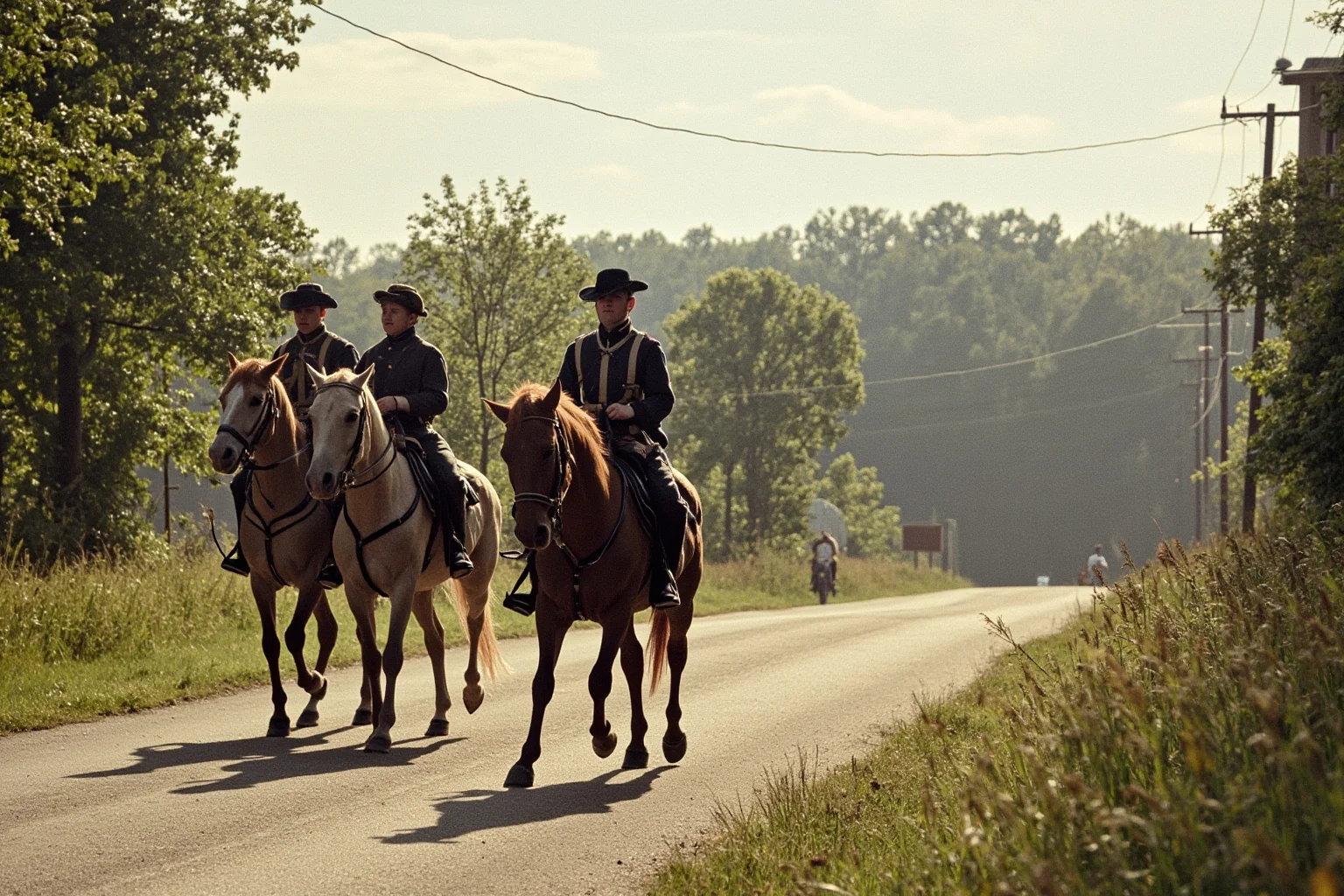
William Jett was a young former Confederate soldier who encountered Booth and Herold in Virginia and ultimately led them to the Garrett family farm, presenting Booth under a false name. Jett believed, at least initially, that he was simply helping fellow Confederate veterans.
When Union cavalry caught up with him days later, Jett revealed Booth’s location in exchange for leniency. His information directly led federal troops to the Garrett farm.
15. The Garrett Family
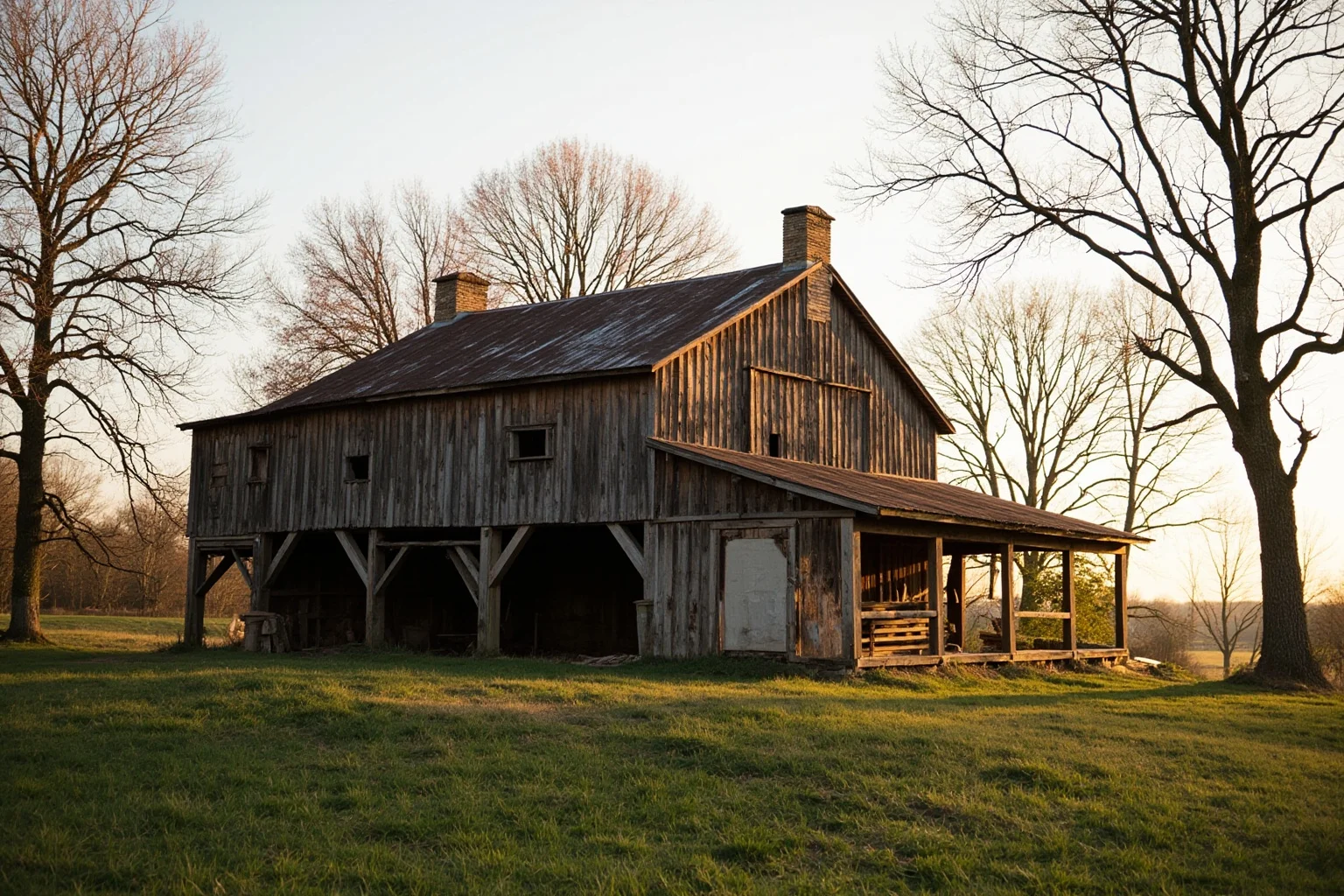
Richard Garrett and his family owned the Virginia farm where Booth spent his final days, believing he was sheltering a wounded Confederate soldier rather than the president’s assassin. The Garretts had no idea who their guest truly was until Union troops arrived.
When soldiers surrounded the property, the Garretts were caught in the middle, and Booth ended up trapped in their tobacco barn. The family’s unwitting hospitality made them one of the more sympathetic figures in the entire manhunt.
16. Dr. Richard Stuart
Dr. Richard Stuart was a Virginia physician the fugitives approached for shelter, but he refused to let them stay overnight, wary of the danger. He did, however, offer food and directed them toward other sympathizers, including the Garrett farm connection through William Jett.
Booth was reportedly furious at Stuart’s refusal and later left him an insulting note along with payment. Stuart’s cautious half-help shows that not every link in the chain was fully willing.
17. Edman Spangler
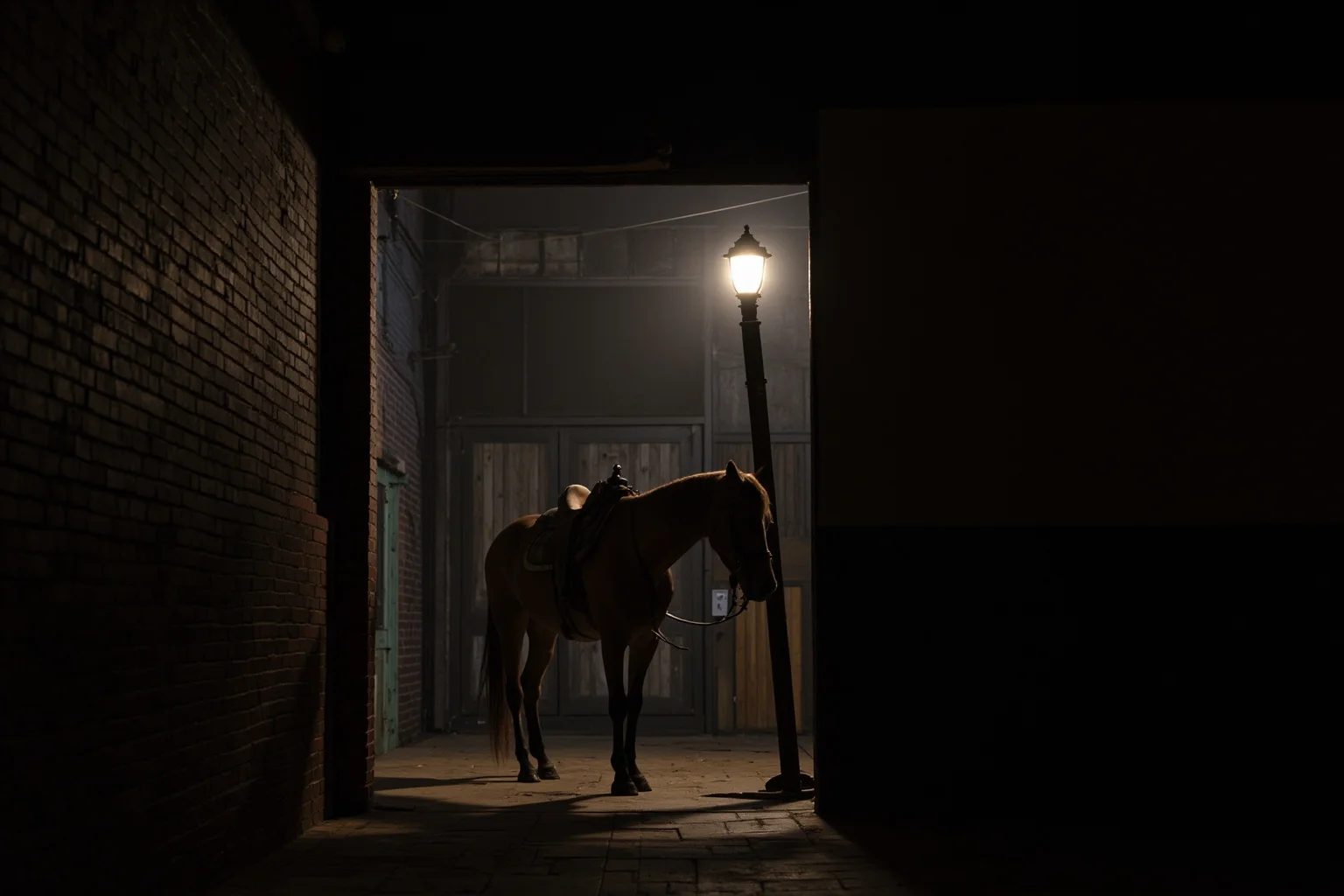
Edman Spangler worked as a stagehand and handyman at Ford’s Theatre and knew Booth personally from his frequent performances there. On the night of the assassination, Spangler held Booth’s horse in the alley behind the theater, allowing for a fast getaway.
Spangler insisted he had no idea what Booth intended to do. He was still convicted as a conspirator, though he received one of the lighter sentences among those imprisoned at Fort Jefferson.
18. Joseph “Peanuts” Burroughs
Joseph Burroughs, nicknamed “Peanuts” for selling snacks around the theater, was another Ford’s Theatre employee present the night of the shooting. He briefly held Booth’s horse as well and was one of the first people to encounter the chaos backstage.
Burroughs was questioned extensively by investigators but was never charged as a conspirator. His presence highlights how many ordinary theater staff were swept into the investigation simply by being in the wrong place that night.
19. Sarah Slater
Sarah Slater was a mysterious Confederate courier known to have carried messages between conspirators, including John Surratt Jr., in the weeks before the assassination. Little is confirmed about her real identity or full role, and she vanished from the historical record afterward.
Investigators searched for her but never located her, and she was never tried. Slater remains one of the most tantalizing unsolved threads in the entire conspiracy story.
20. John T. Ford
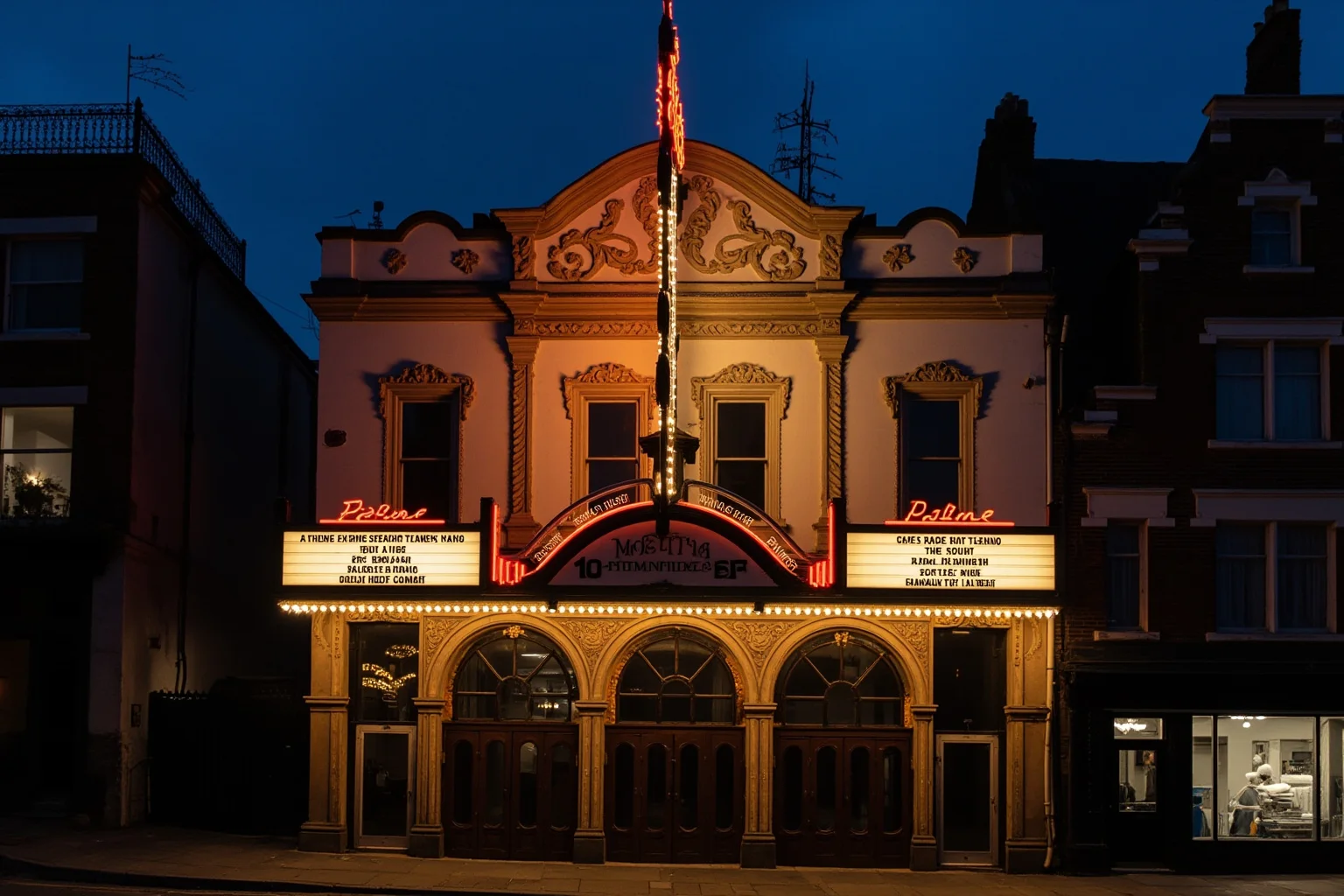
John T. Ford owned Ford’s Theatre and, as Booth’s employer of sorts through frequent bookings, unintentionally gave Booth the resources and opportunities that made the assassination possible in the first place. Booth’s fame as an actor gave him free access to the building, familiarity with its layout, and the trust of the staff.
Ford had no knowledge of the plot and was briefly jailed afterward simply for owning the building where it happened. His theater was closed by the government for years following the tragedy.
The Escape Route of John Wilkes Booth
After shooting Lincoln, Booth fled south through Maryland into Virginia, a route that took him roughly twelve days to complete before his capture. The escape route of John Wilkes Booth wound from Ford’s Theatre through Surrattsville, to Dr. Mudd’s home, into the Zekiah Swamp, through Samuel Cox’s land, and into Thomas Jones’s pine thicket hideout.
From there, Booth and Herold finally crossed the Potomac River into Virginia, aided by sympathizers like Elizabeth Quesenberry and Thomas Harbin. The journey ended at the Garrett farm near Port Royal, Virginia, where federal troops finally caught up with him.
The Capture of John Wilkes Booth
So did they catch John Wilkes Booth? Yes. On April 26, 1865, twelve days after the assassination, Union cavalry from the 16th New York Cavalry surrounded the Garrett farm’s tobacco barn where Booth and Herold were hiding.
Herold surrendered, but Booth refused to come out. Soldiers set the barn on fire to force him into the open, and in the chaos, Sergeant Boston Corbett fired a shot that struck Booth, against orders to take him alive. Booth died a few hours later on the Garrett porch, reportedly uttering his final words as soldiers looked on.
Did John Wilkes Booth Actually Escape? The David E. George Legend
Despite the well-documented death at Garrett’s farm, a persistent legend claims Booth actually escaped and lived for decades under a false identity. The most famous version centers on a man named David E. George, who died by suicide in Enid, Oklahoma, in 1903 and reportedly confessed on his deathbed to being John Wilkes Booth.
David E. George’s mummified body later became a traveling carnival attraction, fueling decades of tabloid fascination and reinforcing the myth. Serious historians overwhelmingly reject this story, pointing to autopsy records, personal effects, scars, and eyewitness identifications from Booth’s own doctor and acquaintances that matched the body at Garrett’s farm.
The David E. George legend endures mostly because it makes for a great story, not because it holds up against the documentary evidence. It’s a useful reminder that even 19th-century history isn’t immune to the kind of myth-making we usually associate with modern conspiracy theories, much like the persistent legends that still surround Joan of Arc.
The Bigger Picture
John Wilkes Booth is remembered as a lone gunman in popular memory, but the real story is far more tangled. His plot depended on a genuine network: fellow conspirators who plotted with him for months, Confederate sympathizers who fed and hid him out of ideological loyalty, and ordinary bystanders who had no idea they were helping the most wanted man in the country.
Understanding these forgotten figures doesn’t excuse what happened at Ford’s Theatre. It does, however, paint a fuller, more accurate picture of how one man’s act of political violence rippled outward and pulled dozens of lives into its wake, some willingly, many not.
Frequently Asked Questions
What resources or opportunities were available to John Wilkes Booth that helped him carry out the assassination?
Booth had significant resources and opportunities most conspirators lacked, including fame from his family's acting dynasty, free access to Ford's Theatre and its staff, money, and an existing network of Confederate sympathizers across Maryland and Virginia who were willing to hide, feed, and guide him during his escape.
What were John Wilkes Booth’s early influences from mentors or family?
Booth grew up in a famous theatrical family led by his father, Junius Brutus Booth, and overshadowed by his brother Edwin, one of the era's greatest actors. That upbringing shaped his charisma, stagecraft, and public visibility, while his firmly pro-Confederate political views developed separately through his own convictions about slavery and the South.
What kind of recognition or reputation did John Wilkes Booth have before 1865?
Before the assassination, Booth was a genuinely popular and recognizable actor known for his good looks and stage presence, performing regularly in major theaters across the North and South. That existing fame later helped him move through the country during his escape, since many people recognized or sympathized with him.
What was John Wilkes Booth’s motive for killing Lincoln?
Booth was a committed Confederate sympathizer who originally plotted to kidnap Lincoln to ransom him for Confederate prisoners. After Robert E. Lee's surrender at Appomattox in April 1865, Booth shifted to assassination out of rage over Confederate defeat and opposition to Lincoln's support for Black civil rights.
Did John Wilkes Booth escape after killing Lincoln?
Booth evaded capture for twelve days, fleeing through Maryland into Virginia with help from Confederate sympathizers along the way. He did not ultimately escape justice, however; he was cornered at the Garrett farm in Virginia on April 26, 1865, and killed by a Union soldier's gunshot.
Was John Wilkes Booth a Freemason?
There is no verified historical documentation showing John Wilkes Booth was a member of any Masonic lodge. Claims that he was a Freemason appear to be unsubstantiated folklore rather than fact supported by lodge records or contemporary sources.
Was John Wilkes Booth Jewish?
No credible historical evidence supports the claim that John Wilkes Booth was Jewish. His family was of English Protestant descent, and the rumor appears to be a later fabrication with no documentary basis.
Did John Wilkes Booth own slaves?
Historical records indicate Booth personally purchased at least one enslaved person before the Civil War, and he was a vocal defender of slavery and the Confederate cause, even though he never enlisted in the Confederate army.
Who was David E. George and what is his connection to John Wilkes Booth?
David E. George was a man who died by suicide in Enid, Oklahoma, in 1903 and reportedly claimed on his deathbed to be John Wilkes Booth. His mummified body became a traveling sideshow attraction, but historians widely reject the claim, citing solid evidence that Booth died at Garrett's farm in 1865.
How was John Wilkes Booth eventually captured?
Union cavalry tracked Booth to the Garrett family farm near Port Royal, Virginia, where he was hiding with David Herold in a tobacco barn. When Booth refused to surrender, soldiers set the barn on fire, and Sergeant Boston Corbett fatally shot him despite orders to capture him alive.

Alex Warren
Related Articles





