

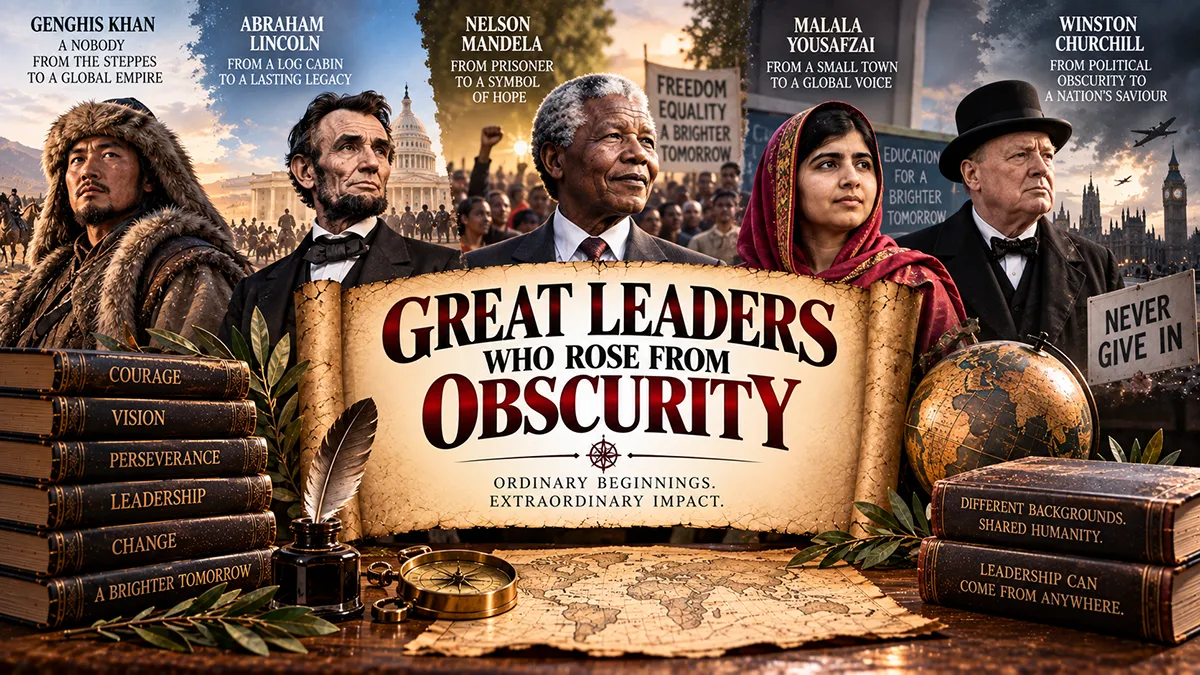
History loves a good origin story, and some of the most iconic world leaders started with almost nothing. No royal cradle, no inherited army, no guaranteed path to power. They were orphans, shepherds, enslaved people, exiled princes, failed businessmen, and provincial nobodies who somehow ended up changing the course of nations.
This list isn't about worshipping power for its own sake. Some of the figures below did remarkable good; others made choices historians still debate fiercely. What ties them together is the sheer distance between where they started and where they ended up, which is exactly why their stories keep getting told.
TL;DR: From Genghis Khan to Nelson Mandela, many of history's most iconic leaders began in poverty, exile, or total obscurity before rising to reshape their world.
What Actually Makes a Leader "Great"?
Before diving into the list, it's worth pausing on the word "great." In historical writing, "great" usually describes impact and scale, not moral perfection. A leader can be historically significant and still have a deeply mixed or troubling legacy.
When historians talk about ideal leaders in history, they're often pointing to a cluster of traits: the ability to read a moment, communicate a vision, organize people, and adapt under pressure. Good historical leaders weren't necessarily kind or wise in every decision. They were simply effective enough, at the right time, to alter events that outlived them.
That distinction matters here because several people on this list are inspiring in one sense and complicated in another. We've tried to note that honestly rather than flatten anyone into a hero or a villain.
22 Great Leaders Who Rose From Obscurity
This is not a definitive ranking, just a wide-ranging tour of examples of great leaders whose starting points were nowhere near where they finished. We've mixed eras, continents, and genders to show how universal this pattern really is among great leaders throughout history.
1. Genghis Khan
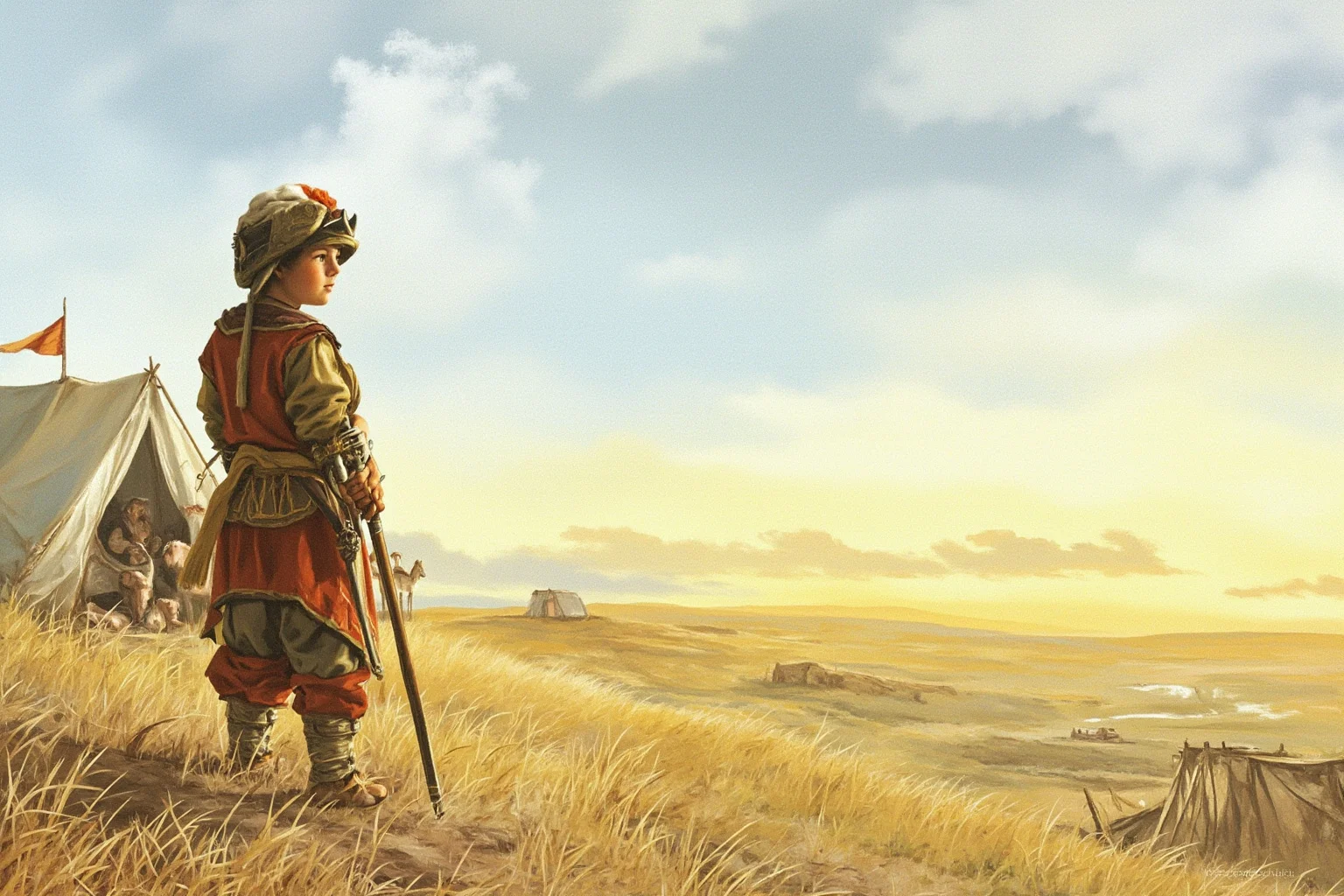
Born around 1162 as Temüjin, he was the son of a minor Mongol chieftain who was poisoned when the boy was still young. His family was abandoned by their clan and reportedly survived by foraging on the steppe, a far cry from the empire he would later command.
Through shifting alliances, military innovation, and sheer persistence, Temüjin unified the fractious Mongol tribes by 1206 and took the title Genghis Khan. The empire he founded became the largest contiguous land empire in history, though its expansion came at an enormous human cost that's important not to gloss over.
2. King David
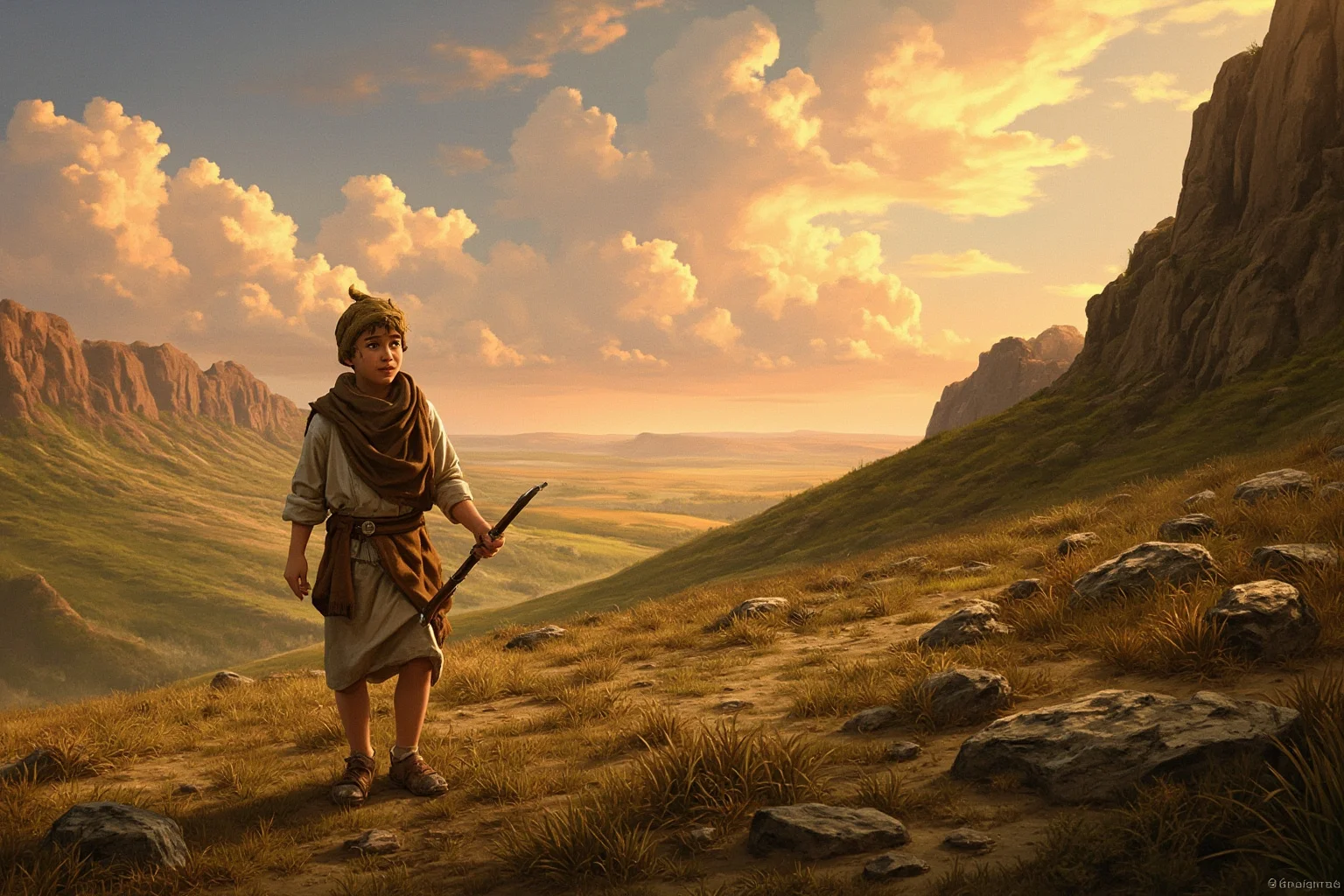
According to the Hebrew Bible, David began as a shepherd boy, the youngest of Jesse's sons, before being anointed king of Israel. It's worth noting upfront that David's story comes primarily from religious scripture, and historians debate how much of it reflects verified historical events versus later tradition.
Whatever the precise historical details, the shepherd-to-king narrative has shaped ideas about humble origins and leadership for thousands of years across multiple faiths and cultures.
3. Joan of Arc
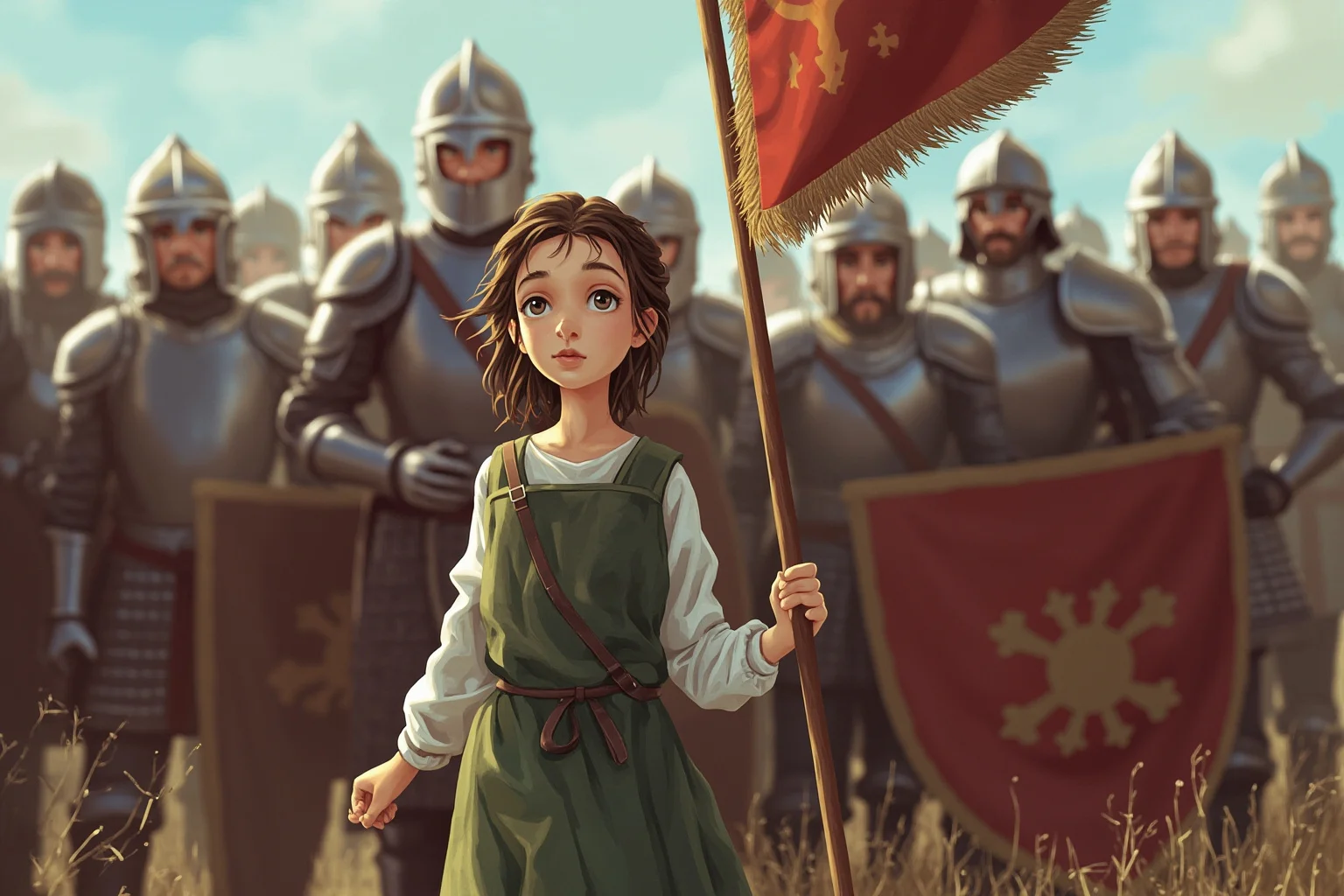
Joan was a teenage peasant girl from the small village of Domrémy in northeastern France, with no military training and no noble blood. At around 17, she convinced the dauphin Charles VII to let her join the French army during the Hundred Years' War.
She helped lead French forces to a pivotal victory at Orléans in 1429, a turning point in the war. She was later captured, tried, and executed in 1431, only to be declared innocent and eventually canonized centuries later, making her one of the more dramatic examples of great leaders cut down young.
4. Spartacus
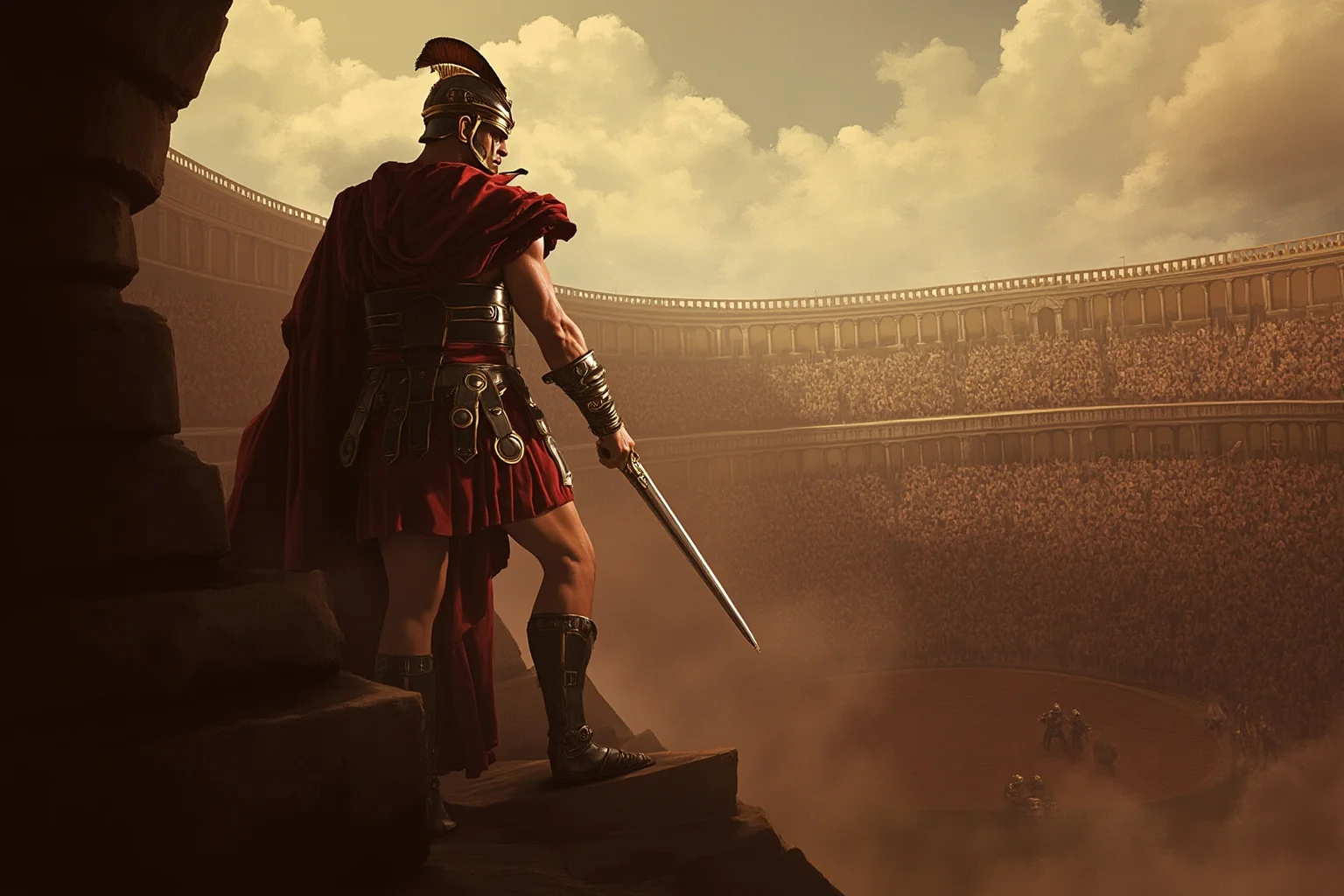
Much of what's "known" about Spartacus comes from Roman sources written by his enemies, so details are genuinely uncertain. What is generally agreed upon is that he was an enslaved gladiator in Capua who led a large-scale slave revolt against Rome starting in 73 BCE.
His forces won several battles against Roman legions before ultimately being crushed. He remains a powerful symbol of resistance, even though we don't actually know much about his life before the rebellion.
5. Empress Wu Zetian
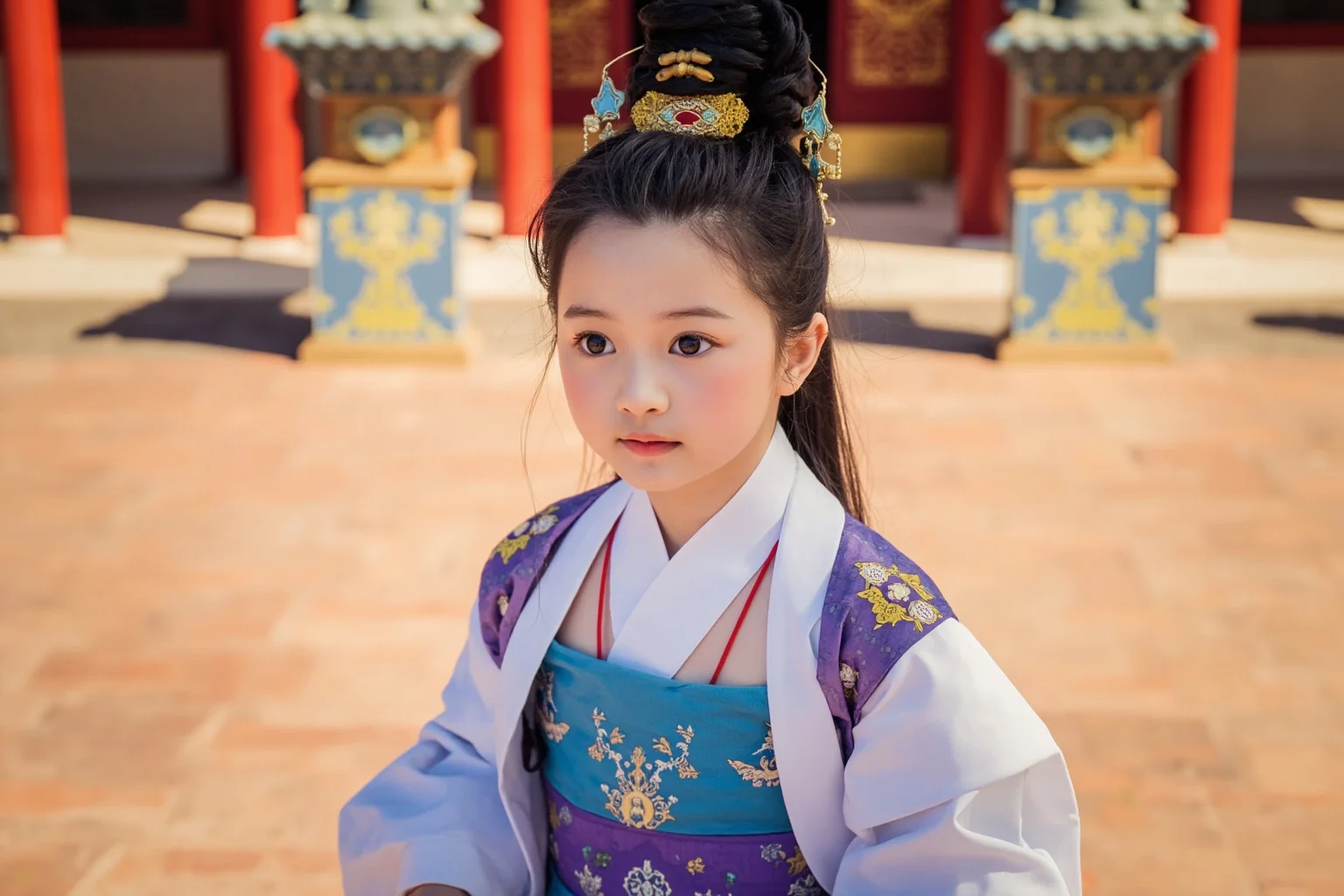
Wu Zetian entered the Tang dynasty imperial court as a low-ranking concubine in her early teens, one of many young women with no real path to power. Through political maneuvering across two emperors' reigns, she eventually became the only woman in Chinese history to rule directly as emperor, reigning from 690 to 705 CE.
Contemporary court chroniclers, largely hostile to female rule, painted her as ruthless, and some of those accounts are considered exaggerated by modern historians. Her actual administration is credited with expanding the civil examination system and stabilizing the empire.
6. Sundiata Keita
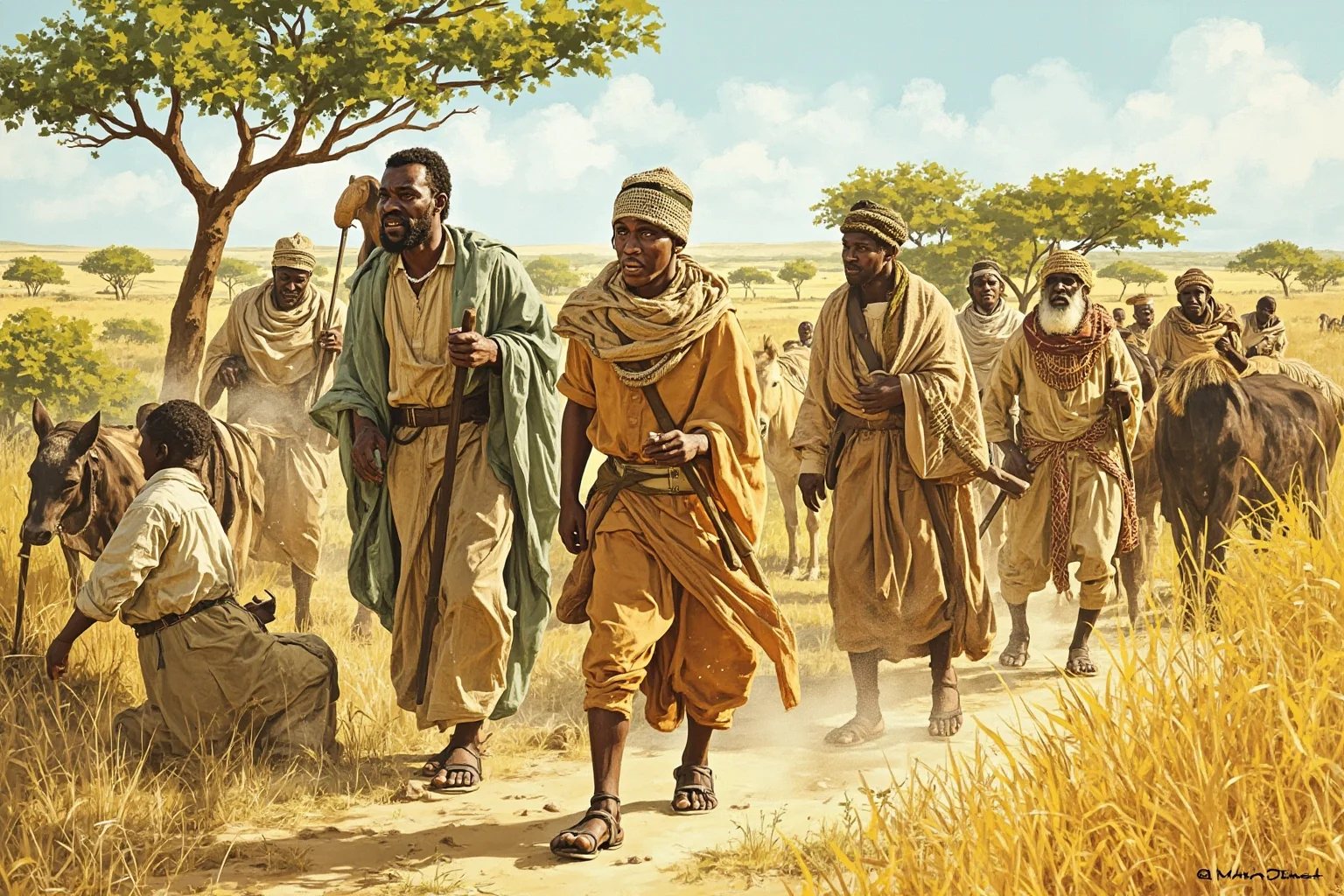
Sundiata was reportedly a sickly, disabled child from a minor branch of a West African royal family, exiled after his father's death around the early 13th century. According to Malian oral tradition, the epic of Sundiata, he overcame his disability and returned from exile to defeat a rival ruler and found the Mali Empire.
Because this history comes largely from oral epic tradition rather than contemporary written records, some specifics are legendary rather than strictly documented. Still, Mali did become one of West Africa's great medieval empires, and Sundiata is widely credited as its founding figure.
7. Akbar the Great
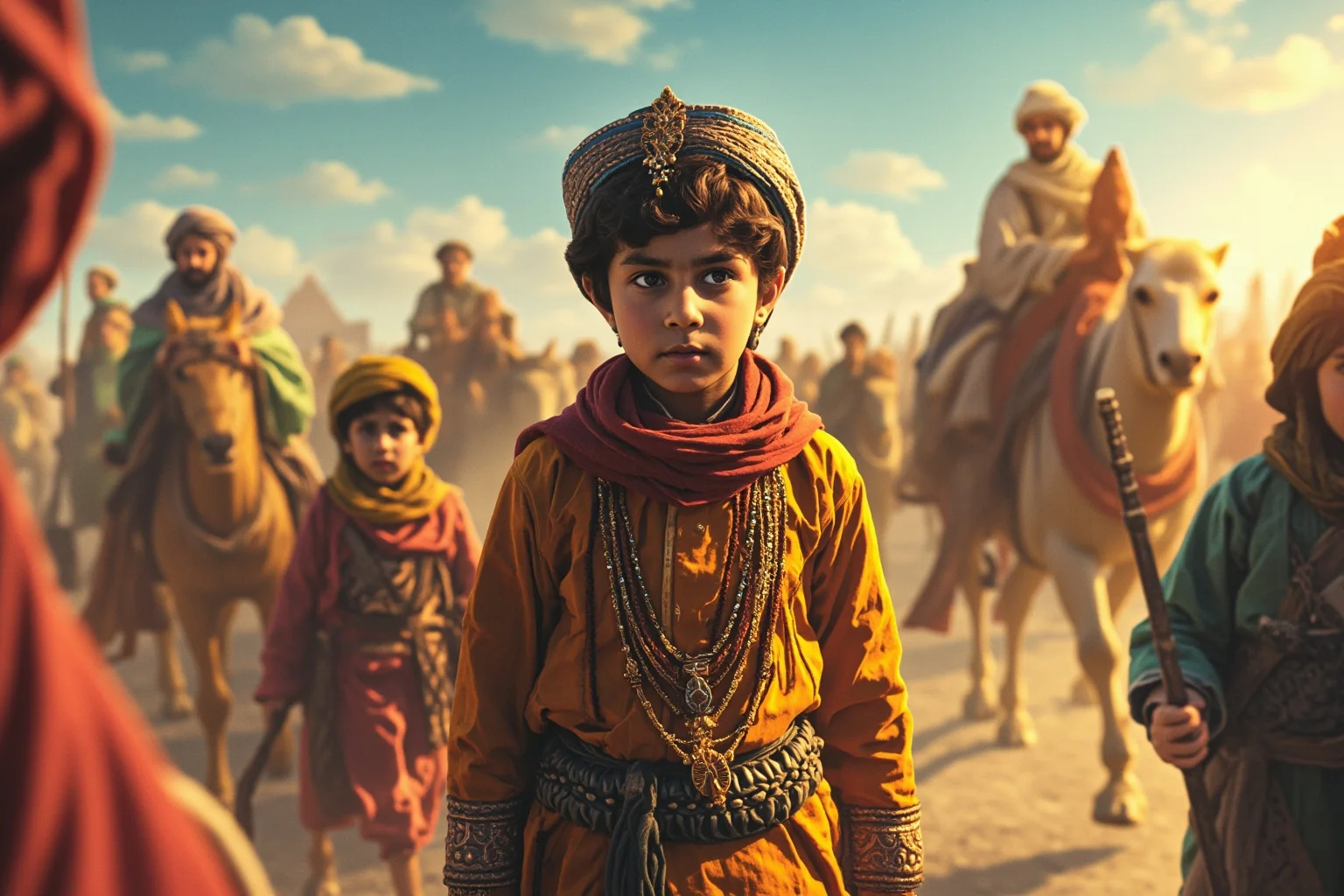
Akbar was born into the Mughal dynasty, so he wasn't obscure by birth, but his early life was anything but secure. His father Humayun had been driven from the throne into exile, and Akbar spent his childhood as a refugee before the family reclaimed power.
He became emperor at just 13 following his father's death and went on to build one of the most powerful and religiously tolerant empires in Indian history. His reign is often cited among historical good leaders for policies that reduced tension between Hindu and Muslim subjects.
8. Oliver Cromwell
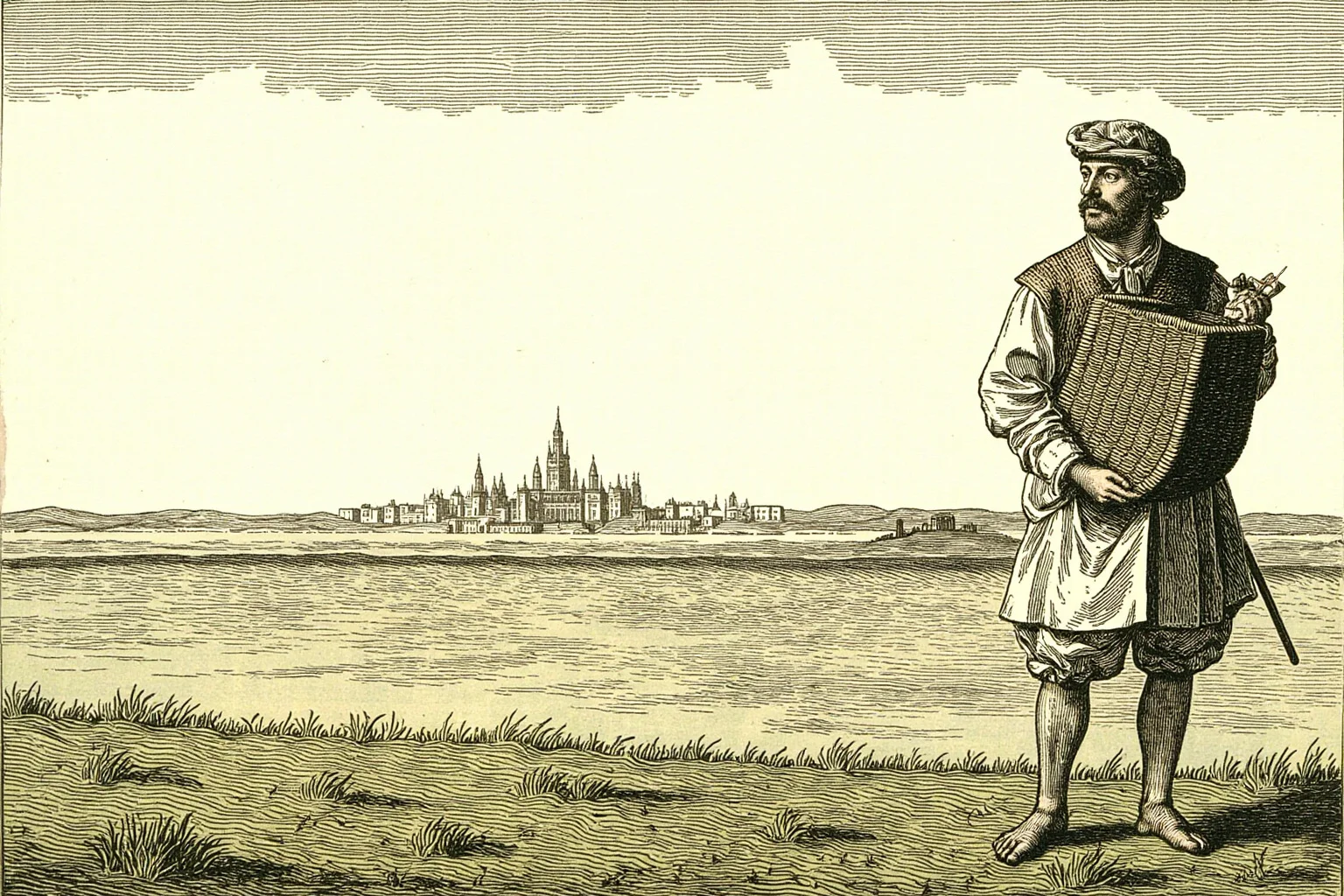
Cromwell came from minor English gentry, a family with land but no real political standing, and he spent most of his early adulthood as an unremarkable farmer. He didn't enter Parliament in a significant way until his 40s, late by the standards of 17th-century politics.
The English Civil War changed everything. Cromwell rose through the parliamentary army to become Lord Protector of England, a rise so unlikely that contemporaries genuinely struggled to explain it.
9. Catherine the Great
Born a minor Prussian princess named Sophie, she had no obvious claim to any major throne and was essentially married off to the Russian heir as a diplomatic afterthought. The marriage was famously unhappy, and her husband Peter III was widely unpopular.
Catherine orchestrated a coup in 1762 that deposed her own husband and made her empress of Russia in her own right. She went on to expand Russian territory significantly and pushed Enlightenment ideas into Russian court life, becoming one of the most well known world leaders of the 18th century.
10. Toussaint Louverture
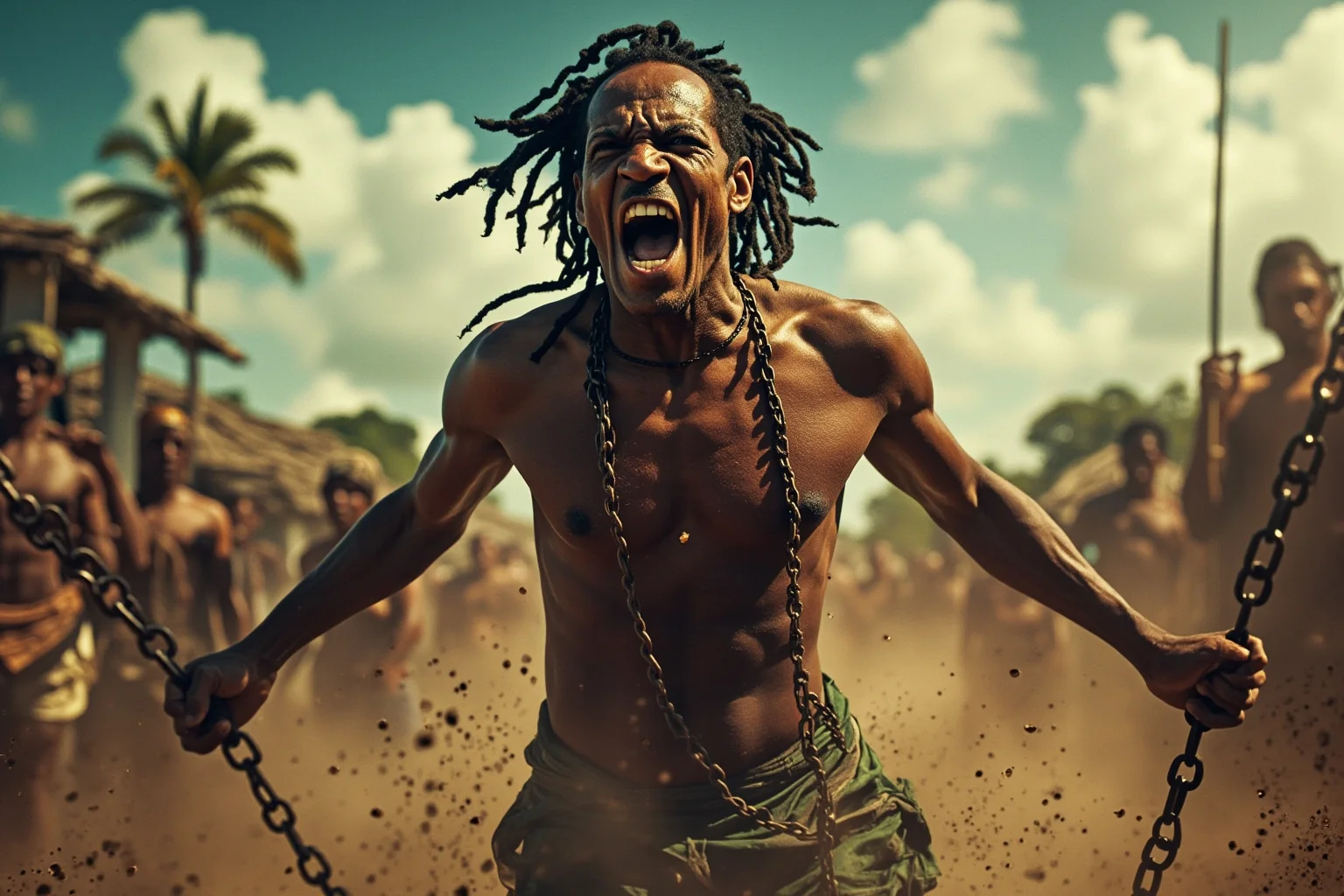
Toussaint was born into slavery in the French colony of Saint-Domingue, present-day Haiti, sometime around 1743. For most of his life he had no formal power at all, existing entirely within a brutal plantation system designed to keep him powerless.
During the Haitian Revolution, he emerged as a skilled military and political leader, eventually controlling most of the colony. His leadership helped pave the way for Haiti's independence in 1804, making the revolution the only successful large-scale slave uprising to found a nation.
11. Andrew Jackson
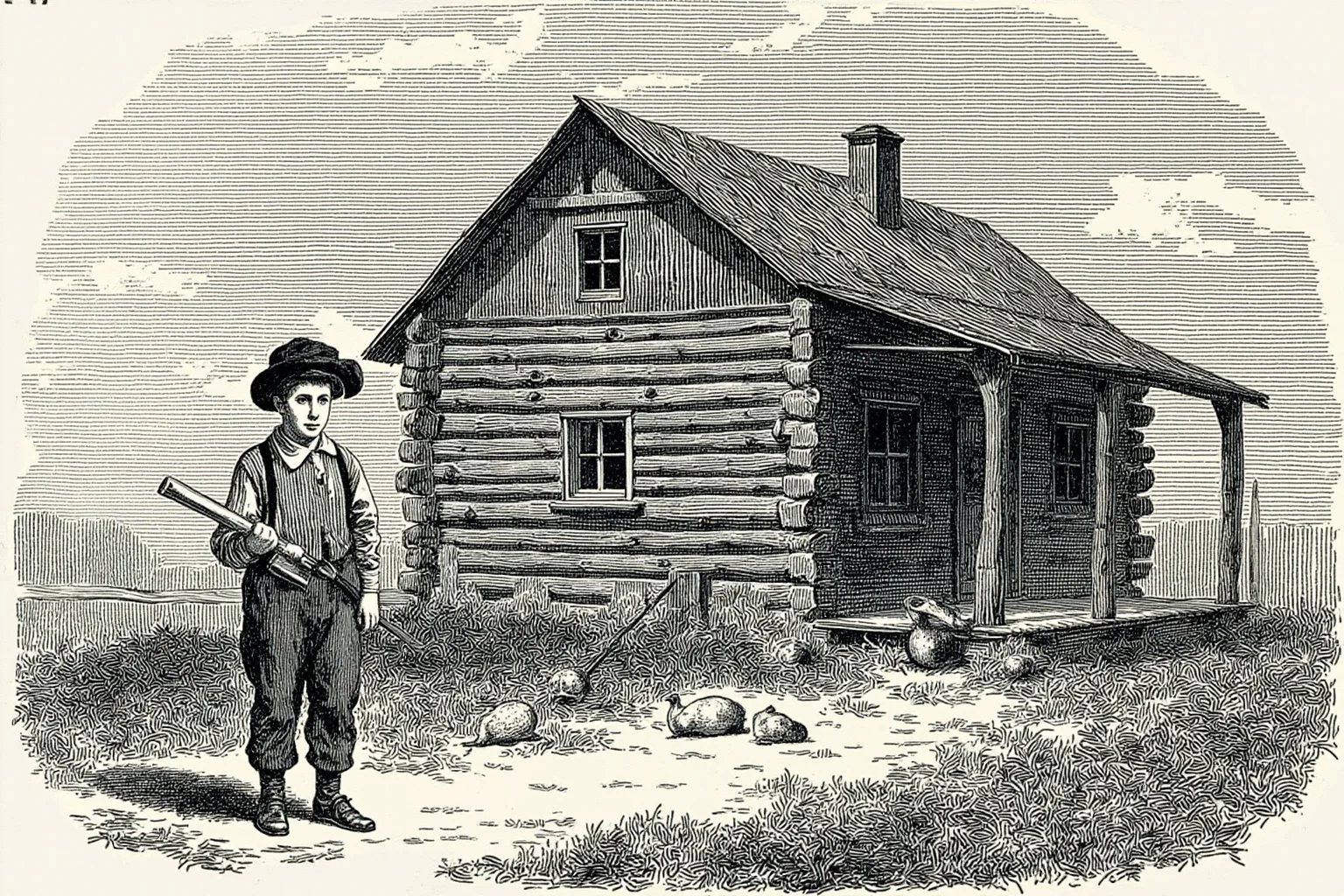
Jackson was orphaned by his early teens after losing his father before birth and both his mother and brother during the American Revolution. He grew up poor on the frontier with little formal education, a background unusual for future American presidents at the time.
He built a military reputation, most notably at the Battle of New Orleans, before becoming the seventh U.S. president in 1829. His presidency expanded the power of the executive branch, though his policies toward Native Americans, particularly the Indian Removal Act, remain a deeply criticized part of his legacy.
12. Abraham Lincoln
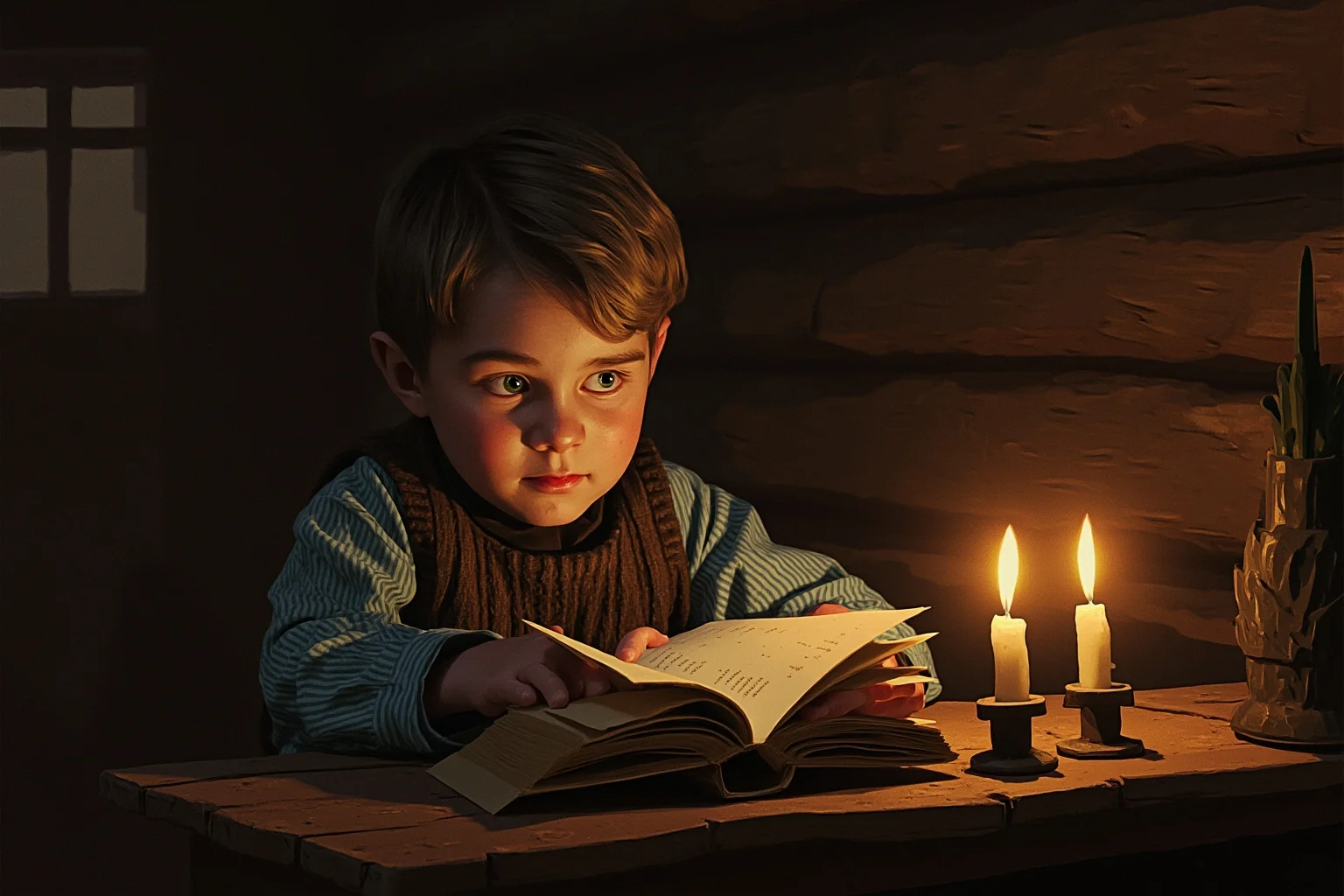
Few historical leaders embody the "log cabin" story as literally as Lincoln, who was born in 1809 in a one-room cabin in Kentucky to a poor farming family. He had less than a year of formal schooling total and largely taught himself law by reading borrowed books.
He worked as a store clerk, postmaster, and surveyor before entering politics, and lost several elections along the way. He became the 16th U.S. president in 1861 and led the country through the Civil War, ultimately helping to end slavery through the Emancipation Proclamation and the 13th Amendment.
13. Ulysses S. Grant
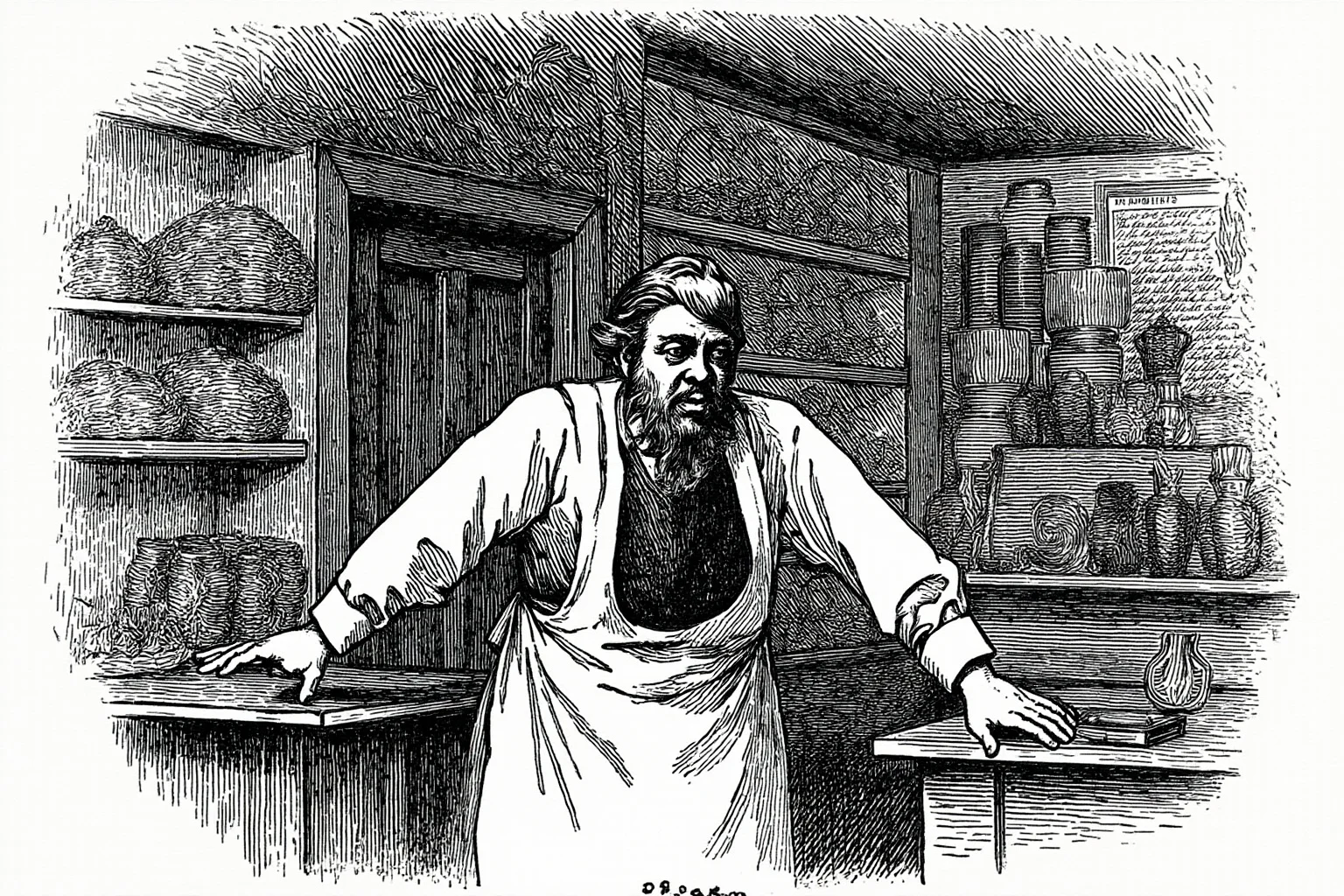
Grant's path to leadership included a fairly humiliating detour. After a respectable start at West Point, he struggled financially after leaving the army, failing at farming and business ventures, and at one point worked as a store clerk in his father's shop.
When the Civil War began, Grant reenlisted and rose rapidly due to his effectiveness on the battlefield. He became the Union's top general and later the 18th U.S. president, a remarkable turnaround for a man who had been considered something of a failure just years earlier.
14. Frederick Douglass
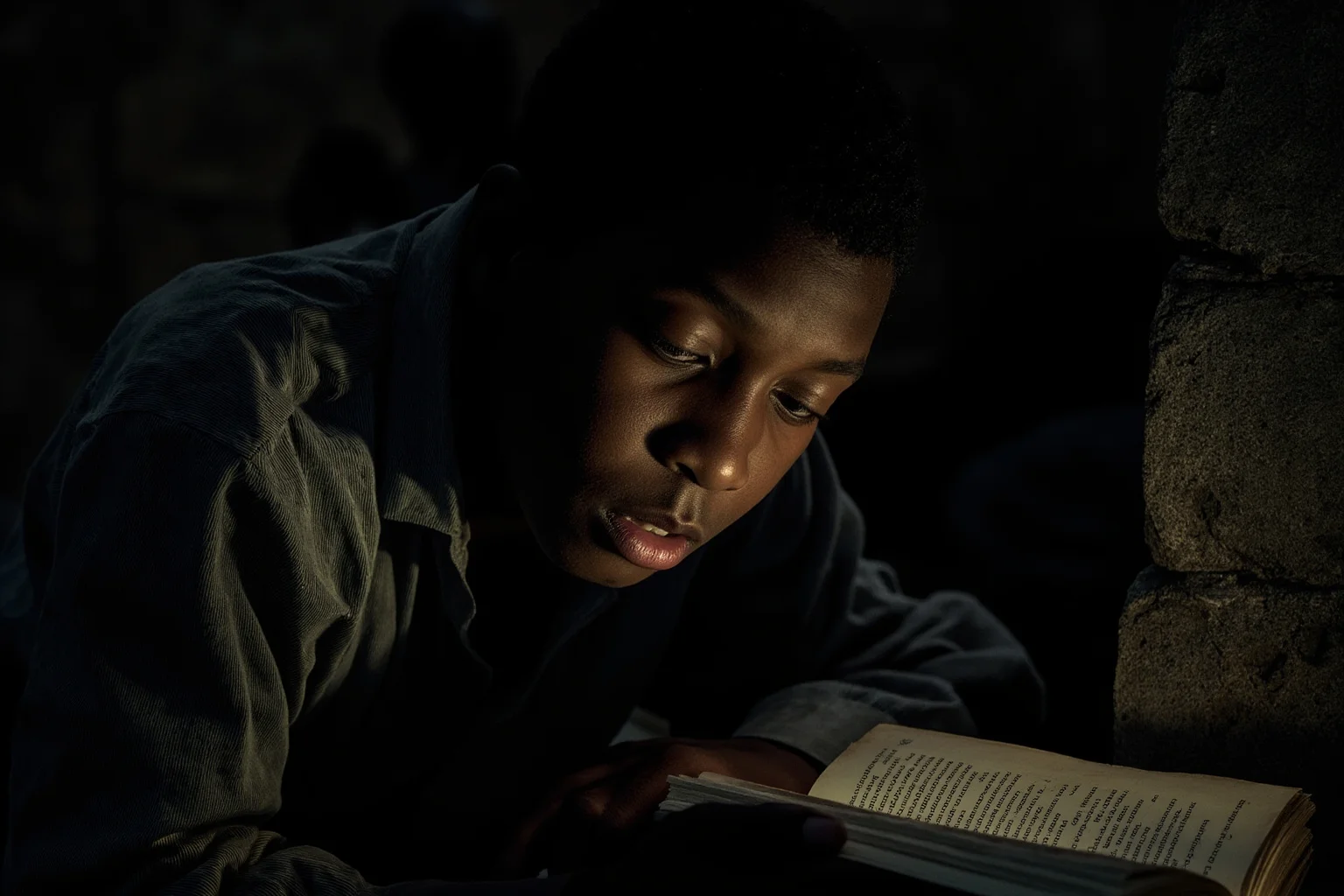
Douglass was born enslaved in Maryland around 1818 and endured beatings and forced illiteracy as tools of control common under American slavery. He taught himself to read in secret and escaped to the North in 1838.
He became one of the most powerful orators and writers of the abolitionist movement, advising presidents and shaping national debate on slavery and civil rights. His transformation from an enslaved teenager to a nationally influential statesman remains one of the most striking examples of great leaders in American history.
15. Harriet Tubman
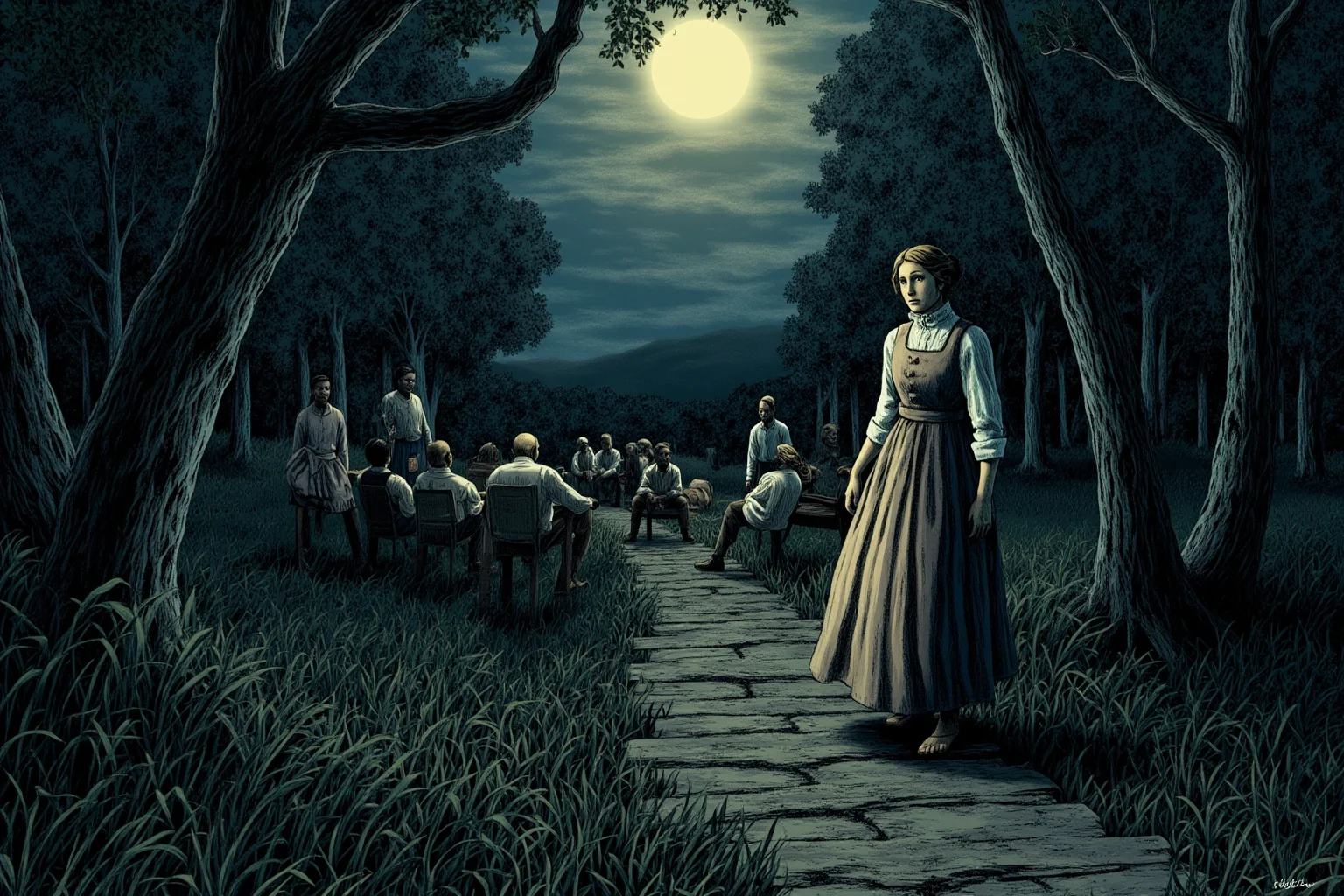
Tubman was born into slavery in Maryland around 1822 and suffered a severe head injury as a teenager that caused lifelong health issues. She escaped to freedom in 1849 and then made the extraordinary choice to go back, repeatedly, to guide others out via the Underground Railroad.
During the Civil War she also served as a scout and spy for Union forces, becoming the first woman to lead an armed military expedition in the conflict. Her leadership was quiet, dangerous, and largely undocumented in her own lifetime, which makes her later recognition well deserved.
16. Mahatma Gandhi
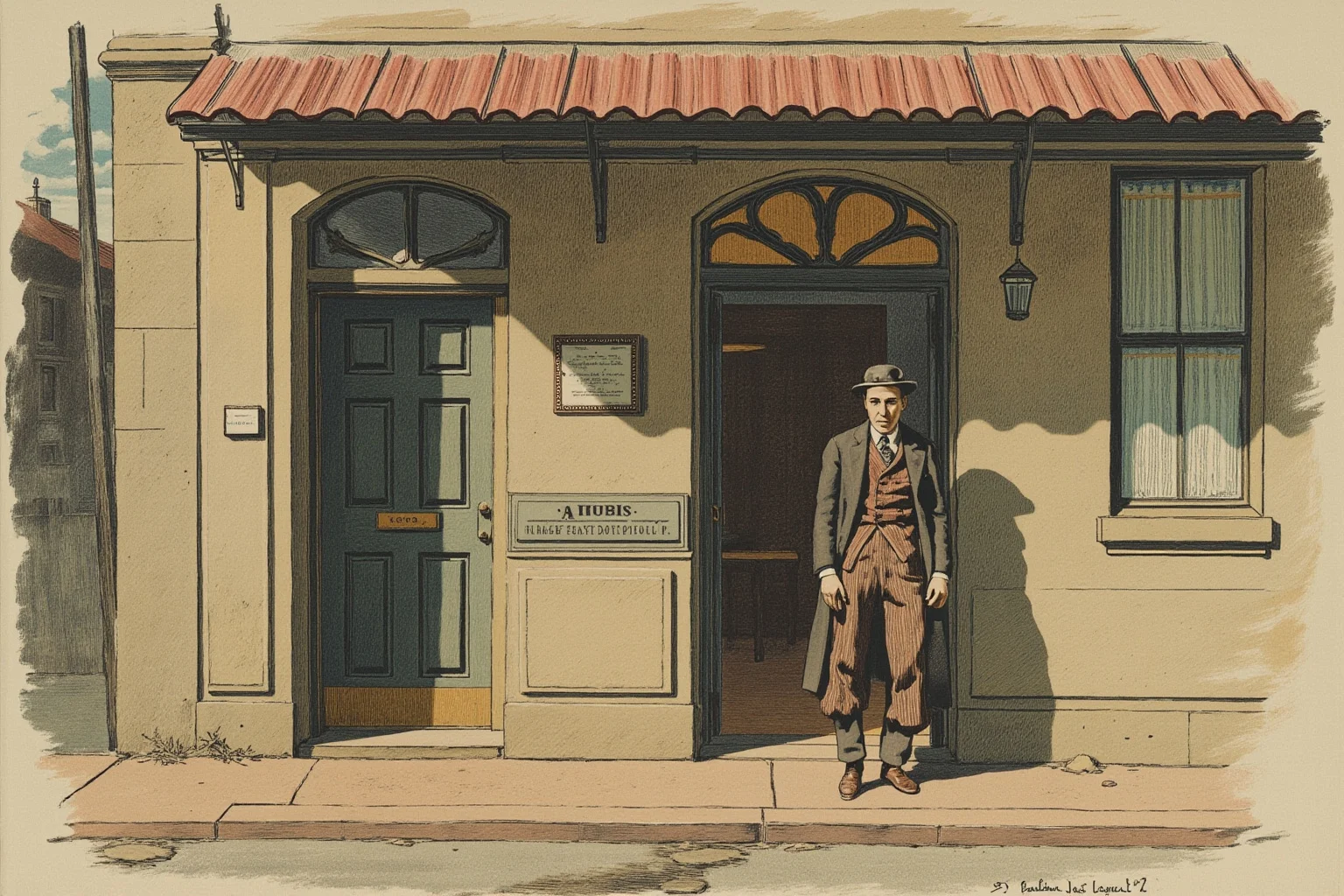
Gandhi came from a modest merchant-caste family in coastal India and was, by his own account, a shy and unremarkable student. His early legal career in South Africa was rocky, and he struggled to find his footing as a young lawyer.
It was his experiences with racial discrimination there that pushed him toward activism, eventually leading India's independence movement through nonviolent civil disobedience. He's frequently cited among ideal leaders in history precisely because his method of leadership rejected violence and personal enrichment.
17. Mustafa Kemal Atatürk
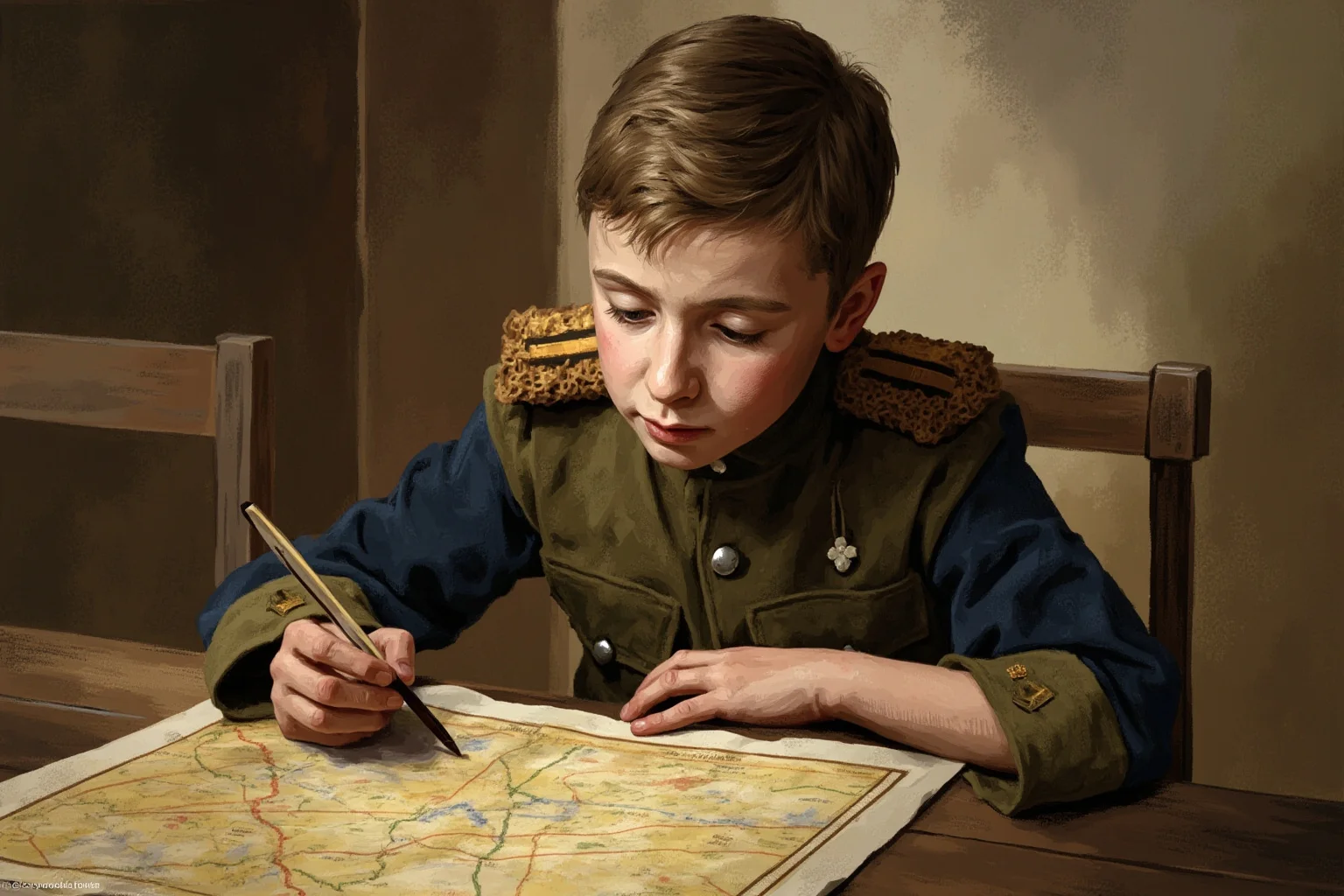
Atatürk was born in Salonica, then part of the Ottoman Empire, to a lower-middle-class family with no political connections. He rose through Ottoman military academies on merit and distinguished himself as a battlefield commander during World War I.
After the empire's collapse, he led the Turkish War of Independence and became the founding president of the Republic of Turkey in 1923. His sweeping reforms modernized Turkish law, education, and government structure in a remarkably short span.
18. Vladimir Lenin

Lenin came from a reasonably comfortable, educated family, so "obscurity" here refers more to political marginality than poverty. For years he lived largely in exile abroad, a radical theorist with no formal power and limited influence inside Russia itself.
The chaos of World War I and the 1917 collapse of the Tsarist government created an opening, and Lenin's Bolsheviks seized power in the October Revolution. Whether his legacy counts as "great" is heavily contested, since the state he founded brought both major social transformation and severe political repression.
19. Golda Meir
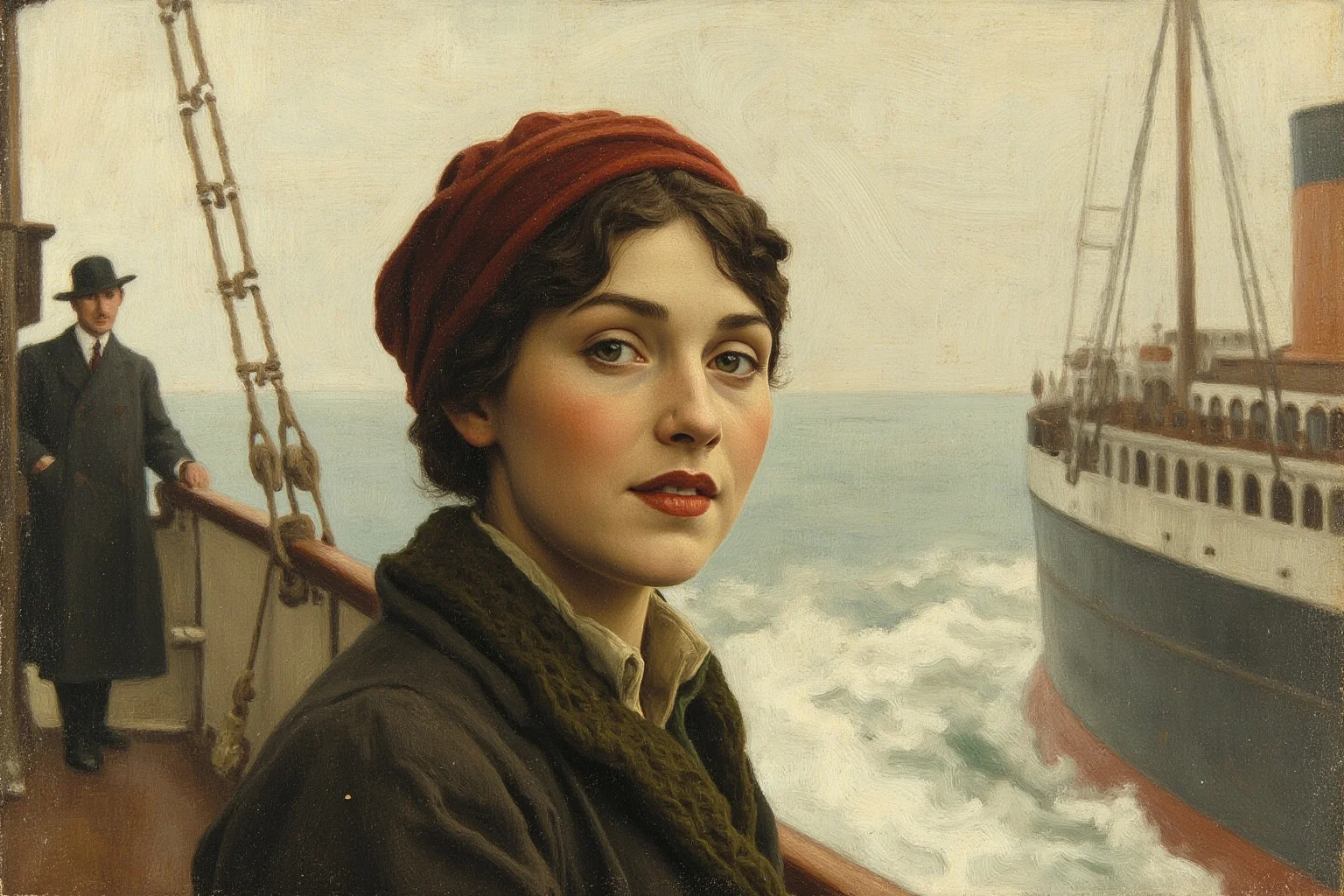
Meir was born in Kyiv to a poor Jewish family that emigrated to the United States to escape antisemitic violence, settling in Milwaukee. She worked as a teacher and labor organizer with no early indication she'd end up leading a nation.
After immigrating to British Mandate Palestine, she became active in Zionist politics and eventually served as Israel's fourth prime minister from 1969 to 1974. She remains one of the few women among well known world leaders of the 20th century to hold a nation's top office, joining the ranks explored in History's Most Powerful Women.
20. Nelson Mandela
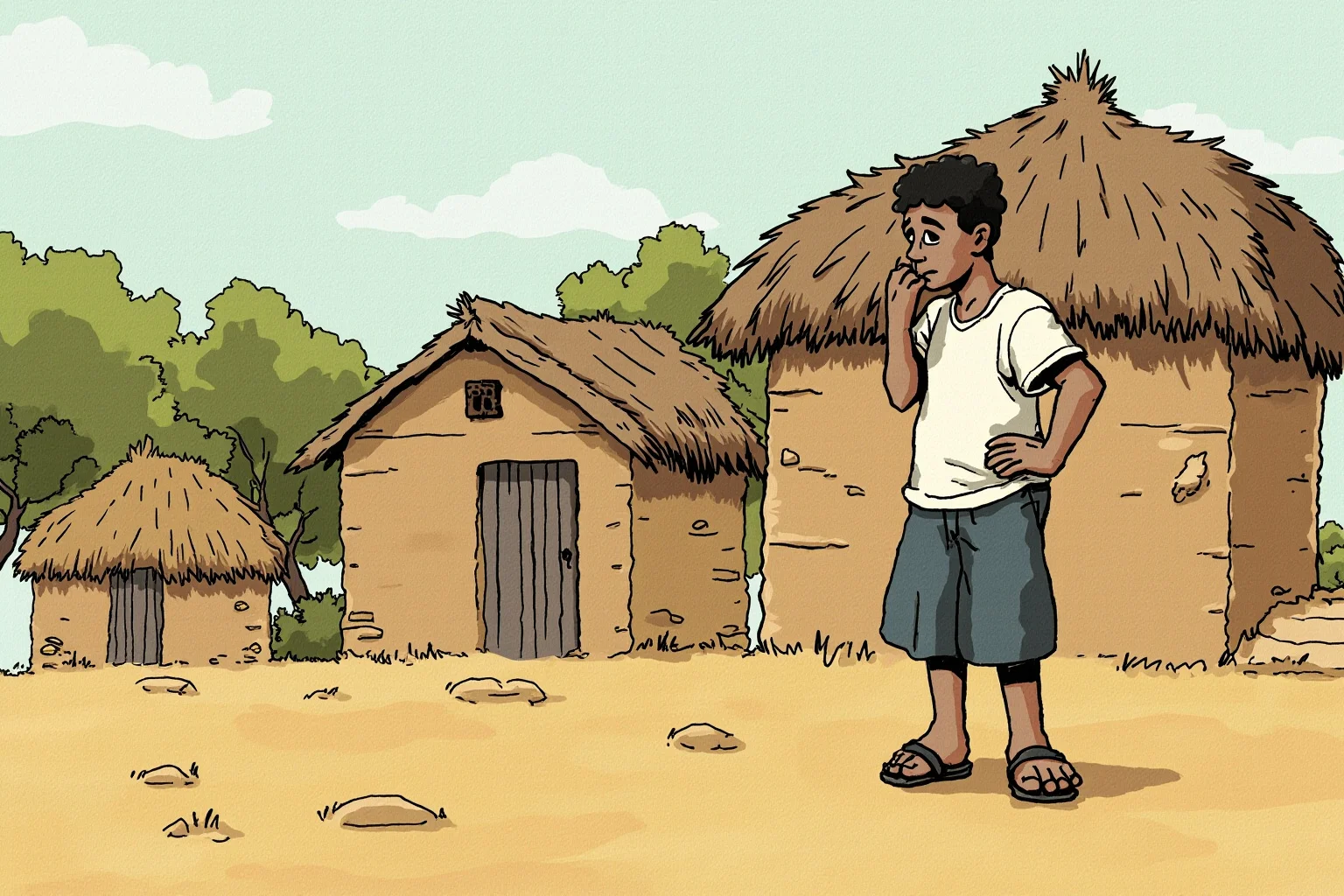
Mandela grew up in a small rural village in the Eastern Cape of South Africa, part of a royal Xhosa lineage but with no real access to political power under apartheid rule. He trained as a lawyer and became involved in anti-apartheid activism, which eventually led to his arrest in 1962.
He spent 27 years in prison before being released in 1990 amid mounting international pressure and domestic unrest. He became South Africa's first Black president in 1994 and is widely regarded as one of the great history leaders of the modern era for prioritizing reconciliation over retribution.
21. Julius Nyerere
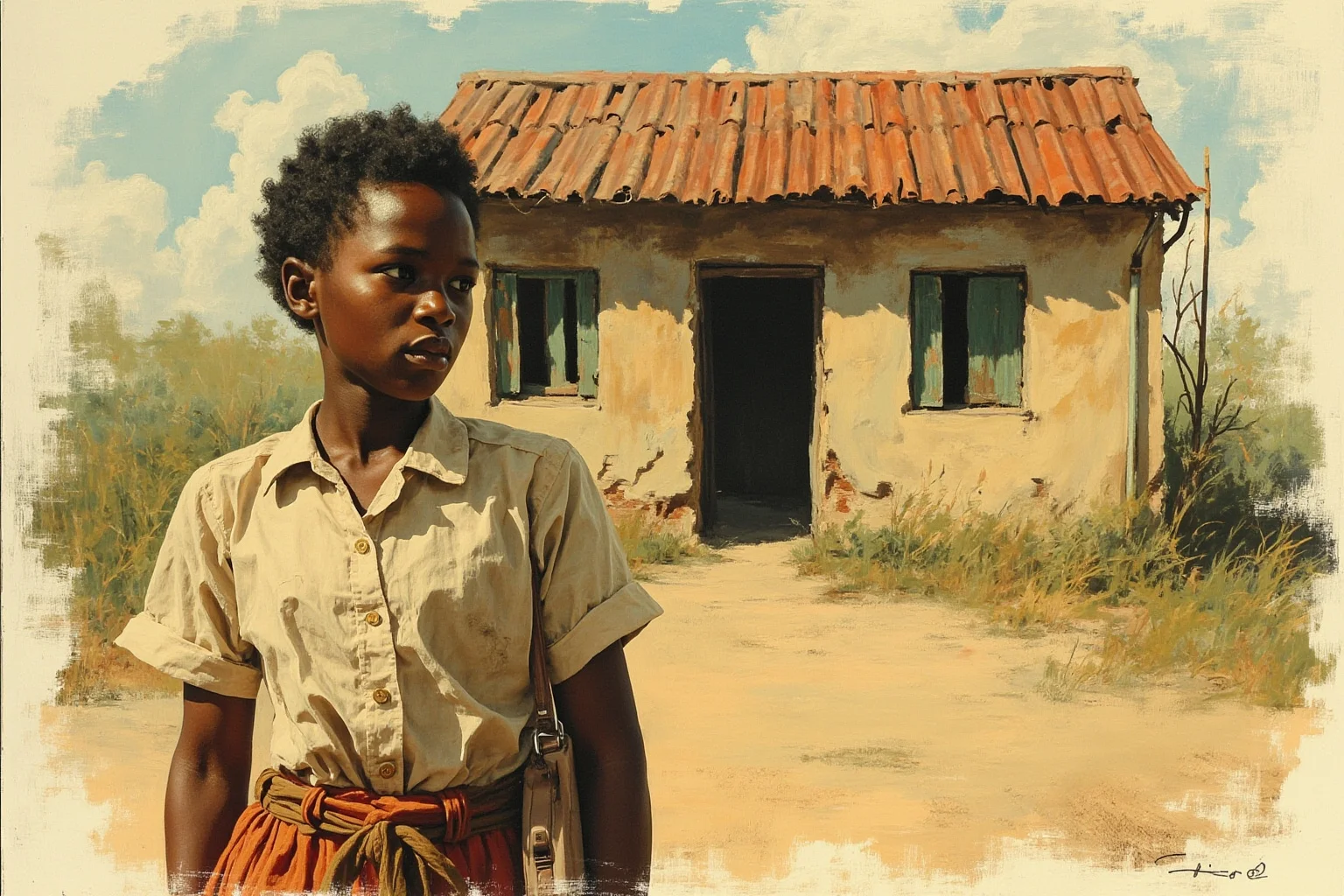
Nyerere was born in a small village in what was then Tanganyika, the son of a local chief among many children, without any obvious path to national leadership. He trained as a teacher, one of relatively few Tanganyikans of his generation to study abroad, earning a degree in Scotland.
He returned home to lead the independence movement and became the first president of Tanzania in 1964. Though his socialist economic policies had mixed results, he's remembered as a unifying figure who avoided the ethnic conflict that plagued several neighboring states.
22. Benjamin Franklin
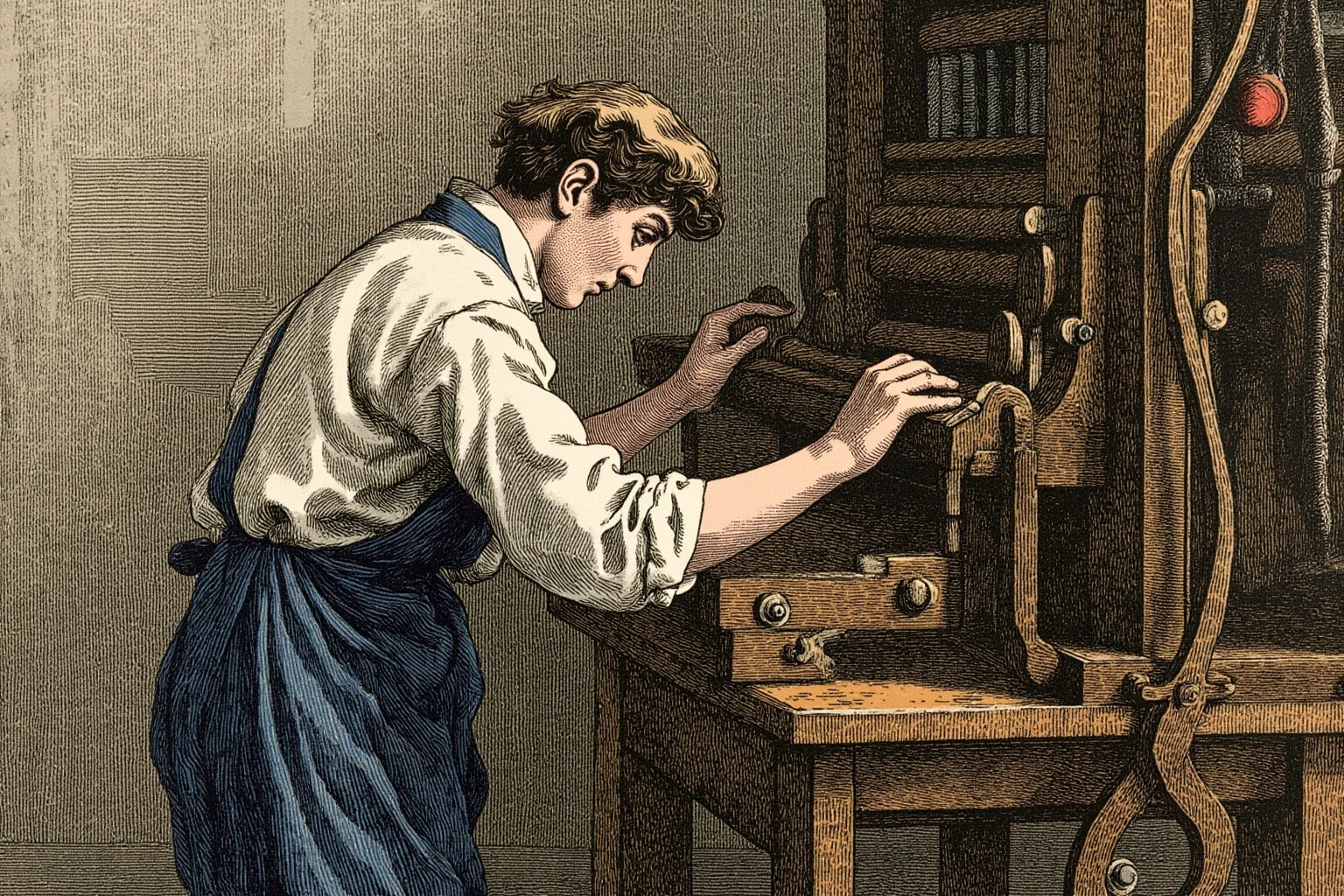
Franklin was the fifteenth of seventeen children born to a candlemaker in Boston, with only a couple of years of formal schooling before he was apprenticed to his brother's print shop. He ran away to Philadelphia as a teenager with barely any money and built a printing business from scratch.
He became a leading scientist, diplomat, and statesman, a curiosity-driven mind often grouped among history's smartest people, playing a central role in drafting founding American documents and securing crucial French support during the Revolutionary War. He's an unusual entry on this list since he never held a single top office, yet few would dispute his standing among important leader figures of his era.
Common Threads Among These Leaders
Looking across 22 very different lives, a few patterns show up again and again. Nearly all of these people that are leaders faced a crisis or turning point that created an opening no one could have predicted in advance.
Many also share a habit of self-education or self-made skill, learning law, warfare, or rhetoric without the benefit of privileged institutions. Strong leaders in this list tended to be adaptable, reading a changing situation and adjusting strategy rather than clinging to a single approach.
It's also worth being honest that obscurity didn't guarantee virtue. Several of these figures made choices, once in power, that caused real harm, which is a reminder that rising from nothing says more about circumstance and drive than about moral character.
Why These Stories Still Resonate
Part of the enduring appeal of famous great leaders who started with nothing is psychological, and it's part of why so many of them are counted among history's most recognized figures. It's reassuring to think that impact isn't reserved for those born into privilege, and history genuinely does offer evidence for that.
At the same time, it's worth resisting the urge to oversimplify these stories into pure inspiration. Access to armies, timing, literacy, and sheer luck played enormous roles that a tidy "rags to riches" narrative tends to skip over. Renowned leaders usually benefited from circumstances beyond their control as much as from personal talent.
Still, the gap between where these people started and where they ended up is real, and it's a useful corrective to the idea that leadership is something only inherited. Notable leaders from the past prove that obscurity isn't necessarily a permanent condition, even if it rarely guarantees a happy ending either.
Final Thoughts
Great leaders in world history rarely started out looking like leaders at all. They were shepherds, enslaved people, exiled nobles, failed farmers, and provincial teachers who happened to be in the right place when history needed someone to step forward.
What you take from these stories probably depends on what you're looking for. If you want proof that background doesn't have to define destiny, it's here. If you want a reminder that power reveals character as much as it builds it, that's here too, in the more complicated entries on this list.
Frequently Asked Questions
Who are some examples of great leaders in history who started with nothing?
Abraham Lincoln, Joan of Arc, Genghis Khan, Nelson Mandela, and Frederick Douglass are among the most cited great leaders in history who rose from poverty, slavery, or obscurity to positions of major influence. Their starting points ranged from a one-room log cabin to outright enslavement, which is what makes their later impact so striking.
What qualities do strong leaders throughout history tend to share?
Historians point to adaptability, the ability to read a crisis and act decisively, strong communication skills, and persistence through repeated setbacks. Many strong leaders also relied heavily on self-education, since formal training or elite backing simply wasn't available to them early on.
Can anyone become a great leader, or are some people just born leaders?
The evidence from history leans toward leadership being shaped by circumstance and effort rather than pure inheritance. Many good historical leaders had no natural advantages at birth; what set them apart was how they responded when a crisis or opportunity appeared.
Who is considered a famous young leader in history?
Joan of Arc led French troops at around 17, and Akbar the Great became a Mughal emperor at just 13 after his father's death. Both are frequently cited as famous young leaders in history precisely because of how early they took on major responsibility.
Were all the leaders on this kind of list good people?
Not necessarily. "Great" in historical writing usually refers to scale of impact rather than moral goodness, so figures like Genghis Khan or Vladimir Lenin are historically significant even though their legacies are heavily debated and, in some respects, deeply troubling.

Alex Warren
Related Articles





