

History class has a real estate problem. There’s only so much room in a semester for wars, revolutions, and the names of long-dead rulers, so teachers understandably stick to the highlight reel. But the highlight reel leaves out a staggering amount of forgotten history — the strange, funny, tragic, and genuinely bizarre stuff that never made the syllabus.
This list is a tour through niche historical events and unknown history that deserve way more attention than they get. Some are outright weird historical events, the kind you’d swear were made up if the paper trail didn’t exist.
Others are quieter, sadder, or more debatable than they first appear. Consider this your cheat sheet of interesting history topics, historical anecdotes, and cool historical events to write about the next time you need inspiration for an essay, a podcast episode, or just a good story at dinner.
TL;DR: From a dancing plague in medieval France to an army that accidentally fought itself, these 22 lesser-known historical events prove that the strangest stories in history rarely make it into the classroom.
Why These Stories Get Left Out
Textbooks are built around cause-and-effect narratives: empires rise, wars happen, treaties get signed. That structure is useful, but it quietly filters out anything that doesn’t fit a tidy chain of political consequences.
A laughter epidemic in Tanzania or a war fought over a bucket doesn’t slot neatly into a chapter about industrialization or nation-building. That’s exactly why so much unknown history survives only in footnotes, local archives, and the occasional history podcast willing to go down a rabbit hole. The events below are proof that trivial-seeming things learned outside history class are often more memorable than the ones drilled into us for exams.
1. The Dancing Plague of 1518
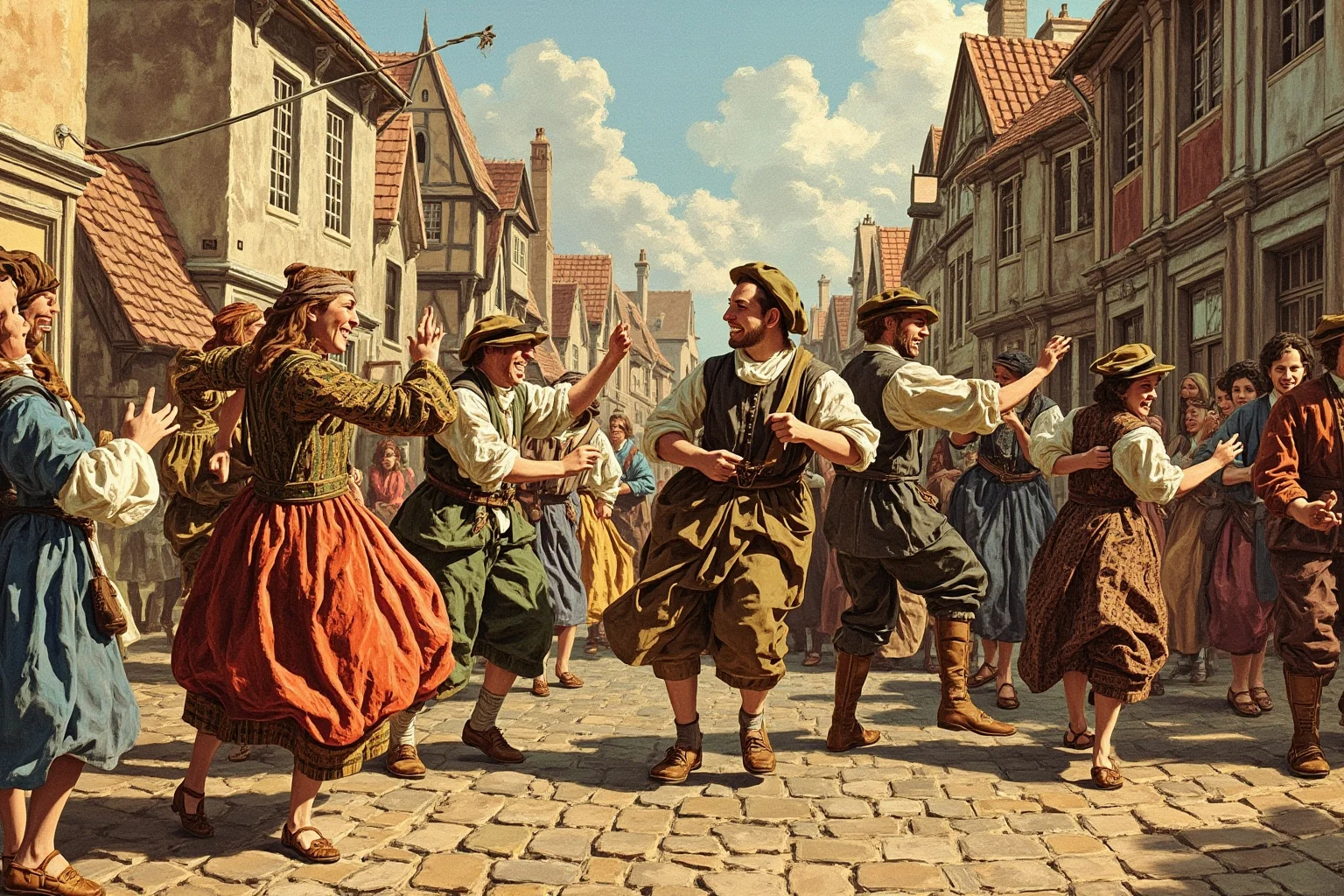
In July 1518, a woman in Strasbourg reportedly began dancing in the street and didn’t stop for days. Within a month, dozens of others had apparently joined her, some allegedly dancing until they collapsed from exhaustion.
Local physicians at the time blamed overheated blood, and authorities even built a stage and hired musicians, thinking dancing it out would cure the afflicted. Modern historians debate the cause, with theories ranging from stress-induced mass psychogenic illness to ergot poisoning from moldy rye, though no explanation is universally accepted.
2. The War of the Bucket (1325)
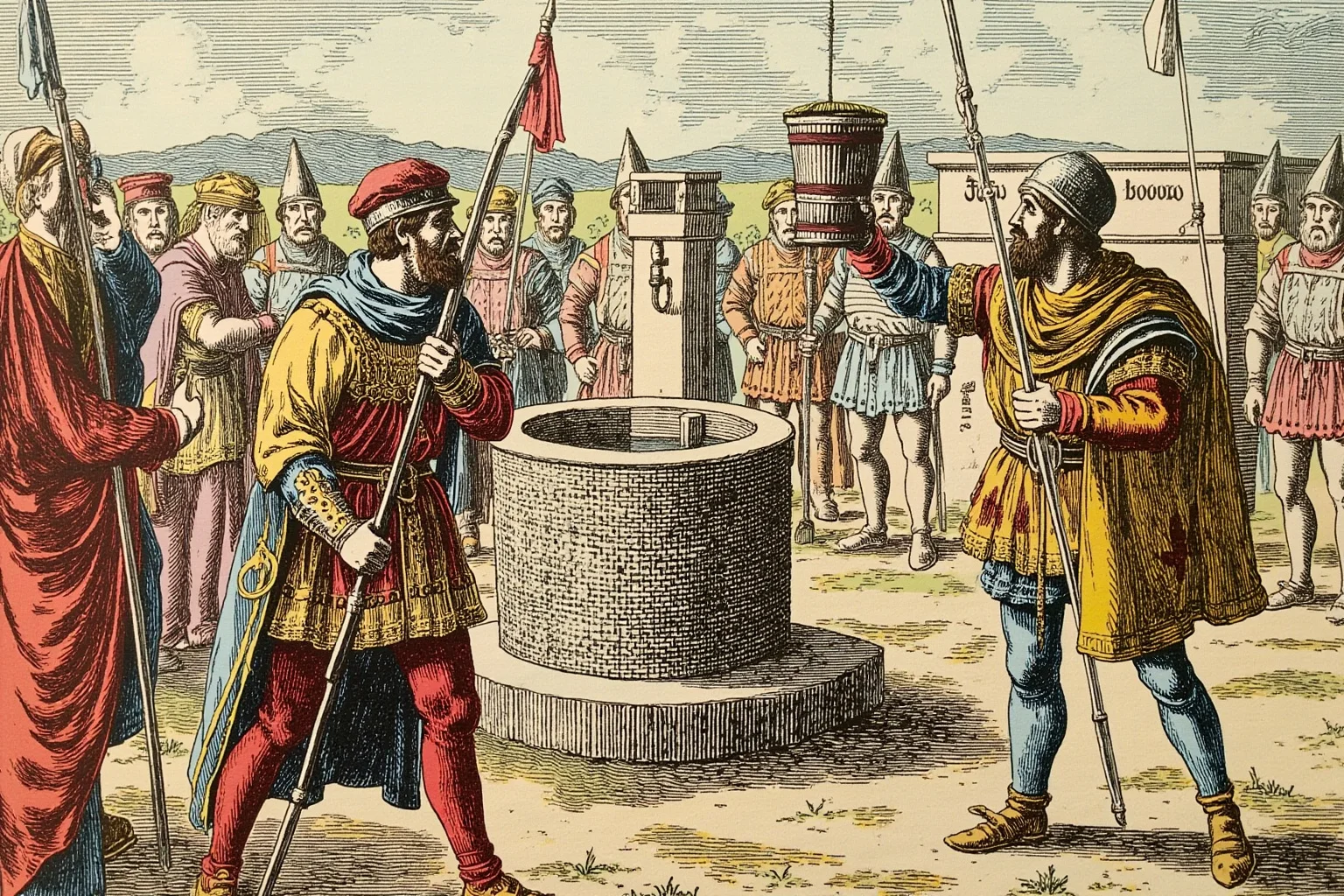
This one sounds like a joke, but it’s a real (if minor and somewhat embellished in later retellings) conflict between the Italian city-states of Bologna and Modena. According to popular legend, soldiers from Modena raided Bologna and stole a wooden bucket from a town well as a trophy.
The insult allegedly escalated into open warfare, culminating in the Battle of Zappolino in 1325. Bologna, despite outnumbering Modena’s forces, reportedly lost the battle, and the bucket stayed in Modena as a symbol of the win.
3. The Great Emu War (1932)

After World War I, Australian veterans were given land in Western Australia to farm wheat. When roughly 20,000 emus migrated through the region and trampled crops, the government sent soldiers armed with machine guns to deal with the birds.
The emus, it turned out, were faster and more evasive than expected, scattering into small groups instead of forming easy targets. The military campaign was quietly called off, and the emus are generally considered to have won.
4. The Cod Wars (1958–1976)
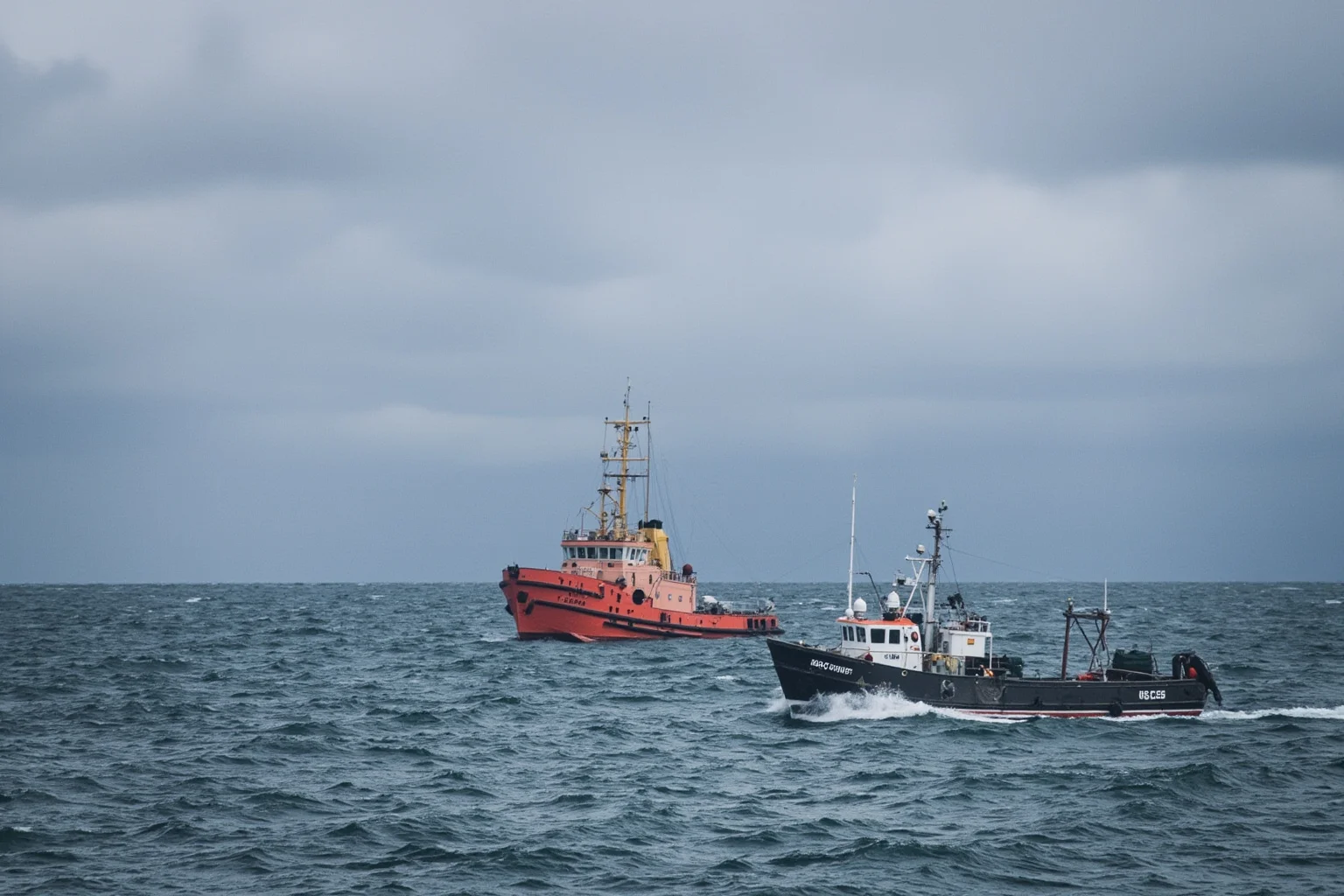
Iceland and the United Kingdom fought a series of tense but largely bloodless disputes over fishing rights in the North Atlantic. Icelandic patrol boats cut the nets of British trawlers, and British warships were sent to protect their fishing fleet.
There were collisions and close calls, but no formal declarations of war and only a handful of injuries. Iceland ultimately won expanded fishing rights, reshaping international law around coastal waters.
5. The Tanganyika Laughter Epidemic (1962)
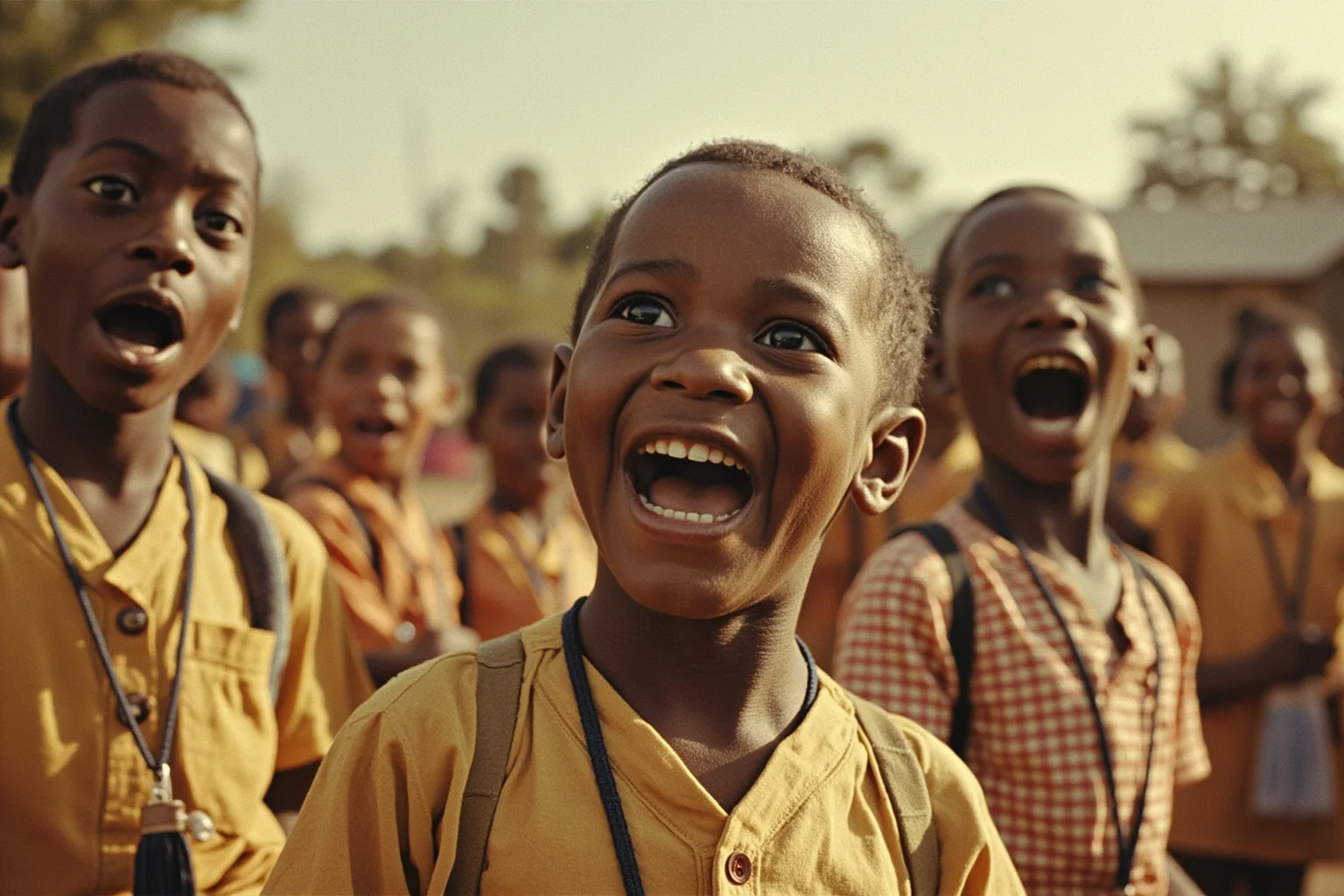
In January 1962, a laughing fit reportedly broke out among students at a girls’ school in Tanganyika (modern-day Tanzania) and spread to nearby communities over several months. Schools temporarily closed as the episode affected thousands of people, according to contemporary reports.
Researchers have since studied it as a likely case of mass psychogenic illness, often linked to stress. It remains one of the most documented examples of this kind of collective phenomenon in the twentieth century.
6. The Pig War (1859)

A dispute between American and British settlers on San Juan Island, off the coast of Washington State, escalated after an American farmer shot a British-owned pig that was rooting in his garden. Both nations sent military forces to the island in response.
The standoff lasted for weeks, but a peaceful resolution was reached without a single human casualty. The pig remains the only reported fatality of the entire affair.
7. The Nika Riots (532 AD)
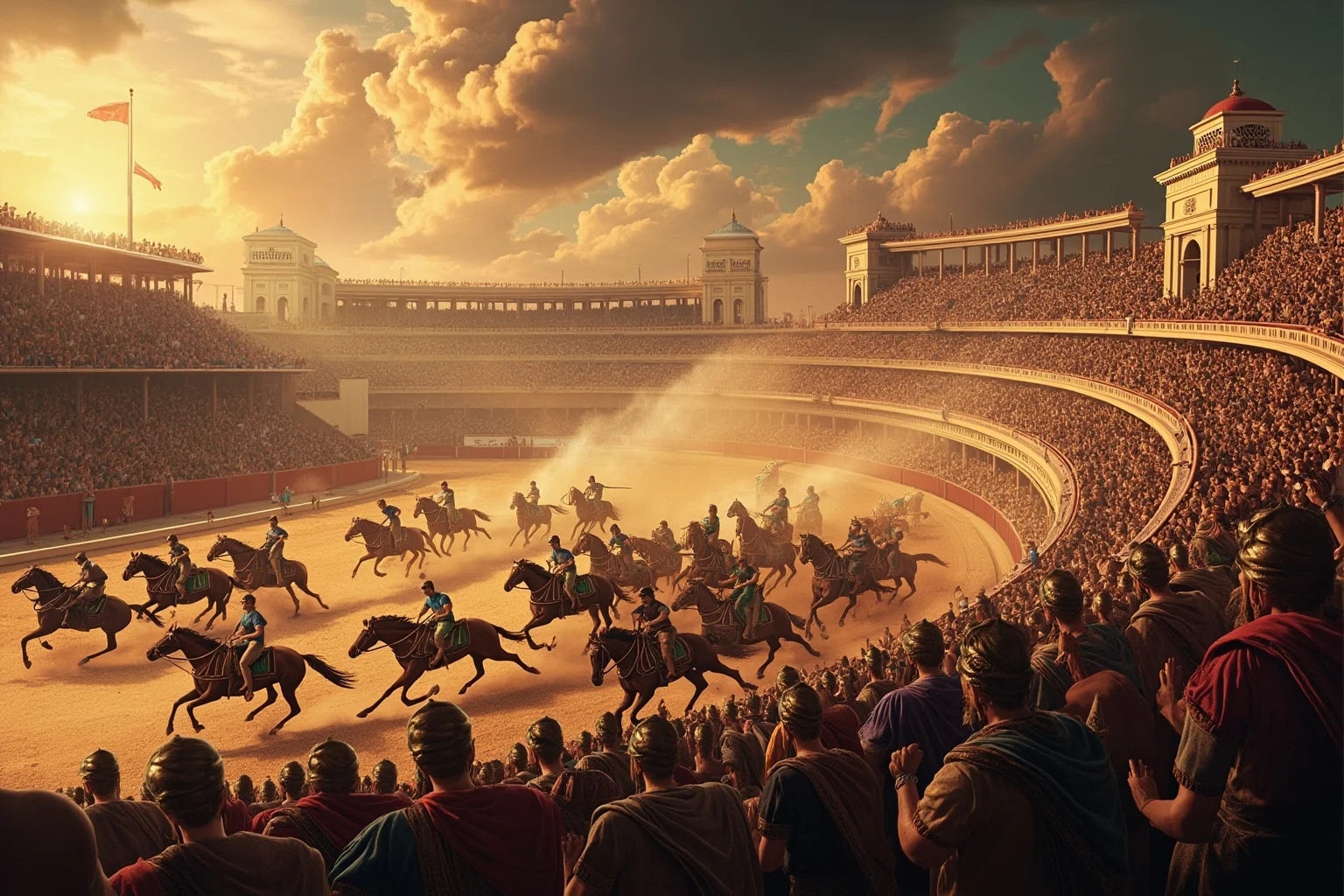
One of the deadliest riots in recorded history started at a chariot race. In Constantinople, two rival factions, the Blues and the Greens, united in anger over taxes and unpopular political decisions by Emperor Justinian I.
The riot devastated much of the city and, according to the historian Procopius, resulted in tens of thousands of deaths before Justinian’s forces put it down. It’s a striking example of how sports rivalries and political grievance can collide with explosive consequences.
8. The Defenestrations of Prague
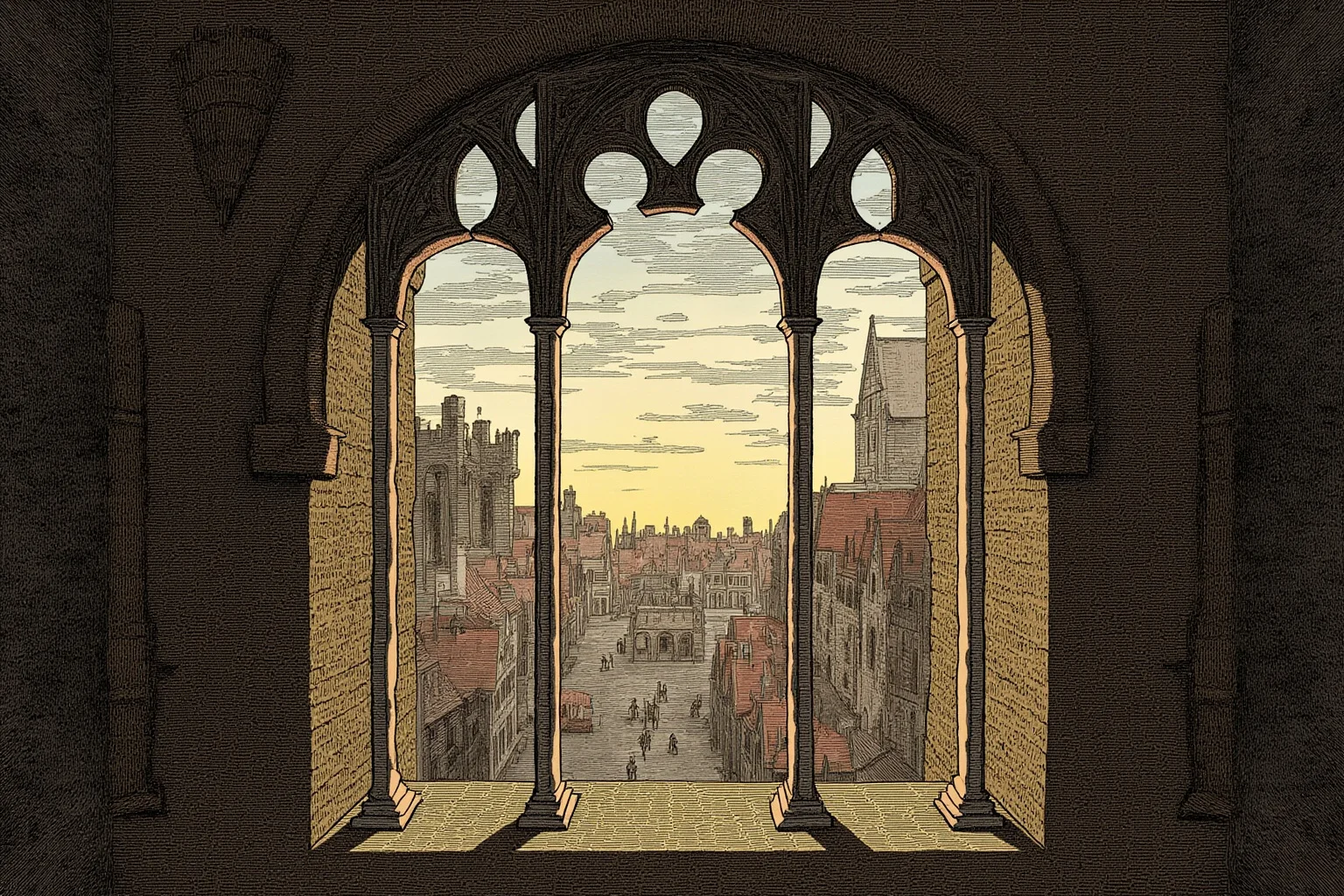
Prague has, on more than one occasion, settled political disputes by literally throwing people out of windows. The most famous instance, in 1618, saw Catholic officials thrown from Prague Castle by Protestant nobles, helping ignite the Thirty Years’ War.
An earlier defenestration in 1419 played a similar role in sparking the Hussite Wars. It’s a genuinely odd historical thread connecting two very different conflicts centuries apart.
9. Operation Acoustic Kitty
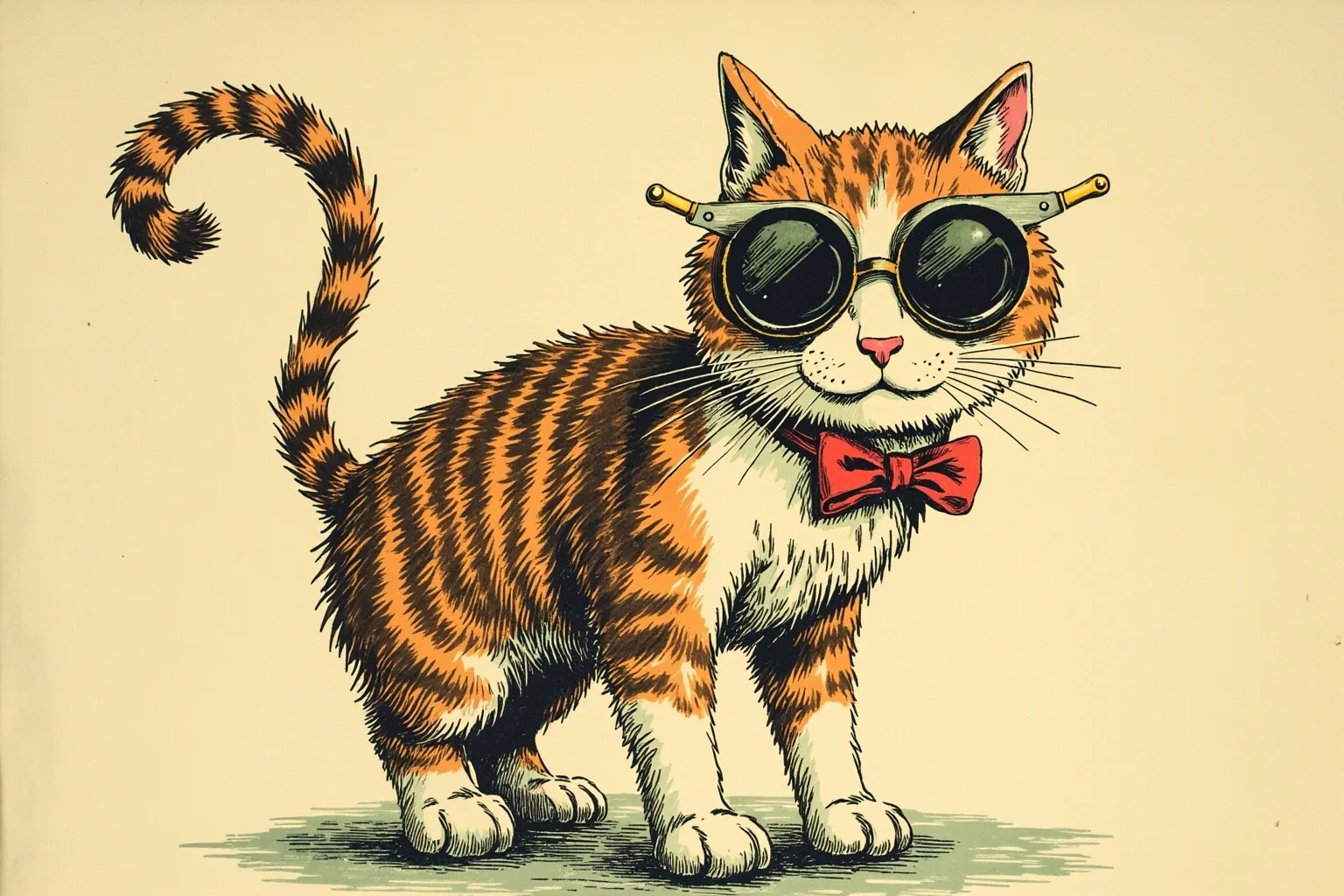
In the 1960s, the CIA reportedly spent several years and a substantial budget attempting to surgically implant listening equipment into a live cat, intending to use it for espionage. According to declassified accounts, the project was abandoned after early field tests failed.
The program is often cited among the historical events that sound too crazy to be true, a stranger footnote of Cold War intelligence work. It’s a reminder that not every historical anecdote from the era involves spies in trench coats.
10. The Great Molasses Flood (1919)
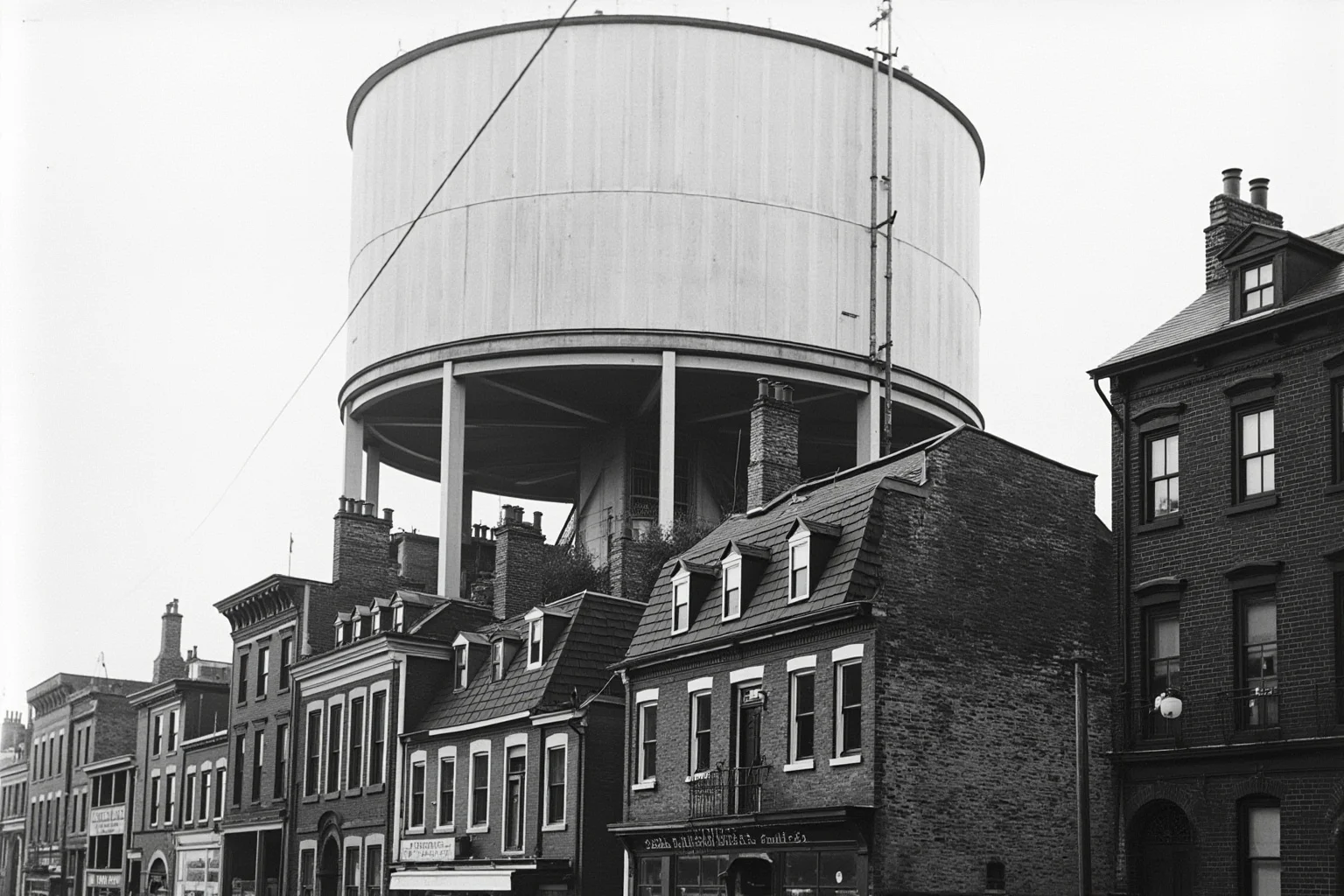
A storage tank holding over two million gallons of molasses ruptured in Boston’s North End, sending a wave of thick liquid through the streets at an estimated 35 miles per hour. The flood killed 21 people and injured about 150 more.
The disaster led to some of the first major U.S. lawsuits demanding engineering accountability and stricter safety standards, and it’s now often ranked among the worst manmade disasters in history. It’s a largely forgotten history lesson in industrial regulation.
11. The Battle of Karánsebes (1788)
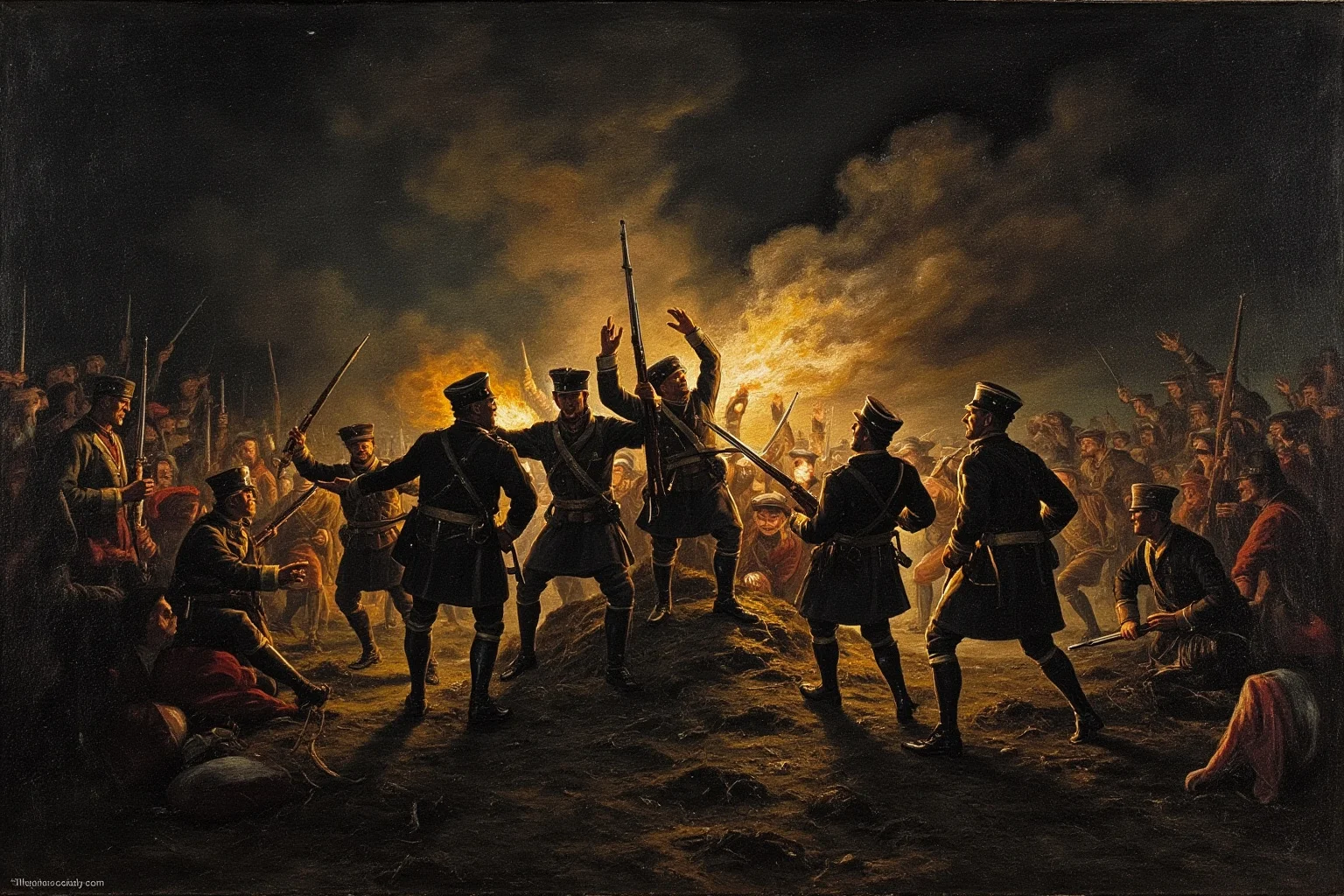
During a war against the Ottoman Empire, an Austrian army reportedly panicked in the dark, mistaking its own soldiers for the enemy, and began fighting itself. Accounts vary in detail and some are likely exaggerated in later retellings, but the core story of a self-inflicted rout has been repeated by multiple historians.
The confusion allegedly caused the army to scatter, and Ottoman forces arriving days later found a battlefield already in disarray. It’s frequently cited as a cautionary tale about the chaos of nighttime warfare.
12. The Kentucky Meat Shower (1876)
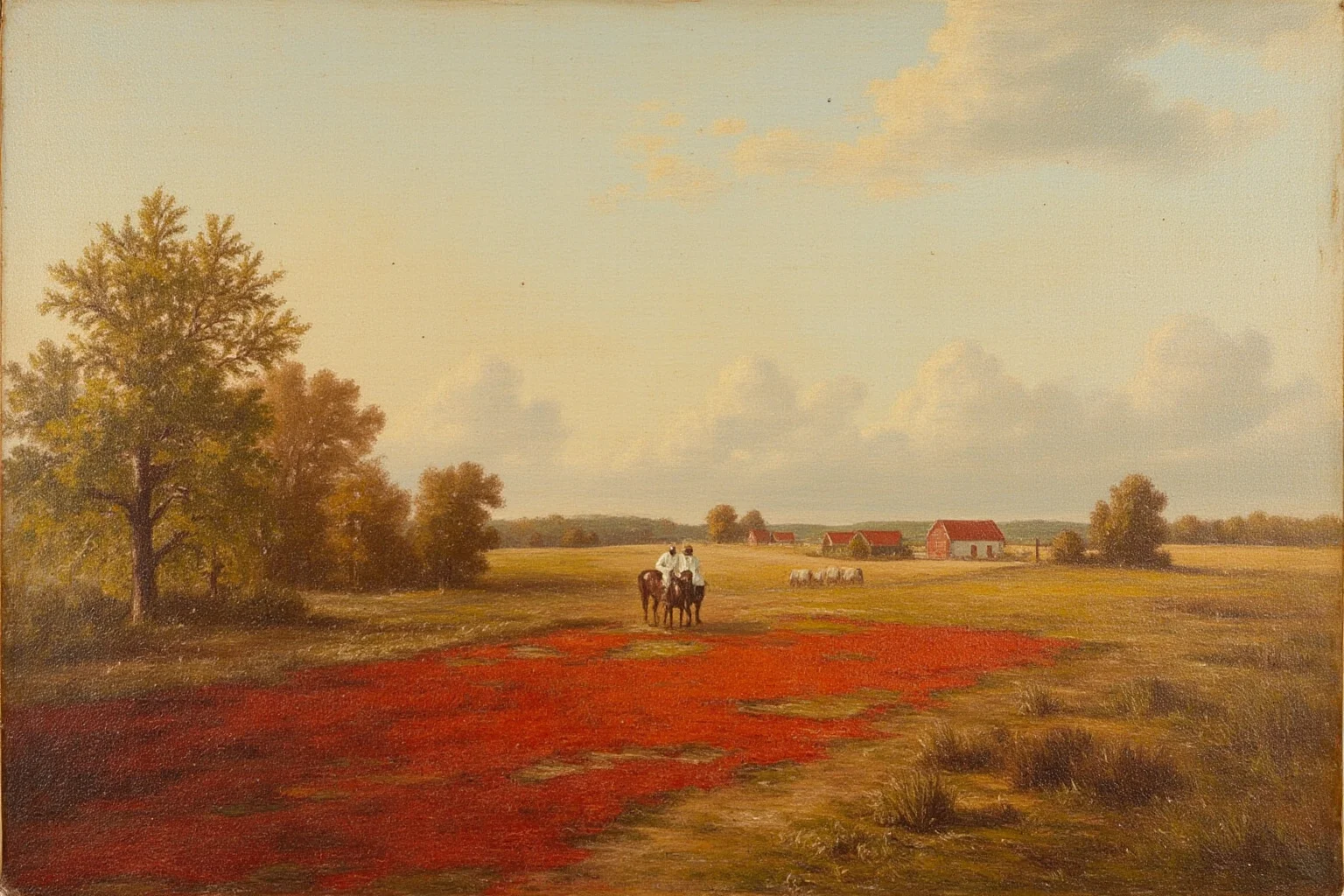
On a clear day in Bath County, Kentucky, chunks of red flesh reportedly fell from the sky over a farm. Witnesses described pieces ranging from small flecks to several inches across, and some observers even tasted it, describing it as venison or mutton.
Scientists at the time speculated it might be vulture vomit, since the birds are known to regurgitate when startled or threatened. It remains an unusual, if minor, entry in the history of unexplained natural phenomena.
13. The Radium Girls (1920s)
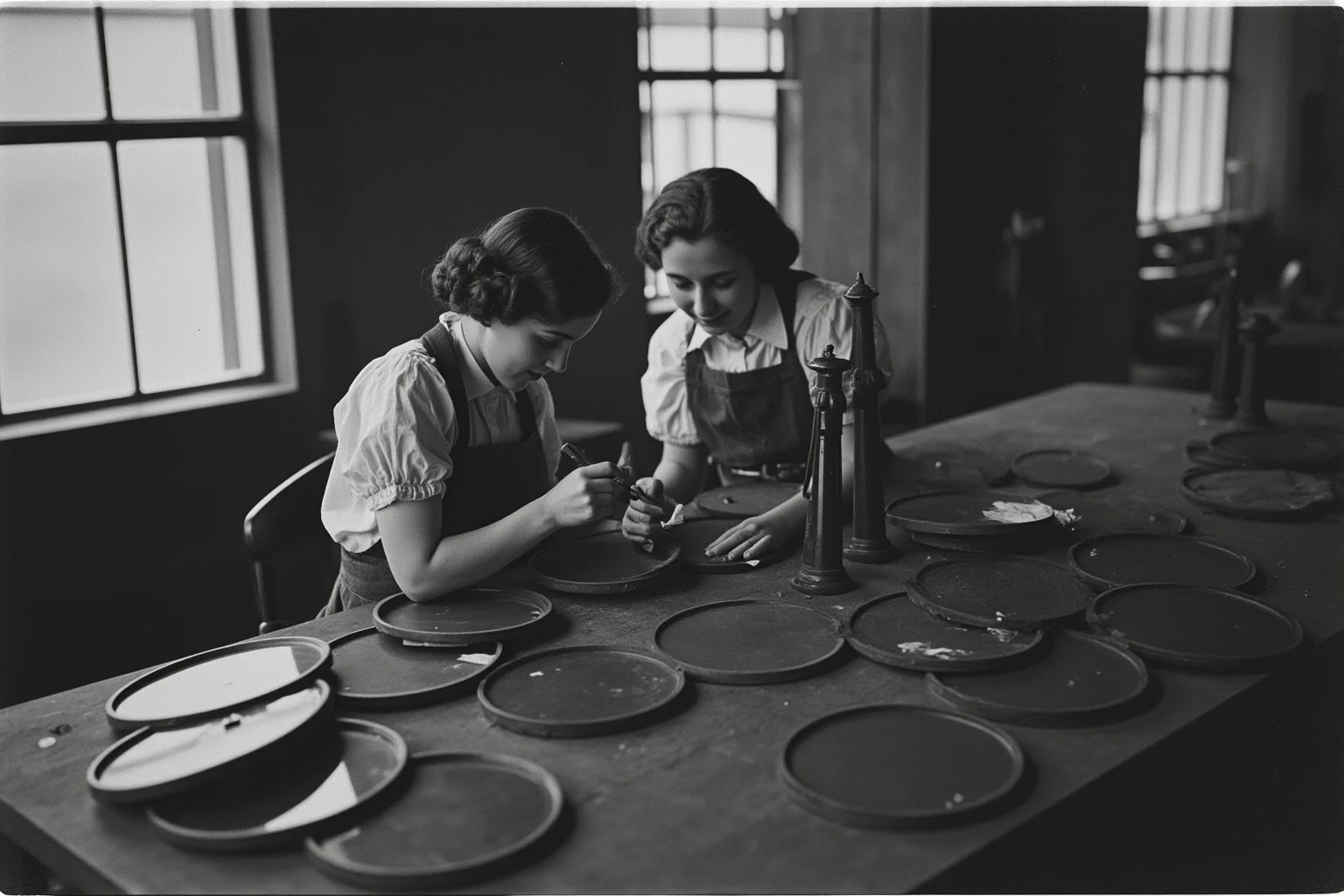
Young women working in watch-dial factories were instructed to lick paintbrushes tipped with radium-based paint to keep a fine point, unaware of the element’s dangers. Many developed severe illnesses, including bone deterioration and cancer, years before the risks were publicly acknowledged.
A group of these workers sued their employer, and the resulting case became a landmark moment for occupational health law in the United States. It’s a sobering piece of forgotten history that still shapes workplace safety standards today.
14. The Cadaver Synod (897 AD)
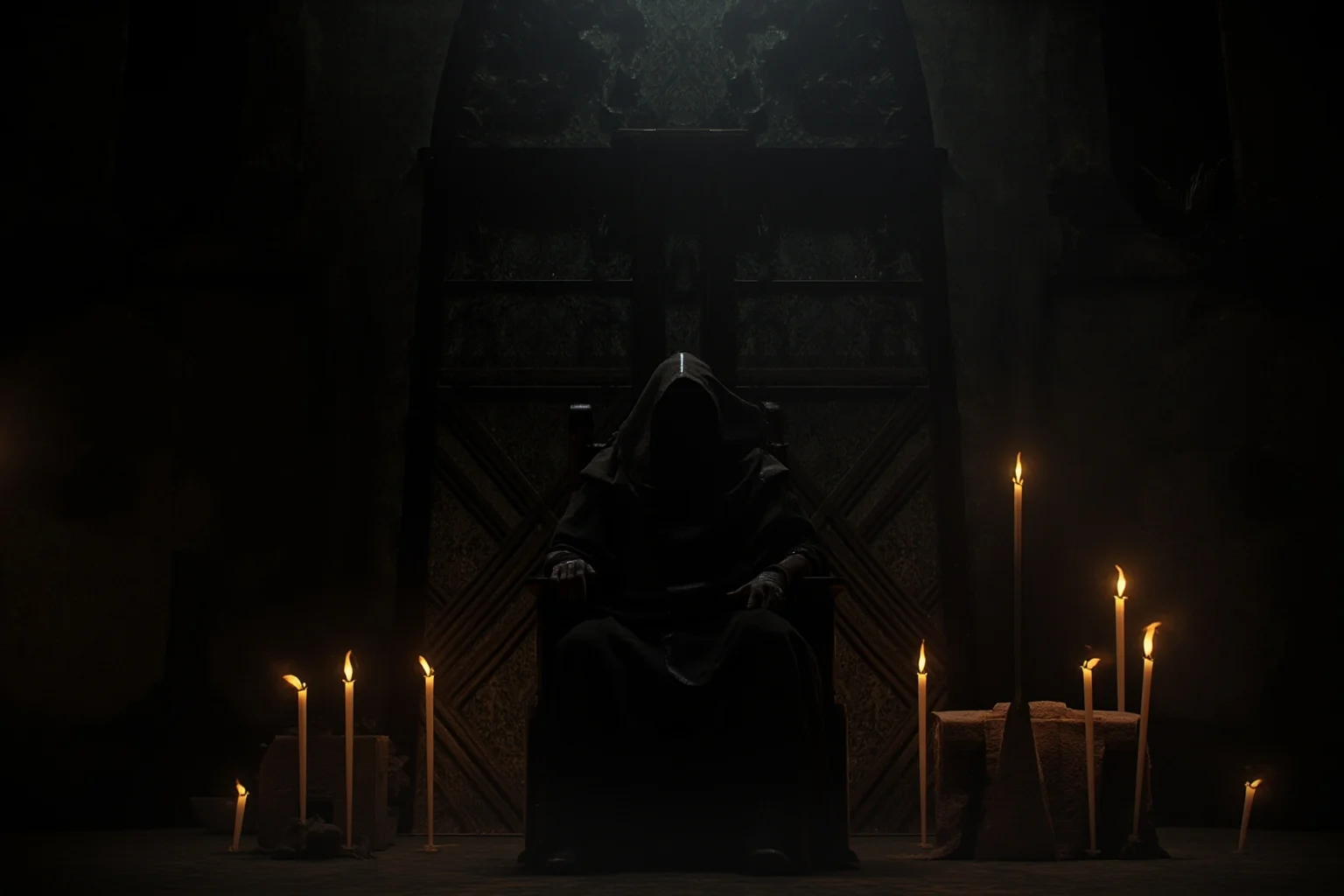
In one of the more macabre trials in papal history, Pope Stephen VI ordered the exhumed corpse of his predecessor, Pope Formosus, dressed in papal robes and placed on trial for alleged violations of church law. The corpse was reportedly propped up and even given a lawyer to answer the charges.
Formosus was posthumously found guilty, and his body was mutilated and dumped in the Tiber River, according to contemporary chroniclers. The episode reflects just how volatile papal politics could get in the early medieval period.
15. The Berners Street Hoax (1810)
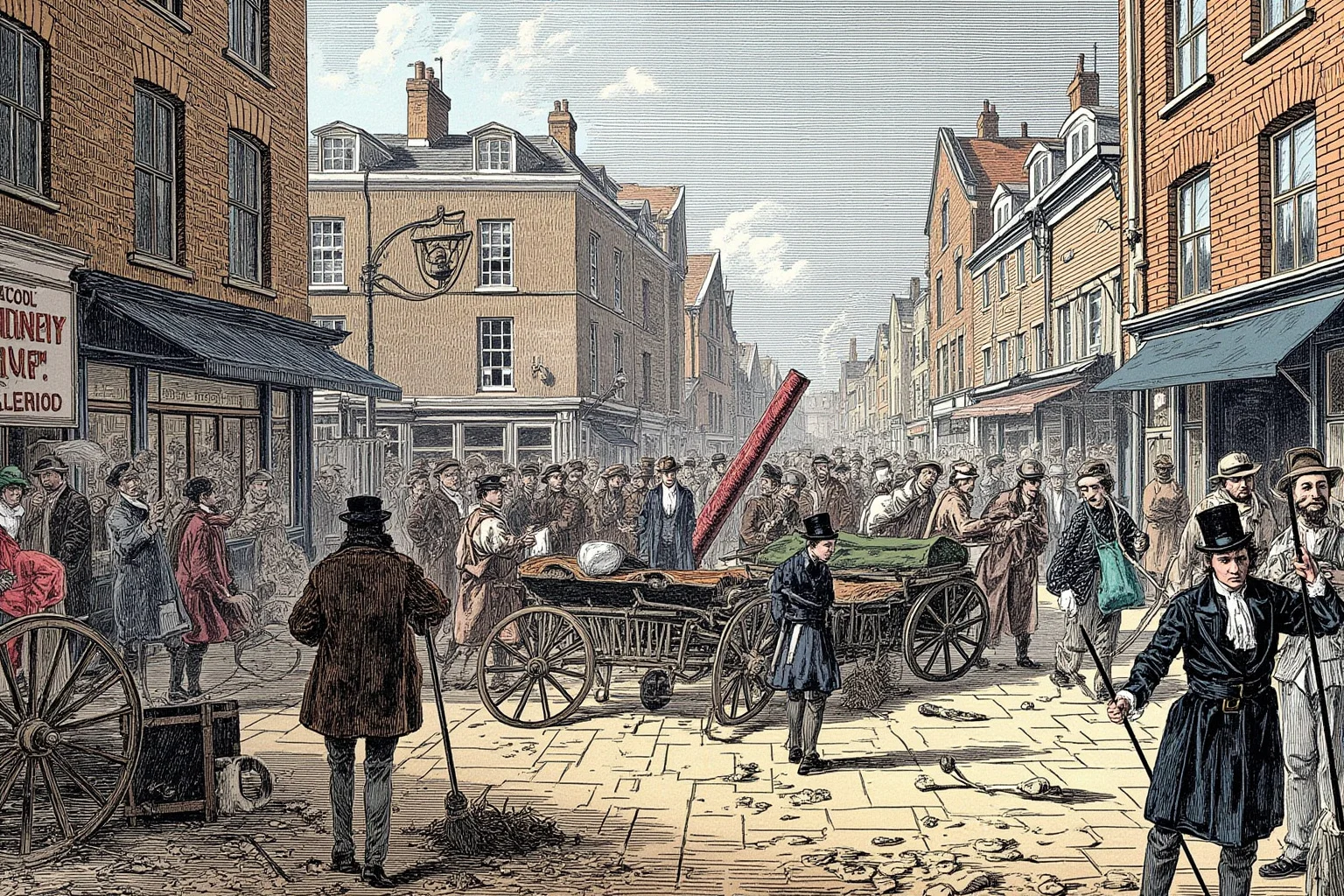
An English writer named Theodore Hook reportedly orchestrated an elaborate prank on a London street, sending out thousands of letters requesting deliveries, tradespeople, and even officials to arrive at a single address at set times. The result was a chaotic pileup of carts, chimney sweeps, and confused dignitaries all converging at once.
Hook is said to have watched the spectacle from a nearby window. It’s often cited as one of the earliest large-scale practical jokes on record.
16. The Great Stink of London (1858)
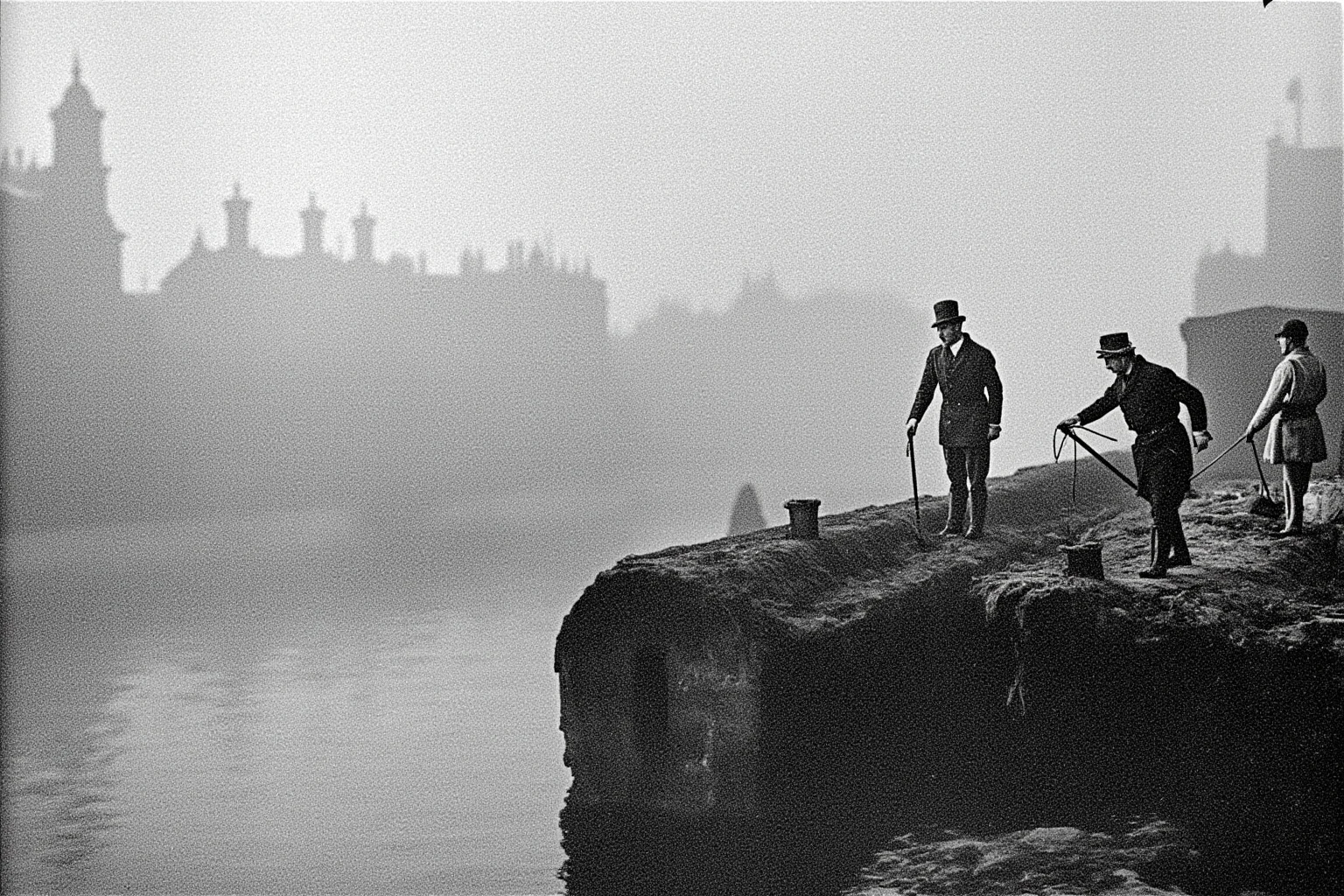
An unusually hot summer combined with London’s overwhelmed sewage system created a smell so severe that Parliament reportedly considered relocating. The crisis finally pushed lawmakers to fund a comprehensive sewer system, designed by engineer Joseph Bazalgette.
That infrastructure dramatically reduced outbreaks of cholera in the following decades. It’s an example of history where a disgusting problem led to a genuinely transformative public health solution.
17. The Mad Gasser of Mattoon (1944)
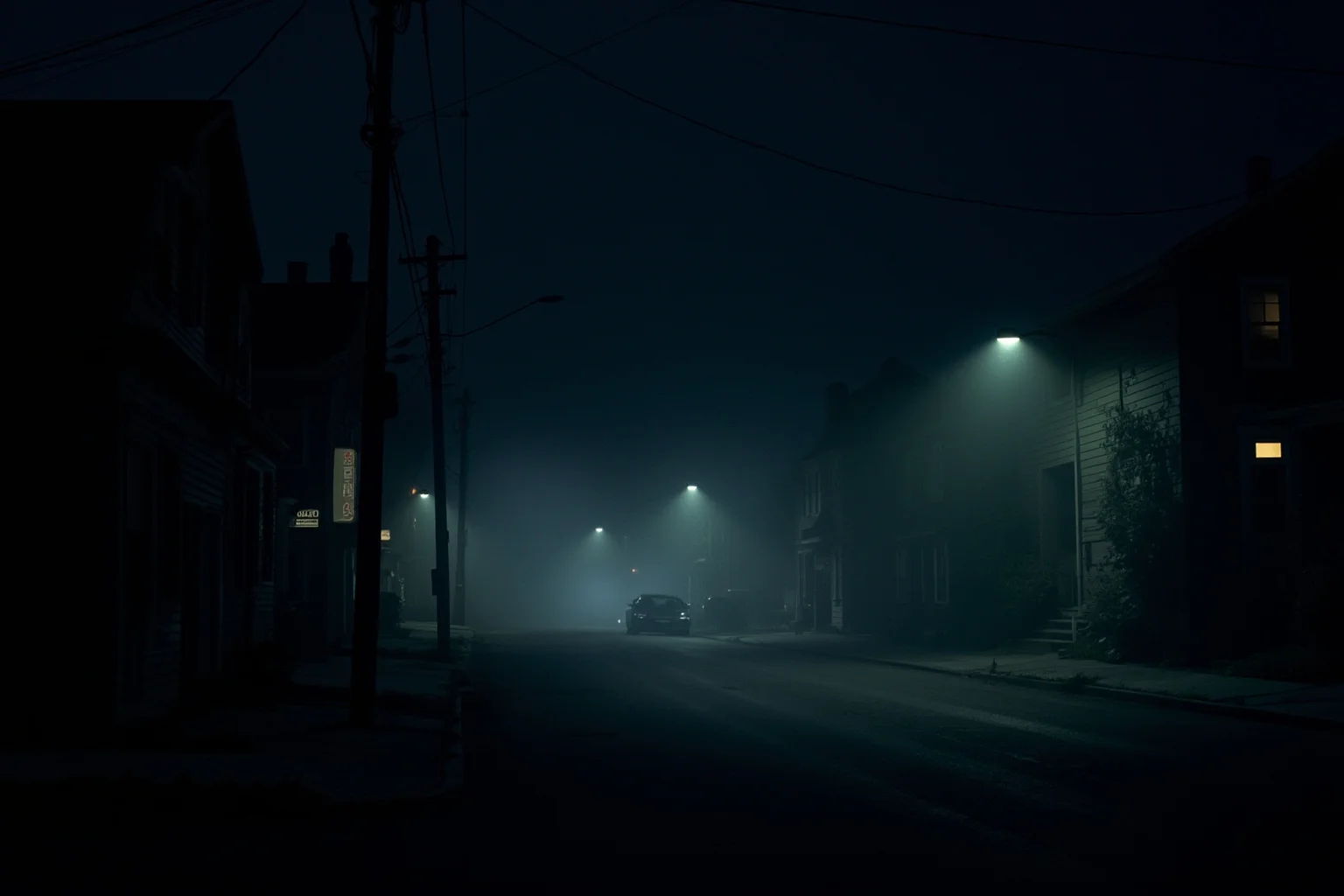
Residents of Mattoon, Illinois, reported a string of incidents involving a mysterious intruder who sprayed a sickly-sweet gas into homes at night, leaving people nauseated and weak. Despite widespread panic and local news coverage, no perpetrator was ever definitively identified.
Later analyses suggest the event may have been another case of mass psychogenic illness combined with wartime anxiety. It remains a debated and unresolved chapter in American local history.
18. The Aluminum Cap on the Washington Monument (1884)
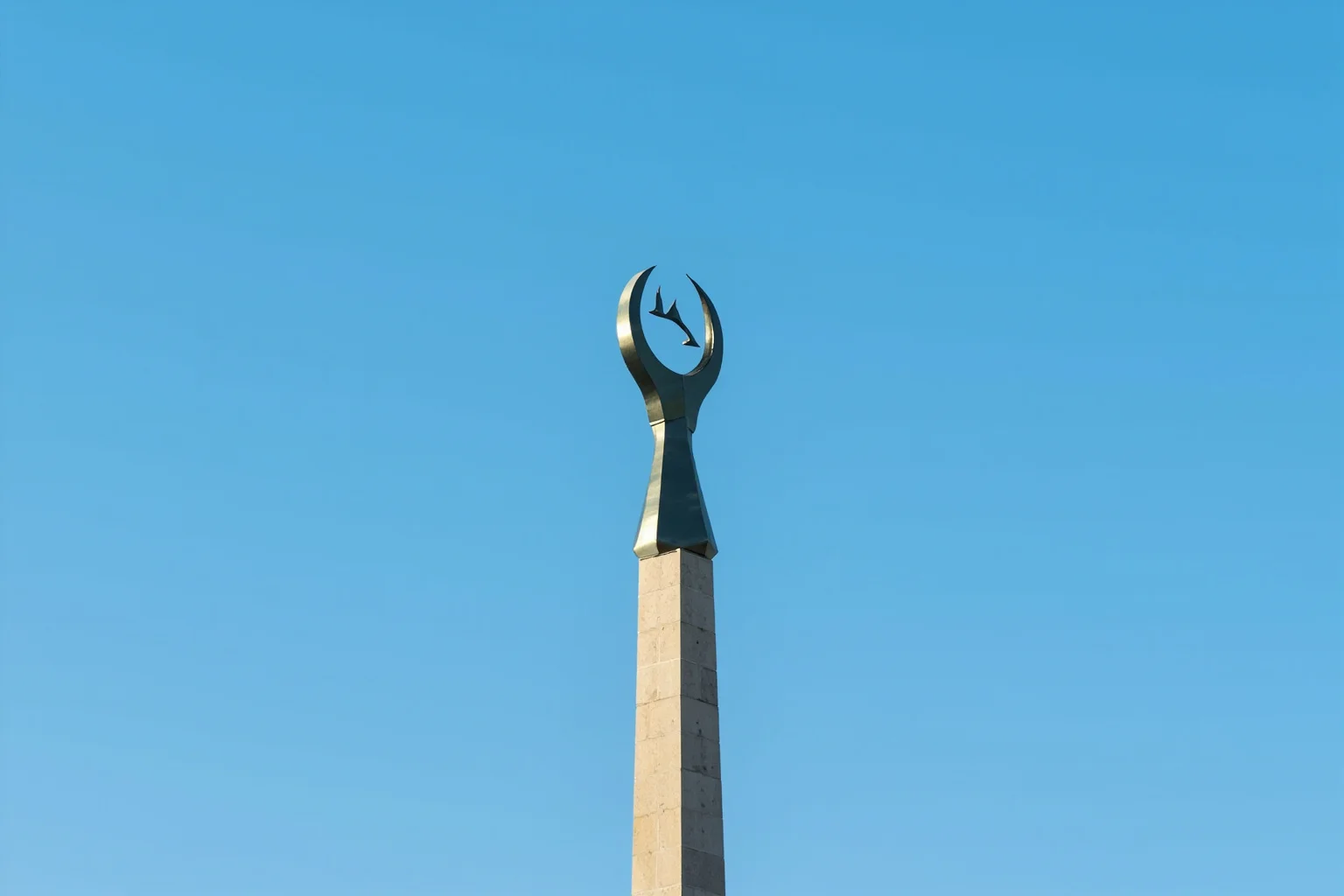
When the Washington Monument was completed, its tip was capped with aluminum, a metal so rare and expensive at the time that it was considered a luxury on par with silver. The cap was, for a brief period, reportedly the largest single piece of aluminum ever cast.
Within a few decades, industrial refining made aluminum cheap and common. It’s a small but telling example of how quickly technology can flip something from precious to ordinary.
19. Tulip Mania (1630s)
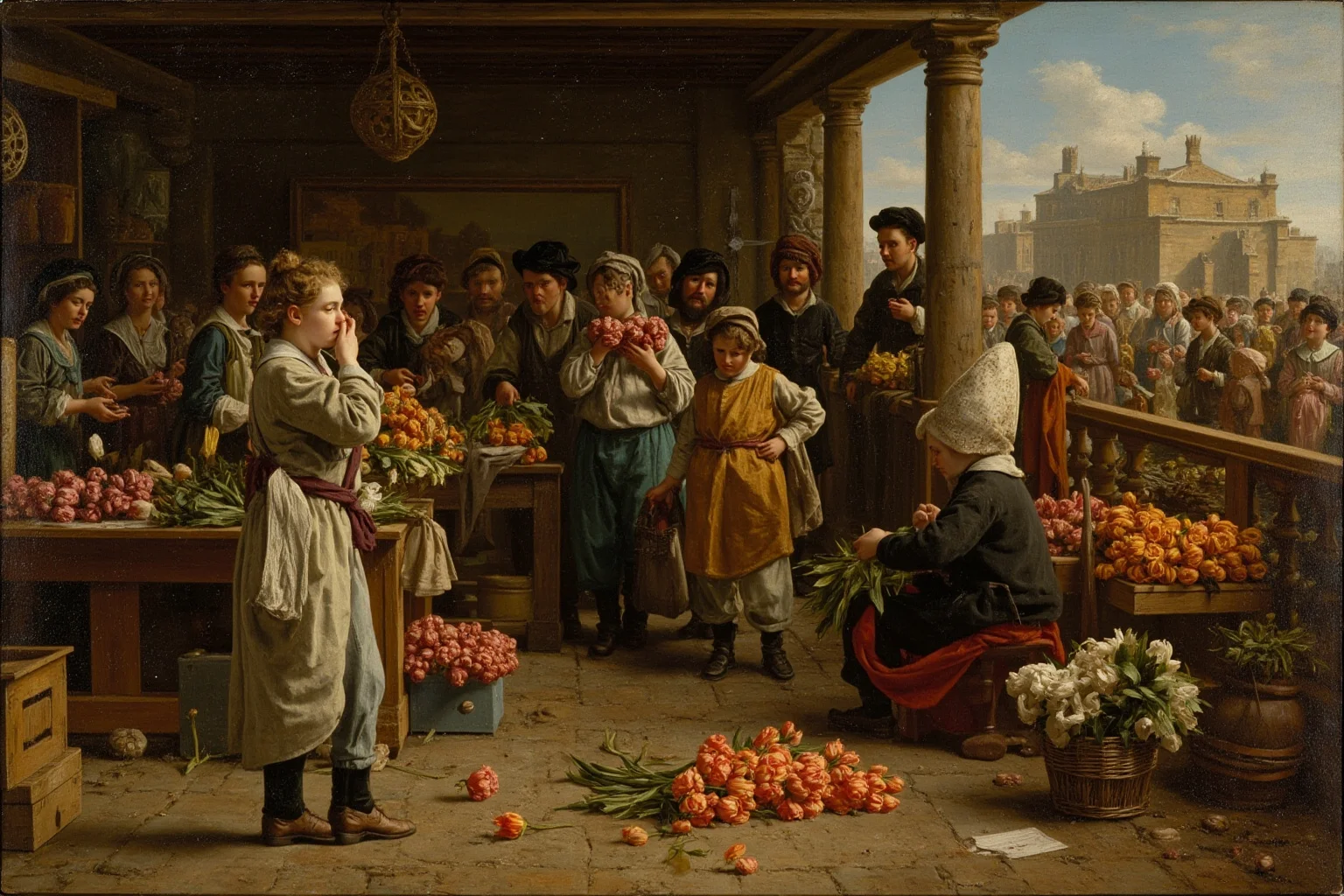
In the Dutch Republic, tulip bulb prices rose to extraordinary levels before collapsing sharply in 1637, wiping out the paper fortunes of many speculators. Some modern economic historians argue the scale of the mania has been somewhat exaggerated in popular retellings, though the speculative bubble itself is well documented.
It’s frequently taught in economics courses as an early example of speculative bubbles. The episode remains one of history’s most-cited cautionary tales about market psychology.
20. The San Francisco Vigilance Committees (1850s)
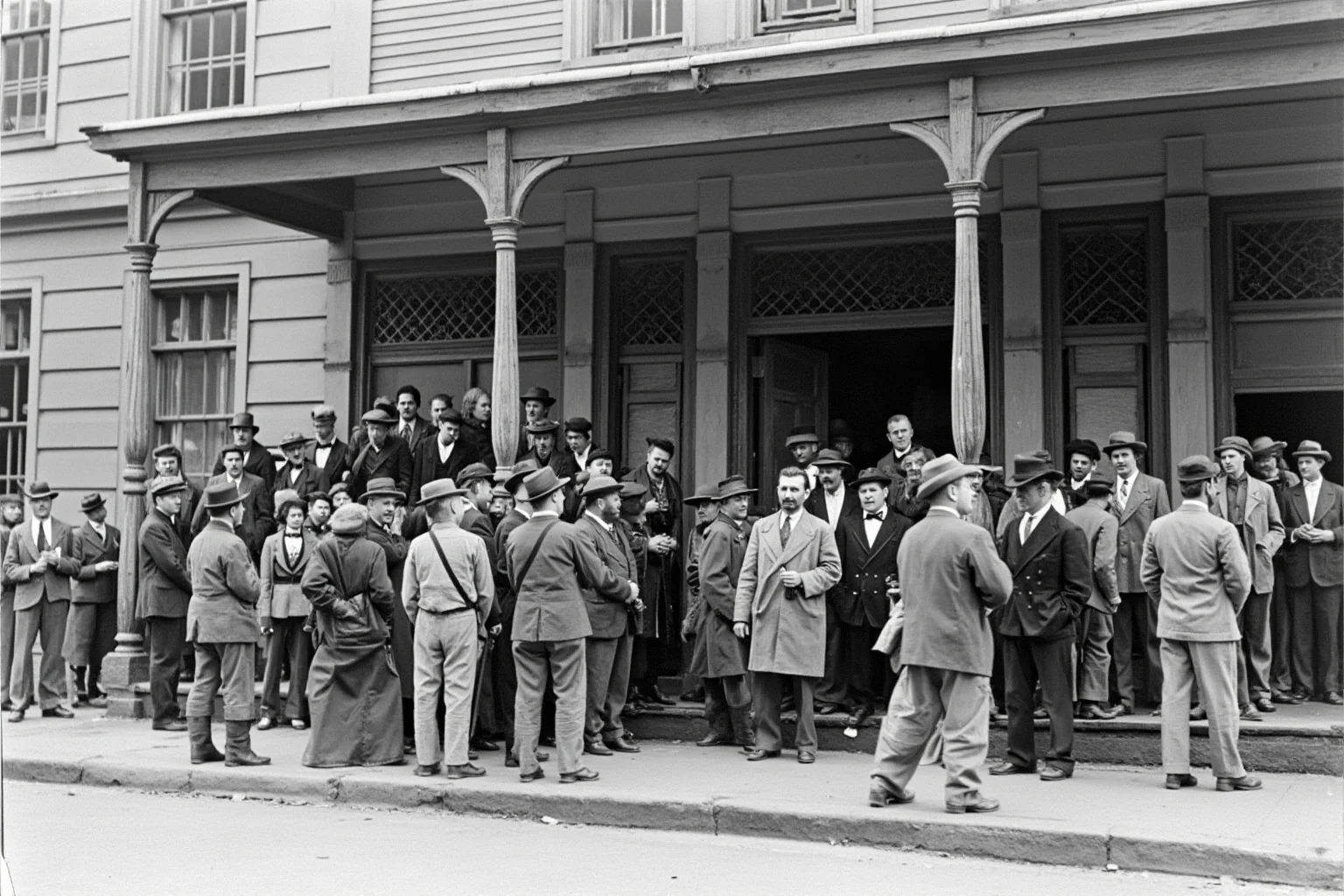
During the chaos of the California Gold Rush, groups of citizens in San Francisco formed vigilance committees that operated largely outside the formal legal system, conducting their own trials and punishments. The committees framed themselves as a response to corruption and crime, though their methods bypassed due process entirely.
They disbanded after a few months but left a long, complicated legacy in California’s early legal and political history. It’s a useful case study in how quickly informal power can fill a vacuum left by weak institutions.
21. The Anglo-Zanzibar War (1896)
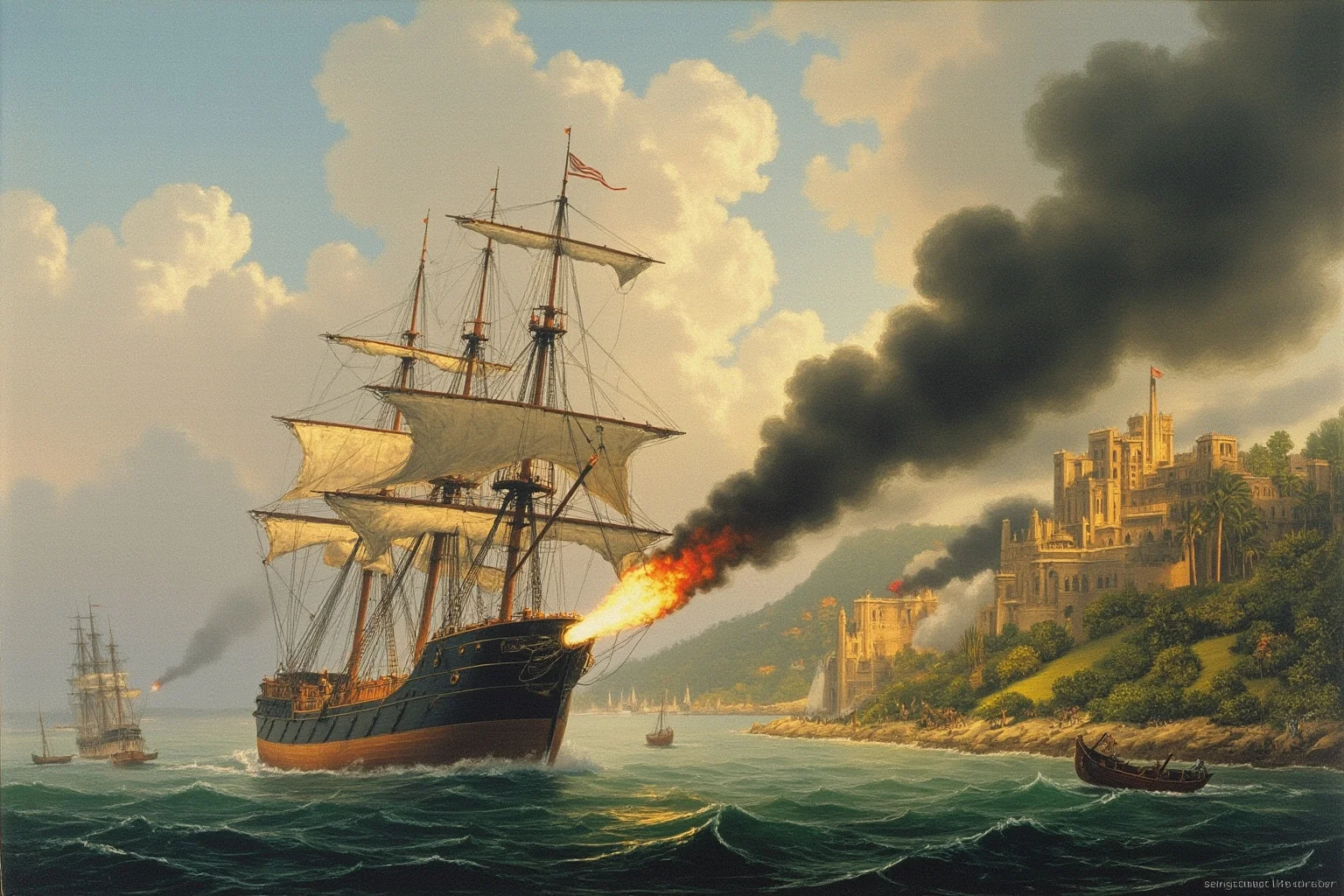
Often cited as the shortest war in recorded history, this conflict between the United Kingdom and the Sultanate of Zanzibar lasted roughly 38 to 45 minutes, depending on the source. It began after a sultan took power without British approval, prompting a naval bombardment of the palace.
The sultan’s forces surrendered quickly, and a British-approved successor was installed shortly after. It’s a striking example of colonial-era power imbalance compressed into less time than a typical class period.
22. The Toledo War (1835–1836)
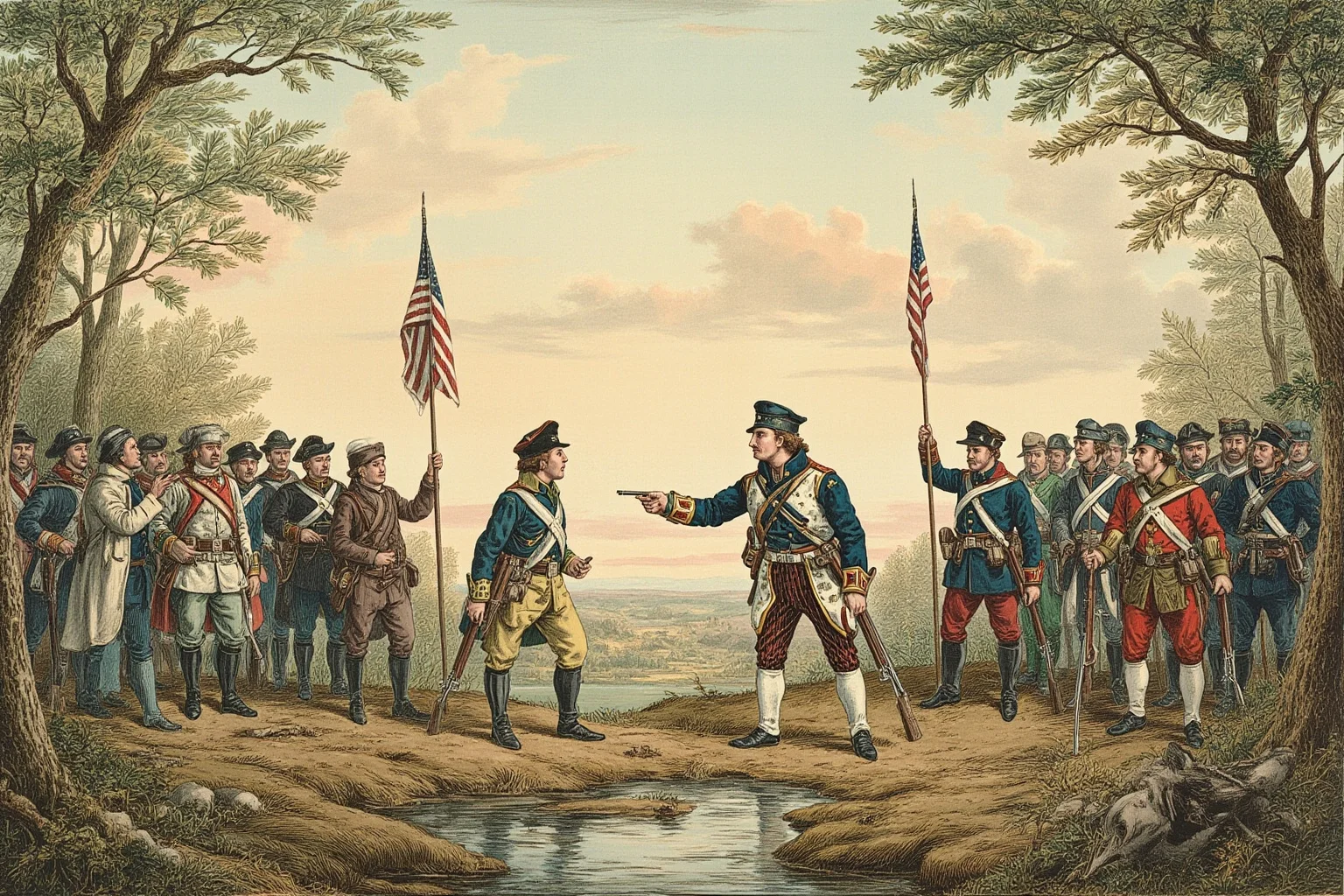
Michigan and Ohio nearly went to armed conflict over a disputed strip of land containing the city of Toledo, mobilizing militias on both sides — a strange little detour in the biggest events in American history. Remarkably, the standoff produced almost no violence beyond a few minor skirmishes and arrests.
Congress ultimately resolved the dispute by giving Toledo to Ohio and compensating Michigan with the western Upper Peninsula. Michigan’s residents were unimpressed at the time, though that land later proved rich in copper and timber.
Debatable Historical Events Worth a Second Look
Not every entry in the historical record comes with a tidy, agreed-upon explanation. Debatable historical events and topics — like the exact causes of certain wars, the true scale of ancient battles, or the reliability of centuries-old eyewitness accounts — remind us that history is often argued over, not simply memorized.
Events like the Battle of Karánsebes or the Great Emu War get retold so often that details are sometimes exaggerated in the process. Good historical literacy means treating dramatic stories with a healthy dose of skepticism while still appreciating what they reveal about the periods they come from.
How to Turn These Stories Into Something Useful
If you’re a student, writer, or podcaster hunting for history events to write about, the events above are a good starting point precisely because they’re under-covered. For a broader sense of how smaller moments fit into the bigger picture, it’s worth pairing this list with something like 25 historical events that changed the world — a niche history topic gives you more room to say something genuinely new, instead of retreading a subject that’s already been written about a thousand times.
For essays, look for the human angle: the Radium Girls case connects directly to modern labor law, and the Great Stink of London ties into public health infrastructure we still rely on. For a things-you-missed-in-history-podcast format, pair a weird hook (a dancing plague, a war over a bucket) with the real context behind it, since that combination of surprise and substance is what keeps listeners hooked.
Closing Thoughts
Most of what we call ‘history’ is really just a small, curated sample of everything that actually happened. The events above are examples of history that fell outside that sample, not because they’re unimportant, but because they didn’t fit the usual narrative molds of kings, wars, and revolutions.
The next time someone tells you they find history boring, try handing them one historical event from this list instead of a textbook chapter. Odds are good it’ll be the one that finally makes the past feel worth talking about.
Frequently Asked Questions
What are some things you missed in history class?
Most history classes focus on major wars, political leaders, and turning points, which means smaller but fascinating stories often get skipped entirely. Things like the Dancing Plague of 1518, the Great Emu War of 1932, and the 38-minute Anglo-Zanzibar War rarely make it into standard curricula, even though they reveal a lot about the periods they happened in.
What is some history that’s commonly overlooked?
Overlooked history tends to be local, strange, or hard to fit into a simple cause-and-effect narrative, like industrial disasters, mass psychogenic illnesses, or minor territorial disputes. Events such as the Great Molasses Flood or the Toledo War are well documented but rarely taught because they don't connect neatly to a bigger geopolitical story.
What makes a historical event ‘debatable’?
A historical event becomes debatable when sources conflict, records are incomplete, or later retellings exaggerated the original facts. Events like the Battle of Karánsebes or Tulip Mania are real, but historians continue to debate exactly how dramatic or widespread they truly were.
What are good historical events to write about for an essay or podcast?
Niche or lesser-known events tend to work best because they haven't already been covered extensively elsewhere, giving you more room to add original analysis. Look for events with a clear human angle, a surprising twist, or a direct connection to something modern, such as labor law, public health, or urban planning.
Are there notable historical events that start with the letter N?
Yes, the Nika Riots of 532 AD in Constantinople are a strong example, a chariot-race rivalry that escalated into one of the deadliest riots in recorded history and nearly toppled Emperor Justinian I.
What’s a good historical anecdote to share in conversation?
The Pig War of 1859 is a reliable crowd-pleaser: American and British forces nearly went to war over a shot pig, yet the entire standoff ended without a single human casualty. It's a great historical anecdote because it's true, surprising, and quick to tell.

Alex Warren
Related Articles





