
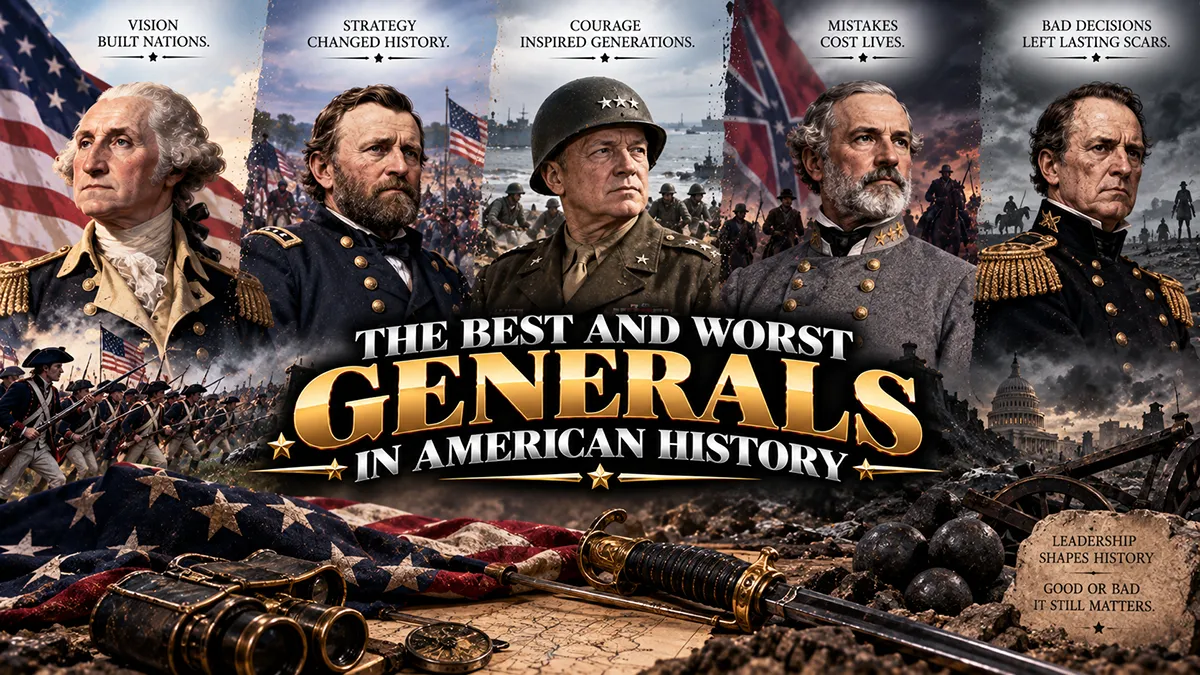
Ask ten history buffs to name the greatest American general of all time, and you’ll likely get ten different answers. Some will say Washington, because without him there’s no United States to have generals in the first place.
Others will argue for Grant, Eisenhower, or Patton — all names that show up among the most recognized historical figures of all time — and a few contrarians will bring up names you’ve probably never heard.
What’s rarely discussed, though, is the flip side: the generals whose decisions got soldiers needlessly killed, handed away winnable battles, or left legacies far more complicated than the statues suggest. This guide covers both ends of the spectrum.
We’ll rank the best generals in U.S. history, expose the 10 worst, and answer the practical questions people actually search for, like how many generals serve in the U.S. military today and which presidents wore stars before they wore the presidency.
TL;DR: America’s greatest generals combined battlefield judgment with restraint and adaptability, while its worst generals were undone by ego, caution, or outright incompetence, and this list ranks 20 of the former alongside 10 of the latter.
How Many Generals Are There in the U.S. Military?
The exact headcount shifts year to year because Congress caps general and flag officer numbers by law, and the Department of Defense adjusts allocations as force needs change.
As a rough guide, the U.S. Army typically maintains somewhere in the neighborhood of 230 to 250 active-duty general officers, while the total across the Army, Navy, Air Force, Marine Corps, and Space Force runs to roughly 800 to 900 general and flag officers combined.
If you’re looking for a current list of U.S. Army generals or a live roster of who holds which command, the most reliable source is the Army’s own public affairs office and the Department of Defense’s leadership pages, since printed lists go stale fast thanks to routine retirements, promotions, and reassignments. What doesn’t change is the rank structure itself, which is worth understanding before diving into any ranking.
Understanding the Ranks of Generals in the U.S. Army
The U.S. Army uses a four-tier general officer system in peacetime. A Brigadier General wears one star and typically commands a brigade or serves as a deputy commander. A Major General wears two stars and usually commands a division.
A Lieutenant General wears three stars and commands at the corps level or serves in senior staff roles, while a full General wears four stars and commands entire theaters, major commands, or serves as a service chief.
Above that sits the rare five-star rank, General of the Army, reserved for wartime and awarded only a handful of times in American history.
Five-Star Generals in U.S. History (and the Six-Star Myth)
Only five men ever held the five-star Army rank of General of the Army, all promoted during or shortly after World War II: George Marshall, Douglas MacArthur, Dwight Eisenhower, Henry “Hap” Arnold, and Omar Bradley. The Navy had an equivalent five-star rank, Fleet Admiral, held by figures like Chester Nimitz and William Halsey.
You’ll sometimes see searches for “six-star generals in U.S. history,” but no such rank has ever officially existed. The closest thing is General of the Armies, an even rarer title held by John J. Pershing during his lifetime and given posthumously to George Washington in 1976, which by law and tradition ranks him above every other officer, living or dead, in American history.
That brings up an odd but common search: people looking for “the highest-ranking officer in U.S. military history named Weems.”
This almost certainly traces back to Mason Locke Weems, the early biographer whose 1800 book on George Washington’s life popularized several now-debunked legends, including the famous cherry tree story.
Weems wasn’t a general or even a soldier of note; he was a writer whose myth-making about Washington has simply outlived the facts, which is a fitting reminder to double-check dramatic historical claims before repeating them.
How Many U.S. Presidents Were Generals?
Military service was practically a prerequisite for the presidency in the 19th century, and a striking number of presidents held general officer rank before moving into the Oval Office. Depending on how strictly you count militia commissions versus formal commissions, historians typically put the number at around a dozen.
The clearest cases include George Washington, Andrew Jackson, William Henry Harrison, Zachary Taylor, Franklin Pierce, Andrew Johnson, Ulysses S. Grant, Rutherford B. Hayes, James Garfield, Benjamin Harrison, and Dwight D. Eisenhower.
Chester Arthur is a borderline case, since he served as Quartermaster General of New York during the Civil War rather than commanding troops in the field, which is why some counts include him and others don’t.
Famous Regiments Worth Knowing
Beyond individual commanders, some of the most storied units in American history were entire regiments rather than single generals, a pattern that echoes how the greatest military forces in history are often defined by disciplined collective units as much as by legendary leaders.
The 1st Rhode Island Regiment and the Massachusetts-based Marblehead Regiment played outsized roles in turning the tide of the American Revolution, ferrying Washington’s army across the Delaware and holding critical lines when the war looked lost.
The 54th Massachusetts Infantry, a Black regiment that fought with distinction at Fort Wagner in 1863, remains one of the most celebrated units of the Civil War. These stories are a good reminder that even the greatest generals only succeeded because of the regiments and soldiers who actually carried out the orders.
The 20 Greatest American Generals of All Time
Ranking generals across 250 years of warfare is inherently subjective, since comparing a Revolutionary War commander to a 21st-century four-star is like comparing different sports.
This list weighs battlefield judgment, strategic impact, and how well each general adapted to the specific war they were fighting, rather than crowning one single “best general in U.S. history.”
1. George Washington
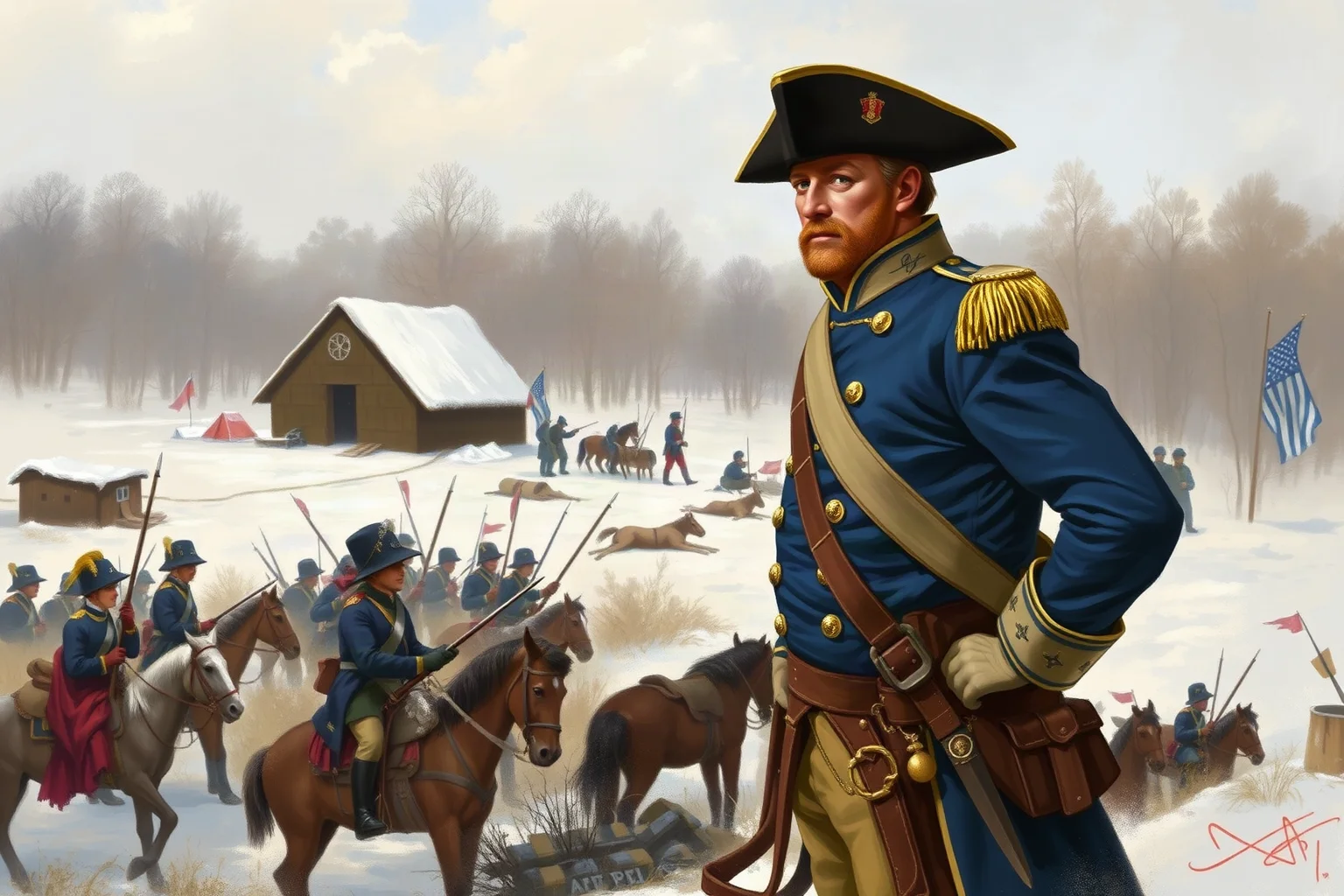
Washington lost more battles than he won, but he did something arguably harder: he kept a starving, underpaid, poorly equipped army together long enough to outlast the world’s most powerful empire. His restraint after the war, voluntarily giving up power rather than seizing it, shaped the entire American military tradition of civilian control.
2. Nathanael Greene
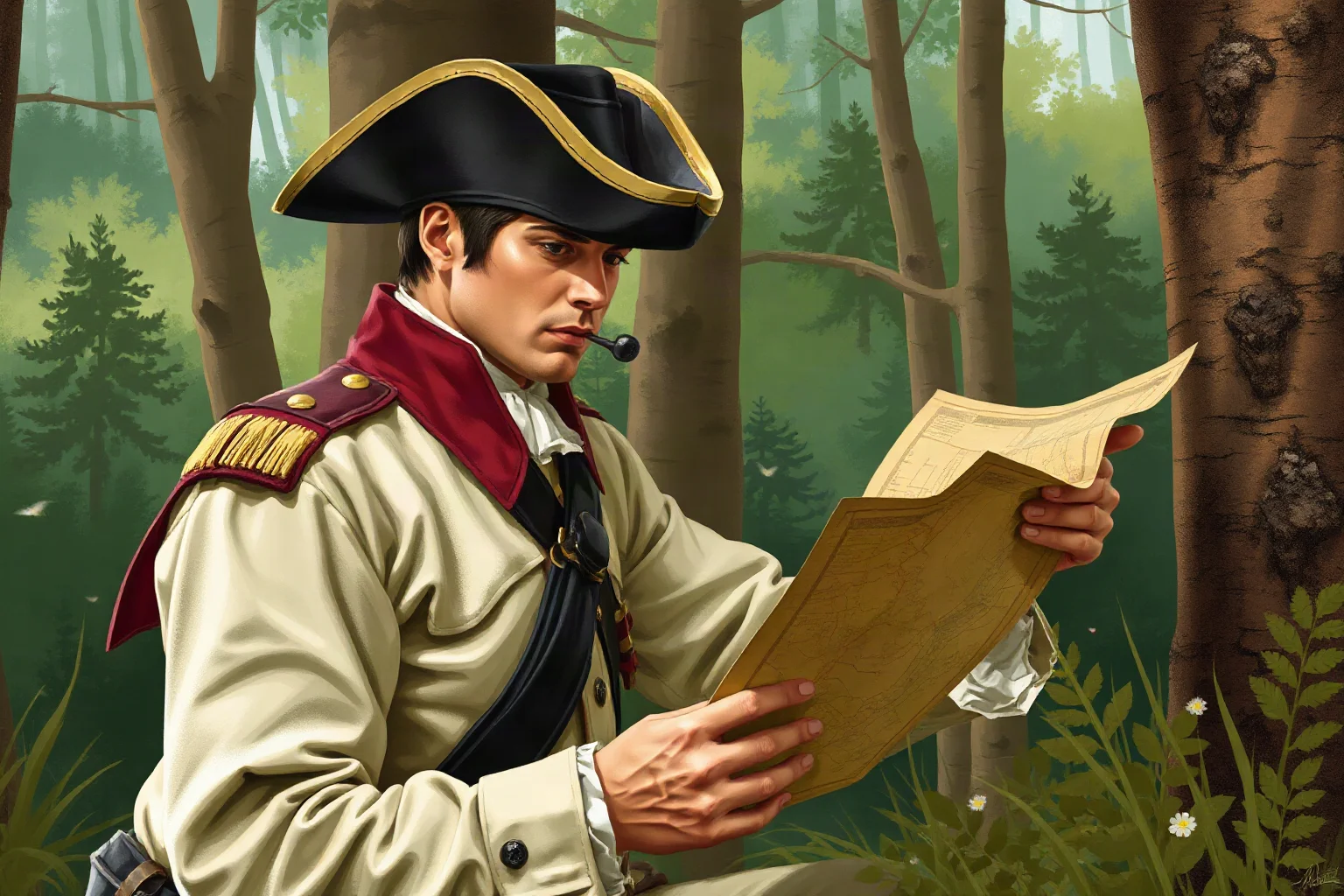
Often overlooked next to Washington, Greene ran a brilliant war of attrition in the Southern colonies, trading space for time and wearing down British forces even while losing individual engagements. His Southern campaign is considered a masterclass in strategic patience.
3. Ulysses S. Grant
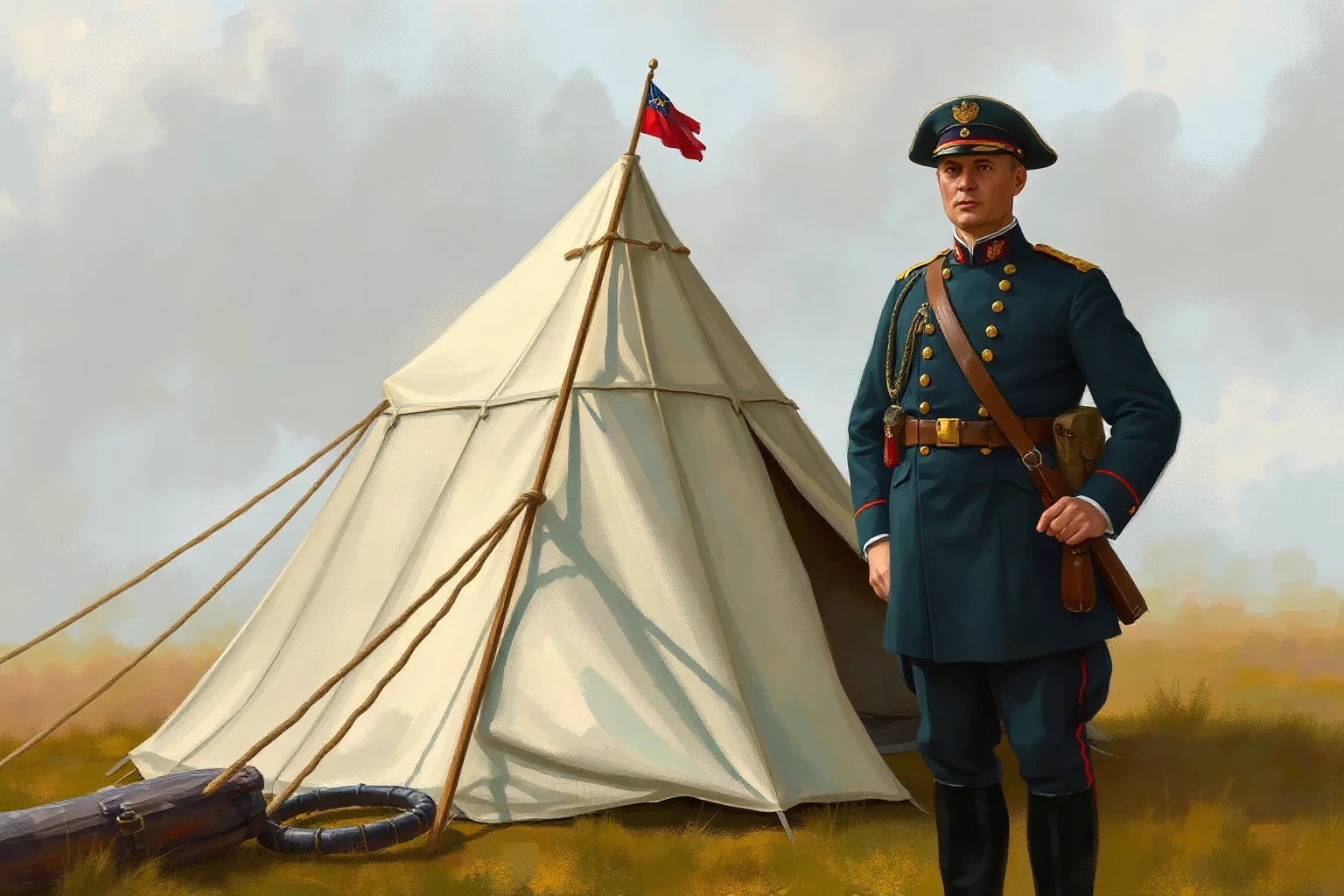
Grant is frequently cited as a top answer to “who was the best general of the Civil War,” and for good reason: he understood, earlier than most Union commanders, that the war would be won through relentless pressure on multiple fronts rather than a single decisive battle. His partnership with Sherman effectively ended the Confederacy’s ability to sustain the war.
4. William Tecumseh Sherman
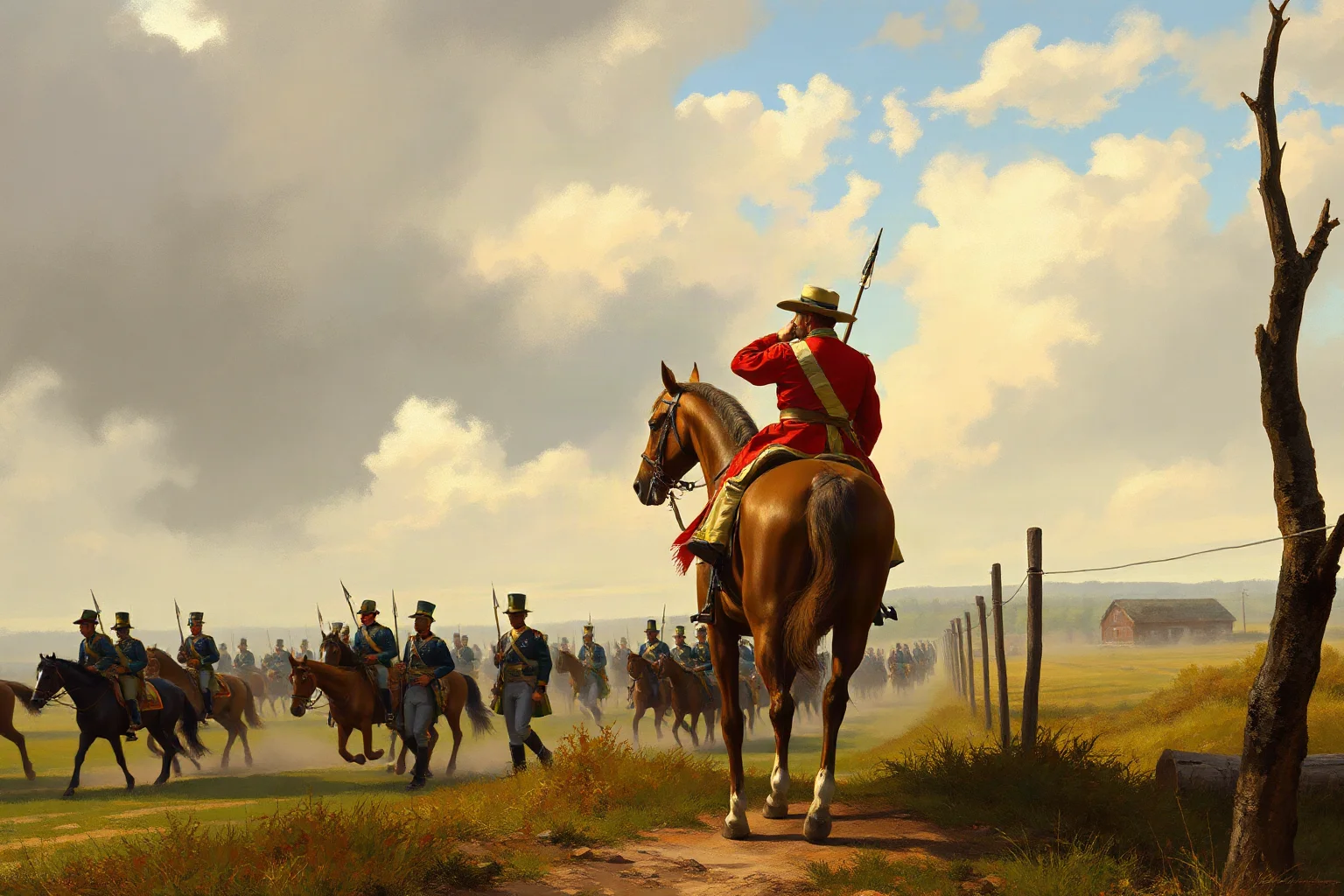
Sherman’s March to the Sea remains controversial for its impact on Southern civilians, and that controversy is worth acknowledging rather than glossing over. Militarily, though, his understanding of total war and logistics helped collapse the Confederate war economy far faster than continued battlefield attrition alone could have.
5. Robert E. Lee
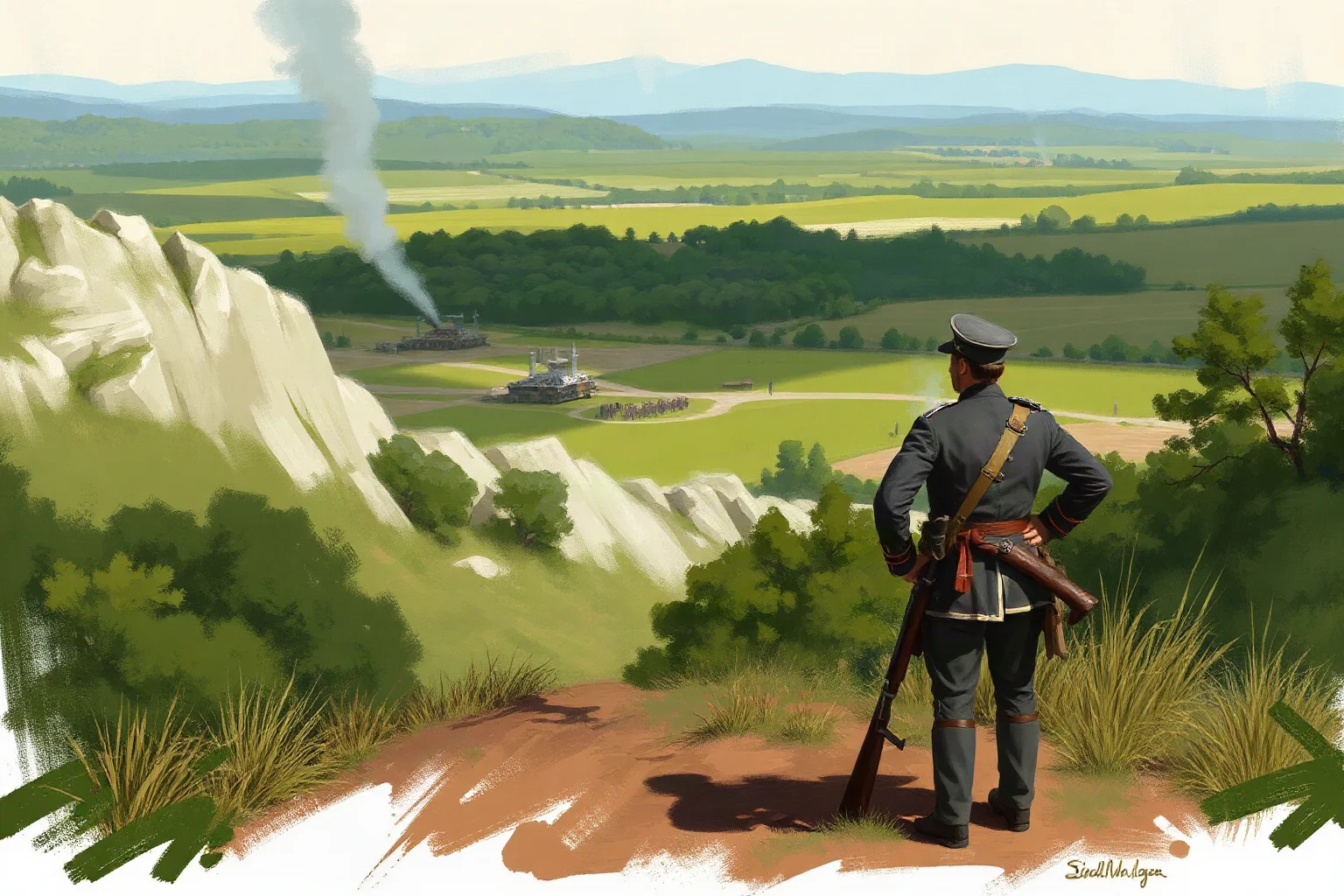
Lee’s tactical skill at battles like Chancellorsville is well documented, which is part of why he’s a fixture on lists of great Civil War generals. It’s also worth being direct about context: Lee commanded an army fighting to preserve a slaveholding Confederacy, and his aggressive gambles, including the disastrous charge at Gettysburg, ultimately cost the South dearly.
6. Stonewall Jackson
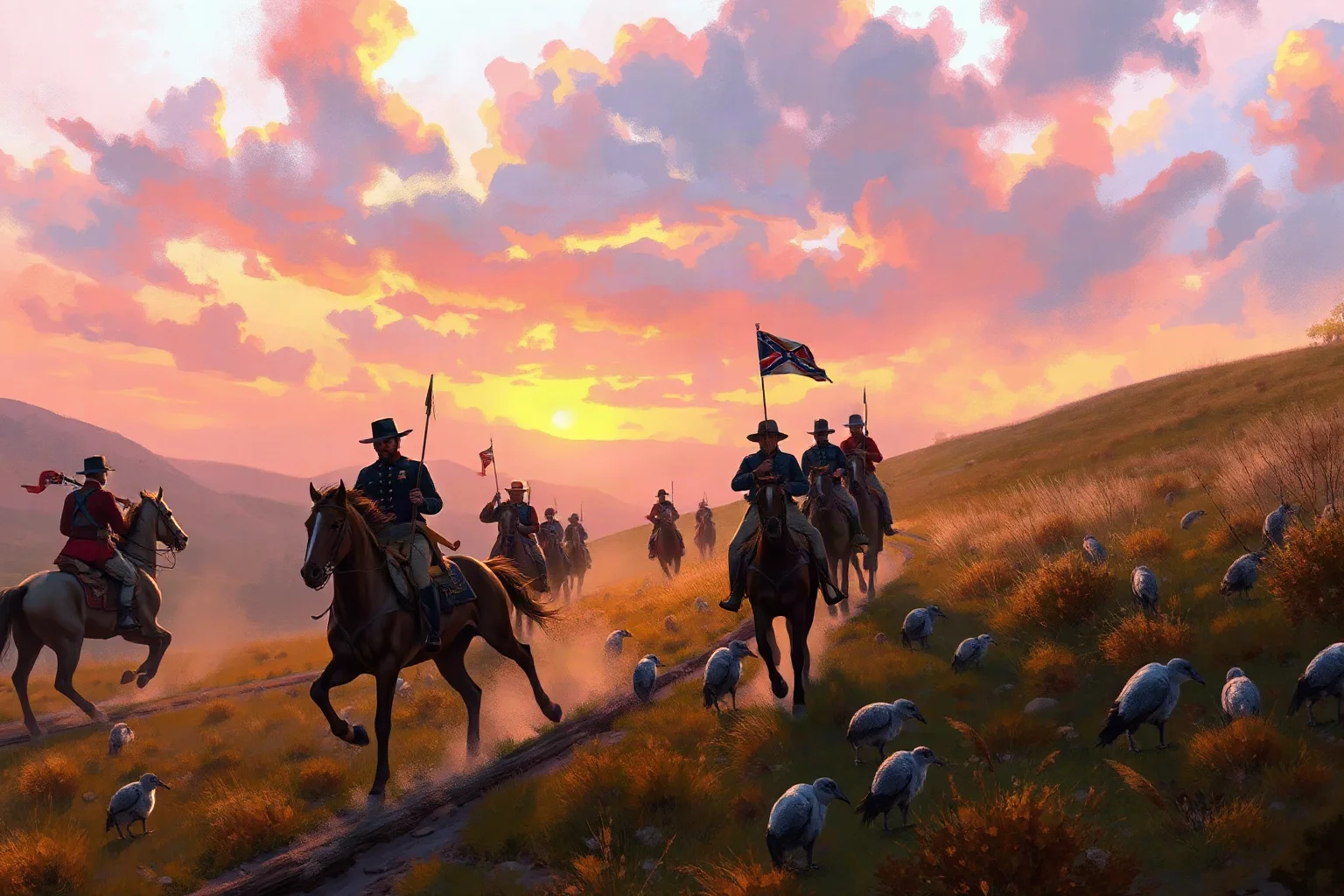
Jackson’s Shenandoah Valley campaign is still studied at military academies for its speed and deception, earning his troops the nickname “foot cavalry.” His death from wounds accidentally inflicted by his own men in 1863 is widely considered a major blow to Confederate fortunes.
7. Philip Sheridan
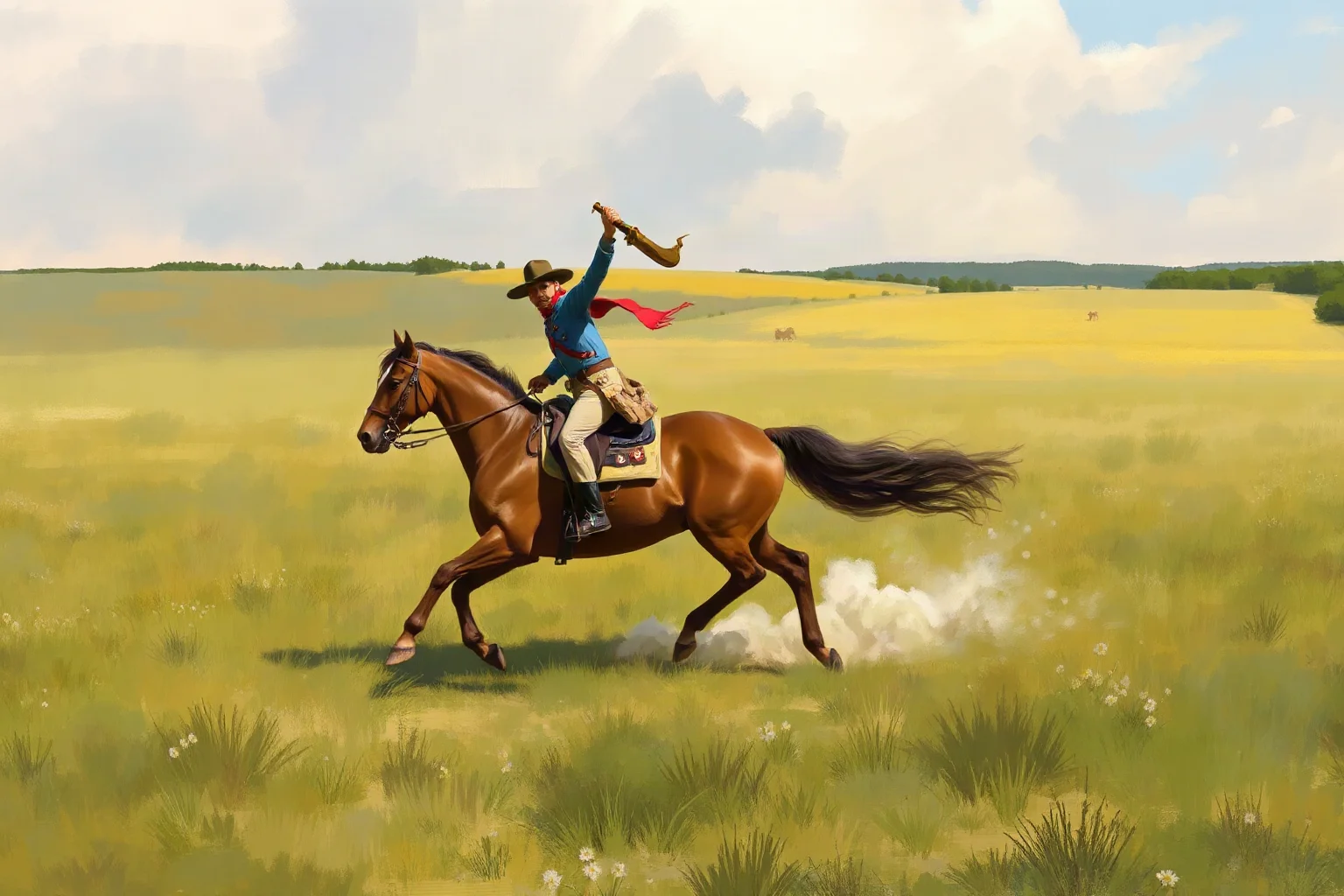
Sheridan’s cavalry campaigns, especially his devastating sweep through the Shenandoah Valley, helped starve Lee’s army of supplies in the war’s final year. He later became a controversial figure in the Indian Wars, another reminder that Civil War heroics and later actions don’t always align neatly.
8. George Meade
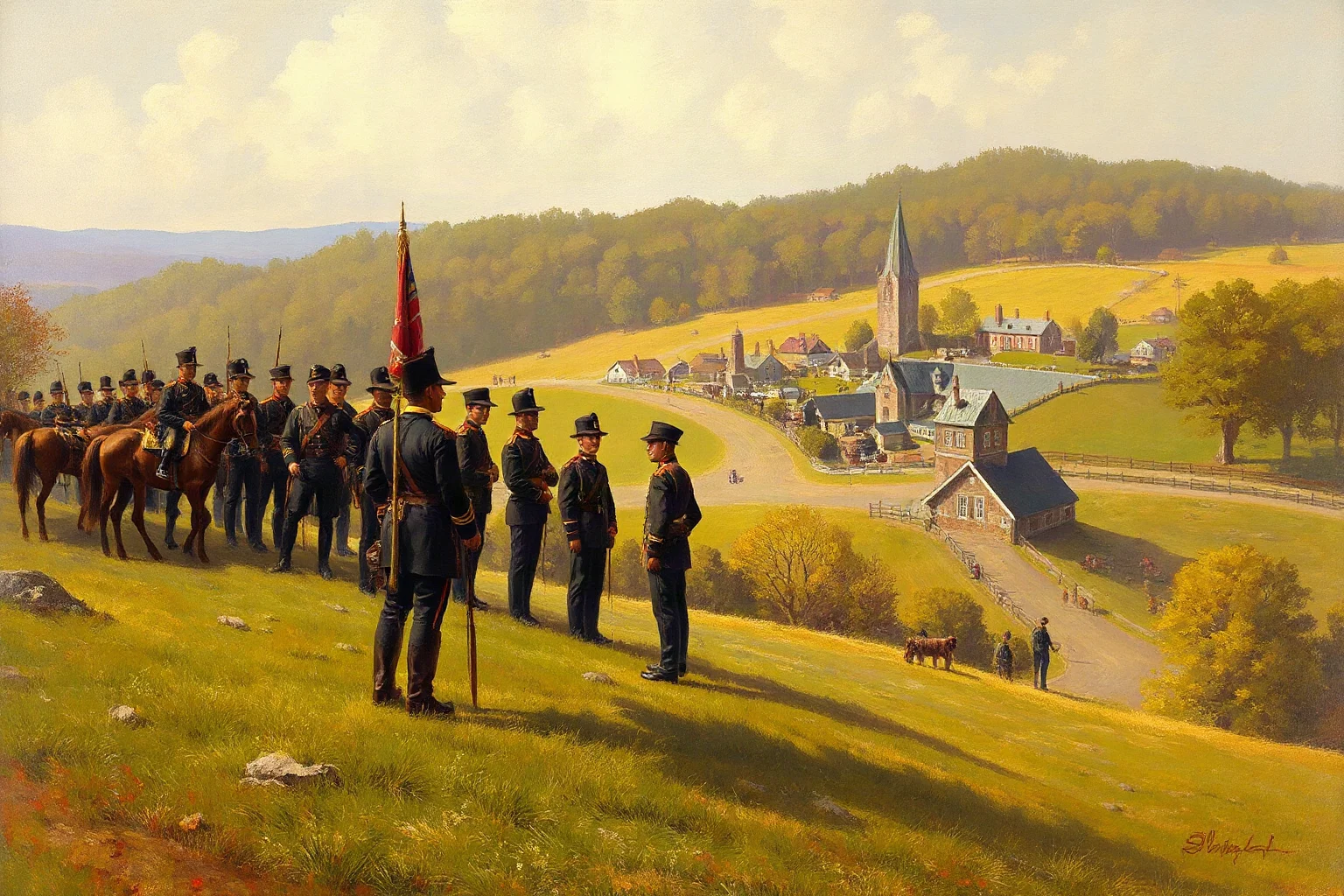
Meade doesn’t get the fame of Grant or Lee, but he commanded the Army of the Potomac to victory at Gettysburg just days after taking charge, arguably the single most consequential battle of the war. Grant later criticized him for not pursuing Lee aggressively enough afterward, a debate historians still have.
9. John J. Pershing
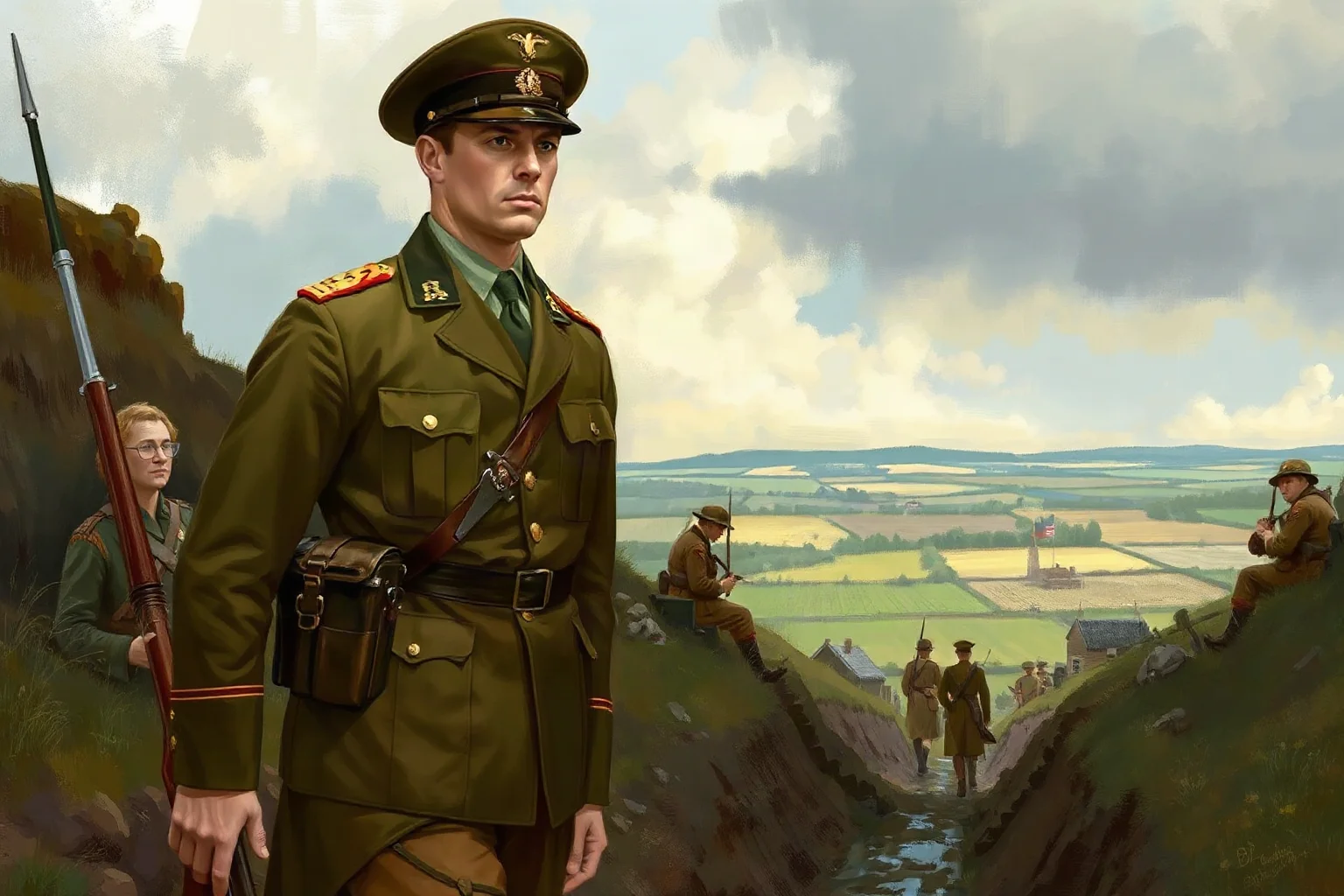
As the top American commander in World War I, Pershing insisted U.S. troops fight as an independent army rather than being absorbed piecemeal into French and British units, a decision that shaped how America projected power for the rest of the century. Many future WWII commanders, including Marshall, MacArthur, and Patton, served under him.
10. George S. Patton
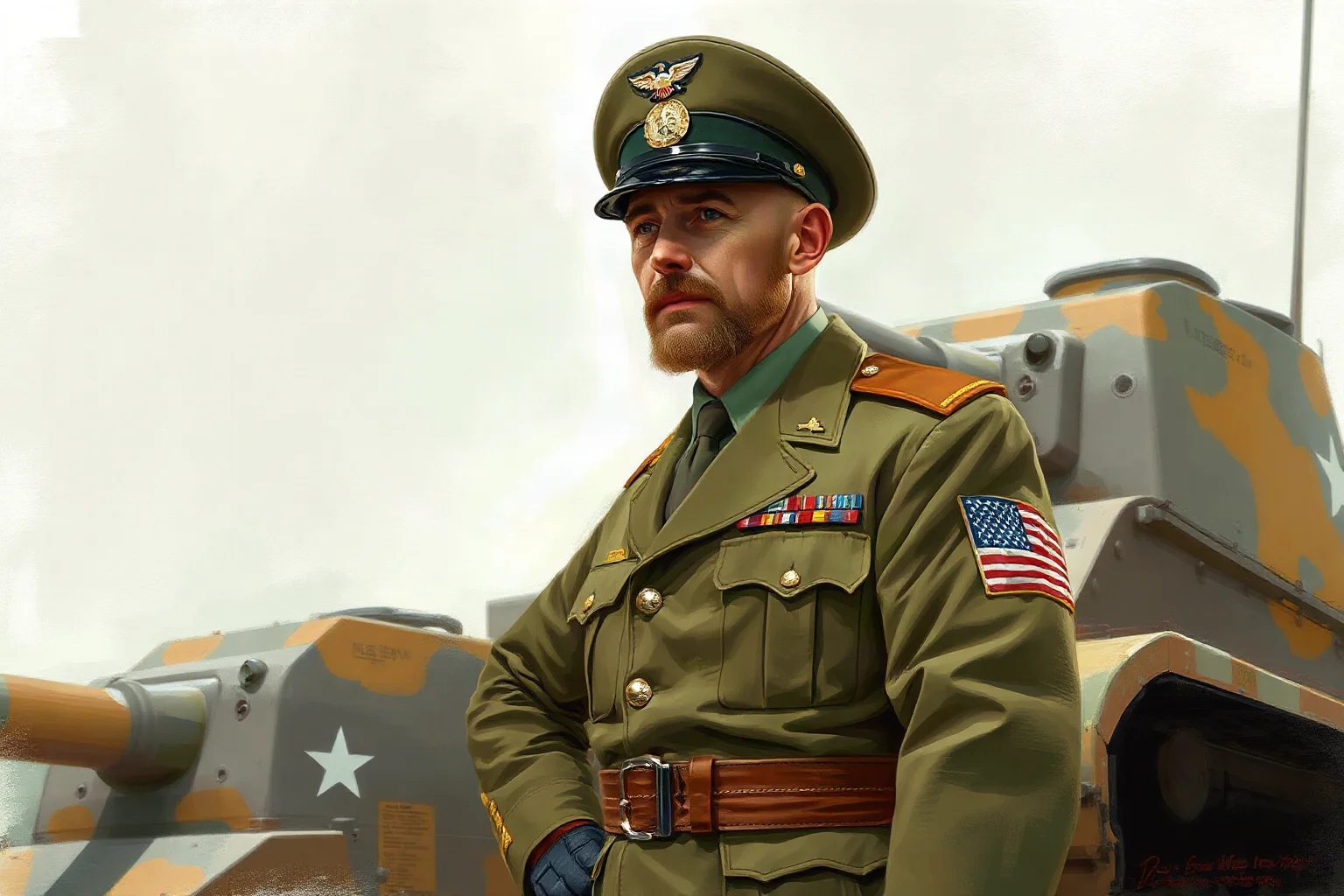
Patton’s Third Army’s lightning advance across France in 1944, including its rapid pivot to relieve Bastogne during the Battle of the Bulge, remains one of the most celebrated maneuvers in American military history. His blunt public statements and controversial disciplinary incidents also make him one of the more polarizing figures on this list.
11. Dwight D. Eisenhower
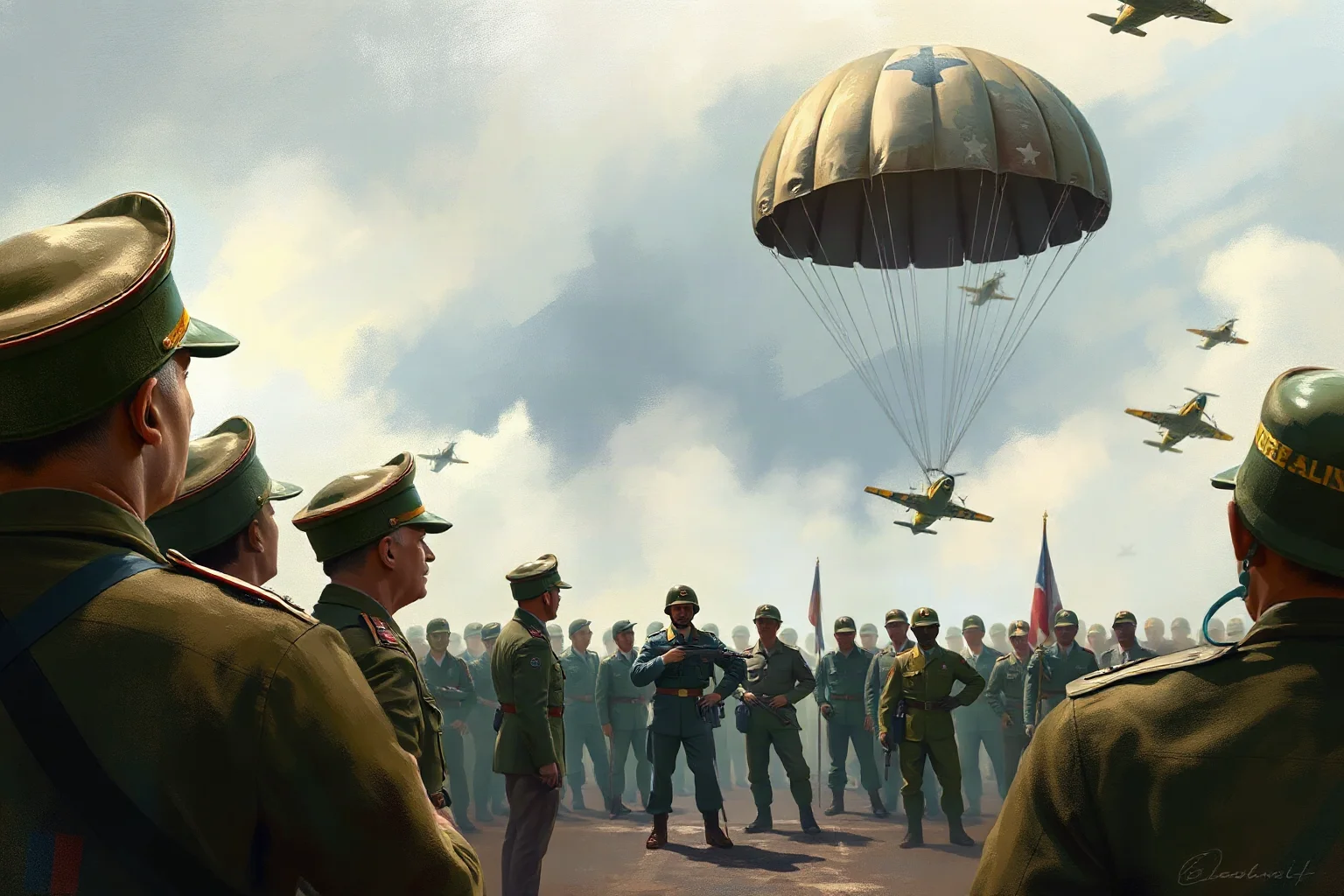
Eisenhower never commanded troops directly in combat the way Patton did, but his real genius was coalition management, coordinating British, American, Canadian, and other Allied forces through D-Day and the liberation of Western Europe. That diplomatic skill later helped carry him to the presidency.
12. Douglas MacArthur
MacArthur’s amphibious “island hopping” strategy in the Pacific and his bold Inchon landing during the Korean War show real strategic brilliance. He’s also a genuinely divisive figure, since his insubordination toward President Truman during the Korean War ultimately got him relieved of command.
13. Omar Bradley
Known as “the soldier’s general” for his focus on troop welfare, Bradley commanded the largest group of American soldiers ever assembled under one general during the push into Germany. He later became the first Chairman of the Joint Chiefs of Staff.
14. George Marshall
Marshall never commanded troops in the field during World War II, but as Army Chief of Staff he built the force that won the war and later authored the Marshall Plan that rebuilt Europe afterward. Winston Churchill reportedly called him the “organizer of victory,” a strategic mind some historians rank among the smartest people in history.
15. Lewis “Chesty” Puller
The most decorated Marine in U.S. history, Puller fought in Haiti, Nicaragua, World War II, and Korea, earning five Navy Crosses along the way. His blunt leadership style and personal courage under fire made him a legend within the Marine Corps specifically.
16. Anthony McAuliffe
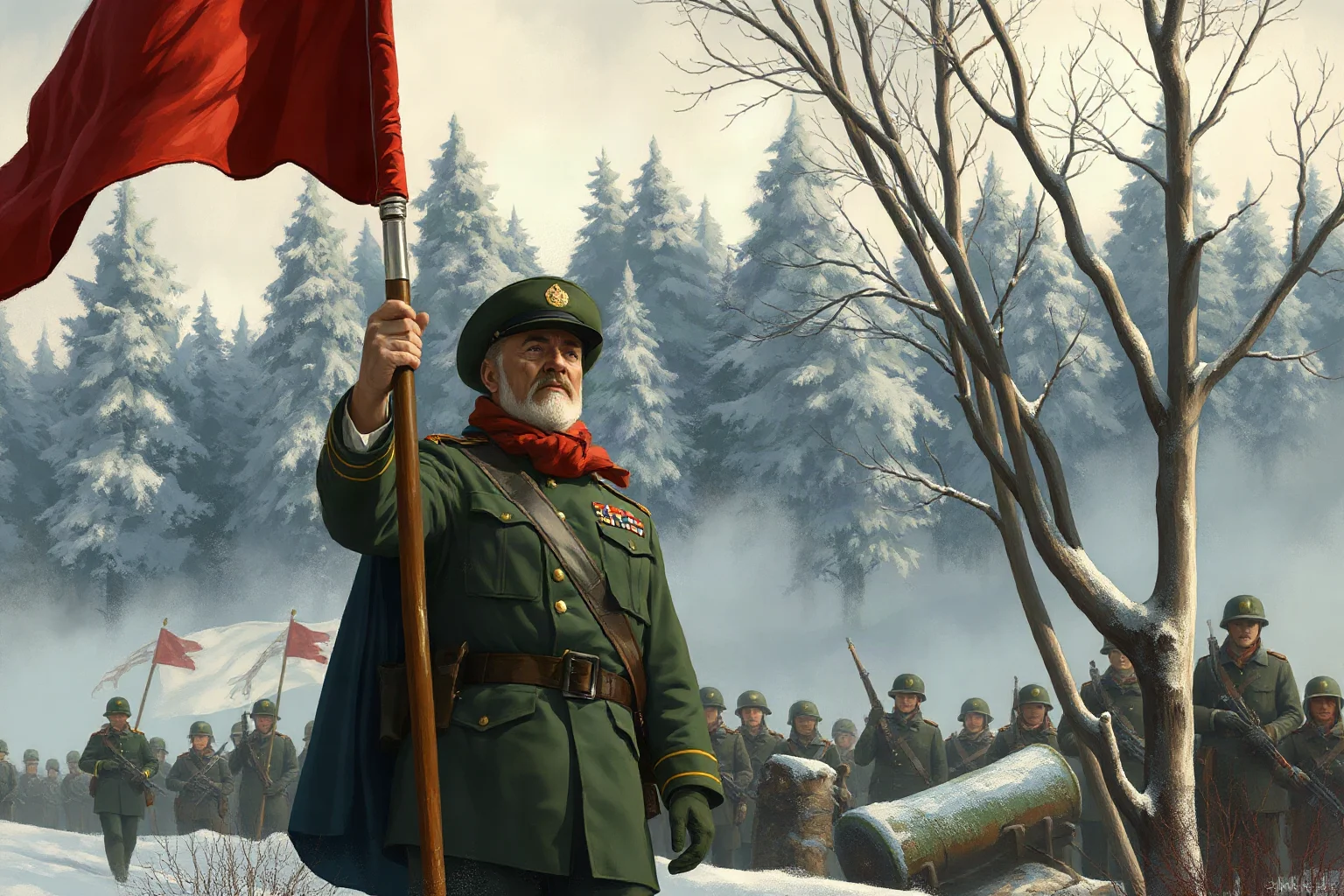
McAuliffe is remembered almost entirely for one word: when German forces demanded his surrender during the siege of Bastogne in 1944, his reply was simply “Nuts!” His 101st Airborne Division held the line until Patton’s forces broke through.
17. Colin Powell
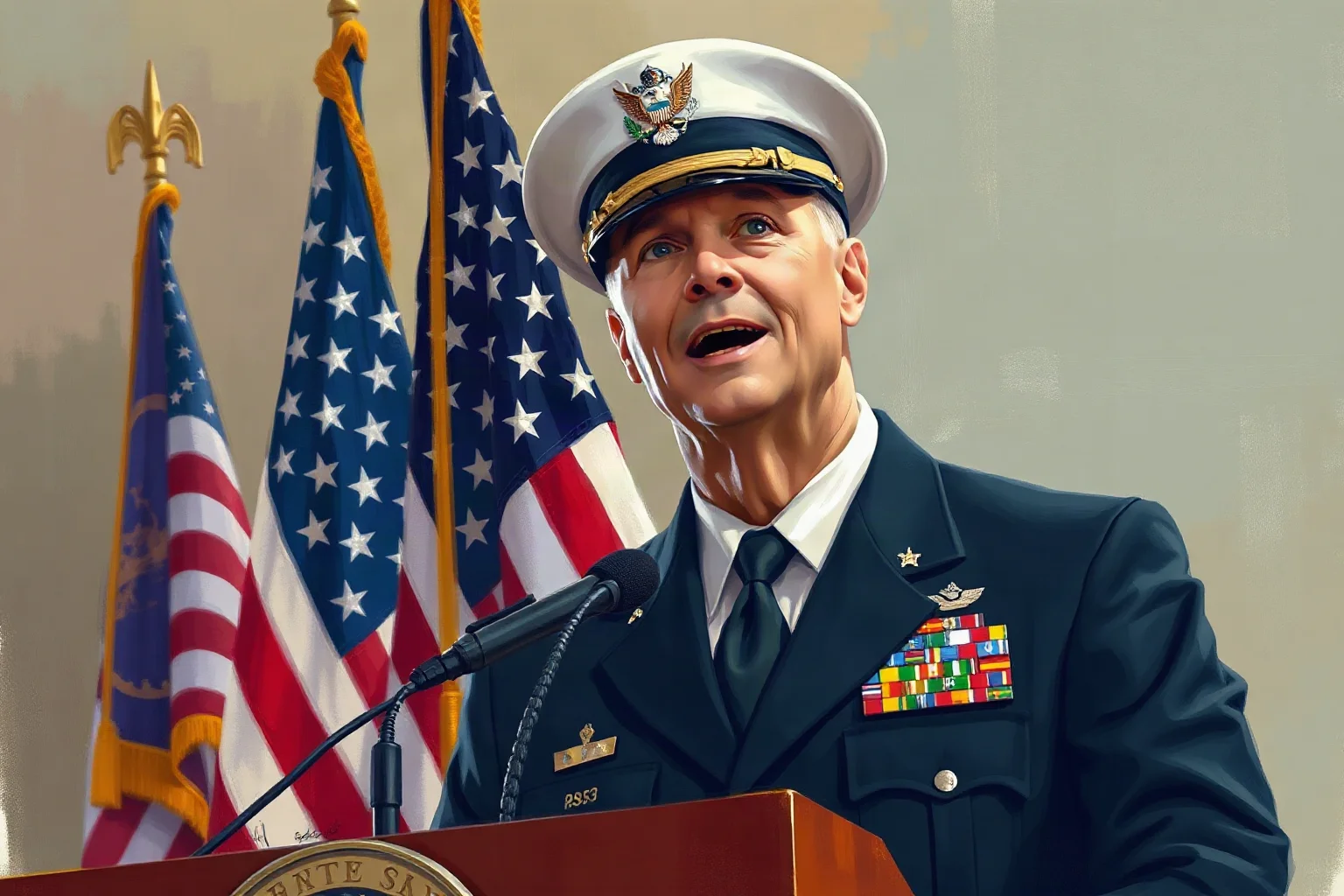
Powell rose from a Bronx childhood to become Chairman of the Joint Chiefs of Staff during the Gulf War and later the first Black U.S. Secretary of State. His cautious approach to committing troops, later called the Powell Doctrine, still shapes debates about when America should go to war.
18. Norman Schwarzkopf
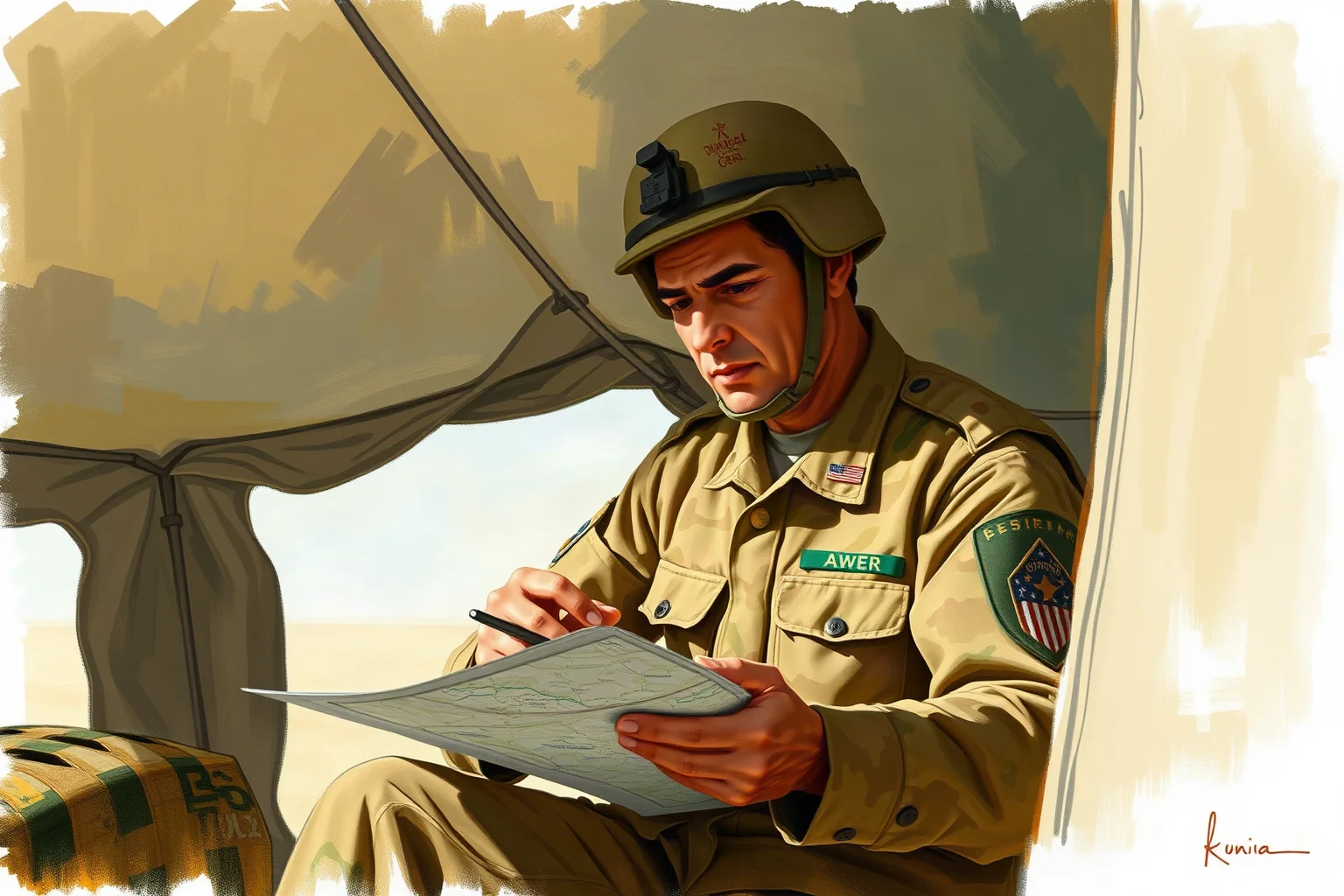
Schwarzkopf commanded the coalition forces that liberated Kuwait in 1991 in a ground campaign that lasted only 100 hours, a stunningly fast and decisive victory. His careful planning and use of deception to mislead Iraqi forces about the actual axis of attack is still studied today.
19. Benjamin O. Davis Sr.
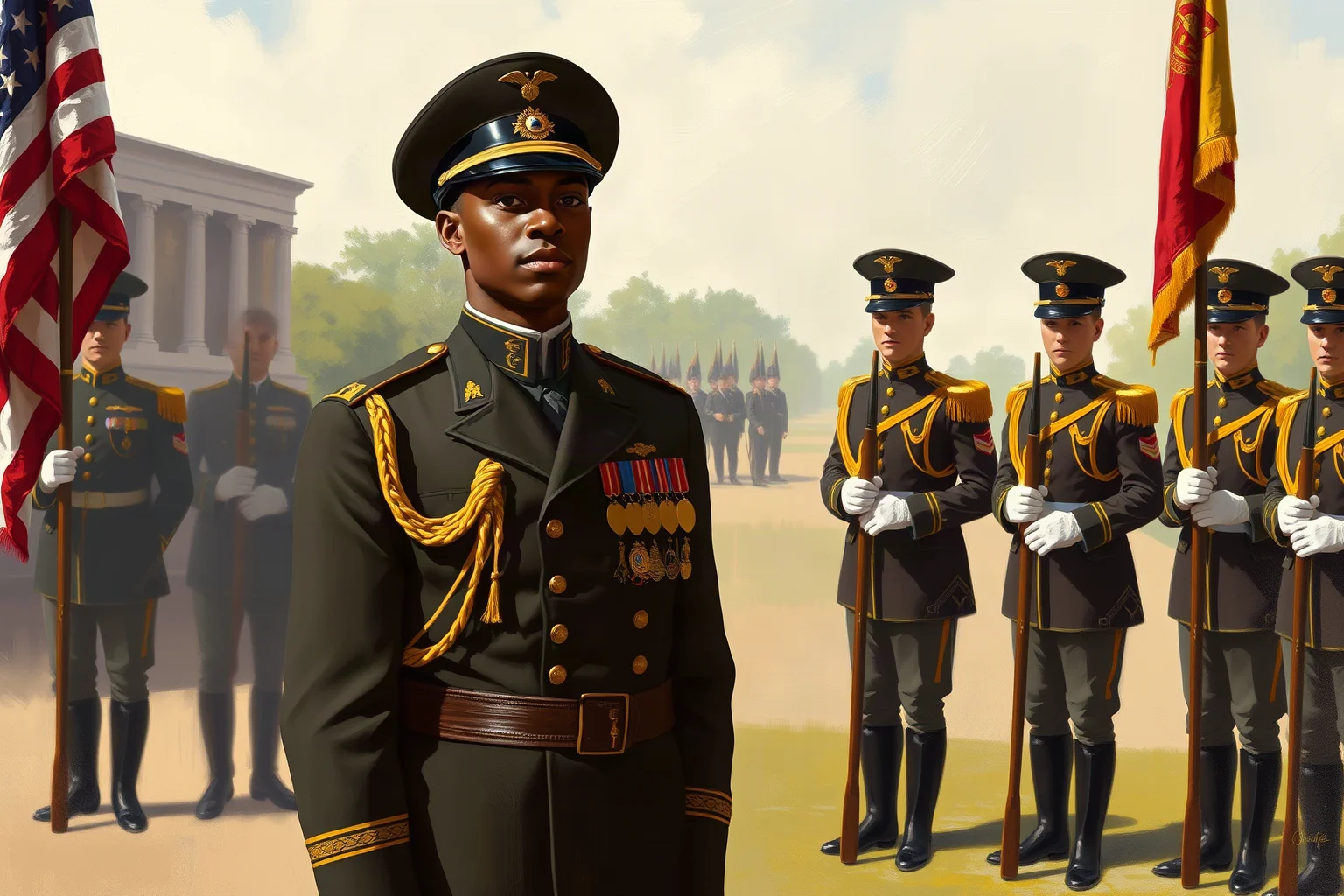
Davis broke enormous barriers as the first Black general in the U.S. Army, commissioned in 1940 after decades of service in a segregated military. His career opened doors for his son, Benjamin O. Davis Jr., who commanded the famed Tuskegee Airmen.
20. David Petraeus
Petraeus is best known for developing and implementing the counterinsurgency strategy behind the 2007 Iraq “surge,” which is widely credited with reducing violence during a critical period of the war. His later resignation as CIA Director over a personal scandal is a reminder that even celebrated modern generals aren’t immune to controversy.
The 10 Worst Generals in American History
Not every commander who reached the top of the chain of command deserved to be there. These 10 names are commonly cited by historians for costly blunders, moral failures, or both, and studying their mistakes is arguably just as instructive as studying the victories above.
1. William Hull
Hull surrendered Fort Detroit to a smaller British and Native American force in 1812 without firing a shot, convinced he was outnumbered when he likely wasn’t. He was later court-martialed and sentenced to death, though President Madison commuted the sentence.
2. John Pope
Pope arrived in the Eastern theater in 1862 boasting about his aggressive record out west, then promptly lost the Second Battle of Bull Run to Lee and Jackson. His overconfidence and poor coordination with subordinate officers turned a winnable campaign into a rout.
3. Ambrose Burnside
Burnside openly doubted his own fitness for command before accepting leadership of the Army of the Potomac, and his instincts turned out to be right. His frontal assaults at Fredericksburg in 1862 sent wave after wave of Union soldiers into entrenched Confederate positions, resulting in staggering casualties for no ground gained.
4. George McClellan
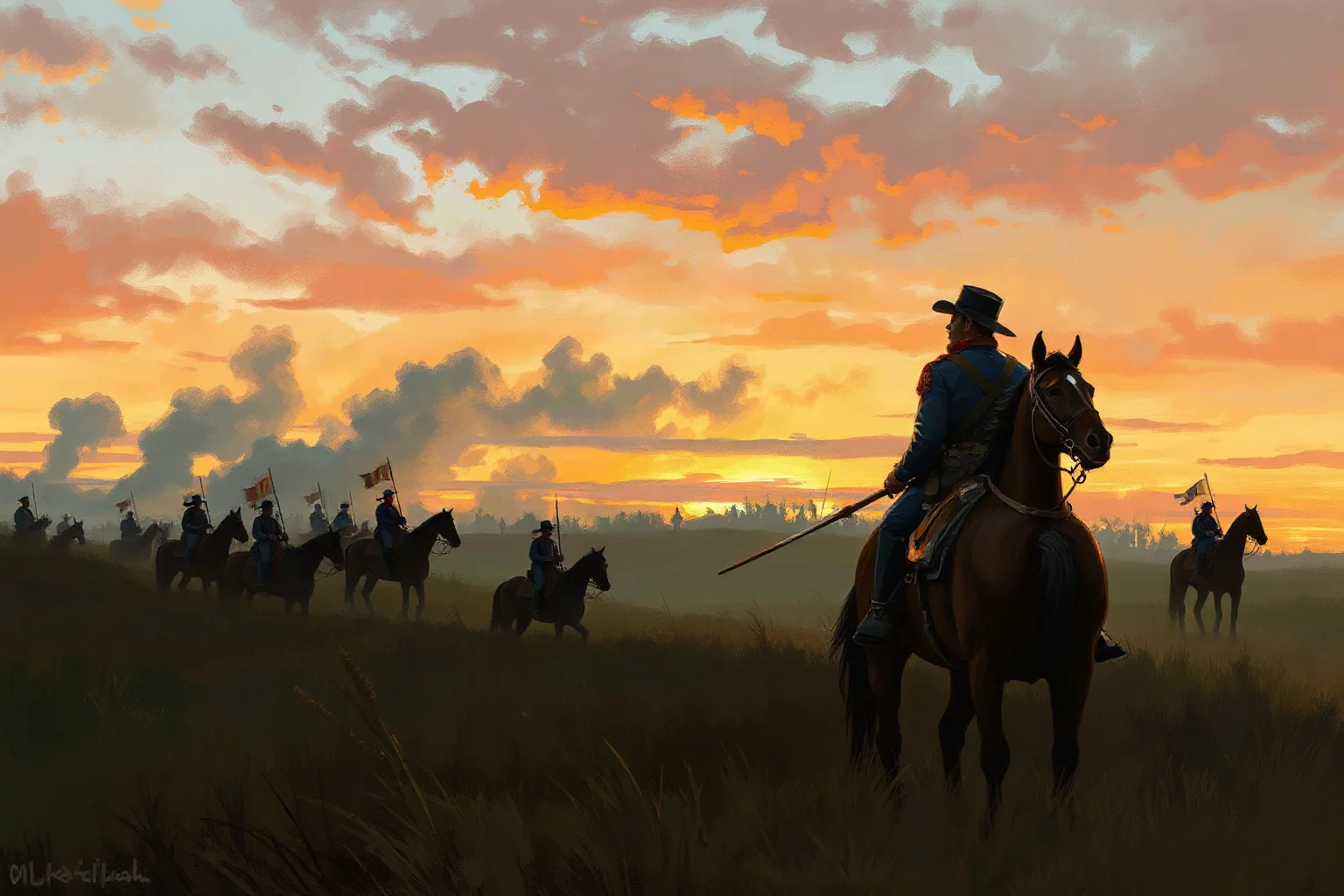
McClellan built and trained a genuinely strong Union army, but his chronic overestimation of enemy numbers and reluctance to press advantages, especially after Antietam, repeatedly let Lee’s battered forces escape. Lincoln eventually removed him from command out of sheer frustration with his caution.
5. Braxton Bragg
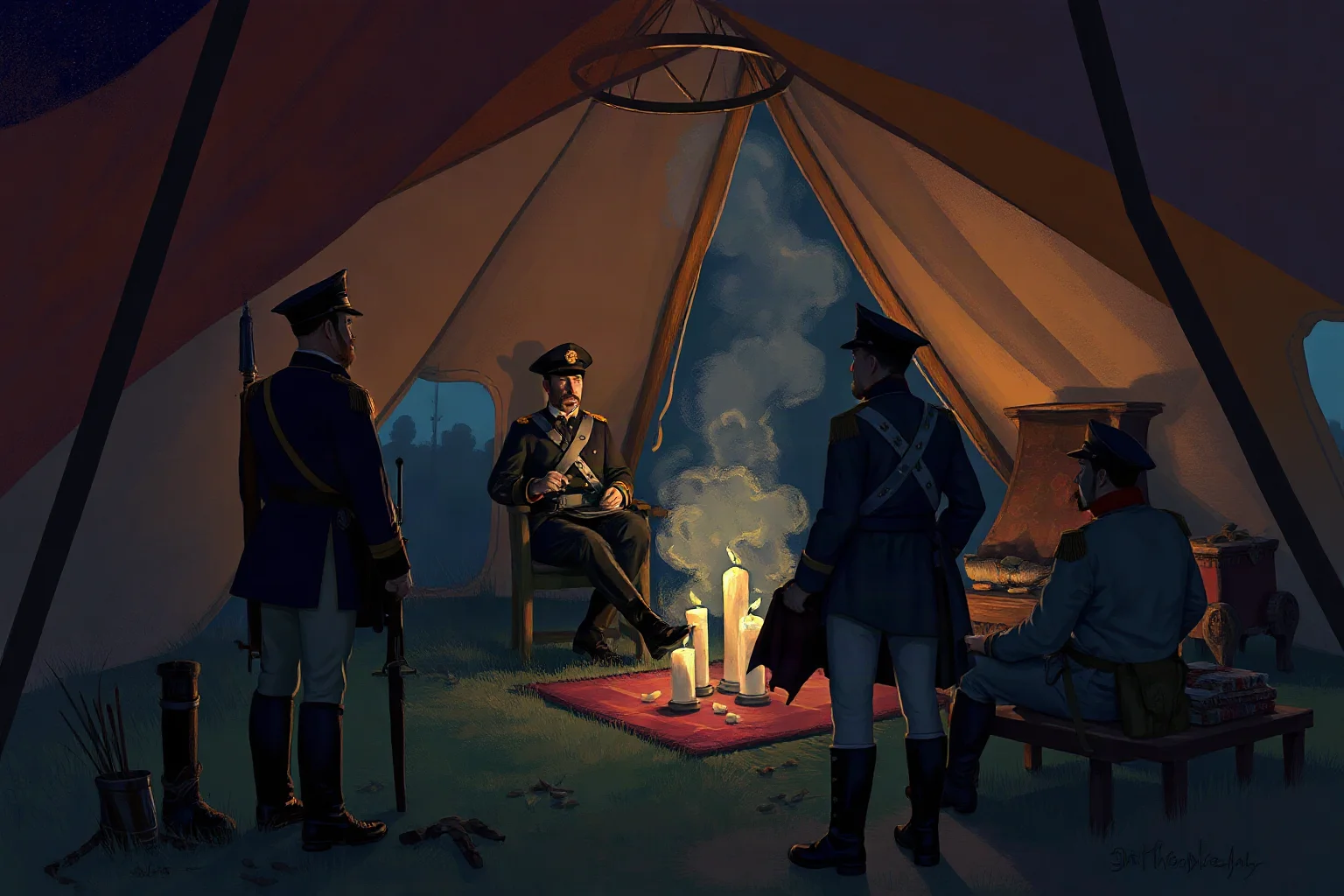
Bragg won tactical footholds at battles like Chickamauga but consistently failed to follow through, and his abrasive personality created open feuds with his own subordinate generals. Confederate morale in the Army of Tennessee suffered as much from internal dysfunction as from Union pressure.
6. Benjamin Butler
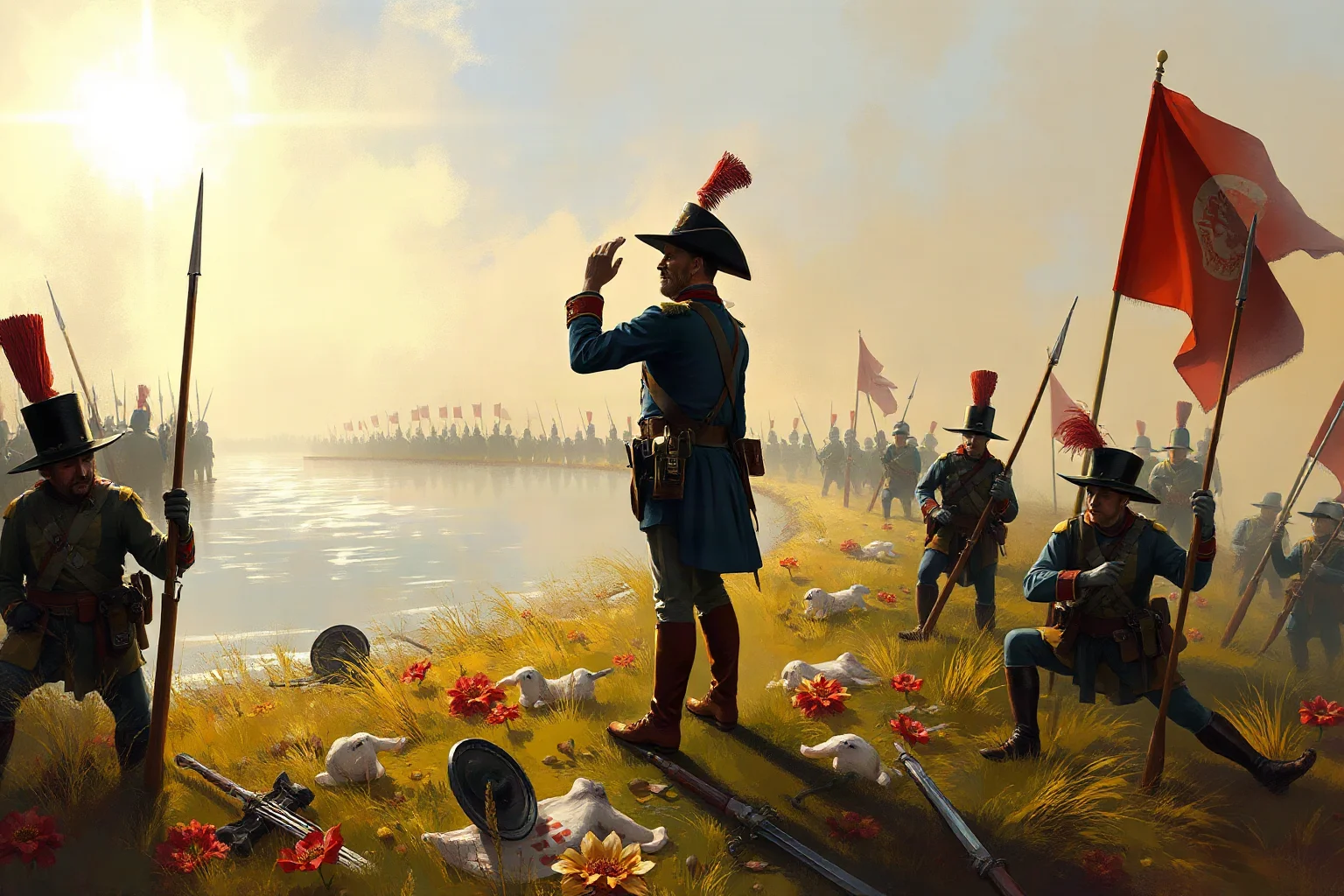
Butler’s political connections earned him field commands his military skill didn’t justify, most notably his failed Bermuda Hundred campaign in 1864, where a much smaller Confederate force bottled up his army entirely. Grant reportedly said Butler’s army was as useless as if it had been in a bottle, which is roughly how the campaign got its nickname.
7. Lloyd Fredendall
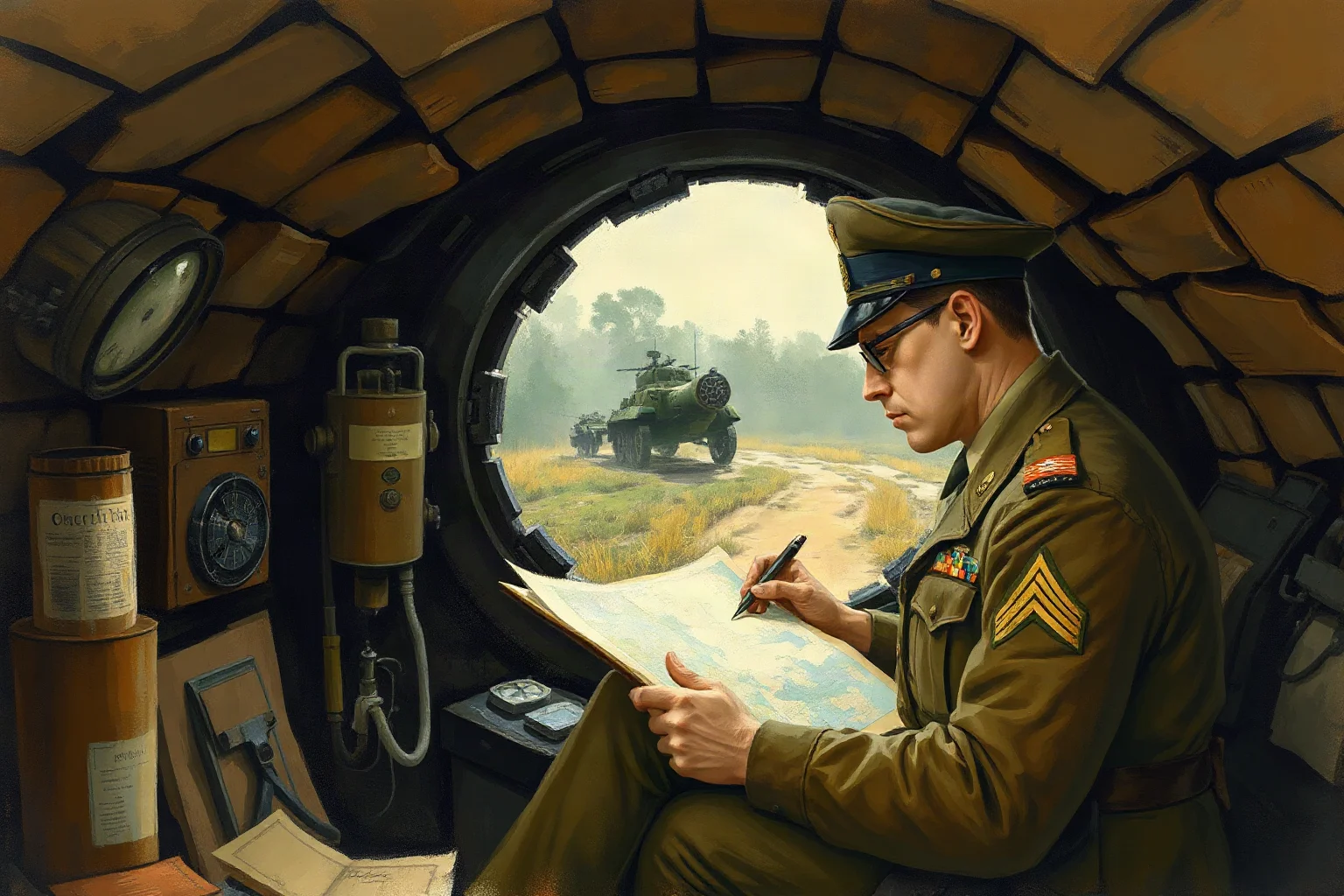
Fredendall’s leadership during the Battle of Kasserine Pass in 1943 became a textbook example of poor generalship, as he directed operations from a bunker miles behind the front and lost touch with battlefield reality. American forces suffered a sharp early defeat against Rommel’s forces, and Fredendall was quietly relieved and sent home.
8. Mark Clark
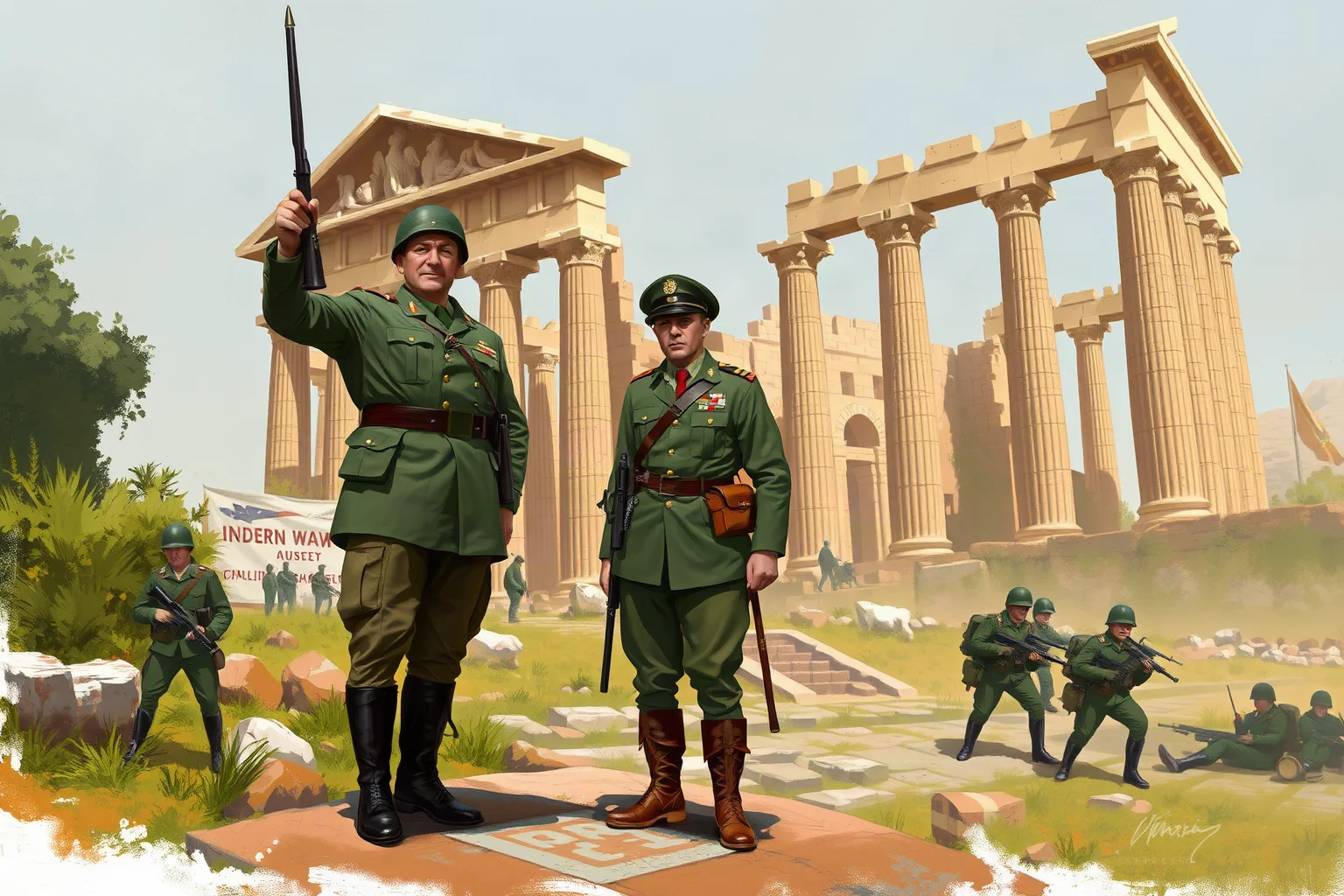
Clark’s decision to divert his Fifth Army toward the symbolic capture of Rome in 1944, rather than trapping the retreating German Tenth Army as originally planned, let a large enemy force escape to fight another day. Historians still debate whether the publicity of “liberating Rome” was worth the strategic cost.
9. William Westmoreland
As the top U.S. commander in Vietnam, Westmoreland’s strategy of attrition and his optimistic public statements about being close to victory badly misjudged the nature of the war. The Tet Offensive of 1968 exposed the gap between his projections and reality, badly damaging public trust in the war effort.
10. Nathan Bedford Forrest
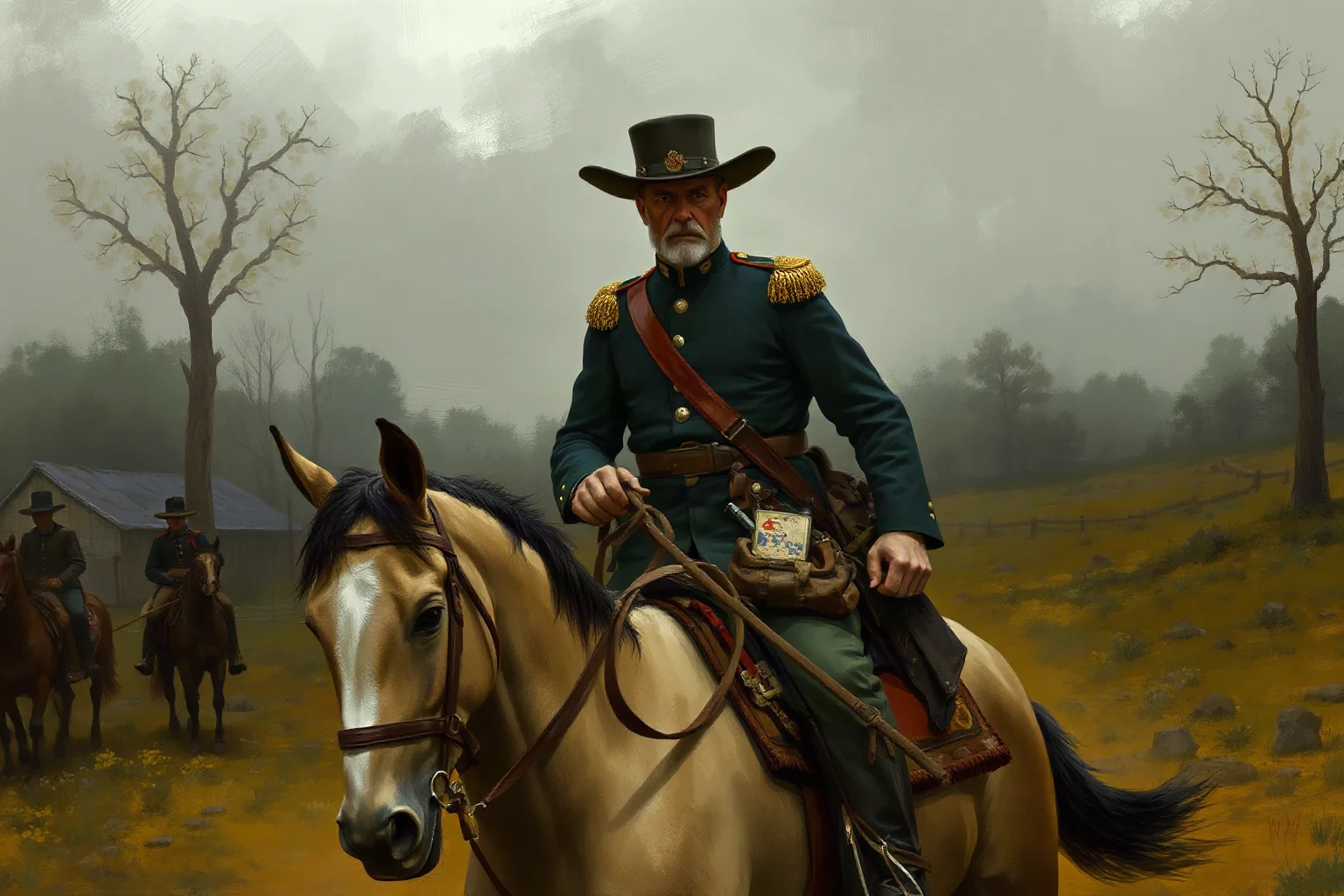
Forrest was undeniably a skilled and aggressive cavalry commander, which is why some rankings of Civil War generals include him among the best tacticians. That skill can’t be separated from his record, though: Forrest’s troops were responsible for the massacre of Black Union soldiers at Fort Pillow in 1864, and he later became associated with the early Ku Klux Klan, a legacy that overshadows any battlefield accomplishment.
Who Was the Best General of the Civil War?
This is one of the most searched questions in American military history, and honestly, there isn’t a single settled answer. Grant tends to win the argument among modern historians because he understood the war’s endgame better than almost anyone: total, coordinated pressure across every front until the Confederacy simply couldn’t sustain itself.
Lee’s admirers point to his tactical brilliance in individual battles, though critics note his aggressive gambles, especially at Gettysburg, arguably shortened the war by exhausting Confederate manpower faster than a defensive strategy would have. Sherman deserves a mention too, since his march through Georgia and the Carolinas broke the Confederacy’s logistical backbone in a way that pure battlefield victories hadn’t managed. Most serious historians land on Grant as the best overall general of the Civil War, while acknowledging Lee as its most tactically gifted commander on the losing side.
Final Thoughts on America’s Best and Worst Generals
The generals who get remembered as “great” almost always share a few traits: they adapted to the specific war in front of them, managed their egos well enough to work with allies and superiors, and made hard calls under pressure without freezing up. The ones who land on worst-of lists usually failed at exactly one of those things, whether it was Burnside’s inability to read a battlefield or MacArthur’s inability to take orders from a president he disagreed with.
History rarely offers a clean split between heroes and villains, and even the men on the “best” list carried real flaws and, in several cases, defended causes that don’t hold up to modern scrutiny. Understanding both the triumphs and the failures gives a far more honest picture of how American military leadership actually developed than any single hero-worship narrative ever could.
Frequently Asked Questions
Who are considered the best generals of all time in American history?
There's no single official ranking, but George Washington, Ulysses S. Grant, Dwight Eisenhower, and George Marshall are among the names historians most consistently cite when discussing the best generals of all time, largely because each one combined strong battlefield or strategic judgment with the ability to manage complex alliances and political pressures.
Who was the best general of the Civil War?
Most modern historians point to Ulysses S. Grant as the best overall general of the Civil War because of his understanding of coordinated, sustained pressure across multiple fronts, though Robert E. Lee is often cited as the most tactically gifted commander on the Confederate side.
How many generals are in the United States military today?
The exact figure changes regularly, but the U.S. Army typically maintains around 230 to 250 active-duty general officers, with roughly 800 to 900 general and flag officers across the Army, Navy, Air Force, Marine Corps, and Space Force combined. Current, exact rosters are best found through official Department of Defense sources.
What is the highest-ranking general in U.S. history?
George Washington holds the highest rank ever conferred, General of the Armies, awarded posthumously by Congress in 1976, which by law places him above every other officer in American history, including the five-star Generals of the Army from World War II.
How many U.S. presidents were generals before taking office?
Roughly a dozen U.S. presidents held general officer rank before becoming president, including Washington, Jackson, William Henry Harrison, Zachary Taylor, Grant, and Eisenhower, though the exact count varies depending on whether militia and state commissions are counted alongside formal U.S. Army rank.
Were there ever six-star generals in the U.S. military?
No, a six-star rank has never officially existed in the U.S. military. The highest rank ever awarded is General of the Armies, held during his lifetime by John J. Pershing and given posthumously to George Washington, sometimes informally described in modern discussion as a 'six-star' equivalent even though no such insignia was ever created.
Is the U.S. Attorney General a military general?
No, the Attorney General is a civilian cabinet-level legal officer who leads the Department of Justice and has no connection to military rank. The title simply shares the word 'general' with military generals by historical coincidence, dating back to old English legal terminology for a chief legal officer.

Alex Warren
Related Articles