

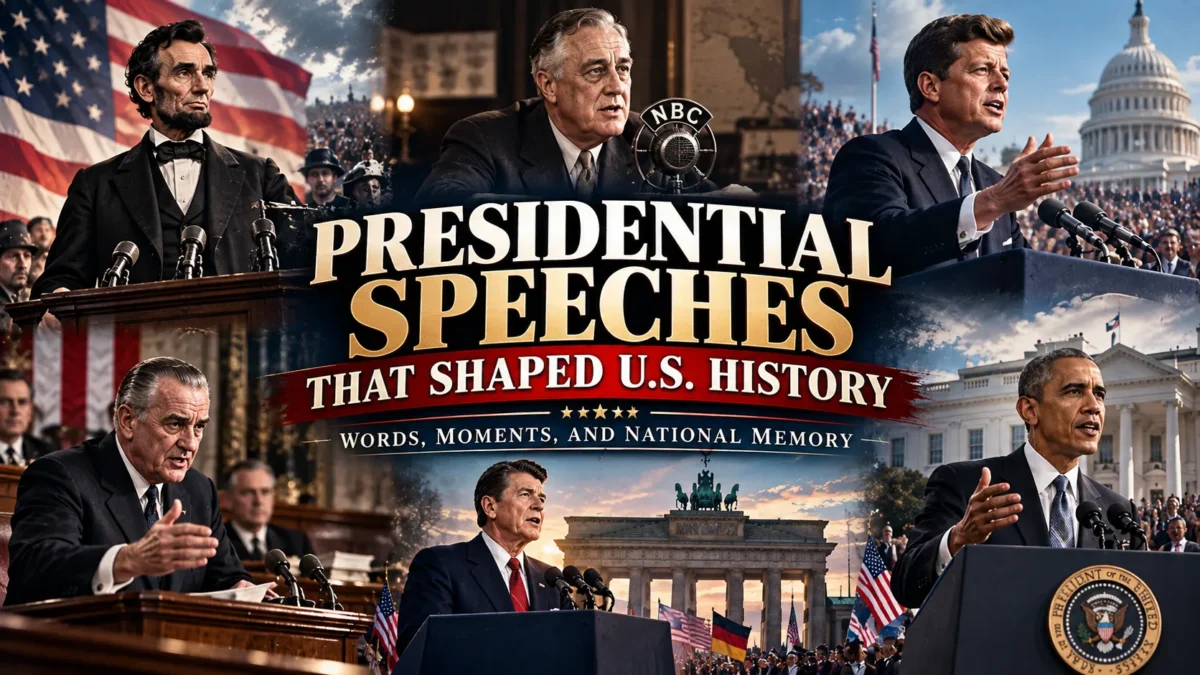
“My fellow Americans” has opened some of the most consequential sentences ever spoken in public life. Presidents have used speeches to declare war, mourn tragedy, calm a panicked nation, and occasionally admit defeat on live television.
Sorting through two and a half centuries of American oratory to find the greatest presidential speeches is part history lesson and part myth-busting exercise, since some of the most quoted lines are misremembered, misattributed, or never actually said the way pop culture insists.
This list walks through 22 of the most famous speeches by American presidents, in chronological order, with the real context behind each one. Some are triumphant, some are devastating, and a couple were barely speeches at all in the way we picture them today.
Together, they offer a working answer to a question historians still argue about: what actually makes a presidential address one of the greatest speeches in US history, a debate that echoes the broader conversation around history’s greatest speeches overall.
TL;DR: From Washington’s 1789 inauguration to Obama’s 2008 address on race, these 22 speeches reveal how presidents have used words to hold the country together in its most defining moments.
What Makes a Presidential Speech Truly Great?
Not every presidential address makes the history books, and plenty of forgettable ones have come and gone. The speeches that endure tend to share a few traits: they meet a genuine national crisis or turning point, they say something in a way nobody had said it before, and they hold up when read decades or centuries later. Volume and eloquence matter less than timing and truth.
It also helps to separate legend from record. Several entries on this list are surrounded by popular myths, like the idea that Lincoln scribbled the Gettysburg Address on an envelope during a train ride, or that Jimmy Carter’s most infamous speech actually used the word “malaise.” Neither claim holds up, and we’ll flag those moments as we go so this stays a reliable example of presidential speeches done right, not just repeated internet trivia.
1. George Washington’s First Inaugural Address (1789)
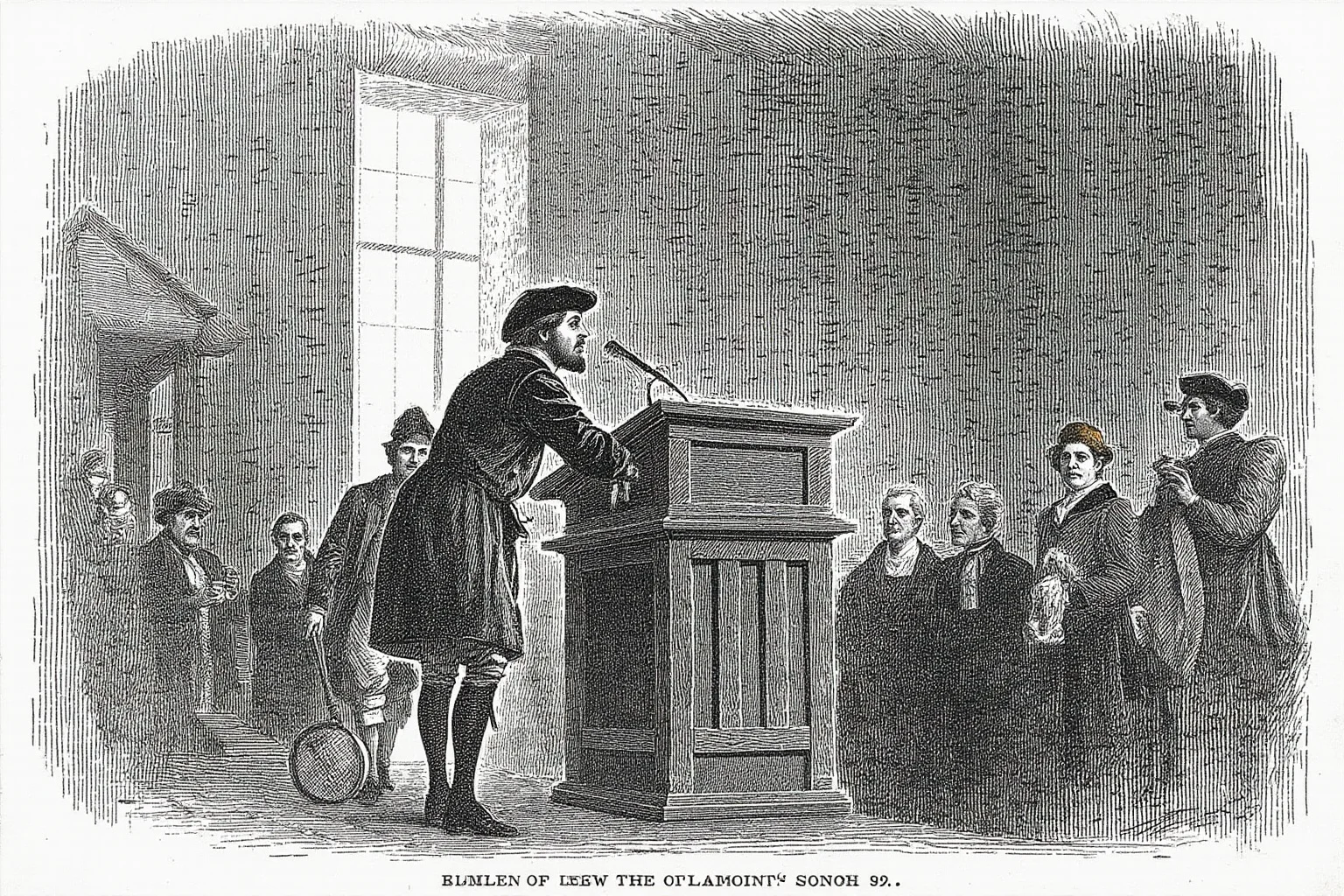
Delivered at Federal Hall in New York City on April 30, 1789, this was the first time anyone had to figure out what an American presidential speech should even sound like. Washington was famously reluctant to take the job, and his address reflects real anxiety about setting the wrong precedent for the new republic. He spoke of preserving “the sacred fire of liberty” and the responsibility resting on the untested government.
There was no roadmap for this moment, which is exactly why it matters. Every inaugural address since has, knowingly or not, been in conversation with this first one. It remains a foundational entry in the story of famous speeches by American presidents simply because it invented the genre.
2. George Washington’s Farewell Address (1796)
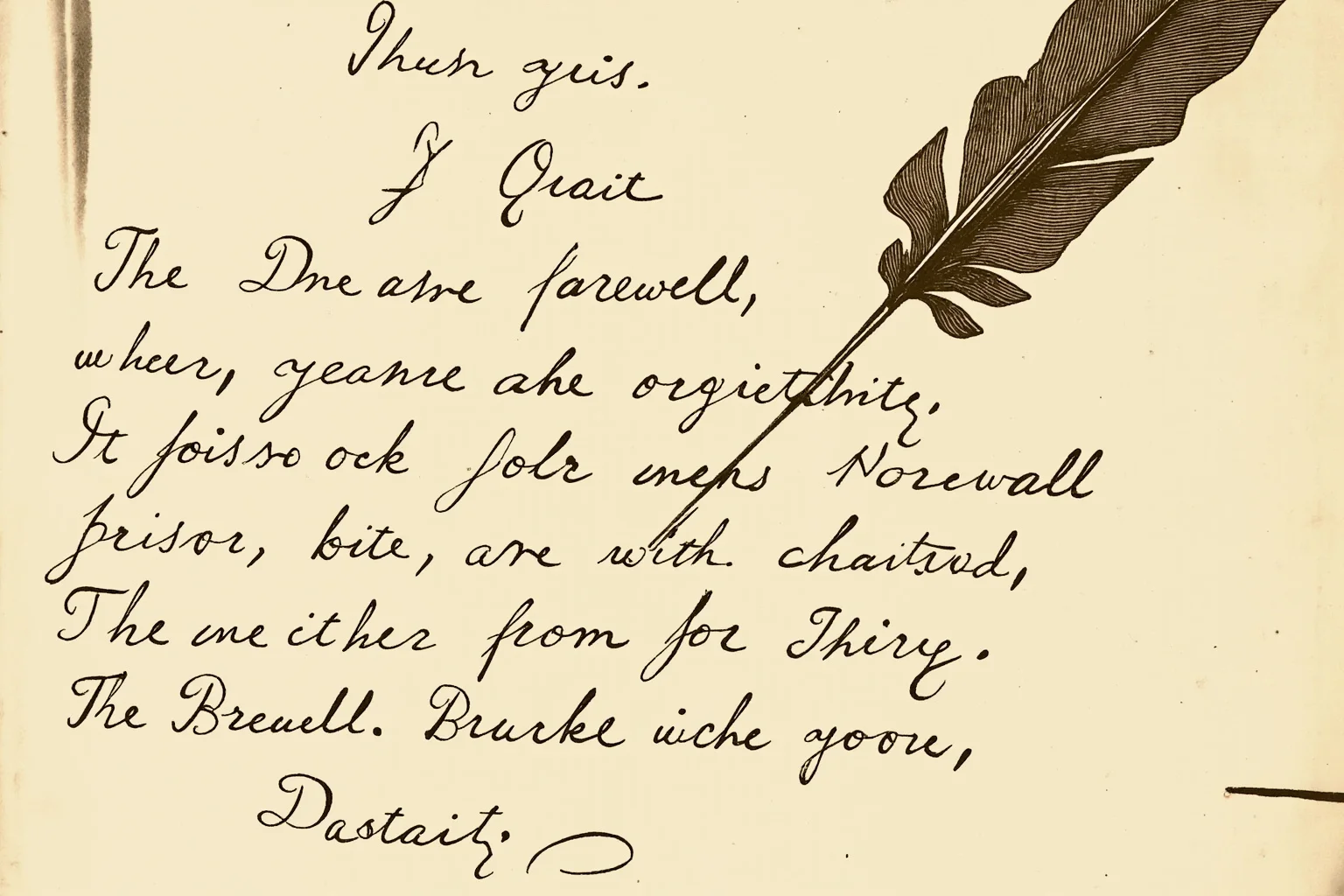
Here’s a fact that surprises a lot of people: Washington’s Farewell Address was never actually delivered as a speech. It was published as a letter in Philadelphia’s American Daily Advertiser on September 19, 1796, meaning generations of Americans have quoted a “speech” that was really a widely reprinted op-ed. That detail doesn’t diminish its influence at all.
In it, Washington warned against the dangers of permanent foreign alliances and, more famously, against the corrosive effects of political factions. Both warnings feel strikingly current, which is part of why this text still gets read aloud in the Senate every February. It’s proof that a great political speech doesn’t always need a podium to leave a mark.
3. Thomas Jefferson’s First Inaugural Address (1801)
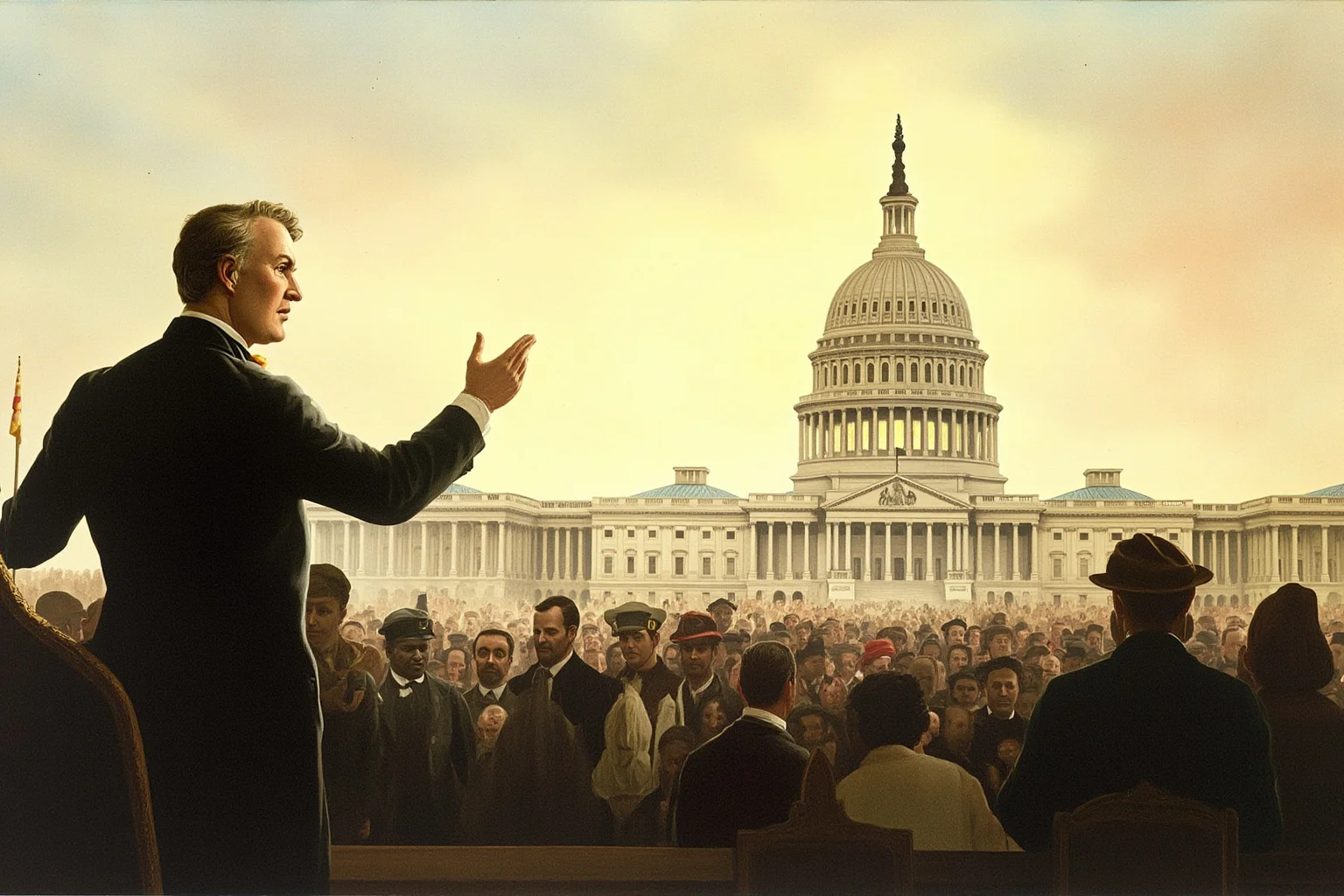
Jefferson took office after one of the ugliest, most bitterly contested elections in early American history, the election of 1800. Rather than gloat, he used his inaugural address to try to lower the temperature, famously declaring, “We are all Republicans, we are all Federalists.” It was a deliberate olive branch to a country that had just watched its political parties nearly tear each other apart.
The speech also laid out a vision of limited government and individual liberty that Jefferson supporters would cite for generations. It’s a useful early example of a president using a speech not to score points, but to talk a divided country down from the ledge.
4. Abraham Lincoln’s First Inaugural Address (1861)
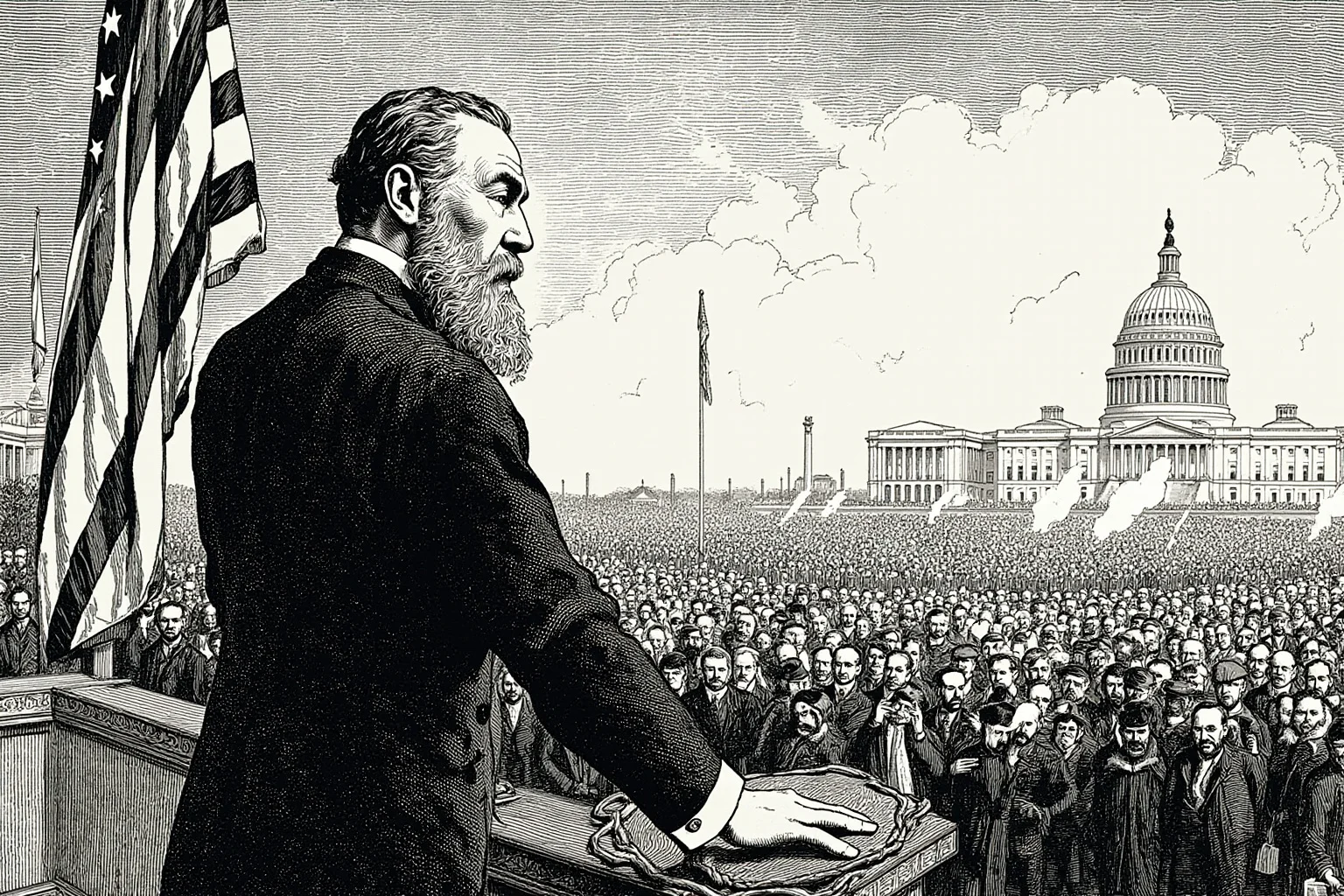
By March 1861, seven Southern states had already declared secession, and Lincoln’s first inaugural address was essentially a last appeal to avoid civil war. He insisted he had no intention of interfering with slavery where it already existed, a legal position more than a moral one, while firmly rejecting the legitimacy of secession. The closing lines appealed to “the mystic chords of memory” that Lincoln hoped still bound North and South together.
The appeal failed. Within weeks, Confederate forces fired on Fort Sumter, and the war Lincoln had tried to prevent began anyway. The speech remains a haunting record of a country talking past the point of no return.
5. Abraham Lincoln’s Gettysburg Address (1863)
At just around 272 words, the Gettysburg Address is one of the shortest famous presidential speeches ever given, and one of the most quoted. Lincoln delivered it on November 19, 1863, at the dedication of the Soldiers’ National Cemetery, months after the bloody battle that had been fought there. He opened with “Four score and seven years ago” and closed with a vow that government “of the people, by the people, for the people” would not perish.
A popular legend claims Lincoln dashed it off on the back of an envelope during his train ride to Gettysburg. Historians who have studied the surviving drafts largely reject this; Lincoln revised the speech carefully beforehand. The myth is charming, but the real story of deliberate, careful writing is arguably more impressive.
6. Abraham Lincoln’s Second Inaugural Address (1865)
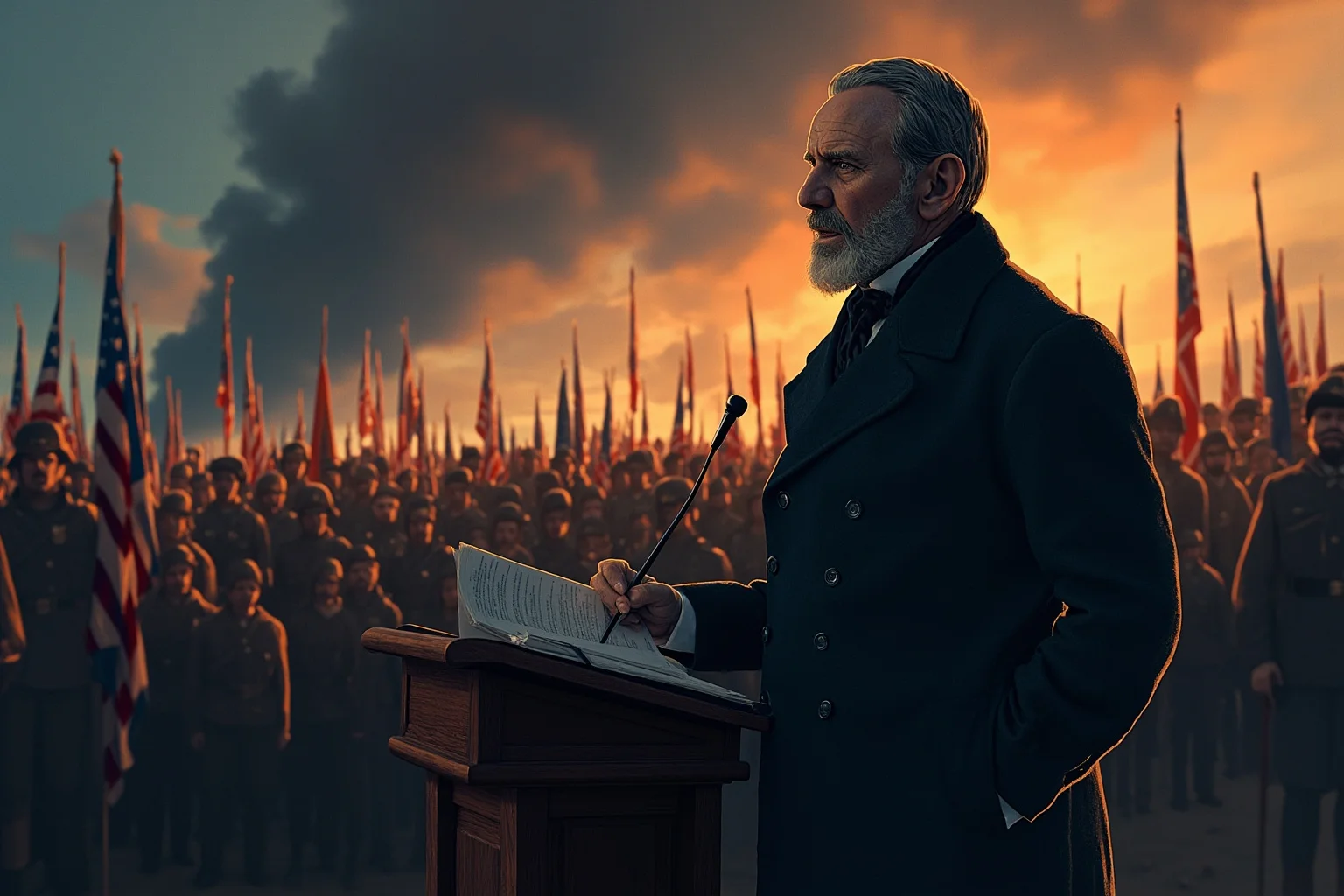
Given on March 4, 1865, just weeks before the Civil War ended and barely a month before Lincoln’s assassination, this speech is strikingly short on triumph. Instead of celebrating the Union’s coming victory, Lincoln called for national reconciliation, closing with the famous plea to act “with malice toward none, with charity for all.” It’s widely regarded by historians as one of the most theologically complex speeches ever given by an American president.
Lincoln framed the war itself as a shared national judgment rather than a simple morality tale of North versus South. That restraint, at a moment when he could easily have claimed vindication, is a large part of why this speech still ranks among the greatest presidential speeches in American history.
7. Theodore Roosevelt’s “Man with the Muck-Rake” Speech (1906)
Delivered on April 14, 1906, this speech gave the English language the term “muckraker,” which Roosevelt used to describe journalists and reformers he felt focused only on exposing corruption without offering solutions. Ironically, he actually supported much of the investigative journalism of the era; his criticism was more nuanced than the catchy insult suggests. The speech captures the tensions of the Progressive Era, when reform and backlash against reform were happening at the same time.
It’s a good reminder that not every entry on a list of famous president speeches is remembered for noble reasons. Sometimes a phrase just sticks, for better or worse, and reshapes how people talk about an entire profession.
8. Woodrow Wilson’s War Message to Congress (1917)
On April 2, 1917, Wilson asked Congress for a declaration of war against Germany, ending years of American neutrality in World War I. His justification leaned heavily on ideals rather than pure strategy, insisting “the world must be made safe for democracy.” Congress granted the declaration days later, and the United States entered a war that would reshape its role on the global stage.
Wilson’s speech is a textbook example of a president using moral language to move a reluctant public toward war. Whether that idealism matched the messy reality of the war’s aftermath, including the flawed peace at Versailles, is still debated by historians today.
9. Franklin D. Roosevelt’s First Inaugural Address (1933)
Delivered at the depth of the Great Depression, FDR’s first inaugural address on March 4, 1933, needed to do one urgent job: talk a terrified country off the edge of panic. The line everyone remembers, “the only thing we have to fear is fear itself,” was aimed squarely at the bank runs and mass unemployment gripping the nation. It’s often cited as one of the best presidential speeches for pure crisis management.
FDR followed the words with action almost immediately, launching the New Deal’s early programs within his first hundred days. The speech worked partly because it wasn’t just comforting rhetoric; concrete policy backed it up within weeks.
10. Franklin D. Roosevelt’s Four Freedoms Speech (1941)
In his State of the Union address on January 6, 1941, nearly a year before Pearl Harbor, FDR laid out four freedoms he believed everyone in the world deserved: freedom of speech, freedom of worship, freedom from want, and freedom from fear. At the time, much of Europe was already at war, and the United States was still officially neutral. This speech quietly began preparing Americans for the idea that neutrality might not last.
The Four Freedoms framework later influenced the language of the United Nations’ human rights documents. It’s a strong example of a speech doing long-term ideological work well before the crisis it anticipated actually arrived.
11. Franklin D. Roosevelt’s “Infamy” Speech (1941)
One day after the attack on Pearl Harbor, FDR addressed a joint session of Congress with a speech that took only about seven minutes to deliver. The opening line, “Yesterday, December 7, 1941 — a date which will live in infamy,” became instantly iconic and remains one of the most recognizable openings in American political speech. Congress approved a declaration of war against Japan within an hour of the address.
What’s notable is the speech’s brevity. Rather than an extended argument, FDR trusted that the facts of the attack spoke for themselves, and the speech’s power comes largely from that restraint.
12. Dwight D. Eisenhower’s Farewell Address (1961)
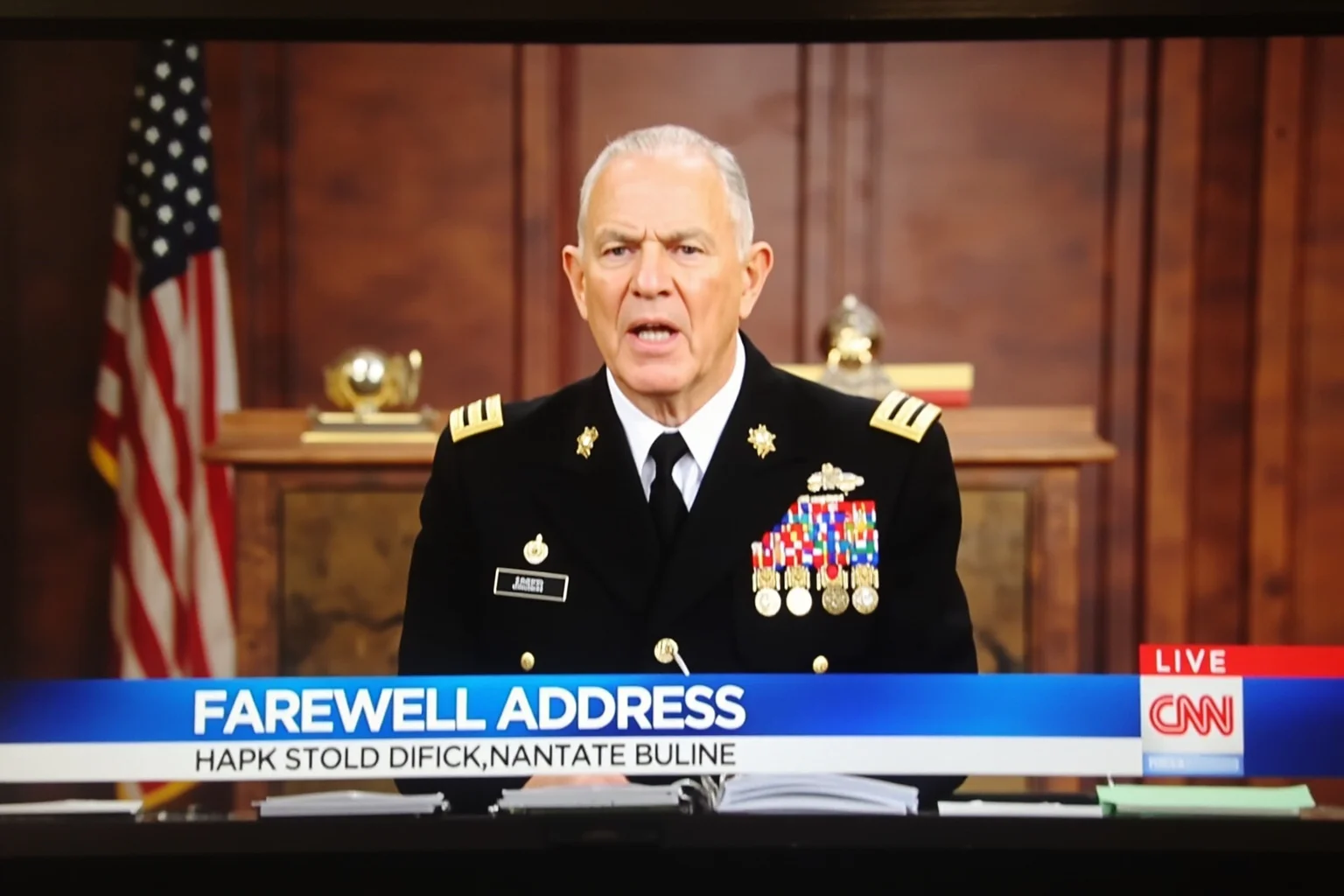
Eisenhower left office on January 17, 1961, with a warning that has aged into one of the most quoted phrases in American political history: the danger posed by a “military-industrial complex.” Coming from a former five-star general, the caution carried unusual weight. He worried aloud about the long-term influence of a permanent arms industry on democratic decision-making.
The speech didn’t get huge attention at the time, overshadowed by the incoming Kennedy administration. Decades later, though, it’s frequently cited as one of the most prescient examples of a presidential speech warning against a problem that would only grow larger.
13. John F. Kennedy’s Inaugural Address (1961)
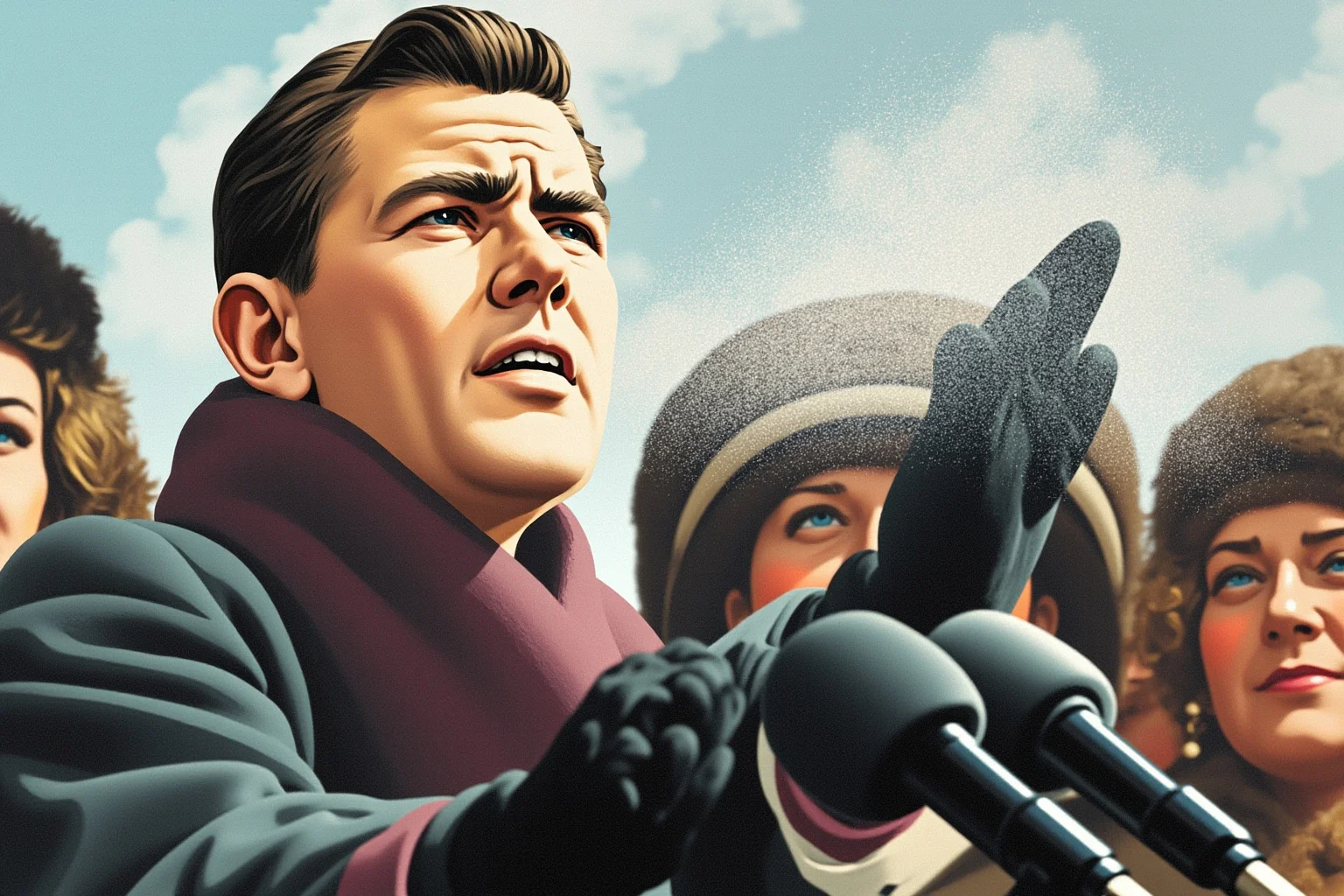
JFK’s January 20, 1961 inaugural address is packed with lines that entered the permanent American vocabulary, especially, “Ask not what your country can do for you — ask what you can do for your country.” Delivered in bitter cold to a country entering the height of the Cold War, the speech leaned heavily into Cold War rhetoric and a call to civic sacrifice. It’s often ranked among the best speeches by presidents for its rhythm and quotability alone.
Speechwriter Ted Sorensen worked closely with Kennedy on the text, a reminder that even the most personal-sounding presidential words are often collaborative. That doesn’t make the speech less Kennedy’s own; presidents have used writing teams for generations.
14. John F. Kennedy’s “Ich bin ein Berliner” Speech (1963)
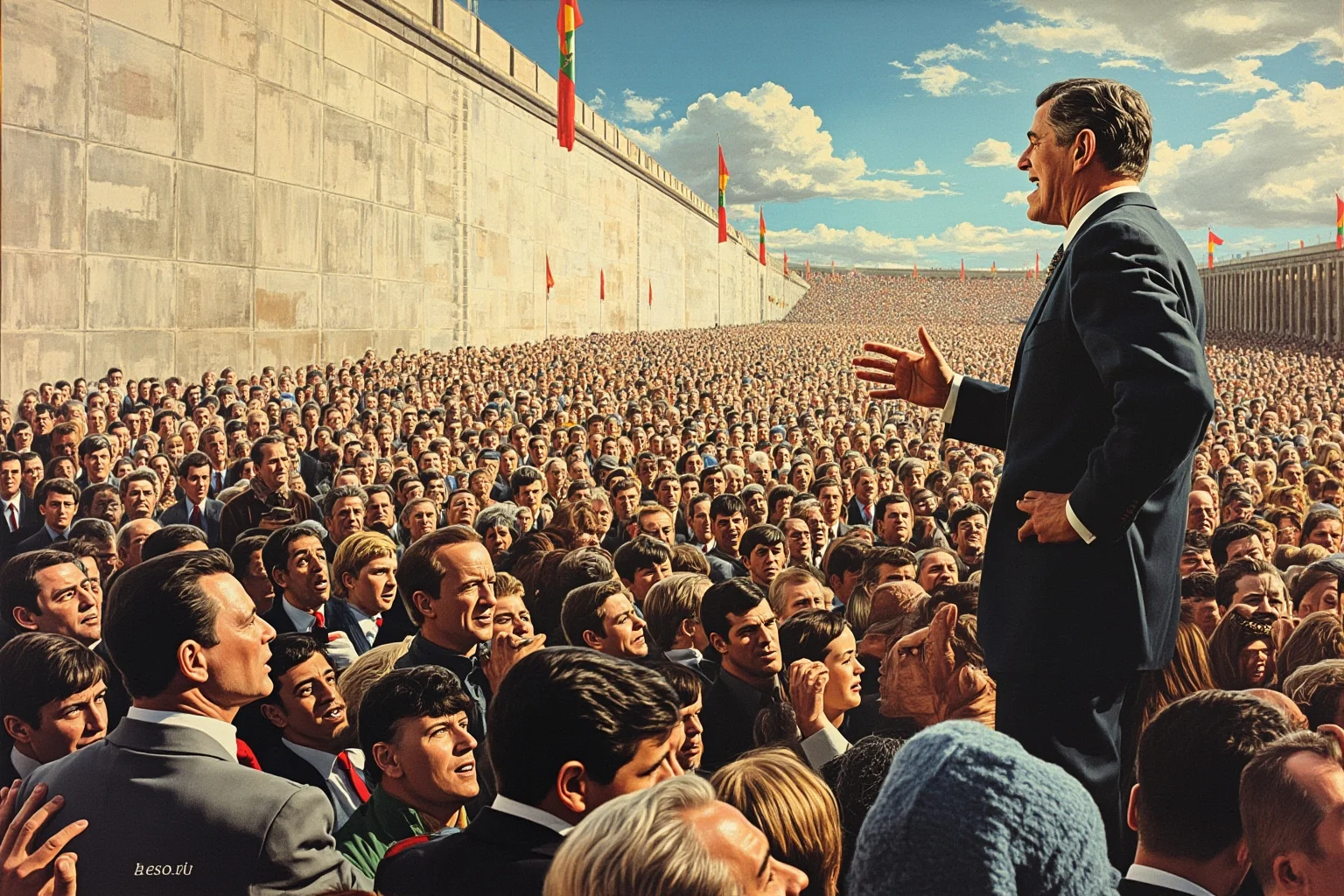
Standing before a massive crowd near the Berlin Wall on June 26, 1963, Kennedy delivered a blunt message of solidarity with West Berlin during the Cold War. His declaration, “Ich bin ein Berliner” (“I am a Berliner”), became instantly famous. A persistent myth claims the phrase was an embarrassing grammatical error meaning “I am a jelly donut”; German language experts have since largely debunked that claim, noting the phrasing was understood exactly as intended by the crowd that day.
The speech’s real significance was strategic as much as symbolic. It reassured a divided city that the United States would not abandon it to Soviet pressure.
15. Lyndon B. Johnson’s “We Shall Overcome” Speech (1965)
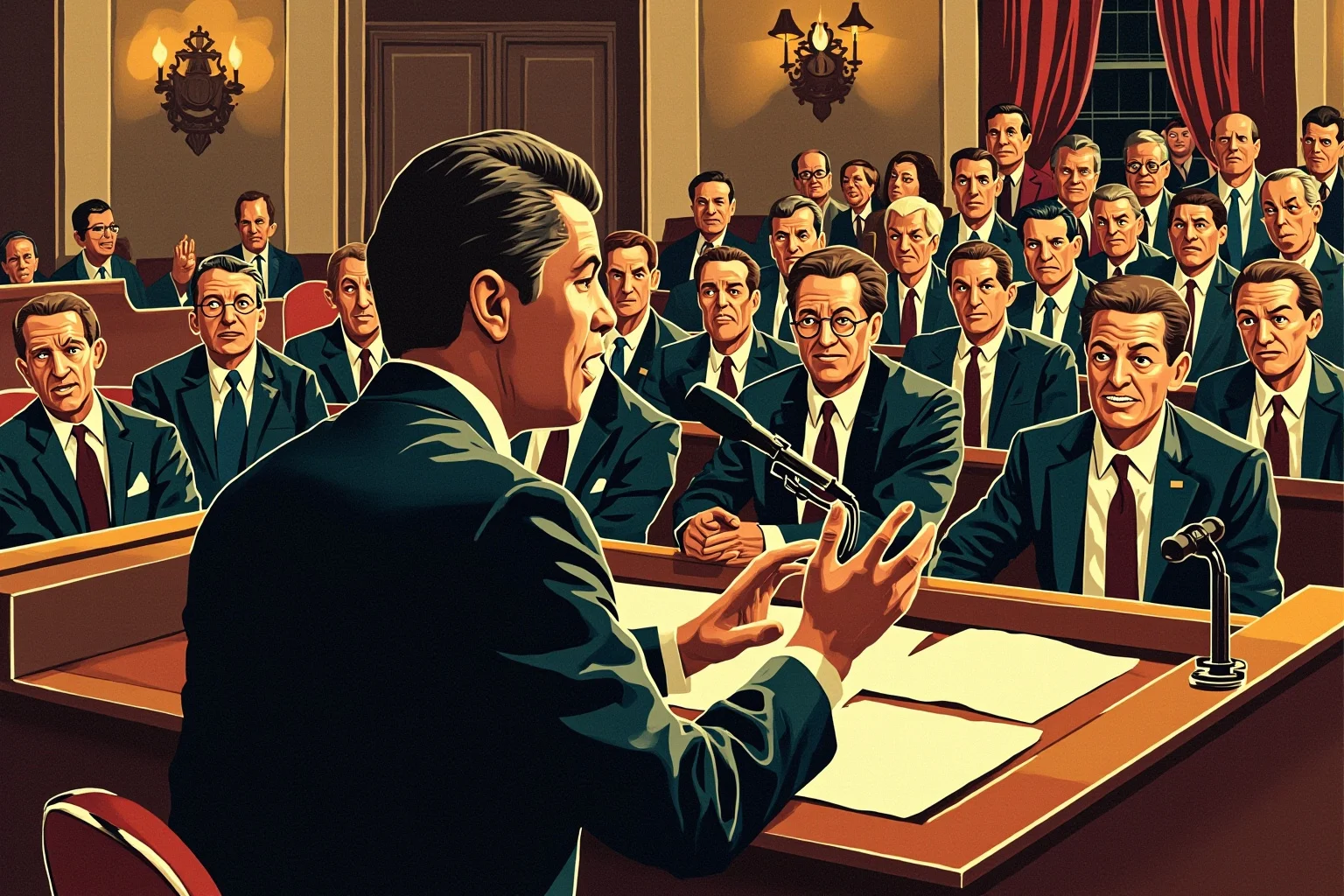
Just one week after the violent “Bloody Sunday” attack on civil rights marchers in Selma, Alabama, LBJ addressed a joint session of Congress on March 15, 1965, to push for the Voting Rights Act. He startled many in the chamber by directly borrowing the movement’s own anthem, declaring, “And we shall overcome.” It was an unusually direct alignment between a sitting president and a protest movement still facing violent resistance.
The Voting Rights Act passed later that year. The speech stands as one of the clearest examples of a president using a formal address to explicitly join, rather than merely respond to, a social movement.
16. Richard Nixon’s Resignation Address (1974)
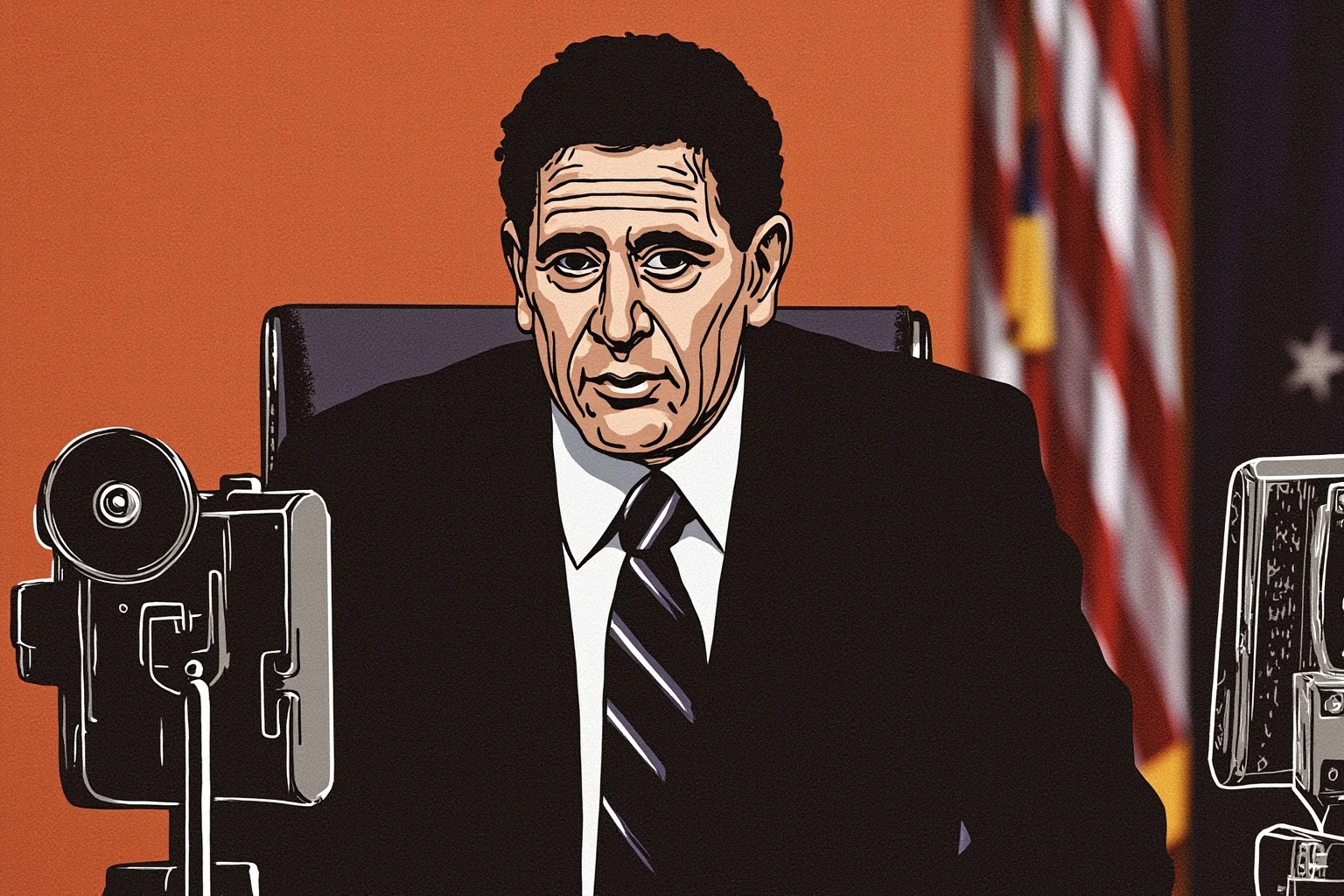
On the evening of August 8, 1974, Nixon became the only U.S. president to resign from office, announcing the decision in a televised Oval Office address. He framed his departure around the Watergate scandal’s damage to his ability to govern, though the speech notably avoided a direct admission of wrongdoing. It remains one of the most-watched presidential broadcasts in American history simply because of what it represented.
The speech is a strange entry on any list of great presidential speeches, since its significance lies less in eloquence and more in the sheer historical weight of the moment. It marked the only time a sitting president has resigned under the threat of impeachment.
17. Jimmy Carter’s “Crisis of Confidence” Speech (1979)
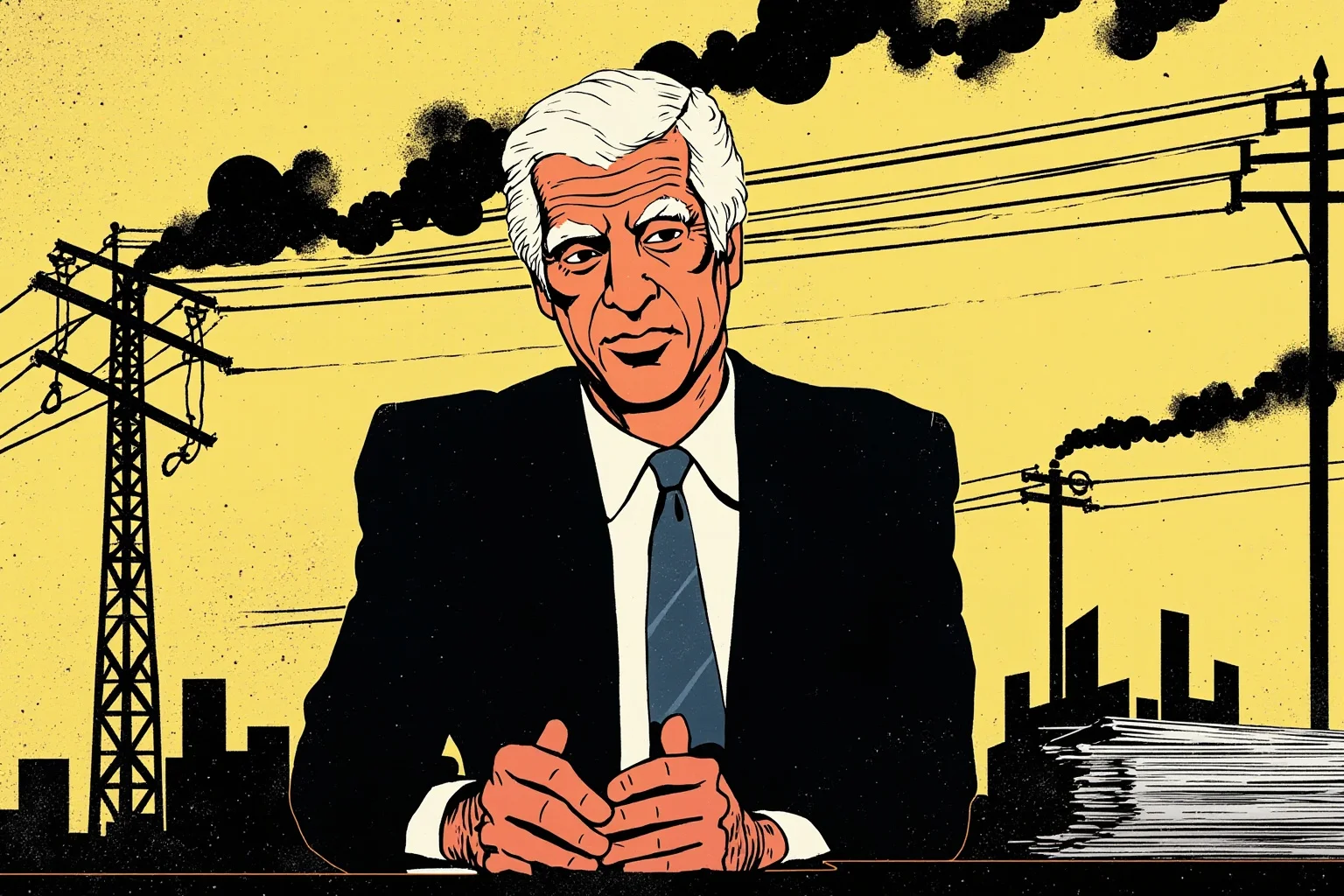
Delivered on July 15, 1979, amid an energy crisis and long gas lines, this speech is remembered today mostly by its nickname, the “malaise speech.” That nickname is misleading, because Carter never actually used the word “malaise” anywhere in the text. What he did say was that America faced a “crisis of confidence,” a more nuanced diagnosis than the popular caricature suggests.
The speech was initially well received before public opinion soured, partly due to Carter’s cabinet shakeup days later. It’s a useful case study in how a speech’s reputation can drift far from its actual content over time.
18. Ronald Reagan’s Challenger Address (1986)
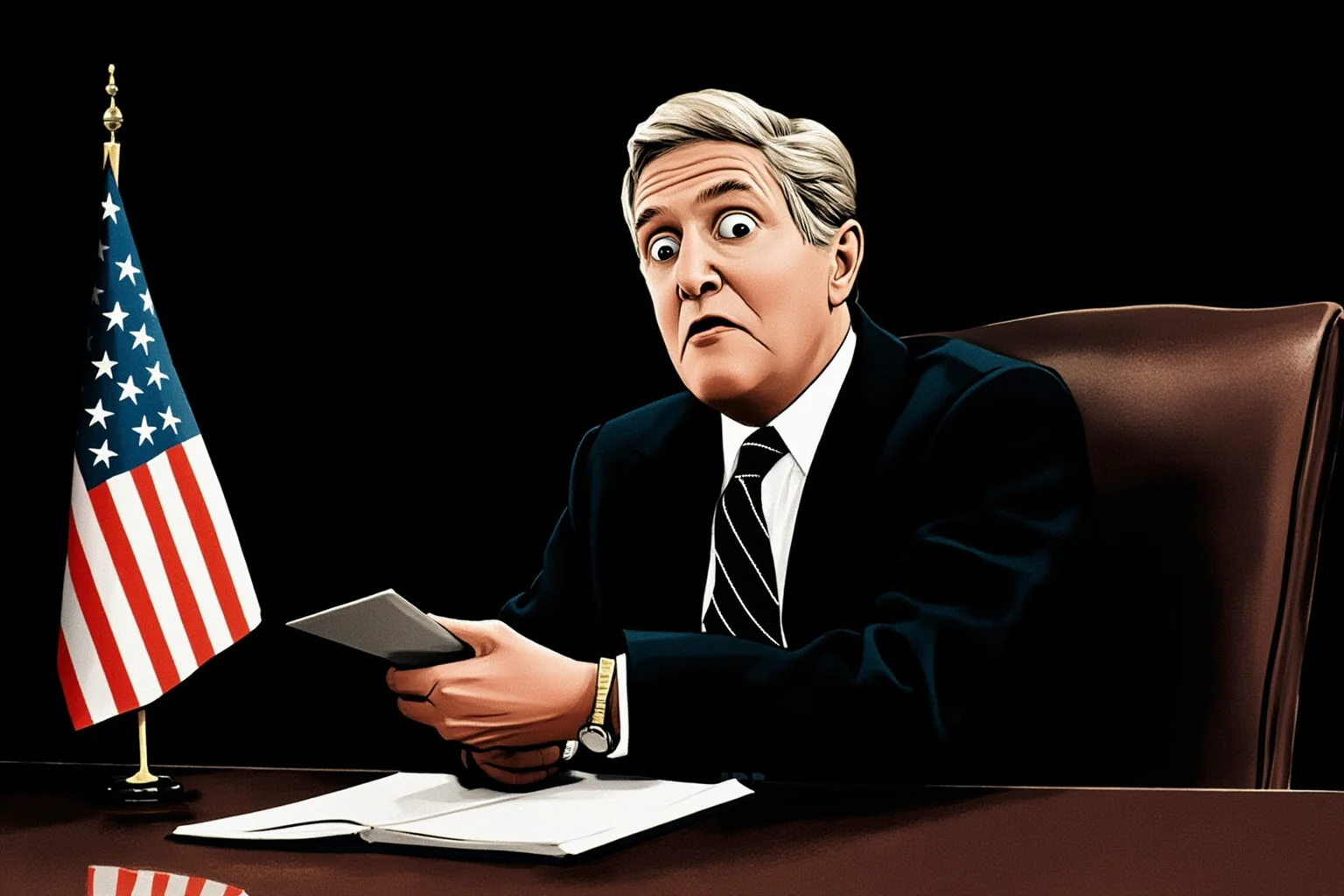
Hours after the Space Shuttle Challenger exploded on live television on January 28, 1986, Reagan set aside his planned State of the Union address to speak directly to a grieving nation, including many schoolchildren who had watched the disaster unfold. He closed with a line borrowed from the poem “High Flight,” saying the astronauts had “slipped the surly bonds of earth and touched the face of God.” The speech is widely regarded as one of the finest examples of a president speaking as national comforter-in-chief.
Speechwriter Peggy Noonan drafted much of the address, and its brevity and restraint are often cited as a model for crisis communication. It remains a benchmark example of a presidential speech responding to sudden tragedy.
19. Ronald Reagan’s “Tear Down This Wall” Speech (1987)
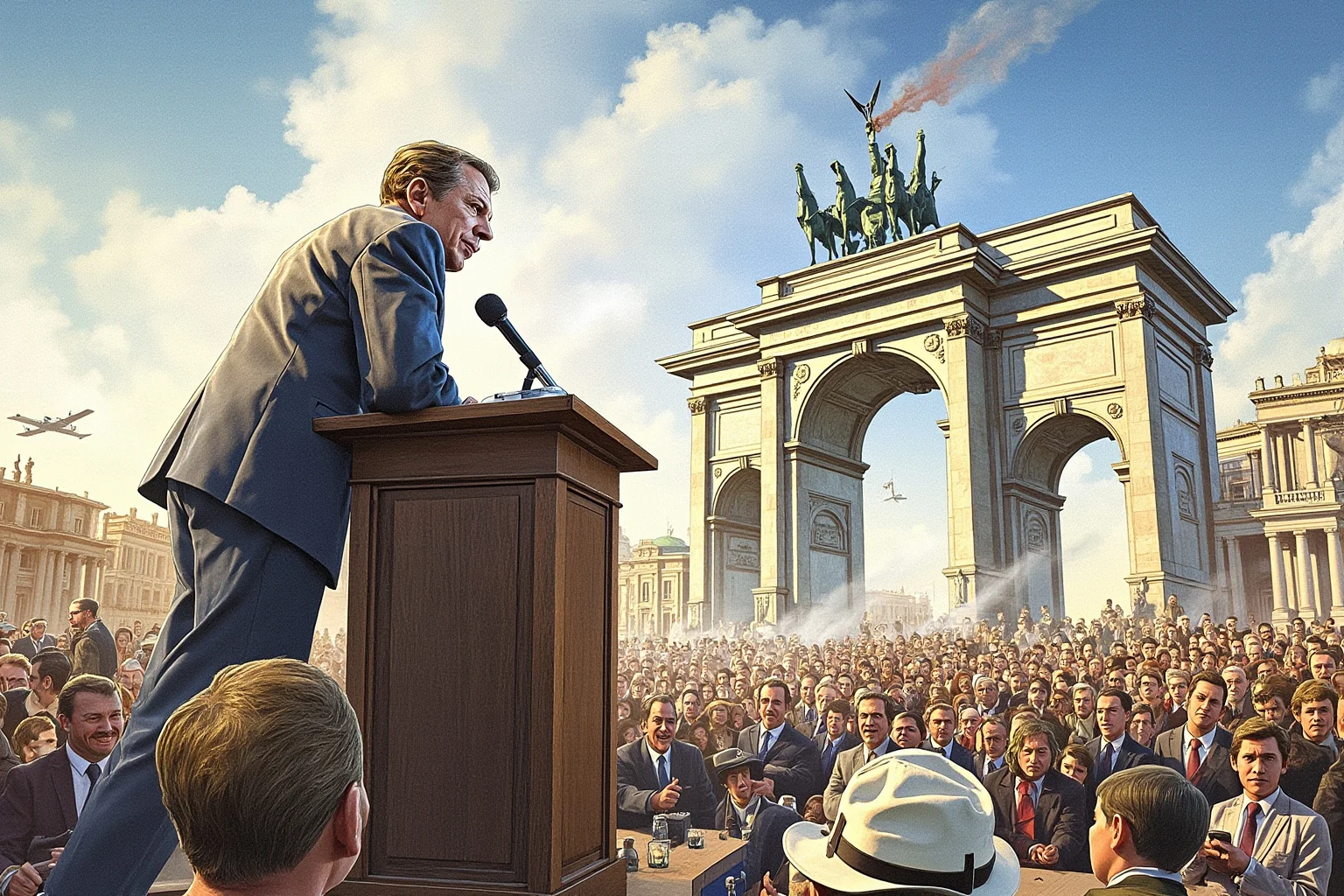
Standing at the Brandenburg Gate in West Berlin on June 12, 1987, Reagan directly challenged Soviet leader Mikhail Gorbachev with the line, “Mr. Gorbachev, tear down this wall!” State Department officials had reportedly urged Reagan to soften the language beforehand, worried it was too provocative for delicate diplomacy. Reagan kept the line in anyway.
The Berlin Wall didn’t fall until 1989, and historians generally agree the speech was one factor among many, not a single cause, in the eventual collapse of Soviet control over East Germany. Still, it became one of the defining rhetorical moments of the late Cold War.
20. George H.W. Bush’s Address on the Gulf War (1991)
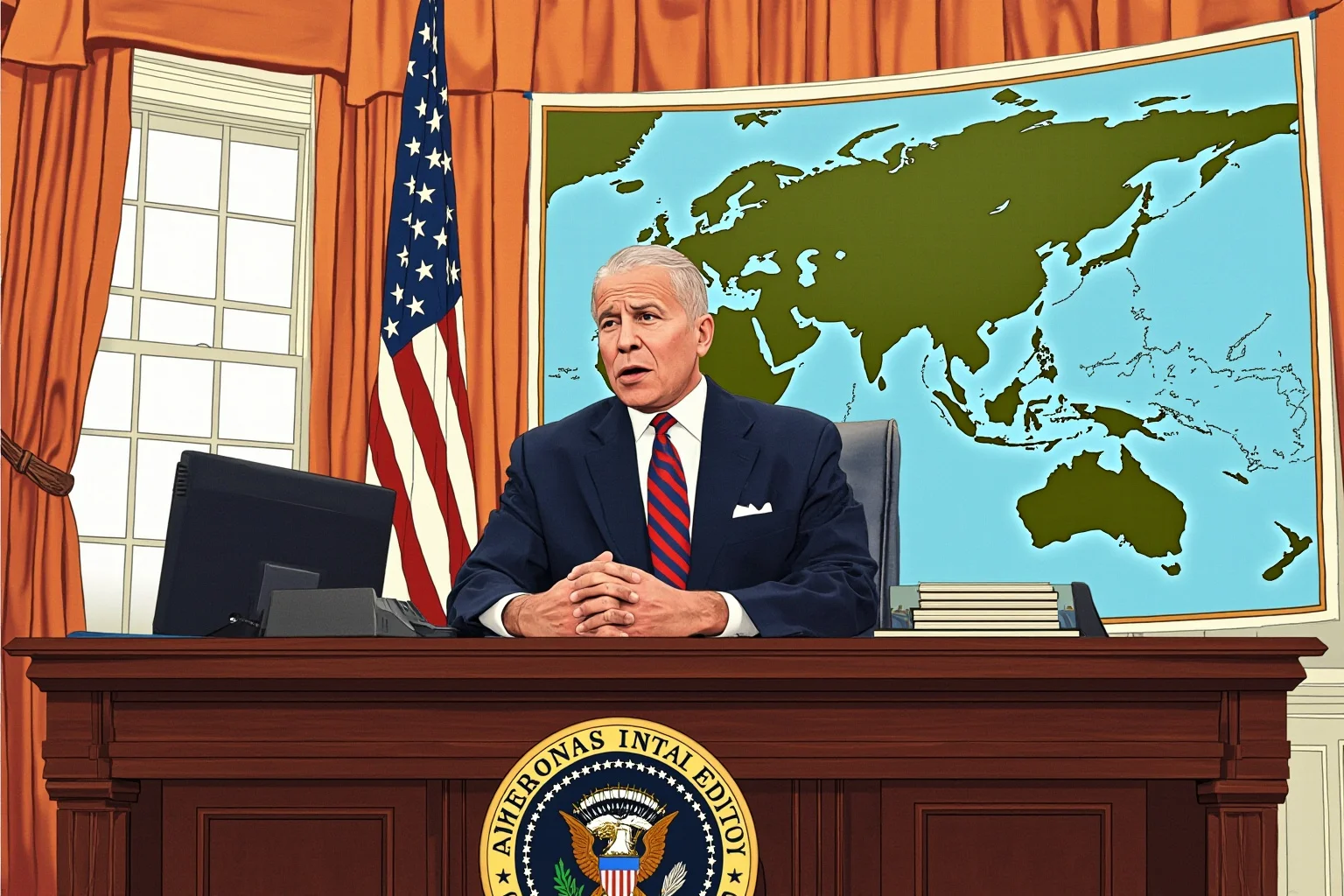
On January 16, 1991, Bush addressed the nation to announce that Operation Desert Storm had begun, launching the U.S.-led coalition’s military campaign against Iraq following its invasion of Kuwait. The speech framed the conflict in terms of international law and coalition unity, a notably multilateral tone compared to some later wartime addresses. It reflected the specific post-Cold War moment in which it was delivered, with a rare level of United Nations-backed consensus behind the action.
The war itself ended in a matter of weeks, and the speech is often studied for how it balanced resolve with careful, limited objectives. It stands in useful contrast to later, more open-ended American conflicts.
21. George W. Bush’s 9/11 Address to the Nation (2001)
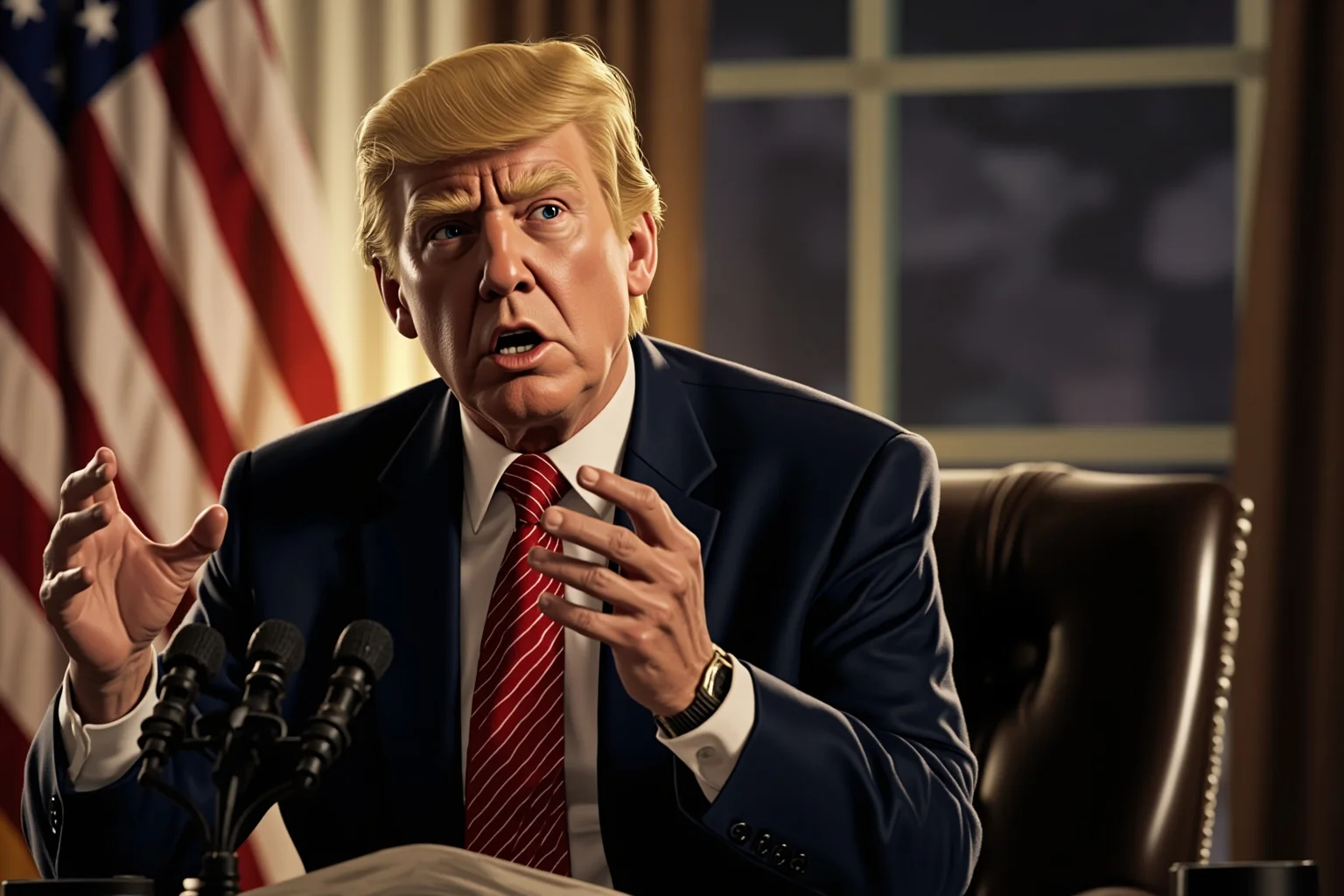
On the evening of September 11, 2001, Bush addressed the country from the Oval Office just hours after the terrorist attacks on the World Trade Center and the Pentagon. The speech was short, aimed at reassurance and resolve rather than immediate policy detail, promising that the United States would find those responsible. It set the emotional tone for the weeks of national grief and the policy shifts that followed.
Bush’s more expansive and widely praised remarks actually came a few days later at the National Cathedral and during his September 20 address to Congress. Together, these speeches marked one of the most consequential rhetorical periods for any modern president.
22. Barack Obama’s “A More Perfect Union” Speech (2008)
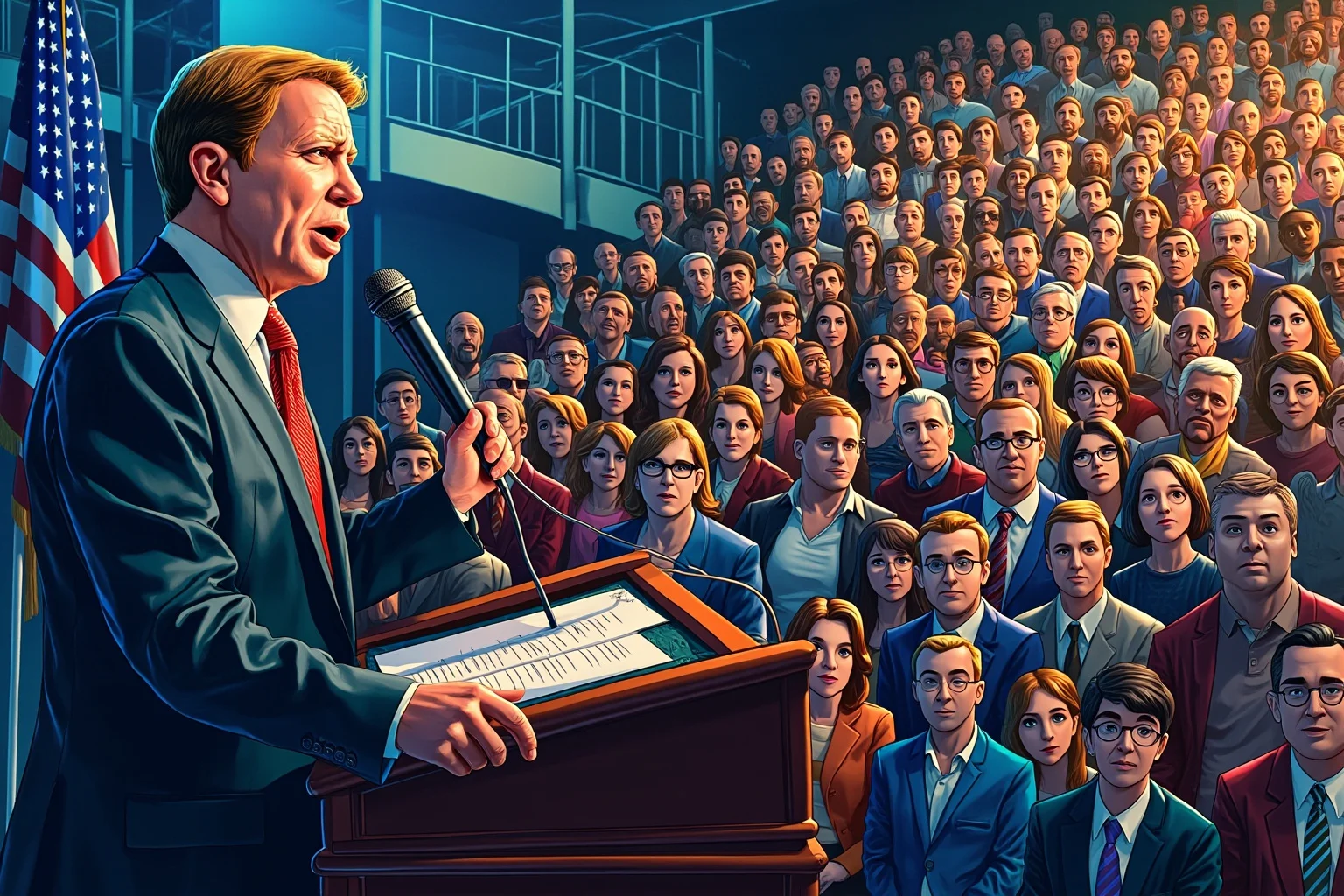
Facing controversy during his 2008 campaign over remarks made by his former pastor, Obama delivered a lengthy address on race in Philadelphia on March 18, 2008. Rather than distance himself with a short statement, he used the speech to talk at length about the complicated, often painful history of race relations in America. It was a risk; long, nuanced speeches on sensitive topics don’t always play well in a campaign news cycle.
The gamble largely paid off, and the speech is frequently cited today as one of the most substantive discussions of race ever given by a sitting or future American president. It’s a modern example of a candidate speech that behaved less like a soundbite and more like an essay.
What These Speeches Have in Common
Looking across nearly 250 years of American presidential speeches, a pattern emerges. The ones that last are rarely the most ornate or the longest; several of the greatest, like the Gettysburg Address and FDR’s Infamy Speech, are strikingly brief. What they share instead is precision, a clear sense of the moment, and language built to survive being read long after the original audience is gone.
It’s also worth remembering that plenty of legendary quotes get simplified or distorted over time, from the Berlin Wall speech’s diplomatic pushback to Carter’s misremembered “malaise.” Reading these speeches in full, rather than relying on the famous one-liners alone, gives a much richer and more accurate picture of each moment. That’s really the best way to appreciate any example presidential speech: on its own terms, in its own moment, before the myths set in.
Frequently Asked Questions
What are considered the greatest speeches in US history?
Historians most often point to Lincoln's Gettysburg Address and Second Inaugural Address, FDR's Pearl Harbor 'Infamy' speech, and JFK's Inaugural Address as among the greatest speeches in US history, largely delivered by presidents during moments of war, national grief, or deep division. Rankings vary by historian, but these speeches consistently appear because they combine historical weight with lasting, quotable language.
What makes a presidential speech historically significant?
The most significant presidential speeches usually respond to a genuine turning point, such as a war, assassination, disaster, or deep social division, and say something in a way that resonates well beyond the original moment. Timing, honesty, and clarity tend to matter more to a speech's legacy than length or ornate language.
Are presidential speeches usually written by the president?
Most modern presidential speeches involve collaboration with professional speechwriters, such as Ted Sorensen for JFK or Peggy Noonan for Reagan, though presidents typically edit and shape the final language themselves. Earlier presidents, like Lincoln, are generally understood to have written their most famous speeches largely on their own.
What is the shortest famous presidential speech?
Lincoln's Gettysburg Address, at roughly 272 words, is often cited as the shortest widely famous presidential speech, lasting only about two to three minutes when delivered in 1863. Its brevity is frequently noted as part of why it remains so quotable today.
Did Lincoln really write the Gettysburg Address on the back of an envelope?
No, this is a popular myth. Surviving drafts and historical accounts indicate Lincoln prepared and revised the speech carefully before traveling to Gettysburg, rather than composing it hastily on a train.
Which presidential speech is considered the best inaugural address?
JFK's 1961 Inaugural Address and Lincoln's Second Inaugural Address are both frequently ranked among the best inaugural addresses, though for very different reasons: Kennedy's for its stirring Cold War-era call to civic duty, and Lincoln's for its somber reflection on reconciliation at the end of the Civil War.

Alex Warren
Related Articles





