

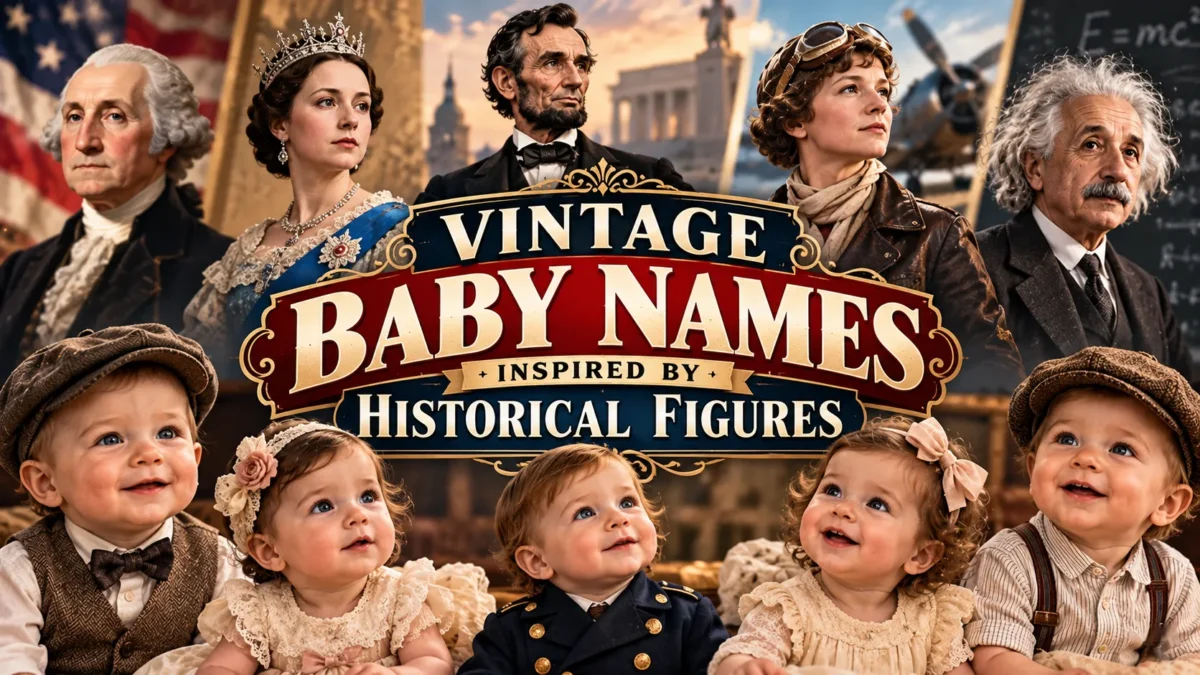
Baby name trends have a funny way of looping back on themselves. Names that once sounded like they belonged only in dusty biographies or medieval manuscripts are now climbing modern baby name charts, from Eleanor and Theodore to Augustus and Ada.
There’s something appealing about handing a child a name that has already survived centuries of history, wars, revolutions, and cultural shifts.
But before picking a name just because it “sounds old,” it’s worth knowing the real person or story behind it. Plenty of names get attached to legends that don’t quite hold up, so this list sticks to verifiable history while still keeping things fun.
Below are 25 vintage names tied to real historical figures, spanning ancient empires to the 20th century, including a handful straight out of the 14th century.
TL;DR: These 25 vintage names carry real historical weight, each tied to a documented figure whose life explains why the name still feels timeless today.
Why Vintage, History-Inspired Names Are Back in Style
Parents searching for meaningful names often land on history because these names come pre-loaded with a story. A name like Eleanor or Winston doesn’t need an origin story invented for it; it already has one, backed by biographies, letters, and public records.
There’s also a myth worth busting here: not every name that “feels ancient” actually is. Some names people assume are historical names from centuries ago were popularized far more recently, often through literature, film, or royal families borrowing older names for new children. Knowing the difference helps separate genuinely old names from ones that just sound vintage.
That distinction matters if you care about accuracy. A name can still be a great choice even if its popularity is newer than expected, but it’s more interesting to know whether you’re naming a child after a queen who ruled 800 years ago or a name that only became fashionable in the last few decades.
What Actually Makes a Name Historically Important?
Not every name attached to a historical figure earns a spot on a “best of” list. The names in history that tend to stick around share a few traits: the person behind them did something documented and lasting, the name itself has traceable linguistic roots, and it has survived long enough to feel both familiar and distinct.
Some of the coolest names in history belong to people who were rulers, scientists, writers, or reformers whose actions are still studied today. Others are important names simply because of how widely they were used across dynasties, regions, or centuries, becoming a kind of shorthand for an entire era.
With that framework in mind, here are 25 vintage names worth knowing, along with the real figures who made them memorable.
1. Alexander
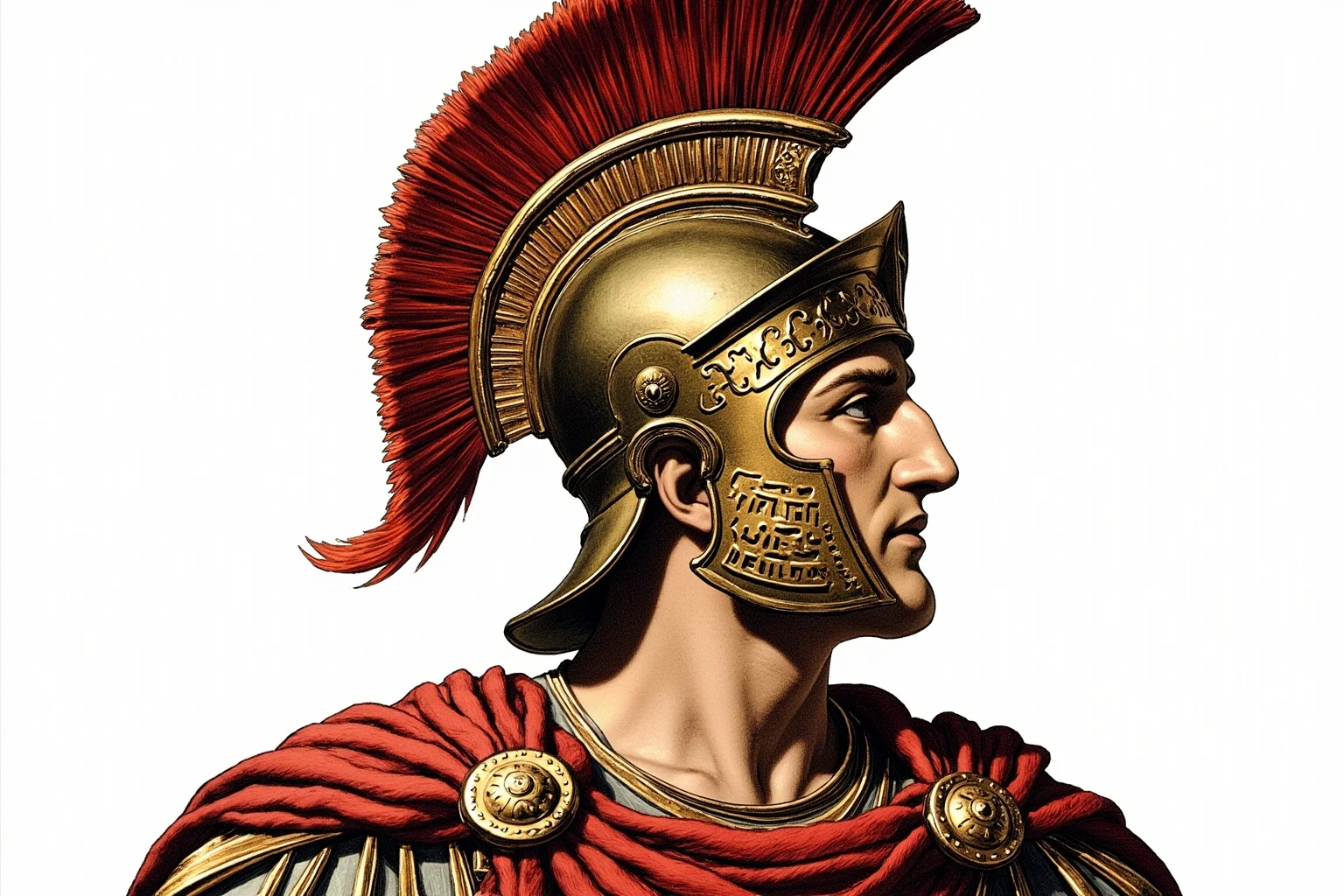
Alexander the Great (356–323 BCE) built one of the largest empires of the ancient world by his early thirties, stretching from Greece to parts of India. The name comes from the Greek “Alexandros,” meaning “defender of men.”
It became a favorite among European royal families for over two thousand years, partly because rulers wanted to associate themselves with his military reputation, and he remains one of the most recognized historical figures of all time. Today it remains one of the most enduring awesome historical names still in everyday use.
2. Cleopatra
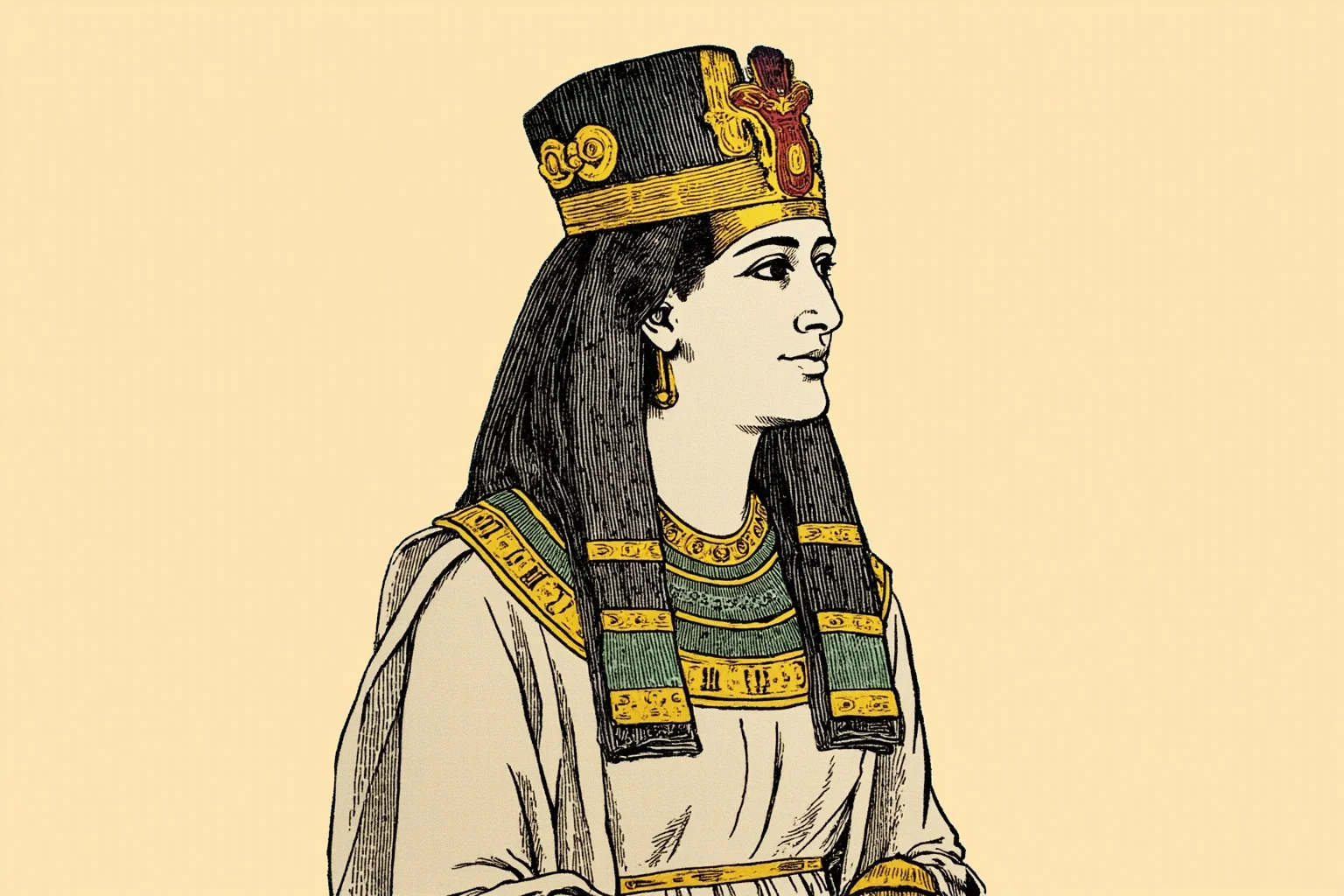
Cleopatra VII (69–30 BCE) was the last active ruler of Egypt’s Ptolemaic dynasty, a line of Macedonian Greek descent rather than ethnically Egyptian, a detail popular culture often glosses over. She was known for her political skill, multilingualism, and alliances with Roman leaders Julius Caesar and Mark Antony, cementing her place among history’s most powerful women.
The name derives from Greek roots meaning “glory of the father.” The nickname Cleo has become a popular, softer way to carry the name into modern use.
3. Augustus
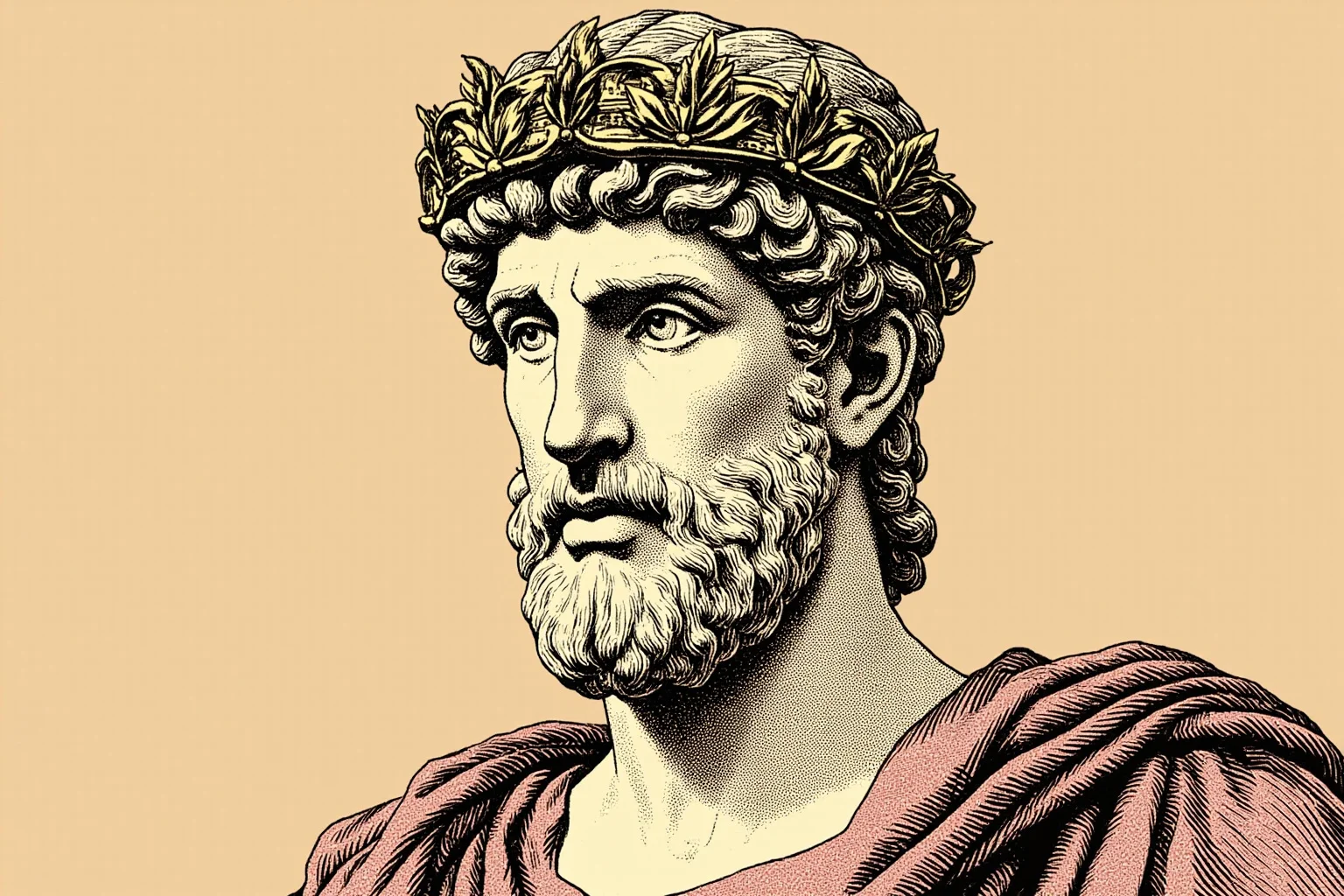
Augustus wasn’t actually a birth name; it was a title granted by the Roman Senate in 27 BCE to Gaius Octavius, who became Rome’s first emperor. The word itself means something close to “majestic” or “venerable.”
His reign began the Pax Romana, a long period of relative stability across the empire. As a modern baby name, Augustus has surged back thanks to its regal sound and rare, textured history.
4. Boudica
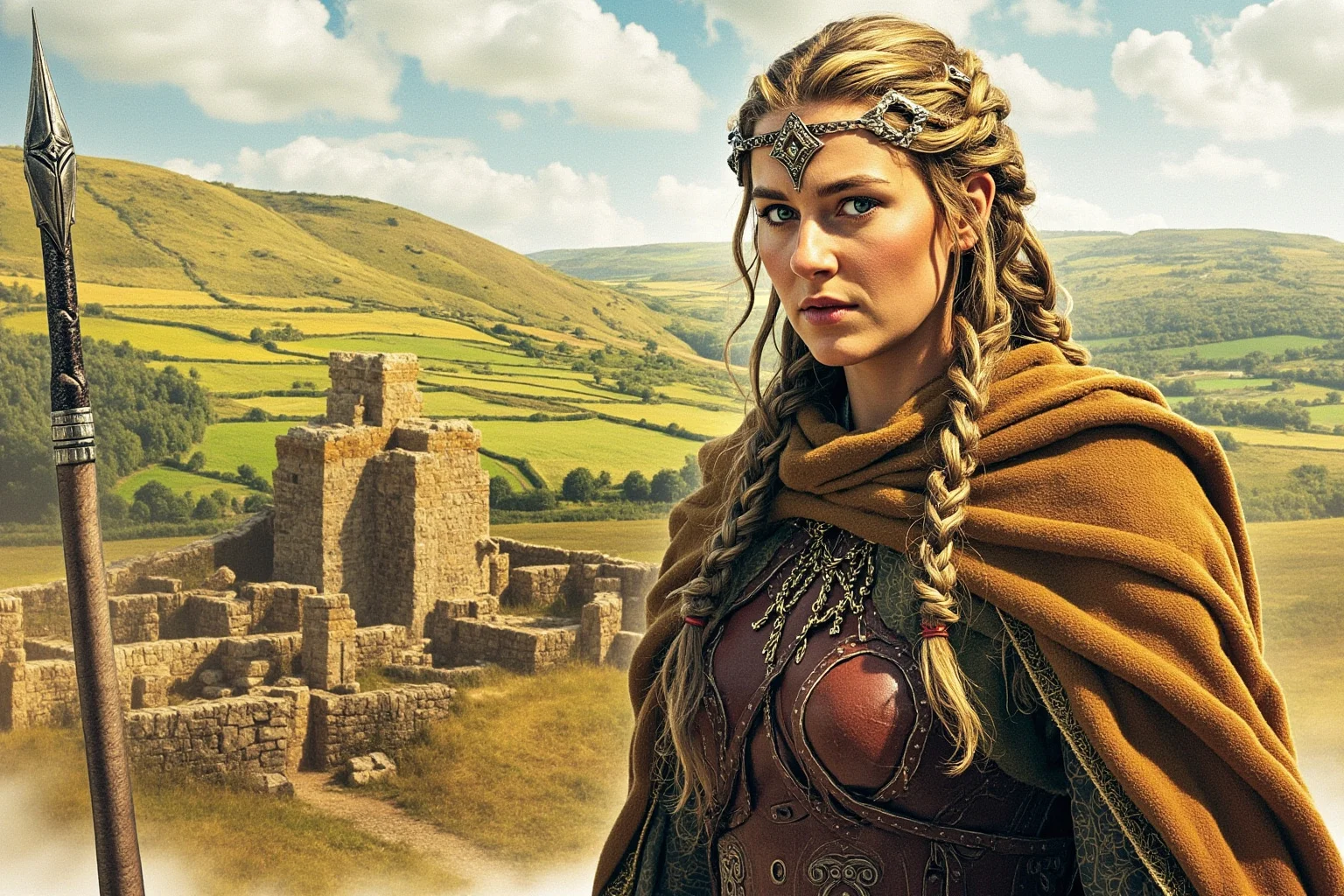
Boudica was queen of the Iceni tribe in Britain who led a major uprising against Roman occupation around 60–61 CE. Roman historians recorded her rebellion, though much of her personal life remains undocumented, so caution is warranted around embellished retellings.
The name’s exact meaning is debated among linguists, but it’s often linked to Celtic words associated with victory. It’s a bold, distinctive pick for parents wanting something fierce and rarely used.
5. Eleanor
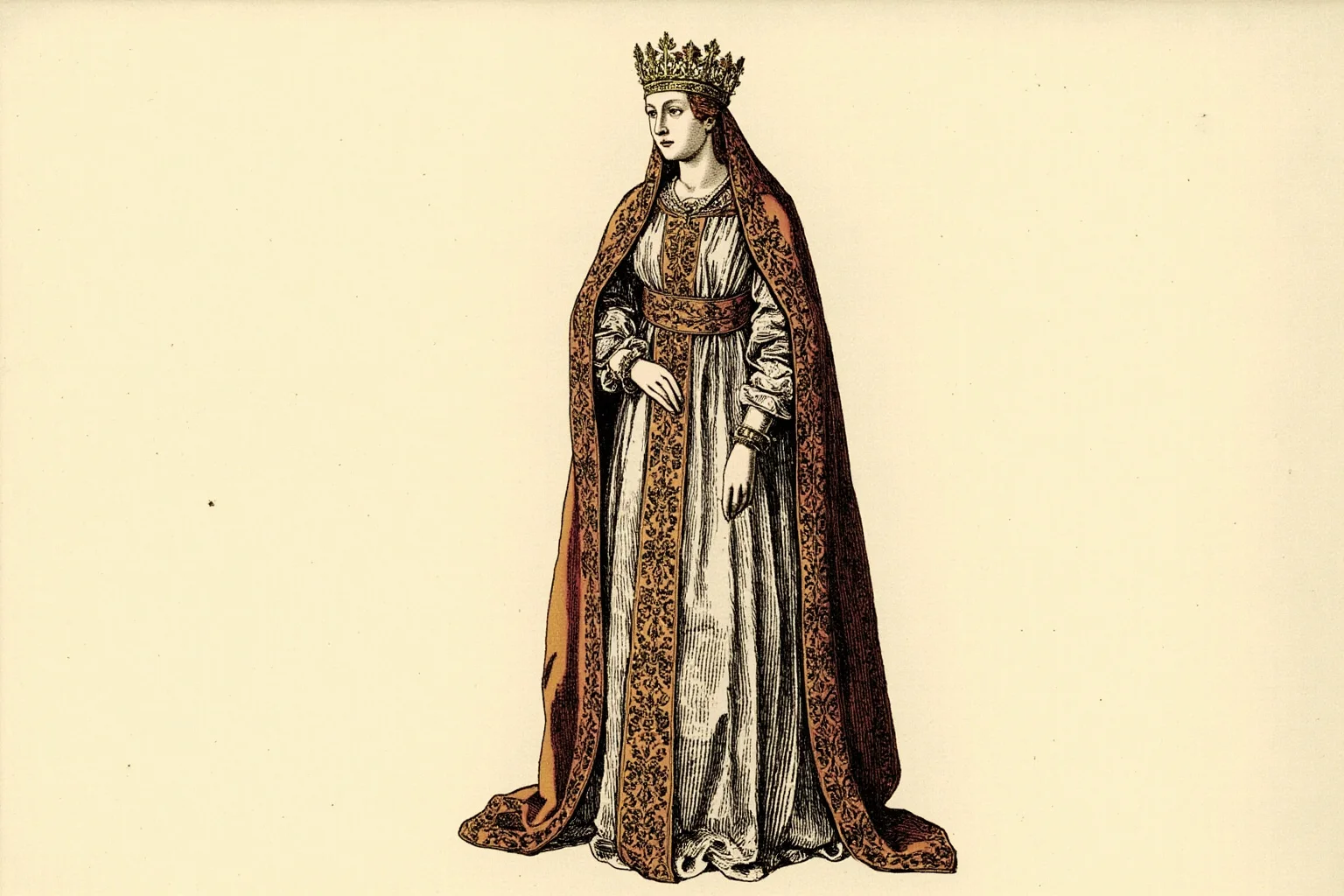
Eleanor of Aquitaine (c. 1122–1204) was queen consort of both France and England during her lifetime, an almost unheard-of feat, and she wielded real political influence during the Crusades era. Her name likely evolved from the older form “Aenor,” though scholars still debate its precise meaning.
Eleanor has remained one of the most consistently popular historical names across centuries. It never fully disappeared from use, which makes it more of a survivor than a revival.
6. Matilda
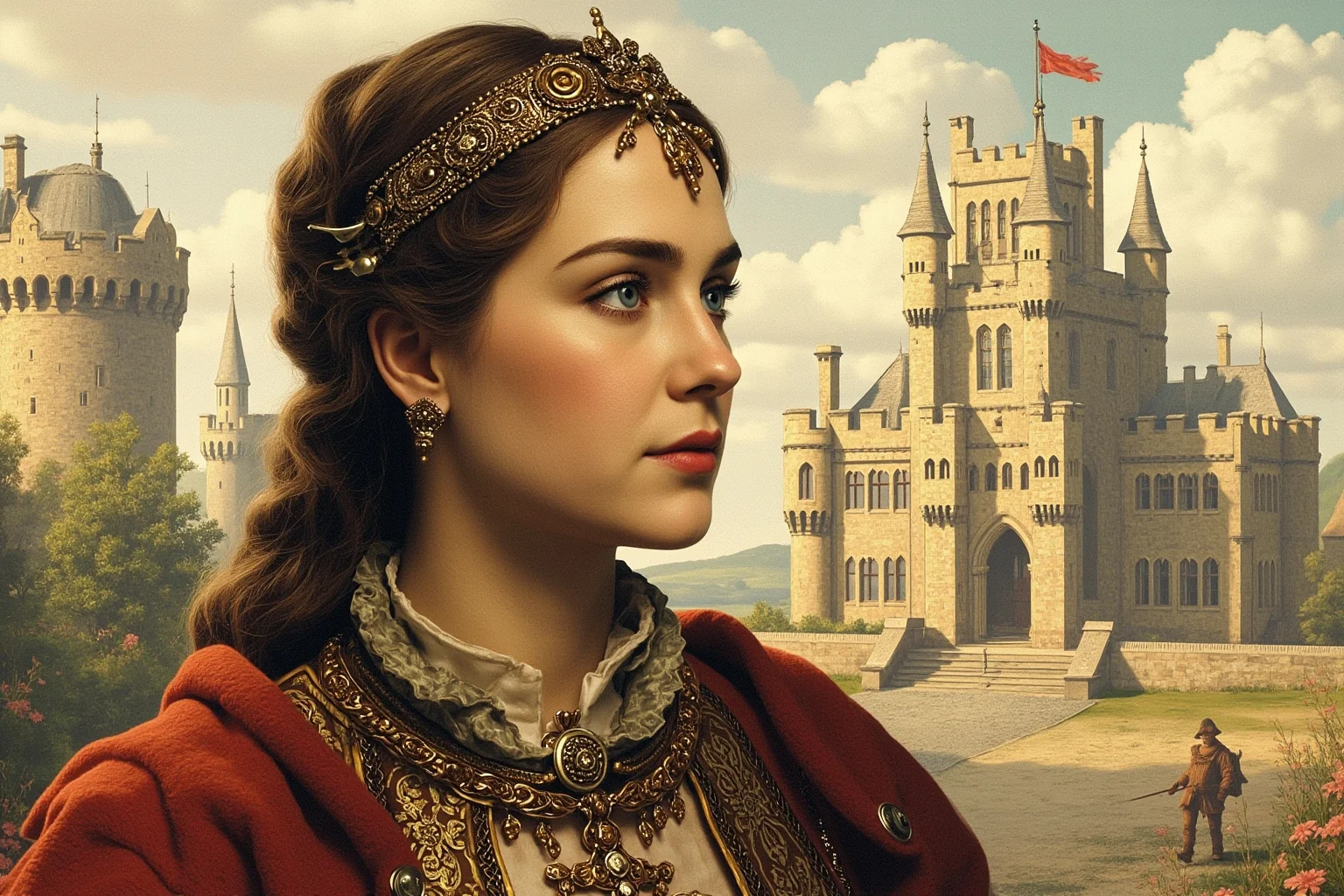
Empress Matilda (1102–1167) was a claimant to the English throne whose fight for power triggered a civil war known as The Anarchy. The name is Germanic in origin, translating roughly to “mighty in battle.”
Her story is far less familiar to most people than her male relatives, despite her real political weight. Matilda’s modern popularity owes something to literature too, but the historical figure came first.
7. Geoffrey
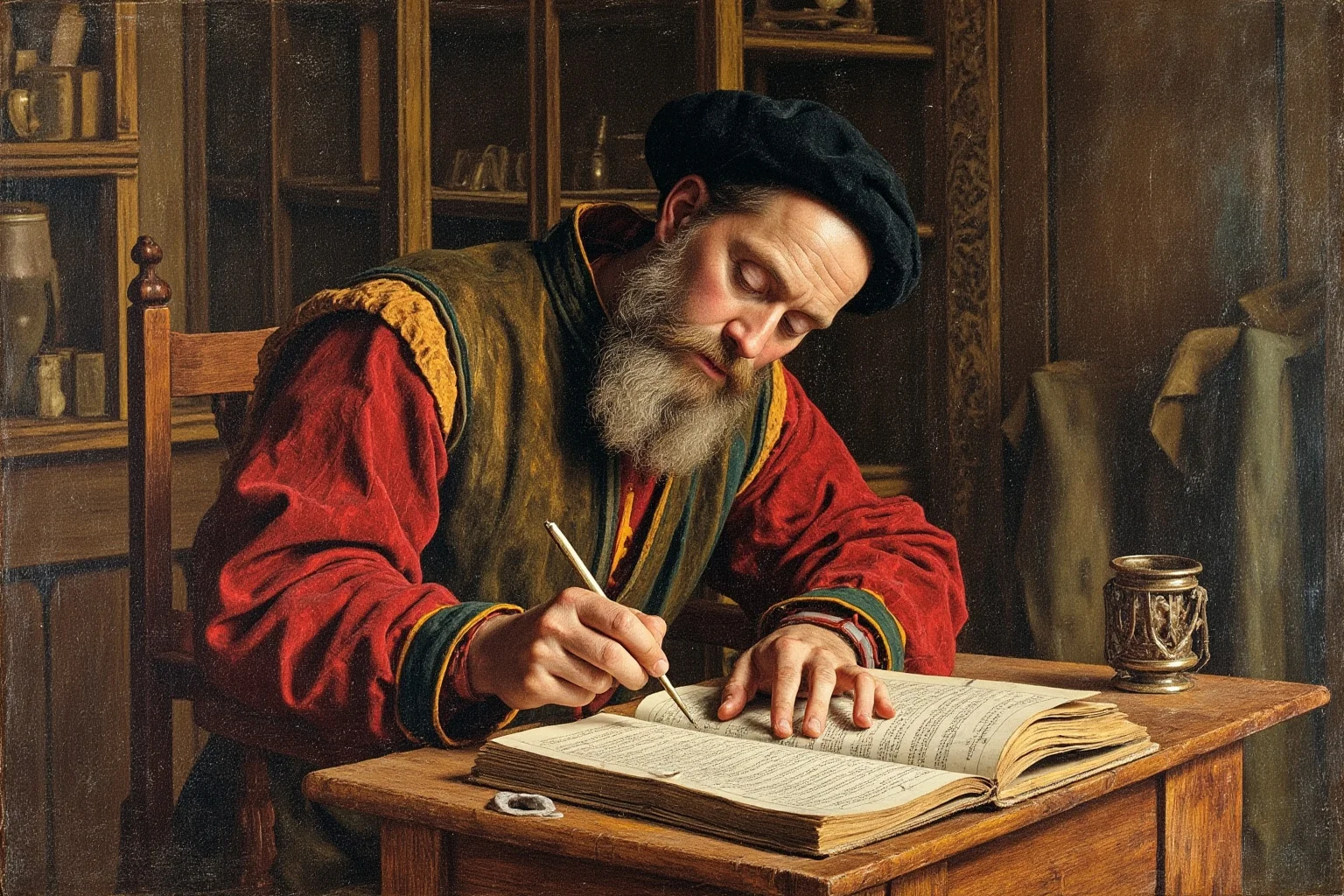
Geoffrey Chaucer (c. 1343–1400) is often called the father of English literature, best known for writing The Canterbury Tales. This makes him one of the clearest examples of names from the 14th century still recognizable today.
The name has Norman French and Germanic roots, generally interpreted as meaning something like “peaceful pledge.” It’s a gentle, literary vintage option with real depth behind it.
8. Isabella
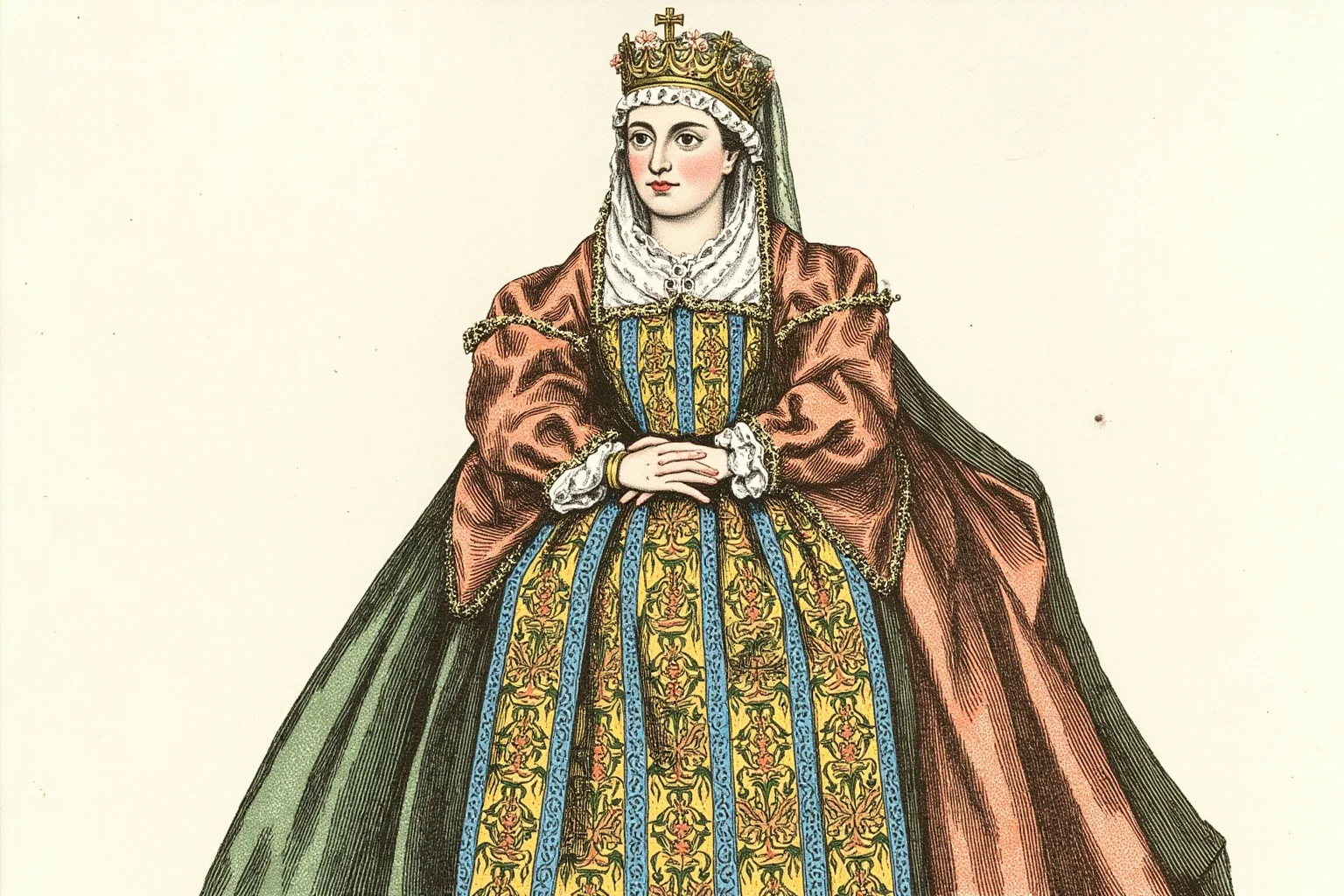
Isabella of France (1295–1358) was queen consort of England and became infamous for her role in the deposition of her husband, Edward II, earning her the nickname “She-Wolf of France” from later writers. She’s another strong entry among names from the 14th century.
Isabella is a Spanish and Italian variant of Elizabeth, meaning “God is my oath.” It has remained near the top of baby name charts for years, partly thanks to its soft sound and long royal pedigree.
9. Joan
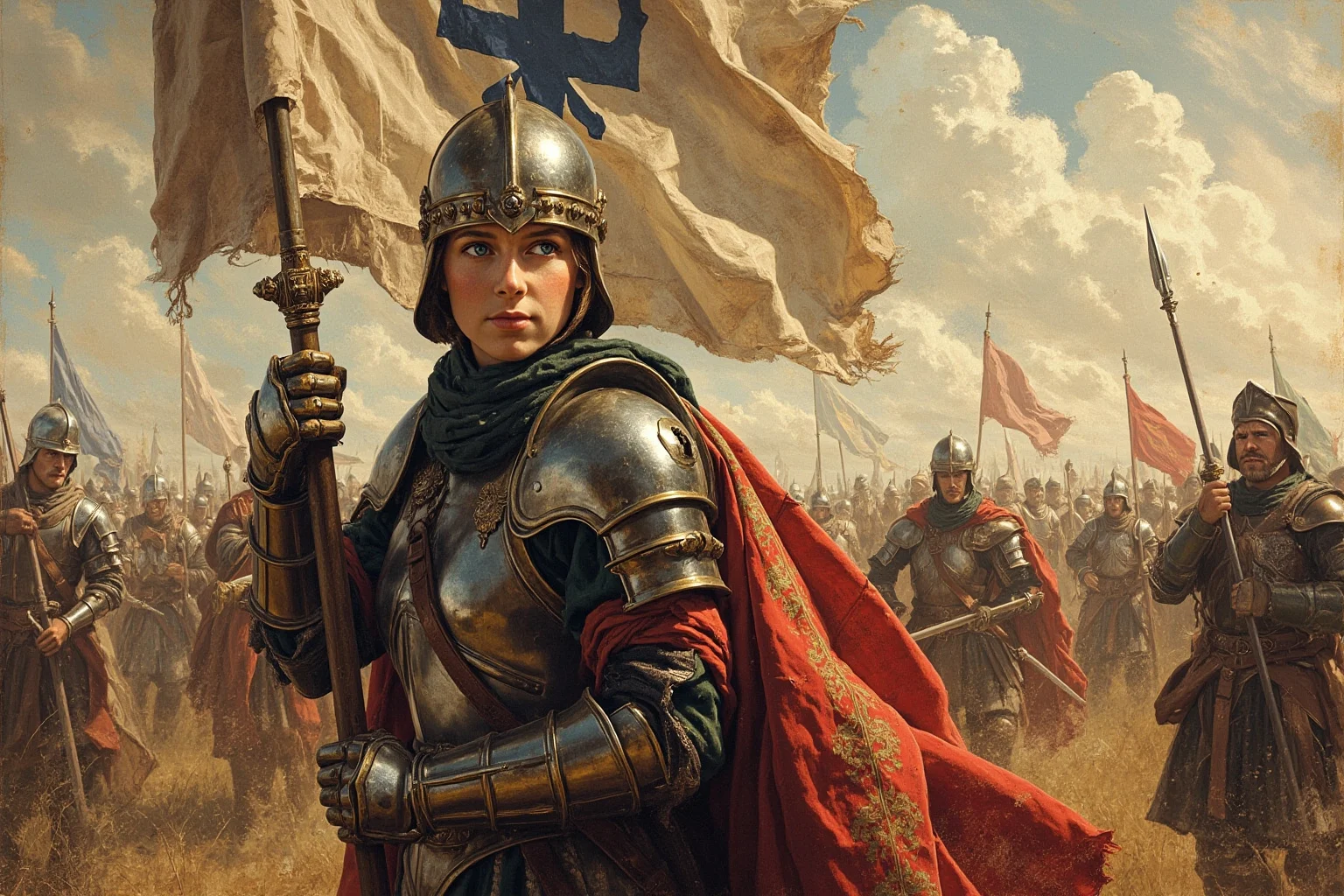
Joan of Arc (1412–1431) led French troops during the Hundred Years’ War and was later canonized as a saint, though her active years fall just after the 14th century ended, right at the edge of the medieval period. She was captured, tried, and executed at a young age, and her trial records are among the best-documented sources on her life.
The name comes from the Latin “Ioannes,” meaning “God is gracious.” It carries a rare mix of softness and strength that keeps it in steady rotation.
10. Leonardo
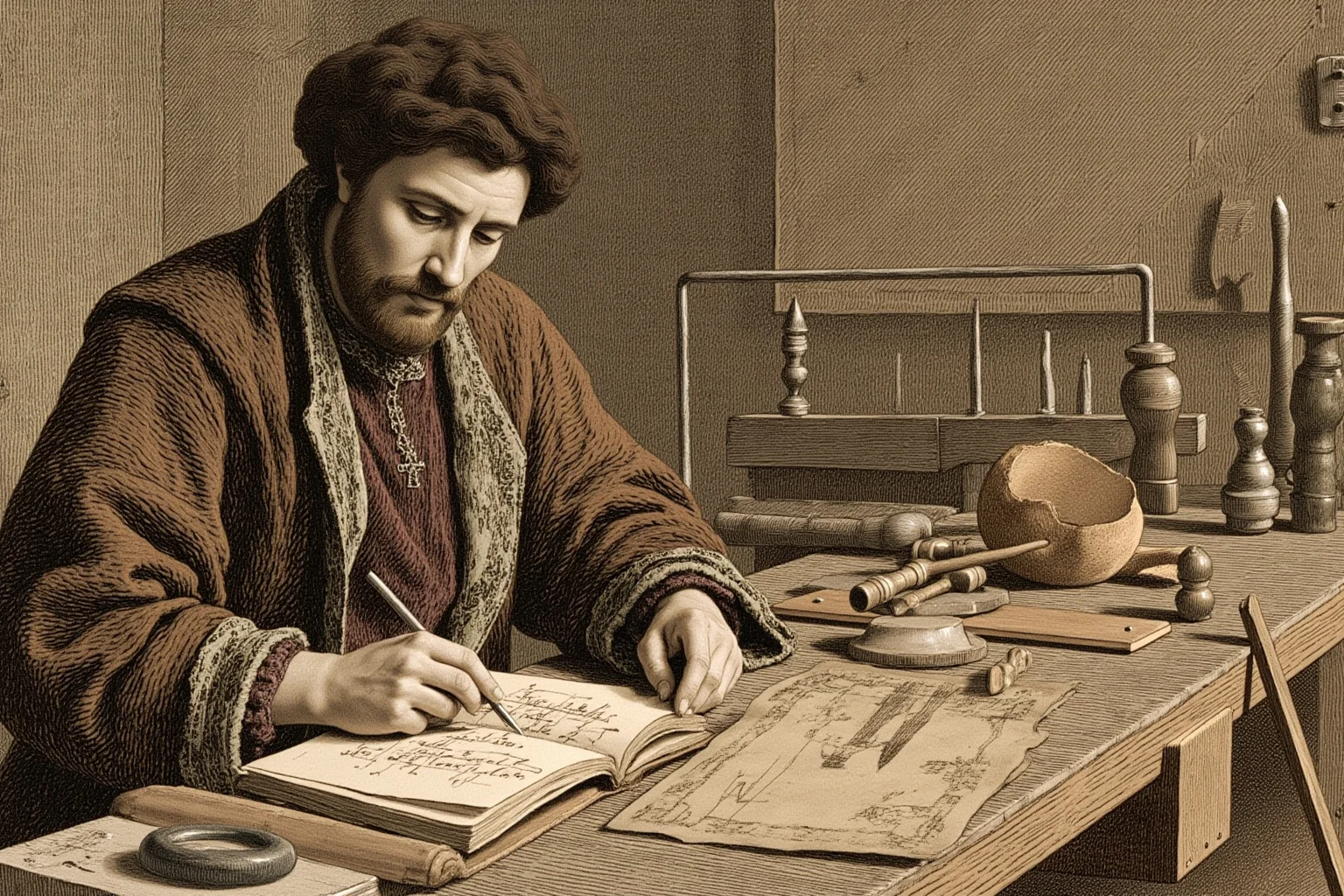
Leonardo da Vinci (1452–1519) was a Renaissance painter, engineer, and scientist whose notebooks reveal interests far ahead of his era, from anatomy to flight. The name is Italian, translating to “brave lion.”
His reputation as a polymath has kept the name associated with curiosity and creativity. It’s a name that works equally well as a nod to art history or engineering history.
11. Elizabeth
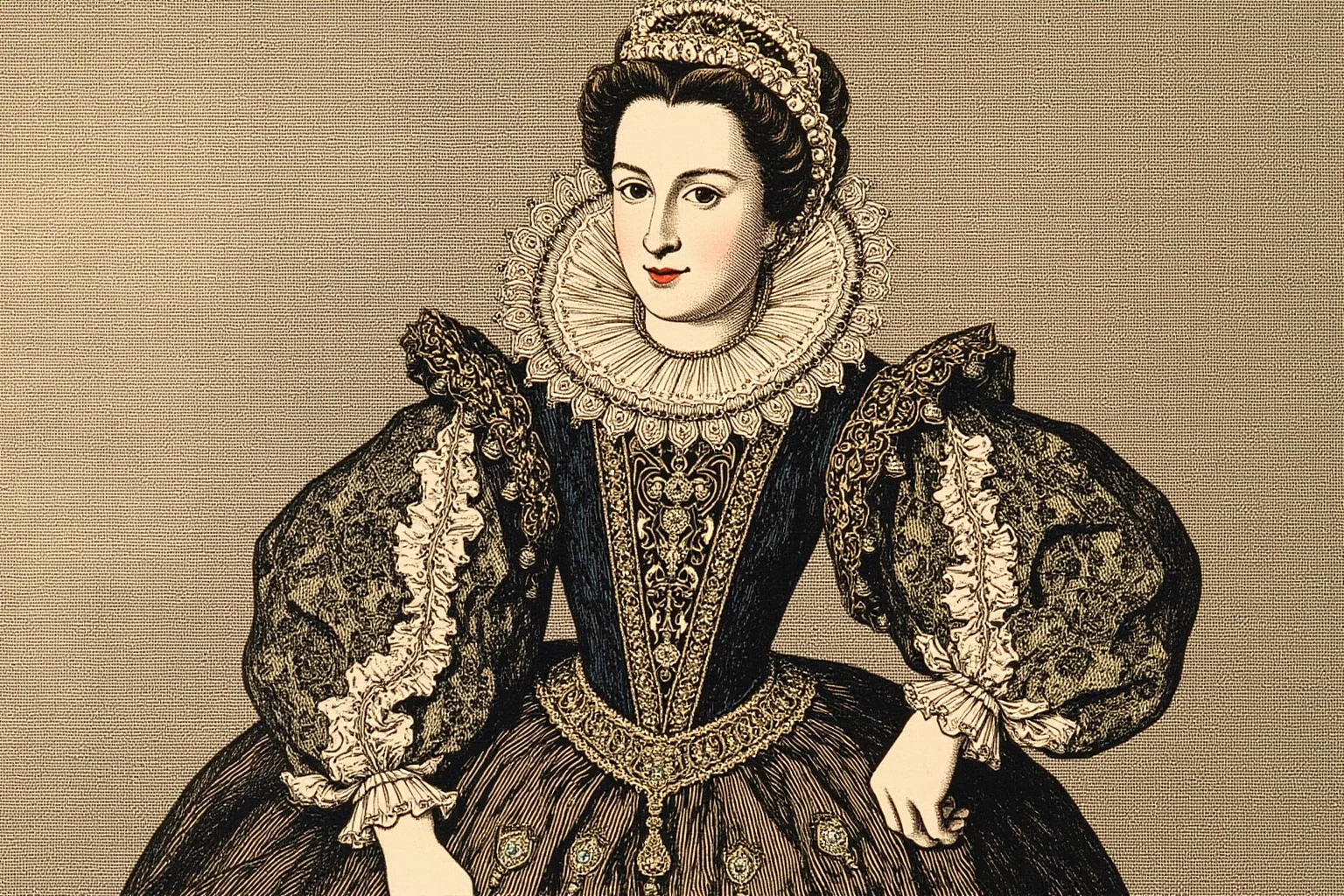
Elizabeth I of England (1533–1603) ruled during a period now called the Elizabethan Golden Age, marked by exploration, literature, and naval power. The name is Hebrew in origin, meaning “God is my oath.”
Her reign is one of the most studied in English history, partly because a woman held sole power for over four decades in an era that rarely allowed it. Elizabeth remains one of the steadiest historical names, never really falling out of fashion.
12. Victoria
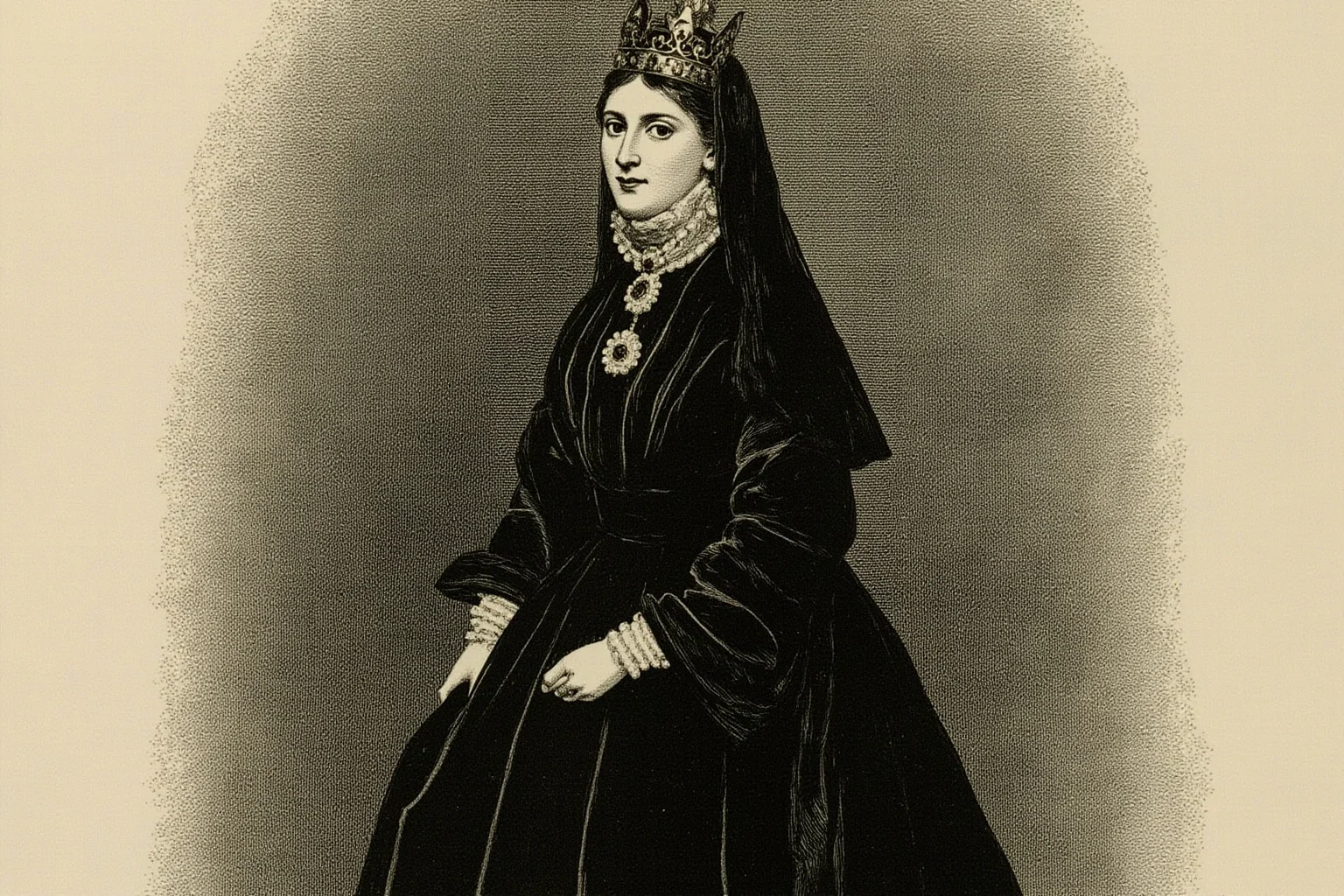
Queen Victoria (1819–1901) reigned longer than any British monarch before her, and her name became attached to an entire era of technological and social change known as the Victorian period, home to many of the greatest historical figures of the Victorian era. The name is Latin, simply meaning “victory.”
Her reign overlapped with the Industrial Revolution, which is partly why “Victorian” gets used as shorthand for that whole cultural moment. As a baby name, Victoria has aged remarkably well without ever feeling dated.
13. Amelia

Amelia Earhart (1897–1937) became the first woman to fly solo across the Atlantic Ocean in 1932, five years before she disappeared during an attempted round-the-world flight. The name has Germanic roots connected to words meaning “work” or “industrious.”
Her disappearance remains officially unsolved, and no verified wreckage has been confirmed despite decades of searches. That mystery hasn’t stopped her name from becoming one of the most popular in the English-speaking world today.
14. Ada
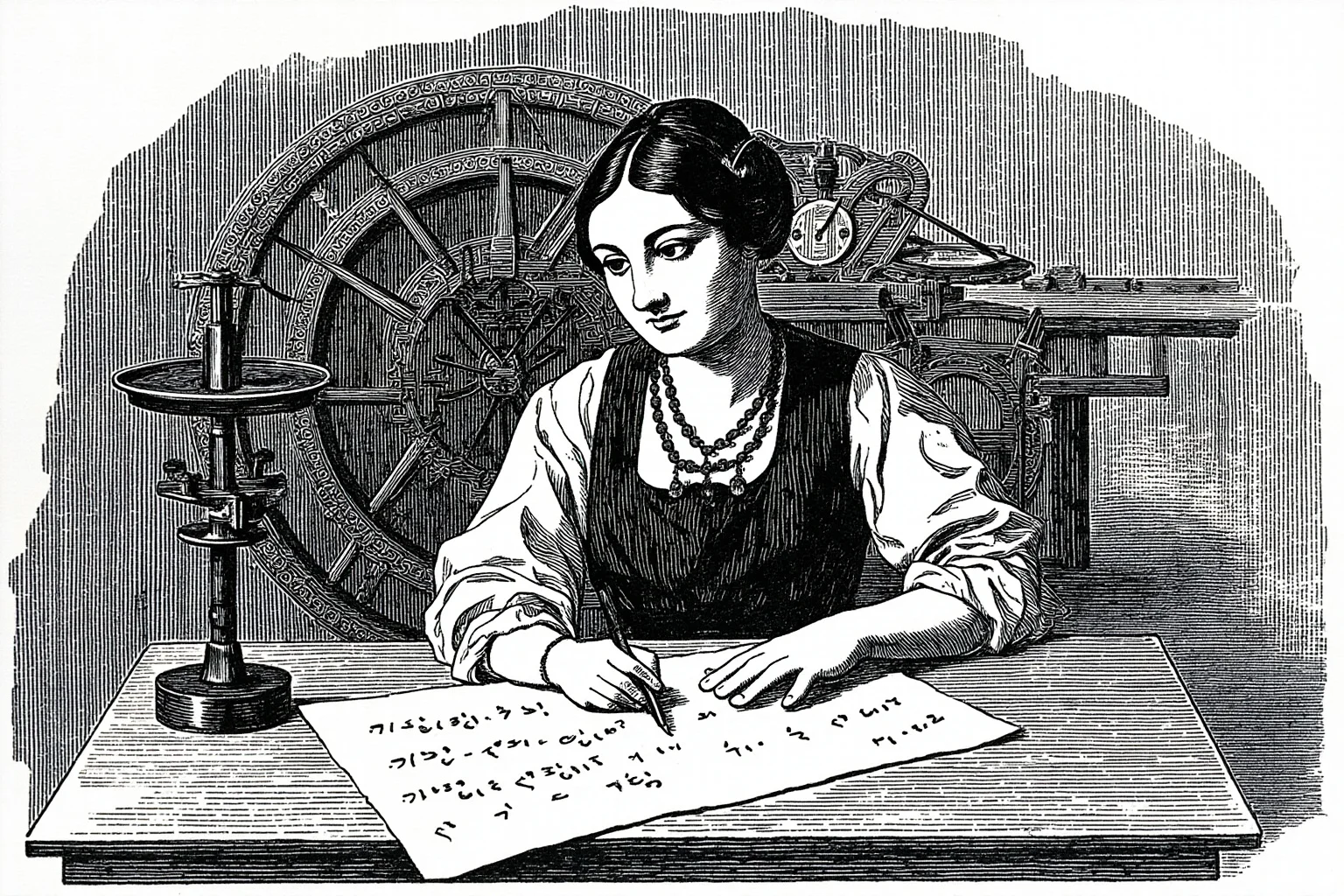
Ada Lovelace (1815–1852) worked with inventor Charles Babbage on his early mechanical computer, the Analytical Engine, and wrote what’s widely considered the first published algorithm intended for a machine. She was also the daughter of poet Lord Byron, though her own legacy stands firmly in mathematics and computing.
Ada is a shortened form of Adelaide, meaning “noble.” It has become popular again partly through renewed interest in women’s contributions to early computer science.
15. Marie
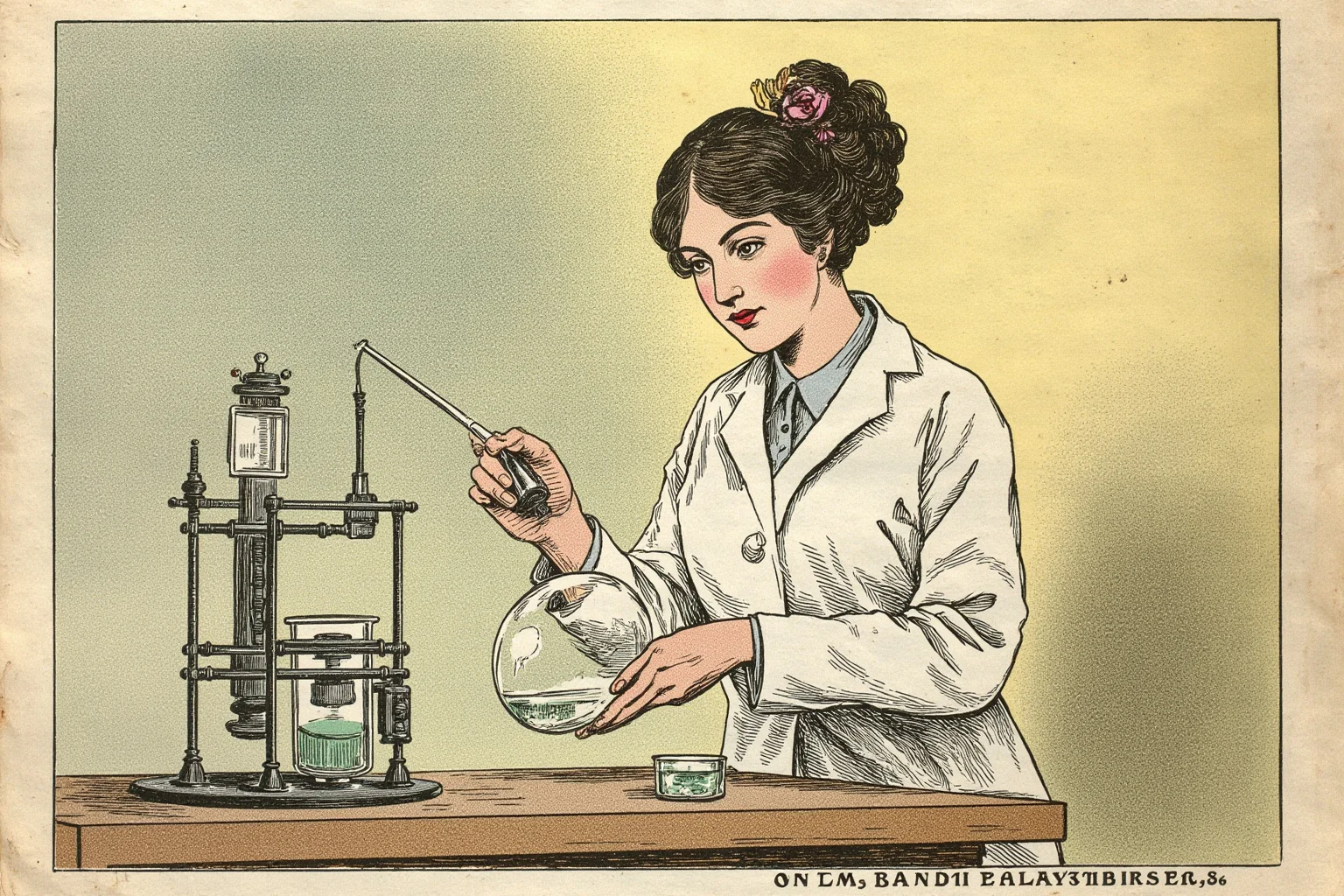
Marie Curie (1867–1934) remains the only person to win Nobel Prizes in two different sciences, physics and chemistry, for her research into radioactivity. The French form of Maria, her name is now closely tied to scientific achievement.
Her notebooks are still considered radioactive today due to prolonged exposure to the materials she studied. It’s a sobering, real detail that adds weight to an already remarkable story.
16. Frida
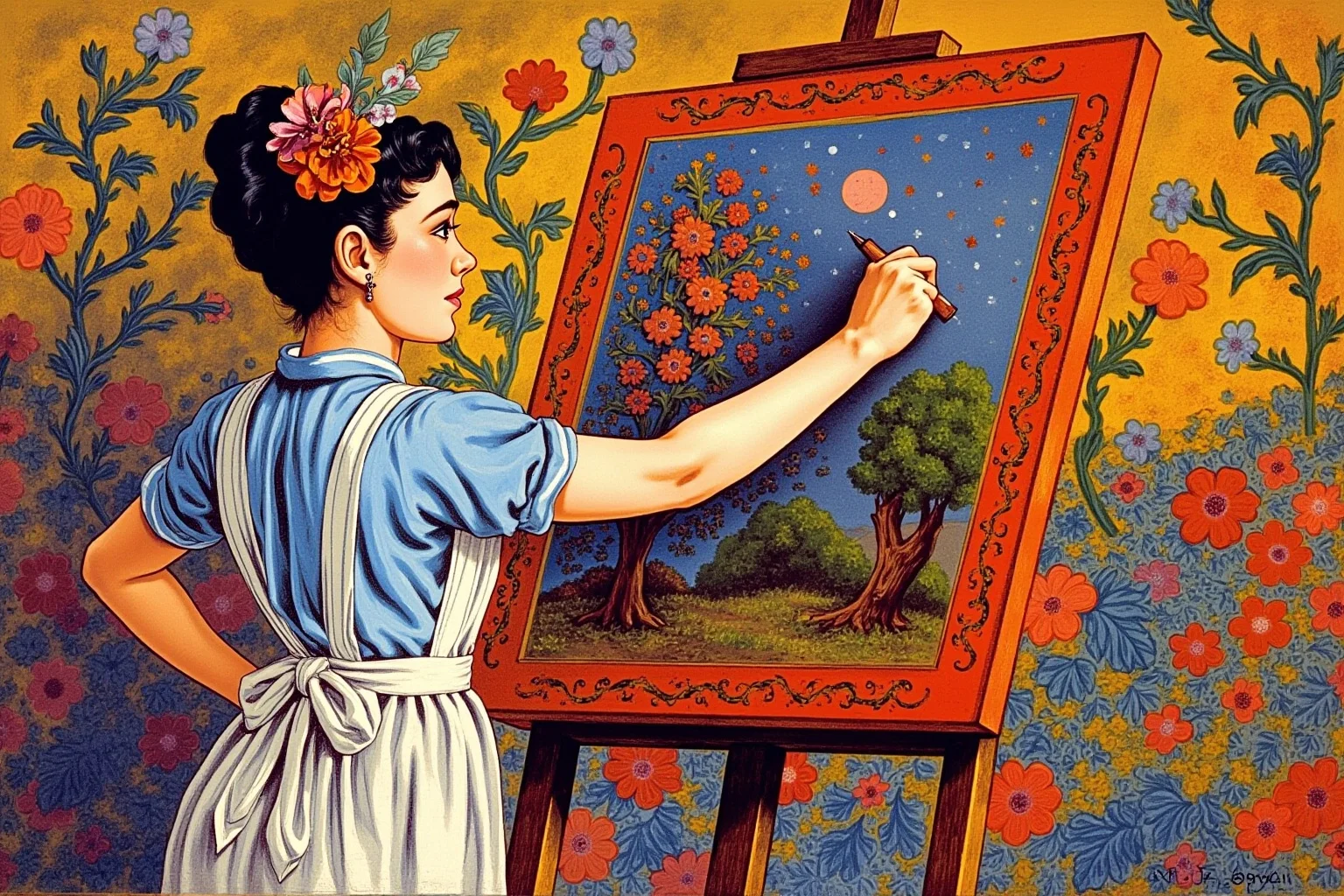
Frida Kahlo (1907–1954) was a Mexican painter known for vivid self-portraits exploring identity, pain, and Mexican culture. The name has Germanic origins tied to the word for “peace.”
Her work went largely underappreciated in mainstream art circles during her lifetime compared to the recognition she receives now. As a name, Frida has a compact, artistic feel that fits the current wave of short vintage names.
17. Winston
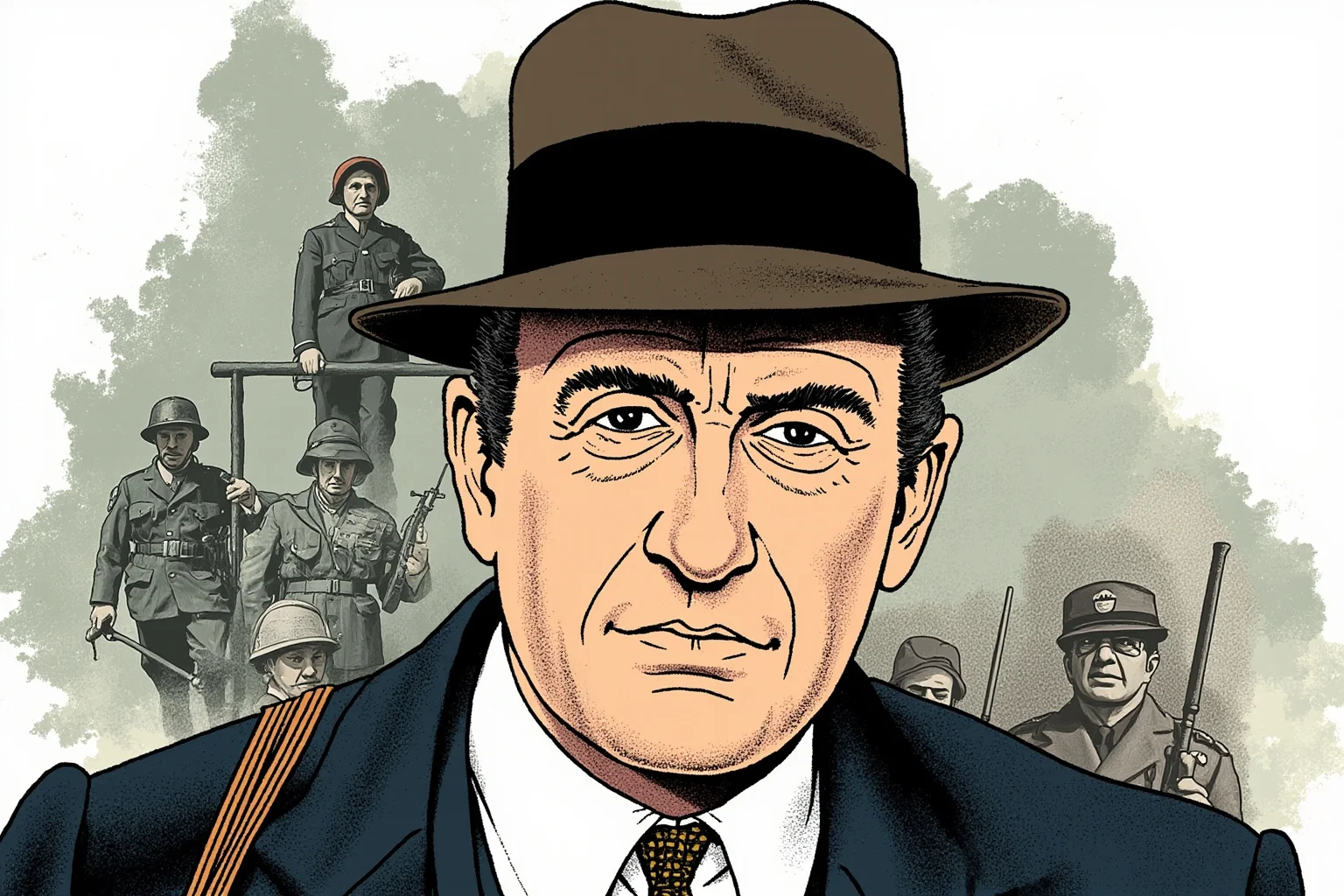
Winston Churchill (1874–1965) served as British Prime Minister during World War II and is remembered for his wartime leadership and speeches. The name began as an Old English surname referring to a place name, meaning roughly “joy stone” or “Wine’s town.”
It’s an example of a surname-turned-first-name, a common pattern in English naming history. Winston has a sturdy, old-fashioned charm that fits comfortably among other vintage revivals.
18. Abraham
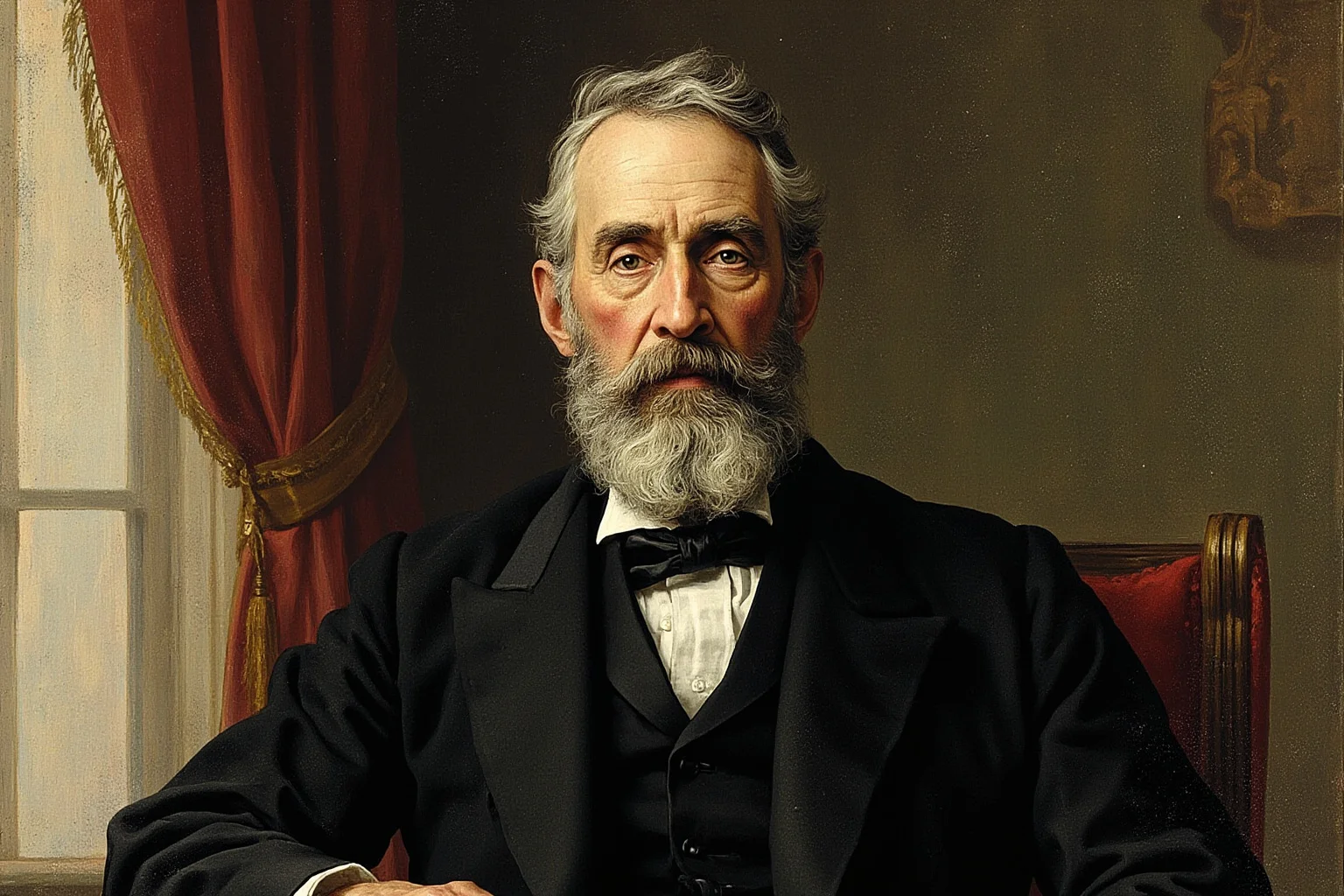
Abraham Lincoln (1809–1865) served as the 16th U.S. President and led the country through the Civil War, with his administration overseeing the passage of the 13th Amendment abolishing slavery. The name is Hebrew, meaning “father of many.”
His assassination in 1865 cemented his place as one of the most studied figures in American history. The name Abraham carries both biblical weight and a distinctly American historical association.
19. Harriet
Harriet Tubman (c. 1822–1913) escaped slavery and returned repeatedly to help lead dozens of others to freedom through the Underground Railroad network. The name is a feminine form of Henry, meaning “home ruler.”
She later worked as a scout and spy for Union forces during the Civil War, a role less widely taught than her earlier work. Harriet has grown steadily as a modern name choice, carrying serious historical resonance.
20. Theodore
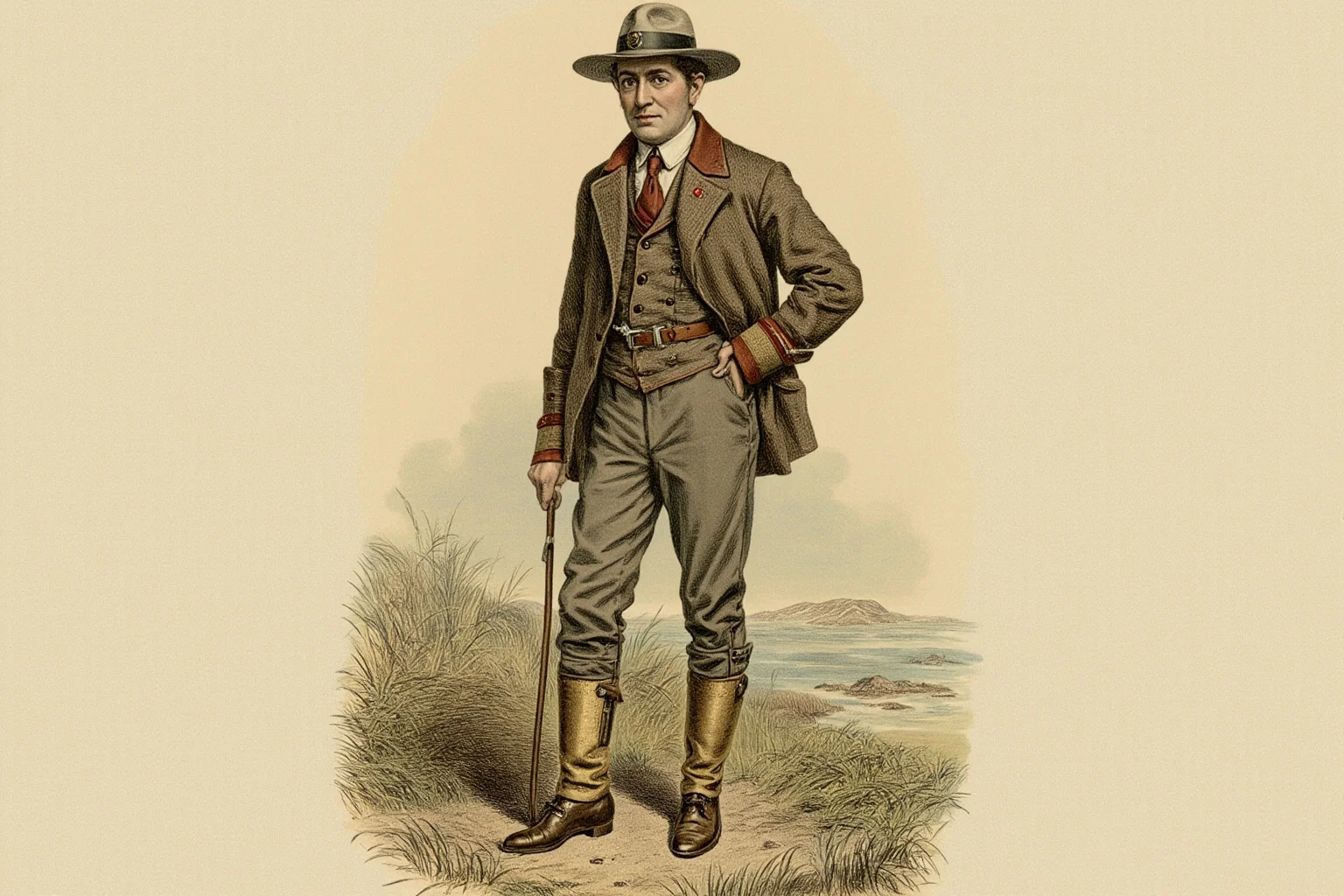
Theodore Roosevelt (1858–1919) served as the 26th U.S. President and was known for conservation efforts that led to the creation of numerous national parks and forests. The name is Greek, meaning “gift of god.”
He was also the youngest person to become president, taking office at 42 after William McKinley’s assassination. Theodore, often shortened to Teddy, has become one of the most popular vintage revivals in recent years.
21. Rosa
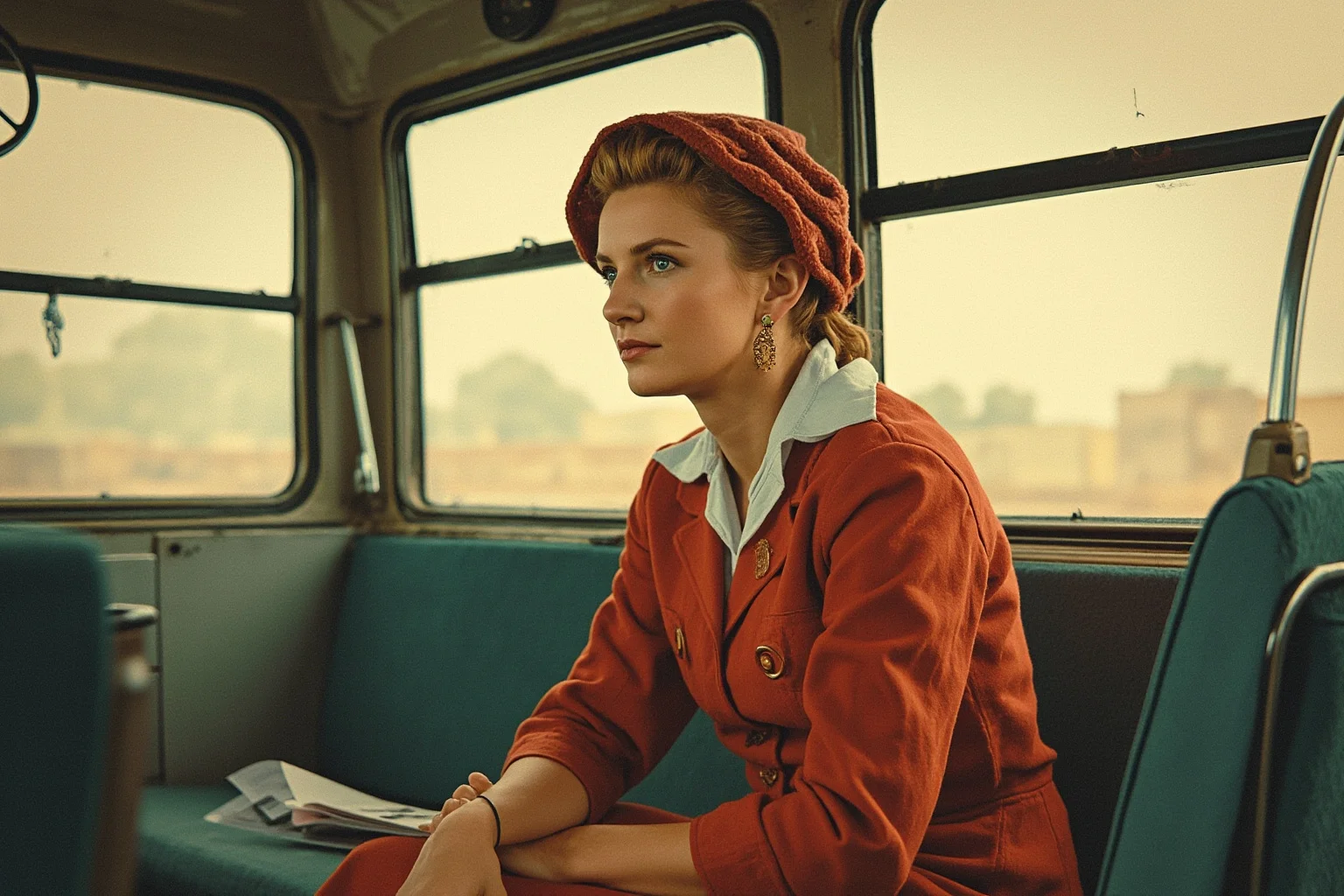
Rosa Parks (1913–2005) refused to give up her bus seat in Montgomery, Alabama in 1955, an act that helped spark the Montgomery Bus Boycott and the broader civil rights movement. The name is Latin, simply meaning “rose.”
She had already been active in civil rights organizing before that day, working with the NAACP for over a decade. Her name is now inseparable from the story of nonviolent resistance in American history.
22. Nikola
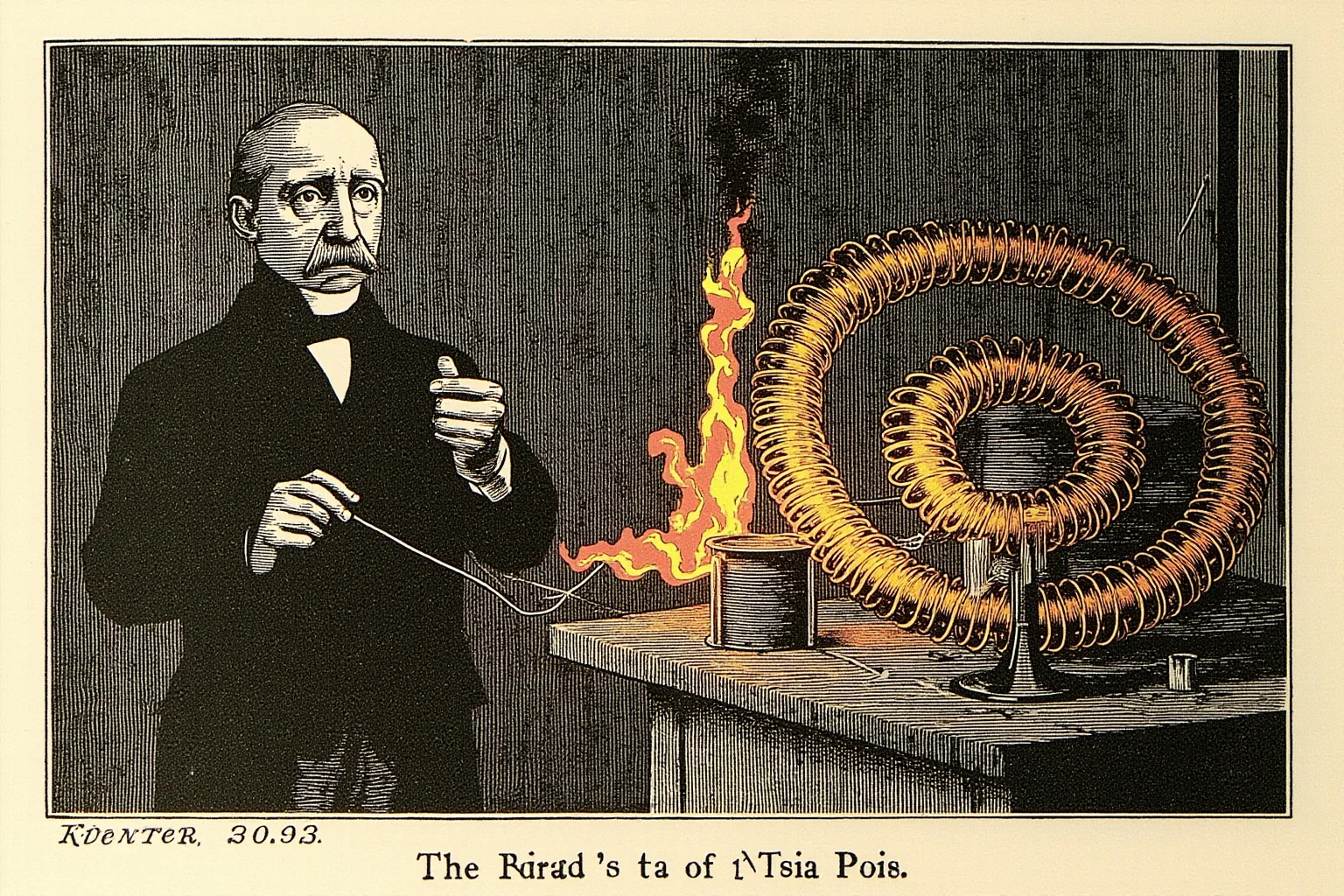
Nikola Tesla (1856–1943) was an inventor and engineer whose work on alternating current systems helped shape how electricity is distributed today, placing him among the greatest American inventors in history. The name is a Slavic form of Nicholas, meaning “victory of the people.”
His rivalry with Thomas Edison over direct versus alternating current is often dramatized, so it’s worth separating documented events from later embellishments. Nikola remains a striking, less common historical name option.
23. Florence
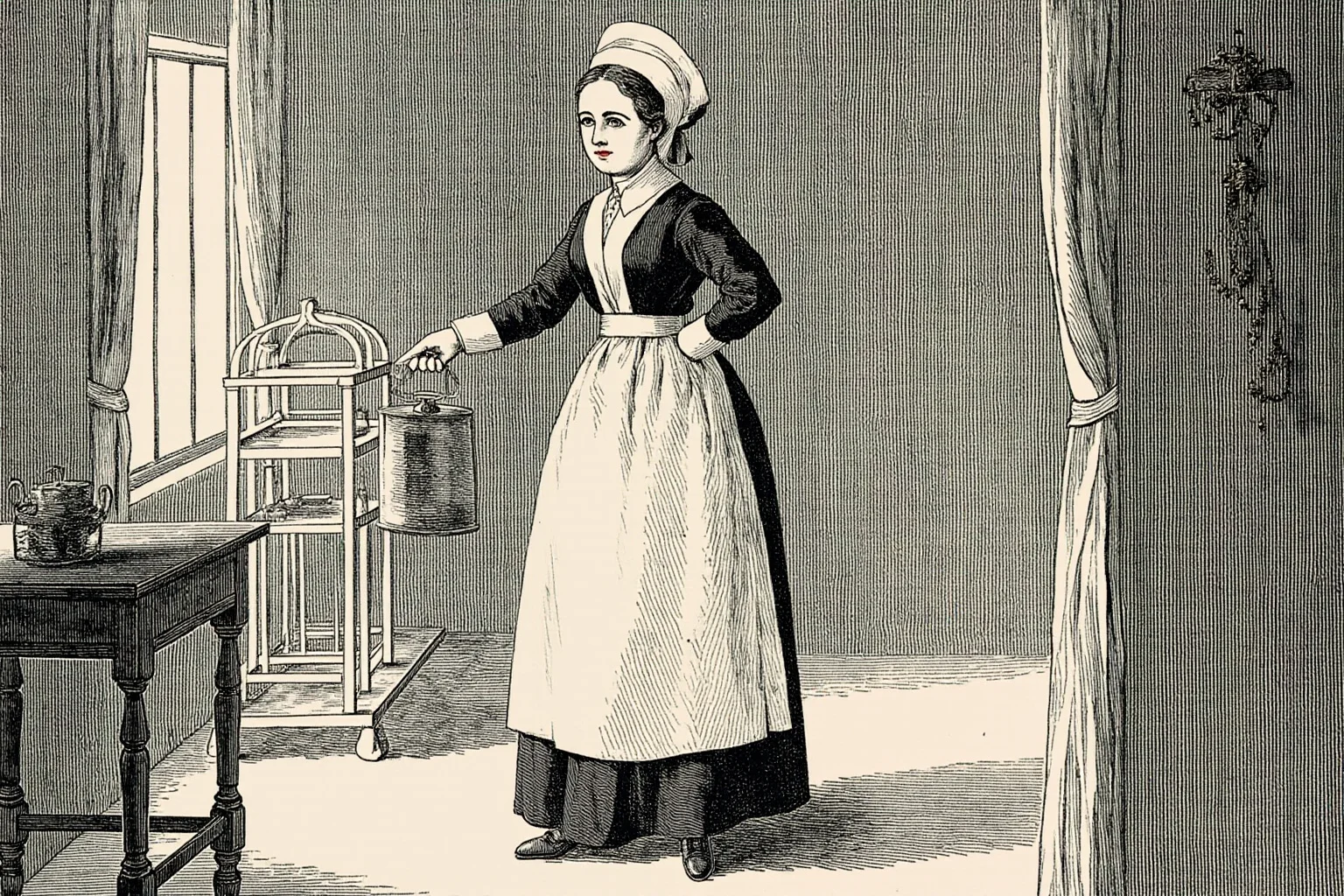
Florence Nightingale (1820–1910) is widely credited as a founder of modern nursing practices, particularly after her work improving sanitary conditions during the Crimean War. She was named after her birth city, Florence, Italy, a naming pattern that was fairly common among wealthy 19th-century families traveling abroad.
Her statistical work on hospital mortality rates was as influential as her hands-on nursing care, though it gets less attention. Florence has become a favorite among parents drawn to soft, place-based vintage names.
24. Christine
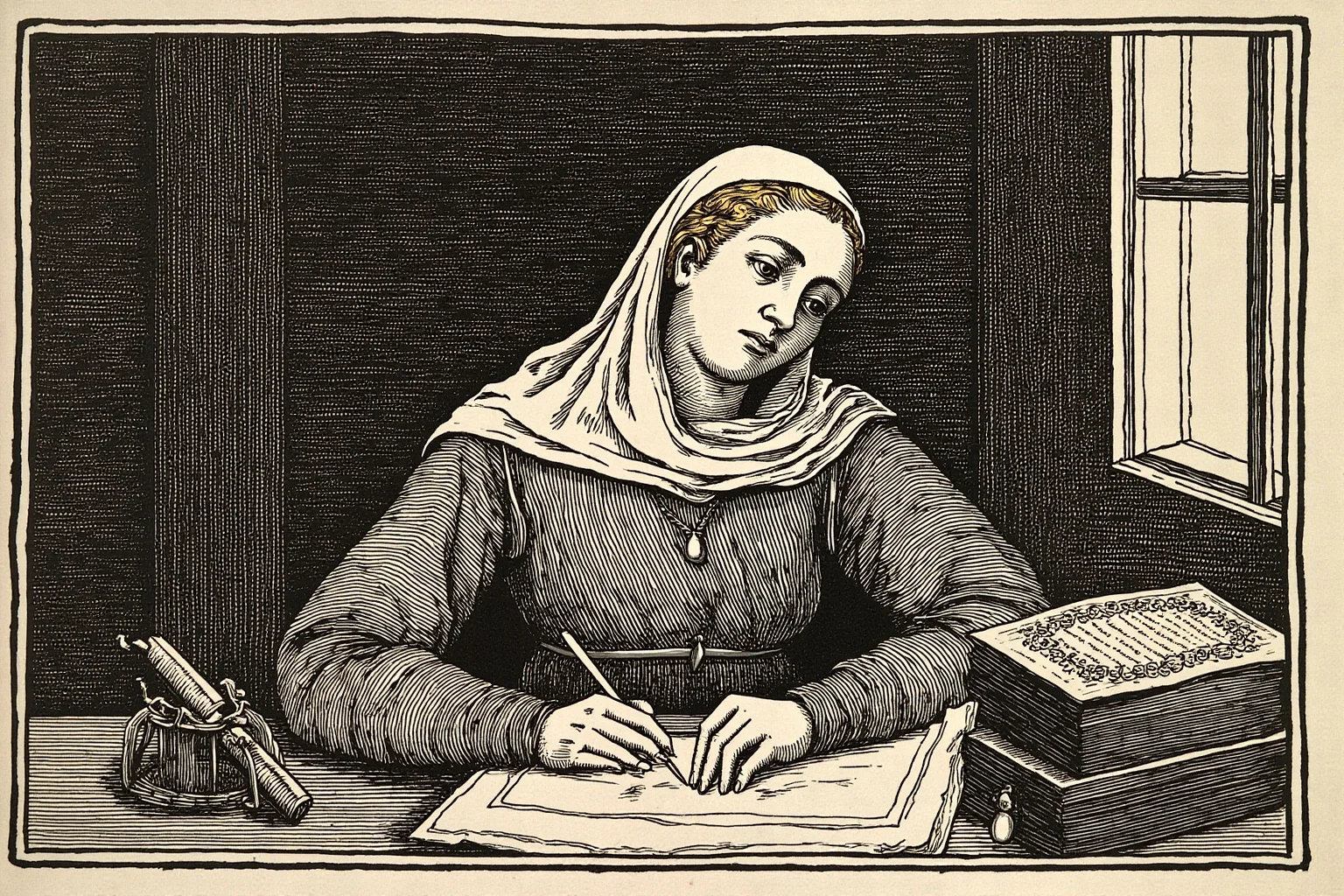
Christine de Pizan (1364–1430) was a medieval writer and one of the first women in Europe known to earn a living through writing, producing works like “The Book of the City of Ladies.” She’s another strong example of a real name from the 14th century tied to genuine literary achievement.
The name is the French feminine form of Christian. Her writing defended women’s intellectual capabilities at a time when few public voices did so, making the name carry a quiet but firm historical significance.
25. Owen
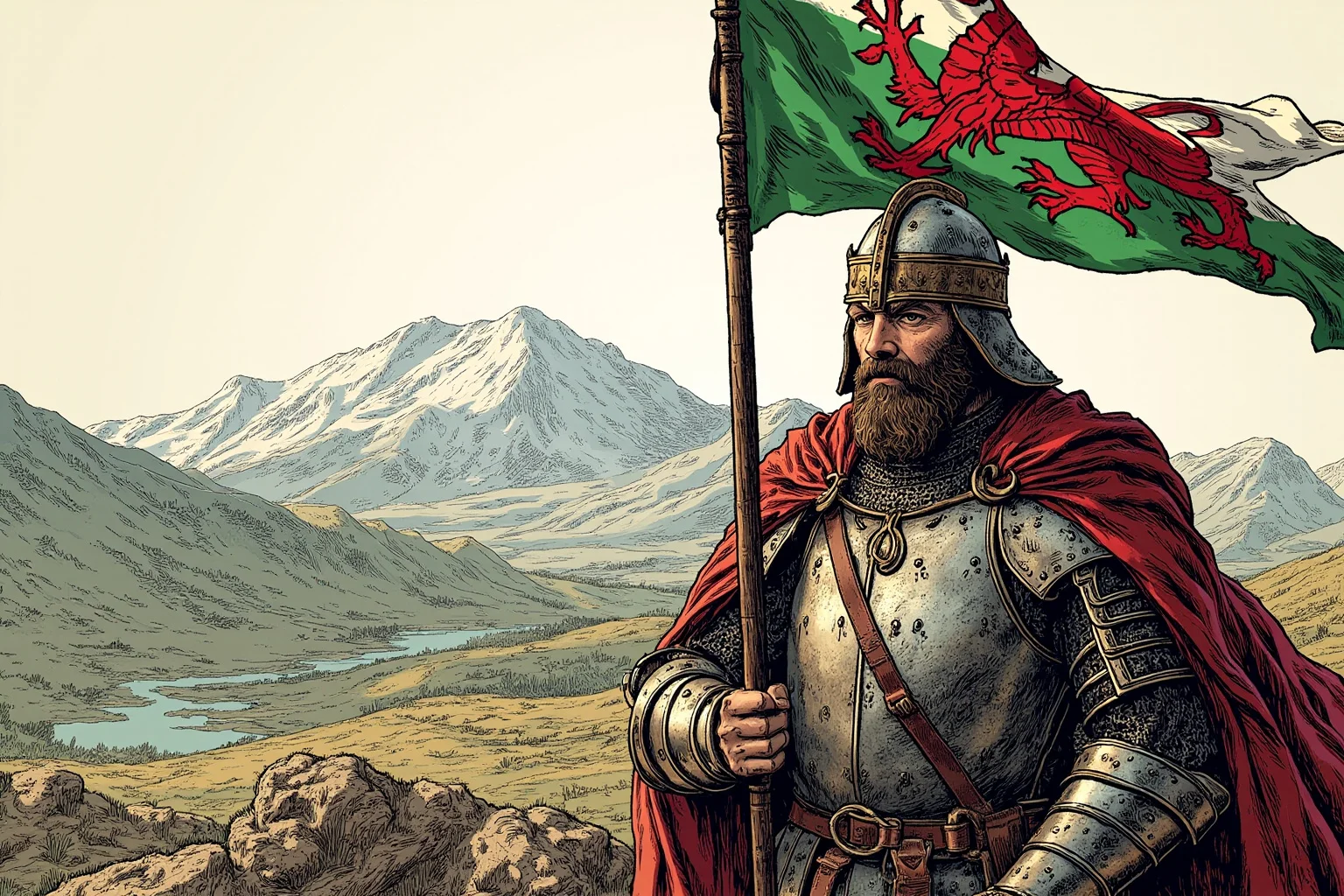
Owain Glyndŵr (c. 1354–1415) led a major Welsh revolt against English rule and was the last native-born Welshman to hold the title Prince of Wales, making him one of the most iconic revolutionary figures in history. He’s a lesser-known but historically important figure among the group of 14th-century leaders shaping medieval Britain.
The name is Welsh, generally interpreted as meaning “young warrior” or “well-born.” Owen has stayed popular for generations, in part because it feels both classic and easy to wear in modern life.
Picking a Historical Name for Your Baby: A Few Tips
If a name on this list stands out, it helps to read a little further into the person behind it before committing. Some historical figures have complicated legacies, and knowing the fuller picture avoids naming a child after a sanitized version of history.
It’s also worth checking how a name has evolved over time, since spelling, pronunciation, and even meaning can shift across centuries and languages. A name like Isabella or Eleanor has taken several forms across different countries, so there’s often flexibility in how it’s spelled or shortened.
Finally, consider pairing the history with a personal reason. Choosing Marie because of a family connection to science, or Rosa because of a family’s activism, often makes the name feel more meaningful than history alone.
Final Thoughts
Vintage names tied to real historical figures offer something a lot of newly invented names can’t: a documented, verifiable story attached to the syllables. Whether it’s Ada Lovelace’s early work in computing or Boudica’s rebellion against Rome, these names carry centuries of context.
The key is separating the documented history from the myths that tend to grow around famous names over time. With a bit of research, any of these 25 names can be both a beautiful choice and an accurate nod to the past.
Frequently Asked Questions
What are some cool names in history worth considering for a baby?
Names like Eleanor, Augustus, Ada, and Boudica are widely considered some of the coolest names in history because they're tied to documented figures with lasting impact, from medieval queens to pioneering scientists, rather than names invented purely for aesthetic appeal.
Are there any well-documented names from the 14th century?
Yes. Geoffrey Chaucer, Isabella of France, Christine de Pizan, and Owain Glyndŵr are all real, well-documented 14th-century figures whose names remain in common use today, giving parents historically grounded options from that specific era.
Why are historical names becoming popular again for babies?
Many parents are drawn to historical names because they carry an established meaning and story, unlike newly coined names. Vintage names such as Theodore, Florence, and Amelia also fit current naming trends favoring classic, slightly old-fashioned sounds.
How can I tell if a name is truly historical or just sounds old-fashioned?
The best way is to research whether the name is tied to a verifiable person or period, rather than a name that simply feels vintage due to pop culture. Checking a name's linguistic origin and its documented use across centuries usually clears this up.
What makes a name historically important rather than just old?
Important names typically belong to figures whose actions are well-documented and studied today, such as rulers, scientists, or reformers, and the name itself often has traceable linguistic roots and centuries of continuous use.
Is it disrespectful to name a baby after a historical figure with a complicated legacy?
It depends on the figure and the family's intent. Many parents research the fuller history behind a name, including any controversy, before choosing it, which is a reasonable and thoughtful approach rather than something inherently disrespectful.

Alex Warren
Related Articles





