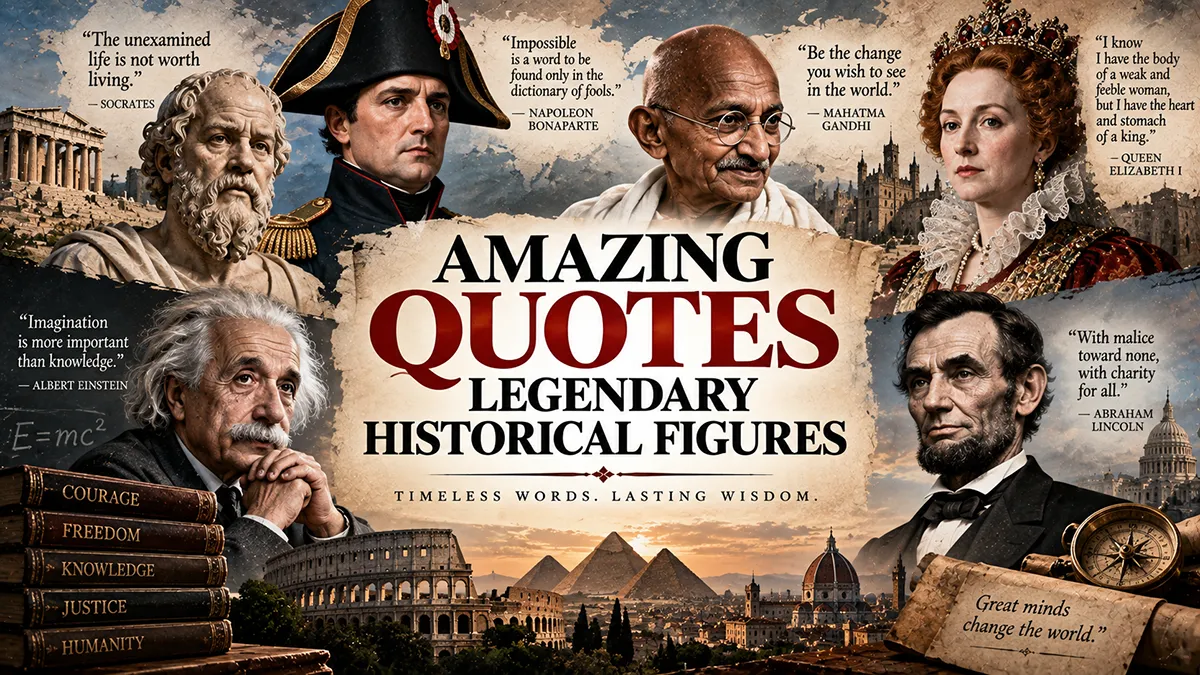
Some sentences outlive the empires, wars, and lifetimes that produced them. A single line, spoken on a battlefield or scrawled in a diary, can end up quoted more often than entire books of history ever get read.
That staying power is exactly why quotes about history are so popular, and also why so many of them get twisted, exaggerated, or invented outright along the way.
This guide pulls together some of the most famous quotes from historical figures, explains where they actually came from, and flags the ones that are more legend than fact.
TL;DR: The most legendary quotes in history endure not because they’re perfectly documented, but because they capture a real turning point — and understanding their true context makes them even more powerful.
Why Quotes About History Still Matter
History quotes work like time capsules. A few carefully chosen words can carry the fear of a soldier, the hope of a reformer, or the confidence of a scientist across centuries in a way that a textbook paragraph rarely manages. That’s the importance of history quotes in a nutshell — they compress enormous events into something a person can actually remember and repeat.
They also do quiet educational work. A good quote from history often becomes the doorway students walk through before they ever open a history book. Once someone is curious about who said a famous line and why, they’re already halfway to caring about the century it came from.
Finally, these quotes remind us that history was made by people, not just dates. Behind every famous statement in history is a person under real pressure, making a real decision, often with no idea whether they’d be remembered at all.
How Historians Verify a Famous Quote (And Why So Many Are Wrong)
Before diving into the list, it helps to understand the history of quotations themselves — specifically, how unreliable they can be. Many quotes attributed to famous people were never actually recorded at the moment they were supposedly said. Speeches got transcribed from memory, letters were edited after the fact, and popular biographies sometimes tidied up messy real speech into something quotable.
Historians generally look for a contemporary written source — a letter, a newspaper account, a diary entry, or an official transcript — created close to the time the words were supposedly spoken. When no such source exists, a quote is usually labeled “attributed,” which is historian-speak for “probably didn’t happen exactly like that, or at all.”
This matters because a huge share of the quotes circulating on social media as “famous quotes from famous personalities” fail this test completely. We’ll flag the shakier ones below so you can enjoy them for their wisdom without mistaking them for airtight fact.
1. Julius Caesar: “Veni, Vidi, Vici”
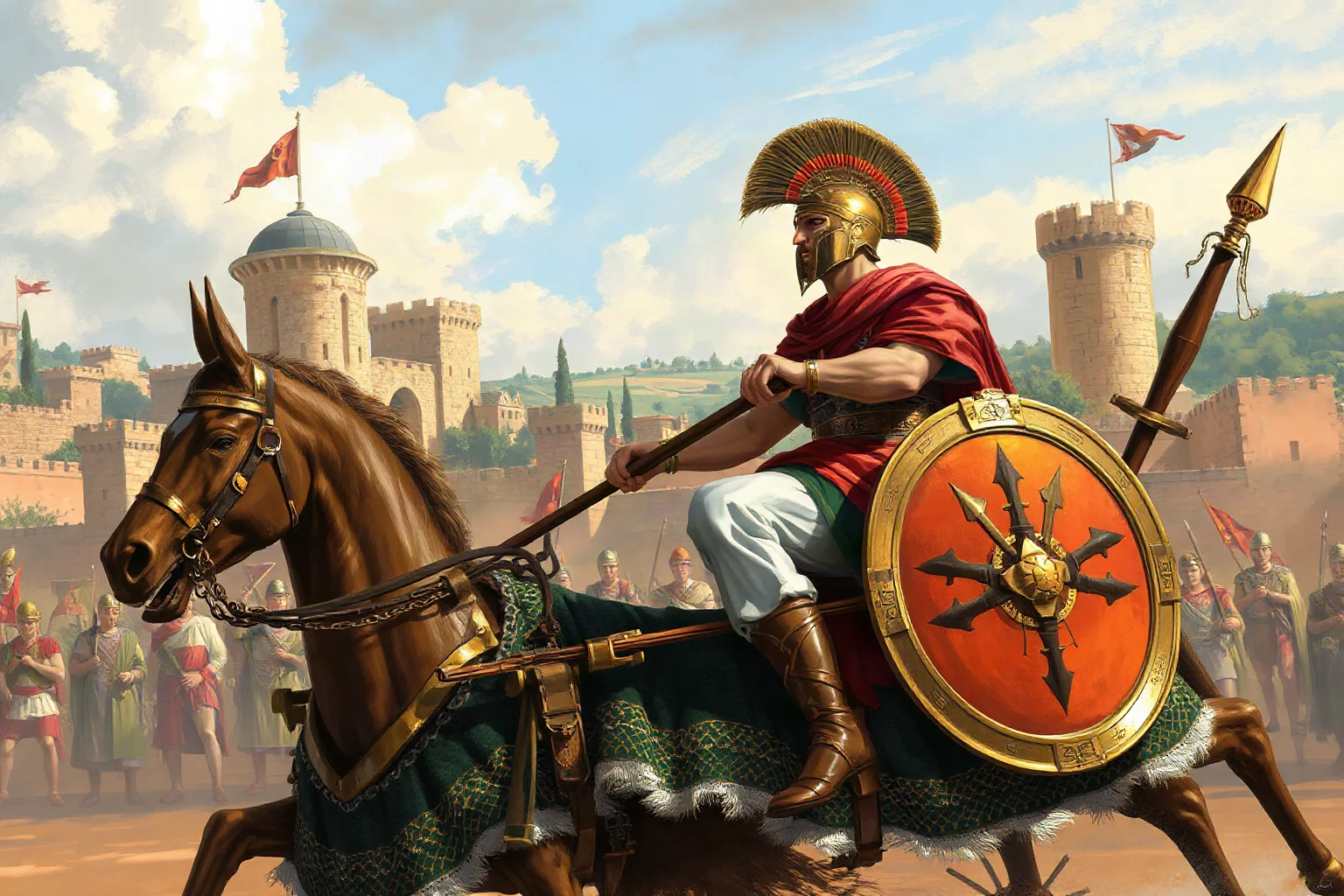
“I came, I saw, I conquered.”
According to the Roman historians Plutarch and Suetonius, Julius Caesar — remembered today as one of the greatest rulers in ancient history — used this three-word summary to describe his lightning victory over King Pharnaces II at the Battle of Zela in 47 BC. The line’s power comes from its rhythm in Latin, where all three words share the same ending sound.
It’s one of the earliest known examples of a leader crafting a soundbite on purpose. Caesar understood that a short, punchy phrase would travel back to Rome faster and stick harder than any lengthy battle report.
2. Marcus Aurelius: “You Have Power Over Your Mind”
“You have power over your mind, not outside events. Realize this, and you will find strength.”
This line comes from “Meditations,” the private journal the Roman emperor kept for himself, never intending it for publication. Written during military campaigns in the 2nd century AD, it reflects Stoic philosophy applied by a man running an empire under constant strain.
What makes it remarkable is the honesty behind it. Marcus Aurelius wasn’t performing for an audience; he was talking himself through real anxiety, which is part of why the advice still feels so personal today.
3. Sun Tzu: “Subdue the Enemy Without Fighting”
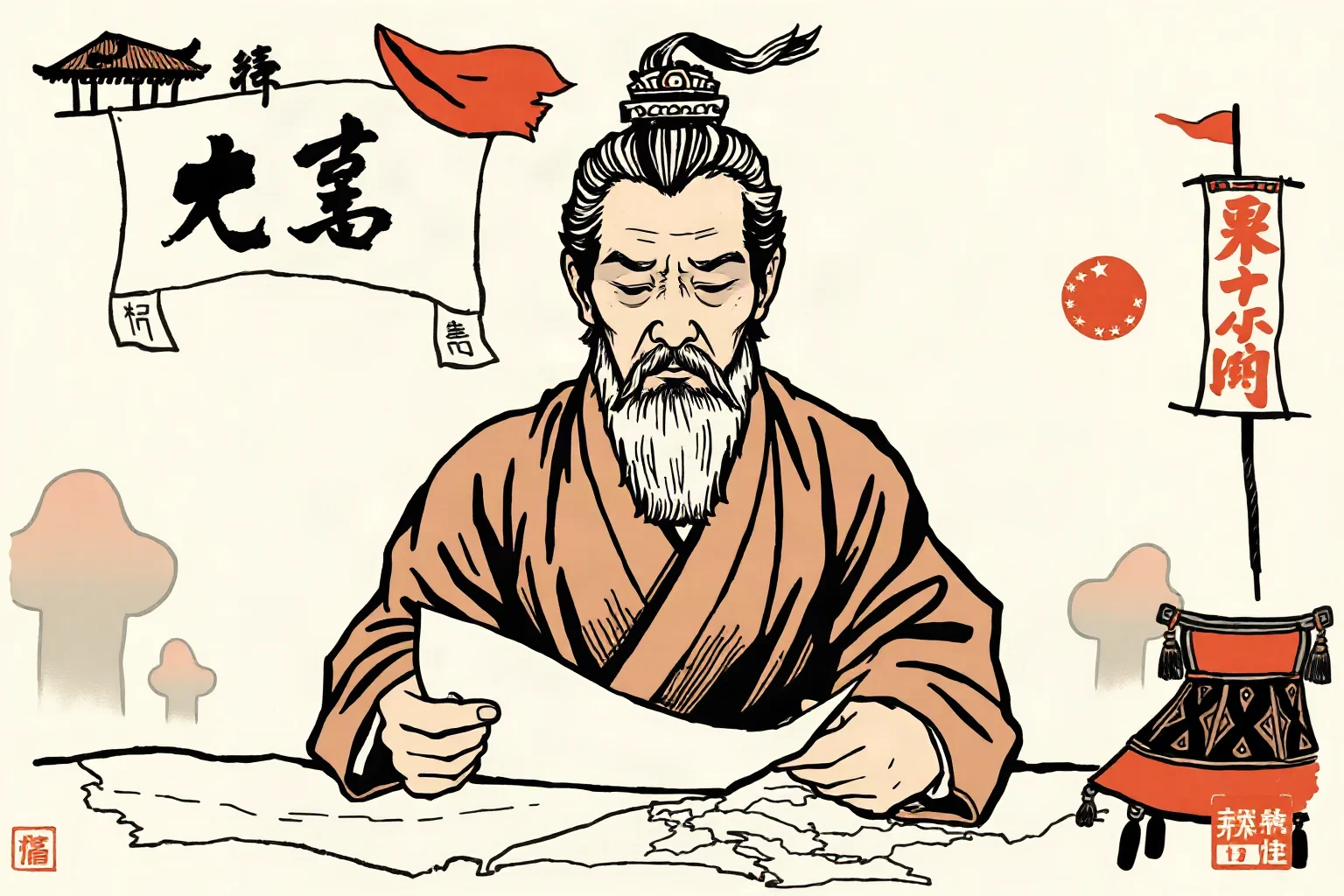
“The supreme art of war is to subdue the enemy without fighting.”
This comes from “The Art of War,” a Chinese military treatise traditionally credited to the strategist Sun Tzu, likely composed sometime around the 5th century BC. Whether it was written by one person or compiled over time is still debated among historians, but its ideas about strategy over brute force have shaped military thinking for over two thousand years.
It’s a favorite among business and leadership writers today precisely because it isn’t really about war at all. It’s about outmaneuvering a problem so completely that a costly confrontation never becomes necessary.
4. Joan of Arc: “I Am Not Afraid”
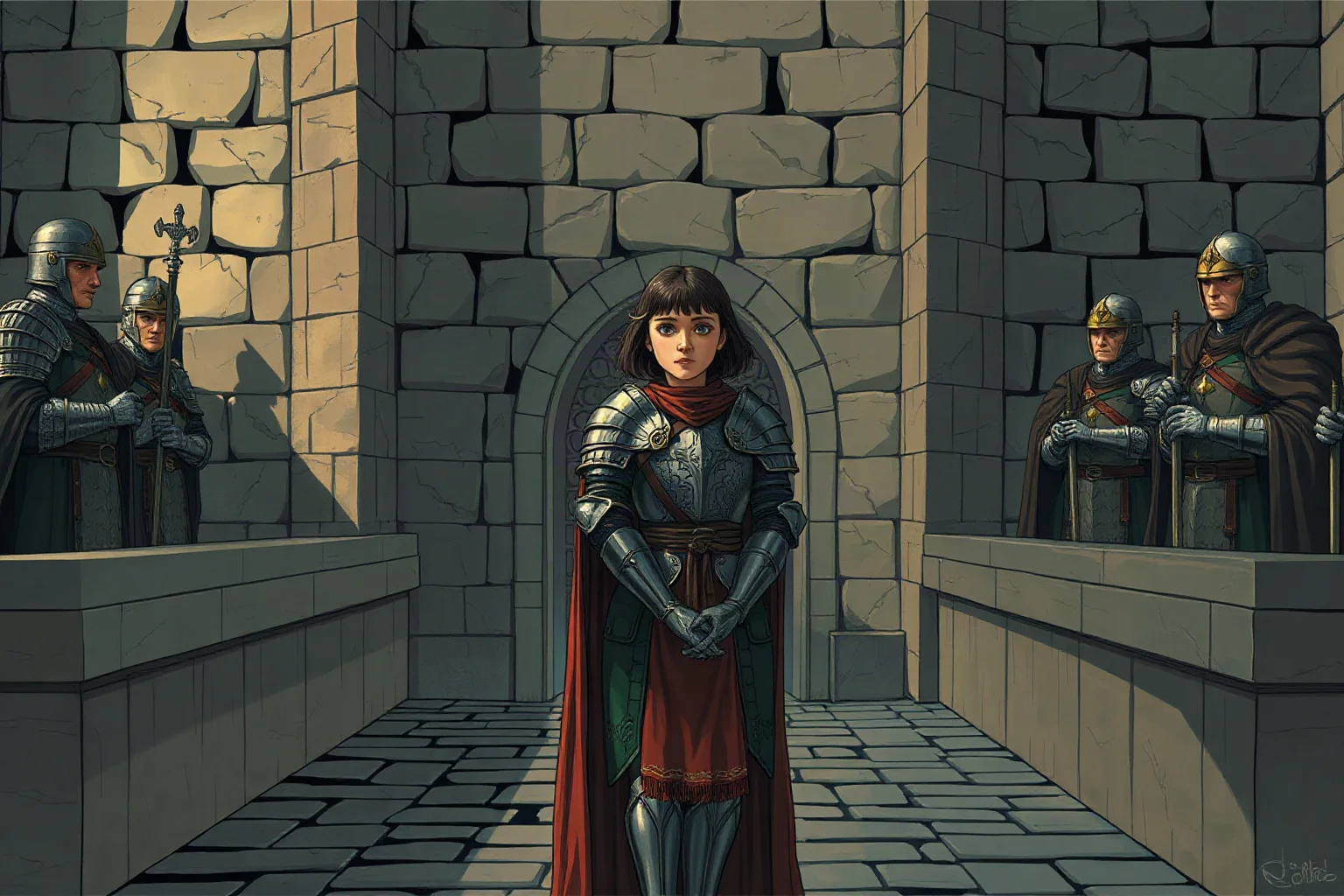
“I am not afraid. I was born to do this.”
Joan of Arc’s words survive largely through the transcripts of her 1431 trial, one of the more unusual documentary records of the medieval period. While translations vary and some popular versions may be paraphrased, the trial record does show a teenage peasant girl calmly asserting her divine mission before judges trying to condemn her.
The context makes the quote land harder than it would on its own. She said this while facing execution, not while riding to glory.
5. Queen Elizabeth I: The Tilbury Speech
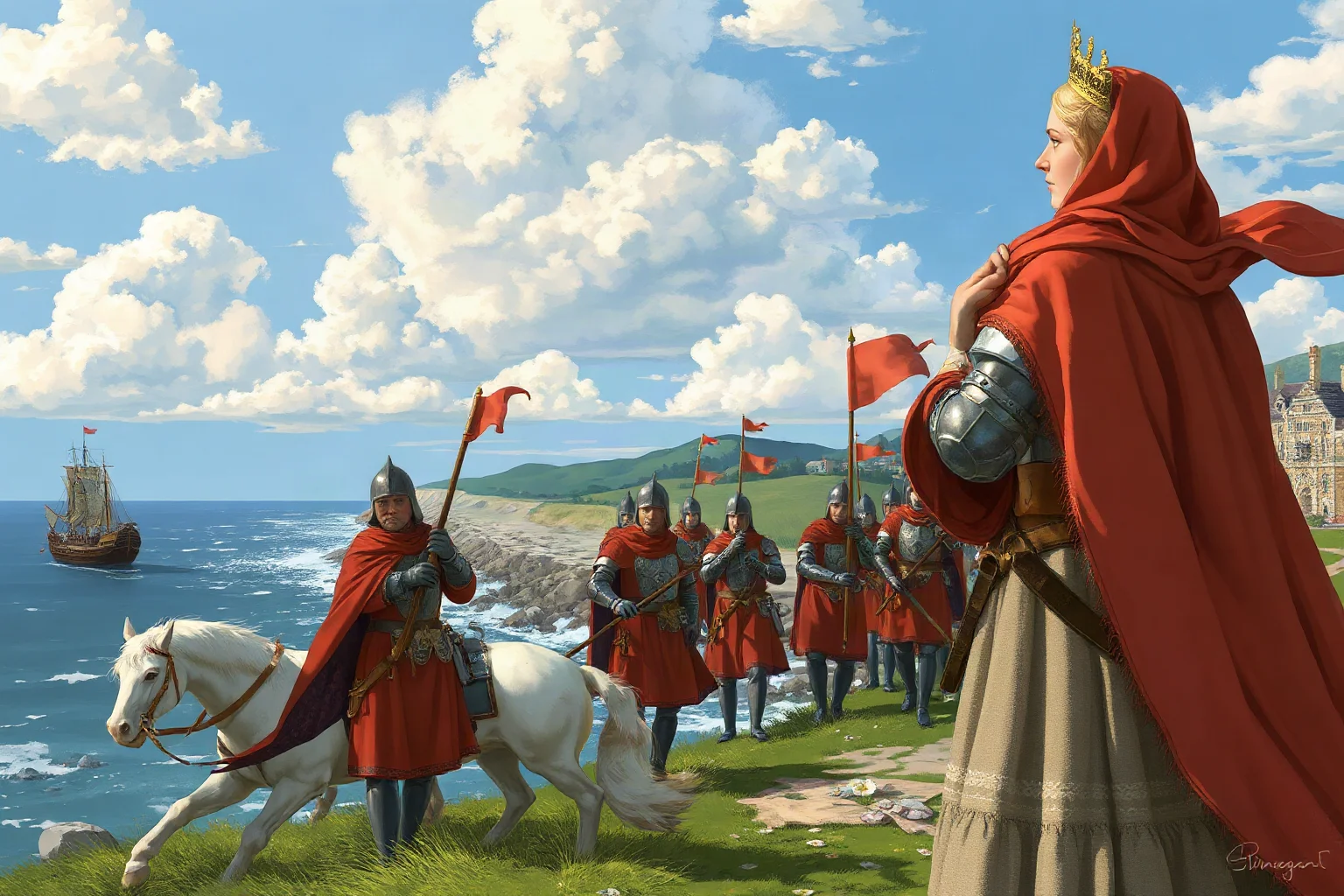
“I know I have the body of a weak and feeble woman, but I have the heart and stomach of a king.”
Elizabeth I reportedly delivered this line to English troops at Tilbury in 1588, as the Spanish Armada threatened invasion. Historians note the surviving text was recorded later by a chaplain, so the exact wording may not be word-for-word accurate, but the moment and its message are well documented.
It remains one of the most quoted lines from a female monarch confronting a male-dominated military culture. That’s part of why it’s endured across more than four centuries.
6. Benjamin Franklin: “Well Done Is Better Than Well Said”
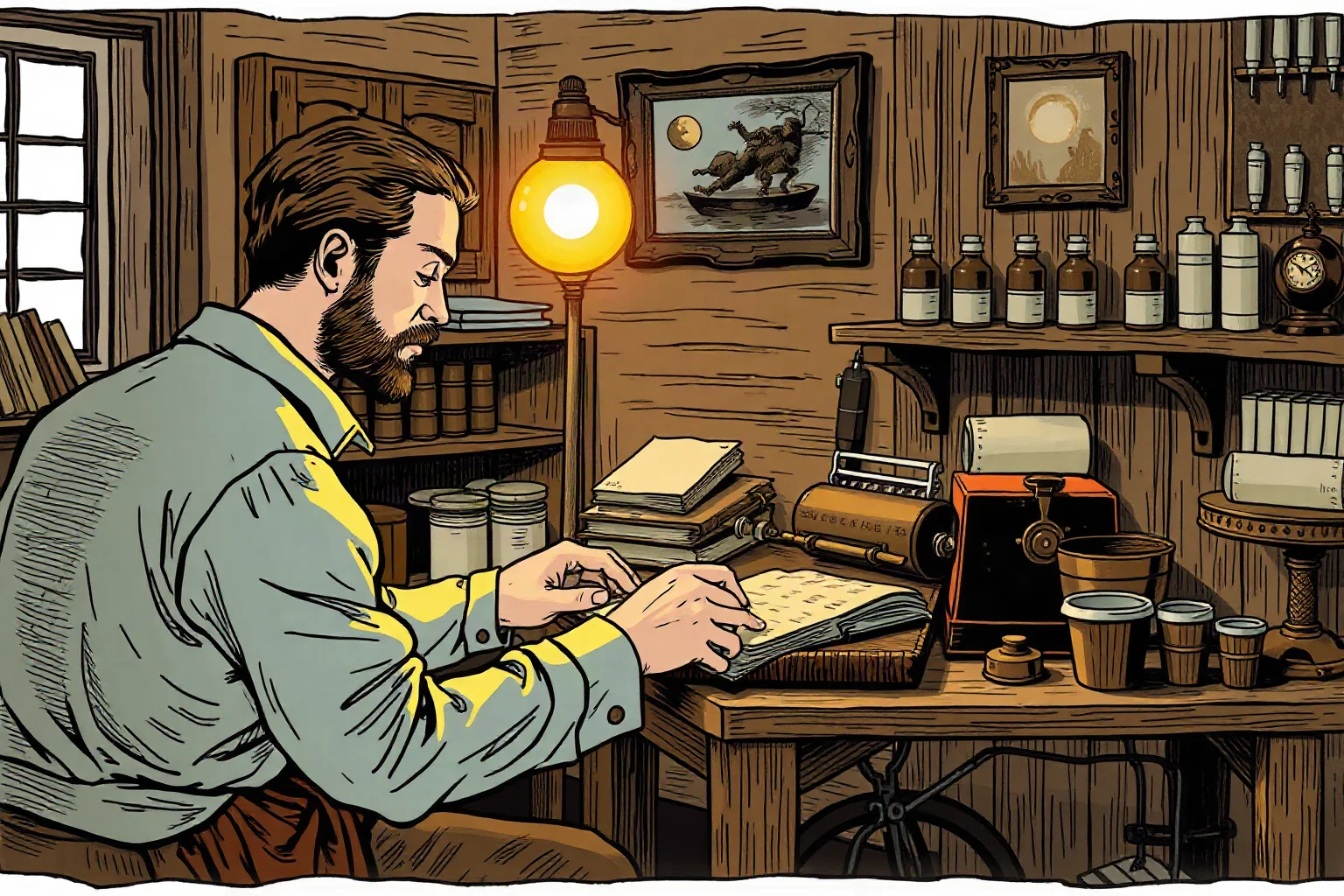
“Well done is better than well said.”
Franklin included this in “Poor Richard’s Almanack,” the collection of proverbs and observations he published under a pen name starting in 1732. It’s a good example of how many early American quotes were designed from the start to be memorable, practical, and a little bit funny.
Franklin’s almanac produced dozens of similar one-liners, which is why his name shows up so often in lists of famous historical quotes. He was, in many ways, one of history’s earliest master quote-writers.
7. Thomas Jefferson: “I Cannot Live Without Books”
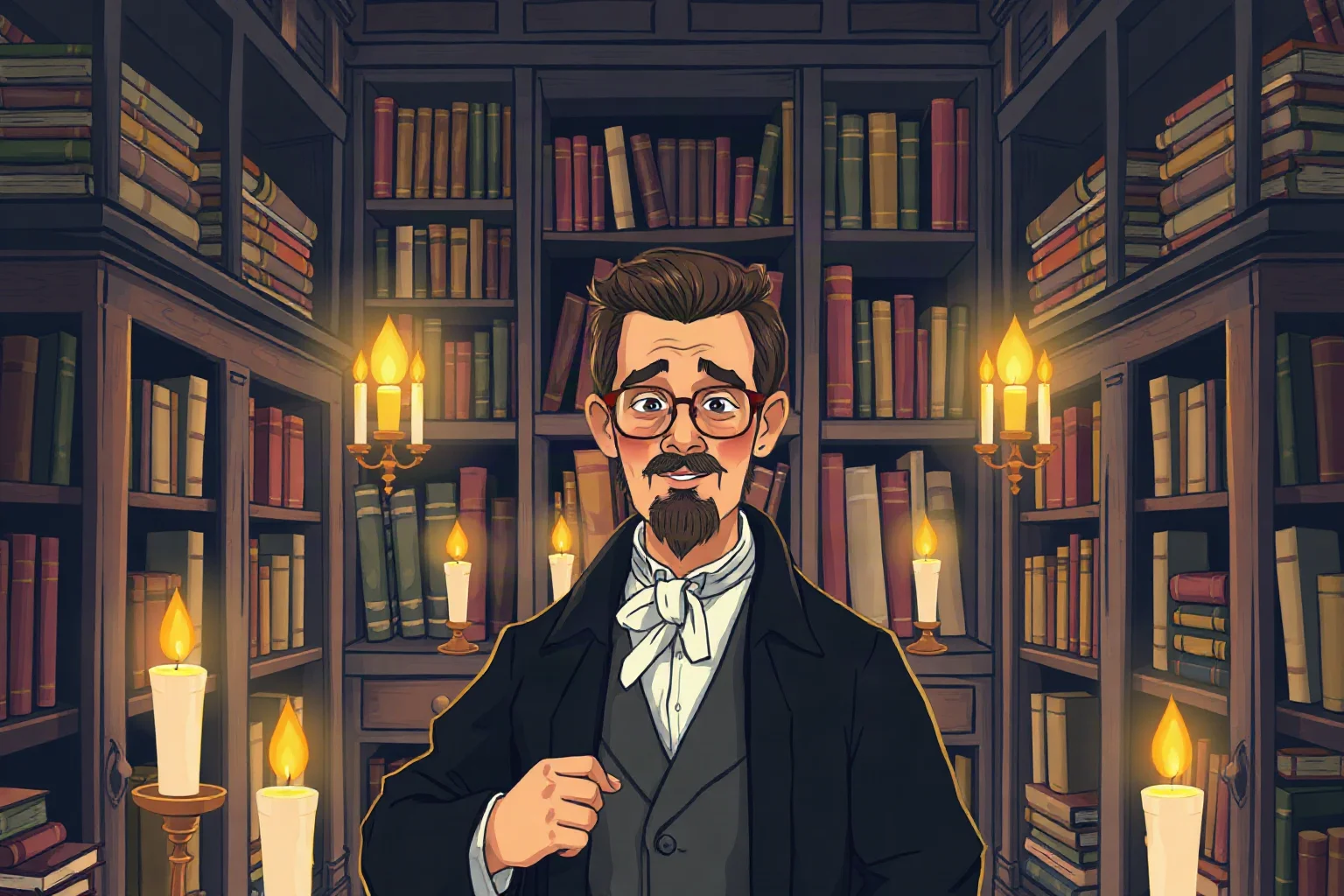
“I cannot live without books.”
Jefferson wrote this in an 1815 letter to John Adams, discussing his personal library, which he later sold to Congress to help rebuild the collection burned in the War of 1812. It’s a small, human detail from a Founding Father better known for the Declaration of Independence.
It’s a reminder that famous American history quotes aren’t only found in speeches. Sometimes the most revealing lines show up in personal letters never meant to become historical artifacts.
8. George Washington: On Excuses
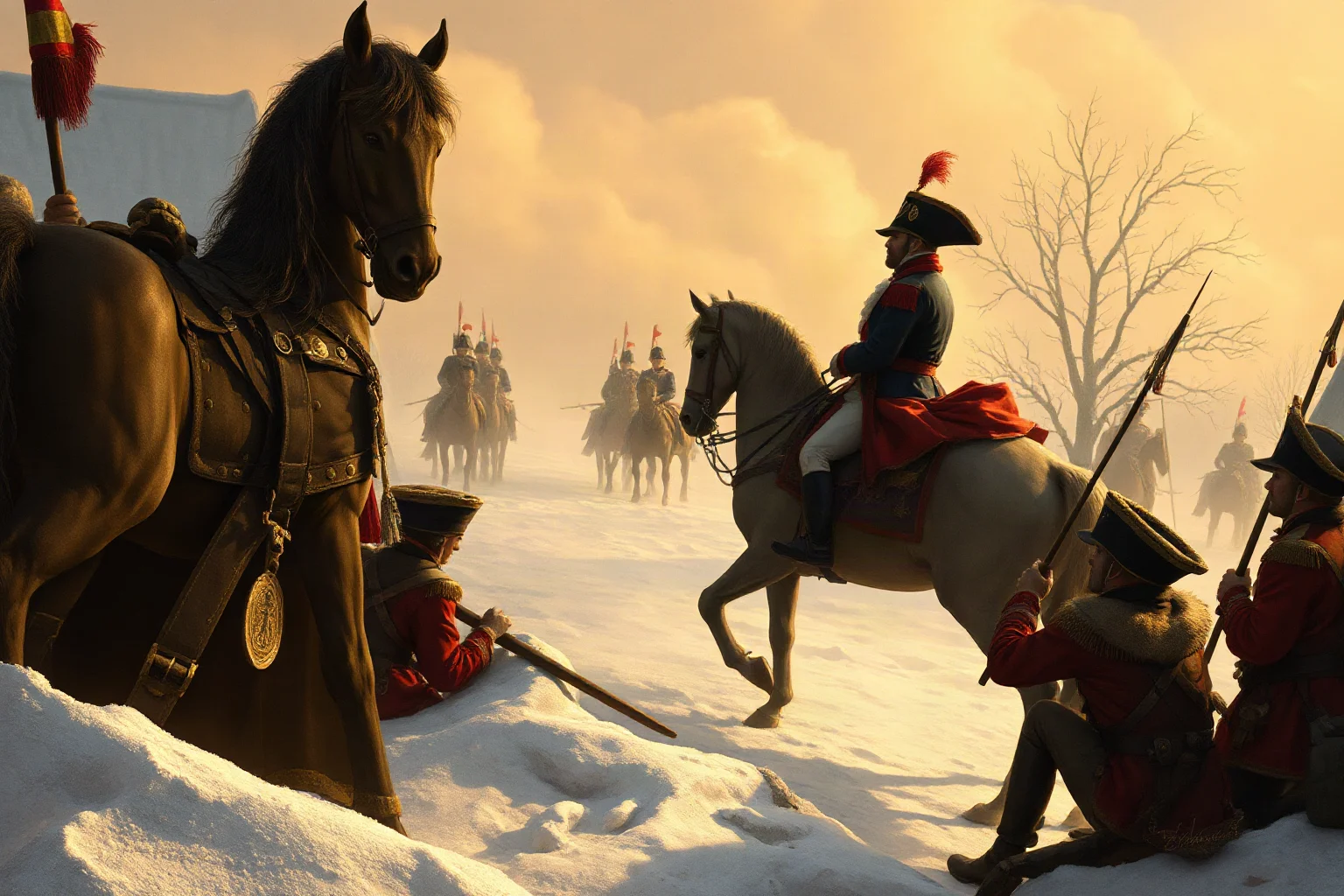
“It is better to offer no excuse than a bad one.”
This line is widely attributed to Washington, though, like many quotes from 18th-century figures, it’s harder to trace to a single dated letter or speech than more famous Washington lines. It reflects the plain, disciplined style Washington was known for in both his military orders and personal conduct.
Even where sourcing is imperfect, the sentiment matches the man’s documented character closely enough that historians rarely dispute it fits him. That’s a common gray area in quote history worth knowing about.
9. Abraham Lincoln: “Government of the People”
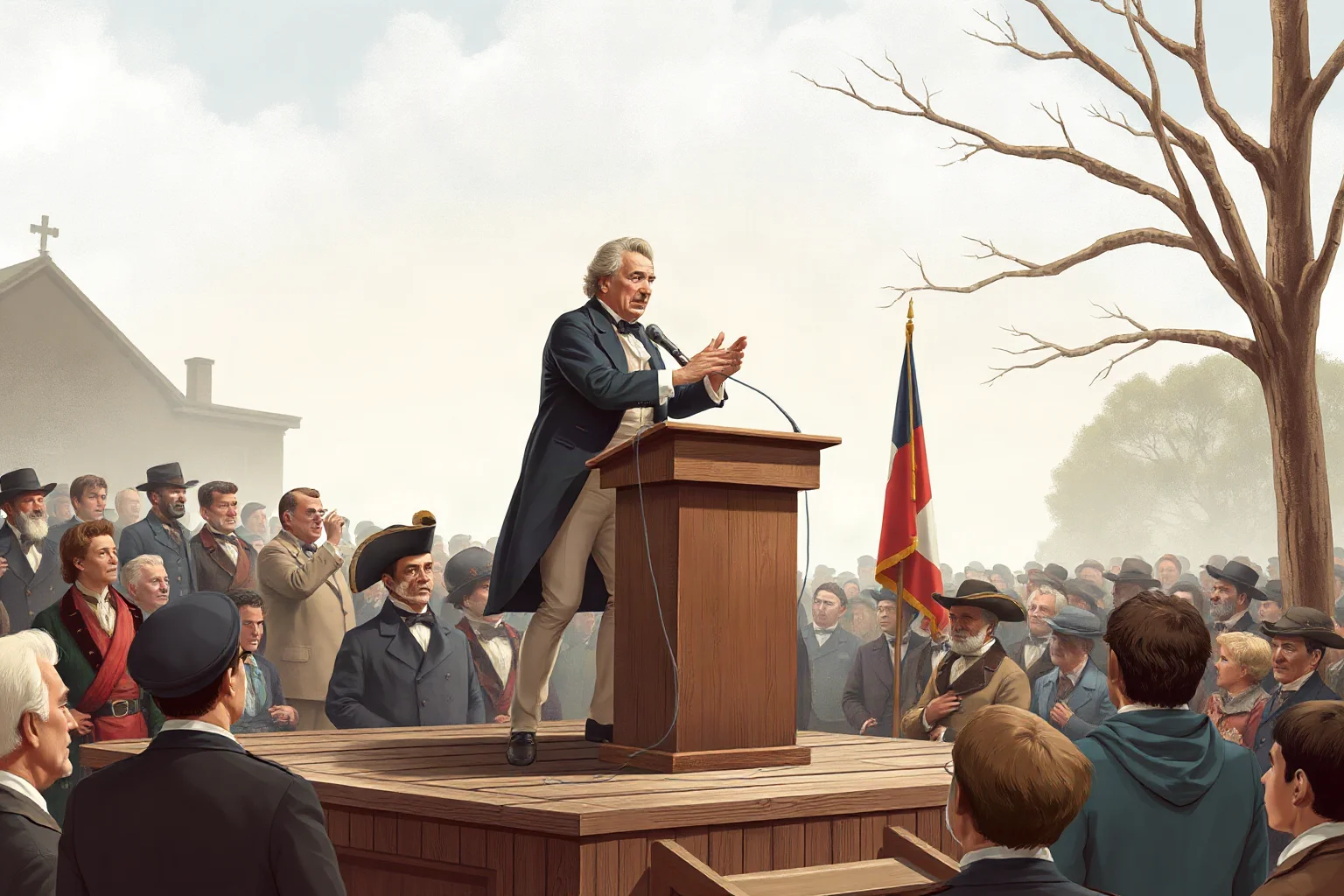
“Government of the people, by the people, for the people, shall not perish from the earth.”
This line closes the Gettysburg Address, delivered by Lincoln on November 19, 1863, at the dedication of a Civil War cemetery in Pennsylvania. Multiple handwritten drafts of the speech survive, making it one of the best-documented famous statements in American history, from a man who remains one of the most recognized historical figures of all time.
It’s worth noting that Lincoln is also one of the most misquoted figures online, with countless fake quotes about the internet, honesty, and character circulating under his name. The Gettysburg Address, however, is rock solid.
10. Frederick Douglass: On Reading and Freedom
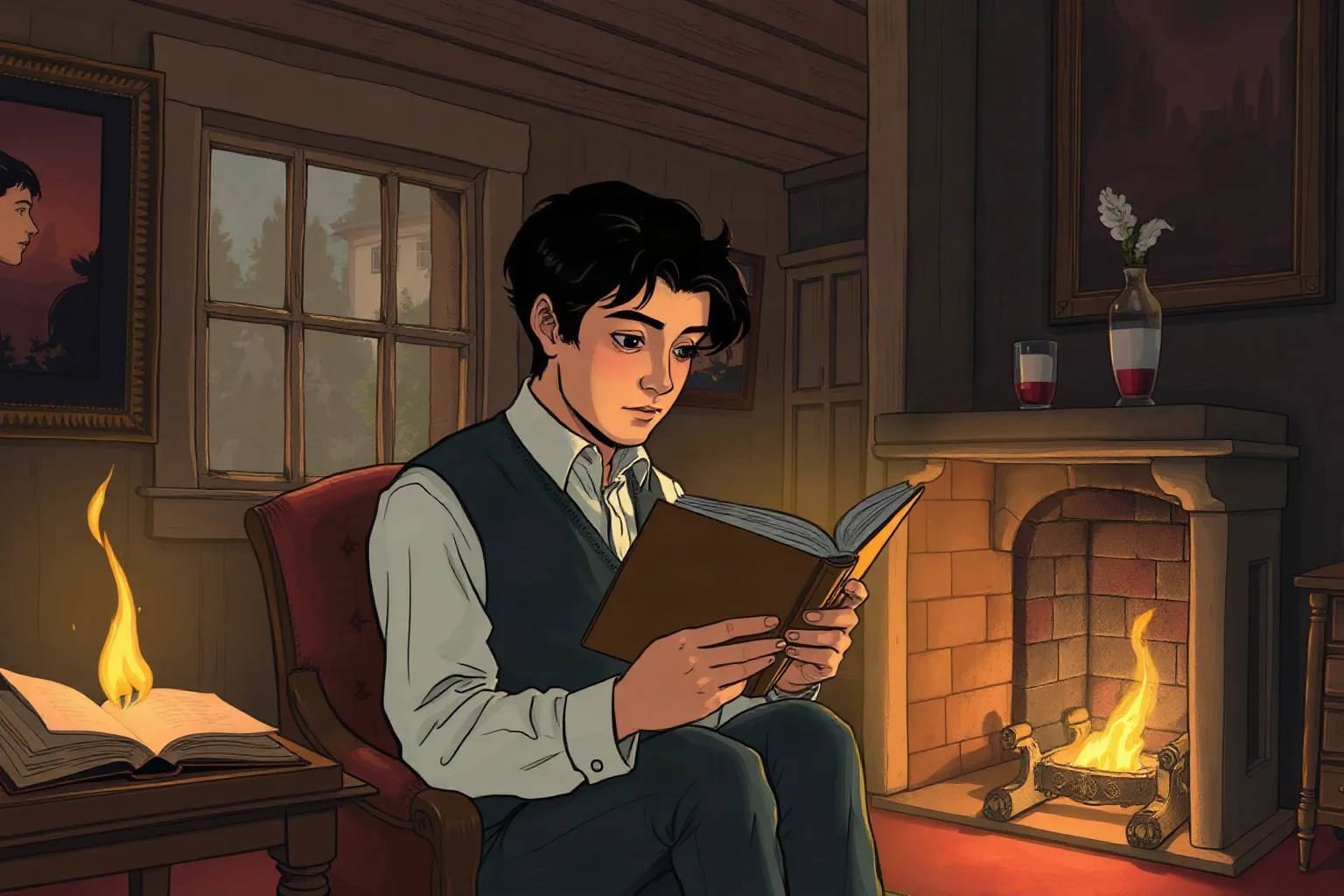
“Once you learn to read, you will be forever free.”
Frederick Douglass, born enslaved, wrote extensively in his autobiographies about how learning to read secretly as a child became the turning point of his life. This sentiment appears throughout his writing, especially in his 1845 narrative describing his path to literacy and eventual escape.
It captures why literacy was so fiercely restricted under slavery in the American South. Douglass understood that knowledge itself was a form of power his enslavers were desperate to withhold.
11. Susan B. Anthony: “Failure Is Impossible”
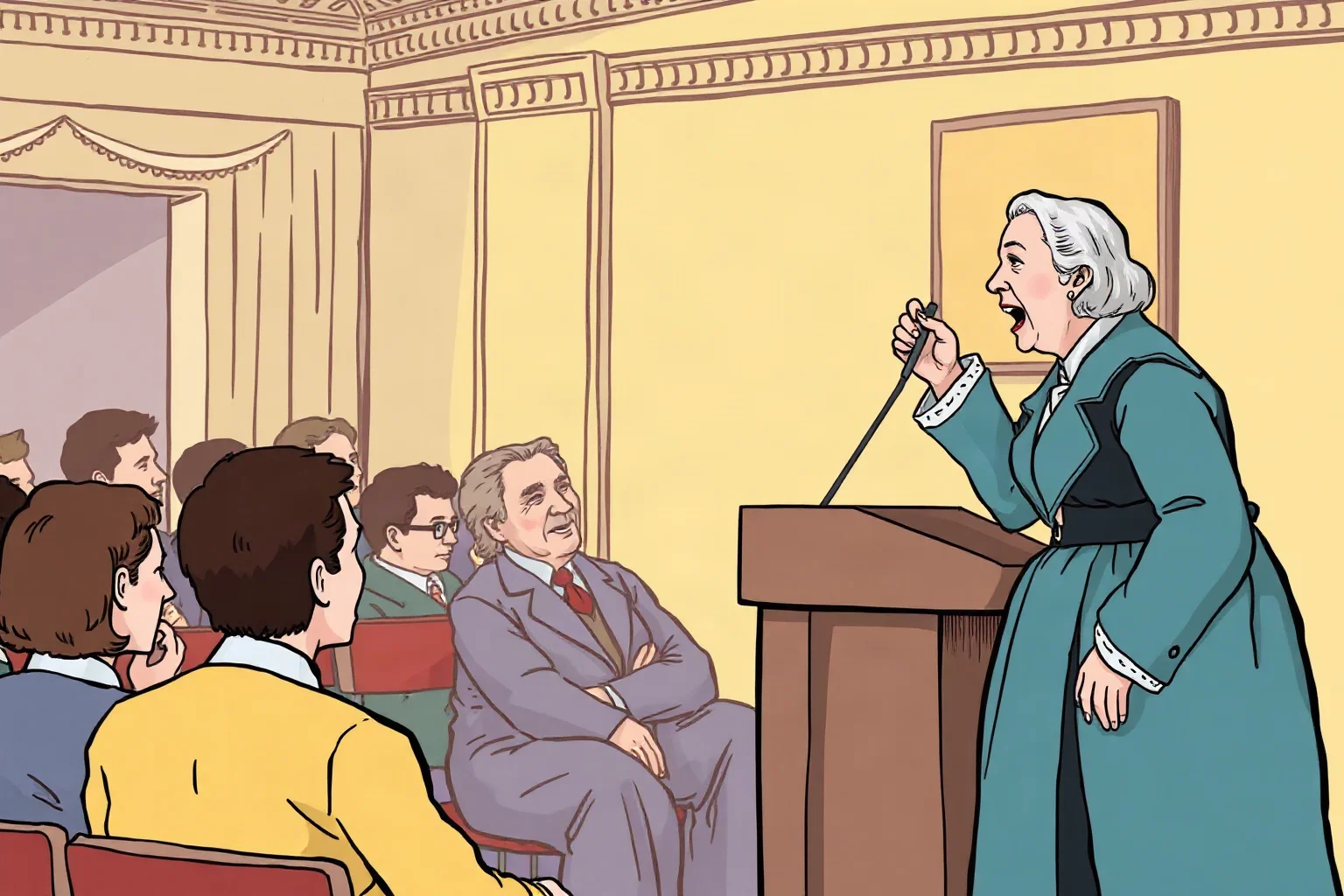
“Failure is impossible.”
This was reportedly the closing line of Susan B. Anthony’s final public speech in 1906, delivered shortly before her death, addressing the ongoing fight for women’s suffrage. The full women’s right to vote wouldn’t arrive nationally in the U.S. until the 19th Amendment passed in 1920, fourteen years later.
Anthony never lived to see that victory. The quote’s power comes from the fact that she said it as a statement of conviction, not as someone who had already won.
12. Mark Twain: “The Two Most Important Days”
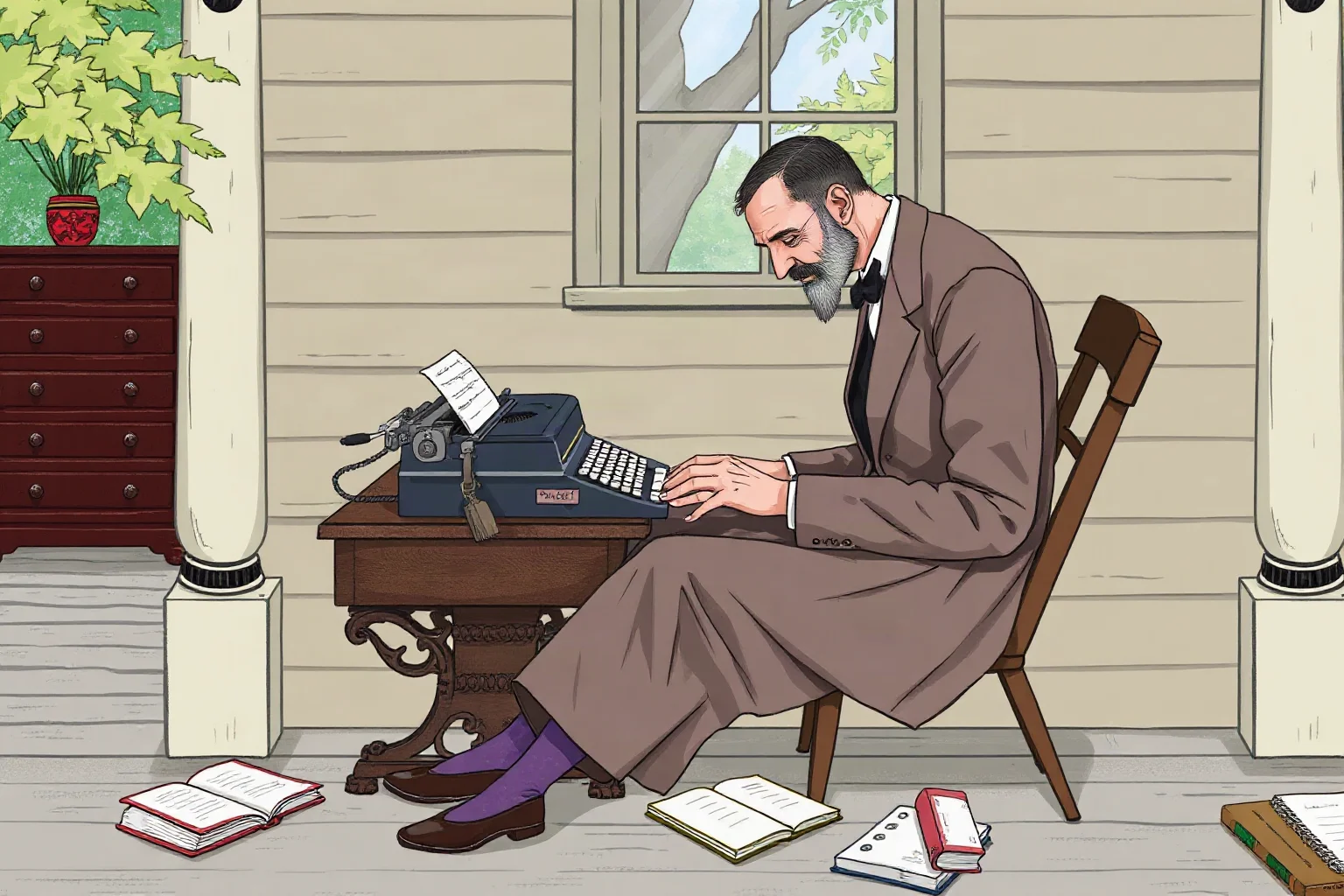
“The two most important days in your life are the day you are born and the day you find out why.”
This quote circulates constantly under Twain’s name, but researchers who specialize in tracing quotations have had trouble locating it in any of his verified published works or letters. It may be a later paraphrase inspired by his general style, rather than something he actually wrote.
This is a great example of why fact-checking quotes and who said them matters. Twain’s genuine wit was so widely admired that people have been attaching invented lines to his name for over a century.
13. Napoleon Bonaparte: On History Itself
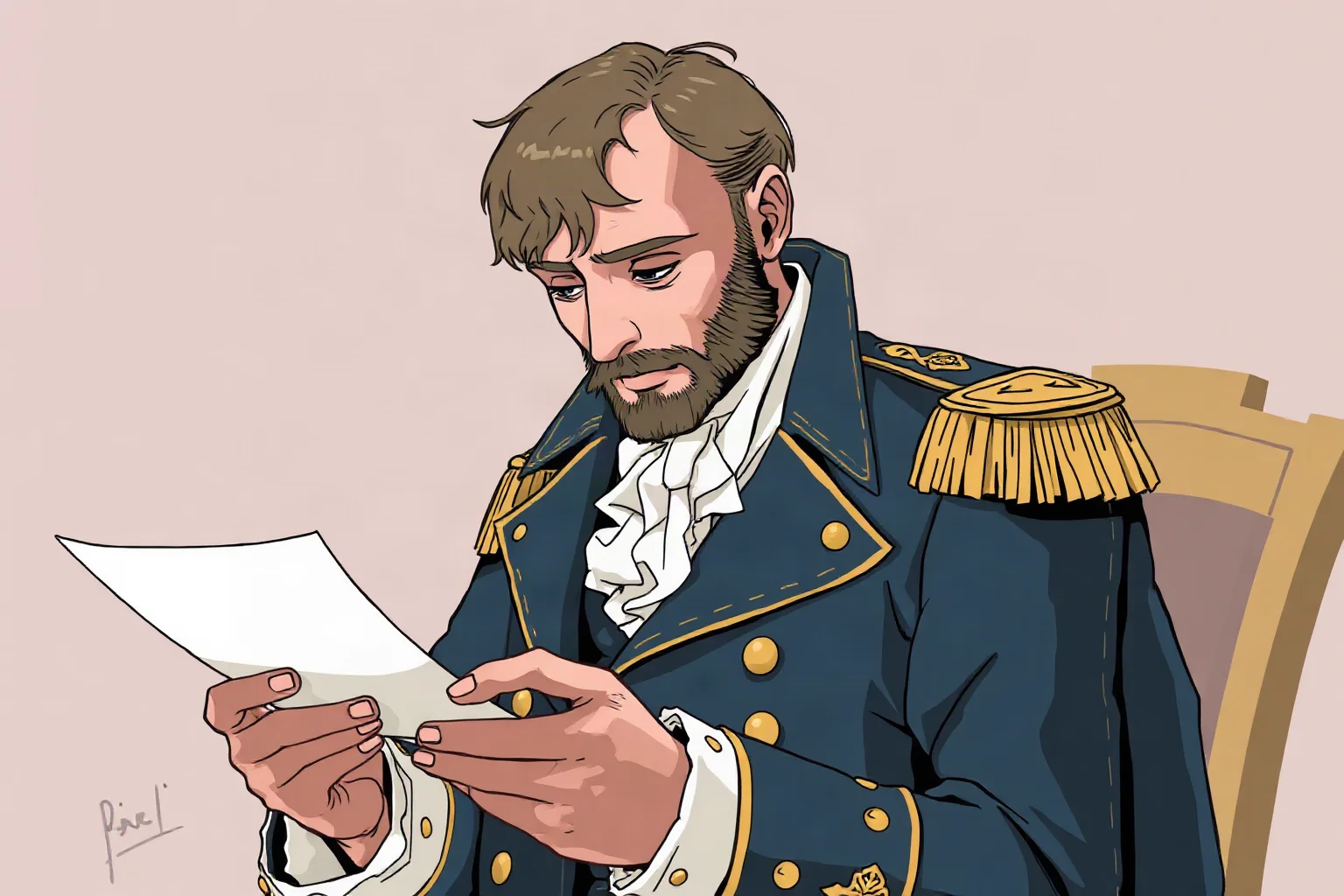
“History is a set of lies agreed upon.”
This line is commonly attributed to Napoleon, but like many quotes tied to him, a firm primary source is difficult to pin down. Napoleon did make skeptical comments about how history gets written by winners, so the sentiment is consistent with his documented views even if the exact wording is uncertain.
Ironically, this quote about the unreliability of historical record is itself a good case study in unreliable historical record. That’s the kind of myth-busting detail that makes studying quotation history so interesting.
14. Marie Curie: “Nothing in Life Is to Be Feared”

“Nothing in life is to be feared, it is only to be understood.”
Marie Curie wrote versions of this idea in her personal letters and reflections on scientific discovery, tied closely to her groundbreaking research on radioactivity in the early 1900s. As the first woman to win a Nobel Prize, and the only person to win Nobels in two different sciences, she spoke from direct experience with how fear of the unknown holds people back.
Her work eventually contributed to her own declining health, since the dangers of radiation exposure weren’t yet understood. That context adds real weight to a quote that might otherwise sound like a simple motivational poster line.
15. Winston Churchill: “We Shall Never Surrender”
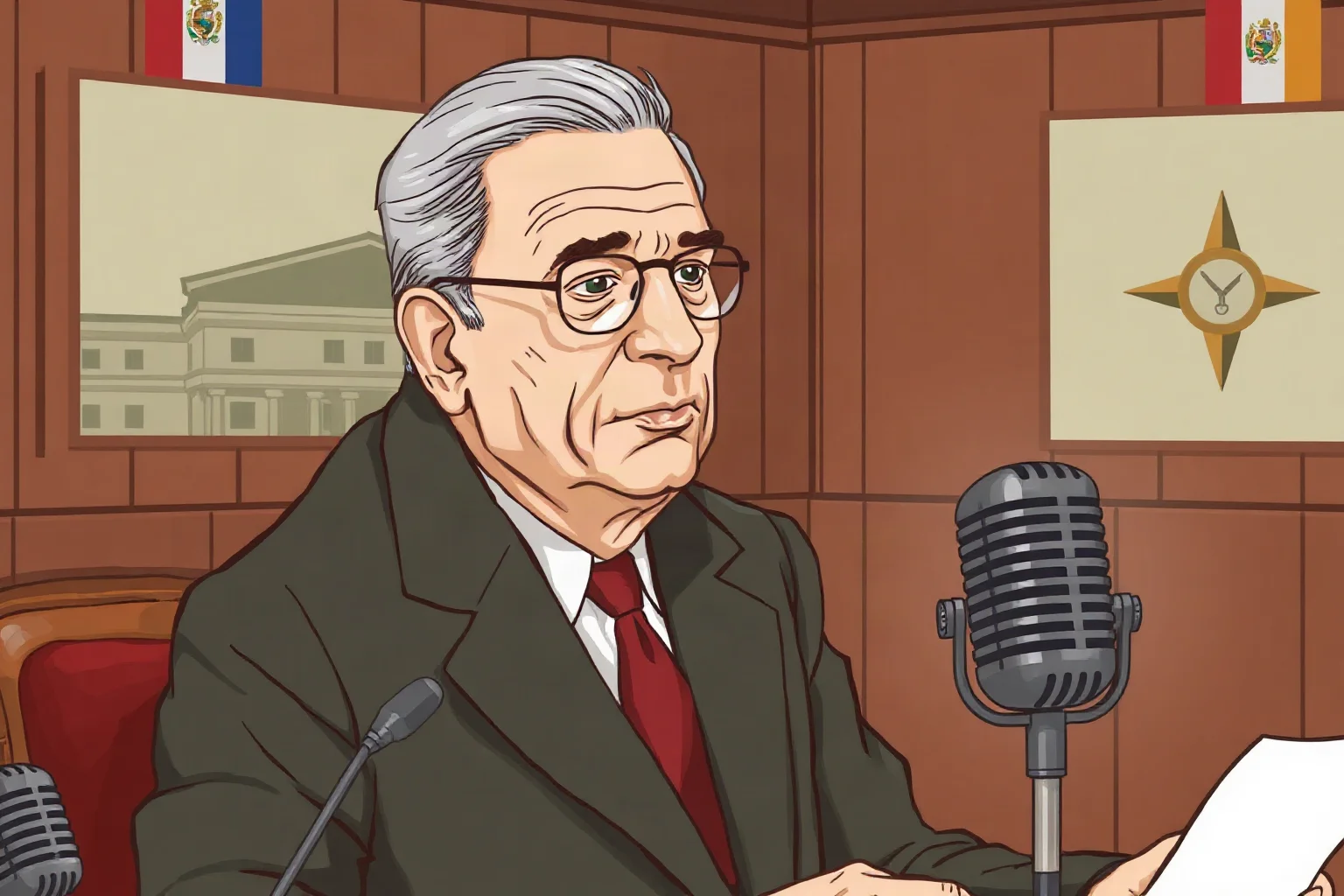
“We shall go on to the end… we shall never surrender.”
Churchill delivered this line to the House of Commons on June 4, 1940, as France was falling to Nazi Germany and Britain faced invasion largely alone. The speech is extensively documented in parliamentary records and remains one of the most studied pieces of political oratory of the 20th century.
By contrast, the popular Churchill line “success is not final, failure is not fatal” is far less reliably sourced. It’s a good reminder that even genuinely eloquent historical figures get extra quotes invented for them after the fact.
16. Franklin D. Roosevelt: “The Only Thing We Have to Fear”
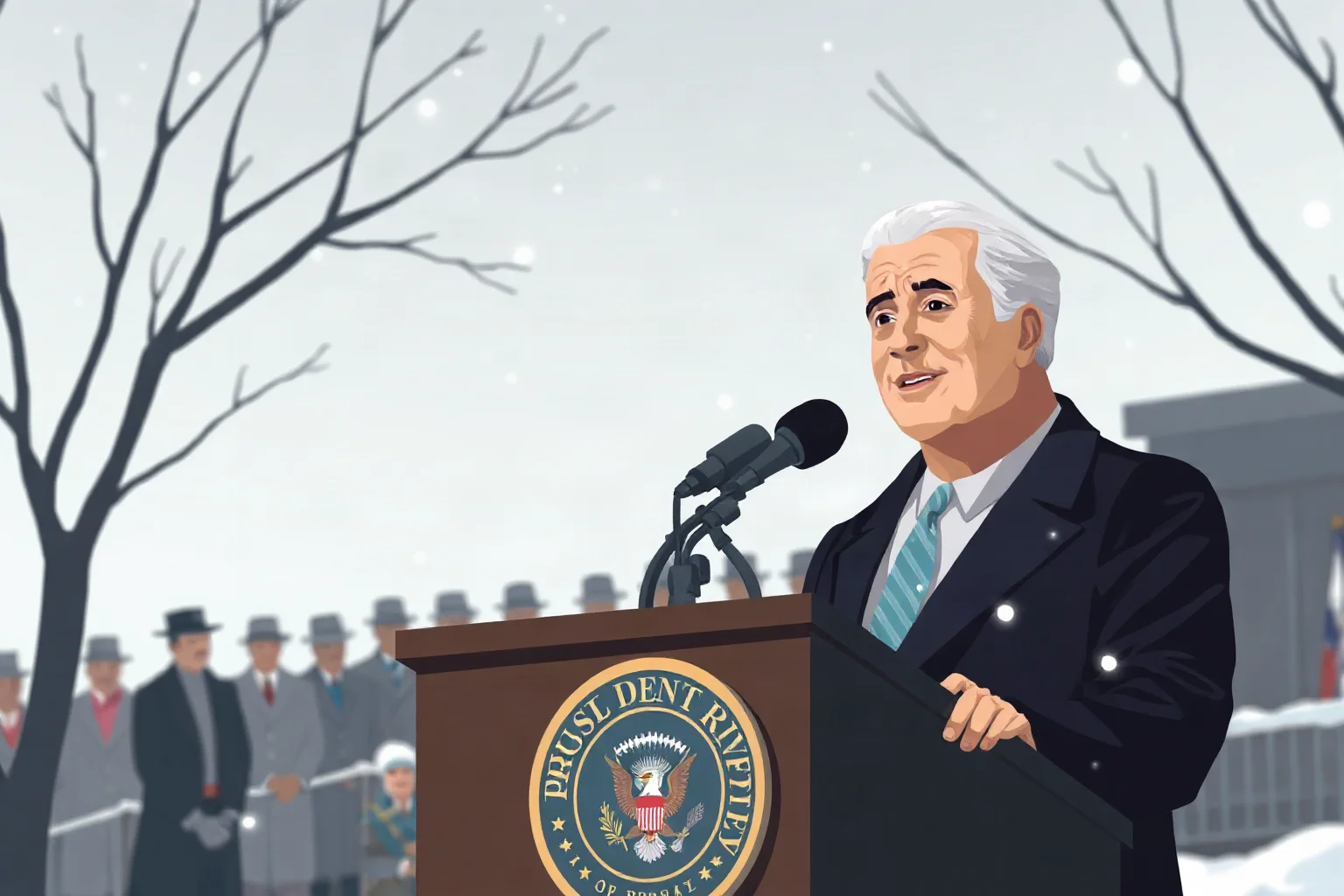
“The only thing we have to fear is fear itself.”
FDR spoke this line during his first inaugural address on March 4, 1933, in the depths of the Great Depression, with roughly a quarter of the American workforce unemployed. The full speech is preserved in official government archives, making it one of the more solidly verified famous quotes in U.S. history.
The line worked because it reframed the crisis. Roosevelt was arguing that the country’s biggest obstacle wasn’t the economy itself but the panic feeding it.
17. Mahatma Gandhi: “Be the Change”
“As a man changes his own nature, so does the attitude of the world change towards him.”
The far more famous phrase “be the change you wish to see in the world” is often printed on posters as a direct Gandhi quote, but researchers have never found it in his actual writings in that exact wording. The line above, from his own commentary, is the closest documented version of the sentiment.
Gandhi clearly believed in personal transformation as the root of social change, so the popularized version isn’t a total fabrication of his philosophy. It’s simply a modern simplification that got attached to his name over time.
18. Albert Einstein: “Imagination Is More Important”
“Imagination is more important than knowledge.”
This quote is well documented, coming from a 1929 interview Einstein gave to the Saturday Evening Post, where he elaborated at length on the limits of pure logic in scientific discovery. Unlike many quotes credited to Einstein — widely regarded as one of the smartest people in history — this one has a clear, dated, primary source.
It’s worth noting because Einstein is one of the most misquoted scientists in history, with the famous “insanity is doing the same thing over and over” line almost certainly not his. Knowing which Einstein quotes are real versus internet folklore is a genuinely useful skill.
19. Eleanor Roosevelt: On Inferiority
“No one can make you feel inferior without your consent.”
This line appears in Eleanor Roosevelt’s 1960 book “You Learn by Living,” making it one of the more clearly sourced quotes on this list. She wrote extensively about self-respect and resilience, drawing on her own experience navigating public criticism as First Lady and later as a UN delegate.
The quote’s popularity has outlived the book it came from by a wide margin. Most people who repeat it today have likely never read the original text.
20. Martin Luther King Jr.: “I Have a Dream”
“I have a dream that my four little children will one day live in a nation where they will not be judged by the color of their skin but by the content of their character.”
King delivered this line on August 28, 1963, during the March on Washington for Jobs and Freedom, in front of the Lincoln Memorial. The speech was filmed, recorded, and transcribed in real time, making it one of the most thoroughly documented speeches in American history.
It remains one of the clearest examples of a planned rhetorical structure — King repeated the phrase “I have a dream” eight times to build momentum. That’s part of why the line is so quotable even outside its original context.
21. John F. Kennedy: “Ask Not What Your Country Can Do”
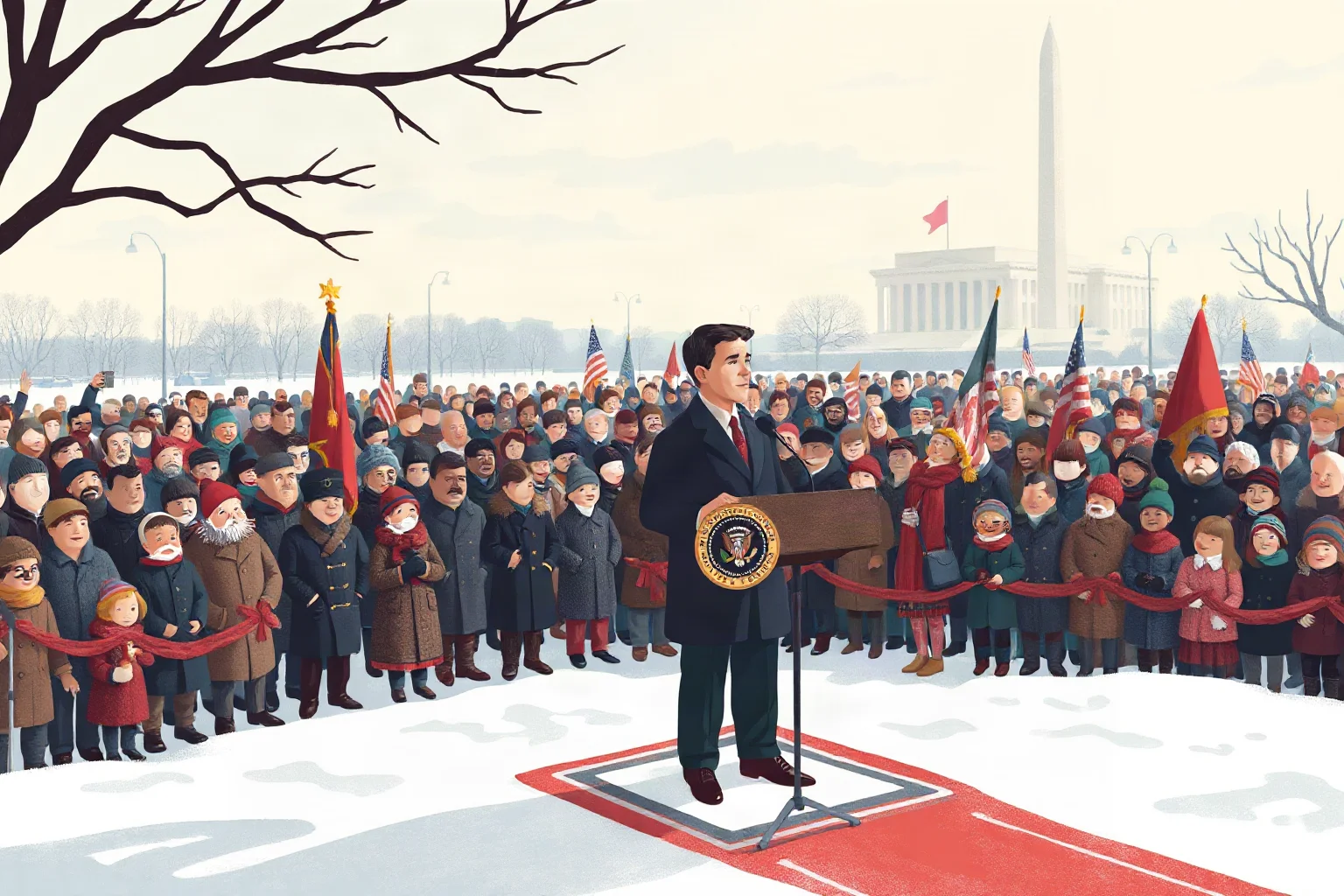
“Ask not what your country can do for you — ask what you can do for your country.”
Kennedy delivered this during his presidential inaugural address on January 20, 1961, during the height of Cold War tension with the Soviet Union. The speech was written with heavy input from speechwriter Ted Sorensen, a detail historians often note when discussing how much of political oratory is genuinely collaborative.
The line’s rhetorical trick, called antimetabole, flips the same words into a mirrored second half. It’s a structure borrowed from classical rhetoric that dates back to ancient Greek and Roman oratory.
22. Neil Armstrong: “One Small Step”
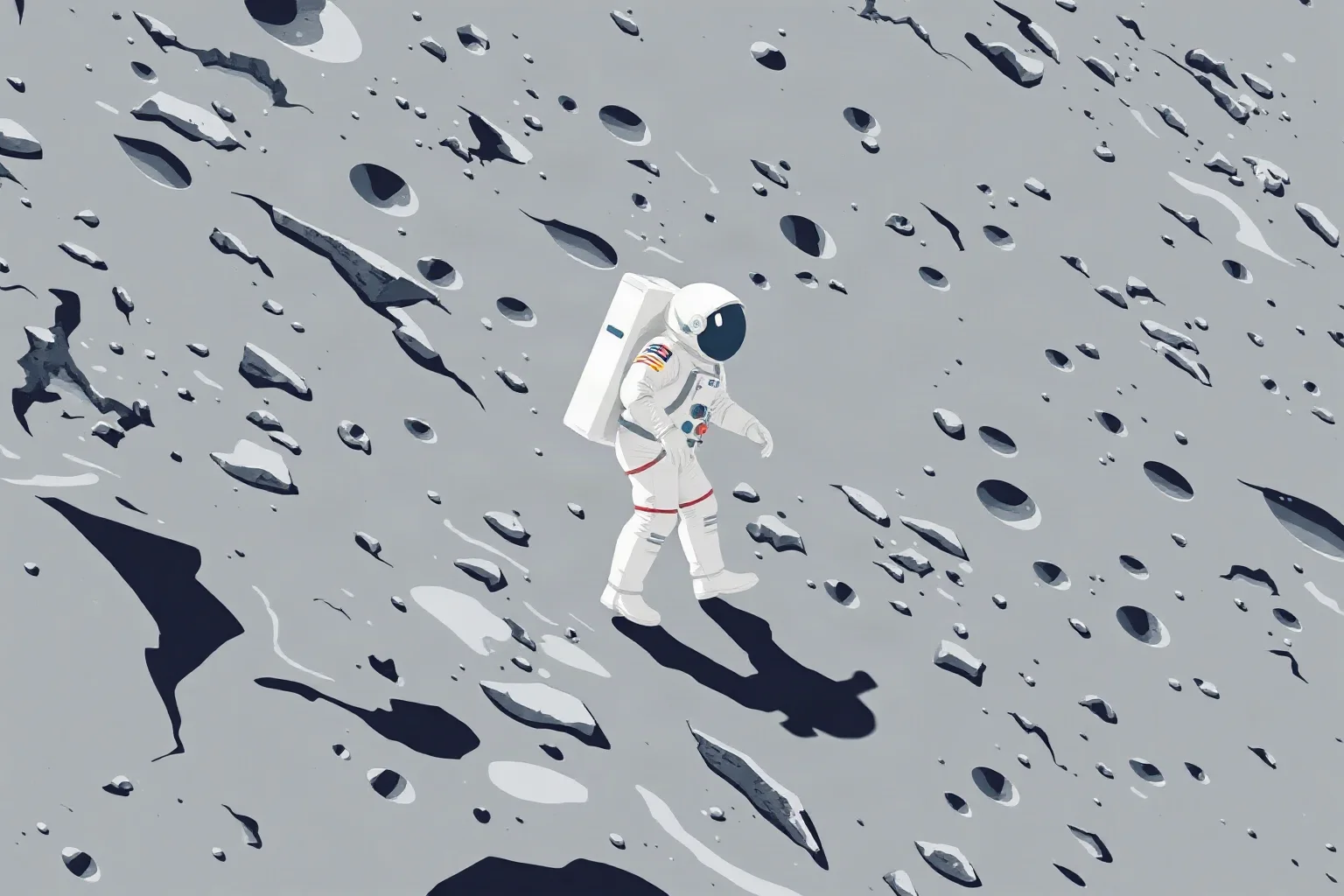
“That’s one small step for man, one giant leap for mankind.”
Armstrong said this on July 20, 1969, as he stepped onto the lunar surface during the Apollo 11 mission, and it was broadcast live to an estimated 600 million people worldwide. NASA’s audio recordings preserve the moment precisely, though Armstrong himself later noted he likely meant to say “a man” and the article may have been lost in transmission.
That small transcription debate barely dents its legacy. It remains one of the most quoted lines of the 20th century, spoken at arguably humanity’s biggest technological milestone.
23. Nelson Mandela: On Education

“Education is the most powerful weapon which you can use to change the world.”
Mandela said a version of this line in speeches during his later career, following 27 years of imprisonment under South Africa’s apartheid government. He became president in 1994, and education access remained one of his central policy priorities throughout his presidency.
The quote carries extra weight given his personal history. Mandela continued studying law by correspondence even while imprisoned on Robben Island.
24. Rosa Parks: On Freedom

“I would like to be remembered as a person who wanted to be free… so other people would also be free.”
Rosa Parks made comments along these lines in later interviews reflecting on her 1955 refusal to give up her bus seat in Montgomery, Alabama, an act that helped ignite the Montgomery Bus Boycott. She spent decades afterward working in civil rights organizing, not just serving as a symbolic figure.
Her own account pushed back against the simplified version of her story often taught in schools. Parks was an experienced NAACP activist before that day, not simply a tired passenger acting on impulse.
25. Anne Frank: On Beauty and Misery

“I don’t think of all the misery, but of the beauty that still remains.”
This line comes directly from Anne Frank’s diary, written while she and her family hid from Nazi persecution in Amsterdam between 1942 and 1944. The diary itself survived the war and was published by her father, Otto Frank, becoming one of the most widely read firsthand accounts of the Holocaust.
What makes the quote remarkable is its context. A teenager wrote it while hiding for her life, which makes the hope inside it far more complicated than a simple inspirational message.
Famous Quotes That Are Probably Misattributed
A few quotes deserve a special mention because they’re repeated constantly despite weak or nonexistent sourcing. Marie Antoinette almost certainly never said “let them eat cake”; the phrase predates her and was likely attached to her reputation by revolutionary propaganda. Voltaire is often credited with “I disapprove of what you say, but I will defend to the death your right to say it,” but this was actually written by biographer Evelyn Beatrice Hall, summarizing his views rather than quoting him directly.
Even Albert Einstein’s famous definition of insanity — doing the same thing repeatedly and expecting different results — has no verified source in his writings or interviews. These examples aren’t meant to spoil the fun of a good quote. They’re a reminder that a little skepticism is healthy any time a quote seems almost too perfectly quotable.
What These Quotes Have in Common
Looking across two thousand years of recorded speech, a few patterns show up again and again. Nearly every genuinely verified quote was said or written during a moment of real pressure, whether that’s a battlefield, a courtroom, a lunar landing, or a hidden attic. The words weren’t polished corporate messaging; they were reactions to something enormous happening in real time.
The other pattern is brevity. Almost every quote on this list is short enough to fit on a napkin, which is exactly why it survived being copied, translated, and repeated for generations. Long, complicated statements rarely become legendary quotations, no matter how important the person saying them was.
Final Thoughts
Great quotes are small windows into enormous historical moments, but they work best when we understand what’s actually on the other side of the glass. A little context turns a nice-sounding line into a genuinely powerful piece of history. It also protects us from spreading the fake ones dressed up as fact.
Next time you see a famous quote from a historical figure shared online, it’s worth a quick check before hitting share. The real story behind it is usually more interesting than the meme anyway.
Frequently Asked Questions
What is a famous quote, exactly?
A famous quote is a short statement, written or spoken, that became widely known because it captured an important moment, idea, or personality memorably. What separates a truly famous quote from an ordinary sentence is usually its brevity, emotional weight, and connection to a significant historical event or figure.
Where do quotes of well known persons actually come from?
Quotes of well known persons typically come from primary sources like speeches, letters, diaries, interviews, or official transcripts recorded close to the time they were said. Historians consider a quote reliably sourced only when it can be traced to one of these contemporary records rather than a later biography or secondhand retelling.
Why is it important to study quotes about history?
Quotes about history matter because they compress complex events into memorable, human-scale language that's easier to connect with than dry historical summaries. They also often serve as an entry point that sparks deeper curiosity about the era, person, or event the quote came from.
How can you tell if a famous quote is real or misattributed?
The most reliable method is checking whether the quote appears in a dated primary source, such as a letter, speech transcript, or published work by that person. If a quote only appears in modern collections or social media without any earlier documented source, it's often a paraphrase or complete misattribution.
What’s the difference between a historical quote and a proverb?
A historical quote is generally attributed to a specific, identifiable person at a specific moment in time. A proverb, by contrast, is a piece of traditional folk wisdom passed down through a culture without a single known author, even if it sometimes gets mistakenly attributed to a famous person.
What are some famous American history quotes worth knowing?
Well-documented examples include Lincoln's Gettysburg Address line about 'government of the people, by the people, for the people,' FDR's 1933 inaugural statement that 'the only thing we have to fear is fear itself,' and JFK's 1961 inaugural call to 'ask not what your country can do for you.' All three come from verified speeches with surviving official transcripts.
Why do so many famous quotes get incorrectly attributed to the wrong person?
Quotes often get misattributed because a phrase that sounds clever gets more credibility, and more sharing, when it's attached to a famous name like Einstein, Twain, or Churchill. Over time, repetition alone can make a fabricated or paraphrased quote feel like verified fact, even without any original source to back it up.

Alex Warren
Related Articles