History is full of larger-than-life figures. What often gets left out is how many of them achieved fame while living with missing limbs, absent eyes, and other missing body parts. The stories behind these losses reveal both the brutality of their eras and the resilience of the people involved.
Some were military commanders who lost arms or legs in battle. Others were artists, writers, and public figures whose amputations became part of their legend. This list covers twenty remarkable historical figures you may not know were famous amputees or otherwise missing body parts.
TL;DR: From one-armed admirals and peg-legged governors to artists and athletes, many historical figures reached fame while living with limbs missing, and some of their lost body parts had afterlives just as strange as their owners.
A Quick Myth-Busting Note
People often search for the phrase did poseidon lose an arm. In classical Greek and Roman mythology, Poseidon was sometimes shown holding a trident and riding a chariot, but ancient texts do not describe him losing an arm in battle or as a punishment.
Missing arms appear in some myths, but they tend to belong to other figures. The confusion may come from damaged statues or modern fictional retellings, not the core Poseidon myths, much like the myths around Vincent van Gogh’s ear.
Why So Many Historical Figures Lost Limbs
Before modern medicine, a severe limb wound often became fatal. Infection, gangrene, and bone damage left doctors with few options besides amputation.
Battlefield surgeons performed rapid amputations with limited anesthesia. That reality explains why so many of the historical figures on this list lost arms, legs, hands, and other body parts rather than surviving with treatable injuries.
Warriors and Commanders Who Lost Limbs in Battle
1. Lord Horatio Nelson: The One-Armed Admiral Who Never Backed Down
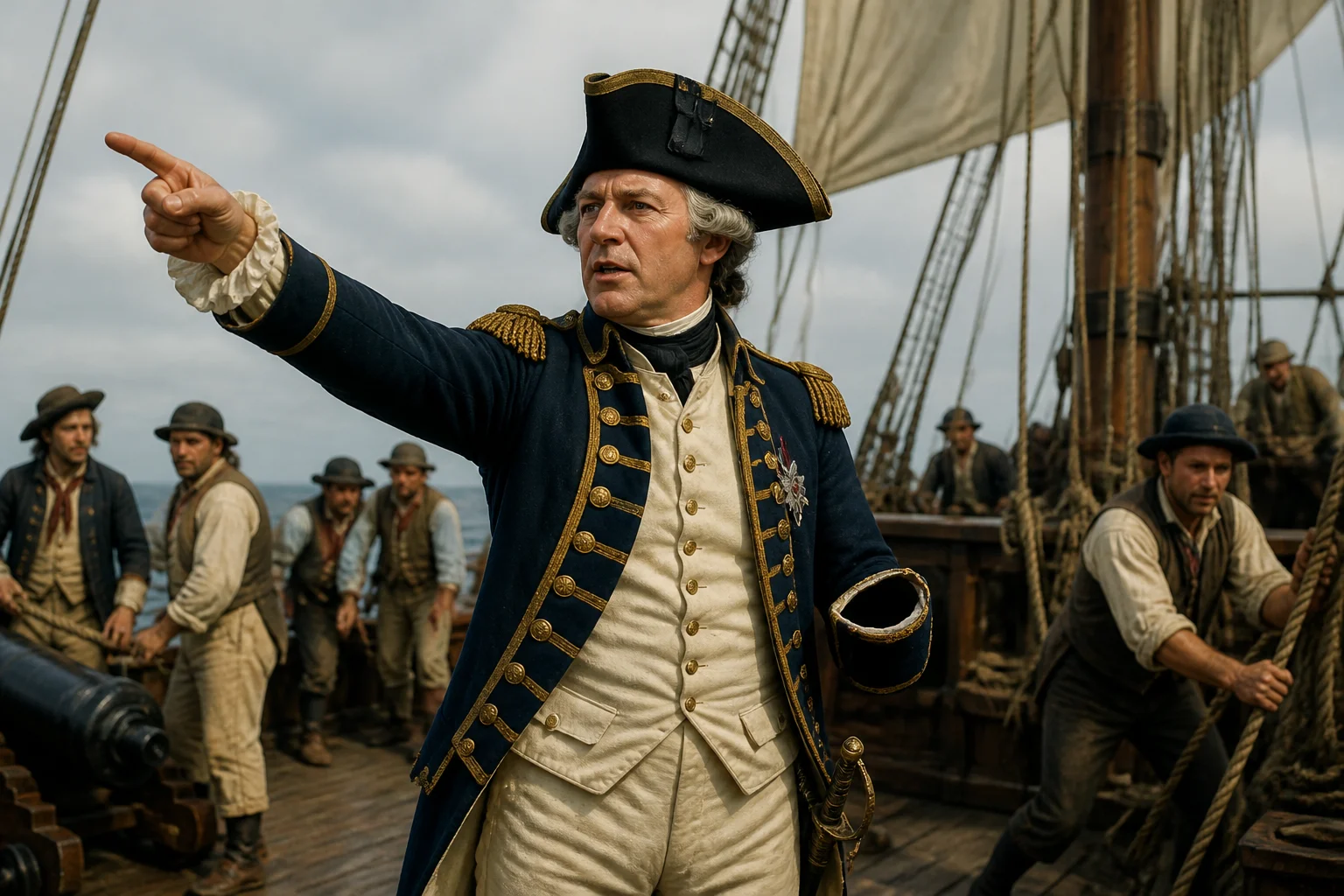
Most people remember Horatio Nelson as Britain’s greatest naval hero. Fewer realize he fought much of his career with one arm and one working eye.
Nelson lost the sight in his right eye at Calvi, Corsica, in 1794. Three years later, at Santa Cruz de Tenerife, a musket ball struck his right arm and it had to be amputated.
His empty sleeve became part of his public legend. Nelson returned to command and later won the Battle of Trafalgar, where he was killed in 1805.
Nelson is often used as a shorthand for the idea that command depends on judgment, not just physical completeness. His career is a natural starting point for any discussion of famous one armed people.
2. Blas de Lezo: The “Half-Man” of the Spanish Navy
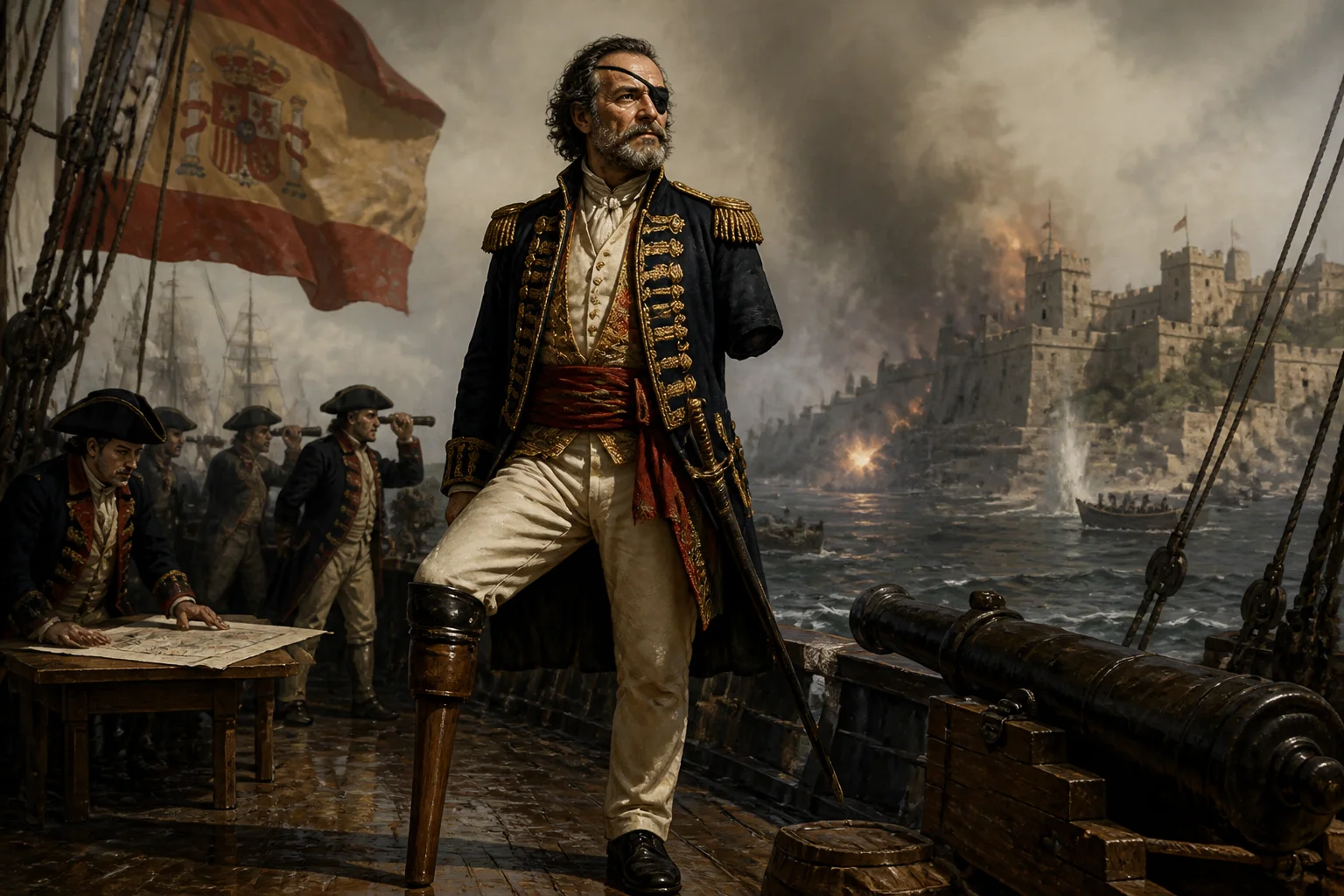
Spanish admiral Blas de Lezo earned the nickname “Mediohombre,” or “Half-Man.” Over decades of naval service, he lost his left eye, left arm, and right leg.
His injuries did not stop him from commanding fleets. In 1741, he defended Cartagena de Indias against a much larger British force with only one eye, one arm, and one leg.
The siege ended in a decisive Spanish victory. Blas de Lezo remains one of history’s most striking examples of a commander who fought on with multiple limbs missing.
His life shows how early modern naval warfare could carve away a body piece by piece. It also shows how reputation and skill could outlast those losses.
3. Peter Stuyvesant: The Peg-Legged Governor of New Amsterdam
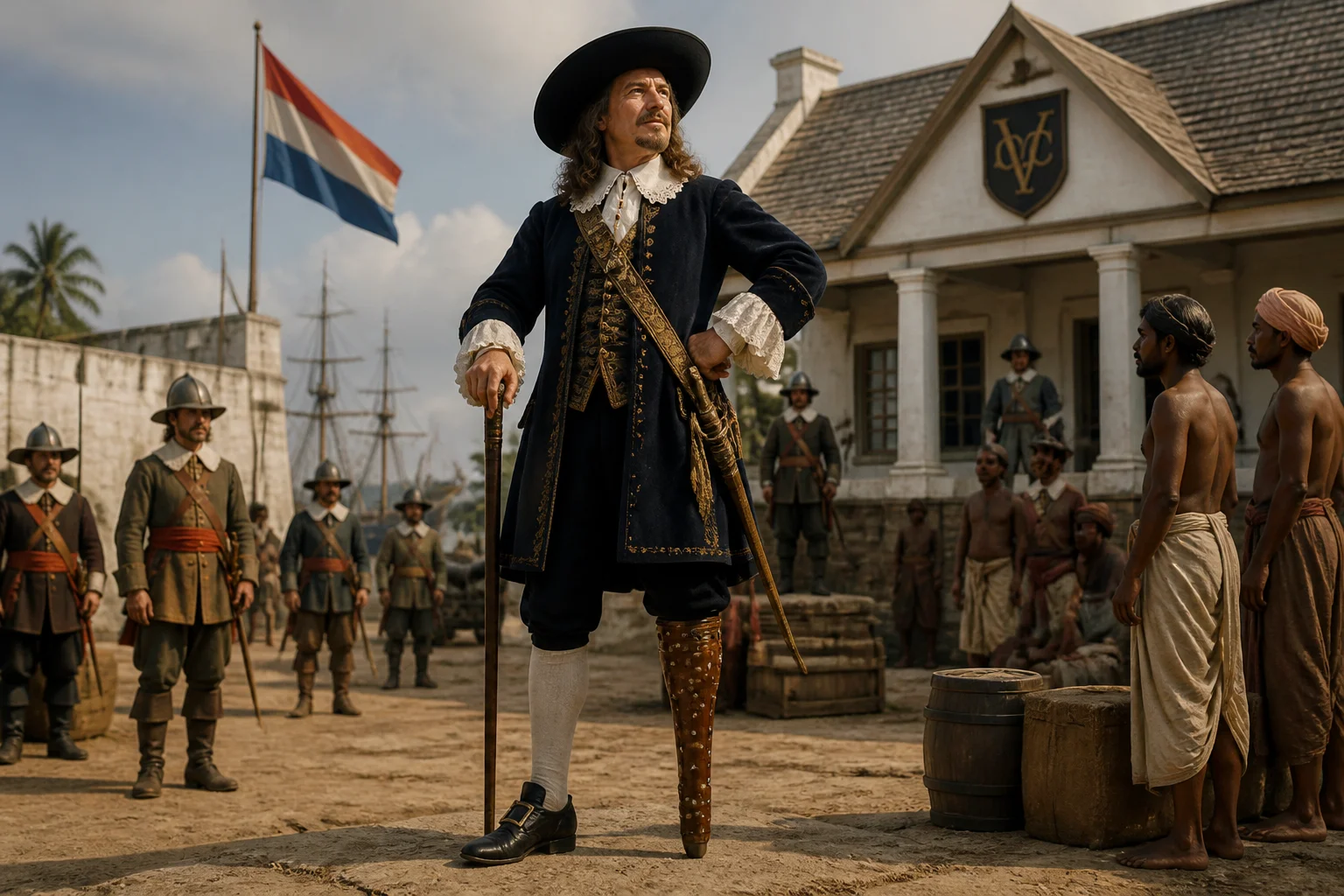
Peter Stuyvesant was the Dutch colonial governor of New Amsterdam, later New York. He lost his right leg in 1644 during an assault on Saint Martin.
He replaced it with a wooden peg leg, sometimes decorated with silver nails. The peg leg became so famous that it helped define his fierce public image.
Stuyvesant ruled with a famously rigid style. The lasting visual of a peg-legged governor still appears in early American history.
Stuyvesant’s peg leg was not just a medical device. It became part of the political theater of colonial rule.
4. Götz von Berlichingen: The Knight with the Iron Hand
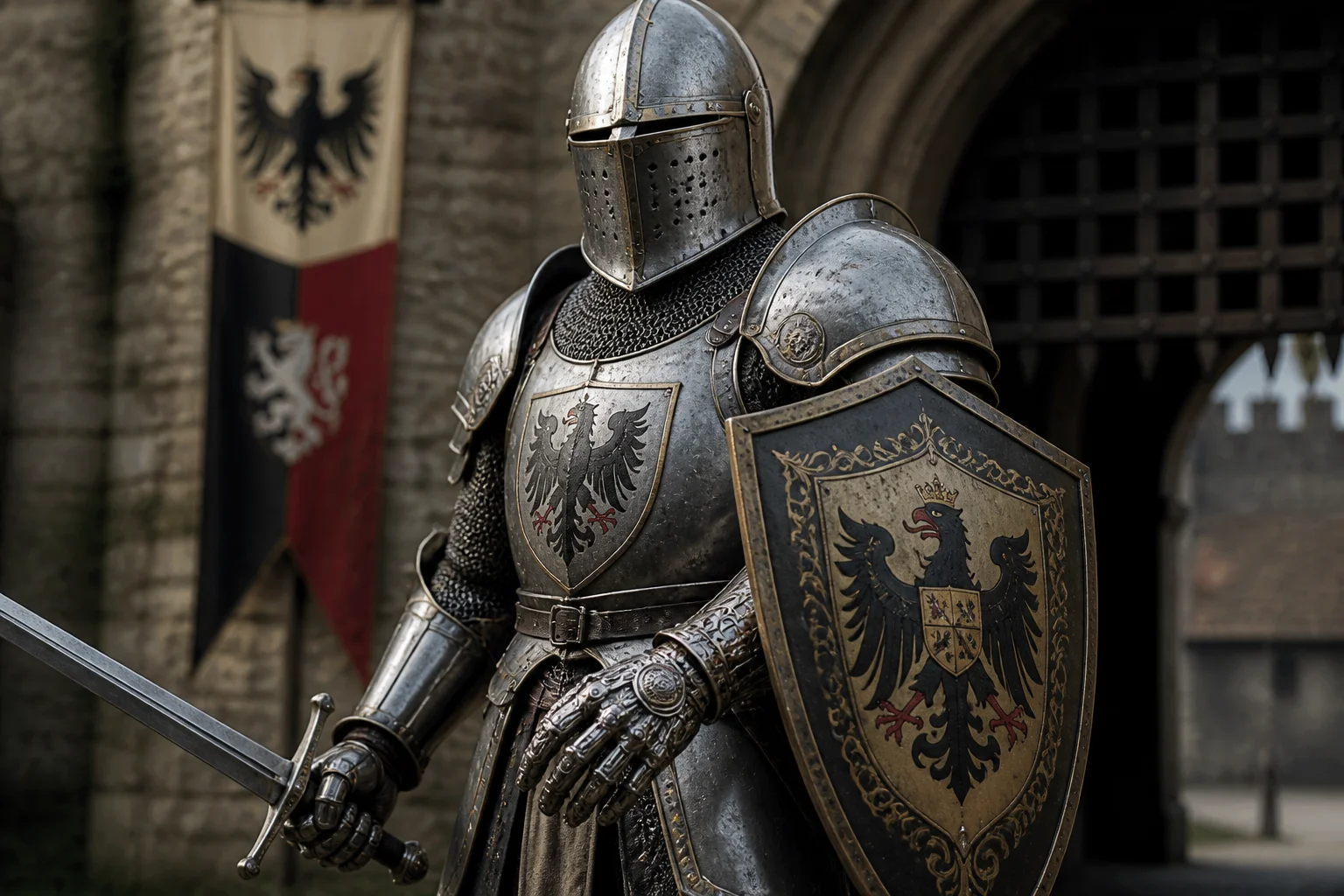
German knight Götz von Berlichingen lost his right hand in 1504 during a siege. He never retired from warfare.
He commissioned an advanced iron prosthetic hand. The device could hold a shield, a sword, and reportedly even a quill.
The “iron hand” became part of his legend. Today it is one of the best-known early examples of a functional prosthetic limb.
Götz’s story shows that prosthetics are far older than many people assume. Skilled metalworkers could create limbs that were both practical and symbolic.
5. Galvarino: The Mapuche Warrior Who Turned Amputation into a Weapon
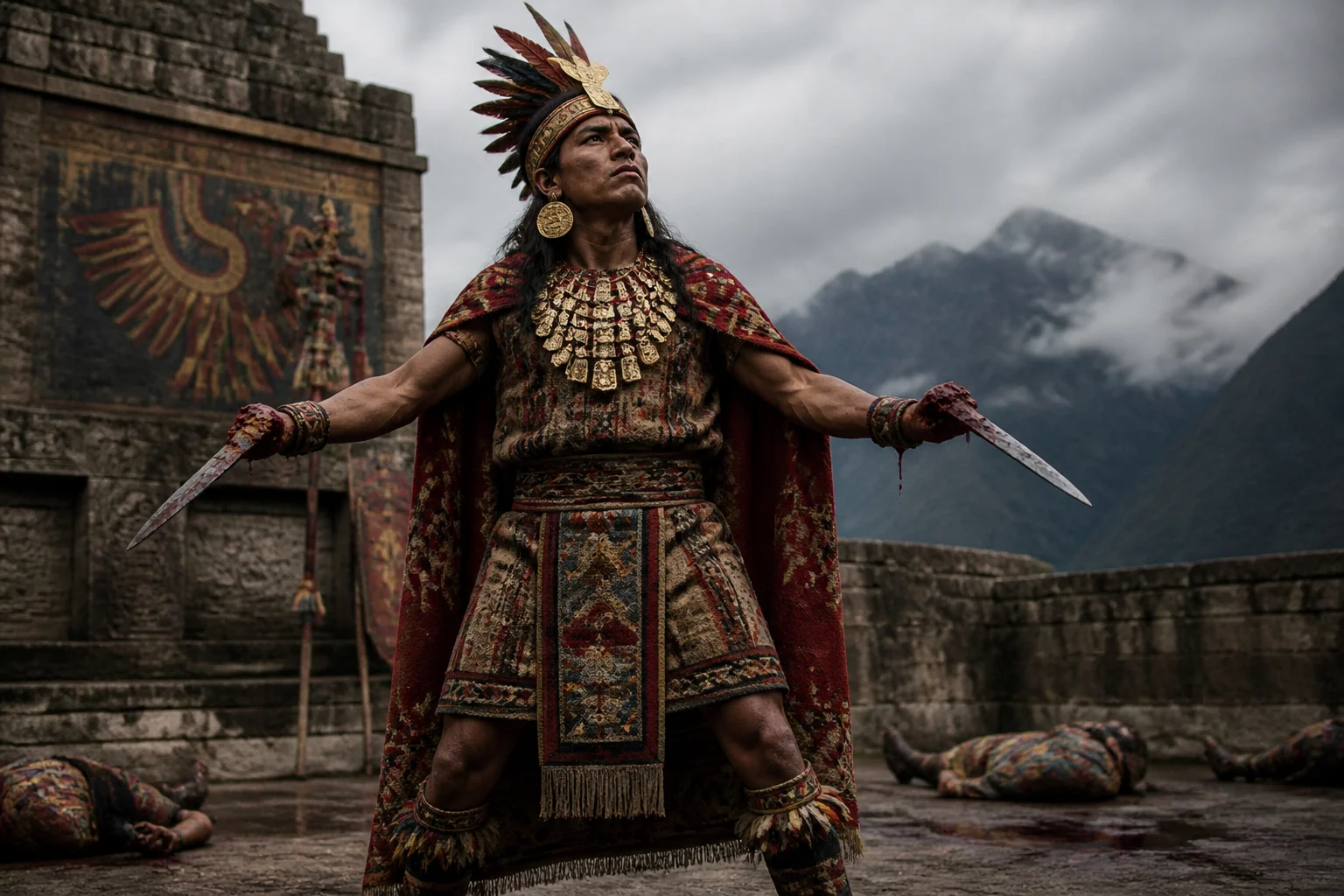
Galvarino was a Mapuche warrior in 16th-century Chile. After being captured by the Spanish, he was punished by having both hands cut off.
According to the historical account, he asked to be killed instead, but the Spanish sent him back as a warning. Galvarino then attached blades to his severed wrists and returned to fight.
His resistance made him a symbol of defiance. It is one of the most brutal stories of amputation in colonial history.
Galvarino’s case is hard to verify in detail because it comes from Spanish colonial chronicles. Even so, it has remained a powerful story of resistance.
6. Stonewall Jackson: The Confederate General’s Lost Left Arm
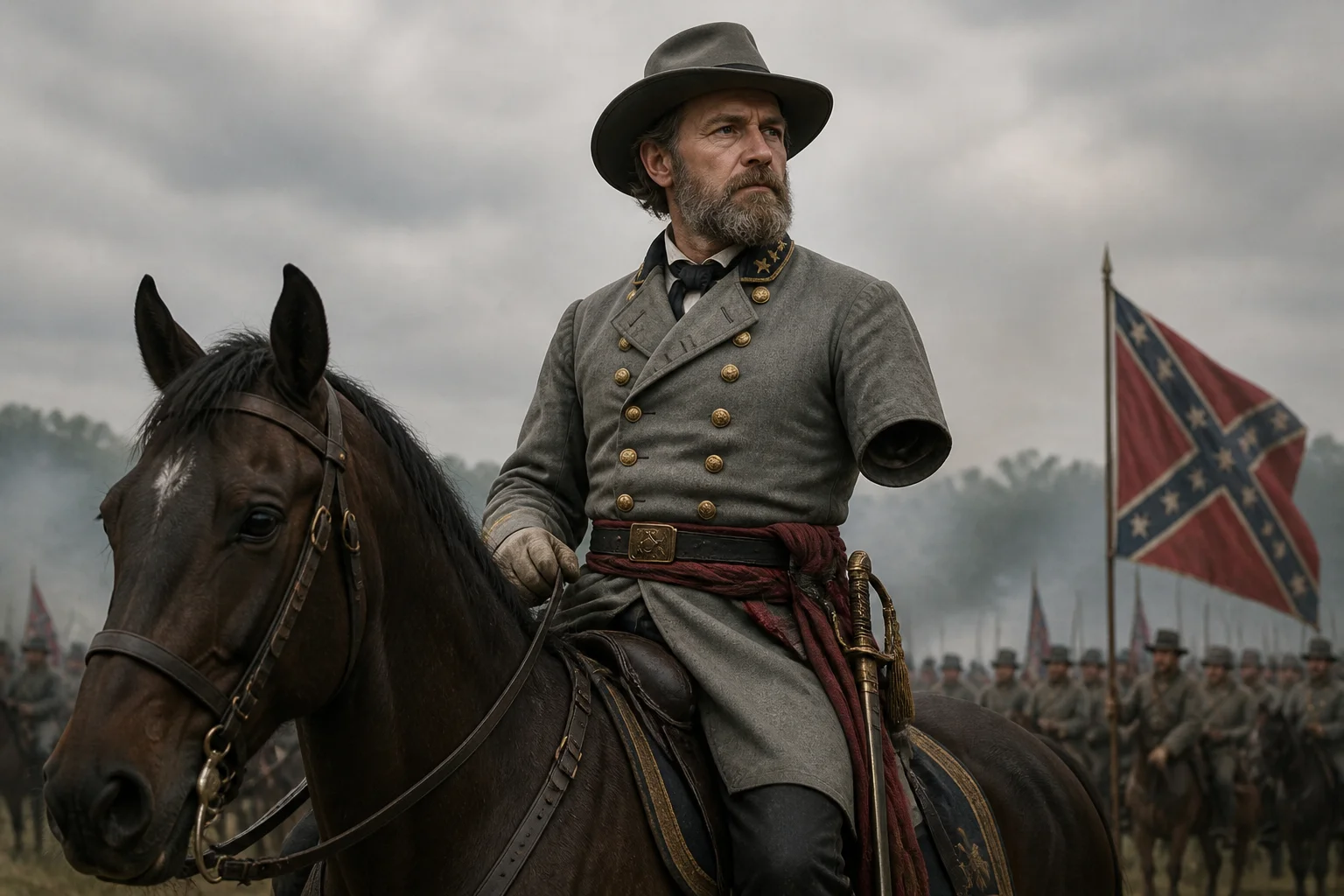
Confederate general Thomas “Stonewall” Jackson was accidentally shot by his own troops after the Battle of Chancellorsville in 1863. His left arm was amputated.
General Robert E. Lee reportedly wrote that Jackson had lost his left arm, but Lee had lost his right arm. The remark framed Jackson as an irreplaceable commander.
Jackson died of pneumonia about a week later. His amputated arm was buried separately, creating a strange historical footnote.
The separate burial of Jackson’s arm is a well-documented oddity. It illustrates how Civil War medicine and mourning rituals could treat body parts as meaningful relics.
7. Philip Kearny: The One-Armed Union General
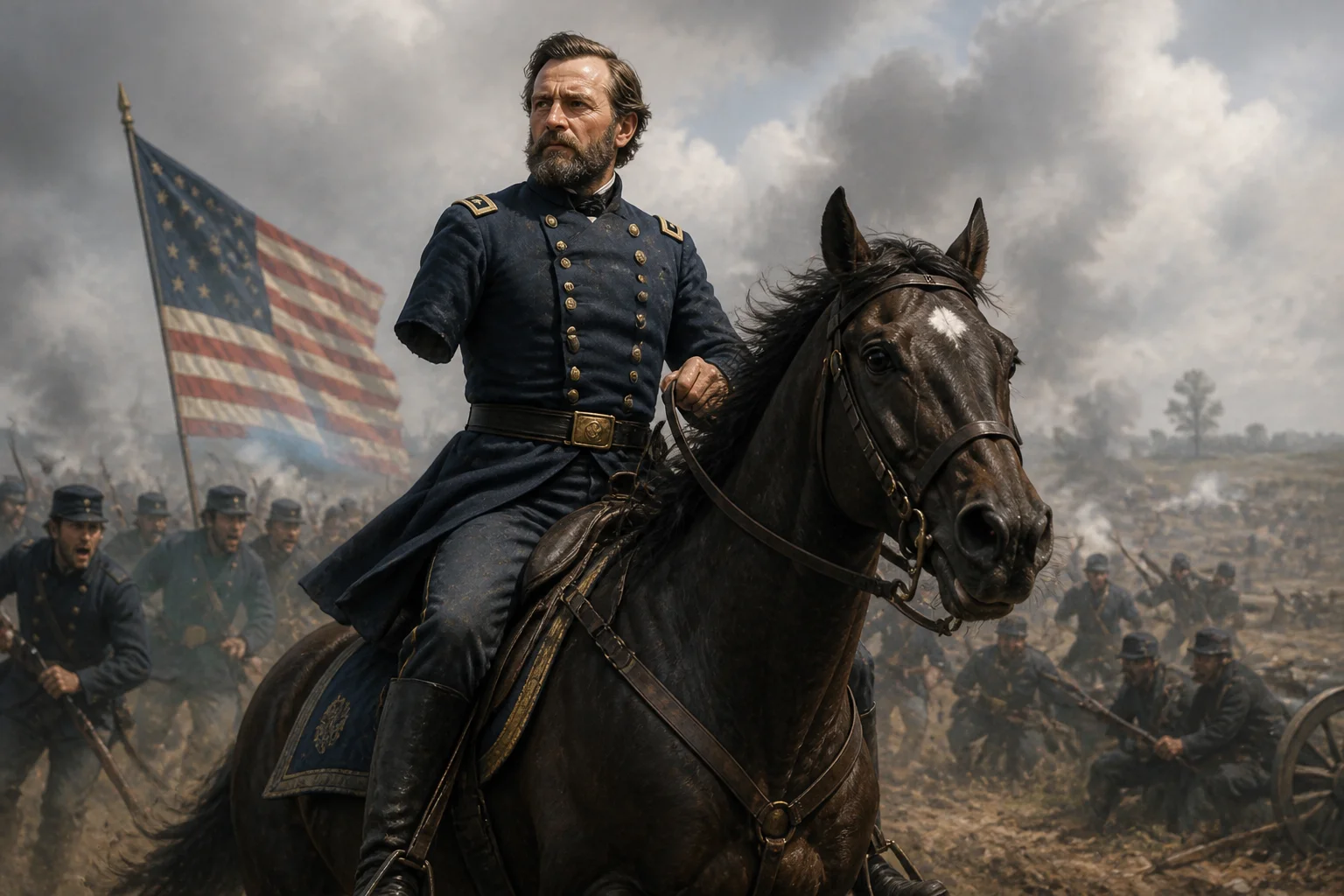
Philip Kearny was a Union general known for his aggressiveness. He lost his left arm during the Mexican-American War at the Battle of Churubusco in 1847.
He later returned to military service during the Civil War as one of the most famous one armed people in the Union ranks. His empty sleeve made him easy to spot on a battlefield.
Kearny was killed at Chantilly in 1862. His bravery and personal sacrifice were widely remembered after his death.
Kearny’s visibility helped shape public awareness of disabled veterans. He also proved that a missing arm did not have to end a command career.
8. Daniel Sickles: The General Whose Leg Became a Museum Piece
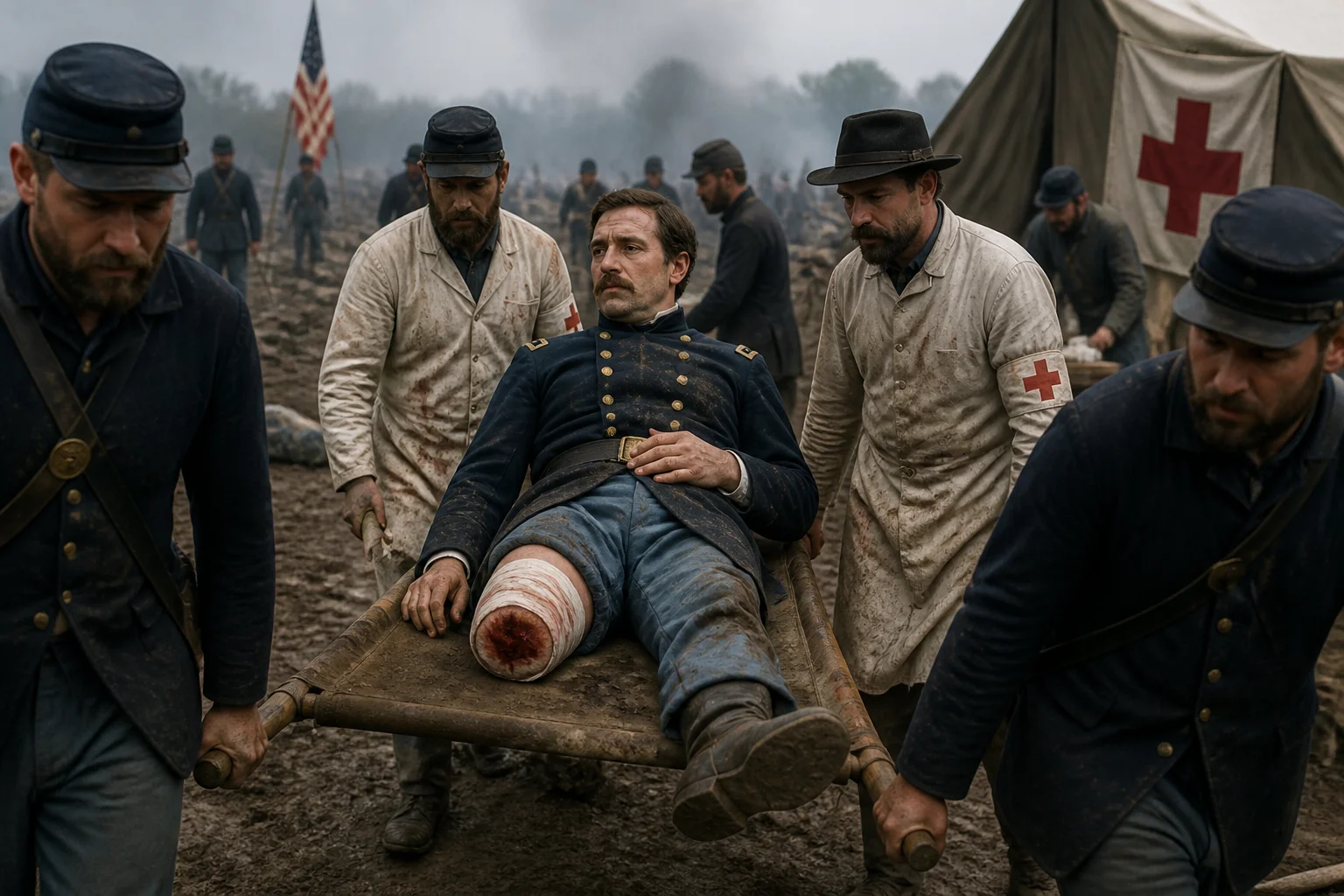
Union general Daniel Sickles lost his right leg at Gettysburg in 1863 after a cannonball struck him. The leg was amputated and preserved.
That preserved limb became one of the strangest artifacts of the Civil War. Sickles reportedly visited his own amputated bone at the Army Medical Museum for years.
The leg is still part of a medical collection today. It is a rare case of a missing body part becoming a museum piece.
Sickles is controversial for many reasons beyond his leg. Still, his amputated limb remains a memorable symbol of Civil War sacrifice.
9. John Wesley Powell: The One-Armed Explorer of the Grand Canyon
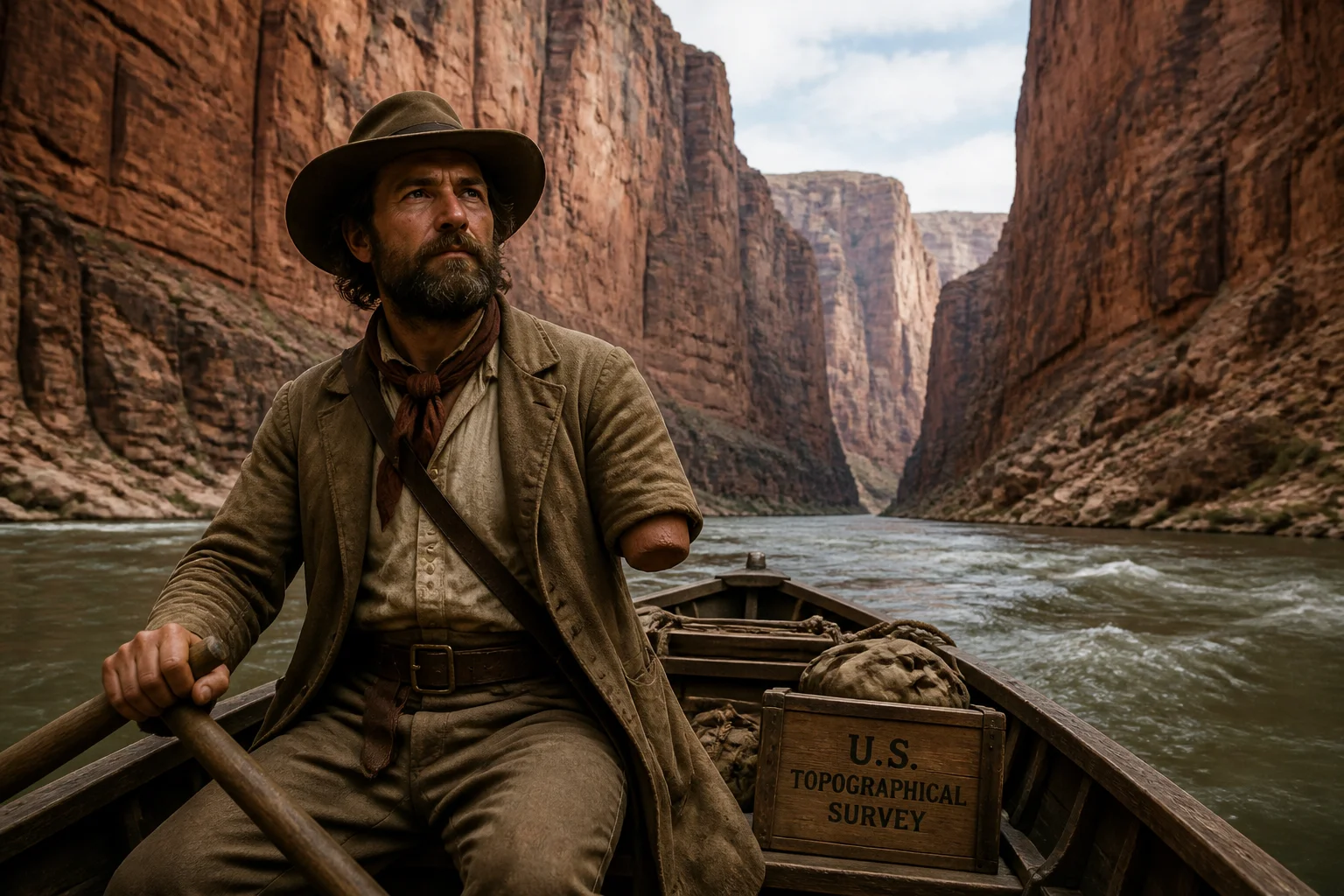
John Wesley Powell lost his right arm at the Battle of Shiloh in 1862. A musket ball wound required amputation below the elbow.
That did not stop him from becoming one of the great explorers of the American West. In 1869, he led the first documented expedition through the Grand Canyon by boat.
Powell used one arm to help navigate the Colorado River. His story is often cited among famous one armed people who refused to be defined by their amputation.
Powell later led the U.S. Geological Survey. His one-armed journey down the Colorado River still inspires adventurers today.
10. Antonio López de Santa Anna: The Leg with a Funeral
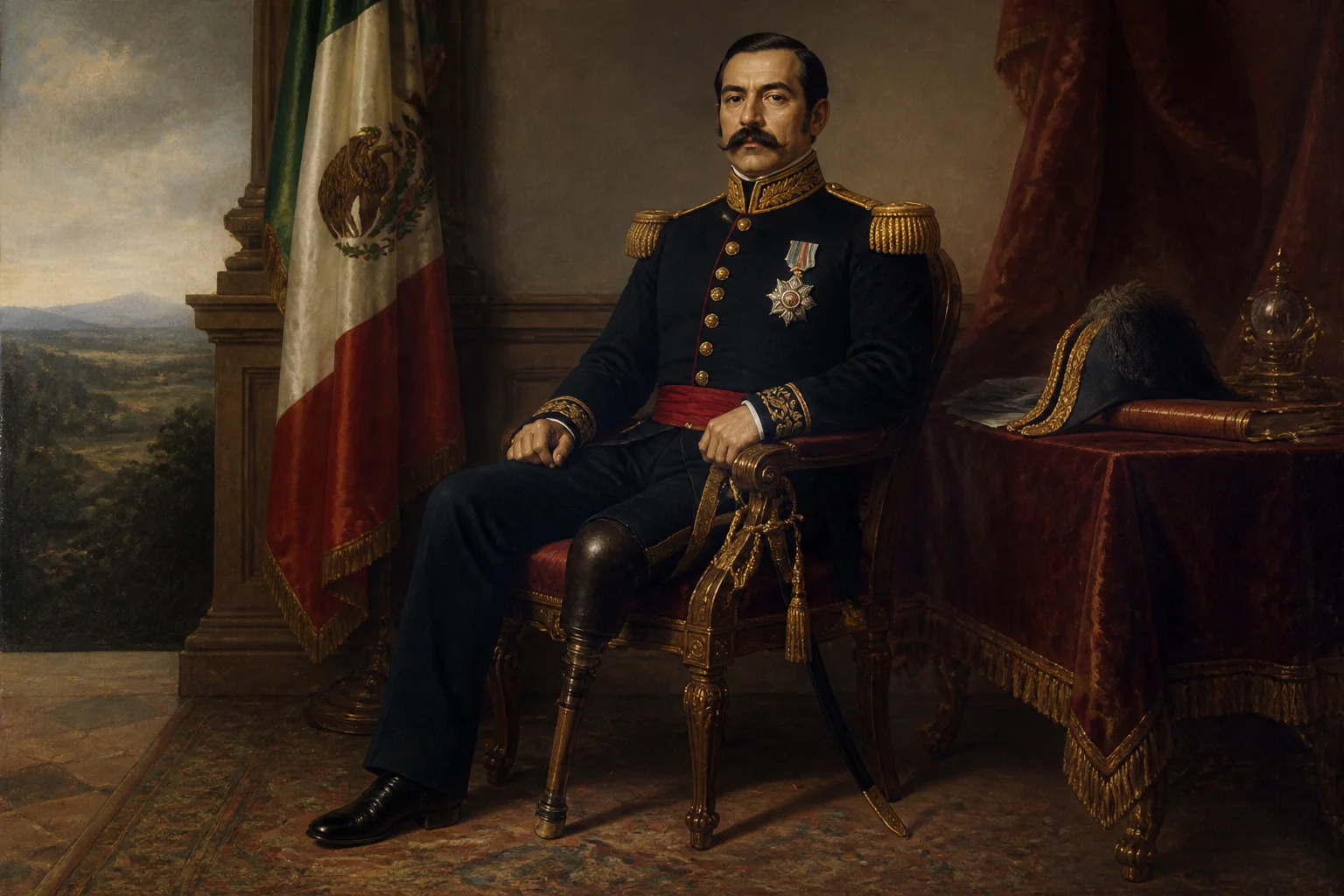
Mexican general and politician Antonio López de Santa Anna lost his left leg below the knee in 1838. It happened during the Pastry War, when French forces shelled Veracruz.
He later gave his amputated leg an elaborate ceremonial burial, according to multiple historical accounts. Political opponents made the event a source of mockery.
According to some accounts, the leg was later exhumed and destroyed by an angry crowd. Santa Anna remains one of the most colorful examples of famous people with amputations in Latin American history.
Santa Anna’s relationship with his own leg reflected his dramatic political style. It also blurred the line between personal injury and public spectacle.
11. Henry Paget, Lord Uxbridge: The Leg Buried Near Waterloo
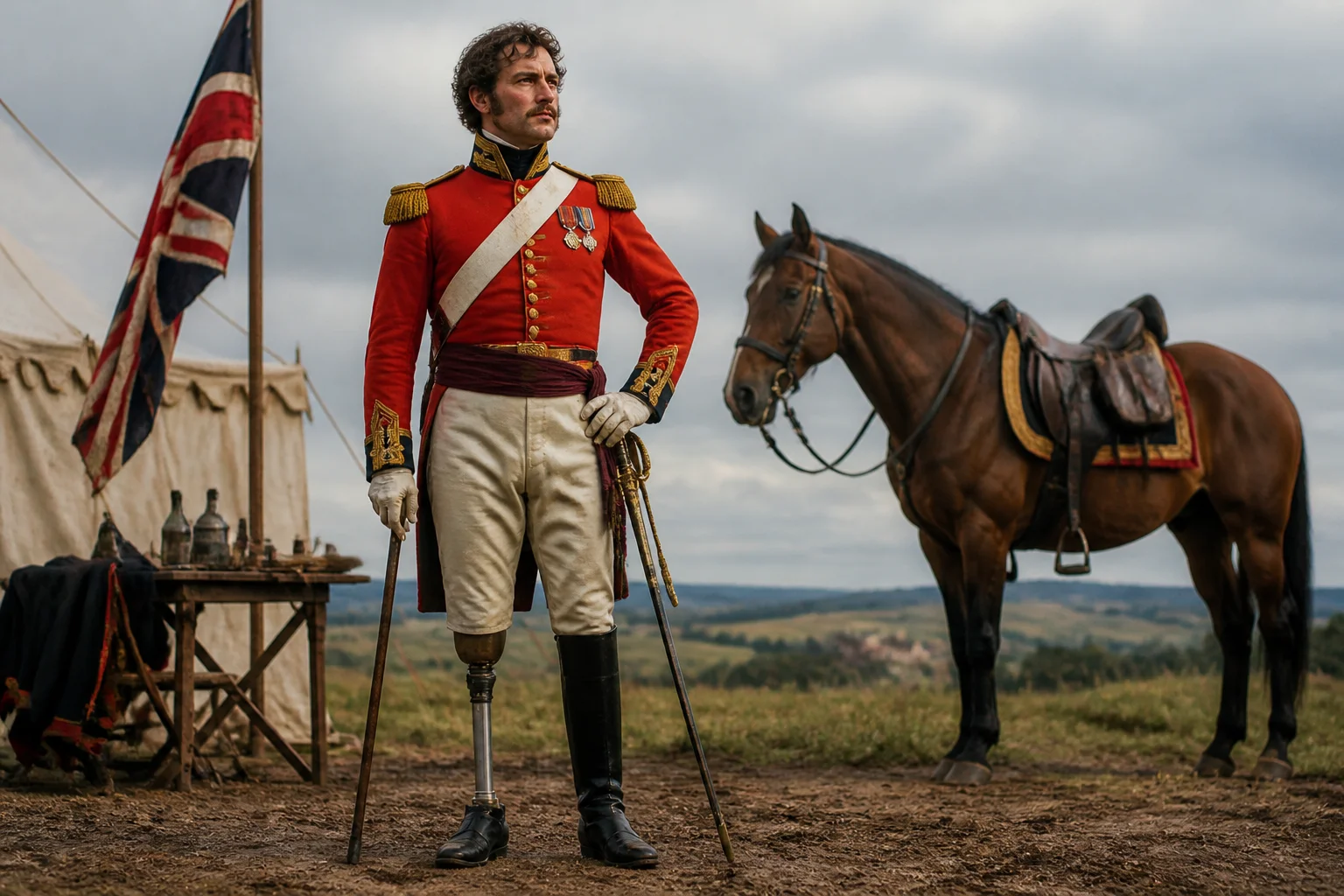
Henry Paget, 1st Marquess of Anglesey, commanded cavalry at the Battle of Waterloo in 1815. A cannonball shattered his right leg near the end of the battle.
He reportedly joked with the Duke of Wellington as the leg was amputated. The amputated limb was buried in a garden near the battlefield.
Paget later used a prosthetic leg and continued public life. The buried leg became an early tourist curiosity, a strange postscript to a famous military career.
The burial of Lord Uxbridge’s leg shows how battlefield medicine and memory could create strange rituals. It also reminds us that losing a limb could be less painful than losing a command.
Intellectuals, Artists, and Public Figures
12. Miguel de Cervantes: The “One-Armed” Author Who Wasn’t Actually Amputated
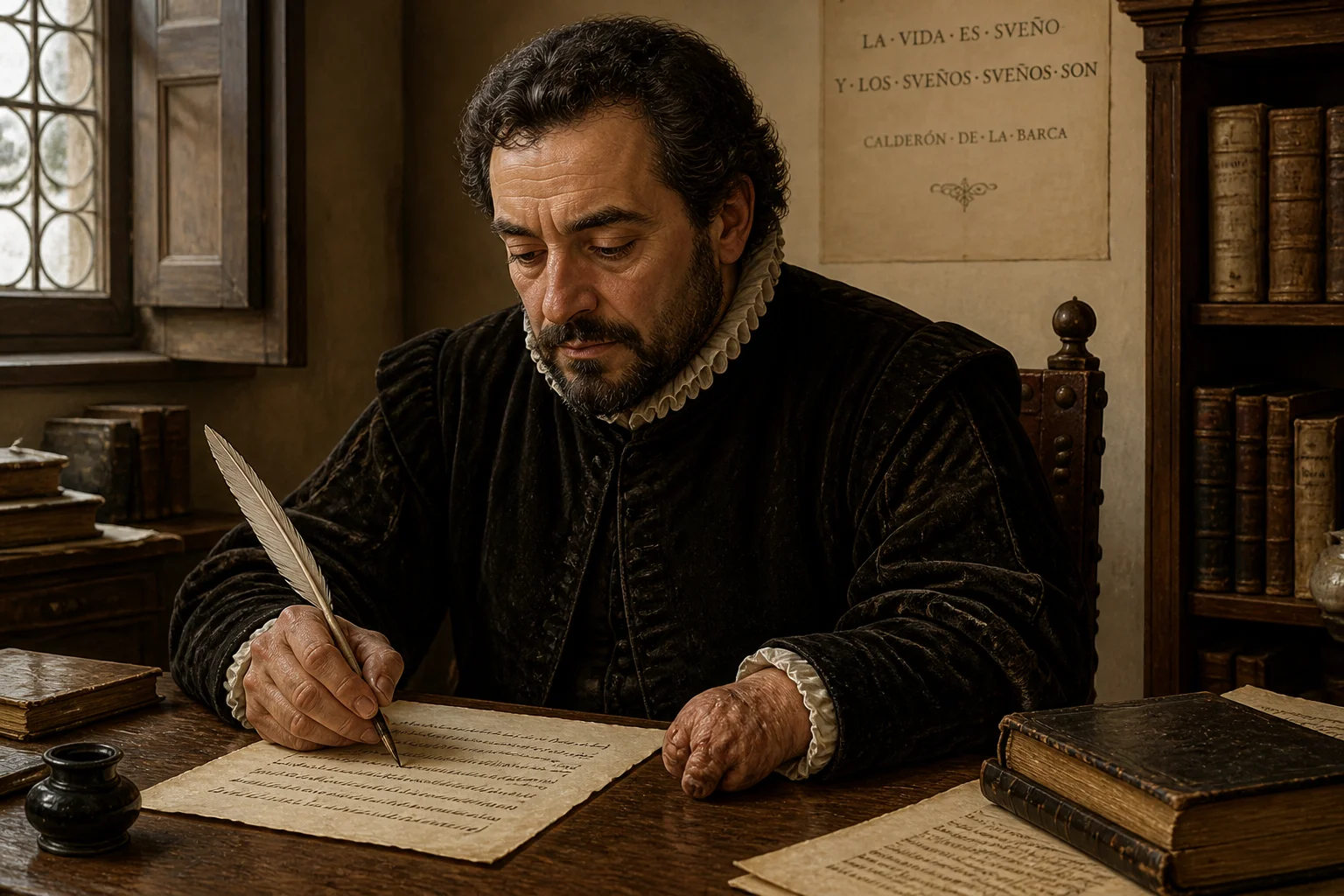
Miguel de Cervantes is often called the one-armed man of Lepanto. That nickname obscures what actually happened at the Battle of Lepanto in 1571.
Cervantes was shot in the chest and left arm. His left hand was permanently disabled, but it was not amputated.
He later wrote Don Quixote, one of the most influential novels in history. His story is a useful reminder that not all famous one armed people were actually amputees.
Because Cervantes was known as el manco, many readers mistakenly believe his hand was cut off. The truth is more subtle but just as painful.
13. Tycho Brahe: The Astronomer with a Missing Nose
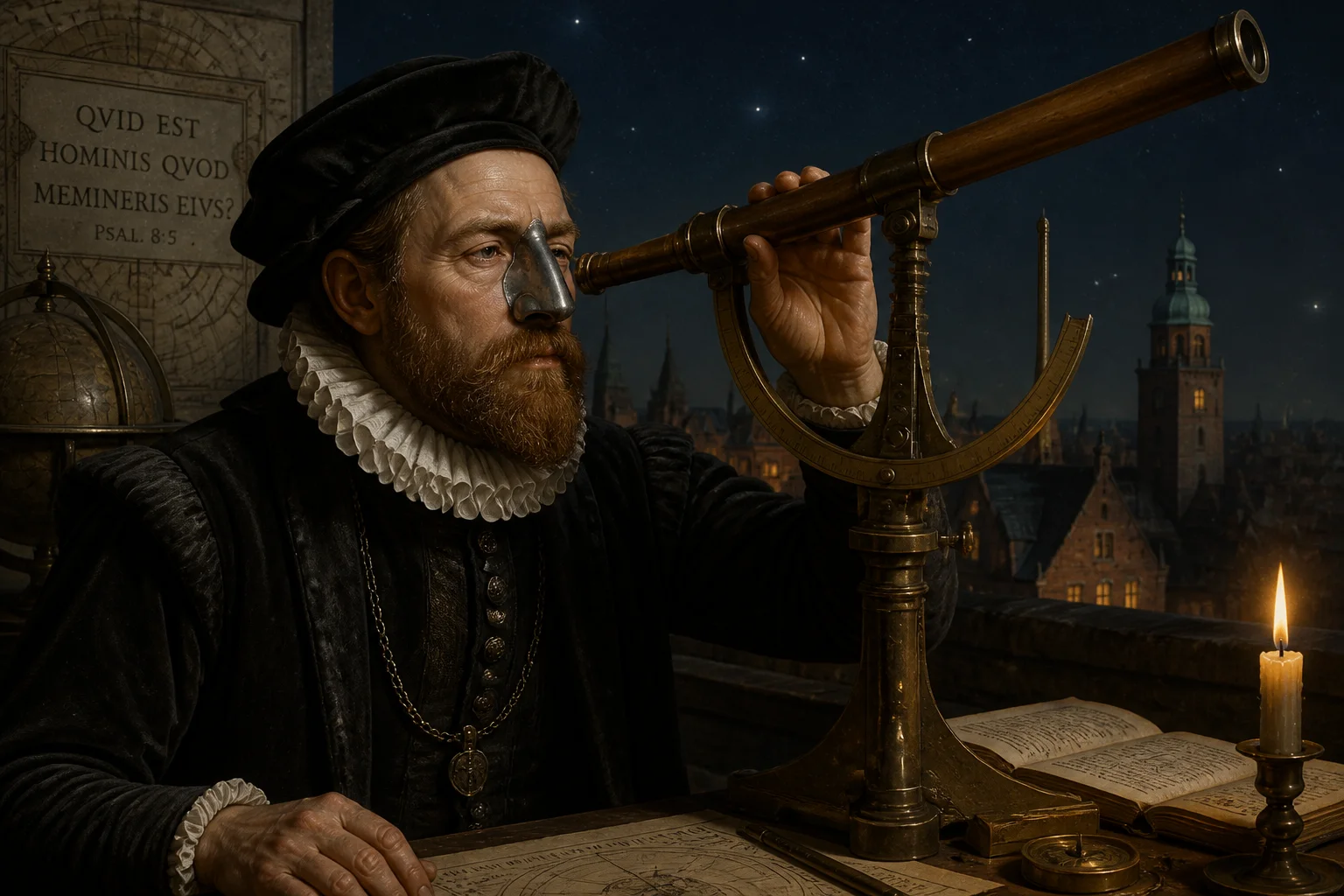
Danish astronomer Tycho Brahe lost part of his nose in a duel in 1566. The duel stemmed from a mathematical disagreement.
For the rest of his life, he wore a metal prosthesis over the missing part of his nose. Contemporary accounts often describe it as gold or silver, though the exact material is uncertain.
His missing nose did not slow his astronomical work. Tycho’s observations laid groundwork for later discoveries by Johannes Kepler.
Tycho’s metal nose has become a famous detail in the history of science. It underscores how personal violence and intellectual life coexisted in the Renaissance.
14. Josiah Wedgwood: The Potter’s Amputated Leg

Josiah Wedgwood, the famous English potter, survived smallpox as a child. The disease left his right leg weakened.
In 1768, his leg was amputated below the knee. He used a wooden leg and continued building his world-renowned ceramics business.
Wedgwood’s products became global luxury goods. His amputation is a lesser-known part of an otherwise familiar success story.
Wedgwood’s experience also highlights the long history of smallpox as a cause of long-term disability. His wooden leg did not prevent him from building a global brand.
15. Sarah Bernhardt: The Actress Who Continued Performing on One Leg

French actress Sarah Bernhardt was one of the most celebrated performers of the late 19th and early 20th centuries. In 1915, her right leg was amputated above the knee because of gangrene.
She refused to leave the stage. Bernhardt continued acting in seated roles and even toured for soldiers during World War I.
Her post-amputation career made her one of the most famous amputees of her era. It also cemented her reputation for dramatic resilience.
Bernhardt’s decision to keep working changed how audiences understood disability and performance. She framed her amputation as an obstacle to manage, not a reason to stop.
16. Frida Kahlo: The Artist Who Painted Through Pain
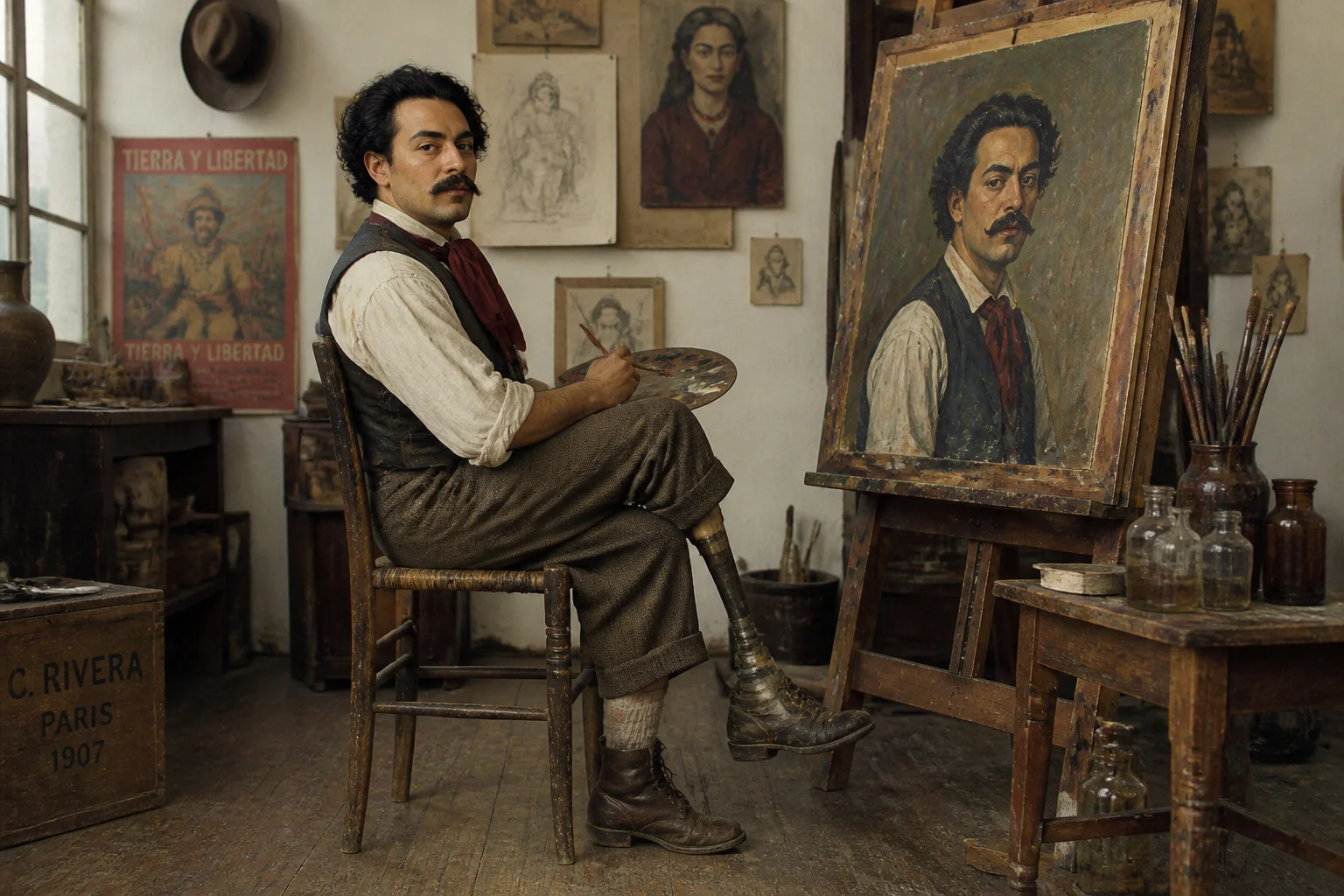
Mexican artist Frida Kahlo lived with chronic pain for much of her life. In 1953, her right leg was amputated below the knee due to gangrene.
Kahlo used a prosthetic limb, but her health continued to decline. Her later diary entries and drawings reflect the emotional weight of the amputation.
She died the following year, but her art remains powerful. Kahlo is one of the most recognized famous people with amputations in the history of art.
Kahlo’s work often explored the body, pain, and identity. Her amputation became another layer in art that already refused to hide physical suffering.
Modern Icons and Everyday Heroes
17. Douglas Bader: The Double Amputee Who Flew for Britain
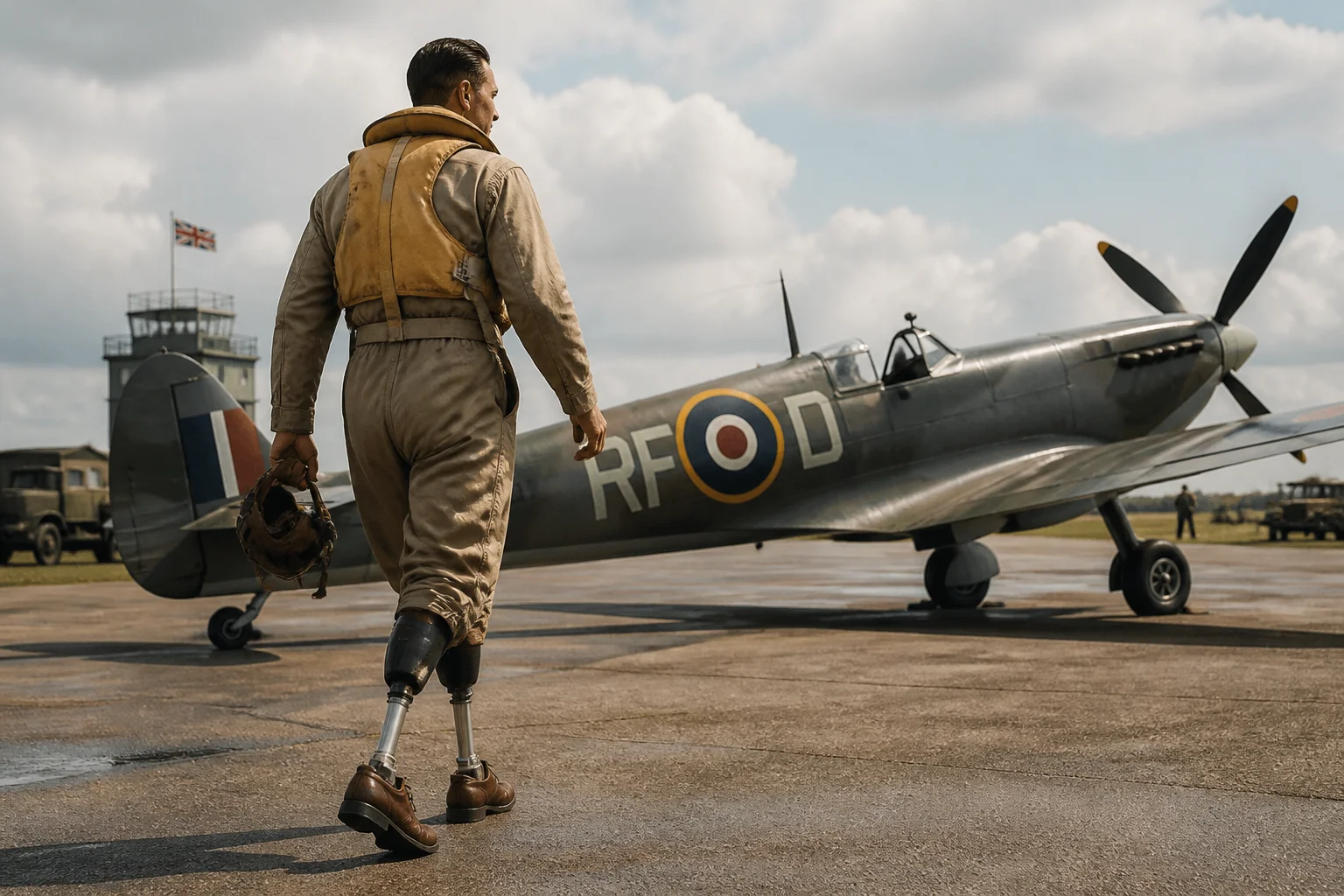
British Royal Air Force pilot Douglas Bader lost both legs in a flying accident in 1931. One leg was amputated above the knee and the other below it.
He learned to walk on prosthetic legs and fought to rejoin the RAF. During World War II, he became one of the service’s most famous fighter pilots.
Bader was shot down and captured in 1941, but he remained a symbol of determination. He is often listed among the most famous amputees in aviation history.
Bader’s life became a book and film, reaching audiences far beyond aviation history. His prosthetics were not hidden, and that openness helped shape later attitudes.
18. Terry Fox: The One-Legged Runner Who United Canada
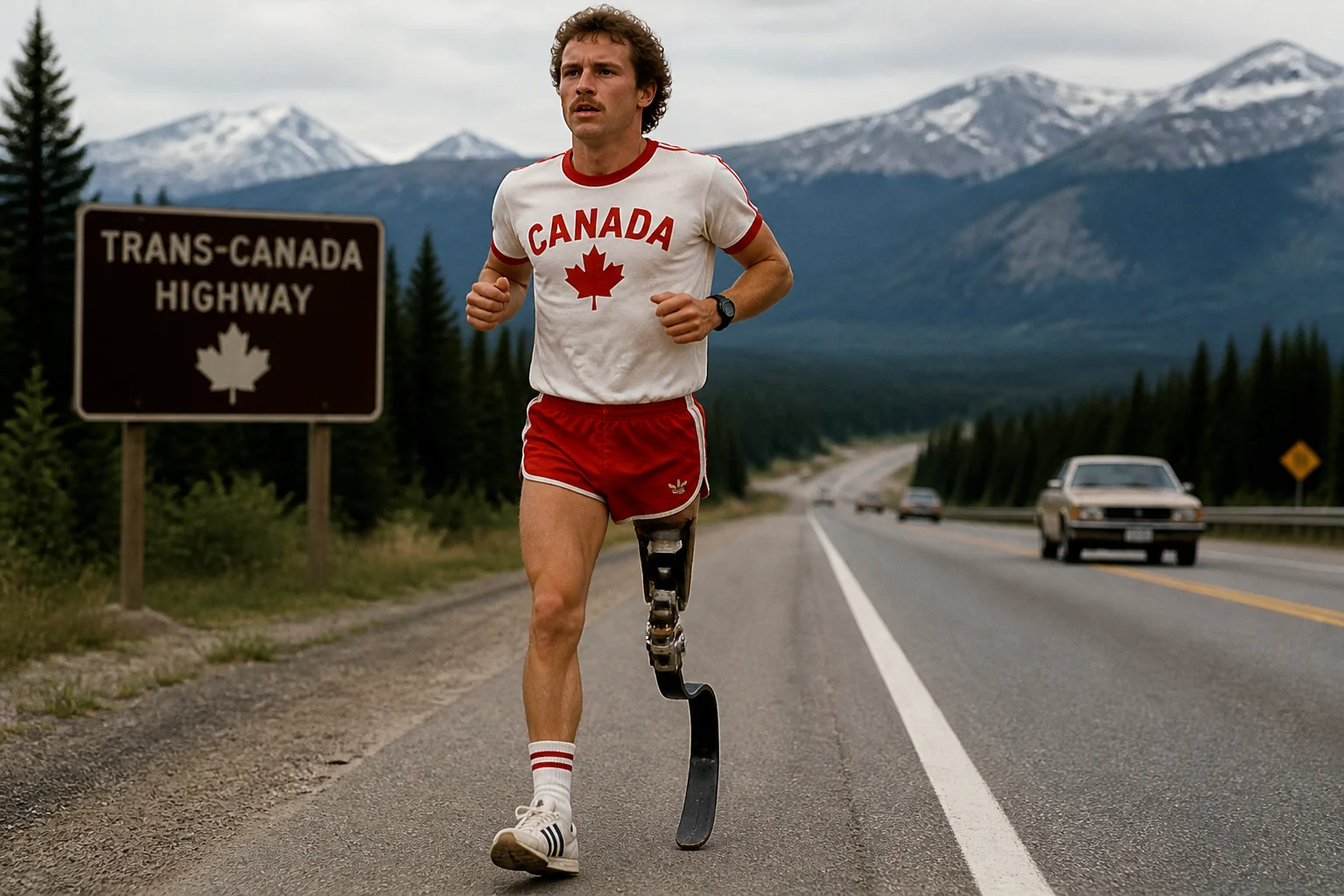
Canadian athlete Terry Fox lost his right leg to bone cancer in 1977. He was fitted with a prosthetic leg and began training for a cross-country run.
In 1980, he started the Marathon of Hope to raise money for cancer research. His run ended after the cancer spread, and he died in 1981.
Terry Fox’s legacy grew into one of the largest annual fundraising events in Canada. He became an enduring national hero and one of the most famous one-legged athletes of modern history.
Fox ran with a distinctive hop-step motion that made his effort visible to everyone who saw him. The image of his prosthetic leg on the highway is now part of Canadian memory.
19. Harold Russell: The Amputee Actor Who Won Two Oscars
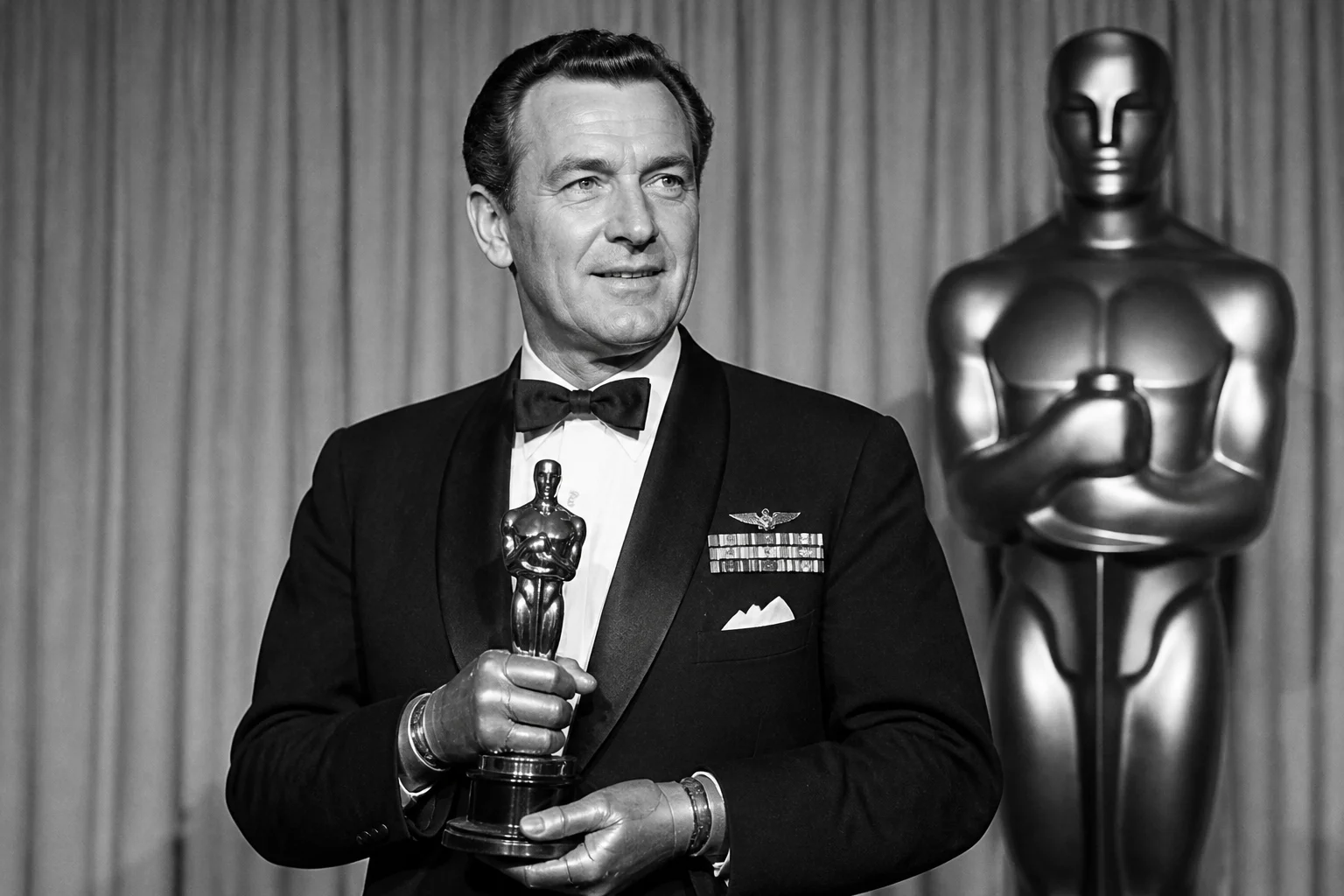
Harold Russell lost both hands in a military training accident during World War II. He was cast in the 1946 film The Best Years of Our Lives as a returning veteran.
Russell won two Academy Awards for the role, one for acting and one for inspiring fellow veterans. He remains one of the few nonprofessional actors to win an Oscar.
His public visibility brought attention to the experiences of veterans living with missing limbs. Russell later became an advocate for disabled veterans.
Russell’s Oscar wins were a cultural milestone for amputee representation in film. He showed that a missing body part did not have to be hidden or pitied.
20. Alex Zanardi: From Racing Tragedy to Paralympic Gold

Italian racing driver Alex Zanardi lost both legs in a 2001 crash in the CART series. He returned to competition as a Paralympic handcyclist.
Zanardi won multiple Paralympic gold medals and world championships. His recovery became one of the most famous amputee stories in modern sports.
His career shows how prosthetic technology and personal drive can transform a catastrophic loss. Zanardi belongs on any list of famous people with amputations, even if his era is recent.
Zanardi’s later competition proved that modern prosthetics and adaptive sport could produce world-class performance. His story connects the older history of famous amputees to the present day.
What These Stories Reveal
These stories are more than medical curiosities. They show how often people throughout history lived with missing body parts and still shaped the world around them.
Some were warriors who lost arms or legs in battle. Others were artists, writers, and public figures whose amputations became part of their legend.
The next time you see a statue or portrait, look closely. The empty sleeve, peg leg, or iron hand may be the clue to a far more complicated life story.
Frequently Asked Questions
Did Poseidon lose an arm?
In classical Greek and Roman mythology, Poseidon is not described as losing an arm. He is usually shown complete and whole, holding his trident. Confusion may come from damaged ancient statues or later retellings, but the surviving myths do not include an amputation for Poseidon.
Who is the most famous historical figure with a missing arm?
Horatio Nelson is one of the most famous historical figures with a missing arm. The British admiral lost his right arm in 1797 and continued to command major naval victories.
Did Miguel de Cervantes lose his hand?
No. Cervantes was wounded at the Battle of Lepanto in 1571, and his left hand was permanently disabled. However, it was not amputated, even though he became known as the one-armed man of Lepanto.
Who are some famous one-armed people from history?
Famous one-armed people from history include Horatio Nelson, John Wesley Powell, Philip Kearny, and the Mapuche warrior Galvarino. Some, like Cervantes, had a disabled arm rather than a true amputation.
Why did so many historical figures lose limbs?
Before antibiotics and modern surgery, severe limb wounds often led to infection or gangrene. Amputation was frequently the only way to save a person's life, especially after battlefield injuries.

Alex Warren
Related Articles