When sports fans hear the phrase athletes who went broke, many picture a star surrounded by cars, jewelry, and mansions. The truth is usually more complicated than pure reckless spending. Legal records show that taxes, bad investments, divorces, and bad advice can drain a fortune just as fast.
The list of broke athletes includes Hall of Famers, champions, and cultural icons from nearly every major sport. Some lost everything through lavish living, while others were crushed by markets, lawsuits, or addiction. This post looks at 23 legendary athletes who went bankrupt or lost most of their money, separating documented facts from easy myths.
TL;DR: Even the biggest sports fortunes can collapse when a short career, sudden wealth, bad advice, and high spending collide with no financial plan.
Why Broke Doesn’t Mean One Thing
Most professional athletes receive huge checks before they have the financial knowledge to manage them. Leagues have added money-management programs in recent years, but older generations signed deals in an era with little training. The first seven-figure check can create the illusion that more is always coming.
Taxes, agent fees, and family obligations take a large share before spending even begins. Many athletes say they felt pressure to support relatives, friends, and old teammates. That generosity can become an open-ended expense with no budget attached.
Bankruptcy records show that NFL players who went broke often struggled with real estate, car dealerships, and other business ventures. A bad investment can erase savings faster than any shopping spree. Meanwhile, injuries and short careers mean the earning window can close without warning.
Legendary Athletes Who Blew It All: 23 Cautionary Tales
1. Mike Tyson — The $300 Million Cautionary Tale
Mike Tyson became the youngest heavyweight champion in boxing history and reportedly earned more than $300 million during his career. His spending became part of sports legend, from multiple mansions and luxury cars to exotic animals. That level of income did not protect him from the common fate of many athletes who went broke.
By 2003, Tyson filed for Chapter 11 bankruptcy in New York. Court papers filed at the time listed millions in debts, including tax obligations and legal fees.
Tyson has since said he trusted the wrong advisers and lived with little financial structure. His later career as an actor, author, and stage performer helped him rebuild, but the collapse remains a classic cautionary tale.
2. Evander Holyfield — The Mansion That Ate a Fortune
Evander Holyfield earned at least $230 million in the ring, with some estimates far higher. He was known for brutal heavyweight fights, including bouts with Mike Tyson and Riddick Bowe.
Holyfield spent heavily on a sprawling Atlanta estate, child support for a large family, and business projects. The mansion reportedly had more than 100 rooms, and the upkeep became a financial burden on its own.
Foreclosure and legal disputes followed. Holyfield has spoken about learning late that income is not the same as wealth, and his troubles became a widely cited example of athletes that went bankrupt after the cheering stopped.
3. Joe Louis — The Pioneer Who Owed the IRS
Joe Louis was a heavyweight champion and a national hero who broke racial barriers. Yet his financial troubles began while he was still one of the most famous athletes in America.
The IRS pursued Louis for unpaid taxes, interest, and penalties on income that had often consisted of large purses and gifts. He later took work as a casino greeter in Las Vegas to manage debts, a role many saw as beneath his legacy.
Scholars point to his generosity to family and the military, along with poor management, as factors. Louis is often remembered as one of the earliest high-profile broke athletes in modern sports.
4. Leon Spinks — From Champion to Janitor
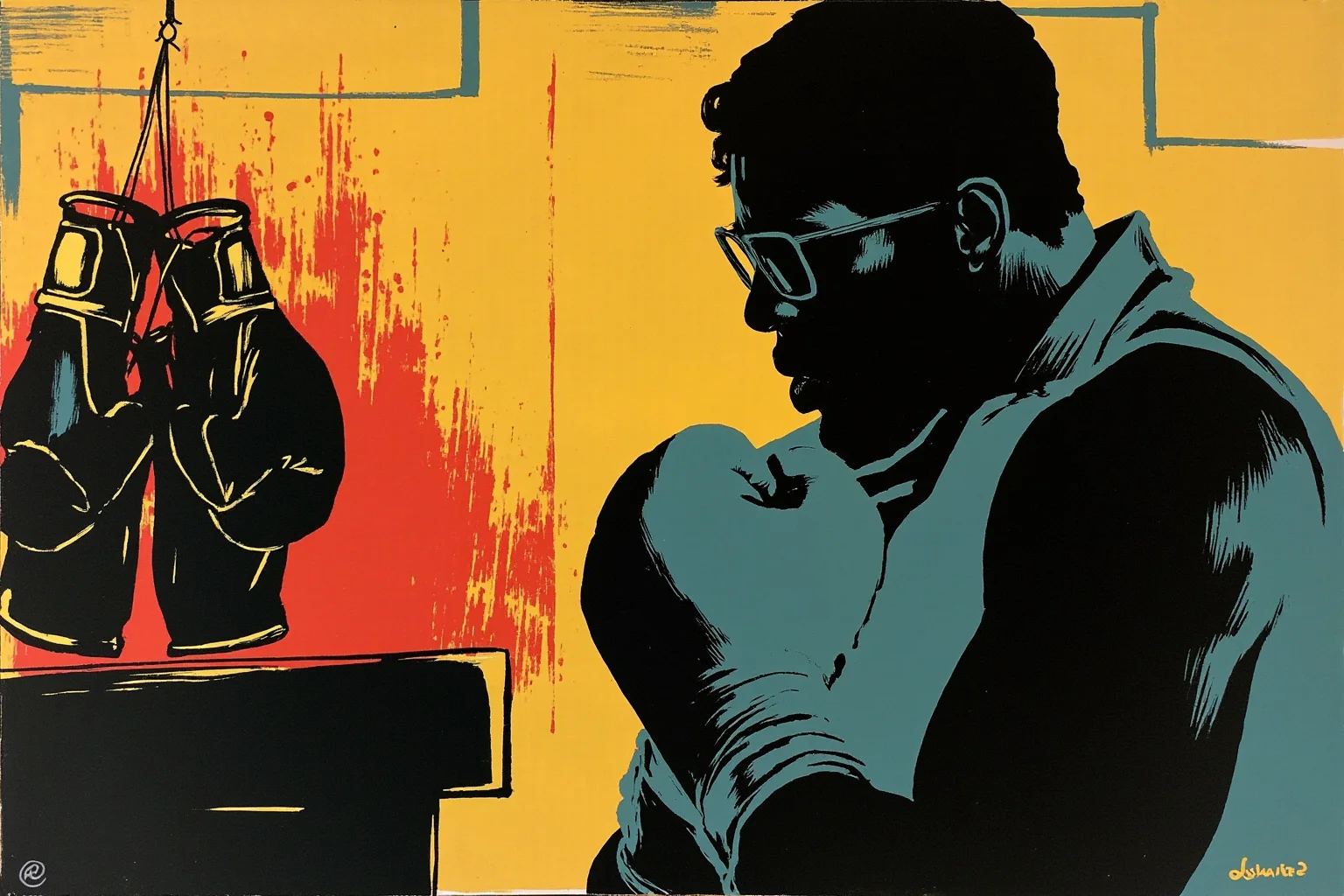
Leon Spinks stunned the world by beating Muhammad Ali in 1978. The upset made him famous, but the paydays and fame did not translate into long-term security.
A rematch with Ali ended in defeat, and Spinks later described periods of addiction, bad contracts, and unstable employment. Reports said he worked as a restaurant host and janitor after his boxing career.
He became one of the most frequently named athletes who went broke from boxing, not because he earned the most, but because the contrast between the title and the later jobs was so stark.
5. Allen Iverson — The Trust Fund That Saved a Portion

Allen Iverson was an NBA MVP and one of the most influential basketball players of his generation. His playing salaries alone exceeded $150 million, and a lifetime endorsement deal added tens of millions more.
Despite those earnings, Iverson faced public court fights over unpaid debts and spending. Reports described an entourage, jewelry, cars, and a lifestyle built around cash.
A portion of his endorsement income was placed in a trust that pays him later in life, an unusual safeguard. Still, Iverson’s story became a key reference in debates about broke athletes and financial literacy.
6. Antoine Walker — Real Estate Boom and Bust

Antoine Walker won an NBA title with the Miami Heat and earned more than $100 million during his career. He invested in real estate and supported a large circle of friends and family.
When the real estate market collapsed, Walker’s properties dragged him under. He filed for bankruptcy in 2010 with liabilities that reportedly exceeded assets by millions.
Walker later became a financial literacy speaker. He has said that wealth without structure is dangerous, and his path is often used as a teaching example among athletes who went bankrupt.
7. Latrell Sprewell — The Contract Turning Point

Latrell Sprewell made multiple NBA All-Star teams and helped the New York Knicks reach the NBA Finals. In 2004, he reportedly turned down a multiyear extension worth about $21 million, saying it was not enough to feed his family.
The phrase followed him after his career ended. Sprewell later faced lawsuits, a repossessed yacht, and foreclosure proceedings on his home.
He became one of the most quoted examples of athletes who went broke after miscalculating their worth. His story shows how pride and a short earning window can create lasting financial damage.
8. Dennis Rodman — Court Papers Tell a Harsh Story

Dennis Rodman won five NBA championships and made millions as a rebounding star and global celebrity. His lifestyle included parties, travel, and legal battles.
Court filings in child-support cases painted a bleak picture. At one point, Rodman’s representatives said he was unable to meet his obligations.
Rodman’s image, brand, and colorful persona kept him visible, but his court records placed him among well-known athletes that have gone broke.
9. Vince Young — The NFL Rookie Sensation
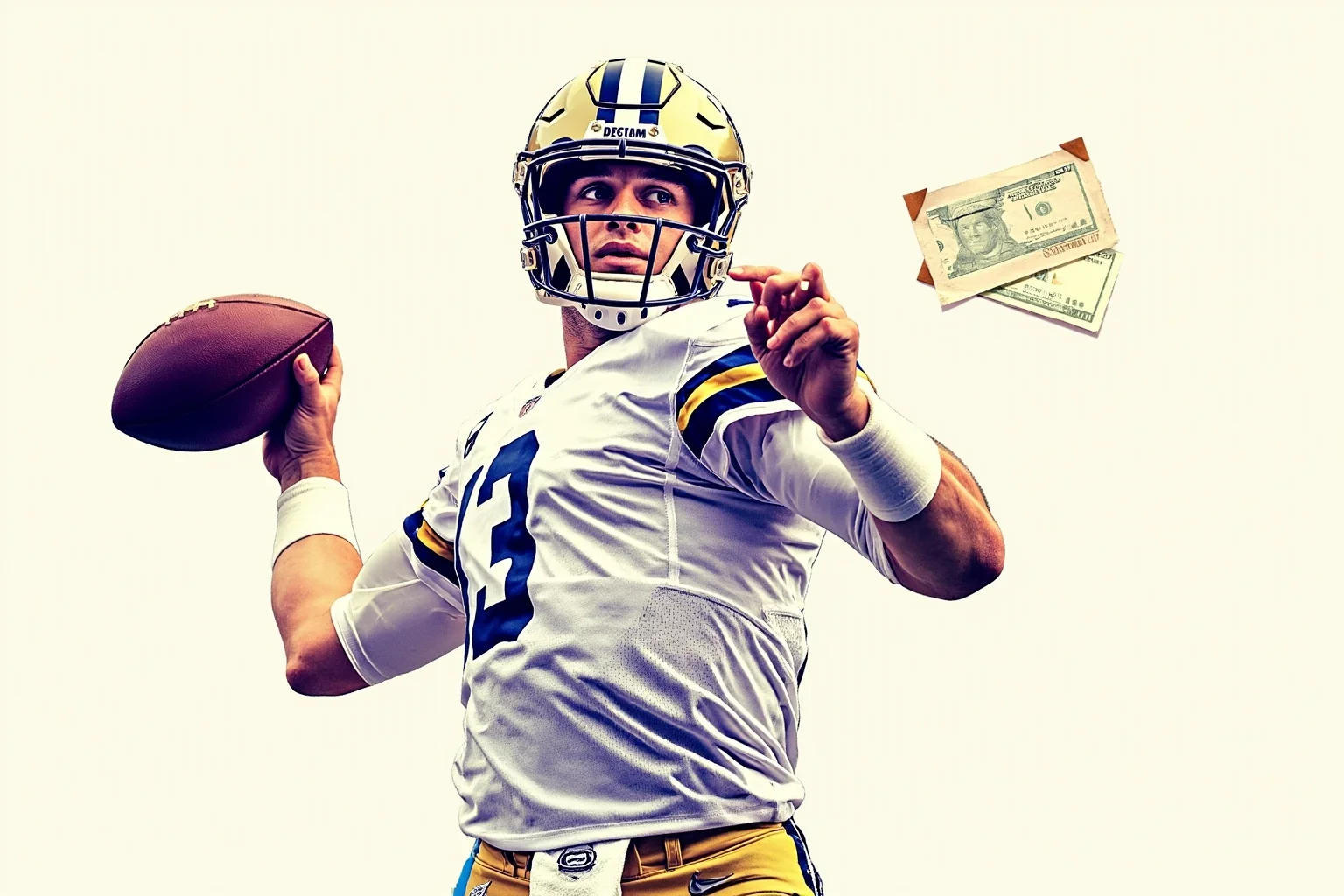
Vince Young was a college football legend and an NFL Rookie of the Year. His playing contracts and endorsements reportedly totaled around $35 million to $40 million.
Young filed for Chapter 11 bankruptcy in 2014. Court documents showed spending on family, gifts, luxury travel, and private events, alongside limited income after his NFL career.
His case became a common reference in stories about NFL players who went broke because he was so talented and so close to a long career. Young later worked in college athletics and tried to rebuild.
10. Warren Sapp — The Defensive Star’s Downfall
Warren Sapp was a Super Bowl champion and one of the best defensive tackles of his era. His NFL earnings were estimated above $40 million, with additional broadcasting income.
Sapp filed for bankruptcy in 2012. His listed debts included child support, tax liens, and personal loans.
After the filing, Sapp spoke publicly about bad decisions and trusting the wrong people. He remains one of the most recognizable NFL stars who went broke during the years after retirement.
11. Terrell Owens — Trusting the Wrong Adviser
Terrell Owens was one of the most productive wide receivers in NFL history. His salary and endorsement totals likely exceeded $80 million.
Owens later described losing most of his savings through bad investments and misplaced trust in a financial adviser. He faced foreclosure and legal pressure, though he avoided some of the more formal bankruptcy filings seen among peers.
His honesty about the experience made him a visible voice among athletes that went bankrupt or nearly did. Owens has said that the money disappeared faster than he ever expected.
12. Clinton Portis — Flash and Financial Collapse

Clinton Portis was a star running back who earned more than $40 million with the Denver Broncos and Washington Redskins. He was known for costumes, flashy suits, and a generous lifestyle.
Portis filed for bankruptcy in 2015. Creditors and court papers listed gambling losses, real estate problems, and support for family members as major drains.
His case is often mentioned with NFL players who are broke after retirement. Portis later became involved in media and charitable work, but the financial damage shadowed his playing legacy.
13. Michael Vick — Bankruptcy and a Second Act
Michael Vick signed one of the richest contracts in NFL history and had major endorsement deals before his career collapsed. His finances were wrecked by the legal crisis surrounding his dogfighting case.
Vick filed for bankruptcy in 2008 while serving a federal prison sentence. He later returned to the NFL and used his earnings to pay creditors.
Vick’s story is different from many other NFL stars who went broke because he managed to rebuild his career. Still, his bankruptcy was a direct result of losing income, endorsements, and legal fees all at once.
14. Mark Brunell — The Real Estate Trap
Mark Brunell was a three-time Pro Bowl quarterback who earned more than $50 million in the NFL. He invested heavily in Florida real estate during the housing boom.
When the market crashed, Brunell’s partnerships collapsed. He filed for Chapter 11 bankruptcy in 2010, listing millions in business and real estate debts.
His failure was less about a wild lifestyle and more about leveraged investments. Brunell’s case shows that even conservative-looking athletes can end up on lists of NFL players who went broke.
15. Bernie Kosar — Concussions and Court Filings
Bernie Kosar was a beloved Cleveland Browns quarterback whose career earnings reached tens of millions. He later struggled with concussions and personal challenges.
Kosar filed for bankruptcy in 2009. Real estate losses, divorce, and tax problems were reported as major factors.
He became an advocate for athlete health and financial protection. His story is a reminder that NFL players who went broke often face physical and cognitive issues at the same time as money troubles.
16. Lawrence Taylor — Tax Liens and Legal Troubles
Lawrence Taylor is widely considered one of the greatest defensive players in NFL history. His Hall of Fame career produced tens of millions in salary and endorsements.
After retirement, Taylor faced tax liens, divorce settlements, and legal troubles. Public records showed the IRS repeatedly sought unpaid taxes.
He never presented himself as completely penniless, but his financial problems were serious. Taylor belongs among NFL stars that went broke in the sense of losing control of a fortune that never returned.
17. Deuce McAllister — The Car Dealership Collapse
Deuce McAllister was a popular New Orleans Saints running back and two-time Pro Bowler. He earned millions during his NFL career and became a local business figure.
His Nissan dealership in Mississippi failed amid the auto industry downturn. McAllister filed for bankruptcy in 2012, with court records showing debts tied to the business.
His story is common among retired athletes who tried to convert sports income into business equity. It shows how a bad market can erase savings and turn an athlete into one of the many broke athletes in retirement.
18. Bjorn Borg — Trophies on the Edge

Bjorn Borg dominated Wimbledon and the French Open during a short tennis career. He retired at 26 and reportedly left the sport with millions in prize money and endorsements.
A failed fashion label and other investments created severe problems. Swedish tax authorities pursued him, and reports in the 1990s said he was close to bankruptcy and considered selling his trophies.
Borg eventually rebuilt his finances through a clothing brand and public appearances. His story shows that athletes who went broke can sometimes recover, but the climb back is slow.
19. Boris Becker — Bankruptcy and Criminal Risk

Boris Becker became a Wimbledon champion at 17 and earned tens of millions in tennis. His spending on homes, travel, and personal obligations eventually outpaced his income.
Becker declared bankruptcy in 2017. A UK court later convicted him of hiding assets and not disclosing property, leading to a prison sentence.
His case became one of the most public modern examples of athletes that went bankrupt. It also highlighted that bankruptcy laws can bring criminal risk when debtors conceal assets.
20. George Best — The Original Celebrity Footballer
George Best was a soccer genius for Manchester United and one of the first modern celebrity footballers. His wage and endorsement income made him wealthy by 1960s standards.
Alcoholism disrupted his career and finances. Best declared bankruptcy in 1982, and he later said most of his money went to drink, women, and fast cars.
His story remains one of the most famous examples of broke athletes outside American sports. It connected addiction to financial collapse long before leagues offered support systems.
21. Diego Maradona — The Italian Tax Shadow
Diego Maradona was one of the greatest footballers of all time and earned vast sums in Argentina, Spain, and Italy. His Napoli years made him a cultural icon.
Maradona faced tax claims from Italian authorities for millions in unpaid taxes related to his time in Serie A. He also spent heavily and battled addiction.
At his death in 2020, his financial affairs were still tangled in legal disputes. Maradona’s experience is often cited among athletes who went bankrupt not because he earned little, but because obligations and tax claims consumed the fortune.
22. Curt Schilling — The Video Game Gamble
Curt Schilling was a World Series hero and one of the best postseason pitchers in baseball history. He earned more than $100 million in salary during his MLB career.
After baseball, Schilling poured money into a video game company called 38 Studios. When the company collapsed in 2012, he said he lost around $50 million and faced lawsuits from Rhode Island.
His financial collapse was an investment failure, not a spending spree. It shows that even disciplined athletes can end up on lists of people who lost everything after sports.
23. Sheryl Swoopes — A Different Pay Scale, Same Trap
Sheryl Swoopes was one of the first stars of the WNBA and a three-time MVP. Her salary was smaller than many male athletes on this list, but her fame and endorsements still generated meaningful wealth.
Swoopes filed for bankruptcy in 2013, citing IRS debts and housing costs. She later said she made financial mistakes during a period of personal stress.
Her story is an important reminder that financial ruin is not only about huge NBA and NFL contracts. Female athletes also face short careers, lower pay, and the same pressure to support family.
Patterns That Keep Showing Up
The first pattern is a short earning window. NFL careers average only a few seasons, and NBA careers are often under five years. An athlete may earn millions for a handful of years, but the lifestyle and obligations last for decades.
The second pattern is real estate and business risk. Many retired players try to convert money into cash flow, but restaurants, car dealerships, and housing developments can fail. A market downturn can turn an asset into a debt.
The third pattern is trust. Many athletes sign documents, lend money, and invest based on advice from people they believe are experts. Some of those people are honest but overly optimistic, and others take advantage.
Finally, taxes and legal problems create a separate cliff. Bankruptcy records repeatedly show unpaid taxes, child support, and lawsuits. Even lavish spending is usually one part of a larger financial collapse.
What Separates Bankruptcy from a Full Recovery
Bankruptcy is a legal process, not a moral label. Some of the athletes on this list used it to restructure debt and later rebuilt their lives. Others stayed in court for years.
Recovery usually depends on marketable skills, health, and support. Athletes who can speak, write, coach, or enter broadcasting often find a second income stream. Those with severe addiction, cognitive damage, or legal restrictions face a much harder path.
The phrase athletes who went broke should not imply each person ended up with nothing forever. It often means they lost assets, went through legal proceedings, and had to start over under public scrutiny.
Lessons for Fans and Young Athletes
The first lesson is that a big contract is not a guarantee. Taxes, fees, and time reduce the number quickly.
The second lesson is to define wealth as assets, not spending. A mansion with high upkeep can be a liability, not an investment.
The third lesson is to ask hard questions before investing in friends, family businesses, or booming real estate. An independent review can prevent a lifetime of regret.
The fourth lesson is to plan for the second act before the first act ends. The athletes who recovered often found a new identity, income, or purpose beyond the game.
Frequently Asked Questions
Who are some famous athletes who went broke?
Famous examples include Mike Tyson, Allen Iverson, Vince Young, Warren Sapp, Antoine Walker, Boris Becker, and George Best. They all earned millions during their careers but later faced bankruptcy, foreclosure, or serious tax and debt problems.
Why do athletes who went broke often earn so much in the first place?
Many athletes receive large paychecks during a very short career. Without financial literacy, they may overspend on houses, cars, and entourages, or make risky business investments before they understand the market.
Which NFL players are most often named among NFL players who went broke?
Vince Young, Warren Sapp, Terrell Owens, Clinton Portis, Michael Vick, Mark Brunell, Bernie Kosar, and Lawrence Taylor are frequently cited. Their cases involve real estate losses, bad investments, legal fees, and tax problems.
Did Mike Tyson really go bankrupt?
Yes. Mike Tyson filed for Chapter 11 bankruptcy in 2003 despite reported career earnings between $300 million and $400 million. Court papers showed debts that included taxes and legal fees.
How can athletes go bankrupt after making so much money?
Taxes, agent fees, child support, divorce, family obligations, bad investments, and lifestyle spending can erase a fortune. A short career makes it harder to recover once the playing checks stop.

Alex Warren
Related Articles