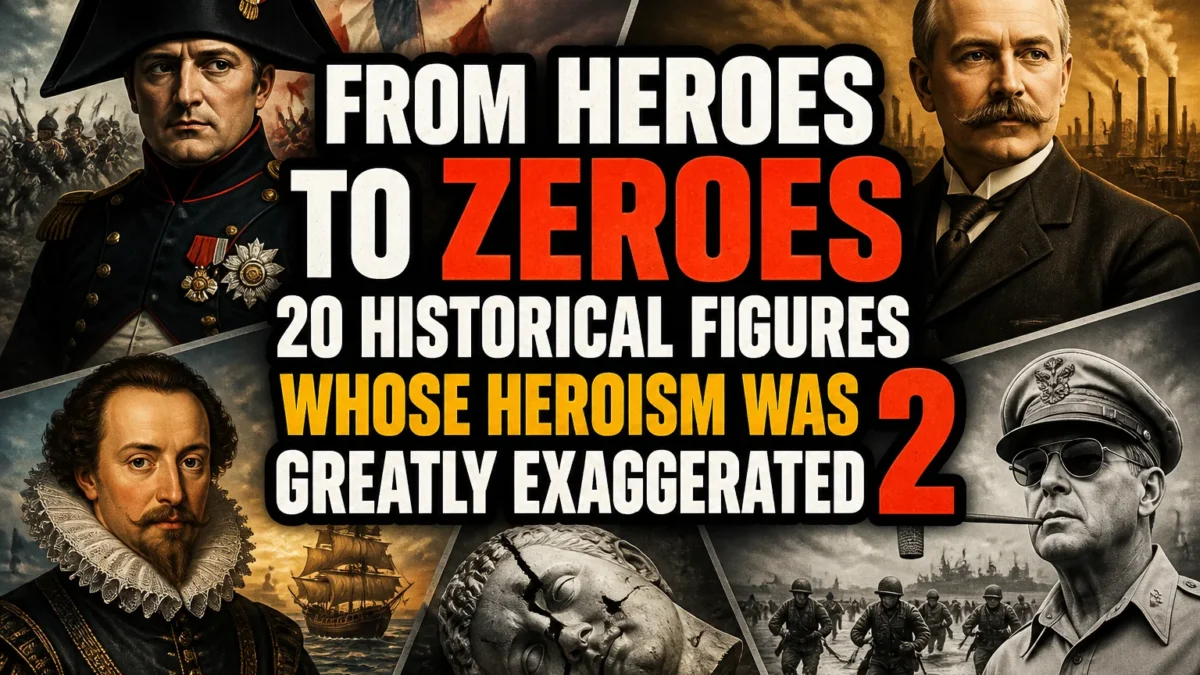
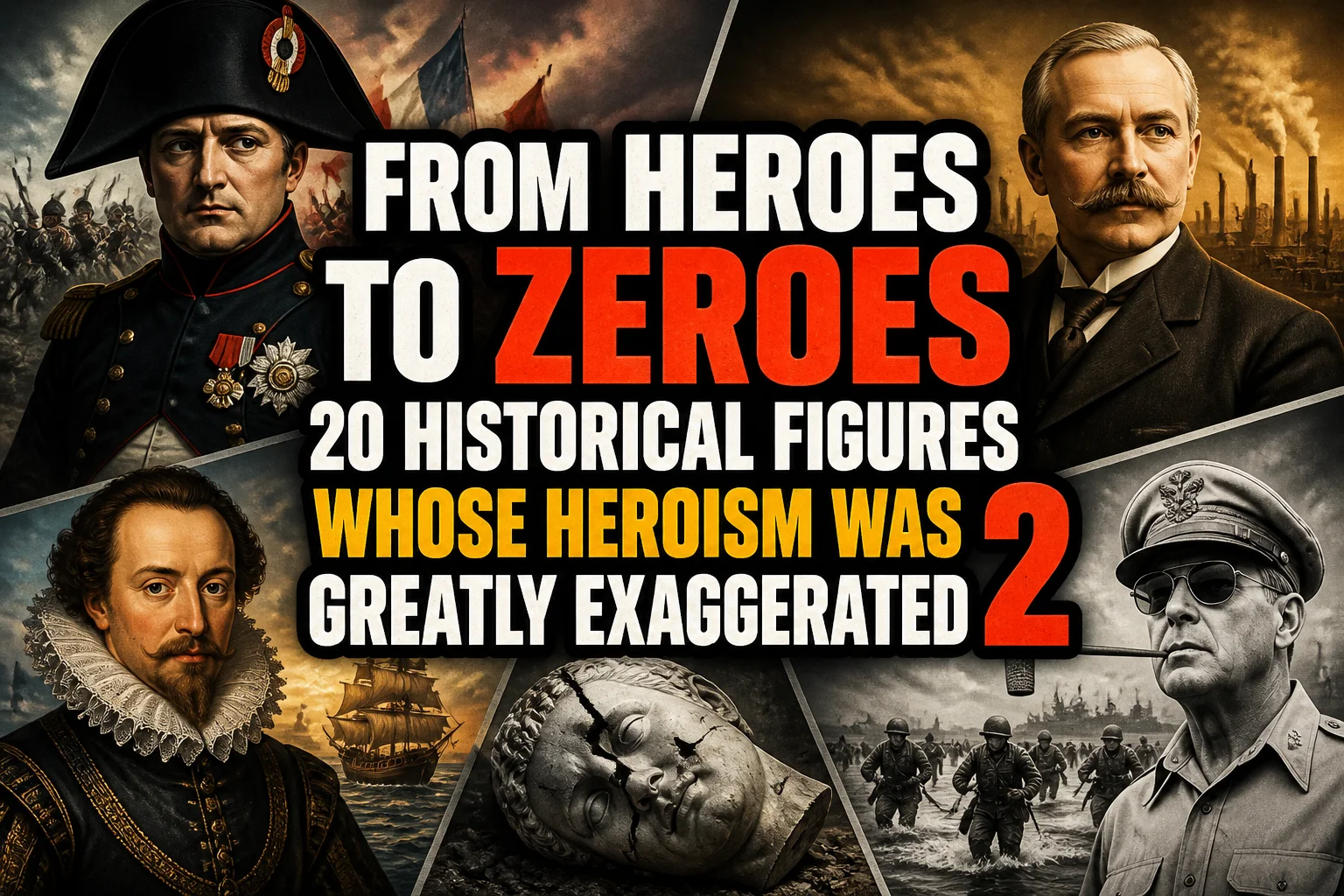
Most childhood lists of heroes in history read like a highlight reel: brave explorers, visionary inventors, daring revolutionaries, and wartime saints. Pop culture heroizes these figures until every rough edge disappears under marble and bronze.
You don't need to be a history snob to see that the heroes people celebrate often turn out to be more complicated than the legends suggest. This post looks at twenty famous heroes from history whose heroism was greatly exaggerated by myth, propaganda, or selective memory.
TL;DR: Many of the most famous heroes in history were real people whose reputations were inflated by myth, nationalism, and propaganda—and understanding that makes history richer, not worse.
Why We Inflate Heroic People in History
Human societies have always needed heroic famous people to embody shared values. Nationalism, empire, war, and even advertising depend on simplified stories, so questionable acts get quietly edited out.
Historians do not deny that these men and women accomplished real things. The problem comes when a complex human being is turned into a flawless monument, because that makes it harder to learn from the past.
Part of the problem is that heroism is usually a later act of narration, not a simple fact. A person can be made into a historical hero by a poem, a painting, a film, or a government curriculum, often without much evidence. Examples of heroism in history are real, but the stories around them are frequently shaped by later needs.
1. Christopher Columbus
Christopher Columbus sits near the top of many traditional lists of famous heroes from history. Schoolroom stories often credit him with discovering America and frame him as a brave visionary who proved the world was round.
Most historians agree those stories are myths. Columbus never set foot on the North American mainland, and educated Europeans already knew Earth was round. His voyages did open sustained contact between Europe and the Americas, but contact is not the same as discovery.
His governorship of Hispaniola was so brutal that Spanish authorities eventually arrested him and sent him back in chains. Records describe enslavement, mutilation, and violence against Taíno people. That record makes the traditional historical hero label hard to defend.
2. Napoleon Bonaparte
Napoleon Bonaparte is often remembered as a military genius and self-made emperor who spread revolutionary law across Europe. That reputation has real foundations: the Napoleonic Code influenced legal systems around the world.
But the Napoleonic Wars killed millions and destabilized the continent for a generation. He also reinstated slavery in French colonies in 1802, reversing an earlier abolition. The emperor who claimed to defend revolutionary ideals crowned himself and placed family members on foreign thrones.
Those facts do not erase his administrative talent, but they complicate any simple story of heroic genius. The line between modernizer and conqueror may be the entire point.
3. Winston Churchill
Winston Churchill is consistently named among the greatest heroes in history for his wartime leadership in 1940. His speeches helped steady Britain during the Blitz, and that matters.
But the heroic image is selective. Many historians argue his government's wartime policies exacerbated the 1943 Bengal famine, which killed millions. He also expressed deeply racist views about empire and non-white peoples.
Churchill remains a significant figure, but he is not a straightforward moral hero. In fact, asking how much imperial suffering should be weighed against wartime resolve is exactly where the historical argument lives.
4. Thomas Edison

Thomas Edison is the classic heroic inventor, the public face of electric light, the phonograph, and the motion picture camera. His Menlo Park laboratory became a symbol of American ingenuity.
Yet his labs depended on teams of skilled workers, and he often took sole credit for inventions others refined or completed. He also waged brutal patent and public relations wars, including a campaign that electrocuted animals to discredit alternating current.
Edison was a brilliant promoter and organizer. But the lone-genius image is largely a product of the very publicity machine he built.
5. Woodrow Wilson
Woodrow Wilson is still praised as an idealistic peacemaker and champion of the League of Nations. His Fourteen Points shaped the language of international diplomacy after World War I.
At home, Wilson resegregated federal agencies and expanded racial discrimination in the civil service. His wartime Espionage and Sedition Acts jailed dissenters and restricted free speech.
He also screened the white supremacist film The Birth of a Nation at the White House. The historical heroic figure of democratic ideals is difficult to reconcile with that record.
6. Andrew Jackson

Andrew Jackson is sometimes called a heroic people's president because of his victory at New Orleans and his image as a rough-hewn westerner. He also became a symbol of expanding democracy to white men without property.
He was a slaveholder and the president most responsible for Indian Removal. The Trail of Tears killed thousands of Cherokee, Choctaw, Seminole, Chickasaw, and Muscogee people who were forced from their land.
Even Jackson's political enemies saw him as a leader of enormous will. But that will was directed against entire Native nations, which makes the heroic framing of him deeply one-sided.
7. Cecil Rhodes
Cecil Rhodes was once celebrated as an empire builder and the visionary behind the Rhodes Scholarship. His name still appears on institutions, streets, and academic awards across the English-speaking world.
His fortune came from exploitative diamond mining in southern Africa. Rhodes promoted imperial and racial policies that helped lay groundwork for segregation in modern South Africa and Zimbabwe.
His legacy is now widely contested, with statues removed and scholarships scrutinized. A man once treated as a historical hero has become a case study in how imperial prestige can collapse.
8. Che Guevara
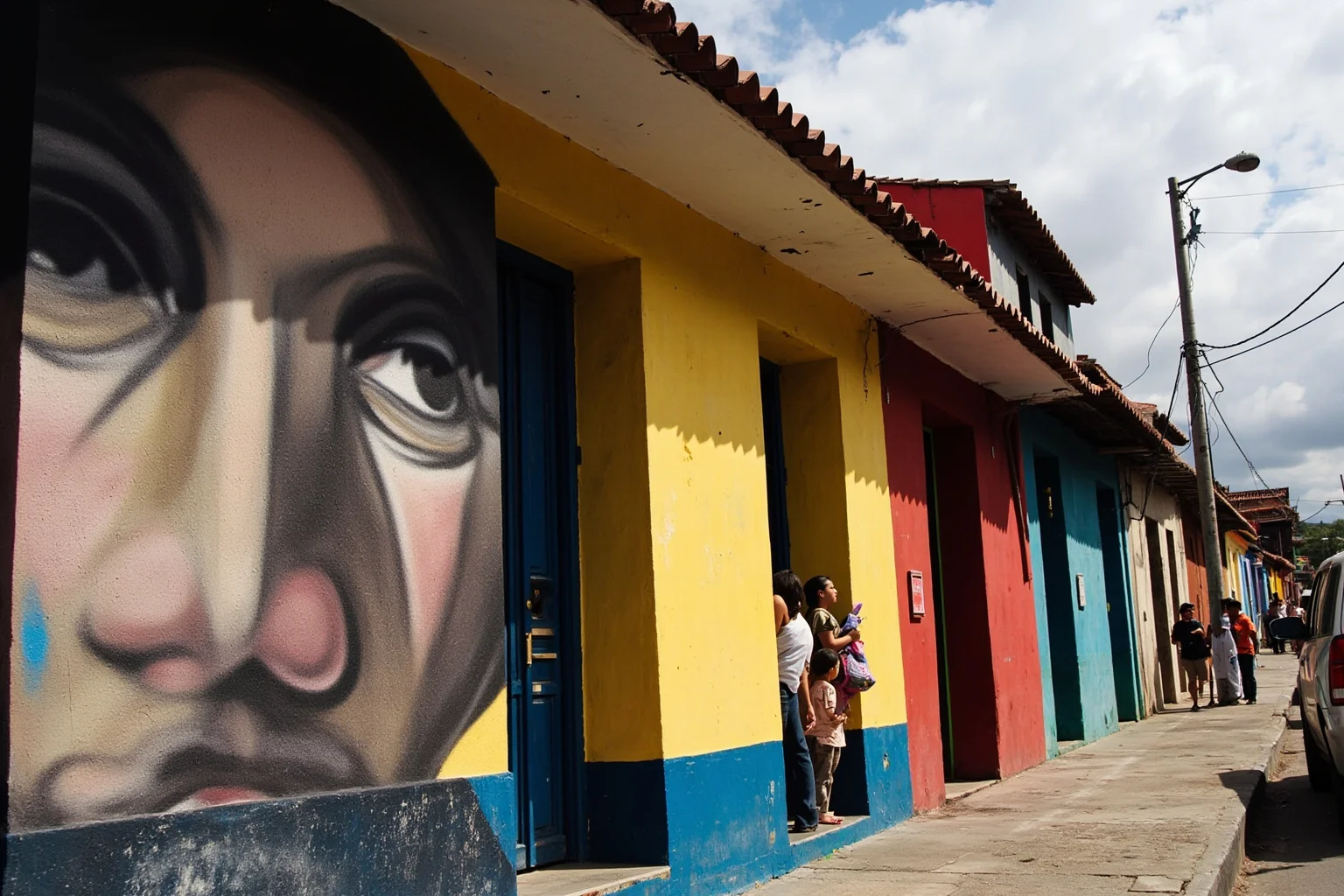
Che Guevara's face is still printed on T-shirts as a symbol of rebellion and a heroic person of the left. The image is romantic: a doctor turned guerrilla, fighting for the oppressed.
After the Cuban Revolution, Guevara oversaw revolutionary tribunals and executions at La Cabaña prison. He also rejected democratic processes and supported armed struggle without broad popular consent.
Some of his writings express a willingness to use violence to build a new society. That makes the romantic portrait of Guevara much thornier than the merchandise suggests.
9. Mother Teresa
Mother Teresa is often listed among famous heroes in history for her work with the poor in Calcutta. She won the Nobel Peace Prize and became a global symbol of selfless charity.
Later accounts by critics such as Christopher Hitchens raised serious questions about her facilities' medical care, accounting, and motives. Some former volunteers described unsanitary conditions and inadequate treatment, while her defenders dispute those accounts.
The disagreement itself is enough to show that not every saintly story survives close inspection. Heroic people in history often become symbols long before the evidence is fully examined.
10. Henry Ford
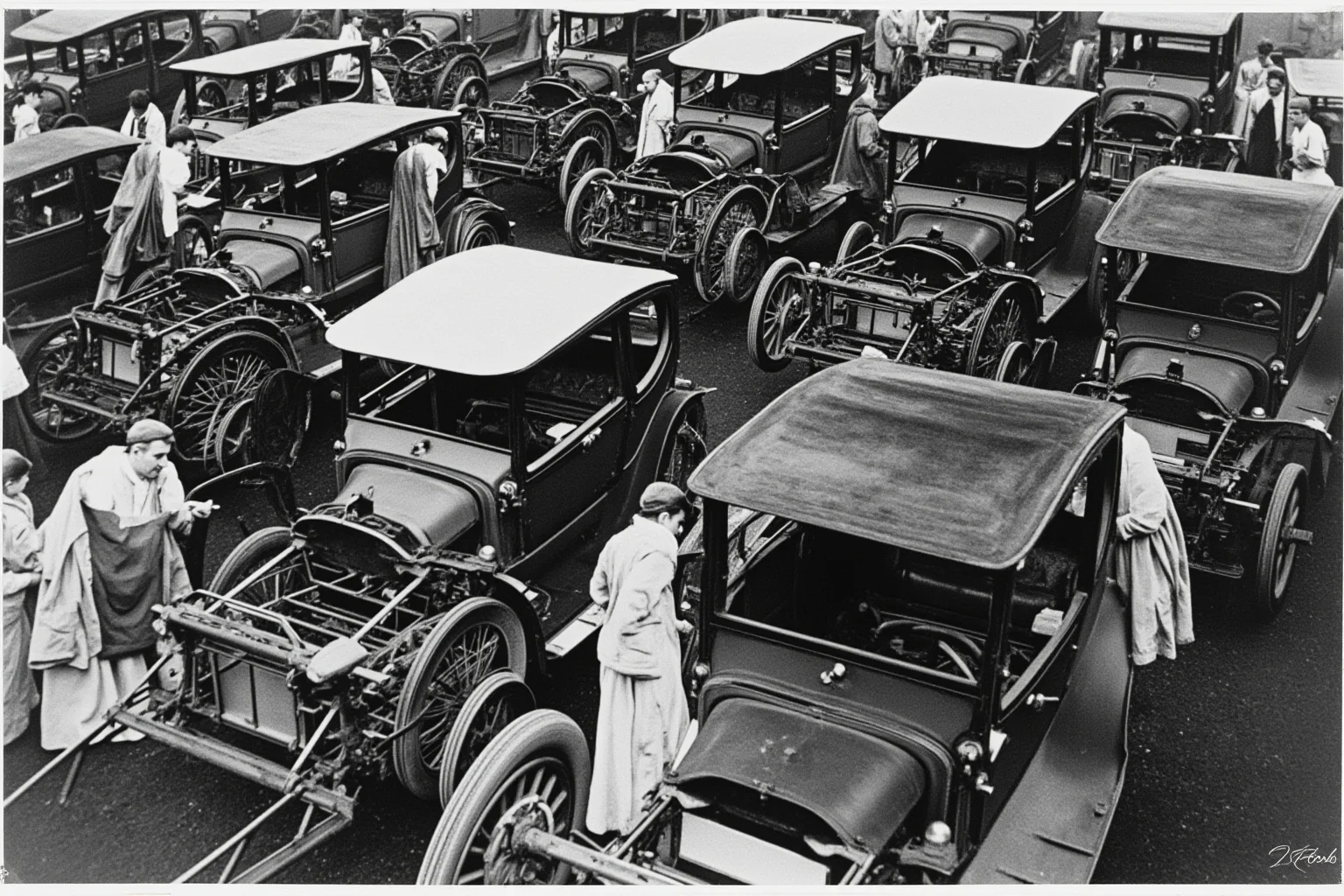
Henry Ford is celebrated as the industrial hero who democratized the automobile and paid workers a five-dollar day. The Model T changed daily life, and Ford's assembly line techniques reshaped manufacturing.
He also published antisemitic articles in The Dearborn Independent and accepted the Grand Cross of the German Eagle from Nazi Germany in 1938. Ford's labor policies were paternalistic and often hostile to union organizers.
His company used spies and violence against workers, which undercuts the idea that he was simply a friend of the worker. Ford is a reminder that industrial innovation and ugly personal beliefs can coexist.
11. Charles Lindbergh
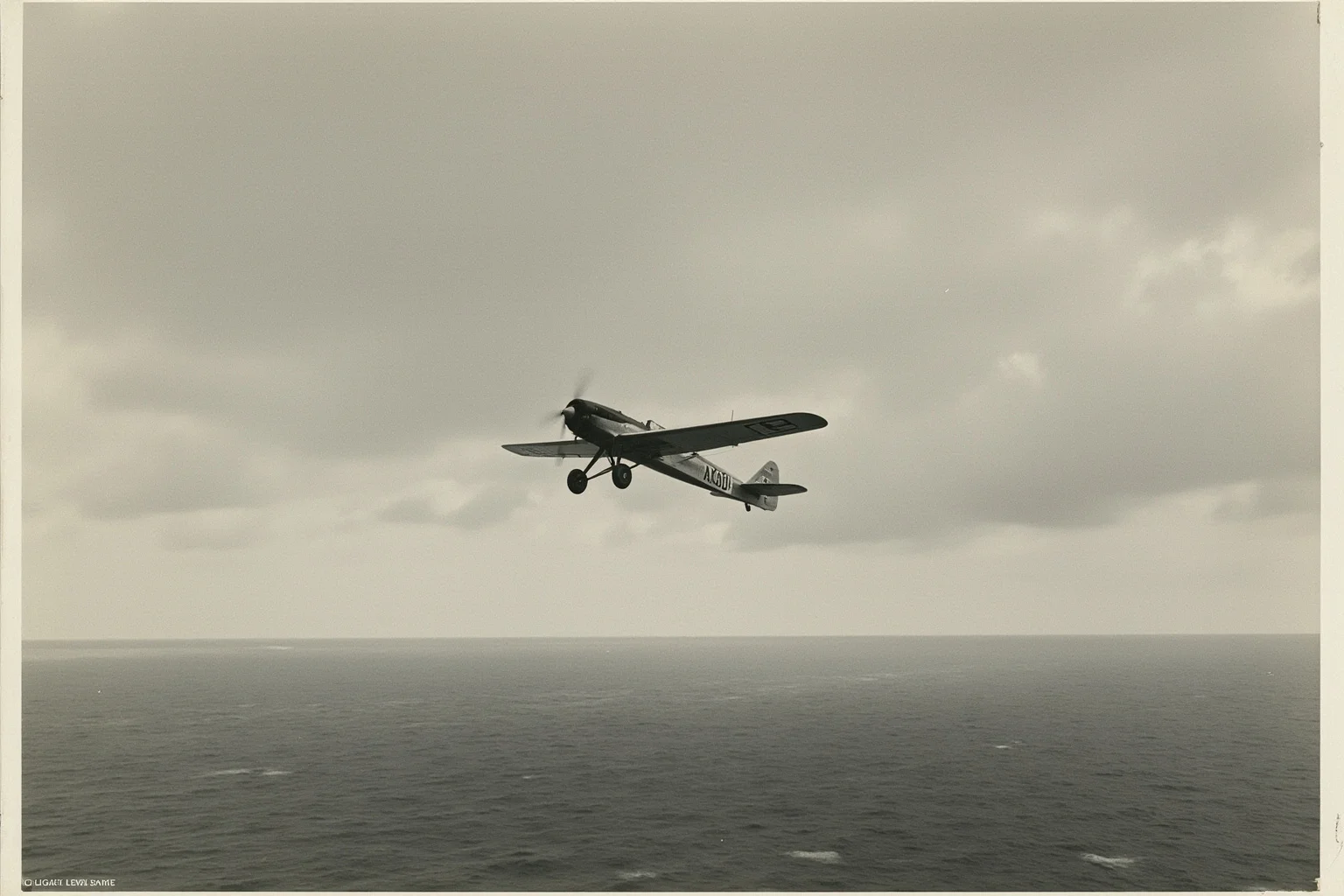
Charles Lindbergh became a worldwide hero after his 1927 solo transatlantic flight, a feat of real courage and skill. He was the first person to fly nonstop alone from New York to Paris.
He later embraced eugenics and led the America First Committee, which opposed U.S. entry into World War II. His speeches in 1941 included antisemitic tropes, and he accepted a medal from Nazi Germany.
The aviator's heroic image never fully recovered once those views became public. Lindbergh shows how quickly a single brave act can be overwhelmed by a lifetime of controversial statements.
12. John F. Kennedy
The Kennedy administration is remembered as Camelot, a time of glamour, cool-headed crisis management, and heroic idealism. The Cuban Missile Crisis especially made Kennedy look like a thoughtful leader under pressure.
The early record also includes the Bay of Pigs disaster, expanded covert operations, and deeper involvement in Vietnam. Kennedy concealed serious health problems and a private life that would have been politically damaging.
That pattern shows how carefully managed the image of a heroic famous person can be. The presidency was less a fairy tale than a sustained media operation.
13. Mahatma Gandhi
Mohandas Gandhi is still the most famous global champion of nonviolence, and his campaigns inspired civil rights movements around the world. The image of the spinning wheel and the Salt March has become a universal symbol of peaceful resistance.
His early writings from South Africa, however, expressed racist attitudes toward Black Africans, views he later partly revised. Gandhi's personal 'experiments' with celibacy and his treatment of women have also drawn criticism.
These issues complicate the saintly historical hero image without erasing his real anti-colonial achievements. The point is not to dismiss Gandhi but to see him as a human being whose blind spots mattered.
14. Robert E. Lee
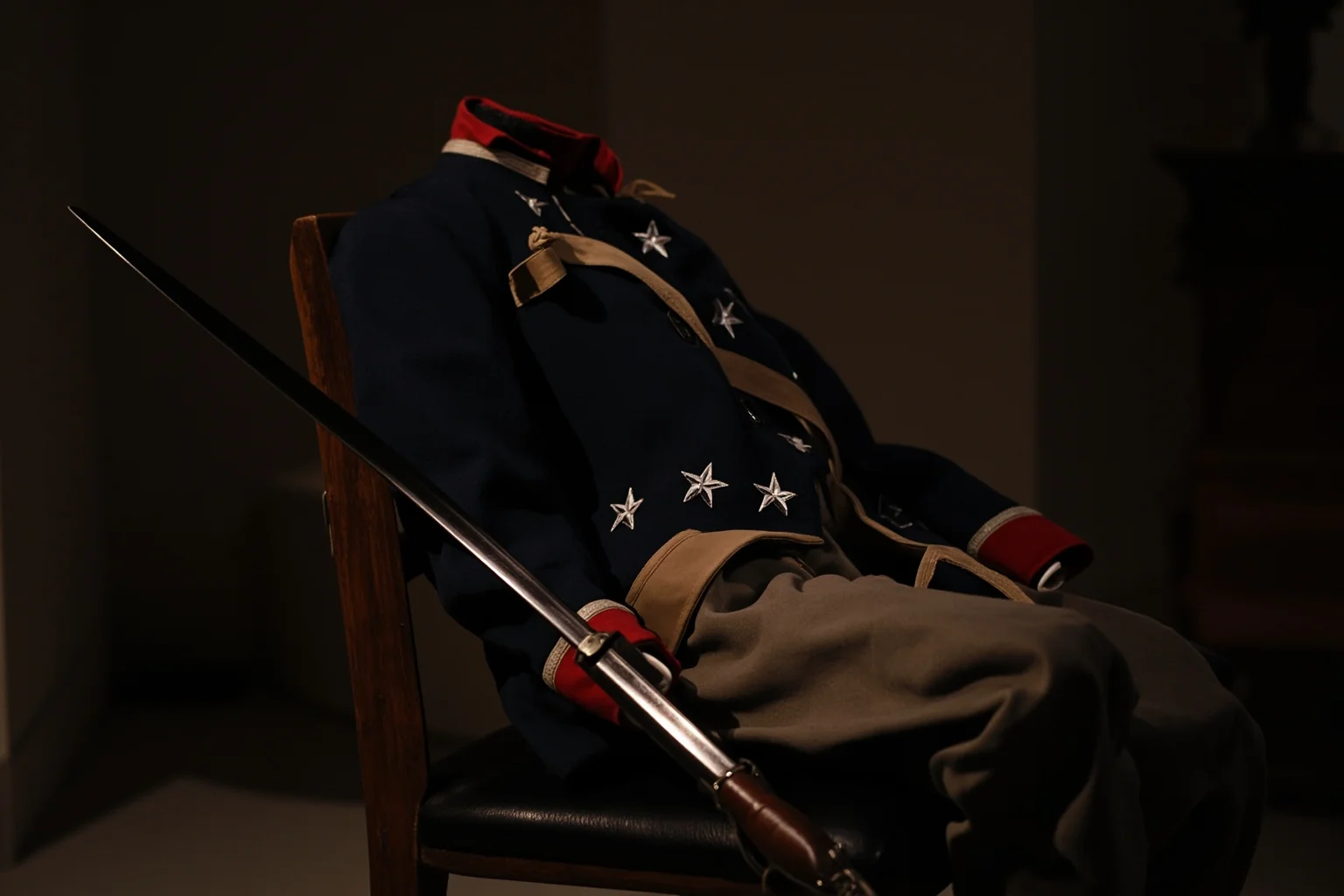
Robert E. Lee has been treated as a noble, tragic hero by generations of Lost Cause mythology. Monuments, textbooks, and films often portray him as a reluctant defender of his home state.
Lee commanded an army fighting to preserve slavery, and he personally enslaved people. His resignation from the U.S. Army to lead Confederate forces makes his heroism less about universal ideals than about defending a slaveholding rebellion.
That is not a small footnote; it is the central fact of his military career. The gentle-hero image is a postwar invention designed to soften the Confederacy's cause.
15. Boudica
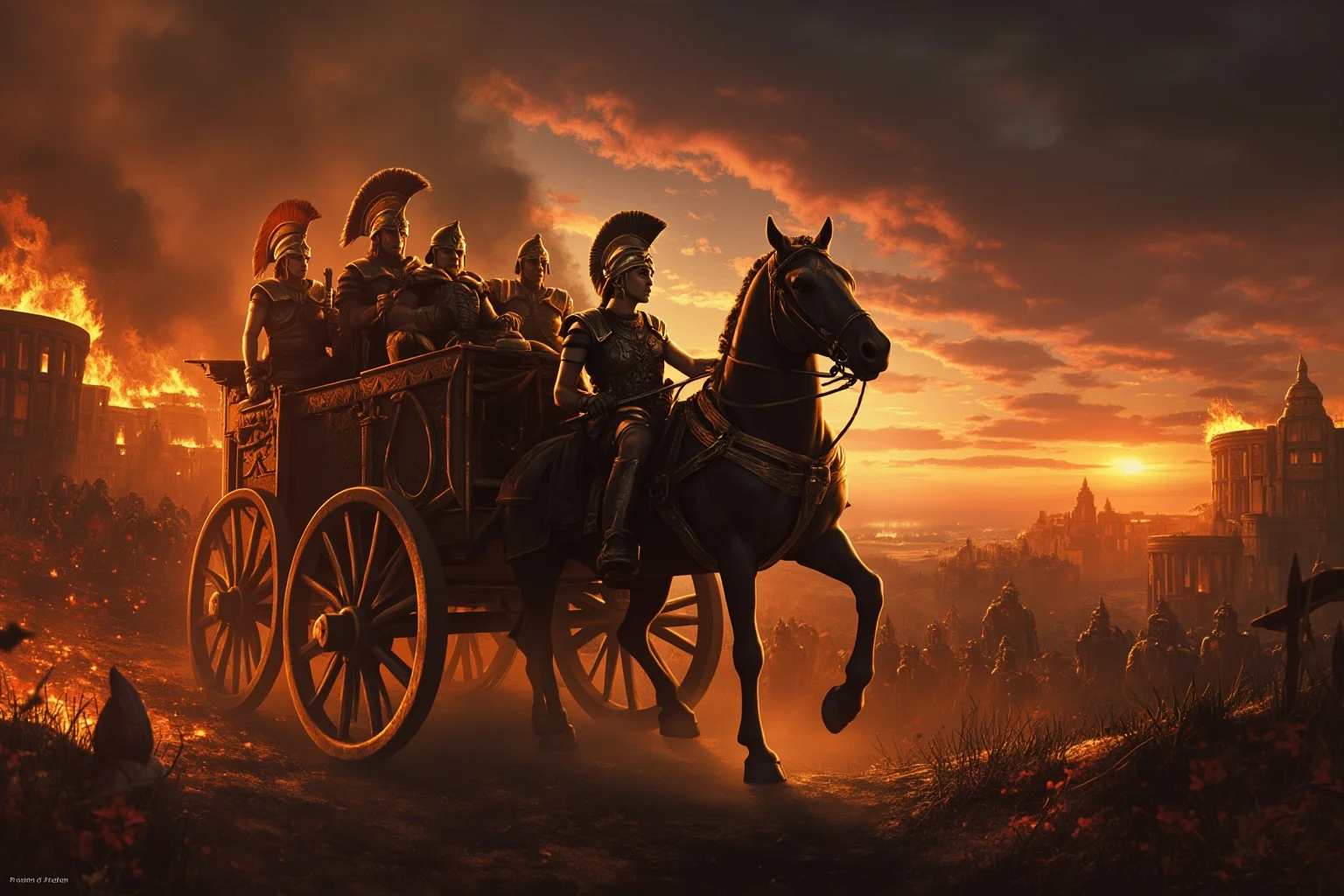
Boudica is celebrated as a heroic British warrior queen who rose against Roman rule. Victorian Britain especially embraced her as a symbol of national resistance and female leadership.
Ancient sources record that her rebellion destroyed Roman settlements and killed tens of thousands of civilians. The heroic historical figure remembered today often omits the scale of that violence.
Boudica's revolt was a response to Roman abuse, but it was not a clean fight between freedom and tyranny. Depending on which side of the story you occupy, she is both resistance leader and mass avenger.
16. Alexander the Great
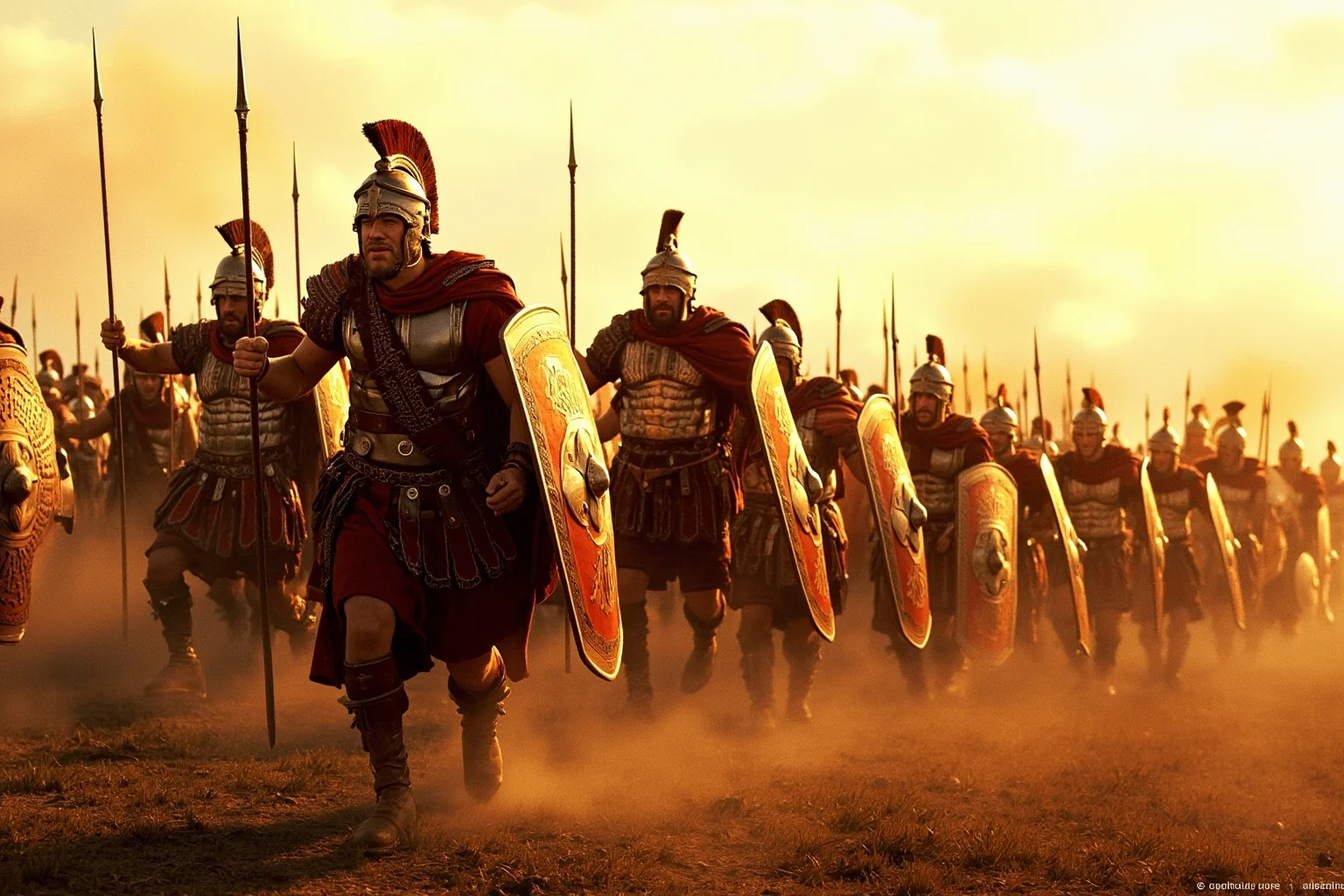
Alexander the Great is often included among the greatest heroes in history for his tactical brilliance and vast conquests. He never lost a major battle and built an empire stretching from Greece to India before his early death.
His campaigns also destroyed cities, enslaved populations, and killed soldiers and civilians on a massive scale. He executed close friends and trusted officers when he felt threatened.
The god-like hero image fades quickly once the scale of violence is included. Alexander's legend is a reminder that military genius and human cruelty often operate side by side.
17. Paul Revere
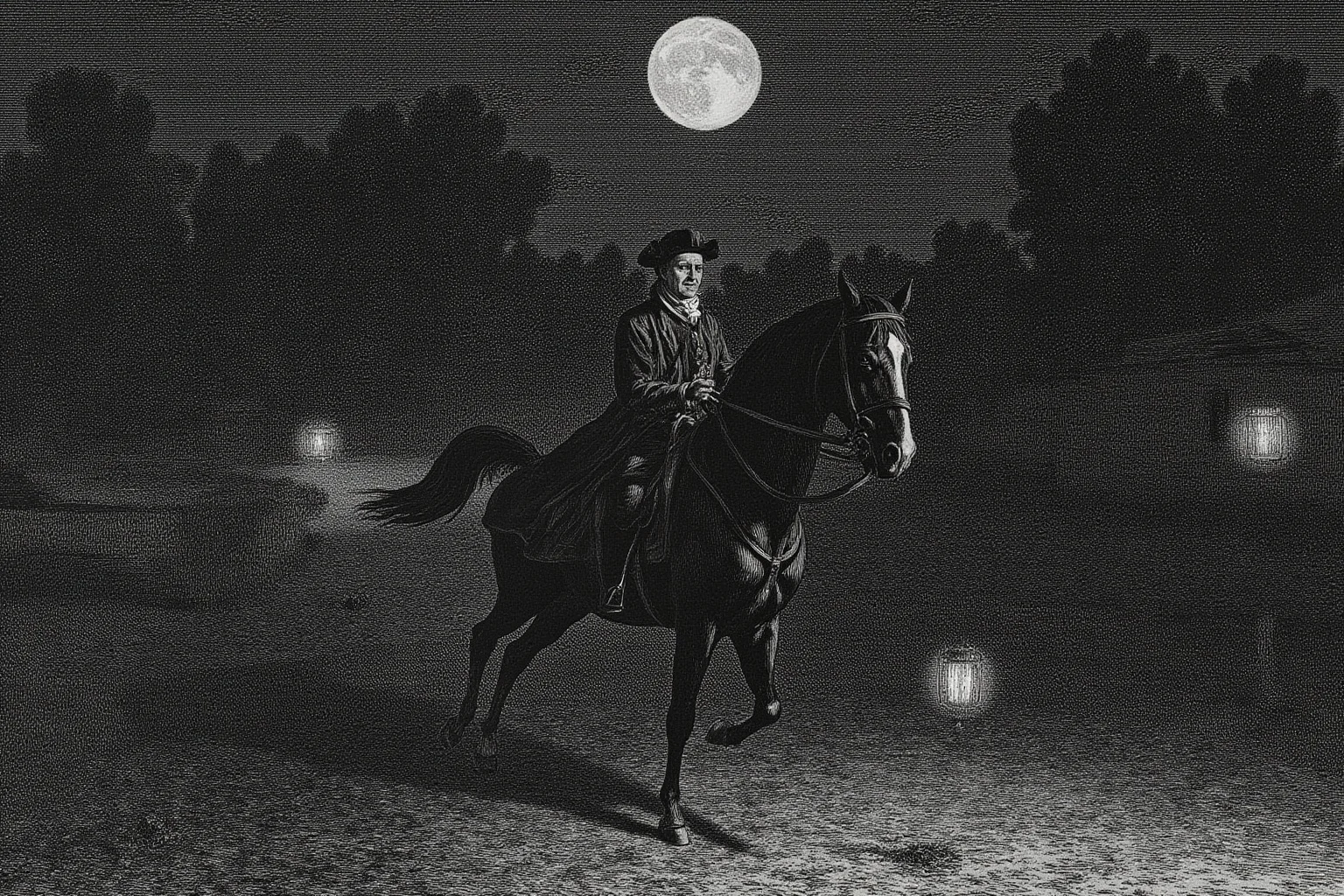
Paul Revere is a staple of American patriotic lore, thanks largely to Henry Wadsworth Longfellow's poem 'Paul Revere's Ride.' Generations of schoolchildren learned him as the lone midnight rider who saved the Revolution.
Revere was one of several riders that night, and he was captured before completing the route. The famous lantern signal and the lone-messenger story are mostly romantic inventions.
Revere did play a real role in the colonial alarm system, but the myth heroizes him far beyond the record. This is a clear example of poetry reshaping historical memory.
18. William Wallace
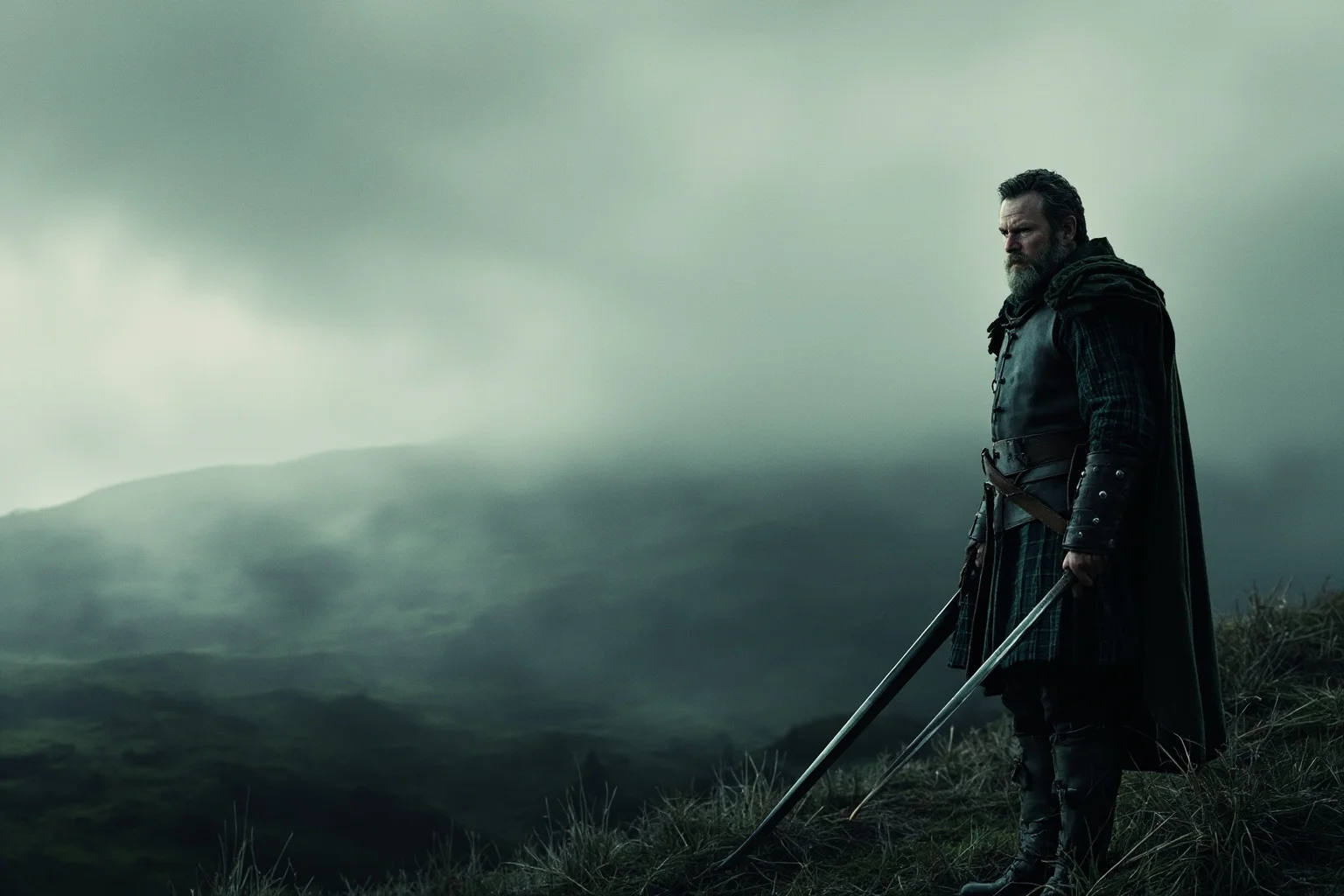
William Wallace is remembered worldwide as the face of Scottish resistance, partly because of the film Braveheart. The movie made him a blue-faced freedom fighter battling English tyranny.
Very little reliable evidence survives about his early life, and the film's plot has almost nothing to do with the historical record. What we do know shows a capable guerrilla leader in a complicated medieval conflict.
Wallace's rebellion was part of a messy struggle involving rival Scottish factions, not a simple national uprising. The heroic rebel image is more national myth than settled biography.
19. Ned Kelly
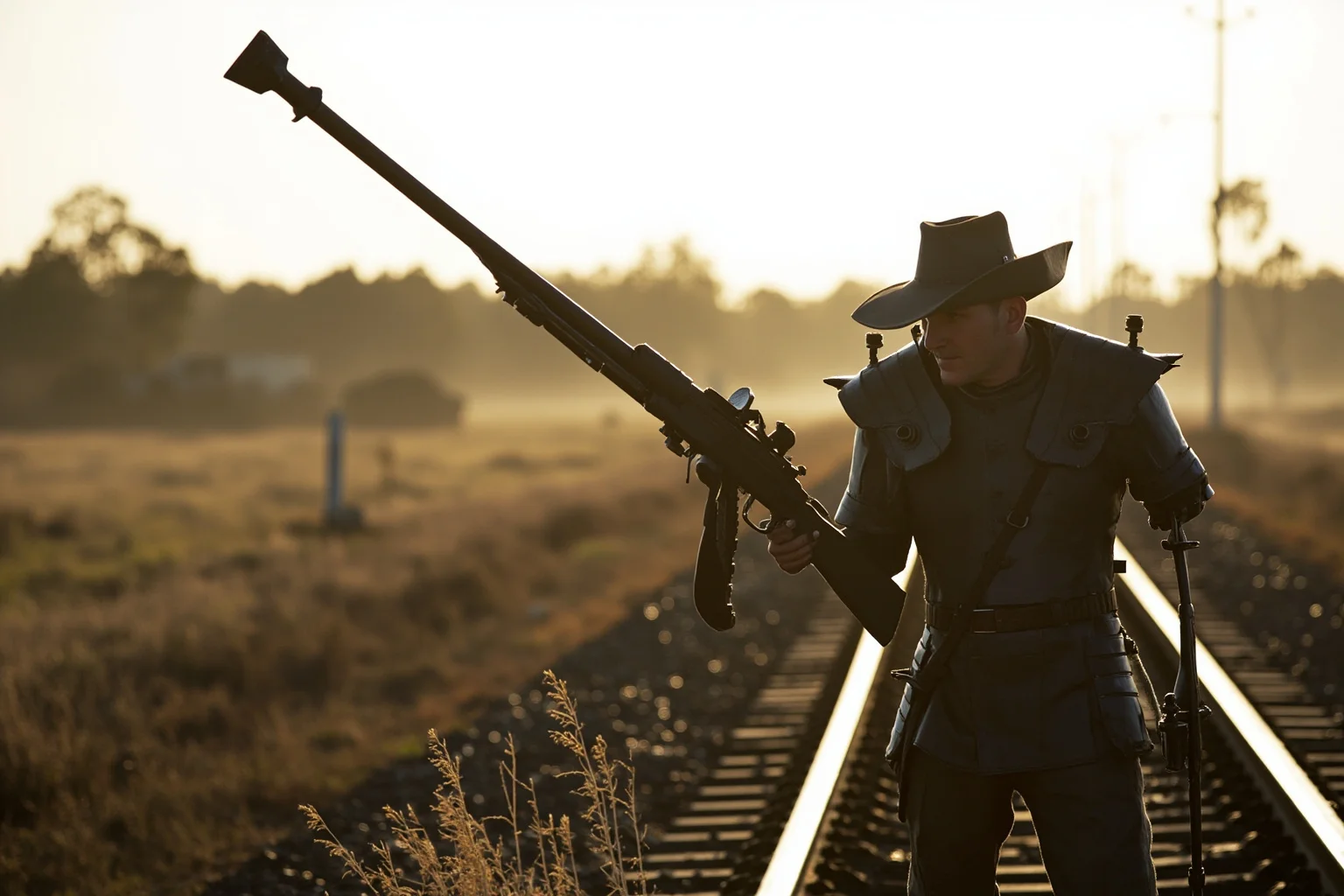
Ned Kelly is often called an Australian folk hero, a poor Irish settler who fought corrupt colonial authority. His story has inspired books, paintings, songs, and even a famous film.
Kelly and his gang did rob banks and kill police officers. While his final stand and homemade armor are dramatic, the heroic framing often ignores the violence and the fear he created.
Many contemporaries saw him as a dangerous outlaw rather than a freedom fighter. Kelly is one of those figures where hero and criminal can be the same person depending on the storyteller.
20. George Armstrong Custer
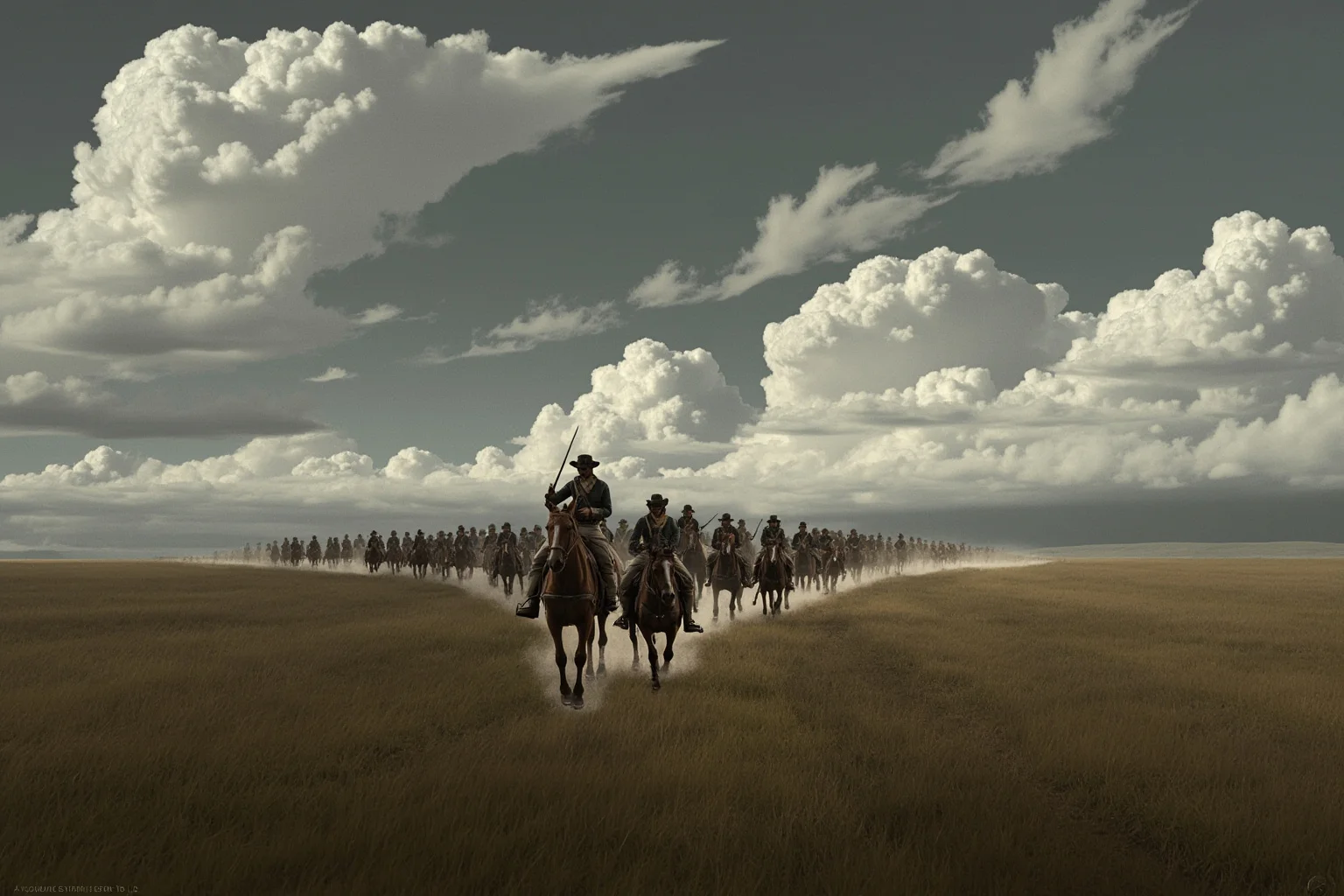
George Armstrong Custer became a tragic hero in American popular culture through paintings, dime novels, and early films about his 'Last Stand.' The image of Custer fighting to the death made him a symbol of frontier courage.
His defeat at Little Bighorn followed years of controversial military actions against Native nations, including the Washita River attack. Many historians now describe Custer as reckless and ambitious rather than a noble martyr.
The battle is better understood as Native resistance to U.S. expansion than as a simple story of heroic sacrifice. Custer's legacy shows how easily a military disaster can be turned into a myth of heroism.
Rethinking People Who Are Considered Heroes
The people who are considered heroes are rarely only heroic or only villainous. Many accomplished real things—leading armies, inventing devices, founding movements—while also leaving records of harm, cruelty, or self-interest.
Asking who is a historical hero depends on which sources you trust and whose suffering you include. The same life can look heroic from one angle and deeply troubling from another.
Some of the biggest heroes in history have messy records. There are plenty of genuine examples of heroism in history, but they usually belong to ordinary people who acted with courage under pressure. That is a more honest way to remember the past than polishing every famous figure into marble.
Frequently Asked Questions
Who are some famous heroes in history whose heroism is often exaggerated?
Figures such as Christopher Columbus, Winston Churchill, Thomas Edison, Che Guevara, and Andrew Jackson are frequently named among famous heroes in history. Historians point out that their reputations were shaped by myth, nationalism, or selective storytelling, and real accomplishments coexist with records of harm, cruelty, or self-interest.
Why do people heroize historical figures even when evidence contradicts the myth?
People often heroize figures because simplified stories create stronger national, political, or cultural identities. Once a person becomes a symbol, later generations may ignore messy evidence because challenging the hero feels like challenging the community the hero represents.
Does questioning a heroic historical figure mean they did nothing good?
No. Questioning a hero does not erase real achievements. It means including the full record, both the admirable deeds and the harmful actions, so that the past is understood rather than worshipped.
Are there any genuinely heroic people in history?
Yes. There are many examples of heroism in history, often among ordinary people who acted with courage under pressure. The problem is not that heroism is fake, but that the label is often applied selectively by later storytellers.
How can I evaluate who is a historical hero without falling for mythology?
Look for primary sources, compare different perspectives, and ask whose suffering or labor is left out of the story. If a famous hero's life sounds too perfect, it is worth checking what later storytellers added.

Alex Warren
Related Articles