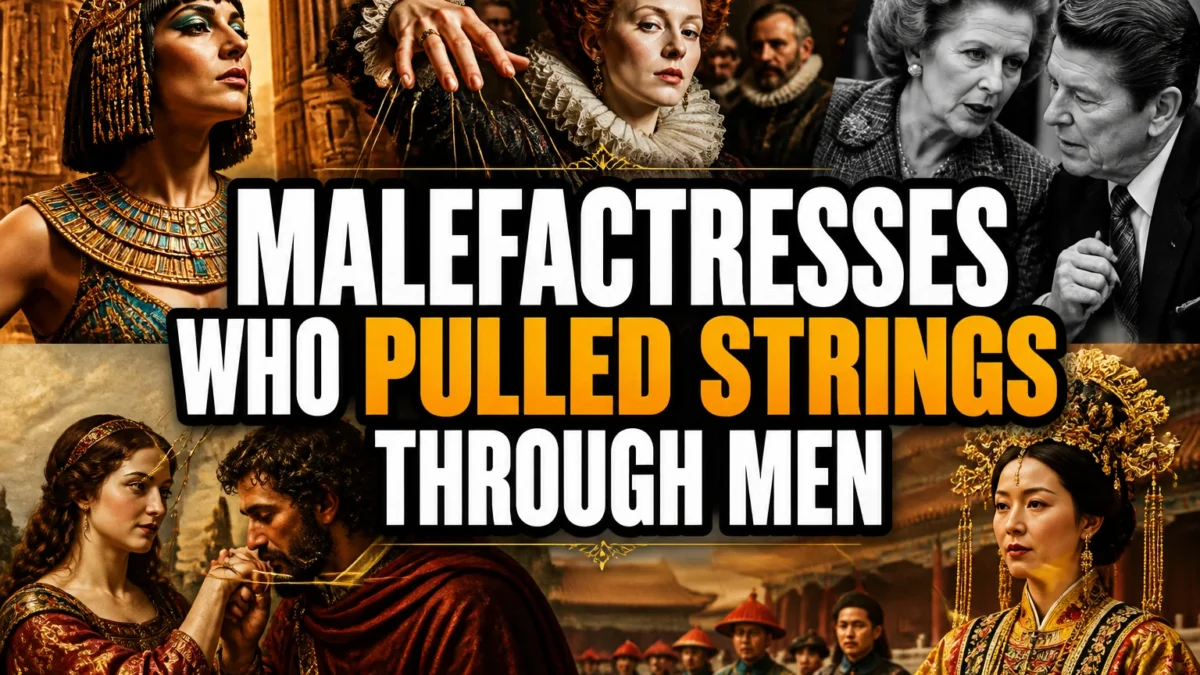
History loves a good backstage villain, and the word malefactresses has long been used for women accused of working harm through the men around them.
In almost every era, chroniclers claimed that queens, consorts, and courtiers poisoned rivals, steered kings, or started wars while staying just out of the spotlight.
Some of those accusations were propaganda, some reflect real political skill, and many sit somewhere between myth and record.
The women in this list did not all fit one mold.
They ruled through husbands, sons, lovers, and grandsons; a few built state power openly, while others were turned into monsters by hostile sources.
This post looks at twenty historical malefactresses with a myth-busting eye, distinguishing what sources claim from what the evidence supports.
TL;DR: Hostile chroniclers turned many powerful women into malefactresses, but the truth is usually older and more complicated—real influence, real myth, and survival in a man’s game.
What a Malefactress Was
The term malefactress is an archaic feminine form of “malefactor”—literally a female wrongdoer.
In historical writing, it became shorthand for women accused of using men as instruments of harm, whether through poison, plots, or political pressure.
Crucially, the label often tells us as much about the writer as the woman.
Many sources from Rome, Byzantium, Ottoman court, and royal Europe were written by elite men who saw female ambition as unnatural.
When a woman exercised influence behind a king or emperor, chroniclers turned that influence into scheming.
We have to read those accounts as evidence not just of events, but of gender politics.
That does not mean these women were innocent.
Some certainly killed, conspired, and maneuvered; others used their power pragmatically.
The point is to separate verified history from ancient gossip.
Why the Sources Are So Hostile
Ancient and early modern court histories were mostly written by privileged men who had a stake in the official story.
A queen with access to the king could reshape careers, budgets, and successions, which threatened the men who expected to control those things.
Accusing her of poison or seduction was a convenient way to explain political defeat.
There was also a literary convention: Roman historians loved a scheming stepmother, and medieval chroniclers loved a wicked queen.
These figures made moralizing stories about the dangers of female ambition.
Once a woman entered that narrative, her actual policies often disappeared behind the legend.
That does not mean every charge was false.
Some women on this list almost certainly ordered killings or played hard politics.
The honest stance is not to assume innocence but to demand better evidence before repeating centuries-old smears.
1. Livia Drusilla: The Quiet Architect of Rome’s First Succession
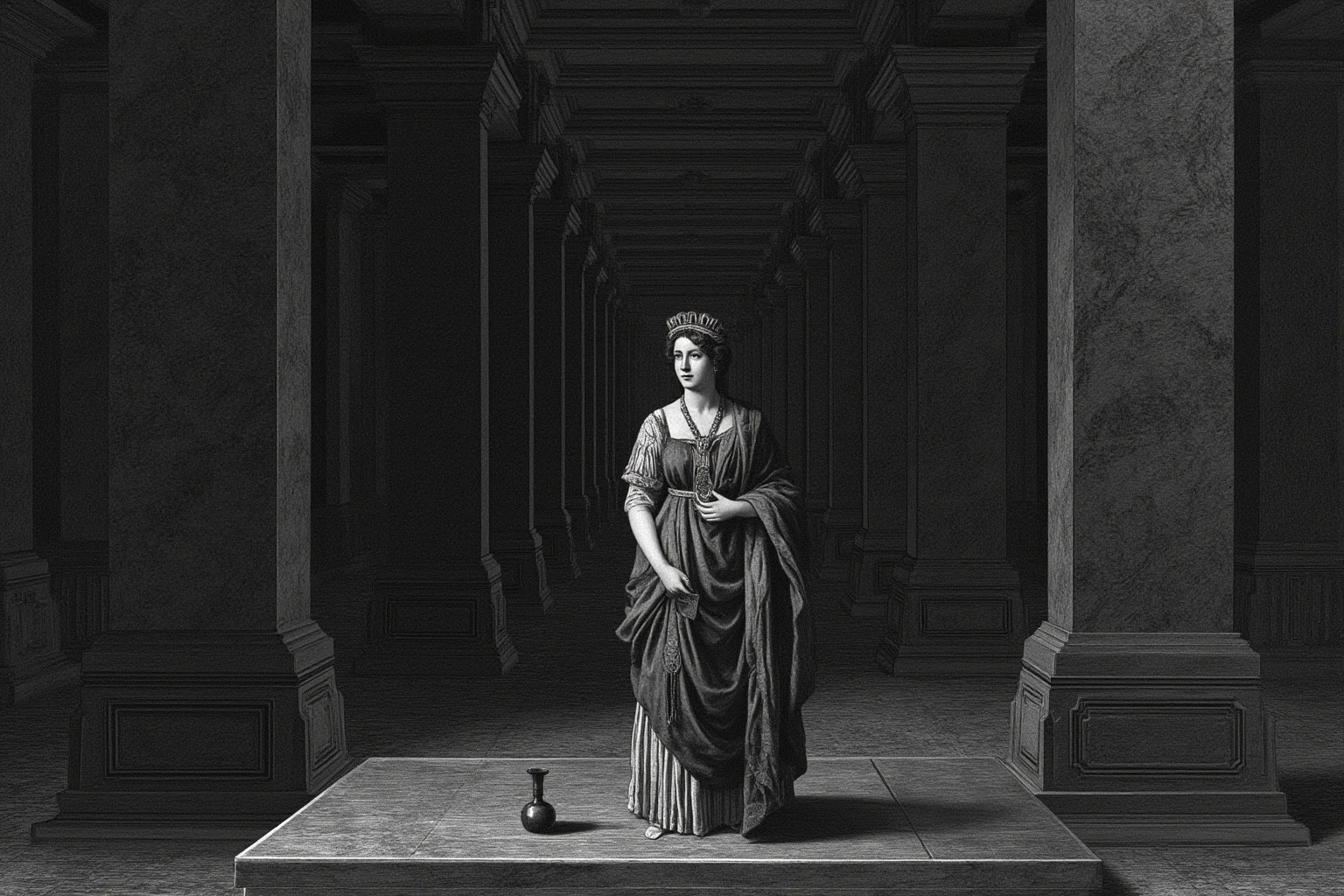
Wife of Augustus and mother of Tiberius, Livia Drusilla spent decades at the center of Rome’s first imperial court.
Ancient writers such as Tacitus and Suetonius accused her of removing rival heirs so that her son could rule.
Modern historians point out that those claims appear in highly partisan senatorial texts, making them hard to verify.
What is not in doubt is her long political influence.
She controlled access to Augustus, brokered alliances, and became the model for a Roman woman who exercised power without holding office.
Whether poison was involved remains unproven, but Livia became the template for the malefactress label in imperial Rome.
2. Fulvia: The Commander Behind Antony’s Cause
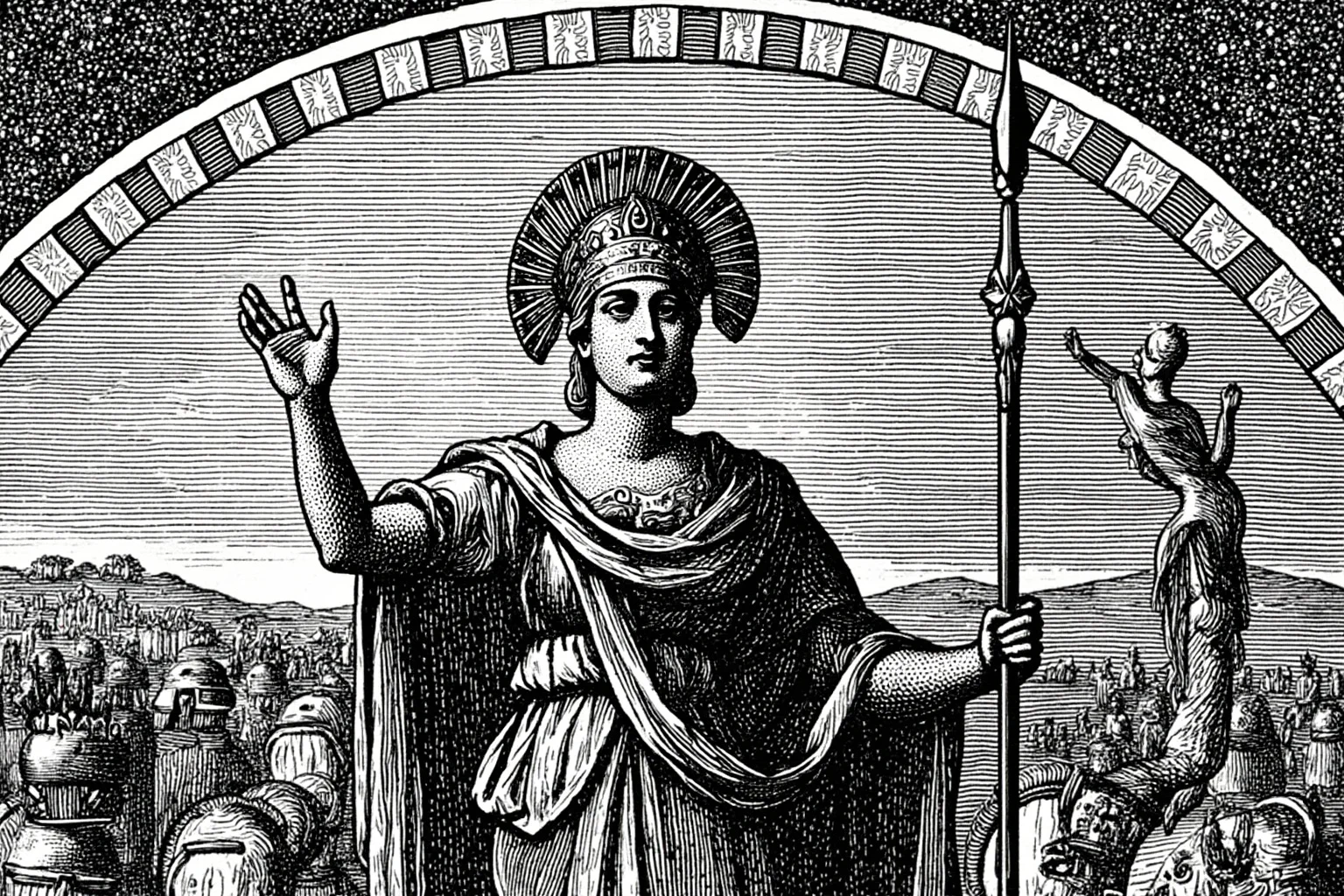
Fulvia was a Roman noblewoman who built power through a series of politically useful marriages, ending with Mark Antony.
Cicero attacked her as greedy and meddlesome, which was the standard insult for a woman active in public affairs.
Unlike many women in this list, Fulvia did not stay in the background.
During the Perusine War, she helped raise an army with Antony’s brother Lucius while Antony stayed in the east.
Roman sources say she encouraged the conflict, though Antony’s own role is still debated.
Fulvia shows that pulling strings through men sometimes meant helping to arm them first.
3. Agrippina the Younger: Nero’s Maker, Then His Target
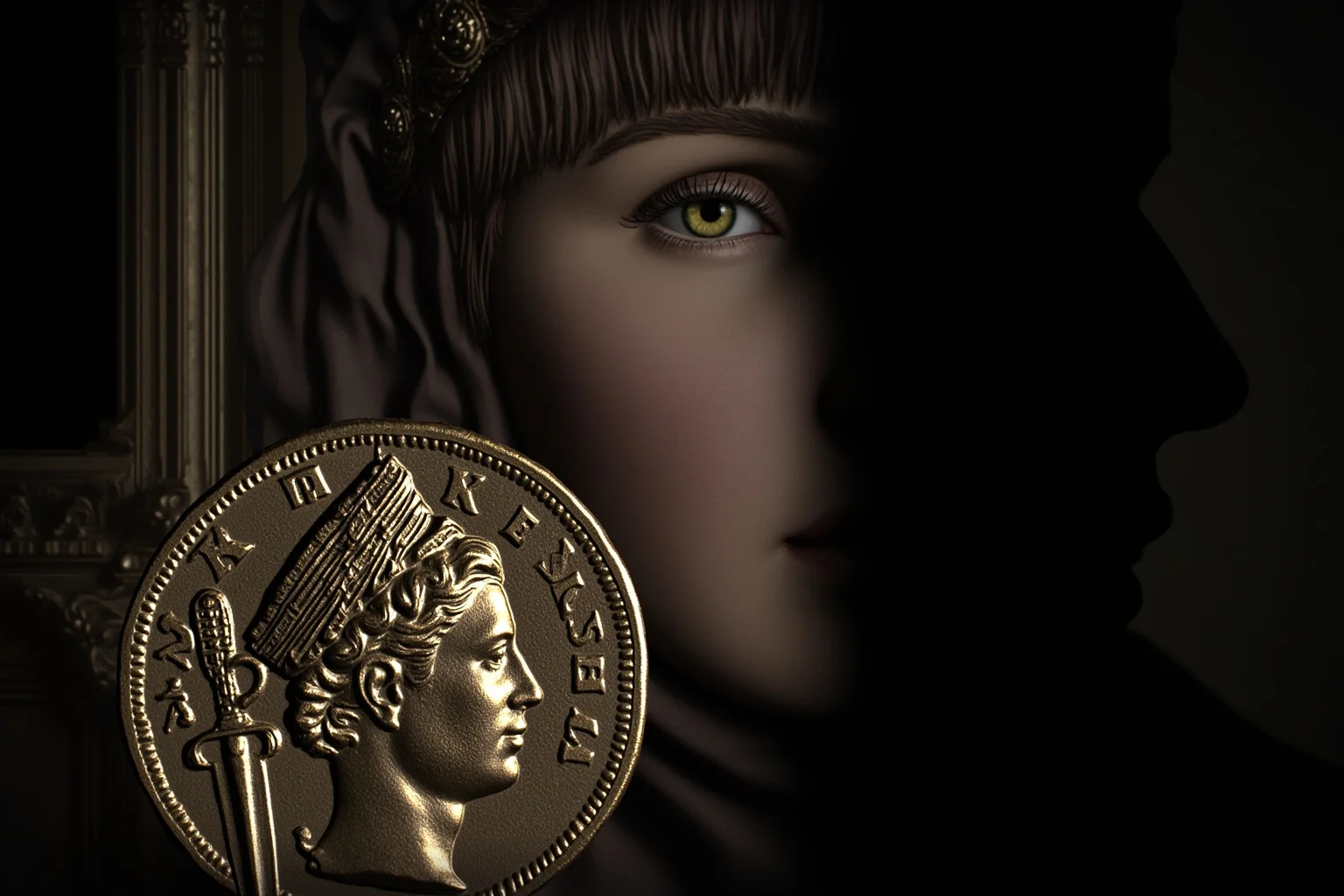
Agrippina the Younger was emperor Claudius’s niece and wife, and mother of Nero by an earlier marriage.
She persuaded Claudius to adopt Nero and place him ahead of his own biological son, Britannicus.
Ancient accounts strongly imply that she then cleared away Claudius himself, though the cause of his death remains uncertain.
For the first years of Nero’s reign, Agrippina appears visibly on coins as a partner in power.
Later Nero turned on her and had her killed, after which imperial propaganda painted her as a dangerous schemer.
That ending fixed her reputation as one of Rome’s most notorious malefactresses.
4. Valeria Messalina: Scandal and Political Chaos in Claudius’s Court
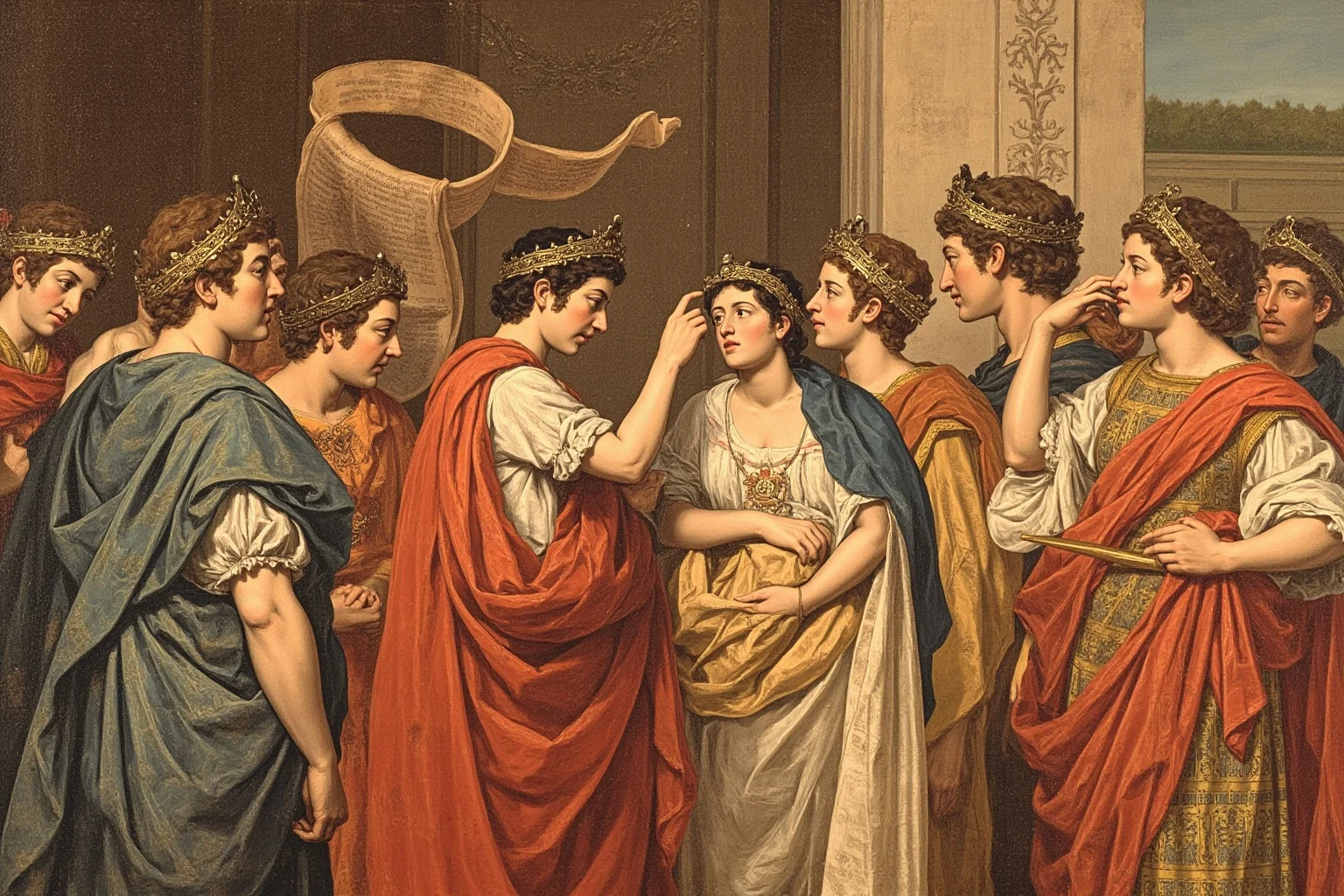
Valeria Messalina, another wife of Claudius, was portrayed by Tacitus and Juvenal as a sex-obsessed schemer who controlled weak men at court.
The ancient narratives accuse her of selling offices, ordering attacks, and manipulating Claudius through his own insecurity.
Those stories served a political purpose, but they also reveal how much imperial women were feared.
In 48 CE, she reportedly went through a mock marriage with Gaius Silius while Claudius was away, which led to executions.
Whether the episode was a sexual scandal or a botched power play is unclear.
Messalina’s fall shows how quickly a woman accused of pulling strings could be cut down.
5. Cleopatra VII: Statecraft Painted as Seduction
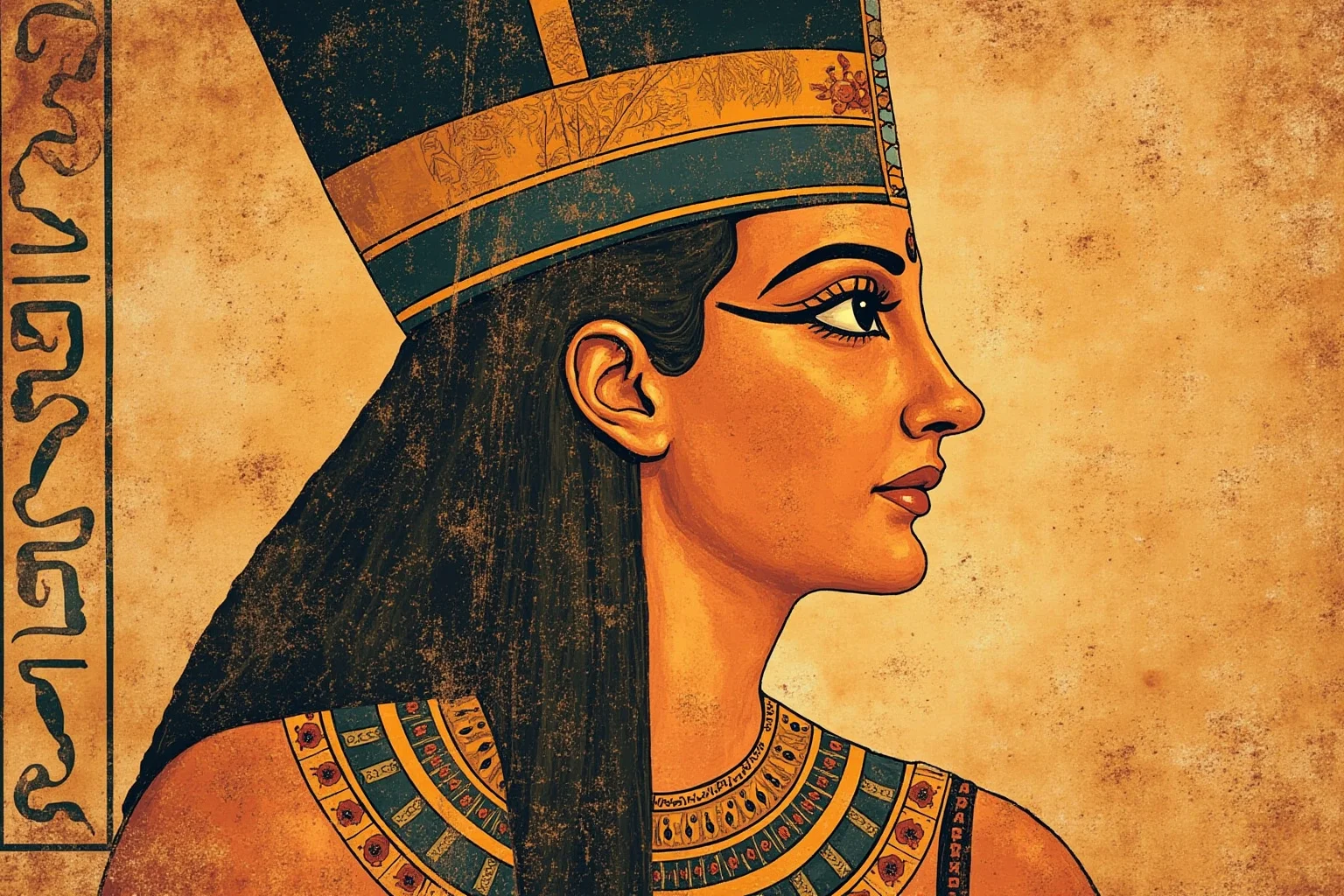
Cleopatra VII was the last active ruler of Ptolemaic Egypt and one of the educated dynastic players of the Mediterranean world.
Her alliances with Julius Caesar and later Mark Antony were political as much as personal, aiming to preserve Egyptian independence.
Roman propaganda turned her into a foreign temptress who had enslaved Antony’s will.
Modern historians generally see Cleopatra as a capable ruler who used every tool available, including marriage and romance, to protect her kingdom.
The image of her as a malefactress comes overwhelmingly from Octavian’s victory narrative.
That makes her an ideal case study in how “mischievous maiden” stories are made.
6. Theodora: The Empress Who Held the Line
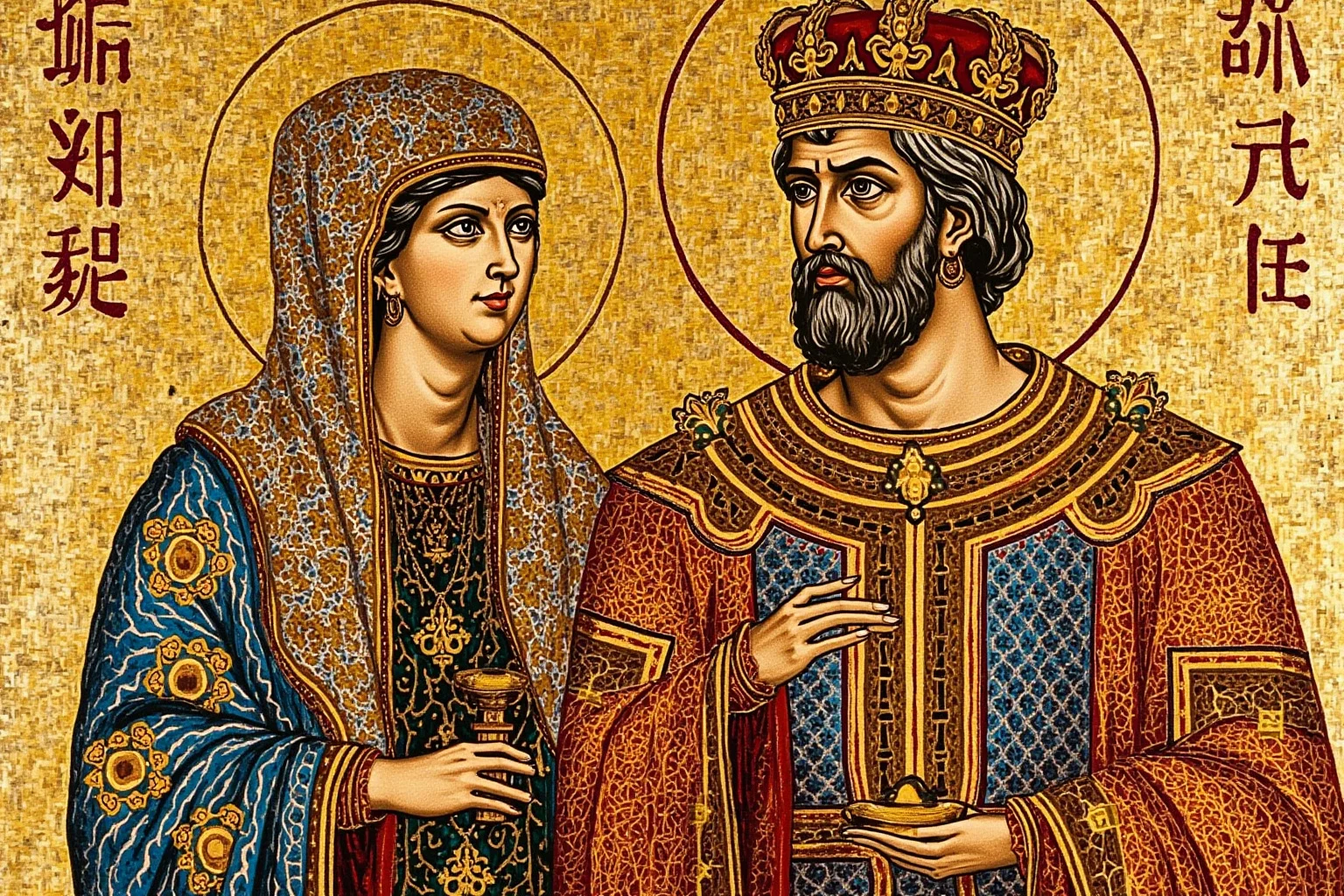
Empress Theodora began life far from the palace, according to Procopius, who wrote both flattering works and a secret attack on her.
She influenced Justinian’s decisions, and one famous account says she urged him to stay and fight during the Nika Riots when others urged flight.
If that moment is true, her nerve may have saved the throne.
Theodora also pushed for legal changes that improved women’s standing and backed religious allies she preferred.
Procopius’s Secret History depicted her as a scheming malefactress who dominated her husband, but the portrait is political.
In reality, she was a co-ruler whose power did not depend on staying hidden.
7. Hürrem Sultan: The Slave Who Became Suleiman’s Legal Wife
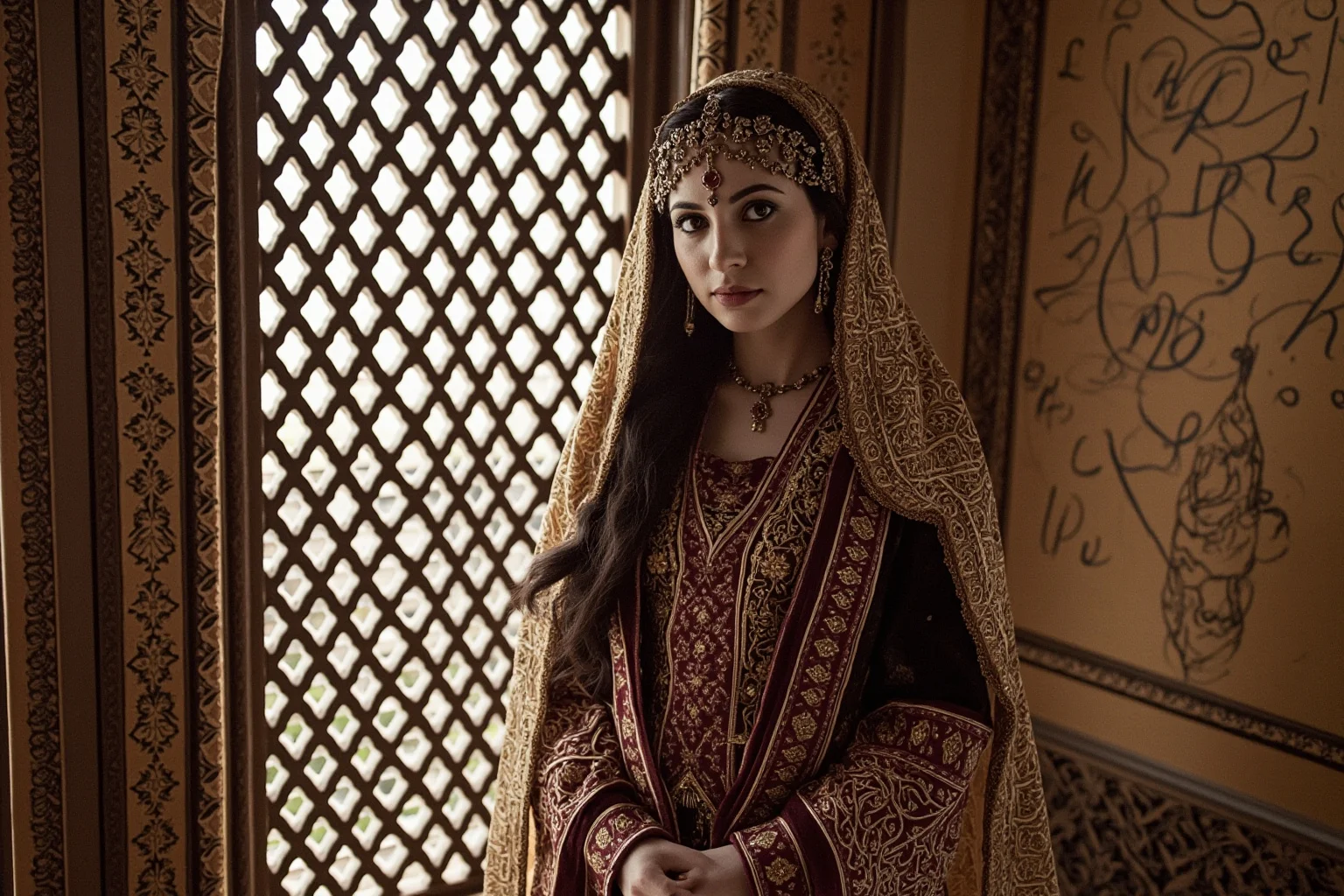
Hürrem Sultan, known in the West as Roxelana, rose from enslaved concubine to the legal wife of Suleiman the Magnificent, a break with Ottoman precedent.
She wrote diplomatic letters, funded public buildings, and kept her sons close to the center of power.
Court observers accused her of plotting against Suleiman’s grand vizier Ibrahim Pasha and his oldest son, Prince Mustafa.
Historians still debate how much direct responsibility Hürrem had for those deaths, which were also tied to succession politics.
What is clear is that she helped create a new kind of visible Ottoman queen.
Her influence over Suleiman made her one of the most talked-about malefactresses in Ottoman history.
8. Kösem Sultan: The Regent Who Ruled Through Sons and Grandsons
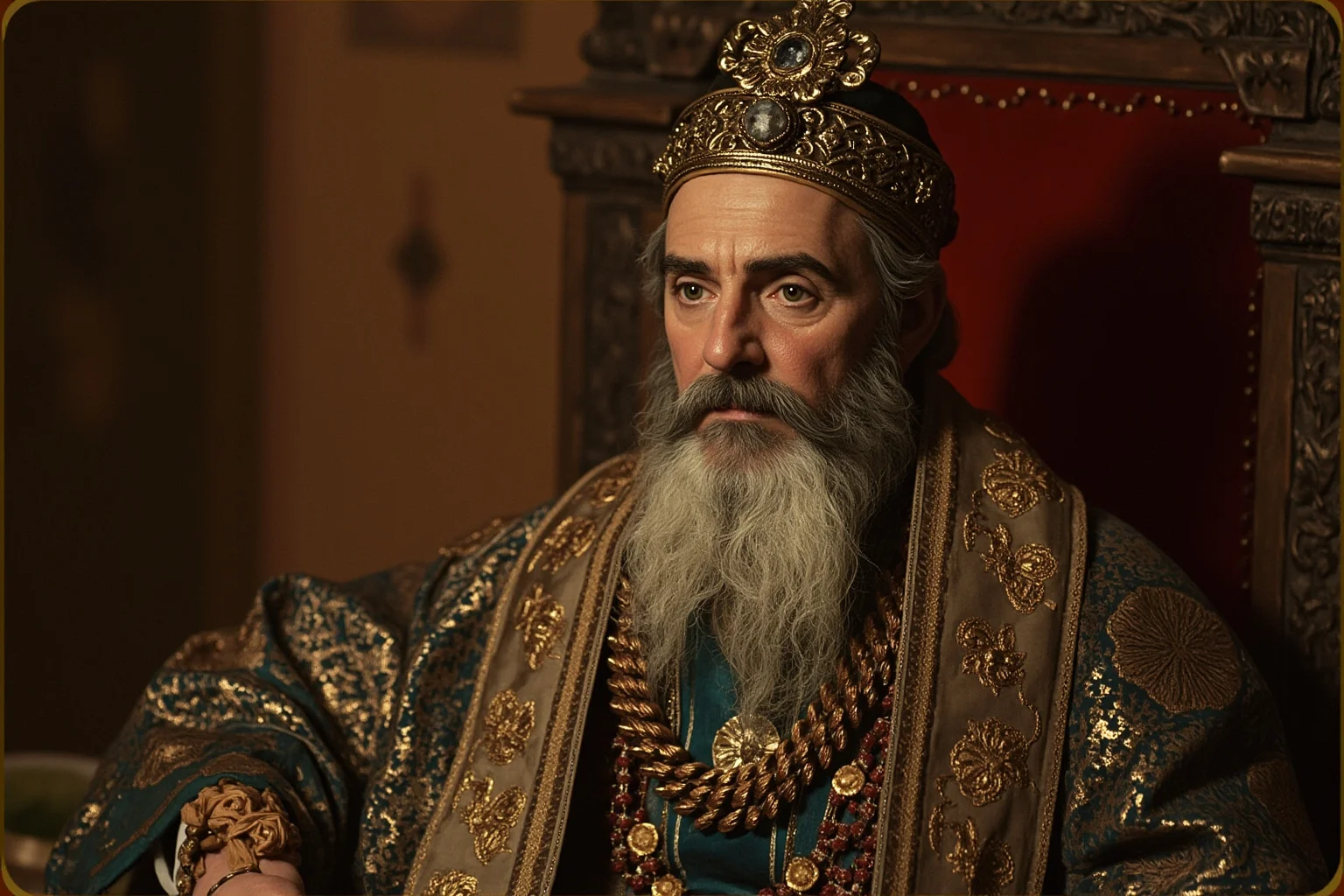
Kösem Sultan rose from concubine to become haseki and, later, valide sultan.
As regent, she ran the Ottoman state during the reigns of her young sons Murad IV and Ibrahim, then for her grandson Mehmed IV.
Sources describe her attending imperial council meetings and shaping appointments, which was very public power.
Her enemies eventually had her murdered in 1651, after which the story of her reign was written by factional winners.
Kösem was not a hidden plotter but the formal face of dynastic continuity.
The malefactress label attached to her reflects how uncomfortable chroniclers were with a woman wielding legitimate authority.
9. Wu Zetian: From Consort to Emperor
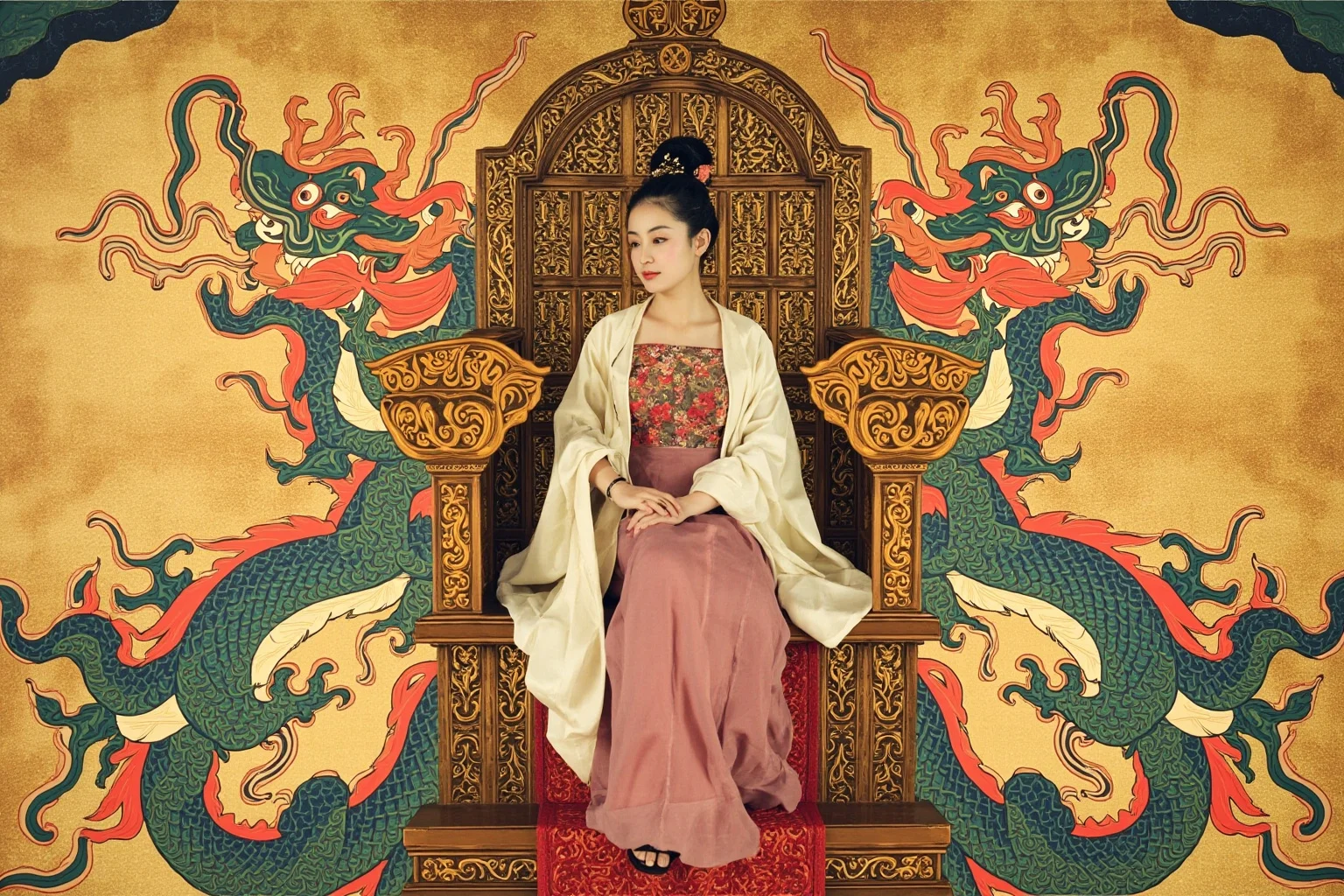
Wu Zetian entered court as a concubine of Emperor Taizong and later became the favored wife of his son Gaozong.
After Gaozong’s health declined, she exercised increasing control, and traditional sources accuse her of eliminating Empress Wang and Consort Xiao.
Modern scholars treat those accounts with caution because official histories were written under later Confucian rulers.
She went further than pulling strings: in 690 she declared herself emperor of her own Zhou dynasty.
Traditional Confucian historians painted her as a ruthless malefactress, but she also expanded the civil service and promoted capable officials.
Wu Zetian remains the clearest example of a woman who outgrew the role of influence behind the throne.
10. Empress Dowager Cixi: The Dragon Lady Behind the Qing Throne
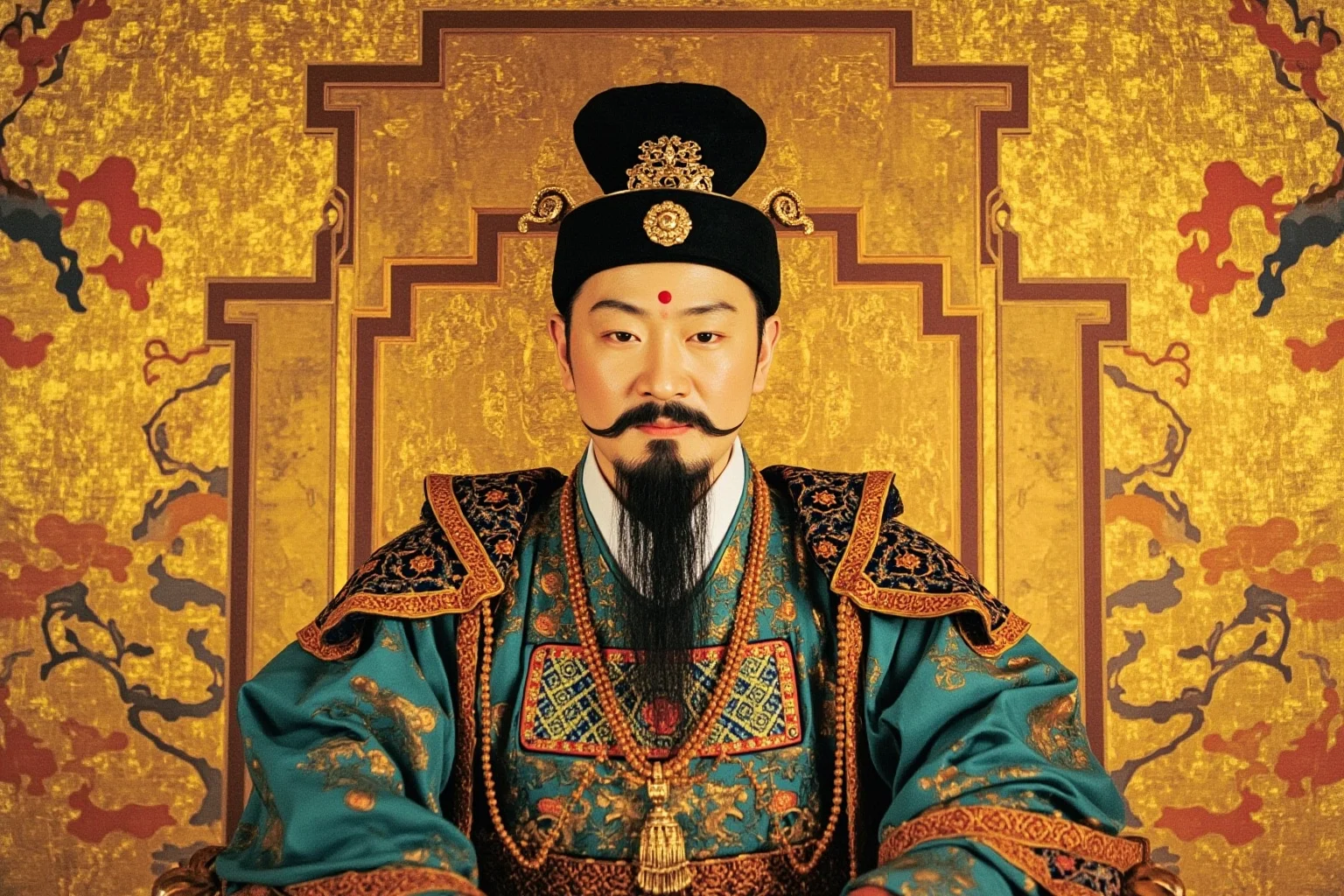
Cixi entered the Qing court as a low-ranking concubine of the Xianfeng Emperor and became regent after her young son inherited the throne.
For decades, she dominated policy during the reigns of the Tongzhi and Guangxu emperors.
Western observers later gave her the “Dragon Lady” image, a caricature of the scheming Eastern matriarch.
Modern historians see Cixi as a conservative but capable survivor who tried to manage a collapsing empire, not a cartoon villainess.
She pulled strings through male emperors because the system offered no direct throne to her.
The gap between her real record and her reputation is a useful warning about the malefactress myth.
11. Fredegund: The Merovingian Queen of Gothic Reputation
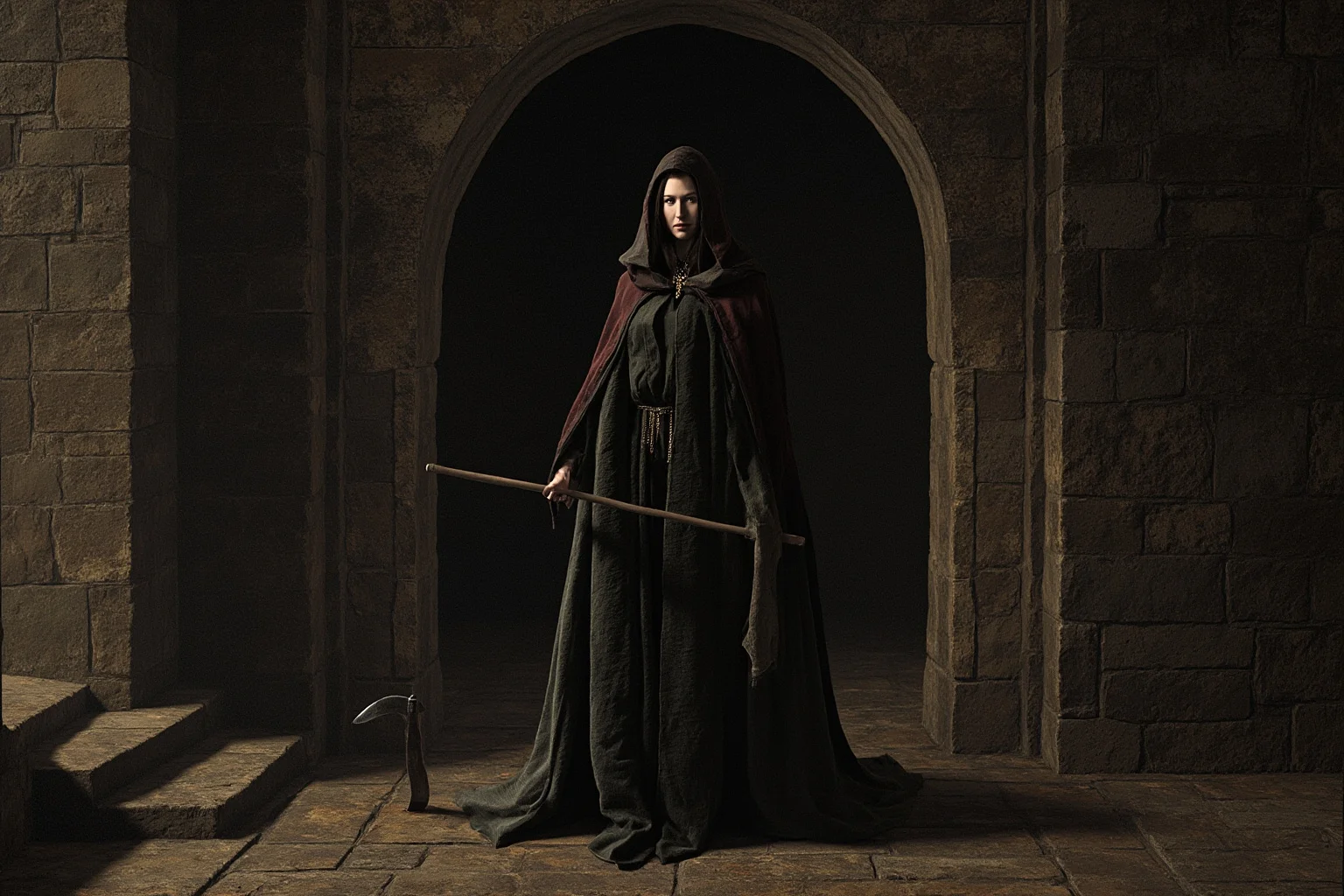
Fredegund rose from palace servant to queen by marrying the Frankish king Chilperic I.
The historian Gregory of Tours, who disliked her, filled his account with stories of her ordering murders and plots against rivals.
Those stories cannot all be verified, but her feud with Queen Brunhilda shaped decades of Frankish politics.
After Chilperic’s death, Fredegund ruled as regent for her infant son Chlothar II and helped secure his inheritance against powerful noble factions.
That survival required more than charm.
Whether monster or mother-protector, she earned a place among early medieval malefactresses by operating through a child king.
12. Brunhilda of Austrasia: The Rival Regent
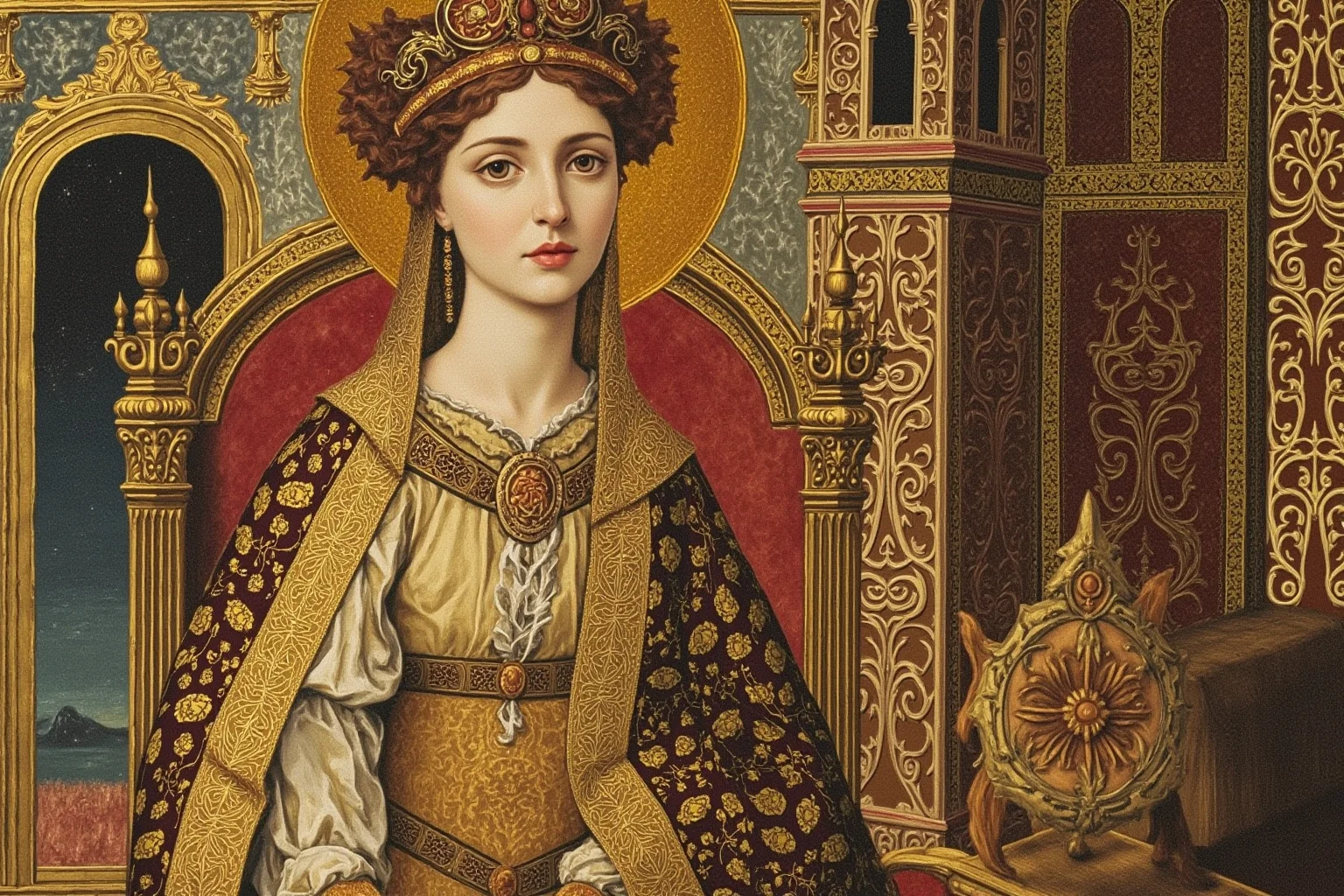
A Visigothic princess married to King Sigibert I, Brunhilda spent decades locked in a dynastic war with Fredegund.
After her husband was murdered, she acted as regent for her son and later her grandsons, trying to hold Austrasian royal power together.
Her success made her many enemies among Frankish aristocrats.
Eventually captured by Chlothar II, she was tortured and executed after being accused of numerous crimes, many of them likely exaggerated for propaganda.
Brunhilda’s story mirrors Fredegund’s, but with different winners writing the tale.
Both women show how regency placed a queen directly in the line of political fire.
13. Isabella of France: The “She-Wolf” of England
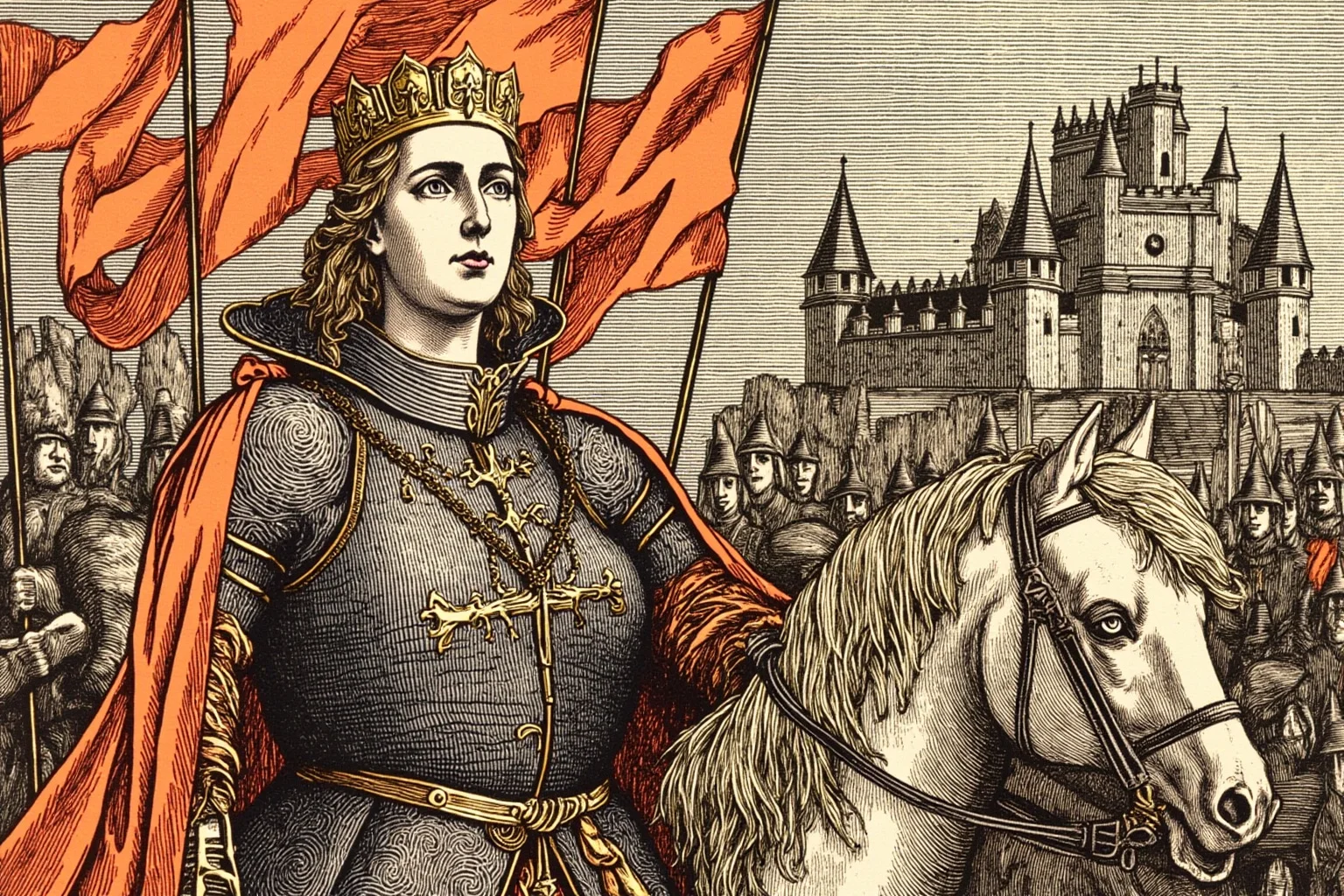
Isabella of France married Edward II of England as a child, but their marriage soured over his favoritism toward male courtiers like Piers Gaveston.
Sent to France to negotiate, she began a relationship with Roger Mortimer and later invaded England in 1326 to depose her husband.
Chroniclers called her a “She-Wolf of France” for taking up arms against a king.
She then ruled through her young son Edward III, with Mortimer as the real force behind the regency.
When Edward III came of age, he had Mortimer executed and pushed his mother aside.
Isabella’s reputation as a malefactress grew from that betrayal of king and husband, though her son never punished her with death.
14. Margaret of Anjou: The Queen Who Fought for a Son’s Crown
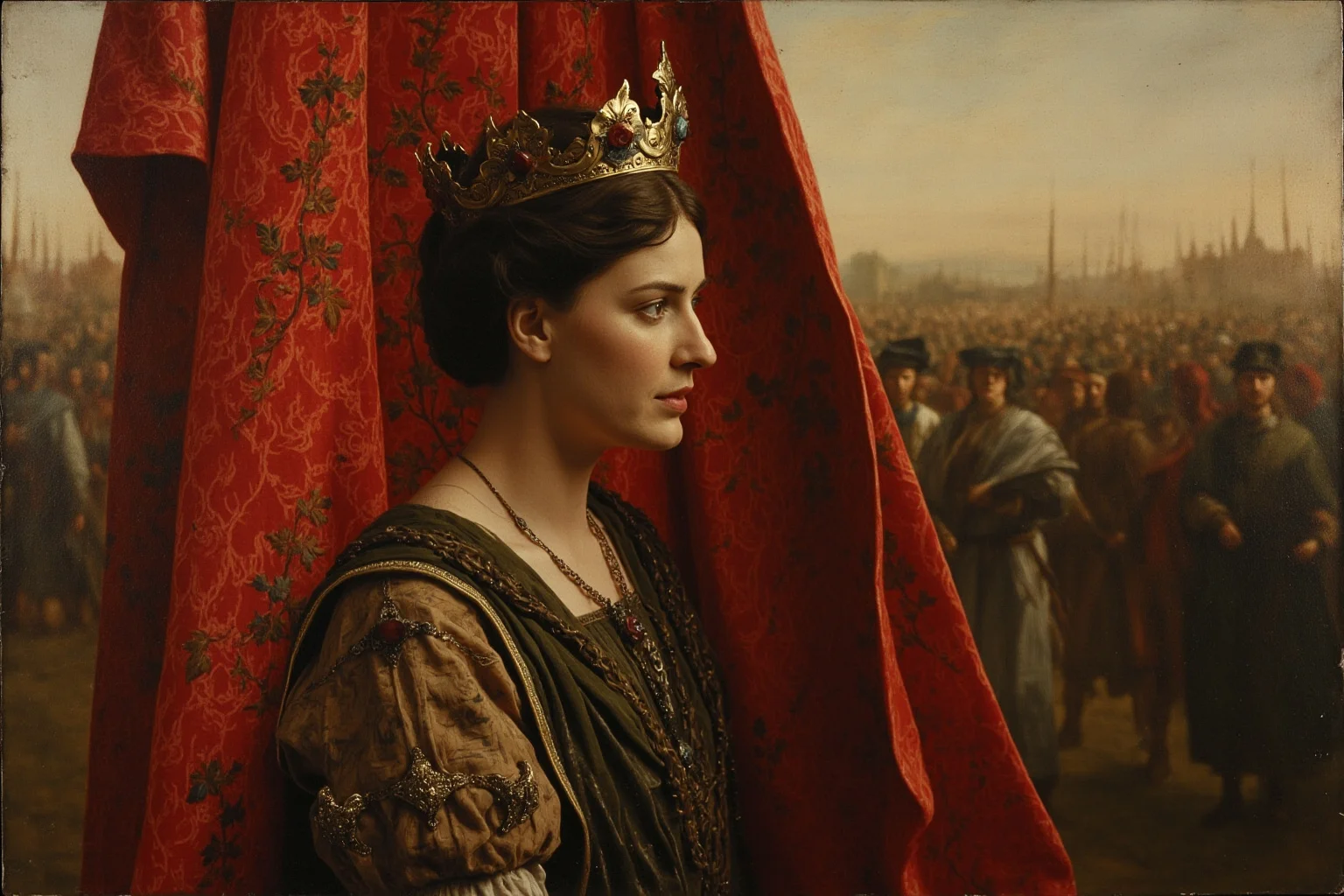
Margaret of Anjou married Henry VI of England, whose bouts of mental illness left a dangerous power vacuum.
She became the active leader of the Lancastrian cause during the Wars of the Roses, fighting to protect her son’s inheritance.
Shakespeare later painted her as a ruthless foreign she-wolf, cementing her dark legend.
Unlike a hidden puppeteer, Margaret raised armies, negotiated alliances, and sometimes led campaigns in her son’s name.
Her influence came through her husband’s crown and her son’s claim, but the energy was her own.
She is another woman whose malefactress image owes much to the victors who wrote the histories.
15. Catherine de’ Medici: The Queen Mother Everyone Blamed
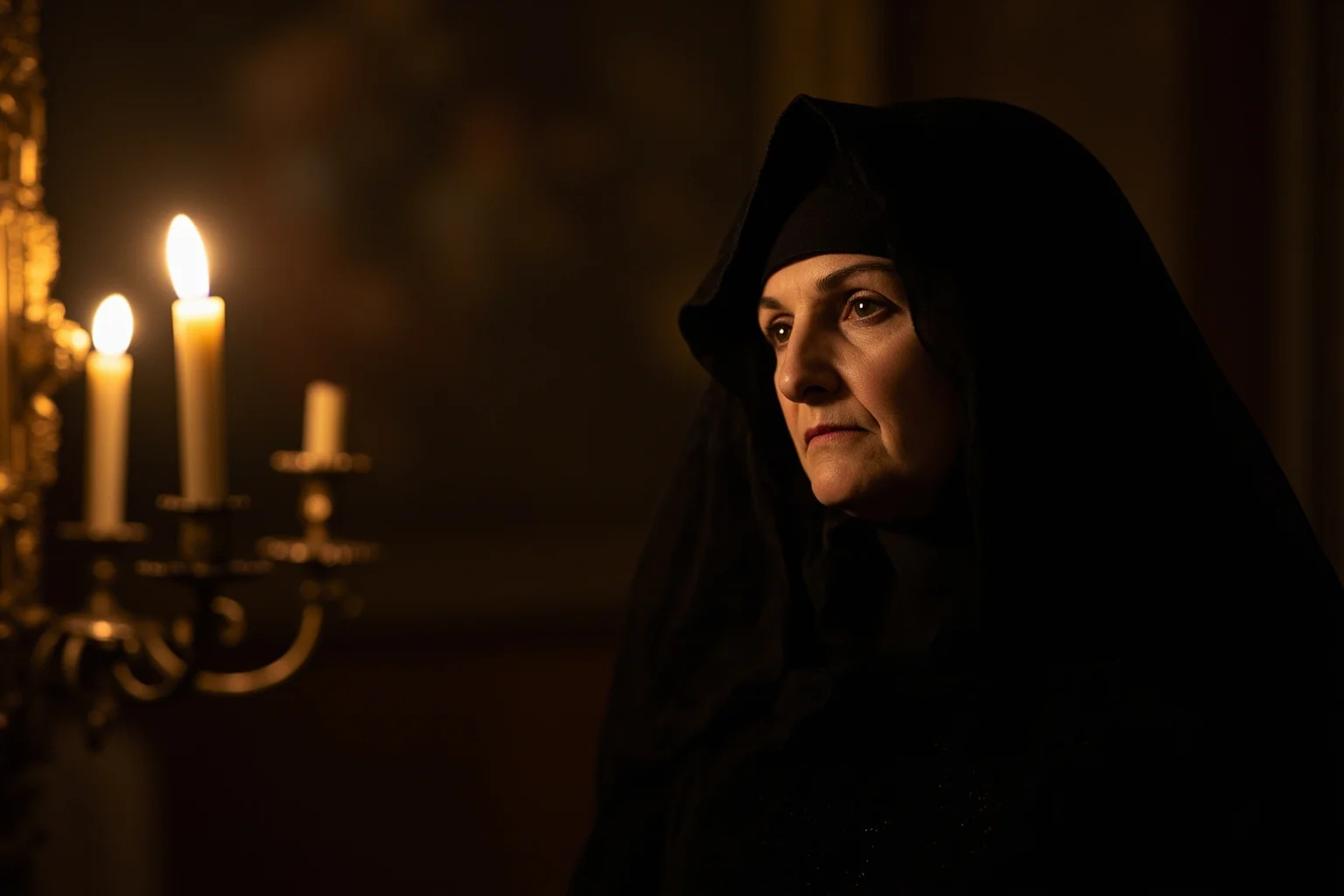
Born into the Medici family of Florence, Catherine de’ Medici became queen of France and then queen mother during the reigns of three sons.
With kings young, sickly, or weak, she held the Valois monarchy together through decades of religious civil war.
Contemporaries gave her credit for much of the throne’s survival and blame for its bloodshed.
Her name is permanently linked to the St Bartholomew’s Day massacre of 1572, though historians still debate the full extent of her responsibility.
She likely authorized targeted assassinations, but the scale of mob violence surprised the court.
Catherine remains a classic European malefactress, a woman whose real power made her an easy scapegoat.
16. Madame de Pompadour: Influence from the King’s Apartments
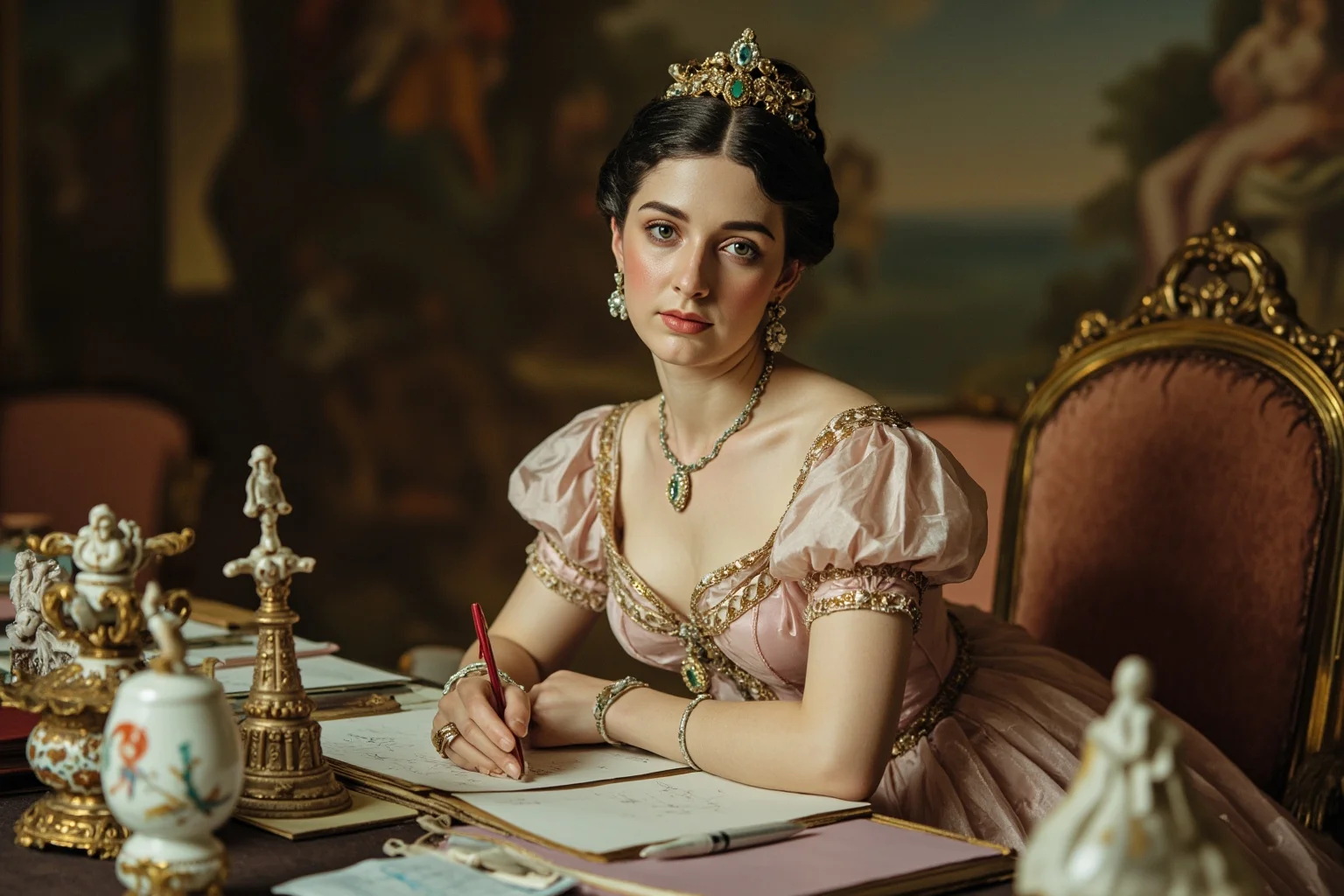
Jeanne Antoinette Poisson, known as Madame de Pompadour, was the official mistress and later close friend of Louis XV.
She became a channel for courtiers seeking offices and decisions, which gave her substantial political influence.
Her enemies blamed her for military setbacks and costly wars, but that vastly oversimplifies French politics.
Pompadour cared deeply about arts, architecture, and the philosophical culture of the Enlightenment, and she used the king’s support to fund projects.
She did not cause the Seven Years’ War, though her diplomatic preferences played a role in the era’s alliances.
Her power came entirely from her relationship with Louis XV, the very definition of pulling strings through a man.
17. Anne Boleyn: The Queen Who Broke England from Rome
Anne Boleyn refused to remain a disposable mistress, and Henry VIII’s desire to marry her became a catalyst for England’s break with Rome.
During her short queenship, she promoted evangelical religious figures and influenced court faction and policy.
Her rise showed how a woman could redirect a kingdom through a king’s affection.
When no living male heir appeared, the factional system she had helped create turned against her.
Charged with adultery and treason, she was executed in 1536 on evidence most historians consider flimsy.
Anne is less a malefactress than a victim of the same machinery, but her influence over Henry reshaped English history.
18. Olympias: The Mother of a Conqueror
Olympias was a princess of Epirus and mother of Alexander the Great, and ancient sources depict her as proud and deeply involved in her son’s destiny.
Accounts written after her death accuse her of scheming against rivals and even hint that she was involved in the murder of her husband, Philip II.
Those claims remain unproven and reflect Macedonian court propaganda.
After Alexander’s death, Olympias fought to secure the throne for her grandson Alexander IV, eliminating rivals and leading her cause until she was captured and executed.
Her power came through her son’s legacy and her grandson’s bloodline.
In Macedonian politics, that made her one of the most feared malefactresses of her generation.
19. Julia Maesa: The Grandmother Who Chose Emperors
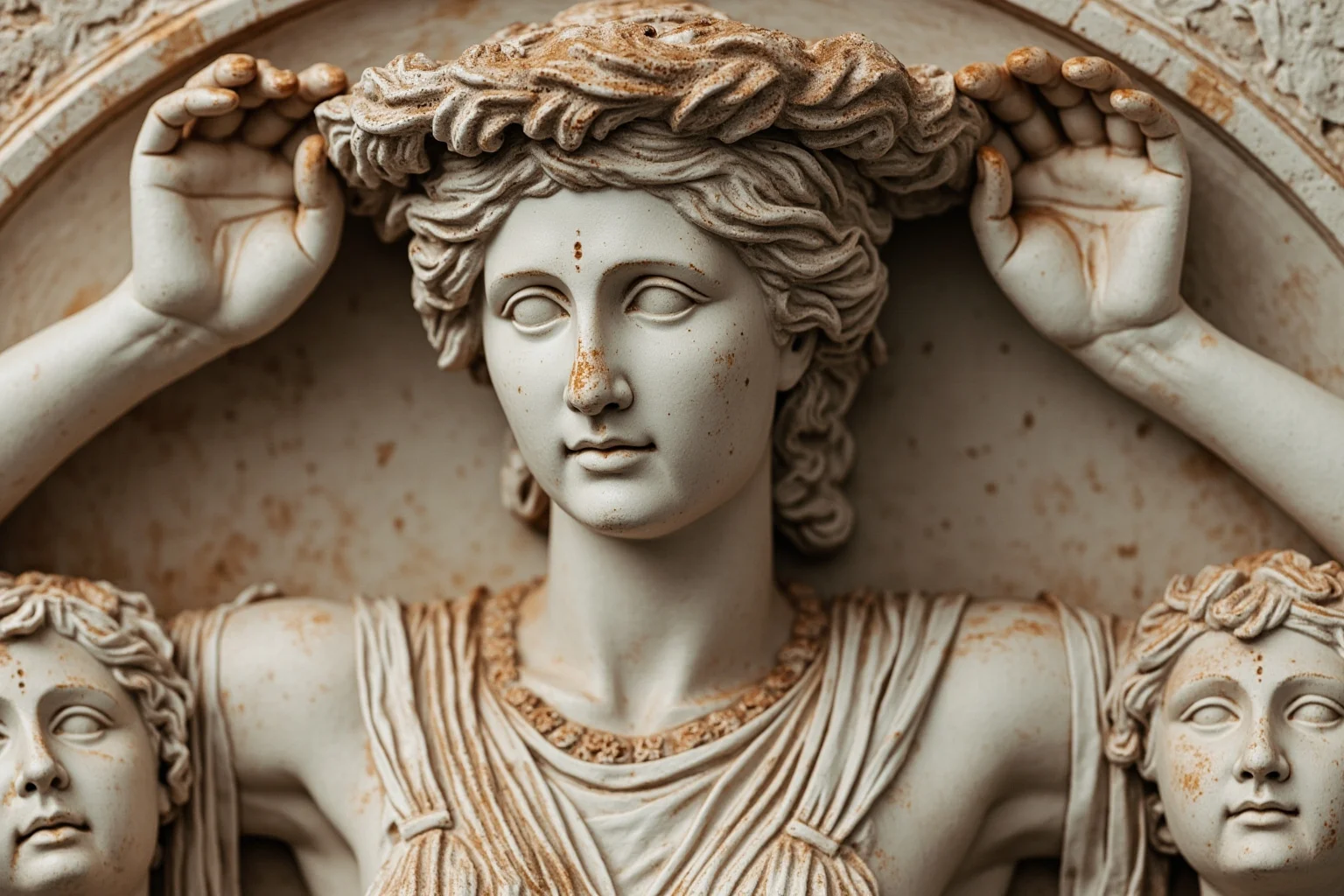
Julia Maesa belonged to a Syrian noble family with deep roots in the Roman empire; her sister Julia Domna was wife of Septimius Severus.
After the murder of her nephew Caracalla, she organized a revolt by presenting her grandson Elagabalus as Caracalla’s natural son.
That claim, probably false, gave the boy a legitimate claim to imperial power.
She effectively managed Elagabalus’s early rule, but when his behavior became a liability, she shifted support to her other grandson, Severus Alexander.
This was behind-the-scenes power of the highest order, deciding nominally male emperors.
Julia Maesa is often overshadowed by more famous women, yet she was one of Rome’s most successful malefactresses.
20. Eva Perón: The First Lady Who Became a People’s Icon
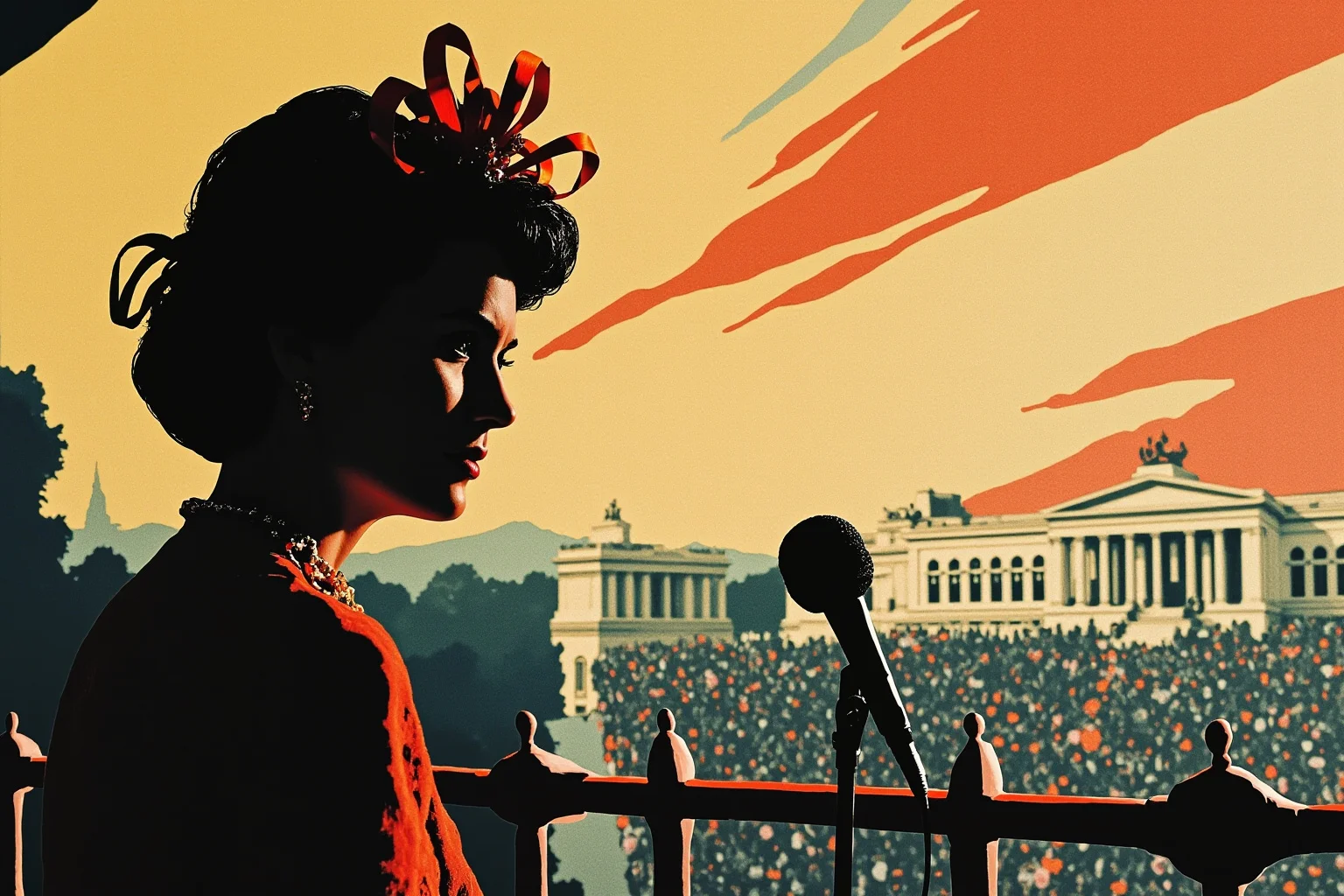
Eva Perón was an actress and radio personality who married Juan Perón shortly before he won the Argentine presidency in 1946.
She held no elected office, but she used her husband’s authority to build a political base among workers and women.
Her foundation and speeches made her an informal center of power in Peronism.
Supporters saw her as a saint of the descamisados; critics accused her of demagoguery and of manipulating the president for her own ambitions.
Either way, her influence depended on Juan Perón’s formal position.
Evita is a modern reminder that the malefactress story persists whenever a woman’s power runs through a man.
What These Stories Actually Tell Us
Reading these twenty lives together reveals a pattern.
The women remembered as malefactresses were rarely as all-powerful as legend claims, and rarely as innocent as their defenders insist.
They operated inside systems that denied them direct authority, so they worked through men who possessed the titles.
In many cases, the most lurid accusations—poison, sexual corruption, witchcraft—came from writers who had political reasons to attack them.
The label of malefactress often became a weapon against women who had simply survived too long or wielded too much influence.
That does not excuse real violence or conspiracy, but it demands evidence rather than gossip.
Perhaps the true story of these “mischievous maidens” is not that they pulled strings better than men, but that history often could not imagine a powerful woman except as a villain behind the curtain.
Some of them were ruthless, some were reformers, and many were both.
The challenge is to keep the myths apart from the record.
Frequently Asked Questions
What does the word “malefactress” mean?
It is an archaic feminine form of “malefactor,” meaning a female wrongdoer. In history writing, it often became shorthand for women accused of scheming through husbands, sons, or lovers. The term carries strong moral judgment, so it should be read carefully.
Did these women really pull strings through powerful men?
Many of them did exercise real influence through male rulers because formal offices were usually closed to women. Some also plotted, fought, or killed to protect their families and power. But the most lurid stories often come from hostile sources, so the truth requires distinguishing evidence from political smear.
Which historical woman is the strongest example of a malefactress?
That depends on how you define the term. Agrippina the Younger and Livia Drusilla are classic Roman examples, while Wu Zetian and Cixi show imperial Chinese versions of behind-the-throne power. Wu Zetian eventually took the throne herself, which turns the usual pattern on its head.
Why do so many powerful women end up with a scheming reputation?
Most ancient and medieval chroniclers were elite men who saw female ambition as unnatural. When a woman influenced a king, they often explained her power through poison, sex, or conspiracy rather than skill. Modern historians treat those stories as evidence of gender politics as well as actual events.

Alex Warren
Related Articles