When people talk about King James and witches, they often picture a paranoid monarch seeing spells in every shadow. The real story is more interesting than the caricature. James VI of Scotland and I of England was an intellectual ruler whose religious convictions turned witchcraft into a matter of national security.
His obsession did not create witch belief overnight, but it gave royal power to a dangerous idea. This list explores 20 historical facts about King James, witchcraft, and the trials that followed. It separates documented events from later legend.
TL;DR: King James did not practice witchcraft, but his fear of it reshaped laws and fueled the King James witch trials in Scotland and England.
1. He Wore a Crown Before He Could Walk
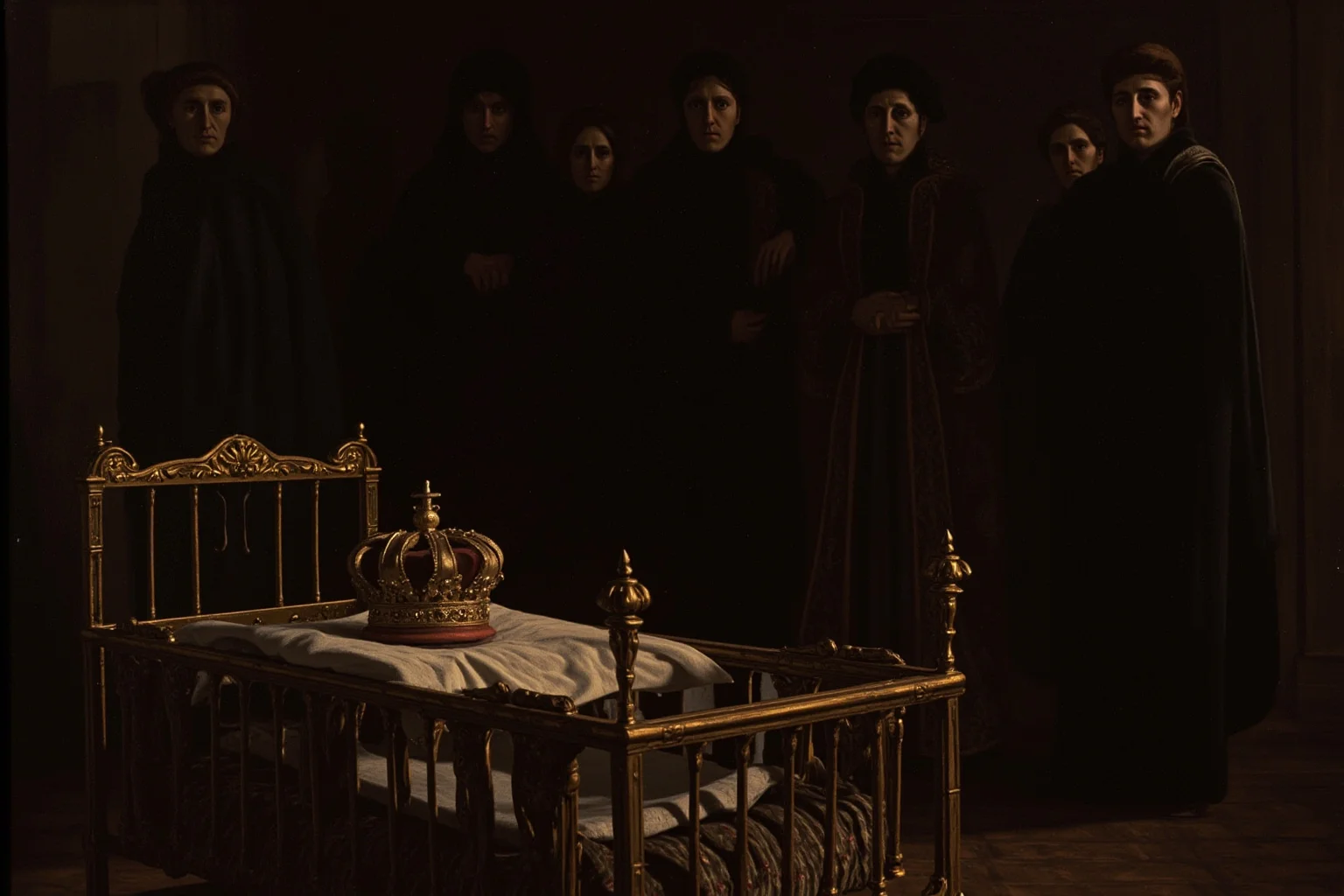
James was born on 19 June 1566 to Mary, Queen of Scots, and Henry Stuart, Lord Darnley. His mother's turbulent reign collapsed quickly, and in July 1567 she was forced to abdicate. James became King James VI of Scotland at just over a year old.
His early kingship meant he grew up around regents, nobles, and religious factions jockeying for power. That instability shaped his adult belief that hidden enemies could threaten the throne. Witchcraft, in his mind, would become one of those hidden enemies.
The phrase “King James and witches” often begins here: a child king raised in a climate of fear. Though he was too young to understand at first, he later described Scotland as a kingdom beset by Satanic plots. That self-image was not inevitable, but it was powerful.
2. His Education Made Him a Bible-Centered Intellectual
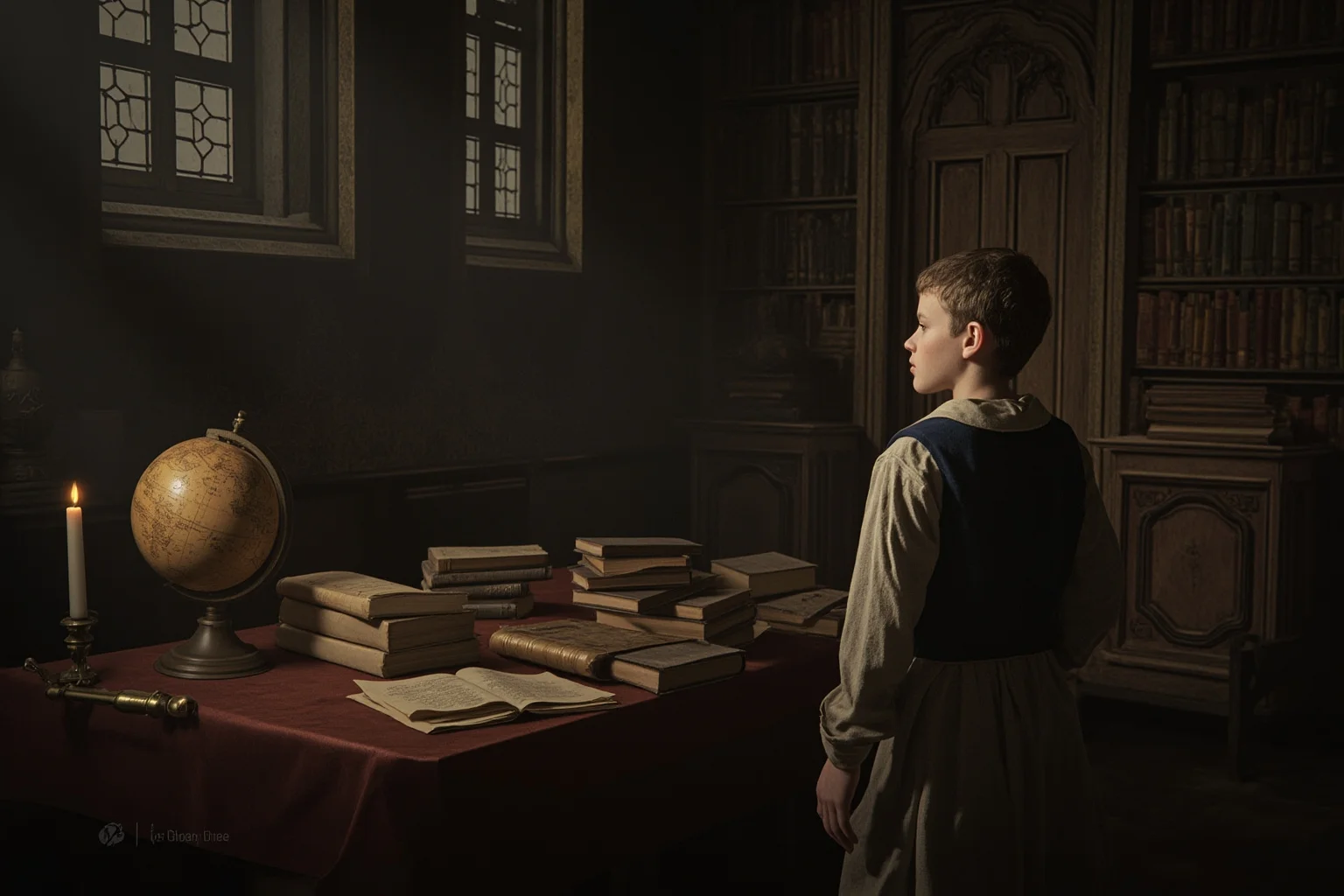
James received an unusually rigorous education for a Renaissance prince. His tutors included the formidable George Buchanan, and his studies covered Latin, Greek, scripture, and political theory. He became known as one of Europe's more scholarly monarchs.
That learning cut two ways. It gave him confidence to write books and argue with theologians, but it also reinforced a worldview in which scripture was literal truth. In that worldview, verses about witches and familiar spirits were not metaphors. They were evidence.
This matters for the later obsession with King James and witchcraft. A less educated king might have deferred entirely to judges or clergy. James wanted to define the danger himself.
3. A Storm at Sea Brought Witchcraft Into His Own Story
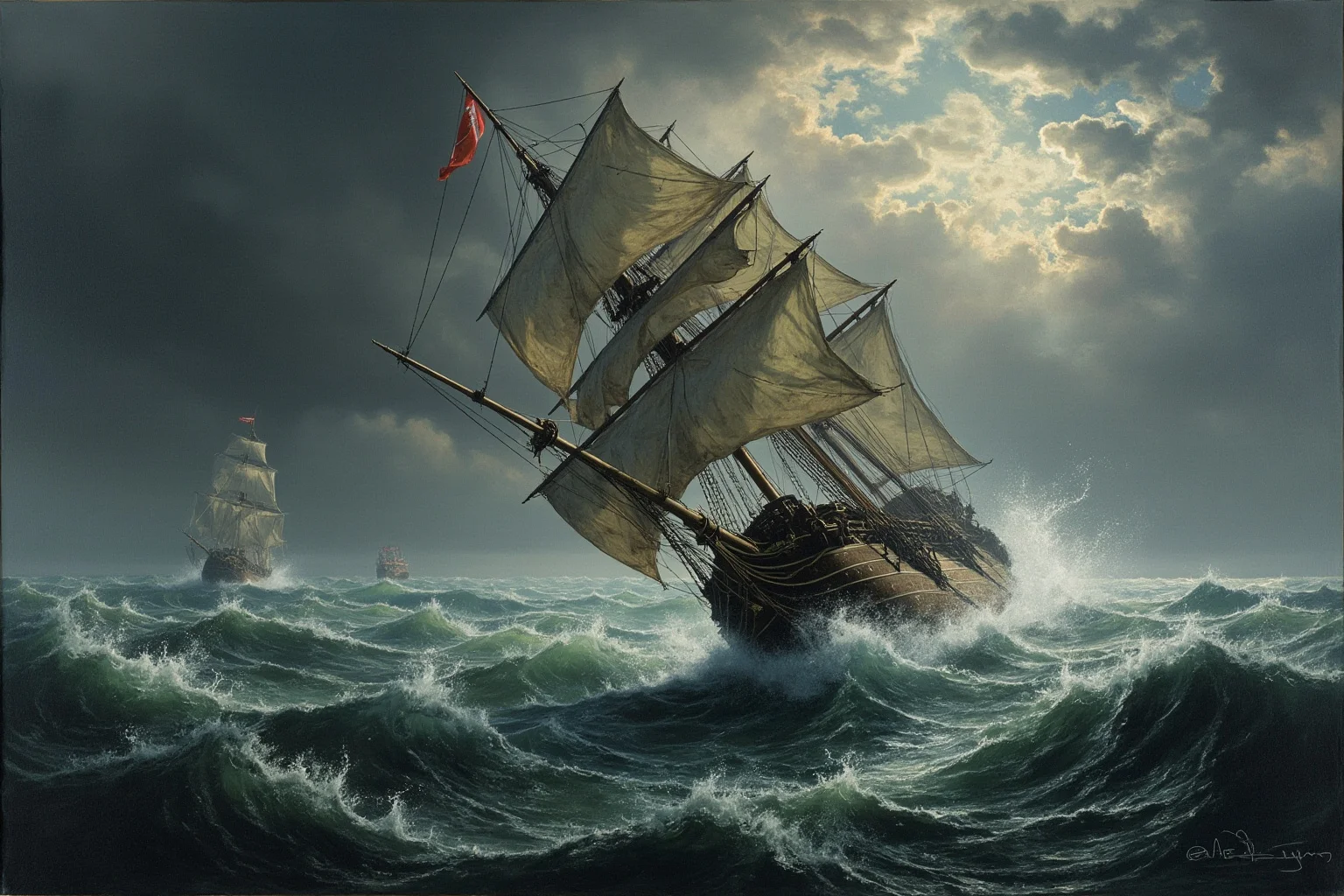
In 1589, James sailed to bring home his bride, Anne of Denmark, after storms drove her ship back to Norway. The rough seas were real and dangerous for royal travelers. Shortly afterward, Scottish authorities began hearing confessions that witches had raised those storms.
We cannot verify those confessions as true. What is historically clear is that James accepted the idea that hostile magic had targeted his future queen. That belief turned a weather disaster into a personal crime.
This episode is often cited as the moment James became convinced of a Satanic conspiracy. It set the stage for the most famous early witch panic connected to his name. From then on, he treated witchcraft as both a theological offense and an attack on the crown.
4. Where Did James Learn About the Growing Peril of Witchcraft? In Courtroom and Pulpit
The shortest answer is that James learned about witchcraft from the two institutions that dominated his world: the church and the law courts. Presbyterian ministers in Scotland preached about the devil's activity with urgency. Judges and local officials brought witchcraft accusations before him in criminal proceedings.
James also read continental demonology, including works by writers such as Jean Bodin and Nicolas Rémy. Their books argued that witches were real, numerous, and dangerous. He absorbed their tone even when he disagreed with details.
So where did James learn about the growing peril of witchcraft? Not from practicing magic, as some later legends imply. He learned by listening to sermons, reading legal treatises, and interrogating accused people.
5. The North Berwick Witch Trials Put King James and Witches on a Collision Course
The North Berwick trials of 1590–91 are the most notorious Scottish witch trials associated with James. Accused people admitted, often under torture, to meeting with the devil and plotting against the king. Those confessions included the storm-raising story tied to Anne of Denmark's voyage.
James took an unusually direct role in these proceedings. He interviewed suspects and pressed for convictions. His participation turned local accusations into a royal crusade.
Historians caution that the trial records were produced under extreme coercion. Confessions cannot be read as reliable evidence of actual magic. They can, however, reveal what authorities wanted to hear and what James was prepared to believe.
6. He Personally Interrogated Accused Witches
One of the most striking facts about King James and witchcraft is that he did not stay above the fray. Contemporary accounts describe him questioning accused women such as Agnes Sampson. Some records say she whispered details to him, though the exact words remain uncertain.
Royal participation was unusual. Most monarchs left interrogations to judges and torturers. James's direct involvement showed how seriously he took the supposed threat.
This hands-on style was part of his public image. He presented himself as a wise detective who could uncover hidden traitors. It also made the witch hunt personal, not merely bureaucratic.
7. He Wrote Daemonologie as a Handbook for Believers
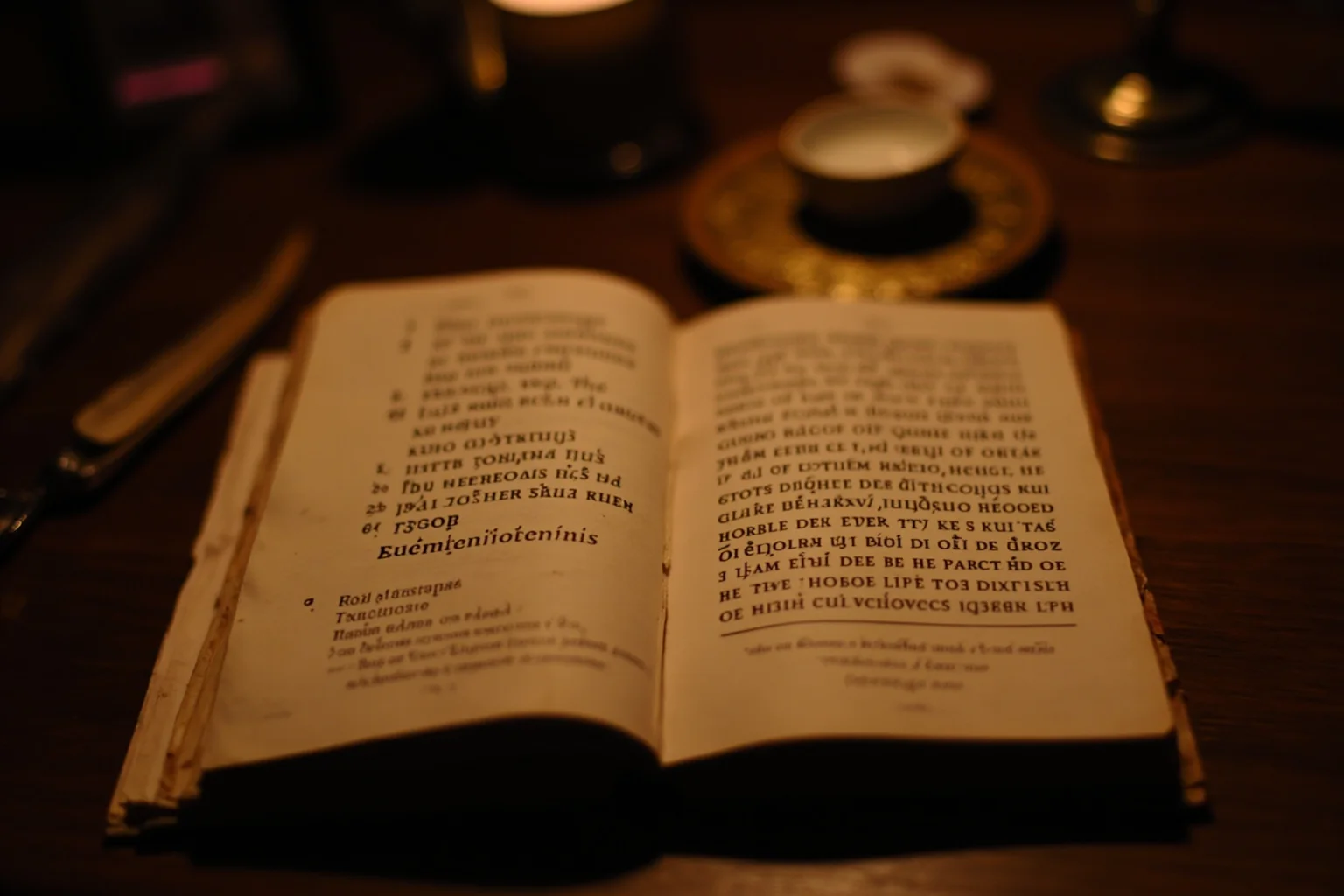
In 1597, James published Daemonologie, a book written in the form of a dialogue. It defended the existence of witches and argued that they should be punished under law. The book became a defining statement of his views.
Daemonologie was not an obscure private journal. It was published in Edinburgh and later circulated in England and beyond. James intended it to persuade doubters and guide magistrates.
The title alone has made the phrase “King James and witchcraft” inseparable in popular memory. The book remains one of the best-known royal works on demonology. Its tone is confident, but its arguments now look like products of fear.
8. Daemonologie Read Like a Prosecutor's Manual
The book divided its argument into three parts: magic, sorcery, and spirits. James described witches as servants of Satan who made a pact with the devil. He rejected the idea that witchcraft was mere illusion.
He also offered practical instruction on how to detect and try witches. He accepted spectral evidence and confessions, even when those confessions were extracted under pressure. This made the work useful to local courts.
Modern readers often ask whether Daemonologie proves that King James was into witchcraft. It does not show him as a practitioner. It shows him as an earnest, often ruthless lawgiver who believed execution was a godly duty.
9. Did King James Practice Witchcraft? No, He Tried to Define It
The question “Did King James practice witchcraft?” usually comes from confusion between studying magic and performing it. There is no credible historical evidence that James cast spells or attempted sorcery. He prosecuted alleged witches; he did not join them.
He did, however, spend years thinking about exactly what witchcraft was. He wrote about pacts, familiars, and curses in detail. That fascination can look suspicious to modern eyes, but in his own culture it was considered theology.
In short, James was a demonologist, not a warlock. The distinction mattered enormously to him. He believed that defining witchcraft correctly was necessary to defeat it.
10. He Linked Witchcraft to Treason and Rebellion
James saw witchcraft as a political crime, not only a personal sin. He believed that witches could attack the king's life and disrupt the state. That belief made witchcraft prosecutions feel urgent to him.
The North Berwick confessions often included plots against the king's ship or his marriage. To James, that was treason disguised as magic. He treated denial as evidence of guilt in some cases.
This fusion of demonology and politics was dangerous. It meant that a spiritual panic could become a national security crisis. It also encouraged judges to see witches everywhere.
11. The Scottish Witch Hunts Under James Were Brutal and Localized
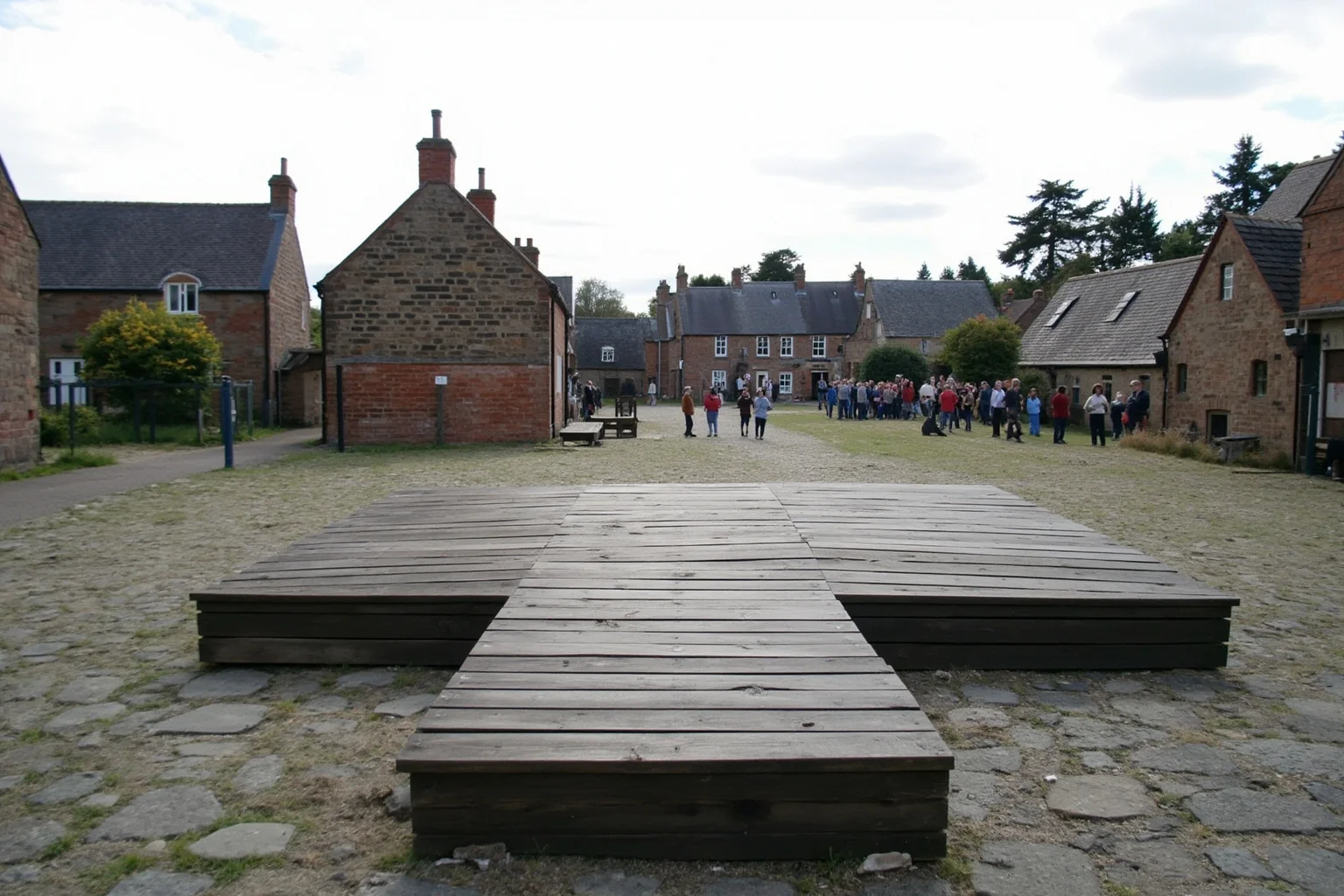
Scotland's witch hunts under James were severe, but they were not uniform. Some regions pursued accusations aggressively, while others were less active. The North Berwick panic was exceptional because of royal attention.
Torture was a key reason confessions multiplied. Sleep deprivation, pricking, and other methods produced the stories authorities expected. These methods were legal in Scottish witchcraft cases in ways that differed from England.
James cannot be blamed for every local prosecution, but his rhetoric mattered. When the king declared witches real and dangerous, local lairds and ministers felt empowered to act. The result was real suffering for the accused, most of them women.
12. He Brought His Witch-Hunting Views South to England in 1603
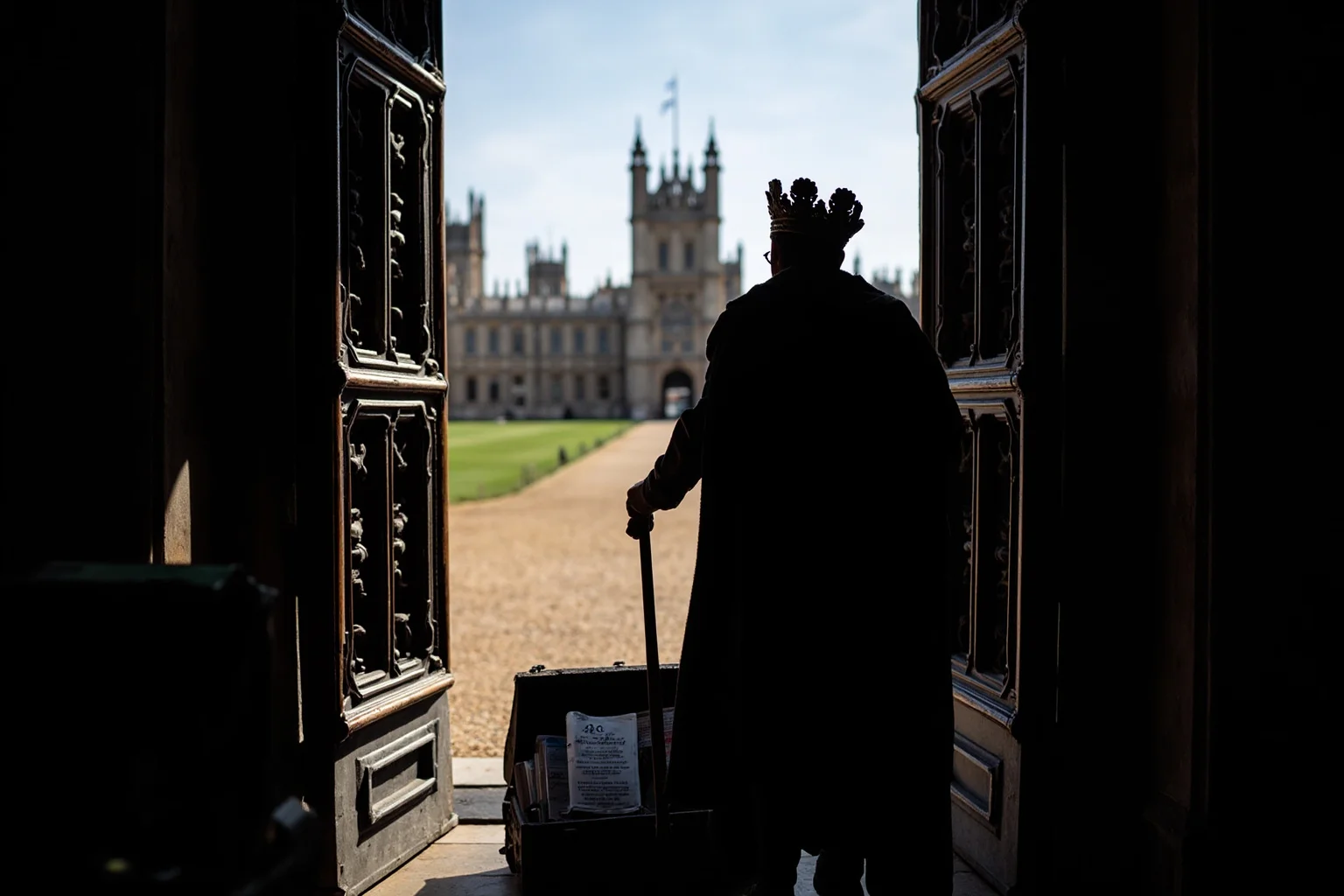
When Elizabeth I died in 1603, James inherited the English throne and became James I of England. His writings had already made him known as an enemy of witchcraft. English officials understood that the new king expected action.
James did not import Scottish law directly into England. English witchcraft trials remained different in procedure. But his views gave new energy to existing anxieties.
The phrase “King James witch trials” often refers to both the Scottish cases and the English prosecutions after his arrival. In England, the pace of witchcraft legislation changed within a year of his accession. That timing was not a coincidence.
13. He Pushed Through the Witchcraft Act of 1604
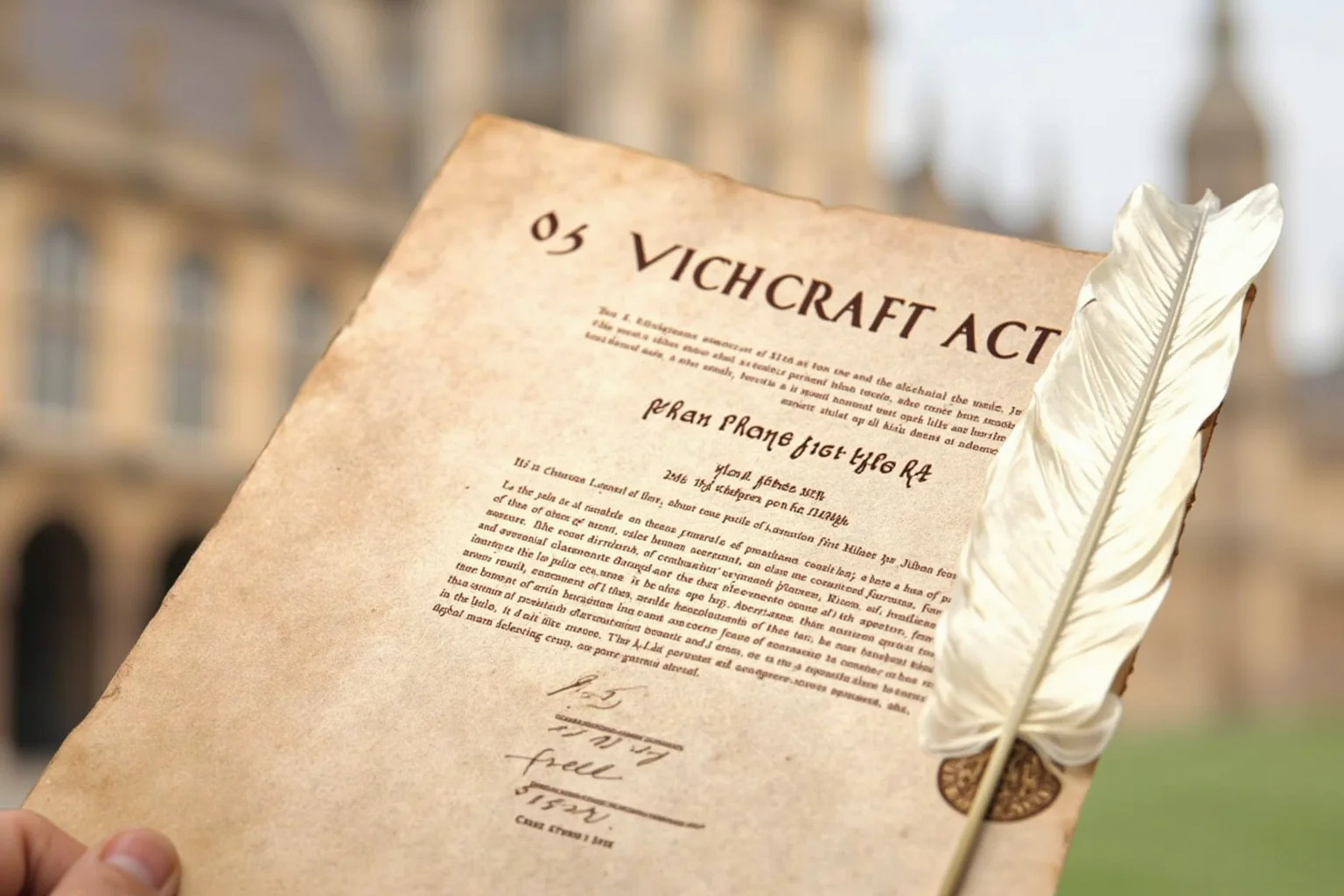
In 1604, Parliament passed a new English Witchcraft Act during James's first year as king. It built on earlier Elizabethan law but made certain offenses harsher. Invoking evil spirits, for example, could now be treated as a felony.
The act broadened the reach of capital punishment for witchcraft-related crimes. It reflected the king's known views on the subject. Whether James personally drafted every clause is less important than the political climate he created.
For students of King James and witchcraft, the 1604 act is a turning point. It stayed on the books for more than a century. It shaped how English courts handled witchcraft accusations long after his death.
14. He Despised Skeptics Like Reginald Scot
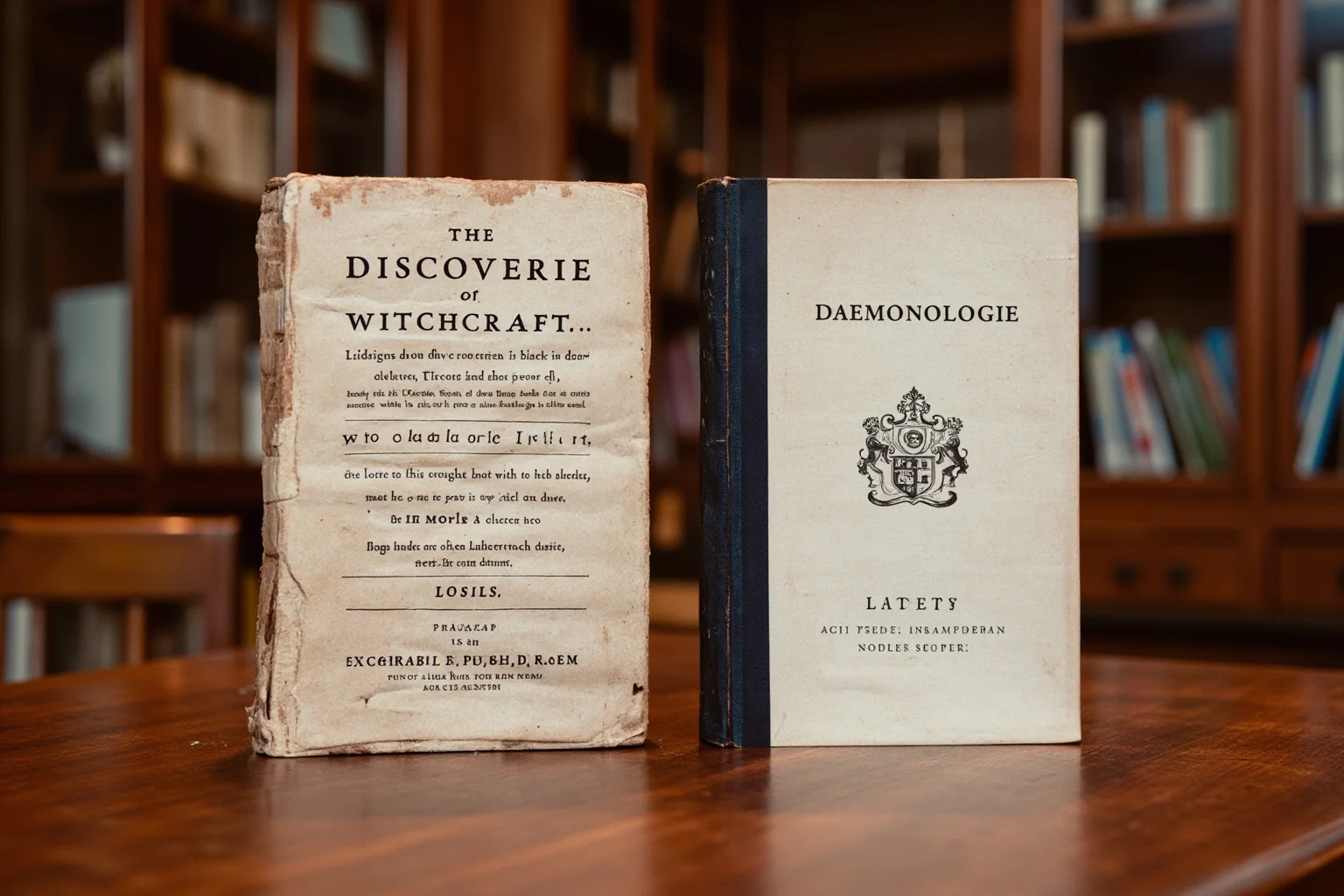
Before James wrote Daemonologie, the English writer Reginald Scot had published The Discoverie of Witchcraft in 1584. Scot argued that many witchcraft claims were superstition, illusion, or fraud. His work was admired by some but alarmed others.
James rejected Scot's skepticism almost entirely. He wrote Daemonologie partly as an answer to those who doubted the reality of witchcraft. To James, skepticism was not enlightened; it was dangerous.
This conflict mattered because it showed how high the stakes were. If witchcraft was not real, then laws and executions lacked foundation. James was determined to close that door.
15. He Could Sometimes Spot a Fraud
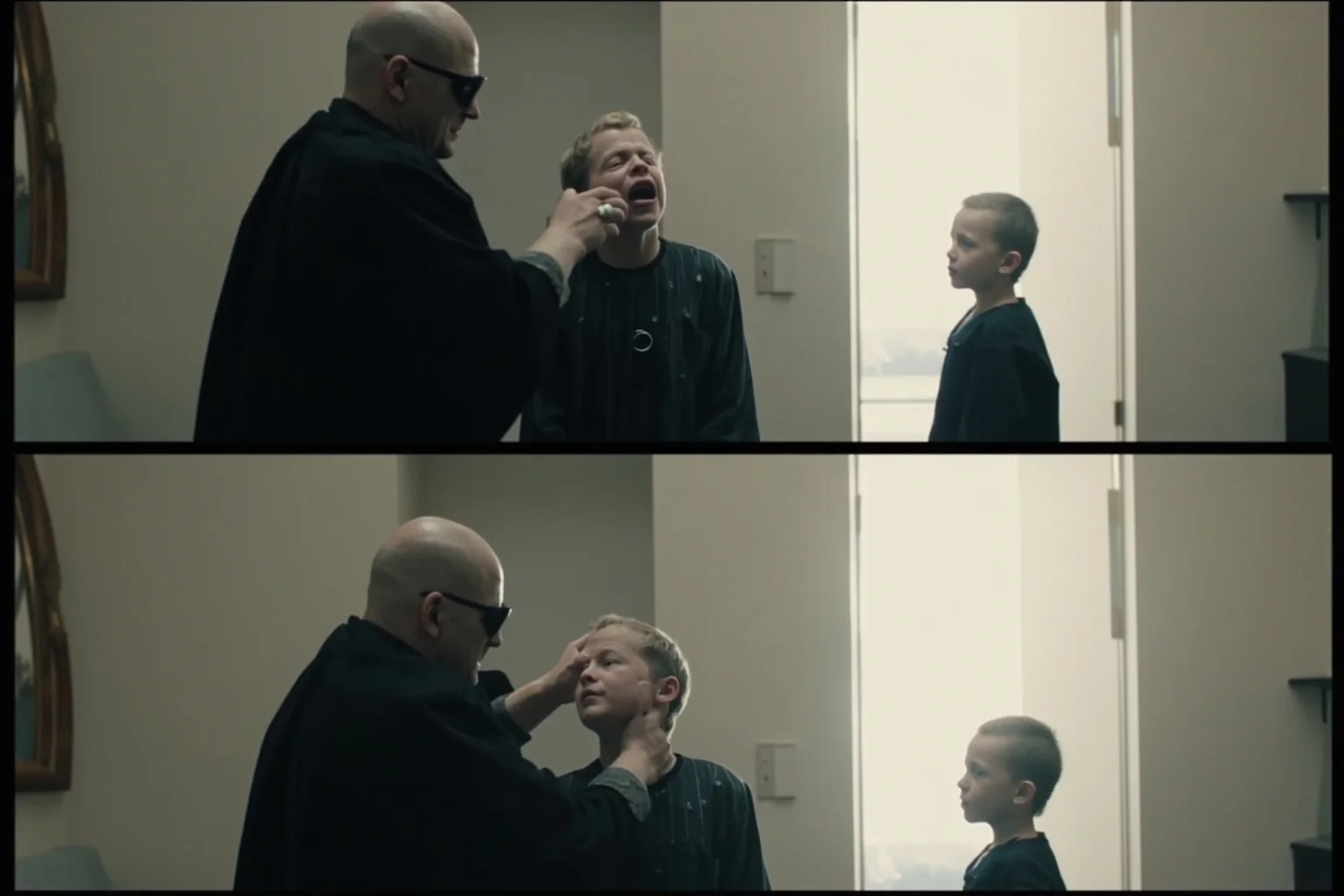
James was not entirely blind to false accusations. In some cases involving alleged demonic possession, he questioned the evidence and found deception. These moments complicate the image of a wholly gullible king.
One reason for that nuance is that James prized his reputation as an intellectual. He wanted to be seen as a careful judge, not a panicked fool. When a fraud was obvious, exposing it made him look wise.
Still, his skepticism was selective. He questioned some supernatural claims while accepting others that fit his beliefs. That inconsistency does not erase the harm caused by his broader witch-hunting agenda.
16. The King James Bible Grew From the Same Religious Worldview
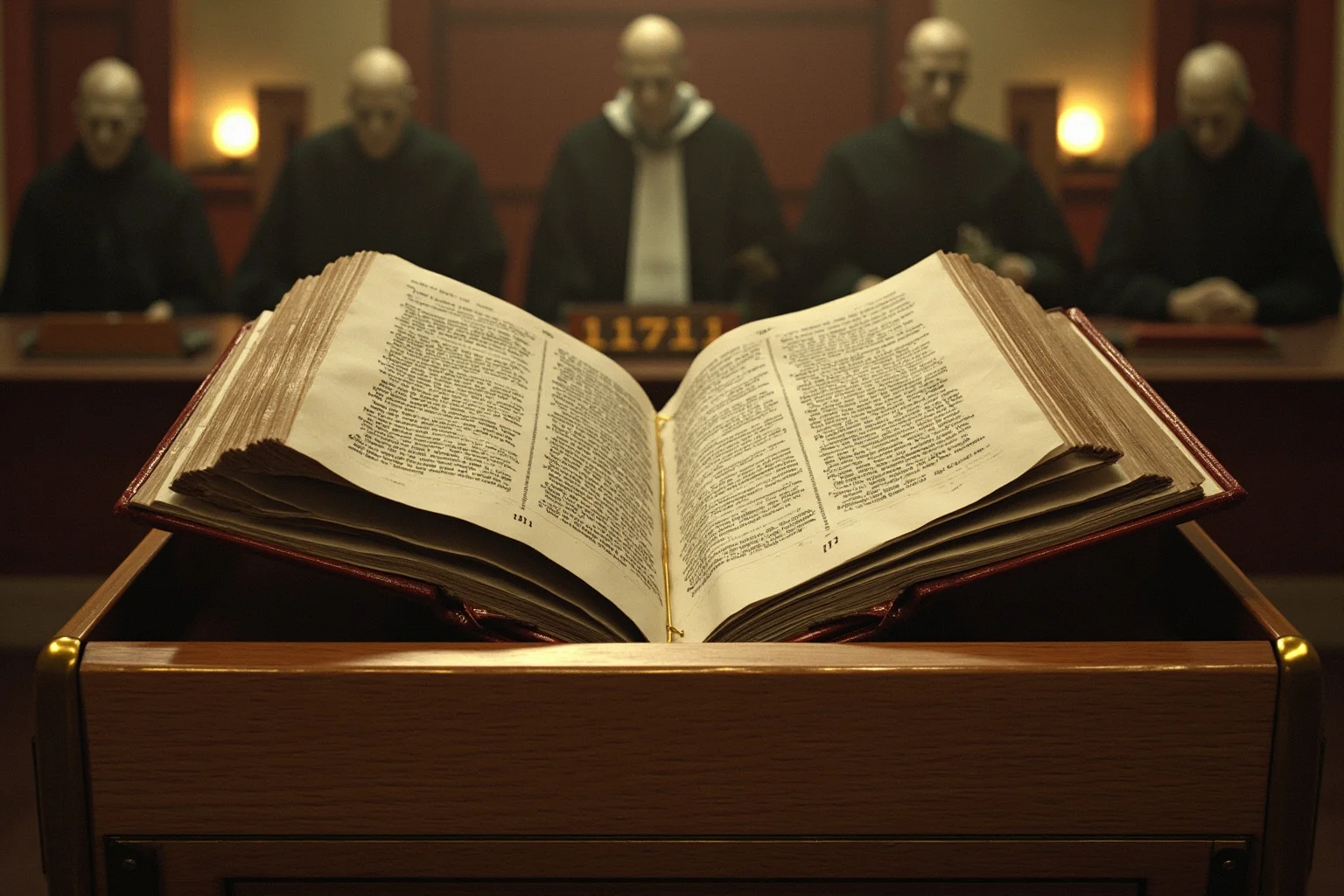
The Authorized Version of the Bible, often called the King James Bible, was commissioned during his reign and published in 1611. It was a translation project led by scholars, not by James personally. Yet it bore his name and his cultural influence.
The project grew from the same religious world that produced Daemonologie. James believed scripture was the ultimate authority and that its language should be available in English. That conviction also led him to take biblical passages about witches literally.
This helps explain why he saw no conflict between scholarship and witch-hunting. To him, both were acts of obedience to God. Modern readers may admire one project and deplore the other.
17. Was King James Into Witchcraft? He Was Into Demonology, Not Magic
People sometimes ask “Was King James into witchcraft?” because his writing is so detailed. The answer depends on what the question means. He was intensely interested in witchcraft as a crime and a sin, but he did not practice it.
His interest was closer to a prosecutor studying organized crime than to a magician seeking power. He wanted to understand witches in order to convict them. That distinction is essential for any honest history of the subject.
So when the phrase “King James and witchcraft” appears in modern retellings, it rarely means he was a secret occultist. It means his reign became an era in which belief in witchcraft had royal backing. The consequences were real even if the magic was not.
18. His Writings Influenced Witch Trials Far Beyond His Lifetime
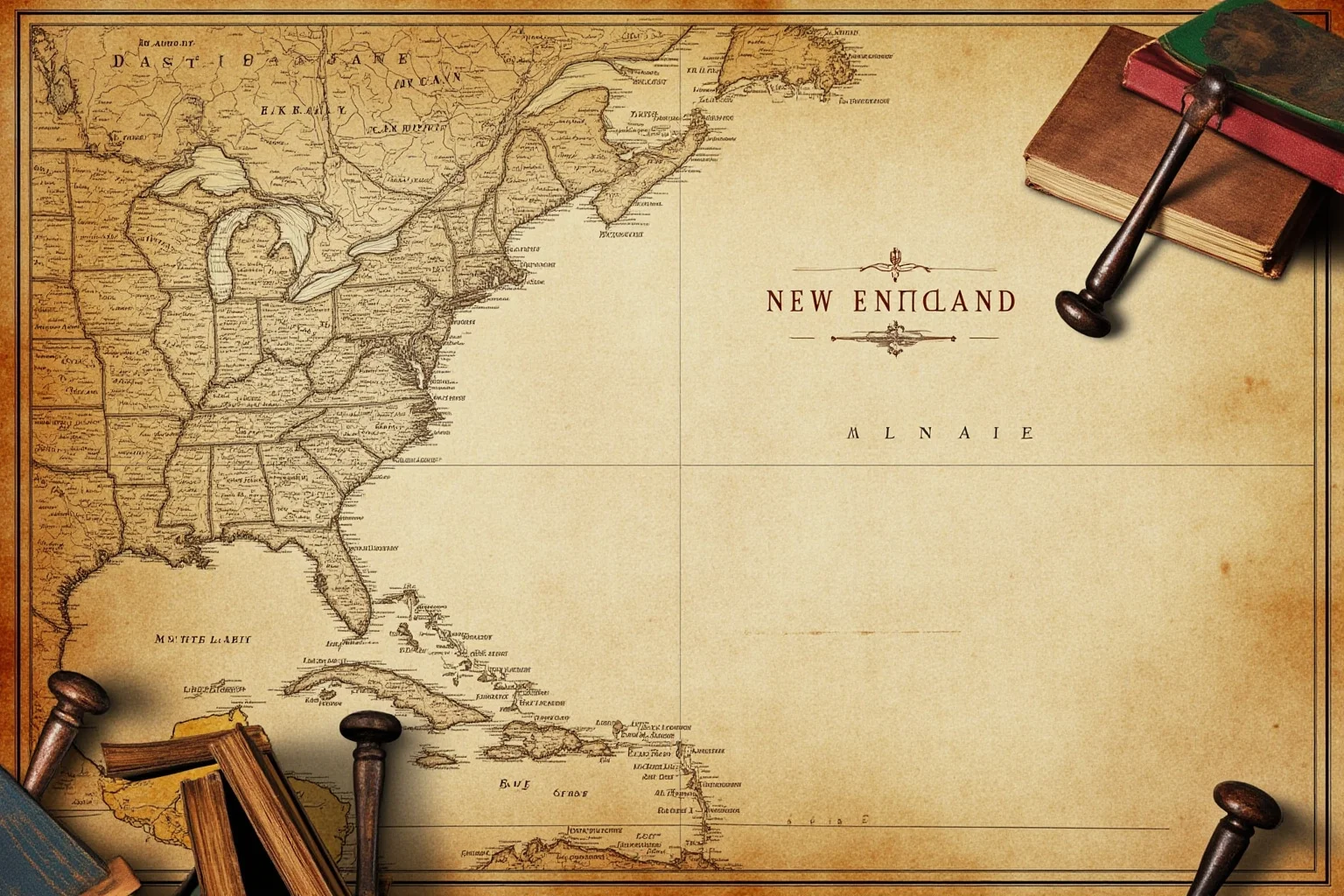
Daemonologie remained a reference point for clergy and judges after James died in 1625. Its arguments were cited by later writers who supported witchcraft prosecution. Some scholars argue that its influence reached English colonies in North America.
That influence was not a straight line. Colonial witch trials such as those in New England had local causes and different legal contexts. But the idea that a king had written a defense of witch trials gave the practice intellectual legitimacy.
It is fair to say that the King James witch trials were not limited to his own lifetime. His language outlived him in pulpits and courtrooms. That is part of why he remains so closely linked to the history of witch hunting.
19. The Myth of a Continentwide Witch Hunt Needs Nuance
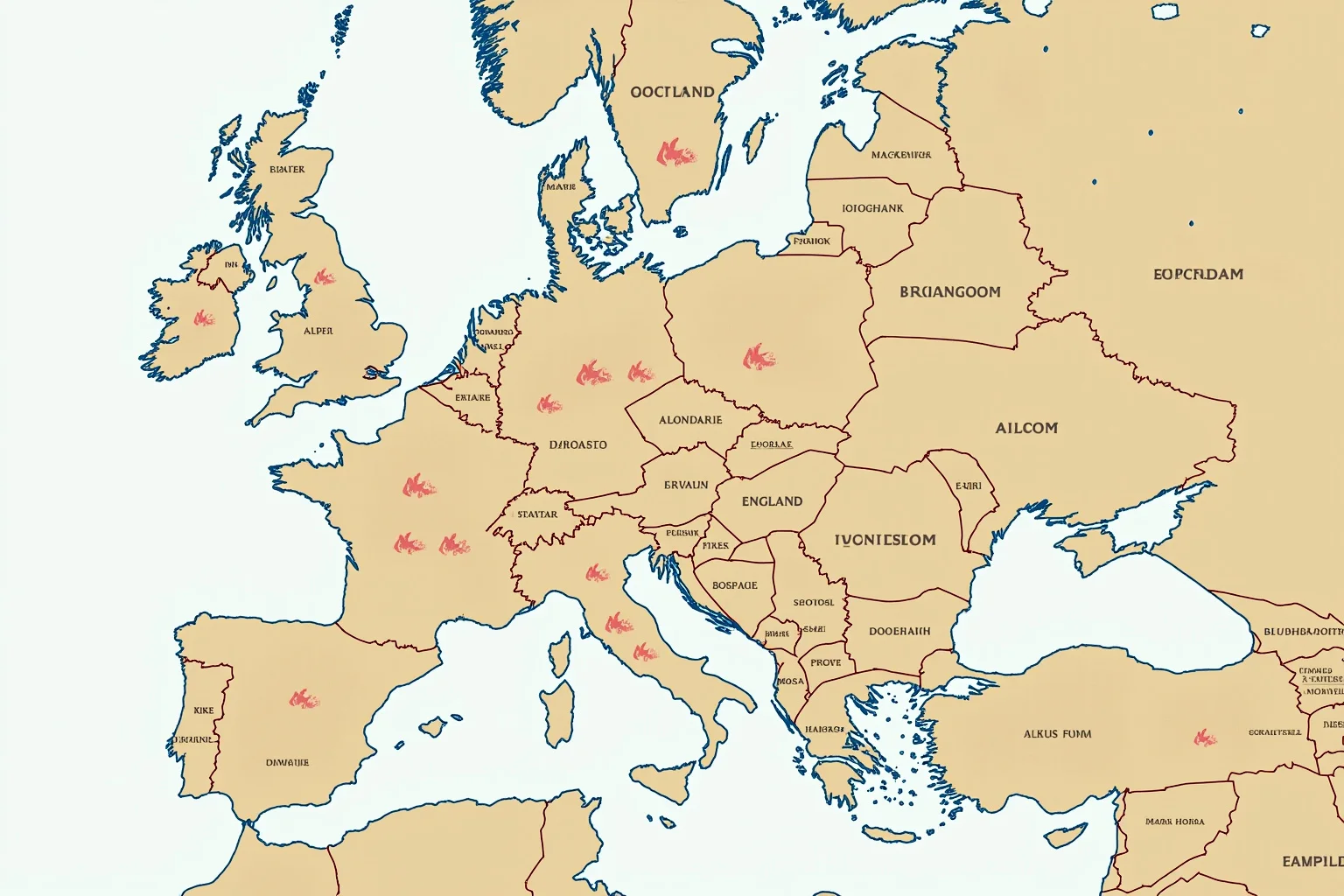
James did not lead a literal witch hunt across continental Europe. His authority as king extended to Scotland and England, not the entire continent. Major witch panics in the Holy Roman Empire, France, and elsewhere had their own local dynamics.
Even so, Daemonologie joined a broader European conversation about demons and witchcraft. It was translated, read, and debated outside his kingdoms. That gave James a wide influence, even if he was not directing trials abroad.
The working title of this post calls him the king who led a continentwide witch hunt. That phrase captures a cultural influence, not a military campaign. The real story is more scattered, more local, and no less disturbing.
20. King James Witch Trials Left a Legal and Cultural Legacy
The witch trials encouraged during James's reign did not end with his death. Scotland saw intense witch-hunting episodes in later decades, and England's 1604 act stayed in force until 1736. His writings remained in circulation through those years.
The legacy is not only legal. James helped embed the figure of the witch as an enemy of the state in the English-speaking world. That image persisted in pamphlets, sermons, and popular fear.
Today, historians see James as a complicated figure rather than a cartoon villain. He was scholarly, insecure, devout, and sometimes cruel in his pursuit of imagined threats. The King James witch trials remain a warning about what can happen when fear carries a crown.
King James, Witches, and the Danger of Certainty
James's story is a study in how intelligence and belief can go wrong. He was not a monster in every respect, but his certainty about witchcraft had lethal consequences. That combination is uncomfortable precisely because it is recognizable.
The King James witches story is not about one villain; it is about many overlapping fears. Ministers, judges, neighbors, and ordinary accusers all played parts. The witch hunts were made by many hands, with a king at the center.
Historians continue to debate the full scale of his responsibility. What is not debatable is that his name became attached to one of history's most harmful legal obsessions. That legacy deserves careful, critical memory.
Frequently Asked Questions
Why are King James and witchcraft so often mentioned together?
King James VI of Scotland and I of England wrote Daemonologie, interrogated accused witches, and supported harsher witchcraft laws. His personal involvement in the North Berwick trials and the 1604 Witchcraft Act tied his name to witch-hunting history.
Did King James practice witchcraft?
No. There is no credible historical evidence that James cast spells or tried to perform magic. He studied witchcraft as a crime and theological threat, which is why some modern readers mistakenly ask if he was a practitioner.
Where did James learn about the growing peril of witchcraft?
He learned mainly through Scottish church sermons, legal cases, and continental demonology books. The North Berwick trials of 1590–91 were especially influential in convincing him that witches posed a political threat.
Was King James into witchcraft?
He was into demonology, not magic. James saw himself as a godly prosecutor and intellectual, not an occultist. His detailed writings were meant to help courts identify and punish witches.
How did the King James witch trials change English law?
The 1604 Witchcraft Act, passed in his first year as king, expanded capital punishment for witchcraft-related offenses. It stayed in force until 1736 and shaped English witch trials for generations.

Alex Warren
Related Articles