

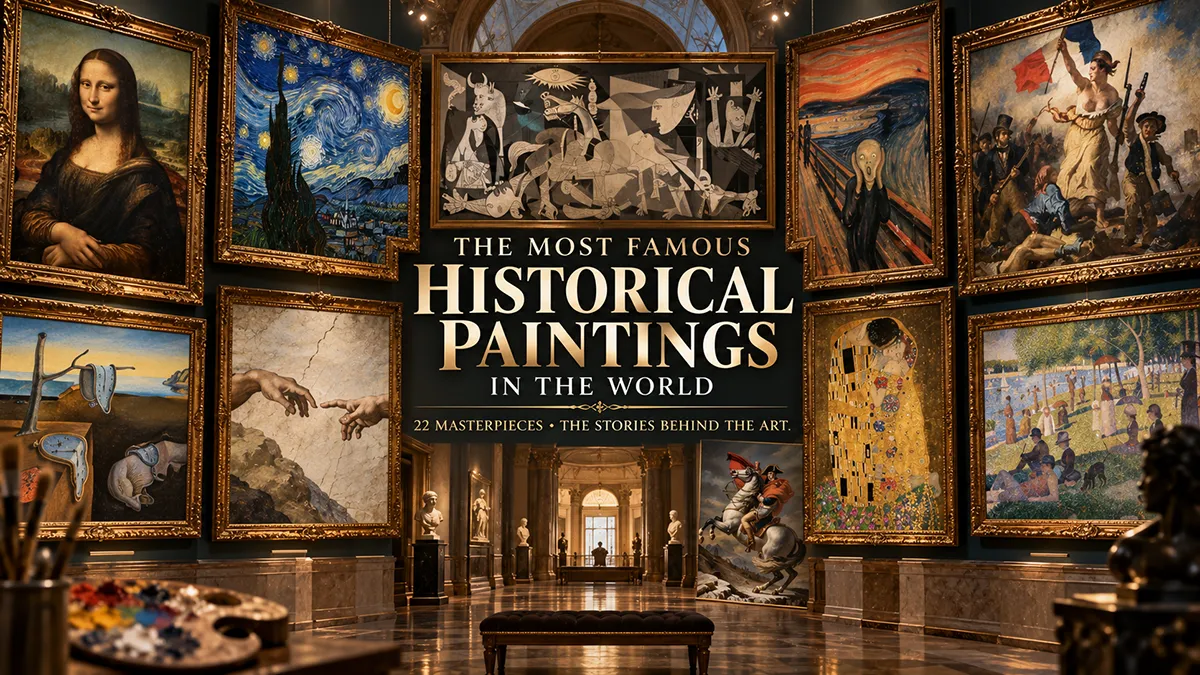
Walk into almost any museum gift shop and you’ll find the same handful of faces staring back at you: a woman with an enigmatic smile, a screaming figure under a swirling orange sky, a horse rearing on a mountain pass. These images have become so familiar that it’s easy to forget they were once brand-new, controversial, or even dismissed by critics of their time.
This guide walks through some of the most famous historical paintings in the world, the artists behind them, and the real stories — not the internet myths — that made them legendary. Along the way, we’ll bust a few persistent misconceptions that even art lovers tend to repeat.
TL;DR: From the Mona Lisa to Guernica, the world’s most famous historical paintings endure not just for their beauty but for the pivotal moments, techniques, and controversies they captured.
What Actually Makes a Painting “Historic”?
Not every old painting qualifies as a landmark of art history, and not every historically important painting is centuries old. A painting typically earns its place in this conversation because it did something first, captured a defining moment, or changed how later artists approached their craft.
Some pieces on this list are famous for technical innovation, like a new use of perspective or color theory. Others are famous because they documented a war, a revolution, or a social shift that still resonates today.
A few are famous almost by accident — a theft, a scandal, or a pop-culture reference turned a lesser-known piece into a household name. Keeping this distinction in mind helps explain why the list below includes both Renaissance masterworks and 20th-century artworks that shocked their first audiences.
The 22 Most Famous Historical Paintings in the World
This roundup spans roughly 500 years of Western art history, though it’s worth noting that “famous” often skews toward European and American collections simply because of how art history has traditionally been taught and preserved. Each entry below includes where the piece lives today and why it still matters.
1. Mona Lisa — Leonardo da Vinci
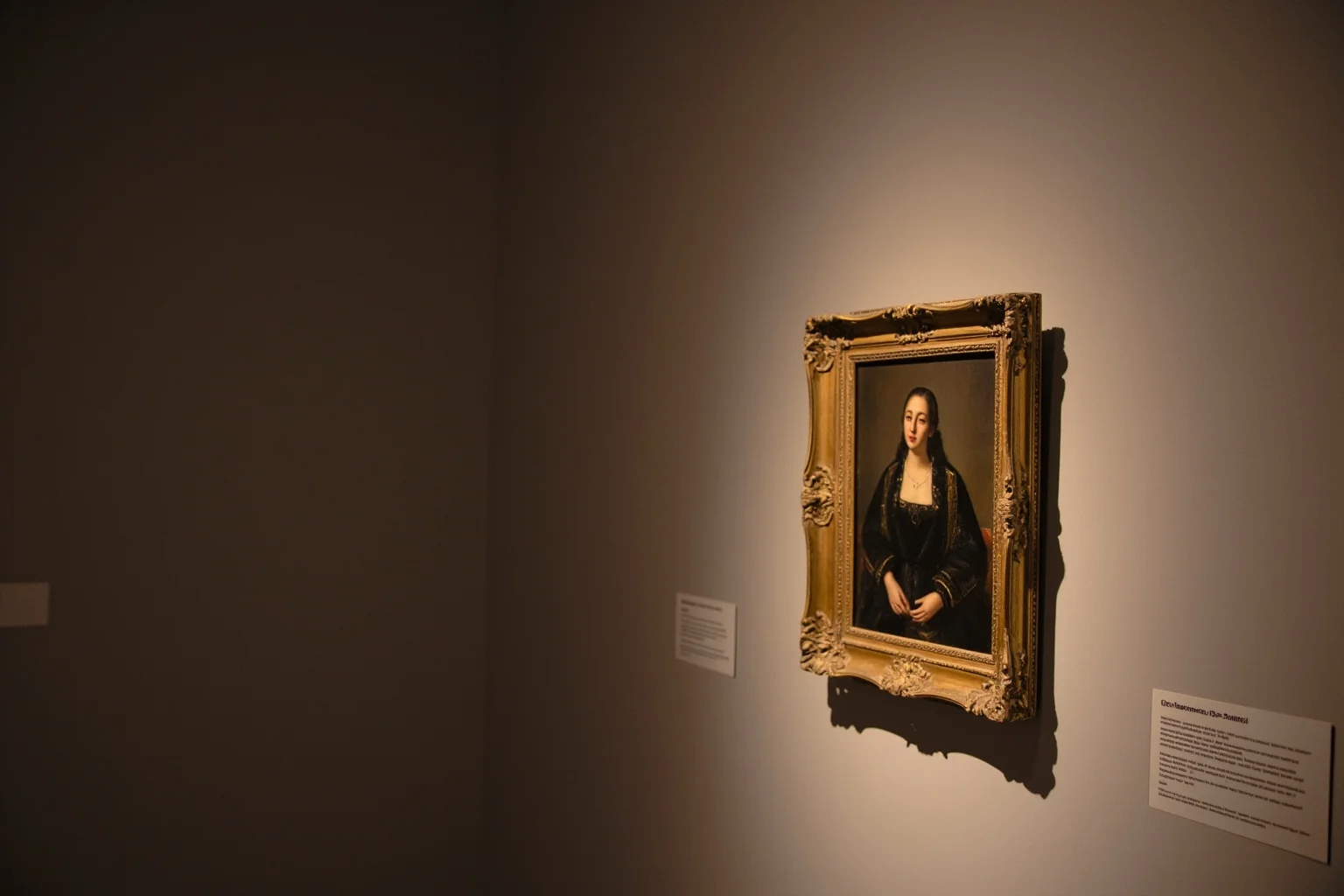
Painted between roughly 1503 and 1519, the Mona Lisa hangs behind bulletproof glass at the Louvre in Paris. Leonardo da Vinci’s subtle sfumato technique, which blends tones without visible lines, gives the sitter’s expression its famous ambiguity.
Here’s the myth-busting part: the painting wasn’t always the world’s most famous artwork. It became a global sensation largely after it was stolen from the Louvre in 1911, an event that made headlines for two years until the painting was recovered in Italy.
2. The Last Supper — Leonardo da Vinci
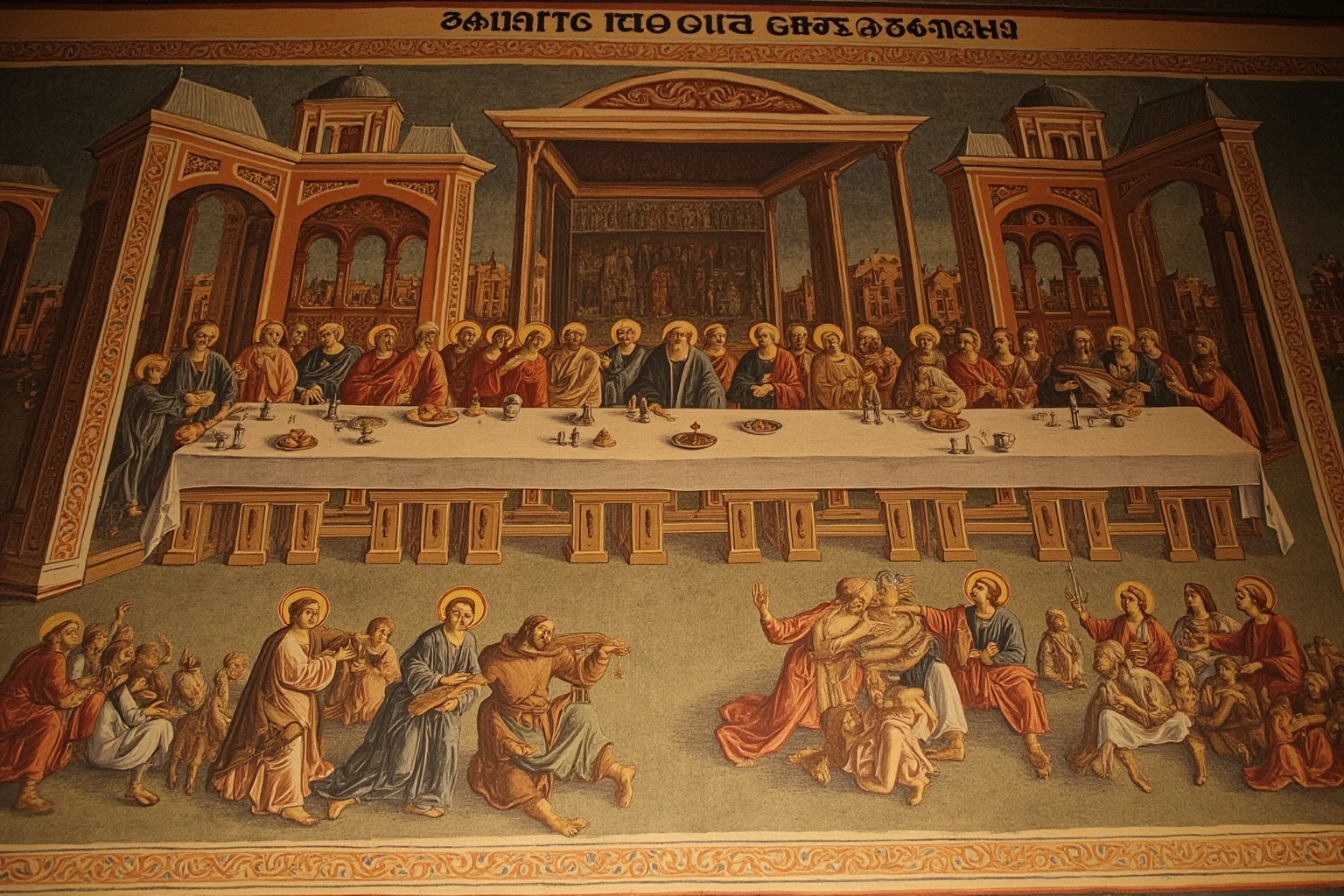
Leonardo painted this mural between 1495 and 1498 on the wall of a Milan convent, depicting the moment Jesus tells his apostles that one of them will betray him. He experimented with a new painting technique rather than traditional fresco, which unfortunately caused the work to start deteriorating within his own lifetime.
Restoration efforts have continued for centuries, and what visitors see today is a heavily conserved version of the original. It remains one of the most reproduced religious paintings in history.
3. The Starry Night — Vincent van Gogh
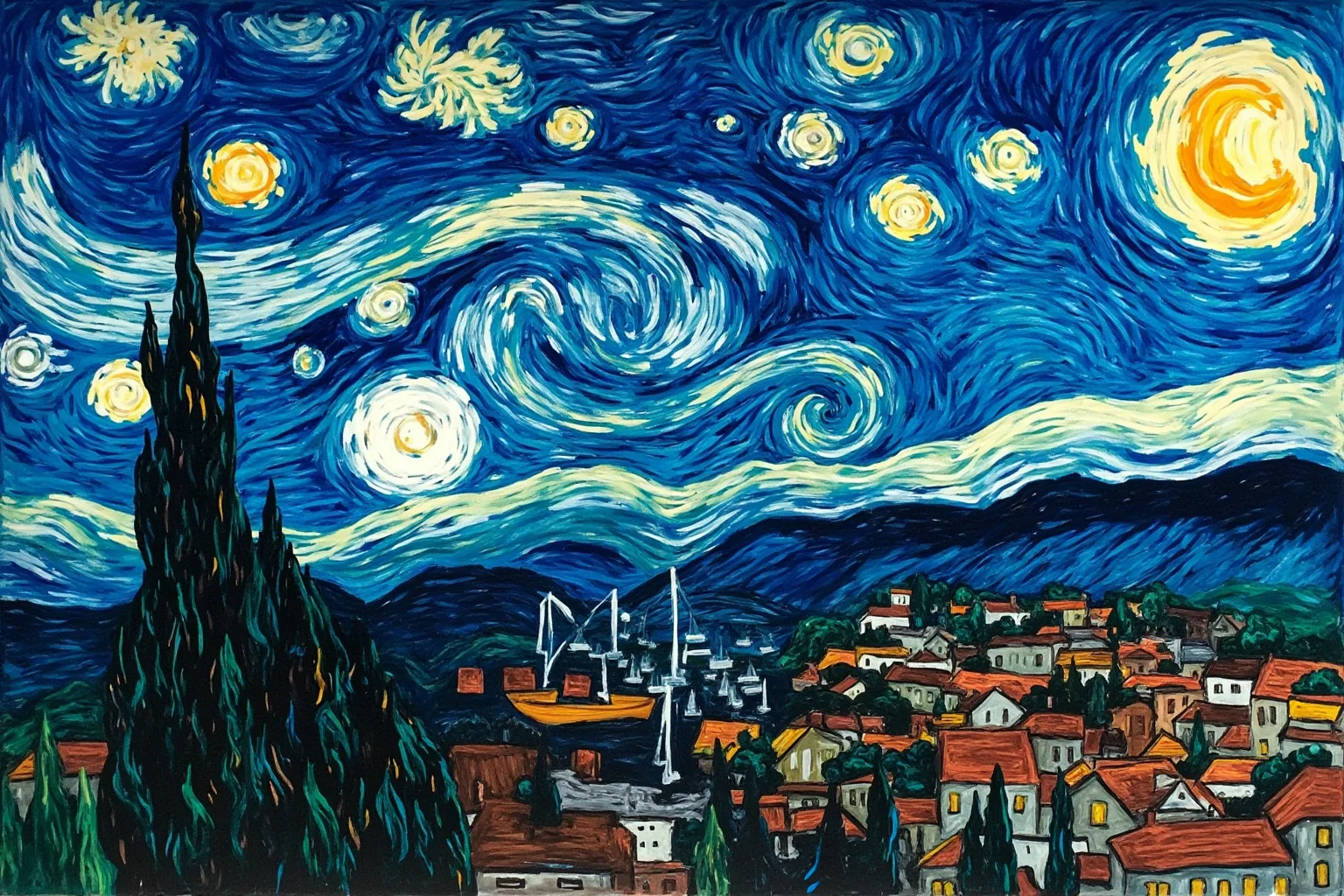
Van Gogh painted this swirling nightscape in 1889 while staying at an asylum in Saint-Rémy-de-Provence, reportedly working from the view outside his window. It now lives at the Museum of Modern Art in New York.
Despite its fame today, Van Gogh sold very few paintings during his lifetime and never saw the widespread acclaim this piece would eventually receive. Its posthumous rise is one of art history’s most famous reversals of fortune.
4. Guernica — Pablo Picasso
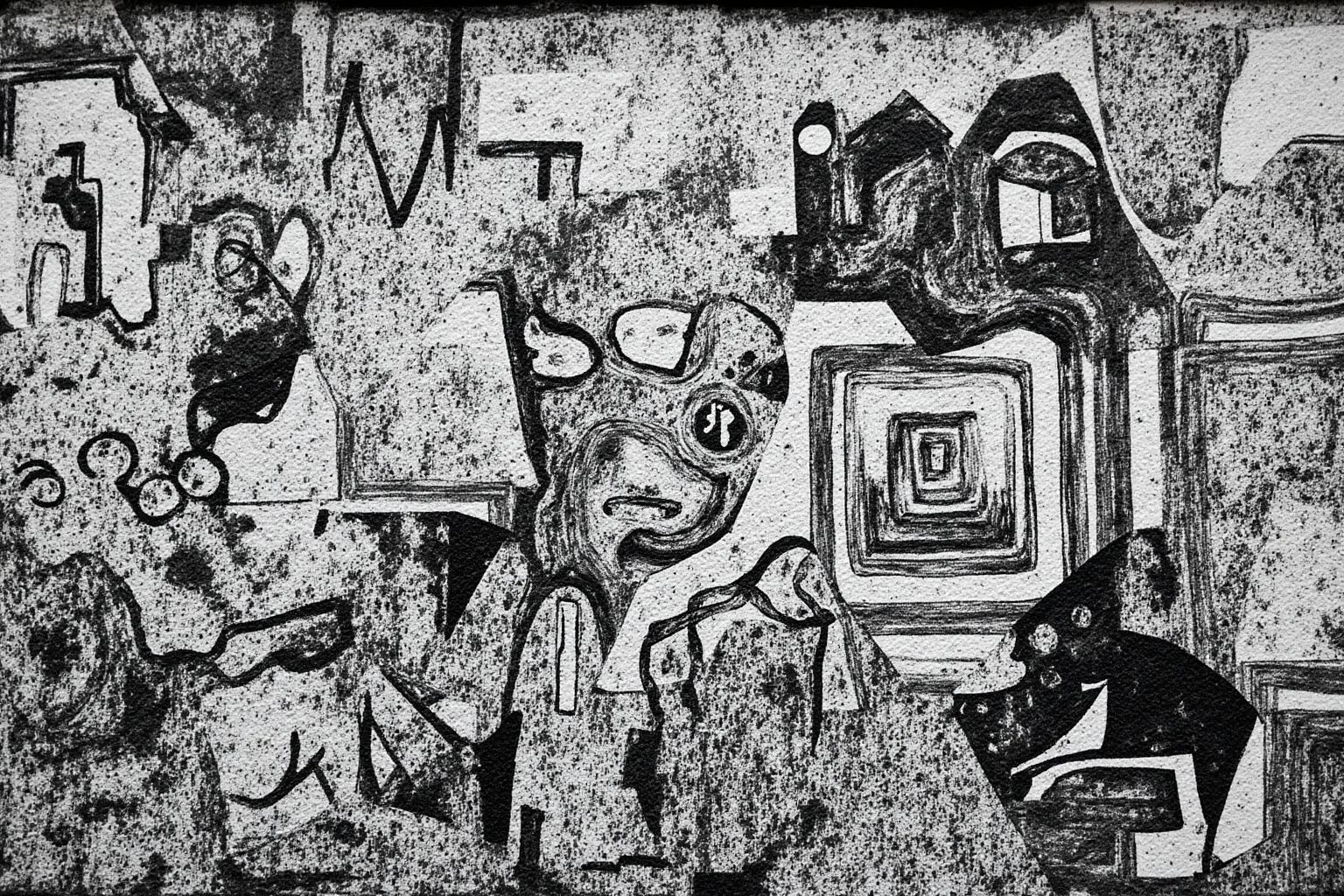
Picasso created this massive black-and-white canvas in 1937 as a direct response to the bombing of the Basque town of Guernica during the Spanish Civil War. The fractured, anguished figures reflect the horror of civilian casualties in modern warfare.
The painting toured internationally for decades and only returned permanently to Spain in 1981, after the fall of Francisco Franco’s dictatorship. Today it’s housed at the Museo Reina Sofía in Madrid.
5. The Scream — Edvard Munch
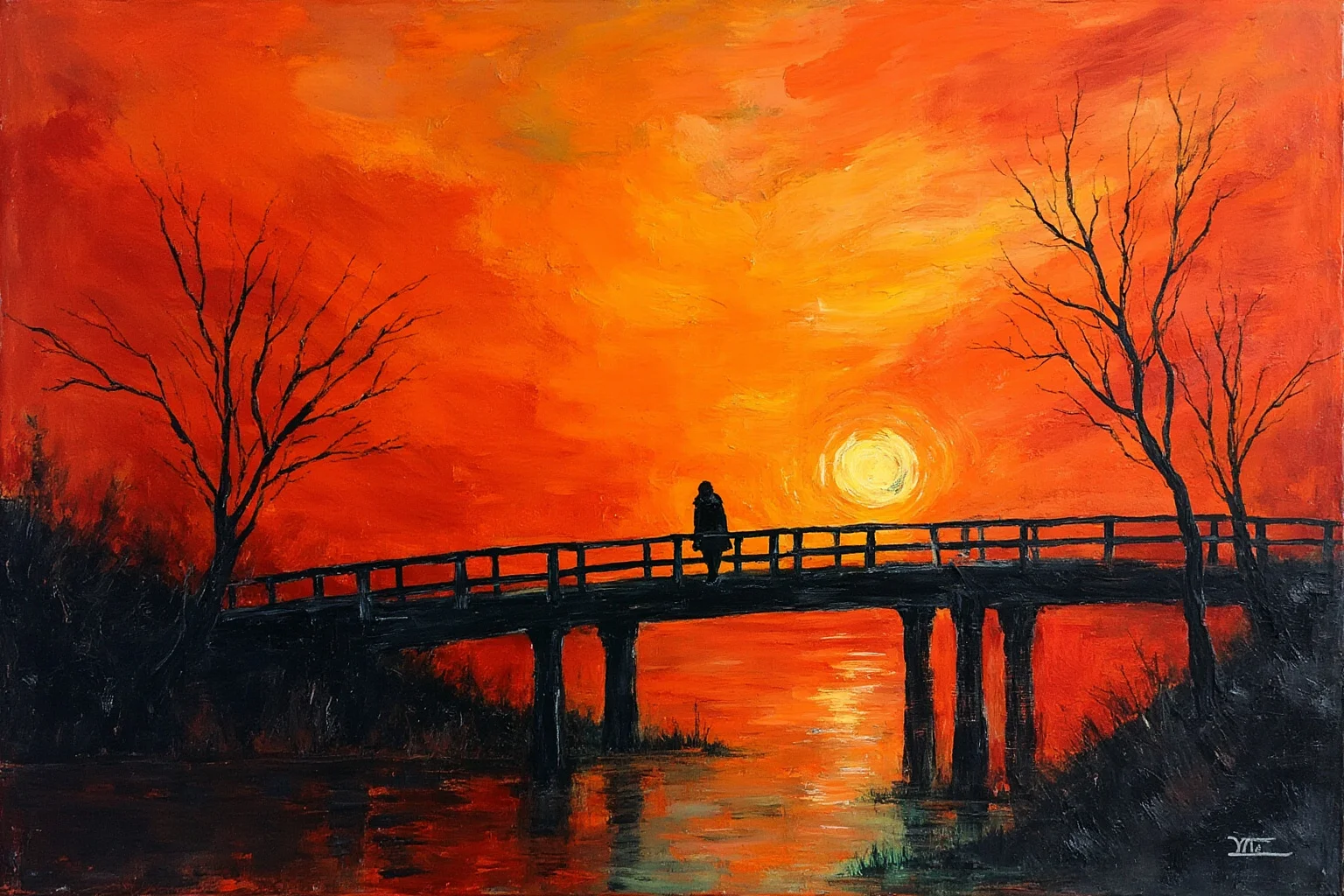
Munch actually created several versions of this image between 1893 and 1910, in both paint and pastel, which is why you may see slightly different versions online. The most famous version resides in Norway’s National Museum.
The painting has been stolen twice from Norwegian museums, in 1994 and again in 2004, and both times it was eventually recovered. Its haunting figure has become one of the most parodied images in modern culture.
6. Girl with a Pearl Earring — Johannes Vermeer
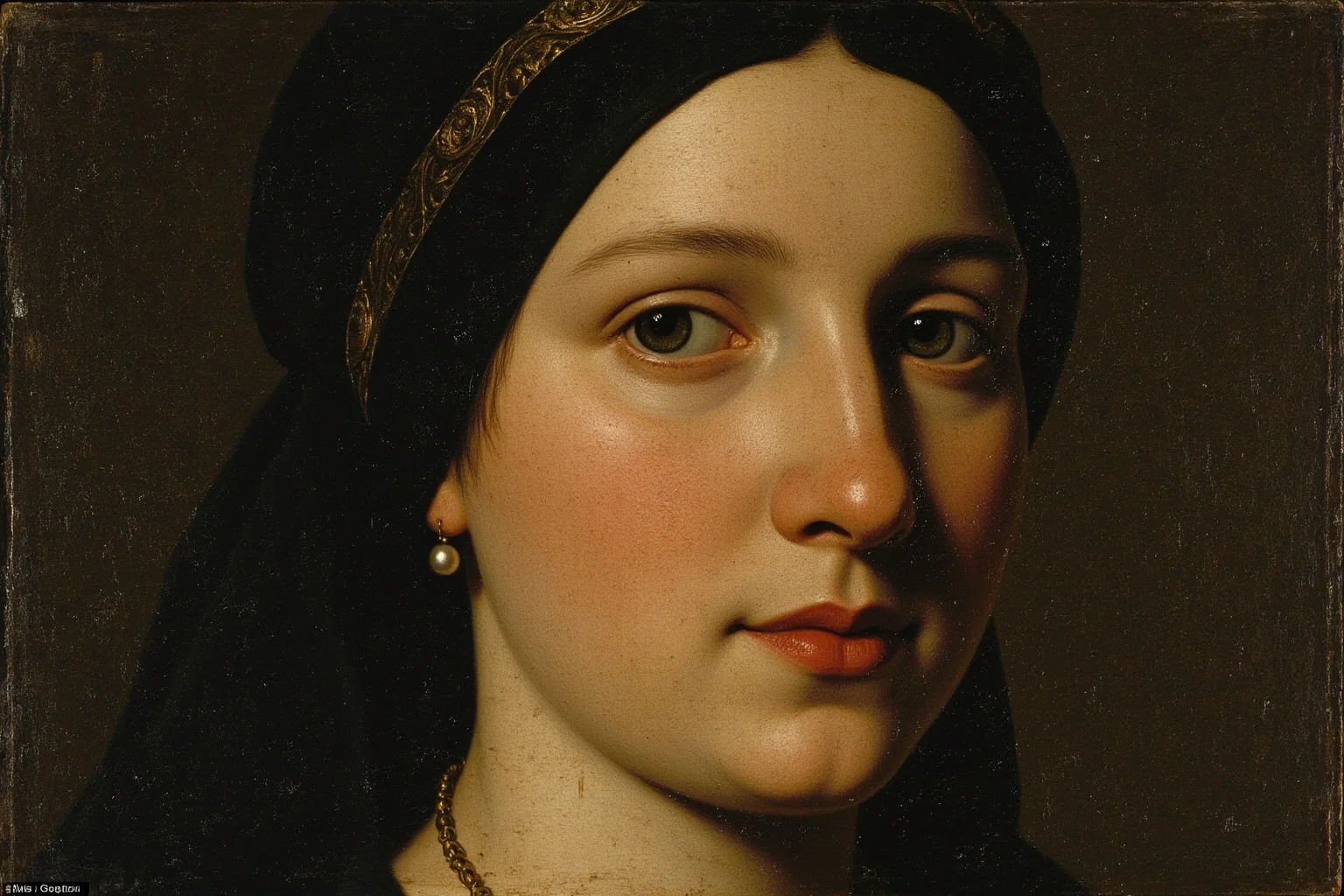
Painted around 1665, this Dutch masterpiece is often called the “Mona Lisa of the North.” It hangs at the Mauritshuis in The Hague.
Despite popular novels and films suggesting a real identified sitter, art historians classify it as a “tronie,” a study of an imagined or idealized face rather than a portrait of a specific known person. Its true subject’s identity remains unconfirmed.
7. The Birth of Venus — Sandro Botticelli
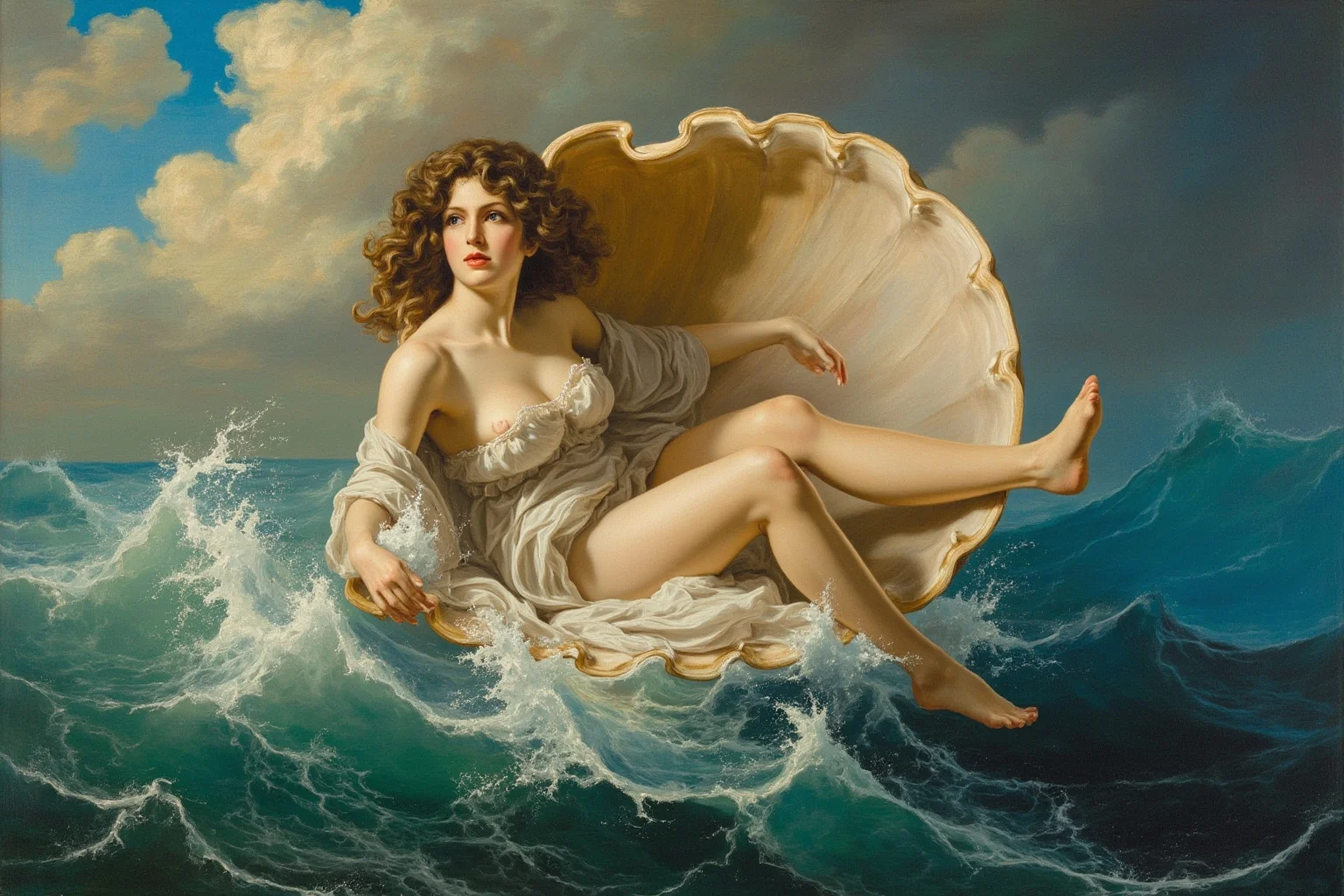
Created around 1485, this painting revived classical mythology as a subject at a time when religious themes dominated European art. It now hangs in the Uffizi Gallery in Florence.
Botticelli used tempera on canvas rather than the wood panels common at the time, an unusual choice that has helped the piece survive remarkably well. The floating figure of Venus remains one of the most recognized images from the Italian Renaissance.
8. American Gothic — Grant Wood

Grant Wood painted this iconic 1930 image using his sister and his dentist as models for the stern-faced pair standing in front of a modest farmhouse. It’s housed at the Art Institute of Chicago.
Many viewers assume it’s a satire of rural American life, but Wood insisted he intended it as a sincere, if stylized, tribute to Midwestern values. It has since become one of the most parodied paintings in American history.
9. Las Meninas — Diego Velázquez
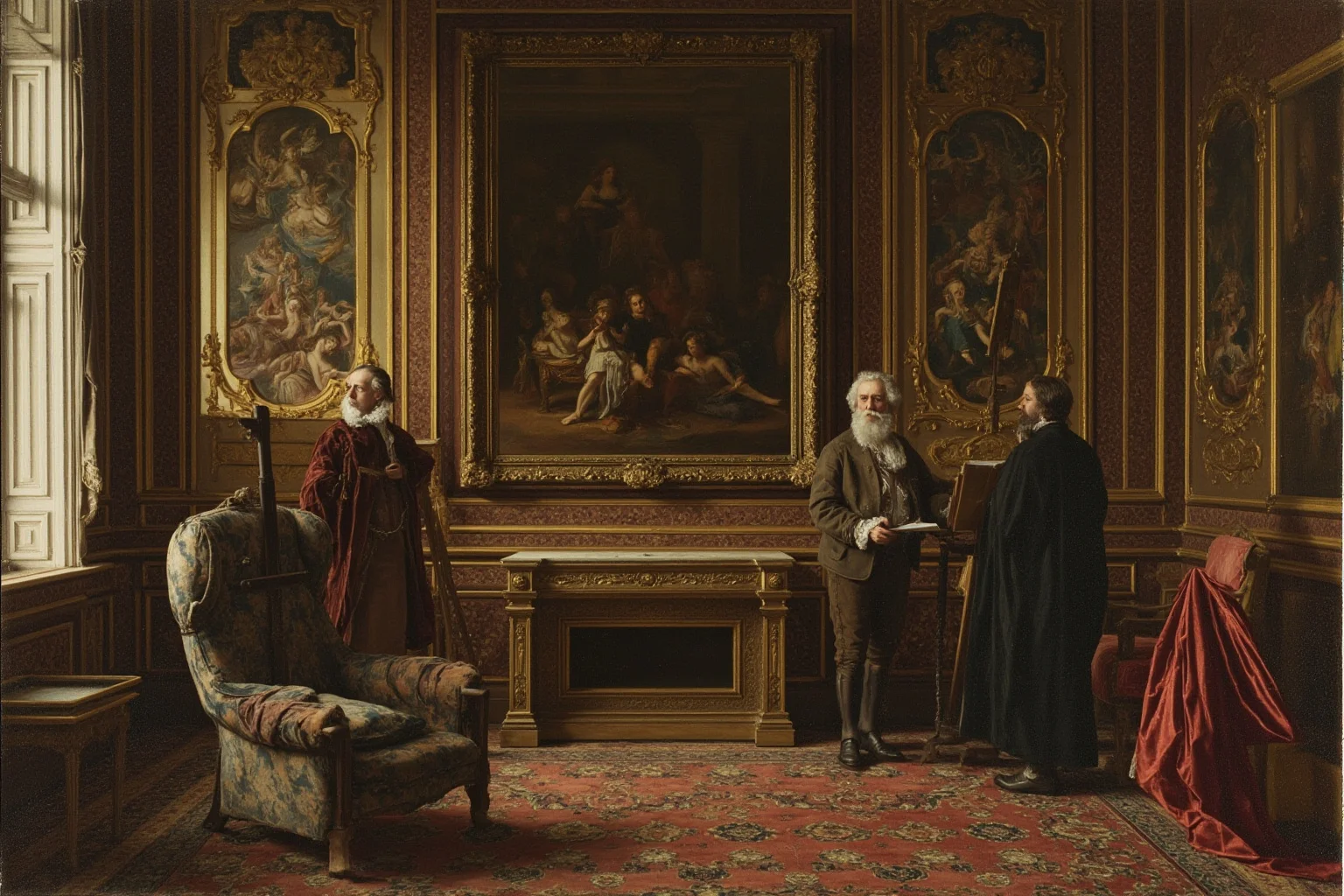
Completed in 1656, this Spanish masterpiece plays with perspective by showing the artist himself at his easel, the royal family reflected in a mirror, and the viewer positioned as if standing where the king and queen would be. It hangs at the Prado Museum in Madrid.
Art historians still debate exactly what moment the painting captures and who is meant to be looking at whom. Its layered composition has influenced painters and theorists for centuries.
10. The Persistence of Memory — Salvador Dalí
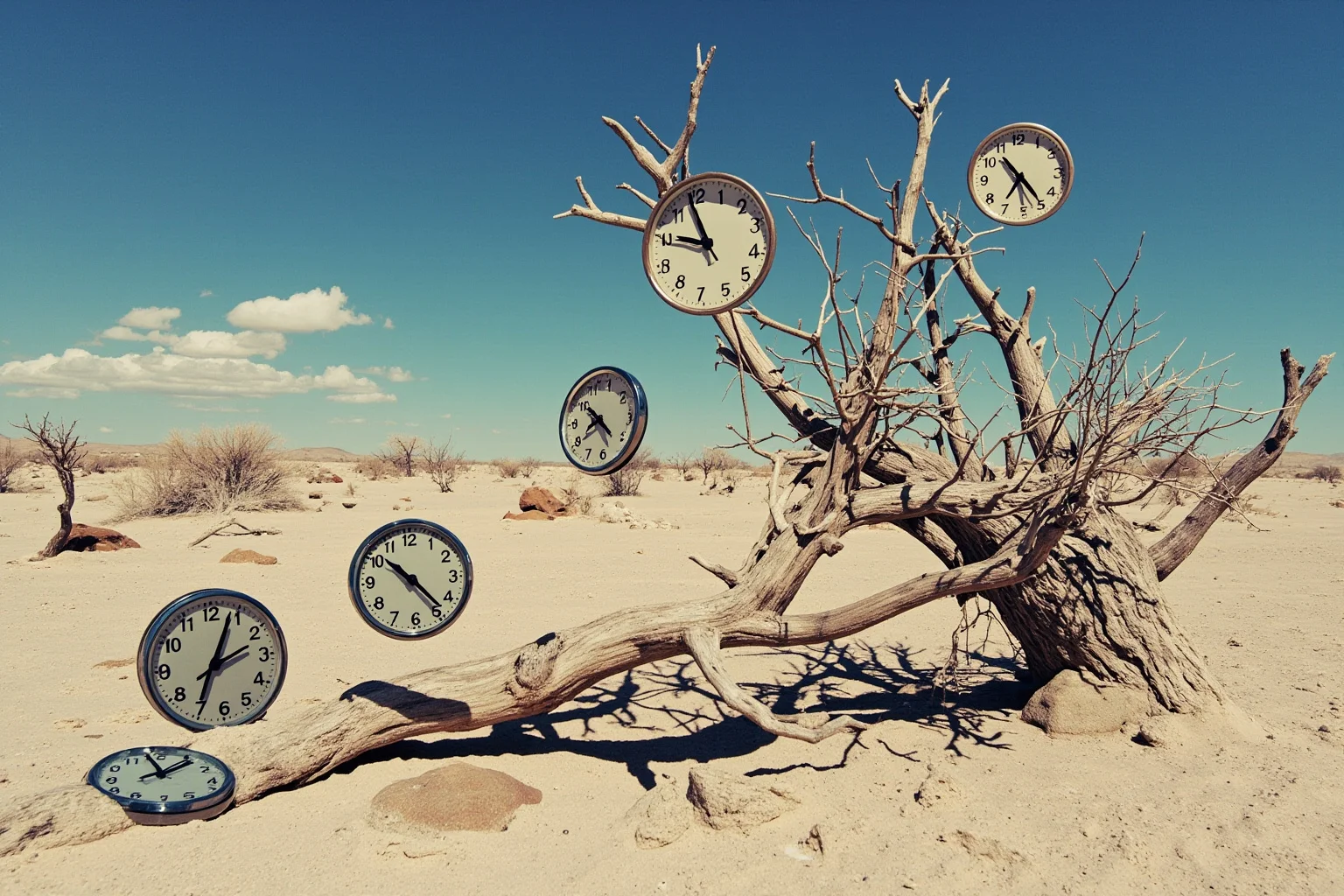
Dalí painted his famous melting clocks in 1931, and the original canvas is surprisingly small, measuring just under 10 by 13 inches. It’s part of the Museum of Modern Art’s collection in New York.
The soft, drooping clocks are often interpreted as a meditation on the fluidity of time, though Dalí himself gave few concrete explanations. It remains one of the defining images of the Surrealist movement.
11. Liberty Leading the People — Eugène Delacroix
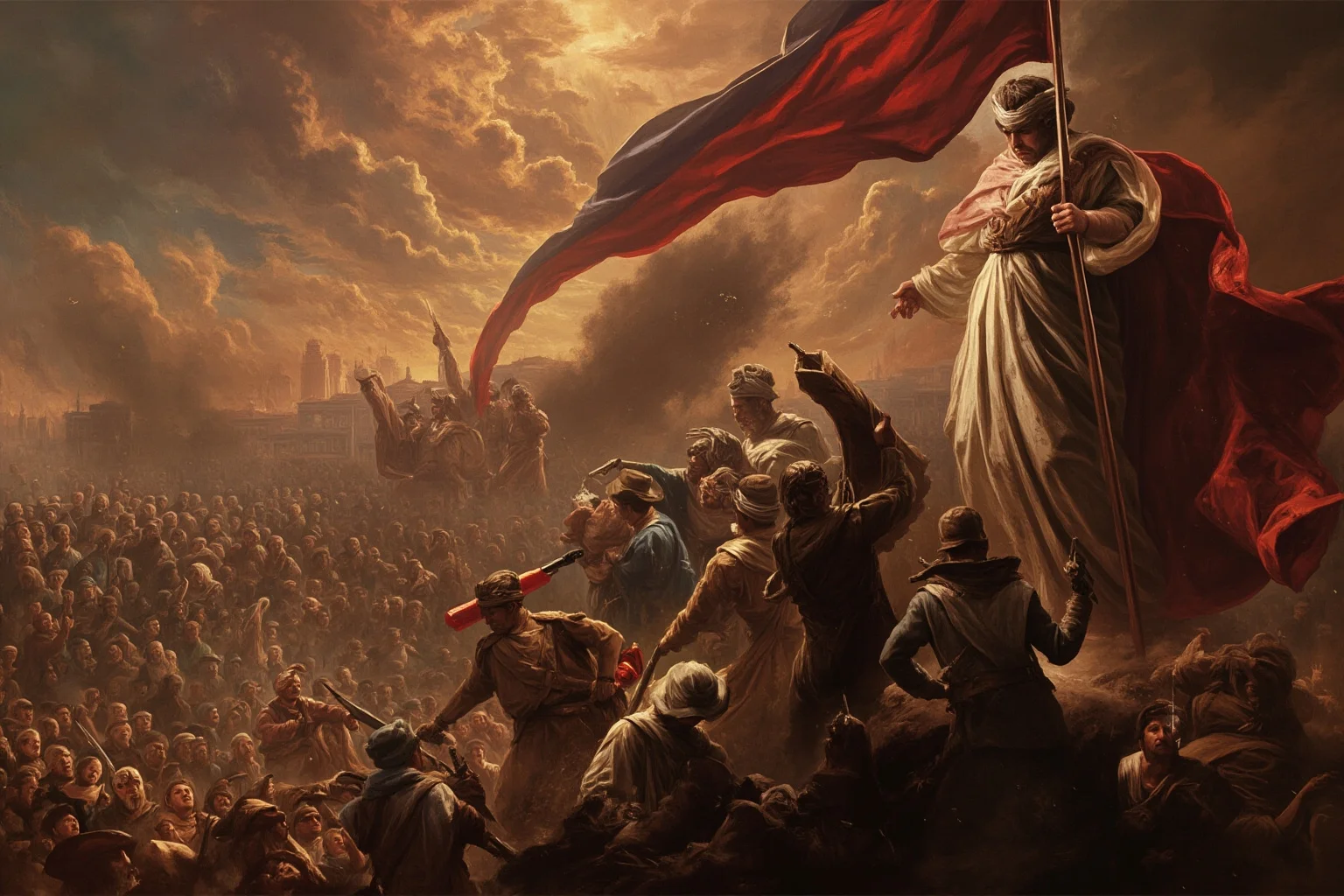
Delacroix painted this dramatic scene in 1830 to commemorate the July Revolution of that same year, not the French Revolution of 1789 as many assume. The allegorical figure of Liberty carries the French tricolor while leading citizens over fallen soldiers.
It now hangs in the Louvre and has become a broader symbol of revolution and civil liberty well beyond its original historical context. The image was even featured on French currency in the 20th century.
12. The Night Watch — Rembrandt van Rijn
Rembrandt completed this enormous group portrait in 1642, though its real title is “Militia Company of District II under the Command of Captain Frans Banninck Cocq.” The nickname “Night Watch” came later, after old varnish darkened and made the scene appear nocturnal.
Cleaning in the 20th century revealed it actually depicts a daytime scene. It’s now the centerpiece of the Rijksmuseum in Amsterdam.
13. Washington Crossing the Delaware — Emanuel Leutze
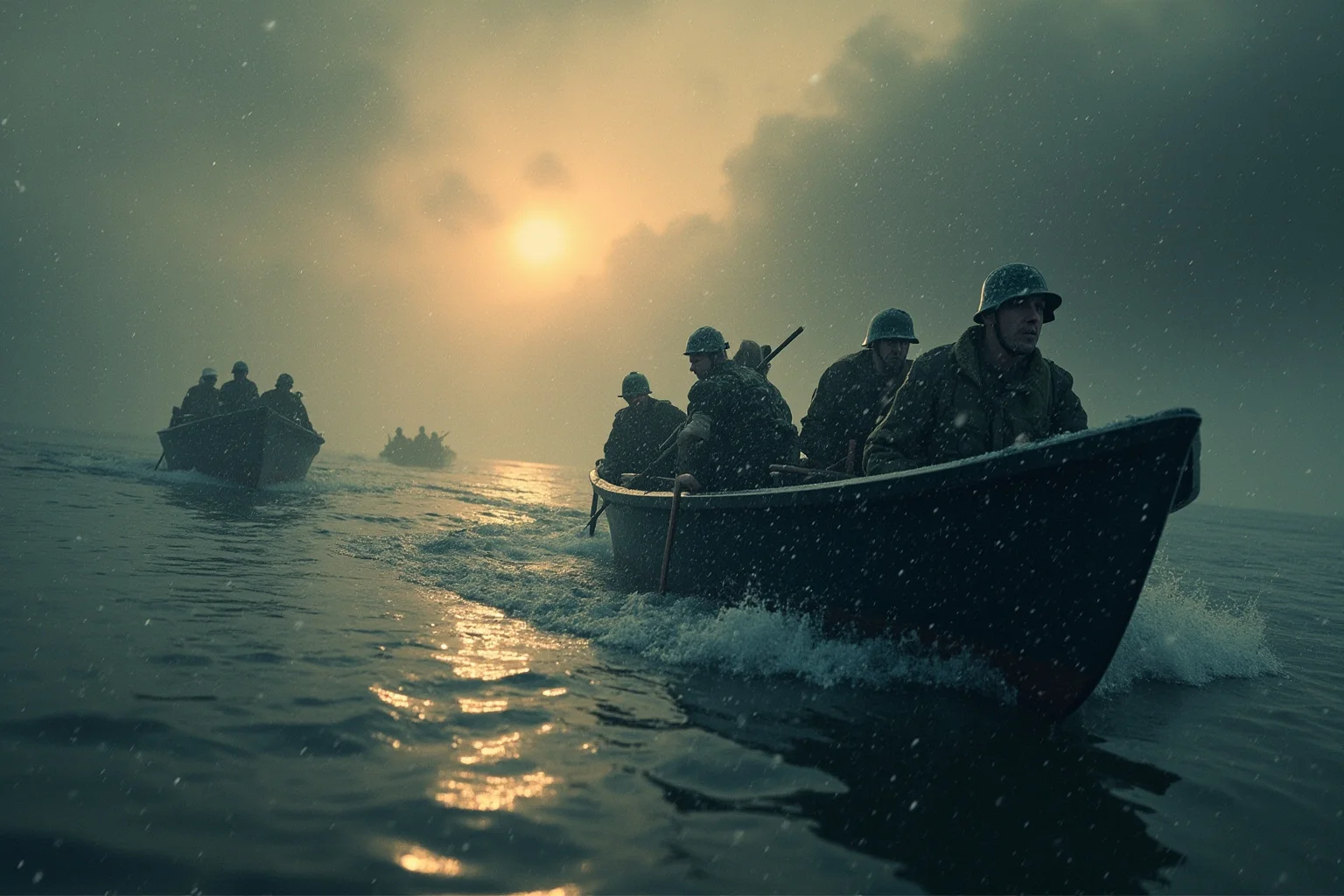
Leutze painted this patriotic scene of George Washington in 1851, more than 70 years after the actual event it depicts and while the artist was living in Germany. Historians have pointed out several inaccuracies, including the type of boat shown and the oversized flag that wasn’t yet in use.
Despite the historical liberties, it remains one of the most recognizable paintings of American history and hangs at the Metropolitan Museum of Art. It’s a good reminder that historical paintings often prioritize symbolism over strict accuracy.
14. The Creation of Adam — Michelangelo
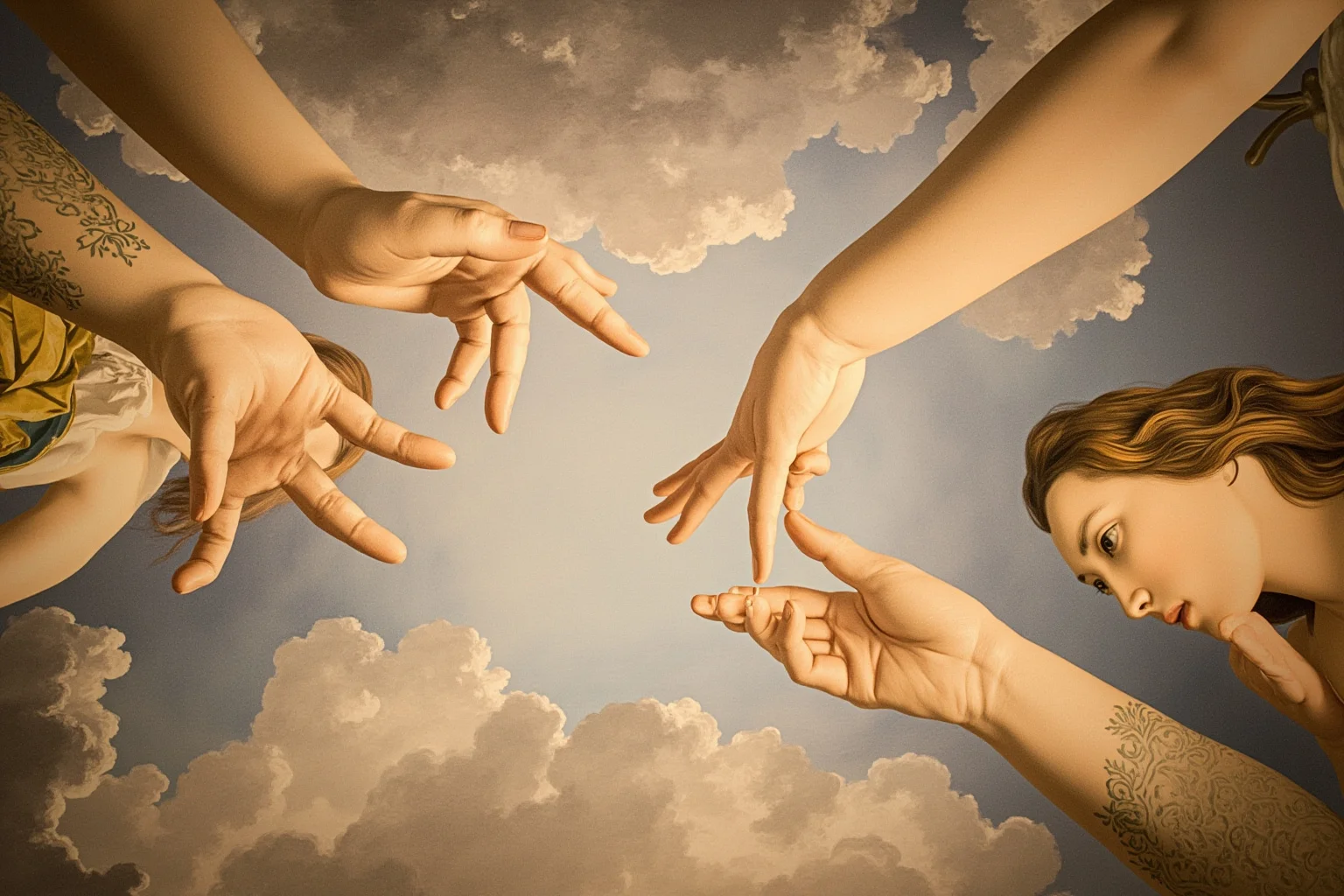
This fresco is part of Michelangelo’s larger ceiling program for the Sistine Chapel, painted between 1508 and 1512. The nearly touching fingers of God and Adam have become one of the most referenced images in Western art.
Michelangelo initially resisted the commission, considering himself primarily a sculptor rather than a painter. The finished ceiling nonetheless became one of the defining achievements of the High Renaissance.
15. Napoleon Crossing the Alps — Jacques-Louis David
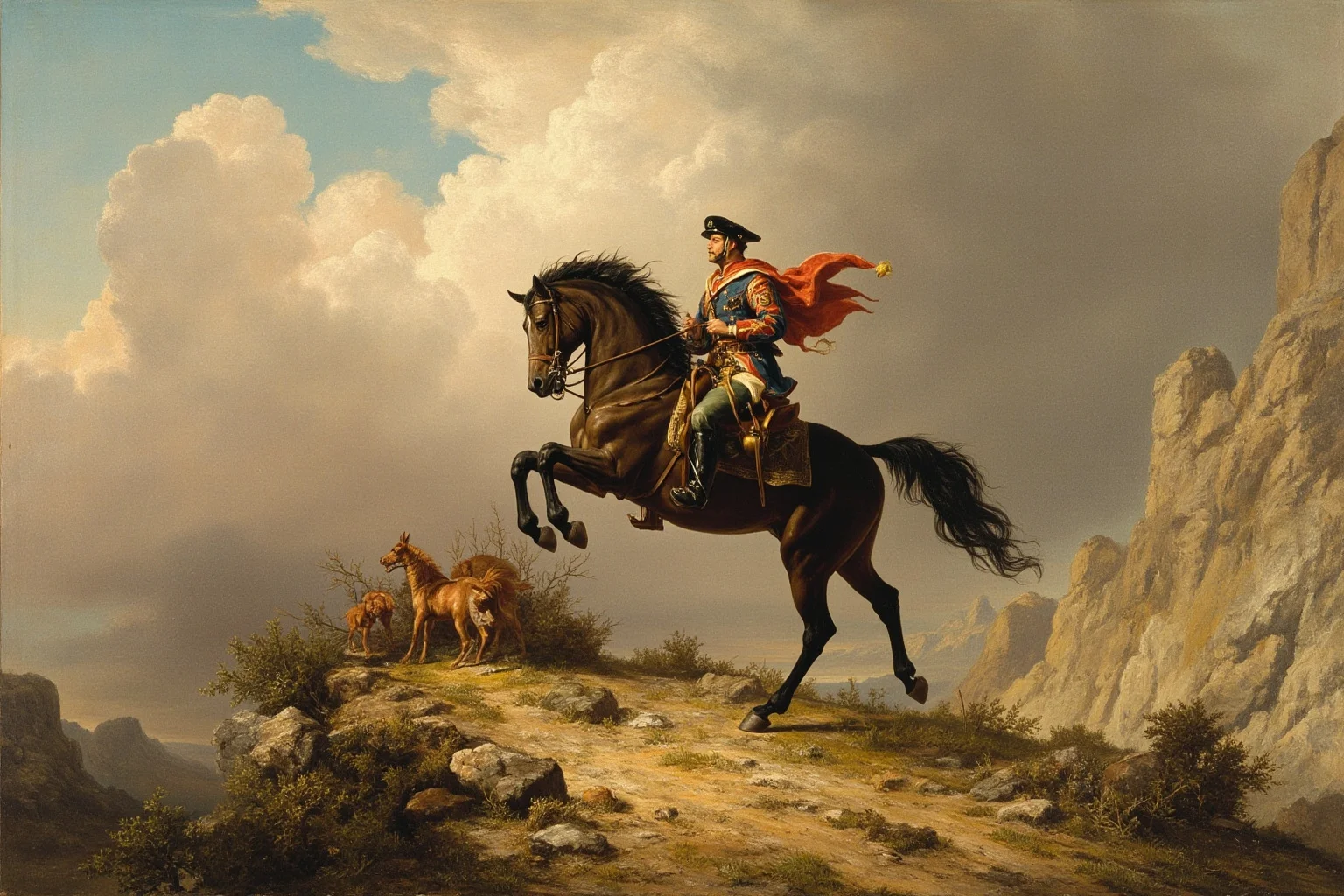
David painted several versions of this heroic image between 1801 and 1805, commissioned as propaganda to portray Napoleon as a bold, commanding leader. Historical accounts suggest Napoleon actually crossed the Alps on a mule, led by a local guide, rather than atop a rearing stallion.
The painting is a clear example of how historical art can blend real events with idealized political messaging. Versions of it now hang in museums across France, Austria, and Germany.
16. The Garden of Earthly Delights — Hieronymus Bosch
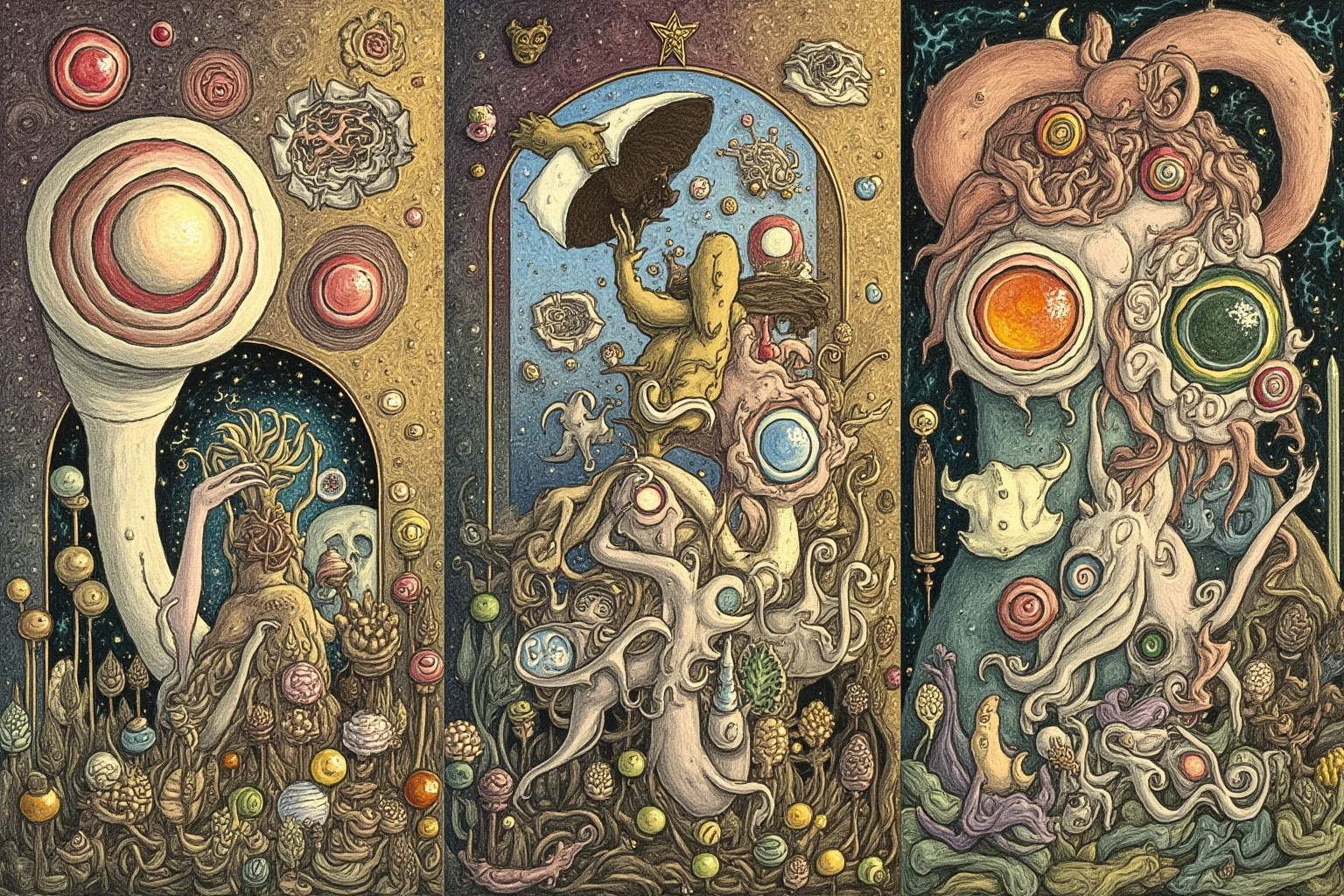
Created sometime between 1490 and 1510, this triptych remains one of the strangest and most debated works in art history. It’s housed at the Prado Museum in Madrid.
Scholars still disagree on whether the central panel depicts paradise, a warning about sin, or something more ambiguous. Its bizarre, dreamlike imagery has made it a touchstone for surrealists centuries later.
17. Whistler’s Mother — James McNeill Whistler

Officially titled “Arrangement in Grey and Black No. 1,” this 1871 portrait of the artist’s mother is now housed at the Musée d’Orsay in Paris. Whistler intended it primarily as a study in composition and tone rather than a sentimental family portrait.
Despite the artist’s formal intentions, the painting became an enduring symbol of motherhood in American popular culture. It’s a striking example of how public reception can reshape a painting’s meaning over time.
18. Impression, Sunrise — Claude Monet
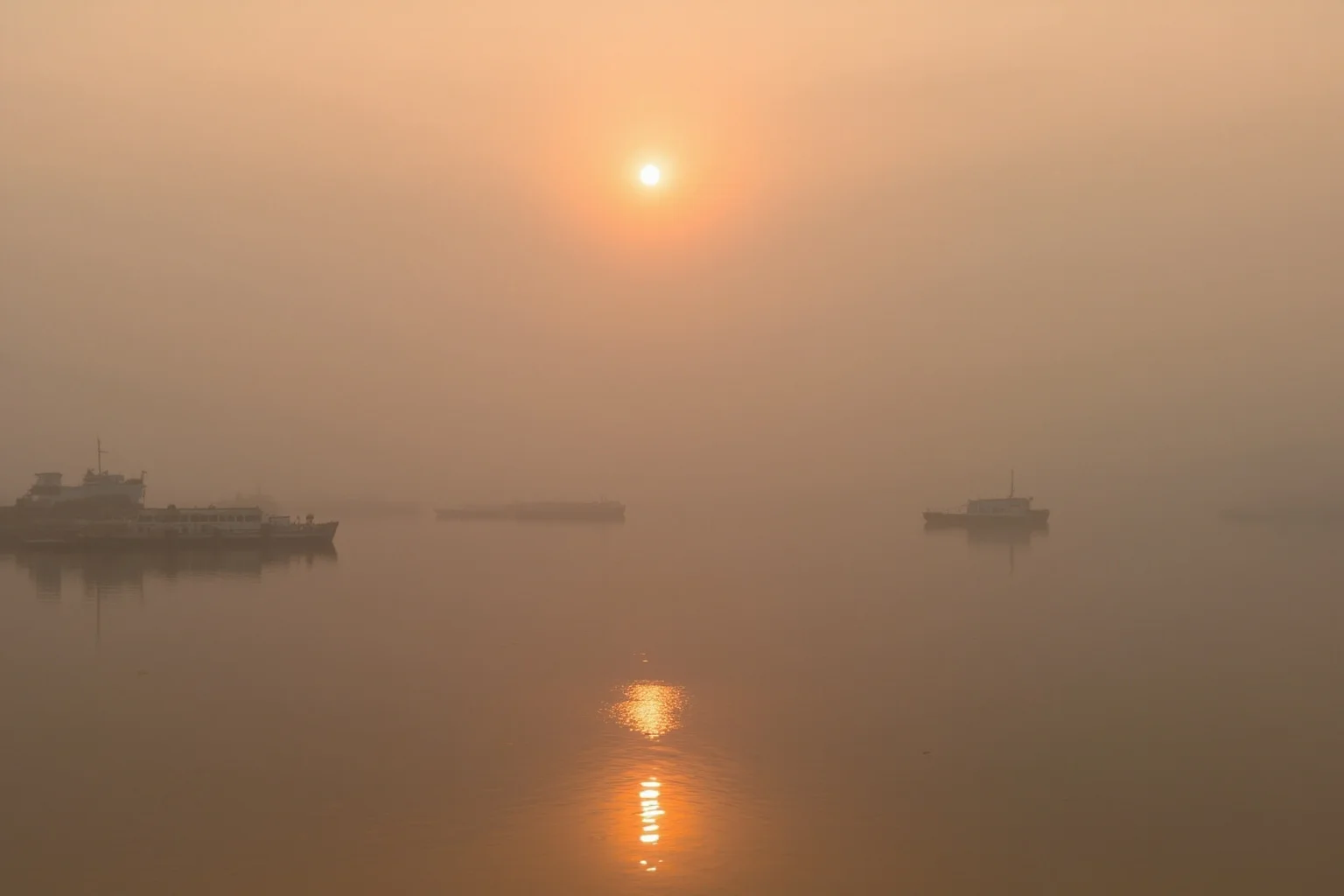
Monet painted this hazy harbor scene in 1872, and it inadvertently gave an entire art movement its name. A critic used the word “impression” mockingly to describe the loose, unfinished-looking brushwork, and the label stuck as “Impressionism.”
The painting now resides at the Musée Marmottan Monet in Paris. It’s a useful reminder that some of history’s most celebrated art movements began as insults.
19. The Third of May 1808 — Francisco Goya
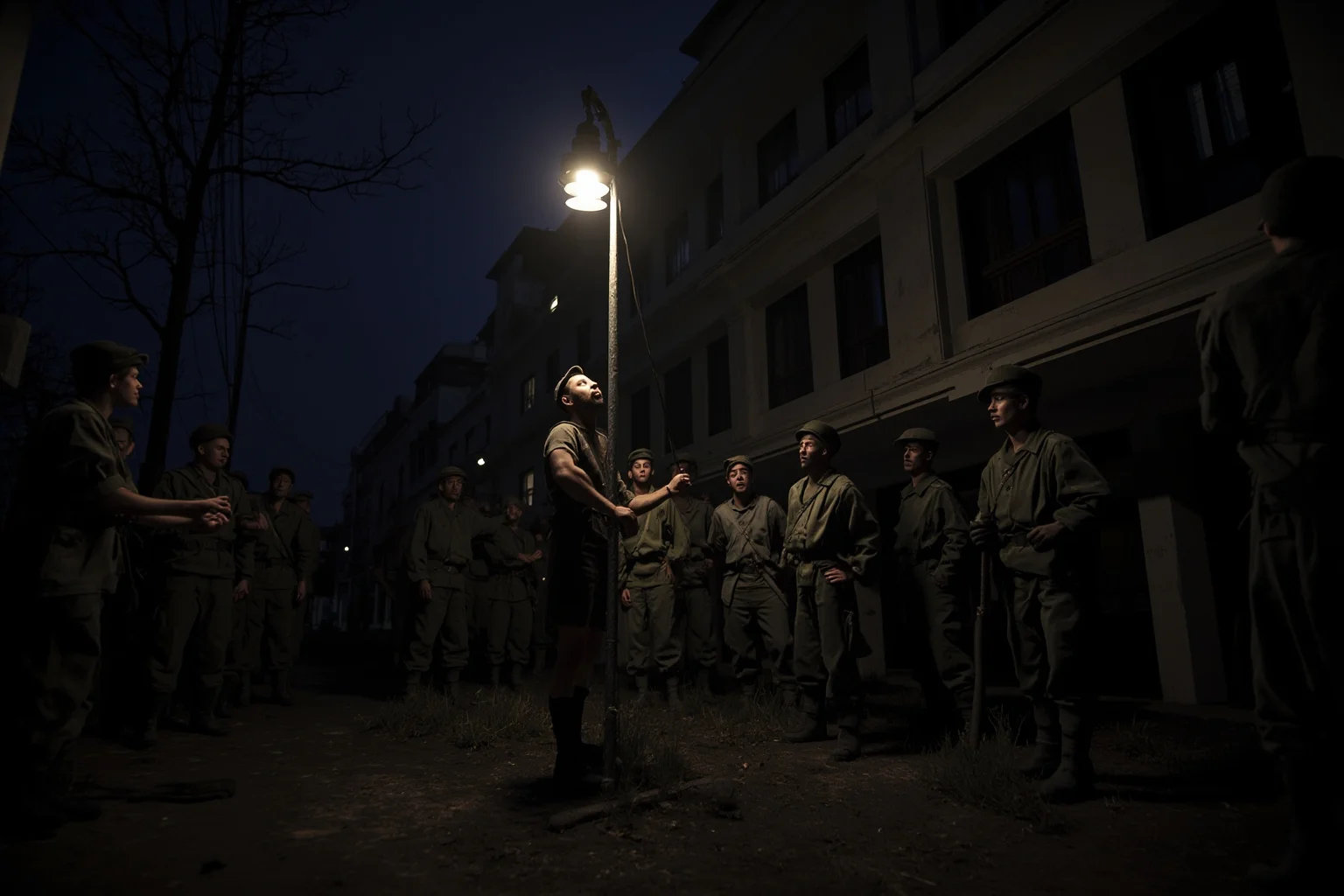
Goya completed this unflinching depiction of Napoleonic soldiers executing Spanish civilians in 1814, several years after the actual event. It’s considered one of the earliest paintings to portray the brutality of modern warfare without heroic glorification.
Housed at the Prado Museum, it influenced later war-focused works, including Picasso’s Guernica more than a century later. Its raw, direct emotion set it apart from the more romanticized battle paintings of its era.
20. Les Demoiselles d’Avignon — Pablo Picasso
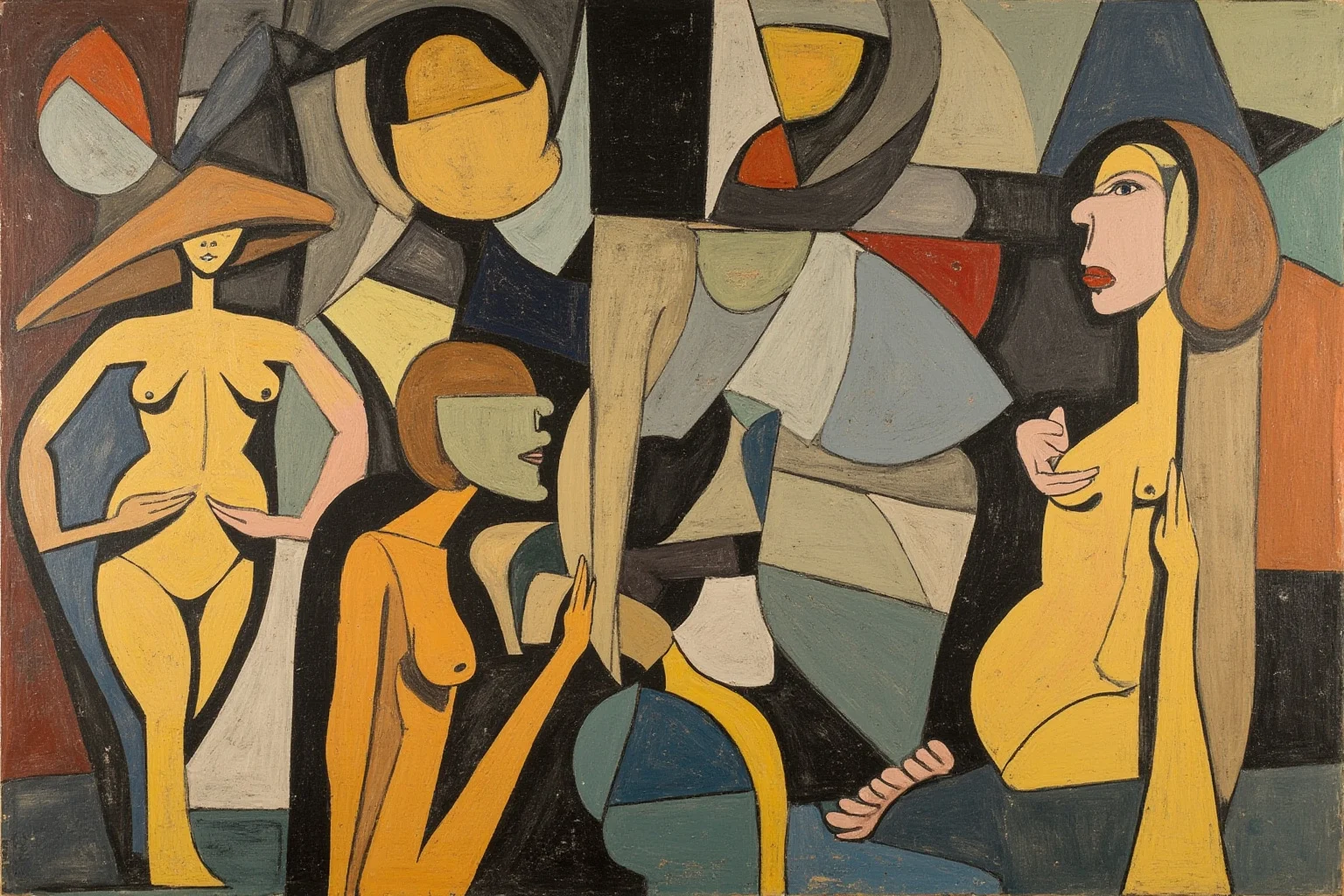
Painted in 1907, this jarring depiction of five nude figures marked Picasso’s move toward Cubism and drew heavily on influences from Iberian sculpture and African masks. It shocked even Picasso’s fellow artists when first shown privately.
The painting now hangs at the Museum of Modern Art in New York. It’s frequently cited as one of the most important turning points in 20th-century art.
21. The Kiss — Gustav Klimt
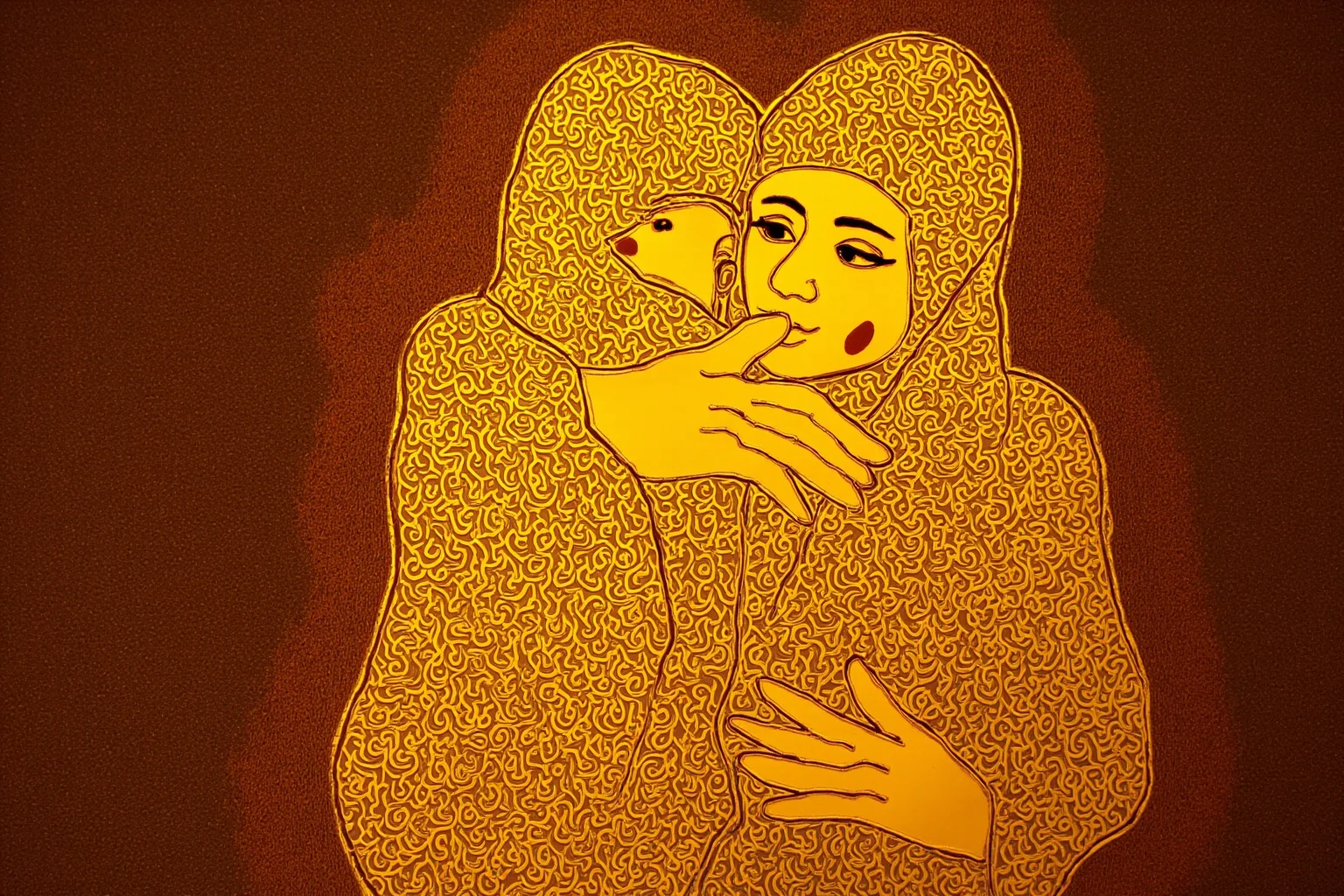
Klimt completed this shimmering, gold-leafed painting between 1907 and 1908 during what’s often called his “Golden Phase.” It’s now displayed at the Belvedere museum in Vienna.
The identities of the embracing couple remain unconfirmed, though some historians speculate they may represent Klimt and a companion. The painting’s decorative, Byzantine-inspired gold leaf technique set it apart from other portraiture of the era.
22. A Sunday Afternoon on the Island of La Grande Jatte — Georges Seurat
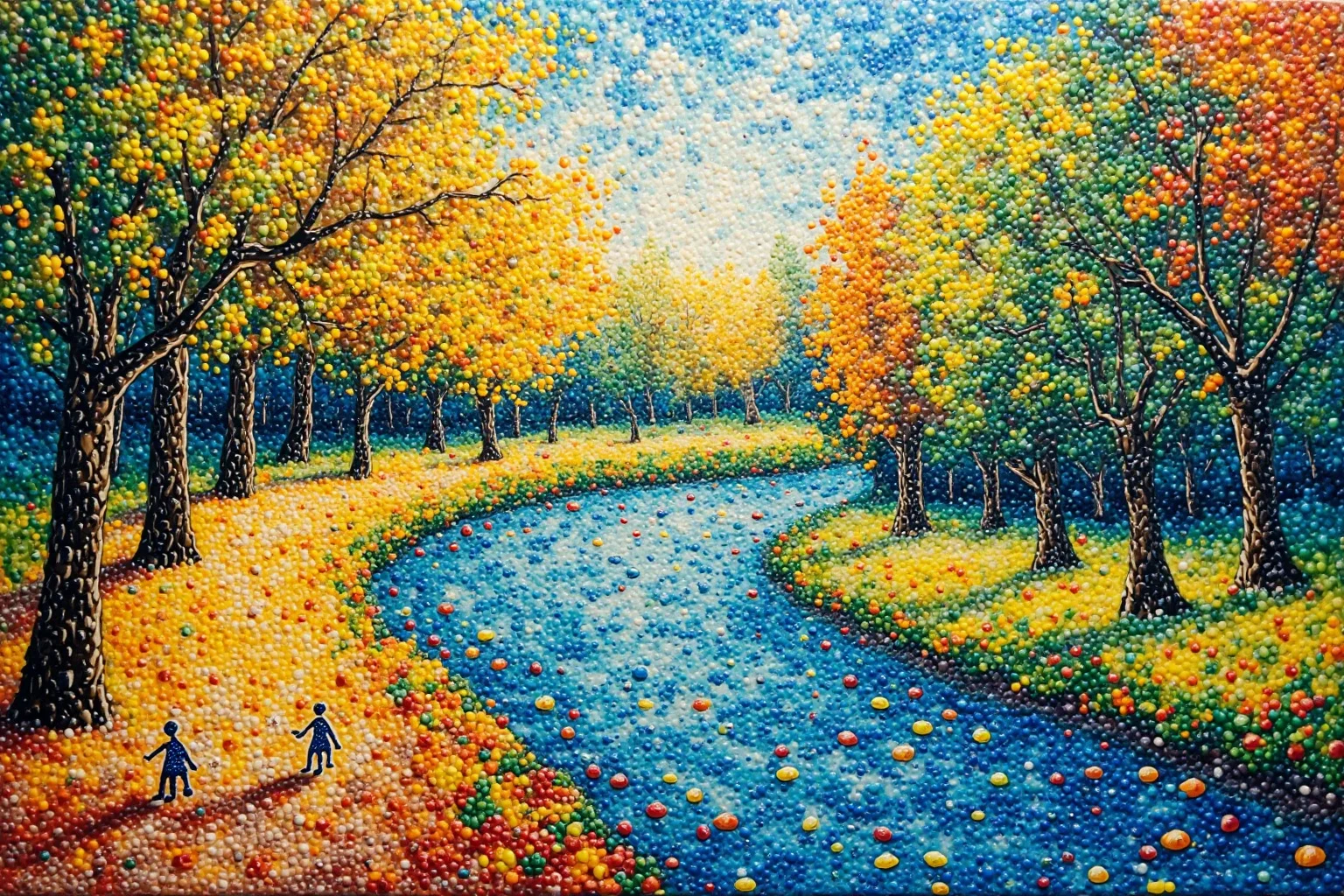
Seurat spent roughly two years, from 1884 to 1886, painting this enormous scene using tiny dots of pure color, a technique now known as pointillism. Viewed up close, the image dissolves into thousands of individual points of paint.
It now hangs at the Art Institute of Chicago and remains one of the most studied examples of scientific color theory applied to art. The painting demonstrated that technique itself could be as revolutionary as subject matter.
Why These Paintings Still Matter Today
These works endure because they do more than decorate a wall. Many of them captured turning points in politics, war, or science, functioning almost like visual historical records of their moment.
Others pushed technical boundaries that changed how future generations of artists approached color, perspective, or composition. That combination of historical weight and technical innovation is usually what separates a merely old painting from a genuinely important one.
It’s also worth remembering that fame in art history isn’t always earned through quality alone. Theft, scandal, wartime displacement, and pop culture references have all played a role in cementing certain paintings as legendary while equally skilled works faded into obscurity.
How to Explore Historical Art Further
If this list has sparked an interest in art history, most of the museums mentioned above offer detailed virtual collections online, including the Louvre, the Prado, and the Museum of Modern Art. These digital archives often include conservation notes and provenance details you won’t find on a typical museum plaque.
Local and regional museums are also worth exploring, since they often hold lesser-known historical works of art that never became household names but still reflect the artistic movements of their era. Many university art history departments also publish free online course materials covering specific periods in far more depth than a single list can.
Final Thoughts
The most famous historical paintings in the world share a common thread: each one froze a specific moment, technique, or idea so effectively that it kept speaking to new generations long after the paint dried. Whether it’s a quiet Dutch interior or a chaotic anti-war mural, these works remind us that art has always been tangled up with the politics, science, and culture of its time.
The next time you see one of these images reproduced on a mug or a phone case, it’s worth remembering the real history behind it. These paintings weren’t created to become internet memes or museum souvenirs — they were bold, sometimes risky statements by artists responding to the world around them.
Frequently Asked Questions
What are considered the most famous art history paintings?
Paintings like the Mona Lisa, The Starry Night, Guernica, and The Last Supper are consistently cited among the most famous art history paintings because of their technical innovation, cultural impact, and enduring public recognition across generations.
What is considered the greatest painting in history?
There's no single agreed-upon answer, since 'greatest' depends on criteria like technical skill, historical significance, or influence on later art. The Mona Lisa is often named the most famous, while works like Las Meninas and Guernica are frequently cited by art historians as among the most technically and culturally significant.
How do historians decide which paintings are historically significant?
Historians typically look at whether a painting introduced a new technique, captured a defining historical event, influenced later artists, or sparked significant public or critical debate. Age alone doesn't make a painting historically important.
What’s the difference between ‘historical art’ and a ‘history painting’?
'Historical art' broadly refers to any artwork with recognized cultural or historical significance, while a 'history painting' is a specific traditional genre depicting historical, mythological, or religious narrative scenes, popular from the Renaissance through the 19th century.
Which famous paintings are from the 20th century?
Notable 20th-century artworks include Picasso's Guernica and Les Demoiselles d'Avignon, Dalí's The Persistence of Memory, Munch's later versions of The Scream, and Klimt's The Kiss, all of which pushed the boundaries of traditional painting styles.
Are famous historical paintings always accurate depictions of events?
Not always. Paintings like Washington Crossing the Delaware and Napoleon Crossing the Alps contain documented historical inaccuracies, since many artists prioritized symbolism, patriotism, or dramatic effect over strict factual accuracy.
Where can I see famous historical paintings in person?
Many of the world's most famous paintings are housed in major museums such as the Louvre in Paris, the Prado in Madrid, the Rijksmuseum in Amsterdam, and the Museum of Modern Art in New York, most of which also offer detailed virtual collections online.

Alex Warren
Related Articles





