

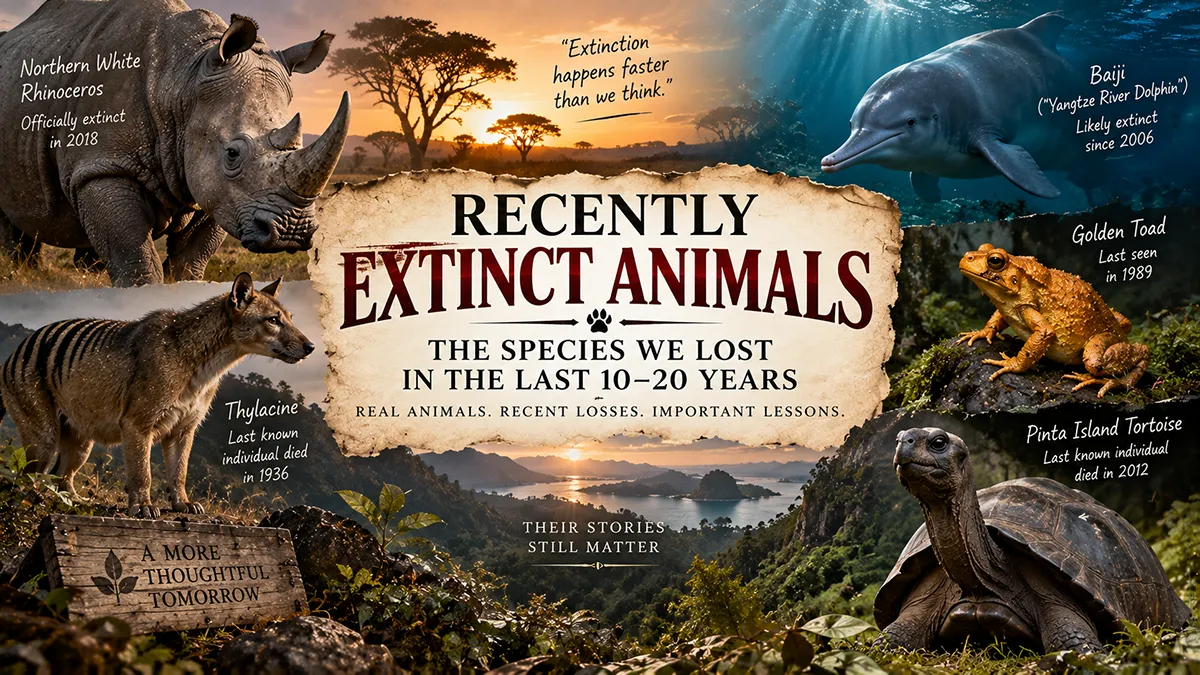
Extinction feels like something that happened to dinosaurs, dodos, and other creatures locked safely in the past. But the uncomfortable truth is that animals are still going extinct right now, in our own lifetimes, and the pace has been picking up rather than slowing down.
This isn’t a list of prehistoric fossils. Every entry below is an animal that scientific bodies like the International Union for Conservation of Nature (IUCN) or national wildlife agencies have formally confirmed as extinct within roughly the last decade or two. We’ll also cover the science of how extinction gets declared, how many animals go extinct every year, and which famous species are teetering on the edge right now.
TL;DR: In the last 10 to 20 years, scientists and wildlife agencies have officially confirmed the extinction of more than twenty species, from Hawaiian songbirds to a Chinese river fish, and the true number quietly lost is almost certainly higher.
Extinction 101: What “Extinct” Actually Means
The word “extinct” gets thrown around loosely, but conservation scientists use it with real precision. The IUCN Red List, the world’s most authoritative extinction database, recognizes several distinct categories that matter a lot for accuracy.
“Extinct” (EX) means exhaustive surveys over a long period have found no individuals anywhere. “Extinct in the Wild” (EW) means the species survives only in captivity or cultivation, like the Spix’s Macaw. “Possibly Extinct” is a working label used for species that are almost certainly gone but haven’t been formally confirmed yet, since proving a negative takes time and repeated failed searches.
There’s also “functionally extinct,” a term used when a species technically has living members but can no longer sustain a wild population, often because too few breeding-age individuals remain. This distinction matters because many lists of “extinct animals” online blur these categories together, which can make the numbers look either scarier or more reassuring than the evidence actually supports.
How Many Animals Go Extinct Every Year?
This is one of the most searched questions about extinction, and honestly, nobody can give you an exact number. Scientists can only confirm the extinction of species we’ve actually documented, which is a tiny fraction of life on Earth, since millions of insects, fungi, and marine invertebrates have never even been formally described.
What we do know is that the IUCN Red List has confirmed more than 900 species as extinct since the year 1500, based on rigorous documentation. Biologists generally agree the current extinction rate for vertebrates alone is running far above the natural “background” rate seen throughout most of Earth’s history, though exact multiples are debated among researchers.
For context, the background extinction rate estimated from the fossil record suggests roughly one to five species going extinct per year across all of life on Earth under normal conditions. Confirmed recent losses of vertebrate species, by contrast, are being documented at a noticeably faster clip, which is exactly why this topic keeps making headlines.
The List: Animals Declared Extinct in the Last 10–20 Years
Here are the species that wildlife authorities have formally declared extinct, functionally extinct, or extinct in the wild in recent years. Each one was assessed using field surveys, historical sighting records, and, in most cases, years of fruitless searching before the declaration was made.
1. Bramble Cay Melomys
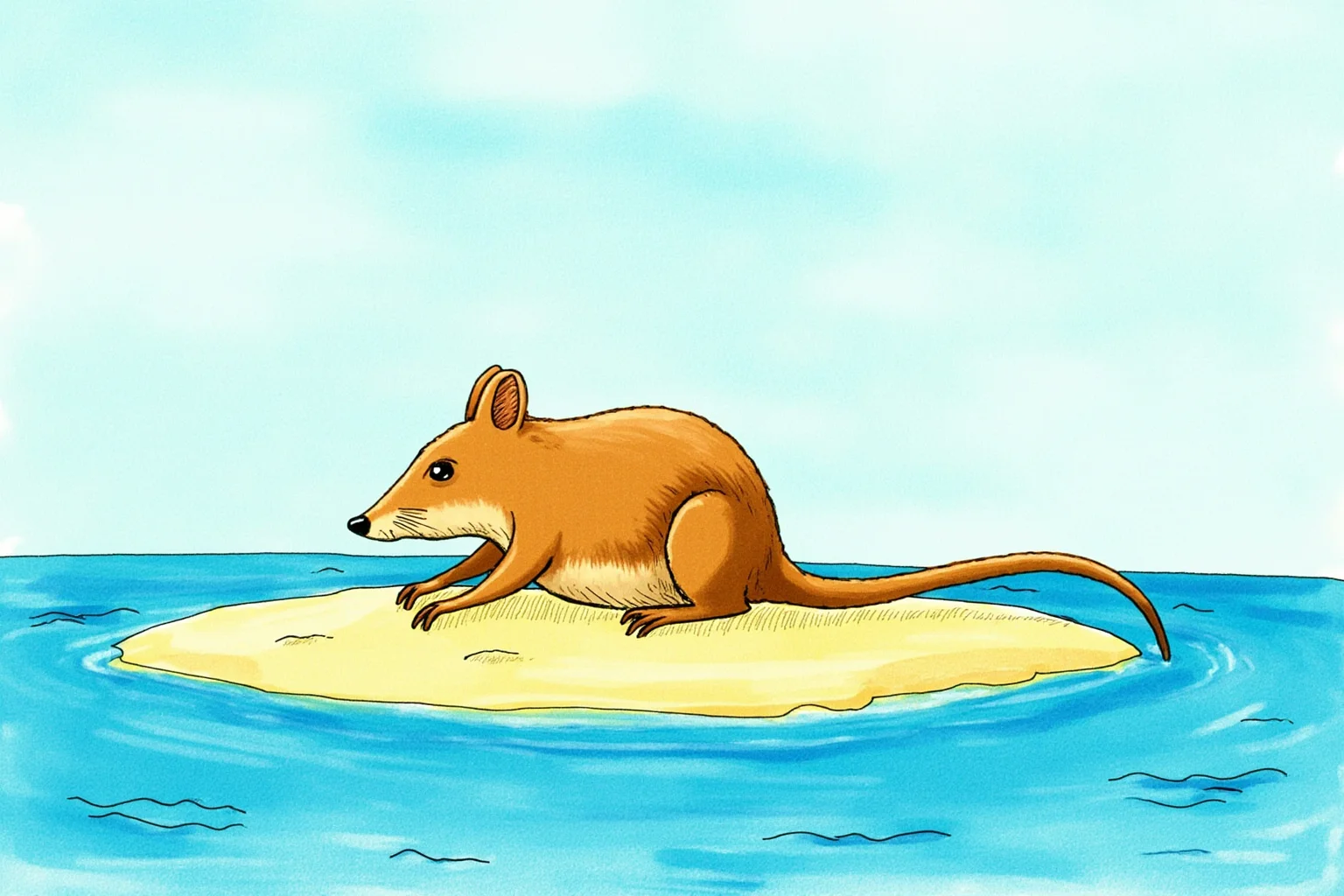
This small rodent lived only on a tiny sand island in the Great Barrier Reef, making it one of the most geographically restricted mammals on Earth. Rising sea levels and repeated storm surges destroyed its habitat and food plants over the 2000s and 2010s.
In 2019, the Australian government formally confirmed its extinction, and researchers widely cite it as the first mammal extinction attributed primarily to human-driven climate change, earning it a place in discussions of the worst man-made disasters in history. It remains one of the most cited case studies in the field.
2. Spix’s Macaw
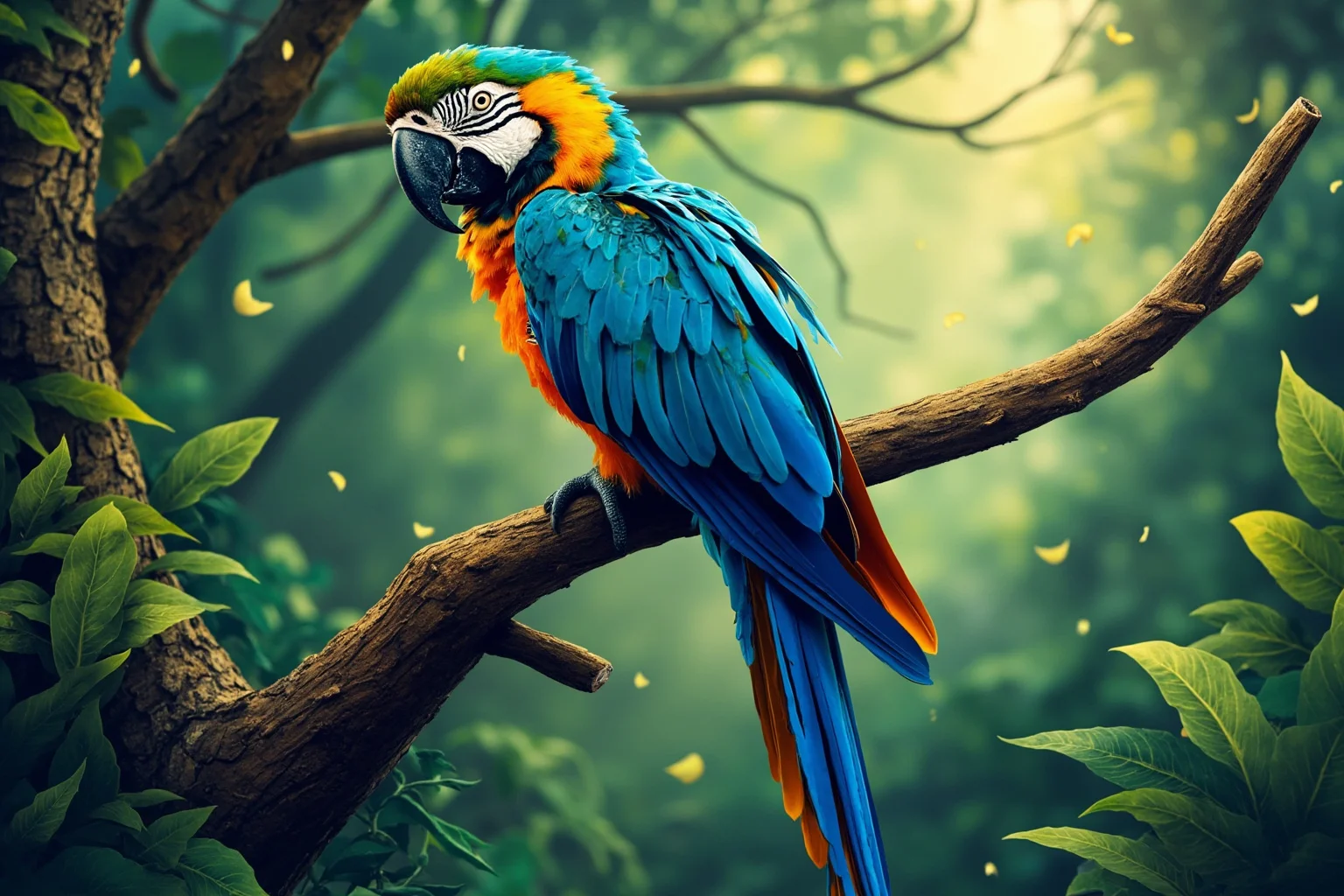
Made famous by the animated film “Rio,” this vivid blue Brazilian parrot was declared Extinct in the Wild in 2019 after decades of habitat loss and illegal trapping for the pet trade. The last confirmed wild bird disappeared around the year 2000.
The species survives only through captive breeding programs, with conservationists working toward eventual reintroduction to protected habitat in Brazil. It’s a rare case where “extinct” doesn’t mean “gone forever,” at least not yet.
3. Poʻouli (Black-faced Honeycreeper)
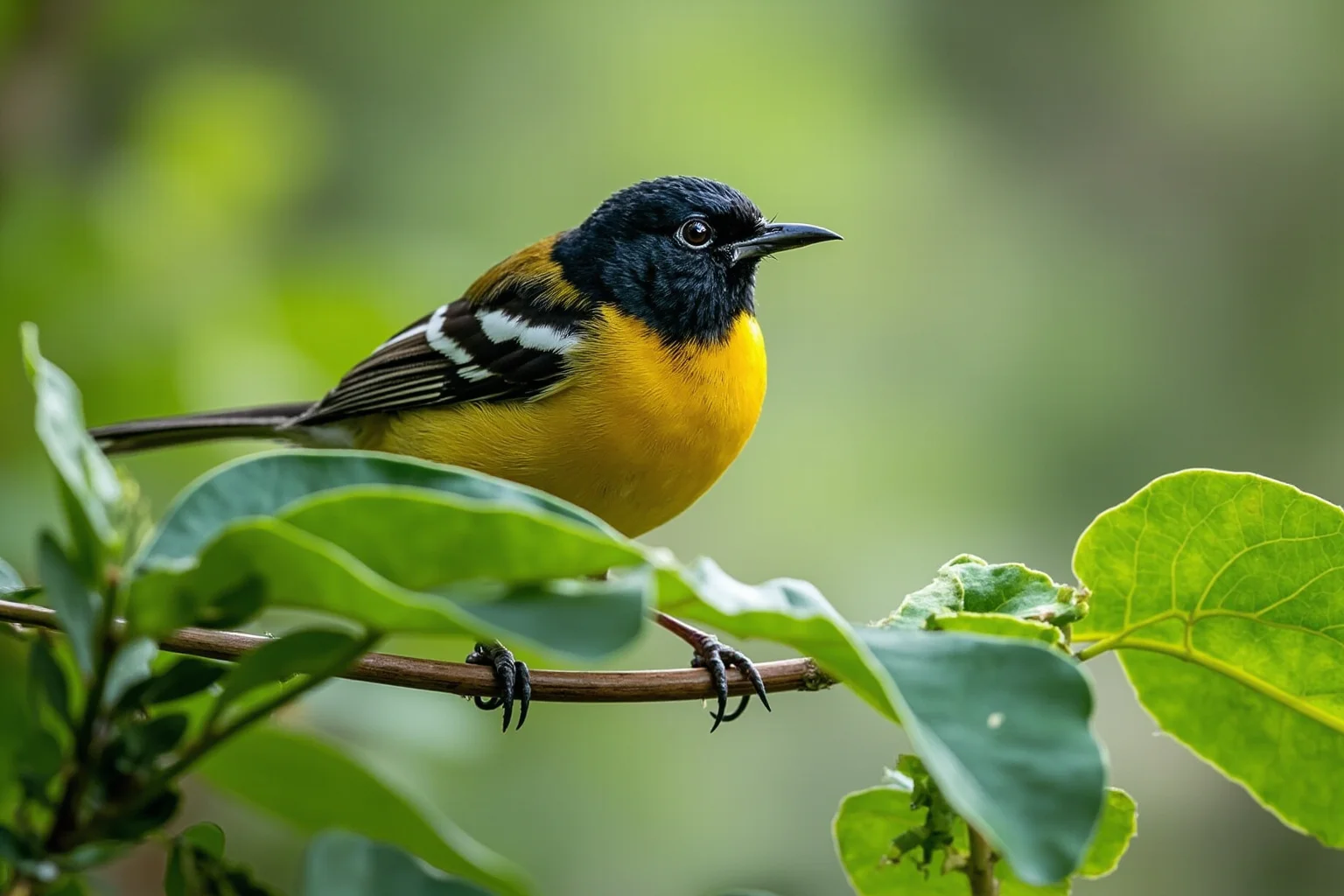
Discovered only in 1973 on the island of Maui, this small Hawaiian honeycreeper had one of the shortest known windows between scientific discovery and extinction. The last confirmed individual died in captivity in 2004 after conservationists’ rescue attempts failed.
The U.S. Fish and Wildlife Service formally proposed removing it from the endangered species list due to extinction in 2019. Habitat loss, invasive predators, and avian disease all contributed to its disappearance.
4. Kauaʻi ʻōʻō
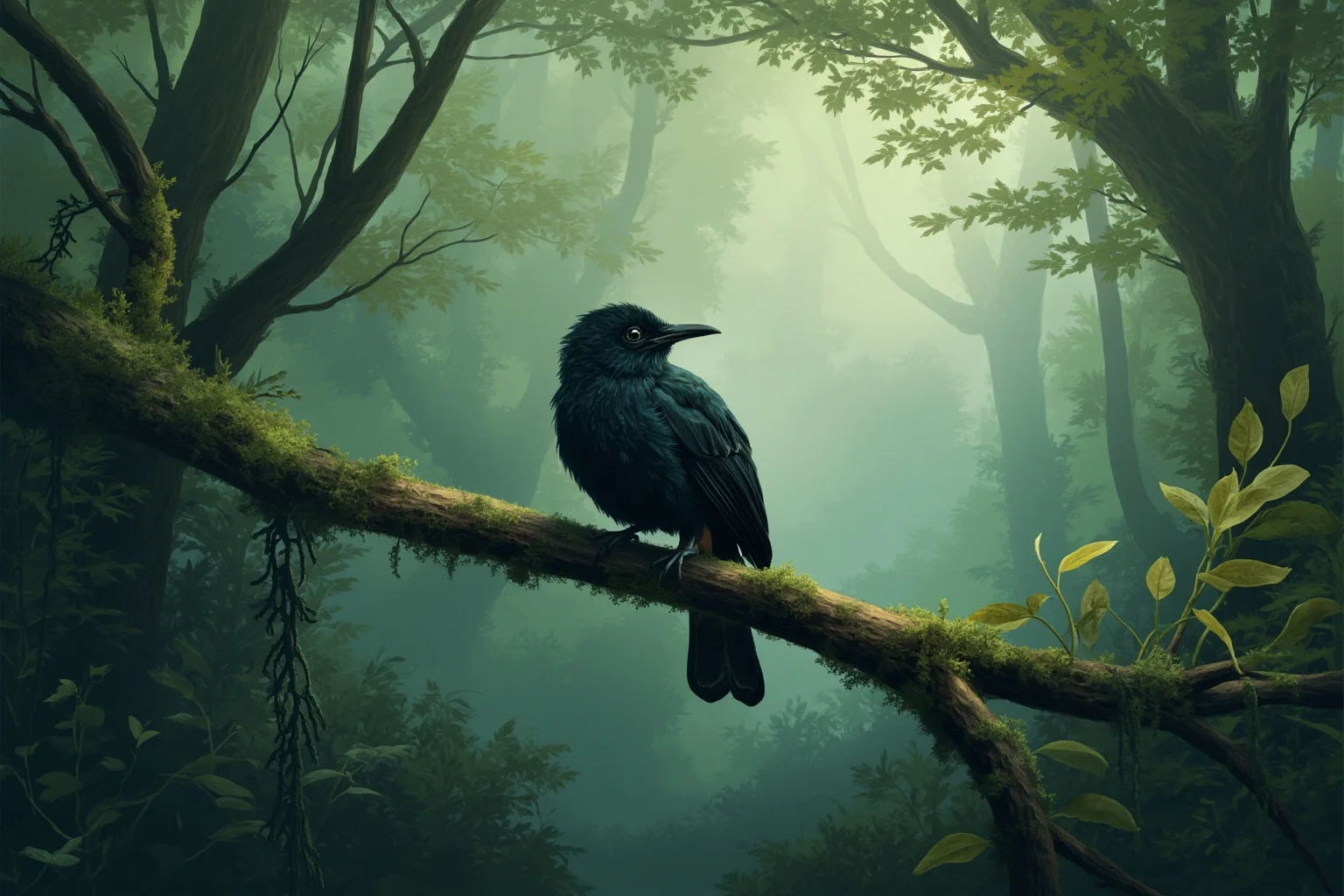
This honeyeater from the Hawaiian island of Kauaʻi was last heard calling in the wild in 1987, its haunting duet call recorded just before its mate disappeared. It was one of several Hawaiian forest birds formally declared extinct by U.S. wildlife officials in 2021.
Introduced mosquitoes carrying avian malaria, along with habitat destruction from logging and invasive species, devastated Hawaii’s native bird populations across the 20th century. The ʻōʻō family of birds is now entirely extinct.
5. Bachman’s Warbler
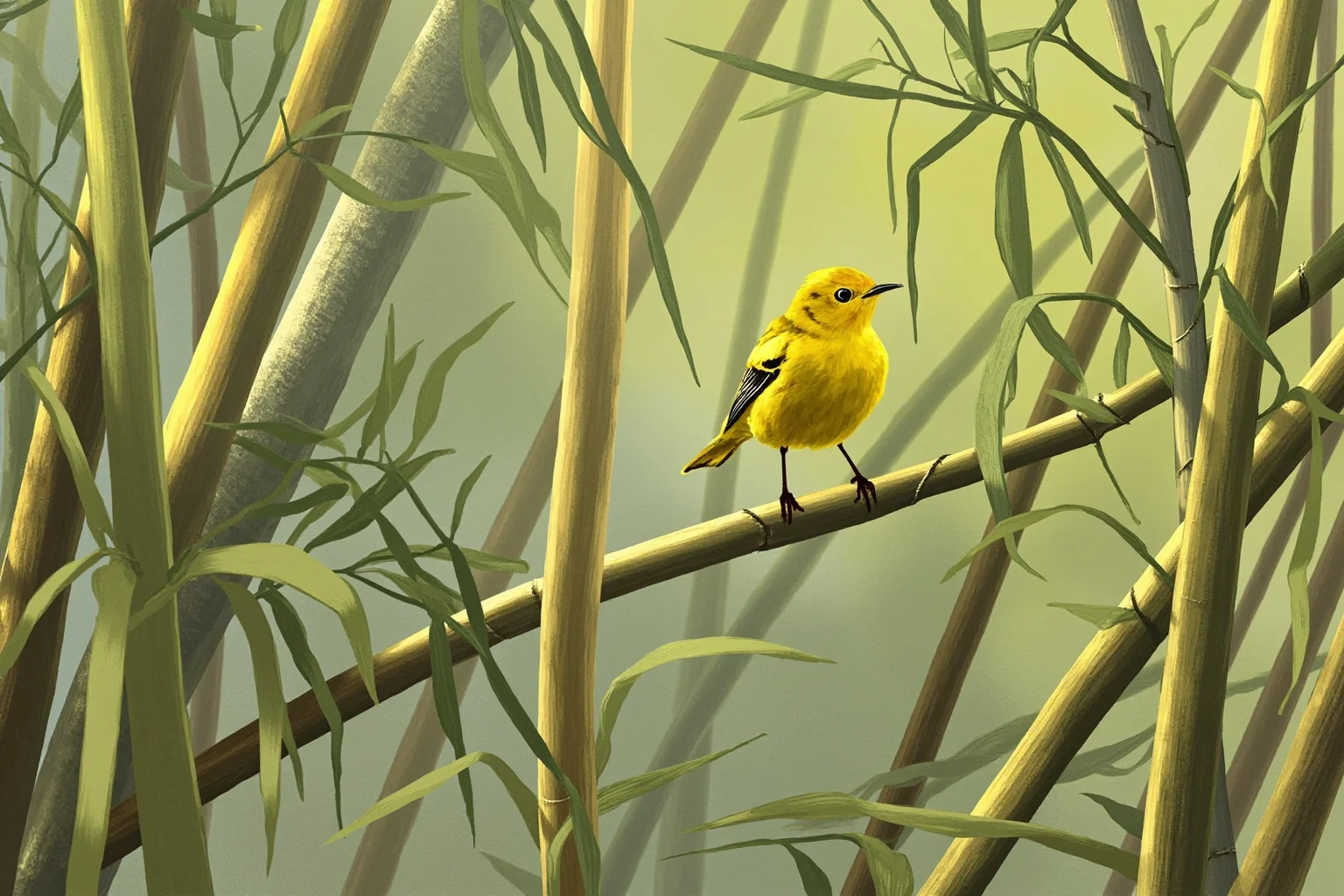
Once found in swampy thickets across the southeastern United States, this small yellow warbler had already become rare by the mid-20th century. The last widely accepted sighting occurred in the 1960s, though unconfirmed reports trickled in for years afterward.
The U.S. Fish and Wildlife Service proposed delisting it due to extinction in 2021, citing decades of habitat loss in its bamboo-cane breeding grounds. It’s now considered one of North America’s confirmed lost songbirds.
6. Ivory-billed Woodpecker
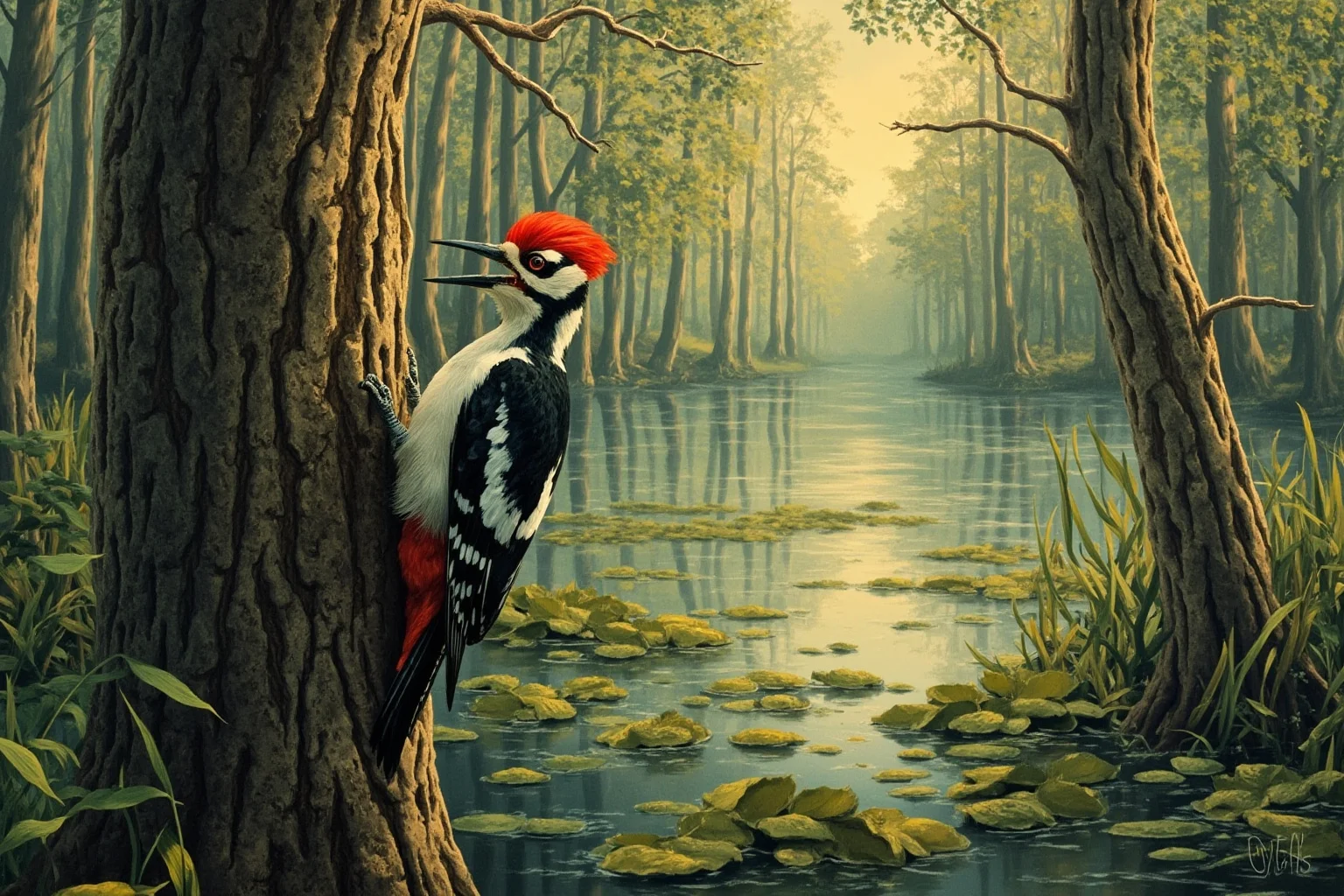
Few extinction cases are as contested as this one. The striking woodpecker, once found across the southeastern U.S., was proposed for delisting as extinct by U.S. Fish and Wildlife in 2021, but the final decision was repeatedly delayed after researchers submitted disputed sighting evidence.
As of the mid-2020s, the species remains officially unresolved rather than confirmed extinct, making it a genuine ongoing scientific debate rather than a settled fact. It’s a good reminder that not every “extinct” headline reflects full scientific consensus.
7. Eastern Cougar
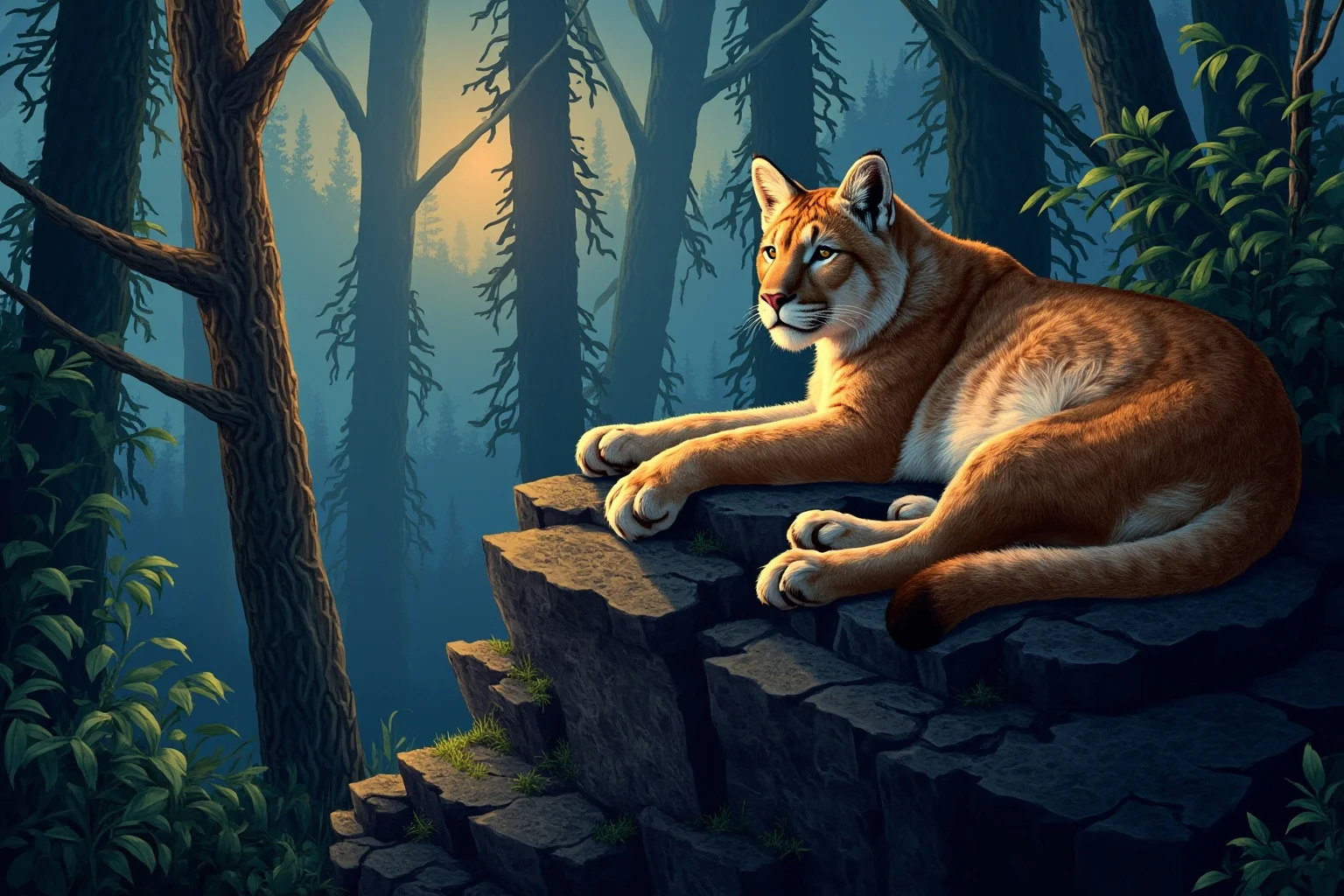
This subspecies of cougar once roamed forests across the northeastern United States and eastern Canada before European settlement drove it toward collapse through hunting and habitat clearance. The U.S. Fish and Wildlife Service formally declared it extinct in 2018, removing it from the endangered species list.
Some researchers still debate whether the eastern cougar was ever genetically distinct from other North American cougar populations. Either way, no viable wild population has existed in its historic eastern range for decades.
8. Little Mariana Fruit Bat
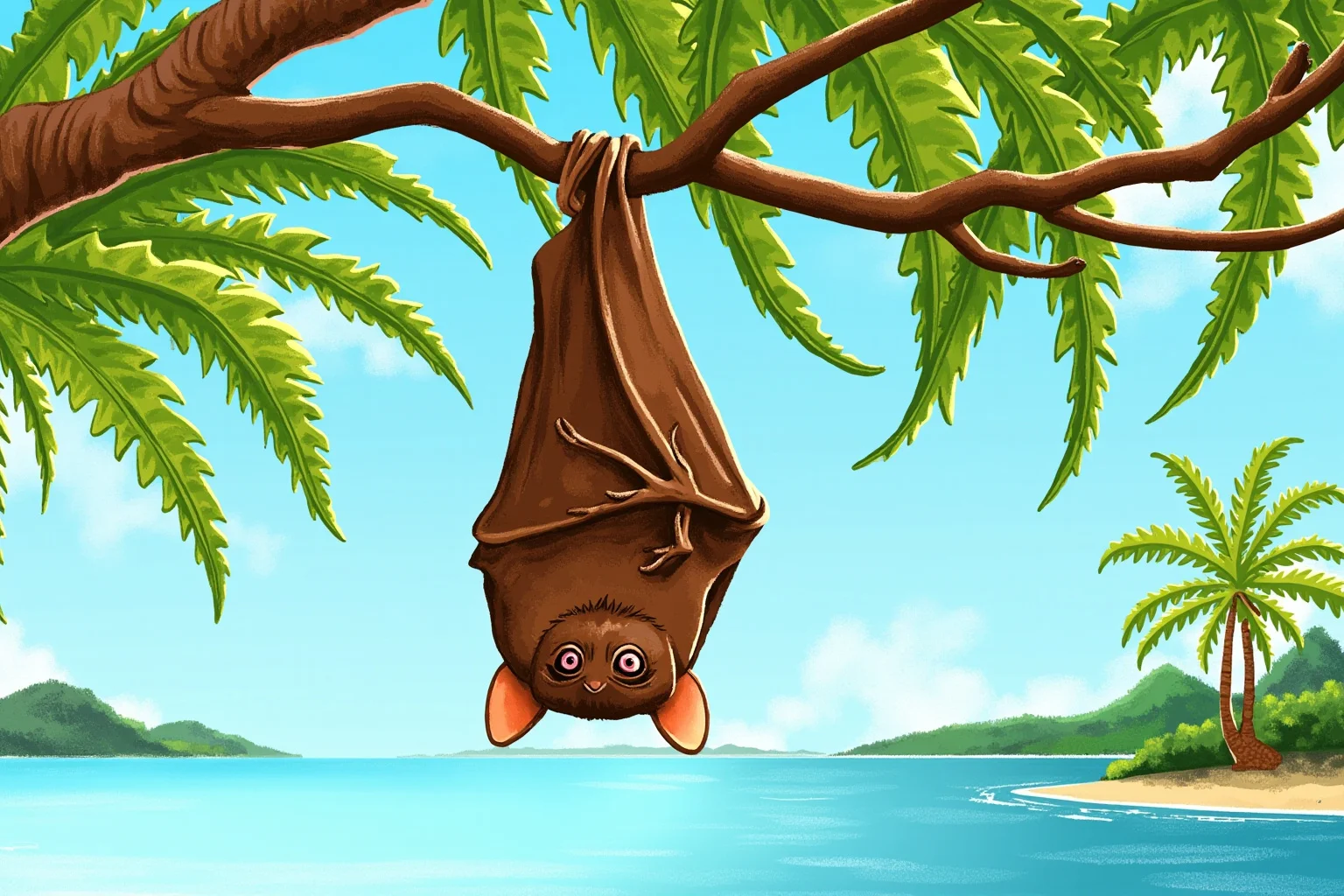
Native to the island of Guam, this small fruit bat fell victim to a familiar island story: invasive predators, habitat loss, and hunting pressure combined to wipe it out. U.S. wildlife officials declared it extinct in 2021.
Guam’s ecosystems have been particularly hard-hit by invasive species introduced after World War II, including the brown tree snake, which has driven multiple native bird and bat species toward collapse.
9. Chinese Paddlefish
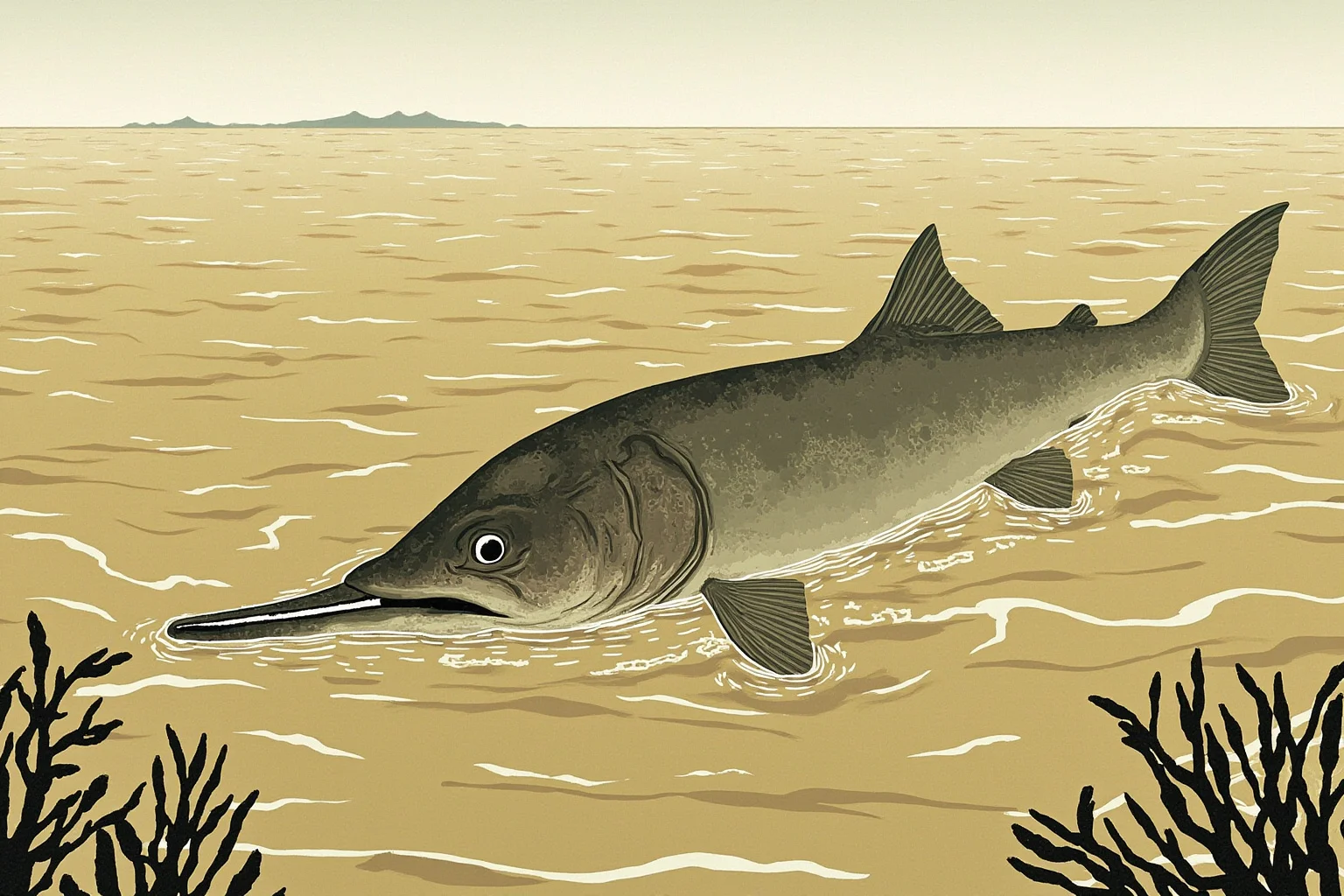
One of the largest freshwater fish on Earth, this Yangtze River giant could reportedly grow over seven meters long according to historical records. Overfishing and the construction of dams that blocked its migratory spawning routes drove its population into freefall through the late 20th century.
The last confirmed sighting occurred in 2003, and after years of failed surveys, the IUCN formally declared it extinct in 2022. Its loss is often cited alongside the baiji, or Yangtze river dolphin, as a symbol of the ecological toll of China’s rapid industrial development.
10. Smooth Handfish
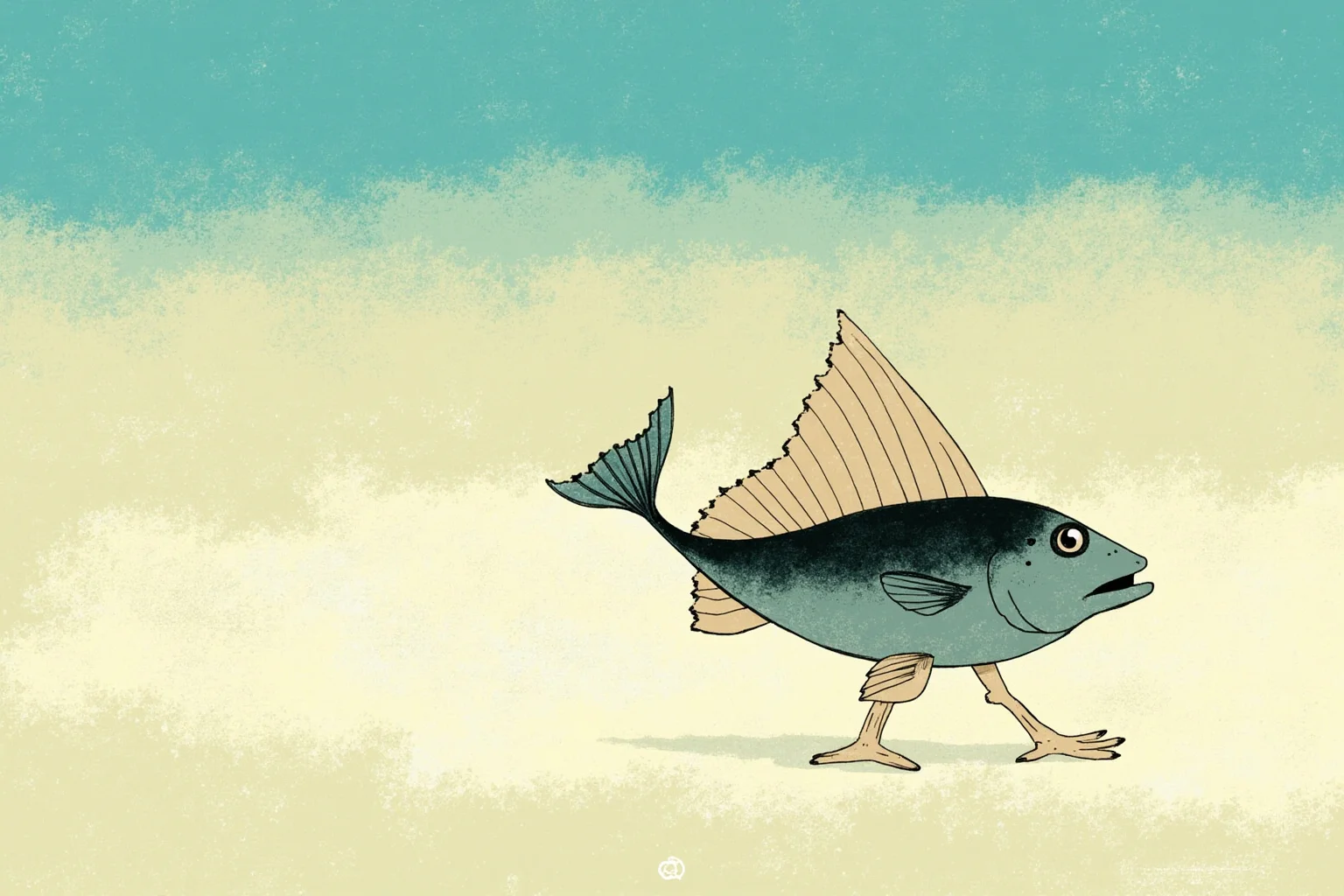
This small Australian fish had an unusual way of getting around: it “walked” along the seafloor using fins shaped like hands rather than swimming freely. It hadn’t been seen since the 1800s despite targeted searches, and the IUCN declared it extinct in 2020.
Its extinction was historically significant for a grim reason: it became the first marine fish species officially declared extinct in modern times as a result of human activity, drawing attention to how little we still know about ocean biodiversity loss.
11. Yangtze Giant Softshell Turtle
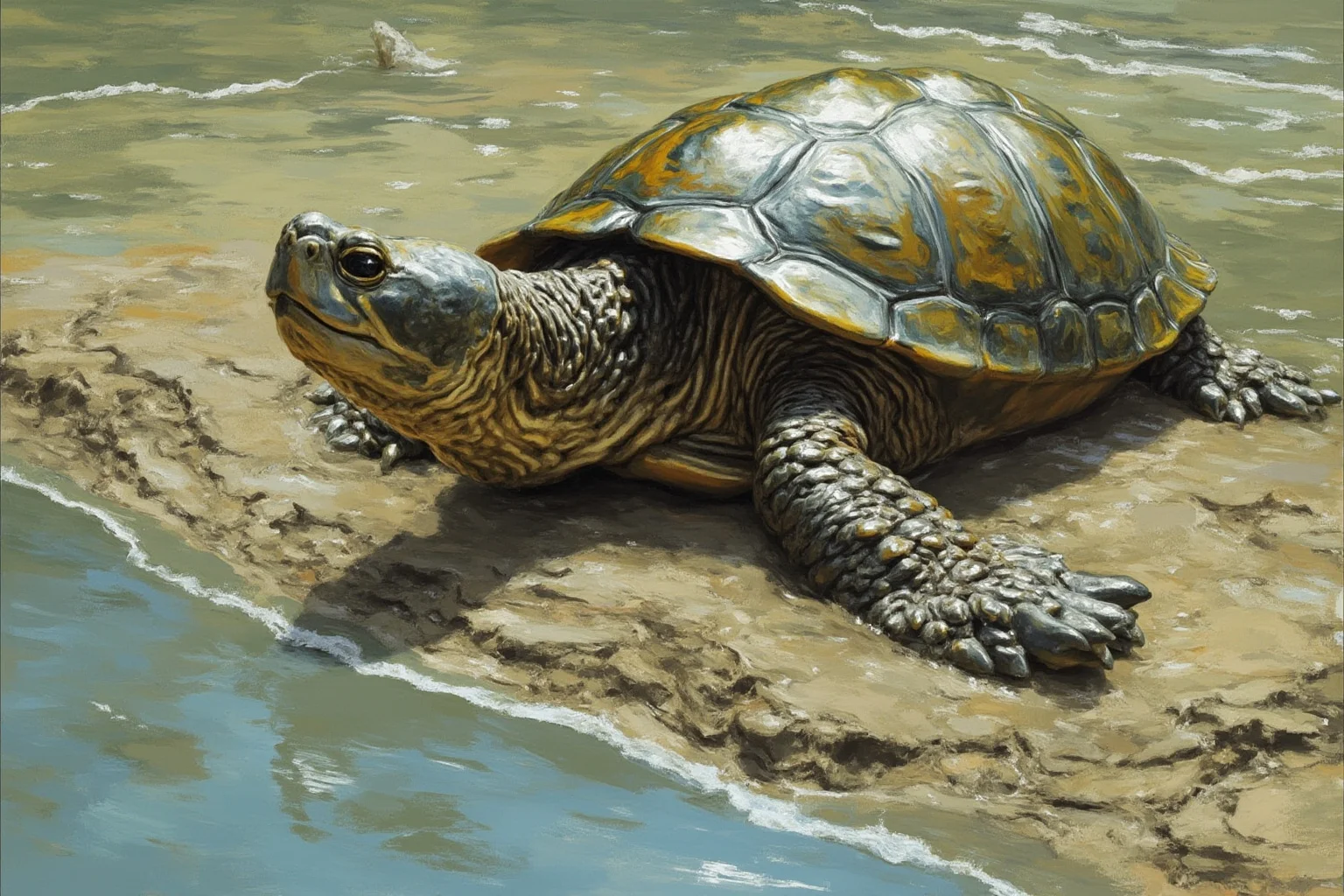
This critically endangered turtle became a global conservation story in 2019 when the last known female, living in a Chinese zoo, died shortly after an artificial insemination attempt failed. Only a single male is now known to survive in captivity, alongside unconfirmed reports of wild individuals in Vietnam.
While not officially declared extinct, most conservationists consider the species functionally extinct given the near-impossible odds of finding a breeding pair. It stands as one of the most dramatic near-extinctions of the past decade.
12. Splendid Poison Frog
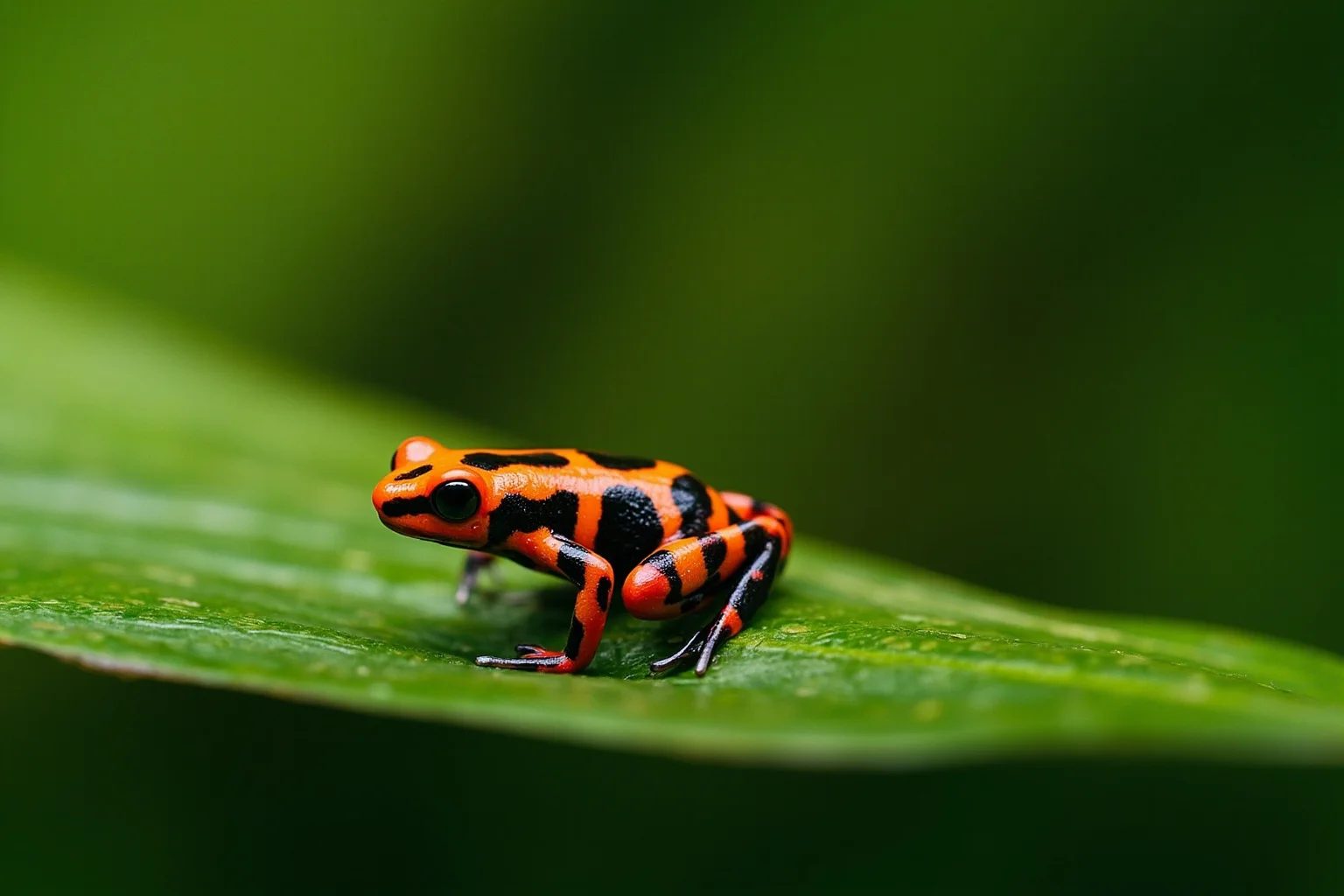
This brightly colored frog from Panama fell victim to the amphibian chytrid fungus, a devastating pathogen that has driven amphibian declines across Central and South America since the 1990s. Habitat destruction compounded the damage in its already limited range.
The IUCN declared the splendid poison frog extinct in 2020, making it one of dozens of amphibian species lost to the ongoing global chytrid crisis. Amphibians as a group remain among the most threatened vertebrates on the planet.
13. Rabbs’ Fringe-limbed Treefrog
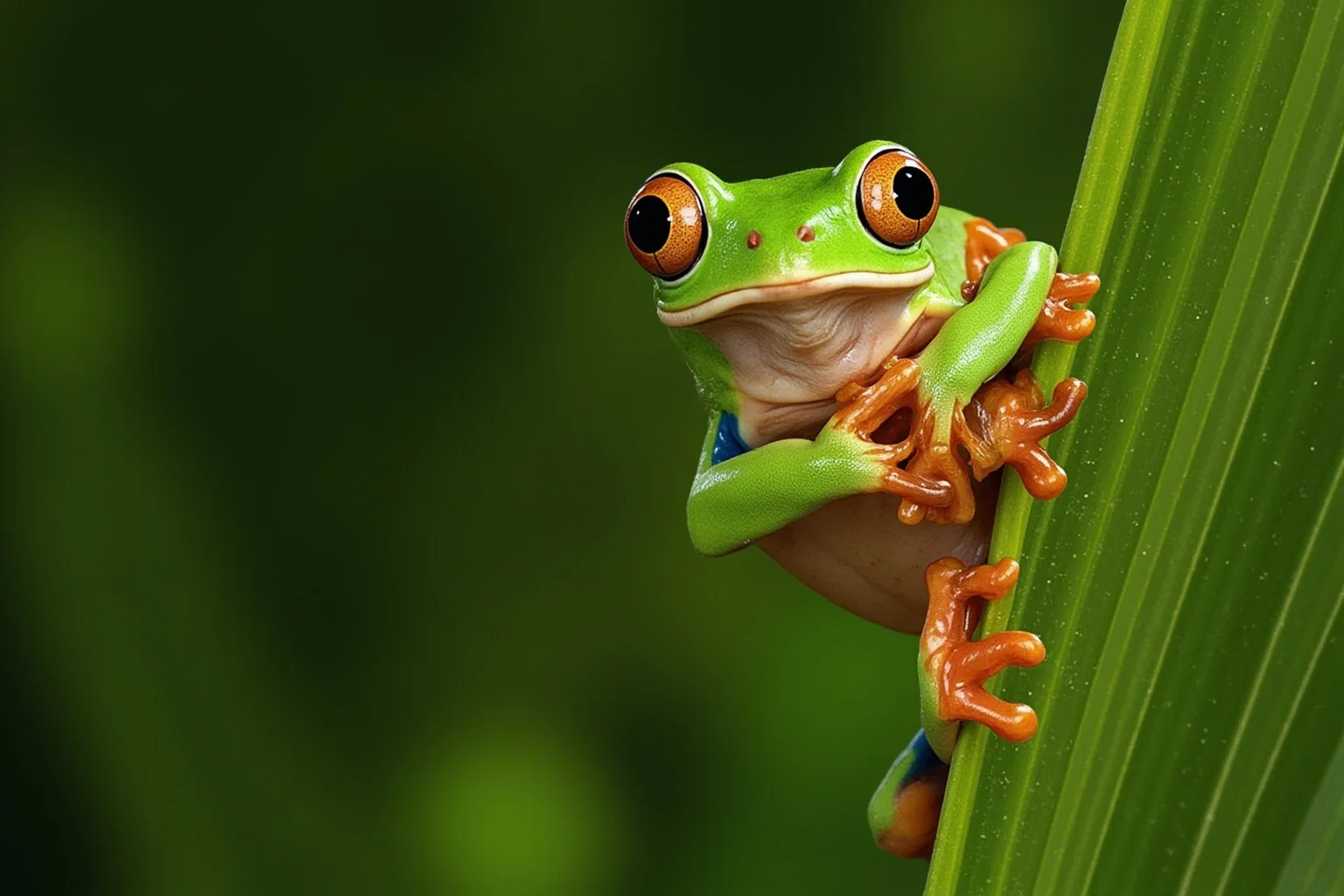
This Panamanian treefrog became famous for an unusually personal reason: its very last known individual, a male nicknamed “Toughie,” lived at Zoo Atlanta and became something of a conservation mascot. He died in 2016, and no other individuals of the species have been found since.
Chytrid fungus again played the leading role in its collapse, striking so quickly that conservationists barely had time to bring a handful of frogs into captivity before the wild population vanished. Toughie’s death is widely treated as marking the practical end of the species.
14. Christmas Island Pipistrelle
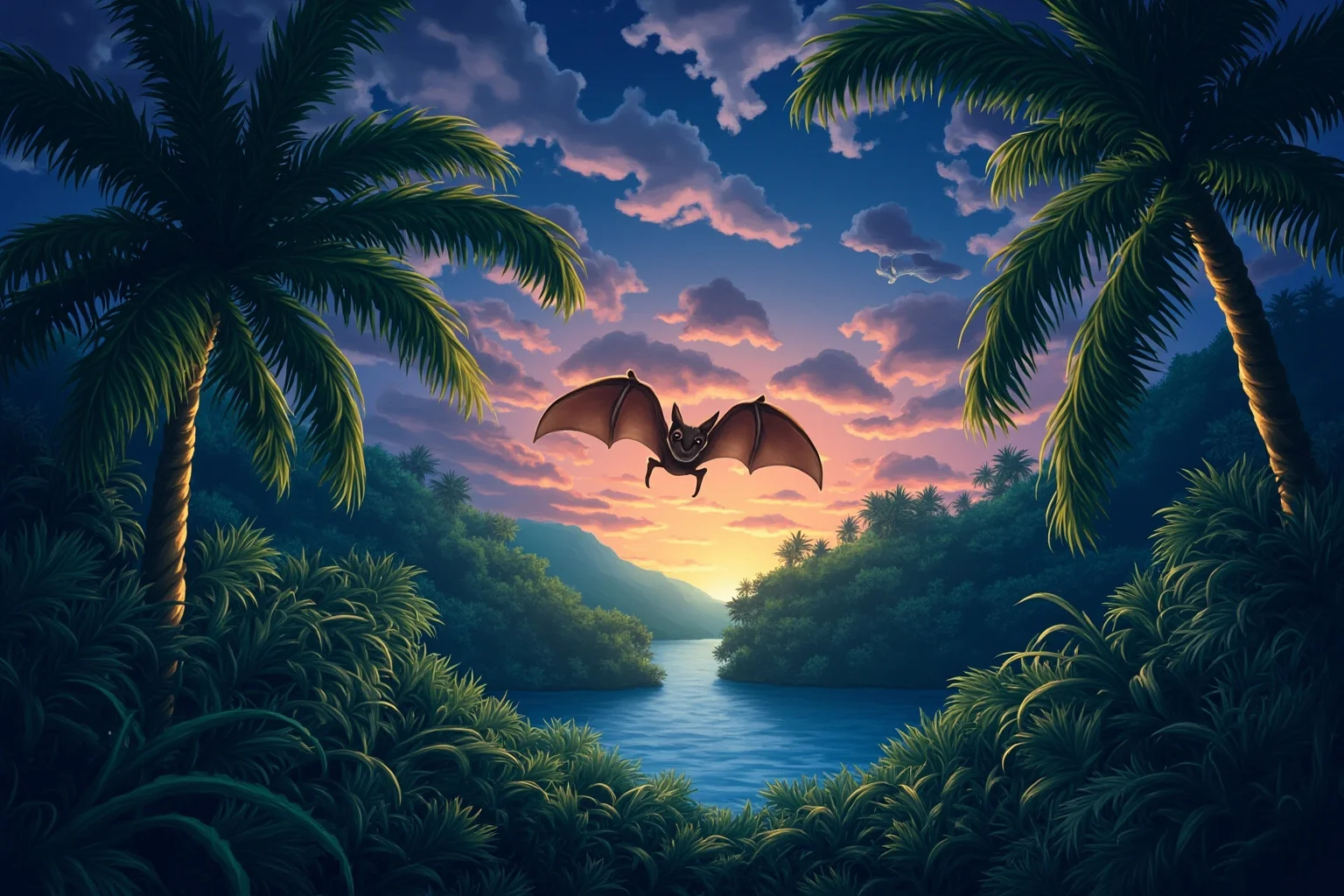
This tiny bat, native to Australia’s Christmas Island, saw its population crash abruptly during the 2000s for reasons scientists still don’t fully understand, though invasive species and habitat disturbance are suspected contributors. The last confirmed detection came in 2009.
Despite an emergency capture effort launched in 2009 to save remaining individuals, none were found in time. The species was formally declared extinct in 2017, and its rapid, poorly understood decline remains a cautionary tale about acting fast on early warning signs.
15. Alaotra Grebe
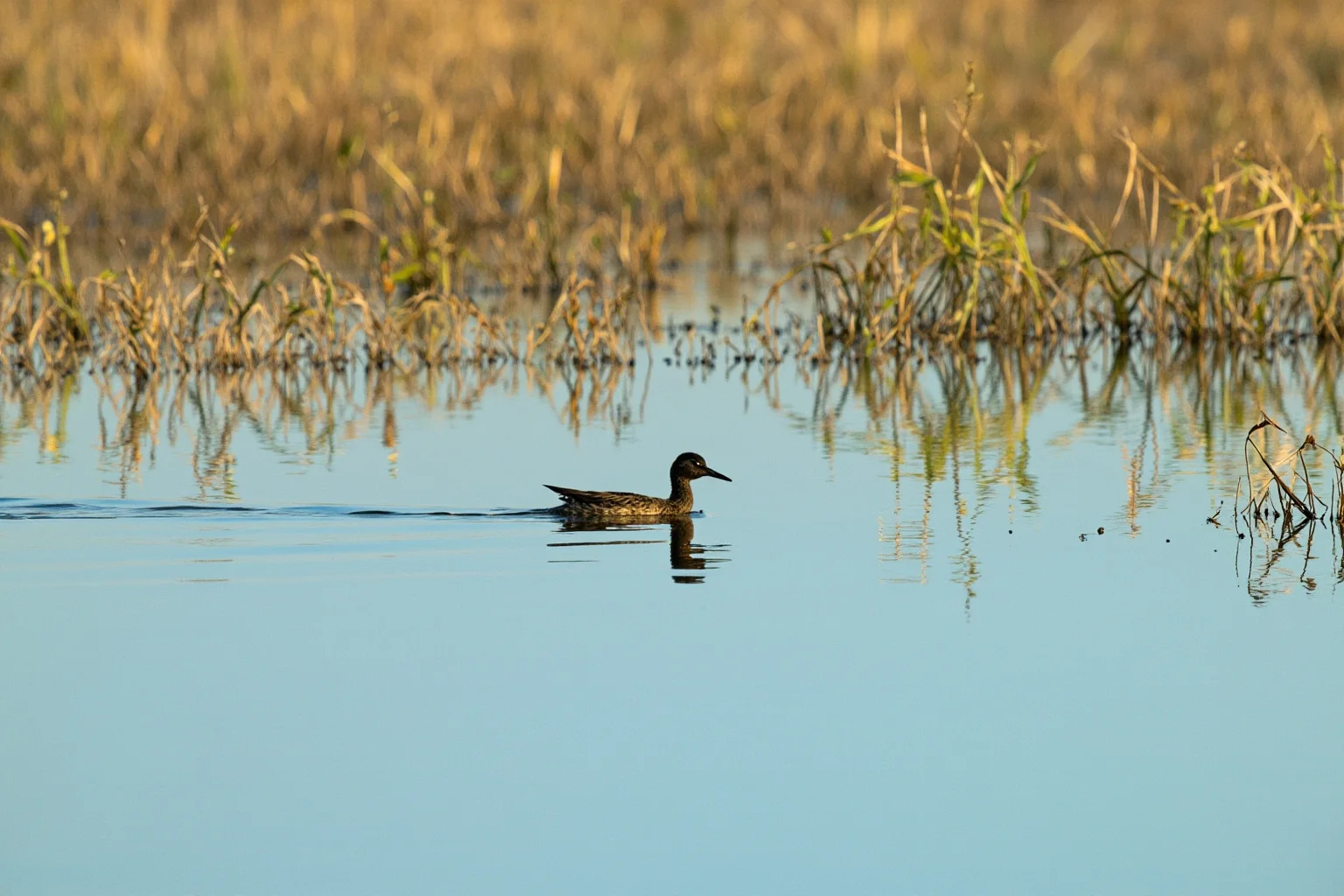
This Madagascan waterbird lived only around Lake Alaotra, the country’s largest lake, and its decline tracked almost exactly with the introduction of predatory fish and invasive carnivorous fish species into its habitat. Hybridization with a closely related grebe species also diluted its genetics.
The IUCN declared the Alaotra grebe extinct in 2010, following a targeted survey that found only hybrid birds remaining. It’s a textbook example of how introduced species can quietly erase an isolated population.
16. Western Black Rhinoceros
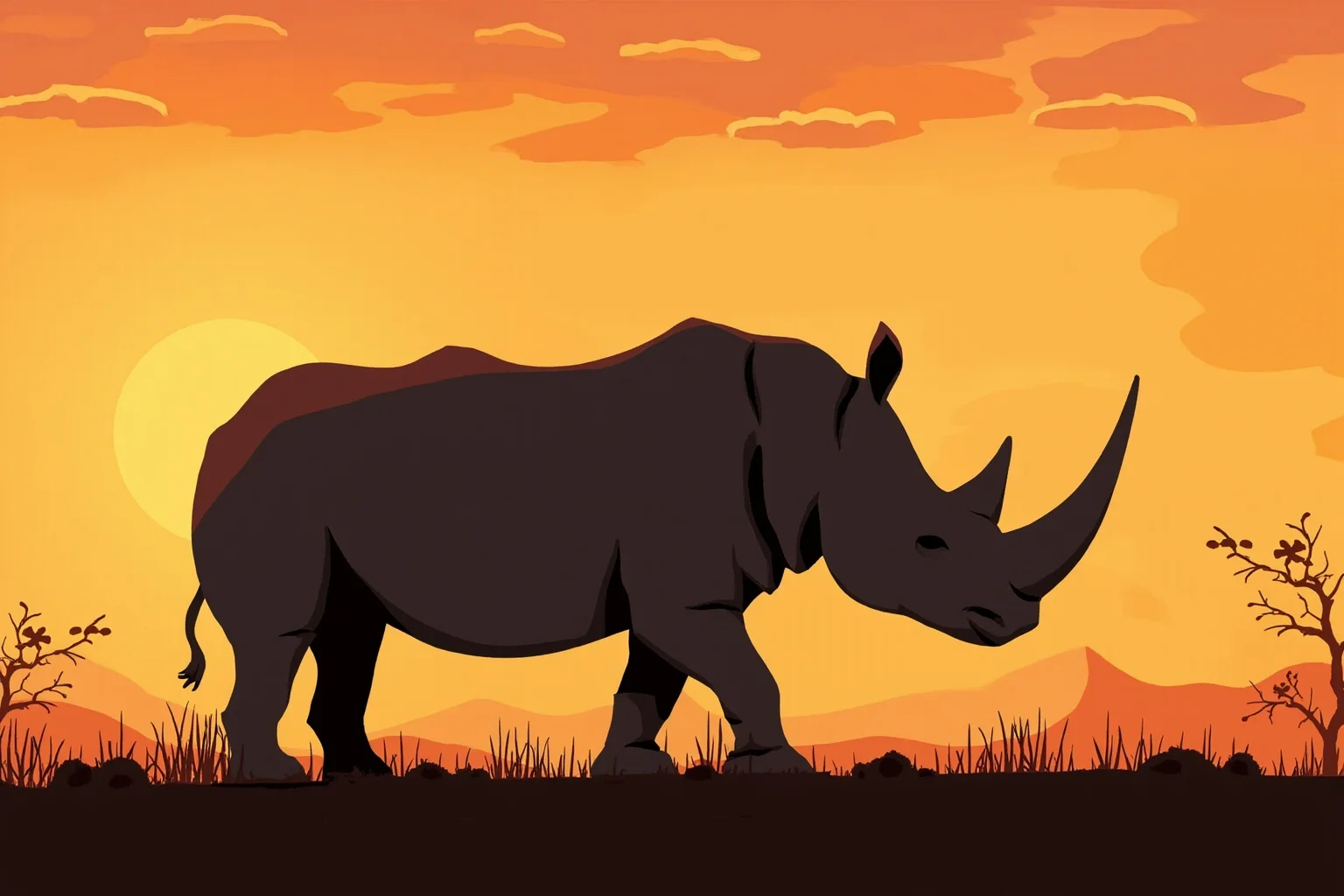
Once found across west-central Africa, this rhino subspecies was pushed to extinction primarily by poaching for its horn, which fetched enormous prices on illegal wildlife markets. Population numbers had already collapsed by the late 20th century despite conservation efforts.
The IUCN officially declared the subspecies extinct in 2011, making it one of the highest-profile large mammal losses of the past couple of decades. It’s frequently invoked in discussions about the ongoing poaching crisis facing Africa’s remaining rhino populations.
17. Scioto Madtom
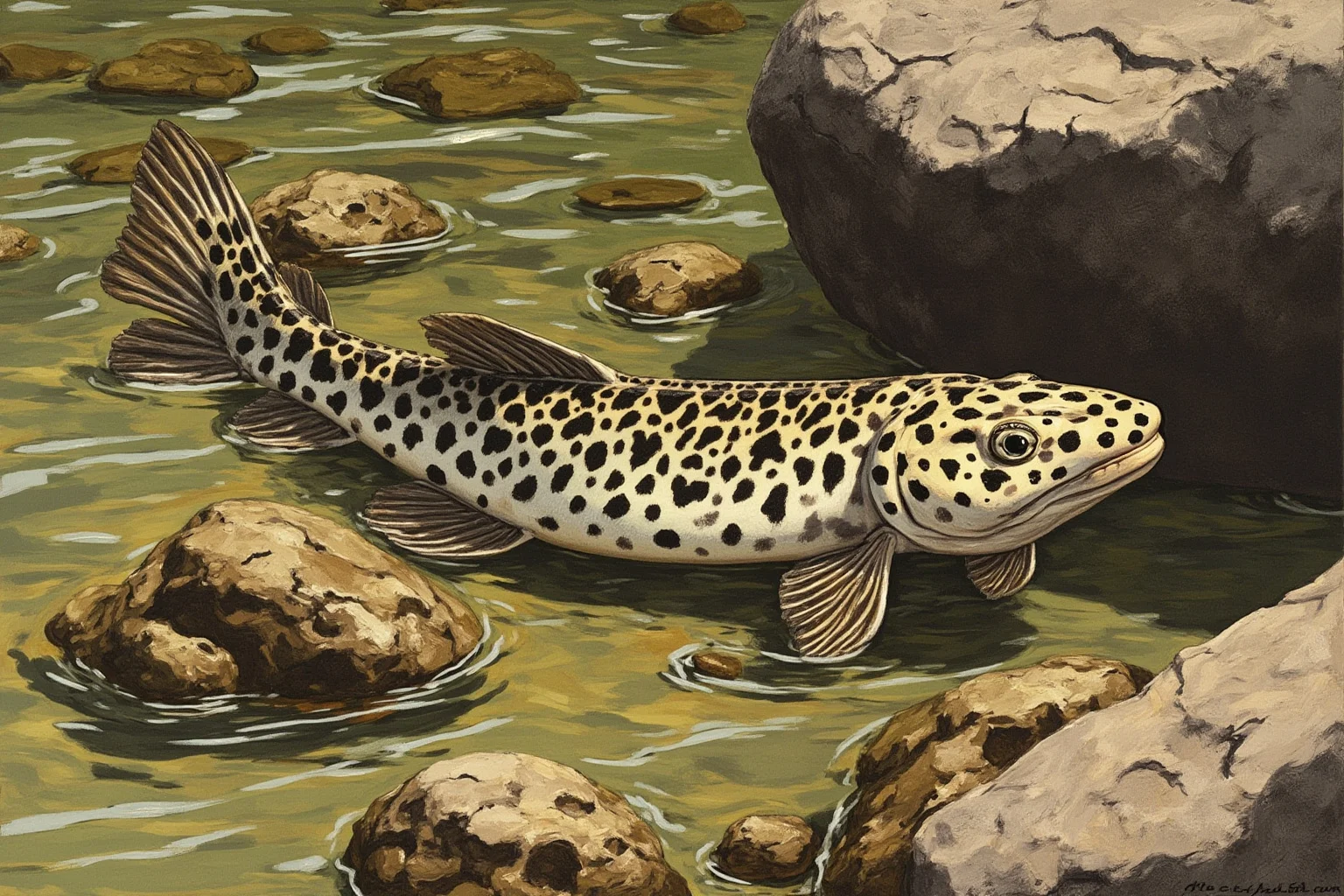
This small catfish was known only from a single stretch of the Big Darby Creek in Ohio, and it was already rare when first described by scientists in the 1940s. It hadn’t been observed since 1957 despite repeated survey attempts.
The U.S. Fish and Wildlife Service formally declared it extinct in 2021 as part of a broader review of long-unseen freshwater species. Its narrow range made it especially vulnerable to even small changes in water quality.
18. San Marcos Gambusia
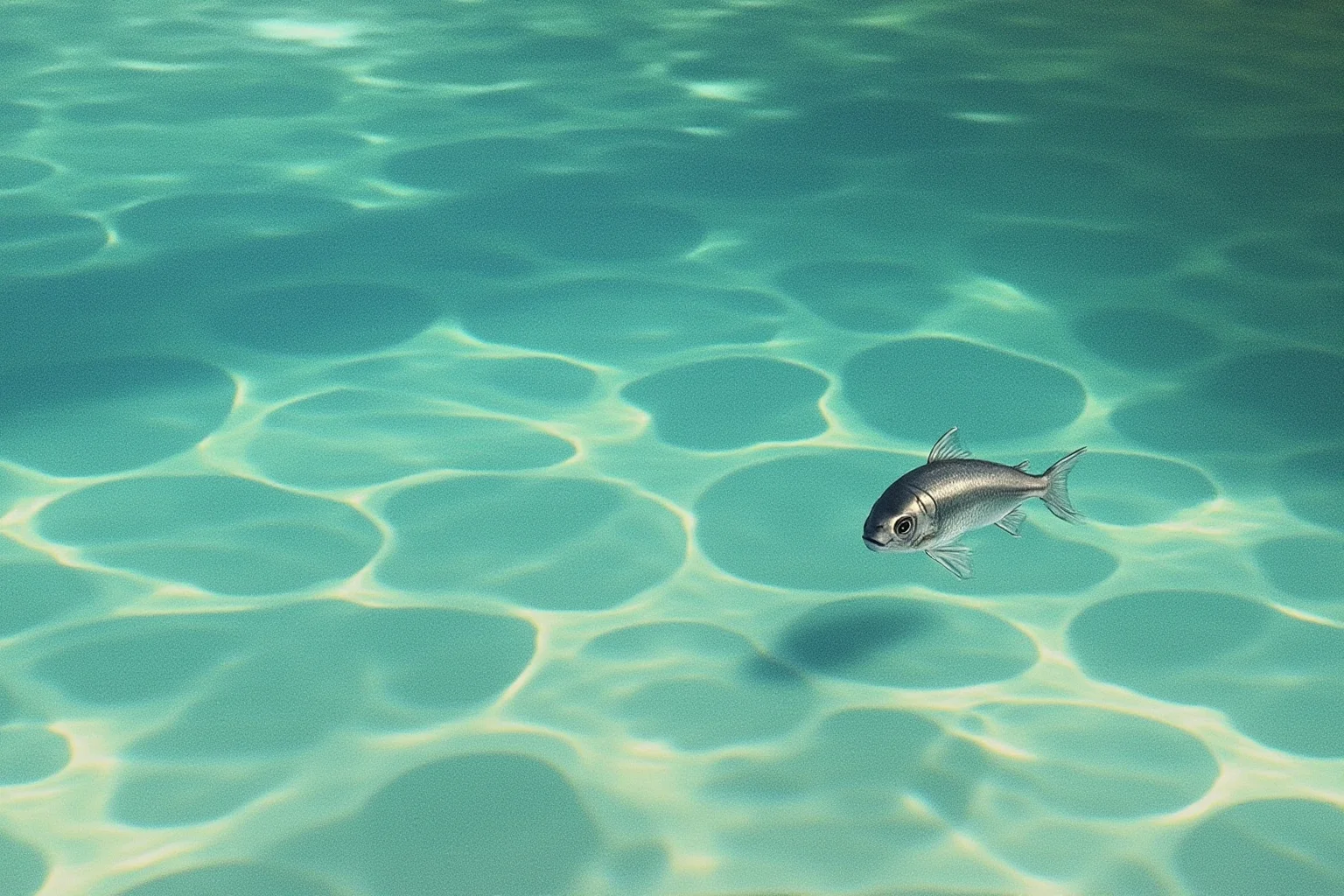
This small live-bearing fish lived only in Texas’s San Marcos Springs, an unusually stable spring-fed habitat that made it highly sensitive to any disturbance. Habitat degradation and hybridization with related mosquitofish species contributed to its disappearance.
It was declared extinct by U.S. wildlife officials in 2021, alongside several other freshwater species from the same 2021 review, highlighting how vulnerable single-location species are to habitat change.
19. Eight U.S. Freshwater Mussels
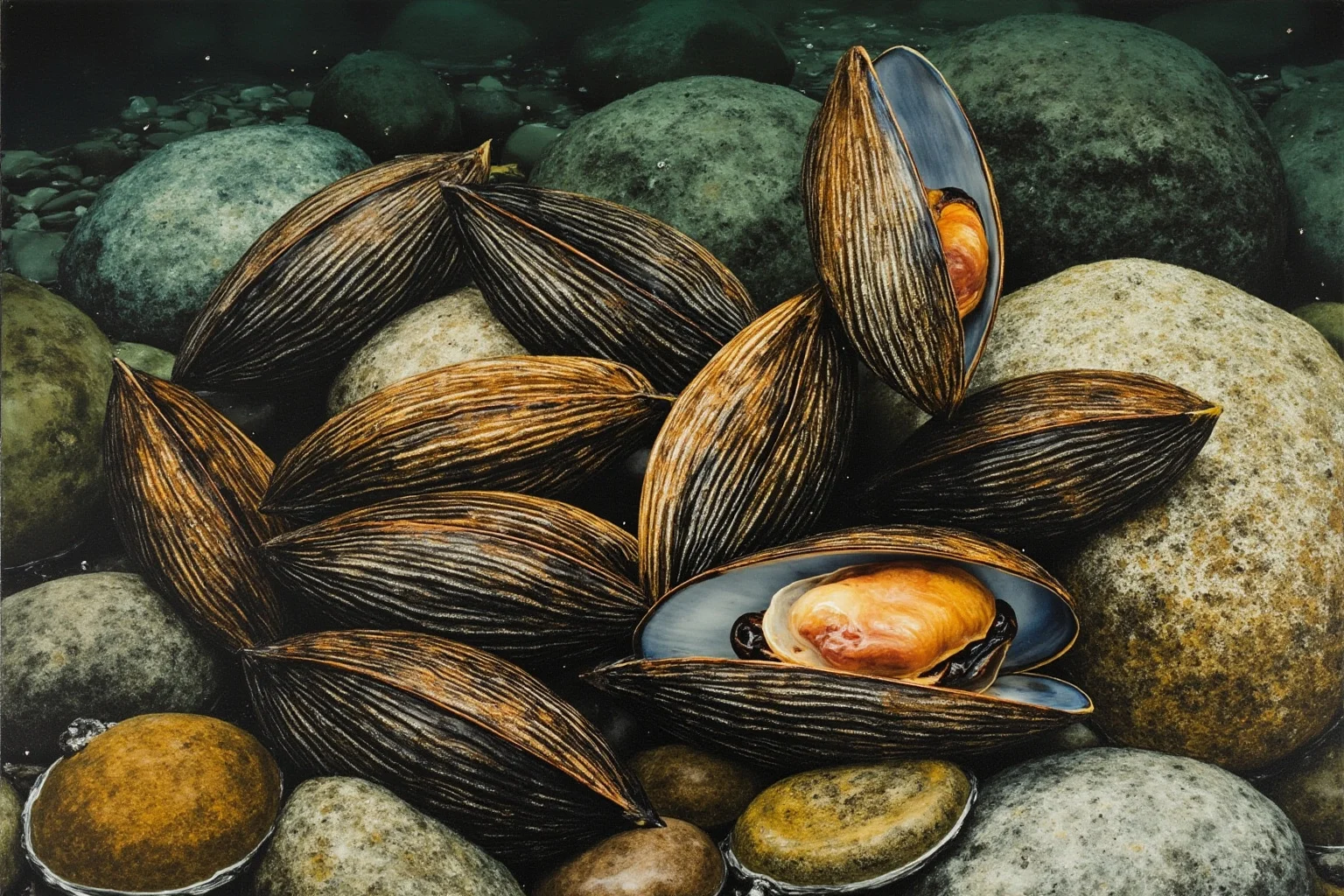
In 2021, the U.S. Fish and Wildlife Service declared a striking eight freshwater mussel species extinct in a single announcement, including the flat pigtoe, southern acornshell, upland combshell, stirrup shell, and several “blossom” pearly mussels. All were native to river systems in the southeastern United States.
Freshwater mussels are extraordinarily sensitive to water pollution, damming, and sedimentation, and North America’s rivers have lost a disproportionate share of the world’s mussel diversity as a result. This single announcement remains one of the largest simultaneous extinction declarations of the past decade.
20. Bridled White-eye (Guam Subspecies)
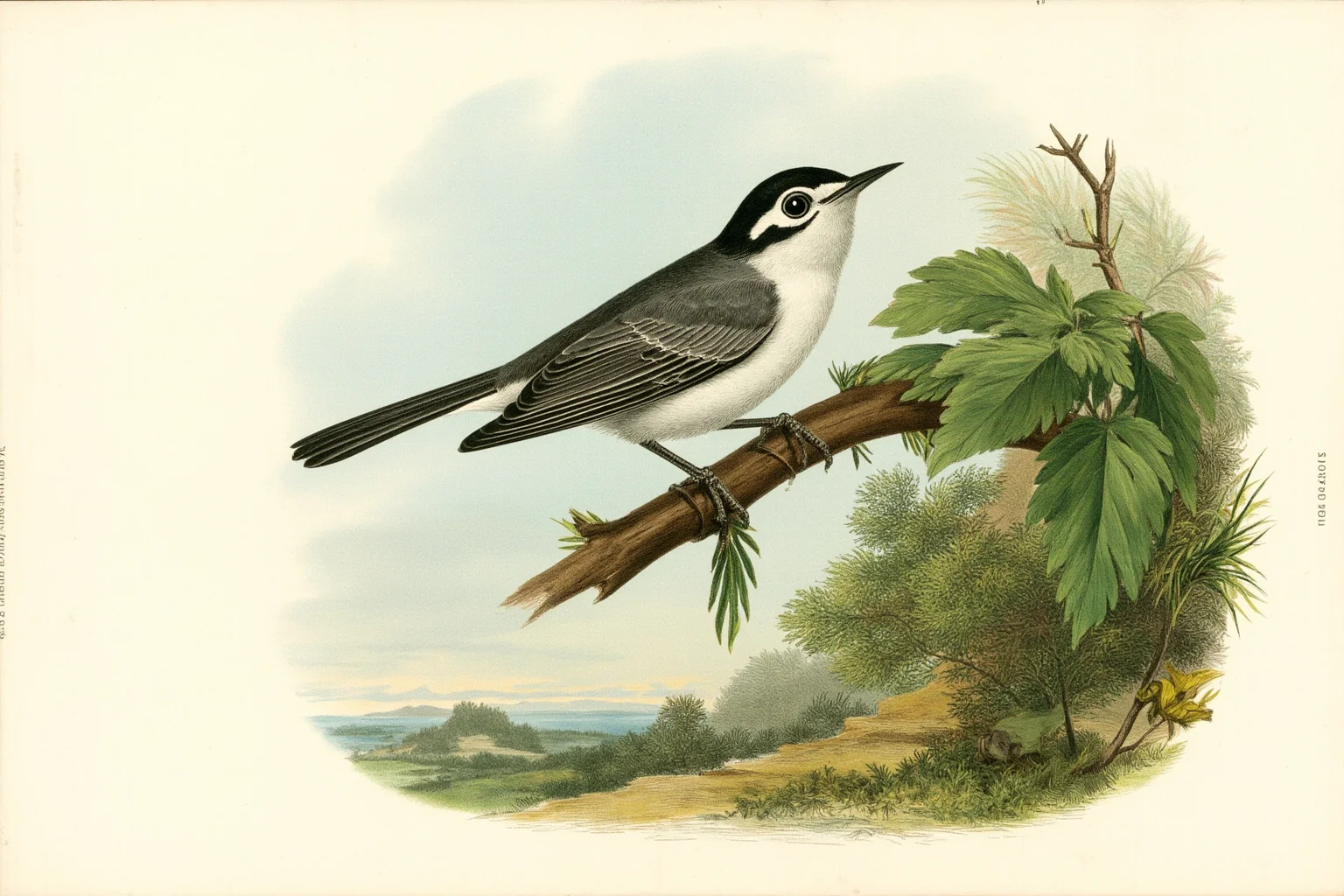
This small songbird subspecies from Guam disappeared largely due to the accidental introduction of the brown tree snake after World War II, which devastated the island’s native bird populations. By the late 1980s, sightings had already become vanishingly rare.
U.S. wildlife officials formally declared it extinct in 2021 as part of the same review that confirmed the Little Mariana fruit bat’s loss. Guam’s bird extinctions collectively illustrate how devastating a single invasive predator can be on an isolated island ecosystem.
21. Maui ākepa and Kāmaʻo (Additional Hawaiian Forest Birds)
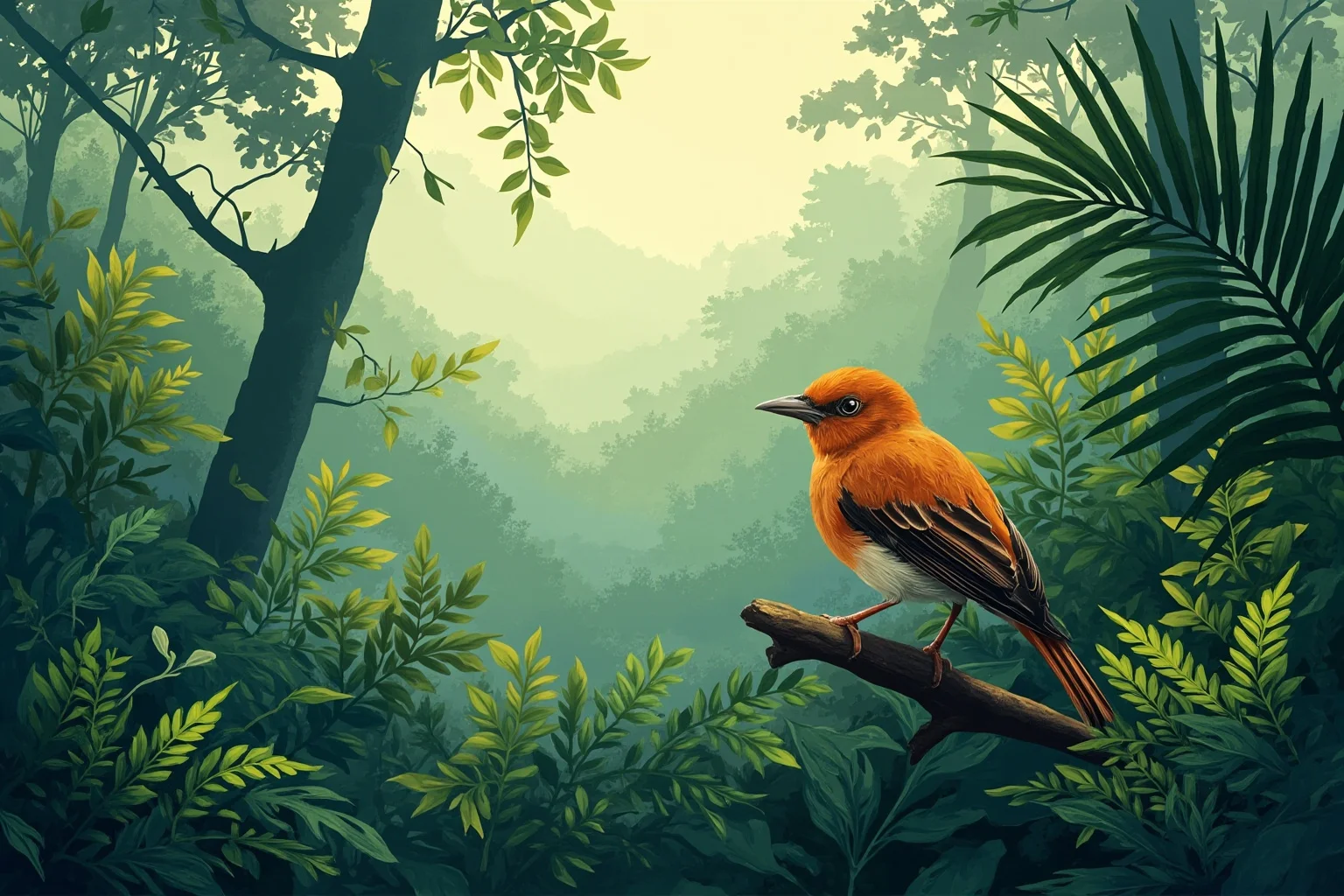
Alongside the Poʻouli and Kauaʻi ʻōʻō, several other Hawaiian forest birds were folded into the same 2021 wave of extinction declarations, including the Maui ākepa, Maui nukupuʻu, and Molokai’s kākāwahie. Each had already been unseen for decades, some since the 1980s.
Hawaii has lost a larger share of its native bird species to extinction than almost anywhere else on Earth, largely due to introduced mosquitoes carrying avian diseases, invasive predators, and deforestation. The islands are sometimes grimly nicknamed the extinction capital of the world for exactly this reason.
22. Northern White Rhino (Functionally Extinct)
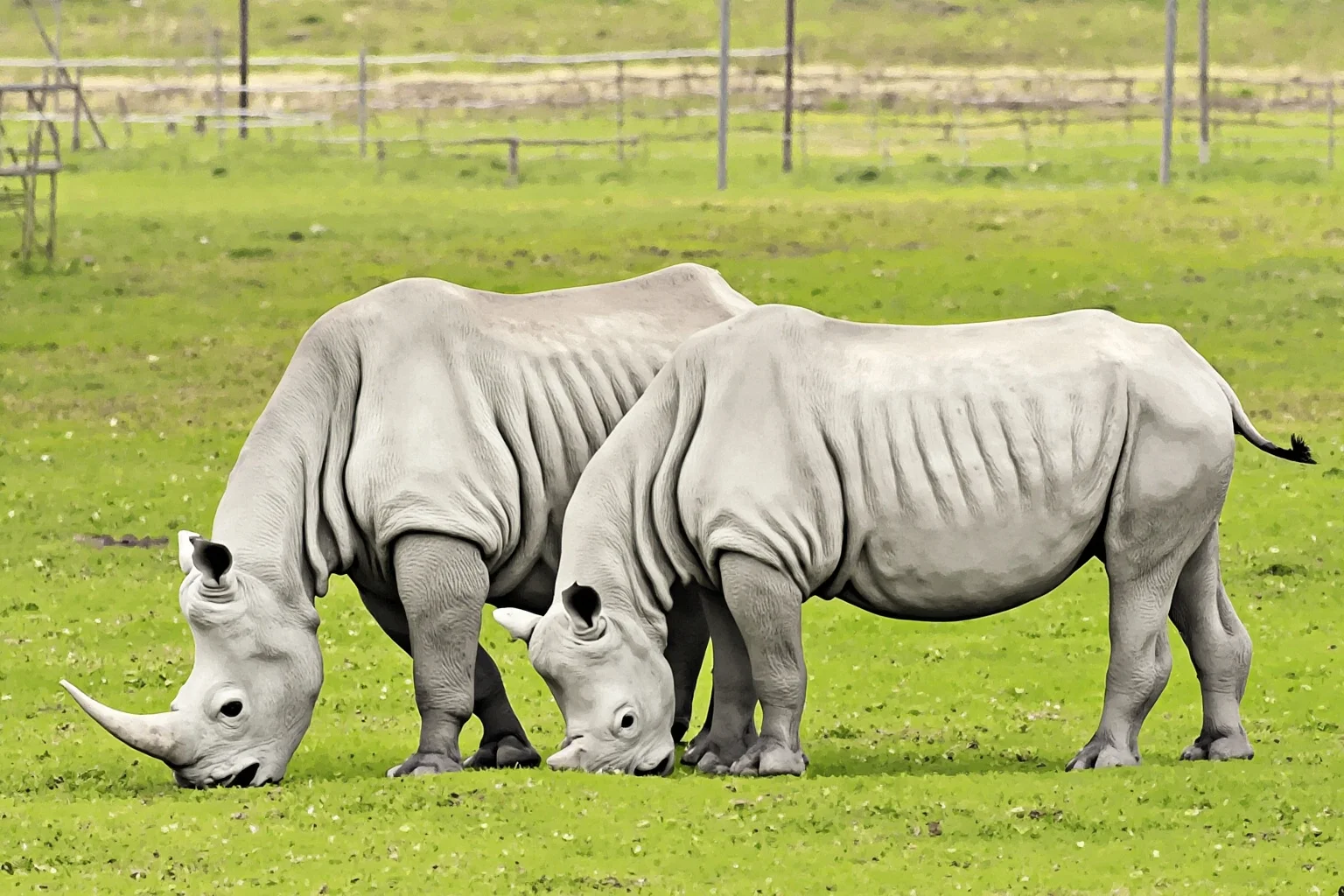
The northern white rhino isn’t officially extinct, but it might as well be for practical purposes. Only two individuals remain alive, both female, living under armed guard at a Kenyan conservancy, meaning natural reproduction is no longer possible.
Scientists are pursuing advanced reproductive techniques, including IVF using stored genetic material, in a long-shot bid to save the subspecies. Its story is often used to illustrate the difference between an official extinction declaration and the grimmer reality of “functional” extinction.
Species Hanging by a Thread
The northern white rhino isn’t alone. The vaquita, a tiny porpoise found only in Mexico’s Gulf of California, is estimated to number fewer than 20 individuals due to entanglement in illegal fishing nets, making it one of the most endangered marine mammals alive today.
The Yangtze giant softshell turtle, discussed above, faces similarly grim odds. These cases matter because they show extinction isn’t always a single dramatic event; it’s often a slow, quiet slide that only gets noticed once almost nothing can be done.
Why Are Species Disappearing So Quickly?
Habitat loss remains the single biggest driver behind most confirmed recent extinctions, whether it’s deforestation, wetland drainage, or coral reef destruction. When an animal’s home disappears faster than it can adapt or relocate, populations collapse even without any direct hunting or persecution.
Invasive species come in a close second, especially on islands, where predators like rats, snakes, and cats can devastate native wildlife that evolved with no natural defenses against them. Guam’s brown tree snake and Hawaii’s introduced mosquitoes are two of the most-cited examples in the scientific literature.
Climate change is an increasingly significant factor too, as shown by the Bramble Cay melomys case. Rising temperatures, shifting rainfall patterns, and sea-level rise are now measurably pushing sensitive, geographically limited species past their breaking point.
Disease, particularly the amphibian chytrid fungus, a pathogen no less devastating in its own domain than some of the deadliest infectious diseases in human history, and direct human exploitation through poaching, overfishing, and the illegal wildlife trade round out the major causes. Most real-world extinctions, including several on this list, result from two or more of these pressures compounding each other over time.
Can Extinction Ever Be Undone?
The idea of “de-extinction,” bringing back lost species through genetic engineering, gets a lot of media attention, particularly around projects targeting the woolly mammoth or the passenger pigeon. It’s important to be clear-eyed here: no extinct vertebrate species has actually been restored to the wild as of today, and most scientists view current de-extinction projects as producing, at best, genetically modified approximations rather than the original species.
A more grounded success story is the Spix’s Macaw, which survived in captivity even after going extinct in the wild, giving conservationists a real shot at eventual reintroduction. Cases like this show that the line between “extinct” and “lost forever” isn’t always as fixed as it sounds, though it’s the exception rather than the rule.
Final Thoughts
Looking across this list, a few patterns stand out. Island species, freshwater fish and mussels, and amphibians are dramatically overrepresented among recent confirmed extinctions, largely because their small, isolated populations leave little room for error when habitats change or invasive species arrive.
It’s also worth remembering that official extinction declarations usually lag years or even decades behind an animal’s actual disappearance, since scientists rightly want overwhelming evidence before closing the book on a species. That means the true scale of recent extinction is almost certainly larger than any confirmed list, including this one, can fully capture. In that sense, biodiversity loss deserves a place among the historical events that changed the world more than people realize, since so much of it unfolds quietly, long before anyone notices.
The encouraging counterpoint is that awareness genuinely does change outcomes, as shown by species like the Spix’s Macaw and the California condor, which was pulled back from the brink through sustained captive breeding efforts. Extinction isn’t inevitable for most currently endangered species; it’s a trajectory that conservation funding, habitat protection, and public attention can still bend.
Frequently Asked Questions
Is there a single official list of all the animals extinct today?
Not one single master list, but the closest thing is the IUCN Red List, which has formally documented over 900 confirmed animal and plant extinctions since the year 1500. National agencies like the U.S. Fish and Wildlife Service maintain their own separate extinction determinations, so a complete global picture of all the animals extinct requires cross-referencing several scientific databases rather than one universal source.
What animals have gone extinct in the last 10 years?
Confirmed extinctions declared roughly within the last decade include the Bramble Cay melomys (2019), Spix's Macaw in the wild (2019), the Chinese paddlefish (2022), the smooth handfish (2020), the splendid poison frog (2020), and a wave of U.S. species including several Hawaiian birds, freshwater mussels, and the eastern cougar, most confirmed between 2018 and 2022.
What was the last animal to go extinct?
There's no single definitive answer, since extinction declarations are made periodically by different scientific bodies rather than announced as a running tally. As of the most recent major reviews, the Chinese paddlefish, formally declared extinct by the IUCN in 2022, is among the most recently confirmed large vertebrate extinctions, though ongoing amphibian and mussel declines mean new declarations happen every year.
How many animals become extinct each year?
This is genuinely difficult to pin down precisely, because scientists can only confirm extinctions for species that have been studied closely enough to notice their disappearance. What's clear is that current documented extinction rates for vertebrates run well above natural background rates estimated from the fossil record, though exact annual figures vary depending on which taxonomic groups and confidence thresholds researchers use.
What’s an example of a recently extinct species?
The Bramble Cay melomys is one of the clearest recent examples, since Australian authorities formally confirmed its extinction in 2019 and directly linked it to sea-level rise and habitat loss driven by climate change. It's also widely cited as the first documented mammal extinction attributed primarily to human-caused climate change.
What’s the difference between extinct and functionally extinct?
"Extinct" means exhaustive surveys have found no surviving individuals anywhere, in the wild or in captivity. "Functionally extinct" describes species like the northern white rhino, which still has two living individuals but no realistic path to natural reproduction, meaning the population can no longer sustain or recover itself even though it isn't technically extinct yet.
Have any animals gone extinct in the last 20 to 50 years that people commonly forget about?
Yes, several. The western black rhinoceros was declared extinct in 2011, the baiji or Yangtze river dolphin was declared possibly extinct in 2006 after an exhaustive survey found none, and the golden toad of Costa Rica vanished by the late 1980s. These older cases are often lumped in with more recent extinctions in casual lists, even though they fall closer to the 20-to-50-year range than the last decade.

Alex Warren
Related Articles





