

When people ask "what is the oldest building in the world?" they usually expect a simple, one-word answer. The real story is a lot messier, and a lot more interesting. Depending on how you define "building," whether you count ruins, and how confident archaeologists are in their dating methods, the answer changes dramatically.
This list works through 20 of the oldest buildings and structures ever discovered, roughly in chronological order from oldest to most recent. Along the way, we'll bust a few popular myths, explain how experts actually date these places, and untangle the difference between the oldest structure on Earth and the oldest building still in use today.
TL;DR: The oldest known human-made structure is Göbekli Tepe in Turkey, built around 9600 BCE, but the title of "oldest building" shifts depending on whether you mean oldest ruin, oldest standing structure, or oldest building still in continuous use.
What Counts as the "Oldest Building" in the World?
Before diving into the list, it helps to separate two words people often use interchangeably: "structure" and "building." A structure is any human-made construction, including walls, tombs, mounds, and platforms. A building, more strictly, is a structure with walls and a roof designed for people to occupy.
This distinction matters because the oldest human structure ever found isn't really a "building" in the way most of us picture one. It's closer to a ceremonial or communal site. So when someone searches for the oldest man-made structure in the world versus the oldest building in the world still in use, they're actually asking two different questions with two different answers.
It's also worth noting that archaeology is a moving target. New excavations and improved dating techniques regularly push back the timeline of the earliest buildings, so any "oldest in the world" list should be read as our current best understanding, not a permanent final answer.
How Do Archaeologists Actually Date These Places?
Most of the ages in this list come from radiocarbon dating, which measures the decay of carbon-14 in organic material like charcoal, bone, or seeds found at a site. Because stone and mud brick themselves don't contain carbon-14, archaeologists date the layers of soil and debris surrounding a structure instead.
Other methods include dendrochronology (tree-ring dating), thermoluminescence for heated materials, and stratigraphy, which is simply reading the layers of earth like pages in a book. These methods have margins of error, sometimes spanning a few centuries, which is why you'll see dates given as approximate ranges ( "circa" or "c." ) rather than exact years throughout this article.
The 20 Oldest Buildings and Structures in the World, Ranked by Age
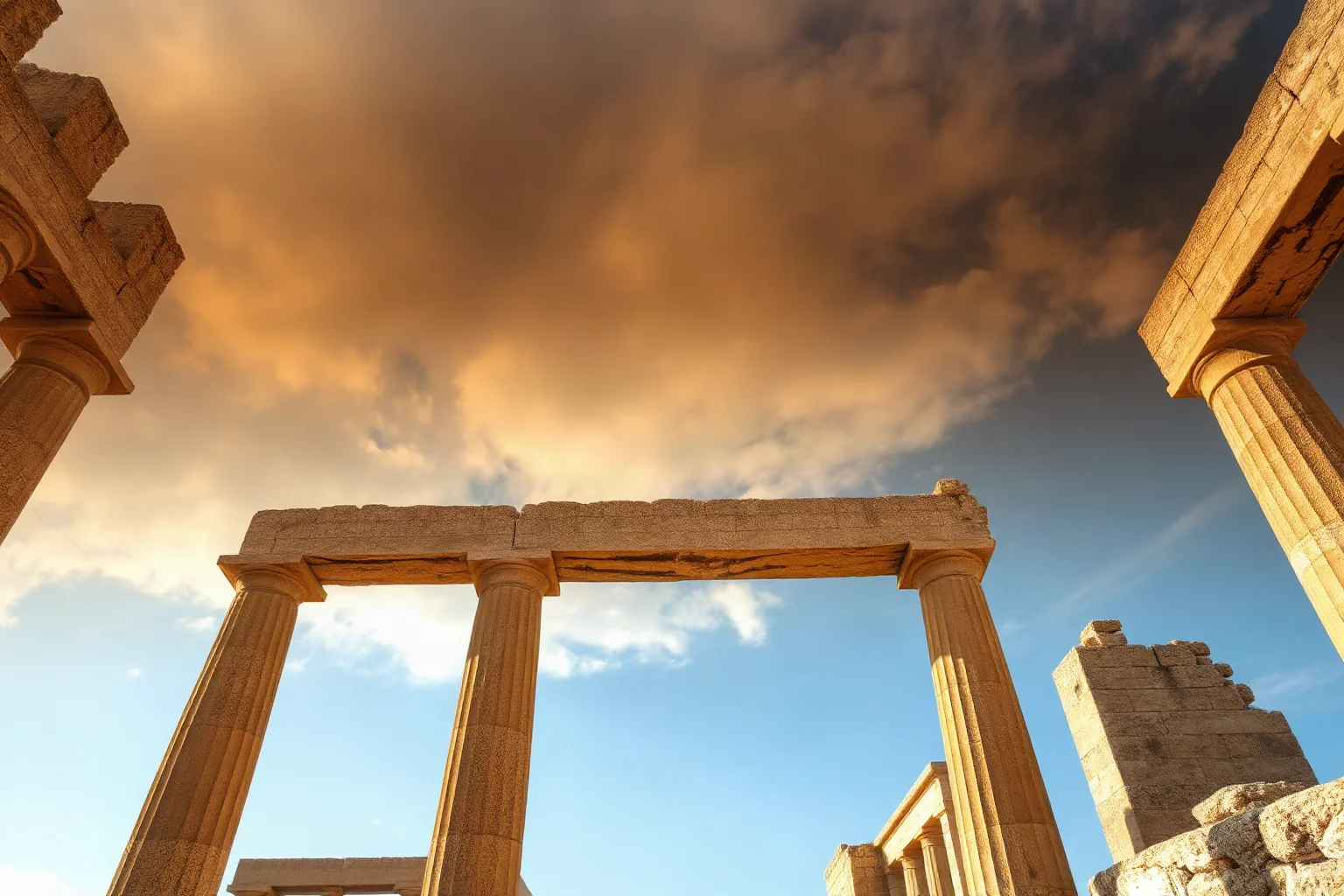
Here are 20 of the oldest architectural sites ever discovered, moving from the most ancient toward the more recent end of the ancient world. Some are famous, some are surprisingly obscure, and a few will likely challenge what you thought you knew about "the oldest building on Earth."
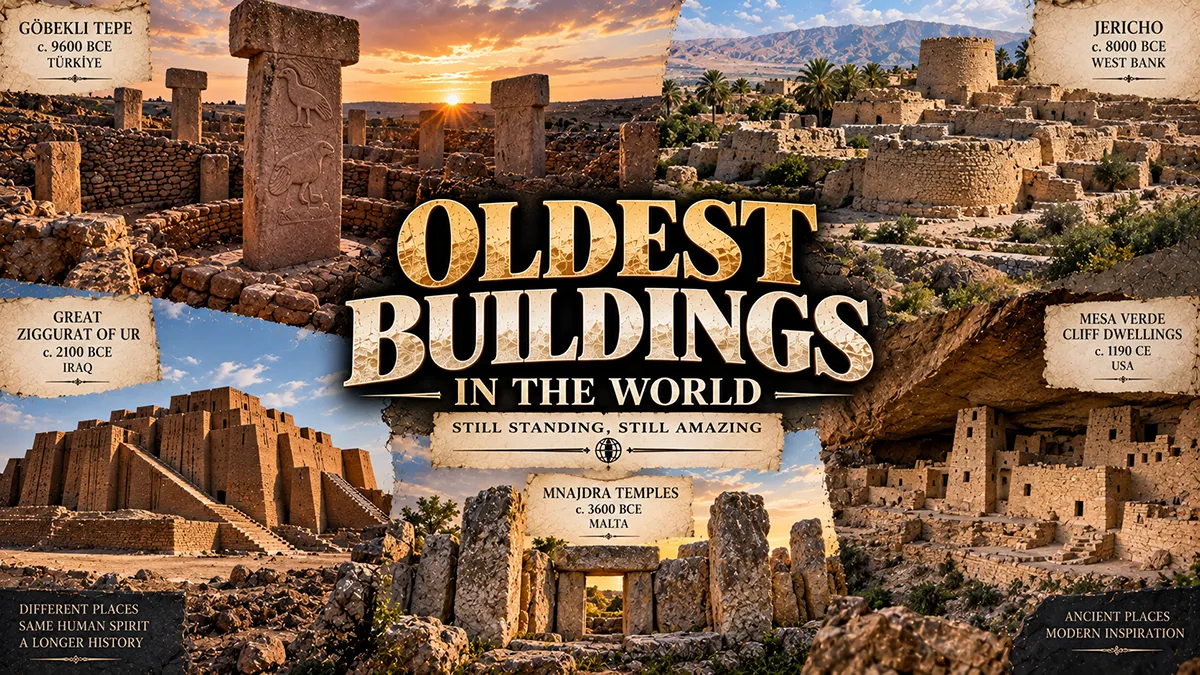
1. Göbekli Tepe, Turkey (c. 9600 BCE)
Göbekli Tepe in southeastern Turkey is widely considered the oldest known monumental structure in the world. It predates Stonehenge by roughly 6,000 years and the Great Pyramid of Giza by over 7,000 years.
The site consists of massive T-shaped limestone pillars, some carved with images of foxes, boars, and birds, arranged in circular enclosures. Archaeologists still debate exactly what it was used for, though most agree it served a ritual or communal gathering purpose rather than as a home.
2. Tower of Jericho, West Bank (c. 8000 BCE)
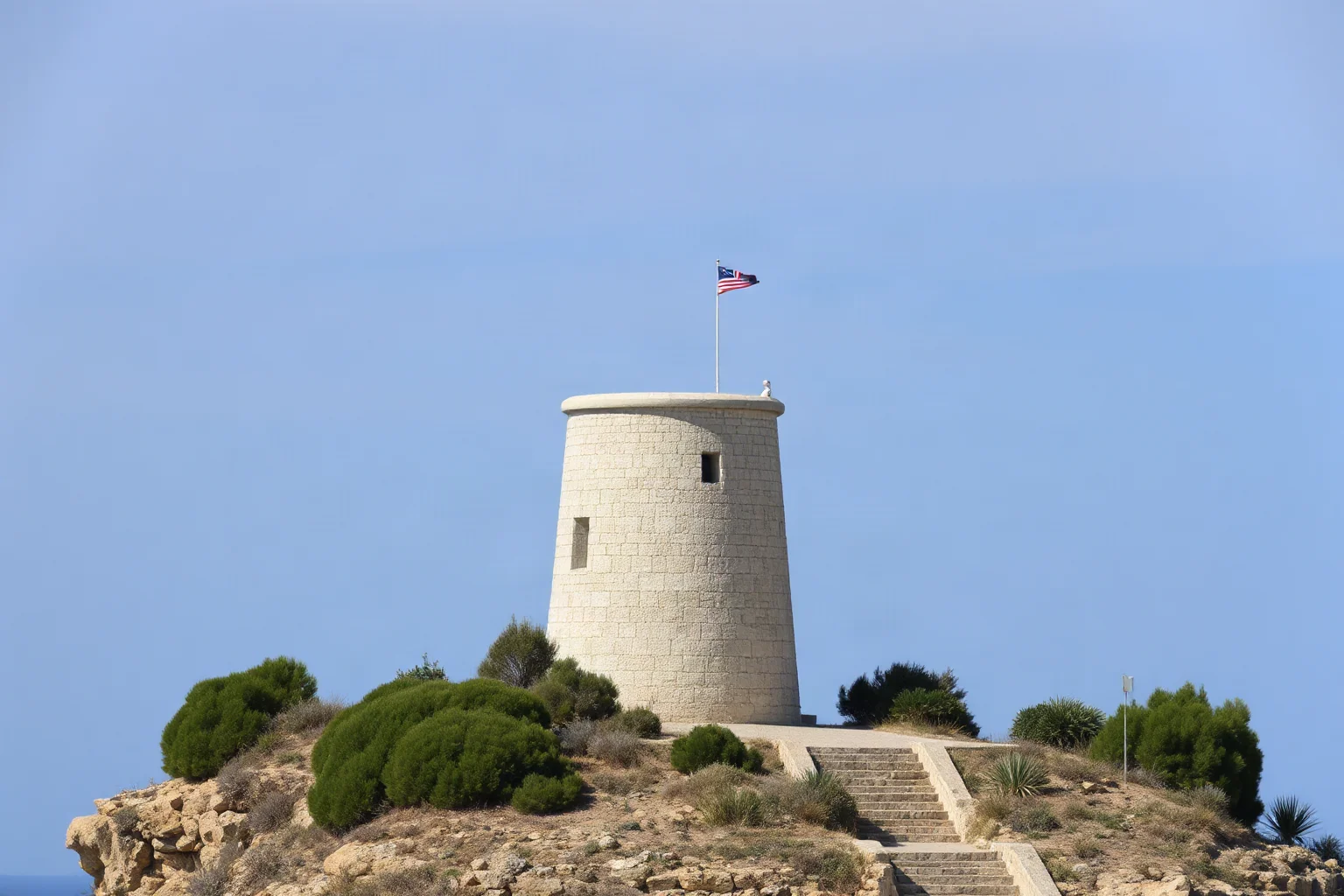
Located within the ancient city of Jericho, this stone tower is one of the oldest known stone structures built by human hands. It stands roughly 8.5 meters tall and was built as part of the city's early fortifications, near the site of an ancient spring.
Estimates place its construction around 8000 BCE, during the Pre-Pottery Neolithic period. Archaeologists still debate its exact purpose, with theories ranging from defense to ceremonial or astronomical use.
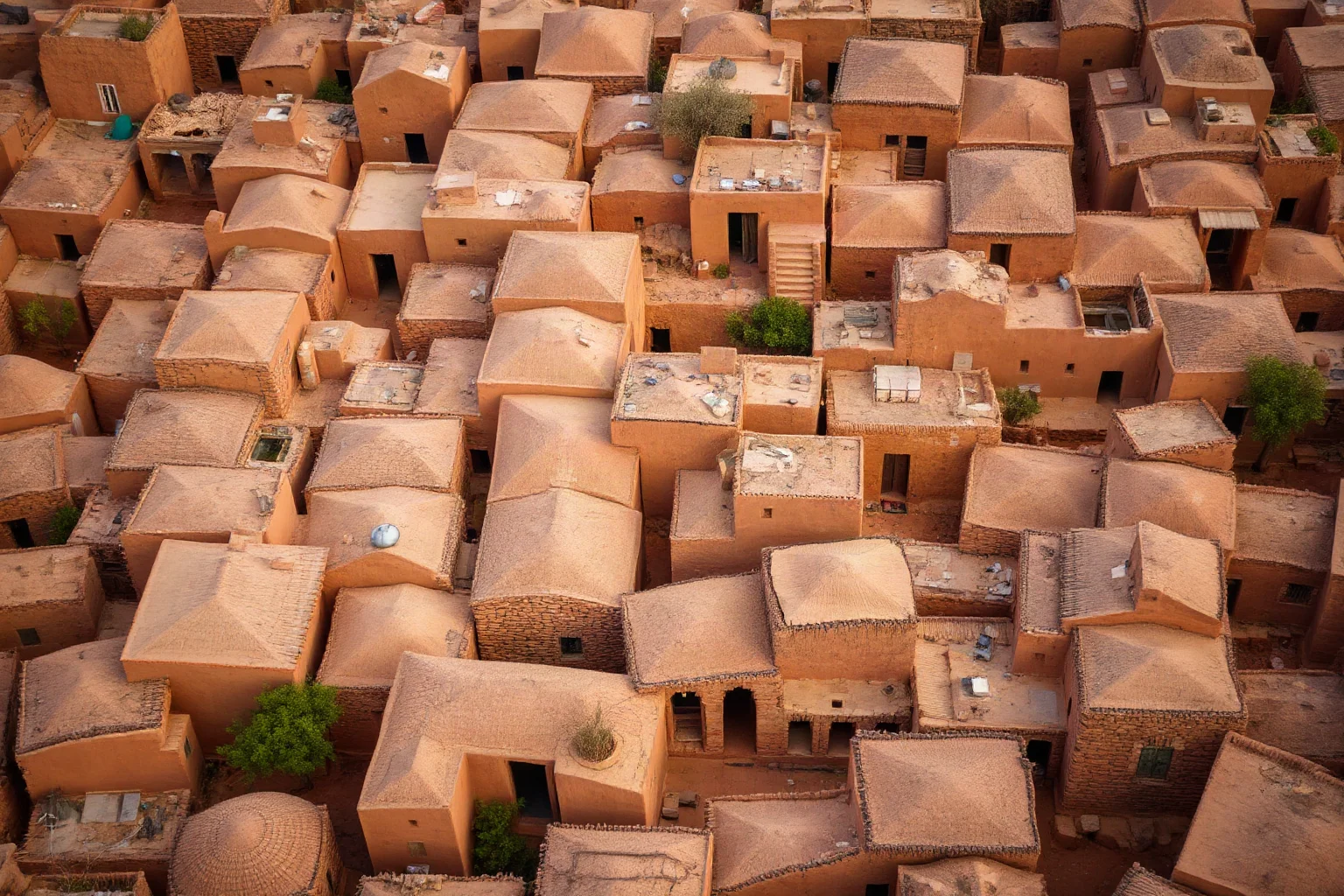
3. Çatalhöyük, Turkey (c. 7100 BCE)
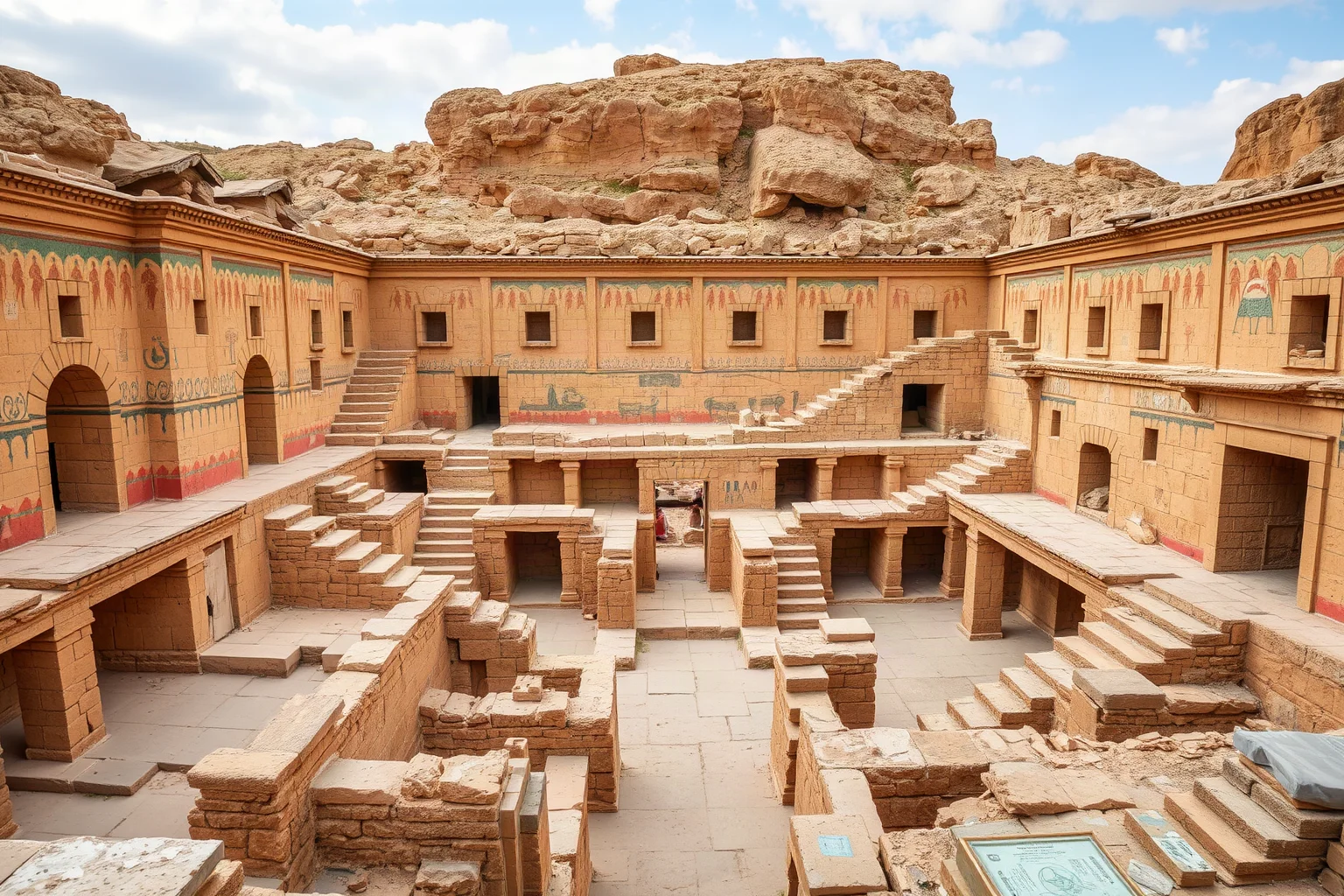
Çatalhöyük was one of the largest and most densely populated early human settlements ever excavated, with mudbrick homes packed so tightly together that residents entered through rooftop doors. At its peak, thousands of people may have lived there.
What makes it remarkable isn't a single monument but the sheer scale of ordinary domestic architecture. It offers one of our clearest windows into how early Neolithic people actually lived day to day.
4. Cairn de Barnenez, France (c. 4800 BCE)
Often cited as the oldest megalithic monument in Europe, this massive stone cairn in Brittany, France, predates the Egyptian pyramids by more than 2,000 years. It contains eleven separate burial chambers built from local granite and dolerite.
The site was nearly destroyed in the 1950s when a quarry began removing stone from it before archaeologists intervened. Today it's protected as a French historical monument.
5. Tumulus of Bougon, France (c. 4700 BCE)
The Bougon necropolis is a group of Neolithic burial mounds in western France, among the earliest funerary monuments in Europe. Excavations have revealed multiple tumuli built and expanded over centuries.
These mounds show that organized, large-scale construction projects were happening in Europe thousands of years before the rise of classical Greek or Roman architecture.
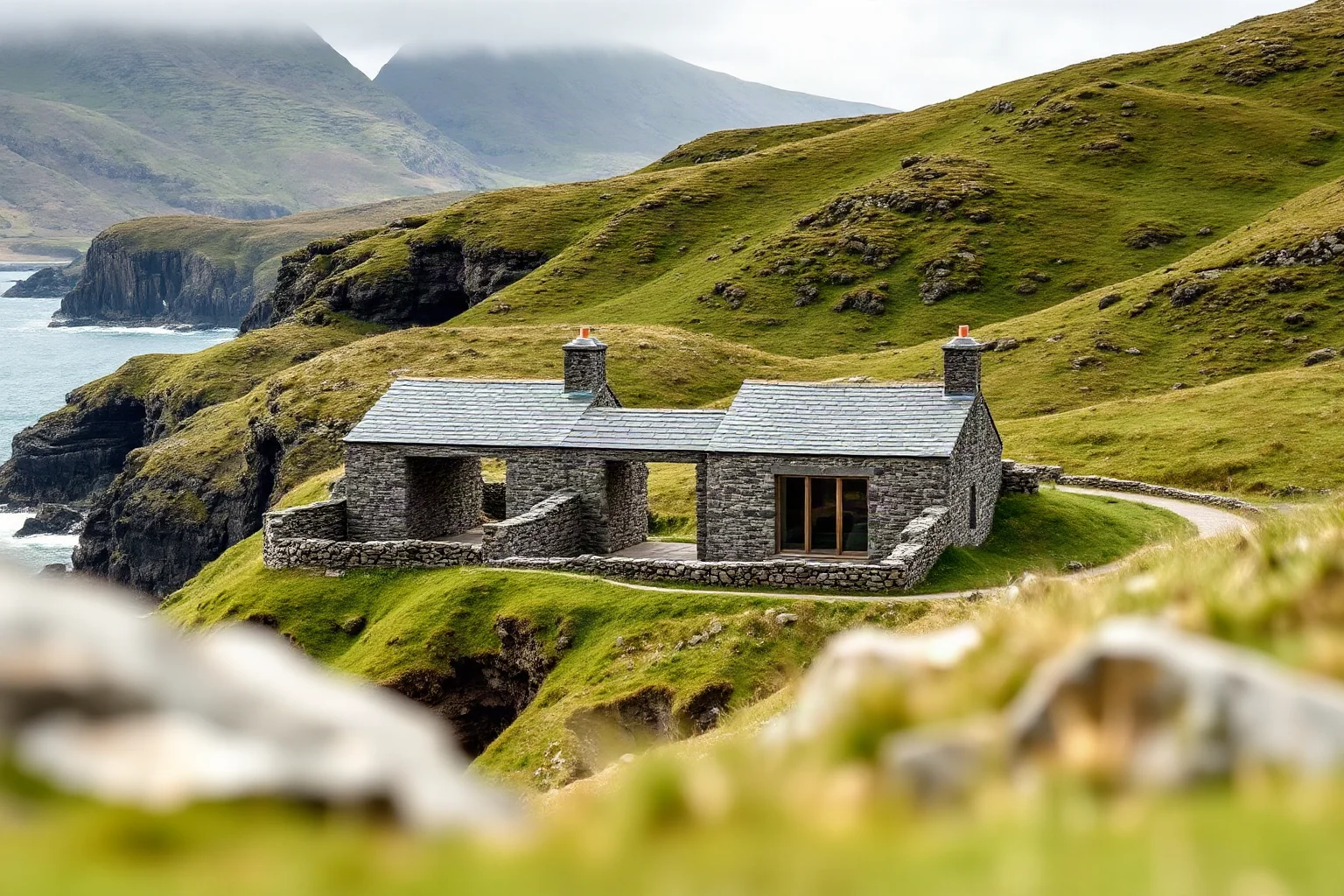
6. Knap of Howar, Orkney, Scotland (c. 3700 BCE)
The Knap of Howar, on the small island of Papa Westray, is frequently described as one of the oldest preserved stone houses in northern Europe. It consists of two interconnected stone buildings that once served as a farmstead.
Unlike many prehistoric sites that survive only as foundations, the walls here still stand at a height that lets visitors picture what daily life looked like nearly 6,000 years ago.
7. Ġgantija Temples, Malta (c. 3600 BCE)
The Ġgantija Temples on the island of Gozo are among the oldest freestanding stone structures in the world, older than both Stonehenge and the Egyptian pyramids. Local legend once credited their construction to giants, which is how the site got its name.
Built from massive coralline limestone blocks, some weighing several tons, the temples reflect a surprisingly sophisticated level of engineering for their time.
8. Ħaġar Qim and Mnajdra, Malta (c. 3600–3200 BCE)
These two temple complexes sit close together on Malta's southern coast and are part of the same remarkable Maltese temple-building tradition as Ġgantija. Mnajdra is notable for its alignment with the sun during the equinoxes and solstices.
Together with Ġgantija, these sites make Malta one of the richest concentrations of very early architecture anywhere in the world.
9. Newgrange, Ireland (c. 3200 BCE)
Newgrange is a large circular passage tomb in County Meath, Ireland, built before both Stonehenge and the Great Pyramid of Giza. Its most famous feature is a roof-box above the entrance that allows sunlight to flood the inner chamber only during the winter solstice.
The mound is ringed with curbstones carved with spiral and lozenge patterns, among the finest examples of megalithic art in Europe. It remains remarkably intact after more than 5,000 years.
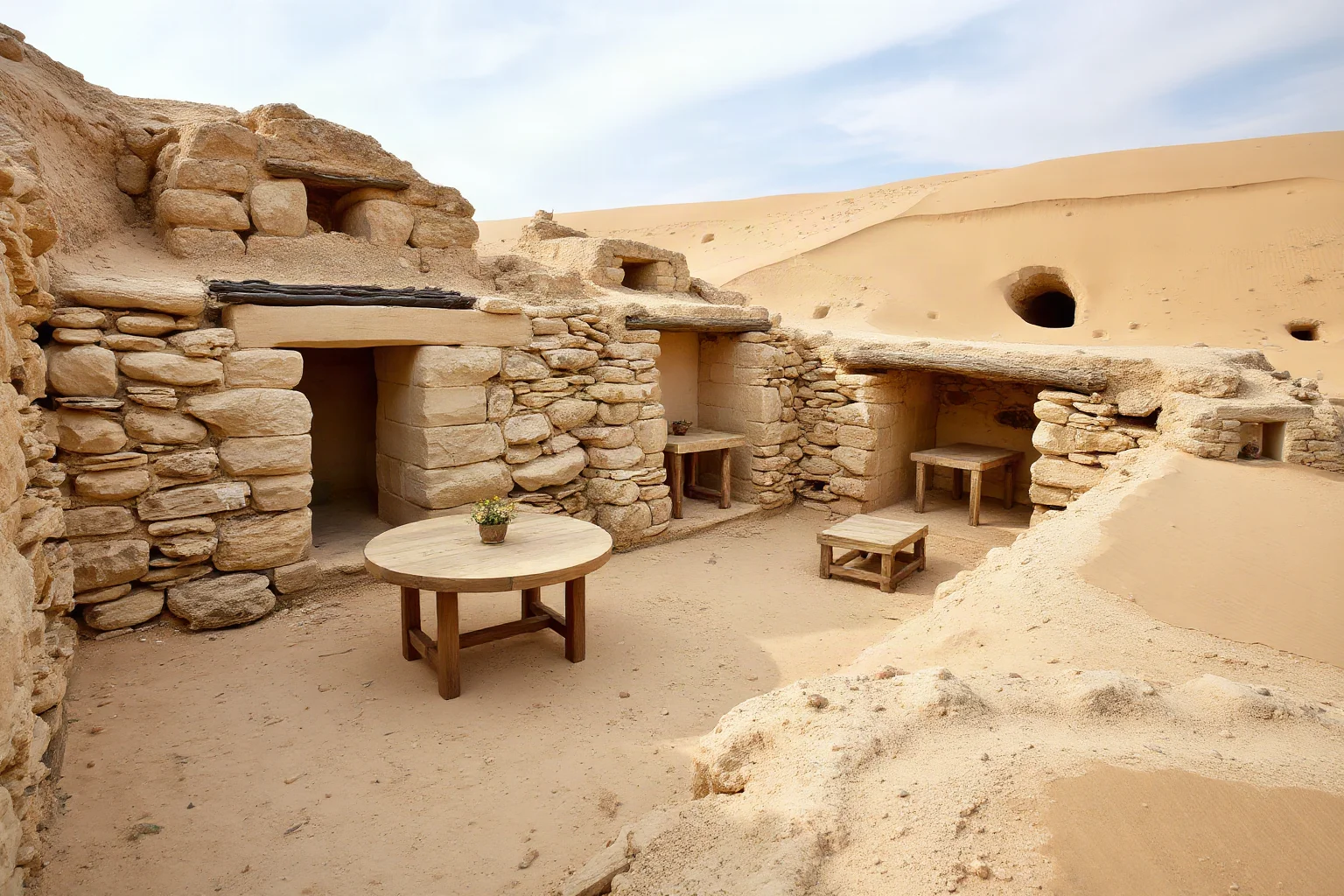
10. Skara Brae, Scotland (c. 3100 BCE)
Skara Brae, on Orkney's mainland, is a preserved Neolithic village of stone houses complete with built-in stone furniture like beds, shelves, and hearths. It was buried under sand dunes for millennia until a storm exposed it in 1850.
Because it was preserved by sand rather than left exposed, Skara Brae gives archaeologists an unusually detailed look at how a small prehistoric community actually organized its living space.
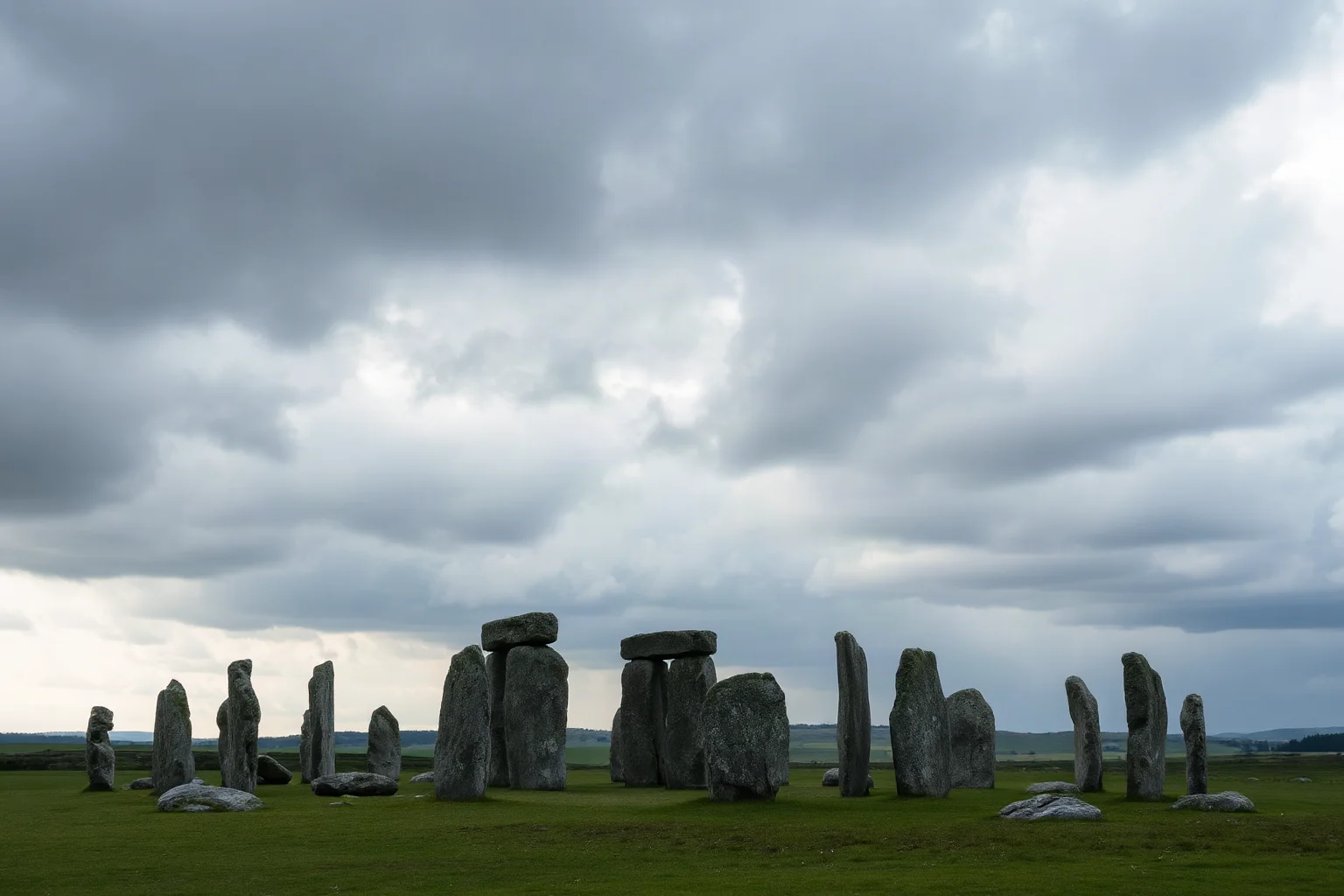
11. Stonehenge, England (c. 3000 BCE)
Stonehenge is probably the most famous prehistoric monument on Earth, but it's a common myth that it's the oldest one. By the time its iconic stone circle went up, Ġgantija, Newgrange, and Göbekli Tepe were already ancient history.
The monument was built in several phases over roughly 1,500 years, starting with an earthwork enclosure before the massive sarsen stones were added. Its exact purpose, whether ceremonial, astronomical, or funerary, is still debated.
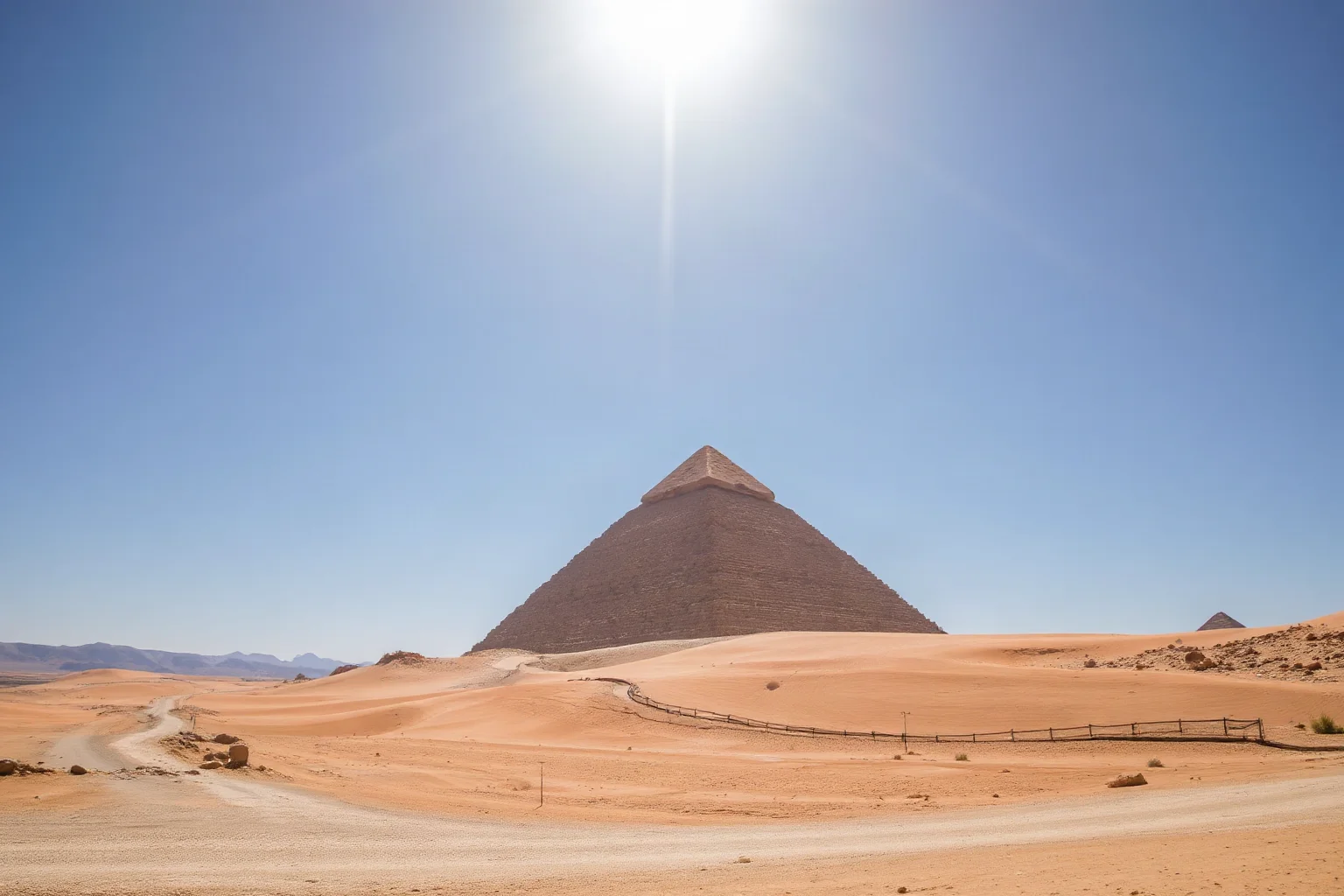
12. Great Pyramid of Giza, Egypt (c. 2560 BCE)
The Great Pyramid is the last surviving wonder of the ancient world and remains one of the most studied structures in history. Built as a tomb for the pharaoh Khufu in Egypt, itself a contender for the title of the world's oldest country, it was the tallest man-made structure on Earth for nearly 3,800 years.
Despite persistent myths about mysterious builders or lost technology, mainstream archaeology has a well-documented understanding of the ramps, quarrying, and organized labor that produced it. It is genuinely old, but it is not the oldest structure in the world.
13. Ziggurat of Ur, Iraq (c. 2100 BCE)
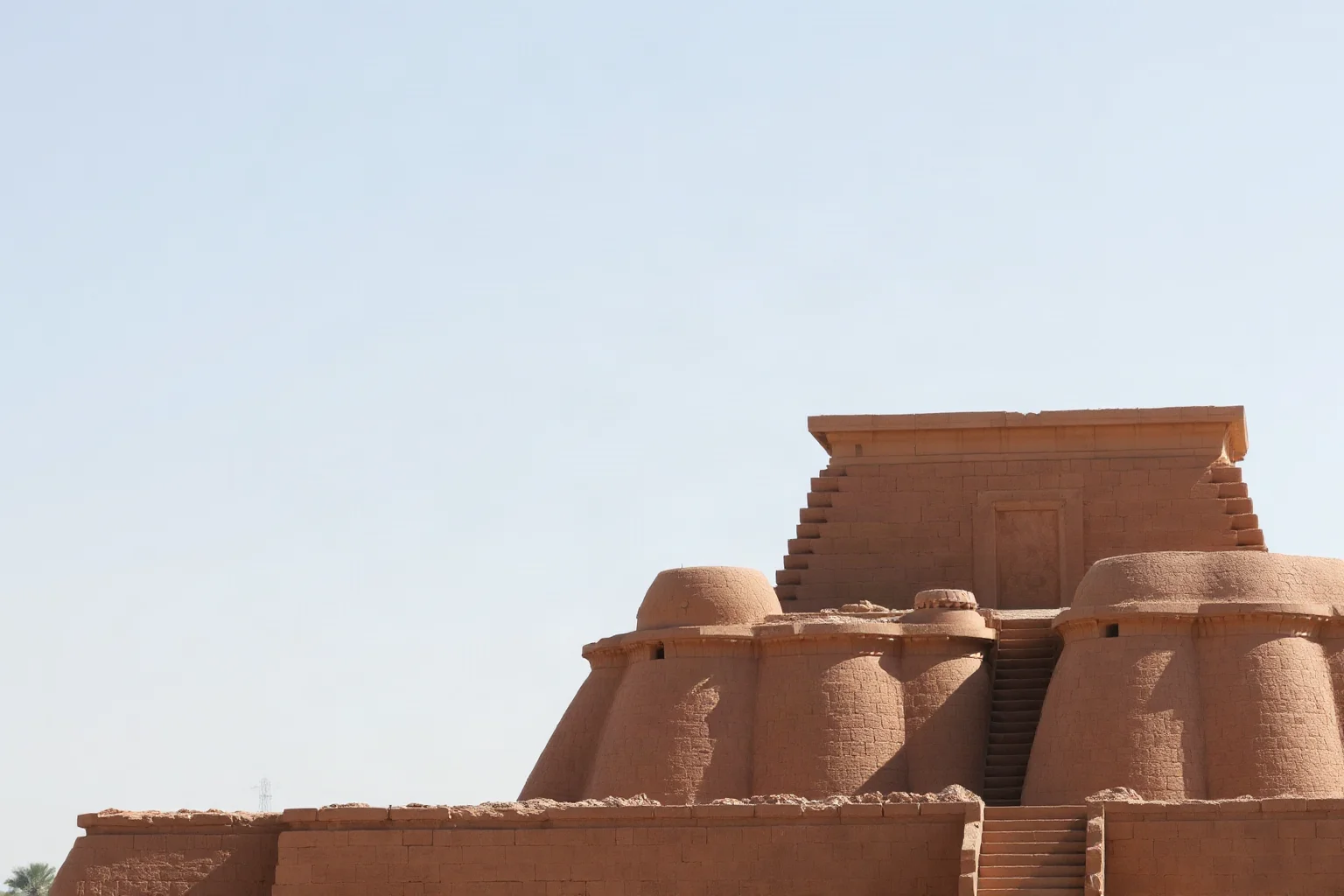
This massive stepped temple in ancient Sumer, in what is now southern Iraq, was dedicated to the moon god Nanna. It was built under the Third Dynasty of Ur and later restored by the Babylonian king Nabonidus roughly 1,500 years after its original construction.
Ziggurats like this one influenced temple architecture across Mesopotamia for centuries and represent some of the earliest large-scale religious architecture in human history.
14. Knossos Palace, Crete, Greece (c. 1900 BCE)
Knossos was the ceremonial and political center of the Minoan civilization on Crete, often linked to the legendary labyrinth of the Minotaur, and it's frequently ranked among the most stunning ancient Greek landmarks still standing today. Its sprawling, multi-story layout included advanced drainage systems and vividly painted frescoes.
While parts of the palace were reconstructed in the early 20th century, sometimes controversially, the underlying ruins remain a key site for understanding Bronze Age Europe.
15. Nuraghe Su Nuraxi, Sardinia, Italy (c. 1500 BCE)
Sardinia is home to thousands of nuraghi, ancient stone towers unique to the island, and Su Nuraxi near Barumini is the largest and best-preserved example. These conical structures were likely used as fortresses, homes, or gathering places for local communities.
Built entirely from dry stone without mortar, the nuraghi represent a distinctive Bronze Age architectural tradition found almost nowhere else in the world.
16. Chogha Zanbil, Iran (c. 1250 BCE)
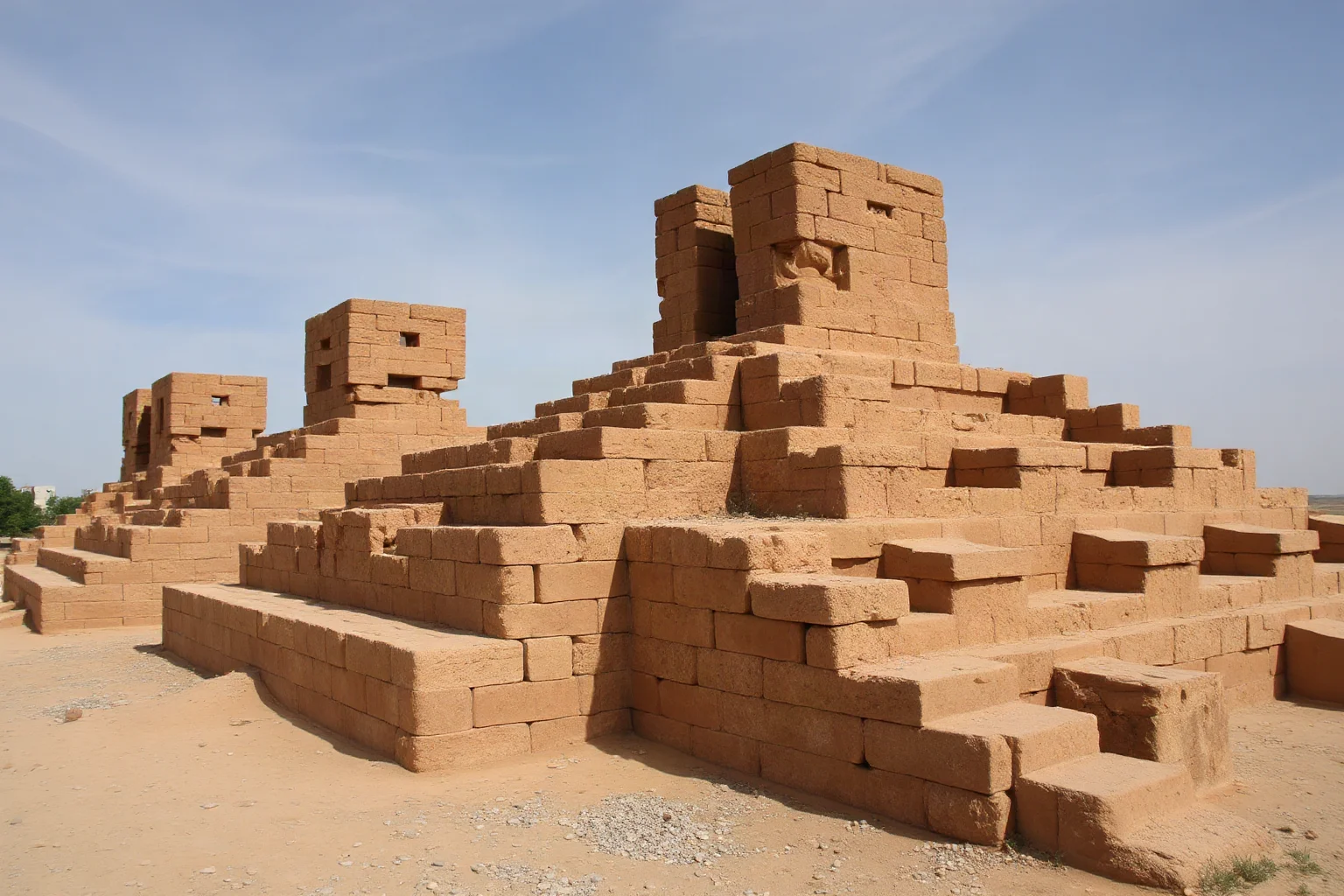
Chogha Zanbil is one of the few surviving ziggurats outside Mesopotamia proper, built by the Elamite king Untash-Napirisha as a religious complex dedicated to the god Inshushinak. It was never fully completed and was later damaged by Assyrian invasions.
Despite that, it remains one of the best-preserved ziggurats anywhere, offering valuable insight into Elamite religious architecture in ancient Iran, itself one of the world's oldest countries.
17. Great Wall of China, Earliest Sections (c. 7th century BCE)
The Great Wall most visitors picture today is largely a Ming Dynasty structure from the 14th to 17th centuries, but its earliest sections date back much further. Individual states in what is now northern China, itself often named among the oldest countries in the world, built defensive walls as early as the 7th century BCE, long before unification connected them.
Because the wall was built, rebuilt, and extended over roughly 2,000 years, it's less a single "building" and more a layered timeline of Chinese military architecture.
18. The Pantheon, Rome, Italy (126 CE)
The Pantheon in Rome is frequently cited as one of the oldest buildings in the world still in continuous use, and for good reason. Completed under Emperor Hadrian, it has functioned as a place of worship for nearly 1,900 years straight, first as a Roman temple and later as a Catholic church.
Its unreinforced concrete dome remains the largest of its kind in the world, and engineers still study it to understand how Roman builders achieved such durability without modern materials.
19. Hagia Sophia, Istanbul, Turkey (537 CE)
Originally built as a Byzantine cathedral under Emperor Justinian I, Hagia Sophia later became an Ottoman mosque, then a museum, and is once again used as a mosque today. Its massive central dome was an engineering marvel that influenced architecture across the Byzantine and Islamic worlds.
Few buildings anywhere have changed religious and political hands as many times while remaining structurally intact for over 1,400 years.
20. Hōryū-ji Temple, Nara, Japan (607 CE)
Hōryū-ji is home to the oldest surviving wooden buildings in the world, including its iconic five-story pagoda. The original complex was founded by Prince Shōtoku, and although parts were rebuilt after a fire around 670 CE, the reconstructed structures still date back roughly 1,300 years.
Given how rarely wood survives that long, Hōryū-ji stands out as proof that wooden architecture, when carefully maintained, can rival stone for longevity.
So, What Is the Oldest Building Still in Use Today?
This is where definitions really matter. If "oldest building still in use" means a structure serving essentially its original purpose without interruption, the Pantheon in Rome is one of the strongest candidates, having operated as a place of worship since the 2nd century CE. If it simply means the oldest structure that people can still walk into safely, several Maltese temples and Orkney houses would also qualify, even though they're no longer used for their original purpose.
There's no single global authority that officially certifies these titles, which is part of why you'll see different answers across different sources. The honest answer is that "oldest building in the world still in use" depends heavily on how strictly you define both "building" and "in use."
Common Myths Worth Retiring
A lot of popular claims about the world's oldest architecture don't hold up well under scrutiny. Stonehenge is often assumed to be the oldest structure on Earth, but it's actually younger than Göbekli Tepe, the Ġgantija Temples, and Newgrange by thousands of years.
Similarly, the Great Pyramid of Giza is sometimes mistaken for the single oldest building in the world, when in reality dozens of structures on this list predate it by millennia. And while alternative theories about ancient builders using "lost technology" are popular online, mainstream archaeology has well-documented evidence for the tools, ramps, and labor organization used at sites like Giza and Stonehenge.
It's also worth remembering that our understanding of the oldest architecture in the world keeps changing. Göbekli Tepe itself wasn't seriously excavated until the 1990s, and it's entirely possible an even older structure is still waiting to be uncovered.
Final Thoughts

The search for the world's oldest building doesn't really end with a single winner. It ends with a better understanding of just how early, and how ambitiously, humans began building permanent structures meant to outlast their own lifetimes. From the mysterious stone circles of Göbekli Tepe to the still-functioning dome of the Pantheon, these places remind us that the drive to build something lasting is one of the oldest human instincts we have on record.
What's genuinely exciting is that this list isn't fixed forever. As archaeologists continue excavating sites across Anatolia, the Fertile Crescent, and beyond, the record for the oldest human structure could shift again within our lifetimes.
Frequently Asked Questions
What is the oldest structure in the world?
Based on current archaeological evidence, the oldest known human-made structure in the world is Göbekli Tepe in southeastern Turkey, dated to roughly 9600 BCE. It predates Stonehenge by about 6,000 years and the Egyptian pyramids by over 7,000 years, though new discoveries could eventually push this record back further.
What is the oldest building in the world still in use?
The Pantheon in Rome, completed in 126 CE, is often cited as the oldest building still in continuous use, having served as a place of worship for nearly 1,900 years. Depending on your definition of 'building' and 'in use,' some Neolithic sites in Malta and Scotland could also qualify, even though they no longer serve their original function.
How old is the oldest building in the world?
If you count Göbekli Tepe as a 'building,' it dates back roughly 11,600 years to around 9600 BCE. If you require an enclosed structure with walls and a roof used for habitation, the oldest surviving stone houses, like the Knap of Howar in Orkney, date to around 3700 BCE, making them roughly 5,700 years old.
What is the oldest building in Europe?
The Cairn de Barnenez in Brittany, France, dated to around 4800 BCE, is often cited as the oldest megalithic monument in Europe. The Ġgantija Temples in Malta, built around 3600 BCE, are also frequently described as the oldest freestanding stone structures on the continent.
Is Stonehenge the oldest structure in the world?
No, this is a common misconception. Stonehenge dates to around 3000 BCE, which makes it thousands of years younger than Göbekli Tepe, the Ġgantija Temples in Malta, and Newgrange in Ireland.
What’s the difference between the oldest structure and the oldest building?
A 'structure' refers broadly to any human-made construction, including tombs, walls, and mounds, while a 'building' typically implies an enclosed space with walls and a roof meant for occupation. This is why Göbekli Tepe is often called the oldest known structure, while stone houses like the Knap of Howar are described as among the oldest true buildings.

Alex Warren
Related Articles