

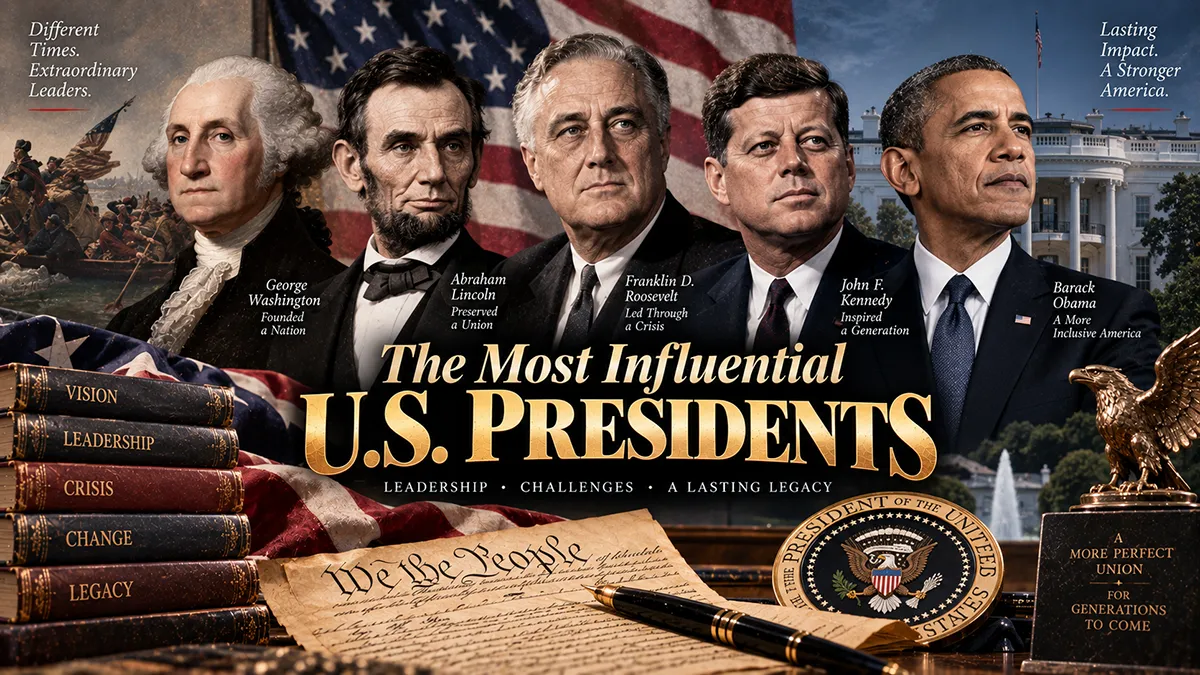
Ask ten people to name the most influential US presidents and you’ll likely get ten different lists. Some will point to the faces on Mount Rushmore, others to whoever’s face is currently on their favorite piece of currency, and a few might even wander into video game lore without realizing it (more on that later). The truth is that “influential” isn’t the same as “popular,” and “famous” isn’t always the same as “important.”
This guide sorts through the noise. We’ll walk through the presidents historians consistently rank as the most consequential, explain what actually makes a presidency influential, and clear up a few myths along the way — including why searches about the “most popular president in NCR history” keep popping up next to questions about Lincoln and Washington.
TL;DR: Historians consistently rank Abraham Lincoln, George Washington, and Franklin D. Roosevelt as the most influential US presidents, though “most famous” and “most popular” often depend on who’s asking and when.
What Actually Makes a President Influential?
Before ranking anyone, it helps to define the terms. A famous president isn’t automatically an important one — plenty of well-known presidents are remembered for scandal or short tenure rather than lasting achievement. An influential president, by contrast, is someone whose decisions reshaped the country in ways that outlasted their time in office.
Historians typically weigh a handful of factors: crisis leadership, the durability of their policies, the precedents they set for the office itself, and how their legacy is remembered decades or centuries later. Surveys like the C-SPAN Presidential Historians Survey and similar academic polls have asked scholars to rank presidents on these criteria for years, and the results are surprisingly consistent at the top.
It’s also worth remembering that a US president is not a “ruler” in the monarchical sense. The Constitution deliberately limits presidential power through checks and balances, term limits, and an independent judiciary and legislature. So while some casual searches treat the presidency like a throne, the office was designed from day one to be something quite different from a king or ruler.
The Most Influential US Presidents, Ranked
This list blends historian consensus with cultural staying power, since “most known” and “most important” don’t always line up perfectly. Think of it less as a definitive ranking and more as a well-researched starting point for understanding why these particular names dominate the history books.
1. George Washington (1789–1797)
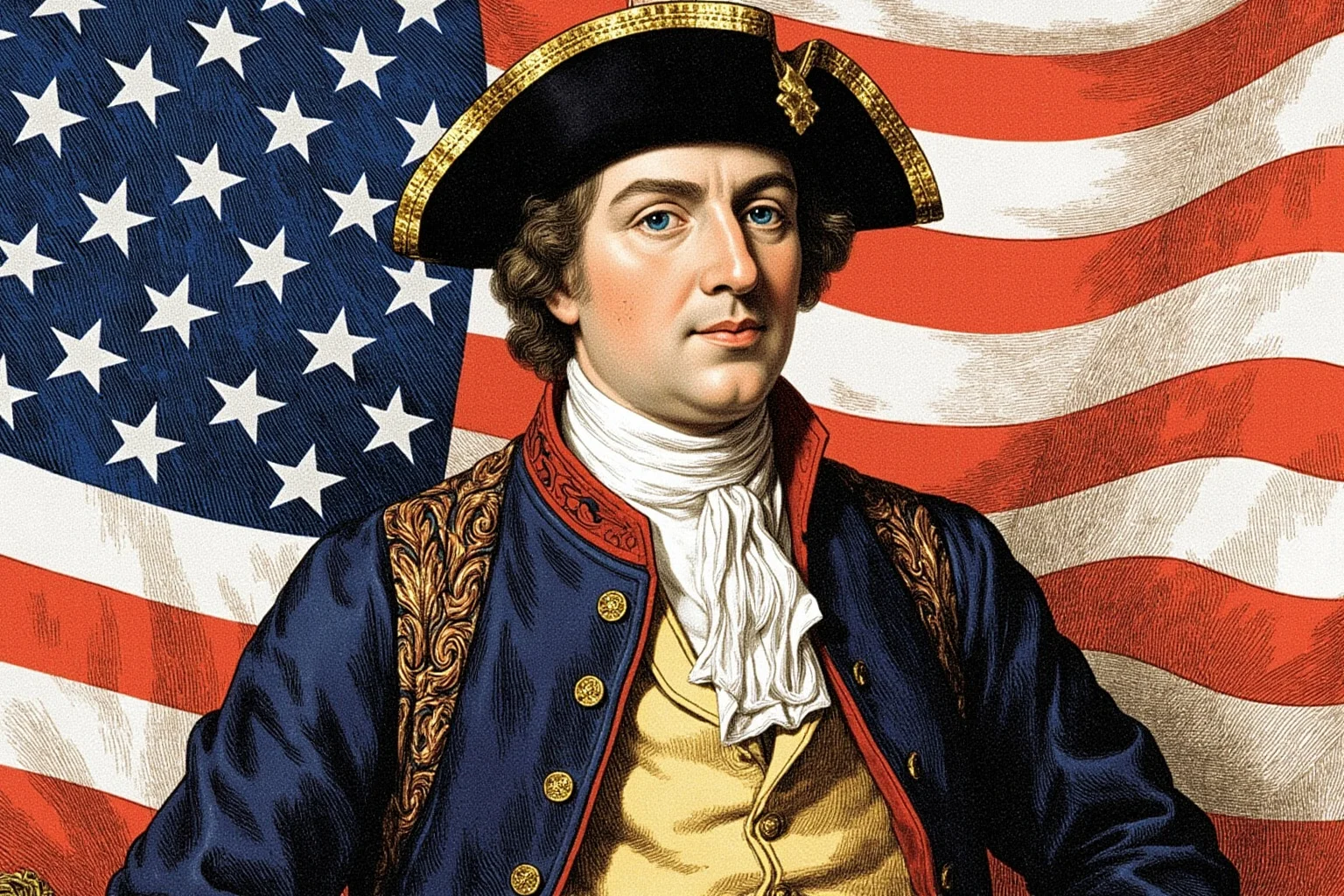
As the first president, Washington had no playbook to follow, so nearly everything he did became precedent. He voluntarily stepped down after two terms, a tradition that held for over 150 years until it was later written into law as the 22nd Amendment.
The famous cherry tree story, incidentally, was a fabrication added to his biography years after his death by writer Parson Weems — a good early reminder that not every presidential legend is true. Washington’s real legacy is sturdier than any folk tale: a peaceful transfer of power and a working federal government.
2. Abraham Lincoln (1861–1865)
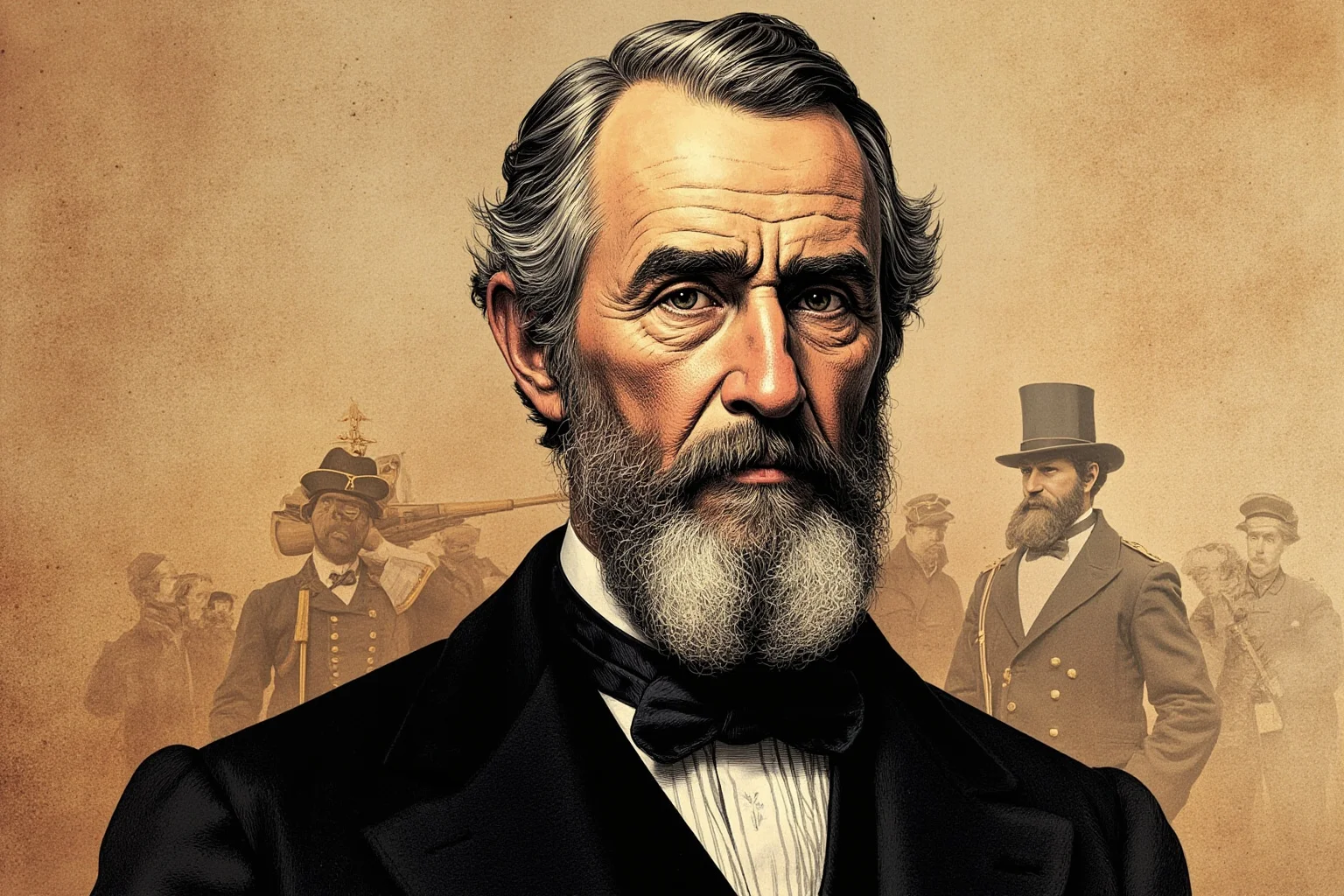
Lincoln guided the country through the Civil War, its most existential crisis, while pushing the Emancipation Proclamation in 1863 and the 13th Amendment abolishing slavery. He’s a near-universal pick for the single most famous president, and historian surveys routinely place him at or near the top.
His assassination in April 1865, just days after the war’s end, cemented his legacy in a way few other presidencies have matched. Few figures in American history carry the same symbolic weight.
3. Franklin D. Roosevelt (1933–1945)
FDR is the only president elected to four terms, steering the nation through both the Great Depression and World War II. His New Deal programs, including Social Security in 1935, permanently expanded the federal government’s role in everyday life.
His leadership during wartime and economic collapse redefined what Americans expected from the presidency itself. That shift alone makes him one of the most influential US presidents on any serious list.
4. Thomas Jefferson (1801–1809)
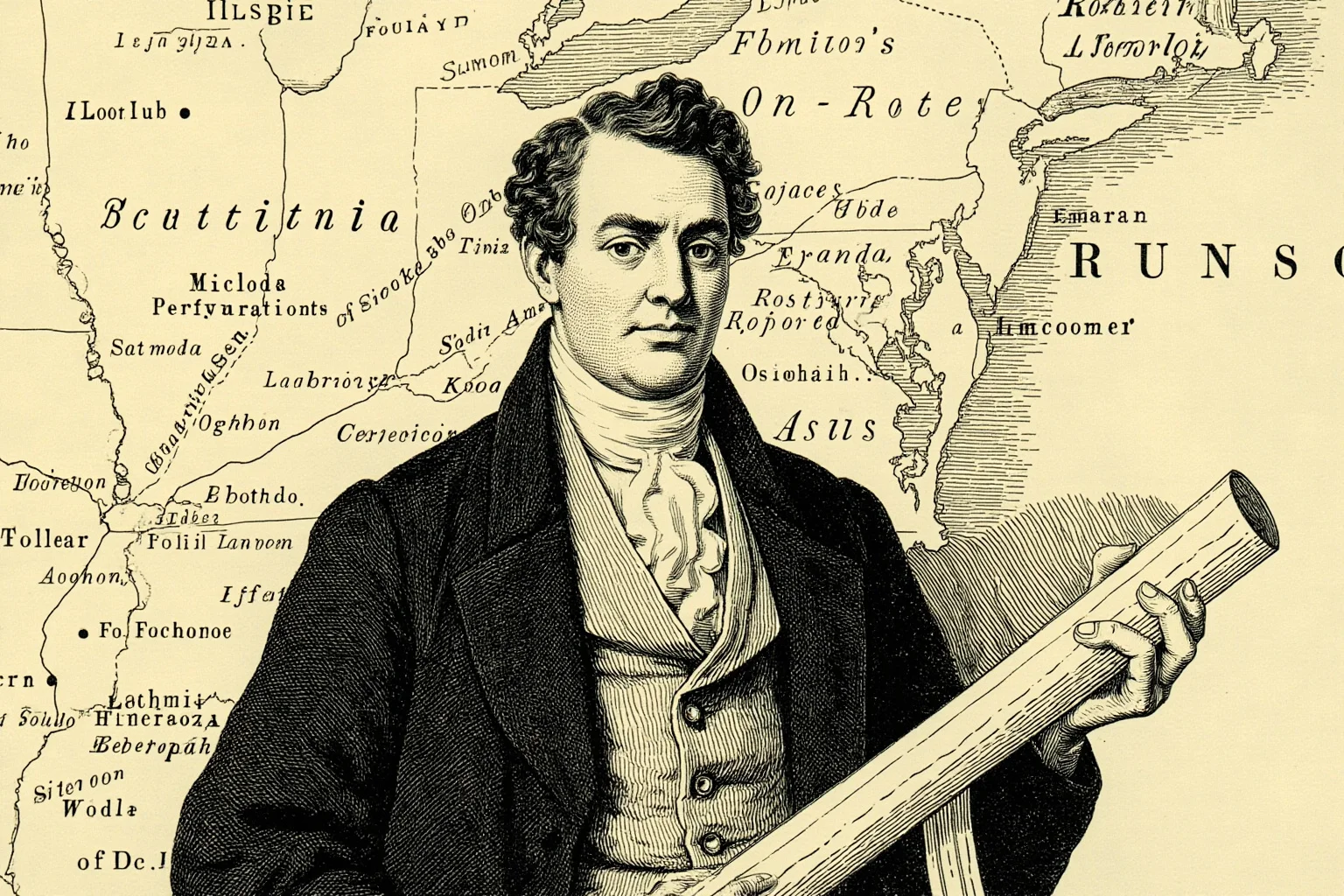
Jefferson authored the Declaration of Independence years before becoming president, but his own administration is best remembered for the Louisiana Purchase in 1803. That single deal roughly doubled the size of the United States overnight.
His vision of an agrarian, expanding republic shaped American identity for generations. He remains one of the most quoted and most studied Founding Fathers.
5. Theodore Roosevelt (1901–1909)
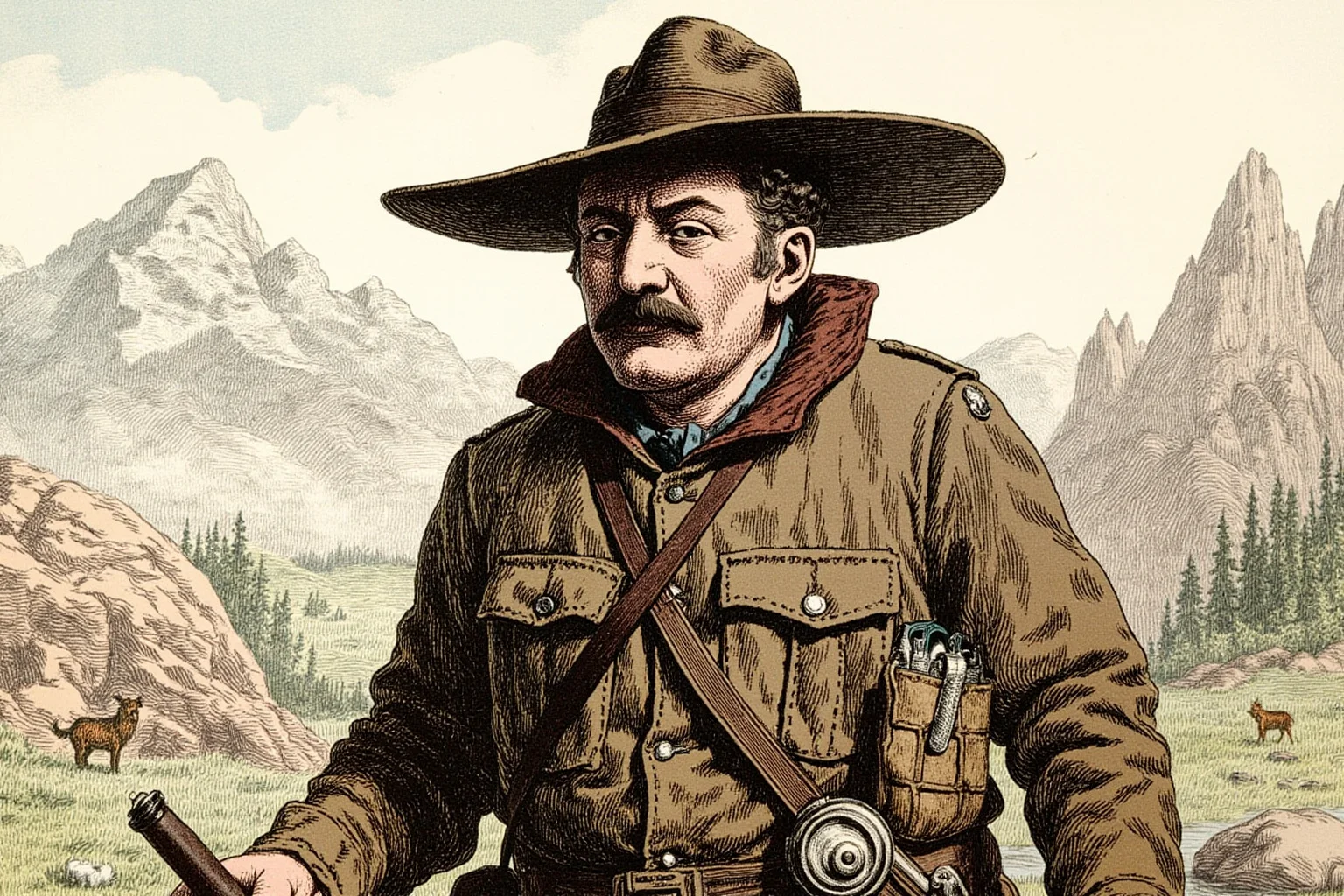
Teddy Roosevelt brought trust-busting, conservation, and an energetic new style of leadership to the office. He helped establish the national park system and won the Nobel Peace Prize in 1906 for mediating the Russo-Japanese War, a first for an American.
His progressive reforms pushed back against unchecked corporate power at the turn of the 20th century. Few presidents from that century left such a visible physical legacy in national parklands.
6. Woodrow Wilson (1913–1921)
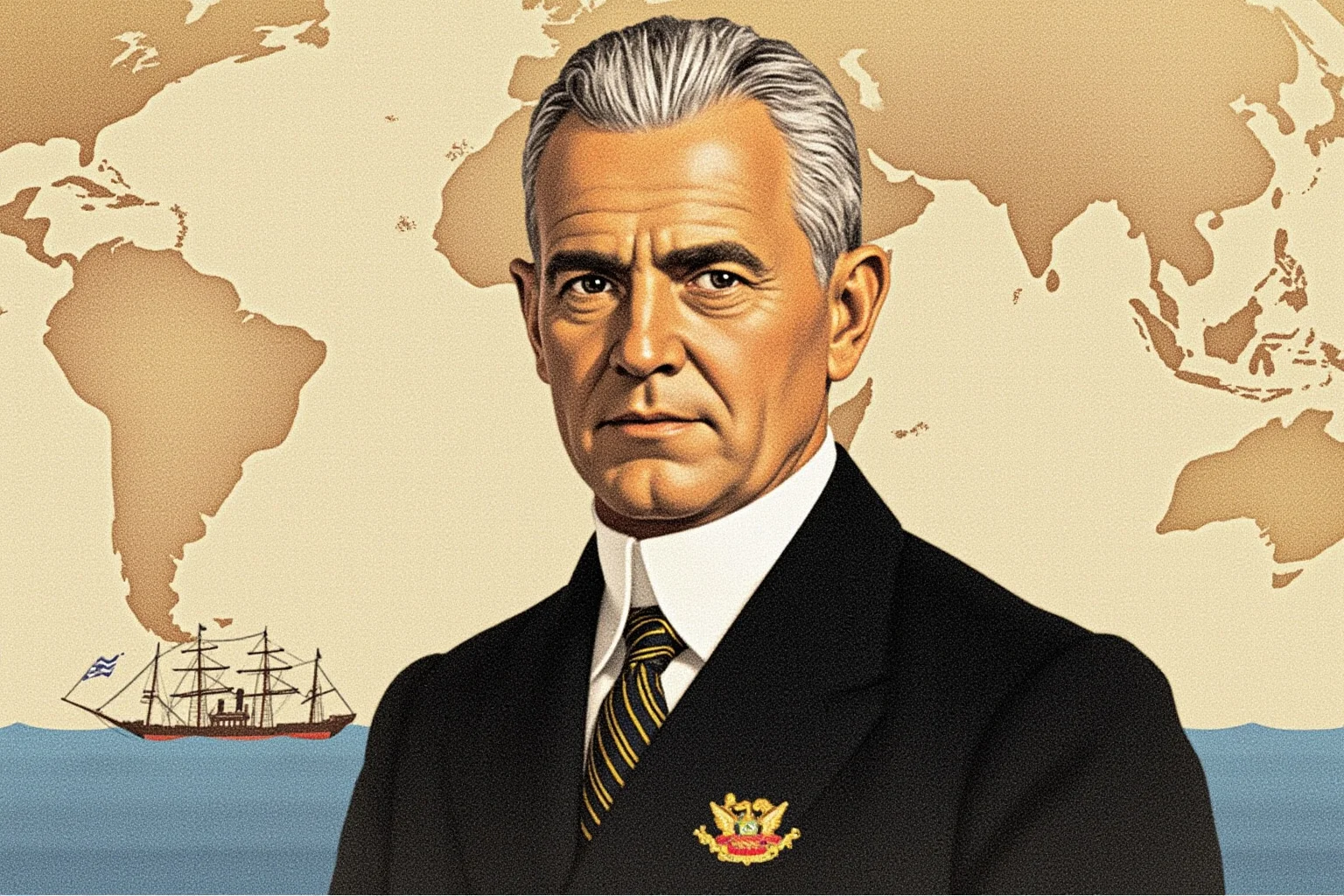
Wilson led the US through World War I and proposed the League of Nations, an early attempt at global cooperation that foreshadowed the United Nations. His Fourteen Points reshaped diplomatic language for decades.
His legacy is genuinely complicated, though, since his administration also enforced segregationist policies within the federal government. Modern historians weigh both sides when assessing his overall influence.
7. Andrew Jackson (1829–1837)
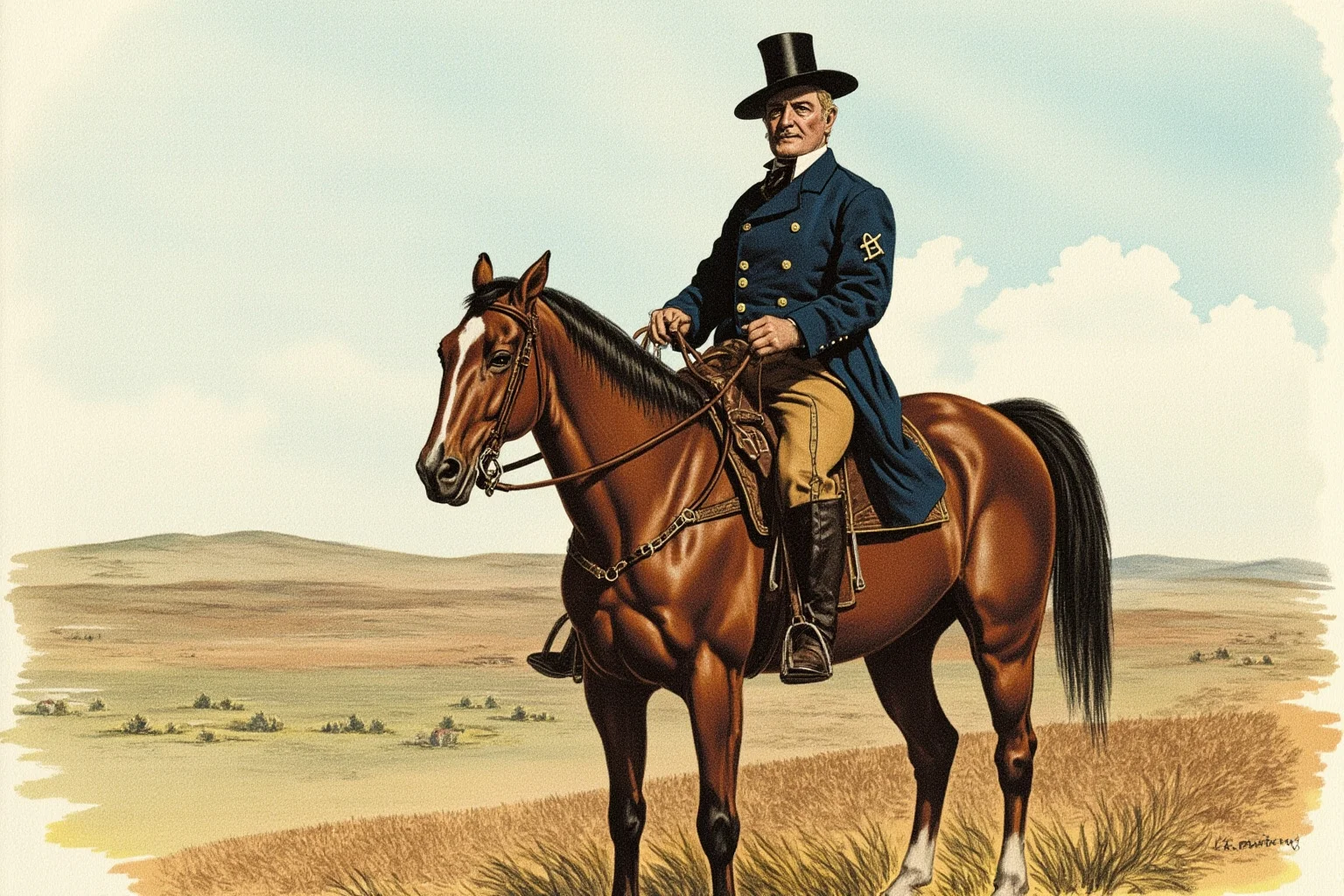
Jackson expanded the power of the presidency and championed a populist, “common man” style of politics that reshaped American political culture. His time in office also included the forced removal of Native American nations, known as the Trail of Tears.
That dual legacy — democratic expansion alongside profound human suffering — makes him one of the most debated figures in presidential history. His influence on the office’s power is undeniable, even where his policies are widely condemned today.
8. Harry S. Truman (1945–1953)
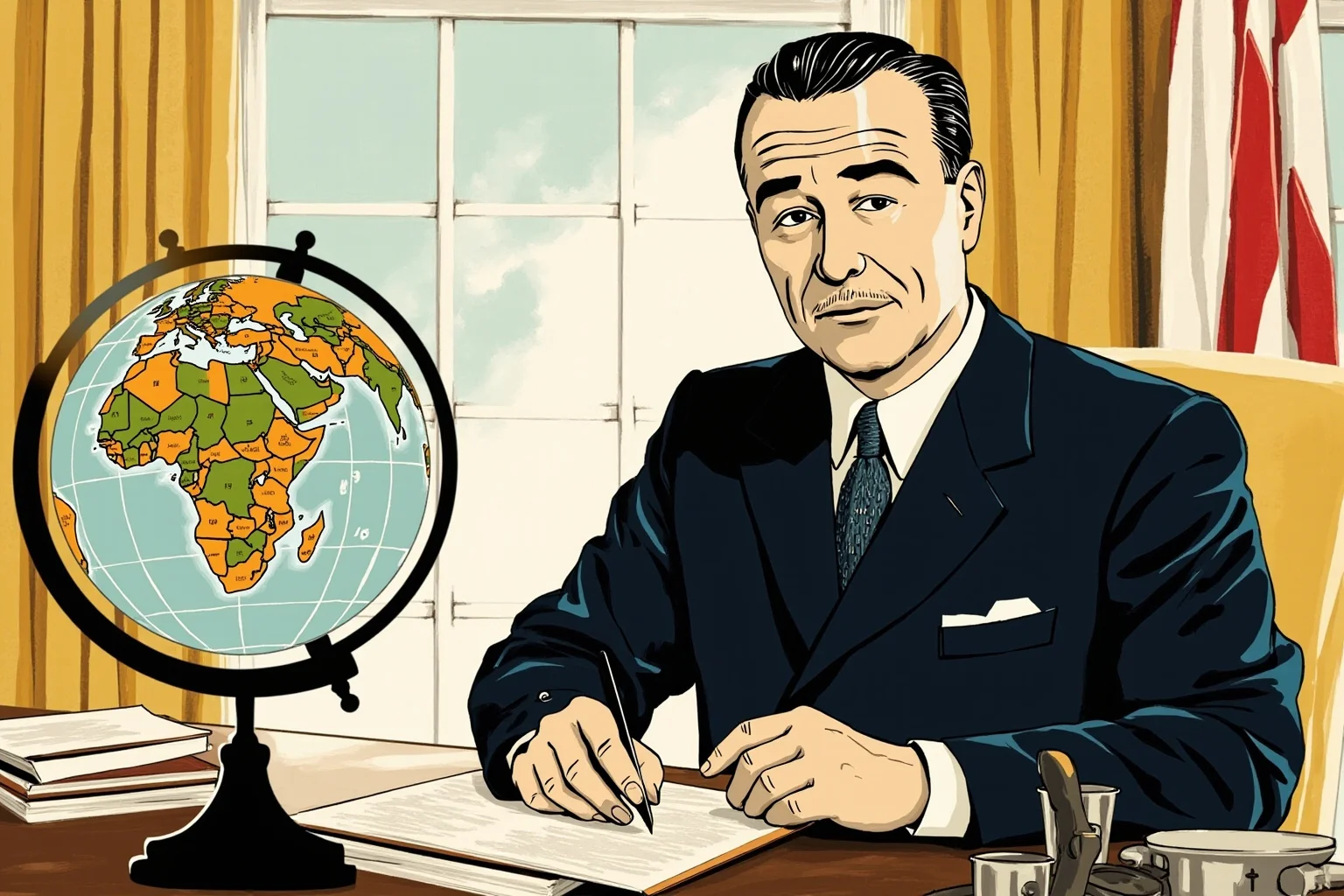
Truman made the decision to use atomic weapons to end World War II and later launched the Marshall Plan to rebuild postwar Europe. In 1948, he also ordered the desegregation of the US military through Executive Order 9981.
His containment policy set the tone for American strategy throughout the entire Cold War. Few presidents faced heavier decisions in such a short window of time.
9. Dwight D. Eisenhower (1953–1961)
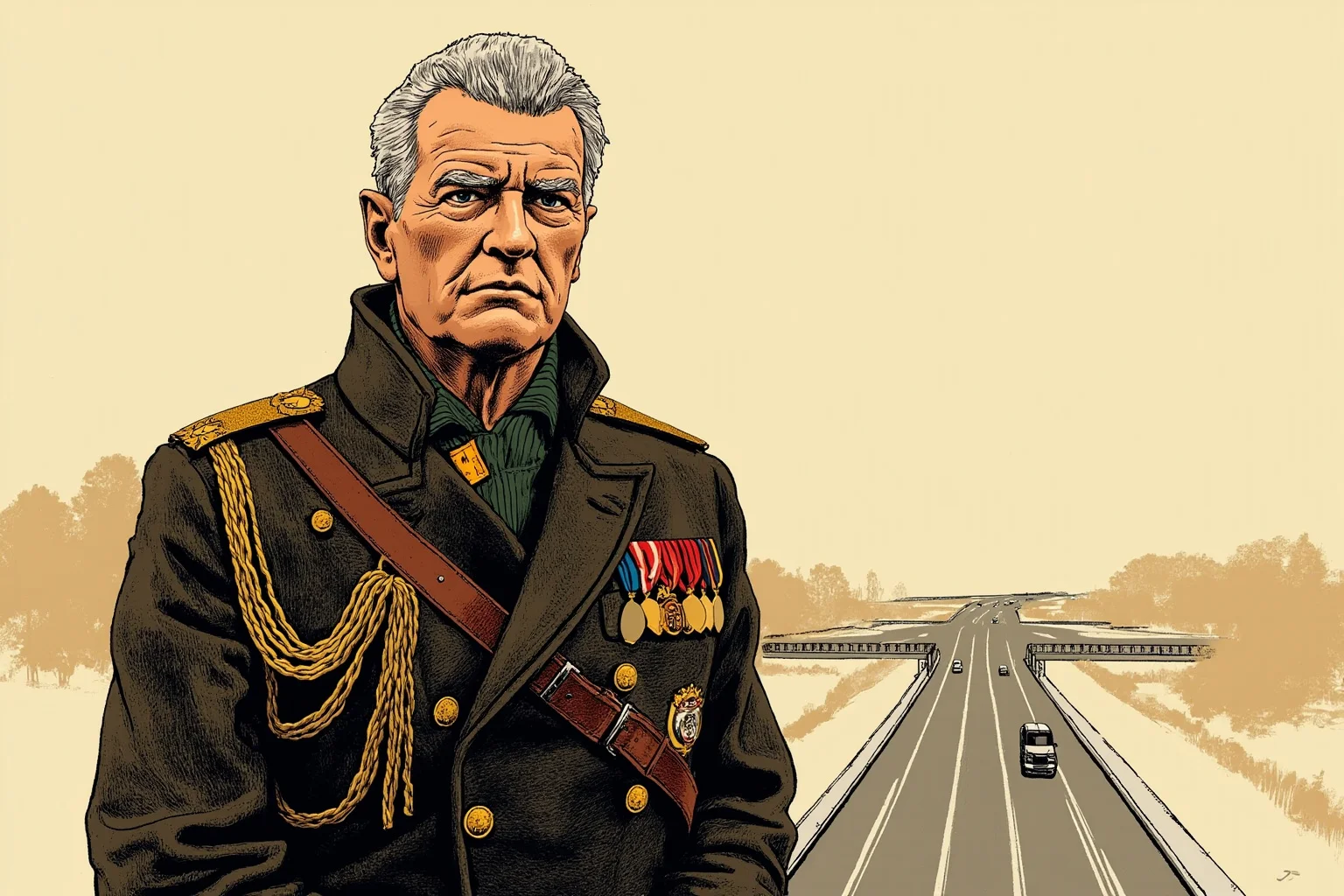
Before becoming president, Eisenhower served as Supreme Allied Commander in World War II, giving him rare credibility on national security. As president, he championed the Interstate Highway System in 1956, a project that reshaped American transportation and commerce.
His farewell address warning about the “military-industrial complex” remains one of the most quoted speeches in presidential history. It’s a reminder that even popular, steady presidents can leave sharp warnings behind.
10. John F. Kennedy (1961–1963)
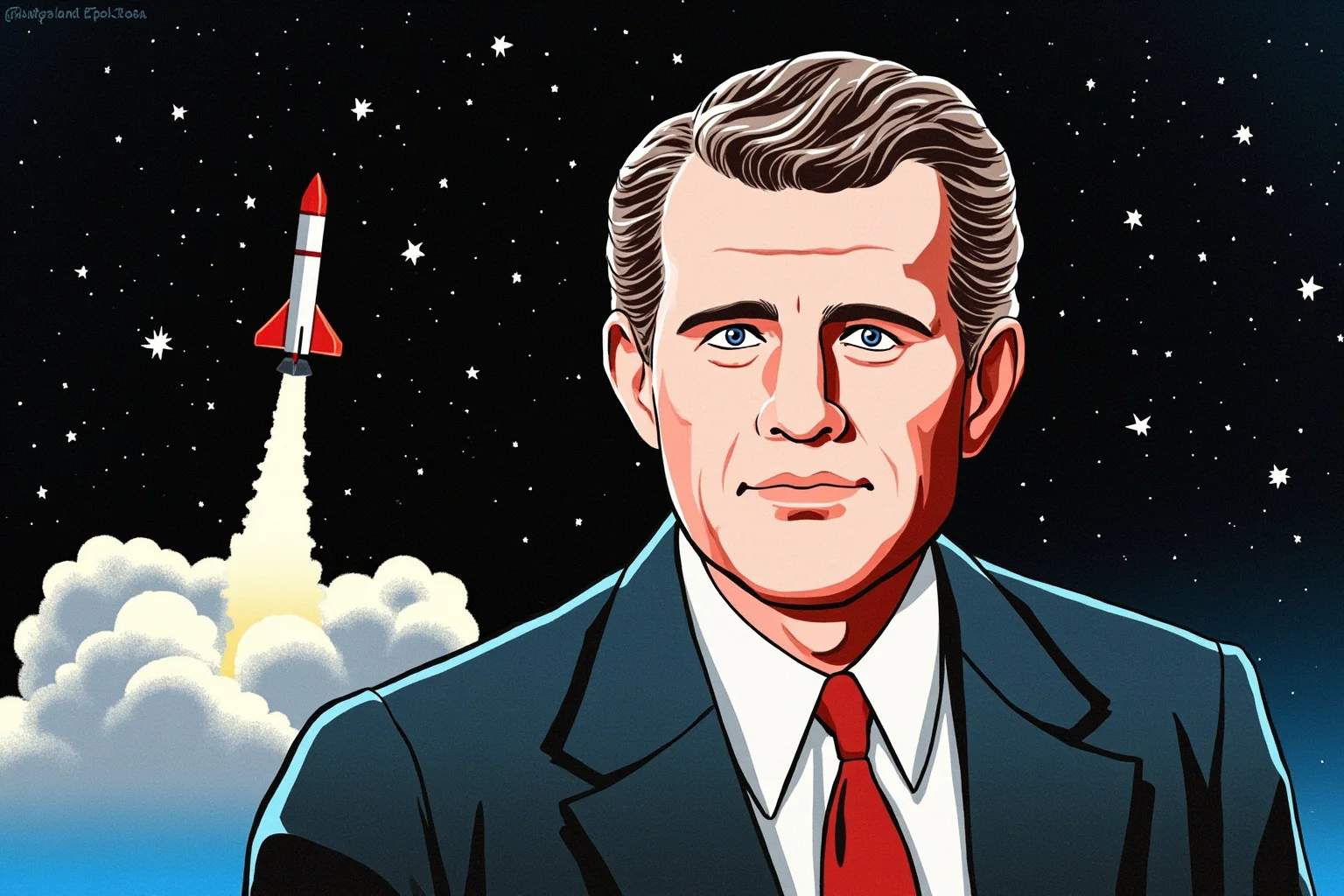
Kennedy’s presidency is remembered for the tense Cuban Missile Crisis and his push to land Americans on the moon. His assassination in November 1963 shocked the nation and cemented his image as one of the most famous US presidents in modern memory.
Despite serving less than three years, Kennedy consistently ranks among the most popular presidents in public opinion polls. His combination of youth, charisma, and tragedy created a lasting cultural imprint.
11. Lyndon B. Johnson (1963–1969)
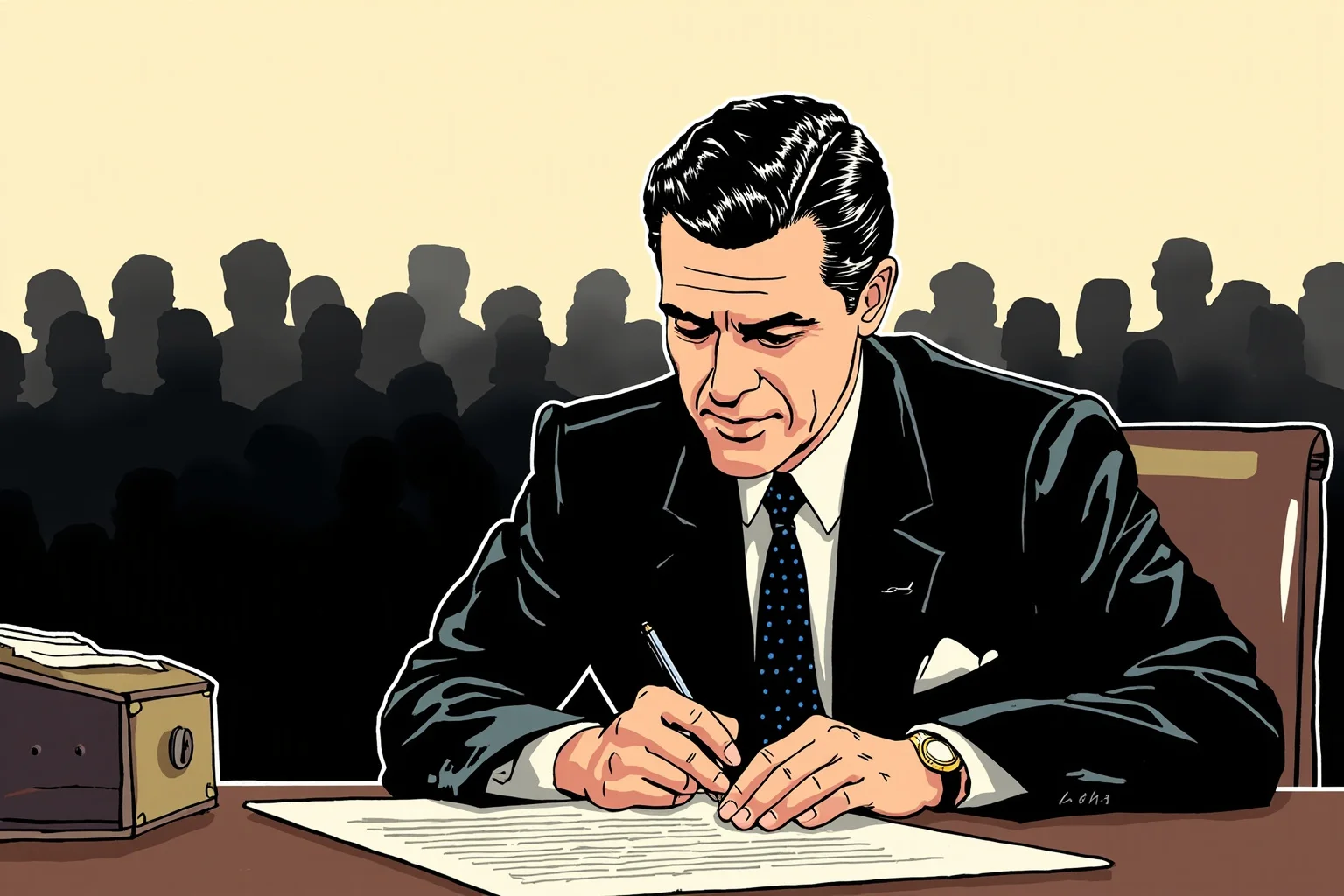
Johnson pushed through the Civil Rights Act of 1964 and the Voting Rights Act of 1965, two of the most consequential laws in American history. His Great Society programs also created Medicare and Medicaid.
His legacy is permanently entangled with the escalation of the Vietnam War, which overshadowed much of his domestic success. It’s a good example of how influence and popularity don’t always move together.
12. Ronald Reagan (1981–1989)
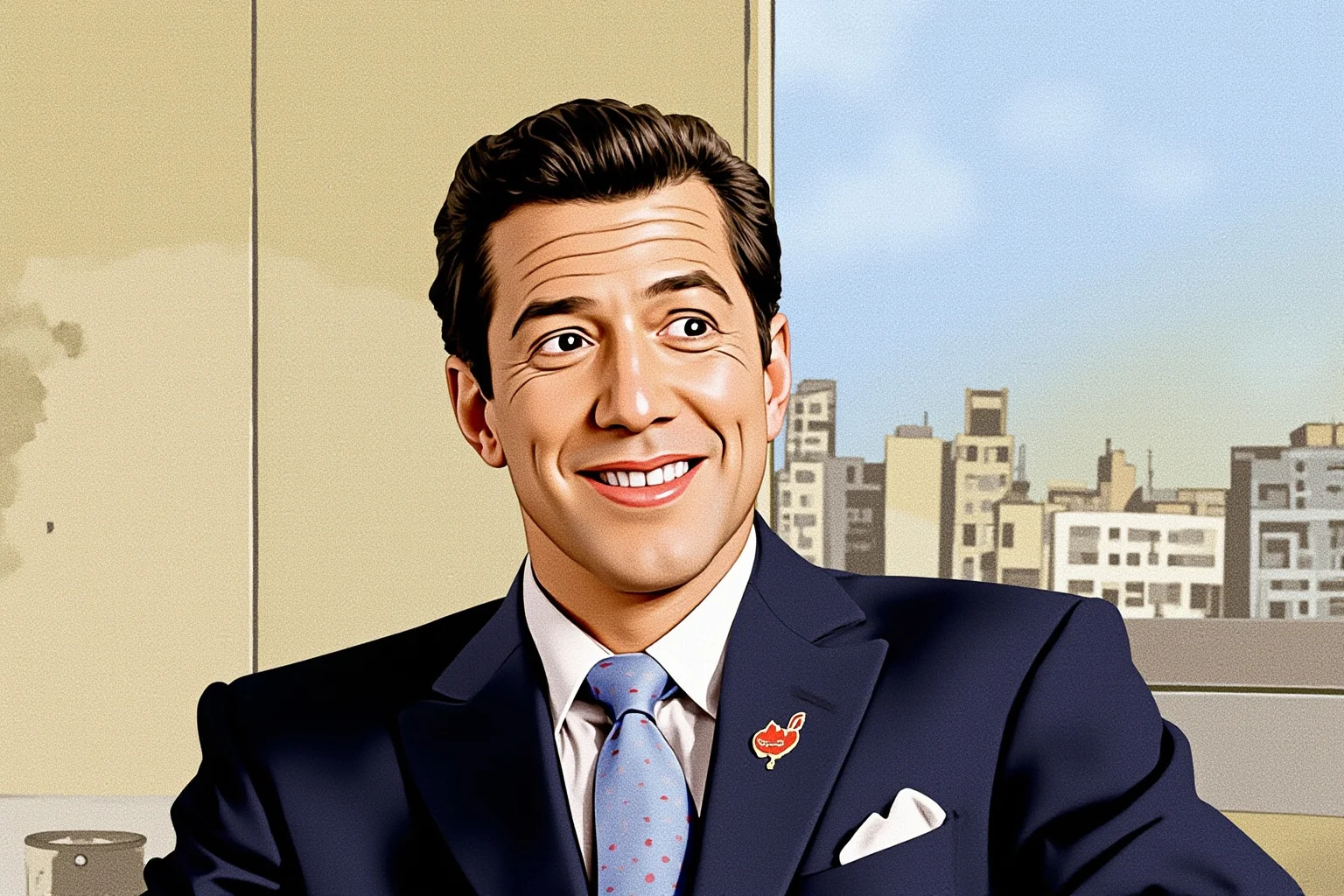
Reagan reshaped American conservatism through tax cuts and deregulation, a set of policies often called “Reaganomics.” His rhetoric, including the famous 1987 call to “tear down this wall” in Berlin, is closely tied to the eventual end of the Cold War.
He remains one of the most quoted and most studied presidents by modern political movements. His communication style alone changed how future candidates approached the office.
13. James K. Polk (1845–1849)
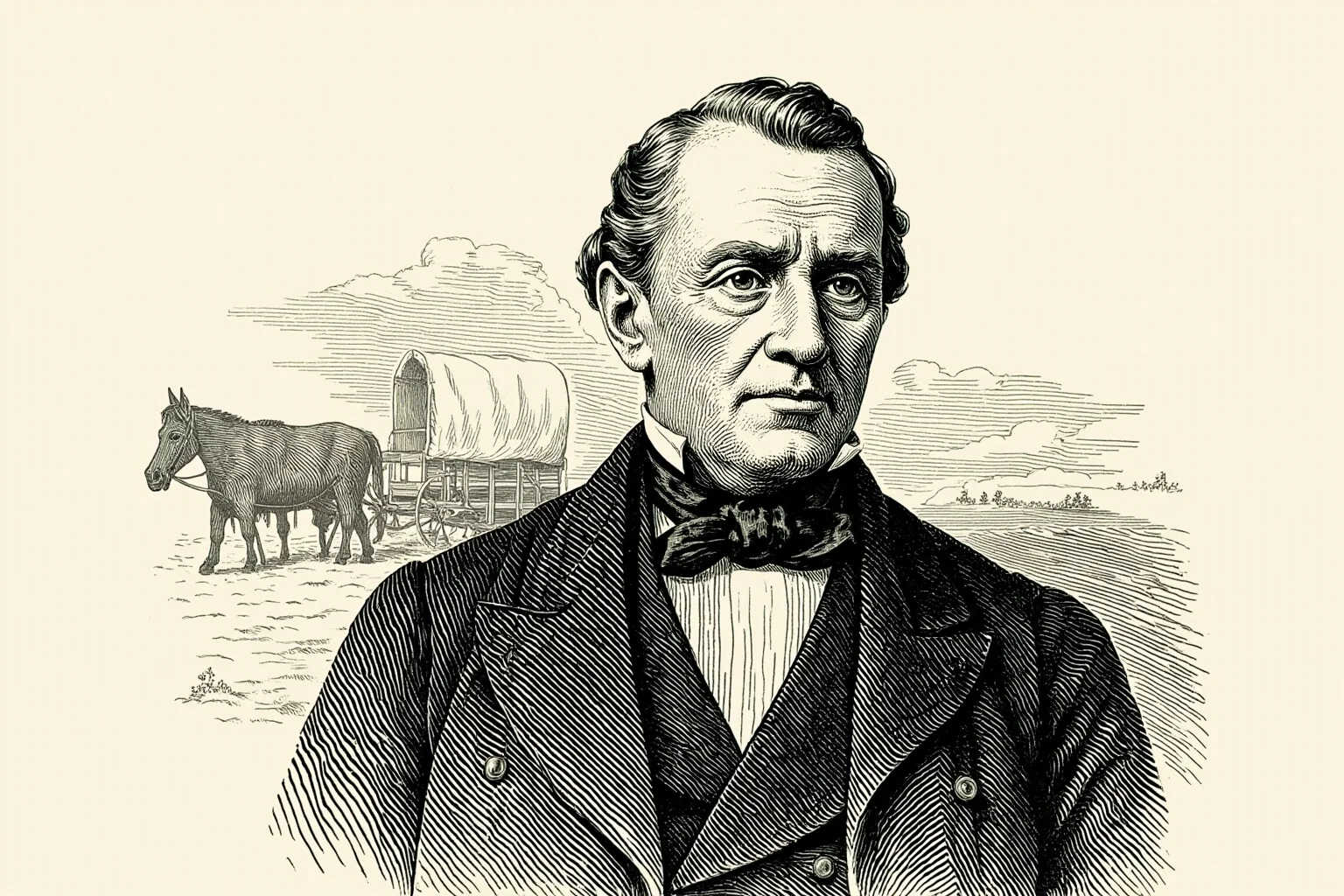
Polk is one of the more overlooked names on this list, yet he accomplished nearly every major goal he set out to achieve in a single term. Through the Mexican-American War and negotiations over the Oregon Territory, he oversaw a massive westward expansion of US territory.
Historians often rank him surprisingly high precisely because he did what he promised and then left office. He’s a solid answer if you ever need an example of a president whose impact outweighed his public name recognition.
14. James Madison (1809–1817)
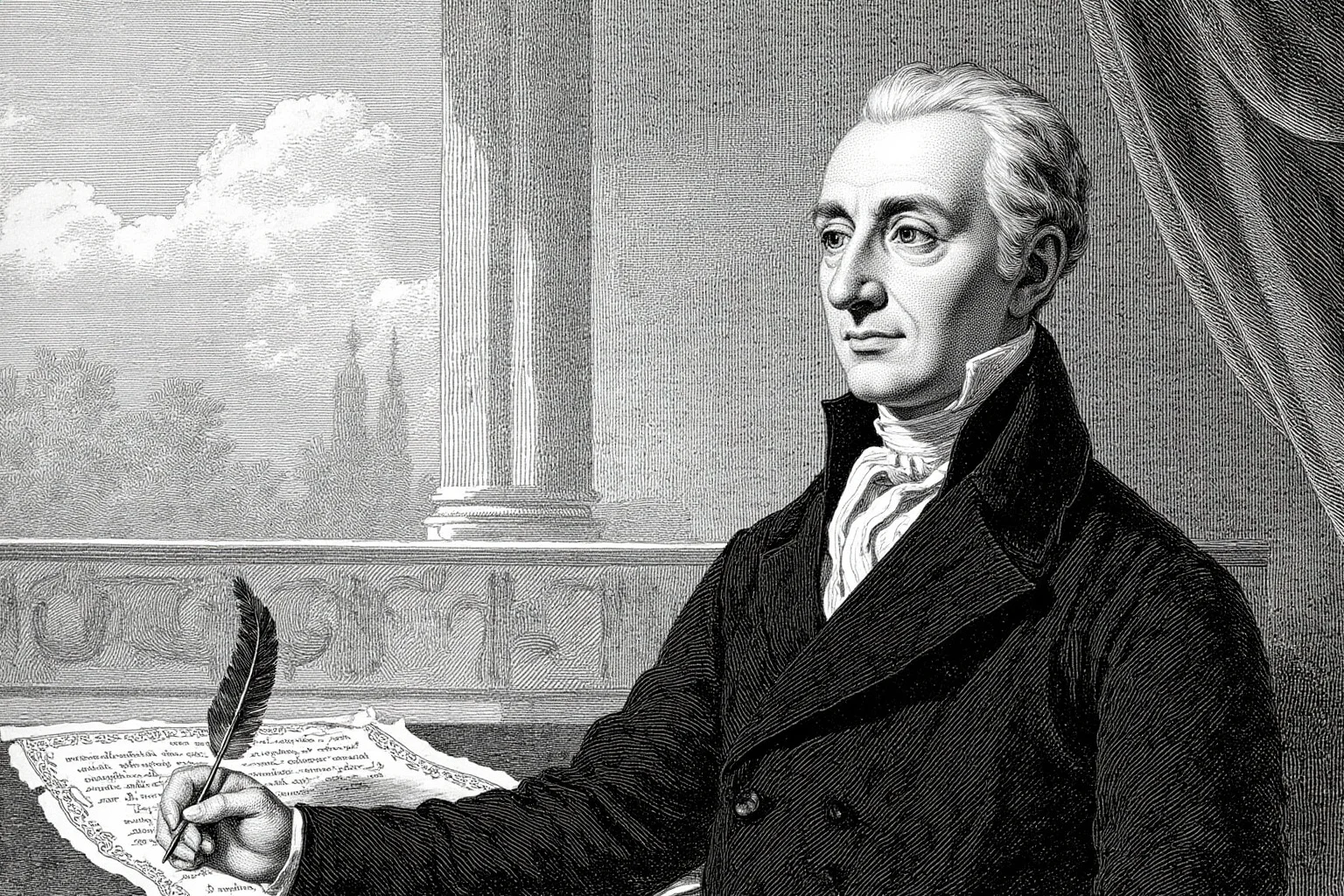
Known as the “Father of the Constitution,” Madison also authored much of the Bill of Rights before becoming president himself. His administration guided the country through the War of 1812, a conflict that helped solidify American independence in practice, not just on paper.
His fingerprints are on the actual structure of American government more than almost anyone else on this list. Few presidents shaped the rules of the game before ever playing it.
15. Barack Obama (2009–2017)
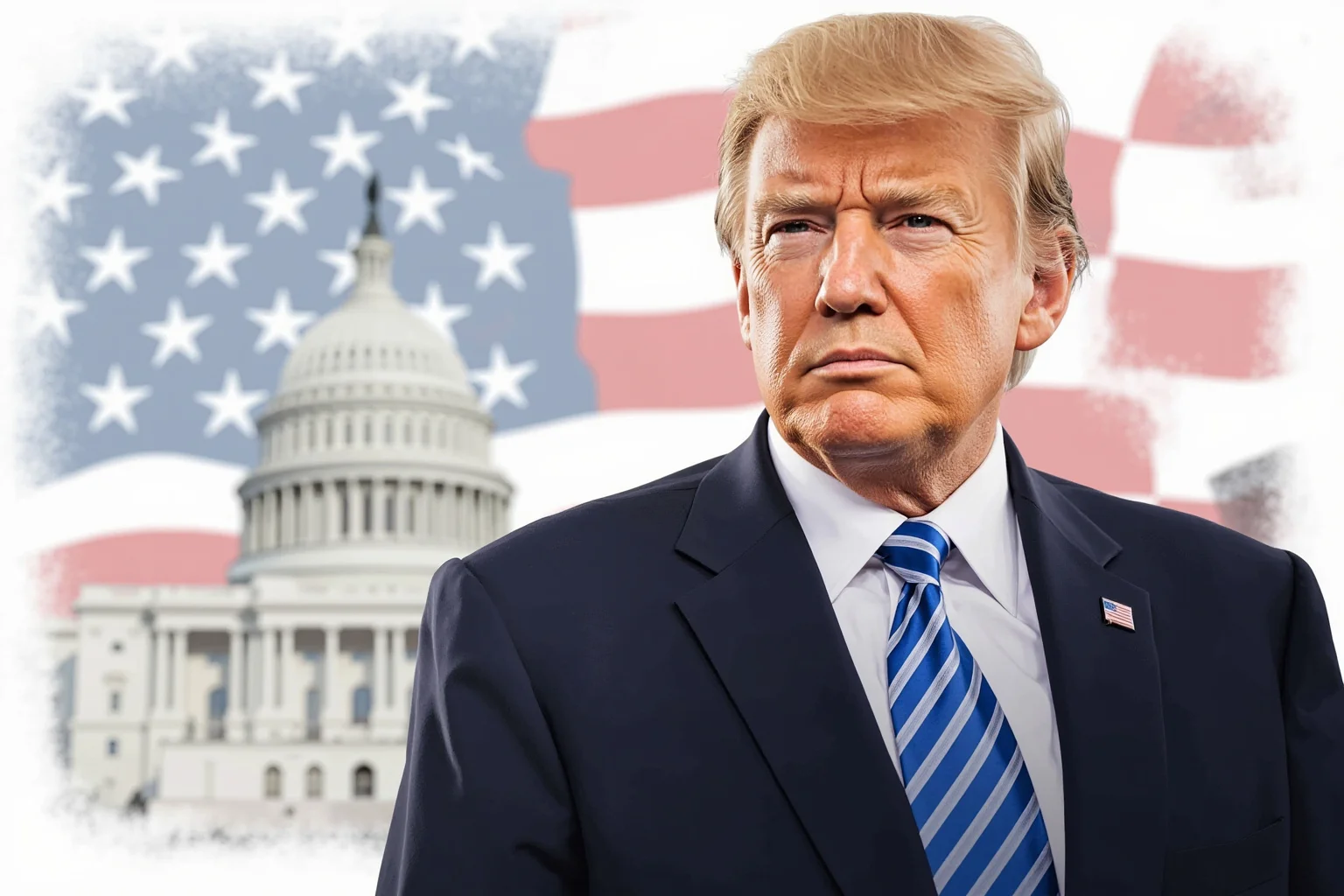
Obama became the first African American president in US history, a milestone with enormous cultural and political weight. His signature achievement, the Affordable Care Act of 2010, reshaped the American healthcare system.
His presidency also navigated the aftermath of the 2008 financial crisis, one of the sharpest economic downturns in decades. He remains one of the most discussed and most searched modern presidents online.
16. Bill Clinton (1993–2001)
Clinton presided over a period of strong economic growth in the 1990s and signed major legislation including welfare reform and NAFTA. His presidency, however, is also remembered for his impeachment in 1998, though he was later acquitted by the Senate.
His mix of policy achievement and personal scandal makes him a frequently cited example of a complicated legacy. Public opinion of his presidency has shifted multiple times in the years since he left office.
17. Richard Nixon (1969–1974)
Nixon opened diplomatic relations with China in 1972 and created the Environmental Protection Agency, two moves with long-lasting global and domestic impact. He remains the only US president to resign from office, stepping down in 1974 amid the Watergate scandal.
His presidency is a case study in how a single scandal can define a legacy for generations. It’s also a reminder that influence isn’t always a positive label.
18. Ulysses S. Grant (1869–1877)
Before his presidency, Grant led Union forces to victory in the Civil War as a general. As president, he worked to protect the civil rights of newly freed Black Americans and took action against early Ku Klux Klan violence during Reconstruction.
His reputation suffered for decades due to corruption scandals within his administration, though modern historians have revised their view of his civil rights record upward. He’s a good example of a legacy that has shifted significantly over time.
19. William McKinley (1897–1901)
McKinley led the country through the Spanish-American War in 1898, expanding American influence overseas into places like Puerto Rico and the Philippines. His assassination in 1901 brought Theodore Roosevelt into office, indirectly triggering one of the most transformative presidencies on this list.
He’s less famous today than many of his contemporaries, but his foreign policy decisions had ripple effects for decades. His presidency marks a clear turning point toward American global involvement.
20. George H. W. Bush (1989–1993)
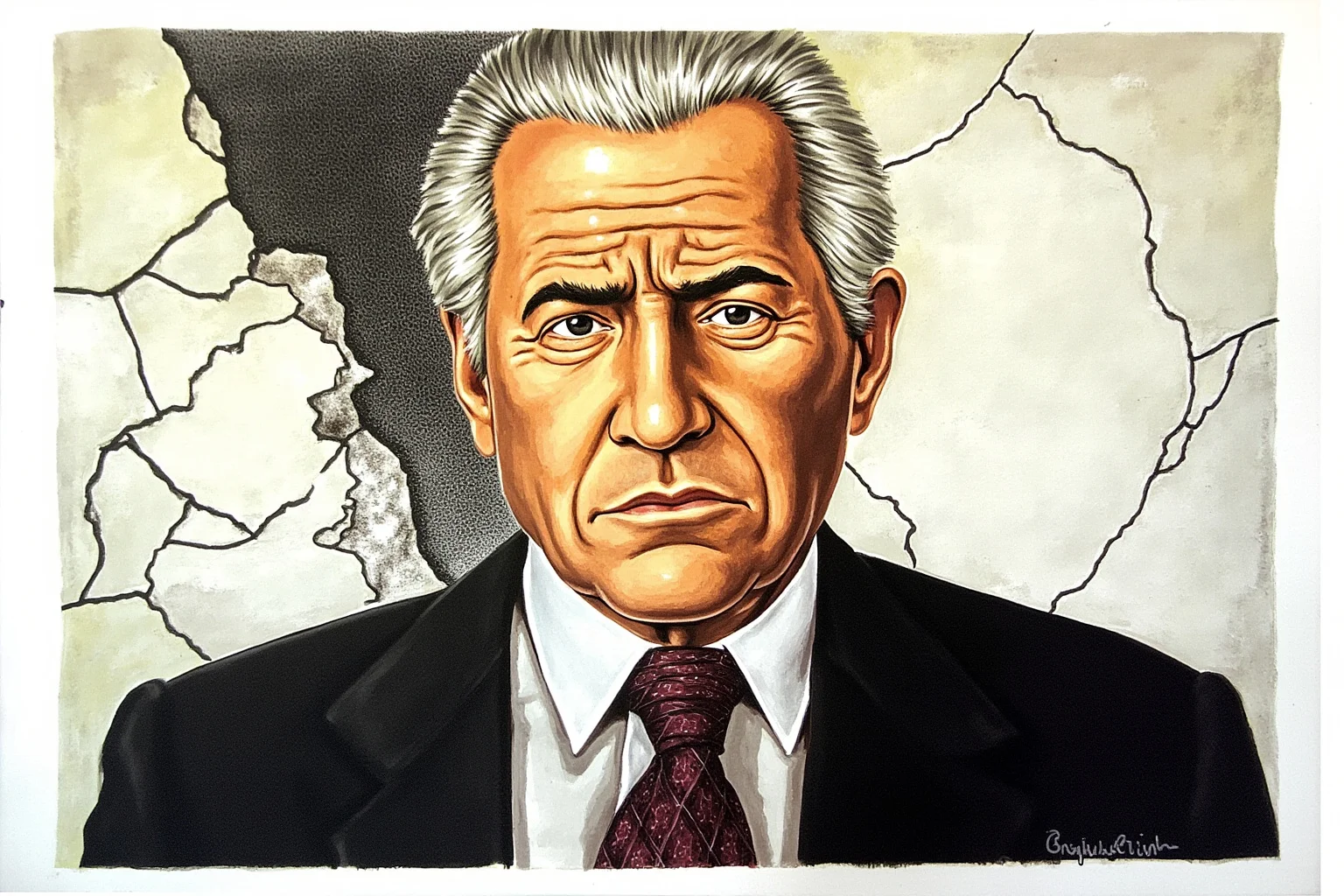
Bush oversaw the peaceful conclusion of the Cold War and led a coalition to victory in the 1991 Gulf War. He also signed the Americans with Disabilities Act in 1990, a landmark civil rights law for people with disabilities.
His one-term presidency is often underrated in popular memory compared to its actual global significance. Foreign policy historians in particular tend to rate him more highly than casual rankings suggest.
21. Grover Cleveland (1885–1889, 1893–1897)
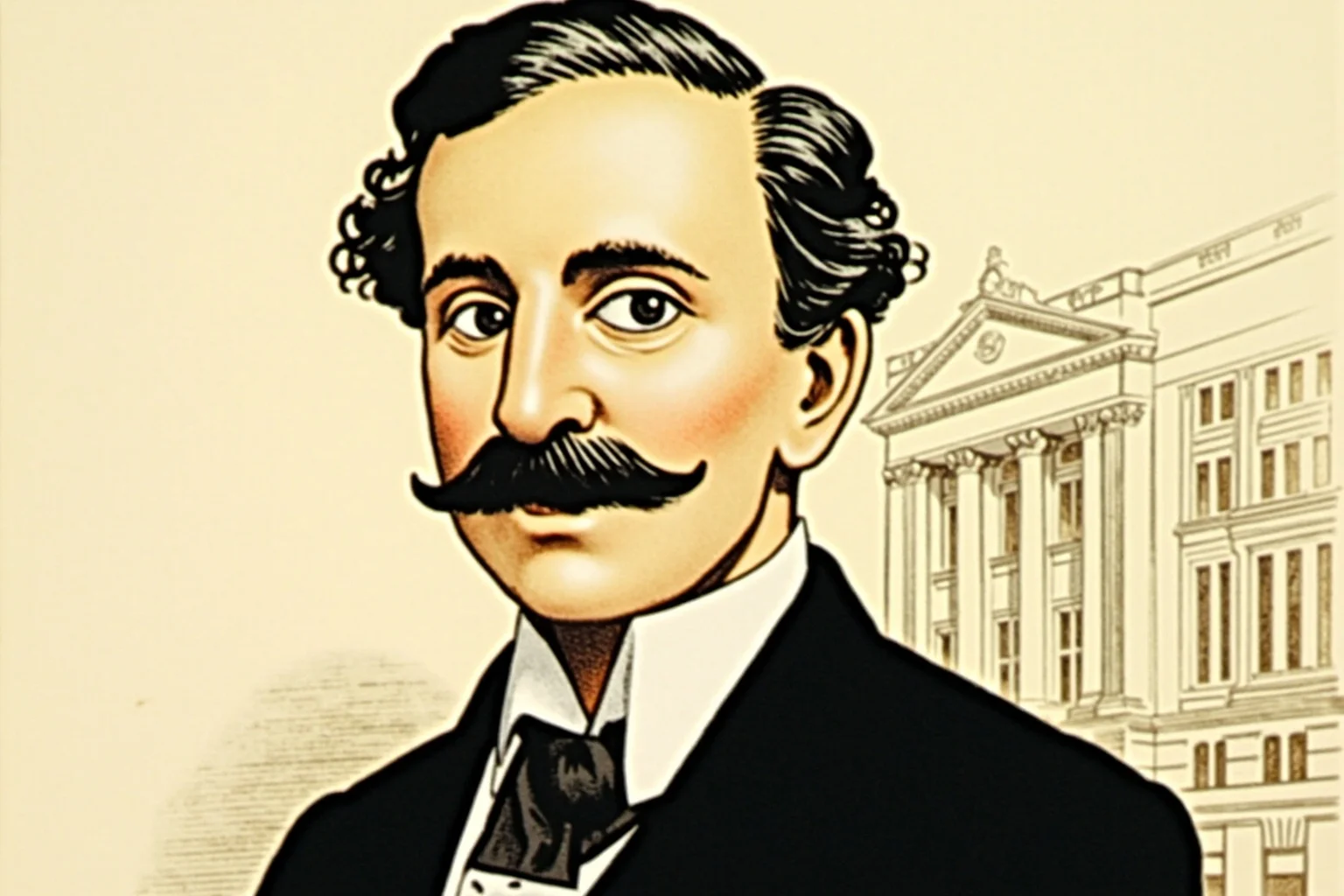
Cleveland holds a genuinely unique title: the only president to serve two non-consecutive terms, officially counted as both the 22nd and 24th president. That quirk alone makes him a frequent trivia answer and a notable US president worth knowing.
His administrations focused on limited government and fiscal conservatism, themes that echoed in later political movements. He’s proof that even lesser-known presidents can hold a distinct, permanent place in the record books.
22. Andrew Johnson (1865–1869)
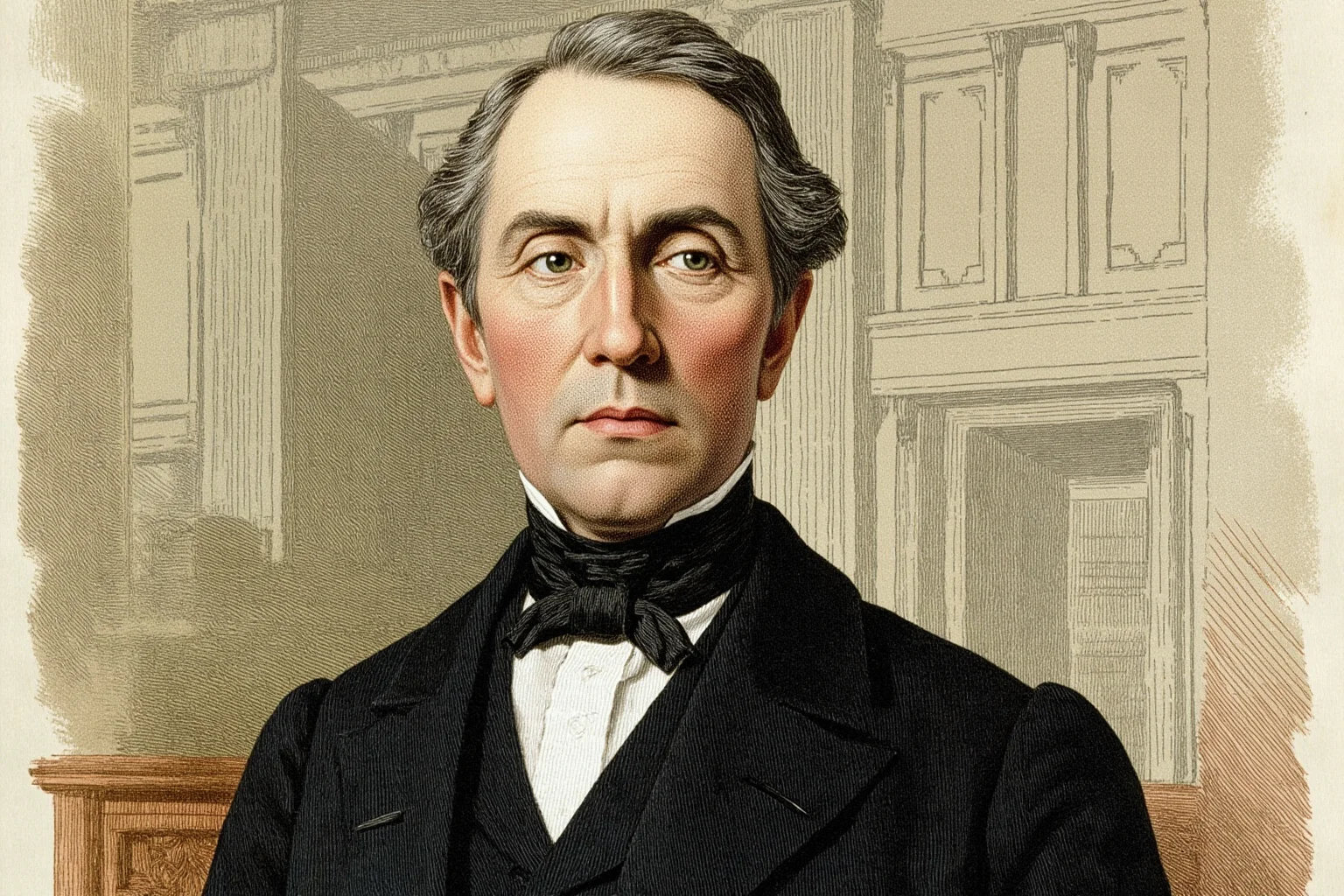
Johnson took office after Lincoln’s assassination and clashed repeatedly with Congress over Reconstruction policy. In 1868, he became the first president to be impeached, though he survived removal from office by a single Senate vote.
His resistance to civil rights protections for freed Black Americans had lasting, damaging consequences for Reconstruction-era progress. He’s often studied as a cautionary example of how a single presidency can derail hard-won national momentum.
Presidents Who Defined the 20th Century
A huge share of the presidents people search for by name come from the 20th century, and that’s not an accident. Radio, television, and eventually the internet gave presidents from Theodore Roosevelt onward a level of public visibility that earlier leaders never had.
FDR, Truman, Eisenhower, Kennedy, Johnson, Nixon, Reagan, and both Bush presidencies all governed during an era of mass media that turned them into household names almost instantly. That’s a big reason why “most known” and “most famous” lists tend to skew toward the last hundred years, even though earlier presidents like Washington and Lincoln remain historically more influential by most academic measures.
It’s a useful distinction to keep in mind. Fame is partly a function of media exposure, while influence is measured by what actually changed because of the decisions a president made.
A Quick Myth-Bust: NCR Presidents Aren’t From Real US History
If you’ve landed here after searching something like “who was the most popular president in NCR history,” it’s worth clearing something up first. The NCR, or New California Republic, is a fictional nation from the Fallout video game series, not a real historical government.
Within that game universe, fans often point to Tandi, the NCR’s long-serving founding-era president, as one of its most iconic leaders, since she’s closely tied to the republic’s founding story across the games. That said, opinions on which NCR president was “most popular” are a matter of fan debate and game lore interpretation, not documented historical fact the way real US presidencies are.
If your actual interest is real presidential history, the rankings above are the ones grounded in verifiable events, historian surveys, and primary sources. It’s a fun crossover of search terms, but the two topics live in very different worlds.
How Historians Actually Rank Presidents
Academic surveys like the C-SPAN Presidential Historians Survey ask dozens of historians and political scientists to score presidents across categories such as crisis leadership, moral authority, and economic management. These polls have been conducted periodically since 2000, and Lincoln, Washington, and FDR have consistently landed in the top three across nearly every edition.
Other groups, like the Siena College Research Institute, run similar surveys with broadly comparable results. The consistency across independent surveys is part of why these three names dominate almost every serious “greatest presidents” list, even as the rest of the rankings shift slightly depending on the year and the panel of historians involved.
Public opinion polls, by contrast, often produce different results than historian surveys. Presidents like Kennedy and Reagan tend to score higher in general public favorability than they do in strict historian rankings, which is exactly why “most popular” and “most influential” aren’t interchangeable terms.
Final Thoughts
The presidents who shaped America the most weren’t always the loudest or the most beloved in their own lifetimes. Lincoln was deeply controversial while he was alive, and Truman left office with historically low approval ratings before later being reassessed as one of the more consequential figures of the 20th century.
That’s the real lesson behind any “most famous” or “most influential” list: history has a way of revising its own verdicts. The presidents on this list earned their place not through popularity contests, but through decisions whose effects are still visible in American life today.
Frequently Asked Questions
Who was the most popular president in NCR history?
The NCR, or New California Republic, is a fictional nation from the Fallout video game series, so it doesn't have real historical presidents. Within the games' lore, Tandi is often considered the most iconic NCR president due to her role in the republic's founding, but 'most popular' among NCR presidents is a matter of fan opinion rather than documented history.
Who is the most famous US president?
Abraham Lincoln and George Washington are typically cited as the most famous US presidents, both in historian surveys and general public recognition. Franklin D. Roosevelt is also frequently mentioned due to his four terms in office and leadership through the Great Depression and World War II.
Who is the most popular president in US history?
Popularity depends on whether you're looking at historian rankings or public opinion polls. Historians most often rank Lincoln, Washington, and FDR highest, while general public favorability polls frequently place John F. Kennedy and Ronald Reagan near the top.
Who are considered the greatest presidents in US history?
Most historian surveys, including the C-SPAN Presidential Historians Survey, consistently rank Abraham Lincoln, George Washington, and Franklin D. Roosevelt as the greatest US presidents. Theodore Roosevelt and Thomas Jefferson also regularly appear near the top of these lists.
What makes a president ‘influential’ rather than just famous?
An influential president is one whose policies and decisions produced lasting change, such as new laws, precedents, or shifts in how the office itself operates. A famous president, by contrast, may simply be well remembered due to media coverage, scandal, or a short but dramatic tenure.
Is the US president considered a ‘ruler’?
No, the US president is not a ruler in the monarchical sense. The Constitution deliberately limits presidential power through checks and balances, an independent Congress and judiciary, and regular elections.
Can you give an example of a president who changed the country significantly?
Franklin D. Roosevelt is a strong example, since his New Deal programs and wartime leadership permanently expanded the federal government's role in American life. Abraham Lincoln is another clear example, given his role in preserving the Union and ending slavery through the Emancipation Proclamation and the 13th Amendment.
Which presidents from the 20th century are considered the most important?
Franklin D. Roosevelt, Harry S. Truman, and Dwight D. Eisenhower are generally viewed as the most important 20th-century presidents due to their roles in World War II and the early Cold War. John F. Kennedy and Lyndon B. Johnson are also frequently cited for their impact on civil rights and Cold War-era policy.

Alex Warren
Related Articles





