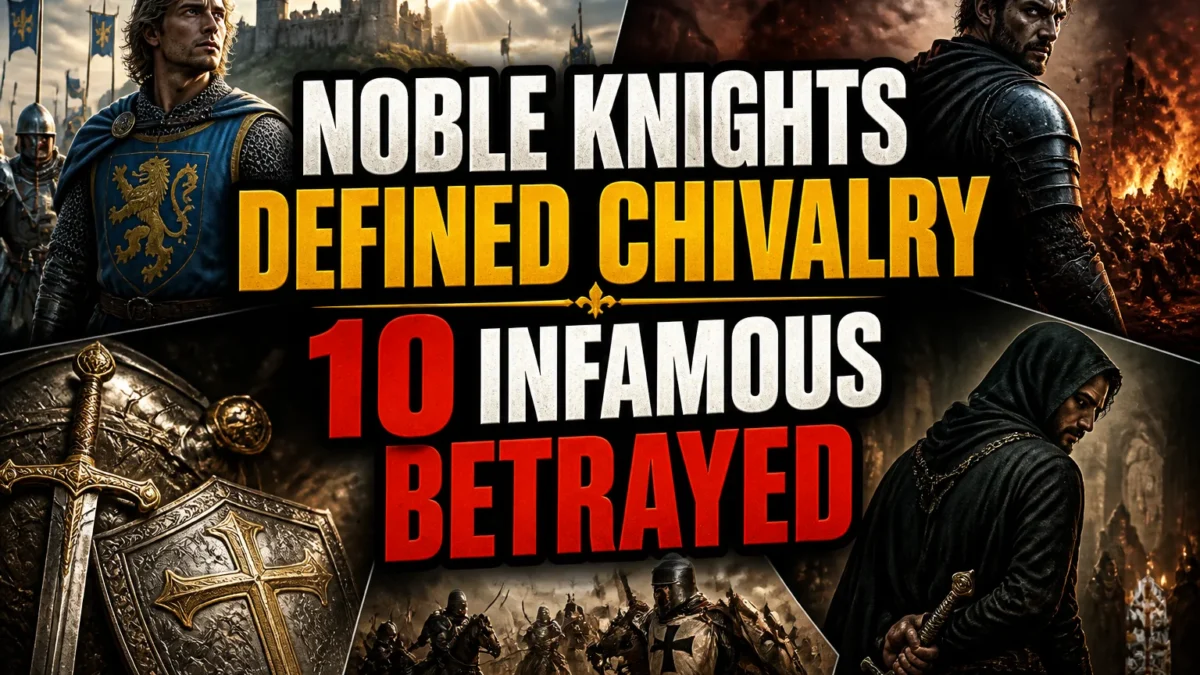
Chivalry often looks like a tidy moral code from fairy tales: brave knights, rescued captives, and honorable enemies. The historical record is far messier, mixing genuine self-restraint with calculated violence. This post pairs ten knights who helped define the ideal with ten figures who became warnings against hypocrisy.
Medieval writers debated chivalry constantly, yet no single manual governed every knight. Most warriors cared about reputation first, which meant that displaying valor mattered as much as behaving ethically. The divide between image and conduct is exactly where these stories live.
TL;DR: Ten knights shaped chivalry as an ideal, while ten infamous counterparts show how often real knights ignored, twisted, or betrayed that same code.
Chivalry Was Never a Single Rulebook
The word chivalry comes from the Old French chevalerie, meaning the culture of mounted warriors. It blended Christian morality, aristocratic manners, and hard military necessity. Because these goals often conflicted, the code changed from court to court and century to century.
Romances such as the Arthurian stories celebrated loyalty, courtesy, and protection of the weak. Manuals like Geoffrey de Charny’s Book of Chivalry were more practical, mixing spiritual advice with advice on war and reputation. Both sources shaped what people meant by an honorable knight.
The gap between romance and reality is not a modern discovery. Chroniclers often criticized knights for plundering, oath-breaking, and killing prisoners when it suited them. Understanding that gap makes the figures below more interesting than any simplified hero or villain list.
The Nine Worthies: Medieval Chivalry’s Hall of Fame
Medieval educators popularized the Nine Worthies as a set of ideal warriors. The group included three pagans, three Jews, and three Christians, mixing biblical, classical, and medieval figures. The number nine gave the list a sense of completeness.
The nine worthies, sometimes written as the 9 worthies, appeared in tapestries, carvings, and civic pageants. They were not all knights in the strict feudal sense, but they represented courage and leadership. This list serves as background for several of the noble knights below.
What Made a Knight an Exhibitor of Chivalry?
The phrase 'exhibitor of chivalry' sounds old-fashioned, but it names a real medieval ideal. A knight did not simply claim to be honorable; he had to show it through public acts. Tournaments, oaths, and treatment of prisoners all became stages for that performance.
The 9 worthies served a similar purpose as examples to imitate. Both concepts reveal that chivalry was as much about audience as action. Reputation was the reward, and chroniclers were the judges.
Part I: Ten Knights Who Defined Chivalry
1. William Marshal — The Knight Who Served Four Kings
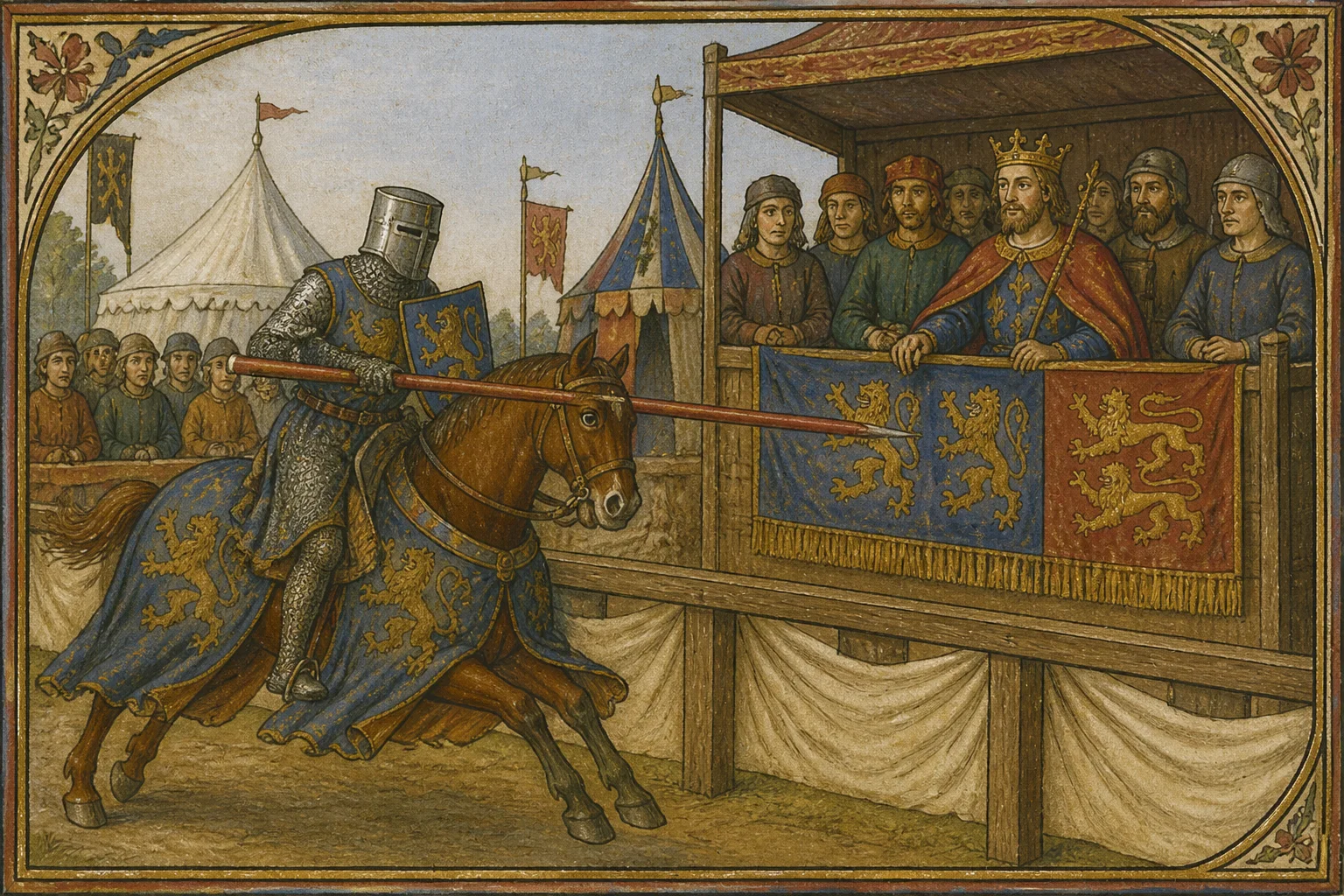
William Marshal was born around 1146 or 1147 into a minor noble family and rose through tournament success and steady loyalty. He served Henry II, Richard I, John, and the young Henry III without losing his reputation. Contemporaries and later writers called him the greatest knight of his age.
His chivalric image rested less on perfect morality than on consistency and endurance. He defended royal interests even during John’s disastrous reign, and he helped reissue Magna Carta after John’s death. That made him a model of loyal service rather than a saint.
Marshal also settled disputes between barons and the crown during a period of civil war. His life showed that chivalry could mean holding institutions together, not just winning battles. Later generations remembered him as the closest thing England had to a perfect knight.
2. Geoffrey de Charny — The Exhibitor of Chivalry in Word and Deed
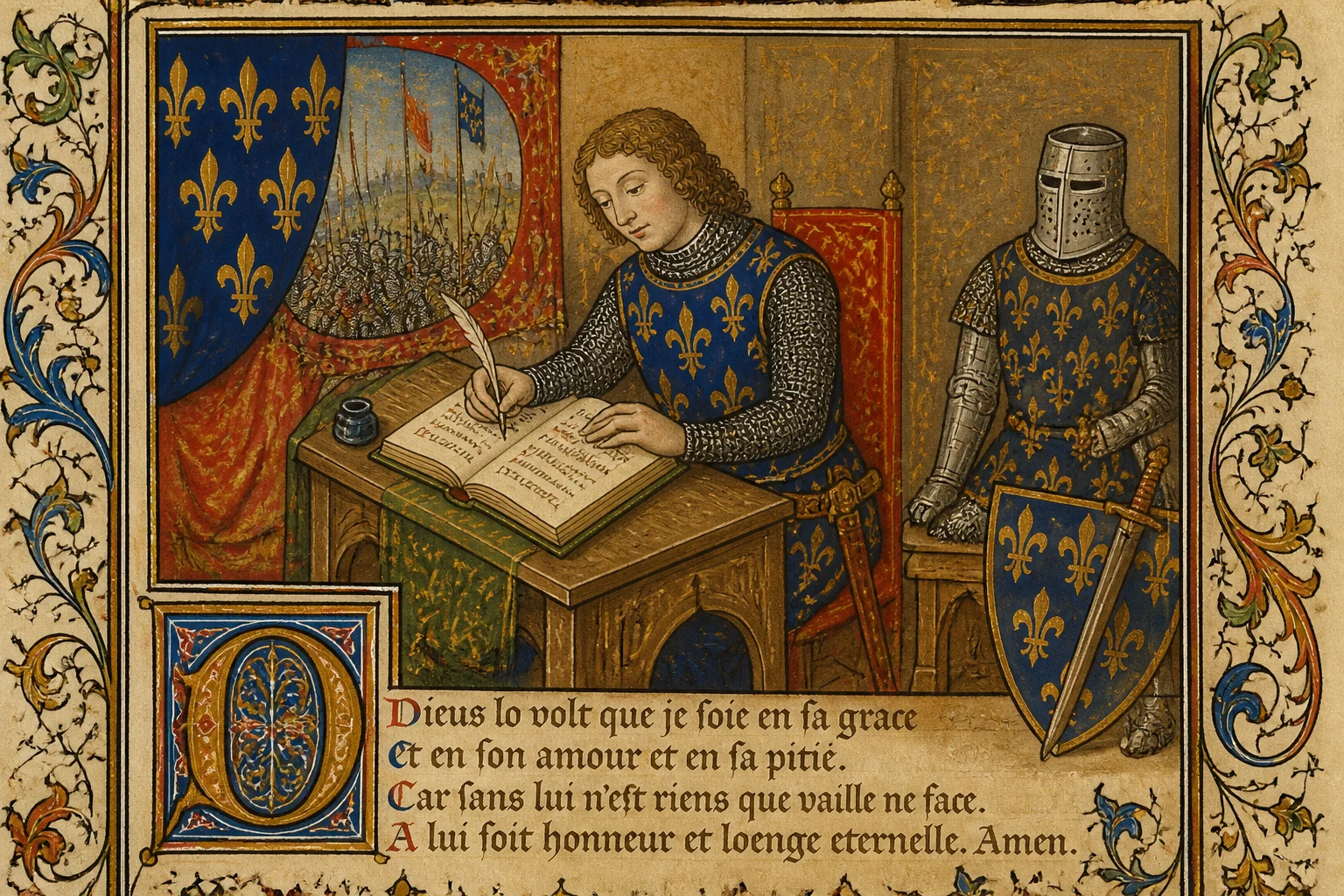
Geoffrey de Charny was a fourteenth-century French knight who wrote the Book of Chivalry, one of the most important surviving guides to the ideal. He was also a frontline warrior who carried the Oriflamme, the sacred battle banner of France. His death at the Battle of Poitiers in 1356 gave his words a martyr’s weight.
Charny remains an exhibitor of chivalry because he did not merely preach honor in a book. He fought in many campaigns, helped found the Order of the Star, and died defending his king. That combination of writing and action made him a standard for later knights.
3. Godfrey of Bouillon — The Crusader Among the 9 Worthies
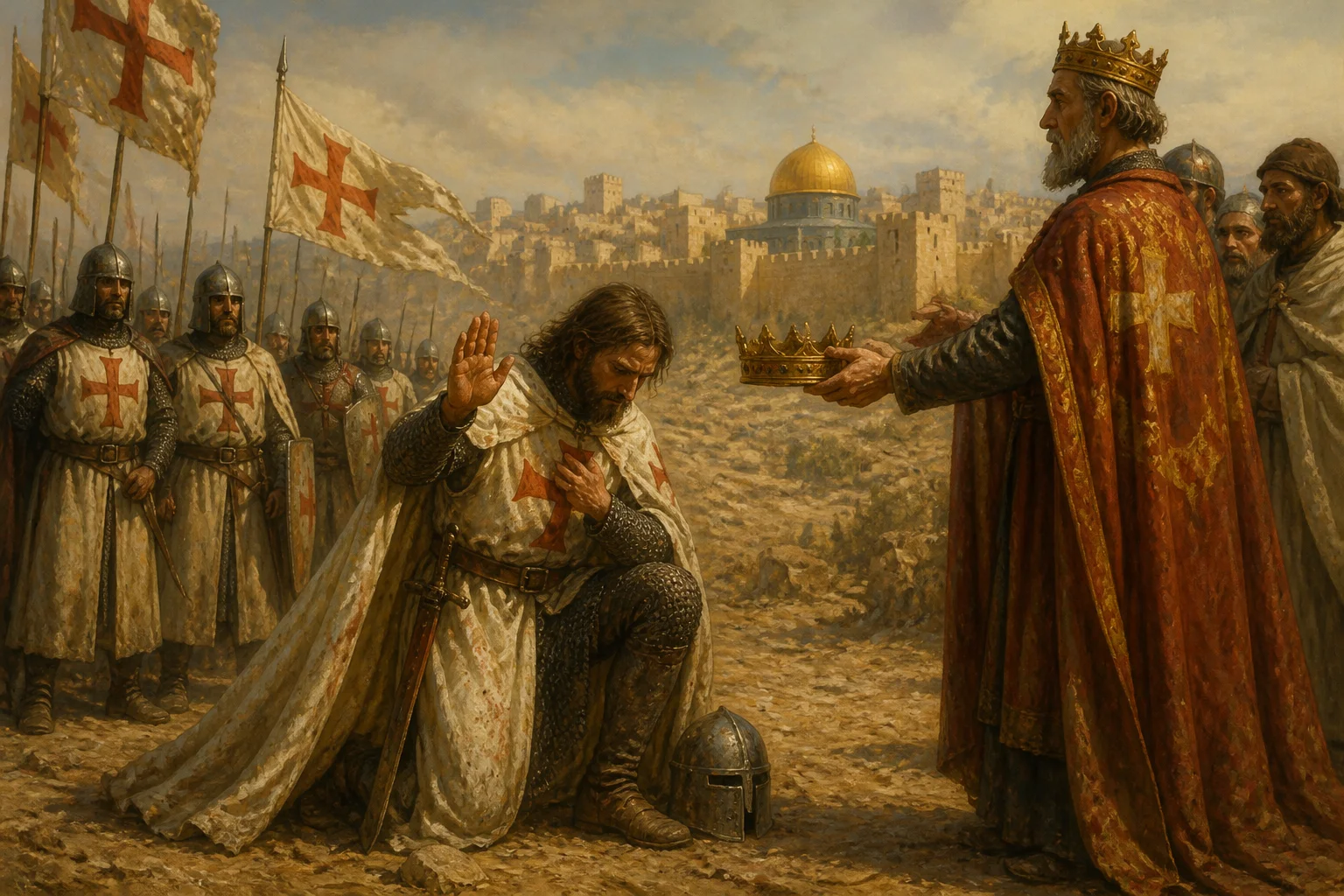
Godfrey of Bouillon led a major contingent during the First Crusade and became the first Latin ruler of Jerusalem in 1099. He reportedly refused to wear a crown in the city where Christ had worn a crown of thorns. That story, whether or not it is exactly as later chroniclers told it, made him a symbol of pious humility.
Medieval authors later placed him among the 9 worthies, the traditional list of ideal warriors from pagan, Jewish, and Christian history. The list also included Arthur, Charlemagne, and Julius Caesar. Its mix of military glory and mythic virtue shows how flexible knightly reputation could be.
4. Bertrand du Guesclin — The Constable Who Fought for France
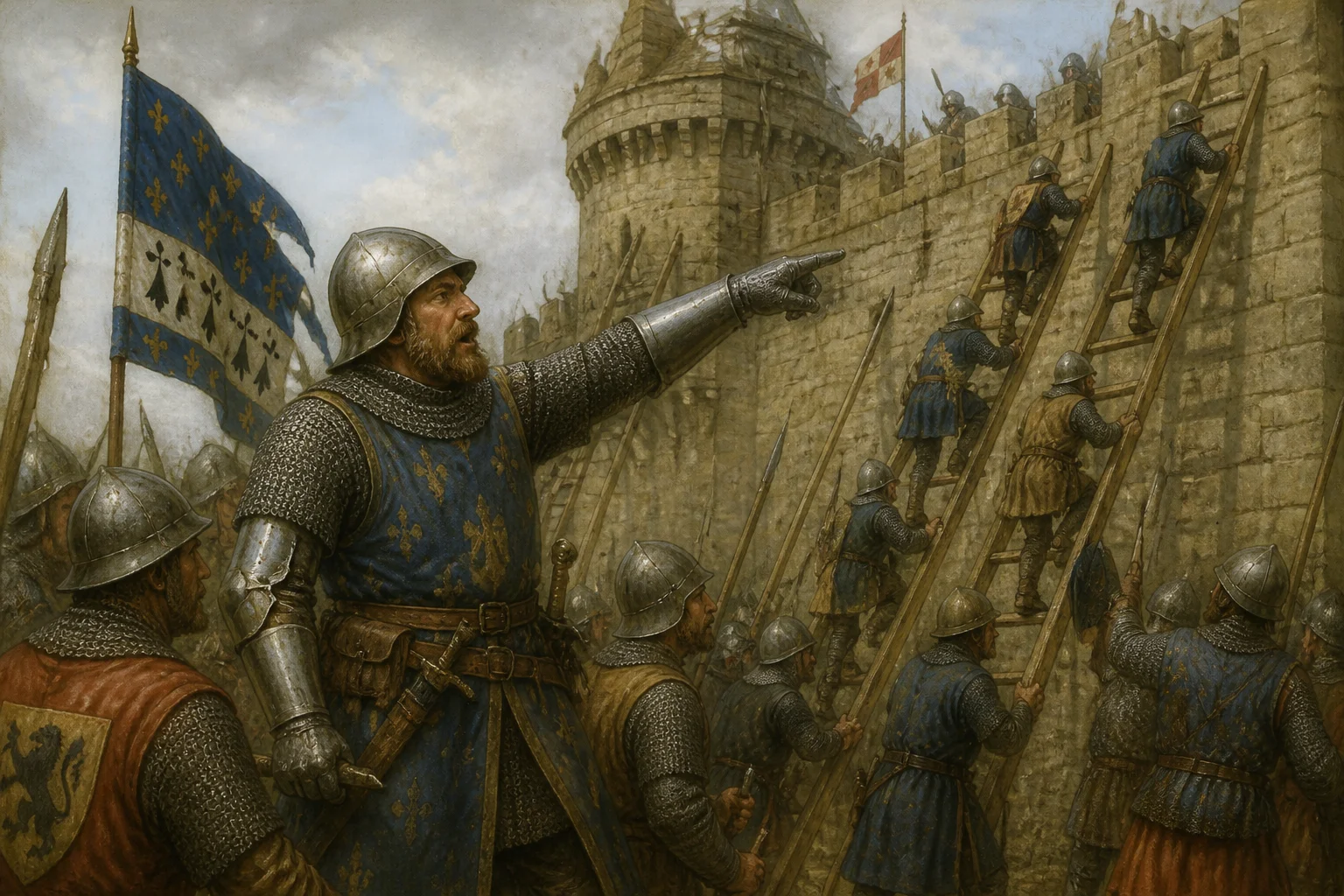
Bertrand du Guesclin rose from the lower nobility of Brittany to become constable of France, the kingdom’s senior military officer. He earned a reputation for cunning, stamina, and loyalty during the grinding wars of the fourteenth century. French chroniclers celebrated him as a practical knight rather than a courtly ornament.
His campaigns helped push English forces back from much of France after the disasters of Crécy and Poitiers. He was not known for tournaments as much as for ambushes, sieges, and careful strategy. Even so, later French memory placed him among its great chivalric heroes.
5. Edward the Black Prince — The Heir Who Became a Living Legend
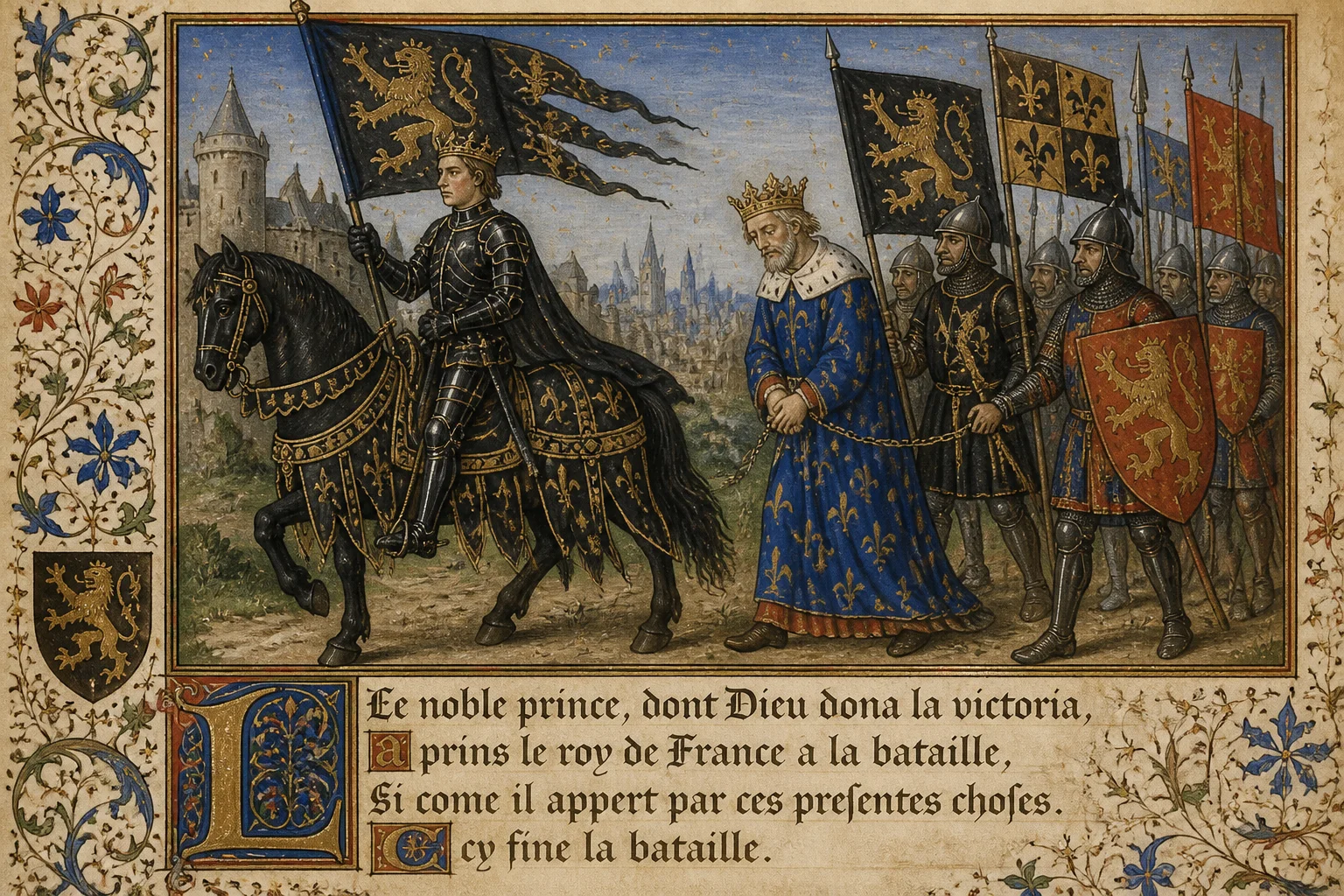
Edward of Woodstock, the eldest son of Edward III, won fame at Crécy at age sixteen and later captured King John II of France at Poitiers. His reputation for martial skill and generous treatment of noble prisoners made him a living example of aristocratic chivalry. Chroniclers and poets used him to prove that great knights could still exist.
The Black Prince’s record is more complicated than the legend suggests. In 1370 he oversaw the sack of Limoges, an act that even some contemporaries saw as cruel. That contrast makes him useful for understanding how chivalric fame could survive alongside brutal warfare.
6. Rodrigo Díaz de Vivar, El Cid — The Mercenary Behind the Myth
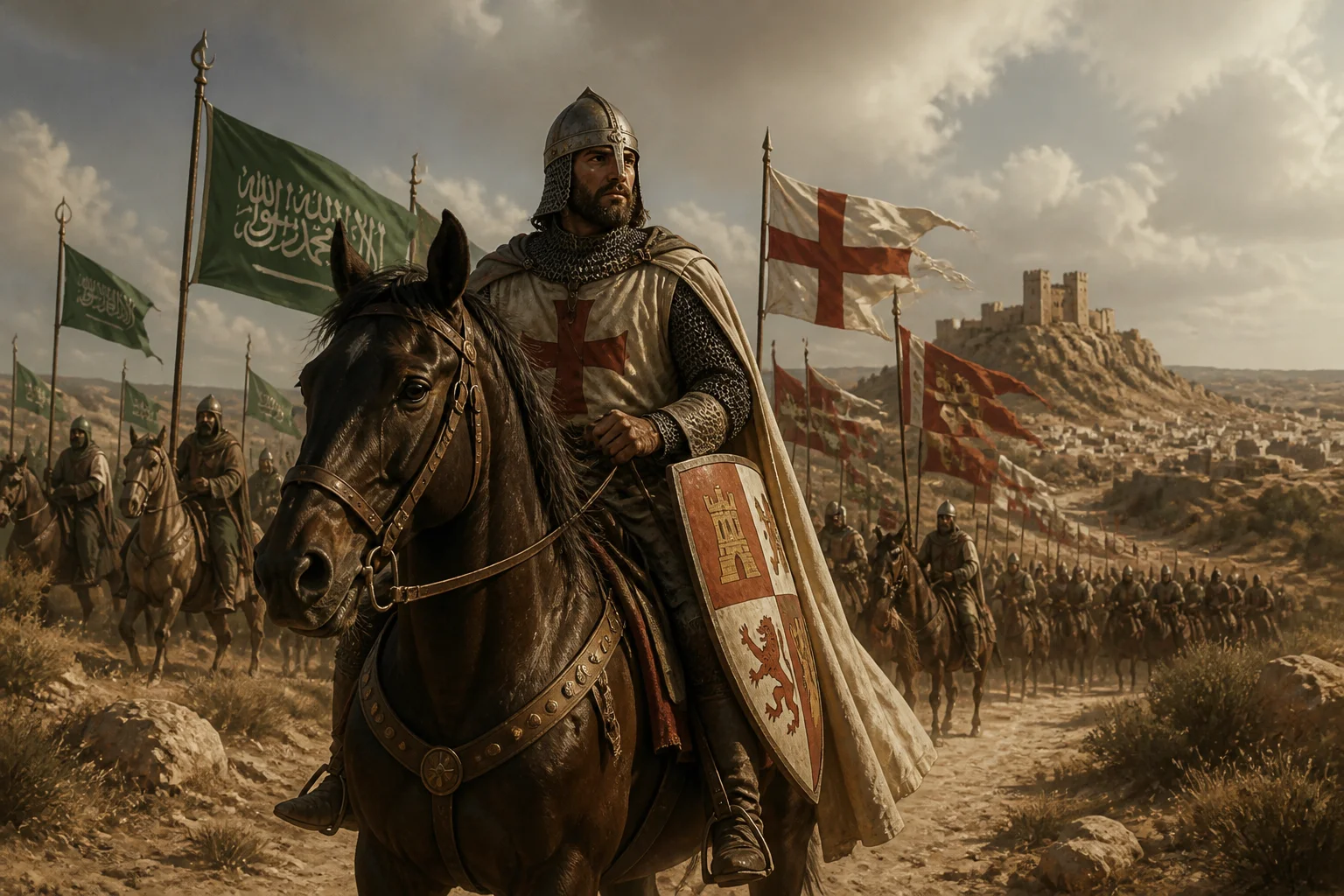
Rodrigo Díaz de Vivar, known as El Cid, was an eleventh-century Castilian noble and soldier who fought for both Christian and Muslim rulers. The later epic poem about him turned a pragmatic warlord into a model of Christian honor. Historians distinguish the historical Cid from the literary hero, though both shaped Spanish memory.
His real skill lay in military leadership and political survival, not in a strict moral code. He conquered Valencia in 1094 and ruled it until his death in 1099. The legend added courtly loyalty and religious zeal to a career that was more complicated.
7. Jean II Le Maingre, Boucicaut — The Knight Who Built a Chivalric Brand
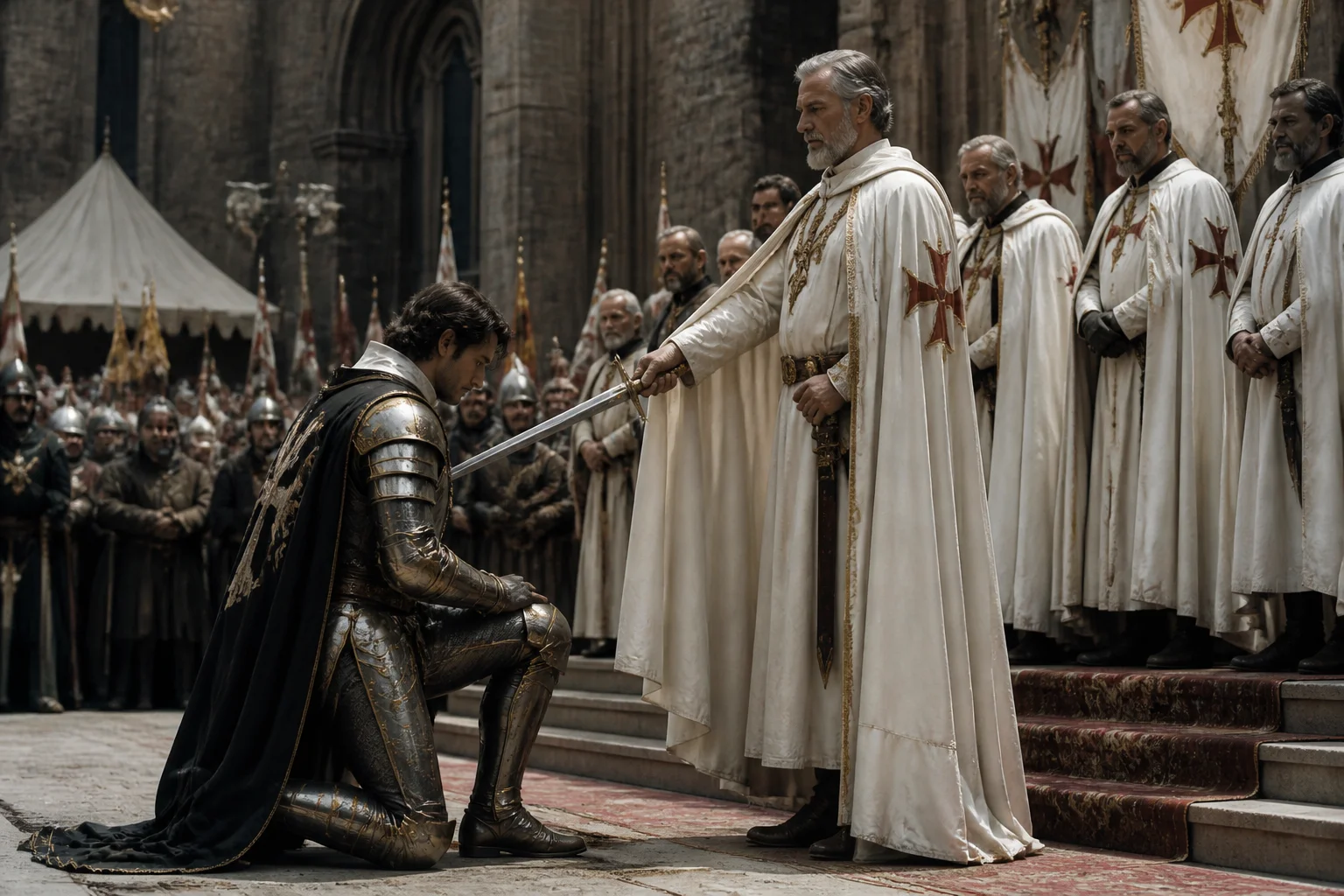
Jean II Le Maingre, better known as Boucicaut, was a marshal of France and a famous tournament champion. He founded the Order of the White Lady, which was dedicated to protecting women and widows. That public mission made him look like a living answer to romance literature.
Boucicaut also campaigned in the Balkans and the eastern Mediterranean, where he blended crusading ideals with military ambition. He was captured at Agincourt in 1415 and died in England in 1421. His carefully maintained image shows that chivalry could be a form of personal branding.
8. Louis IX of France — The Crusader King as Chivalric Ideal
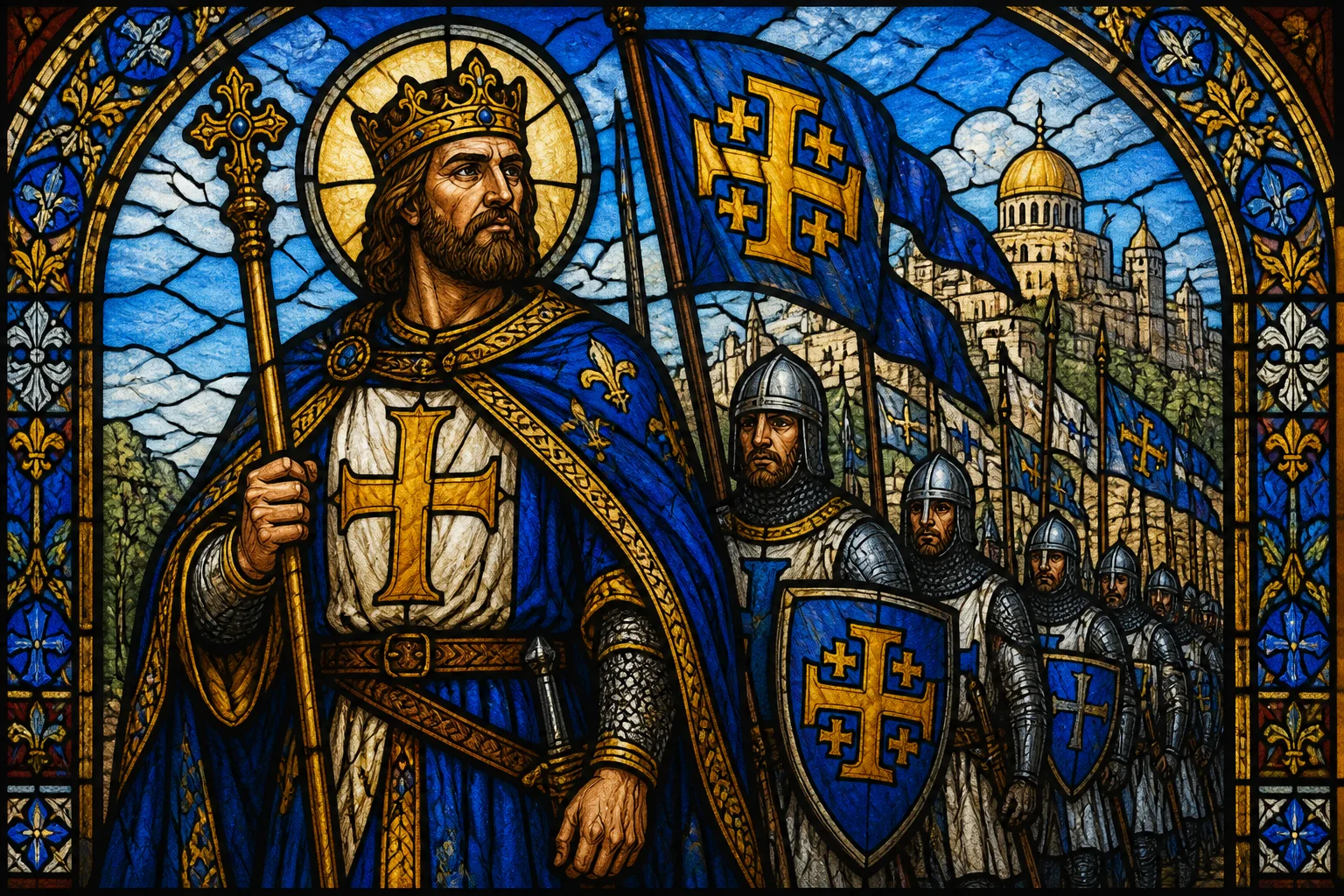
Louis IX, who ruled France from 1226 to 1270, was not only a king but also a committed crusader. He led two crusades, reformed royal justice, and was canonized as a saint in 1297. Chivalric writers often pointed to him as proof that piety and kingship could guide knightly conduct.
His first crusade ended in defeat and capture in Egypt, yet his patient endurance in captivity deepened his reputation. Louis also banned private wars and tried to limit noble violence at home. That reforming energy made him an unusual but influential model for the knightly class.
9. Sir Philip Sidney — The Elizabethan Knight Remembered for Mercy
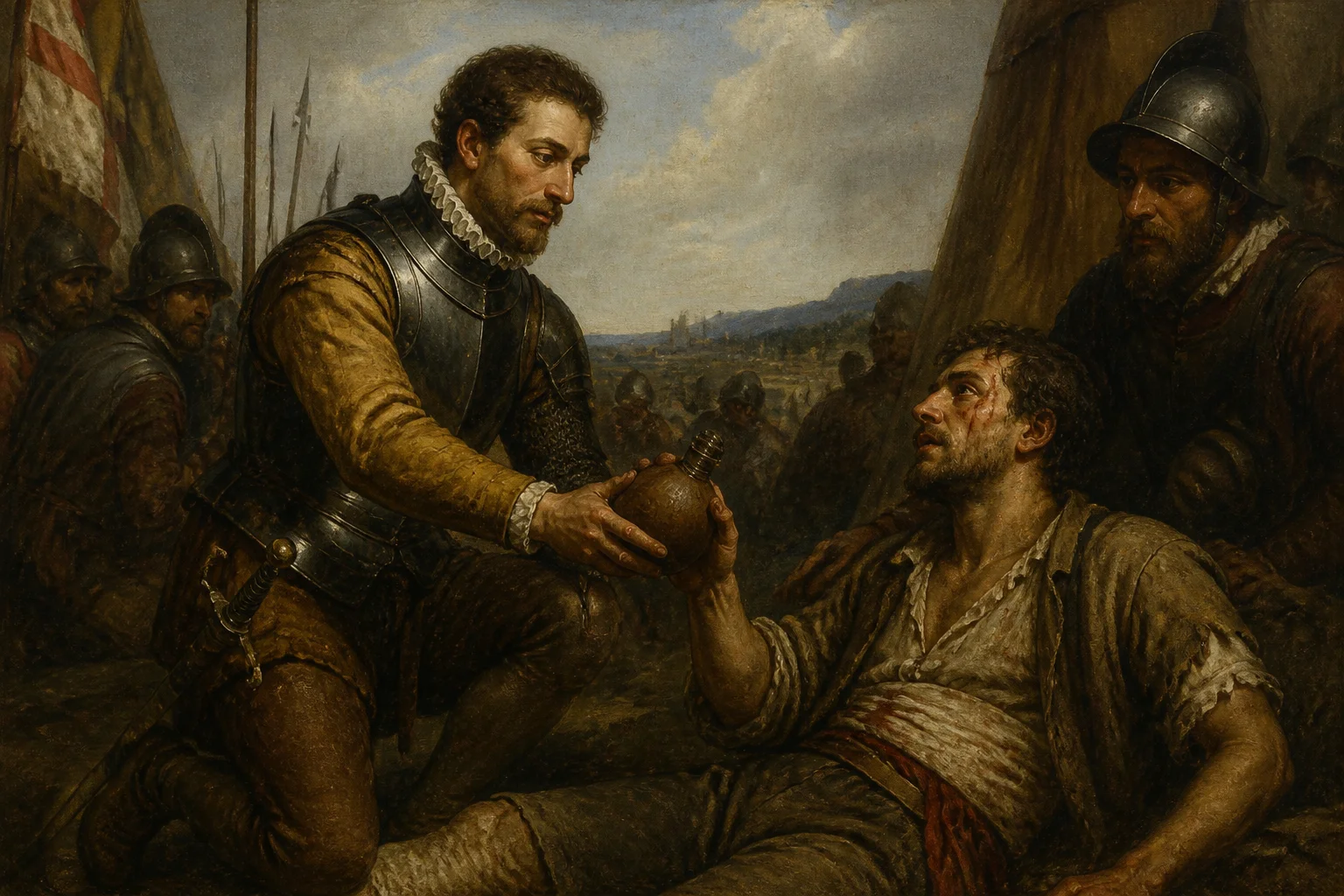
Sir Philip Sidney was an Elizabethan soldier, courtier, and poet, born more than a century after the medieval knight’s golden age. He wrote about love, politics, and the duties of the educated nobility. His death in 1586 from a wound at the Battle of Zutphen became a famous story of selflessness.
According to a widely repeated account, Sidney refused water in favor of another wounded soldier. Modern historians sometimes question the exact wording, but the story fixed Sidney as a chivalric ideal for later generations. He demonstrates how later ages reworked medieval values for new settings.
10. Balian of Ibelin — The Defender of Jerusalem
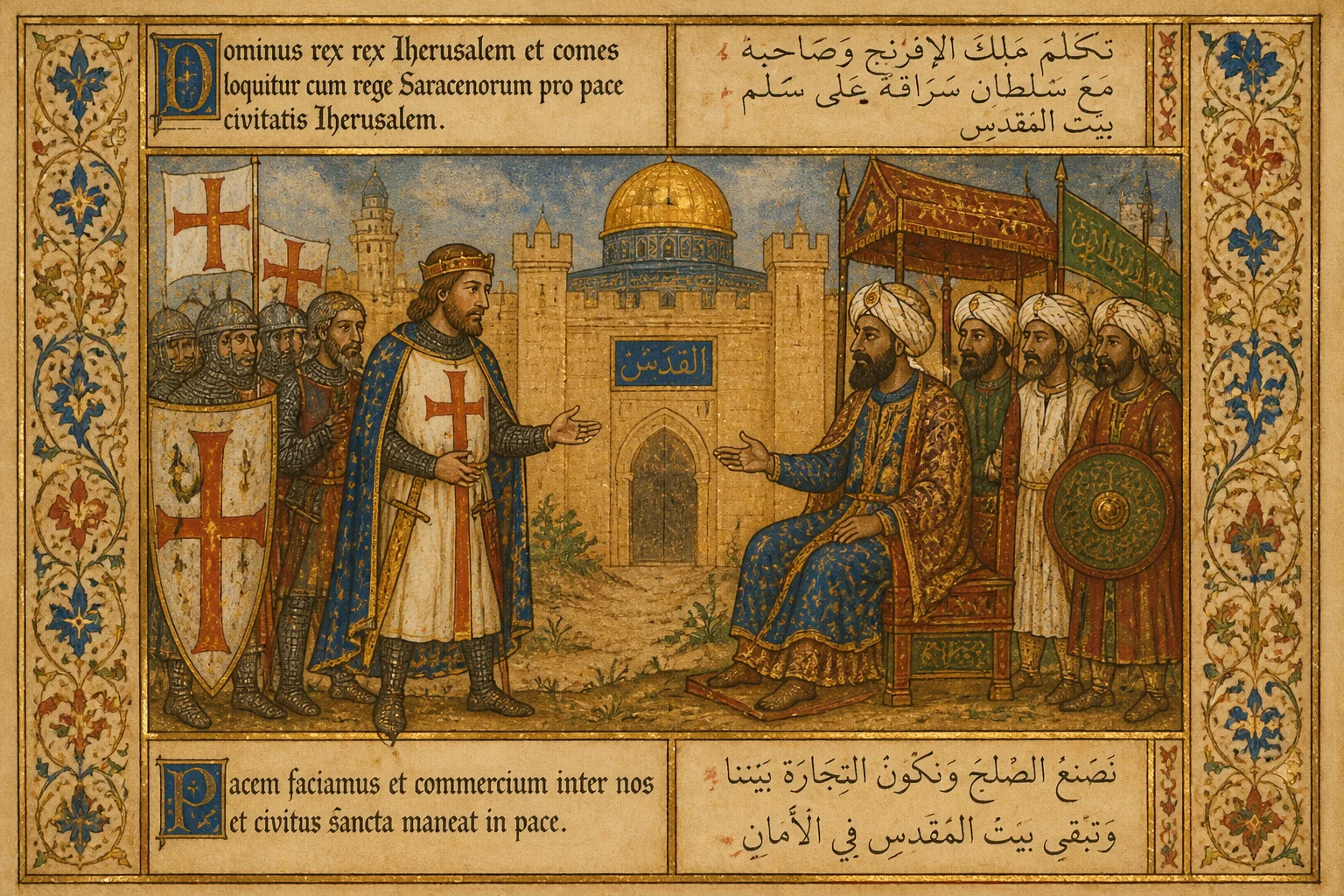
Balian of Ibelin was a noble of the crusader Kingdom of Jerusalem who helped defend the city against Saladin in 1187. The city fell, but Balian negotiated safe passage for many of its inhabitants. That act of practical mercy earned him respect from both Christian and Muslim chroniclers.
Popular films have greatly embellished Balian’s biography, adding romances and moral speeches that the historical record does not support. The real Balian was an able nobleman and diplomat, not a reluctant blacksmith. His story shows how easily history becomes myth.
Part II: Ten Infamous Knights Who Betrayed the Code
The following figures were not necessarily the worst people of their age. They stand out because their actions directly contradicted the ideals that chivalric culture claimed to uphold. Some were cruel, some were merely faithless, and a few became cautionary tales in their own lifetimes.
11. Raynald of Châtillon — The Truce-Breaker of the Crusader States
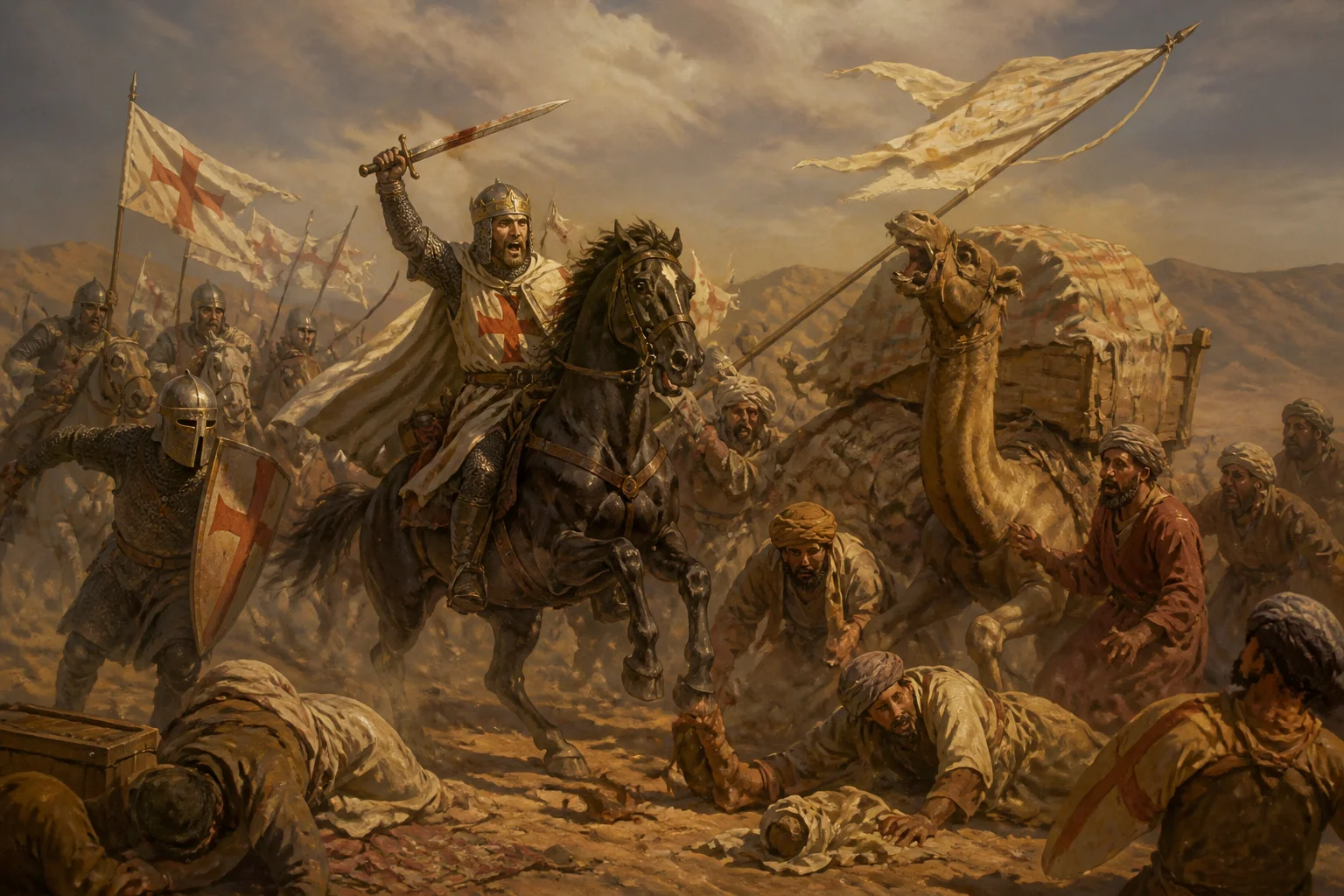
Raynald of Châtillon was a prince of Antioch and lord of Oultrejordain in the twelfth-century crusader states. He repeatedly attacked Muslim caravans during periods of truce, ignoring the agreements made by the king of Jerusalem. Those raids helped shatter the fragile peace with Saladin.
Saladin captured Raynald after the Battle of Hattin in 1187 and executed him personally, according to several accounts. Even before that, Raynald had a reputation for reckless ambition and mistreatment of prisoners. He became the clearest medieval example of how individual greed could doom an entire kingdom.
Raynald’s execution became a set piece in medieval histories of the crusades. Writers used his fate to show that oath-breaking would be punished. The story carried a moral lesson, even if the real politics were more complicated.
12. Gilles de Rais — The Marshal Who Became a Monster
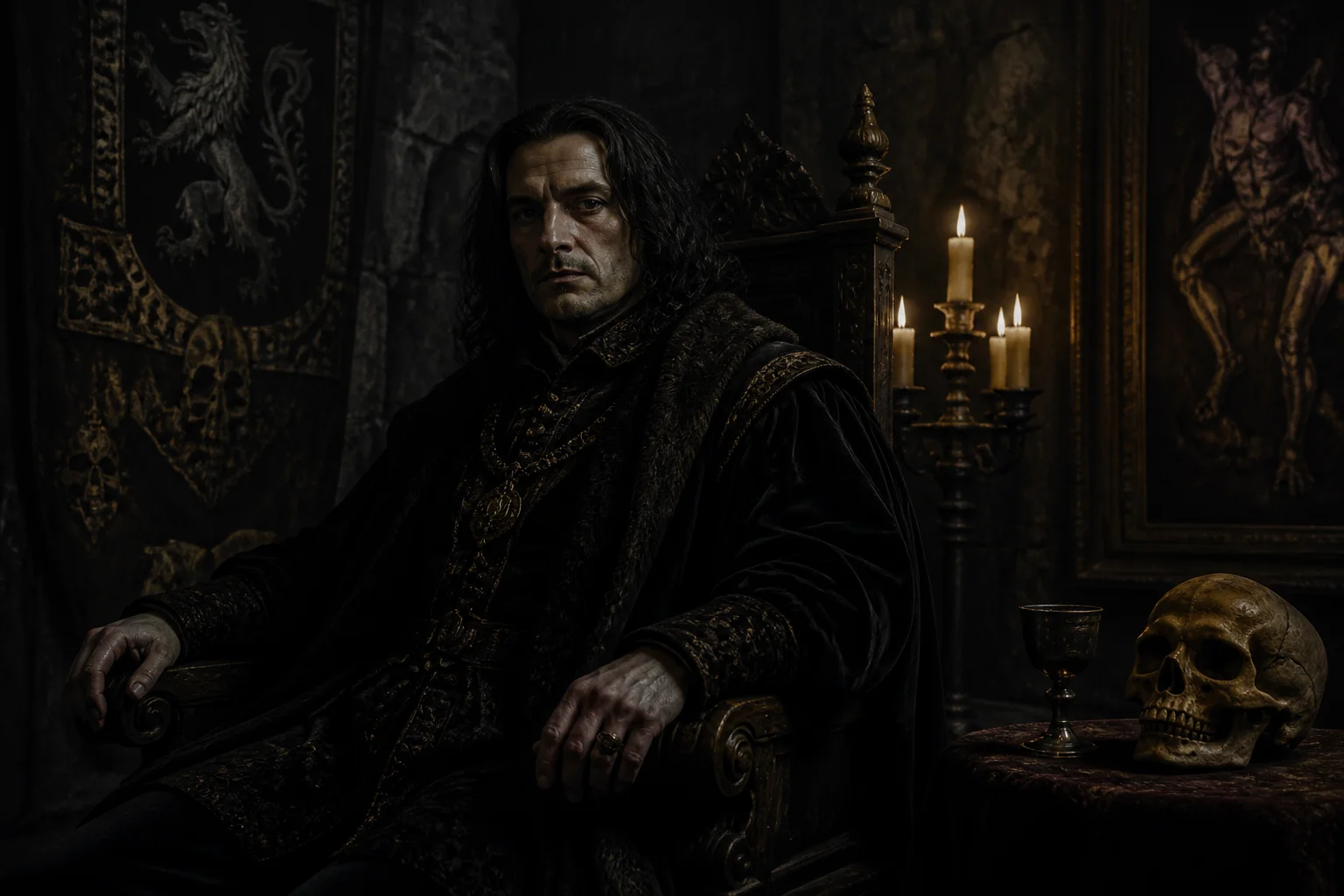
Gilles de Rais was a fifteenth-century French nobleman, marshal of France, and comrade in arms of Joan of Arc. After his military career faded, he was tried and executed in 1440 for the abduction, torture, and murder of many children. The trial record and his confession, though shaped by medieval legal pressure, remain deeply disturbing.
Chivalric culture praised men who protected the weak, especially children. Gilles de Rais inverted that ideal completely. His case showed that noble status and military honor offered no guarantee of virtue.
13. Charles II of Navarre — The King Called the Bad
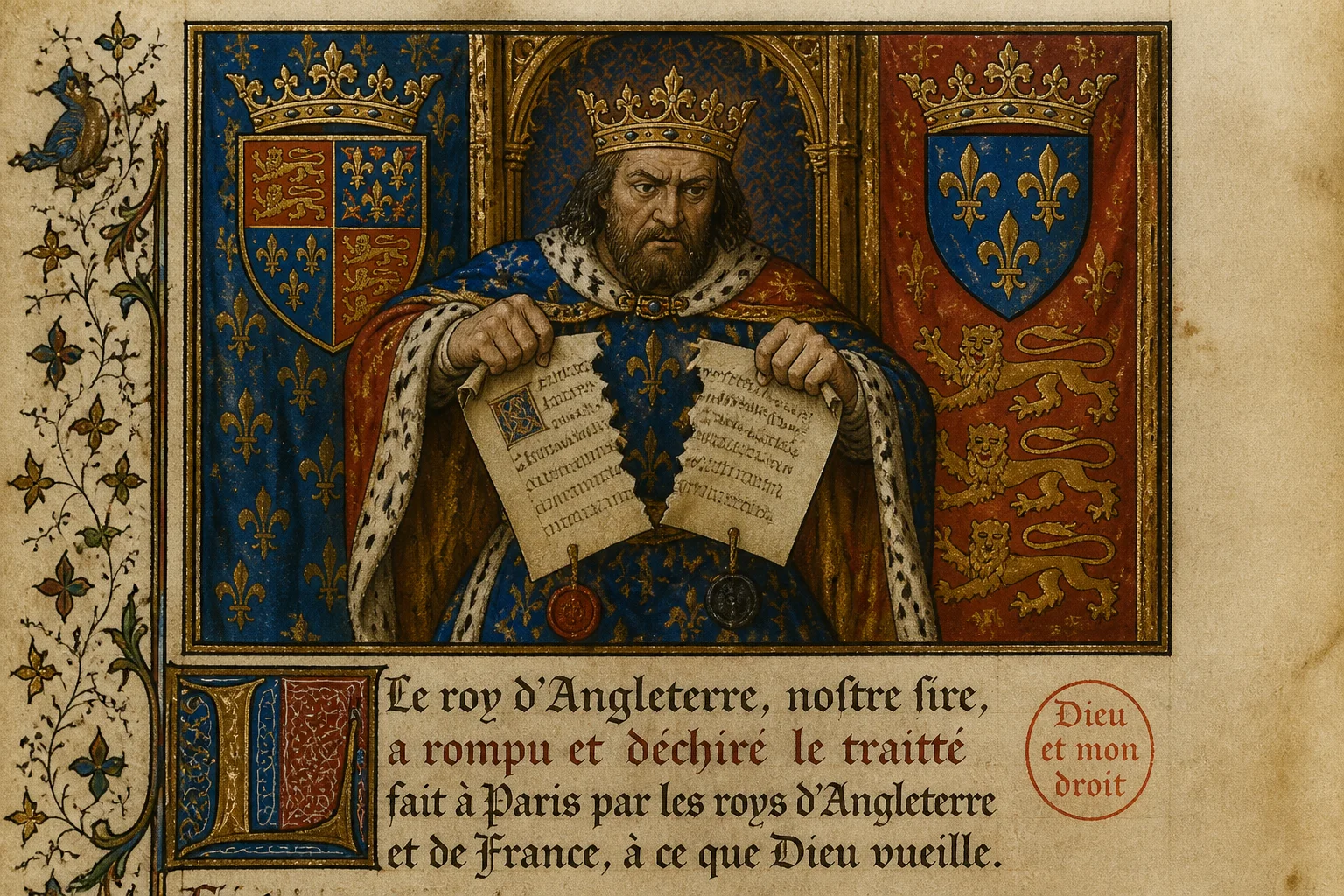
Charles II of Navarre, nicknamed Charles the Bad, spent much of his fourteenth-century career switching sides between France and England. He was suspected of plotting against the French crown, ordering assassinations, and inciting rebellion. Chroniclers recorded the nickname as a judgment on his breach of feudal and knightly loyalty.
Charles did not lack courage or political skill, but his betrayals made him toxic to allies. He changed allegiance so often that even contemporaries could hardly track his oaths. In chivalric terms, he failed the most basic test: keeping faith.
14. Geoffrey de Mandeville — The Turncoat of the Anarchy
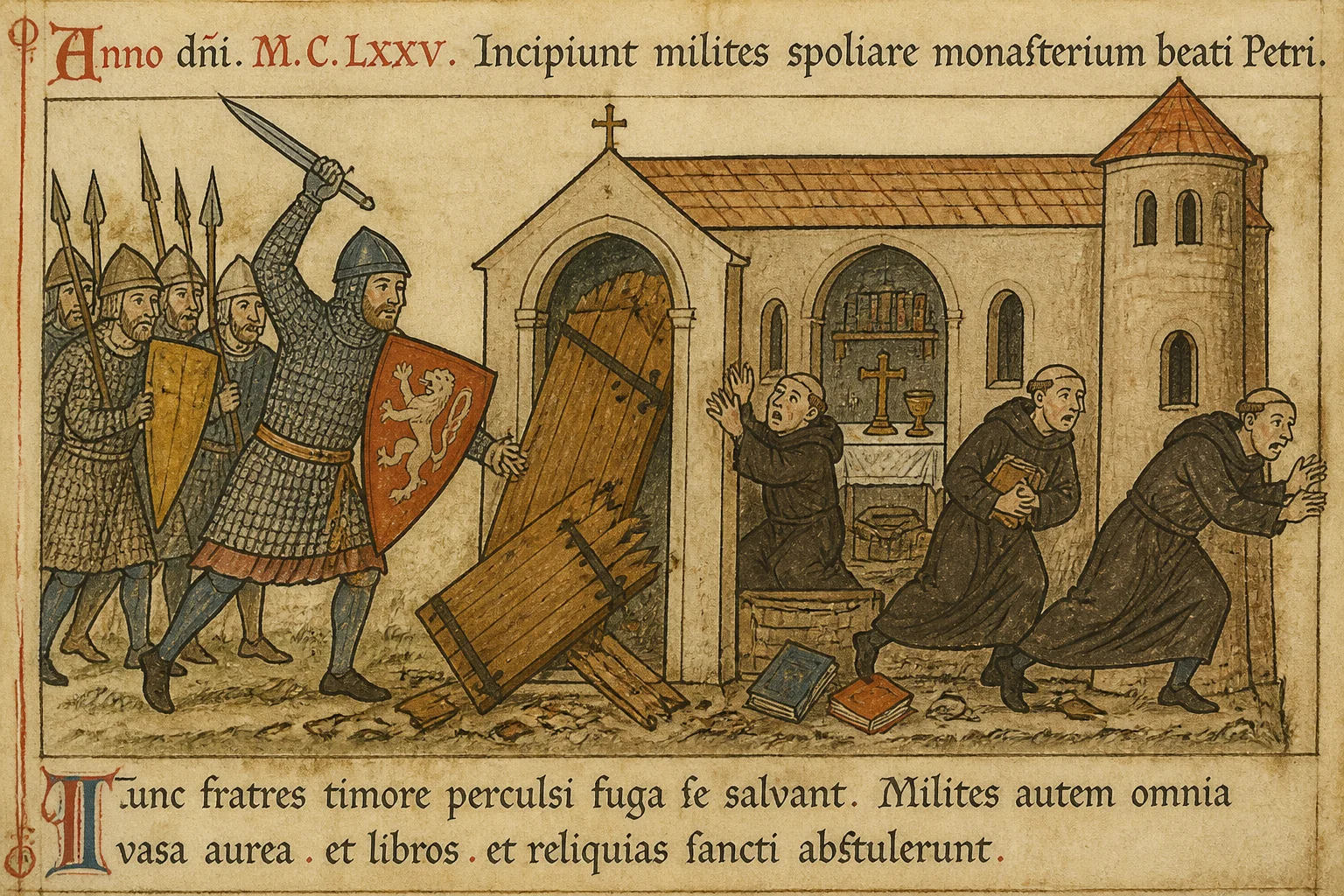
Geoffrey de Mandeville was an Anglo-Norman lord during the Anarchy, the civil war between King Stephen and Empress Matilda. He changed sides repeatedly to protect his lands and was accused of extorting churches and monasteries. His behavior made him a symbol of the chaos that made a mockery of knightly oaths.
Mandeville died in 1144 after being wounded in a siege. Chroniclers wrote that he died excommunicate, leaving a reputation for violence and sacrilege. His career is a reminder that chivalry often collapsed when central authority did.
15. Thomas de Marle — The Lord Who Made War on the Clergy
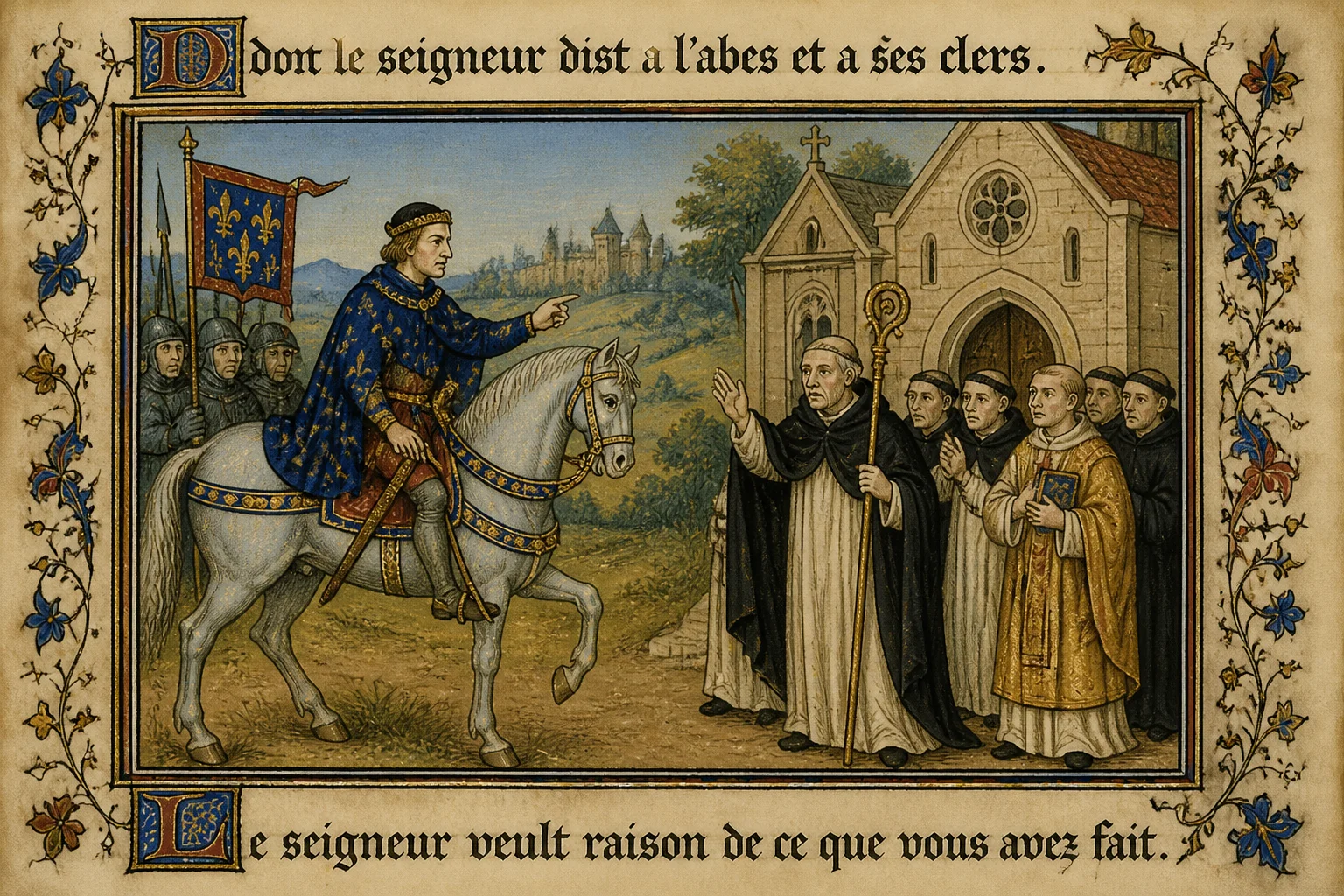
Thomas de Marle was a twelfth-century French lord remembered by chroniclers as a persistent abuser of churches and the poor. He was accused of torturing prisoners and seizing ecclesiastical property. Abbot Suger of Saint-Denis, a powerful chronicler and politician, helped cement his dark reputation.
Because most of what we know comes from hostile sources, historians treat the worst stories about Thomas with caution. Still, his conflicts with the Church and the crown reflected a wider problem. Many knights treated local populations as resources to be exploited rather than protected.
16. Hugh Despenser the Younger — The Favorite Who Abused Royal Power
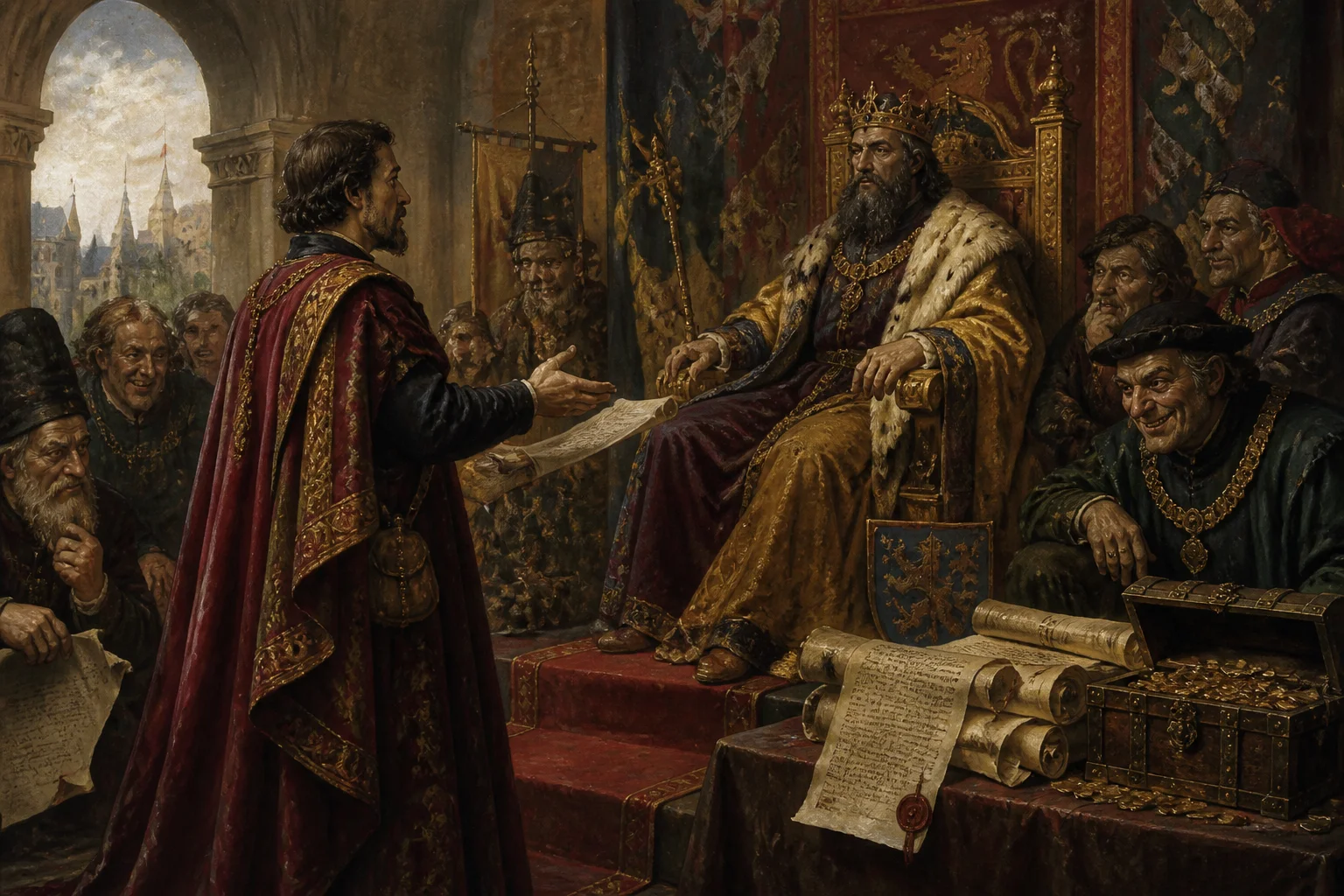
Hugh Despenser the Younger rose as the favorite of King Edward II of England in the early fourteenth century. He used his access to the crown to seize lands, intimidate rivals, and enrich his family. His behavior helped provoke a baronial rebellion and the king’s eventual deposition.
Despenser was captured and executed as a traitor in 1326. The charges against him included abuse of power and corrupting the king’s government. He showed that a knight’s status could become a weapon against the very community he was sworn to serve.
17. Sir Andrew Harclay — The Hero Who Treated with the Enemy
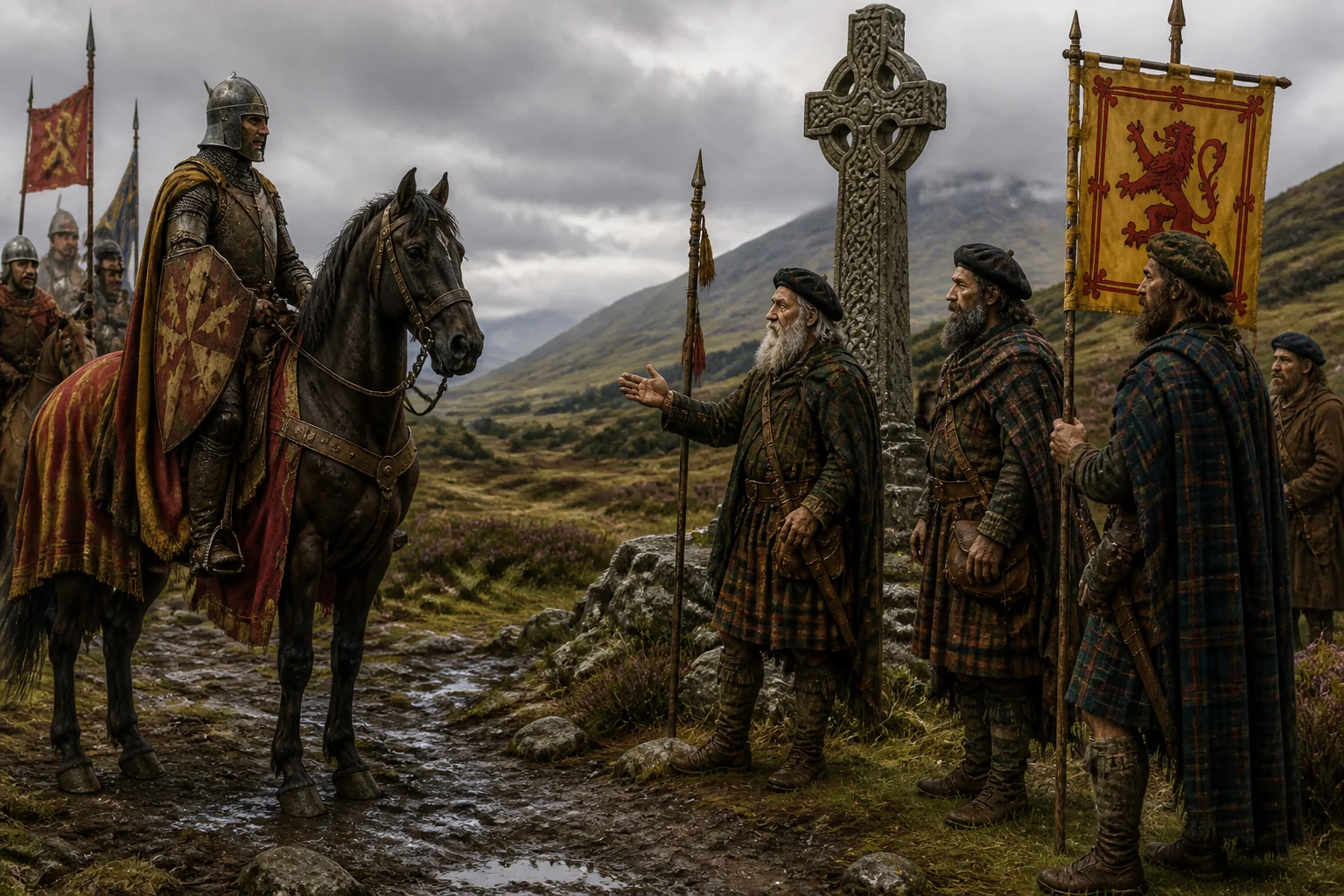
Sir Andrew Harclay was an English soldier who became Earl of Carlisle after defeating the rebellious Earl of Lancaster in 1322. Only a year later, he negotiated a peace with Robert the Bruce without royal approval. Edward II had him arrested, stripped of his title, and executed for treason.
Harclay likely believed he was saving the north of England from endless raiding. His fall shows how tightly chivalric duty was tied to obedience to the king. A knight could be brave and effective, yet one unauthorized political act could destroy him.
18. Sir John Holland — The Earl Who Killed in a Feud
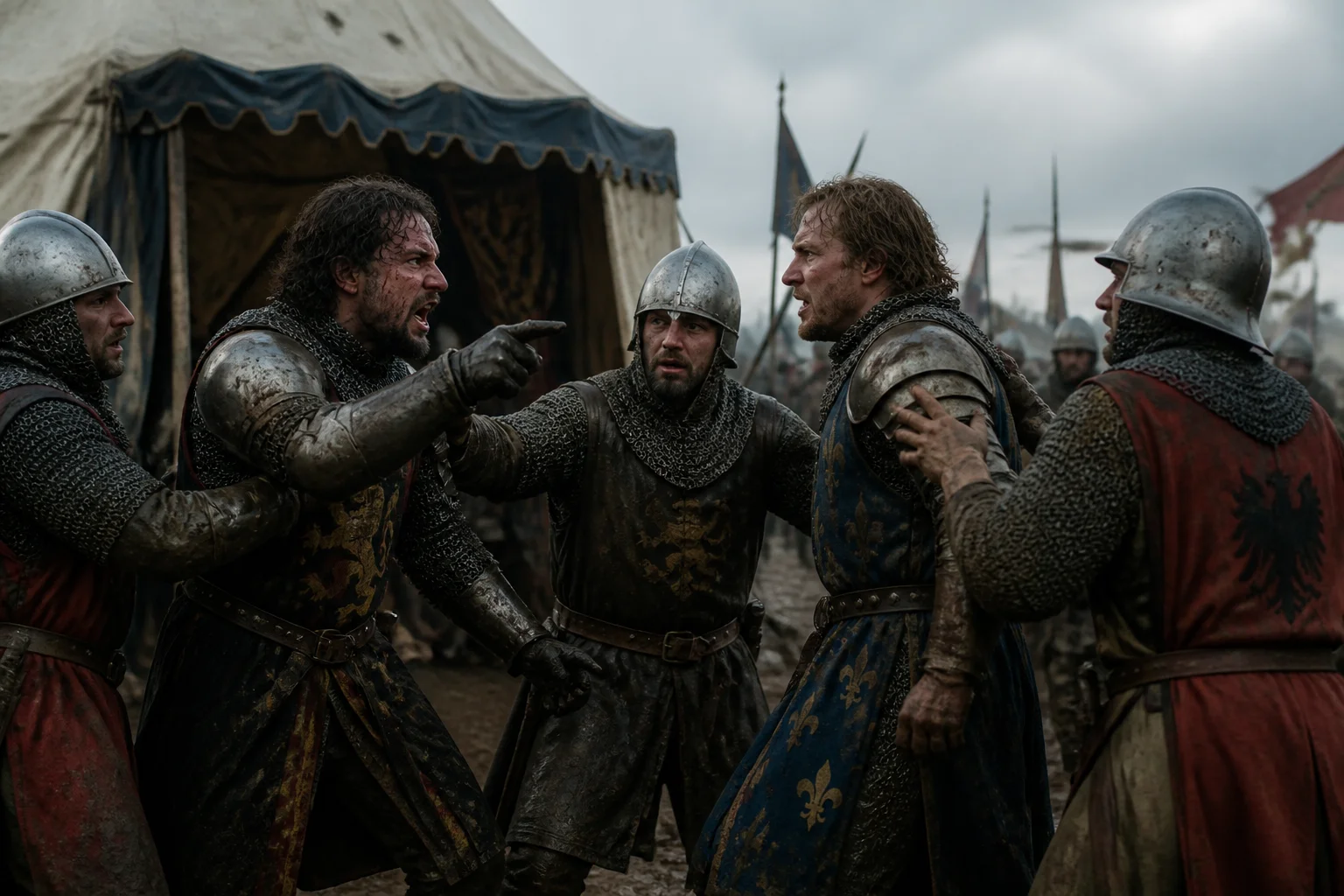
Sir John Holland was a half-brother of King Richard II and a renowned soldier. In 1385, during a campaign in Scotland, he killed Ralph Stafford, the heir to the Earl of Stafford, in a private quarrel. The killing caused scandal and forced Holland to seek pardon.
Holland later fought well in tournaments and crusading ventures, but his reputation never fully escaped the stain of that murder. His career illustrates the violent private feuds that chivalric culture tried, and often failed, to contain. Noble status could not easily discipline noble rage.
19. Sir Thomas Malory — The Knight-Author Accused of Serious Crimes
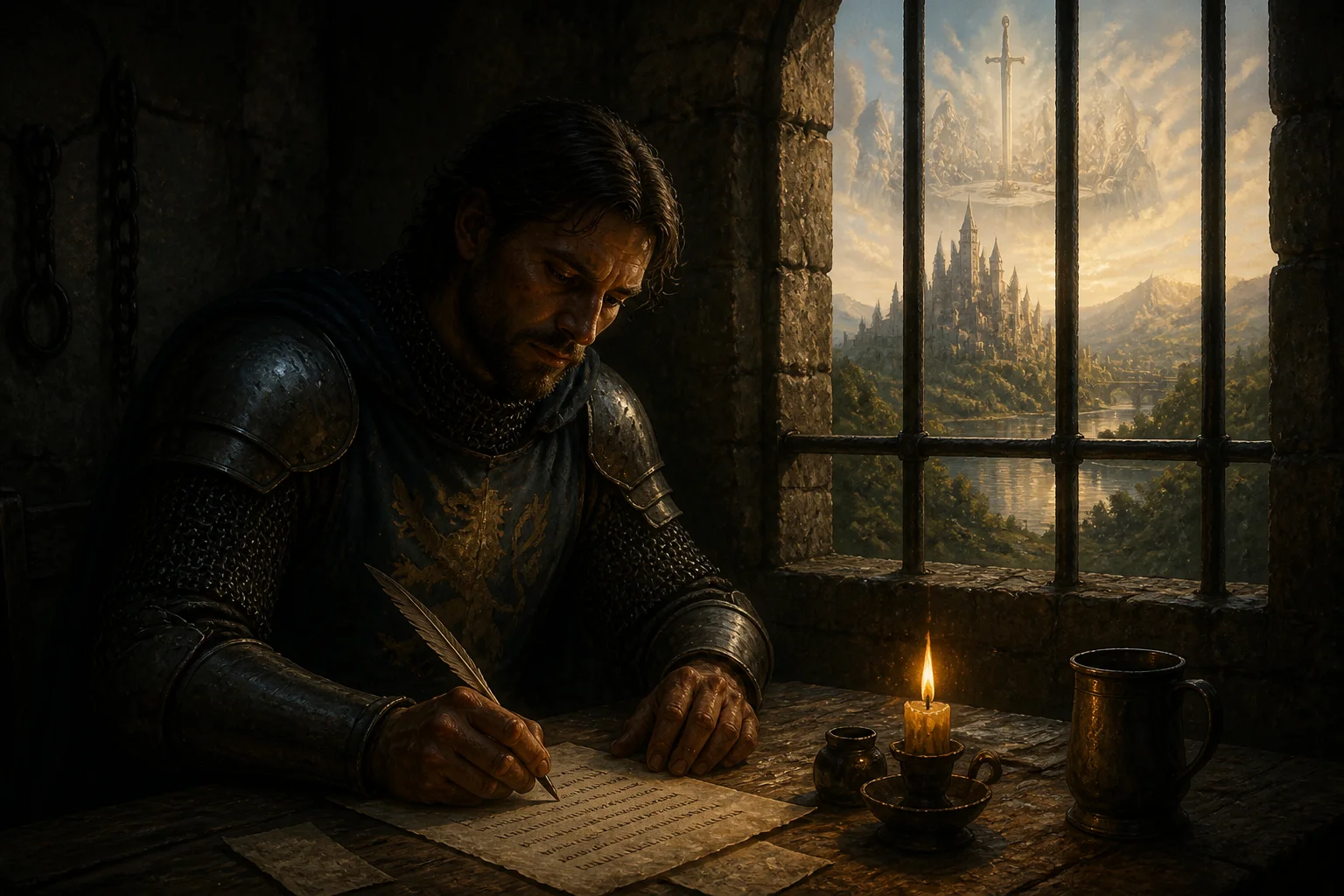
Sir Thomas Malory wrote Le Morte d’Arthur, the most famous English compilation of Arthurian chivalry. He was also accused of ambush, theft, extortion, and rape during the turbulent fifteenth century. Scholars still debate which Thomas Malory wrote the book and how many charges were politically motivated.
Whether guilty of every charge or not, Malory spent years in prison while producing a work that celebrates the very code he was accused of breaking. His life offers a sobering glimpse of how ideals and behavior could diverge. The author of Camelot was no perfect knight.
20. Robert the Bruce — A King Who Began with a Betrayal
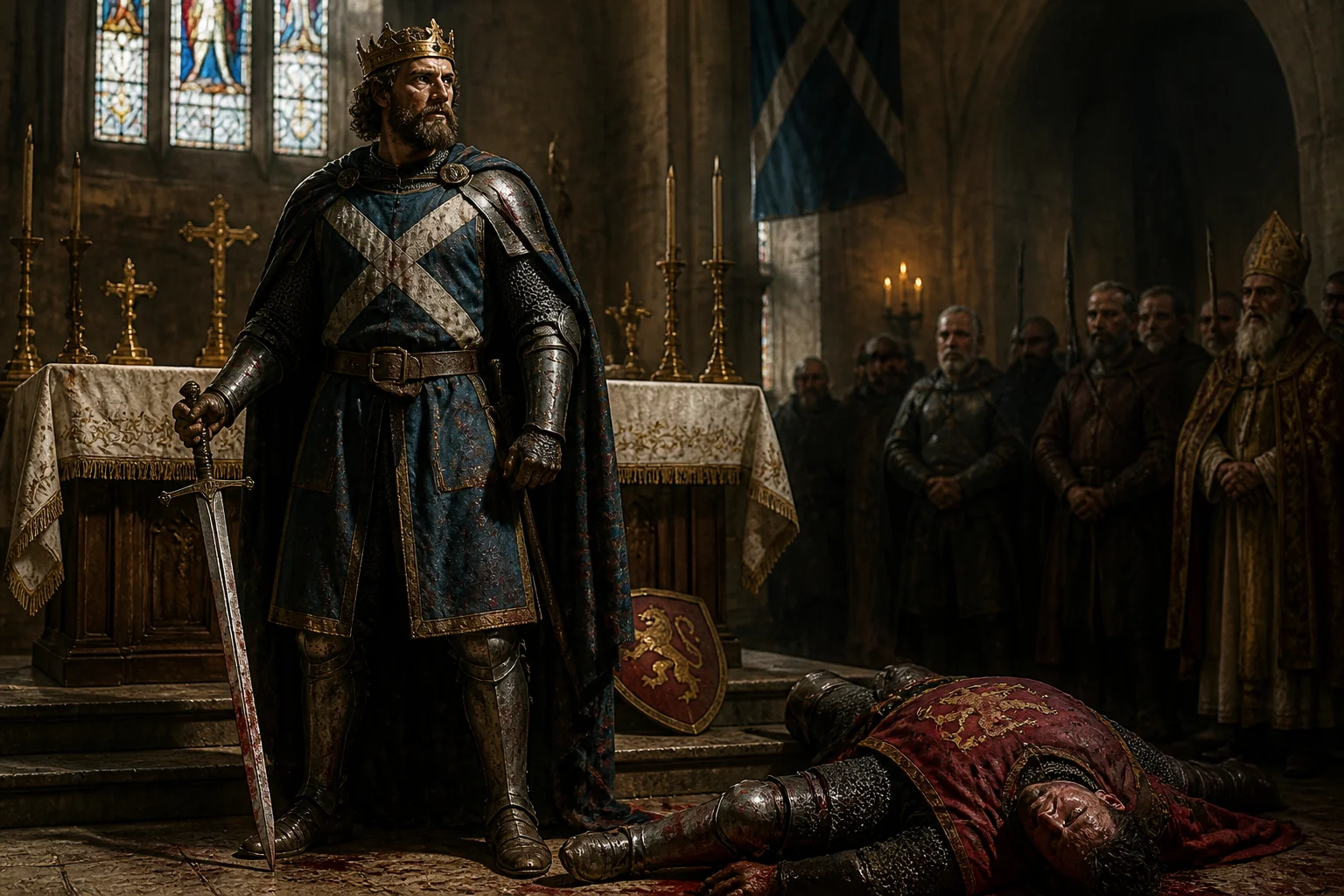
Robert the Bruce is a Scottish national hero who secured many military victories in the early fourteenth century. Before that, in 1306, he met his rival John Comyn at Greyfriars Church in Dumfries, where an argument ended in violence and Comyn’s death. Killing a rival in a church was a direct violation of sanctuary and chivalric ideals.
Bruce’s supporters presented the act as eliminating a traitor, while his enemies saw it as sacrilege and murder. He went on to become king and a symbol of resistance, which complicates any simple moral verdict. His early betrayal reminds us that national heroes do not always begin with clean hands.
Why the Heroes and Villains Split Isn’t So Clean
Many of the noble knights above committed acts that horrified their enemies. Edward the Black Prince oversaw a notorious sack, and several crusaders took part in mass violence. The difference often lay in who wrote the chronicles and which crown they served.
The infamous knights were not necessarily crueler than their celebrated peers. Some, like Andrew Harclay, may have acted with practical sense. What made them infamous was breaking the visible bonds of loyalty, oath, or sacred place that chivalric culture prized.
Medieval chroniclers loved moral examples, so they flattened complicated people into heroes and villains. That tradition shaped later histories and even modern film. Reading these stories critically means recovering the messier human reality behind the armor.
The Legacy of Chivalry and the Modern Honorary Knight
Chivalry did not vanish with the medieval knight. It survived in literature, education, and military codes of honor. Over time, the title of knight itself became a symbolic award rather than a military rank.
Today, an honorary knight may be a celebrated performer, scientist, or philanthropist recognized by a modern monarchy. An honorary knight receives an order of chivalry, usually without the martial duties that defined the original role. The phrase captures how far the title has drifted from William Marshal’s world.
The 9 worthies and the exhibitor of chivalry belong to a distant culture, yet their questions still resonate. How should power treat the weak? When is loyalty a virtue and when is it a trap? Those are not medieval problems alone.
Closing: The Mirror of Chivalry
Chivalry was never a simple set of rules that every knight followed. It was a language of honor that could inspire mercy and courtesy, but it could also disguise ambition and cruelty. The ten examples on each side of this list show how wide that gap could be.
Focusing only on shining heroes flattens the past. Focusing only on monsters does the same. The real value of chivalric history is in watching people struggle with power, loyalty, and conscience.
These knights function as mirrors for later audiences. They invite us to ask what honor means when the battle stops and the chronicle begins. The answer usually depends on who is telling the story.
Frequently Asked Questions
Who were the original Nine Worthies?
The traditional Nine Worthies were a medieval list of ideal warriors divided into three groups: three pagans, three Jews, and three Christians. The pagans were Hector, Alexander the Great, and Julius Caesar; the Jews were Joshua, David, and Judas Maccabeus; the Christians were King Arthur, Charlemagne, and Godfrey of Bouillon.
What does it mean to be an exhibitor of chivalry?
An exhibitor of chivalry was someone who demonstrated knightly virtues through public actions, not just words. This could include tournament performance, loyalty to a lord, protection of the weak, and honorable treatment of prisoners. Geoffrey de Charny, who wrote the Book of Chivalry and died carrying the Oriflamme, is a classic example.
What is an honorary knight?
An honorary knight is a modern recipient of a chivalric order, such as a British knighthood, who does not hold the historical military role. Honorary knighthoods are often given to foreign nationals for contributions to arts, science, or public service, and they usually do not include the right to use the title 'Sir.'
Did real medieval knights actually follow a chivalric code?
Some tried to follow chivalric ideals, but the code was not a single enforceable law. Chivalry mixed Christian ethics, aristocratic manners, and military practicality, so it varied by time and place. Many knights ignored it when plunder, revenge, or political survival offered a stronger incentive.

Alex Warren
Related Articles