

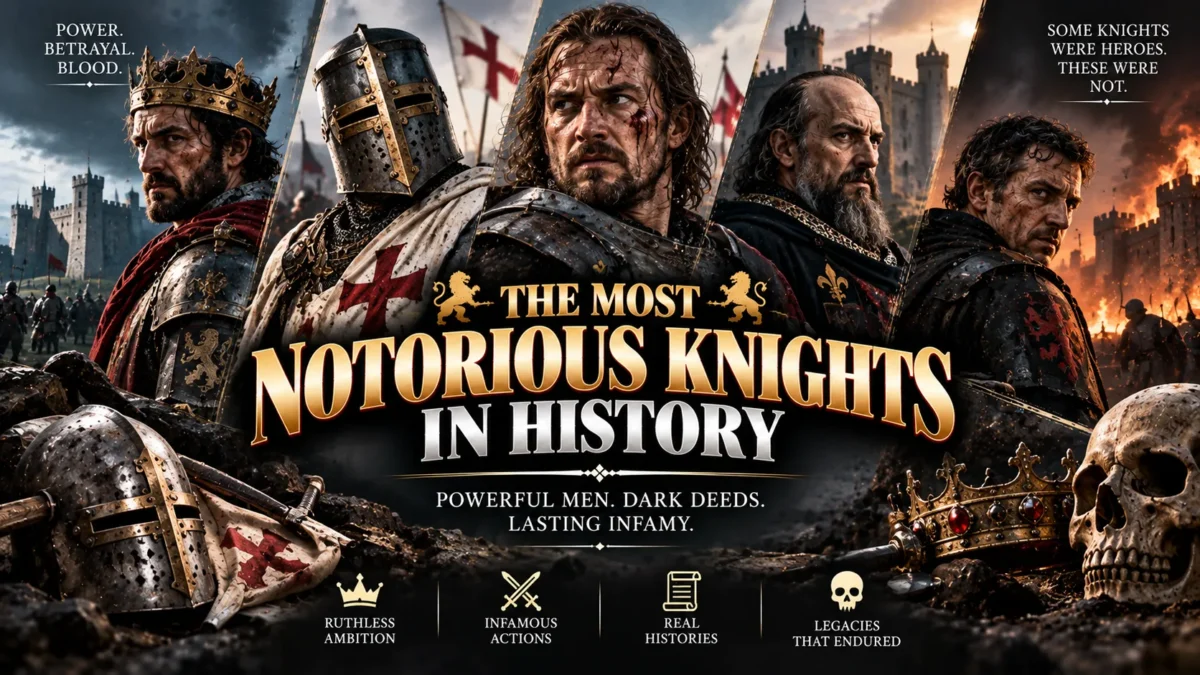
When most people picture a knight, they imagine a shining suit of armor, a noble quest, and a strict code of chivalry. The truth is far messier and far more interesting. Among the most famous knights in history, you’ll find genuine heroes, cunning political operators, outright war criminals, and a few characters who were never real people at all.
TL;DR: The most famous knights in history range from legendary heroes like Lancelot to real warriors like El Cid, alongside genuinely evil knights whose crimes were as real as their armor.
This list pulls together the most well known knights from medieval legend, the Crusades, the Hundred Years’ War, and beyond. Some earned their fame through loyalty and skill on the battlefield.
Others earned infamy through cruelty, betrayal, or crimes that still shock historians today. Along the way, we’ll separate verified history from myth, because a surprising number of “facts” about famous knight names are actually later embellishments.
Legendary and Literary Knights
Before we get to the real historical figures, it’s worth addressing the knights everyone thinks of first. These are the characters from Arthurian romance and medieval literature who shaped what “knight famous” even means in pop culture, even though their historical existence is unproven or entirely fictional.
1. Sir Lancelot du Lac
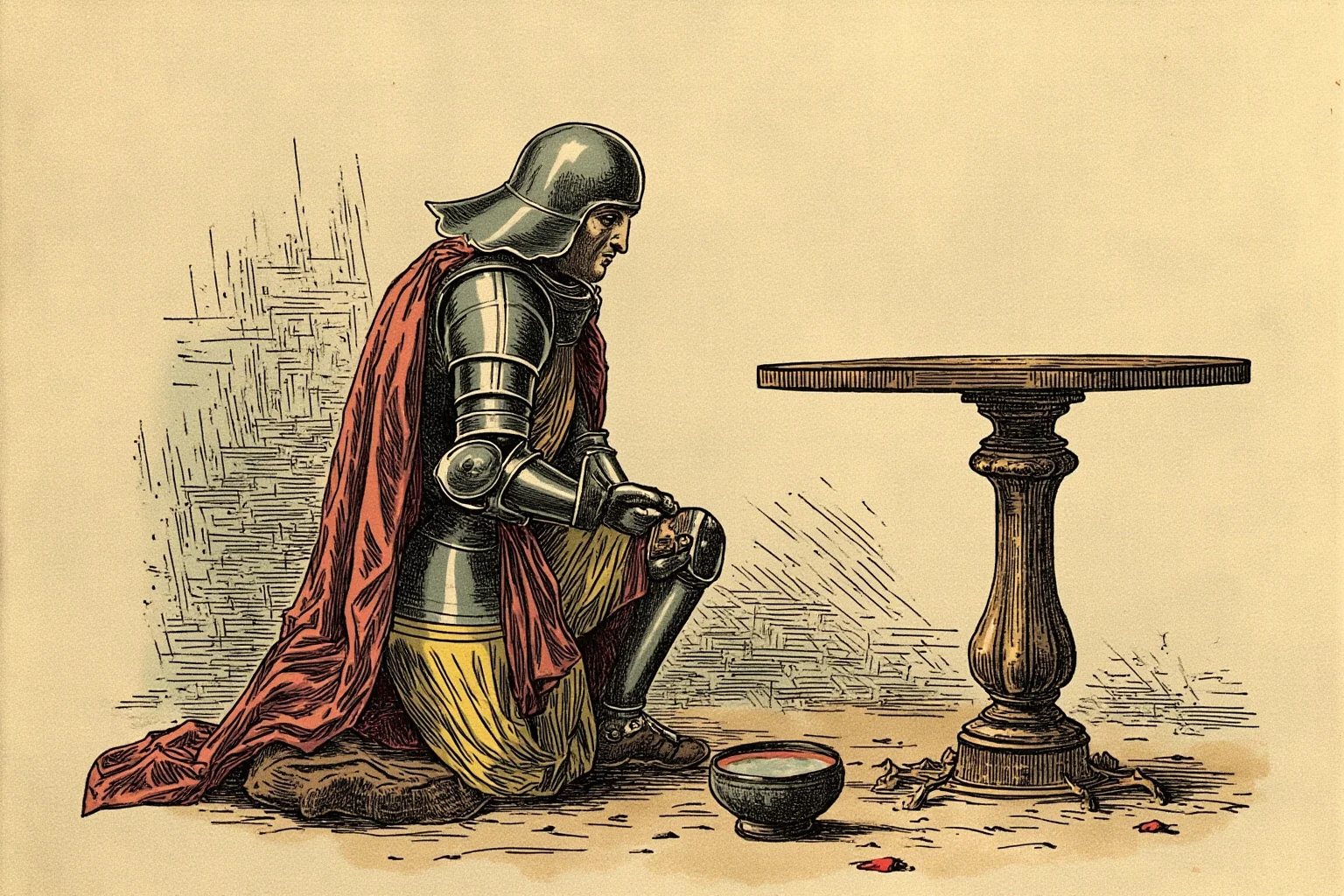
Lancelot is arguably the single most recognizable name on any knights list, thanks to centuries of French and British storytelling. He appears as King Arthur’s greatest knight and closest friend, whose affair with Queen Guinevere eventually helps bring down Camelot.
There is no credible historical evidence that Lancelot existed as a real person. He first appears in French poet Chrétien de Troyes’ 12th-century romances, centuries after any historical Arthur might have lived.
Still, Lancelot’s story of loyalty, temptation, and downfall has made him a template for tragic heroism in Western literature. He’s a useful reminder that many “greatest knights of all time” are really greatest characters of all time.
2. Sir Gawain
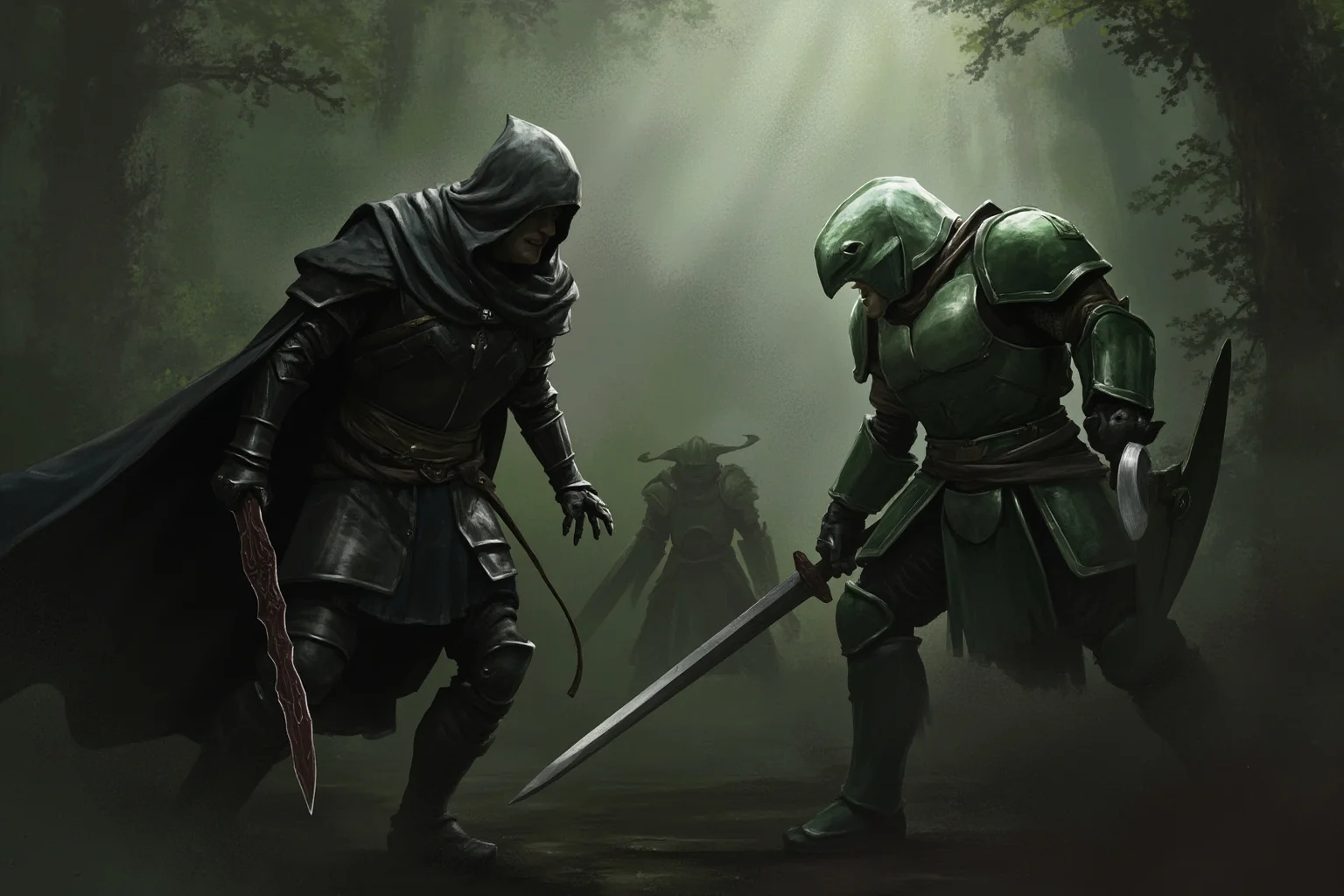
Gawain is Arthur’s nephew in most versions of the legend and one of the oldest named Round Table knights, appearing in Welsh sources even before the French romances took over. He’s best known today from the 14th-century poem “Sir Gawain and the Green Knight.”
In that story, Gawain accepts a bizarre beheading game with a mysterious green-skinned challenger, then spends a year honoring the bargain despite the obvious danger. The poem is often cited as containing a classic warning to a knight: hospitality, honesty, and honor can be tested in ways that have nothing to do with combat.
Gawain’s willingness to keep his word even when it might cost him his life is why medieval audiences held him up as a model of chivalric virtue, sometimes even above Lancelot.
3. Sir Galahad
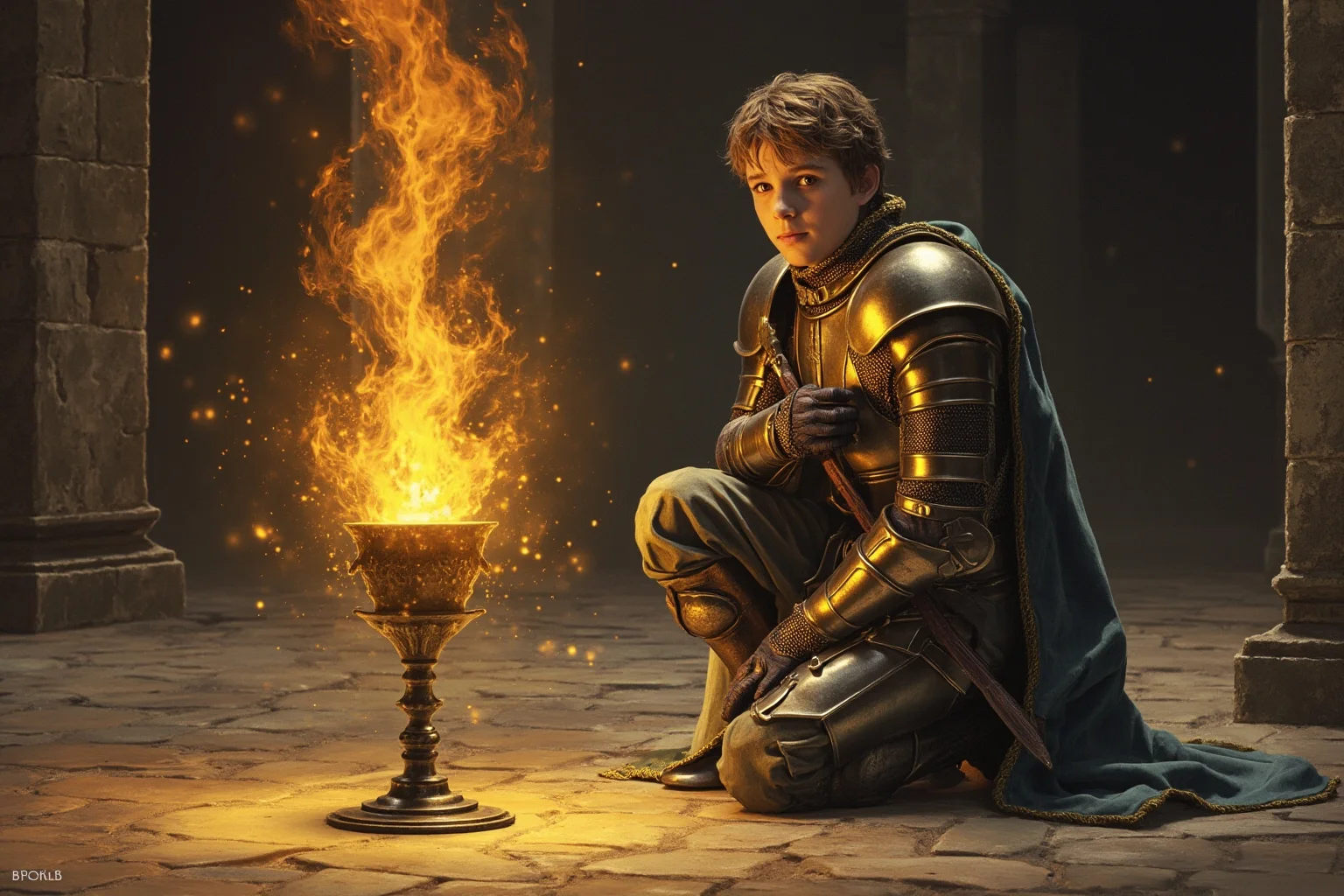
Galahad is Lancelot’s son in later versions of the Arthurian cycle and is presented as the purest knight of the Round Table. His defining achievement is successfully finding the Holy Grail, a quest that destroys or defeats every other knight who attempts it.
Galahad was a relatively late addition to the legend, introduced in 13th-century French texts to give the Grail quest a spotless hero. His purity is almost superhuman by design, which is precisely why medieval writers used him to contrast against more flawed, human knights like Lancelot.
Real Historical Warrior Knights
Now we move from legend into documented history. These are knights whose battles, politics, and reputations are recorded in chronicles, letters, and contemporary accounts, making them some of the best knights in history by verifiable achievement rather than folklore.
4. El Cid (Rodrigo Díaz de Vivar)
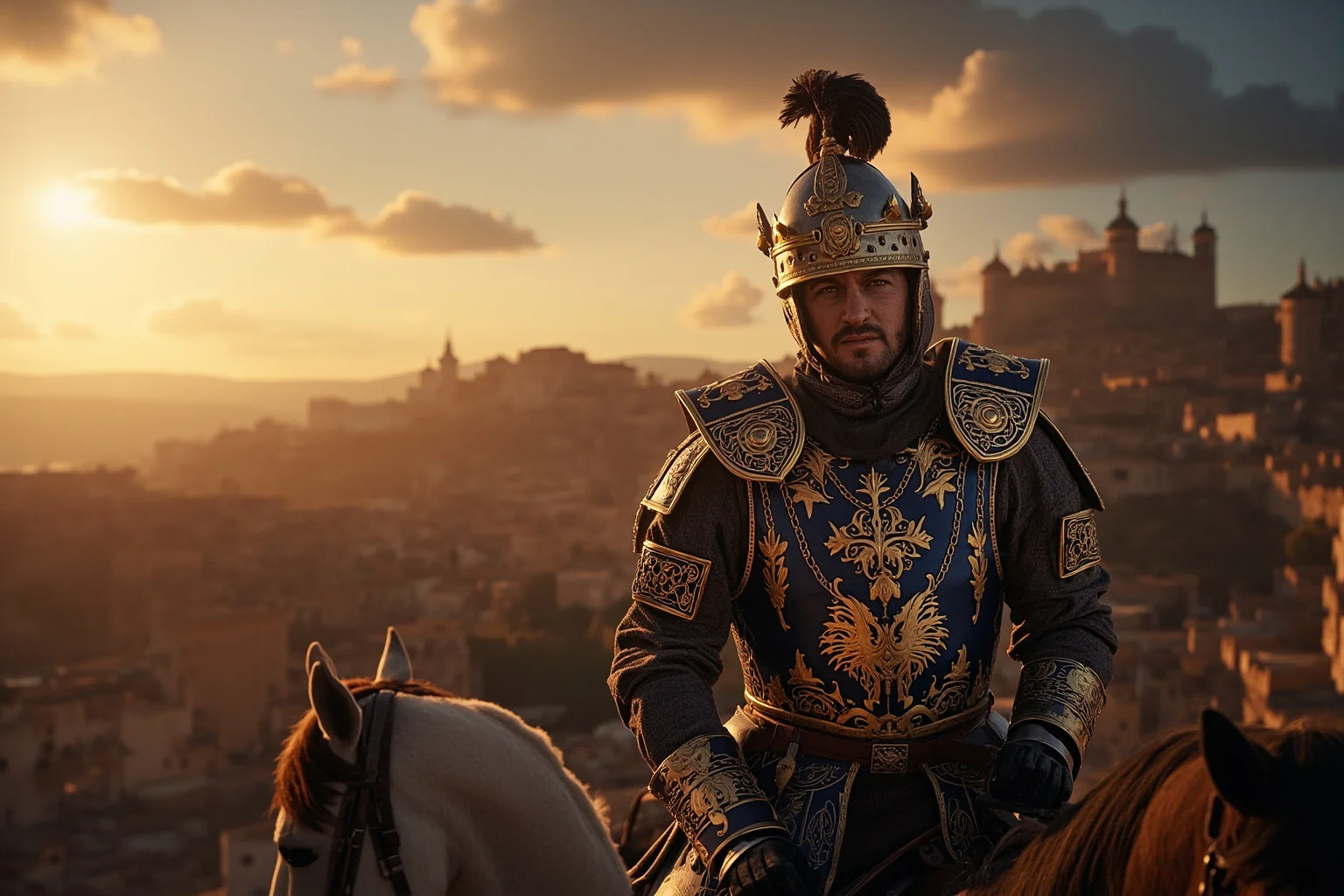
El Cid was an 11th-century Castilian nobleman and military commander whose career playing both Christian and Muslim rulers against each other made him a legend in his own lifetime. He eventually conquered and ruled the city of Valencia, an extraordinary feat for a minor noble exiled from the Castilian court.
His nickname, “El Cid,” comes from the Arabic “al-sayyid,” meaning “the lord,” reflecting his complicated relationships with Muslim Iberian rulers. The 12th-century epic poem “Cantar de Mio Cid” later exaggerated parts of his story, so historians work carefully to separate the documented general from the folk hero.
5. William Marshal
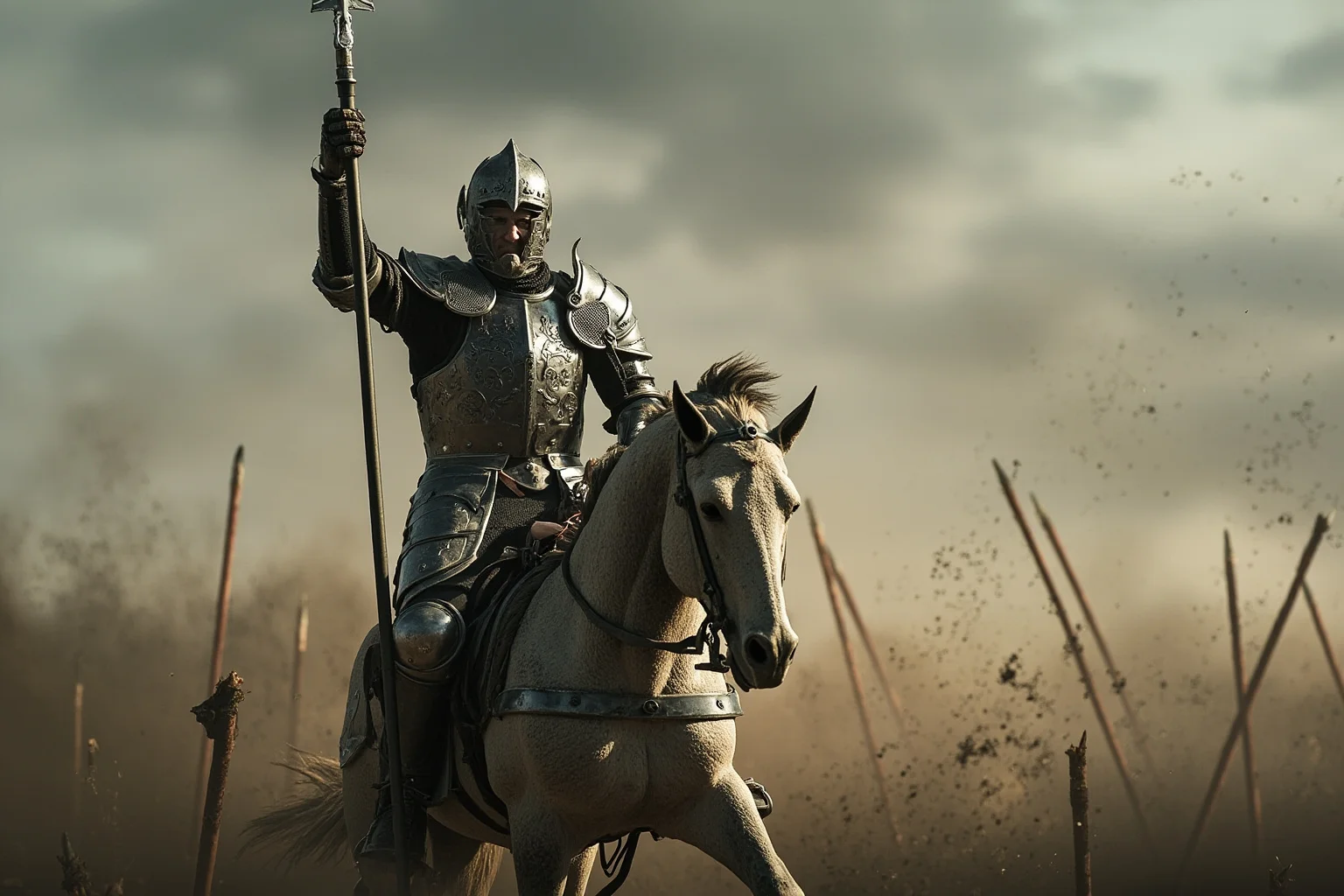
William Marshal served five English kings and rose from a landless younger son to become one of the most powerful men in England, eventually acting as regent for the boy king Henry III. Contemporary chroniclers called him the “greatest knight that ever lived,” a phrase historians still quote today.
He made his early reputation on the tournament circuit, reportedly undefeated in hundreds of jousts across France and England. Unlike many knights on this knights list, Marshal’s life is unusually well documented thanks to a biographical poem commissioned shortly after his death in 1219.
6. Richard the Lionheart
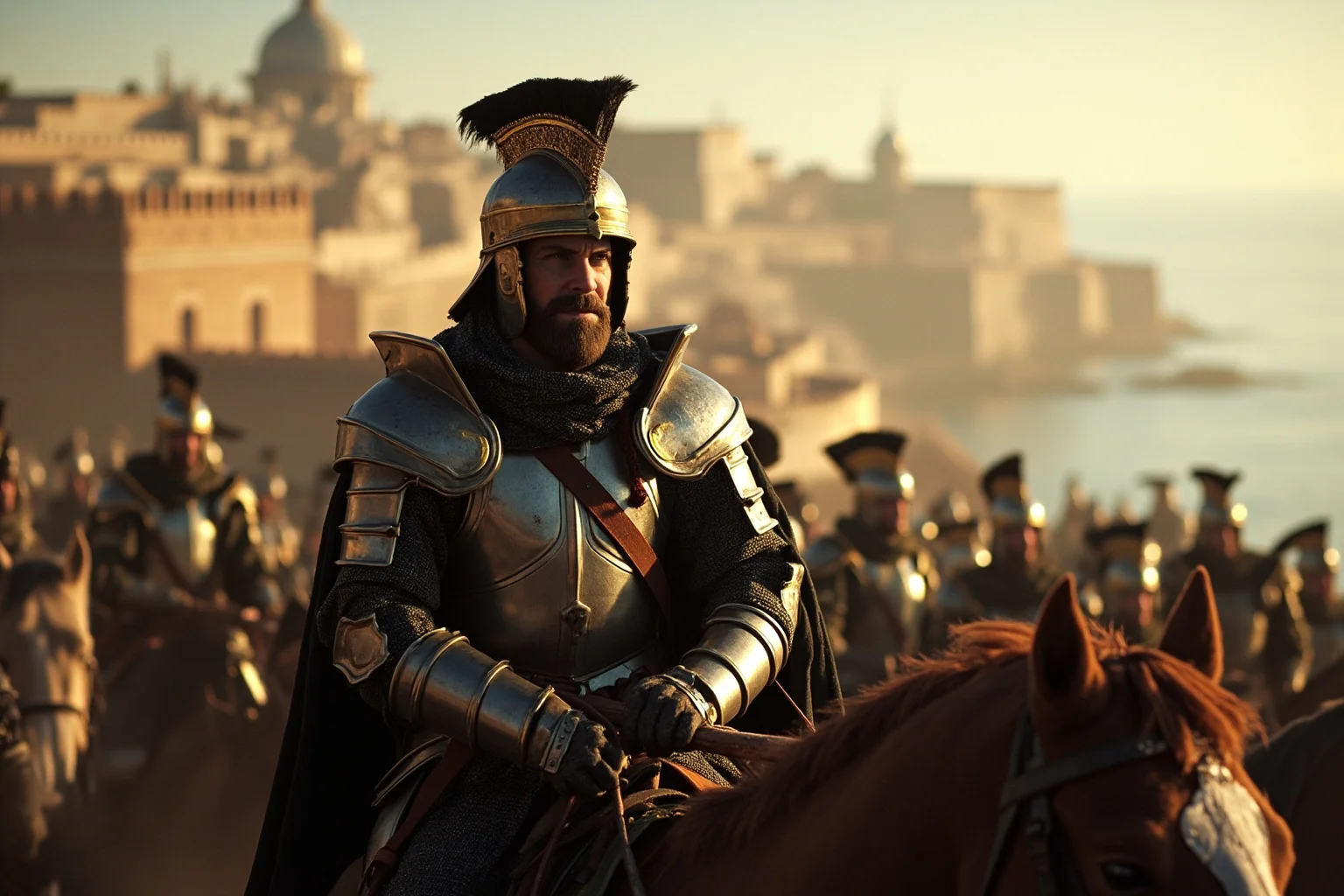
Richard I of England earned his nickname through genuine battlefield reputation during the Third Crusade, where he fought Muslim forces led by Saladin to a strategic standstill. Chroniclers on both sides described him as a formidable and occasionally ruthless commander.
His reputation took a darker turn at the siege of Acre in 1191, where he ordered the execution of roughly 2,700 Muslim prisoners after ransom negotiations broke down. It’s a stark reminder that even celebrated knights of history operated within a brutal system of medieval warfare.
7. Bertrand du Guesclin
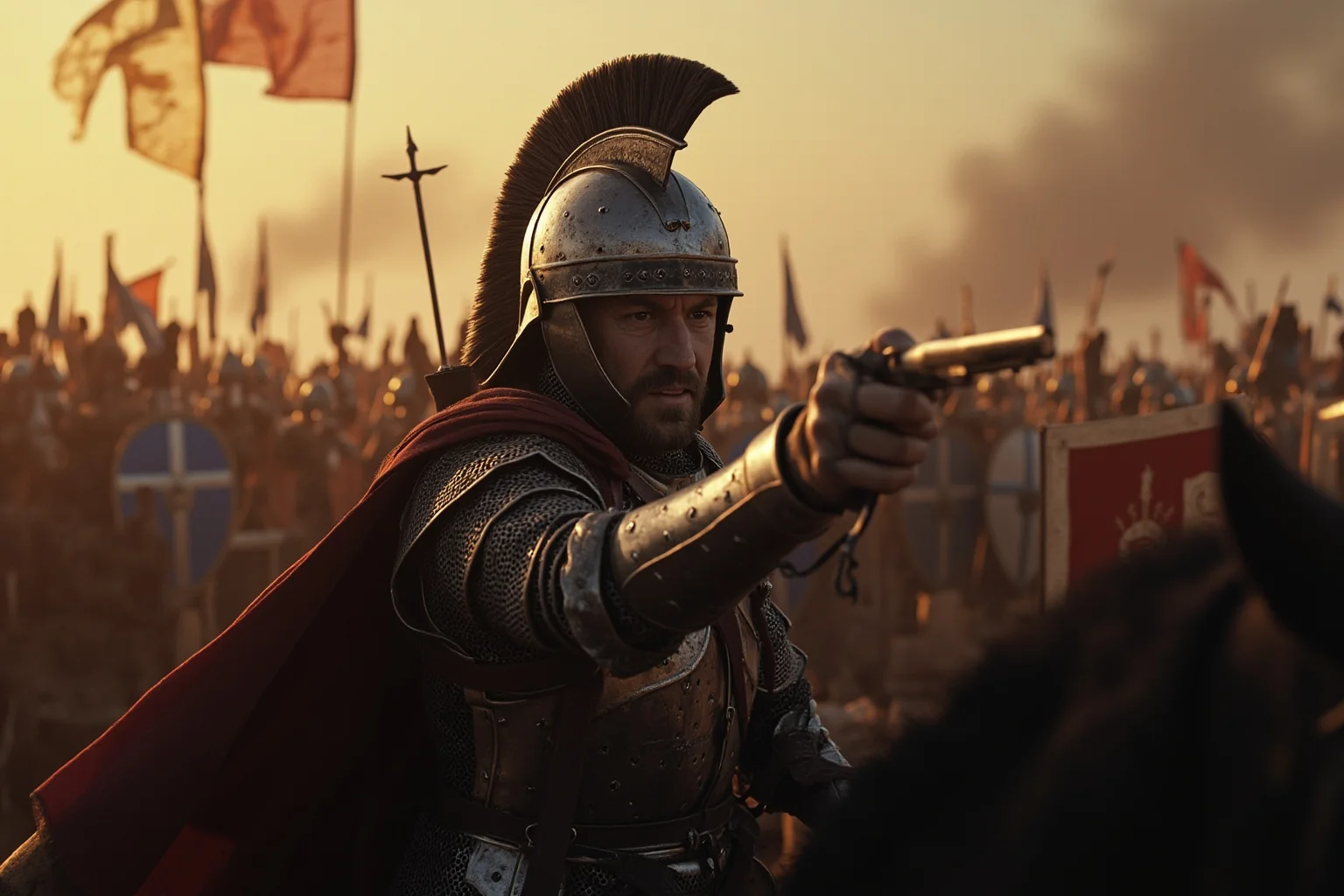
Du Guesclin rose from minor Breton nobility to become Constable of France during the Hundred Years’ War, using guerrilla tactics and siege warfare to steadily reclaim territory from the English. He was famously unattractive by contemporary accounts, which chroniclers noted made his battlefield success all the more remarkable to them.
His pragmatic, sometimes ungentlemanly tactics broke from the romanticized ideal of one-on-one chivalric combat. That practicality is exactly why French commanders considered him one of the most effective knights of his era.
8. Chevalier Bayard (Pierre Terrail)
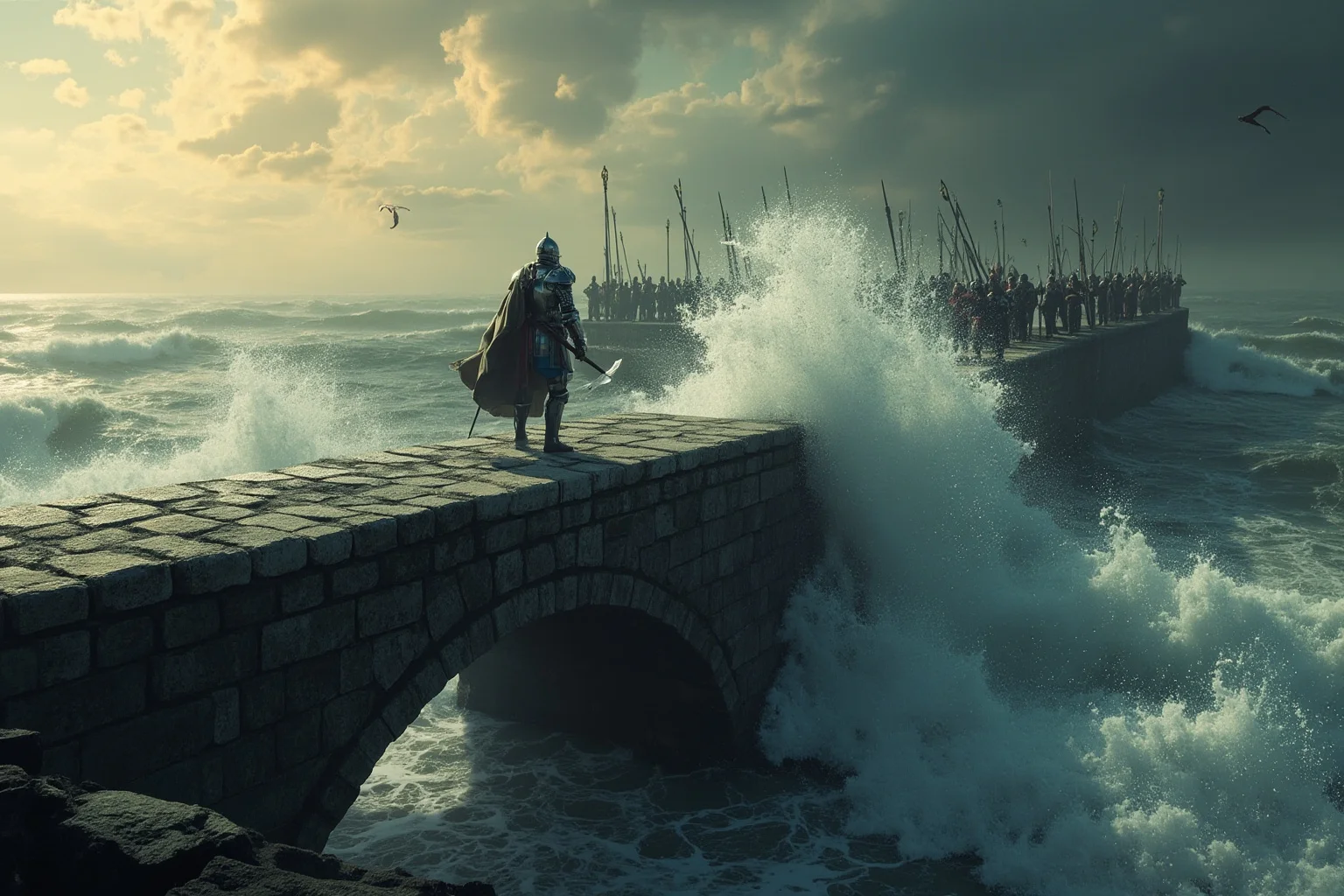
Pierre Terrail, known as the Chevalier de Bayard, fought through the Italian Wars of the early 16th century and earned the nickname “the knight without fear and beyond reproach.” He was famous for personally holding a bridge against overwhelming Spanish forces during the 1503 Battle of the Garigliano.
Bayard died in 1524 from a gunshot wound, a detail historians often note as symbolic. Gunpowder weapons were already making the mounted, armored knight increasingly obsolete on European battlefields.
9. Sir John Chandos
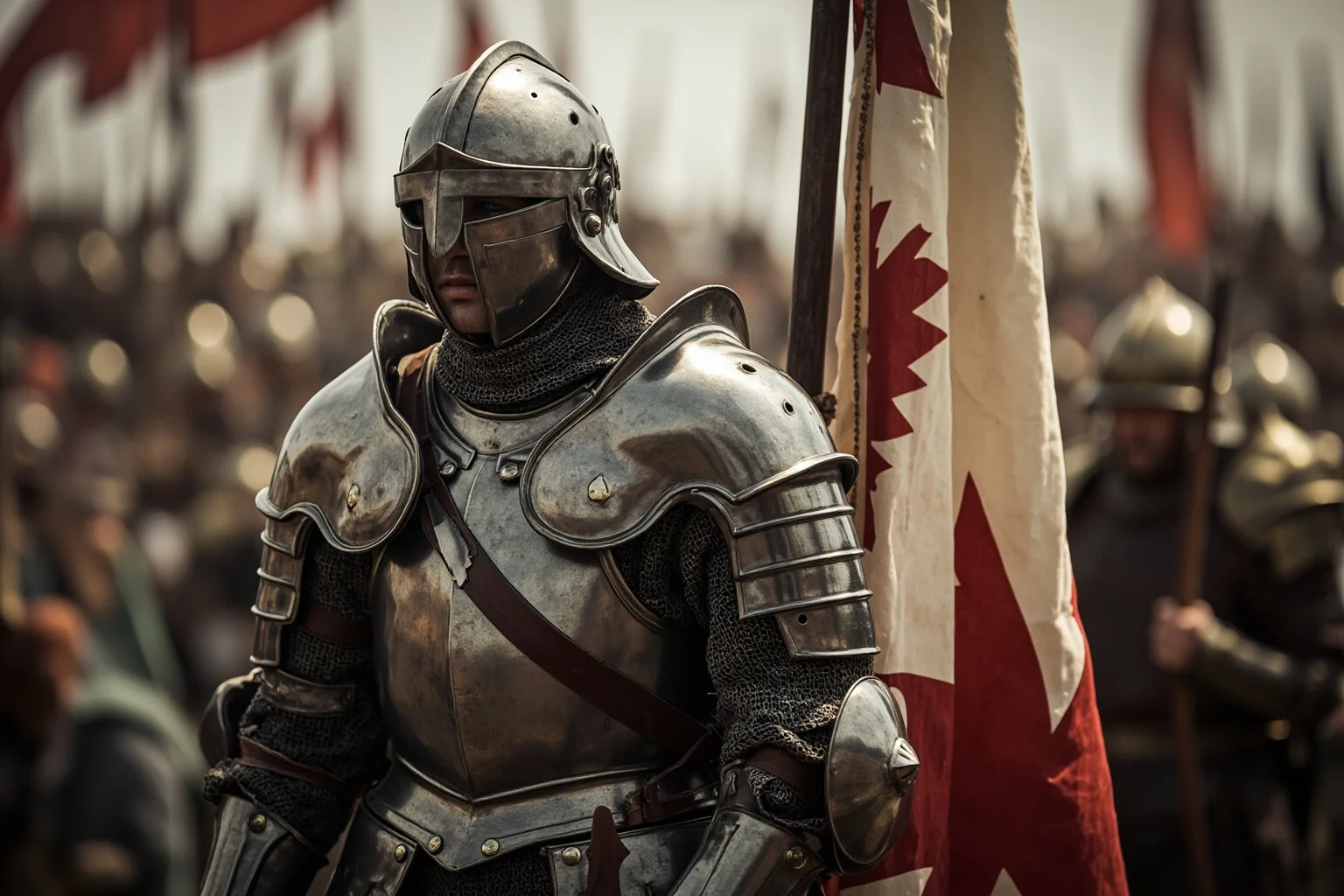
Chandos was an English knight and diplomat who became one of the most trusted commanders under Edward III and the Black Prince during the Hundred Years’ War. He played key roles at the battles of Crécy and Poitiers, two of England’s most decisive medieval victories over France.
He was also known for his diplomatic skill, negotiating treaties as capably as he led troops. Chandos died in 1370 from a wound sustained in a relatively minor skirmish, an ironic end for a knight who had survived decades of major warfare.
10. Sir Walter Raleigh
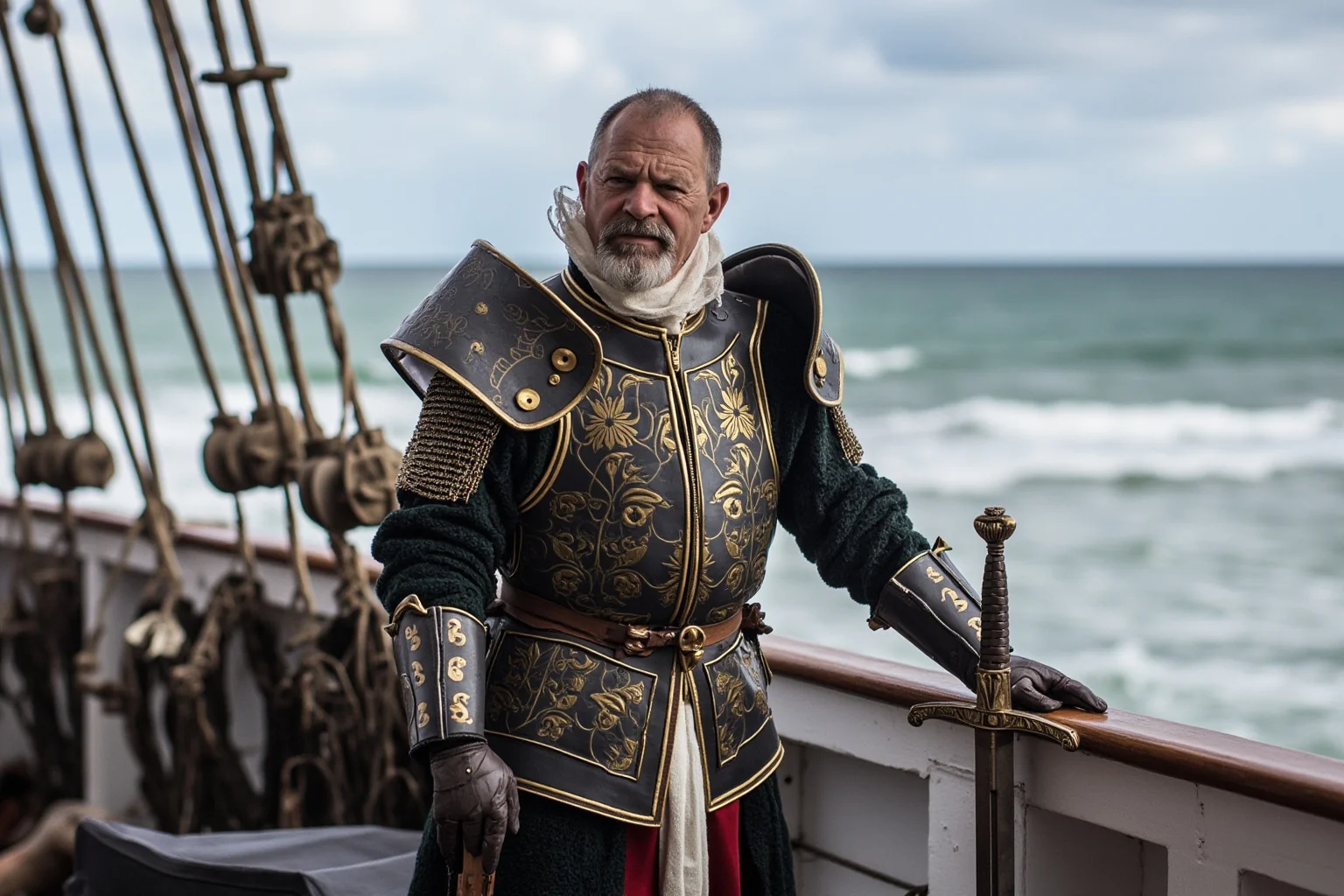
Raleigh was an Elizabethan courtier, explorer, and knight best known for his failed colonization attempts in North America, including the ill-fated Roanoke colony. Queen Elizabeth I knighted him in 1585 for his services and his considerable charm at court.
His fortunes collapsed under King James I, who eventually had him executed in 1618 on charges tied to an earlier treason conviction. Raleigh’s story shows how being knighted was no guarantee of a happy ending in royal politics.
11. Sir Francis Drake
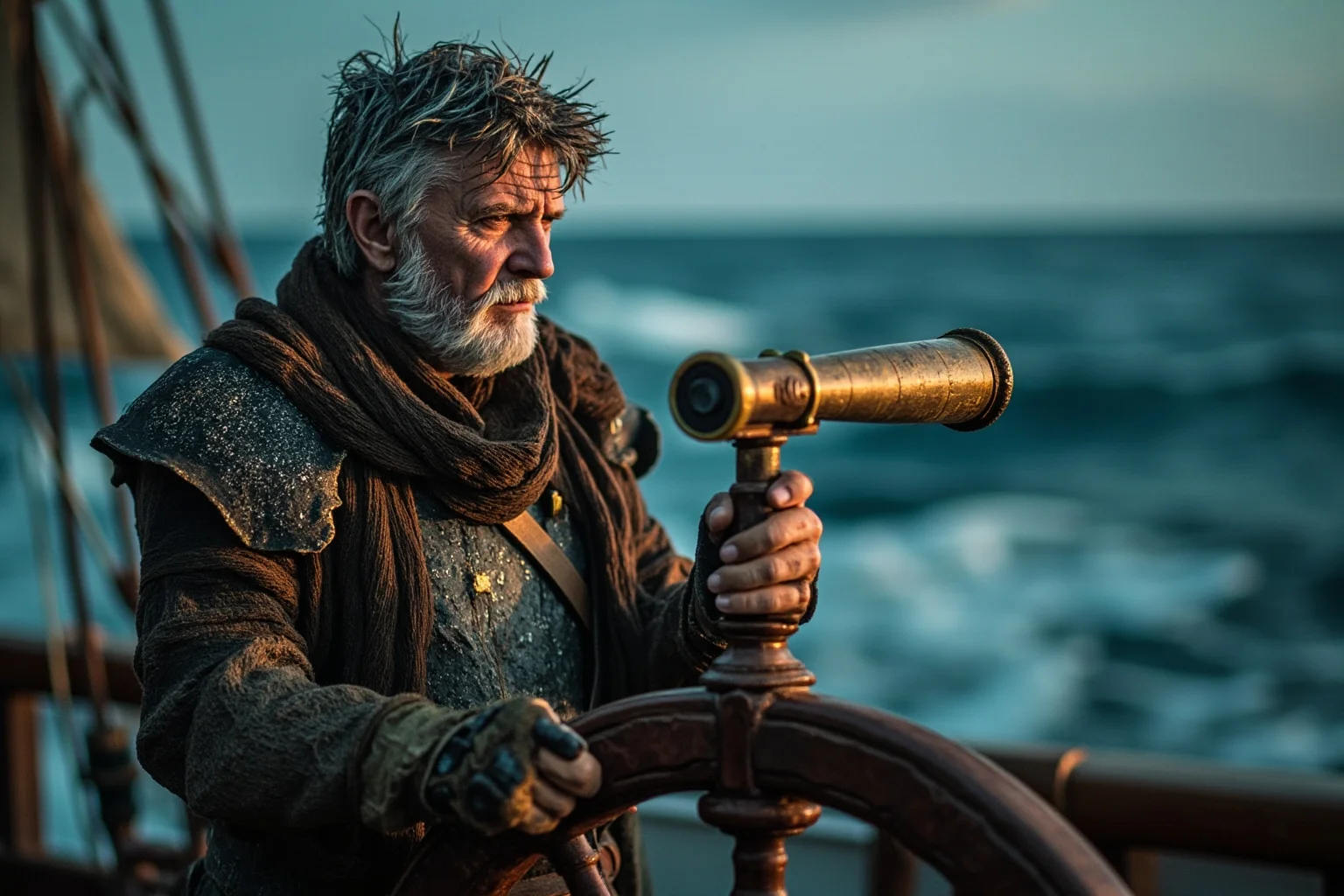
Drake was knighted by Elizabeth I in 1581 after completing a circumnavigation of the globe, only the second such voyage in history at that point. English audiences celebrated him as a hero, particularly after his role in defeating the Spanish Armada in 1588.
Spain, understandably, saw him very differently. To the Spanish crown, Drake was a pirate whose raids on their treasure ships and colonial ports amounted to state-sanctioned theft and violence.
Crusader and Military Order Knights
The Crusades produced some of the most famous knights in history, along with entire military orders built specifically around knighthood. These knights combined religious devotion with organized, often brutal warfare across the Holy Land and Europe.
12. Godfrey of Bouillon
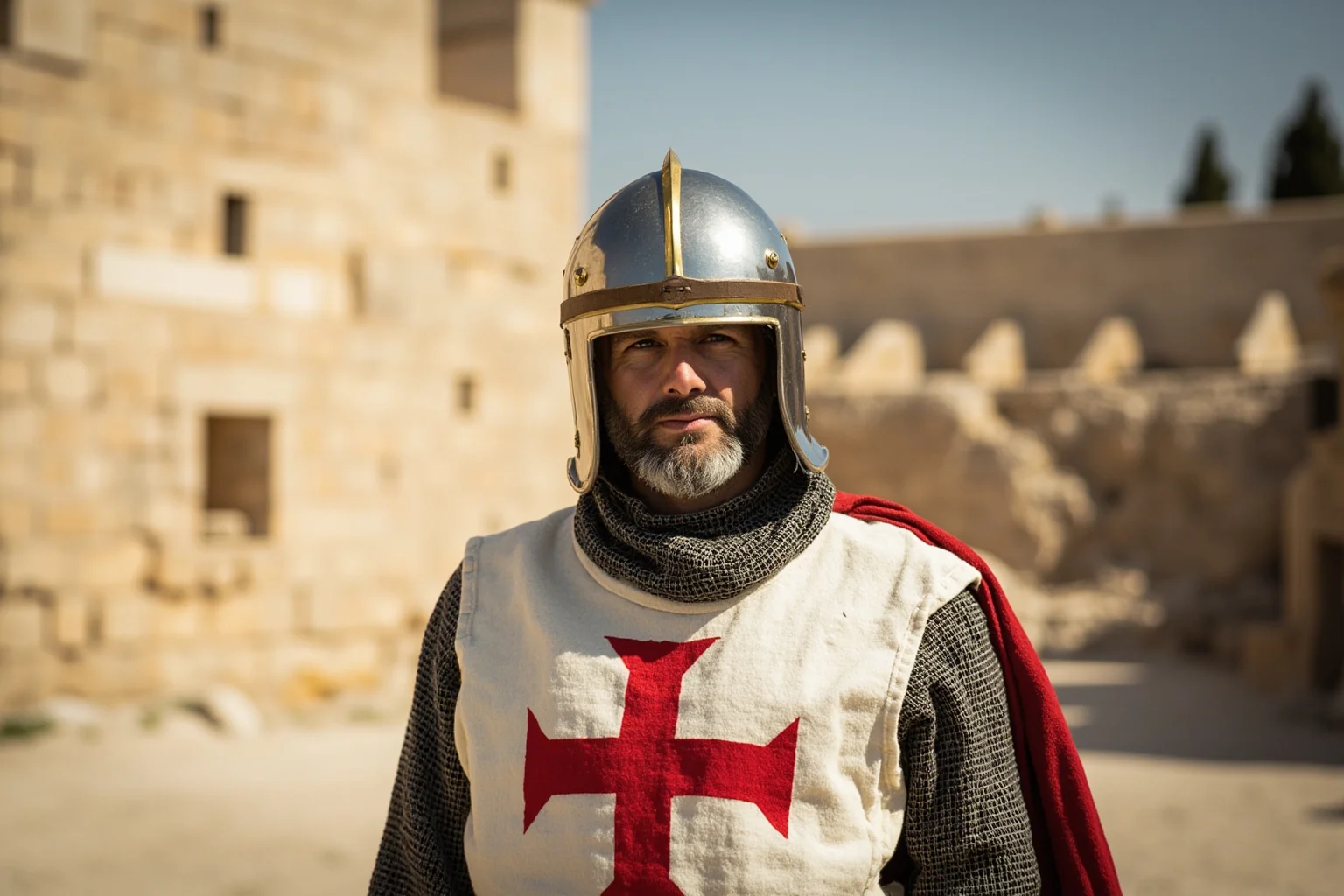
Godfrey was a leading commander of the First Crusade and became the first ruler of the Kingdom of Jerusalem after its capture in 1099. He notably declined the title of king, choosing instead to be called “Defender of the Holy Sepulchre.”
The siege and capture of Jerusalem under Godfrey’s command involved widespread killing of the city’s Muslim and Jewish inhabitants, an event described in graphic terms even by Christian chroniclers of the time. His military success is undeniable, but modern historians are careful not to sanitize how it was achieved.
13. Hugh de Payens
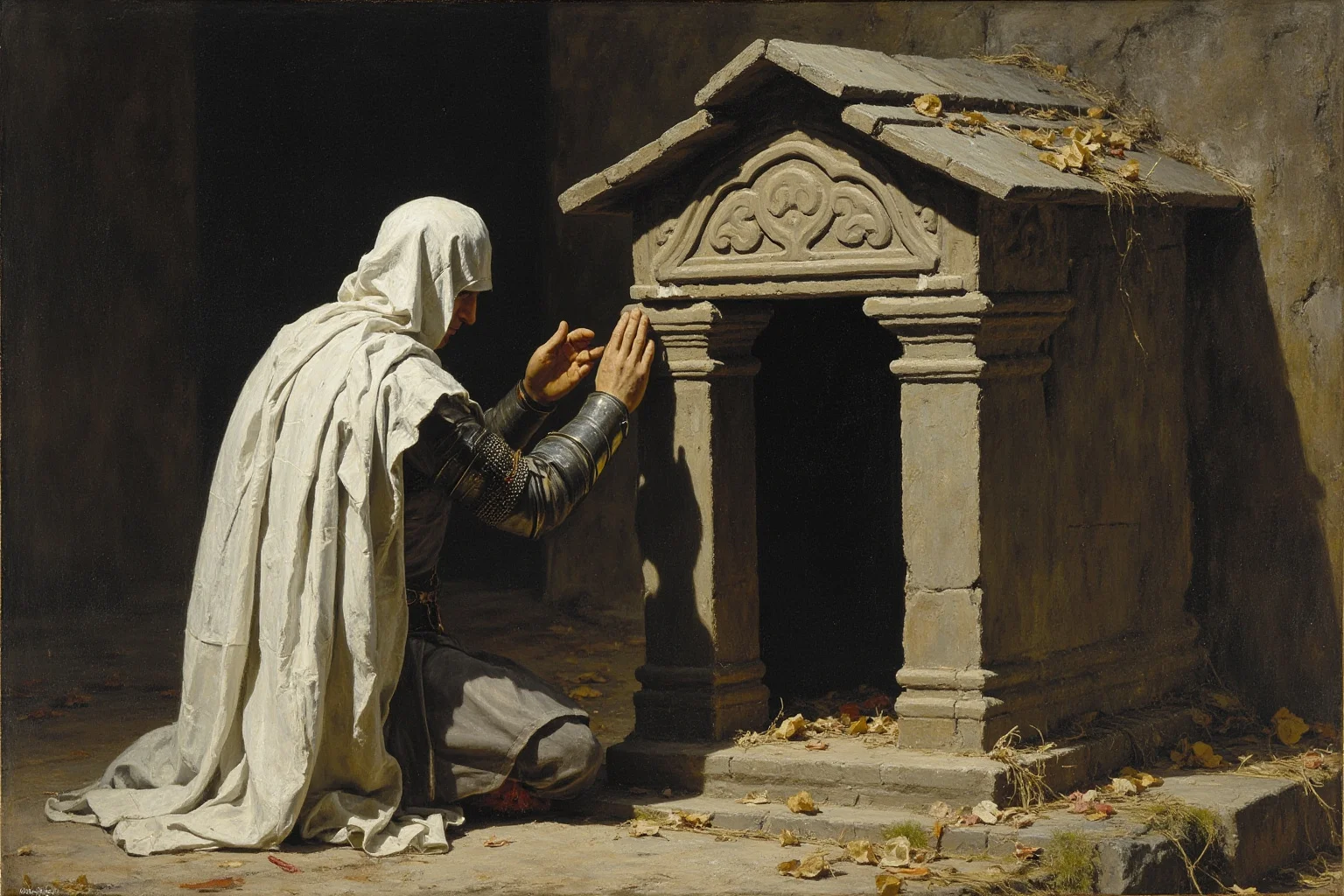
Hugh de Payens co-founded the Knights Templar around 1119, originally organizing a small group of knights to protect Christian pilgrims traveling to Jerusalem. He became the order’s first Grand Master, shaping its early rules and religious-military identity.
Under his leadership, the Templars grew from a handful of knights into the seed of one of the wealthiest and most powerful organizations in medieval Europe. That growth would eventually make the order a political target within two centuries.
14. Jacques de Molay
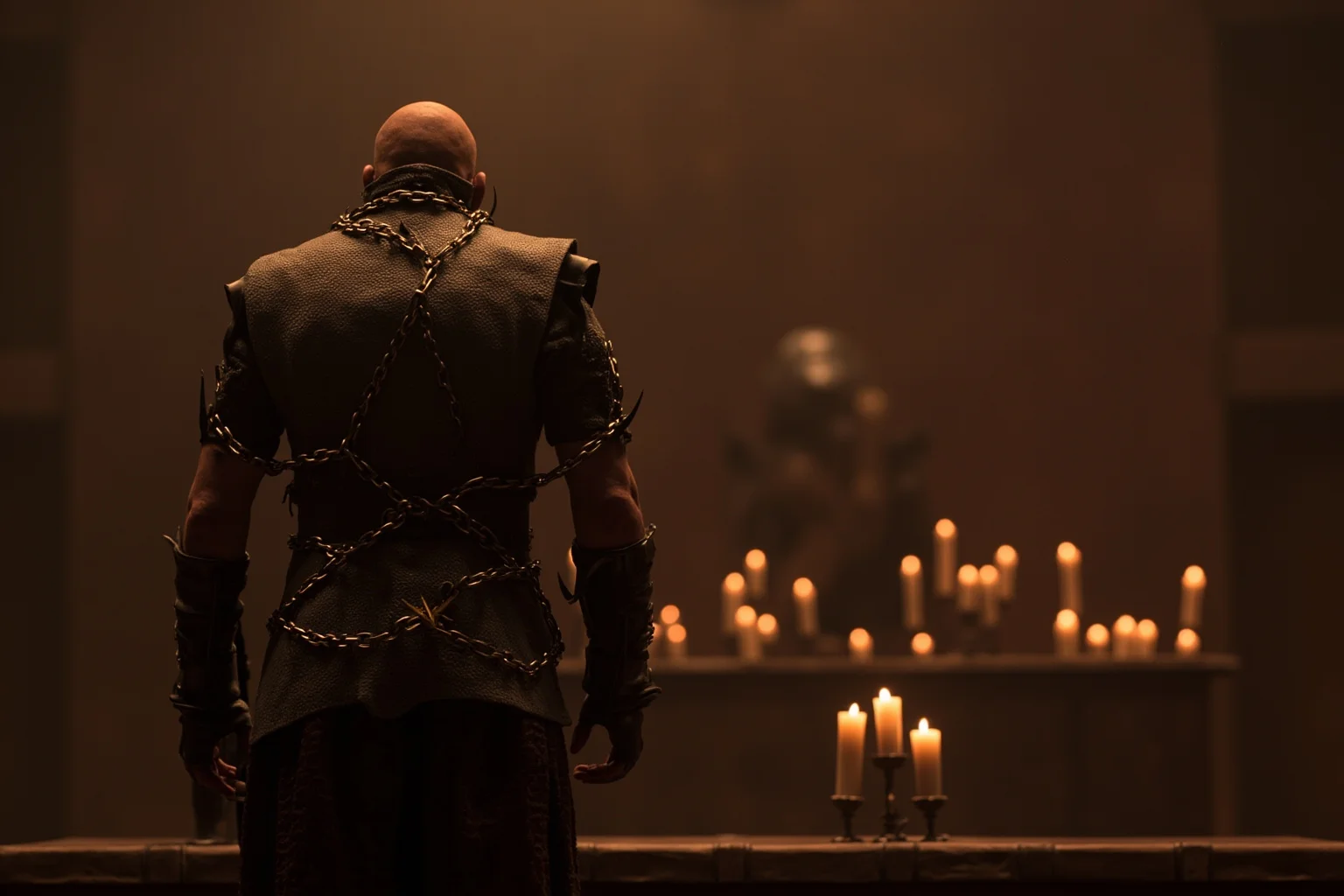
Jacques de Molay was the last Grand Master of the Knights Templar, leading the order during its dramatic and violent downfall. King Philip IV of France, deeply in debt to the Templars, orchestrated mass arrests in 1307 on charges of heresy that most historians today consider largely fabricated.
De Molay was burned at the stake in 1314 after years of imprisonment and torture-extracted confessions. His execution effectively ended the Templars as an institution and turned him into one of the most famous martyred knights of the medieval period.
15. Geoffroi de Charny
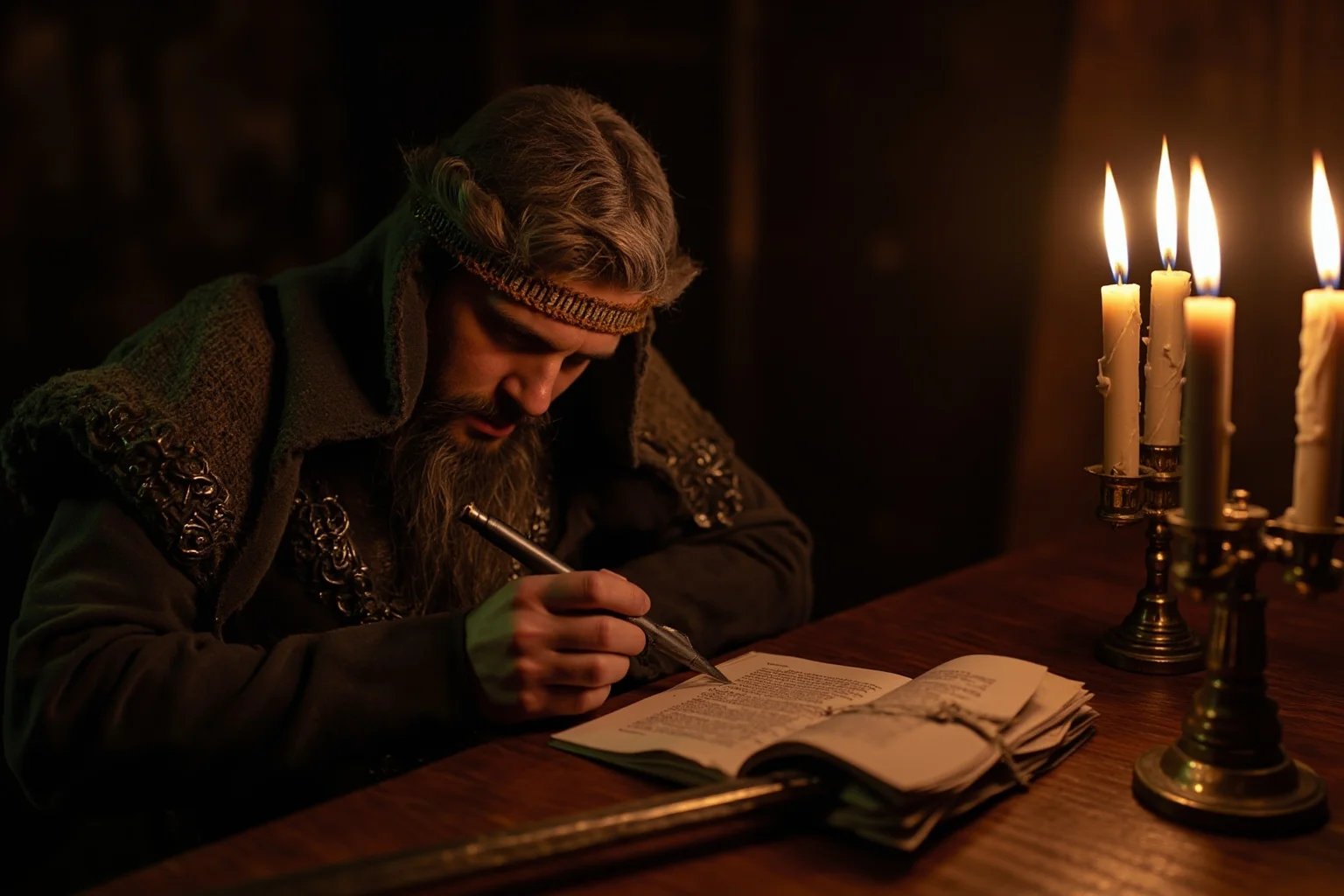
Geoffroi de Charny was a 14th-century French knight who wrote the “Book of Chivalry,” one of the most important surviving texts on what knighthood was supposed to mean. He served as a trusted advisor to King John II of France and reportedly carried the Oriflamme, France’s sacred battle banner.
De Charny died at the 1356 Battle of Poitiers defending that very banner rather than retreating. His writings remain one of the best primary sources historians have for understanding genuine 14th-century chivalric ideals, as opposed to later romanticized versions.
16. Ulrich von Jungingen
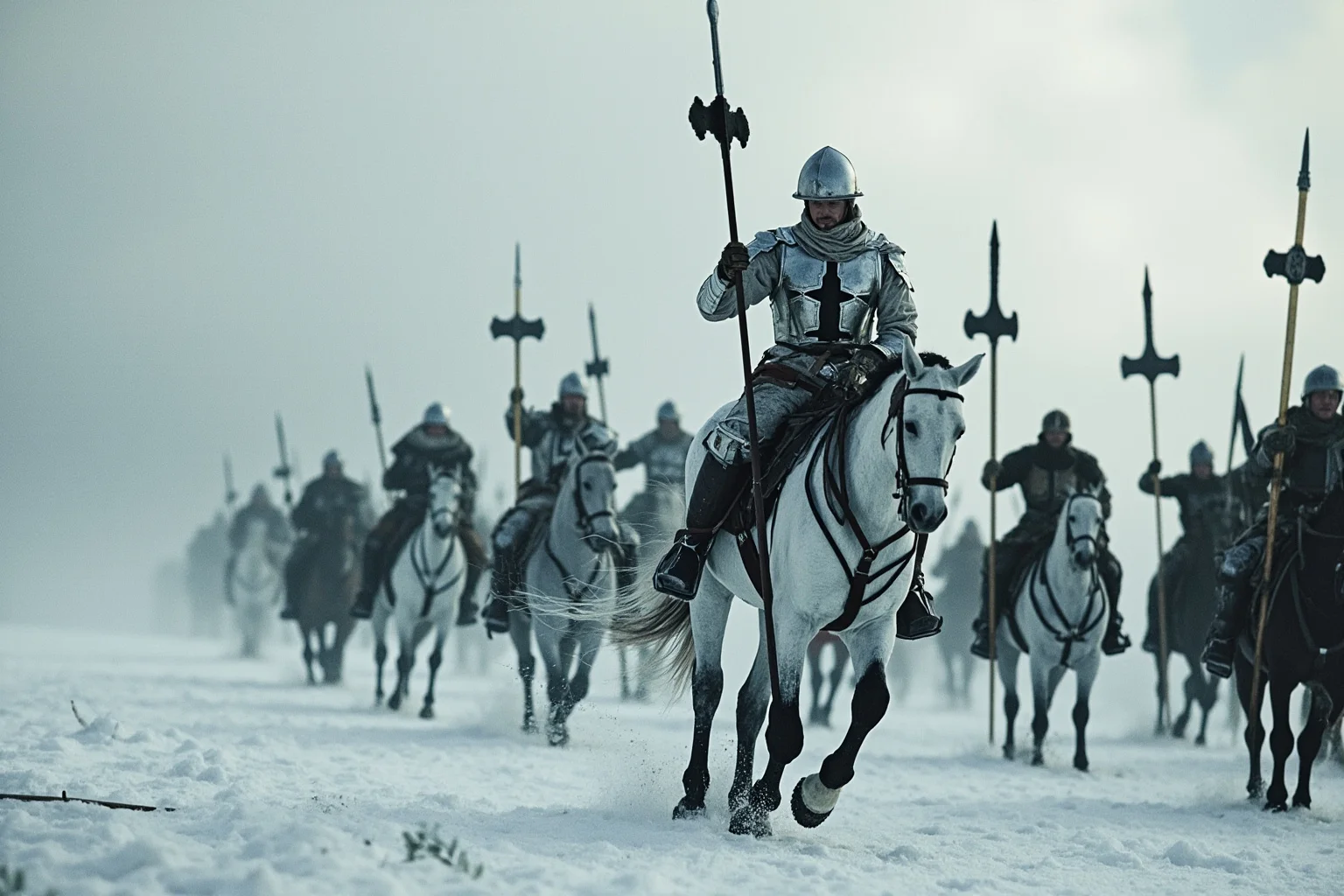
Ulrich von Jungingen served as Grand Master of the Teutonic Knights, a military order originally formed during the Crusades that later focused on campaigns in the Baltic region. He led the order into the disastrous 1410 Battle of Grunwald against combined Polish-Lithuanian forces.
Von Jungingen was killed in the battle, and the Teutonic Order suffered a defeat so severe it never fully recovered its former dominance in the region. It’s a useful example of how even well-organized, heavily armored knightly orders could be decisively broken by superior numbers and tactics.
Evil Knights and Notorious Villains
Not every famous knight name belongs on a hero’s pedestal. This section covers knights whose actions crossed clearly from wartime brutality, common in this era, into territory that shocked even their own contemporaries, the medieval equivalent of history’s most notorious gangsters.
17. Gilles de Rais
Gilles de Rais fought alongside Joan of Arc during the Hundred Years’ War and was honored as a Marshal of France for his military service. After retiring from campaigning, he was tried and executed in 1440 for the torture and murder of dozens of children.
Some modern historians have questioned whether de Rais’s trial, conducted partly by church authorities he had angered financially, was entirely fair. Even accounting for that debate, he remains one of the most disturbing names ever attached to French knighthood.
18. Vlad the Impaler
Vlad III of Wallachia was inducted into the Order of the Dragon, a chivalric order his father had also belonged to, which is where his epithet “Dracula” (son of the dragon) originates. He ruled Wallachia in the 15th century and fought fiercely against Ottoman expansion into Eastern Europe.
His brutal punishment methods, especially mass impalement of enemies and criminals, were documented by contemporary German and Ottoman sources, though some numbers were likely exaggerated for propaganda. Vlad remains one of the clearest real historical examples people point to when discussing evil knights.
19. Peter von Hagenbach
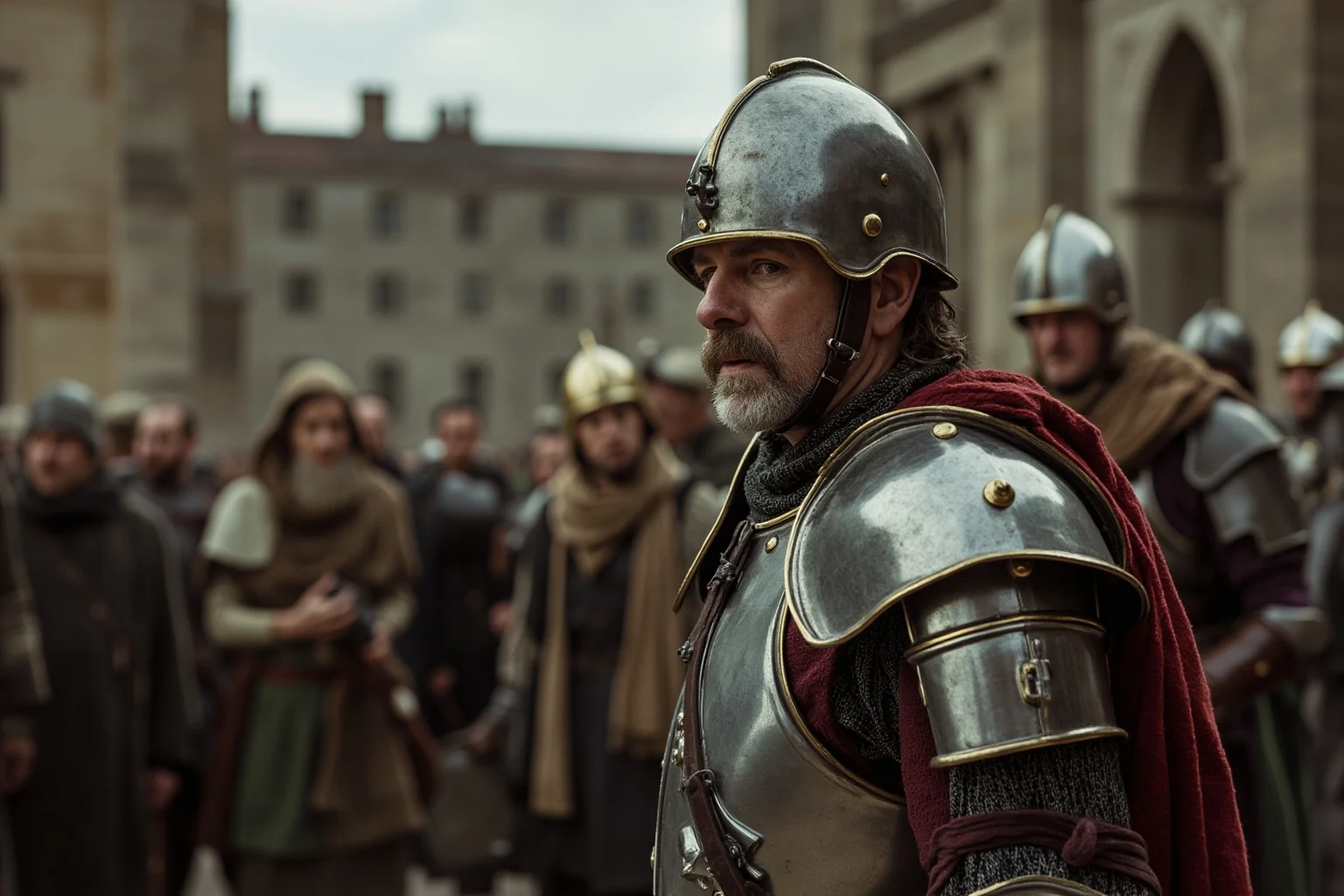
Peter von Hagenbach was a knight and administrator appointed by Duke Charles the Bold of Burgundy to govern conquered territory along the Upper Rhine in the 1470s. His rule was marked by extortion, arbitrary executions, and reported sexual violence against the local population.
When local forces overthrew and captured him in 1474, he was tried by an improvised international tribunal and executed. Legal historians often cite his trial as an early precedent for the idea that following orders doesn’t excuse war crimes.
20. Roger de Flor
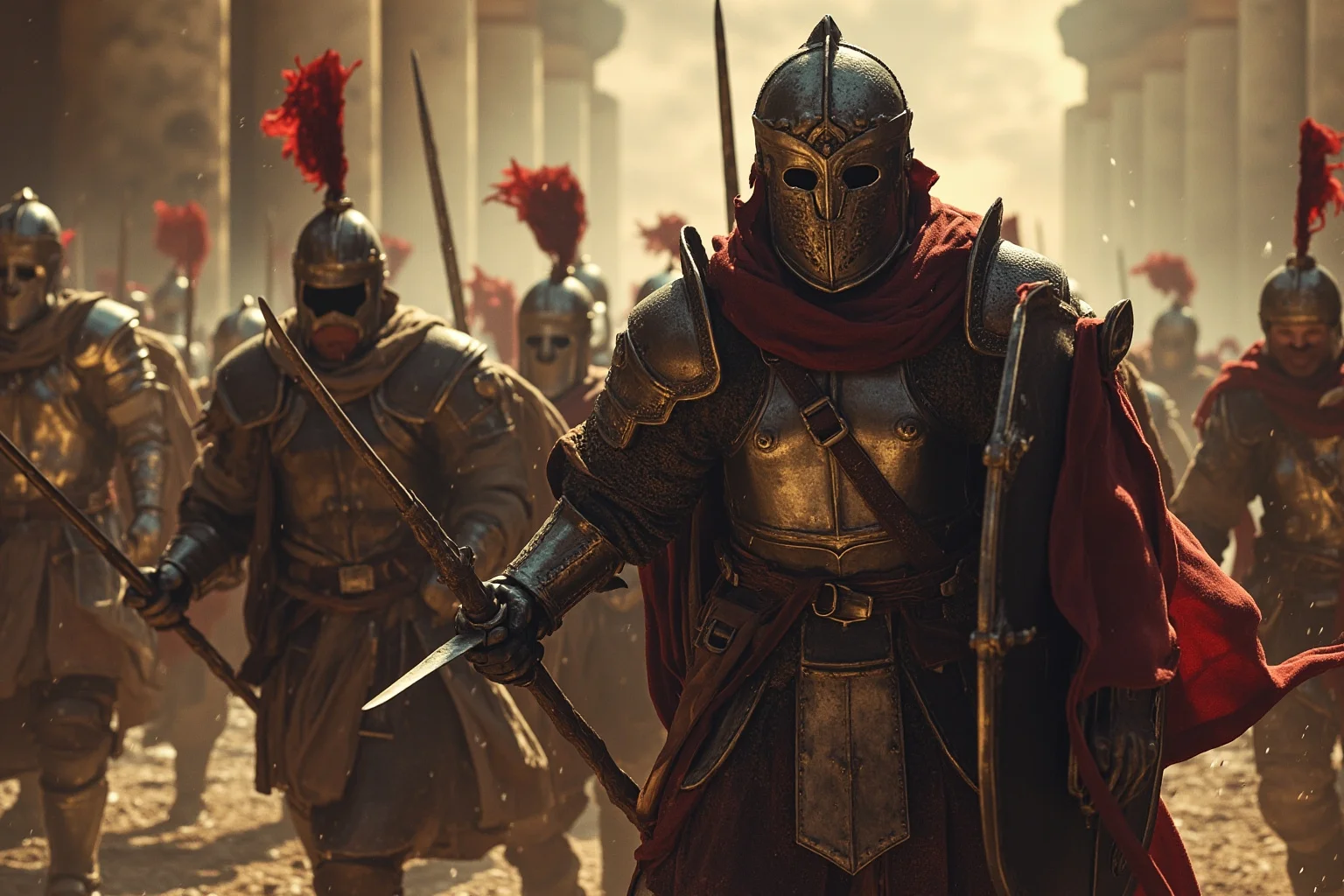
Roger de Flor began as a Templar knight before being expelled from the order, after which he became a mercenary commander leading the Catalan Company through the Byzantine Empire in the early 14th century. His forces, hired to fight the Byzantines’ enemies, ended up plundering Byzantine territory itself with startling brutality.
He was assassinated in 1305 on the orders of a Byzantine co-emperor after tensions over pay and looting boiled over. De Flor’s career shows how easily a knight’s sword could switch from serving a cause to serving profit alone.
A Fictional Bonus Entry
21. Don Quixote
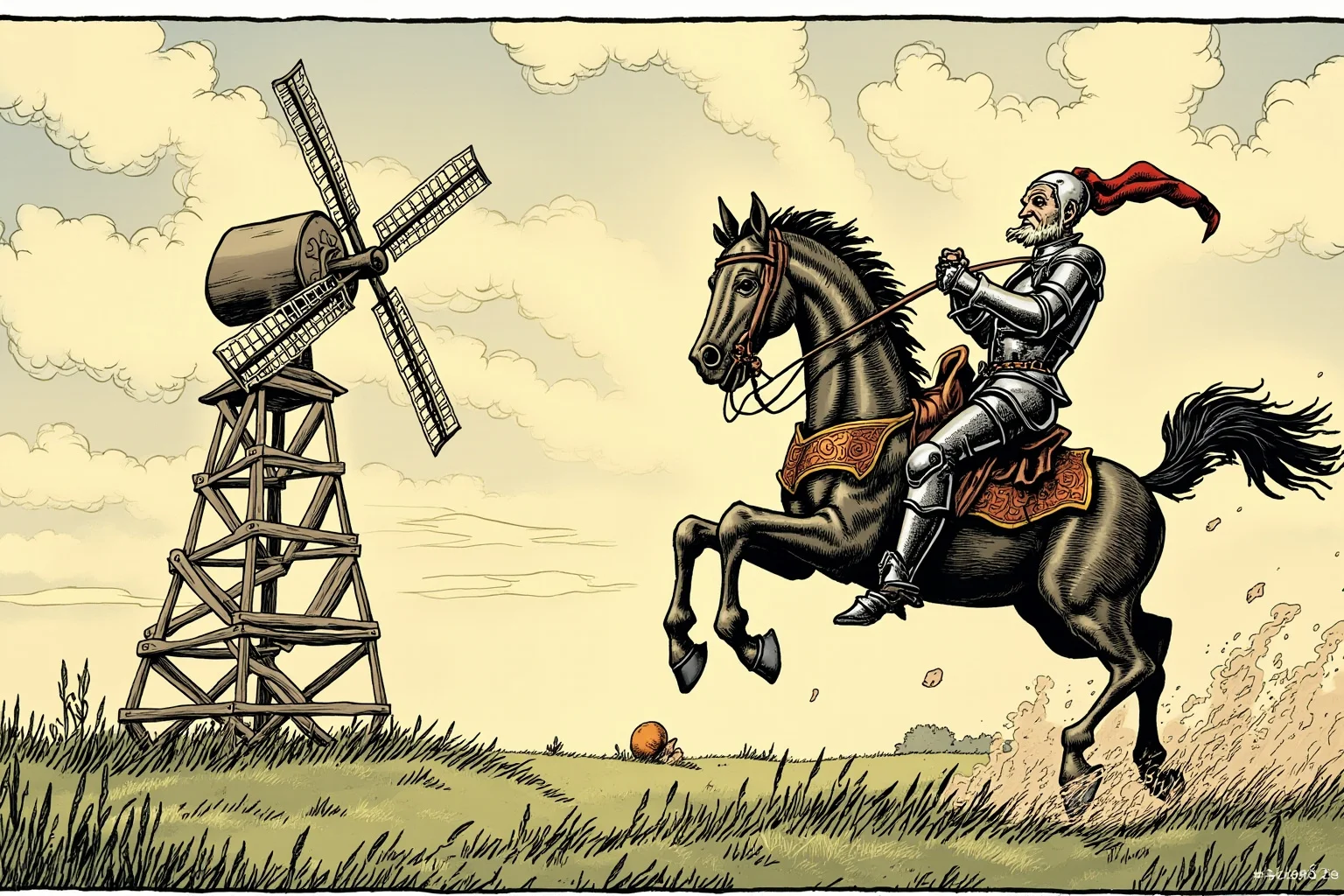
Don Quixote isn’t a historical knight at all, he’s the fictional creation of Spanish author Miguel de Cervantes, first published in 1605. The novel follows an aging nobleman who reads too many chivalric romances and sets out to become a knight himself, tilting at windmills he mistakes for giants.
Cervantes wrote the book partly as satire, poking fun at the very romanticized knight-errant tradition that gave us figures like Lancelot and Gawain. Don Quixote earns his spot on any coolest knights list simply because he’s become shorthand worldwide for noble but hopeless idealism.
22. Ulrich von Liechtenstein
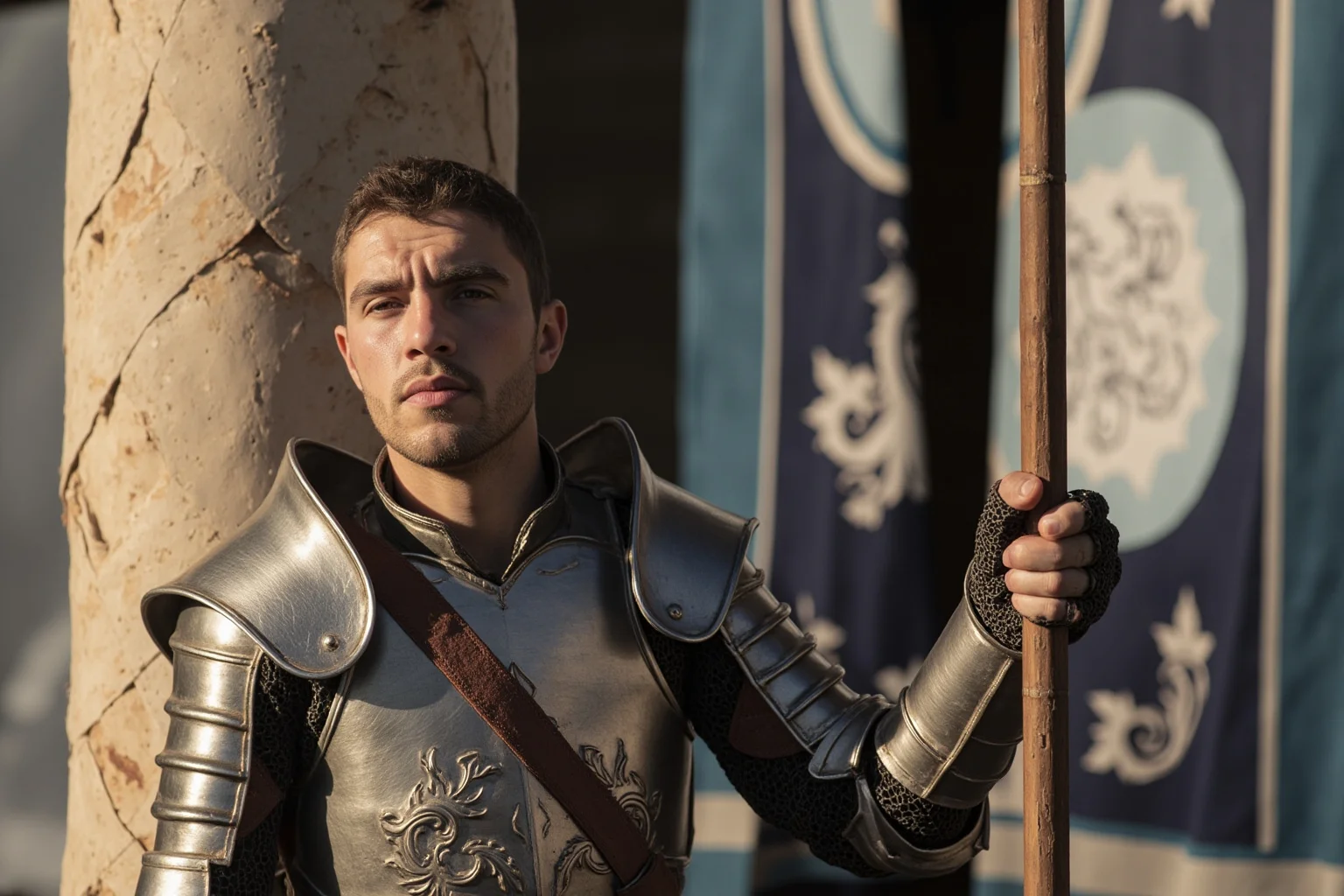
Ulrich von Liechtenstein was a real 13th-century Austrian knight and minor poet, though he’s far better known today through heavy dramatization than through documented fact. Historical records confirm he participated in tournaments and wrote courtly love poetry, but many colorful details attributed to him come from his own possibly exaggerated autobiographical writing.
His name was later borrowed for a fictionalized character in modern film, which blended real medieval tournament culture with invented backstory. He’s a good closing example of how easily a real famous knight name can blur into legend once storytellers get involved.
Separating Legend From Verified History
Across this whole knights list, one pattern keeps showing up: the knights with the most dramatic stories are often the ones hardest to verify. Chroniclers writing decades or centuries after the fact frequently added embellishments to make their subjects look more heroic or more villainous than the surviving evidence actually supports.
That doesn’t mean the real history is boring. Knights like William Marshal, El Cid, and Jacques de Molay lived lives dramatic enough without exaggeration, and their documented careers still shaped European politics and warfare for generations.
When you’re reading about famous knights in history, it’s worth asking where a story actually comes from. A near-contemporary chronicle carries more weight than a romantic poem written a century later, even if the poem is more fun to read.
Final Thoughts on History’s Most Famous Knights
Knighthood was never a single, uniform thing. It stretched across centuries and covered everyone from Crusading zealots to French poets to outright war criminals, all technically operating under the same chivalric title.
That range is exactly what makes this topic endlessly interesting. The same social institution produced William Marshal’s steady loyalty and Gilles de Rais’s horrifying crimes, which tells you knighthood was a legal and social status, not a guarantee of good character.
So the next time someone brings up the greatest knights of all time, it’s worth remembering both halves of the story. For every Lancelot or Bayard fighting for honor, there was a von Hagenbach or a de Flor proving that armor and a title never made anyone automatically noble.
Frequently Asked Questions
Who are the most famous knights in history?
Among the most famous knights in history are real figures like El Cid, William Marshal, and Richard the Lionheart, alongside legendary literary knights such as Lancelot and Gawain who came from Arthurian romance rather than verified historical record. Fame in this context comes from very different sources, ranging from documented battlefield achievement to centuries of retold folklore.
What is the classic warning to a knight in medieval stories?
One of the best-known examples appears in "Sir Gawain and the Green Knight," where Gawain is warned, through a strange beheading challenge, that true honor means keeping his word even when it endangers him. Dubbing ceremonies in some later chivalric writing also included symbolic warnings about humility and service, though many specific ritual details were romanticized long after the actual medieval period.
Were there any real evil knights, or is that just a modern trope?
Evil knights were very real. Figures like Gilles de Rais, convicted of murdering children, and Peter von Hagenbach, executed for atrocities against civilians, show that knighthood offered no protection against genuine cruelty or eventual justice.
What made someone one of the best knights in history rather than just an average soldier?
The best-regarded knights typically combined proven battlefield skill with political usefulness to their lords, plus a reputation for keeping their word, as seen with William Marshal and Bertrand du Guesclin. Contemporary chroniclers, not modern rankings, largely decided who got remembered as exceptional.
Were there any real female knights in medieval history?
Formal knighthood was almost exclusively male in medieval Europe, though some women, most famously Joan of Arc, led troops and were later honored in ways that echoed knightly ideals without holding the official title. A small number of women did receive honorary knighthood or membership in chivalric orders in later centuries, but this remained rare.
What’s the difference between legendary knights and real knights of history?
Legendary knights like Lancelot, Galahad, and Gawain come from medieval romance literature with no solid historical evidence they existed as real people. Real knights of history, such as El Cid or Jacques de Molay, appear in chronicles, legal records, and contemporary accounts that historians can cross-check and verify.

Alex Warren
Related Articles





