

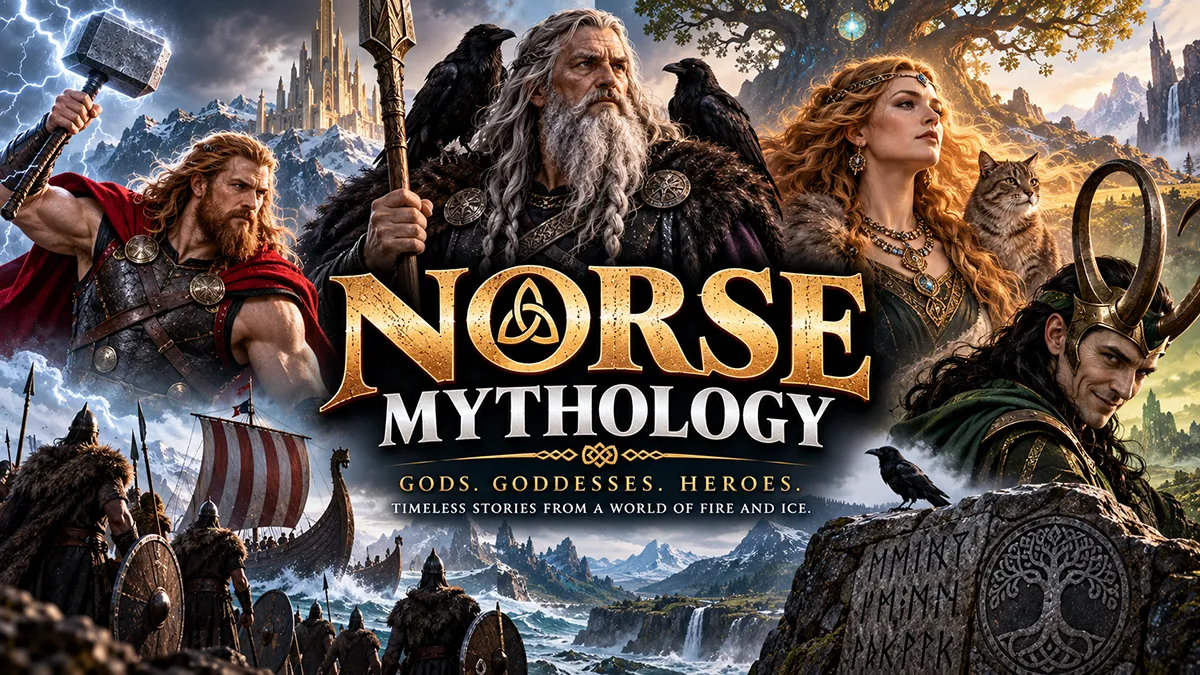
Norse mythology has never been more popular, thanks to Marvel movies, prestige TV dramas, and a steady stream of Viking-themed games.
But the real stories preserved in Old Norse manuscripts are stranger, funnier, and often more morally complicated than pop culture lets on. Odin isn’t just a wise old king, Loki isn’t a simple villain, and there are dozens of lesser-known figures whose stories rarely make the screen at all.
This guide walks through 20 essential gods, goddesses, and heroes drawn from the Poetic Edda, the Prose Edda, and the Icelandic sagas — the main written sources scholars rely on, mostly compiled in the 13th century.
We’ll cover the household names alongside a few surprising figures, including two often confused with each other, Loki and Logi, and the mysterious Þökk, whose one appearance in myth changed the fate of the gods forever.
TL;DR: Norse mythology’s cast of gods, goddesses, and legendary heroes — from Odin and Freyja to lesser-known figures like Logi and Þökk — reveals a mythology built on fate, cleverness, and impending doom rather than simple heroics.
Where These Myths Actually Come From
Most of what we know about Norse mythology comes from medieval Icelandic texts written down long after Scandinavia had officially converted to Christianity.
The Prose Edda, credited to the Icelandic scholar Snorri Sturluson around the 1220s, and the Poetic Edda, an anonymous collection of older poems, are the two cornerstone sources.
Because they were recorded centuries after the pagan era, historians treat them as valuable but imperfect windows into earlier belief systems, not word-for-word transcripts of ancient religion.
It’s also worth noting that “Norse” and “Scandinavian” mythology overlap heavily but aren’t perfectly interchangeable terms. Norse mythology specifically refers to the pre-Christian belief system of the North Germanic peoples, while “Scandinavian” is a broader geographic label.
When people search for scandinavian goddesses names or nordic goddess names, they’re almost always asking about this same Norse pantheon.
The gods themselves were divided into two main tribes, the Aesir and the Vanir, who fought a war and eventually merged through a truce. That’s why you’ll see gods like Freyja and Freyr, originally Vanir deities, living alongside Aesir figures like Odin and Thor in the same stories.
1. Odin
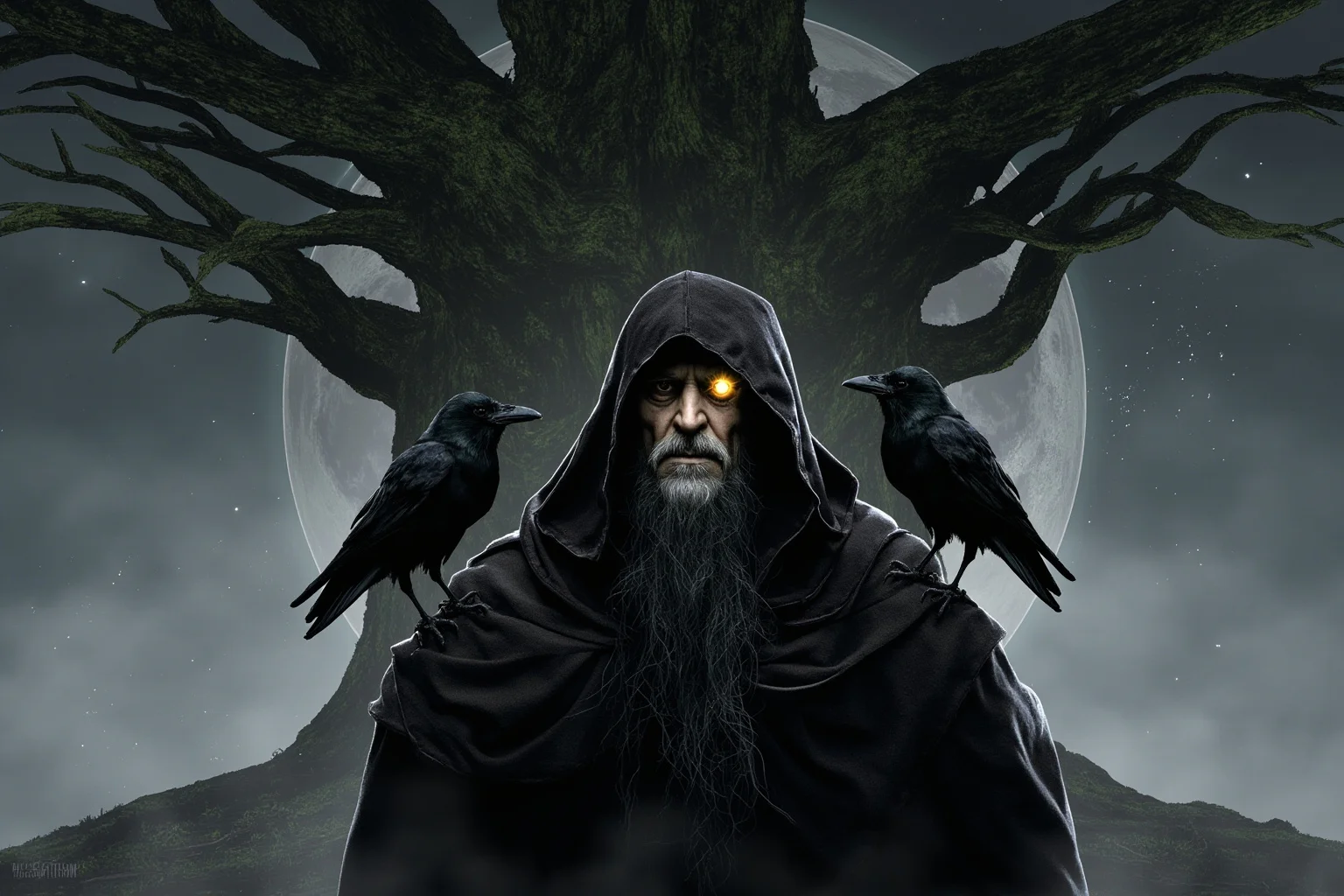
Odin is the Allfather, ruler of Asgard, and one of the most complex figures in any mythology. He’s a god of wisdom, war, poetry, and death all at once, which makes him far stranger than the wise-grandfather image popular culture often gives him.
According to the Poetic Edda poem Hávamál, Odin hanged himself from the World Tree Yggdrasil for nine nights to gain knowledge of the runes, and he traded an eye at Mimir’s Well for a drink of wisdom. He’s usually depicted with two ravens, Huginn and Muninn, who fly across the world gathering information for him.
Odin’s restless, morally ambiguous nature runs through nearly every major myth. He’s less interested in fairness than in gathering knowledge and preparing for Ragnarok, the foretold destruction of the gods.
2. Frigg
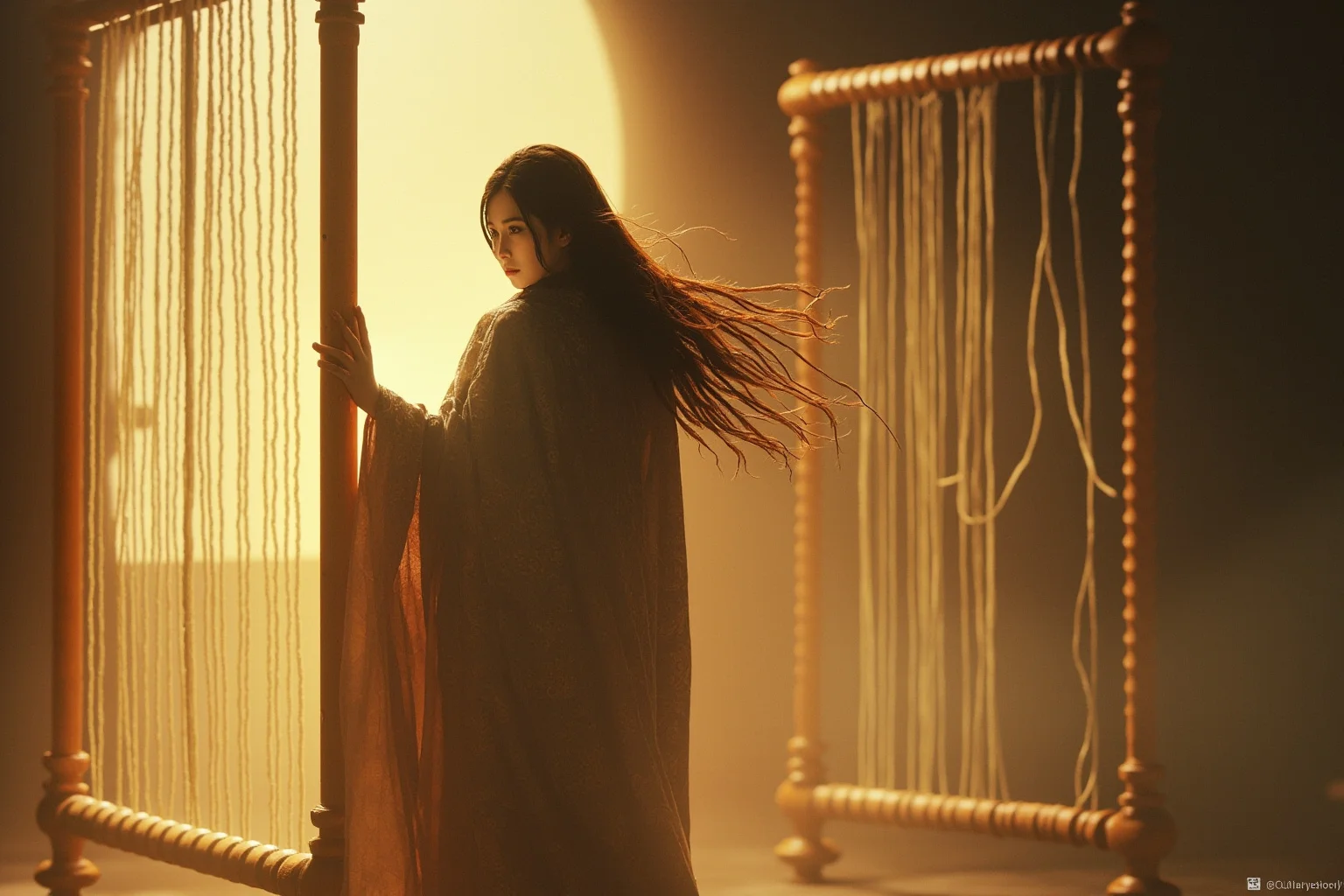
Frigg is Odin’s wife and the queen of Asgard, closely associated with marriage, motherhood, and foresight. She’s said to know everyone’s fate but rarely speaks it aloud, which fits the quiet, watchful role she plays across the sources.
Her most prominent myth is deeply personal: she extracts oaths from nearly everything in existence not to harm her son Baldr, an act of maternal protection that ultimately fails. Some scholars believe Frigg and Freyja may share a common older origin, since their names and roles overlap in places, though most Old Norse texts treat them as distinct goddesses.
3. Thor
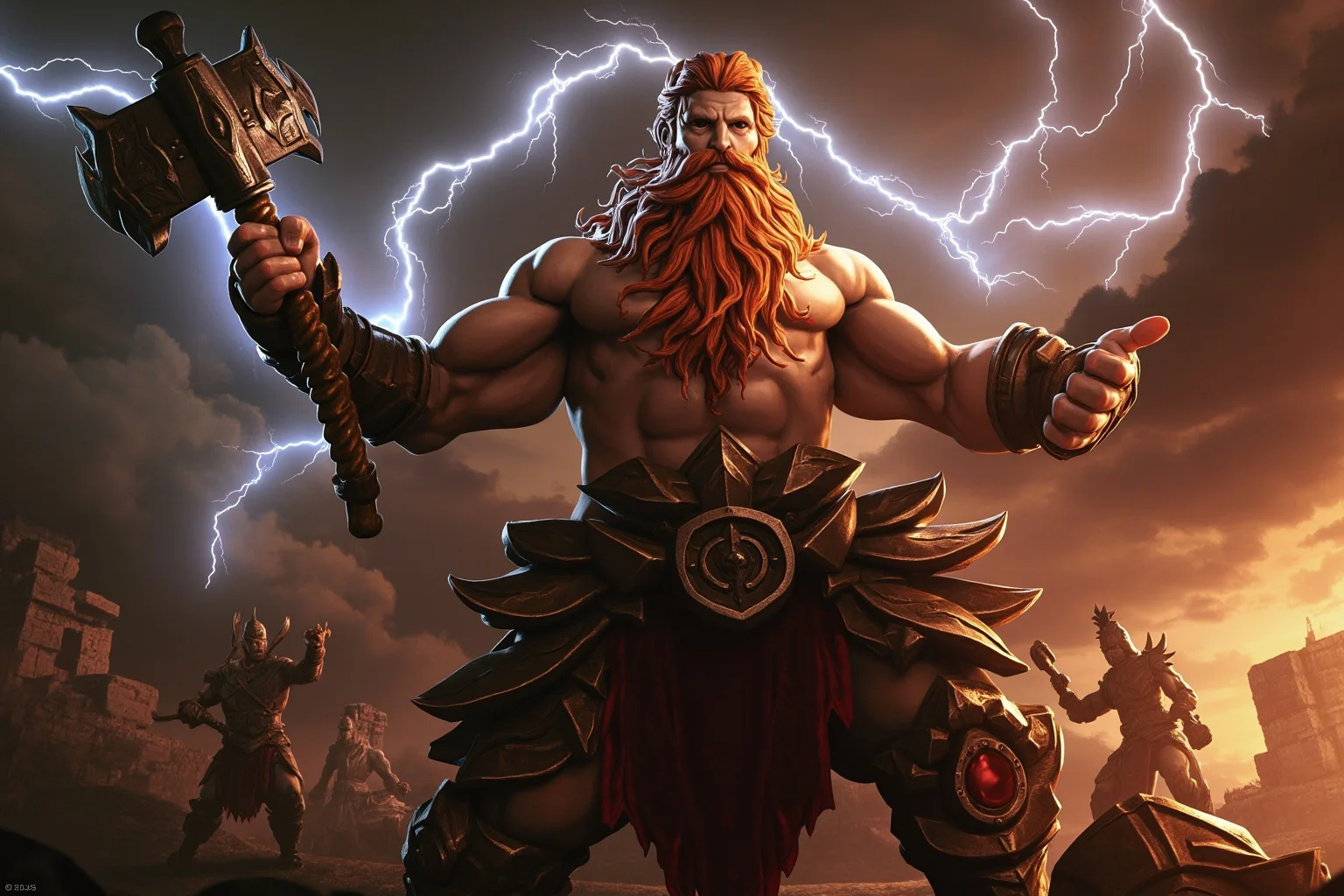
Thor, son of Odin, is the thunder god and the tireless protector of both Asgard and ordinary humans. His hammer Mjolnir was so central to Viking-age identity that archaeologists have found thousands of small hammer-shaped amulets across Scandinavia.
Unlike Odin’s cunning, Thor’s stories usually involve brute strength and straightforward heroism, whether he’s fighting giants or fishing for the world serpent Jormungandr. He was arguably more popular among everyday Norse people than Odin, since he was seen as a direct defender against chaos and misfortune.
4. Loki
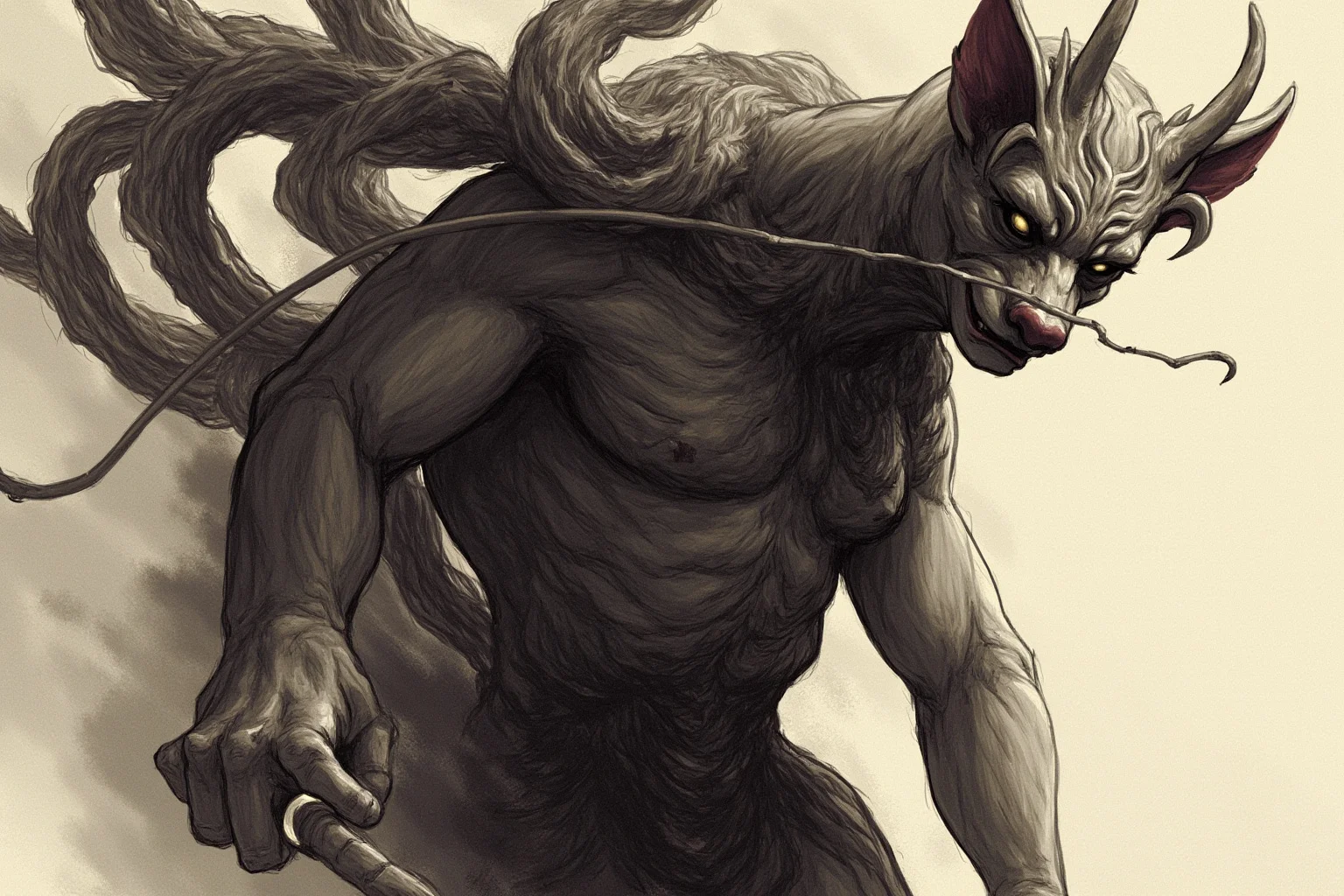
Loki is the trickster of Norse mythology, technically a jötunn (giant) by birth but a blood-companion of the gods through his bond with Odin. He’s neither purely good nor purely evil — he helps the gods out of trouble as often as he causes it.
His children include the wolf Fenrir and the serpent Jormungandr, along with Hel, ruler of the underworld, all born to the giantess Angrboda. Loki’s role in engineering Baldr’s death marks a turning point where the gods finally turn against him, binding him until Ragnarok.
5. Freyja
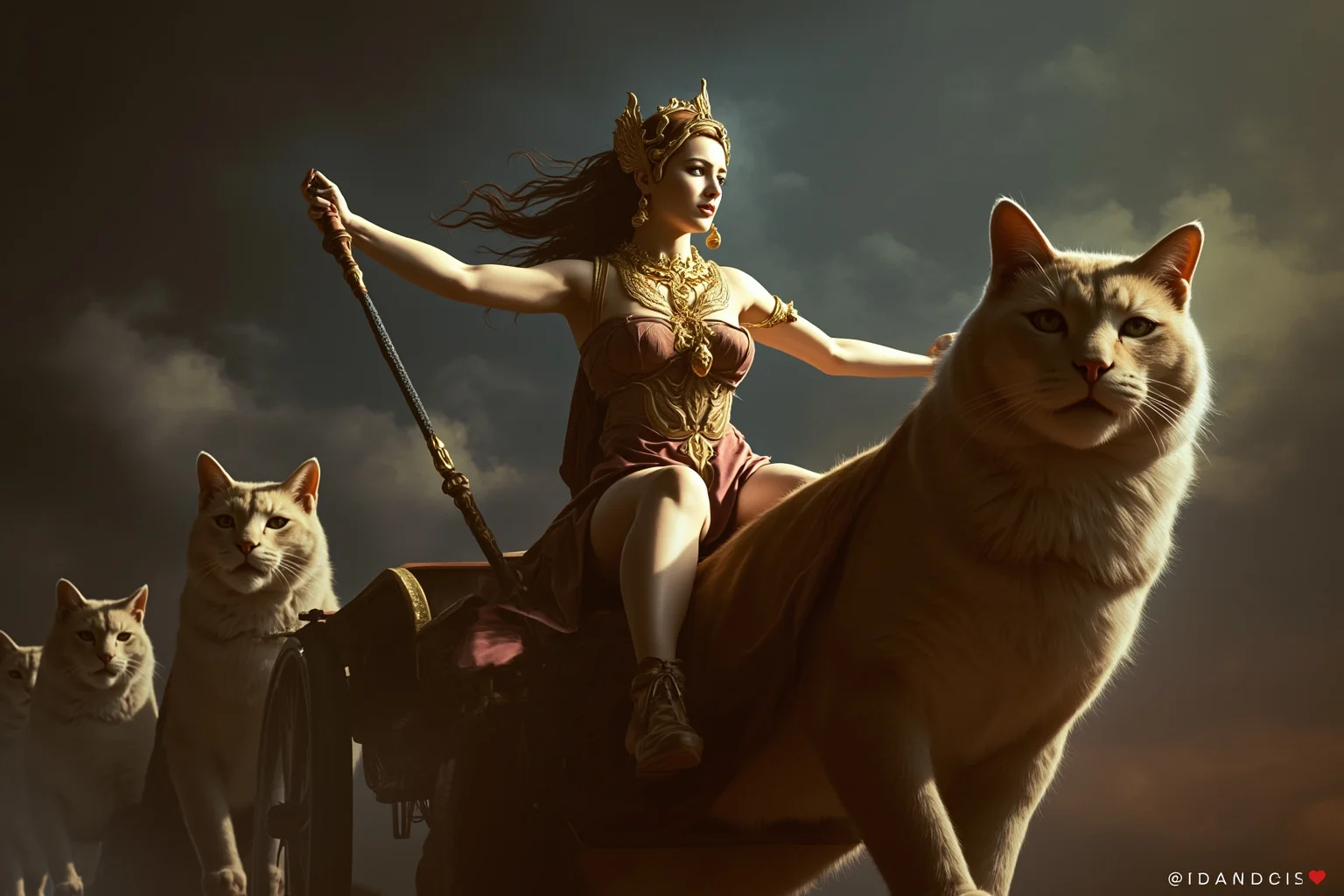
Freyja is one of the most iconic scandinavian goddesses names on any list of Norse deities, and for good reason. As a Vanir goddess of love, beauty, fertility, and surprisingly, war, she claims half of all warriors who die in battle for her hall, Fólkvangr.
She owns the golden necklace Brísingamen and is closely linked with seidr, a form of magic she’s credited with teaching to the other gods, including Odin. Her chariot is famously pulled by cats, a detail that has made her a favorite in modern retellings.
6. Freyr
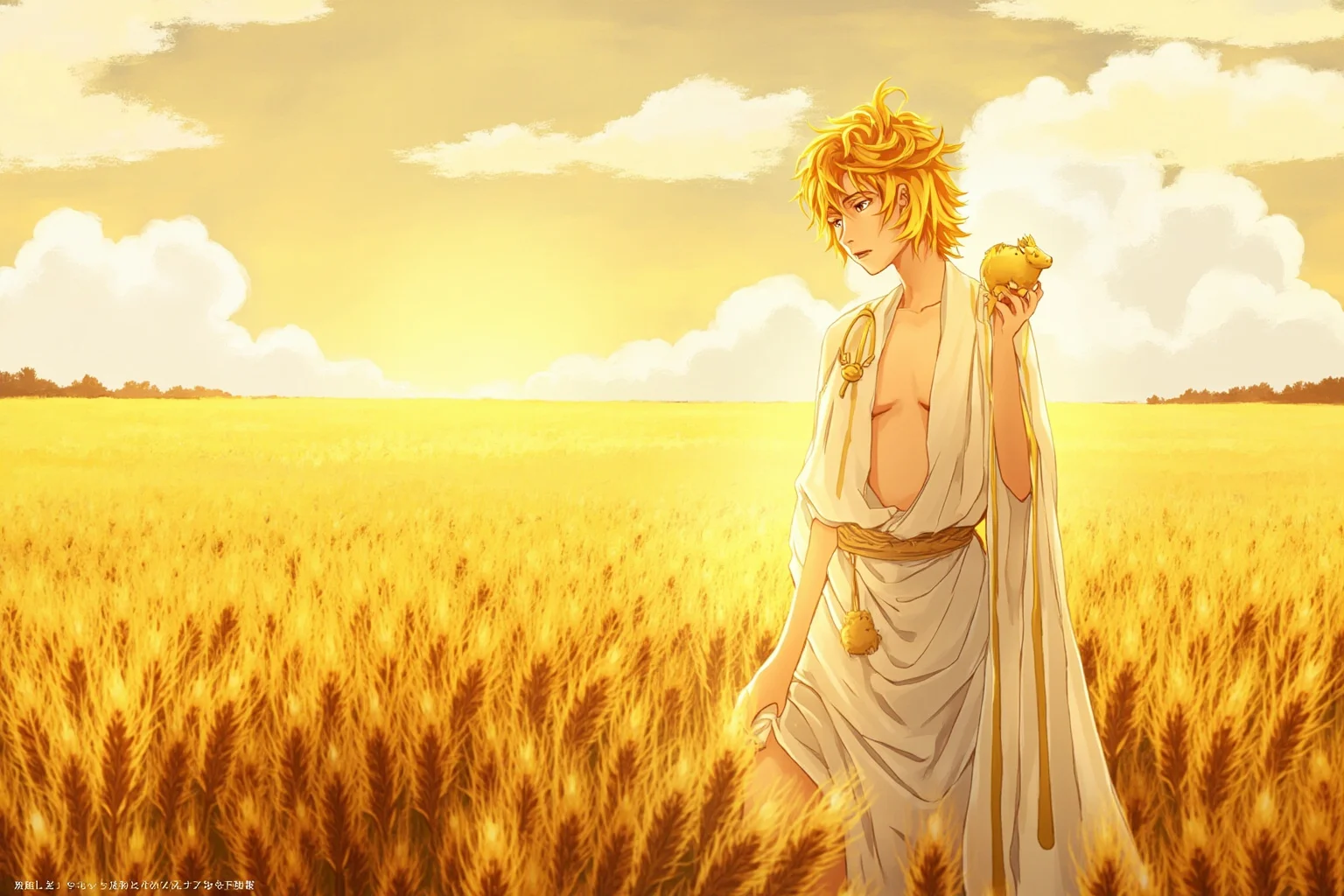
Freyr is Freyja’s twin brother and the Vanir god of prosperity, fertility, sunshine, and good harvests. He owns the folding ship Skíðblaðnir and the golden boar Gullinbursti, both gifts crafted by dwarves.
His most famous myth involves falling deeply in love with the giantess Gerd after seeing her from Odin’s high seat, eventually trading away his magic sword to win her hand. That trade is sometimes read as foreshadowing, since Freyr will be without a proper weapon at Ragnarok.
7. Tyr
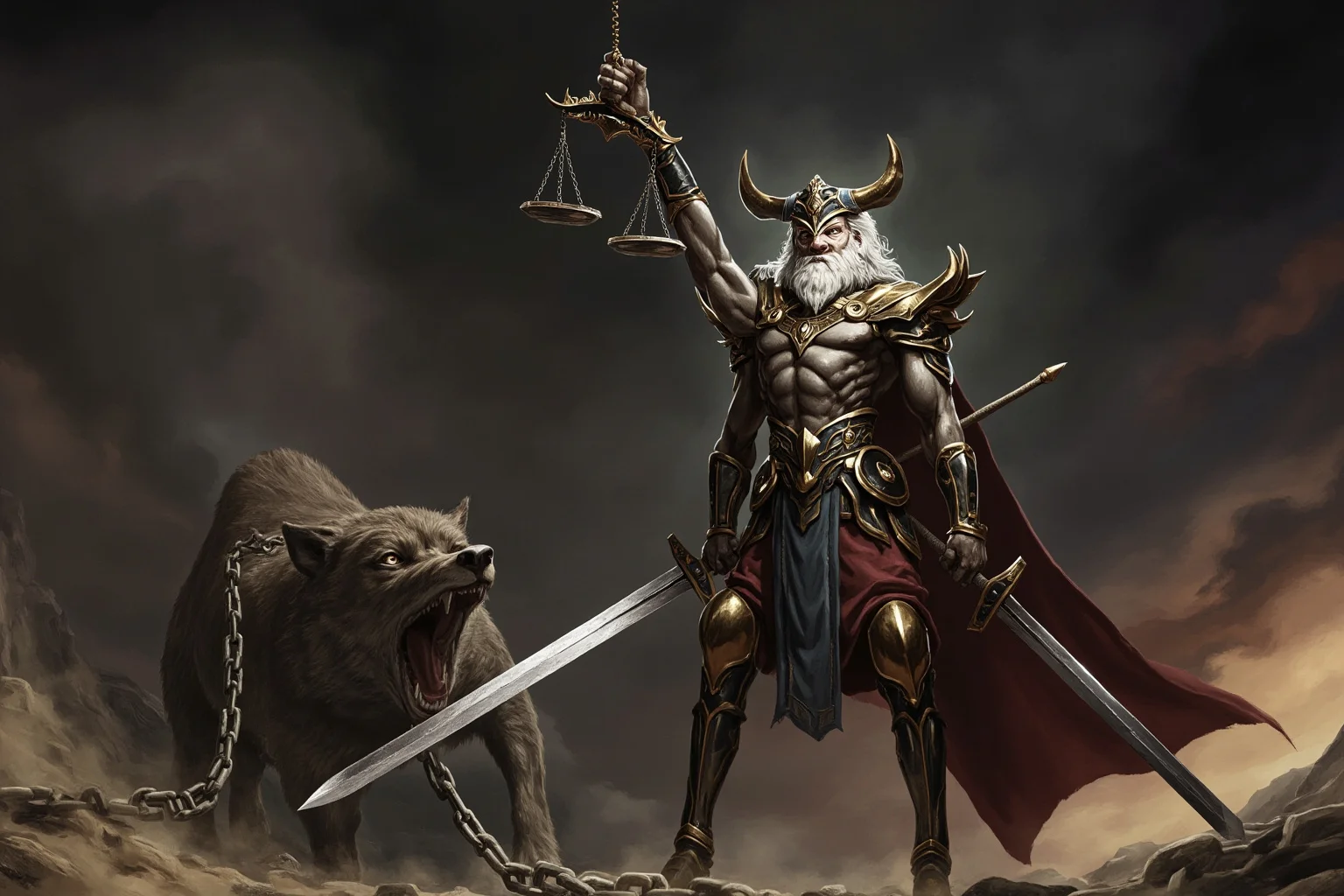
Tyr is the god of law, justice, and oaths, and he’s the namesake behind the English word “Tuesday” (from “Tiw’s day”). Despite his importance to concepts of order, relatively little myth survives about him compared to Thor or Odin.
His defining story is an act of self-sacrifice: to trick the monstrous wolf Fenrir into being bound, Tyr offers his hand as a show of good faith, knowing Fenrir will bite it off once the trick is revealed. It’s one of Norse mythology’s clearest examples of a god choosing painful duty over self-preservation.
8. Heimdall
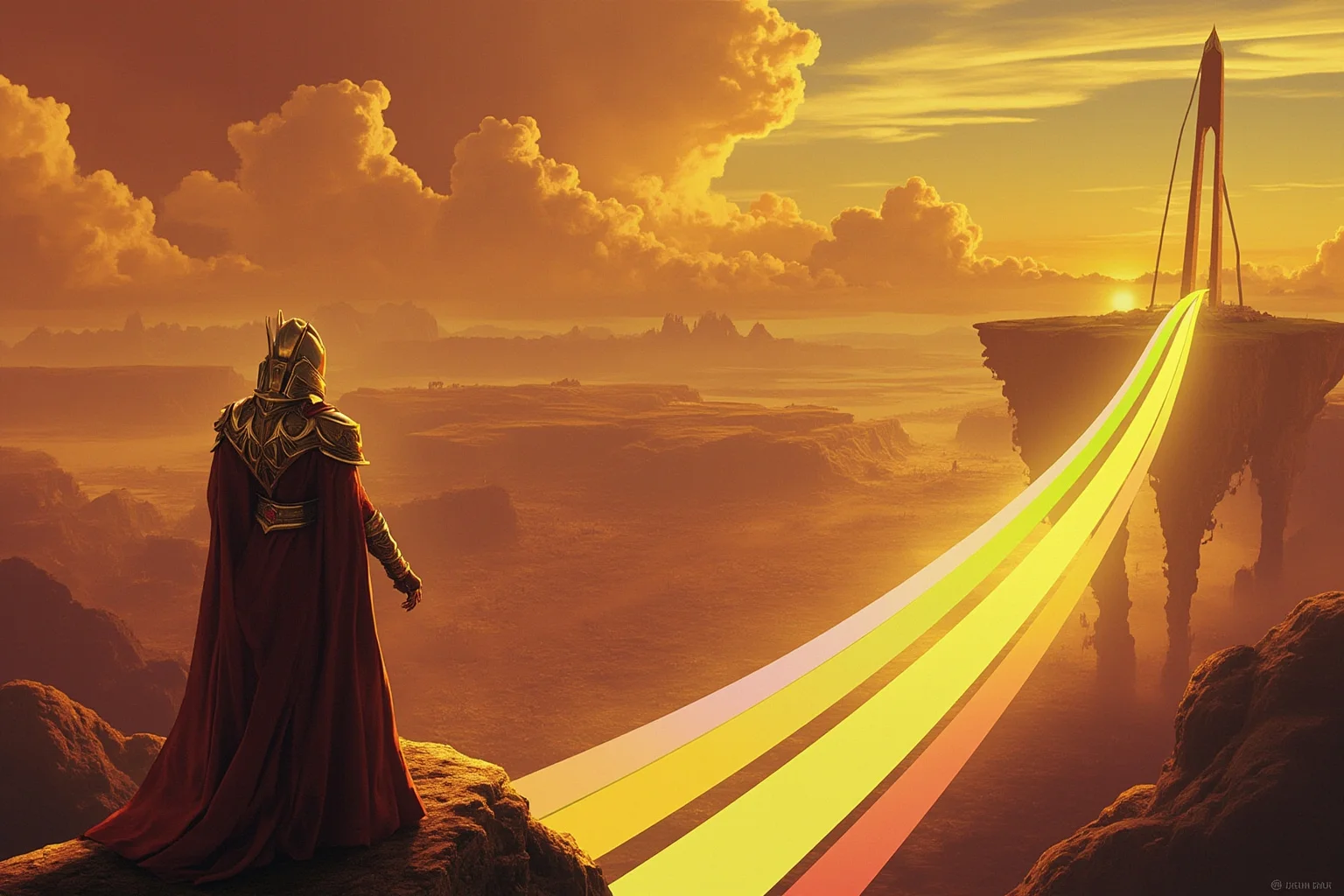
Heimdall is the ever-watchful guardian of Bifrost, the rainbow bridge connecting Asgard to the human world of Midgard. He’s described as needing almost no sleep and having senses so sharp he can hear grass grow.
At Ragnarok, Heimdall is destined to sound his horn, Gjallarhorn, to warn the gods that the final battle has begun. His origins are unusually mysterious even by Norse standards, with some sources suggesting he was born of nine mothers.
9. Baldr
Baldr, son of Odin and Frigg, is often described as the most beautiful and beloved of all the gods. His death is one of the most consequential events in Norse mythology, triggered when Loki tricks the blind god Hodr into killing him with a dart made of mistletoe, the one thing Frigg forgot to make swear an oath of protection.
Baldr’s death sets off a chain of grief and vengeance that leads directly to Loki’s punishment. Some sources suggest Baldr is fated to return to a renewed world after Ragnarok, offering one of the mythology’s rare notes of hope.
10. Njord
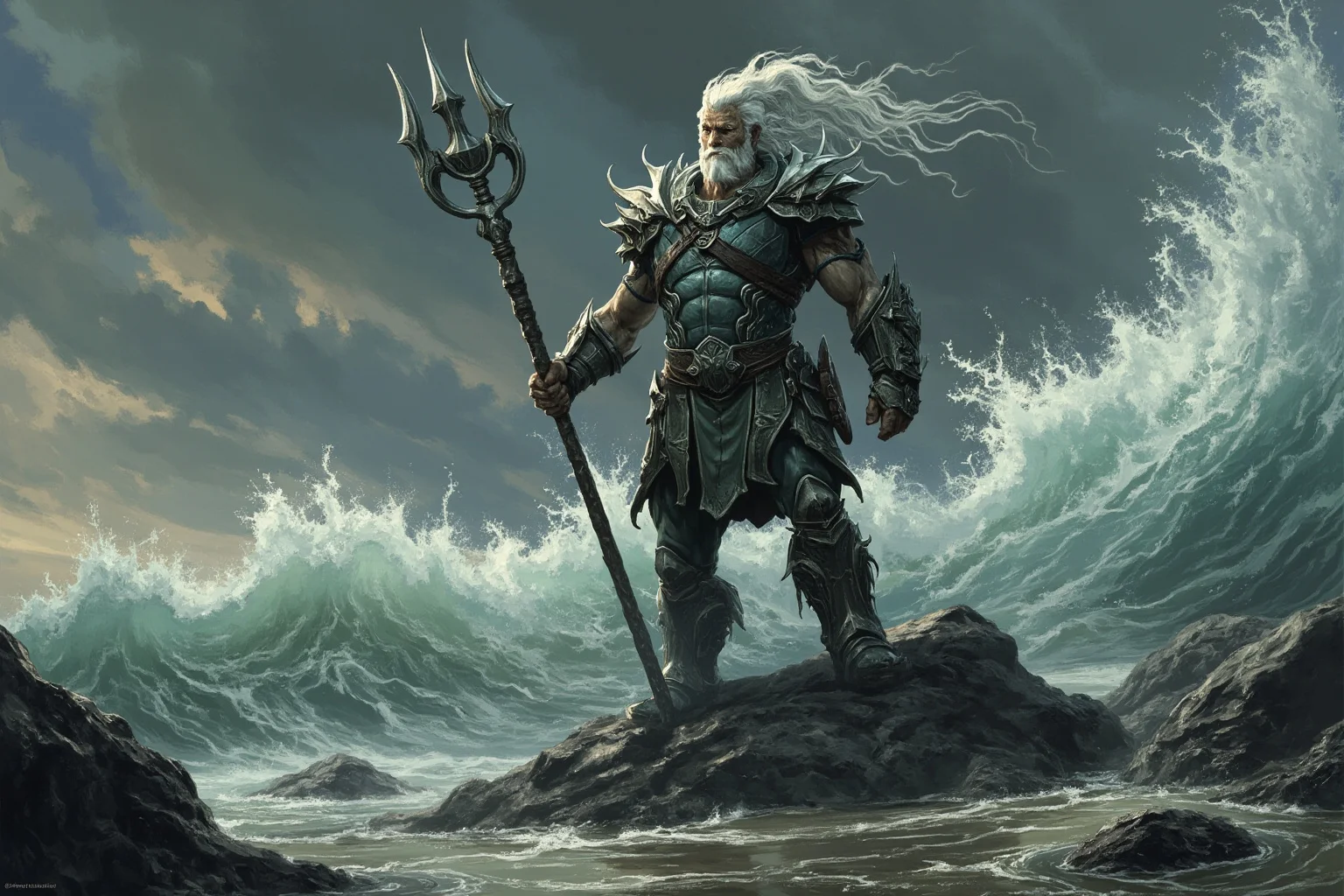
Njord is the god of the sea, seafaring, and wealth, and father to both Freyr and Freyja. He’s a Vanir god who came to live among the Aesir as part of the peace settlement between the two tribes.
His brief, unhappy marriage to the giantess Skadi is often cited as a myth about incompatible living conditions rather than passion, since neither could stand living in the other’s homeland for long.
11. Skadi
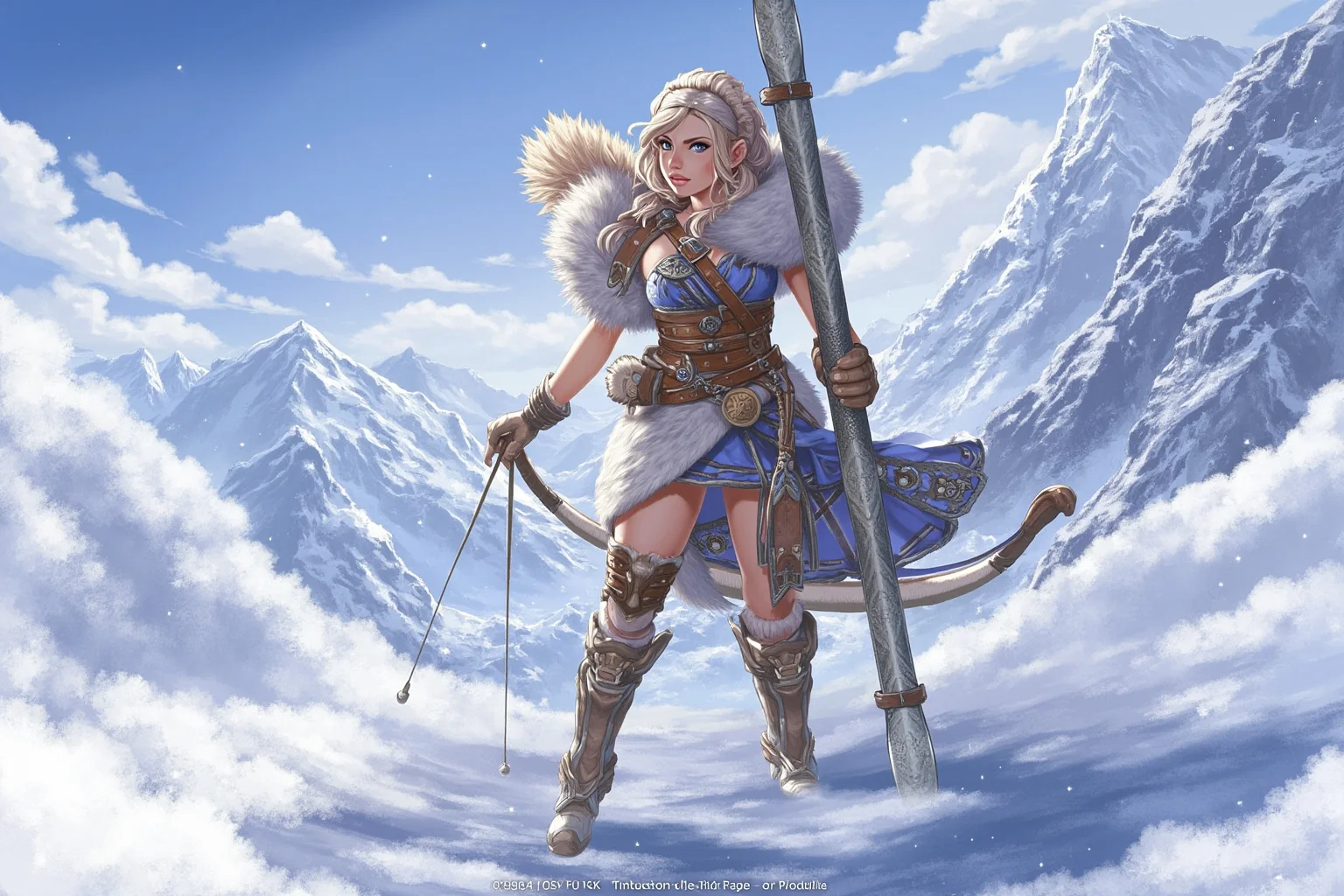
Skadi is a giantess strongly associated with winter, mountains, skiing, and hunting, and she’s frequently included on lists of nordic goddess names even though she’s technically a jötunn by birth. She marries Njord as compensation after the gods kill her father, Thiazi, but the marriage doesn’t last.
Skadi’s independence and clear preference for the wilderness over Asgard’s comforts make her one of the more strikingly self-directed female figures in the mythology.
12. Idun
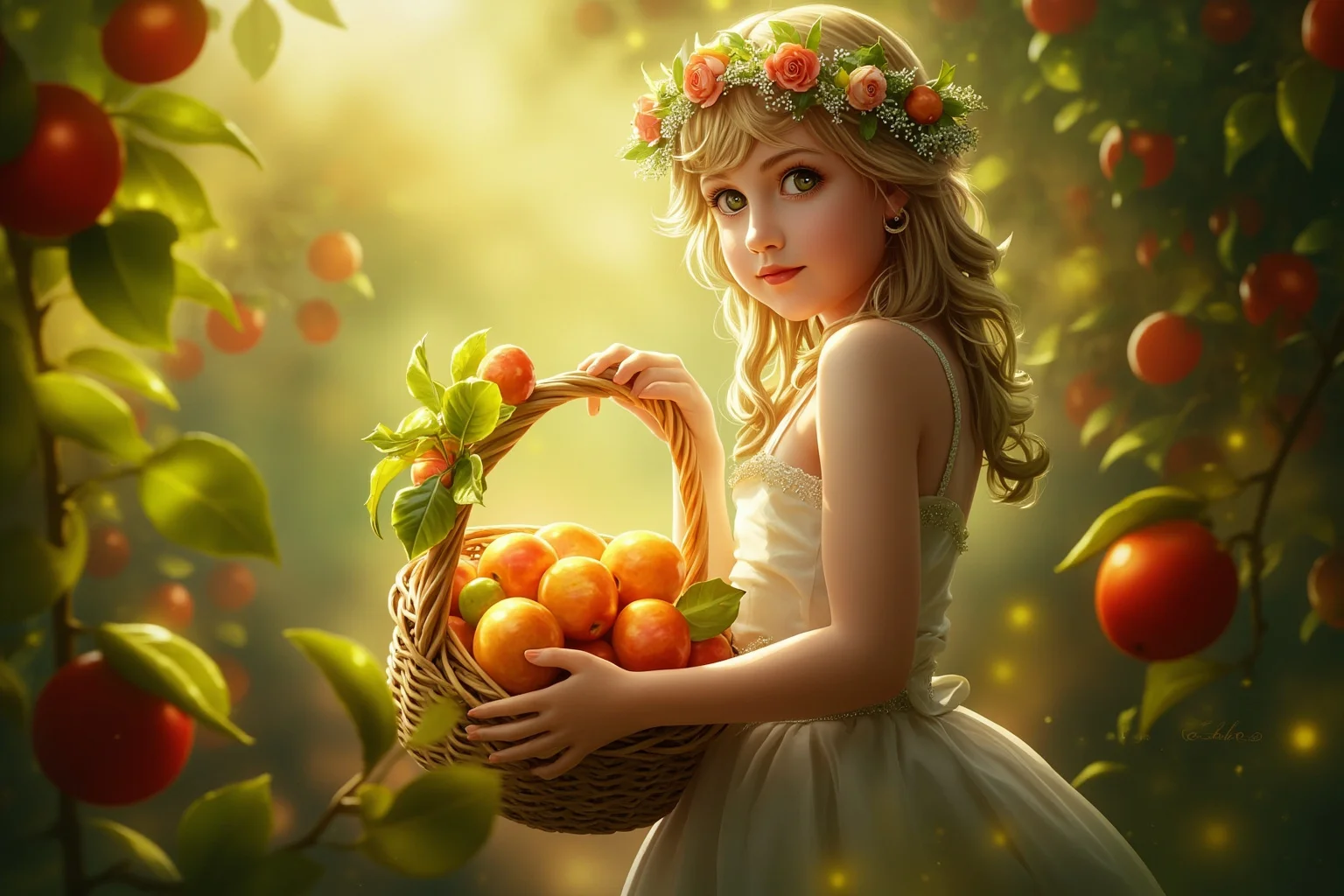
Idun is the keeper of the golden apples that keep the gods eternally youthful, making her role quietly essential to the entire pantheon’s survival. When the giant Thiazi kidnaps her with Loki’s unwitting help, the gods begin visibly aging until Loki is forced to rescue her.
Her myth is short but significant, showing how even minor-seeming figures can hold enormous power over the gods’ fate.
13. Sif
Sif is Thor’s wife, best known for a myth involving her hair rather than any independent domain of power. Loki cuts off her famous golden locks as a prank, then is forced to have dwarven craftsmen forge her a new head of hair from real gold.
Some scholars connect Sif’s golden hair to fields of grain, suggesting she may have once had stronger ties to agricultural fertility than the surviving texts reveal.
14. Bragi
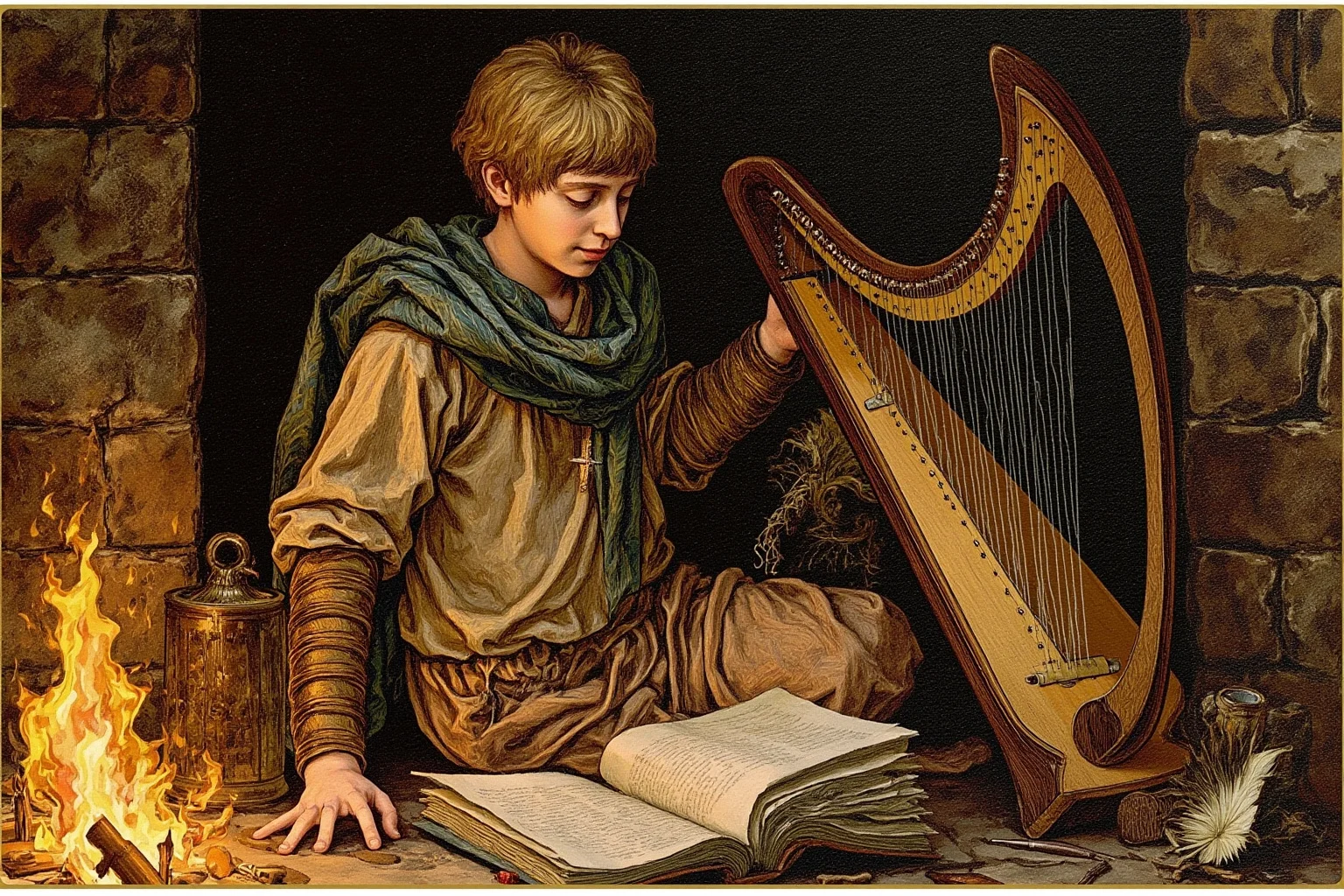
Bragi is the god of poetry and eloquence, married to Idun, and generally associated with skaldic tradition, the complex verse form Norse poets were famous for. He appears mostly in gathering scenes among the gods rather than in major standalone myths.
Some scholars have wondered whether Bragi began as a deified memory of a real skaldic poet before being folded into the pantheon, though this remains a theory rather than settled fact.
15. Hel
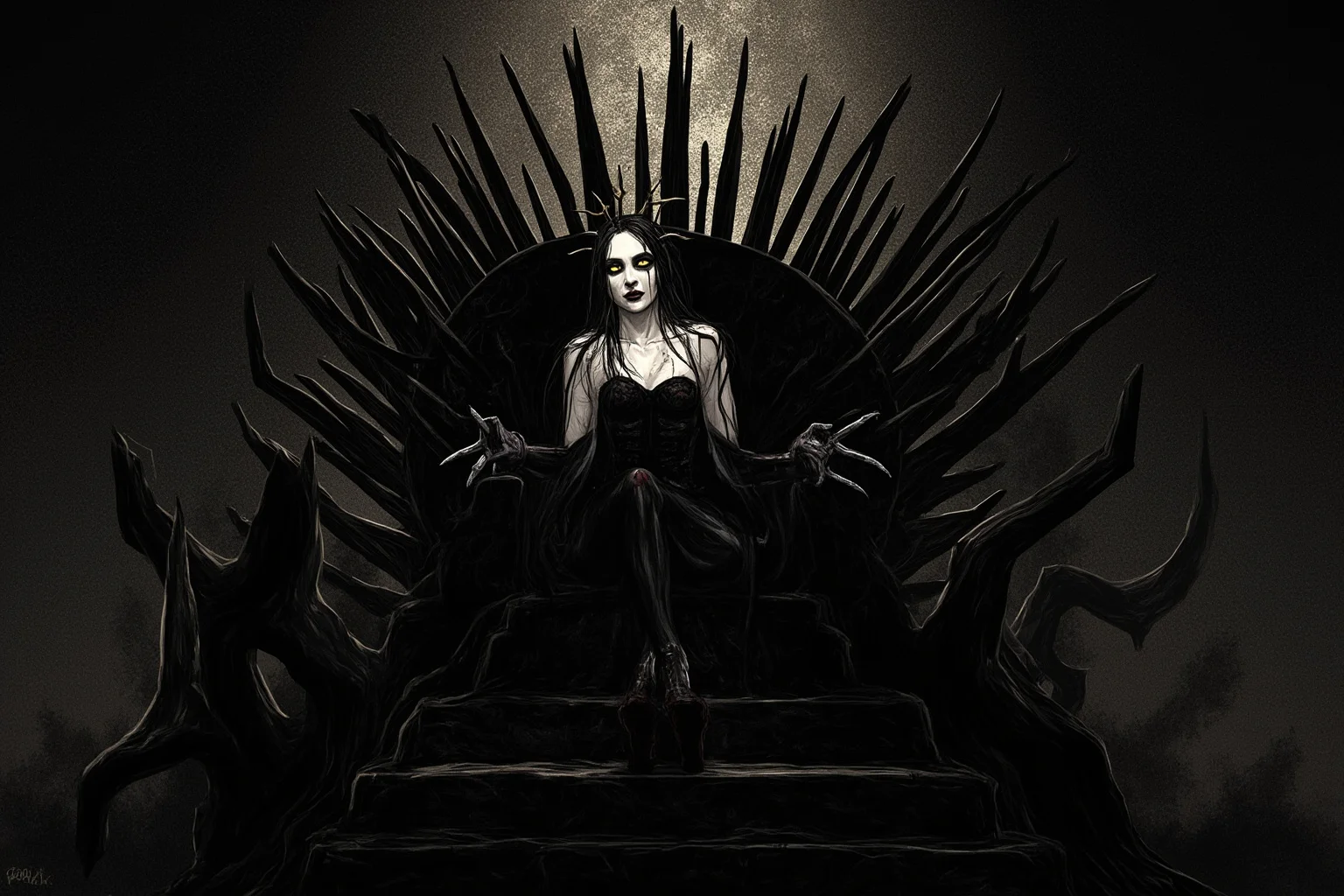
Hel is the ruler of Helheim, the underworld realm for those who die of sickness or old age rather than in battle. She’s the daughter of Loki and the giantess Angrboda, and the Prose Edda describes her as half living-colored and half corpse-colored.
Unlike some later, more sinister “hell” imagery she inspired linguistically, Hel herself isn’t necessarily portrayed as evil in the myths — she simply governs her own grim domain with authority.
16. Logi
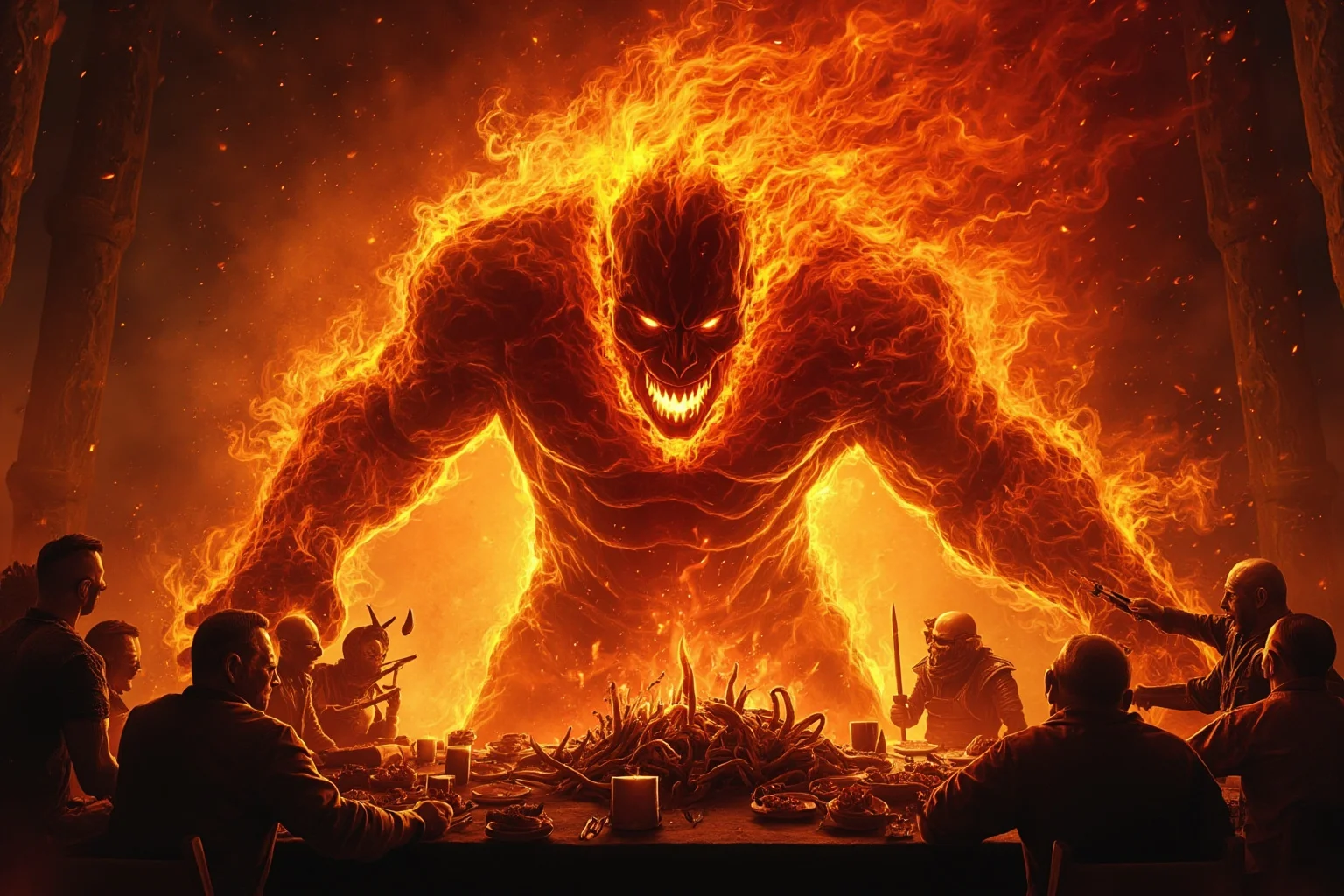
Logi is a fire jötunn, and his name is easy to confuse with Loki’s, which trips up even careful readers. In the Prose Edda’s tale of Thor and Loki visiting the hall of Utgarda-Loki, Logi personifies wildfire and beats Loki in an eating contest by literally burning through everything, bones, bowl, and all.
The Logi norse mythology story is essentially a riddle about disguised giants and impossible contests, and it’s a good reminder that Snorri’s Edda is full of wordplay that doesn’t always survive translation cleanly. Logi and Loki are separate figures, despite the similar names.
17. Þökk
Þökk appears in exactly one moment in Norse mythology, but it’s a pivotal one. After Baldr’s death, the gods send Hermod to Hel to plead for his return, and Hel agrees on one condition: every single being in existence must weep for Baldr.
Nearly everything does, except for one old giantess named Þökk, who flatly refuses, saying she’ll weep “dry tears” for Baldr and that Hel can keep what she has. Many scholars, following hints in the Prose Edda itself, suspect Þökk was actually Loki in disguise, sealing Baldr’s fate permanently and setting the stage for the gods’ final vengeance against him.
18. Vidar
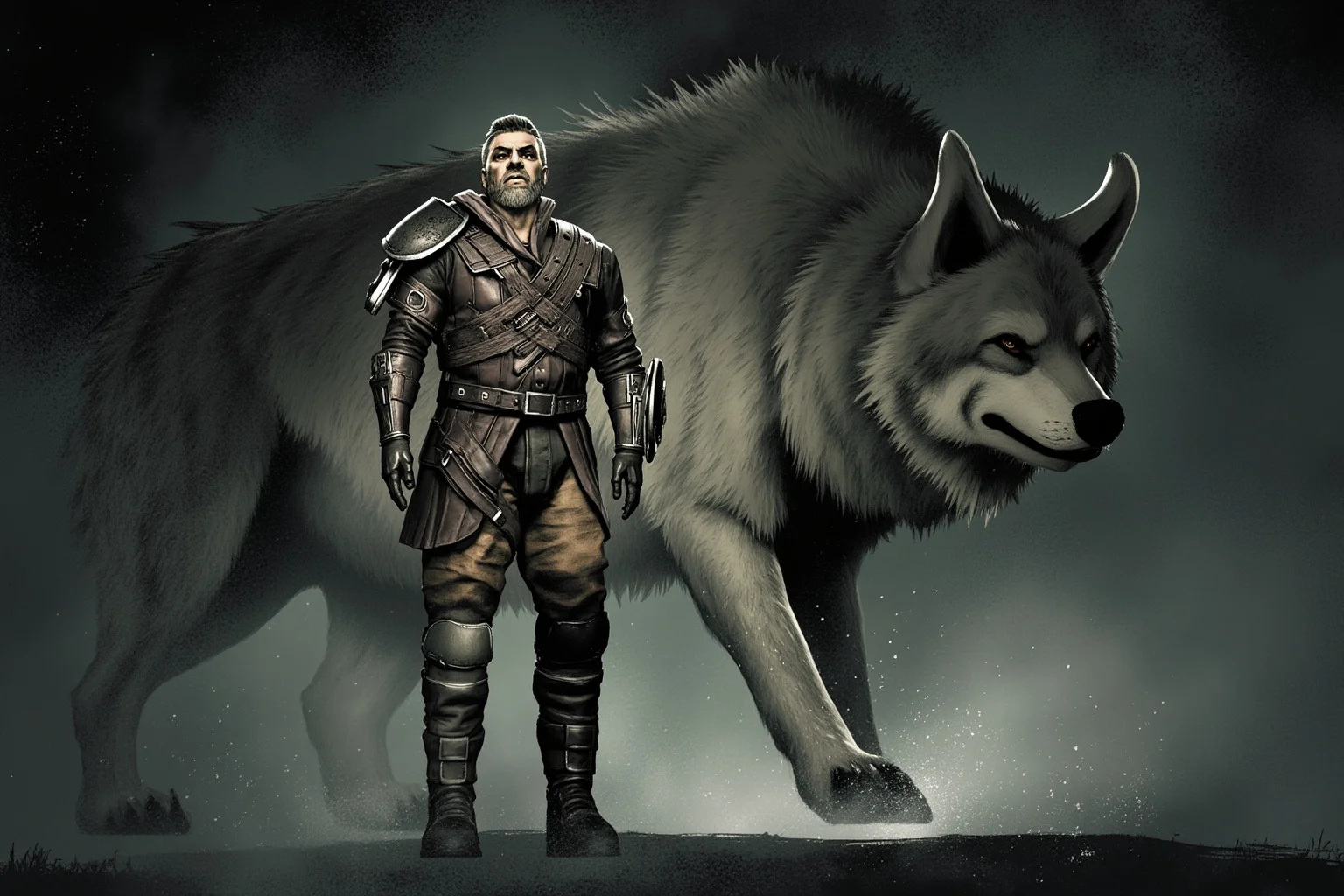
Vidar is Odin’s son, described as almost silent and slow to anger, which is unusual among the more talkative Norse gods. His entire mythological purpose centers on Ragnarok, where he’s fated to avenge his father by killing the wolf Fenrir.
Vidar reportedly wears a special thick shoe, sometimes said to be made from scraps of leather saved by cobblers, which he uses to help pin down Fenrir’s jaw in the final battle.
19. Sigurd
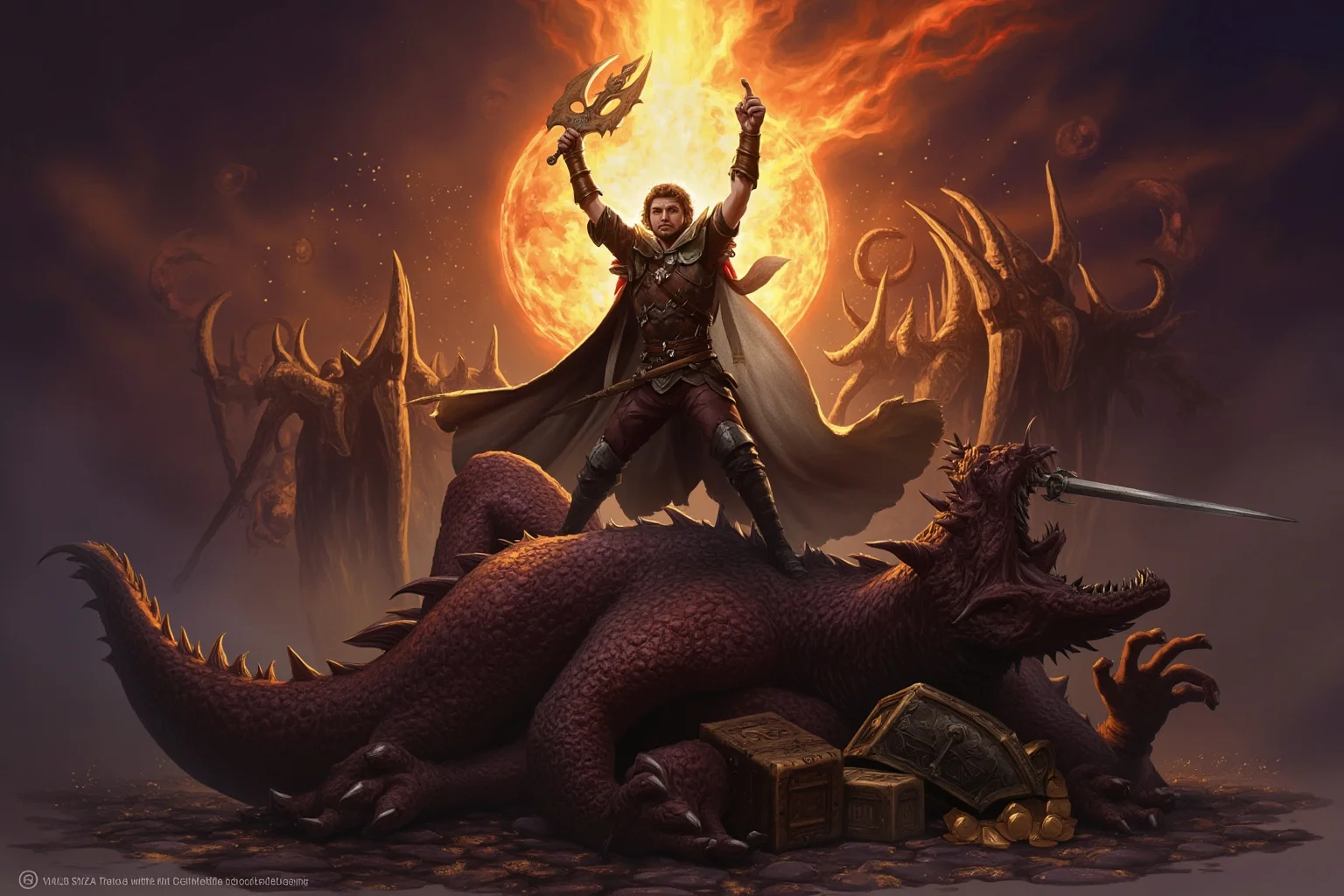
Moving from gods to heroes of Norse mythology, much like the Greek heroes in mythology who blur the line between human and divine, Sigurd (also spelled Sigurðr) is the central figure of the Volsunga Saga, one of the great legendary sagas of medieval Scandinavia. He’s best remembered for slaying the dragon Fafnir and claiming a cursed hoard of treasure, including a ring that brings doom to nearly everyone who touches it afterward.
Sigurd’s story later influenced the German Nibelungenlied and, much later, Richard Wagner’s opera cycle, making him one of the most far-reaching figures in this entire tradition.
20. Ragnar Lodbrok
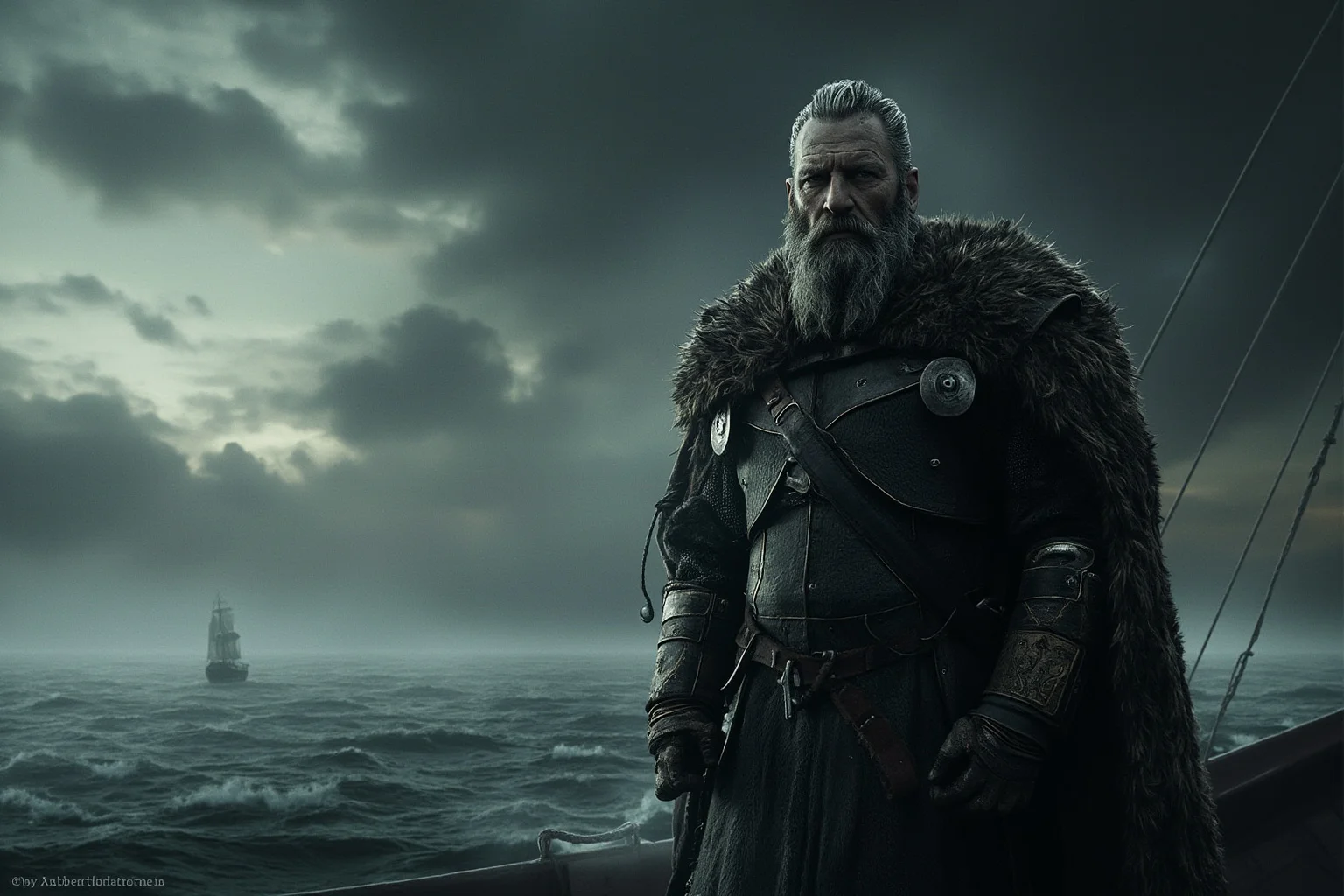
Ragnar Lodbrok is a legendary Viking hero-king who appears across multiple sagas, blending genuine historical memory with clear mythmaking. Some historians believe he may be loosely based on one or more real 9th-century Viking raiders, but the saga versions of his life are heavily embellished with fantastical episodes.
His popularity has surged again through modern television, but it’s worth remembering that saga literature was written centuries after any events it describes, often to entertain and to link noble families to a glorious, half-mythical past rather than to record strict history.
What These Myths Have in Common
Across all 20 of these gods, goddesses, and heroes, a few themes keep resurfacing: fate is inescapable, cleverness often beats brute strength, and even the gods aren’t safe from consequences. Ragnarok looms over almost every major story, giving Norse mythology a tone that’s darker and more fatalistic than many other mythological traditions.
It’s also a mythology full of blurred lines. Giants marry gods, tricksters are family, and heroes are only a few steps removed from the divine figures they worship. That moral complexity is likely part of why these stories still resonate so strongly today.
Why This Mythology Still Resonates
Modern audiences encounter Norse mythology through comics, films, and games far more often than through the original Eddas, and that’s not necessarily a bad entry point. But it does mean some liberties, like softened villains or invented romances, get mistaken for ancient tradition.
Going back to the actual sources reveals a mythology that’s less about clean heroism and more about navigating fate, cleverness, and loyalty in a universe that’s already scheduled to end. Figures like Þökk and Logi may only get a few lines in the original texts, but they show just how richly layered this mythological world really is.
Whether you came here looking for scandinavian goddesses names, curious about the difference between Logi and Loki, or just wanting a broader map of Norse mythology figures, the sources reward a closer look. These stories have survived nearly a thousand years of retelling for a reason.
Frequently Asked Questions
What are the main norse mythology gods and goddesses?
The core Norse pantheon includes gods and goddesses such as Odin, Frigg, Thor, Sif, Loki, Freyja, Freyr, Tyr, Heimdall, Baldr, Njord, Idun, and Bragi, among others. They're divided between two tribes, the Aesir and the Vanir, who merged after an early mythological war.
What is the difference between Loki and Logi in Norse mythology?
Loki is the well-known trickster god (technically a jötunn by birth) who plays a major role throughout Norse mythology, including Baldr's death. Logi is a separate fire giant who personifies wildfire and appears mainly in one story, an eating contest with Loki in the hall of Utgarda-Loki, described in Snorri Sturluson's Prose Edda.
Who is Þökk in Norse mythology?
Þökk is an old giantess who appears briefly after Baldr's death, when Hel demands that everything in existence weep for him before she'll release him. Þökk refuses to weep, and many scholars believe she was actually Loki in disguise, an act that permanently sealed Baldr's fate.
What are some well-known Scandinavian or Nordic goddess names?
Prominent Scandinavian and Nordic goddess names from Norse mythology include Frigg, Freyja, Sif, Idun, Skadi, and Hel. Each governs a different domain, from love and fertility to winter, youth, and the underworld.
Who are considered heroes of Norse mythology, as opposed to gods?
Legendary heroes like Sigurd, the dragon-slayer from the Volsunga Saga, and Ragnar Lodbrok, a saga king with possible loose ties to real Viking-age figures, are considered heroes rather than gods. They appear in Icelandic sagas and legendary poetry rather than in the core divine myths of the Eddas.
Is Norse mythology historically accurate?
Norse mythology reflects pre-Christian religious beliefs, but the surviving written sources, mainly the Poetic Edda and Prose Edda, were recorded in the 13th century, long after Scandinavia's conversion to Christianity. This means the texts offer valuable but filtered insight into earlier beliefs rather than a direct, unedited record of ancient religion.

Alex Warren
Related Articles





