

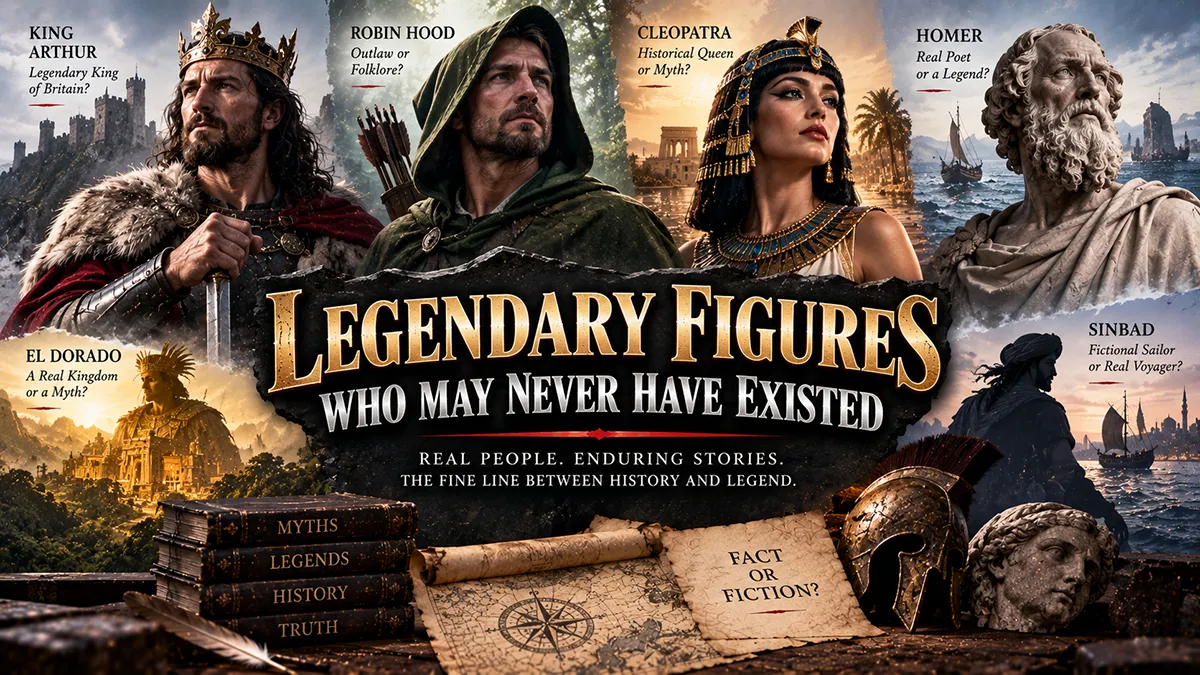
Some of history’s most recognized names were never once mentioned by a contemporary source. No birth record, no eyewitness account, no archaeological trace — just centuries of stories that grew taller with every retelling.
These are the ancient legends and legendary figures who sit in the strange gray zone between history and myth, where scholars argue and storytellers thrive.
This list isn’t about debunking for the sake of it. It’s about understanding how legends in history actually form — how a real event, a folk memory, or pure invention can calcify into “fact” over hundreds of years. Some of these figures almost certainly existed in some form.
Others were probably composites, symbols, or outright fabrications. Either way, they’re some of the most popular legends ever told.
TL;DR: Many of history’s most famous legendary figures — from King Arthur to Homer — lack solid historical evidence, showing how easily legend and history blend together over time.
Where Legend and History Collide
Before printing presses, fact-checkers, or birth certificates, oral tradition was the internet of the ancient world. Stories passed from generation to generation naturally picked up embellishments, borrowed details from other tales, and merged with local folklore. A minor chieftain could become a demigod within a few centuries of retelling.
Historians generally separate these figures into a few categories. Some are likely based on real people whose deeds were exaggerated over time. Others are composite characters, stitched together from multiple real or half-real individuals. Still others appear to be purely symbolic creations, invented to explain a nation’s origins, justify a religious tradition, or give a moral lesson a human face.
What follows is a tour through some of the most enduring old legends from around the world. Each entry looks at what we actually know, what’s likely embellishment, and why the debate over their historicity still matters today.
1. King Arthur
No figure looms larger in British legend than King Arthur, the sword-wielding king of Camelot and the Knights of the Round Table. The problem is that no historical document from Arthur’s supposed lifetime, around the 5th or 6th century AD, mentions him by name. The earliest detailed accounts come from Geoffrey of Monmouth’s 12th-century “History of the Kings of Britain,” written some 600 years after Arthur was said to have lived.
Most historians believe Arthur may be a composite of several post-Roman British war leaders who resisted Anglo-Saxon invasions. The romantic trappings — Excalibur, Merlin, the Lady of the Lake — were almost entirely added by medieval French and English poets. Arthur remains one of the most famous legends in Western culture precisely because no one can definitively prove or disprove him.
2. Robin Hood
The outlaw of Sherwood Forest who stole from the rich and gave to the poor has been a fixture of English folklore since at least the 14th century. Early ballads portray him as a much rougher, more violent figure than the noble hero of later retellings. There’s no consistent historical record placing a single “Robin Hood” in Nottinghamshire during any specific reign.
Court records from medieval England do show several men using the name or nickname “Robinhood,” suggesting it may have become a generic alias for outlaws rather than one person’s identity. Some scholars think the legend blended real bandit folklore with older mythic archetypes of the trickster-hero. Robin Hood endures as one of history’s most popular legends precisely because his story is so flexible.
3. William Tell

Switzerland’s national hero is famous for shooting an apple off his son’s head under threat of execution, then going on to spark a rebellion against Austrian rule. The tale first appears in writing in the 15th century, roughly 150 years after the events it describes supposedly took place. No contemporary Swiss or Austrian record from the early 1300s mentions him.
Interestingly, near-identical “apple-shot” stories appear in Norse sagas and other European folklore predating the Tell legend. This has led many historians to conclude that William Tell was a national myth built from older story templates, crafted to give the Swiss confederacy a unifying founding hero. Whether or not he existed, his legend became central to Swiss identity for centuries.
4. Homer
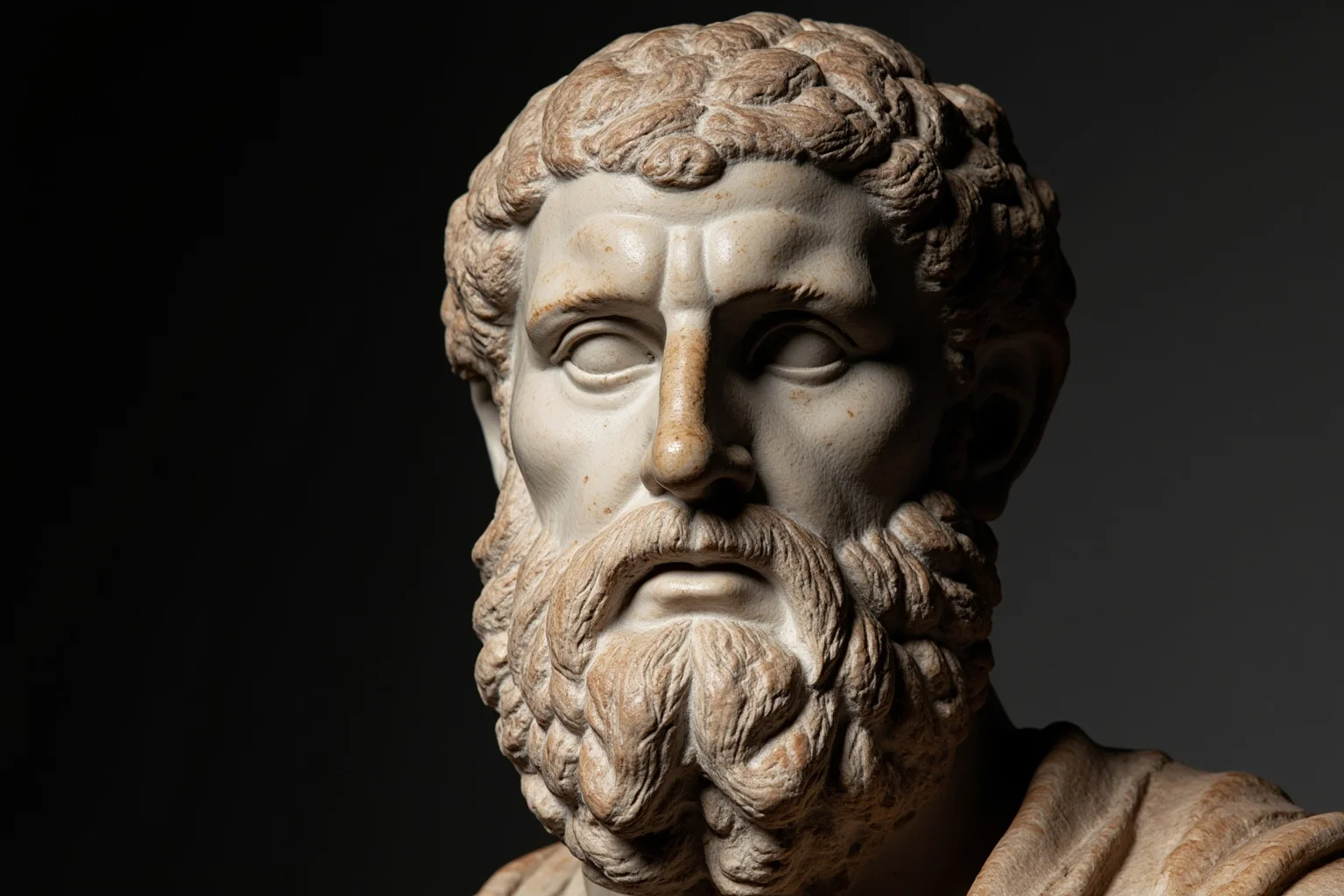
The poet credited with the “Iliad” and the “Odyssey” is arguably the most influential author in Western literature, yet almost nothing reliable is known about him. Ancient Greek biographies of Homer contradict each other on his birthplace, era, and even whether he was blind, as tradition claims. Some scholars think “Homer” represents a single genius; others argue the epics were compiled from generations of oral poets.
This debate, often called the “Homeric Question,” has run for over two thousand years without resolution. It’s a prime example of how legends of history can attach a single famous name to what may really be a collective cultural achievement. Whoever composed them, the poems themselves are undeniably real and enormously influential.
5. Romulus and Remus
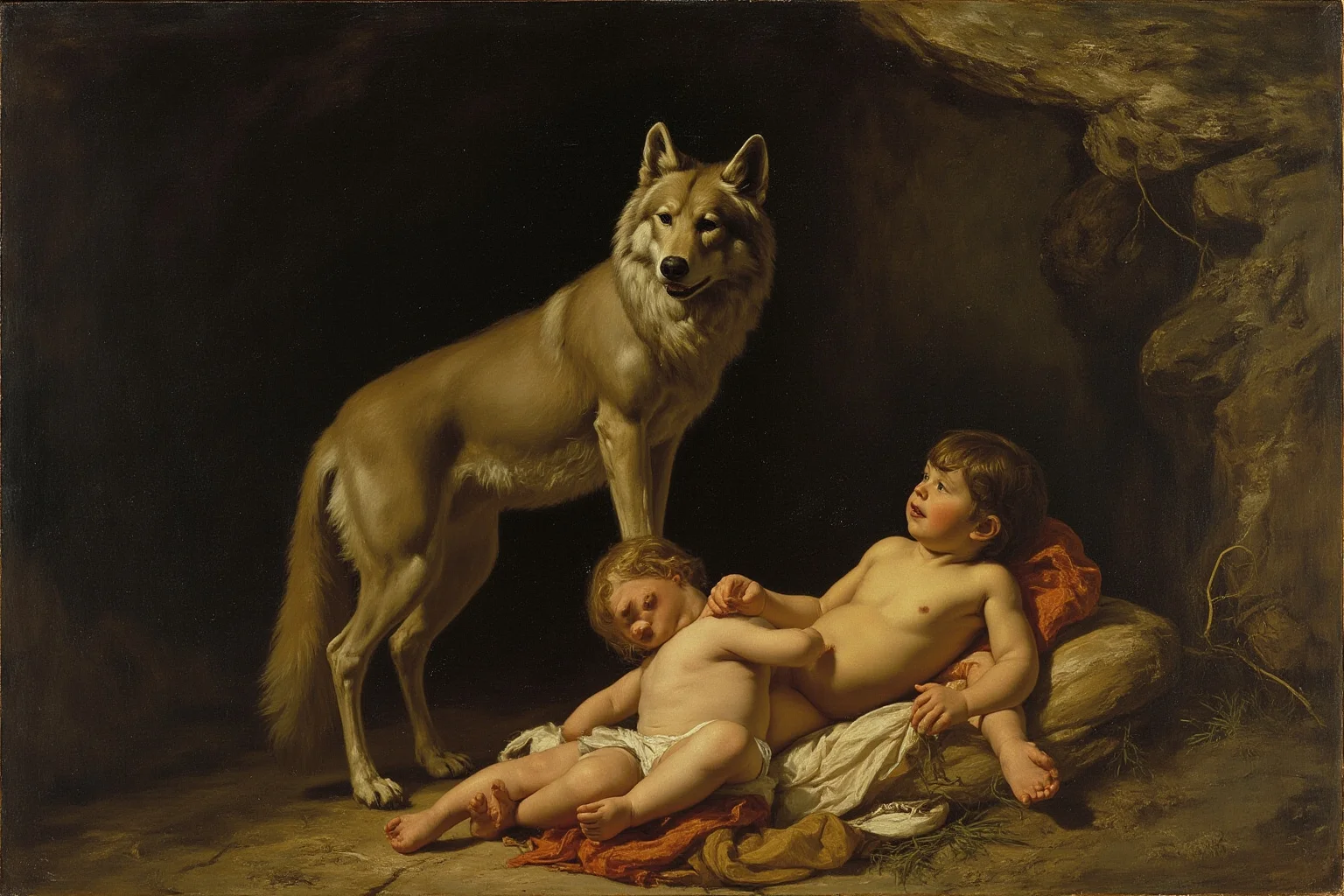
Rome’s foundation myth tells of twin brothers raised by a she-wolf who grew up to found the city in 753 BC, with Romulus killing Remus in a dispute over where to build it. Archaeological digs on Rome’s Palatine Hill have uncovered genuine Iron Age settlements dating close to this traditional founding date, which is a rare case of legend and history nearly lining up. Still, no evidence supports actual twin founders or a literal wolf-nursing.
Roman historians themselves, including Livy, acknowledged that the founding story blended myth with a kernel of plausible history. The tale likely served a political purpose, giving Rome a dramatic, semi-divine origin story to rival Greek foundation myths. It remains one of the most famous legends of the ancient Mediterranean world.
6. Lao Tzu

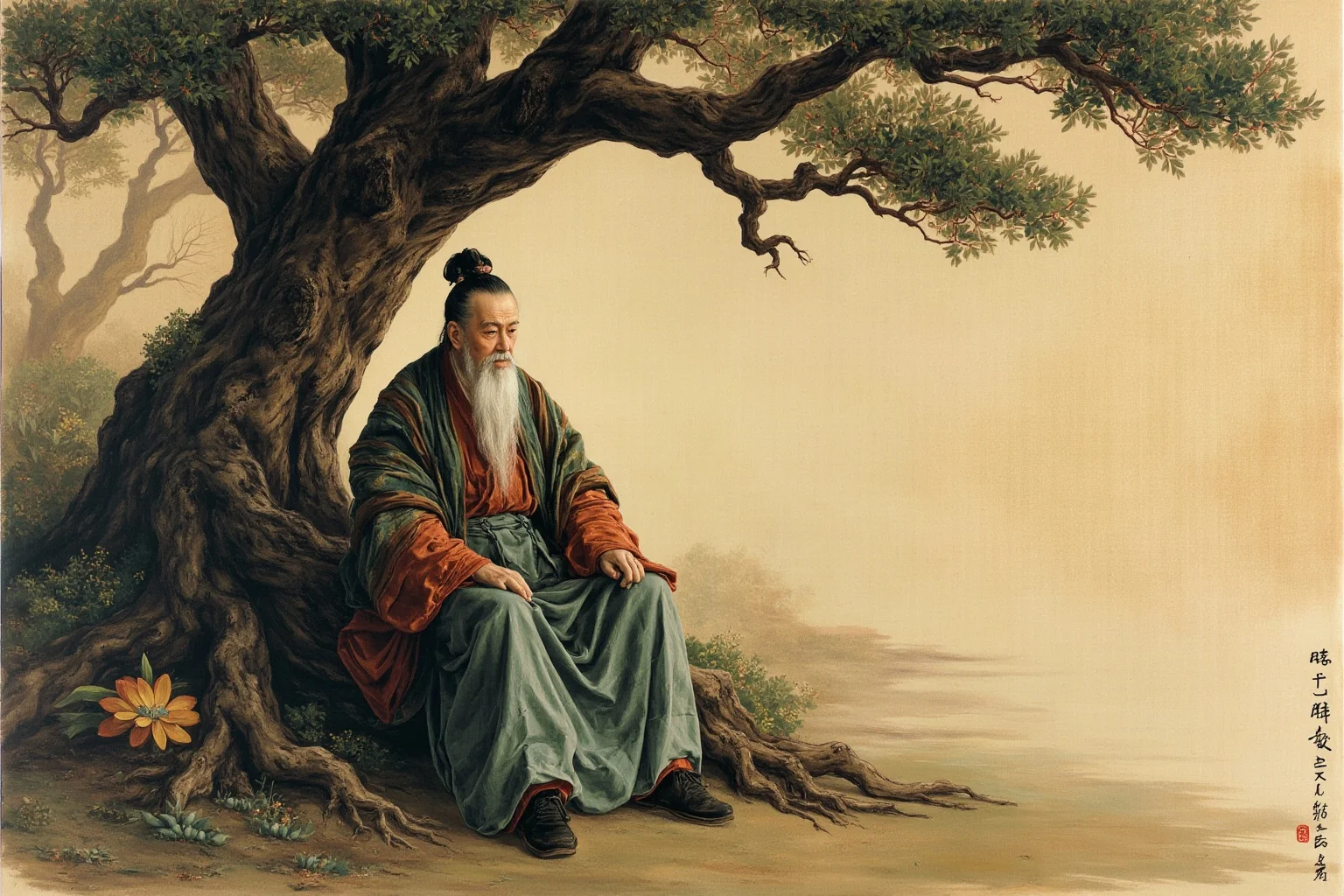
Traditionally credited as the author of the “Tao Te Ching” and founder of philosophical Taoism, Lao Tzu is said to have lived in 6th-century BC China. The earliest biography, written by historian Sima Qian roughly 400 years after Lao Tzu supposedly lived, admits uncertainty about even the basic facts of his life. Some traditions merge him with other historical figures or stretch his lifespan implausibly long.
Many modern scholars believe the “Tao Te Ching” was compiled by multiple authors over time rather than written by one sage. This doesn’t diminish the text’s influence, but it does mean Lao Tzu may be best understood as a legendary figure representing a philosophical tradition rather than a single verified person. He remains a foundational name among history’s most renowned philosophers, real or not.
7. Pope Joan
Medieval legend tells of a woman who disguised herself as a man, rose through the Catholic Church’s ranks, and was elected pope sometime in the 9th century, only to be exposed when she unexpectedly gave birth. The story circulated widely in the 13th century and was treated as fact for hundreds of years afterward. However, papal records from the supposed period show no gap or irregularity that would support her reign.
Most historians now consider Pope Joan a legend that emerged from anti-papal satire or confusion with other stories about disguised women in religious life. It’s a compelling reminder that even institutions with careful record-keeping can still generate persistent historical legends. The tale says more about medieval anxieties around gender and church authority than about any real pope.
8. Prester John
During the Middle Ages, European chroniclers wrote of a fabulously wealthy Christian king ruling a vast empire somewhere in Asia or Africa, supposedly a descendant of the biblical Magi. Letters purportedly from Prester John circulated across Europe starting in the 12th century, describing marvels and monsters in his kingdom. No credible evidence has ever placed such a ruler or realm on a map.
Historians now generally view Prester John as a legend inspired by garbled reports of real Christian communities in Ethiopia or Central Asia, combined with wishful thinking about a powerful ally against Islamic states. Explorers spent centuries searching for his kingdom in vain. He stands as one of history’s most elaborate diplomatic fictions.
9. Mulan
The legendary woman warrior who disguises herself as a man to fight in her father’s place first appears in the “Ballad of Mulan,” a Chinese poem traditionally dated to the Northern Wei dynasty, around the 4th to 6th century AD. No historical record confirms an actual woman named Hua Mulan served in any army. The poem itself gives no specific dates, locations, or verifiable details.
Many historians view Mulan as a folk legend representing real but unrecorded experiences of women in premodern warfare, rather than a single documented individual. Her story has been retold and adapted for over a thousand years across Chinese literature, opera, and modern film. Whether or not she was real, she remains one of the most celebrated legendary figures in East Asian storytelling, often ranked alongside history’s most powerful women.
10. Merlin
Arthur’s wizard advisor, prophet, and shapeshifter, Merlin is almost entirely a literary creation, first developed at length by Geoffrey of Monmouth in the 12th century. Geoffrey drew on earlier Welsh legends about a poet or prophet named Myrddin, possibly inspired by a real 6th-century bard who went mad after a battle. Over time, this fragmentary figure merged with druidic and magical folklore to become the archetypal wizard.
There’s no serious historical case for a literal sorcerer advising a literal King Arthur. Instead, Merlin illustrates how legends in history often form by fusing a real, if obscure, person with layers of unrelated myth. His influence on the modern fantasy wizard archetype is hard to overstate.
11. Hermes Trismegistus
Revered in ancient and medieval esoteric traditions as a legendary sage, Hermes Trismegistus was credited with authoring the Hermetic texts on alchemy, astrology, and magic. He was often described as a fusion of the Greek god Hermes and the Egyptian god Thoth, blurring the line between deity and historical teacher. No evidence suggests he was ever a living human being.
The texts attributed to him were actually written by various Greco-Egyptian authors between roughly the 1st and 3rd centuries AD. Renaissance scholars mistakenly believed these writings dated back to ancient Egypt, giving Hermes Trismegistus an inflated reputation as one of the oldest sages in history. His “biography” is really a case study in how a symbolic figure can be mistaken for a genuine historical person.
12. Zoroaster
The founder of Zoroastrianism, one of the world’s oldest continuously practiced religions, is a genuinely important figure in religious history, yet almost nothing about his life is independently verifiable. Estimates for when he lived range wildly from around 1500 BC to 600 BC, depending on the source. The Gathas, hymns attributed to him, are the earliest evidence of his teachings but offer no biographical certainty.
Most scholars accept that a historical religious reformer likely existed and shaped early Zoroastrian thought. However, the detailed legendary biography that developed later, full of miracles and divine encounters, was almost certainly added centuries after his death. Zoroaster sits in that tricky middle ground of ancient historical figures who probably existed but whose life story is mostly legend.
13. Dido of Carthage
Best known from Virgil’s “Aeneid” as the tragic queen who falls in love with the Trojan hero Aeneas, Dido is traditionally credited as the founder of Carthage in the 9th century BC. Some ancient sources, including the historian Timaeus, treat her as a genuine historical founder-queen. Virgil’s version, written centuries later for Roman political purposes, is largely poetic invention layered onto whatever original tradition existed.
No archaeological or Phoenician textual evidence directly confirms Dido’s existence. Most historians now consider her a legendary founding figure, similar to Romulus, used to give Carthage a dramatic origin story. The romantic tragedy with Aeneas is almost certainly fictional, since the timelines of Troy’s fall and Carthage’s founding don’t actually align.
14. Numa Pompilius
Rome’s legendary second king, said to have reigned in the 7th century BC, is credited with establishing many of Rome’s earliest religious institutions and calendar reforms. Ancient sources claim he was tutored by nymphs and communed directly with the goddess Egeria. As with Romulus, no contemporary records exist, since writing was not yet widespread in early Rome.
Historians generally view Numa as part legendary founder-figure and part symbolic explanation for the origins of Roman religious law. He may represent a genuine early leader whose reforms were real, wrapped in centuries of embellishment. Either way, he’s a key name among ancient figures tied to Rome’s founding mythology.
15. Lycurgus of Sparta
Credited with designing the strict military-focused social system that made Sparta famous, Lycurgus is traditionally dated to the 9th or 8th century BC. The ancient biographer Plutarch, writing thPage centuries later, openly admitted that “nothing can be affirmed” about him with certainty. Different ancient sources disagree wildly on when he lived and even whether he was one person or several.
Many modern historians suspect the Spartan constitution developed gradually over generations and was later attributed to a single legendary lawgiver for legitimacy. This pattern, crediting one heroic figure with a slow institutional evolution, appears across many ancient cultures. Lycurgus may be more useful as a symbol of Spartan values than as a verified historical individual.
16. Scota
According to medieval Irish and Scottish legend, Scota was an Egyptian princess whose descendants became the Gaelic peoples of Ireland and Scotland, supposedly giving Scotland its very name. The story appears in texts like the “Lebor Gabála Érenn,” compiled in the 11th century, long after any events it describes. It was largely designed to give Gaelic nations a prestigious ancient lineage connected to Egypt and the Near East.
No archaeological or genetic evidence supports an Egyptian founding migration to Ireland or Scotland. Historians view Scota as a legendary ancestor figure, a common device used by medieval chroniclers to dignify a nation’s origins. She remains a fascinating example of how origin legends in history often served political and cultural identity needs rather than factual record-keeping.
17. Ned Ludd
The supposed original “Luddite,” Ned Ludd was said to be an English textile worker who smashed weaving machinery in a fit of rage sometime in the late 18th century, inspiring the name for the machine-breaking movement of the 1810s. No solid historical record confirms a real person by that name ever existed. The earliest mentions of him appear in vague, secondhand anecdotes decades after his supposed actions.
Most historians believe Ludd was invented or exaggerated by protesting workers as a folk hero figurehead, similar to how other worker movements have used symbolic leaders. The name became a rallying cry rather than a reference to a documented individual. It’s a relatively modern example proving that legend-making didn’t stop after the ancient world.
18. The Yellow Emperor (Huangdi)
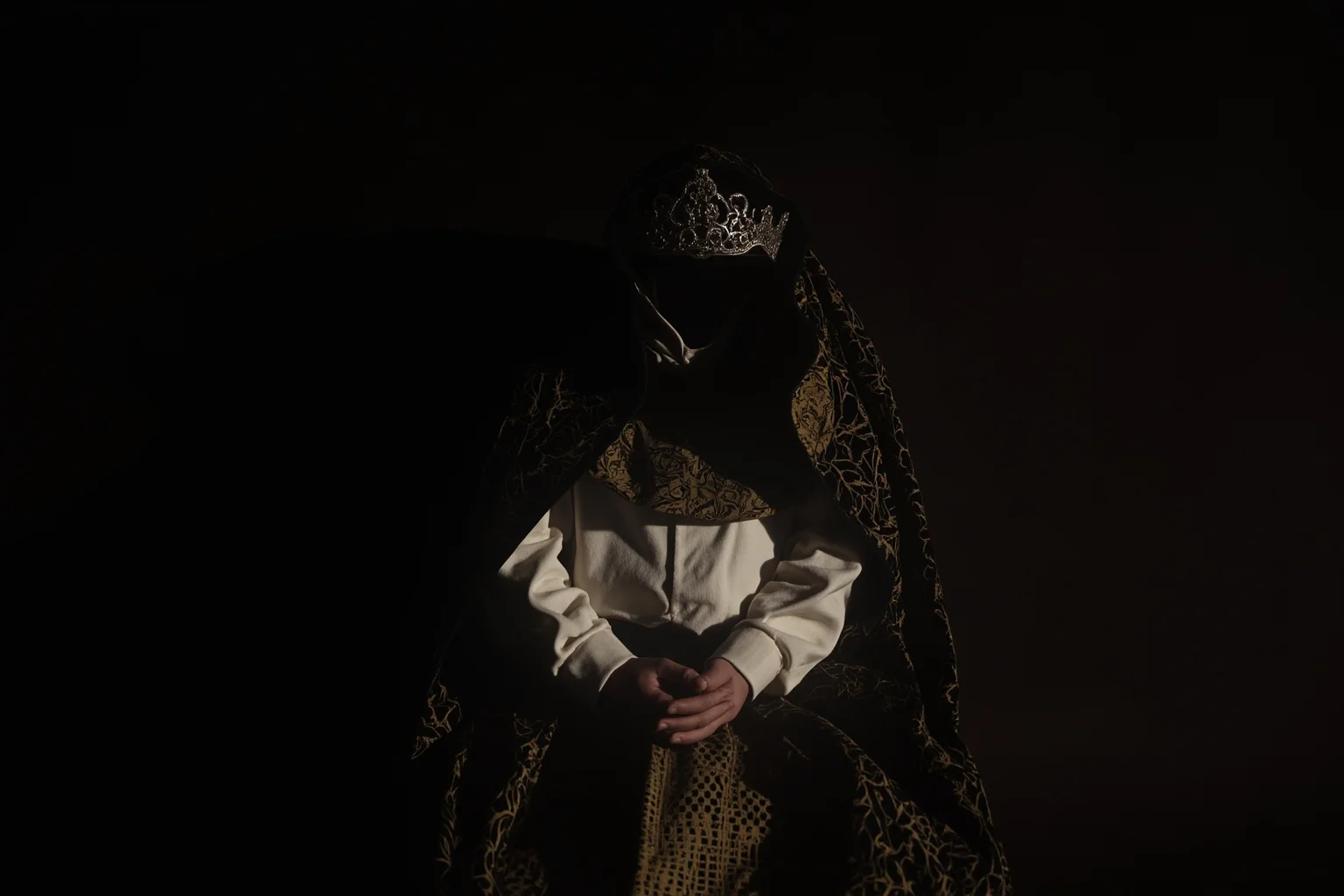
Regarded as a founding figure of Chinese civilization, the Yellow Emperor is traditionally credited with inventing writing, medicine, and the calendar around 2700 BC. Chinese historical tradition placed him at the head of a long line of legendary rulers predating verified dynasties. Archaeological evidence for Chinese civilization at that specific date doesn’t match the sophisticated inventions attributed to him.
Modern historians generally treat the Yellow Emperor as a legendary cultural symbol rather than a single verifiable ruler. He likely represents an amalgamation of early tribal leaders and cultural achievements, condensed into one legendary ancestor. He remains hugely important in Chinese identity, regardless of his historicity.
19. Gilgamesh
The hero of the “Epic of Gilgamesh,” one of the oldest surviving works of literature, is traditionally identified as a king of the Sumerian city of Uruk around 2700 BC. Sumerian king lists do include a ruler named Gilgamesh, suggesting a real historical figure may lie behind the legend. However, the epic’s content, featuring immortal companions, monster battles, and a quest for eternal life, is clearly myth built around whatever real memory existed.
This makes Gilgamesh one of the clearest examples of a genuine historical figure being transformed into a larger-than-life legendary character. The gap between the plausible king and the mythic hero of the epic is enormous. It’s a pattern that repeats throughout this entire list, in cultures far removed from ancient Mesopotamia.
20. Saint Christopher
Venerated for centuries as the patron saint of travelers, Saint Christopher is said to have carried the Christ child across a river, only to find the child impossibly heavy, revealing his true divine nature. Early accounts of his life are vague, contradictory, and layered with clearly symbolic or miraculous elements. In 1969, the Catholic Church itself removed his feast day from the universal liturgical calendar, citing insufficient historical evidence for his life.
This is a rare case where an official religious institution publicly acknowledged the shaky historicity of one of its own long-venerated figures. Saint Christopher may be loosely based on an early Christian martyr, but the popular legend surrounding him developed independently over centuries. He remains beloved in folk tradition regardless of the historical uncertainty.
Why These Legends Endure
What ties all twenty of these figures together isn’t fraud or foolishness, it’s the natural human tendency to turn stories into symbols. A folk hero who represents resistance to tyranny, like Robin Hood or William Tell, doesn’t need to be one verifiable person to carry cultural weight. A founding figure like Romulus or Scota serves a nation’s need for a dramatic origin story more than it serves strict historical accuracy.
Historians today are generally careful to separate what’s documented from what’s traditional. That doesn’t make these legendary figures less interesting; if anything, understanding how they were constructed reveals a lot about the societies that created them. The line between legend and history has always been blurrier than most people assume, and that blurriness is often exactly where the good stories live.
So the next time you hear about an ancient king, sage, or outlaw with a suspiciously perfect backstory, it’s worth asking what’s actually documented versus what’s been added over the centuries. That question doesn’t ruin the story. It just adds another, equally fascinating layer to it.
Frequently Asked Questions
What are some ancient figures in history whose existence is debated?
Historians frequently debate the historicity of figures such as King Arthur, Homer, Lao Tzu, Zoroaster, Dido of Carthage, and Gilgamesh. In each case, later legendary or mythical details were layered onto either a possible real person, a symbolic tradition, or a combination of several individuals, making it hard to separate fact from later embellishment.
Is ‘Legendary’ a true story?
It depends on which legend is being referenced. Most figures labeled 'legendary' in history, like Robin Hood or William Tell, are based on a mix of folklore, oral tradition, and possible real events, but lack the kind of direct contemporary evidence historians require to confirm them as fully documented true stories.
What’s the difference between a myth and a legend?
Myths typically involve gods, supernatural forces, and explanations for the origins of the world, while legends are traditionally tied to human figures and real-seeming events, even if those events are exaggerated or unverified. In practice, the two categories often overlap, especially in ancient historical figures whose stories blend both elements.
Why do historians doubt that figures like King Arthur really existed?
The main issue is a lack of contemporary evidence. Detailed accounts of Arthur, for example, appeared centuries after he was supposed to have lived, and no records from his actual era mention him, which leads most historians to treat him as a legendary composite rather than a single confirmed ruler.
Are all ancient legends completely made up?
No, many legends likely have some kernel of historical truth behind them. Figures like Gilgamesh and Zoroaster may be based on real people whose lives were later exaggerated with mythical details, while others, like Hermes Trismegistus, appear to be almost entirely symbolic or invented figures.

Alex Warren
Related Articles





