

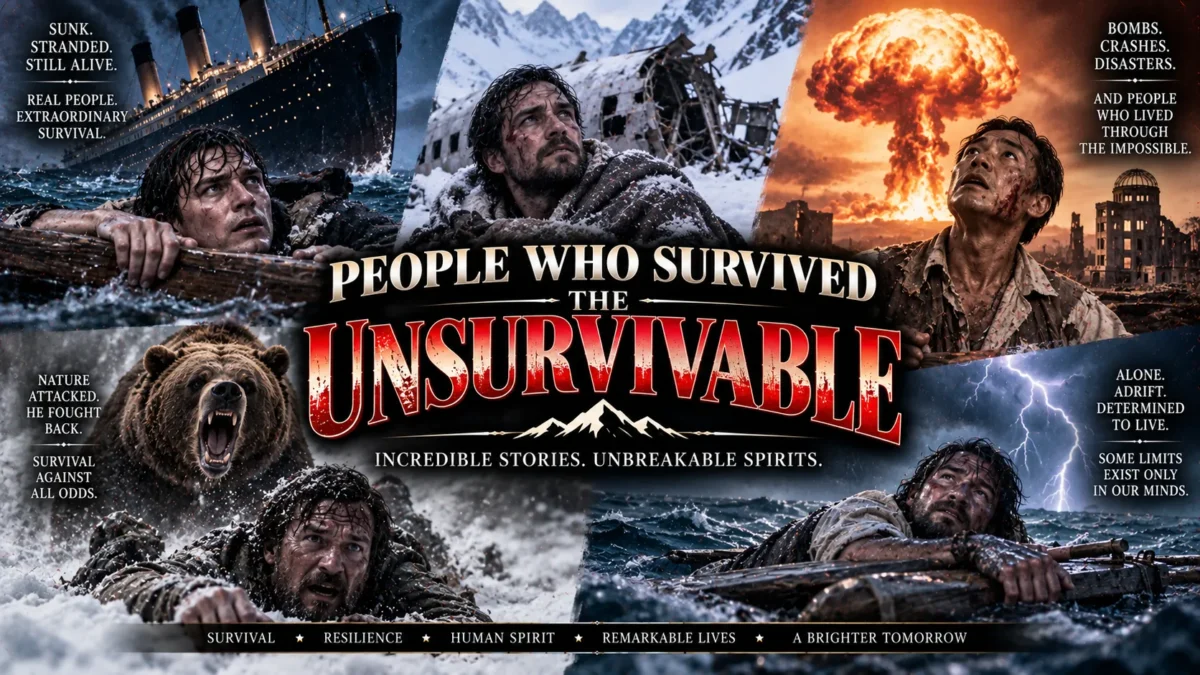
Some stories sound too strange to be real. A woman falls two miles out of an exploding airplane and lives. A man gets a three-foot iron rod driven through his skull and walks away talking. A sailor drifts alone on a raft for over four months and is found, sunburned but breathing, by fishermen half a world from home.
If you grew up on the kids’ book series “I Survived,” which turns five epic disasters (and many more) into gripping fiction for young readers, you already know how addictive these stories can be.
But the real history behind survival against impossible odds is even stranger than the fiction, and it deserves to be told carefully, without exaggeration. Below are 21 documented cases of people who survived the impossible — plus a few famous claims that deserve a healthy dose of skepticism.
TL;DR: These 21 real cases of people who survived the unsurvivable — from atomic bombs to Antarctic ice to falls from the sky — show that survival usually comes down to a mix of luck, physiology, and sheer stubborn will, not magic.
Why Some People Survive When Others Don’t
When disaster strikes, the unthinkable sometimes happens and someone survives, while others in the very same event do not.
Researchers who study disaster survival point to a combination of factors: physical positioning at the moment of impact, body composition, water and cold exposure limits, and psychological factors like the ability to stay calm and make decisions under extreme stress.
Luck plays an undeniable role too. A person who survives an unsurvivable fall or a sinking ship often benefits from small, almost random details — a seatbelt, a pocket of air, the angle of a landing. That doesn’t make these stories less remarkable. It just means we should be honest about how much of survival is skill and how much is chance.
With that context in mind, here are 21 people who survived events that, by any reasonable expectation, should have killed them.
1. Hugh Glass – Mauled by a Grizzly and Left for Dead
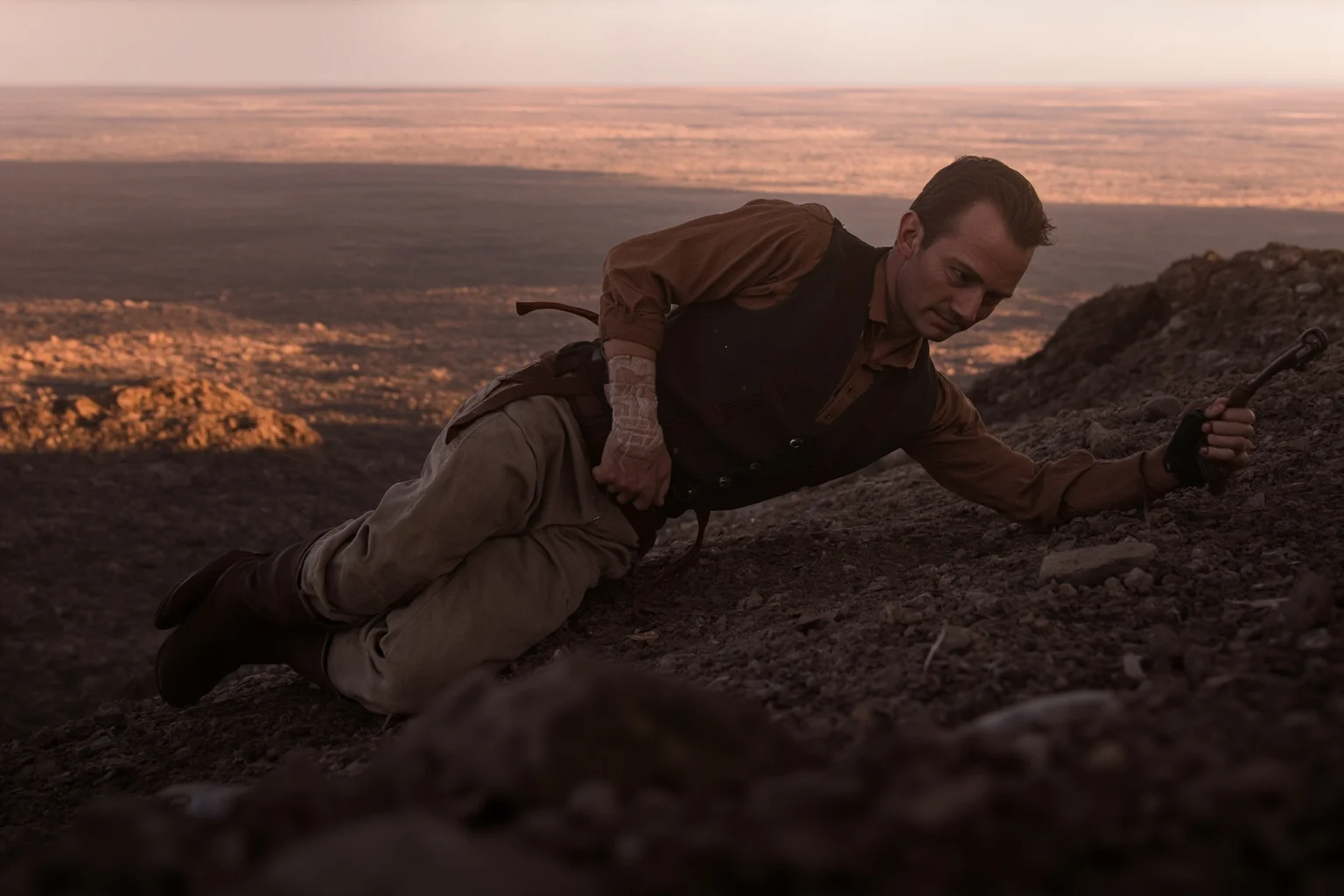
In 1823, American frontiersman Hugh Glass was scouting ahead of a fur-trapping expedition in present-day South Dakota when a grizzly bear attacked him, tearing open his scalp, back, and throat. His companions, believing he would die within hours, took his gear and left him behind, a decision that has fueled frontier legend ever since.
Glass did not die. Instead, with a broken leg and infected wounds, he crawled and stumbled roughly 200 miles to the nearest trading post, reportedly surviving on wild berries and animal carcasses along the way. His ordeal became one of the most retold survival stories in American frontier history, later dramatized in the film “The Revenant.”
2. Phineas Gage – A Railroad Spike Through the Skull
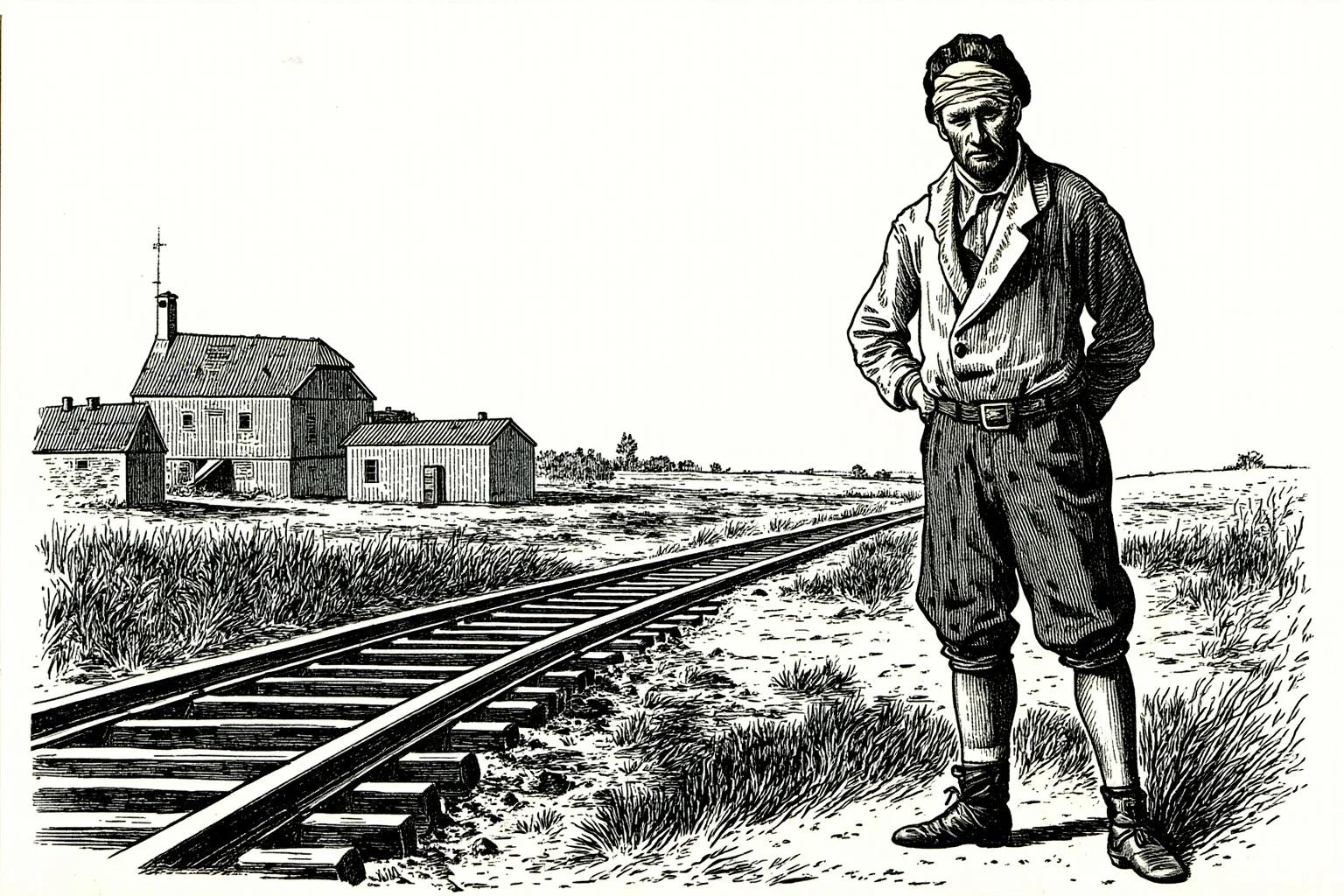
On September 13, 1848, railroad foreman Phineas Gage was packing explosive powder into rock near Cavendish, Vermont, when an accidental blast drove a three-foot iron tamping rod straight through his skull and out the top of his head. Remarkably, Gage remained conscious and was able to speak within minutes of the accident.
He lived for nearly 12 more years, though the injury altered his personality dramatically, offering early evidence to doctors about how brain damage can change behavior. Gage’s case is still taught in psychology and neuroscience courses today as one of history’s most studied brain injuries.
3. Tsutomu Yamaguchi – Survived Both Atomic Bombings

Tsutomu Yamaguchi was on a business trip in Hiroshima on August 6, 1945, when the atomic bomb detonated roughly two miles from where he stood. Badly burned, he made his way home to Nagasaki, only to be caught in the second atomic bombing three days later on August 9.
Yamaguchi survived both blasts and lived until 2010, dying at age 93. In 2009, the Japanese government officially recognized him as a “nijyuu hibakusha,” or twice-bombed person, one of a small number of confirmed survivors of both attacks.
4. Violet Jessup – The Woman the Titanic Couldn’t Sink
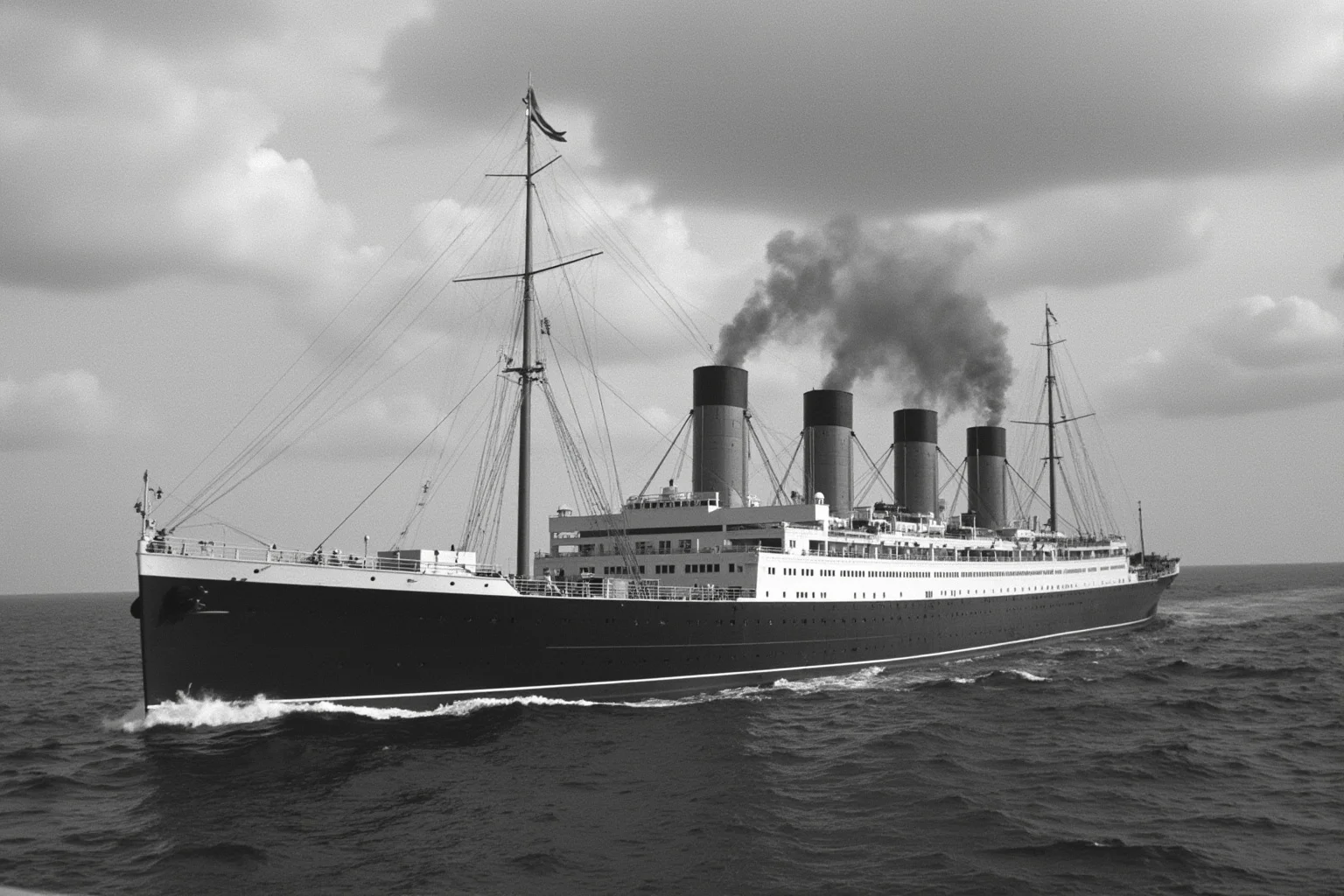
Violet Jessup was a ship’s stewardess whose career reads like an unbelievable checklist of maritime disasters that survived her presence, or rather, that she survived. She was aboard the RMS Olympic in 1911 when it collided with a Royal Navy cruiser, then aboard the RMS Titanic in April 1912 when it sank after striking an iceberg.
Jessup then served on the Britannic, the Titanic’s sister ship, when it sank in 1916 after hitting a mine while serving as a hospital ship during World War I. She survived all three incidents, earning her the nickname “Miss Unsinkable” among maritime historians.
5. Juliane Koepcke – A Two-Mile Fall Into the Amazon

On Christmas Eve 1971, 17-year-old Juliane Koepcke was flying with her mother over the Peruvian rainforest when their plane, LANSA Flight 508, was struck by lightning and broke apart mid-air. Koepcke, still strapped into her seat, fell nearly two miles and landed in the jungle canopy below.
She survived the fall with only a broken collarbone and cuts, then spent 11 days alone in the rainforest before finding a logging camp and being rescued. Her mother did not survive, and Koepcke later became a biologist, returning to study the very rainforest that had both nearly killed her and saved her life.
6. Vesna Vulović – Falling From the Sky Over Czechoslovakia

In January 1972, Yugoslav flight attendant Vesna Vulović was aboard JAT Flight 367 when a bomb exploded onboard over Czechoslovakia. She was the only person on the plane to survive, and for decades the Guinness World Records credited her with surviving a fall from an altitude of over 33,000 feet without a parachute.
It’s worth noting, in the spirit of myth-busting, that some investigators and journalists have since questioned whether the aircraft was actually that high when it broke apart, suggesting it may have already been descending. What isn’t in dispute is that Vulović suffered severe injuries, spent time in a coma, and was temporarily paralyzed, yet went on to walk again and live for decades afterward.
7. Poon Lim – 133 Days Adrift on a Wooden Raft
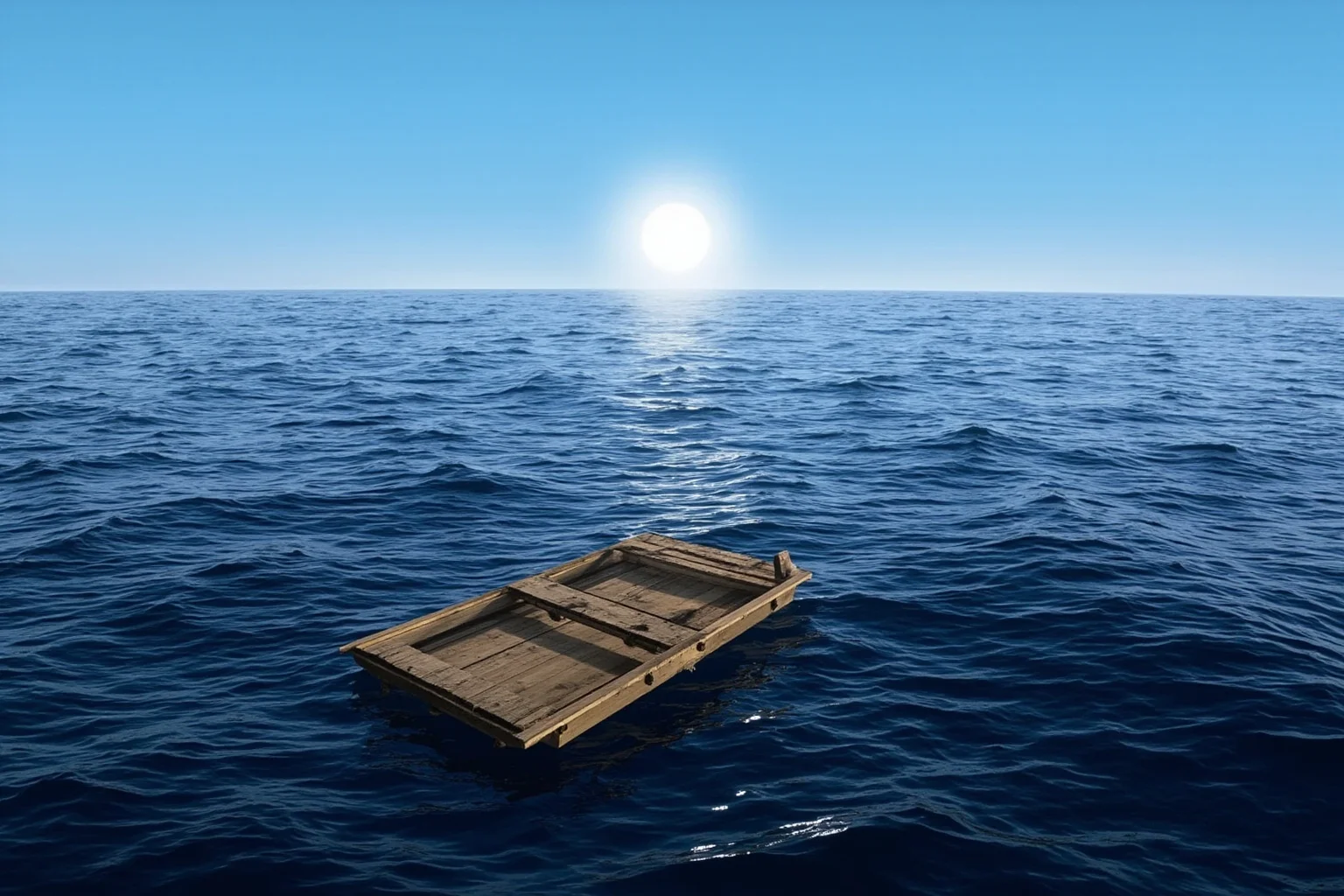
Chinese sailor Poon Lim was working aboard the British merchant ship SS Ben Lomond when a German U-boat torpedoed it in November 1942. Lim managed to reach a wooden life raft and drifted alone across the Atlantic Ocean for 133 days, surviving on rainwater, small fish, and even a seabird he managed to catch.
He was finally rescued by Brazilian fishermen in April 1943, and his ordeal remains one of the longest confirmed solo survivals at sea in recorded history, a record-setting feat in the same spirit as the verified endurance behind the oldest people in history. The British Royal Navy later used his methods to help improve survival training for sailors.
8. Ernest Shackleton and the Crew of the Endurance
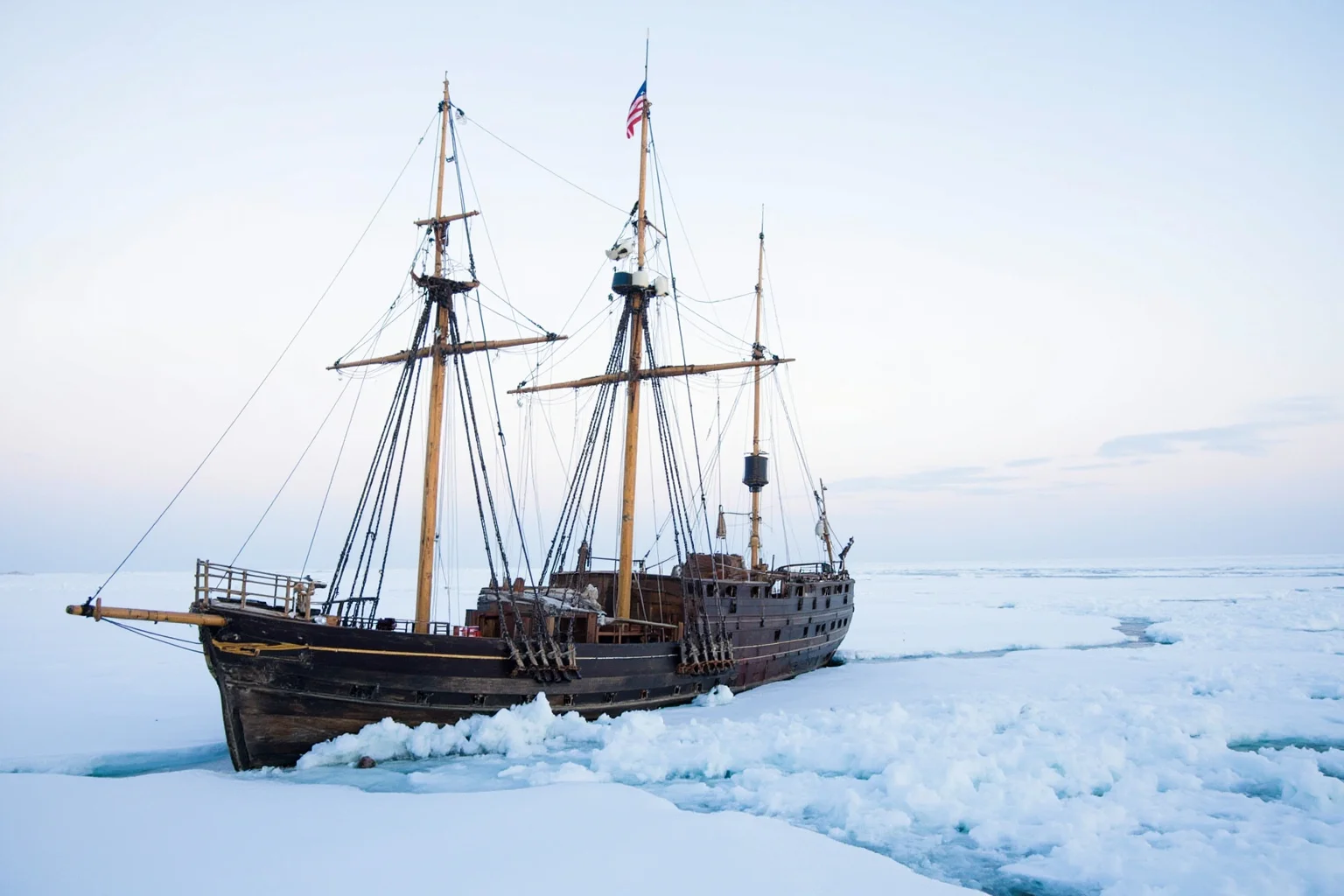
When Ernest Shackleton’s ship Endurance became trapped and eventually crushed by Antarctic pack ice in 1915, his 27 crew members were left stranded on the ice with no functioning vessel. Shackleton led them across drifting ice floes and open water to the remote Elephant Island, an extraordinary feat of endurance in itself.
From there, Shackleton and five others sailed a 22-foot lifeboat roughly 800 miles across brutal Southern Ocean seas to reach South Georgia Island and find help. Every single member of the original expedition survived, a result still regarded by historians as one of the greatest rescue stories in exploration history.
9. Betty Lou Oliver – Falling 75 Floors in an Elevator

On July 28, 1945, a B-25 bomber crashed into the Empire State Building in thick fog, killing 14 people. Elevator operator Betty Lou Oliver was badly burned in the initial impact, and rescuers placed her into an elevator car to bring her down, unaware that the crash had severely damaged the cables.
The elevator plunged roughly 75 floors after the cables gave way, though a combination of a coiling cable acting as a brake and compressed air in the shaft is believed to have slowed the fall. Oliver survived, and her case is still recognized as the Guinness World Record for the longest survived elevator fall.
10. Ada Blackjack – Alone in the Arctic
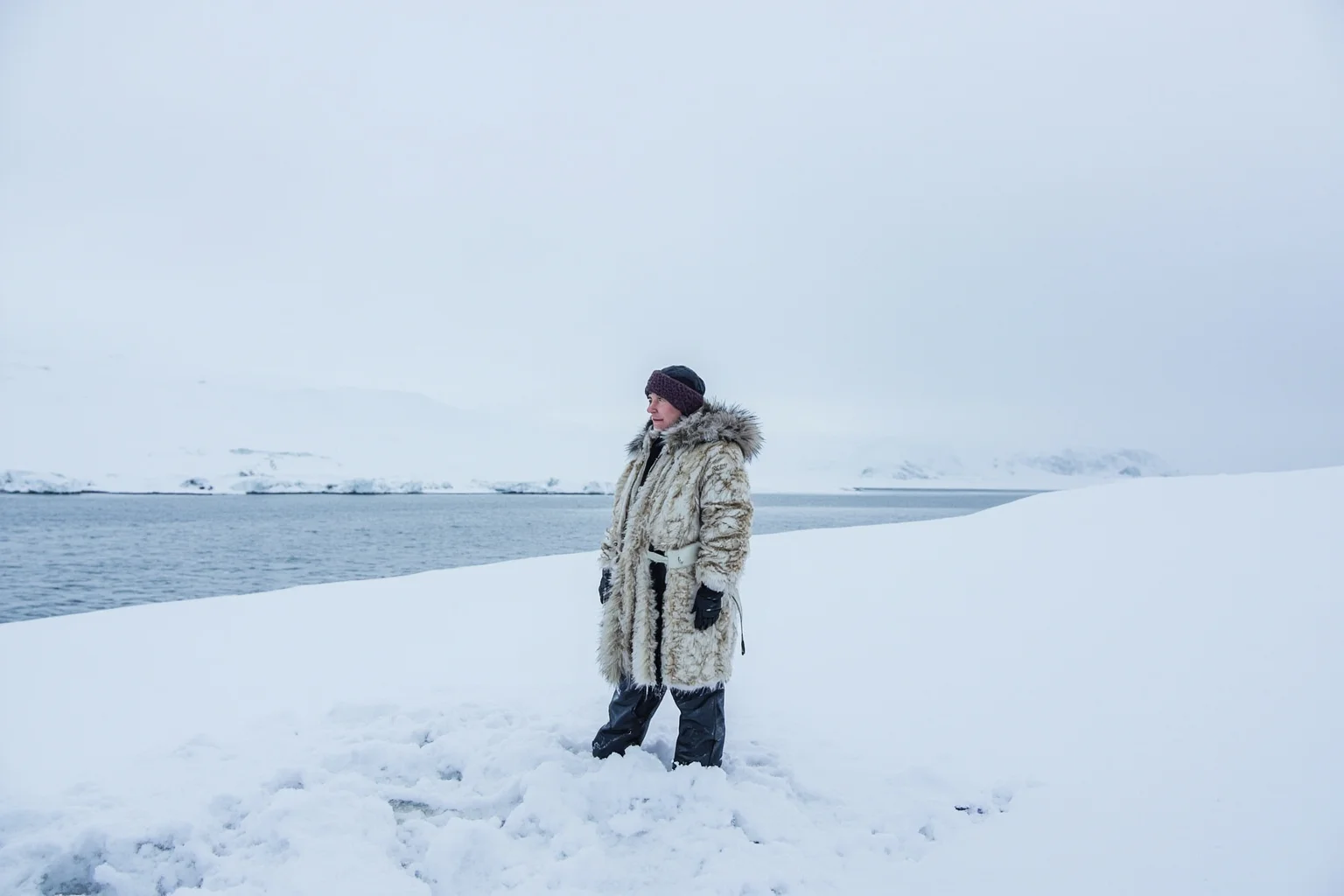
In 1921, Ada Blackjack, an Iñupiat seamstress, joined a small expedition attempting to claim Russia’s remote Wrangel Island for Canada. Supplies ran low, and one by one her male companions died of starvation or scurvy, or left in a failed attempt to seek help across the sea ice, never to be seen again.
Blackjack was left completely alone on the island, caring for an ailing crew member until his death, and then surviving by herself for months, hunting and trapping to stay alive. She was finally rescued in 1923, and her story remains one of the most remarkable Arctic survival accounts on record.
11. The Uruguayan Rugby Team – The Andes Flight Disaster
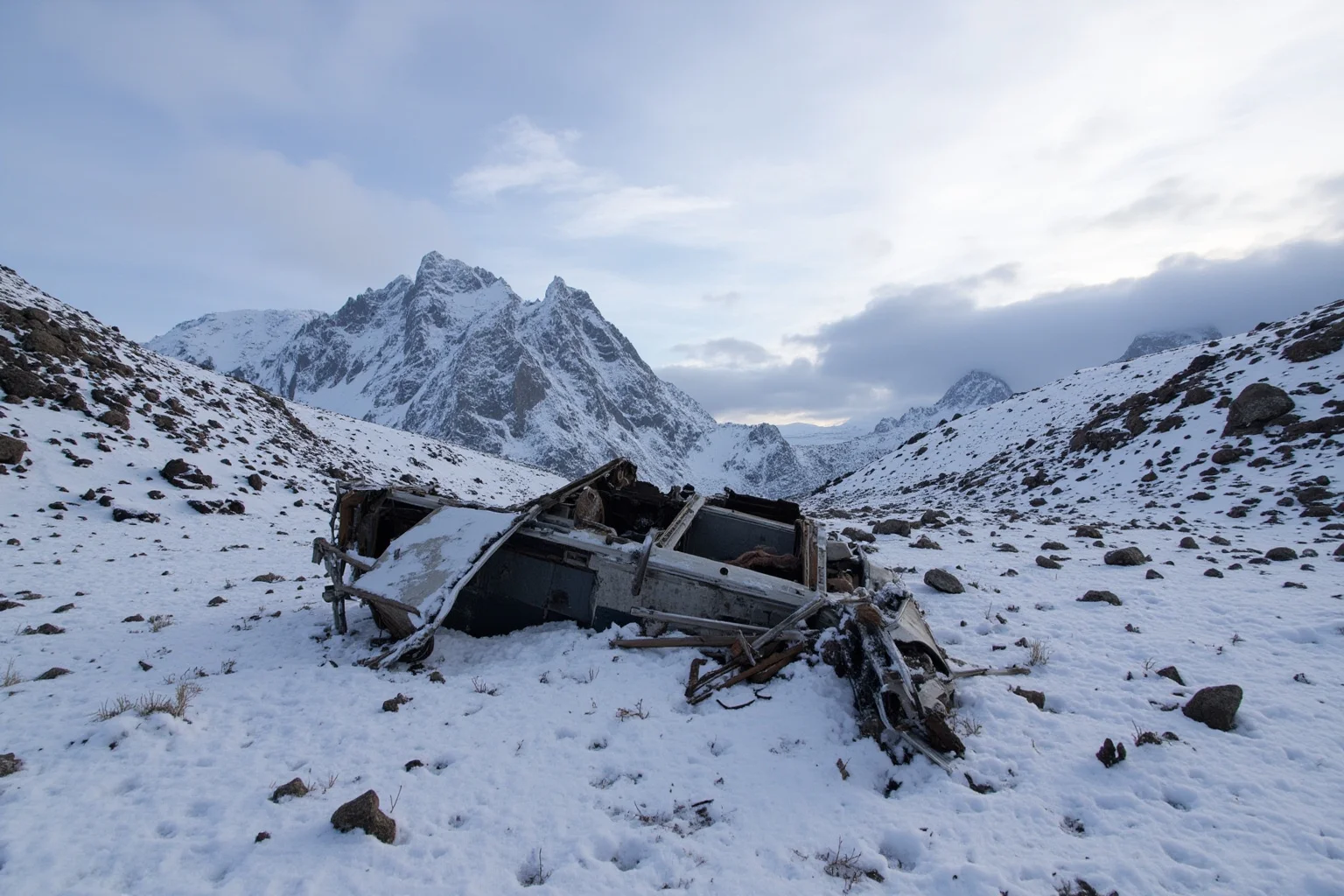
In October 1972, Uruguayan Air Force Flight 571, carrying a rugby team and their families and friends, crashed high in the Andes mountains. Of the 45 people aboard, several died on impact or shortly after, and the survivors faced freezing temperatures, an avalanche, and near-total lack of food.
Over 72 days, the survivors made the harrowing decision to eat the flesh of those who had died in order to stay alive, a fact they later spoke about openly to help others understand their choice. Sixteen people ultimately survived and were rescued in December 1972, and their story was later documented in the book and film both titled “Alive.”
12. Douglas Mawson – Antarctica’s Loneliest Trek
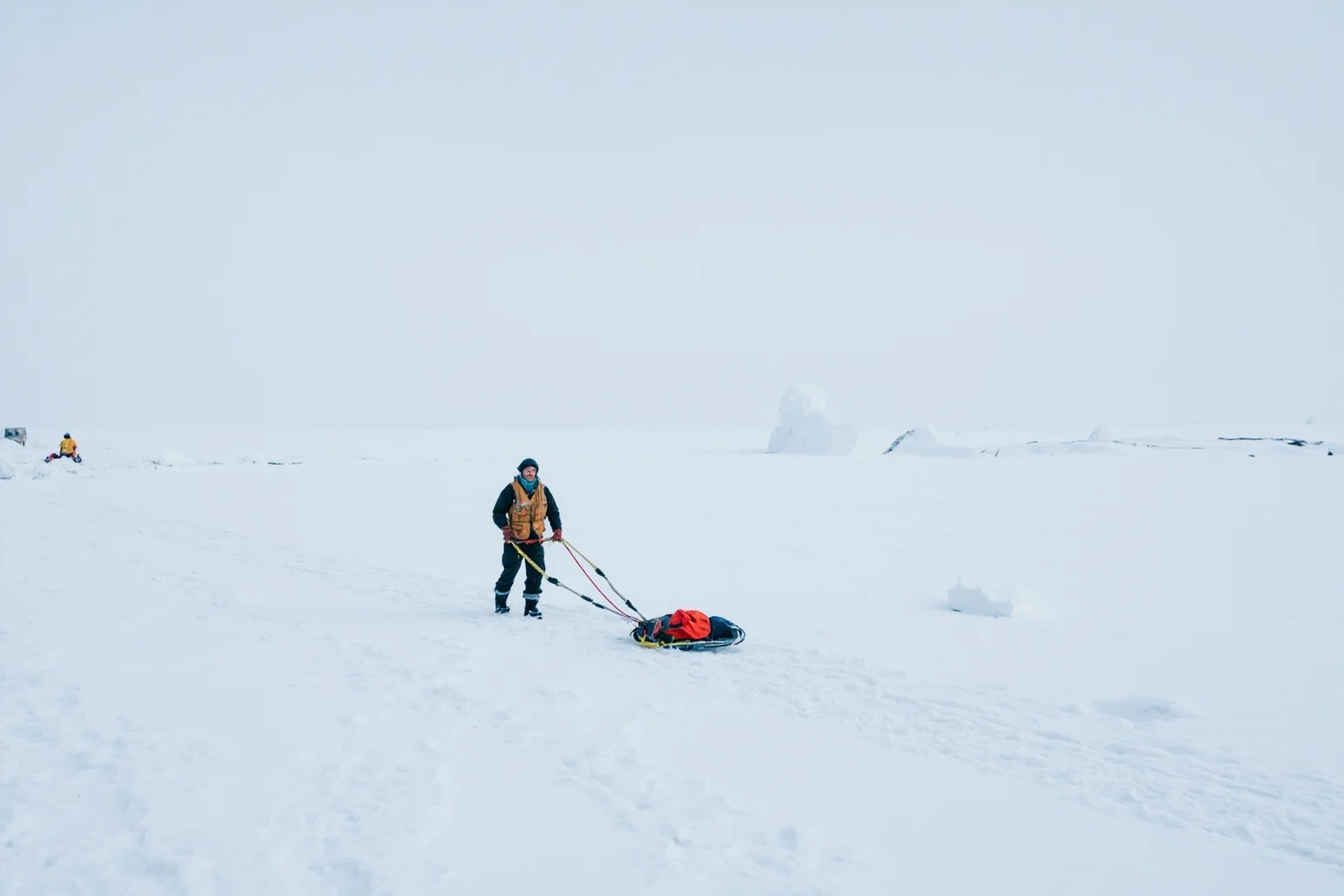
During the Australasian Antarctic Expedition of 1912-13, explorer Douglas Mawson and two companions set out on a sledging journey when one man fell into a crevasse with most of their food and dogs, dying instantly. The second companion later died of what is now believed to have been vitamin A poisoning from eating dog liver.
Mawson was left to trek roughly 100 miles back to base completely alone, falling into crevasses himself and surviving on meager rations. He arrived just as his ship was preparing to leave without him, forcing him to wait out another brutal Antarctic winter before finally returning home.
13. Roy Sullivan – Struck by Lightning Seven Times
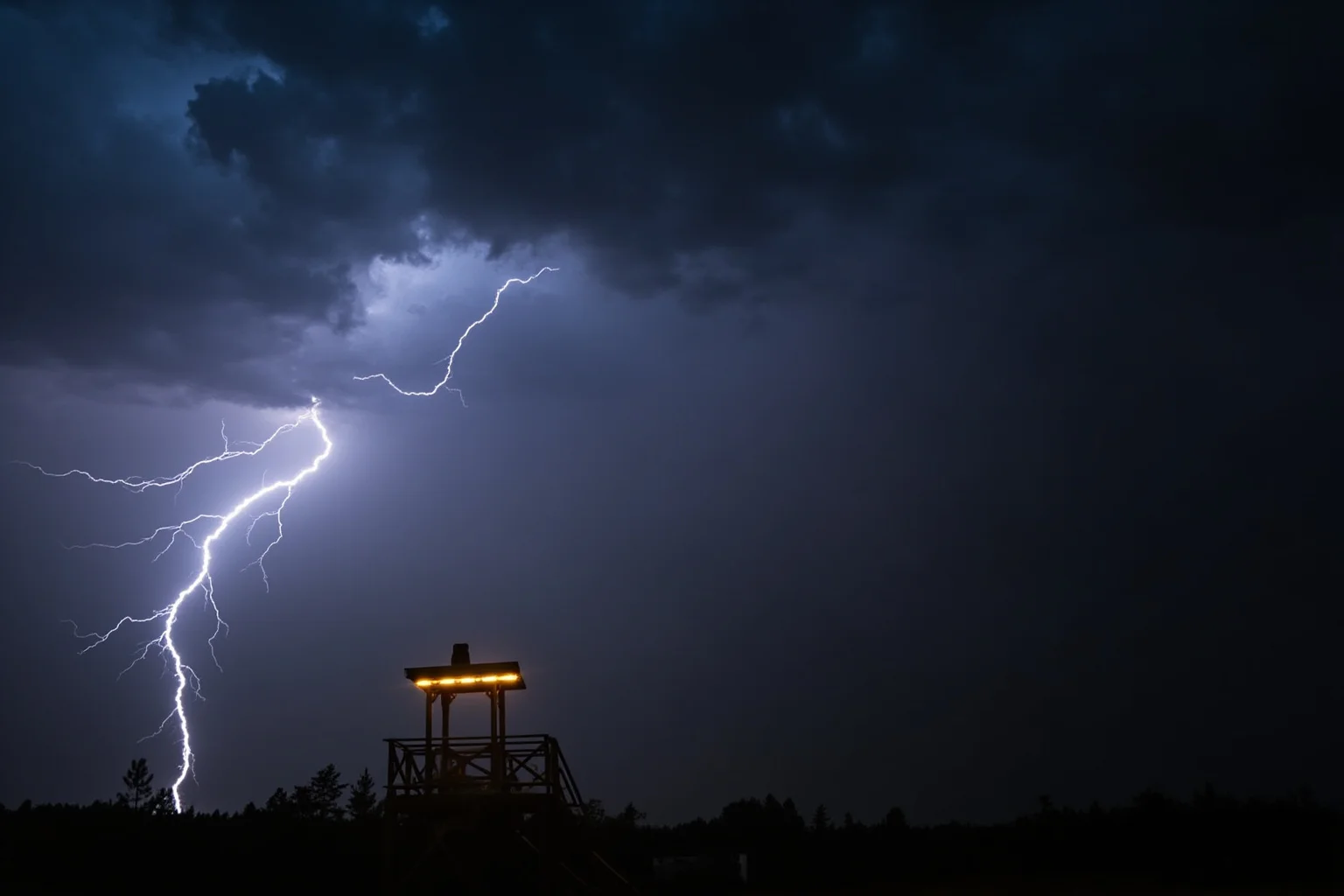
Roy Sullivan, a United States park ranger in Virginia’s Shenandoah National Park, holds the distinction of surviving seven documented lightning strikes between 1942 and 1977. Each strike caused real injuries, including burns and hair loss, and rangers and medical staff verified the incidents at the time.
Sullivan’s case remains the most extreme documented example of surviving repeated lightning strikes, and it’s frequently cited by meteorologists discussing lightning safety. He earned the nickname “Human Lightning Rod” among his colleagues.
14. The Chilean Miners – 69 Days Trapped Underground
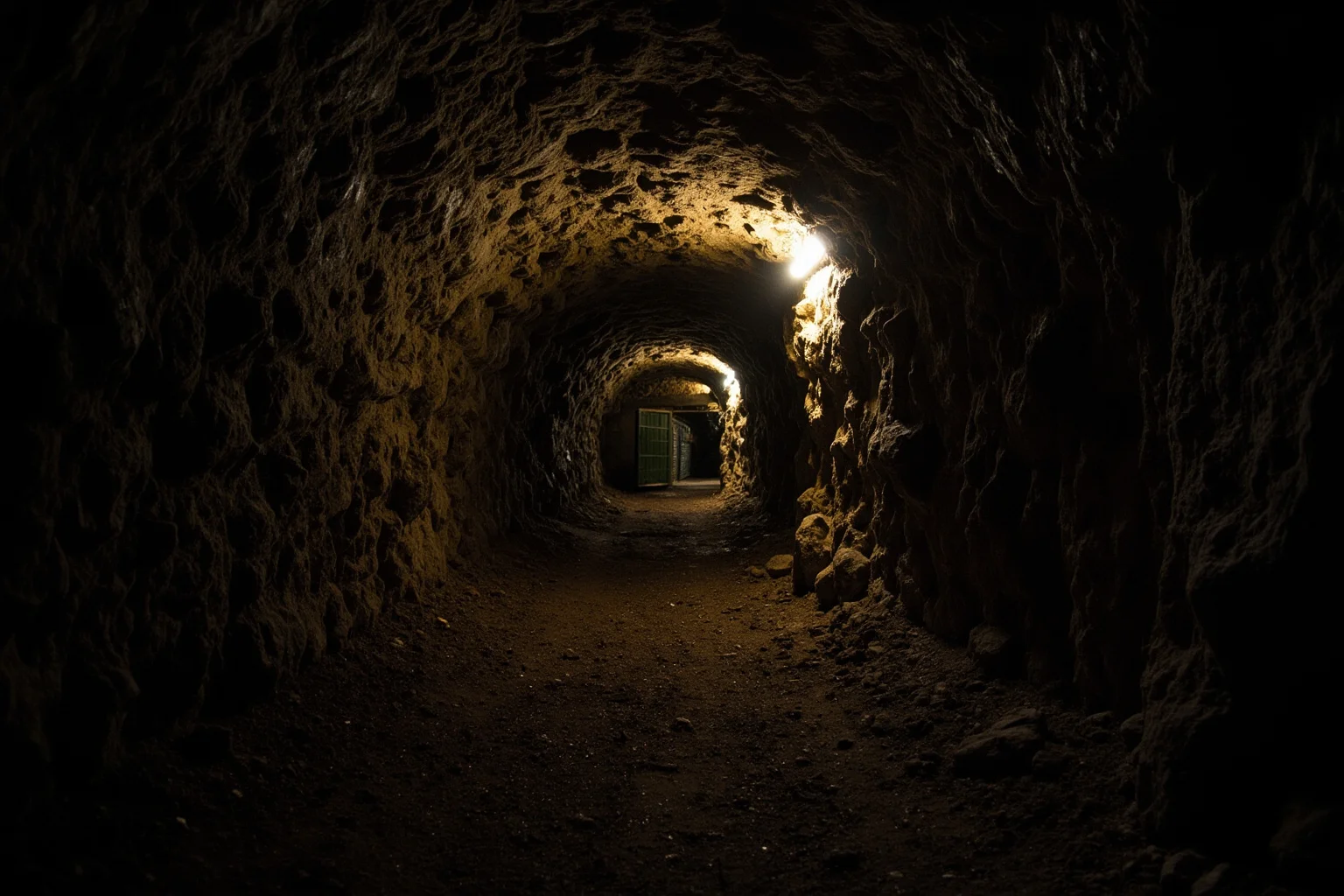
In August 2010, a collapse at the San José copper and gold mine in Chile trapped 33 miners nearly 700 meters underground. For the first 17 days, rescuers didn’t even know if any of the miners were still alive, until a narrow probe finally reached them.
All 33 miners survived a grueling 69-day wait, rationing tiny amounts of food and organizing shifts to maintain morale while a rescue shaft was drilled. Their eventual rescue in October 2010, broadcast live around the world, remains one of the most watched examples of people surviving the impossible in modern history.
15. Steven Callahan – 76 Days Adrift in the Atlantic
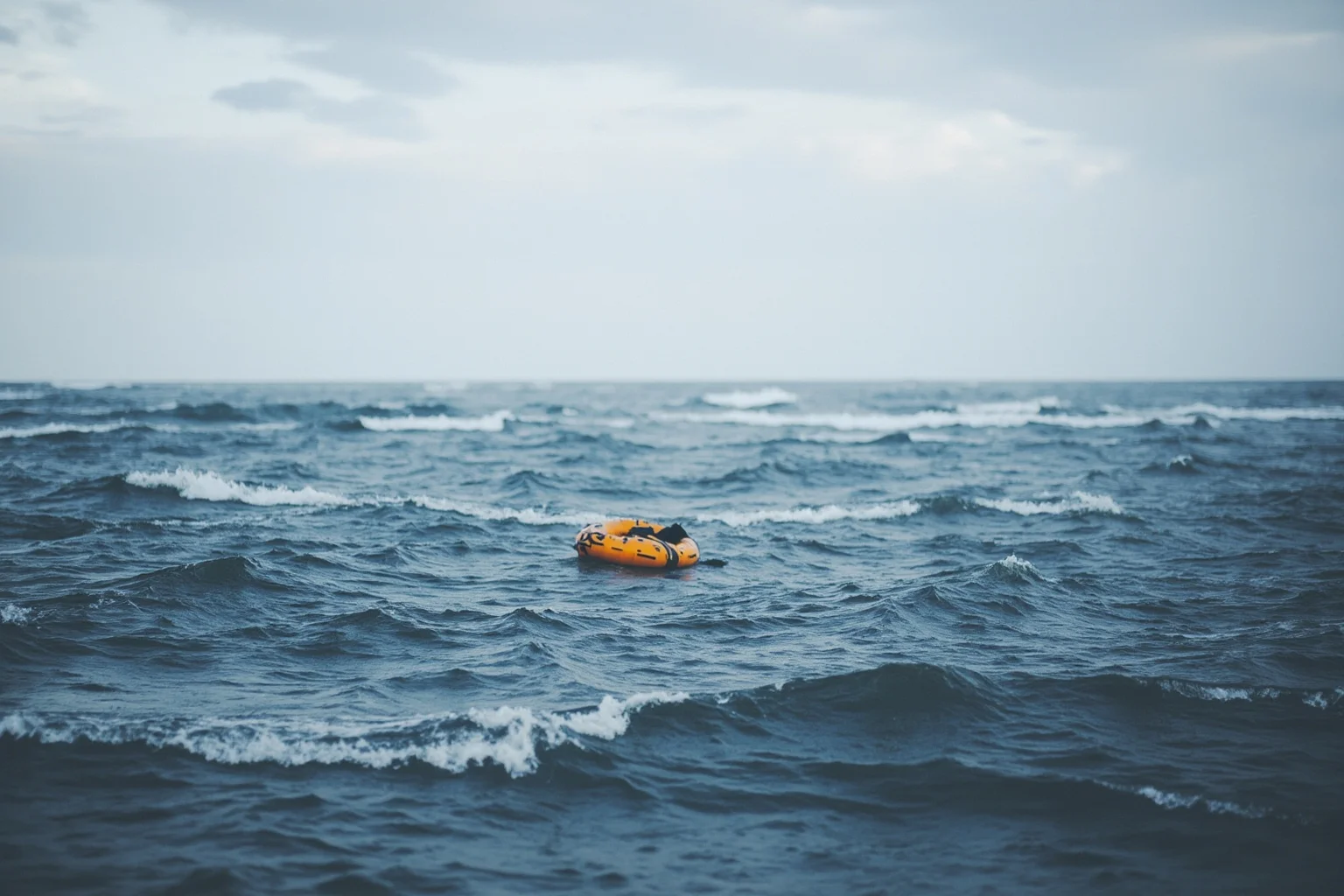
In 1982, American sailor and naval architect Steven Callahan was crossing the Atlantic solo when his small sailboat sank after apparently colliding with something in the night, possibly a whale. He escaped into an inflatable life raft with minimal supplies and drifted for 76 days.
Callahan survived by spearfishing, collecting rainwater, and using a makeshift solar still, eventually drifting nearly 1,800 miles before being spotted by fishermen near Guadeloupe. He later wrote about the ordeal in his book “Adrift,” which remains a key reference for maritime survival training.
16. Harrison Okene – Three Days in an Air Pocket Underwater
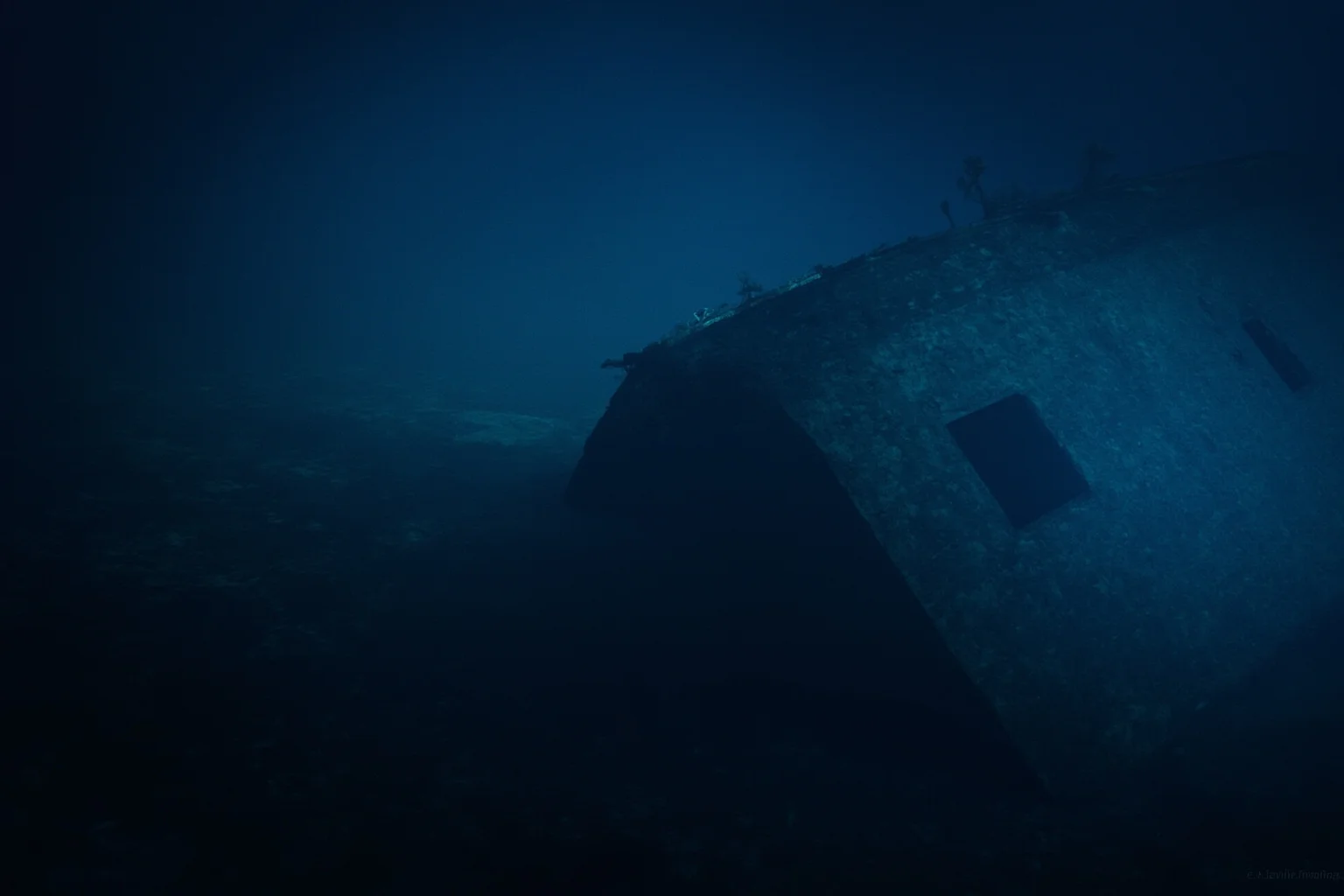
In May 2013, Nigerian ship’s cook Harrison Okene was aboard the tugboat Jascon-4 when it capsized and sank off the coast of Nigeria. As the vessel settled on the seabed roughly 30 meters down, Okene found himself trapped inside a small air pocket in the bathroom.
He survived there for nearly 60 hours in complete darkness and near-freezing water temperatures, breathing air trapped in the compartment, before a team of divers searching for bodies found him alive. His rescue was captured on video and remains one of the most extraordinary documented underwater survival cases on record.
17. Aron Ralston – Trapped by a Boulder in Utah

In April 2003, canyoneer Aron Ralston was hiking alone through Utah’s Blue John Canyon when a loose boulder shifted and pinned his right arm against the canyon wall. With no way to call for help and his water and food running out, Ralston spent 127 hours trying to free himself.
Eventually, he made the decision to break his own arm bones and amputate the trapped limb with a dull multi-tool, then rappel down a cliff face and hike miles before finding other hikers. His story was later adapted into the film “127 Hours.”
18. Yossi Ghinsberg – Lost in the Bolivian Amazon
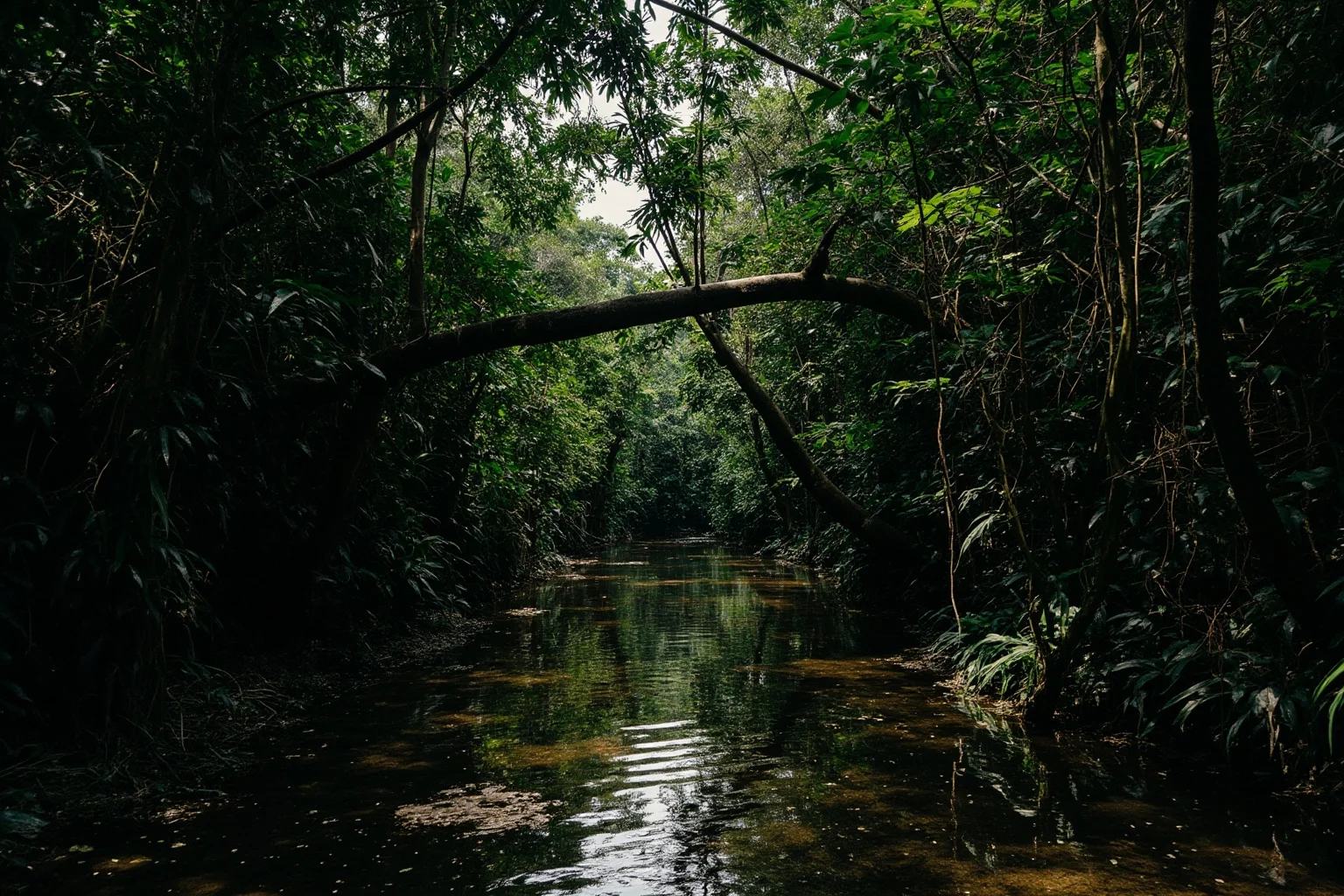
In 1981, Israeli backpacker Yossi Ghinsberg became separated from his group during a jungle trek in Bolivia after their raft was swept apart on a river. He spent roughly three weeks alone in the Amazon rainforest, battling starvation, quicksand, and infections while trying to find his way back to civilization.
He was eventually found by a search party led by one of his original travel companions, who had never given up looking for him. Ghinsberg later wrote about the experience in his memoir “Jungle,” which was adapted into a film of the same name.
19. Mauro Prosperi – Lost in the Sahara

Italian police officer and former Olympic pentathlete Mauro Prosperi was competing in the grueling Marathon des Sables ultramarathon across the Sahara Desert in 1994 when a sandstorm blew him badly off course. He wandered the desert for nine days, drinking his own urine and eating bats he found in an abandoned shrine to survive.
At one desperately low point, Prosperi reportedly attempted to end his life, only for the attempt to fail. He was eventually found by a family of nomads and taken to safety, and remarkably, he later returned to compete in the same race again.
20. Frane Selak – The Man Who (Reportedly) Cheated Death Six Times
Croatian music teacher Frane Selak became a tabloid sensation for a story claiming he survived a train crash into a river, a plane door blowing open mid-flight, a bus crash, two car fires, and being hit by a bus, before winning the lottery in his 70s. It’s a fantastic tale, and it’s exactly the kind of story that calls for healthy skepticism.
Much of Selak’s story spread through international media in the 2000s without strong independent documentation for each individual incident, and some details have shifted between retellings over the years. We include him here not as confirmed history, but as a useful reminder that not every viral “unsurvivable” story holds up to scrutiny the way the documented cases above do, the same kind of skepticism worth applying to other larger-than-life legends, like the myths surrounding Joan of Arc.
21. The Miracle on the Hudson – All 155 Survived
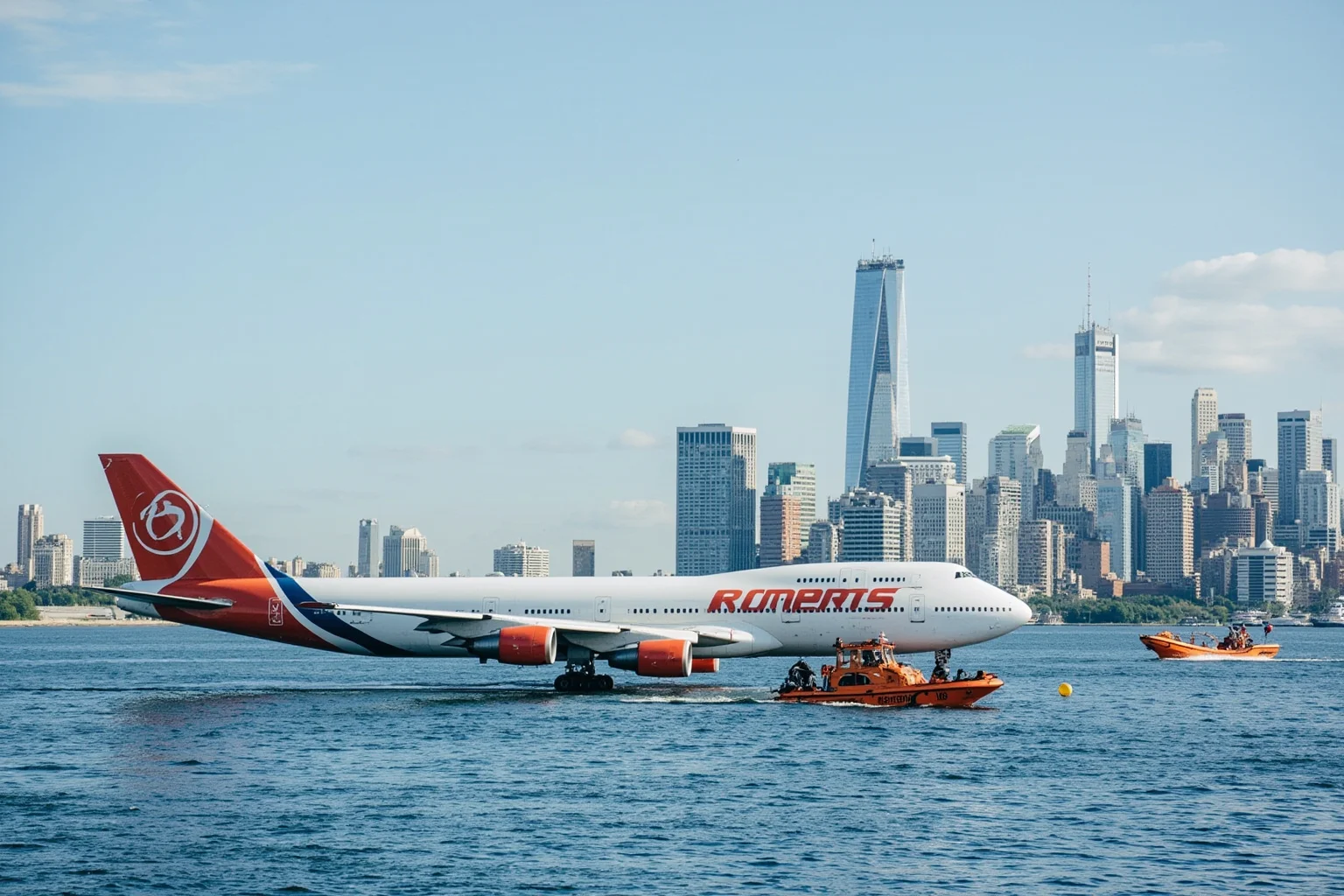
On January 15, 2009, US Airways Flight 1549 struck a flock of Canada geese shortly after takeoff from New York’s LaGuardia Airport, disabling both engines. Captain Chesley “Sully” Sullenberger made the decision to glide the powerless aircraft to a landing on the Hudson River rather than attempt to reach a runway.
All 155 people aboard survived, thanks to Sullenberger’s piloting, quick evacuation procedures, and the fast response of nearby ferries that pulled passengers from the icy water. The event became known worldwide as the “Miracle on the Hudson” and remains one of the most celebrated examples of a disaster that could have been catastrophic ending with every single person surviving.
What These Stories Have in Common
Looking across these 21 cases, a few patterns emerge. Cold water, falls, atomic blasts, and open-ocean drifting all sound equally unsurvivable, yet in each case documented here, real people lived through them and their stories were later verified by rescuers, doctors, or official records.
At the same time, stories like Frane Selak’s remind us to ask questions before accepting a viral survival tale as fact. Genuine history is often just as astonishing as exaggerated legend, and it doesn’t need embellishment to be worth telling.
Final Thoughts on Surviving the Impossible
Unlike many of the most recognized historical figures of all time, the people on this list didn’t have superpowers. Most had a mix of physical resilience, calm decision-making under pressure, and, frankly, extraordinary luck that put them in exactly the right position at exactly the right moment.
That combination is part of what makes these stories so compelling nearly a century or more after some of them took place. They’re proof that even when disaster strikes in its most unthinkable form, survival is sometimes possible, and the true stories are almost always more interesting than the myths built up around them.
Frequently Asked Questions
What does it mean when people talk about ‘people who survived the impossible’?
The phrase generally refers to documented cases where someone lived through an event that had an extremely low statistical chance of survival, such as a fall from a great height, prolonged exposure at sea, or a catastrophic accident. Historians and journalists use it carefully, since not every viral survival story is well-documented, but the cases in this article, like the Chilean miners or the Andes flight disaster survivors, are backed by solid historical and medical records.
Did anyone survive the Titanic sinking who was also on other doomed ships?
Yes. Stewardess Violet Jessup survived the Titanic's sinking in 1912, but she had also been aboard the RMS Olympic during its 1911 collision with a Royal Navy cruiser, and she later survived the sinking of the Britannic in 1916 after it struck a mine. Her survival across all three incidents made her one of the most famous names in maritime history.
Is Frane Selak’s story of surviving seven disasters actually true?
It's difficult to verify. Frane Selak's story spread widely through international media, but many of the individual incidents lack strong independent documentation, and details have varied between retellings over the years. It's a good example of why any 'unsurvivable' story circulating online deserves scrutiny before being treated as settled fact.
How did the Chilean miners survive 69 days underground?
In 2010, 33 miners trapped at the San José Mine in Chile survived by rationing a small emergency food supply, organizing shifts and routines to maintain morale, and staying in radio contact with rescuers once a probe reached them 17 days into the ordeal. A specially designed capsule eventually brought all 33 men safely to the surface after 69 days.
What’s considered the most unbelievable true survival story in history?
There's no single agreed-upon answer, but cases like Tsutomu Yamaguchi surviving both atomic bombings, or Juliane Koepcke falling roughly two miles into the Amazon rainforest and living, are frequently cited by historians as among the most extraordinary documented survival stories.
Are there any survivors of falls from extreme heights without a parachute?
Yes, though they are rare. Vesna Vulović is one of the most cited cases, having survived a mid-air explosion aboard a Yugoslav airliner in 1972, and Juliane Koepcke survived a fall from a disintegrating aircraft in 1971 while strapped into her seat. Both cases involved specific circumstances, like being attached to wreckage that helped slow their descent, that experts believe contributed to their survival.

Alex Warren
Related Articles





