

History is full of ordinary people who decided the truth was optional. Unlike the world’s most recognized historical figures, they invented royal bloodlines, fake medical degrees, imaginary countries, and entirely new identities, and for a while, the world believed them. Some got away with it for decades. Others were exposed in spectacular, headline-grabbing fashion.
This list rounds up 22 of the most jaw-dropping impostors, forgers, and pretenders from across the centuries. We’ll look at what they claimed, how they pulled it off, and what actually happened when the truth caught up with them.
TL;DR: From medieval throne-pretenders to modern Silicon Valley fraudsters, history’s greatest imposters succeeded because they exploited trust, bureaucracy, and our love of a good story — not because deception is more common in any one place.
What Turns an Ordinary Liar Into a Legendary Impostor?
Not every fibber earns a spot in the history books. The people on this list didn’t just tell a lie — they built entire fake lives around it, often for years, sometimes for decades.
What separates a run-of-the-mill liar from history’s greatest imposters is usually scale, nerve, and timing. They exploited gaps in record-keeping, wartime chaos, class snobbery, or plain human trust, and they kept the act going long after a smaller lie would have collapsed.
Interestingly, the phrase “the great imitator” actually has a well-documented medical meaning first — it’s a nickname doctors use for syphilis, because the disease mimics the symptoms of so many other illnesses. It’s a useful phrase to borrow here too, because every impostor on this list was, in their own way, a great imitator of someone they were not.
1. Frank Abagnale Jr. — The Check Forger Hollywood Loved
Frank Abagnale claimed that in the 1960s, as a teenager, he posed as an airline pilot, a doctor, and a lawyer while forging checks across multiple countries. His memoir became the basis for the 2002 film “Catch Me If You Can.”
It’s worth noting that journalists and researchers, including writer Alan C. Logan, have since raised serious doubts about how much of Abagnale’s story actually happened as told. His case is a good reminder that even famous “true stories” about famous liars deserve a skeptical read.
2. Ferdinand Waldo Demara — “The Great Impostor”
Demara is arguably the original template for this whole list. Across the 1940s and 1950s, he impersonated a monk, a psychology professor, a prison warden, and — most famously — a ship’s surgeon aboard a Canadian naval vessel during the Korean War.
He reportedly performed surgery using nothing but a textbook and nerve, and the wounded sailors survived. His story became the 1959 book and 1961 film literally titled “The Great Impostor.”
3. Anna Sorokin (Anna Delvey) — The Fake Heiress of Manhattan

Between roughly 2013 and 2017, Anna Sorokin convinced hotels, banks, and New York’s social elite that she was a wealthy German heiress named Anna Delvey. She used the fabricated identity to secure loans, free stays at luxury hotels, and access to exclusive social circles.
She was convicted of grand larceny and theft in 2019. Her case later inspired the Netflix series “Inventing Anna,” which dramatized events but took notable creative liberties.
4. Clark Rockefeller — The Man Who Wasn’t a Rockefeller
Christian Gerhartsreiter, a German immigrant to the United States, spent years passing himself off as “Clark Rockefeller,” implying ties to the famous banking family. He moved through elite social circles in Boston and New York for years before his fabricated identity unraveled.
The unraveling got much darker than a simple identity scam. He was later convicted in 2013 of the 1985 murder of John Sohus in California, a crime connected to one of his earlier assumed identities and cementing his place among history’s most notorious criminals.
5. Arthur Orton, the Tichborne Claimant
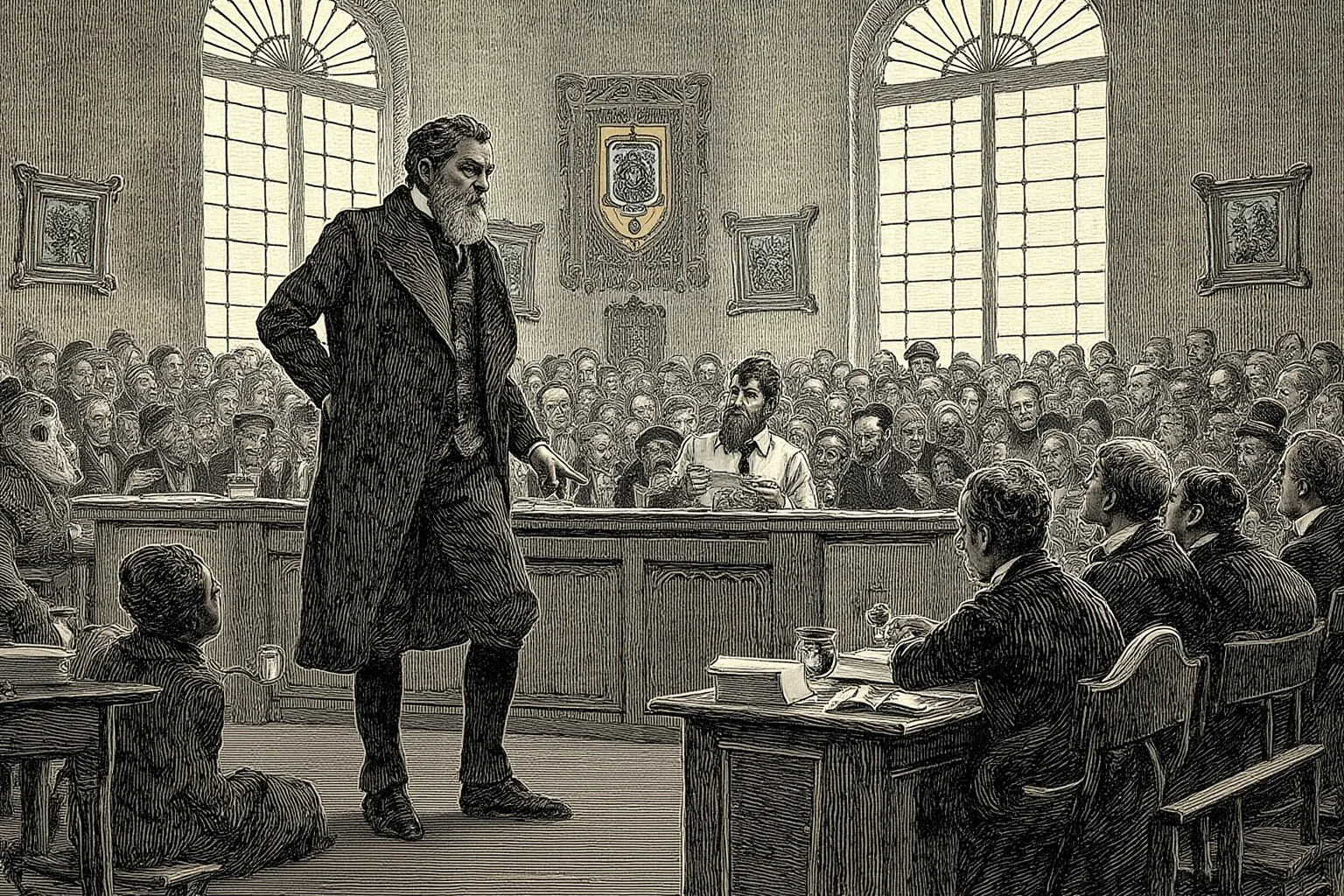
In the 1860s, a butcher from Wapping, England, named Arthur Orton claimed to be Sir Roger Tichborne, a wealthy baronet’s heir presumed lost at sea years earlier. The resulting court case became a national sensation, drawing huge crowds and press coverage.
Orton was ultimately convicted of perjury in 1874 and sentenced to 14 years in prison. The case remains one of Victorian Britain’s most famous legal dramas.
6. Perkin Warbeck — The Pretender Who Challenged a King
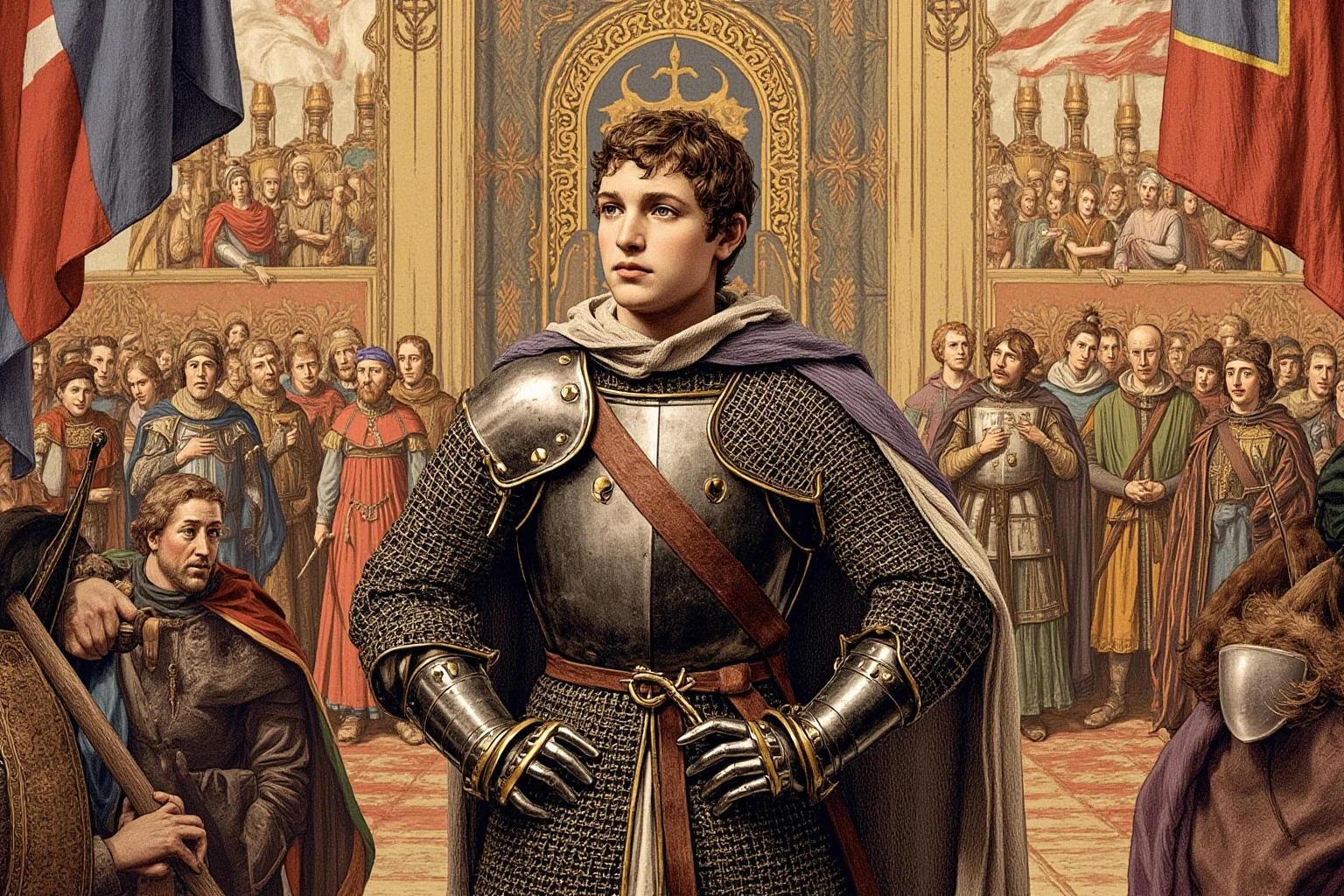
In the late 15th century, Perkin Warbeck claimed to be Richard, Duke of York, one of the “Princes in the Tower” believed murdered decades earlier. He gathered support across Europe and even invaded England, directly challenging King Henry VII’s claim to the throne.
His rebellion failed, and he was executed in 1499. Historians still debate exactly who Warbeck really was before he took on the guise of a lost prince.
7. Lambert Simnel — Crowned King at Age Ten
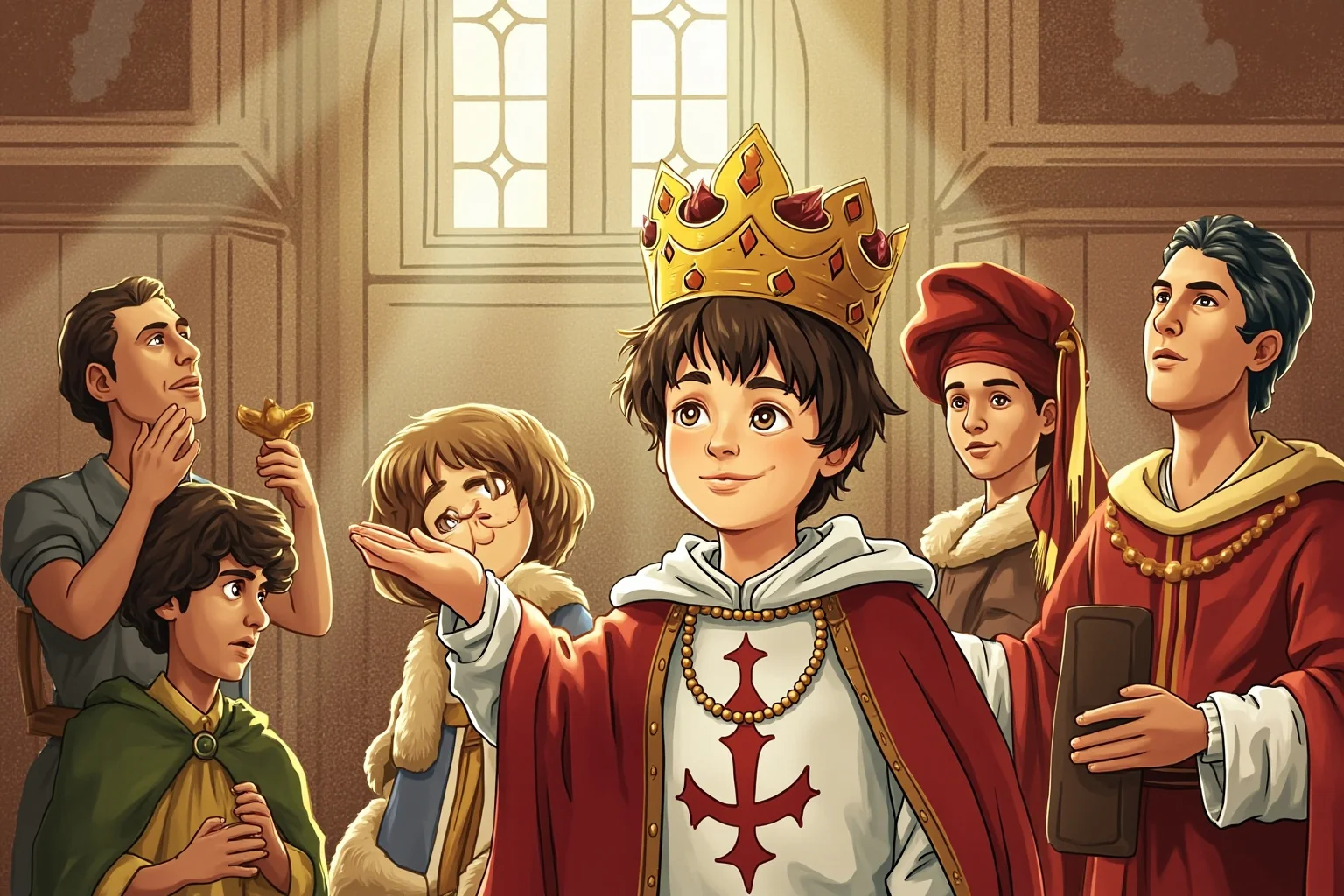
A few years before Warbeck, a boy named Lambert Simnel was put forward as Edward, Earl of Warwick, a rival claimant to the English throne. He was even crowned “King Edward VI” in Dublin in 1487 by supporters of the Yorkist cause.
After his backers were defeated at the Battle of Stoke, Henry VII showed unusual mercy. Simnel was pardoned and given a job working in the royal kitchens.
8. Anna Anderson — The Woman Who Claimed to Be Anastasia
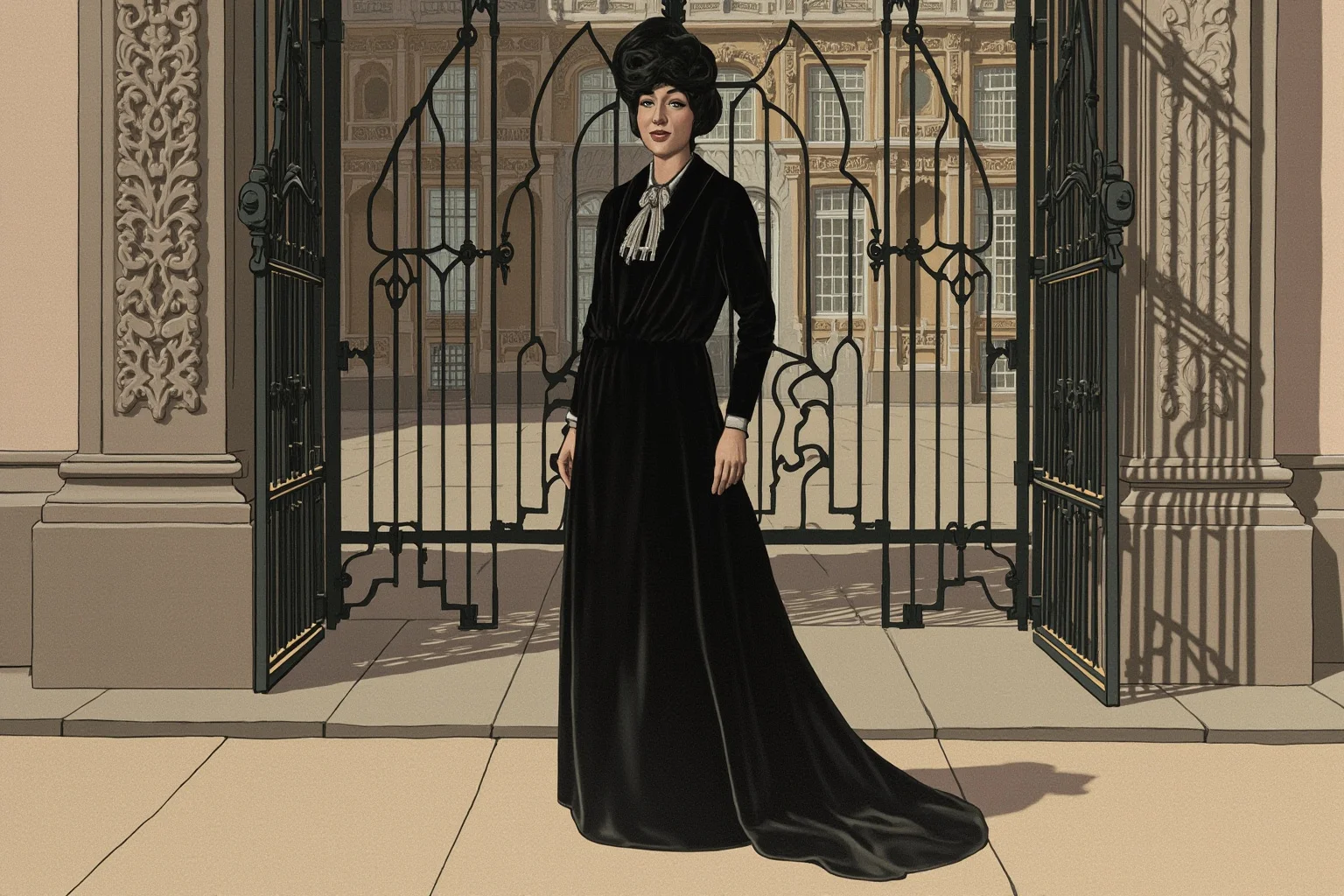
For decades, Anna Anderson insisted she was Grand Duchess Anastasia Romanov, the youngest daughter of Tsar Nicholas II who had supposedly survived her family’s 1918 execution. Her claim captured global attention and inspired films and books.
DNA testing in the 1990s finally settled the matter. Anderson was identified as Franziska Schanzkowska, a Polish factory worker with a documented history of mental illness.
9. George Psalmanazar — The Fake Man From Formosa
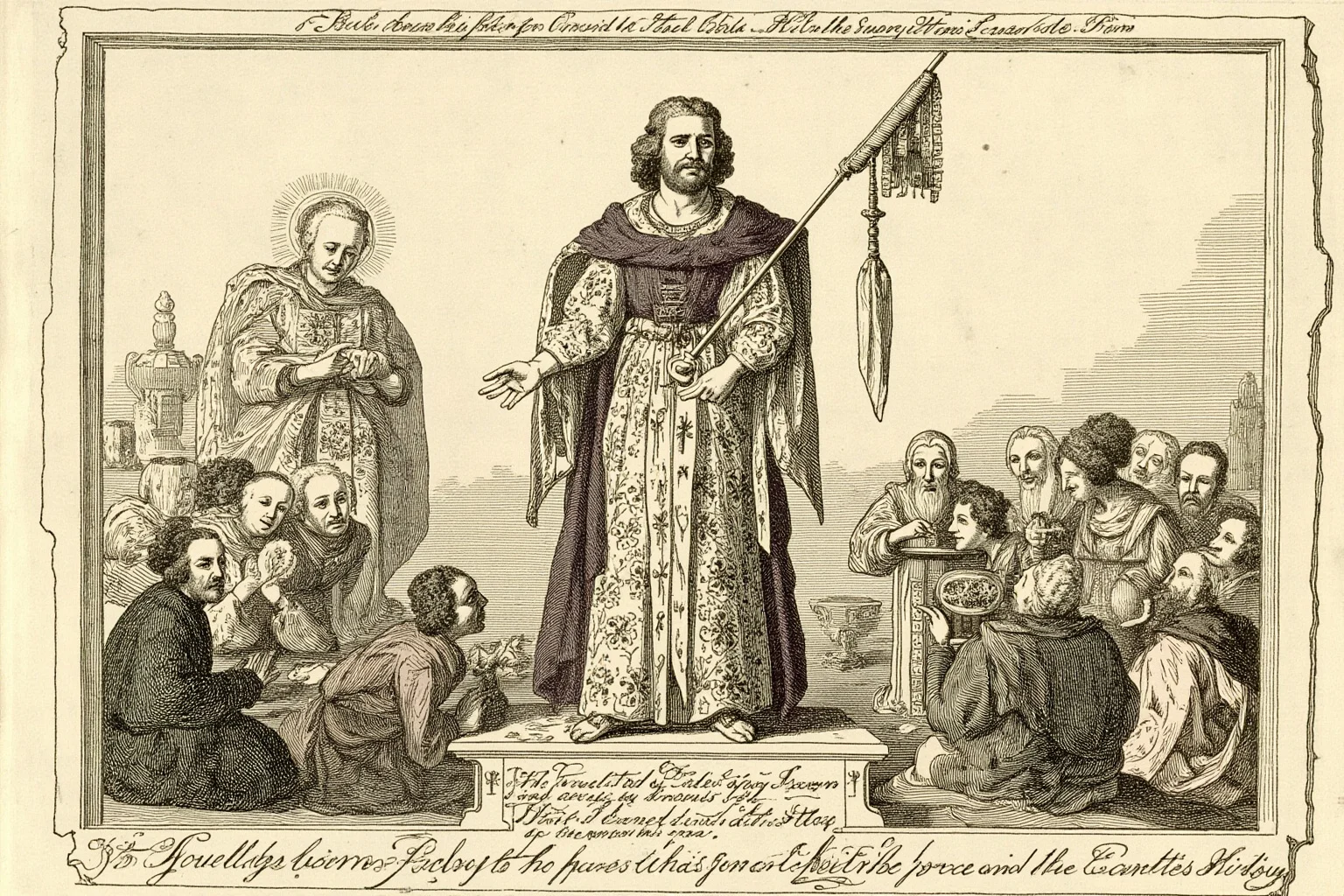
In the early 1700s, a young European man arrived in London claiming to be a native of Formosa, now known as Taiwan. He invented an entire alphabet, religion, and set of customs, and even published a detailed 1704 book describing his fictional homeland.
His fabrications fooled scholars and clergy for years before doubts finally caught up with him. He later admitted the whole persona was invented, though his true origins remained murky even after the confession.
10. Victor Lustig — The Man Who Sold the Eiffel Tower
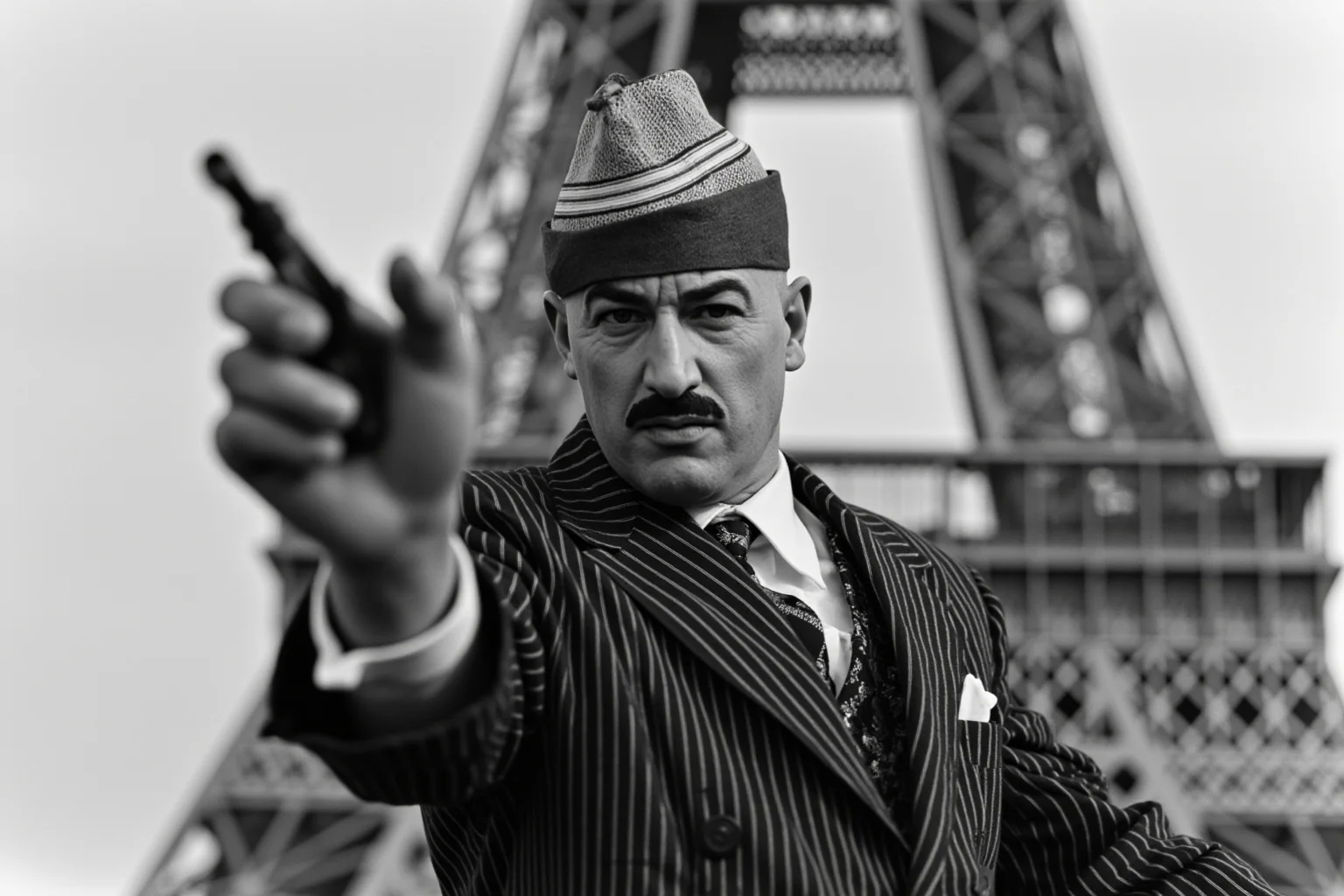
Victor Lustig was a Czech-born con artist with a genuine flair for theater. In 1925, he convinced a group of Parisian scrap metal dealers that the government was secretly selling the Eiffel Tower for scrap, and pocketed a bribe from the “winning” bidder before disappearing.
He reportedly ran the same scam again months later. Lustig later moved to the United States, where he was eventually convicted of counterfeiting.
11. Cassie Chadwick — The Fake Carnegie Heiress
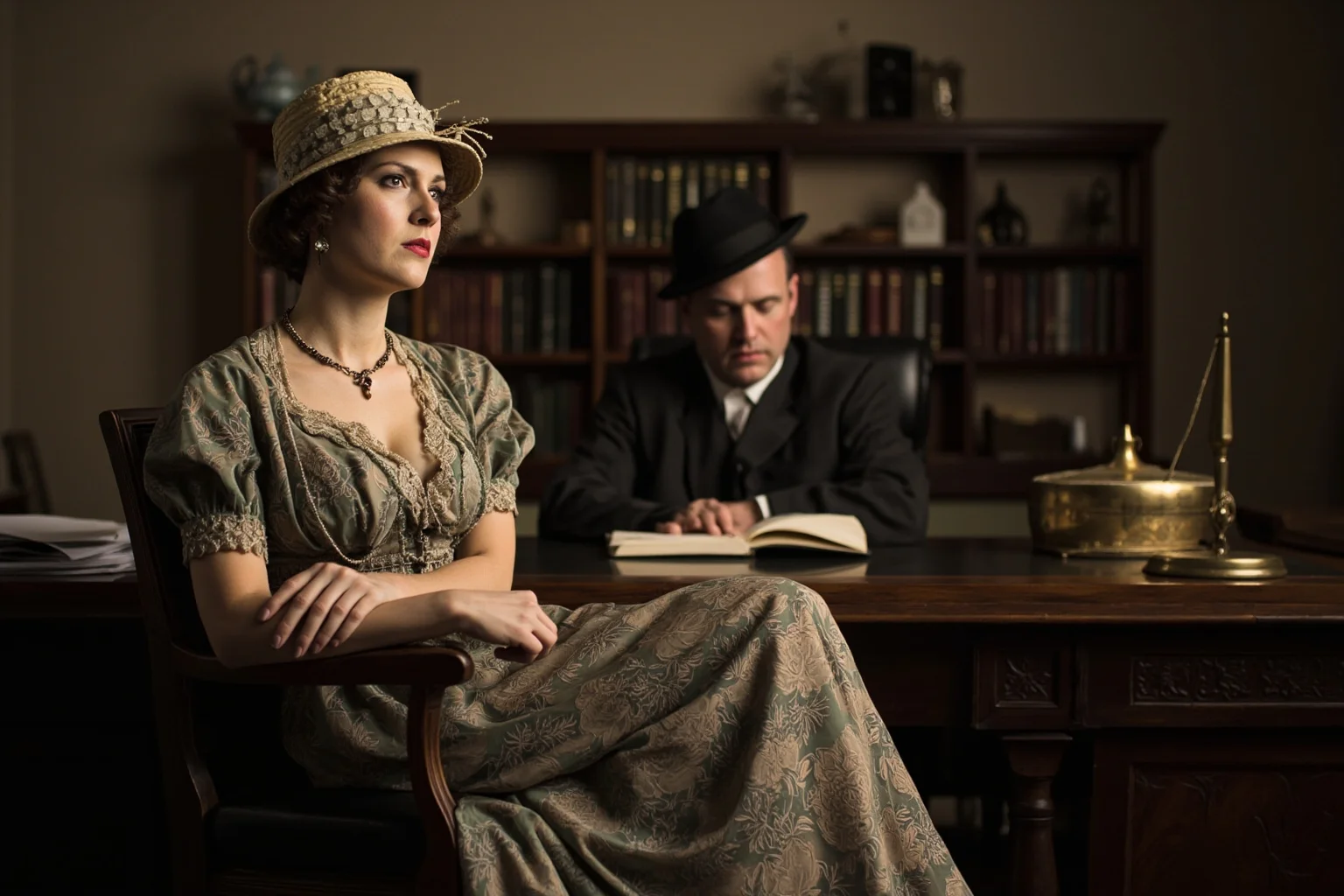
Cassie Chadwick spun a story that she was the secret illegitimate daughter of steel magnate Andrew Carnegie. She used the claim to secure enormous loans from banks in the early 1900s, banking on lenders being too polite, or too greedy, to check.
Her scheme unraveled in 1904, and she was convicted of fraud in 1905. She died in prison a few years later, having defrauded banks of what would today be a multimillion-dollar sum.
12. Grey Owl — The Englishman Who Became a First Nations Icon

Archibald Belaney was born in Hastings, England, but reinvented himself in Canada as “Grey Owl,” claiming Ojibwe heritage. As Grey Owl, he became a celebrated conservationist and author, and his books on wildlife were genuine bestsellers.
His true origins only came to light after his death in 1938. The revelation was a scandal at the time, though his conservation writing is still studied today.
13. Titus Oates — The Man Who Invented a Conspiracy
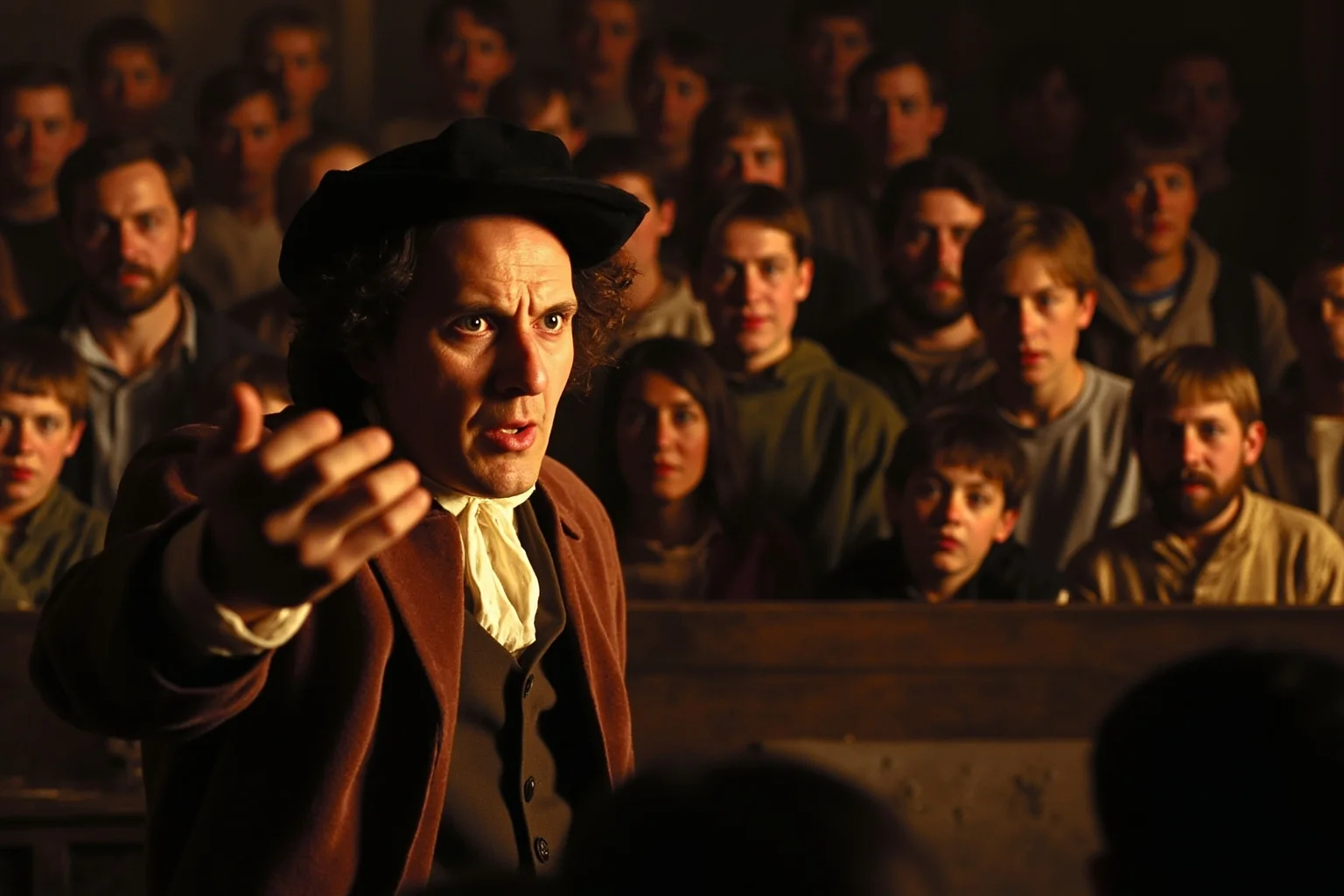
In 1678, Titus Oates fabricated the “Popish Plot,” a supposed Catholic conspiracy to assassinate King Charles II of England. His false testimony triggered a wave of anti-Catholic hysteria and led to the execution of at least fifteen innocent people.
Oates was eventually convicted of perjury in 1685. He was pilloried, imprisoned, and publicly whipped, though he later received a royal pardon.
14. False Dmitry I — The Pretender Who Became Tsar
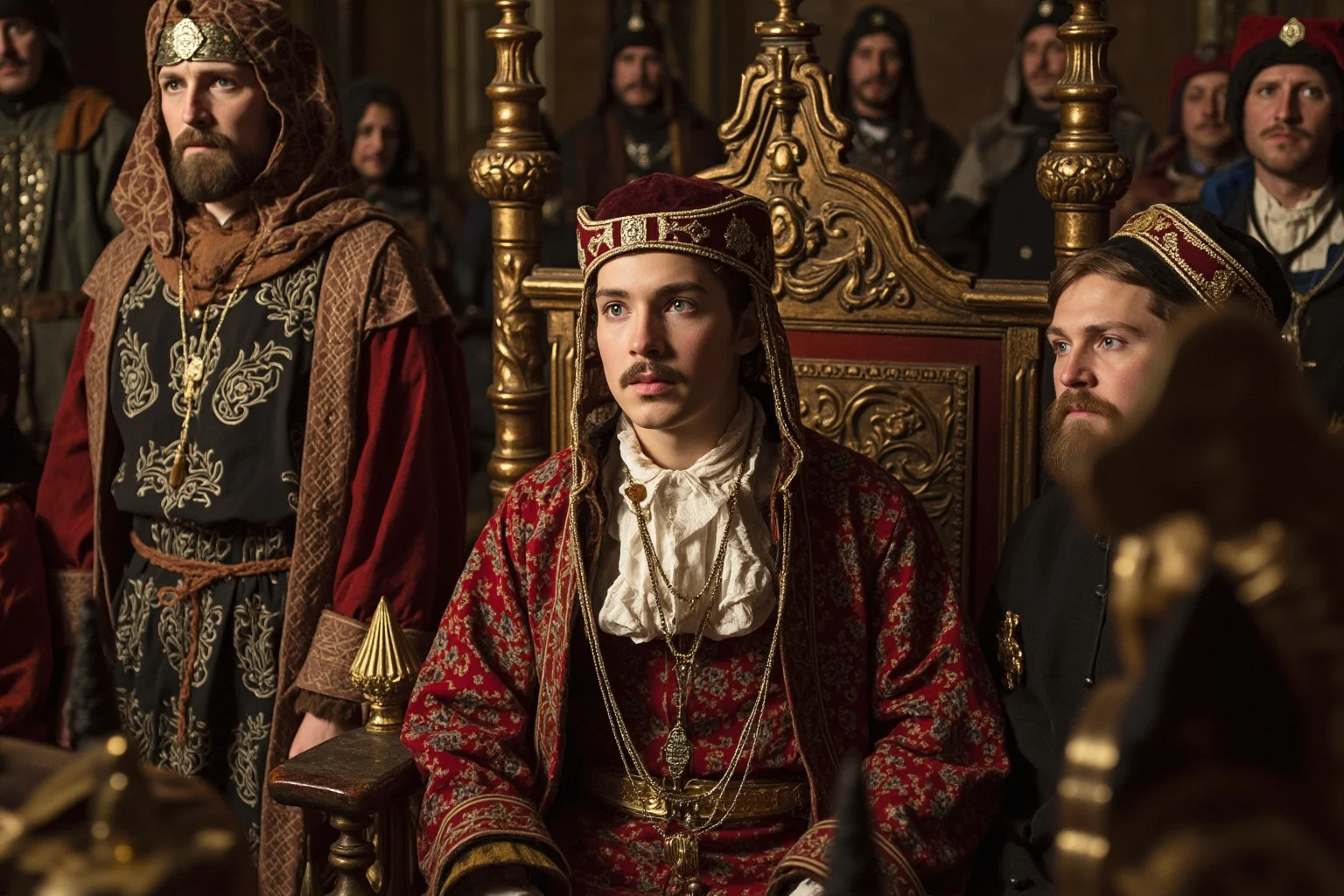
During Russia’s “Time of Troubles,” a man claiming to be Tsarevich Dmitri, the youngest son of Ivan the Terrible believed dead since 1591, gathered enough support to actually seize the Russian throne. He ruled as Tsar from 1605 to 1606.
He was eventually overthrown and killed by rivals, but the impersonation didn’t stop there. At least two more “False Dmitrys” appeared in the years that followed, each claiming the same identity.
15. Frédéric Bourdin, “The Chameleon”
French-born Frédéric Bourdin spent years impersonating dozens of missing children and teenagers across Europe and the United States. His most notorious case was posing as Nicholas Barclay, a Texas boy who had gone missing in 1994, convincing the boy’s own family to accept him in 1997.
Bourdin’s story is documented in the acclaimed 2010 film “The Imposter.” His case remains one of the strangest examples of identity fraud on record, partly because his victims’ family genuinely believed him.
16. Gregor MacGregor — The Man Who Invented a Country
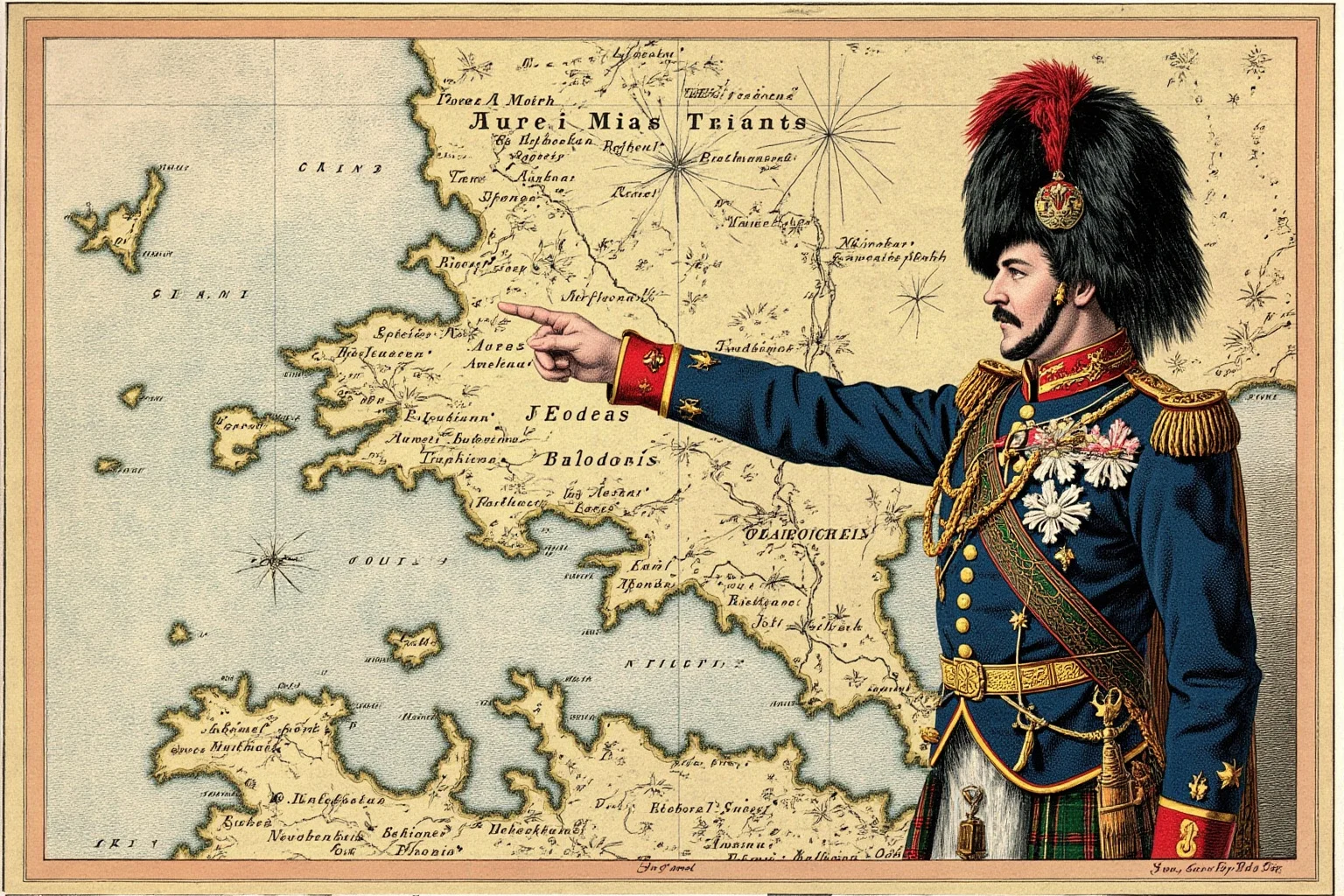
Scottish soldier Gregor MacGregor pulled off one of history’s boldest scams in the 1820s. He invented a fictional Central American nation called “Poyais,” complete with a fake currency, government bonds, and glowing land advertisements, and sold investment certificates to hundreds of British and French buyers.
Settlers who sailed to claim their new lives arrived to find nothing but jungle. Many died from disease and starvation, making MacGregor’s fraud one of the deadliest confidence schemes in history.
17. Konrad Kujau — Forger of the “Hitler Diaries”
In 1983, German forger Konrad Kujau sold what he claimed were dozens of handwritten diaries by Adolf Hitler to Stern magazine for a reported multimillion-dollar sum. The diaries were touted as a major historical discovery.
Within weeks, forensic analysis of the paper and ink proved the diaries were fakes, some containing materials that didn’t even exist during the supposed writing period. Kujau was convicted of fraud in 1985.
18. Han van Meegeren — The Forger Who Fooled the Nazis
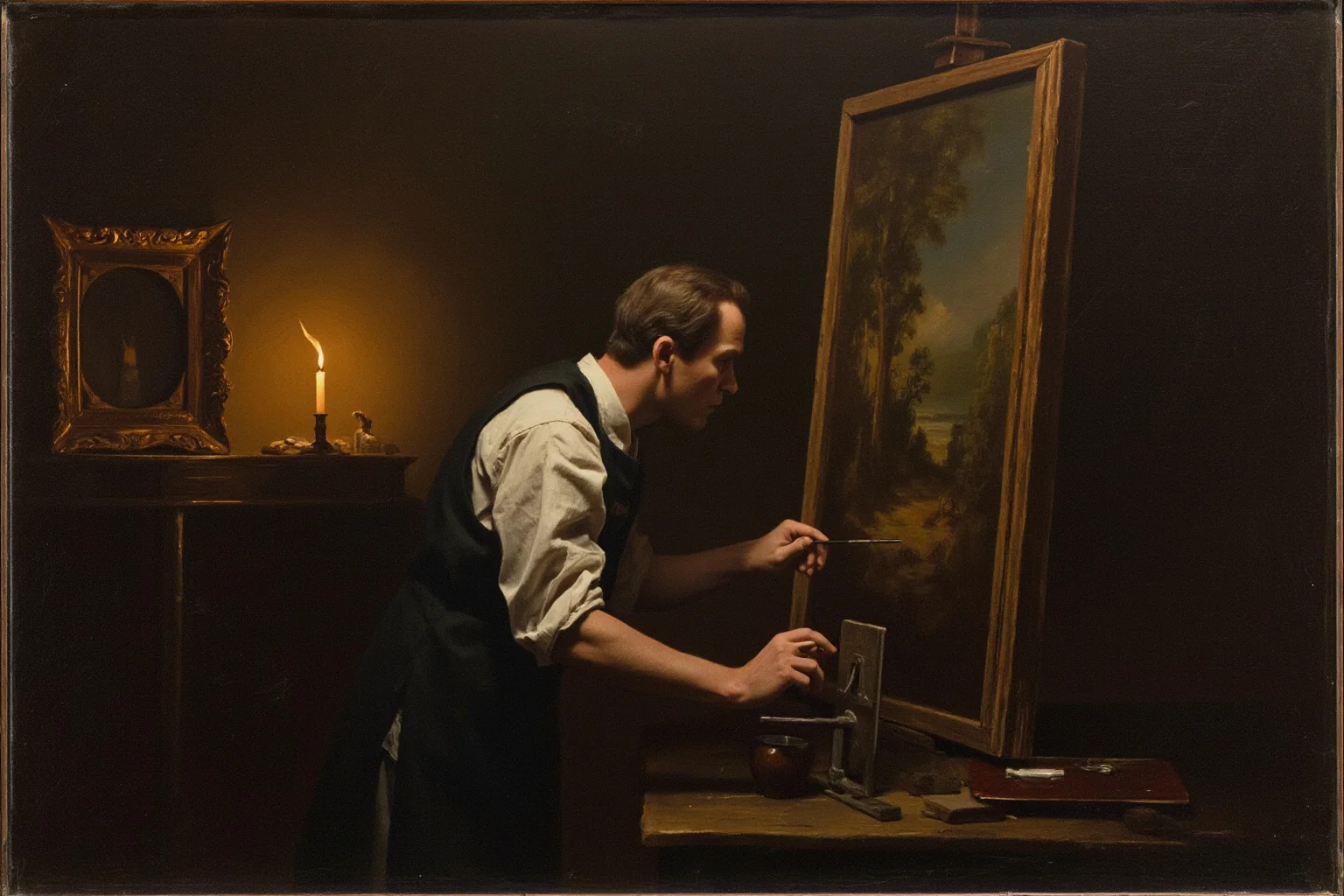
Dutch painter Han van Meegeren forged what he passed off as lost paintings by Johannes Vermeer during the 1930s and 40s. One of his fakes was sold to senior Nazi official Hermann Göring, a sale that later put van Meegeren in serious legal danger.
After World War II, he faced treason charges for allegedly selling a national treasure to the enemy. He avoided conviction for treason by proving the painting was a forgery, going so far as to paint a new fake Vermeer in front of witnesses.
19. James Hogue — The Fake Princeton Prodigy

In 1988, a man in his late twenties gained admission to Princeton University by posing as “Alexi Santana,” a self-taught teenage orphan and running prodigy. He kept the act going for roughly a year before former classmates recognized him and exposed the fraud.
It wasn’t his first fake identity, and it wouldn’t be his last. Hogue has been arrested multiple times over the following decades for similar impersonations and thefts.
20. Elizabeth Holmes — The Silicon Valley Fraud

Elizabeth Holmes founded Theranos, a company that claimed to have revolutionary blood-testing technology capable of running hundreds of tests from a single drop of blood. Unlike the breakthroughs credited to history’s greatest American inventors, the technology never actually worked as advertised, but Holmes raised hundreds of millions of dollars from investors based on the claims.
She was convicted of wire fraud in 2022. Her case is a modern reminder that some of the greatest imposters wear tailored blazers instead of disguises.
21. Mary Baker, “Princess Caraboo”
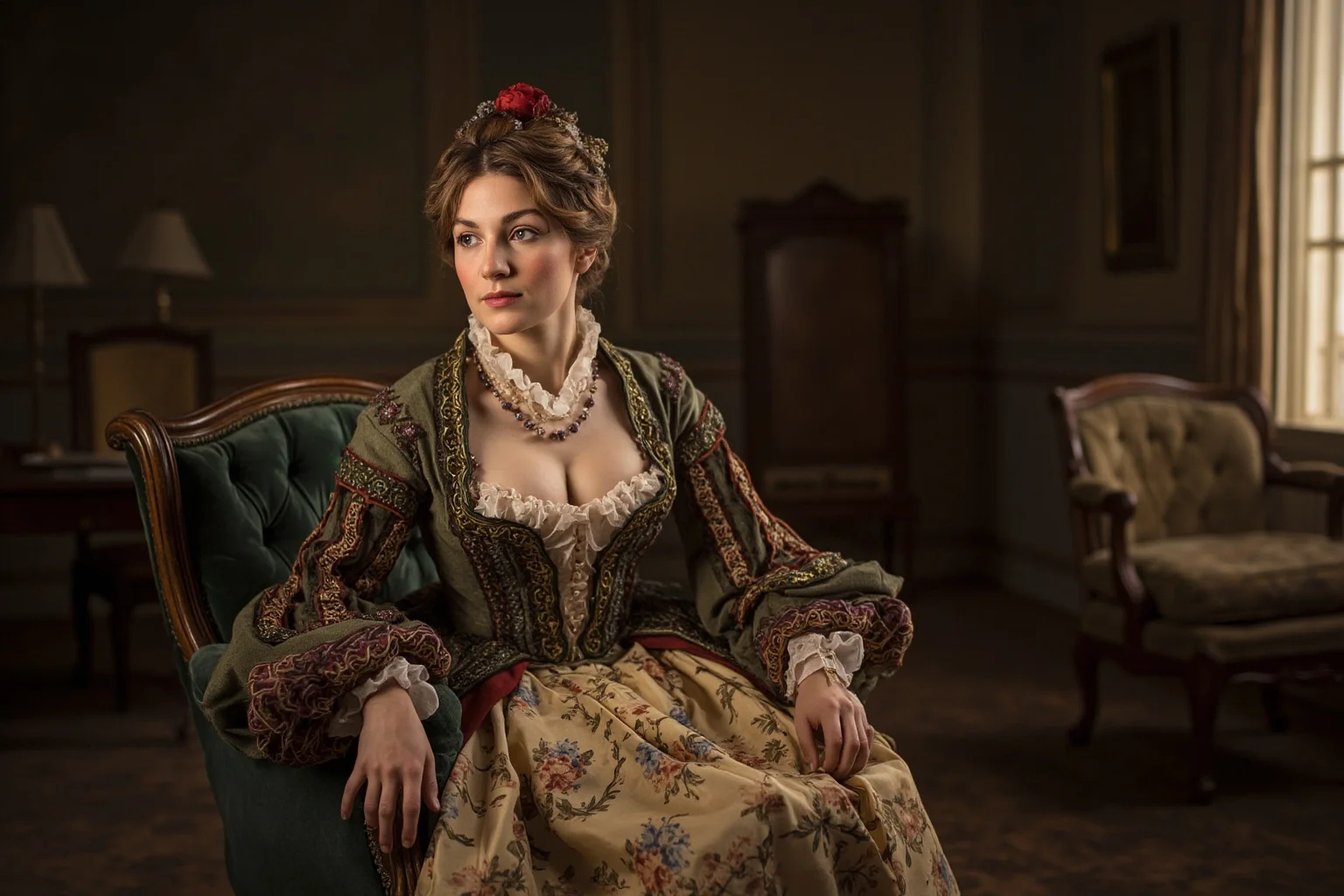
In 1817, an English domestic servant named Mary Baker appeared in a village near Bristol speaking an invented language and claiming to be “Princess Caraboo” from a fictional island nation. Local society, charmed by her exotic story, welcomed her into their homes for weeks.
The illusion collapsed when a landlady recognized her from a previous job. Baker’s tale became a minor sensation in the British press of the era.
22. Sarah Wilson — The Fake Royal Relative
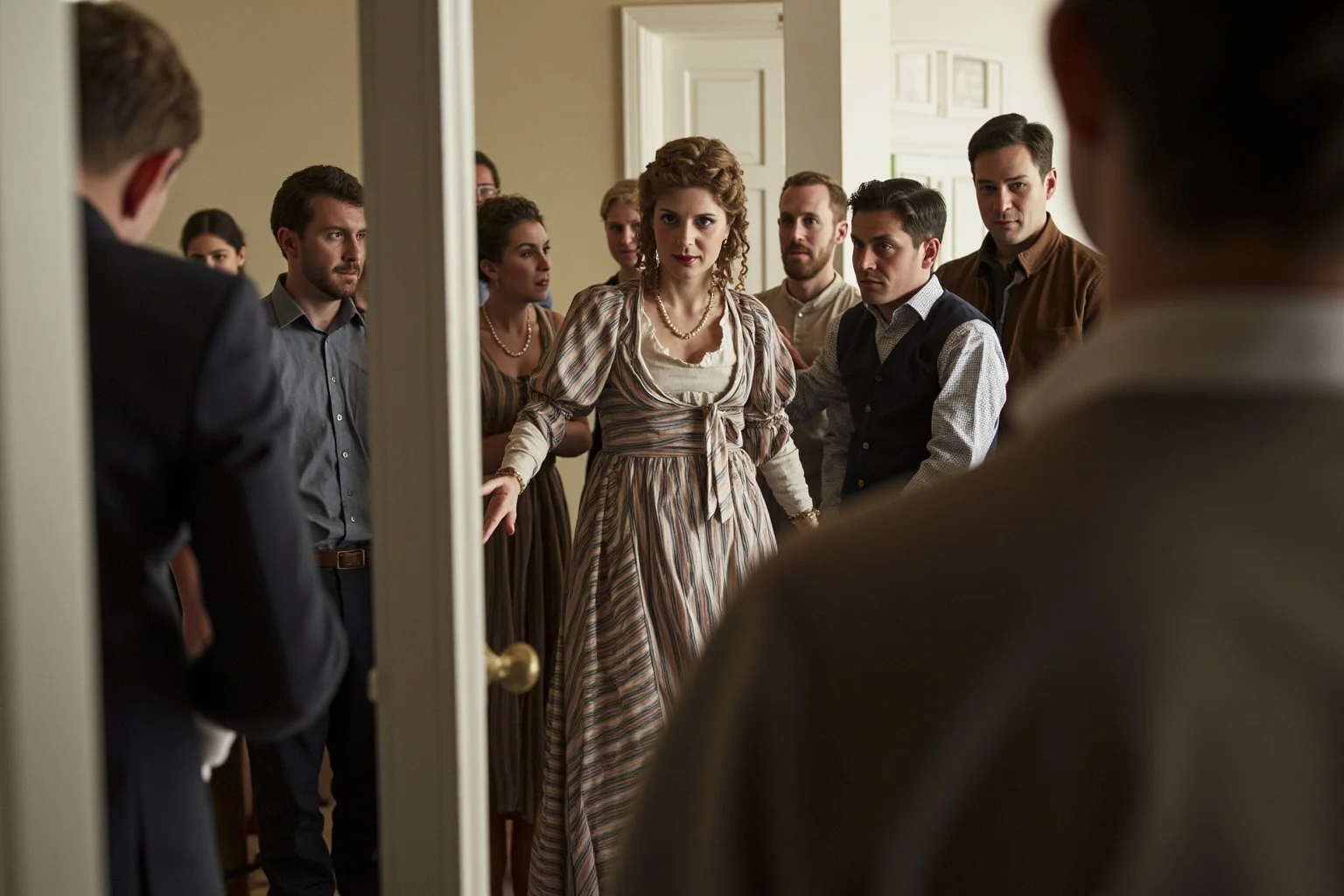
Sarah Wilson was a servant in England who, after being transported to the American colonies as a convict in the 1770s, reinvented herself as a fictional relative of Queen Charlotte. She toured Virginia and the Carolinas claiming royal connections and accepting gifts and hospitality along the way.
Her scheme eventually collapsed when her former employer tracked her down. Even so, her brief run as colonial society’s favorite “royal” visitor remains a memorable footnote in early American history.
Places With the Most Deceitful People? What History Actually Shows
It’s tempting to look at a list like this and wonder if certain cities or countries are simply more deceitful than others. Online quizzes and casual surveys about “places with the most deceitful people” pop up regularly, but they’re almost always based on small, informal experiments rather than solid historical or scientific data.
What history actually shows is different. Impostors tended to thrive wherever record-keeping was weak, class systems made people reluctant to question their supposed betters, or chaos — a war, a revolution, a gold rush — created openings for reinvention.
That’s why so many entries on this list cluster around specific moments: Gilded Age America, where old money and new money were hard to tell apart; post-revolutionary Russia, where a missing royal family left room for pretenders; and the art and antiquities world, where scarcity and prestige make forgery unusually profitable. It’s less about which country is inherently full of liars, and more about which conditions make lying easy to get away with.
Why We Keep Falling for the Same Tricks
Across five centuries and several continents, the same patterns show up again and again. Impostors exploit institutions that are too polite, too impressed, or too bureaucratic to ask hard questions early enough.
They also exploit our own hopes. Families wanted to believe a missing child had come home, investors wanted to believe in a medical breakthrough, and Victorian society wanted to believe a real princess had wandered into their parlor. The lie only works because part of us wants it to be true.
Modern cases like Anna Sorokin and Elizabeth Holmes prove this isn’t just a historical curiosity. The same basic playbook — confidence, selective truth, and exploiting people’s reluctance to seem rude or suspicious — still works today, just with better production values.
Final Thoughts
Every name on this list took an enormous risk for an enormous payoff, whether that payoff was money, status, or simply the thrill of getting away with it. Some, like Han van Meegeren, come across as almost darkly admirable for their sheer audacity. Others, like Gregor MacGregor, caused real human tragedy behind the theatrics.
What ties them together is a simple, uncomfortable truth: trust is the easiest thing in the world to exploit, and it always has been. The next time a story sounds a little too perfect, a little too convenient, it might be worth asking whether you’re looking at history repeating itself.
Frequently Asked Questions
What are the places with the most deceitful people, historically speaking?
There's no reliable historical or scientific ranking of places with the most deceitful people — most viral claims about this come from small, informal honesty experiments rather than solid data. What history does show is that impostors thrived in specific conditions, such as weak record-keeping, rigid class systems, or the chaos following wars and revolutions, rather than in any one particular country or city being inherently more dishonest.
Who is considered the greatest imposter in history?
There's no single agreed-upon answer, since 'greatest' can mean the longest-running deception, the largest financial scam, or the boldest impersonation. Ferdinand Waldo Demara is often cited because of the sheer variety of professions he faked, while Frédéric Bourdin is notable for the emotional damage his impersonations caused real families.
What does ‘the great imitator’ actually mean?
In medicine, 'the great imitator' is a long-standing nickname for syphilis, because its symptoms can mimic so many other diseases. The phrase is sometimes used more loosely and informally to describe con artists and impostors who convincingly mimicked other people's identities, though that's not its original or primary meaning.
Is ‘The Big Fake’ a true story?
There isn't one single, universally recognized production titled exactly 'The Big Fake,' so the answer depends on which specific film, show, or article you're referring to. Many dramatizations about famous impostors, like Netflix's 'Inventing Anna' or the documentary 'The Imposter,' are described as 'based on a true story' but often include fictionalized details, so it's worth checking the specific production's own disclaimers.
Who is often called the biggest liar in history?
This title gets applied to different people depending on the criteria used. Gregor MacGregor is a strong contender for financial and human damage, having invented a fake country and sold fraudulent land certificates that led to real deaths, while Elizabeth Holmes is a modern contender given the hundreds of millions of dollars involved in the Theranos fraud.
What’s the difference between a con artist and an impostor?
A con artist generally focuses on tricking people out of money or valuables through deception, while an impostor specifically fabricates a false identity, whether that's a fake profession, a fake royal bloodline, or someone else's real name. The two overlap often, since many famous historical liars used a fabricated identity as the vehicle for their financial scams.

Alex Warren
Related Articles





