


When most people picture pirates, they imagine charming rogues with parrots on their shoulders and a code of honor buried somewhere under all that swagger.
The real history of piracy is much messier, and often much darker. For every pirate who became a household name, there were dozens of lesser-known figures who were either shockingly cruel, hilariously incompetent, or just plain bad at the job they’d chosen.
This list digs into some of the most infamous pirates you’ve probably never heard of, alongside a few familiar names whose worst moments rarely make it into the movies.
We’ll also tackle a couple of internet-famous phrases — including a certain viral quote about being “without a doubt the worst pirate” — and separate the Hollywood myth from the historical record.
TL;DR: Beyond Blackbeard and Calico Jack, piracy’s history is full of forgotten figures who were terrible in every sense — cruel, careless, or catastrophically bad at their jobs — and separating their real stories from legend reveals a lot about how pirate mythology got built in the first place.
1. Bartholomew Sharp — The Captain Who Mutinied His Way to Infamy
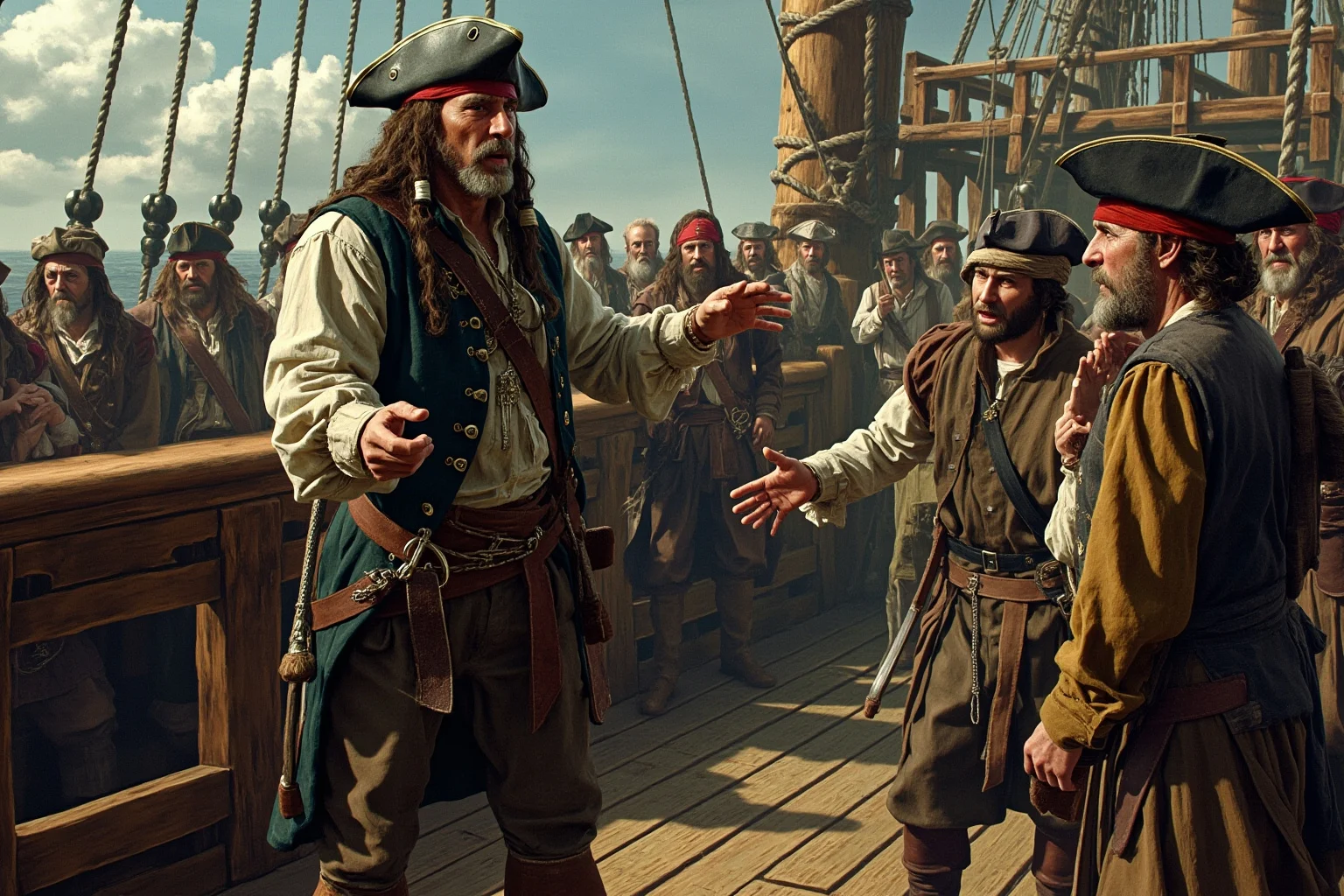
Bartholomew Sharp was an English buccaneer active in the late 1600s, best known for leading raids along the Pacific coast of South America. He seized command of his expedition through a shipboard vote after ousting a previous leader, a pattern of instability that followed him for years.
His crew mutinied against him more than once, which says a great deal about his leadership style. Sharp was eventually tried for piracy in England and, remarkably, acquitted, partly because he handed over a captured Spanish derrotero (a secret navigational chart) that English authorities found valuable.
He is remembered less for daring heroics and more for the chaos and infighting that trailed his voyages. Bartholomew Sharp’s career is a useful reminder that plenty of pirate captains survived not through skill, but through sheer luck and political timing.
2. Red Legs Greaves — The Reluctant Pirate of Barbados
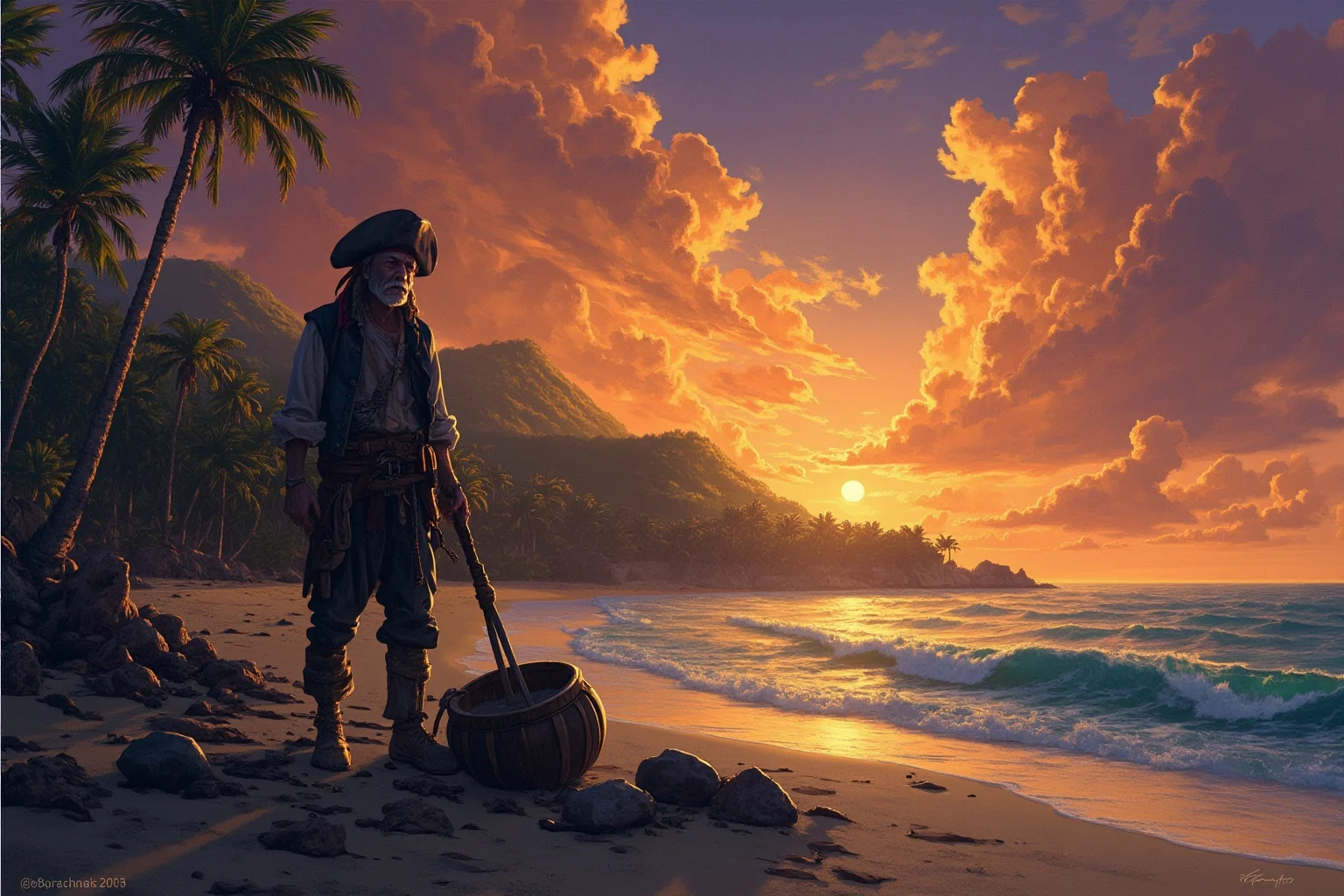
Red Legs Greaves is one of the more curious figures in pirate lore. According to popular accounts, he began life as an indentured servant in Barbados — the “redleg” nickname referred to poor Scottish and Irish laborers whose skin burned red in the Caribbean sun.
The legend of Red Legs Greaves paints him as an unusually reluctant pirate, supposedly sparing prisoners and refusing needless cruelty. It’s important to note that much of his story comes from folklore rather than solid documentary evidence, so historians treat the kinder details with caution.
What makes Red Legs Greaves the pirate worth remembering isn’t necessarily gentle behavior, but how his story shows the murky line between forced sailors, desperate laborers, and the pirates they sometimes became. Not every pirate chose that life freely.
3. Israel Hands — The Pirate Who Really Did Whistleblow
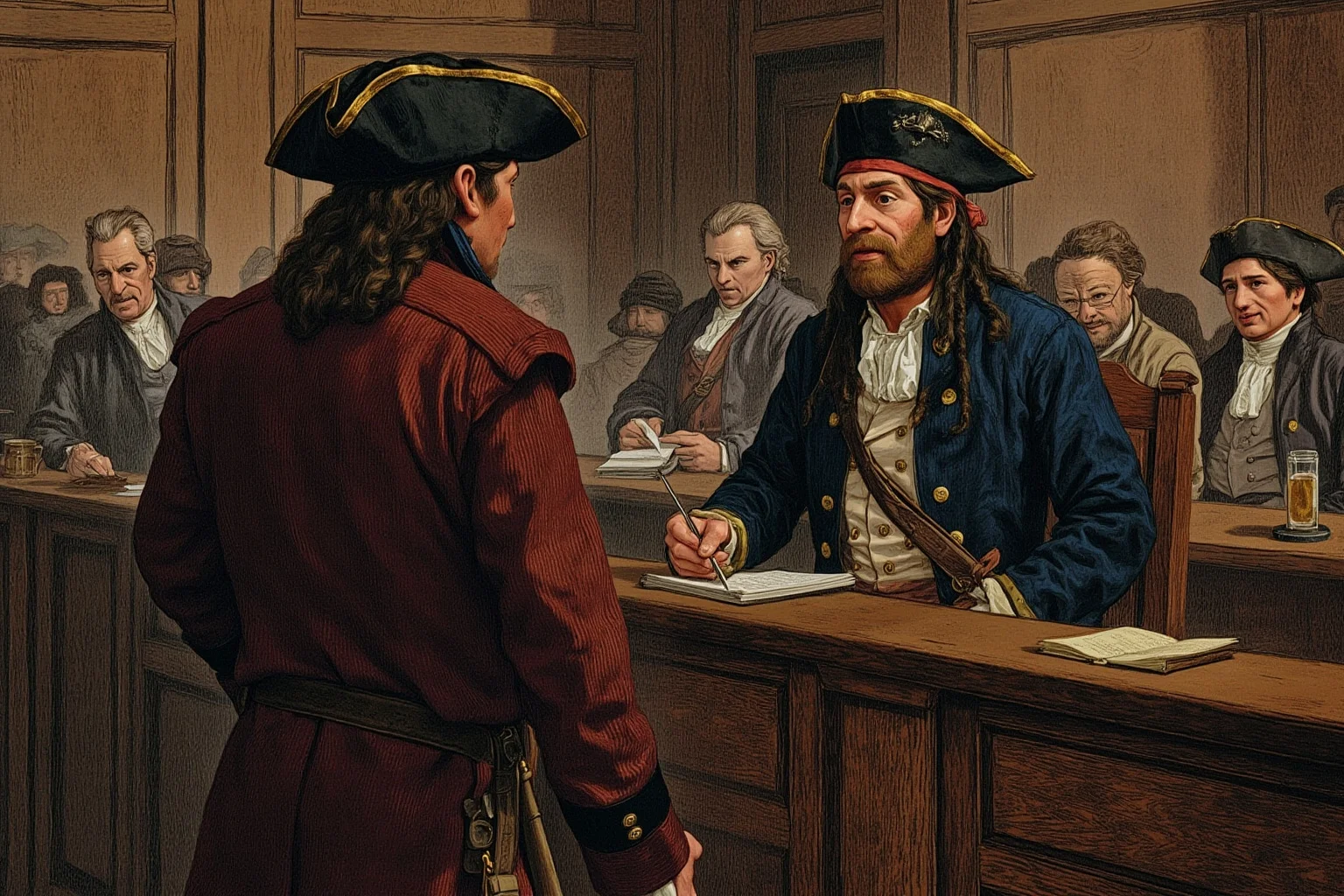
If you’ve searched for a “whistleblower pirate” or wondered about a “Captain Whistleblew,” the closest real historical match is Israel Hands. He served as Blackbeard’s quartermaster and was famously shot in the knee by his own captain during a drunken shipboard incident, according to accounts collected in Captain Charles Johnson’s 18th-century histories.
After Blackbeard’s death in 1718, Hands was captured and brought to trial in Virginia. He avoided the noose by testifying against other pirates and cooperating with colonial authorities, effectively trading information for his life.
There is no verified historical pirate actually named “Captain Whistleblew” — that phrasing appears to be a modern internet nickname or meme rather than a documented figure. Israel Hands, however, is the real historical case of a pirate who literally blew the whistle to save his own neck.
4. Charles Vane — The Pirate Who Refused to Share
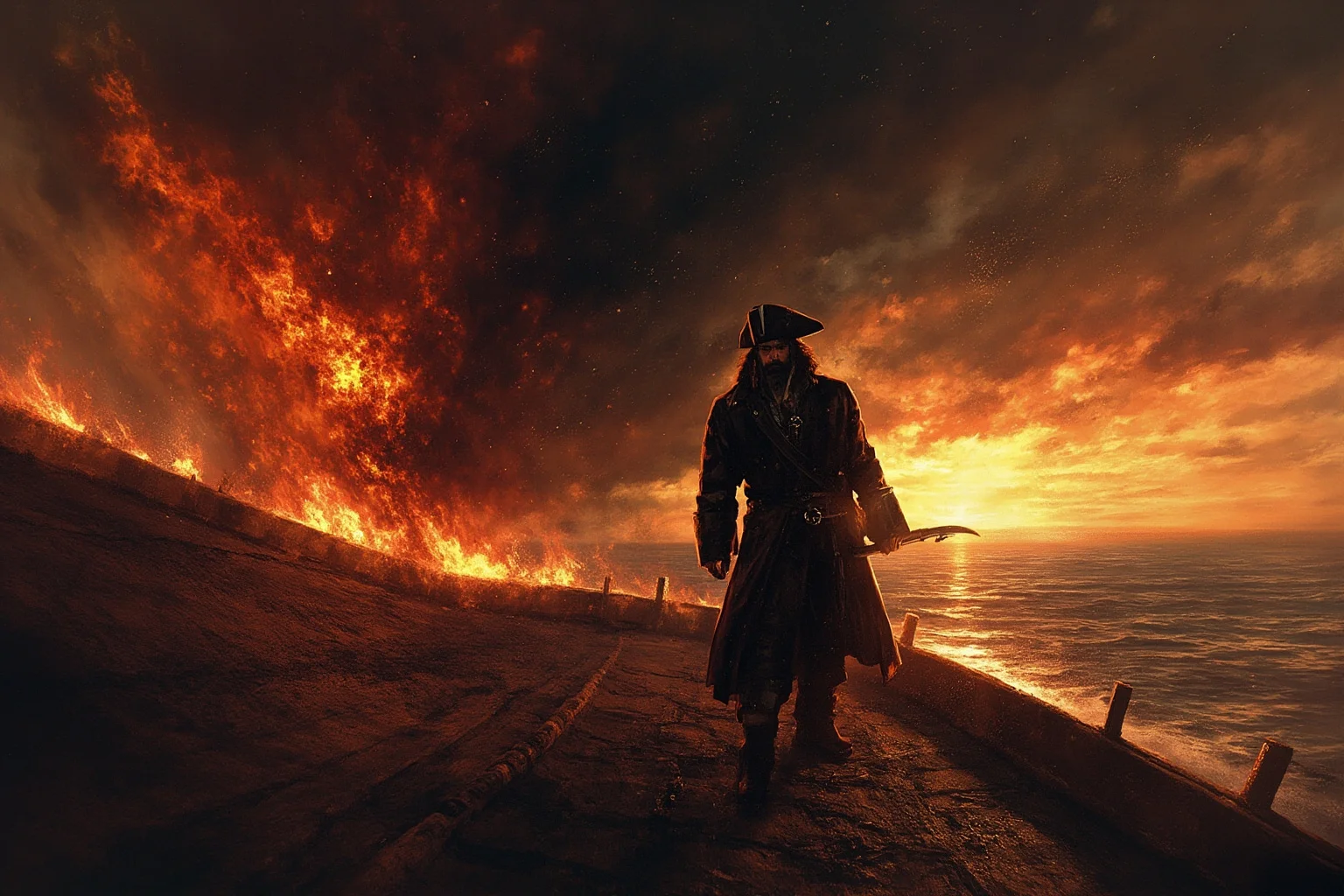
Charles Vane operated in the Bahamas during the early 1700s and built a reputation for stubbornness and cruelty even among fellow pirates. He famously refused to accept the King’s Pardon offered to Bahamian pirates and instead fled, torching a captured ship out of spite on his way out.
His crew eventually mutinied against him after he refused to fight a French warship, which many of his men saw as cowardice. Vane was later shipwrecked, recognized, and hanged in Jamaica in 1721.
His story shows that even within pirate crews — hardly bastions of gentle management — there were limits to how selfish and reckless a captain could be before his own men turned on him.
5. Edward “Ned” Low — The Sadist of the Atlantic
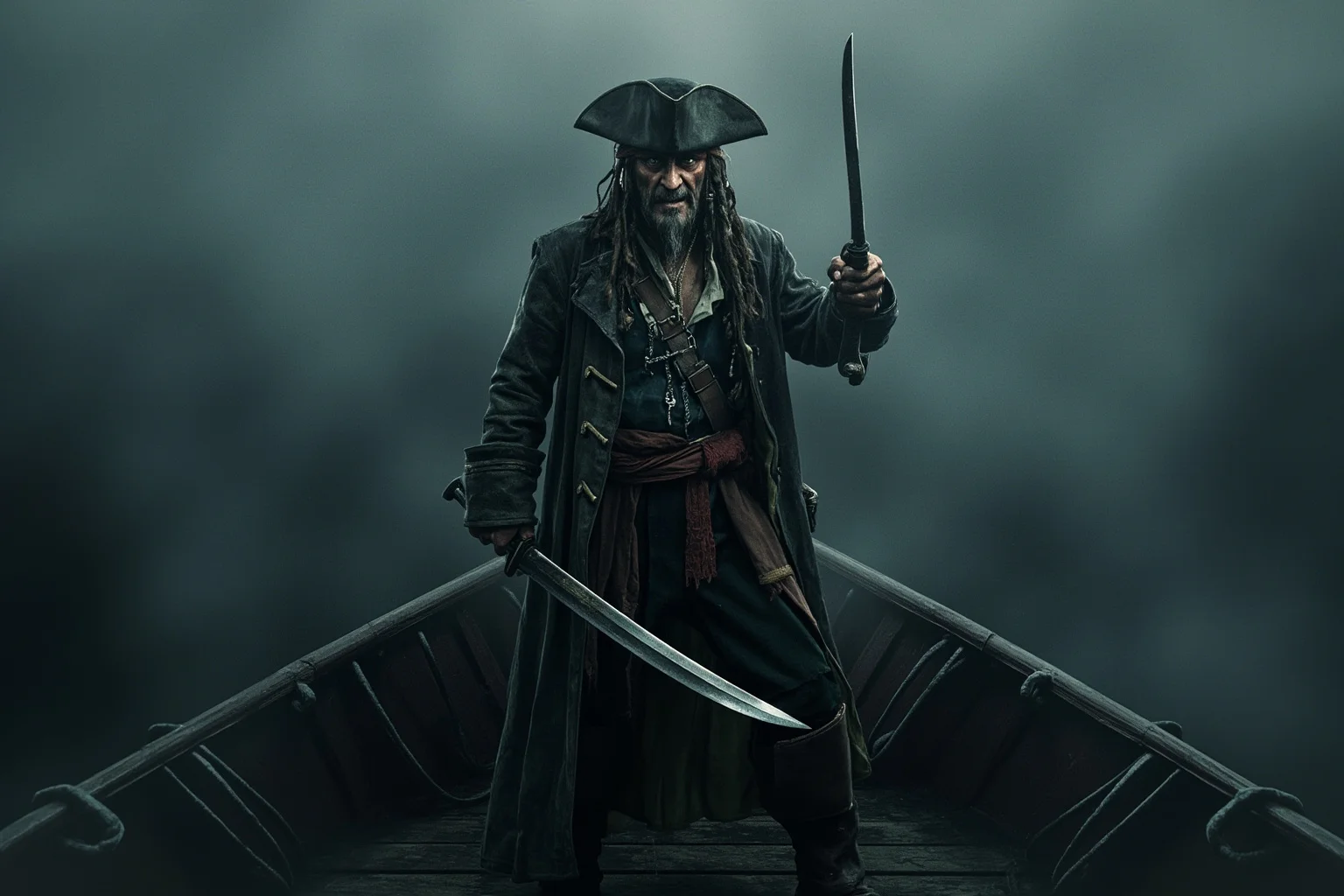
Edward Low is widely considered one of the most violent pirates of the early 18th century. Contemporary accounts describe torture methods used against captives, including mutilation, that went far beyond what most pirate captains employed even in an era of routine brutality.
Low’s crew reportedly grew uneasy with his extreme cruelty at times, which is notable given how violent the profession already was. He vanished from the historical record around 1724, with his ultimate fate never conclusively confirmed.
Unlike some pirates whose fearsome reputations were exaggerated for effect, Low’s cruelty is corroborated across multiple period sources, making him a genuine outlier even by pirate standards — arguably belonging in the same conversation as history’s most notoriously cruel figures, not just infamous pirates.
6. Stede Bonnet — Possibly the Worst Pirate Captain Ever
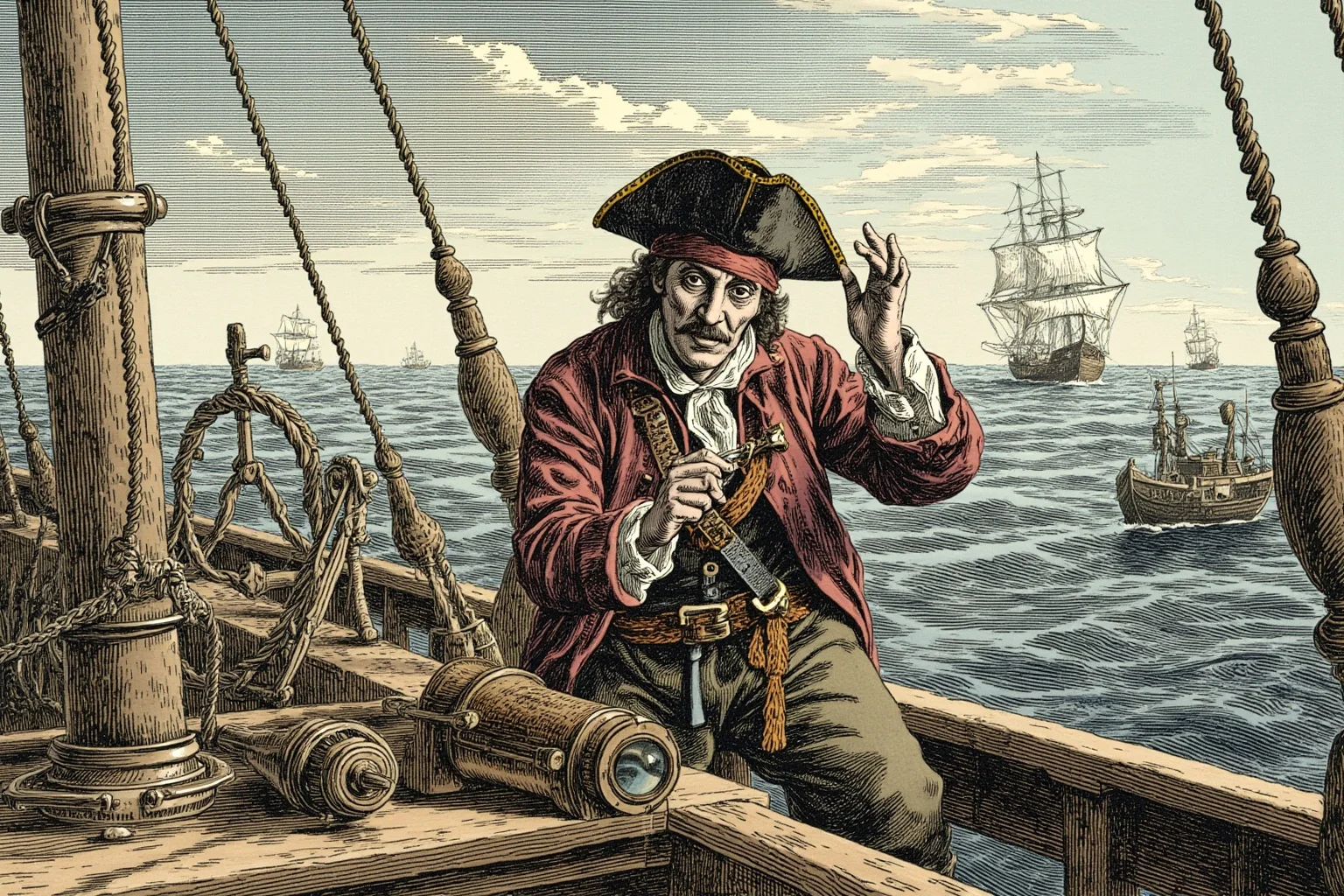
Stede Bonnet is often cited as history’s best real-world candidate for “worst pirate ever,” and it’s easy to see why. A wealthy Barbadian landowner with no sailing experience, he bought his own sloop, hired a crew, and set out to become a pirate seemingly on a whim around 1717.
Bonnet was such a poor sailor that he eventually handed over command of his own ship to Blackbeard, who took Bonnet’s vessel and treasure while letting him tag along essentially as a passenger on his own boat. It’s the kind of humiliation that would fit right into a line like “you are without a doubt the worst pirate I’ve ever heard of.”
Bonnet was captured in 1718 and hanged in Charleston, South Carolina, having never really mastered the trade he’d tried so hard to join. His story is proof that not every pirate was a natural at the job — some were spectacularly out of their depth.
7. John Phillips — The Carpenter Turned Cutthroat
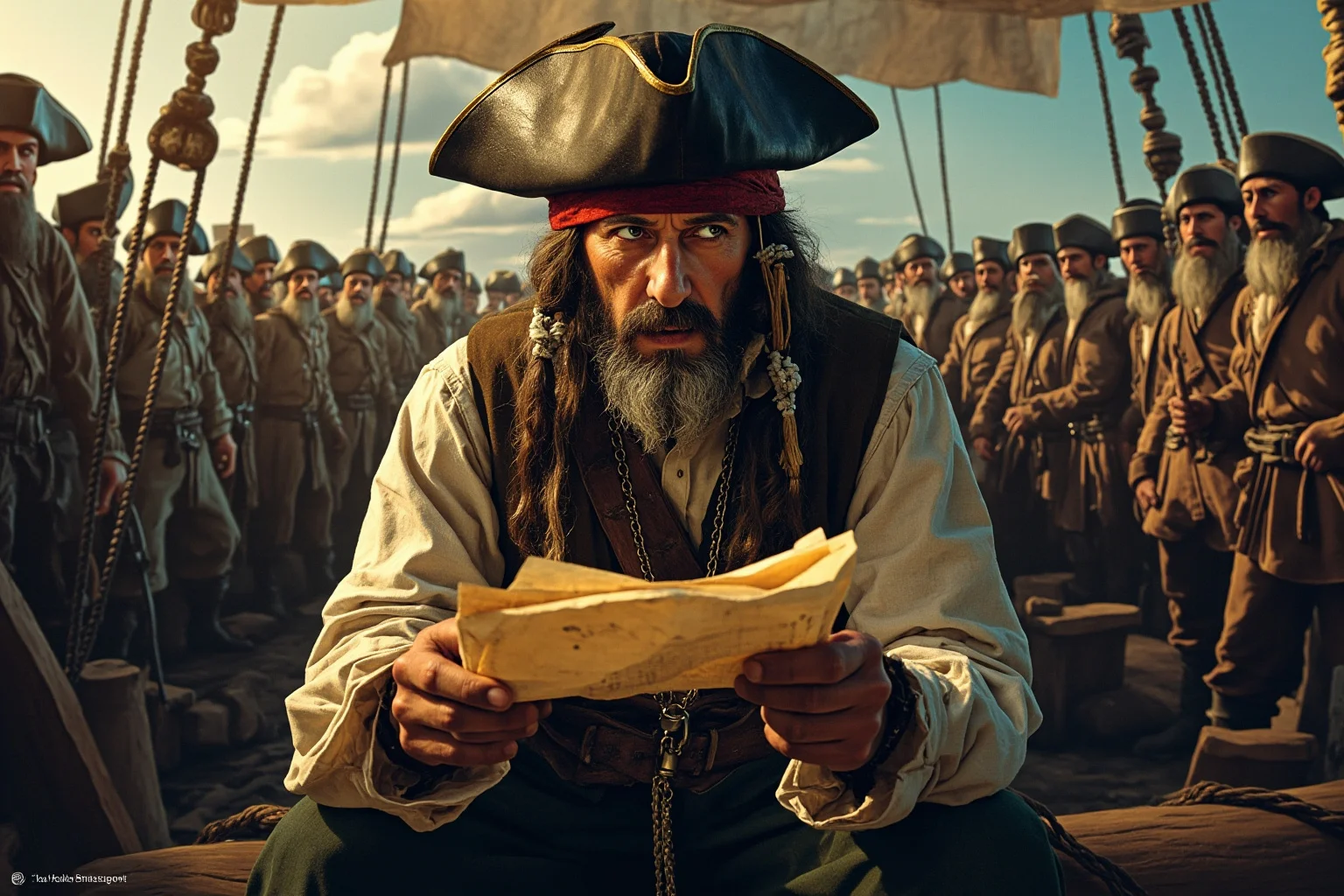
John Phillips started as a ship’s carpenter before being captured by pirates and eventually rising to command his own crew around 1723. His piratical career was short but brutal, marked by violent raids along the New England and Newfoundland coasts.
Phillips drafted a set of strict articles for his crew, including harsh punishments for infractions, showing how much structure — however grim — went into supposedly lawless pirate ships. His career ended within about a year when his own crew turned on him during a shipboard uprising.
His story is a good reminder that many pirate captains lasted only months, not years, before death, mutiny, or capture ended their run.
8. Olivier Levasseur (“La Buse”) — The Torturer With a Treasure Cipher
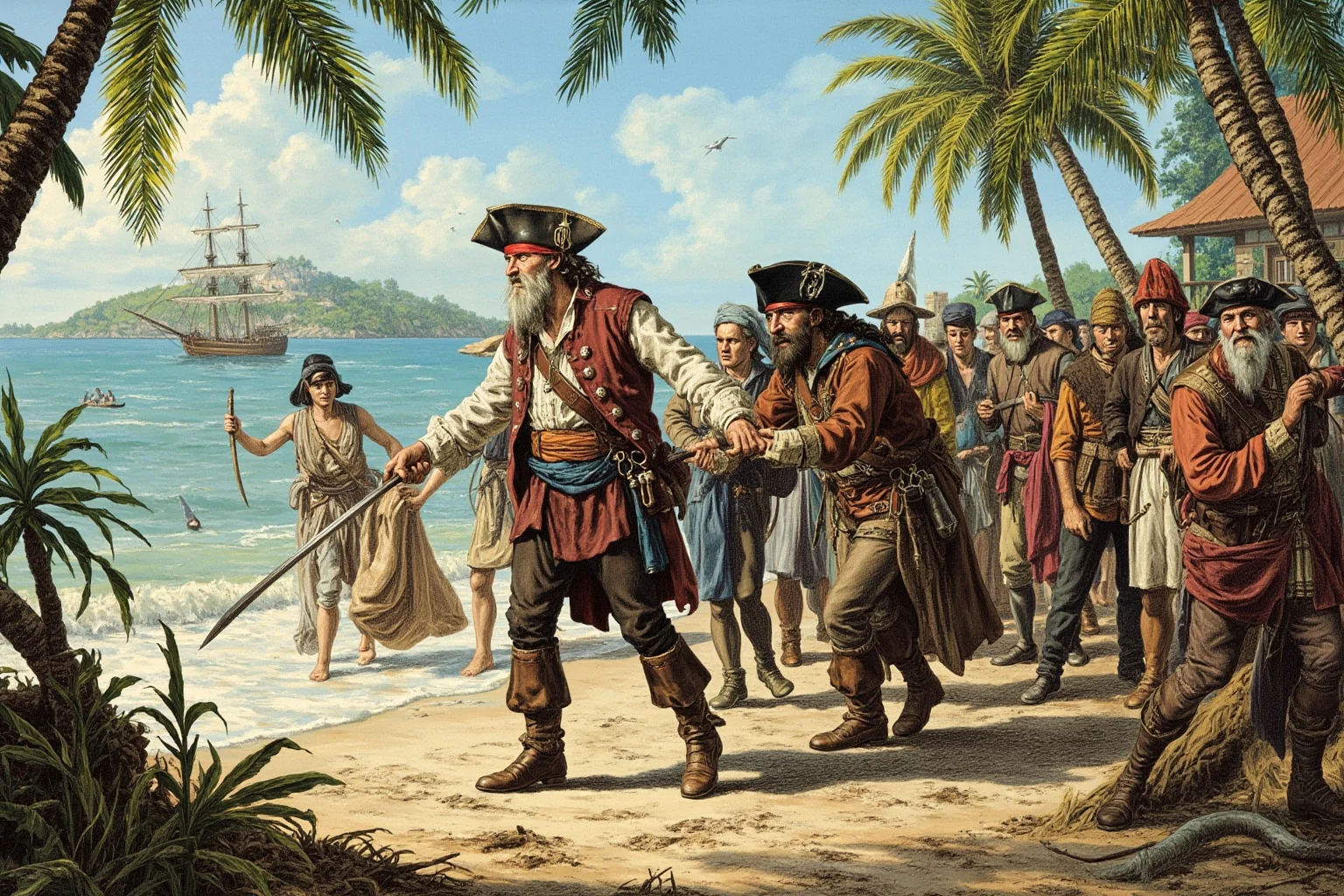
Olivier Levasseur, nicknamed “La Buse” (the buzzard), operated in the Indian Ocean during the early 1700s and was known for ruthless treatment of captives, including torture to extract information about hidden valuables. He was eventually captured and executed on Réunion Island in 1730.
Legend holds that he threw a cryptic cryptogram to the crowd at his execution, supposedly pointing to a hidden fortune. This cipher story has fueled treasure-hunting obsessions for centuries, though its authenticity is unverified and treated skeptically by most historians.
La Buse is a good example of how a genuinely cruel historical pirate can become better known for an unproven legend than for the documented facts of his career.
9. François l’Olonnais — The Butcher of the Caribbean
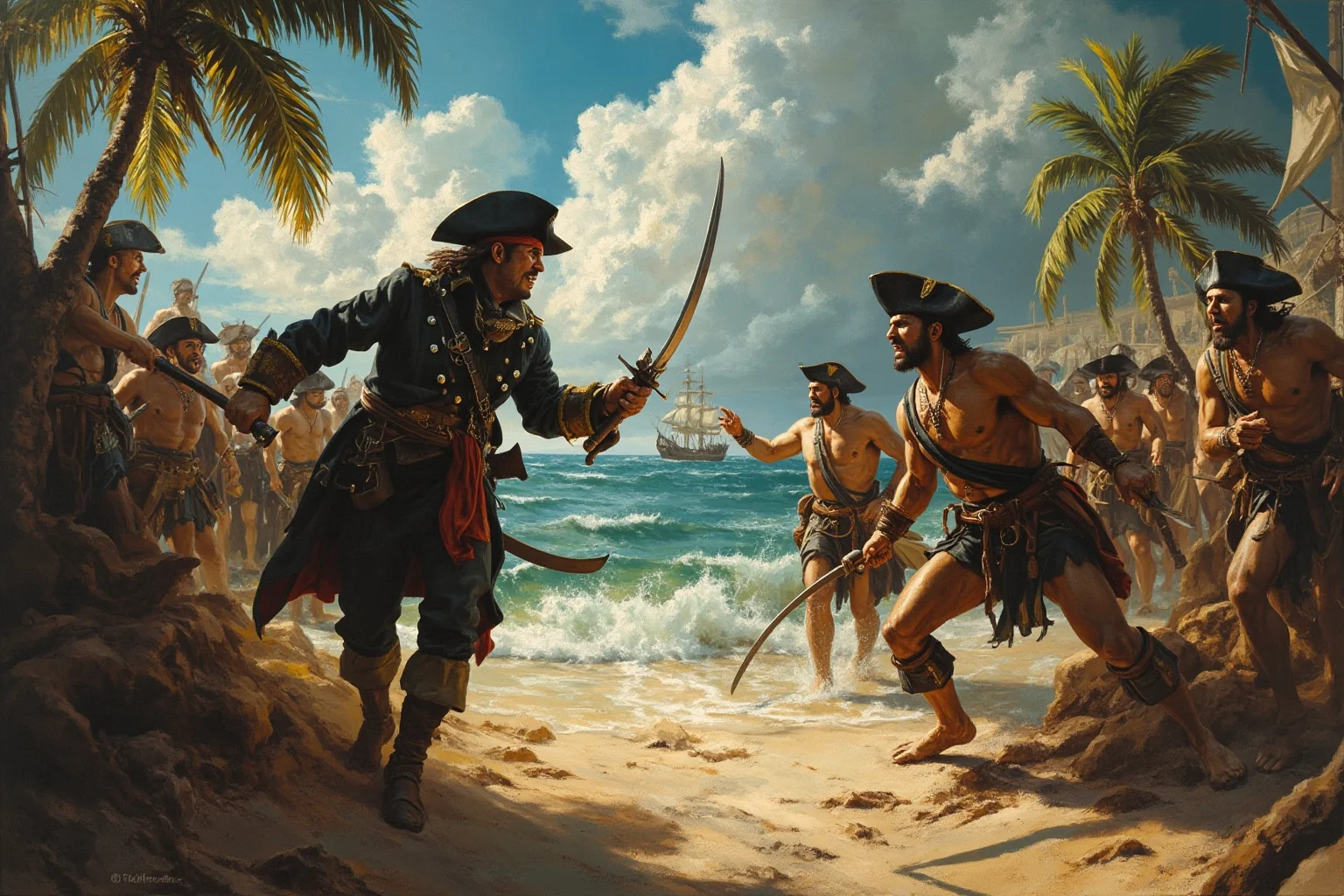
François l’Olonnais was a French buccaneer active in the mid-1600s whose reputation for savagery was so extreme that even contemporary chroniclers seemed shocked by it. Accounts from the period, including those compiled by Alexandre Exquemelin, describe brutal treatment of Spanish captives during his campaigns.
Some of the more gruesome details attributed to him, including specific acts of mutilation, come from secondhand storytelling and should be read as period legend rather than confirmed fact. What is better documented is his violent end: he was reportedly killed by indigenous people in Central America after his crew was shipwrecked.
L’Olonnais remains one of the starkest examples of how the line between historical record and exaggerated legend blurs quickly once a pirate’s reputation becomes infamous.
10. Edward England — Marooned for Being Too Merciful
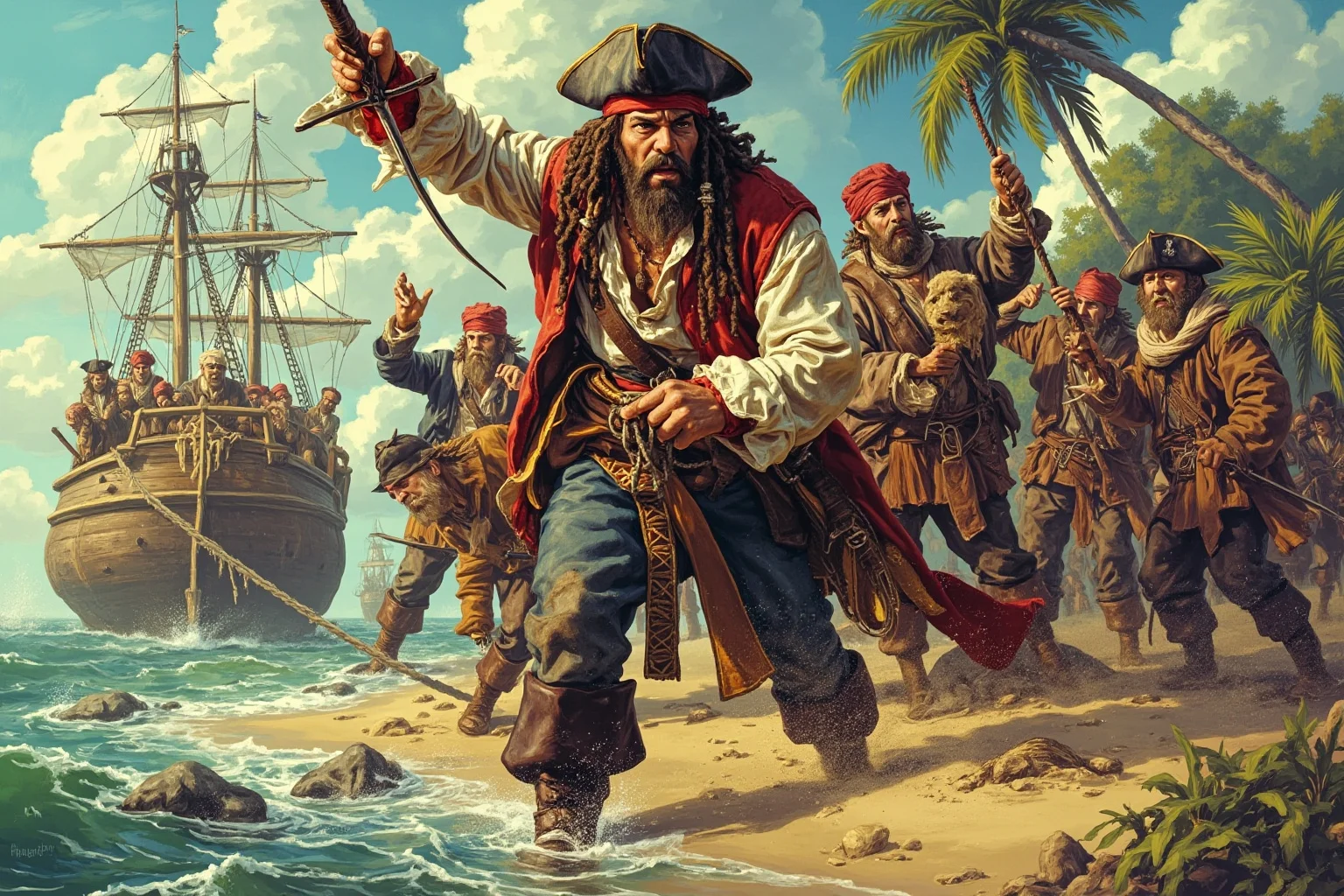
Edward England is an unusual entry on this list because his flaw, in the eyes of his own crew, was being too lenient. He operated in the Atlantic and Indian Ocean during the 1710s and reportedly showed mercy to captured ship captains when his crew wanted blood.
That mercy cost him his command. His own men marooned him on Mauritius around 1720 for refusing to be ruthless enough, handing leadership to more aggressive officers instead.
England’s story flips the usual pirate narrative, showing that surviving as a captain sometimes required matching your crew’s appetite for violence, whether you wanted to or not.
11. Roche Braziliano — The Dutch Pirate’s Cruel Legend
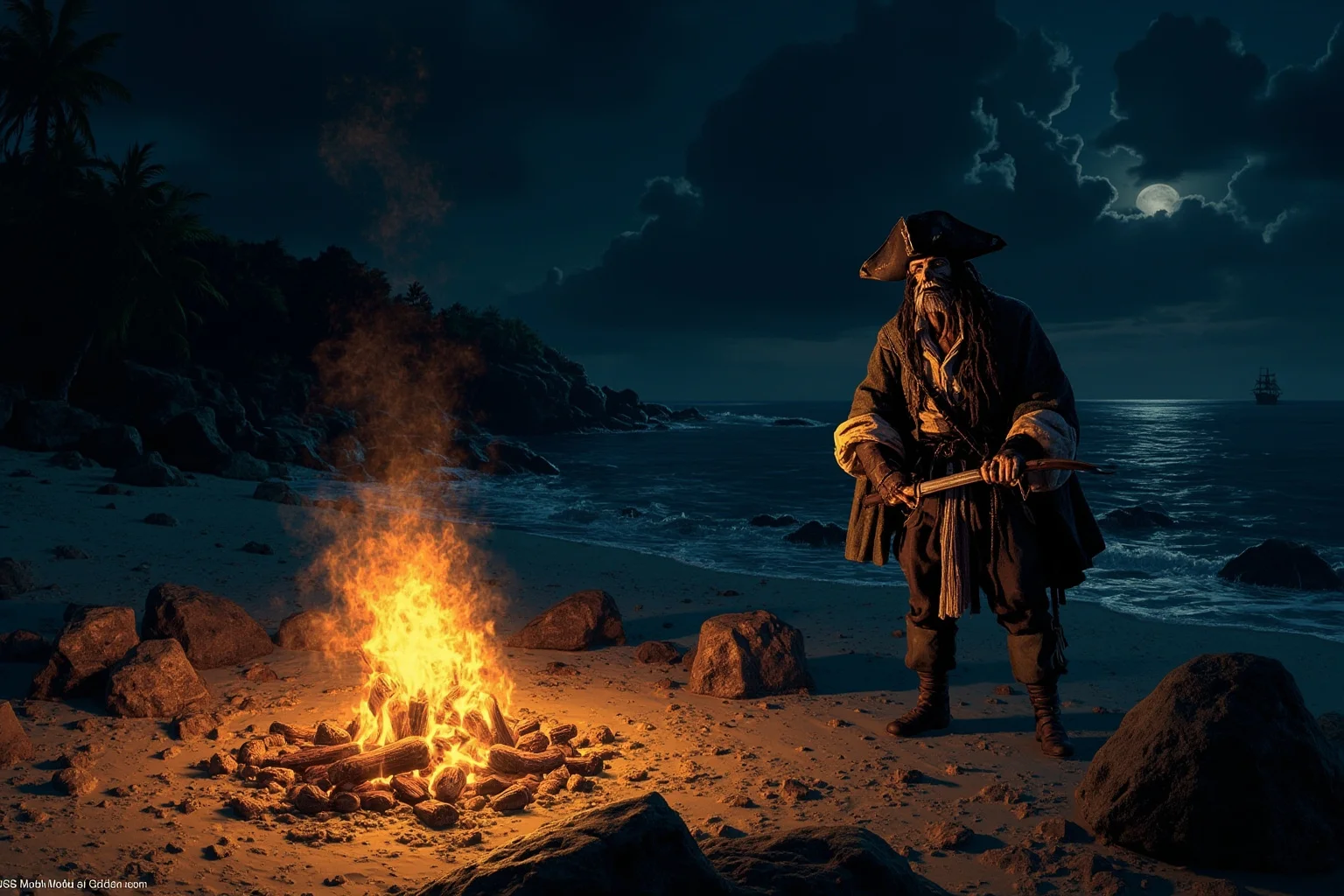
Roche Braziliano was a Dutch buccaneer active in the Caribbean during the 1660s, known through Exquemelin’s accounts for extreme and theatrical cruelty toward captured Spaniards. Some of the more infamous stories, including claims he roasted prisoners alive, are difficult to verify independently and are generally treated as period legend rather than settled history.
What does seem consistent across sources is that Braziliano built a reputation fearsome enough that his name alone reportedly discouraged resistance from targeted ships. He was captured by the Spanish at one point but survived and returned to piracy.
His case illustrates how quickly a real pirate’s cruelty could snowball into exaggerated folklore, especially once secondhand accounts started circulating in print.
12. Howell Davis — The Con Man Captain
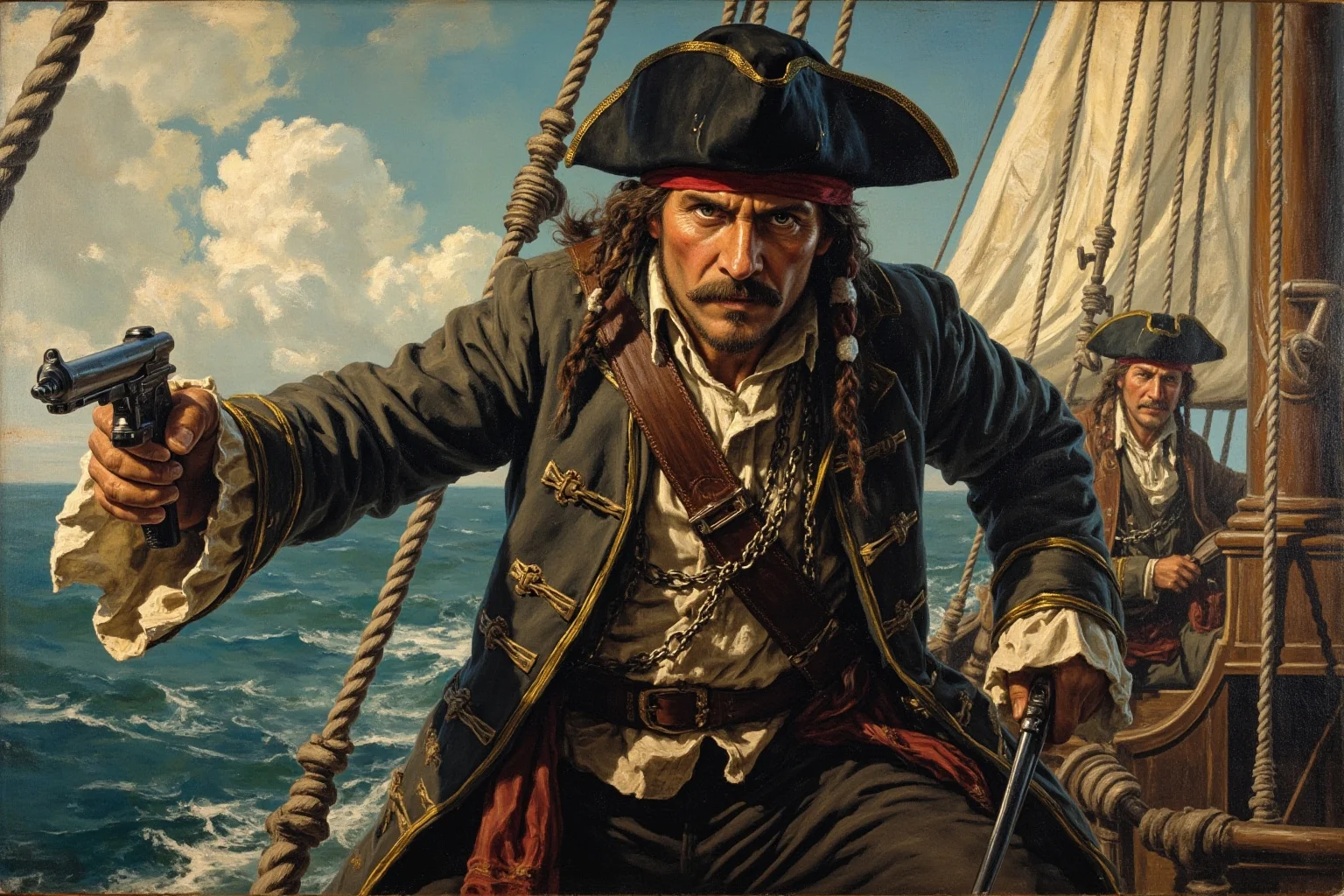
Howell Davis preferred trickery over brute force, often posing as a legitimate trader to lure ships close before revealing his true intentions. His deceptive approach let him capture vessels with minimal violence, at least by the standards of his contemporaries.
Davis operated along the West African coast in the early 1720s and briefly mentored Bartholomew Roberts, who went on to become one of the most successful pirates of the era. Davis himself was killed in an ambush in 1719 after being lured into a trap using the same kind of deception he favored.
His career shows that not every “terrible” pirate was terrible through violence; some earned the label through sheer dishonesty.
13. Philip Lyne — The Forgotten Killer
Philip Lyne is a far less famous name than Blackbeard or Calico Jack, but records from his 1726 capture describe him admitting to killing dozens of captives during his short career. He operated primarily in the Caribbean and was eventually captured and executed by British authorities.
Because Lyne left so little cultural footprint compared to his contemporaries, his case rarely appears in popular pirate media despite the seriousness of what the records describe. He’s a clear example of how selective the popular pirate canon really is.
Many genuinely violent pirates, like Lyne, simply never became famous enough to be remembered outside specialist history circles.
14. Blackbeard’s Lesser-Known Cruelties
Edward Teach, better known as Blackbeard, is arguably the most infamous pirate in popular memory, largely thanks to his terrifying appearance and legendary theatrics. Less discussed is his documented mistreatment of his own crew, including the shooting of Israel Hands described earlier on this list.
Blackbeard also blockaded Charleston harbor in 1718, holding hostages and demanding medical supplies, a move that terrorized an entire port city rather than a single ship. His reputation for terror was, by most historical accounts, deliberately cultivated rather than purely a product of random violence.
He remains proof that fear itself was often a more effective pirate weapon than actual bloodshed, even if his own crew sometimes paid the price for his temper.
15. Jack Rackham (“Calico Jack”) — Style Over Substance
Calico Jack Rackham is remembered today mostly for his flashy clothing and his association with Anne Bonny and Mary Read, rather than for any particularly successful piratical career. His actual haul of captured ships was relatively modest compared to contemporaries like Bartholomew Roberts.
Rackham was captured in 1720 after his ship was surprised while most of the crew, according to court records, were too drunk to fight back effectively. He was executed in Jamaica shortly after.
His enduring fame says more about branding and legend-building than genuine piratical achievement, a pattern that repeats throughout this list.
16. Samuel “Black Sam” Bellamy — Short Career, Big Reputation

Samuel Bellamy commanded the Whydah Gally and was reportedly one of the wealthiest pirates of his brief career, which lasted roughly a year before his ship sank in a storm off Cape Cod in 1717. Some accounts describe him giving speeches about liberty and fairness to captured crews, though how much of this reflects genuine philosophy versus embellished legend is debated by historians.
Bellamy’s fleet reportedly captured over 50 ships in a short window, an unusually fast and violent rise. His death in a shipwreck, rather than by hanging or battle, was an unusually anticlimactic end for someone so notorious.
His story is a reminder that even brief pirate careers could leave an outsized historical footprint.
17. Thomas Tew — The Pirate Who Made Piracy Look Profitable
Thomas Tew’s success in the 1690s, particularly a hugely profitable raid in the Indian Ocean, is often credited with inspiring a wave of other sailors to turn to piracy during the era later called the Golden Age of Piracy. His wealth upon return to the American colonies made piracy look like an attractive shortcut to fortune.
Tew was killed in 1695 during an attack on a heavily armed vessel, reportedly disemboweled by cannon fire in front of his own crew. His earlier success, though, had already done lasting damage by encouraging others to follow his example.
In that sense, Tew’s real legacy isn’t his own violence, but the copycat piracy his brief success helped inspire.
18. The “Unread” Pirates — Illiteracy Aboard the Ships
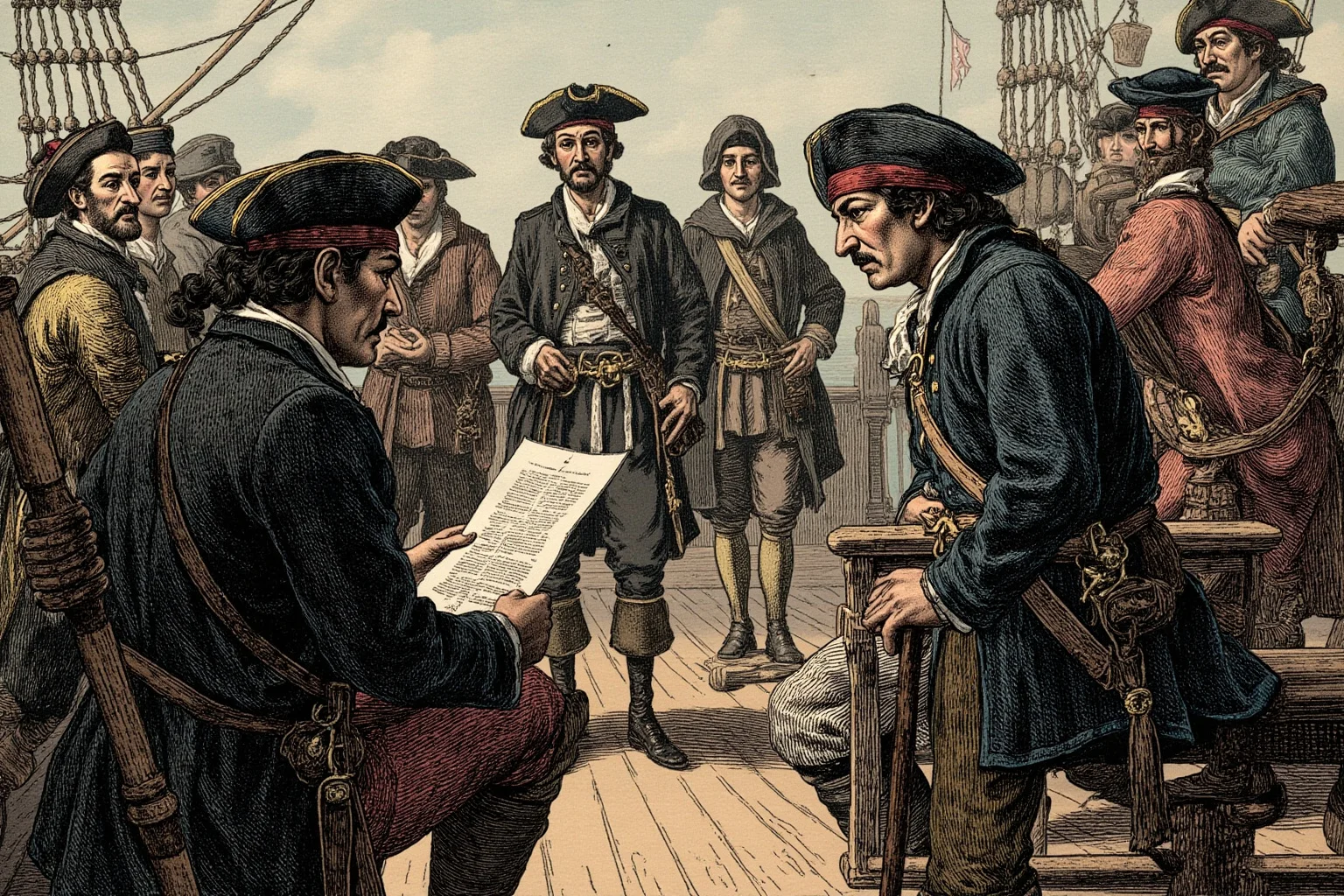
One detail that rarely makes it into pirate movies is how many actual crew members were illiterate. Ship’s articles — the contracts governing pay shares, discipline, and conduct — often had to be read aloud specifically because a large portion of the crew couldn’t read them for themselves.
This wasn’t unusual for sailors of the era generally, piracy or otherwise, since formal education was far from universal among laboring seamen. Quartermasters or literate crew members frequently took on the job of reading documents and even navigational notes aloud to the rest of the ship.
The idea of the “unread pirate” isn’t a myth exaggerated for effect; it reflects a genuine and well-documented feature of maritime life in the 17th and 18th centuries. It also explains why so much of what we know about pirate codes comes from a handful of literate captains and quartermasters who bothered to write things down.
19. Anne Bonny and Mary Read — Cruelty Behind the Legend
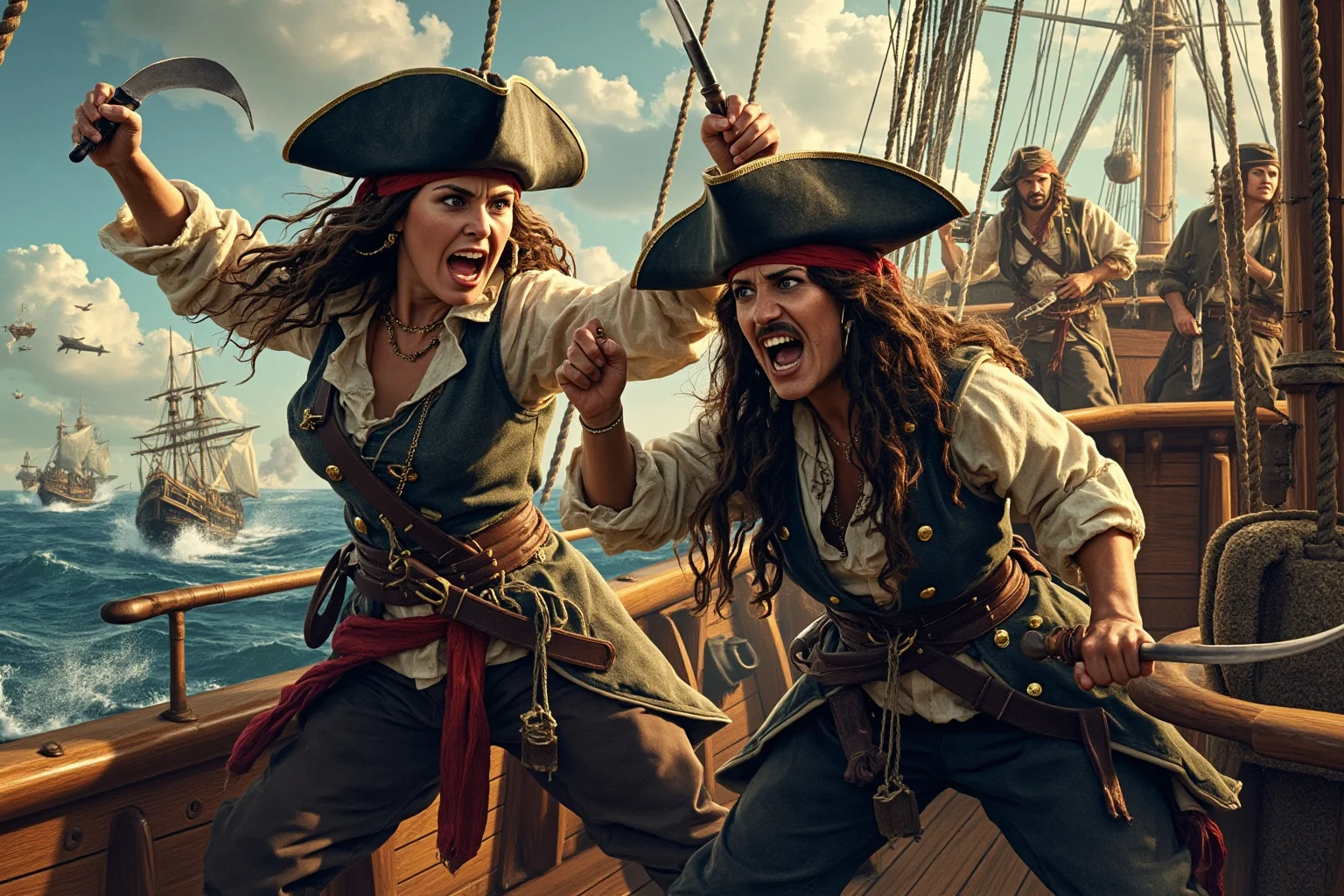
Anne Bonny and Mary Read are usually remembered as pioneering female pirates who disguised themselves among Calico Jack Rackham’s crew. Court testimony from their 1720 trial in Jamaica describes them as active and aggressive fighters, reportedly more willing to fight than several of their male crewmates during their final capture.
Both were convicted of piracy and sentenced to death, though both claimed pregnancy and avoided immediate execution; their ultimate fates afterward are not fully documented and remain subjects of historical debate. Their story is often romanticized in popular culture, but the surviving court records point to genuinely violent, dangerous participants in Rackham’s crew rather than reluctant bystanders.
Their case shows how easily real historical violence gets softened once it’s retold as an adventure story.
20. Captain Charles Johnson’s “General History” — The Book That Built (and Twisted) Pirate Reputations

Much of what the public thinks it knows about Golden Age pirates traces back to “A General History of the Pyrates,” published in 1724 under the name Captain Charles Johnson. Historians still debate who actually wrote it, with some suggesting it may have been Daniel Defoe, though this remains unconfirmed.
The book blended documented court records and firsthand testimony with dramatized, sometimes embellished storytelling, and it became the primary source for most later pirate legends, including many entries on this very list. That mix of fact and flourish is exactly why separating real history from pirate myth is often so difficult more than 300 years later.
Understanding this source is essential context for anyone digging into pirate history, since so many “facts” about infamous pirates ultimately trace back to one heavily dramatized 18th-century bestseller.
Why These Forgotten Pirates Still Matter
Piracy’s popular image owes a lot to a handful of famous names and one very influential 18th-century book. The pirates on this list show a much messier reality: some were shockingly cruel, some were laughably bad at the job, and some became famous for reasons that had little to do with actual piratical skill.
Separating documented history from centuries of embellishment doesn’t make these stories less interesting. If anything, knowing which details are verified and which are legend makes the real history of piracy even stranger than the myths built on top of it.
Frequently Asked Questions
Is “you are without a doubt the worst pirate I’ve ever heard of” a real historical quote?
No, this line comes from the 2003 film Pirates of the Caribbean: The Curse of the Black Pearl, spoken by Elizabeth Swann to Jack Sparrow. It's not a documented historical quote, though real history does offer strong candidates for genuinely poor pirate captains, most notably Stede Bonnet, a wealthy landowner with no sailing experience who became a pirate almost on a whim.
Was there a real pirate called Captain Whistleblew?
There's no verified historical pirate documented under the name "Captain Whistleblew" — it appears to be a modern internet nickname or meme rather than a figure from the historical record. The closest real match is Israel Hands, Blackbeard's quartermaster, who testified against fellow pirates to colonial authorities after being captured and effectively saved his own life by cooperating.
Who was Red Legs Greaves and was he really a pirate?
Red Legs Greaves is remembered in folklore as a former indentured servant from Barbados who became a reluctant, comparatively merciful pirate. Much of his story survives through oral tradition and popular retellings rather than extensive primary documentation, so historians treat the gentler details of his legend with some caution.
What did Bartholomew Sharp actually do as a pirate?
Bartholomew Sharp led buccaneering raids along the Pacific coast of South America in the late 1600s and was notorious for facing repeated mutinies from his own crew. He was later tried for piracy in England and acquitted, partly due to handing over a valuable Spanish navigational chart to authorities.
What does the term “unread pirate” refer to?
It reflects a well-documented historical reality: many pirate crew members and even some officers were illiterate, so ship's articles and other documents had to be read aloud by literate crewmates like the quartermaster. This wasn't unique to piracy — illiteracy was common among laboring sailors generally during the 17th and 18th centuries.
Who is considered the most infamous pirate in history?
Blackbeard (Edward Teach) is generally considered the most infamous pirate due to his fearsome reputation and dramatic blockade of Charleston harbor in 1718. However, infamy and actual success weren't always linked — pirates like Bartholomew Roberts captured far more ships, while others on this list became notorious mainly through cruelty or myth-making rather than piratical skill.

Alex Warren
Related Articles





