

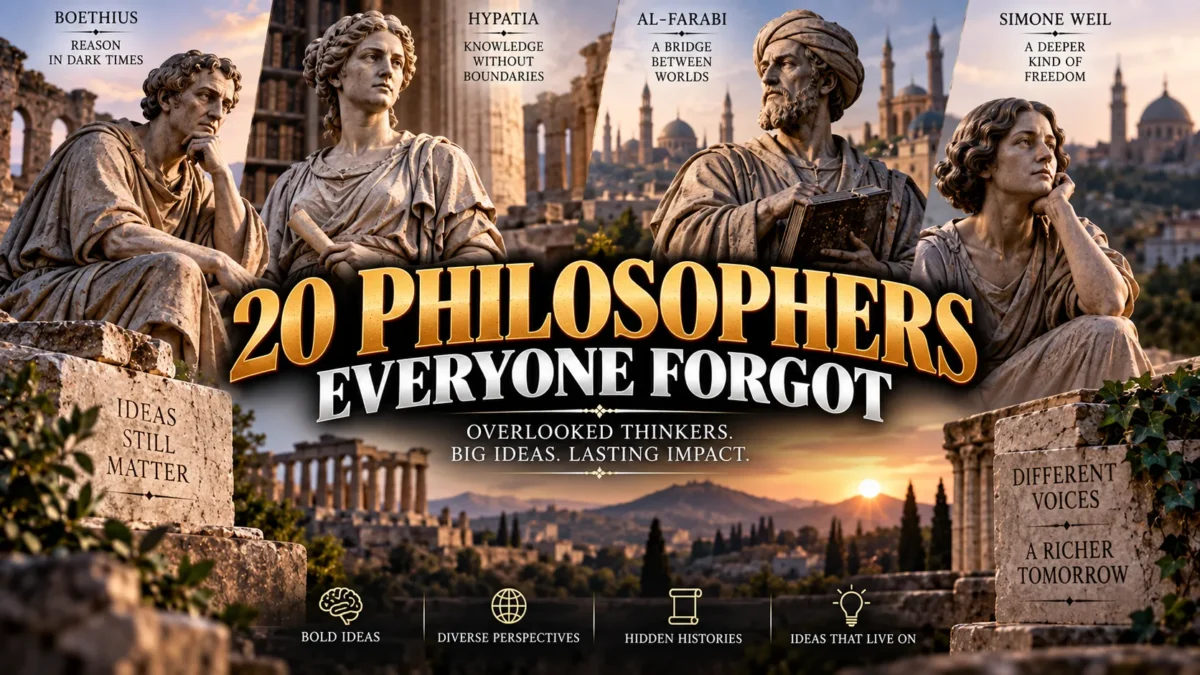
Ask almost anyone to name a philosopher and you’ll get the same handful of answers: Socrates, Plato, Aristotle, maybe Descartes or Nietzsche if they took a college course once.
These are the rock stars of philosophy, the ones whose faces show up on coffee mugs and whose one-liners get misquoted on social media. But philosophy is a lot bigger than its greatest hits.
For every household name, there are dozens of brilliant, strange, stubborn, and sometimes tragic thinkers who shaped how we understand knowledge, ethics, and existence, only to fade from popular memory.
Some were too radical for their time. Some were women written out of the historical record. Some were just plain odd. This list digs up 20 of them, the ones everyone forgot, and makes the case for why they still matter.
TL;DR: Beyond Socrates and Plato, history is full of brilliant, weird, and sometimes tragically lonely philosophers whose ideas quietly shaped how we think today.
A Quick Note on Spelling (and What a Philosopher Actually Is)
Before diving in, it’s worth pausing on the word itself, because plenty of people search for this topic under spellings like philosphers, philisophers, philosophiers, or philosopheres.
None of these are wrong to type into a search bar; they’re just common variations on a tricky word, and honestly, “philosopher” is one of those words that looks misspelled even when it’s correct.
The term comes from the Greek philosophia, meaning “love of wisdom.” A philosopher, in the broadest sense, is someone who systematically questions how we know things, how we should live, and what actually exists. That’s a wide net, and it’s why this list includes logicians, mystics, scientists, and even a few people history tried hard to erase.
The Philosophers Everyone Actually Remembers
It helps to name the famous ones first, just so we’re clear on the baseline, and if you want a deeper dive, there’s a full rundown of history’s most renowned philosophers elsewhere on this site.
Socrates, Plato, and Aristotle form the ancient Greek trio most people can name without thinking. Descartes, Kant, and Nietzsche usually round out the “philosophers everyone’s heard of” list from the modern era.
These thinkers earned their fame, no argument there. But their fame has also crowded out an enormous cast of equally important figures, and that’s where this list picks up.
1. Anaximander of Miletus

Anaximander lived in the 6th century BCE and is often overshadowed by his teacher, Thales, who usually gets credit as “the first philosopher.” Anaximander went further, though, proposing that the Earth floats in space without anything holding it up, a genuinely radical idea for his time.
He also speculated about natural explanations for phenomena that his contemporaries attributed to the gods. Almost none of his original writing survives, which is a big part of why he’s slipped out of popular memory.
2. Zeno of Elea
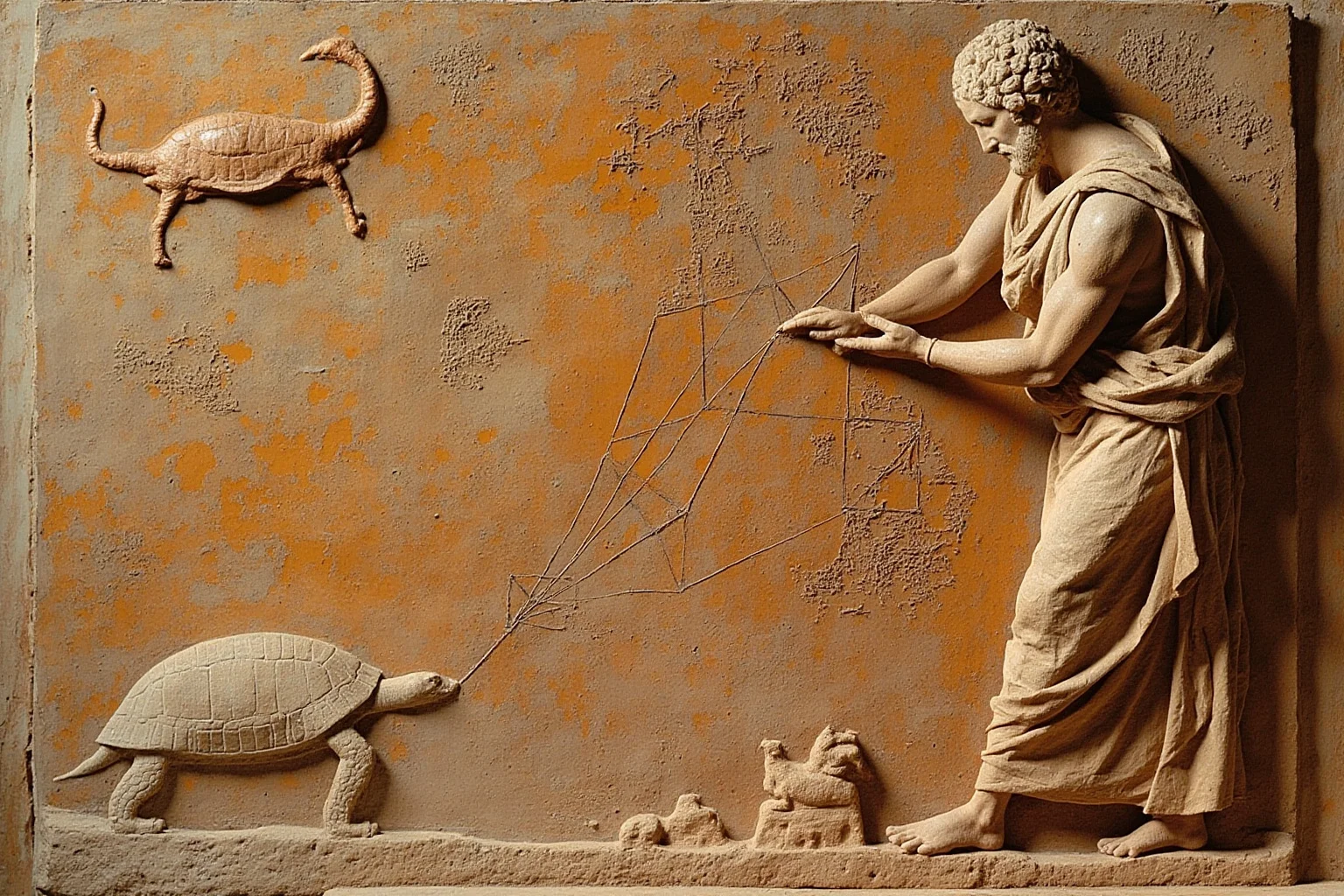
Zeno is the philosopher behind those maddening paradoxes about motion, like the idea that Achilles can never catch a slower tortoise if it gets a head start. His arguments were designed to defend his teacher Parmenides’ claim that change and motion are illusions.
Zeno’s paradoxes still get taught in math and philosophy classes today, even though almost nobody outside academia can name the man who invented them. That’s a strange kind of legacy: massively influential, personally anonymous.
3. Hypatia of Alexandria
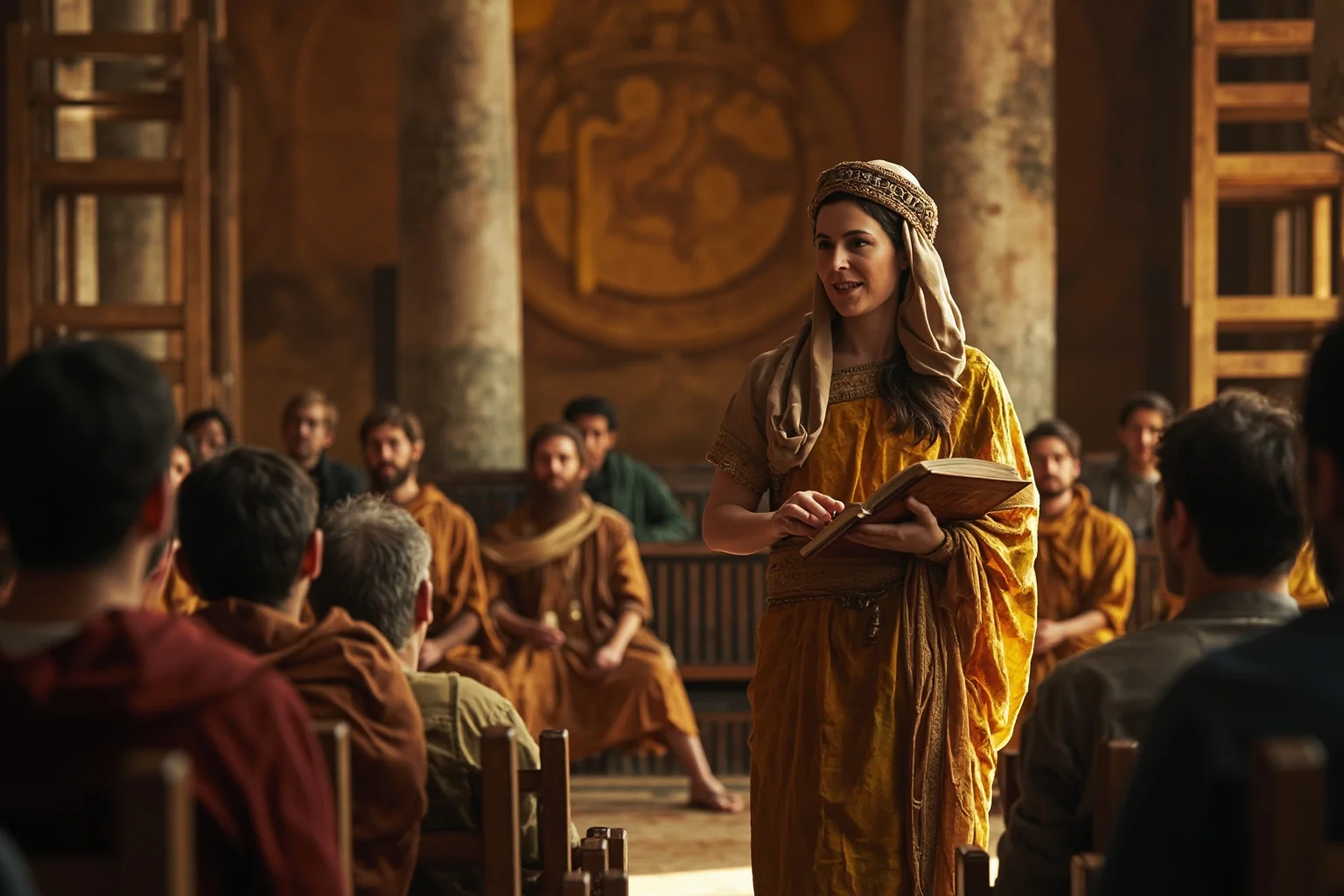
Hypatia was a mathematician, astronomer, and philosopher in late antique Egypt, and one of the few women from the ancient world whose intellectual reputation survived at all. She taught Neoplatonist philosophy in Alexandria and was reportedly respected across religious lines in a city increasingly divided by them.
Her life ended violently around 415 CE, killed by a mob amid political and religious tensions in the city. Historians still debate the exact causes, but her death is often cited as a symbol of the era’s turn away from classical learning.
4. Boethius
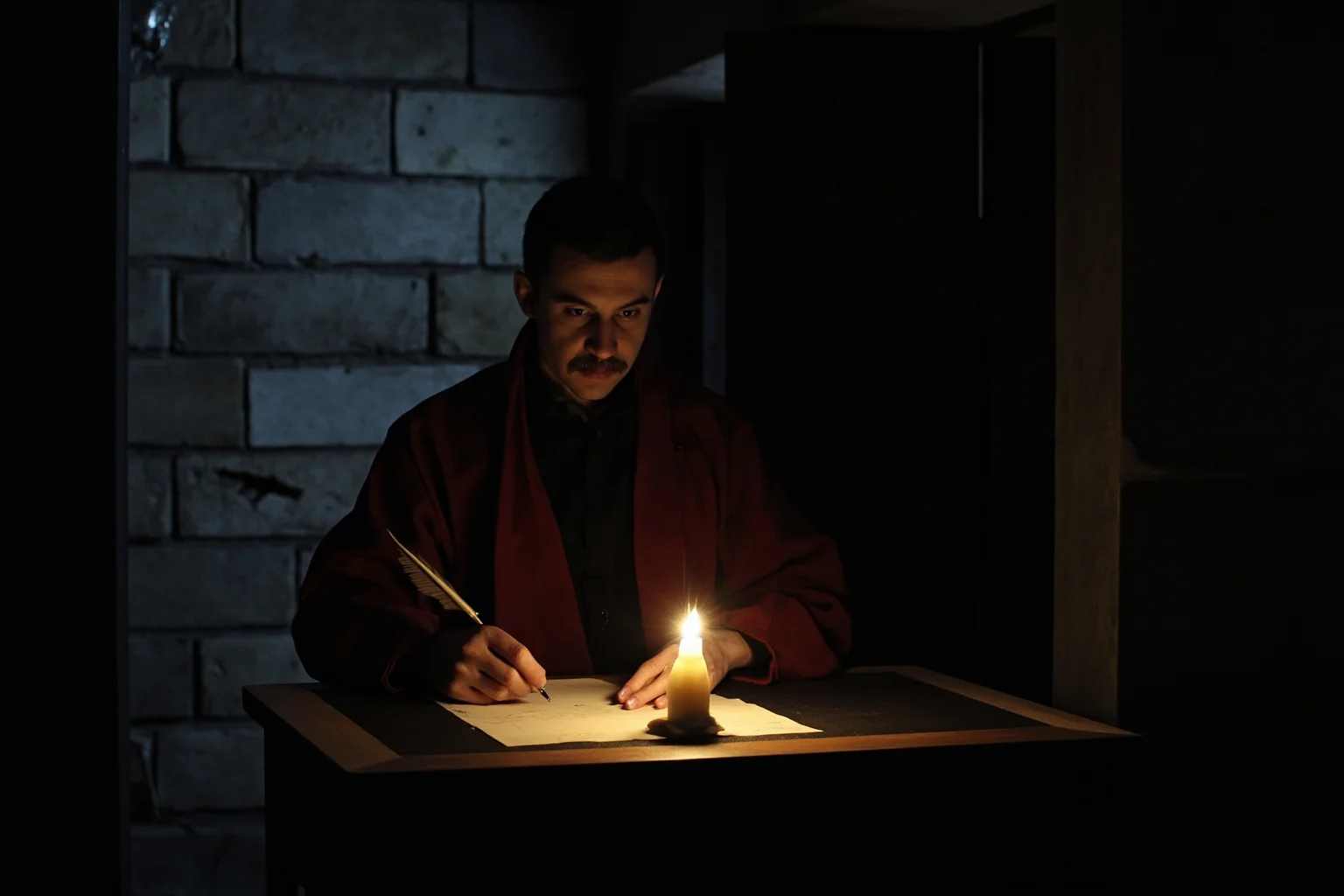
Boethius was a Roman statesman and philosopher who wrote his most famous work, “The Consolation of Philosophy,” while imprisoned and awaiting execution in the early 6th century CE. The book, a dialogue between Boethius and a personification of Philosophy herself, became one of the most widely read texts of the Middle Ages.
Despite that influence, Boethius rarely comes up in casual conversations about philosophy today. His ideas about fate, fortune, and free will quietly shaped centuries of Christian thought.
5. Al-Ghazali
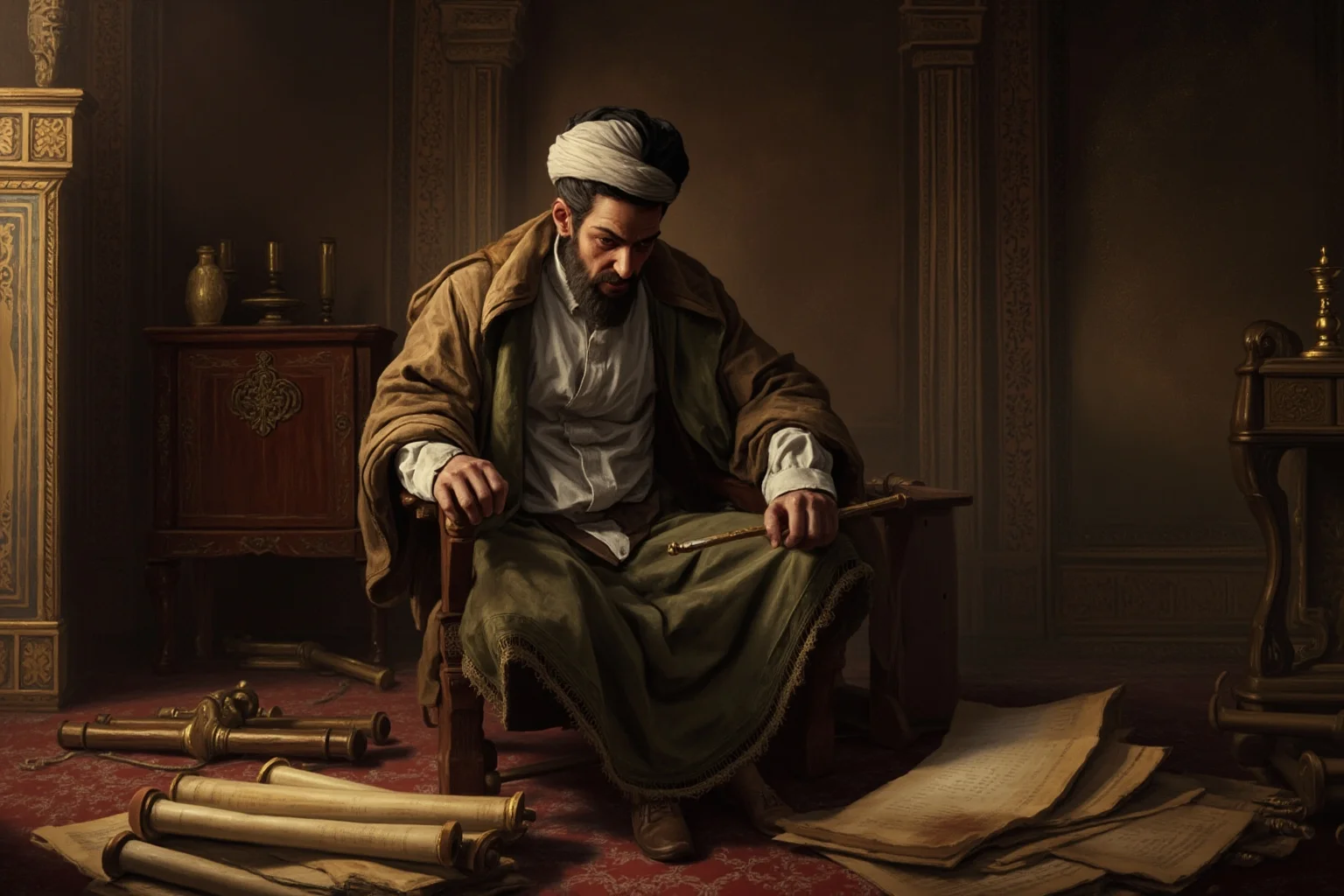
Abu Hamid al-Ghazali was an 11th-century Persian philosopher and theologian whose work bridged Islamic theology and Greek philosophical tradition. His critique of pure rationalism, particularly in his work “The Incoherence of the Philosophers,” pushed back against thinkers who leaned too heavily on Aristotelian logic without room for faith.
Al-Ghazali’s influence on Islamic philosophy was enormous, shaping theological debates for centuries afterward. In Western philosophy classrooms, though, he’s often reduced to a single footnote, if he appears at all.
6. Peter Abelard
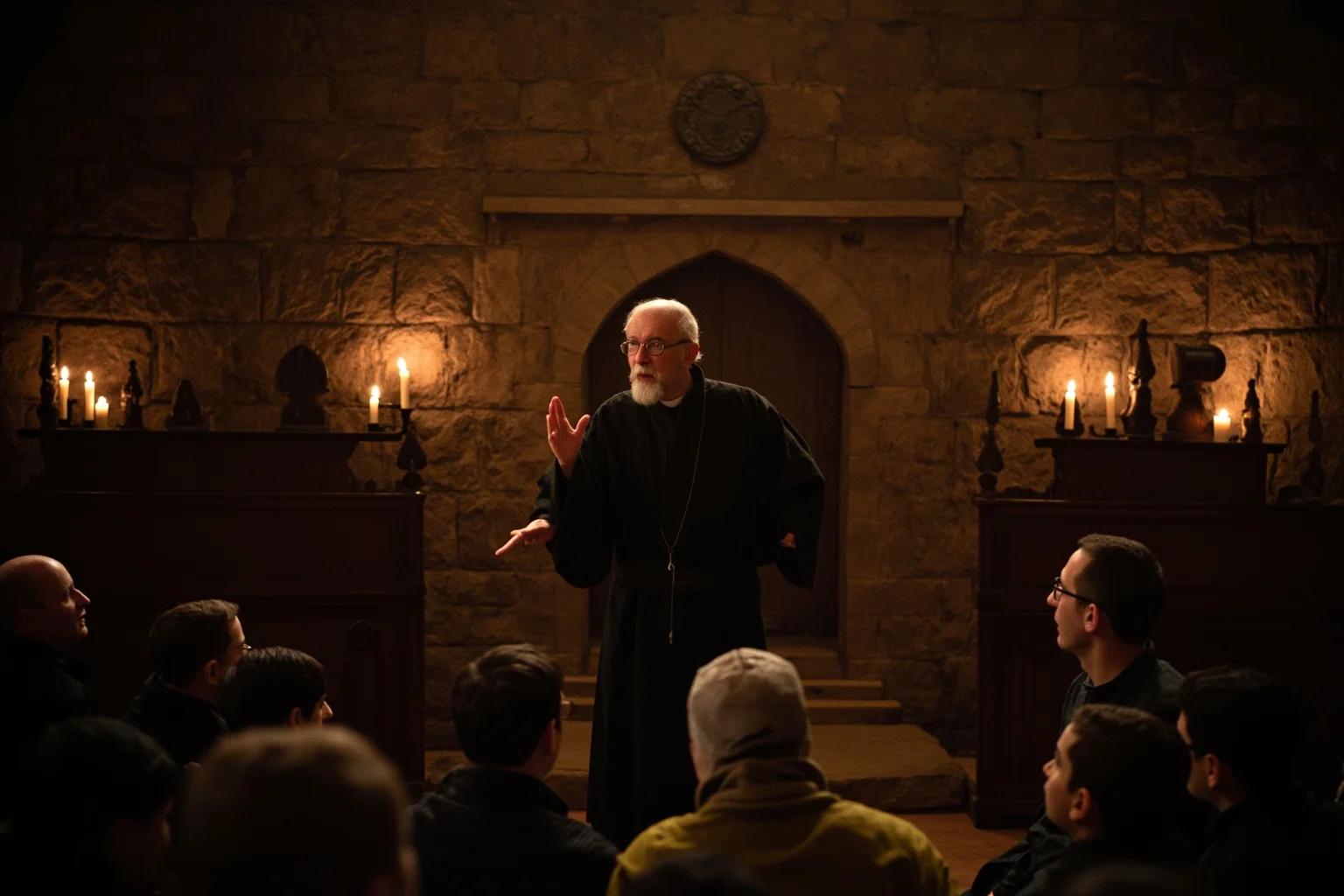
Abelard was a 12th-century French philosopher and theologian, brilliant enough to draw crowds of students wherever he taught. He’s remembered today, if at all, mostly for his tragic love affair with Héloïse d’Argenteuil rather than his actual philosophical work on logic and language.
That’s a shame, because his contributions to medieval logic and ethics were genuinely significant. He argued that intention, not just action, determines the morality of a deed, an idea that still underpins a lot of ethical thinking.
7. Christine de Pizan

Writing in early 15th-century France, Christine de Pizan is sometimes called one of the first Western writers to systematically argue for women’s intellectual equality. Her book “The City of Ladies” imagined an allegorical city built and defended by women, countering centuries of misogynist writing.
She wasn’t a philosopher in the formal academic sense of her time, since universities excluded women entirely. But her rigorous, argument-driven defense of women’s capacity for reason places her squarely in the philosophical tradition.
8. Baruch Spinoza

Spinoza is a partial exception on this list, since serious philosophy students definitely know his name. But outside that circle, he’s largely forgotten, despite living one of philosophy’s more dramatic lives.
Excommunicated from Amsterdam’s Jewish community in 1656 for his unorthodox views, Spinoza spent much of his life working in relative isolation, grinding lenses to make a living while writing some of the boldest metaphysics of the 17th century. If you’re looking for a genuinely lonely philosopher, Spinoza’s self-imposed intellectual exile is a strong candidate.
9. Mary Wollstonecraft

Mary Wollstonecraft is best known today as the mother of Frankenstein author Mary Shelley, which is a disservice to her own work. Her 1792 book “A Vindication of the Rights of Woman” is a foundational text of feminist philosophy, arguing that women’s apparent inferiority was a product of education, not nature.
She engaged directly with Enlightenment political philosophy, pushing thinkers like Rousseau to be consistent about liberty and reason. Her ideas were controversial in her lifetime and remain underrepresented in general philosophy survey courses.
10. Arthur Schopenhauer

Schopenhauer is famous among philosophy nerds for his deep pessimism, arguing that life is driven by a blind, insatiable “will” that guarantees suffering. He lived much of his adult life without close companionship, notoriously irritable and estranged from other intellectuals of his day, including a famously frosty relationship with Hegel’s dominant philosophical circle.
If there’s a poster child for the lonely philosopher stereotype, Schopenhauer fits the bill better than most. Yet outside of philosophy departments, his name rarely comes up despite his major influence on Nietzsche and later thinkers.
11. Diogenes of Sinope
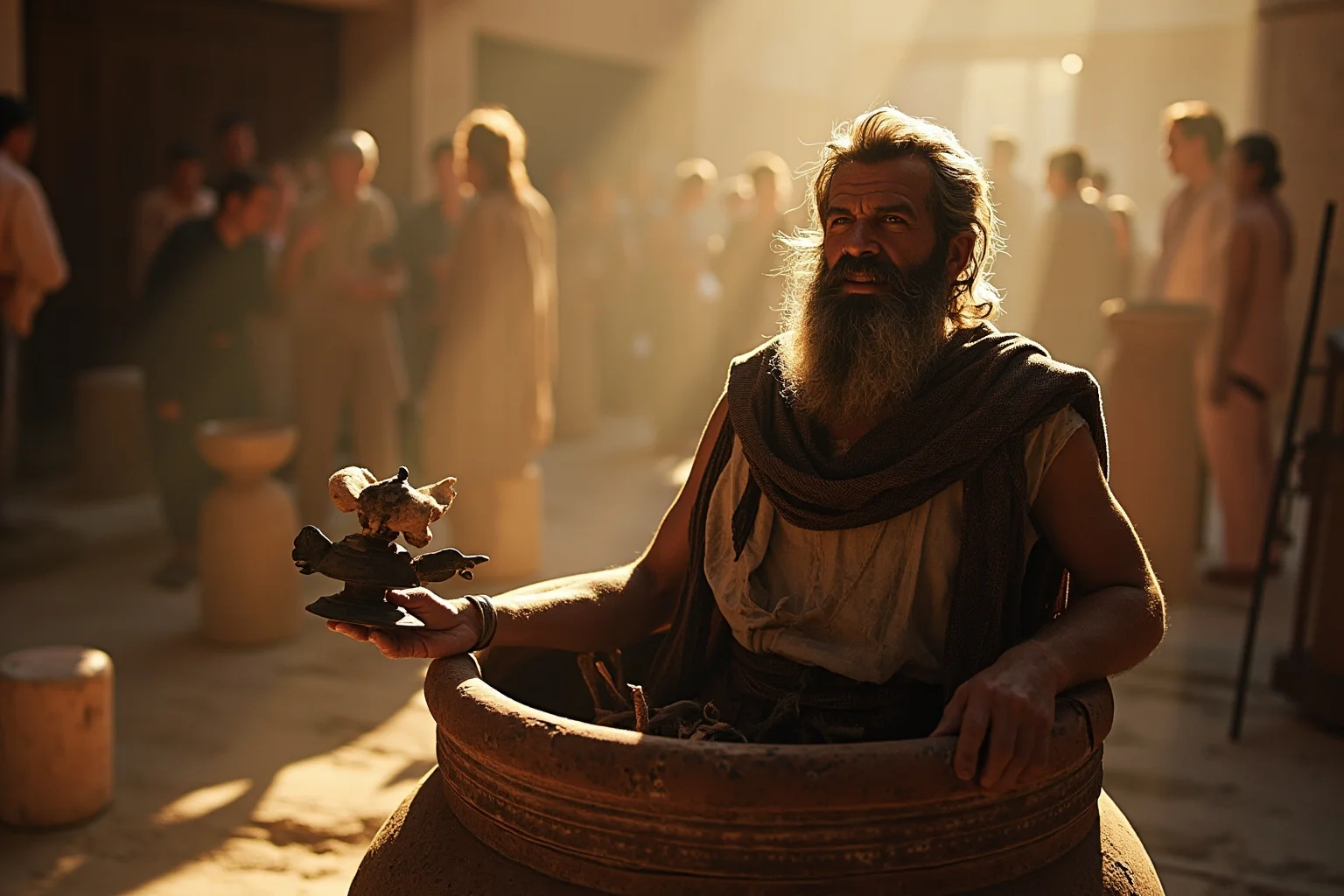
Diogenes the Cynic might be the single best answer to anyone searching for weird philosophers. Ancient sources claim he lived in a large ceramic jar in Athens, walked around during the day with a lamp claiming to search for an honest man, and rejected social conventions almost entirely.
Many of these stories come from later biographers and may be exaggerated or partly legendary, so they shouldn’t be taken as strictly verified fact. Still, the core of his philosophy, that most social customs are arbitrary and that a simple, self-sufficient life is preferable, was genuinely influential on later Stoic thought.
12. Empedocles

Empedocles was a 5th-century BCE philosopher from Sicily who proposed that everything is made from four fundamental elements: earth, air, fire, and water. He also described a theory of natural selection-like processes millennia before Darwin, though rooted in speculative philosophy rather than biological evidence.
Legend holds that he died by leaping into the volcano Mount Etna to prove he was a god, though this story comes from ancient biographical tradition rather than confirmed historical record. Whatever the truth of his death, his physics genuinely influenced later Greek natural philosophy.
13. Pyrrho of Elis
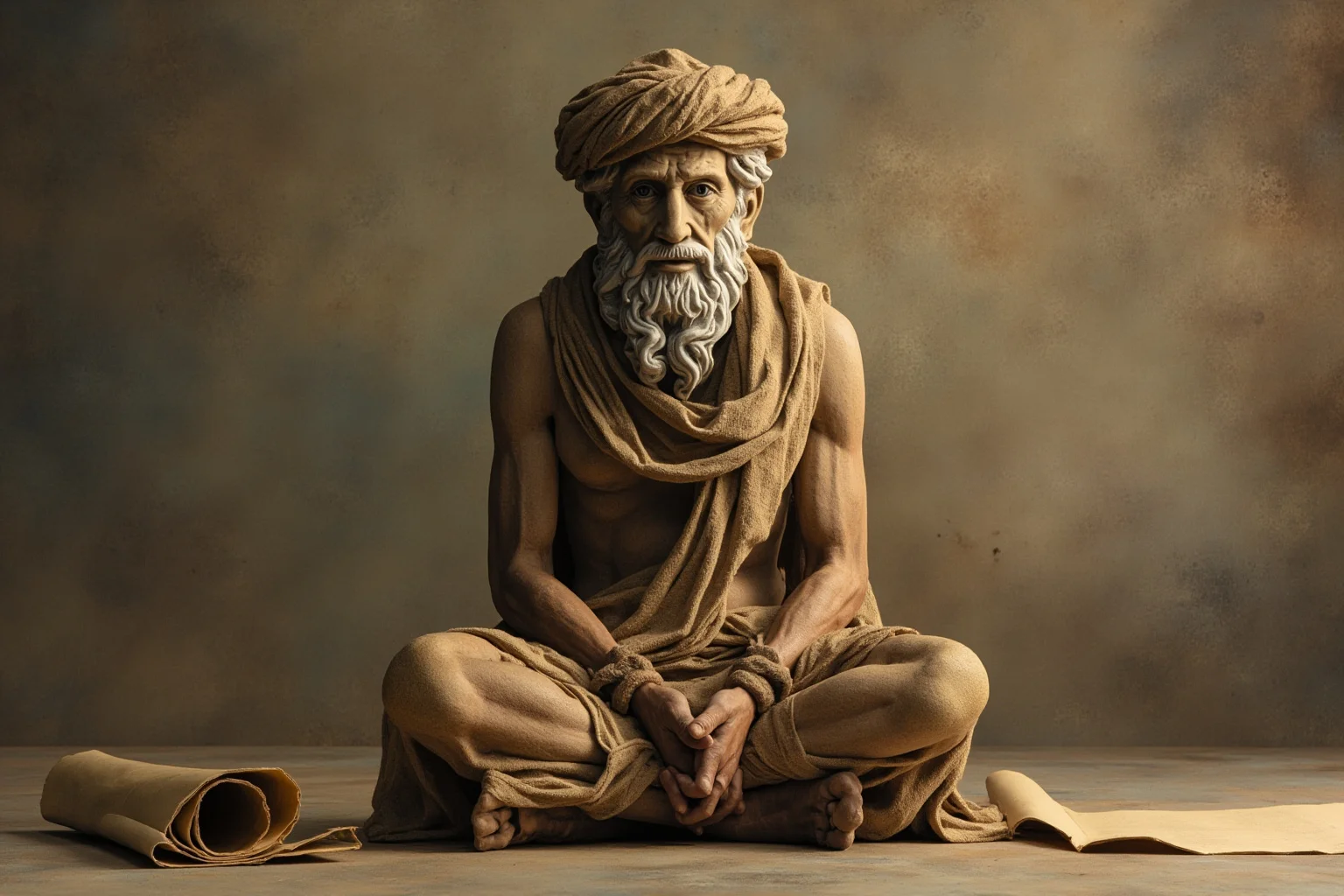
Pyrrho founded what became known as Pyrrhonism, an extreme form of philosophical skepticism holding that certainty is essentially impossible to achieve. He reportedly suspended judgment on almost everything, arguing that tranquility comes from accepting the limits of what we can know.
This connects directly to one of philosophy’s oldest and most searched questions: what can I know, as a thinking person, with any real confidence? Pyrrho’s answer was, disturbingly, very little, and his skeptical tradition influenced later philosophers for centuries even as his own name faded from public memory.
14. Margaret Cavendish

Margaret Cavendish, the Duchess of Newcastle, was a 17th-century English philosopher and early natural scientist who wrote extensively on matter, motion, and the nature of substance. She was one of the only women permitted to observe a meeting of the Royal Society in London, though she was never admitted as a member.
Her philosophical writing challenged the mechanistic worldview of thinkers like Descartes, proposing that matter itself might be inherently active and even perceptive. Modern philosophers have increasingly reexamined her work, but she remains largely unknown outside specialist circles.
15. Anne Conway

Anne Conway was a contemporary of Cavendish and developed a sophisticated metaphysical system arguing against strict mind-body dualism, the view most associated with Descartes. Her work, published posthumously as “The Principles of the Most Ancient and Modern Philosophy,” likely influenced Gottfried Leibniz, one of the era’s giants.
Despite that influence, Conway’s own name rarely appears in general histories of philosophy. Chronic illness kept her largely confined to her home for much of her life, adding a layer of physical isolation to her intellectual one.
16. John Toland
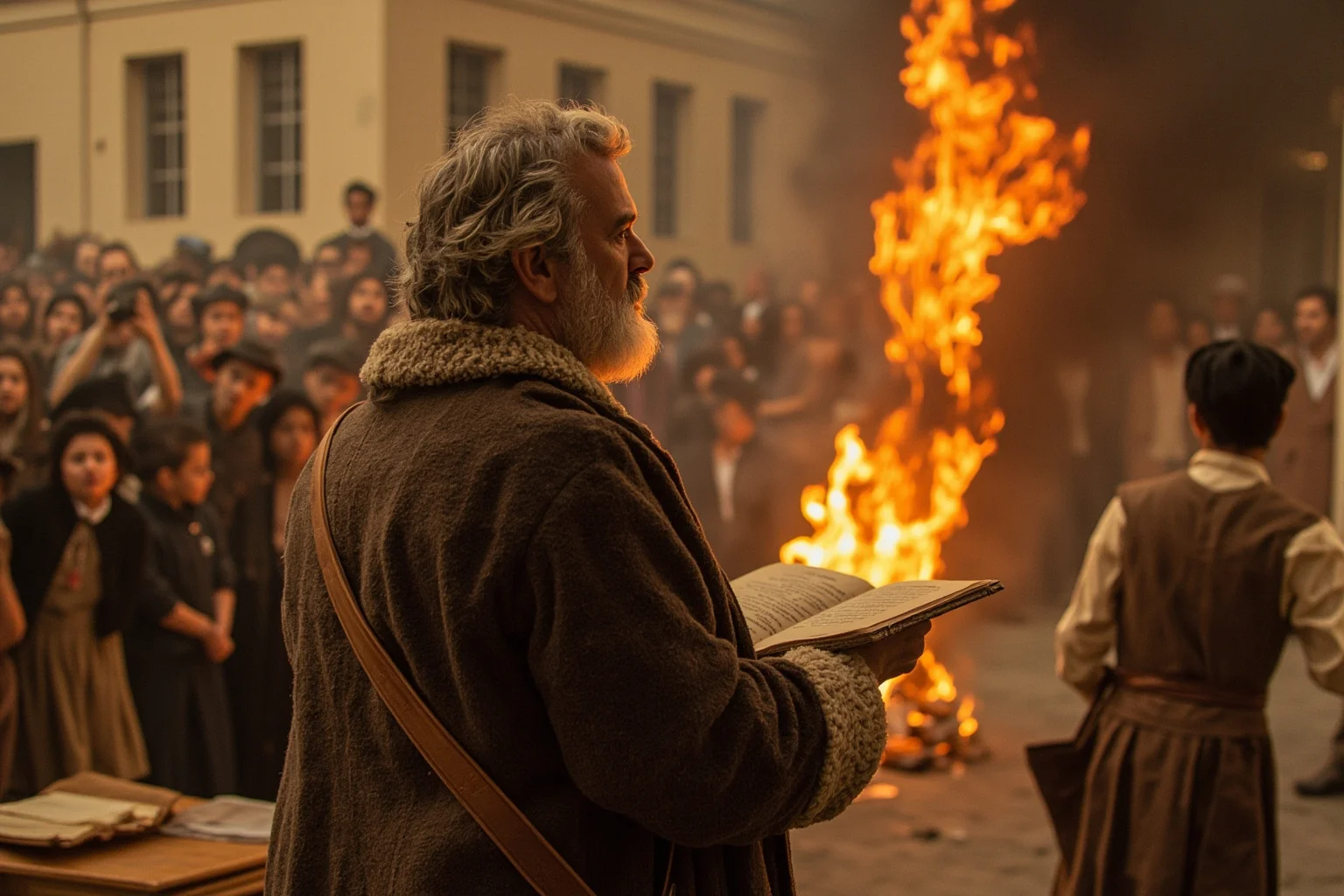
John Toland was an Irish-born philosopher in the late 17th and early 18th centuries known for his controversial deist writings, particularly “Christianity Not Mysterious.” The book argued that religious doctrine should be comprehensible through reason alone, a position that got it publicly burned in Ireland.
Toland’s willingness to challenge religious authority made him notorious in his own time and largely forgotten afterward, as more moderate Enlightenment thinkers overshadowed his blunter approach. He’s a good example of how being too controversial in your own era can erase you from later memory.
17. Mary Astell
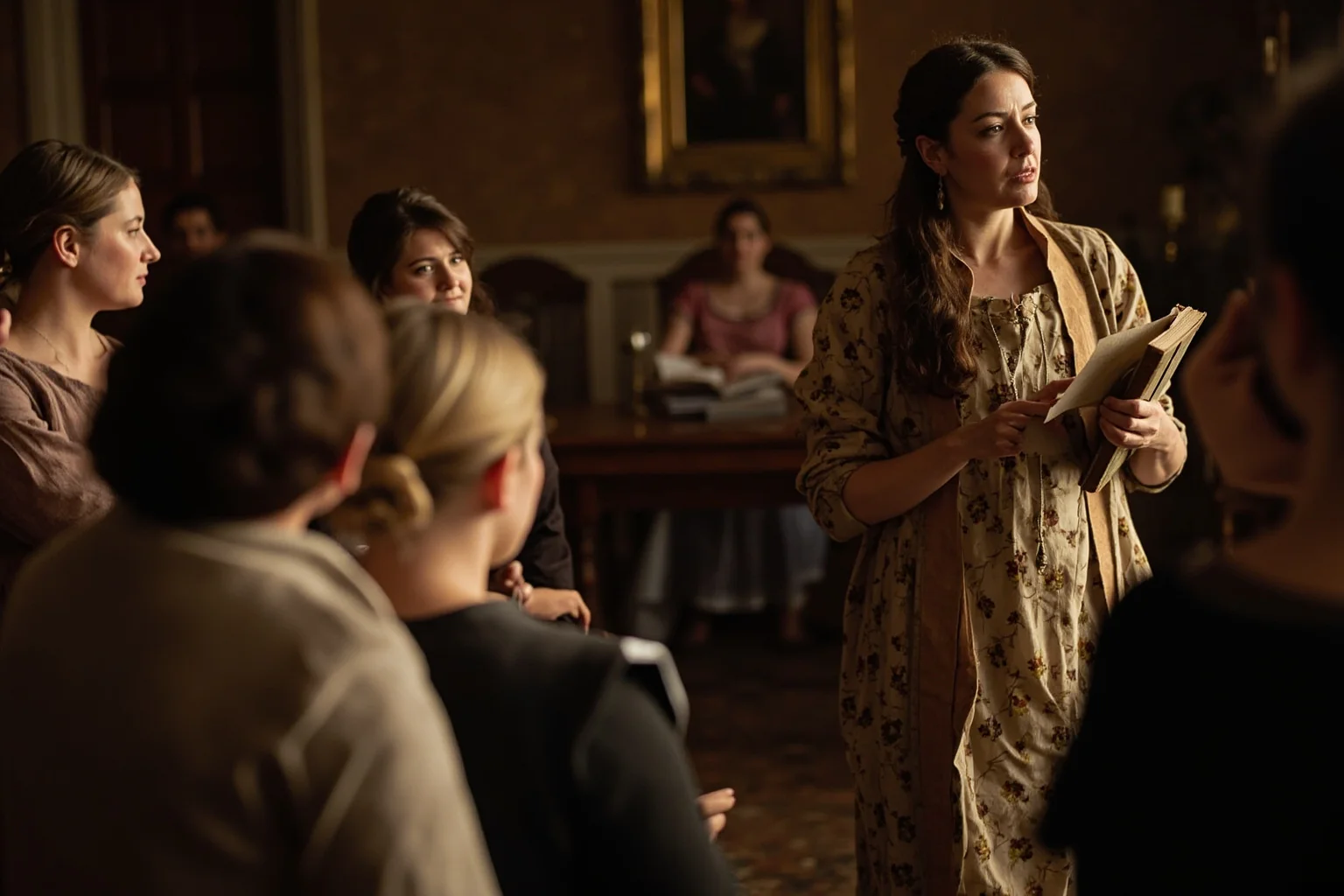
Often called one of the first English feminist philosophers, Mary Astell wrote in the late 17th century arguing for women’s access to education and rational self-improvement. Her 1694 work “A Serious Proposal to the Ladies” proposed an all-female academic community, an idea considered radical at the time.
Astell engaged directly with philosophical debates about reason, marriage, and autonomy, holding her own against contemporaries like John Locke on certain points. Her contributions rarely make it into standard philosophy curricula, despite predating Wollstonecraft’s more famous feminist arguments by nearly a century.
18. Ralph Cudworth
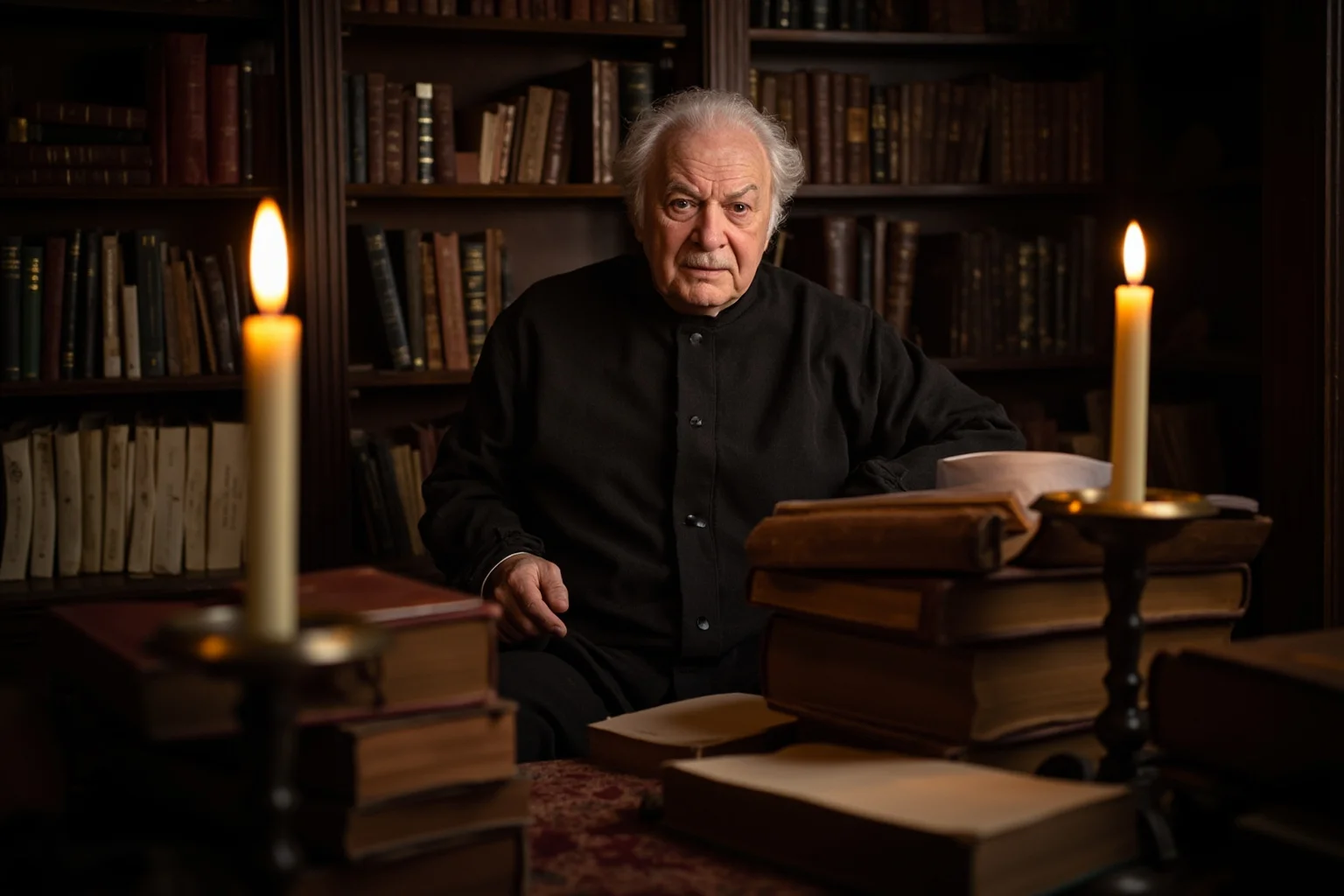
Cudworth was a leading figure among the Cambridge Platonists, a group of 17th-century English philosophers who tried to reconcile Platonic idealism with Christian theology and the new mechanical science of their era. His major work, “The True Intellectual System of the Universe,” argued against materialist philosophy that reduced everything to matter and motion.
Cudworth’s ideas about innate moral concepts influenced later moral philosophy, even as his name receded from common knowledge. The Cambridge Platonists as a group tend to get a single paragraph in survey courses, if that.
19. Giordano Bruno

Giordano Bruno was a 16th-century Italian philosopher and former Dominican friar who proposed a universe that was infinite and populated by countless worlds, a bold departure from the finite, Earth-centered cosmos most of his contemporaries assumed. His philosophical and cosmological views brought him into direct conflict with religious authorities.
He was tried by the Roman Inquisition and executed in 1600, a death often framed as a martyrdom for scientific thought, though historians note his trial also involved specific theological heresies beyond just his cosmology. Either way, his willingness to push philosophical boundaries at fatal personal cost makes him one of history’s more dramatic, and now under-discussed, thinkers.
20. Theano of Crotone
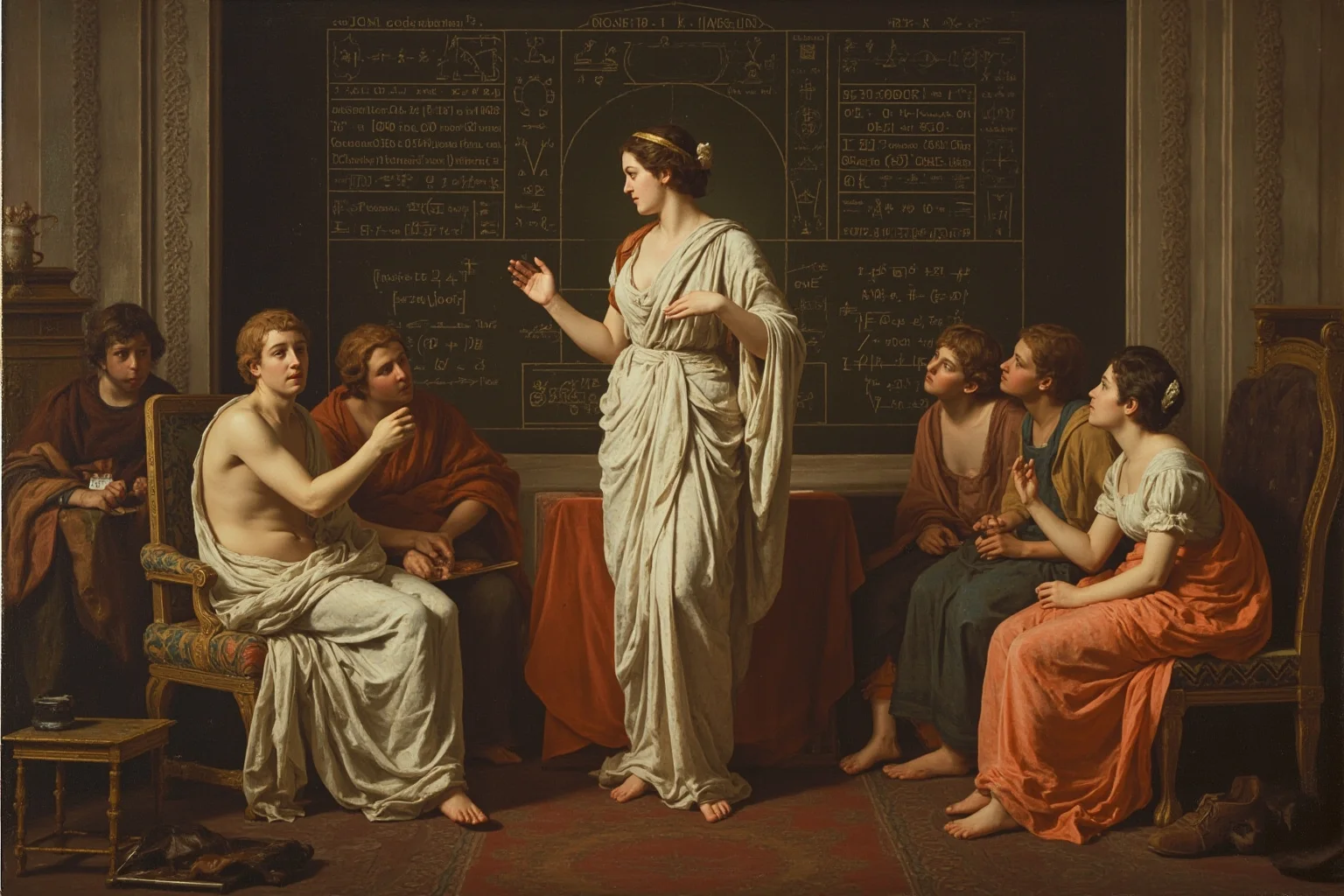
Theano is a semi-legendary figure associated with the Pythagorean school in ancient Greece, sometimes described as Pythagoras’s wife or student, though details about her life come from fragmentary and inconsistent ancient sources. She is credited in some traditions with continuing to lead the Pythagorean community and writing on mathematics, ethics, and the nature of harmony after Pythagoras’s death.
Because so much Pythagorean material was collectively attributed to the school rather than individuals, it’s genuinely difficult to verify what Theano herself actually wrote. Still, she’s one of the earliest named women associated with philosophical and mathematical thought in the Western tradition, which makes her disappearance from popular memory particularly striking.
Why Do Some Philosophers Get Forgotten While Others Become Famous?
There’s no single reason certain philosophers stuck in cultural memory while others faded, but a few patterns show up again and again on this list. Survival of written work matters enormously; Anaximander and Zeno lost most of their original writing, while Plato’s dialogues survived almost completely intact.
Gender and social exclusion mattered too, since women like Hypatia, Cavendish, Conway, and Astell were writing in systems that actively blocked them from formal academic recognition. Political and religious controversy played a role as well, since figures like Bruno and Toland paid real prices for ideas that made them too dangerous to celebrate openly for a long time.
Finally, plain bad luck and timing count for a lot. Being someone’s teacher, like Thales was to Anaximander, or someone’s influence, like Conway was to Leibniz, tends to get you a footnote rather than a legacy of your own.
The Value of Digging Up Forgotten Philosophers
Rediscovering these thinkers isn’t just a historical curiosity exercise. Many of the ideas floating around today, about skepticism, feminism, materialism, and the limits of human knowledge, have roots in exactly the kind of overlooked figures covered here.
When people ask what can I know as a starting point for serious inquiry, they’re echoing a question philosophers have wrestled with for over two thousand years, from Pyrrho’s radical skepticism to Kant’s more structured epistemology. The famous names get credit for asking the big questions clearly, but a lot of the groundwork was laid by philosophers whose names most people have simply never heard.
Giving these thinkers a little attention doesn’t diminish Socrates or Plato. It just fills in a much richer, weirder, and more human picture of how philosophy actually developed.
Final Thoughts
Philosophy’s most famous names earned their spotlight, but they were never working alone. Behind every household name is a long chain of overlooked thinkers, arguing, correcting, and building on each other across centuries and continents.
Next time someone asks you to name a philosopher, it might be worth throwing out Hypatia, Diogenes, or Anne Conway instead of the usual suspects. It’s a small way of keeping some genuinely fascinating minds from disappearing entirely from memory.
Frequently Asked Questions
What can I know? Which philosopher is this question most associated with?
The question "What can I know?" is most closely associated with Immanuel Kant, an 18th-century German philosopher who identified it as one of philosophy's central questions in his Critique of Pure Reason. However, similar concerns about the limits of human knowledge go back much further, including to ancient skeptics like Pyrrho of Elis, who argued that certainty was largely unattainable long before Kant systematized the problem.
Who is considered the loneliest philosopher in history?
There's no single official answer, but Arthur Schopenhauer and Baruch Spinoza are frequently cited examples. Schopenhauer lived much of his life isolated and estranged from Germany's dominant philosophical circles, while Spinoza was excommunicated from his community and worked largely alone, supporting himself as a lens grinder while writing his major philosophical works.
What makes a philosopher count as ‘weird’ historically?
Historians and philosophy writers often apply the label to thinkers whose personal behavior or lifestyle was as unconventional as their ideas. Diogenes of Sinope is the classic example, reportedly living in a large jar and rejecting most social norms of ancient Athens, though some of these stories come from later biographical traditions and may be partly exaggerated.
Is ‘philosopher’ commonly misspelled, and what are the usual variants?
Yes, it's a genuinely tricky word, and common misspellings include philosphers, philisophers, philosophiers, and philosopheres. The correct spelling is philosopher, from the Greek philosophia, meaning 'love of wisdom.'
Why do some important philosophers get left out of general history books?
Several factors contribute, including the loss of original written texts over time, exclusion of women and marginalized thinkers from formal academic institutions, and political or religious controversy that made certain figures too risky to celebrate for centuries. Figures like Hypatia, Margaret Cavendish, and Giordano Bruno all faced some combination of these barriers.

Alex Warren
Related Articles





