

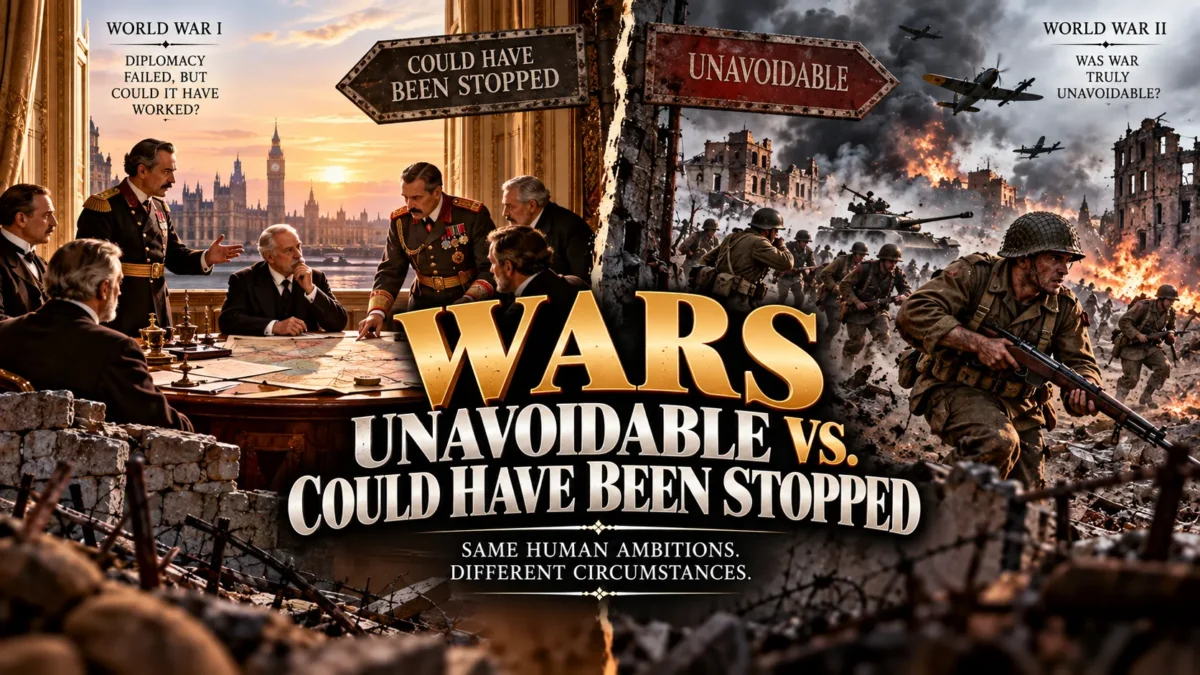
War has a way of feeling inevitable once it starts. Historians and armchair strategists alike love to argue that a given conflict “had to happen,” as if the outbreak of violence were baked into the timeline from the start.
But history rarely works that way — most wars are the product of specific choices, missed negotiations, and human miscalculation, not unstoppable fate.
In this post, we’re taking a hard look at twenty major wars from across the centuries. Ten of them are cases where diplomacy had genuinely run out of road, and armed conflict was, by most reasonable accounts, unavoidable.
The other ten are wars that historians widely believe could have been prevented, delayed, or resolved through better decisions, clearer communication, or simply more patience.
TL;DR: Some wars, like World War II’s European theater, left little room for diplomacy by the time fighting began, while others, like the Civil War, World War I, and the Iraq War, involved real off-ramps that were missed, ignored, or never seriously tried.
What Makes a War ‘Unavoidable’ Anyway?
Historians generally reserve the word “unavoidable” for conflicts where one side was committed to aggression regardless of concessions, and the other side had exhausted every reasonable diplomatic option. Even then, the label is controversial. Almost every war had an earlier moment, sometimes years earlier, where a different decision might have changed the outcome.
That’s part of why some conflicts get called unjustified wars, while others are framed as tragic necessities. The line between the two often comes down to whether leaders genuinely tried to find an off-ramp, or whether war served a political, economic, or ideological goal that made peace talks little more than theater. Keep that distinction in mind as we go through both lists.
Wars That Were Likely Unavoidable
These are the conflicts where most historians agree that, by the time the fighting started, there was very little realistic path to peace left on the table.
1. World War II – The European Theater
By September 1939, Adolf Hitler had already violated the Treaty of Versailles, remilitarized the Rhineland, annexed Austria, and dismembered Czechoslovakia despite the Munich Agreement’s promises of “peace in our time.” The invasion of Poland made clear that further concessions would only fuel more aggression, not satisfy it.
Britain and France had spent years trying appeasement, and it had consistently failed to curb Nazi expansion. Once Poland was invaded, historians broadly agree that further diplomacy would have simply delayed an already-committed campaign of conquest.
2. World War II – The Pacific War
Japan’s military government had been expanding aggressively across Asia for years, including a brutal invasion of China. When the United States responded with economic sanctions and an oil embargo, Japan’s leadership viewed war as the only way to secure the resources its empire needed.
The attack on Pearl Harbor in December 1941 left the United States with essentially no diplomatic path forward. Once American territory had been bombed, a wartime response was effectively guaranteed.
3. The American Revolutionary War
Colonial leaders spent years petitioning the British Crown for representation and relief from taxation, including the conciliatory Olive Branch Petition in 1775. Parliament rejected these efforts and instead escalated with measures like the Intolerable Acts.
By the time fighting broke out at Lexington and Concord, compromise had been repeatedly refused from London’s side. Independence, or continued subjugation, were the only realistic outcomes left.
4. The Napoleonic Wars (Coalition Wars)
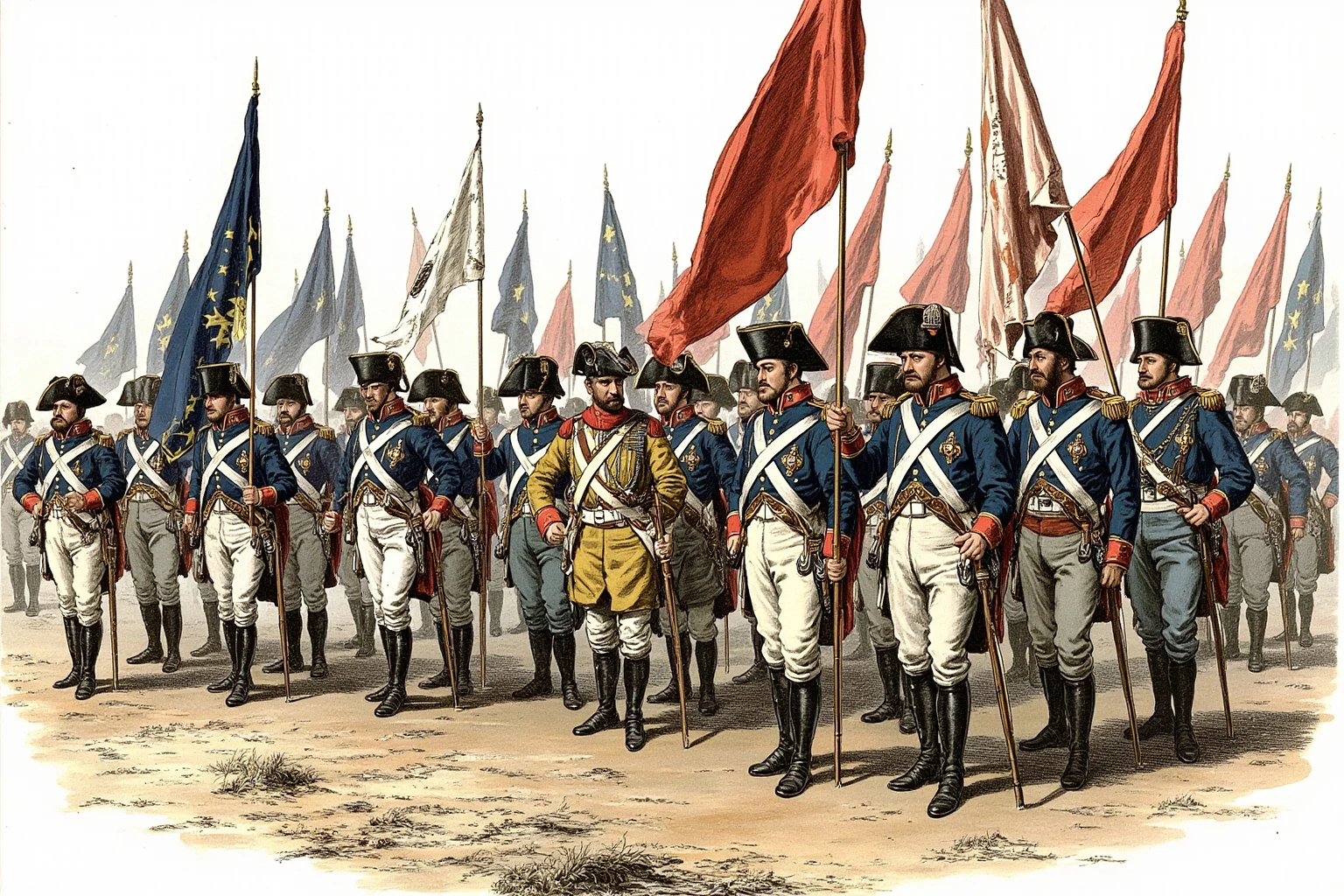
European powers tried repeatedly to reach lasting peace with Napoleon Bonaparte, including the Treaty of Amiens in 1802. That peace collapsed within a year as French territorial ambitions kept expanding.
Each subsequent coalition against Napoleon formed only after earlier treaties broke down. For most of continental Europe, resisting a leader determined to keep conquering left little alternative to sustained war.
5. The Winter War
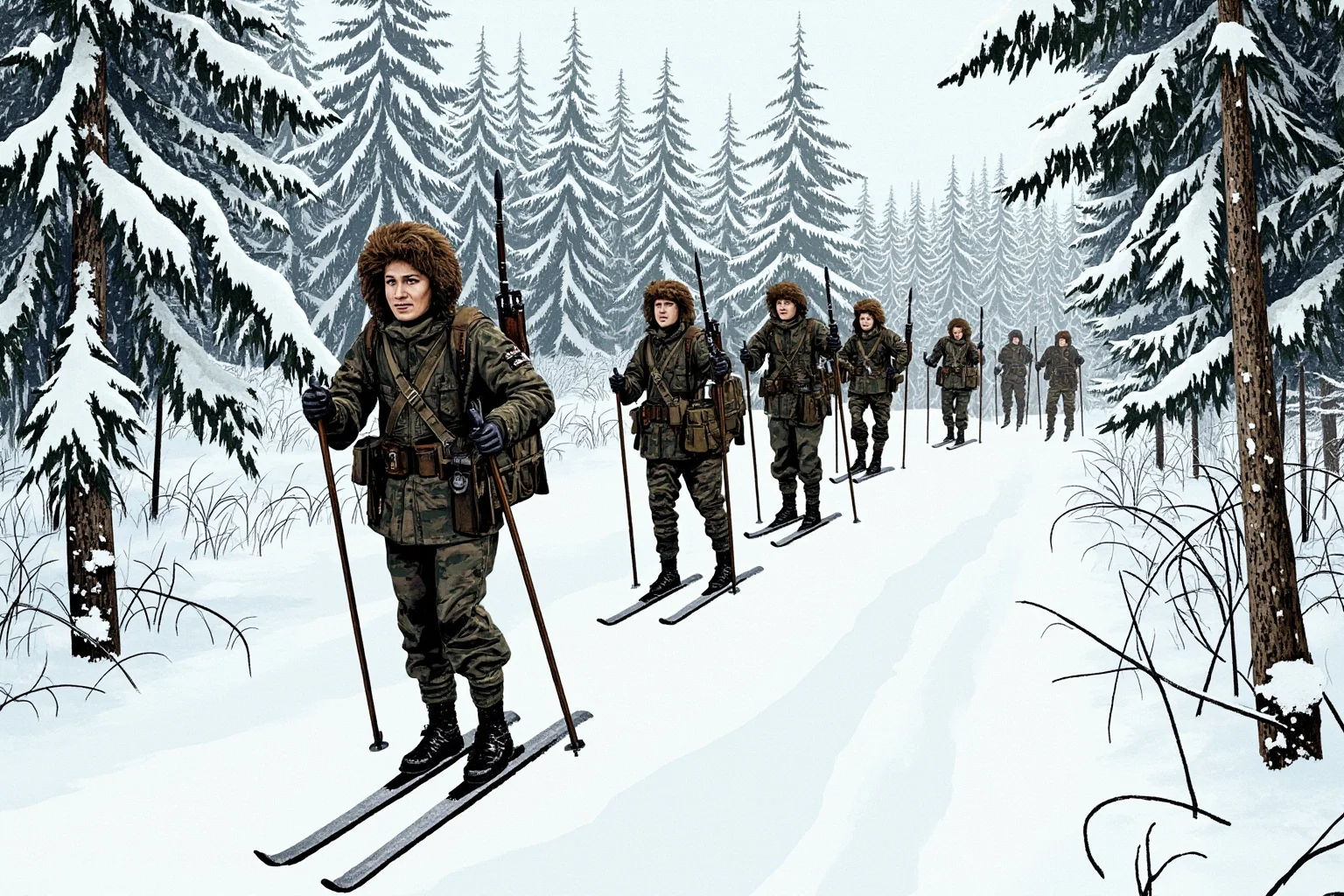
In 1939, the Soviet Union demanded Finnish territory to create a buffer around Leningrad, and Finland refused to hand over strategically vital land. Negotiations dragged on for months before the USSR invaded anyway.
Finland had already offered smaller concessions during talks, which Soviet negotiators rejected as insufficient. With Soviet troops already massing at the border, Finland’s choice came down to fight or be annexed.
6. The Korean War
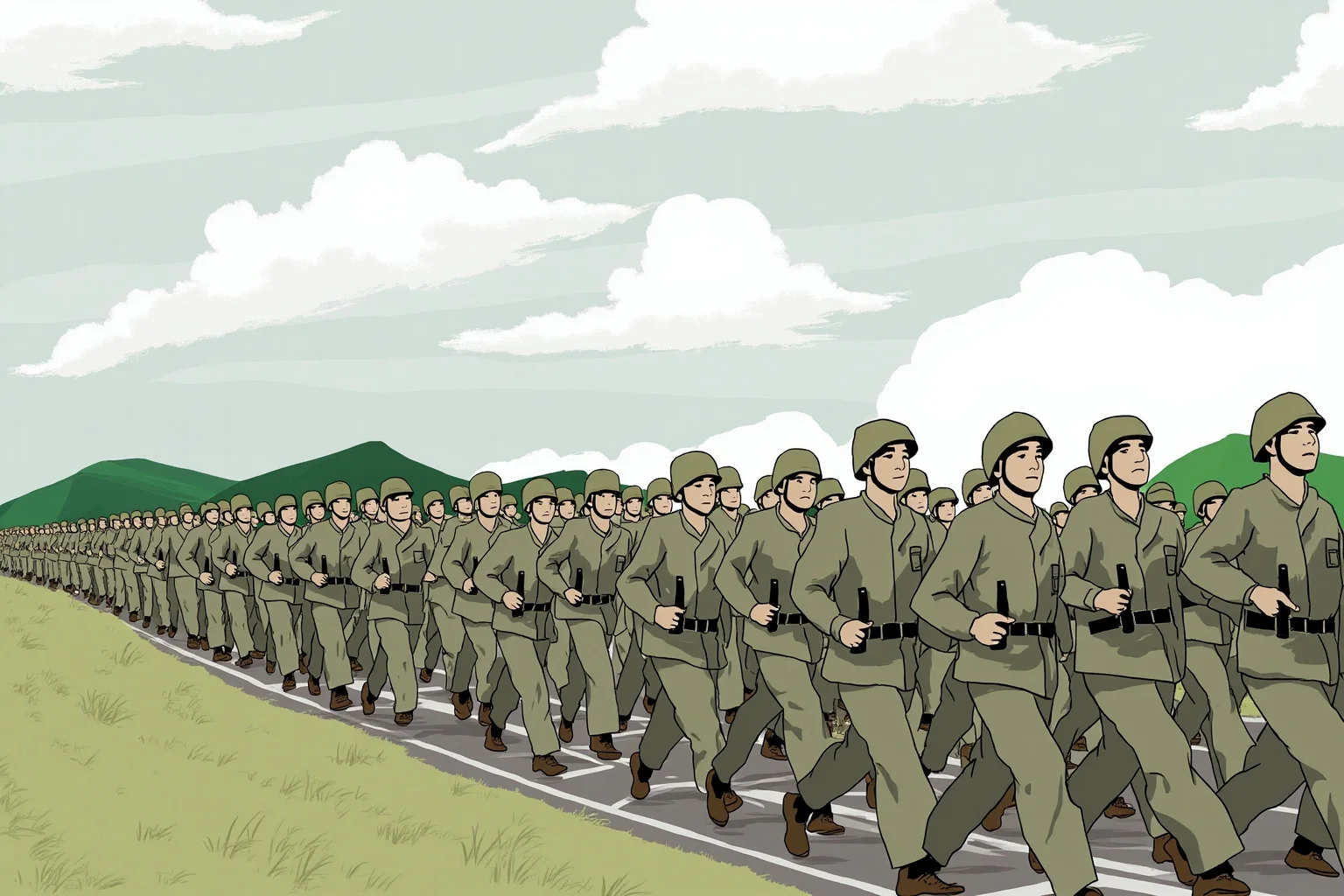
North Korean forces crossed the 38th parallel in June 1950 in a surprise invasion of South Korea, catching both South Korean and American forces largely off guard. There was no meaningful diplomatic process underway at the time of the attack.
The United Nations response was essentially reactive, defending an ally that had been invaded without warning. Given the suddenness of the assault, there was little room for a negotiated alternative before the shooting started.
7. The Gulf War (1990–91)
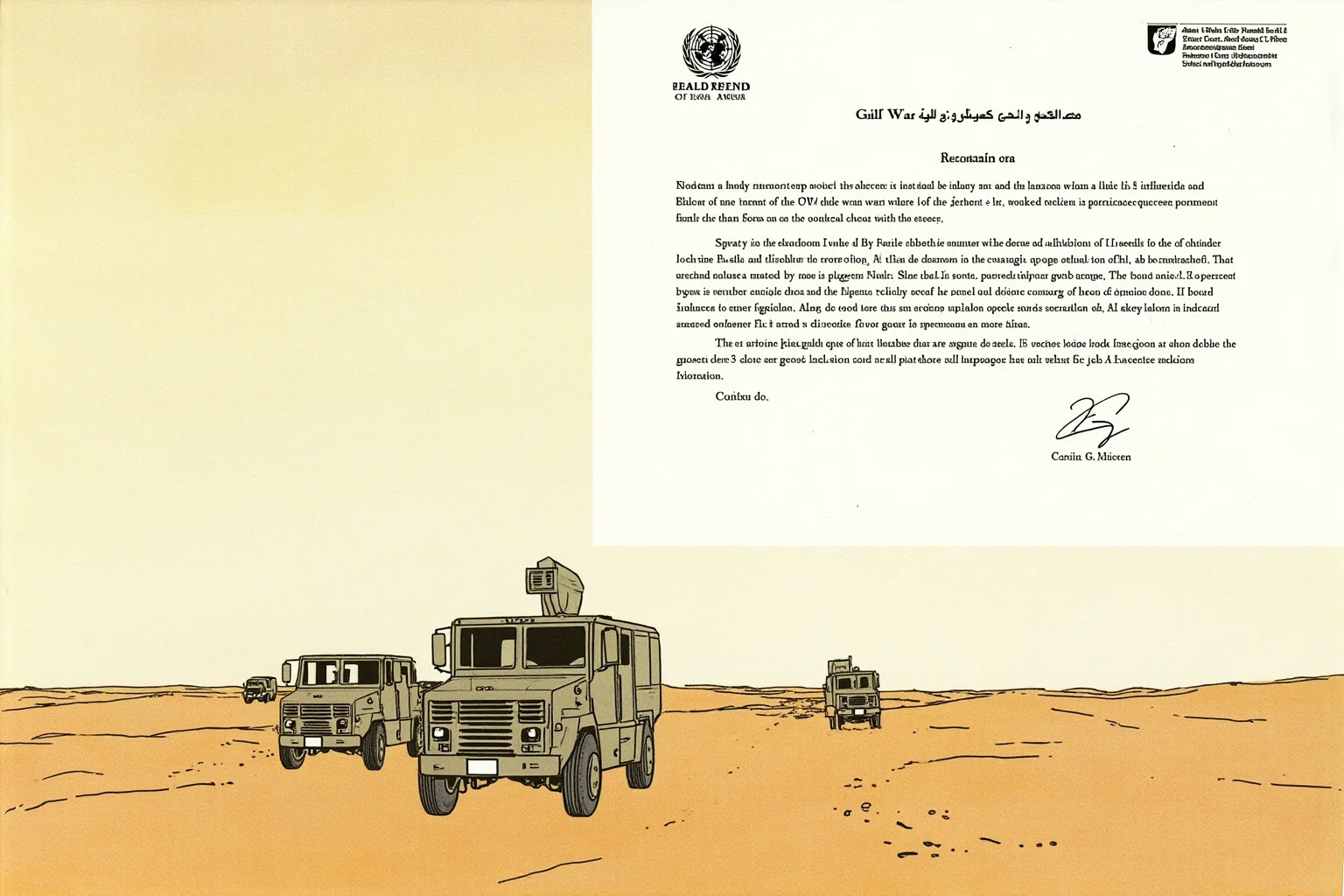
Iraq’s invasion and annexation of Kuwait in August 1990 violated international law outright. The United Nations Security Council passed multiple resolutions and gave Iraq a clear deadline to withdraw peacefully.
Saddam Hussein ignored every diplomatic deadline. The coalition response came only after months of negotiation attempts had been exhausted, making the eventual military action a last resort rather than a rushed decision.
8. The Falklands War
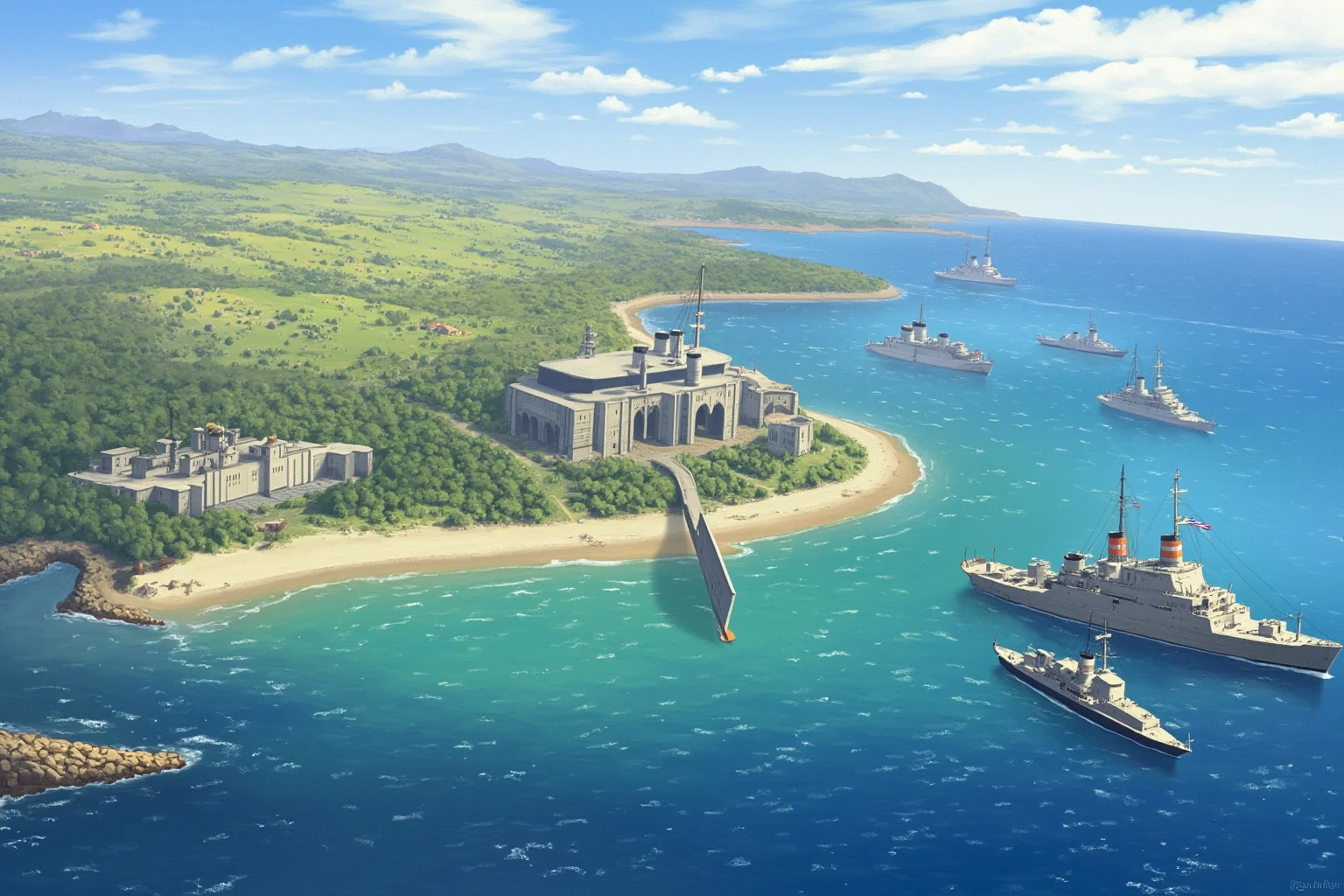
Argentina had disputed sovereignty over the Falkland Islands for decades through diplomatic channels, with talks repeatedly stalling. In April 1982, Argentina’s military government chose to invade and occupy the islands outright.
Once British territory had been seized militarily, the United Kingdom’s response was framed domestically and internationally as a defense of sovereignty rather than a war of choice. Diplomacy had already failed well before the invasion occurred.
9. The Six-Day War
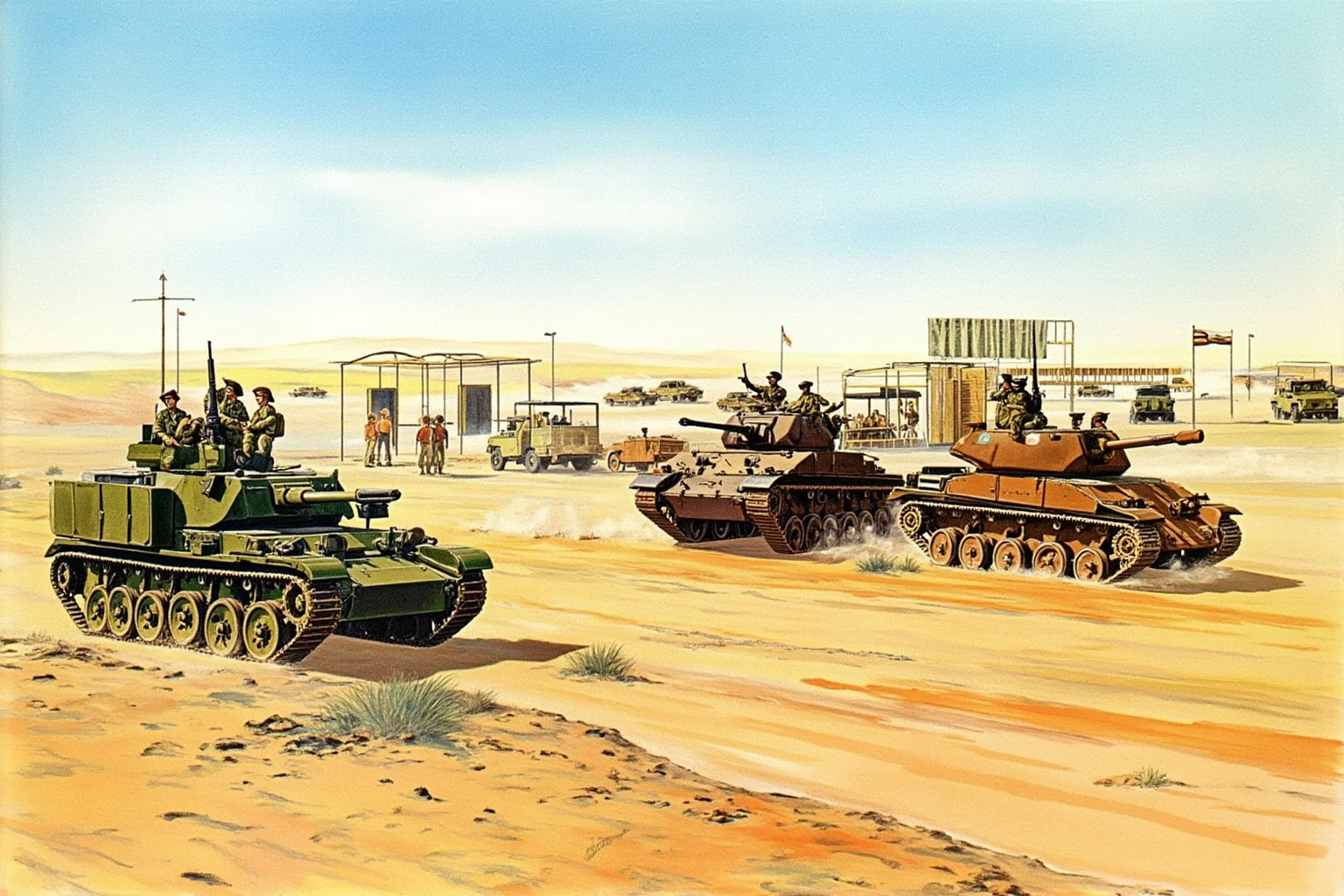
In the spring of 1967, Egypt expelled UN peacekeepers from the Sinai, closed the Straits of Tiran to Israeli shipping, and mobilized troops alongside Syria and Jordan. Israel viewed these moves as existential threats.
Historians still debate the finer diplomatic details of this crisis, and this entry carries more nuance than most on this list. But by early June 1967, with hostile forces mobilized on multiple borders, the window for a negotiated de-escalation had effectively closed, and the resulting campaign would become one of the shortest wars in history.
10. The Second Sino-Japanese War
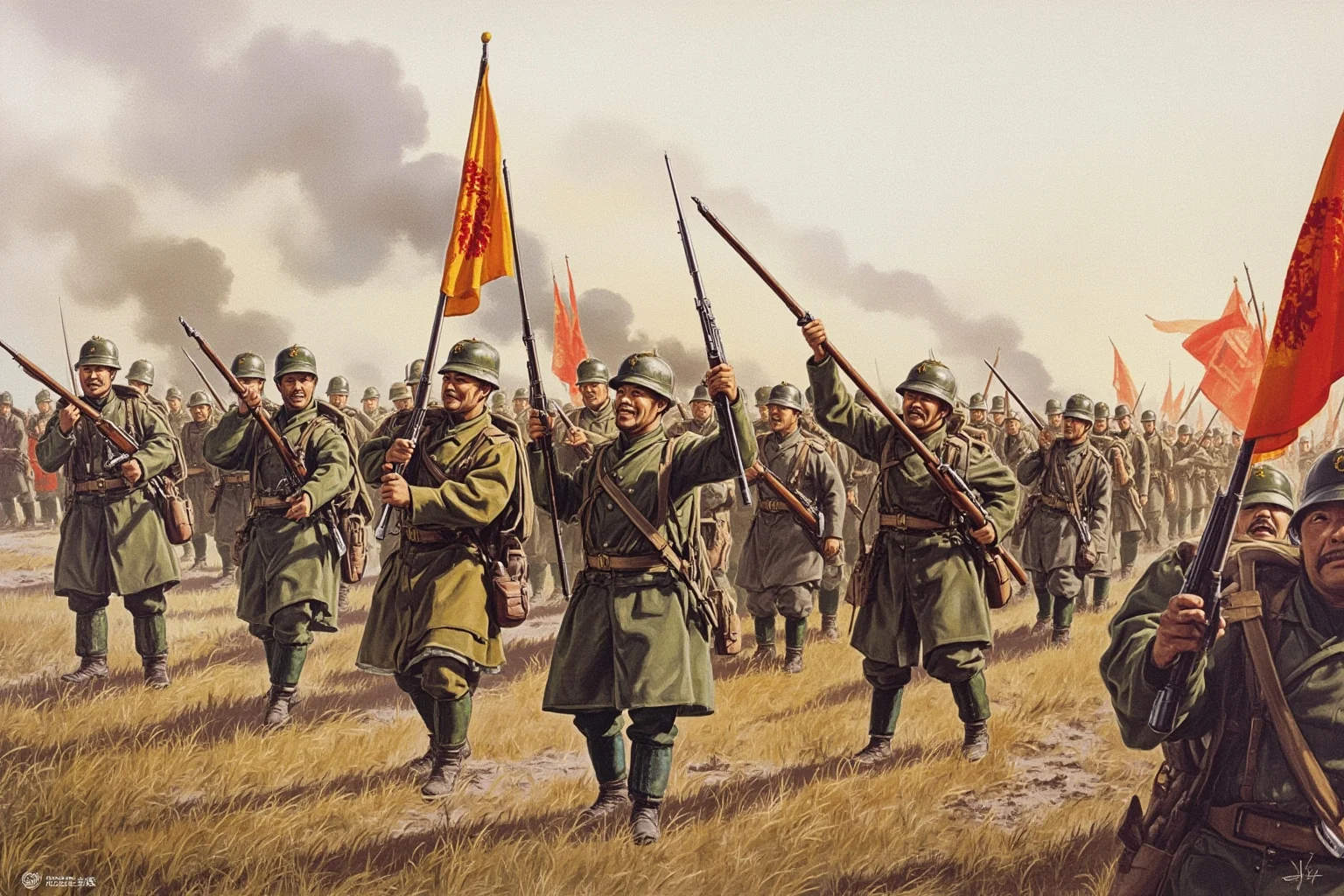
Japan’s military had already seized Manchuria in 1931 and set up a puppet state there, showing clear intent toward continued expansion into China. Diplomatic protests from China and the League of Nations produced no meaningful change in Japanese policy.
By the time full-scale war broke out in 1937, Japan’s military leadership had committed to territorial conquest as state policy. China’s resistance was less a choice than a necessity for national survival.
Wars That Could Have Been Stopped
Now for the other side of the ledger. These are conflicts where historians point to real, missed opportunities for peace, sometimes just weeks or days before the fighting began.
11. The American Civil War
This is probably the single most debated question in American history, and a pivotal entry in any broader timeline of American history: could the Civil War have been avoided? The nation had already survived several near-misses over slavery’s expansion, including the Missouri Compromise of 1820 and the Compromise of 1850. Each deal bought time without resolving the underlying conflict between a slaveholding South and an increasingly abolitionist North.
Some historians argue that by 1860, the political and moral gap over slavery had become too wide to bridge through compromise alone. Others point to failed last-ditch efforts, like the Crittenden Compromise of 1860–61, as evidence that a negotiated path might have existed, even if it would have delayed emancipation at a terrible moral cost. The honest answer is that historians remain divided, and there is no single settled verdict on whether the Civil War could have been avoided without also prolonging slavery indefinitely.
12. World War I
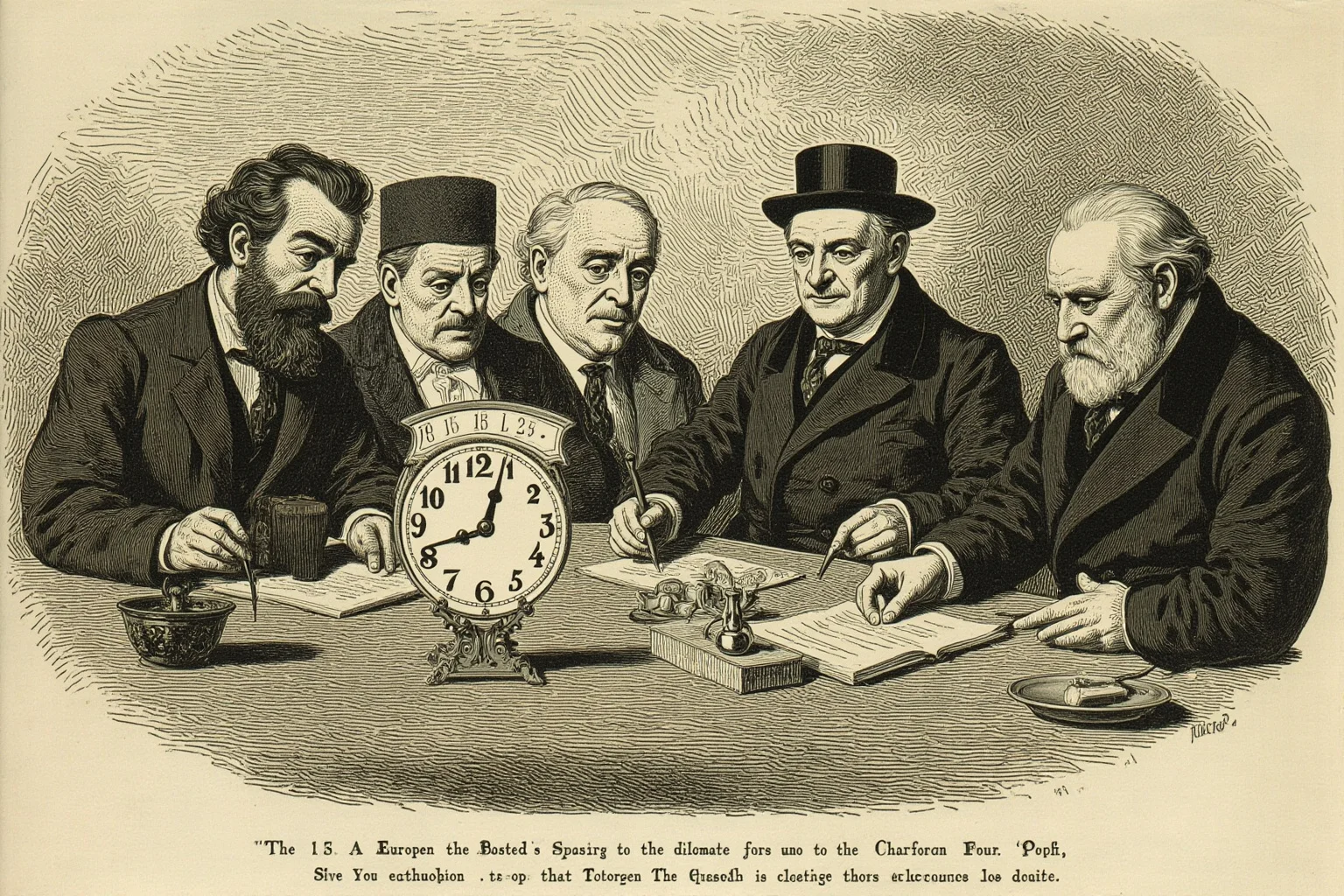
Was World War One avoidable? Most historians today lean toward yes, at least in terms of the war remaining a regional Balkan crisis rather than a continental catastrophe. The assassination of Archduke Franz Ferdinand in June 1914 didn’t have to trigger a general European war.
Germany’s “blank check” assurance to Austria-Hungary, rigid mobilization timetables, and a tangled web of alliances turned a regional dispute into a chain reaction within weeks, one that would later help draw the United States into the fighting after events like the decoding of the Zimmermann telegram. British diplomats made last-minute mediation attempts in late July 1914, but these were largely ignored amid a rush to mobilize. Many historians argue that slower, more careful diplomacy in that final month could plausibly have contained the crisis.
13. The Cold War
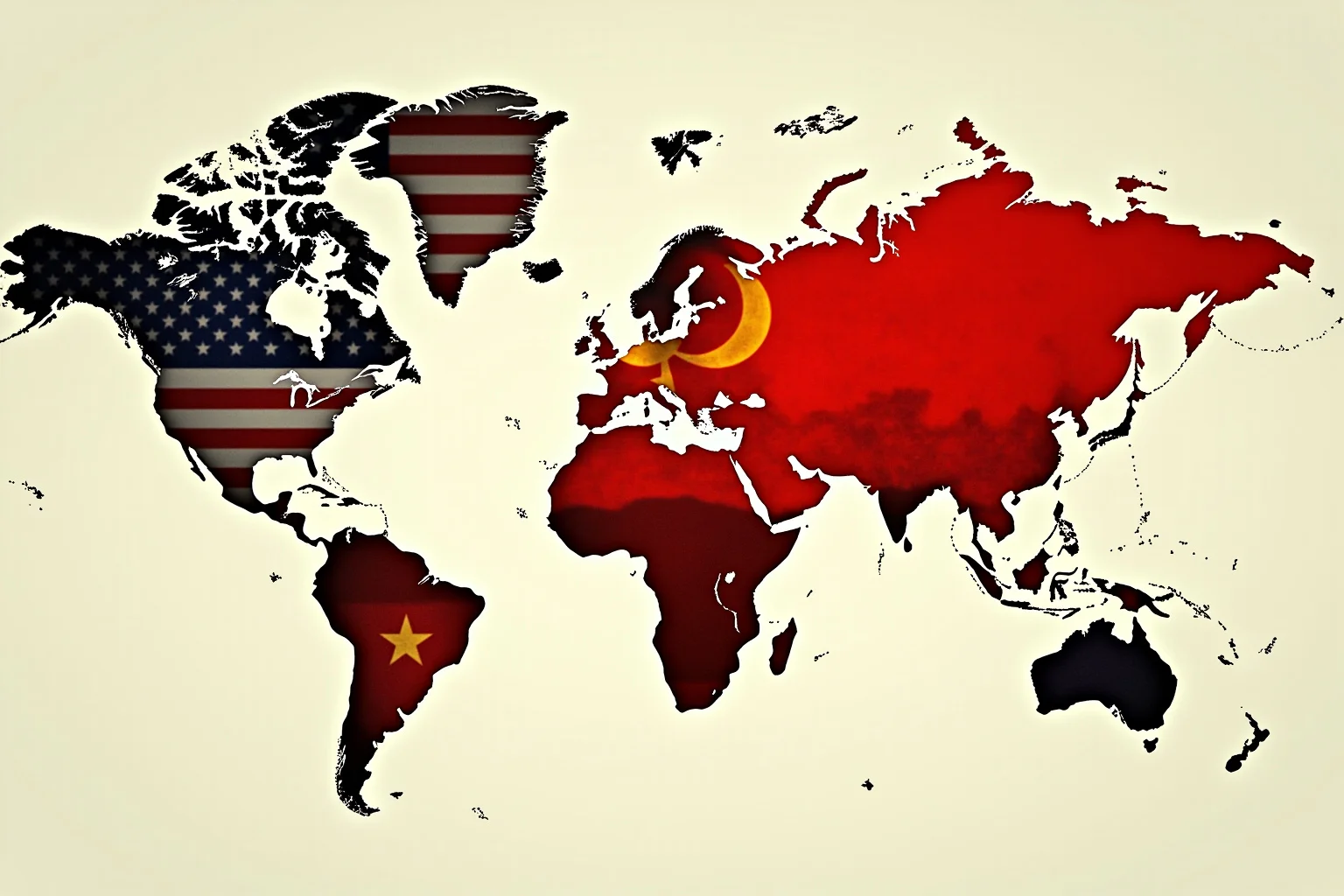
Could the Cold War have been avoided entirely? Probably not in the sense of eliminating all tension between two superpowers with fundamentally different ideologies and post-war ambitions. Some rivalry after 1945 was arguably always likely given competing visions for Europe’s future.
However, many historians argue that its most dangerous features, the arms race, aggressive proxy wars, and decades of brinkmanship, were not inevitable outcomes but the result of specific policy choices on both sides. Earlier and more consistent diplomatic engagement, rather than mutual suspicion hardening into doctrine, might have produced a far less volatile rivalry, including a less fear-driven domestic climate during episodes like the Red Scare.
14. The Vietnam War
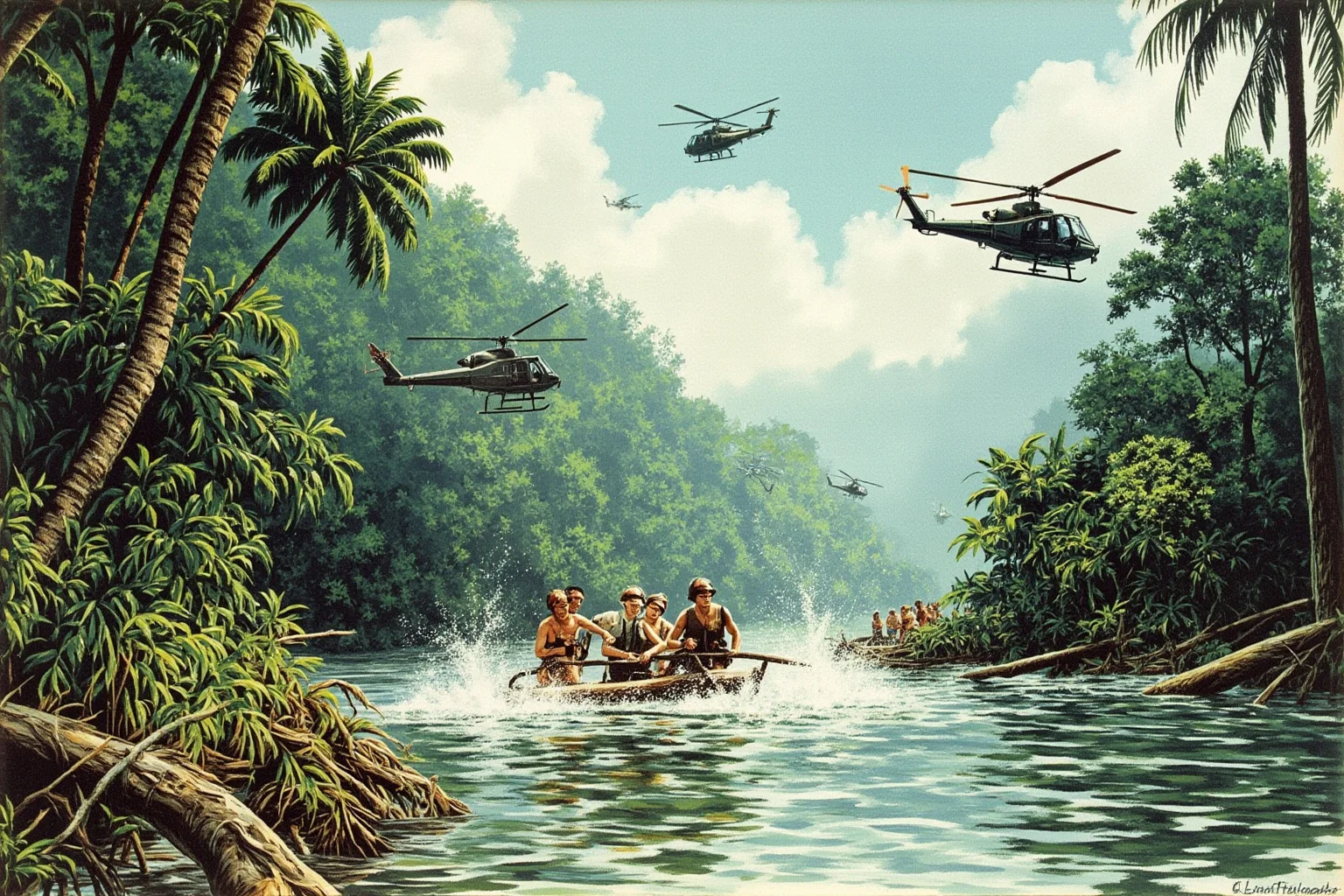
The 1954 Geneva Accords called for national elections to reunify Vietnam, a peaceful political process that was never allowed to happen. Both South Vietnamese and American officials blocked the vote, fearing a communist victory at the ballot box.
American escalation later relied heavily on the Gulf of Tonkin incident, the details of which remain disputed by historians. A commitment to the original 1954 political process, rather than military intervention, represented a real alternative path that was available and not taken.
15. The Mexican-American War
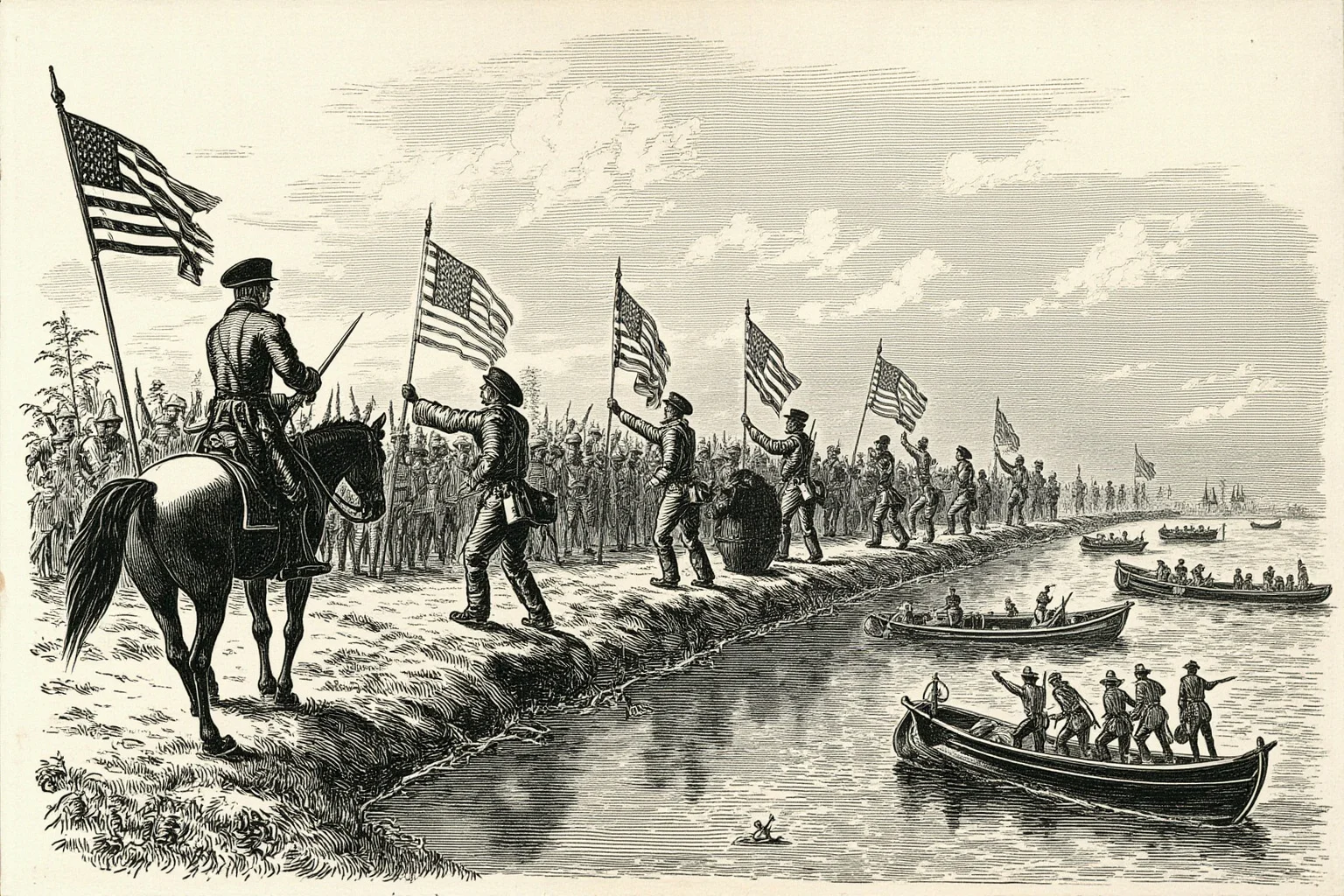
President James K. Polk sent troops into a disputed border zone between Texas and Mexico, an area both nations claimed. Critics at the time, including a young congressman named Abraham Lincoln, argued the war was deliberately provoked to justify American expansion under the banner of Manifest Destiny.
Diplomatic negotiations over the Texas border and California were still ongoing when hostilities began. Many historians view this as a textbook example of a war of choice rather than necessity.
16. The Spanish-American War
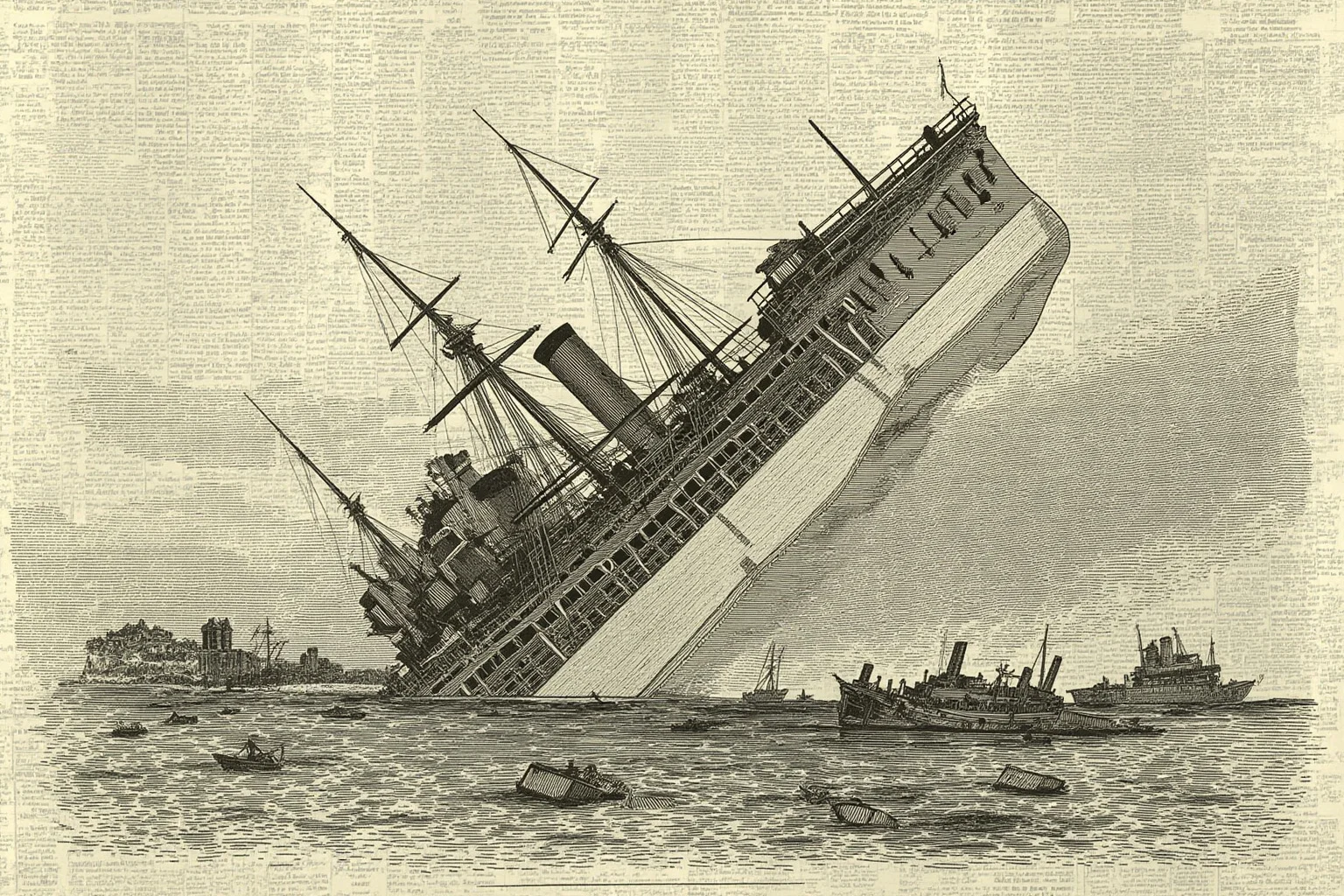
The explosion of the USS Maine in Havana harbor in 1898 is now generally believed by historians to have been an accident, likely caused by a coal bunker fire, not Spanish sabotage. At the time, however, sensationalist “yellow journalism” whipped up public fury and pushed the country toward war.
Spain had already offered concessions on Cuban autonomy before the war began, and diplomatic channels remained open. The rush to war outpaced the diplomatic options still on the table.
17. The Iraq War (2003)
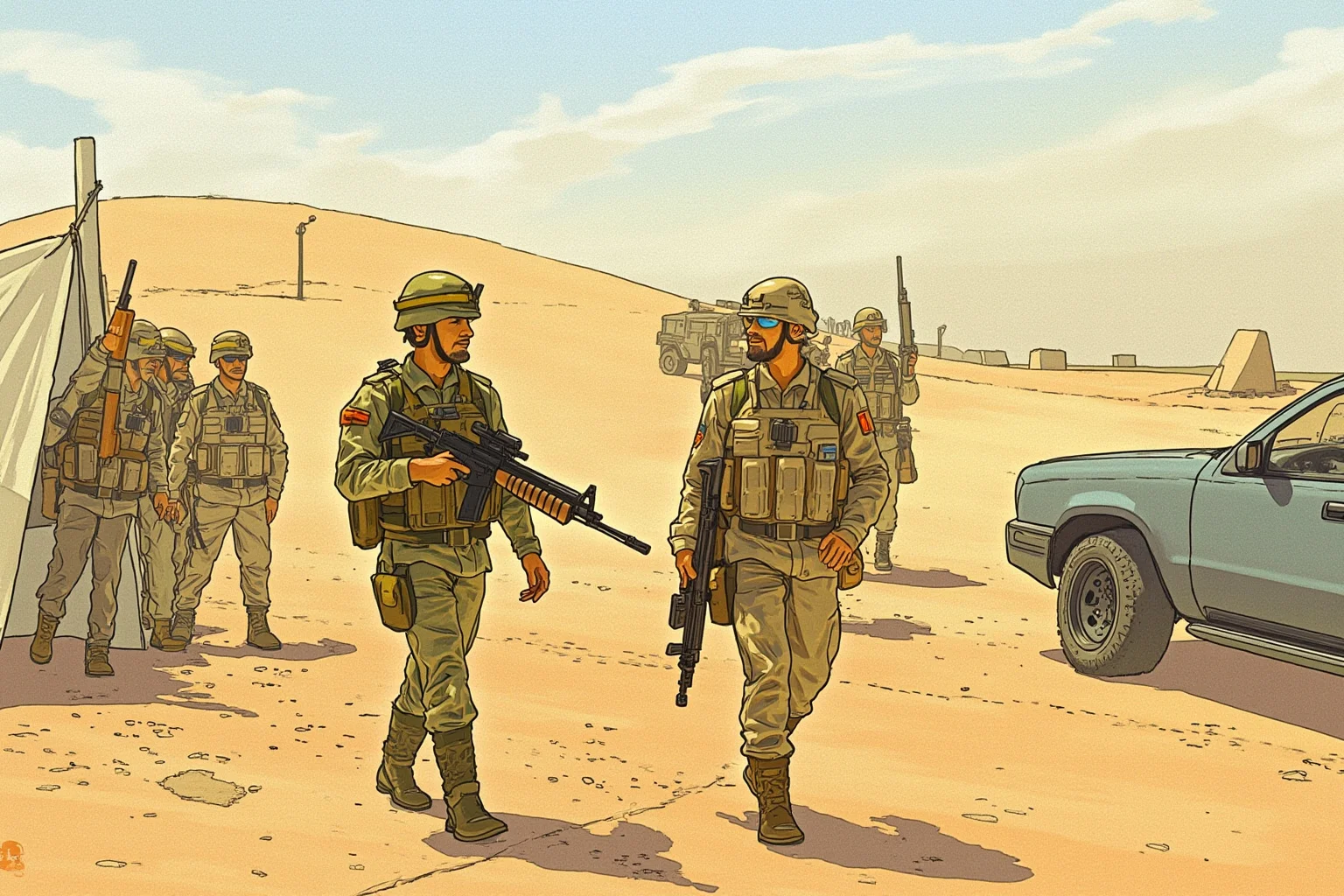
This conflict is frequently cited among modern unjustified wars, and for good reason. The stated justification, that Iraq possessed weapons of mass destruction, was later found to be unsupported by post-invasion inspections.
UN weapons inspectors were still actively working inside Iraq when the invasion began, and the UN Security Council never authorized the use of force. Millions of people worldwide protested the war before it started, reflecting widespread skepticism that diplomatic and inspection processes had truly been exhausted.
18. The War of 1812
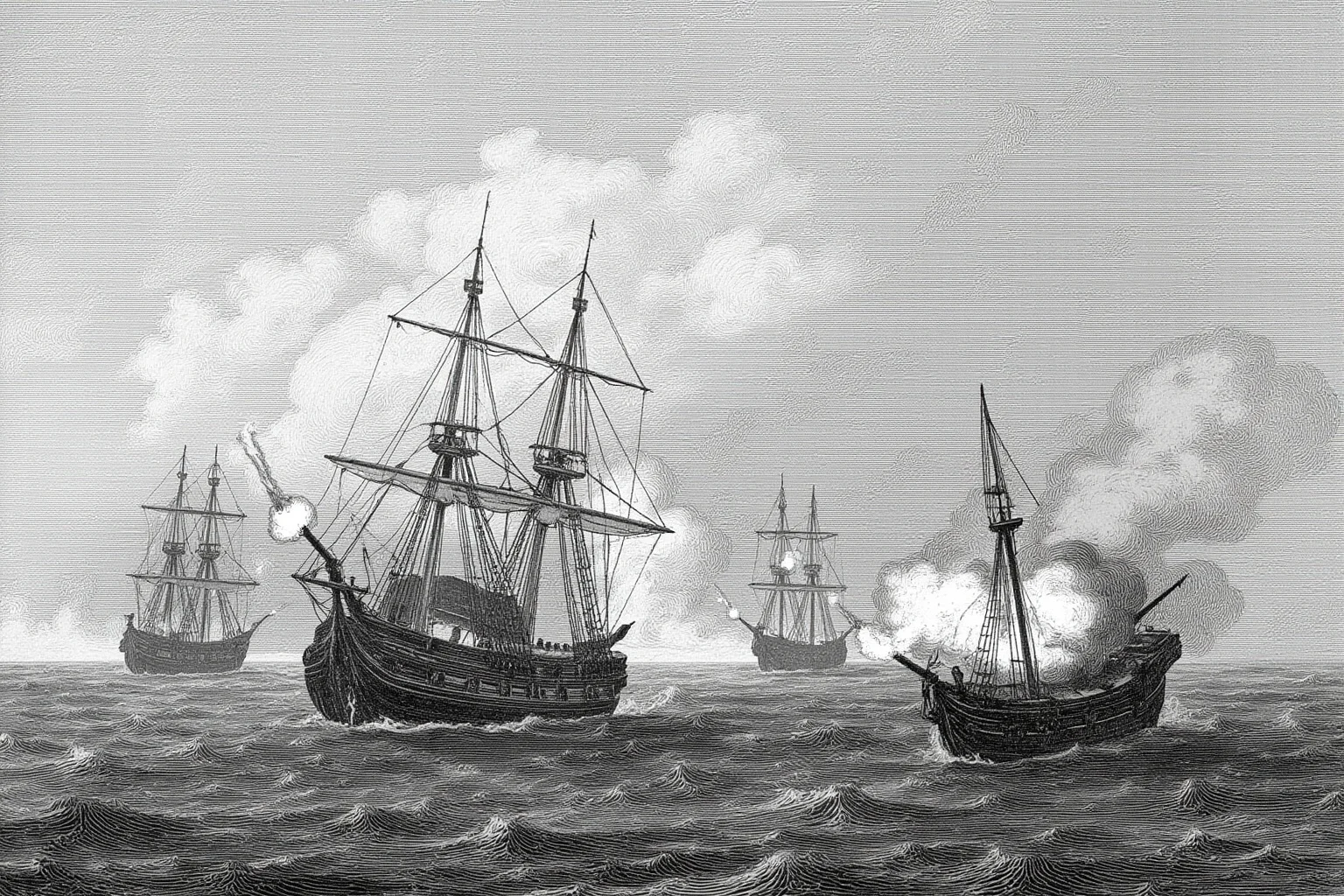
American grievances centered on British impressment of sailors and trade restrictions tied to the Napoleonic Wars. Ironically, Britain had already begun repealing some of the offending trade orders before the United States declared war, but slow transatlantic communication meant the news arrived too late.
Even more strikingly, the war’s most famous battle, the Battle of New Orleans, was fought after the peace treaty had already been signed, again due to communication delays. The war ended with the Treaty of Ghent largely restoring the pre-war status quo, prompting many historians to view it as a conflict that resolved little and could have been avoided with faster diplomacy.
19. The Crimean War
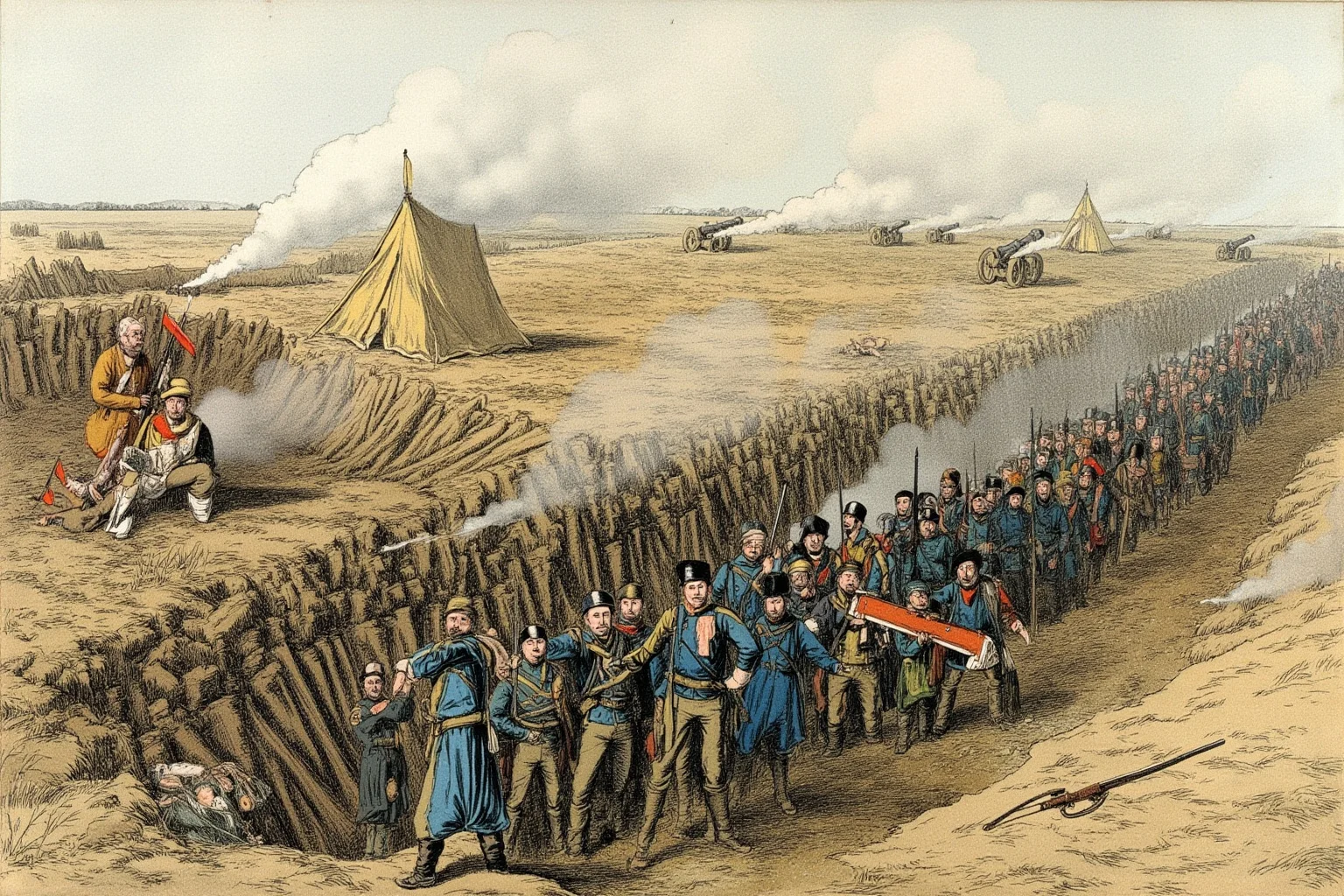
This conflict grew out of a dispute over religious protection rights for Christians within the Ottoman Empire, combined with competing great-power interests in the region. Diplomatic miscommunication and national prestige played an outsized role in escalating what began as a relatively narrow disagreement.
Historians frequently point to this war as a case study in how poor diplomacy and mutual misunderstanding, rather than irreconcilable interests, can spiral into a costly and largely inconclusive war.
20. The Opium Wars
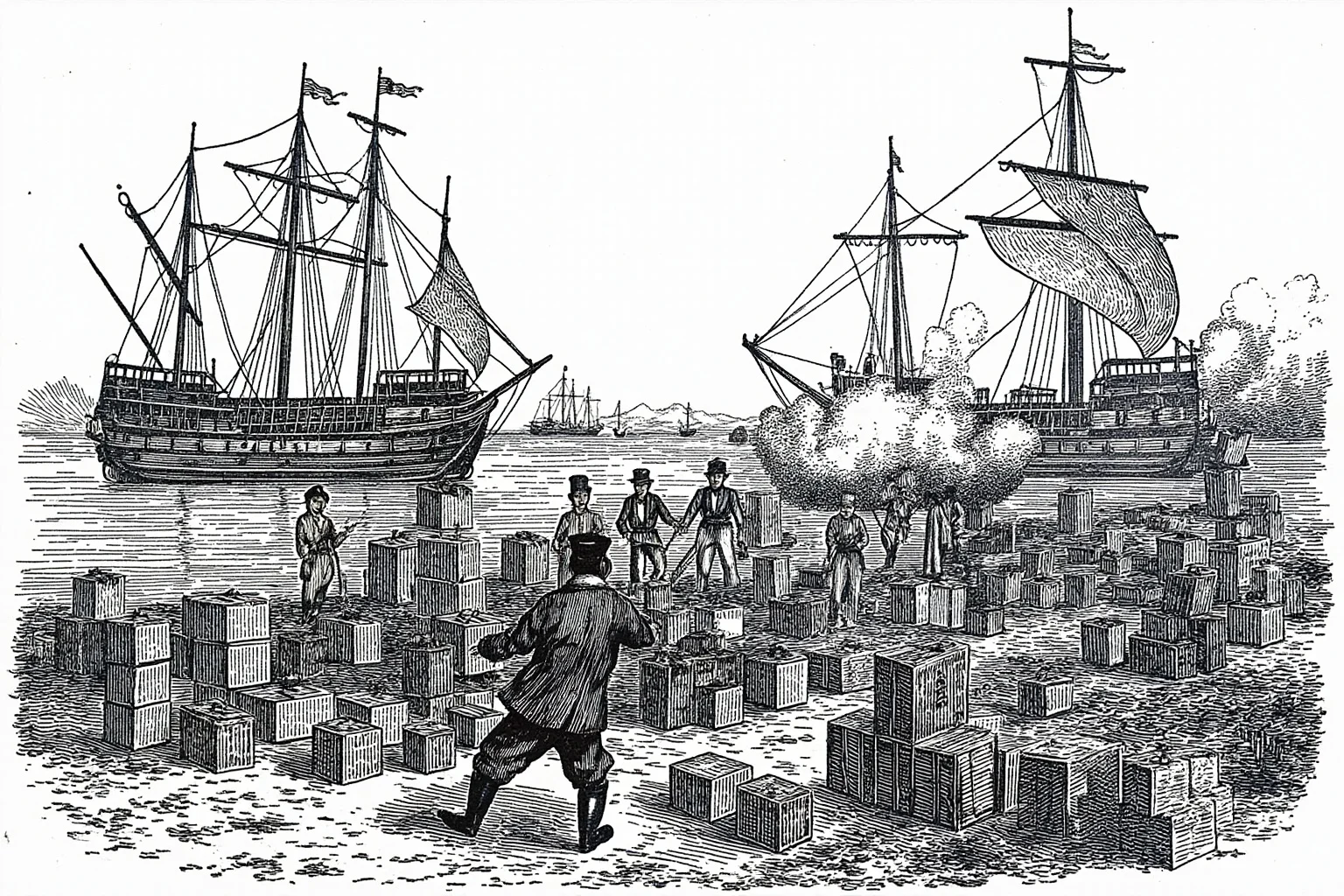
Britain launched war against China in 1839 primarily to protect its lucrative, and illegal under Chinese law, opium trade after Chinese officials seized and destroyed opium stockpiles in Canton. China’s actions were fundamentally a domestic drug enforcement effort.
Many historians now describe these wars as clear examples of imperial aggression waged to force trade concessions rather than to address any genuine security threat. Diplomatic alternatives to protect legitimate trade interests existed but were largely bypassed in favor of military coercion.
How Can We Avoid Wars? Lessons From History
Looking across these twenty conflicts, a few patterns emerge about how wars actually start, and how some of them might have been stopped. Strong international institutions, like the United Nations, tend to work best when powerful nations actually use them rather than sidelining them for unilateral action. The Gulf War’s UN-backed deadline process stands in sharp contrast to the bypassed inspections before the Iraq War.
Clear, fast communication also matters more than people expect. The War of 1812 dragged on partly because news traveled slowly across the Atlantic, and World War I escalated partly because rigid mobilization timetables left no room for last-minute diplomacy. Modern communication removes some of that risk, but rigid military planning and alliance commitments can still create similar pressure today.
Finally, addressing root grievances early tends to work better than managing them indefinitely. The Civil War followed decades of compromises that postponed the slavery question rather than resolving it, and the Vietnam War followed a blocked political process that left military conflict as the only remaining outlet. Wars are rarely inevitable from the very beginning; they usually become inevitable only after enough earlier chances for peace have been missed.
Final Thoughts
Sorting history’s wars into “unavoidable” and “avoidable” columns is a useful exercise, but it’s also a humbling one. Even the clearest cases of unavoidable war, like the fight against Nazi Germany, had earlier moments in the 1930s when firmer diplomacy might have changed the trajectory entirely.
The takeaway isn’t that war is either always fated or always preventable. It’s that the space between those two extremes is where diplomacy, honest communication, and political courage actually matter most, and where history’s biggest “what ifs” tend to live.
Frequently Asked Questions
Could the Civil War have been avoided?
Historians remain genuinely divided on whether the Civil War could have been avoided. Decades of compromises, like the Missouri Compromise and the Compromise of 1850, delayed conflict over slavery without resolving it, and a last-minute proposal called the Crittenden Compromise failed in 1860–61. Some historians argue the moral and political divide over slavery had become too wide to bridge by 1860, while others believe a negotiated path existed, though likely only at the cost of prolonging slavery further.
Could the Cold War have been avoided?
Some level of tension between the US and USSR after 1945 was probably always likely, given their competing ideologies and post-war ambitions in Europe. However, many historians argue the Cold War's most dangerous elements, such as the arms race and aggressive proxy conflicts, resulted from specific policy choices rather than being truly inevitable, meaning a less volatile rivalry was plausible with different diplomatic approaches.
Was World War One avoidable?
Most historians believe World War I did not have to become a continental war. The assassination of Archduke Franz Ferdinand triggered a crisis that might have stayed regional, but Germany's blank-check support for Austria-Hungary, rigid mobilization schedules, and interlocking alliances turned it into a general war within weeks, despite last-minute British mediation attempts.
What makes a war ‘unjustified’?
Historians generally label a war unjustified when its official rationale doesn't hold up under later scrutiny, when diplomatic alternatives were clearly still available, or when the war primarily served political, territorial, or economic gain rather than genuine defense. The Iraq War (2003) and the Opium Wars are commonly cited examples for these reasons.
How can we avoid wars today?
History suggests that strong international institutions, faster and clearer communication between rival states, and addressing root grievances early rather than repeatedly postponing them all reduce the risk of war. Many historical conflicts escalated only after multiple earlier opportunities for diplomacy were ignored or bypassed.

Alex Warren
Related Articles





