

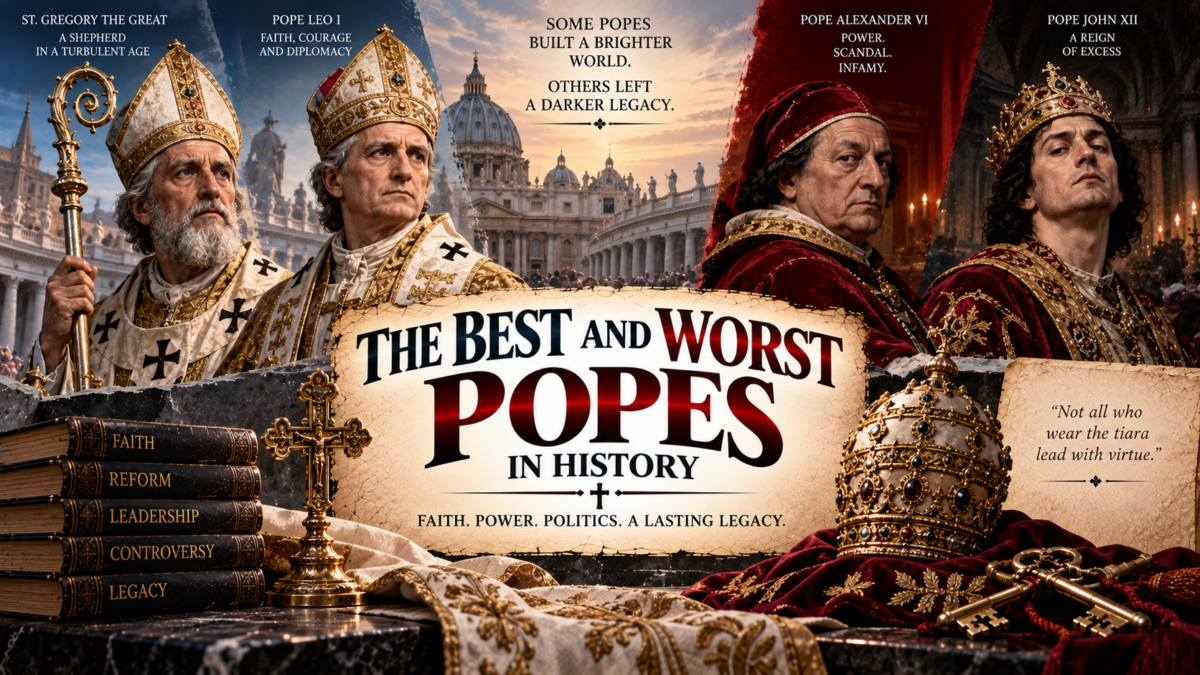
For nearly 2,000 years, the papacy has produced some of history’s most consequential figures — brilliant reformers, diplomatic geniuses, and, occasionally, men who make you wonder how they ever got the job.
With over 260 popes on record, the Catholic Church has seen it all: saints who reshaped Western civilization and scoundrels who nearly tore it apart from the inside.
This list takes a friendly, myth-busting look at both ends of the spectrum. We’ll rank some of the most famous popes in history — the ones historians and Catholics alike tend to agree were genuinely great — and then dig into the so-called “bad popes” whose scandals, schemes, and questionable decisions became legendary.
Along the way, we’ll also cover the full list of popes in the 20th century, answer some of the internet’s favorite pope trivia questions, and clear up a few myths that have gotten out of hand over the centuries.
TL;DR: Popes have ranged from saintly reformers like Gregory the Great and John Paul II to genuinely scandal-plagued figures like Alexander VI and Stephen VI, and separating the two requires looking past legend to real historical record.
Who Is the Best Pope in History? A Quick Answer
If you’re short on time, here’s the quick version: there’s no single official “best pope,” but historians and Catholics most often point to Gregory I, Leo I, and John Paul II as the top contenders. Each transformed the papacy in lasting ways, whether through administrative reform, diplomacy, or sheer global popularity.
Asking who is the best pope is a bit like asking who the best president was — it depends heavily on what you value: doctrine, diplomacy, humility, or cultural impact. That’s exactly why we’ve built out a fuller ranked list below, covering both the greatest popes of all time and the ones history remembers far less fondly.
What Actually Makes a Pope “Great” or “Bad”?
Before diving into the rankings, it’s worth pausing on what “great” and “bad” even mean here. Historians typically judge popes on a mix of factors: doctrinal leadership, political skill, personal conduct, and lasting institutional impact. A pope can be theologically important but personally troubling, or wildly popular without doing much of lasting substance.
Much of the “bad popes” reputation comes from real medieval and Renaissance scandals — but some of it has been exaggerated over centuries of retelling, court gossip, and later Protestant polemics eager to discredit Rome.
Books like E.R. Chamberlin’s “The Bad Popes” (1969) popularized many of these stories, and while the underlying events are generally well documented, some details have been embellished in the retelling. We’ll try to flag where the record is genuinely solid versus where legend has crept in.
The Best Popes in History (Ranked)
These are the popes most consistently praised by historians, theologians, and everyday Catholics — the ones who show up again and again on any serious list of great or famous popes.
1. St. Peter the Apostle
According to Catholic tradition, Peter was the first pope, appointed leader of the early Christian community by Jesus himself.
Historically, the title “pope” as we understand it developed gradually over the following centuries, but Peter’s symbolic role as the foundation of the papacy is central to Catholic identity.
He’s traditionally believed to have been martyred in Rome around 64-68 AD, and St. Peter’s Basilica is built over his traditional burial site.
2. Leo I, “the Great”
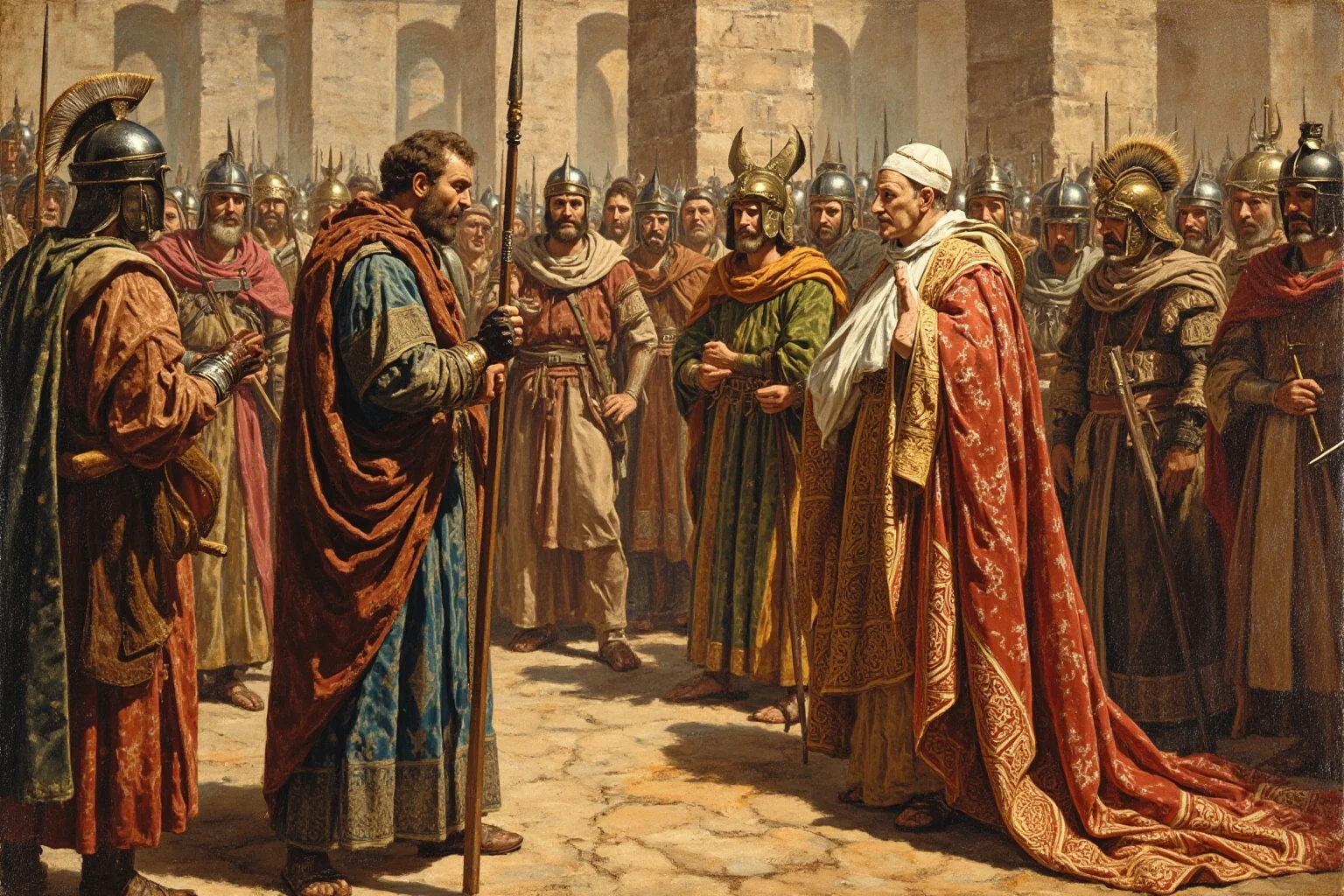
Pope Leo I (440–461) earned his title partly through sheer diplomatic nerve. He’s remembered for personally meeting Attila the Hun outside Rome in 452 and persuading him to turn back — one of the more dramatic moments in papal history.
Leo also helped define core Christian doctrine at the Council of Chalcedon in 451, cementing his reputation as both a statesman and theologian.
3. Gregory I, “the Great”
Gregory (590–604) is frequently cited among the greatest popes of all time for his sweeping reforms. He reorganized Church administration, reformed the liturgy (Gregorian chant is named after him), and sent missionaries to convert Anglo-Saxon England.
His combination of humility and administrative brilliance set a template for centuries of papal governance.
4. Gregory VII
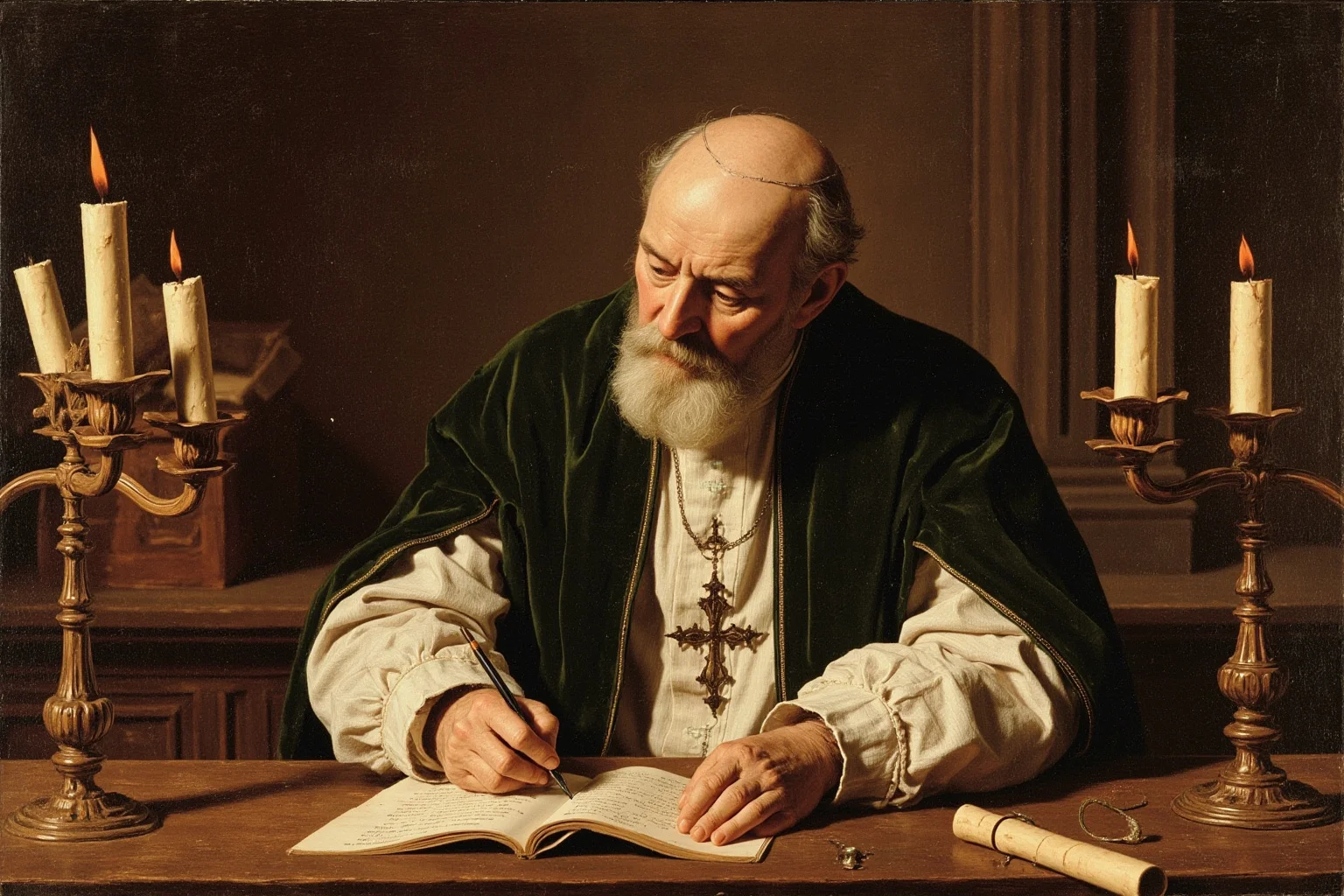
Gregory VII (1073–1085) took on the Holy Roman Emperor himself during the Investiture Controversy, a dispute over whether kings or the Church had authority to appoint bishops.
His reforms strengthened papal independence from secular rulers, though the fight was messy and left plenty of enemies. Still, historians credit him with reshaping the medieval Church’s relationship to political power.
5. Innocent III
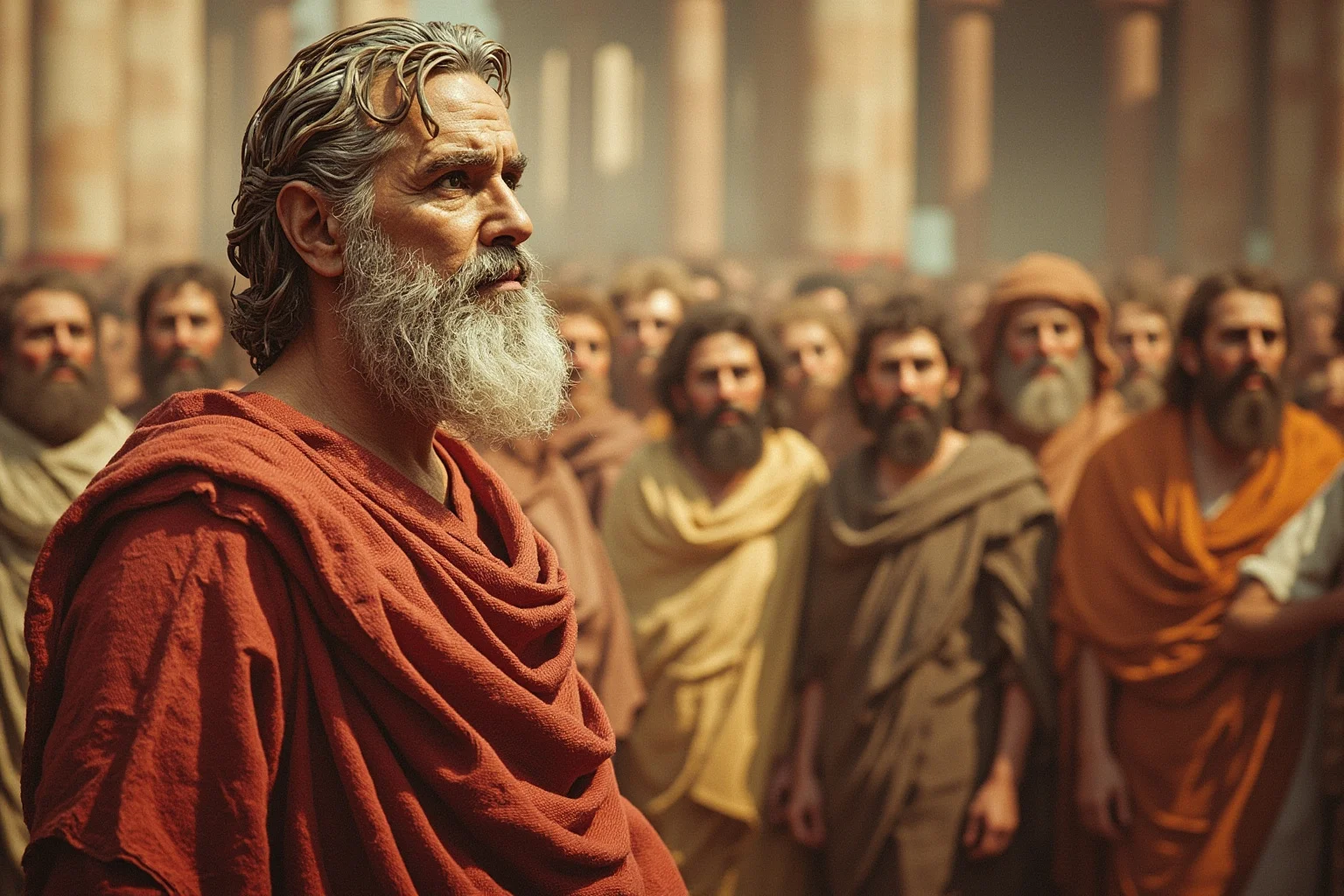
Innocent III (1198–1216) presided over the Fourth Lateran Council, one of the most influential Church councils of the Middle Ages, and expanded papal authority across Europe. His legacy is genuinely mixed, though — he also authorized the Fourth Crusade, which ended in the notorious sacking of Constantinople in 1204. He’s a reminder that “powerful” and “uncontroversial” don’t always overlap.
6. John XXIII
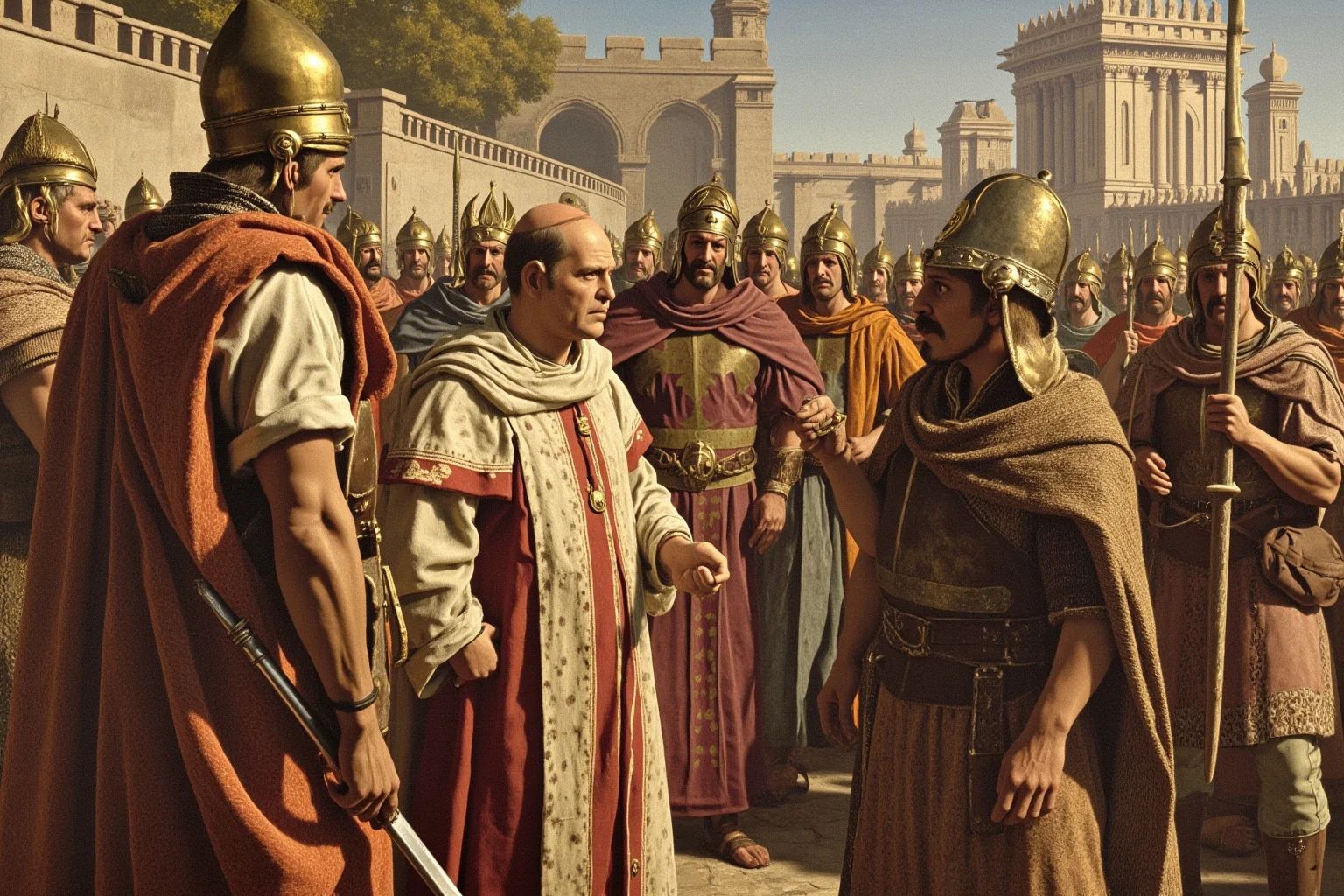
Known affectionately as “Good Pope John,” John XXIII (1958–1963) convened the Second Vatican Council, one of the most significant events in modern Catholic history. His warmth and openness made him enormously popular during his short reign, and Vatican II’s reforms reshaped Catholic worship and outreach for generations. He was canonized a saint in 2014.
7. Paul VI
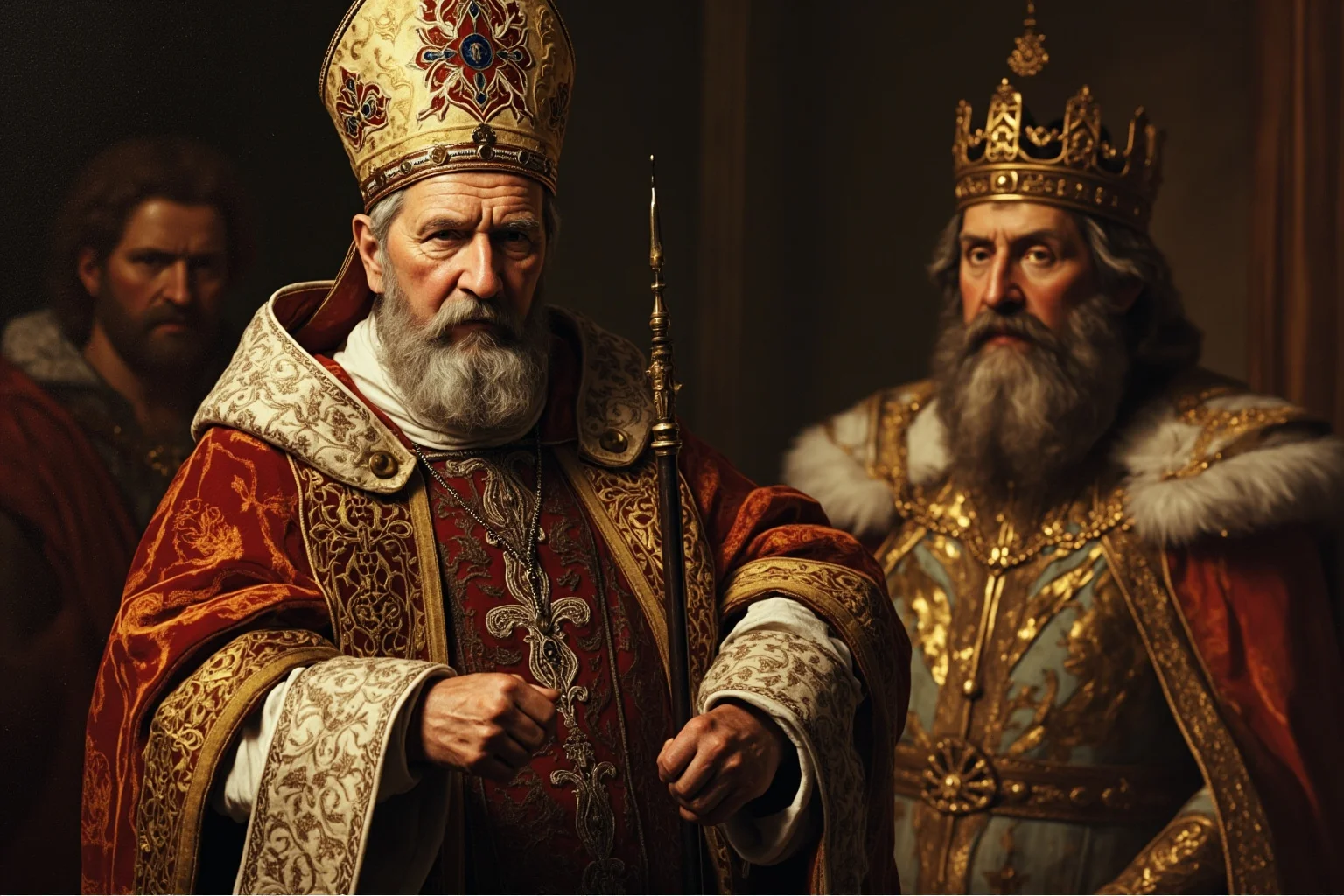
Paul VI (1963–1978) inherited the task of actually implementing Vatican II’s sweeping changes, from the shift to vernacular Mass to renewed dialogue with other faiths.
It was thankless, complicated work, but it modernized the Church in ways still felt today. He’s often overshadowed by his predecessor and successor, but historians rate his steady leadership highly.
8. John Paul II
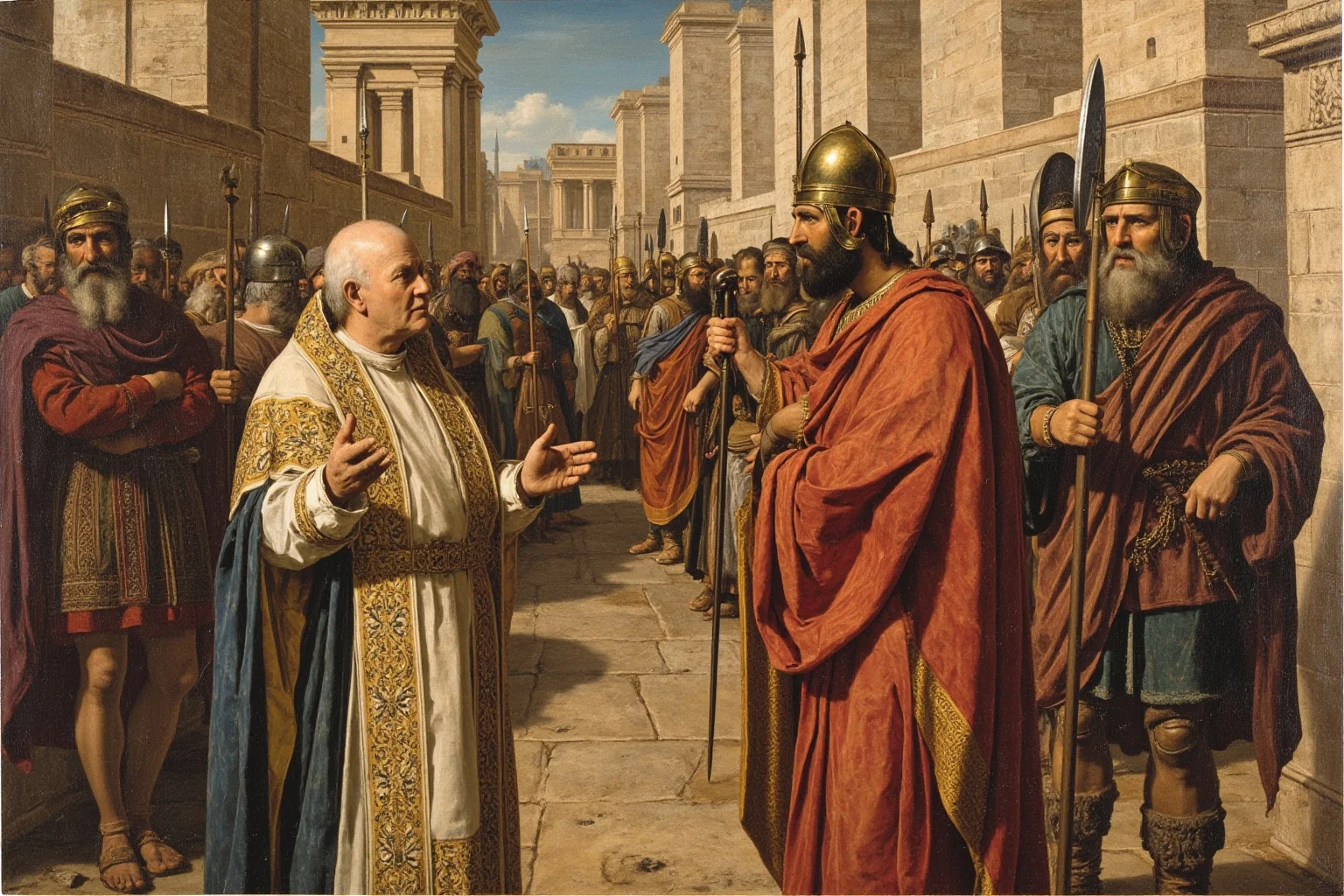
Ask most people who the most famous pope is, and John Paul II (1978–2005) is a near-universal answer. He was the most-traveled pope in history, played a real role in the collapse of Communism in Eastern Europe, and drew enormous, adoring crowds wherever he went — arguably making him the most popular pope of the modern era. He was canonized in 2014, just nine years after his death.
9. Benedict XVI
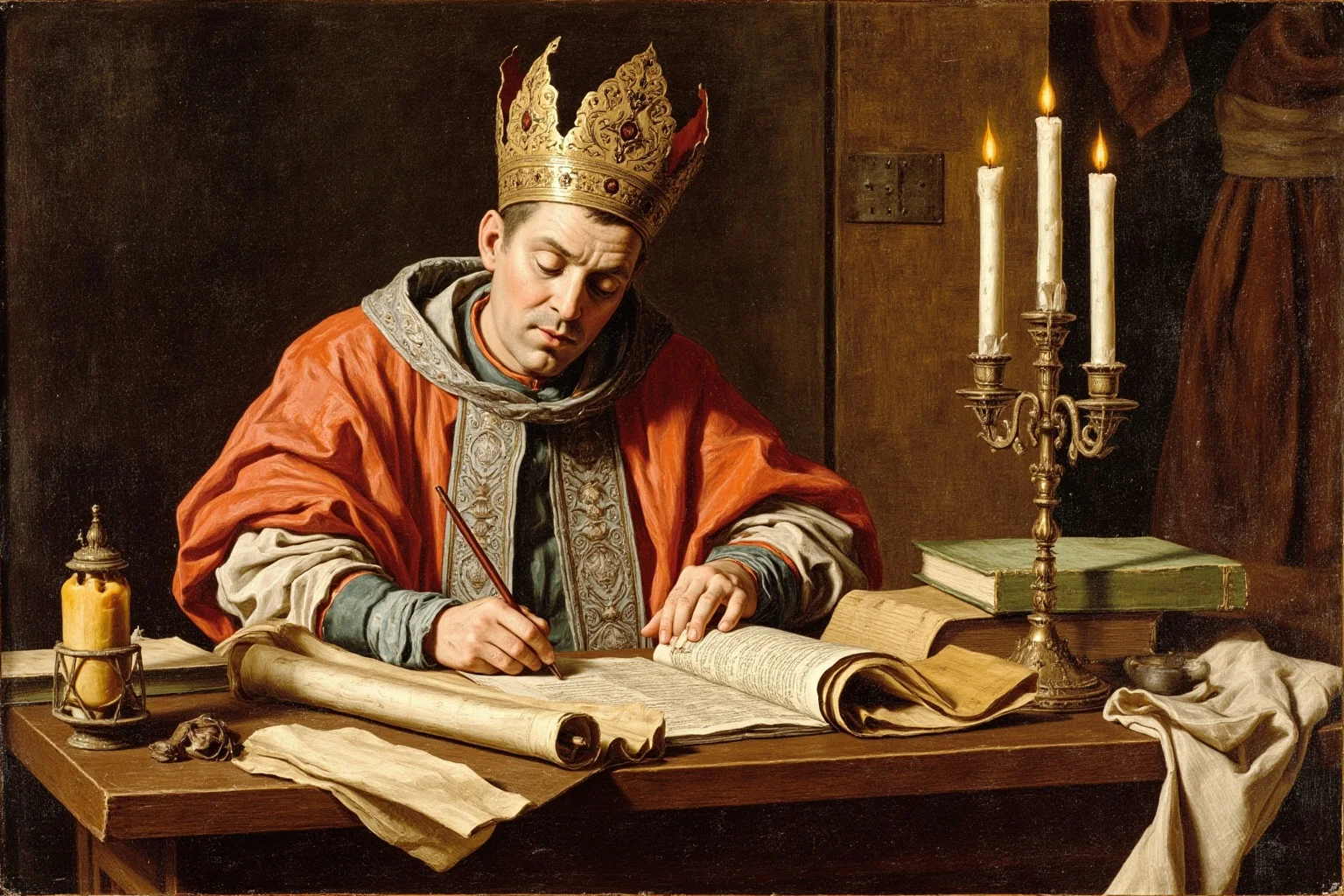
A respected theologian long before his election, Benedict XVI (2005–2013) is best known historically for becoming the first pope in nearly 600 years to resign the papacy voluntarily, citing declining health and strength.
Whatever one thinks of his tenure, that decision alone reshaped expectations for how the papacy could end. His scholarly writings remain influential in Catholic theology.
10. Pope Francis
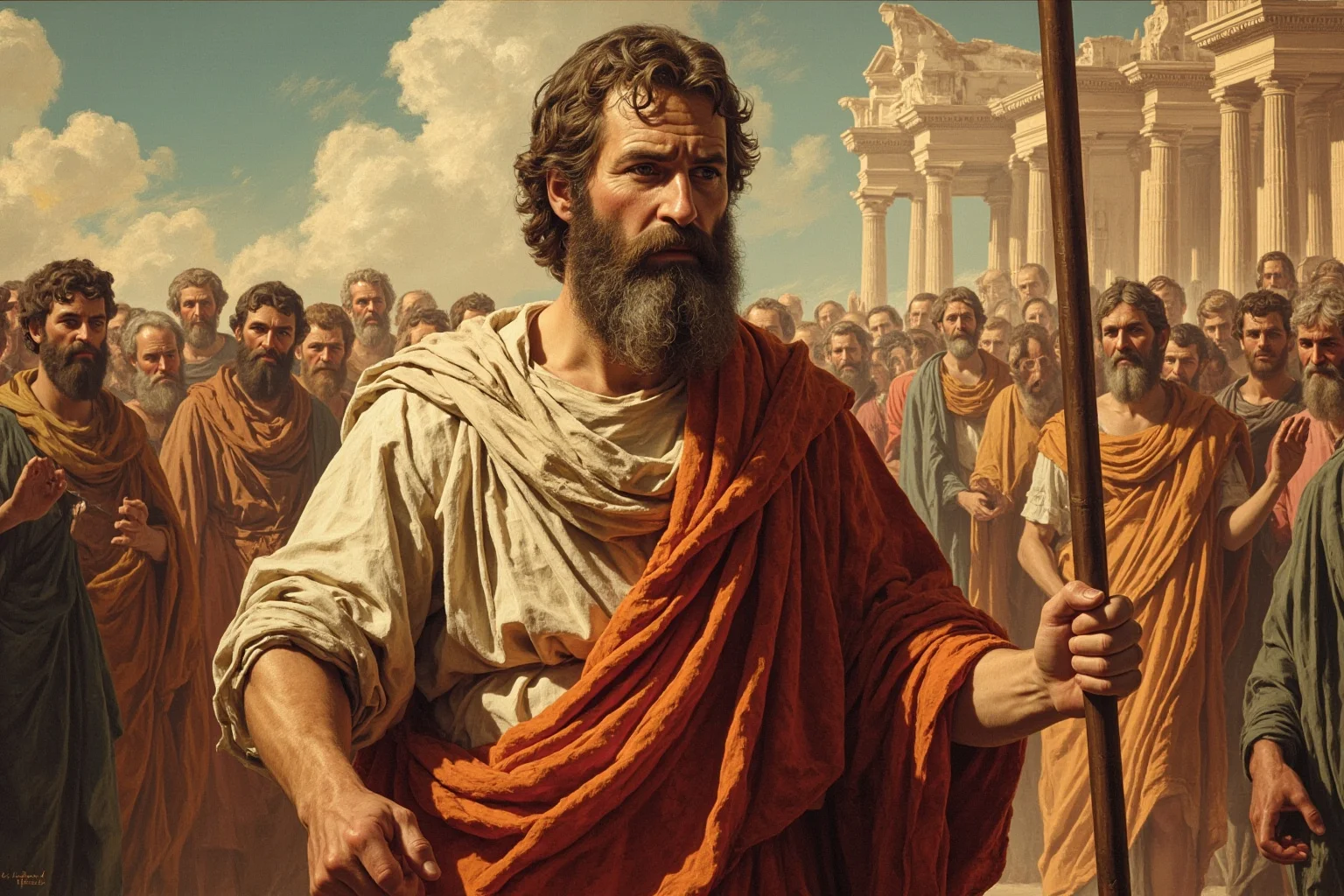
Elected in March 2013, Francis became known for his emphasis on humility, care for the poor, and a more pastoral, less formal public style than many of his predecessors.
He passed away on April 21, 2025, after a papacy that drew both strong admiration and pointed criticism from different wings of the Church. His successor, Pope Leo XIV (Cardinal Robert Prevost), was elected in May 2025, continuing an unbroken line stretching back nearly two millennia.
The Worst Popes in History (The “Bad Popes”)
Now for the other side of the coin. These are the popes most commonly cited when people search for the worst popes in history — men whose scandals, power grabs, or sheer incompetence left lasting marks on the Church’s reputation.
11. Stephen VI
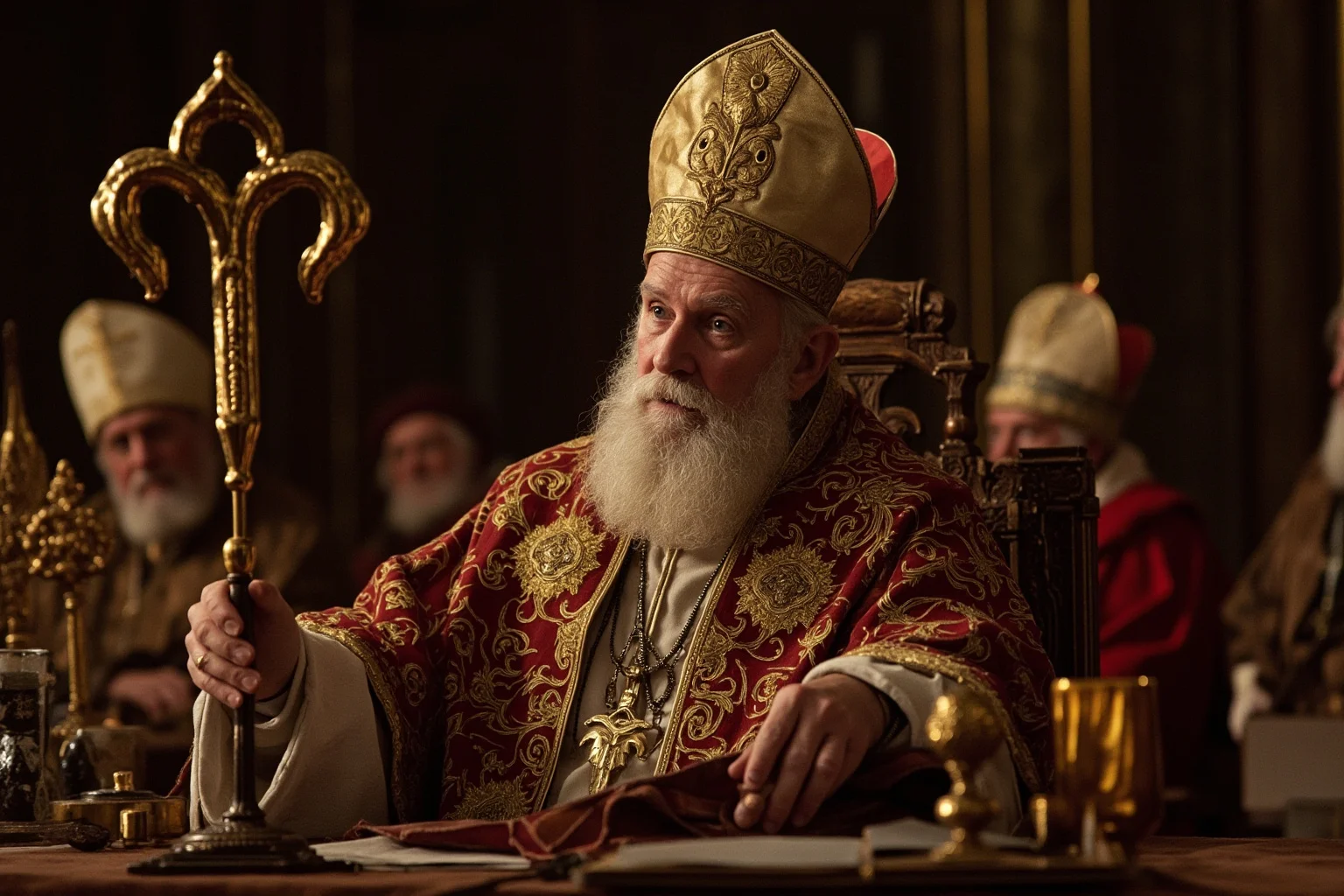
Stephen VI (896–897) is infamous for the almost unbelievable “Cadaver Synod,” in which he had the corpse of his predecessor, Pope Formosus, exhumed, dressed in papal vestments, and put on trial for alleged crimes. The corpse was found “guilty,” mutilated, and dumped in the Tiber River.
It’s one of the strangest, best-documented episodes in papal history, and Stephen himself was strangled in prison the following year amid the political chaos it caused.
12. John XII
John XII (955–964) became pope as a teenager thanks to his powerful family, and contemporary accounts — written by his political enemies, so read with some caution — accuse him of turning the Lateran Palace into something closer to a court of vice than a house of God.
He was eventually charged with various crimes at a synod called by Emperor Otto I. He died young, reportedly during a scandal, though exact details are murky.
13. Benedict IX
Benedict IX holds a dubious record: he was pope not once but three separate times between 1032 and 1048, and is widely reported to have sold the papacy outright to his godfather at one point.
Even by the standards of a turbulent era for the Church, his repeated comings and goings made him a symbol of just how corrupt papal politics could get. Most historians treat the simony (selling of church office) claim as well-supported.
14. Boniface VIII
Boniface VIII (1294–1303) picked a very public fight with King Philip IV of France over the limits of royal versus papal power, issuing the bold declaration “Unam Sanctam” asserting papal supremacy.
It backfired badly — French forces humiliated him at Anagni in 1303, and he died shortly after, reportedly from the shock and stress of the ordeal. Dante was so unimpressed he reserved Boniface a spot in the Inferno.
15. Urban VI
Urban VI (1378–1389) is remembered less for scandal and more for sheer paranoid brutality: he had several cardinals who opposed him tortured and executed.
His combative reign helped trigger the Western Schism, a decades-long period when rival popes in Rome and Avignon both claimed legitimacy, splitting the Church’s loyalty across Europe.
16. Alexander VI
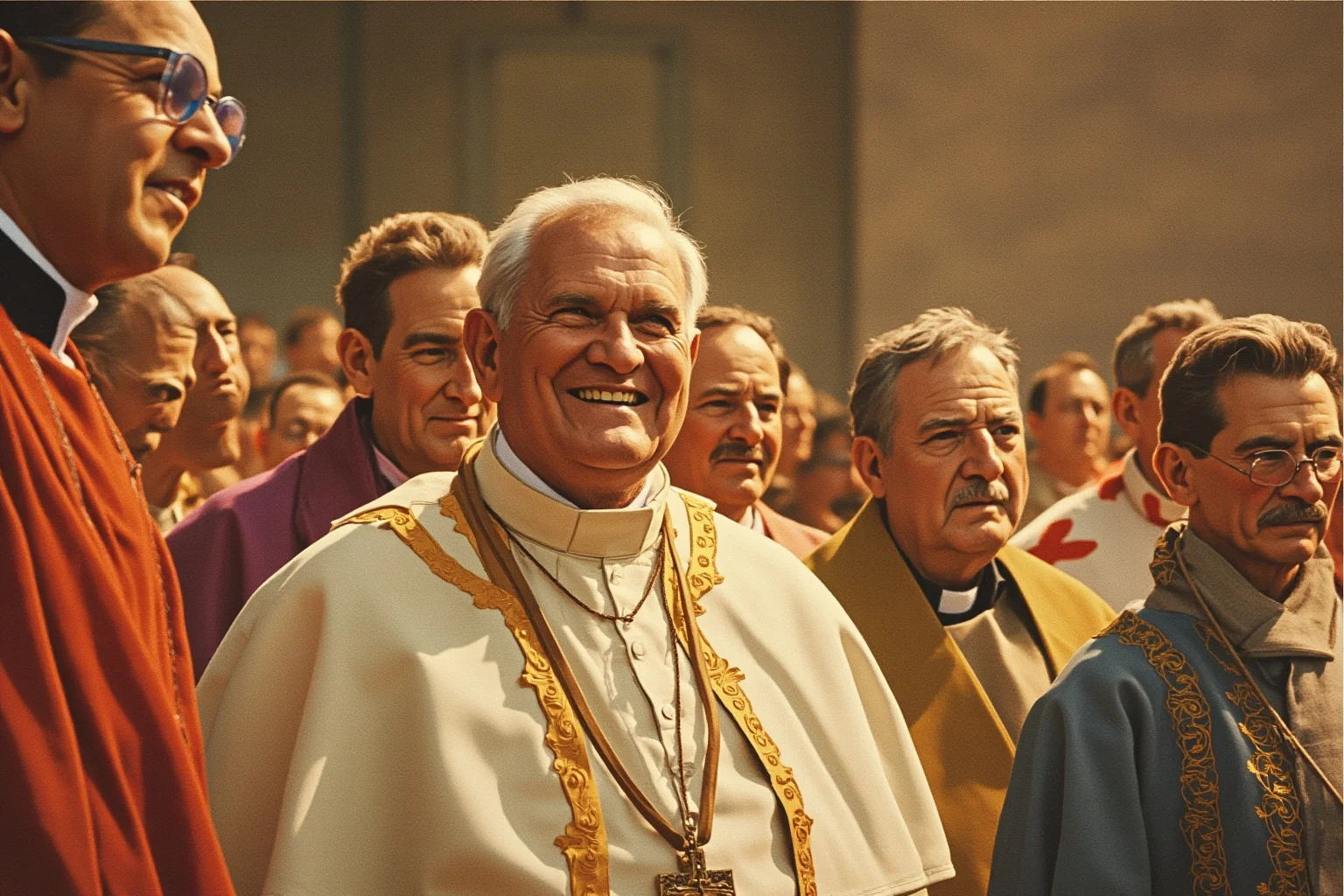
Few names are more synonymous with papal scandal than Alexander VI (1492–1503), born Rodrigo Borgia. He openly acknowledged several children, including the notorious Cesare and Lucrezia Borgia, and used the papacy to advance his family’s political fortunes through aggressive nepotism.
Some of the wilder rumors about the Borgias (poisonings, orgies) are historically contested, but the documented nepotism and political corruption alone earn him a spot near the top of most “worst popes” lists.
17. Julius II
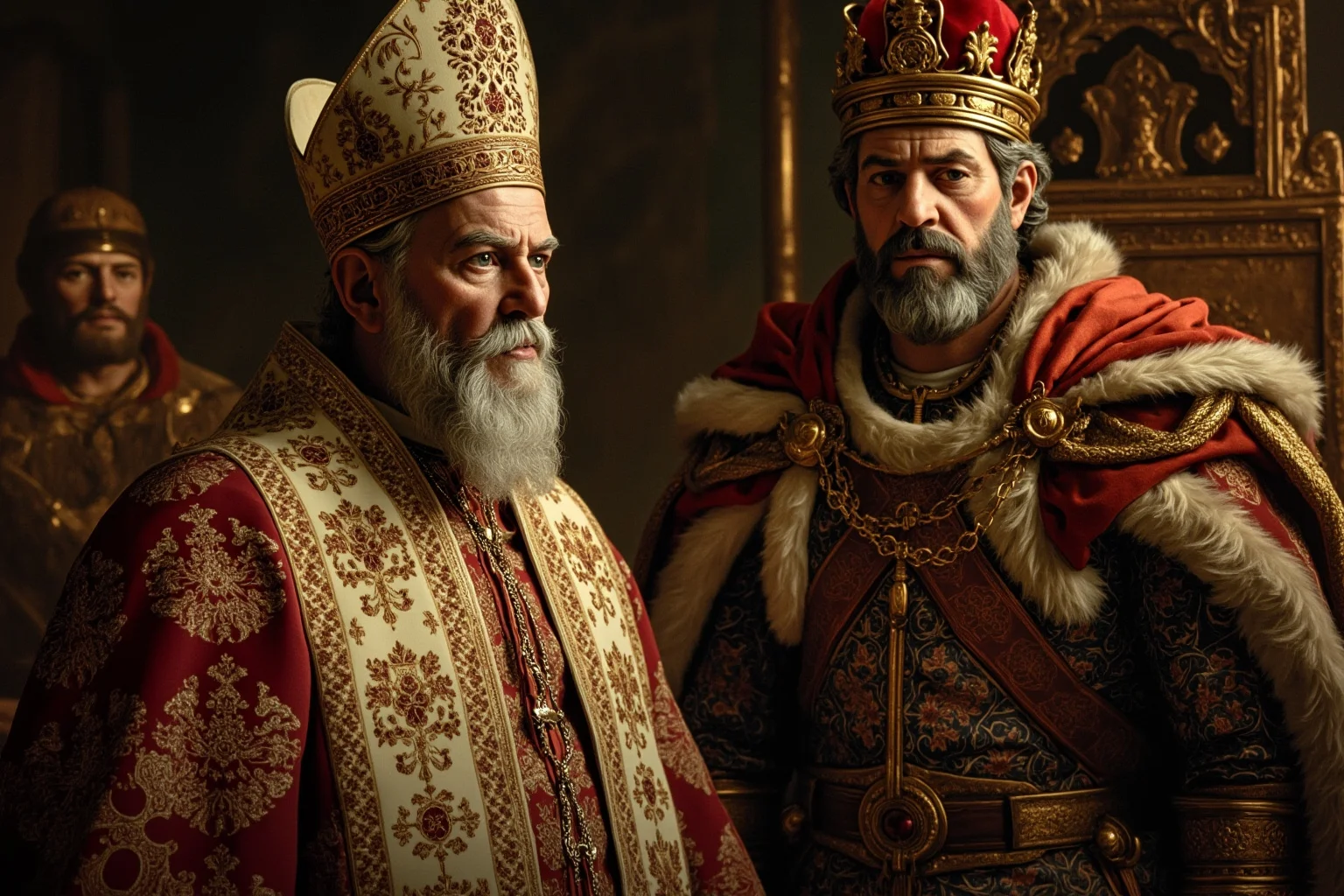
Known as the “Warrior Pope,” Julius II (1503–1513) personally led military campaigns to expand papal territory, armor and all — an image many Catholics found deeply uncomfortable for a supposed spiritual leader.
On the plus side, he commissioned Michelangelo to paint the Sistine Chapel ceiling, so his legacy is genuinely a mixed bag of martial ambition and artistic patronage.
18. Leo X
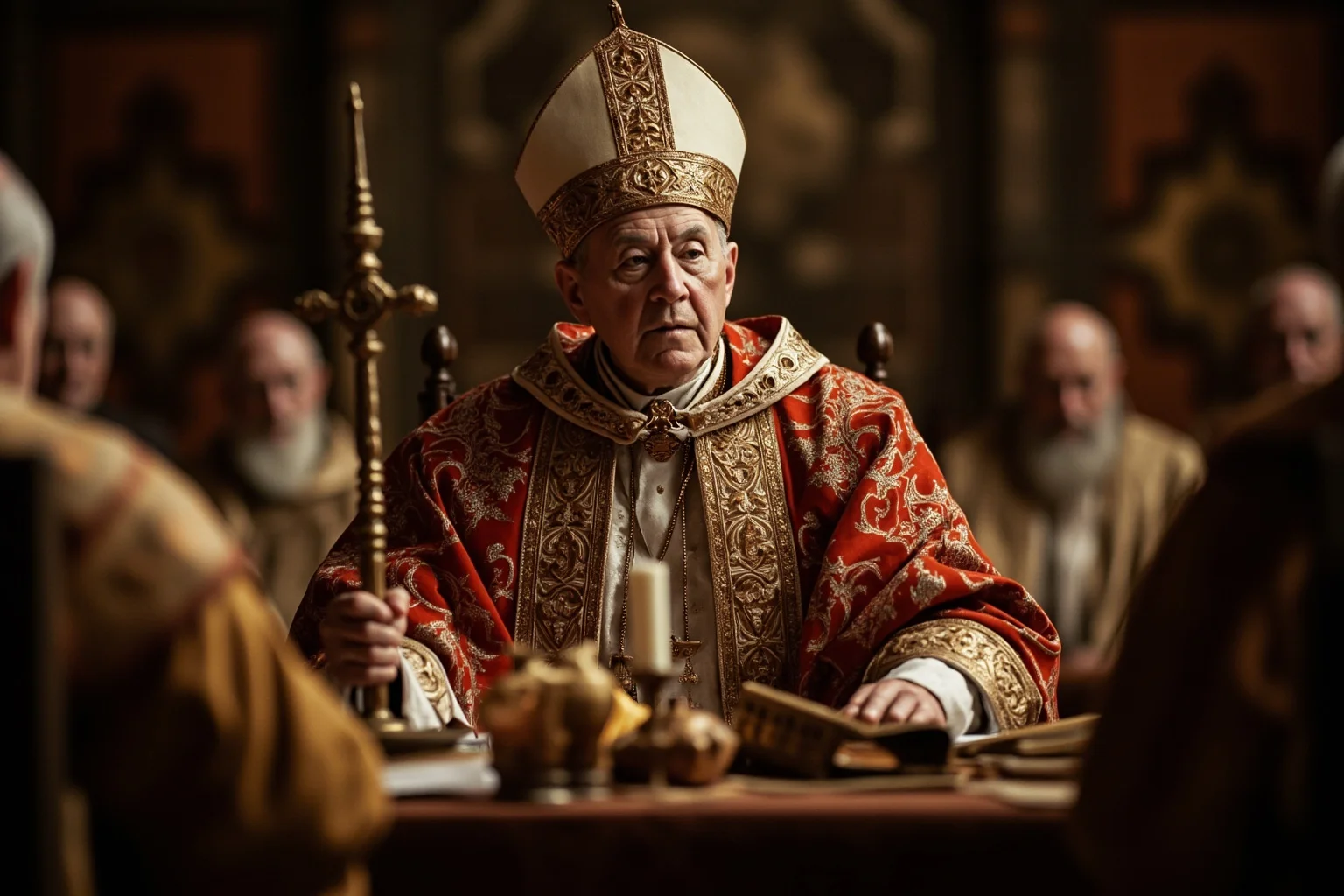
Leo X (1513–1521) is remembered for lavish spending and an expanded sale of indulgences to fund projects like St. Peter’s Basilica — practices that directly fueled Martin Luther’s protests and the start of the Reformation.
Leo excommunicated Luther in 1521, but by then the fracture in Western Christianity was already well underway. His reign is a textbook case of short-term extravagance creating long-term institutional damage.
19. Sixtus IV
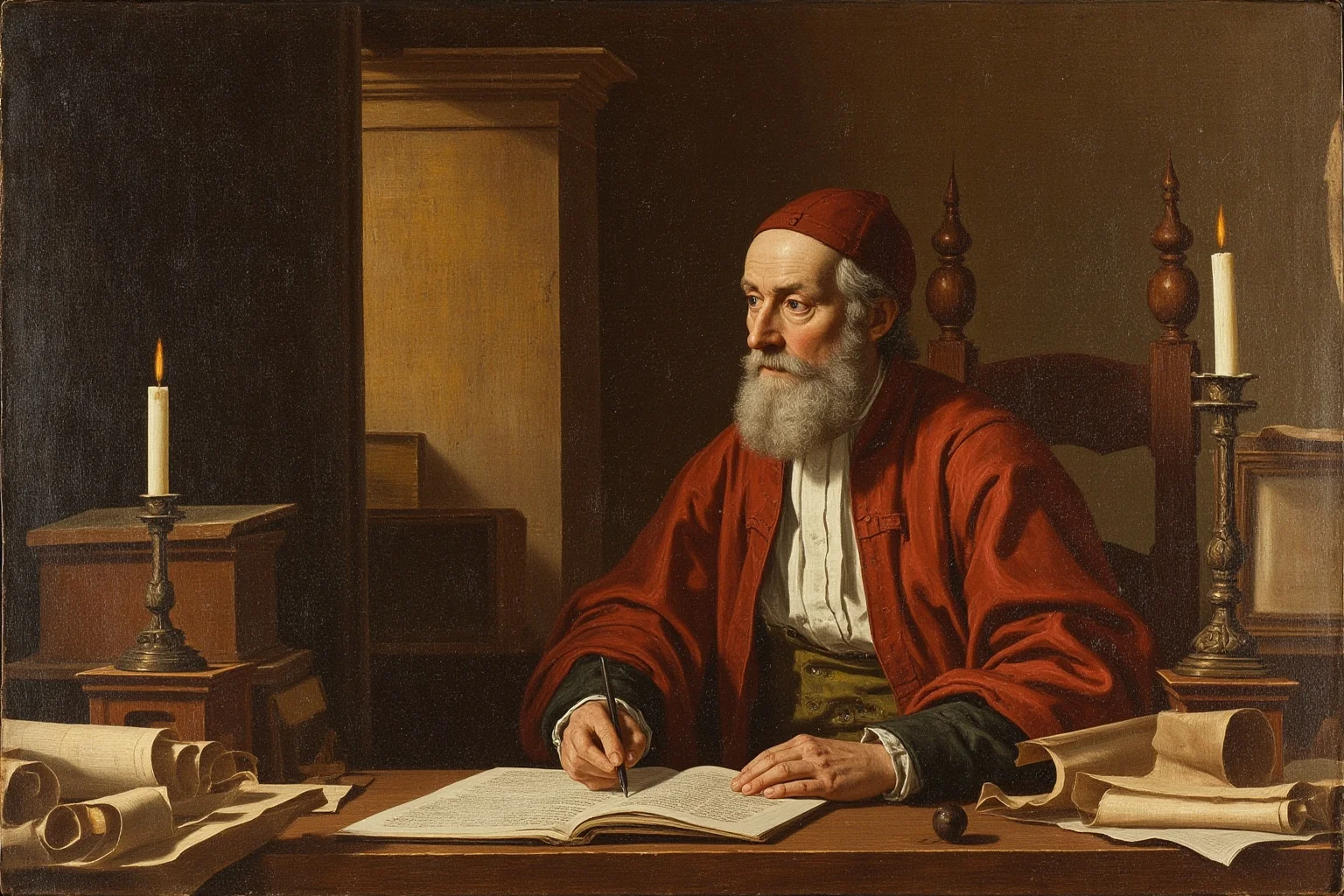
Sixtus IV (1471–1484) is best known today for commissioning the Sistine Chapel, which bears his name, but his papacy was also marked by blatant nepotism toward his relatives and alleged (though historically debated) connections to the Pazzi conspiracy, a failed plot to assassinate the Medici rulers of Florence. It’s a good example of a pope who left behind both real artistic glory and real political scandal.
20. Pius XII
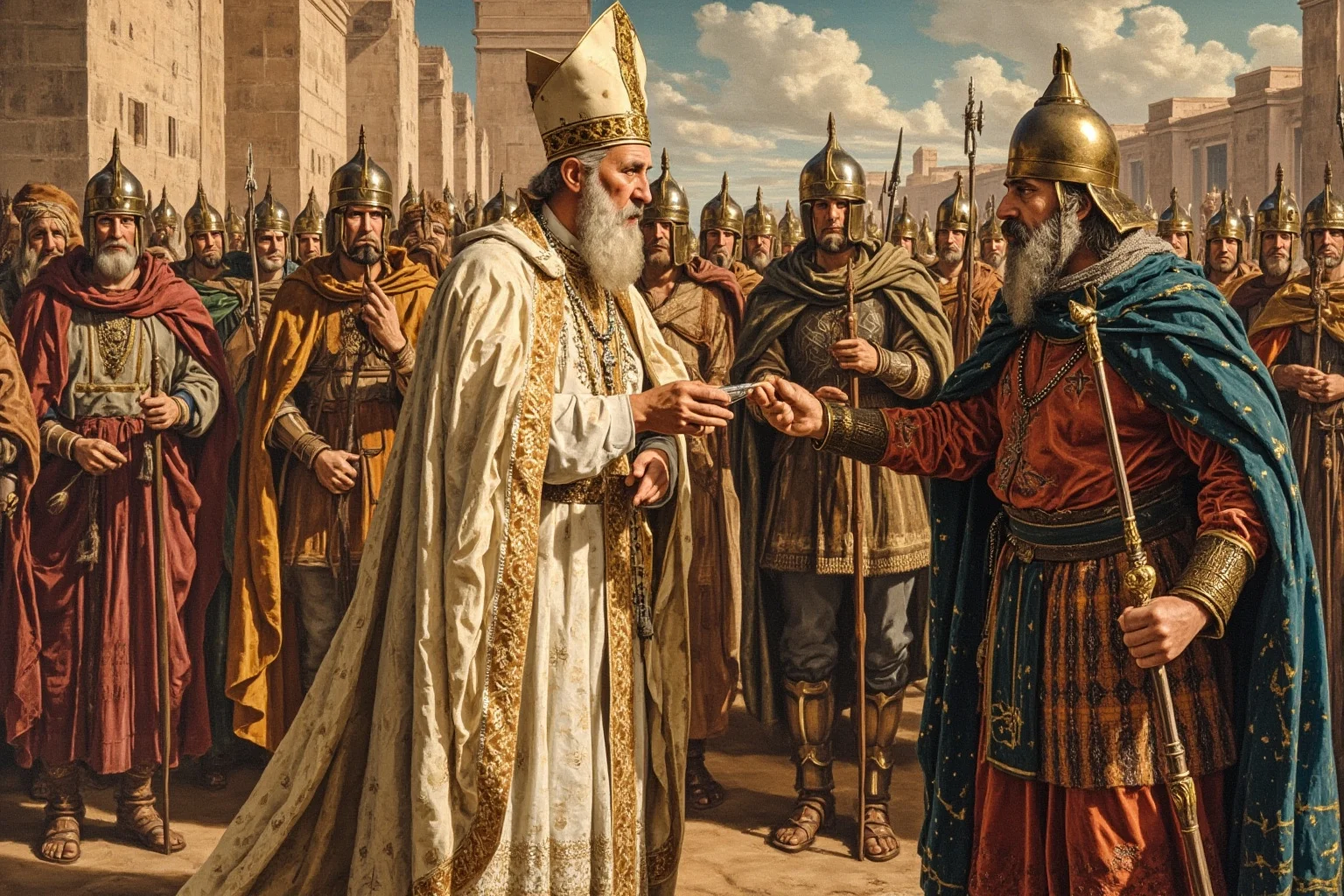
Pius XII (1939–1958) remains one of the most debated figures in modern papal history. His comparatively muted public response to the Holocaust during World War II has drawn sustained criticism from historians, while defenders point to behind-the-scenes efforts to protect some Jewish refugees.
Unlike the more clear-cut medieval scandals on this list, Pius XII’s legacy genuinely remains a matter of serious historical debate rather than settled consensus, and it’s worth resisting the urge to flatten it into a simple verdict.
The Popes of the 20th Century: A Complete List
Because the 20th century saw such rapid global change, it’s worth listing out the popes who navigated it. Here’s a straightforward list of popes since 1900, in order:
- Leo XIII (1878–1903) — reigning at the turn of the century, though elected decades earlier
- Pius X (1903–1914) — known for liturgical and catechetical reforms
- Benedict XV (1914–1922) — led the Church through World War I
- Pius XI (1922–1939) — navigated the rise of fascism in Europe
- Pius XII (1939–1958) — led during World War II and the early Cold War
- John XXIII (1958–1963) — convened the Second Vatican Council
- Paul VI (1963–1978) — implemented Vatican II’s reforms
- John Paul I (1978) — served only 33 days before his sudden death
- John Paul II (1978–2005) — spanned the end of the century and beyond
That’s nine men who held the office of pope for at least part of the 20th century. If you’re specifically asking how many popes since 1960 the Church has had, the count is a little different: John XXIII, Paul VI, John Paul I, John Paul II, Benedict XVI, and Francis — six popes have served from 1960 through to the present transition to Pope Leo XIV in 2025.
Interesting Pope Facts and Trivia
Beyond the rankings, the papacy has generated plenty of trivia worth knowing, especially if you’ve ever wondered about a “cool looking pope” meme or two floating around the internet.
The “Cool Pope” Photo Wasn’t Real
Back in 2023, an AI-generated image showing Pope Francis in a stylish white puffer jacket went viral, with many people initially believing it was a real photograph.
It wasn’t — it was an AI creation, and a good reminder to double-check viral images before sharing them, even ones involving a genuinely famous pope. It’s a fitting bit of myth-busting for a post all about separating fact from legend.
Famous People Named Pope (Not the Religious Kind)
Not every notable “Pope” wears vestments. Alexander Pope was one of the most celebrated English poets of the 18th century, known for works like “An Essay on Criticism.” John Pope was a Union general during the American Civil War, and contemporary artist Pope.L has built a career on provocative performance art — proof the surname has its own interesting history entirely separate from the Vatican.
Some Popes Chose Names That Never Caught On Again
Certain papal names have simply fallen out of use after scandal-plagued or unlucky reigns — no pope has chosen the name “John” since John XXIII in 1958 partly due to numbering confusion, and some names tied to particularly rocky papacies (like Benedict IX’s era) are approached cautiously by successors. Name choice is often a subtle signal of which predecessor a new pope hopes to emulate.
The Shortest and Longest Reigns
John Paul I served for just 33 days in 1978, one of the shortest papacies on record, while Pius IX holds the record for the longest confirmed reign at nearly 32 years (1846–1878). The contrast shows just how unpredictable the office can be, regardless of how the conclave votes.
Ranking Popes Is Ultimately About Perspective
Any pope tier list — including this one — reflects a mix of documented history and inevitable interpretation. Catholics weighing sanctity will rank popes differently than secular historians weighing political impact, and both perspectives are legitimate lenses for looking at the same 2,000-year institution.
What’s clear is that the papacy has never been static. It has produced genuine reformers who reshaped how billions of people practice their faith, and it has produced men whose personal failings became historical cautionary tales. Both extremes are part of the same continuous story, running from St. Peter’s traditional martyrdom in ancient Rome to Pope Leo XIV’s election in 2025.
Whether you came here looking for the greatest popes of all time or the juiciest bad-pope scandals, the honest answer is that the truth sits somewhere between hagiography and gossip. That’s usually where the most interesting history lives anyway.
Frequently Asked Questions
Who is the best pope in history?
There's no single official answer, but Gregory I, Leo I, and John Paul II are the names historians and Catholics most consistently cite as the best popes in history, based on their doctrinal, diplomatic, and global impact.
Who is considered the worst pope of all time?
Many historians point to Alexander VI (Rodrigo Borgia) or Stephen VI, the pope behind the bizarre 'Cadaver Synod,' as leading candidates for worst pope, though several medieval popes are cited depending on which criteria you weigh most heavily.
Who were the popes in the 20th century?
The popes in the 20th century were Leo XIII (reigning into 1903), Pius X, Benedict XV, Pius XI, Pius XII, John XXIII, Paul VI, John Paul I, and John Paul II, who carried the papacy into the early 2000s.
How many popes have there been since 1960?
Since 1960, six men have served as pope: John XXIII, Paul VI, John Paul I, John Paul II, Benedict XVI, and Francis, with Pope Leo XIV elected in 2025 following Francis's death.
Who is the most famous pope?
Pope John Paul II is widely considered the most famous and most popular pope of the modern era thanks to his extensive global travel, his role in Eastern Europe's transition away from Communism, and his lengthy 1978–2005 papacy.
Is the ‘cool looking pope’ photo real?
No — the widely shared 2023 image showing Pope Francis in a stylish white puffer jacket was an AI-generated fake, not an actual photograph, though it fooled many people online before being debunked.
Are the stories about ‘bad popes’ historically accurate?
Many are well documented in Church and contemporary records, such as Alexander VI's nepotism or the Western Schism triggered by Urban VI, but some details have been exaggerated over centuries of retelling, so it's worth reading the more sensational claims critically.
Are there any famous people named Pope who weren’t religious leaders?
Yes — notable examples include 18th-century English poet Alexander Pope, American Civil War general John Pope, and contemporary performance artist Pope.L, none of whom were connected to the papacy.

Alex Warren
Related Articles





