

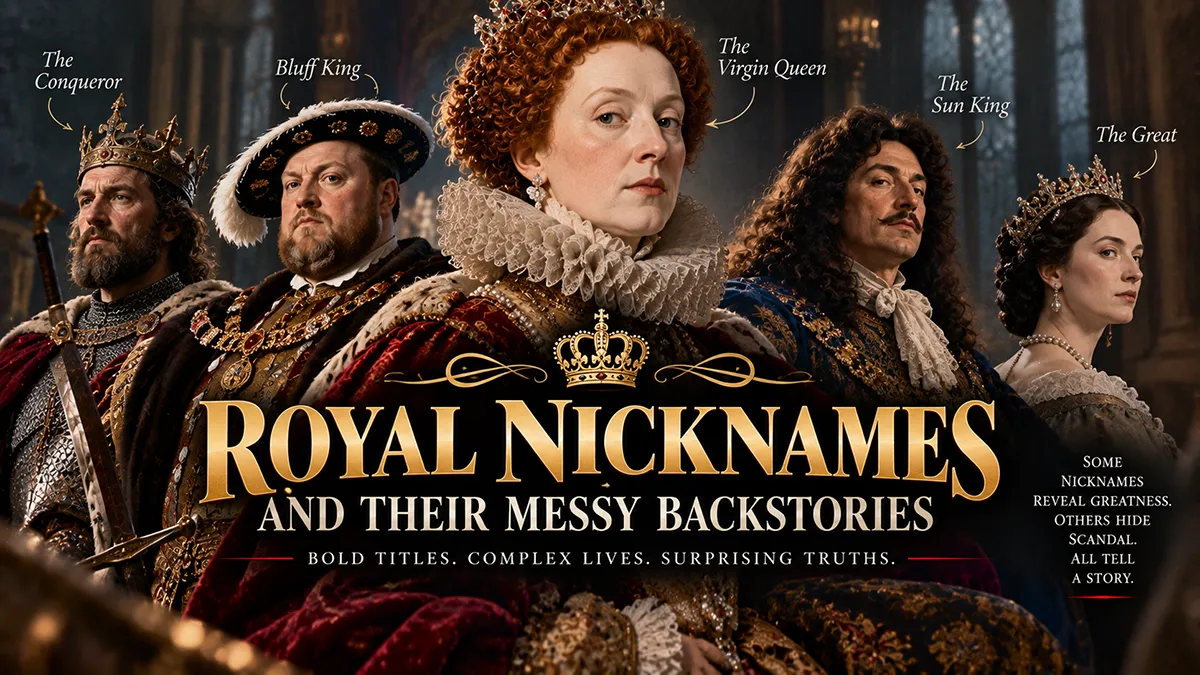
Every royal nickname sounds like it should have a simple, tidy origin story. A king was fat, so they called him the Fat. A queen was great, so history remembered her as Great. But dig into the actual record, and almost every famous royal nickname turns out to be a tangled mess of propaganda, mistranslation, sibling rivalry, or outright historical spin.
Some of these labels were slapped on centuries after the ruler died, often by enemies with an agenda. Others started as private jokes inside the palace walls that somehow leaked into the history books. Below are more than twenty of the messiest, most misunderstood royal nicknames in history, along with what we actually know about where they came from.
TL;DR: Most famous royal nicknames were invented after the fact by rivals, chroniclers, or translators, and the real backstory is almost always messier and more interesting than the legend.
1. Ivan the Terrible
Ivan IV of Russia is the poster child for a royal nickname gone wrong in translation, and it remains one of the coolest nicknames in history despite the mistranslation. His Russian epithet, “Grozny,” is closer to “formidable” or “awe-inspiring” than the cartoonishly evil “Terrible” that stuck in English.
That said, Ivan earned a genuinely dark reputation on his own merits. He founded the Oprichnina, a brutal state security force, and is widely believed to have killed his own son in a fit of rage during an argument.
So the nickname is a translation problem layered on top of a real reign of terror. It is messy because both the myth and the reality are extreme, just not in exactly the same way.
2. Ethelred the Unready
Ethelred II of England ruled during a period of relentless Viking invasions, and his nickname sounds like a straightforward insult about poor preparation. The truth is a pun that has survived over a thousand years.
His Old English epithet was “unraed,” meaning “poorly advised” or “no counsel,” which was a play on his actual name, Æthelred, meaning “noble counsel.” So the joke is that the noble-counsel king had no counsel at all.
Over time “unraed” morphed into “unready” in modern English, changing the meaning entirely. The pun about bad advisors turned into an accusation of simply being unprepared, which was not quite the original insult.
3. Charles the Bald
Charles II of West Francia, grandson of Charlemagne, has one of the most debated royal nicknames in medieval history. Some historians argue he was not bald at all, and that the label was ironic, since he may have had a full head of hair.
One theory suggests it referenced his lack of territory early in life rather than his hairline, since he initially inherited a smaller kingdom than his brothers. Another simply takes it at face value as a physical description recorded by chroniclers writing well after his death.
Because the nickname was likely applied generations later, nobody alive today can say for certain which explanation is right. It is a genuinely open question in medieval scholarship.
4. Charles the Fat
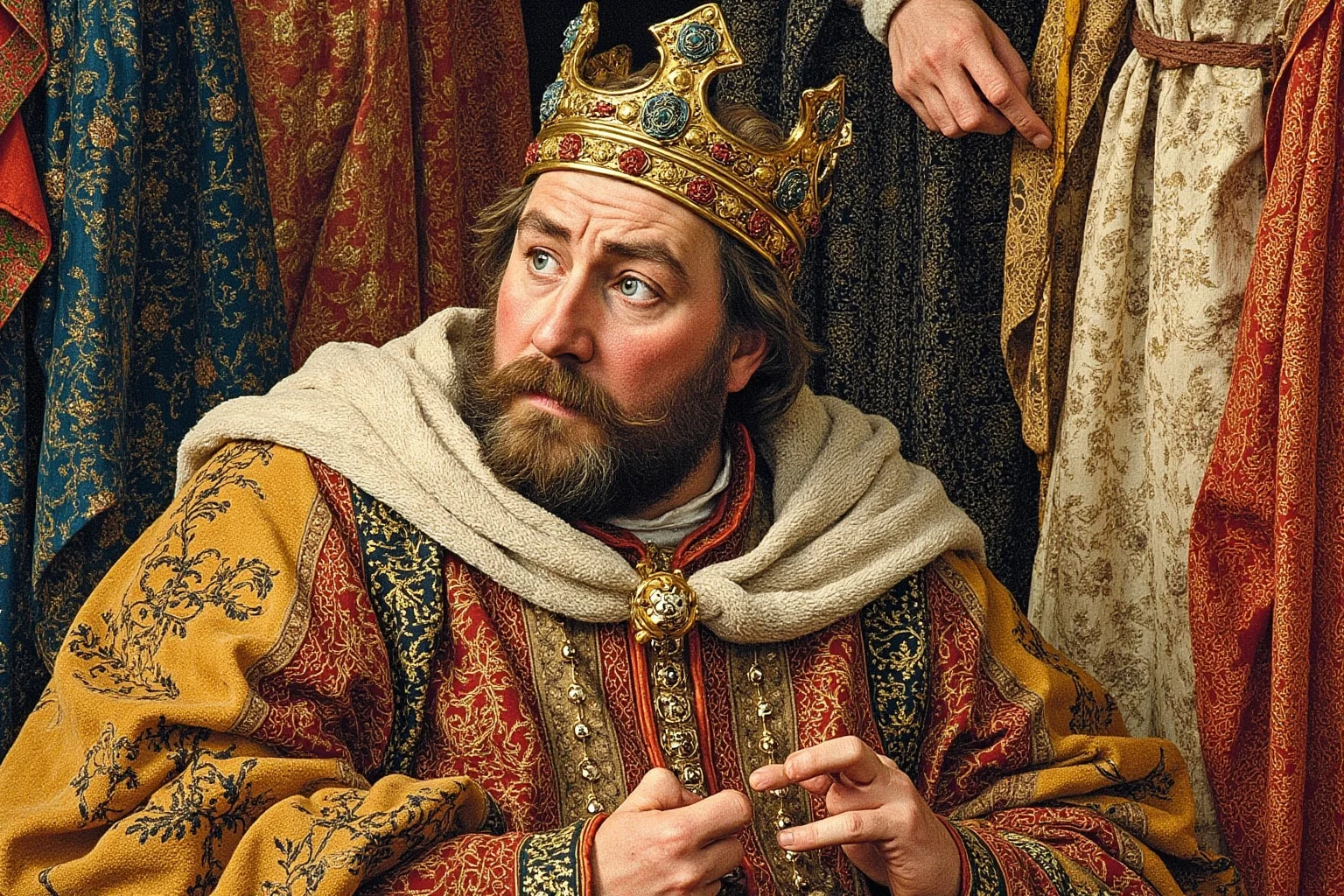
Charles III, who briefly reunited the Carolingian Empire, got stuck with “the Fat” in later chronicles, though there is no reliable contemporary source describing his weight. The nickname appears to have been coined roughly a century after he died.
What we do know is that his reign ended in disaster. He was deposed in 887 after failing to defend Paris from Viking raiders and paying them off instead, which humiliated the nobility.
So “the Fat” may say less about his body and more about how later writers wanted to mock a king remembered as weak and ineffective. Physical nicknames were often used as shorthand for character flaws.
5. Pepin the Short
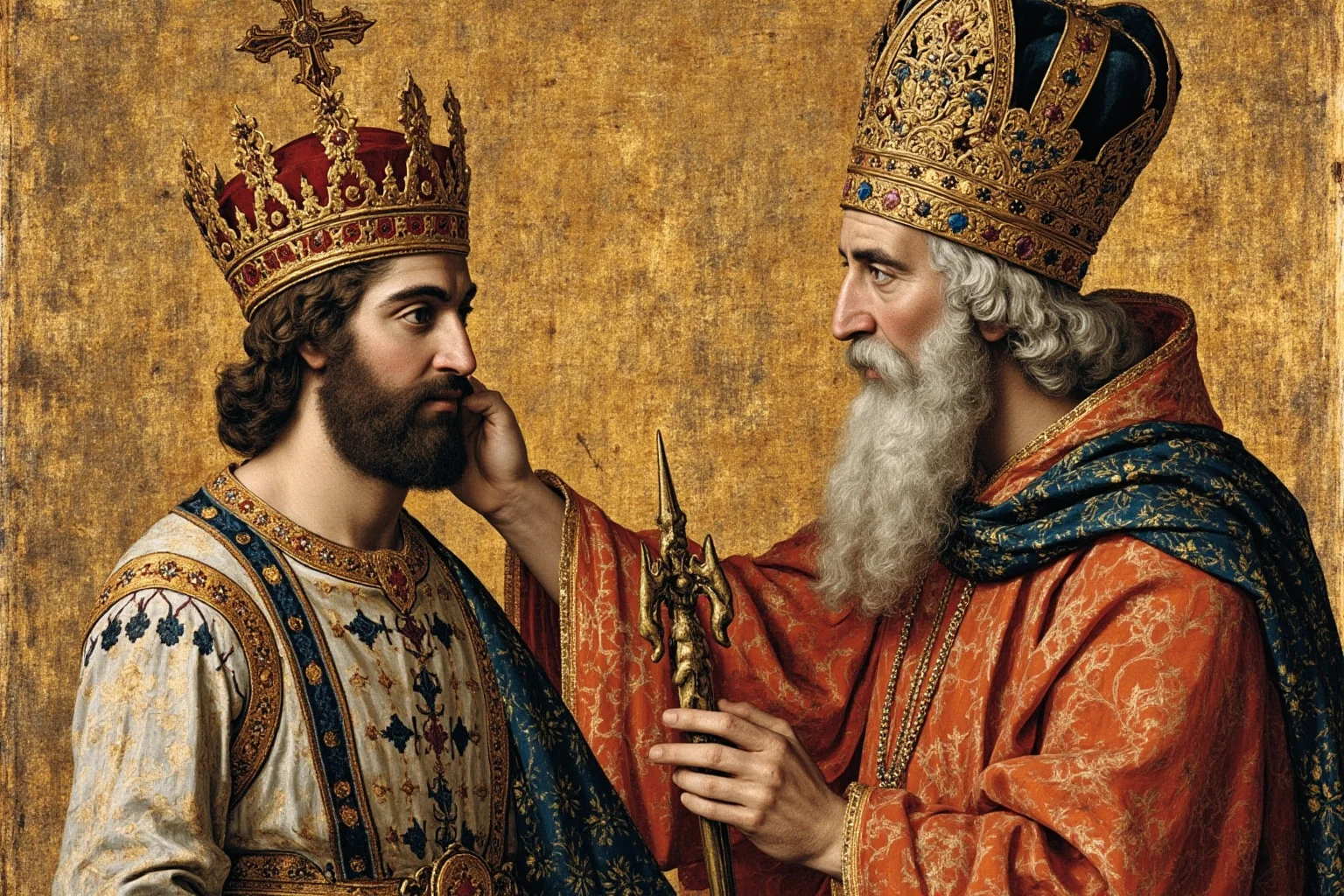
Pepin the Short, father of Charlemagne, is often assumed to have literally been a short man, and that may well be true. But some historians point out that height was rarely the point of medieval royal nicknames, and “short” could have carried connotations tied to his reduced status compared to his famous son.
What is verifiable is that Pepin engineered one of history’s boldest career moves: he deposed the last Merovingian king and had himself crowned with papal backing in 751. That power grab reshaped European history far more than his height ever could.
The nickname has outlived almost everything else about him, which says something about how physical descriptors tend to stick even when the real story is political ambition.
6. Vlad the Impaler
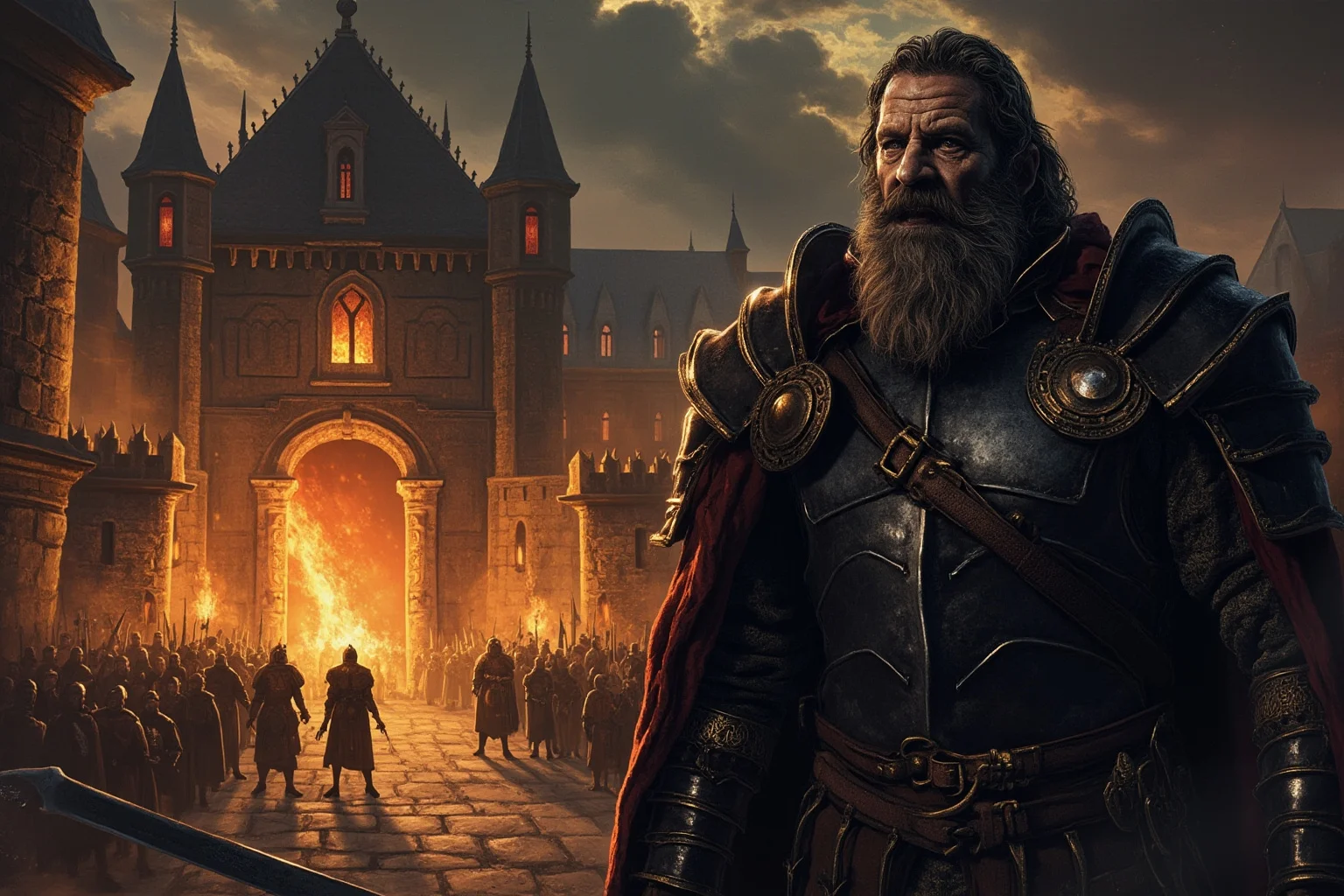
Vlad III of Wallachia is one of history’s most notorious rulers, and unlike many entries on this list, his nickname is not a myth. Contemporary accounts, including hostile German pamphlets and Ottoman records, describe his use of impalement as a method of execution and psychological warfare.
The messy part is how the nickname later fused with fiction. Bram Stoker borrowed Vlad’s patronymic, “Dracula” (son of Dracul), for his 1897 novel, creating a permanent blur between the historical warlord and the fictional vampire.
Many modern readers assume the vampire legend came first and the nickname followed, when it is actually the reverse. Vlad’s brutal reputation was real; the fangs came later.
7. Bloody Mary
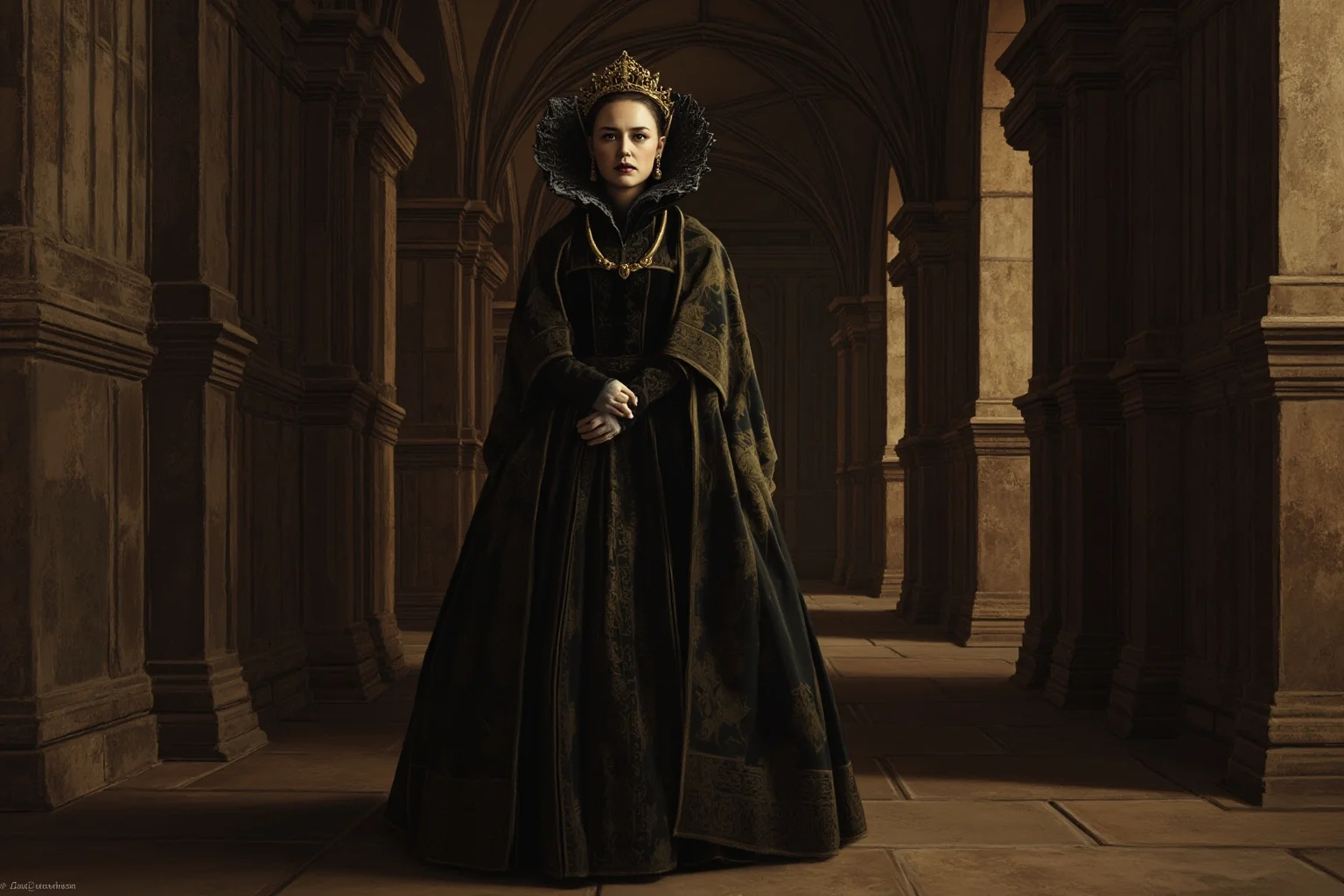
Mary I of England earned her infamous nickname for executing roughly 280 Protestants during her attempt to restore Catholicism, a real and documented policy of persecution. That part of the story is not exaggerated.
What gets lost is context: her father, Henry VIII, and later her sister Elizabeth I, also executed religious and political dissenters in significant numbers. Mary’s death toll was smaller than some later Tudor and Stuart purges, but Protestant propagandists, especially John Foxe’s widely read “Book of Martyrs,” ensured her name became permanently attached to the label.
The nickname stuck partly because the winners of England’s religious struggle wrote the history books. It is a case where the label is factually grounded but selectively applied.
8. William the Conqueror (Born William the Bastard)
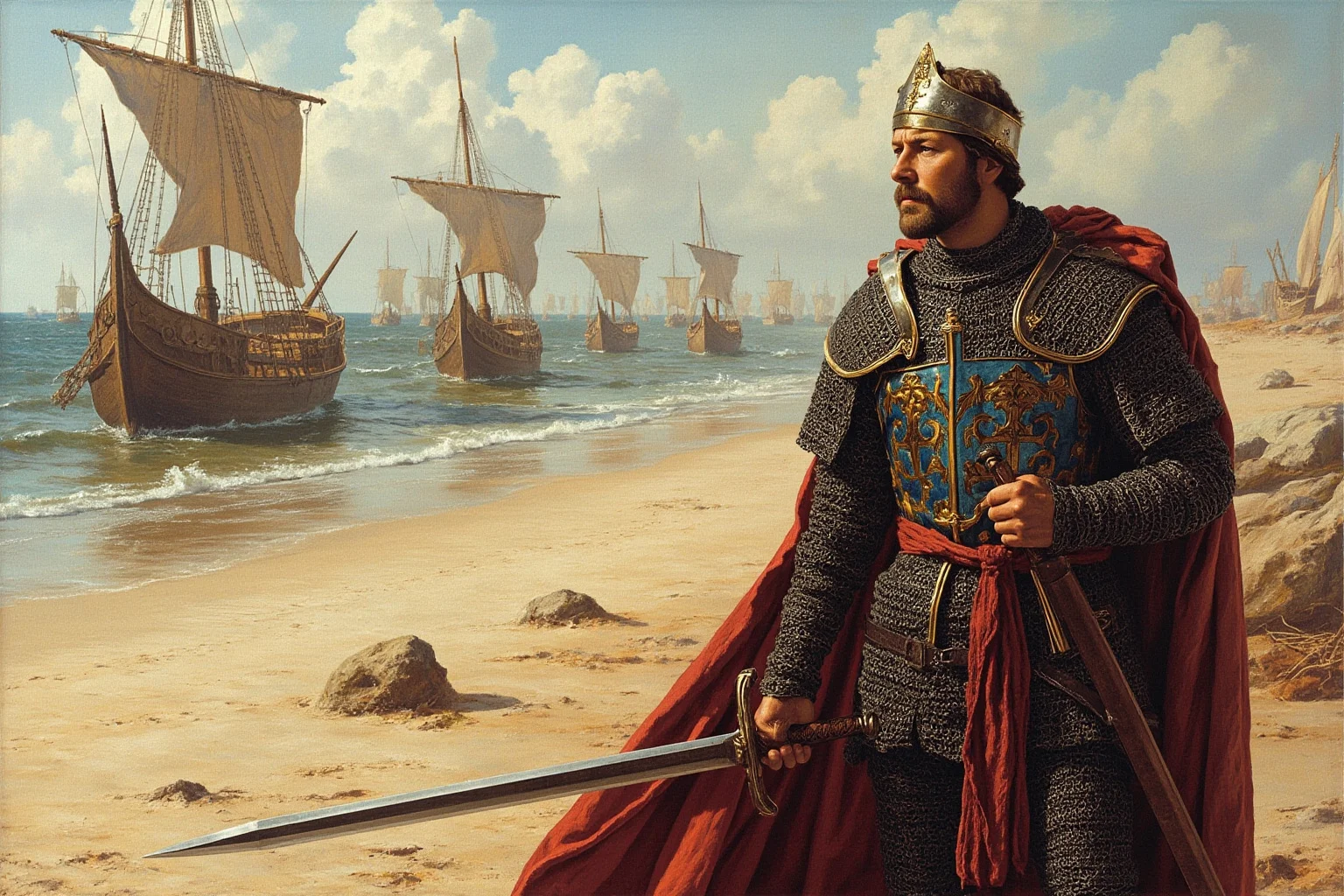
Before he was the Conqueror, William of Normandy was known, quite bluntly, as William the Bastard, a reference to his illegitimate birth to Duke Robert I and a woman named Herleva. This was not a secret insult; it was widely known and occasionally weaponized by his rivals.
His status as an illegitimate heir nearly cost him his dukedom multiple times before he even crossed the Channel. It was only after his decisive victory at the Battle of Hastings in 1066 that chroniclers began favoring the far more flattering “Conqueror.”
So one man carried two wildly different royal nicknames depending on which side of 1066 you were standing. Winning a kingdom, it turns out, is excellent rebranding.
9. John Lackland
King John of England, one of the most famous Johns in history, picked up “Lackland” as a boy, because as the youngest son of Henry II, he was not expected to inherit any territory at all. It was a nickname born from being an afterthought in his own family’s succession plans.
The irony deepened later in life. John eventually became king, but then lost most of the Angevin Empire’s continental territories to King Philip II of France, making the childhood nickname feel almost prophetic.
His reign is also remembered for the Magna Carta of 1215, forced on him by rebellious barons. A king nicknamed for having no land ended up losing even more of it as an adult.
10. Richard the Lionheart
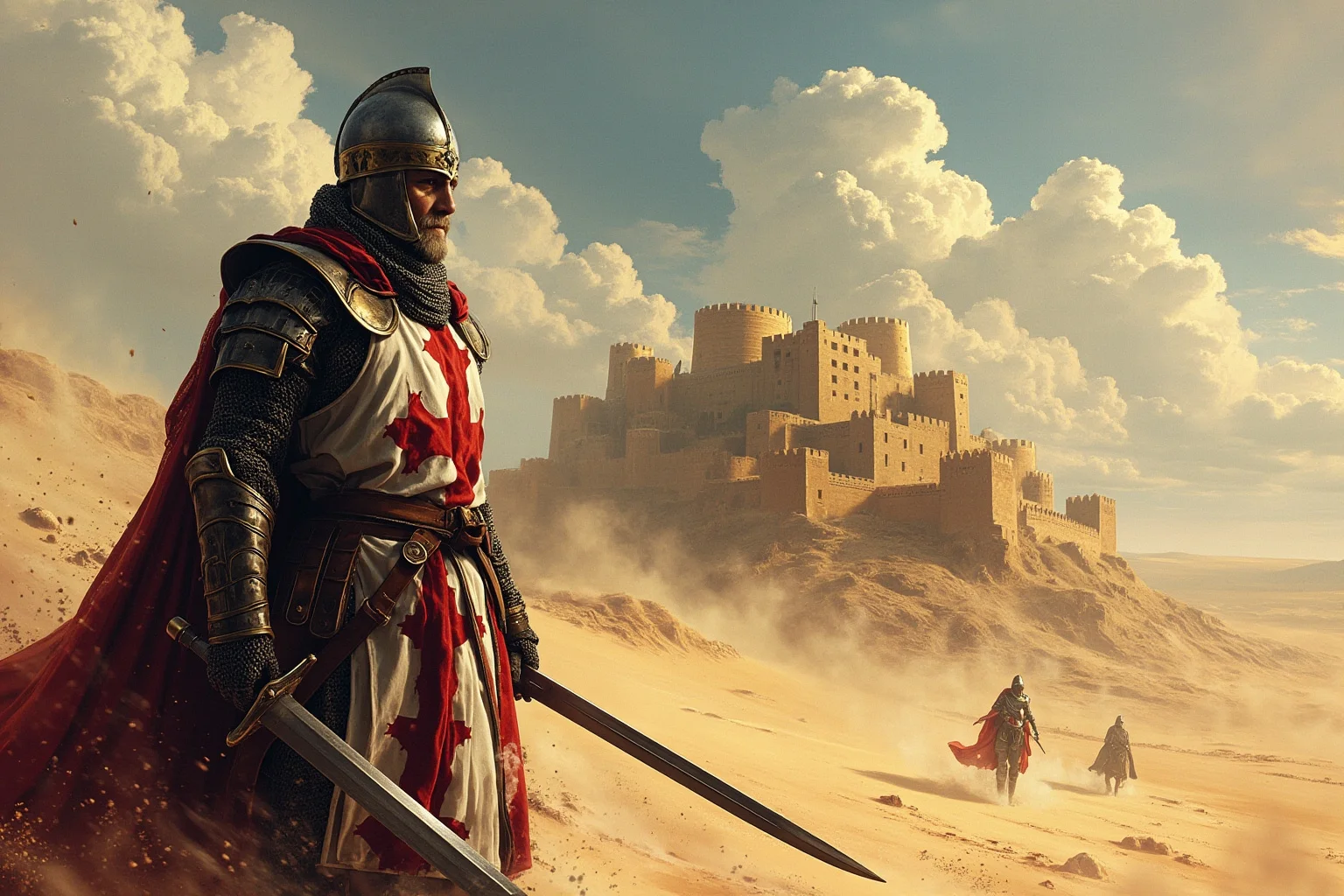
Richard I of England is remembered as a heroic warrior-king thanks to his nickname, “Coeur de Lion,” earned for his military exploits during the Third Crusade. The reputation for battlefield courage appears genuinely earned, based on contemporary chronicles from both Christian and Muslim sources.
The messier part is how little time Richard actually spent in England, the kingdom he supposedly embodied. Historians estimate he spent only a matter of months there during his roughly ten-year reign, focusing instead on Crusading and defending his French territories.
So the ultimate English hero-king nickname belongs to a ruler who barely lived in England and reportedly did not even speak much English. The Lionheart legend is really a Crusader legend wearing an English crown.
11. Edward Longshanks, the Hammer of the Scots
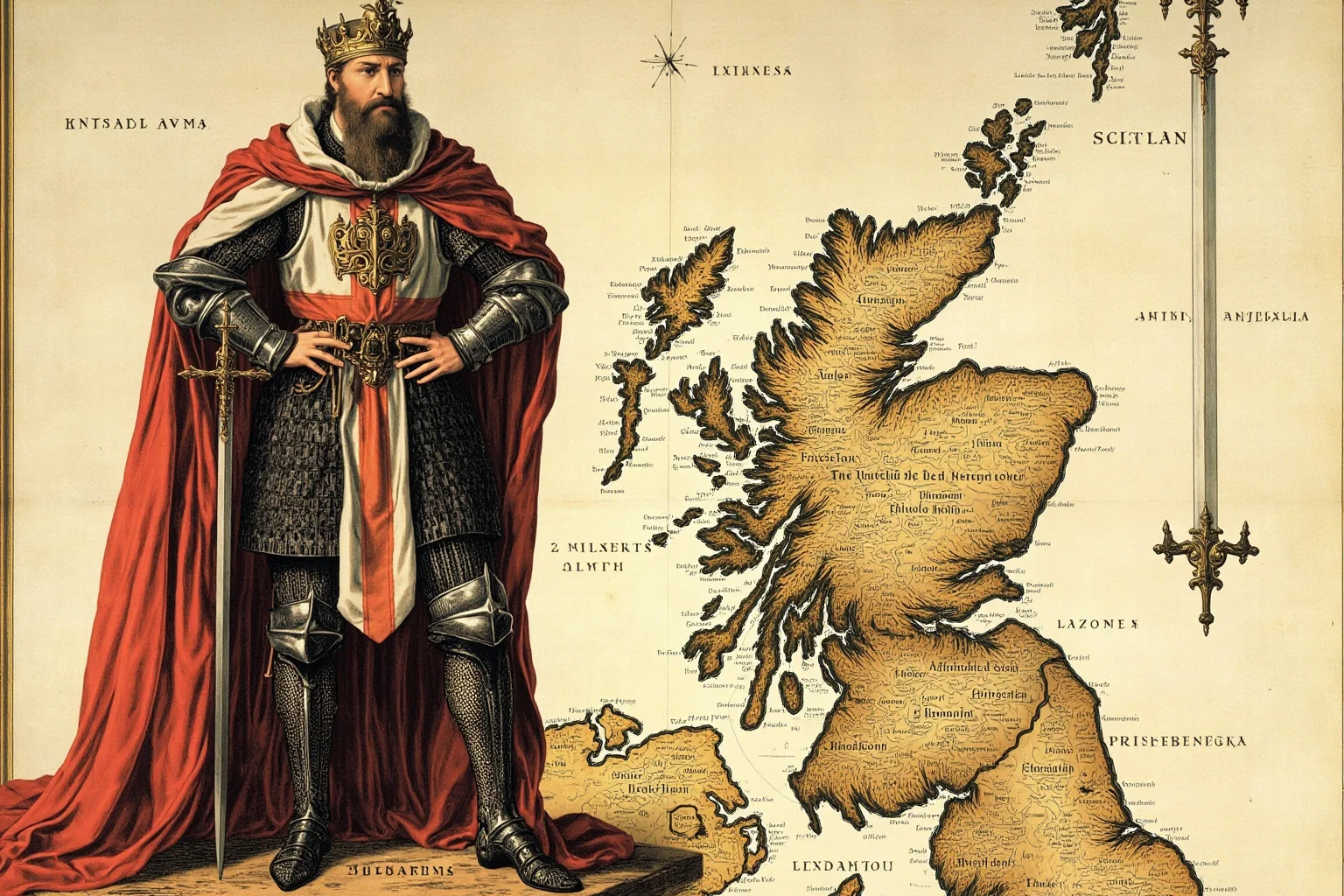
Edward I of England picked up “Longshanks” simply for being unusually tall, reportedly around six feet two inches, which towered over most men of his era and would still earn him a mention among the tallest people in history. That nickname is fairly straightforward and well documented.
“Hammer of the Scots” is the messier one. It was not commonly used during his lifetime and appears primarily on his tomb inscription, added later, reflecting his brutal campaigns against Scottish independence under leaders like William Wallace.
Modern popular culture, especially films depicting the Wars of Scottish Independence, cemented this nickname in public memory more than medieval sources ever did. The Braveheart-era image of Edward owes as much to Hollywood as to history.
12. Eric Bloodaxe
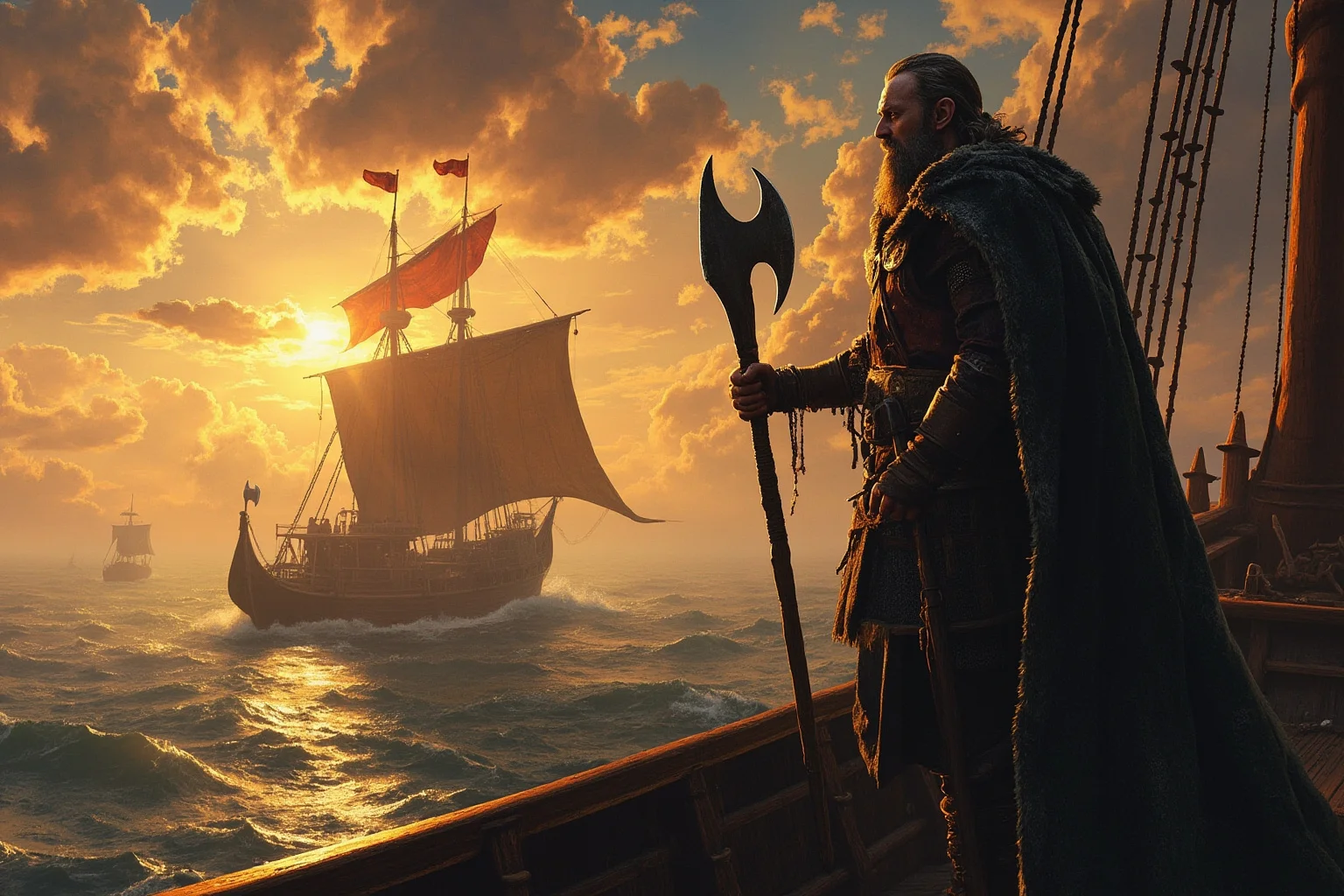
Eric Bloodaxe was a Viking Age king who ruled Norway and later Northumbria, and his nickname sounds like it needs no explanation. But surviving Norse sagas, written centuries after his death, are inconsistent and often contradictory about his actual deeds.
Some sagas claim he murdered several of his own brothers to secure power, which would certainly justify the name. Other sources are far more sympathetic, and modern historians caution that saga literature blends real events with dramatic embellishment for storytelling purposes.
The result is a nickname that sounds definitively violent but rests on sources written long after the fact by writers with their own narrative agendas. It’s vivid, but not entirely verifiable.
13. Harald Bluetooth
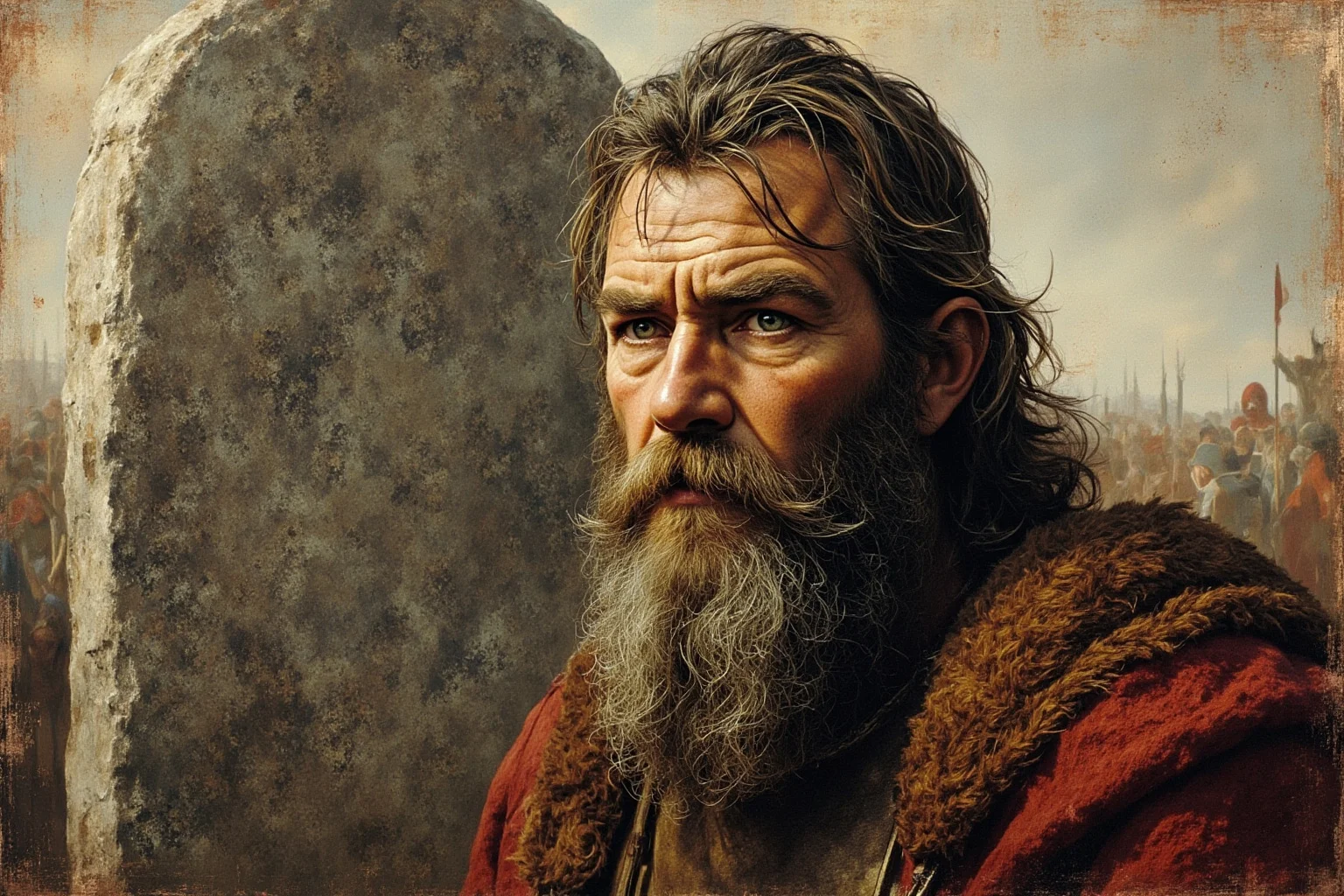
Harald “Bluetooth” Gormsson, a tenth-century king of Denmark, has one of the most famous royal nicknames in the modern world purely because the wireless technology named after him. The tech connection is real: Bluetooth’s logo even combines the Younger Futhark runes for his initials.
The origin of the actual medieval nickname is less certain. The leading theory is that Harald had a dead or discolored tooth, though this rests on later sagas rather than firsthand contemporary description.
What is historically solid is that Harald unified rival Danish tribes into one kingdom, which is exactly why engineers in the 1990s chose his name for a technology meant to unify communication standards. The nickname’s afterlife is genuinely stranger than its origin.
14. Constantine Copronymus
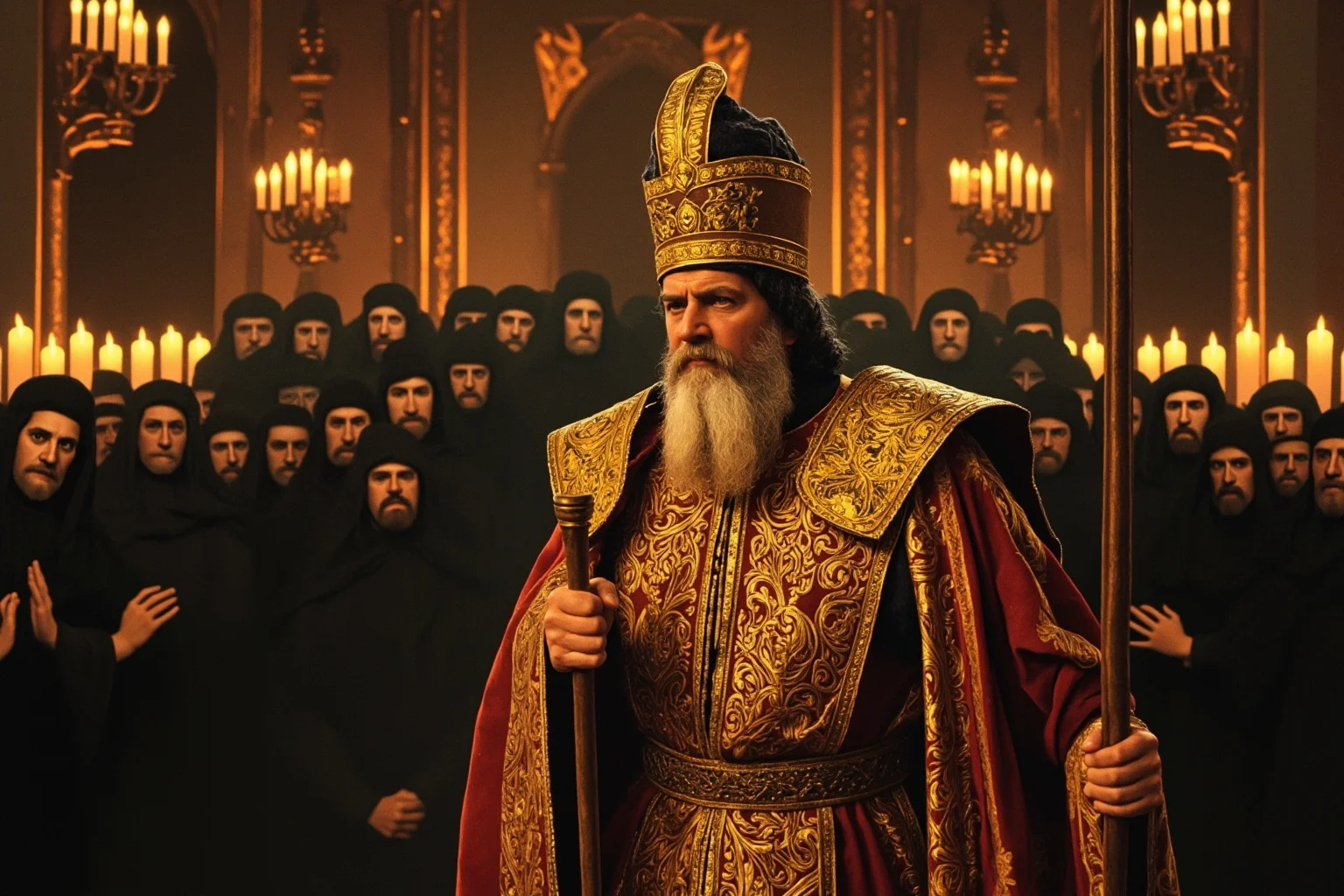
Byzantine Emperor Constantine V ruled successfully for over three decades, yet history remembers him by an unflattering Greek nickname roughly translating to “the dung-named” or “the excrement-named.” It is one of the most deliberately humiliating royal nicknames ever recorded.
The label originated with his religious opponents. Constantine was a fierce supporter of iconoclasm, the movement against religious icon veneration, which made him deeply unpopular with monks and icon-venerating chroniclers who later controlled how his reign was written up.
Those same iconodule writers are the ones who invented the crude nickname, allegedly tied to an incident at his infant baptism. It is a textbook case of a royal nickname functioning purely as religious-political revenge rather than accurate biography.
15. Selim the Grim
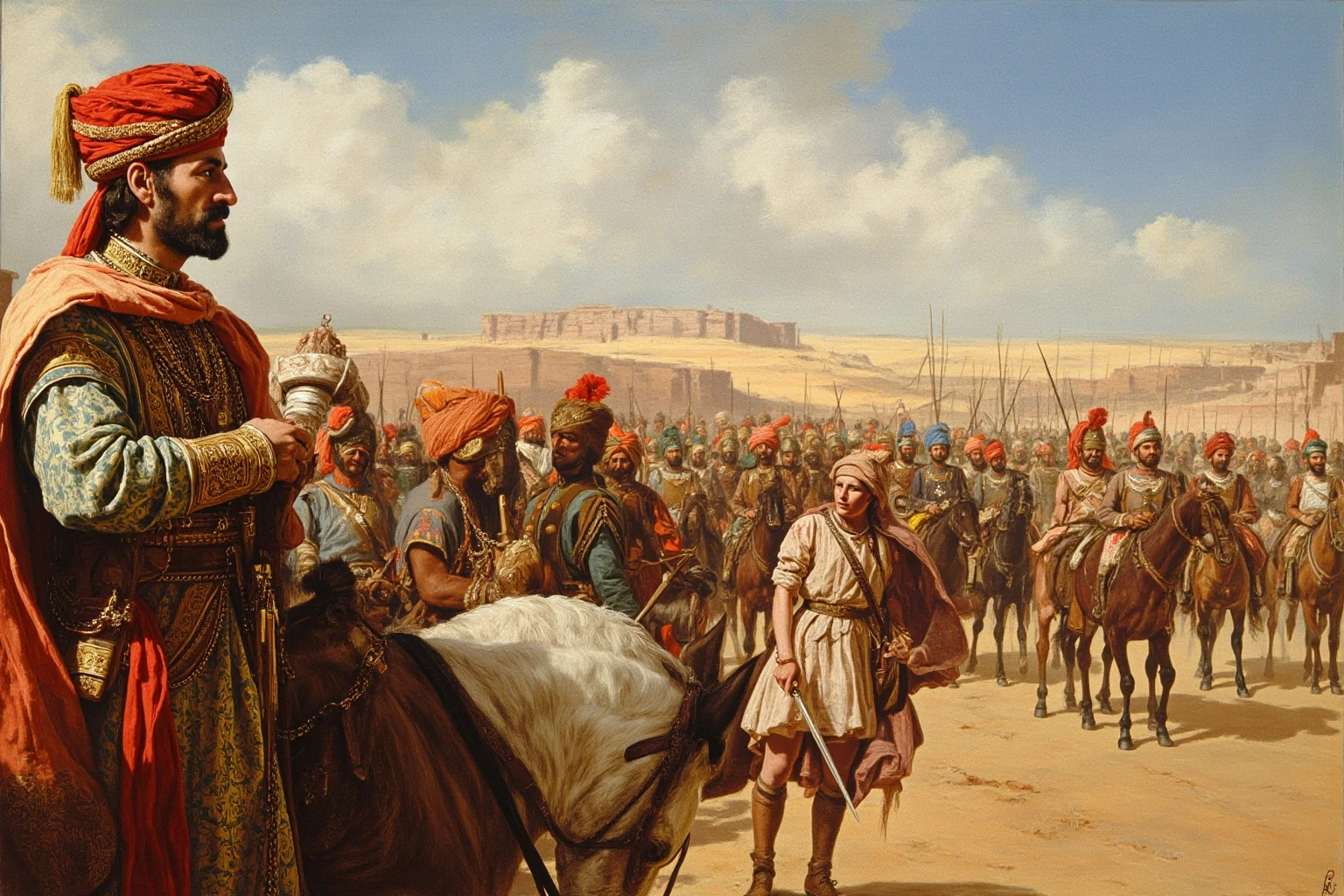
Ottoman Sultan Selim I earned the Western nickname “the Grim” for a reign defined by rapid, ruthless expansion, including major conquests in Persia, Syria, and Egypt in less than a decade. His domestic policies were similarly harsh, including purges of political rivals within his own family.
Interestingly, Ottoman sources themselves often refer to him as “Yavuz,” which translates more accurately to “the Stern” or “the Resolute” rather than the more sinister-sounding “Grim” favored in European accounts. The translation gap changes the tone considerably.
So once again, a nickname crossing between languages and cultures picked up a darker flavor than the original term necessarily intended. Selim’s actions were harsh by any account, but the specific word choice reflects Western framing as much as Ottoman record-keeping.
16. Philip the Fair
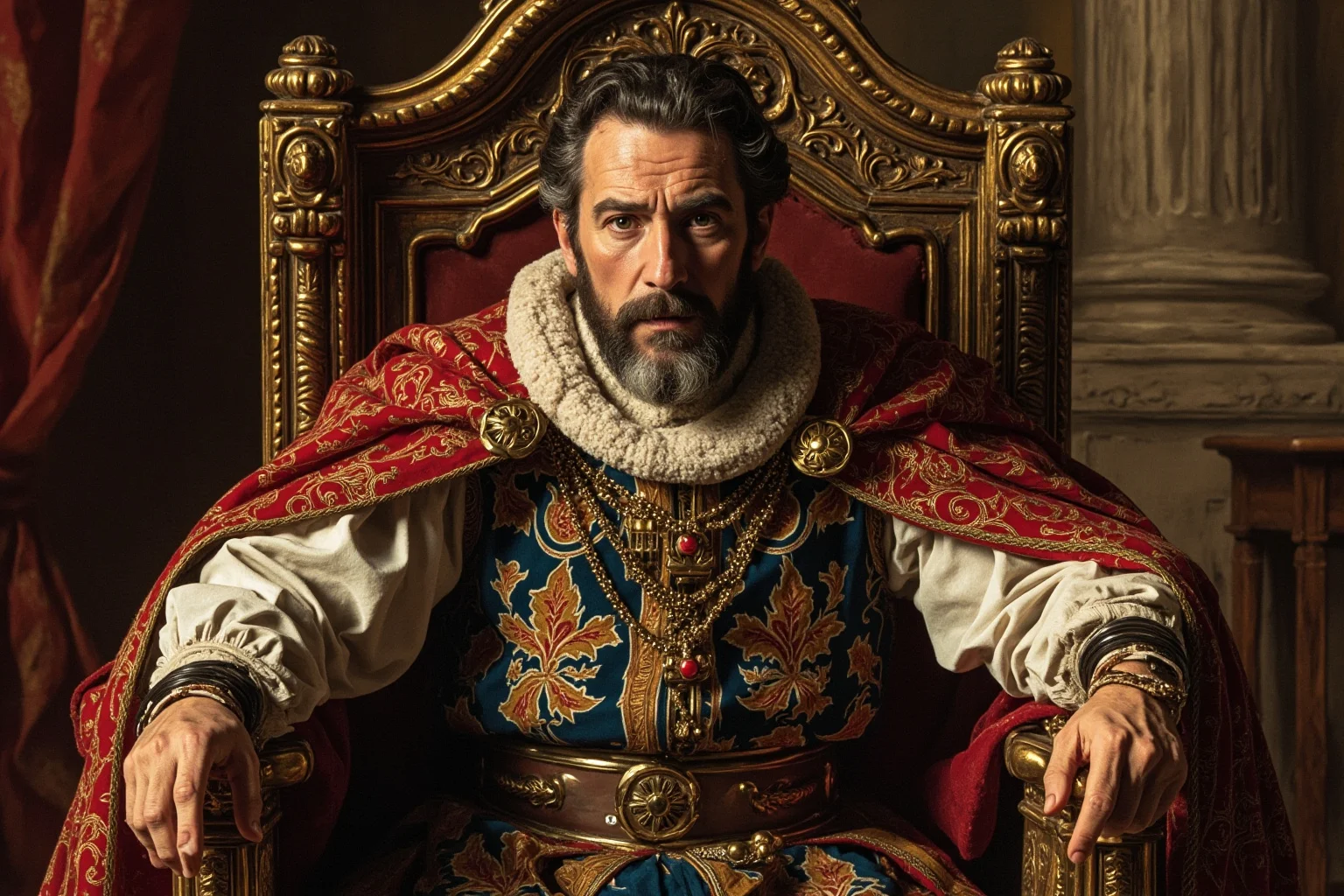
Philip IV of France was nicknamed “le Bel,” or “the Fair,” referring to his handsome appearance rather than any sense of justice or fairness in governance. Contemporary accounts do describe him as strikingly good-looking.
The irony is thick, because Philip’s reign was marked by ruthless political maneuvering, including his orchestration of the suppression of the Knights Templar in 1307 on charges most historians now consider fabricated to seize their wealth. He also clashed violently with the papacy, at one point allegedly having agents assault Pope Boniface VIII.
So “the Fair” describes his face, not his methods, and that mismatch has confused readers for centuries who assume the nickname is a character judgment. It is purely cosmetic, and a fairly misleading label if you don’t already know that.
17. Charles the Mad
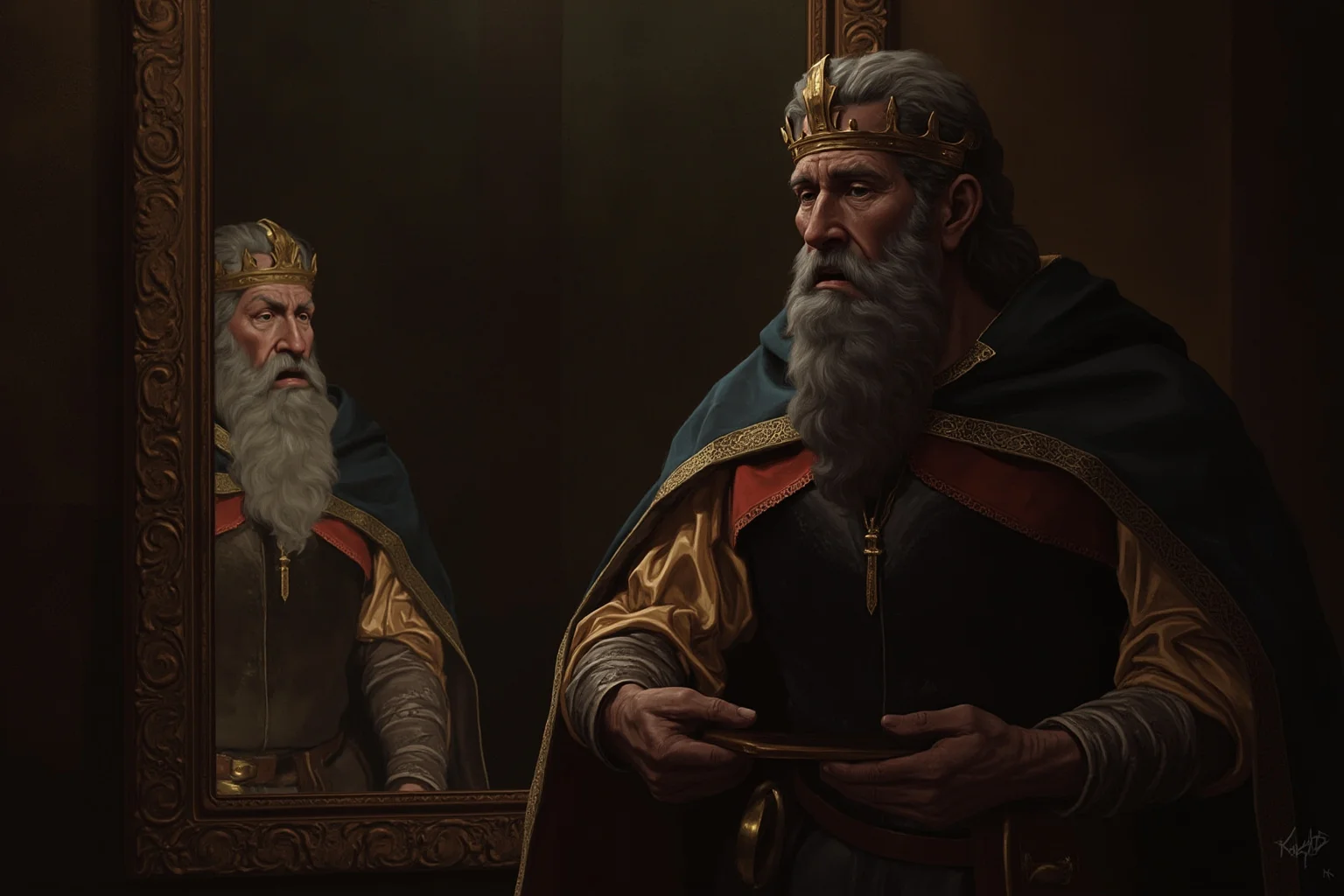
Charles VI of France ruled during one of the more genuinely tragic royal stories on this list. He suffered from episodes of severe mental illness, reportedly beginning with a sudden psychotic break in 1392 during a military expedition, and the label “the Mad” followed him for the rest of his reign.
Contemporary descriptions include bizarre and distressing episodes, such as believing he was made of glass and could shatter if touched. Modern historians have speculated about possible diagnoses, ranging from schizophrenia to bipolar disorder, though retrospective diagnosis of medieval figures is inherently uncertain.
His illness had massive political consequences, contributing to French instability during the Hundred Years’ War and eventually helping pave the way for the Treaty of Troyes, which disinherited his own son. It’s a nickname rooted in real suffering rather than mockery, which makes it one of the more sobering entries here.
18. Basil the Bulgar-Slayer
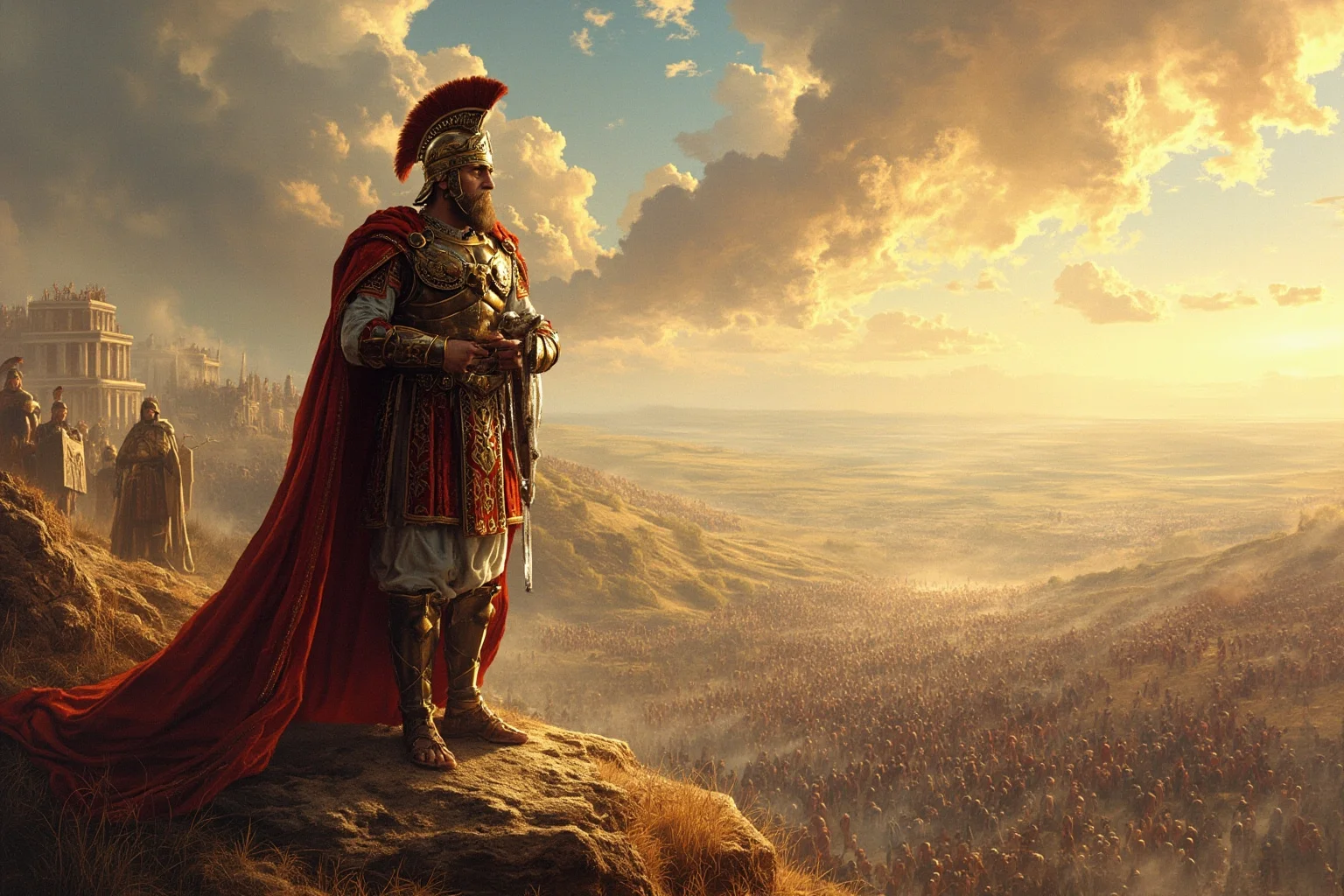
Byzantine Emperor Basil II earned his fearsome nickname after decades of warfare against the Bulgarian Empire, culminating in a decisive victory in 1014. According to the most repeated (though disputed) account, he blinded thousands of captured Bulgarian soldiers, leaving one eye intact per hundred men so they could be led home.
That gruesome detail comes primarily from later Byzantine historian John Skylitzes, writing decades after the events, and some modern historians question the exact numbers or details as likely exaggerated for dramatic effect. The core outcome, a major Byzantine military triumph over Bulgaria, is well established regardless.
Basil himself reportedly did not even use the nickname; it appears more prominently in later Byzantine and Bulgarian historical memory than in documents from his own era. Once again, the messiest part of a royal nickname is often not the event itself but how much later writers dramatized it.
19. Peter the Great
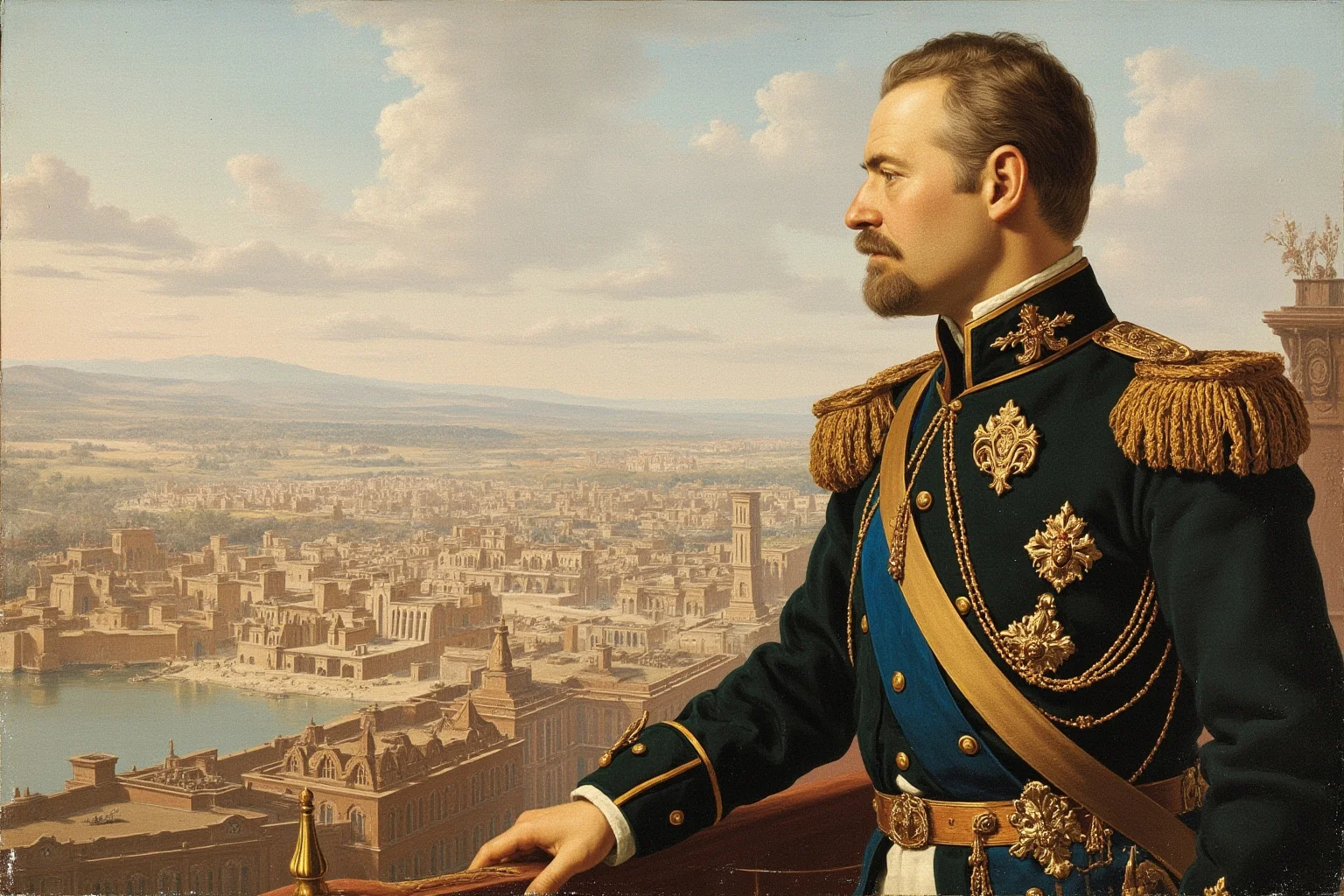
Peter I of Russia earned “the Great” for genuinely transformative reforms: modernizing the Russian military, founding Saint Petersburg, and dragging Russian institutions toward Western European models. Few royal nicknames on this list are as broadly accepted by historians as deserved, in much the same way historians still debate whether Alexander the Great truly earned his title.
But the reforms came at a brutal human cost. Forced labor, heavy taxation, and harsh suppression of resistance, including the brutal crushing of the Streltsy uprising, killed enormous numbers of people, and Peter personally participated in the interrogation and torture of alleged conspirators, according to multiple historical accounts.
So “Great” describes the scale of his impact on Russian history, not the kindness of his methods. The nickname is accurate in scope, but easy to mistake for a moral endorsement it was never meant to be.
20. Catherine the Great
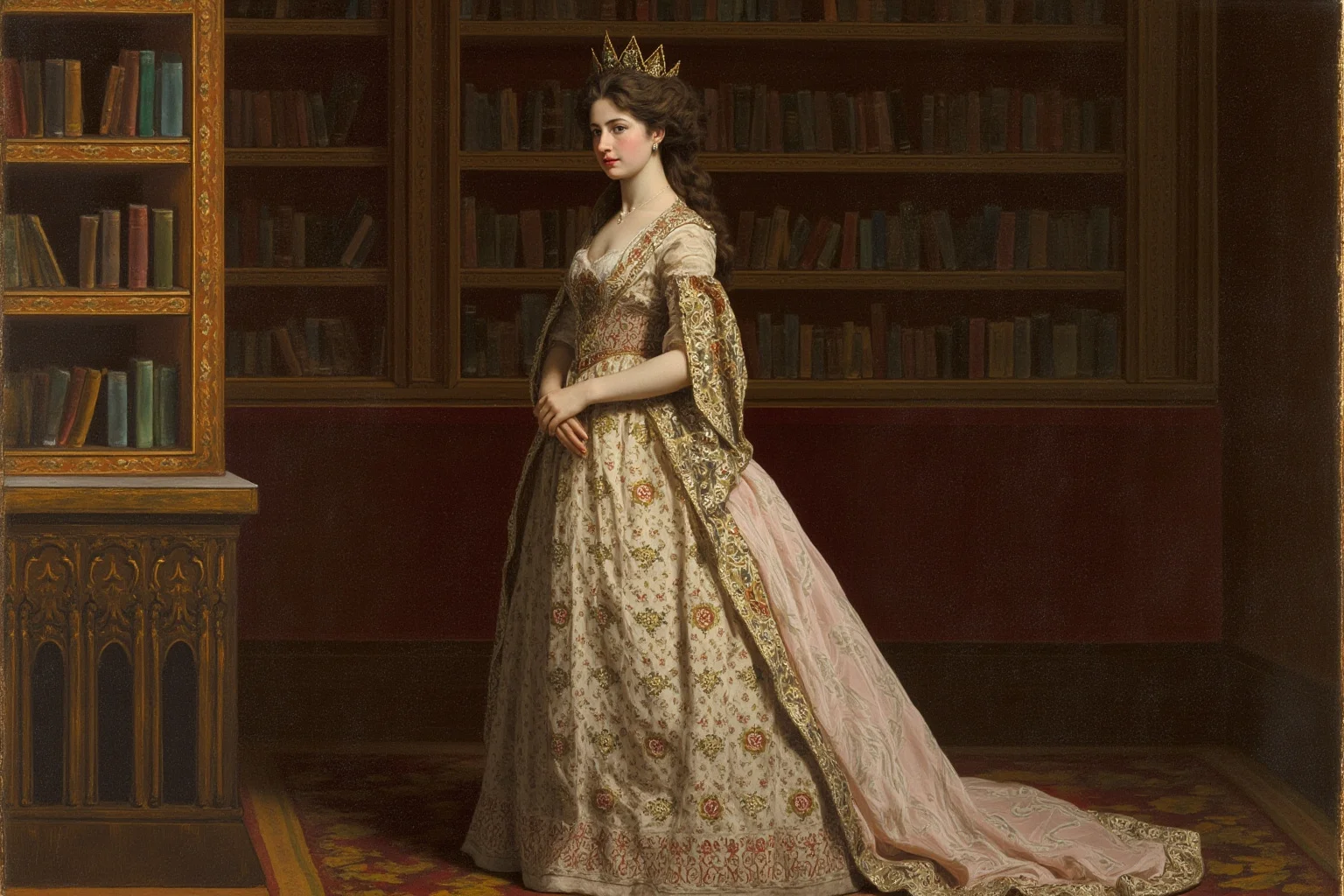
Catherine II of Russia, born a minor German princess, seized power in a 1762 coup that deposed and likely led to the death of her own husband, Peter III, under circumstances that remain historically murky. She then went on to expand Russian territory significantly and champion Enlightenment ideas, at least in her public correspondence with philosophers like Voltaire.
Her nickname, like Peter the Great’s, is generally tied to the scale of her political and cultural achievements rather than personal virtue, placing her alongside other rulers across history whose claim to being one of the greatest rulers in history is still debated. Much of her modern reputation has also been distorted by 18th and 19th-century political rumors and salacious gossip about her personal life, most of which historians consider unsubstantiated smears from rival courts.
Separating the genuine reformer from the caricature invented by her enemies is one of the messier jobs in Russian historiography. The nickname survives; the gossip mostly does not hold up.
21. Henry the Fowler
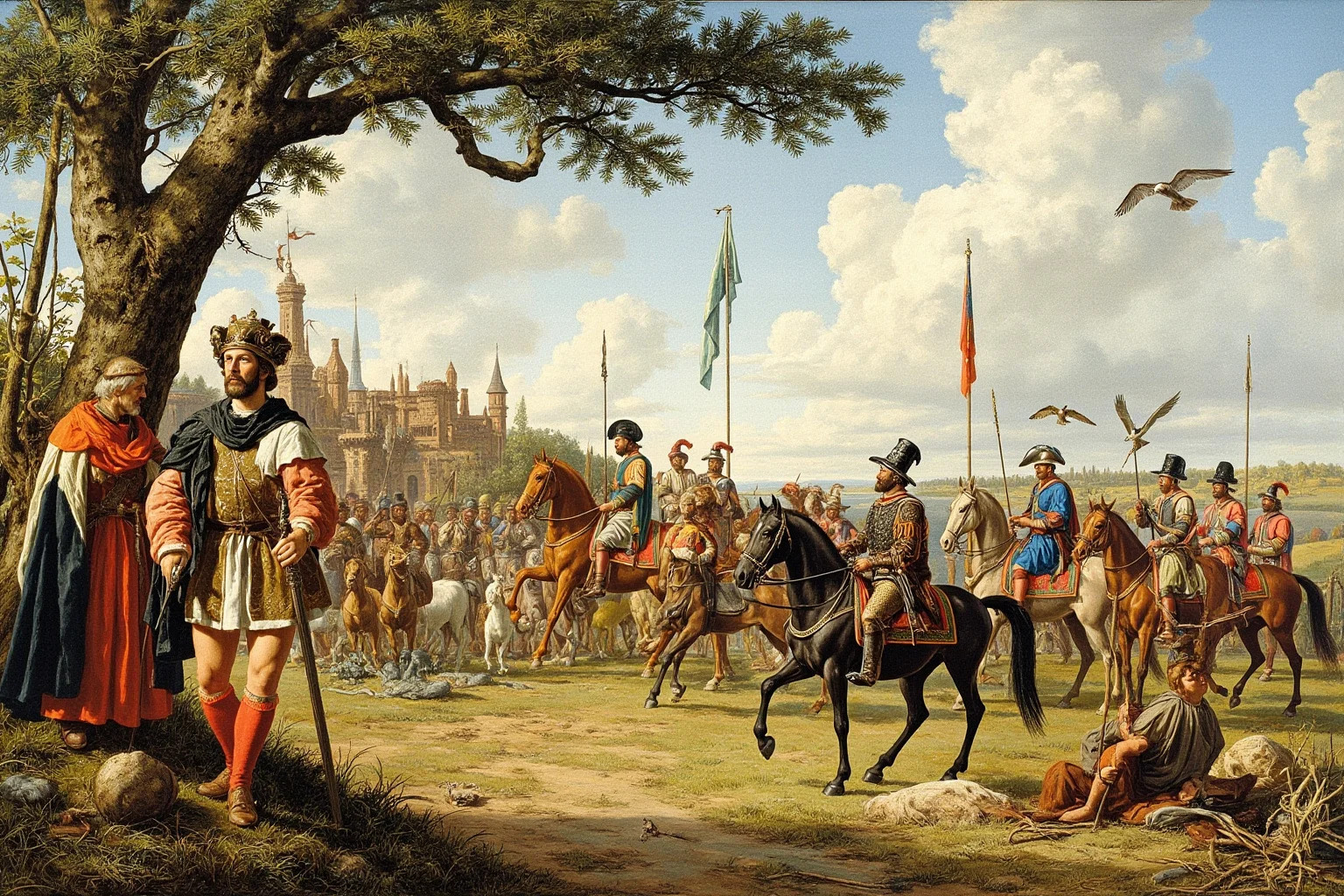
Henry I of Germany, founder of the Ottonian dynasty, picked up “the Fowler” from a later legend claiming messengers found him bird-catching, or fowling, when they arrived to tell him he had been elected king in 919. It is a charming story, and also almost certainly at least partly embellished by later medieval chroniclers.
What’s verifiable is that Henry became a genuinely important early medieval ruler, building fortified towns and laying groundwork for what would become the Holy Roman Empire under his son, Otto I. The bird-catching anecdote may be more folklore than fact, but it has proven far more memorable than his actual administrative reforms.
This is a good example of a royal nickname surviving purely because it makes a better story than the truth, whatever the truth actually was.
22. Louis the Fat
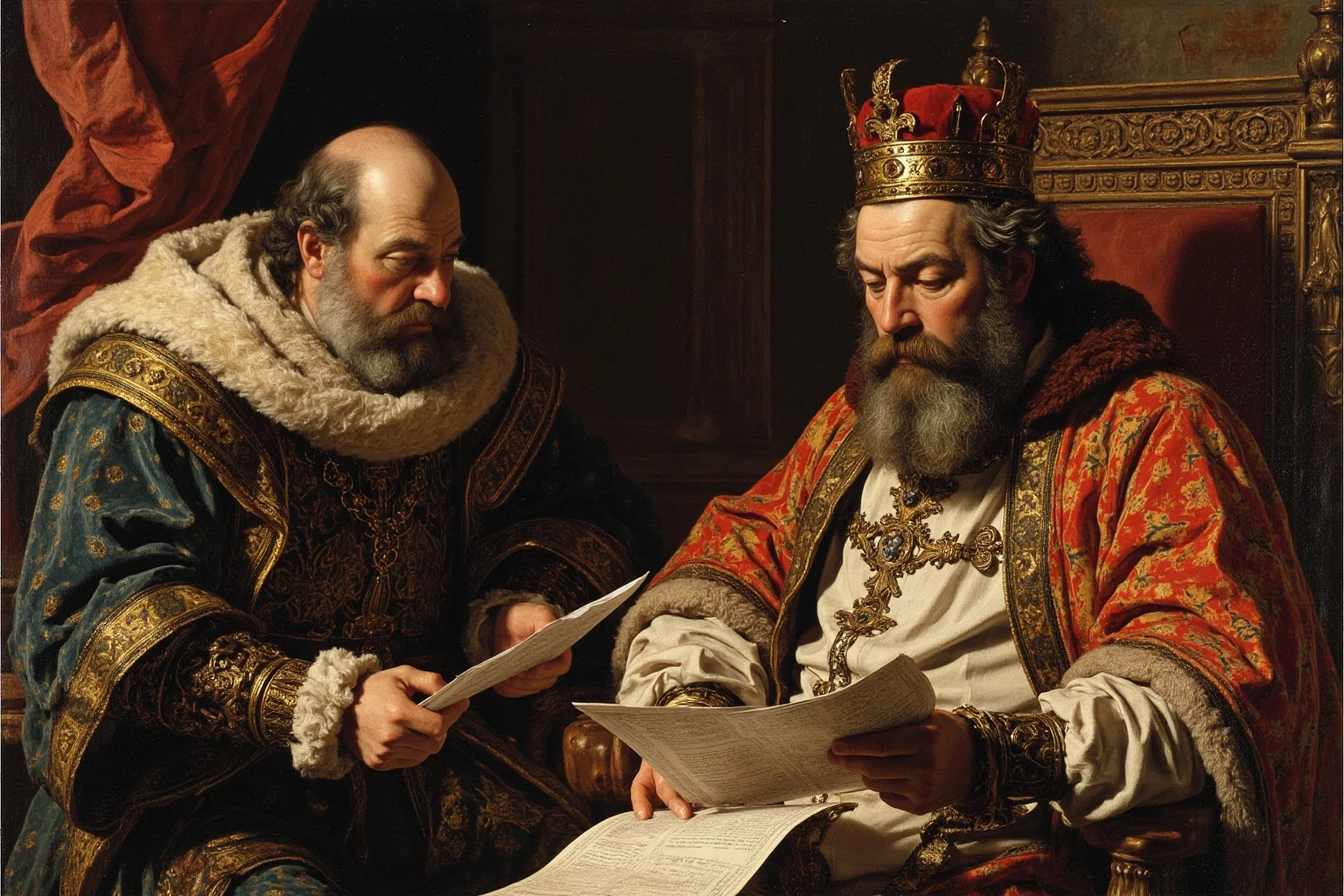
Louis VI of France, reigning in the early twelfth century, was nicknamed “le Gros,” or “the Fat,” and unlike some entries here, this one has reasonably solid contemporary support. Chroniclers of his own era, including his biographer Suger, described his later years as marked by significant weight gain that limited his mobility.
Despite the unflattering nickname, Louis VI is considered by many historians to have been an effective king who strengthened royal authority over unruly nobles and stabilized the French crown after a chaotic period. The nickname focuses on his body, but his actual legacy is mostly about consolidating royal power.
It’s a reminder that plenty of “the Fat” and “the Bald” style nicknames say more about medieval chroniclers’ fondness for physical shorthand than about the substance of a king’s reign.
23. Modern Palace Nicknames: Not Just a Medieval Habit
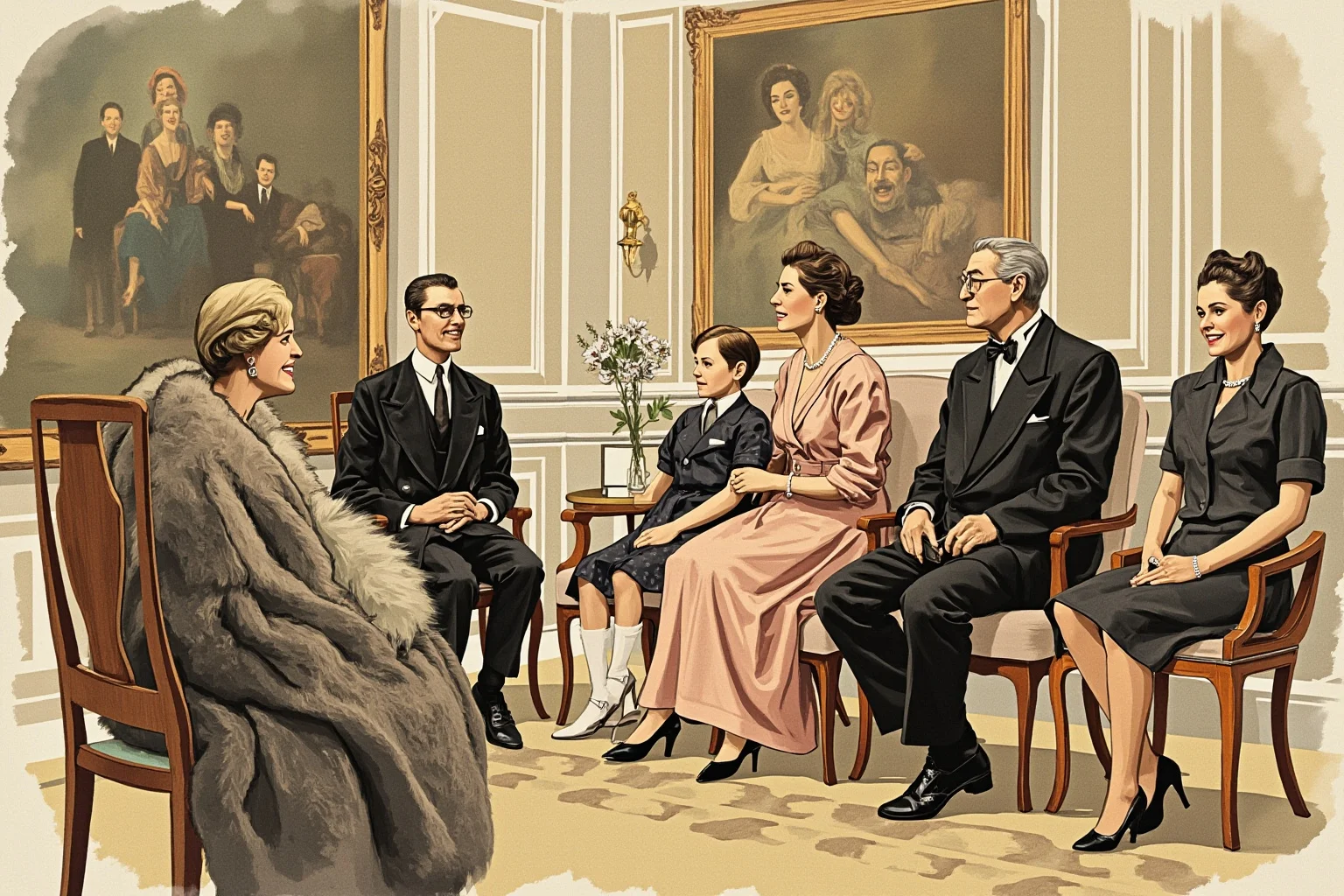
Royal nicknames didn’t stop with medieval chronicles; modern palace nicknames are just as messy, only now they leak out through biographies, staff interviews, and the occasional royal slip on camera. Queen Elizabeth II, for instance, was reportedly called “Lilibet” within her family from childhood, a nickname affectionate enough that her family later used it for a great-grandchild’s name.
Prince Philip reportedly had his own private nicknames for his wife, with various royal biographies claiming he sometimes called her “Cabbage,” a story that has never been definitively confirmed by an on-the-record royal source but has circulated widely enough to become part of royal lore. That uncertainty is worth flagging, since palace nickname stories often travel further than the evidence behind them.
Staff and press nicknames add another layer of mess entirely, from tabloid-coined labels for various modern royals to internal household terms that occasionally surface in memoirs. Unlike medieval epithets carved onto tombs, these palace nicknames spread through gossip columns and social media, but the underlying pattern is the same: nicknames tell you more about who’s doing the naming than about the person being named.
Why Royal Nicknames Get So Messy
Looking across two dozen examples, a few patterns emerge again and again. Nicknames coined by enemies or rival religious factions, like Constantine Copronymus or Bloody Mary, tend to be far harsher than nicknames coined by allies or descendants trying to burnish a legacy.
Translation is another huge culprit. Ivan the Terrible, Selim the Grim, and Harald Bluetooth all show how a word can shift in tone as it crosses from Russian, Turkish, or Old Norse into English and other European languages centuries later.
Timing matters too. Many of these nicknames, from Charles the Fat to Edward’s “Hammer of the Scots,” were not used during the ruler’s actual lifetime at all, but were applied by chroniclers, monks, or tomb-carvers decades or even centuries afterward. A nickname royal courts a certain kind of legend, and legends tend to improve with age, whether the ruler in question would have recognized themselves in it or not.
Final Thoughts on the Messiness of Royal Nicknames
The next time you come across a king with a nickname, it’s worth pausing before taking it at face value. Some, like Vlad the Impaler or Peter the Great, hold up reasonably well under scrutiny, while others, like Ethelred the Unready or Charles the Bald, turn out to be puns, mistranslations, or outright propaganda dressed up as fact.
What makes this subject so fun for history fans is that a single nickname can crack open an entire story about politics, religion, language, and reputation management. Kings with nicknames were rarely just describing a hairstyle or a body type; they were often being praised, mocked, or rewritten by whoever held the pen after they were gone.
So the messiest part of royal nicknames isn’t really the ruler at all. It’s us, and our long, complicated habit of turning complicated people into single, catchy words.
Frequently Asked Questions
Were royal nicknames usually given while the king or queen was still alive?
It varied a lot. Some nicknames, like Vlad the Impaler's fearsome reputation, spread during the ruler's own lifetime, while others, like Edward Longshanks' 'Hammer of the Scots,' were applied only after death, sometimes centuries later, by chroniclers or tomb inscriptions.
Why do so many royal nicknames sound harsher in English than in their original language?
Translation often shifts tone. Ivan the Terrible's Russian nickname 'Grozny' is closer to 'formidable' or 'awe-inspiring,' and Selim the Grim's Ottoman title 'Yavuz' leans closer to 'stern' or 'resolute,' but English translations picked more dramatic-sounding words over time.
Are palace nicknames like ‘Lilibet’ officially confirmed by the royal family?
Some, like Queen Elizabeth II being called Lilibet by close family, are well documented through biographies and later confirmed usage. Others, such as claims about private pet names between spouses, often come from secondhand royal biographies and have not always been confirmed on the record.
Did any royal nicknames start as insults and later become positive?
Yes. William the Conqueror was known as William the Bastard for most of his early life due to his illegitimate birth, and only after his victory at Hastings in 1066 did chroniclers begin favoring the more flattering nickname history remembers him by today.
Is it true that Bram Stoker’s Dracula was directly based on Vlad the Impaler’s life?
Stoker borrowed Vlad's patronymic, Dracula, meaning 'son of Dracul,' and some general reputation for cruelty, but the vampire novel is largely fictional and not a biography. Vlad's historical nickname predates the novel by centuries and rests on separate, real historical sources.
What’s the difference between a royal nickname and a royal title?
A title, like king, emperor, or duke, reflects formal legal rank, while a nickname is an informal epithet added by contemporaries, later chroniclers, or family members, describing appearance, personality, or notable deeds rather than official status.

Alex Warren
Related Articles





