

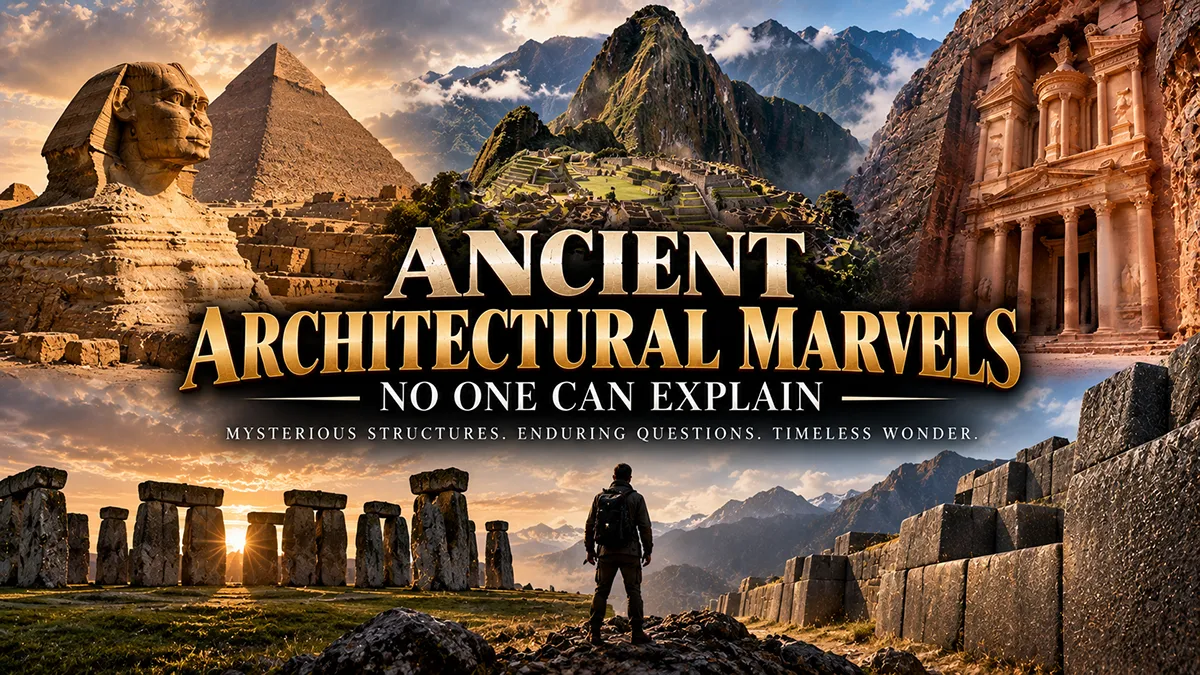
Every year, millions of visitors stand beneath towering stone monuments and ask the same question: how did they actually do this? Ancient architecture has a way of humbling even modern engineers, and it’s easy to see why so many of these sites get wrapped in mystery, speculation, and the occasional wild theory involving lost civilizations or extraterrestrial help.
The truth is usually more interesting than the myths. Ancient builders were remarkably resourceful, using ramps, levers, ropes, fire-setting, water transport, and enormous coordinated labor forces to achieve things that still puzzle engineers today.
This list walks through 21 of the most fascinating ancient structures on Earth, separating what historians and archaeologists genuinely don’t know from what pseudo-history has exaggerated for clicks.
TL;DR: These 21 ancient structures showcase genuinely brilliant (and still partly mysterious) ancient construction methods—no aliens required, just very smart, very patient people.
What Makes a Structure a True Architectural Mystery?
Before diving in, it’s worth defining terms. A site becomes a genuine mystery when the purpose, precise method, or logistics of its construction remain debated among actual archaeologists and engineers, not just internet forums. That’s different from a site simply being old or impressive.
Many of history’s most monumental buildings were built by highly skilled ancient architects using tools and techniques that were sophisticated for their time, even if they look primitive by modern standards. Understanding that distinction helps us appreciate these monuments and architecture without falling into the trap of underestimating our ancestors.
1. The Great Pyramid of Giza, Egypt

Built around 2560 BCE for the pharaoh Khufu in Egypt, one of the oldest countries in the world, the Great Pyramid remained the tallest human-made structure on Earth for roughly 3,800 years. It contains an estimated 2.3 million stone blocks, some weighing several tons, fitted with a precision that still impresses structural engineers.
Mainstream archaeology, backed by workers’ villages, ramps, and quarry marks discovered nearby, points to organized labor using copper tools, wooden sledges, and ramp systems rather than slave labor or lost technology. What remains genuinely debated is the exact ramp configuration used to lift the heaviest blocks to such height, since no single proposed method fully matches all the physical evidence.
2. Stonehenge, England
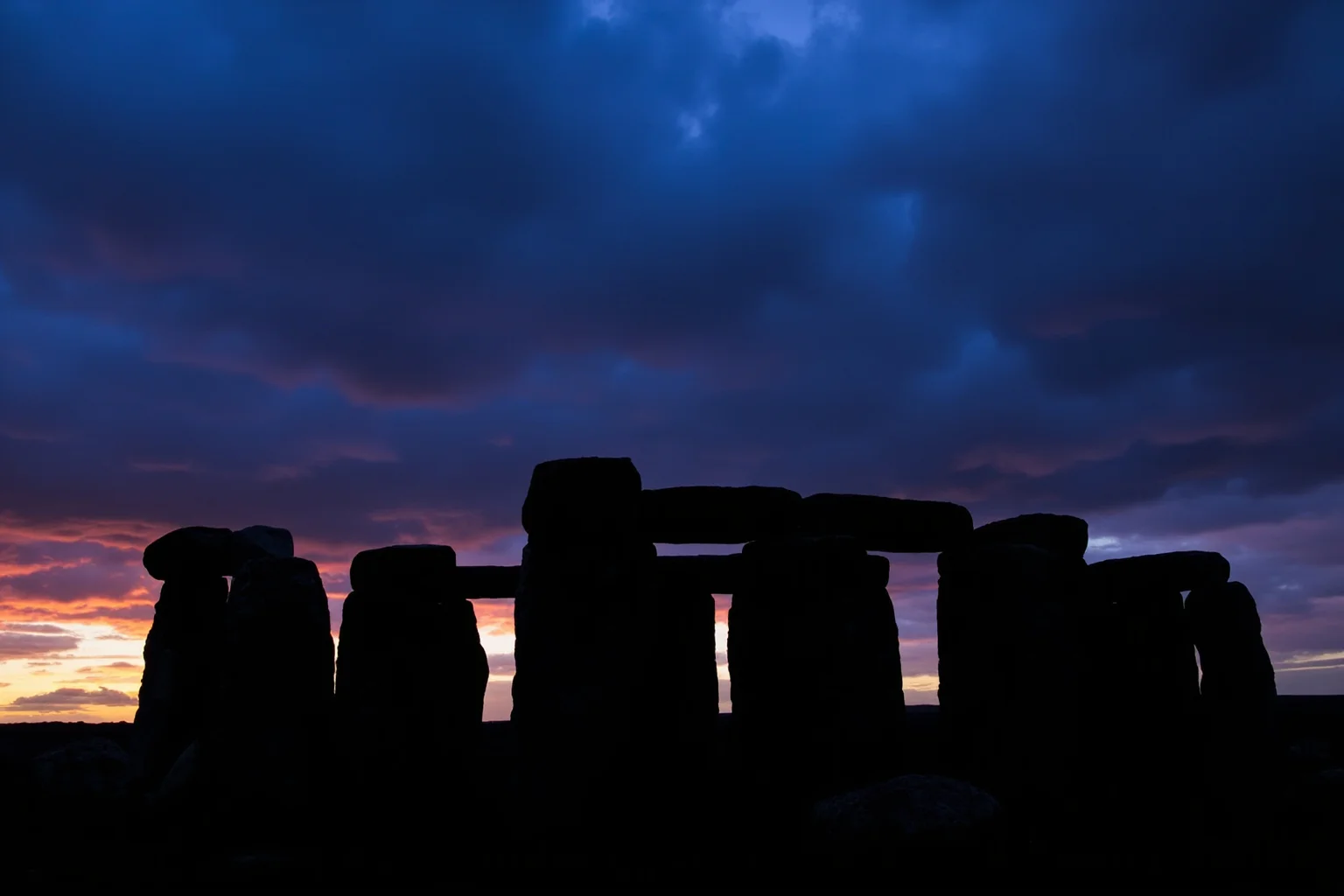
This Neolithic monument in Wiltshire was built in stages between roughly 3000 and 1500 BCE, with some bluestones traced back to quarries in Wales, over 150 miles away. Moving multi-ton stones that far without wheels or metal tools represents one of ancient construction’s most impressive feats of logistics.
What still divides researchers isn’t how the stones got there, since sledges, rollers, and river transport are well-supported theories, but why the site was built at all. Solar alignments suggest ceremonial or astronomical use, but the full religious or social meaning behind this ancient structure remains genuinely unresolved.
3. Sacsayhuamán, Peru
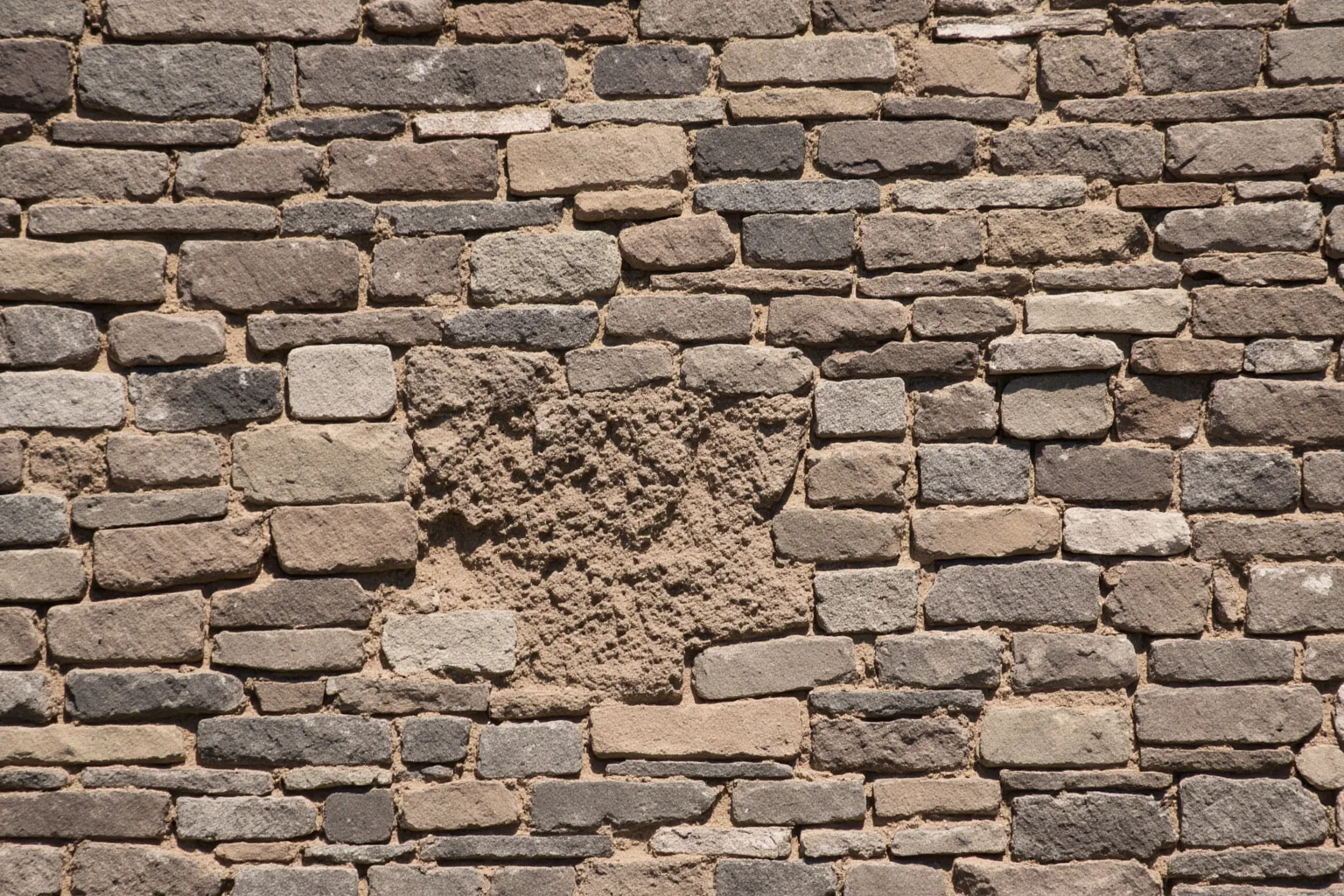
Above Cusco, the Inca fortress of Sacsayhuamán features massive polygonal limestone blocks fitted together so tightly that not even a knife blade slides between them. Some of these stones weigh over 100 tons, dressed and interlocked without any mortar.
Inca engineers achieved this using stone hammers, abrasive sand, and a trial-and-fit process refined over generations, a technique confirmed by unfinished blocks found nearby. The precision looks almost impossibly modern, but it reflects patient craftsmanship rather than unknown technology.
4. Puma Punku, Bolivia
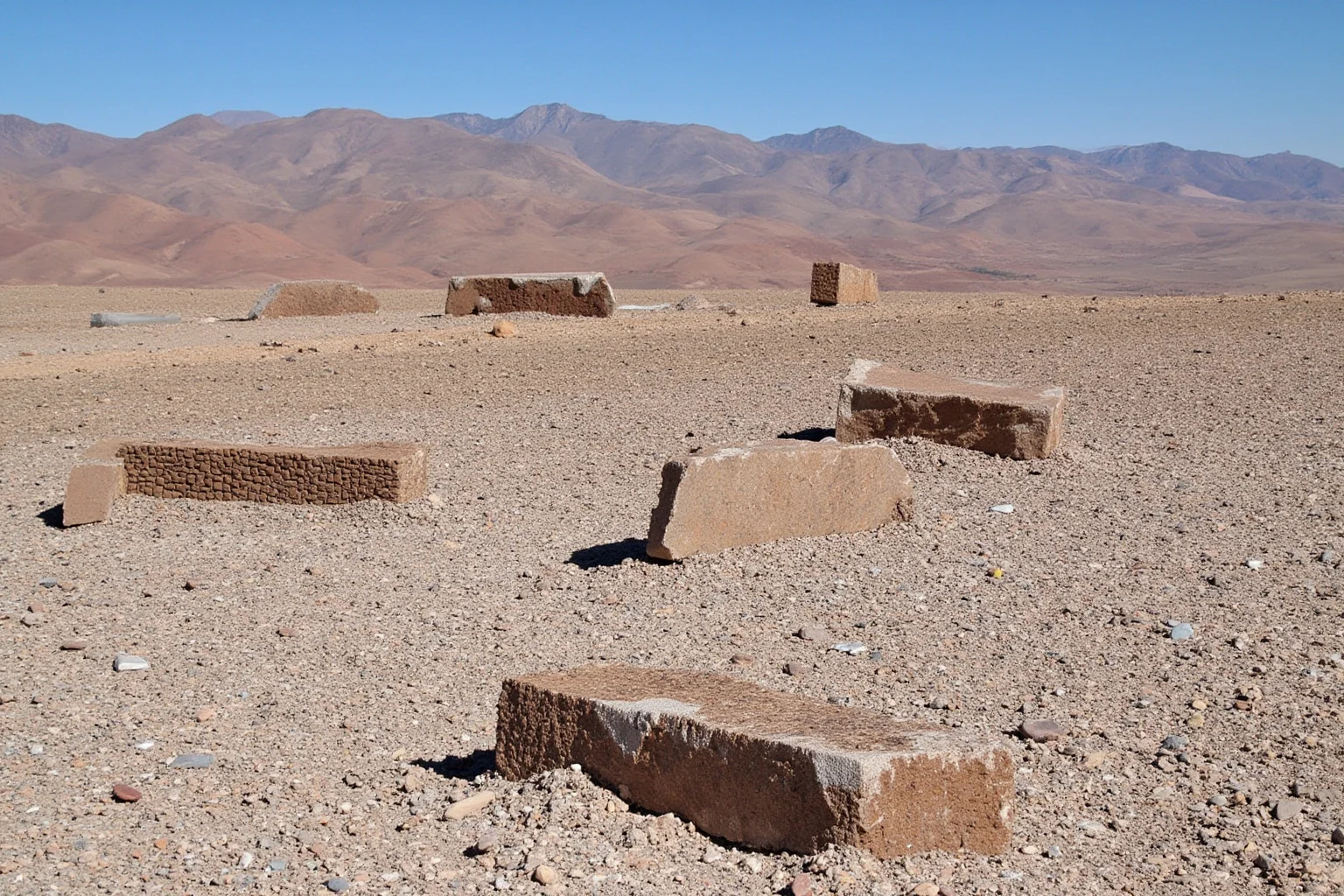
Part of the Tiwanaku civilization’s ceremonial complex, Puma Punku features precisely cut andesite and sandstone blocks with interlocking notches, some resembling standardized modular parts. The site dates to roughly 500-600 CE, though the culture itself flourished for centuries before falling into decline.
The surviving stonework’s geometric precision has fueled a lot of speculative theories online, but archaeologists note that similar cutting and grinding techniques appear elsewhere in Andean construction. The bigger mystery here is less about method and more about why such a sophisticated ceremonial center was eventually abandoned.
5. The Baalbek Trilithon, Lebanon
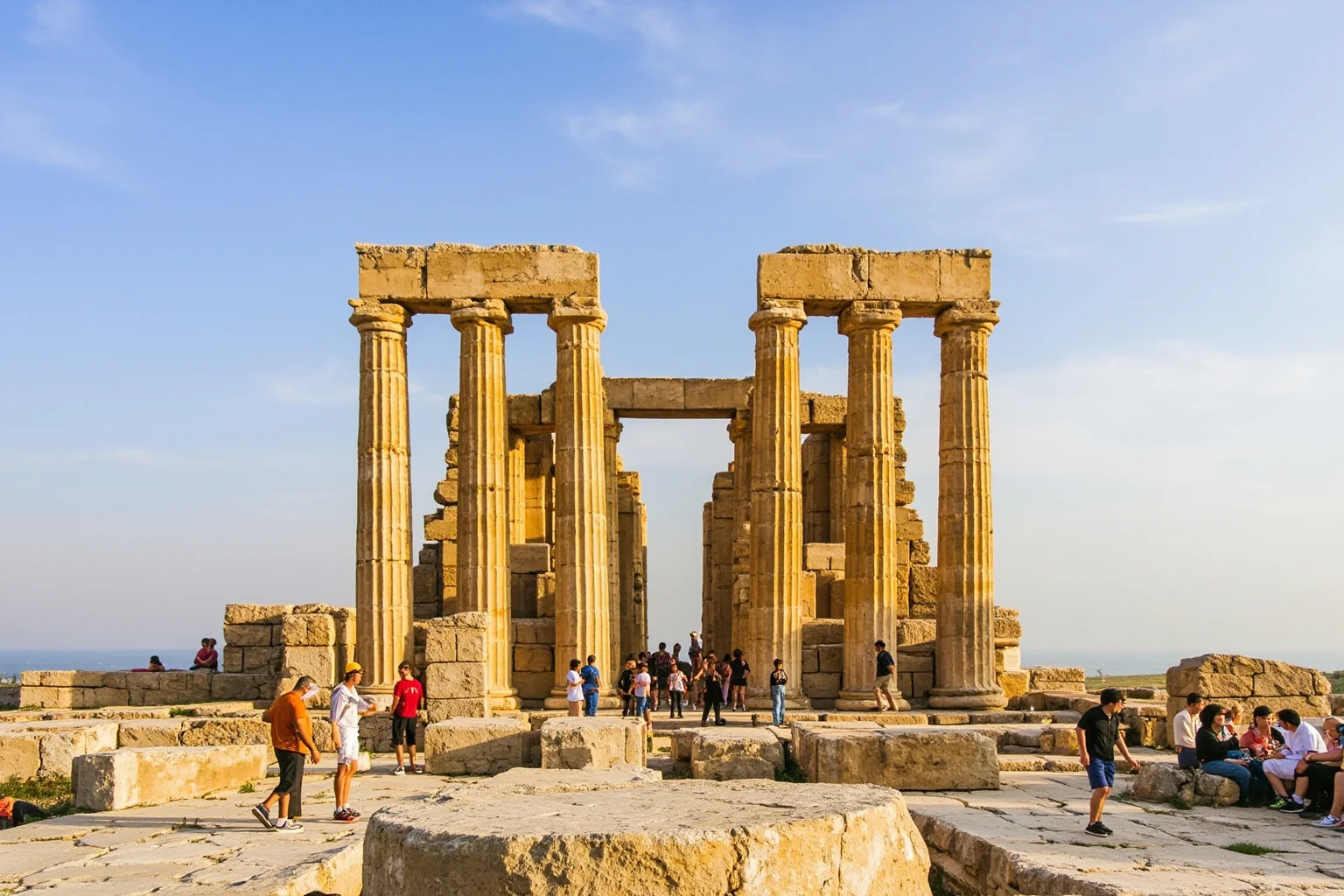
At Baalbek’s Temple of Jupiter, three limestone blocks known as the Trilithon each weigh around 800 tons, and a nearby unused “Stone of the Pregnant Woman” is estimated near 1,000 tons. These are among the largest stones ever incorporated into ancient buildings anywhere in the world.
Roman engineers of the 1st century BCE likely used massive wooden cranes, capstans, and hundreds of workers to move them short distances from the quarry. The genuine unanswered question is why the Romans went to such extraordinary lengths for stones of this specific, impractical size.
6. The Pyramid of the Sun, Teotihuacan, Mexico
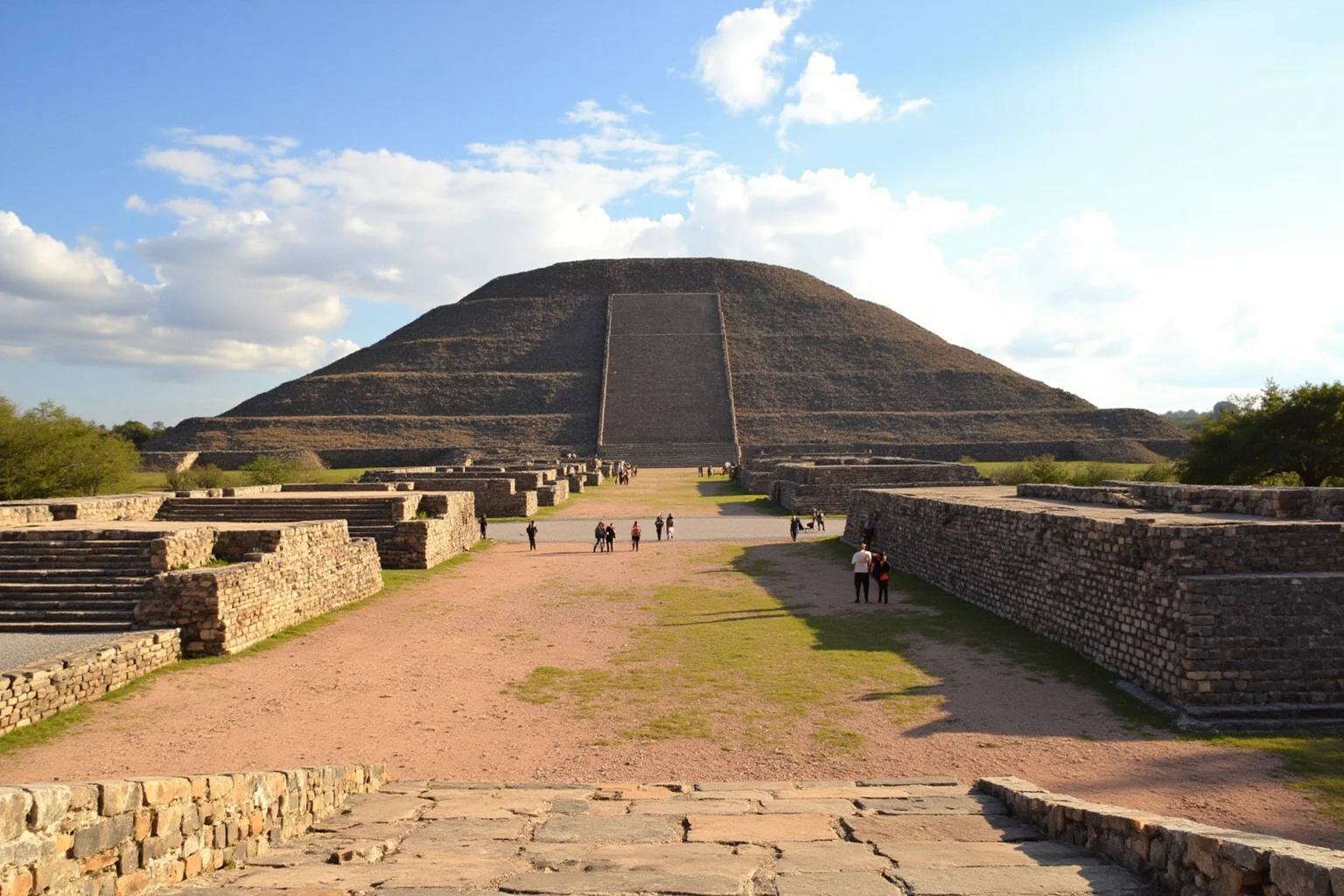
Built around the 1st or 2nd century CE, the Pyramid of the Sun is one of the largest structures in ancient Mesoamerica, constructed from millions of sun-dried mud bricks and rubble faced with stone. The city of Teotihuacan itself was planned on a strict grid, showing advanced urban design well before its later Aztec inhabitants arrived.
What’s still murky is who actually built and ruled Teotihuacan, since the city’s founders left no confirmed written records identifying themselves. Even the Aztecs, who found the city already in ruins centuries later, treated it as an ancient mystery from a civilization whose name has been lost to time.
7. Göbekli Tepe, Turkey
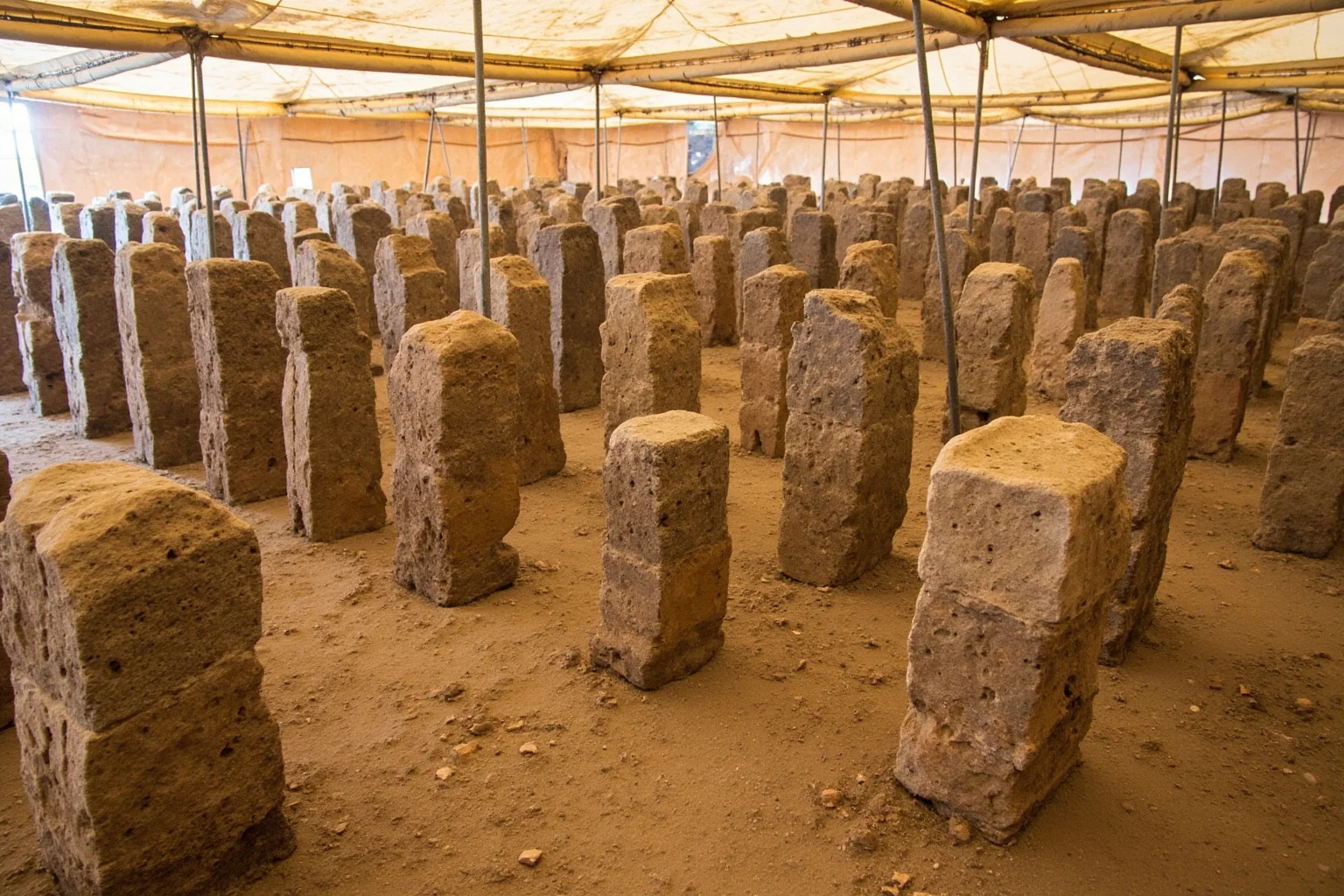
Dated to around 9600 BCE, Göbekli Tepe predates Stonehenge by roughly 6,000 years and Egypt’s pyramids by more than 7,000, making it one of the oldest known monumental buildings on Earth. Its T-shaped limestone pillars, carved with animal reliefs, were raised by hunter-gatherers before agriculture was widespread in the region.
This overturned older assumptions that farming had to come before large-scale ancient construction projects. Archaeologists still debate exactly how a non-agricultural society organized the labor and food supply needed to build something this monumental.
8. Newgrange, Ireland
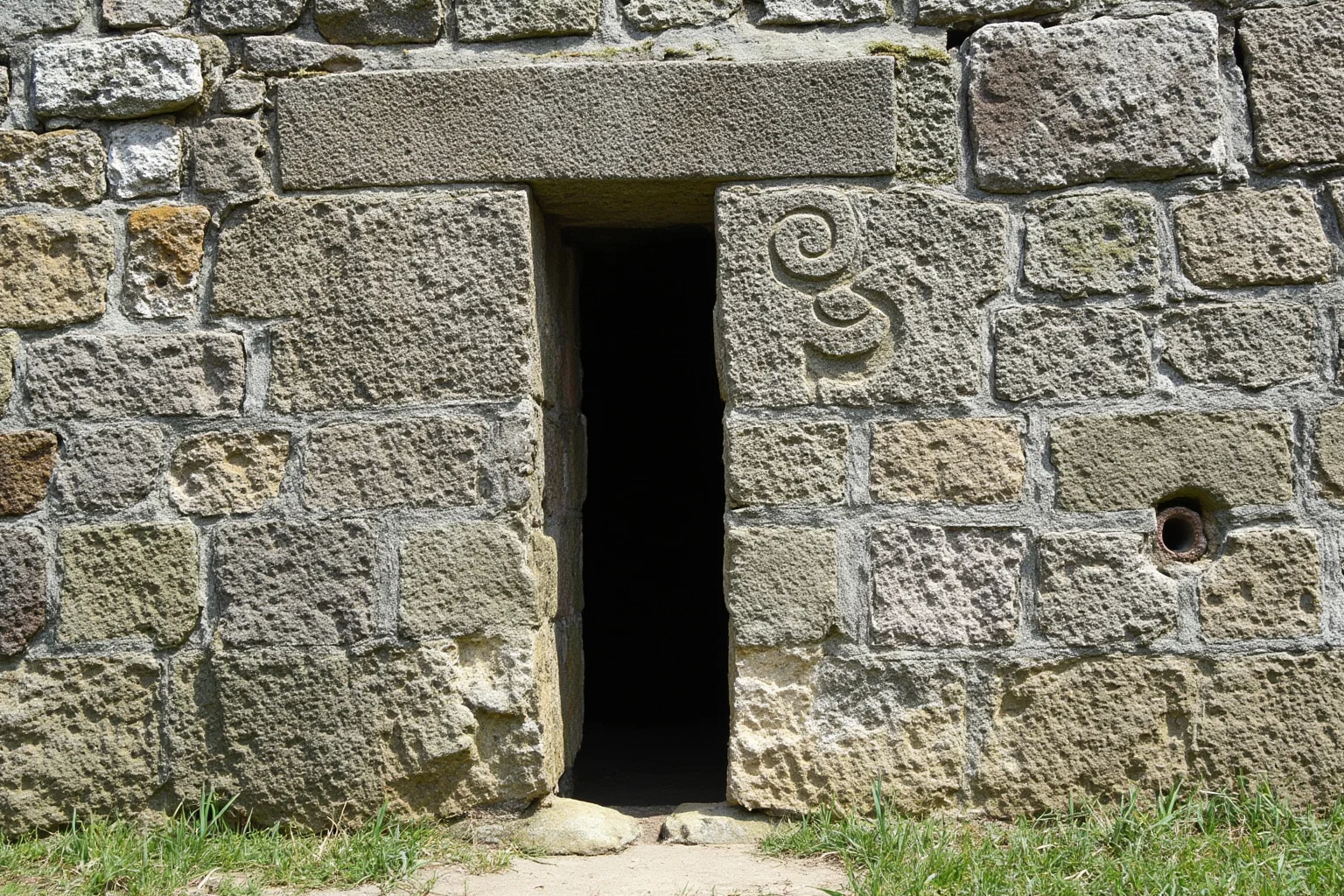
Constructed around 3200 BCE, Newgrange predates both Stonehenge and the Great Pyramid, making it one of the oldest surviving passage tombs in the world. Its interior roof-box is precisely aligned so that sunlight floods the central chamber only during the winter solstice sunrise.
The engineering behind its corbelled roof, which has kept the chamber completely dry for over 5,000 years, still impresses modern architects. The exact astronomical knowledge required to achieve such precise alignment without written records remains a genuinely fascinating open question.
9. The Moai of Easter Island (Rapa Nui)
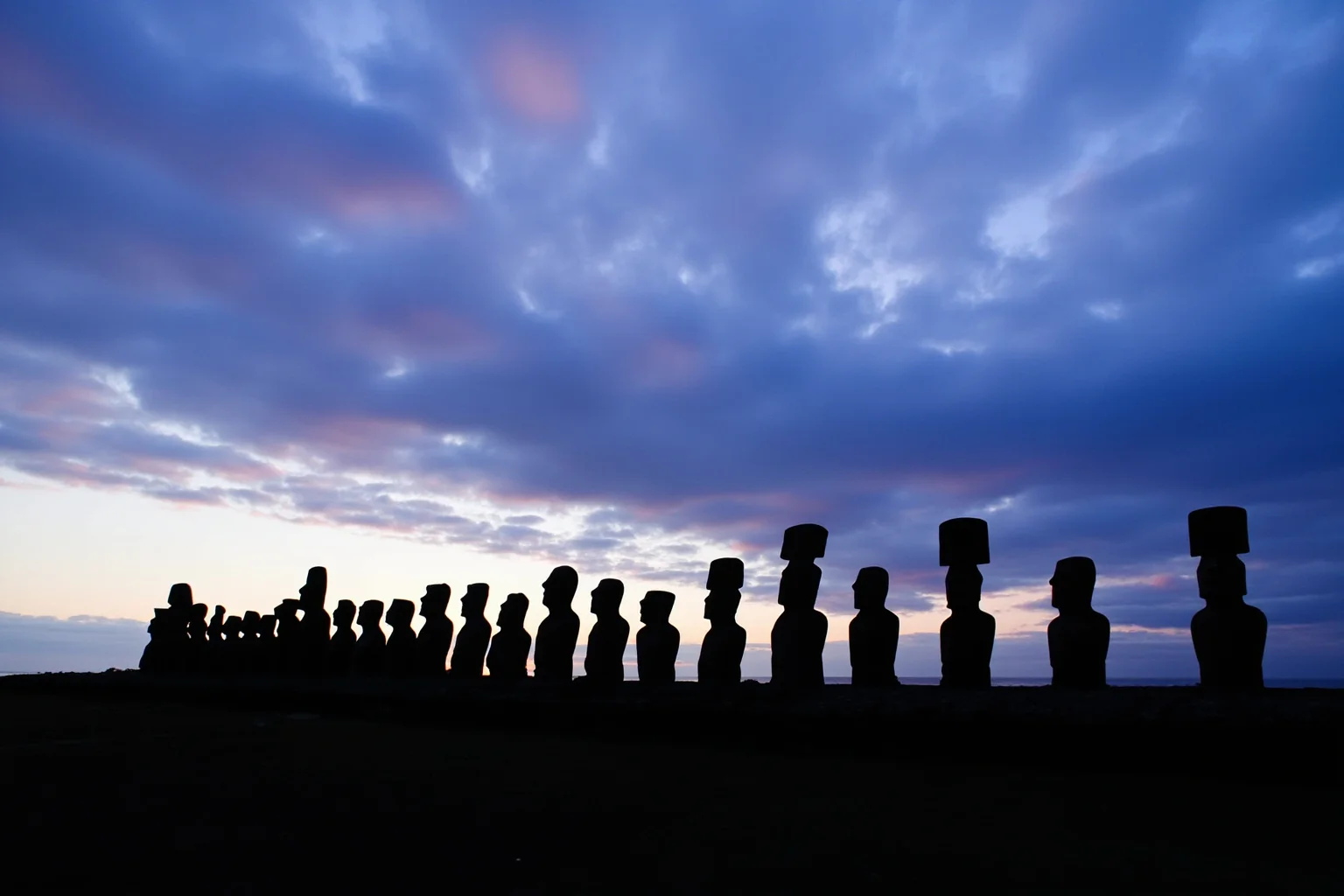
The Rapa Nui people carved nearly 900 moai statues between roughly 1250 and 1500 CE, now counted among the most influential statues ever made, some standing over 30 feet tall and weighing dozens of tons. For decades, how these statues were transported from the quarry to the coast was a genuine puzzle.
A 2012 experimental archaeology study demonstrated that the statues could be “walked” upright using ropes and coordinated rocking motions, matching oral traditions long dismissed by outsiders. This is a great example of an ancient mystery that modern science, and local knowledge, actually solved.
10. Great Zimbabwe
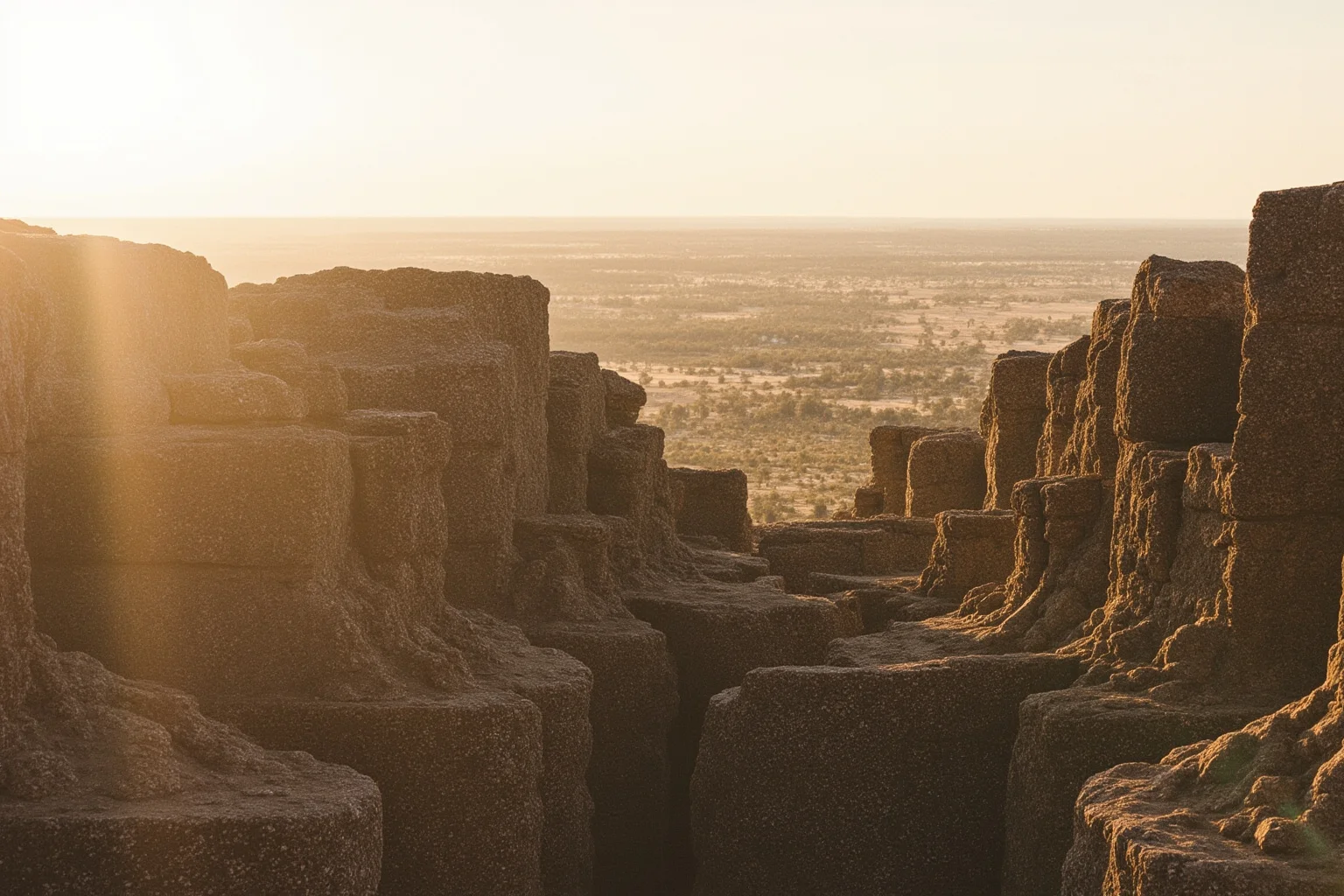
Built between the 11th and 15th centuries by ancestors of the Shona people, Great Zimbabwe’s massive dry-stone walls were constructed without any mortar, using precisely shaped granite blocks stacked with remarkable stability. It was the capital of a powerful trading kingdom connected to Indian Ocean trade networks.
Colonial-era historians controversially and incorrectly attributed the site to outside civilizations, a claim modern archaeology has thoroughly debunked using extensive local evidence. It stands today as one of Africa’s great monumental architecture examples and a reminder of how bias has distorted our understanding of ancient structures.
11. Angkor Wat, Cambodia

Constructed in the early 12th century under King Suryavarman II, Angkor Wat is the largest religious monument on Earth, originally built as a Hindu temple before later becoming Buddhist. Its layout mirrors Khmer cosmology, with a moat and towers representing the mythical ocean and mountain of the gods.
The surrounding Angkor complex relied on an enormous hydraulic network of reservoirs and canals, engineering so advanced that some researchers believe water mismanagement contributed to the eventual decline of the Khmer Empire, one of the greatest empires in history. Exactly how such a large ancient city sustained itself, and why it was ultimately abandoned, is still actively researched.
12. Mohenjo-daro, Pakistan
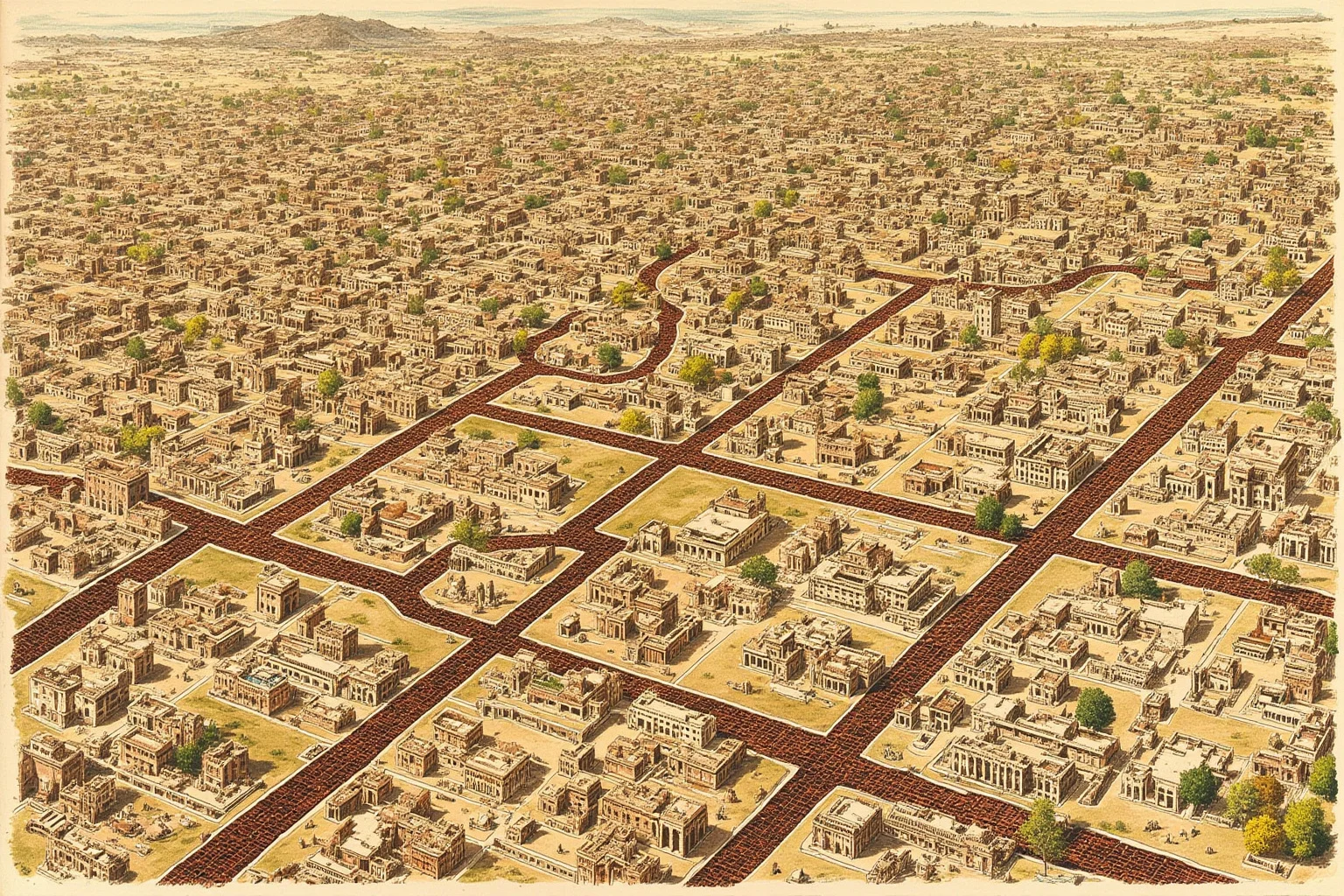
One of the major cities of the Indus Valley Civilization, Mohenjo-daro was built around 2500 BCE with a startlingly advanced urban plan, including covered drains, private wells, and a citywide sewage system. This level of civic infrastructure wouldn’t reappear in much of the world for thousands of years.
The Indus script found on seals throughout the city remains undeciphered to this day, which means we still can’t read the words of the people who built it. That leaves huge unanswered questions about their government, religion, and the reasons the civilization eventually declined.
13. El Castillo, Chichén Itzá, Mexico
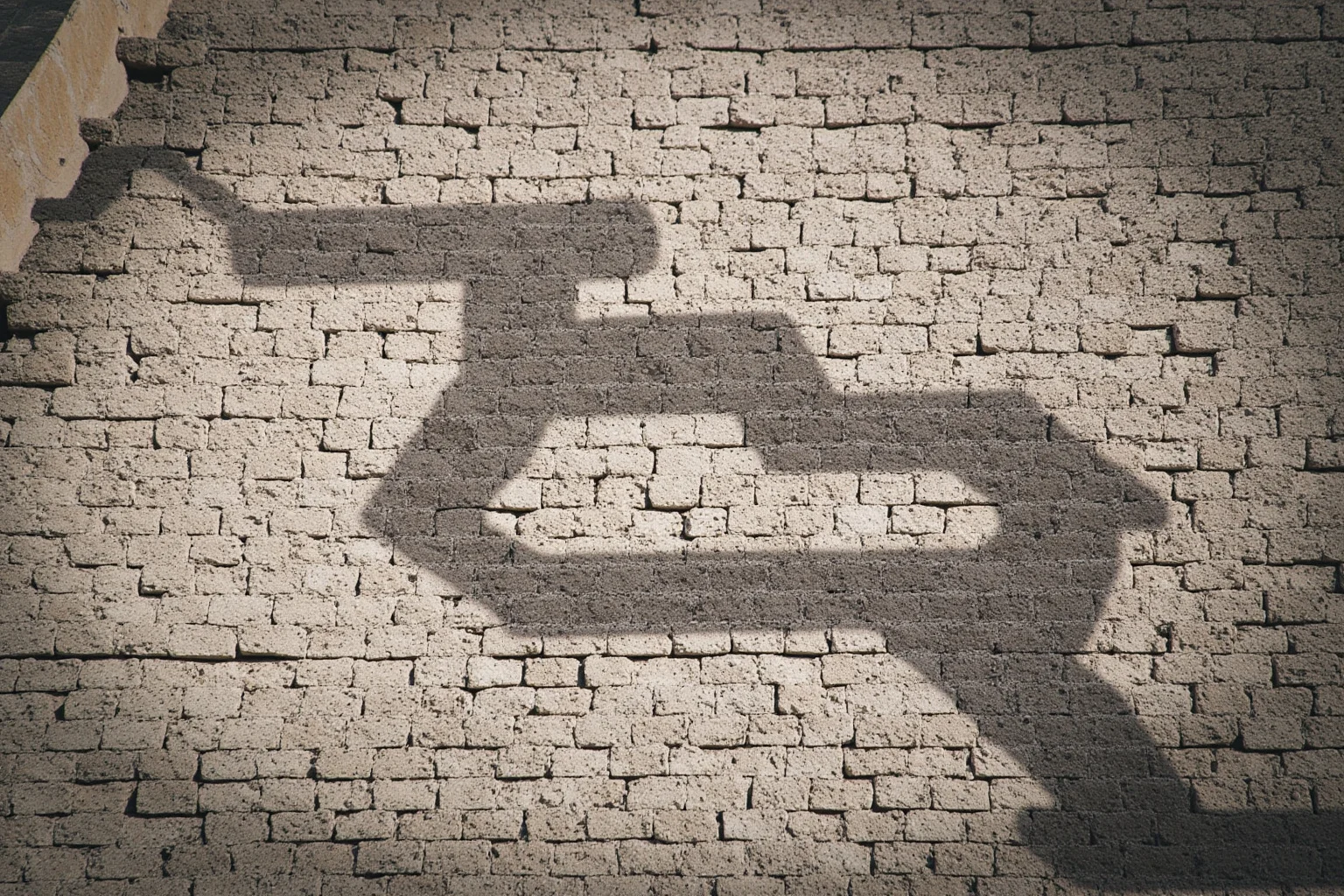
Built by the Maya around the 9th to 12th centuries, El Castillo is famous for its equinox light-and-shadow effect, where sunlight creates the illusion of a serpent slithering down the staircase. The pyramid’s 91 steps on each of four sides, plus the top platform, add up to 365, mirroring the solar calendar.
Researchers have also documented a strange acoustic effect: a hand clap at the base produces an echo resembling the chirp of the local quetzal bird. Whether this acoustic property was an intentional design choice or a fascinating coincidence is still debated among archaeologists.
14. Nan Madol, Micronesia

Off the coast of Pohnpei, Nan Madol is a city built on nearly 100 artificial islets, constructed from massive basalt “logs” stacked like log cabins, some weighing multiple tons. Built primarily between the 13th and 17th centuries by the Saudeleur dynasty, it’s one of the only ancient cities built almost entirely over a coral reef lagoon.
No quarry for the basalt columns exists on the immediate site, meaning the stone had to be transported by raft or canoe from elsewhere on the island. The precise logistics of that transport and construction, given the lack of metal tools or wheels, remain only partially understood.
15. Derinkuyu Underground City, Turkey
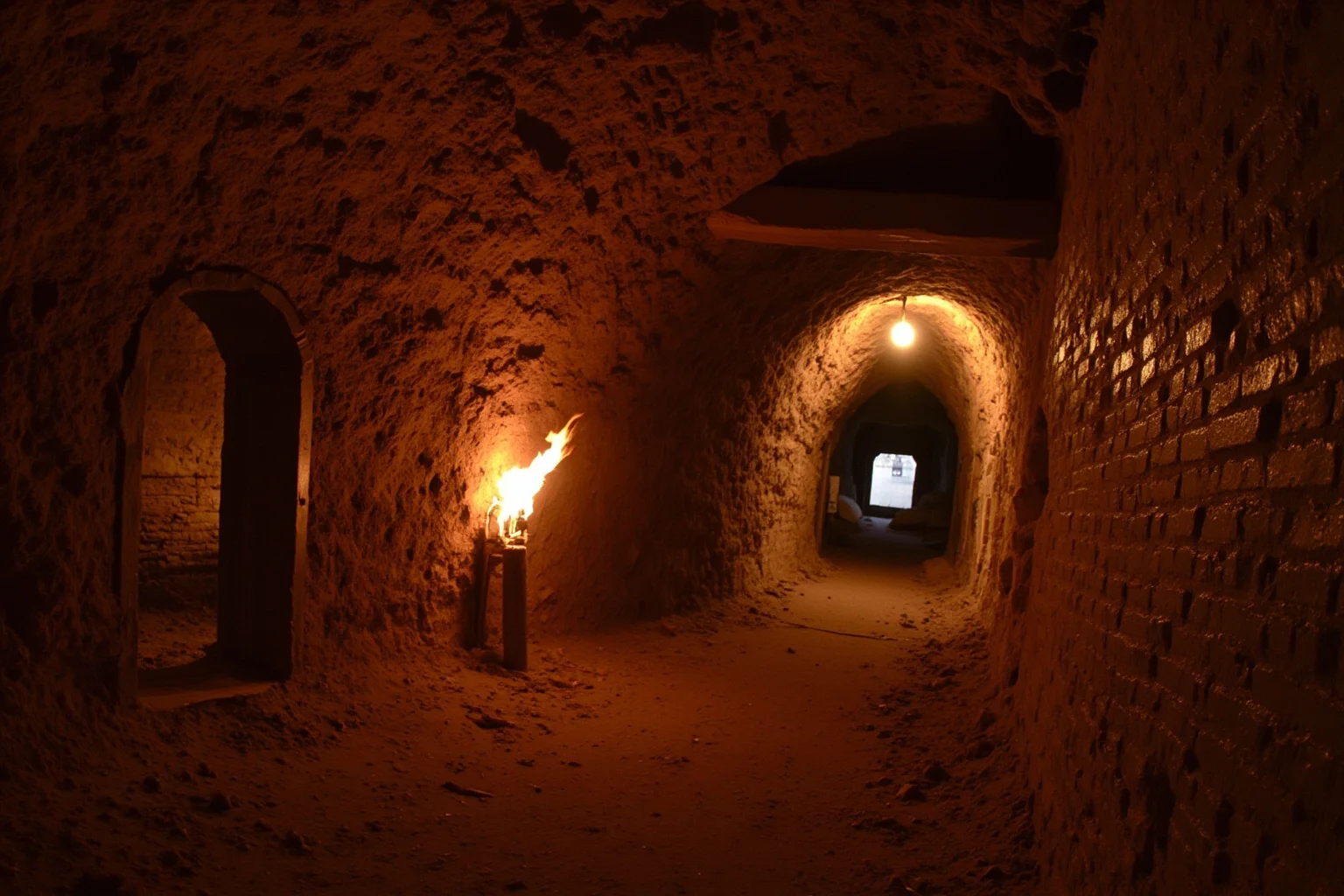
Carved into soft volcanic rock in Cappadocia, Derinkuyu extends roughly 60 meters underground across at least 18 levels, complete with ventilation shafts, wells, chapels, and stables. It could reportedly shelter thousands of people, likely used as refuge during invasions dating back to at least the Byzantine era, though its earliest origins may stretch further back.
What’s most impressive is the ventilation system, which kept air circulating through dozens of shafts without any mechanical pumps. Historians are still piecing together exactly when construction began and how many centuries of expansion it took to reach its final scale.
16. Machu Picchu, Peru
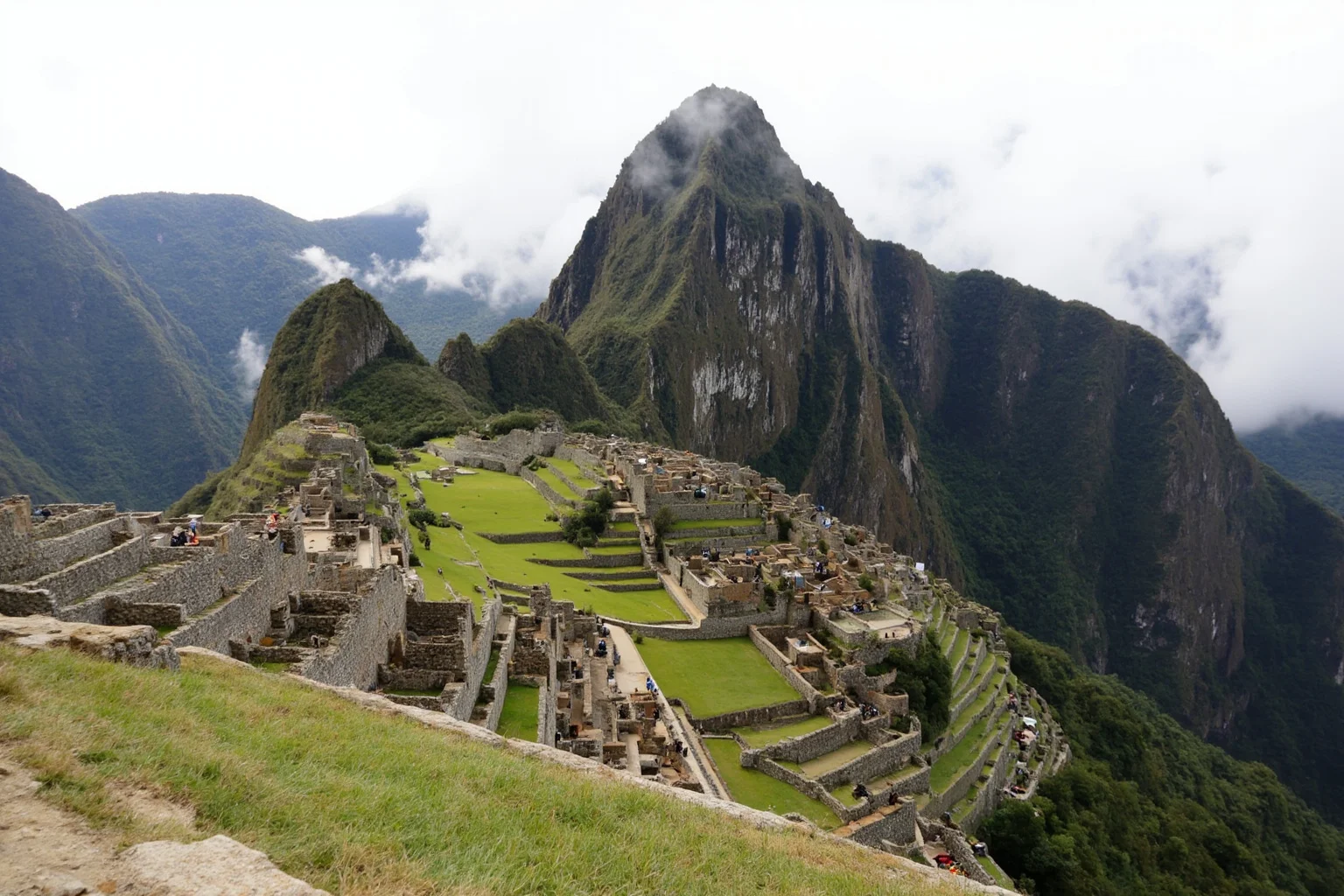
Built around 1450 CE as a royal Inca estate, Machu Picchu sits on a mountain ridge at over 7,900 feet, with terraces, temples, and buildings fitted using the same mortar-free stone techniques seen at Sacsayhuamán. Its drainage system has kept the site remarkably stable through centuries of heavy rainfall and seismic activity.
The site was never fully known to Spanish colonizers, which is part of why it survived so intact until its 1911 rediscovery by Hiram Bingham, guided by local farmers who already knew of it. The exact ceremonial role Machu Picchu played in Inca society is still being pieced together from limited written Spanish colonial records.
17. The Longyou Caves, China
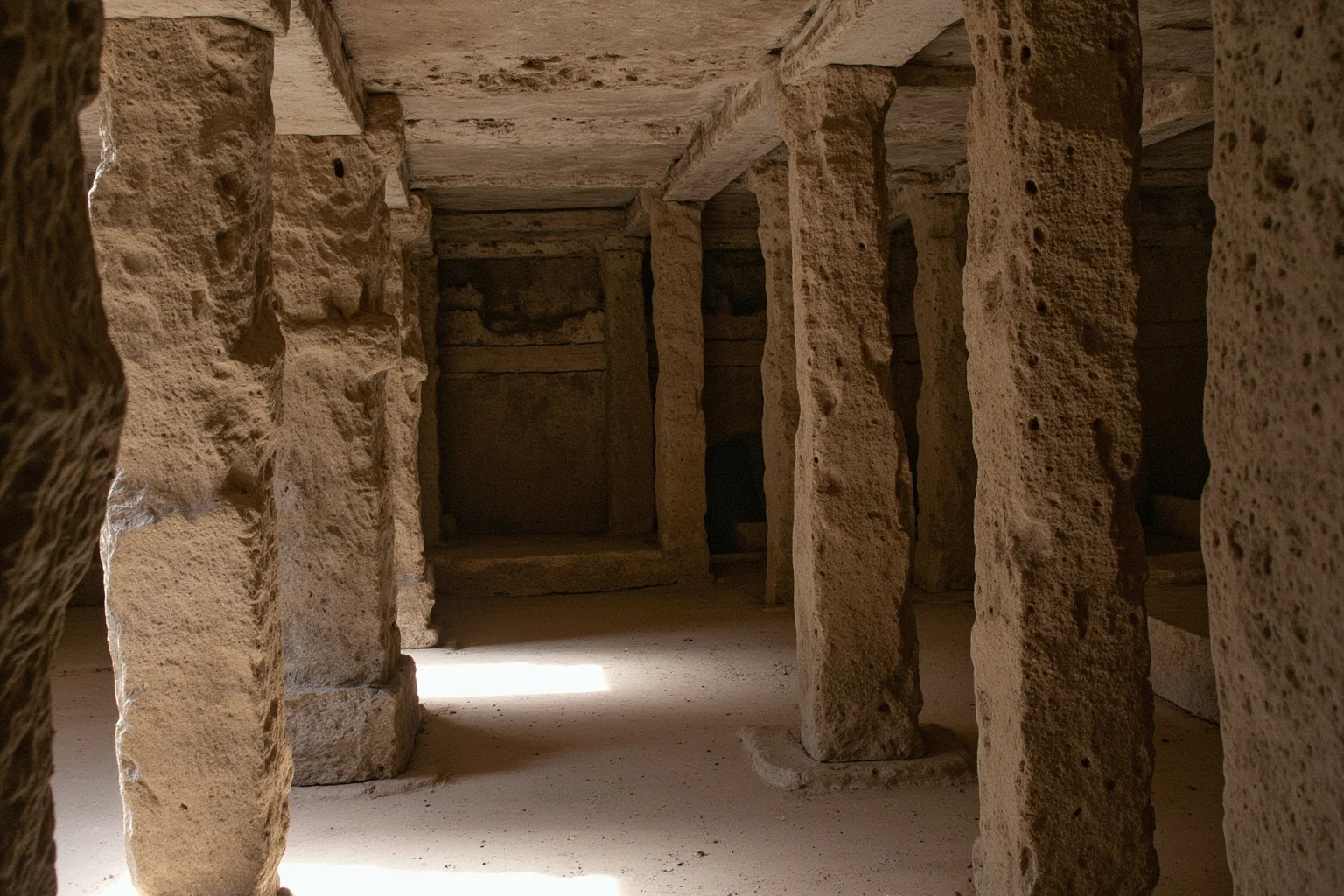
Discovered in 1992 after local farmers pumped water out of what looked like a natural pond, the Longyou Caves turned out to be a vast network of man-made caverns with chisel marks covering every surface in strikingly uniform patterns. No historical records mention their construction, and no tools, artifacts, or inscriptions were found to date them precisely.
Estimates place them at over 2,000 years old, but the identity of the ancient architects, their purpose, and how the excavated rock was disposed of remain unresolved. It’s a rare case where a monumental structure exists with almost no surrounding historical context at all.
18. Yonaguni Monument, Japan
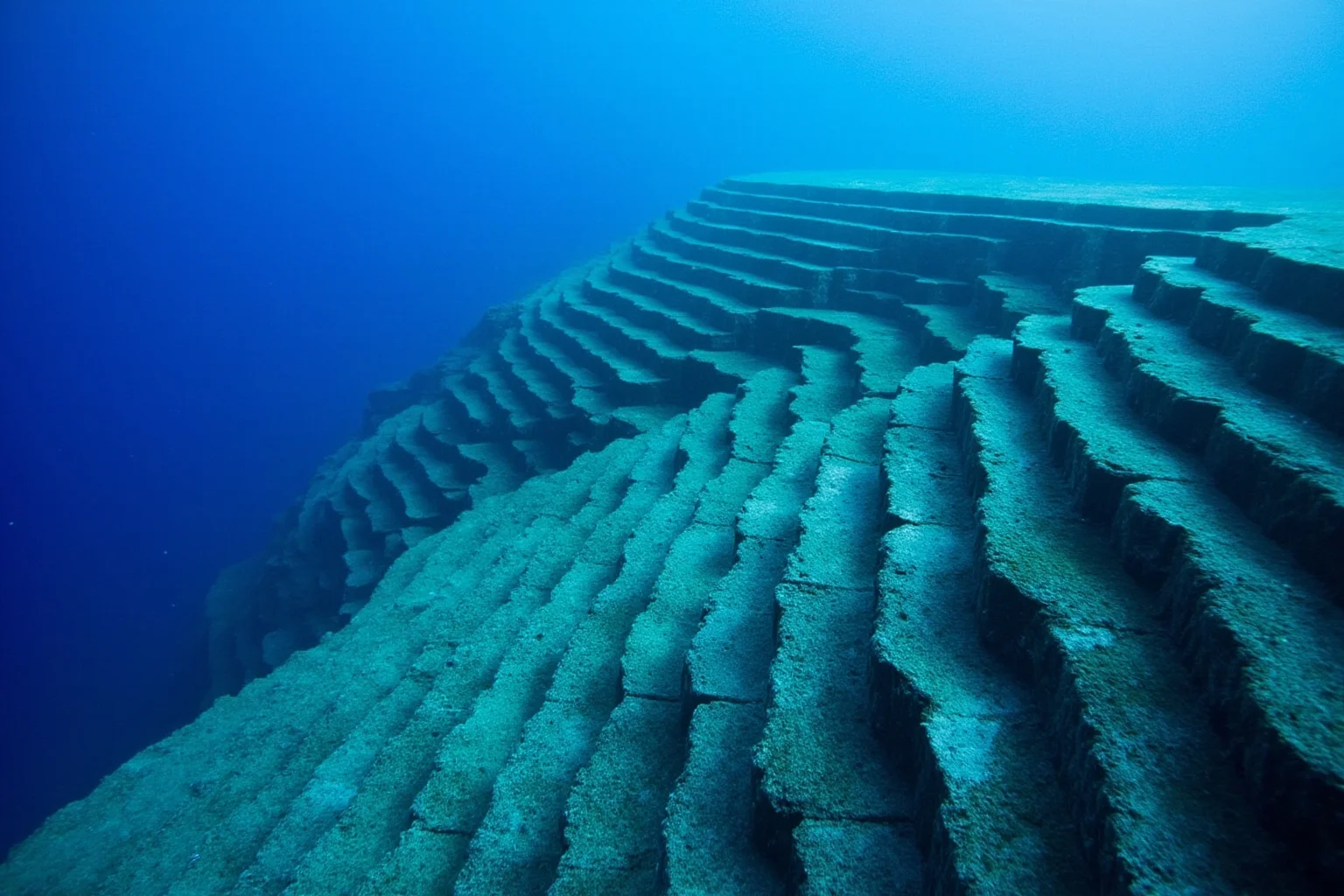
Discovered underwater off Japan’s Yonaguni Island in 1986, this rock formation features stepped, terrace-like features that some believe are the remains of a sunken ancient city. Its dramatic angular shapes have made it a favorite subject for speculative documentaries.
Most geologists who have studied the formation argue it’s a natural feature shaped by sandstone fracturing along straight bedding planes, common in the region’s rock type. A minority of researchers still argue for at least partial human modification, making Yonaguni one of the most genuinely contested sites among the most mysterious ancient structures debated today.
19. The Iron Pillar of Delhi, India
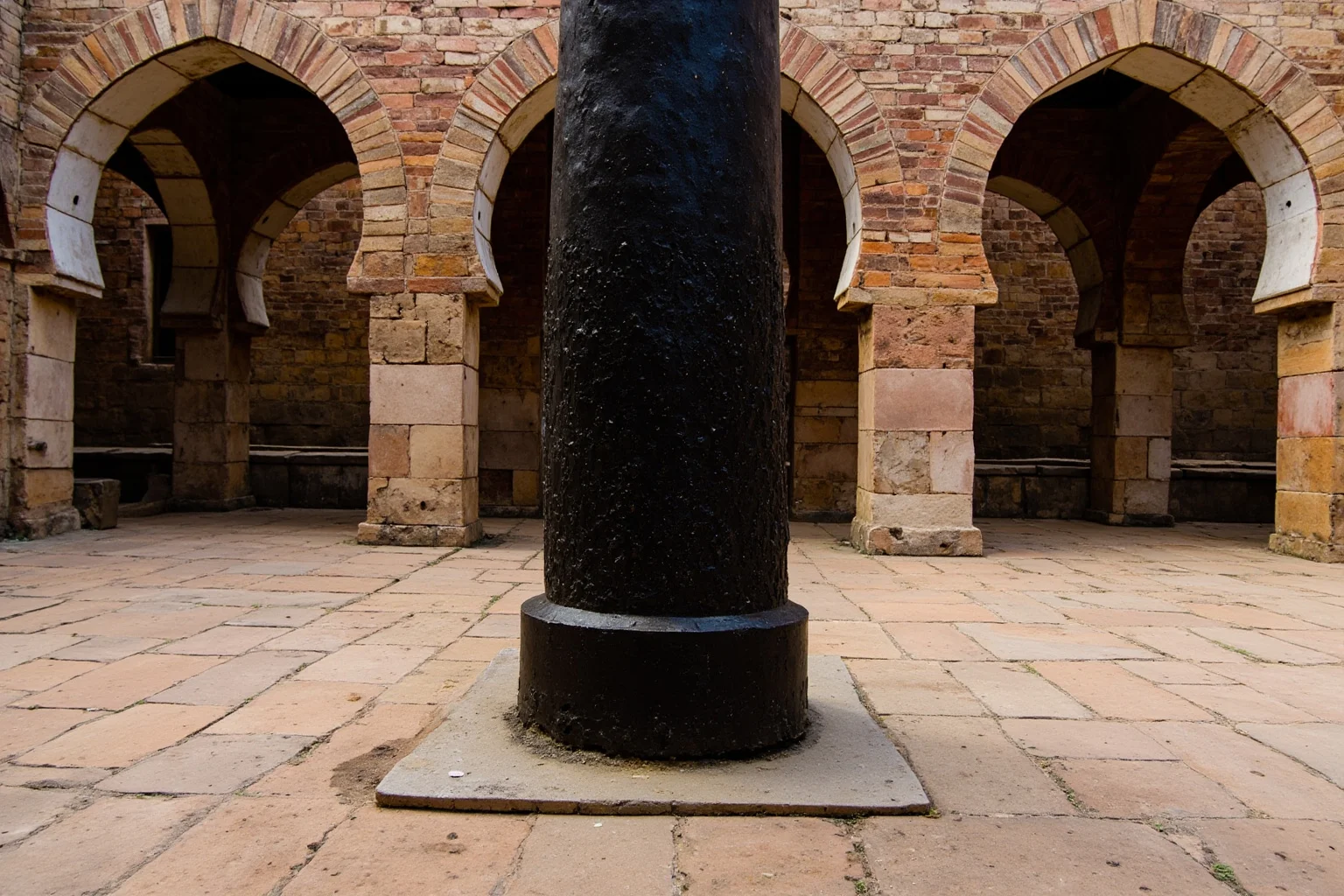
Standing in the Qutb complex, this iron pillar dates to around the 4th or 5th century CE and has resisted substantial rusting for over 1,600 years despite exposure to the elements. That’s an extraordinary feat for ancient metallurgy, long before modern rust-proofing existed.
Metallurgists have since determined the answer lies in the iron’s unusually high phosphorus content, which forms a protective passive layer over time. It’s less an unsolved mystery today and more a brilliant, verified example of ancient Indian engineering that took modern science decades to fully explain.
20. The Stone Spheres of Diquís, Costa Rica
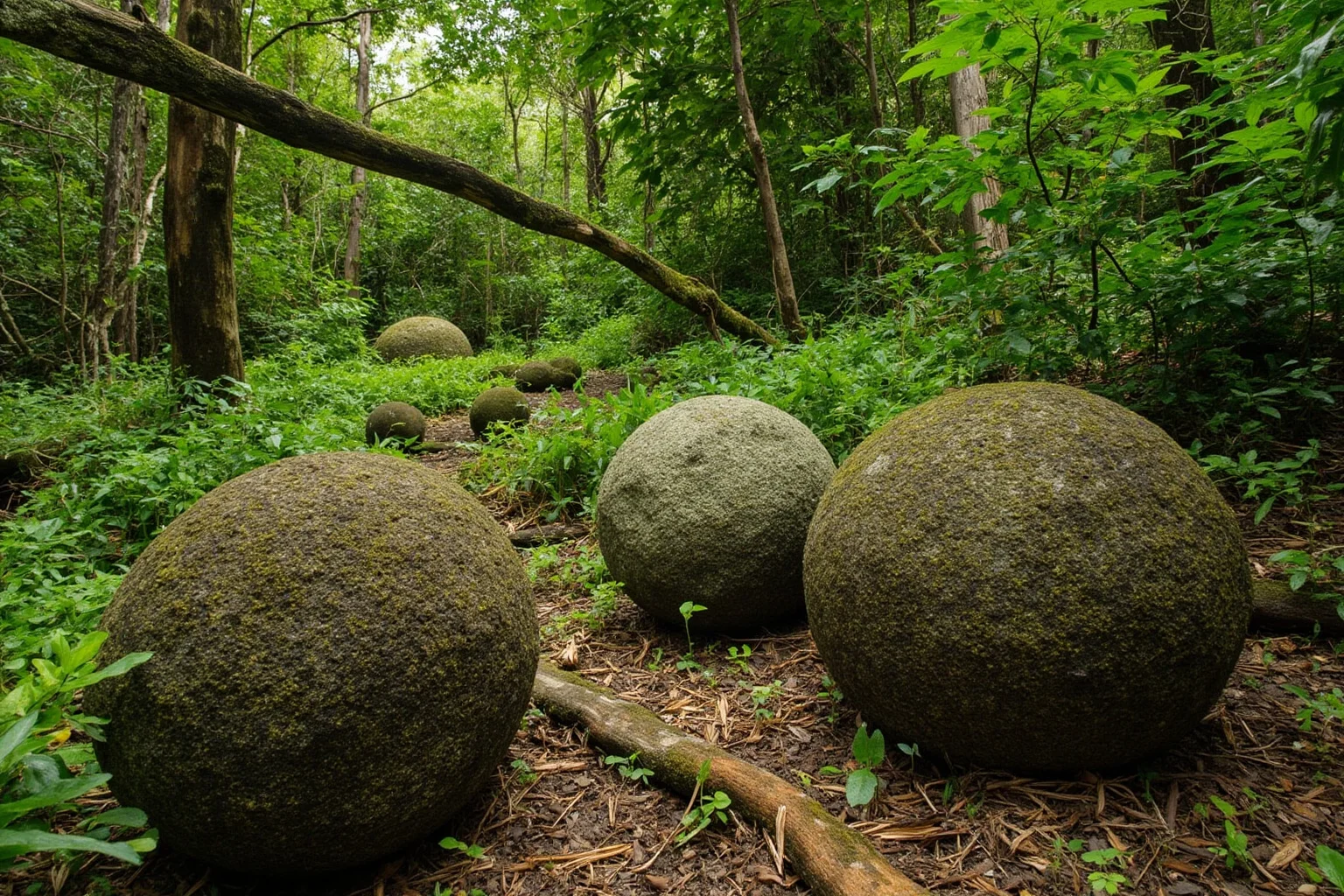
Scattered across the Diquís Delta, these nearly perfect stone spheres range from a few inches to over 2 meters in diameter, some weighing 16 tons. Carved by the Diquís culture starting around 600 CE, they were likely made using hammerstones and controlled fracturing.
Many of the roughly 300 known spheres were displaced from their original arrangements during 20th-century banana plantation clearing, erasing valuable context about their layout. That loss means their precise social or astronomical purpose is harder to reconstruct than it would otherwise be.
21. The Pyramids of Meroë, Sudan
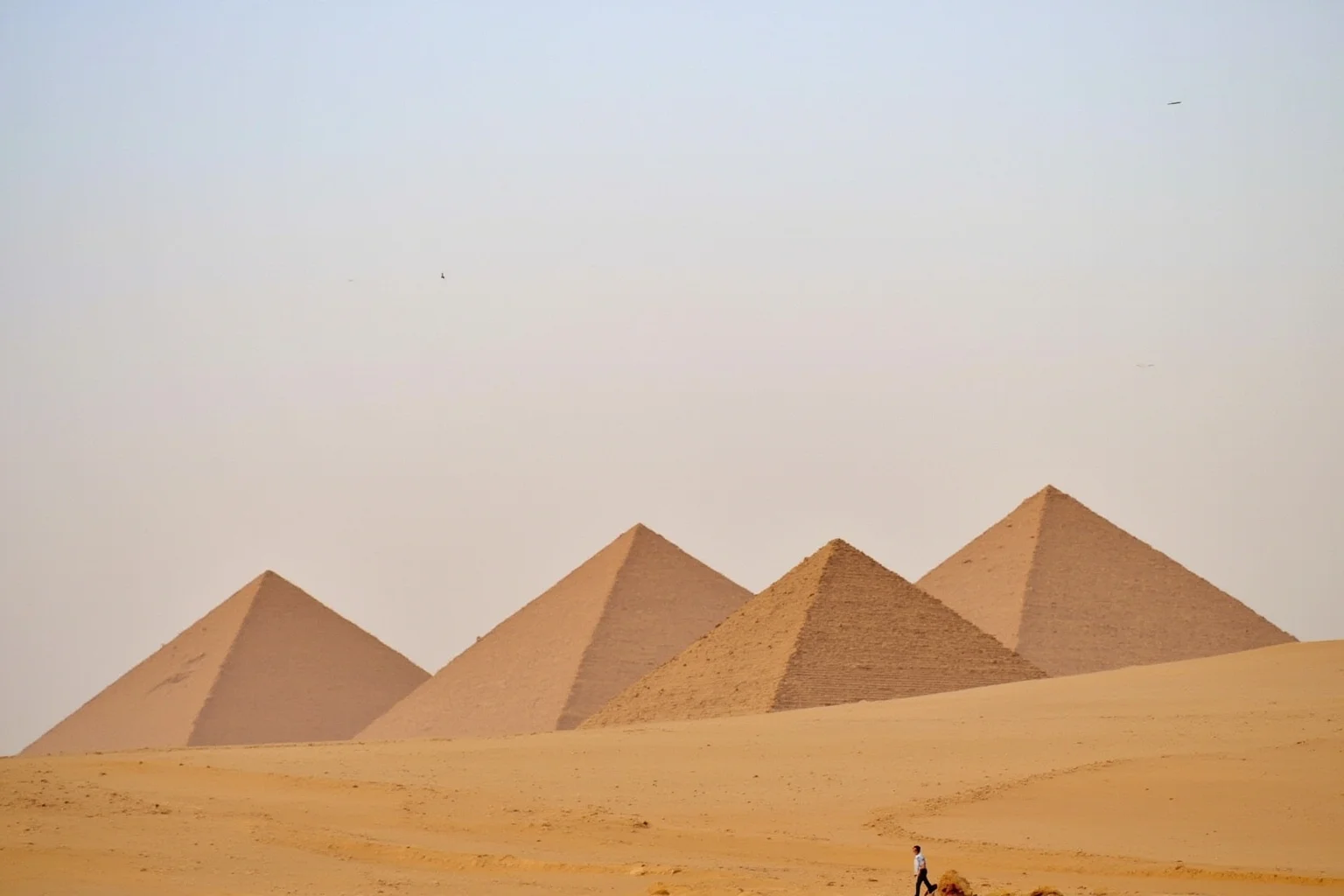
Sudan actually holds more pyramids than Egypt, with over 200 steep, narrow pyramids built by the Kingdom of Kush between roughly 300 BCE and 300 CE at the ancient city of Meroë. These structures reflect a distinct architectural style, smaller and steeper than their Egyptian counterparts, showing an independent design tradition.
Despite their significance, the Meroë pyramids remain far less studied and excavated than Egypt’s monuments, partly due to regional conflict and limited funding for archaeology in Sudan. That means there is likely still a great deal to learn about this underappreciated chapter of ancient architecture.
Separating Real Mystery From Myth
Across this list, a pattern emerges: almost every “unexplainable” structure has a plausible, evidence-based explanation once you look past sensational claims. Ancient people were not primitive; they were patient, observant, and often organized on a scale that’s hard to imagine today.
Where real uncertainty exists, it’s usually about motive, timeline, or specific logistics, not about whether ancient humans were physically capable of the work. That distinction matters, because it keeps the wonder rooted in genuine human achievement rather than in claims that erase the ingenuity of the people who actually built these places.
Why These Mysteries Still Matter
Studying unique architecture from the ancient world isn’t just a history hobby; it actively shapes modern engineering, materials science, and archaeology. Techniques rediscovered at sites like Sacsayhuamán or Machu Picchu still inform how modern builders think about earthquake-resistant design.
These sites also remind us how much can be lost when records, oral histories, or living languages disappear. Every unreadable script or undocumented cave system, like Mohenjo-daro’s seals or the Longyou Caves, represents knowledge that may never be fully recovered.
Final Thoughts
Ancient architecture continues to surprise us not because our ancestors had secret advanced technology, but because they achieved so much with ingenuity, patience, and deep environmental knowledge. From the razor-sharp joints of Inca stonework to the solstice-aligned chambers of Newgrange, these monumental buildings prove that human creativity has always been the real marvel.
The next time you see a headline claiming a structure is “impossible” to explain, it’s worth digging a little deeper. More often than not, the real story, one of skilled ancient architects solving hard problems with the tools of their time, is far more impressive than any myth.
Frequently Asked Questions
What are some amazing facts about architecture from the ancient world?
Some amazing facts about architecture include that Göbekli Tepe predates the wheel and writing, Sudan has more pyramids than Egypt, and the Iron Pillar of Delhi has resisted rust for over 1,600 years due to its unique phosphorus content. Ancient builders also achieved precision stone-fitting at sites like Sacsayhuamán without any mortar or metal tools.
What is considered the most mysterious ancient structure in the world?
There's no single agreed-upon answer, but sites like Puma Punku, the Longyou Caves, and the Yonaguni Monument are frequently cited because key details about their exact purpose or construction methods remain debated among archaeologists and geologists. Mystery here usually refers to unresolved specifics, not proof of unknown technology.
Did ancient civilizations use advanced technology we don’t understand?
No credible archaeological evidence supports the idea that ancient civilizations used technology beyond ropes, levers, ramps, fire-setting, and organized manual labor. What looks like advanced technology is usually the result of highly refined craftsmanship, generational skill, and large-scale coordinated workforces.
Were aliens involved in building ancient monuments like the pyramids?
There is no scientific or archaeological evidence supporting extraterrestrial involvement in any ancient structure. Quarry marks, worker settlements, tools, and construction ramps discovered at sites like Giza consistently point to human builders using period-appropriate methods.
How did ancient architects move massive stones without modern machinery?
Ancient architects relied on techniques such as wooden sledges, ramps, levers, rope-and-pulley systems, water transport via rivers, and large coordinated labor forces. Experimental archaeology, including the 2012 moai-walking study on Easter Island, has demonstrated many of these methods actually work.
Are there ancient buildings that remain completely unexplained today?
A few sites, like the Longyou Caves in China and parts of the Yonaguni Monument in Japan, still lack a fully confirmed explanation for their origin, purpose, or method of construction. In most other cases, what once seemed unexplainable has been clarified through further archaeological research.

Alex Warren
Related Articles





