
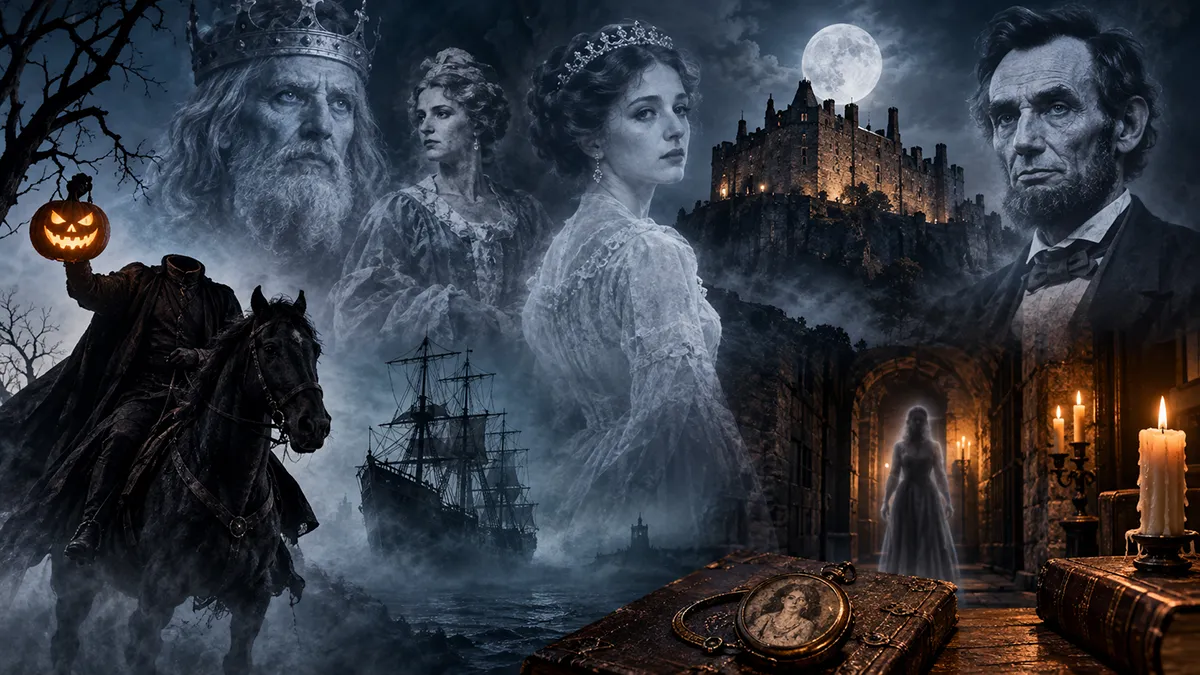
Every culture on Earth has told stories about the dead who refuse to stay dead. Long before horror movies and viral TikTok ghost hunts, people gathered around fires, candles, and later gaslights to swap tales of weeping widows, wronged queens, and shadowy figures who wander the same hallway every night at the same hour.
Some of these legendary ghosts are tied to real historical figures and documented events. Others are pure folklore, shaped and reshaped over centuries until no one can say where the story truly began.
This list pulls together the most famous ghosts in history and legend — from ancient folklore spirits to the literary phantoms that shaped how we picture a haunting at all.
We’ll look at where each story came from, what’s actually documented versus what’s legend, and why these particular ghosts have outlasted thousands of forgotten ones.
TL;DR: From Anne Boleyn’s ghost at the Tower of London to La Llorona’s cries along Latin American riverbanks, the world’s most legendary ghosts endure because they blend real history, cultural fear, and unforgettable storytelling.
A Brief History of Ghosts: Where Belief in Spirits Began
Belief in ghosts is almost as old as recorded history itself. Ancient Mesopotamians believed the dead traveled to a shadowy underworld called Kur, but an improperly buried body could send a restless spirit, or gidim, back among the living.
Ancient Egyptians built entire religious systems around ensuring the dead did not become angry or trapped spirits, which is part of why mummification and elaborate tombs mattered so much.
The ancient Greeks and Romans had their own ghost traditions, too. The Roman writer Pliny the Younger described a haunted house in Athens in a letter from the 1st century CE, making it one of the earliest surviving Western ghost stories that reads almost exactly like a modern haunted house tale, complete with rattling chains.
Medieval Europe folded ghost belief into Christian theology, with spirits often reimagined as souls trapped in purgatory.
By the Victorian era, the rise of Spiritualism turned ghost belief into a full cultural movement, with séances, mediums, and photography all used — and frequently faked — to prove spirits were real.
That history matters, because many of today’s “real ghost stories” trace their roots directly back to this tangled mix of religion, grief, and entertainment.
What Do Ghost Names and Meanings Actually Tell Us?
When you look across ghost names and meanings from different cultures, a pattern emerges pretty quickly. Many legendary ghosts aren’t given personal names at all — they’re named for what they represent, like “the White Lady” or “the Gray Man,” turning them into archetypes that can be attached to almost any location.
Other ghost names are literal descriptions of the tragedy that supposedly created them, like La Llorona, Spanish for “the weeping woman.”
Meanwhile, names like Katie King or Chloe belong to specific claimed identities tied to a real place or séance tradition. Understanding these naming patterns helps explain why so many “different” ghosts around the world sound suspiciously similar.
21 Legendary Ghosts Still Haunting History and Culture
The ghosts below span ancient folklore, well-documented historical hauntings, and the fictional phantoms that shaped pop culture’s idea of a haunting. Some have centuries of recorded sightings behind them. Others are almost certainly legend dressed up as fact — and we’ll be upfront about which is which.
Folklore Ghosts Found Around the World
1. The White Lady
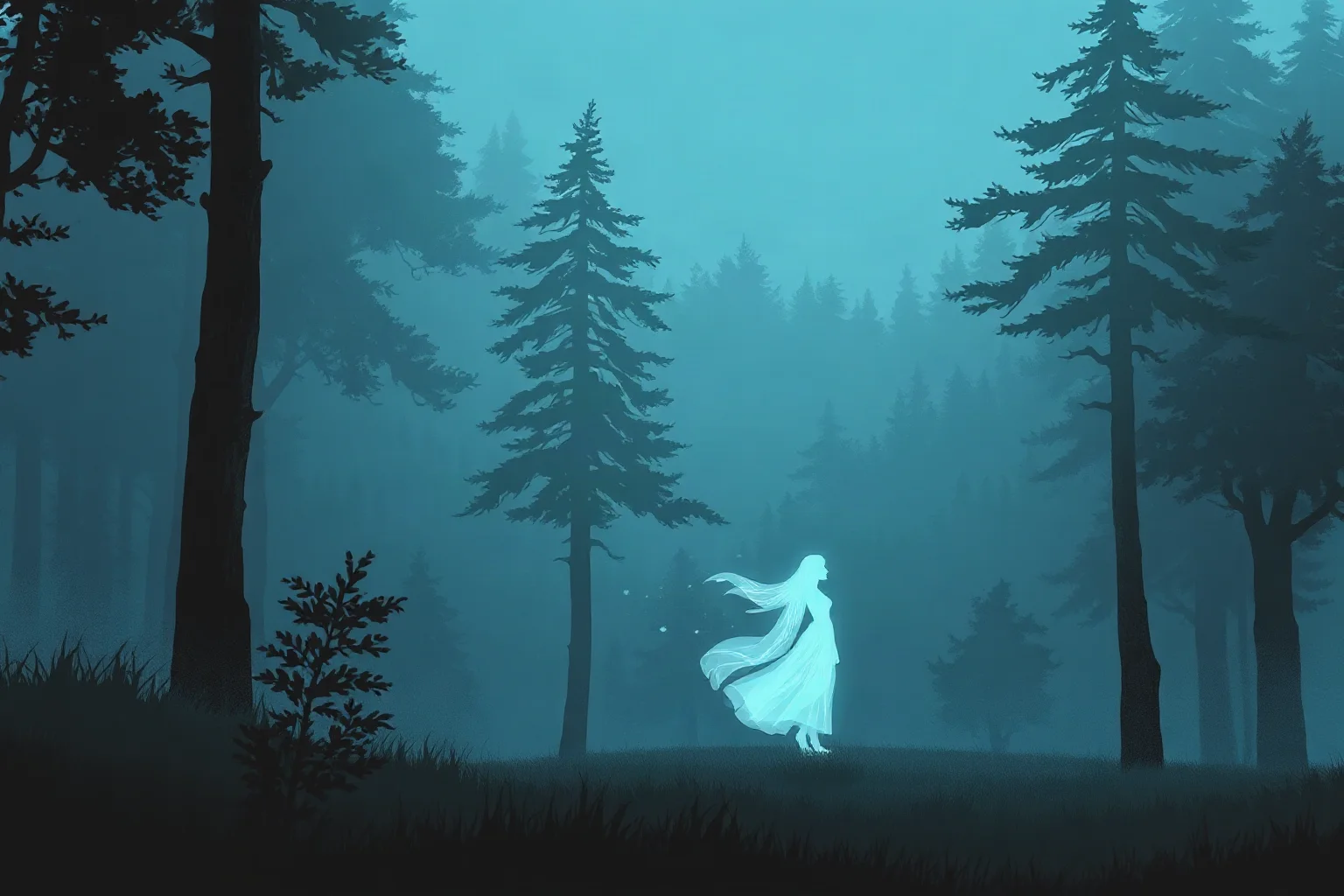
The White Lady is arguably the most widespread ghost archetype on the planet, appearing in the folklore of Germany, the Philippines, Latin America, and dozens of other cultures. She’s typically described as a woman in a white dress who died tragically, often linked to a lost love, a drowning, or a betrayal.
Because the story pops up independently across so many unrelated cultures, folklorists generally treat the White Lady as a shared human archetype rather than one single ghost. She represents grief and unfinished business more than any one verified death.
2. La Llorona
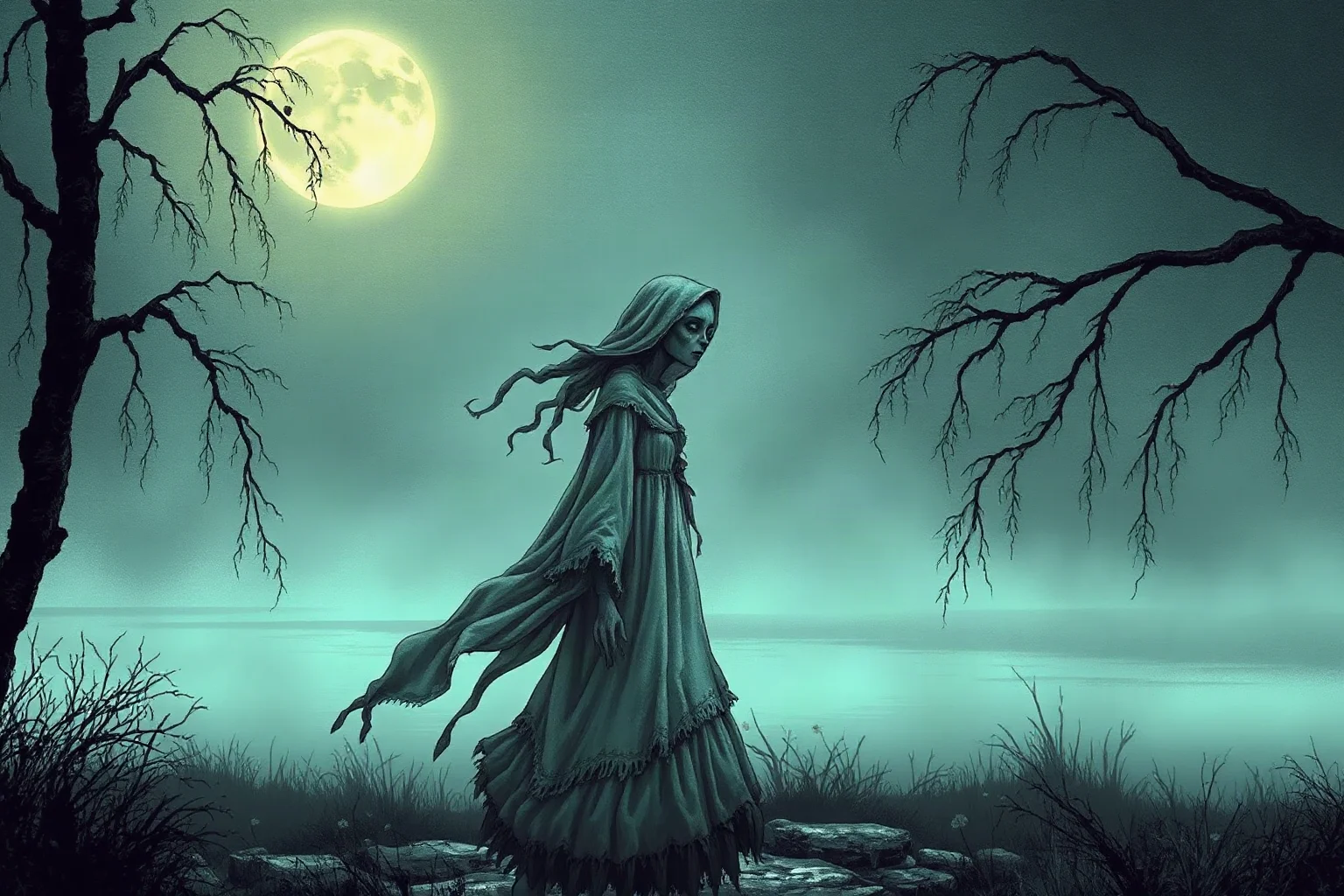
La Llorona, “the weeping woman,” is one of the most famous ghost stories from Mexico and much of Latin America. Legend says she drowned her own children in a river after being spurned by their father, and now wanders waterways at night, weeping and searching for them.
The tale is used across generations as both a ghost story and a cautionary folk tale for children. Historians trace versions of it back to colonial-era Mexico, though similar weeping-woman myths may predate European contact.
3. The Flying Dutchman
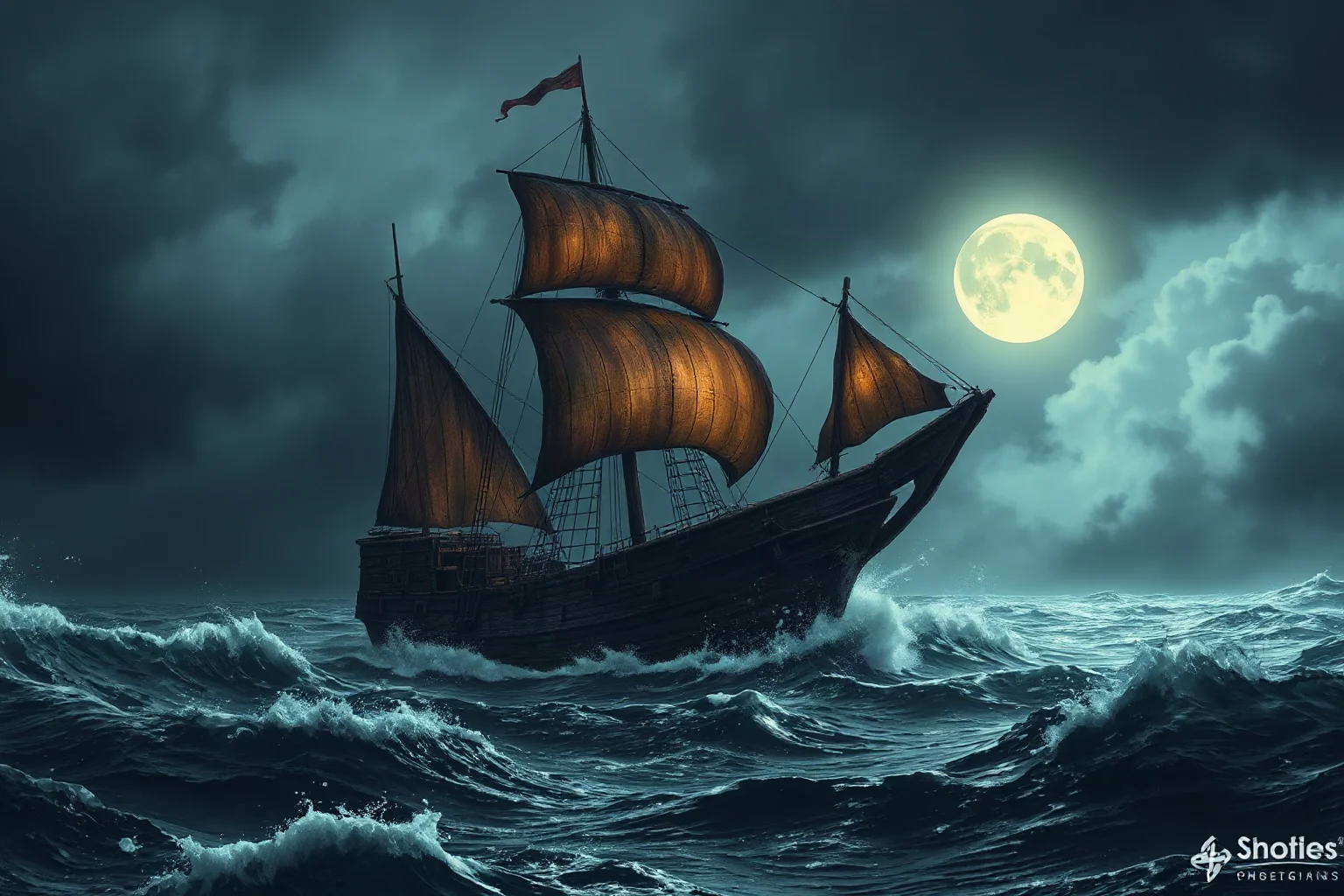
The Flying Dutchman is a legendary ghost ship said to sail the seas forever, never able to make port. Sailors’ folklore from the 17th and 18th centuries claimed that spotting the ship was a terrible omen, often foretelling disaster or death.
The legend likely grew out of real sailors’ superstitions combined with optical phenomena like Fata Morgana mirages, which can make distant ships appear to float above the water. It remains one of the most enduring maritime ghost stories in Western folklore.
4. Bloody Mary
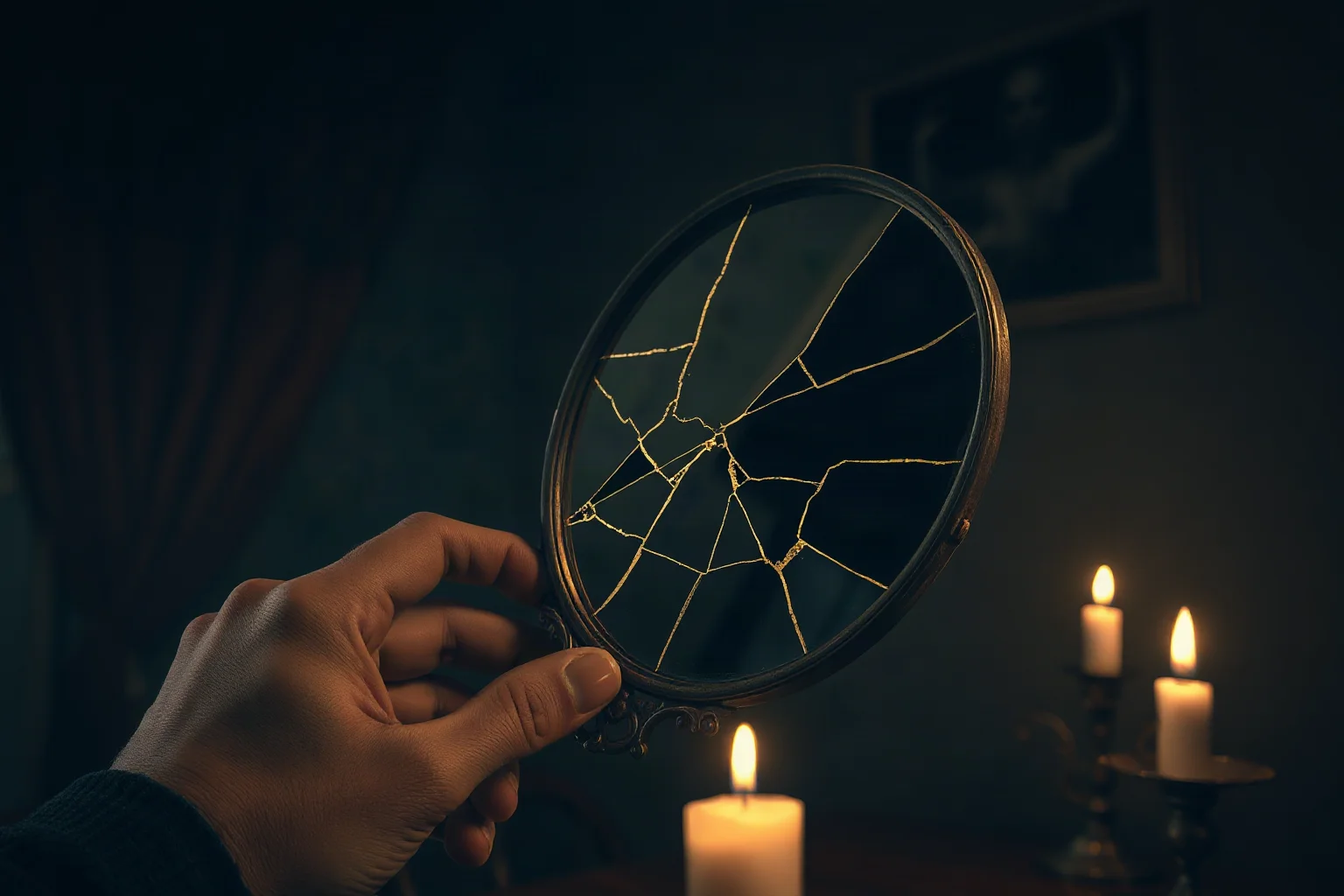
Bloody Mary is less a single ghost than a ritual: say her name three times in a dark mirror, and she supposedly appears. The game has roots in older “mirror divination” folk customs, where young women tried to see the face of a future husband in a candlelit mirror.
Over time the ritual curdled into something scarier, with Bloody Mary reimagined as a vengeful, disfigured spirit. There’s no verified historical figure behind the name — it’s a folklore game more than a documented haunting.
5. The Headless Horseman
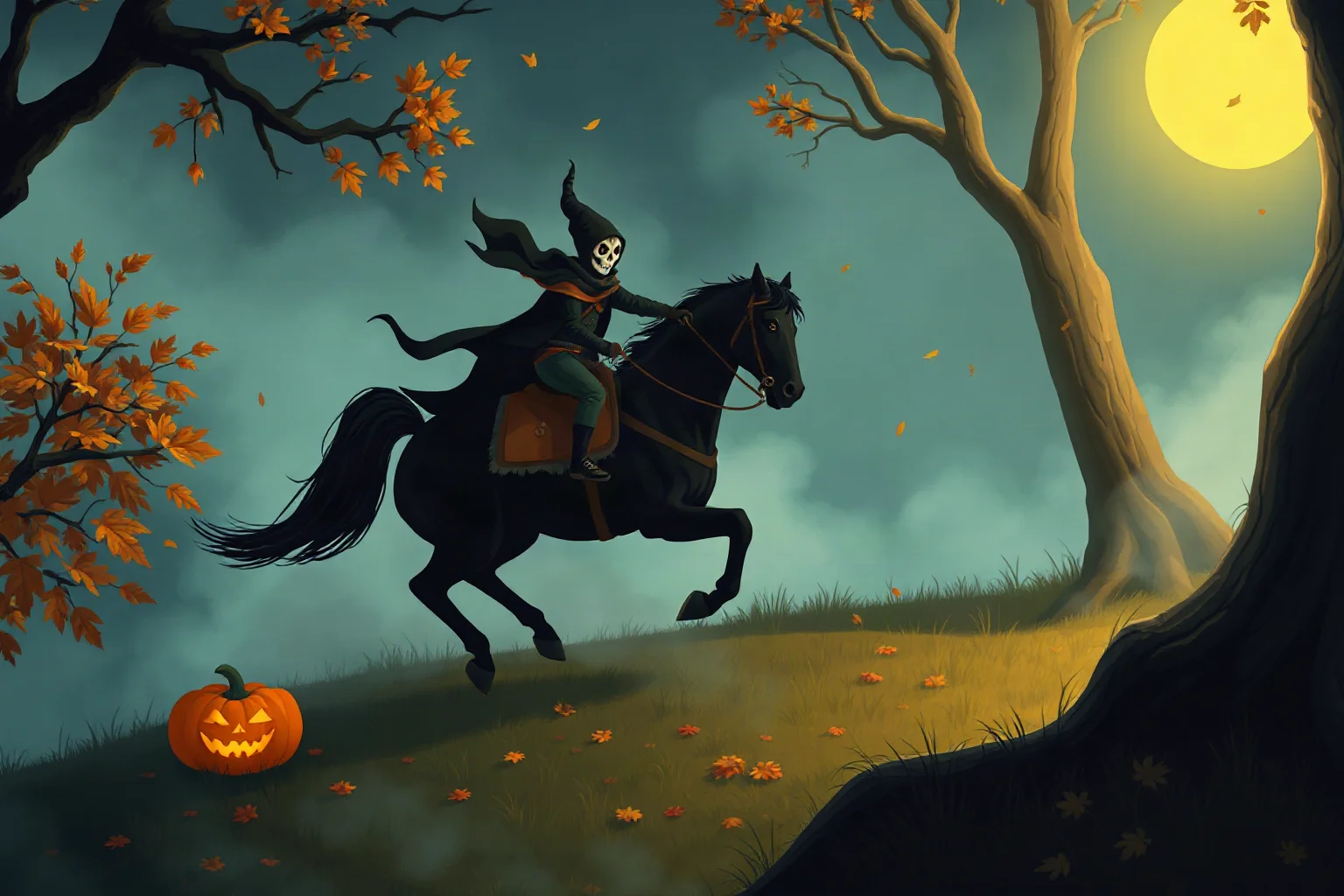
Made famous by Washington Irving’s 1820 story “The Legend of Sleepy Hollow,” the Headless Horseman is technically a fictional ghost, but he draws directly on older German and Irish folklore about headless riders. Irving set his tale in a real Hudson Valley village, which helped the fictional legend feel like local history.
The story became so culturally embedded that Sleepy Hollow, New York, leaned into the legend and now markets itself around it. It’s a great example of fiction and folklore blending until the line nearly disappears.
6. The Phantom Hitchhiker
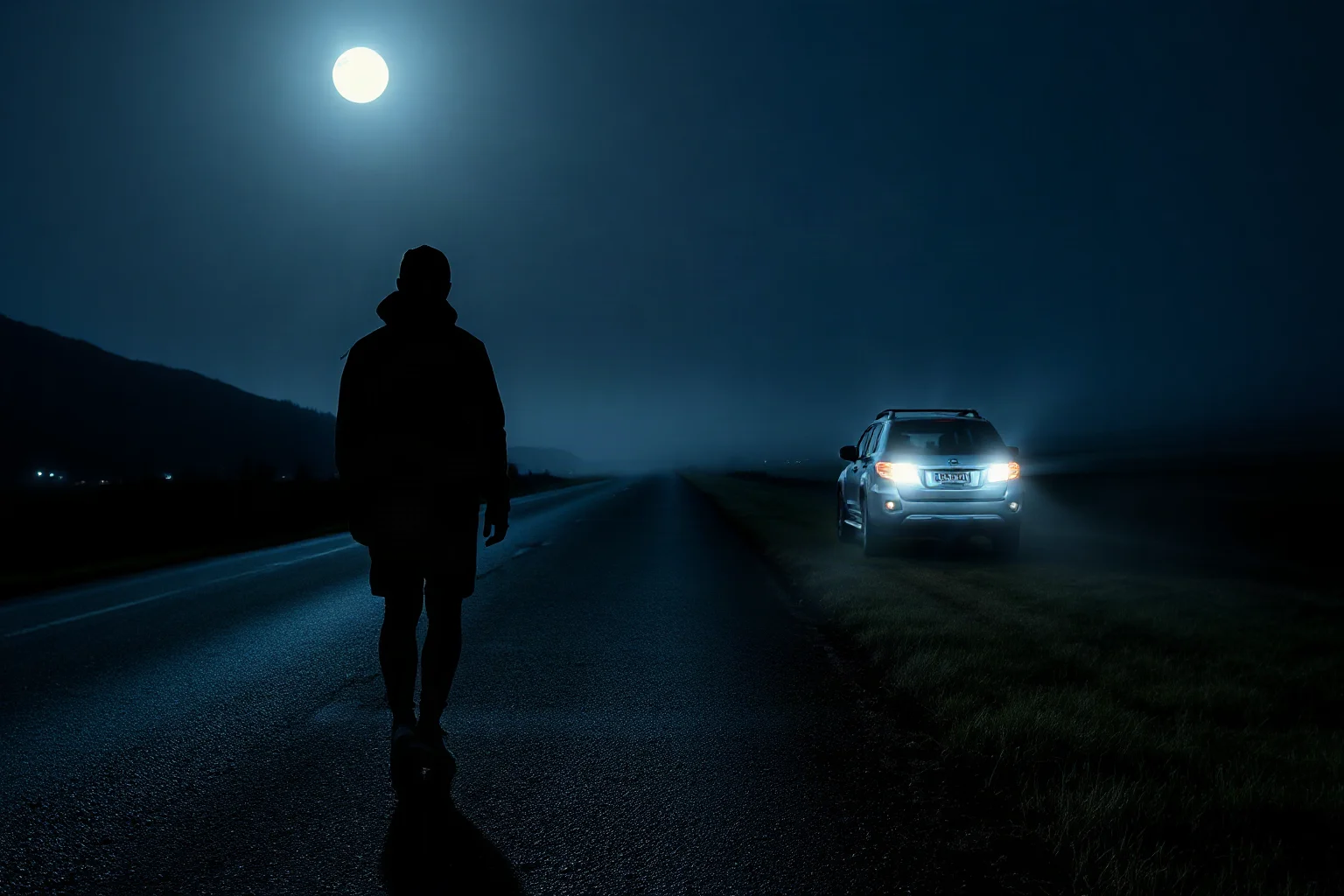
The phantom hitchhiker is a modern urban legend told in nearly identical form across the U.S., UK, and beyond. A driver picks up a hitchhiker who vanishes from the car partway through the trip, often after giving an address that turns out to belong to someone who died years earlier.
Folklorists classify this as a “migratory legend” because the same story structure keeps reappearing in new towns with new local details. It’s one of the clearest examples of how ghost stories evolve and spread.
7. Okiku, the Well Ghost of Japan
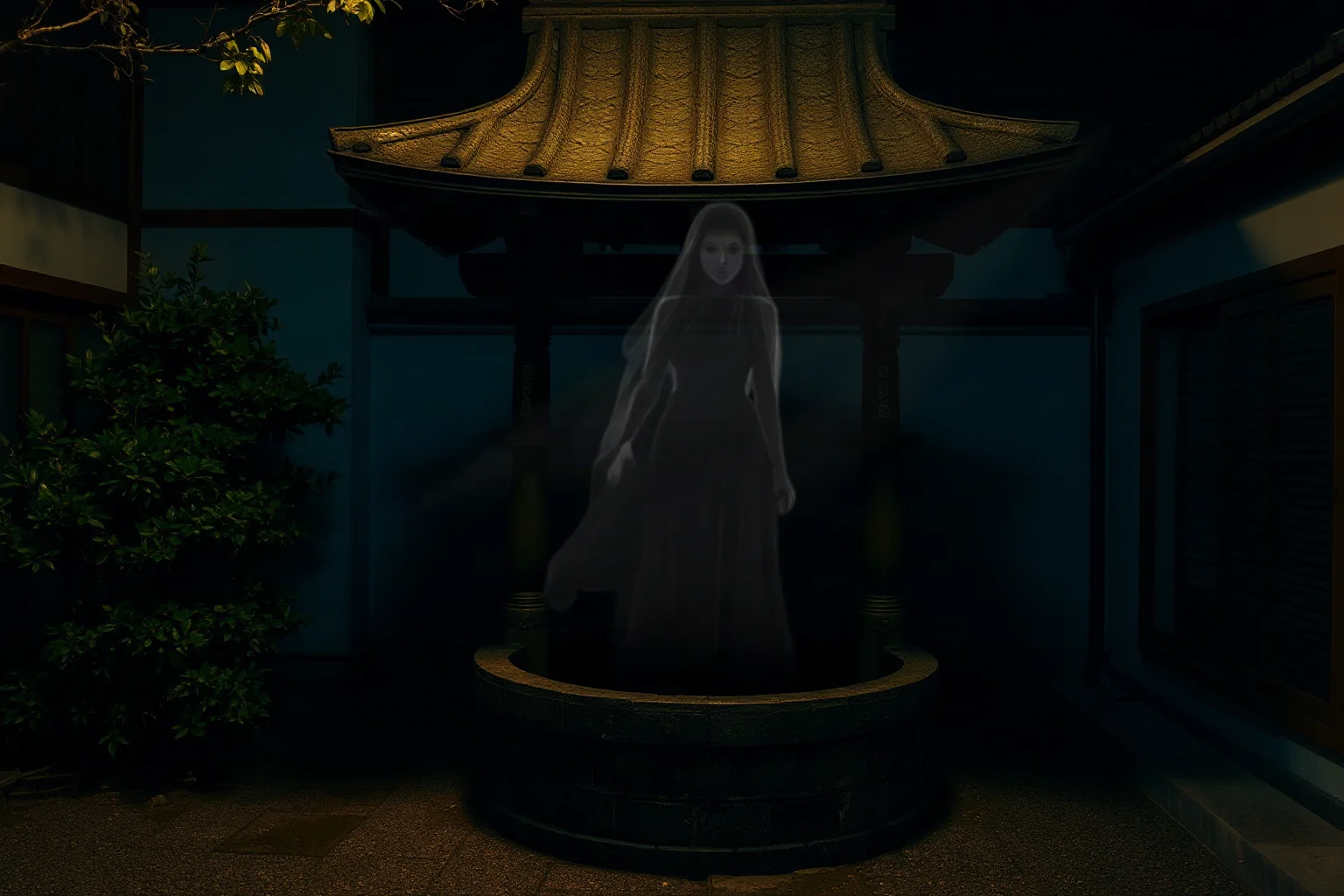
Okiku is central to one of Japan’s most famous ghost stories, tied to the kaidan tradition of supernatural folklore. In the most common version, a servant named Okiku was wrongly accused of losing a precious plate and was killed, after which her spirit was said to haunt a well, endlessly counting to nine before wailing in despair over the missing tenth item.
The tale exists in several regional versions, including the famous Banchō Sarayashiki. It heavily influenced Japan’s broader yūrei ghost tradition, which later shaped iconic horror figures worldwide.
Real Historical Hauntings
8. Anne Boleyn
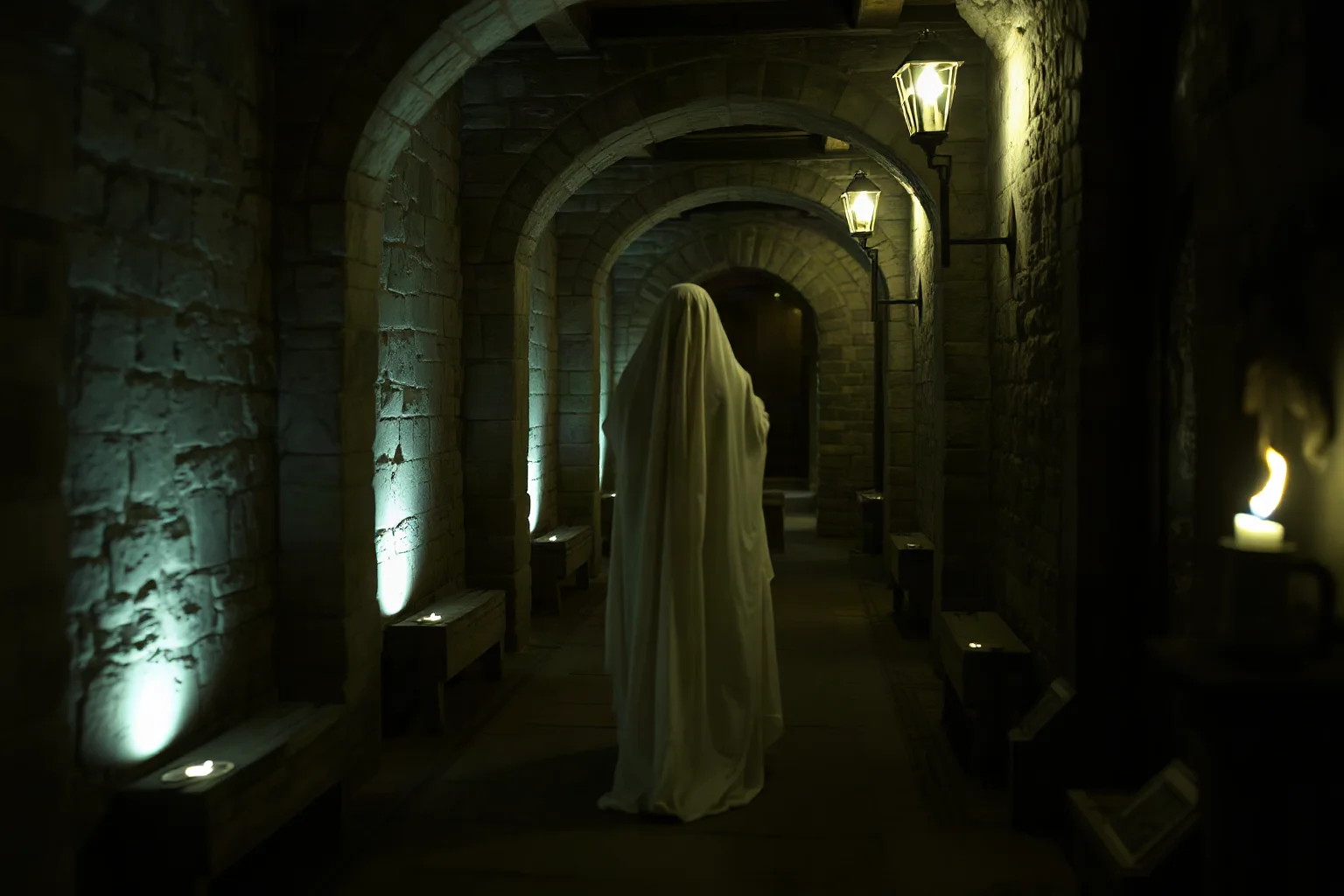
Anne Boleyn, second wife of King Henry VIII, was executed in 1536 at the Tower of London on charges most historians now consider politically motivated rather than factually supported. She’s reportedly one of the most frequently claimed ghost sightings in Britain, said to walk the Tower grounds and Hever Castle carrying her own head.
There’s no scientific evidence for any of these sightings, but the emotional weight of her story — a queen executed on shaky charges — is likely why she remains one of history’s most famous ghosts. The Tower of London itself has centuries of reported hauntings tied to its brutal past.
9. The Two Princes in the Tower
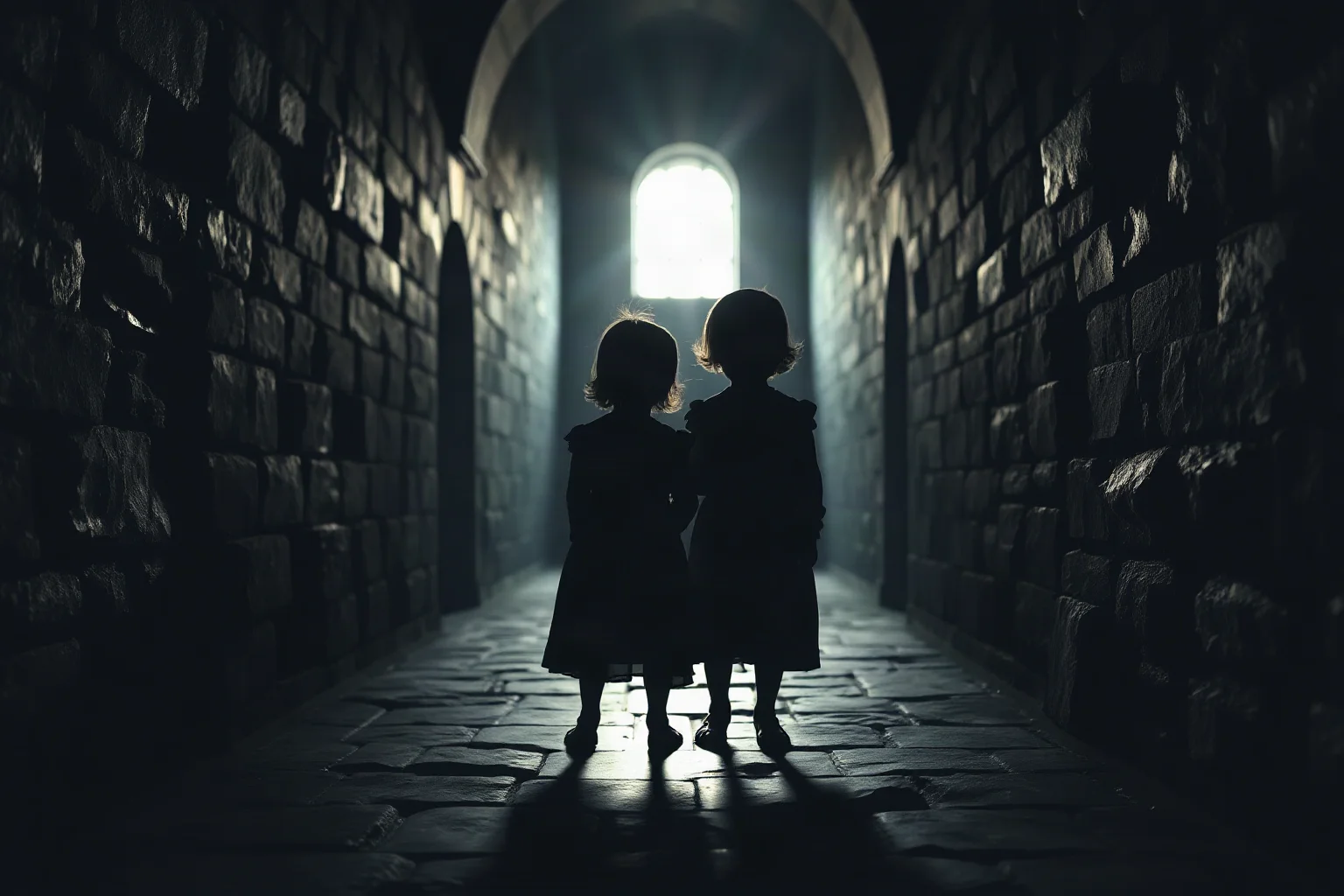
Edward V and his younger brother Richard were the sons of King Edward IV, and both disappeared in 1483 while held in the Tower of London under the guardianship of their uncle, who became Richard III. Their fate remains one of British history’s genuine unsolved mysteries, and skeletal remains found in 1674 are widely believed, though not conclusively proven, to be theirs.
Ghost sightings of two small figures in white nightgowns have been reported at the Tower for generations. Because the boys’ real disappearance is historically documented even if their deaths aren’t fully confirmed, this haunting sits right at the intersection of real history and legend.
10. The Brown Lady of Raynham Hall
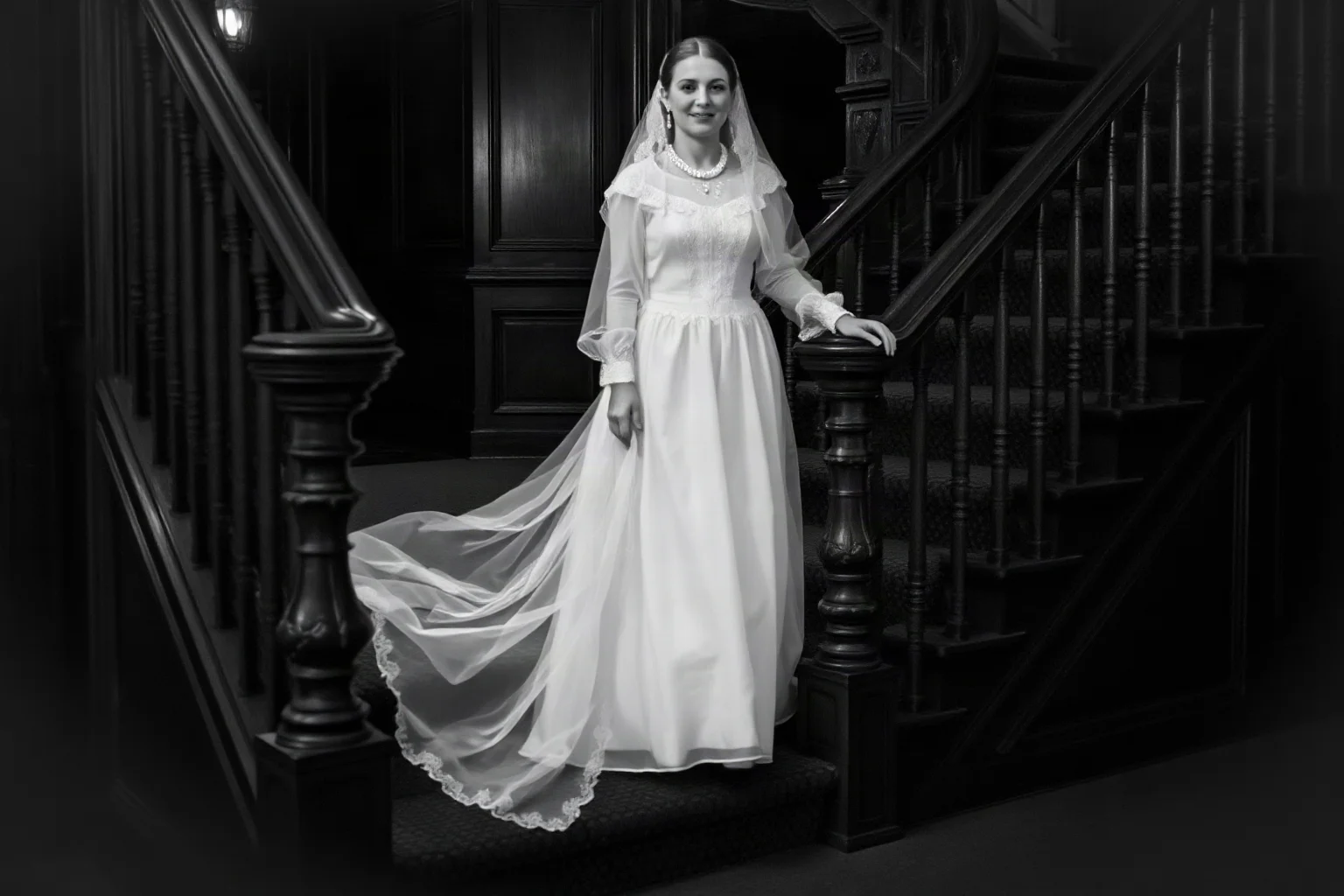
The Brown Lady is tied to Raynham Hall in Norfolk, England, and became globally famous after a 1936 photograph — published in Country Life magazine — appeared to show a translucent female figure descending a staircase. She’s popularly linked to Lady Dorothy Walpole, who died in 1726.
The photo remains one of the most analyzed “ghost photographs” in history, with skeptics pointing to double exposure as a likely explanation. It’s still frequently cited in lists of famous ghost stories precisely because physical evidence, however debatable, actually exists.
11. The Bell Witch of Tennessee
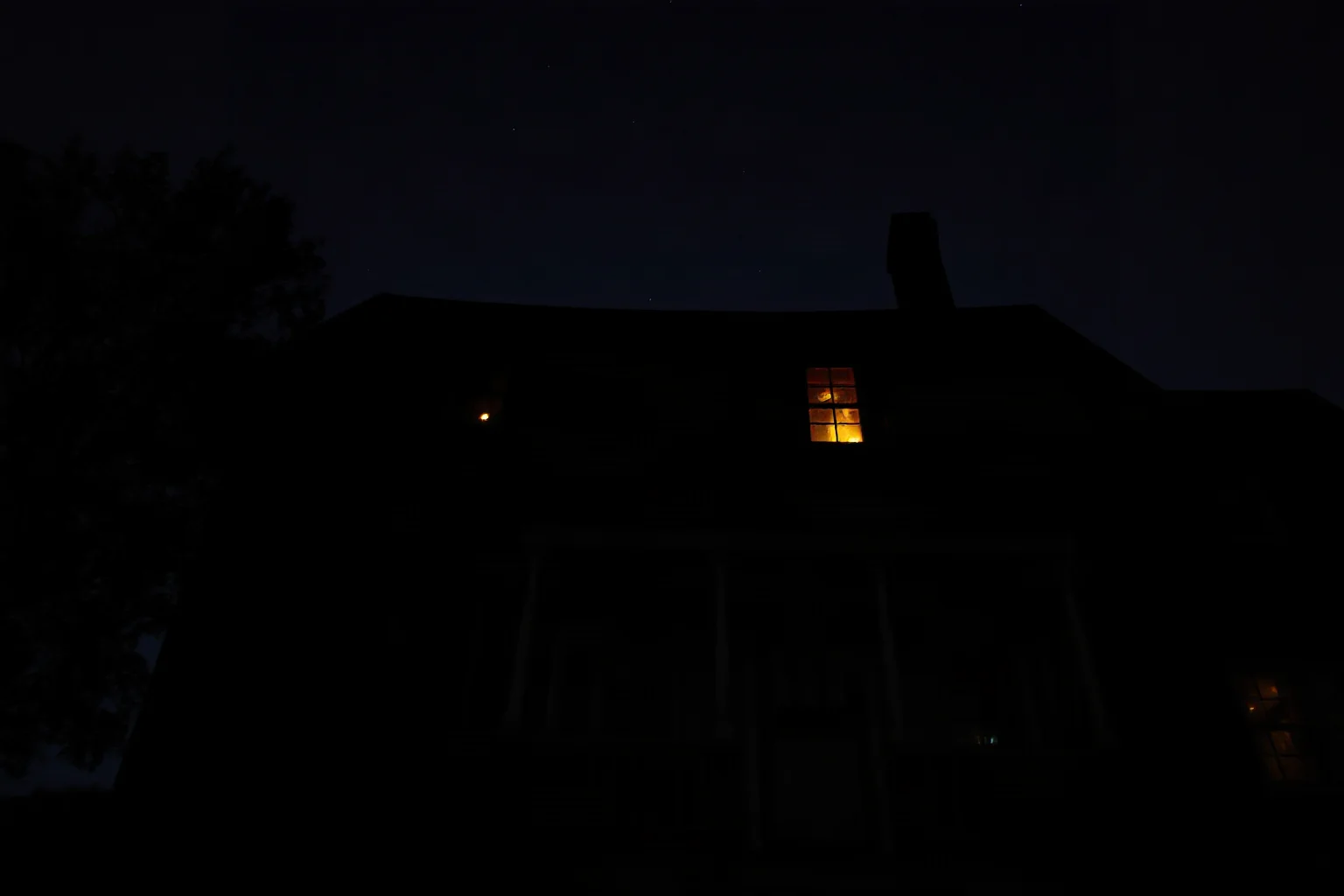
The Bell Witch haunting allegedly tormented the Bell family in Tennessee between 1817 and 1821, with witnesses reporting strange sounds, physical attacks, and a disembodied voice claiming to be a local woman named Kate Batts. It’s one of the earliest and most detailed poltergeist-style hauntings in American folklore.
Much of what’s “known” comes from later retellings, including a 19th-century book that historians say added embellishments over time. Even so, the Bell Witch remains a cornerstone of American ghost folklore and inspired numerous films.
12. The Gray Man of Pawleys Island

South Carolina’s Gray Man is said to appear on Pawleys Island beaches before major hurricanes, warning residents to evacuate. Locals have credited sightings with saving lives before storms in the 20th century, including Hurricane Hazel in 1954.
There’s no way to verify these accounts scientifically, but the legend persists as a piece of regional coastal folklore. It’s a rare example of a “helpful” ghost story, rather than a purely frightening one.
13. Resurrection Mary
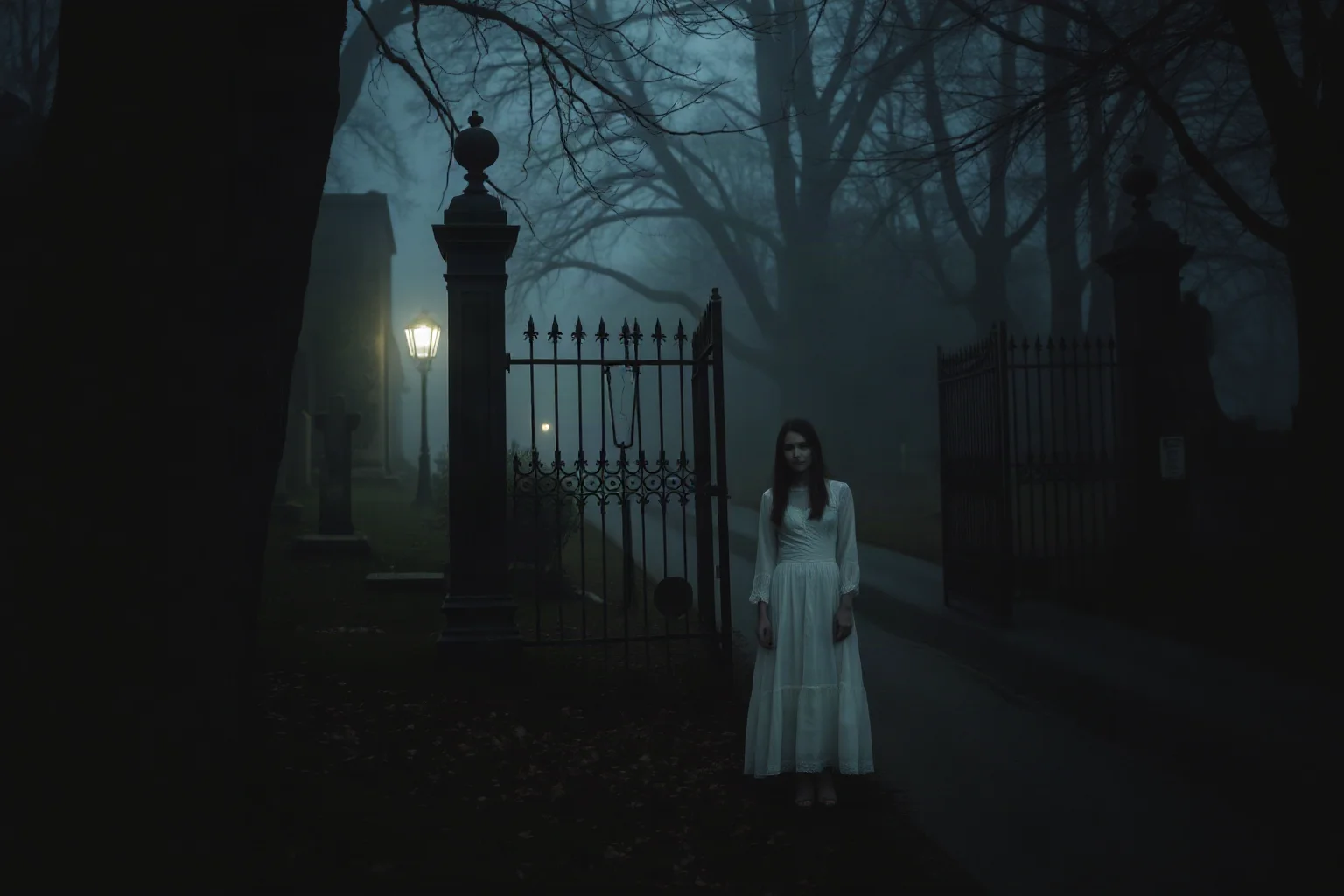
Chicago’s Resurrection Mary is a classic phantom hitchhiker story with a specific local identity attached. Since at least the 1930s, drivers along Archer Avenue have reported picking up a young woman in a white dress who vanishes near Resurrection Cemetery.
Several real women who died in the area have been proposed as the “true” Mary, but none has ever been confirmed. She remains one of the most retold urban legends in American ghost lore.
14. Chloe of the Myrtles Plantation
The Myrtles Plantation in Louisiana markets itself as one of America’s most haunted homes, largely built around the legend of an enslaved woman named Chloe, allegedly poisoned or killed after a plot involving the plantation family. Historical researchers have found little verified evidence that a woman named Chloe actually existed at the property.
That gap between marketing and documented history is a good reminder to approach “most haunted house” claims critically. The story endures because it’s compelling, not because it’s historically confirmed.
15. The Man in Grey of Drury Lane Theatre
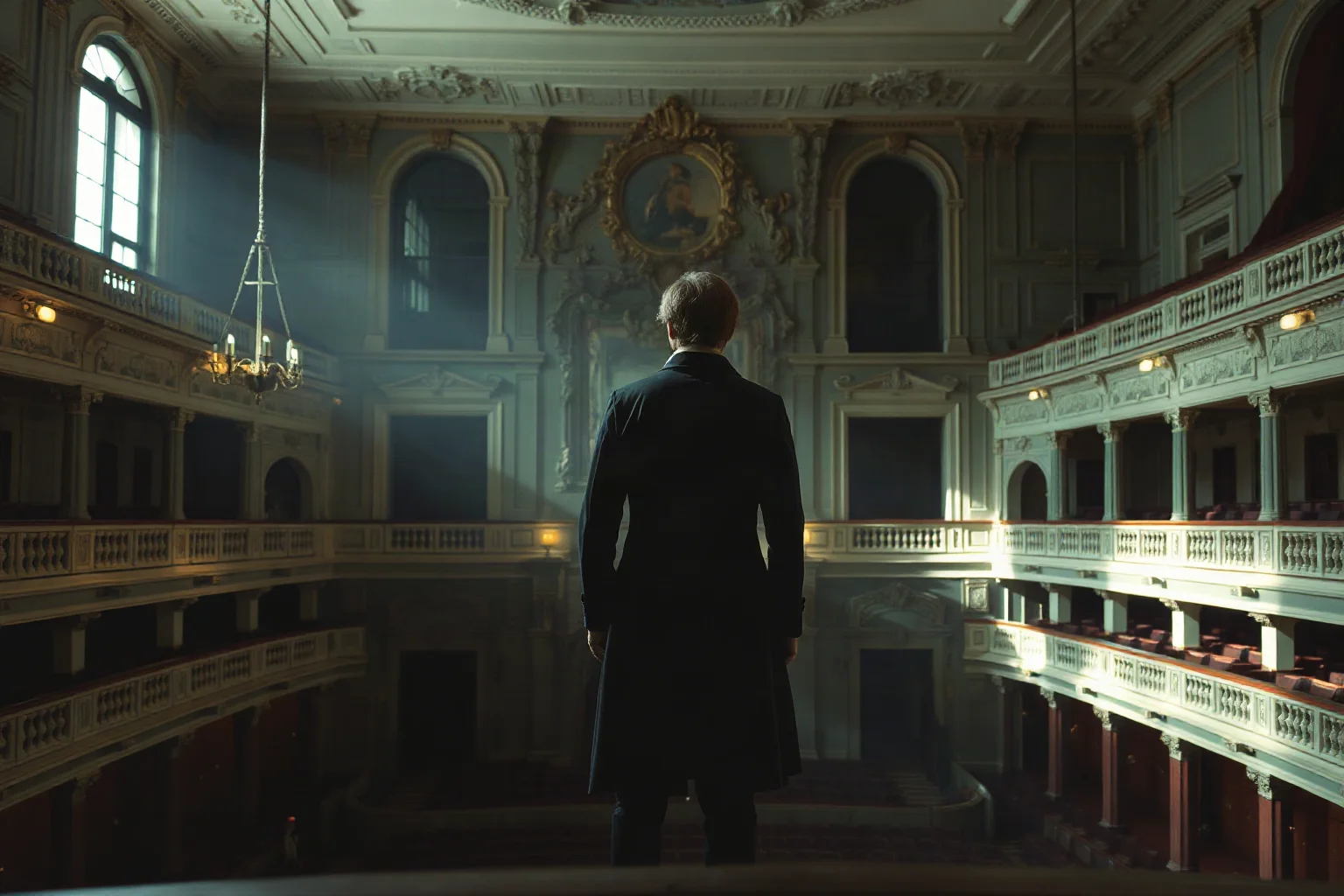
London’s Theatre Royal, Drury Lane, claims one of the most consistently reported ghosts in British theater history: a figure in 18th-century grey riding clothes seen in the upper circle. Some link him to a skeleton found bricked into a theater wall in the 19th century.
Actors reportedly consider his appearance before a show a good omen for a successful run. Unlike many haunted house legends, this one has persisted with remarkably consistent details across decades of witness accounts.
16. The Ghosts of Borley Rectory
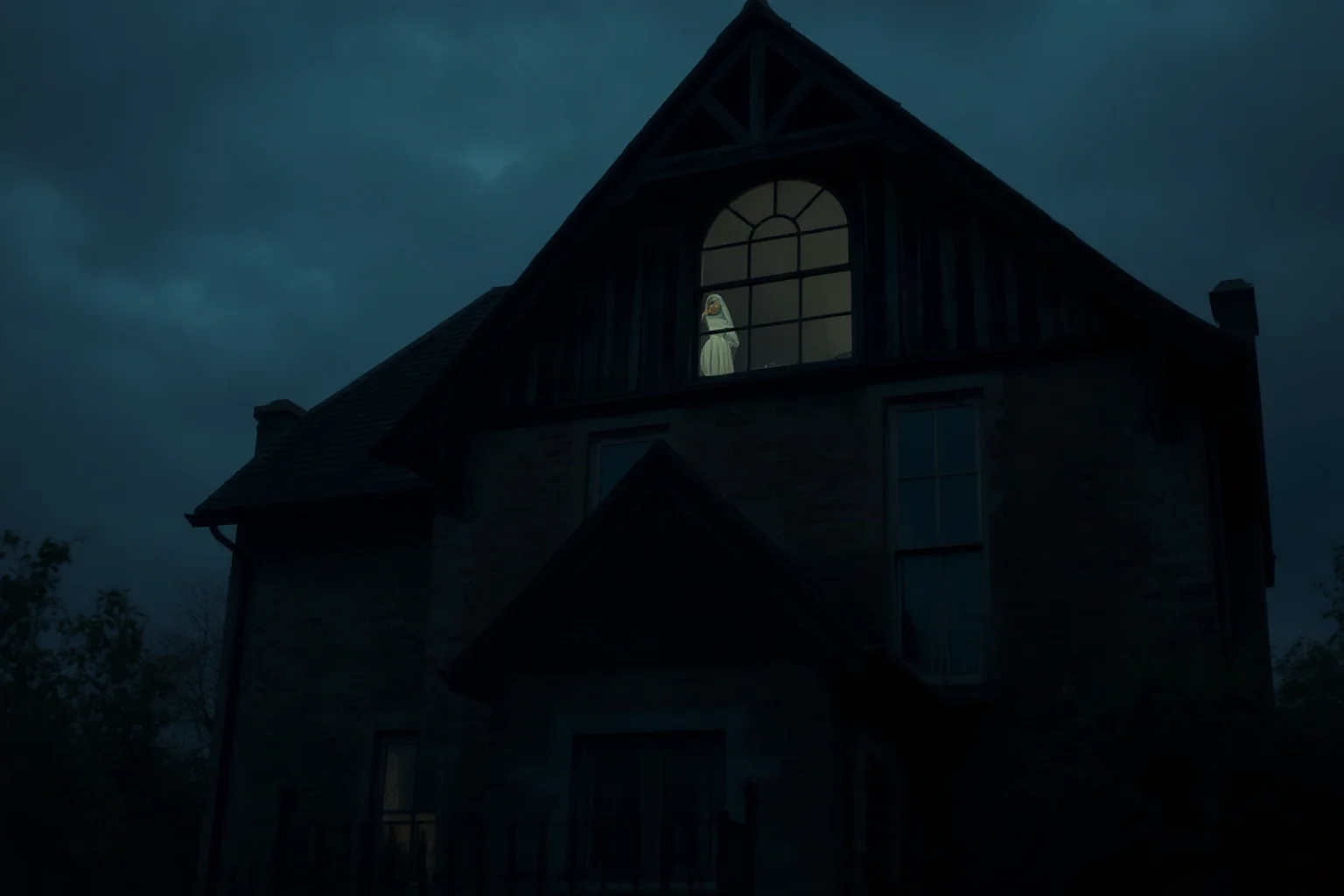
Often called “the most haunted house in England,” Borley Rectory in Essex became famous in the 1920s and 1930s after reports of phantom nuns, mysterious writing on walls, and unexplained noises. Paranormal investigator Harry Price extensively documented the case before the building burned down in 1939.
Later researchers, including members of the Society for Psychical Research, concluded much of the phenomena was likely exaggerated or fabricated. Borley remains a landmark case study in how a real hauntings legend can be built, publicized, and later debunked.
17. Katie King
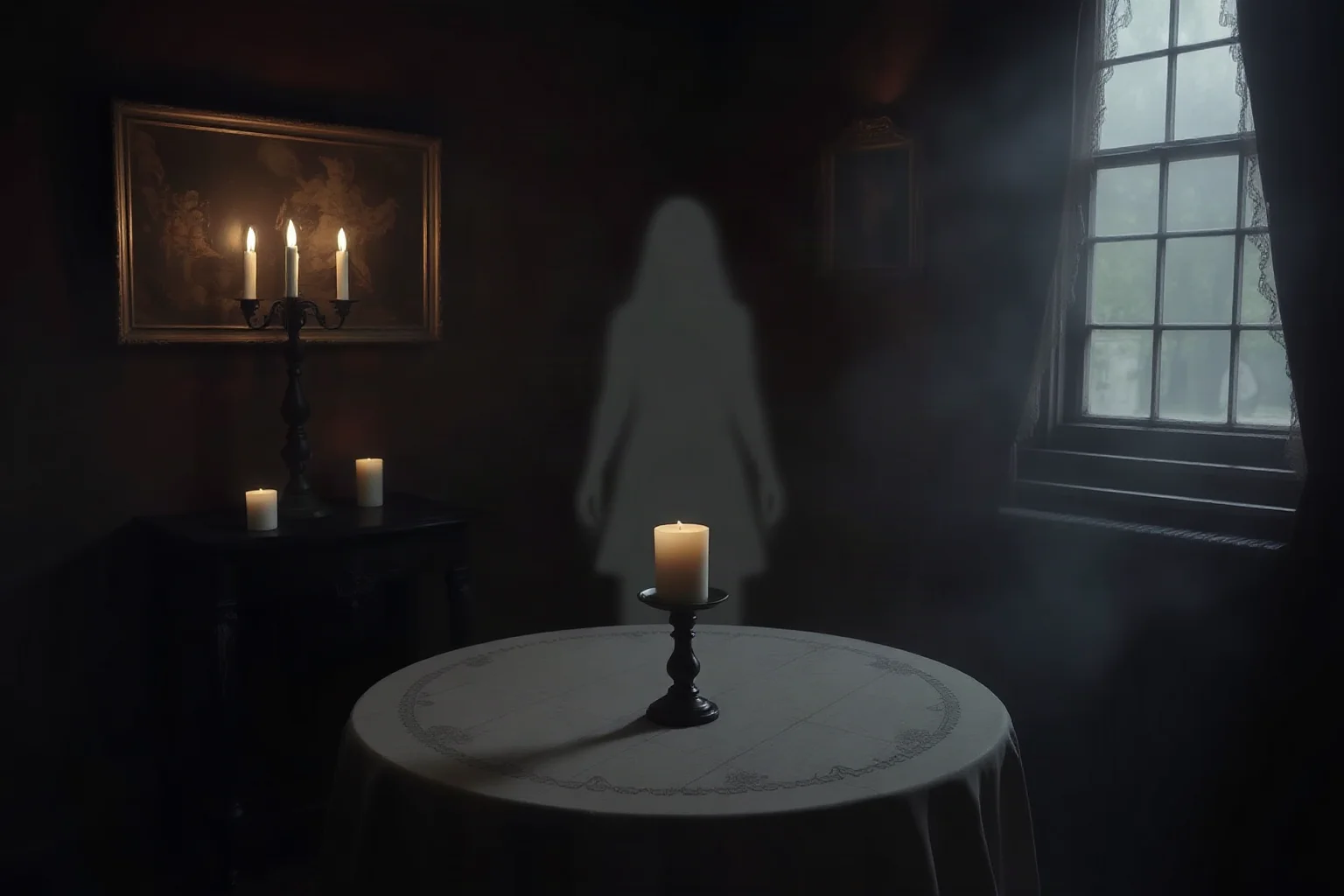
Katie King was one of the most famous spirits allegedly “channeled” during the Victorian Spiritualist movement, particularly through medium Florence Cook in the 1870s. Séances involving Katie King drew huge public attention and scientific scrutiny, including investigation by physicist William Crookes.
Multiple later investigations suggested the manifestations involved staged deception rather than genuine spirit contact. The case remains one of the most detailed examples of how 19th-century ghost belief and outright showmanship became intertwined.
Ghosts in Literature and Pop Culture
18. Marley’s Ghost
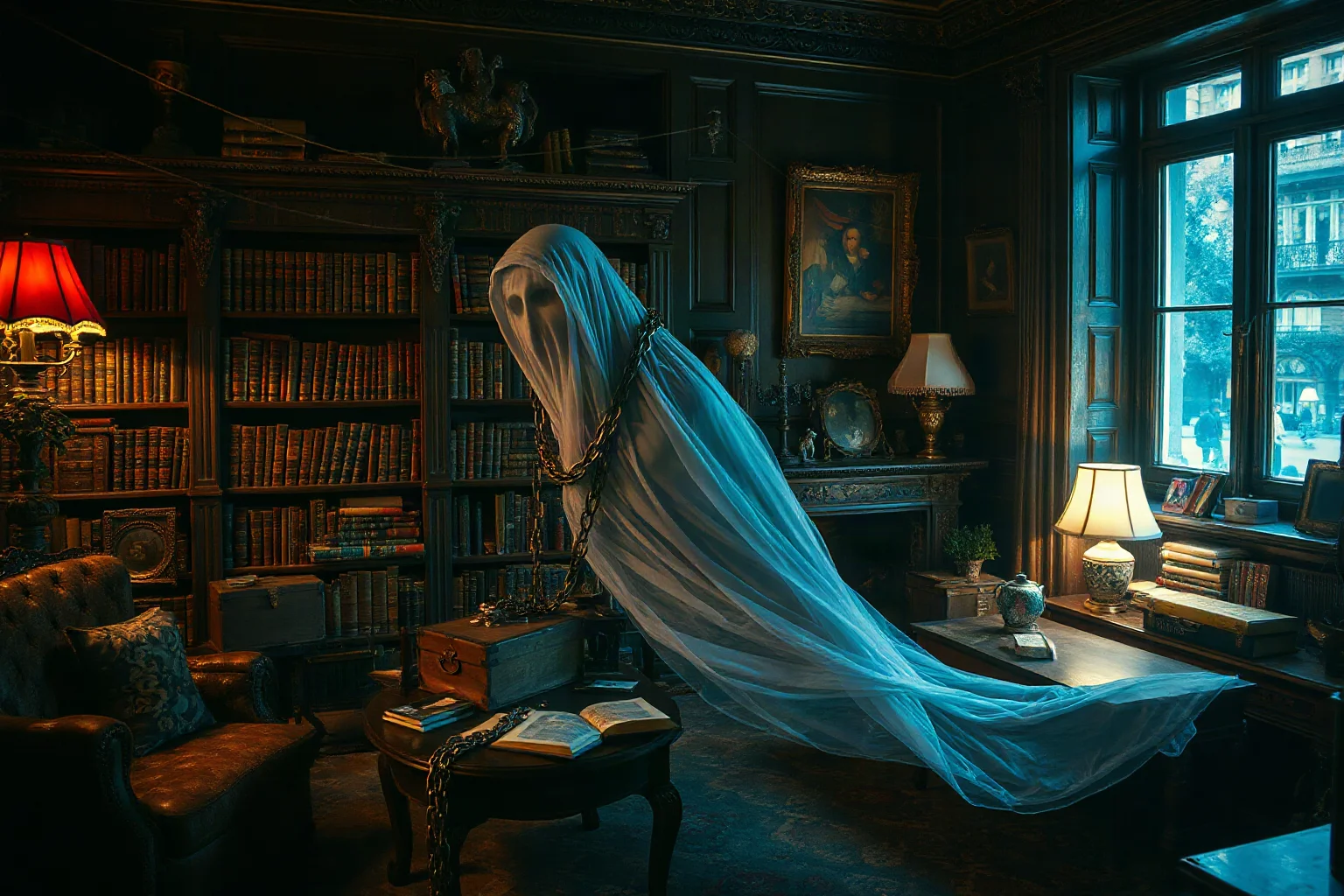
Jacob Marley, from Charles Dickens’s 1843 novella “A Christmas Carol,” is one of the most famous fictional ghosts ever written, dragging chains forged from his own greed and selfishness in life. Dickens used Marley to kick off Ebenezer Scrooge’s transformation, cementing the idea of a ghost as a moral messenger rather than just a source of fright.
The story drew on older Christmas ghost story traditions in Victorian Britain, where telling supernatural tales around the winter holidays was a popular pastime. Marley’s rattling chains remain one of the most quoted images in ghost fiction.
19. The Ghost of Hamlet’s Father
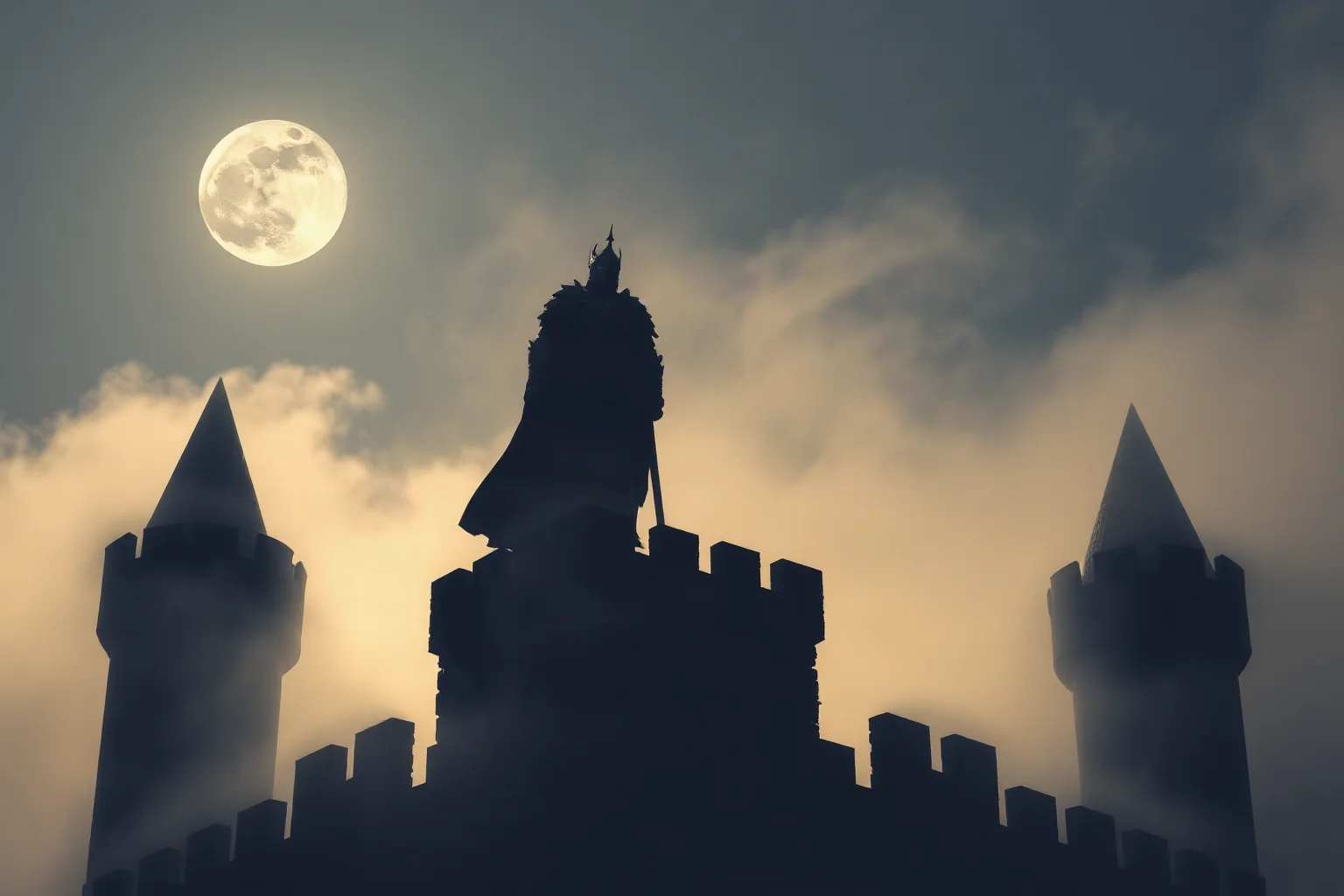
Shakespeare‘s “Hamlet,” written around 1600, opens with the ghost of King Hamlet appearing to demand revenge for his own murder. This ghost helped define the revenge-driven spirit archetype that countless later ghost stories and films would borrow from.
Scholars note that Elizabethan audiences held genuinely mixed beliefs about ghosts, some viewing them as demonic deceptions rather than real spirits of the dead. Shakespeare’s ambiguous treatment of the ghost’s nature reflects that real cultural uncertainty of his era.
20. The Woman in Black
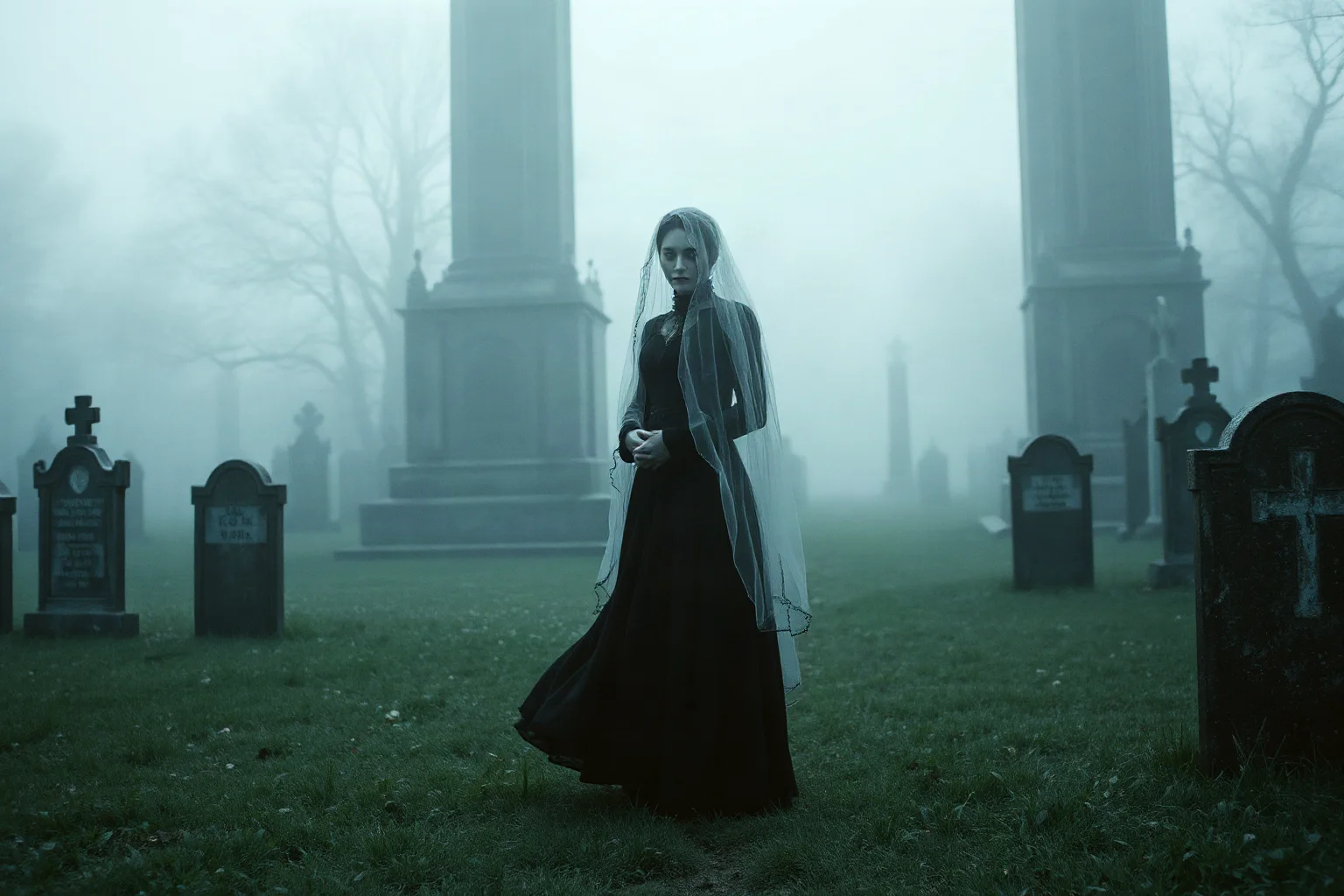
Susan Hill’s 1983 novel “The Woman in Black” revived the classic English ghost story format, following a vengeful spirit whose appearances are linked to the deaths of children. It draws heavily on Victorian ghost story conventions established by writers like M.R. James.
The novel’s massive stage and film success shows how enduring the classic “wronged woman in dark clothing” archetype remains, echoing much older folklore ghosts like the White Lady from centuries earlier. It’s a clear bridge between historical folklore and modern fiction.
21. Casper the Friendly Ghost
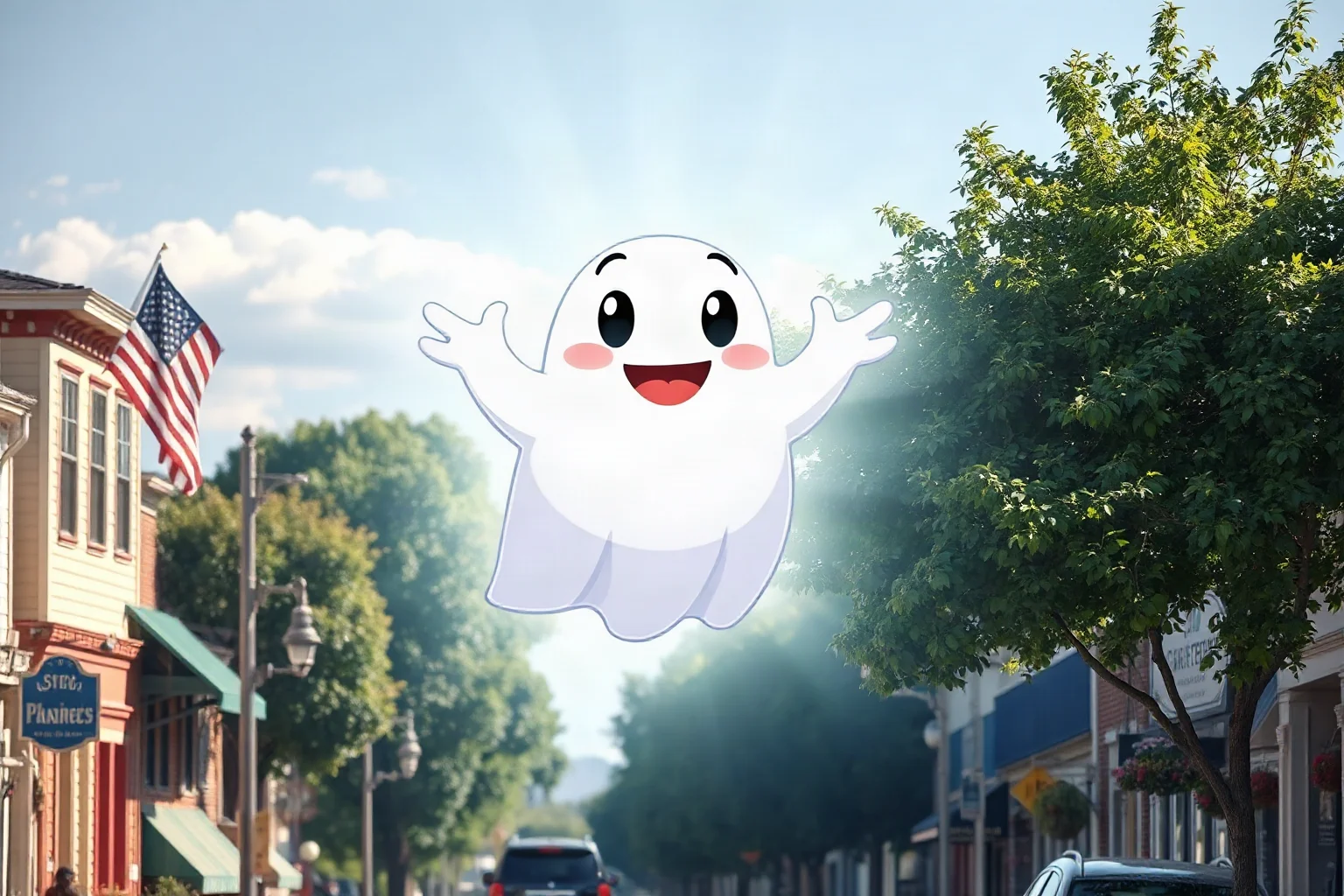
Not every legendary ghost is meant to frighten. Casper debuted in 1945 as a cartoon character and became one of the most recognizable fictional ghosts in the world, flipping the traditional scary-spirit formula into something warm and sympathetic.
Casper’s popularity shows how 20th-century pop culture reshaped ghost stories for children’s entertainment, moving far from the folklore roots of vengeful spirits and unfinished business. He remains proof that “famous ghost characters” aren’t always tied to fear at all.
Fun Facts About Ghosts
Ghost belief shows up in some form in nearly every documented human culture, which is part of why ghost mythology feels so universal despite wildly different details. Ancient Romans reportedly nailed down coffins and left ritual offerings specifically to stop the dead from wandering back into the living world.
The word “ghost” itself comes from the Old English “gāst,” related to a broader Germanic root meaning spirit or breath. Victorian-era ghost photography, hugely popular in the 1860s and beyond, was almost always the result of deliberate double exposure rather than genuine paranormal capture.
Surveys in several countries consistently find that a notable percentage of adults report believing in ghosts, even though no sighting has ever been scientifically verified under controlled conditions. That gap between belief and evidence is exactly why ghost stories keep evolving instead of disappearing.
Why Legendary Ghosts Still Haunt Us
The most famous ghosts in history tend to share one thing in common: an unresolved story. Whether it’s Anne Boleyn’s questionable execution, two vanished princes, or a weeping mother searching a riverbank forever, these tales give shape to grief, injustice, and fear in a way plain historical fact often can’t.
That’s also why so many “real ghost stories” fall apart under close historical scrutiny, from Borley Rectory’s exaggerated phenomena to Katie King’s staged séances. The myth-busting doesn’t make the stories less fascinating — if anything, understanding how legends form makes them more interesting, not less.
Ghosts, real or not, tell us plenty about the cultures and centuries that created them. That’s probably why, after thousands of years, we’re still telling their stories.
Frequently Asked Questions
What do common ghost names and meanings actually represent?
Many ghost names describe a role rather than a real identity, like 'the White Lady' or 'the Gray Man,' which act as archetypes attached to many different locations. Others, like La Llorona ('the weeping woman'), directly describe the tragedy behind the legend, while names like Katie King or Chloe are tied to specific, though often unverified, claimed identities.
Who is considered the most famous ghost in history?
Anne Boleyn is frequently cited as one of the most famous ghosts in Western history, with reported sightings at the Tower of London and Hever Castle for centuries. Her fame comes from the dramatic, well-documented real history behind her execution in 1536, even though the ghost sightings themselves have never been verified.
Are any famous ghost stories actually based on real, documented events?
Some are, at least partially. The disappearance of the Two Princes in the Tower and Anne Boleyn's execution are real historical events with genuine documentation, even though the ghost sightings connected to them are folklore, not verified fact. Other famous cases, like Borley Rectory, were investigated and later found to involve significant exaggeration.
What is the oldest recorded ghost story in Western history?
One of the earliest known Western ghost stories comes from the Roman writer Pliny the Younger, who described a haunted house in Athens in a letter written in the 1st century CE. The account includes chains, rattling noises, and an apparition, remarkably similar to modern haunted house tales.
Why do so many cultures have a ‘White Lady’ ghost legend?
Folklorists consider the White Lady a shared human archetype rather than a single ghost, since versions of the story appear independently across Europe, Latin America, and Asia. She typically represents grief, betrayal, or a tragic death, which are universal human experiences that show up in ghost folklore worldwide.
Is there any scientific evidence that ghosts are real?
No controlled scientific study has ever verified the existence of ghosts, and many famous pieces of 'evidence,' like Victorian ghost photographs, have been explained by double exposure or staged effects. That said, ghost belief remains widespread globally, which is part of why ghost stories continue to be studied as cultural and historical phenomena.
What’s the difference between historical hauntings and fictional ghosts?
Historical hauntings, like the Bell Witch or Borley Rectory, are tied to specific real places and reported witness accounts, even if the events themselves can't be verified. Fictional ghosts, like Marley's Ghost or Casper, were created intentionally by authors and are meant as storytelling devices rather than claimed real events.

Alex Warren
Related Articles