

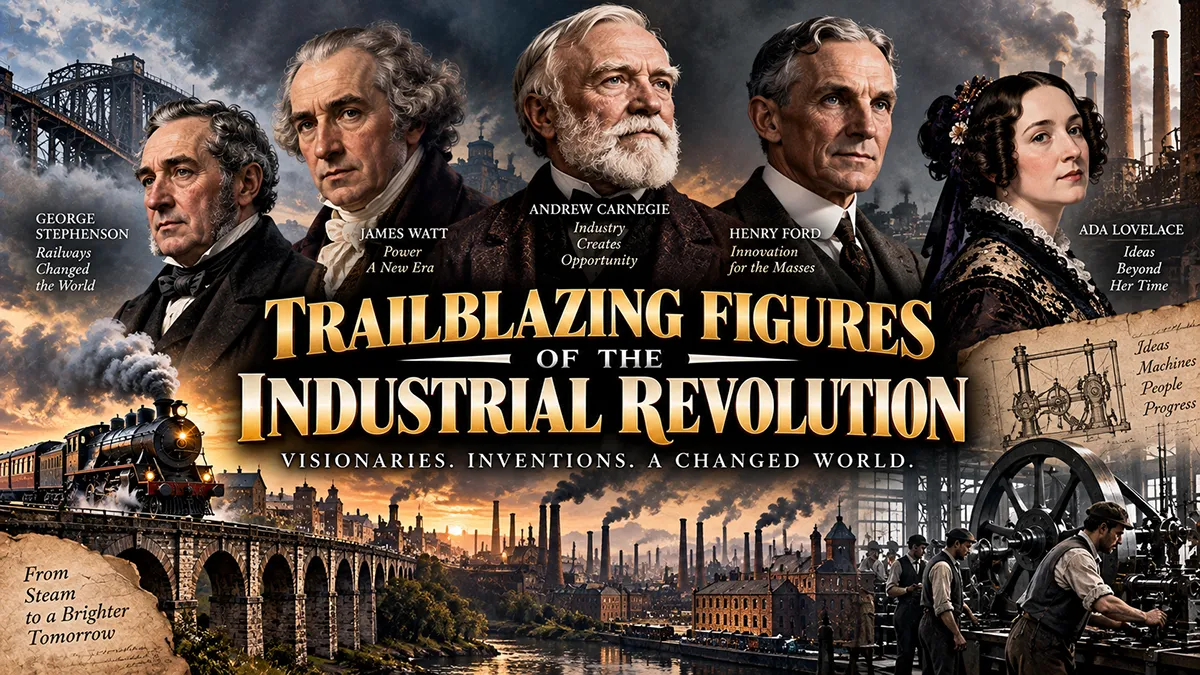
When people picture the Industrial Revolution, they often imagine smokestacks and steam engines but forget the actual humans who built that world. The truth is messier and more interesting: no single genius “created” the Industrial Revolution, and no single country monopolized it either.
It was the work of stubborn inventors, ruthless entrepreneurs, and dogged reformers who often disagreed sharply about what progress should cost.
This list walks through the real people in the Industrial Revolution’s story, grouped by their role: the British pioneers who built the first factories and machines, the American industrialists who scaled those ideas into empires, the reformers who fought against the human toll of it all, and the thinkers who tried to make sense of the whole upheaval.
TL;DR: The Industrial Revolution wasn’t the work of one inventor or one country — it was driven by British engineers, American entrepreneurs, and reformers who each shaped how the modern industrial world took form.
What Was the First Industrial Revolution, Exactly?
Historians generally date the first Industrial Revolution from roughly 1760 to around 1840, though the exact edges are debated. It began in Great Britain, which is why Britain is usually called the birthplace of the Industrial Revolution, specifically in regions like Lancashire, the West Midlands, and Shropshire’s Coalbrookdale valley.
The first industry of the Industrial Revolution was textiles, particularly cotton spinning and weaving. New machines let a handful of workers do what used to take dozens, and that single shift in cloth production set off changes in iron-making, mining, transportation, and eventually almost every corner of daily life.
A second wave, often called the Second Industrial Revolution, followed later in the 1800s and brought steel, electricity, and mass production, especially in the United States and Germany. Several names on this list, particularly the American industrialists, technically belong to that later chapter, but their work grew directly out of the first revolution’s foundations.
Industry Pioneers of Britain: The Birthplace of the Machine Age
These are the industrial revolution names most textbooks lead with, and for good reason. They built the machines, factories, and materials that made everything afterward possible.
1. James Watt
James Watt is often wrongly credited with inventing the steam engine outright, but he actually improved an existing Newcomen engine by adding a separate condenser, patented in 1769. That single tweak made steam power dramatically more fuel-efficient and practical for factories, not just pumping water out of mines.
His engines went on to power textile mills, ironworks, and eventually locomotives and ships. Without Watt’s refinement, steam power might have remained a niche mining tool rather than the engine of an entire economic age.
2. Matthew Boulton
Matthew Boulton was the business brain behind Watt’s engineering genius, and their partnership, Boulton & Watt, turned a clever patent into a commercial empire. Boulton ran a large manufacturing works in Birmingham and understood how to market, scale, and finance new technology.
He’s a reminder that entrepreneurs of the Industrial Revolution were just as essential as inventors. Watt’s engine might have stayed a workshop curiosity without Boulton pushing it into factories across Britain.
3. Richard Arkwright
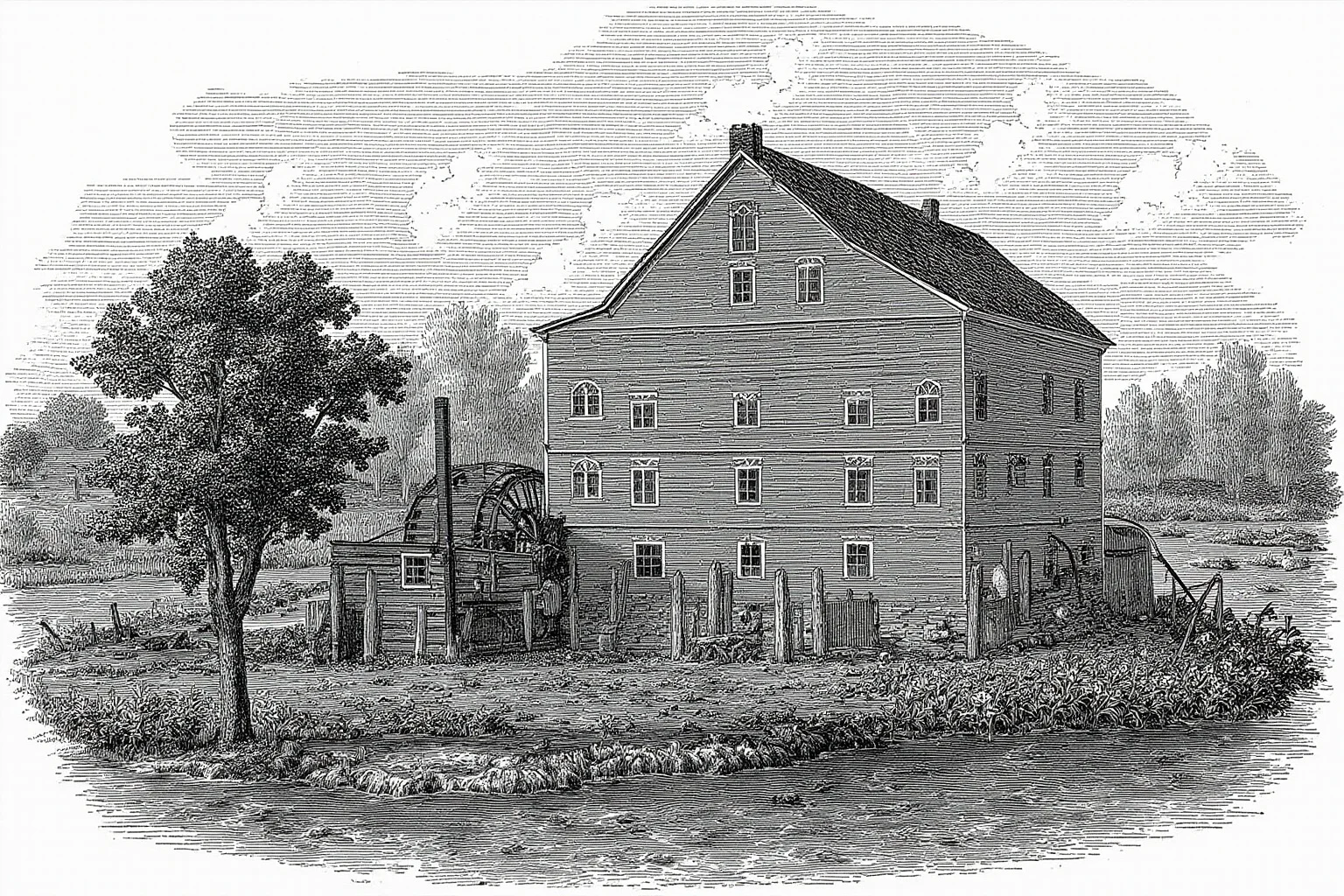
Richard Arkwright patented the water frame in 1769, a spinning machine powered by water rather than human muscle. More importantly, he pioneered the factory system itself at Cromford, bringing workers, machines, and power sources together under one roof.
Arkwright is sometimes called the father of the modern factory system, and while that title is debated among historians, his organizational model was copied across Britain and later the United States. He died one of the wealthiest commoners in England.
4. James Hargreaves
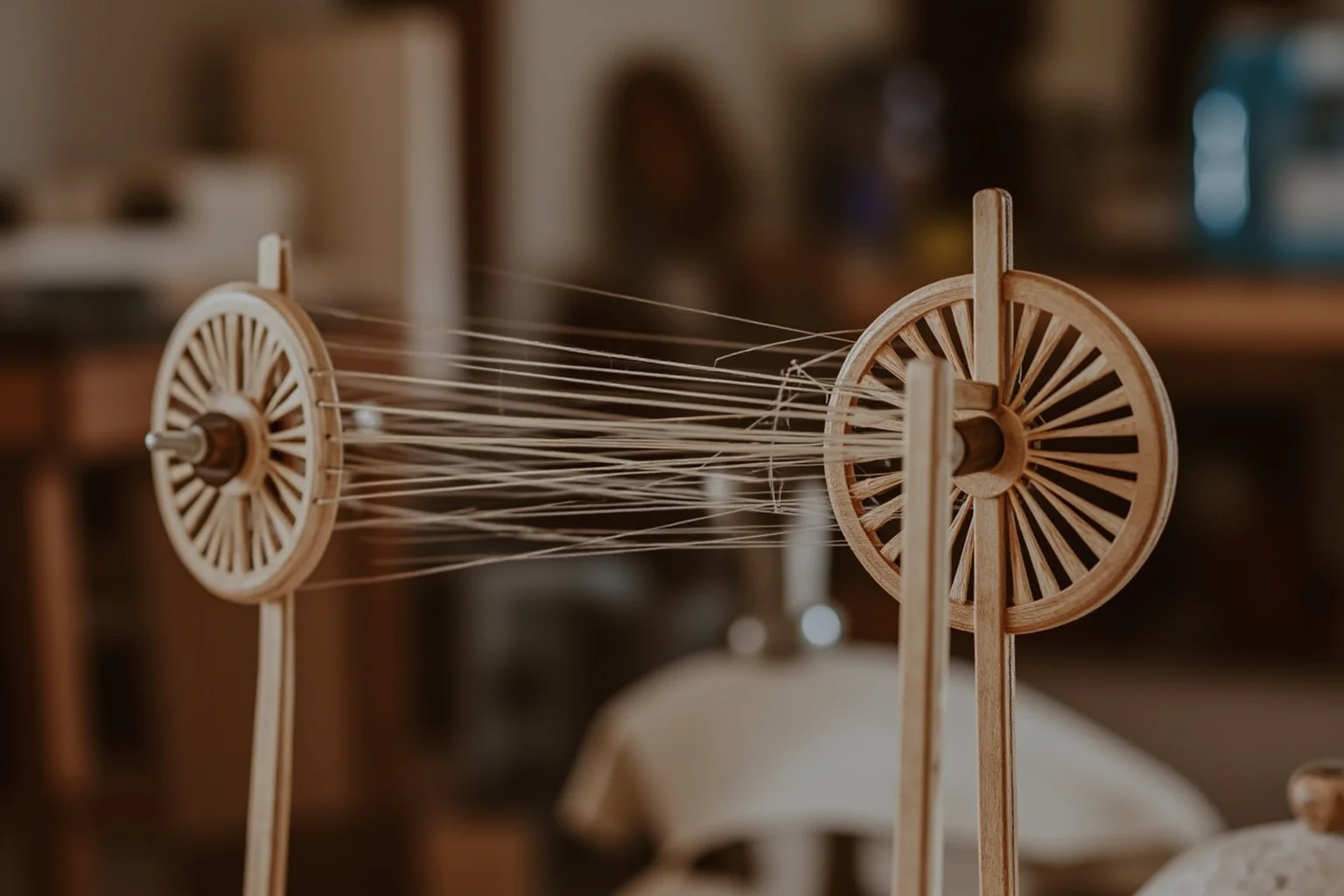
James Hargreaves built the spinning jenny around 1764-65, a device that let one worker spin multiple threads at once instead of just one. It was a huge leap for cottage-based cloth production, though it also displaced hand spinners and sparked real anger, including attacks on his home by workers who feared job losses.
His invention shows an uncomfortable pattern that repeats throughout this list: progress for industry often meant real hardship for individual workers. That tension runs through the entire era.
5. Samuel Crompton
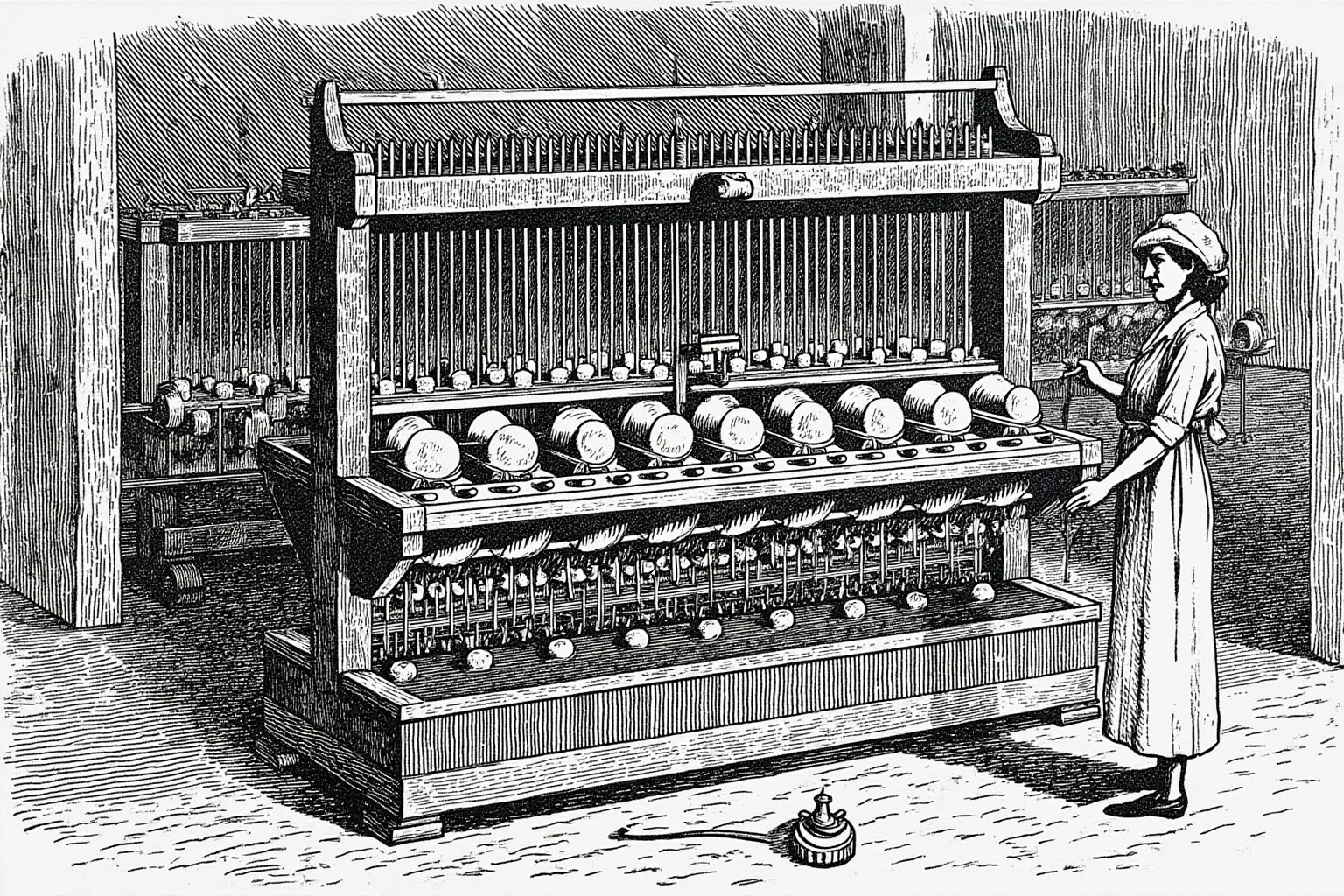
Samuel Crompton combined the best features of the spinning jenny and the water frame into the spinning mule in 1779. The mule produced stronger, finer thread and became the backbone of Britain’s cotton industry for decades.
Unlike Arkwright, Crompton didn’t patent his invention and profited little from it directly. His story is a useful myth-buster: not every industrial pioneer got rich off their own breakthrough.
6. Abraham Darby
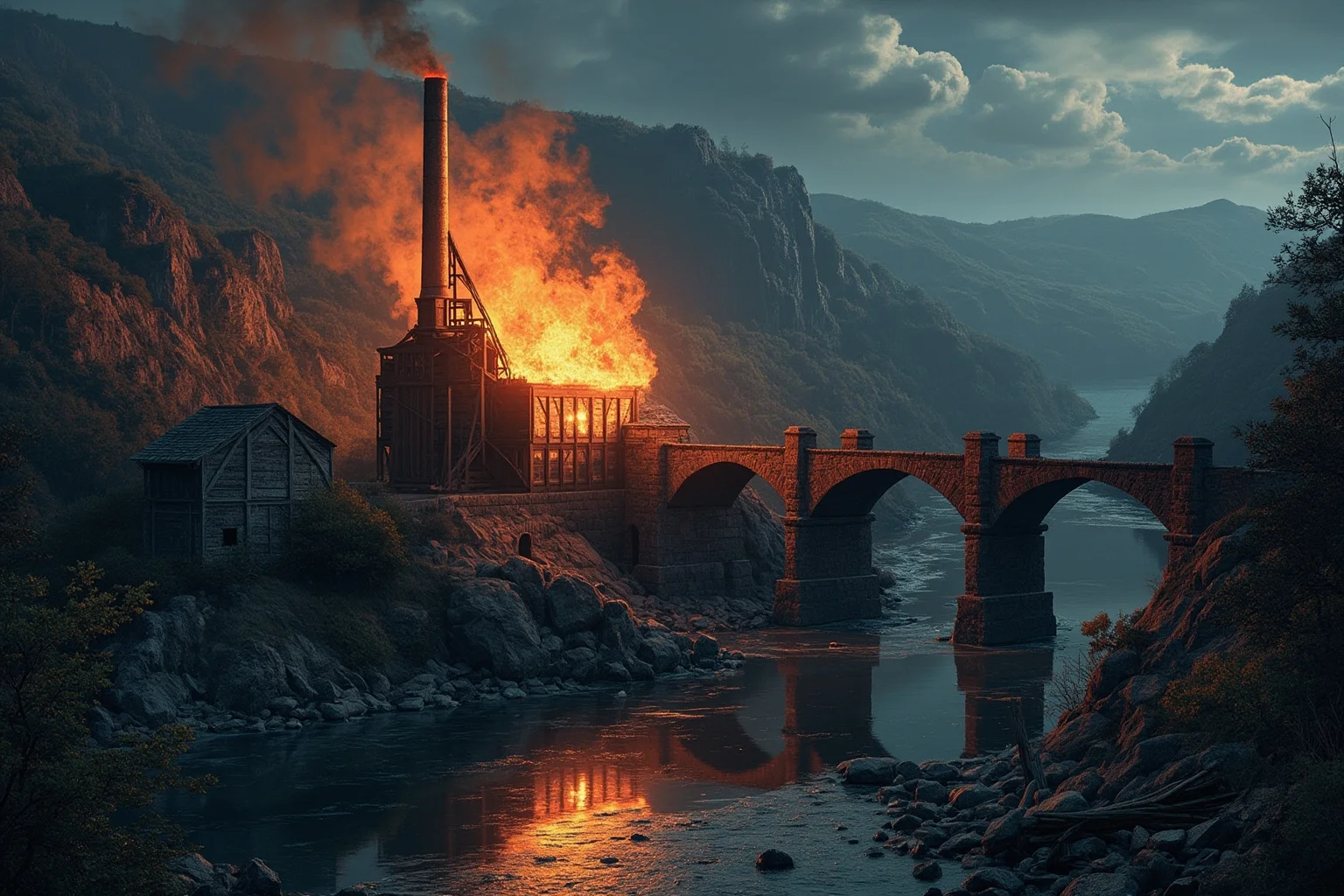
Abraham Darby figured out how to smelt iron using coke instead of charcoal at Coalbrookdale in 1709, decades before the revolution’s usual starting point. This mattered enormously because it meant iron production no longer depended on Britain’s shrinking forests for fuel.
His family’s ironworks later built the famous Iron Bridge in Shropshire, completed by his grandson in 1779, a structure still standing today. The Coalbrookdale valley is one of the strongest contenders for the true birthplace of the Industrial Revolution.
7. Josiah Wedgwood

Josiah Wedgwood turned pottery into a modern industry through division of labor, quality control, and aggressive marketing, founding his pottery firm in 1759. He’s arguably one of the first entrepreneurs to use celebrity endorsement and showroom selling as sales tactics.
Wedgwood was also part of the Lunar Society, a group of Midlands thinkers and inventors who traded ideas across science and industry. Fittingly, he was also the grandfather of Charles Darwin, linking this era’s industrial thinking to later scientific revolution.
8. George Stephenson
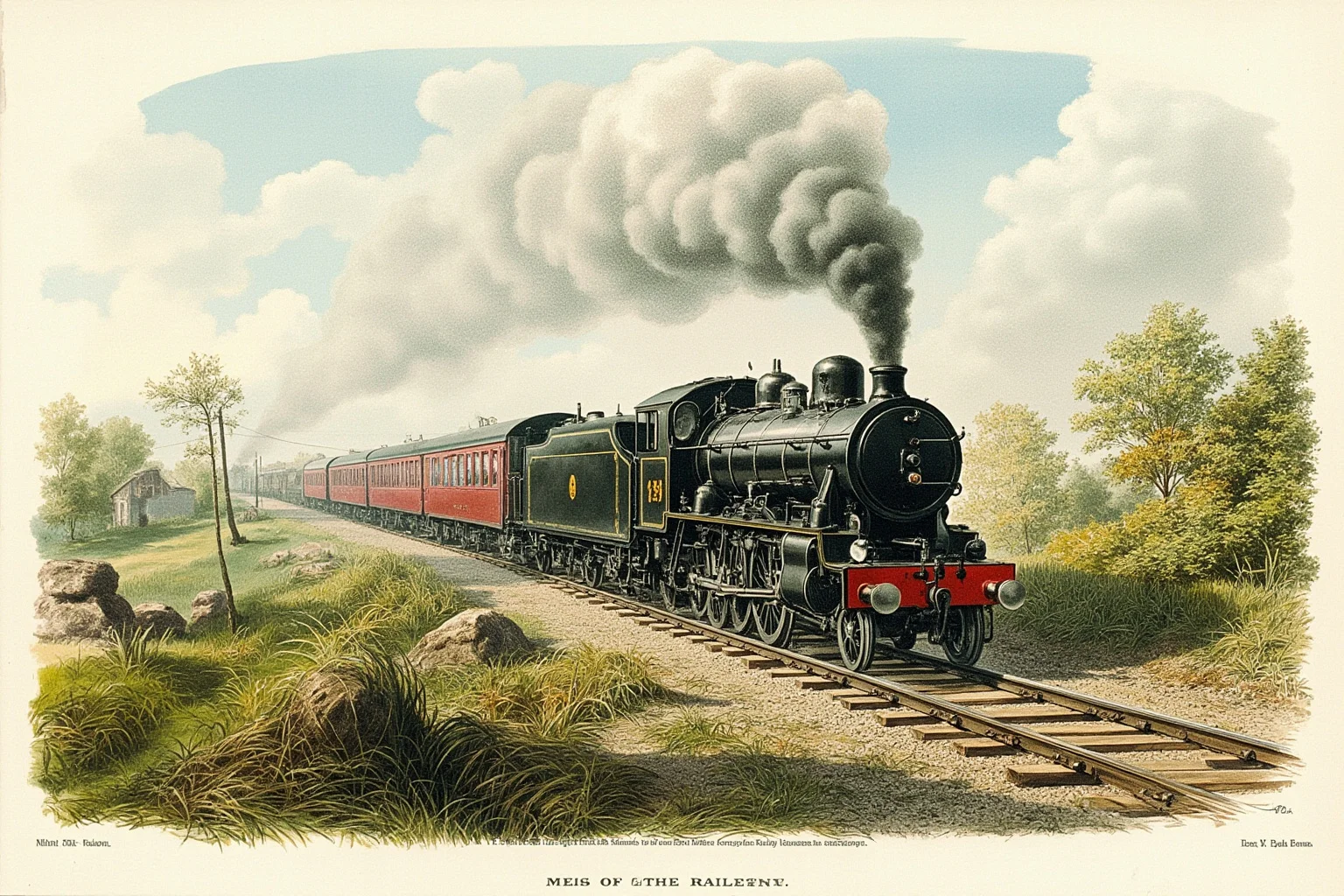
George Stephenson built the Locomotion No. 1 and helped open the Stockton and Darlington Railway in 1825, generally considered the first public railway to use steam locomotives. His later engine, the Rocket, won the Rainhill Trials in 1829 and set the design template for decades of railway engines.
Stephenson is often called the father of railways, and his work helped tie the whole industrial economy together by moving coal, goods, and people faster than ever before. Railways became, in many ways, the connective tissue of the entire revolution.
9. Isambard Kingdom Brunel
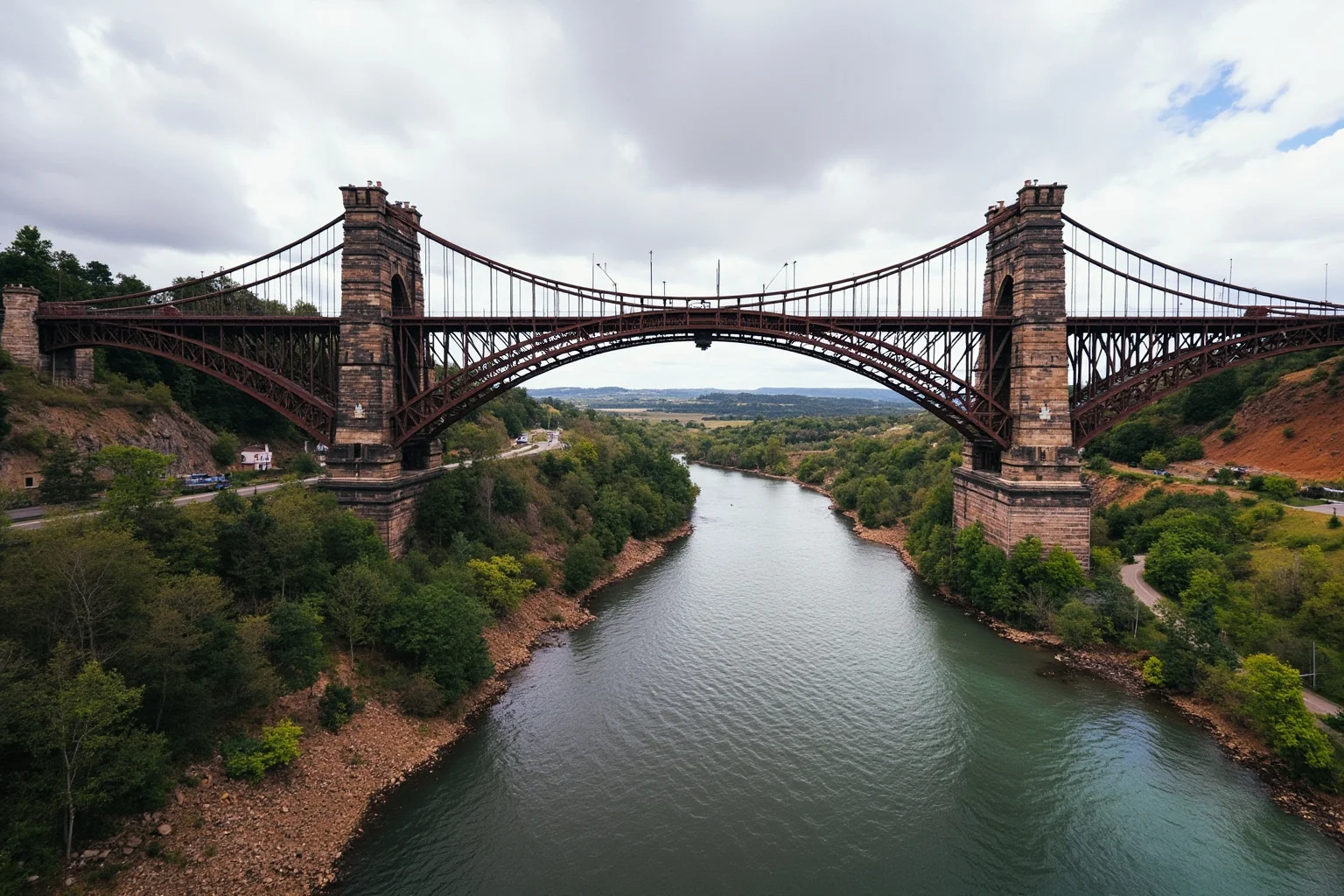
Isambard Kingdom Brunel worked a bit later than the earliest pioneers but built some of the era’s most ambitious projects, including the Great Western Railway and record-setting steamships like the SS Great Britain. He also designed the Clifton Suspension Bridge, completed after his death.
Brunel represents the more ambitious, almost showman side of Industrial Revolution leaders, someone who treated engineering as a form of spectacle as much as function. Many of his projects were financially risky, and not all succeeded, but his influence on engineering confidence was enormous.
10. Henry Bessemer
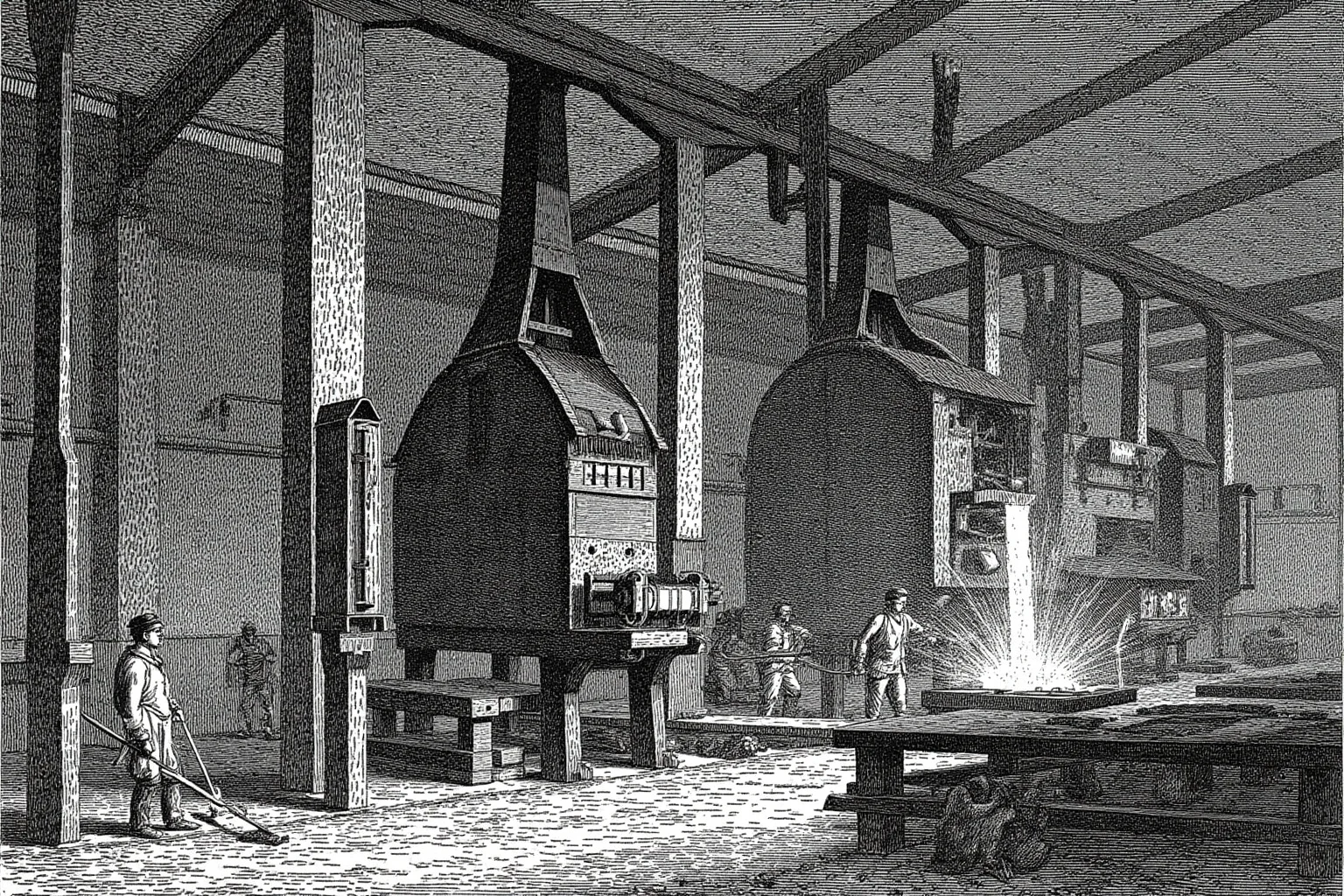
Henry Bessemer developed the Bessemer process in the 1850s, a method for mass-producing steel far more cheaply than before. While this technically arrives after the classic first Industrial Revolution window, it directly built on the era’s iron and metallurgy foundations.
Cheap steel from Bessemer’s process later underpinned railways, skyscrapers, and machinery across both Britain and the United States. It’s a clear bridge point between the first and second industrial revolutions.
American Industrialists Who Built an Empire
Ask someone to name the most notable American industrialists of the 19th century, and this is usually the group they mean. Many of these figures technically operated during the Second Industrial Revolution, but they took British-style innovation and scaled it into something distinctly American.
11. Samuel Slater
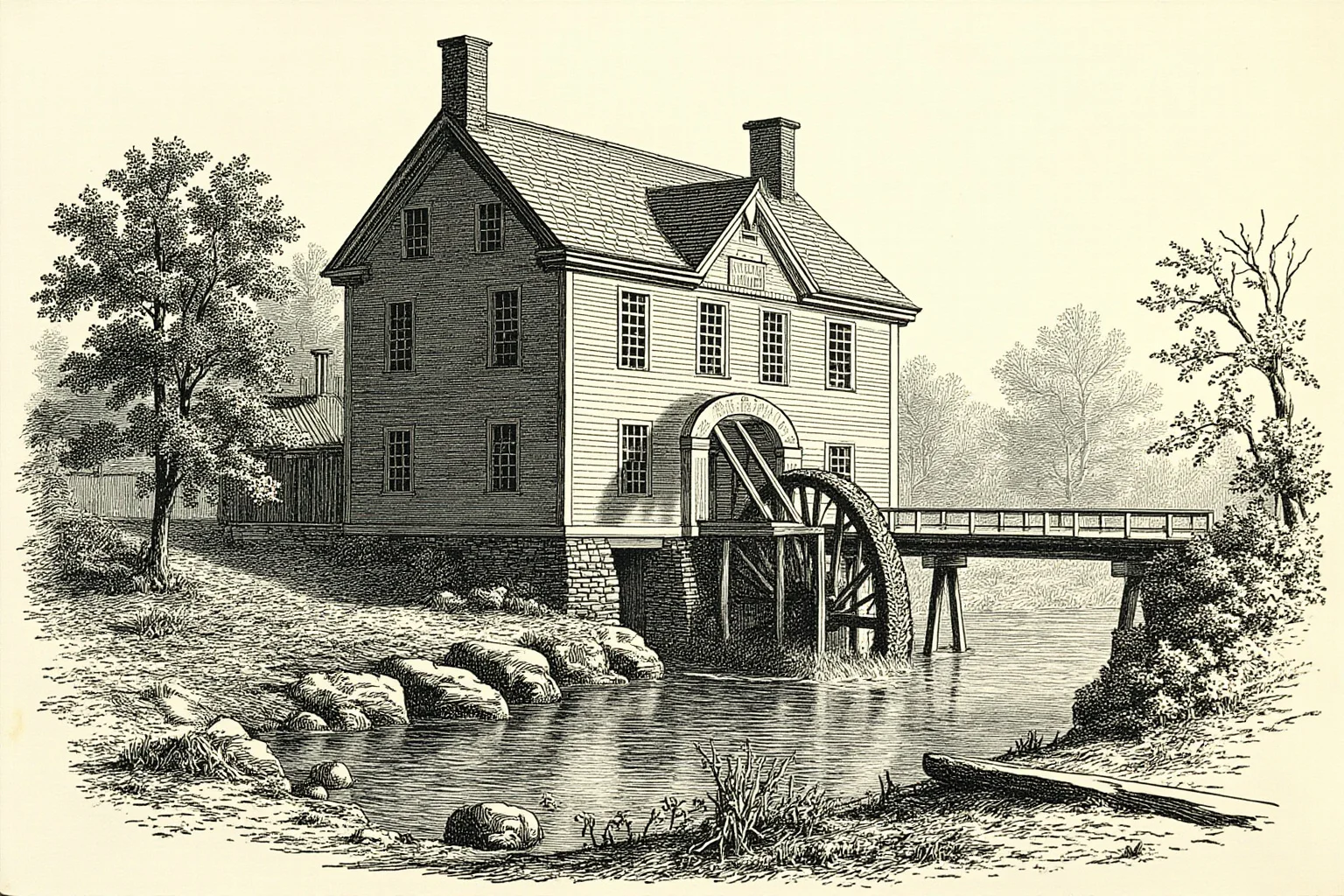
Samuel Slater emigrated from England to Rhode Island and, working from memory since British law banned exporting textile machine designs, helped recreate Arkwright-style spinning technology in America in the early 1790s. He’s sometimes called the father of the American Industrial Revolution, though the British press of his day less flatteringly called him “Slater the Traitor.”
His Slater Mill helped launch New England’s textile industry, which grew into one of the young country’s first major industrial sectors. It’s a great example of how industrial knowledge, not just raw materials, crossed the Atlantic.
12. Eli Whitney
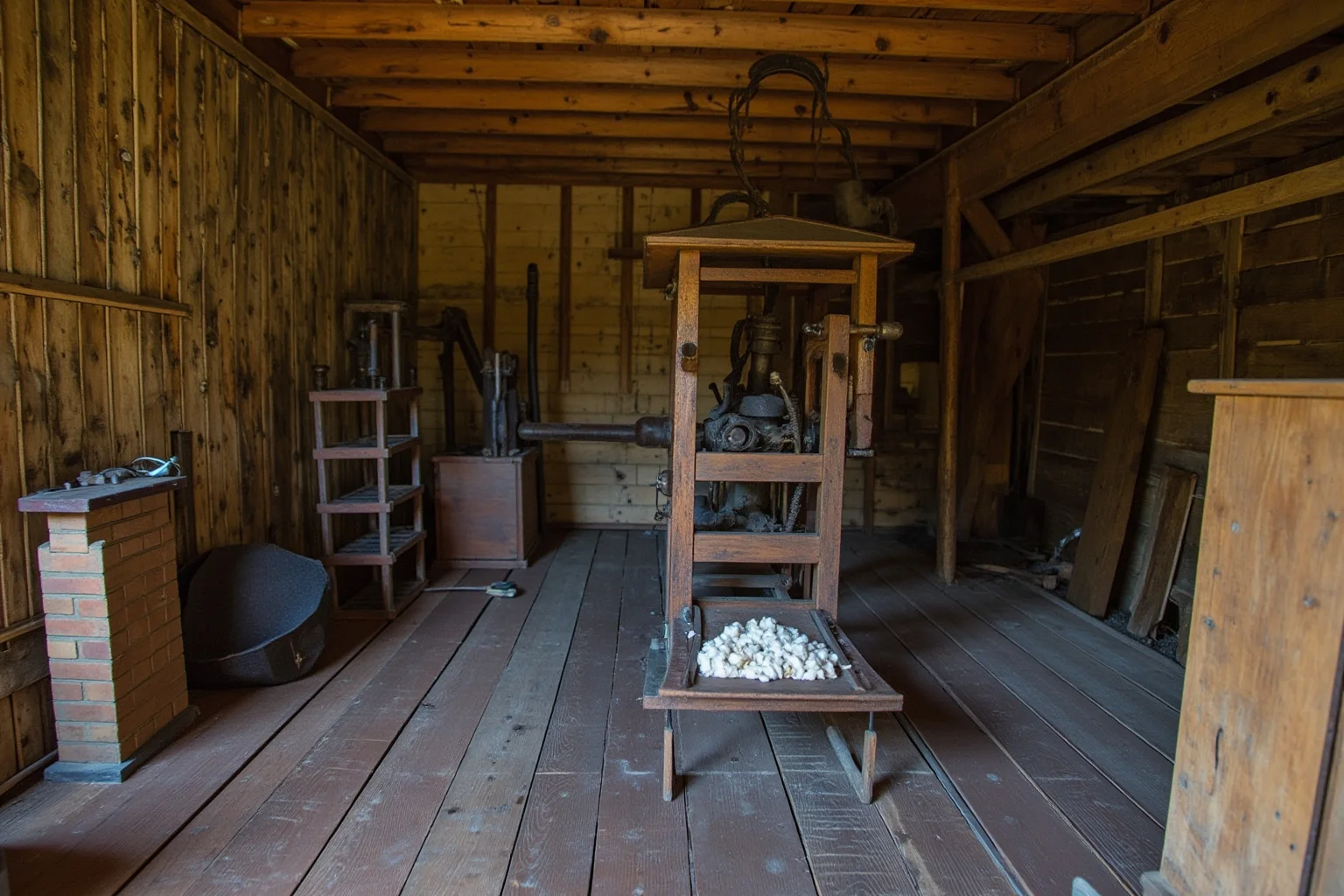
Eli Whitney is best known for the cotton gin, patented in 1793, which sped up cotton processing and, tragically, entrenched and expanded slavery in the American South rather than reducing the need for enslaved labor as some hoped. It’s an important myth to correct: the cotton gin didn’t ease human suffering, it deepened it.
Whitney later worked on interchangeable parts for firearms manufacturing, an idea that influenced the development of American mass production techniques. His legacy is genuinely mixed, both a technical pioneer and a figure tied to one of the era’s worst human costs.
13. Francis Cabot Lowell
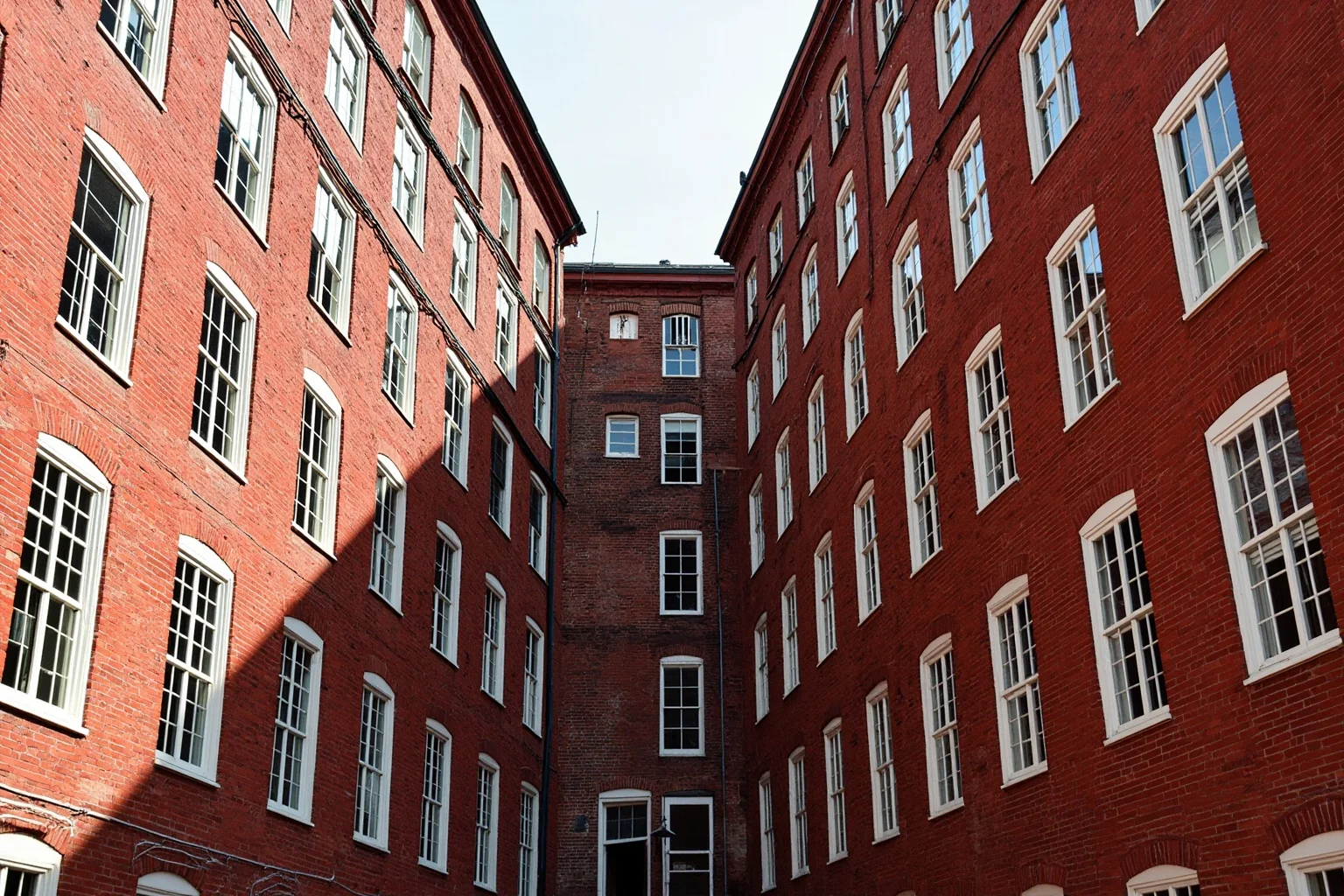
Francis Cabot Lowell toured British textile mills, memorized their machine designs since he couldn’t legally bring back blueprints, and returned to found the Boston Manufacturing Company in Waltham, Massachusetts, around 1814. His approach combined spinning and weaving under one roof, an American refinement of the factory system.
The city of Lowell, Massachusetts, was later named in his honor and became one of the country’s largest planned industrial towns. His mills also pioneered employing young unmarried women, known as “mill girls,” a workforce model that shaped early American labor history.
14. Robert Fulton
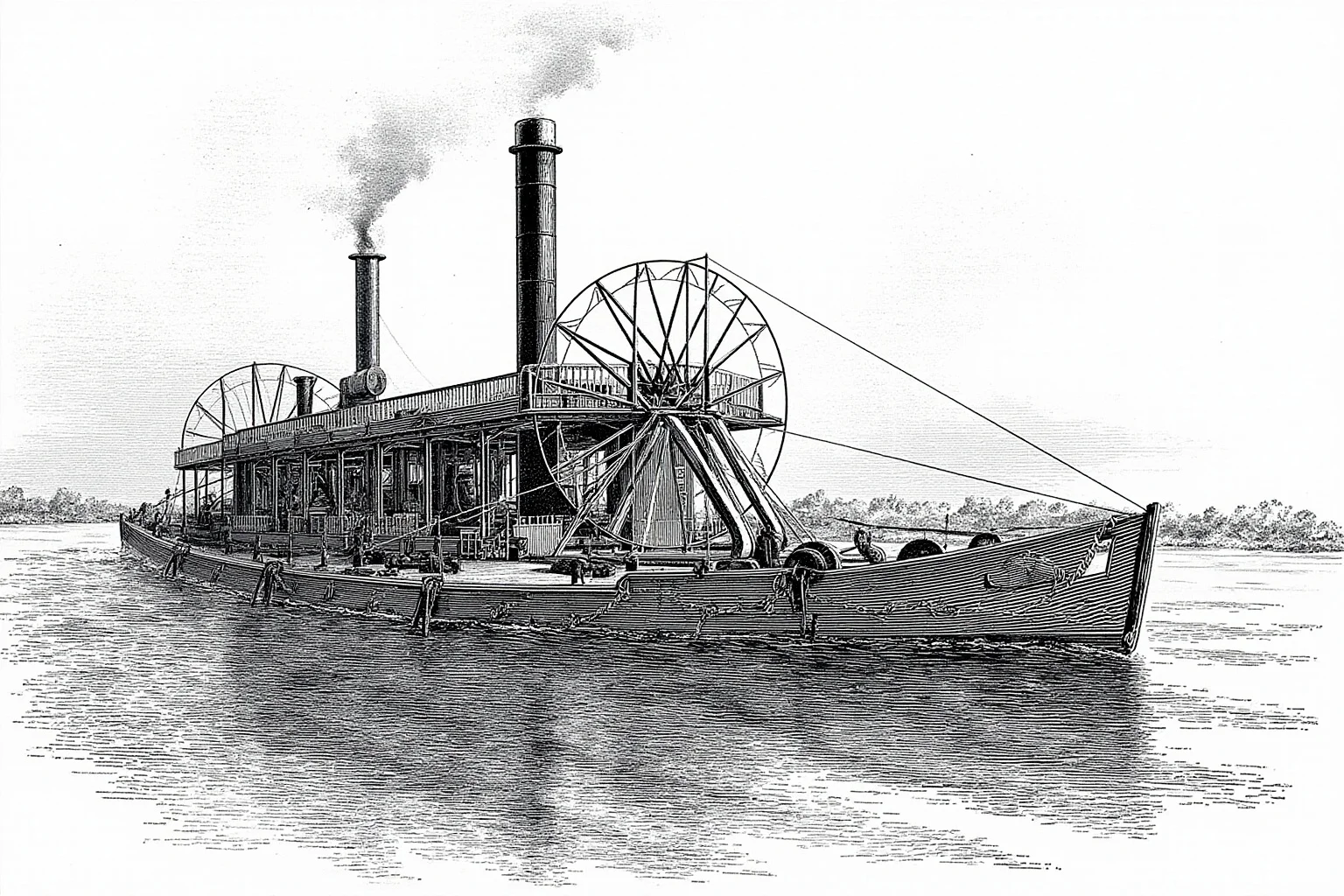
Robert Fulton didn’t invent the steamboat from nothing, but his Clermont, launched in 1807, was the first commercially successful steamboat service in the United States. It ran reliably between New York City and Albany, proving steam-powered transport could be a viable business, not just an experiment.
Fulton’s success helped open interior rivers to faster trade and travel, which mattered enormously for a growing country without much existing infrastructure. Steamboats became a key piece of America’s early industrial transportation network.
15. Cornelius Vanderbilt
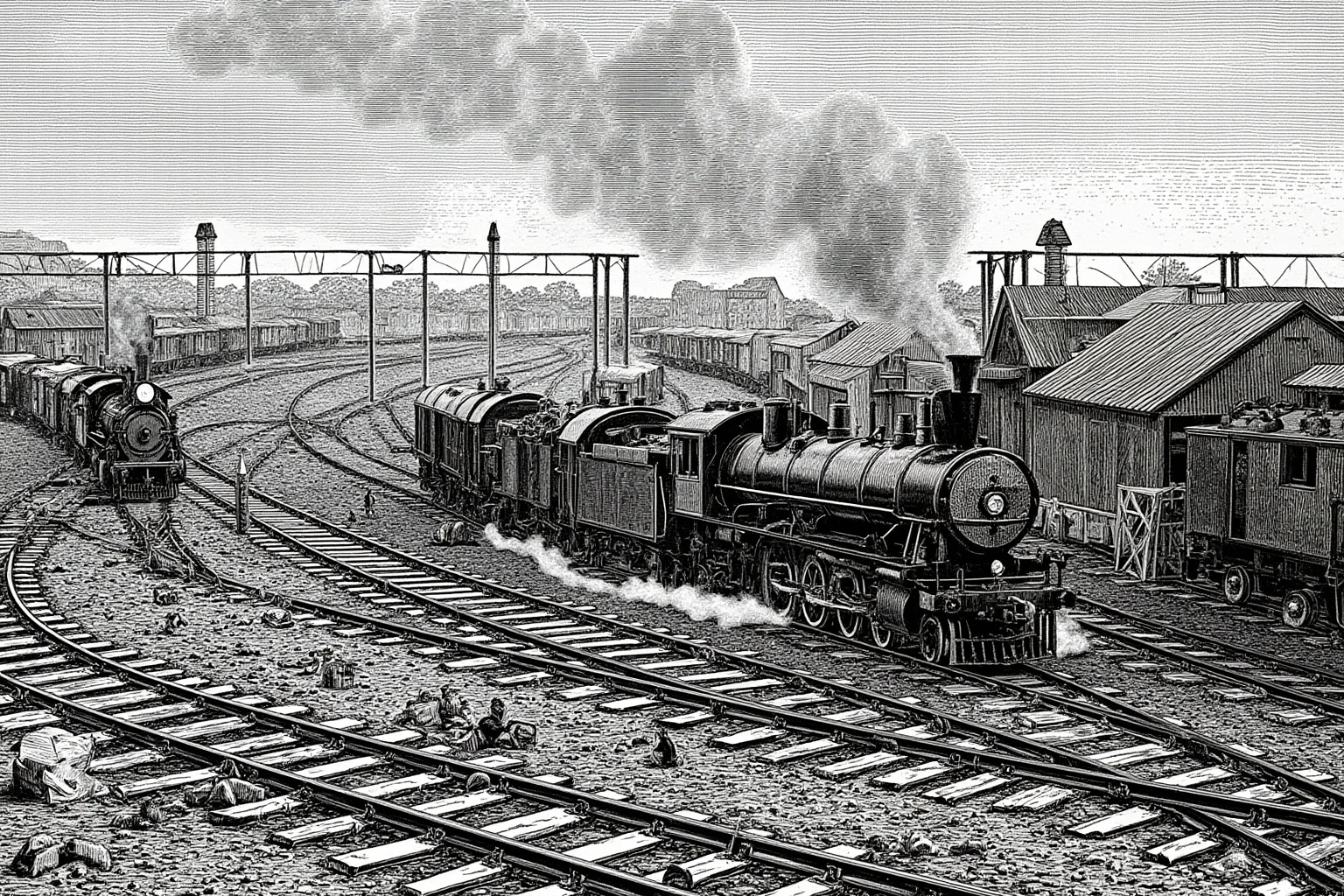
Cornelius Vanderbilt started in shipping and steamboats before pivoting hard into railroads, eventually consolidating lines into the New York Central Railroad system. Known as “the Commodore,” he built one of the largest personal fortunes of the 19th century through relentless competition and consolidation.
Vanderbilt embodies the era’s more cutthroat entrepreneurial spirit, someone who treated business as a genuine battlefield. His success also foreshadowed the massive corporate consolidations that defined the later Gilded Age.
16. Andrew Carnegie
Andrew Carnegie built Carnegie Steel into the dominant force in American steel production, aided by Bessemer-process technology and aggressive vertical integration. He later sold his company to J.P. Morgan’s group in 1901, forming U.S. Steel, and spent his remaining years giving away most of his fortune.
Carnegie’s essay “The Gospel of Wealth” argued the rich had a moral duty to give back, funding libraries, universities, and concert halls across the country. It’s a genuinely useful counterpoint to the era’s reputation for pure greed, even as his labor practices, including the violent 1892 Homestead Strike, remain controversial.
17. John D. Rockefeller
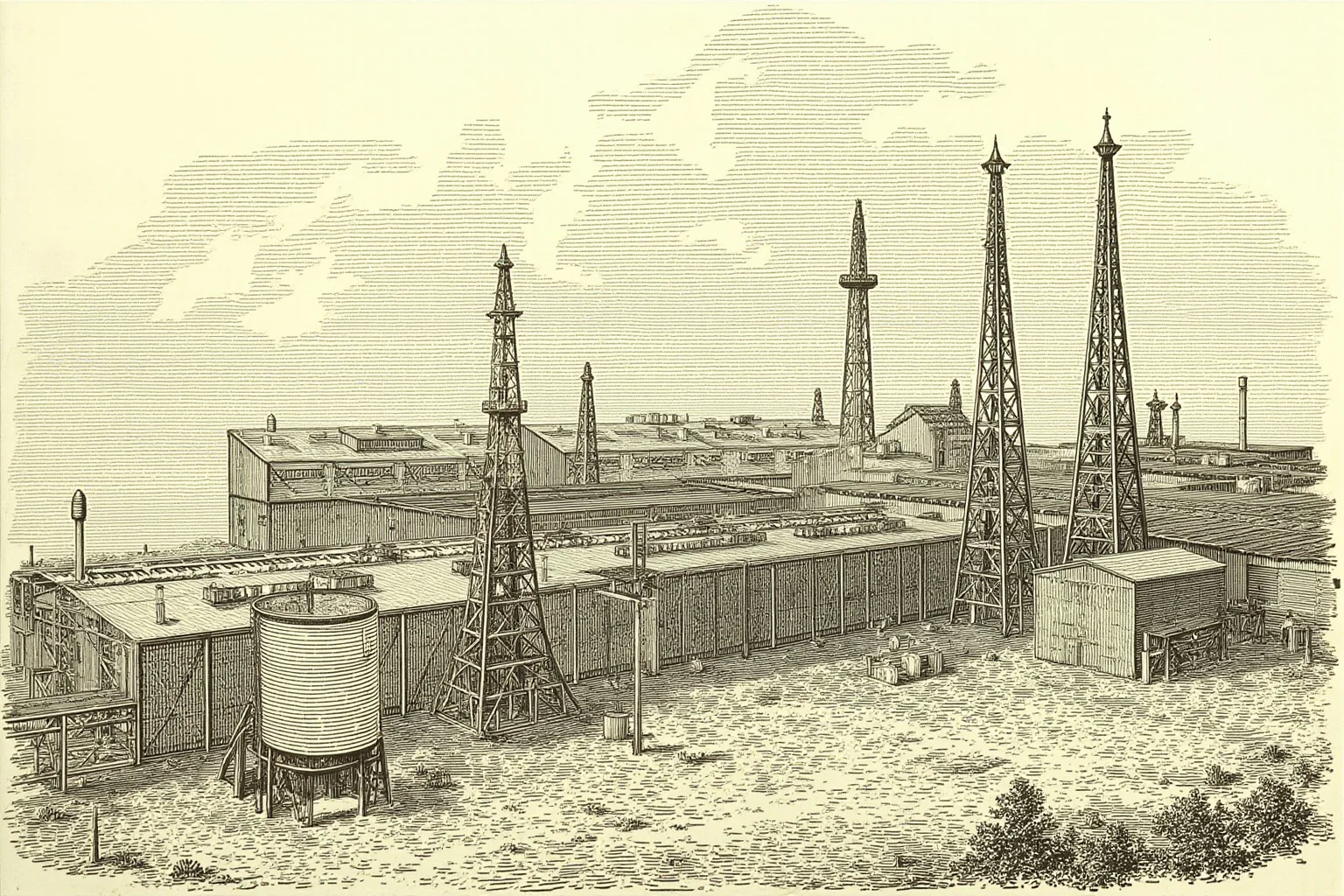
John D. Rockefeller built Standard Oil into a near-total monopoly over American oil refining by the late 1800s, using aggressive pricing and acquisitions that eventually drew federal antitrust action. The Supreme Court ordered Standard Oil broken up in 1911, a case still studied in business and law schools today.
Rockefeller became, by some estimates, the wealthiest American in history when adjusted for the size of the economy at the time. Like Carnegie, he later became one of history’s largest philanthropists, funding medical research and education.
18. J.P. Morgan

J.P. Morgan wasn’t an inventor or factory owner but a financier who organized, funded, and sometimes rescued America’s largest industrial enterprises. He orchestrated the creation of U.S. Steel in 1901, the first billion-dollar corporation in American history.
Morgan also personally helped stabilize the U.S. financial system during the Panic of 1907, acting almost like a one-man central bank before the Federal Reserve existed. His story shows that entrepreneurs during the Industrial Revolution weren’t only builders of things, some built the financial systems that made building possible.
19. Thomas Edison
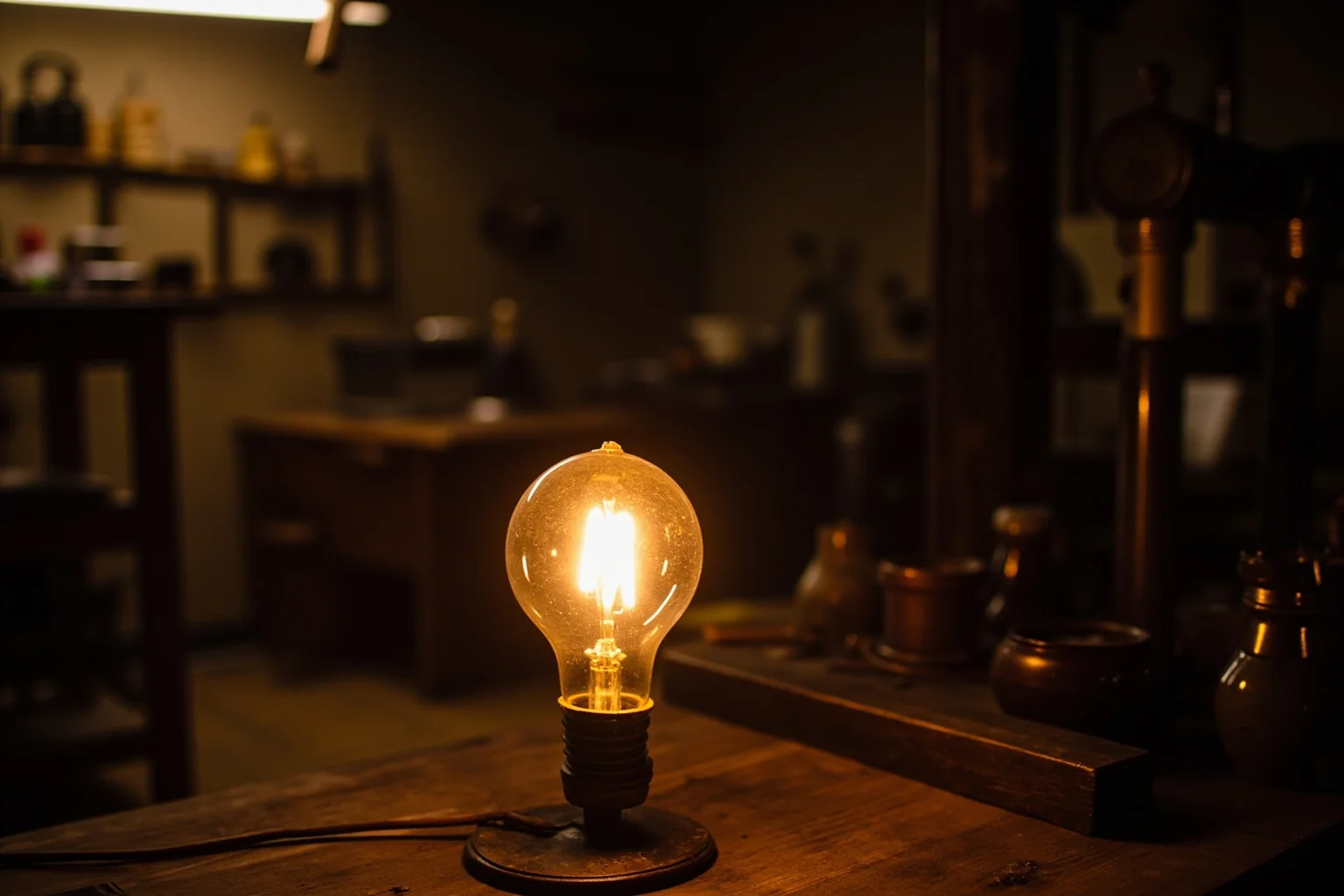
Thomas Edison held over a thousand patents and is often cited among the most famous inventors of the American Industrial Revolution, most famously for practical electric lighting and the phonograph. His Menlo Park lab is sometimes called the first true industrial research laboratory, a model still used by tech companies today.
It’s worth noting Edison was as much a savvy businessman and self-promoter as a lone genius inventor, often improving on existing ideas and employing teams of researchers. His companies eventually merged into General Electric, a corporate giant still operating today.
Reformers in the Industrial Revolution: Fighting for Fair Treatment
Not everyone involved in the Industrial Revolution was building factories or fortunes. These reformers pushed back against the human cost of rapid industrialization, often facing fierce resistance from the entrepreneurs profiting from the status quo.
20. Robert Owen
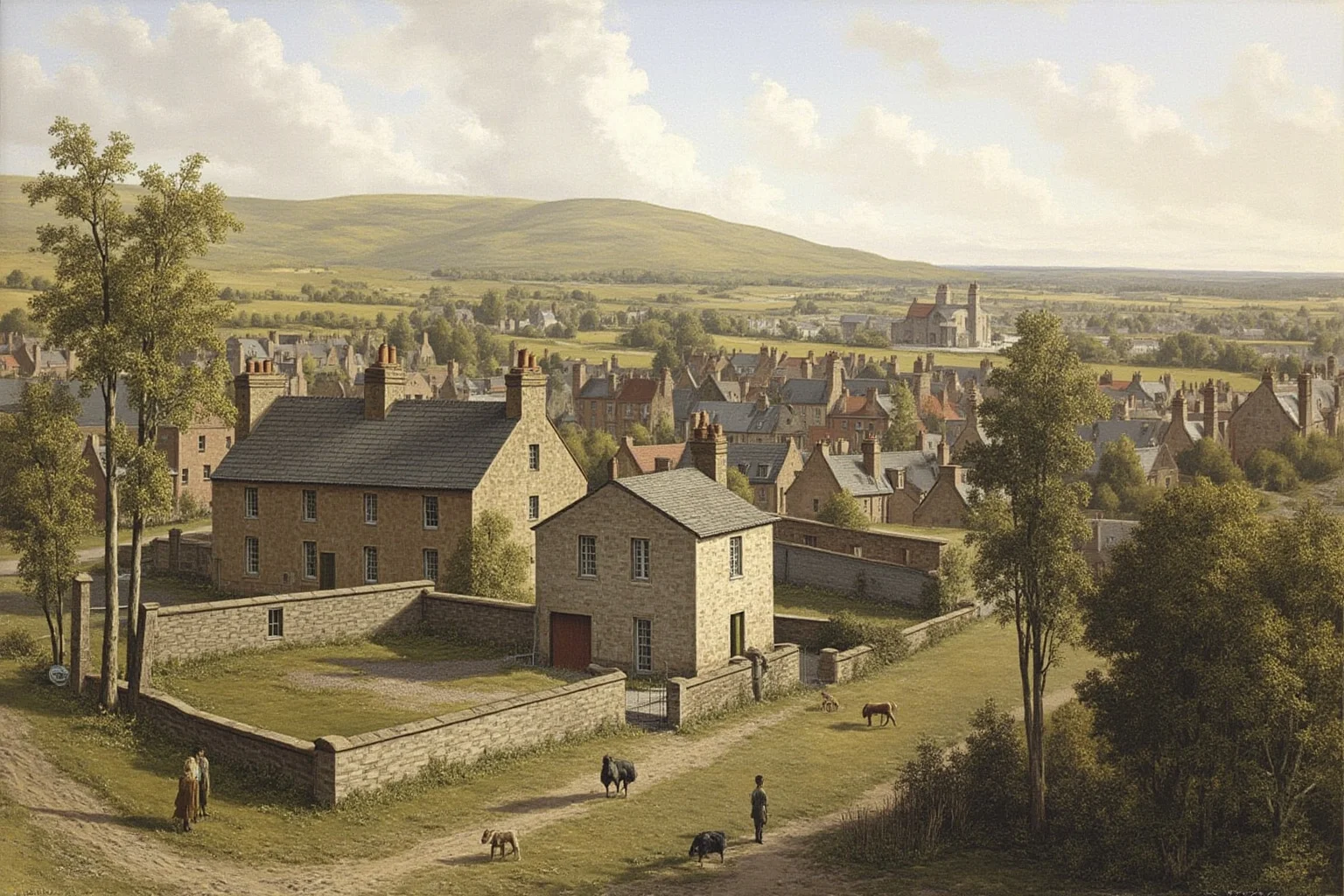
Robert Owen ran cotton mills at New Lanark in Scotland but, unusually for the era, tried to prove that treating workers decently could still be profitable. He shortened working hours, built schools for workers’ children, and improved housing conditions well beyond the norm of the time.
Owen later became a leading figure in early utopian socialism and cooperative movements. His New Lanark experiment remains one of the clearest counterexamples to the idea that harsh conditions were simply unavoidable during industrialization.
21. Lord Shaftesbury (Anthony Ashley-Cooper)
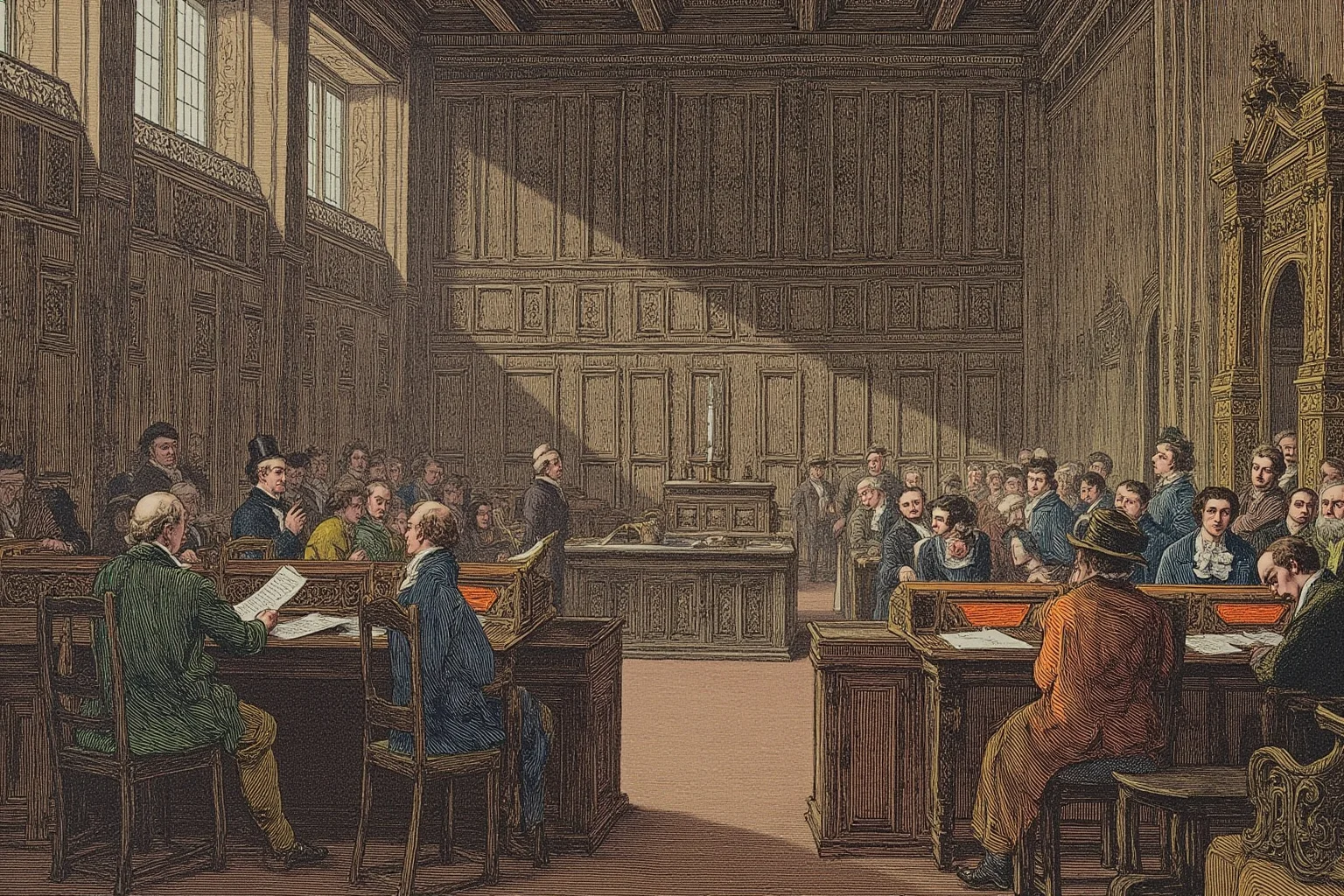
Anthony Ashley-Cooper, the 7th Earl of Shaftesbury, spent decades in the British Parliament pushing factory and mine reform. His efforts contributed to the Mines Act of 1842, which banned women and young children from working underground, and the Factory Act of 1847, which limited working hours for women and children in textile mills.
Shaftesbury faced constant pushback from factory owners who insisted regulation would ruin British industry. His career is a solid reminder that industrial revolution leaders weren’t only industrialists, some were politicians fighting industry’s worst excesses from the inside.
22. Michael Sadler
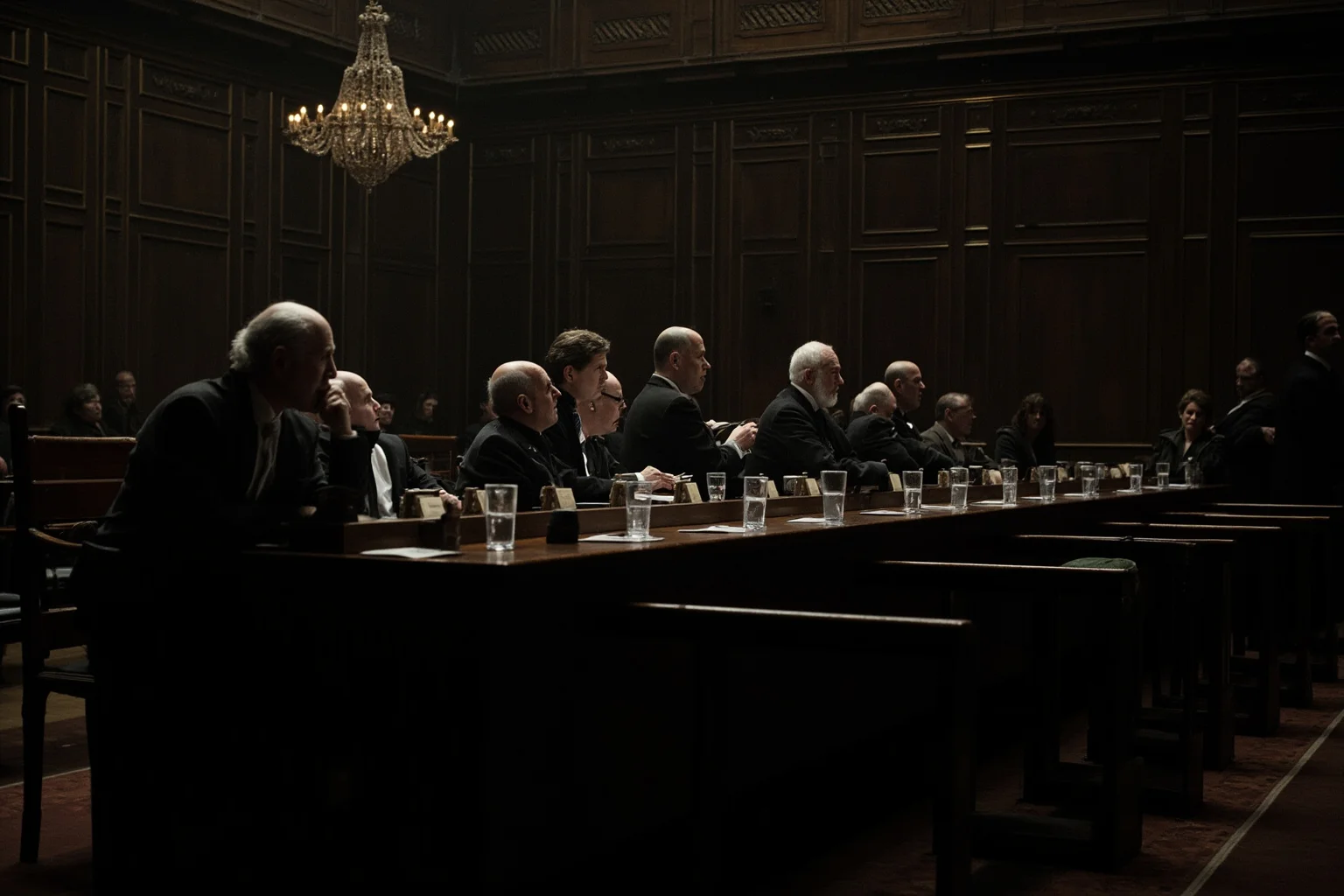
Michael Sadler was a British MP who led a parliamentary committee in 1832 investigating child labor conditions in textile factories. The Sadler Committee’s testimony, gathering firsthand accounts from child workers, shocked the public and helped build momentum for later factory legislation.
Some historians note Sadler’s committee selected witnesses in ways that emphasized the worst cases, so read the testimony as a genuine but not perfectly neutral historical source. Even so, it remains one of the most cited pieces of evidence on Victorian factory conditions.
23. Florence Kelley
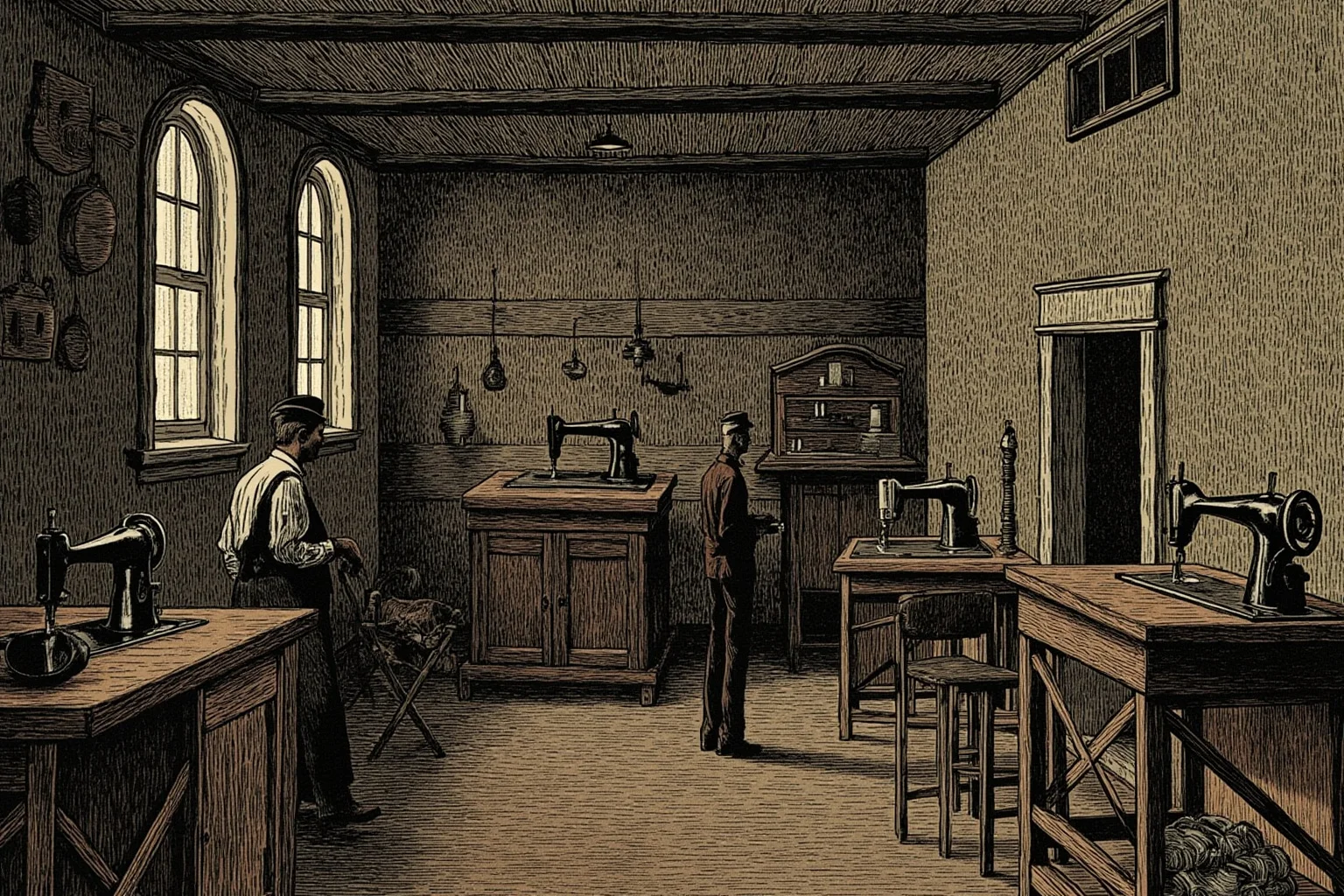
Florence Kelley worked mainly in the later 19th and early 20th century United States, campaigning against child labor and unsafe factory conditions through organizations like the National Consumers League. She investigated tenement sweatshops in Chicago and pushed for state and federal labor protections.
Kelley’s work helped lay groundwork for later federal child labor laws in the 20th century. She’s a good example of how reform efforts stretched well beyond Britain and continued long after the “first” Industrial Revolution technically ended.
Thinkers Who Explained the Revolution
A couple of writers didn’t build factories or pass laws but shaped how people understood industrial capitalism itself, for better or worse, and both are often mentioned alongside history’s most renowned philosophers.
24. Adam Smith

Adam Smith published “The Wealth of Nations” in 1776, right as Britain’s industrial economy was beginning to take shape. His ideas about free markets, specialization, and self-interest driving economic growth became the intellectual backbone many entrepreneurs used to justify industrial capitalism.
Smith technically wrote just before the factory system fully exploded, but his economic theories were constantly invoked by industrialists throughout the era. Whether he’d have approved of how his ideas were later used is a genuinely debated question among historians.
25. Karl Marx
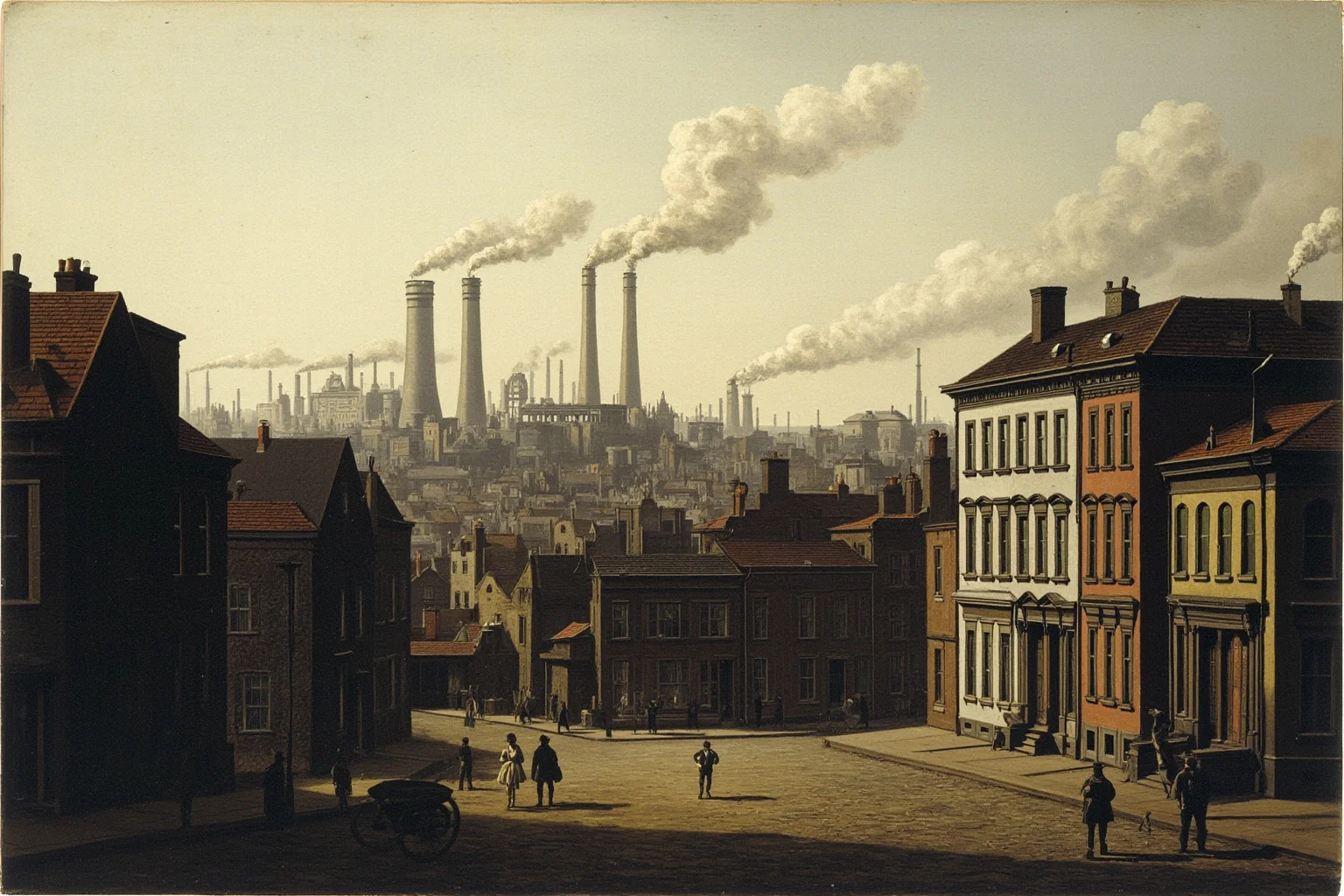
Karl Marx, often working alongside Friedrich Engels, spent years observing industrial conditions in cities like Manchester, cataloged partly in Engels’s 1845 work “The Condition of the Working Class in England.” Marx’s later writing, especially “Das Kapital,” built a sweeping critique of industrial capitalism and its effect on workers.
Whatever one thinks of Marx’s politics, his observations of factory life remain a widely cited historical source on industrial working conditions. He represents the opposite pole from figures like Carnegie and Rockefeller: someone convinced the whole system needed to be rethought, not just reformed.
Who Was Involved in the Industrial Revolution? A Quick Recap
It’s easy to see from this list that asking who was involved in the Industrial Revolution doesn’t have one tidy answer. Inventors solved mechanical problems, entrepreneurs turned those solutions into businesses, financiers supplied capital, and reformers spent decades trying to soften the human cost of it all.
Ordinary workers, including huge numbers of women and children, were arguably the most “involved” of all, even though history books have historically given them far less individual attention than the men who owned the factories. Any honest account of industrial revolution people has to include them, even without individual names attached to most of their stories.
What Jobs Were Created by the Industrial Revolution?
The factory system created entirely new categories of work that hadn’t existed on this scale before, including machine operators, mechanics, and supervisors known as overseers or foremen. Railways and steamships created jobs for engineers, conductors, dockworkers, and telegraph operators as transportation networks expanded rapidly.
Office and clerical work also expanded significantly, since larger companies needed bookkeepers, clerks, and eventually professional managers to run increasingly complex operations. Mining expanded too, feeding the coal and iron demands of factories and railways, though mining work remained some of the era’s most dangerous employment.
The Legacy of These Trailblazers
Looking back at these famous historical figures of the Industrial Revolution, it’s clear progress and hardship traveled together throughout this era. The same decades that produced railways, cheap cloth, and eventually electric light also produced brutal child labor, dangerous factory floors, and genuine environmental damage that took generations to address.
That complexity is worth holding onto rather than flattening into either a simple hero story or a simple villain story. The entrepreneurs, inventors, and reformers covered here each pulled the modern industrial world in different directions, and honestly, we’re still living with the results of that tug-of-war today.
Frequently Asked Questions
Who were the most important people in the Industrial Revolution?
There's no single answer, since important people in the Industrial Revolution included inventors like James Watt and Richard Arkwright, entrepreneurs like Josiah Wedgwood and Andrew Carnegie, and reformers like Robert Owen and Lord Shaftesbury. Each group shaped the era in a different way, from building the machines to fighting over how workers should be treated.
What was the first industry of the Industrial Revolution?
Textiles, particularly cotton spinning and weaving, were the first industry transformed by Industrial Revolution technology. Machines like the spinning jenny, water frame, and spinning mule mechanized cloth production in Britain starting in the 1760s and 1770s, setting off changes that eventually spread to iron, coal, and transportation.
Where is the birthplace of the Industrial Revolution?
Great Britain is generally considered the birthplace of the Industrial Revolution, with key early developments concentrated in Lancashire's textile mills and Shropshire's Coalbrookdale ironworks. From there, industrial methods spread to continental Europe and the United States over the following decades.
When was the first Industrial Revolution?
Historians typically date the first Industrial Revolution from roughly 1760 to around 1840, though the exact boundaries are debated. A later Second Industrial Revolution, featuring steel, electricity, and mass production, followed from about 1870 to the early 1900s.
Who created the Industrial Revolution?
No single person created the Industrial Revolution; it emerged from a combination of technological breakthroughs, available capital, natural resources like coal and iron, and entrepreneurial risk-taking in 18th-century Britain. Figures like James Watt and Richard Arkwright were central contributors, but they built on earlier innovations and worked alongside many collaborators.
Who was president during the Industrial Revolution?
Because the Industrial Revolution spanned decades, many U.S. presidents served during it, including George Washington and Thomas Jefferson during its earliest American stirrings, and later figures like Andrew Jackson, Abraham Lincoln, and Ulysses S. Grant as American industry expanded through the 19th century. There wasn't one single president tied to the era as a whole.
What jobs were created by the Industrial Revolution?
The Industrial Revolution created factory jobs like machine operators and overseers, along with new roles for engineers, railway workers, dockworkers, and clerical staff as businesses grew larger and more complex. Mining jobs also expanded significantly to supply the coal and iron that powered factories and railways.
Can you use ‘Industrial Revolution’ in a sentence?
Sure: "The Industrial Revolution transformed Britain from a mostly agricultural society into the world's first major industrial economy within about 80 years." It's commonly used this way in historical writing to describe the broad shift from hand production to machine-based manufacturing.

Alex Warren
Related Articles





