


Prison walls exist to keep people in, but throughout history a determined few have proven that no wall, moat, or watchtower is ever truly escape-proof. Some of these breakouts were meticulously engineered over months of secret digging. Others relied on nothing more than nerve, a bribe, or a well-timed distraction.
What follows is a tour through the greatest escapes ever pulled off, from wartime POW camps to modern maximum-security prisons. Along the way, we’ll separate the documented history from the Hollywood embellishments, because not every legendary jailbreak happened quite the way the movies suggest.
TL;DR: History’s most famous prison escapes range from meticulously engineered tunnel jobs like The Great Escape to lucky improvisations like Pablo Escobar simply walking out of his own private prison, and not all of the legends hold up to scrutiny.
What Makes a Prison Escape ‘Great’?
Not every jailbreak earns a place in the history books. The escapes that endure in public memory tend to share a few traits: audacious planning, incredible risk, and often a twist that nobody saw coming. Some are celebrated for their engineering brilliance, the kind of ingenuity you’d expect from history’s smartest people, like hand-dug tunnels braced with stolen wood and hidden behind false walls.
Others are remembered simply because of who was involved or what happened afterward. A daring escape by a POW during wartime carries different stakes than one pulled off by a career criminal decades later. Both types appear on this list, because both have shaped how we think about the very idea of a great escape.
It’s also worth noting that history is full of half-true prison escape stories. Memoirs get embellished, newspapers exaggerate, and films flatten complicated events into tidy narratives. We’ll flag those cases as we go, because a good myth-busting is part of understanding history accurately.
Ranking the Most Notorious Prison Escapes in History
The list below moves roughly in chronological order rather than strict ranking, since comparing a 16th-century rope escape to a 21st-century helicopter extraction is a bit like comparing apples and oranges. Each entry, though, represents one of the most famous prison escapes on record.
1. The Great Escape – Stalag Luft III (1944)
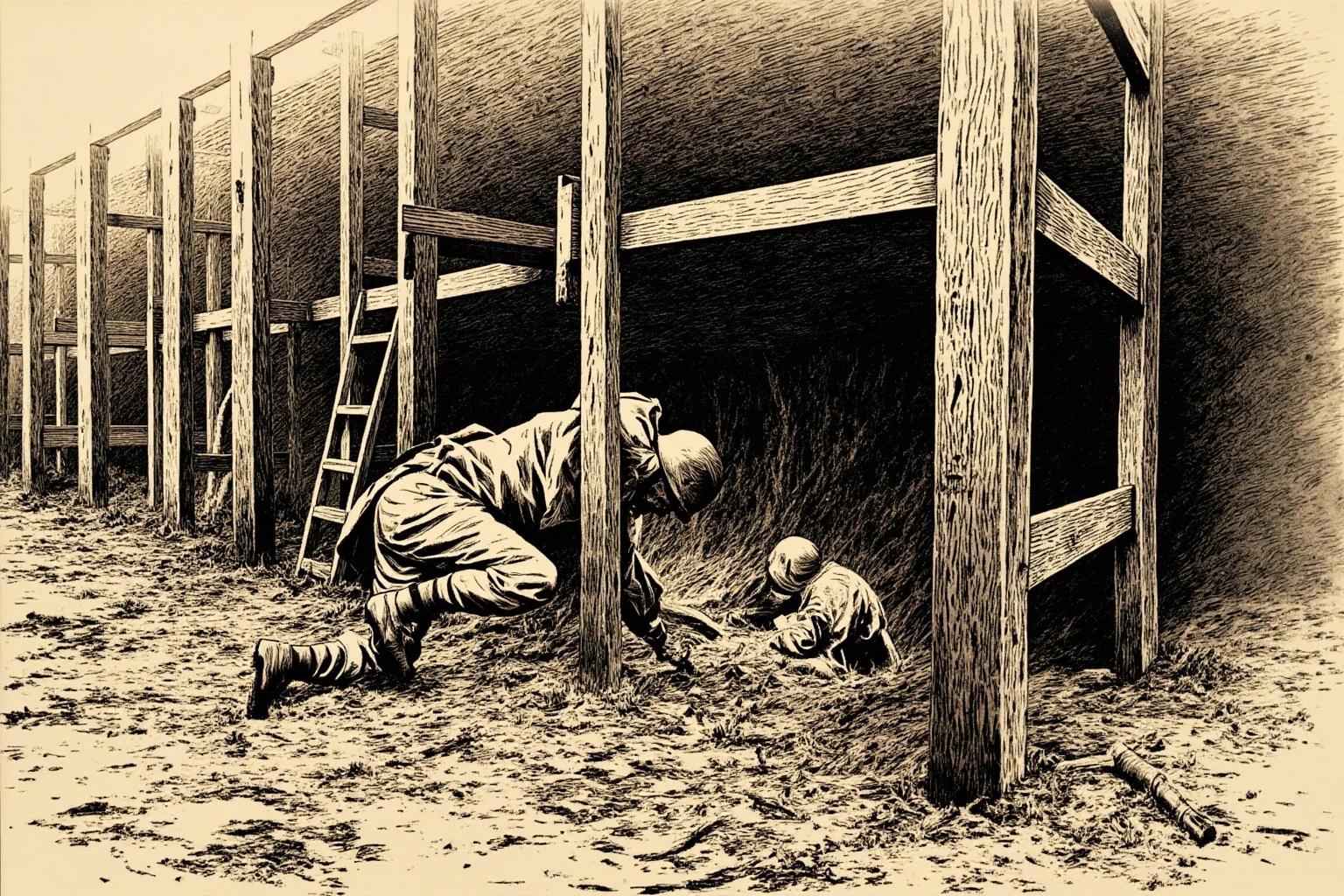
This is arguably the single most famous prison break in history, immortalized by the 1963 film of the same name. Allied airmen held at the German POW camp Stalag Luft III dug three tunnels, nicknamed Tom, Dick, and Harry, over many months using tools improvised from bed frames and tin cans.
On the night of March 24, 1944, 76 prisoners escaped through the tunnel called Harry. Only three made it all the way to freedom, and tragically, 50 of the recaptured men were executed on Hitler’s direct orders, a war crime prosecuted after the conflict ended.
The famous motorcycle chase scene from the film, incidentally, never happened. It was invented for the movie to add excitement for American audiences.
2. The Wooden Horse – Stalag Luft III (1943)
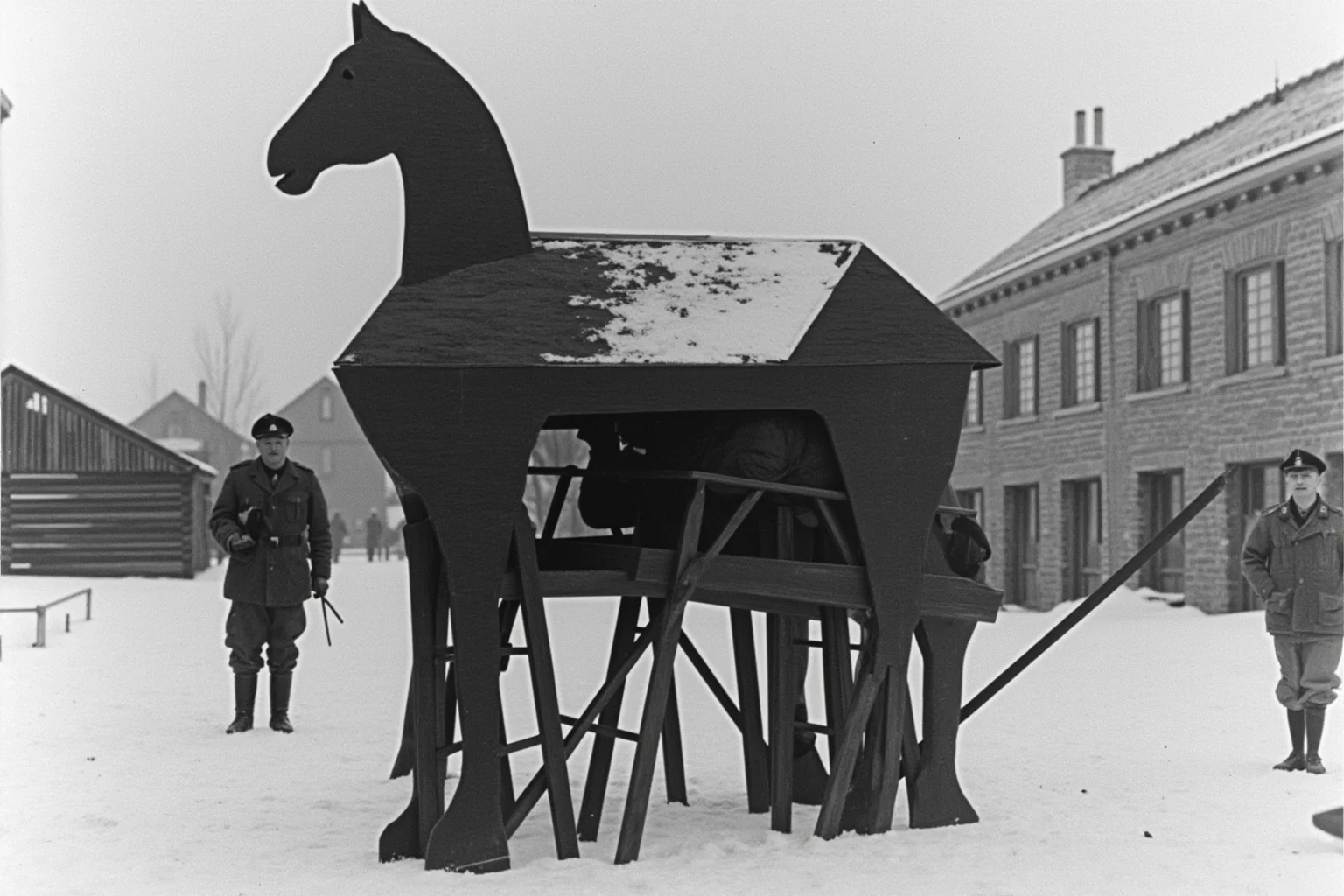
A year before the more famous breakout at the same camp, three RAF officers pulled off one of the cleverest escapes of the war. Eric Williams, Michael Codner, and Oliver Philpot built a wooden vaulting horse, carried it daily to the same spot near the perimeter fence, and used it to conceal a tunnel entrance while prisoners exercised on top of it.
Over several weeks, diggers hid inside the hollow horse and worked beneath it. All three men made it safely back to Britain, making this one of the rare fully successful escapes of the era.
3. Alcatraz, 1962 – Frank Morris and the Anglin Brothers

No list of famous prison escapes is complete without Alcatraz. On June 11, 1962, Frank Morris and brothers John and Clarence Anglin slipped through holes they had carved around air vents, leaving papier-mâché dummy heads in their beds to fool guards during nightly checks.
They used a raft fashioned from raincoats to cross San Francisco Bay’s frigid, current-heavy waters. Officially, the FBI closed its investigation in 1979, concluding the men likely drowned, though the U.S. Marshals Service kept the case open for decades.
No confirmed sighting of the trio has ever been verified, so their fate remains genuinely unresolved rather than a settled mystery.
4. Casanova’s Escape from The Leads, Venice (1756)

Giacomo Casanova is remembered today mostly for his romantic exploits, earning him a spot among history’s most recognized figures, but his prison break deserves recognition in its own right. Imprisoned in the Doge’s Palace attic cells known as The Leads for alleged offenses against religion and public morals, he escaped with a fellow prisoner, a monk named Father Balbi, by cutting through the roof.
The pair climbed across the palace roofline before finding a way inside and out the front door. Casanova recounted the episode in his own memoirs, so historians treat some of the finer details with appropriate caution, but the escape itself is well documented in Venetian records.
5. Jack Sheppard’s Multiple Escapes (1724, London)

Jack Sheppard became a folk hero in Georgian London for escaping custody an astonishing four times in a single year. His most celebrated feat came from Newgate Prison, where he broke out of a supposedly inescapable cell by picking locks, breaking through walls, and climbing across rooftops in leg irons.
Crowds treated him like a celebrity, and his exploits inspired ballads and pamphlets. His luck ran out in November 1724, when he was recaptured and ultimately executed at Tyburn, but his legend as an escape artist endured for centuries.
6. John Gerard’s Escape from the Tower of London (1597)
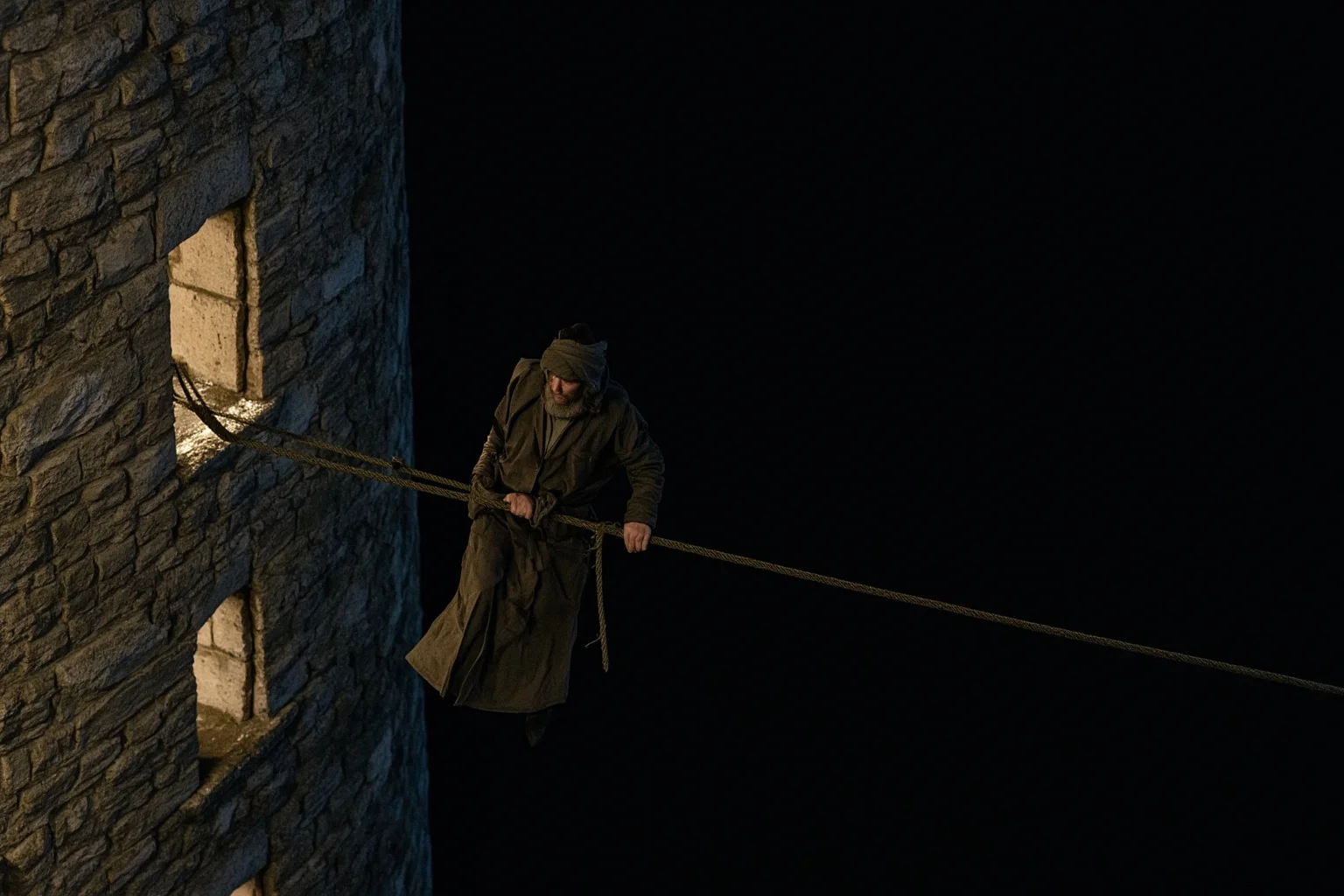
John Gerard was a Jesuit priest imprisoned in the Tower of London during a period of intense religious persecution in England. In October 1597, he and a fellow prisoner escaped by climbing down a rope strung across the Tower’s moat to a waiting boat.
Gerard later wrote a detailed autobiography describing the plan, which historians generally regard as a credible primary source. It remains one of the earliest well-documented prison escapes from what was considered one of England’s most secure fortresses.
7. The Libby Prison Escape (1864)

During the American Civil War, Libby Prison in Richmond, Virginia held captured Union officers in grim conditions. In February 1864, 109 prisoners escaped through a tunnel dug from the prison’s rat-infested cellar out to a nearby warehouse.
Of those who escaped, 59 successfully reached Union lines, making it one of the largest and most successful prison breaks of the entire war. It remains a striking example of how ordinary prisoners, under desperate circumstances, could pull off extraordinary feats of engineering.
8. The Uprising and Escape from Sobibor (1943)
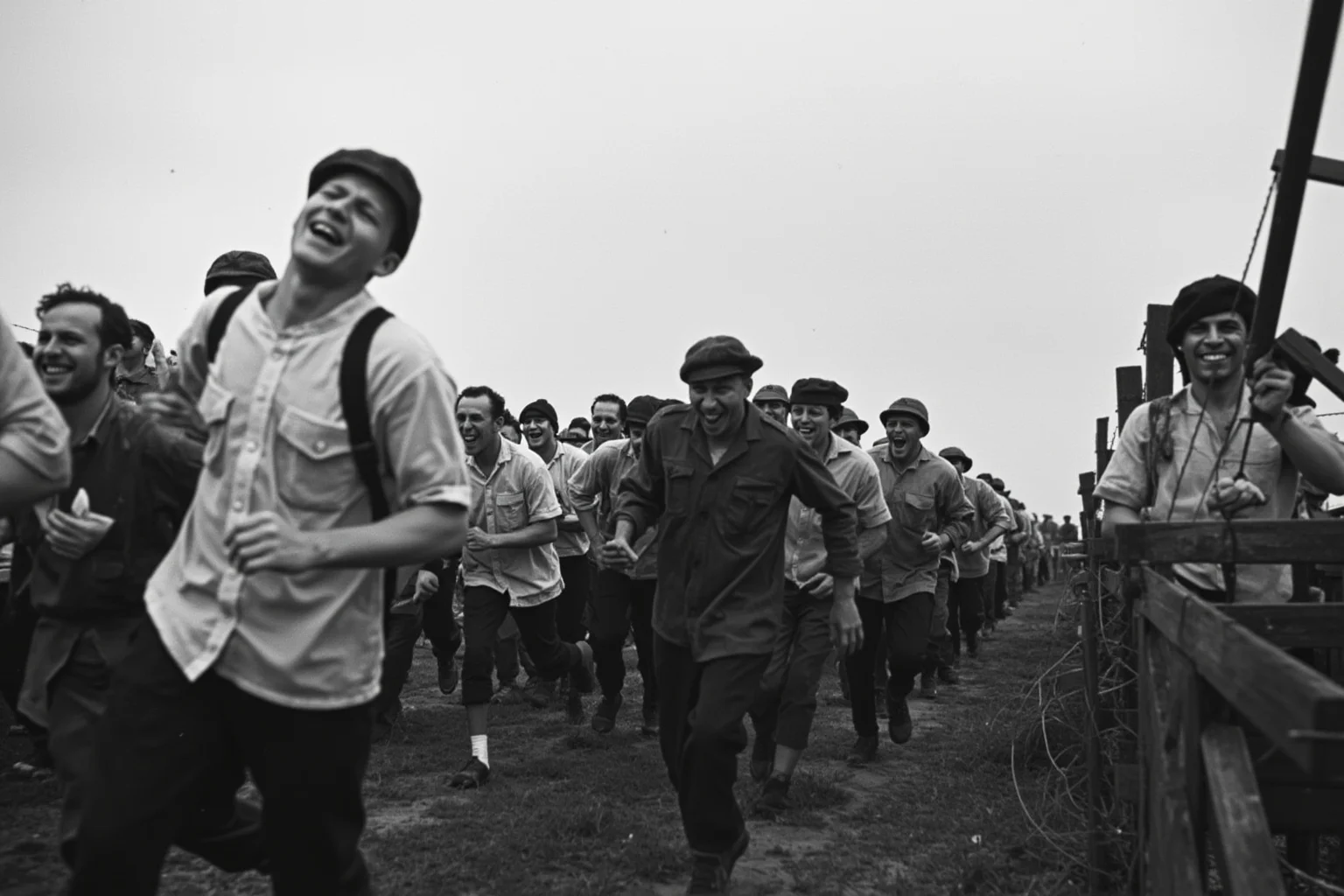
Sobibor was a Nazi extermination camp in occupied Poland, not a conventional prison, which makes the events of October 14, 1943 all the more remarkable. Led by Soviet prisoner of war Alexander Pechersky, prisoners secretly killed several SS officers and staged a mass breakout.
Roughly 300 prisoners escaped through the camp’s gates and minefields, though many were later killed or recaptured. Around fifty to seventy are believed to have survived the war, and the uprising remains one of the most significant acts of organized resistance in a Nazi camp.
9. The Maze Prison Escape (1983)
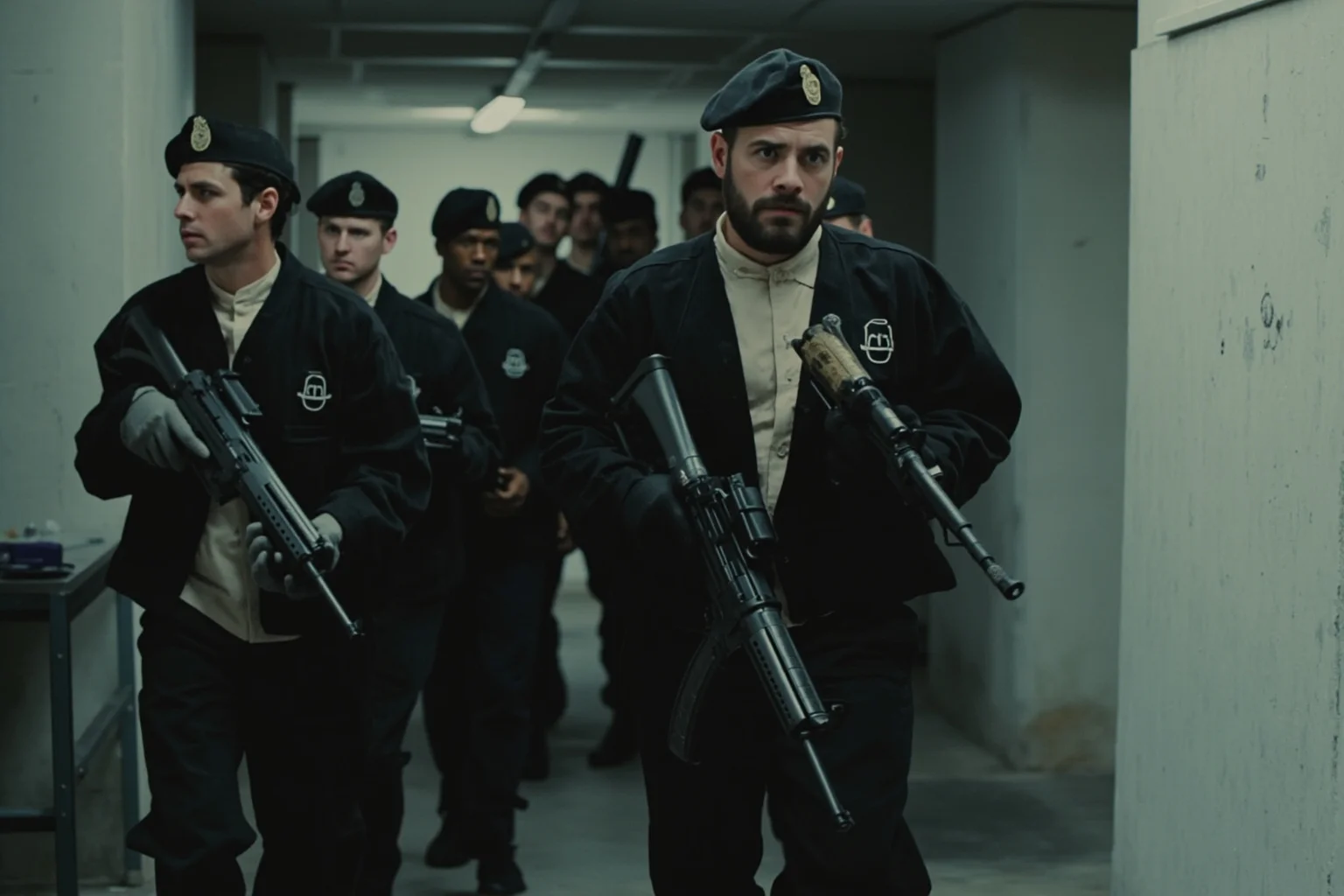
On September 25, 1983, 38 Provisional IRA prisoners escaped from HM Prison Maze in Northern Ireland, in what is still considered the largest prison escape in British and European history. The group smuggled in handguns and took control of a cell block before hijacking a food delivery lorry to breach the perimeter.
A prison officer, James Ferris, suffered a fatal heart attack during the incident. Many of the escapees were eventually recaptured, but the scale of the breakout made it a defining moment in the security debates of the Troubles.
10. Pascal Payet’s Helicopter Escapes

French criminal Pascal Payet earned the nickname ‘the man who escapes by helicopter’ after pulling off the feat not once but multiple times. In 2001, he escaped Luynes prison via a hijacked helicopter that landed in the exercise yard, and in 2003 he was recaptured after helping orchestrate a similar escape for others.
In 2007, he escaped again from Grasse prison the same way, before finally being recaptured for good. His repeated success with essentially the same method made him one of the most talked-about prison escapees in modern French history.
11. El Chapo’s Two Prison Breaks

Joaquín ‘El Chapo’ Guzmán escaped Mexican custody twice in dramatic fashion. In 2001, he reportedly left Puente Grande prison hidden inside a laundry cart, amid allegations of extensive bribery among prison staff.
In 2015, he escaped again from the Altiplano maximum-security prison through a mile-long tunnel equipped with lighting, ventilation, and a modified motorcycle on rails. He was recaptured in 2016 and extradited to the United States the following year, ending one of the most notorious prison escape sagas of the 21st century.
12. Ronnie Biggs and the Great Train Robbery Escape

Ronnie Biggs was already infamous for his role in the 1963 Great Train Robbery when he escaped Wandsworth Prison in July 1965. He scaled the prison wall using a rope ladder and dropped onto a waiting furniture van, then fled to the continent and eventually settled in Brazil.
He lived as a fugitive for 36 years, becoming something of a folk celebrity, before voluntarily returning to the UK in 2001 due to failing health. His case remains one of the most famous long-term prison escapees in British history.
13. Ted Bundy’s Two Escapes (1977)

Ted Bundy, later convicted of numerous murders, escaped custody twice within the same year while awaiting trial in Colorado. In June 1977, he jumped from a second-story courthouse library window during a recess and fled on foot.
Recaptured after several days, he escaped again in December by squeezing through a hole in his cell ceiling and slipping through a crawlspace into a prison apartment. He remained free for roughly six weeks before committing further crimes and eventually being recaptured for good.
14. Pablo Escobar Walks Out of La Catedral (1992)

Colombian drug lord Pablo Escobar negotiated a strange deal with the government in 1991, agreeing to imprisonment in exchange for building his own luxury facility, La Catedral, complete with a soccer field and bar. When authorities arrived in July 1992 to transfer him to a standard prison, Escobar simply walked out with associates before they could act.
It wasn’t a dramatic tunnel or wall-scaling operation so much as an escape enabled by extraordinary corruption and privilege. He remained a fugitive until being killed by Colombian police in December 1993.
15. The Texas Seven (2000)

In December 2000, seven inmates escaped the Connally Unit in Texas using an elaborate ruse, posing as maintenance workers and overpowering guards to steal weapons, clothing, and a vehicle. The group went on the run for over a month, committing armed robberies along the way.
During one robbery, they killed police officer Aubrey Hawkins, which triggered a nationwide manhunt. All seven were eventually captured or died, and most received the death penalty, making this one of the most violent and consequential prison escapes in modern American history.
16. Alfred Hinds, ‘Houdini of British Prisons’

Alfred Hinds became a media sensation in 1950s Britain for escaping custody multiple times while protesting his innocence in a jewel robbery conviction. His most famous escape, from Nottingham Prison in 1955, involved slipping through a workshop skylight using tools he had improvised.
He was recaptured each time but kept trying, and later successfully sued a police officer for false imprisonment, an almost unheard-of legal victory. His story remains one of the more unusual entries among Britain’s famous prison escapees.
17. Billy Hayes’s Escape from Turkey (1975)

American Billy Hayes was serving a lengthy sentence in Turkey after being convicted of drug smuggling when he escaped from a prison on the island of Imrali in 1975. He rowed a small boat across open water to the Turkish mainland before making his way to Greece.
His memoir became the basis for the 1978 film Midnight Express, though Hayes himself later acknowledged the movie took significant liberties with events, particularly its portrayal of Turkish people and prison staff. It’s a good reminder that dramatized versions of true prison escape stories should always be checked against the historical record.
18. Henri Charrière’s ‘Papillon’ Escapes from Devil’s Island

Henri Charrière’s 1969 memoir Papillon described a series of daring escapes from the French penal colony in French Guiana during the 1930s and 1940s, including a legendary raft escape from Devil’s Island itself. The book became a massive bestseller and inspired two feature films.
However, later research by historians and journalists cast serious doubt on how much of the story was Charrière’s own experience versus tales borrowed from other prisoners, complicating his place among history’s most influential writers. It stands as one of history’s best examples of why famous prison escape memoirs deserve a healthy dose of skepticism.
19. The Escapes of Colditz Castle

Colditz Castle served as a high-security POW camp for Allied officers considered serious escape risks during World War II, which paradoxically made it a hotbed of escape attempts. British officer Airey Neave achieved the camp’s first successful ‘home run’ in January 1942, reaching neutral Switzerland after a disguised escape.
Prisoners at Colditz attempted everything from tunnels to disguises, and even built a glider in the castle attic intended for a rooftop launch, though the war ended before it was ever used. The sheer creativity on display made Colditz synonymous with wartime ingenuity.
20. The Long Walk and Its Disputed Legacy

Slavomir Rawicz’s 1956 book The Long Walk described an incredible 1941 escape from a Siberian Gulag and a subsequent 4,000-mile trek on foot to British India. For decades, it was treated as one of history’s greatest survival and escape stories.
Later investigations, however, uncovered British military records suggesting Rawicz had actually been released from Soviet custody rather than escaping, raising serious doubts about the memoir’s accuracy. The saga is a valuable case study in how compelling storytelling can outrun verified fact, and why historians treat uncorroborated escape memoirs carefully.
21. John Dillinger’s Crown Point Jail Escape (1934)
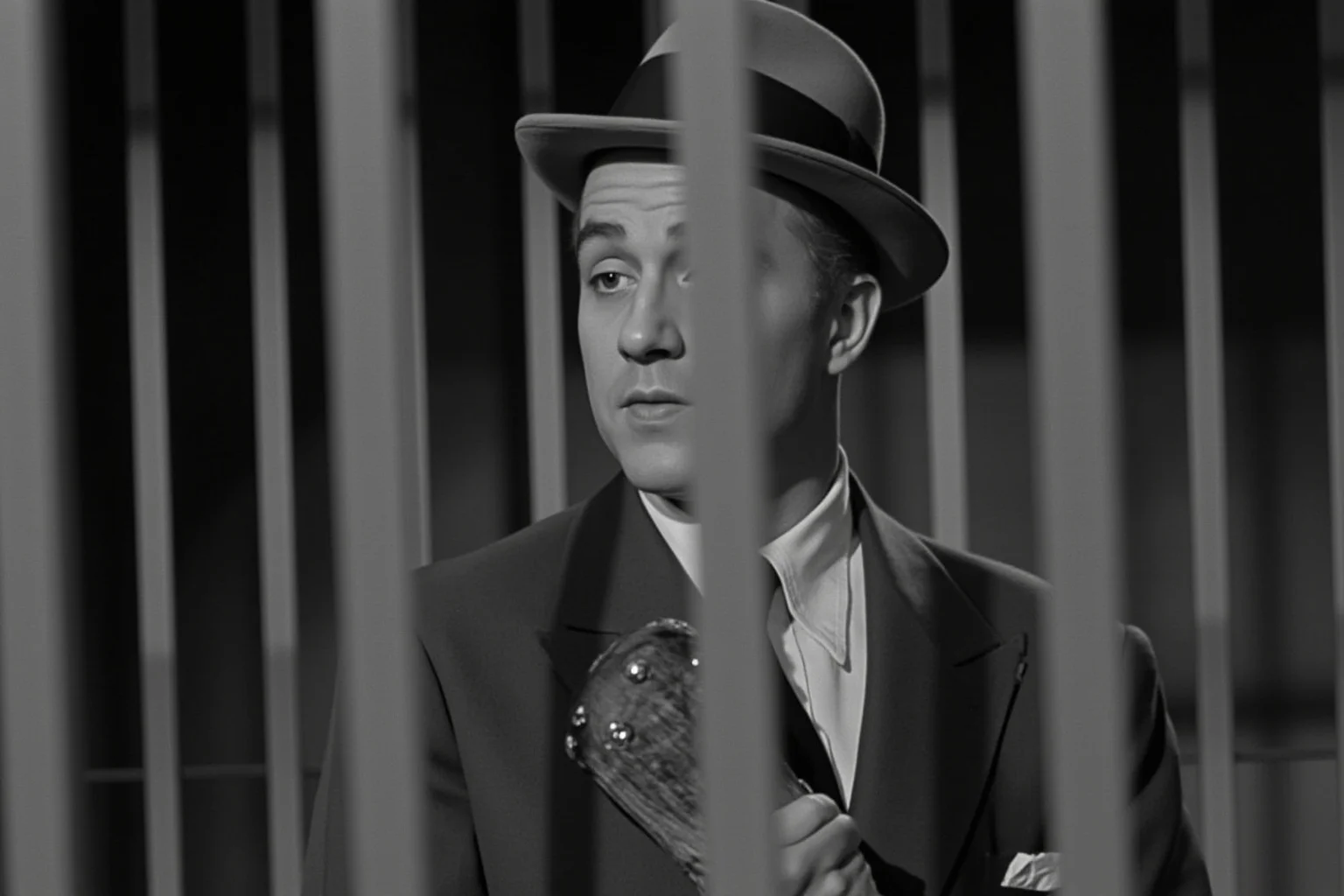
Depression-era outlaw John Dillinger escaped the supposedly escape-proof Crown Point jail in Indiana in March 1934, allegedly using a fake gun carved from wood and darkened with shoe polish to bluff guards. The story became American folklore almost instantly and cemented Dillinger’s reputation as a daring criminal.
Historians have long debated whether the wooden gun was real or whether bribery played a larger role in the escape’s success. Either way, it remains one of the most talked-about prison escapes of the Depression era.
22. The Longest Prison Escapes on Record

Some of history’s most fascinating prison escapes aren’t defined by daring methods but by sheer duration. Leonard Fristoe escaped Nevada State Prison in 1923 and lived under an assumed name for the rest of his life; investigators only confirmed his true identity in 2021, decades after his death, through genealogical research.
Frank Freshwaters similarly escaped an Ohio prison work camp in 1959 and lived quietly under a false name in Florida for 56 years before being identified and located in 2015. These cases stand among the longest prison escapes ever documented, showing that not every fugitive story ends in a dramatic recapture.
Fact vs. Fiction: Sorting Legend from History
A running theme across this list is that famous prison escape stories often grow more dramatic with each retelling. Films compress timelines, invent chase scenes, and simplify motives to fit a two-hour runtime. Memoirs written by the escapees themselves are sometimes the only surviving account, which makes independent verification difficult.
That doesn’t mean these stories aren’t worth telling. It simply means a healthy skepticism serves history better than blind acceptance, especially for cases like Papillon or The Long Walk, where later research complicated the original narrative. The most notorious prison escapes tend to sit somewhere between verified fact and enduring legend, and understanding that distinction is part of what makes studying them so rewarding.
Why These Escapes Still Captivate Us
Part of the enduring fascination with great prison escapes comes down to basic human psychology. We admire ingenuity, root for underdogs, and love a story where the odds are stacked impossibly high. Whether it’s a POW tunneling under a German camp or a cartel boss walking out of a prison he built himself, these stories tap into universal ideas about freedom and cleverness.
They also offer a genuinely useful window into history itself. Studying how the Great Escape unfolded teaches us about wartime conditions and Allied resistance, just as studying the Maze Prison escape reveals a great deal about the Troubles in Northern Ireland. Even the murkier, disputed cases like Papillon tell us something important about how legends get built and why we should always check the sourcing behind a dramatic claim.
From meticulously planned tunnel operations to escapes enabled by pure corruption, the history of prison breaks is really a history of human determination in all its forms. Some of these escapees were freedom fighters, some were dangerous criminals, and some were simply desperate people trying to survive. Together, their stories form one of the more compelling threads running through the broader tapestry of world history.
Frequently Asked Questions
What are the most notorious prison escapes in history?
Among the most notorious prison escapes in history are the 1962 Alcatraz breakout by Frank Morris and the Anglin brothers, the 1944 Great Escape from Stalag Luft III, the 1983 Maze Prison escape in Northern Ireland, and El Chapo's two escapes from Mexican maximum-security prisons. Each combined careful planning with extraordinary risk, and several remain the subject of ongoing historical debate.
Has anyone ever actually escaped from Alcatraz?
Three men, Frank Morris and brothers John and Clarence Anglin, made it off Alcatraz Island in June 1962 using a raft built from raincoats, but their ultimate fate was never confirmed. The FBI closed its investigation in 1979 believing they likely drowned, though the U.S. Marshals kept the case open for decades since no body or verified sighting was ever produced.
What is considered the greatest prison escape of all time?
There's no single agreed-upon 'greatest' escape, but The Great Escape from Stalag Luft III in 1944 is often cited as the most famous due to its scale, meticulous tunnel engineering, and lasting cultural impact. The Alcatraz breakout and the Maze Prison escape are frequently mentioned alongside it as contenders for the title.
Are prison escape movies based on true events historically accurate?
Generally, no, at least not entirely. Films like The Great Escape and Midnight Express are based on real events but often invent dramatic details, compress timelines, or alter facts for storytelling purposes, so they should be treated as inspired-by-history rather than documentaries.
What happened to prisoners who escaped and were never recaptured?
Some escapees, like Leonard Fristoe and Frank Freshwaters, lived under assumed identities for decades before finally being identified, in some cases long after their deaths. Others, like the Alcatraz escapees, simply vanished from the historical record, leaving their true fate unresolved to this day.

Alex Warren
Related Articles





