

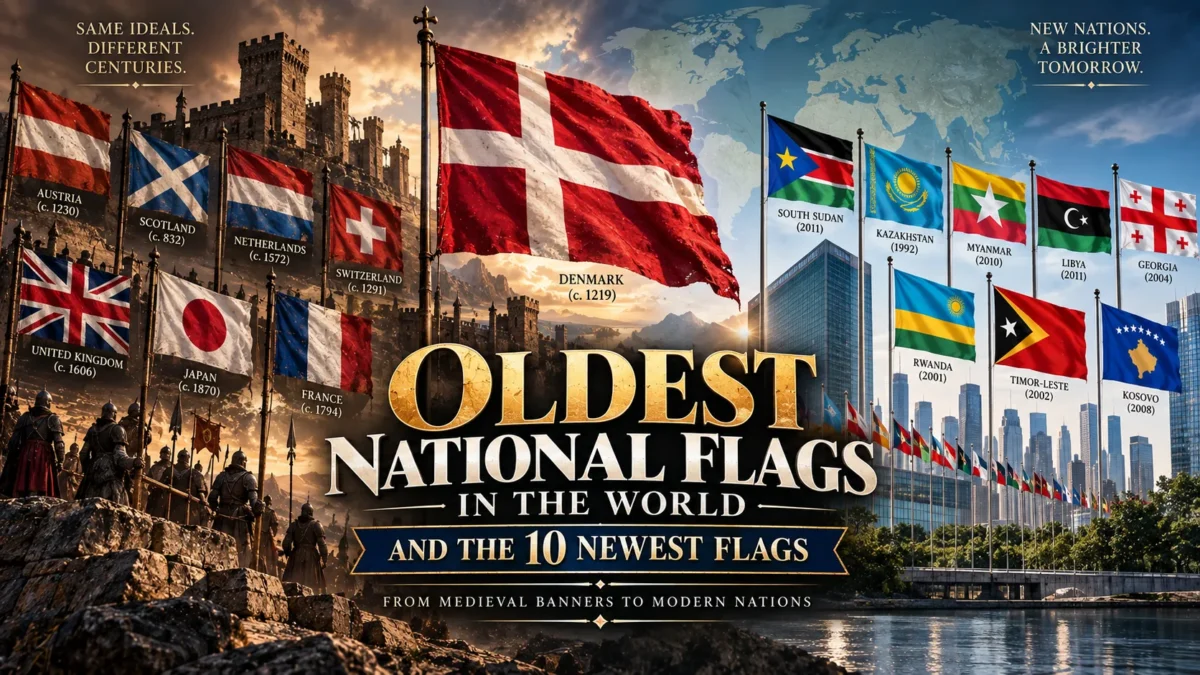
Ask ten people “what is the oldest flag in the world?” and you’ll probably get ten different answers. Some will say Denmark. Others will point to Scotland’s saltire, Japan’s rising sun, or the ancient banners of Rome and China.
The truth is that the question is trickier than it looks, because “oldest” can mean the oldest design, the oldest legend, or the oldest flag still flying today in official use.
This guide untangles the myths from the documented history. We’ll walk through the flags most historians agree belong in the conversation about the oldest national flag, explain why some famous origin stories don’t hold up to scrutiny, and then flip the script entirely by looking at ten of the newest national flags ever adopted.
TL;DR: Denmark’s Dannebrog is widely considered the oldest national flag still in official use, but the true “first flag in the world” is lost to history, and several other countries have equally old — and equally contested — claims.
What Actually Makes a Flag “The Oldest”?
Before diving into rankings, it helps to define terms, because most arguments about the oldest country flag come down to people using different criteria without realizing it. There are really three separate questions hiding inside one search term.
The first is: what was the first flag in the world, ever, in any form? That’s essentially unanswerable. Banners, standards, and totems were used by ancient civilizations in China, Egypt, Persia, and Rome thousands of years before the modern nation-state existed, but none of those were “national flags” in the way we use the term today.
The second question is which flag design is the oldest, even if it wasn’t officially a government symbol at the time. This is where legends about Denmark, Austria, and Scotland come in — stories that may describe real medieval banners, but were written down centuries after the fact and can’t be fully verified.
The third, and most useful, question is which national flag has been in continuous official use the longest. This is the version most historians and flag scholars (a field actually called vexillology) use when they answer “what country has the oldest flag in the world.” By that standard, Denmark usually takes the crown, though a few close contenders are worth knowing about.
The Oldest National Flags In The World
Here are the flags most frequently cited in serious discussions of the world’s oldest flags, ranked roughly from most to least historically supported. Some entries lean more on legend than documentation, and we’ll flag that clearly as we go.
1. Denmark — The Dannebrog
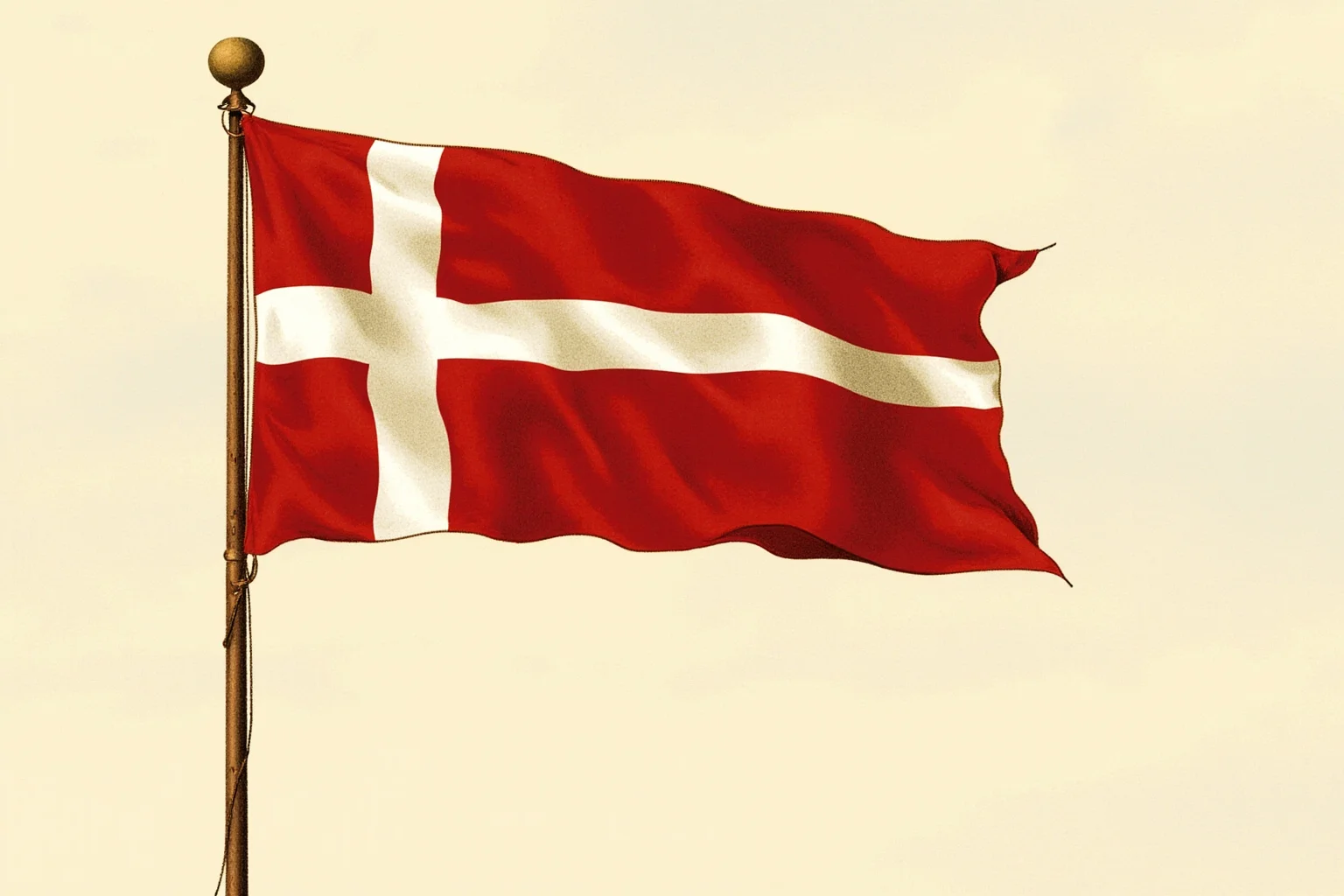
Denmark’s red flag with a white Scandinavian cross, known as the Dannebrog, is the most commonly cited answer to “what country has the oldest flag in the world.” Legend holds that it fell from the sky during a battle in Estonia in 1219, inspiring Danish forces to victory — a story first written down long after the supposed event and treated by historians as folklore rather than fact.
What’s better documented is that the design appears on Danish seals and in written sources from the 14th century onward, and it has remained essentially unchanged since. That continuous, verifiable use is why vexillologists generally consider it the oldest national flag still in official use today.
2. Austria — Red-White-Red
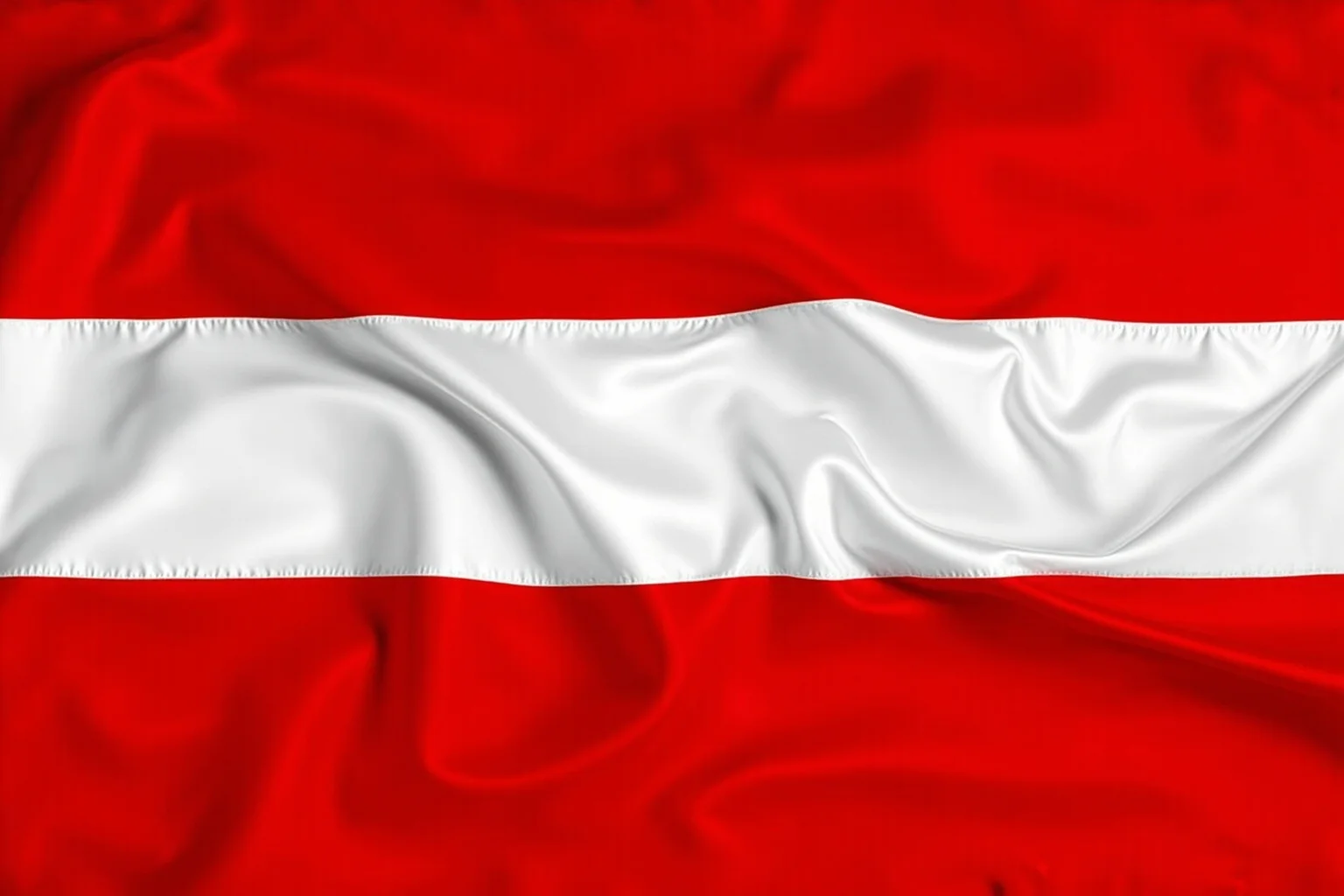
Austria’s horizontal red-white-red flag comes with its own dramatic legend: Duke Leopold V supposedly fought in a Crusade so bloody that his white tunic turned entirely red, except for a clean white stripe left by his belt. It’s a great story, but like Denmark’s falling flag, there’s no contemporary evidence for it.
What is documented is that red and white were established heraldic colors of the ruling Babenberg dynasty by the 13th century, appearing on seals and shields well before Austria existed as a modern country.
The flag wasn’t formally adopted as a national symbol until the 20th century, which is a good example of how a color scheme can be ancient while the “official flag” status is comparatively recent.
3. Scotland — The Saltire
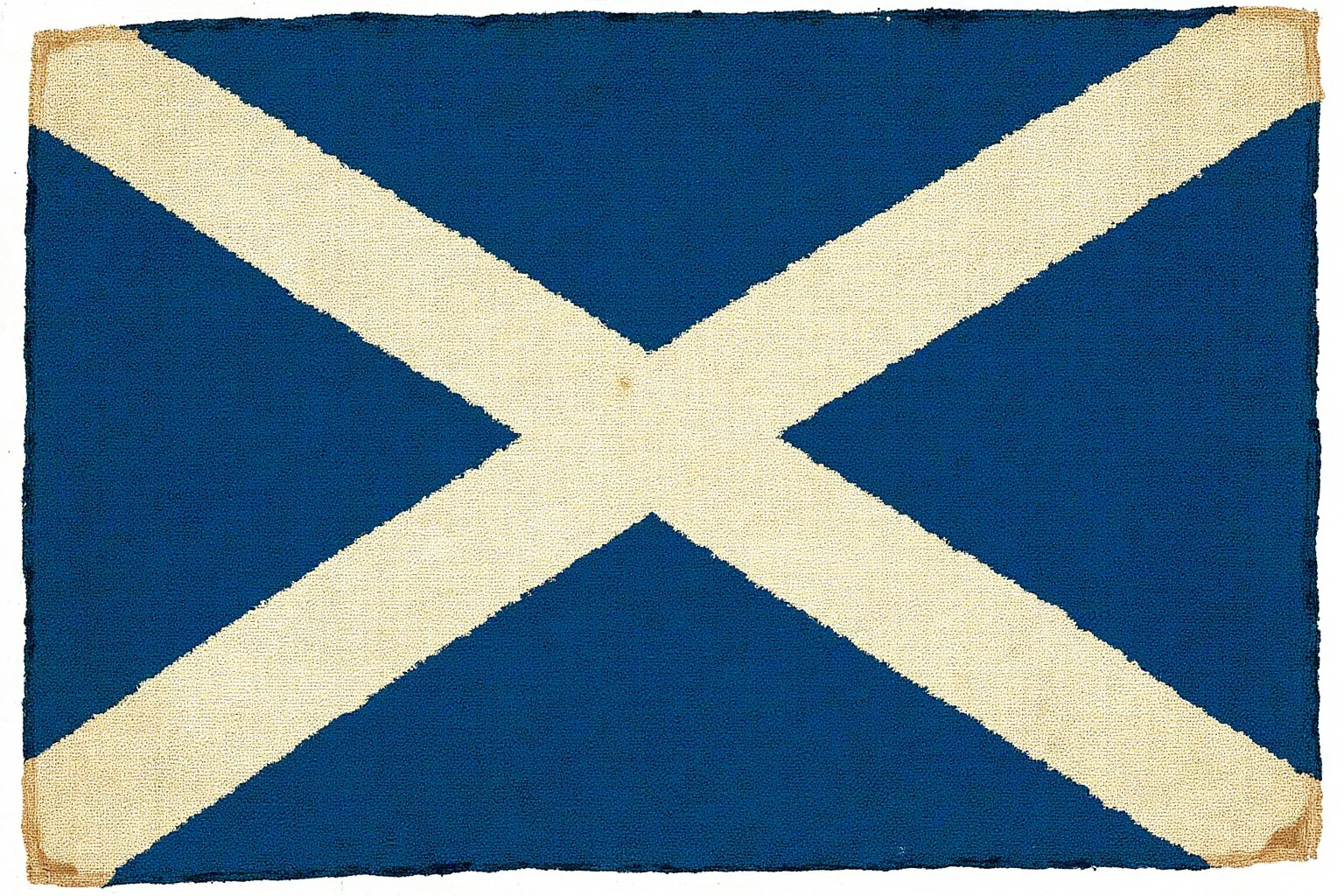
Scotland’s blue field with a white diagonal cross, honoring St. Andrew, is often mentioned in searches about the oldest flag in the world, even though Scotland is part of the United Kingdom rather than an independent state today.
Tradition traces the design to a legendary battle in 832 AD, but as with the other medieval legends on this list, there’s no reliable contemporary record confirming it.
What can be said with more confidence is that the saltire is one of the oldest continuously recognized flag designs in Europe, with clear documented use by at least the late Middle Ages. It remains a powerful national symbol in Scotland regardless of its official sovereign status.
4. The Netherlands — From Prinsenvlag To Tricolor

The Dutch flag traces back to the Prinsenvlag, an orange-white-blue banner that emerged around 1572 during the revolt against Spanish rule, led by William of Orange. Over the following decades, the orange stripe was gradually replaced by red, partly because orange dye faded quickly and partly for political reasons, producing the red-white-blue tricolor still used today.
Because that transition happened gradually over the 1600s, historians usually credit the Netherlands with having one of the oldest tricolor flags in continuous use, even though the exact colors shifted along the way.
5. Switzerland — The White Cross On Red

Switzerland’s white cross on a red field has roots in the medieval Swiss Confederacy, where soldiers marked their shields and uniforms with a white cross as early as the 14th century to identify themselves in battle. The design stuck around for centuries as an informal symbol before Switzerland officially adopted its square national flag in 1889.
That gap between battlefield origin and formal adoption is a recurring theme across many of the world’s oldest flags — the imagery is ancient, but the legal paperwork is comparatively modern.
6. The United Kingdom — The Union Flag

The Union Flag, better known as the Union Jack, was first created in 1606 after the crowns of England and Scotland were united, combining the red cross of St. George with the white saltire of St. Andrew. The version flown today dates to 1801, when St. Patrick’s cross was added to represent Ireland’s union with Great Britain.
While younger than Denmark’s flag, the Union Jack is still one of the older national flags in continuous use, and its layered design is a genuine visual record of British political history.
7. Japan — The Hinomaru

Japan’s simple red sun disc on a white field, called the Hinomaru, has a much longer informal history than its official one. Samurai clans and shoguns used sun-themed banners for centuries before it was formally established as Japan’s national flag in 1870, and it wasn’t legally reconfirmed by statute until 1999.
This makes the Hinomaru a strong example of a flag whose imagery long predates its legal status, similar to Switzerland’s cross and Austria’s stripes.
8. San Marino — Flag Of An Ancient Republic
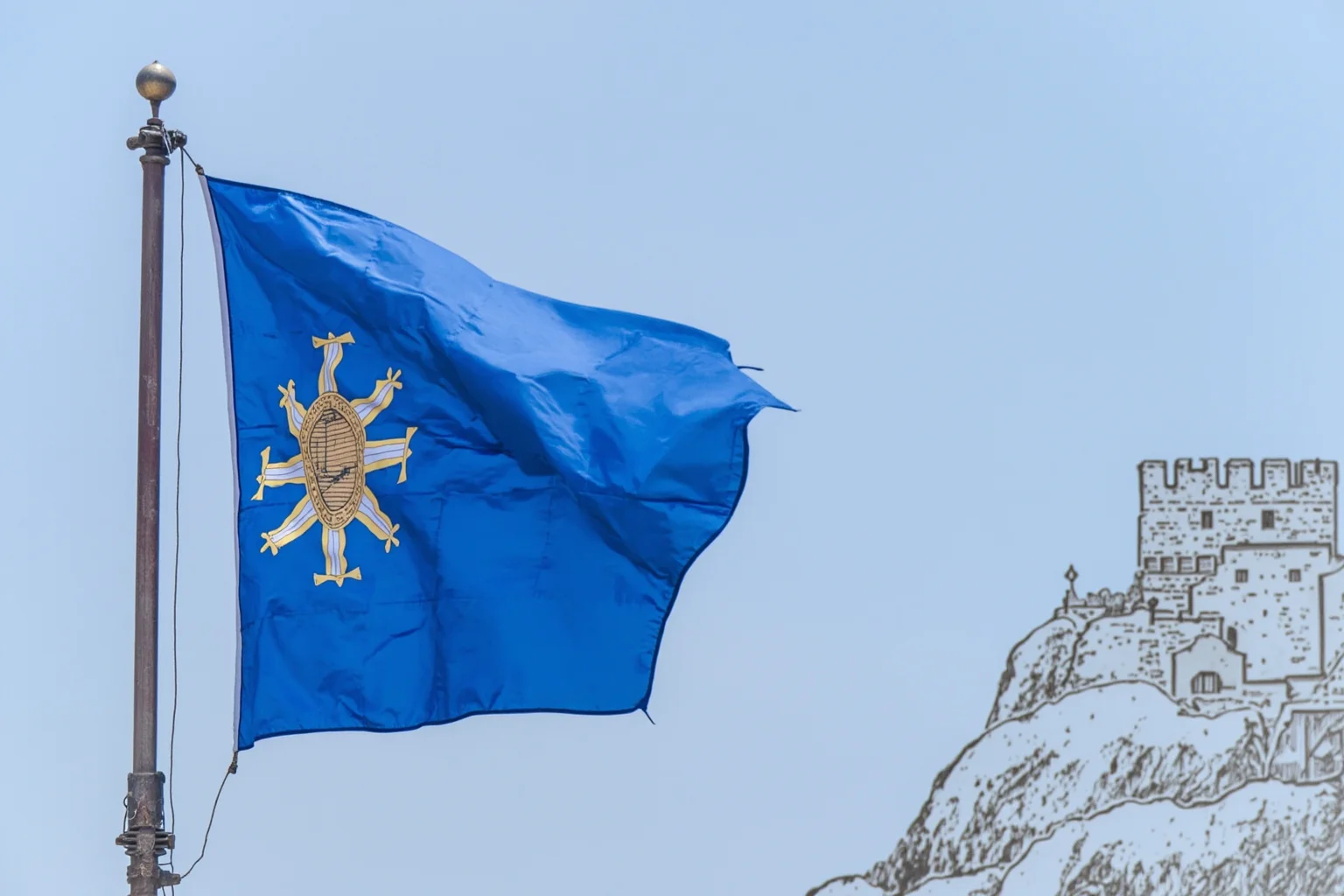
San Marino claims to be one of the oldest surviving republics in the world, tracing its founding to 301 AD, which naturally raises the question of how old its flag is too. The blue-and-white flag was officially adopted in 1862, though the colors are believed to have been used informally well before that.
Because the country itself is so ancient, San Marino often gets lumped into oldest-flag discussions even though the official flag adoption date is relatively recent compared to Denmark’s.
9. The United States — Stars And Stripes

The Continental Congress adopted the first official American flag on June 14, 1777, giving it stars and stripes representing the original thirteen colonies. The design has been updated more than two dozen times as states joined the union, arriving at the current 50-star version in 1960.
While the Stars and Stripes isn’t among the oldest flag designs on this list, it’s notable for how well-documented its adoption and evolution are, unlike many older flags shrouded in legend.
10. France — The Tricolore

France’s blue-white-red tricolor emerged from the cockades worn during the 1789 Revolution and was formally established as the national flag in 1794. Blue and red had actually been associated with Paris for centuries before that, with white representing the monarchy, making the tricolor a genuine fusion of old and new symbolism.
It’s a great example of how a “new” flag can still carry centuries-old color associations underneath a modern design.
11. Nepal — The Only Non-Rectangular National Flag
Nepal’s flag is instantly recognizable for its unique double-pennant shape, based on a centuries-old tradition of Hindu and Buddhist pennant banners used in the Himalayan region. The modern, standardized version with fixed proportions and a stylized sun and moon wasn’t legally finalized until 1962.
So while the shape and symbolism draw on genuinely ancient traditions, Nepal’s flag in its current precise form is a 20th-century creation.
12. Sri Lanka — The Lion Flag
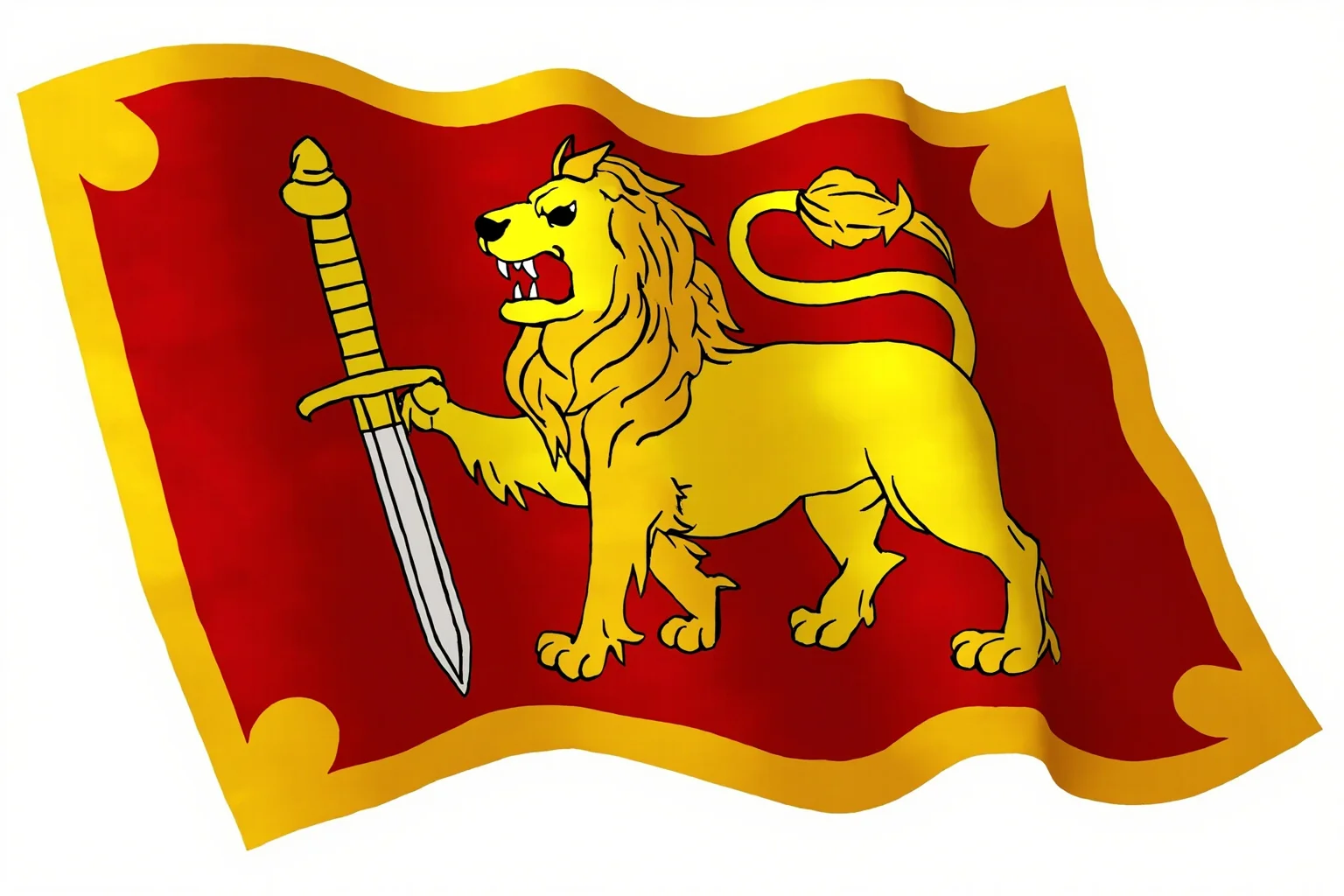
Sri Lanka’s flag features a lion holding a sword, an image tracing back to banners used by the ancient Kingdom of Kandy centuries ago. The modern version was adopted around independence in 1948 and refined further in 1951 and 1978, blending old royal imagery with new national symbolism representing the country’s different communities.
It’s another case where the core image is old, but the specific flag flown today is a mid-20th-century design.
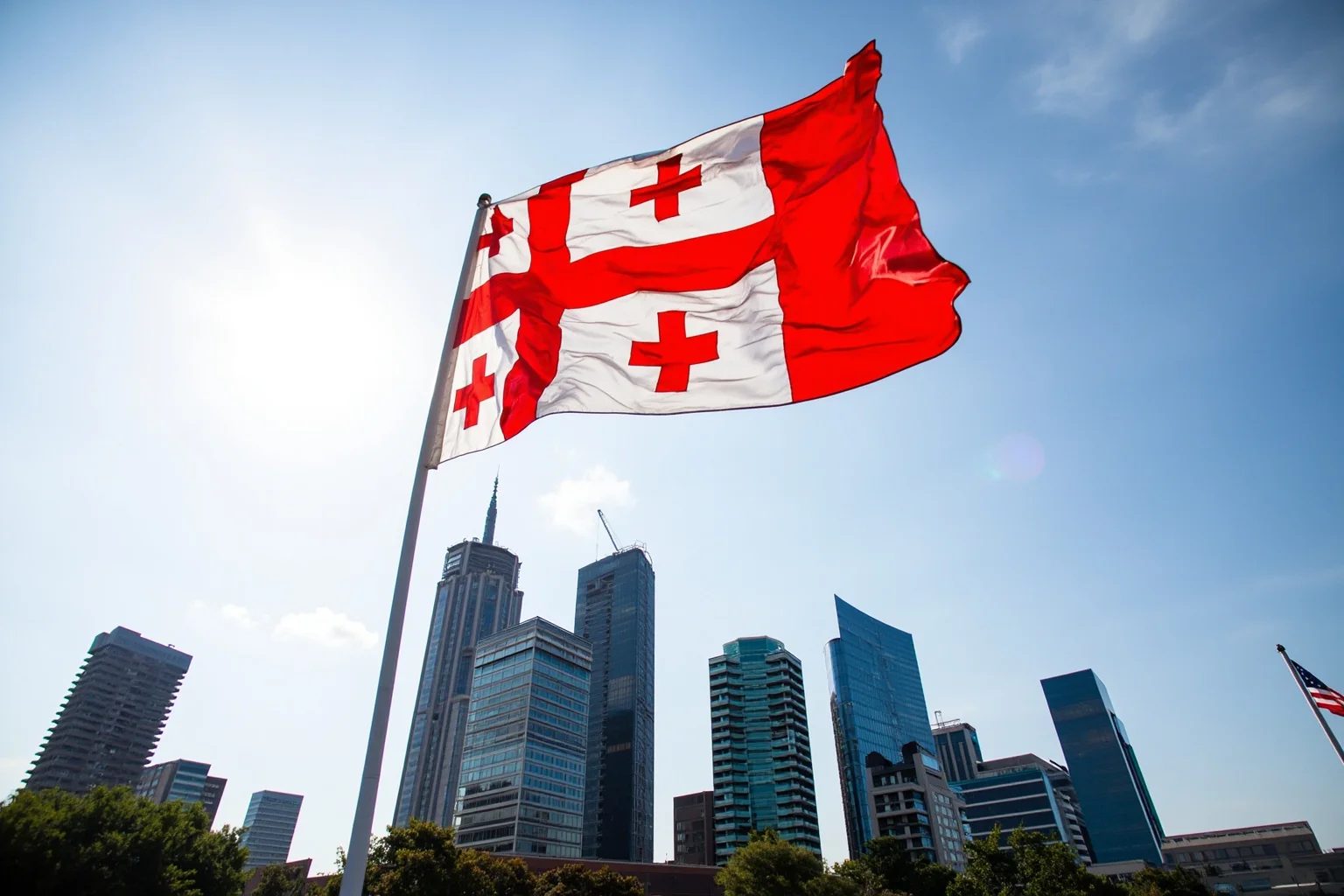
13. Georgia — The Five Cross Flag
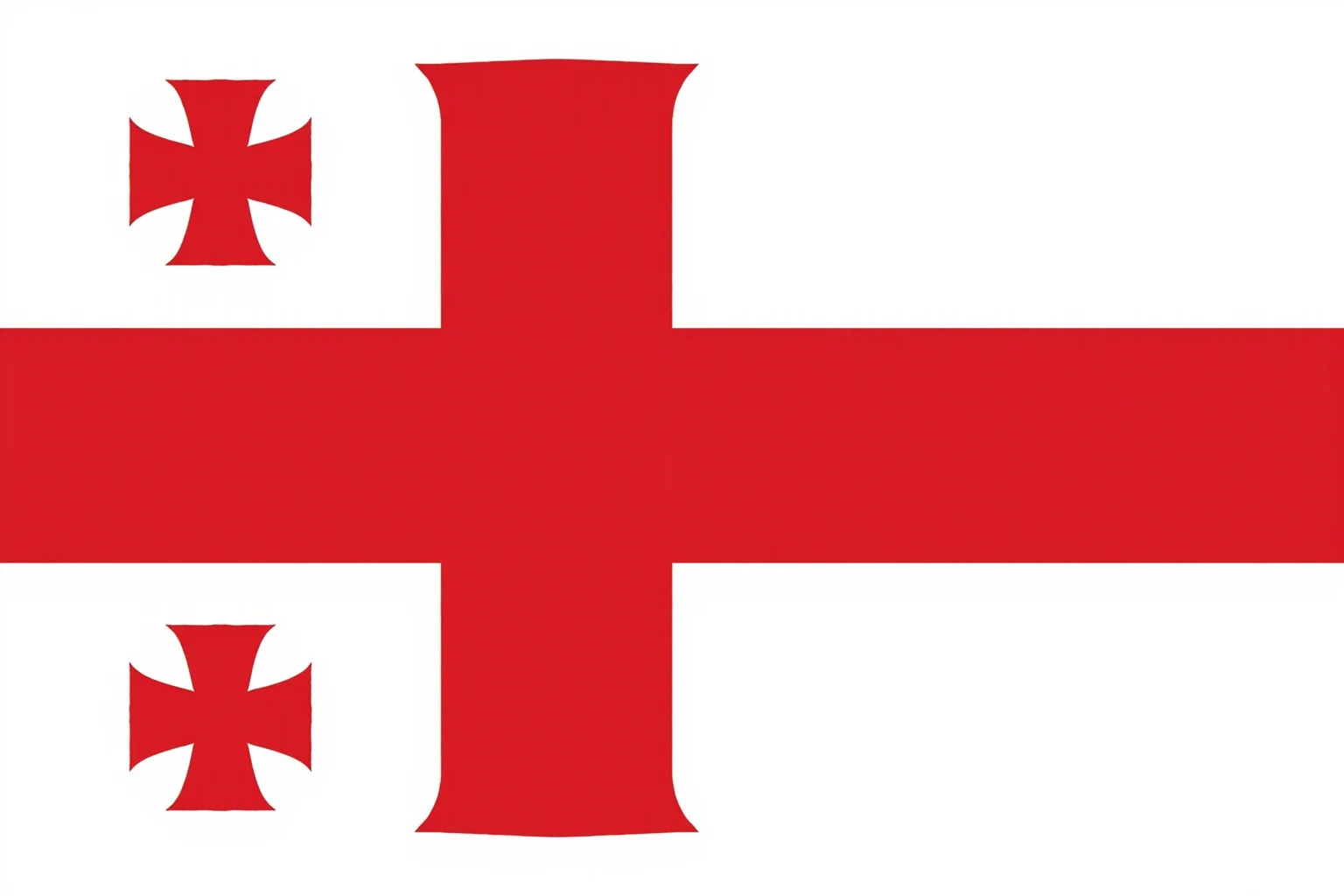
Georgia’s white flag with a large red cross and four smaller crosses was used by the medieval Kingdom of Georgia, notably during the reign of King George V in the 14th century. It disappeared from official use for centuries, particularly during the Soviet era, before being formally readopted as the national flag in 2004 following the Rose Revolution.
This makes Georgia a fascinating hybrid case: a genuinely medieval design that is also, technically, one of the newer official flags in Europe.
14. Ethiopia — Africa’s Oldest National Colors
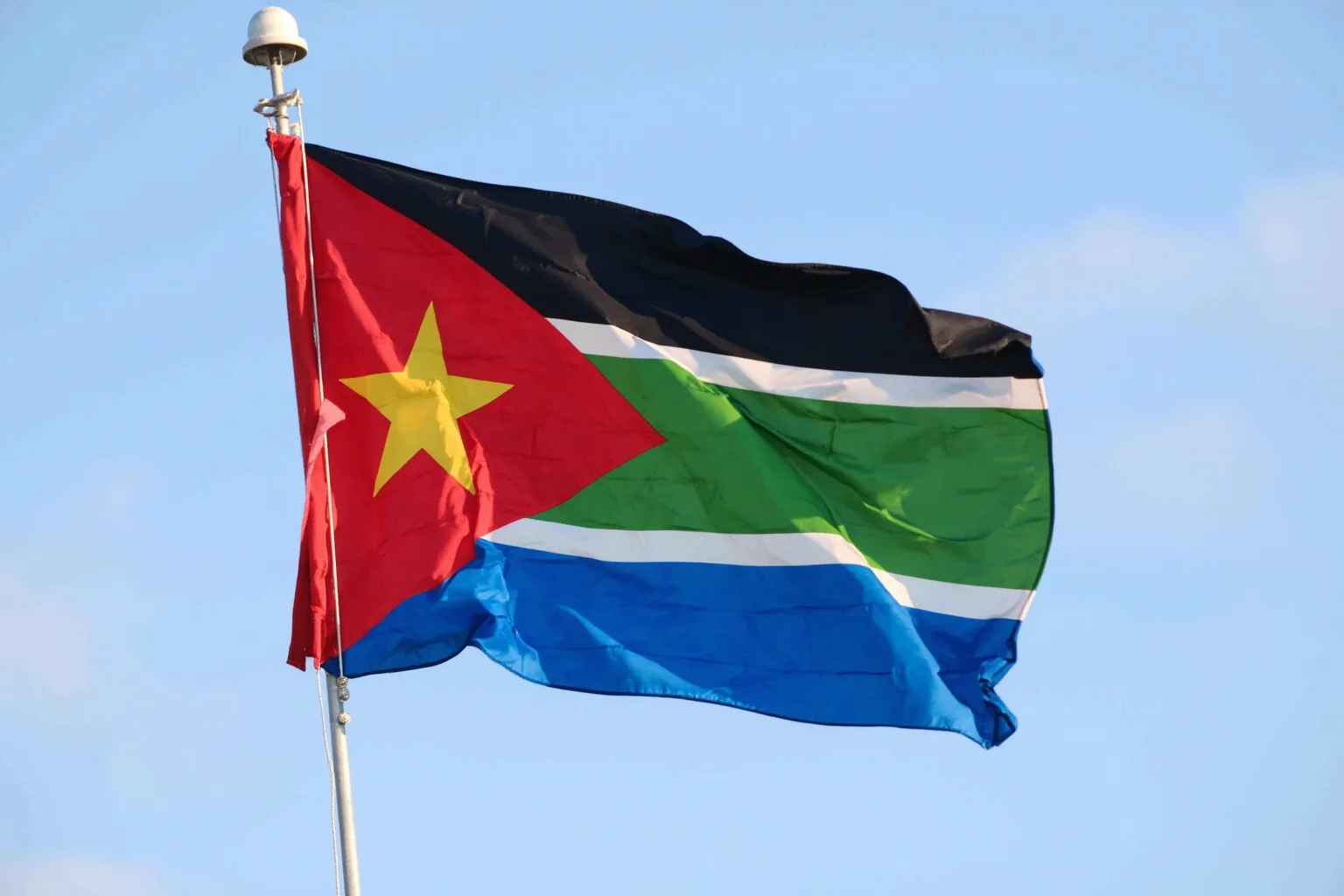
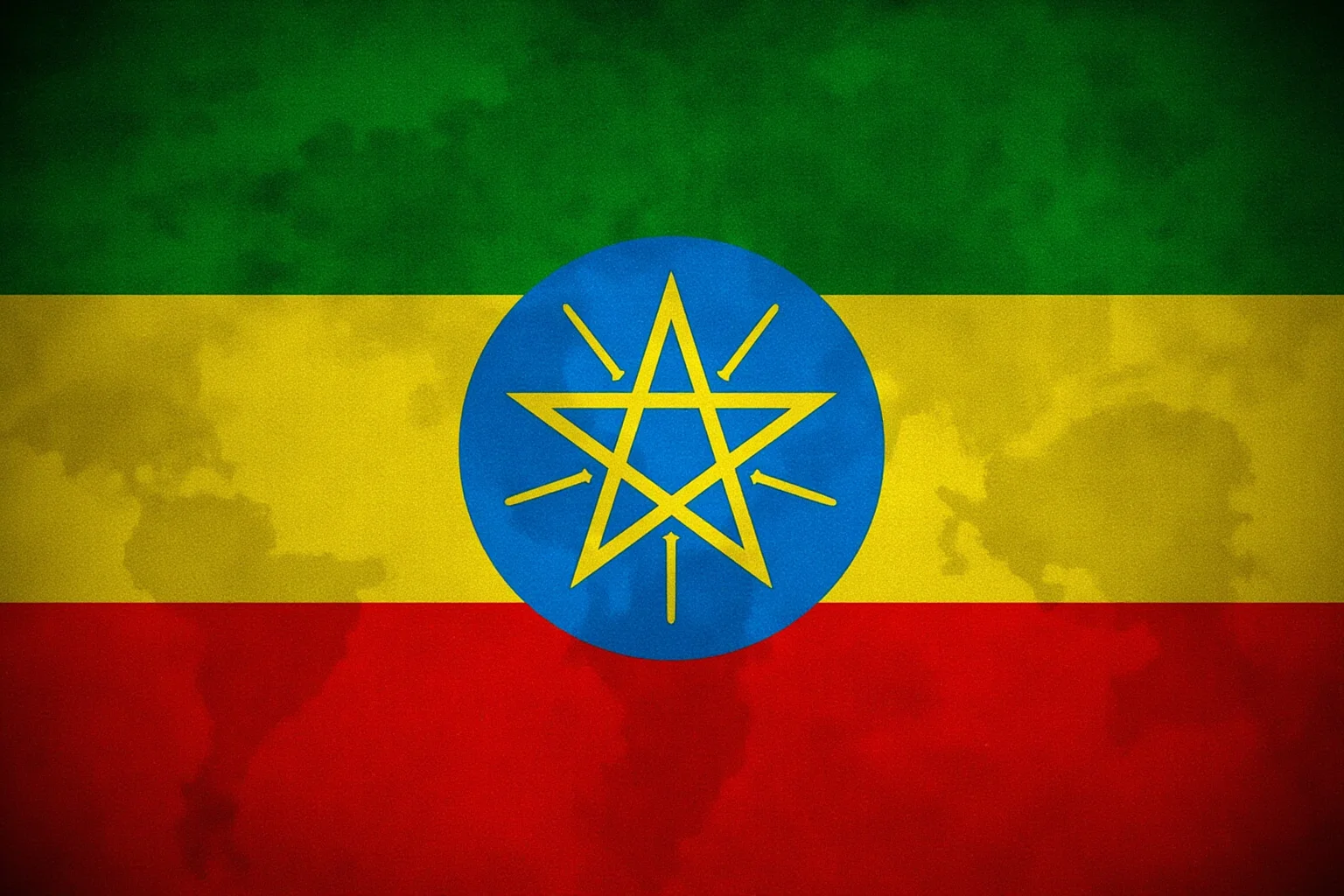
Ethiopia’s green, yellow, and red color scheme dates back to the reign of Emperor Menelik II in the late 19th century, making it one of the oldest sets of national colors in Africa. Those colors were later adopted by numerous other African nations after independence movements in the 20th century, as a nod to Ethiopia’s status as one of the few African states never colonized.
The current flag, with its blue disc and central star, was adopted in 1996, so — like several other entries here — old colors meet a comparatively modern layout.
The 10 Newest National Flags In The World
Now for the flip side. While Denmark’s flag has flown for centuries, plenty of countries have redesigned or newly created their flags within living memory, often to mark independence, revolution, or a deliberate break from the past. Here are ten of the most notable recent examples.
1. South Sudan (2011)
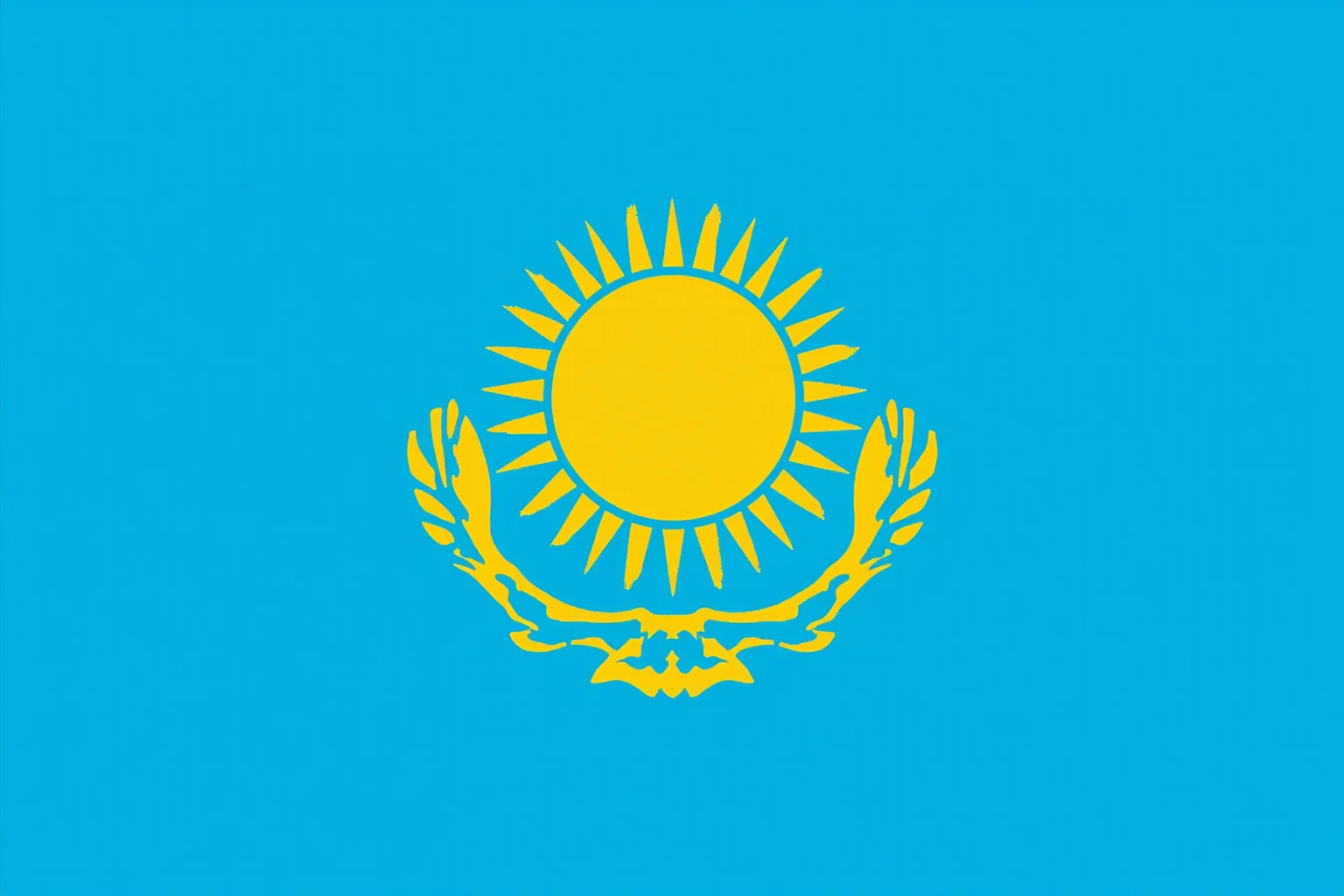
South Sudan became the world’s newest country when it gained independence from Sudan on July 9, 2011, and adopted its flag that same year. Its black, red, and green stripes with a blue triangle and gold star make it one of the youngest national flags currently in use anywhere on Earth.
2. Kazakhstan (2022)
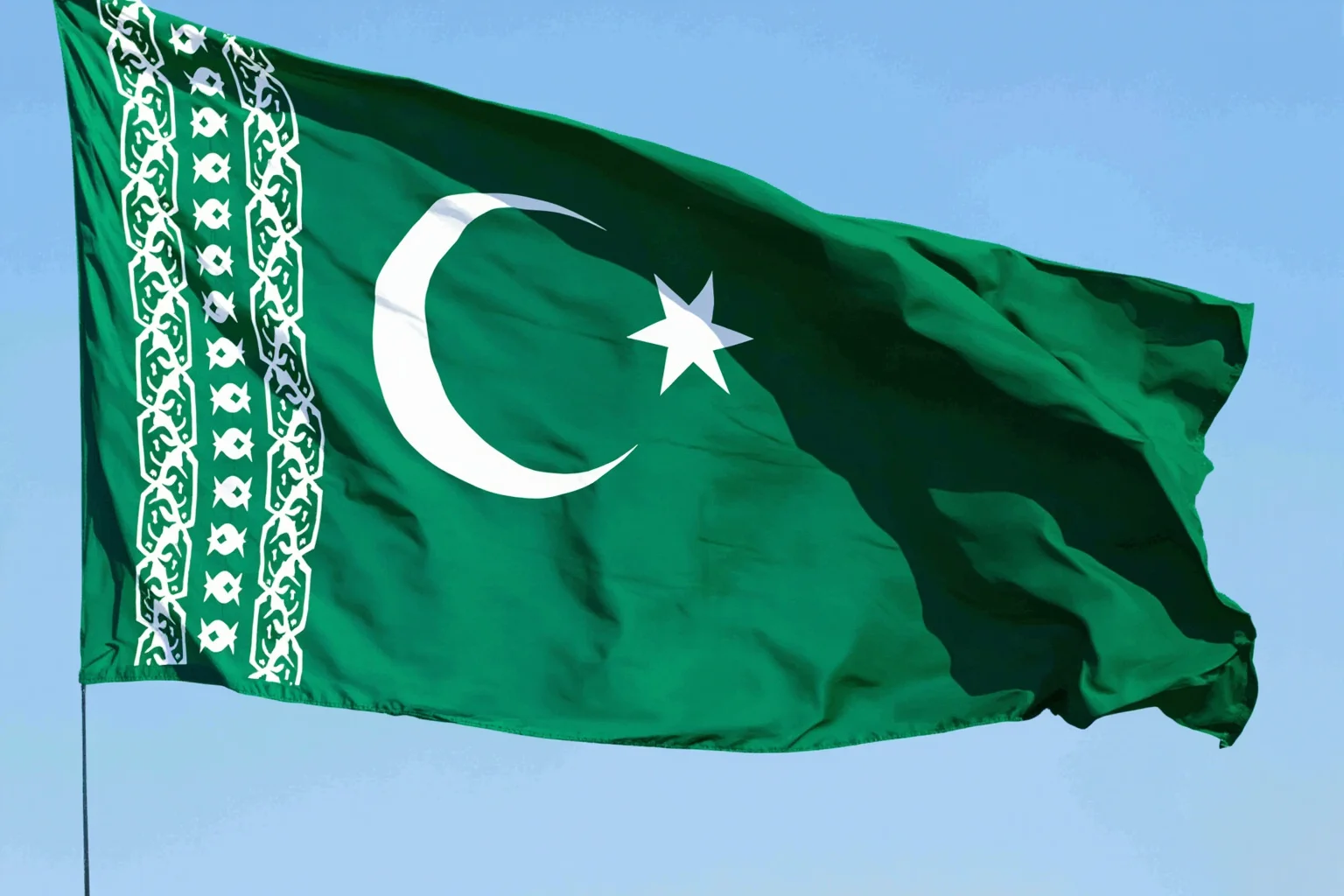
Kazakhstan modified its national flag in December 2022, adjusting the proportions of the golden sun and steppe eagle at its center. It was a subtle but official change, showing that even long-standing flags can still be refined well into the 21st century.
3. Turkmenistan (2001)
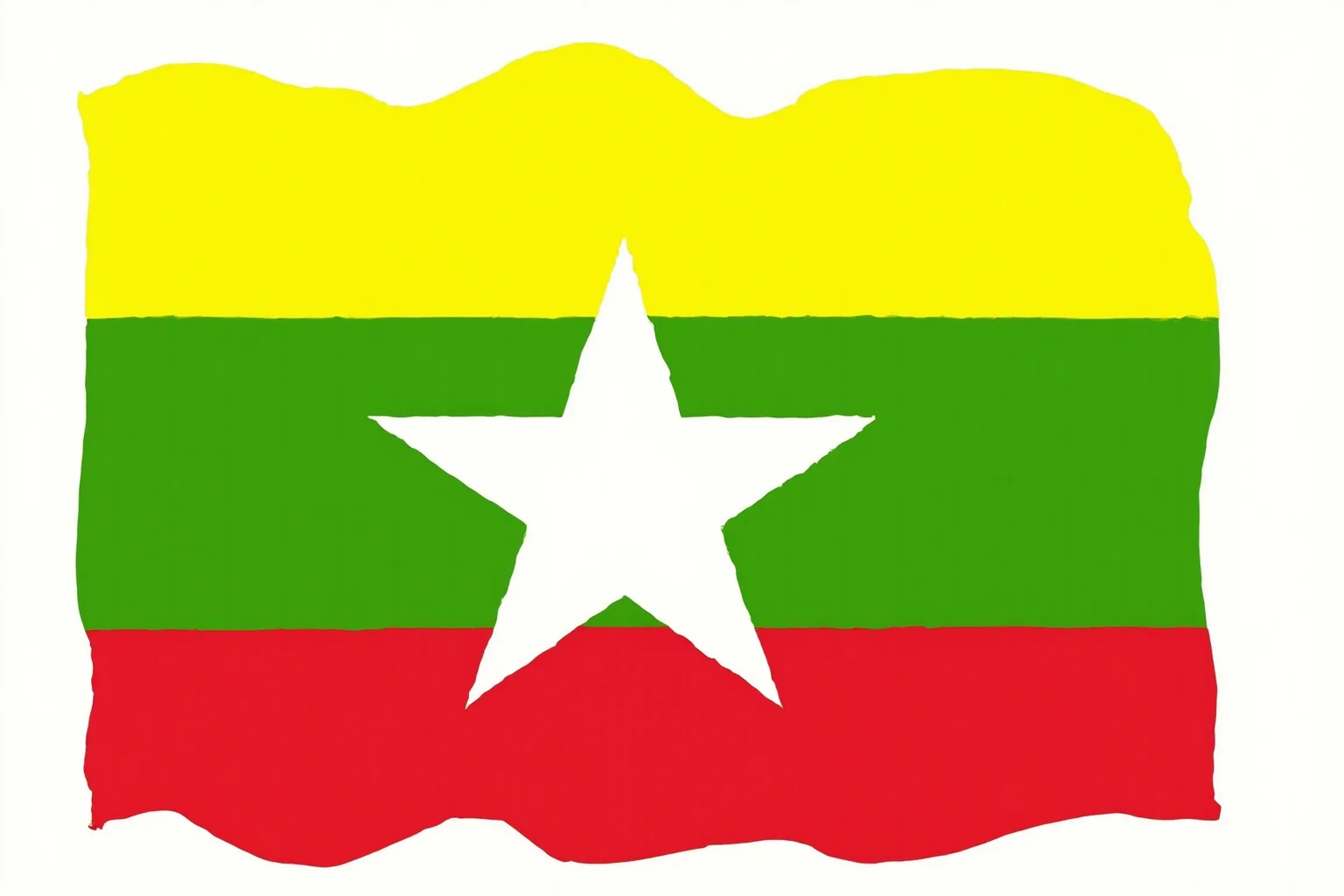
Turkmenistan’s flag, known for its intricate carpet-pattern guls, has been tweaked several times since independence in 1991. The most significant recent change came in 2001, when olive branches were added to symbolize the country’s UN-recognized status of permanent neutrality.
4. Myanmar (2010)
Myanmar completely overhauled its flag on October 21, 2010, replacing a design that had been in place since 1974 with a new tricolor of yellow, green, and red bearing a large white star. The change came just ahead of the country’s shift away from decades of military rule.
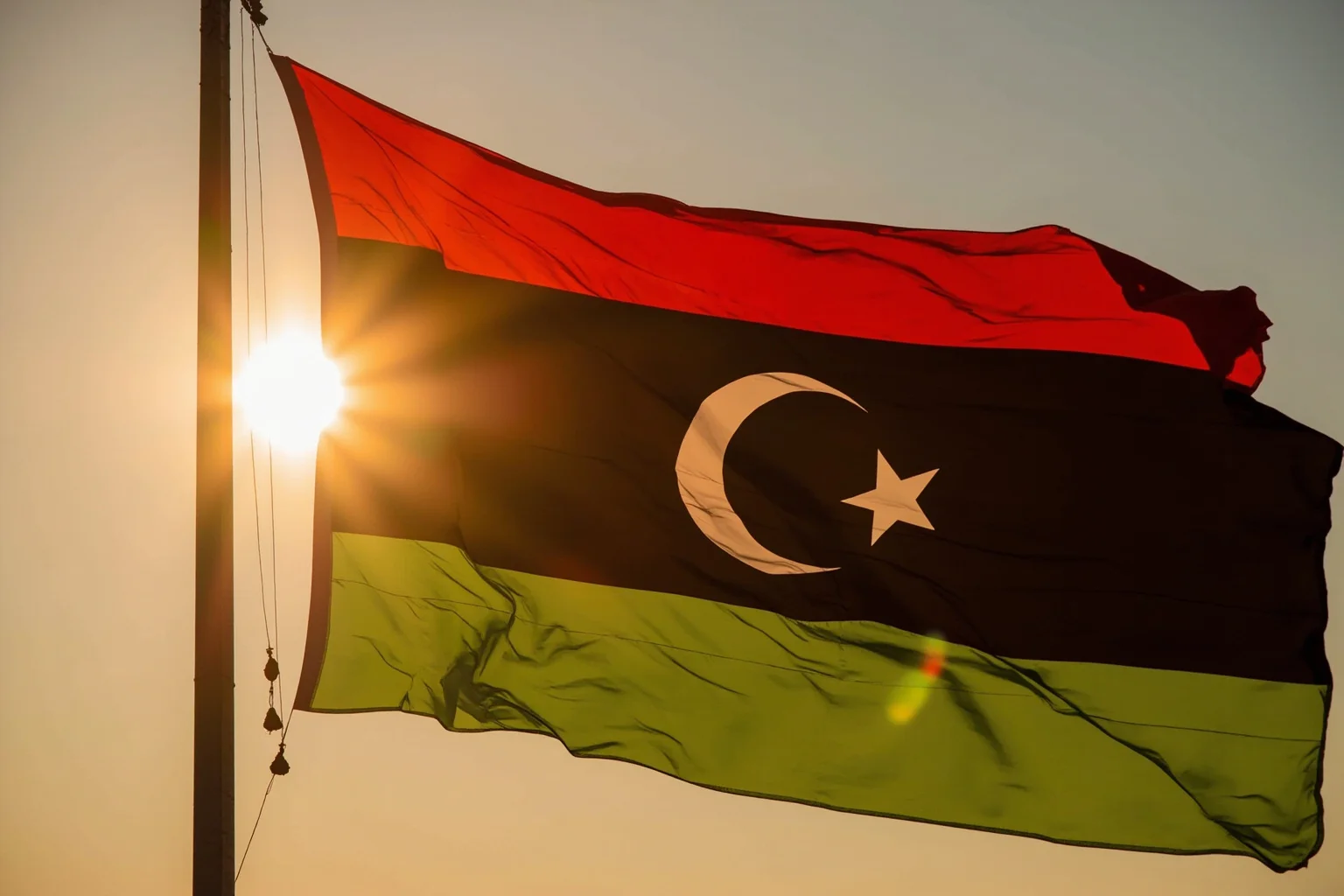
5. Libya (2011)
During the 2011 civil war, Libya’s National Transitional Council revived the red-black-green flag used before Muammar Gaddafi’s 1969 takeover, and it became the country’s official flag again after his fall. It’s a rare example of a “new” flag actually being an old one, restored rather than invented.
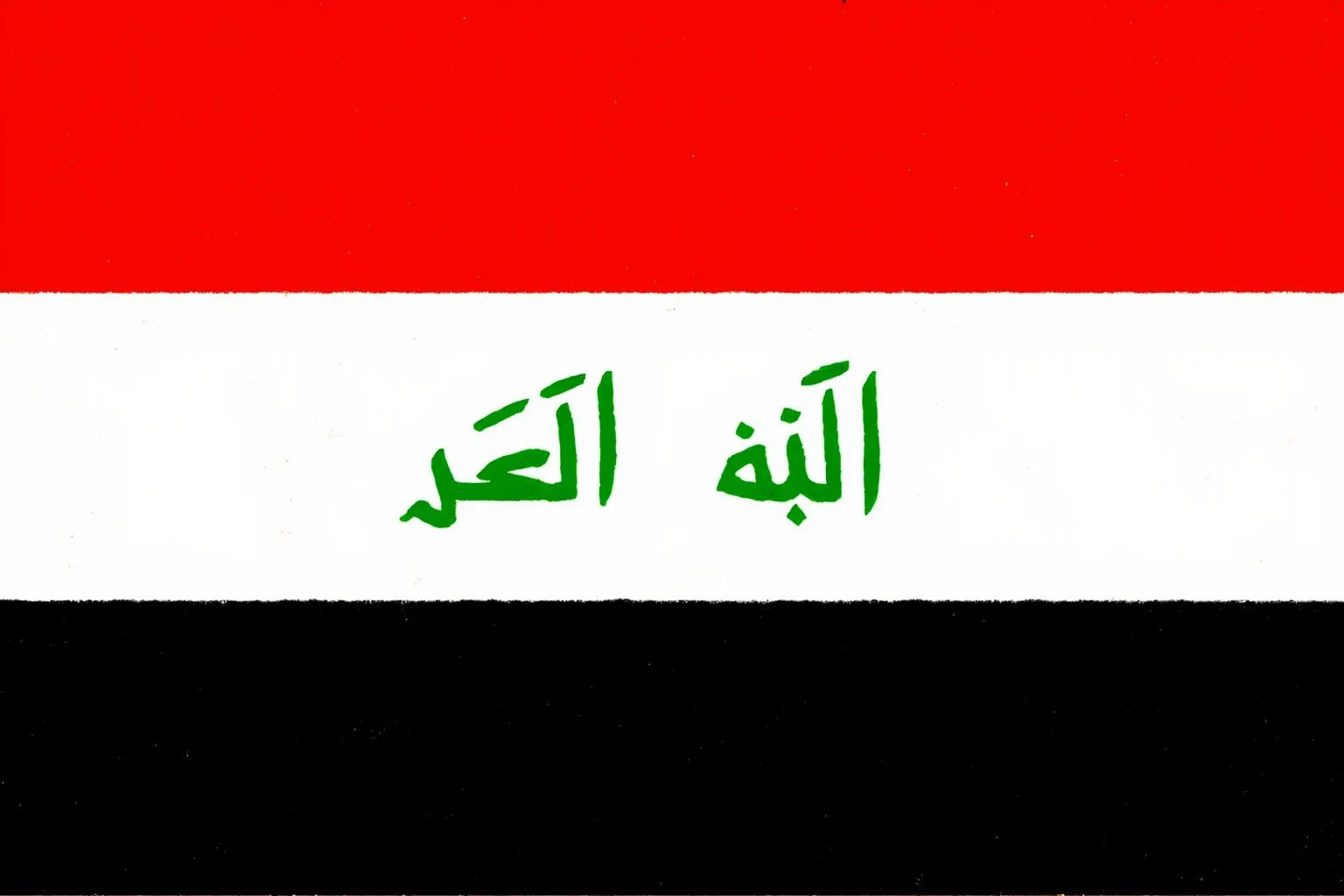
6. Iraq (2008)
Iraq updated its flag in 2008, removing the three green stars that had been associated with the Ba’ath Party and changing the calligraphy style of the Arabic phrase “Allahu Akbar” to a more traditional script. It was a deliberate attempt to distance the flag from the previous regime.
7. Georgia (2004)
As mentioned earlier, Georgia’s medieval five-cross flag wasn’t just old — it was also brand new in official terms, formally readopted in January 2004 after the Rose Revolution replaced the Soviet-derived flag the country had used since 1990.
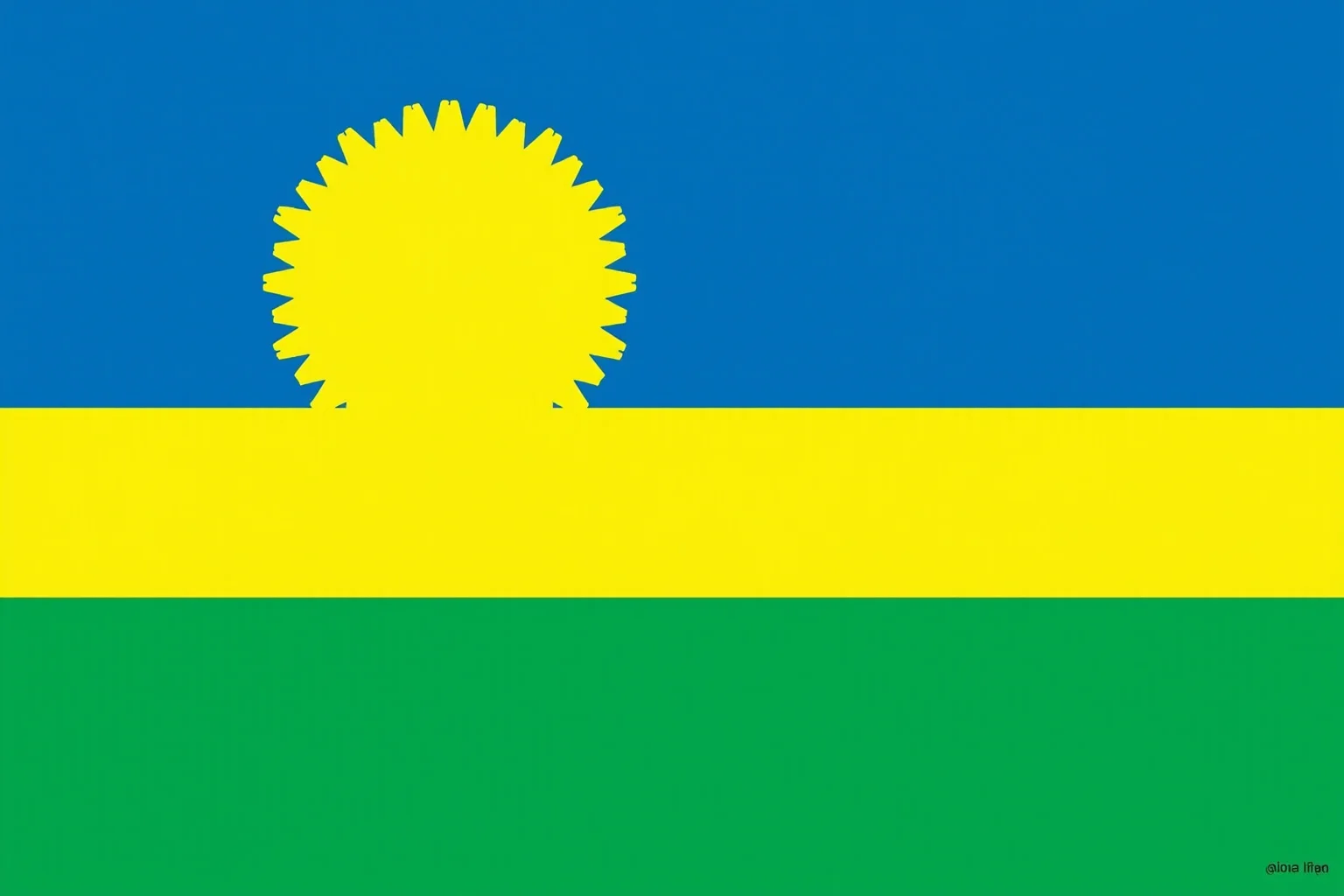
8. Rwanda (2001)
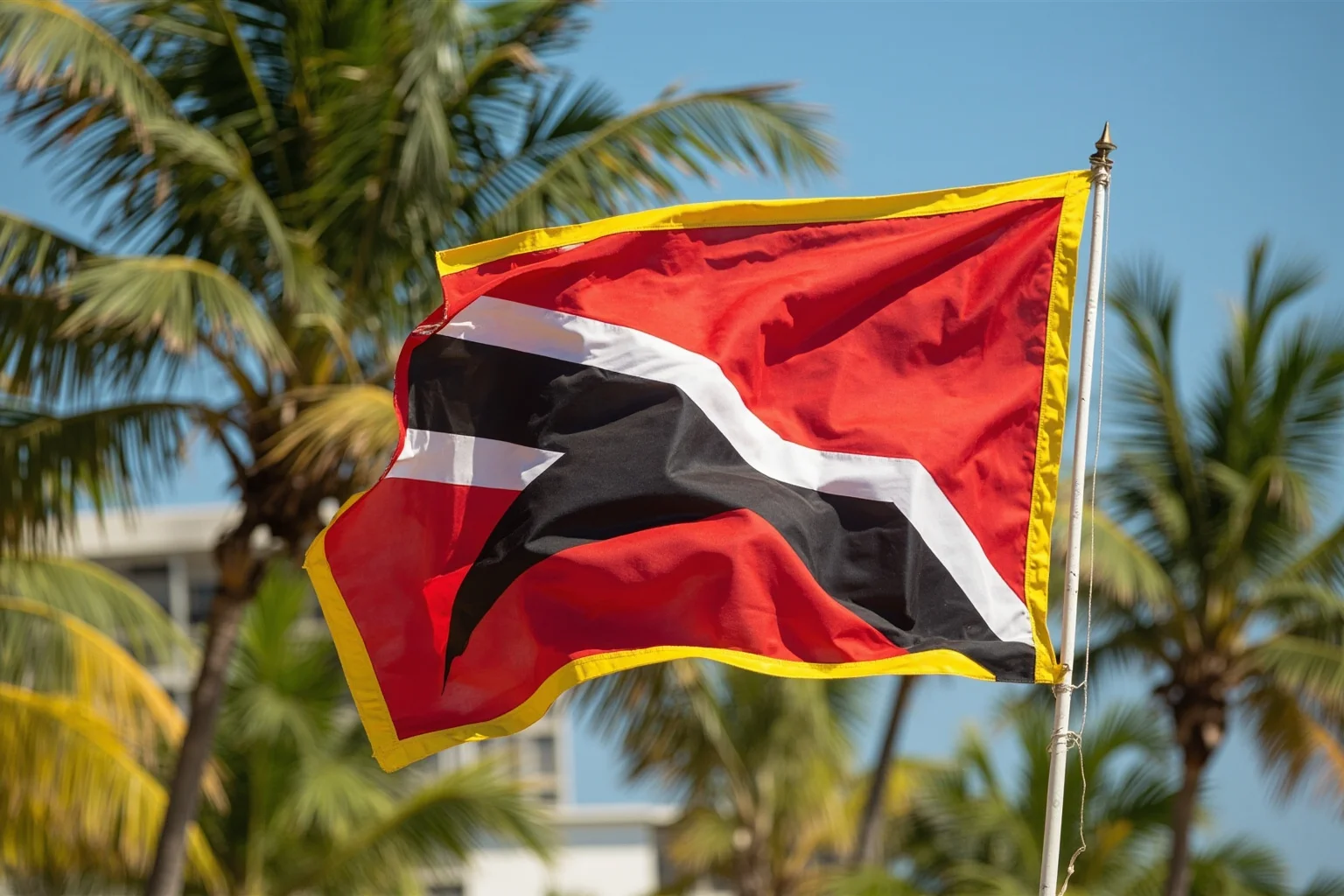
Rwanda adopted a new flag in October 2001, moving away from the design it had used since 1962, which had become associated with the 1994 genocide period. The new flag’s blue, yellow, and green stripes with a golden sun were meant to represent unity, hope, and a fresh national identity.
9. Timor-Leste (2002)
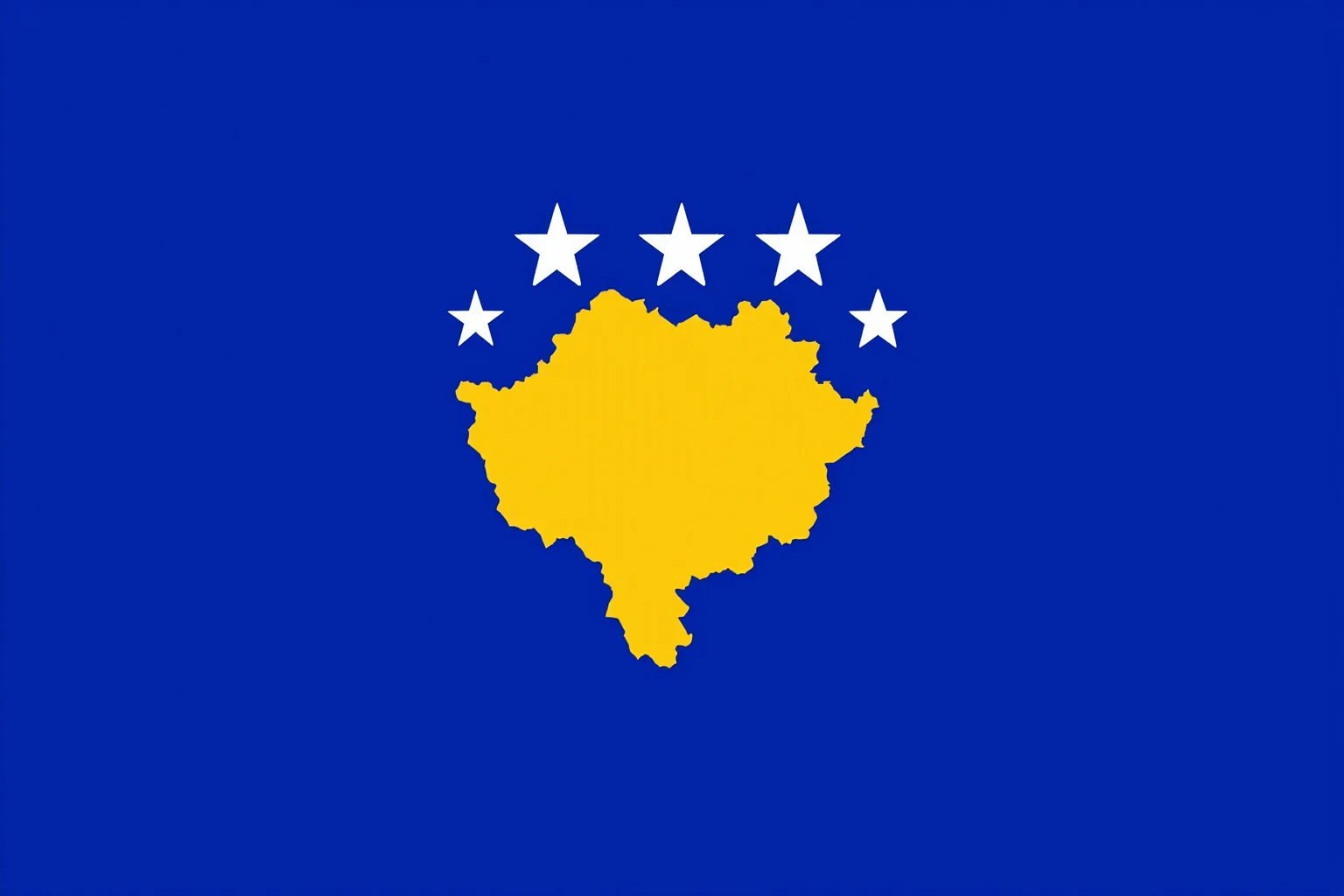
Timor-Leste (East Timor) adopted its current flag on May 20, 2002, the same day it formally became an independent nation after a UN-administered transition following its separation from Indonesia. Its red, black, and yellow design with a white star is one of the newer flags in Southeast Asia.
10. Kosovo (2008)
Kosovo adopted its flag on February 17, 2008, the day it declared independence from Serbia, featuring a gold silhouette map of the country beneath six white stars on a blue field. It remains only partially recognized by the international community, which makes it a somewhat unusual — but genuinely new — entry on any list of national flags.
What Old And New Flags Have In Common
Looking at both ends of this list, a pattern emerges. Almost every “ancient” flag turns out to have a gap between when its imagery first appeared and when it became an officially sanctioned national symbol, whether that’s Switzerland’s medieval cross or Denmark’s disputed falling-flag legend.
Meanwhile, the newest flags on this list are rarely created from nothing. Libya’s 2011 flag was a revival, Georgia’s 2004 flag reached back to the 1300s, and Iraq’s 2008 redesign was more about erasing a political chapter than starting from scratch.
Flags, in other words, are rarely purely old or purely new. They’re layered objects that carry centuries of symbolism even when the paperwork behind them is recent, which is exactly why a simple question like “what is the oldest flag in the world” doesn’t have a simple, single answer.
Frequently Asked Questions
What is the oldest flag in the world?
Denmark's Dannebrog is generally considered the oldest flag in the world that is still in official national use, with documented references dating to at least the 14th century. A popular legend claims it fell from the sky in 1219, but historians treat that story as folklore rather than verified history.
What country has the oldest flag in the world?
Denmark is the country most commonly credited with having the oldest national flag still in continuous official use. Other countries, like Austria and Scotland, have flag designs with equally old legends, but their documented, verifiable history is generally considered less complete than Denmark's.
What was the first flag in the world ever created?
No one knows for certain, since banners and standards were used by ancient civilizations in Egypt, China, and Rome long before the concept of a national flag existed. The first flag in the world, in the modern sense of an official national symbol, is a much more recent and much better documented development.
Which country has the oldest national flag still in official use?
Denmark is typically named as the country with the oldest national flag still in official use today, based on continuous documented use of its red-and-white cross design since the medieval period. Its core design has remained essentially unchanged for centuries.
What is the newest national flag in the world?
South Sudan has one of the newest national flags in the world, adopted in 2011 when it became the world's youngest country after gaining independence from Sudan. Other recently changed flags include Kazakhstan's 2022 redesign and Myanmar's 2010 flag.

Alex Warren
Related Articles





