

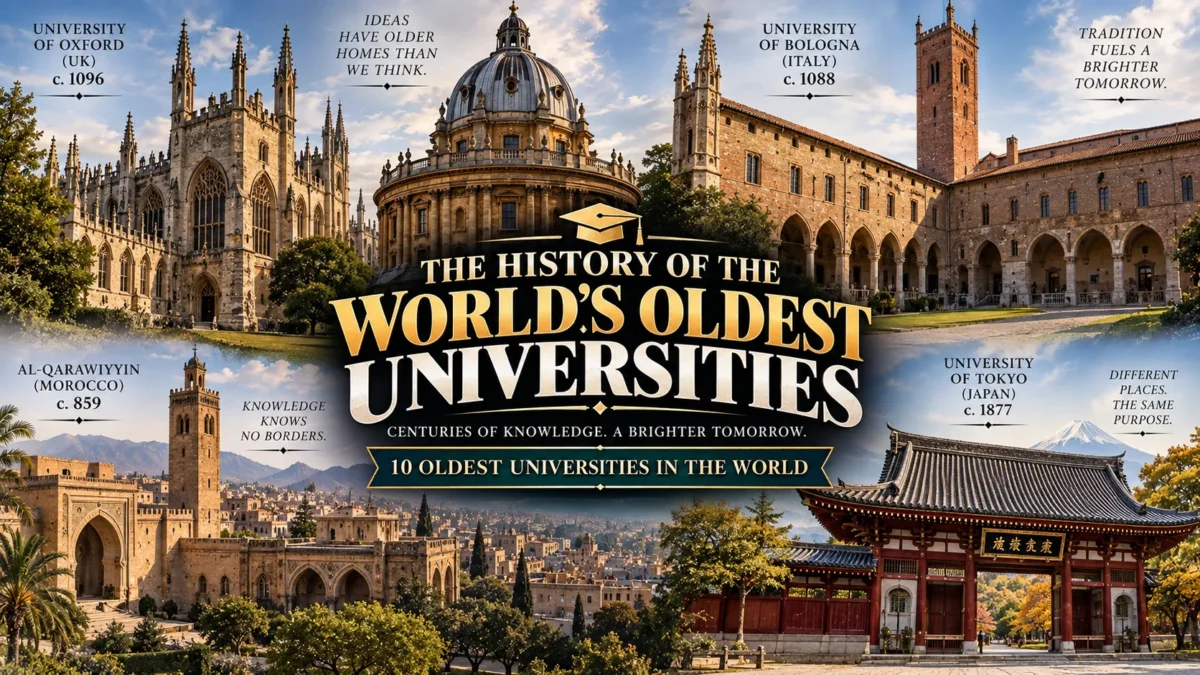
Ask ten people what the world’s oldest university is, and you’ll probably get ten different answers. Some will say Bologna. Others will insist it’s Oxford, or a mosque-university in Morocco, or an ancient monastic campus in India. The truth is messier and far more interesting than any single trivia-night answer.
The confusion exists because “university” is a surprisingly specific word with a real historical definition, and plenty of older, brilliant centers of learning simply don’t quite fit it. Before we count down the actual list, it helps to understand what historians mean when they argue about who was really first.
TL;DR: Bologna (1088) is widely regarded as the oldest continuously operating university in the Western legal sense, but centers of higher learning in India, China, and North Africa predate it by centuries.
What Actually Counts as a “University”?
The word “university” comes from the Latin universitas, which originally just meant a guild or corporation of people with shared legal rights. In medieval Europe, that meant a self-governing community of teachers and students who could set their own curriculum, award degrees, and negotiate as a legal body with kings, popes, and city councils.
That’s a very specific bar. Ancient academies in Greece, China, India, and Persia taught advanced subjects for centuries before Europe’s first universities existed, but most of them were attached to temples, monasteries, or royal courts rather than being self-governing corporations of scholars.
This is why you’ll see wildly different answers to “what is the world’s oldest university” depending on the source. UNESCO and Guinness World Records have at times recognized Morocco’s University of Al-Qarawiyyin as the oldest existing, continuously operating educational institution granting degrees.
Meanwhile, most Western academic histories credit the University of Bologna as the first university in the strict, self-governing legal sense.
Both claims are defensible. Neither is a myth, but neither tells the whole story either, which is exactly why this list starts thousands of years before Bologna even existed.
1. Takshashila (Taxila)
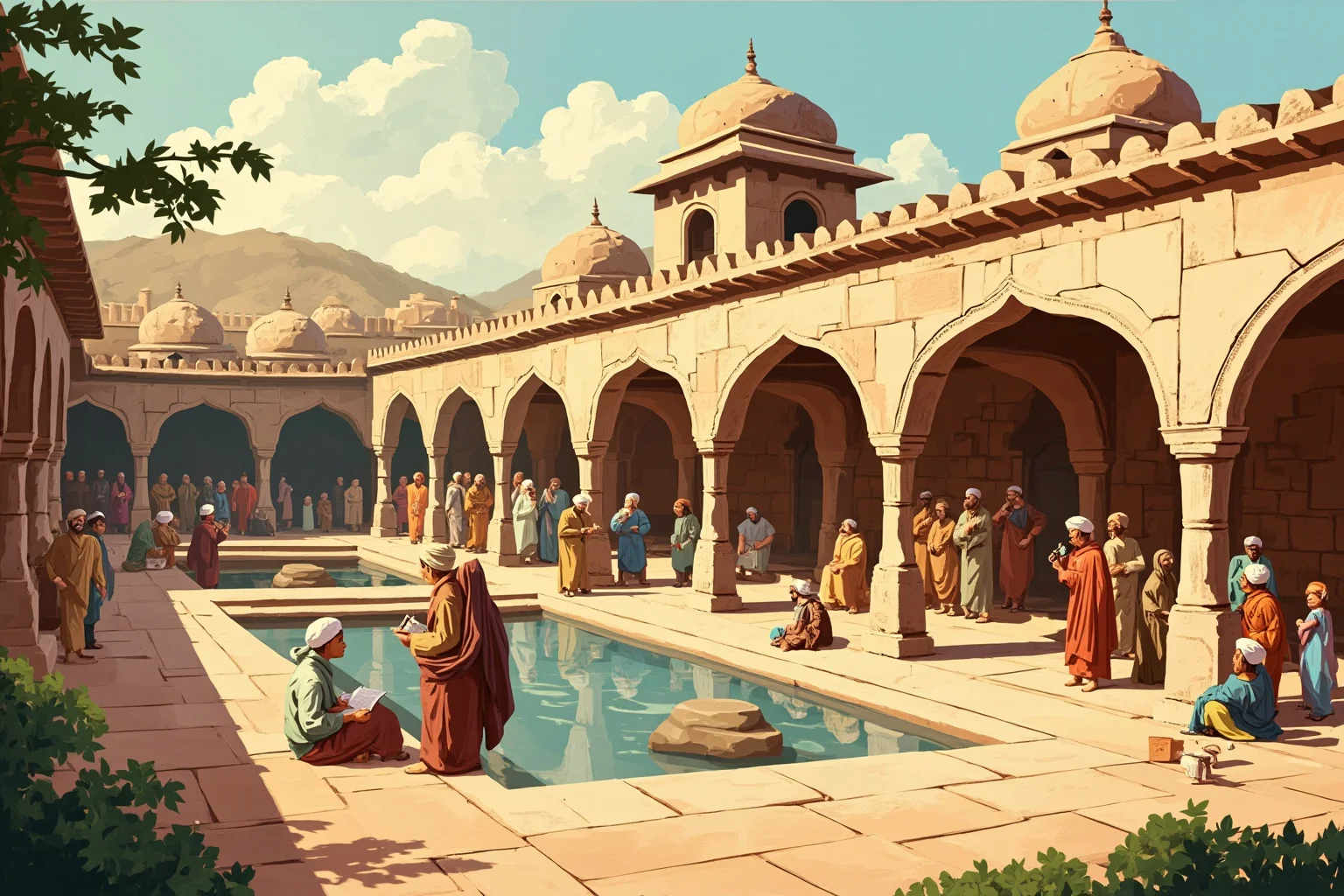
Long before anyone used the word “university,” the ancient city of Takshashila, in what is now Punjab, Pakistan, was drawing students from across South Asia. Historians estimate its role as a learning center dates back to around the 5th century BCE, teaching subjects like medicine, law, astronomy, and grammar.
Takshashila wasn’t a single chartered institution with degrees the way Bologna would later be. It was more like a cluster of renowned teachers and schools, and most of what we know comes from later Buddhist and Sanskrit texts rather than contemporary records, so scholars treat some details with caution.
2. The Imperial Academy (Taixue) of China
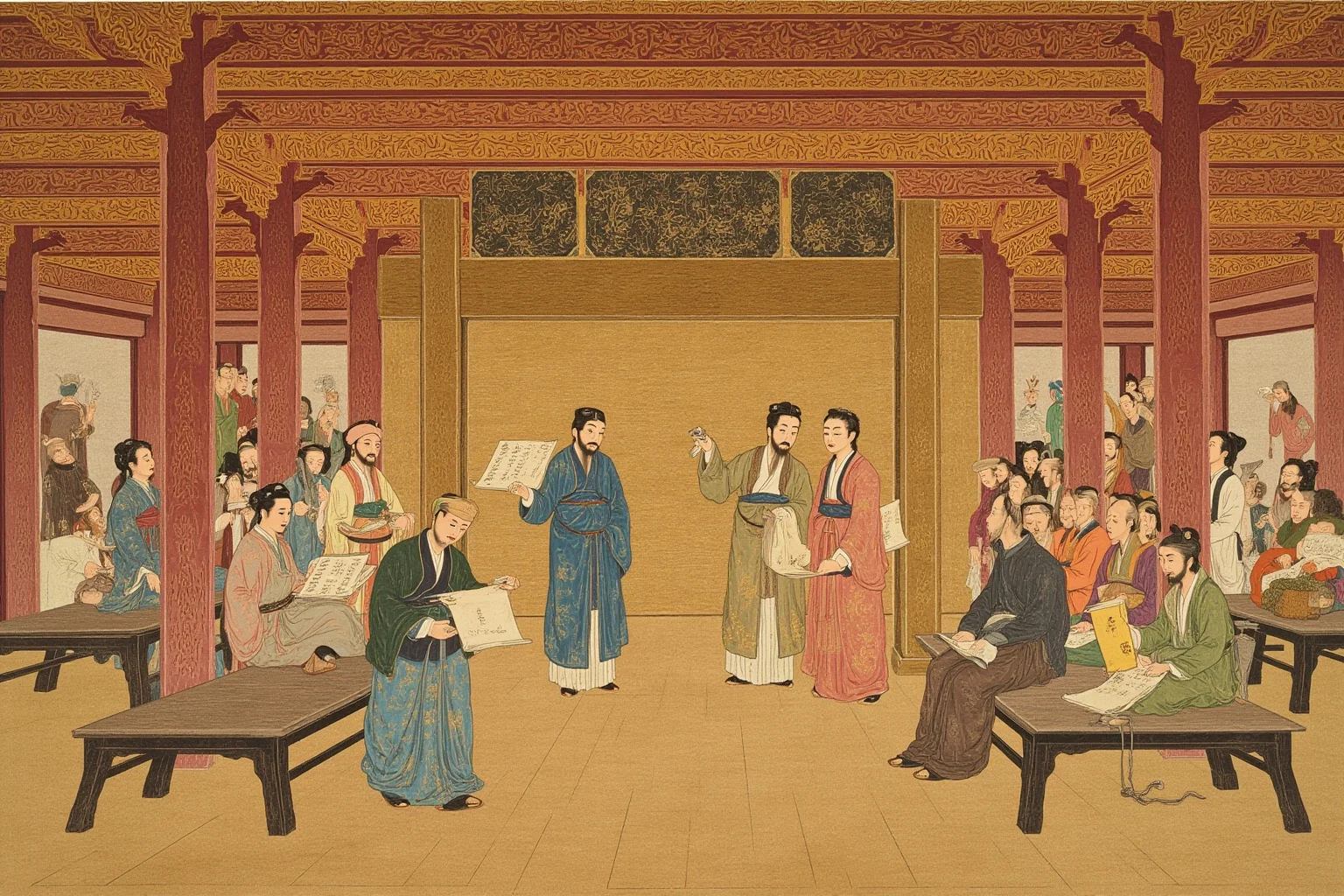
In 124 BCE, Emperor Wu of the Han dynasty established the Taixue, an imperial academy in the capital dedicated to training scholars in Confucian classics for government service. It’s one of the earliest state-sponsored institutions of higher learning anywhere in the world.
Students at the Taixue studied to become officials in the imperial bureaucracy, and the institution evolved over centuries into what later became the Imperial University. It laid groundwork for China’s civil service examination system, which shaped Chinese education for nearly two thousand years.
3. The Pandidakterion of Constantinople
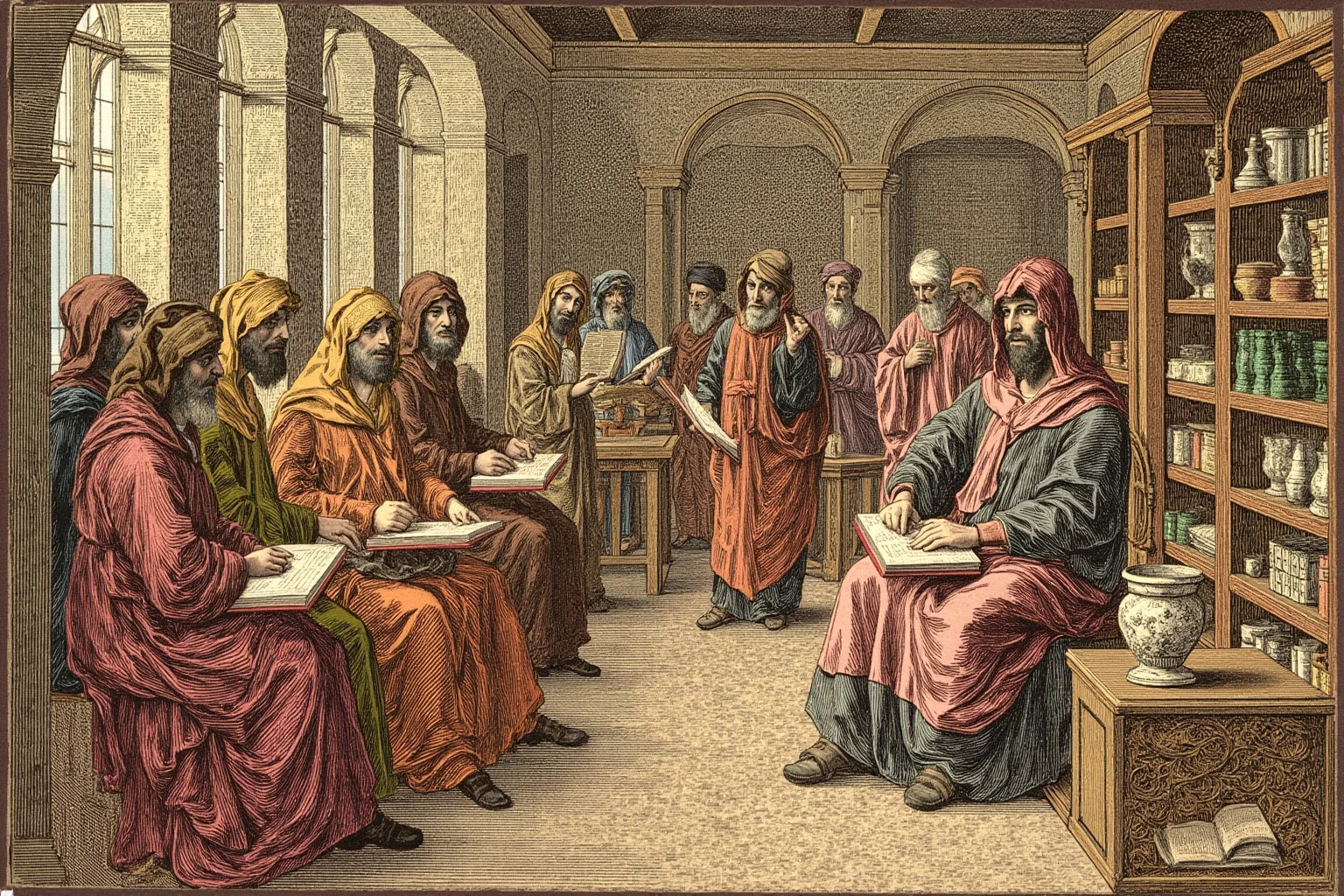
In 425 CE, the Byzantine emperor Theodosius II founded the Pandidakterion in Constantinople, a state institution with salaried professors teaching law, philosophy, medicine, and rhetoric in both Greek and Latin. Some historians point to this as an early prototype of the modern university because it was funded and organized by the state rather than a religious order.
It operated for centuries, evolving and surviving political upheavals until the Byzantine Empire itself declined. It’s rarely mentioned in popular lists, but serious historians of education consider it a genuine milestone.
4. Nalanda University
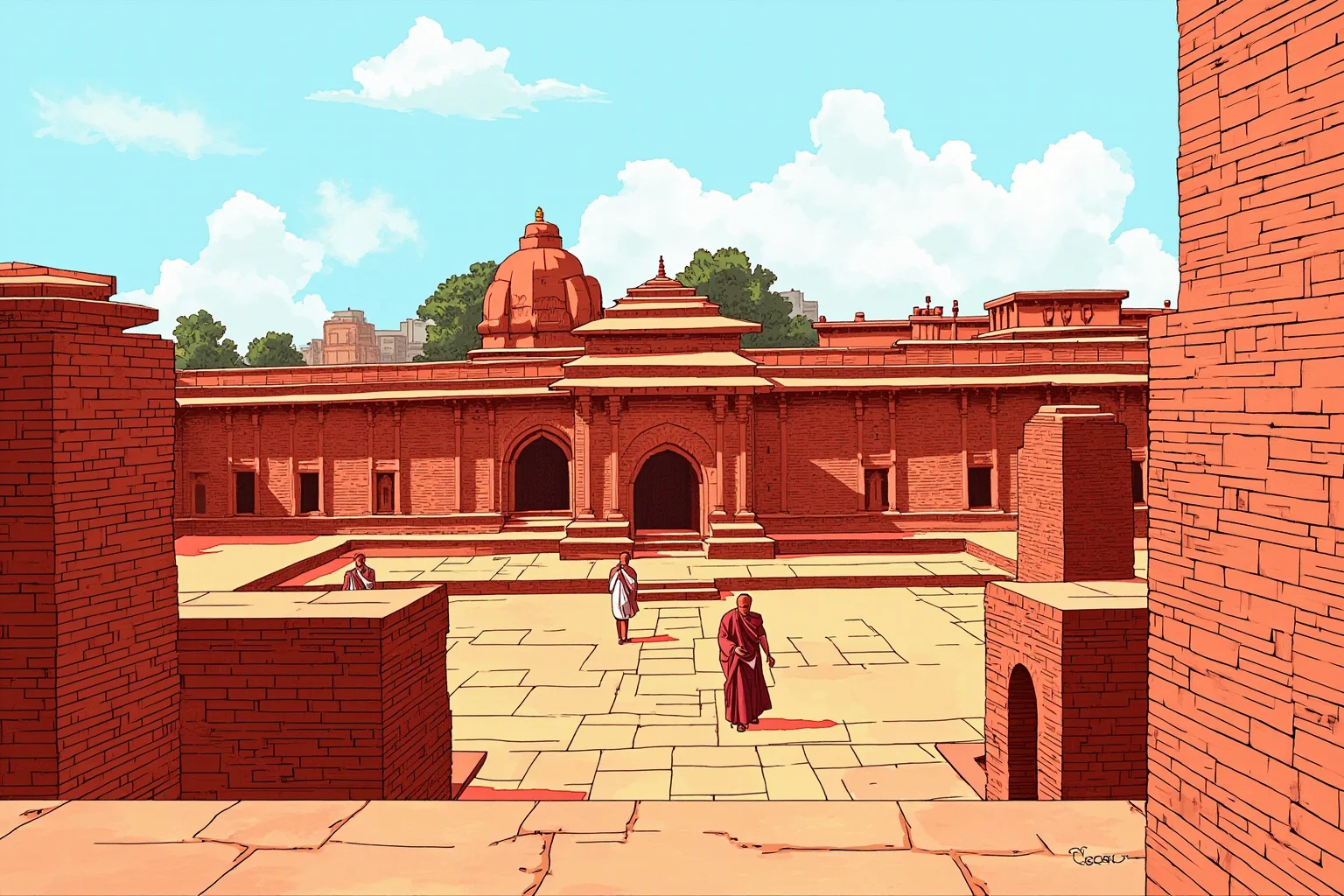
Nalanda, in present-day Bihar, India, grew into a major Buddhist monastic university around the 5th century CE, likely under the Gupta dynasty. At its peak, it reportedly housed thousands of students and monks studying theology, logic, medicine, and astronomy, drawing pilgrims and scholars from as far as China and Central Asia.
Chinese monk Xuanzang, who studied there in the 7th century, left detailed accounts of its libraries and teaching halls. Nalanda was destroyed in the late 12th or early 13th century, likely amid invasions, though the exact circumstances are still debated by historians.
5. University of Al-Qarawiyyin
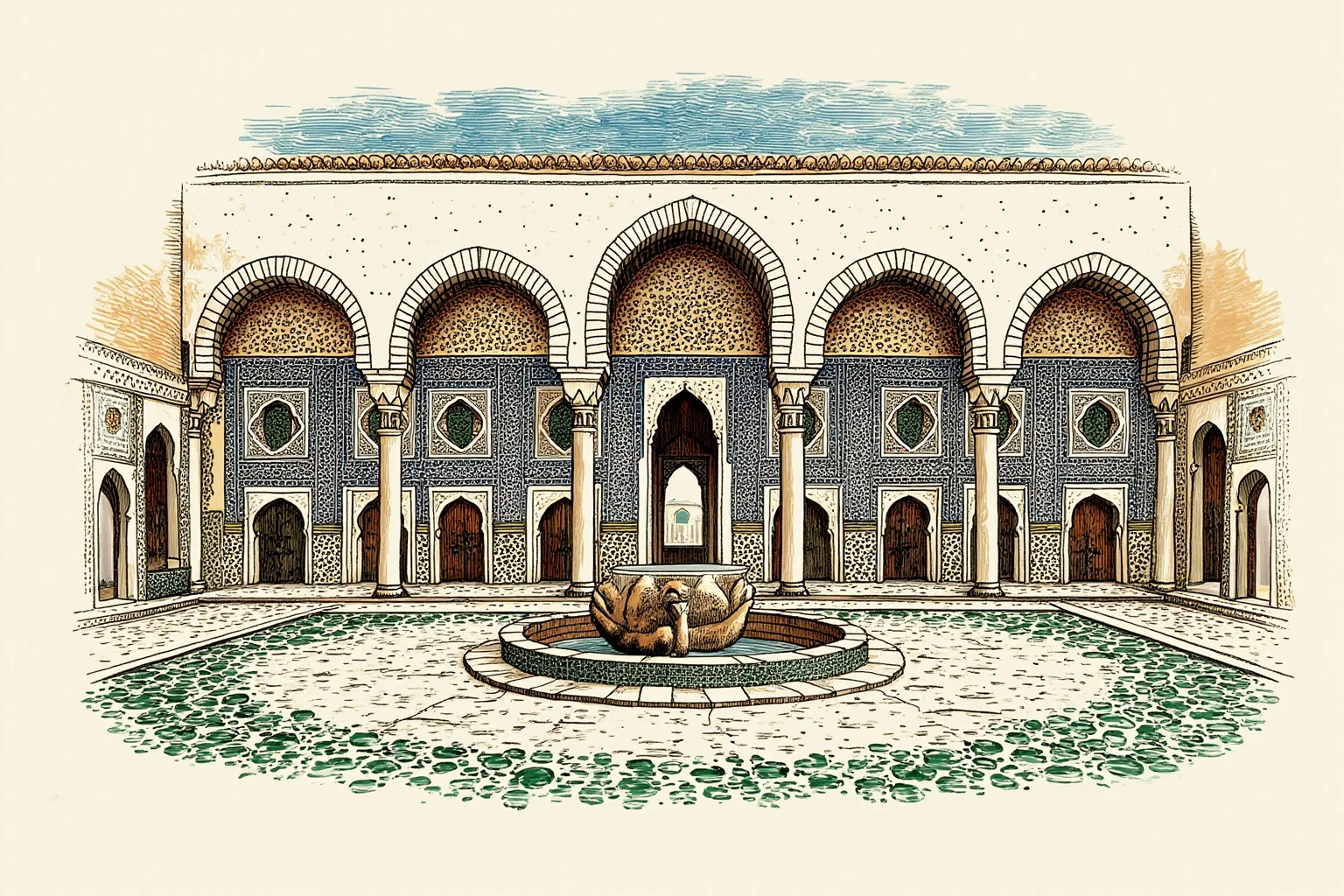
Founded in 859 CE in Fez, Morocco, by Fatima al-Fihri, Al-Qarawiyyin began as a mosque with an attached school and grew into a major center for Islamic scholarship, theology, and Maliki law. UNESCO and Guinness World Records have both recognized it as the oldest existing, continuously operating educational institution in the world that awards degrees.
It’s worth noting that Al-Qarawiyyin functioned more like a madrasa for much of its history, formally becoming part of Morocco’s modern state university system in 1963. That transition is part of why some scholars separate it from the European “university” model, even while crediting its remarkable continuity.
6. Al-Azhar University
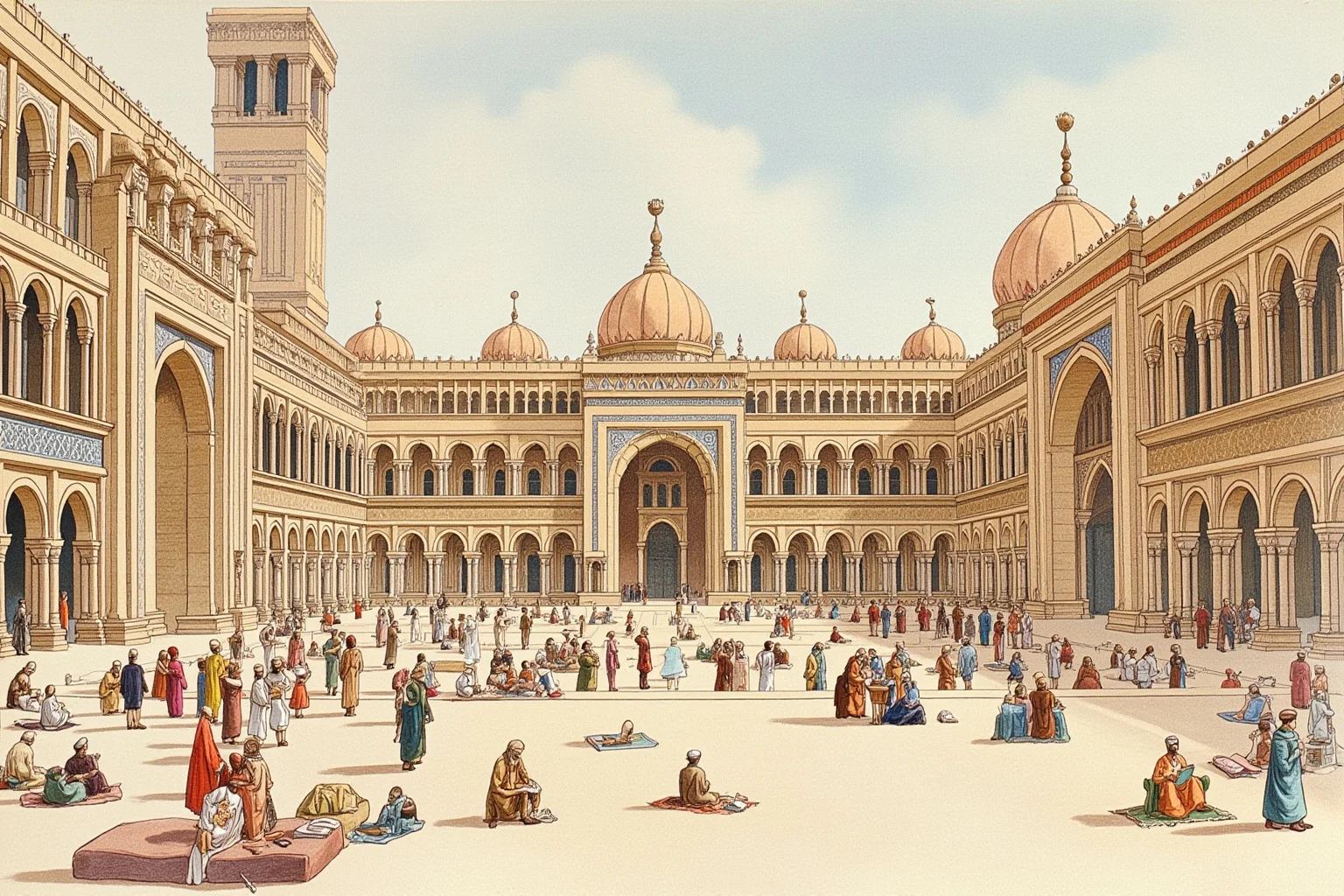
Cairo’s Al-Azhar was founded in 970 CE alongside the Al-Azhar Mosque, under the Fatimid Caliphate, and became one of the most influential centers of Sunni Islamic scholarship in history. It has continuously taught theology, law, and Arabic grammar for over a thousand years.
Like Al-Qarawiyyin, Al-Azhar started as a mosque-based school rather than a self-governing guild of scholars, and it later modernized into a full university with secular faculties. Its longevity still makes it one of the most remarkable educational institutions on earth.
7. University of Bologna
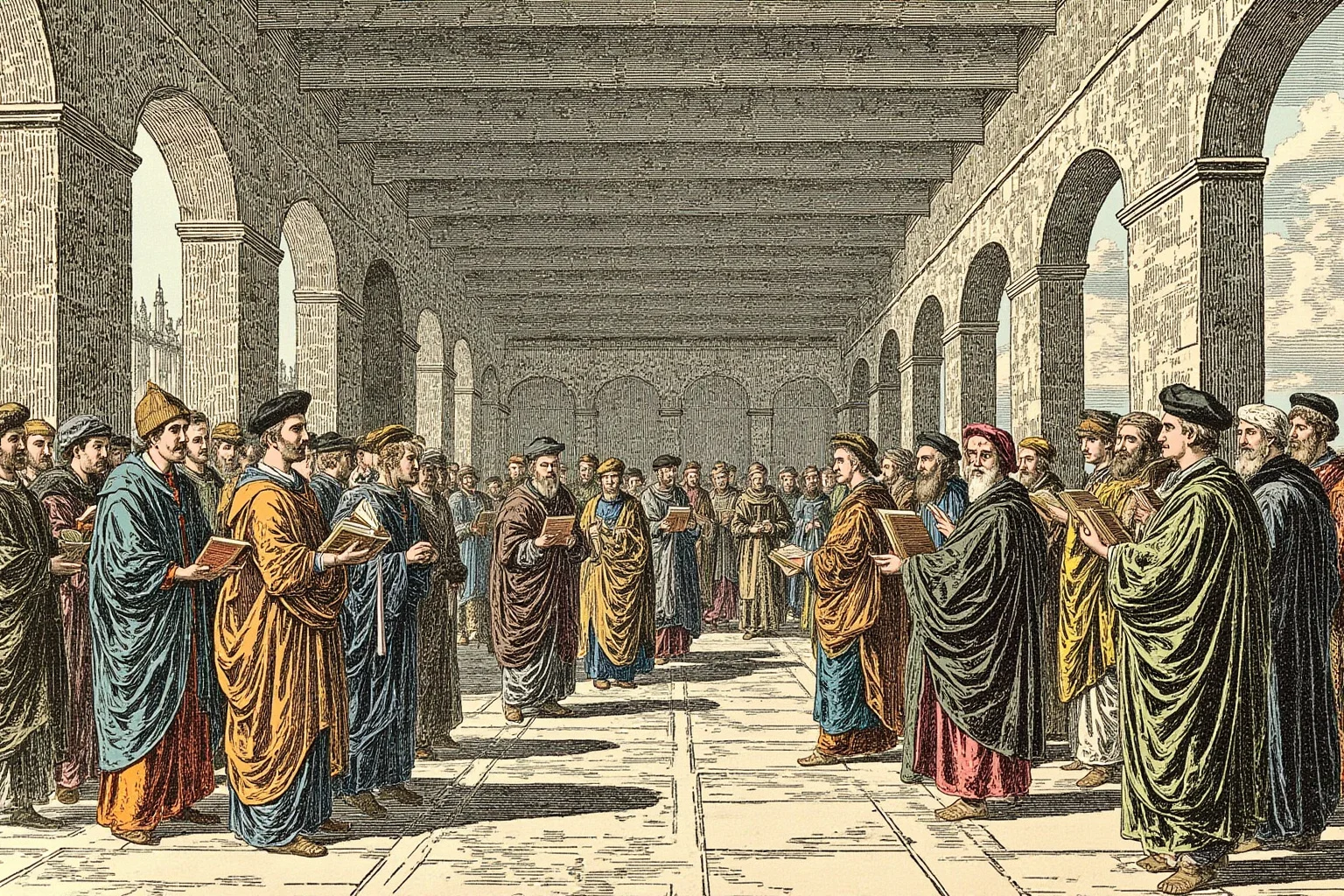
Founded in 1088 in Bologna, Italy, this is the institution most Western historians point to when asked about the first university ever established in the European legal sense. Students there organized themselves into a universitas, hiring and negotiating with professors as a collective body, which is the organizational model the word “university” is actually built on.
Bologna became famous for legal scholarship, training lawyers and jurists whose expertise helped shape emerging European legal systems. It’s still a functioning university today, which is why it’s so often crowned the world’s oldest university in the strict institutional sense.
8. University of Oxford
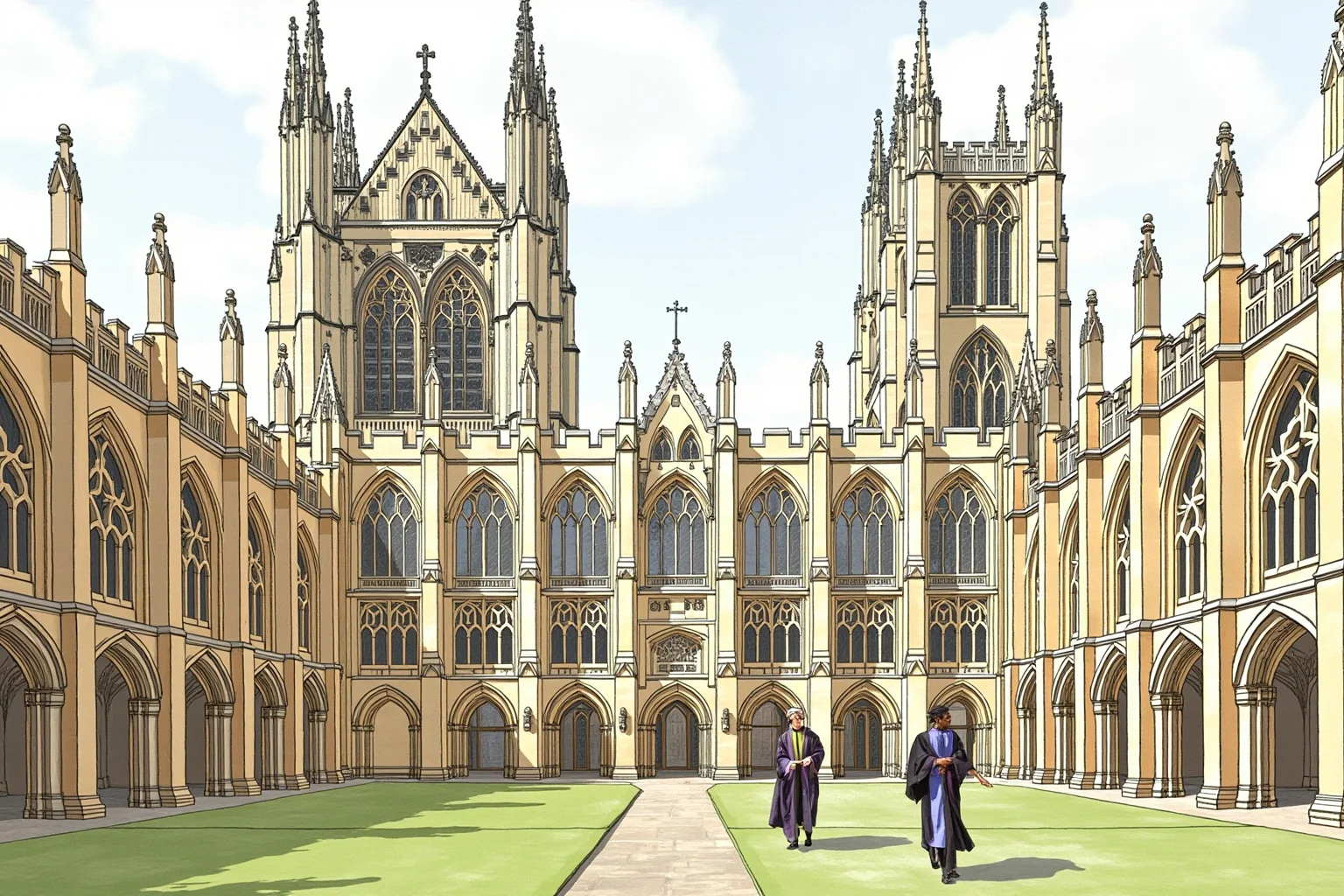
There’s no single founding date for Oxford, but there’s solid evidence that teaching was happening there as early as 1096, making it the oldest university in the English-speaking world. It grew rapidly after 1167, when English students were barred from studying in Paris and many relocated to Oxford instead.
Oxford operated as a loose collection of colleges rather than one centralized campus, a structure it still keeps today. Its exact founding is genuinely unclear, so most historians describe it as having “evolved” rather than being founded on one specific date.
9. University of Salamanca
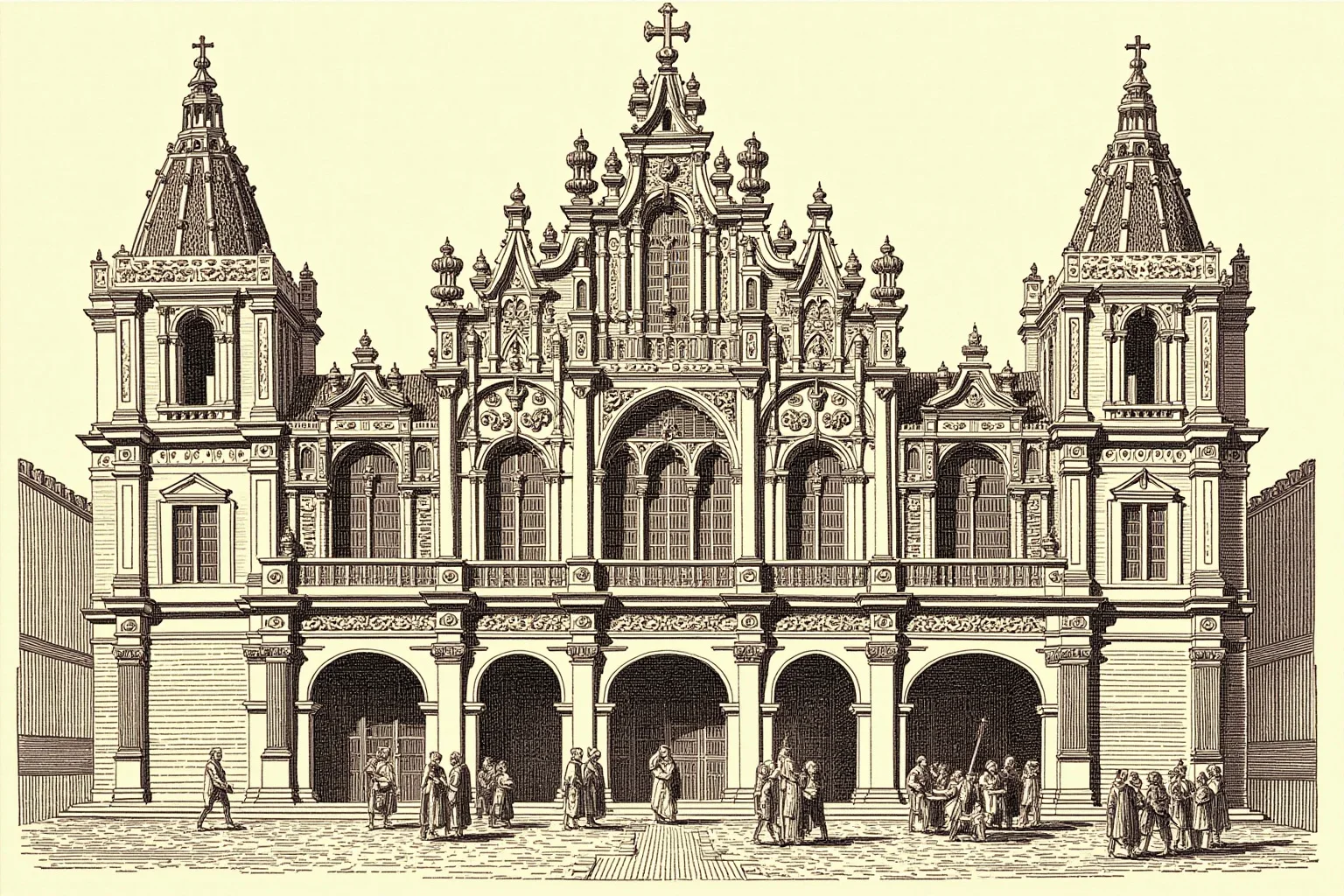
Spain’s University of Salamanca traces teaching activity back to around 1134, though it received its royal charter in 1218 from King Alfonso IX of León. Pope Alexander IV granted it the title of university in 1255, formally recognizing degrees that would be honored across Christian Europe.
Salamanca became one of the four great medieval universities alongside Bologna, Paris, and Oxford, and it later played a major role in debates over the ethics of Spanish colonization in the Americas. It remains active today, a genuinely rare feat for an institution nearly nine centuries old.
10. University of Paris (the Sorbonne)
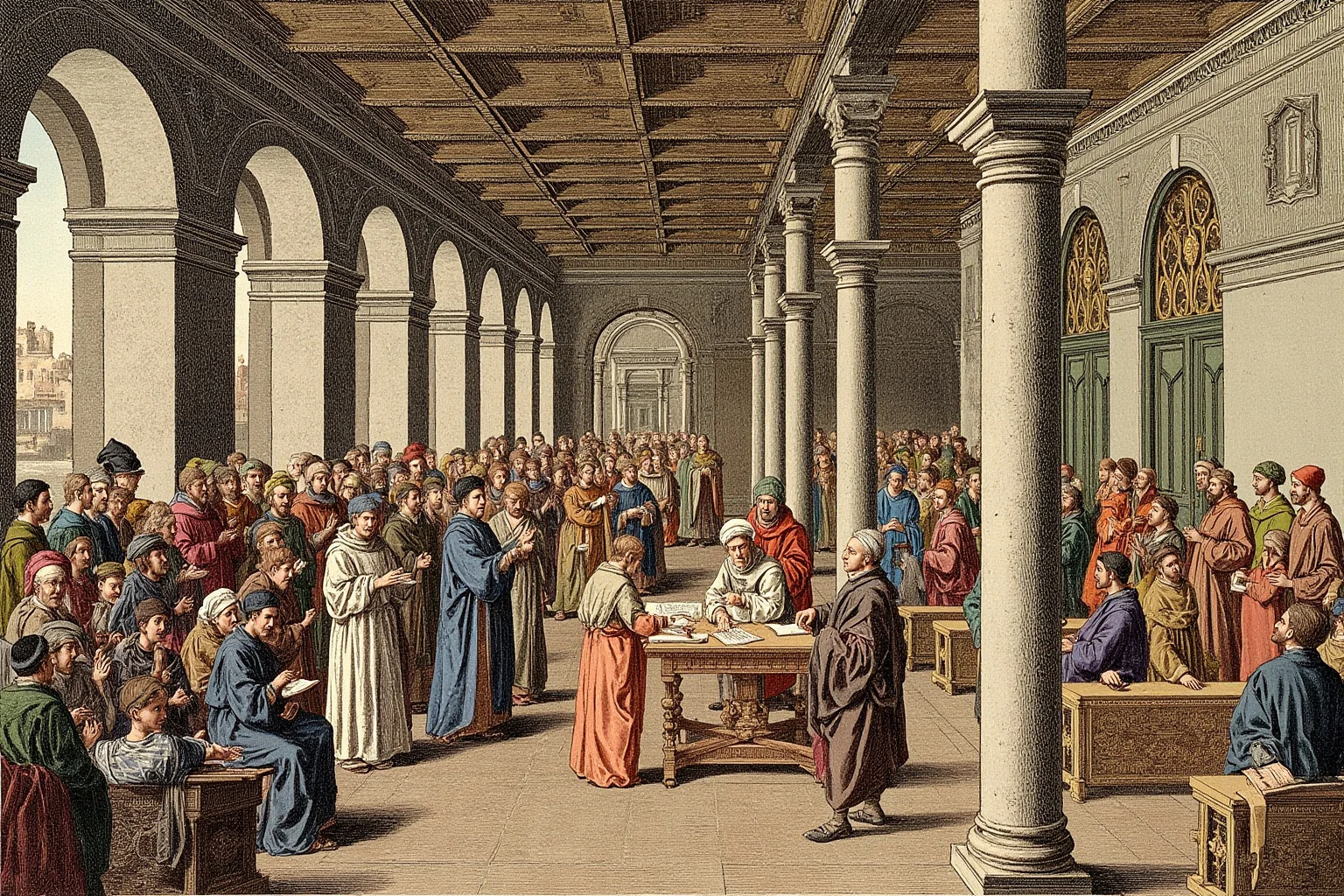
Teaching in Paris around cathedral schools dates to roughly 1150, and the university was formally recognized by royal and papal charters by 1200 and 1215. Because of this timeline, Paris is often cited as the third oldest university in the world, following Bologna and Oxford.
The University of Paris became Europe’s leading center for theology and philosophy, home to towering scholastic thinkers who shaped medieval Christian intellectual life. Its college, the Sorbonne, became so associated with the university that the two names are still used interchangeably today.
11. University of Modena
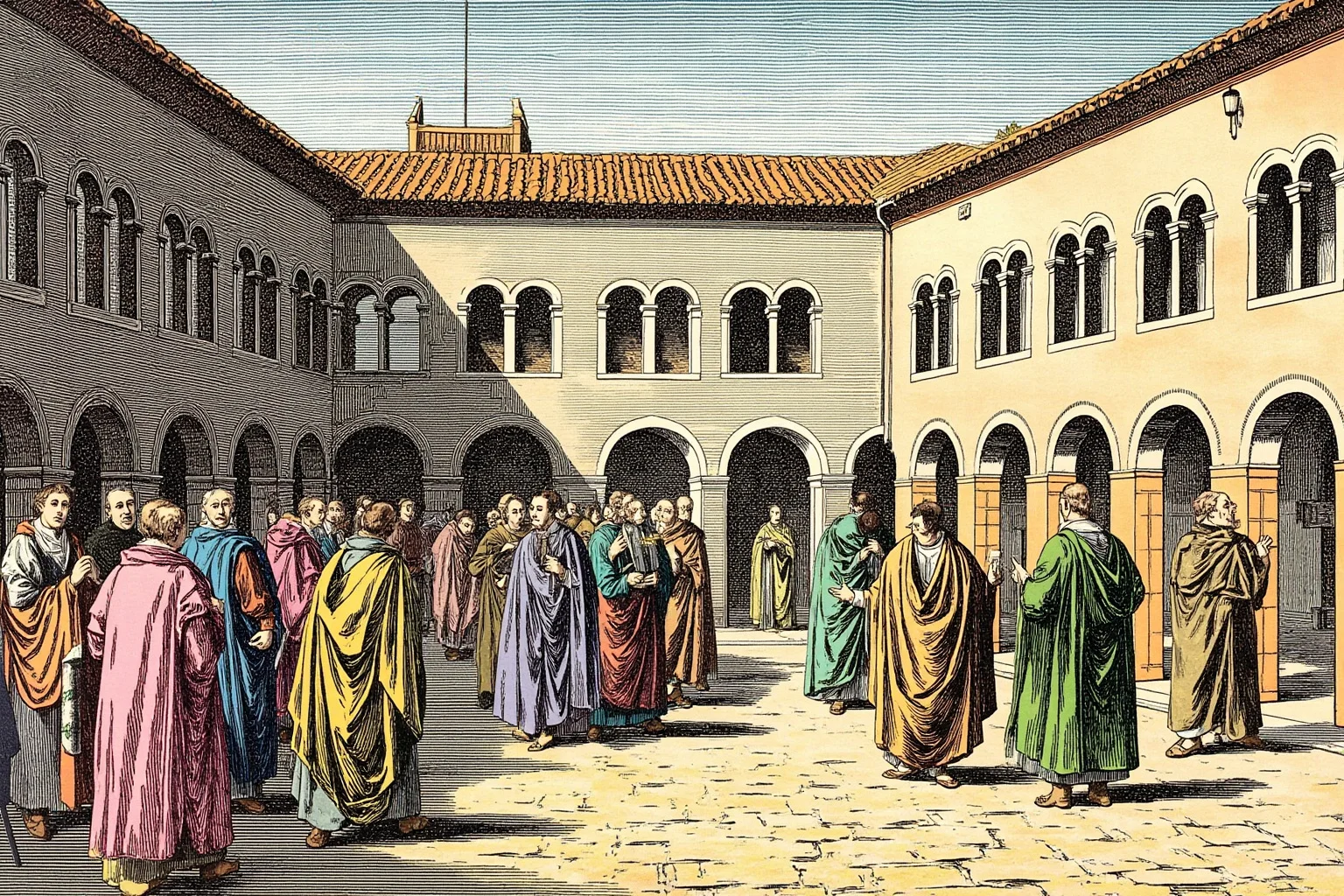
The University of Modena in Italy traces its origins to 1175, making it one of the earliest institutions to follow Bologna’s model of legal and liberal arts instruction. It has had a genuinely turbulent history, closing and reopening multiple times over the centuries due to wars, plague, and political upheaval.
Despite the interruptions, Modena is considered one of the oldest universities in the world still operating today under its original name and location. Its early curriculum focused heavily on law and medicine, echoing Bologna’s influence across northern Italy.
12. University of Vicenza
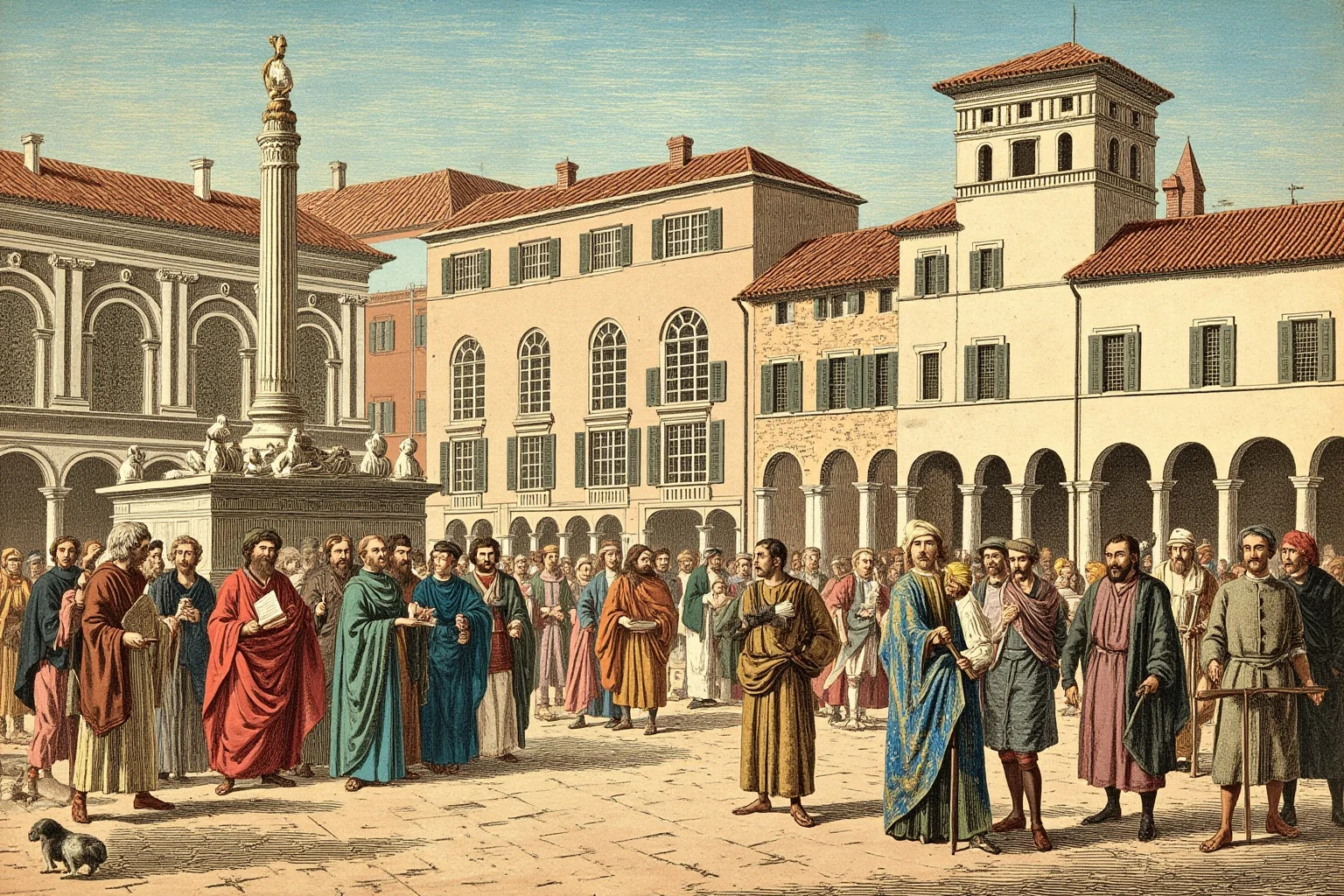
Founded around 1204, the University of Vicenza is a lesser-known but historically documented case, largely because it didn’t survive long. Some students and scholars actually broke away from Bologna to establish it, hoping for more academic freedom.
It lasted only a few years before political instability caused it to dissolve, and many of its scholars eventually drifted to other emerging universities. It’s a useful reminder that not every early university survived the centuries the way Bologna or Oxford did.
13. University of Cambridge
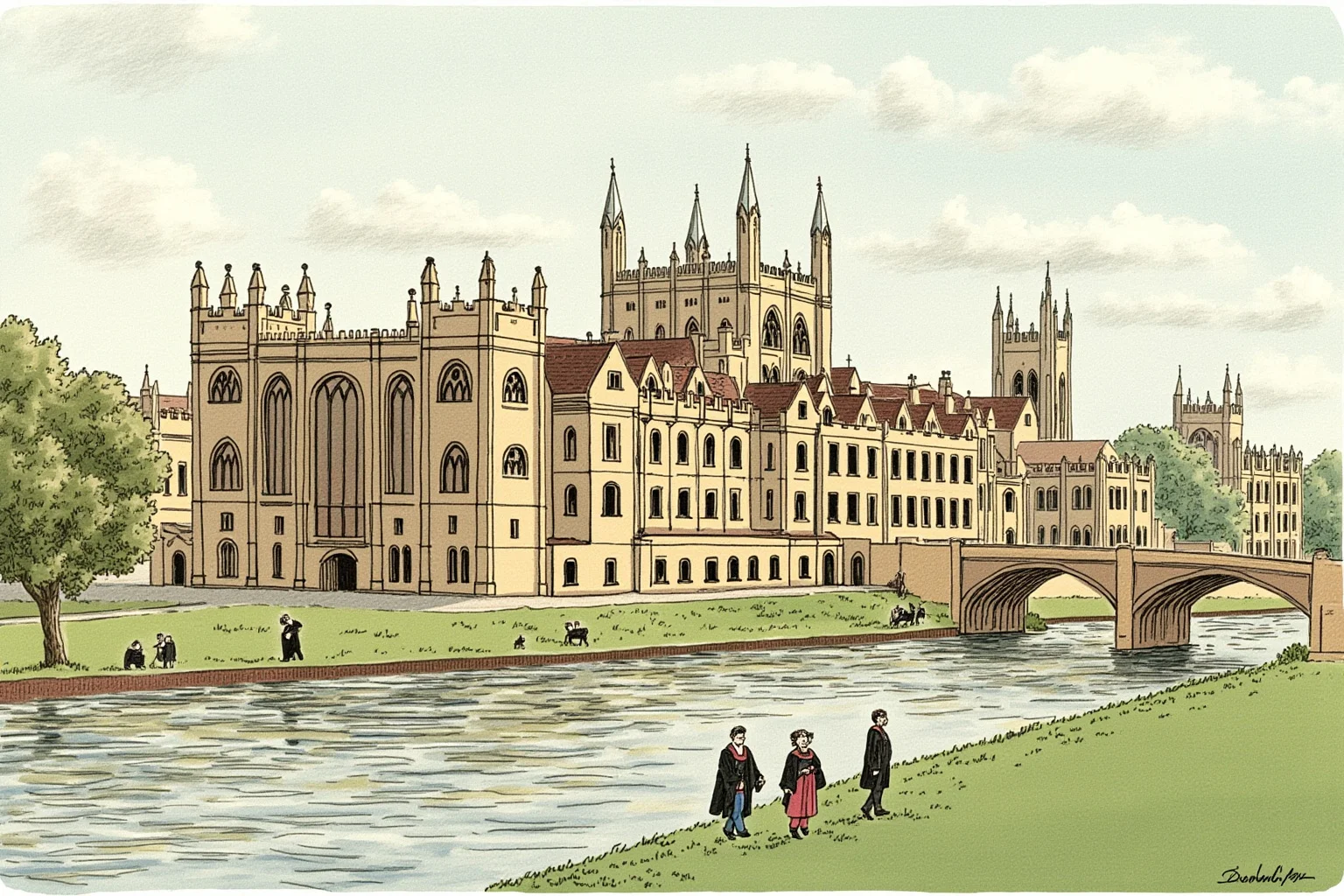
Cambridge was founded in 1209, largely by scholars who left Oxford following a dispute with local townspeople that turned violent. It received royal recognition from King Henry III in 1231, cementing its status as an independent institution.
Cambridge and Oxford together are often nicknamed “Oxbridge,” and their centuries-long rivalry is practically a British institution in itself. Cambridge would go on to produce some of history’s most influential scientists, from Isaac Newton to Charles Darwin.
14. University of Palencia
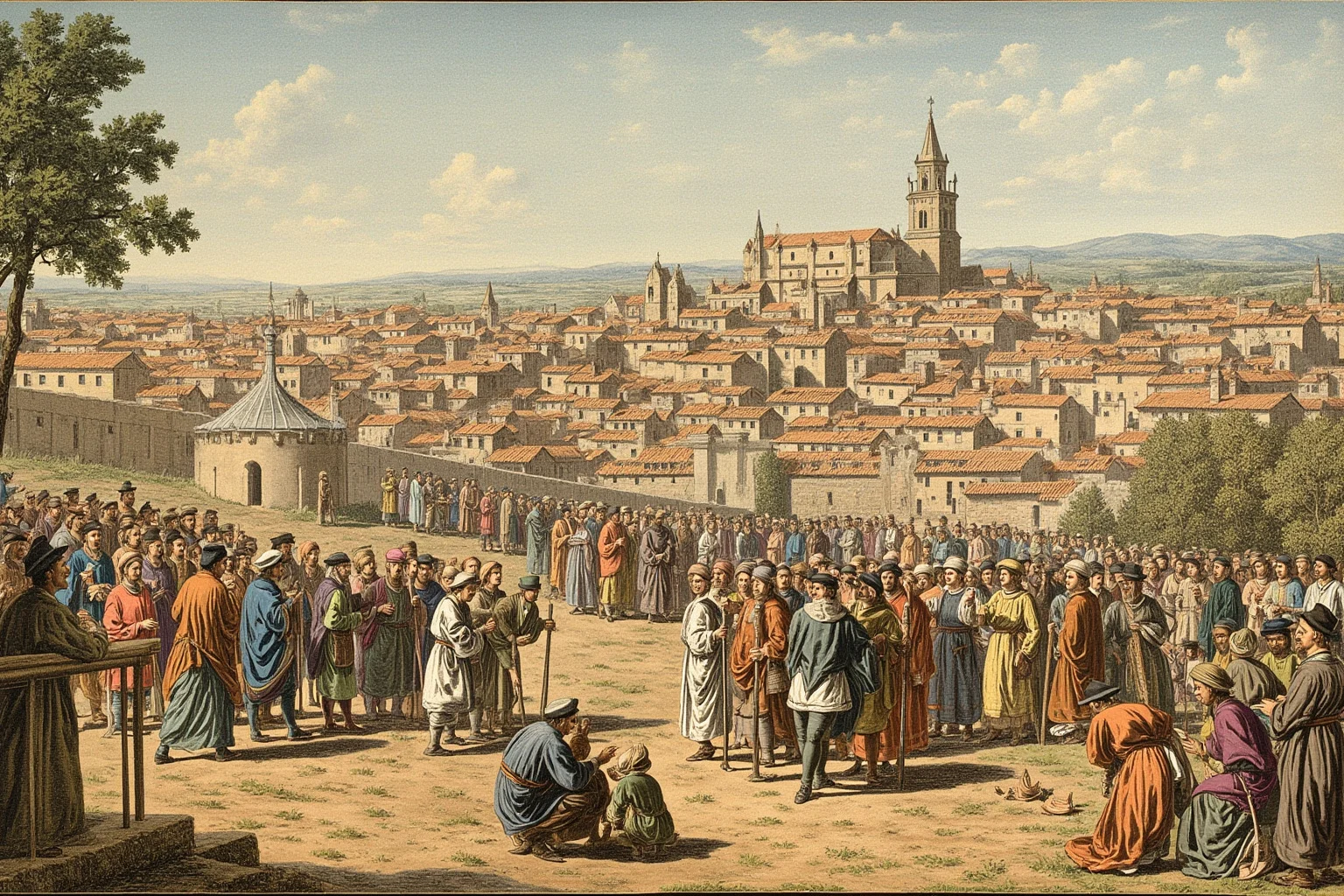
Spain’s University of Palencia was founded around 1212 by King Alfonso VIII of Castile, making it the first university established in Spain, technically predating Salamanca’s charter. It taught theology, law, and liberal arts and enjoyed royal support for several decades.
Unlike Salamanca, Palencia didn’t survive long term. It declined through the 13th century and eventually dissolved, with many of its functions and scholars effectively absorbed by the rising University of Salamanca.
15. University of Naples Federico II
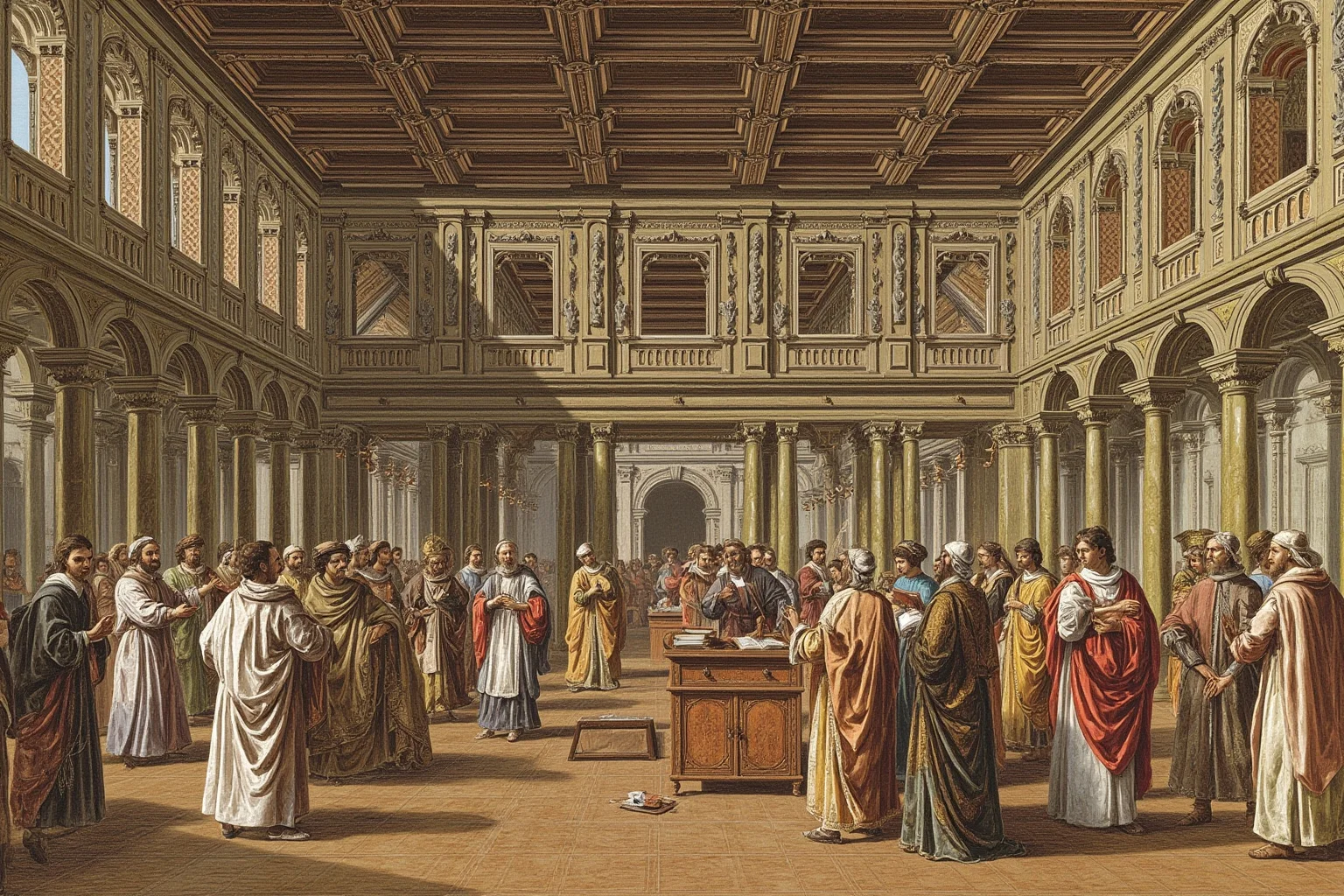
Founded in 1224 by Holy Roman Emperor Frederick II, this university is notable for being one of the first in Europe established by a secular ruler rather than the church. Frederick wanted to train administrators and lawyers loyal to his own government, rather than relying on papal-approved institutions.
It still operates today under the name Università di Napoli Federico II, honoring its founder. This makes it one of the oldest state-founded universities in the world with an unbroken institutional identity.
16. University of Padua
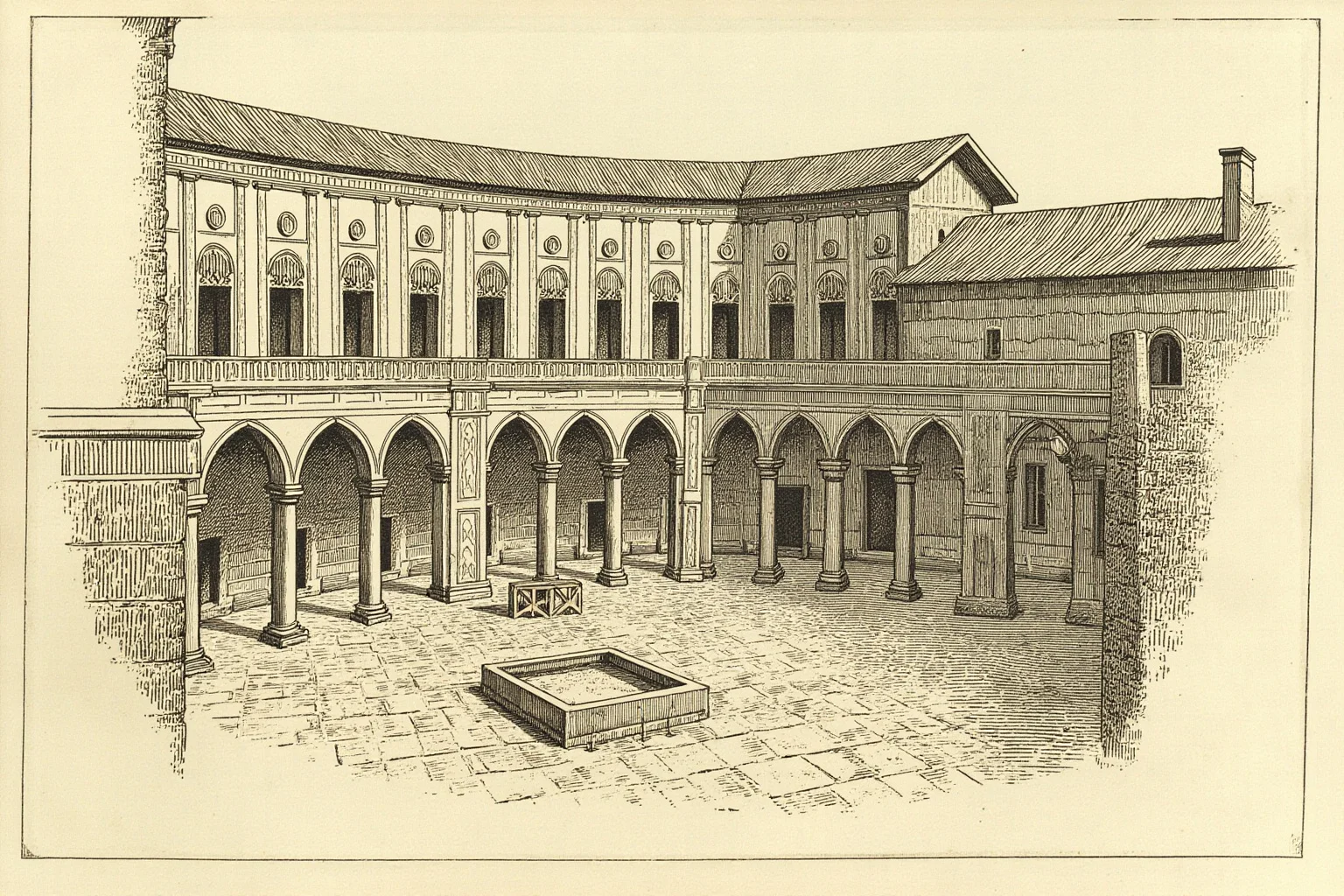
Established in 1222 by scholars and professors who left Bologna seeking greater academic freedom, Padua quickly became renowned for medicine, law, and later astronomy. Galileo Galilei taught mathematics there from 1592 to 1610, one of many famous names associated with the school.
Padua’s anatomy theater, built in 1594, is one of the oldest surviving structures of its kind and reflects the university’s pioneering role in medical science. It remains a major research university in Italy today.
17. University of Toulouse
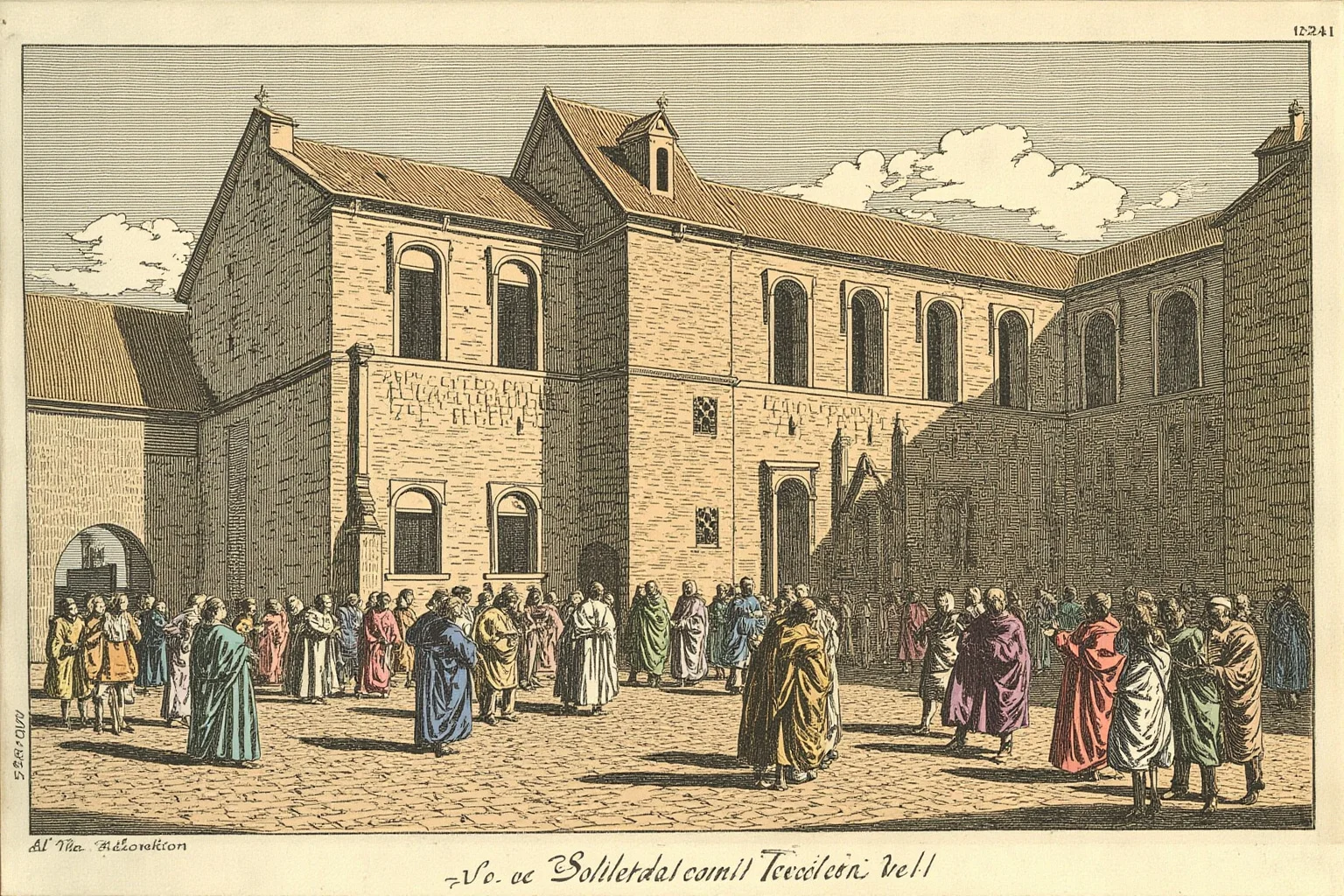
Founded in 1229 in southern France, the University of Toulouse emerged partly out of a treaty ending the Albigensian Crusade, with the church hoping a university would help stamp out heresy in the region through orthodox theological education. Pope Gregory IX formally recognized it shortly after.
Toulouse became particularly known for theology and canon law throughout the medieval period. It has been restructured multiple times over the centuries but traces a continuous academic lineage back to its 13th-century founding.
18. University of Siena
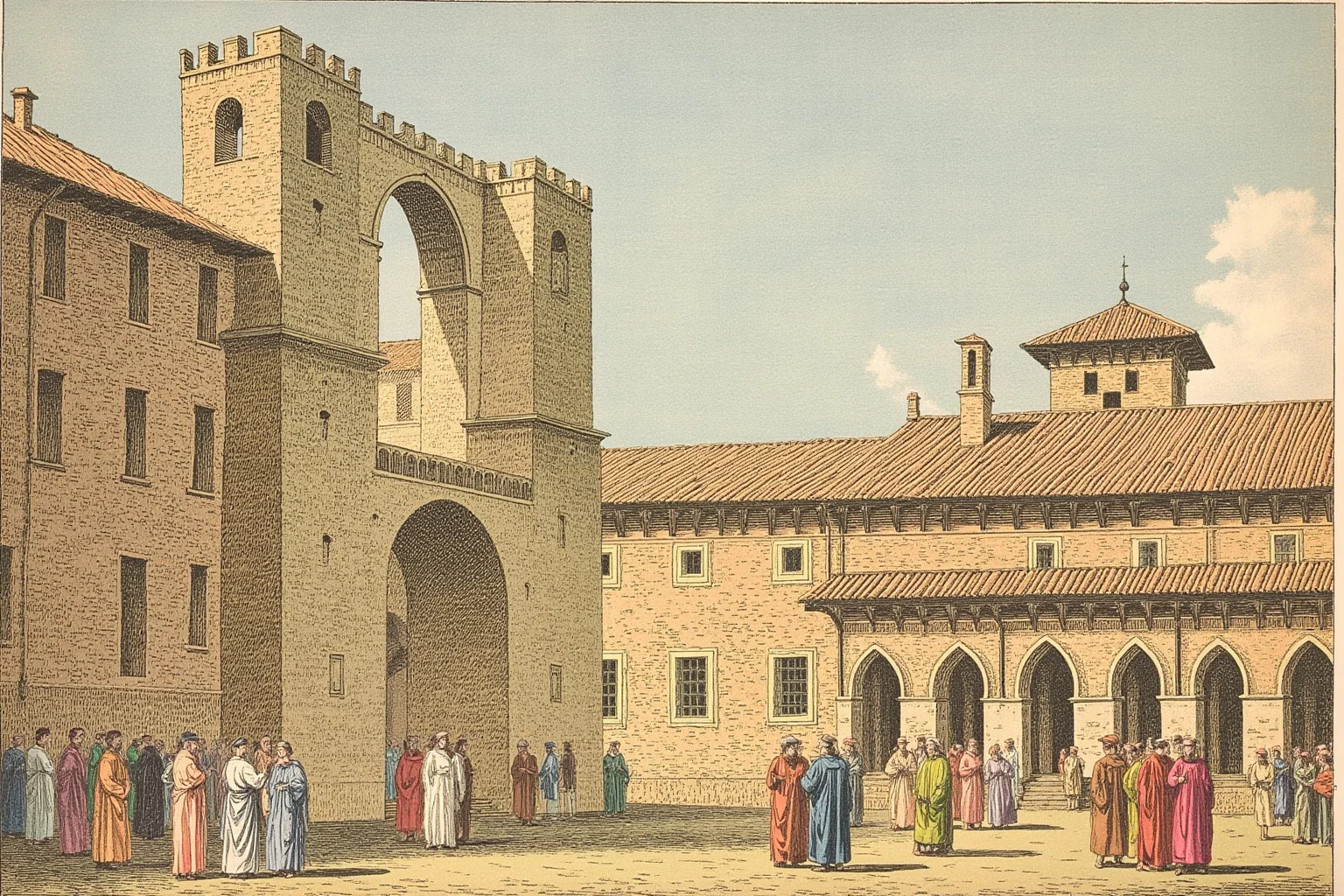
Siena’s university dates to around 1240, growing out of earlier civic schools in the Tuscan city. It received official recognition and privileges from Holy Roman Emperor Charles IV in 1357.
Siena became known for law and medicine, much like its Italian counterparts, and its small size helped it maintain close ties between students and faculty. It’s still operating today, continuing a tradition of higher education in the city for nearly 800 years.
19. University of Coimbra
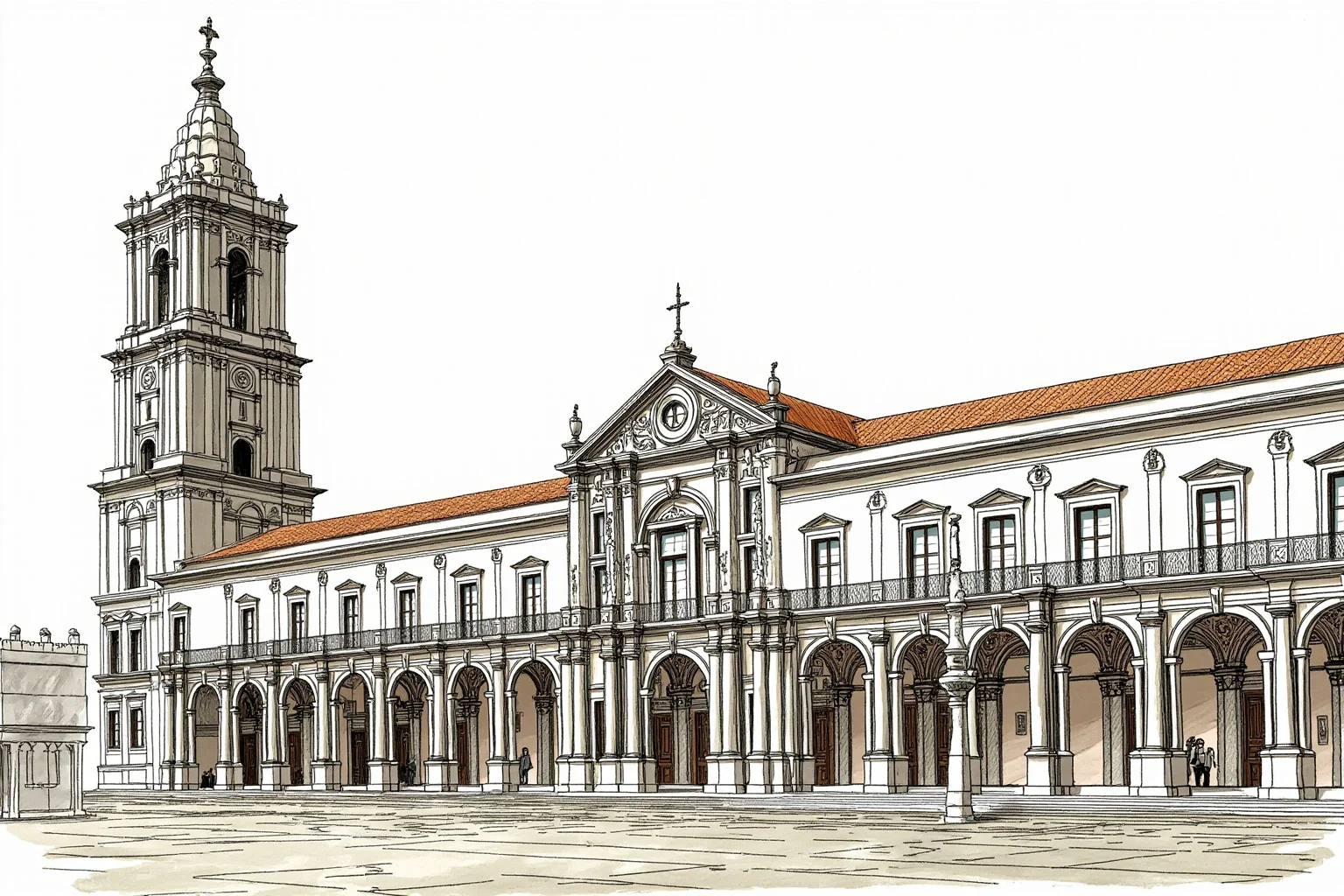
Portugal’s University of Coimbra was founded in 1290 by King Dinis I, initially located in Lisbon before permanently relocating to Coimbra in 1537. It’s the oldest university in the Portuguese-speaking world and one of the oldest in continuous operation globally.
Its baroque library, the Biblioteca Joanina, is one of the most visually striking academic buildings anywhere, and the university’s traditions heavily influenced higher education across Portugal’s former colonies, including Brazil. UNESCO recognized Coimbra’s historic university area as a World Heritage Site in 2013.
20. Charles University
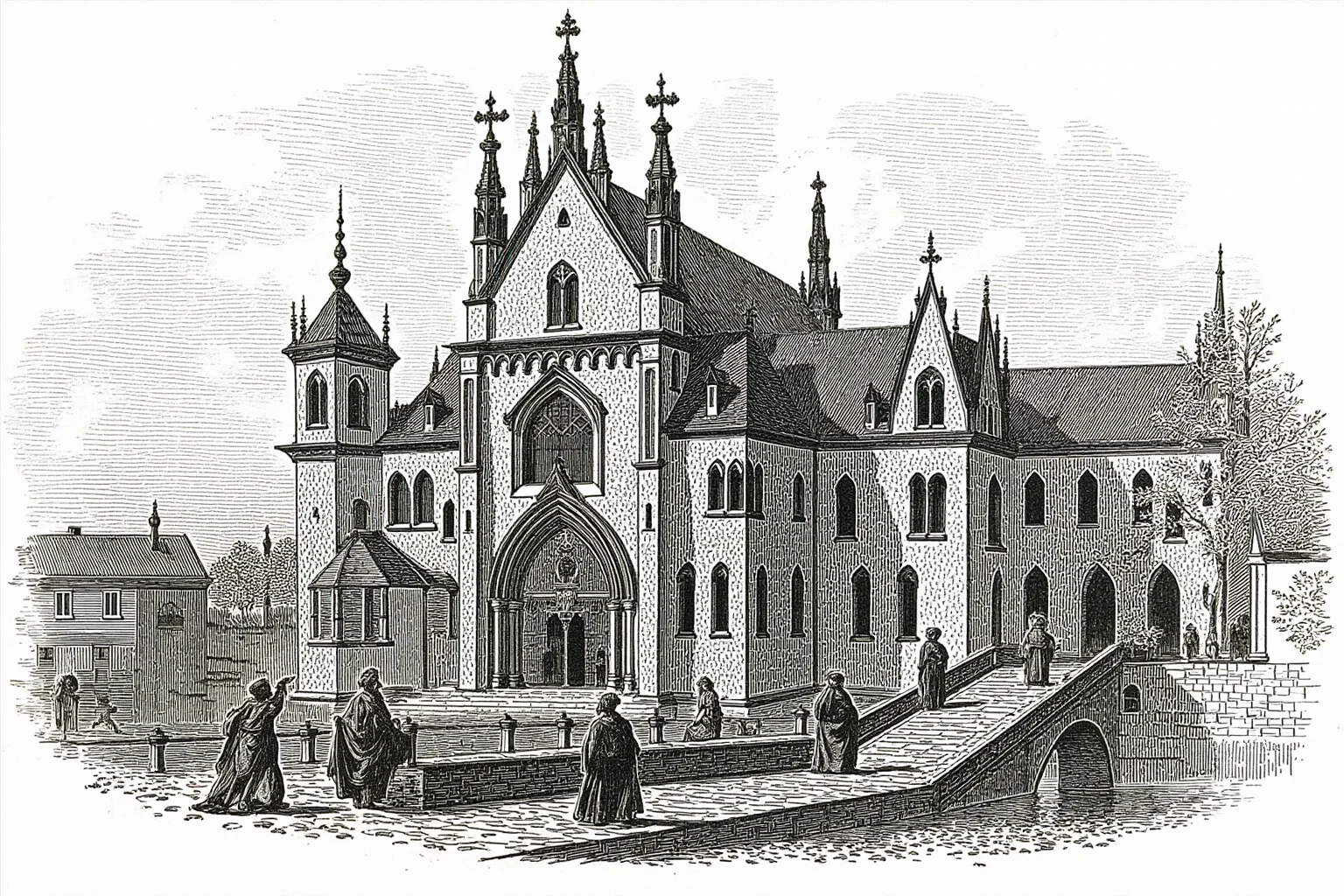
Founded in 1348 by Holy Roman Emperor and King of Bohemia Charles IV, Charles University in Prague was the first university established in Central Europe. It was modeled closely on the University of Paris, with faculties of theology, law, medicine, and arts.
The university played a major role in the Hussite religious reform movement in the 15th century, decades before the broader Protestant Reformation swept through Europe. It remains the Czech Republic’s most prestigious university today.
21. Jagiellonian University
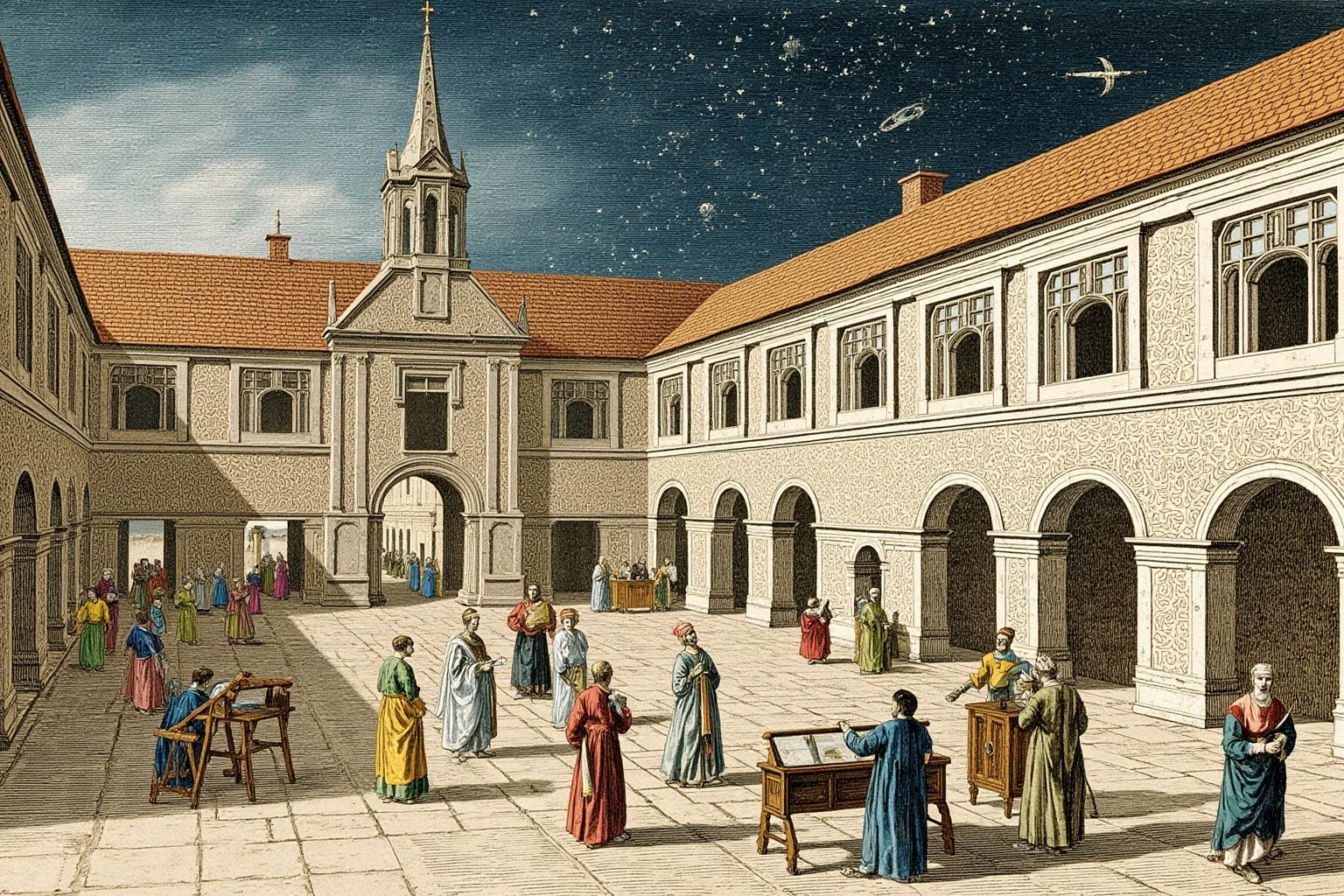
Established in Kraków in 1364 by King Casimir III the Great, the Jagiellonian University is the oldest university in Poland and one of the oldest in Central Europe. It’s famous for having counted astronomer Nicolaus Copernicus among its students in the late 15th century.
The university survived partitions, occupations, and world wars while maintaining continuous academic activity, an impressive feat given Poland’s turbulent history. It remains one of the country’s leading research institutions today.
22. University of Vienna
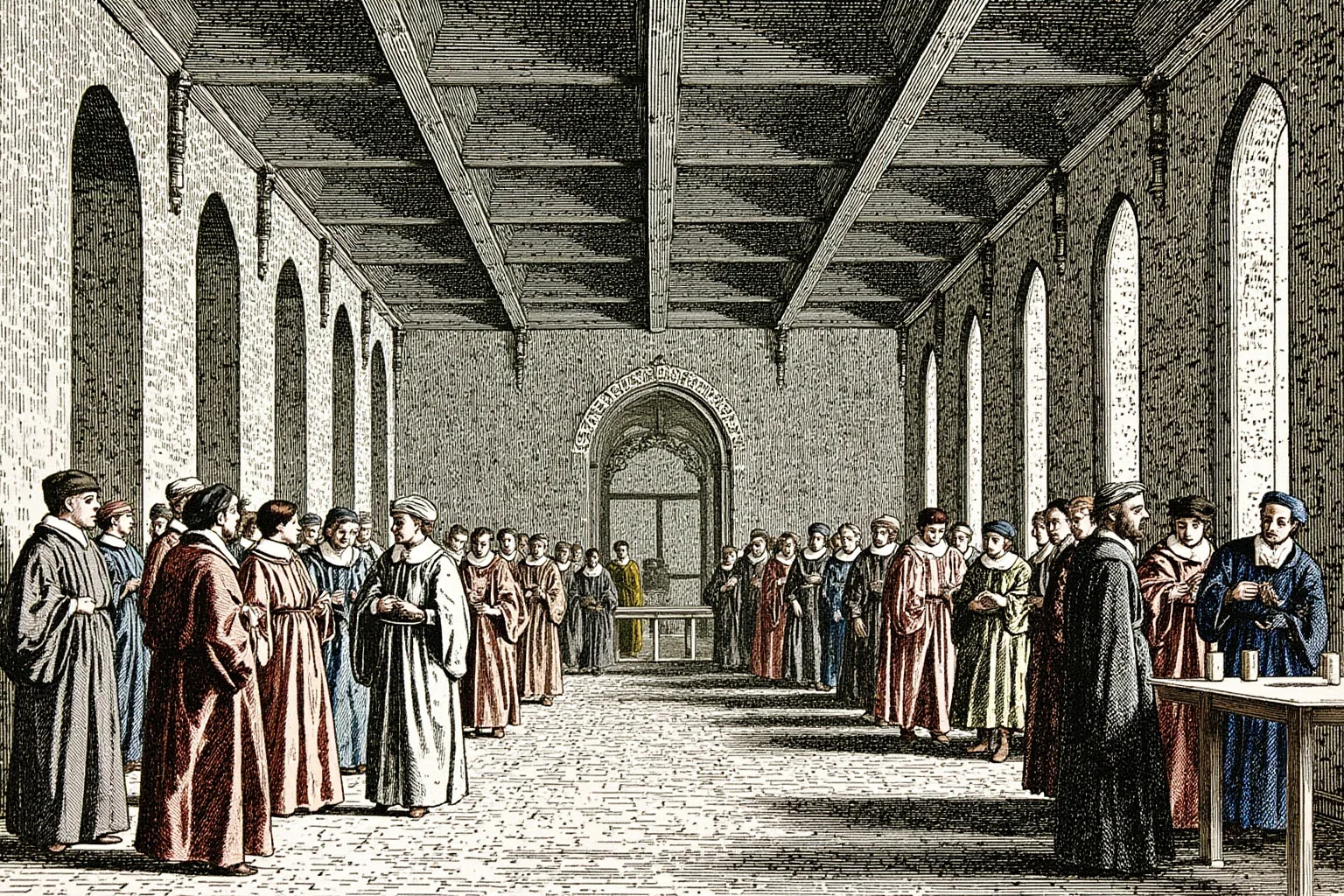
Founded in 1365 by Duke Rudolph IV, the University of Vienna is the oldest university in the German-speaking world. It was modeled after the University of Paris and quickly became a major center for theology and philosophy in the Holy Roman Empire.
Over the centuries it grew into one of Europe’s largest universities, and its faculty has included numerous Nobel laureates in more modern eras. It remains Austria’s largest and oldest university.
23. Heidelberg University
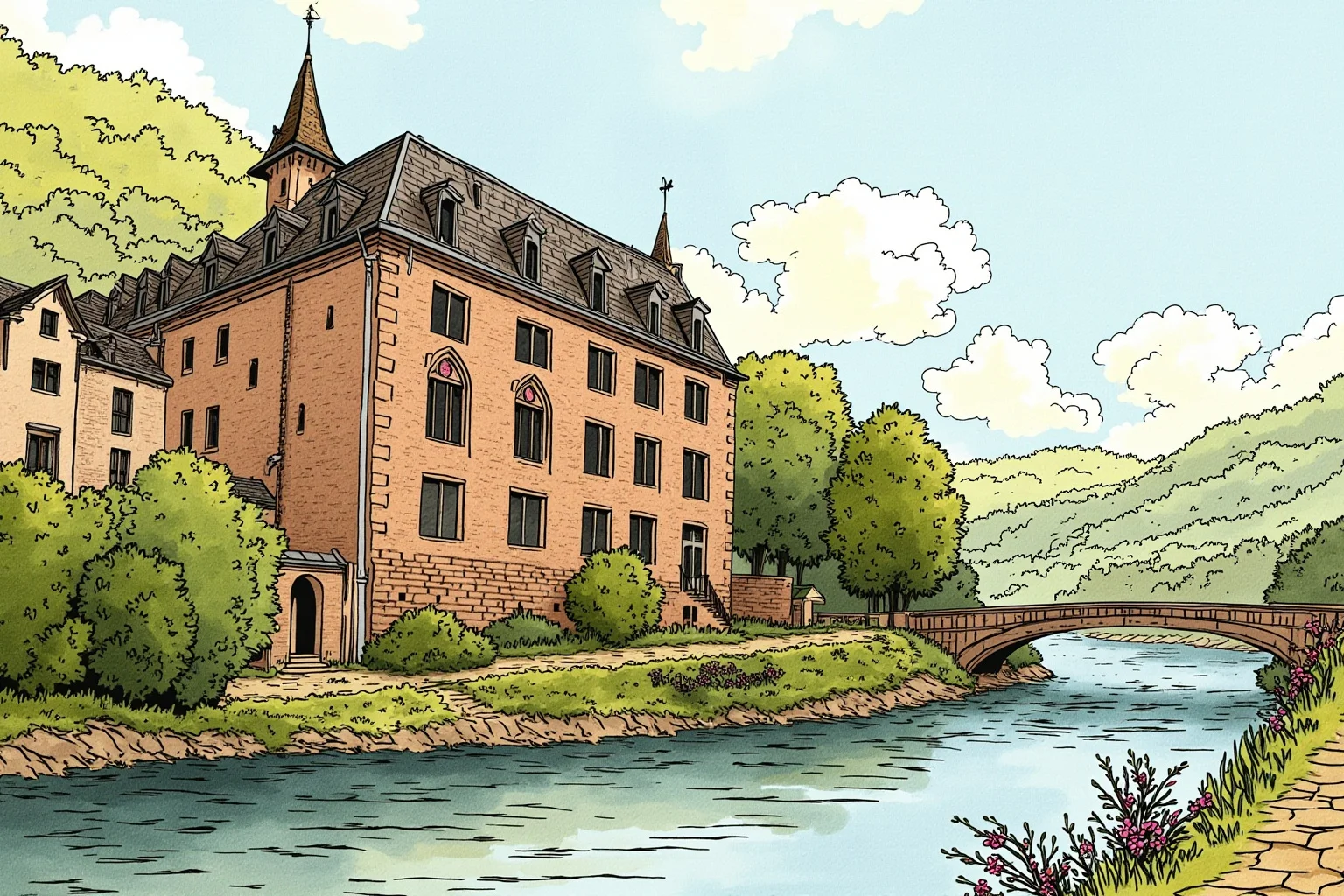
Germany’s oldest university was founded in 1386 in Heidelberg, initially with faculties of theology, law, medicine, and philosophy, closely following the Paris model. It received its founding charter from Pope Urban VI.
Heidelberg became a key center of humanist and Reformation-era thought in the following centuries. It’s still ranked among Germany’s top research universities today, with a campus that blends medieval buildings and modern research facilities.
24. University of St Andrews
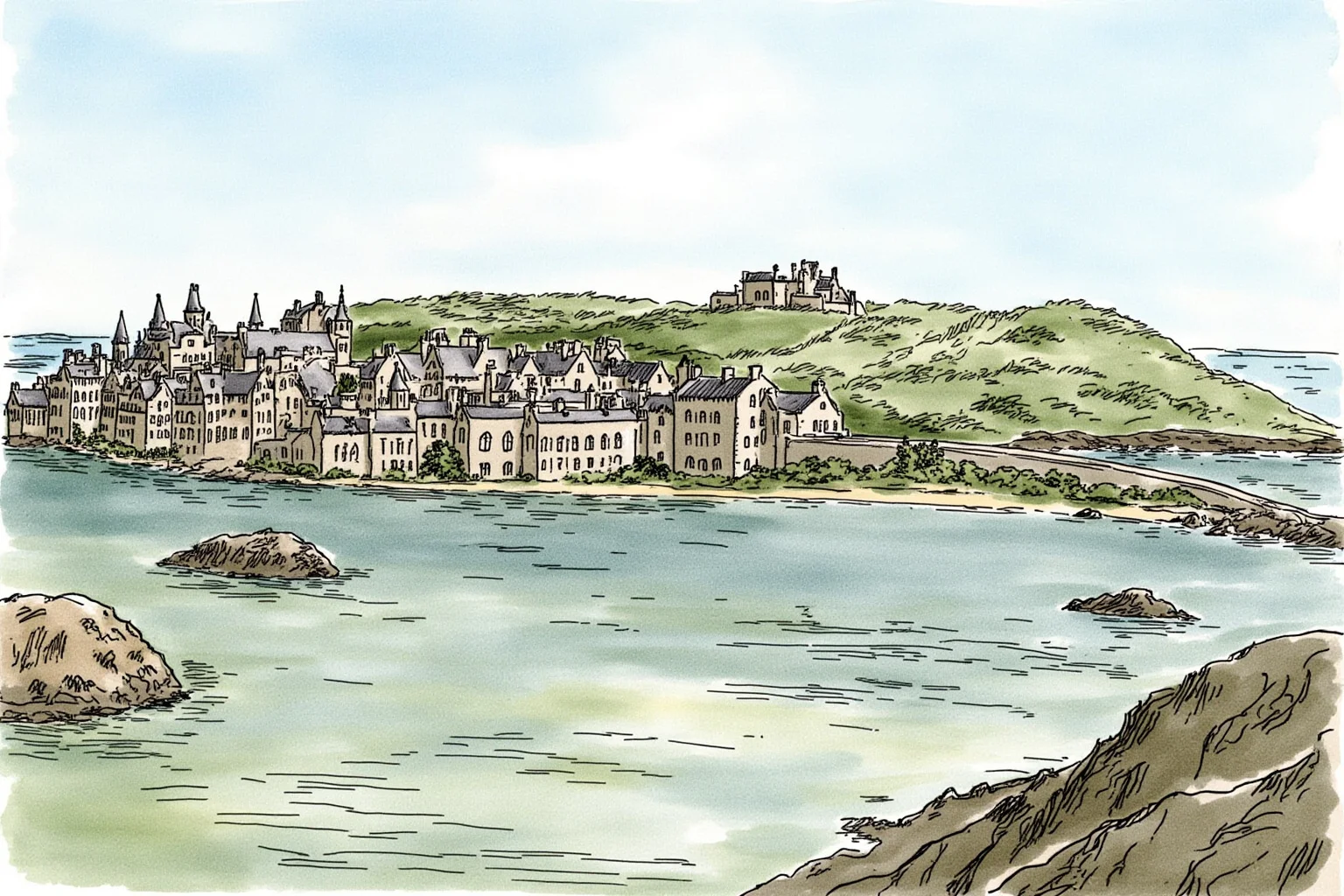
Founded in 1413, St Andrews is the oldest university in Scotland and the third oldest in the English-speaking world, after Oxford and Cambridge. It was established by a group of Augustinian clergy and quickly received papal recognition from Pope Benedict XIII.
St Andrews became a hub for Scottish intellectual life during the Renaissance and Reformation periods. Today it’s known both for academic excellence and, more recently, as the university where Prince William met Catherine Middleton.
25. University of Glasgow
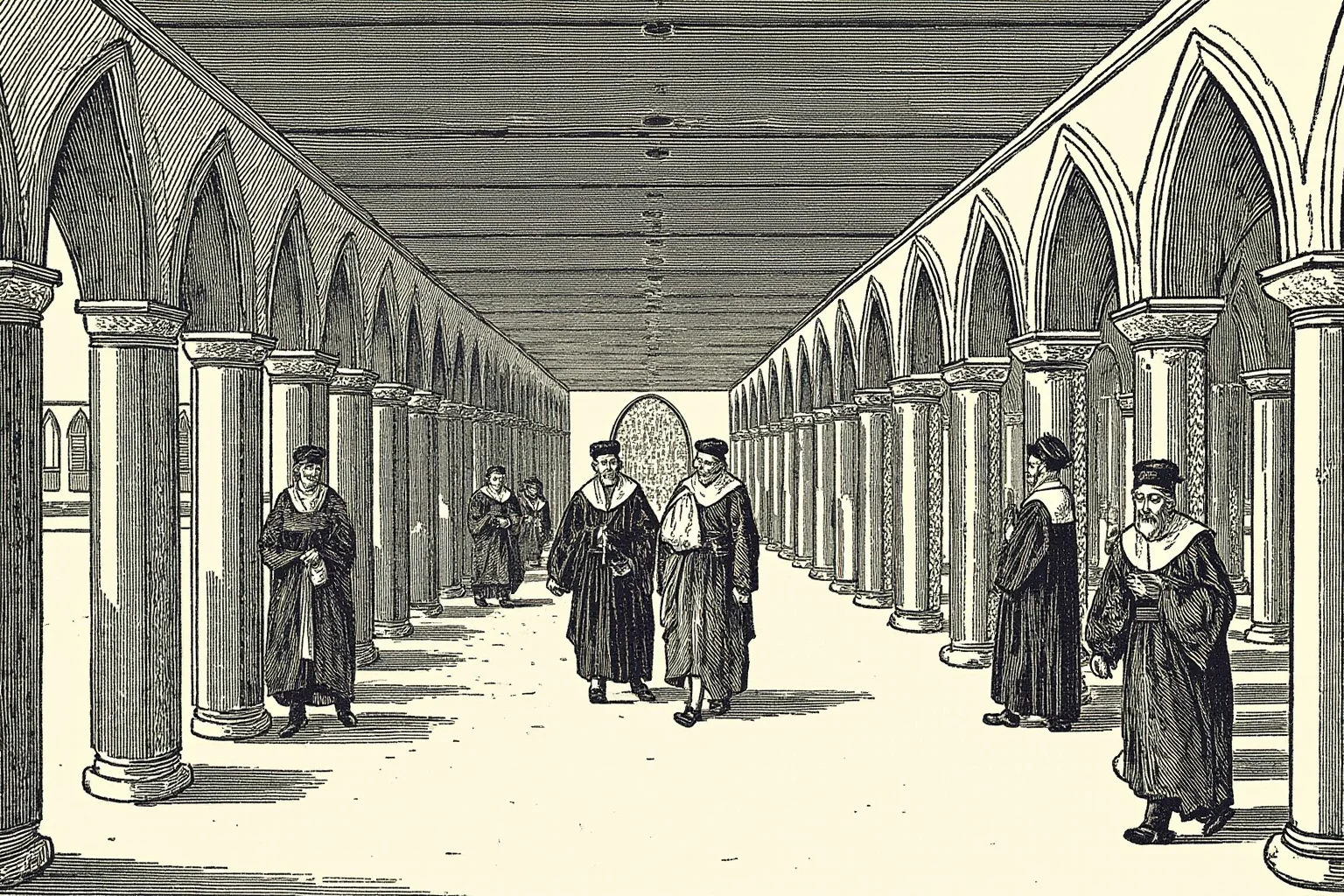
Glasgow’s university was founded in 1451 under a papal bull from Pope Nicholas V, making it Scotland’s second-oldest university and one of the oldest in the world still operating continuously. It modeled its early structure on the University of Bologna and the University of Paris.
Glasgow later became a center of the Scottish Enlightenment, with economist Adam Smith among its most famous students and later professors. Its blend of medieval origins and Enlightenment-era influence makes it one of the more historically layered universities on this list.
Why the “Oldest University” Debate Still Matters
The disagreement over which institution truly deserves the title isn’t just academic trivia. It reflects real differences in how cultures historically organized higher learning, whether through mosques, monasteries, imperial courts, or self-governing guilds of scholars, not unlike the endless debates over which nation deserves the title of oldest country in the world.
Europe’s medieval universities left behind an institutional model, degrees, faculties, and academic freedom, that spread globally through colonization and cultural exchange. That’s a big part of why so many modern rankings default to Bologna as the starting point, even though older centers of learning existed elsewhere.
At the same time, giving full credit to Al-Qarawiyyin, Al-Azhar, Nalanda, and the Pandidakterion paints a more accurate, more global picture of how humans have pursued higher learning across different eras and continents. Both stories are true, and both deserve a place in the conversation.
Final Thoughts
There’s no single, tidy answer to which university came first, and if you want the full breakdown, our ranked list of the oldest universities in the world walks through each contender in more detail, which is honestly part of what makes this history so compelling.
What’s clear is that humanity’s drive to formalize teaching, research, and scholarly community stretches back much further than most people assume. The next time someone confidently states a single fact about the world’s oldest university, you’ll know the real story is a lot richer than a one-line answer.
Frequently Asked Questions
What is the world’s oldest university?
It depends on your definition. If you mean the oldest university in the Western sense of a self-governing guild of scholars, that's the University of Bologna, founded in 1088 in Italy. If you mean the oldest continuously operating institution that has awarded degrees, UNESCO and Guinness World Records have credited the University of Al-Qarawiyyin in Fez, Morocco, founded in 859 CE. Older centers of advanced learning, like Nalanda in India, existed even earlier but didn't function as self-governing universities in the strict institutional sense.
Where was the first university founded?
If you're using the strict European legal definition of a university as a self-governing corporation of scholars, the first was founded in Bologna, Italy, in 1088. If you include earlier mosque-based and monastic centers of advanced learning, the first would be in either Fez, Morocco (Al-Qarawiyyin, 859 CE) or Bihar, India (Nalanda, roughly 5th century CE), depending on how you define the term.
When was the first university founded?
The University of Bologna, generally recognized as the first university in the modern institutional sense, was founded in 1088. However, older institutions of higher learning existed well before that, including Al-Qarawiyyin in Morocco (859 CE) and Nalanda in India (around the 5th century CE), so the answer depends on how loosely you define "university."
What was the first university ever, including ancient institutions?
If ancient centers of learning count, some historians point to China's Taixue academy, founded in 124 BCE, or India's Takshashila, which is believed to have taught advanced subjects as early as the 5th century BCE. These weren't self-governing universities in the modern sense, but they were genuine centers of organized, advanced instruction long before medieval Europe's universities existed.
What is the third oldest university in the world?
Among institutions widely recognized as universities in the Western sense, the University of Paris (later known as the Sorbonne) is often cited as the third oldest, with organized teaching dating to around 1150 and formal charters by 1200-1215, following Bologna (1088) and Oxford (teaching from 1096). Rankings shift slightly depending on whether you count founding dates, charters, or papal recognition.
Are there oldest colleges in the world that aren’t full universities?
Yes. Many ancient academies, madrasas, and monastic schools taught advanced subjects for centuries without functioning as self-governing universities with degree-granting authority. Examples include Takshashila in ancient India and early Confucian academies in China, which are sometimes listed among the oldest colleges in the world even though they predate the formal university model.
Is Al-Qarawiyyin or the University of Bologna the true oldest university?
Both claims are historically defensible, and the answer really depends on definitions. Al-Qarawiyyin, founded in 859 CE, is often cited as the oldest continuously operating institution awarding degrees, while Bologna, founded in 1088, is credited as the first university built on the self-governing guild model that the word "university" originally described.

Alex Warren
Related Articles





