

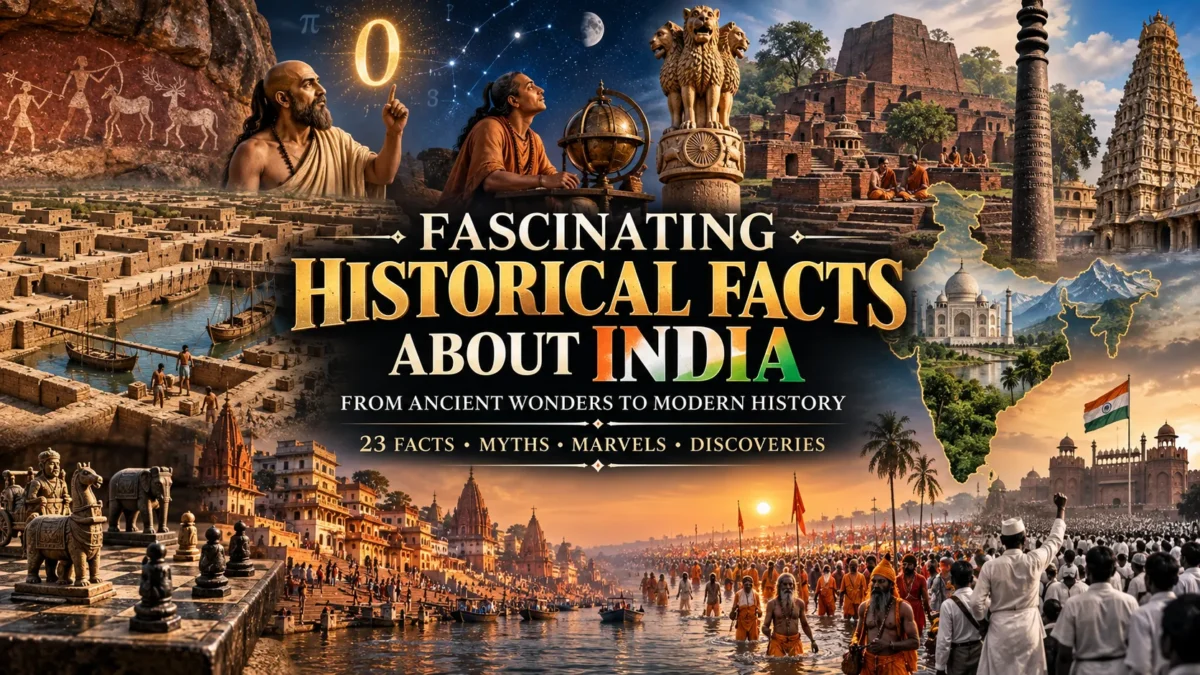
India’s story spans more than 5,000 years, and it is packed with genuine surprises. Whenever people search for interesting facts of ancient India, they usually stumble onto a mix of real archaeological marvels and exaggerated internet claims — and separating the two is half the fun.
This guide pulls together verified historical facts about India, from the drainage systems of the Indus Valley to the invention of zero, while also gently debunking a few popular myths that get repeated as settled history. Think of it as a well-rounded tour through facts on Indian history that you can actually trust.
TL;DR: From inventing the concept of zero to building some of the world’s earliest cities and universities, ancient India shaped world history in ways that are often underappreciated — while a few popular “facts” about it turn out to be myths.
Below are 23 of the most fascinating facts about the history of India, arranged roughly in chronological order, from prehistoric rock art to the end of colonial rule.
1. The Bhimbetka Rock Shelters Show Some of the World’s Oldest Art
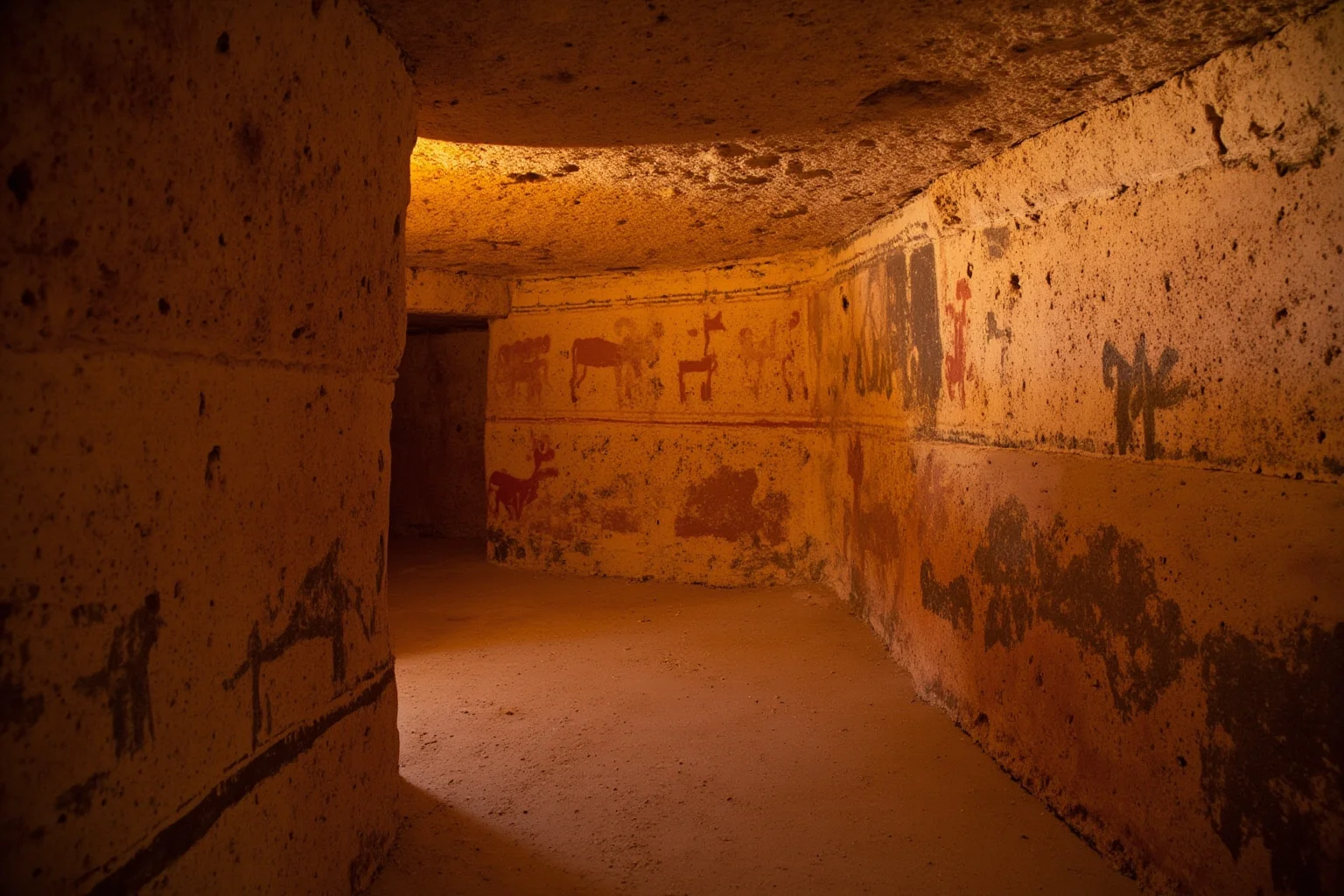
Tucked into the hills of Madhya Pradesh, the Bhimbetka rock shelters contain paintings that researchers have dated across a huge span of time, with some estimated to be around 10,000 years old and evidence of human occupation stretching back much further. The site was only identified by archaeologists in 1957, despite having been used continuously for millennia.
UNESCO recognized Bhimbetka as a World Heritage Site in 2003 for good reason. The paintings depict hunting scenes, dancing figures, and animals, offering a rare window into life in the region long before recorded history began.
2. The Indus Valley Civilization Had City Planning Ahead of Its Time
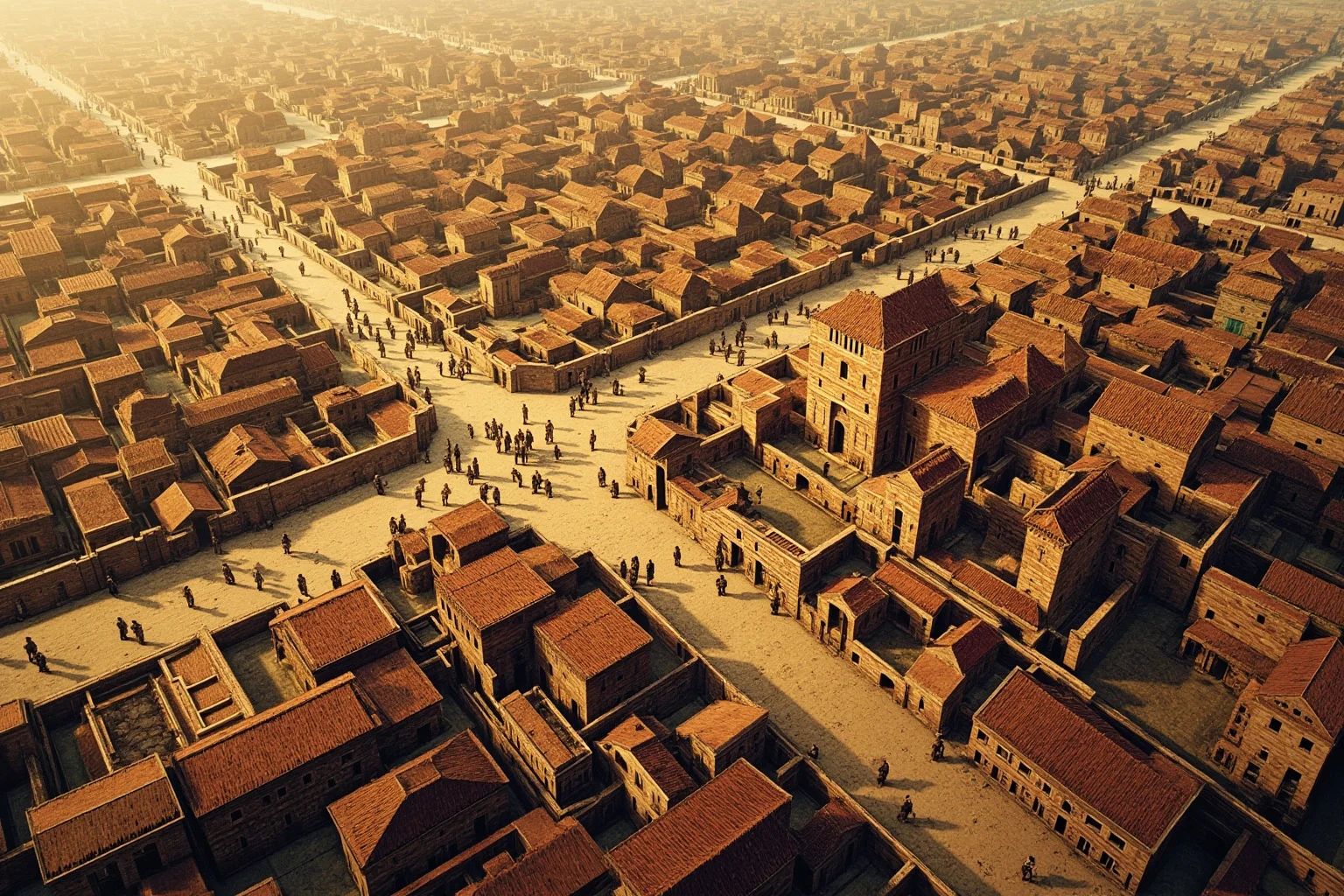
Between roughly 3300 and 1300 BCE, cities like Mohenjo-daro and Harappa featured grid-patterned streets, standardized brick sizes, and covered drainage systems running beneath homes. This level of urban planning was remarkably advanced for its era, predating comparable Roman engineering by well over a thousand years.
What’s still debated is how these cities were governed. Unlike other early civilizations, archaeologists have found no obvious palaces or grand temples, which has led to ongoing scholarly discussion about whether the Indus Valley society had a centralized ruler at all.
3. Lothal Had One of the World’s Earliest Dockyards
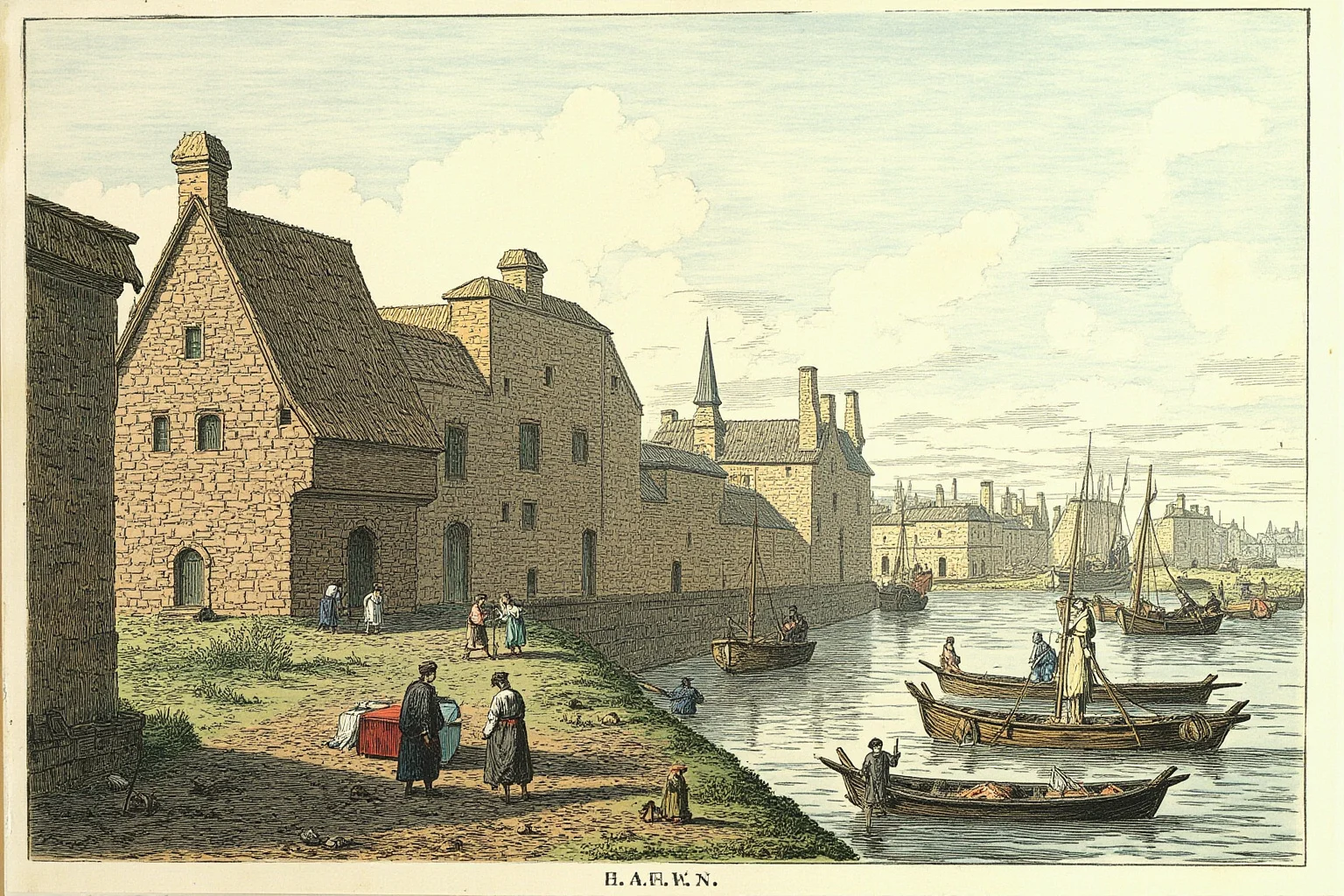
Located in present-day Gujarat, Lothal was a thriving Indus Valley trading town with a structure that many archaeologists identify as an early tidal dockyard, dated to around 2400 BCE. It connected inland settlements to maritime trade routes reaching toward Mesopotamia and the Arabian Peninsula.
Beads, seals, and weights found at the site show that Lothal’s merchants dealt in goods across long distances. It’s a strong reminder that ancient India’s economy was outward-looking, not isolated.
4. Early Indian Assemblies Hint at Republic-Style Governance
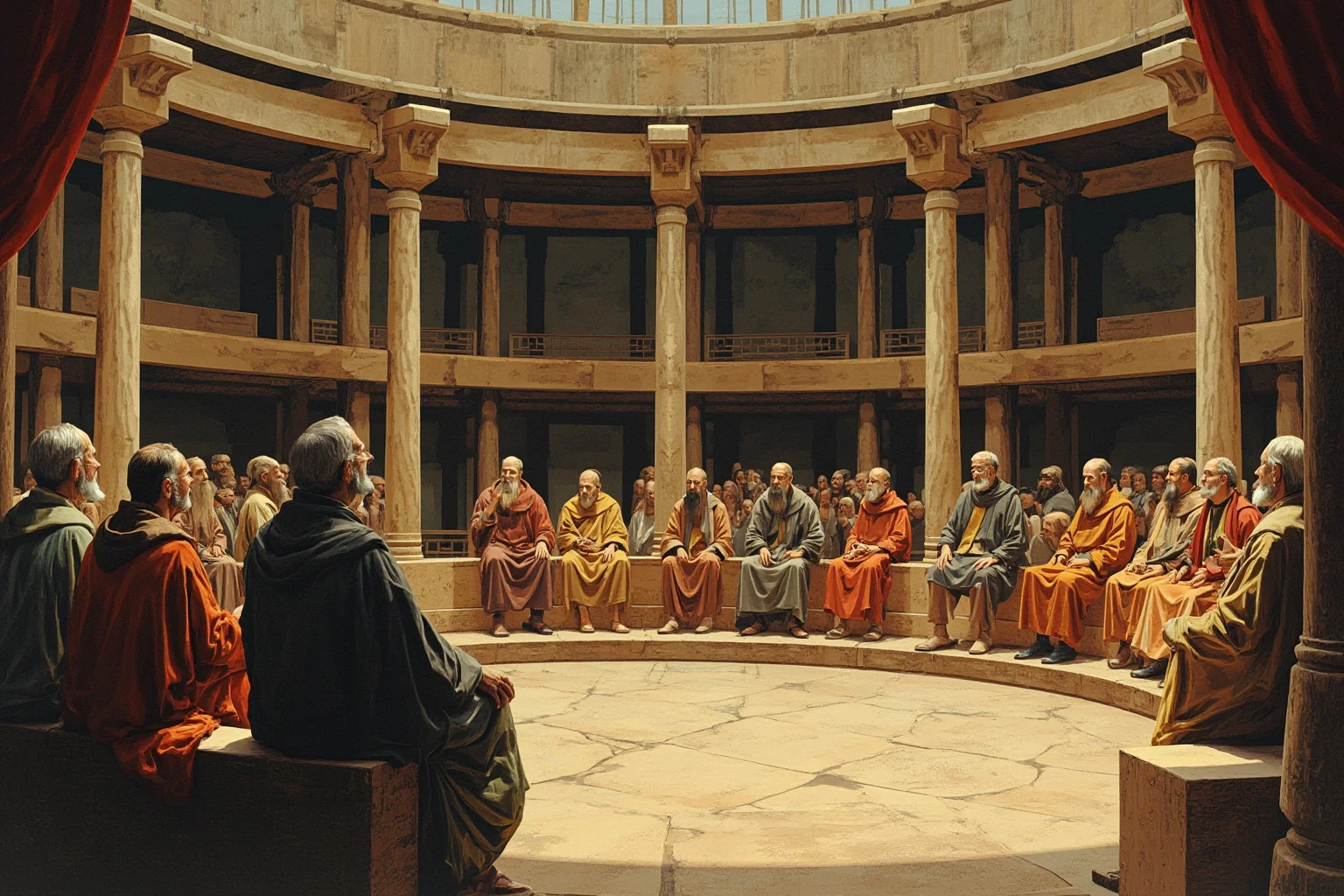
The Rigveda, one of the oldest surviving texts in any Indo-European language, mentions assemblies called the sabha and samiti that advised rulers. Centuries later, during the Mahajanapadas period around the 6th century BCE, some states known as ganas or sanghas — such as the Licchavi confederacy centered at Vaishali — are often cited by historians as among the world’s earliest republics.
It’s worth being careful here: these weren’t democracies in the modern sense, and scholars still debate exactly how power was shared. But the existence of collective decision-making bodies this early in world history is genuinely notable.
5. Buddhism and Jainism Both Took Shape in Ancient India
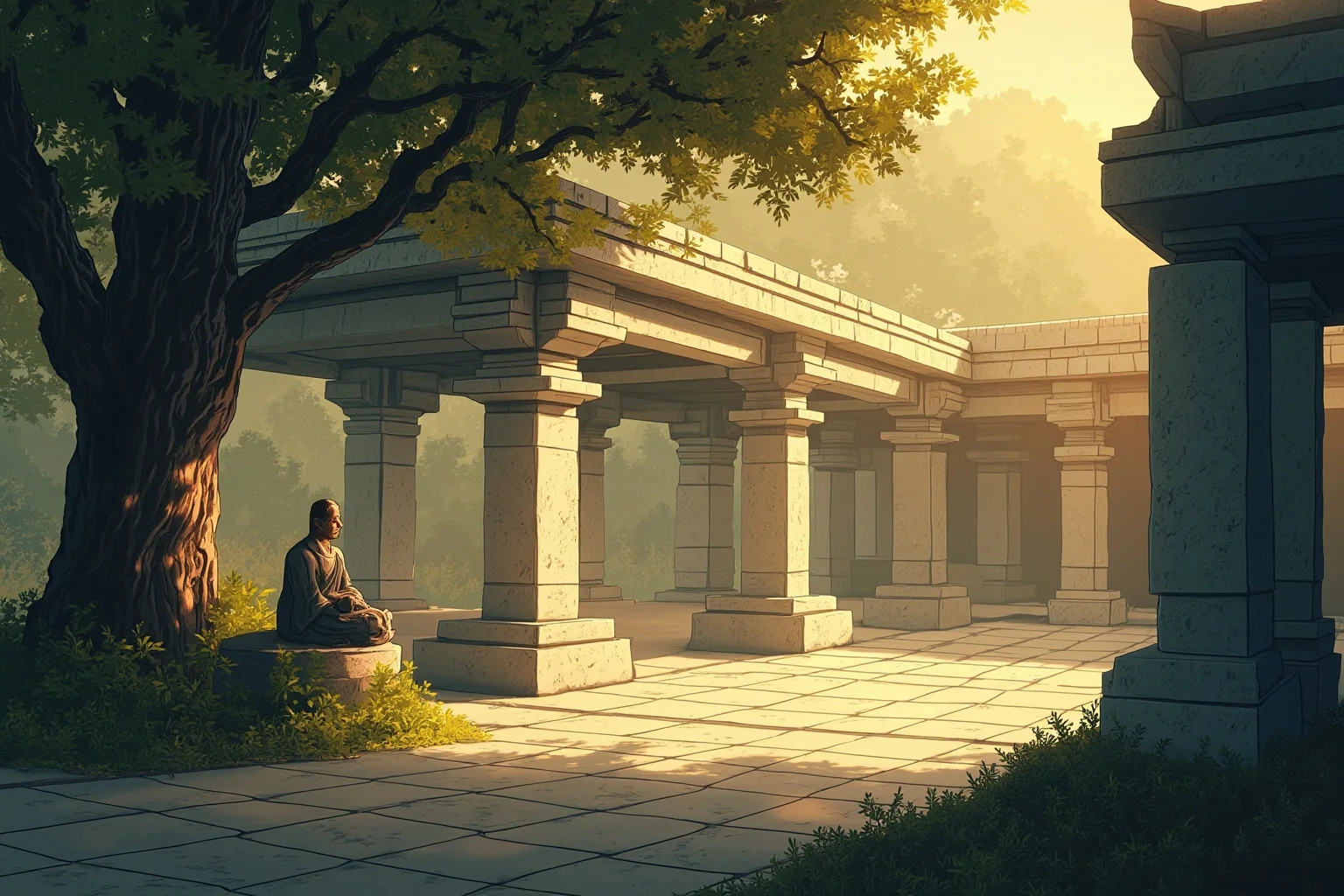
Around the 6th century BCE, Siddhartha Gautama attained enlightenment at Bodh Gaya, in present-day Bihar, and went on to found Buddhism. Around the same period, Mahavira systematized the teachings of Jainism, a tradition that emphasizes non-violence and ascetic discipline.
Both religions grew out of a broader wave of philosophical questioning in ancient India that challenged existing Vedic ritual practices. They would go on to spread across Asia, making this one of the more consequential eras in facts about the history of India.
6. Chess Was Born as an Indian Strategy Game
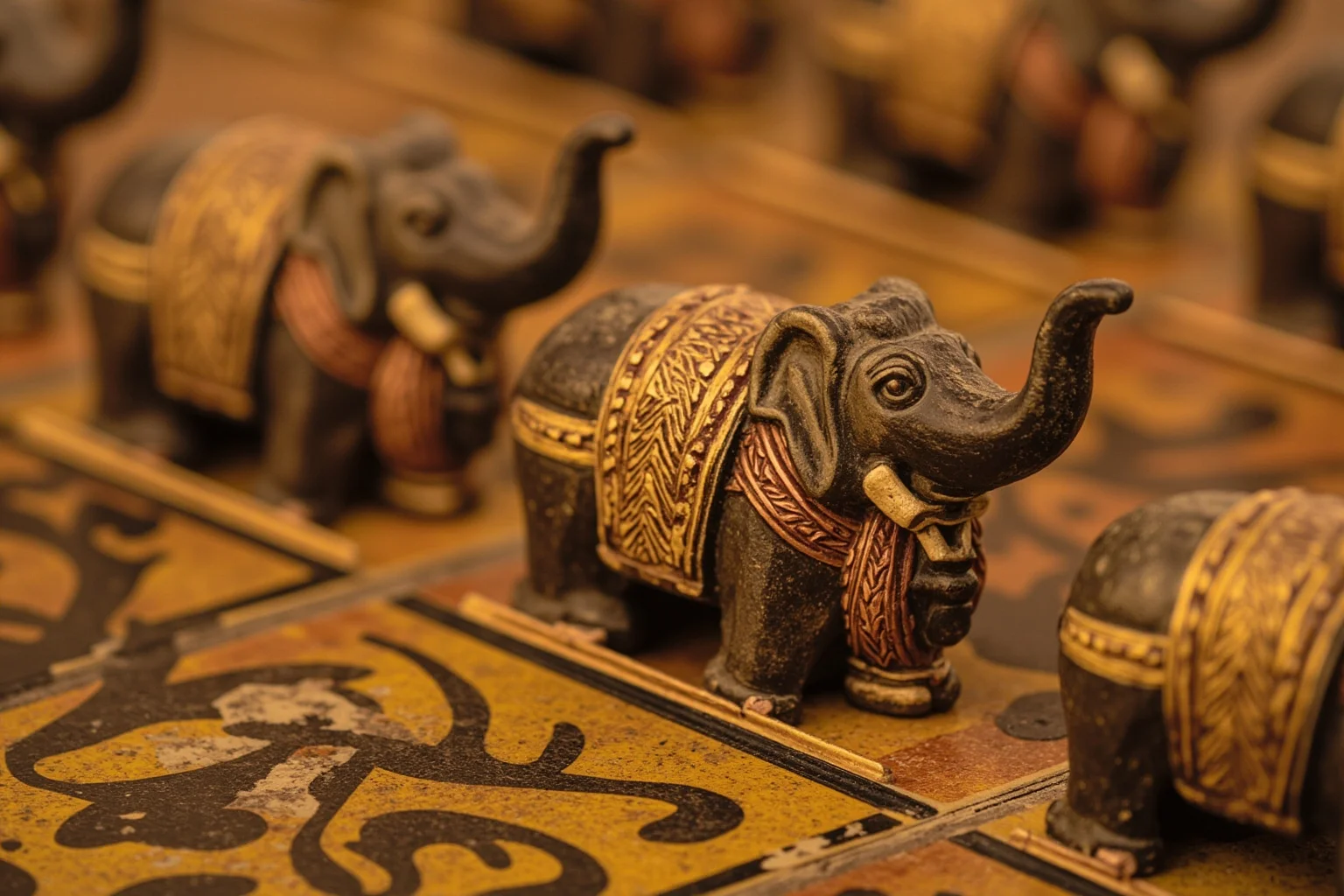
The game we know as chess traces back to chaturanga, a strategy game played in Gupta-era India around the 6th century CE. The word roughly translates to “four divisions of an army,” referring to pieces representing infantry, cavalry, elephants, and chariots.
From India, the game traveled to Persia, where it became known as shatranj, before eventually reaching Europe and evolving into modern chess. Few tabletop games can claim a lineage this long and well-documented.
7. Ayurveda Is One of the Oldest Documented Medical Systems
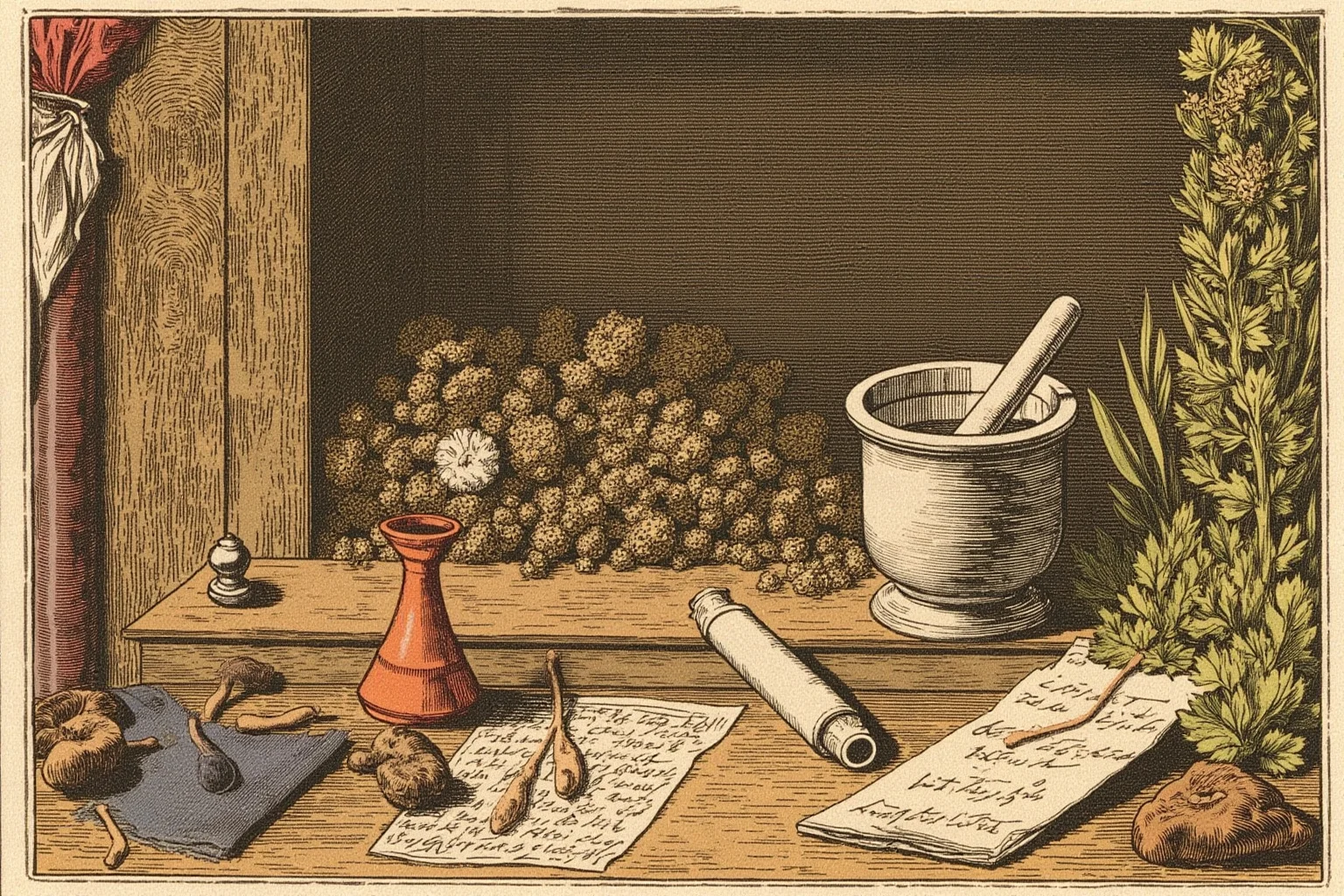
Ancient Indian texts like the Sushruta Samhita and Charaka Samhita, compiled roughly between the last centuries BCE and the early centuries CE, describe surgical techniques, herbal treatments, and diagnostic methods in remarkable detail. Sushruta’s work even outlines early reconstructive procedures, including techniques resembling rhinoplasty.
Ayurveda is still practiced today alongside modern medicine in India, making it one of the few ancient medical traditions with genuine continuity into the present. That staying power is part of what makes it a standout among historical facts about India.
8. The Mauryan Empire United Most of the Subcontinent
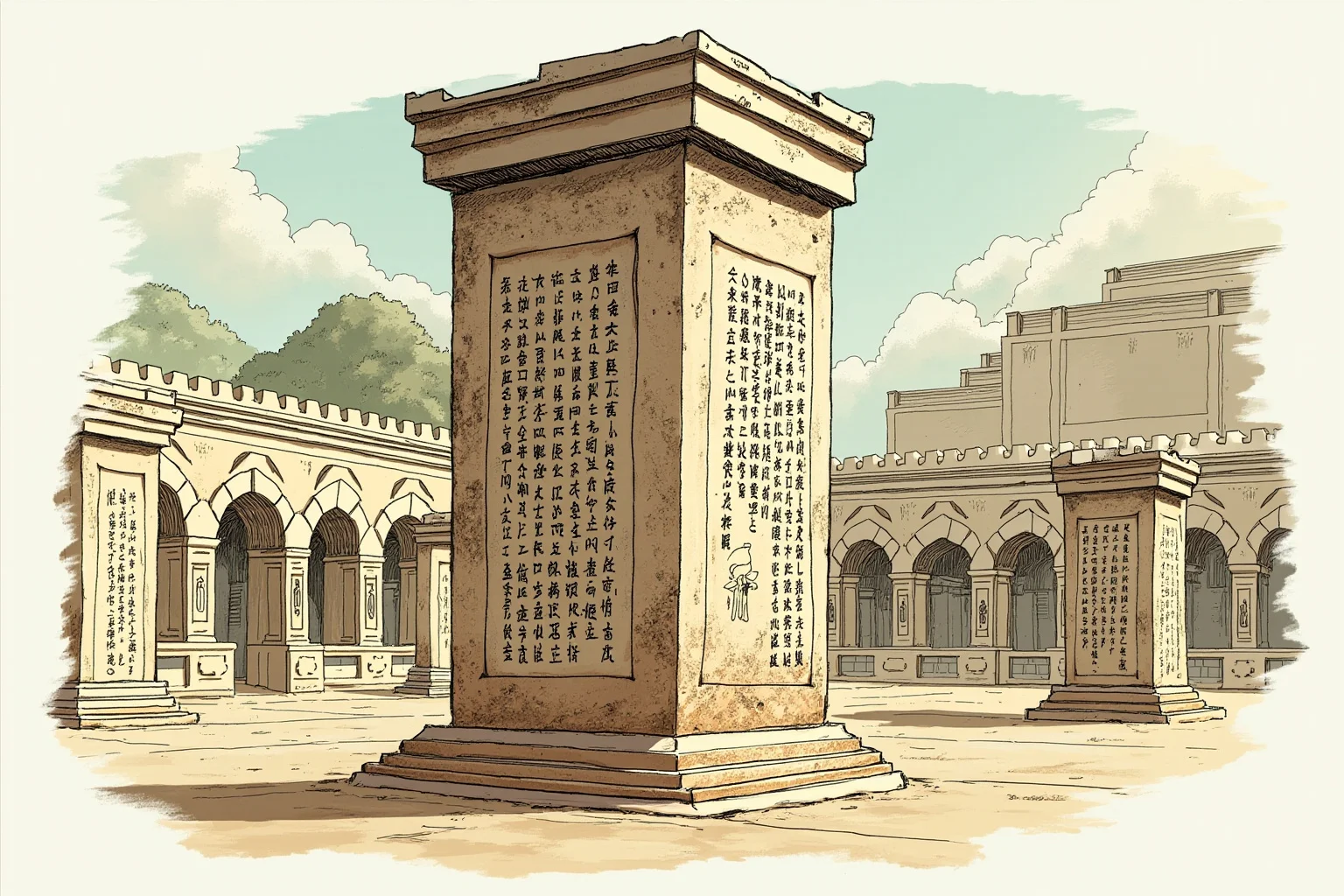
Founded by Chandragupta Maurya around 322 BCE, the Mauryan Empire became one of the largest empires of its time, stretching across most of the Indian subcontinent. His grandson, Ashoka, expanded it further before undergoing a dramatic shift after the brutal Kalinga war.
Ashoka embraced Buddhism and had edicts inscribed on pillars and rocks across his empire, promoting non-violence and moral governance. These Ashokan edicts are among the earliest surviving examples of a ruler publicly communicating policy directly to his subjects.
9. Ancient India Gave the World the Concept of Zero
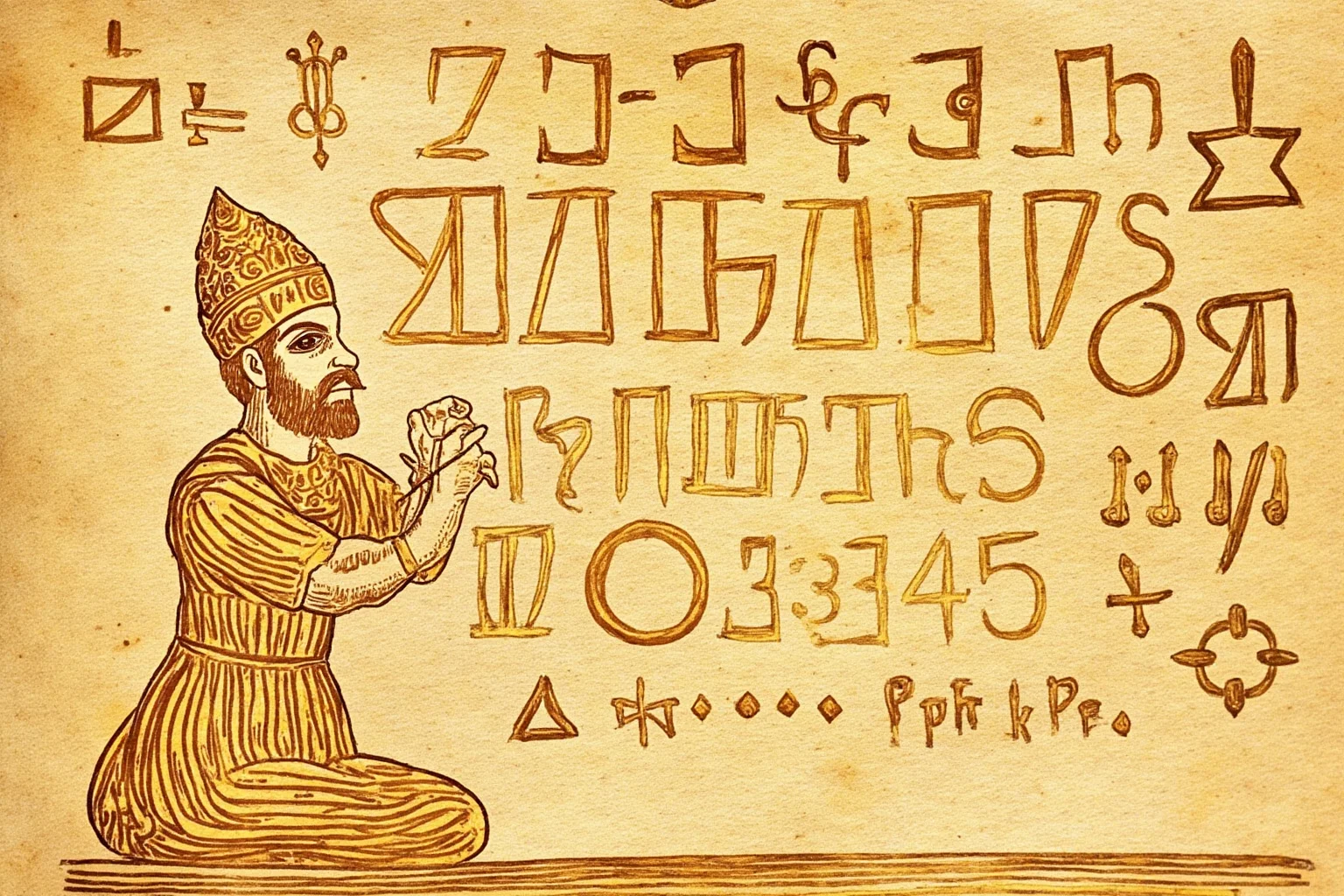
While placeholder symbols for zero existed earlier in other cultures, Indian mathematicians were the first to treat zero as a number with defined rules for arithmetic. The astronomer and mathematician Brahmagupta, writing in the 7th century CE, laid out rules for using zero in calculations, including with negative numbers.
This wasn’t an isolated flash of genius — it built on centuries of Indian work on place-value number systems. It’s one of the most impactful entries on any list of interesting facts of ancient India, since modern mathematics simply doesn’t function without it.
10. India’s Number System Became “Arabic Numerals”
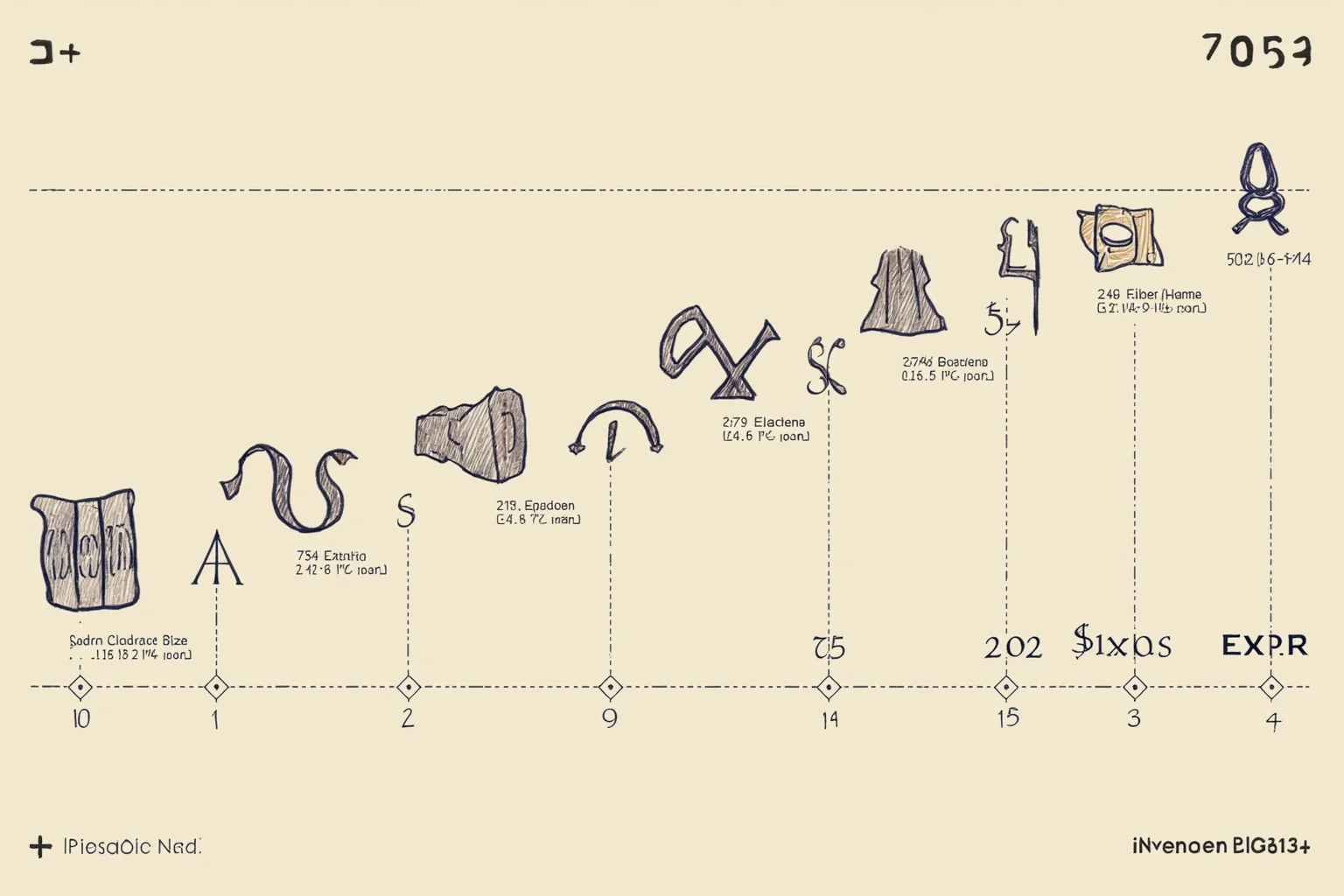
The digits 0 through 9 that much of the world uses today originated in India and were transmitted to the Islamic world, where scholars like Al-Khwarizmi helped refine and popularize them. They then spread to Europe through translated Arabic texts, which is why they’re commonly known as “Arabic numerals” in the West.
Historians more accurately call this the Hindu-Arabic numeral system, acknowledging both stages of its journey. It’s a great example of how facts of Indian history often get partially obscured in the retelling.
11. Aryabhata Described Earth’s Rotation Centuries Before Europe
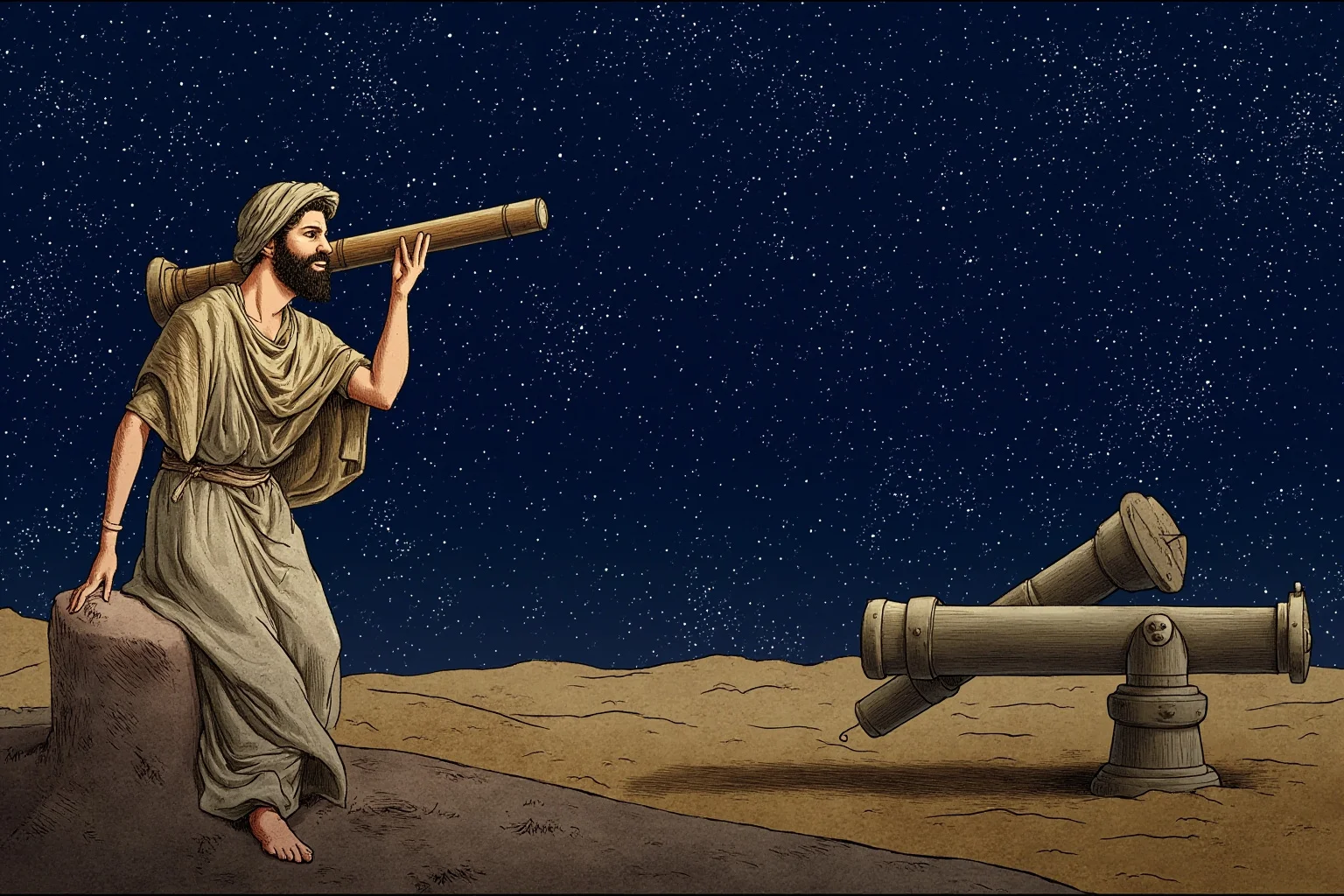
The mathematician-astronomer Aryabhata, working around 499 CE, proposed in his text the Aryabhatiya that the Earth rotates on its own axis, and he offered calculations for the length of a year that were impressively close to modern figures. He also explained that eclipses were caused by shadows, not mythological events.
It’s worth noting he did not describe a full heliocentric solar system — that claim is sometimes overstated online. Still, his work on planetary motion and timekeeping was genuinely ahead of much of the world at the time.
12. Sanskrit Is One of the World’s Oldest Documented Languages
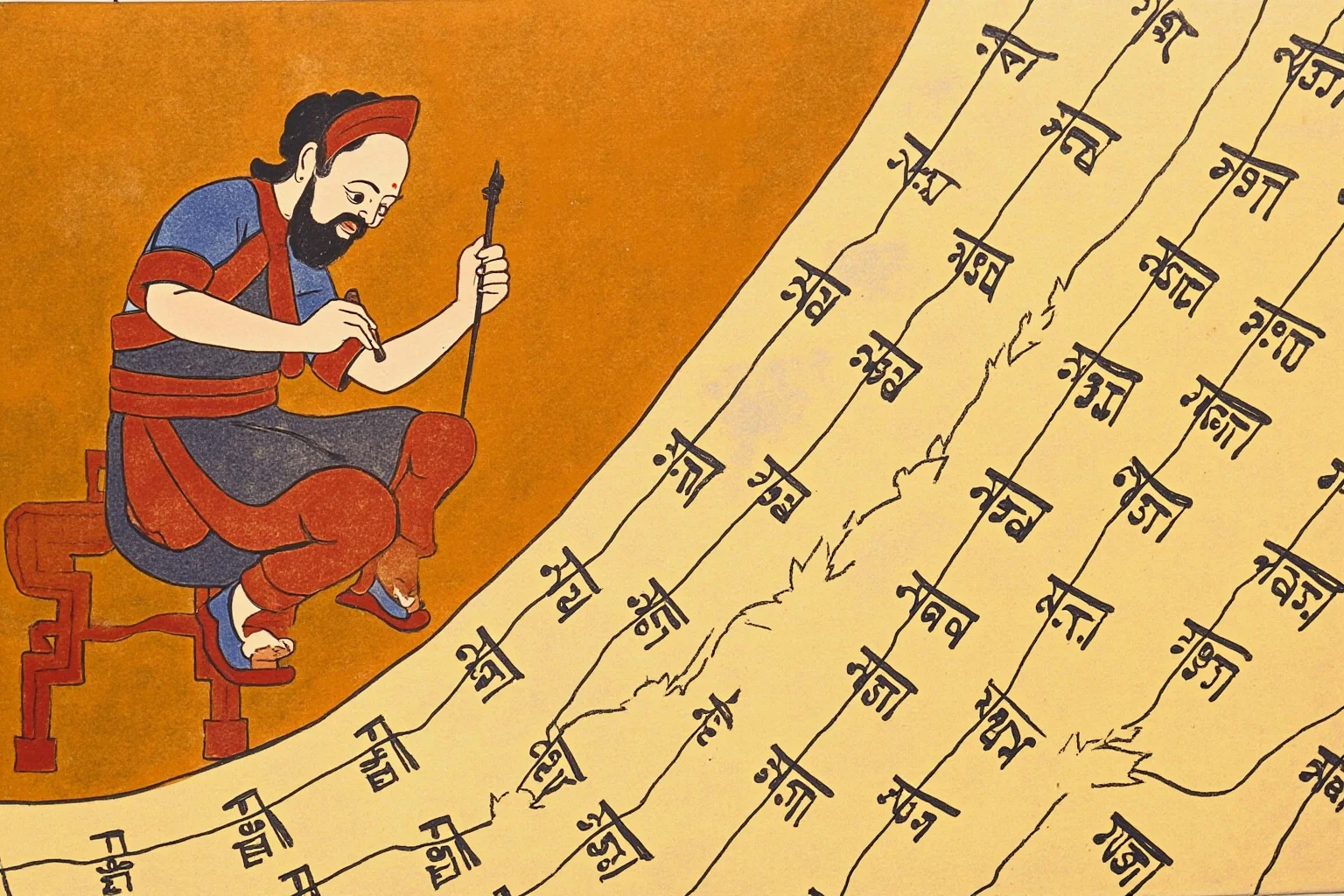
The earliest hymns of the Rigveda were composed in an early form of Sanskrit, likely passed down orally from around 1500 BCE before being written down later. Centuries afterward, the grammarian Panini codified the language’s rules in the Ashtadhyayi around the 4th century BCE, producing one of the most systematic grammars in linguistic history.
Sanskrit’s structured grammar has fascinated linguists for centuries, and it remains a liturgical and scholarly language in India today. Its influence runs through many modern Indian languages as well as fields like comparative linguistics.
13. The Iron Pillar of Delhi Has Resisted Rust for 1,600 Years
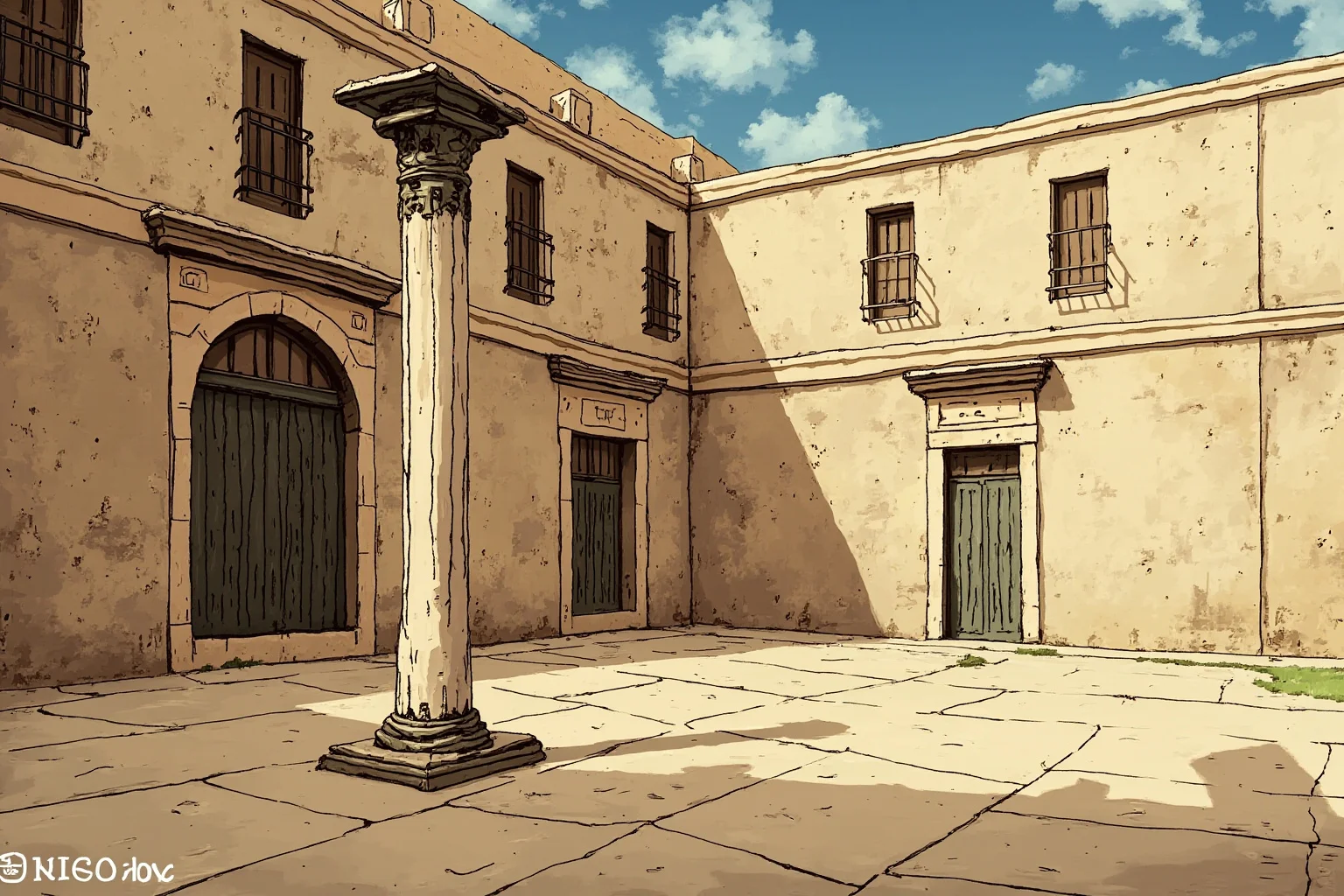
Standing in Delhi’s Qutub complex, the Iron Pillar dates to the Gupta era, roughly the 4th or 5th century CE, and stands about 7.2 meters tall. Despite Delhi’s humid climate, it has resisted significant rusting for over a millennium.
Modern metallurgists have found that a high phosphorus content in the iron helped form a protective layer on its surface. It’s a genuine engineering achievement — one of several ancient architectural marvels that puzzled observers before science caught up — and one of the more concrete indian historical facts you can literally go see in person.
14. Nalanda and Takshashila Were Among the World’s Earliest Universities
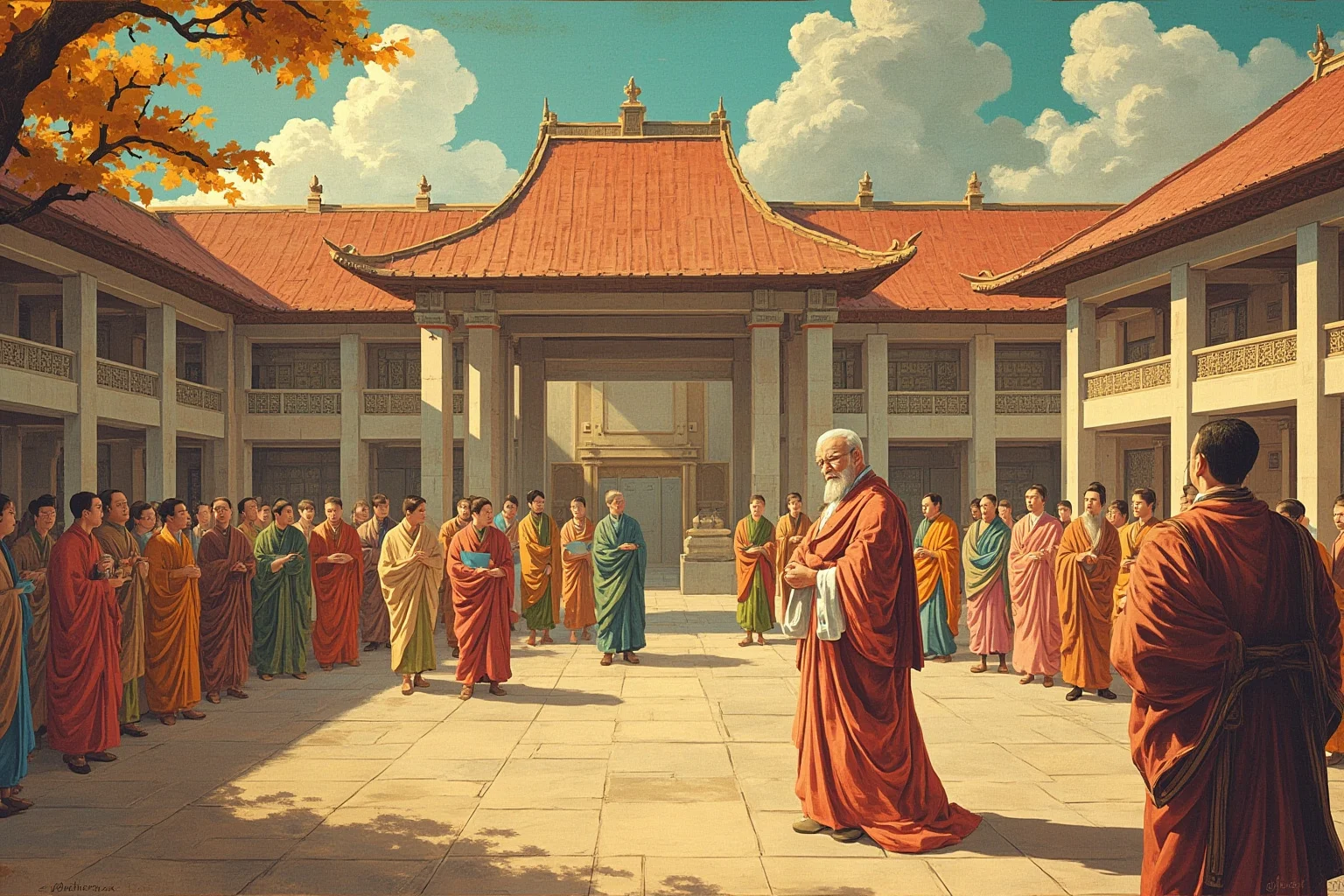
Takshashila, located in the Gandhara region of what is now Pakistan, was already a center of learning by around the 5th century BCE, teaching subjects ranging from medicine to philosophy. Later, Nalanda in present-day Bihar grew into a major Buddhist monastic university, flourishing from roughly the 5th to 12th centuries CE.
Nalanda attracted scholars and students from as far away as China, Tibet, and Central Asia, with some records suggesting thousands of residents at its peak. It was destroyed in the late 12th century, but its ruins remain a UNESCO World Heritage Site today.
15. India’s Golconda Mines Produced the World’s Most Famous Diamonds
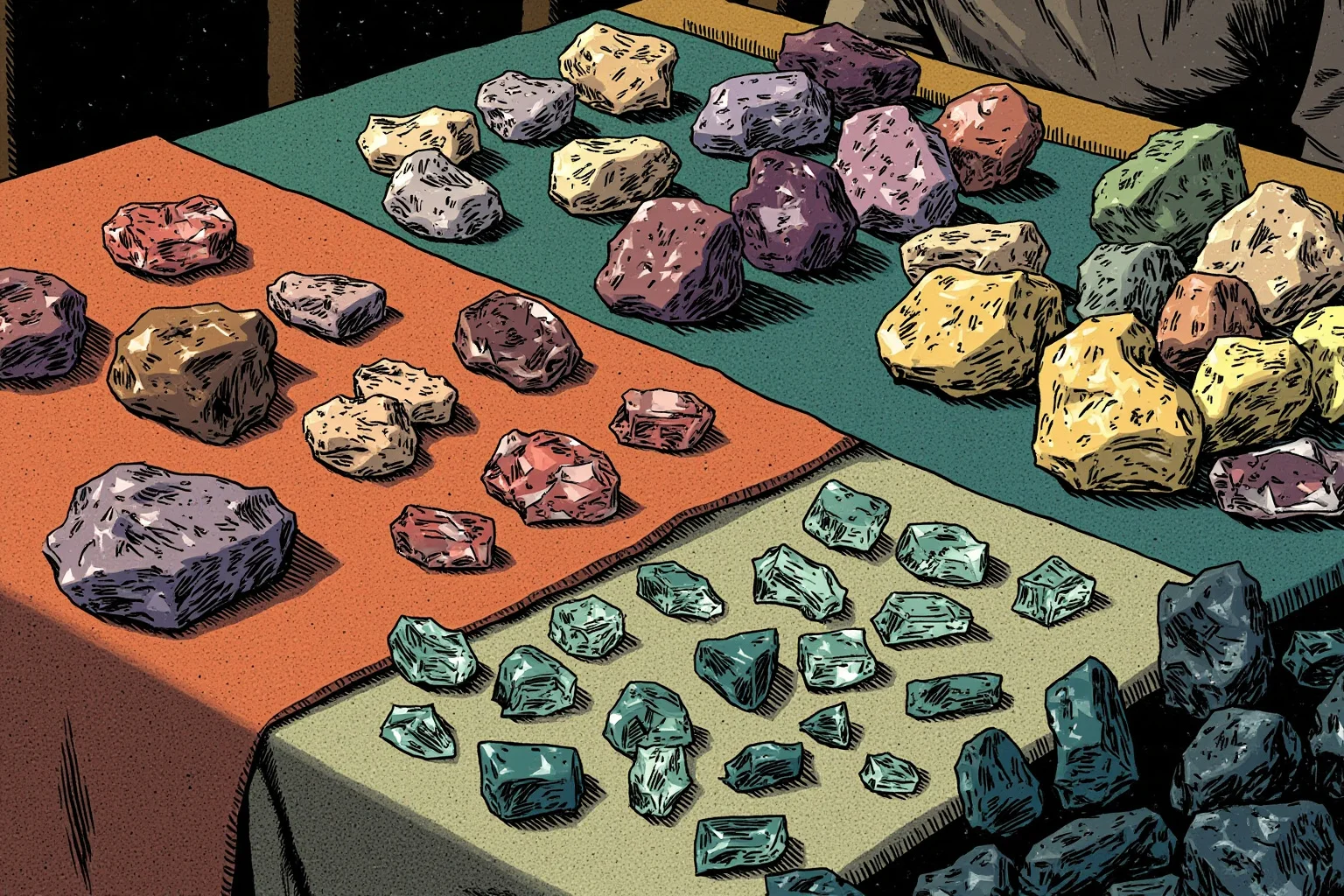
Before diamond discoveries in Brazil and later South Africa, the Golconda region near present-day Hyderabad was the world’s primary known source of diamonds for centuries. Several legendary stones, including diamonds associated with the Mughal and British crown jewels, are historically linked to this region.
The exact provenance of some individual gems is debated among historians, so it’s worth being cautious about overly specific claims you might see online. What’s well established is that Golconda’s mines made India central to the global diamond trade for a very long time.
16. India Was Once Called the “Golden Bird”
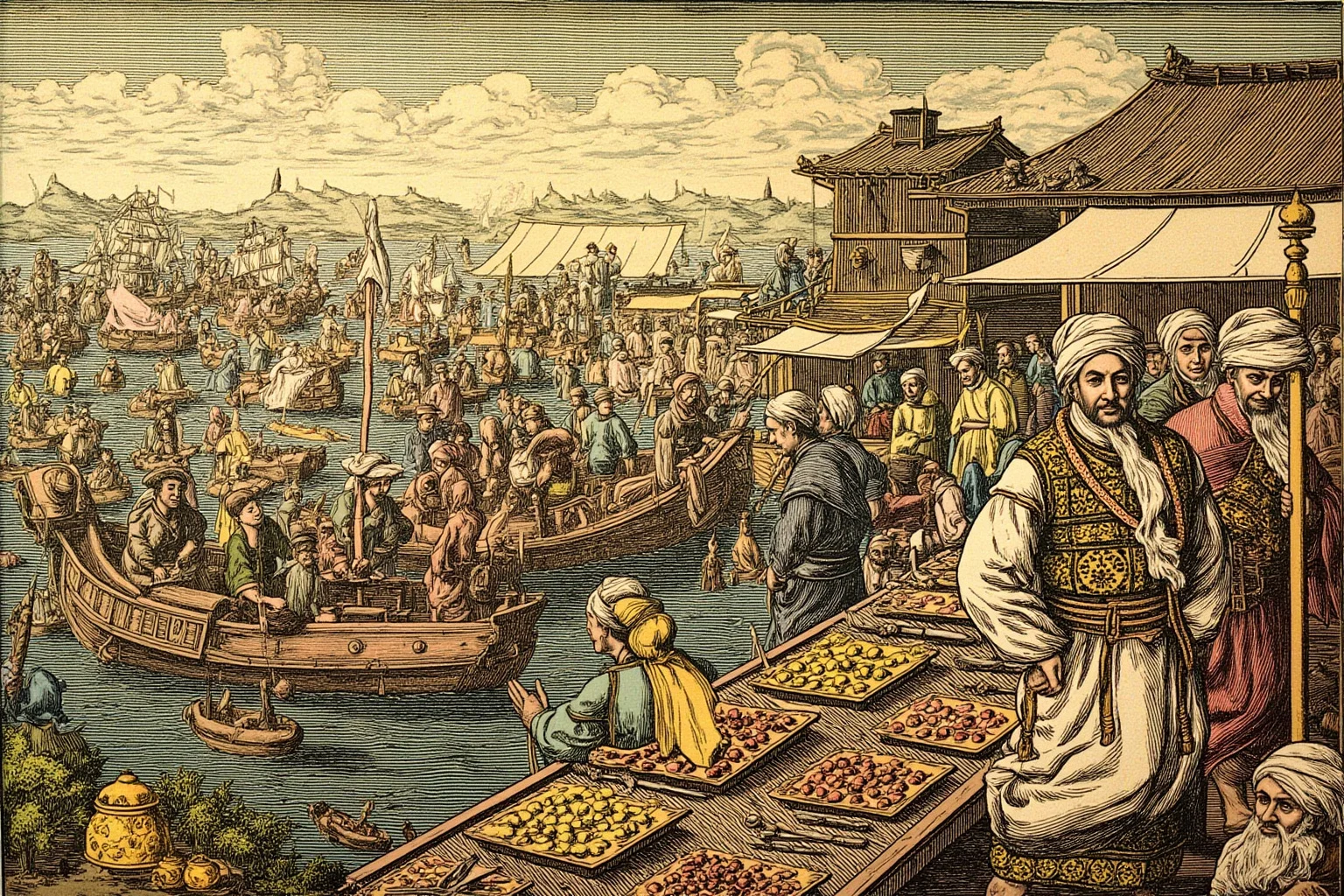
The phrase “Sone ki Chidiya,” or Golden Bird, is often used to describe India’s historic reputation for wealth, built on its textiles, spices, and craftsmanship. Roman writer Pliny the Elder even complained in the 1st century CE about the vast amounts of Roman gold flowing to India in exchange for luxury goods.
It’s worth noting the phrase itself is more of a later, romanticized description than an ancient literal title. Still, the underlying trade history it points to is very real and well documented.
17. Varanasi Is Among the World’s Oldest Continuously Inhabited Cities
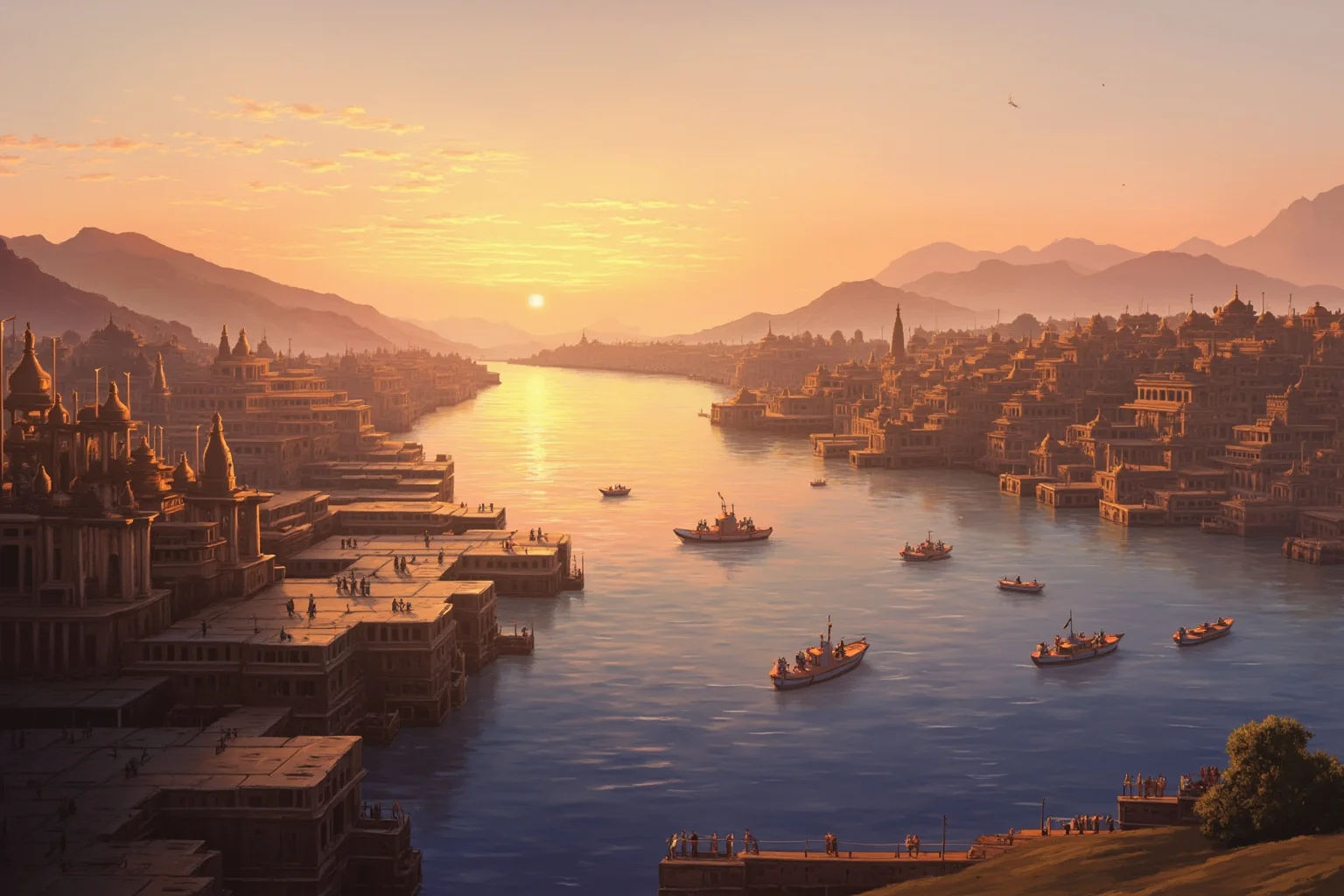
Situated on the banks of the Ganges, Varanasi has a settlement history stretching back several thousand years, making it one of the oldest continuously inhabited cities anywhere in the world. It has long held deep religious significance for Hindus, Buddhists, and Jains alike.
Mark Twain famously remarked on the city’s age relative to legend and history, and while exact founding dates are impossible to pin down precisely, archaeological evidence supports a very long continuous history. It remains a living city rather than a preserved ruin, which is part of what makes it remarkable.
18. The Kumbh Mela Is One of the Largest Peaceful Gatherings on Earth
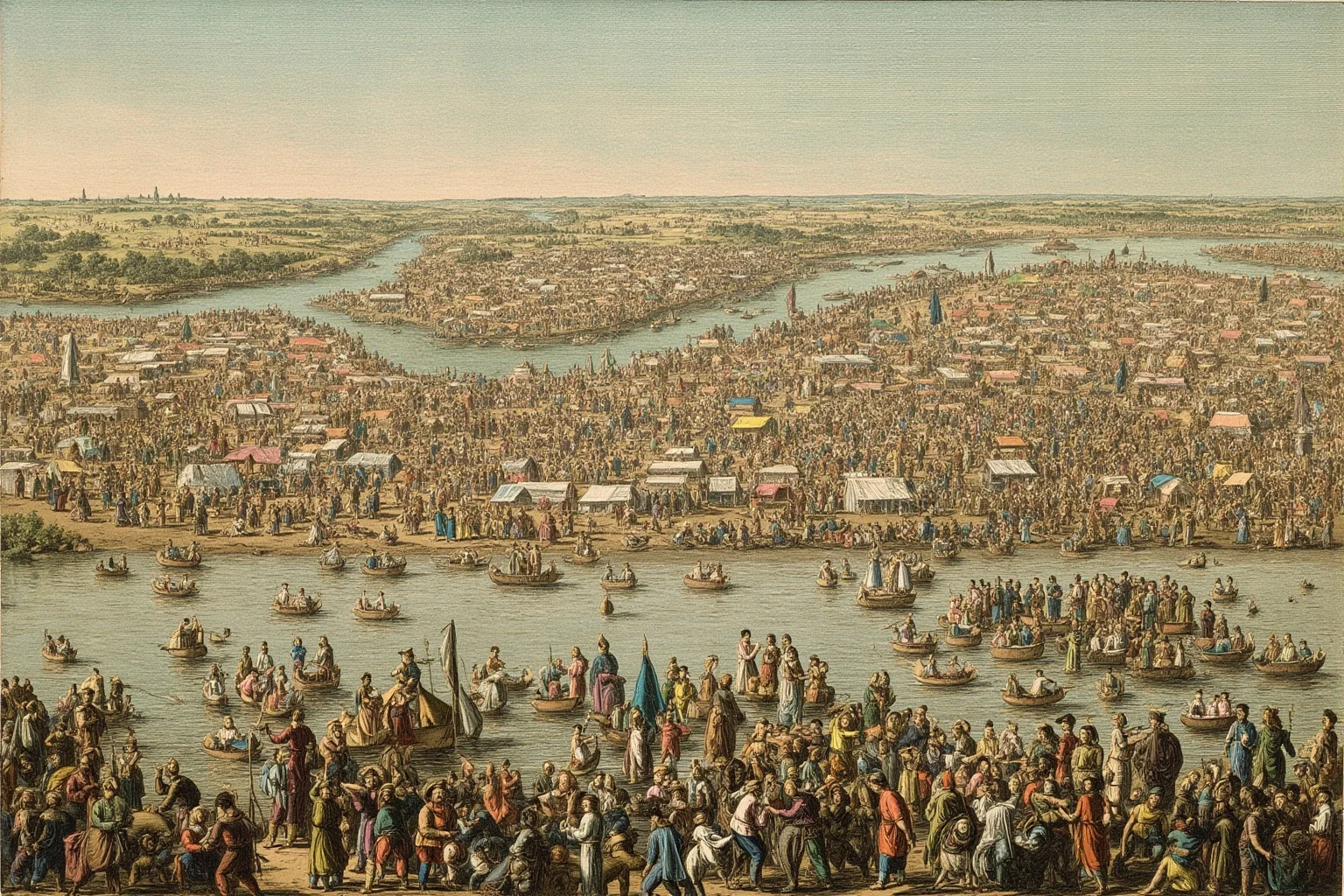
The Kumbh Mela is a Hindu pilgrimage festival held on a rotating basis at four river-side locations in India. The Chinese traveler Xuanzang described a similar large religious gathering during his visit to India in the 7th century CE, suggesting deep historical roots for this kind of mass pilgrimage.
In modern times, the festival draws tens of millions of pilgrims over the course of weeks, and UNESCO has recognized it as an Intangible Cultural Heritage of Humanity. Logistically, it’s considered one of the largest peaceful human gatherings organized anywhere in the world.
19. The Word “Shampoo” Has Indian Roots

The English word “shampoo” comes from the Hindi word champo, meaning to press or massage, related to head massage and hair treatment practices. British colonial visitors encountered the practice in India during the 18th century and brought the term back to Britain.
Over time, the word’s meaning shifted from massage to the hair-washing product we know today. It’s a small but telling example of how everyday English vocabulary carries traces of Indian historical facts most people never think about.
20. Myth-Busting: “India Never Invaded Another Country” Is an Overstatement

A popular claim circulating online says India never invaded another country in over 100,000 years of history. This is a striking statement, but it doesn’t hold up well against the historical record.
The Chola dynasty, for example, launched naval campaigns into Southeast Asia in the 11th century CE, including expeditions against the Srivijaya kingdom. Various Indian kingdoms and empires also expanded through military conquest within and beyond the subcontinent over the centuries, so this particular claim is best treated as national pride rather than settled history.
21. Myth-Busting: NASA Never Actually Declared Sanskrit the Best Language for Computers

Another widely shared claim states that NASA officially declared Sanskrit the most suitable language for computer programming. There’s no verified NASA study or publication that makes this declaration.
The claim likely traces back to a 1985 paper by researcher Rick Briggs, published in AI Magazine, which discussed how Sanskrit’s precise grammatical structure could be useful for representing knowledge in artificial intelligence systems. That’s an interesting academic idea worth crediting accurately, but it’s quite different from an official NASA endorsement, and it’s a good reminder to double-check viral facts on Indian history before repeating them.
22. British Colonial Rule Lasted Roughly Two Centuries

The British East India Company began exerting real political control over Indian territory after the Battle of Plassey in 1757. Following the widespread rebellion of 1857, the British Crown took direct control, formally establishing what became known as the British Raj in 1858, at the time part of one of the greatest empires in history.
India achieved independence on August 15, 1947, after decades of organized resistance, including the nonviolent civil disobedience movements associated with Mahatma Gandhi and many other leaders and activists. The partition that accompanied independence also created Pakistan, reshaping the map of South Asia.
23. India Is Home to an Extraordinary Density of Languages and Religions

India’s constitution formally recognizes 22 scheduled languages, and linguists have documented hundreds of additional languages and dialects spoken across the country. On top of that, India is the birthplace of four major world religions: Hinduism, Buddhism, Jainism, and Sikhism.
This diversity isn’t a recent development — it’s the product of thousands of years of migration, trade, and cultural exchange across the subcontinent. It’s arguably the throughline connecting every other fact on this list, from ancient river-valley cities to the modern nation that emerged in 1947.
Why These Facts Still Matter Today
Looking back across this list, a clear pattern emerges: many foundational ideas in mathematics, medicine, language, and urban planning trace back to ancient India, often earlier than most people realize. At the same time, some of the most-repeated claims about India’s past turn out to be exaggerated or unverifiable, which is exactly why a myth-busting approach to indian historical facts matters.
Whether you came looking for india facts history for a school project, a trivia night, or just general curiosity, the goal here has been the same: separate the well-documented from the merely popular. Ancient India’s genuine achievements, from Nalanda’s classrooms to Brahmagupta’s equations, don’t need embellishment to be impressive.
The next time you come across a viral claim about India’s history, it’s worth asking where it actually comes from. As this list shows, the real, verifiable history is compelling enough on its own.
Frequently Asked Questions
What are some interesting facts of ancient India?
Ancient India was home to the sophisticated Indus Valley cities of Mohenjo-daro and Harappa, produced mathematicians like Brahmagupta and Aryabhata who advanced the concept of zero and early astronomy, and gave rise to Buddhism and Jainism. It also hosted early centers of learning such as Nalanda and Takshashila, which attracted students from across Asia centuries before universities existed elsewhere.
Did India really never invade another country in its entire history?
No, this is a popular but inaccurate claim. Historical evidence, such as the Chola dynasty's 11th-century naval campaigns into Southeast Asia, shows that various Indian kingdoms did engage in military expansion beyond their borders over the centuries.
Is it true that NASA said Sanskrit is the best language for computers?
No verified NASA study or official statement supports this claim. It likely originates from a 1985 academic paper by researcher Rick Briggs, published in AI Magazine, which explored Sanskrit's grammatical structure in relation to artificial intelligence, not an endorsement from NASA itself.
What is considered one of the oldest continuously inhabited cities in India?
Varanasi, located on the banks of the Ganges River, is widely regarded as one of the oldest continuously inhabited cities in the world, with a settlement history stretching back several thousand years and deep significance in Hinduism, Buddhism, and Jainism.
Who is credited with formalizing the concept of zero in mathematics?
The Indian mathematician Brahmagupta, writing in the 7th century CE, is credited with establishing formal rules for using zero in arithmetic, building on earlier Indian place-value number systems. This laid crucial groundwork for the mathematics used worldwide today.
Why is ancient India considered such a major contributor to world history?
Ancient India contributed foundational advances in mathematics, medicine, astronomy, language, and urban planning, from the invention of zero to the surgical techniques described in the Sushruta Samhita. Combined with its role as the birthplace of major world religions, these contributions had a lasting global impact still visible today.

Alex Warren
Related Articles





