
When people picture ancient cities, they often imagine dusty ruins, primitive huts, and life that was short, dirty, and disorganized. That picture is mostly wrong. Long before modern plumbing or urban planning departments existed, cities across the ancient world were experimenting with grid layouts, sewage systems, reservoirs, and even early forms of democracy.
This list pulls together 22 of the most advanced cities of the ancient world, from the Indus Valley to the Andes. Some are famous, some are drawn from the same shadowy corners covered in ancient civilizations we never hear about, but all of them challenge the idea that "ancient" meant "backward."
TL;DR: Ancient cities from Mohenjo-daro to Angkor built sewage systems, grid streets, aqueducts, and populations of hundreds of thousands, proving advanced urban life is far older than most people assume.
What Does "Advanced" Actually Mean for an Ancient City?
Before diving into the list, it helps to define advanced cities in a historical sense, since the word gets thrown around loosely. In this context, an advanced city isn't judged by modern technology, but by how effectively it solved the core problems every dense settlement faces: clean water, waste removal, food supply, defense, and organized governance.
So what are advanced cities, really? They're settlements that show deliberate urban planning rather than random growth. Think standardized building materials, planned streets, dedicated public infrastructure, and systems for trade or record-keeping.
An advanced cities definition also has to account for social complexity. Cities with specialized labor, written language, legal codes, or monumental architecture built through organized labor forces all qualify, even if they never used a wheel or metal tool. By that measure, some Bronze Age and pre-Columbian cities were remarkably sophisticated.
A Quick Note on Ancient City Names
One fun rabbit hole when researching ancient cities is the names themselves. Many of the labels we use today, like Mohenjo-daro or Great Zimbabwe, are modern or descriptive names given long after the original inhabitants vanished. The actual ancient names of cities were often lost, rediscovered on inscriptions, or preserved through later languages.
Egyptian cities are a great example of this naming gap, especially given Egypt's status as one of the oldest countries in the world. Memphis and Thebes are Greek names; the Egyptians called them Ineb-Hedj and Waset. Digging into old city names like these is a reminder that a lot of "ancient history" is filtered through later cultures who renamed places long after the original builders were gone.
With that context in mind, here's the list. Each entry below includes the ancient name where it's known, so you can see how these ancient city names have shifted across centuries of translation and rediscovery.
1. Mohenjo-daro, Indus Valley Civilization (c. 2500 BCE)
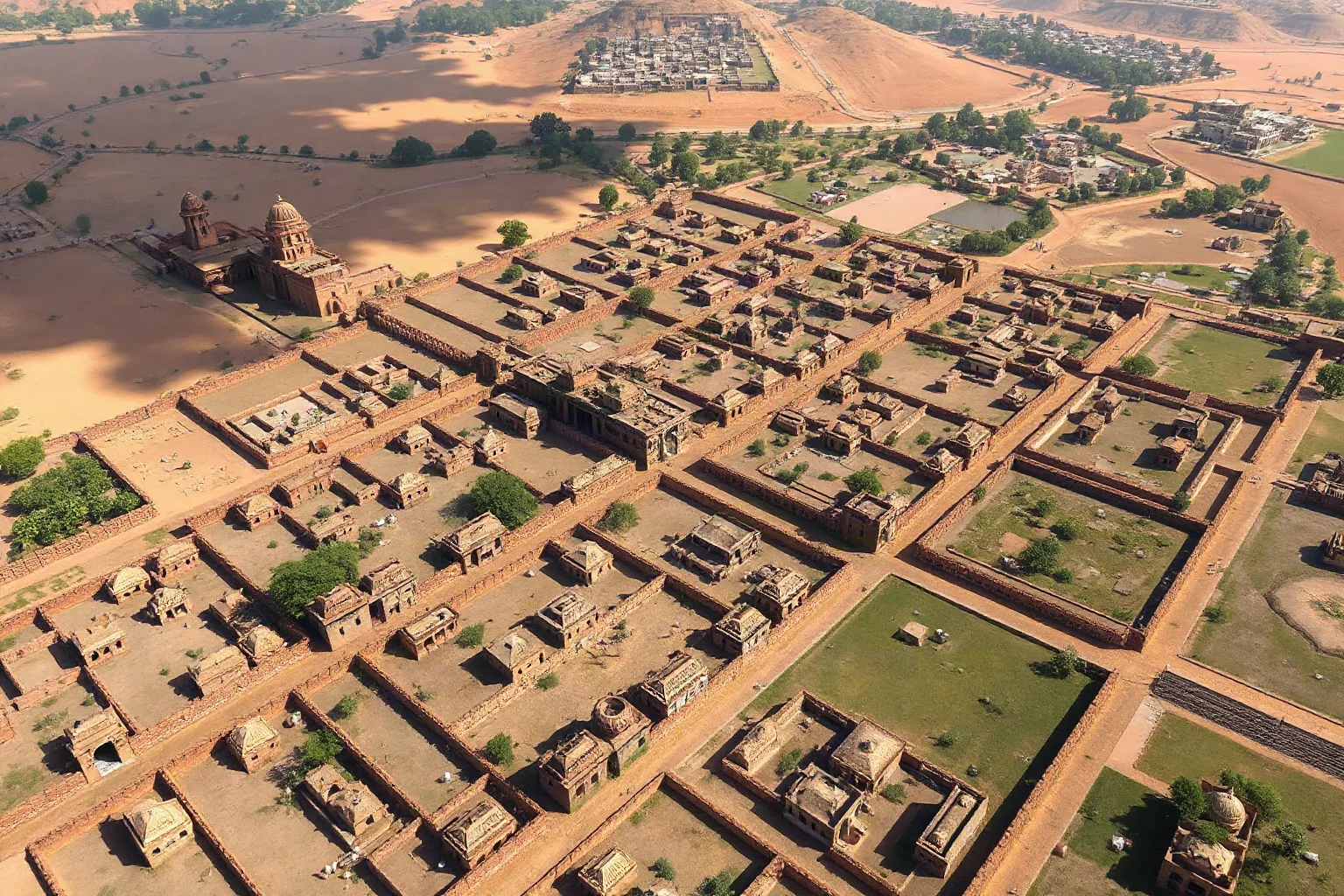
Mohenjo-daro's original name is unknown; the modern name simply means "Mound of the Dead" in Sindhi. What survives is stunning: a grid-based street layout, standardized fired-brick construction, and one of the earliest known covered drainage systems in the world.
Most houses had access to private wells and bathing areas connected to a citywide sewage network. That's a level of sanitation planning that many cities wouldn't match again for thousands of years.
2. Harappa, Indus Valley Civilization (c. 2600 BCE)
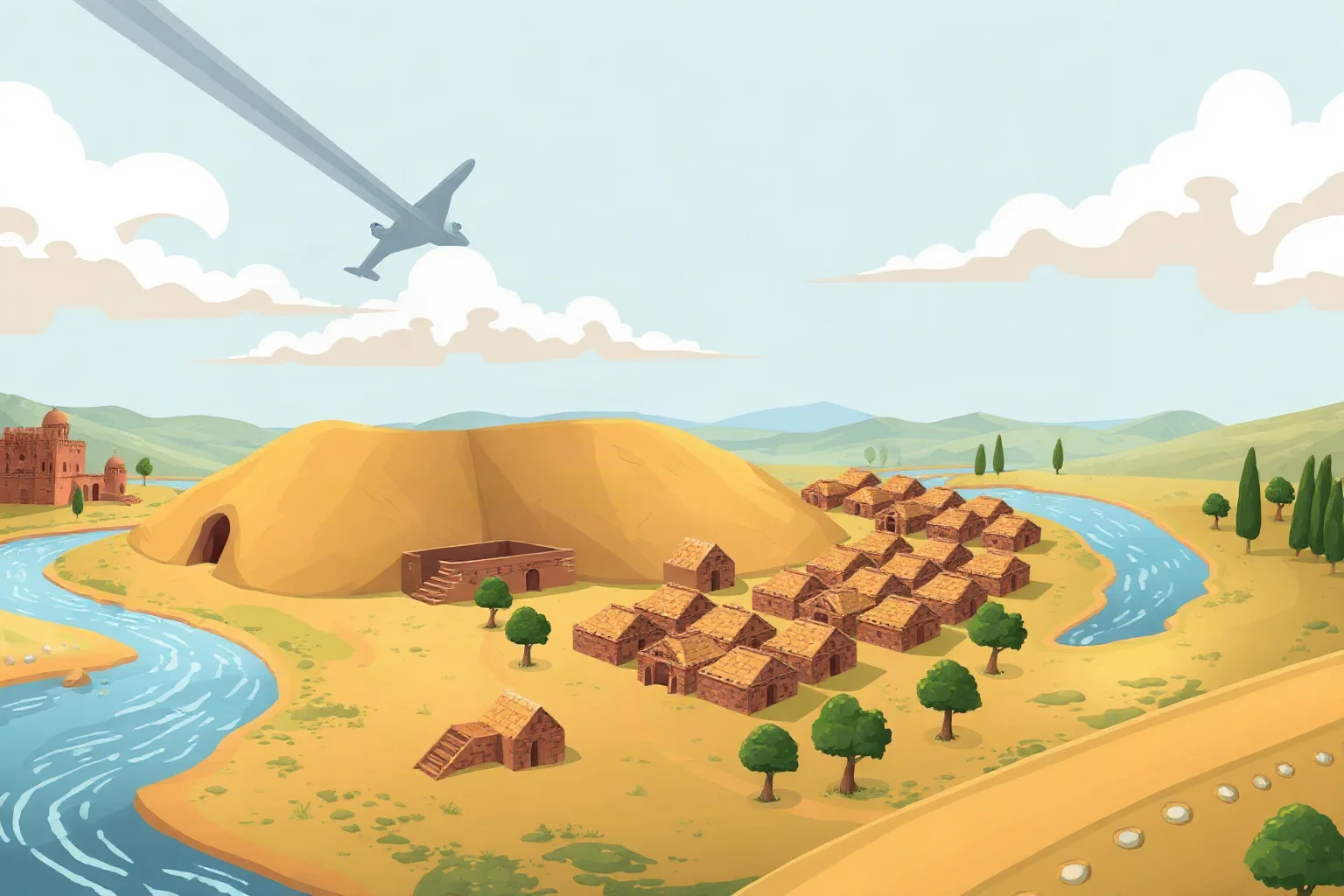
Harappa, Mohenjo-daro's sister city, shared the same disciplined urban logic. Archaeologists have found massive granaries, standardized weights and measures, and evidence of long-distance trade with Mesopotamia.
The consistency of brick sizes across Harappan sites hundreds of kilometers apart suggests some form of centralized planning or shared building standards, which is rare for the era.
3. Uruk, Sumer, Mesopotamia (c. 4000 BCE)
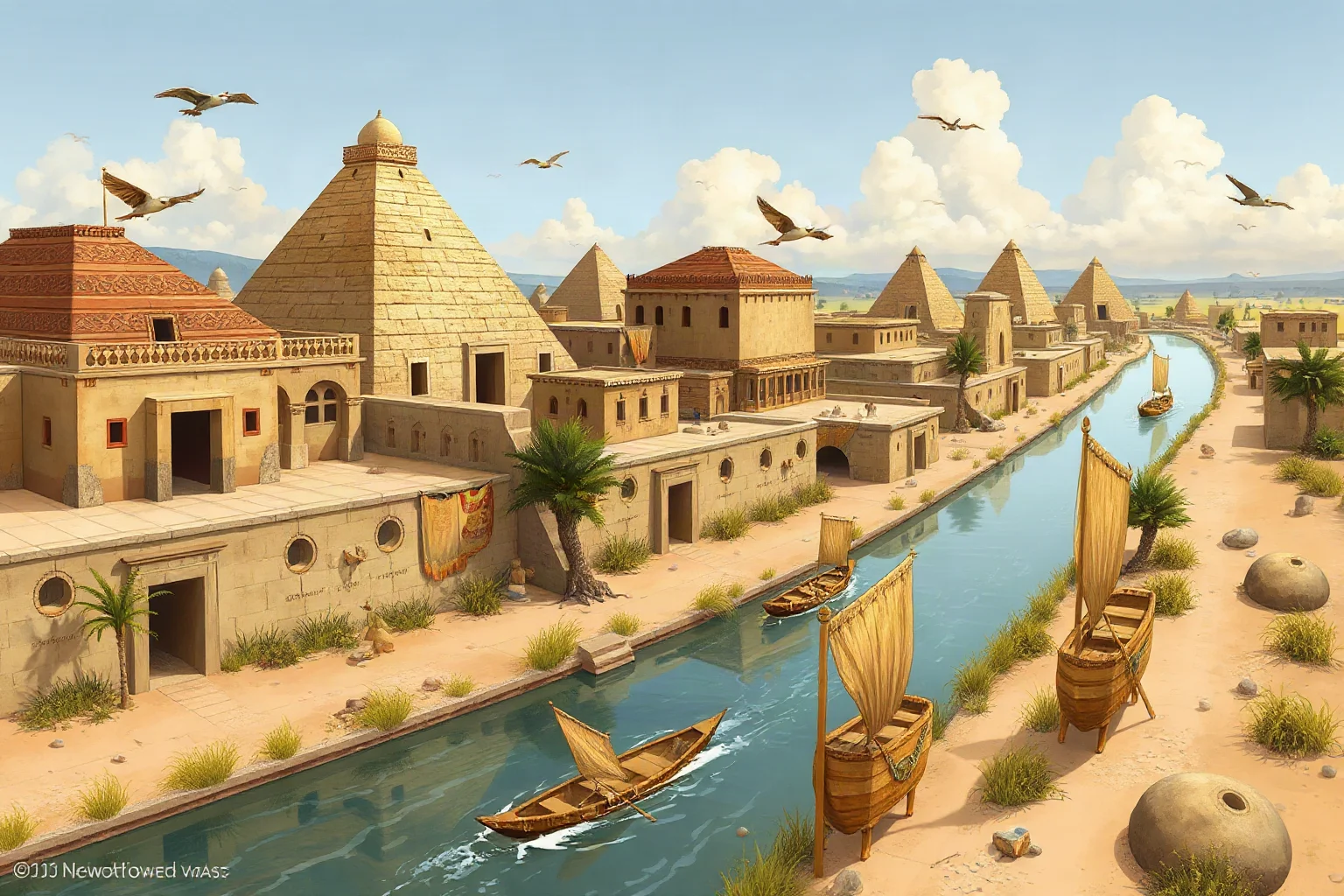
Uruk is frequently cited as one of the very first true cities in human history. It's closely tied to the legendary king Gilgamesh, whose story survives in one of the oldest epic poems ever written.
Uruk also played a key role in the development of cuneiform writing, one of the earliest writing systems, which allowed for record-keeping, taxation, and administration on a scale that simple villages never needed.
4. Babylon, Mesopotamia (c. 1894–539 BCE, various periods)
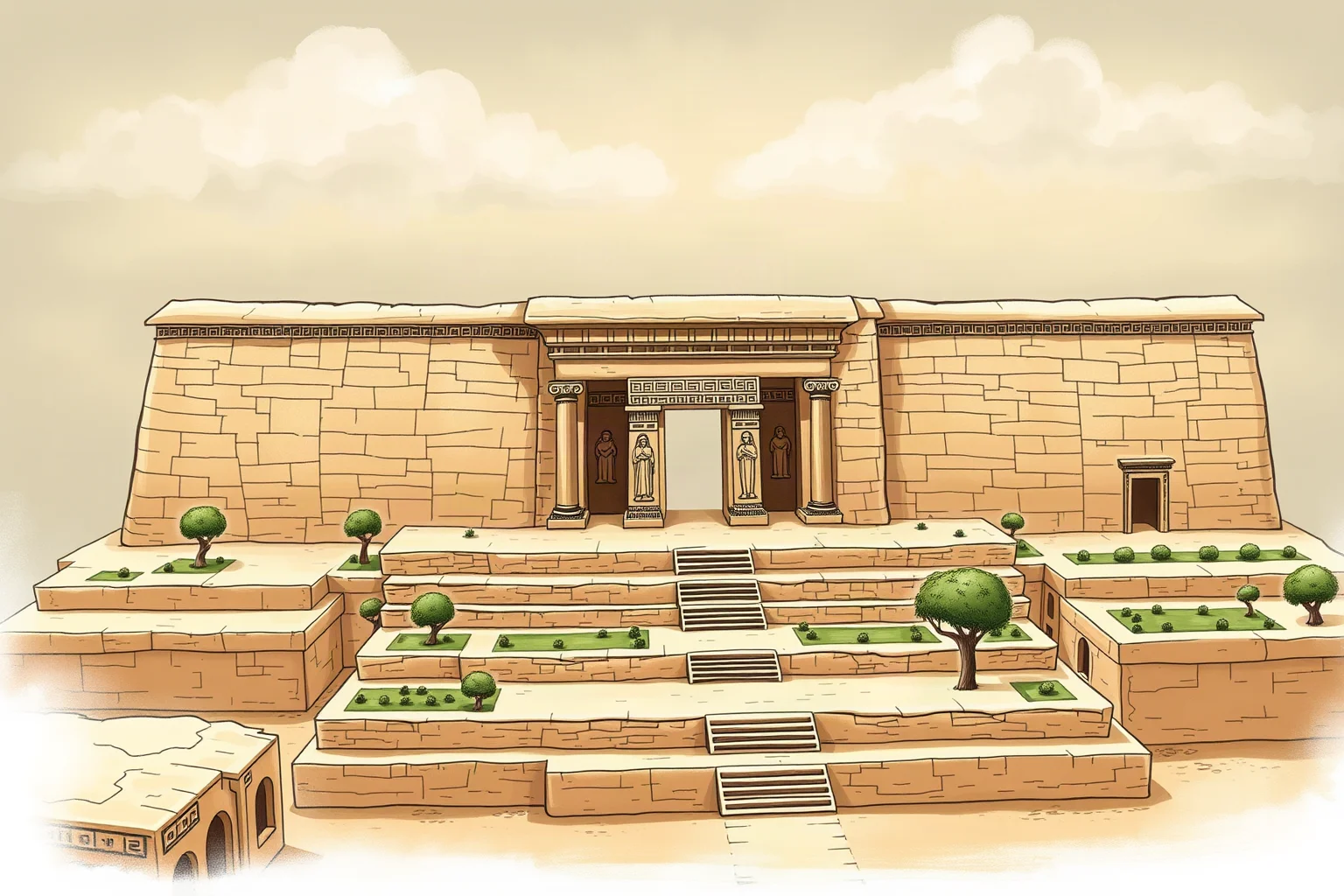
Babylon's fame rests partly on real achievements and partly on legend. The real part includes the Code of Hammurabi, one of the earliest and most complete written legal codes, and the imposing Ishtar Gate decorated with glazed brick reliefs.
The legendary part is the Hanging Gardens of Babylon, often listed among the Seven Wonders of the Ancient World. Their existence isn't confirmed by direct Babylonian sources, and some historians argue they may actually describe gardens at Nineveh instead.
5. Nineveh, Assyrian Empire (peaked 7th century BCE)
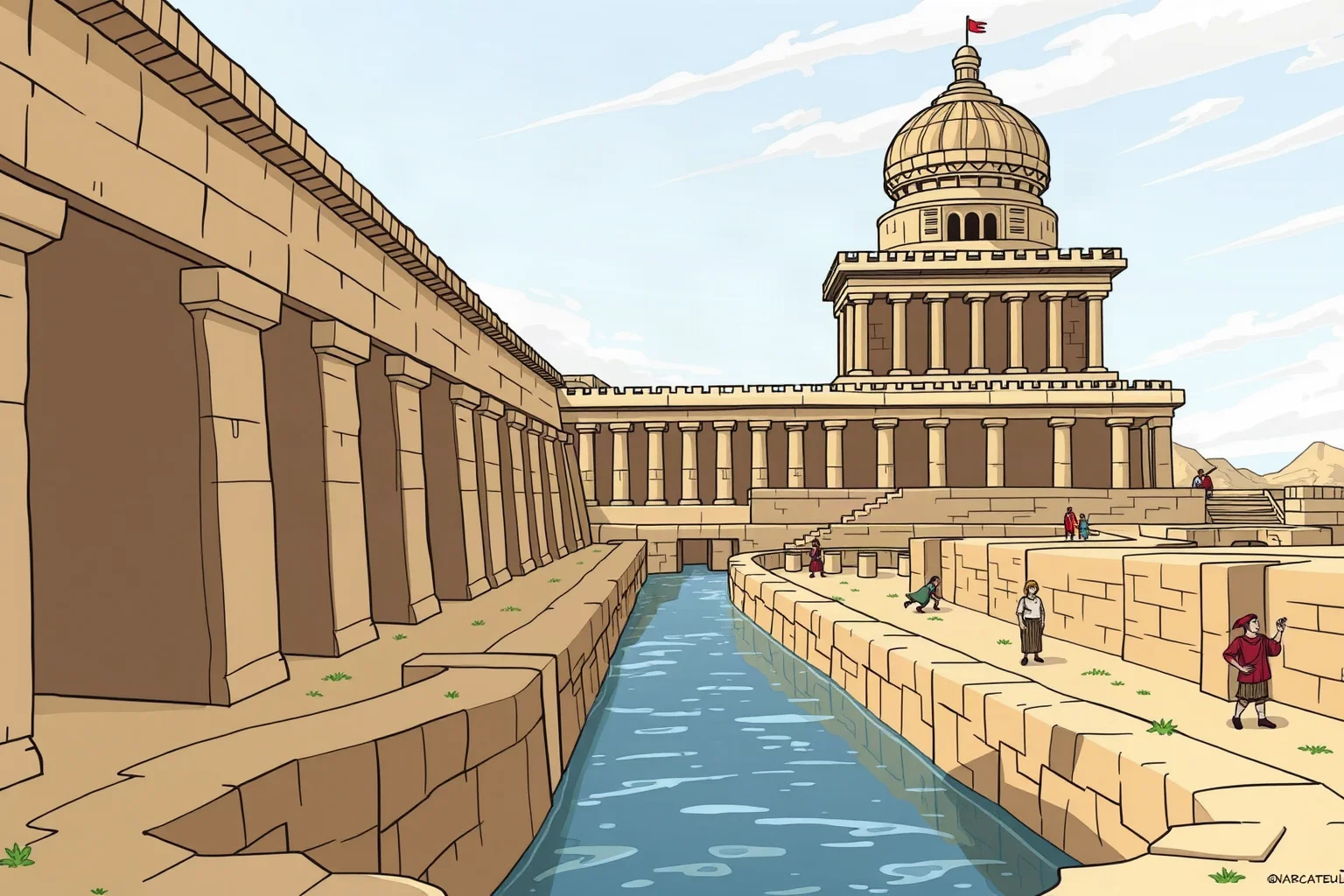
Nineveh, capital of the Assyrian Empire under Sennacherib, featured an impressive water system that included canals and an aqueduct at Jerwan to bring fresh water into the city. It also housed the Library of Ashurbanipal, a huge collection of cuneiform tablets covering law, medicine, and literature.
That library is one of the reasons we still have a fairly complete version of the Epic of Gilgamesh today.
6. Memphis (Ineb-Hedj), Ancient Egypt (c. 3100 BCE)
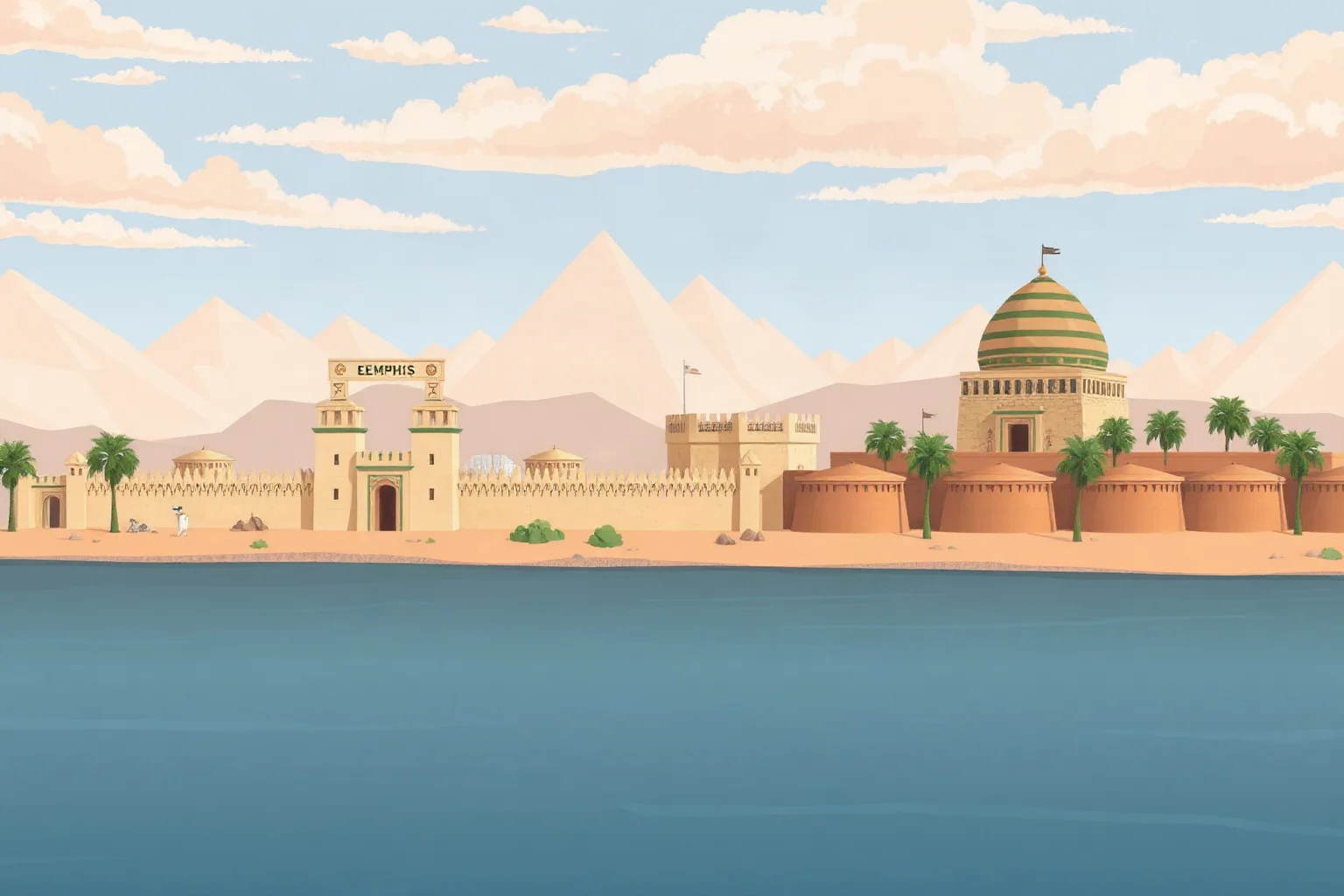
Memphis served as the administrative capital of unified Egypt for much of its early history. Its ancient name, Ineb-Hedj, translates roughly to "White Walls," describing its fortified appearance.
As one of the advanced cities of ancient Egypt, Memphis coordinated large-scale labor projects, grain storage, and religious administration that helped hold a sprawling kingdom together for centuries.
7. Thebes (Waset), Ancient Egypt (peaked c. 1550–1070 BCE)
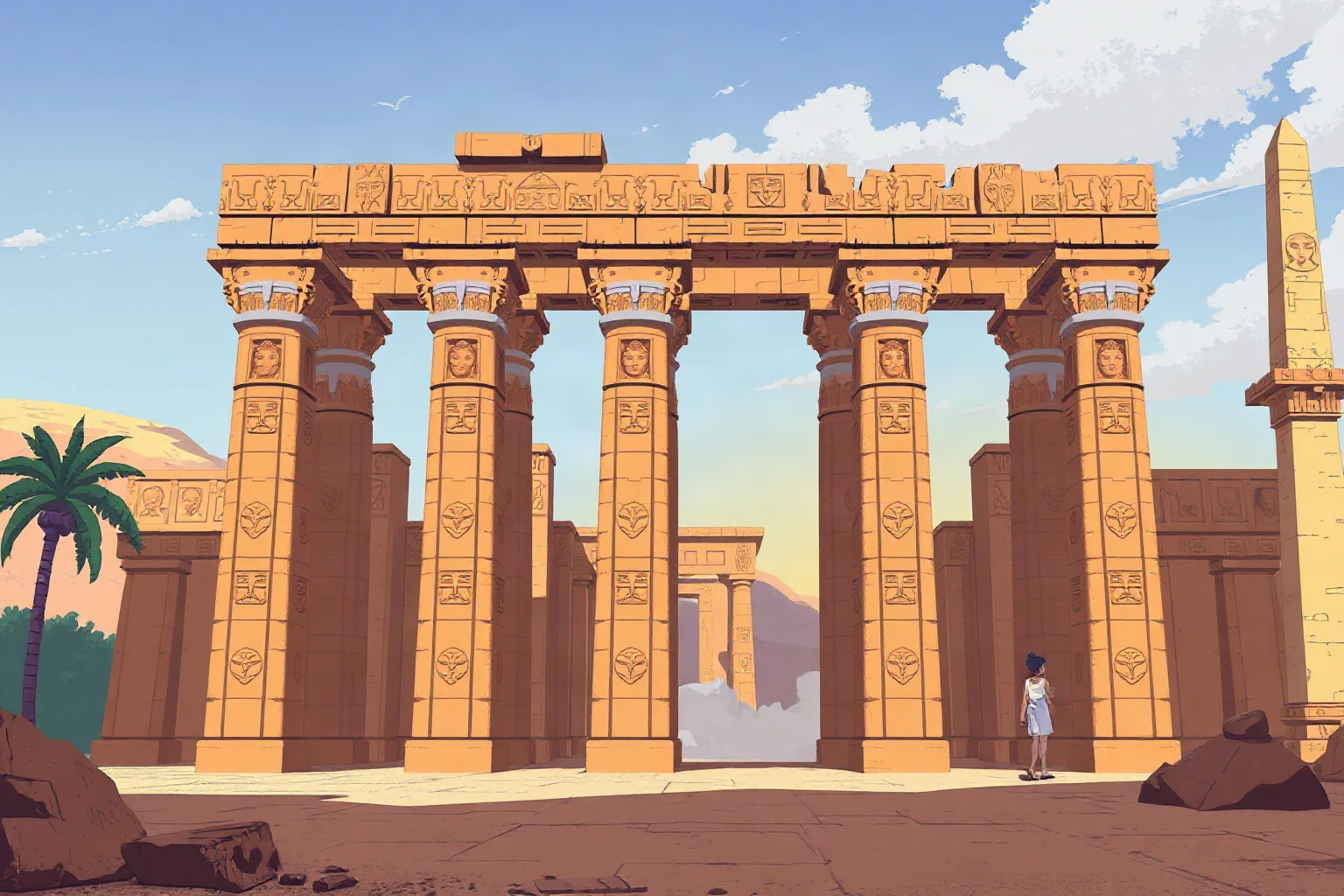
Thebes, known to the Egyptians as Waset, became the religious and political heart of the New Kingdom. The temple complexes at Karnak and Luxor represent some of the largest religious structures ever built by hand.
Organizing the labor, food supply, and logistics needed to construct and maintain those complexes required administrative sophistication that rivals many far later societies.
8. Alexandria, Egypt (founded 331 BCE)
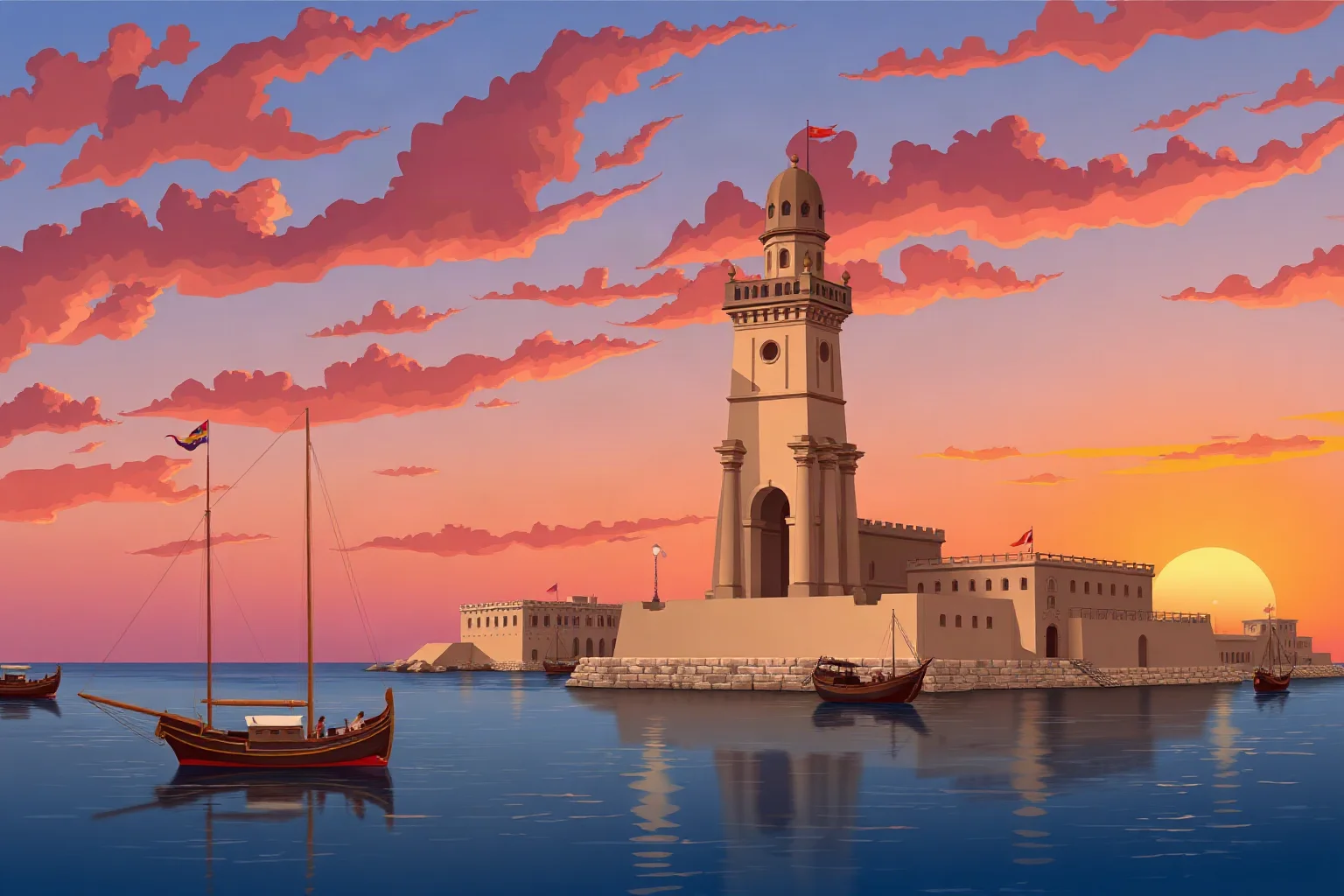
Founded by Alexander the Great and laid out by the architect Dinocrates, Alexandria used a planned grid system unusual for its time. It became one of the most important ancient world cities for scholarship, home to the famous Library of Alexandria and the Lighthouse of Alexandria, one of the Seven Wonders.
Its harbor engineering and lighthouse design influenced maritime architecture for centuries afterward.
9. Teotihuacan, Mesoamerica (peaked c. 100–450 CE)
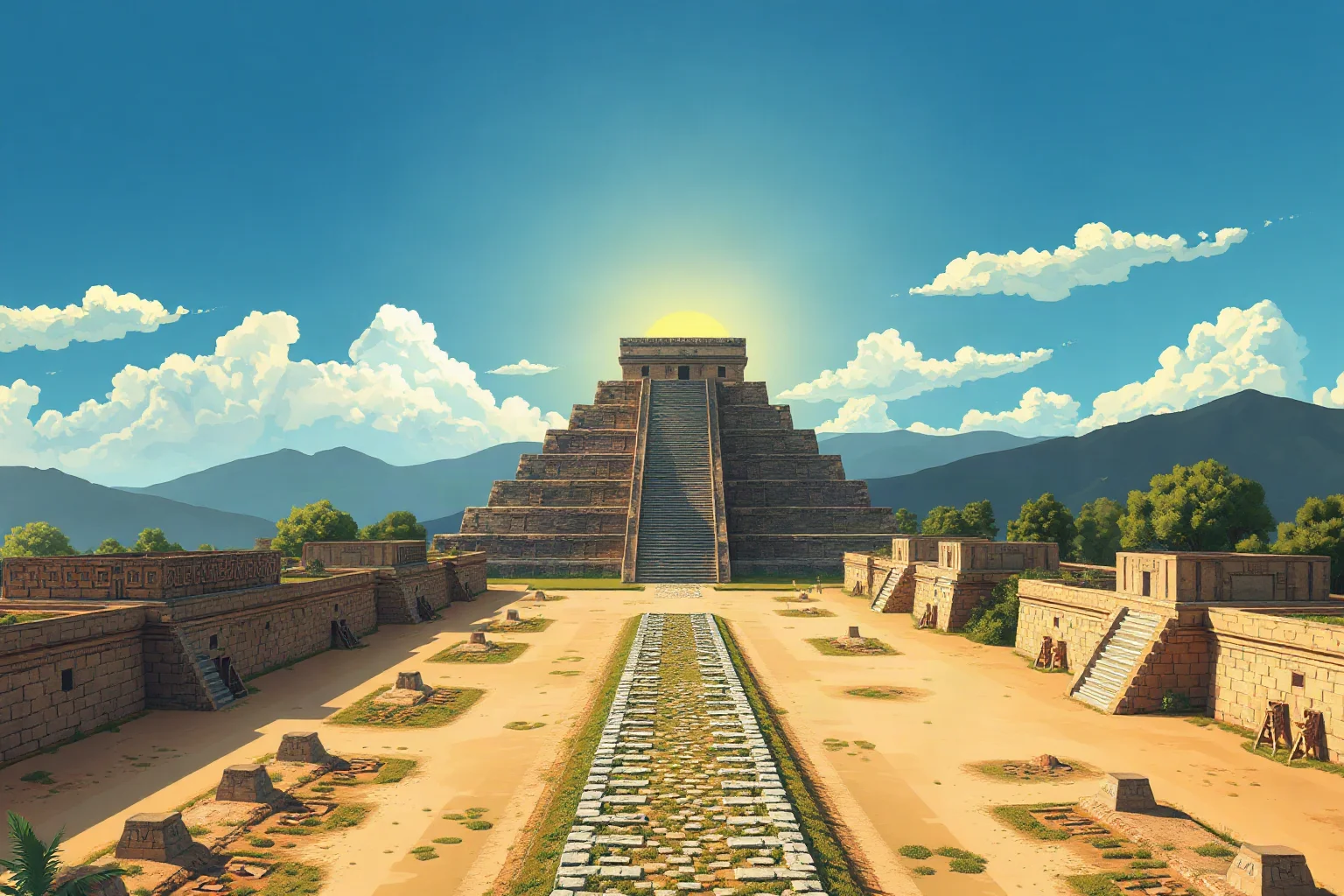
Teotihuacan's original name is unknown; "Teotihuacan" is a later Nahuatl name given by the Aztecs, meaning roughly "birthplace of the gods." At its height, it may have housed well over 100,000 people, making it one of the largest cities anywhere in the world at that time.
Its residents lived in organized multi-family apartment compounds, a strikingly urban arrangement for the era, laid out along a precise central axis anchored by the Pyramid of the Sun.
10. Tenochtitlan, Aztec Empire (founded 1325 CE)
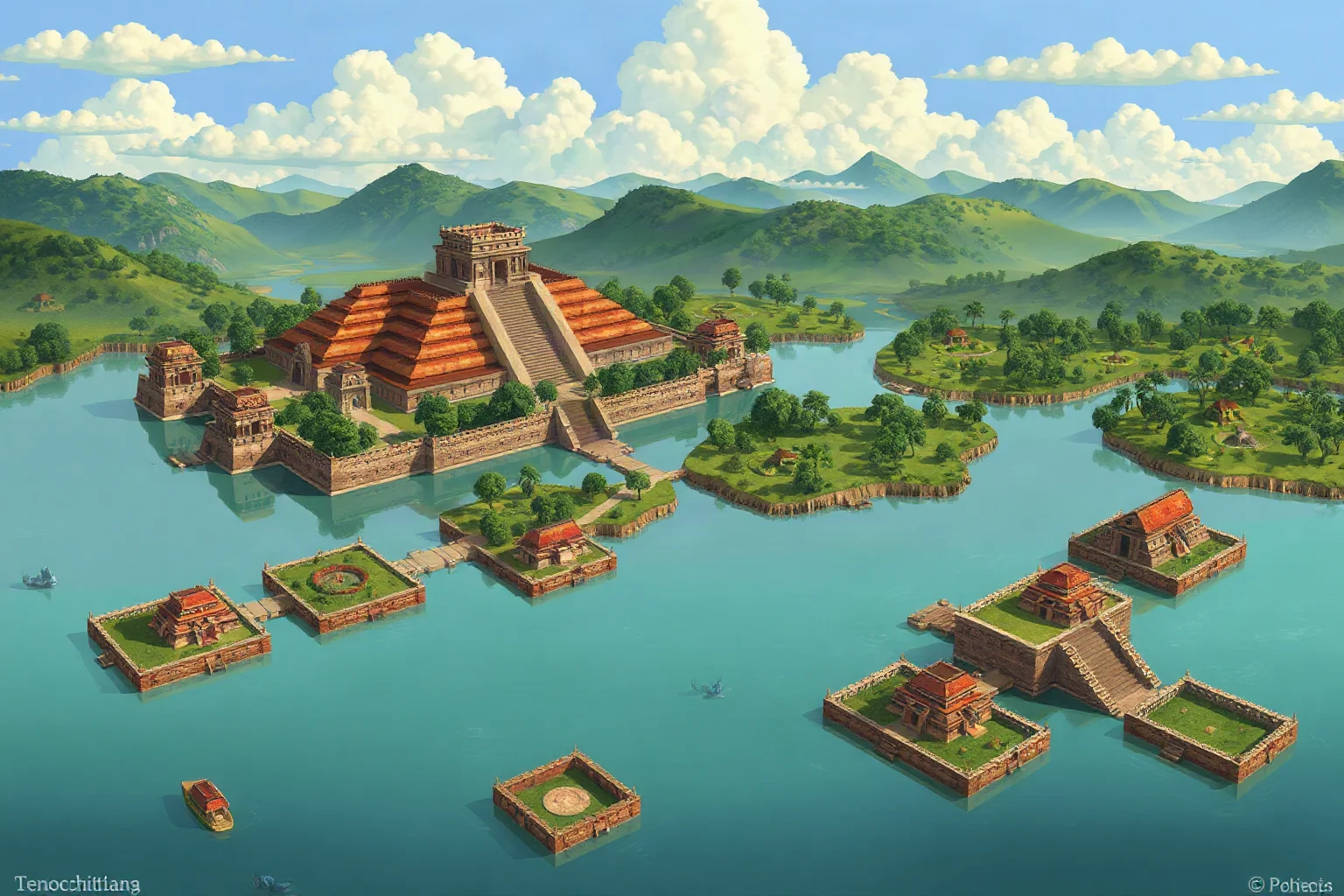
Tenochtitlan, the Aztec capital, was built on an island in Lake Texcoco and connected to the mainland by engineered causeways. The city used chinampas, floating agricultural plots, to feed a dense urban population, along with aqueducts bringing fresh water from nearby springs.
When Spanish conquistadors arrived in 1519, they reportedly compared the city's canals and causeways to Venice, and by most estimates it was larger than most European cities of the time.
11. Chan Chan, Chimu Empire, Peru (peaked c. 1300–1470 CE)
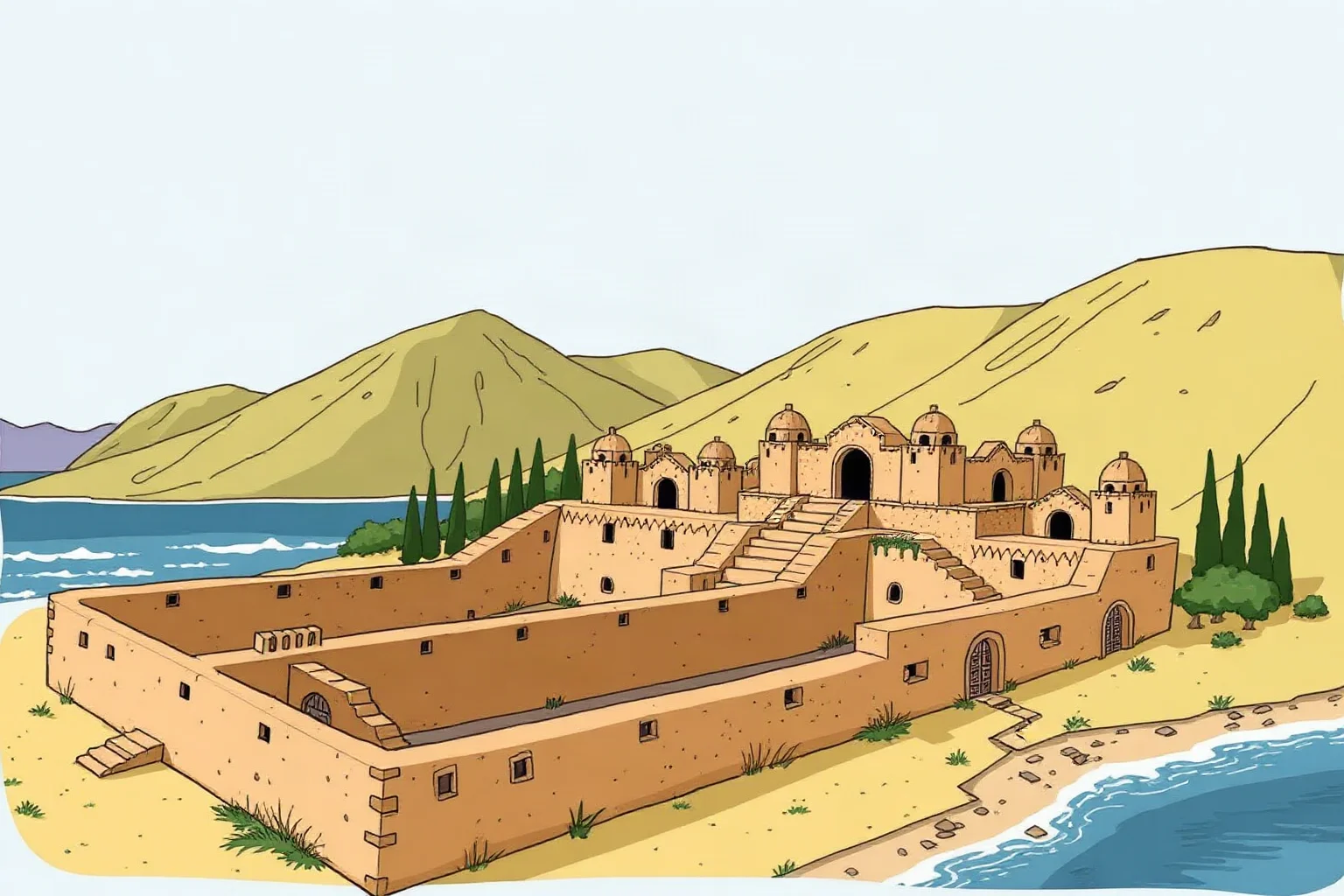
Chan Chan was the largest adobe (mud-brick) city in the pre-Columbian Americas. Its planners built an extensive system of walk-in wells and canals to manage water in an arid coastal environment.
The city was divided into distinct walled compounds, likely reflecting a highly stratified society with specialized roles for artisans, administrators, and elites.
12. Cahokia, Mississippian Culture, North America (peaked c. 1050–1200 CE)
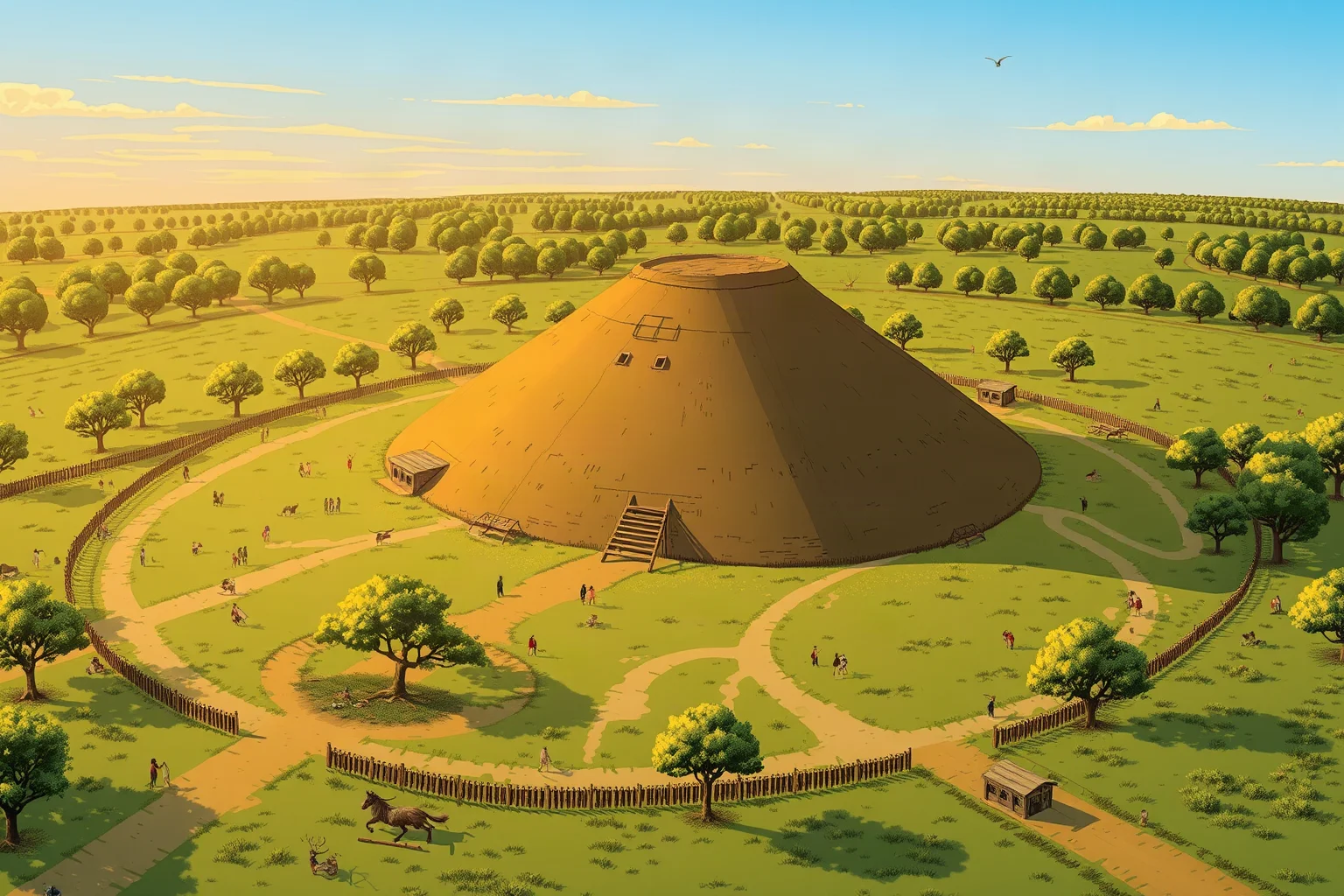
Cahokia, near modern St. Louis, was the largest pre-Columbian settlement north of Mexico. Its population at its peak may have rivaled or exceeded that of London at the same time, an easy detail to overlook in popular history.
The city centered on Monks Mound, a massive earthen platform, surrounded by plazas and residential areas laid out with clear spatial planning.
13. Great Zimbabwe, Southern Africa (peaked c. 1100–1450 CE)
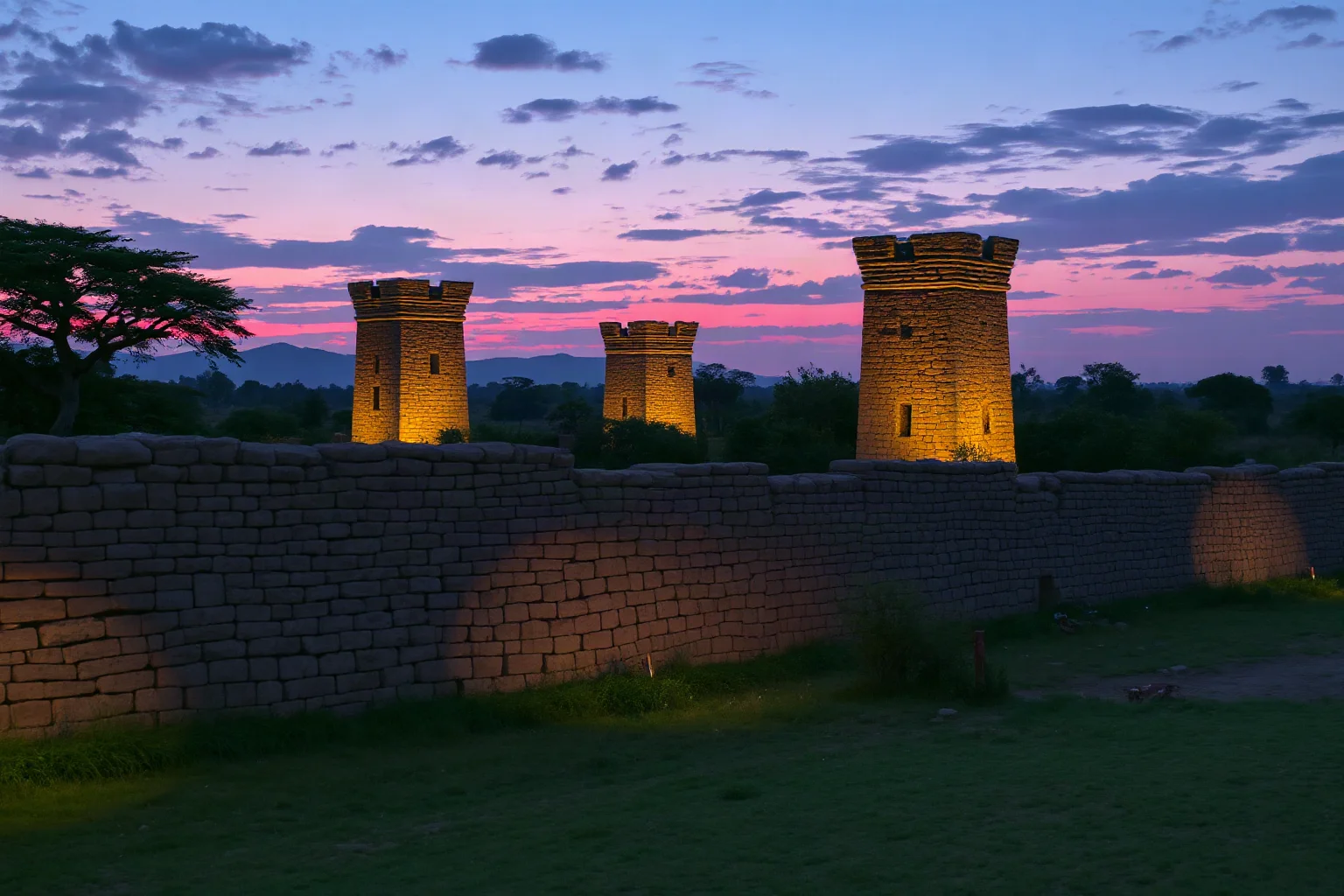
Great Zimbabwe is famous for its dry-stone walls, built without mortar yet precise enough to still stand today. The city served as a hub for regional and long-distance trade, with archaeological finds including goods from as far away as China and Persia.
Its scale and stonework were so impressive that European colonizers initially, and wrongly, refused to believe African builders had constructed it.
14. Angkor, Khmer Empire, Cambodia (peaked c. 1100–1300 CE)
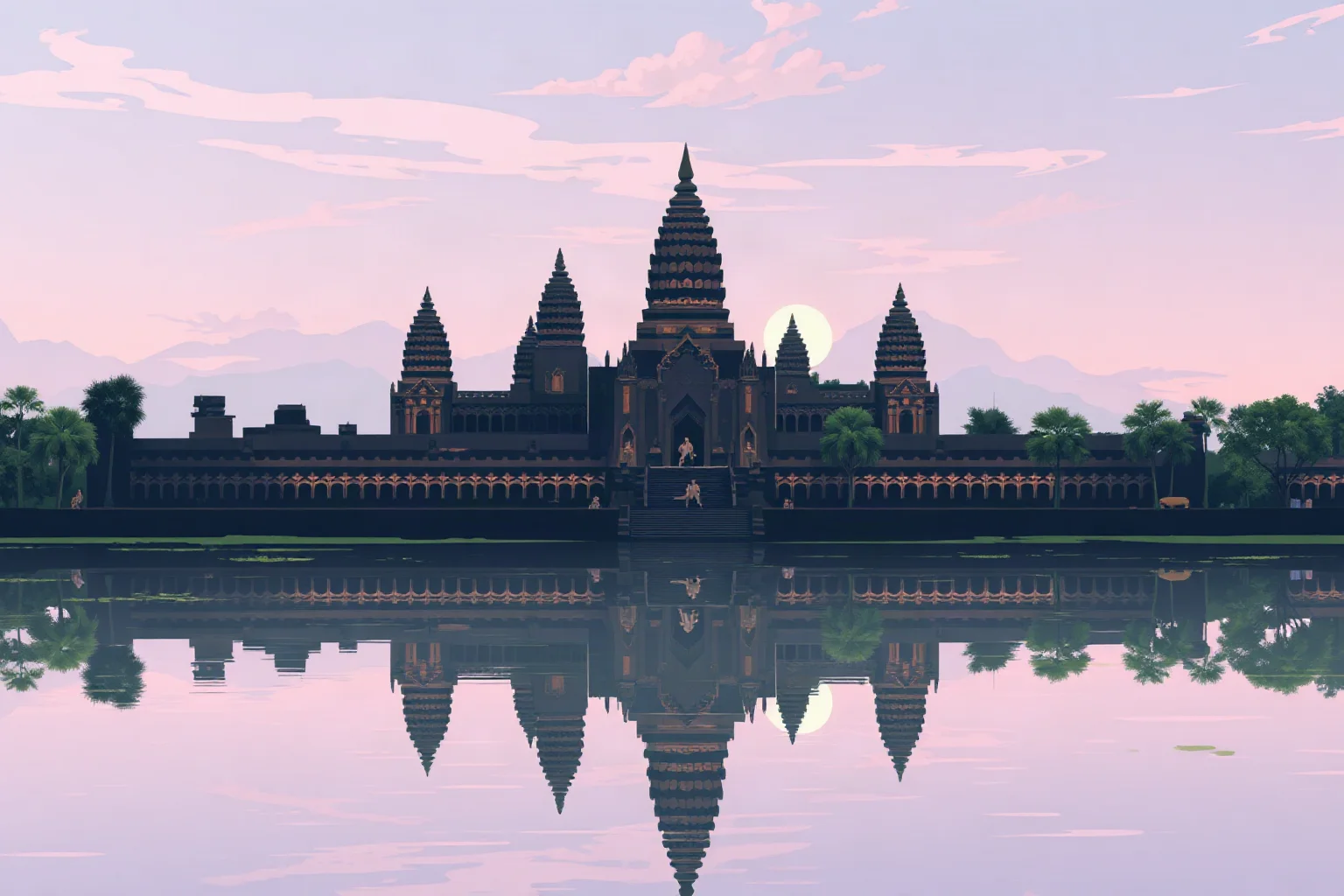
Angkor is considered one of the largest pre-industrial urban complexes ever built, spreading across a huge area beyond just the famous Angkor Wat temple. Its builders engineered massive reservoirs called barays and an extensive canal network to manage water for agriculture and daily life.
That hydraulic engineering supported a population that some researchers estimate may have reached into the hundreds of thousands.
15. Chang'an, Tang Dynasty China (peaked 7th–8th century CE)
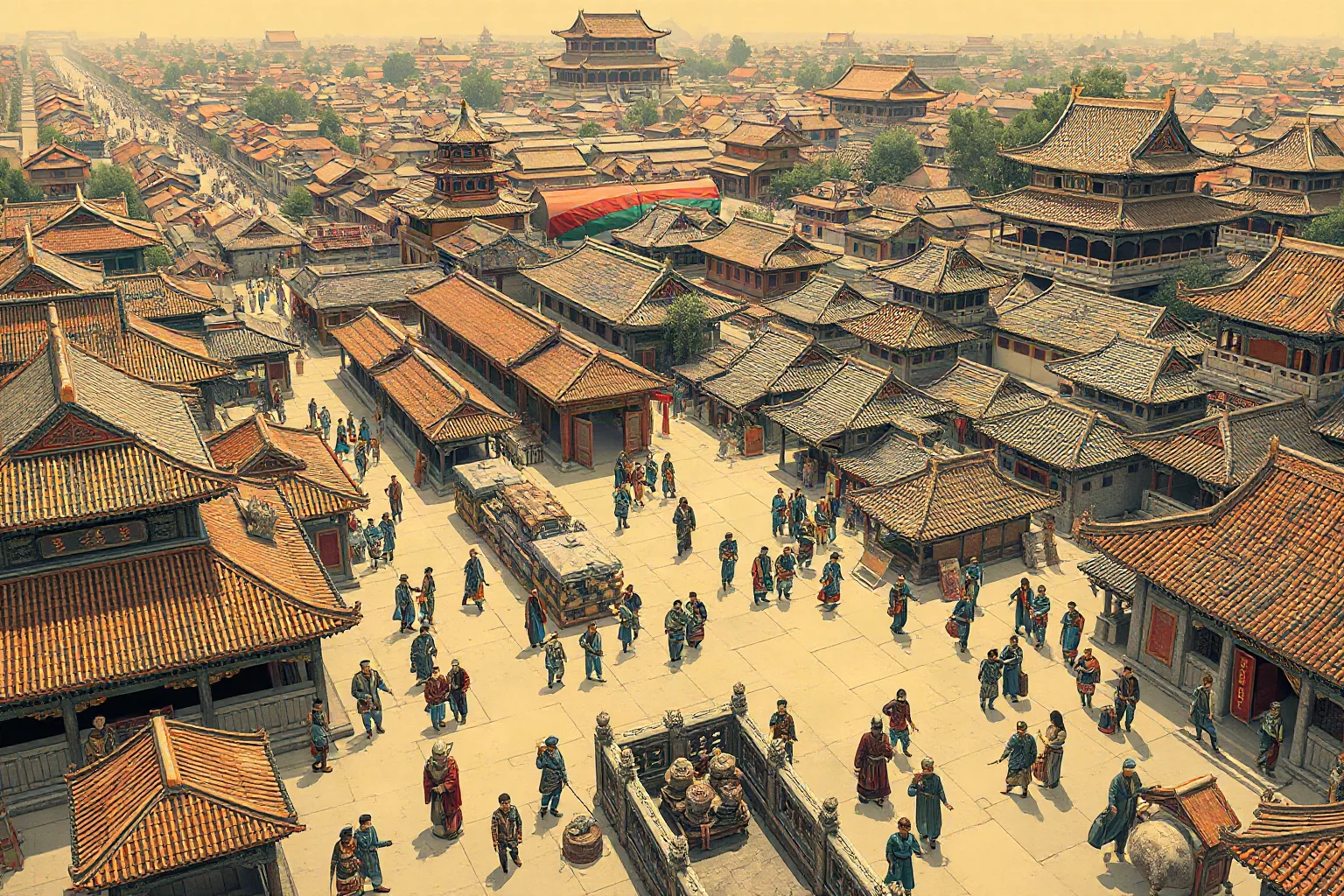
Chang'an, near modern Xi'an, was likely the largest city in the world during parts of the Tang Dynasty, with population estimates commonly cited around one million residents. It followed a strict grid plan, with designated wards for markets, government offices, and religious sites.
As a terminus of the Silk Road, it was also remarkably cosmopolitan, hosting merchants, monks, and diplomats from across Asia and beyond.
16. Rome, Italy (founded traditionally 753 BCE)
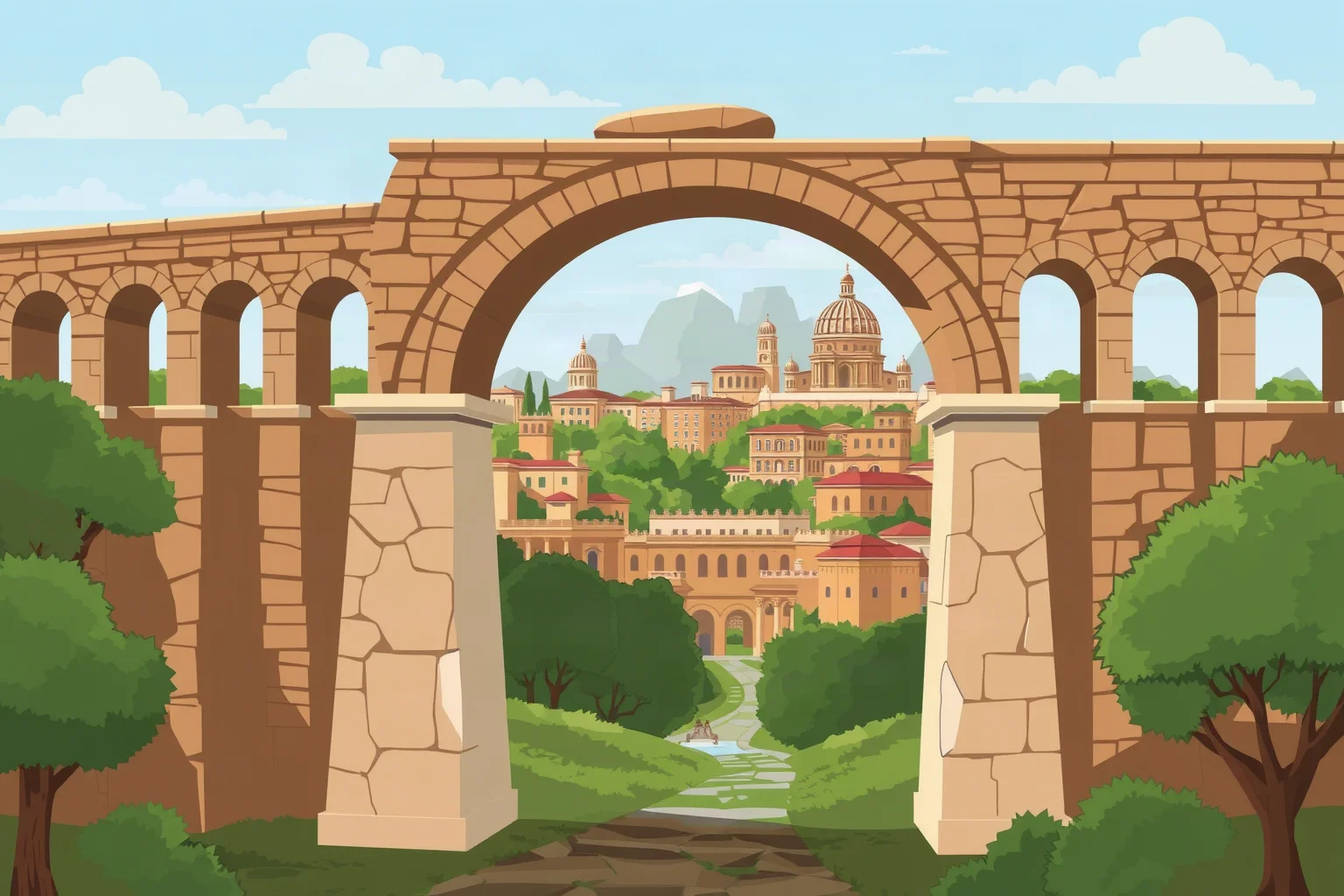
Rome needs little introduction, but its infrastructure, built to sustain one of the greatest empires in history, is worth spelling out. The city ran on a network of aqueducts, some stretching over 50 miles, and the Cloaca Maxima, an early large-scale sewage system still partially functioning today.
Rome also pioneered concrete construction and multi-story apartment buildings called insulae, features that wouldn't feel out of place in a modern discussion of advanced cities.
17. Pompeii, Roman Empire (destroyed 79 CE)
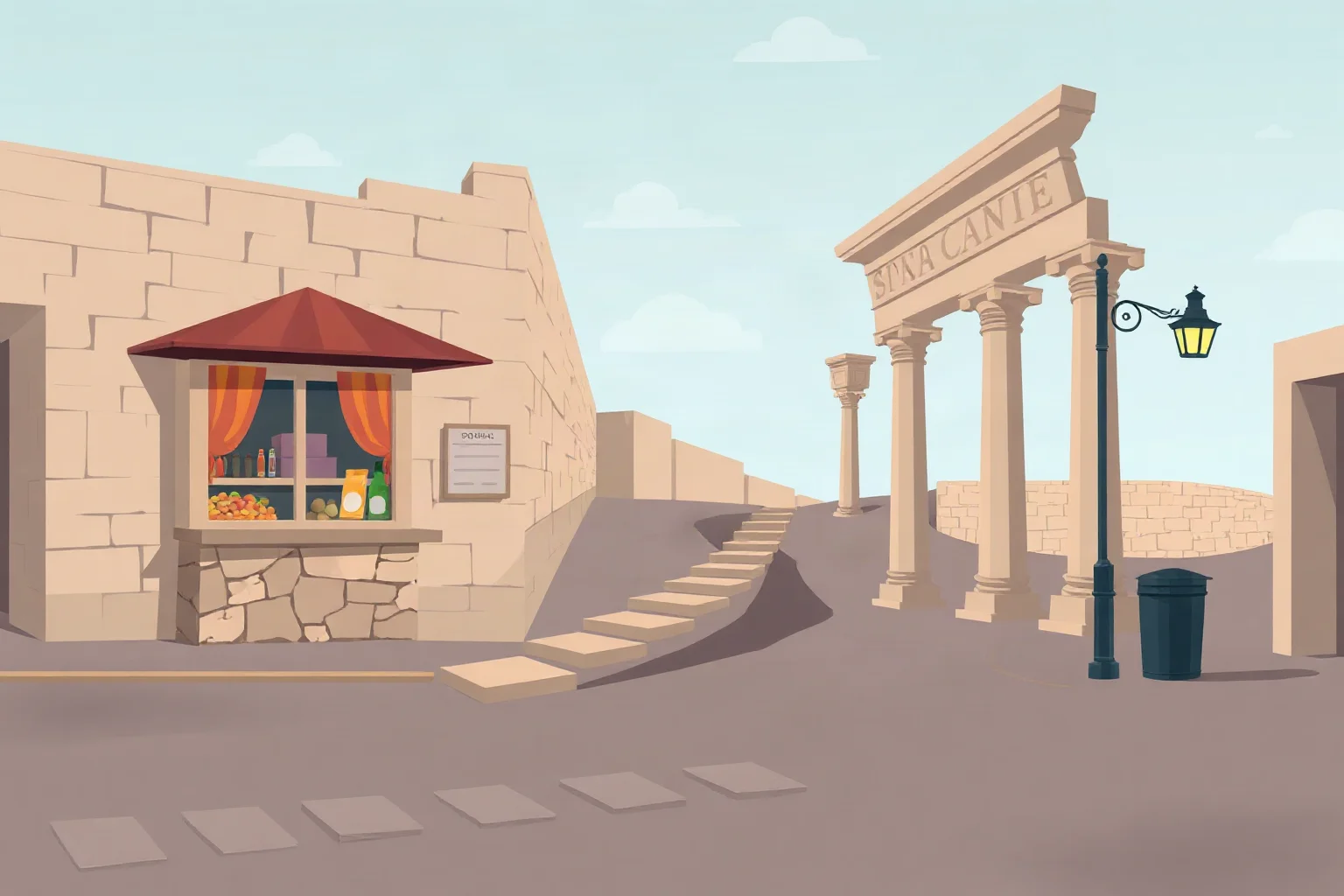
Pompeii is famous for tragedy, but it's also an incredible time capsule of everyday Roman urban life. The city had running water piped to public fountains and private homes, paved streets with raised stepping stones for pedestrians, and fast-food-style counters called thermopolia.
Because it was preserved so suddenly by the eruption of Vesuvius, Pompeii shows us details of daily infrastructure that rarely survive elsewhere.
18. Athens, Greece (peaked 5th century BCE)
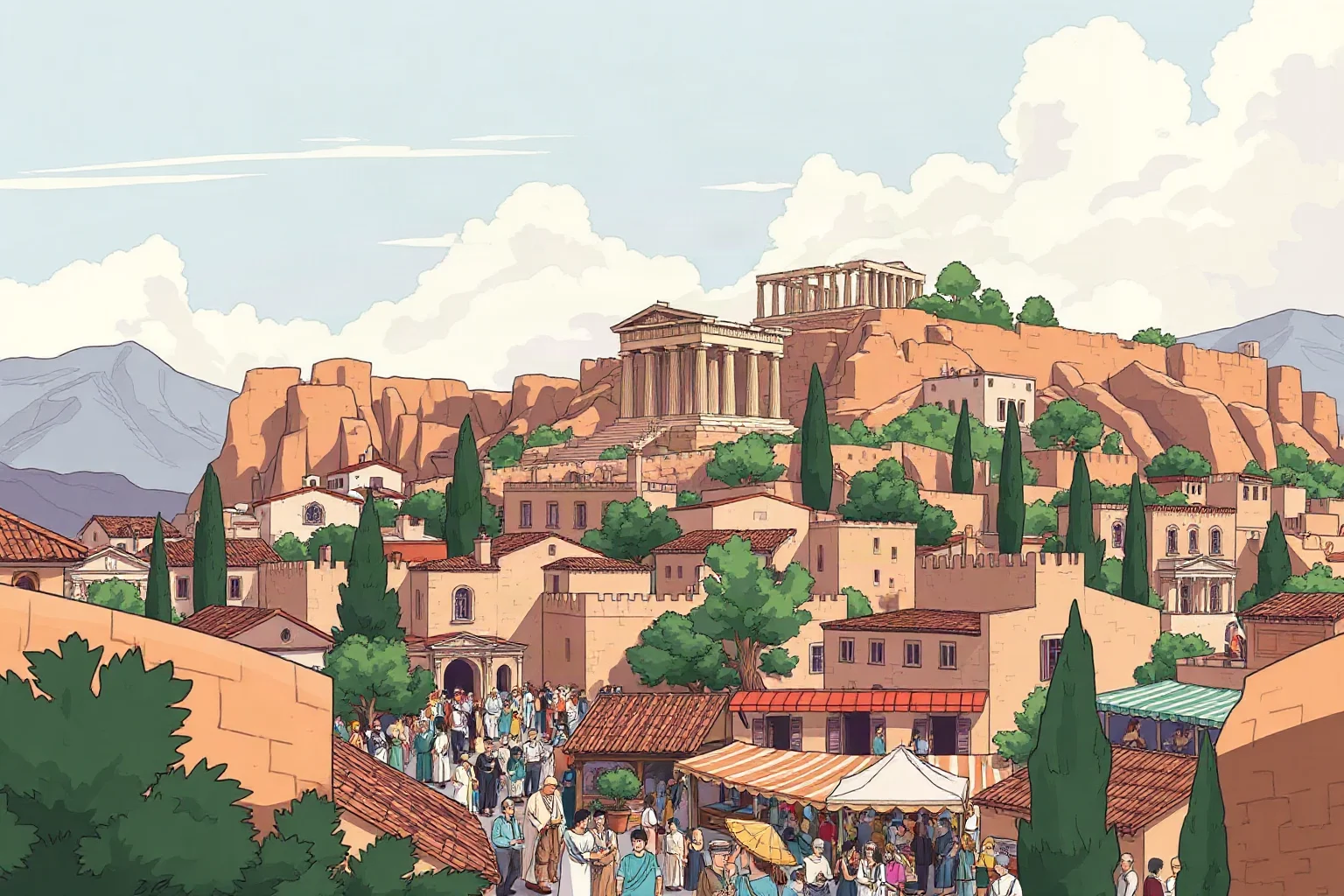
Athens is best known for pioneering forms of democratic governance, but its urban core, centered on the Agora and the Acropolis, one of the most stunning ancient Greek landmarks still discussed today, was also a hub of philosophy, theater, and public debate. Civic buildings were designed specifically to host large public gatherings and assemblies.
That combination of architecture and political function marks Athens as an early example of a city shaped intentionally around civic life.
19. Knossos, Minoan Civilization, Crete (peaked c. 1700–1450 BCE)
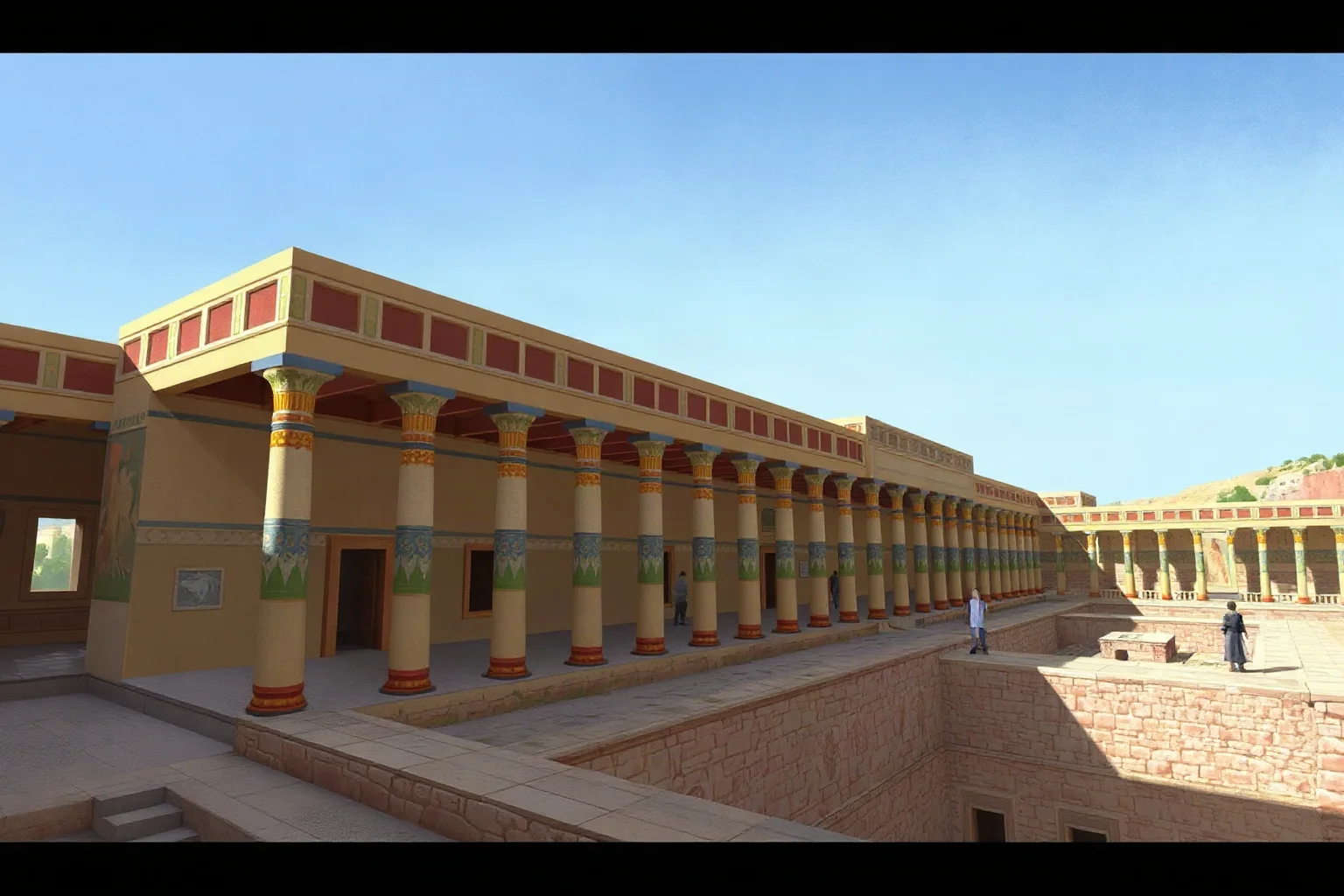
Knossos, the largest Bronze Age site on Crete, featured a sprawling palace complex, one of the biggest palaces in the world for its era, with an early plumbing system, including terracotta pipes for water supply and drainage. Some rooms even show evidence of what may have been an early flushing latrine.
That's remarkably early plumbing technology, appearing more than a thousand years before Rome's famous aqueducts and sewers.
20. Carthage, North Africa (founded c. 814 BCE)
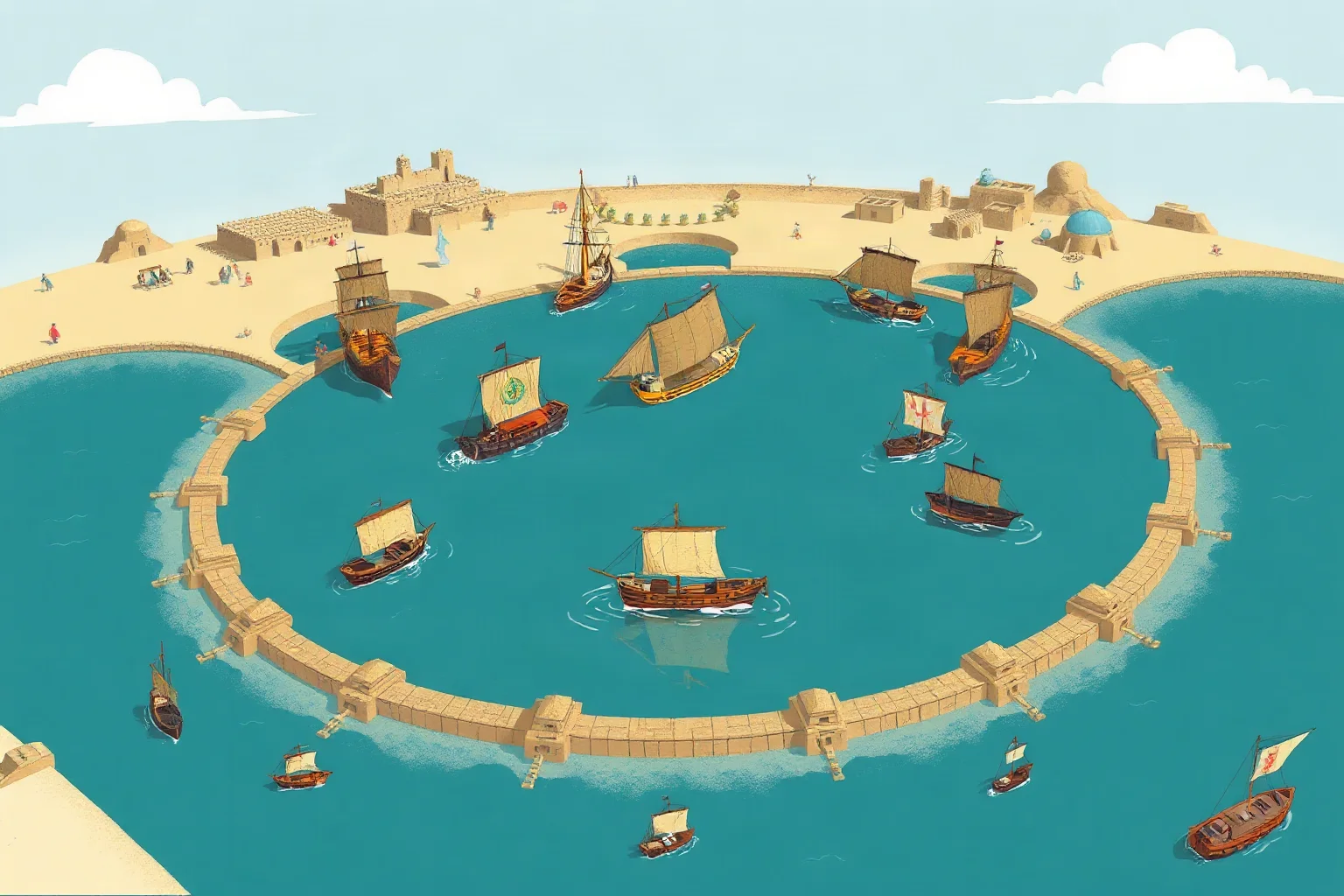
Carthage, founded by Phoenician settlers, became a major maritime power built around exceptional harbor engineering. Its circular military harbor was designed to shelter warships out of view from rival powers, an early example of infrastructure built for strategic advantage.
Carthage's trade network stretched across the Mediterranean, making it one of the most economically advanced ancient world cities before its destruction by Rome in 146 BCE.
21. Petra, Nabataean Kingdom, Jordan (peaked c. 1st century BCE–1st century CE)
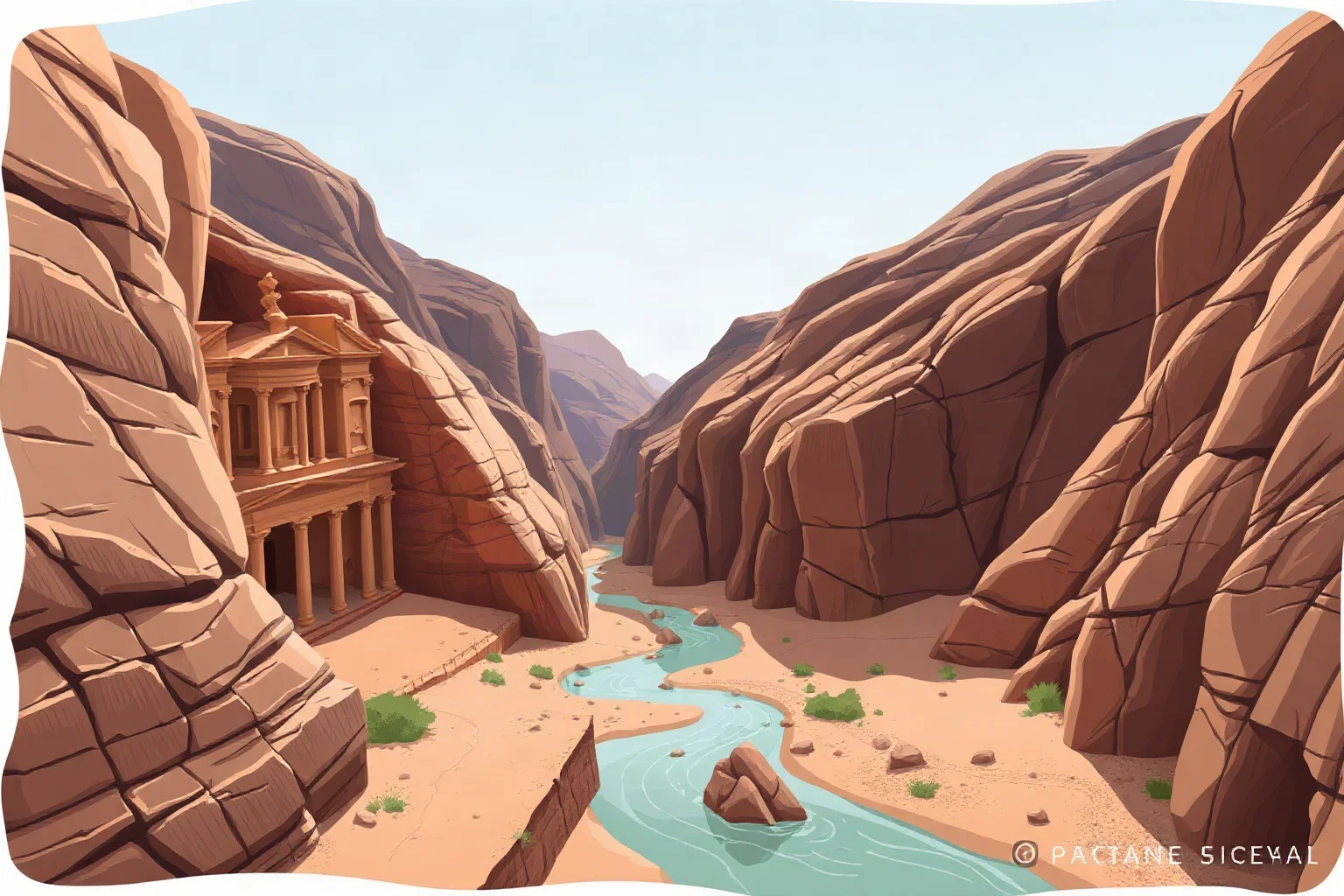
Petra sits in a genuinely harsh desert environment, yet its Nabataean builders engineered an impressive system of dams, cisterns, and rock-cut water channels. This let them capture and store seasonal rainfall reliably enough to support a thriving desert trade city.
The famous facades carved into sandstone cliffs get most of the attention, but the water engineering underneath is arguably the more impressive achievement.
22. Caral, Peru (c. 2600–2000 BCE)
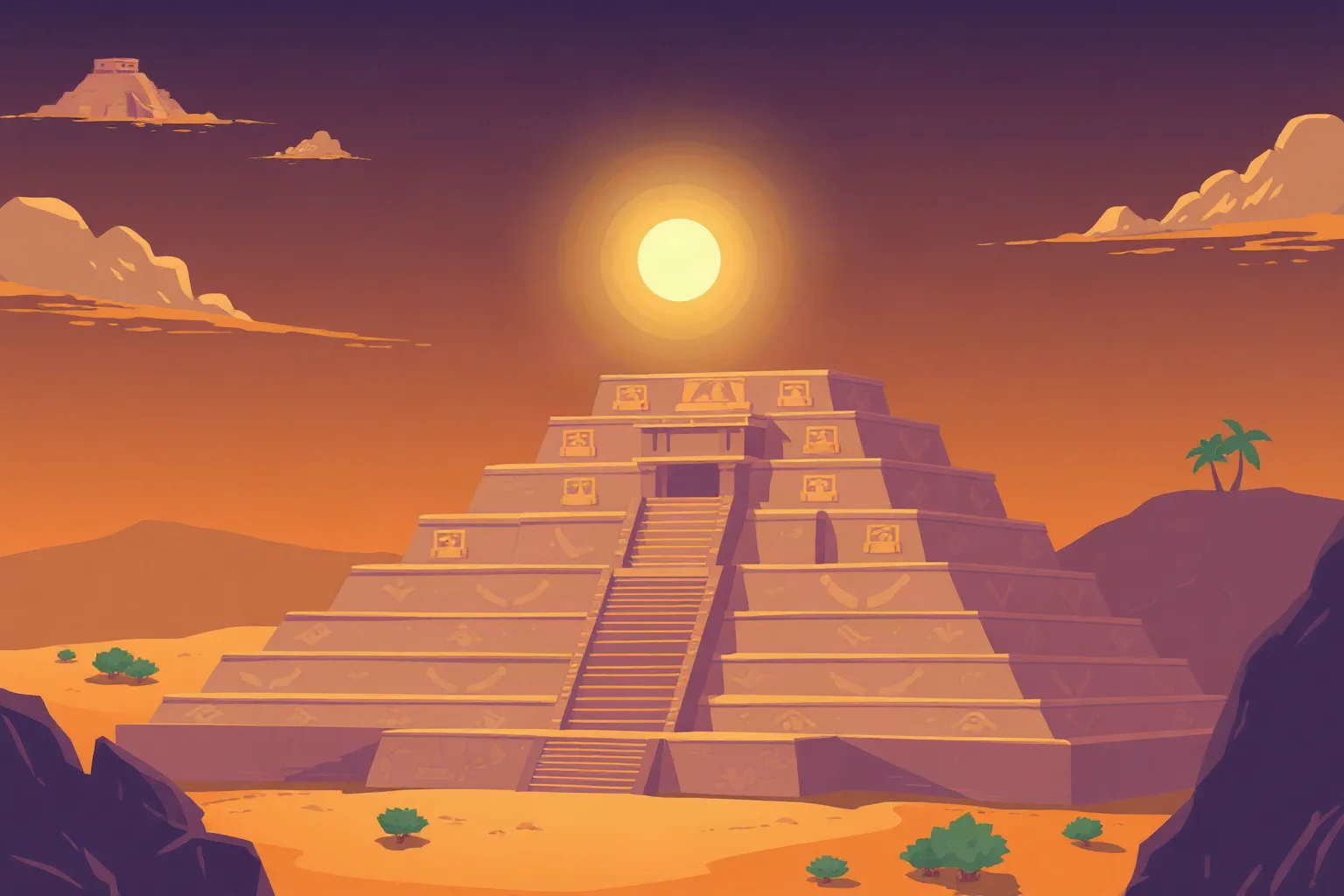
Caral is one of the oldest known cities in the Americas, predating many well-known Mesoamerican civilizations by well over a thousand years. It featured monumental pyramid structures and organized residential zones, all built without evidence of walls for defense or weapons for warfare.
That lack of militarized architecture has led some archaeologists to suggest Caral may have developed as a relatively peaceful society, at least compared to many later urban centers.
So, What Was the Most Advanced City in the World?
It's tempting to crown one single winner for the most advanced city in the world, but that framing doesn't hold up well historically. "Advanced" depends on what you're measuring: sanitation, population size, governance, trade reach, or engineering ambition.
By population, Chang'an or Rome might take the title for their respective eras. By sanitation engineering, Mohenjo-daro and Knossos were shockingly ahead of their time. By sheer hydraulic ambition, Angkor's water management is hard to beat.
Rather than a single most advanced cities in the world ranking, it's more accurate to say different ancient civilizations solved different urban problems brilliantly, often independently of one another, on different continents, centuries apart.
Why This Matters Today
This ancient cities list isn't just trivia. It's a reminder that urban planning, sanitation, and civic infrastructure aren't uniquely modern inventions, they're recurring solutions that complex societies keep arriving at again and again.
When you look at ancient civilizations' cities side by side, a pattern emerges: wherever population density rose, so did the pressure to solve water supply, waste, food distribution, and governance. The tools differed, from cut sandstone channels to fired-brick sewers, but the underlying problem-solving was remarkably similar.
So the next time someone assumes "ancient" automatically means primitive, this list is a pretty solid rebuttal.
Frequently Asked Questions
What are advanced cities in a historical sense?
Advanced cities are settlements that show deliberate planning and complex infrastructure rather than random growth. That includes things like standardized building materials, organized streets, sewage or water systems, written record-keeping, and specialized labor, features found in cities like Mohenjo-daro, Rome, and Angkor long before the modern era.
What were the ancient names of cities we know by different names today?
Many ancient names of cities were replaced or translated by later cultures. Memphis was originally called Ineb-Hedj and Thebes was known as Waset in ancient Egyptian; Teotihuacan's real name is unknown, since the name we use today was given by the Aztecs centuries after the city was abandoned.
What is the most advanced city in the world from ancient history?
There's no single agreed-upon winner, since 'advanced' depends on the criteria. Chang'an and Rome are strong contenders by population and infrastructure scale, while Mohenjo-daro and Knossos stand out for extremely early sanitation and plumbing systems.
What were the most advanced cities in ancient Egypt?
Memphis and Thebes were Egypt's most significant advanced cities, serving as major administrative and religious capitals with large-scale construction projects, organized labor systems, and complex temple economies. Alexandria, founded later under Greek influence, added planned street grids and major centers of scholarship.
How do historians define advanced cities compared to simple settlements?
Historians generally define advanced cities by evidence of urban planning, dedicated public infrastructure like water or waste systems, social specialization, and administrative or written record-keeping. A simple settlement might house farmers with shared land, while an advanced city coordinates trade, defense, and services across a larger, denser population.
Are there any famous ancient cities that are commonly misunderstood as primitive?
Yes, several famous ancient cities are often underestimated. Mohenjo-daro's sewage systems, Cahokia's population size in North America, and Great Zimbabwe's mortar-free stonework are frequently overlooked examples of genuine urban sophistication outside the more commonly taught Greek and Roman narratives.

Alex Warren
Related Articles