

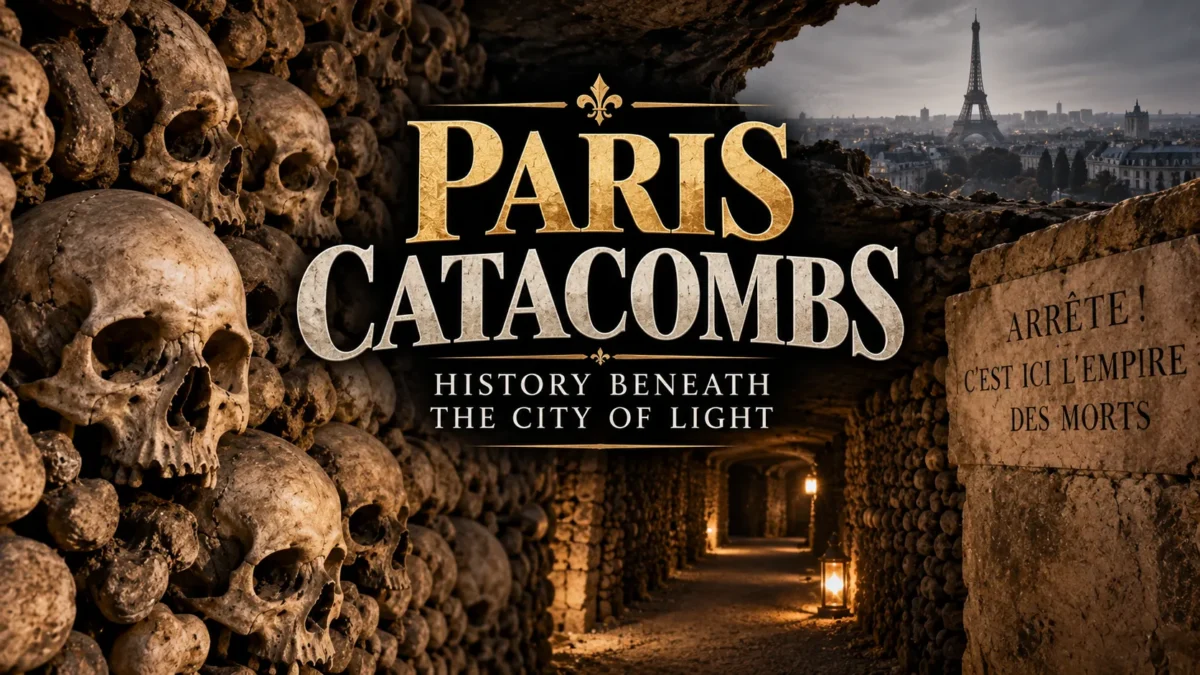
Twenty meters beneath the cafés, boulevards, and apartment buildings of Paris lies a labyrinth of stone corridors lined with the bones of roughly six million people.
It’s one of the most visited underground sites in the world, and also one of the most misunderstood. Most visitors know it simply as “the Catacombs,” but few realize the tunnels started out as something far less macabre: a quarry.
The true story of the Paris Catacombs is a tale of urban planning gone wrong, a public health crisis, and an unlikely solution that turned a city’s waste problem into one of its strangest tourist attractions.
Along the way, it picked up ghost stories, wartime secrets, and a subculture of illegal explorers who still slip through its tunnels today. Let’s separate the documented history from the legend, much like separating fact from Hollywood fiction in stories about the Wild West.
TL;DR: The Paris Catacombs began as ancient limestone quarries and were repurposed in the late 1700s to solve a public health crisis caused by overflowing cemeteries, eventually becoming an ossuary holding the remains of around six million people.
What Is the Catacombs of Paris, Exactly?
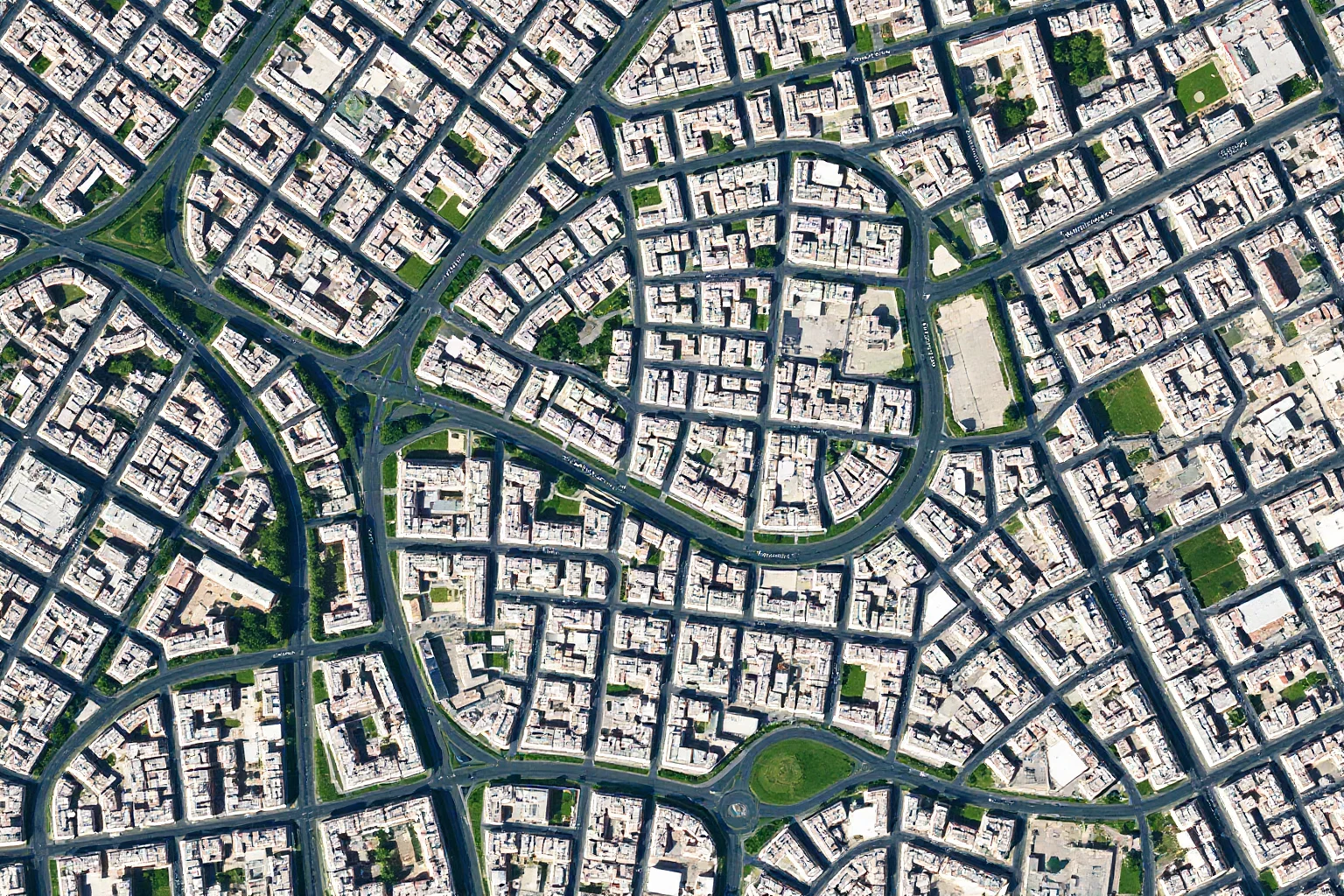
When most people ask “what is the catacombs,” they picture a single spooky tunnel of skulls. In reality, the Paris Catacombs are a small, official section of a vastly larger network of former limestone and gypsum quarries that stretch beneath the city for roughly 200 to 300 kilometers. Only about 1.5 to 2 kilometers of that network are open to the public as the Catacombes de Paris ossuary.
The rest of the quarry network — sometimes casually lumped in under the same name — runs beneath entire neighborhoods on the Left Bank, including parts of the 14th, 5th, and 6th arrondissements.
Technically, the term “catacomb” was borrowed from the ancient Christian burial tunnels of Rome, even though the Paris tunnels started life as something much more industrial. City officials adopted the name in the late 1780s specifically to give the new ossuary a suitably dignified, historic feel.
So when people search for “what is the catacombs in Paris” or “what is a catacomb in Paris,” the honest answer is twofold. It’s an old stone quarry network, and within a tiny fraction of that network, it’s a carefully arranged underground cemetery holding millions of relocated human remains.
How Old Are the Paris Catacombs?
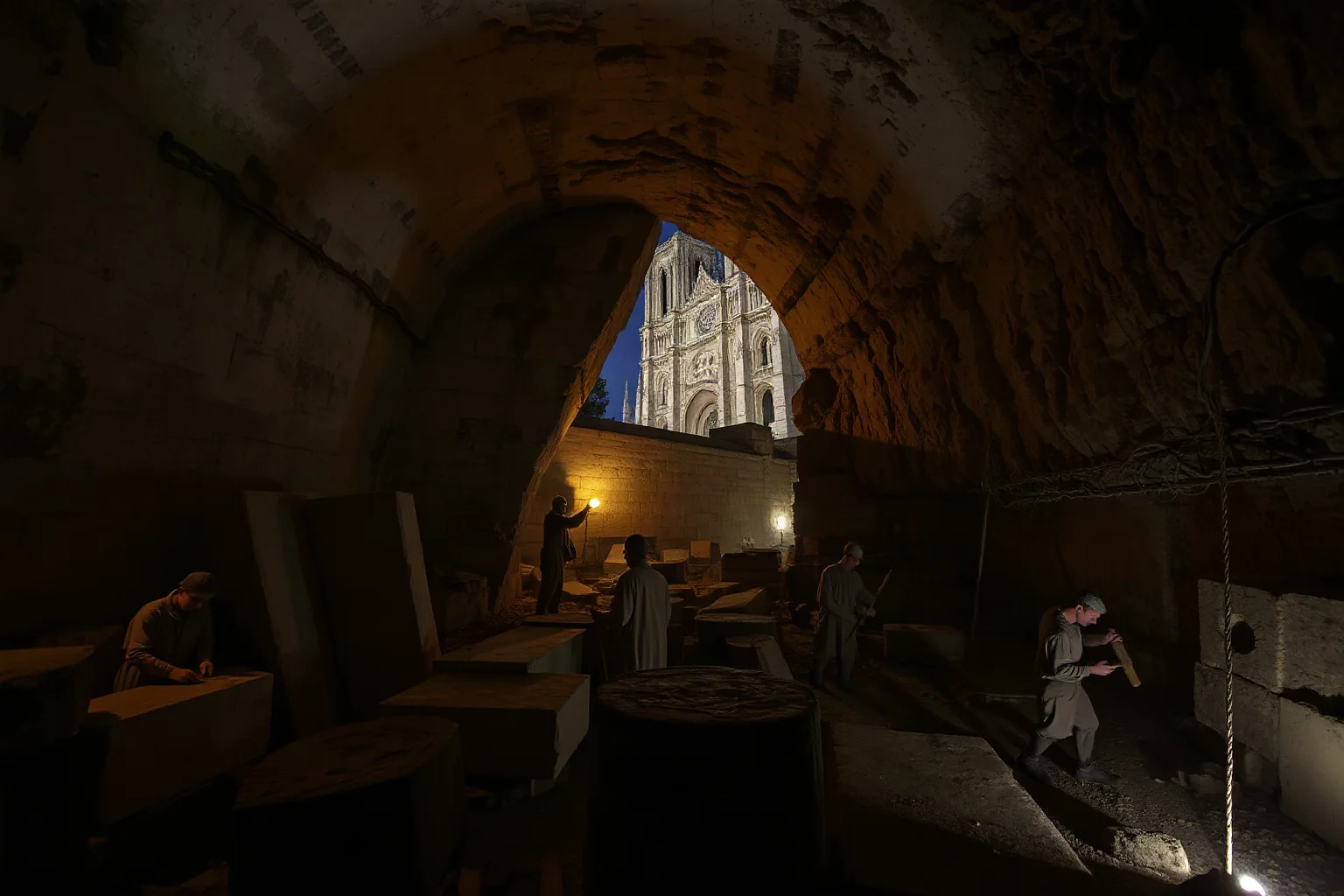
The quarries themselves are far older than the bones inside them. Parisians have been cutting limestone from beneath the city since at least Roman times, when Rome stood as one of the greatest empires in history, with large-scale quarrying accelerating through the Middle Ages — an era that also produced institutions like the University of Paris, one of the oldest universities in the world — to supply stone for landmarks like Notre-Dame Cathedral and the Louvre, the kind of ancient and enduring structures explored in our rundown of the oldest buildings in the world.
The ossuary — the part most people mean when they ask how old the Paris Catacombs are — dates to the late 18th century, making it far younger than some of the oldest countries in the world, many of which trace their national identity back thousands of years.
Bones were first moved into the reorganized tunnels starting in 1786, making the ossuary itself around 240 years old. The quarries beneath it, however, have been worked for close to two thousand years, which is why answers to “when were the Paris Catacombs built” can vary so much depending on which part of the story you’re asking about.
Why Were the Paris Catacombs Built? The Real Story
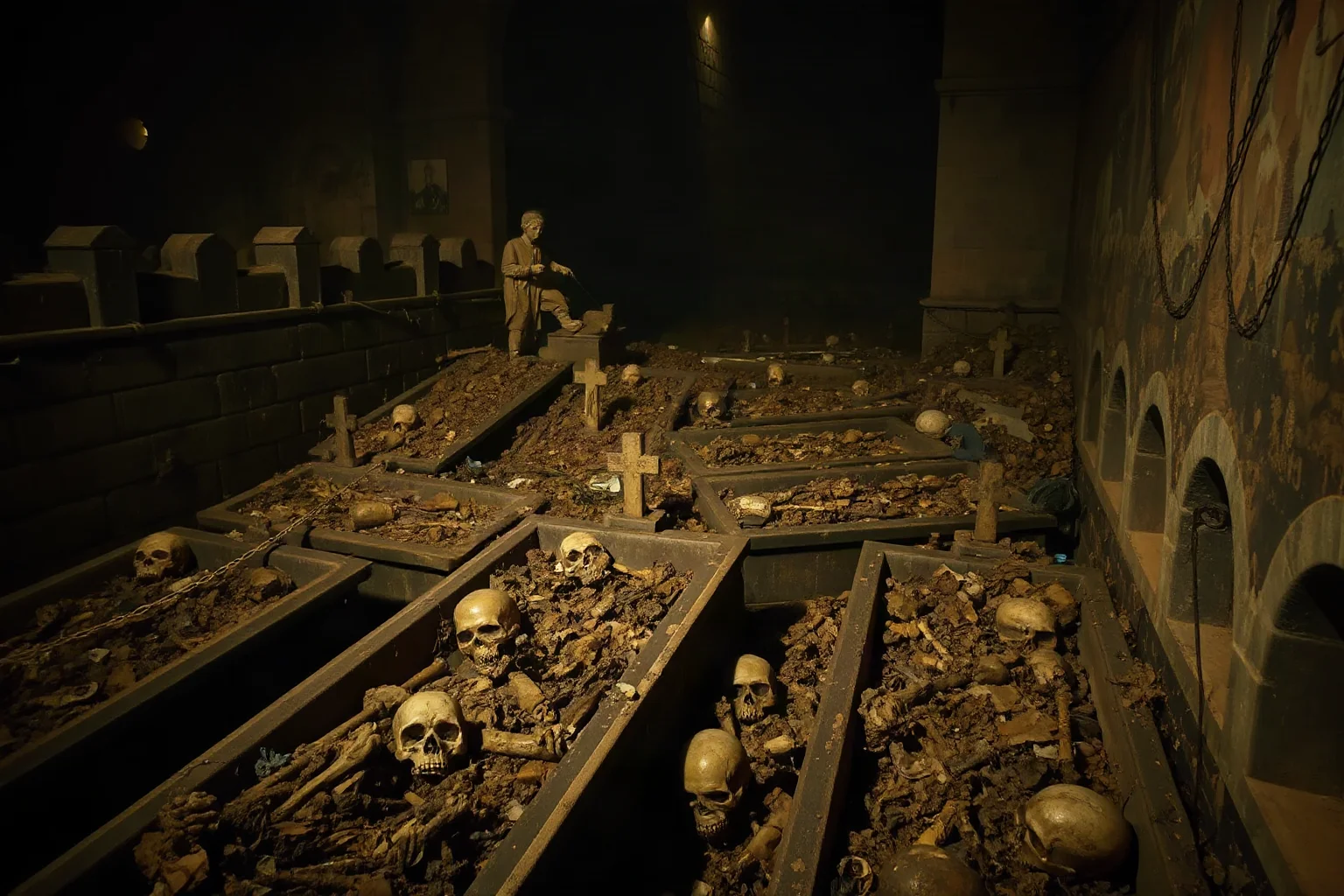
This is the question people search for most, and it’s also where the most myths creep in. The Catacombs weren’t built as a burial site from scratch. They were a practical, almost desperate fix for two separate problems that collided in 18th-century Paris.
A City Built on Empty Ground
For centuries, Parisians quarried limestone from underground tunnels to build the city above them, often without any central records of where the digging had happened. By the 1700s, this had left the Left Bank riddled with unstable, uncharted voids.
The danger became impossible to ignore in 1774, when a section of Rue d’Enfer suddenly collapsed into a sinkhole, swallowing buildings above an old quarry. In response, King Louis XVI established the Inspection Générale des Carrières in 1777, a dedicated service tasked with mapping and reinforcing the tunnels so Paris would stop caving in on itself.
An Overflowing City of the Dead
At the same time, Paris had a very different underground crisis: its cemeteries were full. Les Innocents, the city’s oldest and largest cemetery, had been in continuous use for roughly a thousand years and held the remains of an estimated two million people in a space never meant to hold nearly that many.
By the 1780s, the ground had risen several feet above street level from sheer volume of burials, and mass graves were so packed that decomposing matter began seeping into neighboring building cellars. In 1780, a cellar wall near the cemetery collapsed under the pressure, and the stench and health hazard finally forced the city’s hand. Authorities banned further burials at Les Innocents and began searching for somewhere to put the remains already there.
Two Problems, One Solution
The newly inspected and reinforced quarry tunnels beneath the Tombe-Issoire area turned out to be the answer to both problems at once. Empty, stable, out of the way, and already under city control, they became the designated resting place for bones exhumed from Paris’s overcrowded cemeteries.
So to directly answer why the catacombs exist, why Paris has catacombs, and what caused the catacombs to be created: it wasn’t a single grand design. It was a public health emergency meeting an existing hole in the ground, and city engineers made the two fit together.
Who Built the Catacombs of Paris?
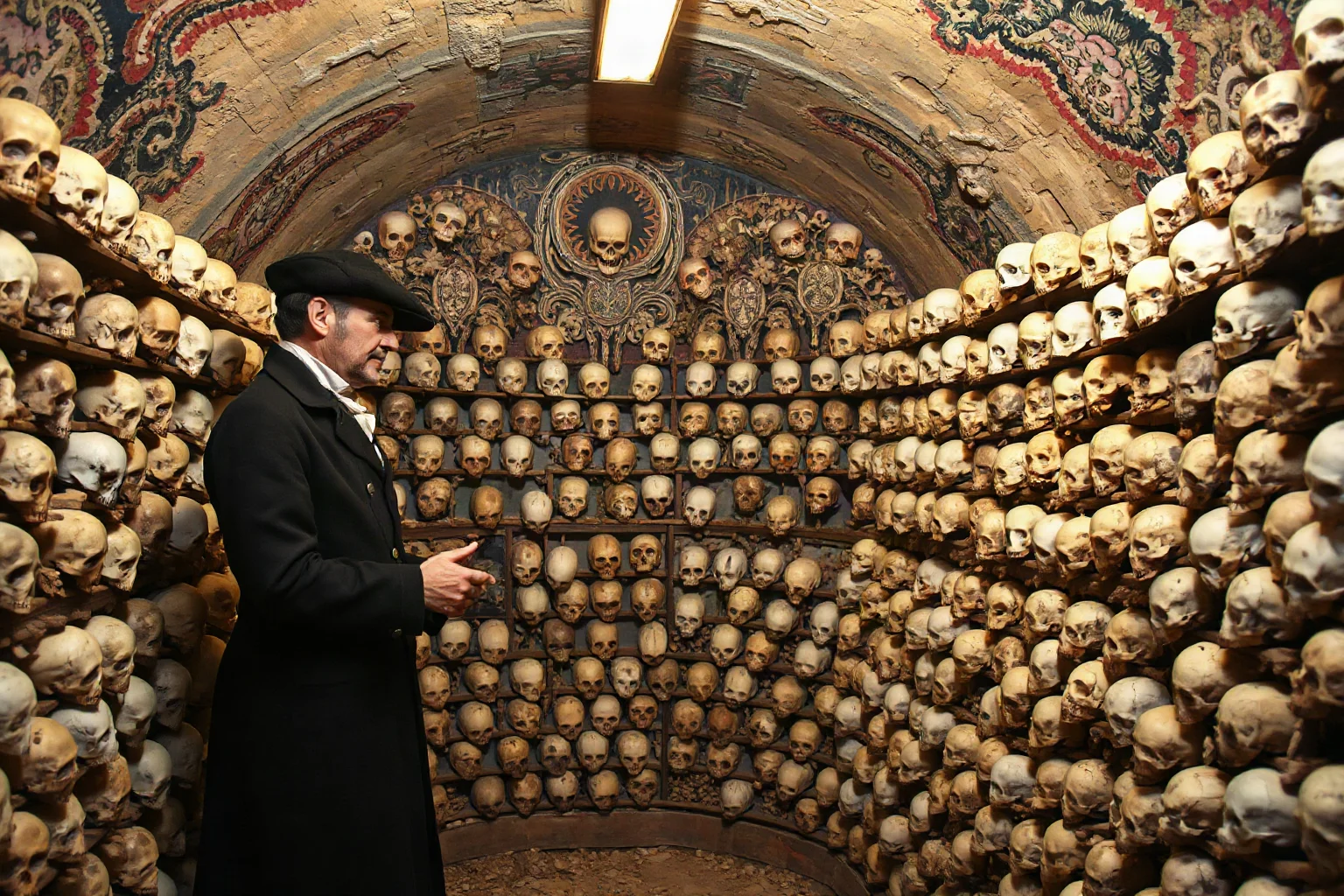
No single person built the Paris Catacombs, since the quarries were dug by generations of anonymous stonecutters over roughly 1,700 years. But a few specific people shaped the ossuary into what visitors see today.
The transfer of bones was organized under the direction of the Paris police lieutenant general at the time, and carried out by quarry inspectors and church workers starting in 1786. Decades later, the ossuary was redesigned by Louis-Étienne Héricart de Thury, an engineer who took charge of the Paris Mine Inspection Service in the early 1800s. He’s the one responsible for arranging the bones into the deliberate walls, patterns, and small monuments visitors see, rather than the disorganized piles that existed at first.
When Were the Bones Actually Moved?
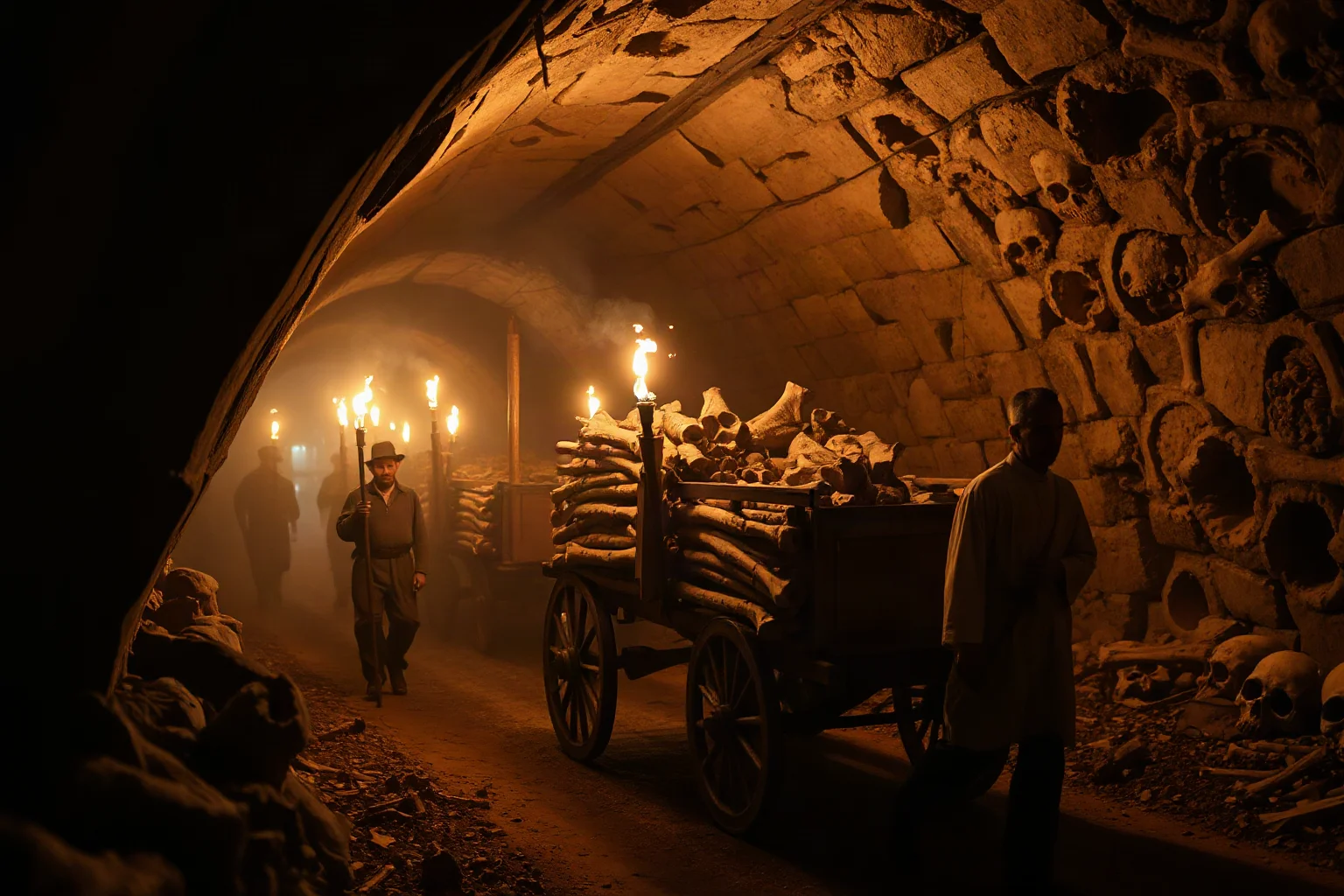
The transfer of remains from Les Innocents and other cemeteries into the quarry tunnels began in 1786 and continued, in stages, for over two years, largely at night to avoid public unease. Workers carried bones by cart, often in solemn torchlit processions, with priests present to bless the remains as they went.
This first wave dealt mainly with Les Innocents, but it wasn’t the only source. Over the following decades, remains from several other closed Parisian cemeteries and churchyards were added, meaning the ossuary grew gradually well into the 19th century rather than being filled in one single project.
What Were the Paris Catacombs Used For?
Beyond their original role as an emergency ossuary, the tunnels have quietly served several other purposes over the past two centuries. Understanding these layers helps explain why the site holds such a grip on public imagination.
An Ossuary and Later a Tourist Curiosity
Once Héricart de Thury finished his renovation in the early 1800s, the ossuary began welcoming occasional visitors, including reportedly Napoleon III, who toured it with his son in 1860. Regular public visits became more formalized later in the 19th century, and the site has drawn curious travelers ever since.
Mushroom Farming and Wartime Shelter
Parts of the wider quarry network beneath Paris were repurposed over the years for mushroom cultivation, taking advantage of the constant cool temperature underground.
During the Second World War, sections of the tunnels also served practical, if grim, purposes: the German occupying forces built a bunker beneath the Lycée Montaigne, while French Resistance members reportedly used other parts of the maze to move undetected.
A Playground for Modern Explorers
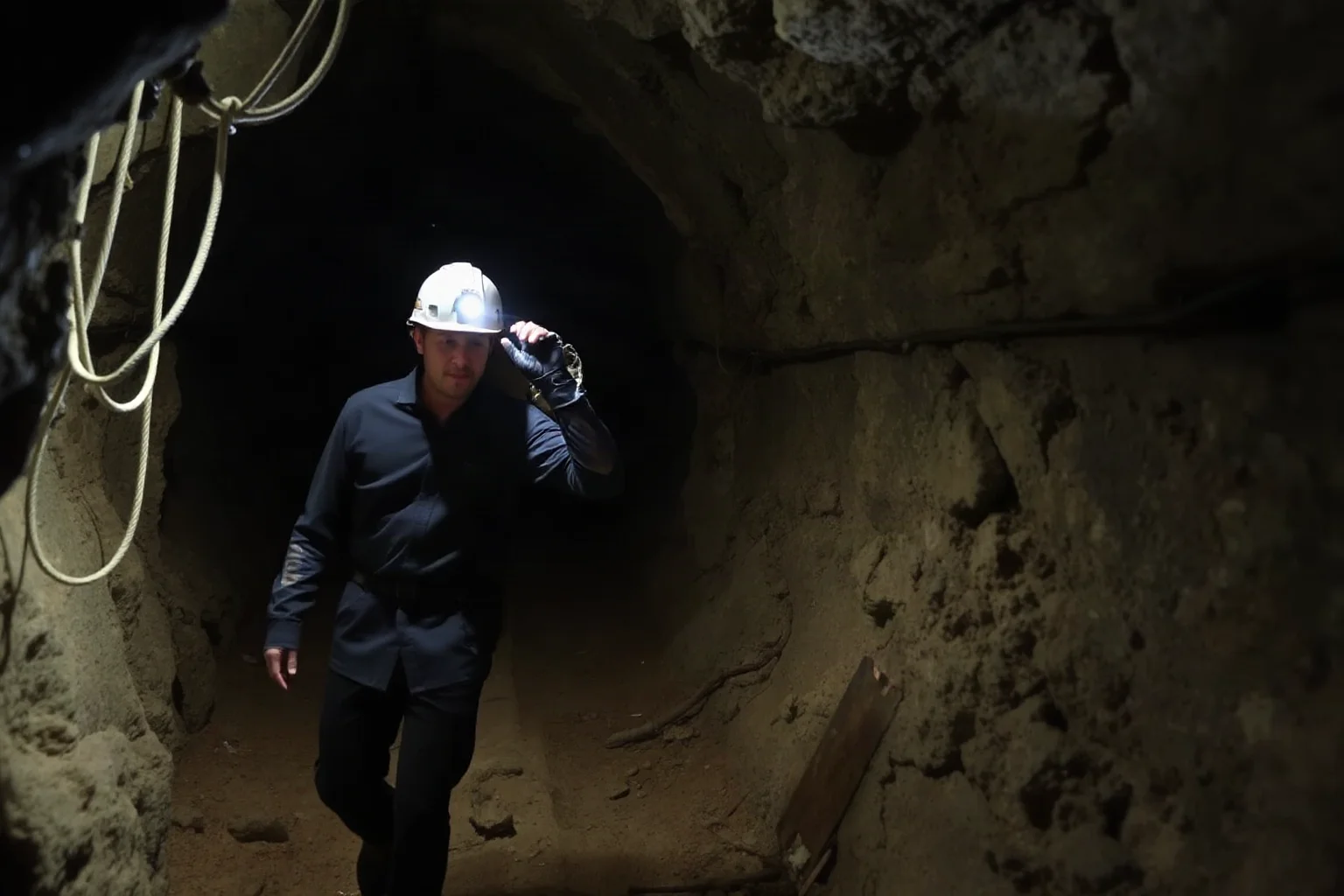
Since at least the 1970s, an informal community of urban explorers known as cataphiles has treated the off-limits sections of the quarry network as their own underground playground.
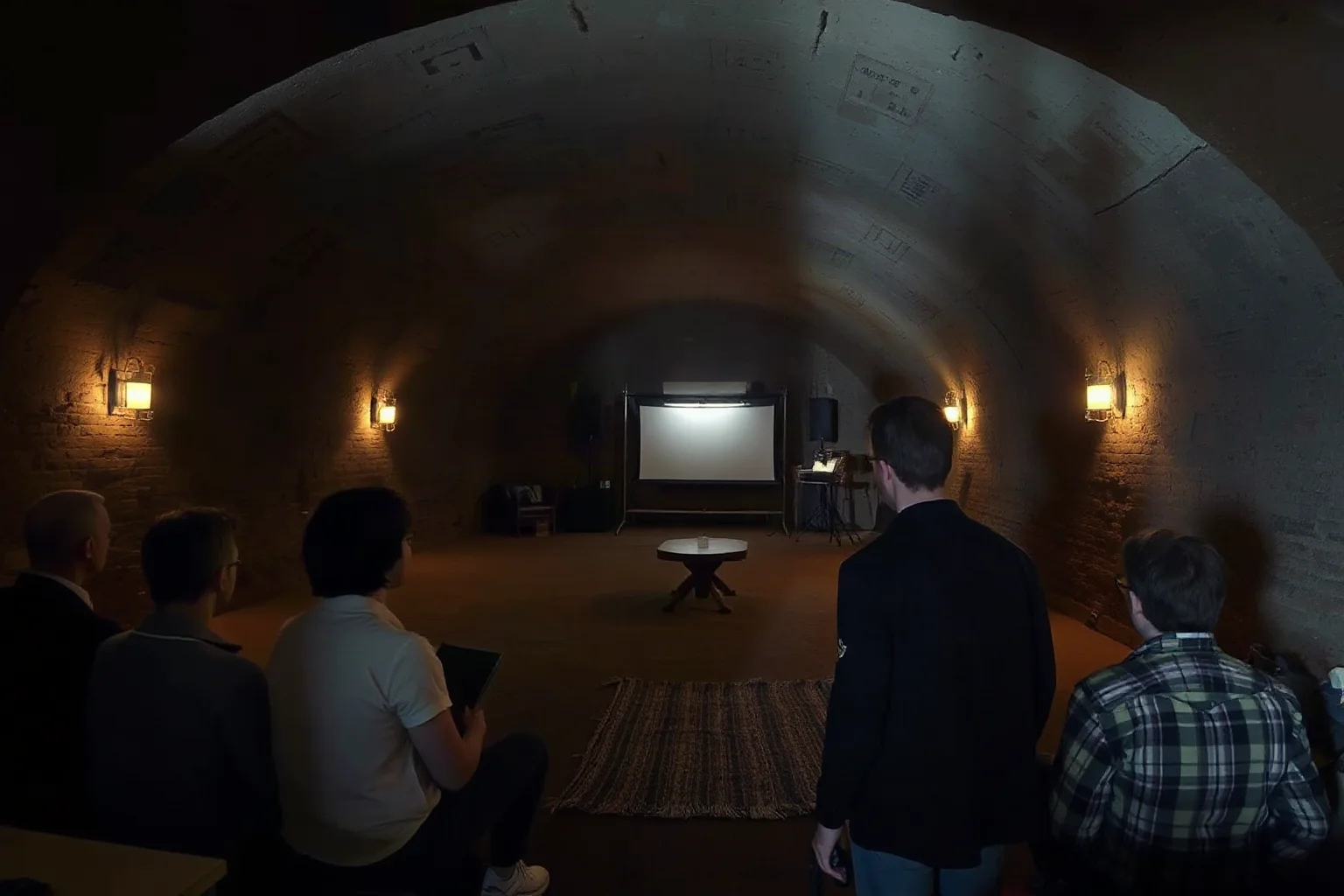
They’ve held parties, art exhibitions, and even reportedly found a hidden cinema screening room carved into one chamber, discovered by police in 2004.
Unauthorized entry has been illegal since 1955 and is enforced by a dedicated police unit nicknamed the “cataflics,” but that hasn’t stopped generations of explorers from finding their way in through storm drains, manholes, and forgotten access points.
Inside the Catacombs Today: What You’ll Actually See
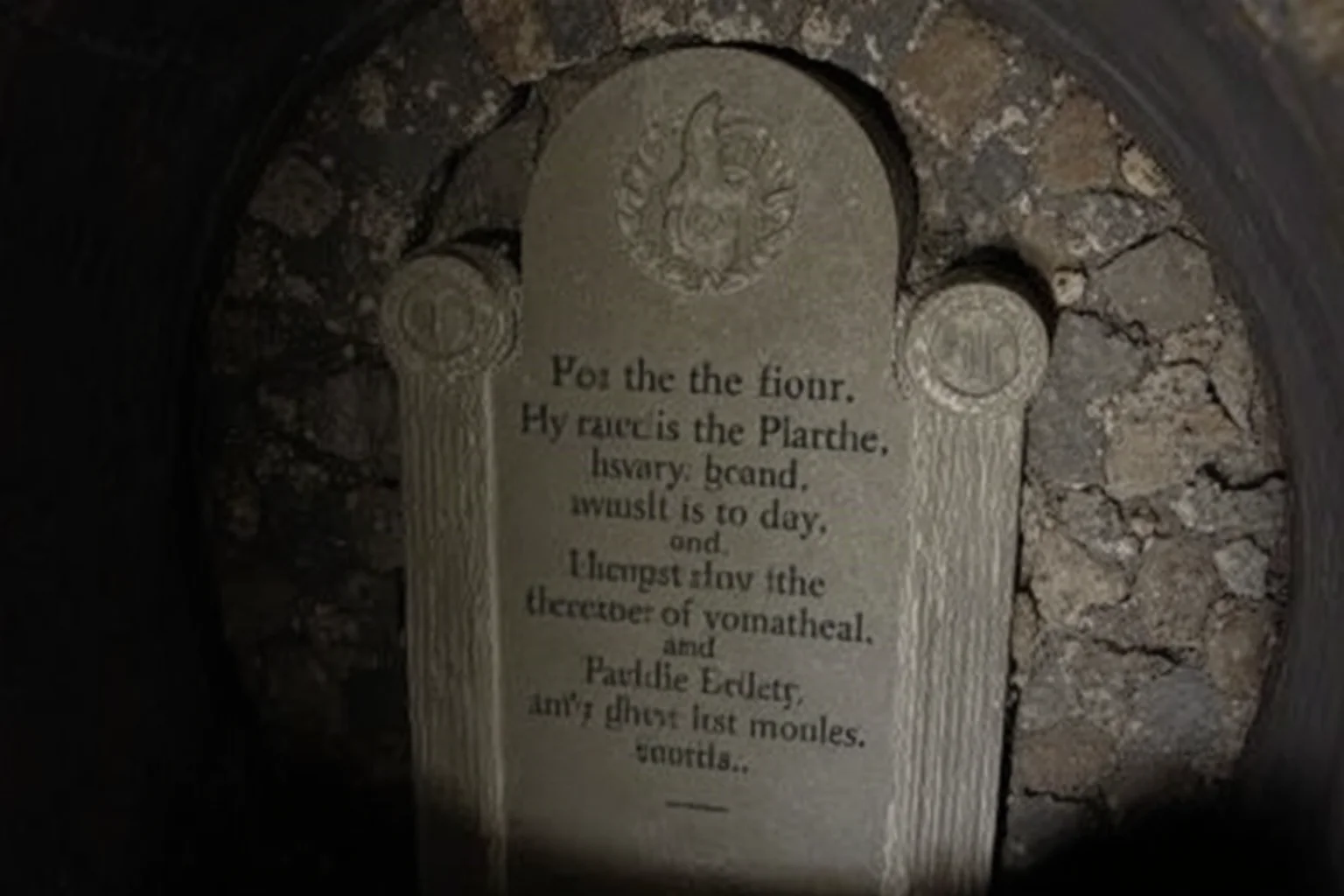
The public route through the Catacombes de Paris only covers a small, carefully managed portion of the full network, but it’s enough to leave a lasting impression.
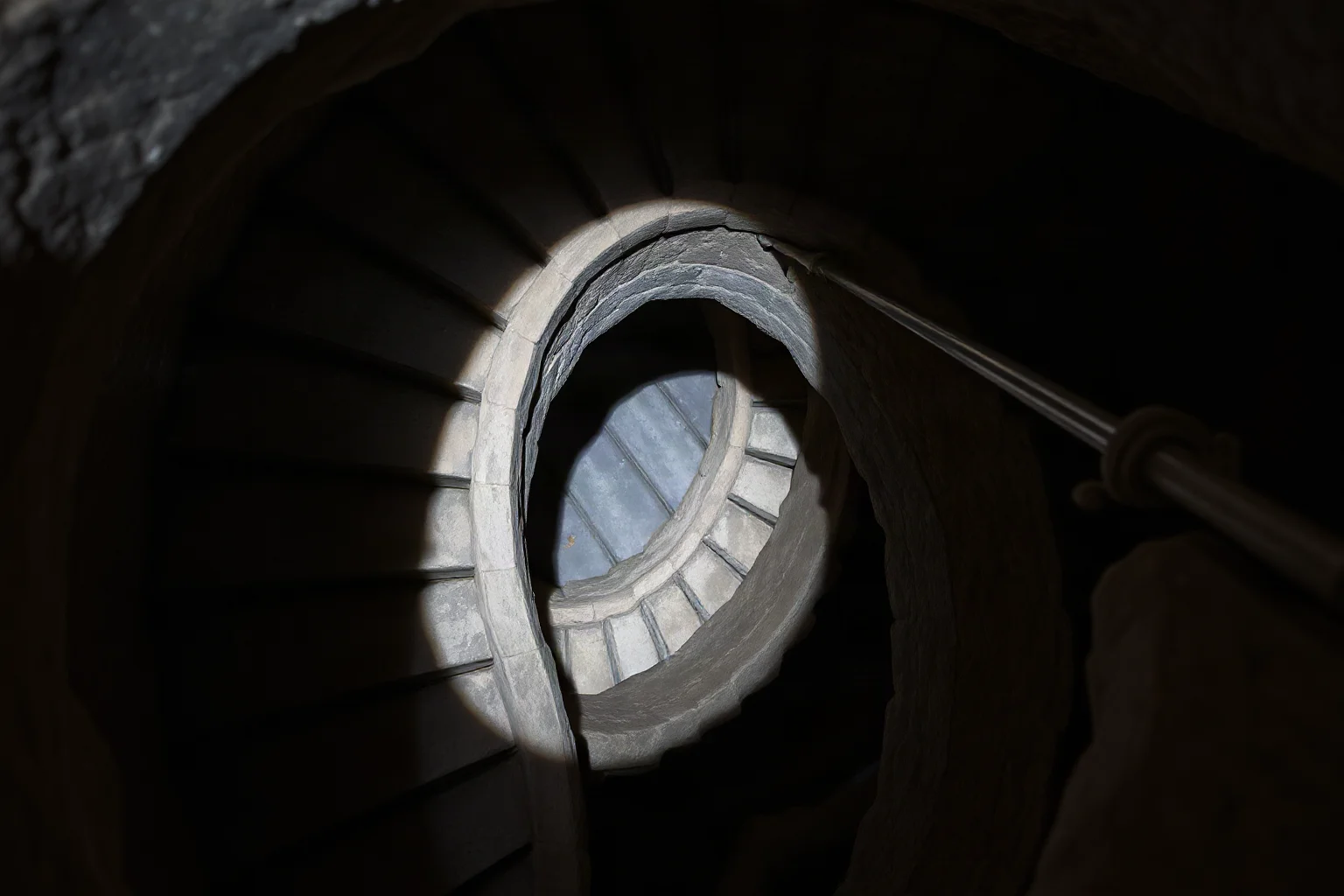
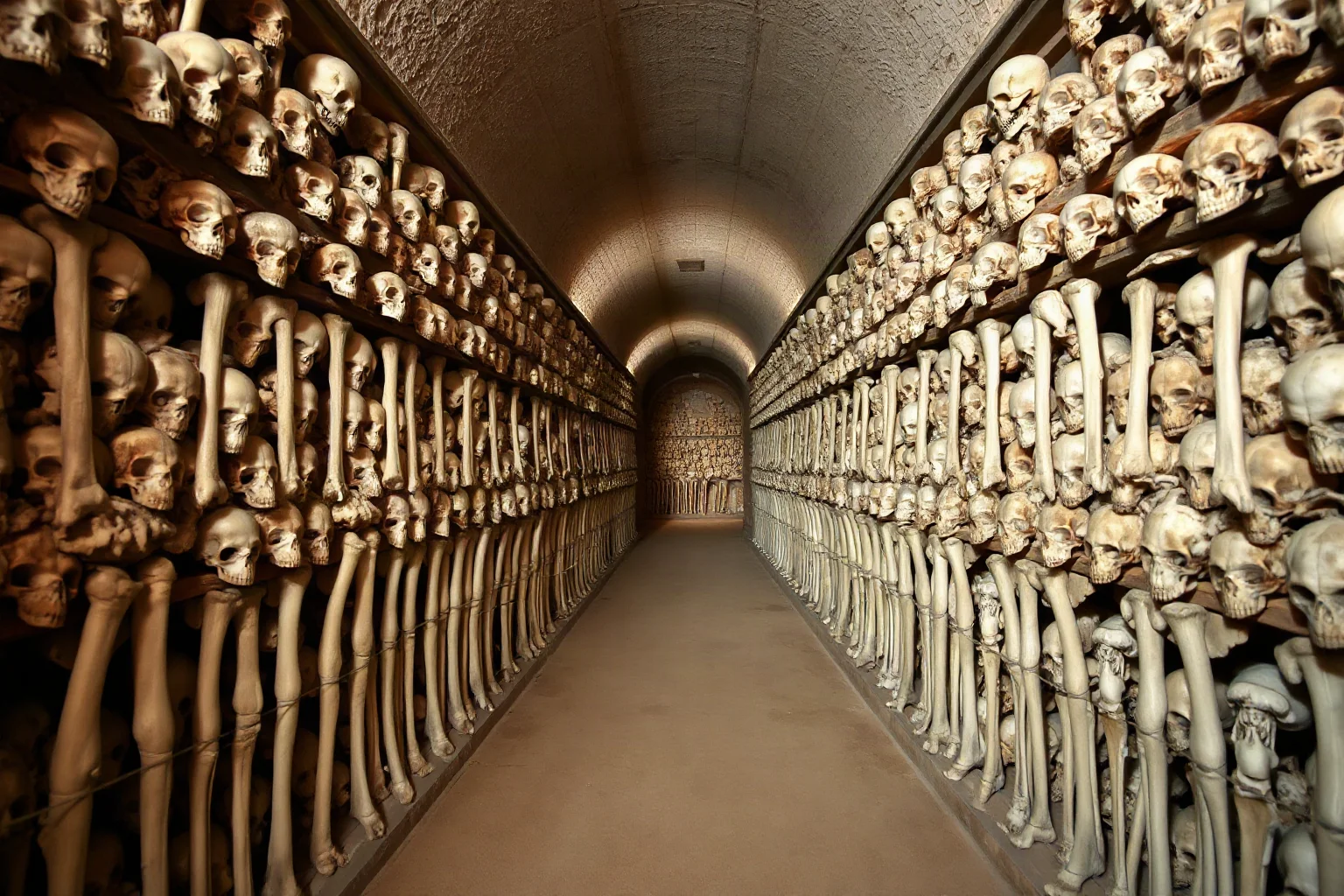
Visitors descend a narrow spiral staircase roughly 20 meters down before walking through corridors lined floor to ceiling with stacked femurs, tibiae, and skulls arranged in deliberate patterns.
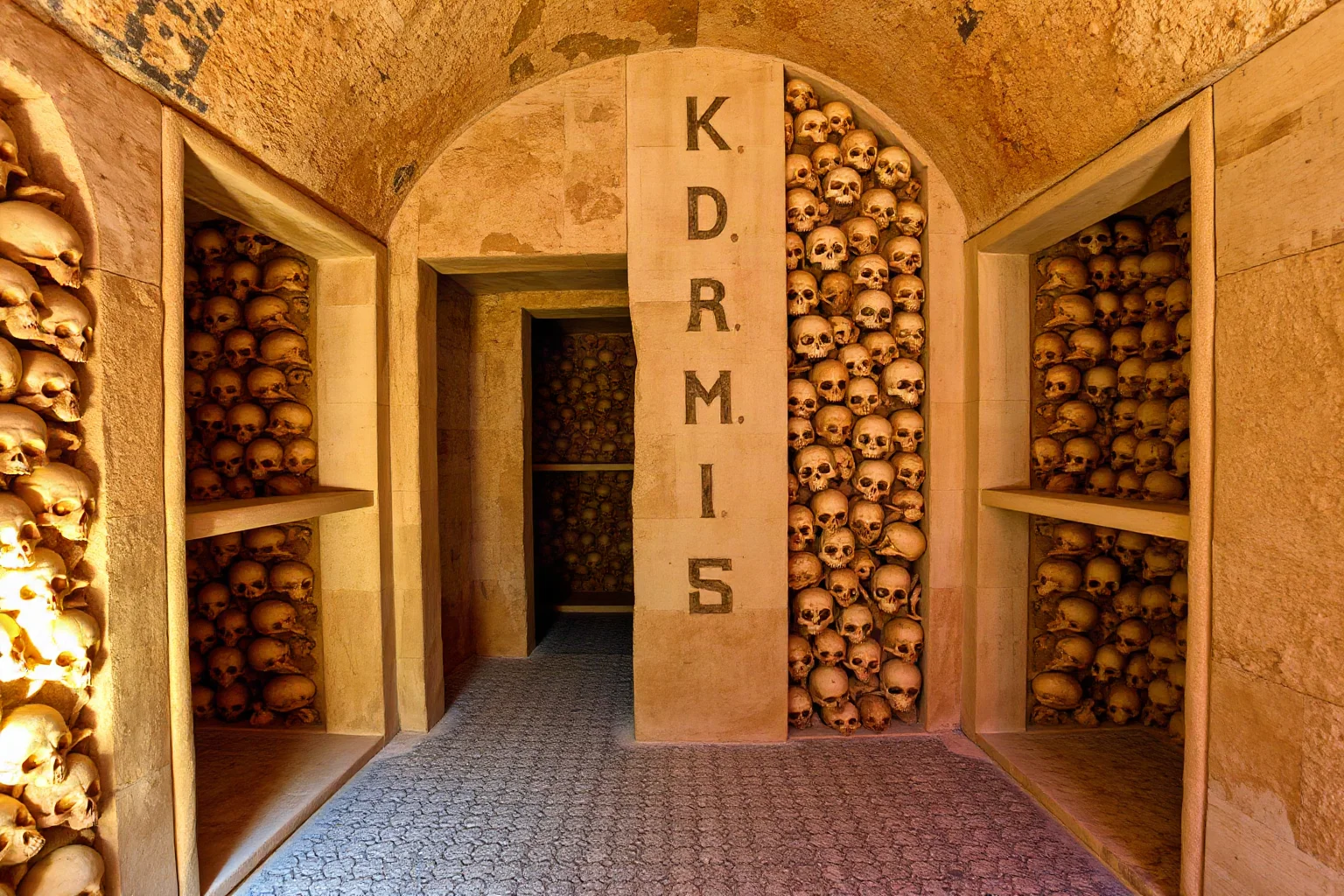
Along the way are carved inscriptions marking which cemetery a given section’s bones came from, along with somber quotes about mortality meant to remind visitors of the sheer scale of death represented in the walls around them.
It’s less a chaotic pile of bones and more a curated, almost architectural memorial, a distinction that surprises many first-time visitors expecting something rawer or more disorganized.
Paris Catacombs Stories and Legends, Fact-Checked
Few historical sites attract as many tall tales as this one, so it’s worth separating documented history from folklore.
The Legend of Philibert Aspairt
One of the most repeated catacombs stories involves Philibert Aspairt, a hospital porter said to have gotten lost in the tunnels in 1793 and whose remains were reportedly discovered years later.
The basic outline of this story is widely repeated in guidebooks, but like much of the catacombs’ early lore, some details have been embellished over the centuries of retelling, so it’s best treated as a well-known legend rather than a fully verified account.
Ghosts, Cults, and Urban Myths
Stories of hauntings, secret cult gatherings, and unexplained disappearances circulate widely online and in tabloid coverage of the site.
None of these claims are backed by verifiable historical evidence, and most trace back to modern urban legend rather than documented incidents, so they’re worth enjoying as spooky folklore rather than settled fact.
The Real Mystery Is Scale, Not the Supernatural
The genuinely unsettling part of the Catacombs doesn’t require any ghost story. Standing in a corridor built from the arranged bones of roughly six million people, most of whom will never be individually identified, is eerie enough on its own without embellishment — a death toll on a scale comparable to history’s deadliest catastrophes, like the 1931 China floods.
Paris Catacombs Facts Worth Knowing
A few concrete details help put the site’s scale in perspective.
The public ossuary route covers roughly 1.5 to 2 kilometers, but it sits within a wider quarry network estimated at 200 to 300 kilometers, most of which is closed to the public. The remains inside are estimated to belong to about six million individuals, gathered from numerous Parisian cemeteries closed between the late 1700s and mid-1800s.
The temperature underground stays a fairly constant 14 degrees Celsius (about 57 degrees Fahrenheit) year-round, regardless of the season above ground. Unauthorized exploration of the wider tunnel network has been illegal in Paris since 1955, though that hasn’t stopped a persistent subculture of cataphiles from continuing to explore it.
Visiting the Catacombs Today
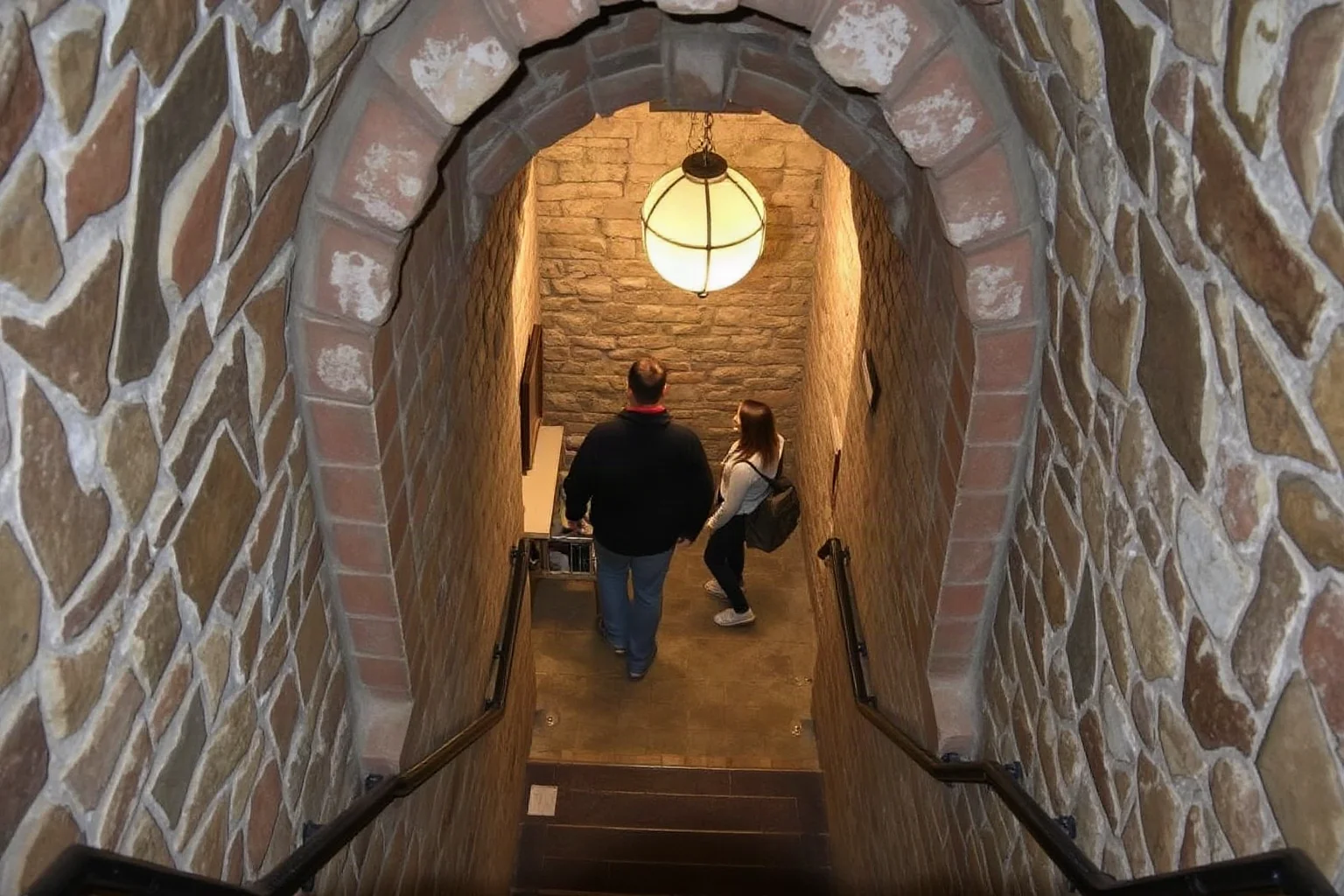
The Catacombes de Paris operate as an official museum run by the city, with timed-entry tickets required due to high demand and a strict daily visitor cap to protect the fragile site. The visit takes visitors through the reinforced, publicly accessible portion of the quarries, ending well before reaching the miles of unlit, unofficial tunnels that cataphiles still explore.
Given the site’s popularity, booking tickets in advance is strongly recommended, especially during peak tourist season. The experience typically takes 45 minutes to an hour and is not recommended for anyone uncomfortable in enclosed spaces, given the narrow stairways and low corridors involved.
The Catacombs’ Place in Paris History
What makes the Paris Catacombs so compelling isn’t just the bones. It’s the way the site captures an entire chapter of the city’s growth: a metropolis that quite literally hollowed out its own foundation to build itself upward, then had to find a use for the empty space it left behind.
The ossuary stands as a reminder that even a city as elegant as Paris has a practical, sometimes uncomfortable history running beneath its postcard image. It also shows how a public health crisis, handled with unusual care and even artistry by figures like Héricart de Thury, can become something the world now travels to see on purpose.
The next time someone mentions the catacombs of Paris, it’s worth remembering that the eerie corridors of bone are really the tail end of a much longer story about limestone, urban planning, and a city that ran out of room for its dead. That story is stranger, and in some ways more human, than any ghost tale attached to it.
Frequently Asked Questions
What is the Catacombs?
The Catacombs is the common name for the Catacombes de Paris, a section of former limestone quarries beneath the city that were converted into an ossuary in the late 1700s. It holds the relocated remains of an estimated six million people, originally moved there from overcrowded Parisian cemeteries.
Why were the Paris Catacombs built?
The Catacombs weren't built from scratch as a burial site. They were created by repurposing existing, already-mapped limestone quarry tunnels to hold remains removed from Paris's dangerously overcrowded cemeteries, most notably Les Innocents, starting in 1786.
When were the Paris Catacombs built?
The underlying quarry tunnels were dug over roughly 1,700 years, starting in Roman times. The ossuary itself, which most people mean by 'the Catacombs,' was established starting in 1786 and expanded gradually into the 19th century.
Who built the Catacombs of Paris?
The quarry tunnels were carved by generations of anonymous stonecutters over many centuries. The ossuary's transformation into an organized memorial is largely credited to engineer Louis-Étienne Héricart de Thury in the early 1800s.
How old are the Paris Catacombs?
The ossuary section is around 240 years old, dating to 1786. The quarry network beneath it is far older, with quarrying activity beneath Paris dating back roughly 2,000 years to the Roman era.
What were the Paris Catacombs used for?
Beyond serving as an ossuary for remains cleared from overcrowded cemeteries, sections of the wider tunnel network have been used for mushroom farming, as wartime shelters and bunkers during World War II, and today as an unofficial gathering spot for urban explorers known as cataphiles.
How many bones are in the Paris Catacombs?
The ossuary is estimated to hold the remains of roughly six million people, transferred from numerous Parisian cemeteries that were closed for public health reasons between the late 18th and mid-19th centuries.
Can visitors see the whole catacombs network?
No. The official public route covers only about 1.5 to 2 kilometers of tunnel, while the full quarry network beneath Paris is estimated at 200 to 300 kilometers. Unauthorized entry into the rest of the network has been illegal since 1955.
Why is there so many bones in the catacombs?
Paris's cemeteries, especially Les Innocents, had been used for burials for nearly a thousand years and became dangerously overcrowded by the 1780s, leading to structural collapses and health hazards. Authorities relocated the remains into the empty quarry tunnels to solve the crisis.
Is it true the Paris Catacombs are haunted?
There's no verified historical evidence supporting claims of hauntings in the Catacombs. Many popular ghost stories, including tales about lost explorers, are treated as folklore rather than documented fact, though the site's scale and history are unsettling enough without supernatural embellishment.

Alex Warren
Related Articles