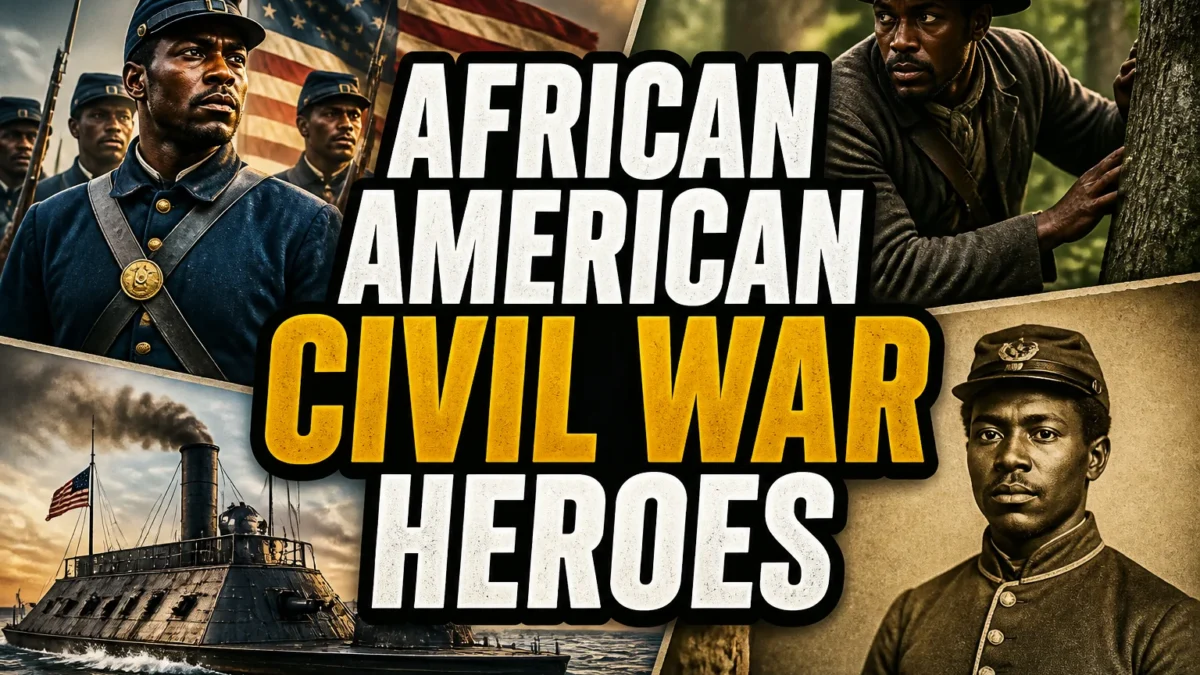
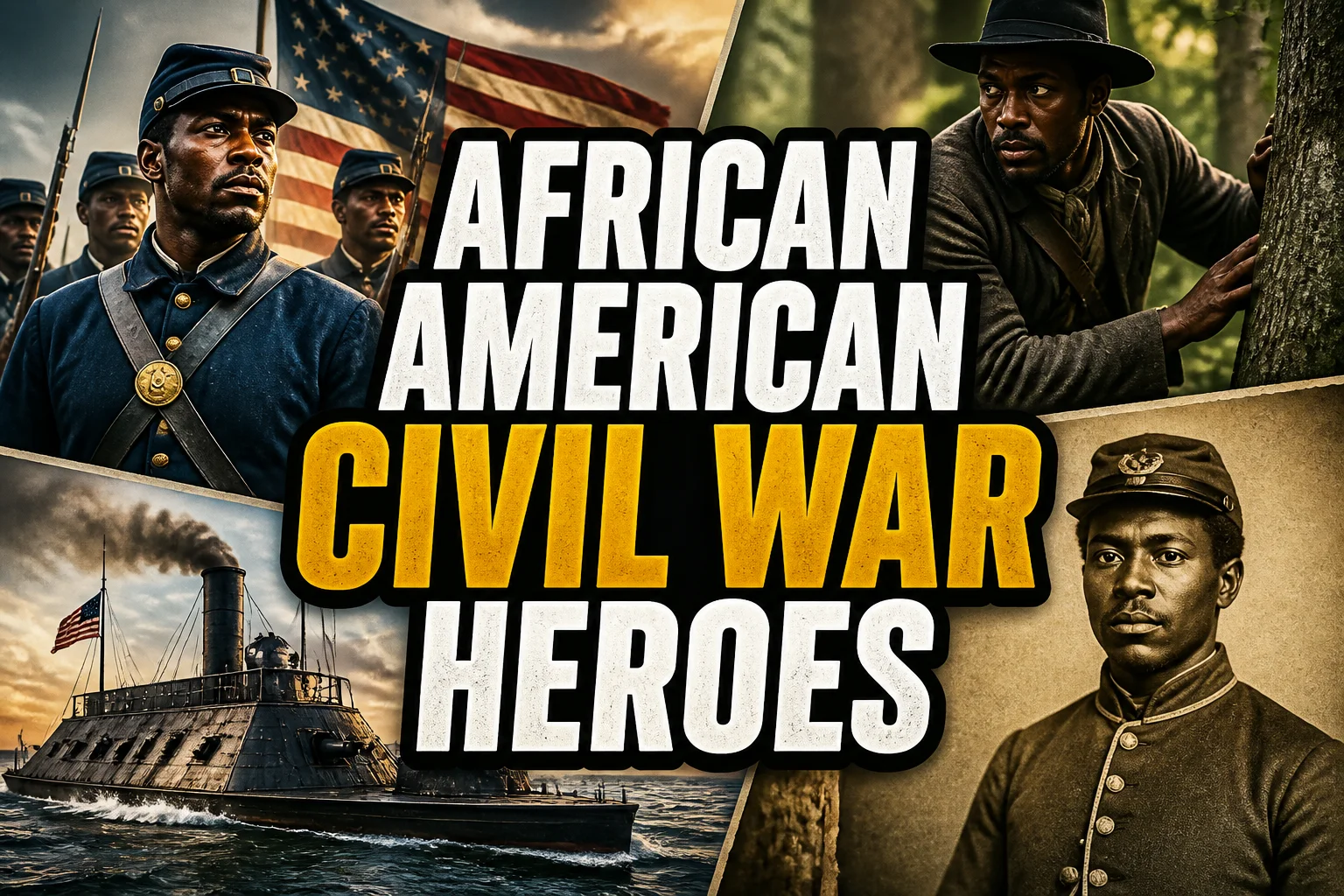
The American Civil War produced many heroes, but some of the most remarkable stories were long left out of the popular narrative. Black Americans fought for Union victory even when the U.S. government initially refused to let them enlist. Once the policy changed, they enlisted by the tens of thousands, served in segregated regiments, and earned reputations for extraordinary courage.
These men and women included soldiers, sailors, spies, nurses, recruiters, and pilots. Some are famous black soldiers in the Civil War; others are less-known American Civil War heroes whose stories still deserve attention.
TL;DR: Black soldiers and sailors were decisive US Civil War heroes who turned the fight for Union into a war for freedom, despite discrimination, unequal pay, and captivity risk.
The Fight for the Right to Fight
In 1861, free Black men and formerly enslaved men tried to volunteer for the Union Army, but federal law and military policy barred them from serving. The Lincoln administration initially worried that arming Black men would alienate border states and disrupt the political coalition supporting the war. That refusal frustrated abolitionists and Black leaders, who saw the war as a chance to destroy slavery.
By mid-1862, military necessity changed the argument. The Emancipation Proclamation, issued in September 1862 and effective January 1, 1863, authorized Black enlistment in the Union Army and Navy. Black regiments formed rapidly in the North, in captured Southern territory, and in the border states.
By the end of the war, about 179,000 Black men had served in the United States Army and roughly 19,000 in the Navy. These troops made up nearly one-tenth of all Union forces. Their presence helped turn a war to restore the Union into a war to end slavery.
Myths and Reality: The Search for Famous Black Confederate Soldiers
Some readers search for famous black Confederate soldiers or famous African American Confederate soldiers, hoping to find Black men who eagerly fought for the Confederacy. The historical record points in a different direction. The Confederate government refused to enlist Black troops for most of the war.
Thousands of enslaved men were forced to support Confederate armies as cooks, teamsters, body servants, and laborers. Some wore captured uniforms or were present at battlefields, but they were not officially enlisted combat troops. Historians generally agree that the Confederacy did not authorize Black soldiers until March 13, 1865, only weeks before Lee's surrender.
A small number of mixed-race or fair-skinned men may have served in Confederate units without being identified, but evidence is thin and often anecdotal. Modern stories about famous black Confederate soldiers usually rest on misunderstanding, Lost Cause mythology, or deliberate distortion. The documented, large-scale Black military heroism of the Civil War belongs overwhelmingly to the Union cause.
Heroes of the American Civil War: 20 Black Soldiers, Sailors, and Spies
Each person or unit below represents a real, documented contribution to the Union war effort. The list mixes celebrated names with lesser-known figures whose courage still deserves recognition.
1. Robert Smalls: The Pilot Who Stole a Confederate Ship
Robert Smalls was born enslaved in Beaufort, South Carolina, and became a skilled ship pilot in Charleston Harbor. On May 13, 1862, he mounted a daring escape by taking command of the Confederate transport CSS Planter while its white officers were ashore. Smalls steered past Confederate forts, surrendered the vessel to the U.S. Navy, and won freedom for his family and crew.
His knowledge of Charleston's channels made him a valuable Union pilot aboard the Planter. Smalls used his fame to advocate for Black enlistment, and after the war he served in the South Carolina legislature and the U.S. House of Representatives.
2. Harriet Tubman: The Scout Who Led a Raid
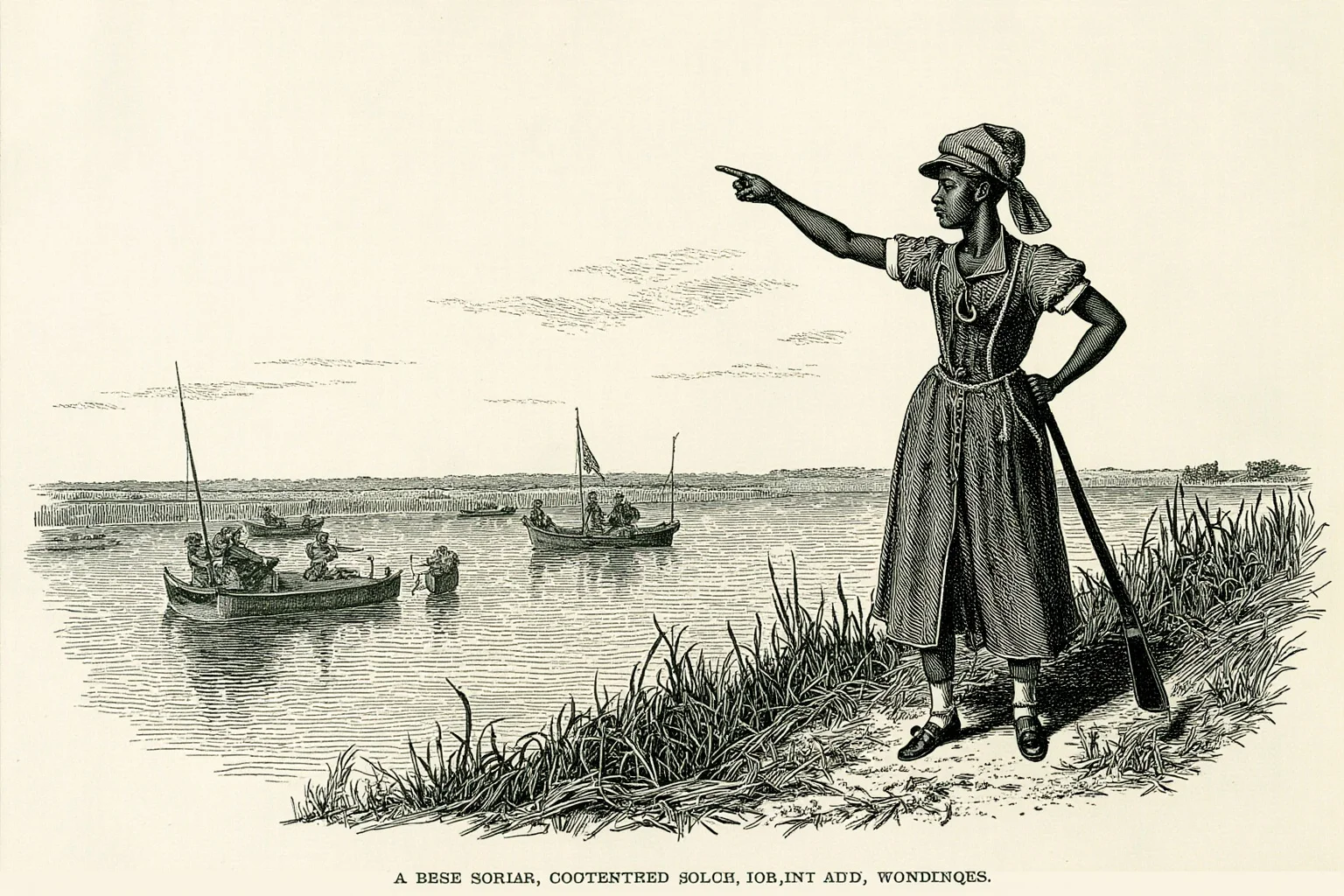
Harriet Tubman is best known for guiding enslaved people to freedom on the Underground Railroad, but she also served as a Union scout and spy. In June 1863, she helped plan and guide the Combahee River Raid in South Carolina. The operation disrupted Confederate supply lines and liberated more than 700 enslaved people.
Tubman gathered intelligence from Black water pilots and local informants who knew the river routes. She later worked as a nurse for formerly enslaved refugees, though she was denied a military pension for years.
3. Frederick Douglass: The Voice Behind the Fight
Frederick Douglass was not a soldier, but he was one of the most important American Civil War heroes behind the lines. As the leading Black abolitionist of his era, he pressed Abraham Lincoln to make emancipation and Black enlistment central to the Union war effort. His speeches and editorials helped fill Northern Black regiments with volunteers.
Douglass also gave the war a personal stake: two of his sons, Lewis and Charles Douglass, enlisted in the 54th Massachusetts Infantry. His recruiting work connected Black military service directly to the fight for citizenship.
4. William Harvey Carney: The Flag Bearer of Fort Wagner
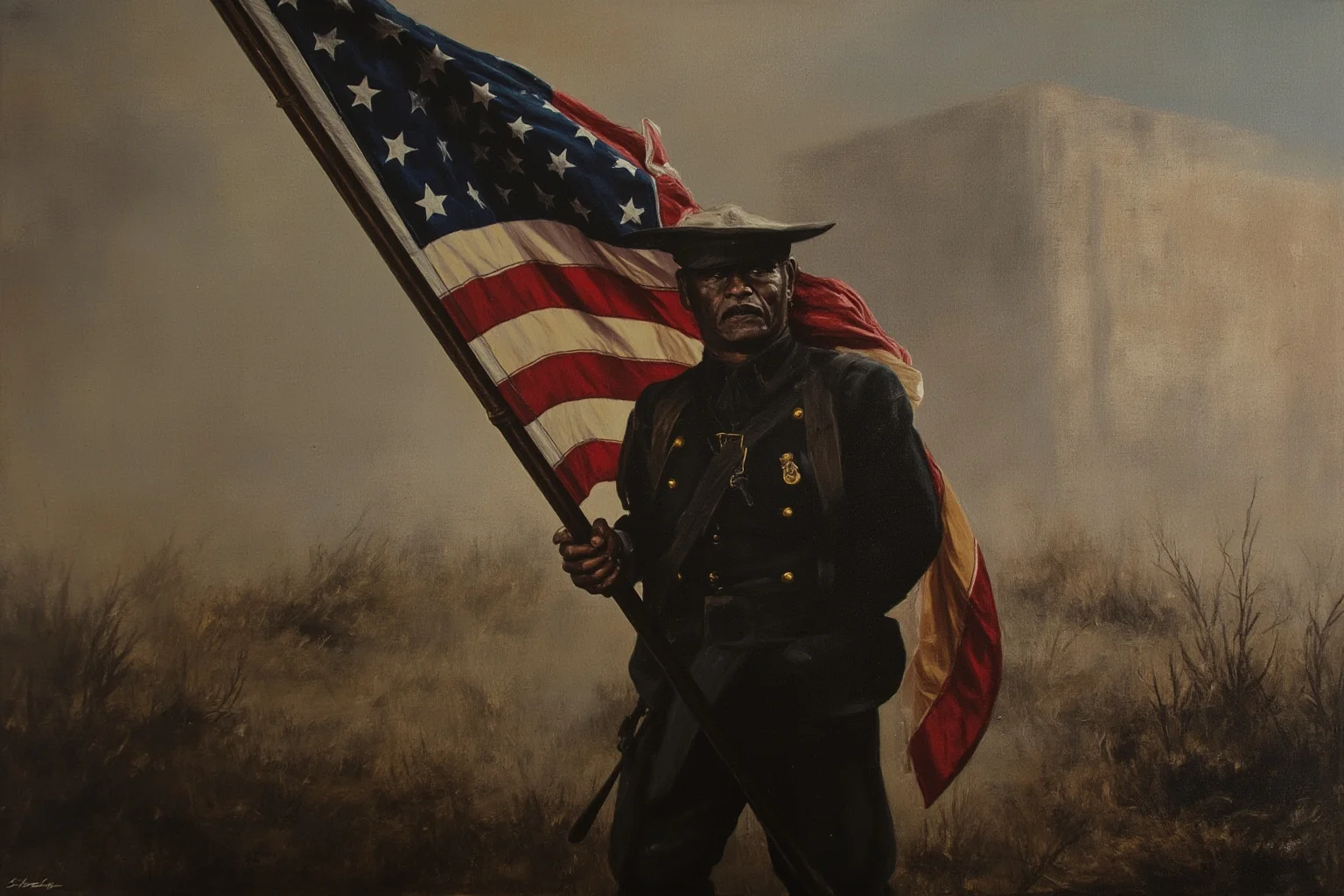
William Harvey Carney was born enslaved in Virginia and later settled in New Bedford, Massachusetts, where he joined the 54th Massachusetts Infantry. At the assault on Fort Wagner in South Carolina on July 18, 1863, he grabbed the national flag after the color bearer fell. Though wounded multiple times, Carney kept the flag aloft and refused to let it touch the ground.
Carney became an enduring American Civil War hero for his action at Fort Wagner. He was awarded the Medal of Honor in 1900, one of the first Black soldiers to receive the nation's highest military decoration.
5. Martin Robison Delany: The First Black Field Officer
Martin Robison Delany was an abolitionist, writer, and advocate for Black self-reliance before the war. He recruited thousands of Black men for the Union Army and met with Lincoln in 1865 to push for Black military leadership. In the final weeks of the war, Delany was commissioned as a major in the 104th United States Colored Troops.
That appointment made him one of the highest-ranking Black officers in the Union Army and the first Black field officer. Delany's promotion showed that Black men could serve not only as soldiers but also as commanders.
6. André Cailloux: The Martyr of Port Hudson
André Cailloux was a Black officer in New Orleans who became captain of a company in the 1st Louisiana Native Guard. On May 27, 1863, he led his men in a doomed but fearless assault on Confederate defenses at Port Hudson, Louisiana. Cailloux was killed while urging his company forward under heavy fire.
His death made him a martyr for Black military service and Union victory. A massive funeral in New Orleans honored his courage and helped strengthen support for Black troops.
7. Christian Fleetwood: The Flag Carrier at New Market Heights
Christian Fleetwood was a free Black man from Baltimore who served as a sergeant major in the 4th United States Colored Troops. At the Battle of New Market Heights in September 1864, he caught the regimental flag after two color bearers were shot down. Fleetwood carried the flag through Confederate fire and helped rally the regiment.
For that action he received the Medal of Honor. Fleetwood's wartime diary also provides a valuable firsthand account of Black soldiers' experiences.
8. Powhatan Beaty: The Sergeant Who Took Command
Powhatan Beaty was born enslaved in Virginia and later settled in Cincinnati, Ohio, where he joined the 5th United States Colored Troops. During the Battle of New Market Heights on September 29, 1864, every officer in his company was killed or wounded. Beaty, a sergeant, took command and led the company through a second charge.
His leadership under intense fire earned him the Medal of Honor. Beaty later became a well-known actor and public speaker.
9. James Daniel Gardner: The Soldier Who Broke the Line
James Daniel Gardner served in the 36th United States Colored Troops, a regiment that fought at the Battle of New Market Heights. During the assault, Gardner moved ahead of his comrades and killed a Confederate officer who was trying to rally enemy troops. His action helped break Confederate resistance at a critical point.
Gardner was awarded the Medal of Honor for his bravery. Like many Black veterans, he returned to civilian life with little public recognition.
10. Miles James: The Wounded Fighter Who Would Not Quit
Miles James served in the 36th United States Colored Troops at New Market Heights. Early in the fighting he was severely wounded in the arm, but he refused to leave the field. James continued to load and fire his rifle with his remaining arm, encouraging his fellow soldiers to press forward.
His determination earned him the Medal of Honor. James's story is one of the most striking examples of individual courage among famous black soldiers in the Civil War.
11. Alexander Kelly: The Color Bearer Who Held On
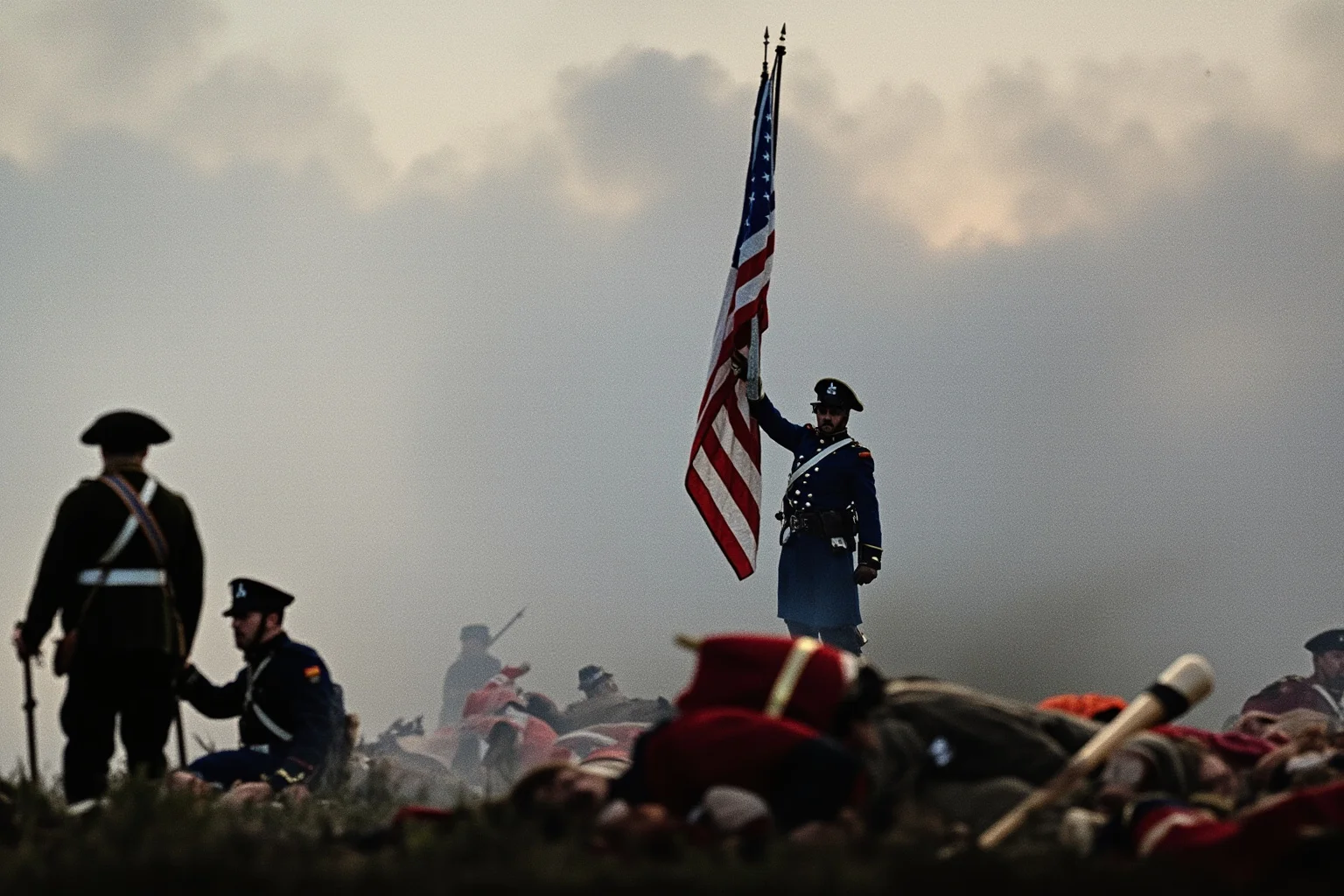
Alexander Kelly fought with the 6th United States Colored Troops at New Market Heights. When the color bearer was killed, Kelly seized the flag and carried it forward through heavy fire. His advance helped keep the regiment together during a chaotic assault.
Kelly received the Medal of Honor for his actions that day. The Battle of New Market Heights produced many Black Medal of Honor recipients, but Kelly's name is often overlooked.
12. John Lawson: The Powder Passer at Mobile Bay
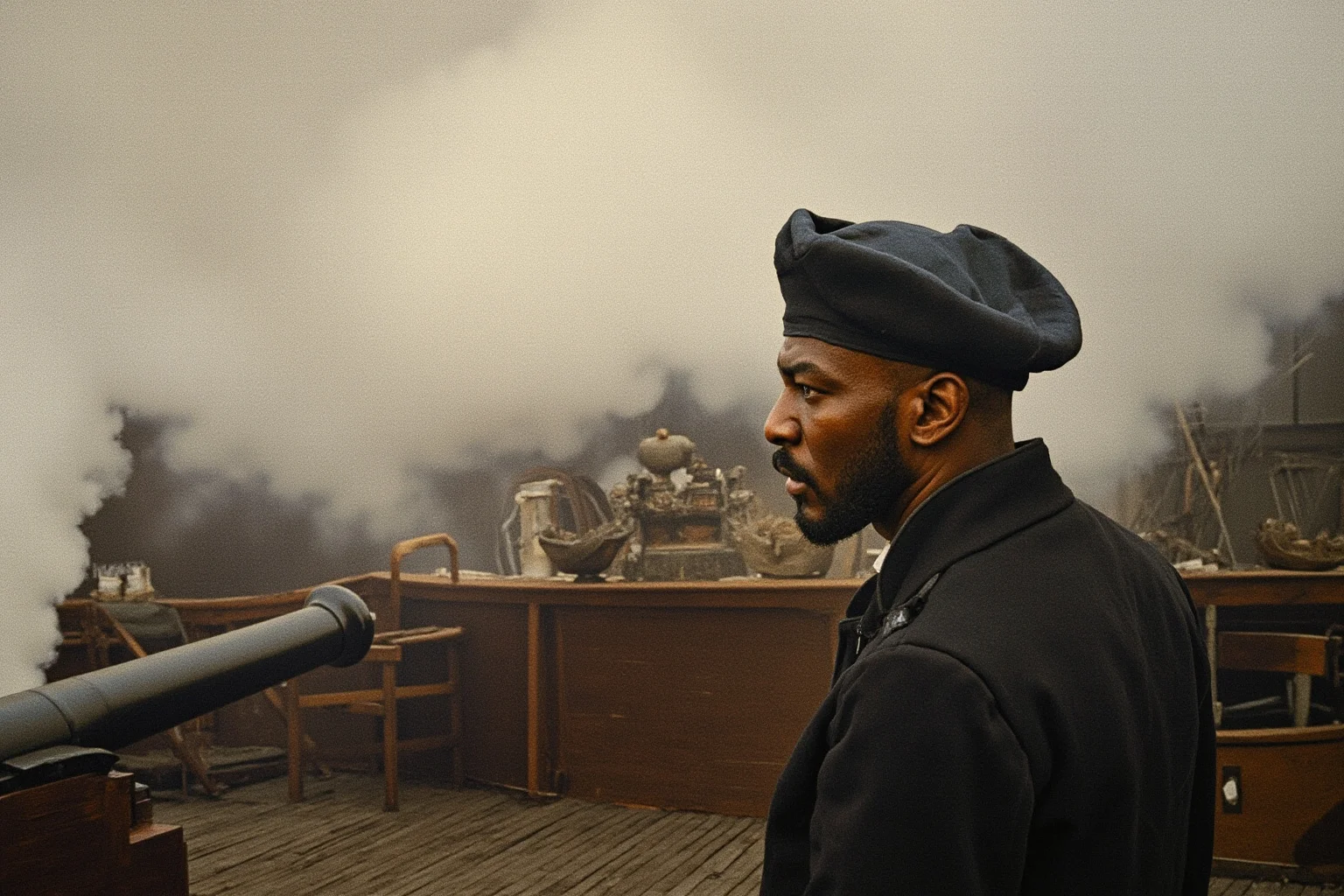
John Lawson served in the U.S. Navy as a landsman aboard the USS Hartford during the Battle of Mobile Bay in August 1864. A Confederate shell burst near his gun station, wounding him badly. Lawson nevertheless kept supplying powder to his crew, refusing medical treatment until the battle ended.
He was awarded the Medal of Honor for his devotion to duty. Lawson's story highlights the often-forgotten role of Black sailors among heroes of the American Civil War.
13. Aaron Anderson: The Sailor on a Dangerous Raid
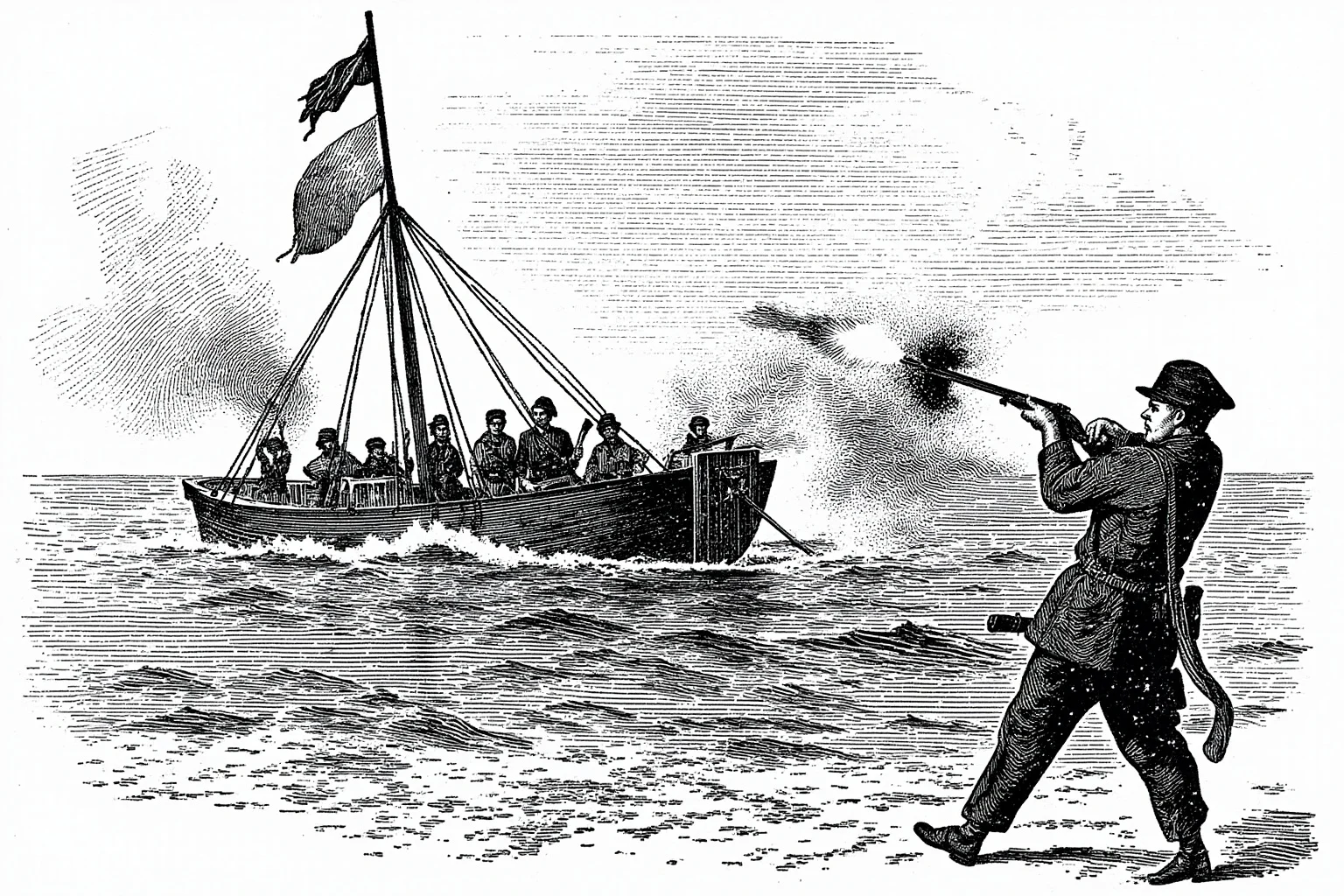
Aaron Anderson served aboard the USS Wyandank, a Union gunboat operating in Virginia's coastal waters. In March 1865, he took part in a small-boat expedition up Mattox Creek to destroy Confederate supplies and vessels. The raid came under heavy fire from shore, but Anderson and his shipmates completed their mission.
Anderson received the Medal of Honor for conspicuous gallantry. His service shows that Black sailors fought in smaller, dangerous operations as well as famous fleet battles.
14. Robert Blake: The First Black Medal of Honor Recipient
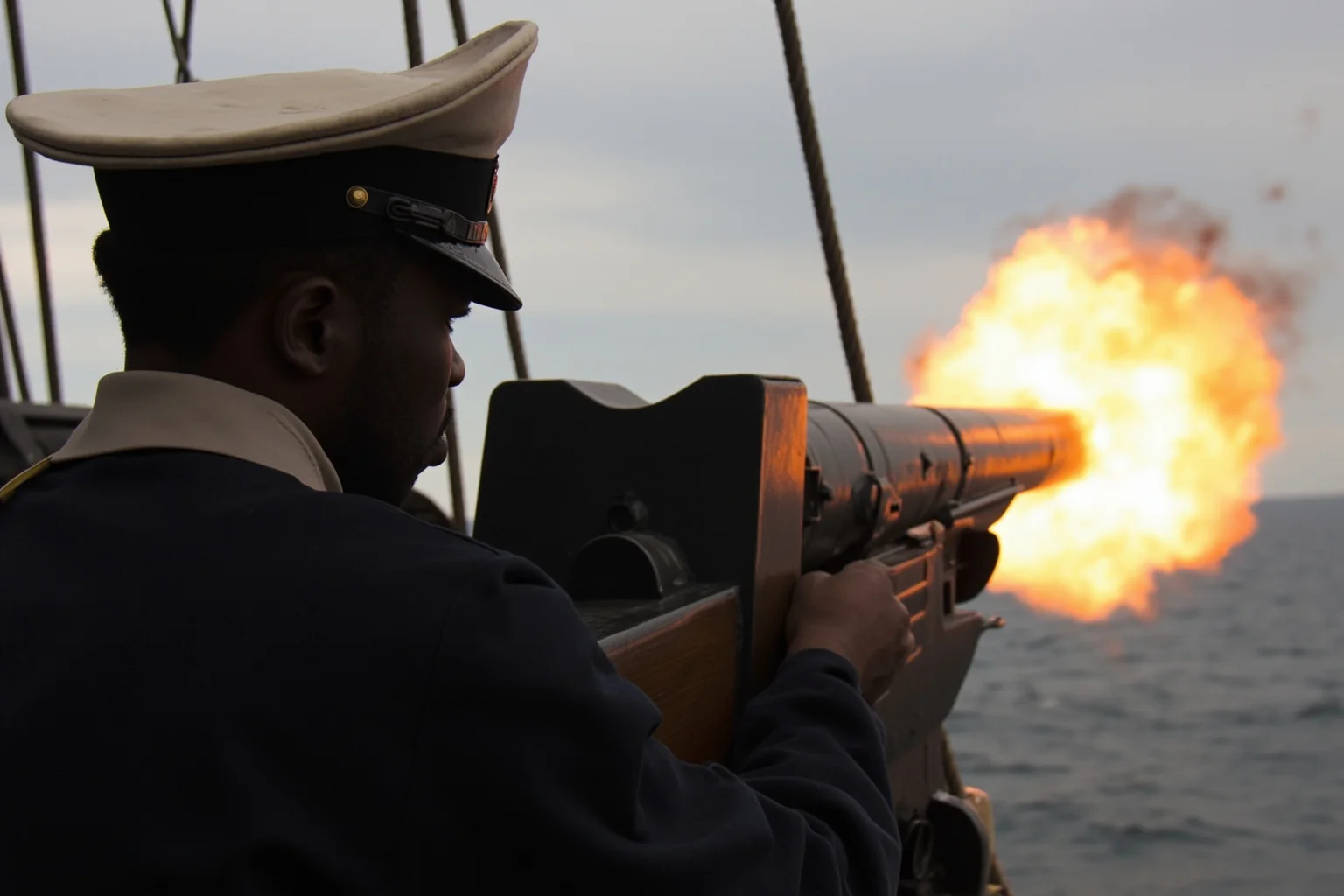
Robert Blake was an enslaved man who escaped to Union lines and joined the U.S. Navy. On December 25, 1863, while serving on the USS Marblehead off South Carolina, the ship came under fire from Confederate batteries. Blake manned a pivot gun and continued firing after other crew members were wounded.
For his bravery he became the first Black man to receive the Medal of Honor. Blake's award in 1864 recognized the vital contributions of Black sailors to Union victory.
15. Susie King Taylor: The Teacher in Camp
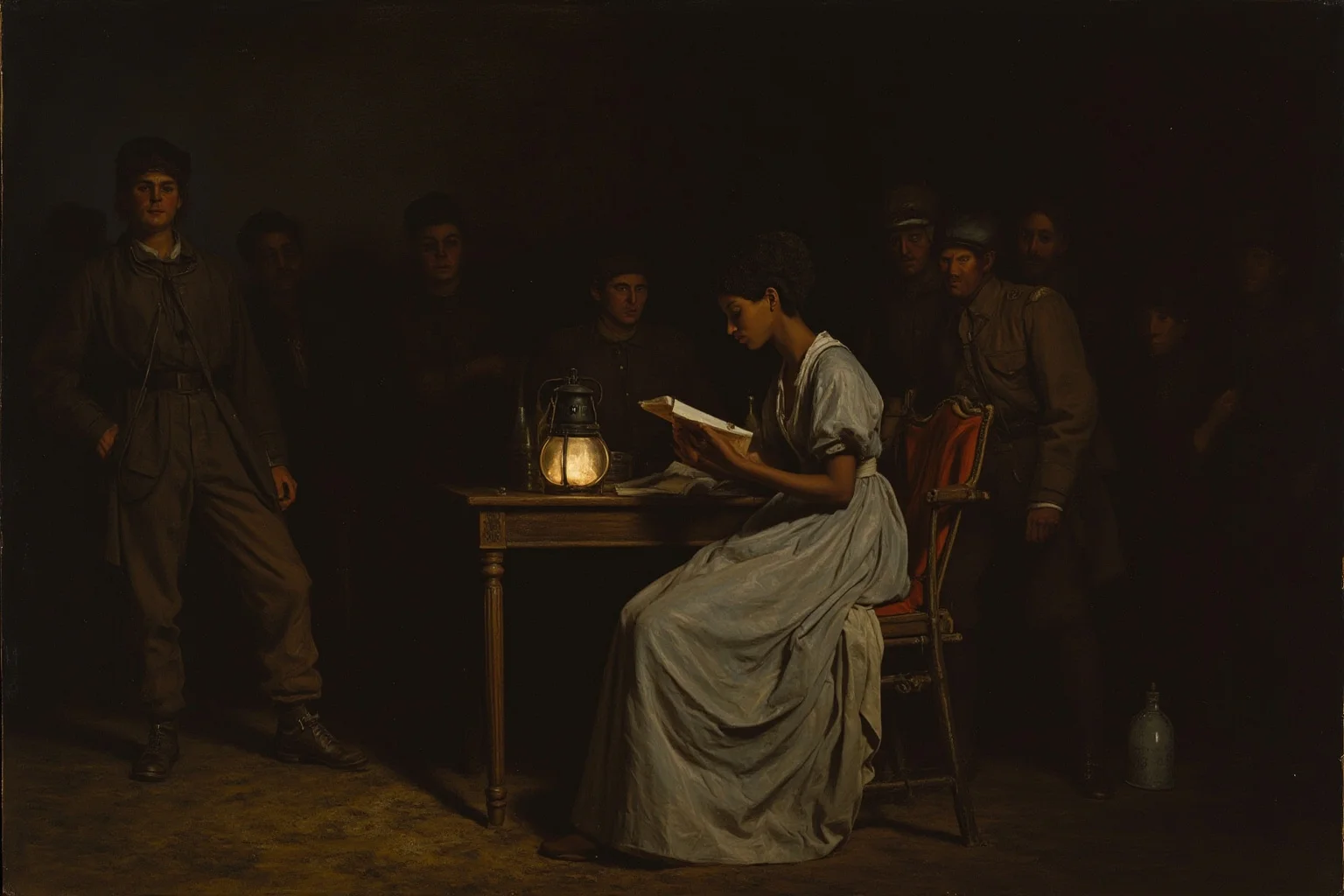
Susie King Taylor was born enslaved in Georgia and escaped to Union lines as a teenager. She served with the 33rd United States Colored Troops and the 1st South Carolina Volunteers as a nurse, laundress, and teacher. Taylor taught Black soldiers to read and wrote letters home for them.
After the war she published a memoir of her service. Her book is the only known published Civil War memoir written by a Black woman who served with Union forces.
16. Sojourner Truth: The Recruiter and Reformer
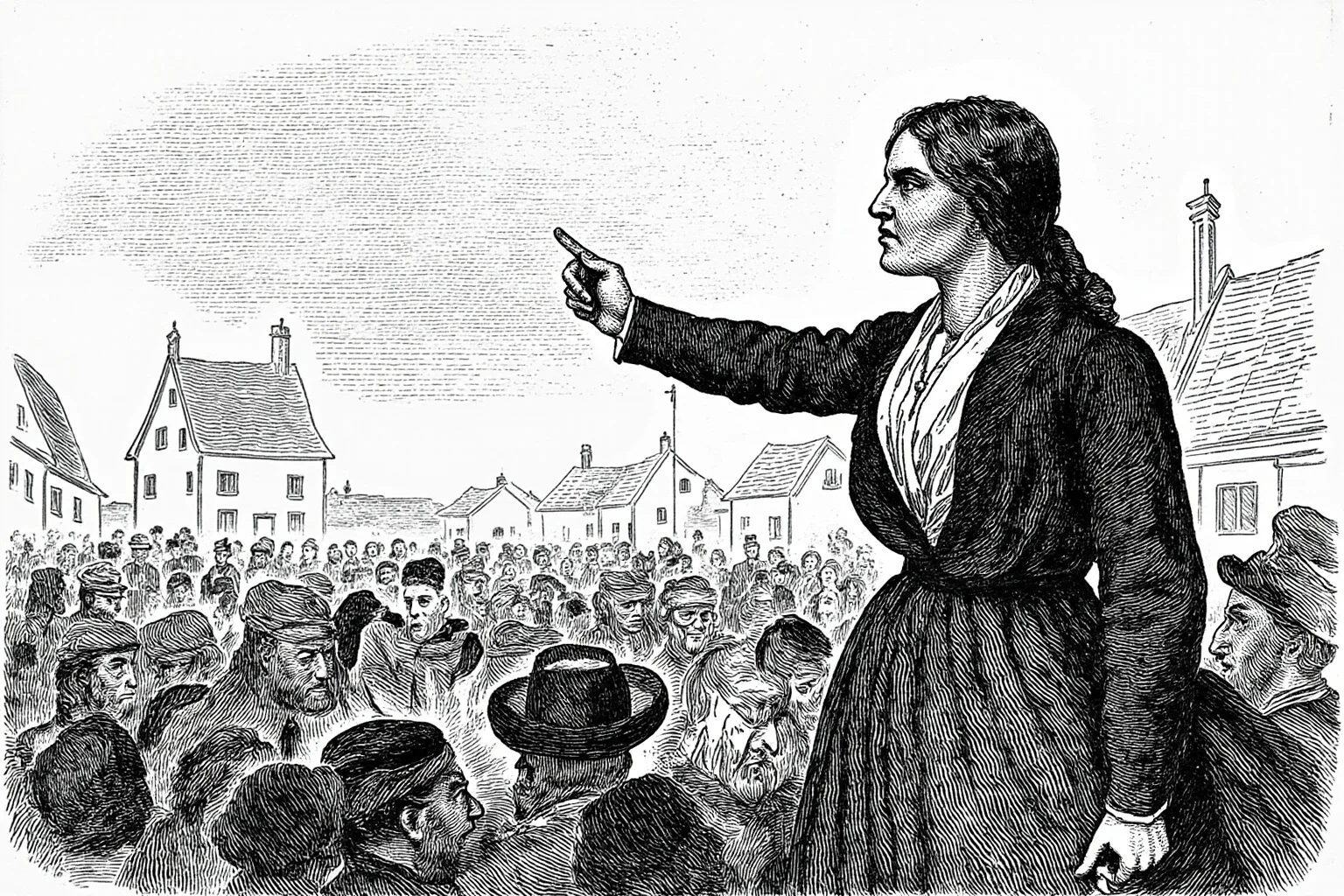
Sojourner Truth, born Isabella Baumfree, escaped enslavement in New York and became a powerful abolitionist and women's rights advocate. During the Civil War she recruited Black men for the Union Army from Michigan and other Northern states. She also collected food and supplies for Black troops and refugees.
Truth met Abraham Lincoln in 1864 and later worked for the Freedmen's Bureau. Her activism helped sustain the public support that made Black military service possible.
17. Mary Ann Shadd Cary: The Journalist Who Recruited an Army
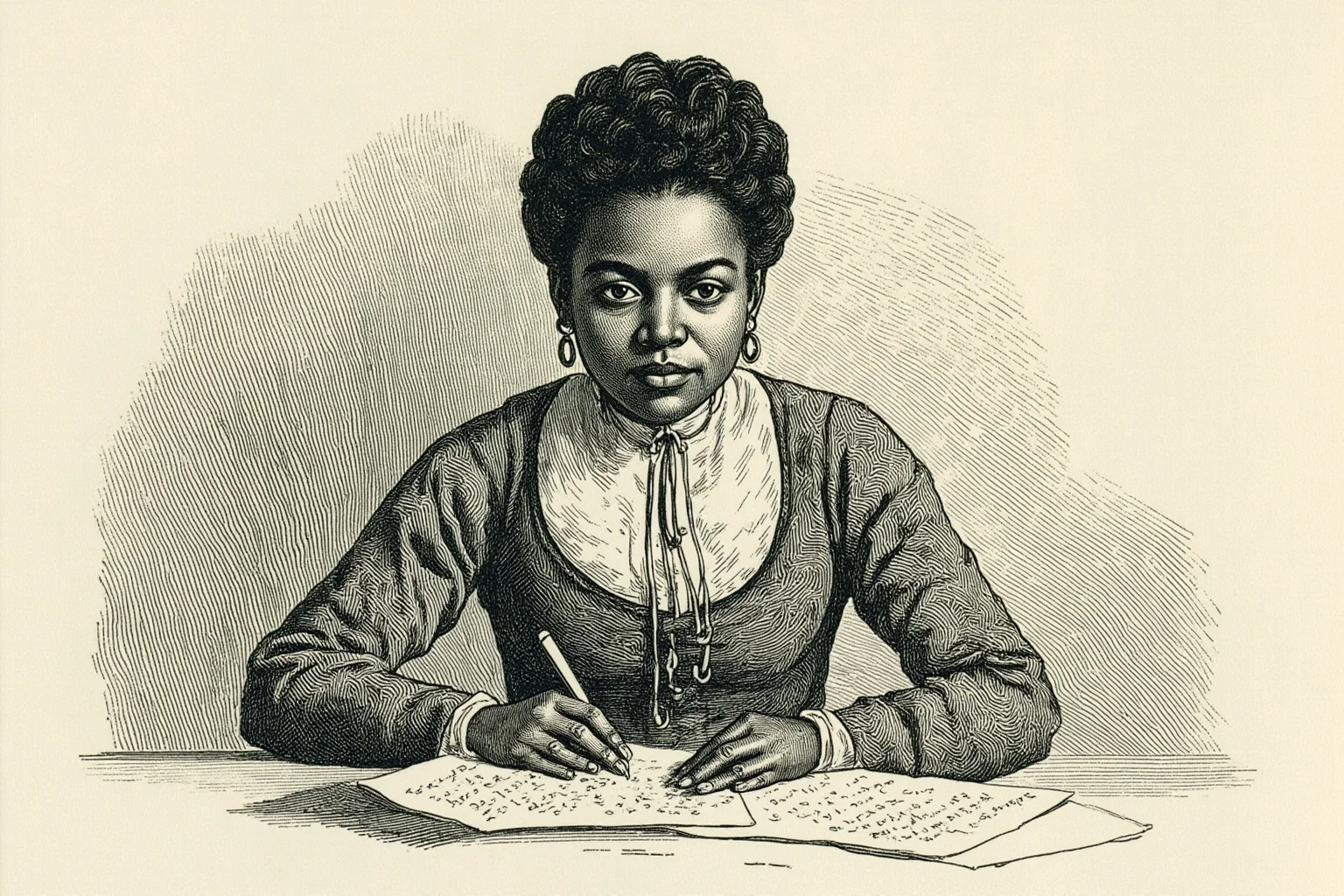
Mary Ann Shadd Cary was a free Black educator, journalist, and abolitionist who used her voice to support the Union war effort. She served as an official recruiting agent for the Union Army, encouraging Black men to enlist. Cary understood that military service could be a powerful argument for equal citizenship.
After the war she became a lawyer and suffragist. Her wartime recruiting work placed her among the key female heroes of the American Civil War.
18. Lewis Douglass: The Sergeant Major at Fort Wagner
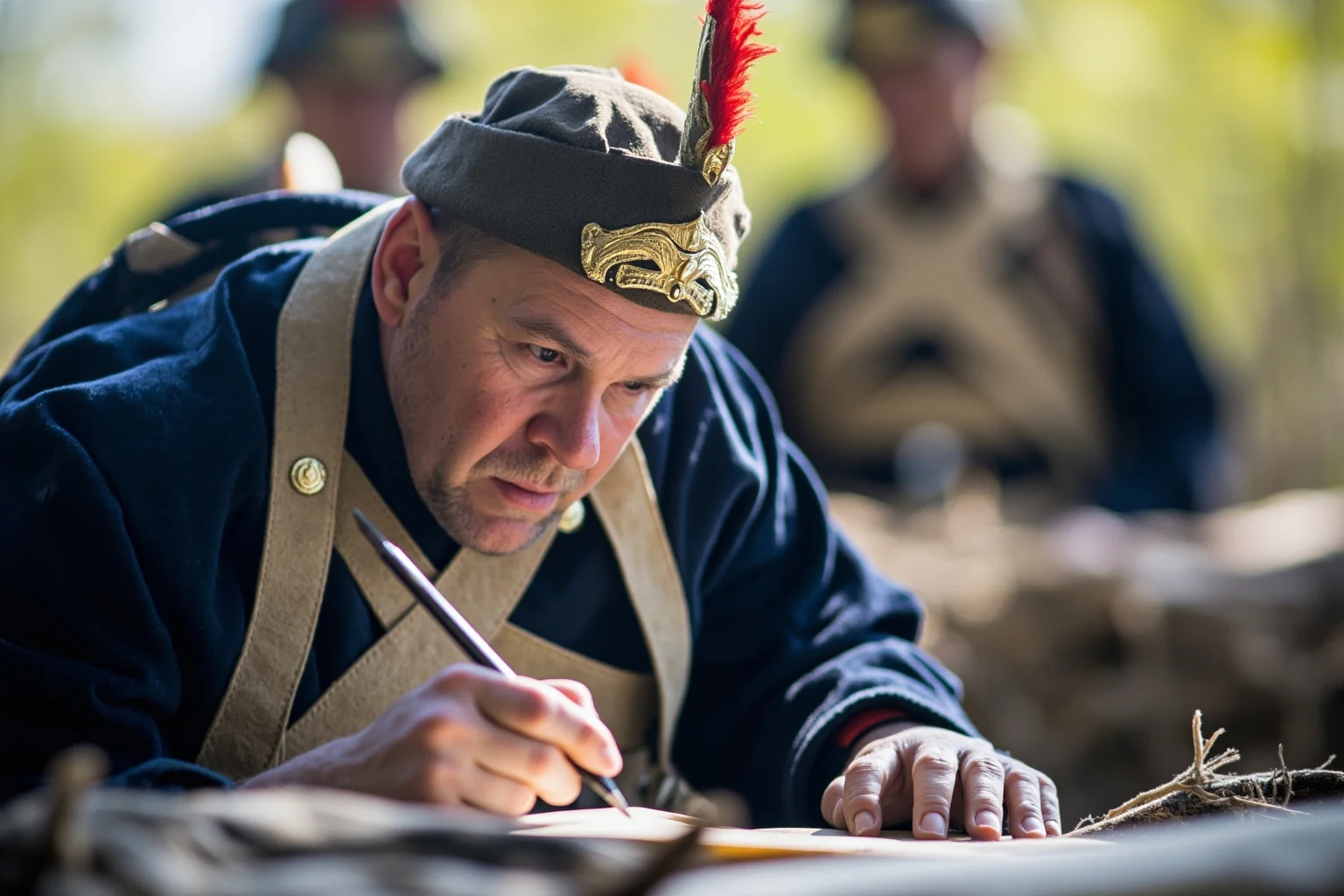
Lewis Douglass, son of Frederick Douglass, enlisted in the 54th Massachusetts Infantry and became its sergeant major. He fought at the assault on Fort Wagner, where the regiment suffered devastating losses. Lewis survived the charge and later described the battle in letters to his future wife.
His service gave the Douglass family a direct connection to the Black military struggle. Lewis Douglass remained a civil rights advocate after the war.
19. The 54th Massachusetts Infantry: The Regiment That Changed Minds
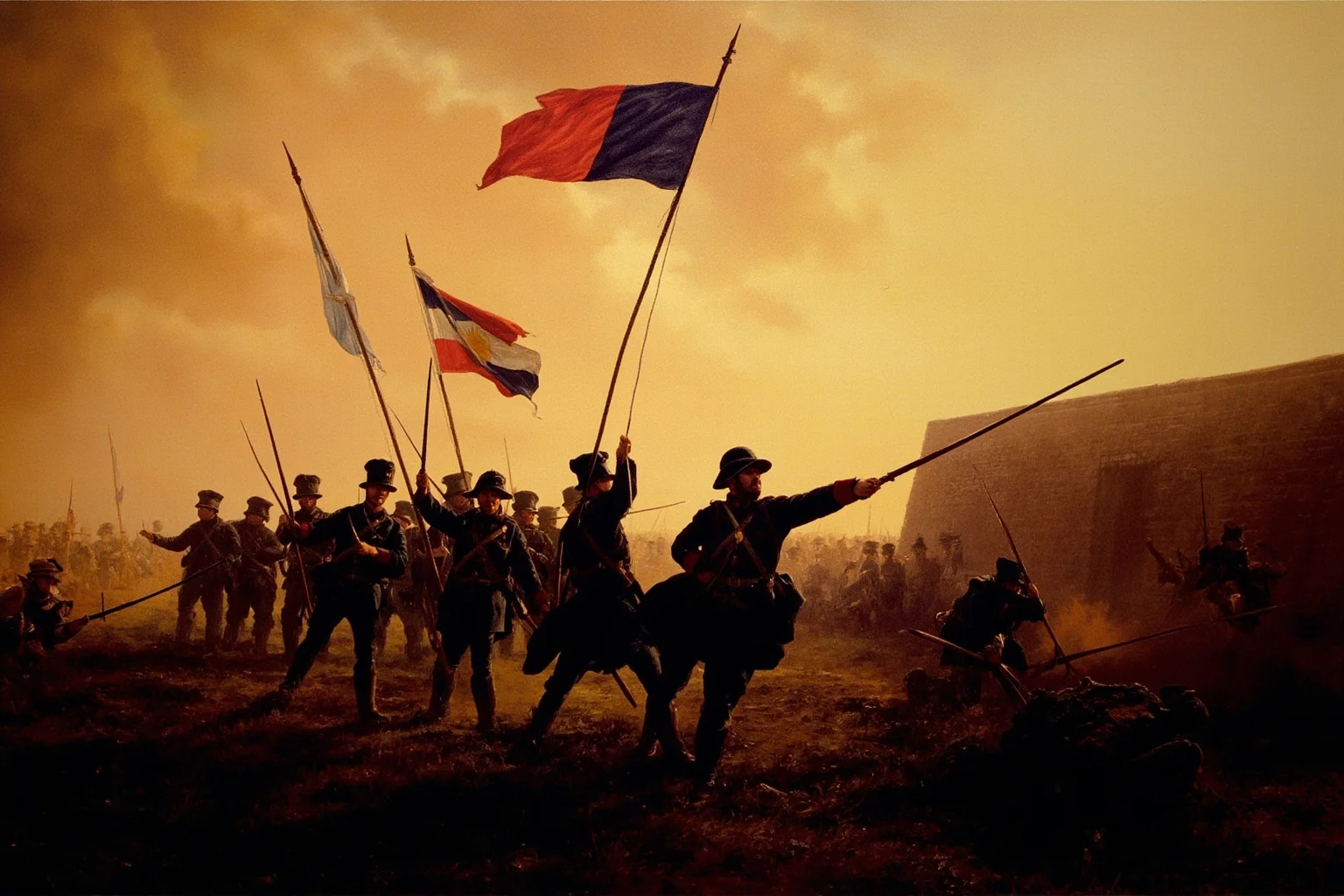
The 54th Massachusetts Infantry became the most famous Black regiment of the Civil War after its assault on Fort Wagner on July 18, 1863. The unit was formed in early 1863, and its soldiers included men like William Carney and Lewis Douglass. Although the attack failed, the regiment's discipline and bravery impressed observers across the North.
The 54th Massachusetts proved that Black men could fight as well as white soldiers. Its story became an enduring symbol of Black military heroism.
20. The 1st Louisiana Native Guard: The Officers Who Opened the Door
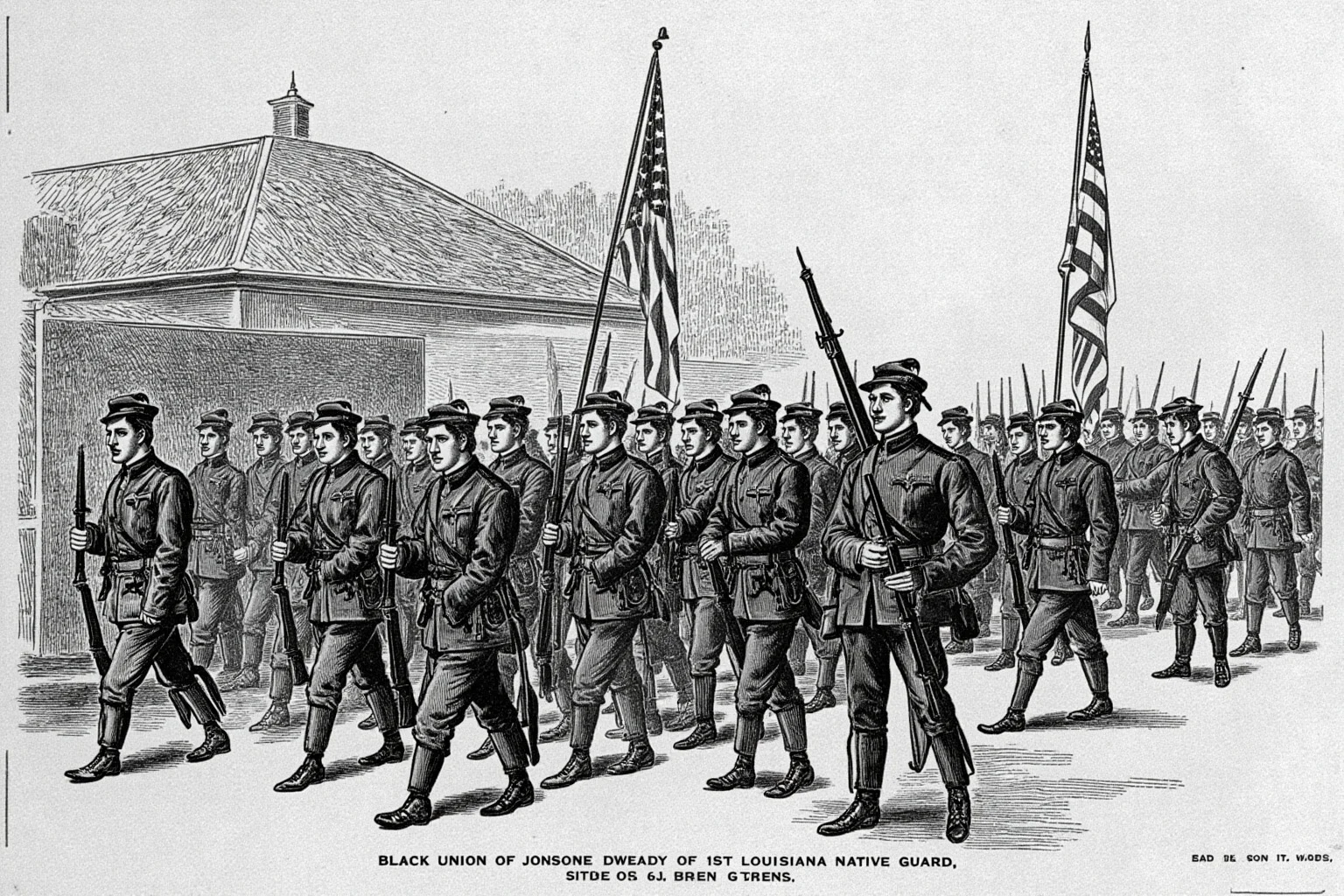
The 1st Louisiana Native Guard was one of the first Black Union regiments to see combat. Organized in New Orleans from free Black men and formerly enslaved recruits, it retained Black line officers at a time when most Union regiments barred them from command. The unit fought bravely at the Siege of Port Hudson in 1863.
Its example challenged racist assumptions about Black leadership and courage. The regiment helped open the door for the larger United States Colored Troops program.
What These US Civil War Heroes Faced and Won
These US Civil War heroes fought two wars at once: one against the Confederacy and one against unequal treatment inside the Union. Black soldiers initially received lower pay than white soldiers, and many refused pay in protest. The U.S. Congress finally equalized pay for Black troops in 1864.
Captured Black soldiers also faced special danger. The Confederate government threatened to enslave or execute captured Black troops and their white officers rather than treat them as prisoners of war. The 1864 Fort Pillow massacre in Tennessee showed that those threats were sometimes carried out.
Despite those risks, Black troops served in major campaigns across the South. They fought at Port Hudson, Fort Wagner, Petersburg, Nashville, and Appomattox. Their contributions helped shorten the war and redefine American citizenship.
The Legacy of African American Civil War Heroes
African American Civil War heroes changed the nation long after the guns fell silent. Their service became a powerful argument for the 13th, 14th, and 15th Amendments, which abolished slavery, established birthright citizenship, and protected Black male voting rights. Veterans like Frederick Douglass and Robert Smalls carried that fight into public life.
The memory of Black Civil War service faded for many decades under Jim Crow, but modern research has restored it. The National Park Service, the African American Civil War Memorial, and the film Glory have helped popularize these stories. Today, historians continue to uncover new details about Black soldiers, sailors, nurses, and spies.
Studying these heroes of the American Civil War is not about tokens or trivia. It is about understanding how Black Americans forced a reluctant nation to accept their service and then used that service to demand freedom and equality.
Closing: Remember the Full Story
The next time you encounter a list of heroes of the American Civil War, ask whether it includes Black soldiers, sailors, and spies. If it does not, it is incomplete. Black Americans were not passive bystanders in the war; they were active agents of their own liberation.
From Robert Smalls stealing a Confederate ship to Harriet Tubman leading a raid, these stories show courage under impossible odds. They also reveal the deep connection between military service and civil rights. Remembering them fully makes the history of the Civil War more truthful and more useful.
Frequently Asked Questions
Who are some heroes of the American Civil War?
Some heroes of the American Civil War include Robert Smalls, who captured a Confederate ship; Harriet Tubman, who guided a Union raid; and William Harvey Carney, who saved the flag at Fort Wagner. Black soldiers and sailors also served collectively in regiments like the 54th Massachusetts and earned the Medal of Honor.
Were there famous black Confederate soldiers?
The idea of famous black Confederate soldiers is largely a myth. The Confederacy refused to enlist Black troops until March 1865, and most Black men in Confederate camps were enslaved laborers, body servants, or musicians rather than uniformed combat troops.
Who was the first Black Medal of Honor recipient?
Robert Blake, a Black sailor aboard the USS Marblehead, was the first Black man to receive the Medal of Honor for an 1863 action. William Harvey Carney later became famous as one of the first Black Army Medal of Honor recipients.
How many Black soldiers fought in the Civil War?
About 179,000 Black men served in the United States Army and roughly 19,000 in the Navy during the Civil War. They made up nearly one-tenth of Union forces by war's end.

Alex Warren
Related Articles