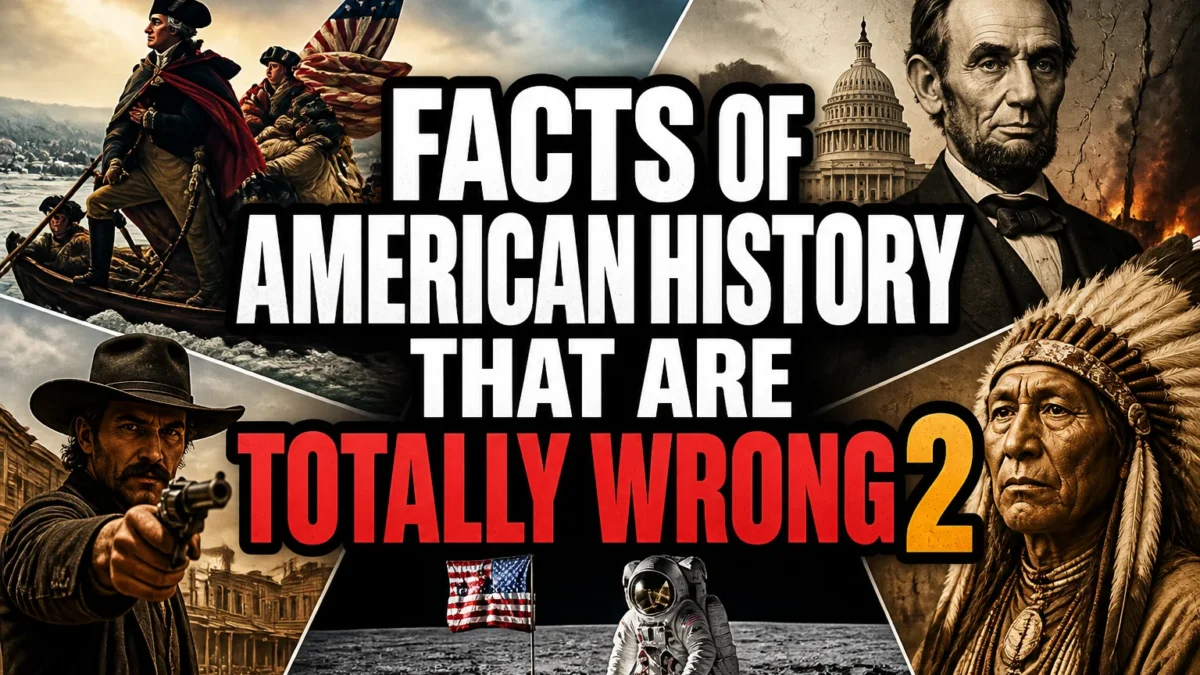
Many American history facts that people repeat in classrooms, trivia nights, and social media posts sound believable because they have been retold for generations. Some are simplified, some are wildly embellished, and a handful are simply false. This list of weird facts about US history separates the real story from the storybook version.
You do not need a degree to spot the difference; you just need primary sources and a little patience. The historical people in American history are often more interesting than the legends built around them. These myths also show how often America mixes fact or fiction.
TL;DR: Many familiar American history facts are actually recycled myths — from wooden teeth to the Liberty Bell — and the real stories are usually more nuanced and more interesting.
America Fact or Fiction: How These Myths Took Over
American history fun facts are often repeated until they replace the record itself. A patriotic story told in a schoolbook can become common knowledge even when no primary source supports it. The result is a shared memory that feels true but is not the same as history.
Some of these myths began as advertising, family folklore, or political convenience. Others are real events that got compressed into a simpler, cleaner story over time. Still others reflect what later generations wanted the past to say about them.
Before reading the list, remember that historical facts about the United States are rarely black and white. The truth is usually messier, but it is also more useful. That is what makes these corrections worth knowing.
1. The Declaration of Independence Was Signed on July 4, 1776
The Continental Congress adopted the final wording of the Declaration of Independence on July 4, 1776. That date is real, but it was not the day most of the 56 delegates signed the famous parchment. The dramatic signing shown in many paintings compresses several weeks into one moment.
Congress ordered an engrossed, or formal, copy after the adoption vote. Most delegates added their signatures on August 2, 1776, and some signed even later. A few never signed at all.
This is one of those facts about American history where one date does the work of a long process. The idea of a single signing ceremony makes a better story than the actual timeline. But the real timeline shows how carefully the colonies had to build consensus.
2. Paul Revere Shouted “The British Are Coming!”
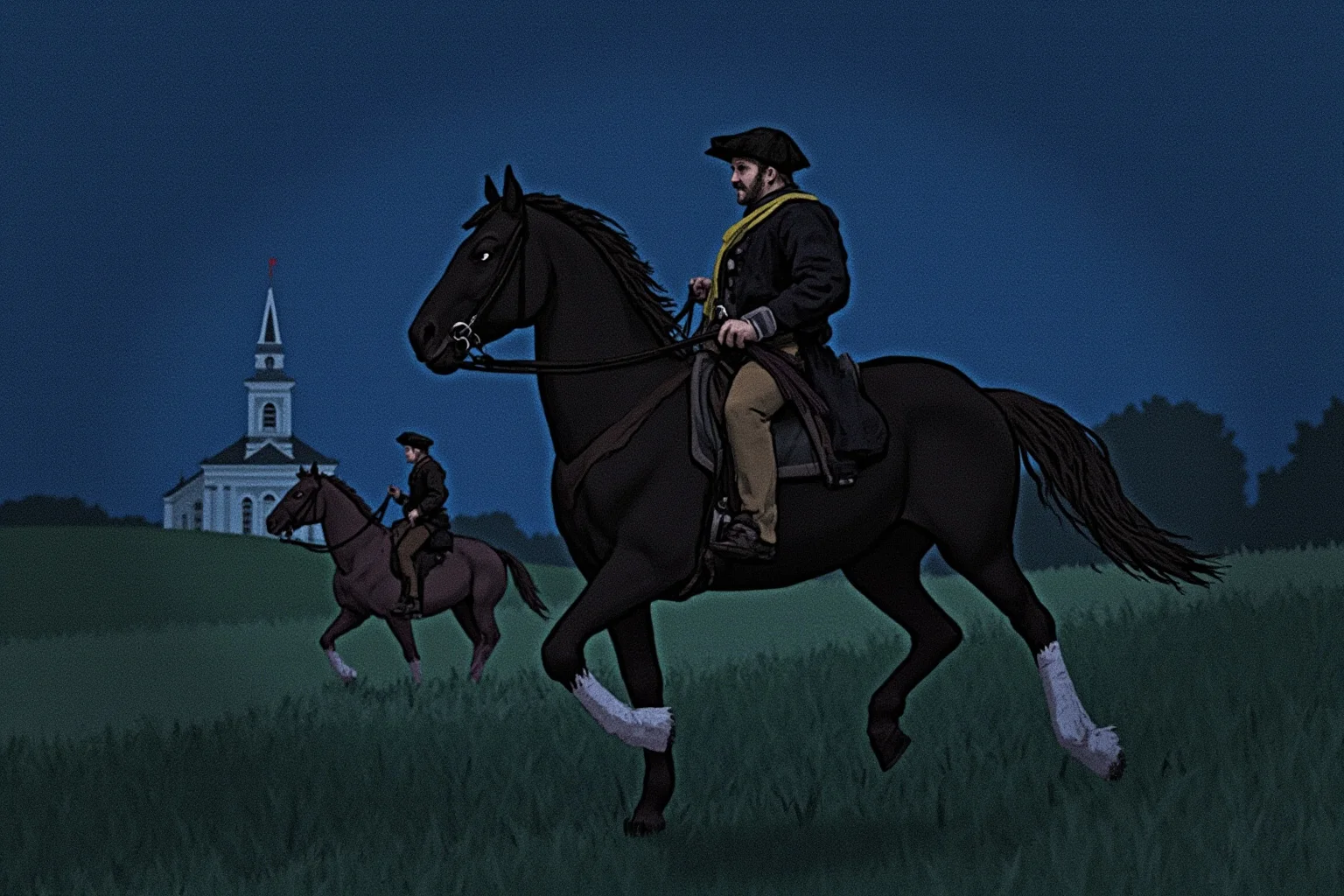
The midnight ride of Paul Revere was not a solo act. William Dawes and Samuel Prescott rode through the countryside that same night, and it was Prescott who reached Concord while Revere was captured. The story of one lone rider is mostly a poetic invention.
Because colonists still considered themselves British subjects, a loud shout of “The British are coming!” would not have made much sense. Revere warned that the regulars were coming out, which was more accurate and much more discreet.
Henry Wadsworth Longfellow’s 1861 poem made Revere the star of the story. Poetry, not a primary source, created one of the most durable American history facts about the Revolution.
3. George Washington Had Wooden Teeth
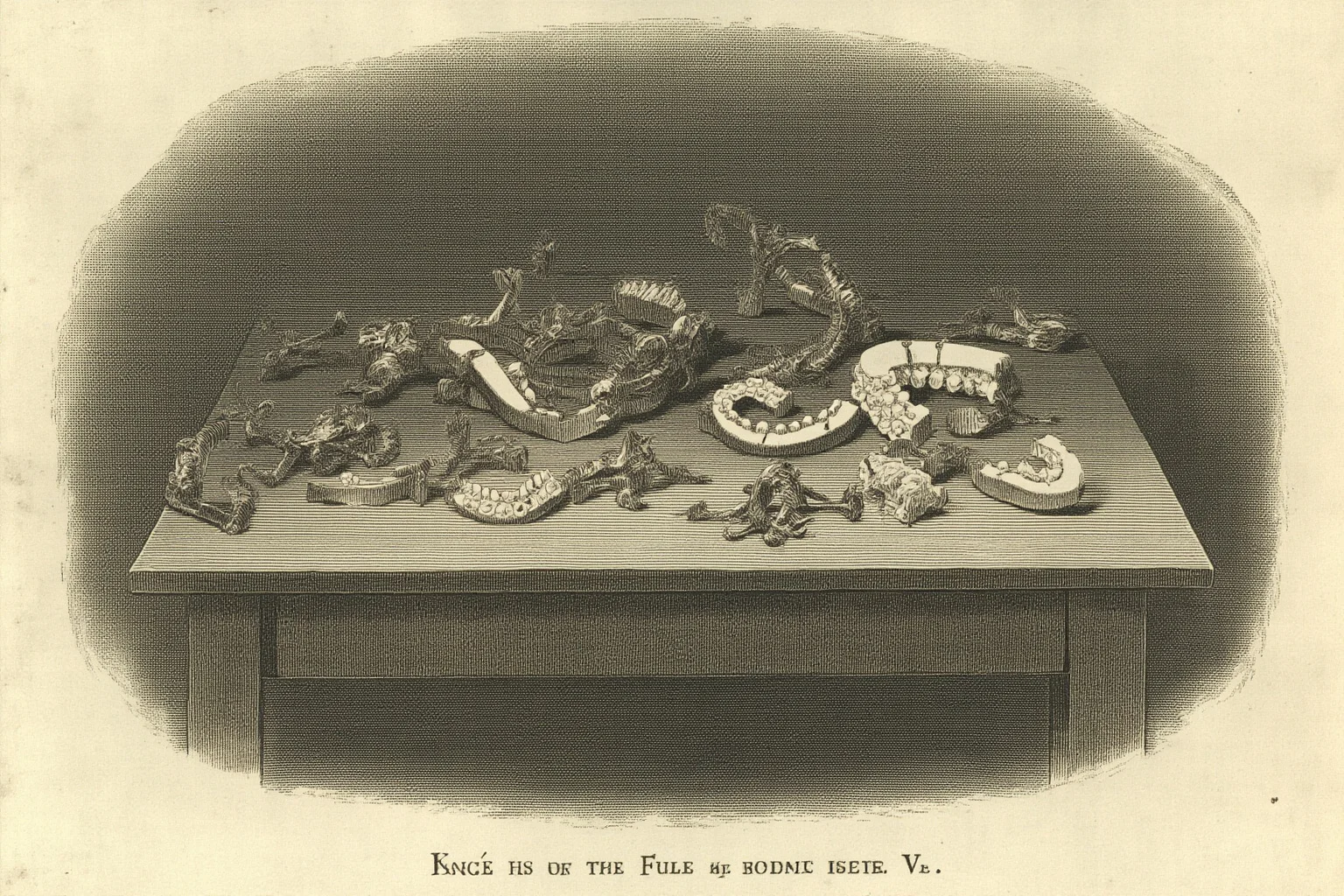
George Washington owned several sets of dentures, and none of them were made of wood. His dentures used materials such as human teeth, animal teeth, ivory, and metal springs. Some sets were probably uncomfortable and difficult to wear.
Wood would have been a terrible choice because it splinters and stains. This weird American history fact likely comes from the brown stained appearance of old ivory dentures.
The wooden-teeth story makes Washington seem humble and rugged. The reality is stranger, but it also shows how much pain and maintenance his dental problems caused.
4. Betsy Ross Designed the First American Flag
The story of Betsy Ross sewing the first American flag comes from her grandson, who told it publicly in 1870. No receipts, letters, or congressional records from 1776 support the tale. That does not prove it impossible, but it does make it legend rather than documented history.
Ross was a real Philadelphia upholsterer, and many flag makers worked during the Revolution. The specific red, white, and blue banner with stars in a circle may have more than one ancestor.
Historians generally treat the Betsy Ross story as a beloved national myth. It became popular during the Centennial era, when Americans were eager for founding heroes.
5. The Emancipation Proclamation Freed All Enslaved Americans
Abraham Lincoln’s Emancipation Proclamation of January 1, 1863, declared enslaved people free in the Confederate states still in rebellion. It did not apply to border states that remained in the Union or to areas under Union control. That limitation made it a war measure, not a total abolition.
Full legal abolition required the 13th Amendment, which Congress passed in January 1865 and the states ratified later that year. The amendment ended slavery throughout the country.
This is an important fact about American history that changes how people understand emancipation. Freedom came through a process of military action, legislation, and constitutional change.
6. The Boston Tea Party Was a Protest Against High Taxes
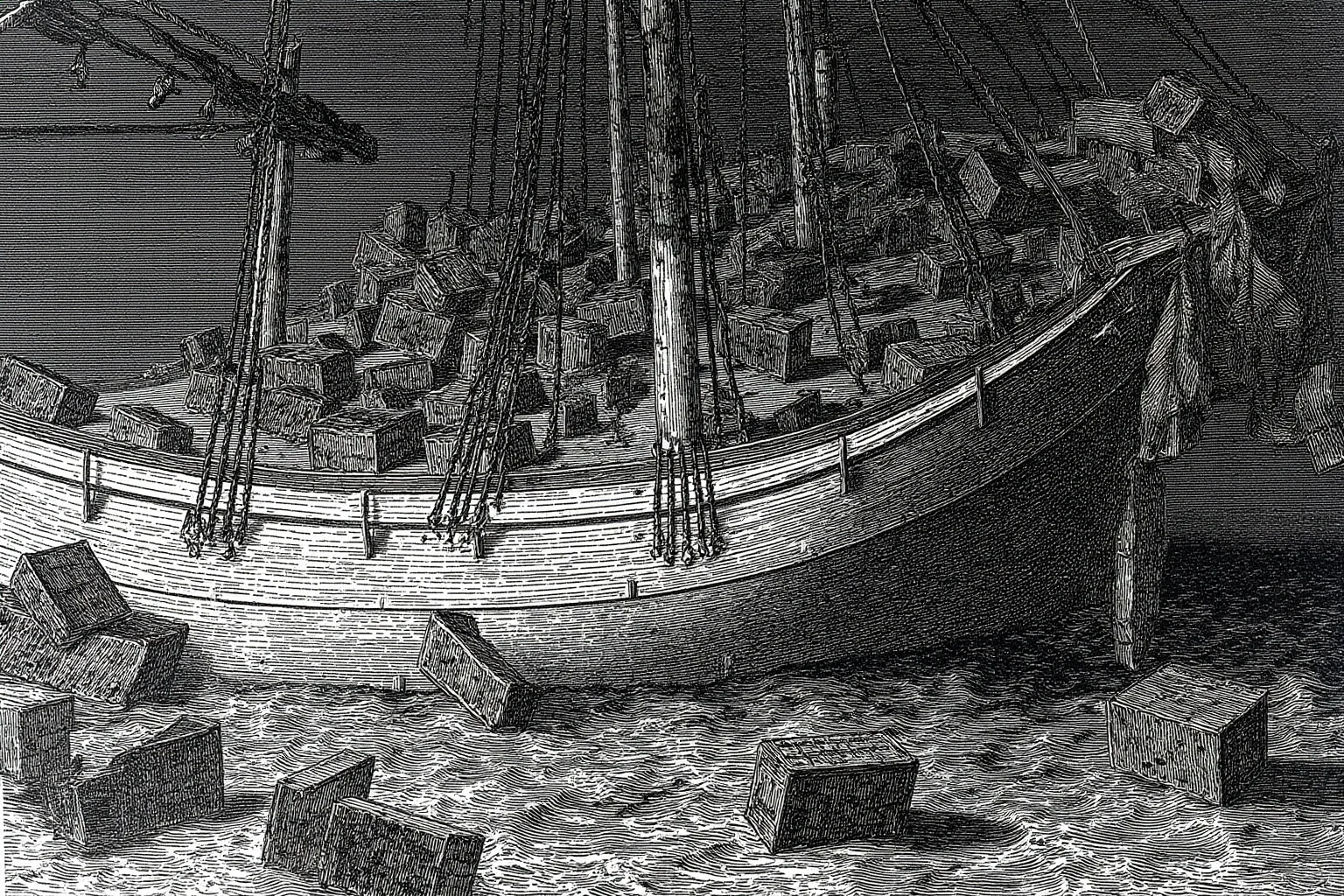
The Tea Act of 1773 actually allowed the British East India Company to sell tea at a lower price than many colonial merchants could match. The catch was that the tea still carried a British tax. Colonists saw that tax as a symbol of Parliament’s power over them.
The protest was about taxation without representation and corporate monopoly as much as price. Destroying the tea was a deliberate, nonviolent act of political resistance.
The name “tea party” also sanitizes an act of destruction. It was not a festive gathering but a direct confrontation with imperial authority.
7. The United States Became an Independent Country on July 4, 1776
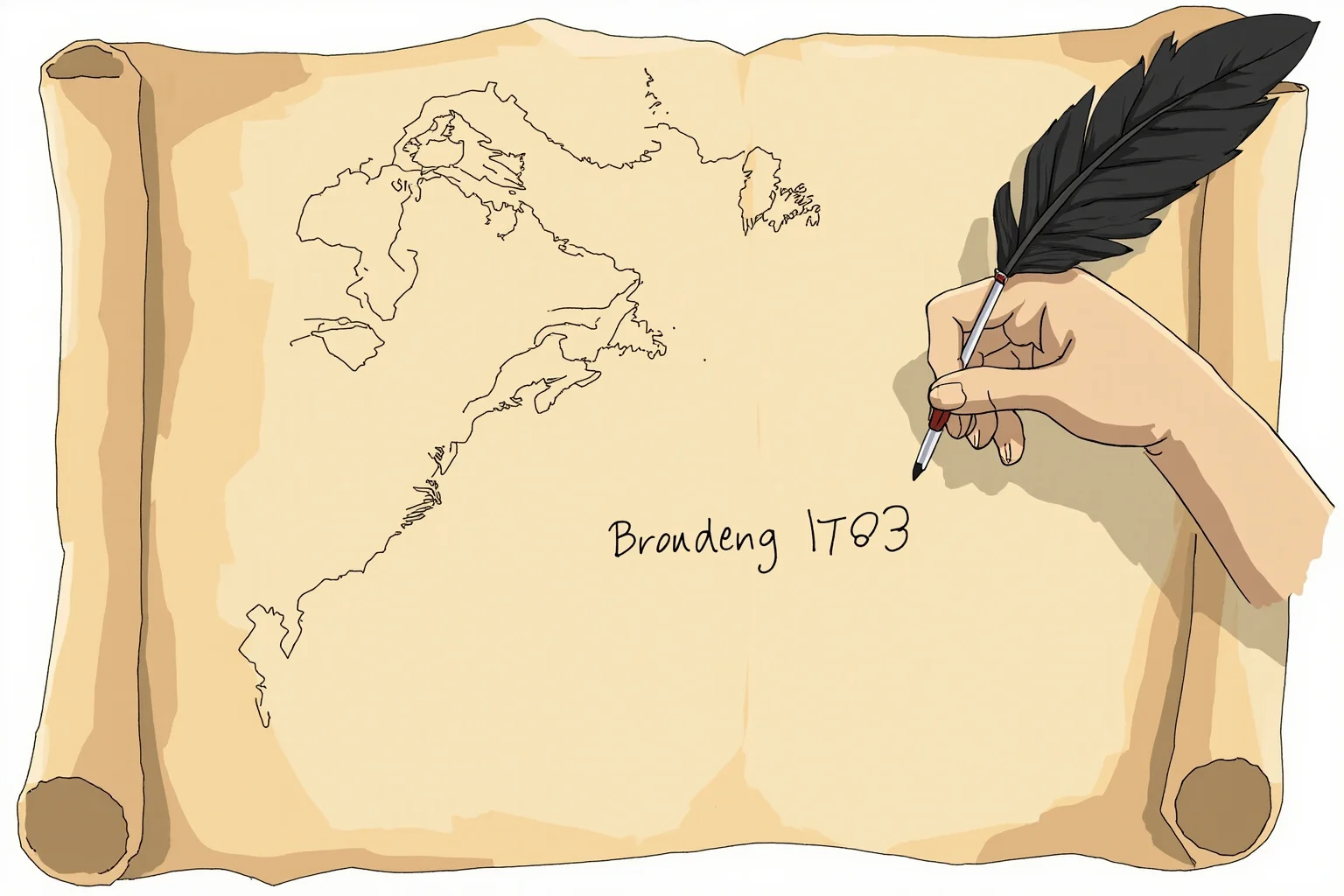
The Declaration of Independence announced the colonies’ intention to be free, but Britain did not simply accept that statement. The Revolutionary War had already begun and continued for years. A declaration is not the same as secured independence.
Independence in a legal and diplomatic sense arrived when Britain recognized the United States as a sovereign nation. That recognition came with the Treaty of Paris in 1783.
This is one of those historical facts about the United States that surprises people who think a declaration equals immediate independence. July 4 marks the announcement, not the achievement.
8. The Pilgrims Started Thanksgiving at Plymouth Rock
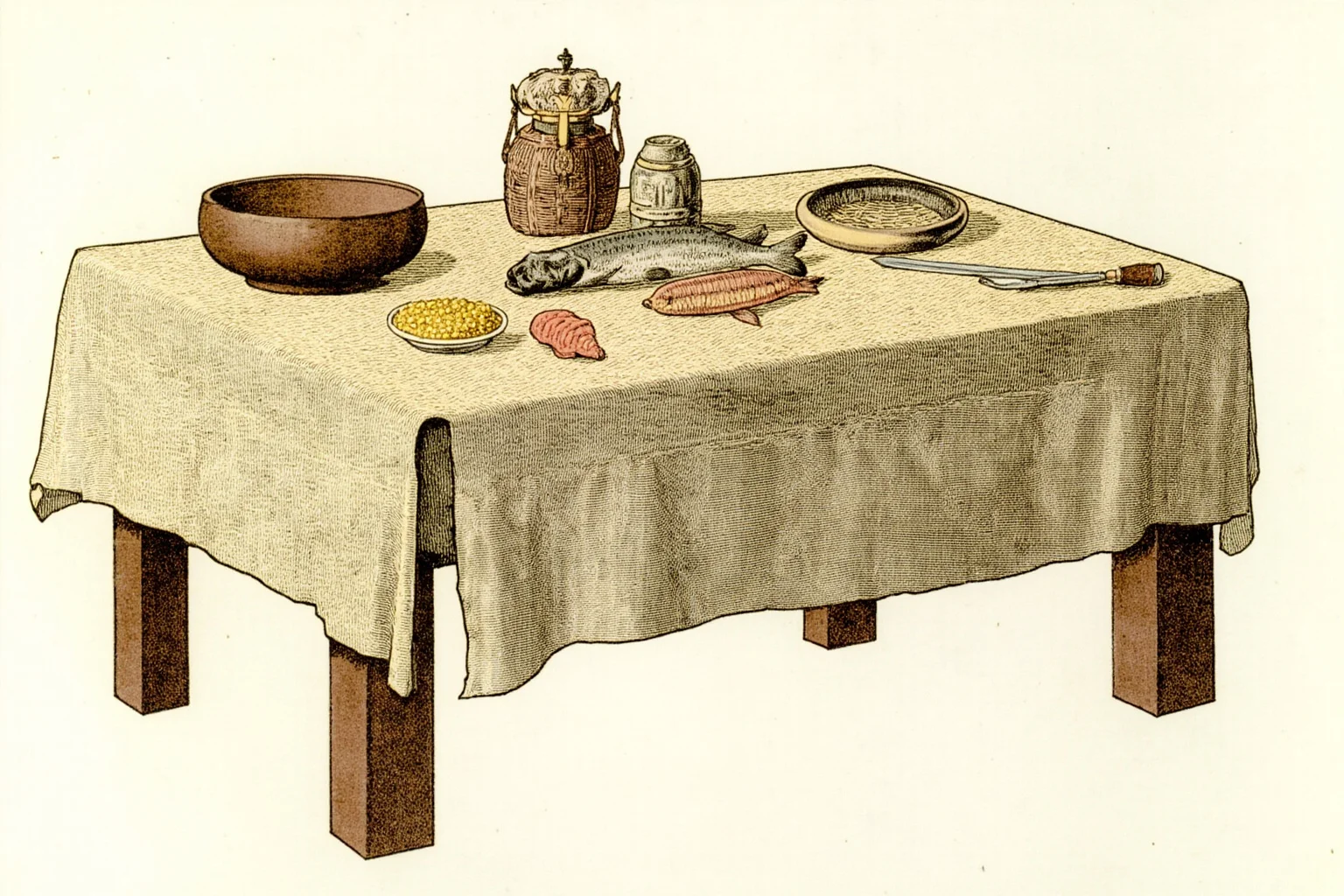
The 1621 feast between the Pilgrims and Wampanoag people did happen, but it was not called Thanksgiving and it was not a repeat annual holiday. Plymouth Rock does not appear in any early Pilgrim account of the colony’s founding.
President Abraham Lincoln proclaimed a national Thanksgiving Day in 1863 after years of campaigning by Sarah Josepha Hale. The holiday was tied to Civil War unity and domestic tradition.
For anyone collecting interesting facts about USA history, this is a reminder that origin stories often compress time. The Wampanoag perspective is also part of the record.
9. The Wild West Was Nonstop Gunfights
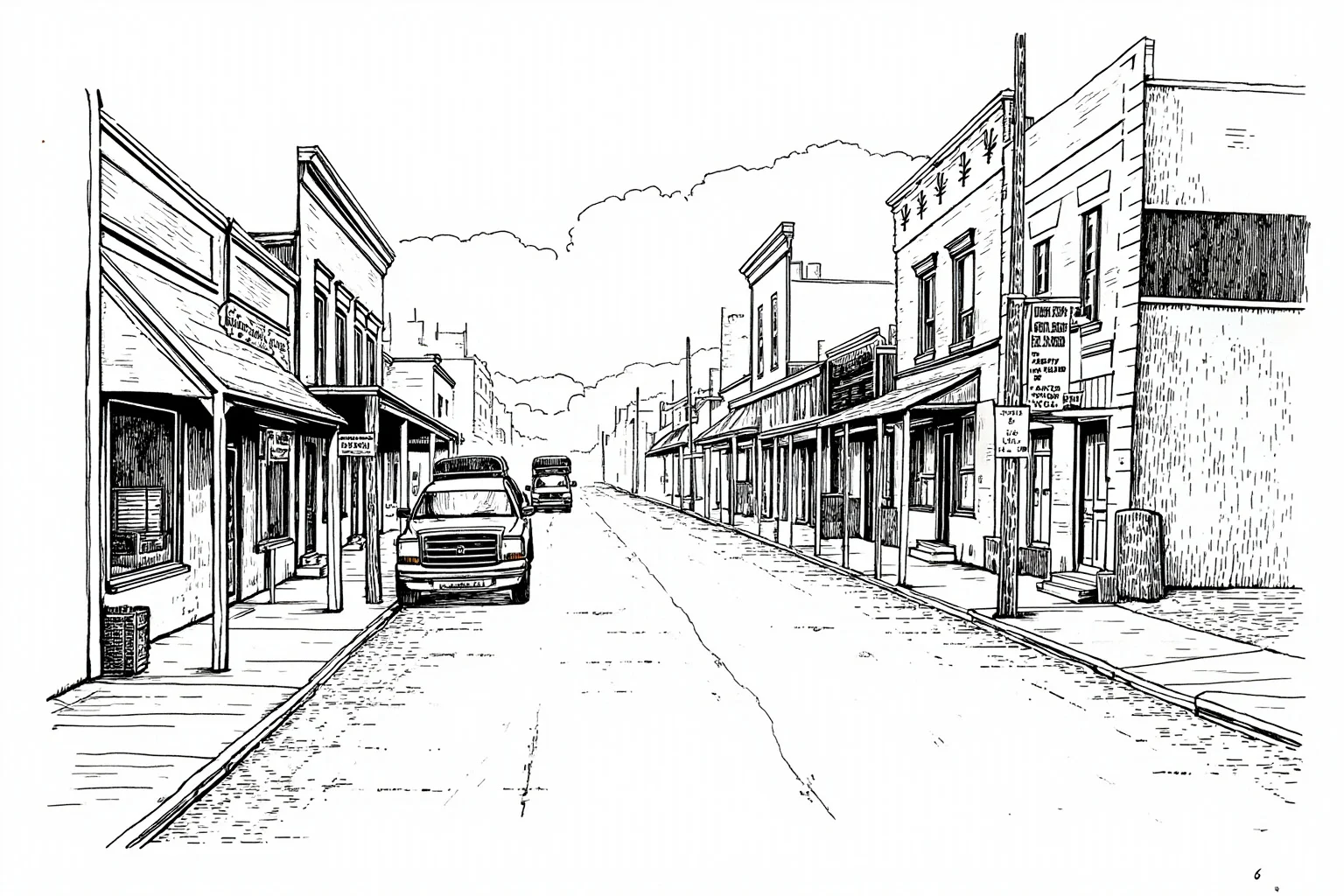
Western towns were often more regulated than frontier movies suggest. Dodge City, Tombstone, and other communities required visitors to surrender their guns to the sheriff. These laws were designed to prevent exactly the violence that films later romanticized.
Cowboys and townspeople spent far more time working, trading, and building than shooting. The myth of constant gunfights is mostly a Hollywood creation.
Cool American history facts like this help explain why the real frontier was less glamorous than the movie version. Everyday survival was drama enough.
10. Thomas Edison Invented the Light Bulb Alone
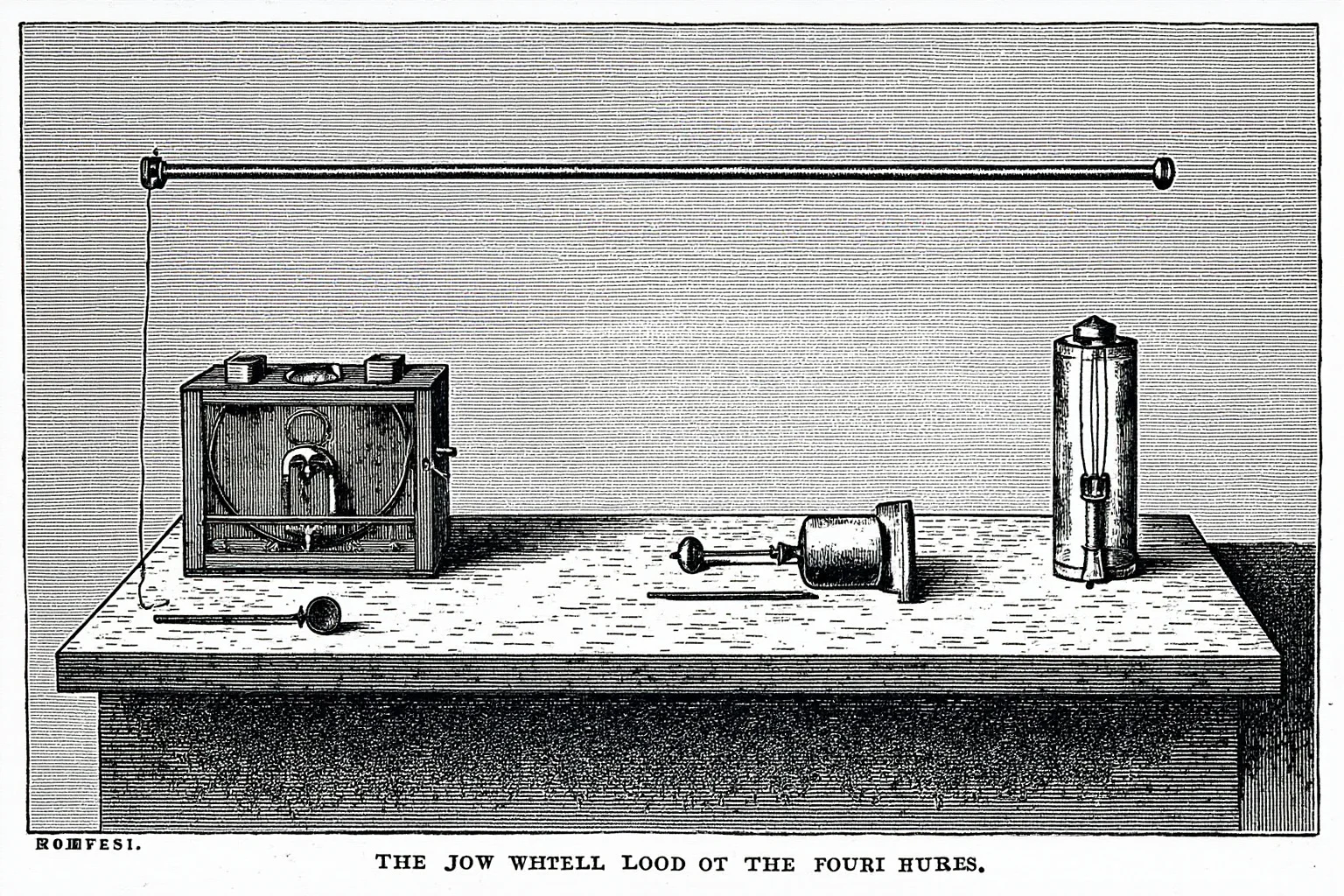
Thomas Edison and his team created a commercially practical incandescent light bulb, but they did not invent the concept. Inventors such as Joseph Swan in Britain and others had already built working bulbs. The race was about making the bulb useful, affordable, and long-lasting.
Edison’s real achievement was developing a complete lighting system that worked together. That included generators, wires, switches, and a bulb designed to fit the system.
These cool US history facts separate innovation from invention. Many great technological achievements are built on earlier work by many hands.
11. Mrs. O’Leary’s Cow Started the Great Chicago Fire
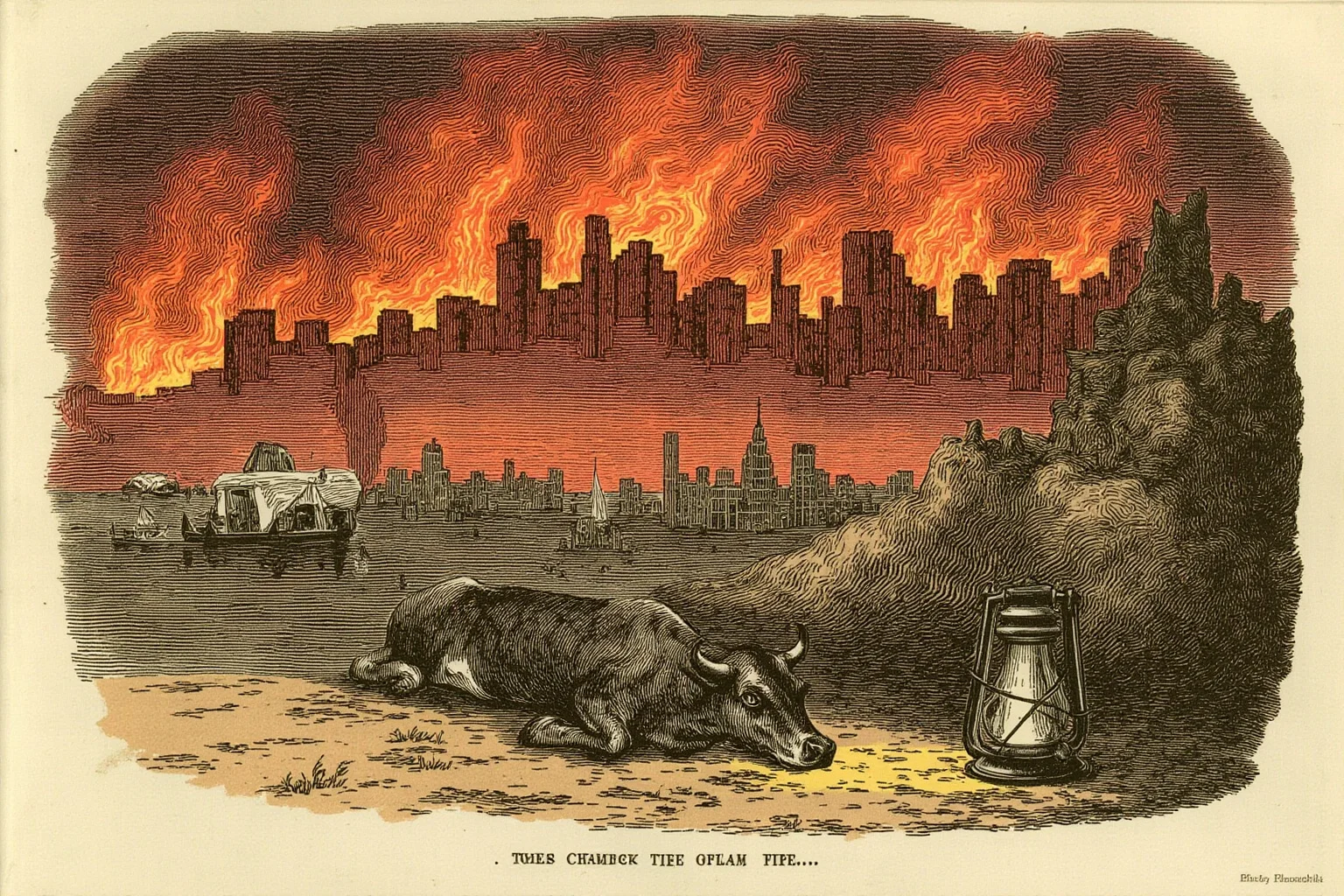
The Great Chicago Fire of 1871 began on the city’s southwest side, but the story of Catherine O’Leary’s cow kicking over a lantern has no solid evidence. A newspaper reporter later said the tale was fabricated. The real origin of the fire remains unknown.
The myth survived because it offered a simple, vivid explanation for a massive disaster. The fire destroyed more than 17,000 buildings and killed around 300 people.
This is one of those unusual facts about American history where a simple story outlives a complicated event. The legend became more famous than the actual recovery of the city.
12. The Constitution Contains the Phrase “Separation of Church and State”
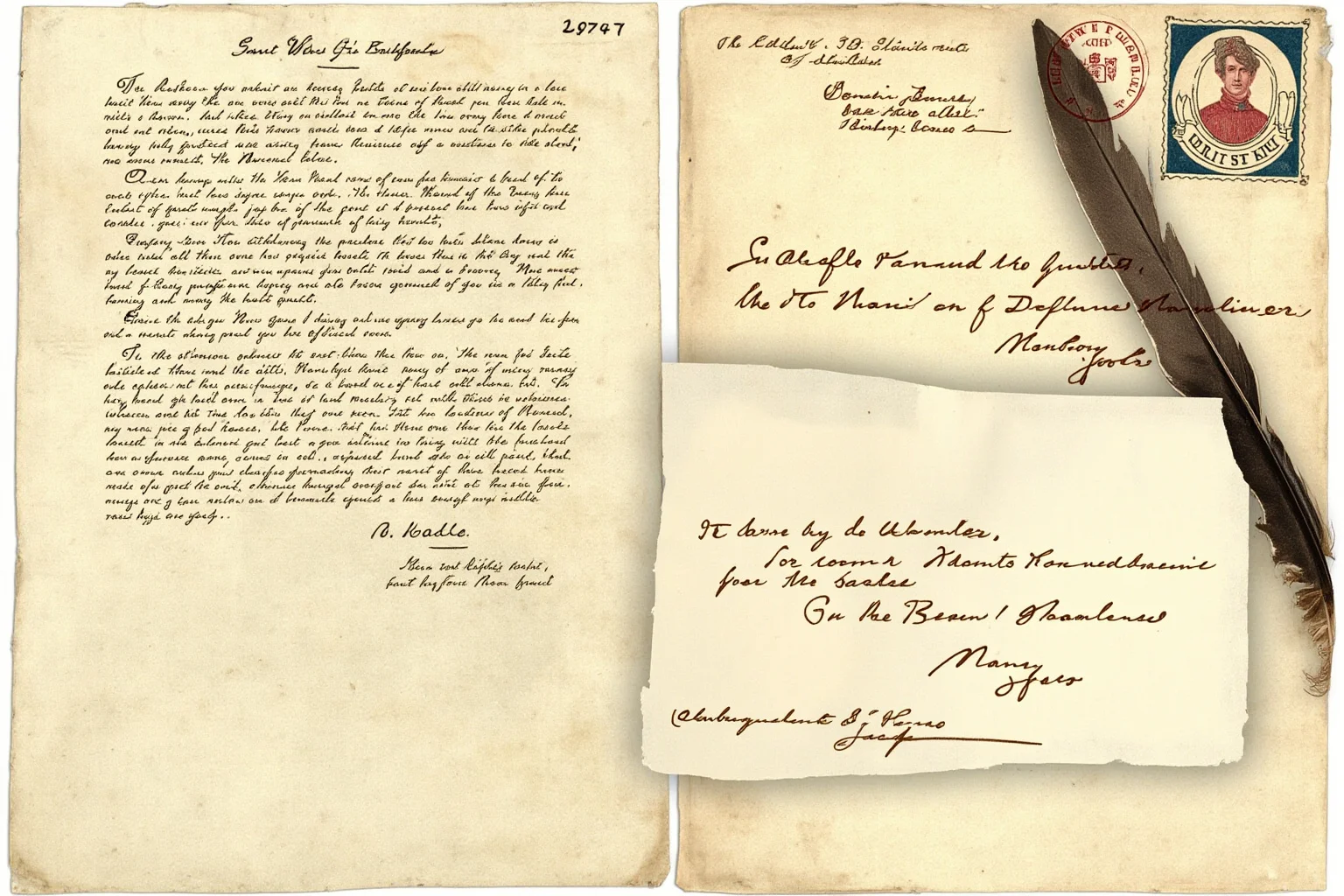
The exact phrase “separation of church and state” does not appear in the Constitution or the Bill of Rights. Thomas Jefferson used similar wording in an 1802 letter to the Danbury Baptist Association. That letter is often quoted as if it were law.
The First Amendment prevents an establishment of religion and protects the free exercise of religion. The wall between church and state is a legal interpretation, not a direct constitutional quotation.
Some famous American historical quotes are actually paraphrases from letters, not legal texts. This is one of those cases where a phrase shapes public memory more than the actual document does.
13. “The Star-Spangled Banner” Was Written During the Revolutionary War
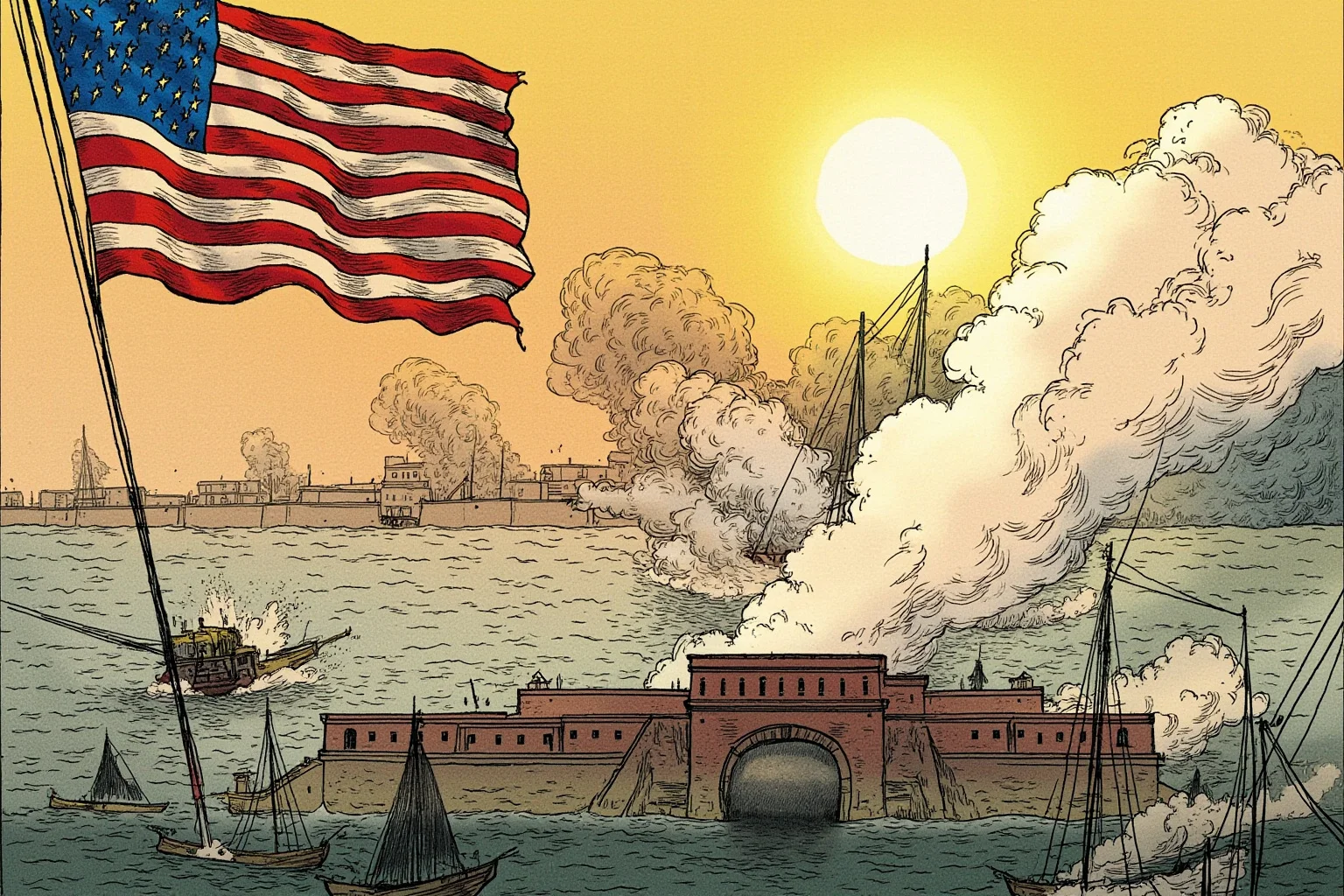
Francis Scott Key wrote the poem that became “The Star-Spangled Banner” in September 1814 during the War of 1812. He watched British ships bombard Fort McHenry in Baltimore. The battle was part of a later conflict, not the American Revolution.
Congress made the song the national anthem in 1931. That official status came more than a century after the verses were written.
The anthem is tied to a different war than many people assume. It is a simple but commonly confused fact about American history.
14. Benjamin Franklin Discovered Electricity with a Kite
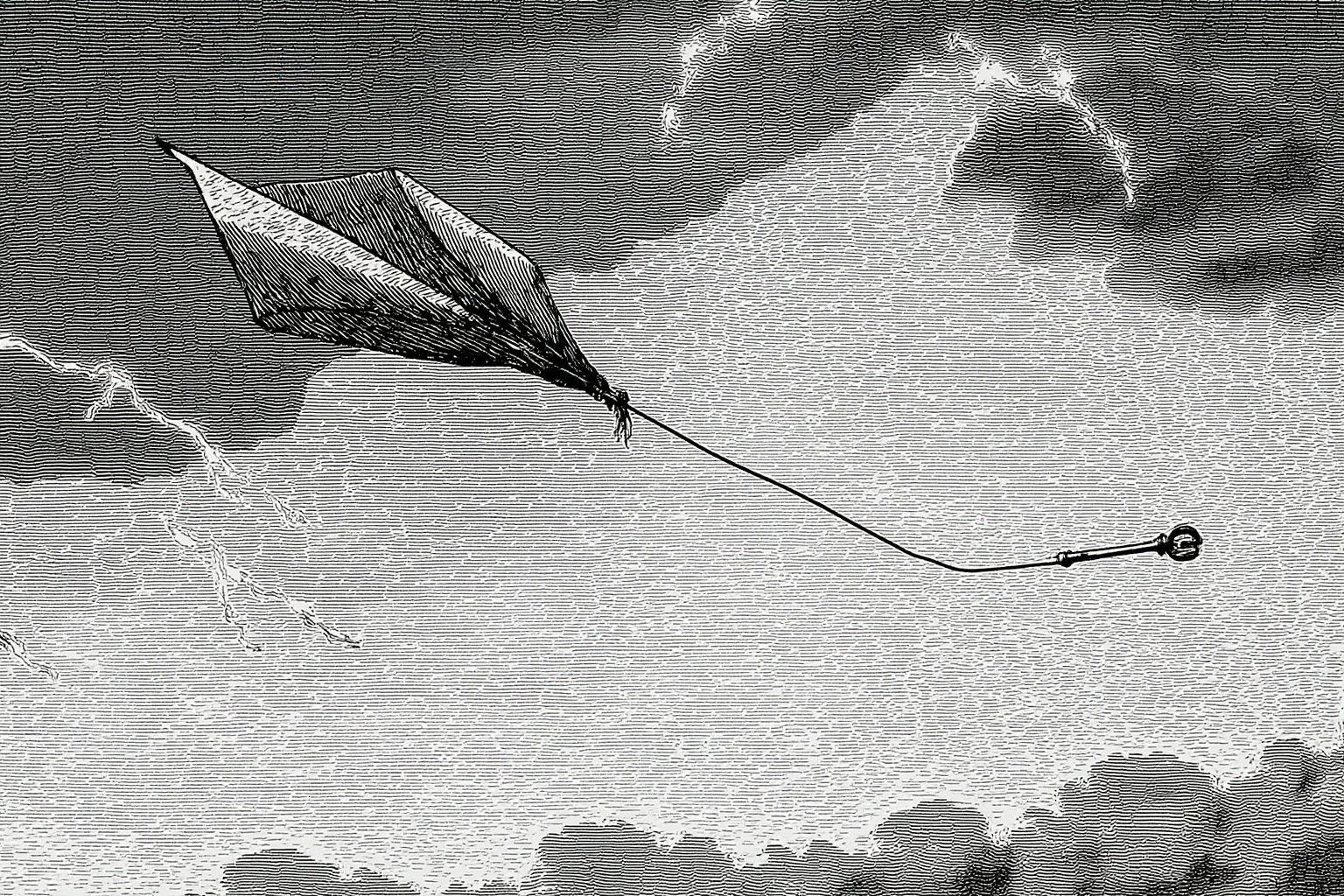
Electricity was known long before Benjamin Franklin. His famous kite experiment, probably conducted in 1752, supported the idea that lightning carries an electrical charge. Franklin did not discover electricity itself.
His work helped prove the link between lightning and static electricity, which was a major scientific contribution. Details of the kite story remain a mix of record and legend.
The myth makes Franklin a folk hero more than a rigorous scientist. He was both curious and careful, but the storybook version skips the nuance.
15. The Stock Market Crash of 1929 Caused the Great Depression All by Itself
The October 1929 crash was a dramatic trigger, but the Great Depression had deeper causes. Bank failures, drought conditions in the Great Plains, European debt, and monetary policy all deepened the crisis. No single event explains the decade-long downturn.
Historians treat the crash as one event in a wider economic collapse. The American economy had been weakening before the famous Black Tuesday panic.
This is one of those interesting US history facts that matters for economic policy. Single-cause stories are rarely enough for complex events.
16. The Pledge of Allegiance Was Written by the Founding Fathers
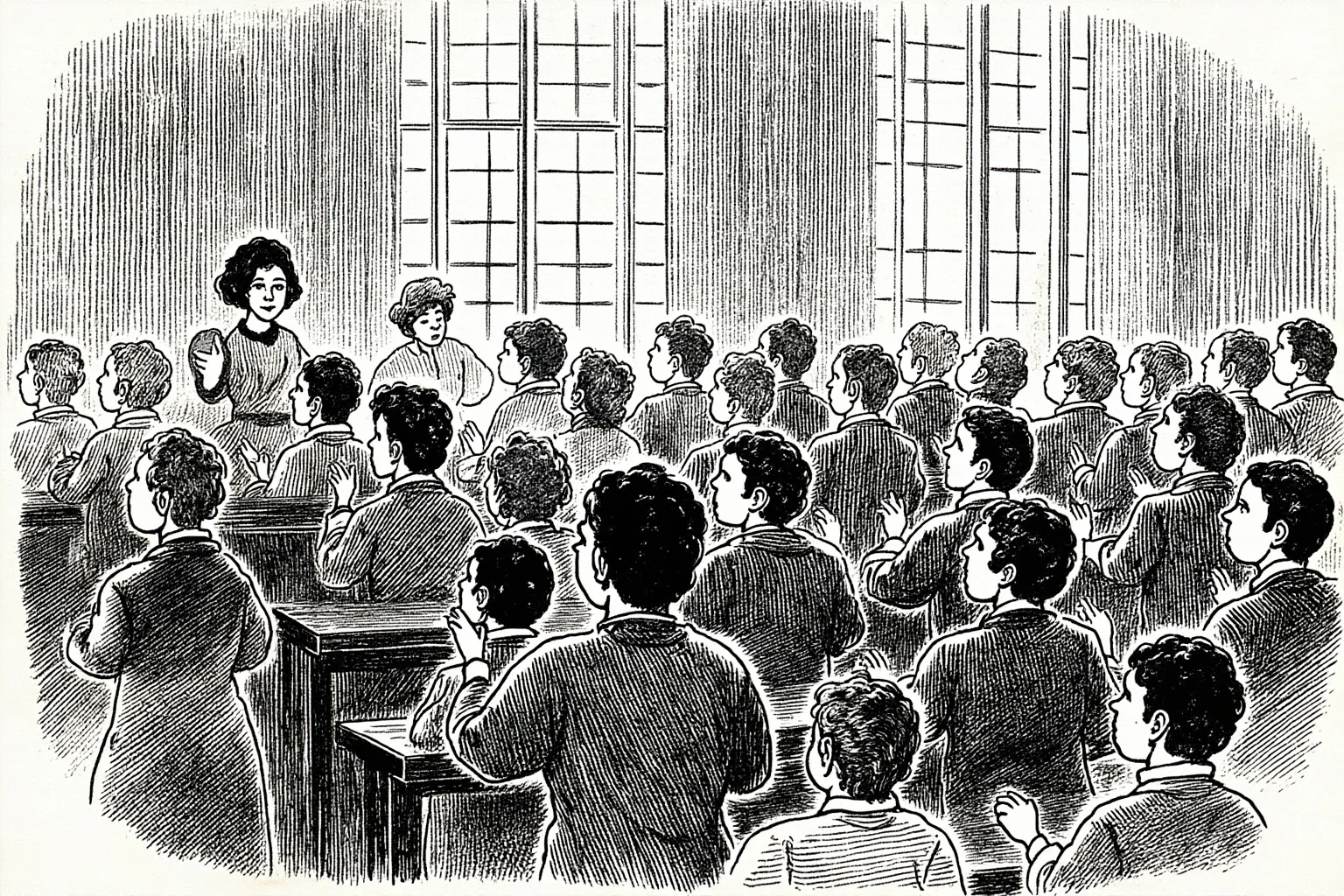
The Pledge of Allegiance was written by Francis Bellamy in 1892 to mark the 400th anniversary of Columbus’s arrival. It was not part of the founding era. The pledge is younger than the Statue of Liberty.
Congress adopted the pledge in 1942, and the words “under God” were added in 1954. Those changes came long after the original version.
The pledge is younger than many people assume. It is one of those American history fun facts that works well on trivia night.
17. The Liberty Bell Rang Out on July 4, 1776
The Liberty Bell was not the official signal of independence in Philadelphia on July 4, 1776. The Pennsylvania State House bell may not have rung that day, and the dramatic crack came later. The bell became famous after the event it supposedly marked.
The iconic crack likely developed in the early 19th century and expanded during celebrations in the 1840s. By then, the bell was already a symbol.
This is one of those weird facts about US history that unravels a national symbol. The story is powerful even if the timeline does not match.
18. Most Colonists Supported the American Revolution
Colonial opinion was divided, and the old one-third patriot, one-third loyalist, one-third neutral estimate is a rough shorthand rather than a precise census. A sizable loyalist minority opposed independence, and many people tried to stay out of the war. Neutrality was often difficult to maintain.
The Revolution succeeded because organized patriot groups won key battles and convinced enough fence-sitters to join them. It was not a unanimous uprising.
This is one of the more sobering historical facts about the United States. Independence was contested, not inevitable.
19. The 19th Amendment Gave All Women the Right to Vote
The 19th Amendment, ratified in 1920, prohibited the denial of the right to vote on the basis of sex. That was a huge change, but it did not guarantee access for all women. Many women of color still faced legal and physical barriers.
Many Black women and men in the South still faced poll taxes, literacy tests, and violence until the Voting Rights Act of 1965. Some Native American women also faced separate citizenship barriers until 1924 and beyond.
The amendment was a milestone, not the finish line. This is a vital fact about American history for understanding voting rights today.
20. Columbus Discovered America and Proved the Earth Was Round
Christopher Columbus reached the Caribbean in 1492, not the mainland of North America, and he never accepted that he had found continents unknown to Europeans. Indigenous peoples had lived in the Americas for thousands of years, and Norse settlers had reached Newfoundland centuries earlier.
Educated Europeans before Columbus already understood the Earth was round. The real debate was about its size and the distance of an Atlantic crossing.
The Columbus story is a classic America fact or fiction case. It bundles several false ideas into one simple lesson.
What These Myths Teach About American Memory
These American history fun facts are not just trivia corrections. They show how stories get flattened, politicized, and repeated until the original evidence disappears. When you notice that pattern, you start reading old sources with sharper eyes.
Reading the real facts about U.S. history does not erase national pride. It makes the past more human and more memorable. The founders, soldiers, cowboys, and everyday people become real instead of cartoon heroes.
Whether you came for random US history facts, cool American history facts, or a full America fact or fiction adventure, the lesson is the same. The first story you hear is not always the whole story. The truth usually has better characters, more conflict, and stranger details than the legend.
Frequently Asked Questions
What are some commonly misunderstood facts about U.S. history?
Several widely repeated facts about U.S. history are actually myths, including George Washington having wooden teeth, Betsy Ross designing the first flag, and all delegates signing the Declaration of Independence on July 4, 1776. Washington’s dentures used ivory and human teeth rather than wood, the Betsy Ross story lacks primary evidence, and most delegates signed the Declaration in August 1776.
Why do so many American history facts turn out to be wrong?
Many American history facts become distorted because patriotic stories, poetry, schoolbooks, and later political goals replace primary sources. Details get simplified, heroic figures get credited with larger roles, and complex events get reduced to a single dramatic moment.
Is July 4, 1776 the day the United States became independent?
No. July 4, 1776 is the day the Continental Congress adopted the Declaration of Independence. Britain did not recognize American sovereignty until the Treaty of Paris in 1783, so the legal achievement of independence took several more years.
Did Thomas Edison invent the light bulb?
Thomas Edison did not invent the first light bulb. Earlier inventors such as Joseph Swan had already built working bulbs. Edison and his team created a commercially practical incandescent bulb and the full lighting system that made electric light widely usable.

Alex Warren
Related Articles