

Empires feel permanent while they exist. Rome ruled the Mediterranean for centuries, the Ottomans stretched across three continents, and the Soviet Union commanded half of Europe—yet all of them ended. Some empires bled out slowly, weakened by decades of economic strain, invasion, and internal rot, while others seemed to vanish almost overnight, undone by a single lost battle, a revolution, or a treaty signed in a railway car.
TL;DR: Every empire in history has eventually collapsed, and the difference between a slow decline and a sudden overnight fall usually comes down to how much internal strain had already built up before the final blow landed.
This list walks through 21 empires and civilizations—ancient, medieval, and modern—to show both patterns in action. Some, like the Western Roman Empire, took generations to unravel.
Others, like the Aztec Empire, fell in less time than it takes to finish a university degree. Understanding both speeds tells you almost everything about how power actually works.
How Do Empires Fall?
Historians generally point to a handful of recurring causes when empires collapse: overextension, economic exhaustion, succession crises, plague or famine, and military defeat. Often it’s not one cause but several arriving at once, which is why the fall of empires so rarely looks tidy in hindsight.
A slow decline usually means institutions keep functioning long after real power has drained away, the way the Western Roman Empire limped along for a century after it stopped controlling most of its own borders.
An overnight empire falling, by contrast, tends to follow a single catastrophic shock—a lost war, a revolution, or a foreign conquest—that exposes weaknesses nobody wanted to admit were already there.
It’s worth saying upfront: not all empires fall the same way, and no single theory explains every case. That’s exactly what makes the pattern of empire collapse worth studying in detail rather than reducing to one neat rule.
1. The Western Roman Empire (The Slow Bleed)
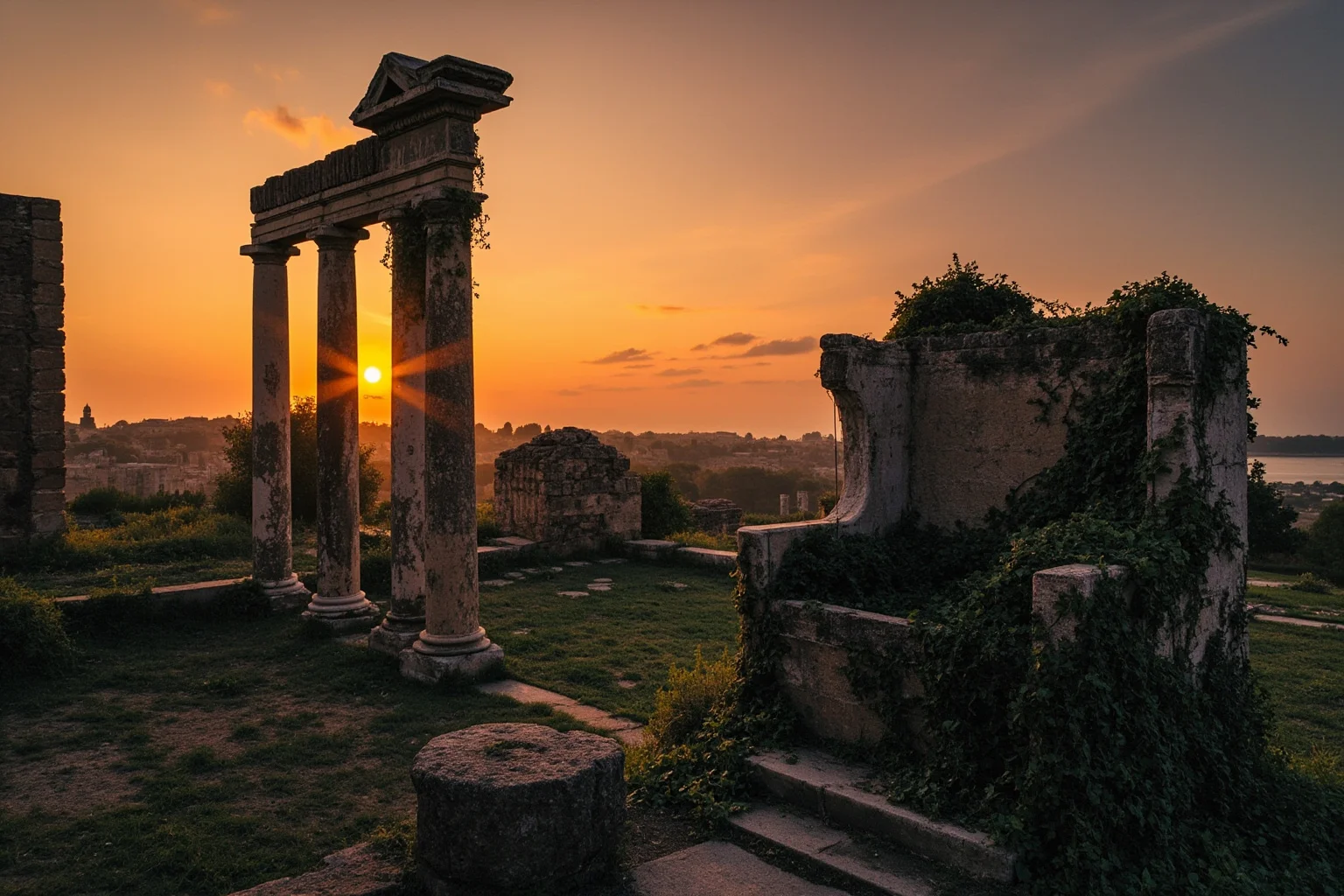
Rome didn’t fall in a single dramatic moment despite what popular culture suggests. The Western Empire spent roughly two centuries losing provinces, suffering currency debasement, and absorbing wave after wave of migrating and invading peoples before the traditional end date of 476 CE.
When the Germanic general Odoacer deposed the last emperor, Romulus Augustulus, many contemporaries barely noticed. Real authority had already shifted to regional strongmen years earlier, making 476 more of a formal footnote than a sudden catastrophe.
2. The Byzantine Empire (A Slow Decline, Then a Sudden End)
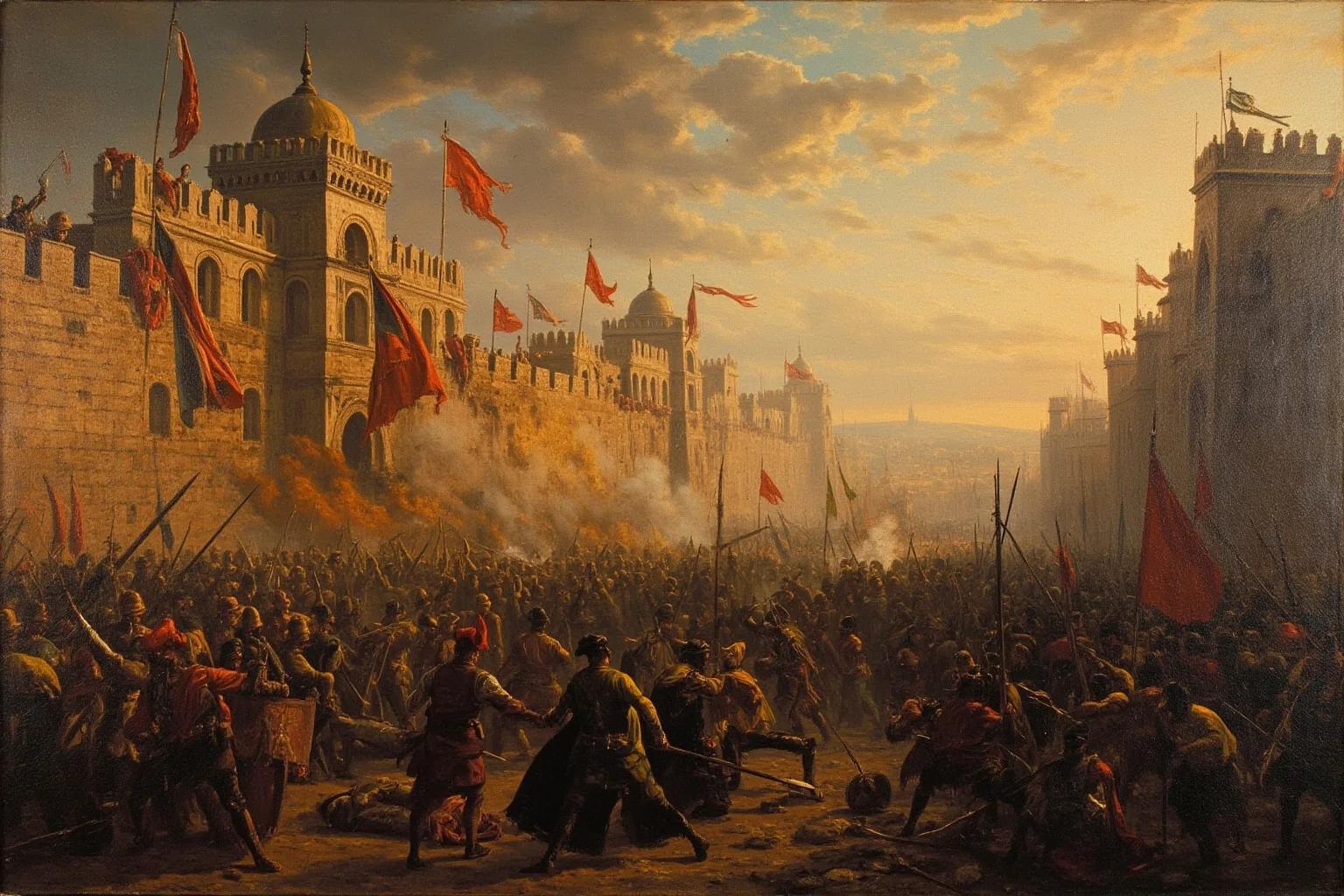
The Eastern Roman Empire, known to historians as Byzantium, actually outlived Rome by nearly a thousand years. It shrank gradually for centuries, losing territory to Arab conquests, Crusader sackings, and Ottoman expansion.
But its final act was sudden: the fall of Constantinople in 1453 to Ottoman forces under Mehmed II happened after a fifty-three-day siege. A civilization with a thousand-year run ended in less than two months of active fighting.
3. The Achaemenid Persian Empire (What Happened to the Persian Empire)
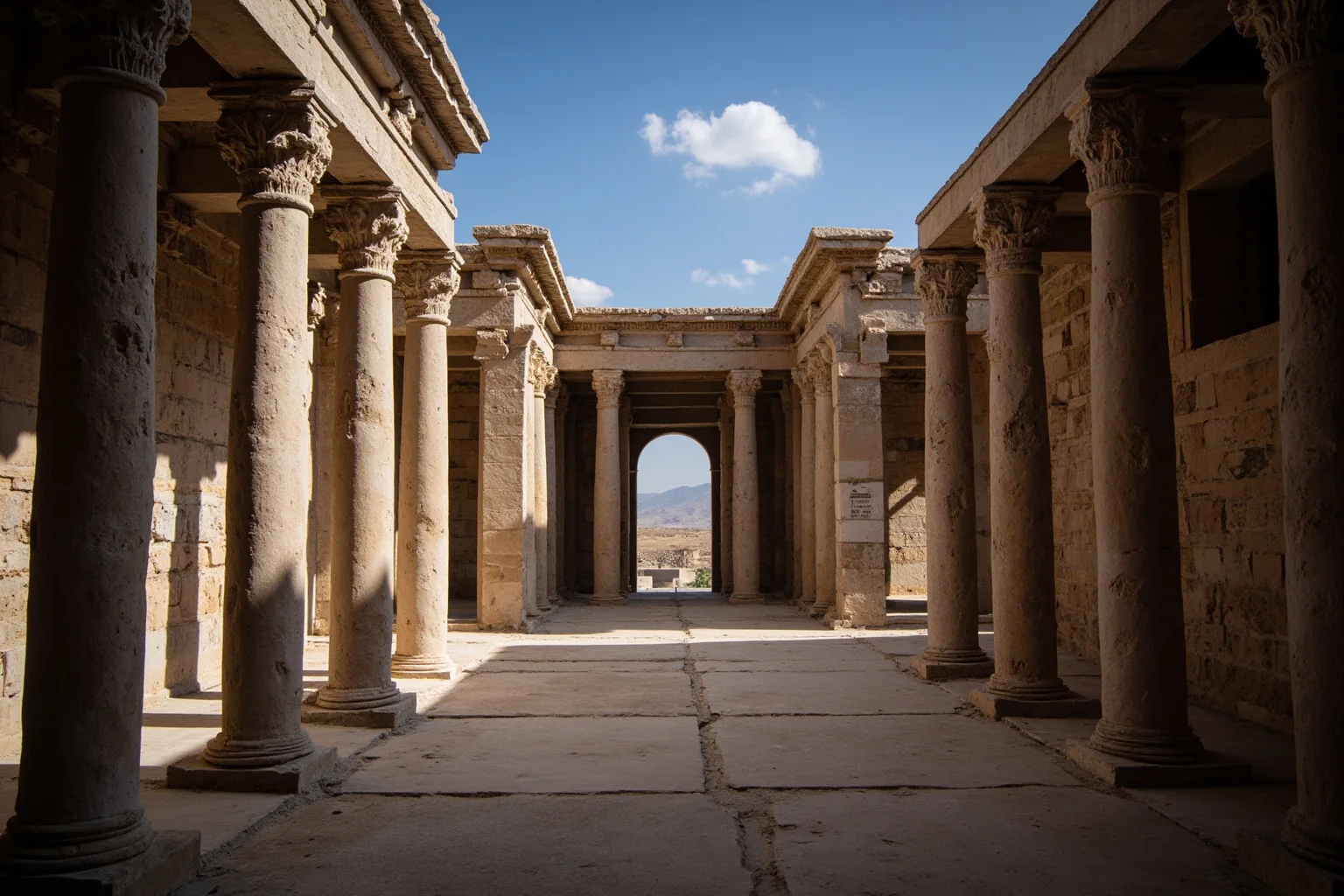
When people ask what happened to the Persian Empire, they’re usually asking about the Achaemenid dynasty founded by Cyrus the Great around 550 BCE. It grew into the largest empire the ancient world had seen, stretching from Egypt to the Indus Valley.
Its end came remarkably fast. Alexander the Great defeated Darius III at the Battle of Gaugamela in 331 BCE, and within a few years the entire Achaemenid state had been absorbed into Alexander’s conquests—an empire generations in the making, undone in roughly a decade.
4. The Sassanid Persian Empire (Persia’s Second Fall)
Persia rebuilt itself under the Sassanid dynasty, ruling from 224 to 651 CE and rivaling Byzantium as a superpower of late antiquity. Constant warfare between the two exhausted both empires in the early seventh century.
That exhaustion left the Sassanids vulnerable when Arab Muslim armies invaded. The empire collapsed within about two decades, another example of a Persian empire falling fast once its foundations had already been quietly weakened.
5. The Assyrian Empire (Which Classical Empire Failed First?)
If you’re wondering which of the classical empires was the first to fail, the Neo-Assyrian Empire is a strong answer. It dominated the ancient Near East through fearsome military campaigns, but a coalition of Babylonians and Medes destroyed its capital, Nineveh, in 612 BCE.
The empire disintegrated within just a few years afterward. It stands as one of the earliest recorded examples of a great power collapsing quickly after seeming unstoppable.
6. The Neo-Babylonian Empire (Fallen Without a Fight)

Babylon’s own empire, famous for Nebuchadnezzar II and the legendary Hanging Gardens, didn’t last much longer than Assyria’s. Persian forces under Cyrus the Great took the city in 539 BCE.
According to ancient accounts, the city fell with surprisingly little resistance, its defenses undermined by internal political discontent. It’s often cited as a textbook case of how do empires fall when leadership loses legitimacy at home before the enemy even arrives.
7. The Mongol Empire (Too Big to Hold Together)
At its height under Genghis Khan and his successors, the Mongol Empire was the largest contiguous land empire in history. Its decline wasn’t a single collapse but a slow fracturing into competing khanates during the 13th and 14th centuries.
Distance, succession disputes, and cultural assimilation into conquered lands did what no army could. Within a century of its peak, the unified Mongol state had effectively ceased to exist as one political entity.
8. The Aztec Empire (Overnight by Historical Standards)
The Aztec Empire controlled much of central Mexico through military dominance and tribute networks. Hernán Cortés arrived in 1519, and by 1521 the capital, Tenochtitlan, had fallen to Spanish forces and their local allies.
Disease, particularly smallpox introduced by Europeans, devastated the population and crippled resistance. An empire that took generations to build was gone within roughly two years.
9. The Inca Empire (Conquest and Civil War Combined)
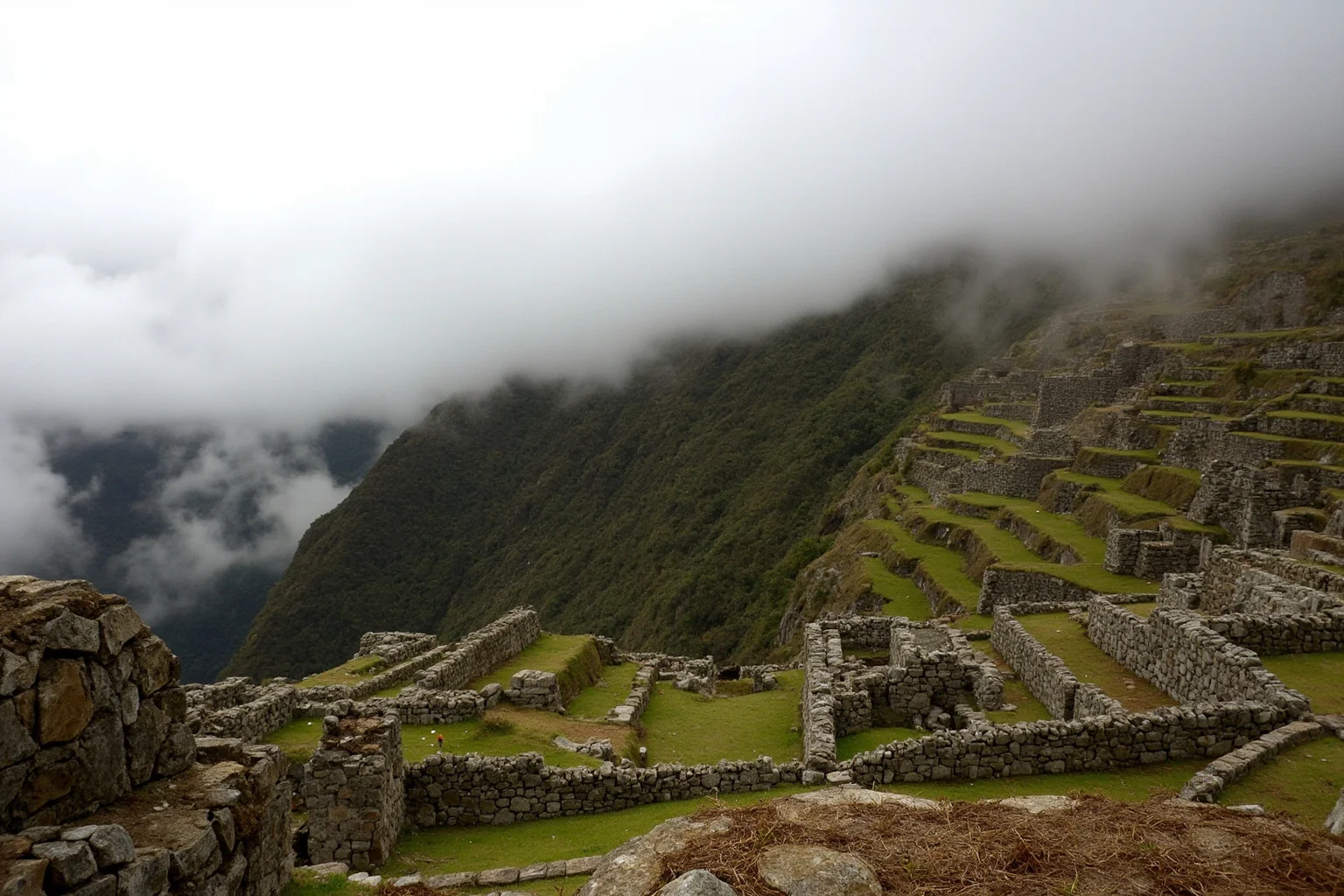
The Inca Empire, the largest in pre-Columbian America, was already weakened by a civil war between rival claimants to the throne when Francisco Pizarro arrived in 1532. Spanish forces captured and executed the emperor Atahualpa within months.
While pockets of Inca resistance held out for decades in remote regions, the imperial state itself collapsed almost immediately. It’s one of history’s clearest examples of an empire falling before it even had time to properly react.
10. The Mali Empire (A Long, Quiet Fade)
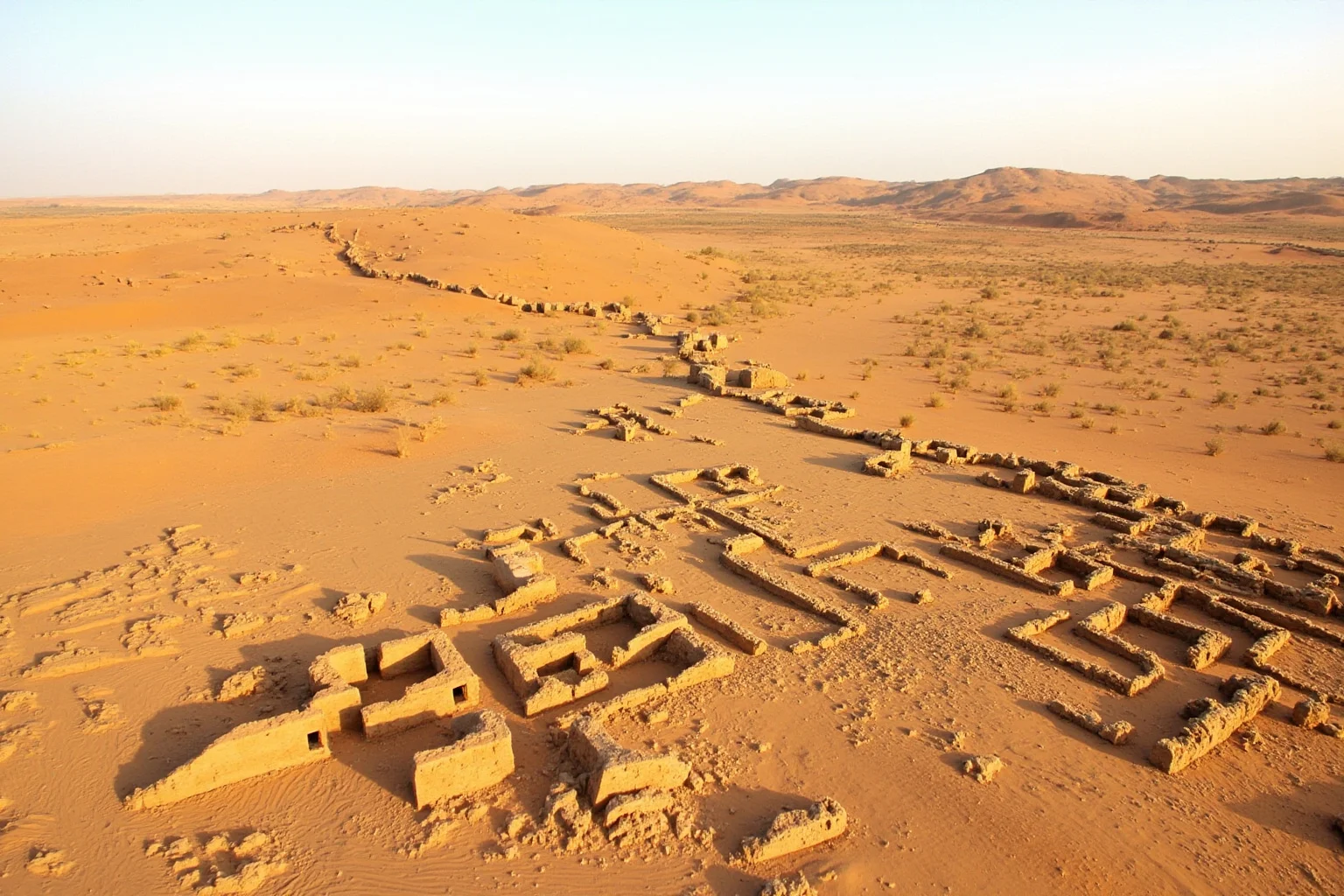
West Africa’s Mali Empire, famous for the fabulous wealth of Mansa Musa in the 14th century, didn’t end in conquest at all. It slowly lost territory and trade dominance to rival Songhai power over roughly two centuries.
By the late 16th century, what remained of Mali was a much smaller regional state rather than a genuine empire. It’s a good reminder that not every empire needs an enemy at the gates to fade away.
11. The Khmer Empire (Environment and Overextension)

Cambodia’s Khmer Empire built the astonishing temple city of Angkor and dominated Southeast Asia for centuries. Its decline through the 14th and 15th centuries is still debated among historians, but likely causes include drought, flooding from an overtaxed water system, and pressure from the rising Ayutthaya kingdom.
The capital was eventually abandoned, and jungle reclaimed much of Angkor for centuries. It’s a slow-motion collapse rather than a dramatic one, driven as much by environment as by war.
12. The Classic Maya Civilization (The Original Mystery Collapse)
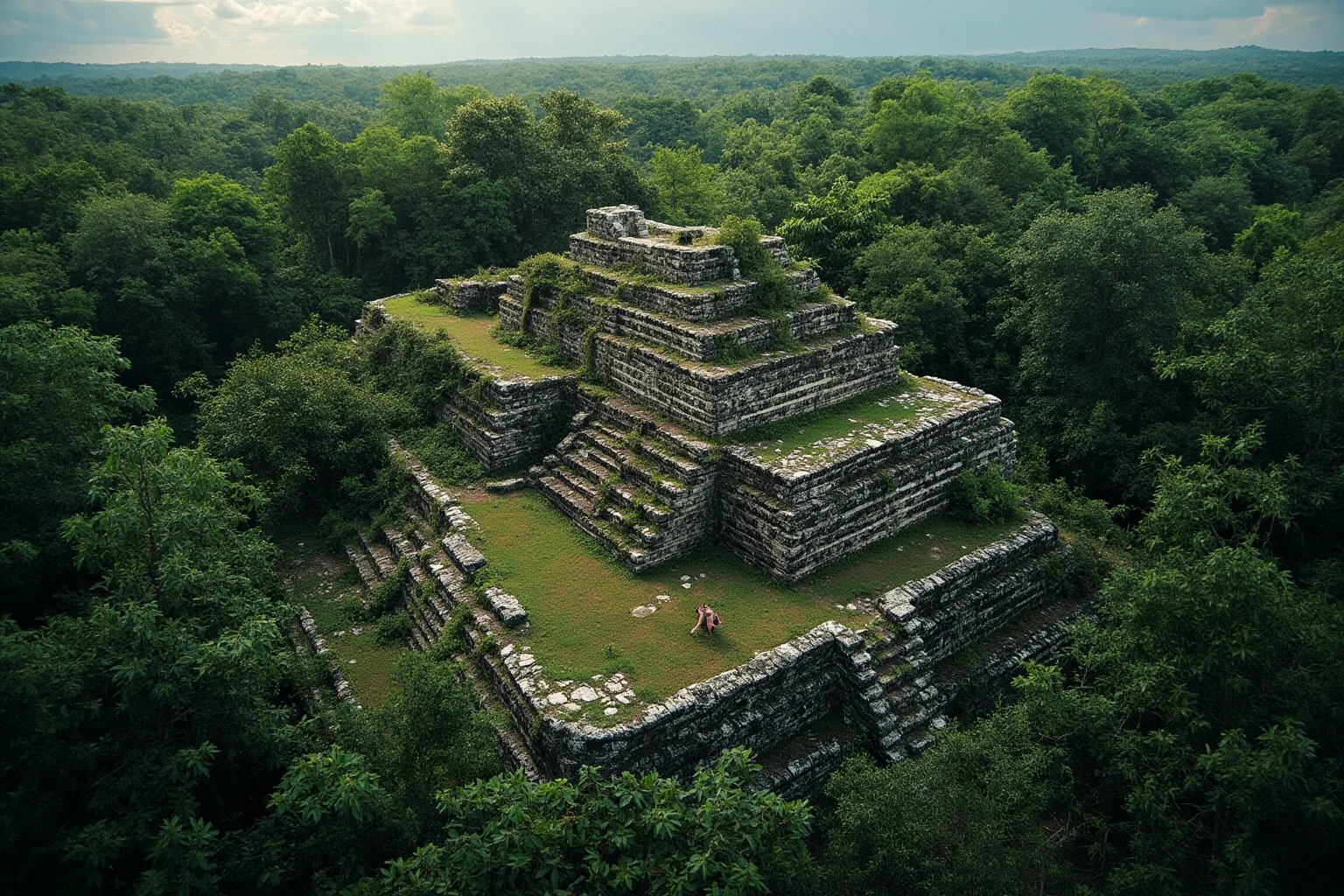
The Maya never formed one unified empire, but their network of city-states reached extraordinary heights before a wave of abandonments swept the southern lowlands between roughly 800 and 900 CE. Drought, warfare between city-states, and resource depletion are the leading explanations.
Crucially, the Maya themselves didn’t vanish—northern cities and Maya peoples continued for centuries afterward. It’s a collapse of political and urban systems, not of an entire civilization, which is an important nuance often lost in pop history.
13. The Ottoman Empire (Slow Decline, Sudden Ending)
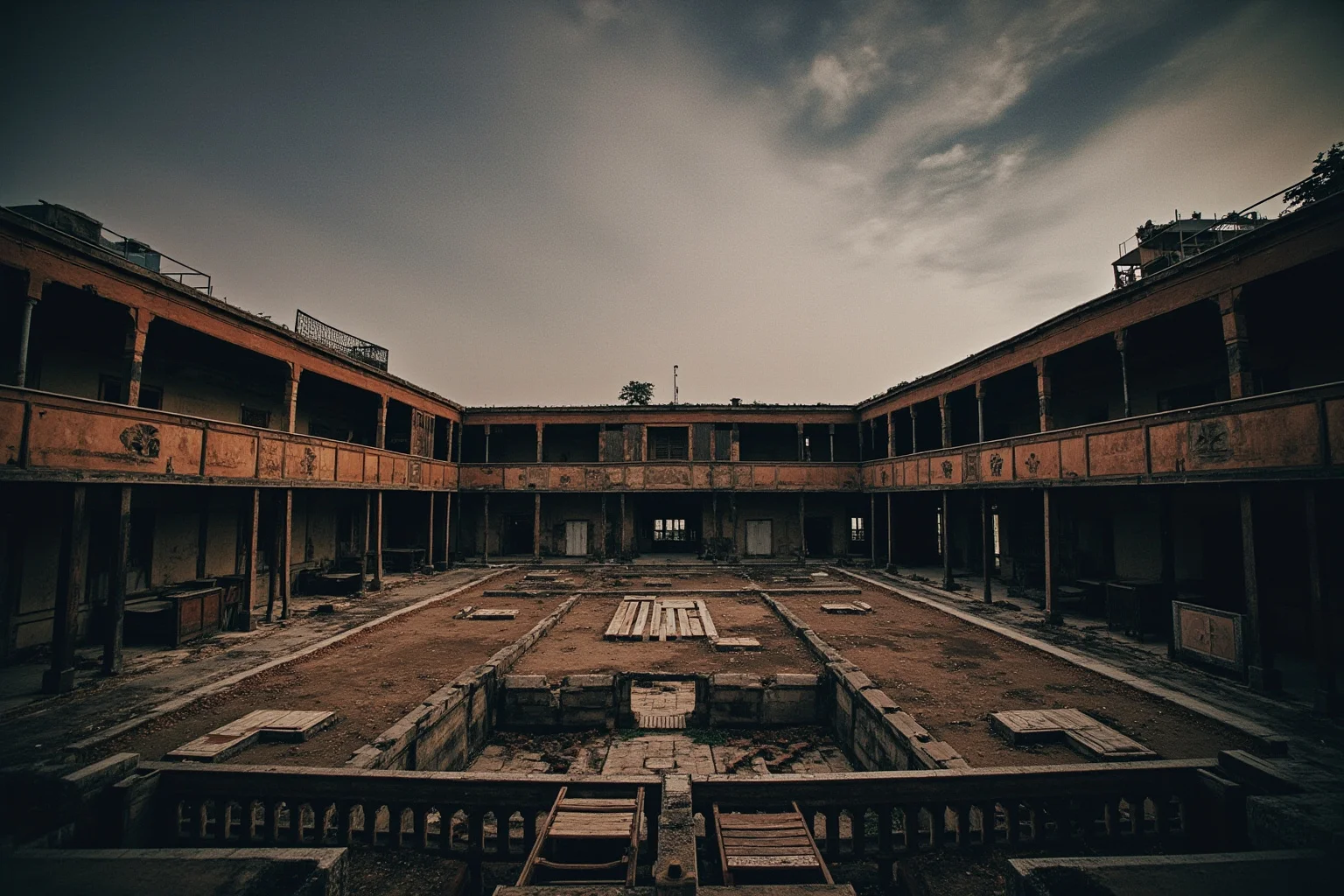
The Ottoman Empire ruled for over 600 years and was once so powerful it besieged Vienna twice. By the 19th century, Europeans openly called it the “sick man of Europe,” a label reflecting decades of territorial loss, debt, and internal reform struggles.
World War I delivered the final blow. The empire that had endured since 1299 was formally dissolved in 1922, making it one of several major empires that collapsed after WWI in a remarkably short window of time.
14. The Austro-Hungarian Empire (Gone Almost Overnight)
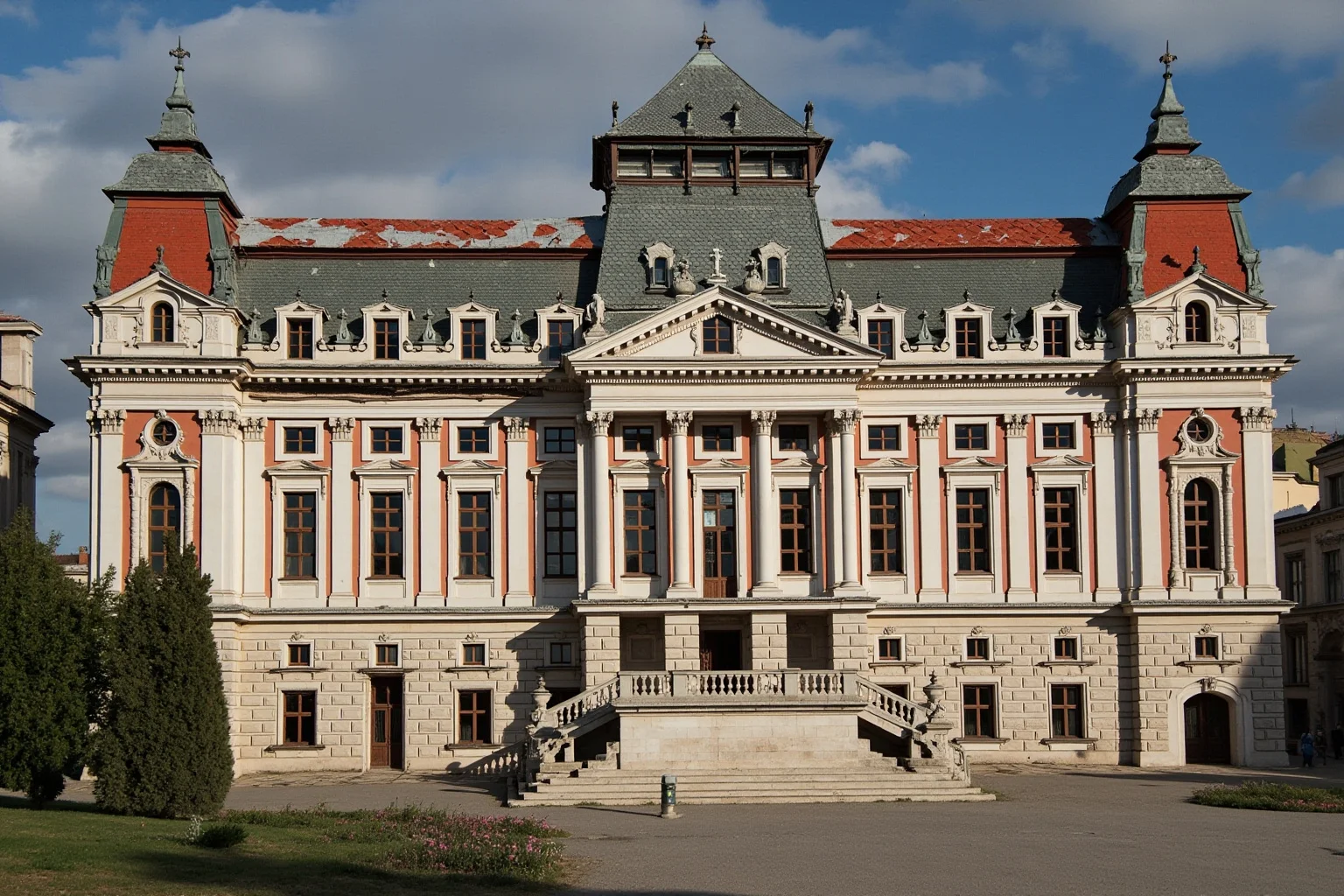
Austria-Hungary entered World War I as one of Europe’s great powers, controlling territory across Central Europe and the Balkans. Defeat in the war triggered an astonishingly fast breakup in 1918, as its many nationalities declared independence within weeks of each other.
What took the Habsburg dynasty centuries to assemble disappeared in essentially a single autumn. It’s one of the clearest overnight-empire-falling stories in modern history.
15. The Russian Empire (Revolution, Not Erosion)
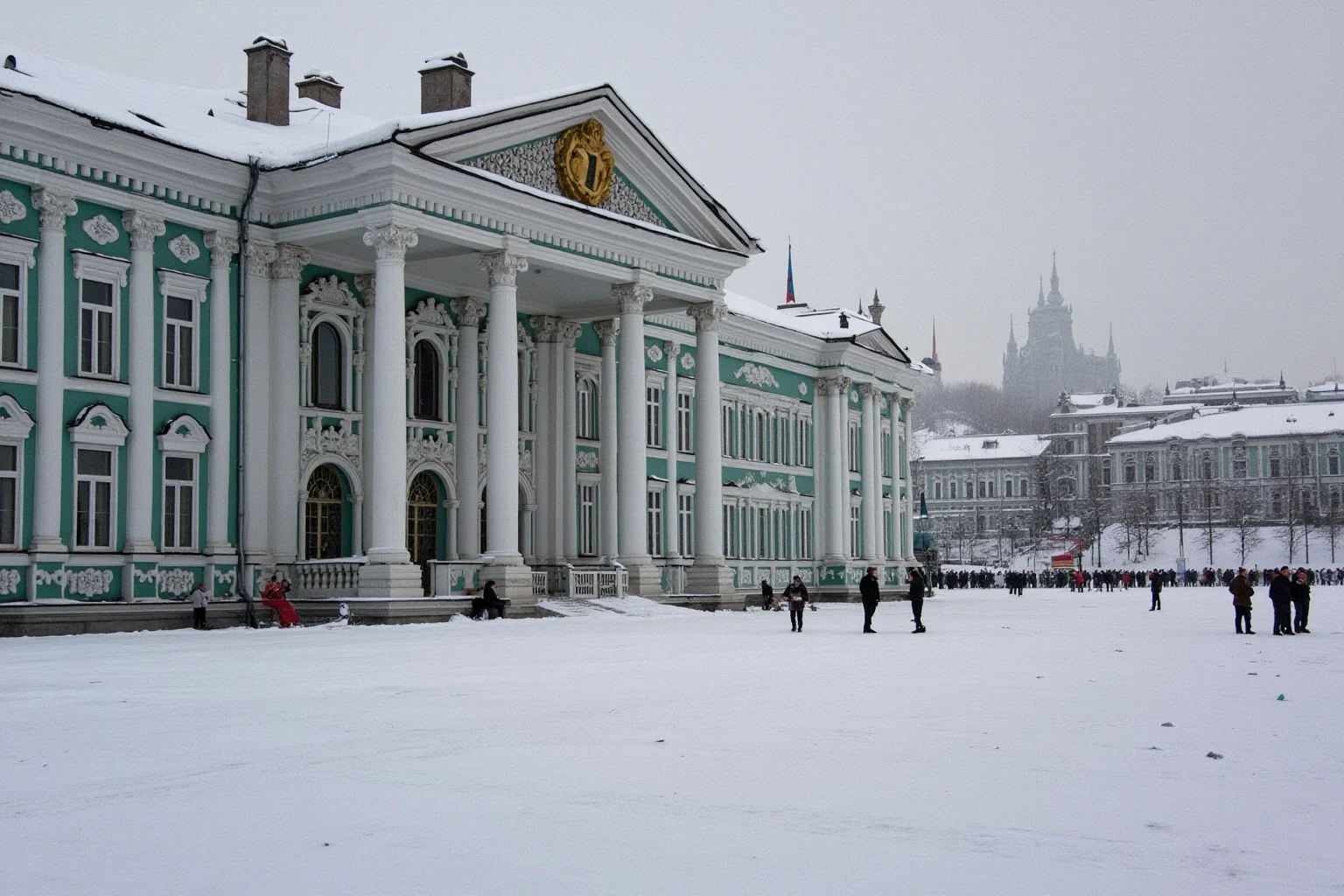
The Romanov dynasty had ruled Russia since 1613, but decades of unrest, military defeats, and economic strain finally boiled over during World War I. The February Revolution of 1917 forced Tsar Nicholas II to abdicate within days.
The empire’s collapse fed directly into the Russian Civil War and the eventual rise of the Soviet Union. Like Austria-Hungary, this was an empire falling in a matter of weeks after generations of slower-building pressure.
16. The German Empire (The Second Reich’s Short Life)
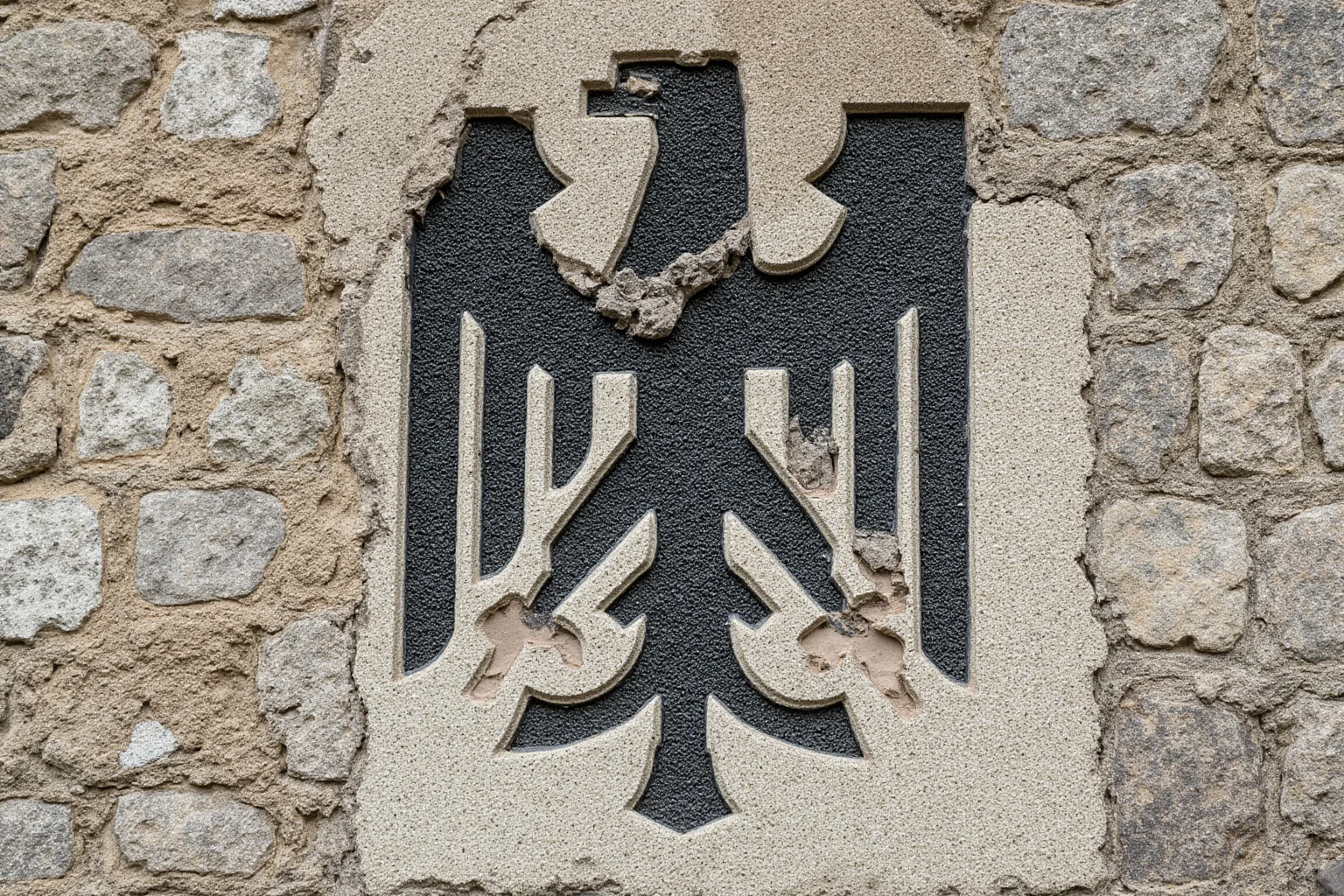
Unified in 1871, the German Empire lasted less than fifty years before military defeat in World War I and the Kaiser’s abdication in November 1918 brought it down. Domestic unrest, food shortages, and naval mutinies accelerated its final weeks.
It’s another entry in the cluster of empires that collapsed after WWI, alongside Austria-Hungary, Russia, and the Ottomans. Together those four collapses redrew the map of Europe and the Middle East almost simultaneously.
17. The Qing Dynasty (China’s Last Imperial House)
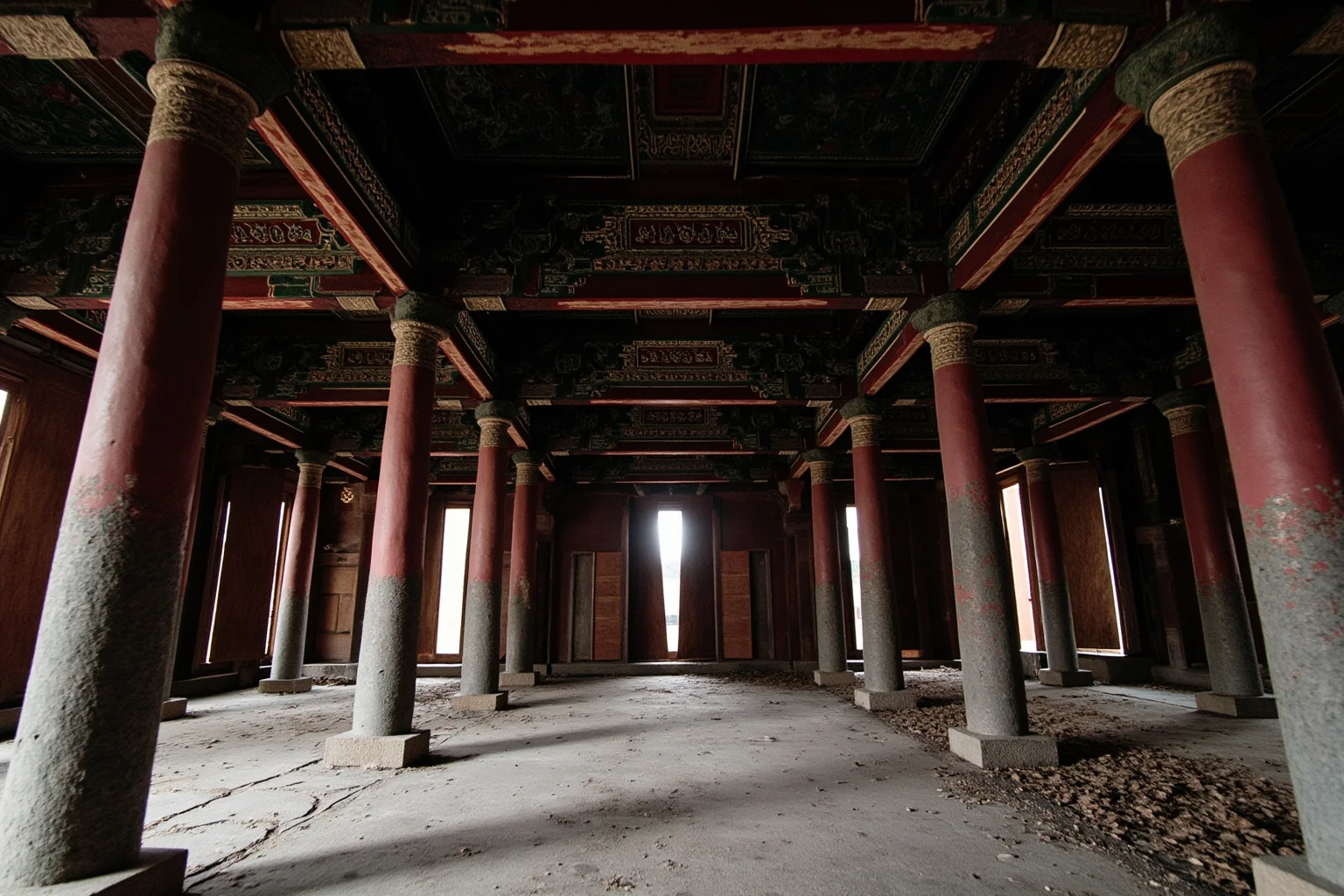
China’s imperial system stretched back over two thousand years, but the Qing dynasty, its final ruling house, collapsed in 1912 after the Xinhai Revolution. Decades of foreign intervention, internal rebellions, and failed reform attempts had already weakened it badly.
The abdication of the child emperor Puyi ended not just a dynasty but the entire concept of imperial rule in China. It’s frequently cited in discussions of what was the last empire to exist within a specific, multi-millennia continuous tradition.
18. The British Empire (Decolonization Over Decades)
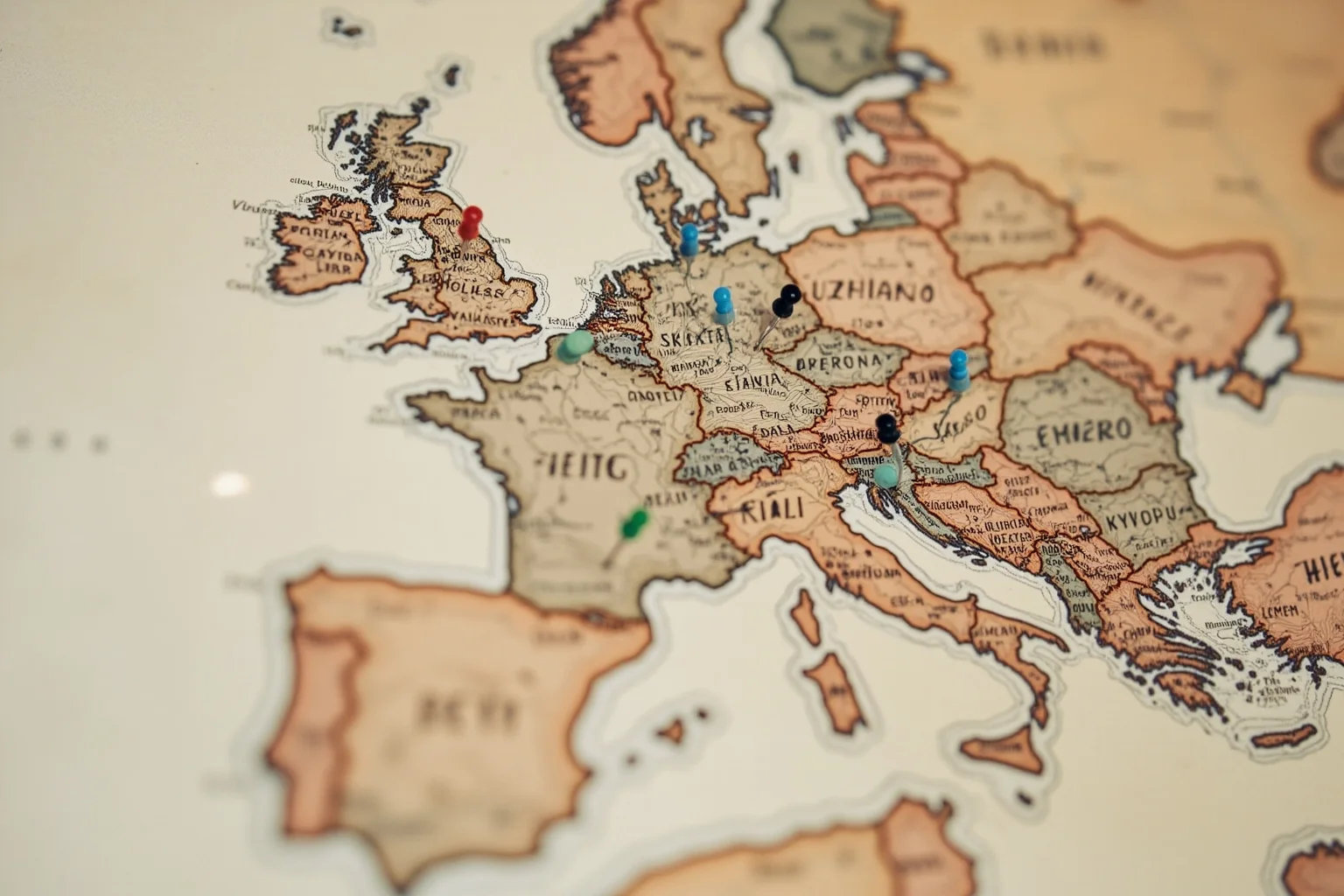
At its peak, the British Empire covered roughly a quarter of the world’s land, giving rise to the phrase “the empire on which the sun never sets.” Its decline was gradual, unfolding through decolonization movements across Asia and Africa mainly between the 1940s and 1960s.
India’s independence in 1947 is often treated as the symbolic turning point. Formal empire faded into the more limited Commonwealth of Nations, a slow institutional wind-down rather than a single collapse.
19. The Soviet Union (A Modern Empire, Gone Fast)
While not a traditional empire in name, the Soviet Union functioned as one, controlling diverse nations and satellite states across Eastern Europe and Central Asia. Economic stagnation and reform efforts under Mikhail Gorbachev in the 1980s set the stage for its unraveling.
The formal dissolution came on December 26, 1991, after a series of republics declared independence in rapid succession. A superpower that had shaped global politics for nearly seventy years ended in a matter of months, making it one of the fastest empire collapses of the 20th century.
20. The Ethiopian Empire (One of the Last True Empires)
Ethiopia maintained an imperial monarchy tracing legendary descent from Solomon, with Emperor Haile Selassie ruling from 1930 until a military coup, the Derg, overthrew him in 1974. Famine, political unrest, and a stagnant feudal land system had steadily undercut royal authority for years beforehand.
Haile Selassie died in 1975 under circumstances still debated by historians, and the monarchy was formally abolished in 1975. It’s one of the last genuine hereditary empires to disappear from the world stage.
21. The Central African Empire (Arguably the Last Empire on Earth)
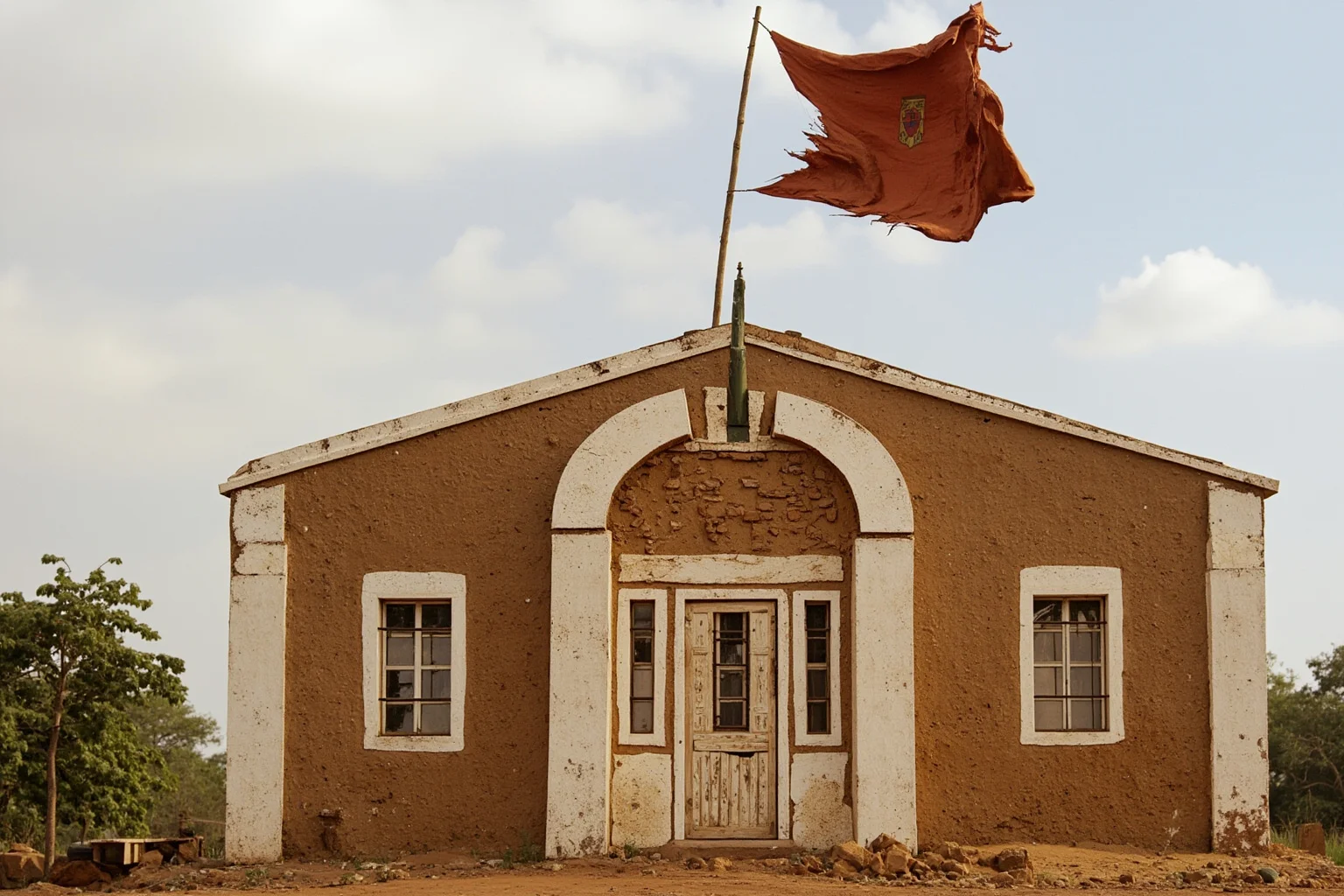
If you’re asking what was the last empire to fall, or looking for the last empire in the world by name, this obscure case usually wins. In 1976, Central African Republic president Jean-Bédel Bokassa declared himself emperor and renamed the country the Central African Empire.
It lasted only three years. A coup backed by French forces overthrew Bokassa in 1979, restoring the republic and closing out what many historians treat as the literal last state to officially carry the title “empire.” It’s a strange, often-overlooked footnote to a very long story of empires collapsing.
What This Tells Us About Power
Looking across 3,000 years of empires that collapsed, a pattern emerges: the ones that fell slowly usually had time to adapt, negotiate, or fragment into smaller successor states. The ones that fell overnight tended to be sitting on unresolved internal cracks that a single shock—war, revolution, conquest—finally exposed. It’s a pattern that echoes through other historical events that quietly reshaped the world, not just the collapse of empires.
Neither pattern makes an empire less real or its history less significant. Civilizations that collapsed, whether over centuries like Rome or in months like the Soviet Union, all leave behind institutions, languages, and ideas that outlast the political structures themselves.
The Bigger Picture
Every empire in recorded history has eventually ended, which is really the only universal rule historians agree on. All empires fall, but they don’t all fall the same way, and pretending otherwise flattens a genuinely fascinating and varied history into a single myth.
What’s left behind—law codes, trade networks, architecture, language—often matters more in the long run than the exact date an empire’s final ruler stepped down. That’s the real lesson buried inside every one of these 21 collapses.
Frequently Asked Questions
What was the last empire?
There's no single agreed-upon answer, because it depends on how strictly you define "empire." If you mean the last state to formally use the title, the Central African Empire (1976–1979) under Jean-Bédel Bokassa is often cited as the last. If you mean the last major hereditary monarchy ruling a large multi-ethnic territory, many historians point to the Ethiopian Empire, which ended in 1974–1975.
What happened to the Persian Empire?
Persia had several empires. The Achaemenid Empire, founded by Cyrus the Great, was conquered by Alexander the Great after 331 BCE. A later Persian empire, the Sassanid dynasty, fell to Arab Muslim armies in the mid-7th century CE. Modern Iran is the successor state to this long Persian imperial tradition, though it has been a republic-style or monarchical nation-state rather than an empire since the 20th century.
Which of the classical empires was the first to fail?
Among the great empires of the ancient Near East, the Neo-Assyrian Empire is generally considered one of the earliest to collapse, falling in 612 BCE when a coalition of Babylonians and Medes destroyed its capital, Nineveh. This predates the fall of Babylon, the Achaemenid Persian Empire, and later classical powers like Rome.
What empires collapsed after WWI?
Four major empires collapsed in the aftermath of World War I: the German Empire, the Austro-Hungarian Empire, the Russian Empire, and the Ottoman Empire. All four fell within a few years of each other between 1917 and 1922, reshaping the map of Europe and the Middle East.
How do empires fall?
Empires typically collapse due to some combination of military defeat, economic exhaustion, succession crises, internal rebellion, and overextension beyond what their institutions can administer. Some empires decline gradually over centuries as these pressures build, while others collapse suddenly once a single major shock—like a lost war or revolution—exposes weaknesses that had already been building for years.
Is there a last empire in the world today?
No country today officially calls itself an empire in the traditional sense. Japan retains an emperor as a ceremonial head of state, but Japan functions as a constitutional monarchy, not an empire in the historical political sense of ruling over multiple conquered territories or peoples.

Alex Warren
Related Articles





